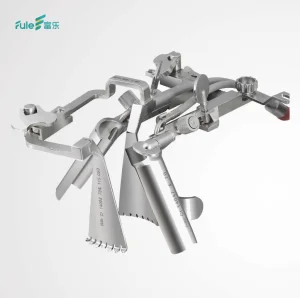
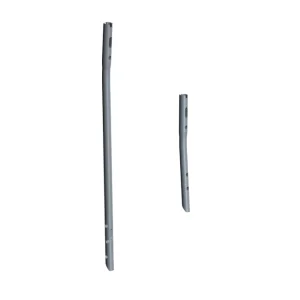
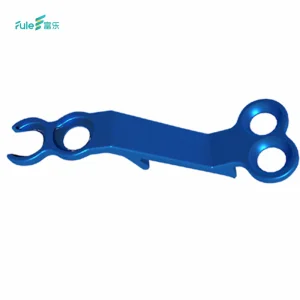
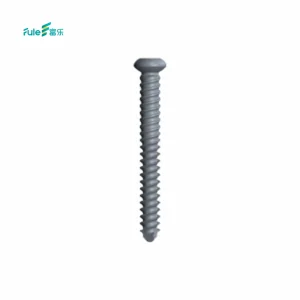
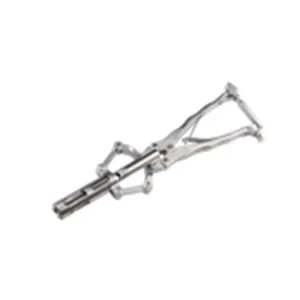
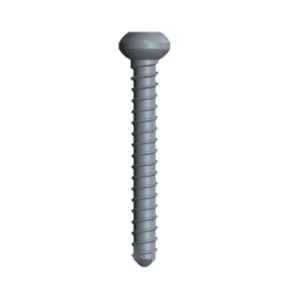
In modern clinical practice, the management of skeletal trauma requires more than standard fixation. Surgical success is dictated by mechanical alignment accuracy, osteosynthesis kinetics, and biocompatibility constraints. As a premier China Wholesale Traumatic System Factory & Exporter with 30 years of industry experience, we recognize that the interface between implant and cortical bone represents a critical biomedical threshold.
Our comprehensive traumatic implant and instrument suites focus on addressing primary stability, reducing surgical times, and optimizing patient rehabilitation pathways. By utilizing medical-grade Titanium Alloys (Ti-6Al-4V ELI) and Ultra-Clean Stainless Steel configurations, our manufacturing pipelines transform clinical requirements into highly reliable orthopaedic solutions. This industry report outlines our engineering methodologies, manufacturing capacities, technological roadmap, and strategic supply chain protocols designed for global hospital purchasing groups, wholesale distributors, and OEM/ODM clients.
"Clinical efficacy begins with metallurgical perfection. Every locking plate, intramedullary nail, and pedicle screw we produce must endure strict mechanical validation to ensure long-term in vivo performance and reduce the risk of structural failure."
To ensure transparency and maintain compliance with Google's E-E-A-T guidelines, we provide fully audited structural and production metrics. Established in 1996, our factory represents a milestone of manufacturing excellence in China, operating with certifications recognized by international auditing bodies.
Our international footprint spans key regions, with Domestic Market (40%), Eastern Europe (15%), and Southeast Asia (10%) representing our core demographic areas. We specialize in providing tailored solutions for distributors, hospital groups, and wholesalers requiring customizable options such as sample processing, graphic processing, and on-demand custom design.
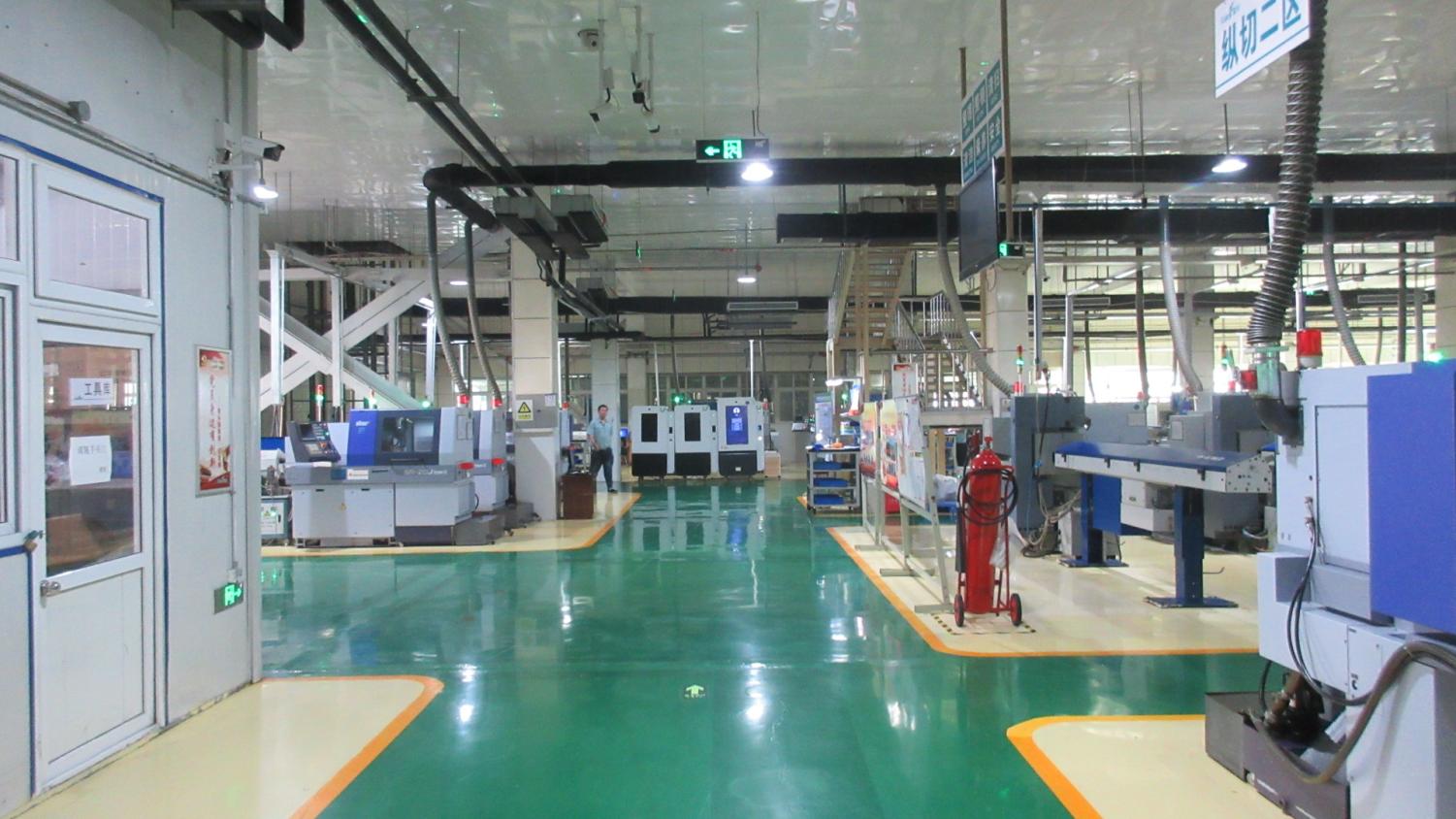
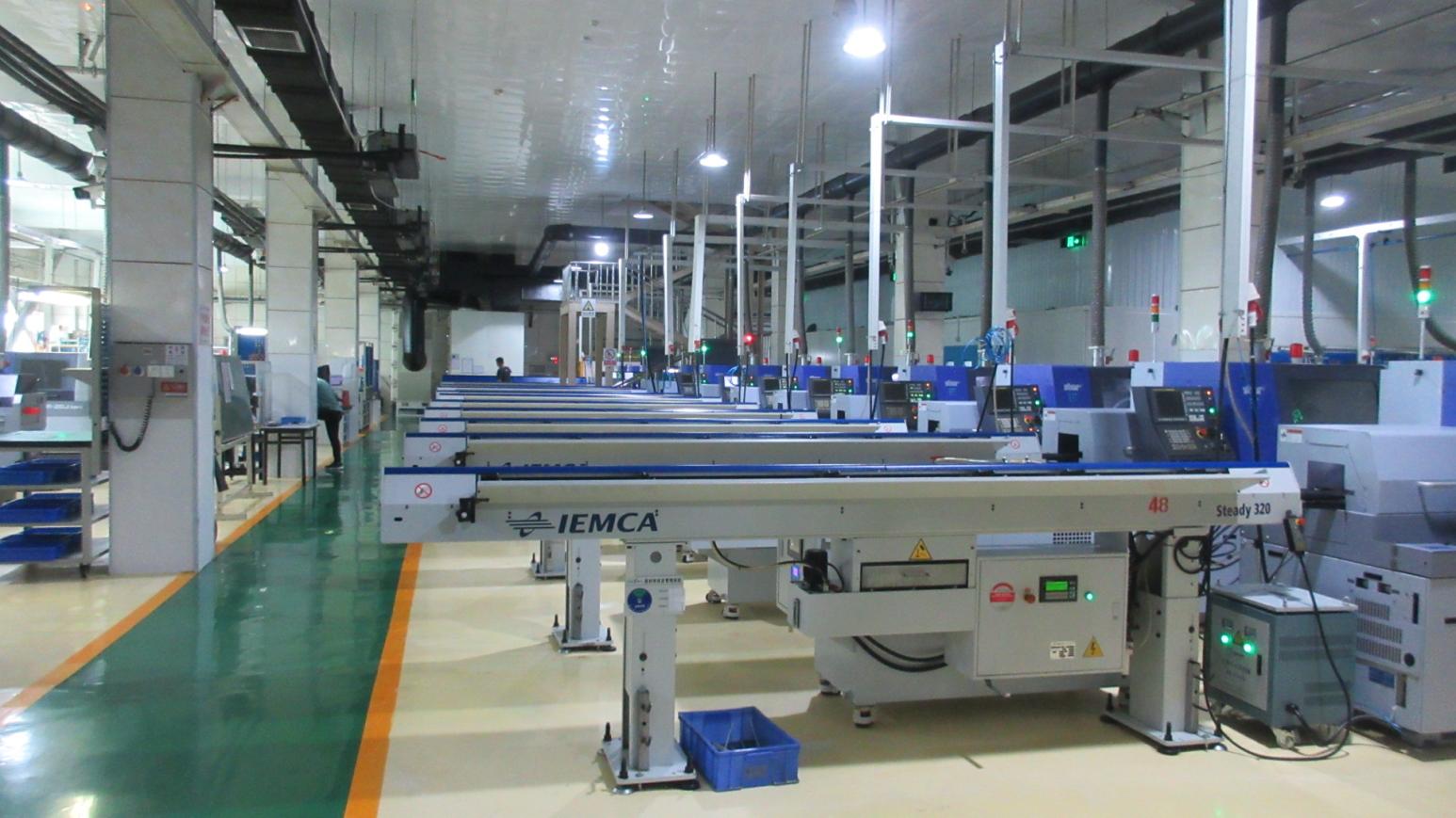
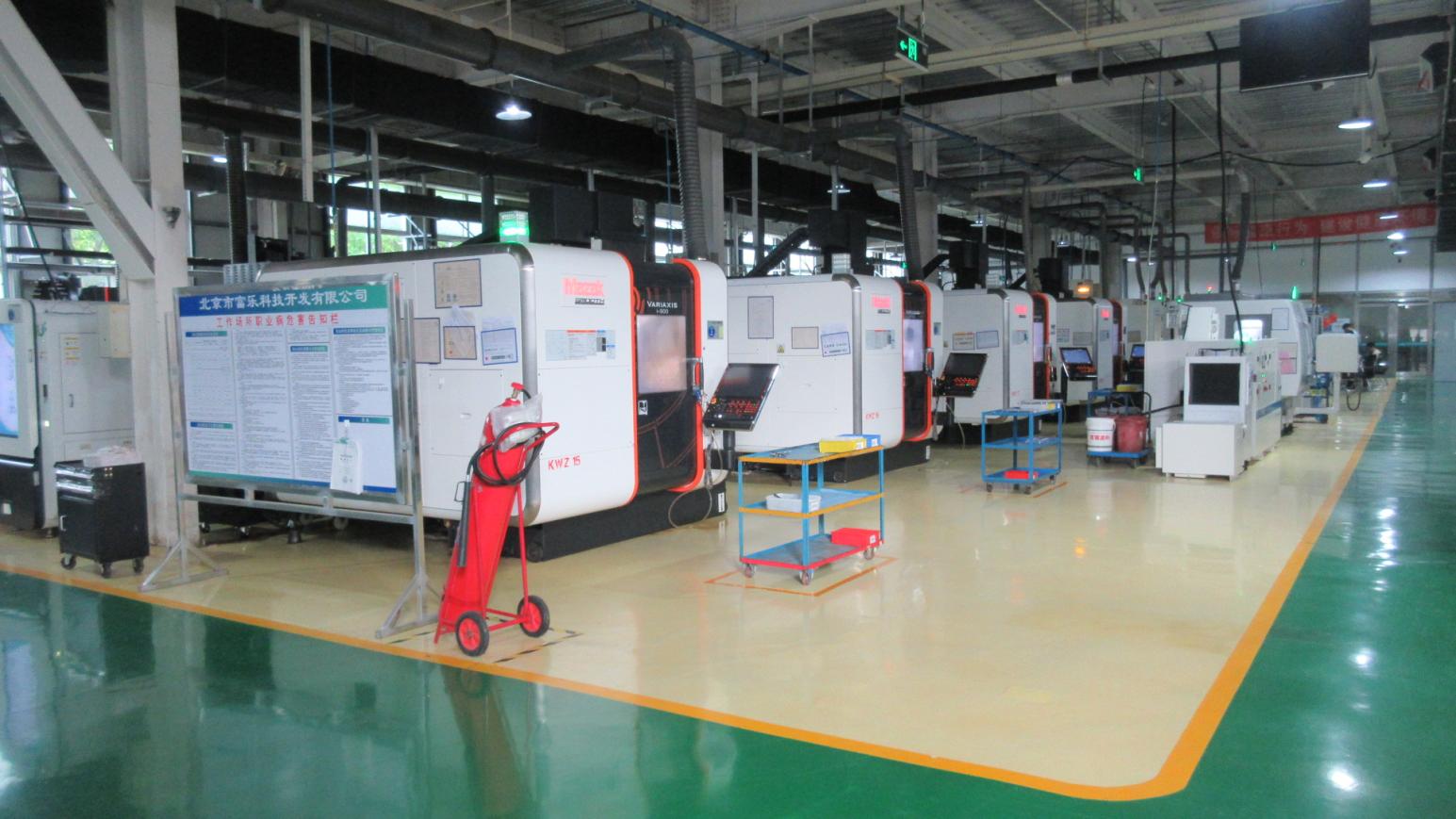
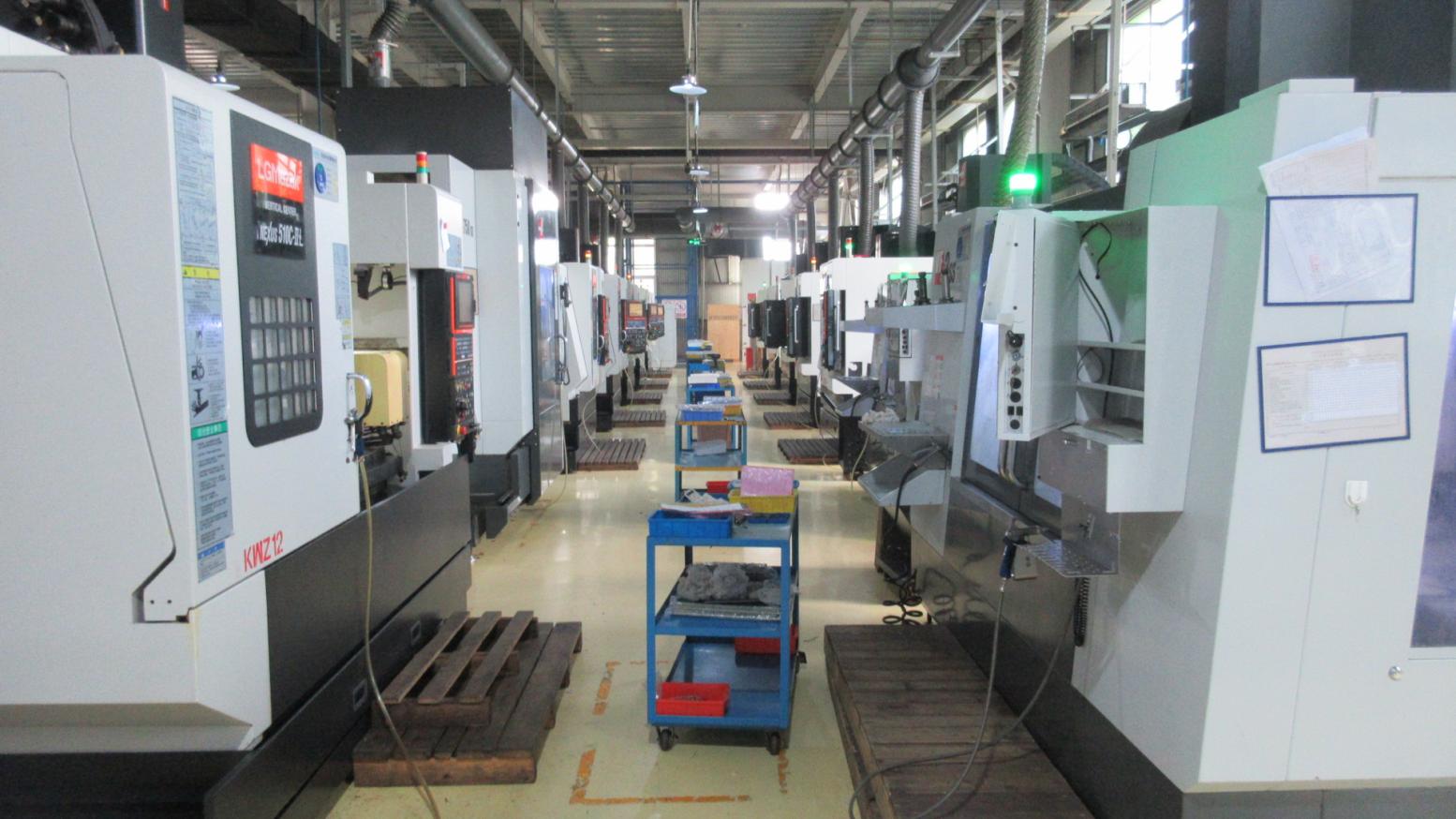
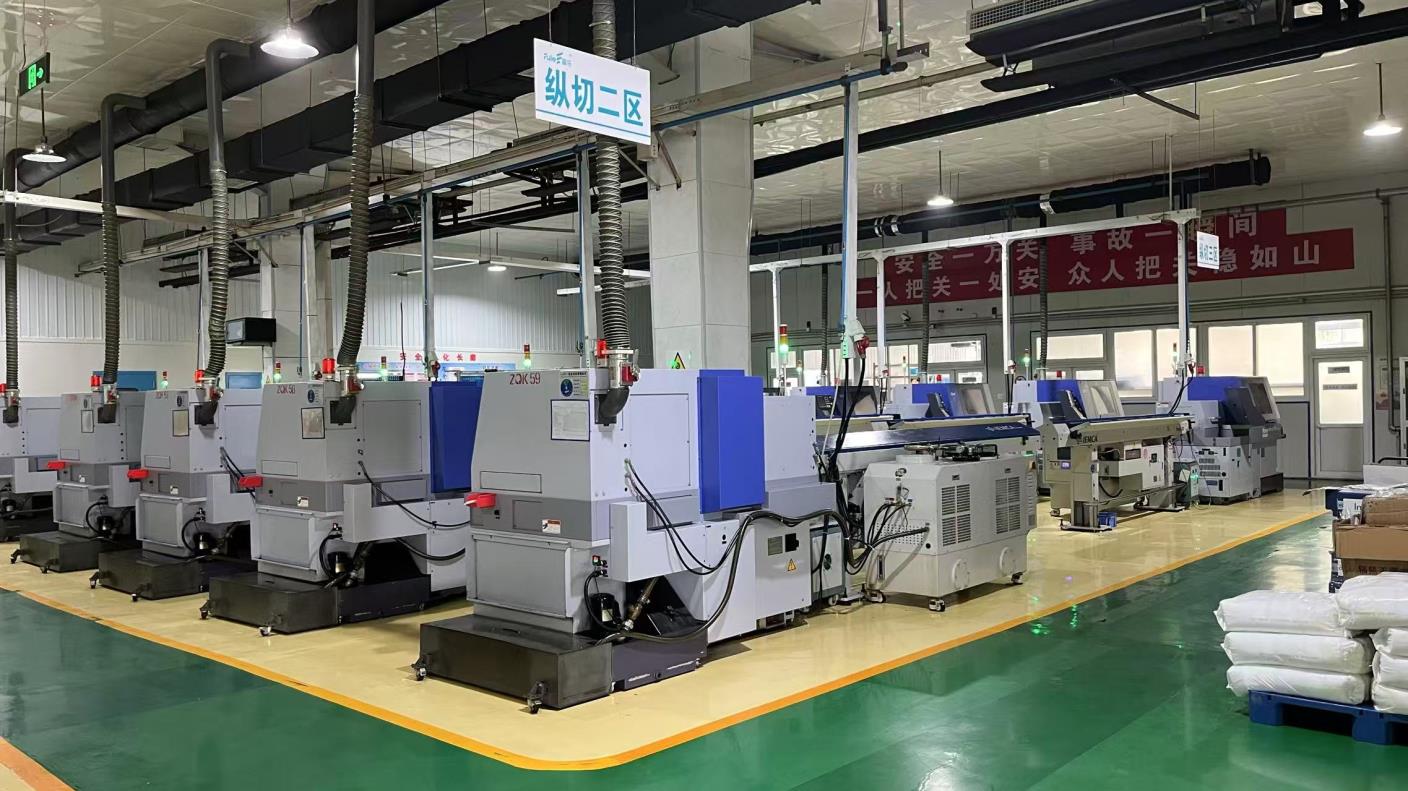
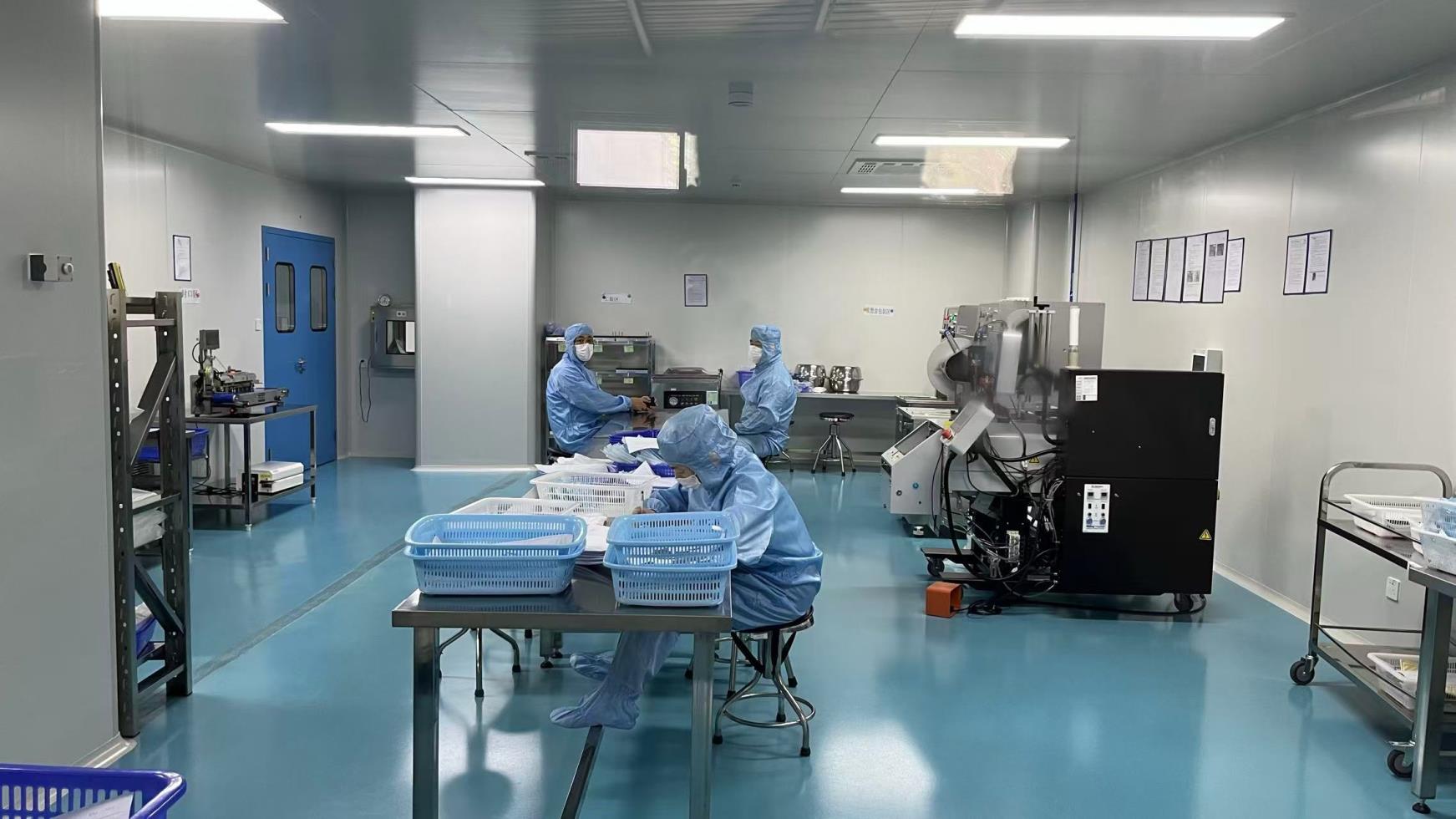
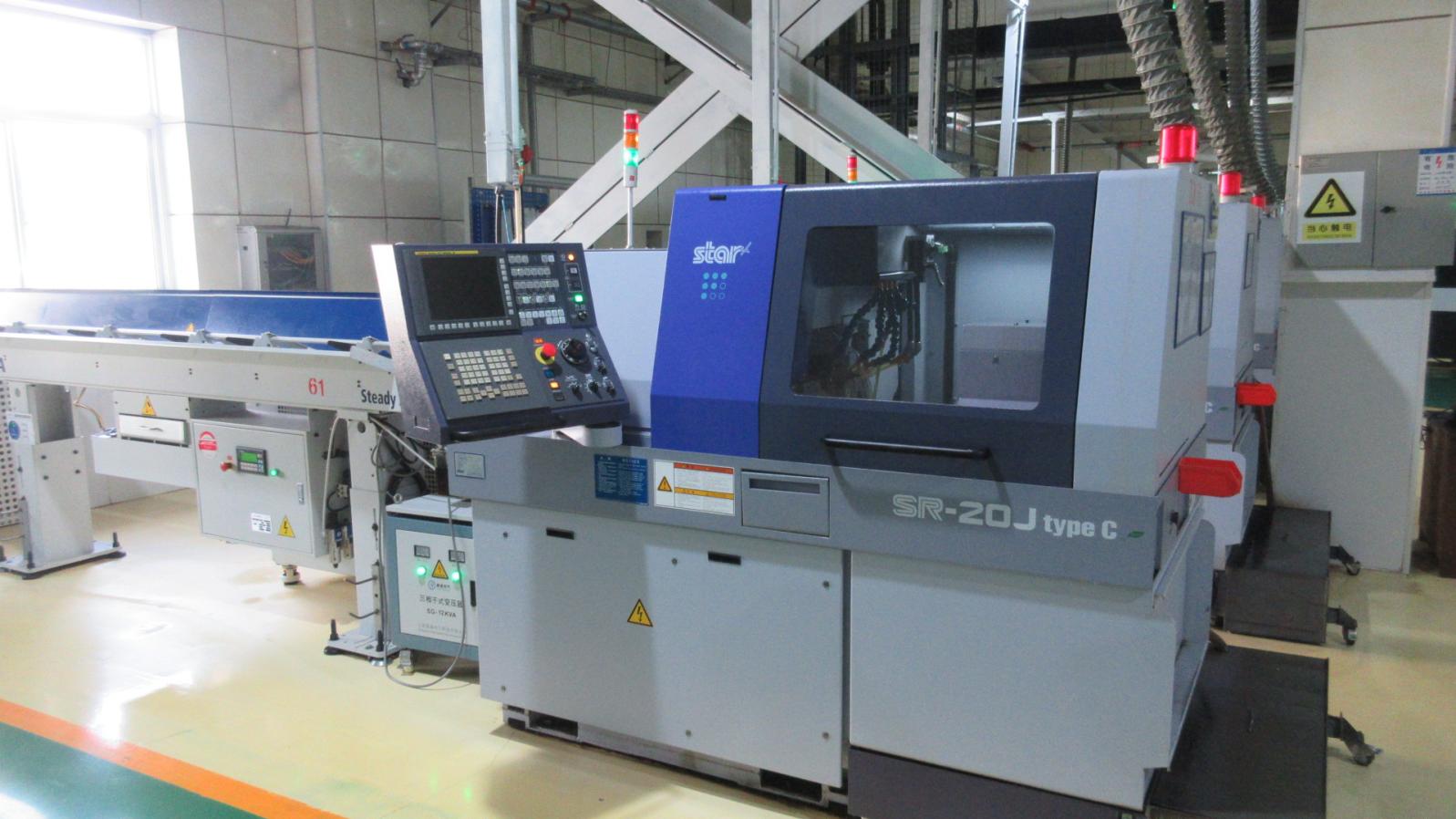
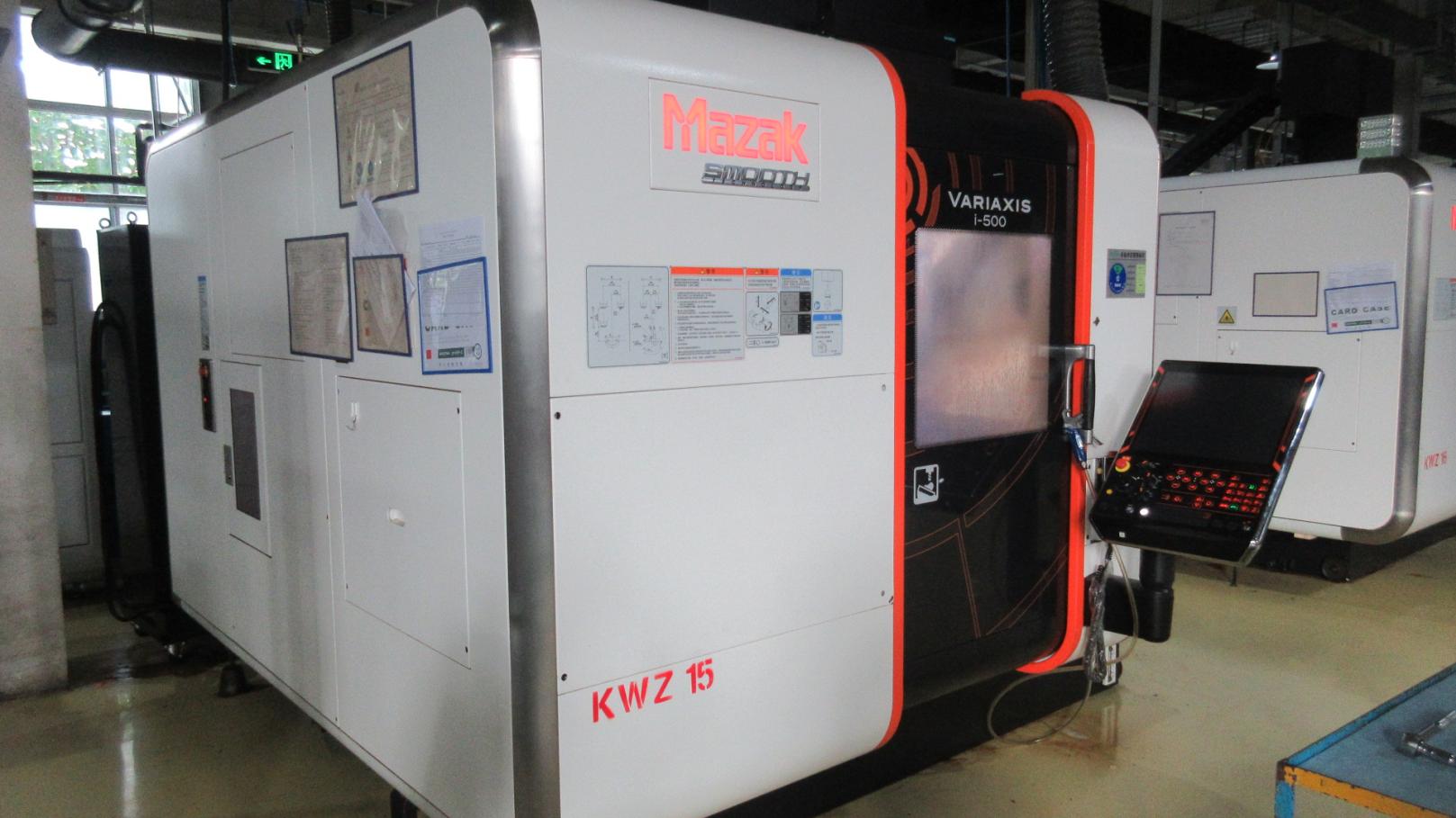
Manufacturing medical implants requires extreme precision, where dimensions are measured in microns and material structures must be meticulously controlled. Our 10,000 square meter facility operates using advanced manufacturing principles. By utilizing high-precision CNC multi-axis milling machines, swiss-type lathes, and cleanroom packaging facilities, we maintain tight control over every stage of the manufacturing process.
Our factory features an integrated production flow that ensures consistent quality and scalability:
Procuring orthopedic implants involves managing complex technical requirements, regulatory certifications, and supply chain logistics. Hospital purchasing groups and wholesale distributors face common challenges that our operation is built to address:
Navigating international medical regulations is critical. Our facilities and products carry ISO 13485 certification, aligning our quality management systems with global medical standards. We provide comprehensive documentation support, including material test reports, sterilization validation, and CE conformity files, to help streamline regulatory clearances in target markets.
Implant shortages can disrupt surgical schedules. With a capacity of 511,000 units annually, we help mitigate supply chain risks. Our network of 70 trusted supply chain partners ensures access to raw materials even during market fluctuations, helping to protect our clients from supply disruptions.
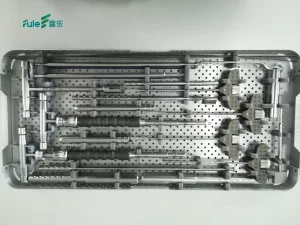
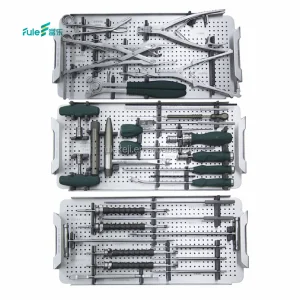
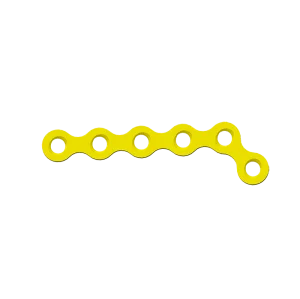
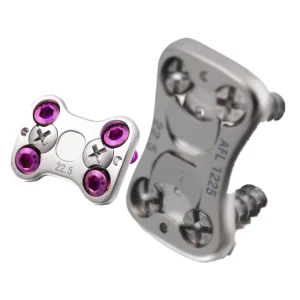
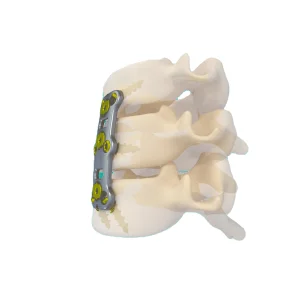
Different patient demographics and surgical styles require specialized instrumentation. Our 20-person R&D department provides customized design services to match specific anatomical requirements. Whether adjusting thread pitches, customizing cervical plate profiles, or designing specialized instrument boxes, our engineering team can translate technical drawings into clinical-grade products.
As surgical techniques shift toward tissue-sparing protocols, implant designs must adapt. Our engineering roadmap focuses on three main technological pillars:
Designing lower-profile plates and specialized instruments to minimize soft-tissue disruption during surgical insertion. This includes expanding our range of percutaneous targeting guides and specialized tools for spine and long-bone fixation.
Developing specialized surface structures, including acid-etched and grit-blasted finishes, to promote osseointegration. We are also exploring anodization methods to improve wear resistance in joint-adjacent systems.
Investing R&D resources into magnesium alloy and biodegradable polymer systems. These materials are designed to provide temporary stabilization before naturally absorbing, potentially reducing the need for secondary implant removal procedures.
We work closely with logistics partners to ensure safe delivery across international borders. Orthopaedic implants require careful handling; we utilize custom packaging, protective foam inserts, and moisture-resistant barrier layers to preserve product integrity during transit.
We coordinate with logistics providers such as DHL, FedEx, and sea freight lines to accommodate different delivery timelines. Additionally, our regulatory team is prepared to assist clients with local registration processes by providing technical files, certificates of free sale, and compliance documentation.
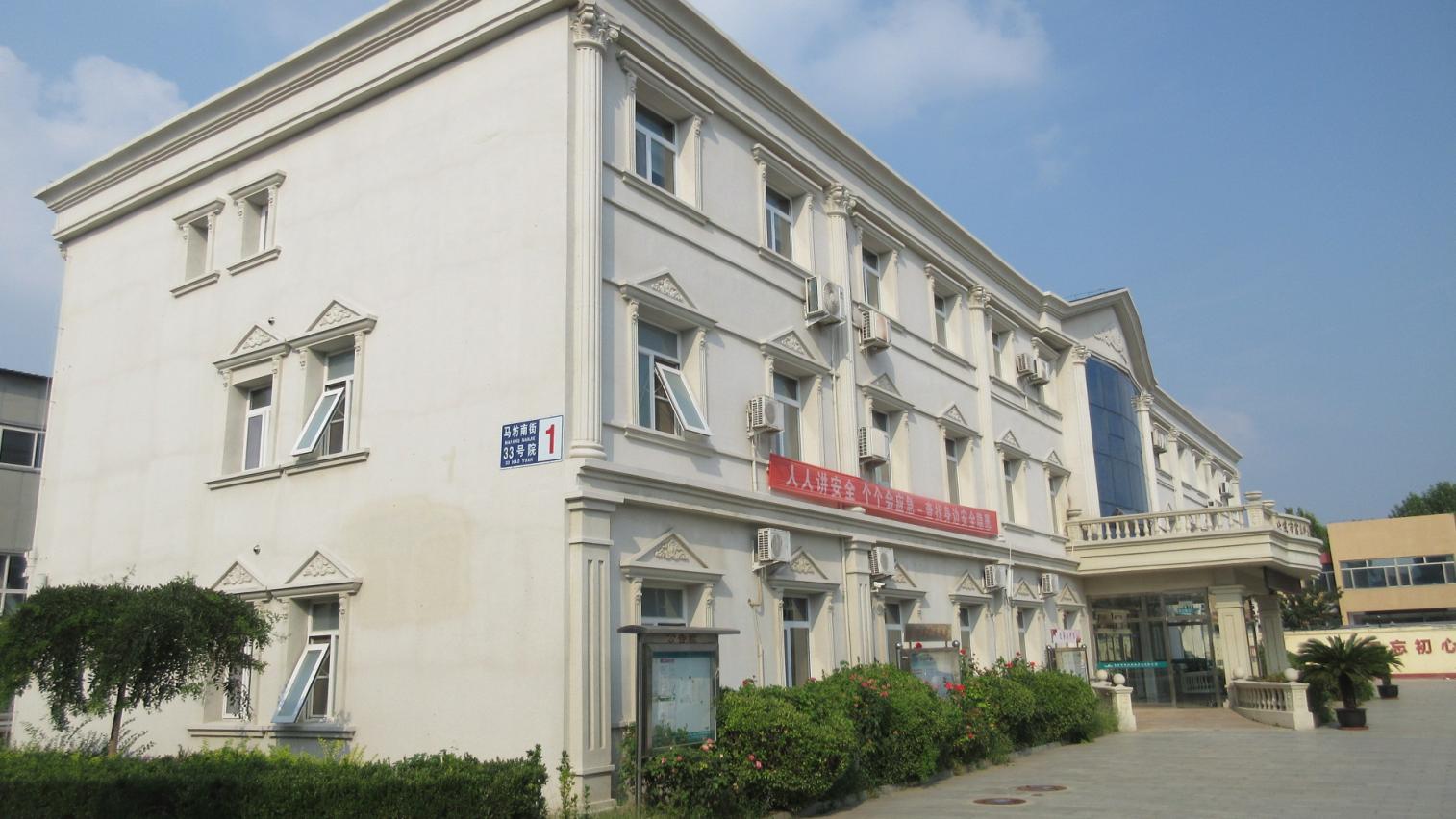
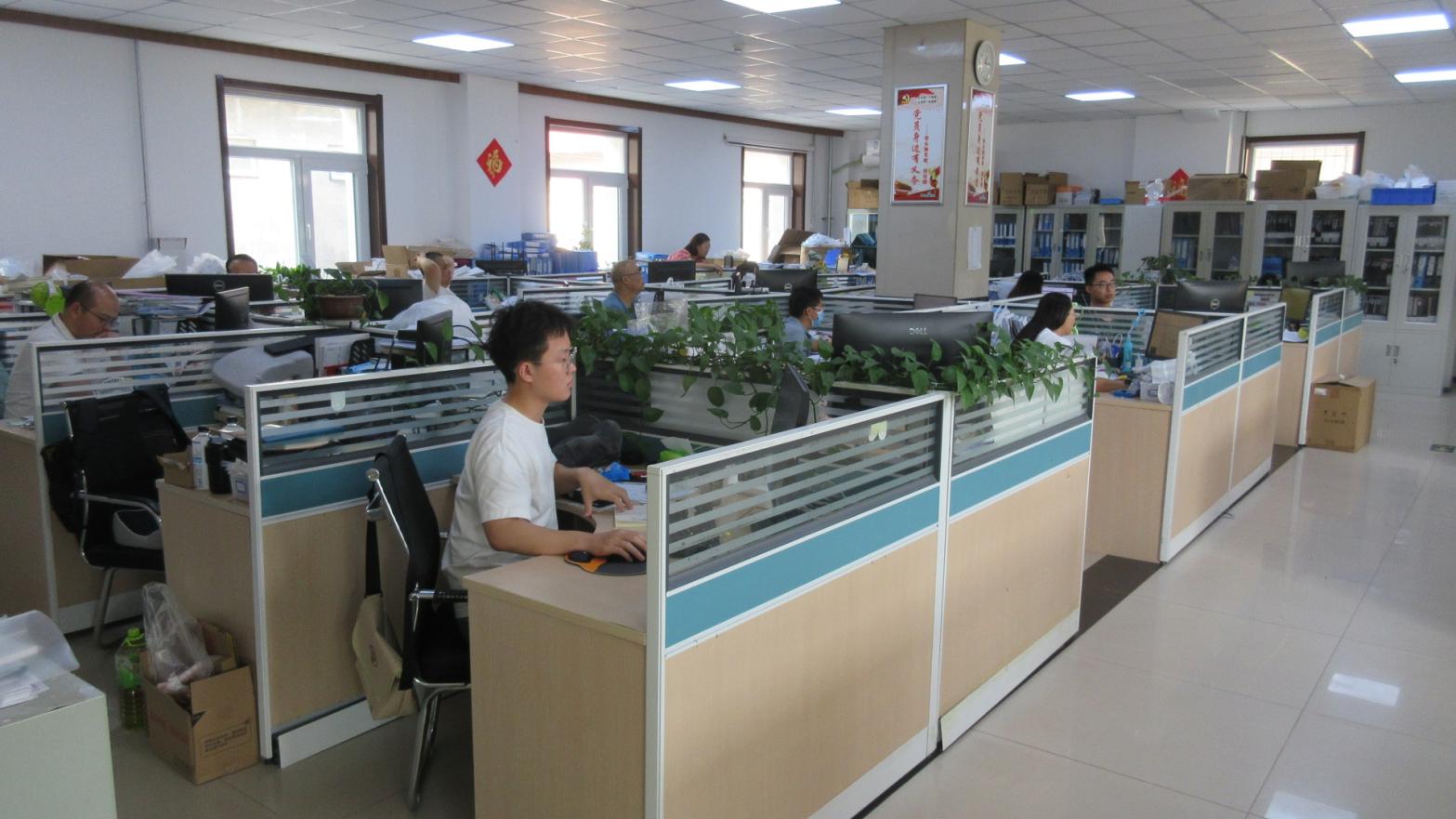
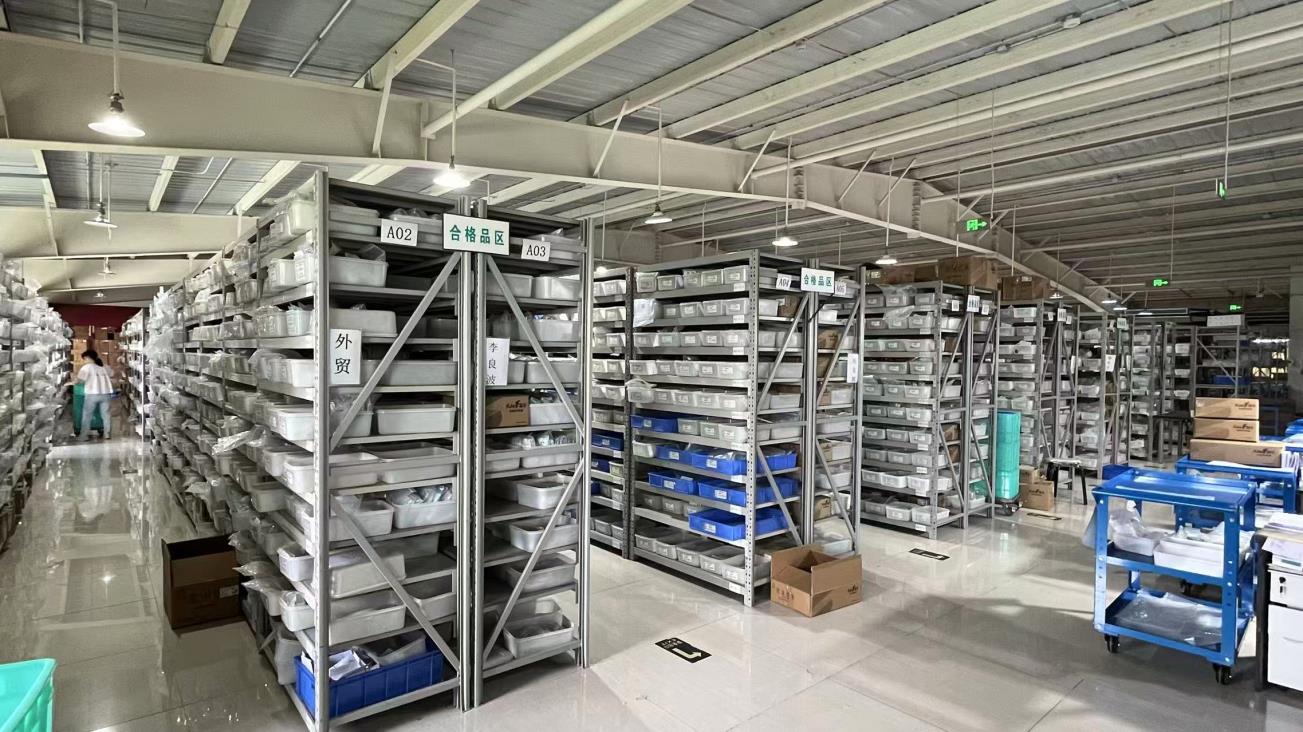
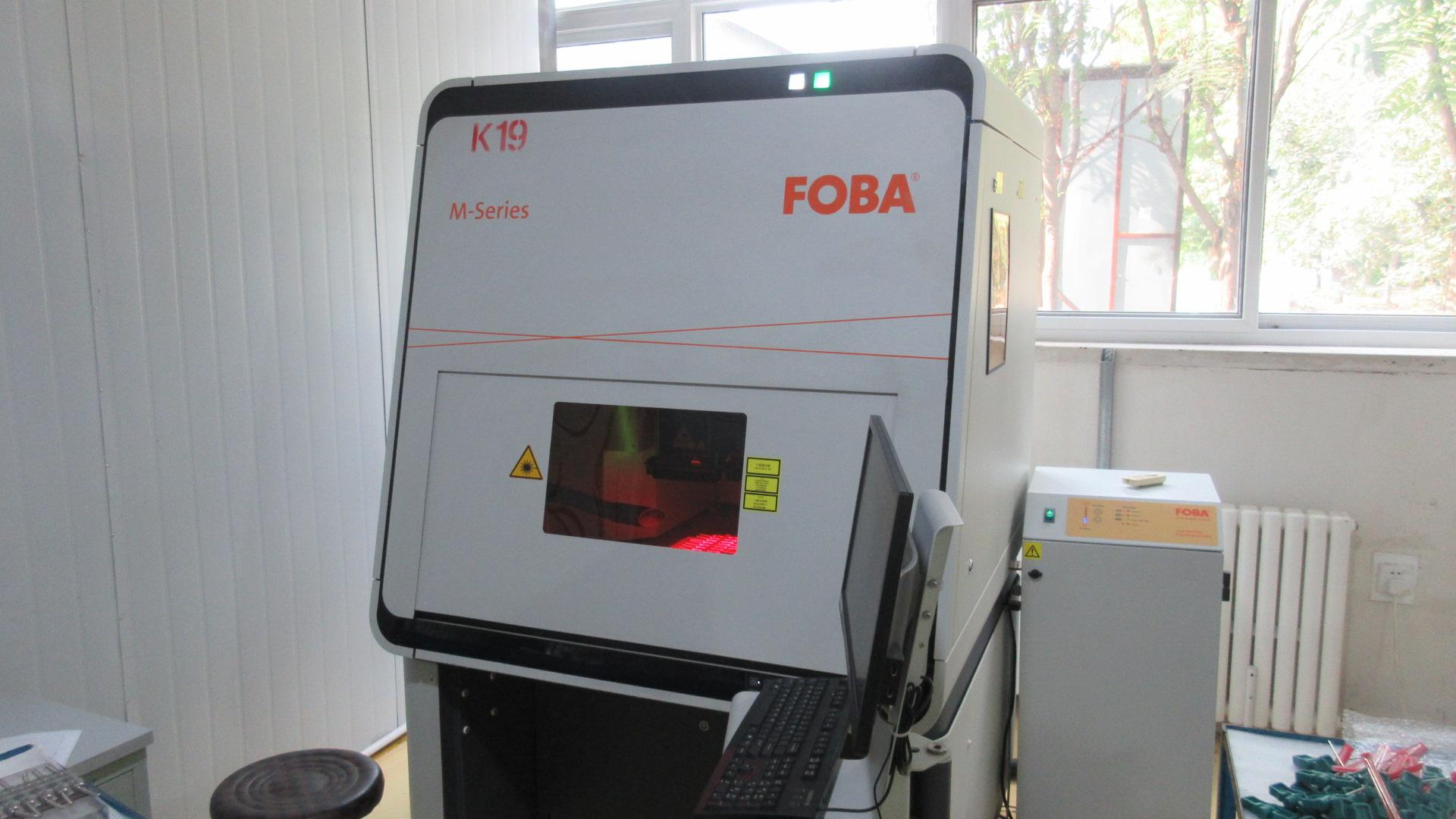
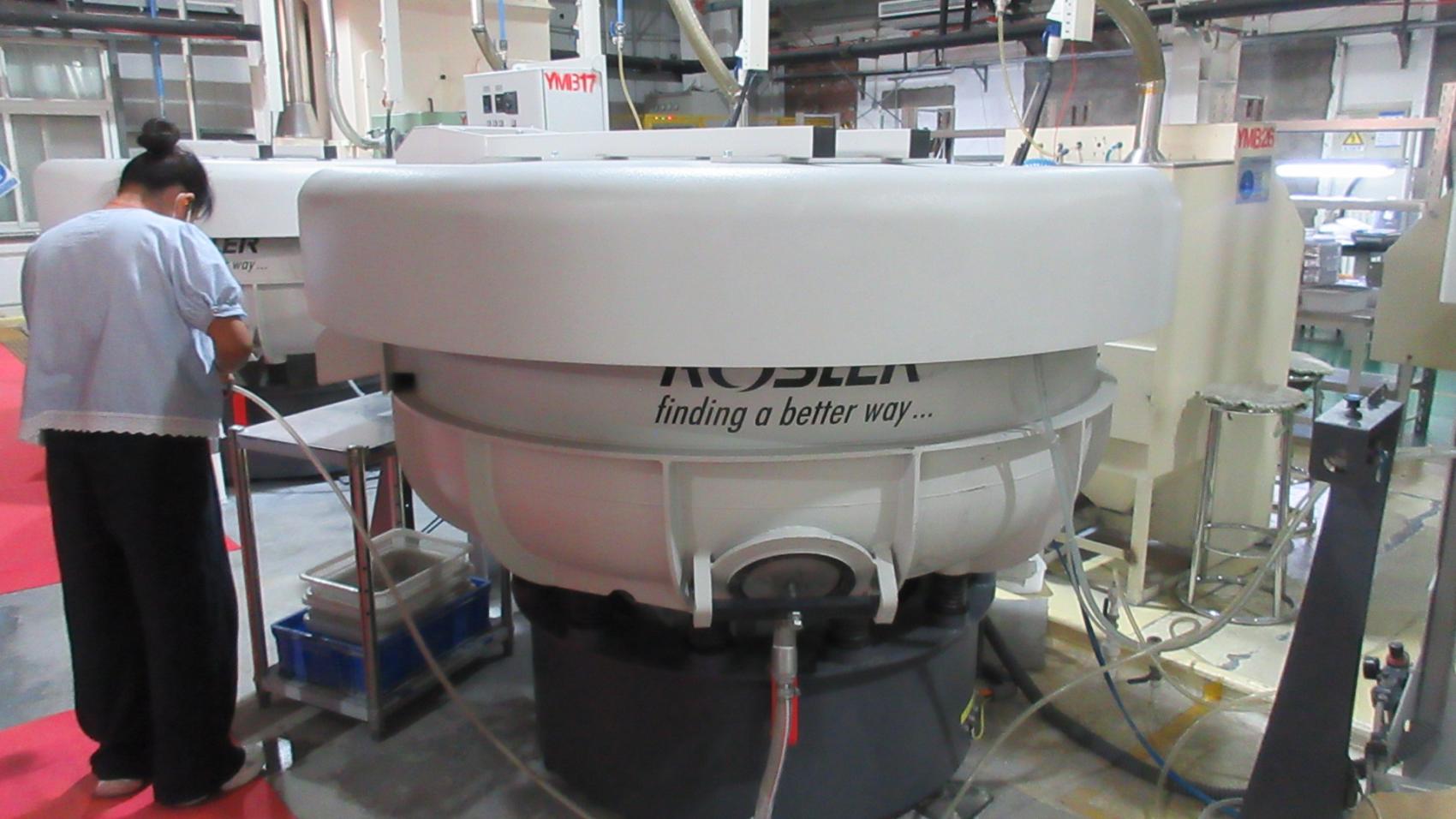
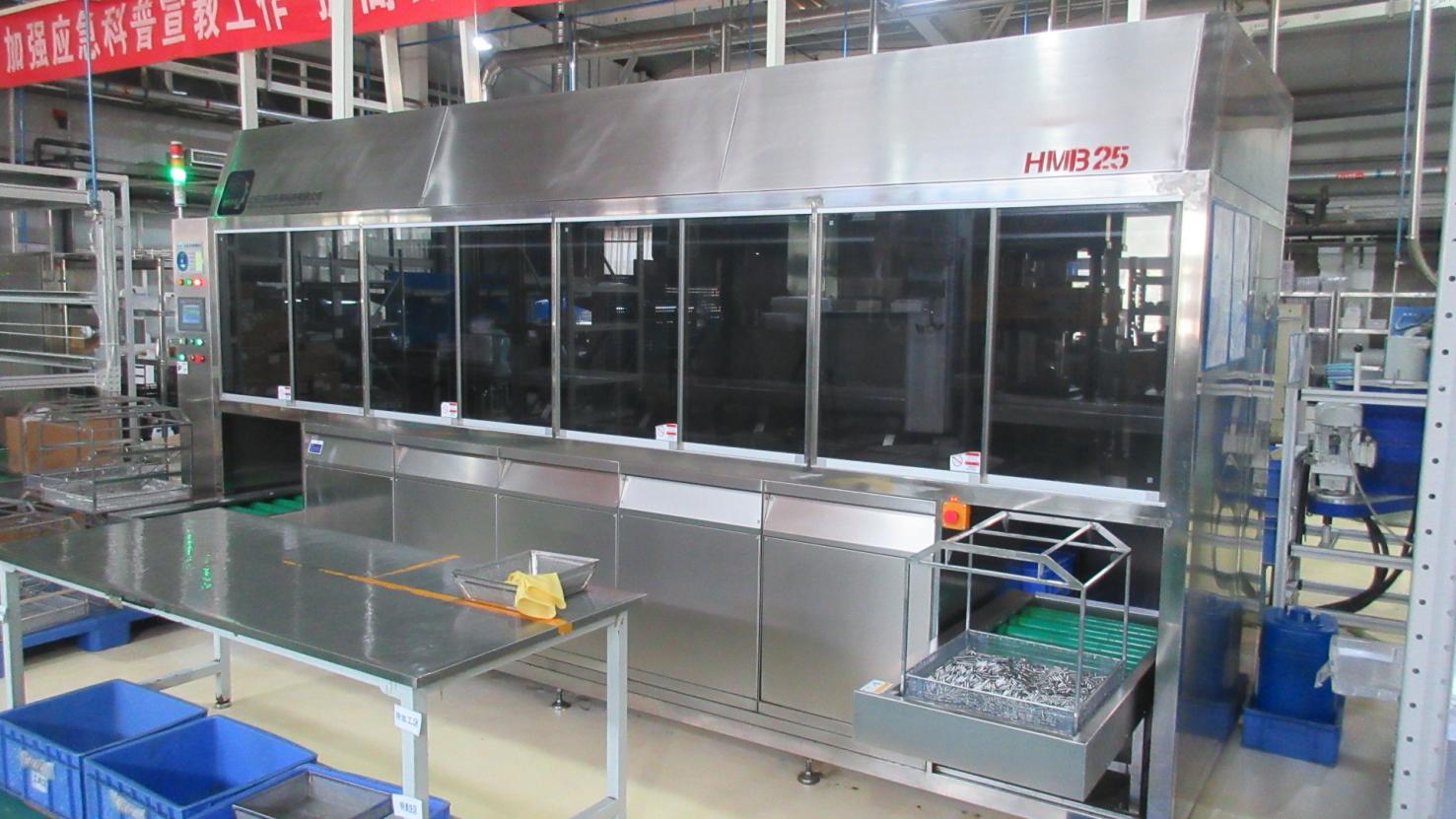
Below is a documented look inside our manufacturing facilities, showing our cleanrooms, CNC equipment, testing setups, and final inspection areas.
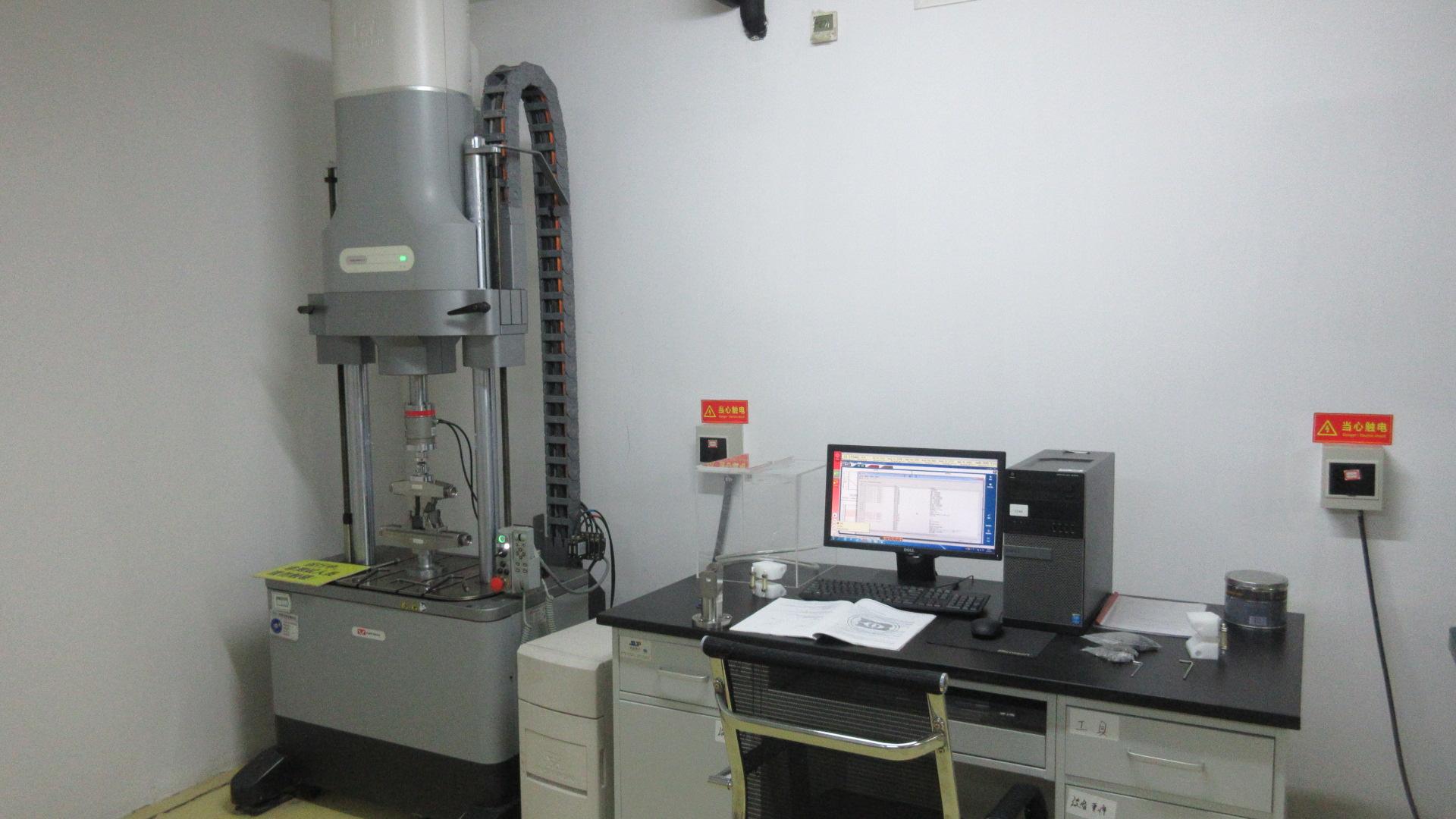
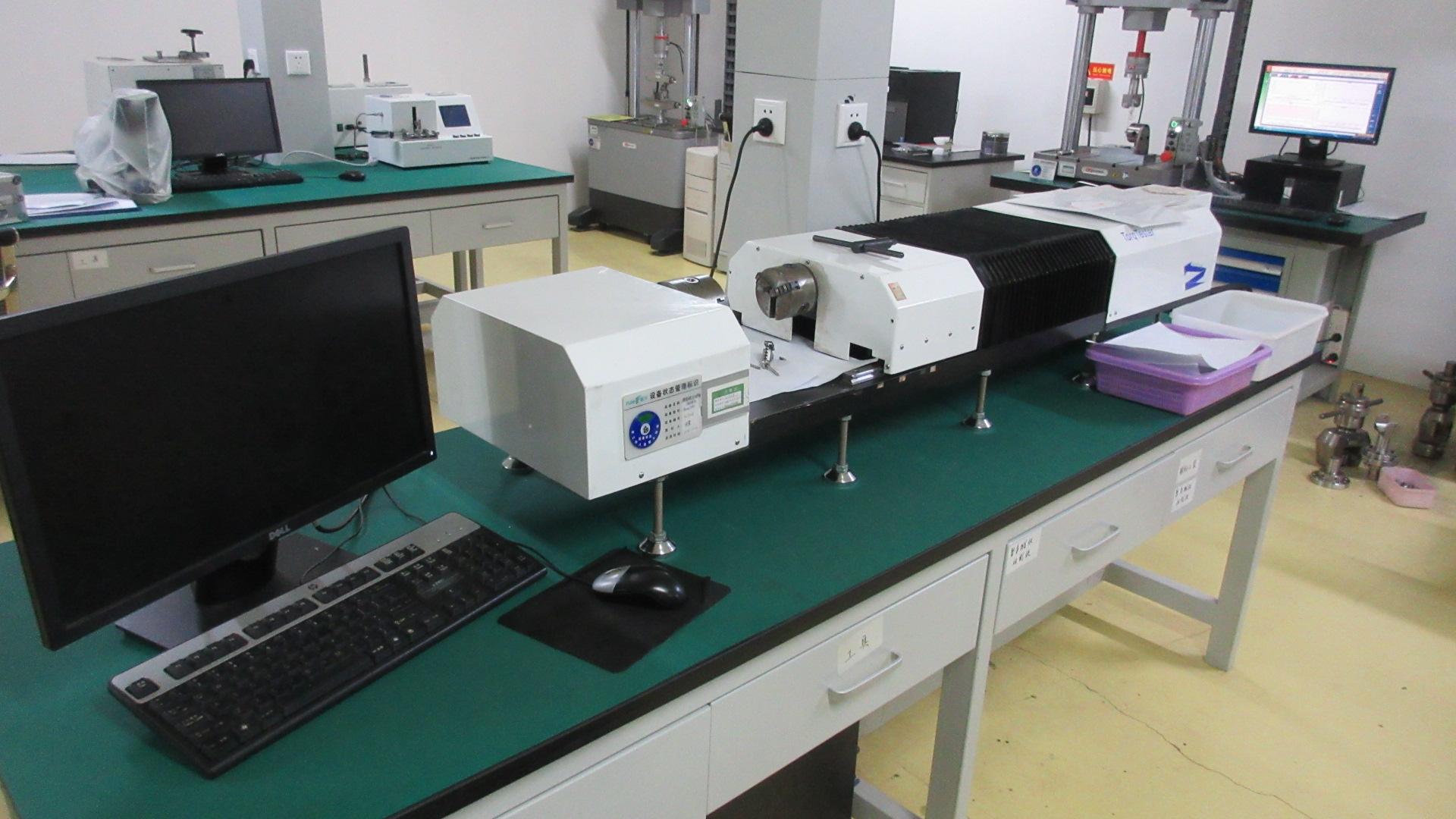
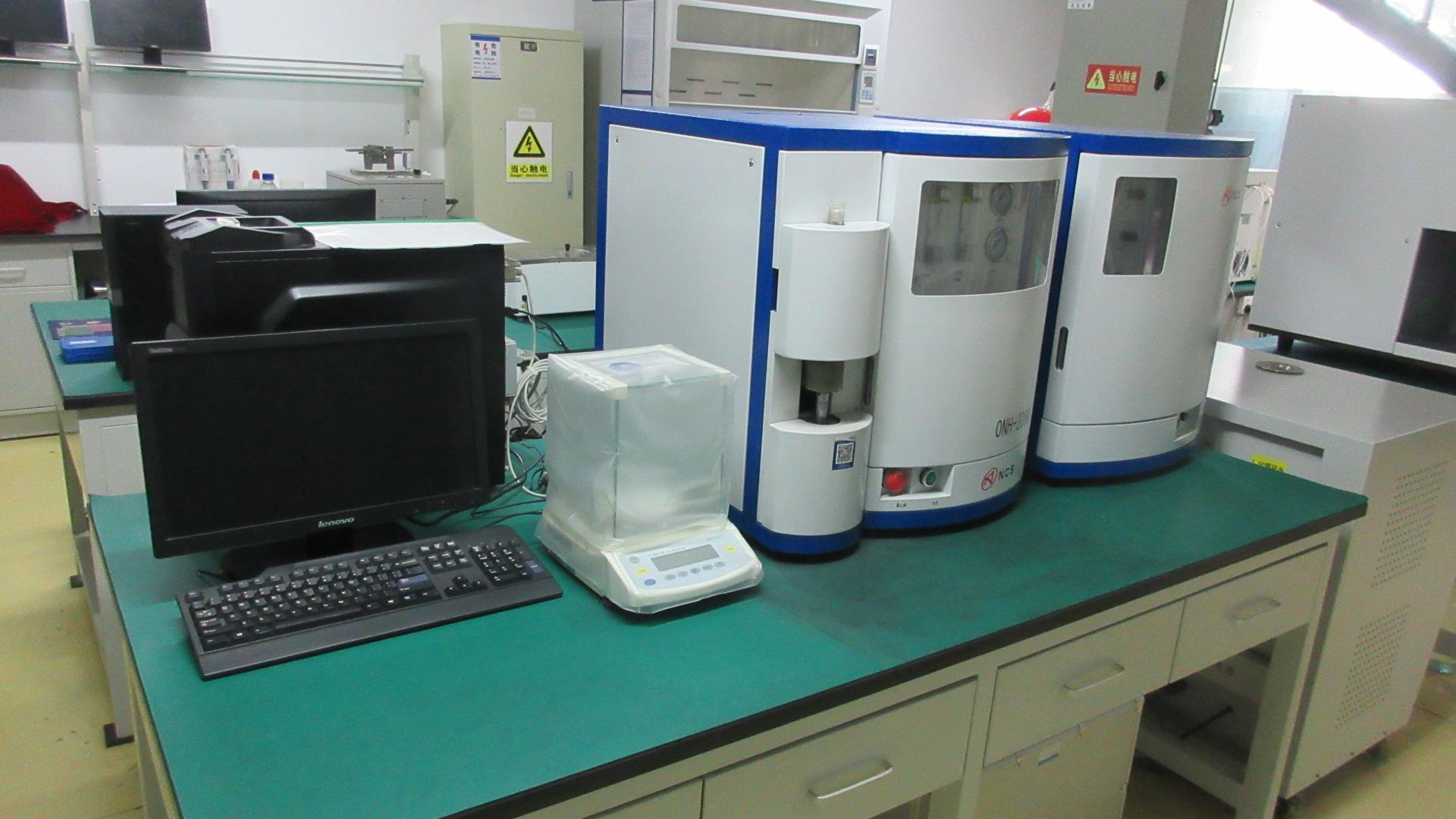
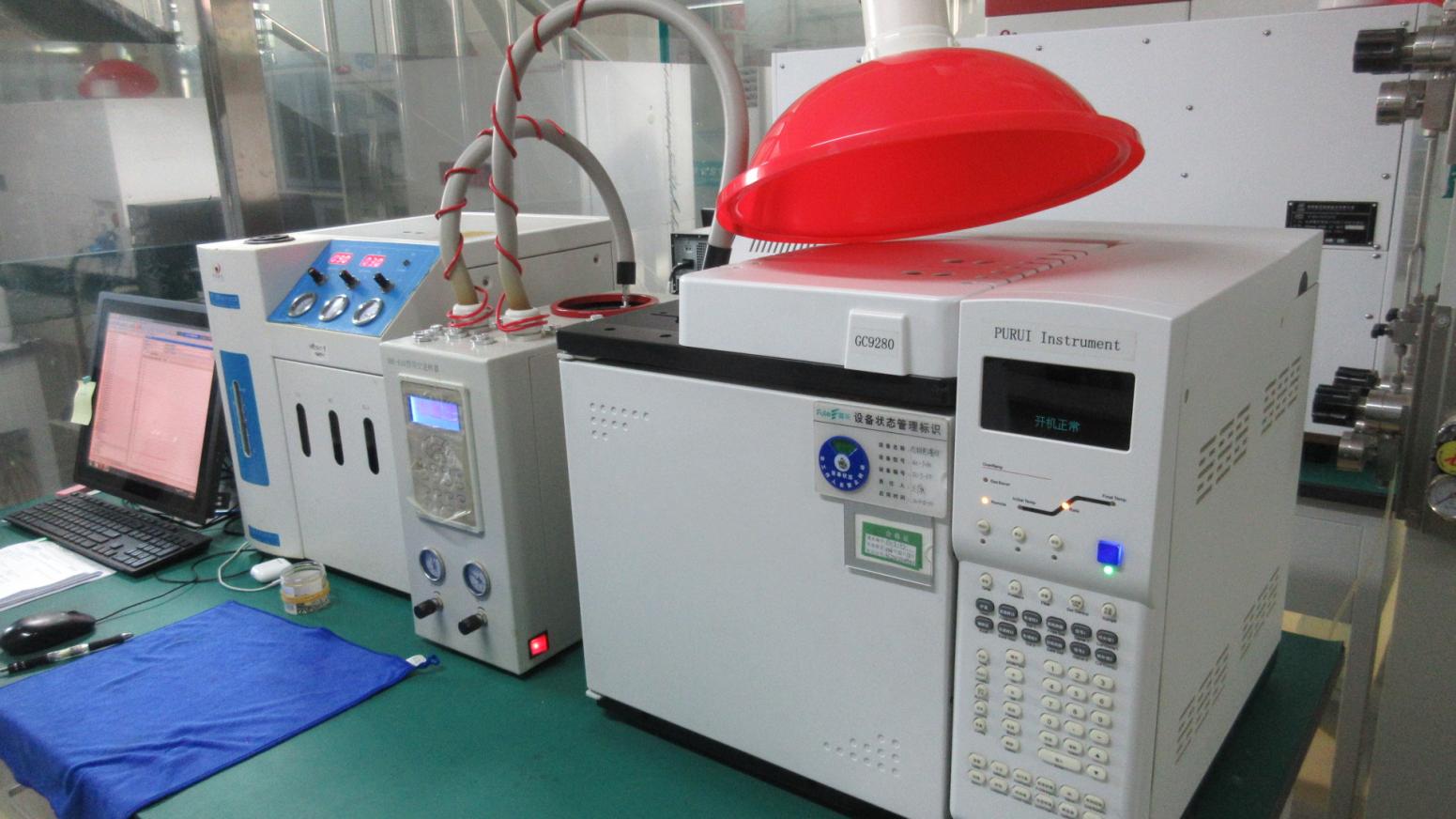
We use medical-grade Titanium Alloy (typically Ti-6Al-4V ELI conforming to ASTM F136) and ultra-clean surgical stainless steel. These materials are selected for their biocompatibility, high fatigue strength, and compatibility with MRI imaging.
Our facilities are certified under ISO 13485 (Registration Number: 04724Q10000818). This standard governs our production processes, raw material inspections, cleanroom monitoring, and overall quality control systems.
Yes, our R&D team provides graphic processing, sample processing, and custom design services. We can adjust parameters like screw pitch, plate thickness, and anodized colors to meet specific regional requirements or surgical needs.
We employ 15 dedicated QA/QC inspectors who monitor all manufacturing phases. We operate a 100% comprehensive inspection policy, ensuring that every implant is dimensional checked, passivated, and verified before cleanroom packaging.
Lead times vary depending on the product type and customization requirements. Standard inventory items can ship quickly, while custom production runs typically require 30 to 60 days, covering raw material verification, machining, and final QC processes.
We coordinate with major international couriers like DHL and FedEx for air freight, alongside sea and air freight forwarders. Our team provides commercial invoices, packing lists, certificate conformity documents, and material certificates to assist with customs clearance.
Yes, our instruments and containment boxes are designed to withstand autoclaving (steam sterilization) and other standard hospital sterilization methods, ensuring long-term utility in surgical environments.
 Beren Science & Technology