Custom OEM Bone Grafting Manufacturer & Factories

Global CDMO Partner for Custom Osteobiologics, Synthetics, Allografts, and Advanced Class III Orthopedic Implant Solutions

Featured OEM Orthopedic & Surgical Systems

Clinical-grade surgical instrumentation and titanium/alloy skeletal implant hardware manufactured in Class 100,000 cleanrooms.
PFNA Femoral Intramedullary Nail

CE Marked China Manufacture PFNA Femoral Intramedullary Nail Orthopedic Implant Titanium OEM Fule Brand Class III 5-Year

View Details →
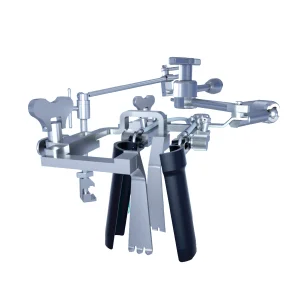
Hoffman External Fixator Kit

High Quality Professional Processing Hoffman External Fixator Kit-Aluminium Alloy Traumatic External Basis Surgical Instruments

View Details →
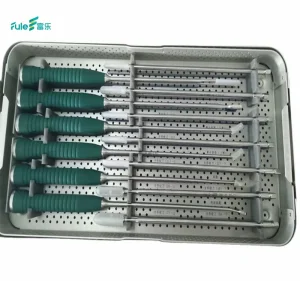
Fule Miko II Orthopedic Forceps

FULE MIKO II Manual Orthopedic Forceps Surgical Instruments Minimally Invasive Screw-Rod System Class III More 5-Year Warranty

View Details →
OLIF Stainless Steel Instrument

OLIF Stainless Steel Material Instrument From Beijing Fule Orthopedic Medical Instruments Surgical Tools Surgical Tools

View Details →
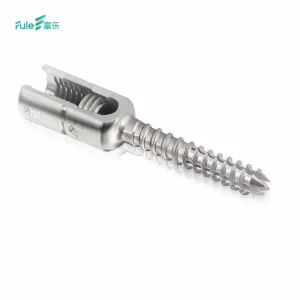
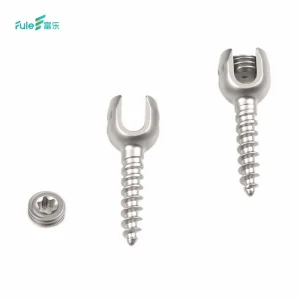
Titanium Pedicle Screw

High Quality CE Marked Titanium Expansive Pedicle Screw Monoaxial Polyaixal Self-tapping

View Details →
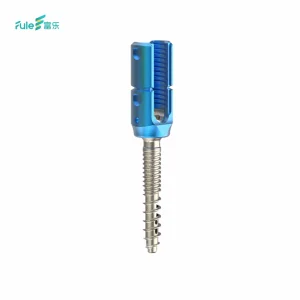
COX Monoaxial Pedicle Screw

High Quality Orthopedic Surgery 6.0 COX Monoaxial Pedicle Screw and Rod System High Quality Orthopedic Surgery Implant

View Details →
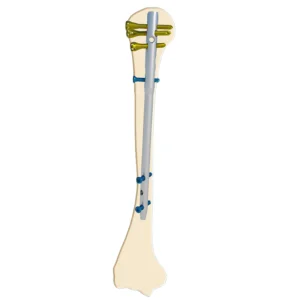
Humeral Intramedullary Nail Set

Professional Titanium Alloy Multi-Dimensional Locking Intramedullary Nail Combination Set Implant Set for Humeral

View Details →
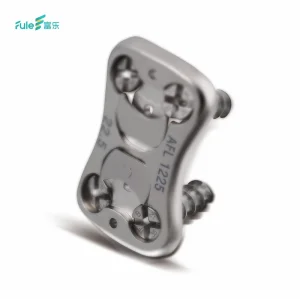
Anterior Cervical Plate

Anterior Cervical Plate 4 Hole Spine Titanium Orthopedic Implants Pedical Screw Rod Implant

View Details →

The Paradigm of Advanced Bone Graft Engineering

Unifying cellular biology, metallurgy, and material science to manufacture next-generation osteoconductive structures.

In the rapidly advancing landscape of regenerative medicine and orthopedics, bone grafting has transitioned from simple skeletal replacement to sophisticated cellular signaling and structural scaffolding. As a premier custom OEM bone grafting manufacturer, we stand at the intersection of medical biology and mechanical precision. Our manufacturing processes are designed to replicate the native bone matrix, facilitating the physiological phases of bone healing: osteogenesis, osteoconduction, and osteoinduction.
Surgical applications mandate absolute biocompatibility, mechanical stability, and predictable absorption profiles. OEM bone grafts require engineering at both the micro and macro levels. Whether producing synthetic calcium phosphates (such as Beta-Tricalcium Phosphate and Hydroxyapatite) or biological scaffold matrices, our cleanroom processing controls every variable—from porosity size (typically targeted at 100 to 500 microns to facilitate vascular infiltration) to chemical purity.
Understanding Semantic Bone Biology: Key Procurement Pillars

For global medical distributors, orthobiology supply chains require strict validation. Bone grafts are classification Class III medical products in major jurisdictions. A reliable factory partner must offer not only physical items, but a comprehensive biological, mechanical, and chemical validation dossier to support regulatory registration.

Strategic Value of China's OEM Bone Grafting Factories

Why leading global orthobiology brands leverage Chinese advanced manufacturing ecosystems for their private label portfolios.

Advanced Bio-Material Synthesis

Utilizing high-purity sintering and crystallization tech to manufacture synthetics (HA/TCP) with precise interconnecting porosity and predictable absorption rates.

Integrated Supply Chain

From raw calcium phosphate extraction to sterile barrier packaging (dual-pouch Tyvek), we control the cost-curve while guaranteeing regulatory documentation safety.

Regulatory Compliance

Production lines aligned with ISO 13485, CE MDR, and FDA Quality System Regulations, providing raw material traceability from batch origin to clinical use.

Industry Trends in Osteobiologics and Synthetic Materials

An analytical breakdown of the technical vectors shaping global demand for customized bone grafting systems.

The international bone graft substitutes market is shifting rapidly from allograft tissue forms toward synthetic osteoconductive bio-ceramics and bio-active glasses. Autograft, while remaining the clinical gold standard, is constrained by donor-site morbidity, limited harvest volumes, and increased surgical time. Consequently, global surgical brands are seeking customizable synthetic alternatives that offer equivalent clinical outcomes.
Key trends include the development of biphasic calcium phosphates (BCP), which combine the structural persistence of Hydroxyapatite (HA) with the faster dissolution profile of Beta-Tricalcium Phosphate (β-TCP). This hybrid configuration ensures the scaffold remains intact long enough to support osteoblast deposition, yet eventually resorbs to leave natural remodeled bone. Additionally, the incorporation of bioactive elements like Silicon (Si) or Magnesium (Mg) is proven to accelerate vascularization (angiogenesis), a critical prerequisite for successful bone regeneration.

Biphasic Resorption Control

Fine-tuning the ratio of HA/β-TCP to match the exact physiological remodeling timeline of different anatomical sites, from cranial to femoral defects.

Nanostructured Topography

Engineering the micro-texture of granules and putty matrices to promote cell adhesion, osteoblastic differentiation, and cellular recruitment.

Bioactive Interconnecting Porosity

A patented sintering process creating continuous pores (>65% porosity), allowing capillaries and bone marrow cells to populate the core of the graft.

Anatomical & Regional Application Scenarios

Customized OEM solutions engineered specifically for distinct surgical environments and global clinical standards.

Different regions and surgical disciplines present unique material and format demands. A robust OEM partner must deliver diversified formats, including granules, block grafts, injectable pastes/putty, and flexible collagen-ceramic sheets.

Dental Implantology & Maxillofacial

Requires highly osteoconductive, small-particle granules (0.25mm - 1.0mm) for alveolar ridge preservation, sinus elevations, and periodontal osseous defect restorations. Fast integration and volume maintenance are vital.

Orthopedic Spine & Interbody Fusion

Requires block shapes, custom wedges, or moldable putties combined with demineralized bone matrix (DBM). These scaffolds are designed to fit within PEEK or Titanium spinal cages, promoting continuous fusion across vertebral bodies.

Trauma Care & Segmental Defect Repair

Demands macro-porous structural bone graft substitutes capable of load distribution when combined with internal fixation hardware (e.g., plates and intramedullary nails) to mend extensive long bone fractures.

OEM Factory Operational Infrastructure & Data

A look into our production power, quality metrics, and international export capabilities accumulated over 30 years of medical device engineering.

1996
Established Year
10,000 ㎡
Factory Floor Space
30 Yrs
Exporting Experience
102
Production Machines

Advanced Manufacturing System

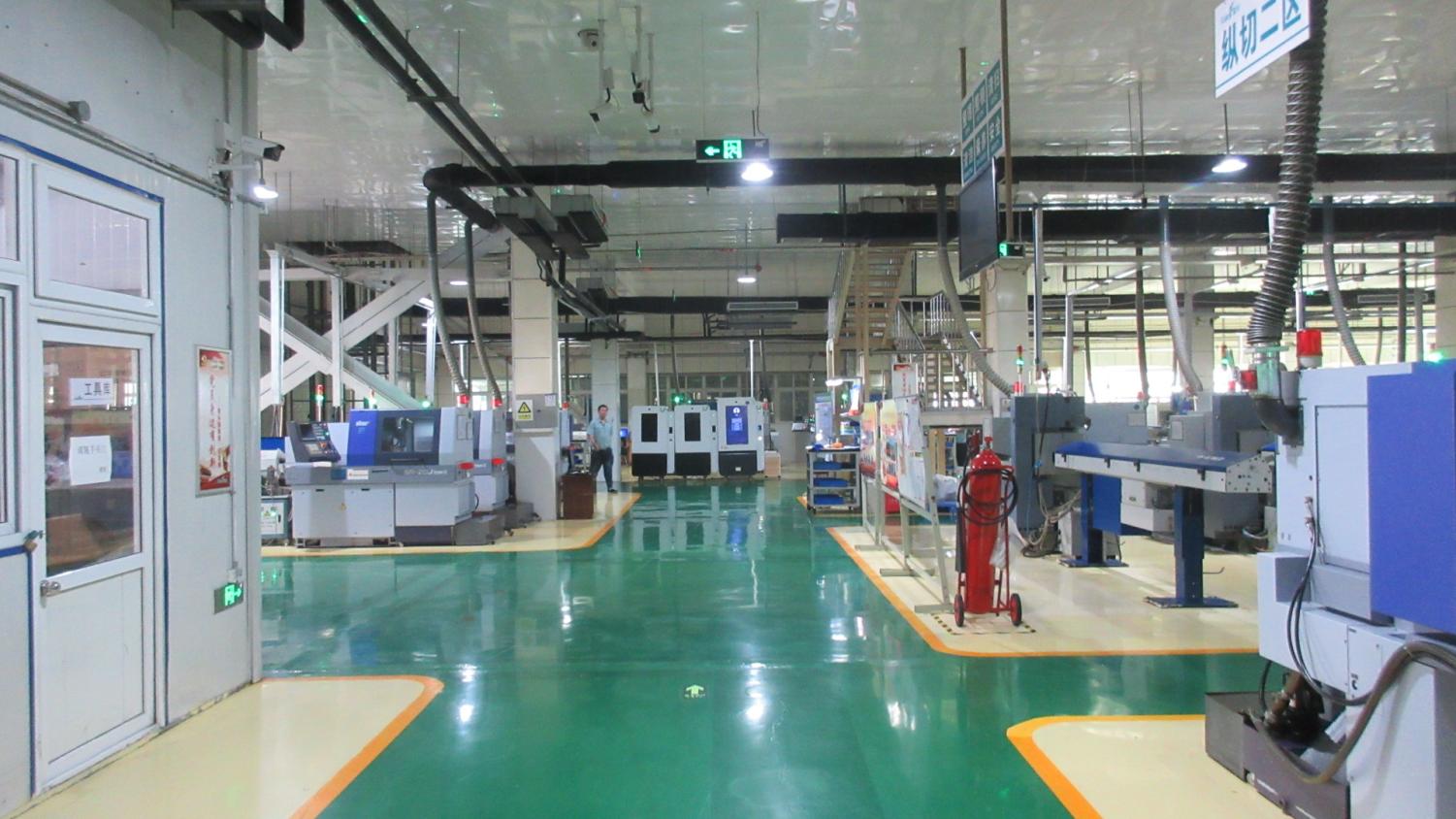
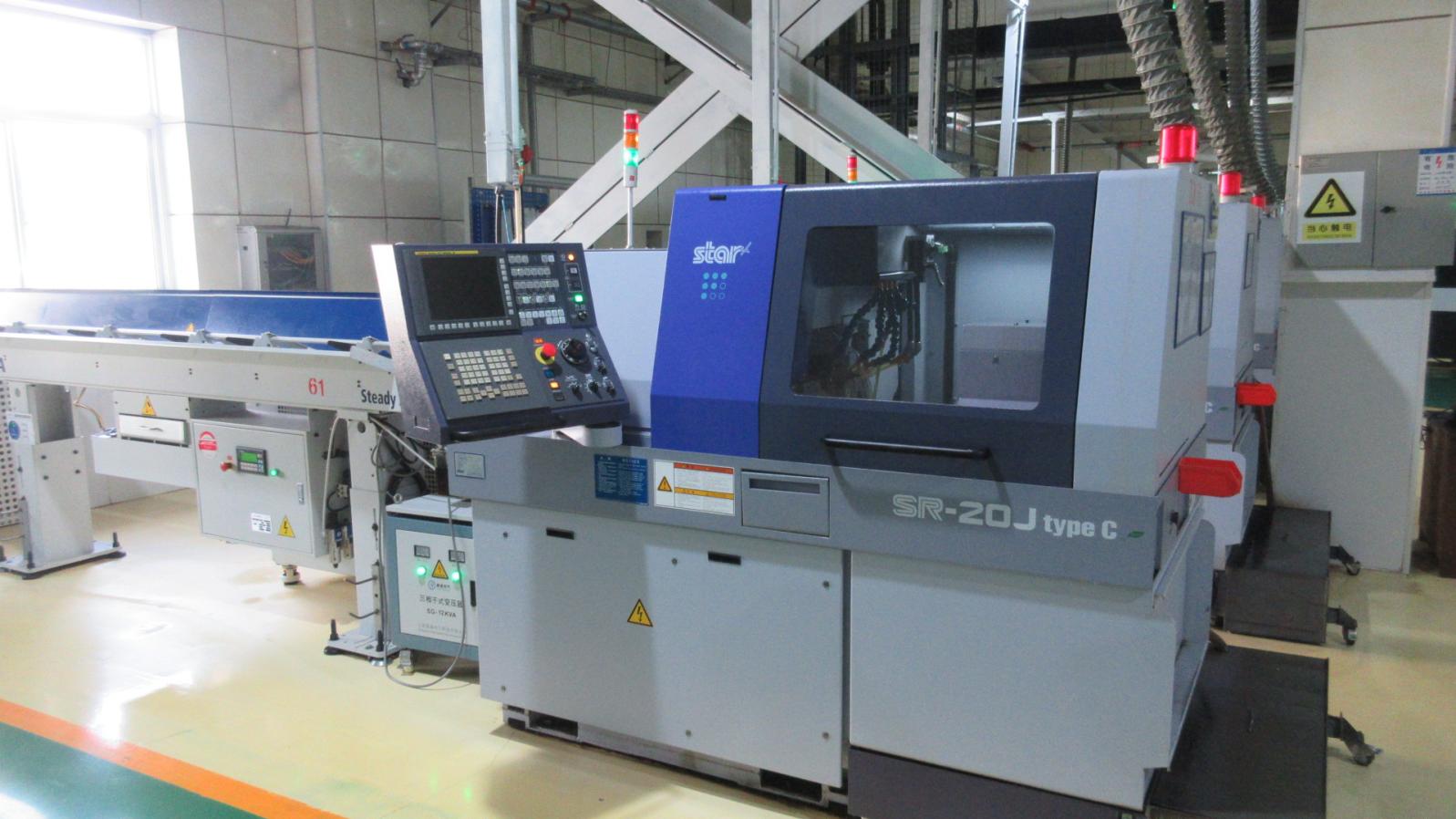
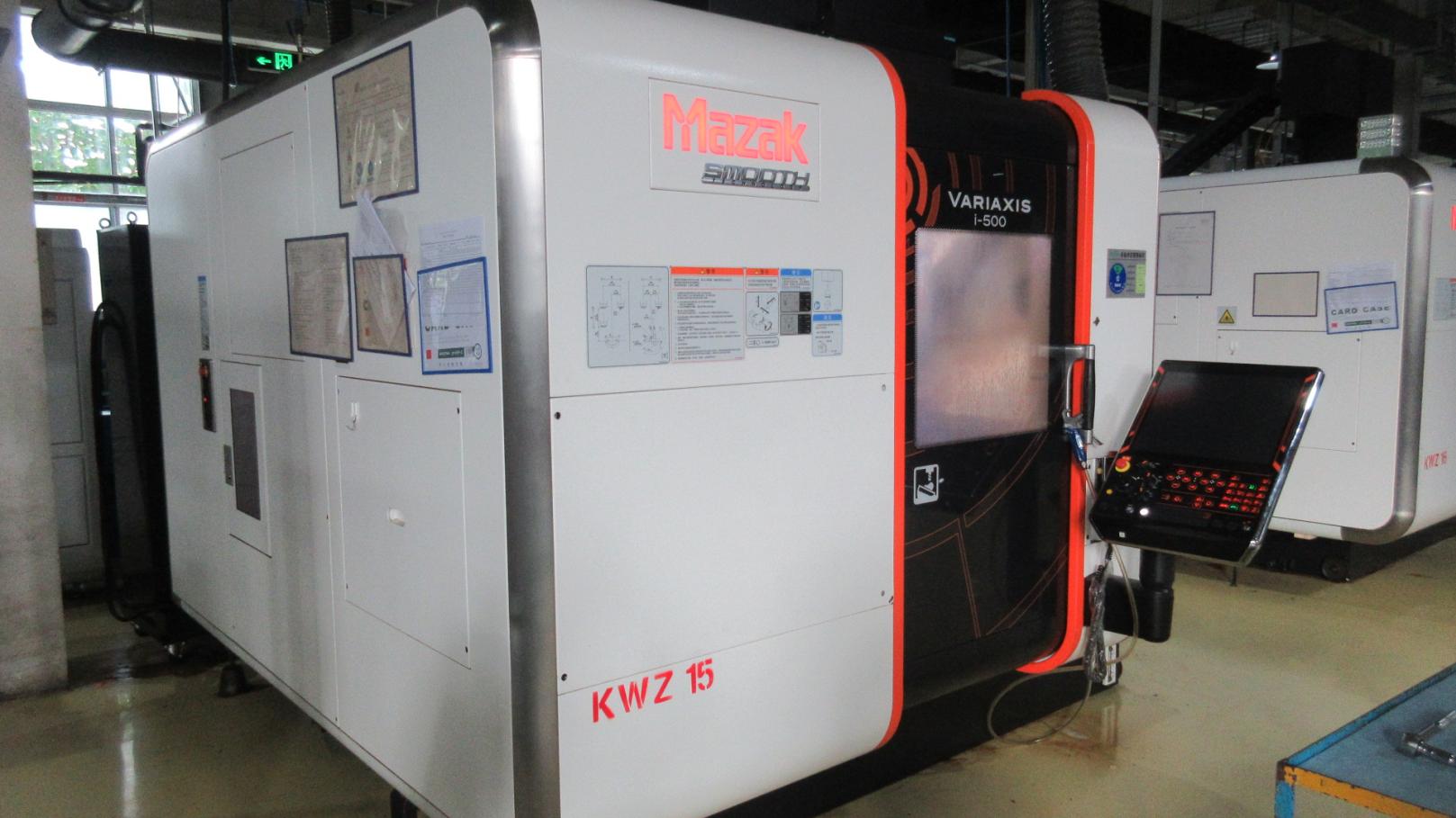
Our ISO 13485-certified facilities integrate automated raw material preparation, precision extrusion, high-temperature sintering ovens, and dynamic particle-sieving machinery. With 102 advanced production machines and a robust physical footprint, we maintain an annual output capacity of over 511,000 units.

Every step is managed via a strict Quality Management System (QMS) featuring 15 dedicated QA/QC inspectors. This guarantees 100% traceabilty of raw materials, ensuring that from calcium phosphate synthesis to chemical analysis, sterilization, and double-barrier packaging, every stage is fully documented and audit-ready.

ISO 13485 Certification
ISO 13485 Certified Facility
Certificate Number: 04724Q10000818
Company Registration 1996-06-28
Customization Options Sample processing, graphic processing, custom formulations on demand
R&D Capabilities 20 R&D Engineers (15 Graduates, 5 Junior College)
Product Traceability Complete raw material batch traceability (Yes)
Quality Assurance 100% inspection of final products, online analytical monitoring
Main Export Markets Eastern Europe (15%), Southeast Asia (10%), Domestic (40%)

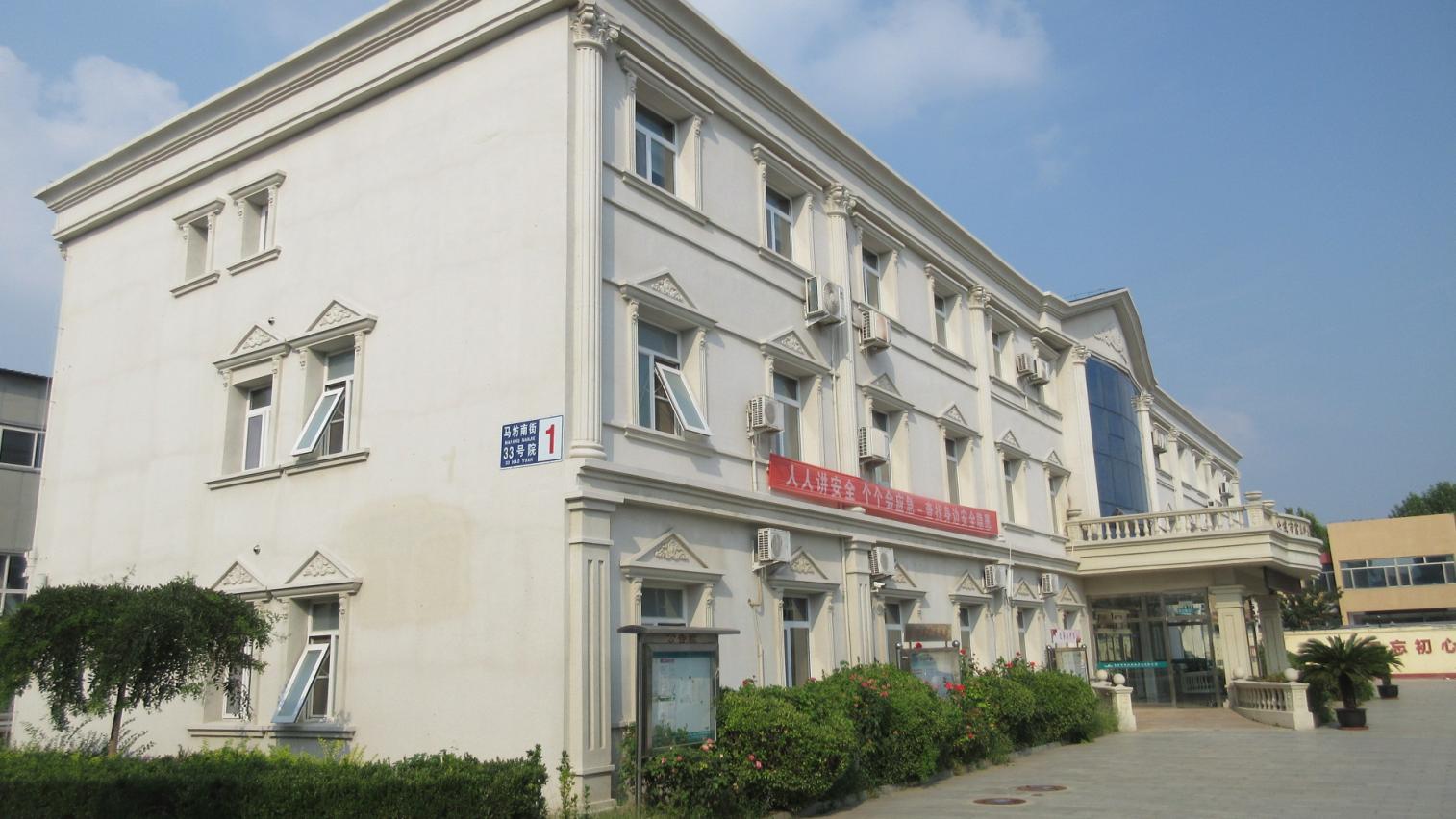
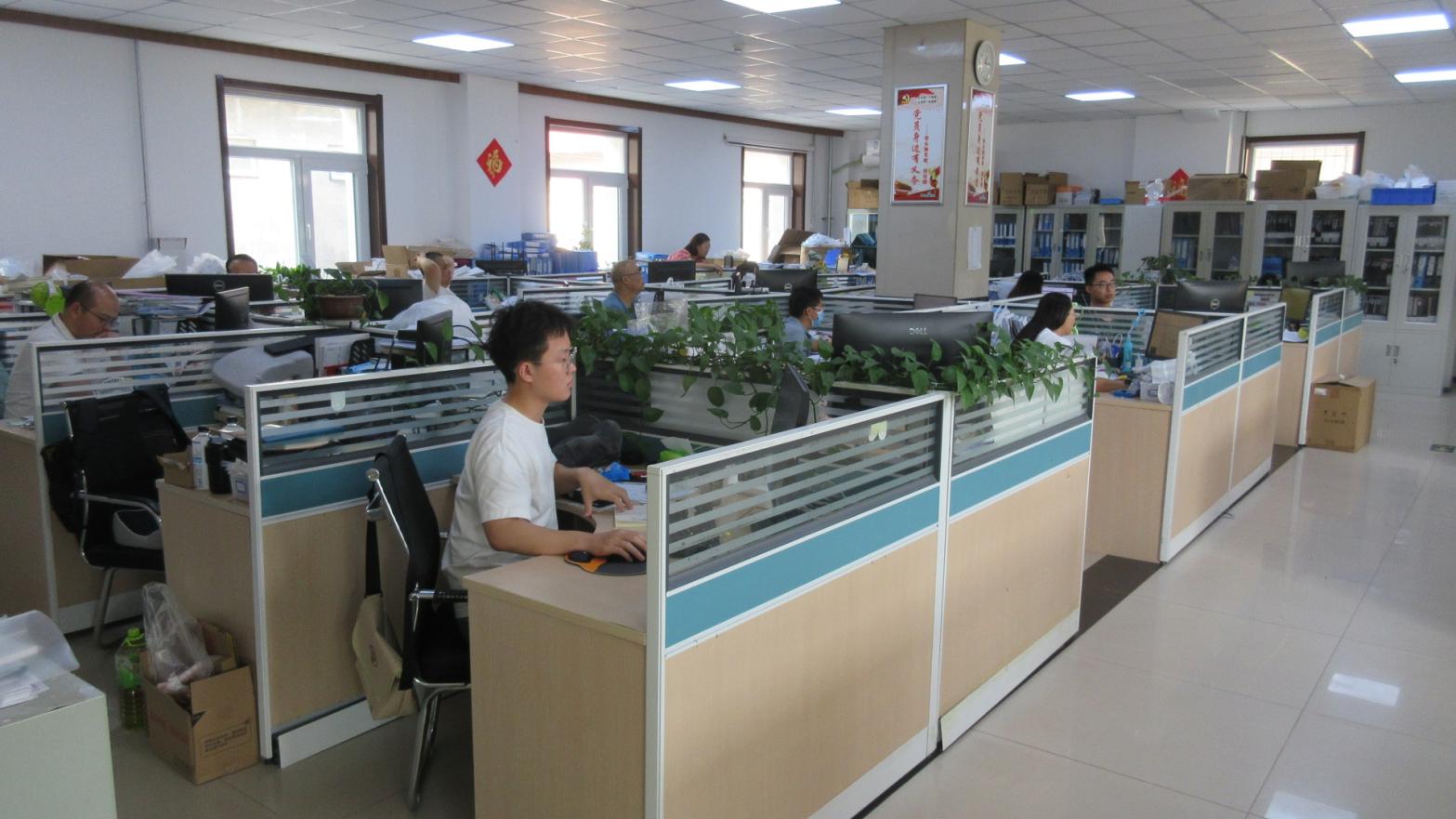
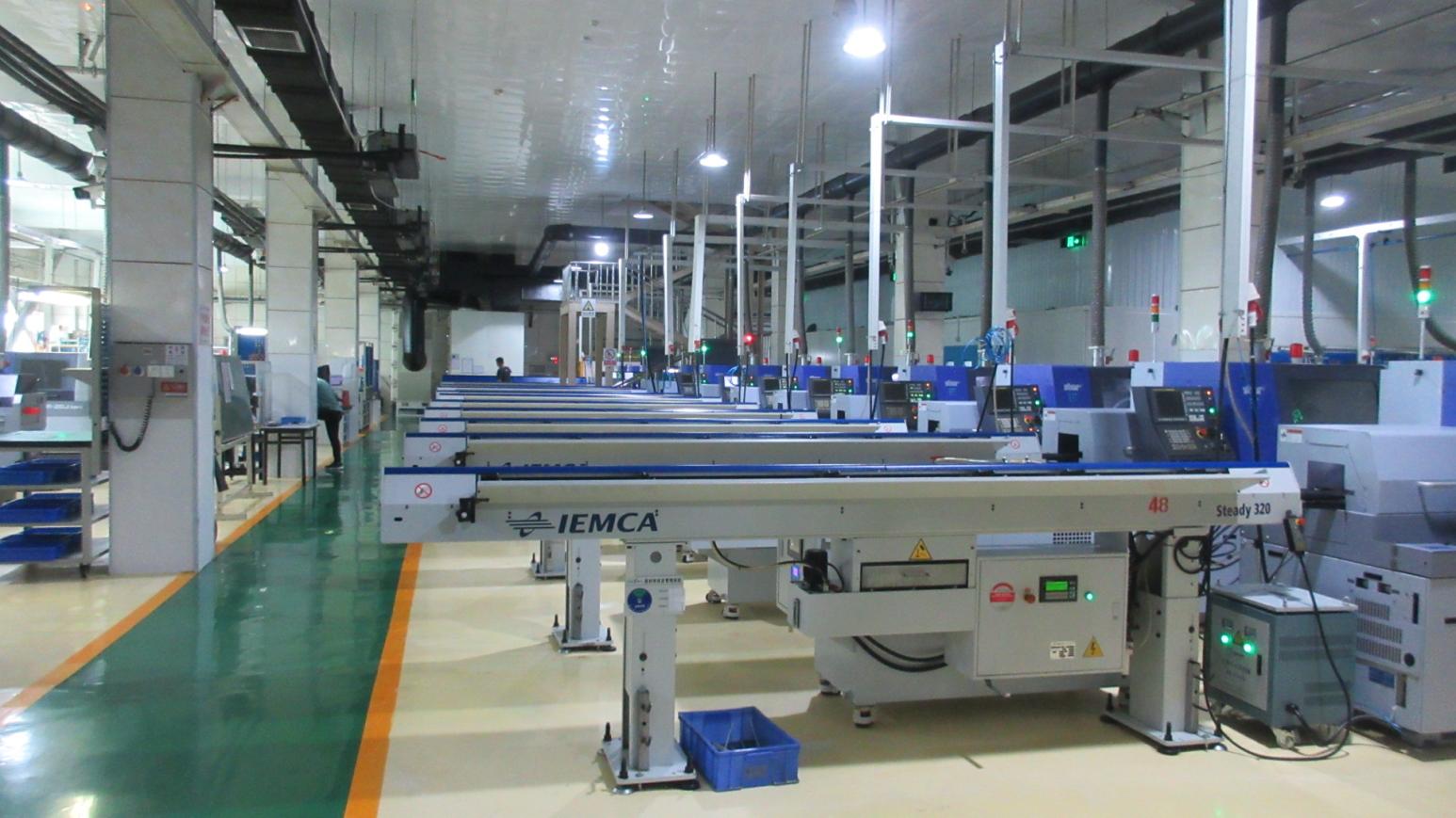
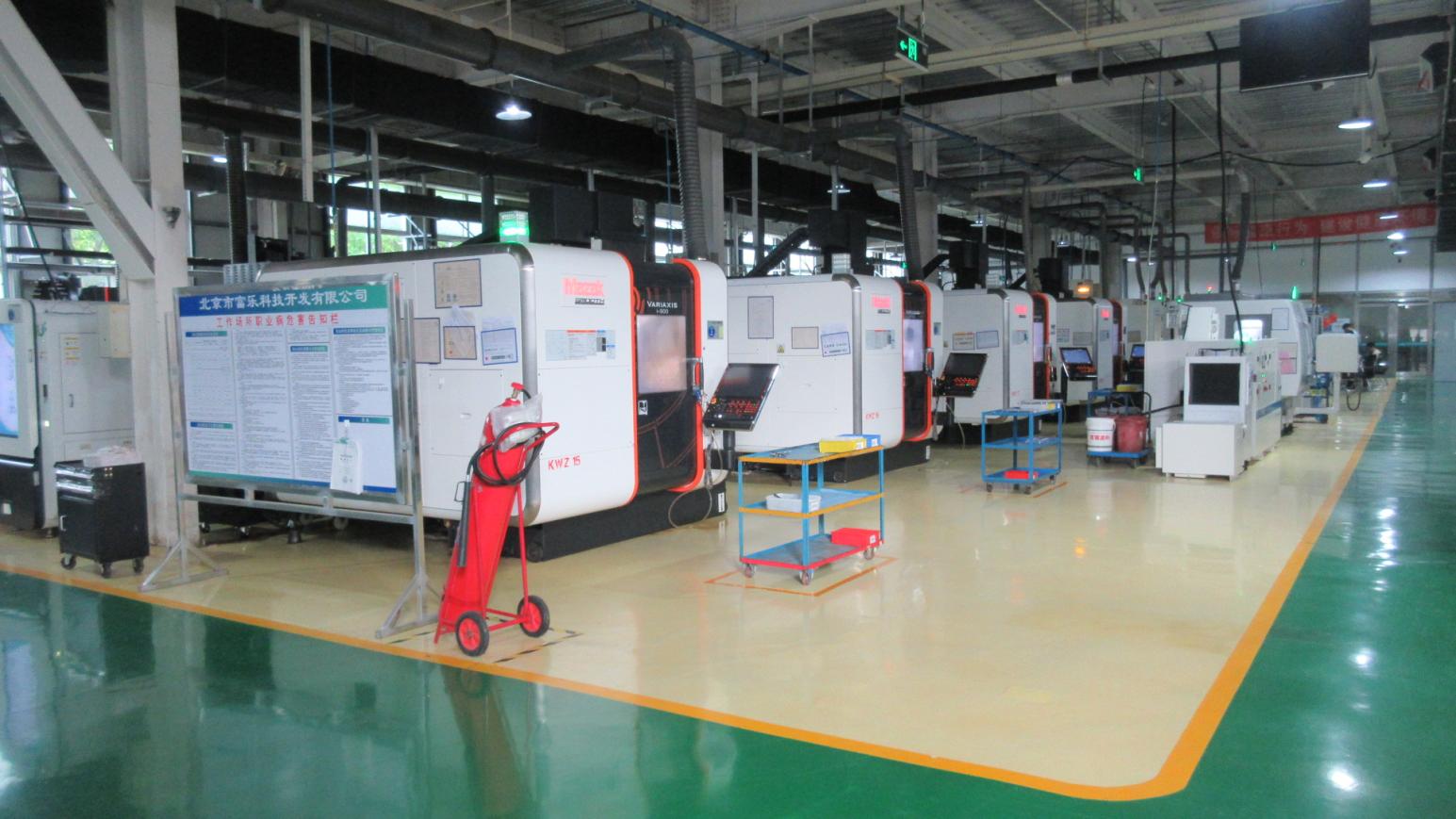
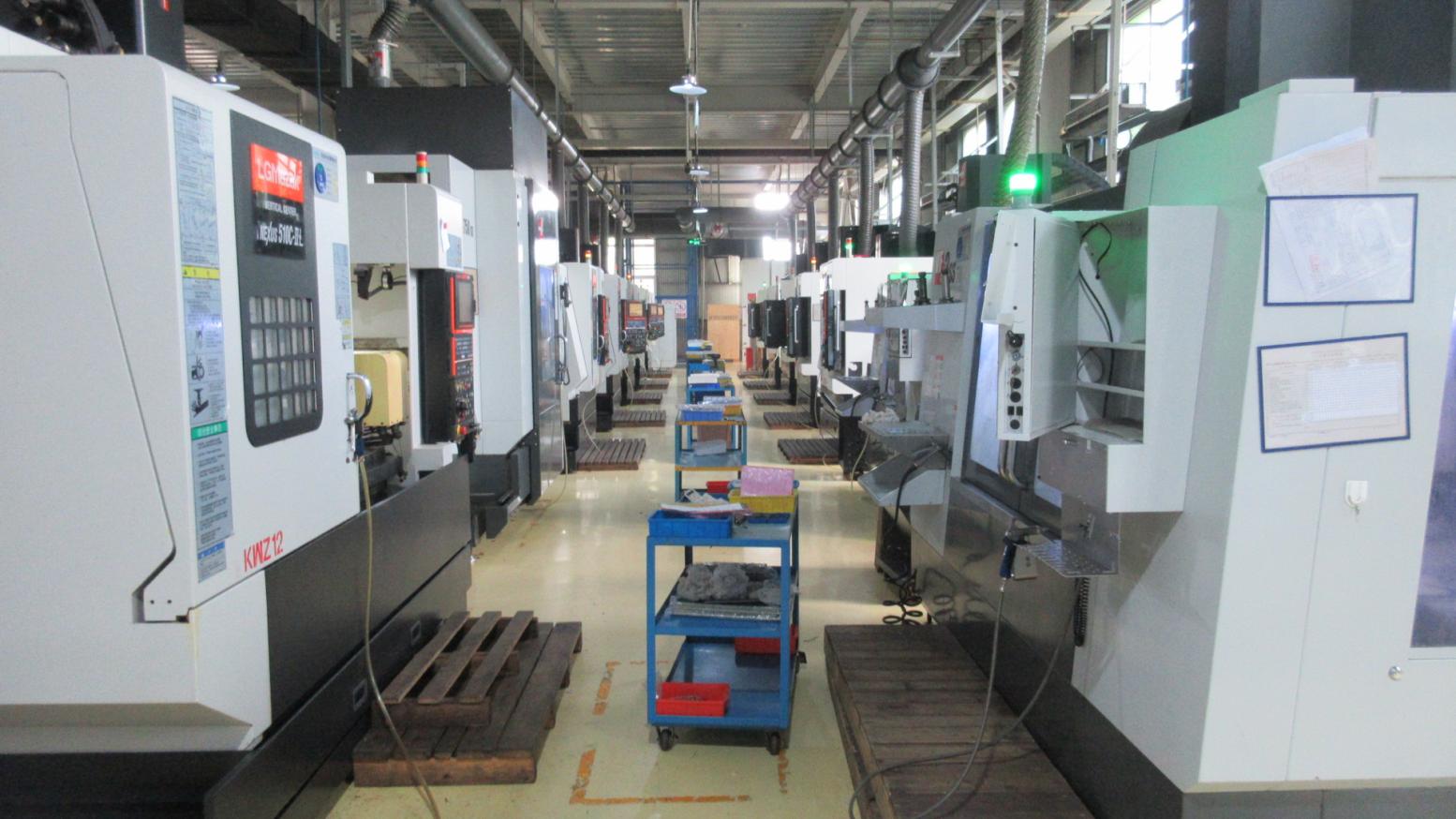
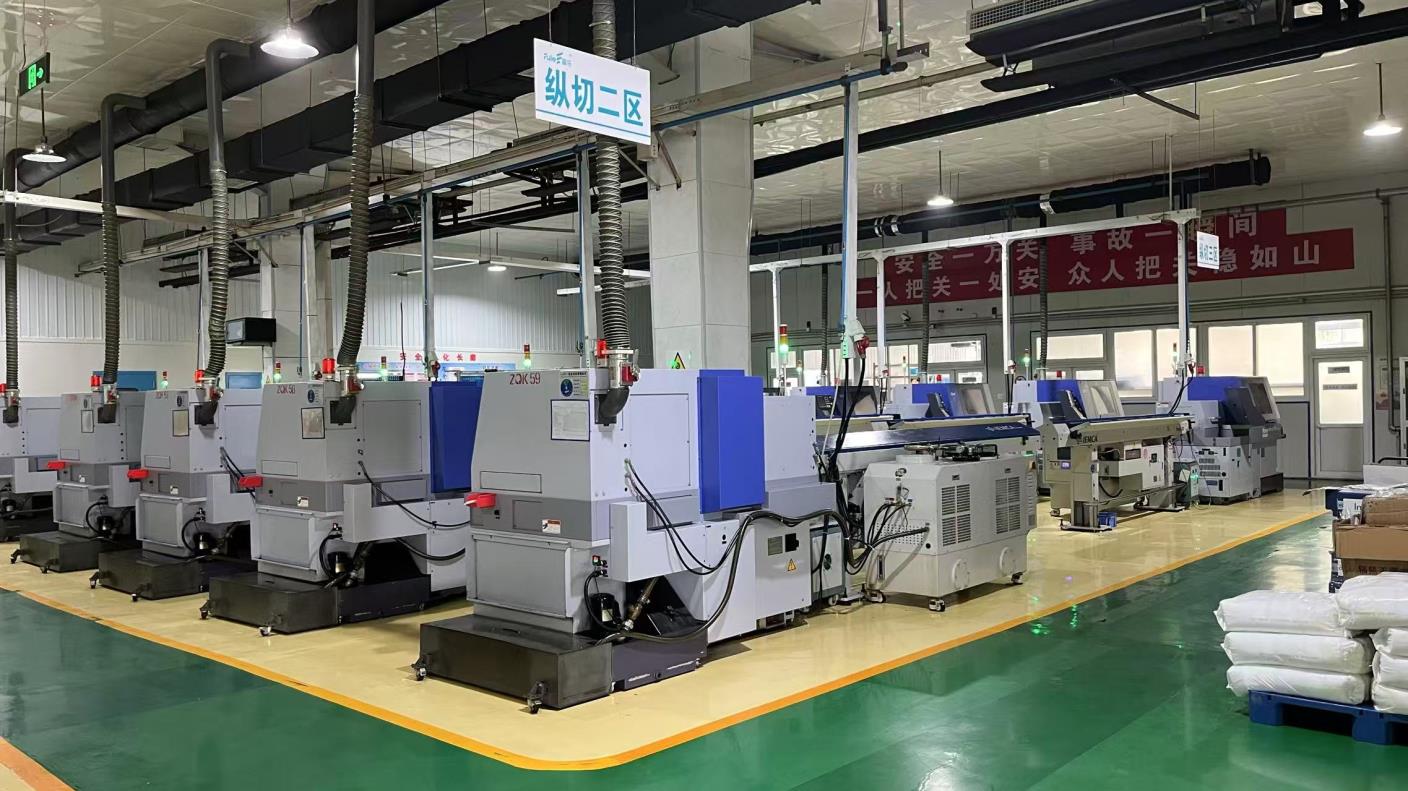
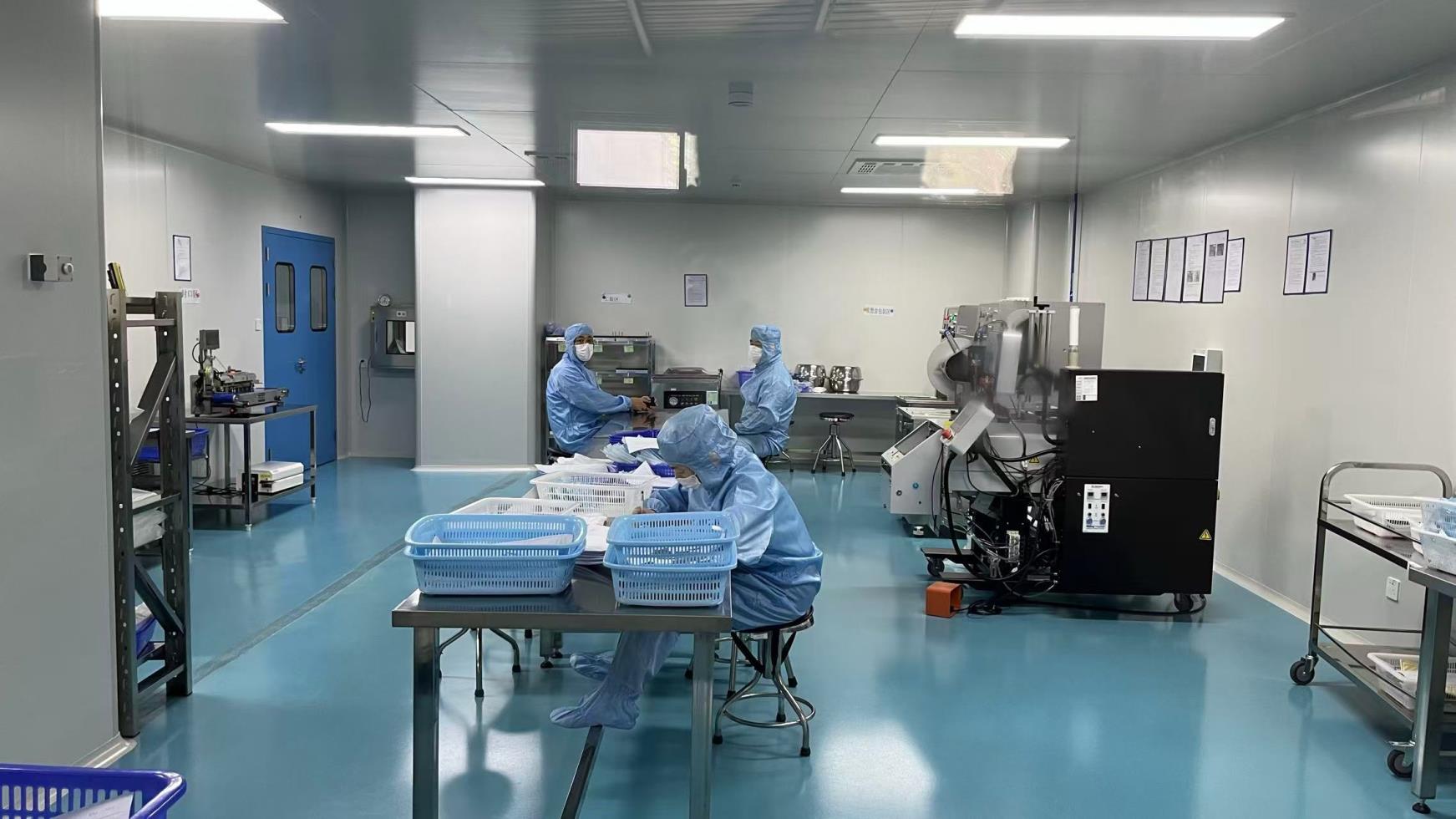
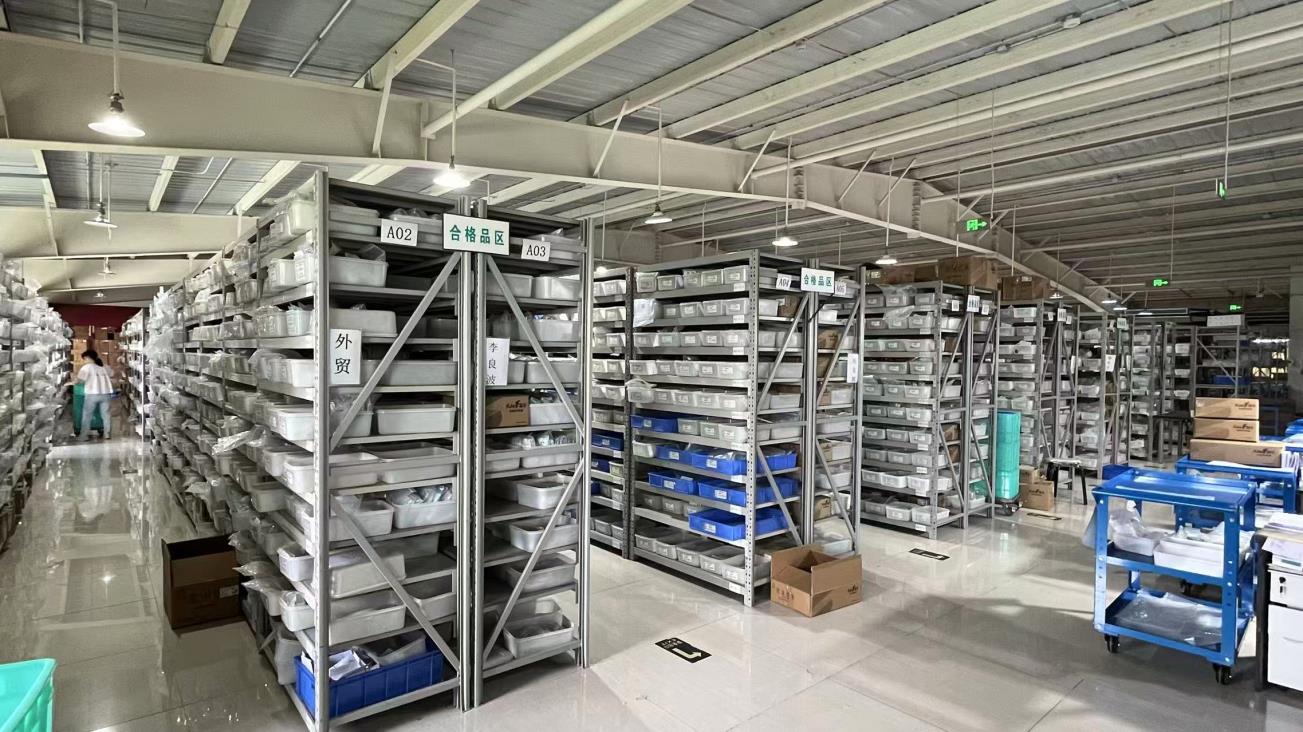
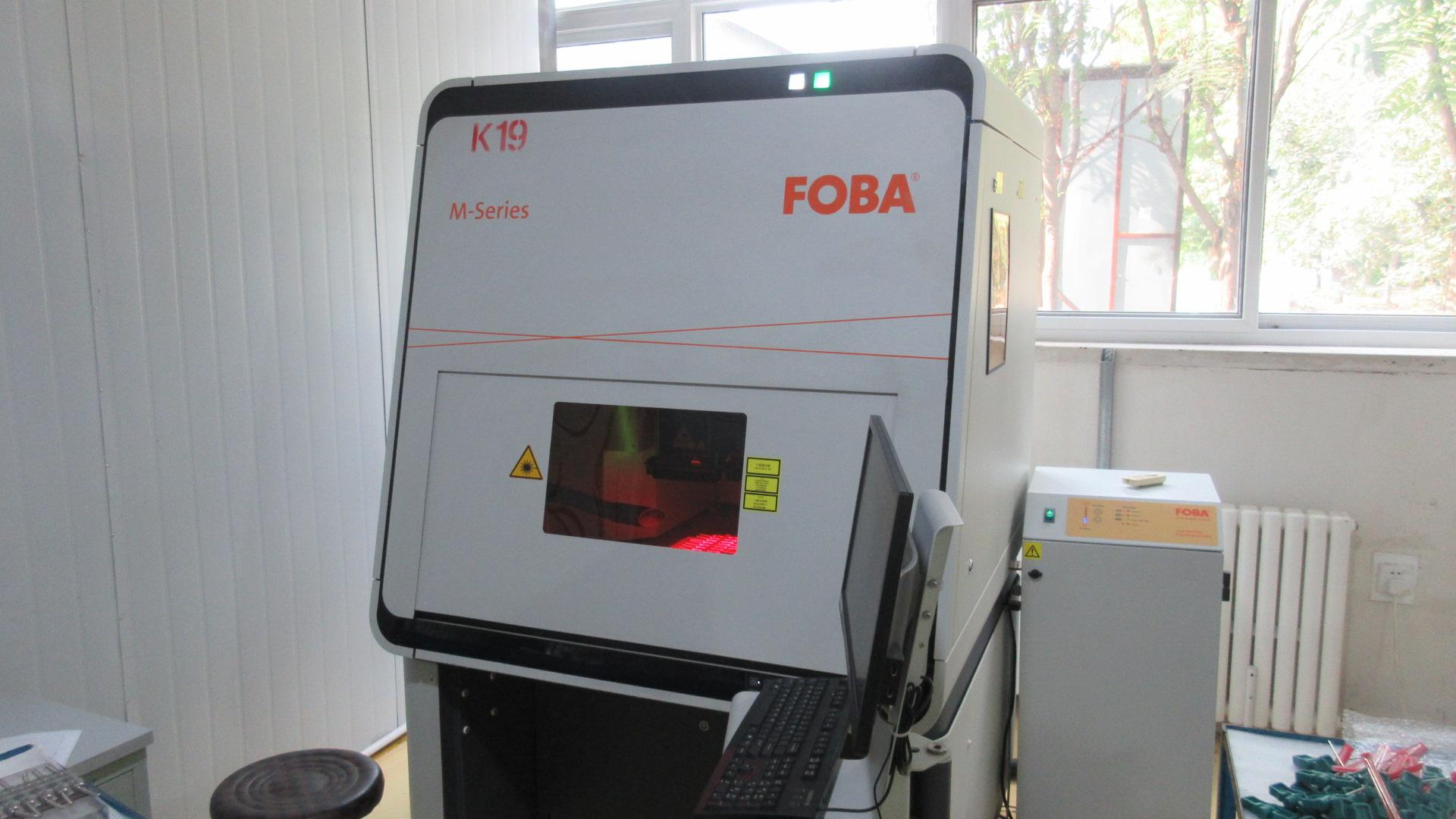
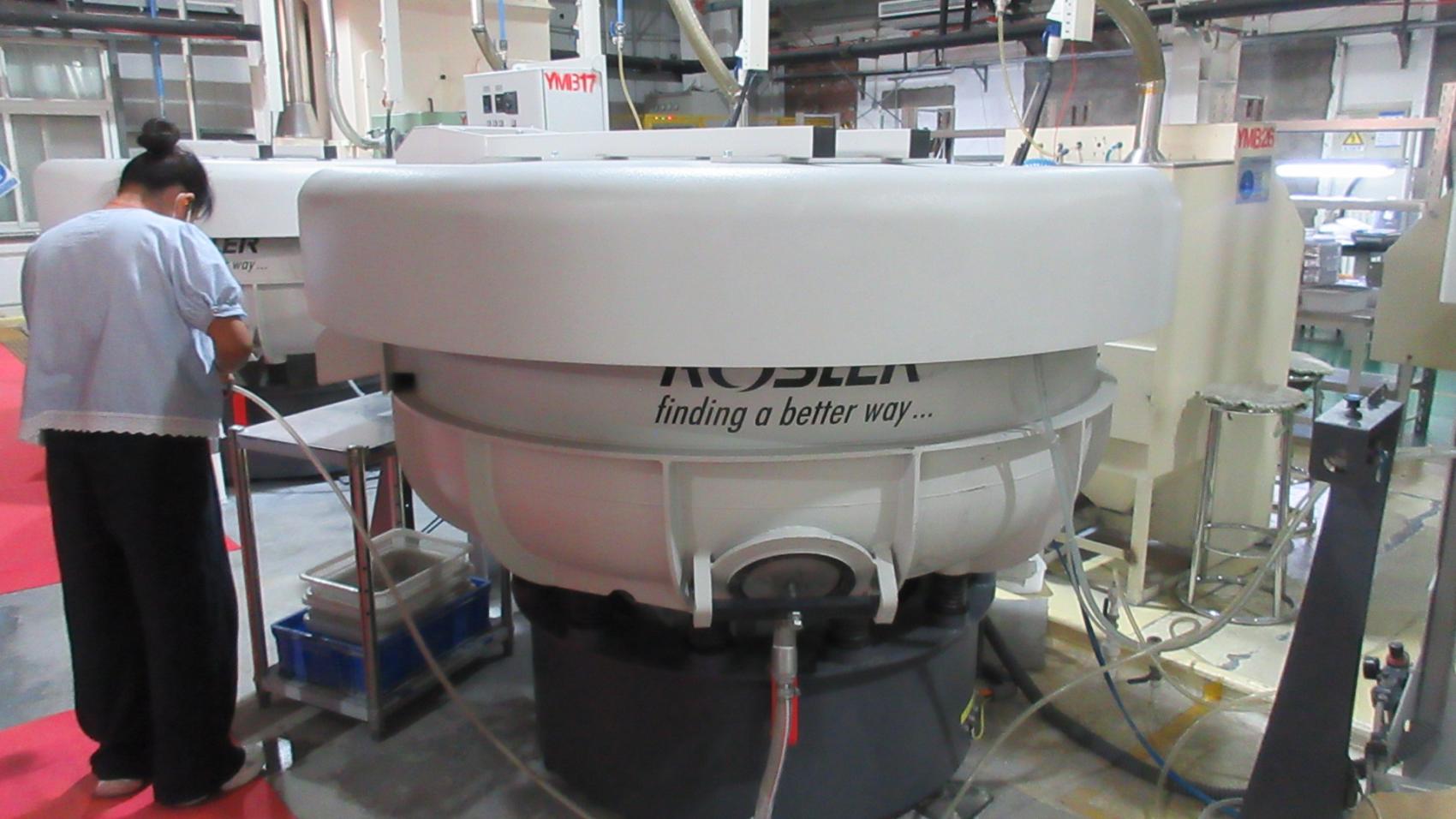
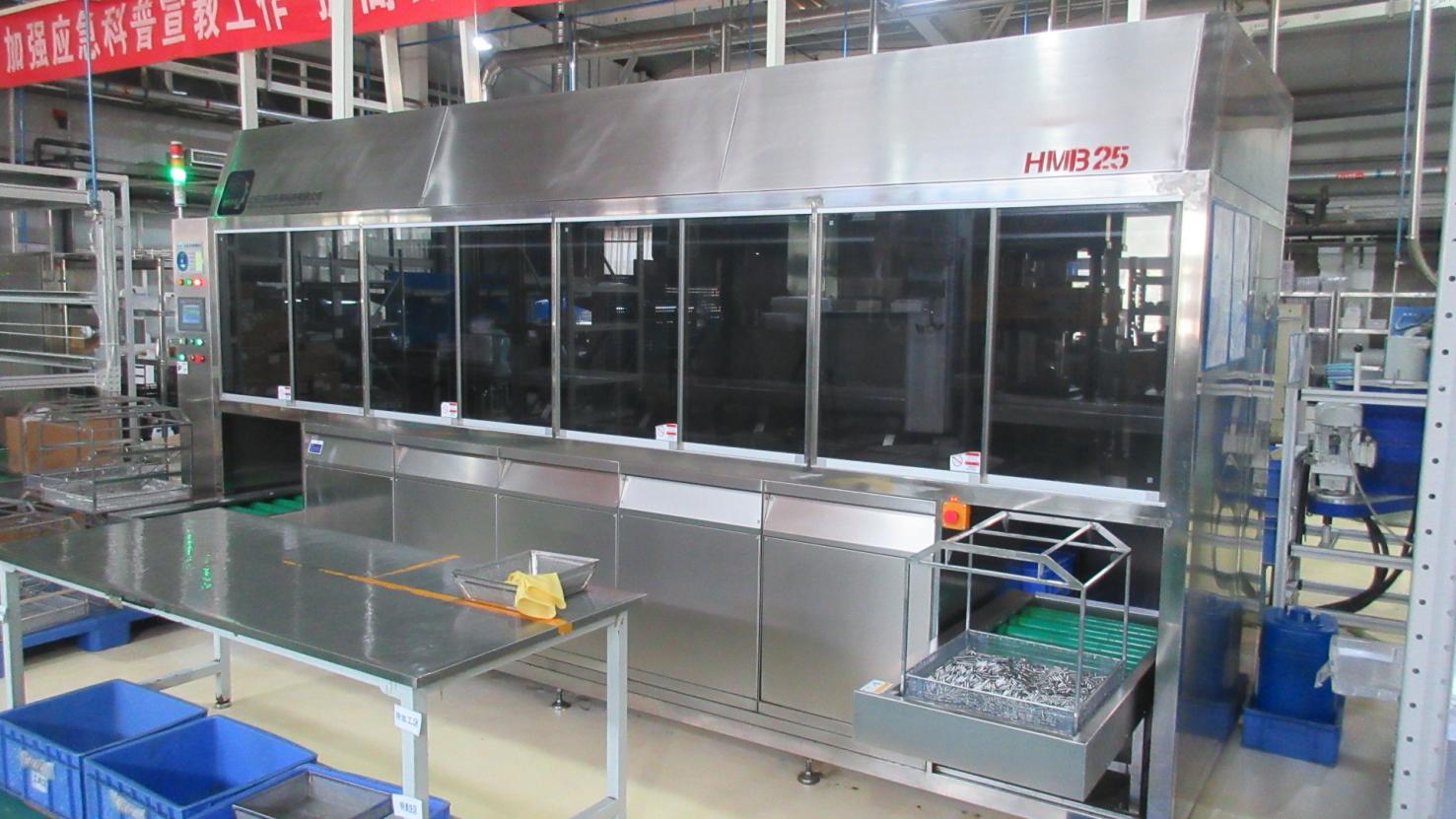
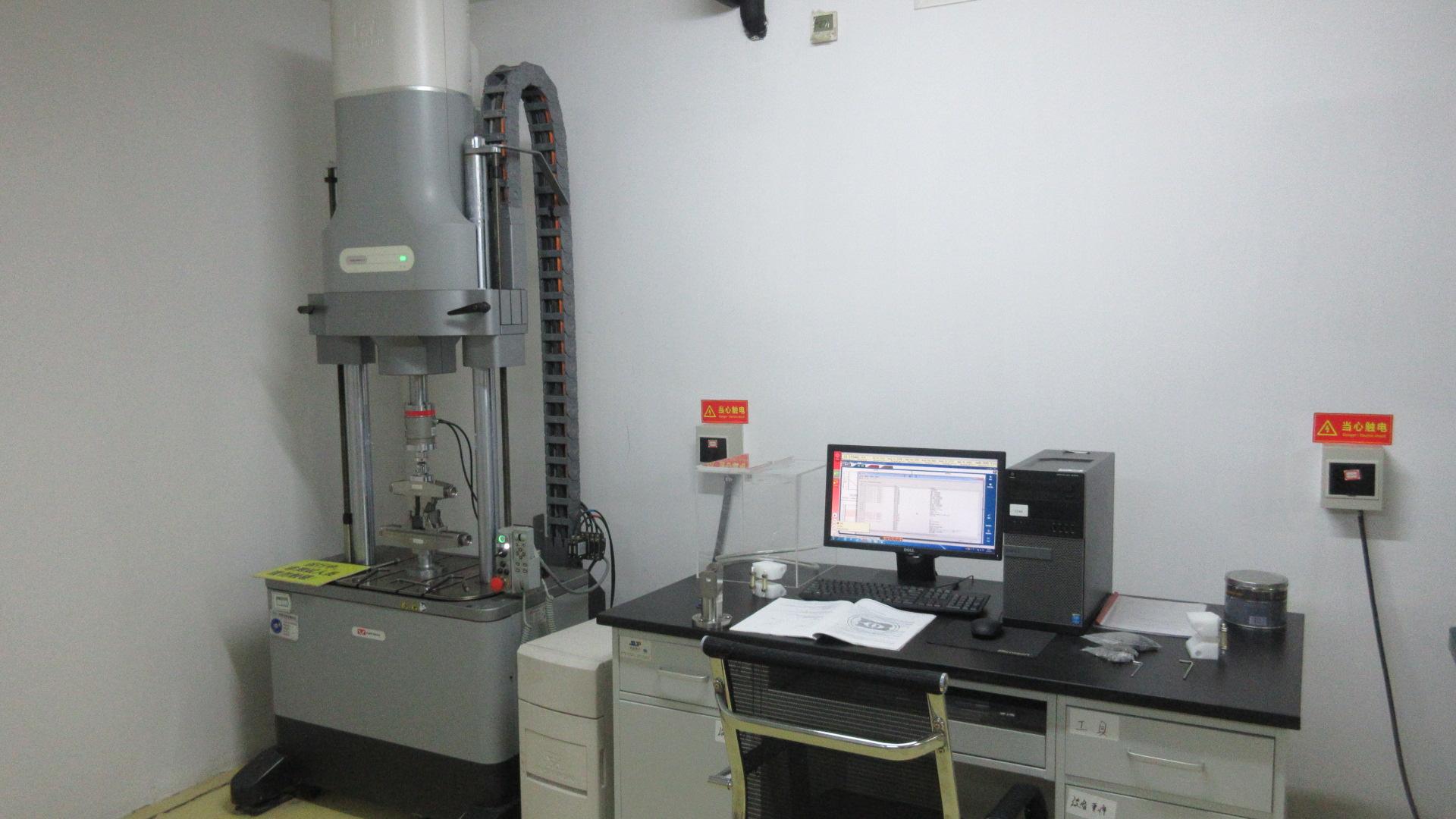
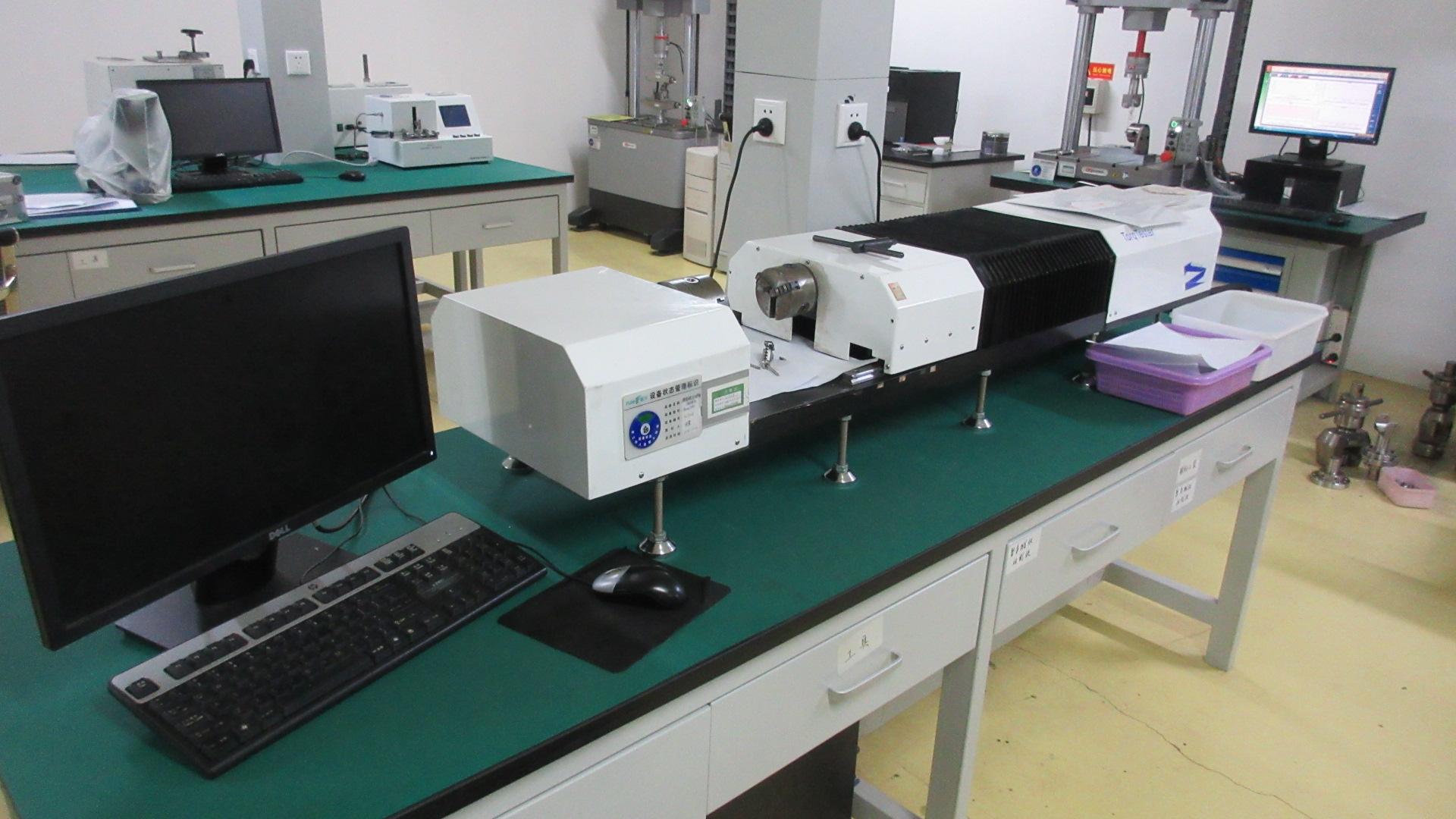
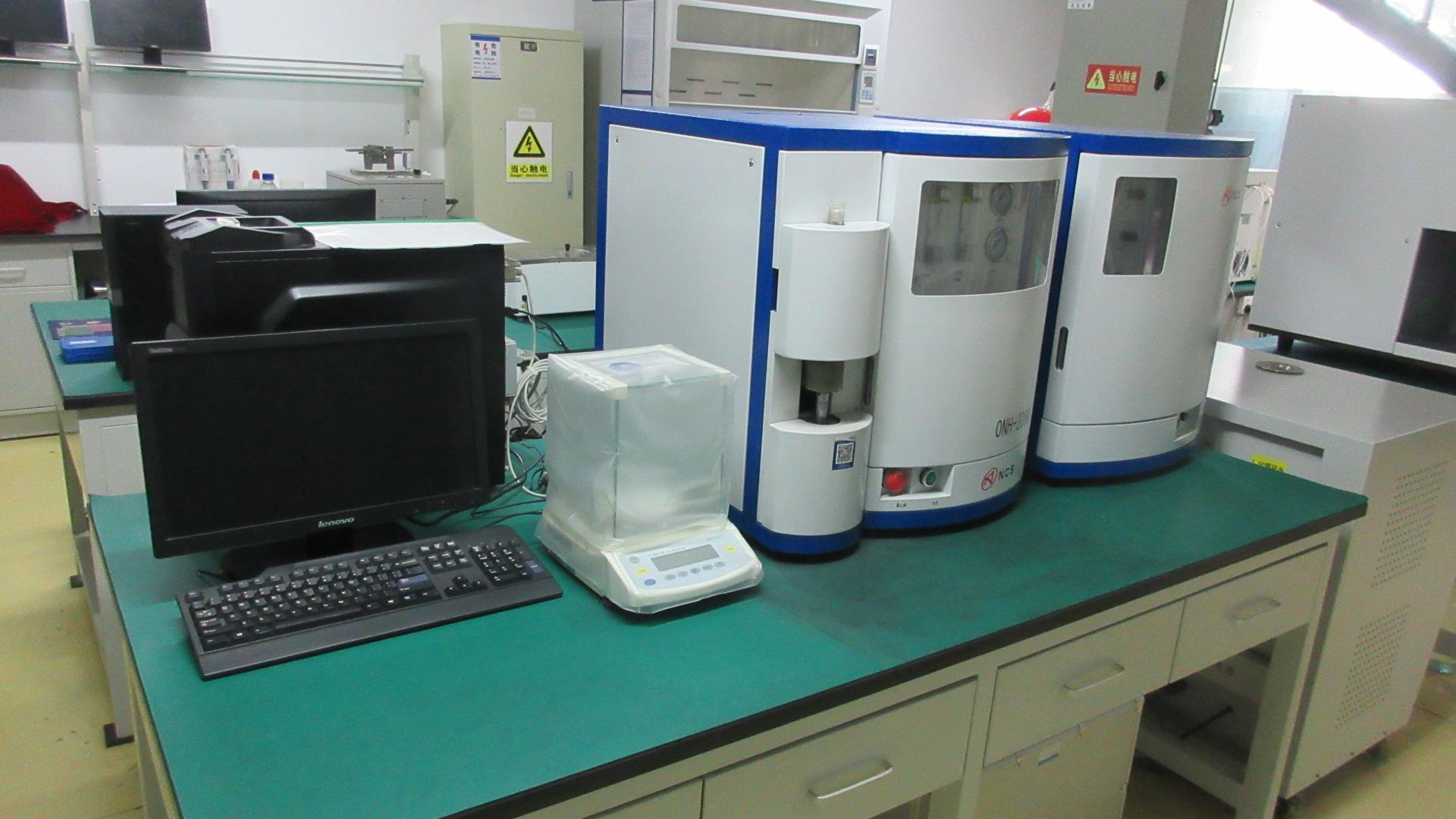
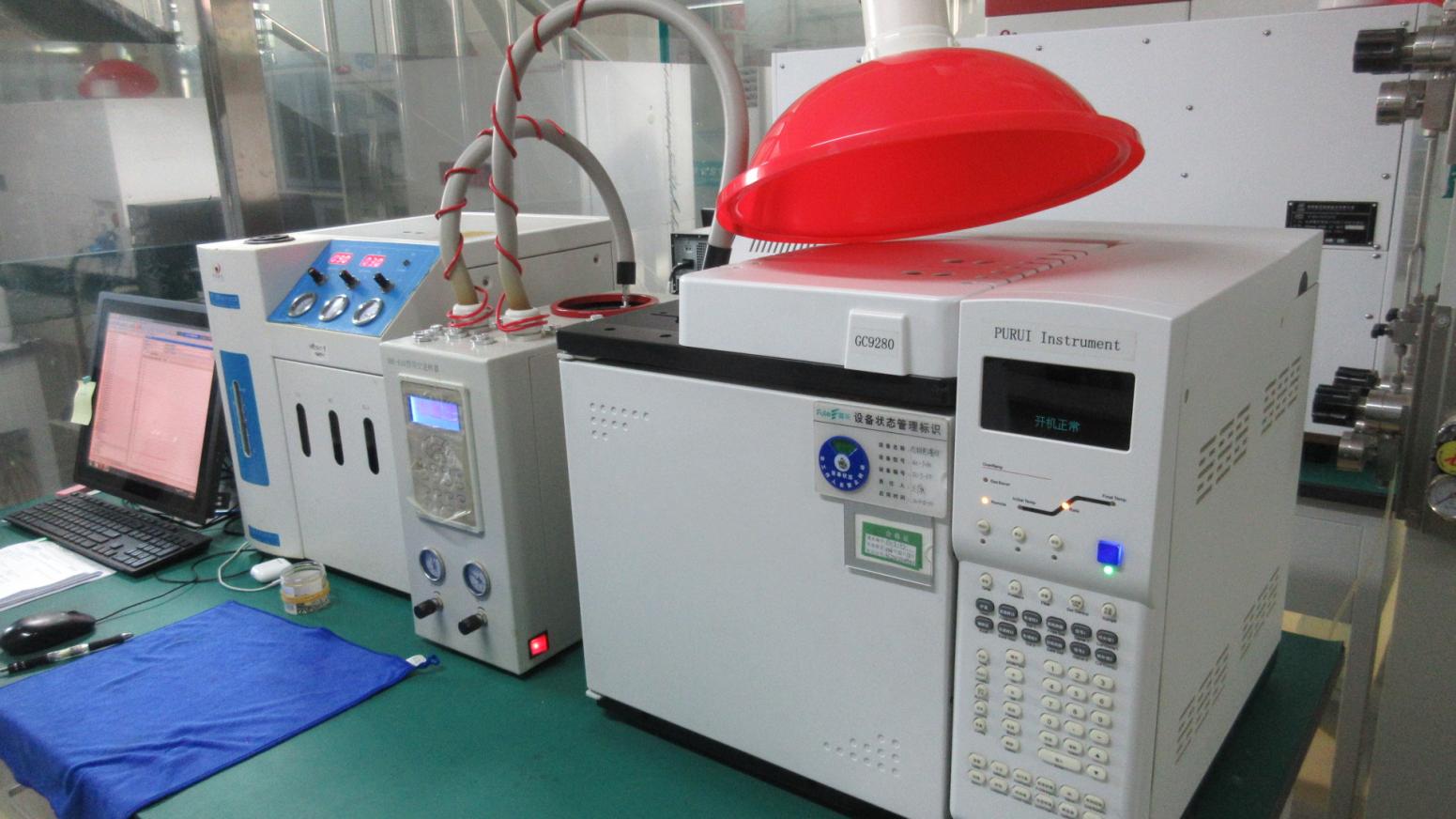
Our Plant, Laboratories, and Manufacturing Facility

Take a visual tour inside our advanced machining centers, purification cleanrooms, and testing facilities.

OEM Bone Grafting Manufacturing FAQs

Get authoritative insights into biological materials, custom fabrication options, and regulatory pathways.

Q1: What materials are available for custom OEM bone graft manufacturing?
Our facilities synthesize high-purity Beta-Tricalcium Phosphate (β-TCP), Hydroxyapatite (HA), and Bioactive Glass formulations. Additionally, we customize composite materials such as Collagen-calcium phosphate sheets and demineralized bone matrix (DBM) putties. Custom composition ratios (e.g., 60% HA / 40% β-TCP) can be engineered to meet your target degradation timelines.
Q2: How do you verify the biocompatibility and biological safety of bone substitute batches?
Every batch undergoes validation testing in accordance with ISO 10993 (Biological Evaluation of Medical Devices). This covers cytotoxicity, systemic toxicity, sensitization, genotoxicity, and implantation testing. Raw materials are fully traceable from supplier origin to final sterile packaging, with physical indicators validated for each sterilizer load.
Q3: What sterilization techniques are used for global shipments of bone grafts?
Depending on the material profile, we validate either Gamma Irradiation (typically at a minimal dose of 25 kGy to achieve a Sterility Assurance Level of 10^-6) or Ethylene Oxide (EtO) sterilization. All validation protocols comply with ISO 11137 (Radiation) or ISO 11135 (EtO) standards.
Q4: What is the typical lead time for custom OEM prototyping and clinical batch production?
Standard OEM geometries (e.g., standard granules, blocks, and cylinders) can be developed and sampled within 4 to 6 weeks. Custom formulations or unique porous scaffold designs requiring custom tooling and biological verification typically require 3 to 6 months for engineering, regulatory documentation, and production startup.
Q5: Can you assist with the technical documentation needed for CE MDR or FDA 510(k) applications?
Yes. As a seasoned exporter with 30 years of medical market experience, we provide complete technical files, including chemical composition validation, mechanical test data, shelf-life verification studies, and biosecurity documentation to streamline registration processes for global distributors.

High-Precision Orthopedic Instruments & Implants

Clinical-grade surgical instrumentation and titanium/alloy skeletal implant hardware manufactured in Class 100,000 cleanrooms.
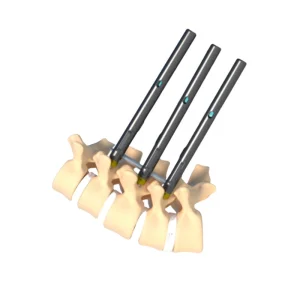
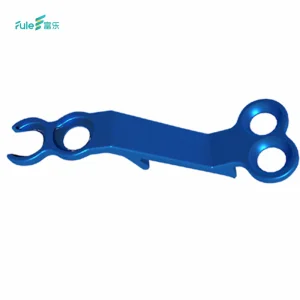
Broken Screws Removal Instruments Set

Hot-selling Broken Screws Removal Instruments Set From Beijing Fule

View Details →
Titanium Posterior Cervical Laminoplasty

Hot Sales Titanium Posterior Cervical Laminoplasty Spine Surgery Orthopedic Implant CE Certified

View Details →
Orthopedic Spine Instrument Set

Orthopedic Spine Instrument Set for Minimally Invasive Surgery Stainless Medical Technical Instrument Devices

View Details →
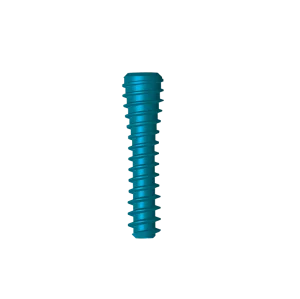
Cannulated Screw System

CE Marked Cannulated Screw System for Hand Foot Fractures China Manufactured Artificial Medical Implants Interventions Materials

View Details →
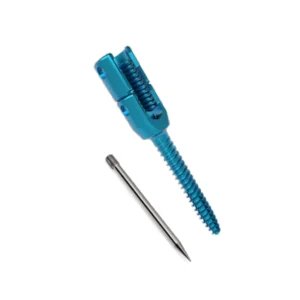
Titanium Expandable Pedicle Screw System

High Quality Fule COX 6.0 Titanium Expandable Monoaxial Reduction Pedicle Screw Rod System for Spine Surgery Osteoporosis

View Details →
Anterior Spinal Screw-Rod System

5.5 Anterior Spinal Screw-Rod System CD Monoaxial Pedicle Screw Titanium

View Details →
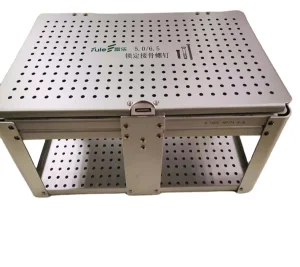
Orthopedic Screw Case

Orthopedic Screw Case for Trauma Aluminum Screw Box Surgical Tools Orthopedic Medical Instruments

View Details →
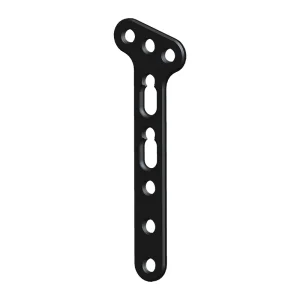
Titanium Orthopedic Bone Plate

China Manufacture Fule Titanium Orthopedic Bone Plate Proximal Distal T-Oblique Olencranon for Bone Fracture Fixation

View Details →