High-performance stabilization hardware engineered for spinal osteogenesis, osteoporosis intervention, and structural bone regeneration.
Analyzing critical clinical and commercial performance requirements for high-stakes bone regeneration and osteo-synthetic supply chains.
In the high-stakes landscape of orthopedic surgery, spinal stabilization, and complex bone reconstructive therapies, global medical device distributors, hospitals, and OEM brands require orthopedic implants that satisfy more than basic structural performance. Global procurement divisions focus heavily on clinical efficacy, biocompatibility, biomechanical compliance, and reliable supply chains to support bone regeneration processes. The modern demand curve is shifting toward advanced Class III implantable systems featuring surface topographies that encourage direct osseointegration and osteo-conduction.
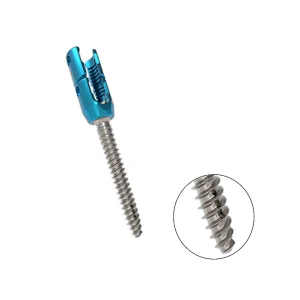
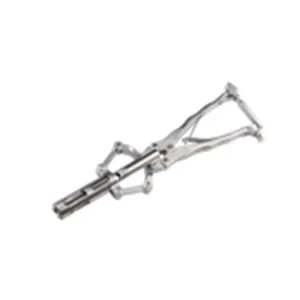
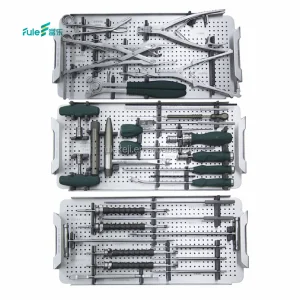
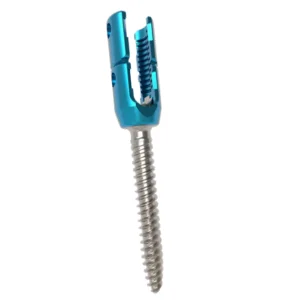
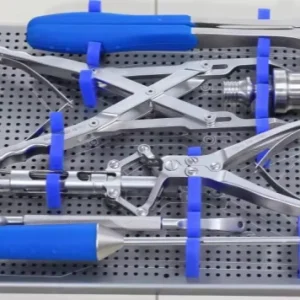
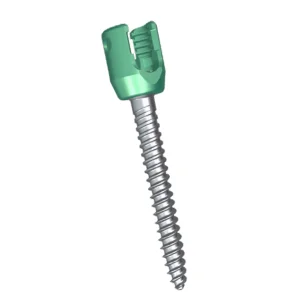
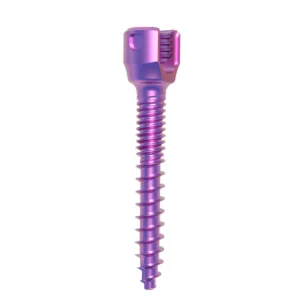
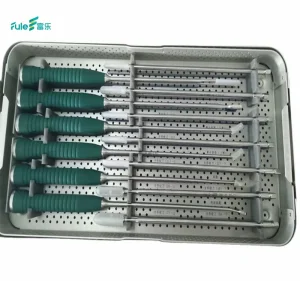
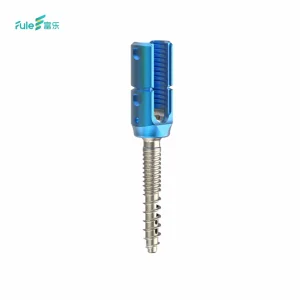
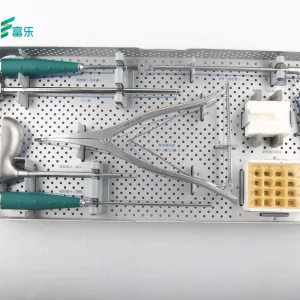
For bone regeneration to progress effectively around implants, mechanical micro-movements must be minimized. System solutions, such as the COX II Bone Cement Pedicle Screw 6.0 System and polyaxial reduction screws, have emerged as indispensable tools for stabilizing bone structures in compromised osteoporotic patient profiles. These stabilization devices prevent micro-instability and create the necessary physical and mechanical conditions for bone graft substitutes, bioactive cements, or native bones to heal. Procurement teams prioritize suppliers that provide complete surgical instrumentation packages, like the OLIF (Oblique Lumbar Interbody Fusion) and Usmart Pedicle Screw Instrument Sets, to guarantee seamless clinical execution and shorten operating room preparation times.
Medical-grade titanium alloys (Ti-6Al-4V ELI) and implant-grade PEEK polymer substrates deliver ideal elastic moduli, minimizing stress shielding while maintaining long-term structural integrity.
Strict adherence to CE certifications, ISO 13485 compliance, and Class III medical device registries guarantees risk mitigation and seamless import clearance across international borders.
100% downstream tracking from raw ingot heat numbers to sterile packaging. Comprehensive documentation guarantees alignment with complex global medical standards.
Addressing bone loss, spinal degeneration, and traumatic skeletal failure with advanced biomedical engineering.
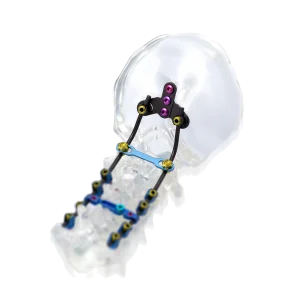
Large-scale bone loss caused by trauma, revision arthroplasty, or oncological resections demands robust structural support systems that facilitate natural healing. Standard bone grafts are frequently insufficient without secure internal mechanical stabilization. The global orthopedic industry addresses these challenges by developing integrated systems, including posterior cervical systems, thoracic pedicle screw arrays, and intramedullary nails (like the PFNA Femoral Intramedullary Nail), to distribute physiological loads effectively.
Combining rigid metal fixation with osteoconductive agents forms the foundation of modern orthopedic reconstruction. For example, in osteoporotic spinal therapy, traditional screws can loosen due to low bone mineral density. Modern systems solve this by incorporating cannulated pedicle screws that allow the injection of PMMA bone cement directly into the vertebral body, instantly anchoring the screw to the surrounding bone. This hybrid biomechanical support stabilizes the segment and protects the healing interface, allowing natural bone remodelling and fusion to proceed.
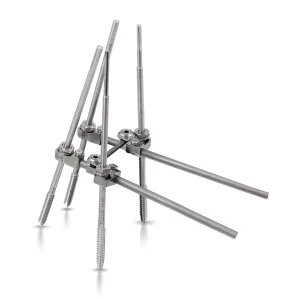
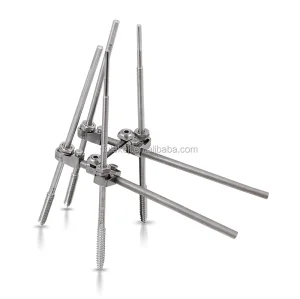
Rigid internal fixation via titanium pedicle screw-rod architectures and intramedullary systems stabilizes critical bone fragments, neutralizing shear forces.
Custom interbody fusion cages (PEEK or Titanium mesh) maintain mechanical height, restore spinal lordosis, and house bone graft material to accelerate fusion.
Engineered elasticity profiles in implant designs dynamically distribute mechanical loads, which stimulates native osteoblasts and complies with Wolff's Law.
The progression of bone regeneration technologies toward bio-active, smart, and patient-specific implant designs.
The next generation of implant design relies on the integration of biological and digital technologies. Standard bio-inert titanium surfaces are being upgraded with micro- and nano-topographies that mimic the natural structure of bone tissue. Advanced acid-etching and anodic oxidation techniques create sub-micron surface porosity that promotes cell adhesion and mineral deposition, accelerating the osseointegration timeline.
Looking ahead, the industry is moving toward smart implant systems. Researchers are developing bio-absorbable magnesium alloys and polymer matrix composites that provide structural stability during the initial healing phase and gradually degrade as native bone regenerates. Furthermore, 3D printing (additive manufacturing) allows for patient-specific implants designed directly from CT scans, enabling precise anatomic fitting for complex reconstructive surgeries. Integrating customized OEM bone regeneration implants with digital surgical planning tools will set new standards for surgical precision and patient recovery.
Utilizing acid-etching and SLA surface treatments to build osteoblast-friendly micro-topographies.
Selective Laser Melting (SLM) to manufacture trabecular structures that encourage bone ingrowth.
Deposition of hydroxyapatite (HA) or silicated coatings to trigger immediate chemical bonding with bone.
Integrating bio-absorbable metals and drug-delivery surfaces to target osteoblast differentiation.
Thirty years of manufacturing excellence, advanced infrastructure, and globally certified medical-grade operations.
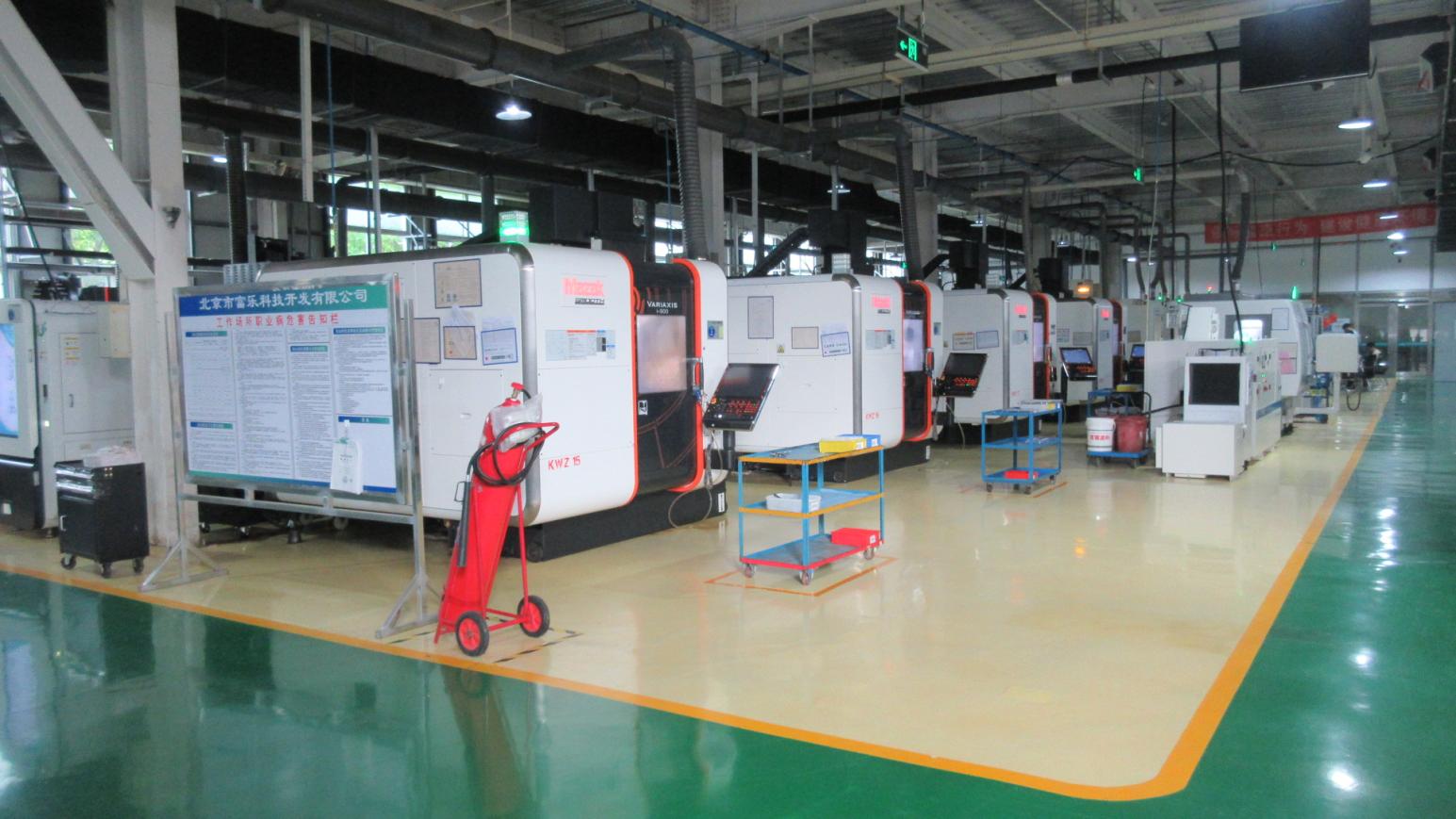
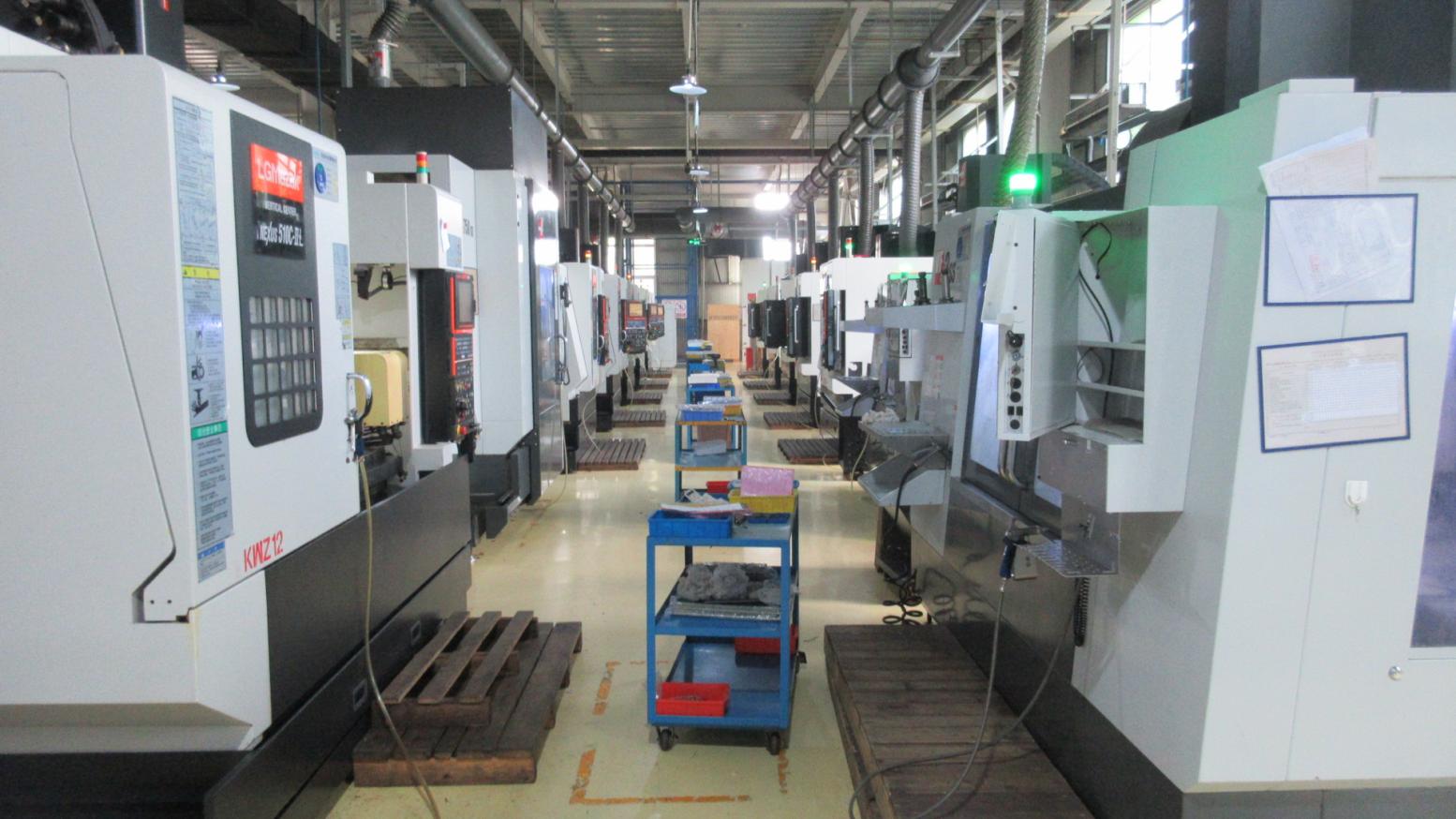
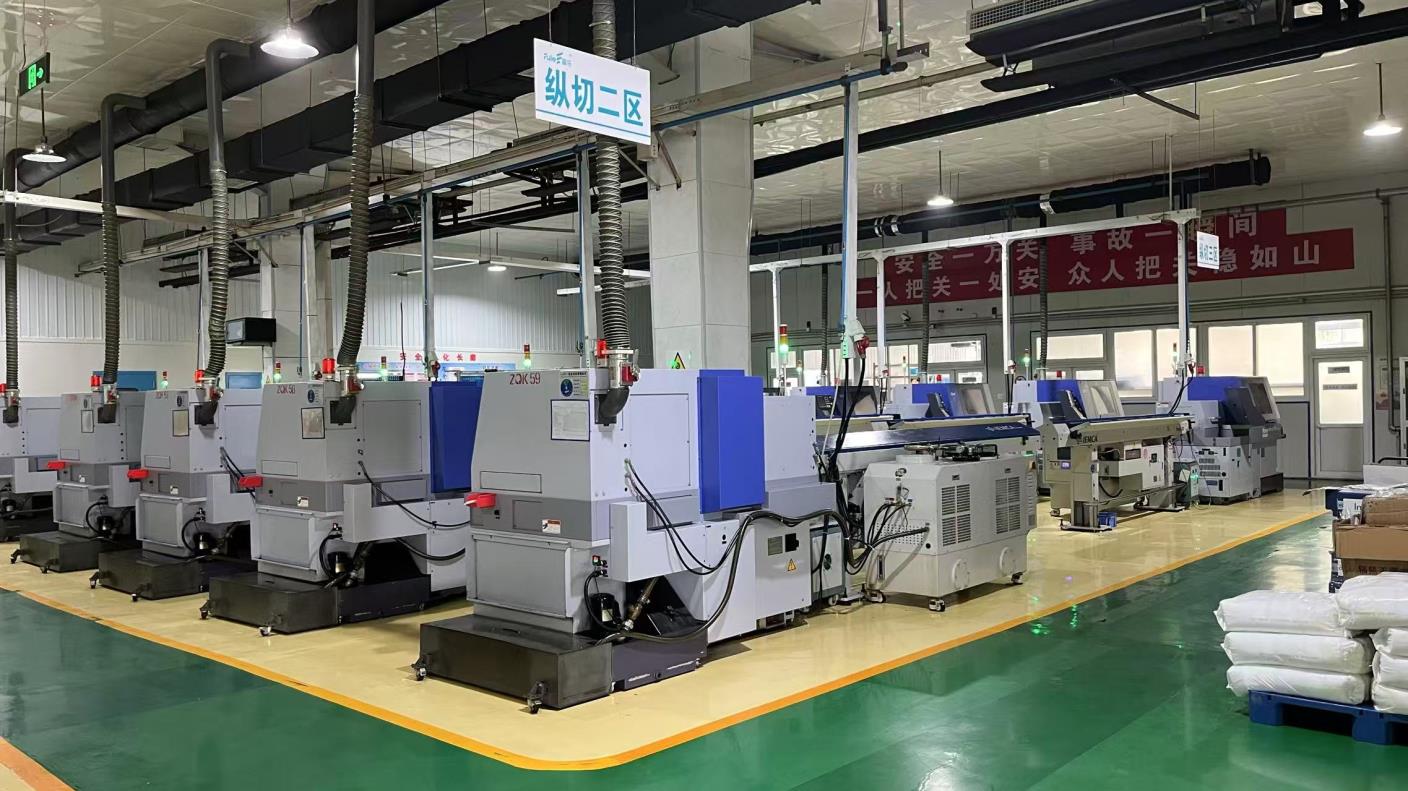
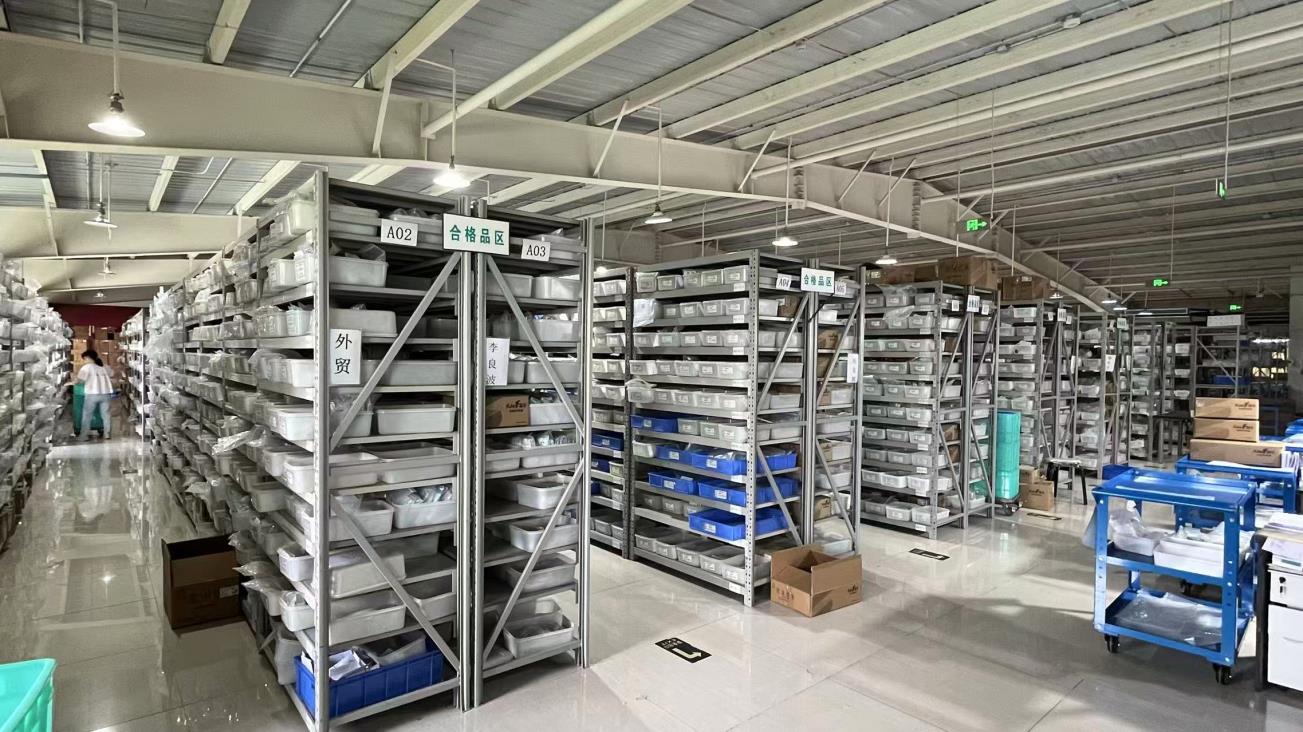
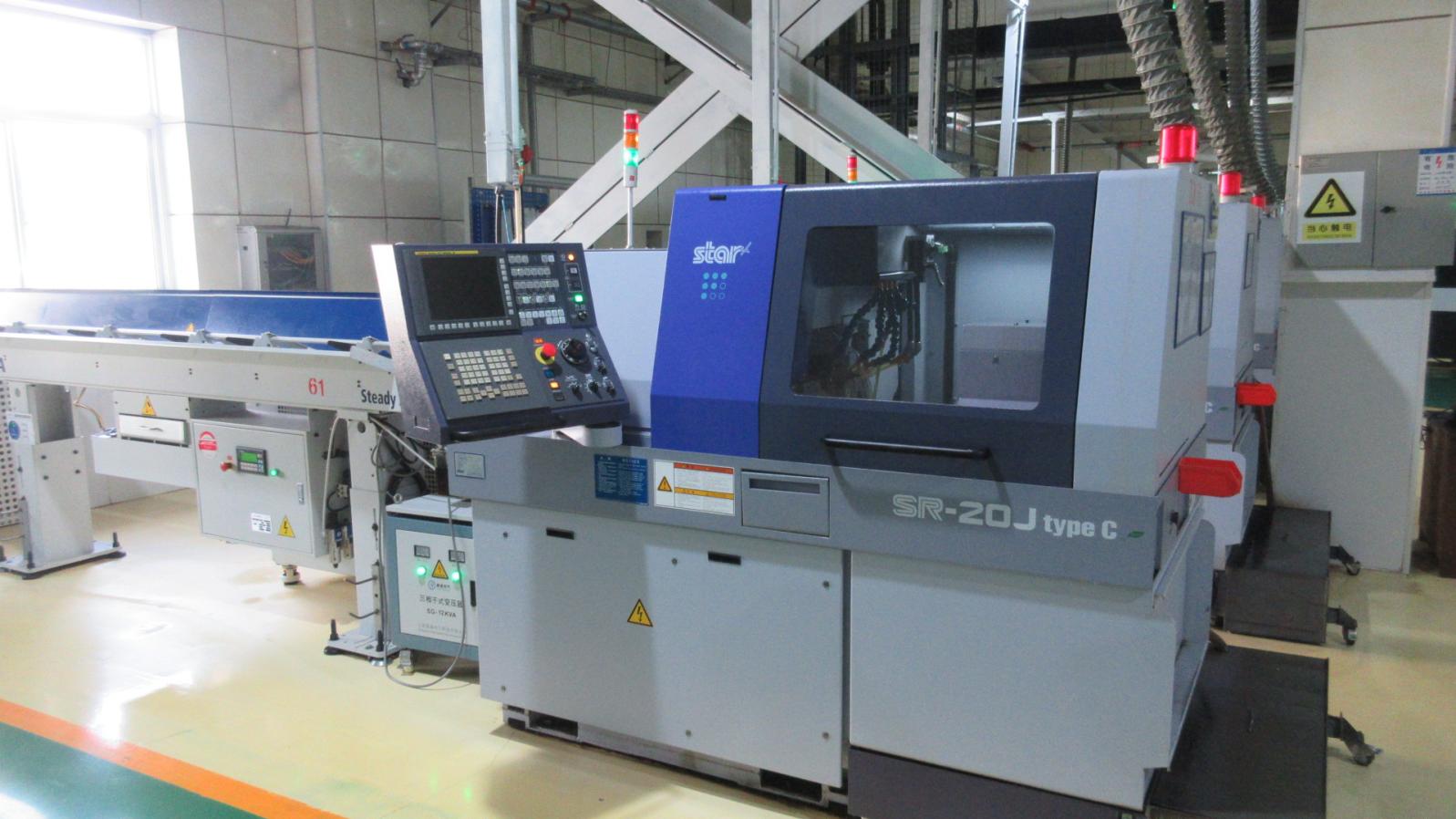
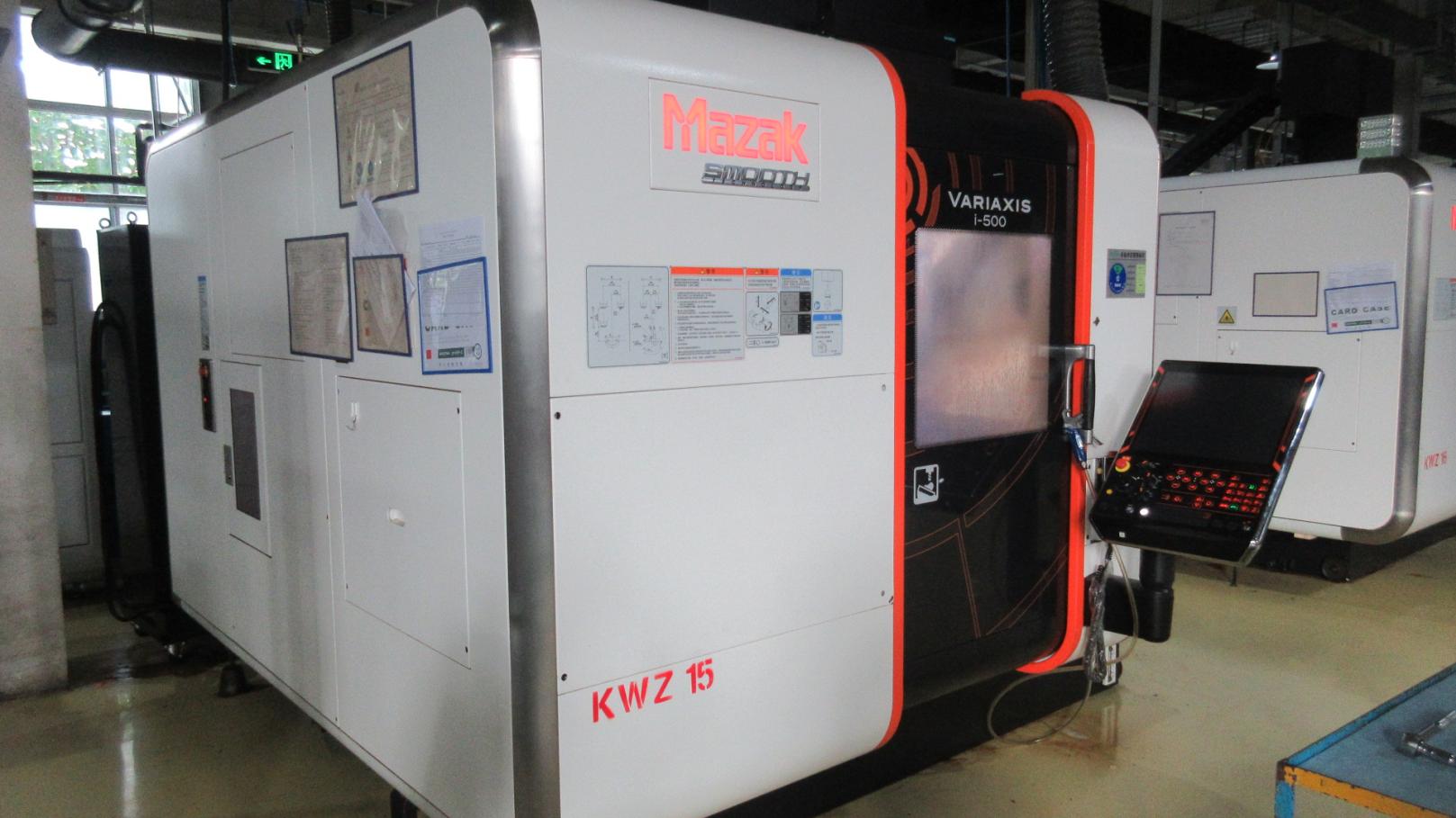
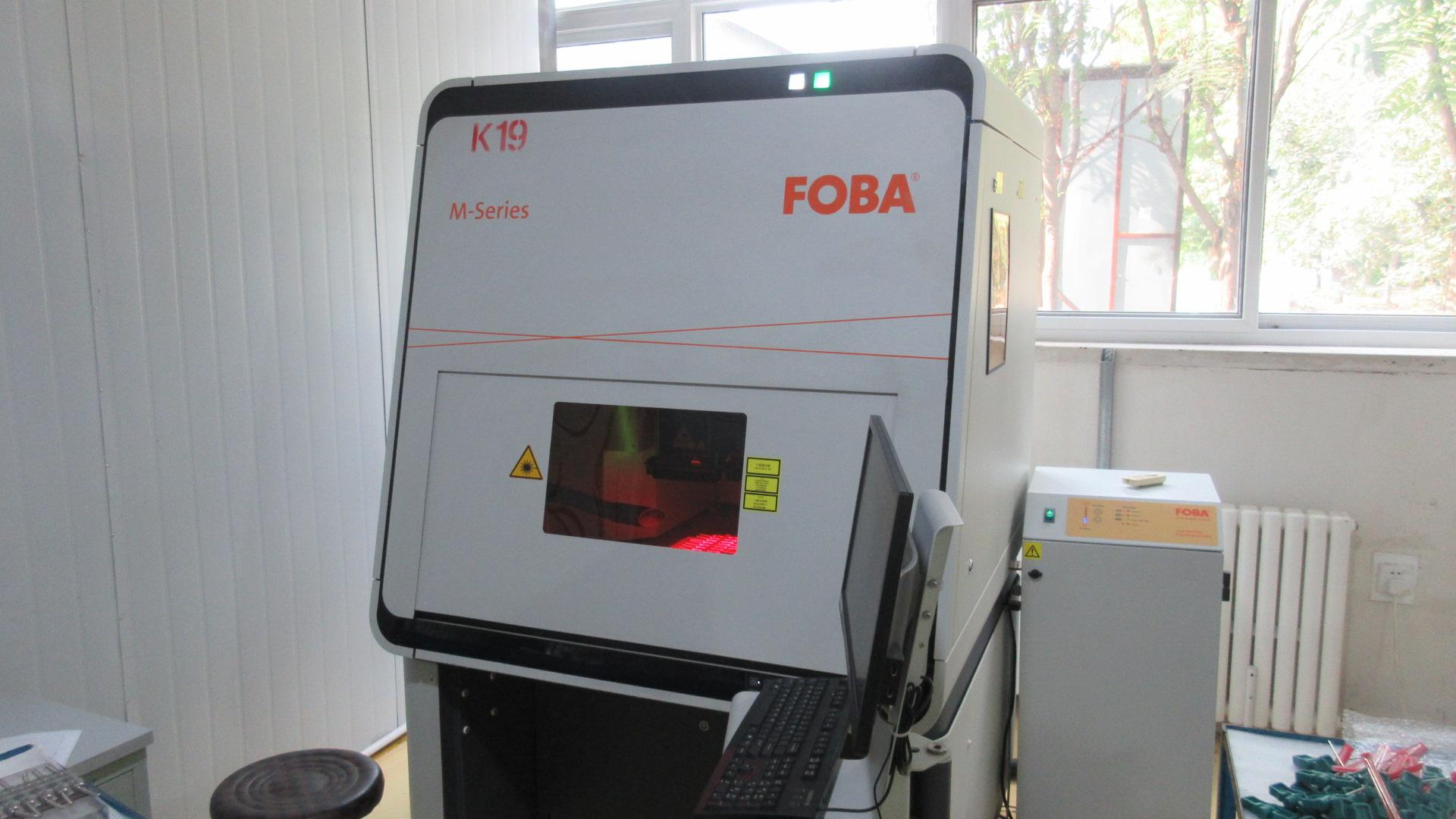
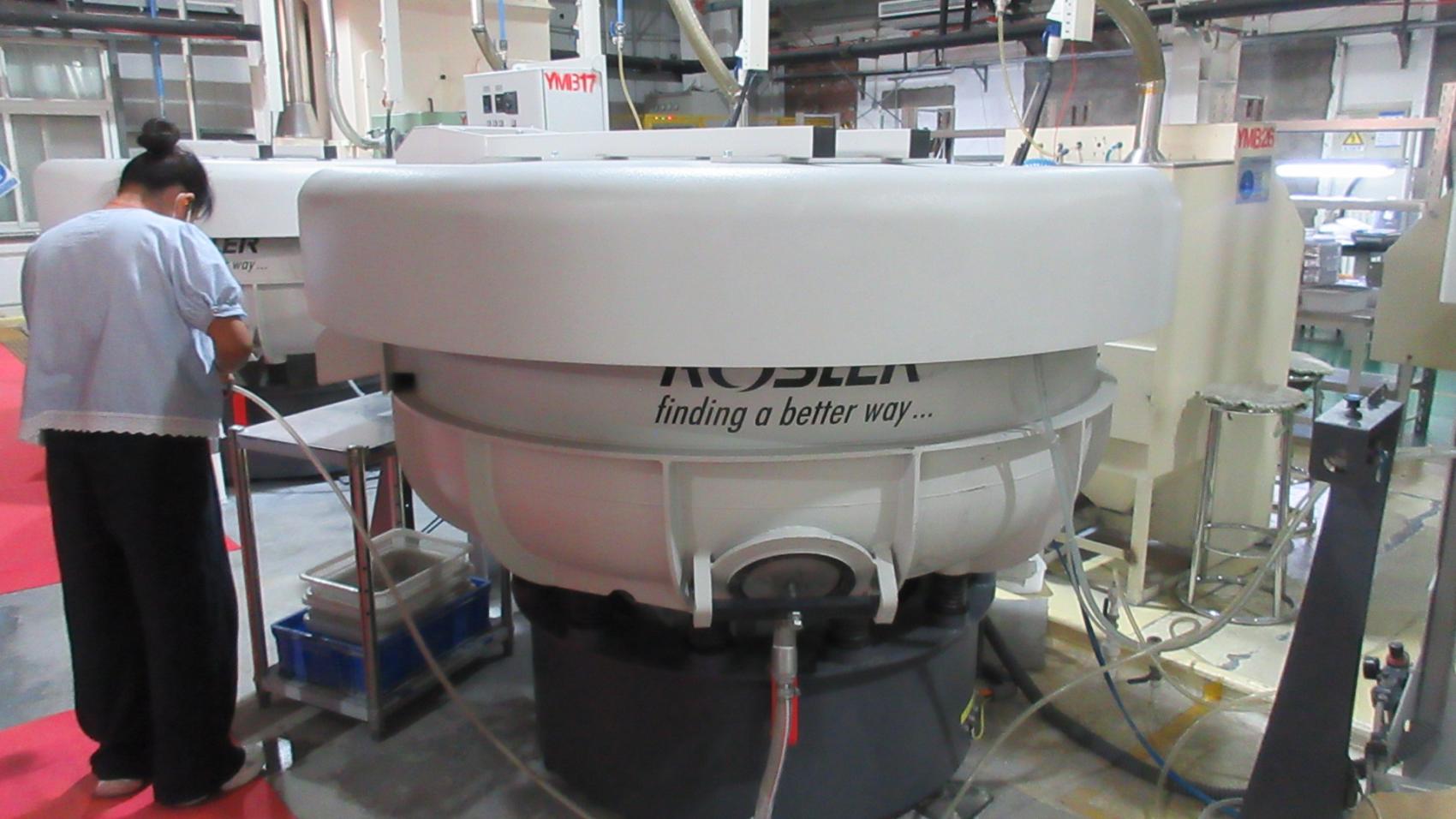
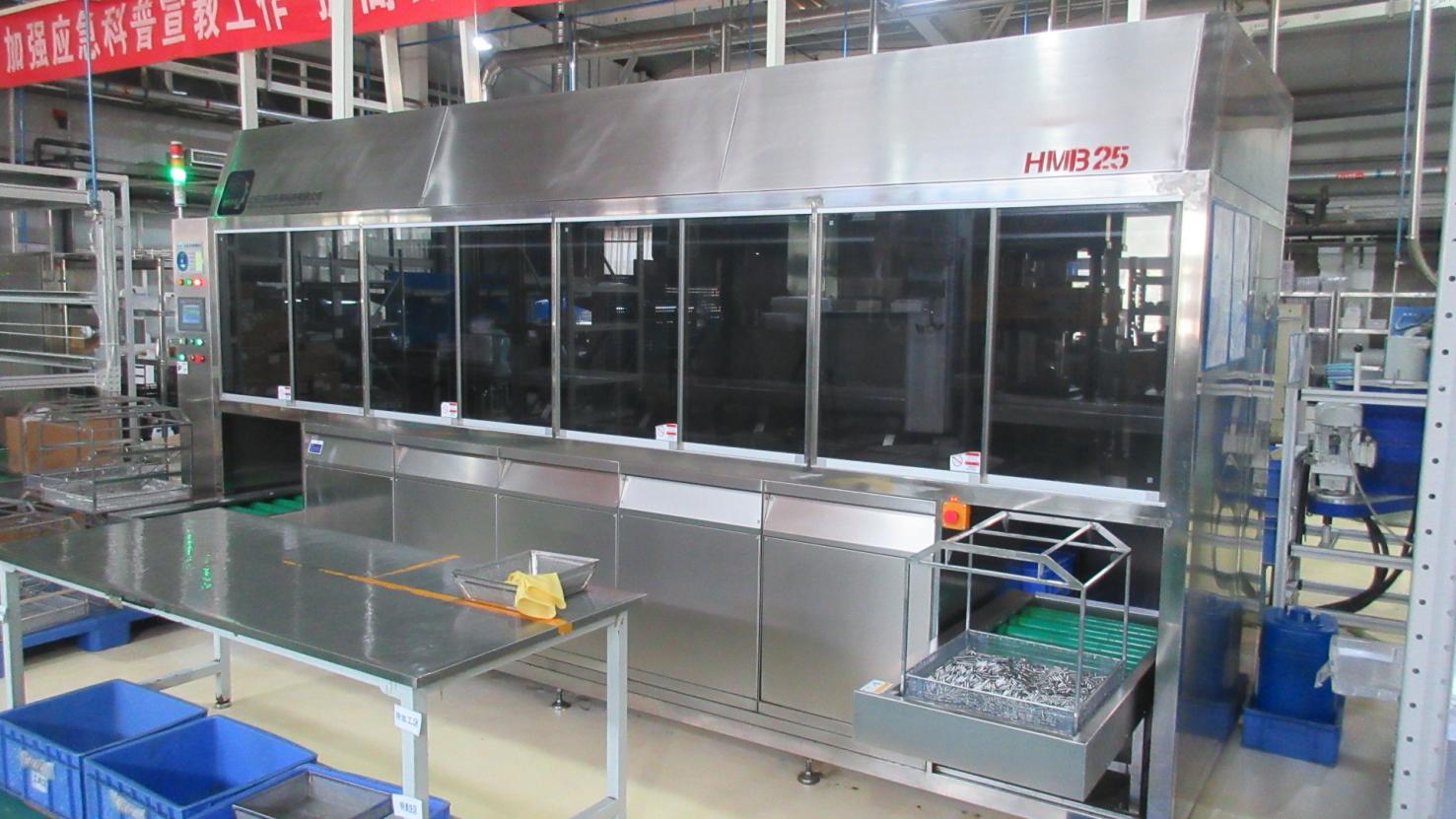
Operating a robust global orthopedic business requires substantial, certified industrial capacity. Our production infrastructure spans a 10,000-square-meter facility, housing 102 state-of-the-art production machines. These advanced production lines yield an annual output capacity of over 511,000 orthopedic implants and instruments, enabling us to consistently supply medical distributors, hospital procurement networks, and global OEM partners.
Our research and development division features a team of 20 dedicated R&D engineers (including 15 holding advanced graduate degrees and 5 specialists from leading technical colleges). This team focuses on translating biomechanical requirements into functional orthopedic designs. Whether optimizing polyaxial screw mechanisms, improving lumbar cages, or refining posterior cervical stabilization devices, our engineering team manages projects from concept to certified medical implant. In the past year alone, our R&D group successfully introduced 20 new products, strengthening our global catalog and expanding customized OEM solutions for international markets.
Managing regulatory standards, certified quality control processes, and global medical supply chains.
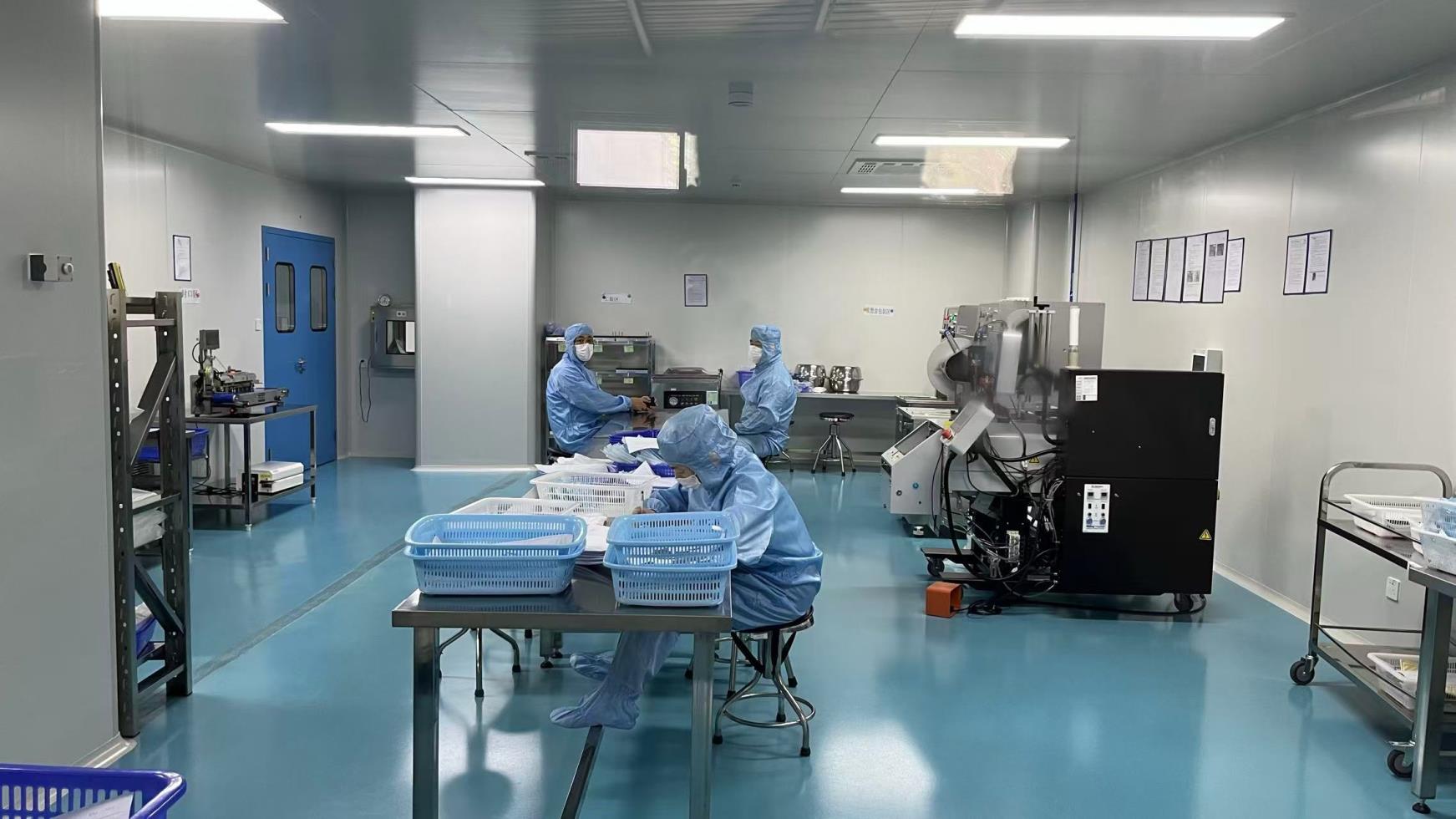
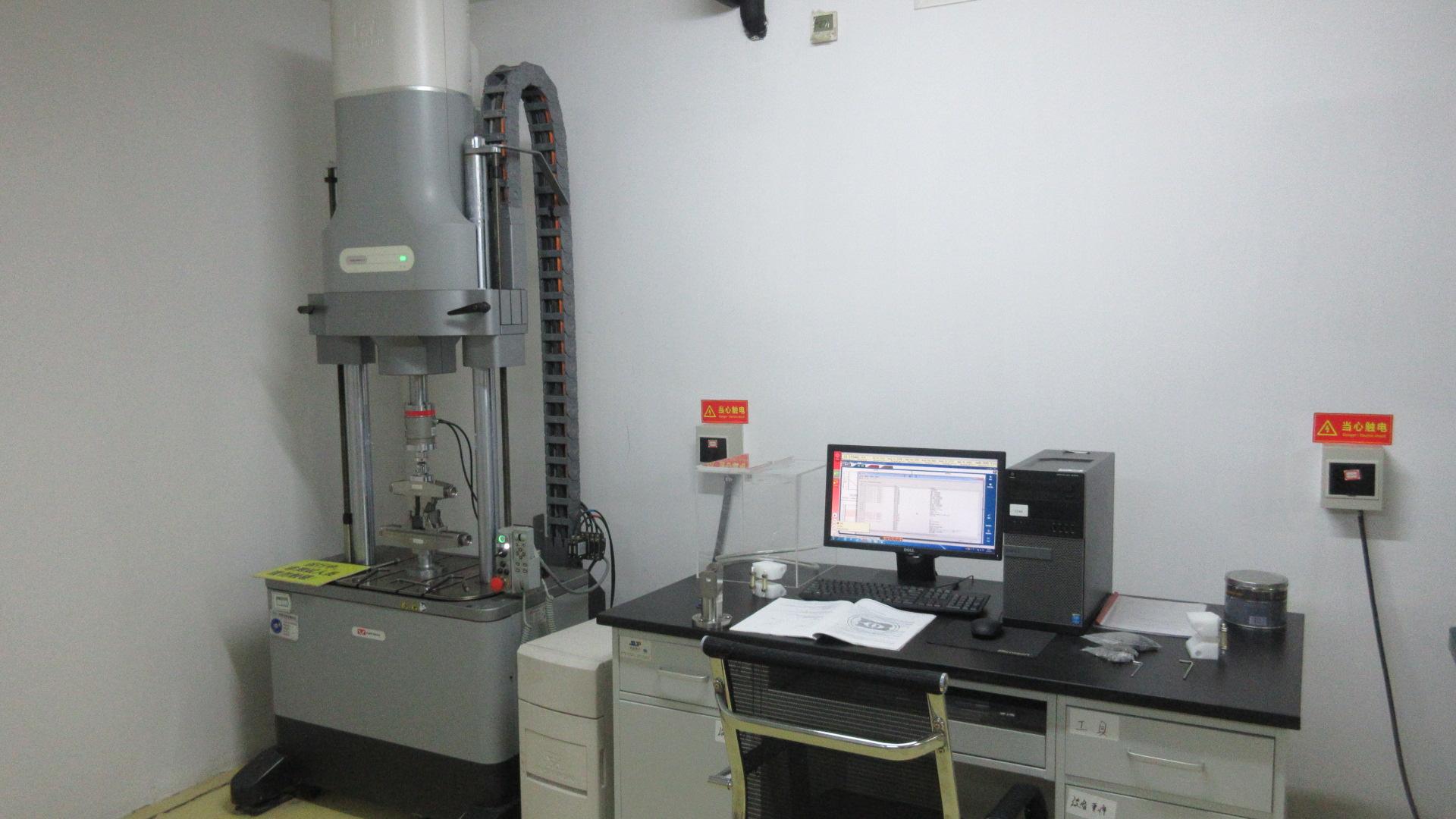
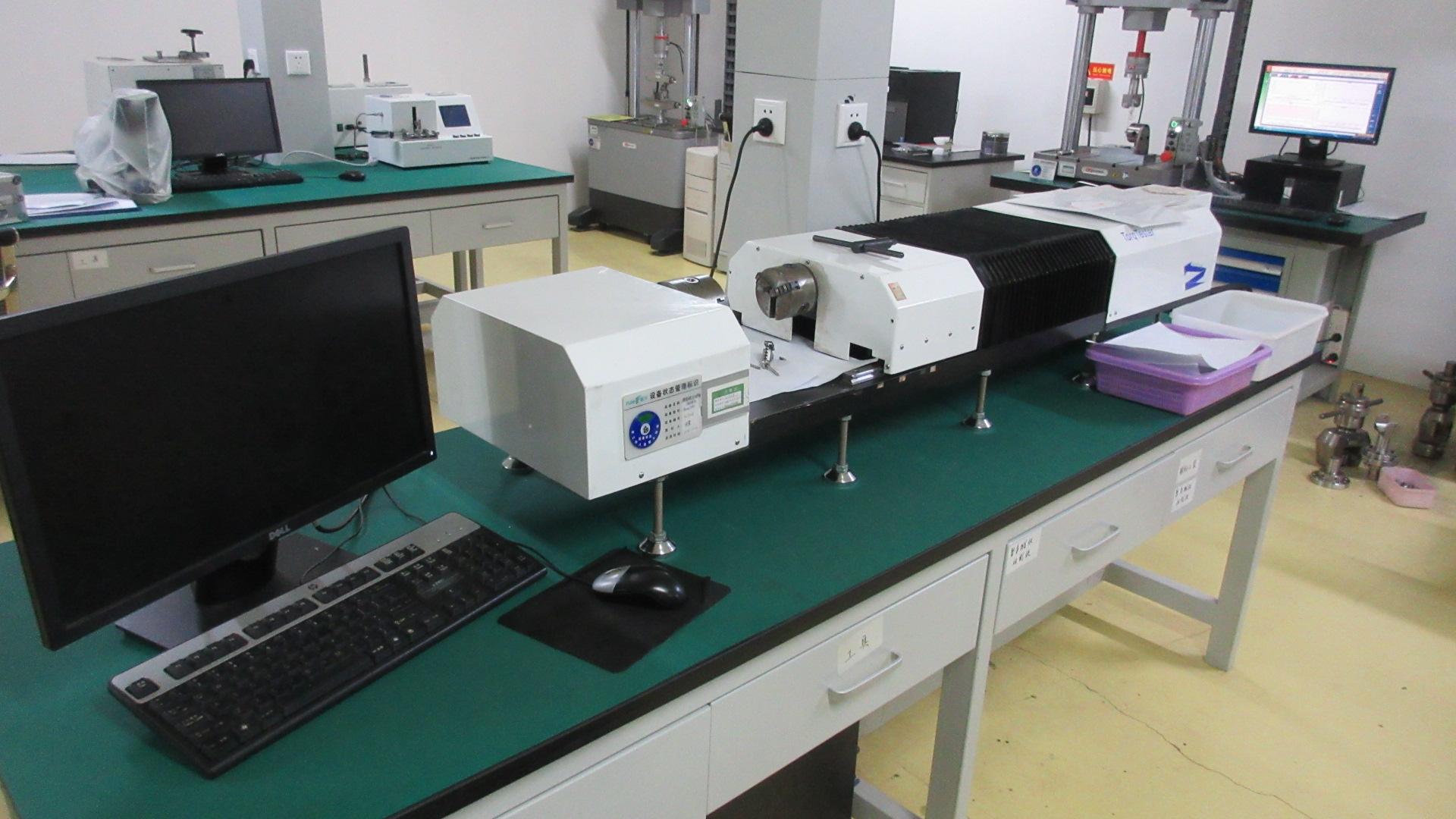
Navigating the complex global regulatory landscape is a primary challenge for medical device importers. Our quality control division employs 15 dedicated QA/QC inspectors who oversee a comprehensive testing protocol, which includes raw material verification, fatigue testing, dimensional analysis, and cleanroom packaging audits. Every manufacturing run is fully traceable, and our manufacturing processes are backed by a certified ISO 13485 Quality Management System (Certificate No. 04724Q10000818), ensuring all products meet the stringent requirements for Class III implantable medical devices.
Our primary markets span diverse global territories, including the Domestic Market (40%), Eastern Europe (15%), and Southeast Asia (10%). Over our 30 years of export experience, we have optimized our logistics networks to coordinate with international freight providers, customs brokers, and regional regulatory consultants. This ensures that shipments of sterile implants and delicate surgical instrument kits reach their destinations safely, on schedule, and with all necessary compliance documentation.
We perform comprehensive dimension verification, thread tolerance testing, and surface contamination testing on every batch of implantable devices.
We source premium titanium alloys and specialty PEEK polymers from certified metallurgical partners, backed by complete chemical and mechanical analysis reports.
We offer comprehensive customization, including custom manufacturing from patient CT data, customized surface finishes, and private-label packaging.
Visual documentation of our manufacturing facilities, precision CNC machinery, and quality management systems.
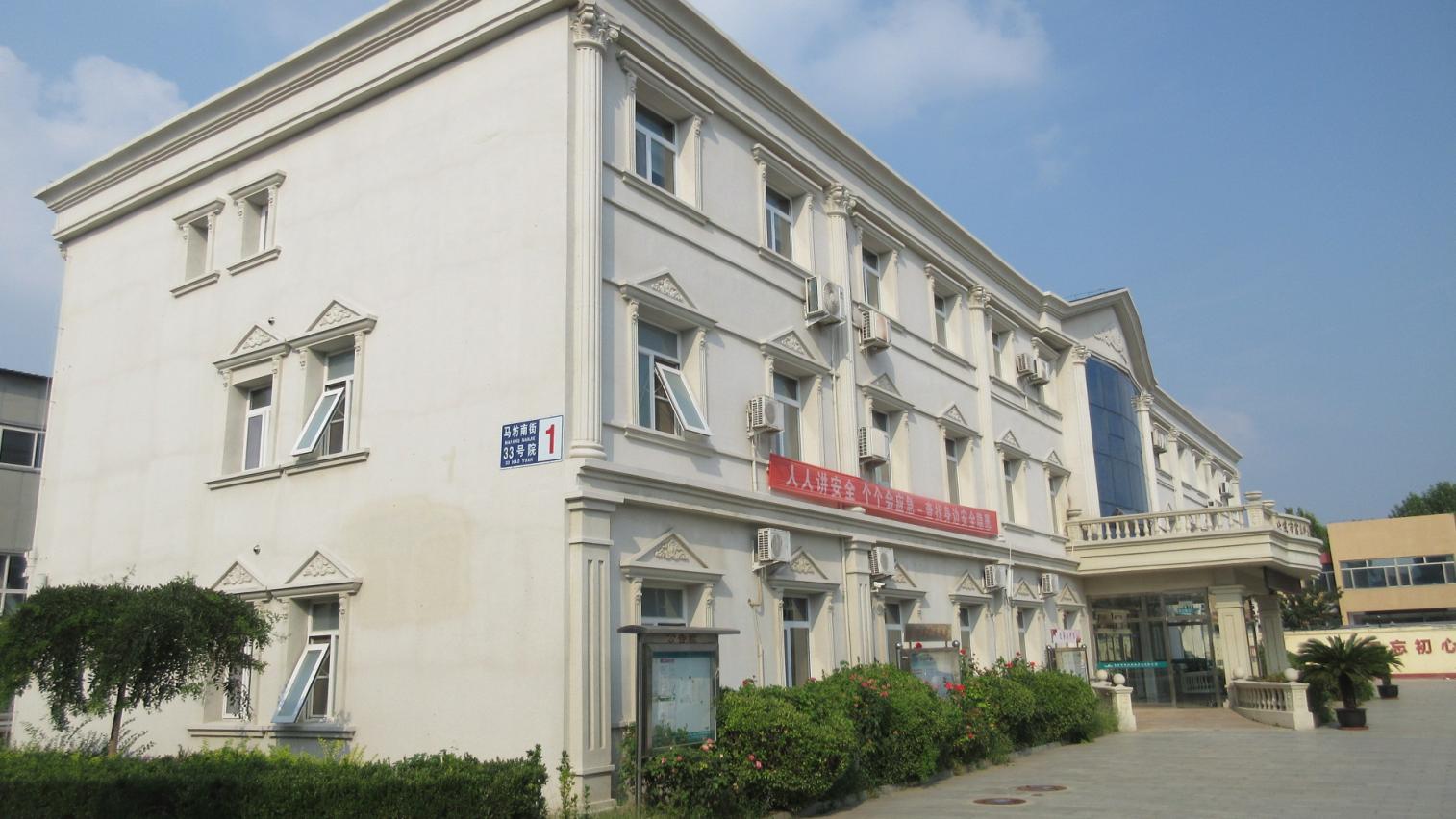
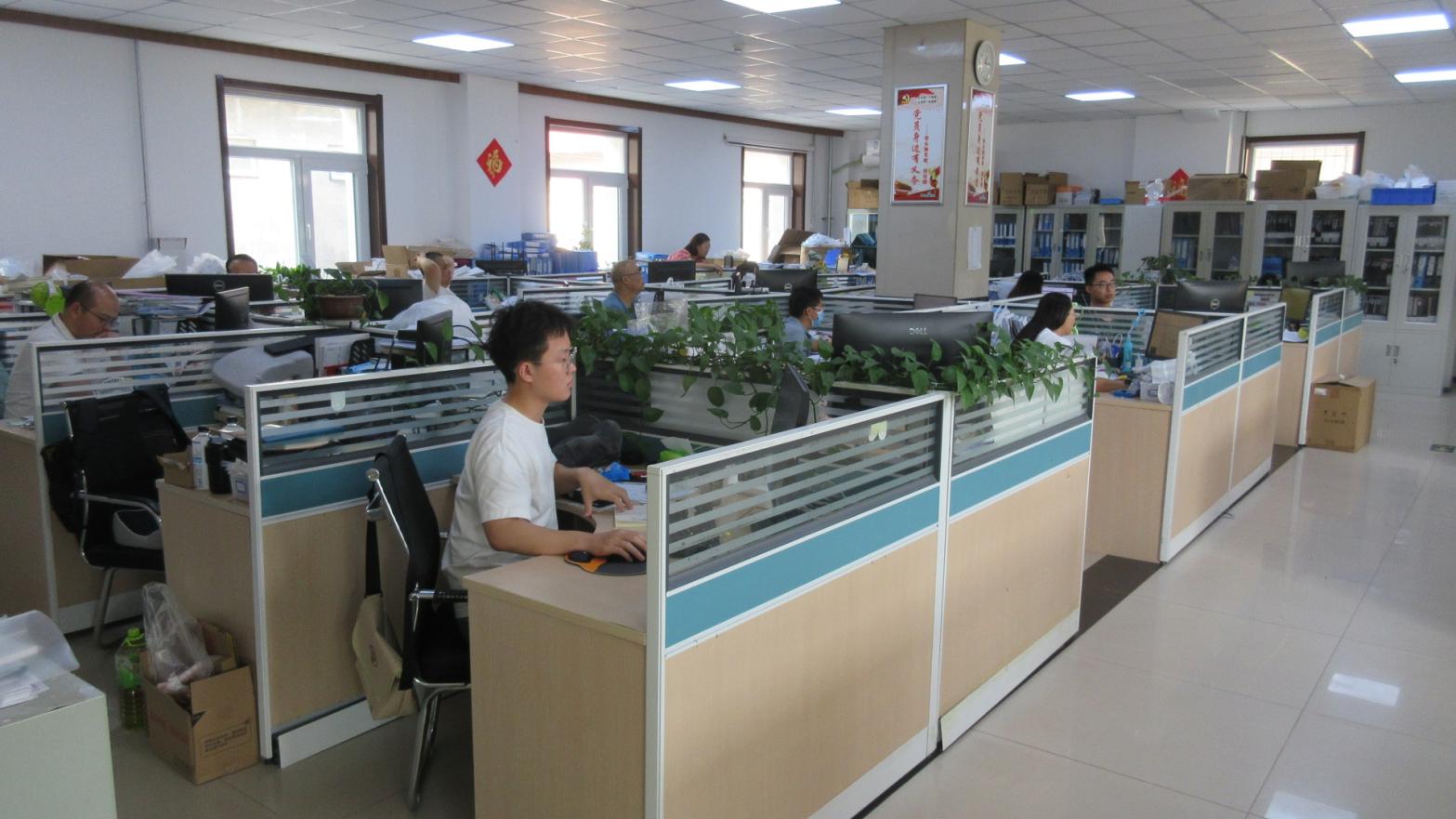
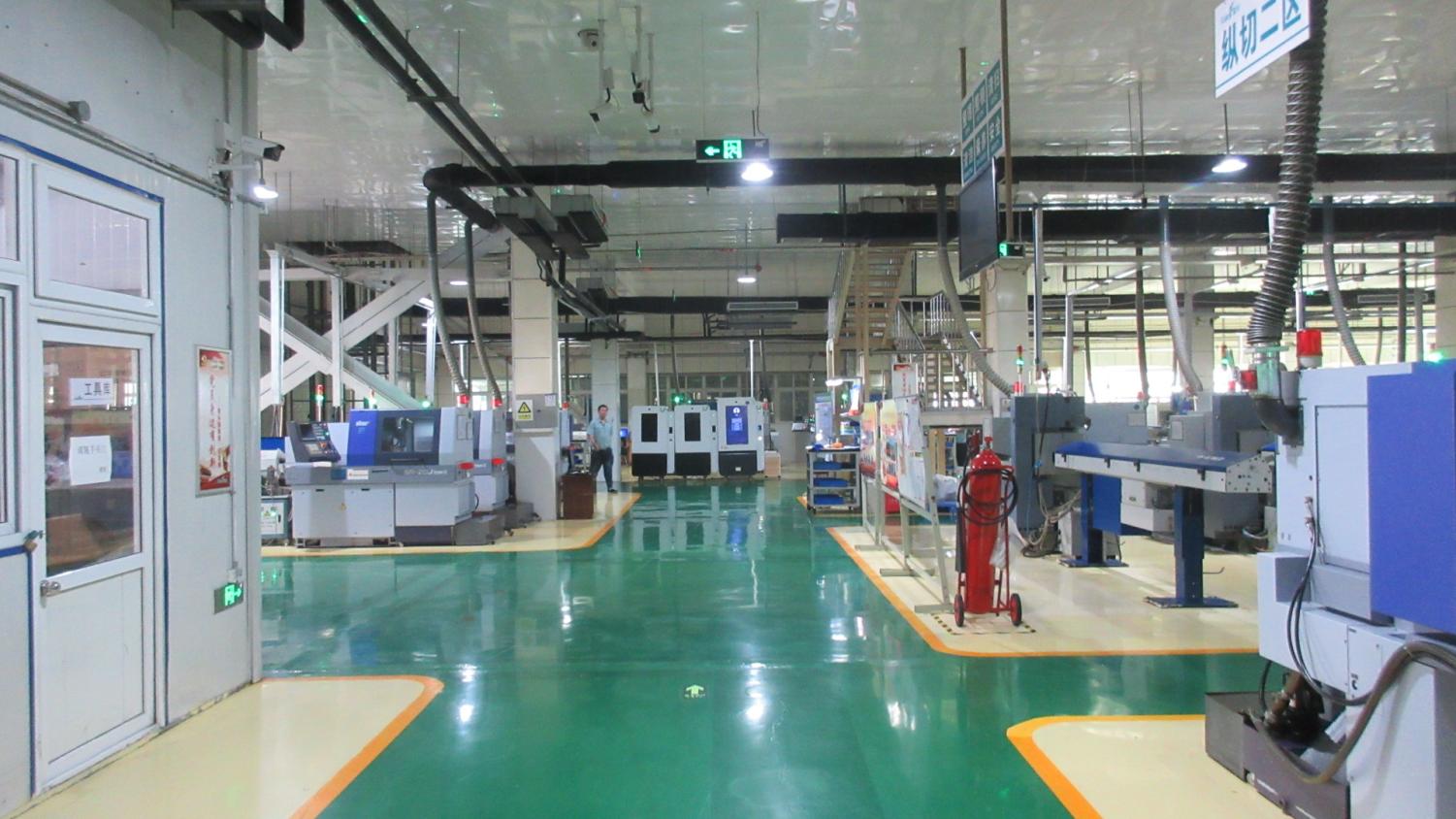
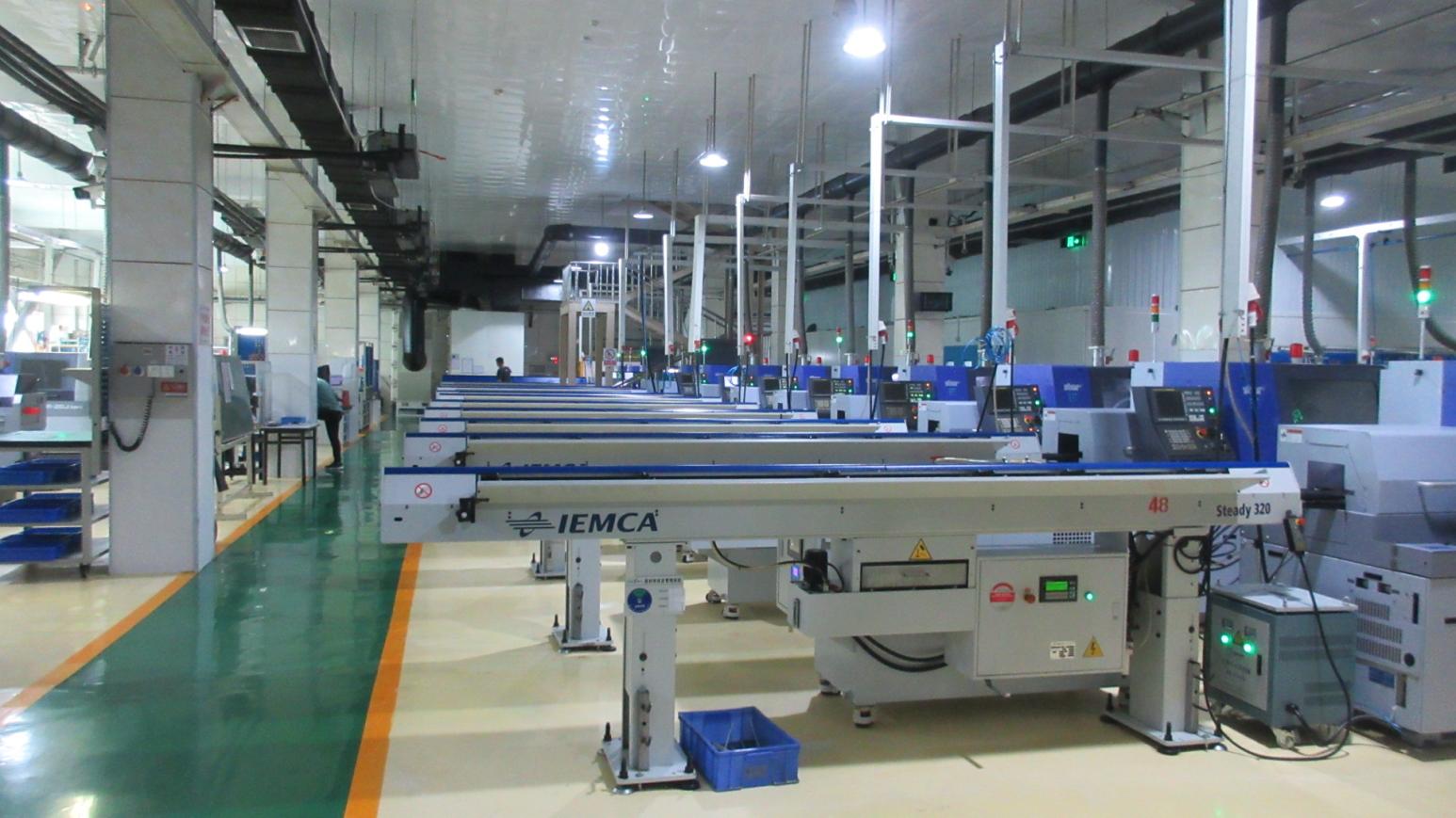
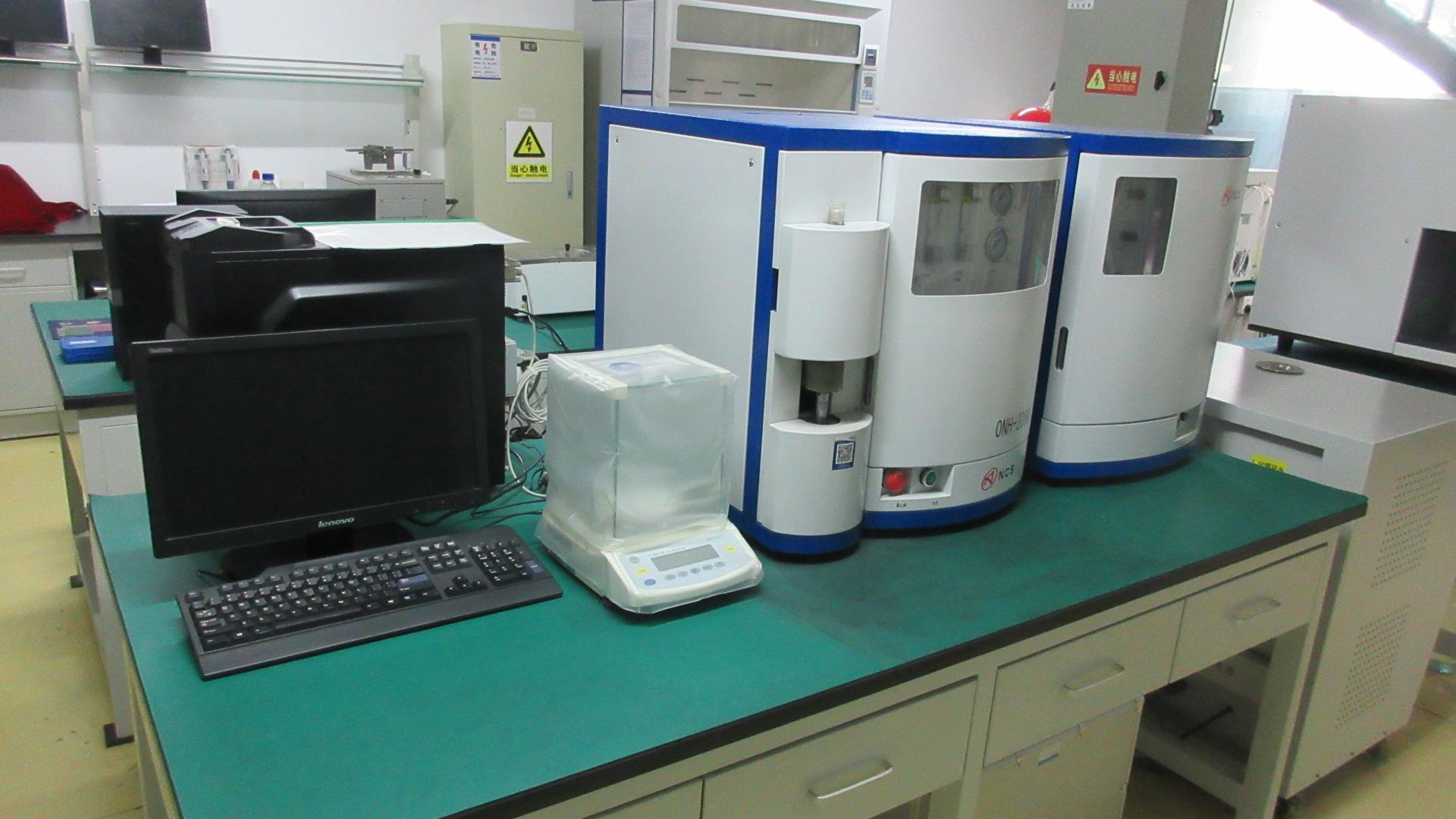
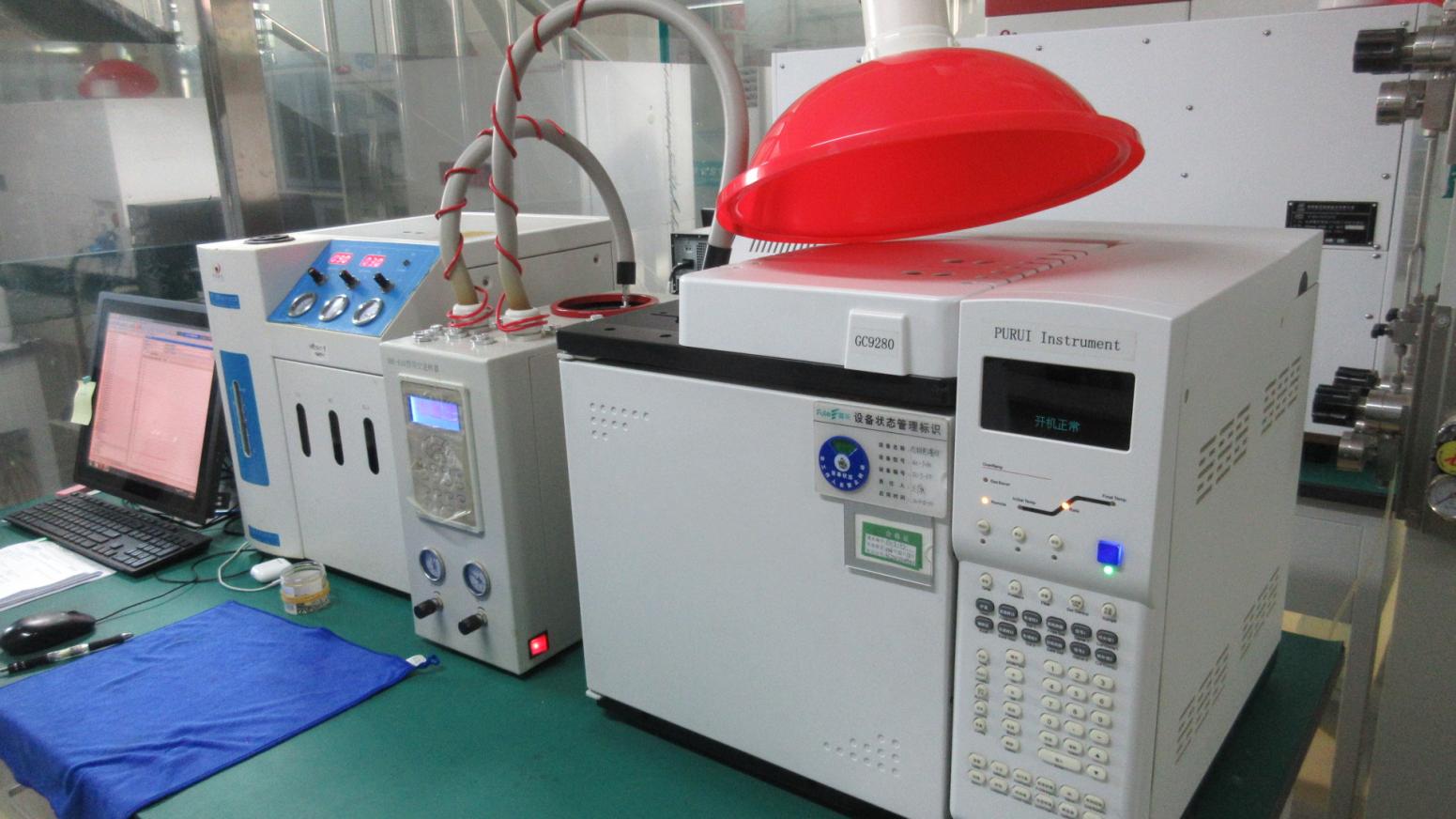

Certificate Registration Code: 04724Q10000818. Covering Class III Orthopedic Implantable Products.
Technical and logistical insights for global procurement managers, biomedical engineers, and distribution partners.
Comprehensive surgical instrumentation kits, spinal rods, and specialized trauma fixation products.
 Beren Science & Technology