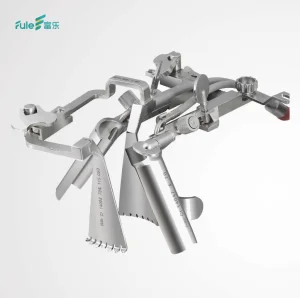
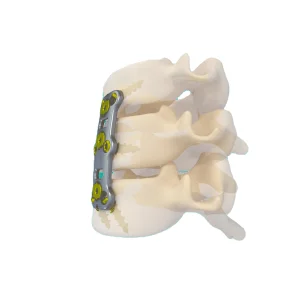
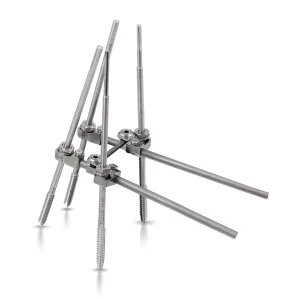
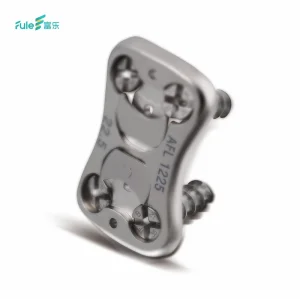
Custom OEM CCS 5.0 System Manufacturers & Factories

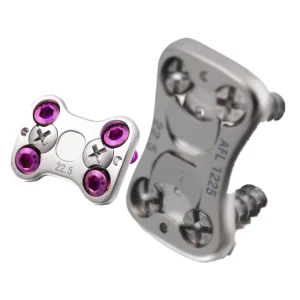
Precision-Engineered Titanium Spinal Systems & Cervical Orthopedic Implants Compliant with ISO 13485 Standards

Spinal Fixation & Orthopedic Traumatic Systems (Part I)

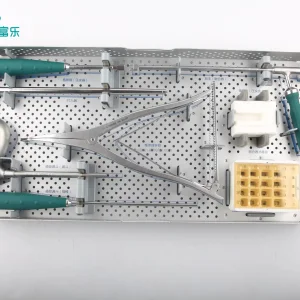
Explore our CE-certified, high-precision clinical titanium screws, plates, and surgical tools custom-manufactured to global medical standards.

Deep Analysis: Cortical & Cervical Spinal (CCS) 5.0 Systems

Unlocking Biomechanical Precision, Material Sciences, and Clinical Safety in Spinal Interventions

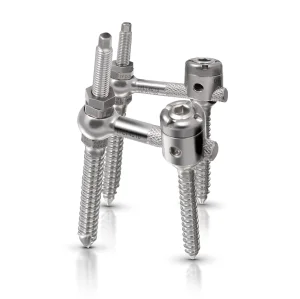
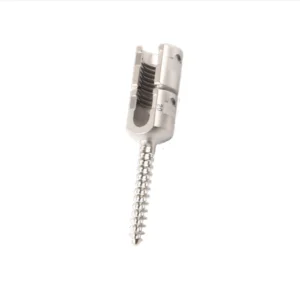
The CCS 5.0 System (Cortical/Cervical Spinal Fixation System with a 5.0mm rod profile) represents the apex of micro-invasive and pediatric/small-stature posterior spinal fixation. Originally designed to bridge the gaps between standard 3.5mm cervical lines and larger 5.5mm/6.0mm thoracic-lumbar systems, the 5.0 system provides superior stiffness-to-size ratios, making it highly effective for complex reconstructive surgeries, degenerative disc diseases, trauma, and deformity corrections.

By implementing a 5.0mm titanium alloy rod system, surgeons can minimize structural damage to surrounding soft tissues while preserving structural rigidity. This is especially vital in multi-level cervical and upper thoracic reconstructions. Utilizing high-grade biocompatible titanium alloys (specifically Ti-6Al-4V ELI / ASTM F136), OEM factories achieve a remarkable reduction in mechanical notch sensitivity and stress shielding, facilitating dynamic natural bone remodeling.

Information Gain: Why Choose the 5.0mm Spec Over 5.5mm or 6.0mm?

In pediatric spinal correction (such as early-onset scoliosis) and posterior cervical-thoracic junctions, standard 6.0mm systems pose high anatomical load risks, leading to facet joint impingement and muscle atrophy. The CCS 5.0 System provides up to 35% volume reduction in comparison to 6.0mm screw-rod lines, while maintaining over 82% of the torsional rigidity under dynamic fatigue testing conditions (ASTM F1717 standards). This makes it the ideal sweet spot for precision and safety.

Why Source CCS 5.0 Systems from China Factories?

The Unrivaled Synergy of Advanced Swiss-Type CNC Machining, Material Integrity, and Supply Chain Efficiency

01

Advanced Swiss CNC Machining

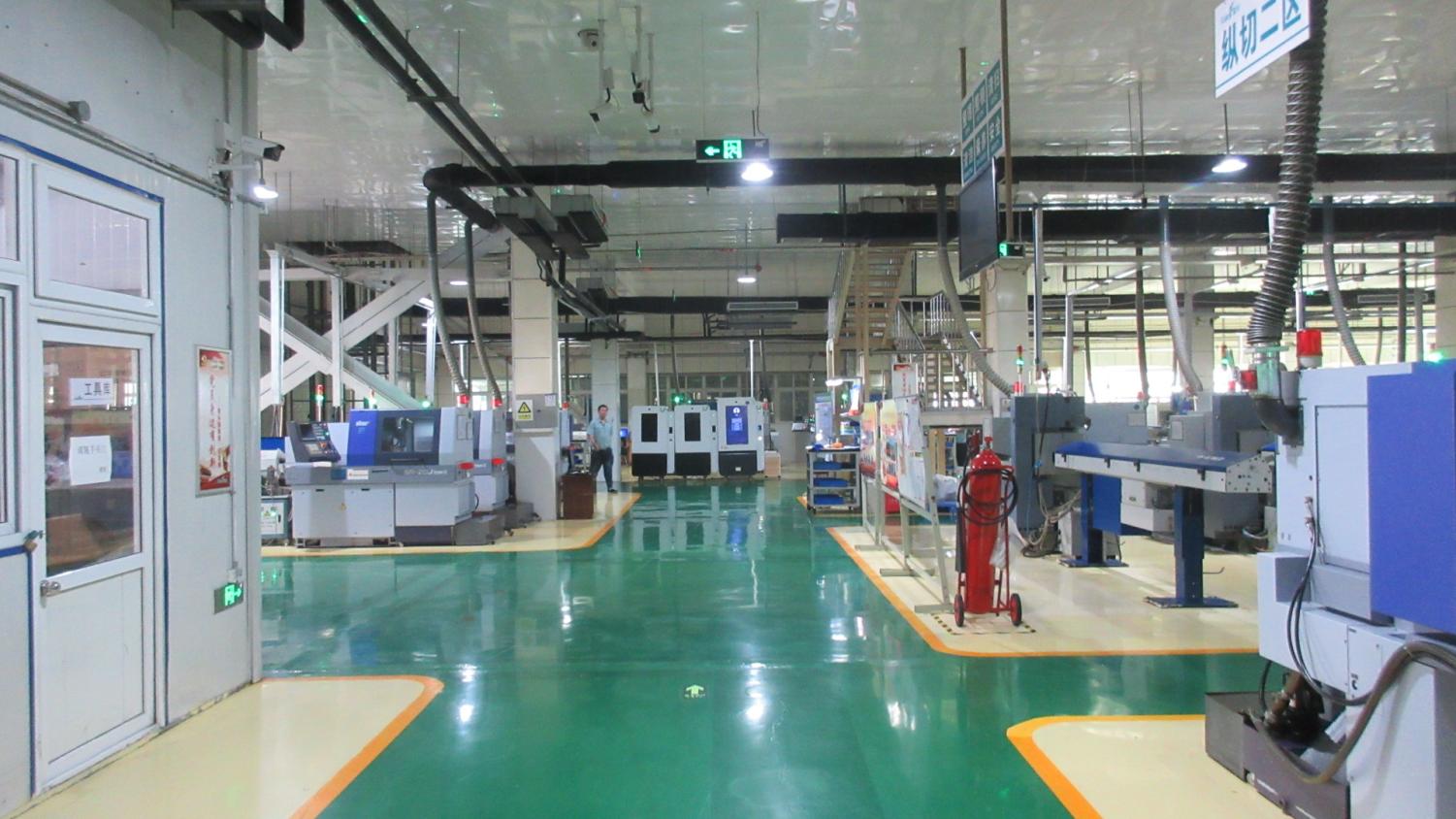
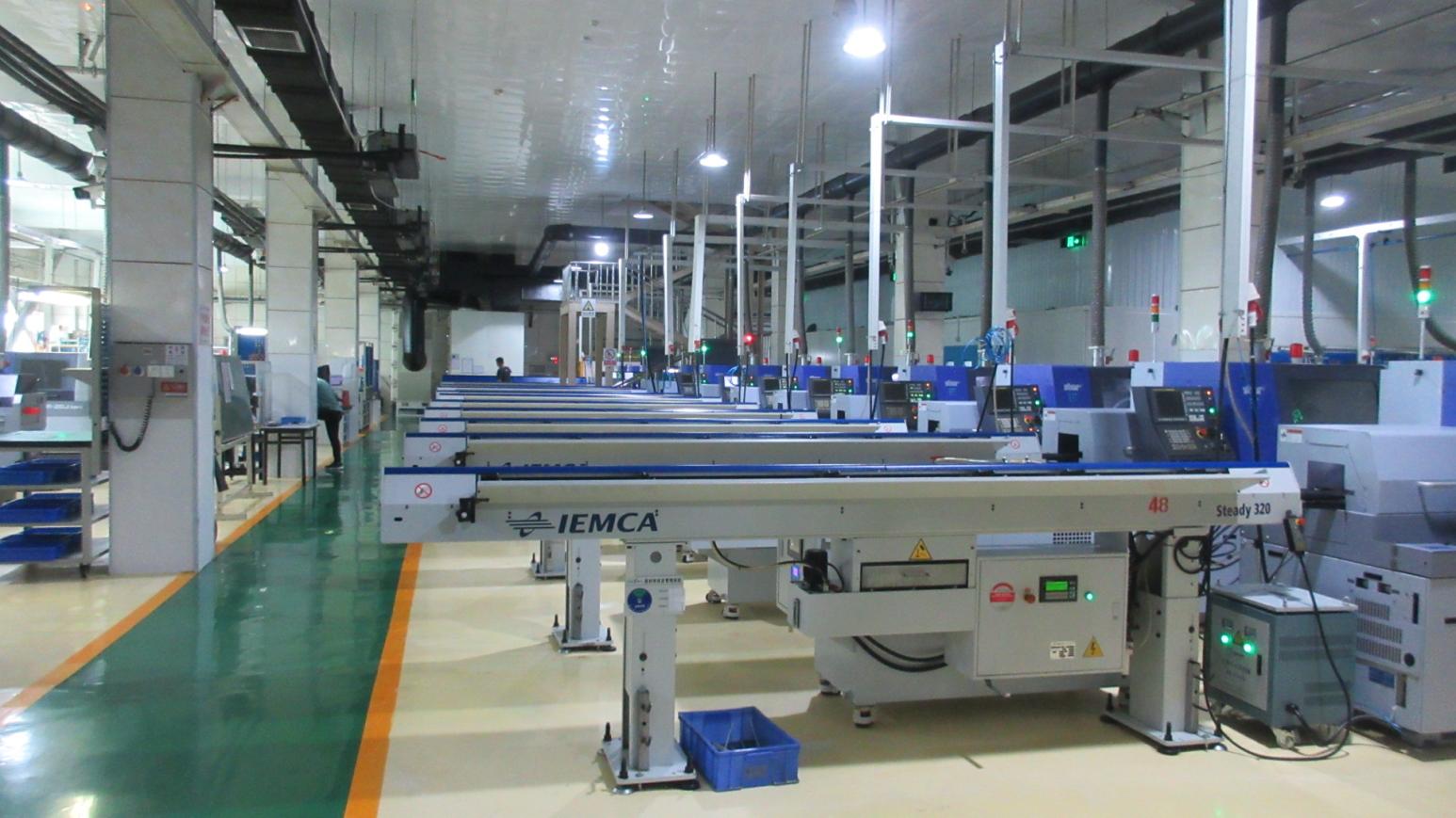
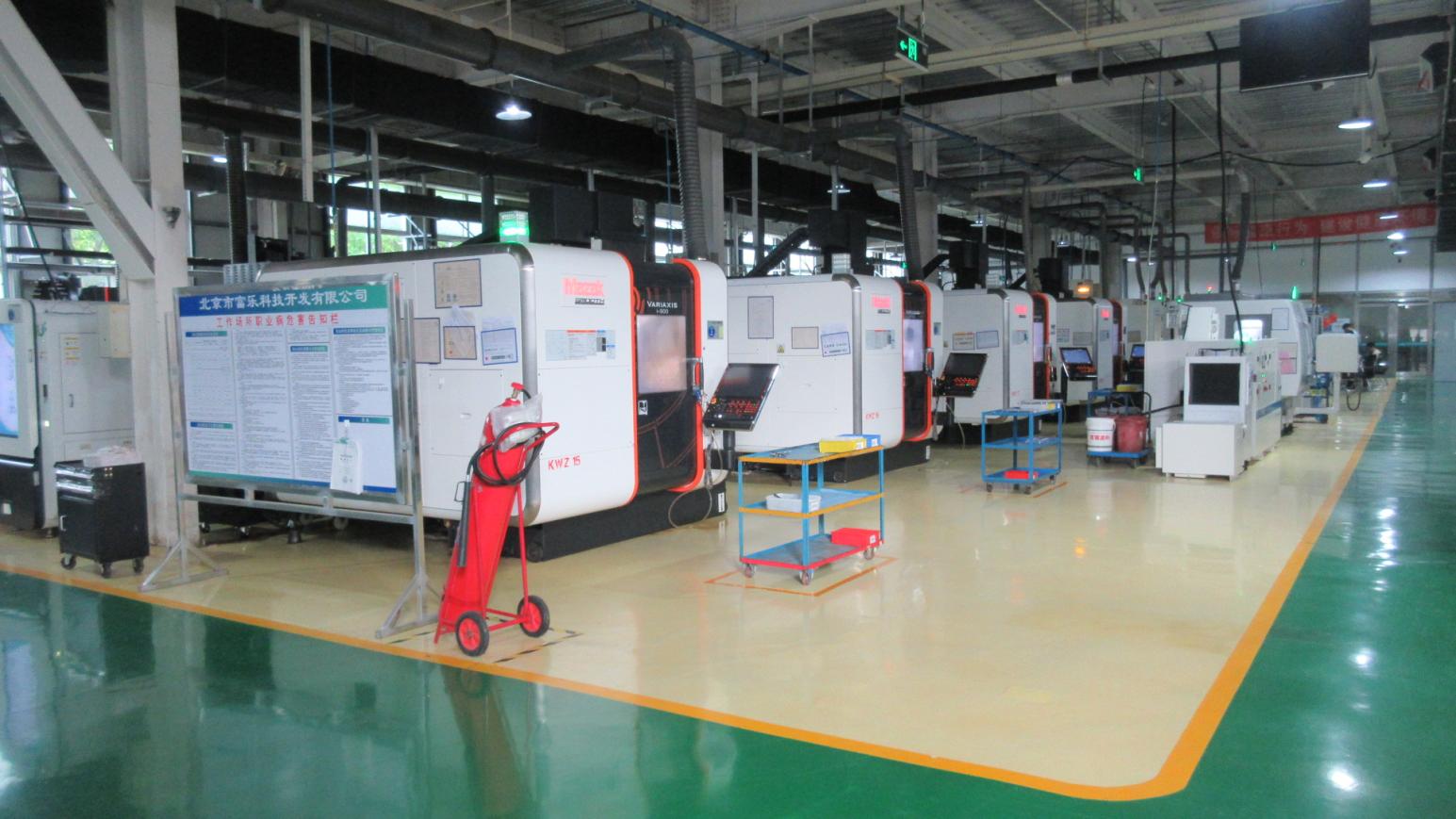
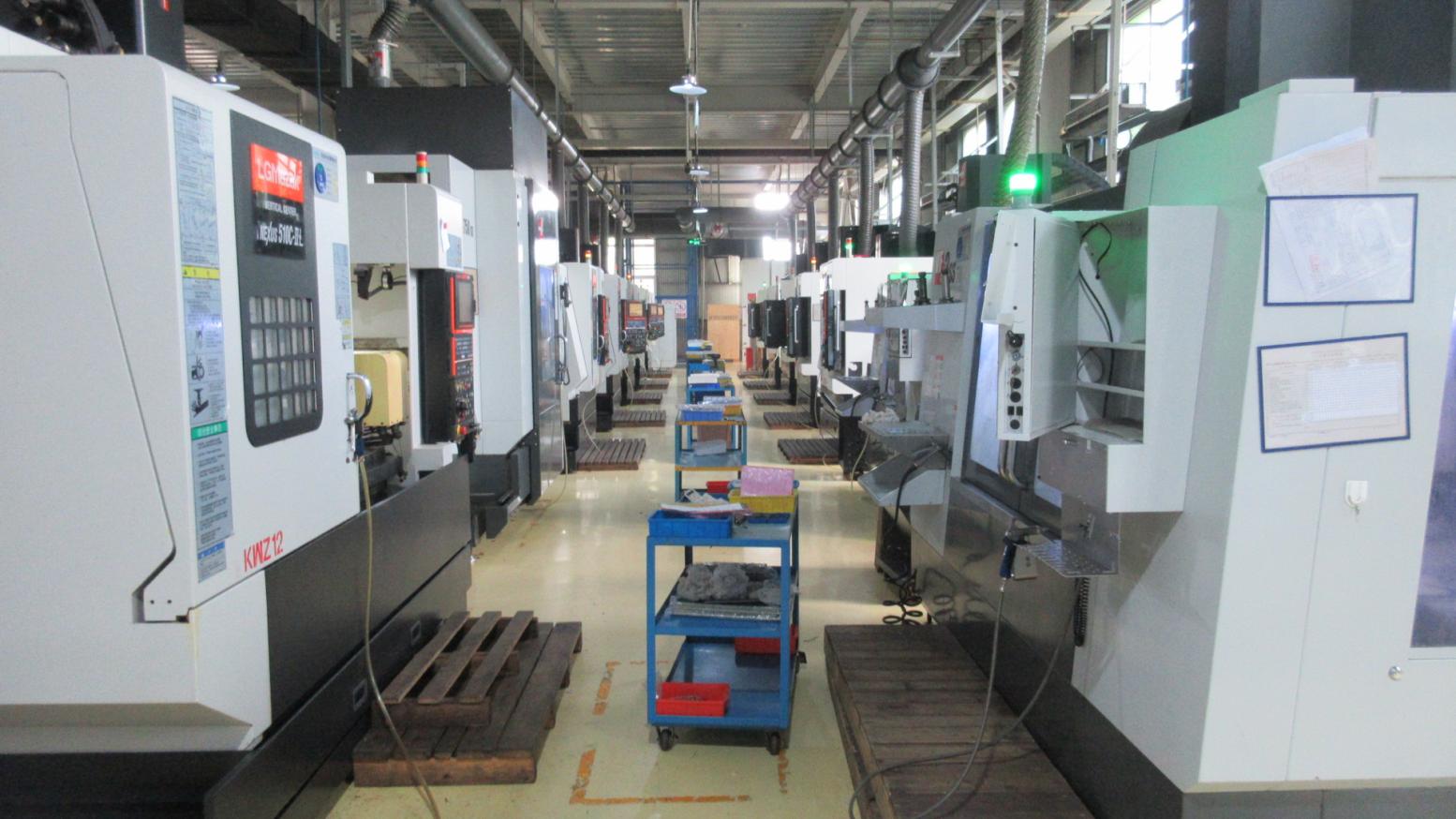
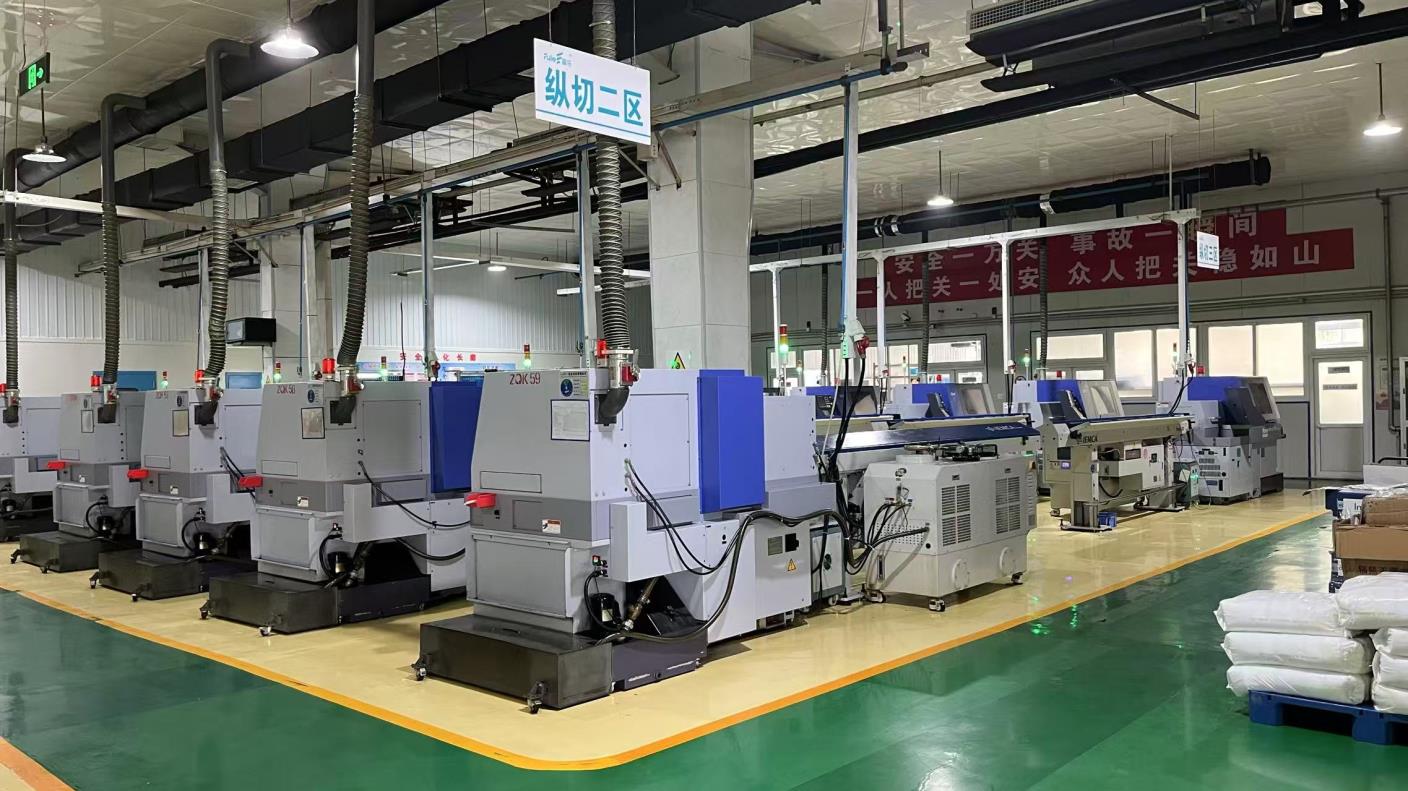
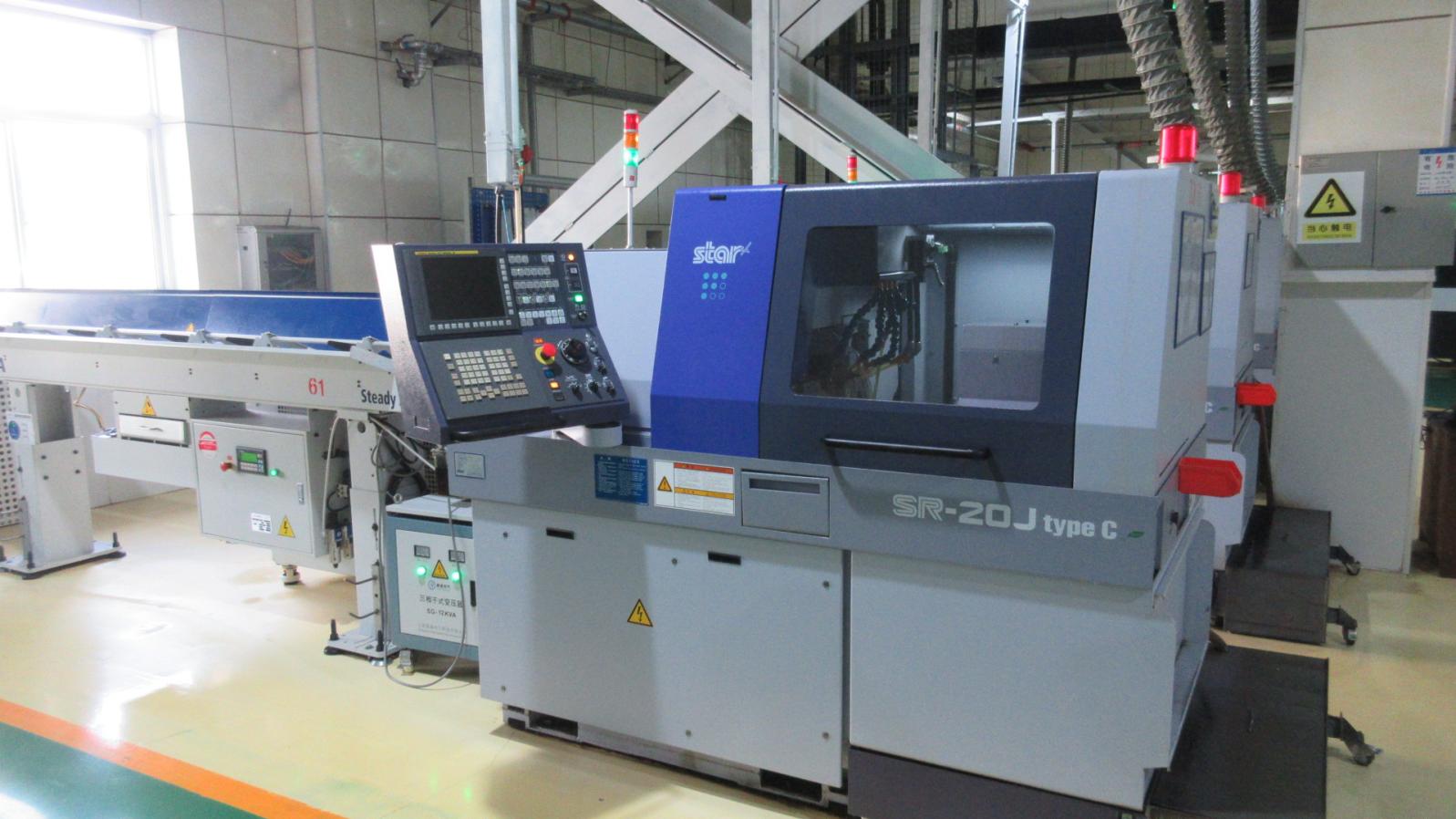
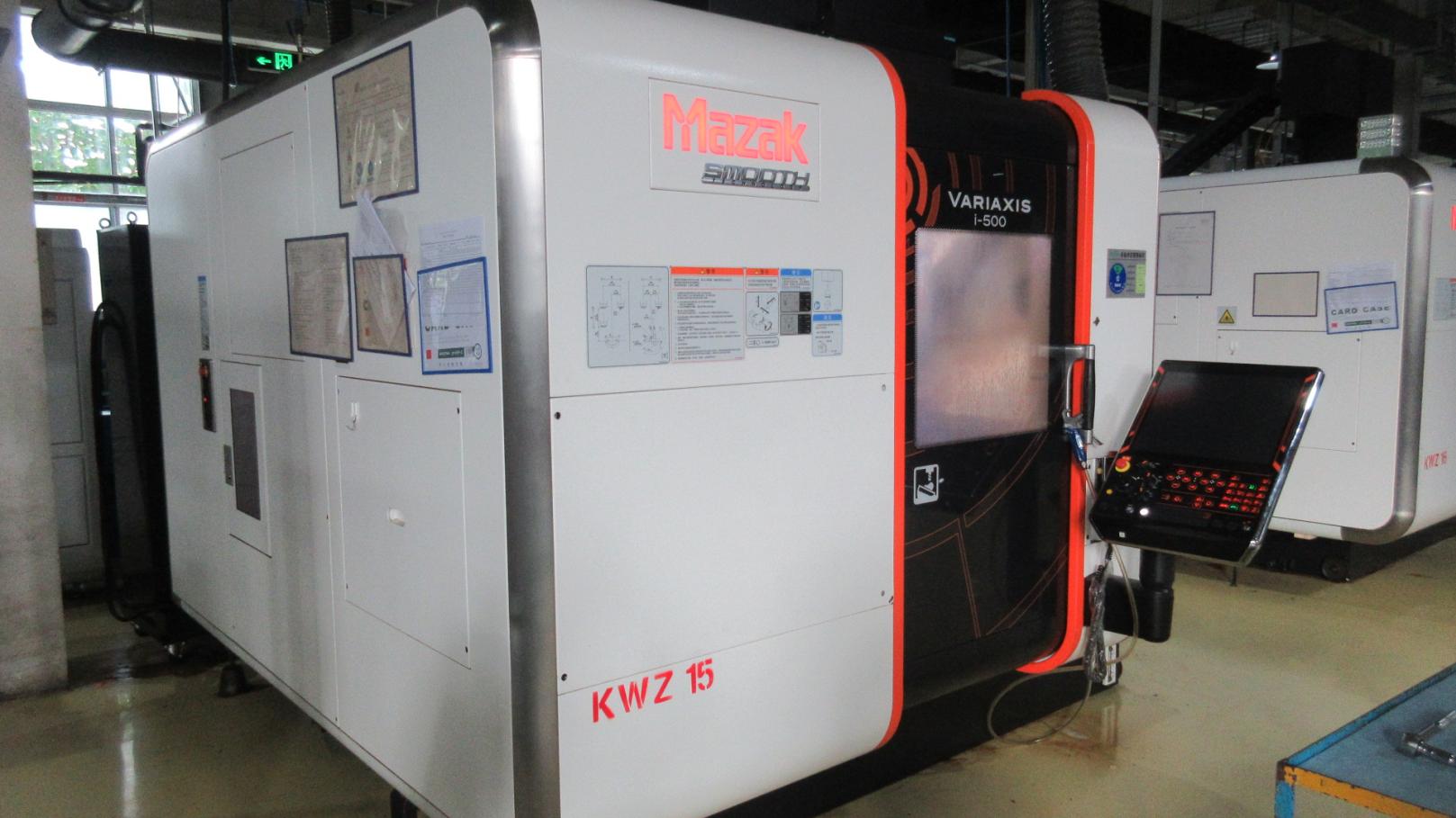
Our production floor is equipped with 102 state-of-the-art precision machines, including Swiss-type longitudinal CNC lathes (Citizen and Star). This ensures tolerances within a ultra-tight ±0.005mm threshold, critical for double-lead thread configurations and complex polyaxial head articulations.

02

Full Raw Material Traceability

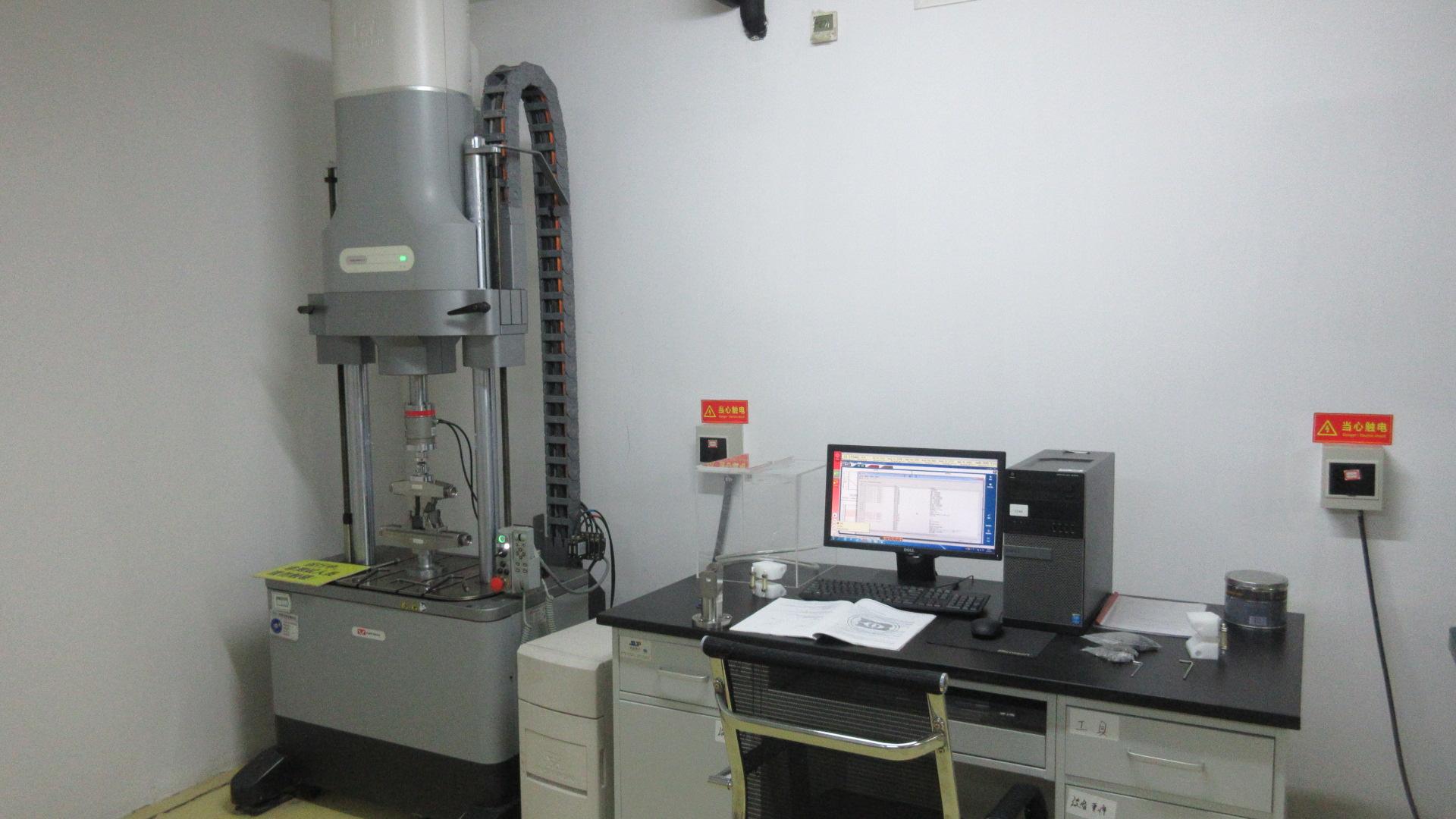
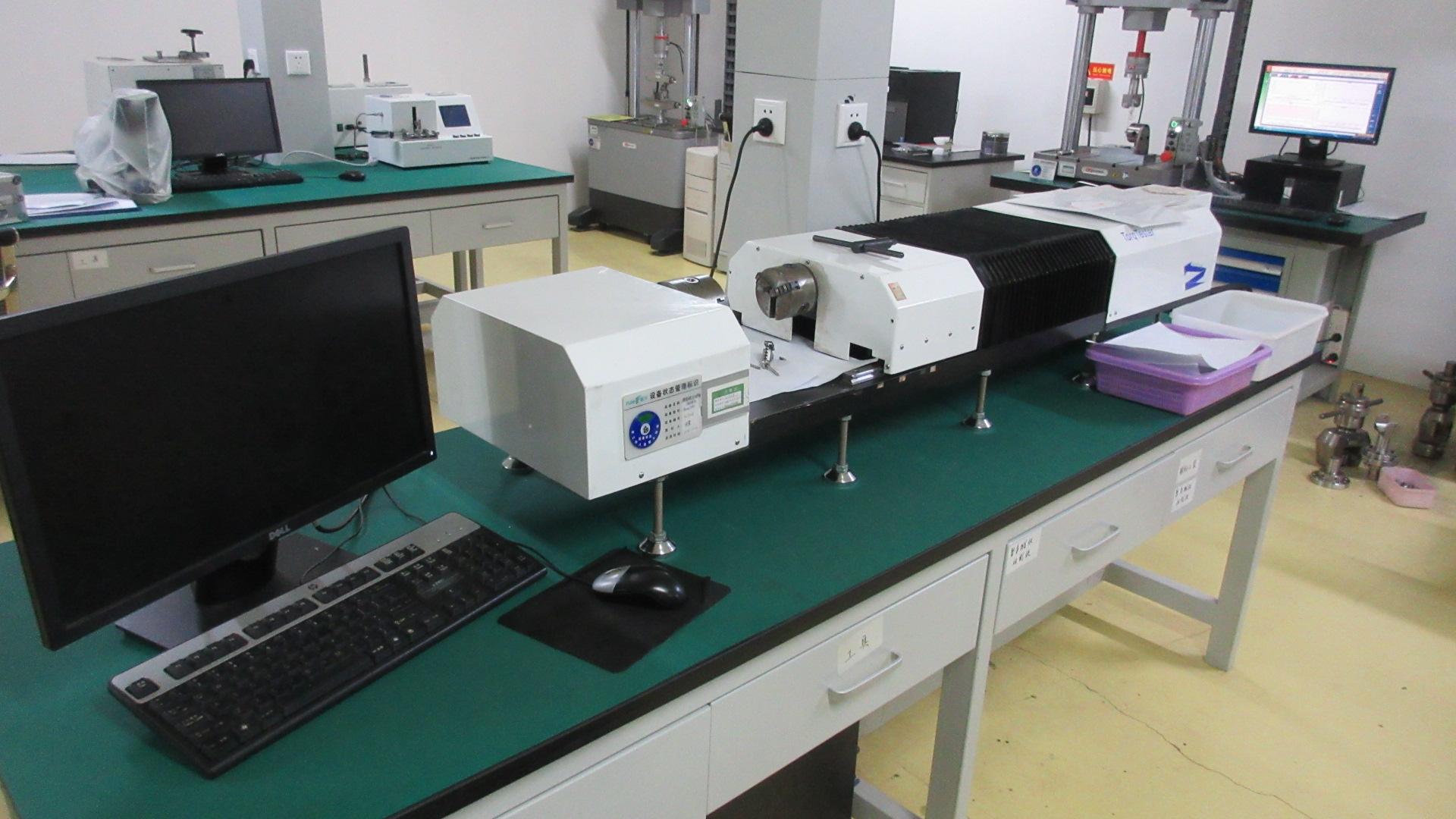
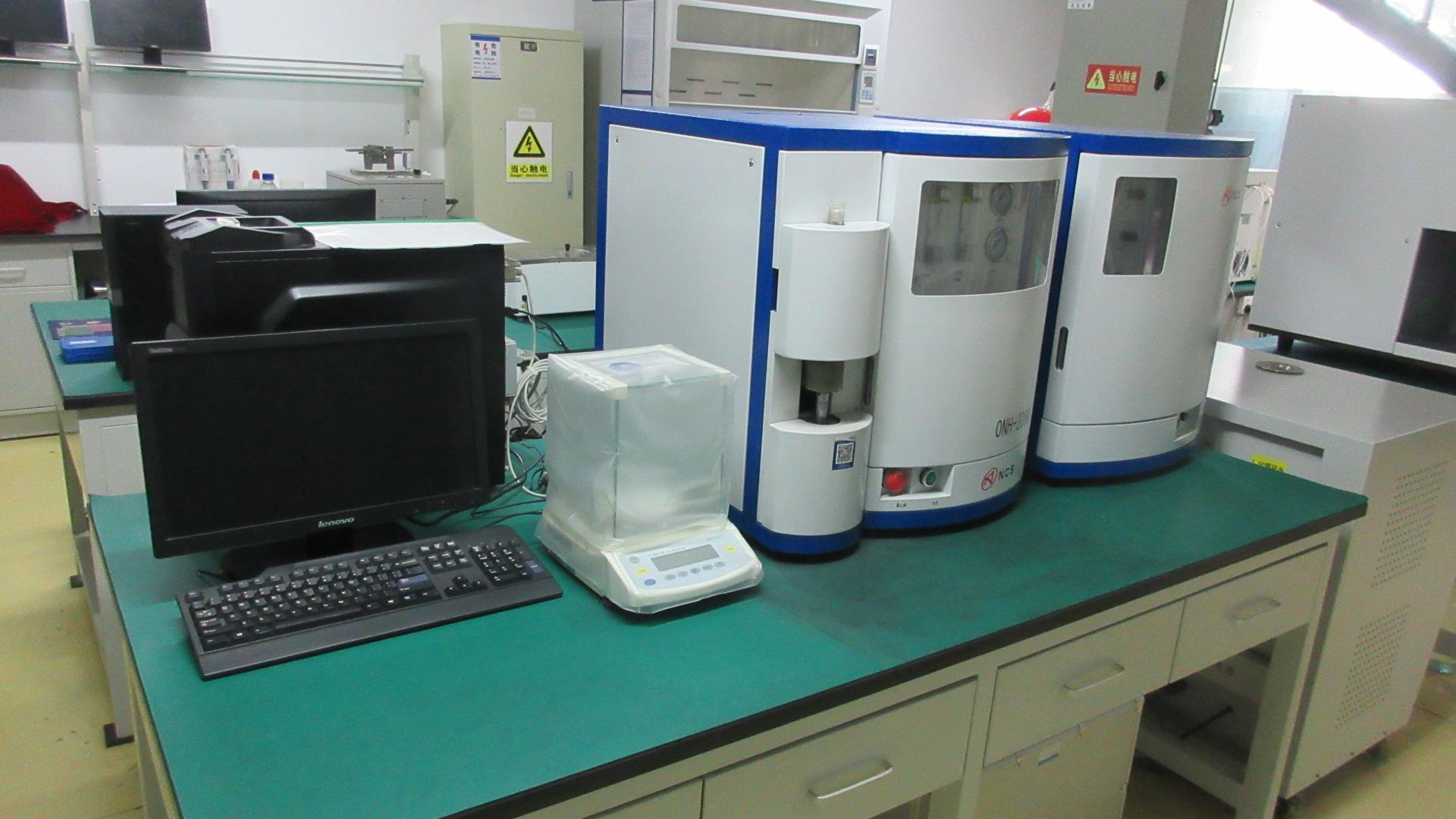
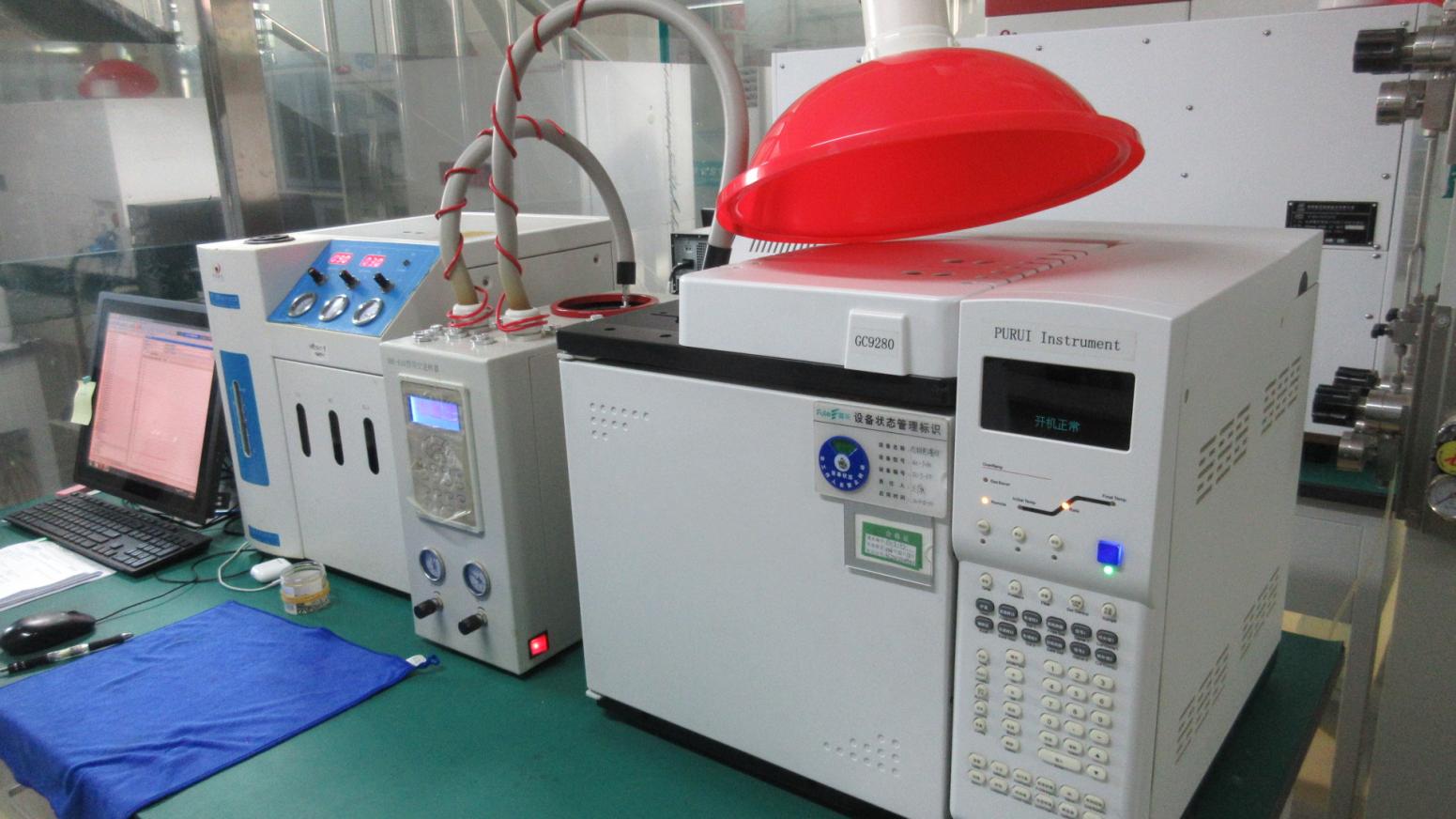
In compliance with ISO 13485 regulations, 100% of our raw titanium bars and PEEK blocks undergo chemical spectrum analysis, tensile testing, and ultrasonic defect inspections. Complete mill test certificates (MTC) are logged for every manufacturing batch, ensuring absolute clinical reliability.

03

Unmatched Cost-to-Value Ratio

By leveraging integrated industrial clusters in China, we manage production workflows—from raw forging and precision threading to electrochemical anodization and sterile packaging—within a centralized ecosystem, reducing lead times by up to 40% compared to Western counterparts.

1996
Established Since
10,000+
Floor Space (㎡)
511,000+
Annual Unit Output
102
Production Machines

Macro Trends in Global Orthopedic Implant Procurement

How regulatory evolution and demographic shifts shape modern custom OEM requirements.

Rising Demand for Customized & Expandable Systems

Modern clinics are shifting towards patient-specific implant designs. The introduction of 3D-printed titanium implants and hybrid PEEK-titanium constructs has transformed the industry. Custom OEM factories are now required to provide rapid prototyping services, CAD/CAM integration, and customized surface properties (such as porous acid-etched coatings) to improve osseointegration.

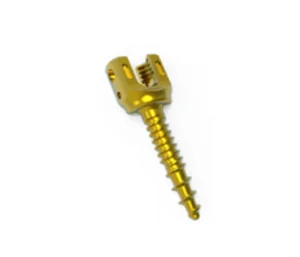
Furthermore, osteoporosis cases are rising due to aging populations. This has triggered a significant demand for expandable bone-cement-injectable pedicle screws (such as the COX II system), which offer enhanced pull-out resistance in compromised trabecular bone matrices.

Strict Regulatory Standards (EU MDR & FDA 510k)

The regulatory landscape is tighter than ever. Moving from MDD to EU MDR has forced medical distributors to scrutinize factory profiles. Manufacturers must supply exhaustive verification portfolios including biocompatibility data (ISO 10993), sterilization validation (ISO 11137), and mechanical fatigue profiles. As a result, sourcing from certified Class II/III ISO 13485 factories with 100% inspection pipelines is no longer optional—it is a baseline mandate.

Factory Verification & Technical Capabilities

Transparent production parameters from our state-of-the-art Beijing-based medical facility

Corporate Profile & Infrastructure

  • Company Registration Date 1996-06-28 (Over 27 years industry tenure)
  • Total Export Experience 30 Years Global Supply Route
  • Main Markets Served Domestic Market (40%), Eastern Europe (15%), SE Asia (10%)
  • Total Active Supply Partners 70 Global Strategic Alliances
  • Client Type Alignment OEM Brand Owners, B2B Wholesalers, Distributors

R&D & Quality Control Matrix

  • R&D Engineering Strength 20 In-House Engineers (15 post-graduate)
  • Annual Product R&D Output 20+ New Spine/Joint Systems Launched Yearly
  • Dedicated QA/QC Inspectors 15 Specialized Medical Inspectors
  • Verification Certification ISO 13485 Certified (No. 04724Q10000818)
  • Customization Options Available Graphic processing, Sample processing, Custom on-demand

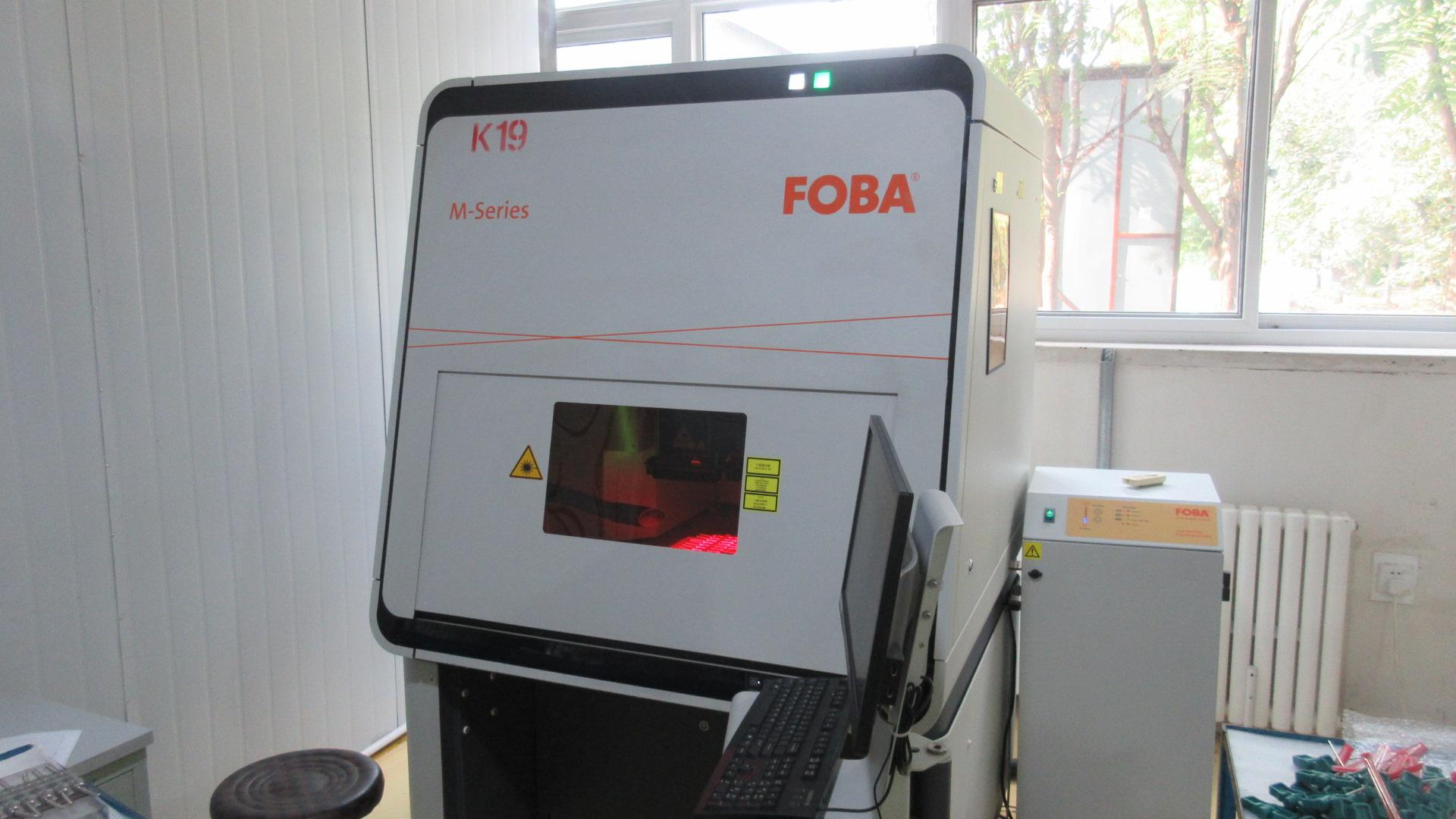
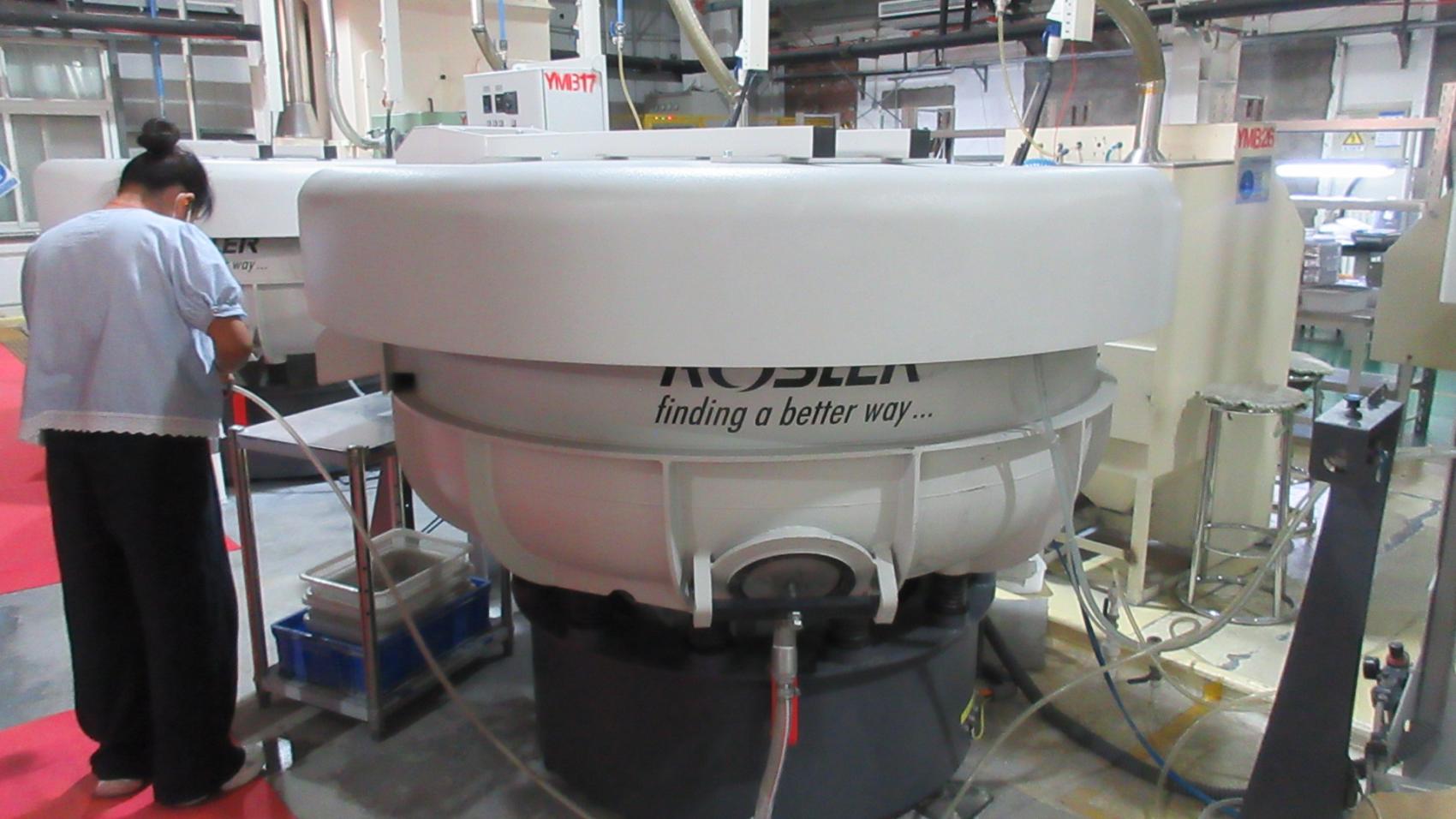
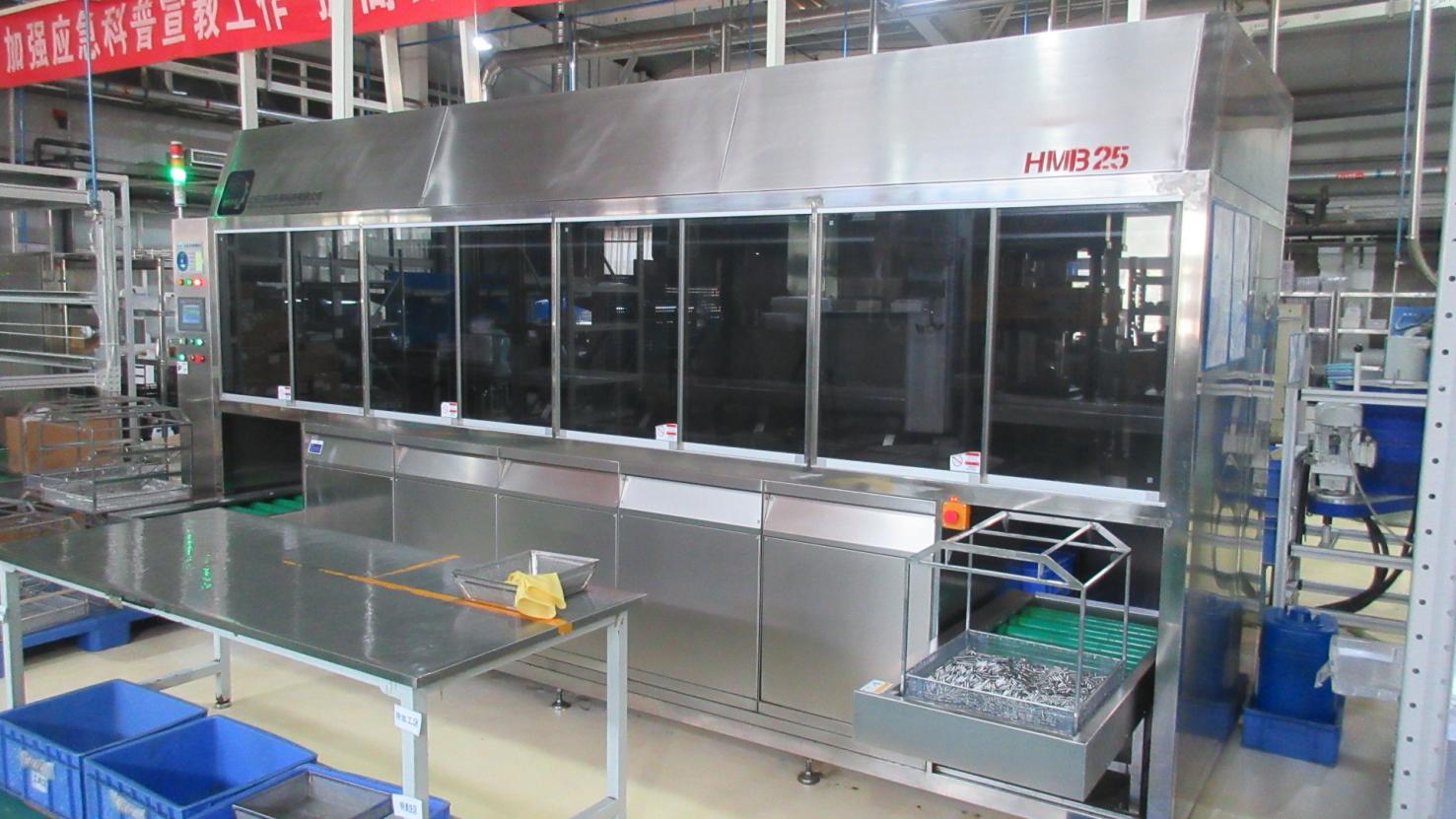
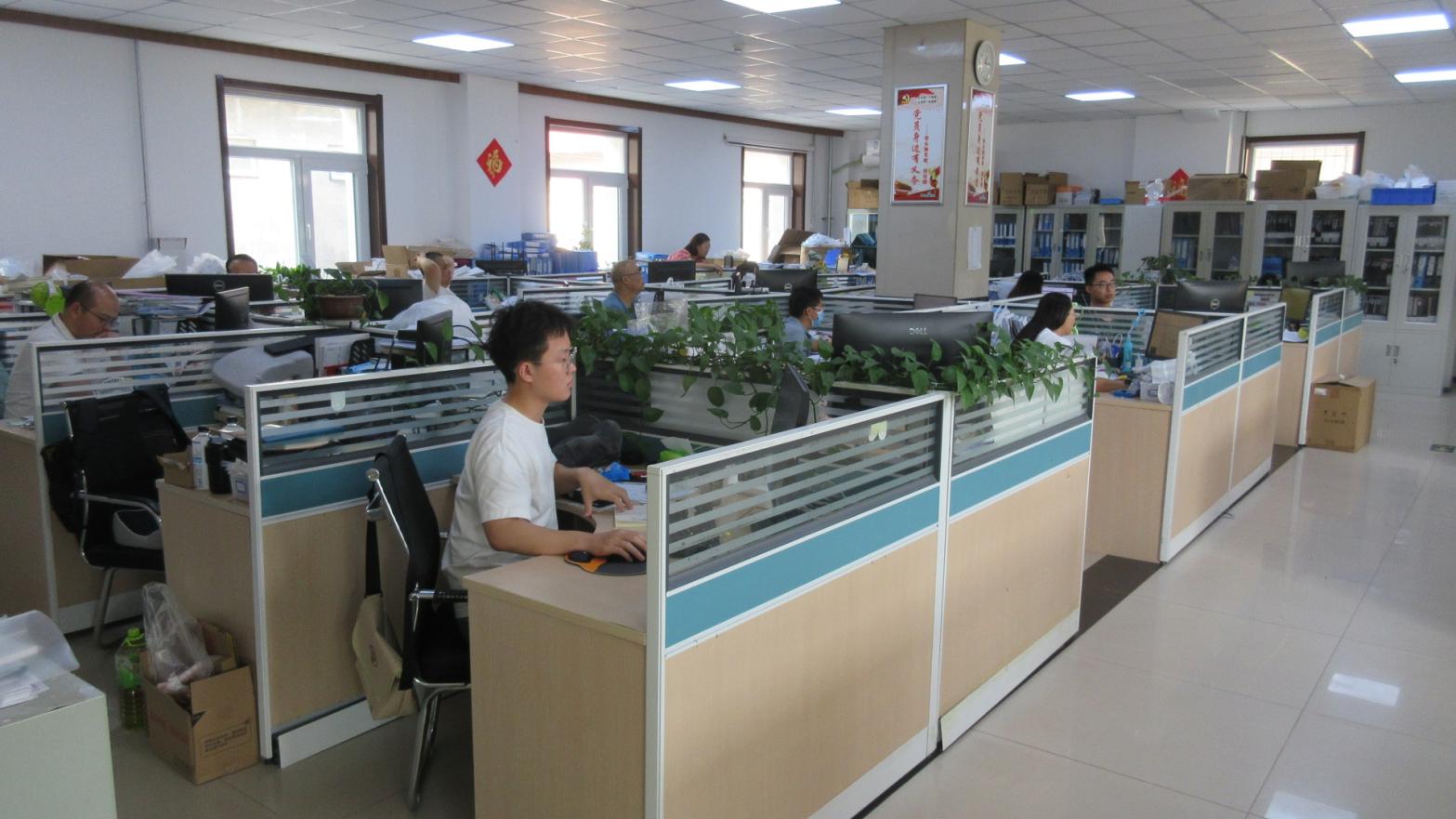
Inside Our Advanced CNC Workshop & Quality Labs

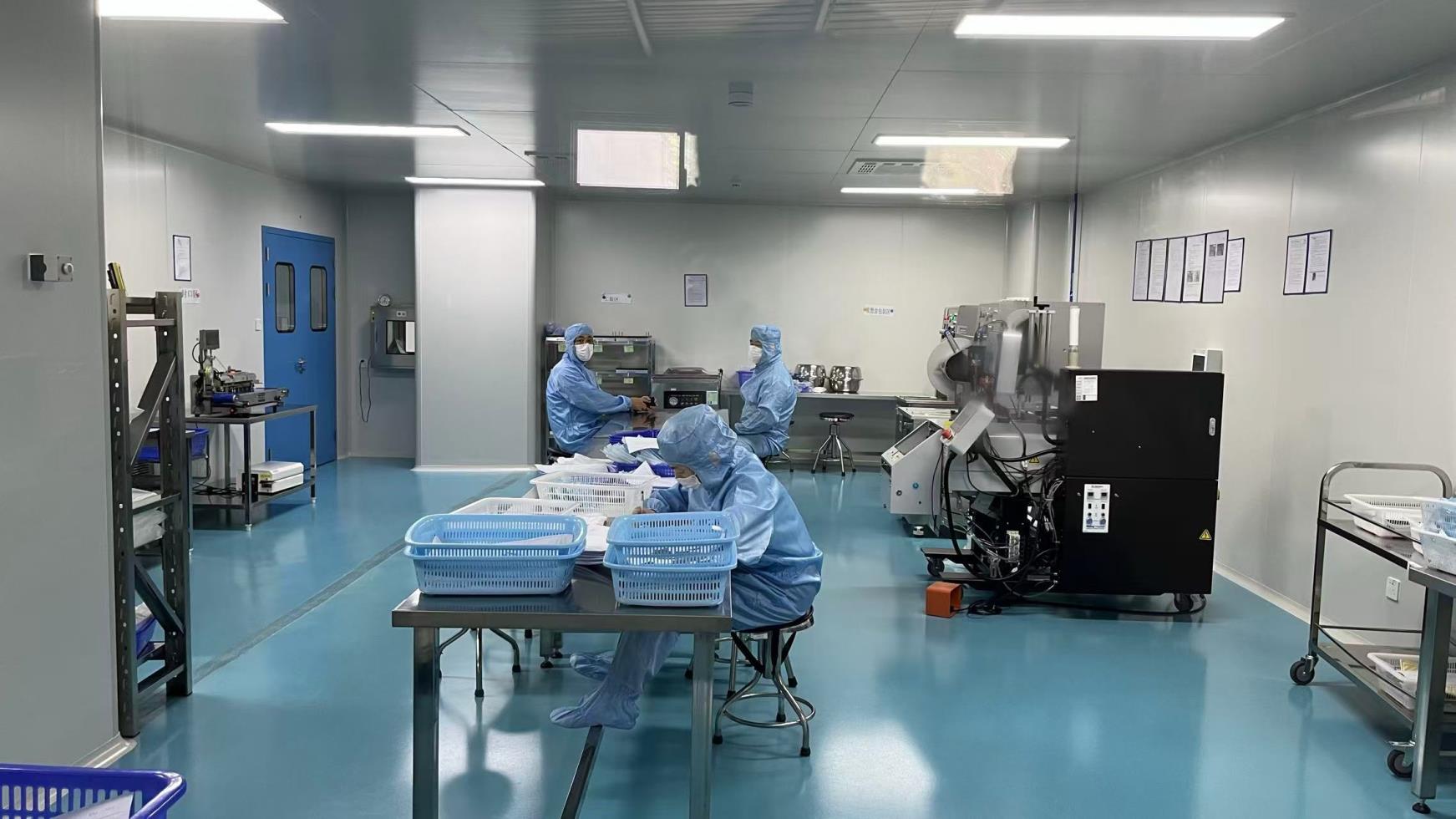
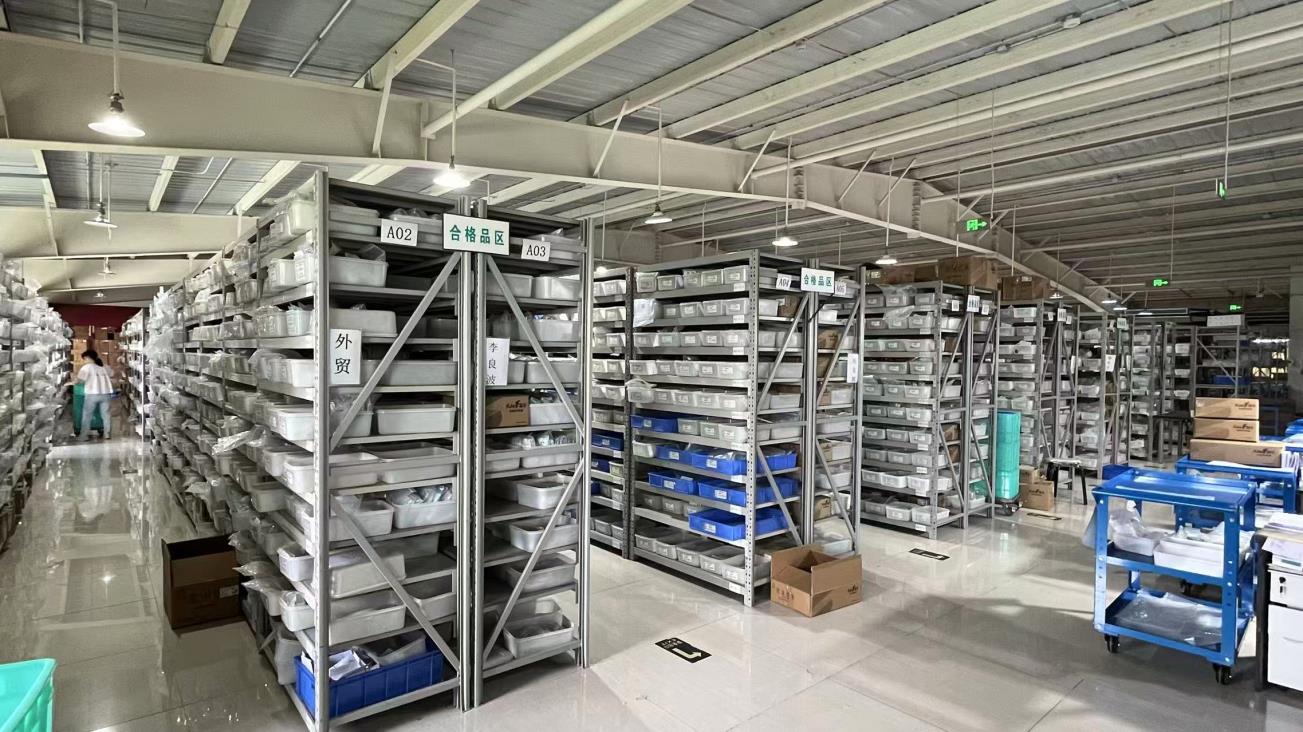
A direct visual look at our 10,000 square meter Class-100,000 cleanrooms, testing labs, and high-speed Swiss CNC machining units.

Custom OEM/ODM Guidelines for B2B Procurements

Streamlining the journey from initial engineering drafts to clinical application approval

Purchasing spinal implants at an enterprise level requires rigorous verification. As a leading manufacturer in China, we facilitate this by structuring our services into distinct phases:

  1. CAD Modeling & Rapid Prototyping: Send us your custom specifications or 3D STEP files. Our 20-engineer R&D department can generate a working mock-up within 7 working days.
  2. Material Inspection: We provide authentic certifications for ASTM F136 Titanium Alloy, PEEK-OPTIMA (from Invibio), or Cobalt-Chromium alloys depending on your structural requirements.
  3. Biomechanical Mechanical Verification: Every custom iteration undergoes mechanical testing (compression bending, torsion, axial pull-out, dynamic fatigue) mimicking physiological loads over 5 million cycles.
  4. Tailored Surface Finishes: Options include type-II anodization, rough acid-etch, or titanium plasma spray to enhance bio-compatibility and osseointegration.
  5. Sterile Packaging Solutions: We offer double-layer medical blisters, EO (Ethylene Oxide) or Gamma sterilization options, and custom brand box prints.

Technical & Procurement FAQ: CCS 5.0 System

Direct answers from our engineering and quality departments regarding spinal fixation components

Q1: What are the main clinical differences between a 5.0mm system and a 5.5mm/6.0mm pedicle screw system?
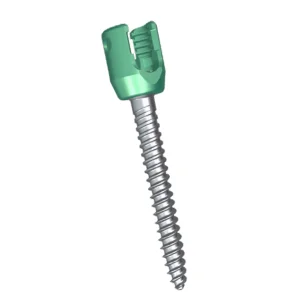
A 5.0mm screw-rod system is primarily selected for pediatric orthopedic surgeries, small adult anatomies, or complex cervicothoracic reconstructions. The 5.0mm diameter offers a smaller anatomical footprint, which reduces the potential for muscle compression and facet joint impingement while offering ample rigid stabilization. On the other hand, 5.5mm and 6.0mm lines are typically used for heavy-duty lumbar reconstructions where high physiological axial loads are present.
Q2: How does your factory guarantee the thread tolerance and pitch quality of polyaxial screws?
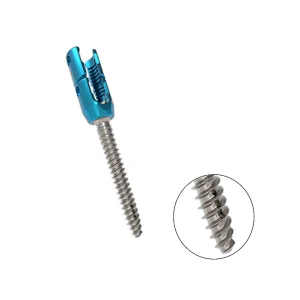
We manufacture using advanced longitudinal Swiss CNC lathes with built-in precision control sensors. Screw threads are verified under 2.5D optical measuring projectors and digital micrometer calipers during every production cycle. The thread fit tolerance between the set screw and the polyaxial seat is kept within 0.02mm to eliminate cross-threading issues during surgical implantation.
Q3: Do you support customized medical-grade PEEK implants, such as PLIF or TLIF fusion cages?
Yes. We machine lumbar and cervical interbody fusion cages from high-performance medical-grade PEEK (Polyetheretherketone). Our customization options cover customized sizes, wedge angles, pore structures, and integrated titanium markers to ensure clear visualization under intraoperative fluoroscopy.
Q4: What certifications do your spinal implants hold for global import clearance?
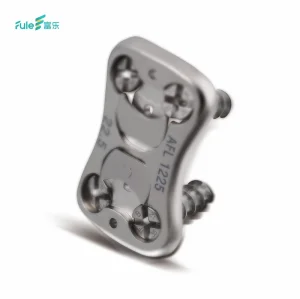
Our factory operates under ISO 13485:2016 quality management standards (Certification No. 04724Q10000818). A wide array of our products, including the cervical plate systems and pedicle screw assemblies, are CE marked, allowing seamless imports into Eastern Europe, Southeast Asia, Latin America, and other major markets.
Q5: What is your standard lead time for high-volume custom OEM orders?
For standard components, lead time ranges between 30 and 45 days. For custom OEM profiles requiring tooling calibration or specialized forging dies, the timeline typically takes 60 days, which includes structural validation, test sample creation, and final batch certification processes.

Certified Orthopedic Implants & Lumbar Fusion Systems (Part II)

Explore additional clinical implants, cervical plates, sliding screws, and fusion cages engineered for maximum biomechanical stability.