Analytical insights into orthopedic procurement metrics, design requirements, and supplier standards for hospital networks and distributors worldwide.
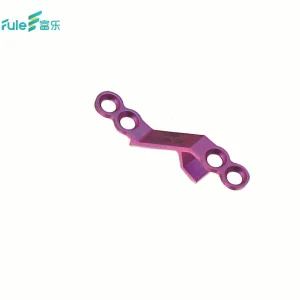
In the high-stakes sector of orthopedic surgery, the clavicle bone represents unique anatomical challenges. Fractures of the clavicle account for approximately 2.6% to 4% of all adult fractures, with midshaft fractures comprising nearly 80% of these cases. For global medical device brands, sourcing partner-ready OEM clavicle locking plates requires strict alignment with biological, mechanical, and regulatory standards.
The modern clinical landscape is transitioning rapidly from standard compression plates to pre-contoured anatomical systems. This evolution minimizes intraoperative bending, reduces operative times, and mitigates soft-tissue irritation. Global procurement officers prioritize suppliers who combine material compliance (medical-grade Ti-6Al-4V ELI titanium alloy) with cleanroom micro-machining and absolute lot traceability.
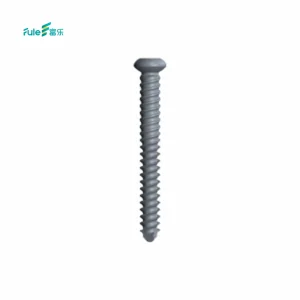
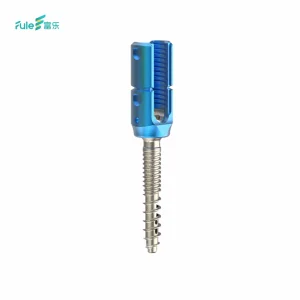
Our OEM contract manufacturing ecosystem is built specifically to address these challenges. By incorporating advanced fatigue-testing matrices, ultra-precise CNC milling, and dynamic ISO-compliant quality assurance protocols, we ensure that every clavicle plate, distal radius plate, and spine screw system conforms to the highest levels of biomechanical performance.

A quantifiable breakdown of our medical manufacturing power, quality control infrastructure, and global footprint.
Nearly three decades of pure-play orthopedic manufacturing and engineering history.
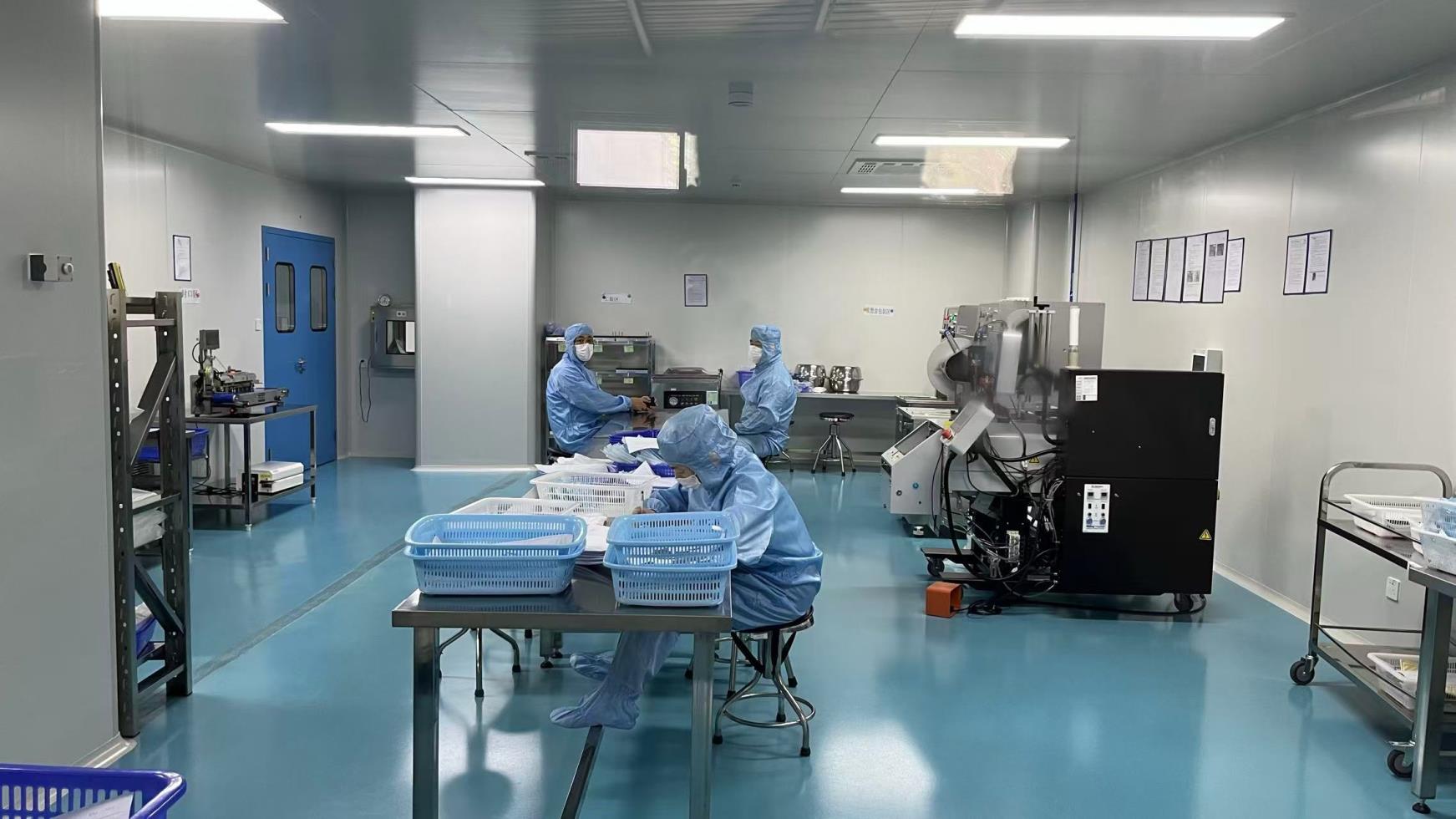
State-of-the-art facility featuring class-10,000 cleanroom packaging lines.
Scale-ready infrastructure to fulfill high-volume international tenders seamlessly.
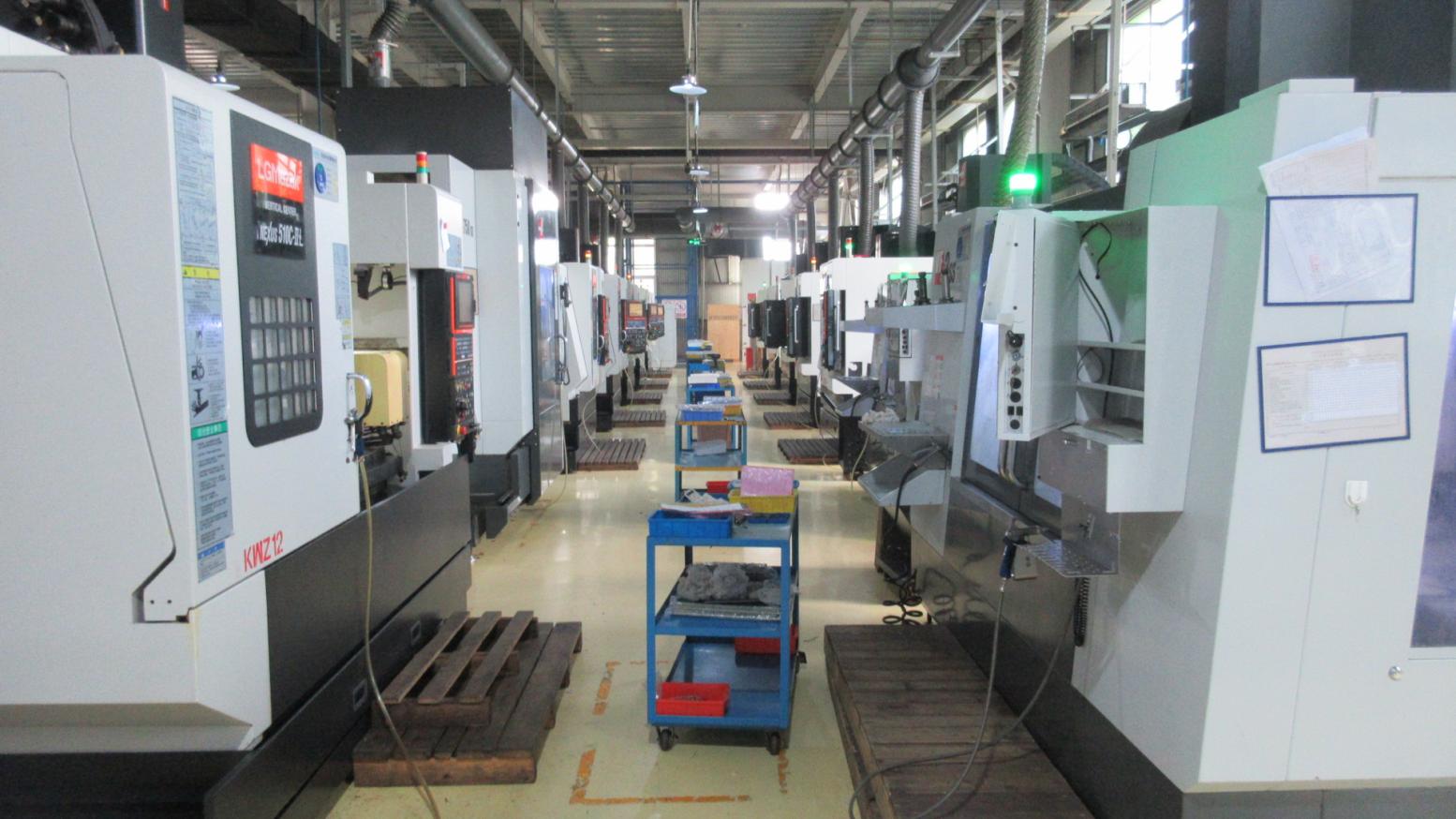
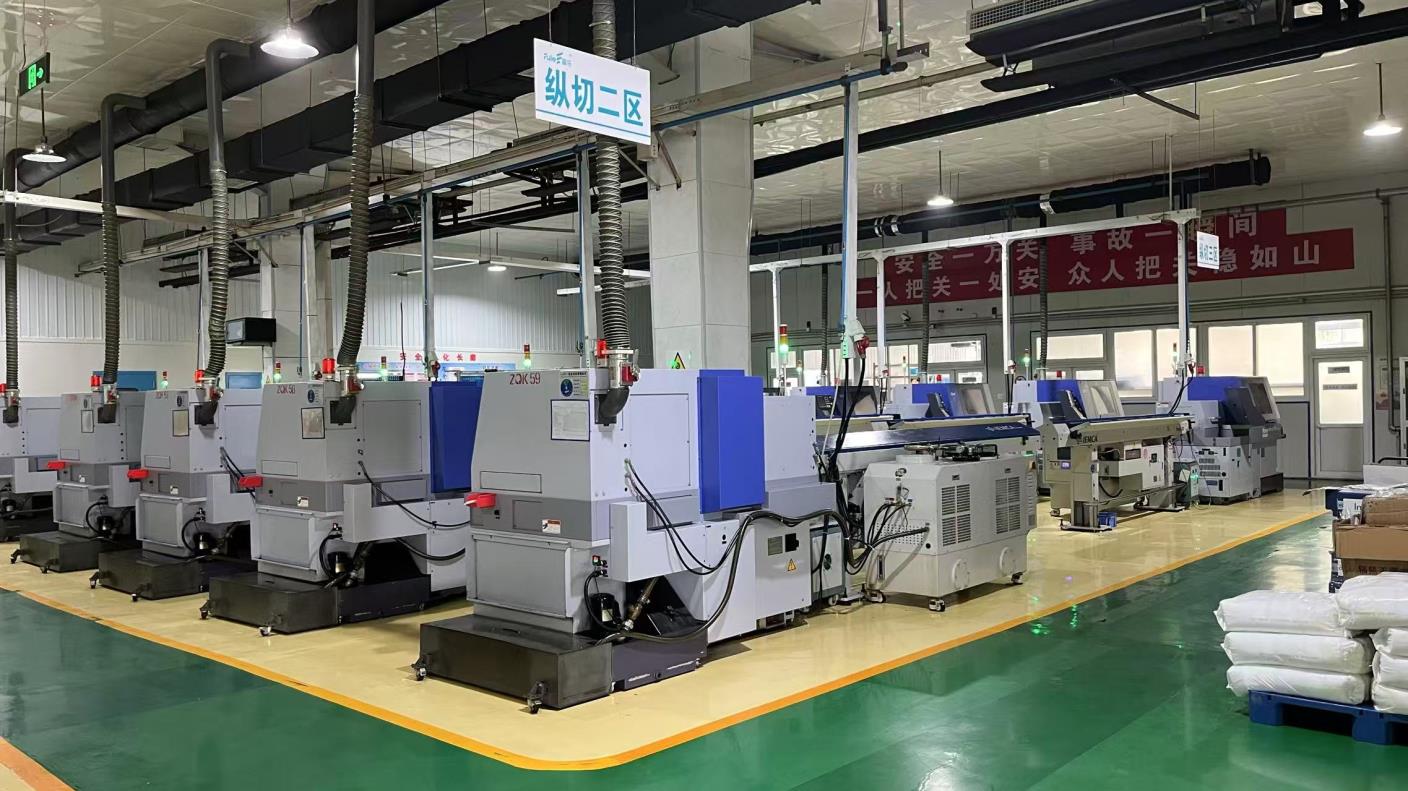
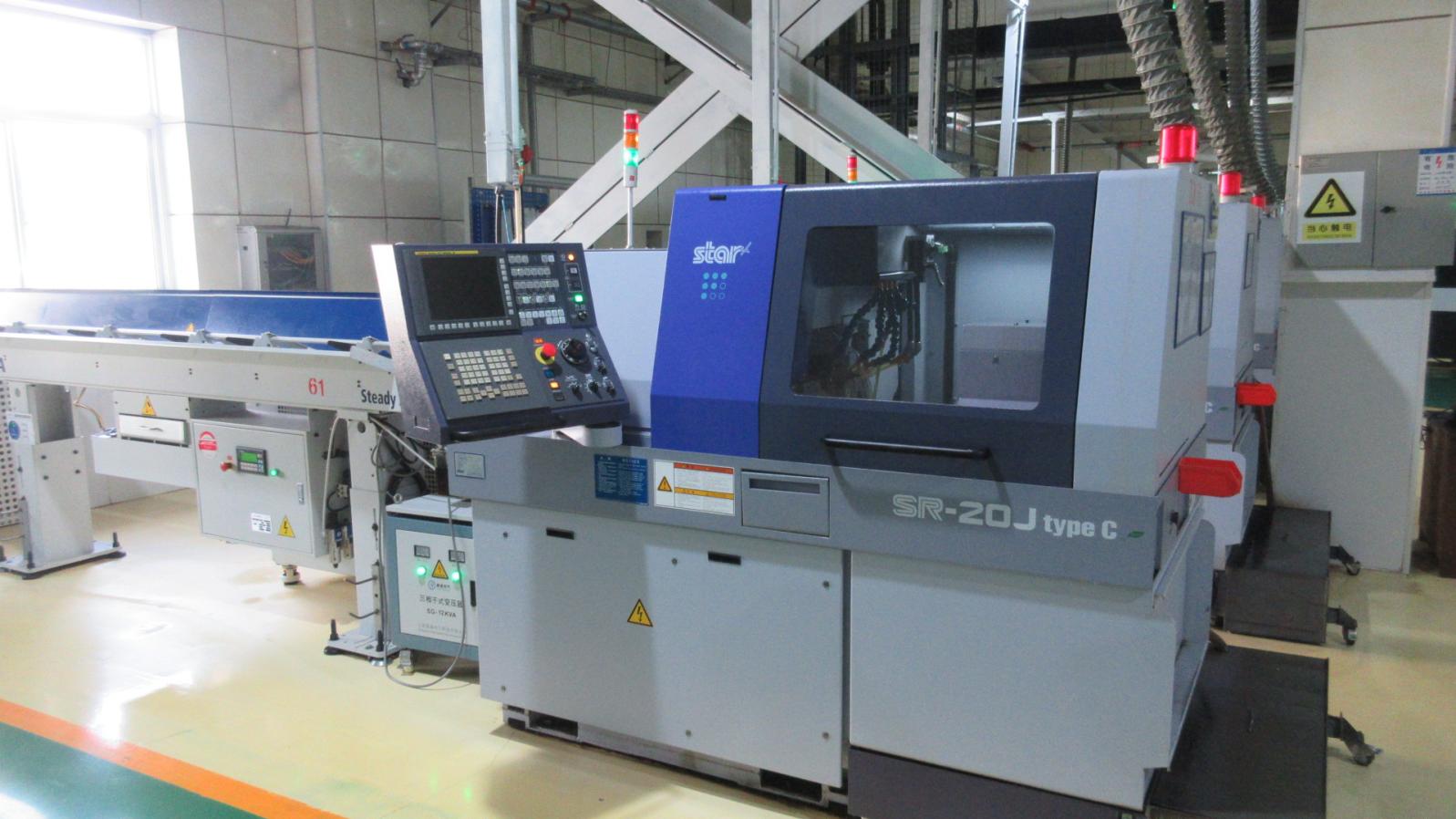
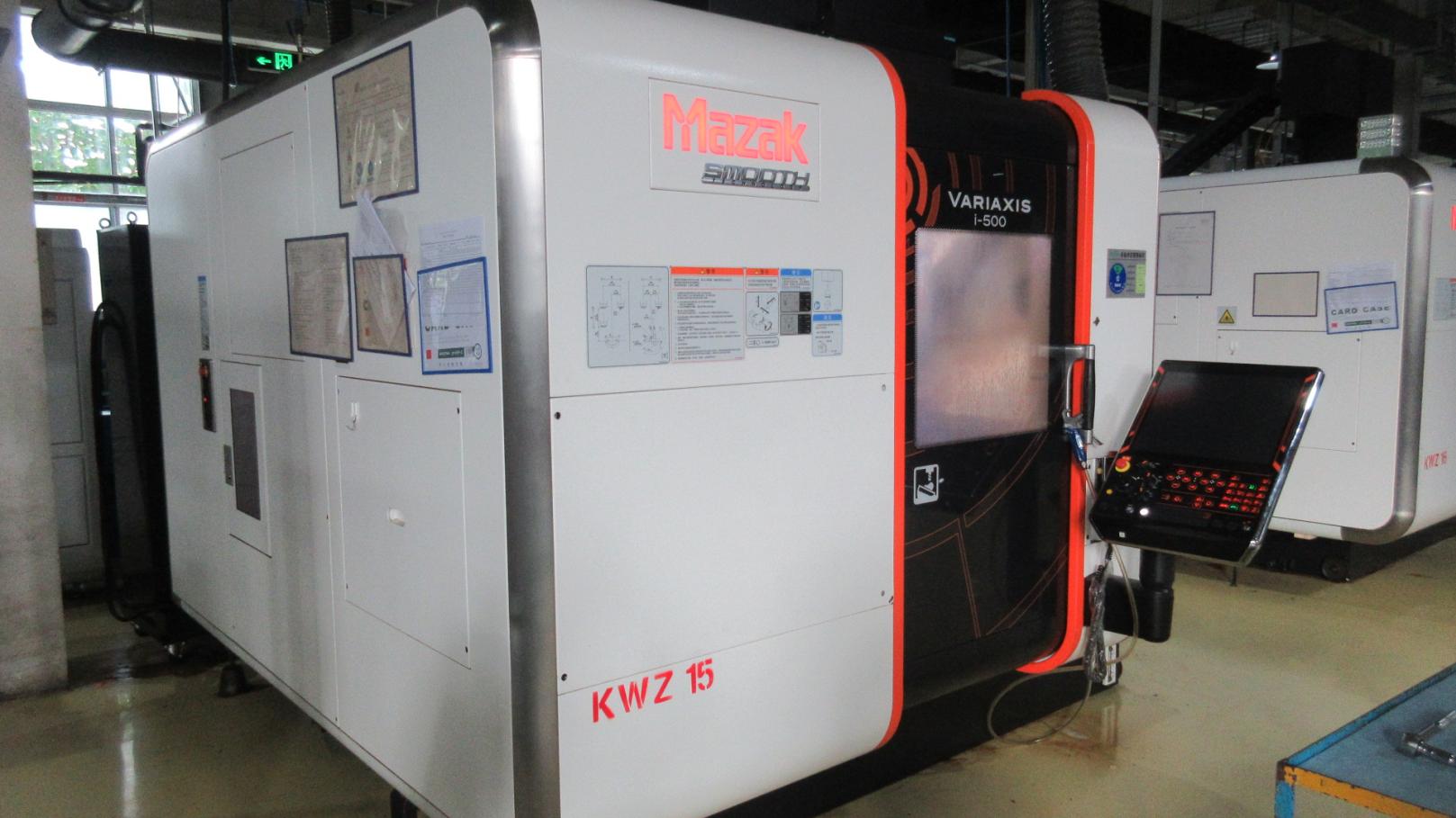
Multi-axis CNC, Swiss-lathes, and advanced surface anodizing machinery.
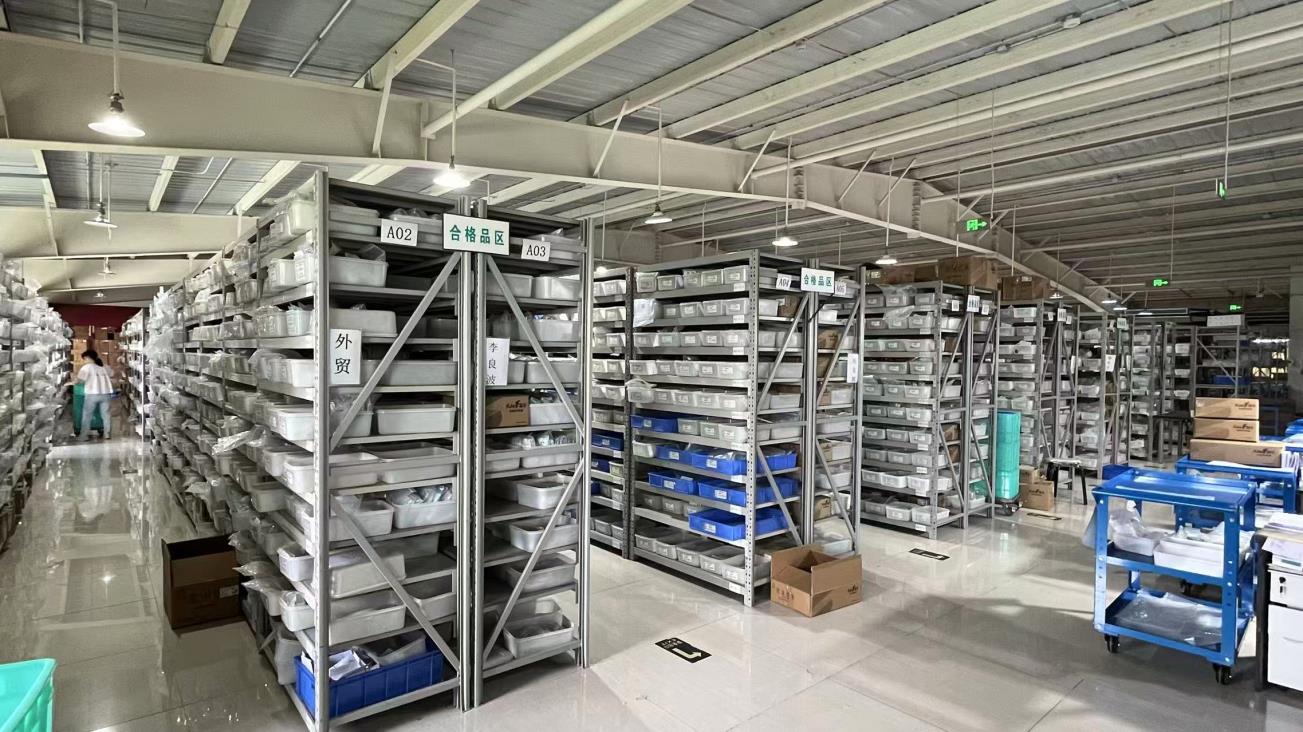
100% component inspection loop with full raw material spectral traceability.
15 graduate-level biomechanical engineers leading rapid OEM design iterations.
Class III medical device registration and international auditing credentials.
Navigating medical compliance across key European, Asian, and regional markets.
How custom manufacturing bridges the gap between anatomy, mechanical engineering, and clinical efficacy.
Utilizing dynamic 3D bone CT modeling, our R&D team maps human clavicle morphology across multiple demographic datasets. This allows us to craft OEM plates with highly optimized pre-contoured profiles, dramatically reducing surgical adaptation steps.
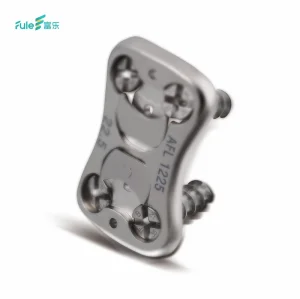
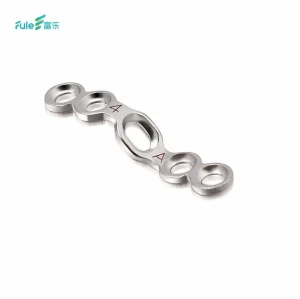
Integrating combi-holes within the fixation plates allows surgeons the flexibility to apply standard dynamic compression screws, locking screws, or a specialized hybrid mix to secure osteoporotic or multi-fragmentary bone structures.
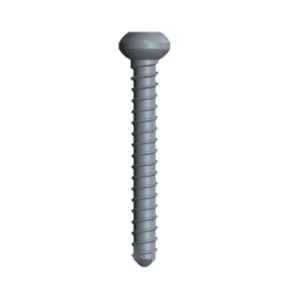
The subcutaneous nature of the clavicle often leads to implant prominence and post-operative discomfort. Our low-profile edge beveling, rounded screw heads, and sleek plate-end designs prevent irritation to overlying tissues.
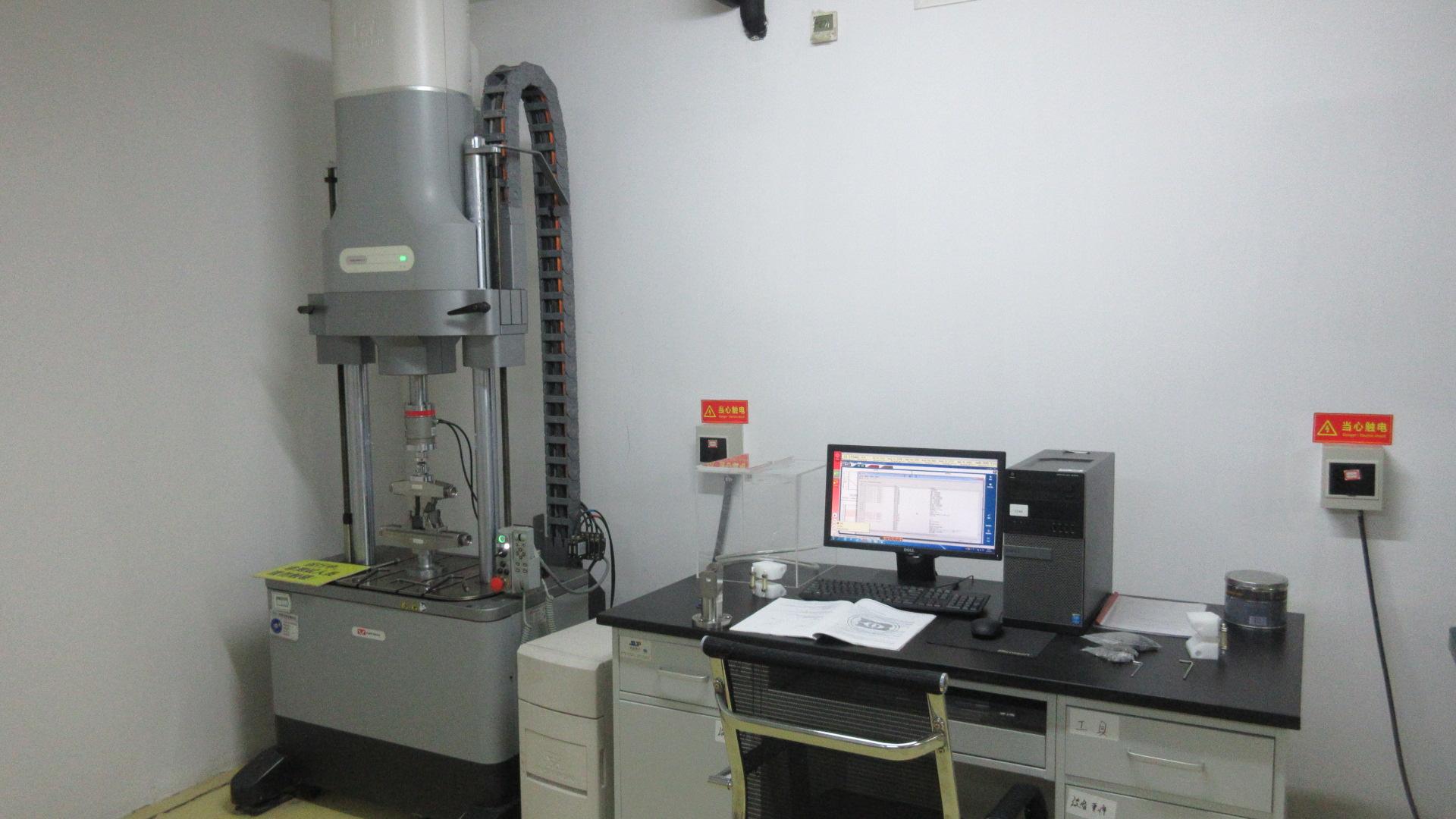
Through advanced Finite Element Analysis (FEA), we model simulated forces of axial compression, bending, and torsion under physiologic loads. This predictive biomechanical engineering ensures that the structural design of our implants prevents premature mechanical fatigue and device failure. Our titanium implants deliver high strength-to-weight ratios while retaining elasticity levels closer to cortical bone, significantly limiting the risk of stress shielding.
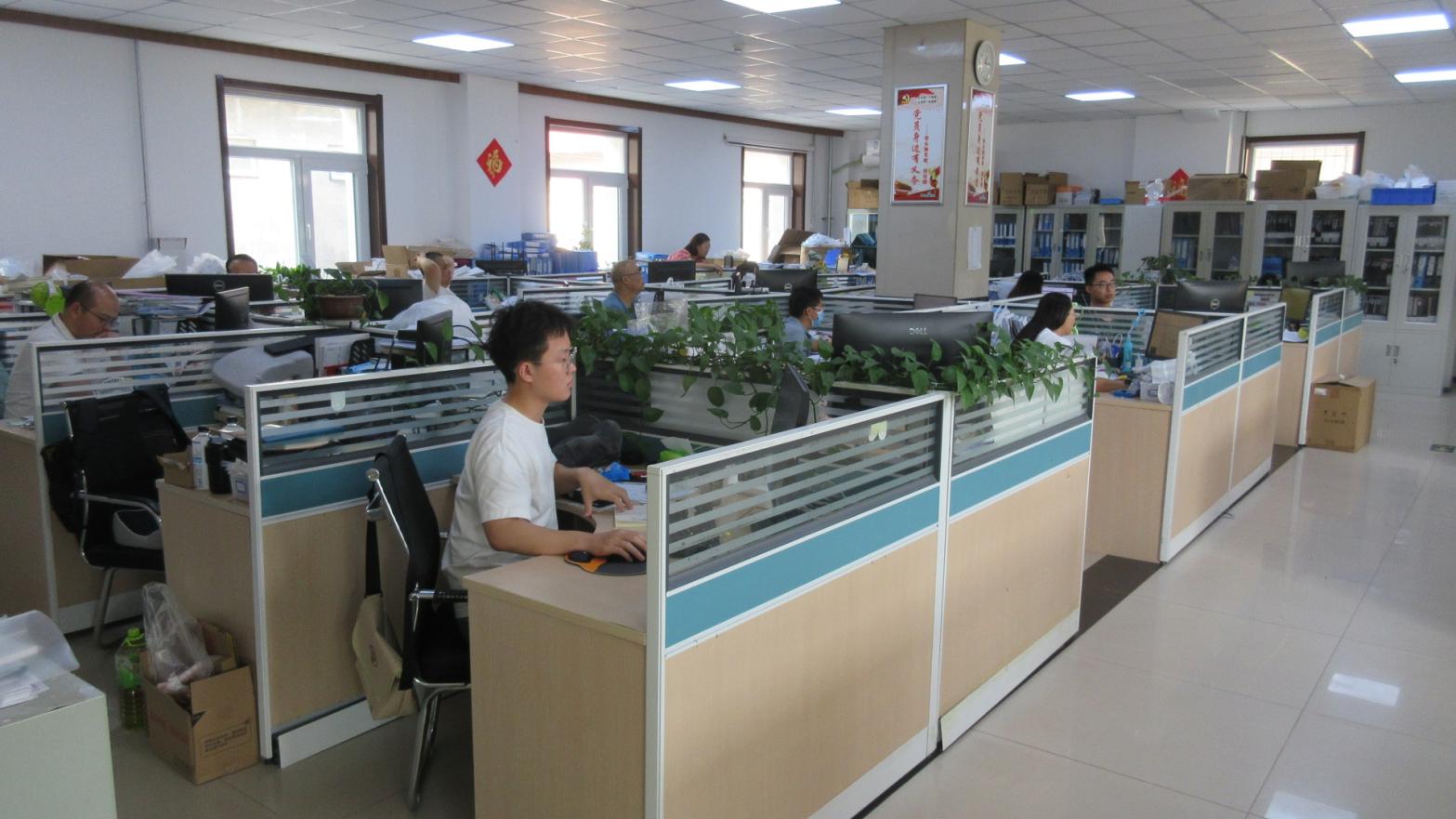
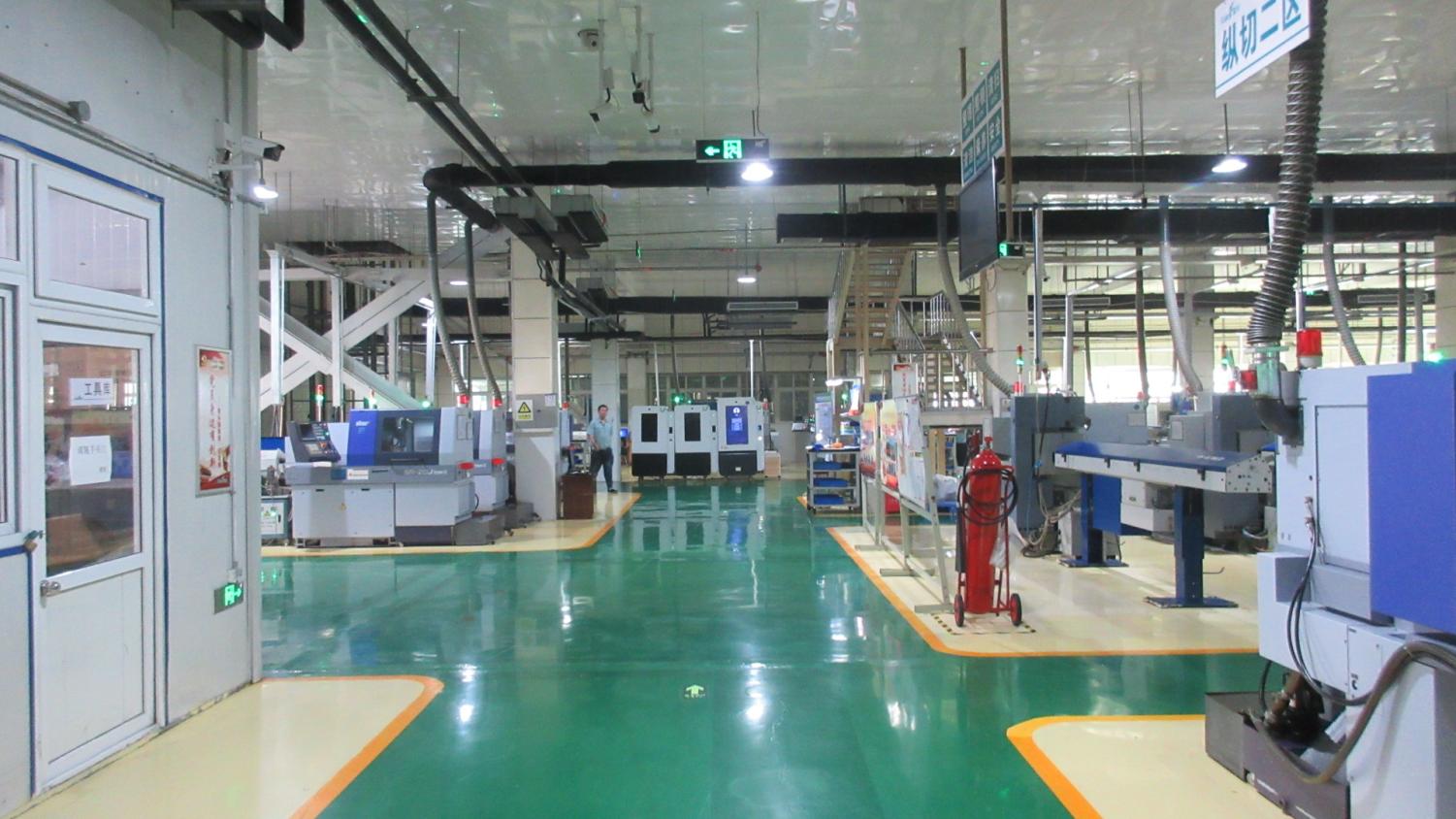
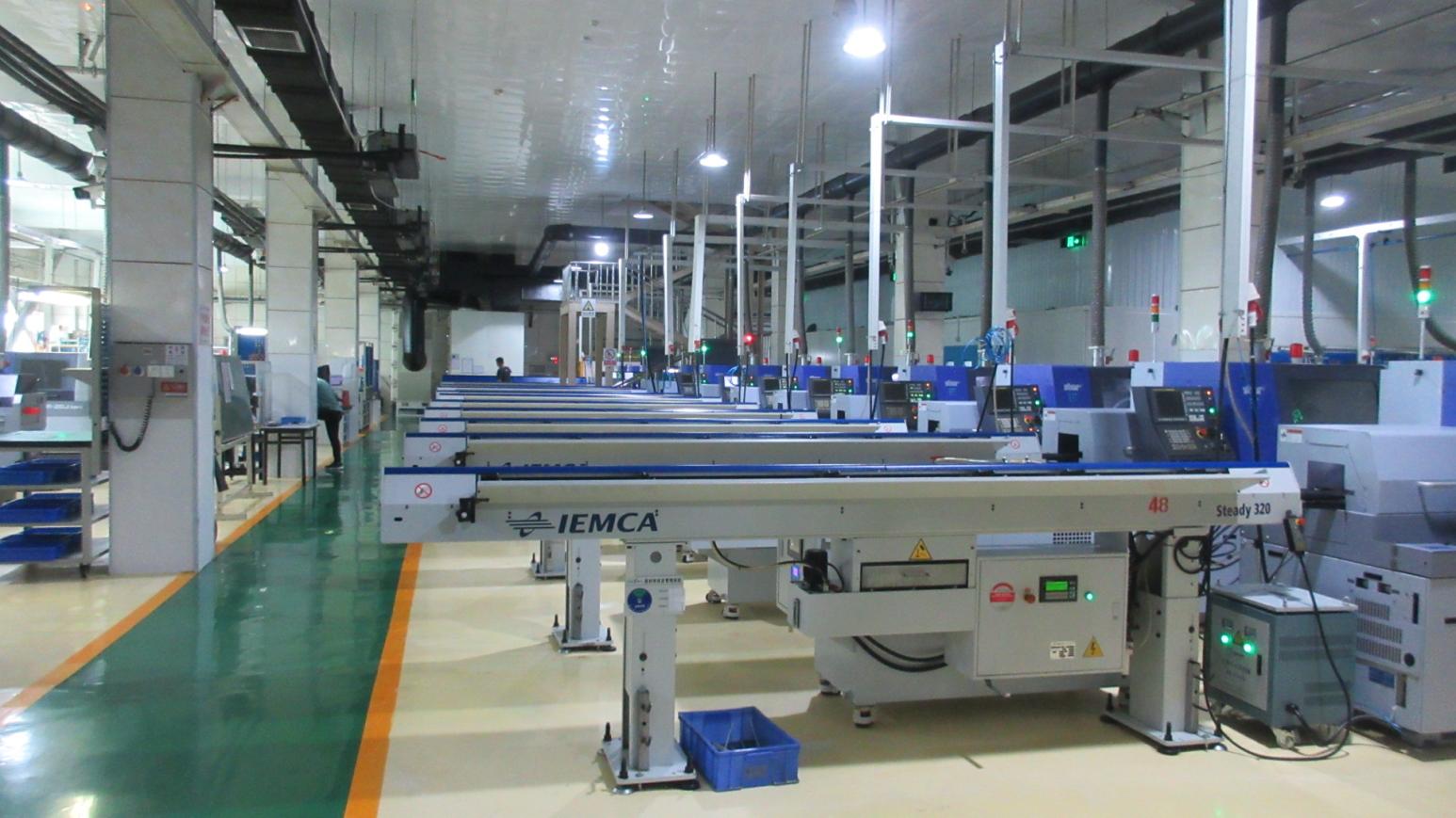
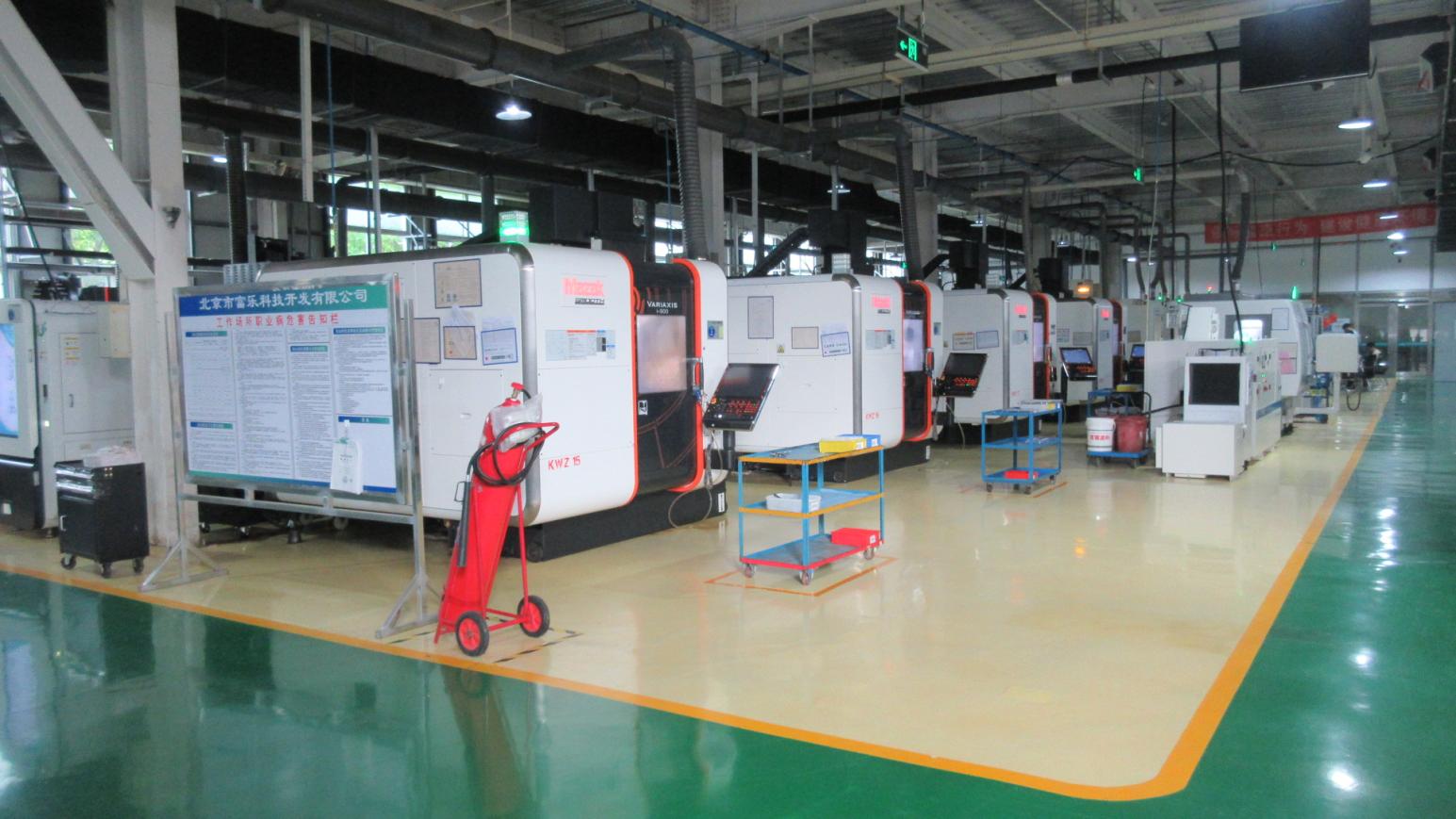
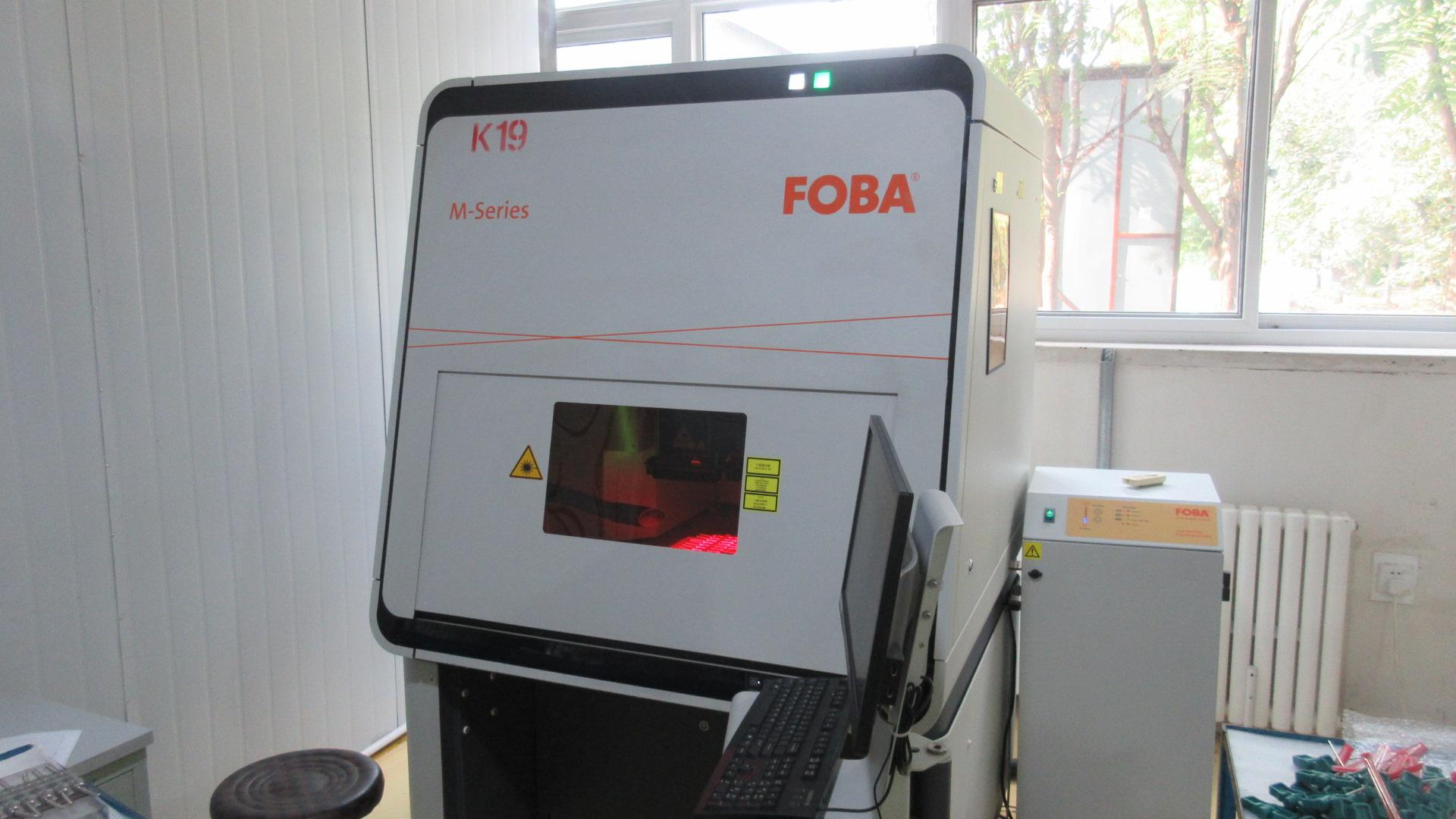
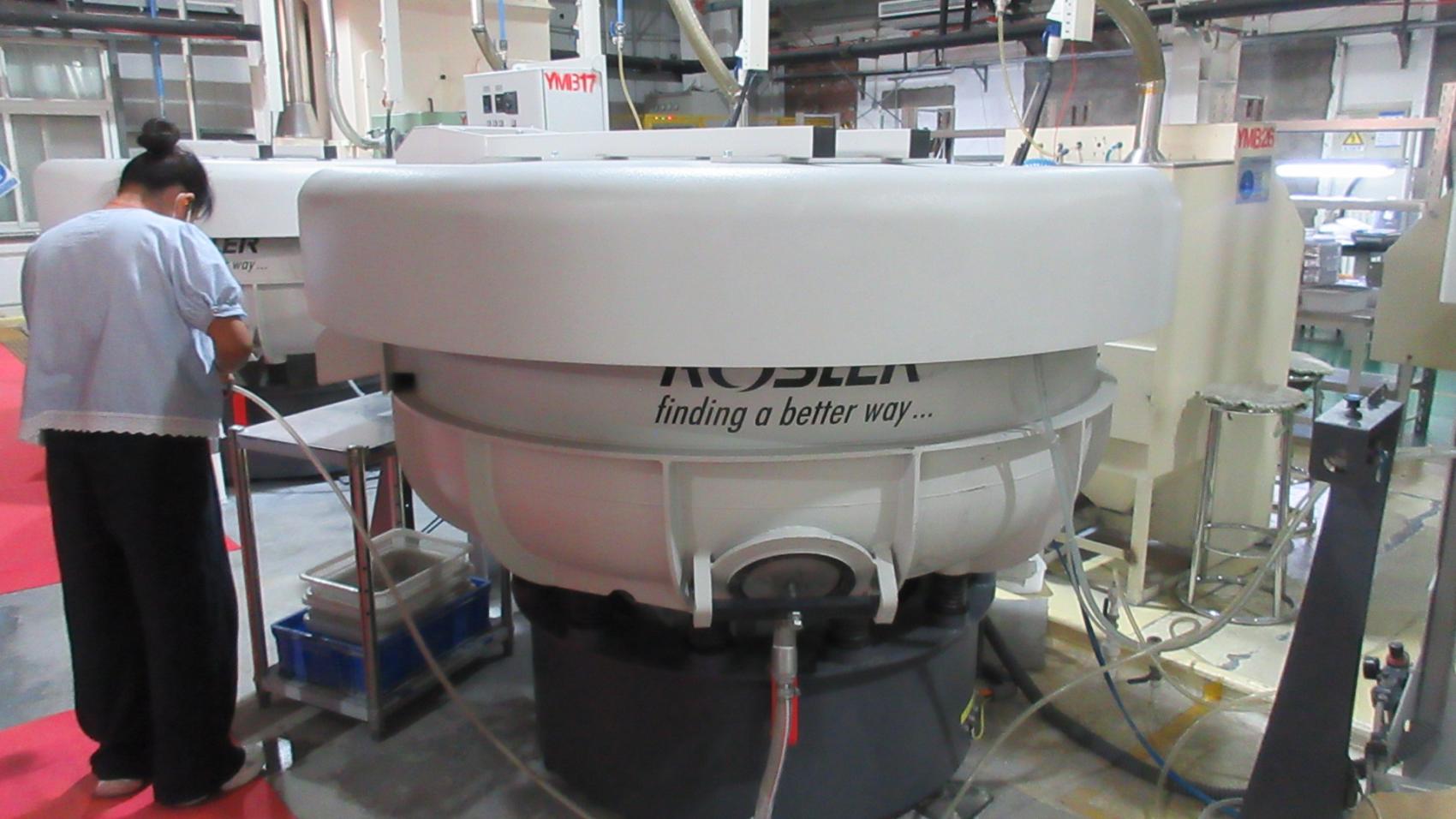
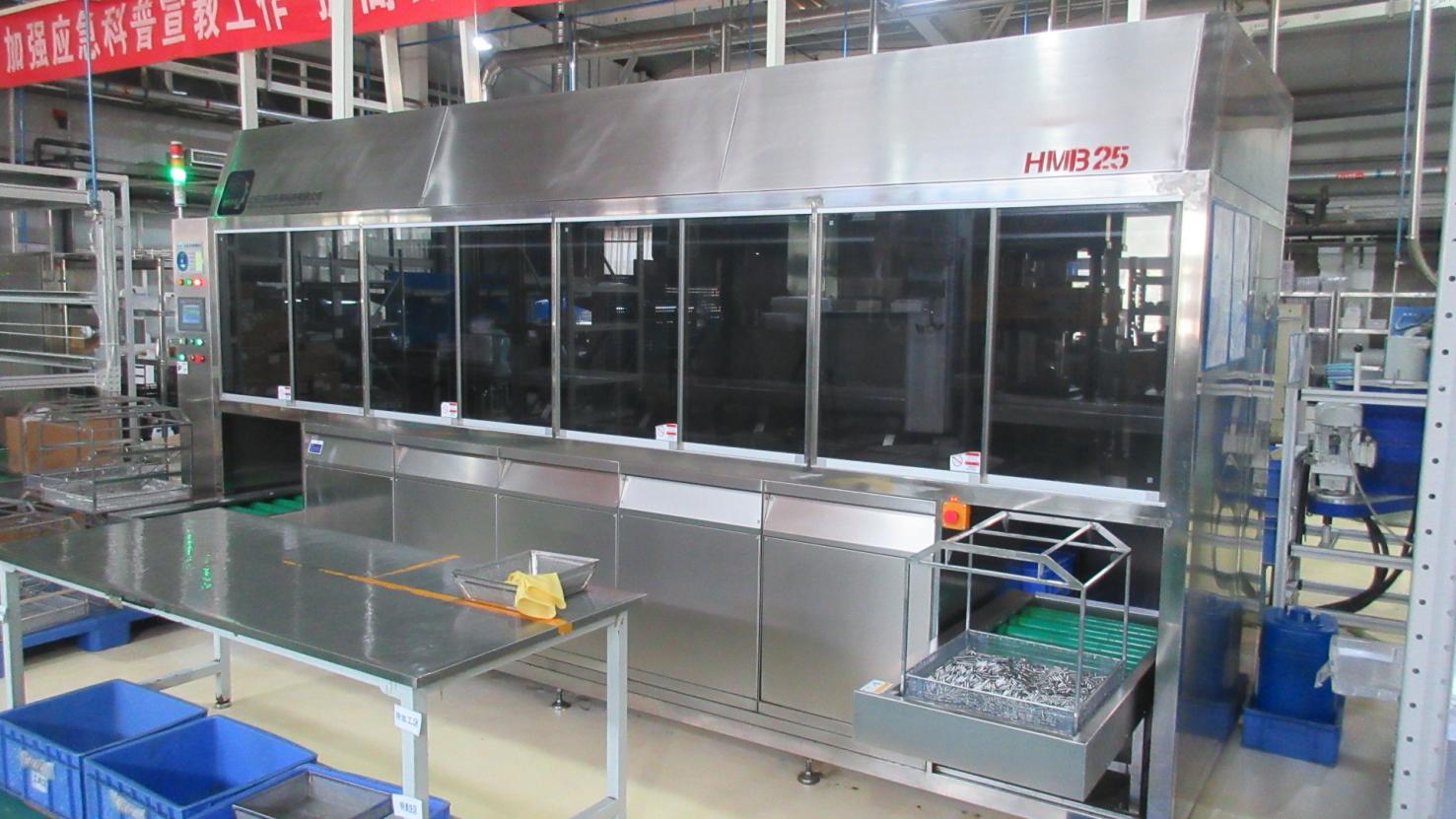
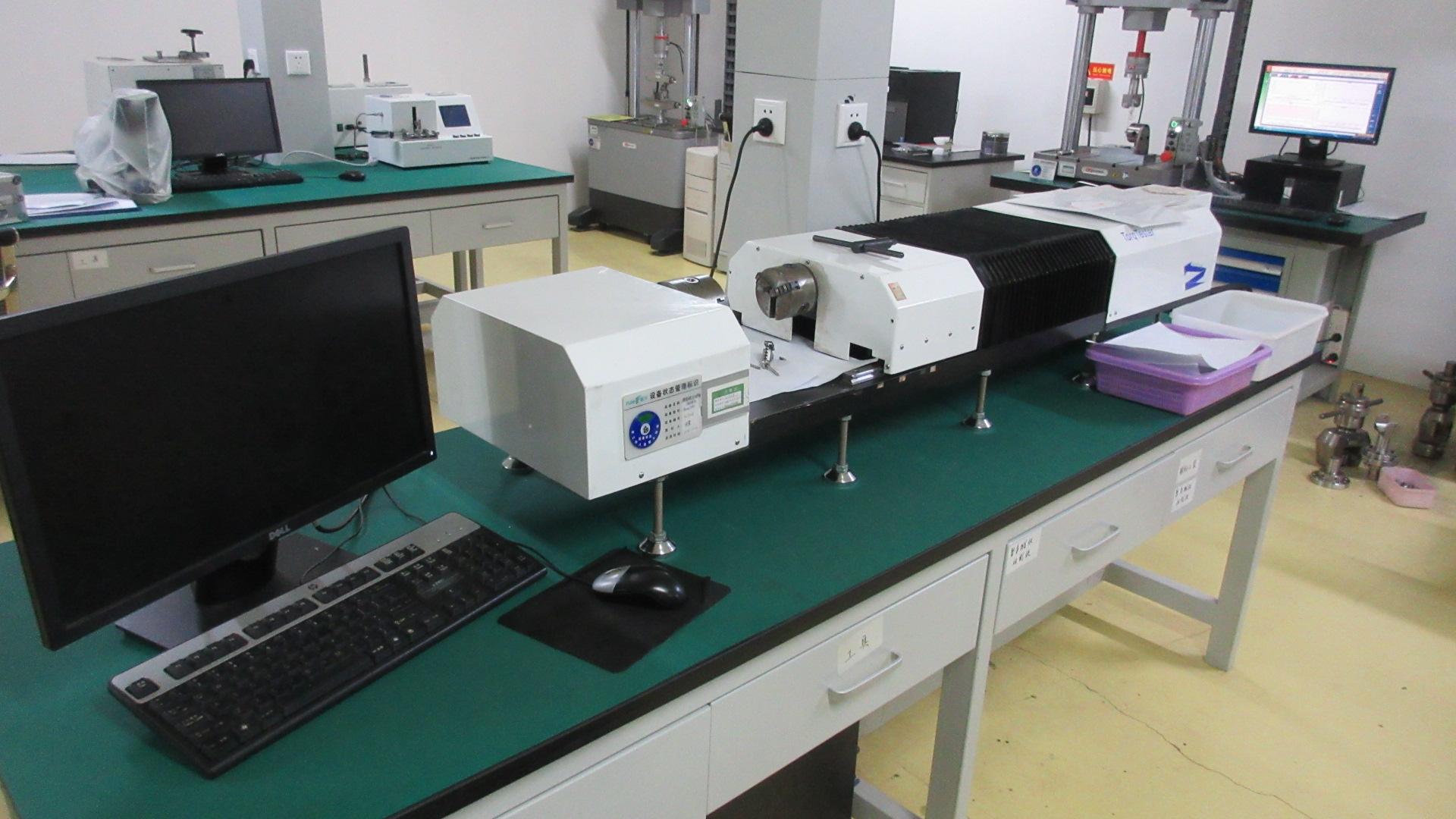
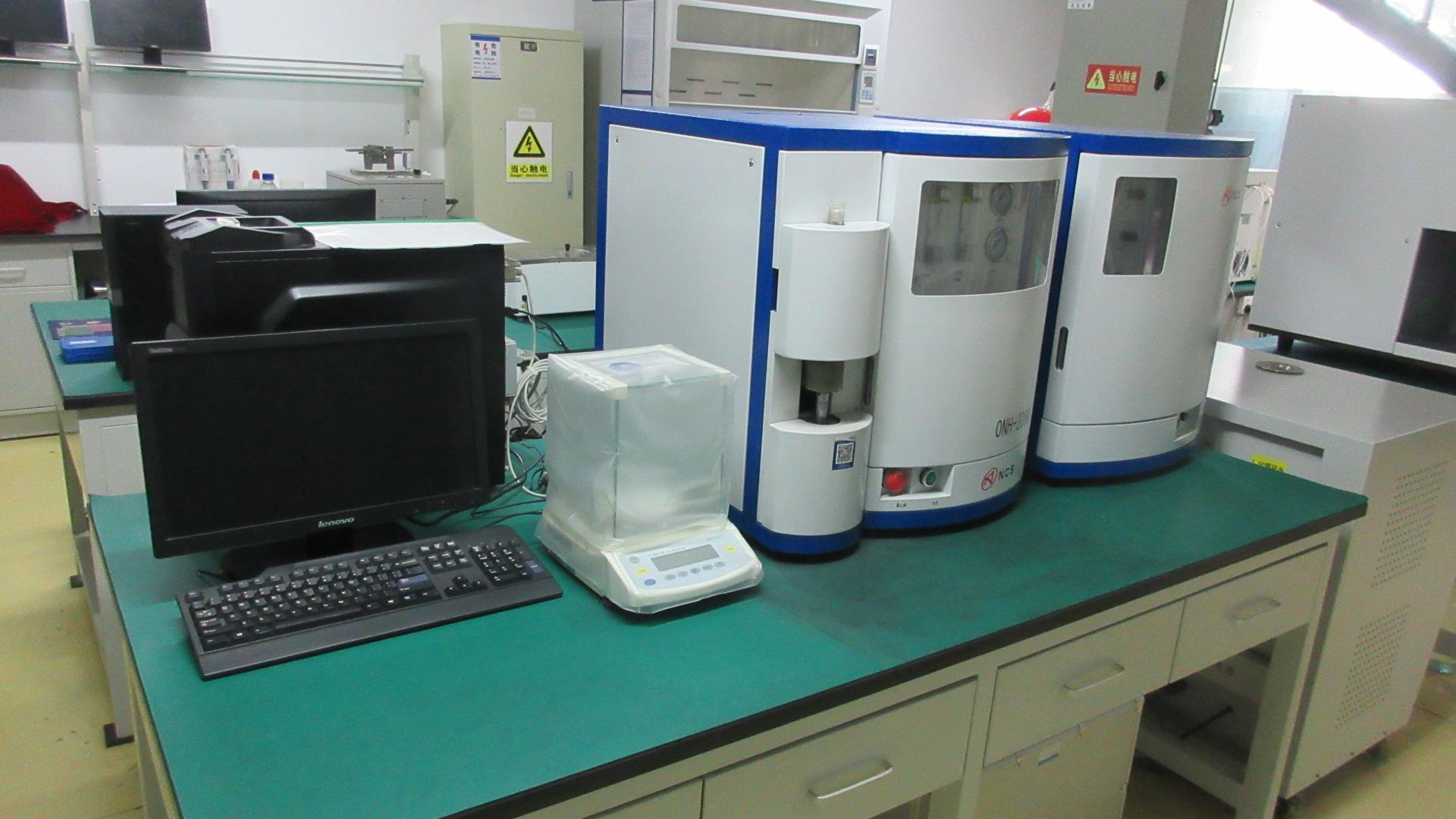
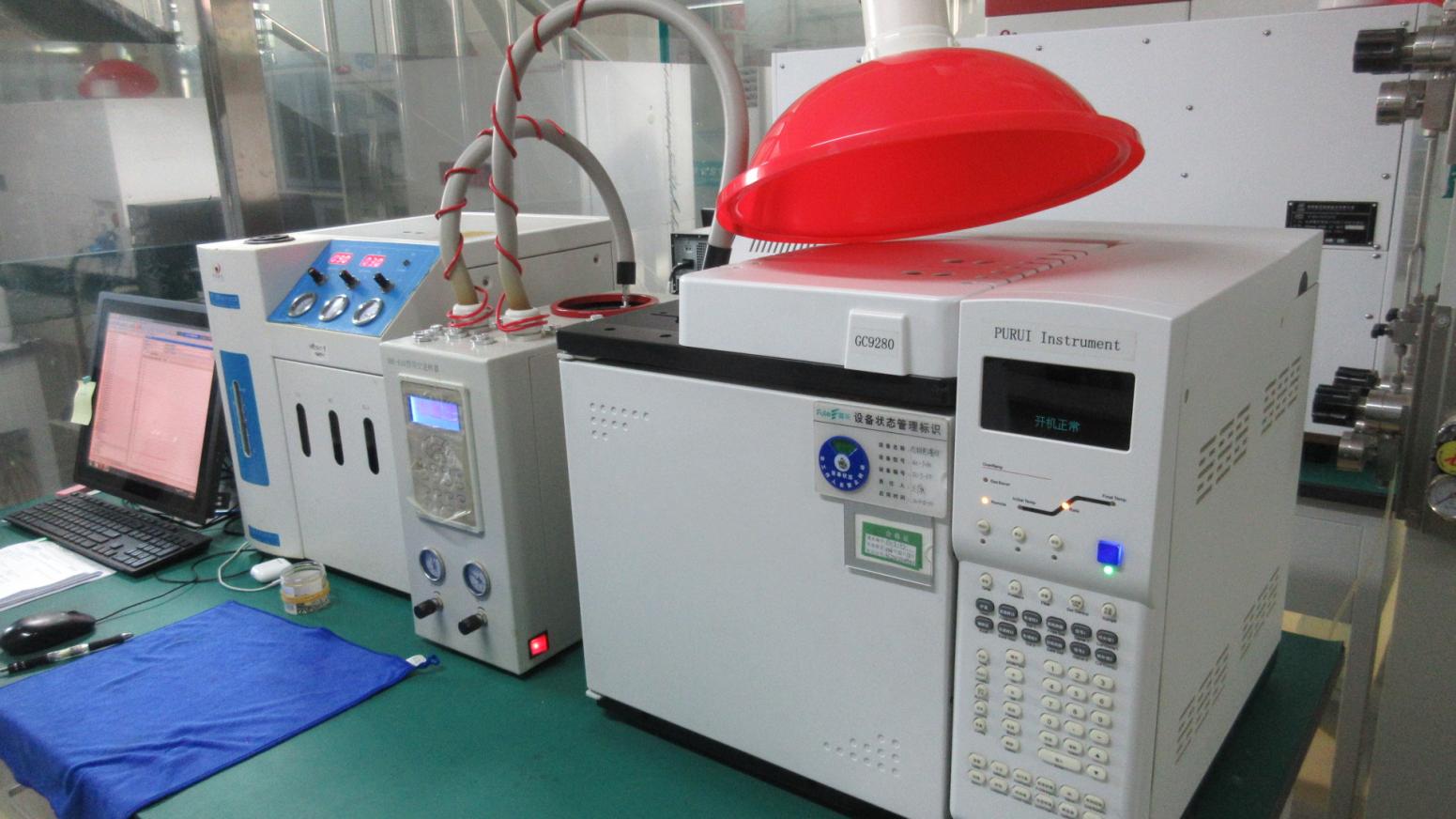
Visual inside-look at our 10,000 square meter ISO 13485 medical-grade manufacturing plant and high-precision CNC workshop.

Tracking the evolution of surgical trauma devices towards biomechanical biomimicry and smart integration.
Implementing Type II gray anodization to enhance fatigue limit thresholds while ensuring zero cytotoxicity, reducing wear debris release, and promoting rapid tissue assimilation.
Advancing from fixed-angle locking threads to variable-angle (polyaxial) screw paths, enabling dynamic angulation up to 15 degrees to match individual patient anatomical layouts.
Integrating trabecular titanium mesh structures on the plate undersides to mimic natural cancellous bone, facilitating osseous integration and reducing plate-to-bone contact necrosis.
R&D investments in magnesium alloy structures designed to temporarily fix fractures and completely degrade within the body after healing, removing the need for a secondary implant removal procedure.
Navigating diverse regulatory frameworks like the European Medical Device Regulation (EU MDR 2017/745), US FDA 510(k), and regional APAC guidelines is standard operational protocol for our division. We operate an accredited Quality Management System (QMS) mapped under ISO 13485:2016.
Every batch of titanium alloy (Ti-6Al-4V ELI) is subjected to rigorous optical emission spectroscopy and mechanical tensile testing before entering the CNC cycle. Raw material chemistry certificates (conforming to ASTM F136 specifications) are issued and maintained in our tracking systems for over 10 years, ensuring full post-market traceability.
Additionally, we carry out 100% video-comparator micro-measurement validation on critical thread dimensions and locking pocket shapes. In-house cleaning utilizes high-capacity ultrasonic washing stations to eliminate chemical and particulate residue. Packing takes place within our Class-10,000 cleanrooms to guarantee low bioburden levels before sterilization.
Essential B2B sourcing FAQs regarding titanium materials, micro-manufacturing, regulatory certifications, and logistics.
 Beren Science & Technology