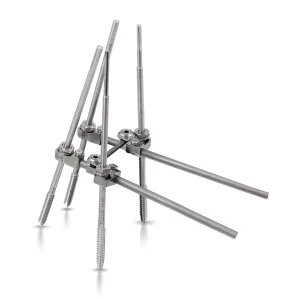
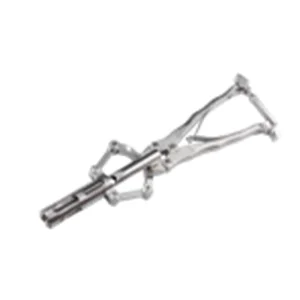
External fixator devices play an indispensable role in contemporary orthopedic traumatology, reconstructive surgery, and limb correction therapies. Structurally anchored outside the patient’s body skin, these systems transmit load stresses through percutaneous pins (Schanz screws, Kirschner wires) to secure bone fragments. This configuration avoids extensive soft-tissue dissection, crucial for preserving the periosteal microcirculation vital for physiological bone regeneration.
Biomechanically, custom external fixators achieve a balance between stability and controlled elastic micro-motion. The concept of mechanobiology guides modern external fixator design, recognizing that absolute rigidity can lead to stress shielding and delayed union. By engineering precise stiffness parameters through carbon-fiber connecting rods and titanium clamps, modern manufacturers enable axial dynamic loading (distraction/compression), triggering optimal endochondral ossification.
"The therapeutic efficacy of external fixation depends on matching the mechanical stiffness of the construct with the biological needs of the regenerating bone throughout its healing phases."
The global external fixator market is undergoing significant restructuring. Driven by an increase in high-energy trauma cases, rising geriatric populations, and the adoption of minimally invasive procedures, the demand for complex skeletal reconstruction devices has surged. OEM/ODM production processes have localized near major manufacturing and healthcare hubs to optimize supply chains.
Europe and North America lead in value due to high reimbursement rates and demand for high-end materials like radiolucent carbon fiber and grade-5 titanium alloys. Meanwhile, the Asia-Pacific region, led by China and India, has become a major supplier and growth market. Emerging manufacturing paradigms prioritize high-output, premium CNC milling and automated assembly to meet stringent international standards (FDA 510(k), EU MDR Class III certifications).
As a leading supplier, our OEM/ODM custom fixator manufacturing process leverages medical-grade raw materials, advanced machining, and strict quality control.
External fixation systems are tailored to address diverse clinical environments:
In high-energy polytrauma or battleground medicine, the priority is rapid stabilization. Fixators designed for this scenario must be lightweight, modular, and fast to assemble. Simple construct layouts allow surgeons to apply frame units within minutes to stabilize open fractures and protect damaged vascular structures.
Utilizing the Taylor Spatial Frame (TSF) principle or Ilizarov ring constructs, these devices facilitate multi-axial correction of congenital or post-traumatic limb length discrepancies. Micro-adjustments are performed daily by the patient using computed prescription charts, translating mechanical tension into new bone growth (distraction osteogenesis).
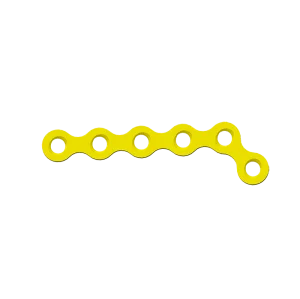
Patients suffering from neuropathic arthropathy require highly rigid, lower-profile ring fixators to support weight-bearing forces while avoiding soft tissue breakdown. Custom OEM plates, pins, and circular rings are developed specifically to handle the high shear forces in compromised ankle structures.
The future of external fixation integrates digital intelligence and biomimetic design:
Real-time micro-strain sensors monitor axial loading patterns, transmitting data to clinicians to guide progressive weight-bearing decisions.
Utilizing pre-operative CT datasets, manufacturers produce customized guides and lightened structural rings tailored to the patient's unique anatomy.
Pin-tract infection is a common complication. Advanced coatings, such as silver nanoparticles or chlorhexidine-impregnated polymers, reduce bacterial adhesion.
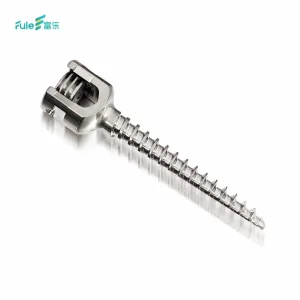
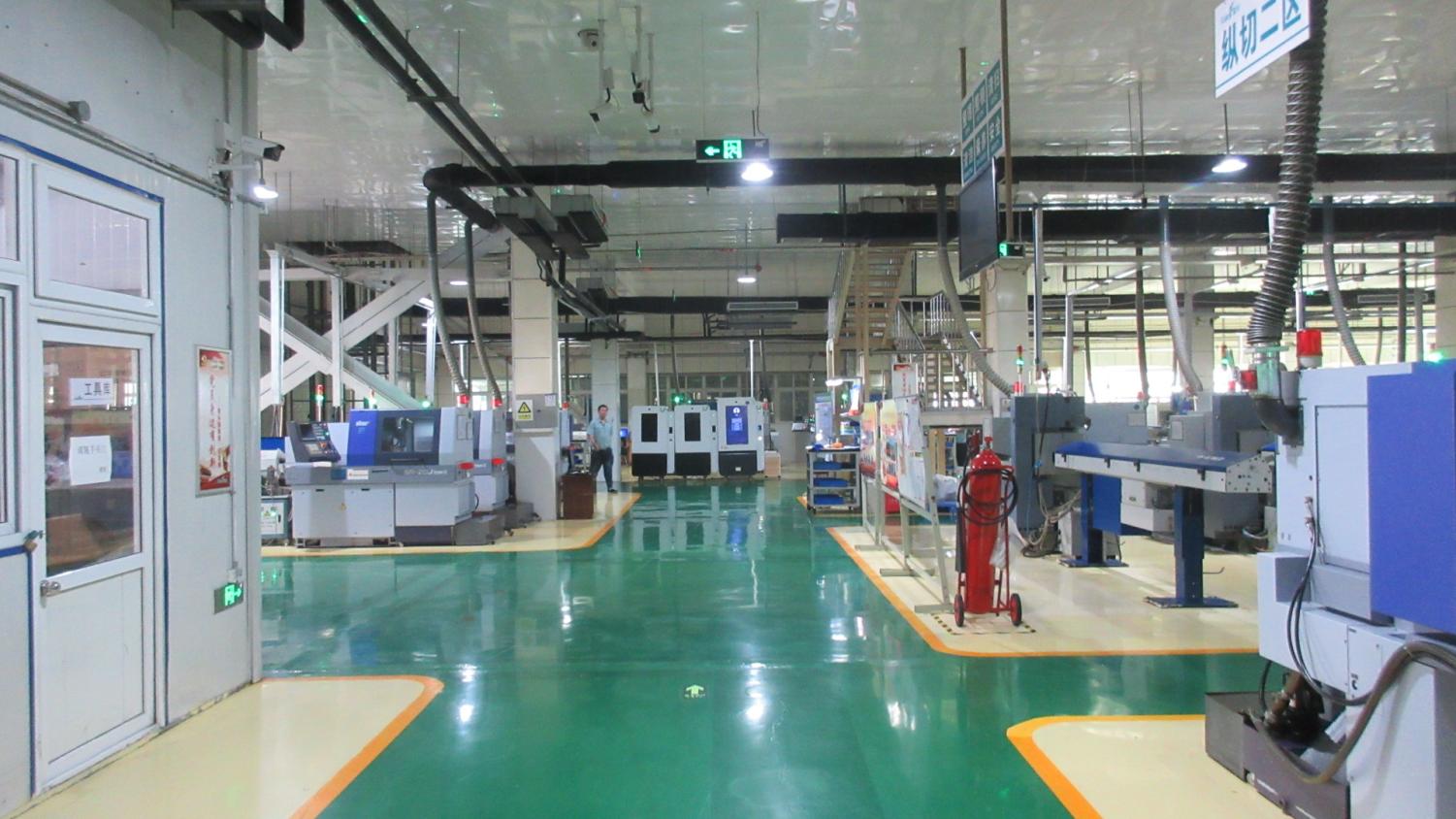
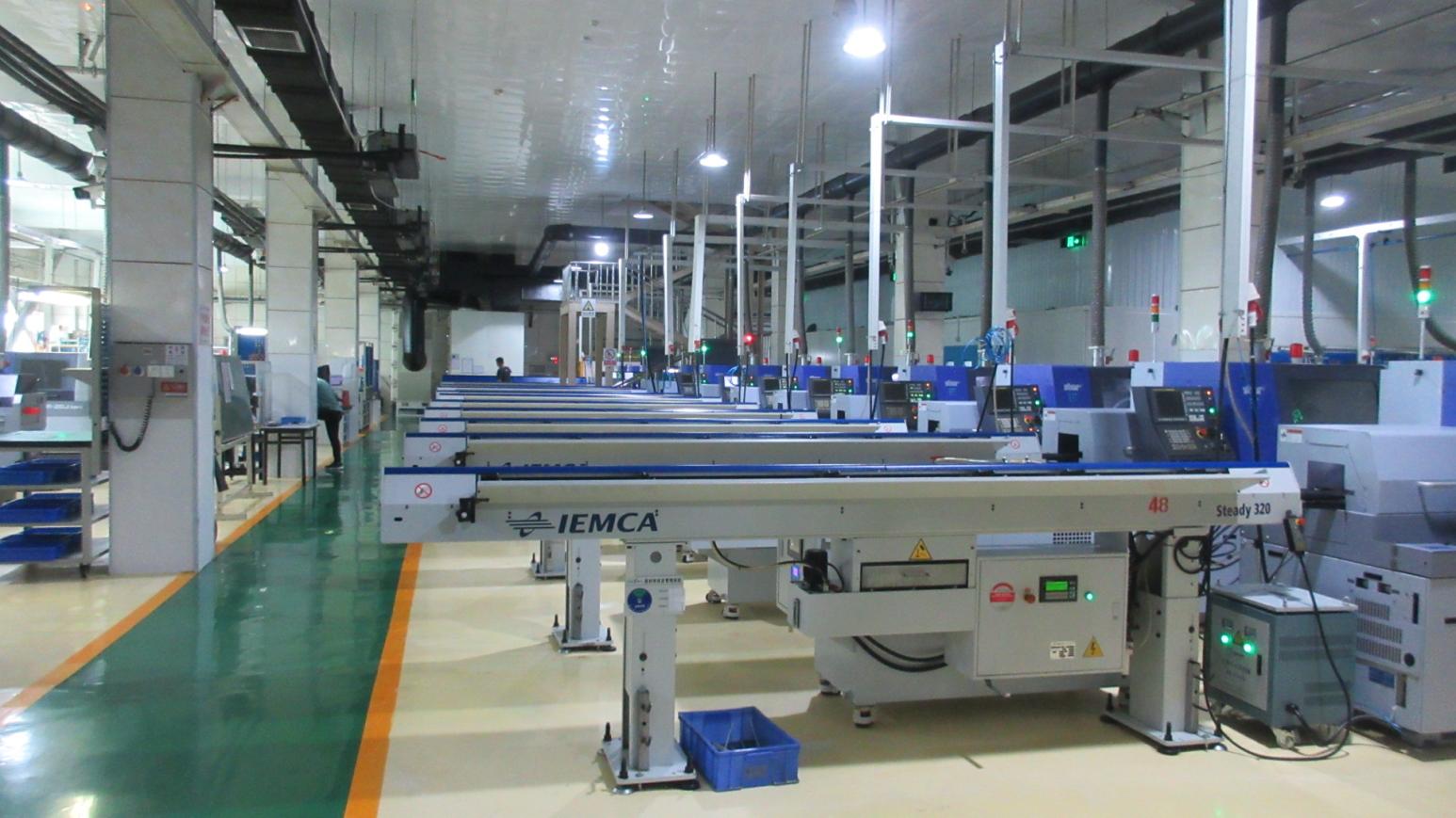
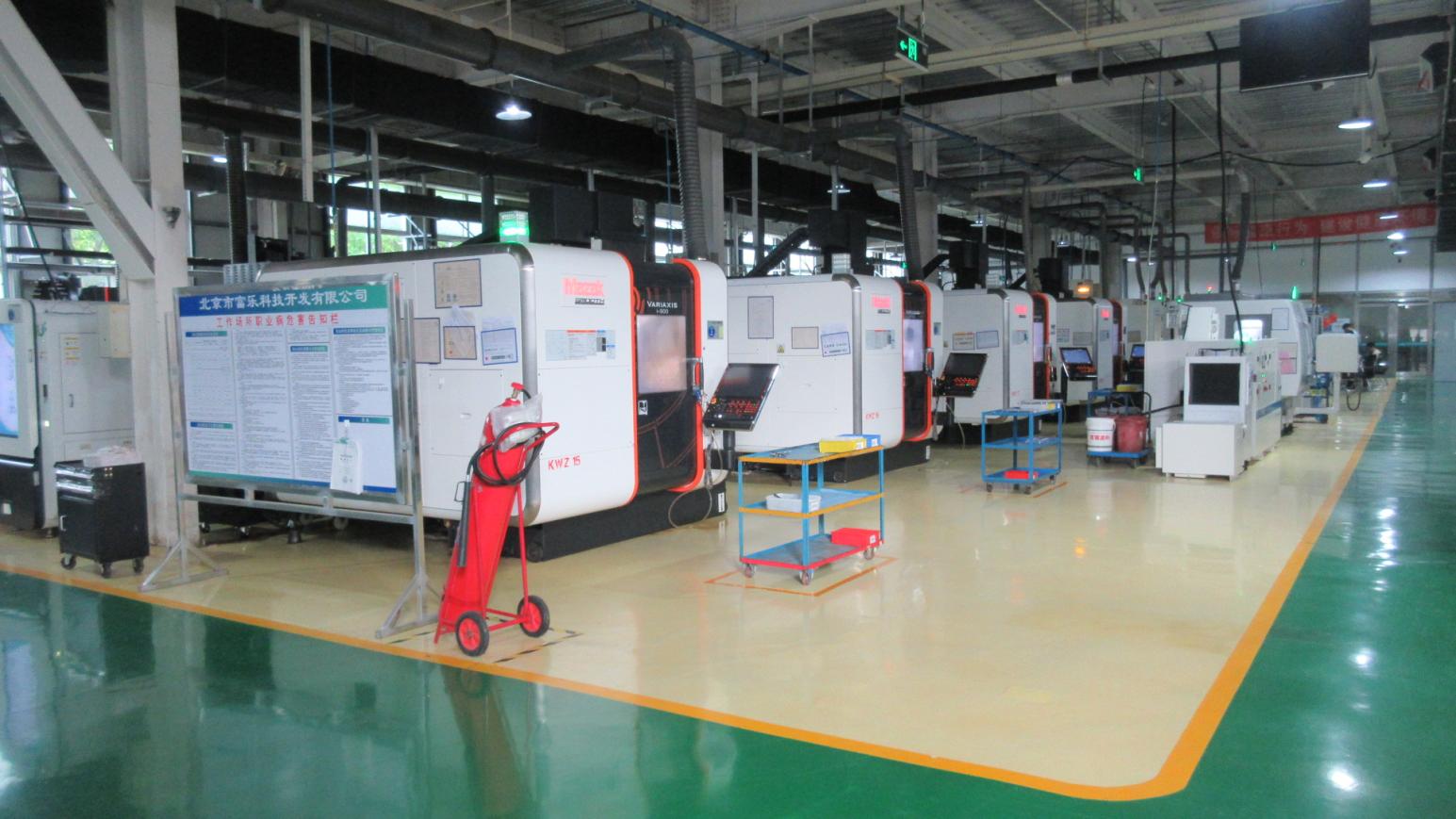
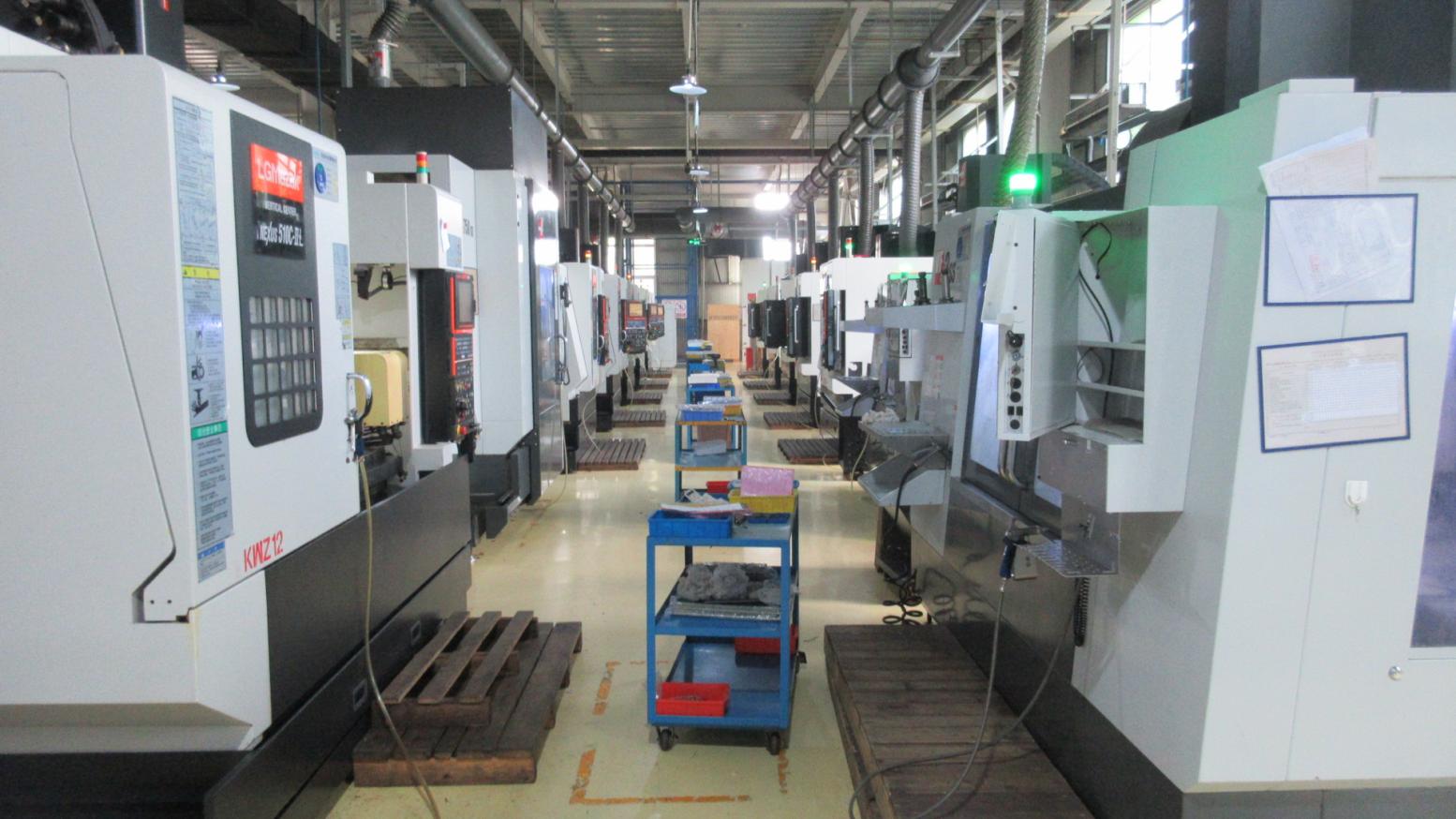
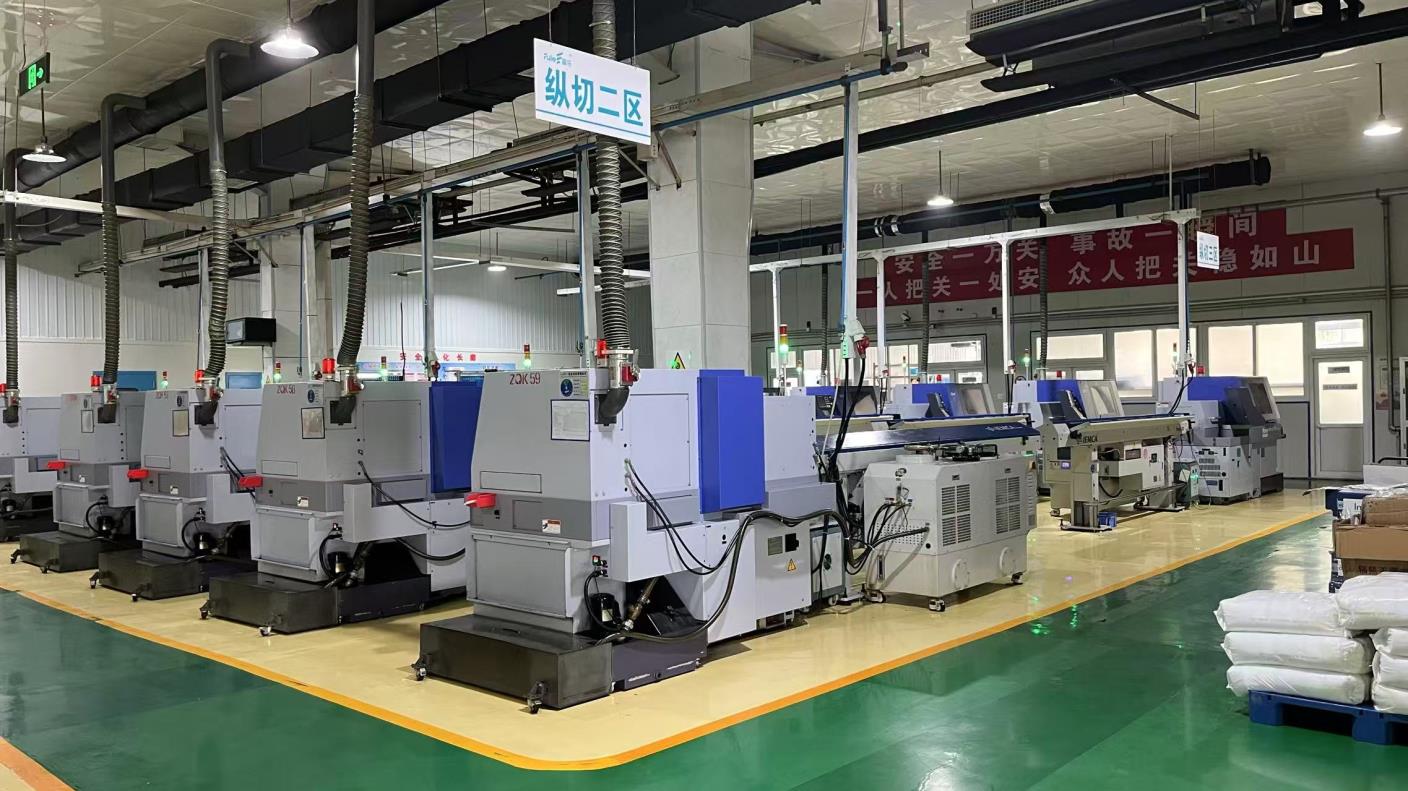
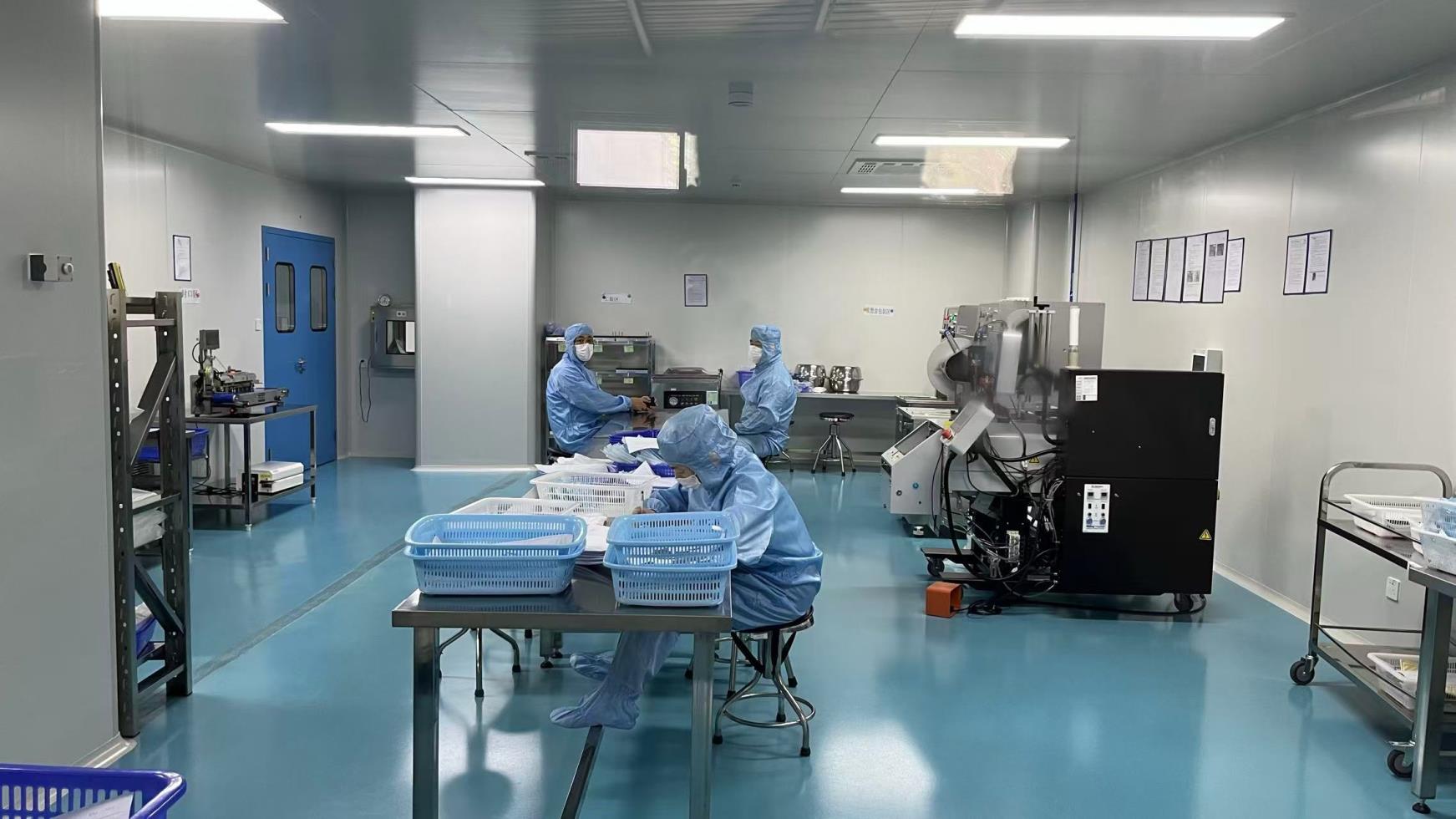
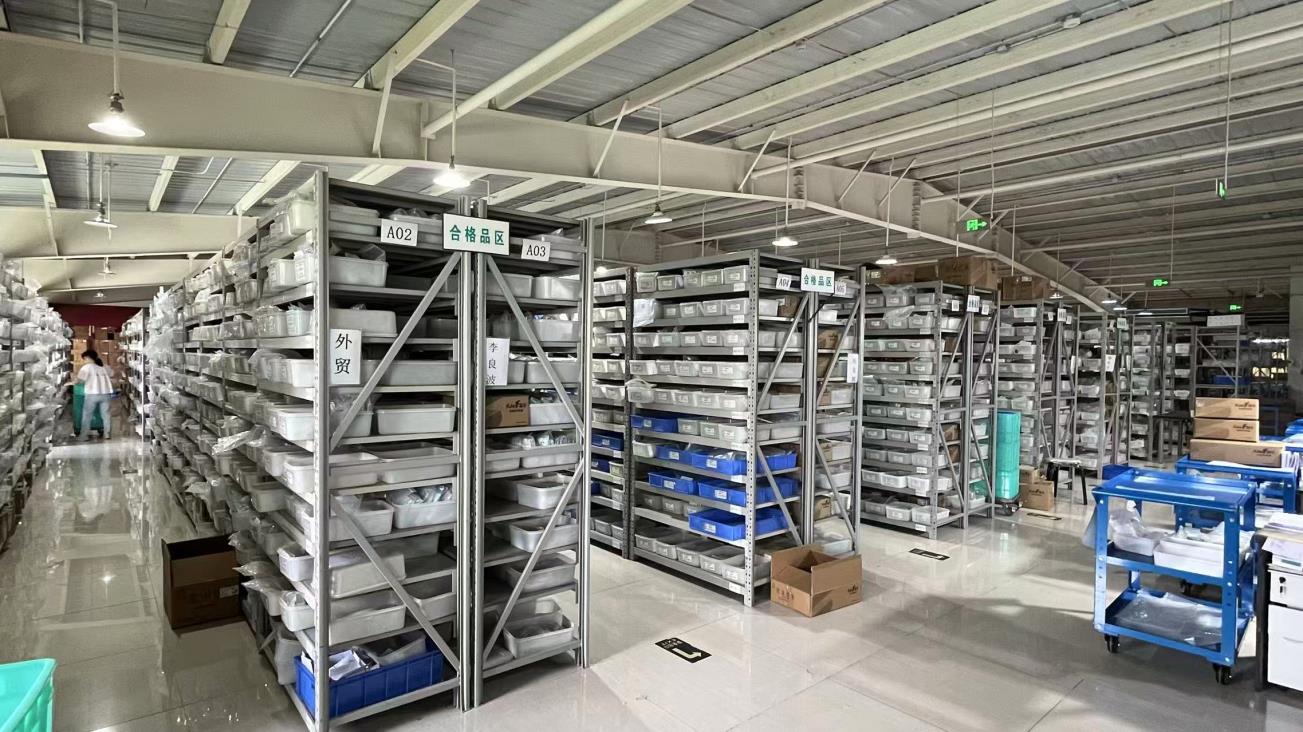
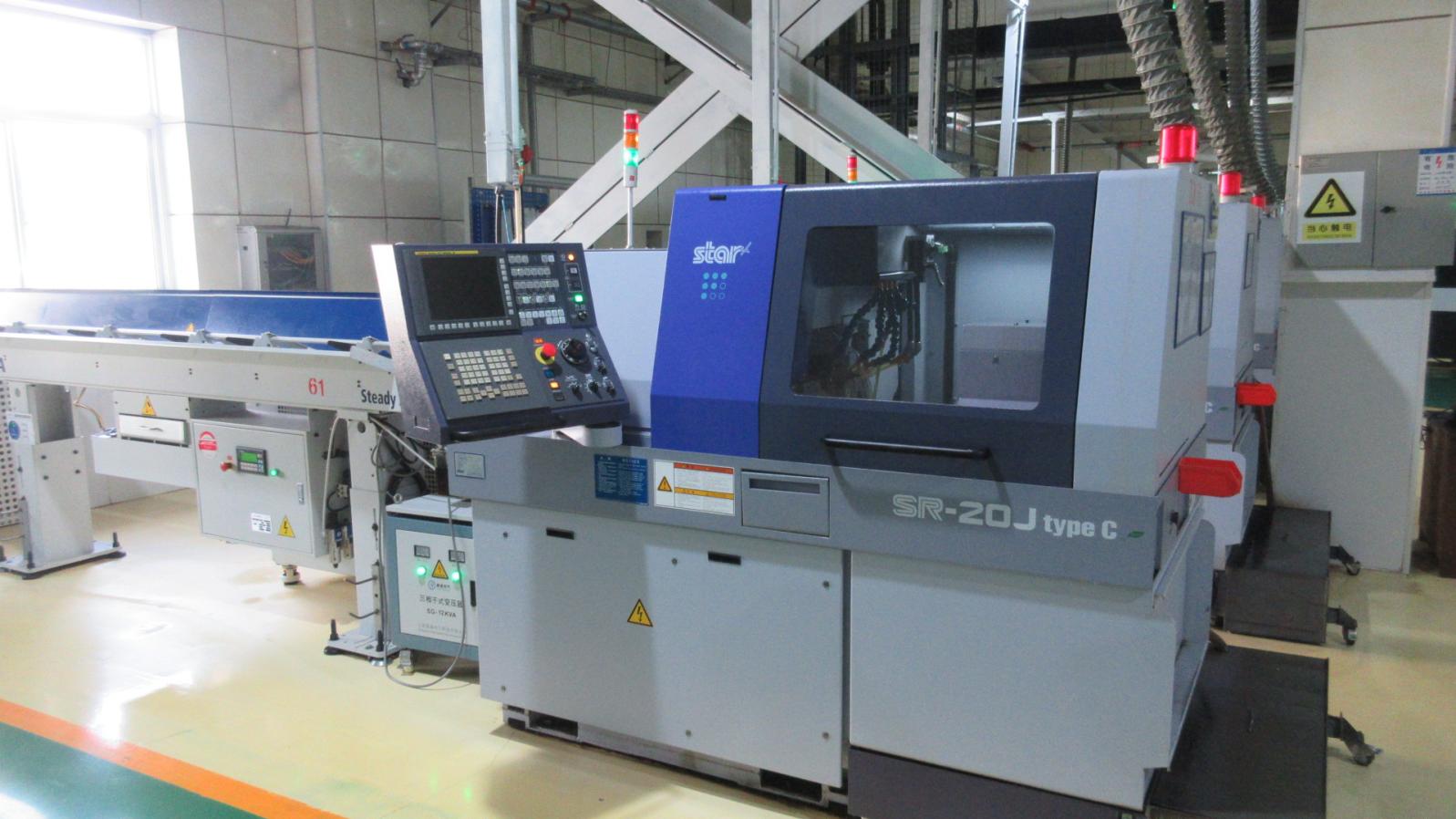
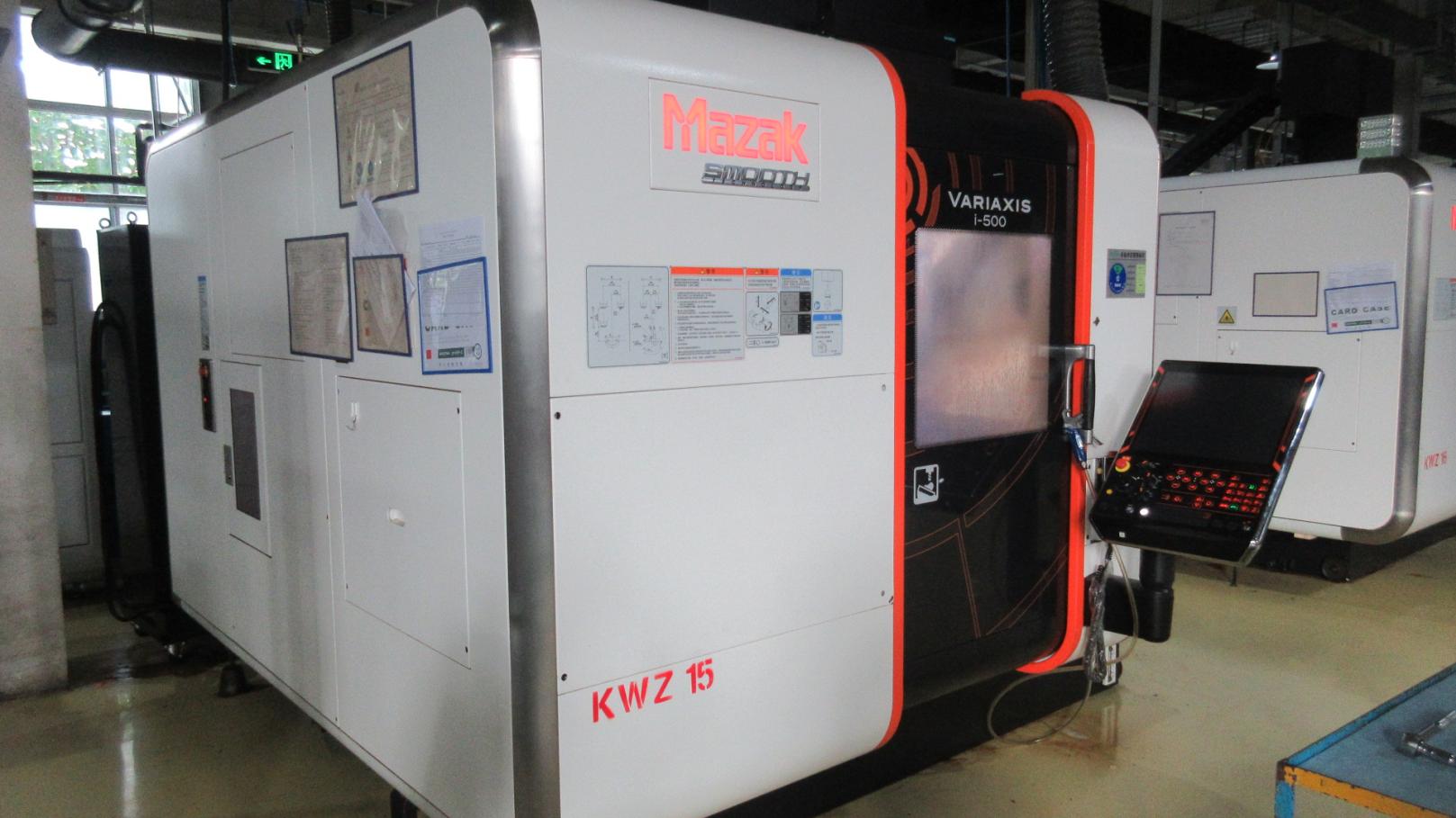
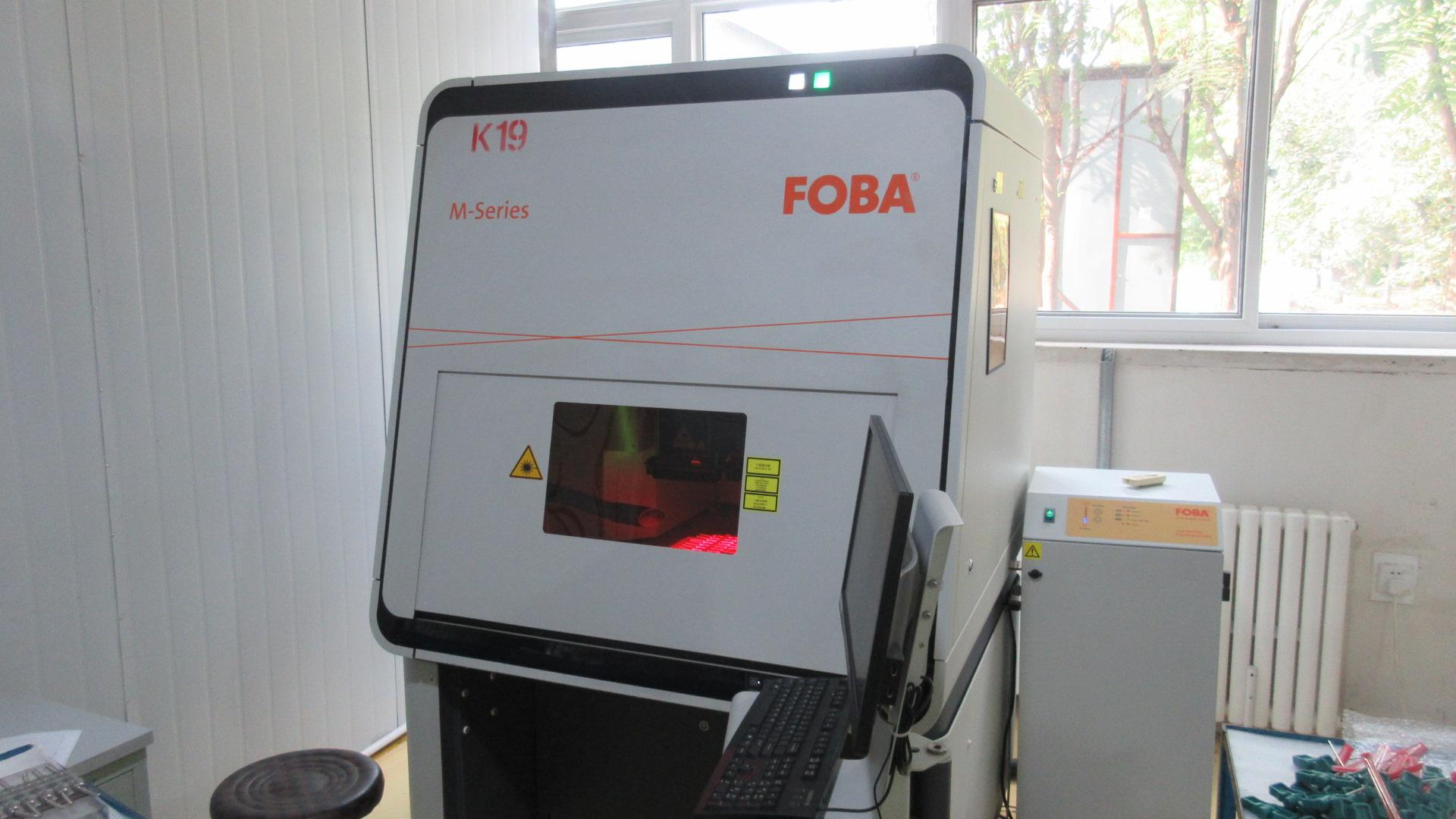
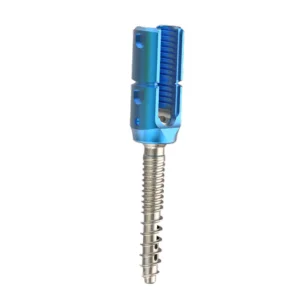
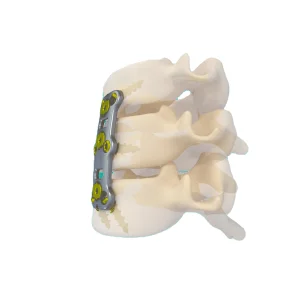
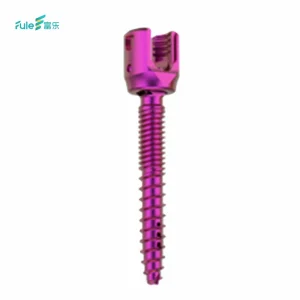
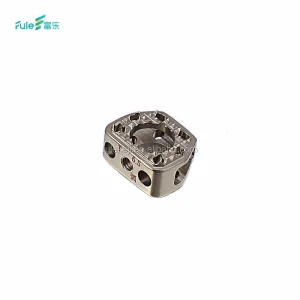
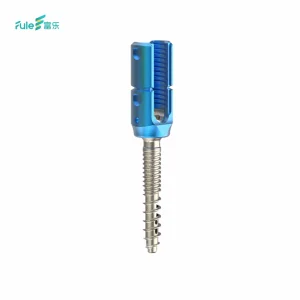
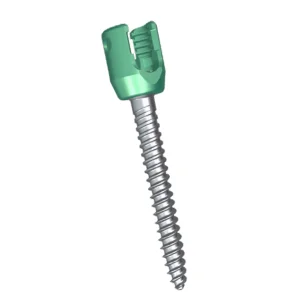
Our facility provides full-cycle OEM/ODM solutions, from conceptual design and mechanical finite element analysis (FEA) to mass production and cleanroom packaging. With 102 production machines and an ISO 13485-certified facility, we maintain raw material traceability and perform 100% inspection on high-risk implants, including pedicle screws and spine reconstruction systems.
 ISO13485 (No. 04724Q10000818)
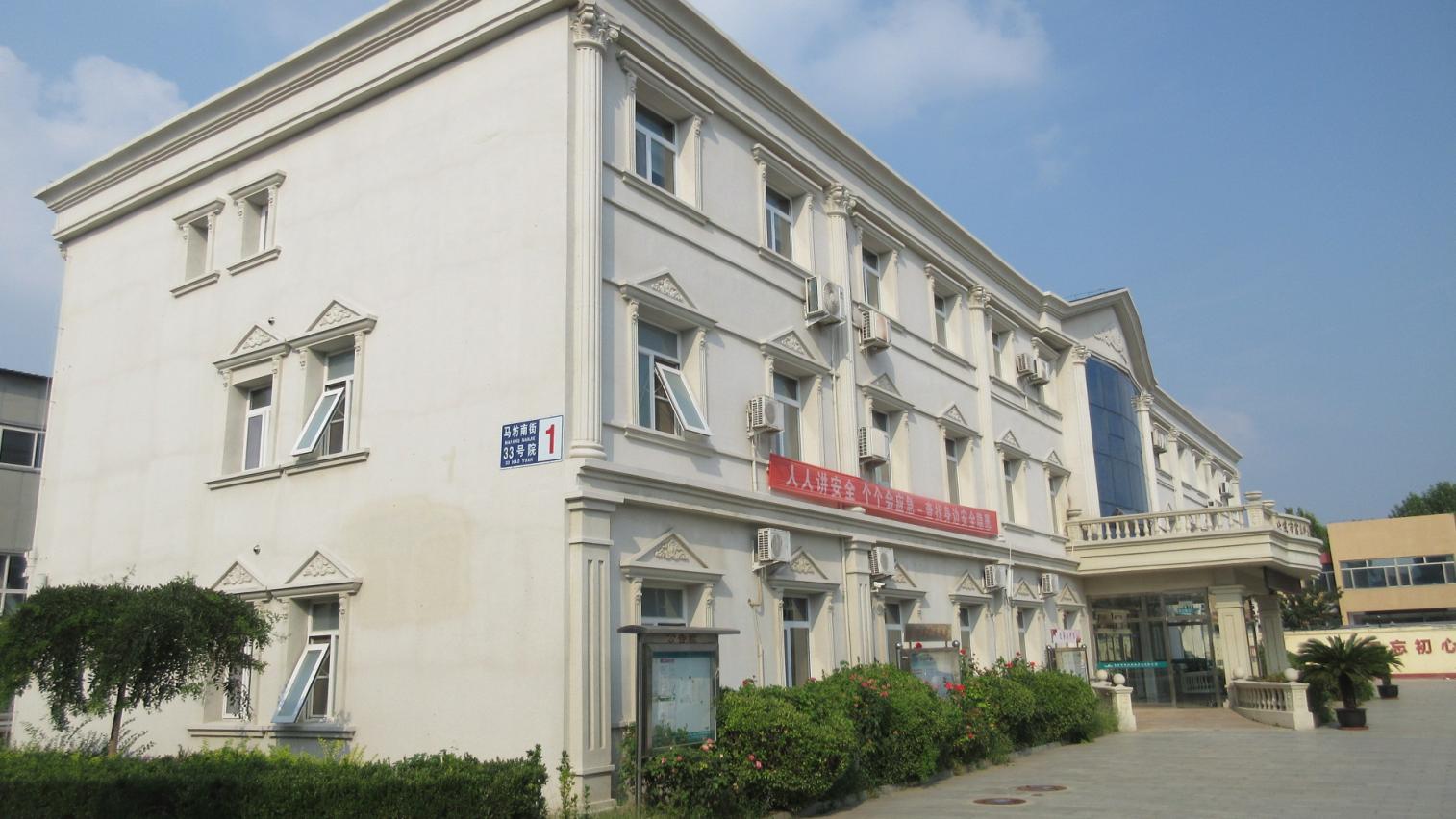
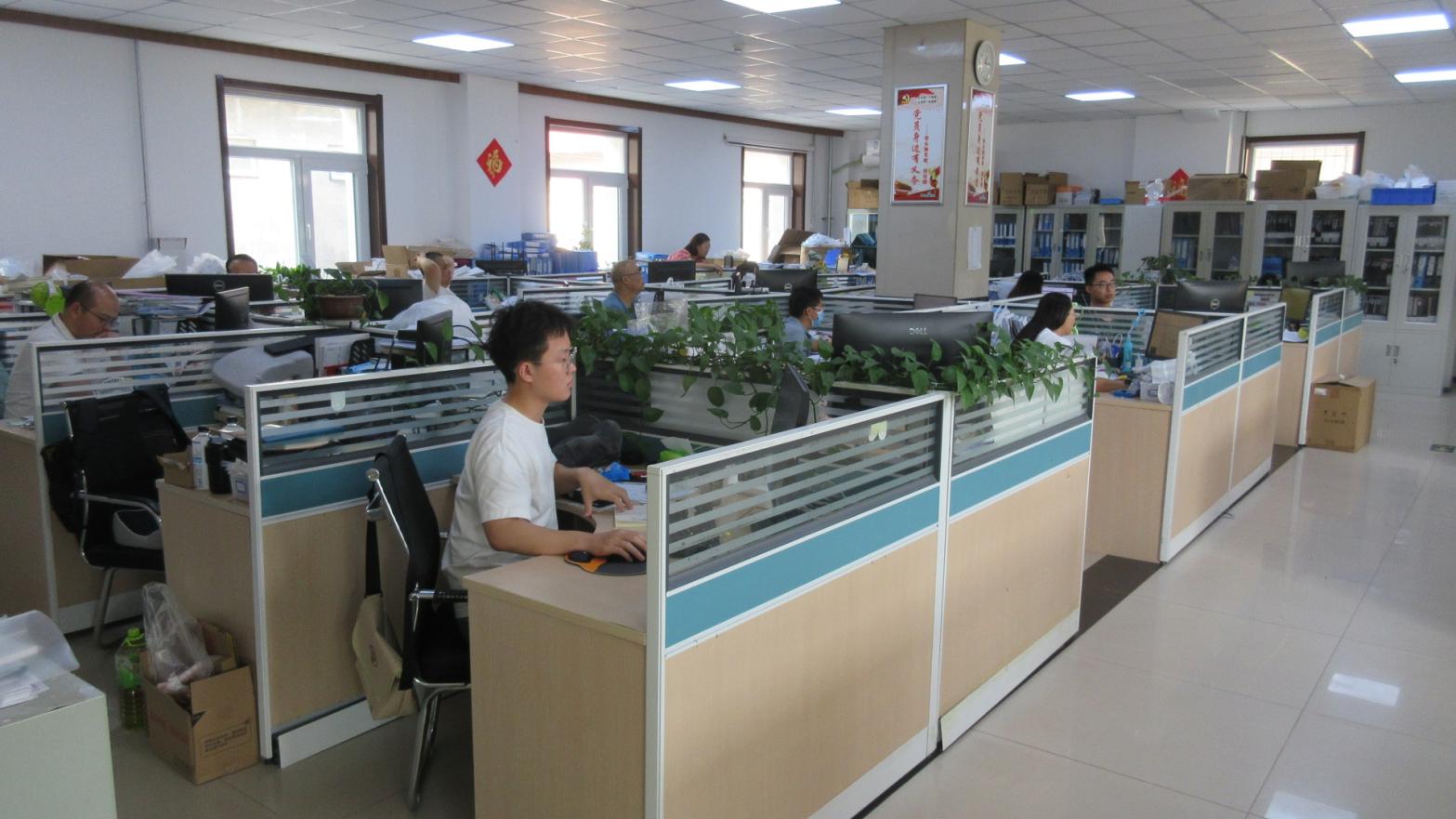
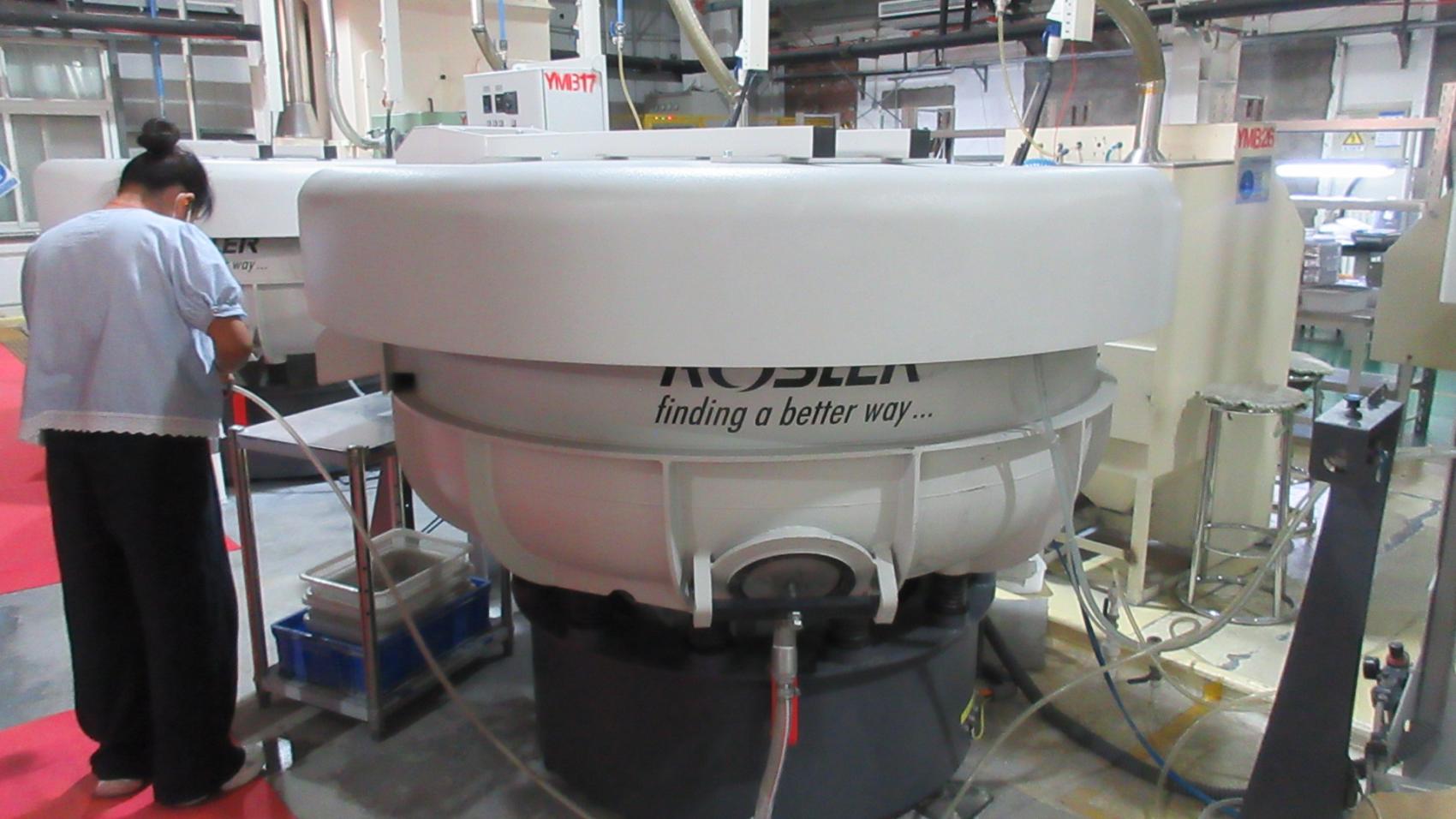
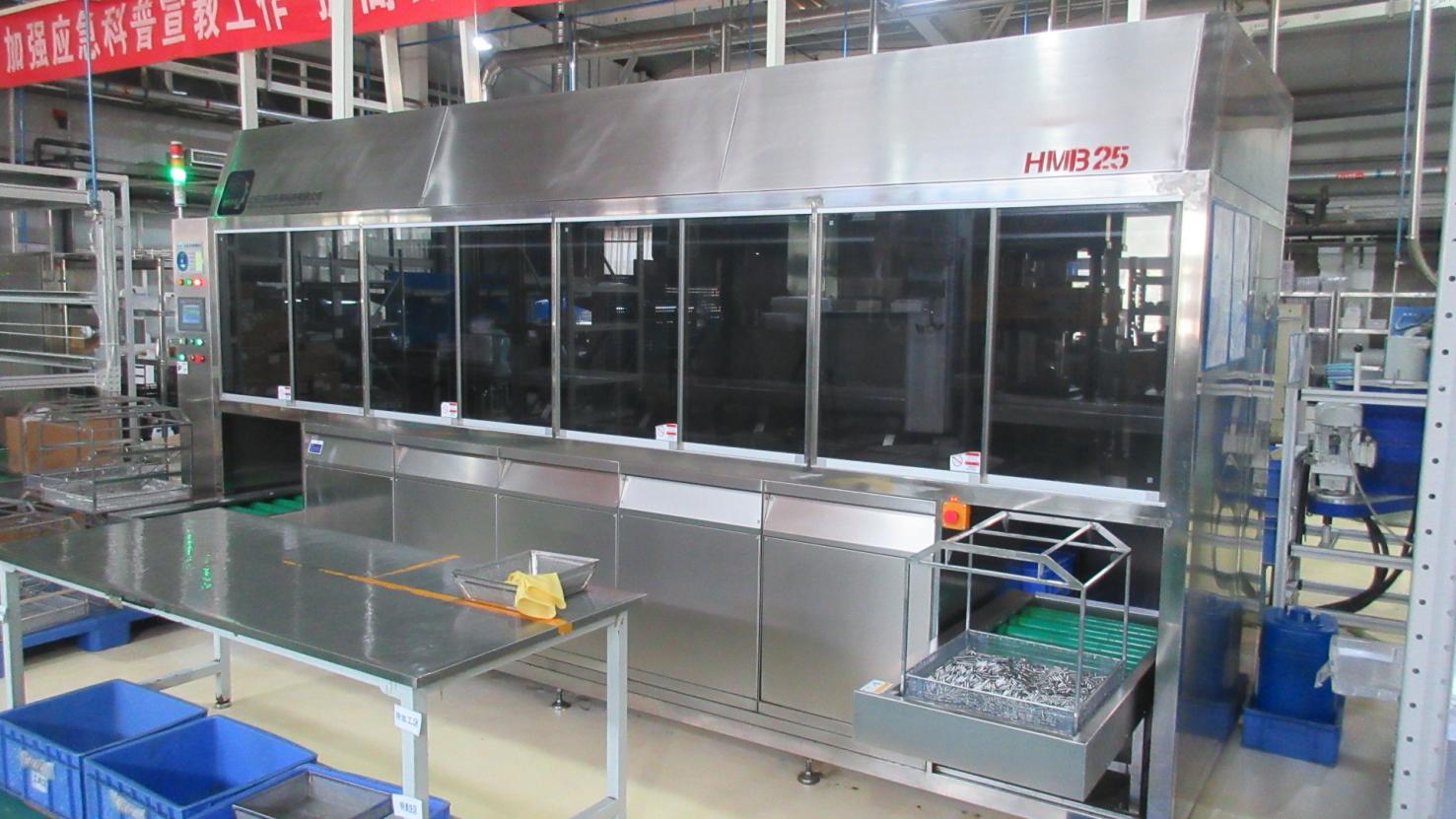
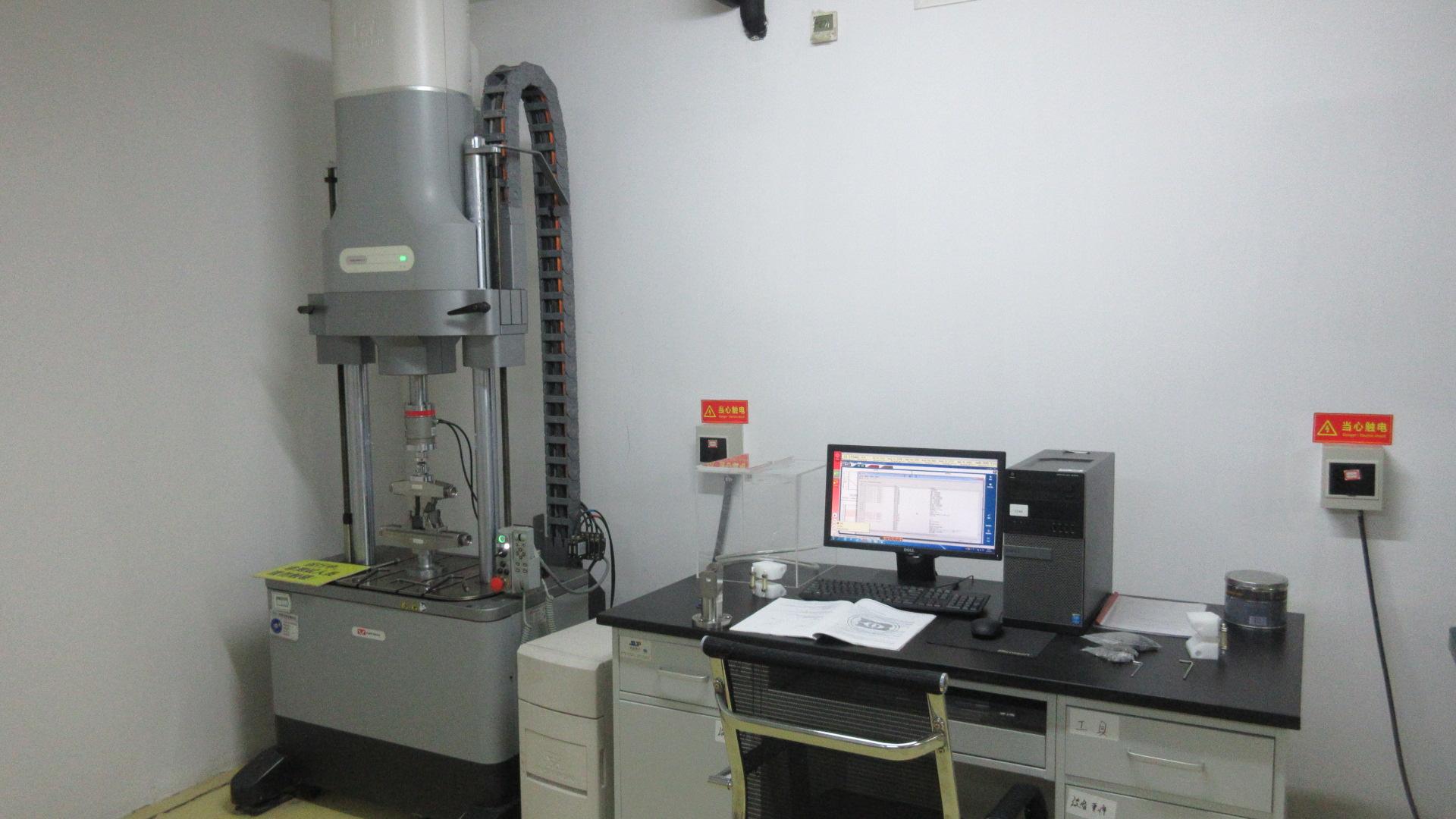
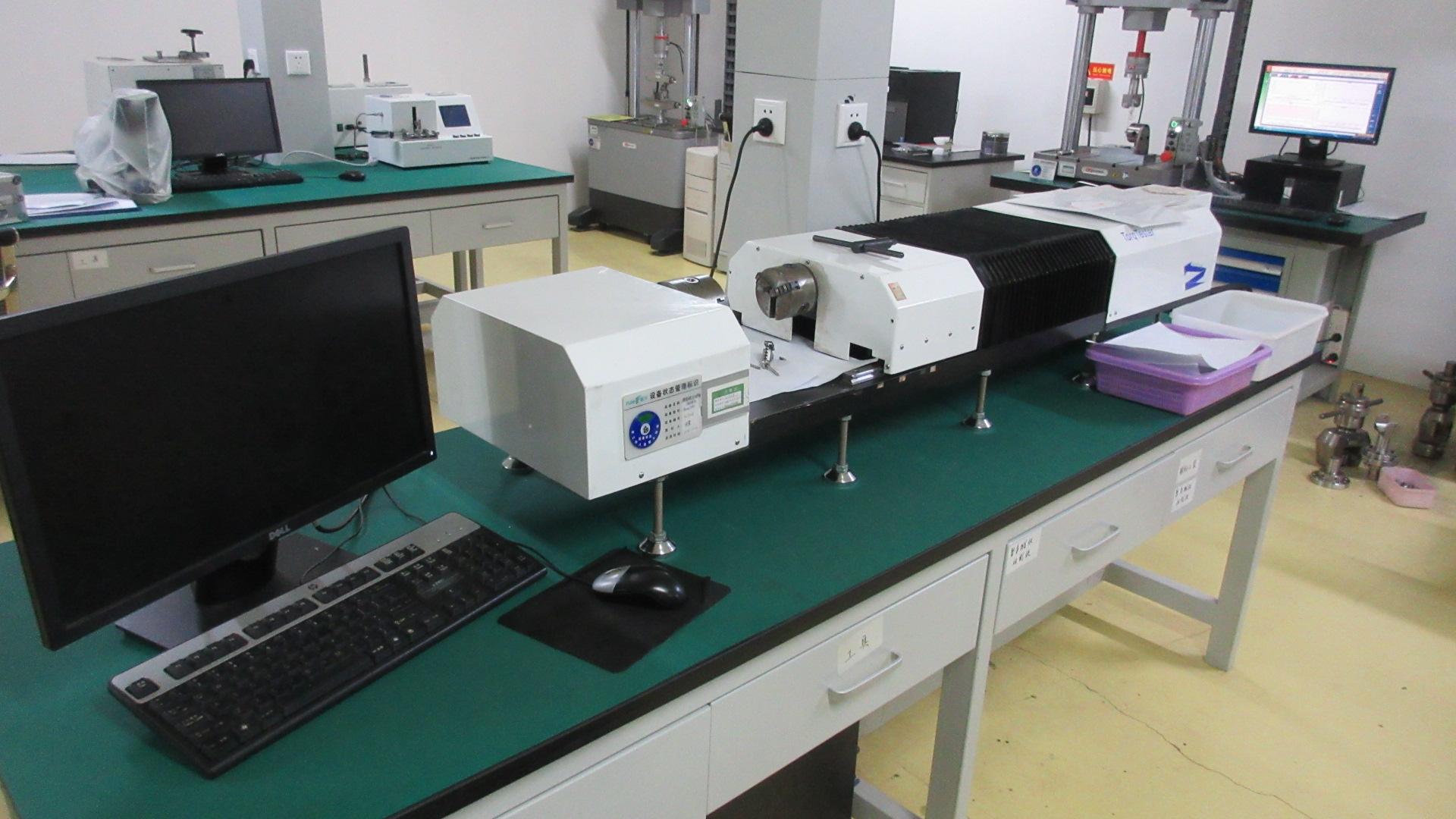
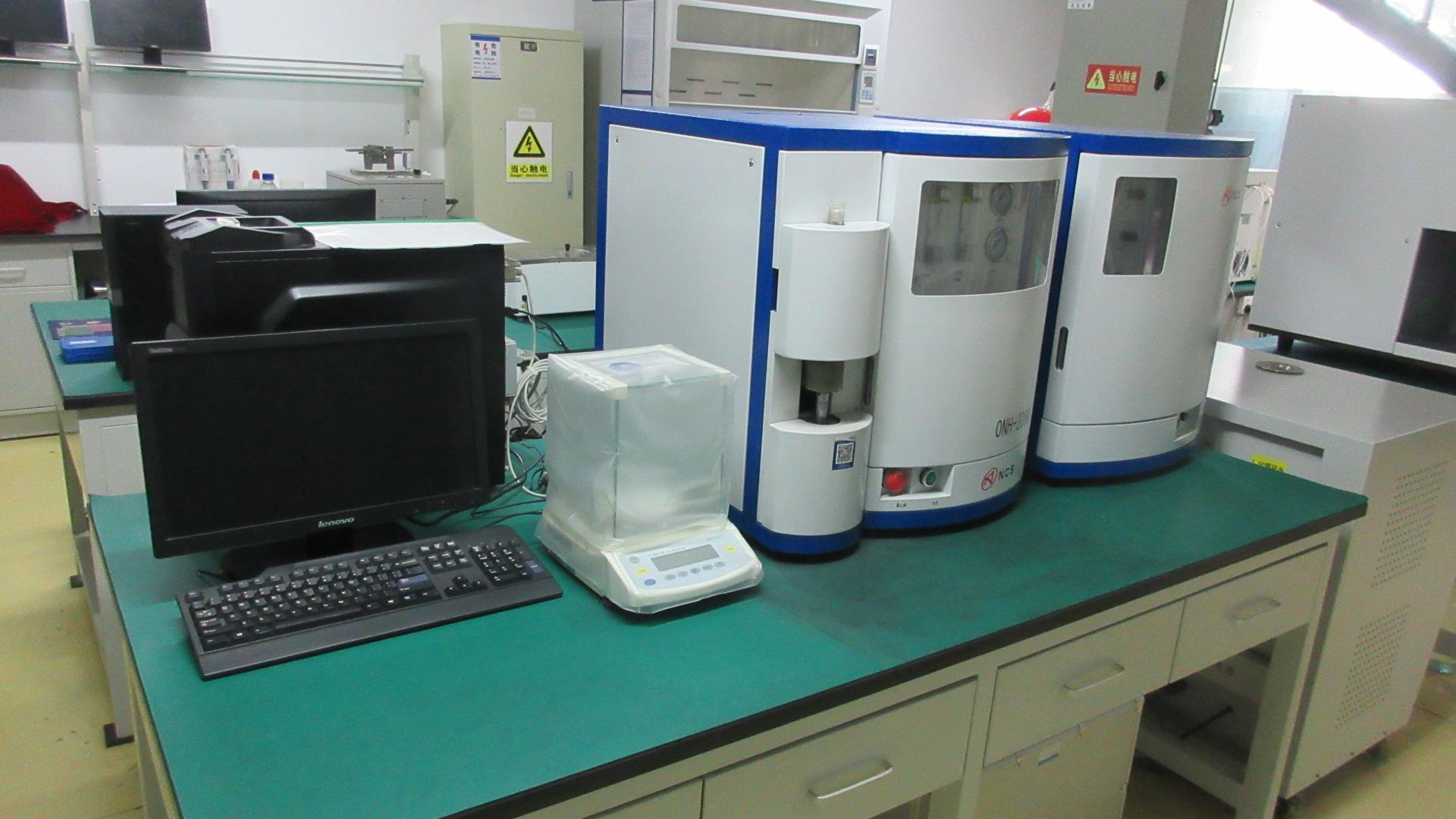
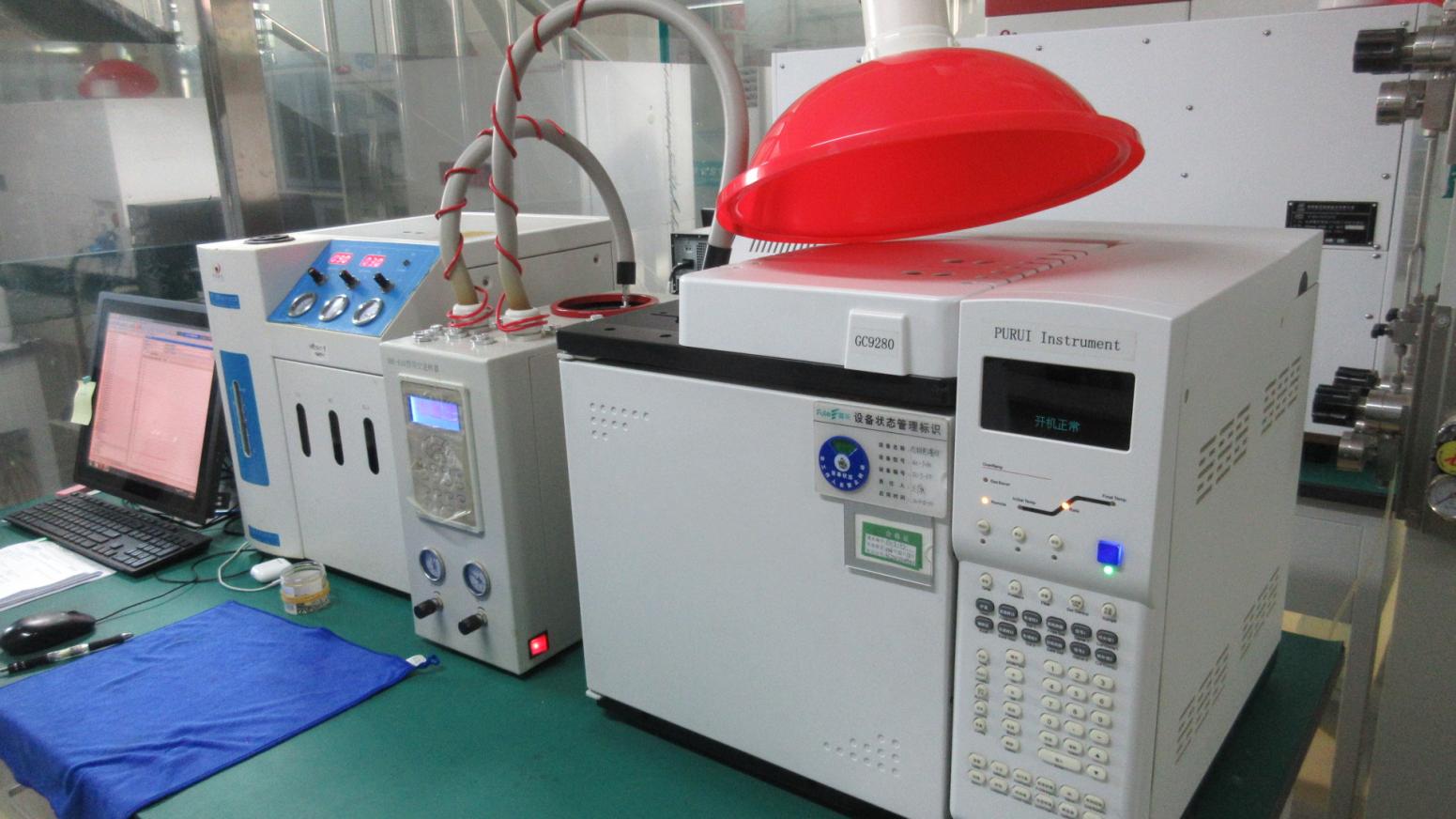
Take an inside look at our advanced cleanrooms, CNC multi-axis milling suites, quality testing labs, and state-of-the-art packaging lines.
Technical, materials, regulatory, and supply-chain answers for medical procurement officers and clinical managers.
 Beren Science & Technology