Custom OEM Femoral Factories & Supplier

Precision-Engineered Class III Orthopedic Implants, Bone Fixation Systems, and Tailored Manufacturing Solutions for Global Medical Sourcing

Premium Orthopedic Systems & Trauma Implants

The Evolution and Global Landscape of Femoral Implants

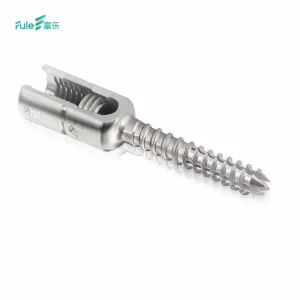
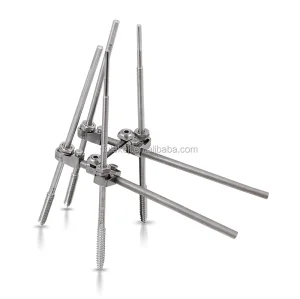
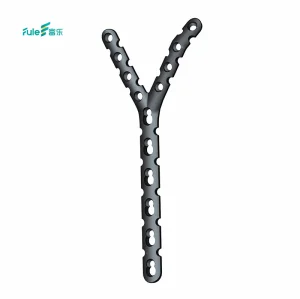
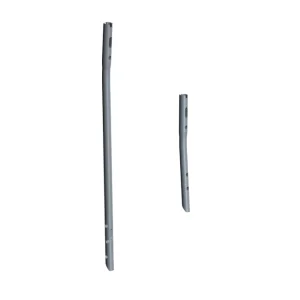
The global orthopedic reconstruction market is experiencing a profound shift driven by demographic transitions, active aging populations, and the relentless advancement of biomaterials engineering. As a core sub-segment of fracture management and joint replacement, the production of femoral components—specifically femoral intramedullary nails, distal/proximal femoral locking plates, and femoral stems—demands the highest standards of structural integrity, biocompatibility, and biomechanical compliance.

Historically, rigid fixation techniques dominated trauma surgery. However, contemporary orthopedic science emphasizes the principles of biological fixation. Modern femoral implants, such as the PFNA (Proximal Femoral Nail Antirotation) systems, are designed to allow controlled micro-motion. This stimulates osteogenesis and accelerates secondary bone healing, minimizing stress shielding. This clinical requirement challenges manufacturing systems to produce implants with intricate geometries, precise anatomical bowing, and variable mechanical stiffness profiles that match native human bone structures.

Topical Semantic Focus: Biocompatibility & Surface Texturing

The interface between bone and metallic implants determines long-term clinical success. High-end custom OEM suppliers must leverage sophisticated surface modification techniques—including titanium plasma spraying (TPS), hydroxyapatite (HA) coating, and acid-etching/sandblasting (SLA). These technologies improve mechanical interlocking and accelerate direct bone-to-implant contact (osseointegration), significantly lowering revision surgery rates.

Global Sourcing Paradigm: Meeting Rigorous Procurement Needs

Procurement managers and surgical product distributors face mounting pressure to balance clinical performance with economic feasibility. Global sourcing of femoral devices involves navigation of complex regulatory barriers, stringent quality control thresholds, and supply chain continuity risks. Crucial checkpoints in the procurement pipeline include:

  • Regulatory Certifications: Compliance with ISO 13485, CE marking (under the European Medical Device Regulation MDR 2017/745), and US FDA 510(k) clearance is non-negotiable.
  • Material Traceability: Raw materials must be sourced from certified, medical-grade titanium alloy (typically Ti-6Al-4V ELI conforming to ASTM F136) or cobalt-chromium alloys (CoCrMo conforming to ASTM F75).
  • Quality Management Systems (QMS): Standardized testing regimes must incorporate dynamic fatigue testing (ISO 7206 / ASTM F382) to ensure components survive millions of gait cycles without mechanical failure.

Factory Capacity & Quality Infrastructure

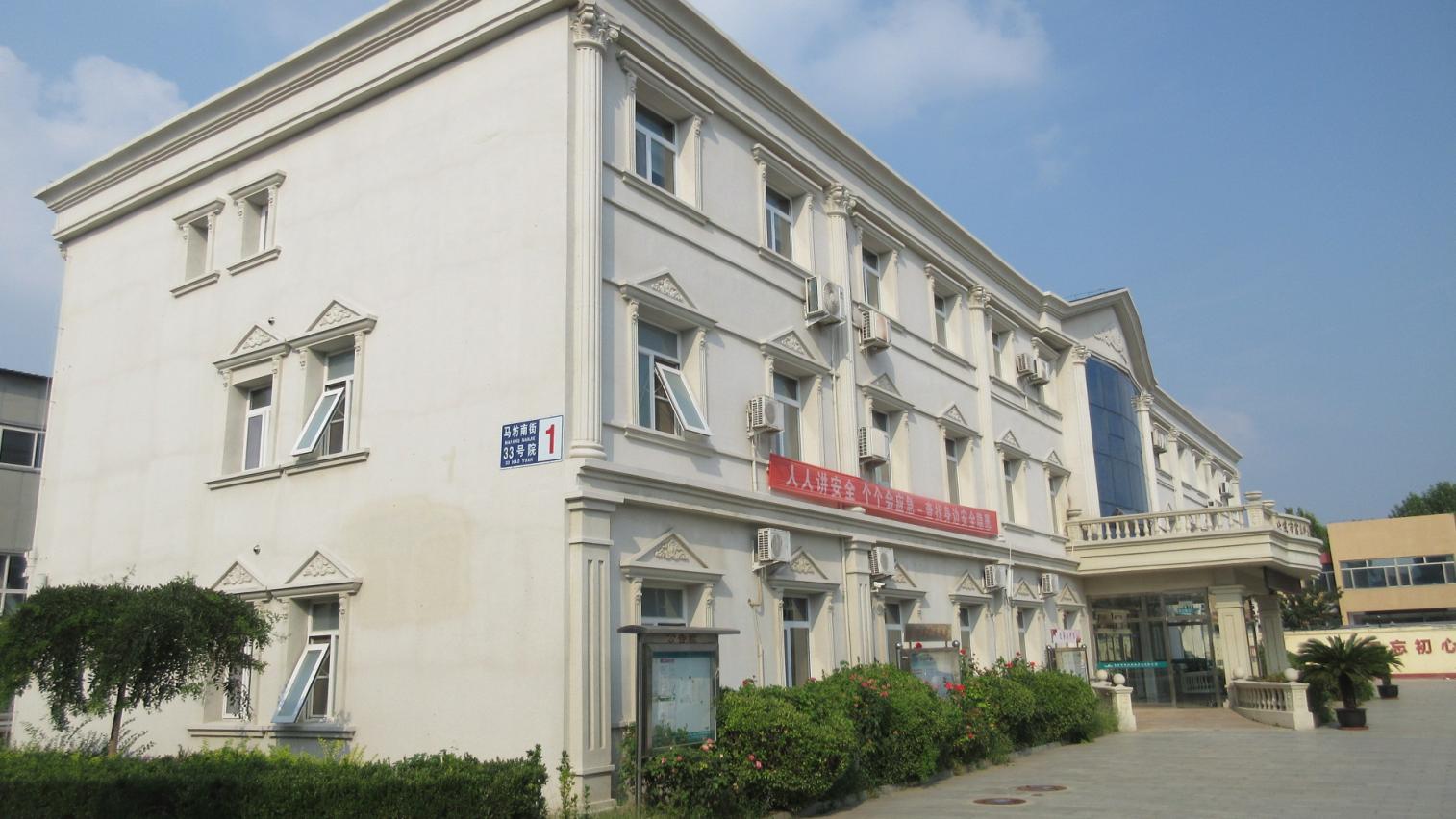
10,000㎡
Floor Space
30 Yrs
Export Experience
102
Production Machines
15
QA/QC Inspectors
100%
Inspection Traceability

China Factory 4.0: Achieving Supply Chain Resilience and Efficiency

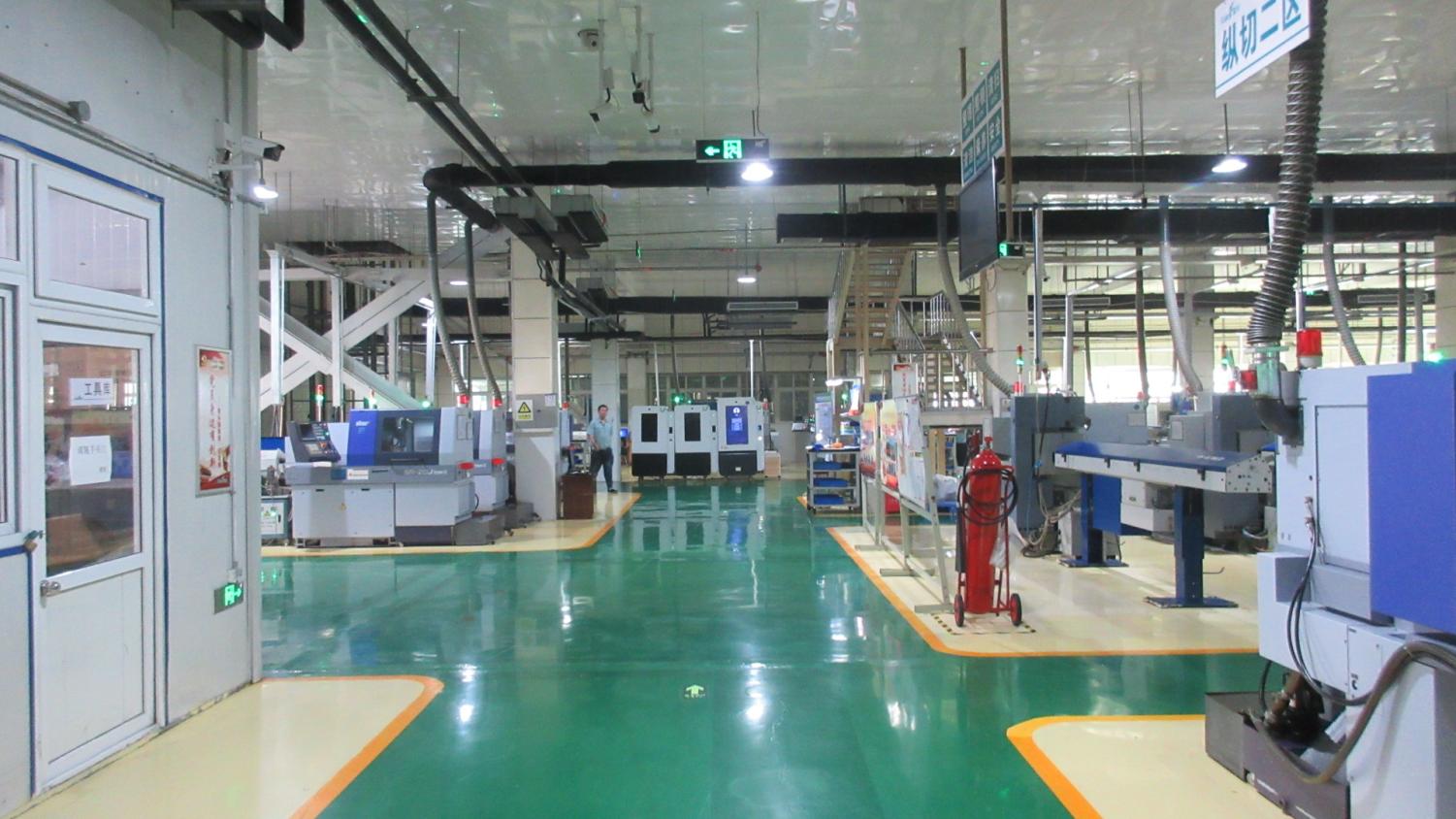
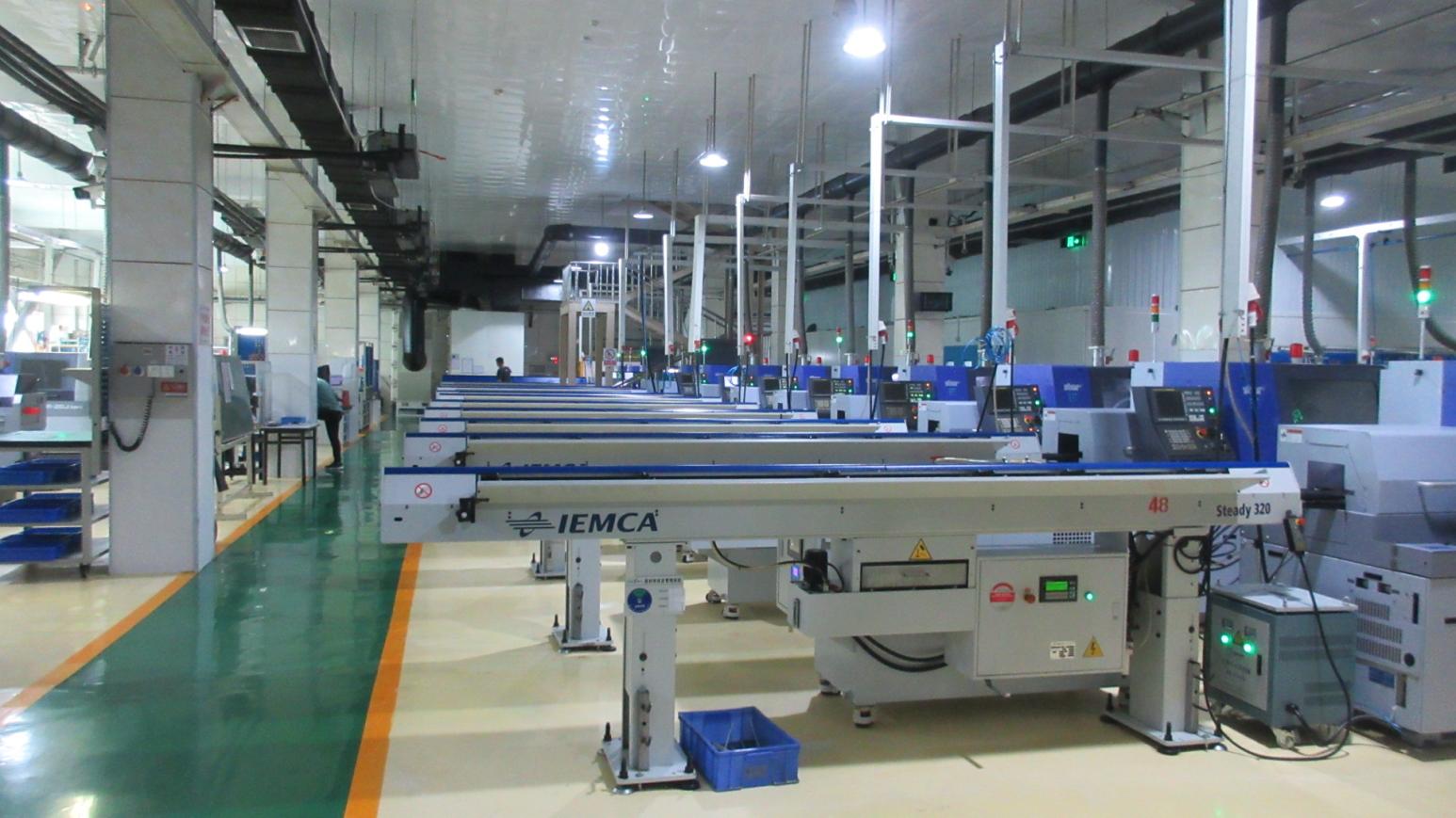
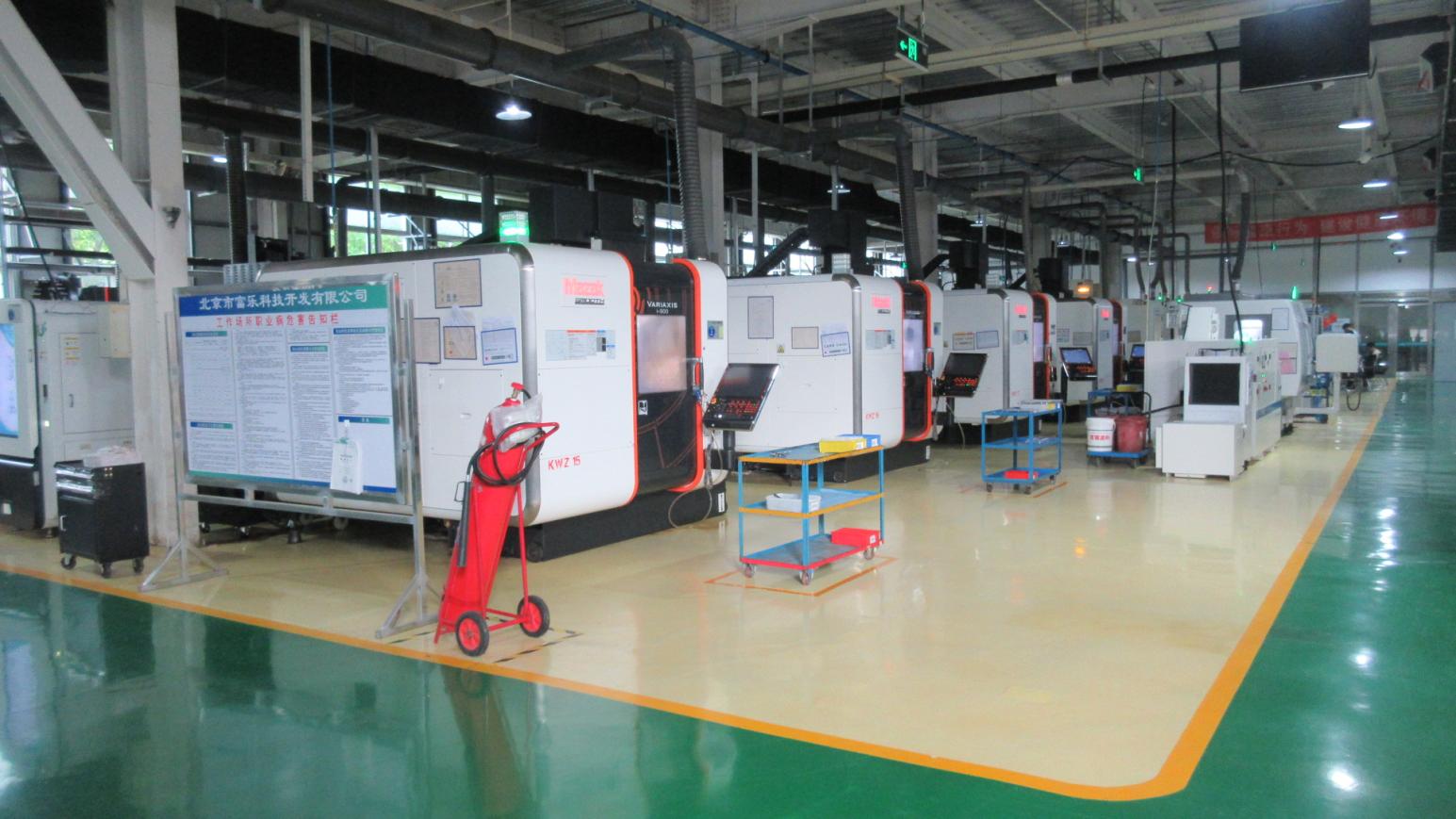
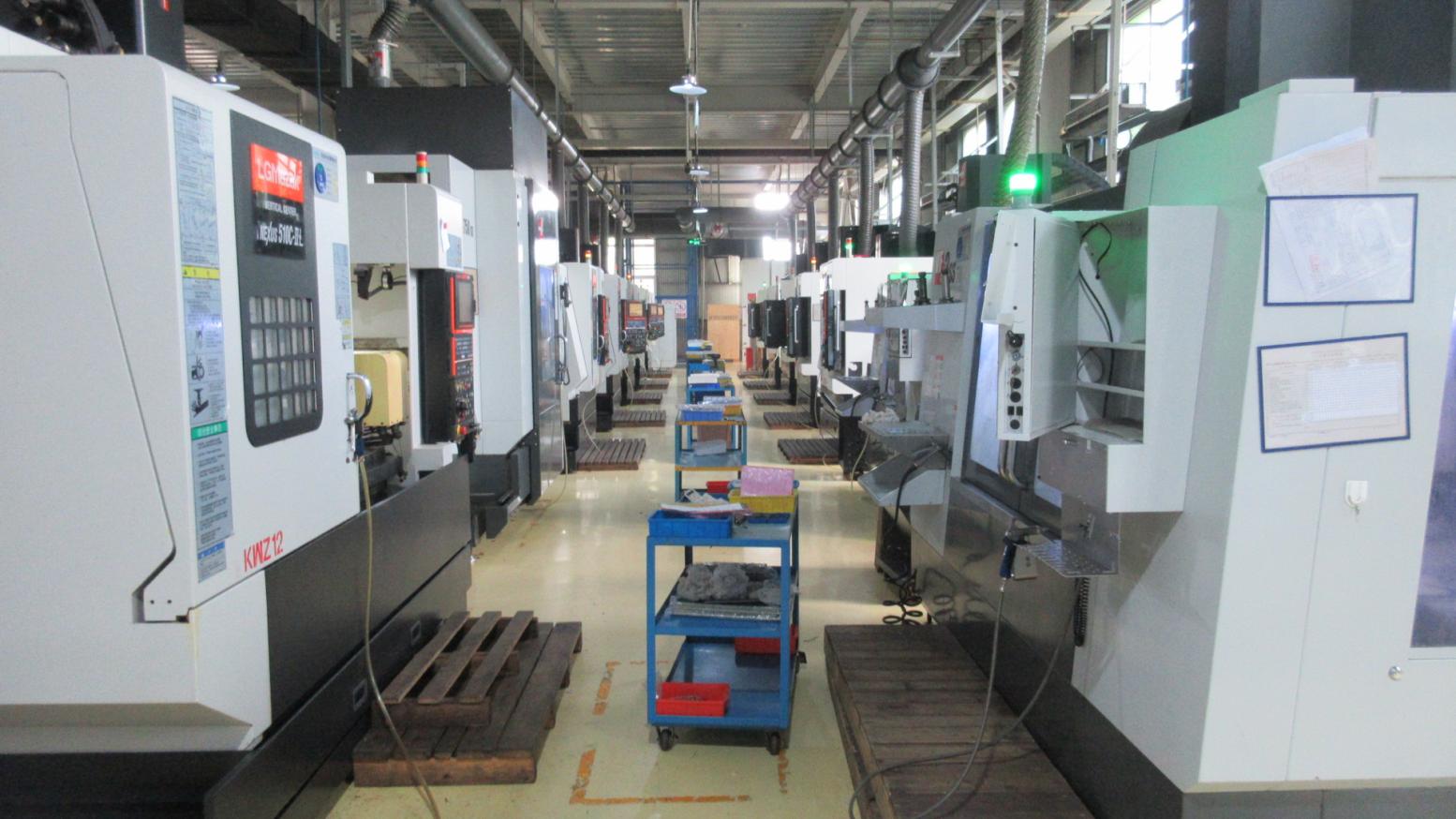
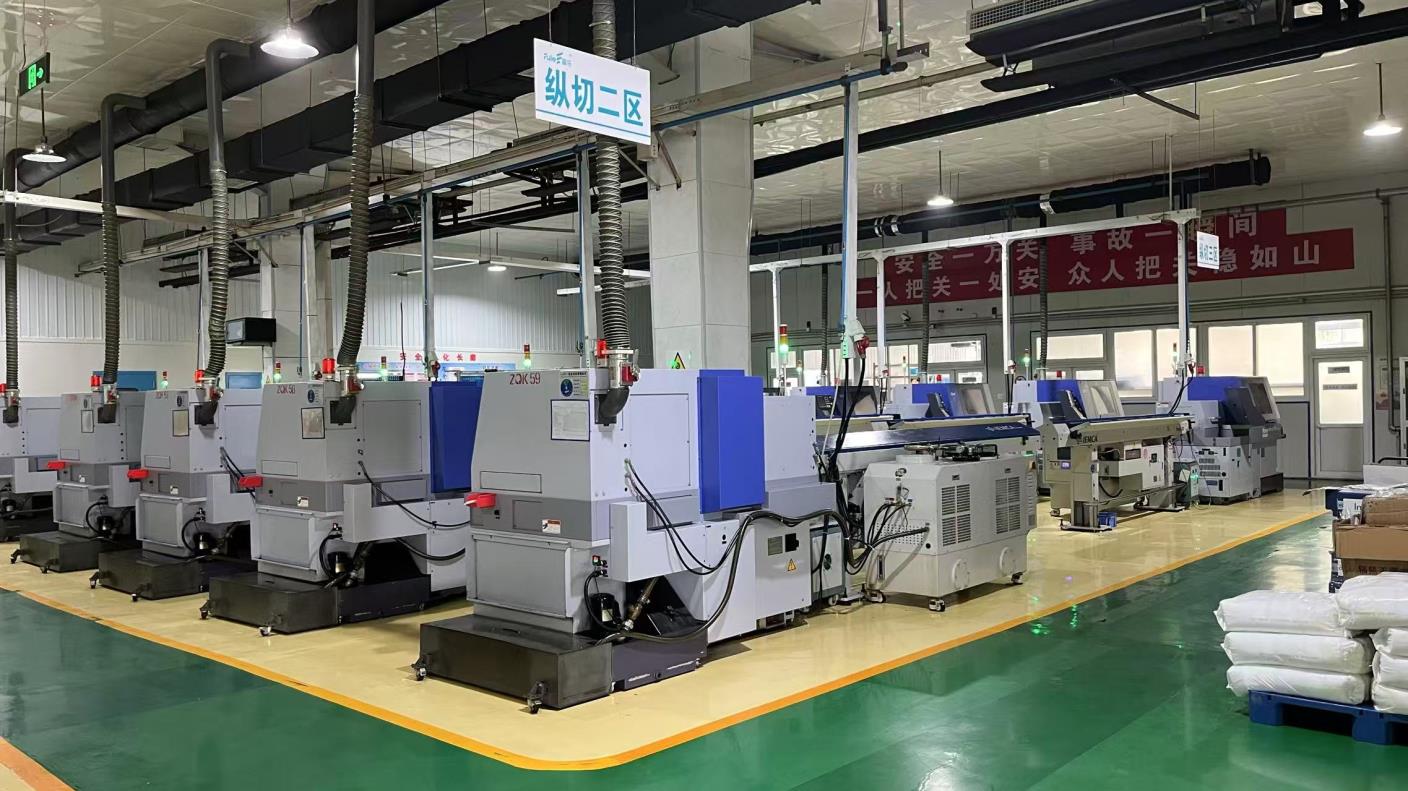
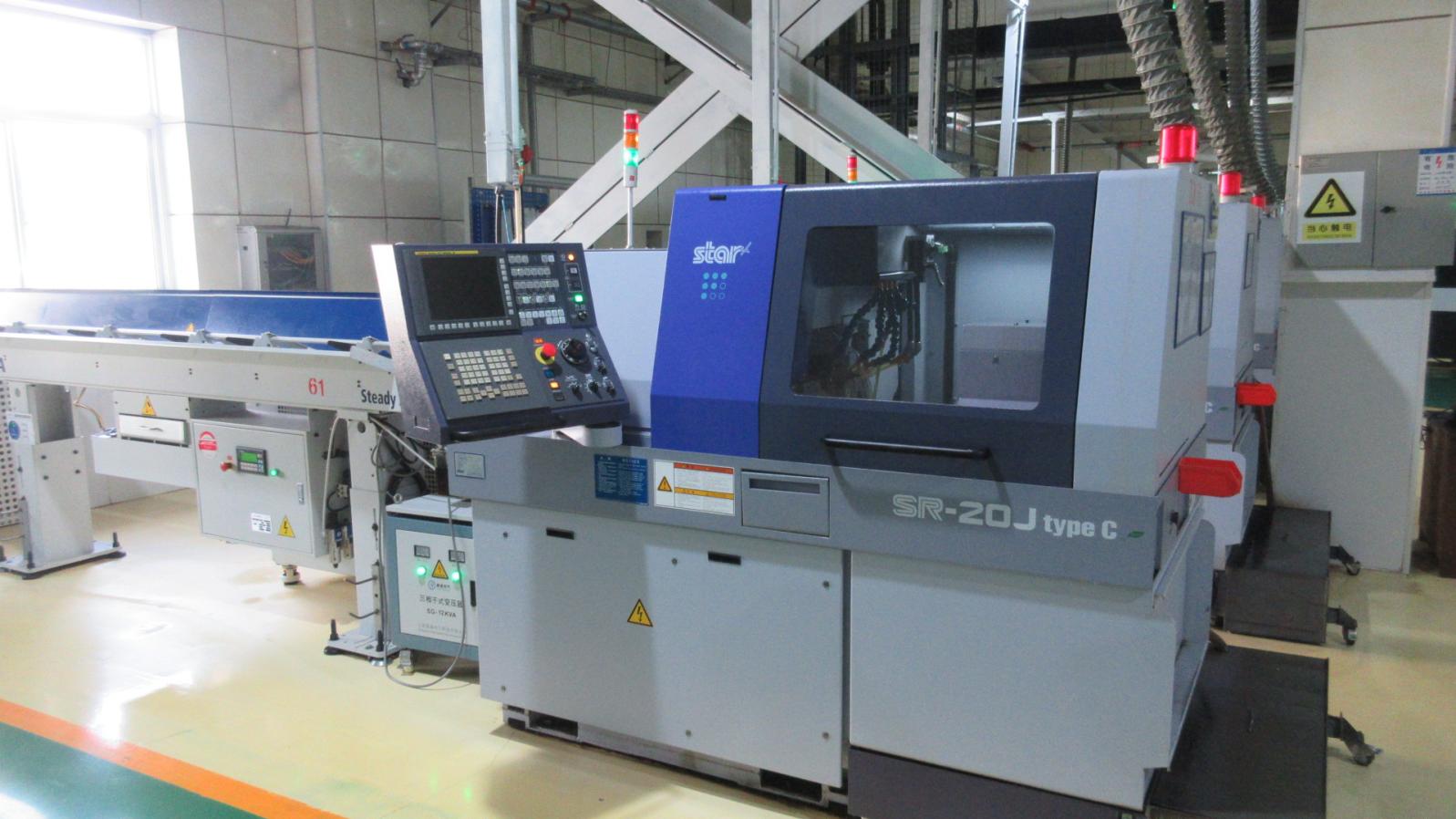
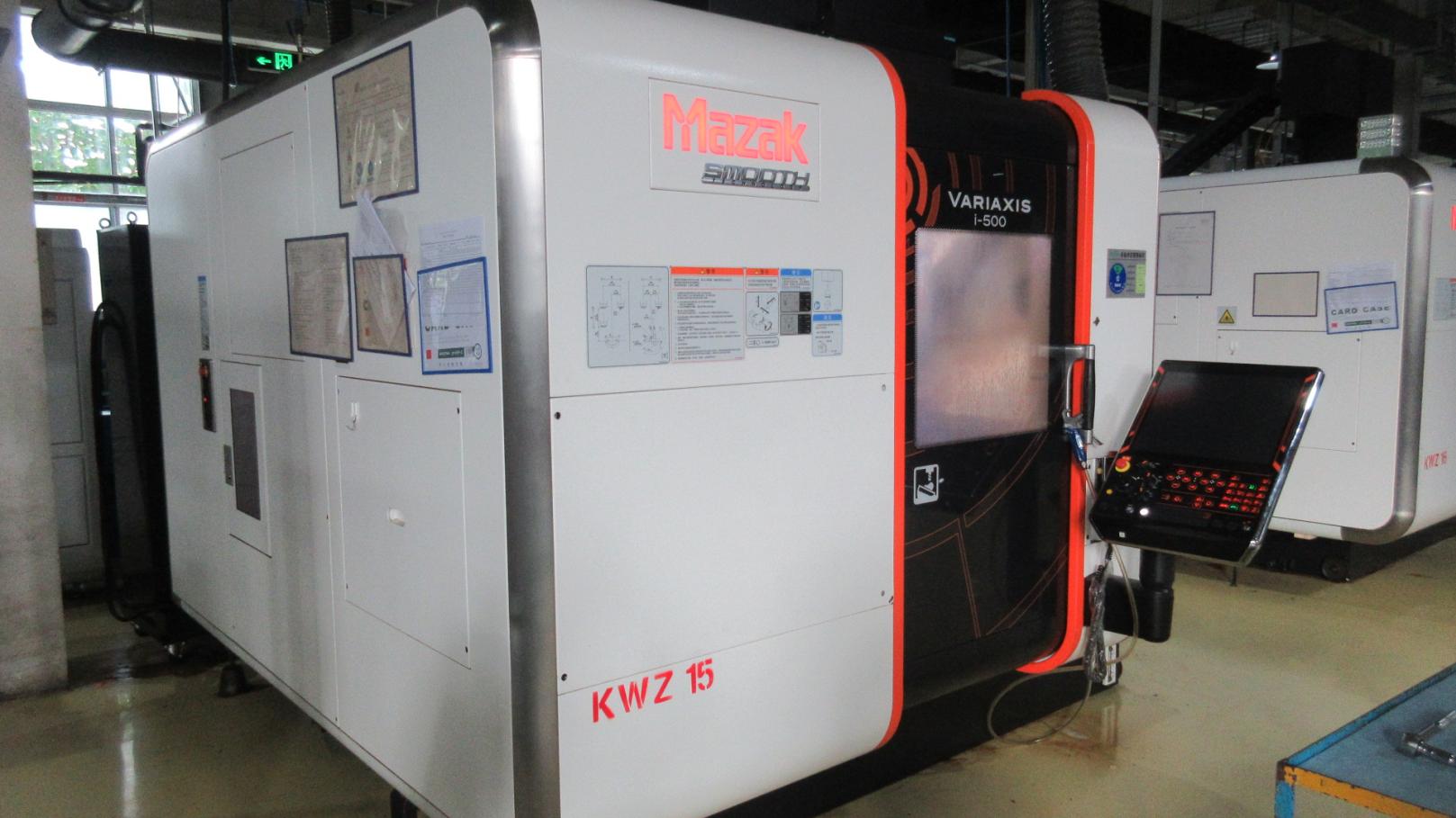
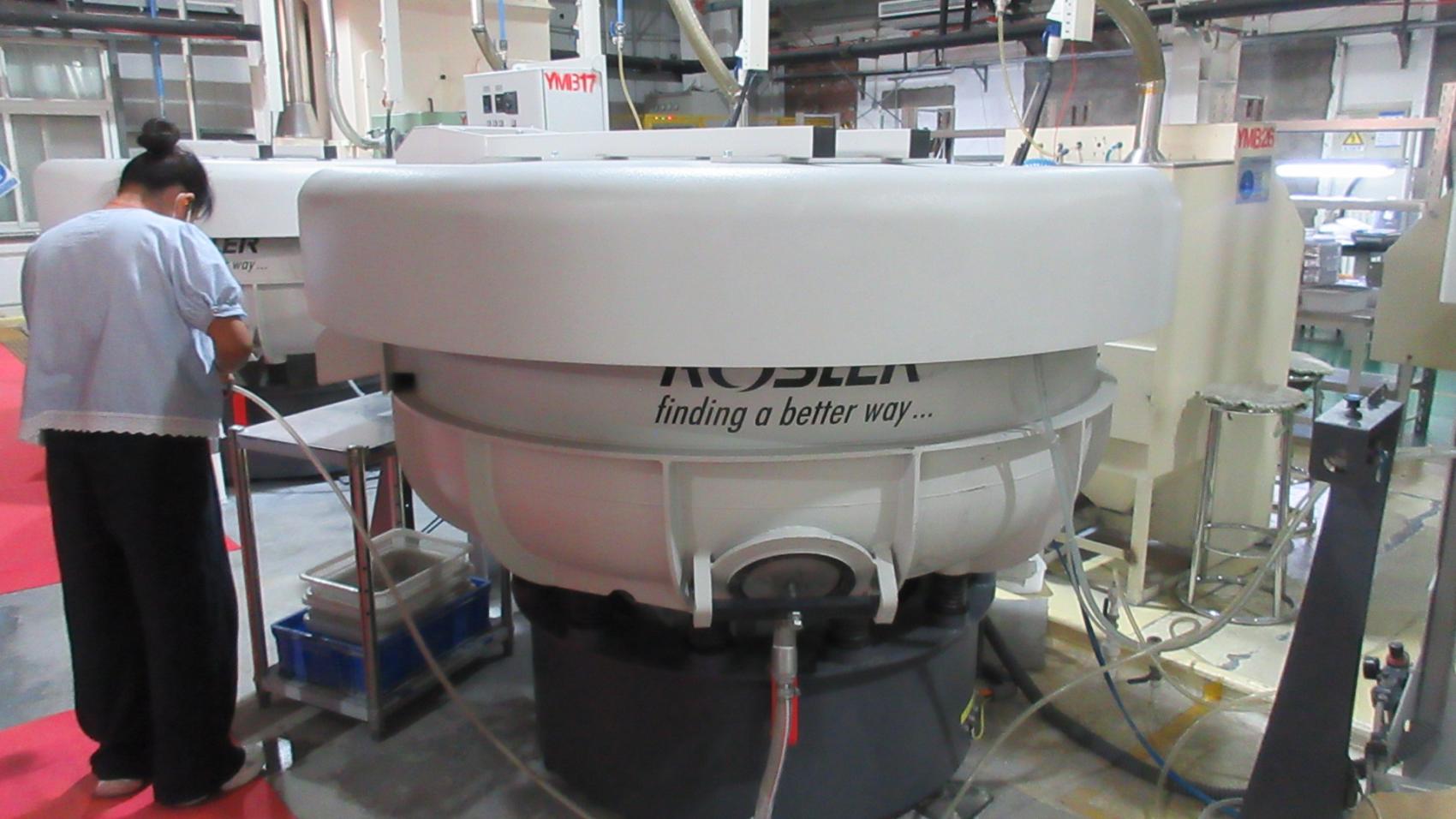
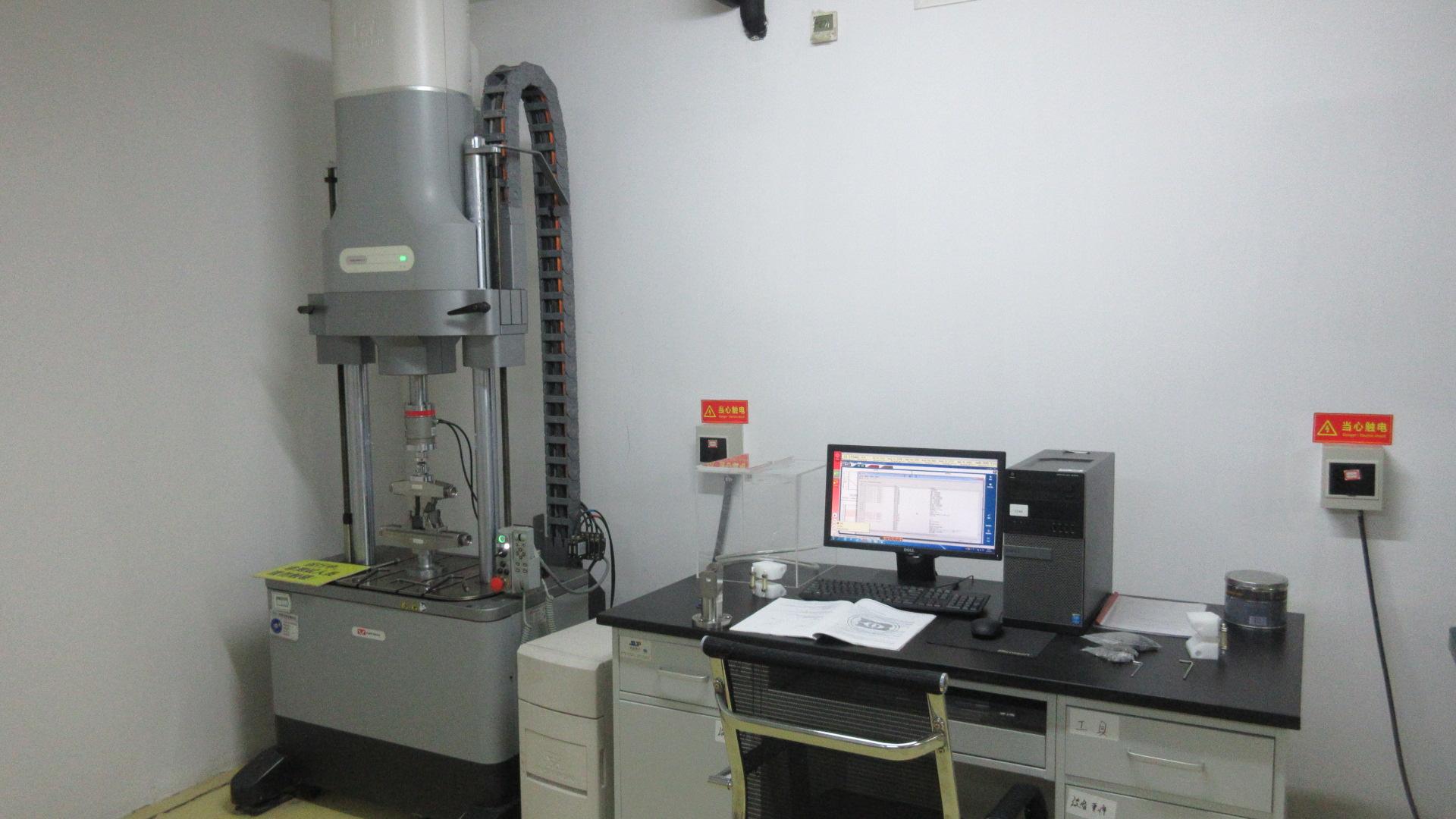
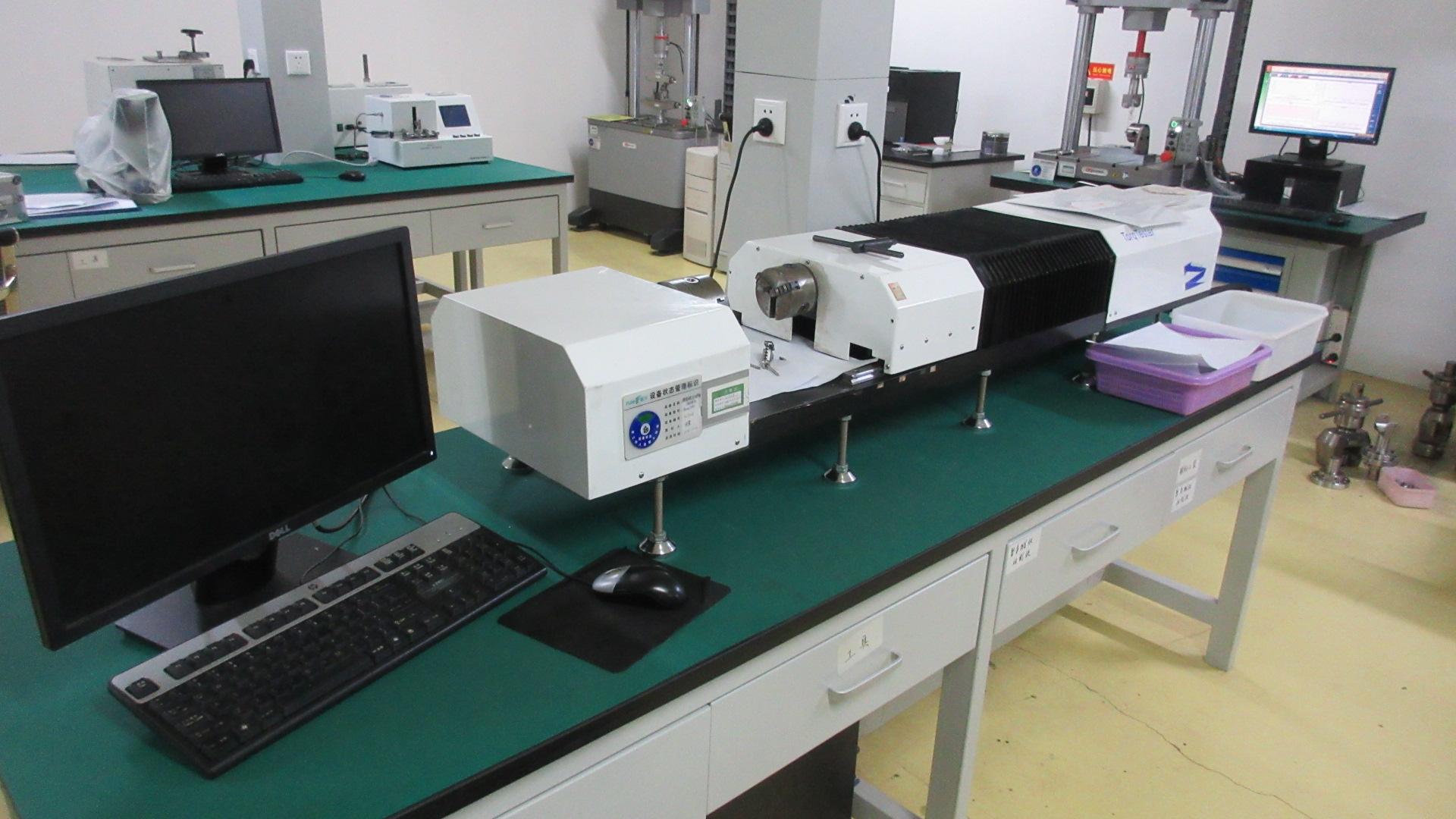
Operating within our advanced 10,000-square-meter facility, our production capability leverages the principles of Smart Manufacturing (Industry 4.0). With a fleet of 102 high-precision production machines, including state-of-the-art multi-axis CNC Swiss machining centers, wire-cutting machines, and customized surface finishing cells, we ensure that every femoral component features exact dimensions down to single-digit micron tolerances.

China’s unparalleled industrial ecosystem offers OEM medical buyers distinct strategic advantages:

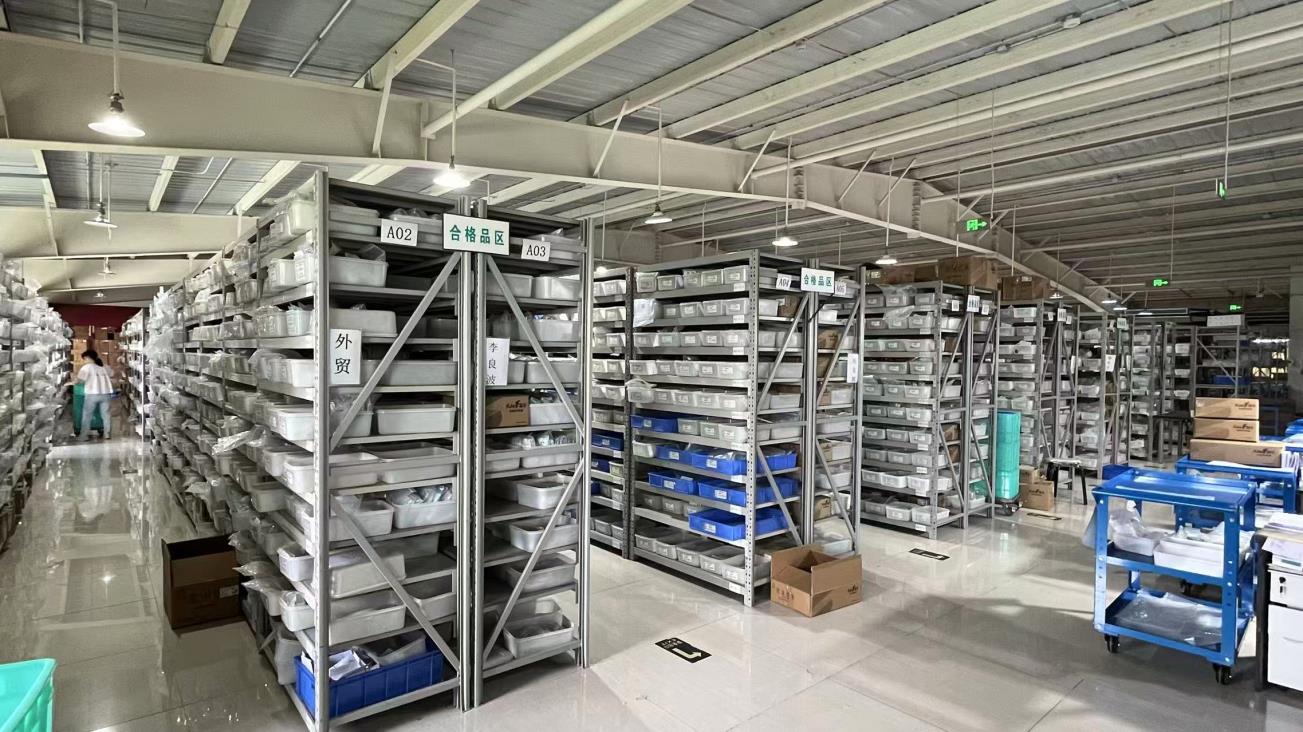
  • Integrated Supply Chain: Access to regional high-purity titanium smelting, advanced heat-treatment services, and sterile barrier packaging systems ensures streamlined operations and faster turnaround times.
  • High Production Throughput: With an annual output reaching up to 511,000 units across multiple implant families, our facilities handle massive volume demands without compromising lead times.
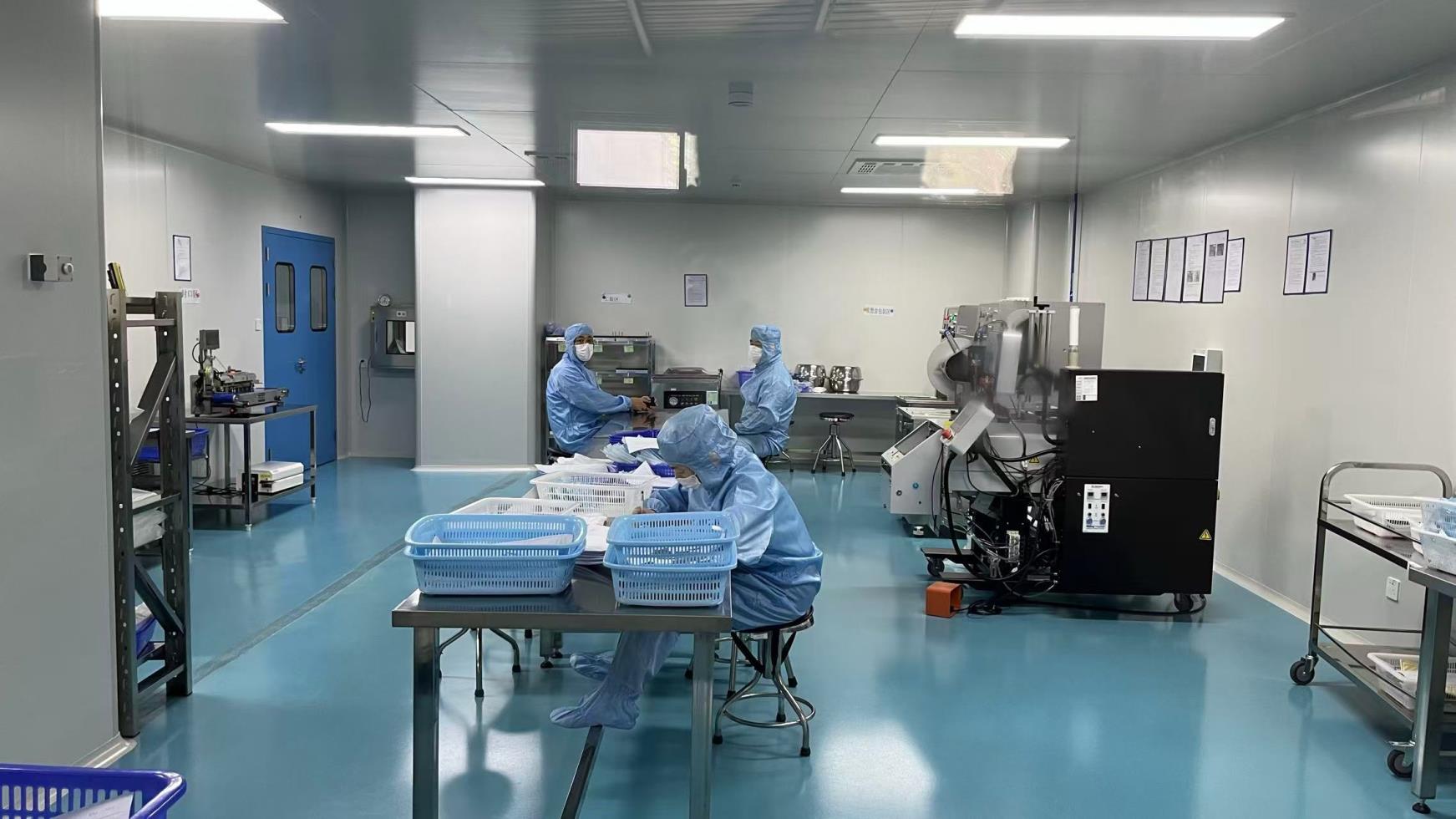
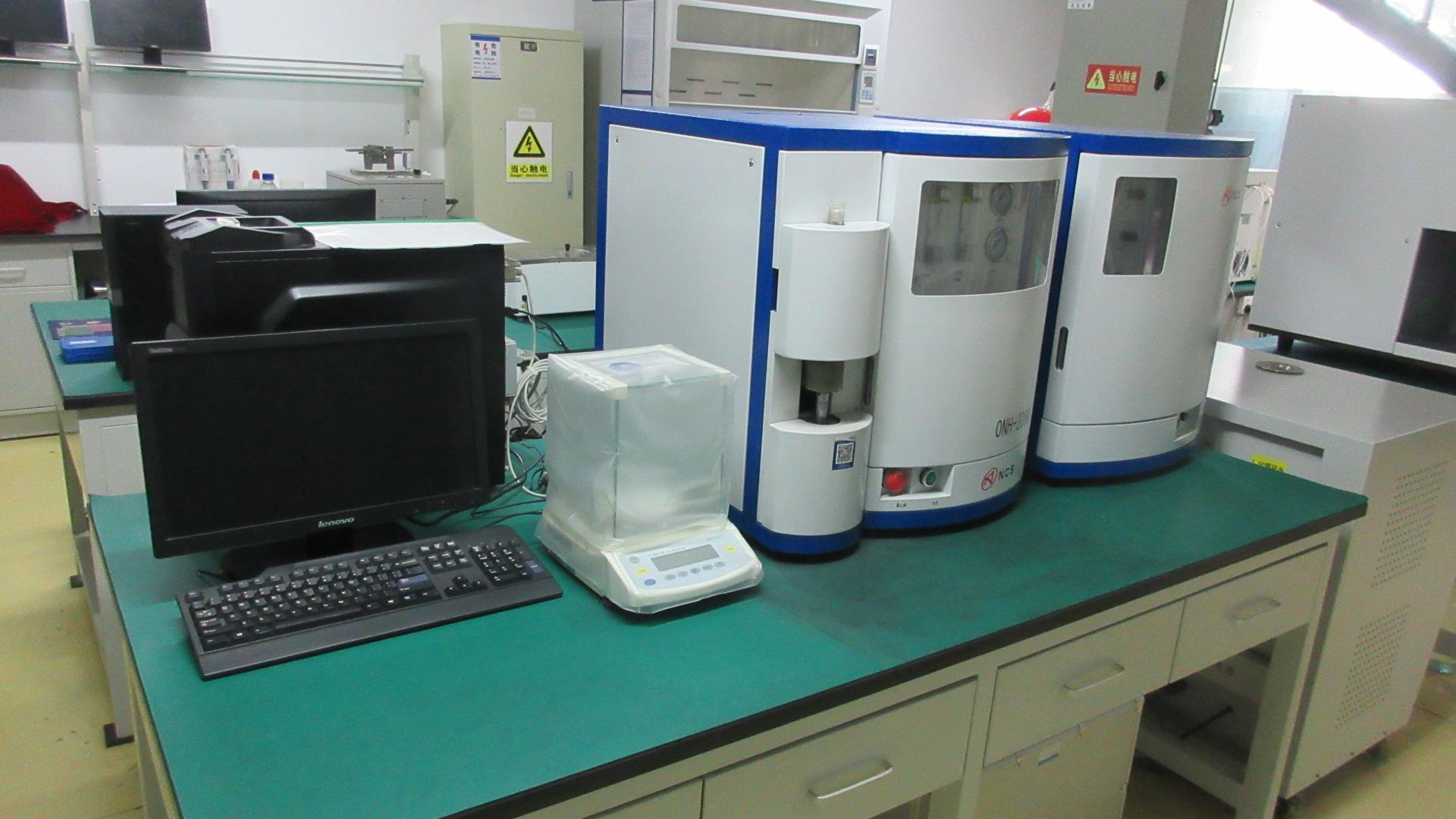
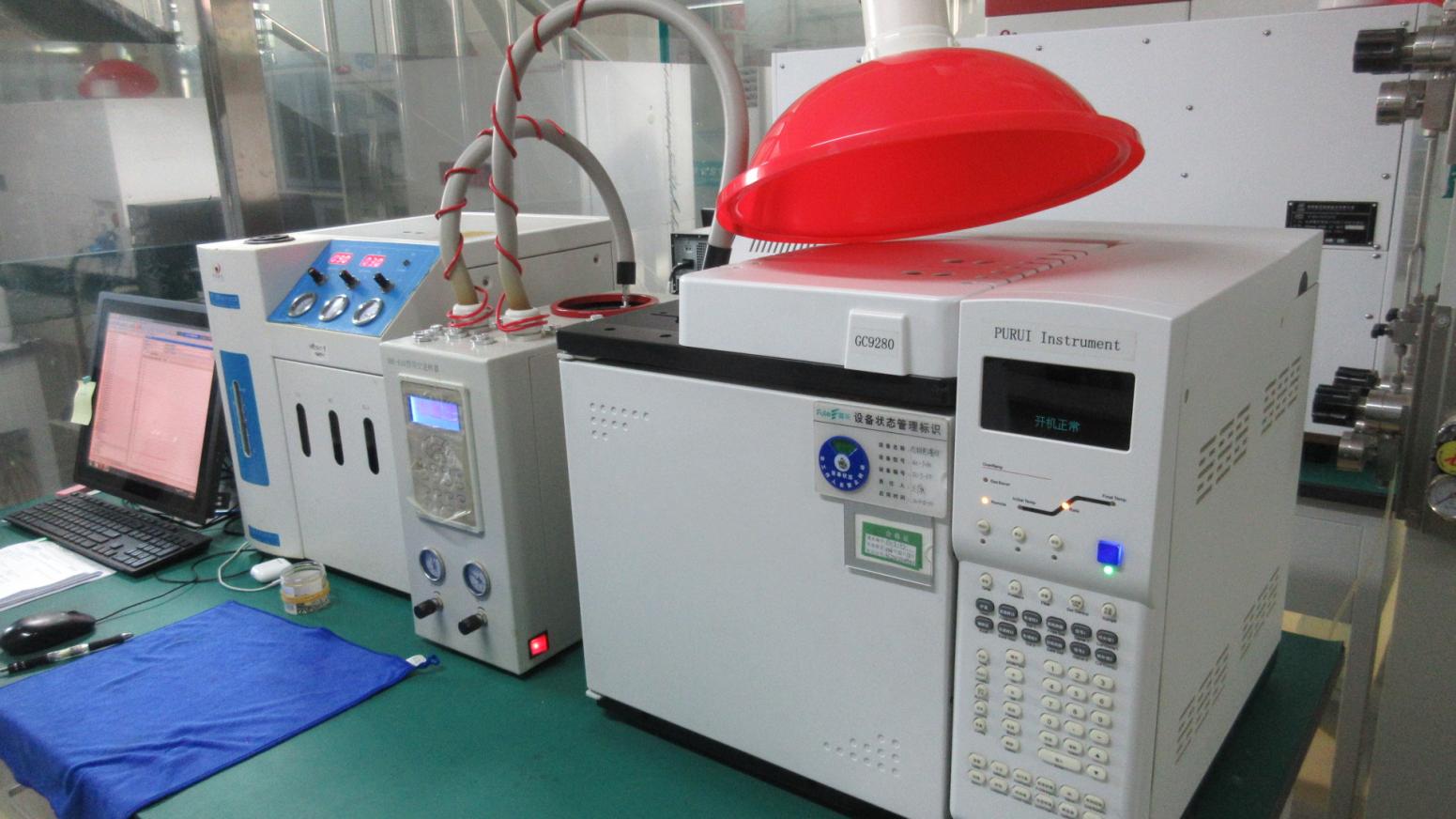
  • Robust Quality Auditing: An independent group of 15 specialized QA/QC inspectors manages our quality loop, ensuring complete raw material traceability, 3D coordinate measurement verification, and 100% optical inspection on critical dimensions.

OEM/ODM Customization Capabilities & Technical Support

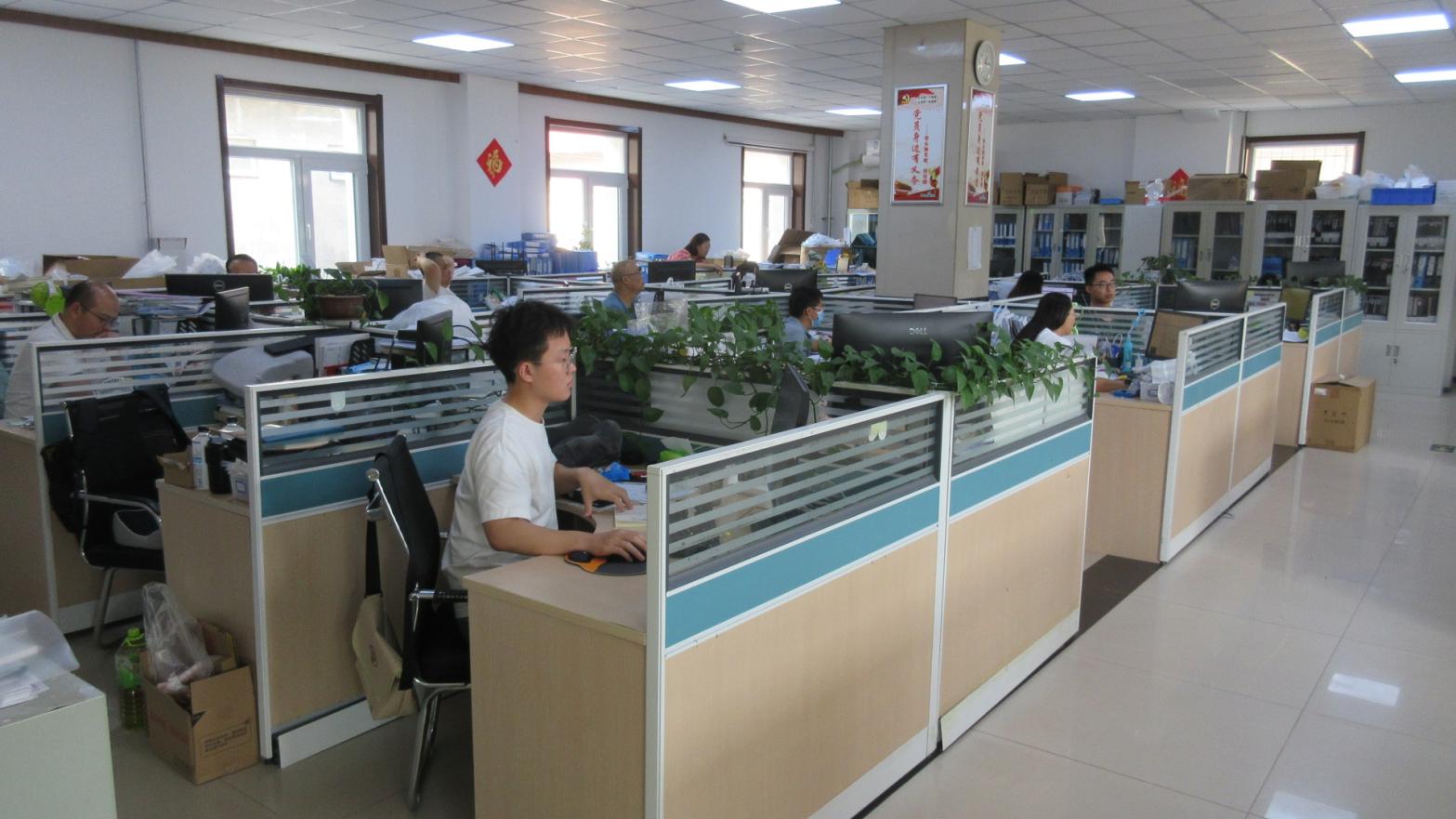
We understand that no two healthcare systems or anatomical profiles are identical. Our engineering department, comprised of 20 seasoned R&D engineers (including 15 postgraduate specialists), works directly with your medical design team. Our collaborative development workflow covers:
  • Anatomical Geometries: Custom femoral curvature angles and customized dynamic locking choices to suit specific patient populations (e.g., Asian vs. Western pelvic structures).
  • Surface Coatings: Precision application of Plasma Spray, Osteointegrative Grit-Blasting, and Anodization.
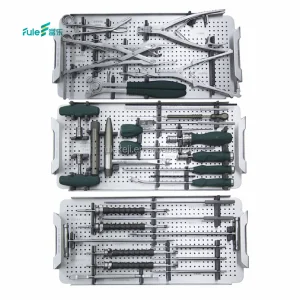
  • Branded Instrumentation: Designing custom surgical instrumentation boxes (Spine, Trauma, Joint Reconstruction) with tailored slot configurations for optimal sterilization and user efficiency.

Industrial Infrastructure & Certifications

ISO 13485 Quality Mark
ISO13485 Certified Medical Device Manufacturer | QMS Reg. No: 04724Q10000818

Localized Applications & Hospital Settings

Femoral reconstruction systems operate under severe dynamic loads within the human body. Our products are optimized for different clinical environments, ensuring high performance in trauma settings, orthopedic operating rooms, and outpatient surgical centers:

  • Trauma & Emergency Care: When dealing with unstable pertrochanteric or intertrochanteric fractures, our PFNA systems enable rapid alignment and dynamic stabilization. This reduces intraoperative time and fluoroscopy exposure for surgical teams.
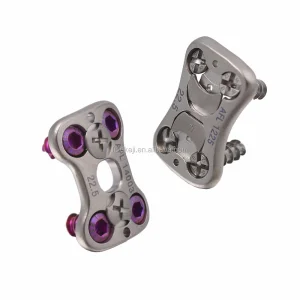
  • Joint Reconstruction Units: Distal femoral plates and customized modular stems deliver anatomic alignment and solid mechanical fixation, accommodating challenging bone defects or severe osteoporotic bone.
  • Revision Surgeries: Special modular designs and biocompatible implants facilitate reconstruction in revision operations, which are increasingly common in aging societies across Europe and North America.

Frequently Asked Questions

1. What materials are used in your custom OEM femoral implants?
We primarily use premium implant-grade Titanium Alloy (Ti-6Al-4V ELI) conforming to international medical standards (ASTM F136 / ISO 5832-3). This alloy delivers excellent biocompatibility, exceptional corrosion resistance, and high fatigue strength to withstand physiological load profiles.
2. How does your facility verify product quality and prevent material defects?
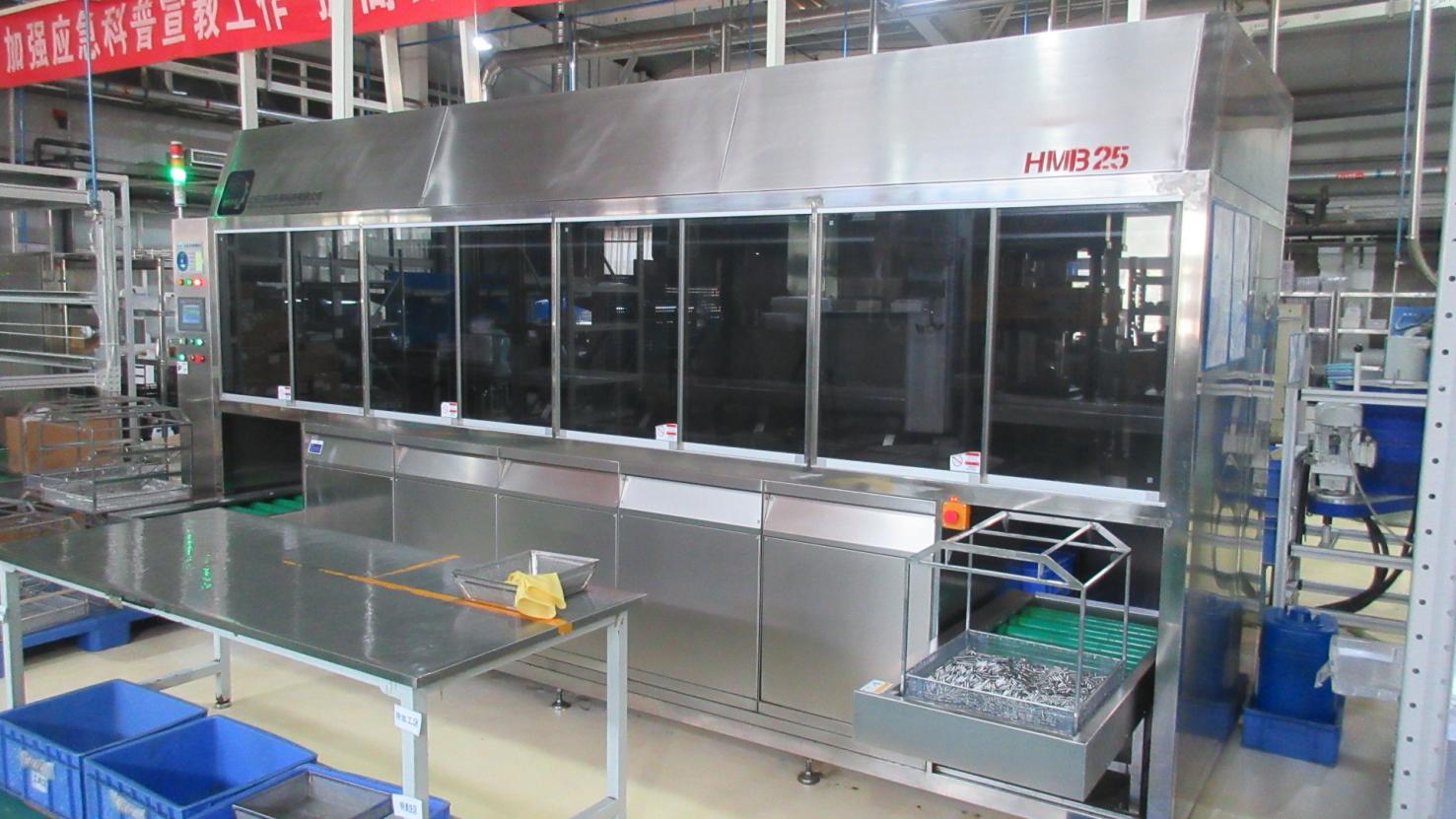
Our quality control relies on ISO 13485 certification. Supported by 15 dedicated QA/QC inspectors, our process features 100% physical inspection on critical dimensions, ultrasonic washing to eliminate machining residues, full material traceability from mill certification, and fatigue testing to ensure long-term clinical safety.
3. Can you manage customized packaging and OEM product labeling?
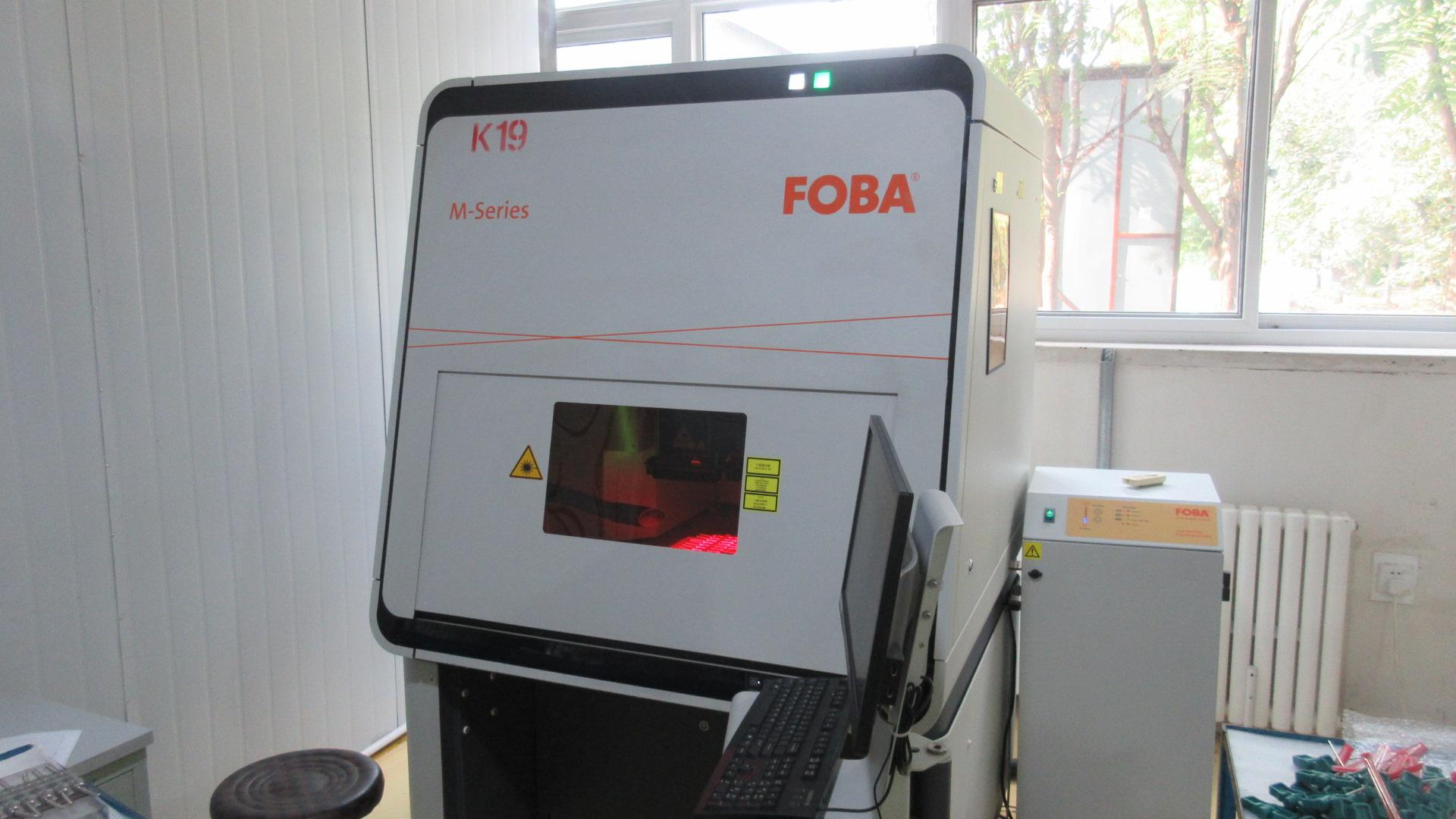
Yes. We provide complete OEM/ODM sterilization packaging and custom labeling services. This includes graphic design for packaging boxes and laser-marking barcodes, catalog references, and tracking numbers on each component in compliance with UDI (Unique Device Identification) mandates.
4. What is the typical lead time for OEM orthopaedic manufacturing runs?
Standard OEM production runs are usually completed within 30 to 45 days after the design sign-off and raw material verification. Custom development projects involving tool setup and clinical trial support can take longer depending on regulatory approvals and complexity.

Advanced Trauma Systems & Spinal Stabilization Solutions