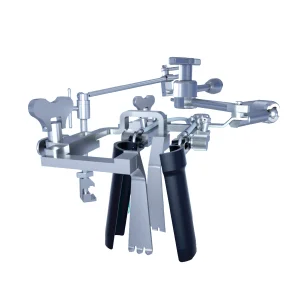
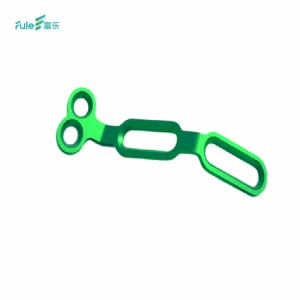
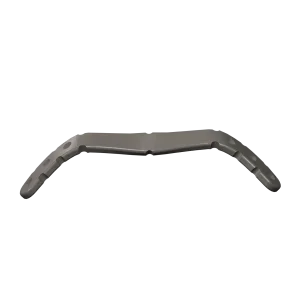
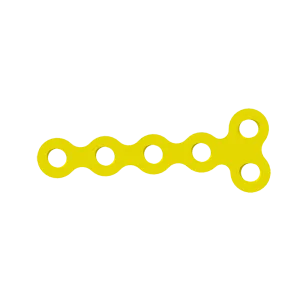
Joint external fixation represents a critical pillar in modern orthopedics, particularly in reconstruction, trauma management, and deformity correction. Managing complex intra-articular fractures, joint contractures, and mechanical instability demands a delicate balance between structural rigidity and micro-movement. Biomechanical engineering has shown that rigid fixation preserves structural alignment, while dynamic micro-movements stimulate osteogenesis and preserve joint mobility.
"By leveraging advanced grade 5 titanium alloys (Ti-6Al-4V ELI) and carbon fiber composite rods, our custom OEM joint external fixators provide optimal biomechanical stability while reducing weight and radiographic interference."
| Mechanical Property | Medical Titanium (Grade 5) | Stainless Steel (316LVM) |
|---|---|---|
| Tensile Strength (MPa) | 860 - 960 | 490 - 690 |
| Modulus of Elasticity (GPa) | 110 - 114 | 190 - 200 |
| Density (g/cm³) | 4.43 | 7.95 |
| Radiolucency Index | High (Low Artifacts) | Poor (High Artifacts) |
Overcoming regulatory hurdles, ensuring mechanical traceability, and managing localized demand shifts for orthopedic device distributors and B2B buyers.
Ensuring full compliance with EU MDR 2017/745, FDA 510(k) clearances, and regional standards to prevent distribution blockages in premium markets.
Mitigating tissue reactions by utilizing medical-grade materials that exceed ISO 10993 specifications for implantable structures and long-term external components.
Mitigating raw material volatility through secured domestic mineral partnerships and automated manufacturing setups that keep output consistent.
Since 1996, combining precision manufacturing with systematic quality assurance processes for global orthopedic solutions.
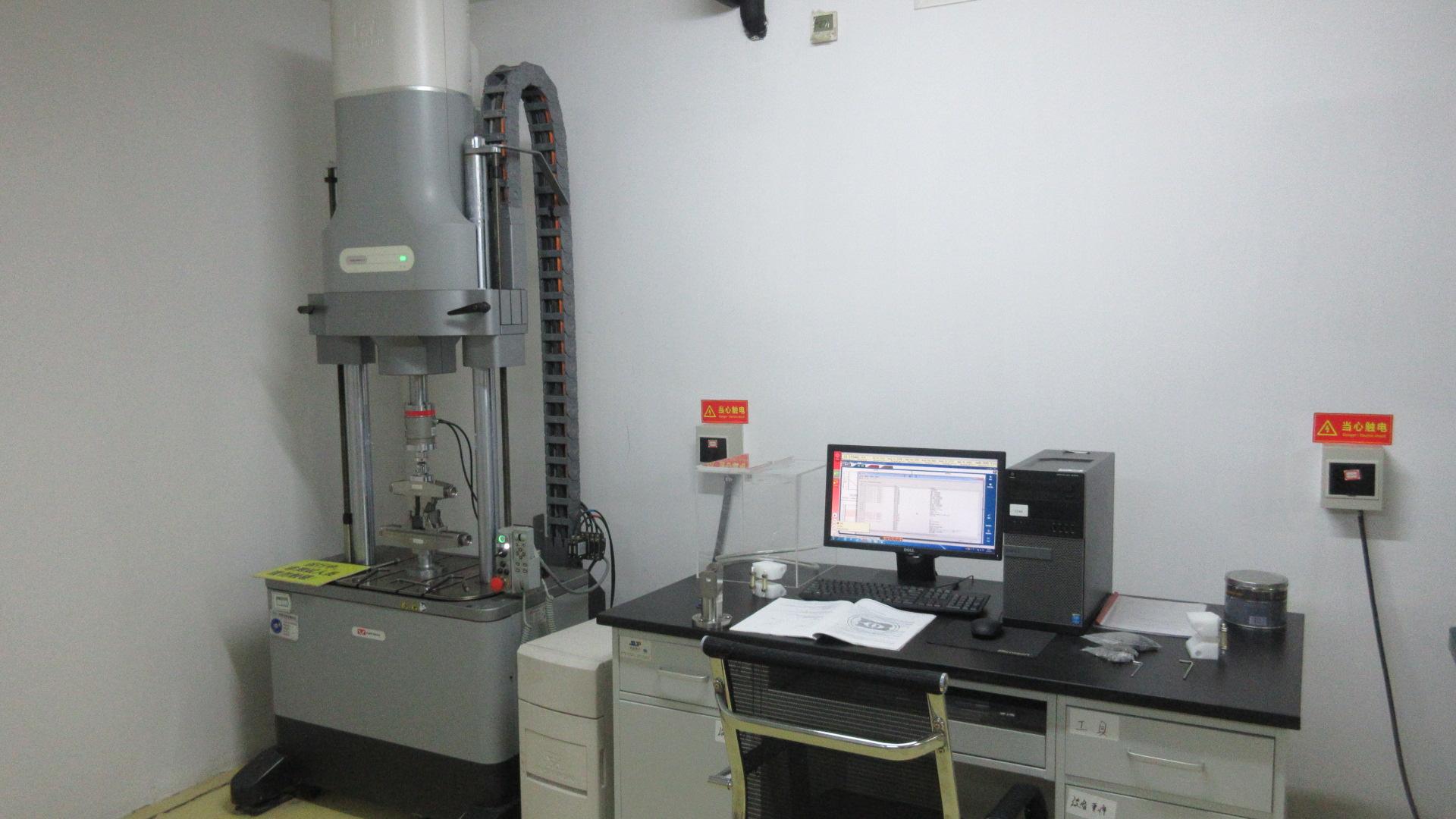
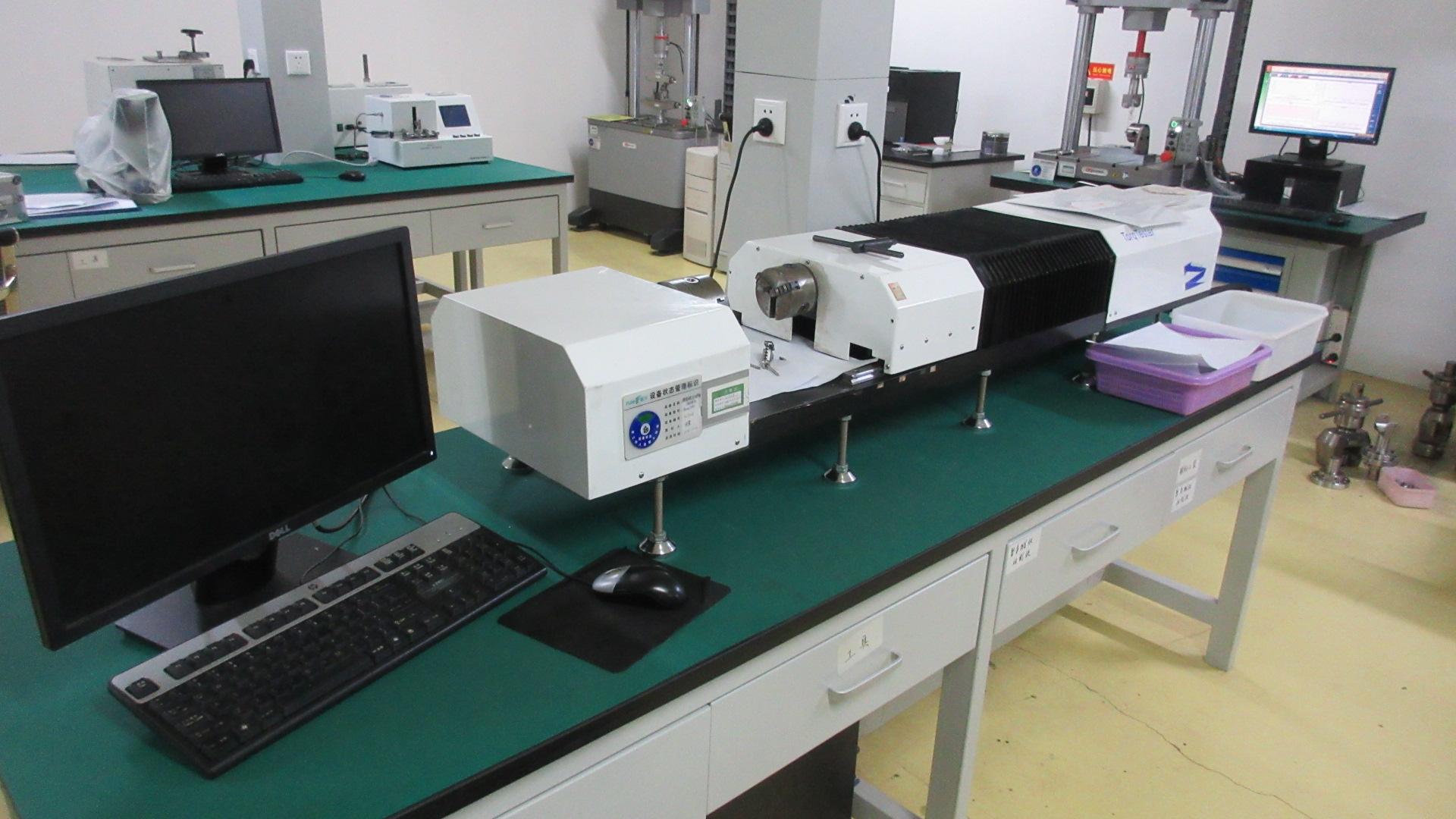
Every joint external fixator component undergoes multi-axis optical inspections, laser dimensional verification, and cyclic load failure simulations to guarantee performance under anatomical stresses.

Systematically audited safety controls conforming to harmonized standards for orthopedic implant design.
Our export networks cover high-barrier jurisdictions, with structure layouts aligned to domestic medical distribution networks and complex international procurement channels.
Driving innovations in surface modifications, high-flex joints, and integrated micro-sensors.
Implementing plasma electrolytic oxidation (PEO) and anodic spark depositions to improve mechanical properties and prevent bacterial colonization on transcutaneous pins.
Developing multi-planar, locking hinges that duplicate anatomical rotational axes. These hinges allow controlled joint movement without sacrificing structural stability.
Integrating biomechanical load-cell sensors to remotely monitor bone healing progression. This tech tracks real-time stiffness changes and alerts clinicians to early healing milestones.
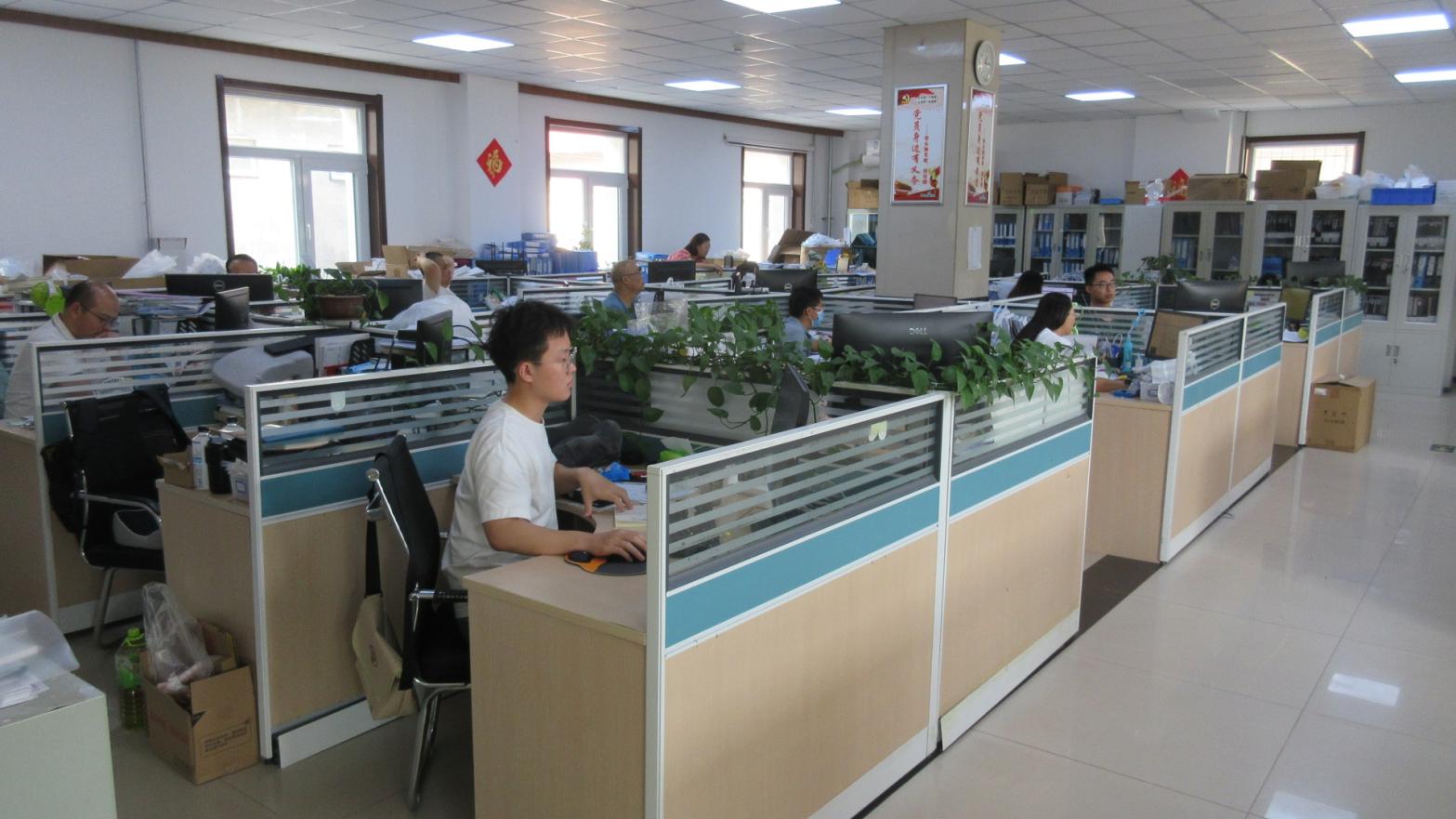
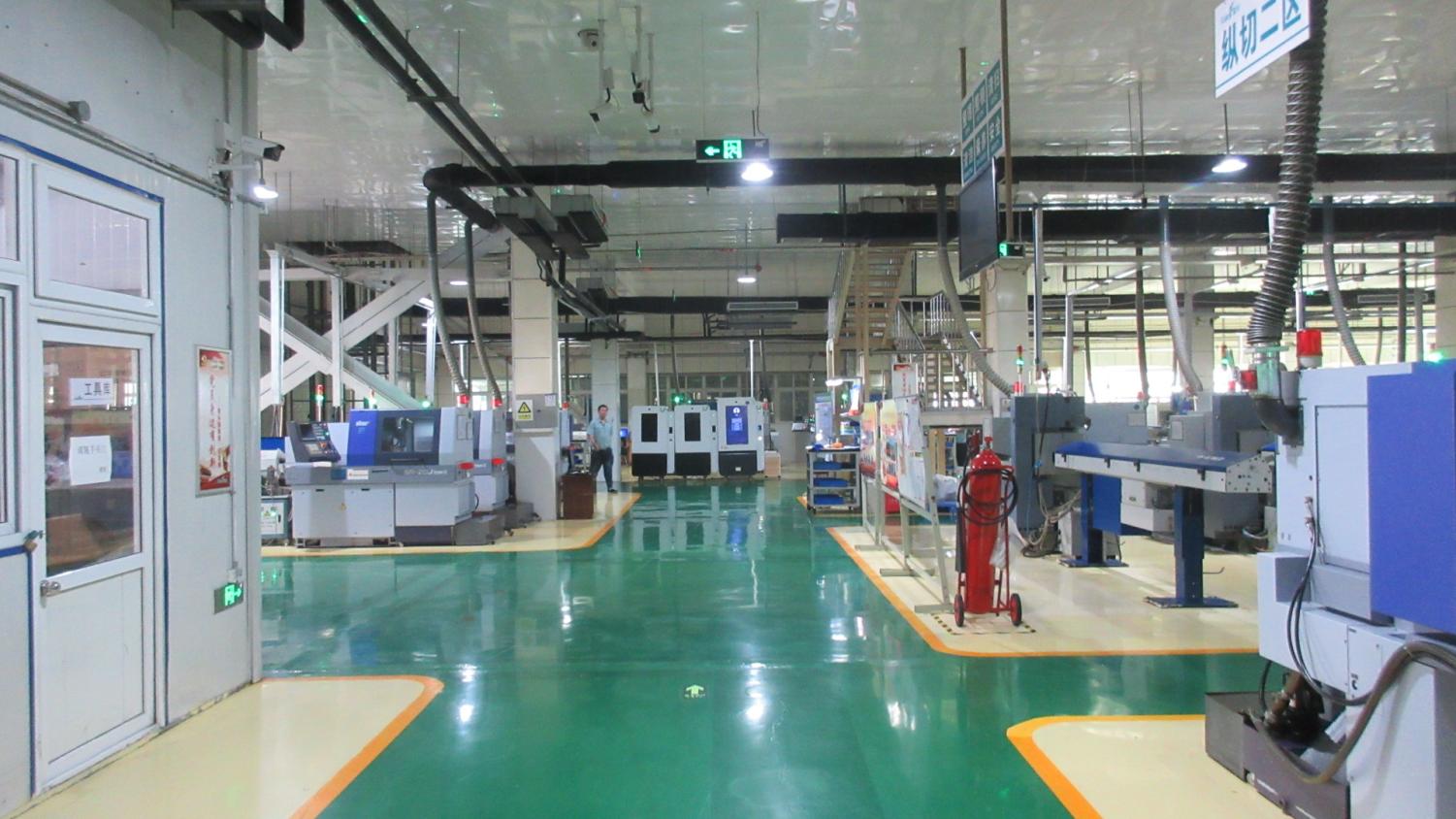
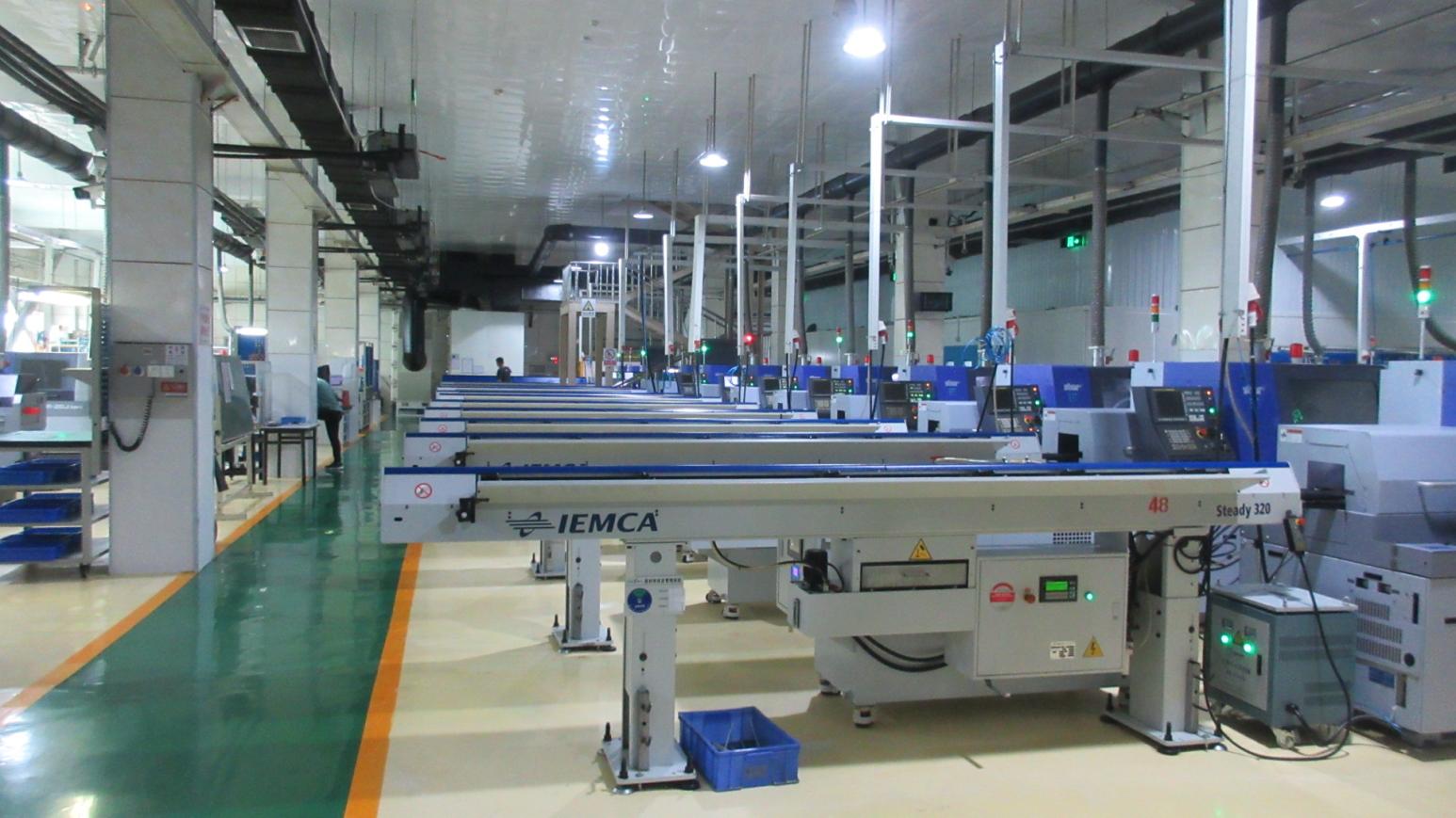
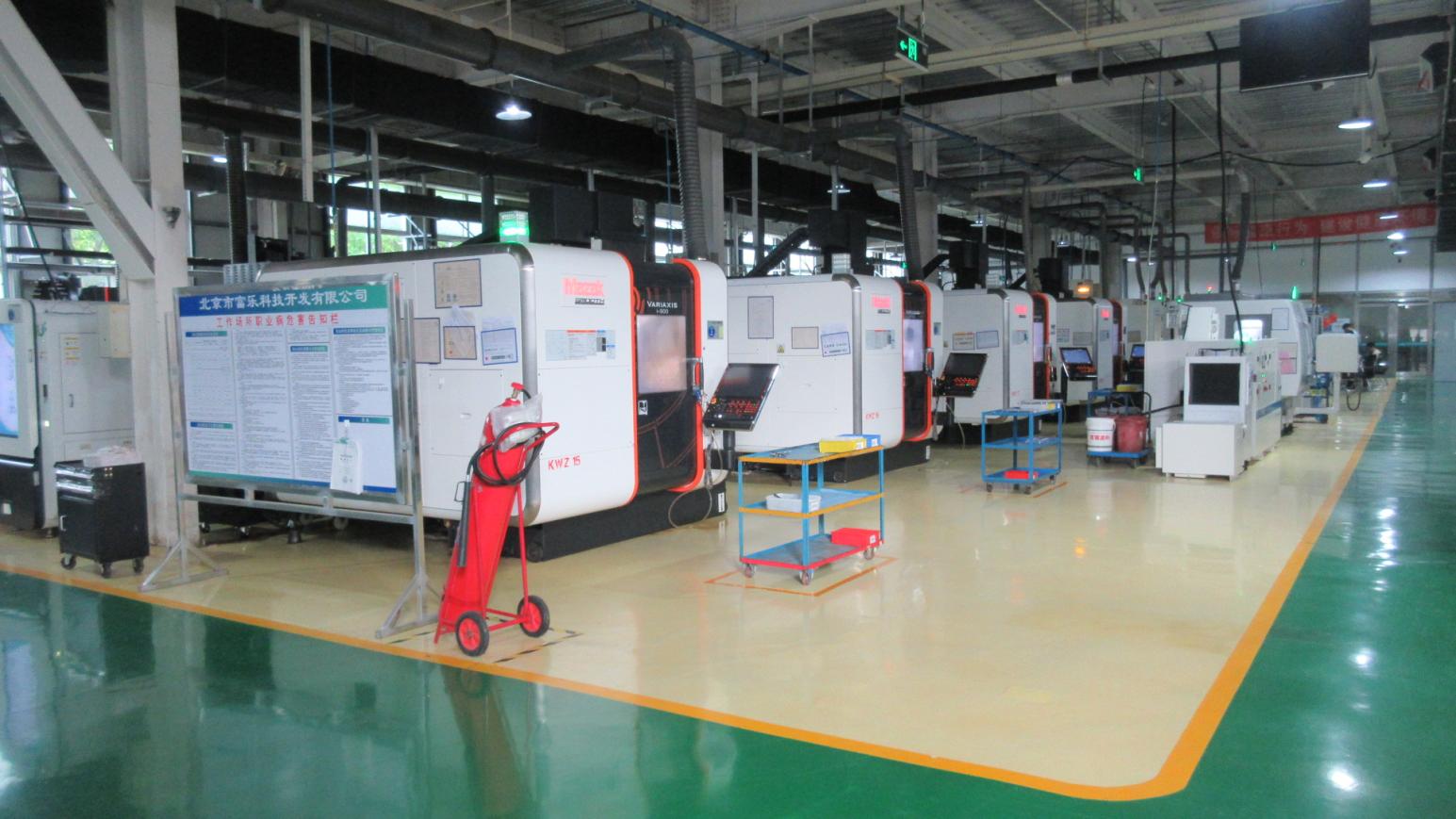
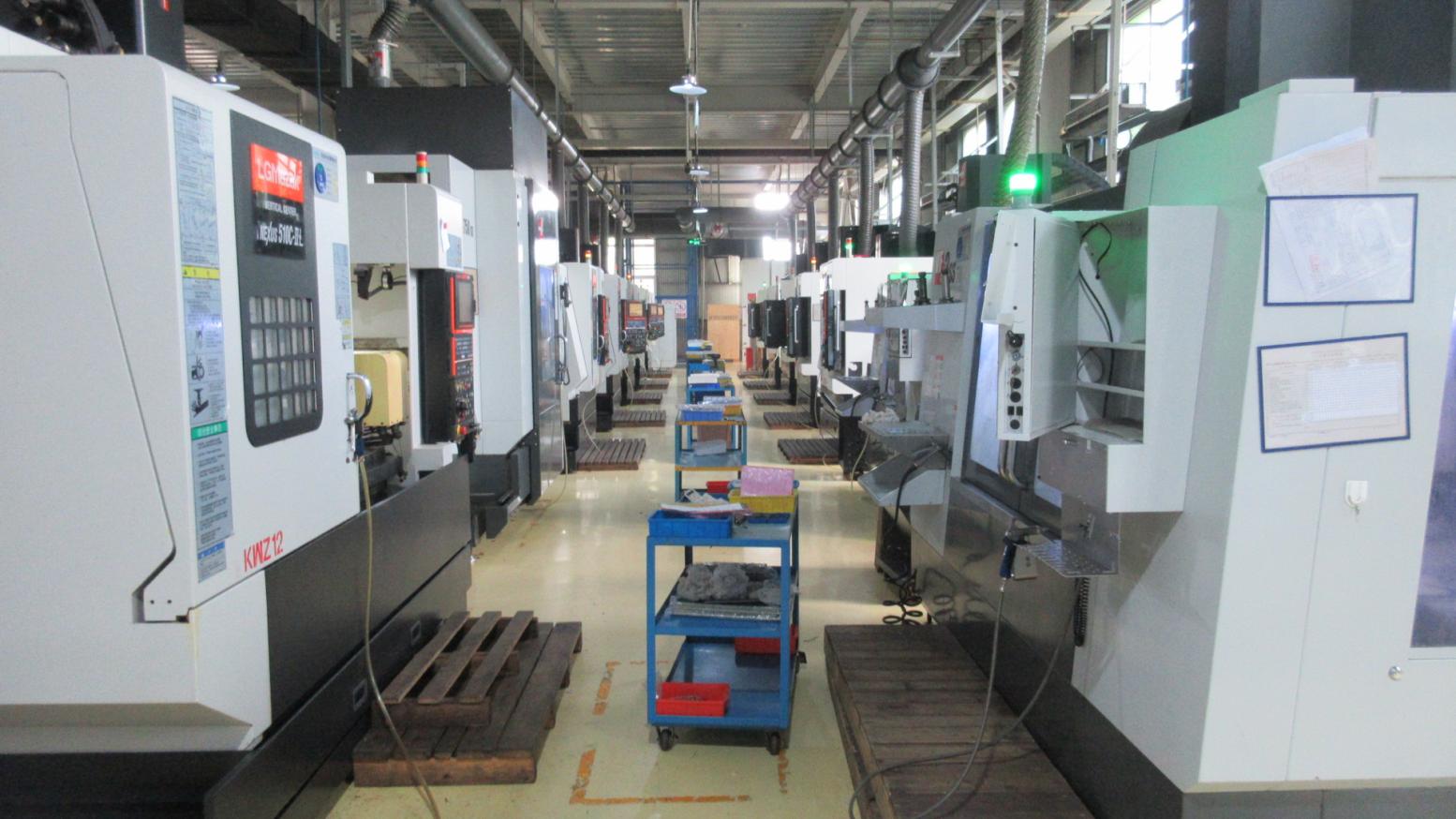
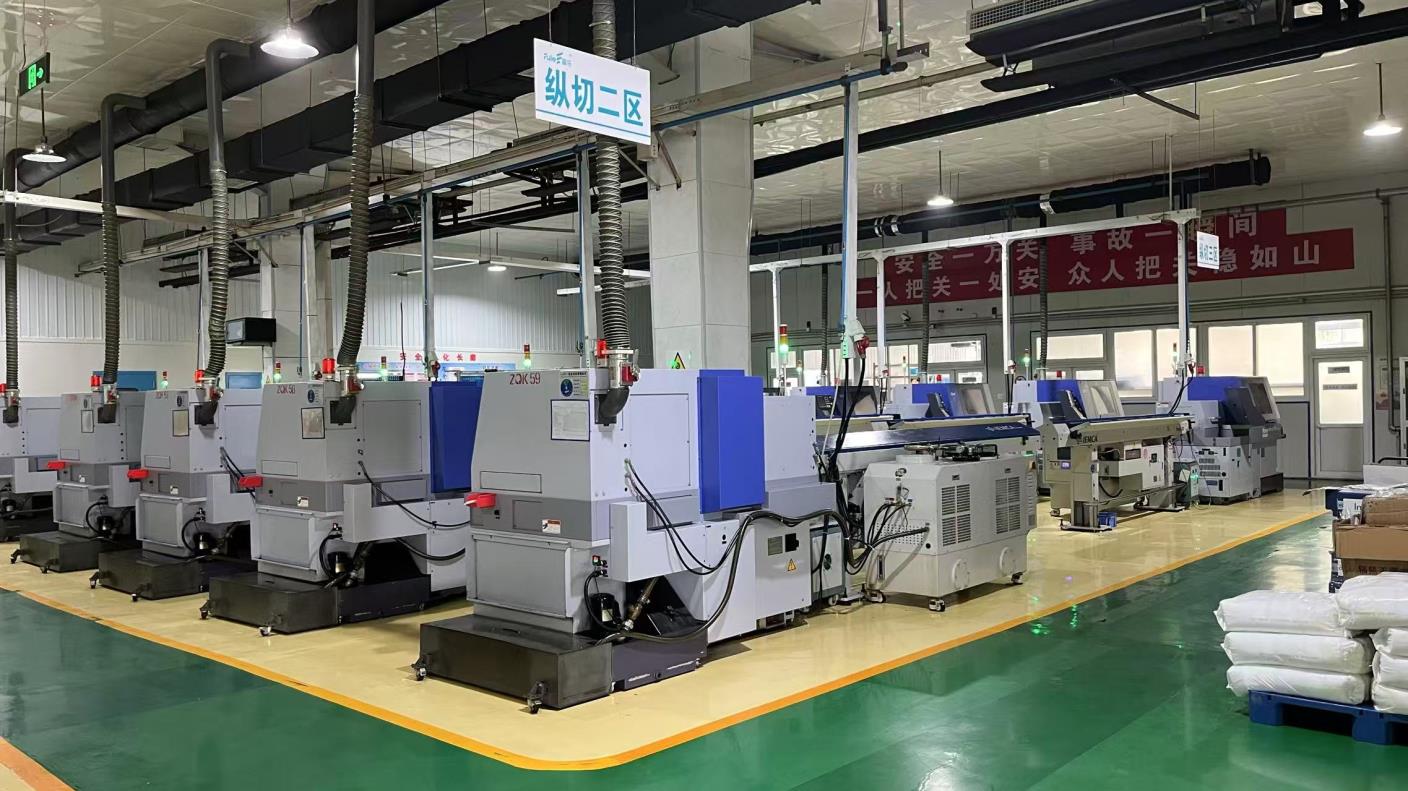
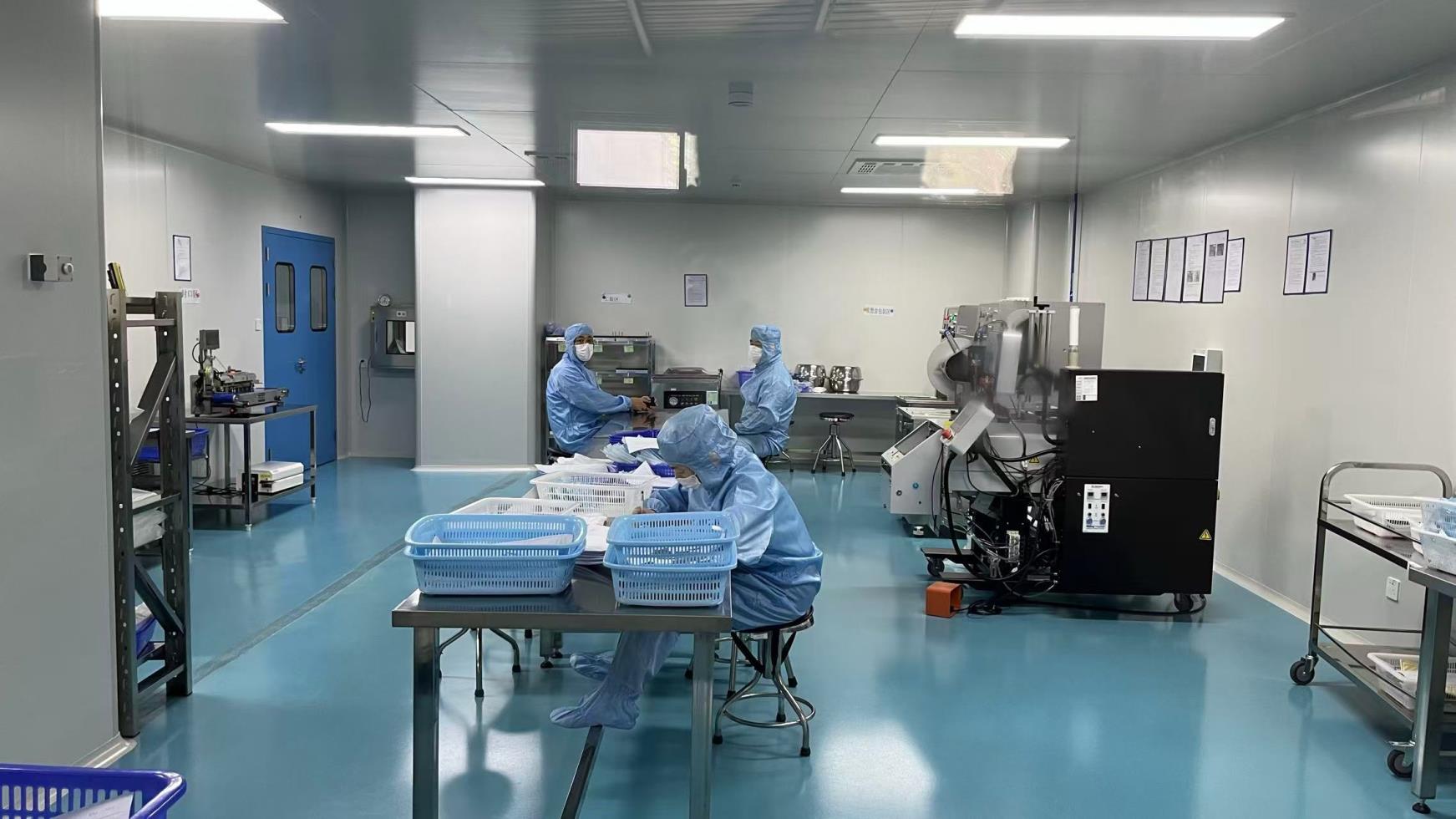
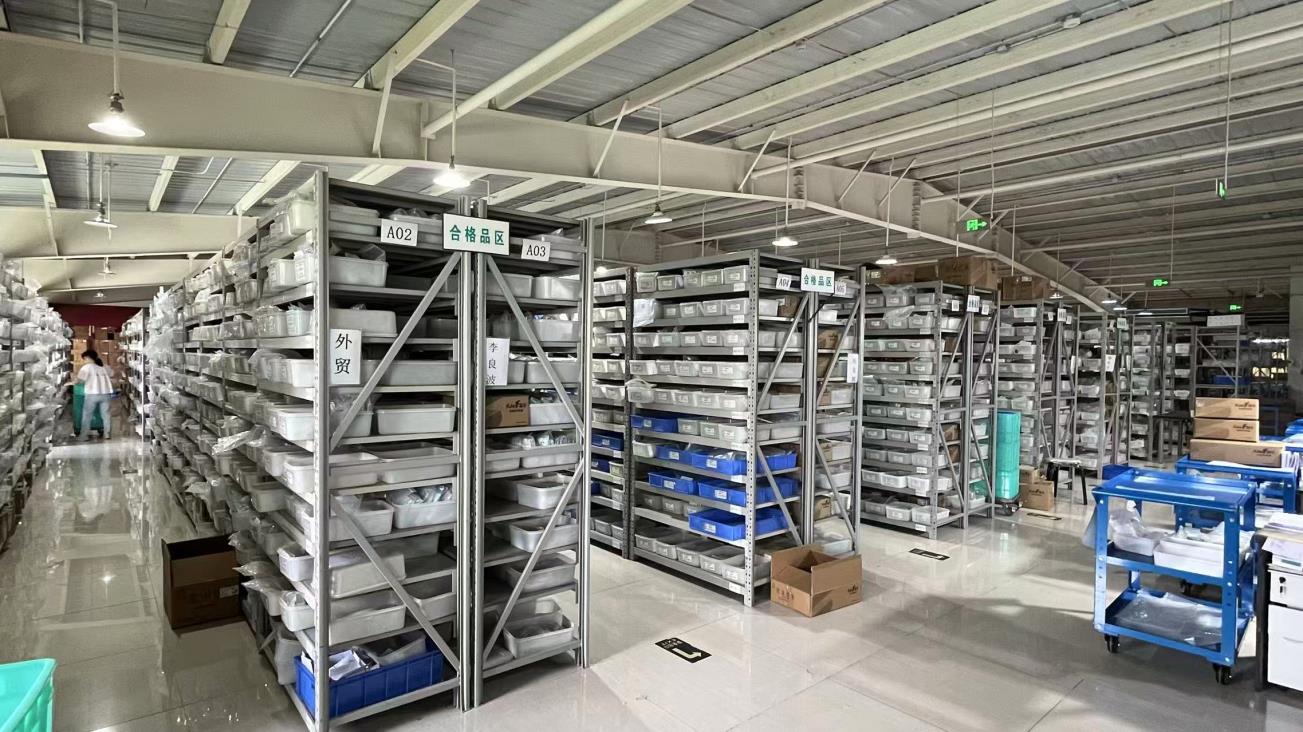
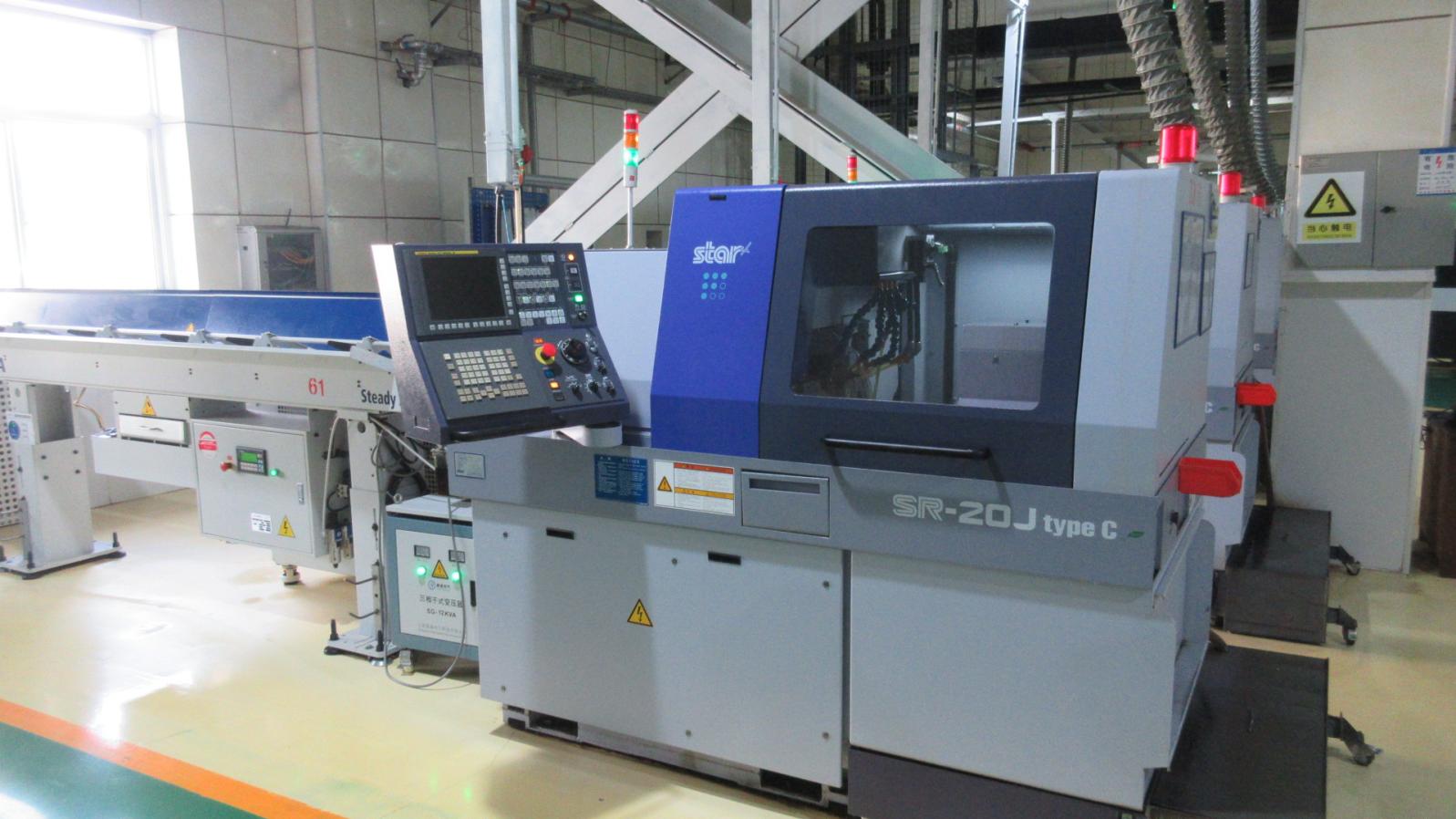
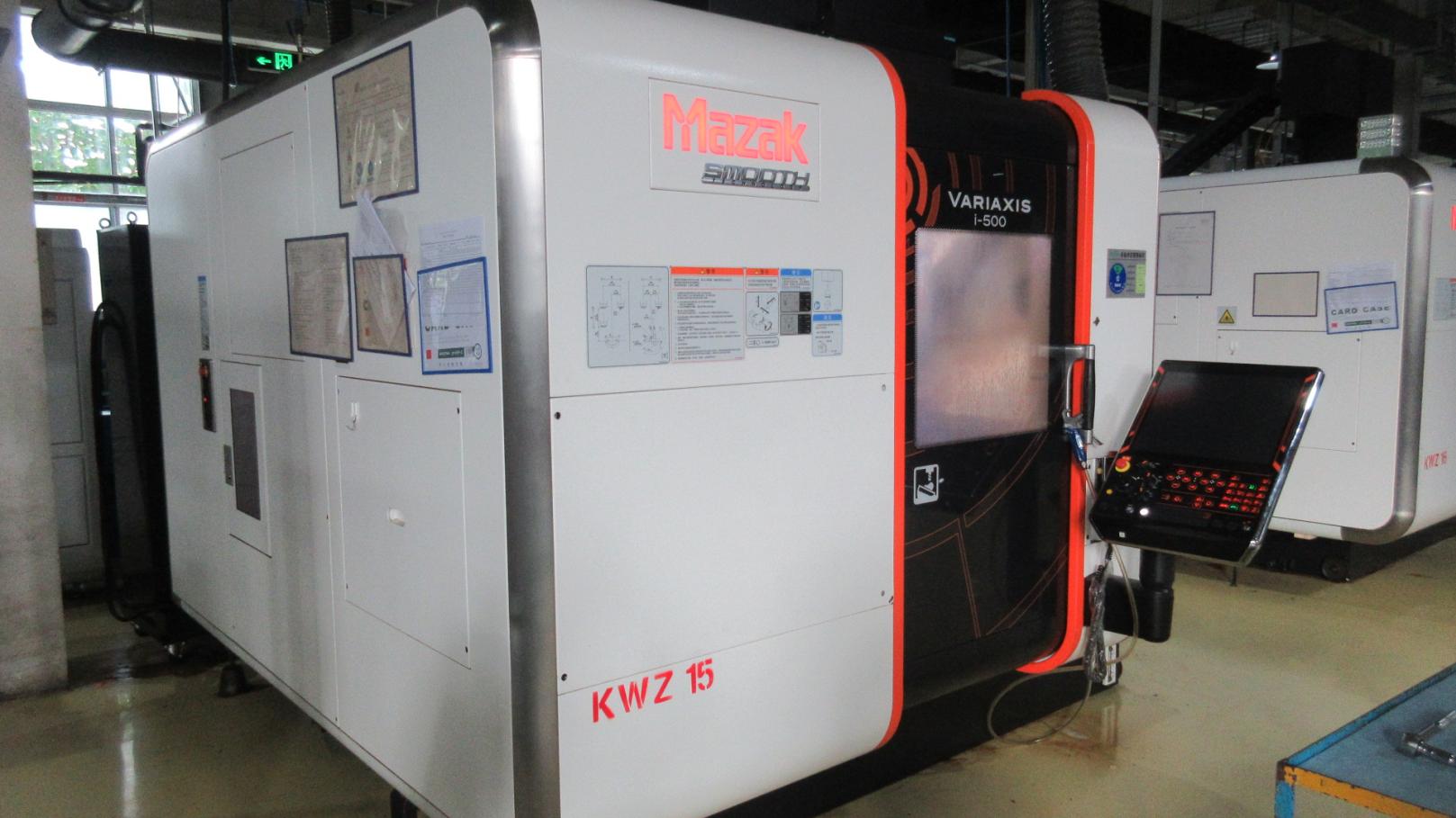
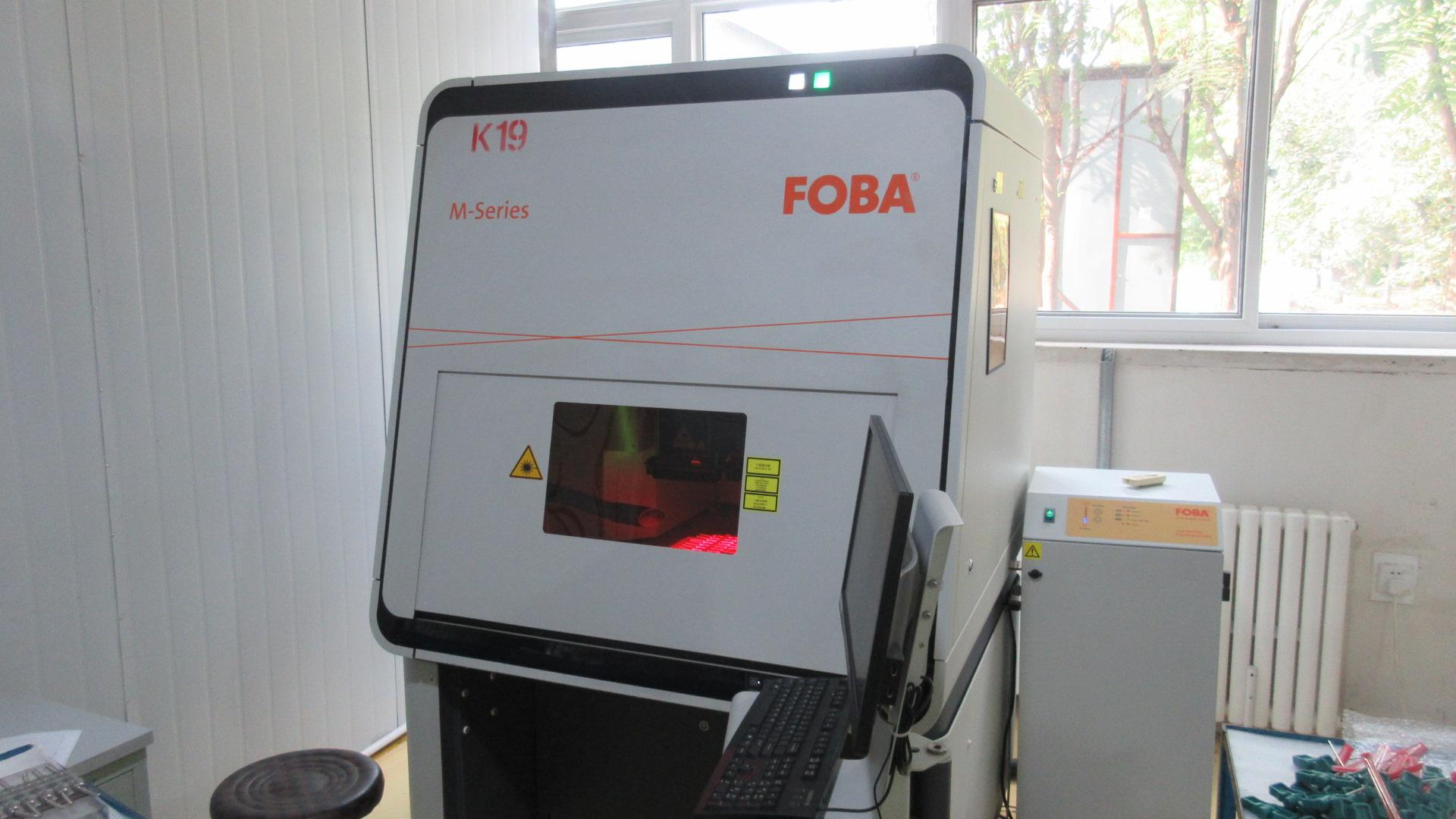
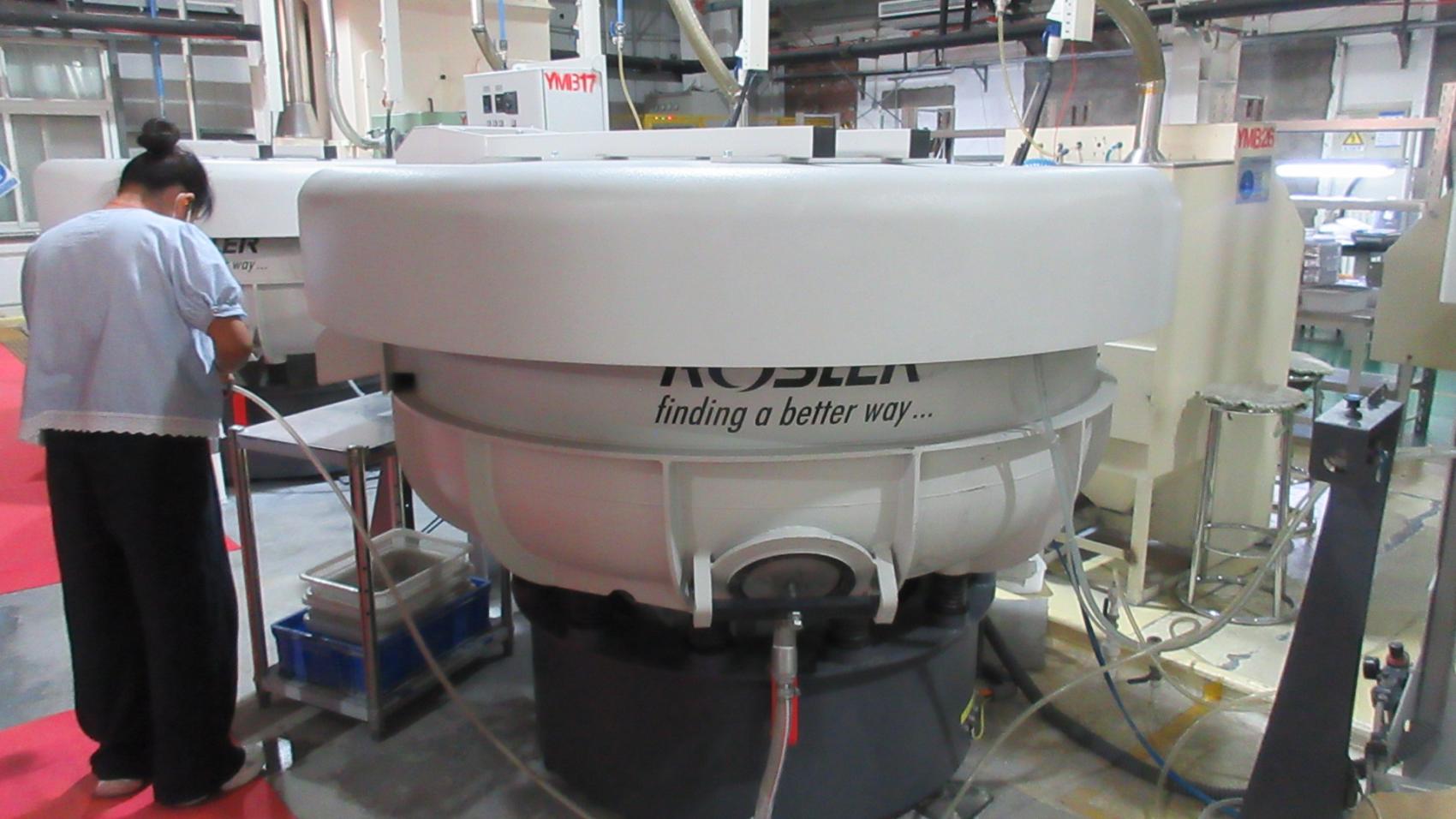
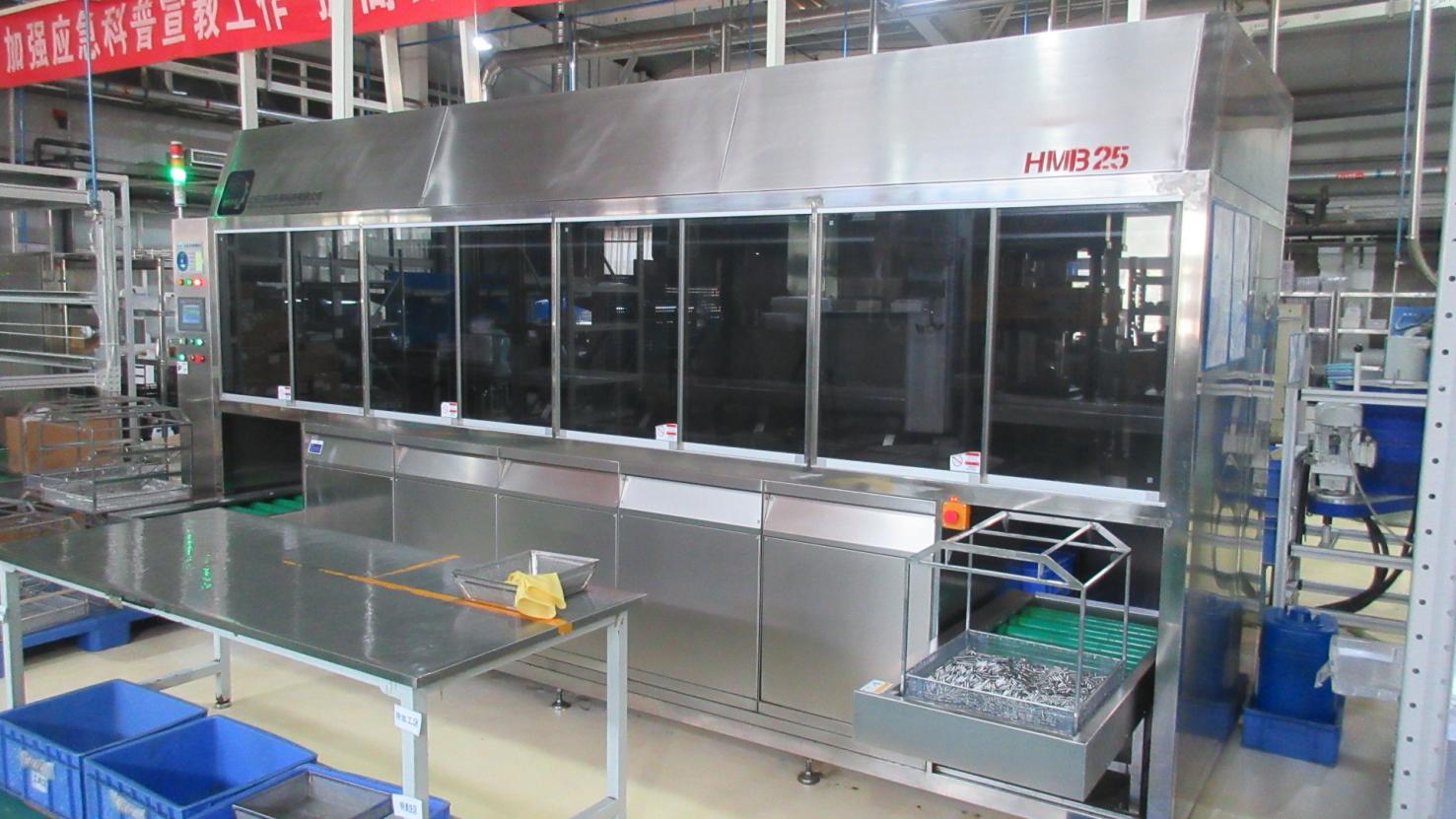
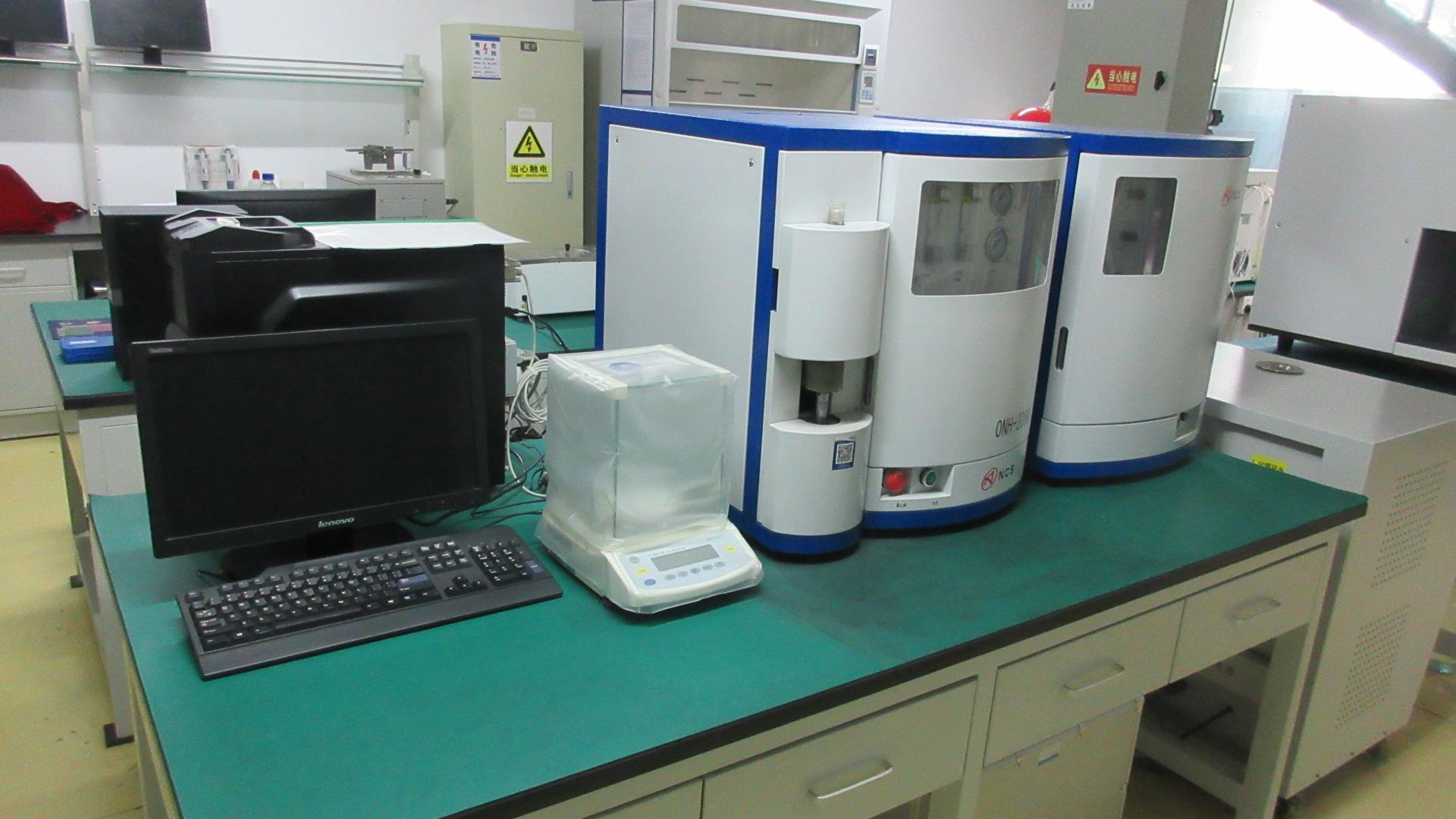
Visual documentation of our precision CNC machining centers, automated anodizing systems, class 10,000 cleanrooms, and testing facilities.

Detailed product answers addressing regulatory approvals, material science specifications, and OEM logistics.
 Beren Science & Technology