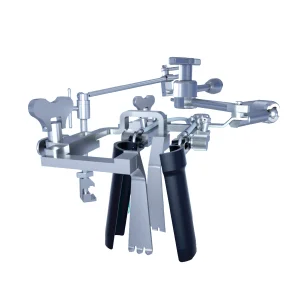
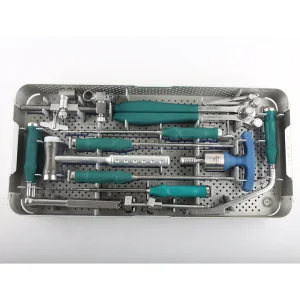
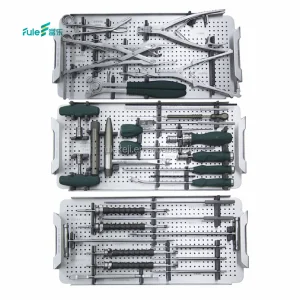
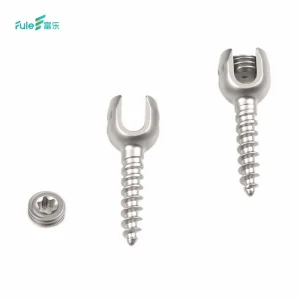
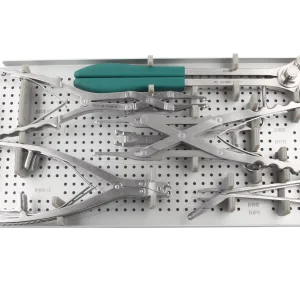
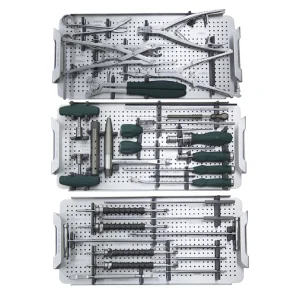
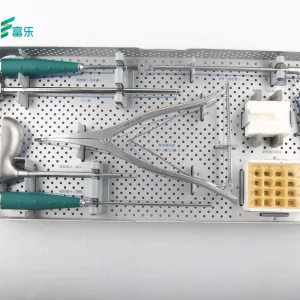
Explore our premium selection of medical-grade titanium and stainless steel orthopedic systems. Engineered for high mechanical load stability, precise thread engagement, and optimal osseointegration.
Founded on June 28, 1996, our facility integrates 30 years of medical instrument engineering expertise, pioneering custom orthopedic solutions for surgical sectors globally.
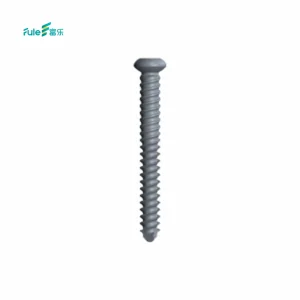
The global market for cannulated screw systems has experienced exponential growth due to the escalating incidence of osteoporotic fractures, sporting injuries, and trauma. Cannulated screws, featuring a hollow core (cannulation), allow orthopedic surgeons to insert guide wires dynamically to achieve pinpoint precision prior to final insertion. According to medical industry analytics, B2B procurement of cannulated screw systems remains a critical driver in surgical hospital logistics, with a marked preference for specialized OEM/ODM partners capable of executing high-precision configurations.
Historically, trauma care relied on solid screws. However, the paradigm shifted toward cannulated variants to minimize tissue damage, shorten intraoperative times, and secure anatomical alignment. This evolution has driven international OEM/ODM demands. Importers, wholesalers, and medical brands require custom screw dimensions ranging from micro diameters (2.0mm to 3.0mm for hand/foot reconstruction) to larger diameters (6.5mm to 7.3mm for femoral neck stabilization).
The future of osteosynthesis hardware is marked by three primary trends: material evolution, surface functionalization, and geometric innovation.
Advanced anodization and acid-etching techniques allow medical implants to exhibit enhanced surface roughness. This promotes osteoblast attachment and speeds up the post-operative recovery timeline.
For temporary fixation applications, the industry is transitioning towards bio-absorbable alloys, mitigating the necessity for a secondary extraction surgery.
Strict tolerance controls (down to ±0.01mm) ensure guide wires move freely through the cannulated core without friction or deviation.
As a dominant supplier in the industry, our engineering group utilizes a streamlined technical roadmap for the production of cannulated screw systems:
Our medical systems and cannulated components are deployed globally across distinct anatomical scenarios:
Typically utilizing 6.5mm/7.3mm cannulated compression screws. Placed in parallel configurations to counteract shear forces, facilitating compression across the fracture line.
Applying micro-cannulated headless screws. Headless designs prevent cartilage impingement in joint spaces, offering high compression capacity.
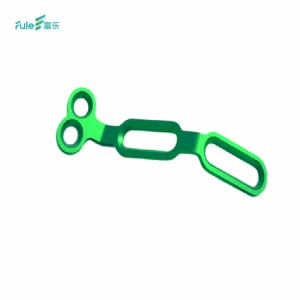
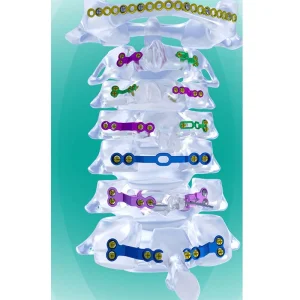
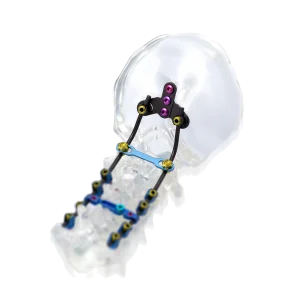
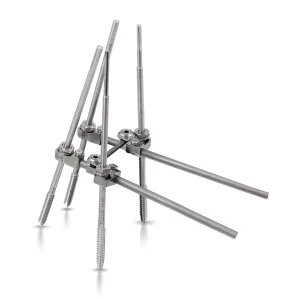
Often paired with systems like our Occipitocervical Thoracic Posterior Spinal System, optimizing anatomical alignment under severe degenerative disorders.
To address global compliance hurdles and navigate registration pathways, we offer high-level macro solutions:
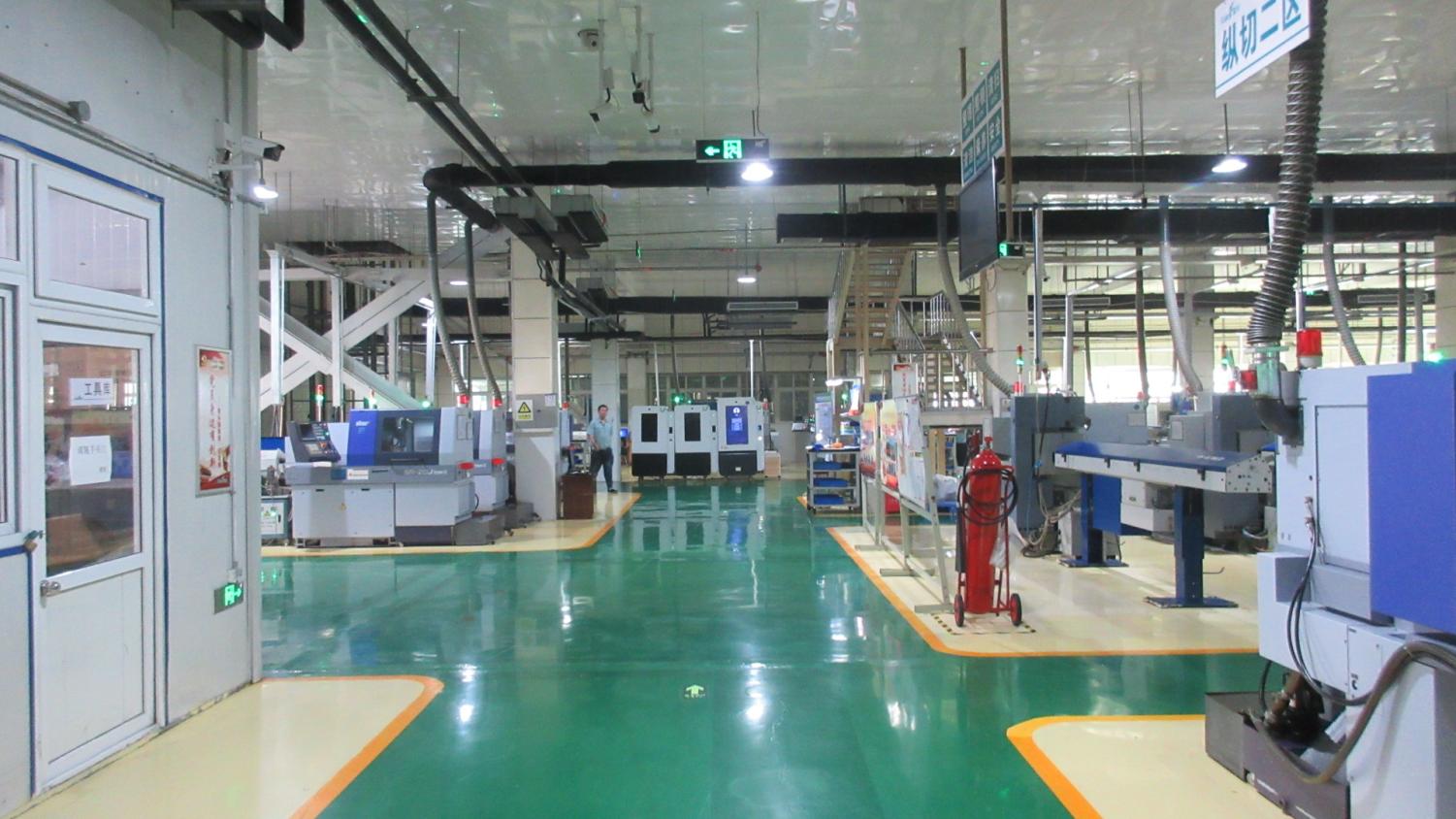
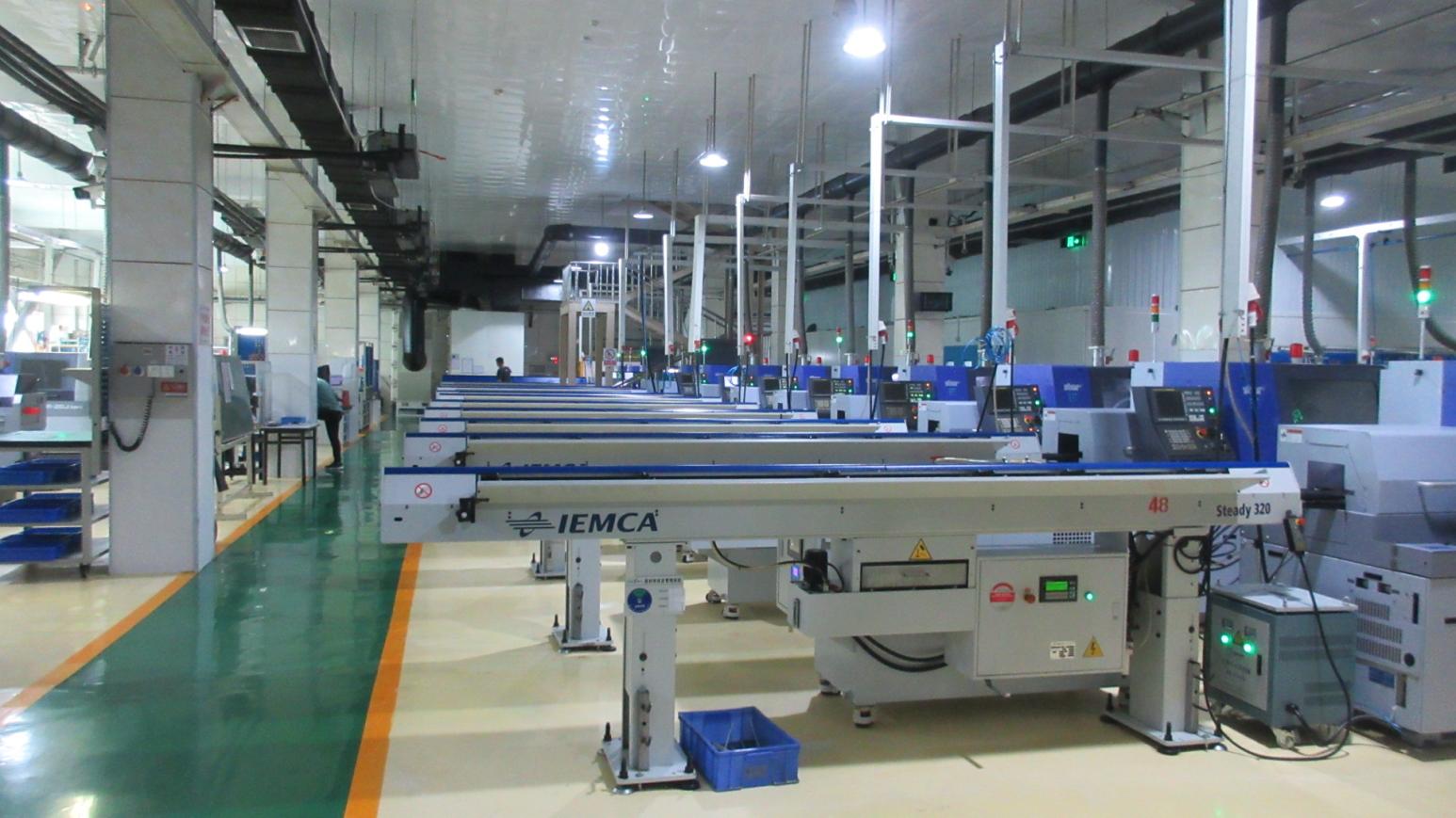
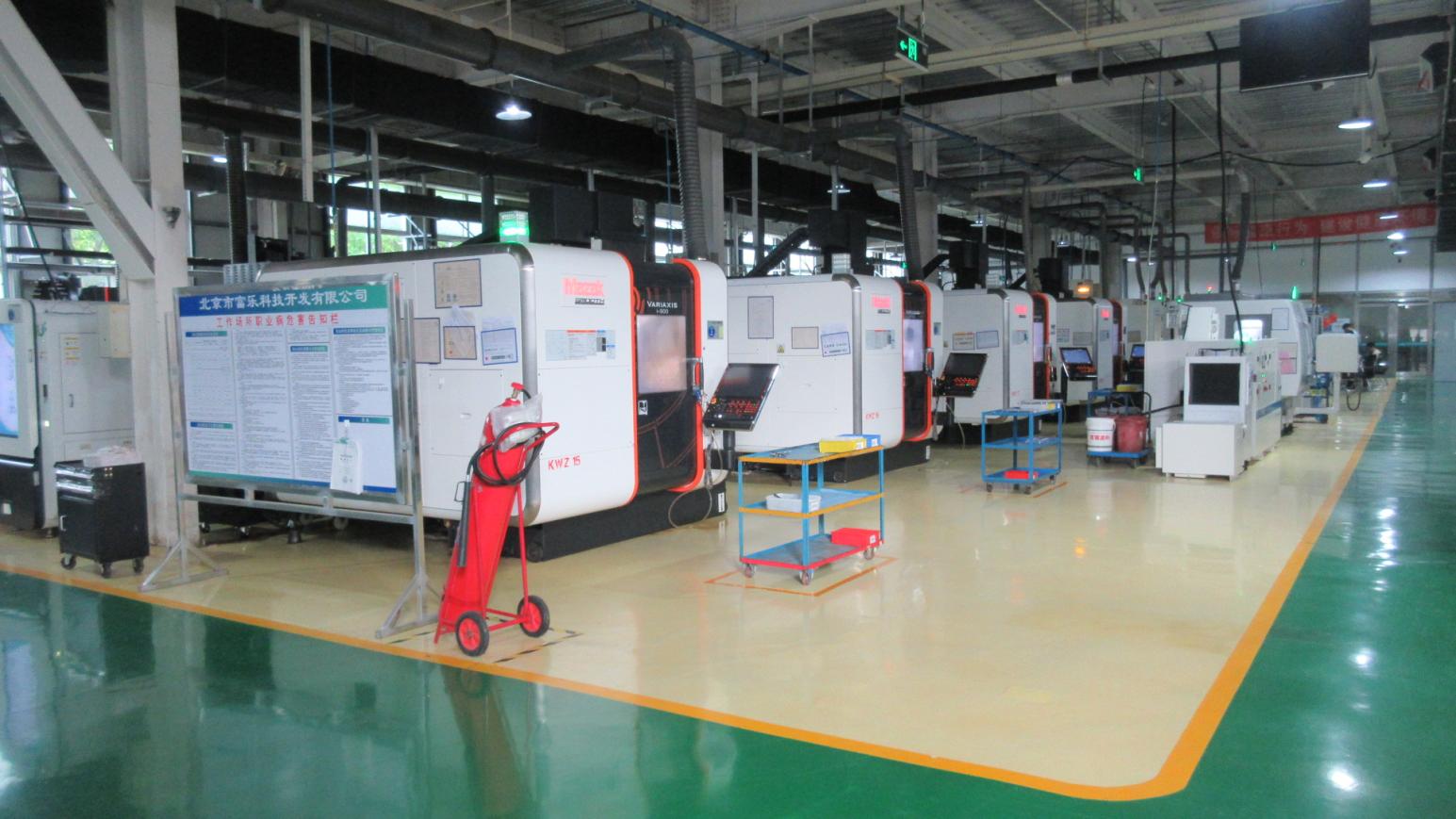
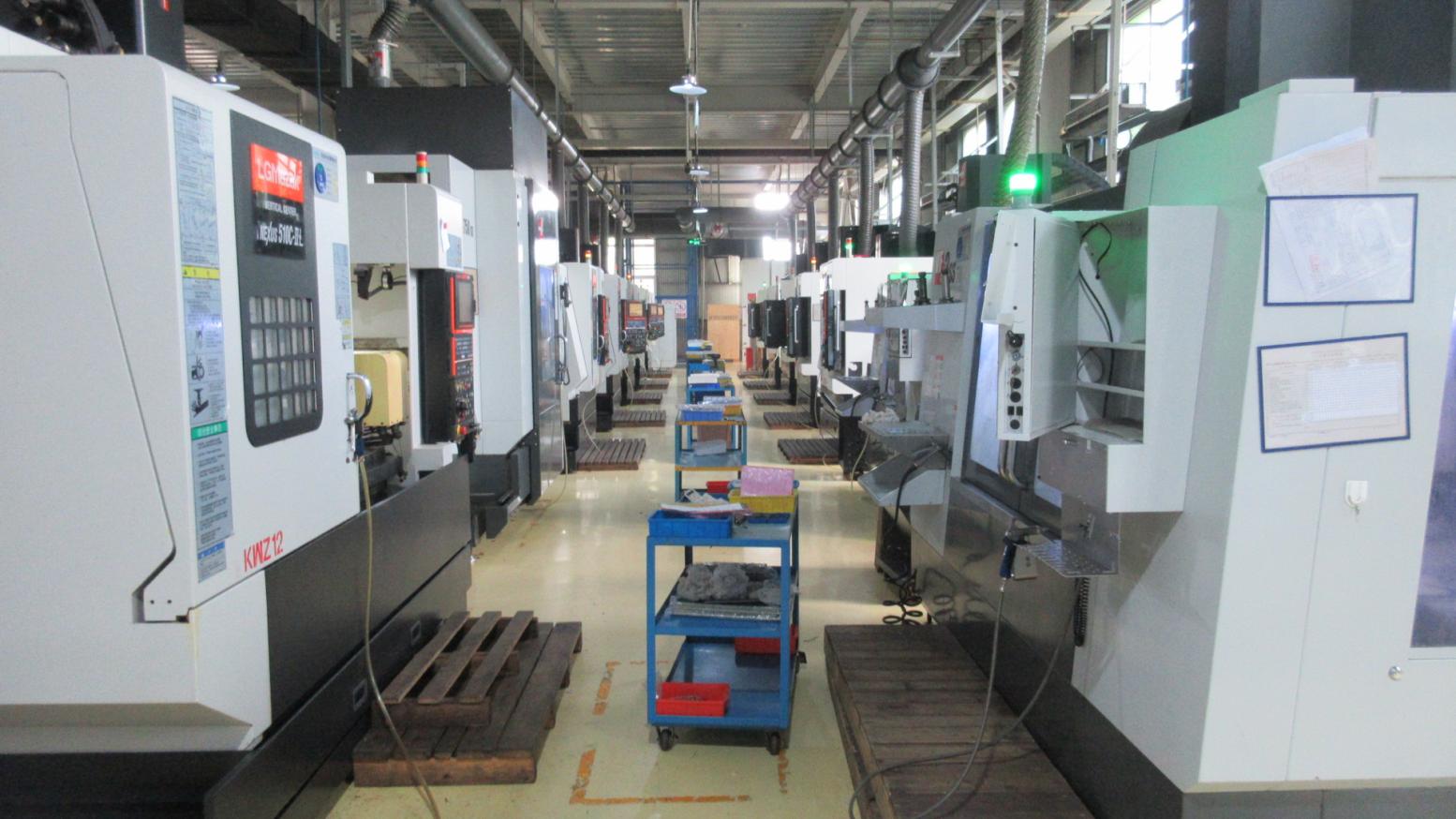
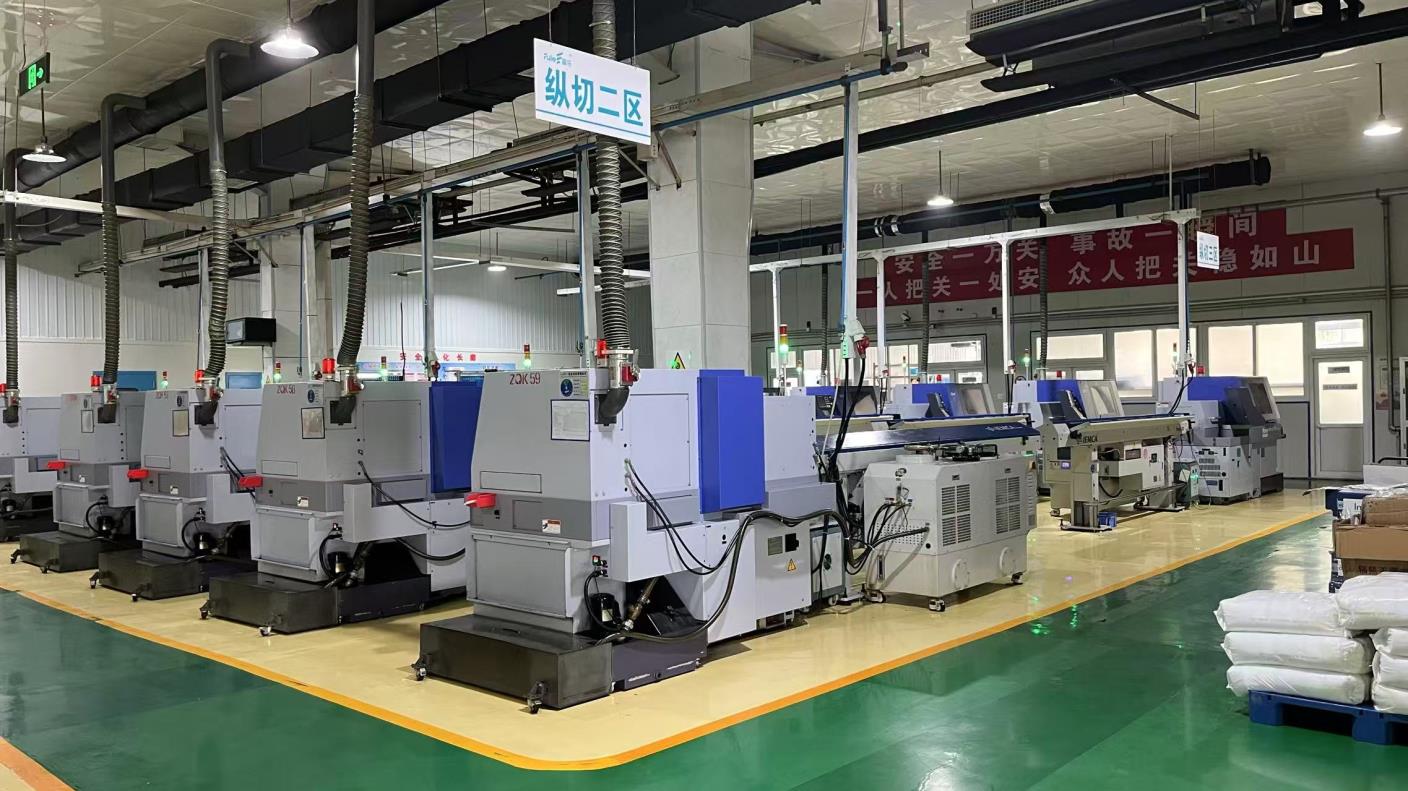
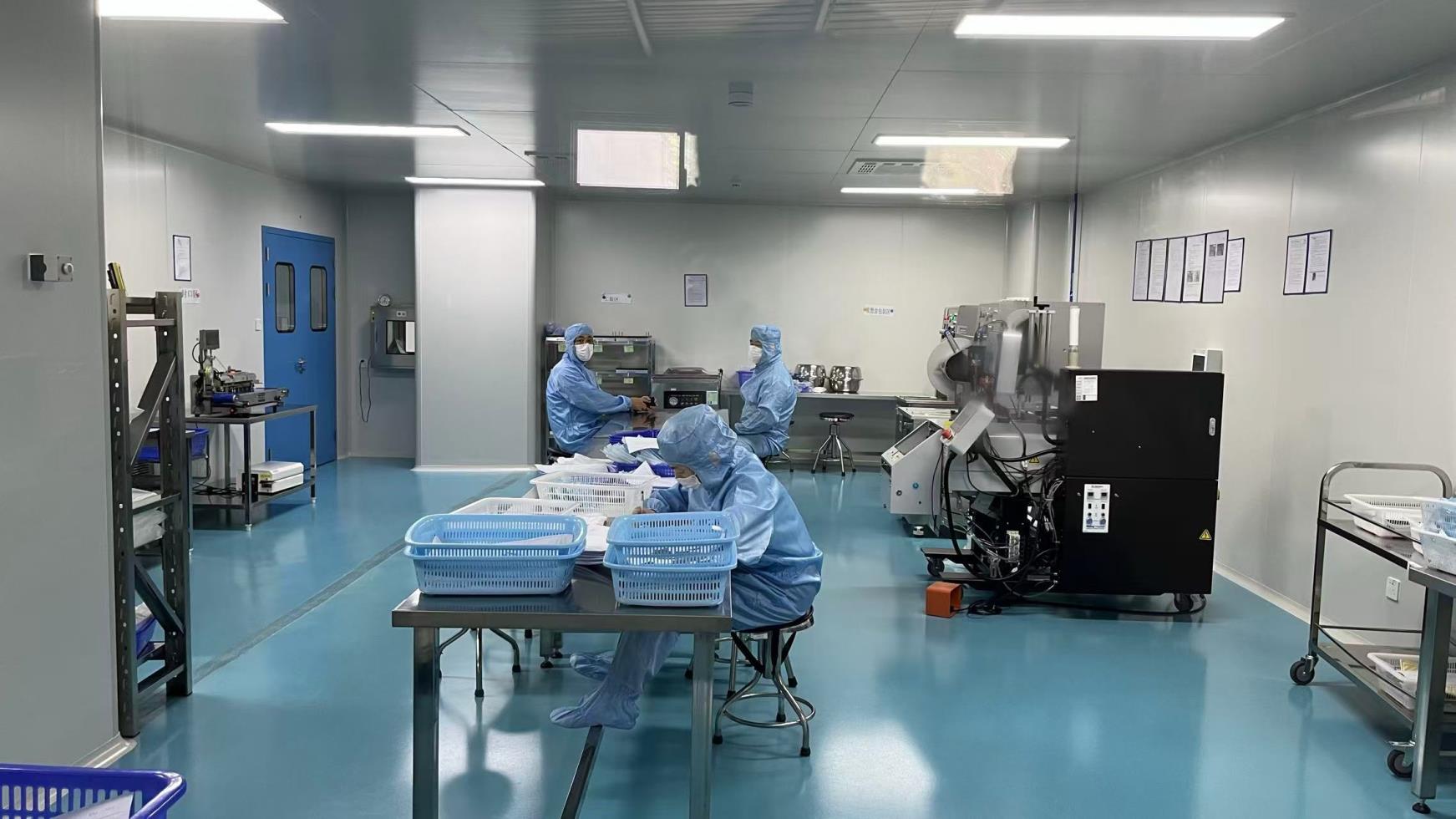
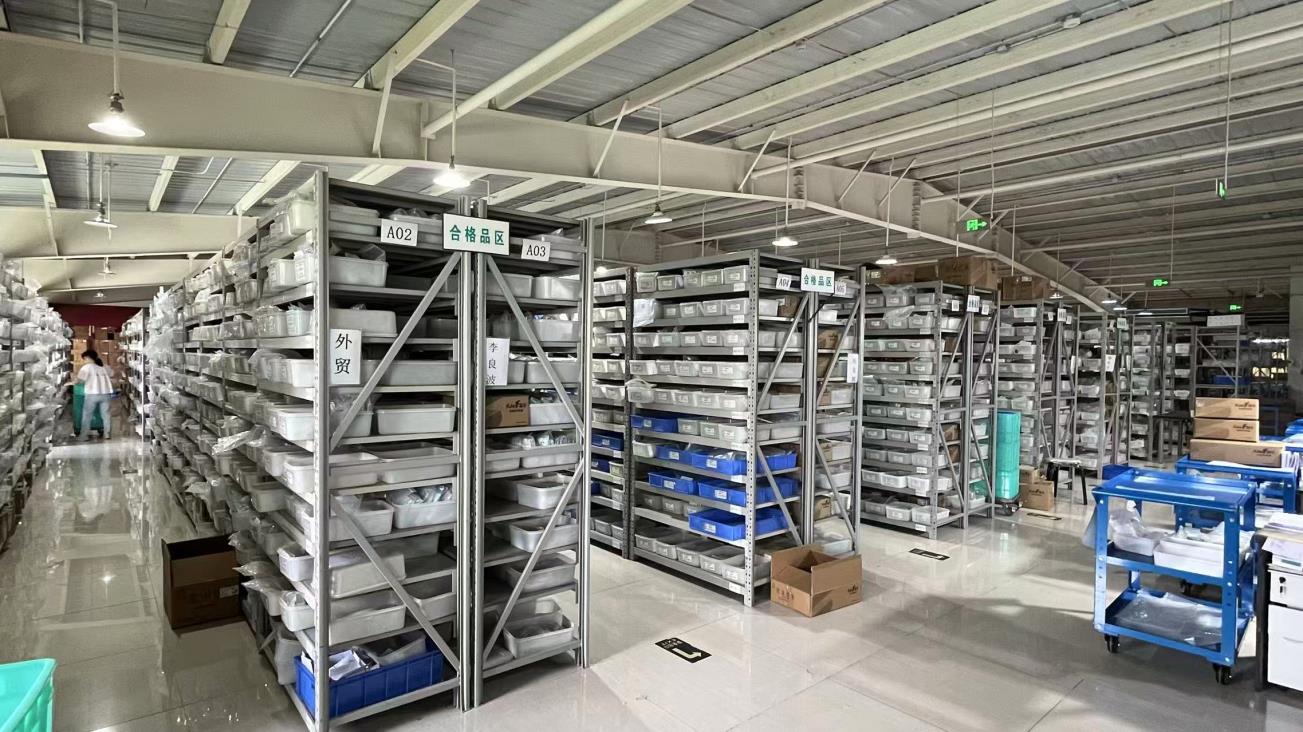
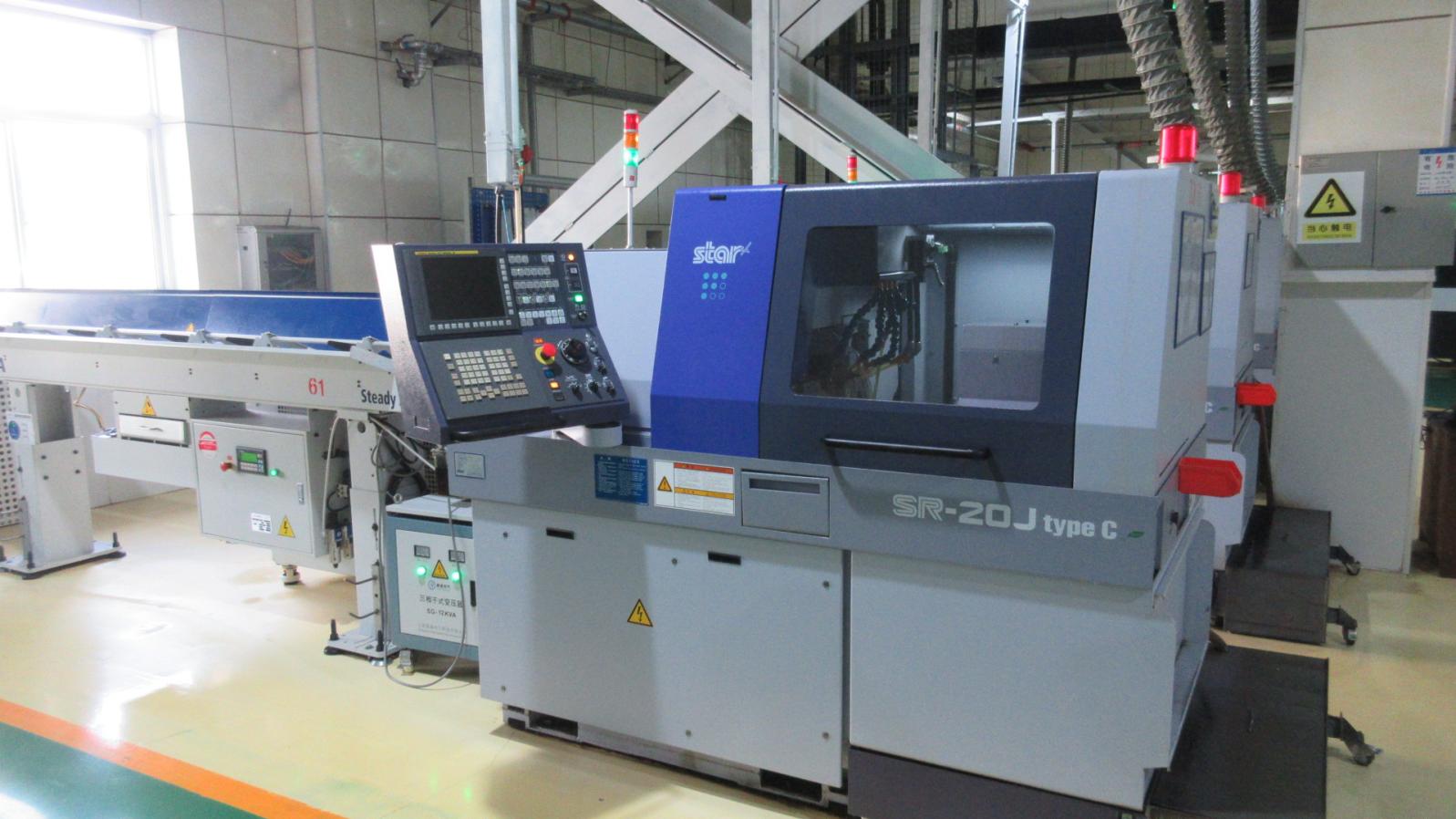
Inside our 10,000㎡ modern manufacturing site, advanced production machinery operates under rigorous quality management controls. Preview our facility configurations below:


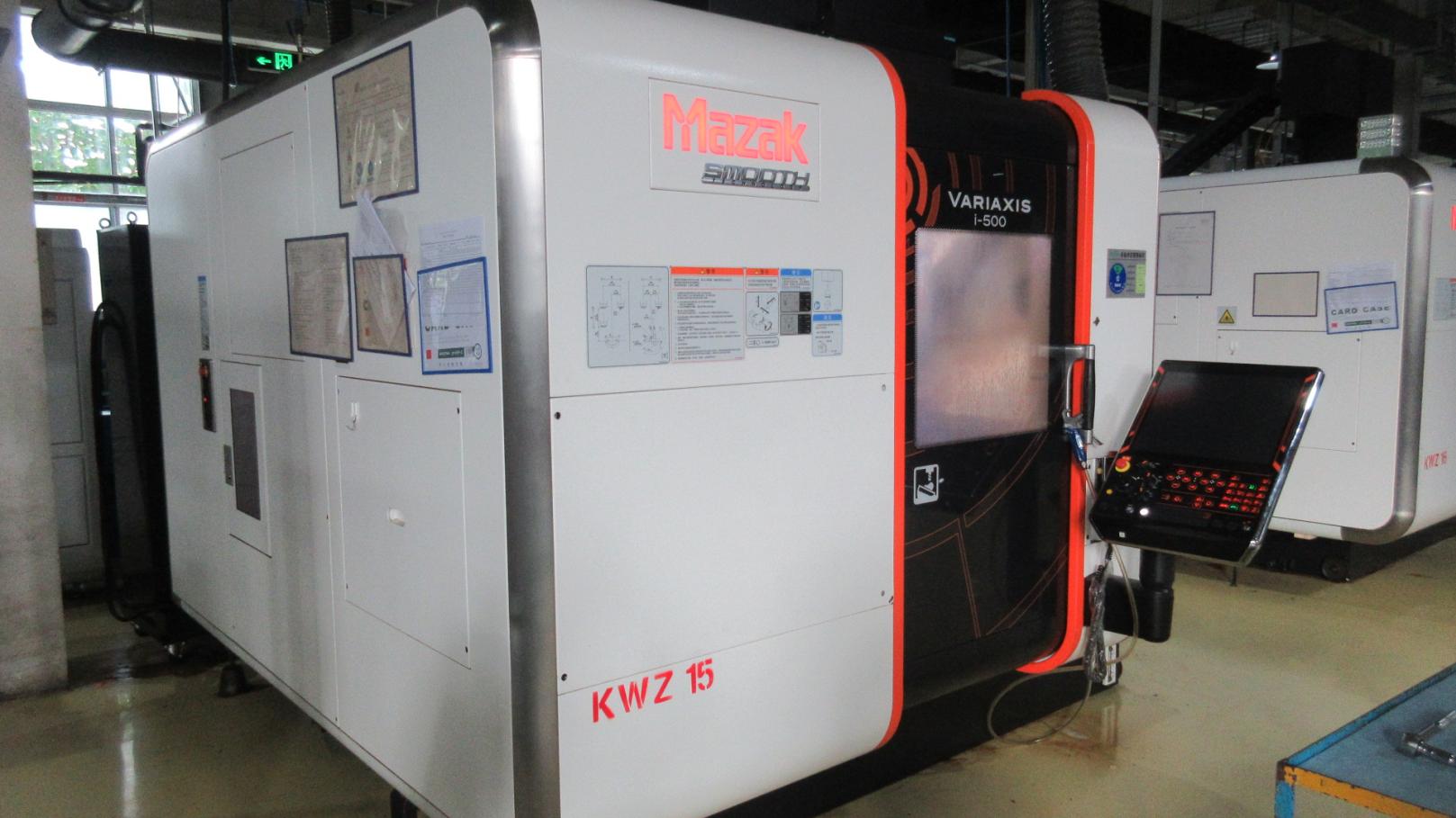
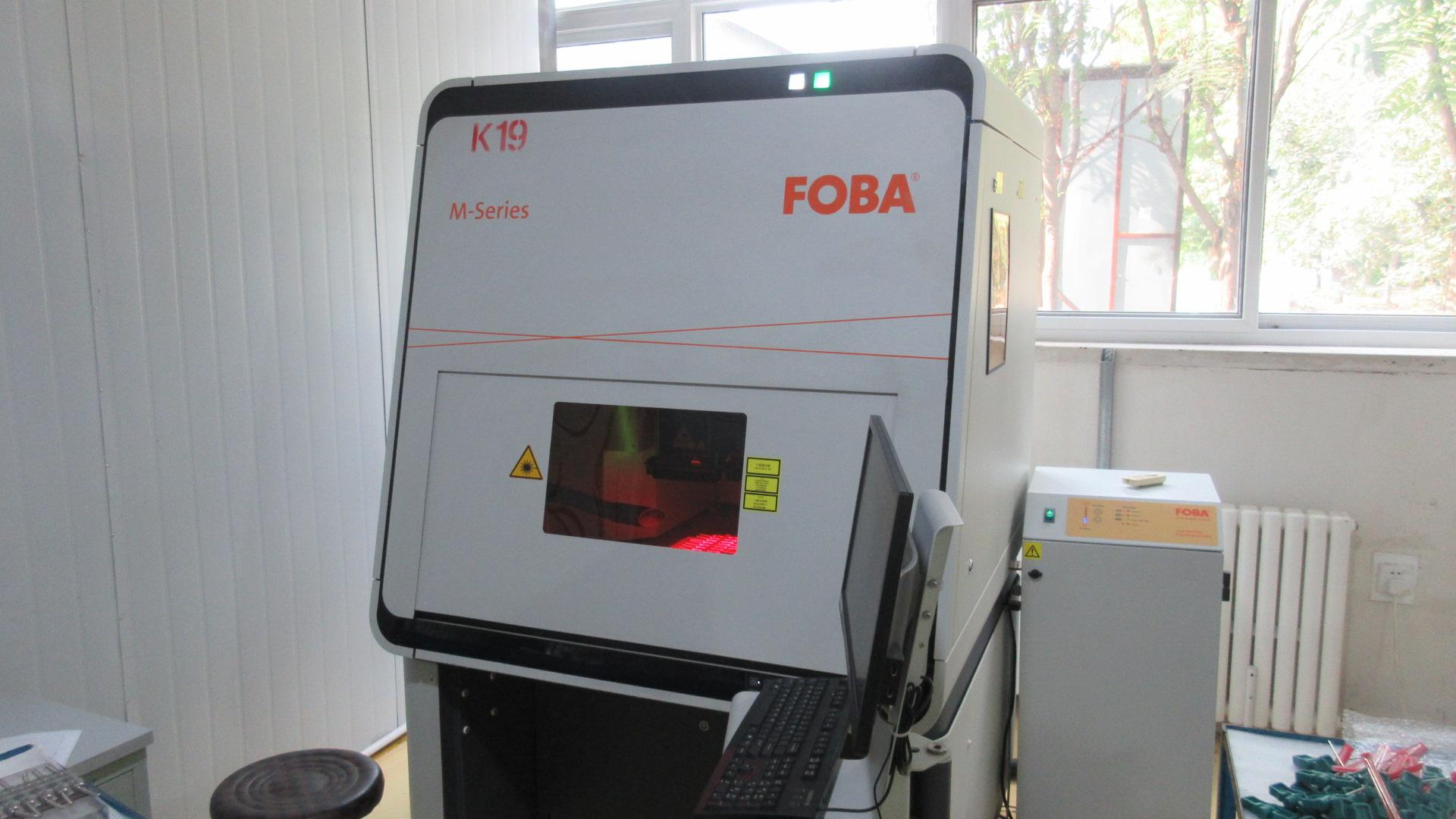
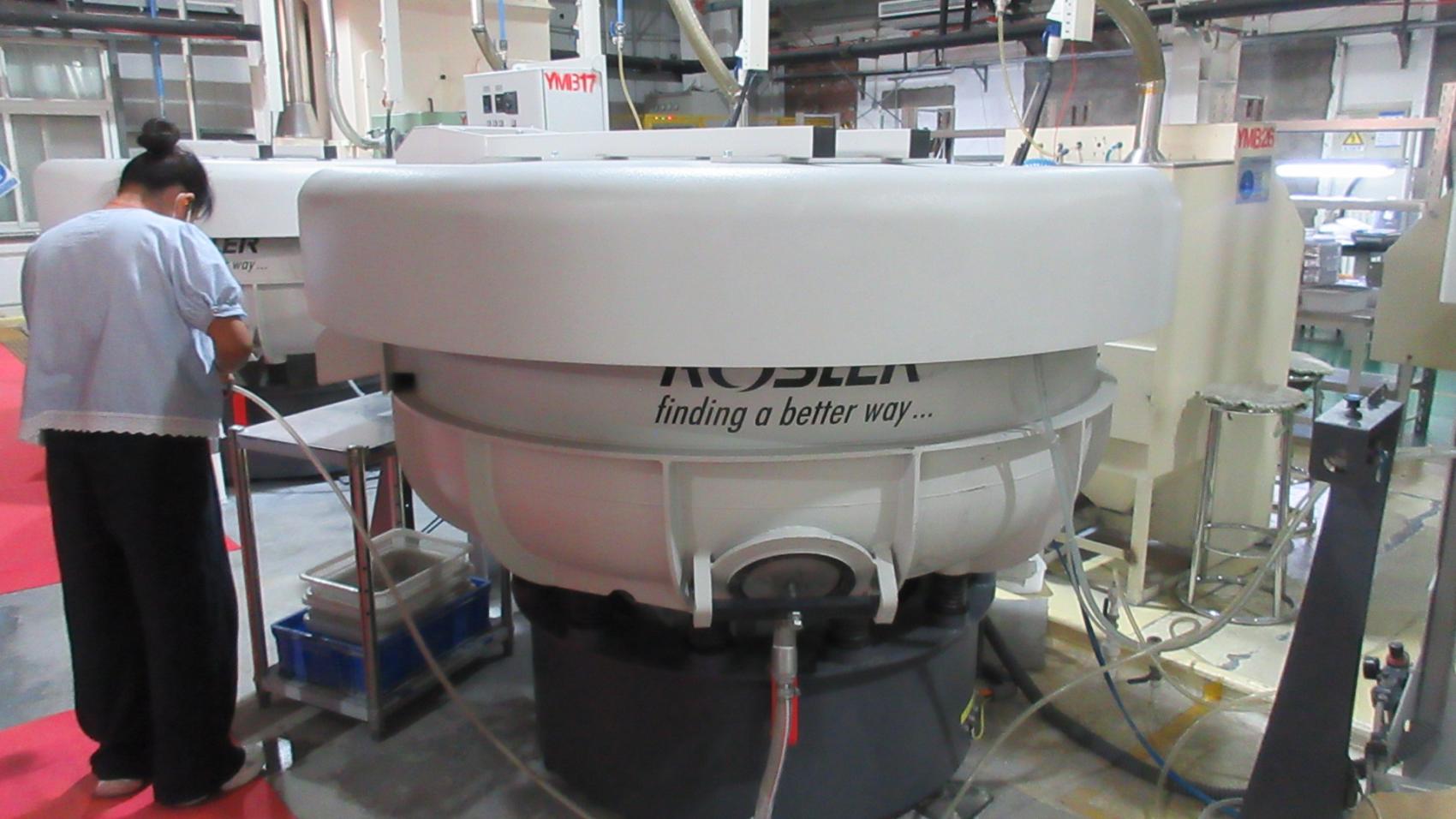
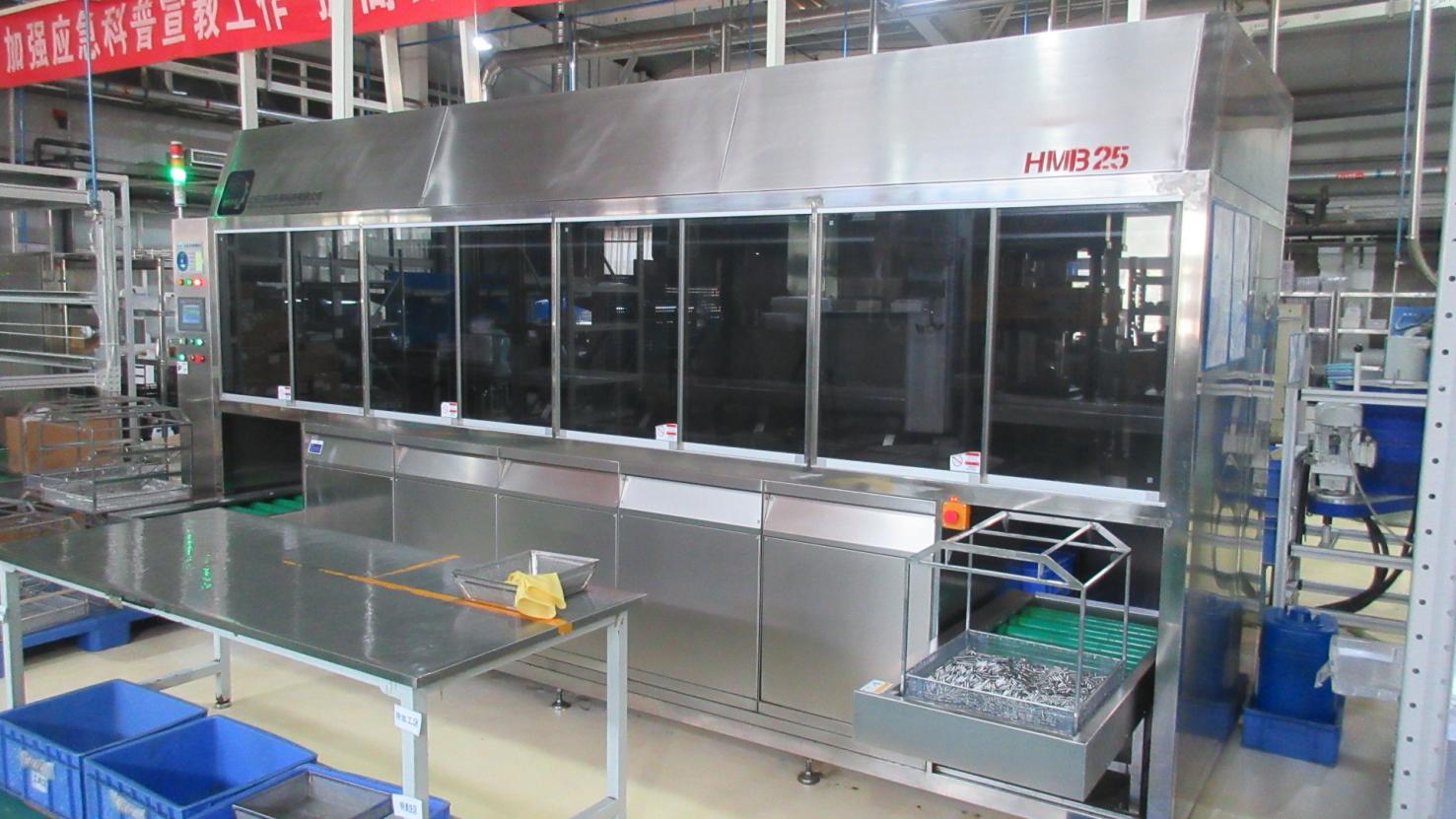
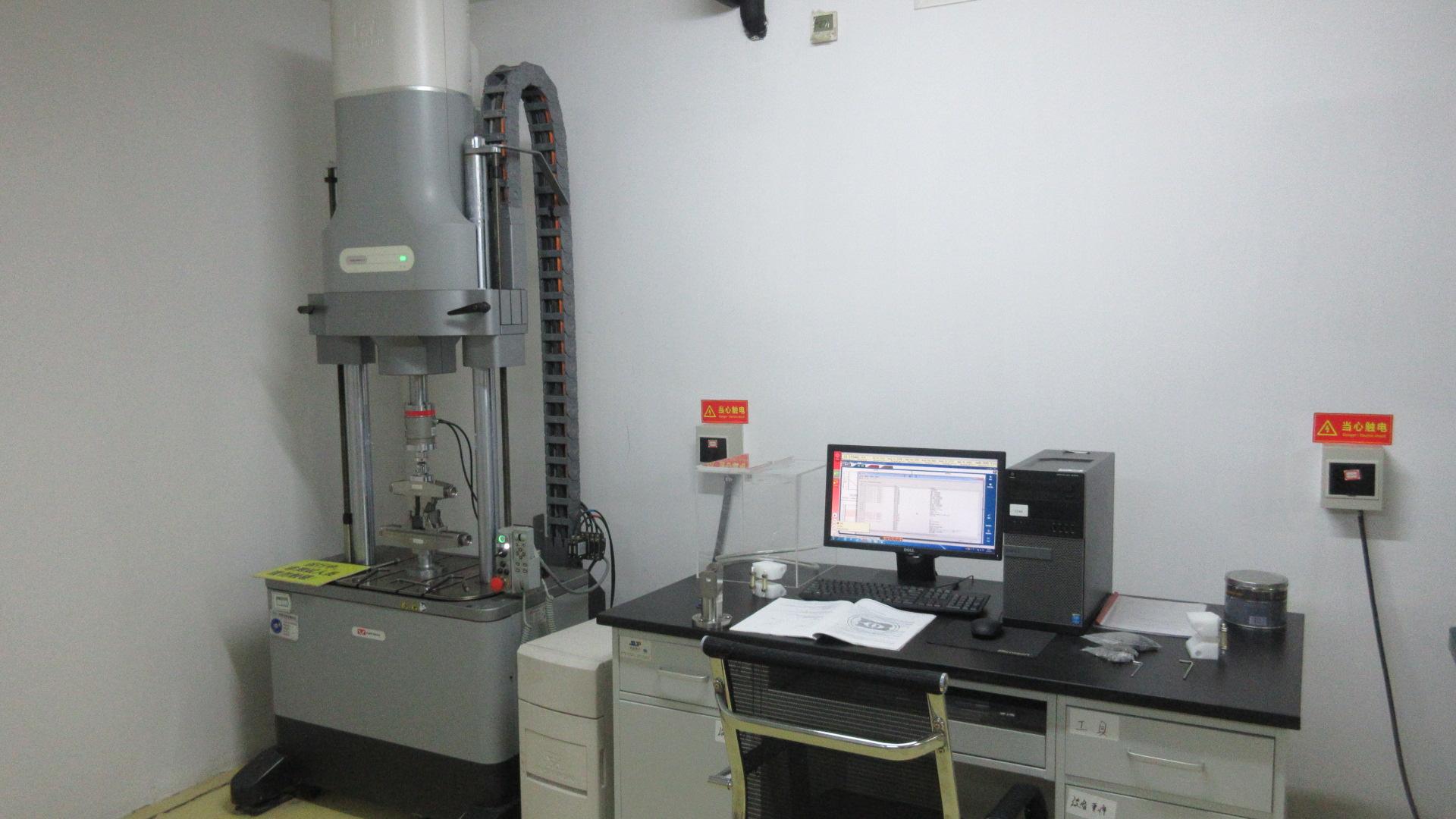
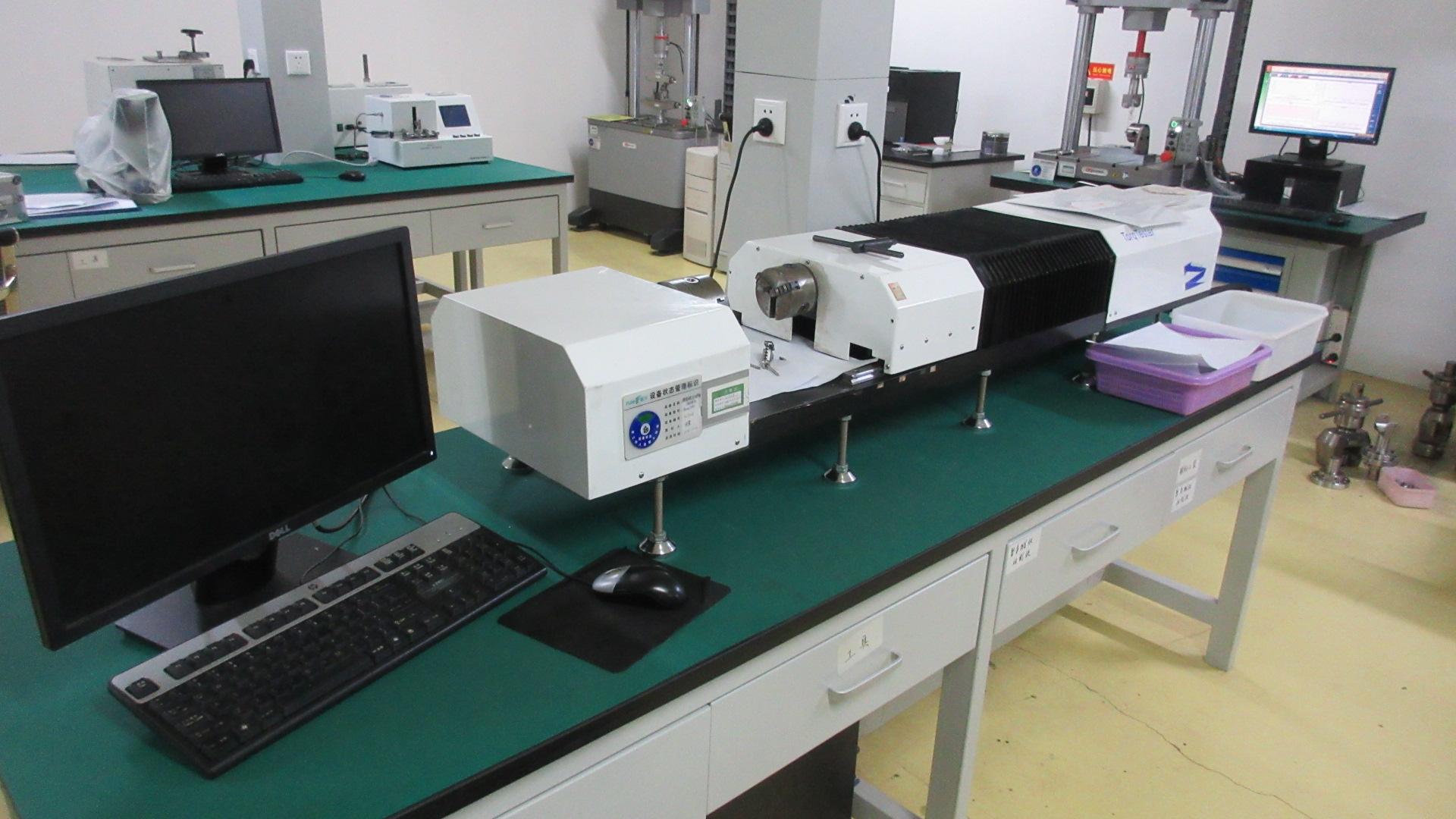
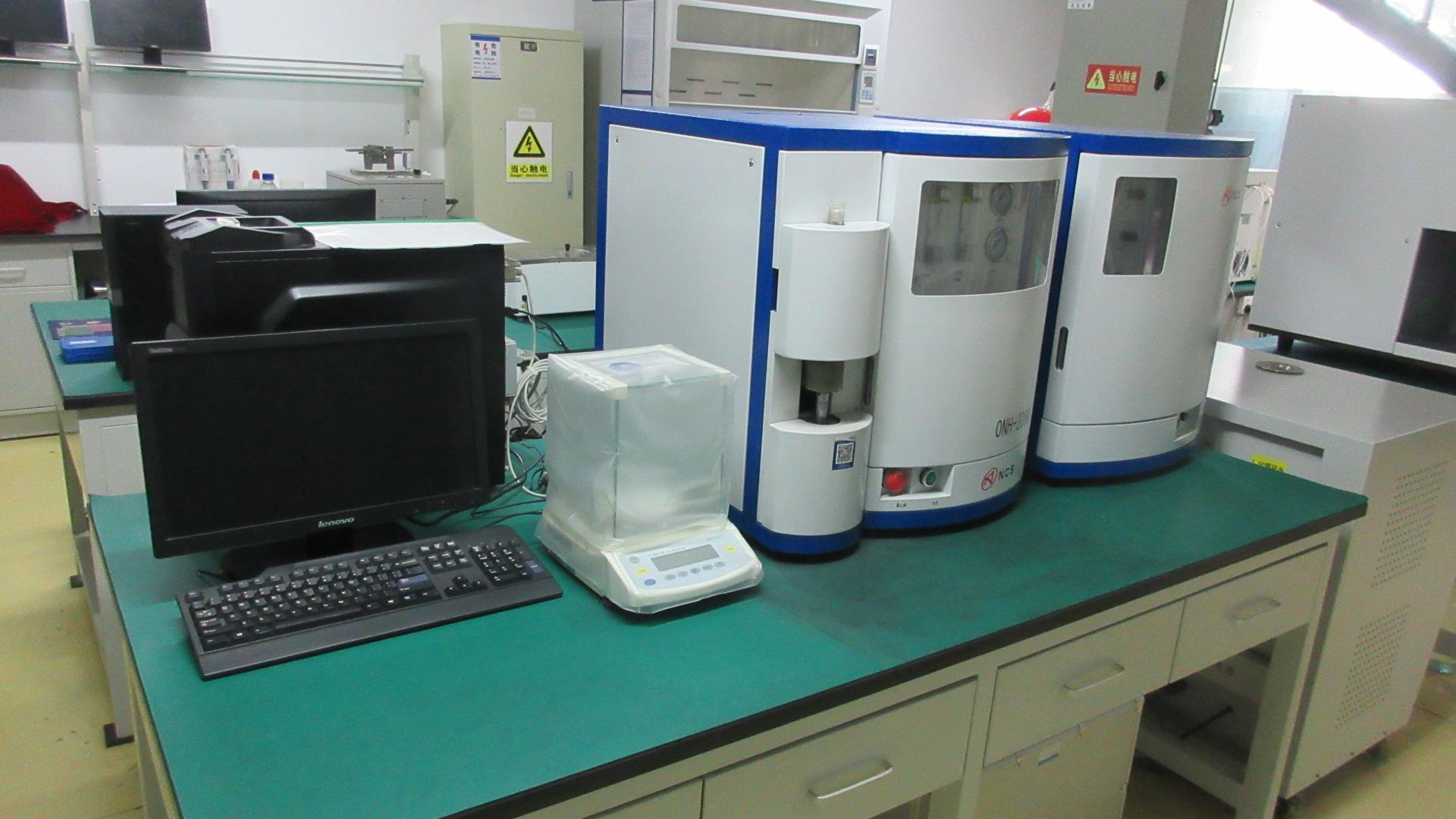
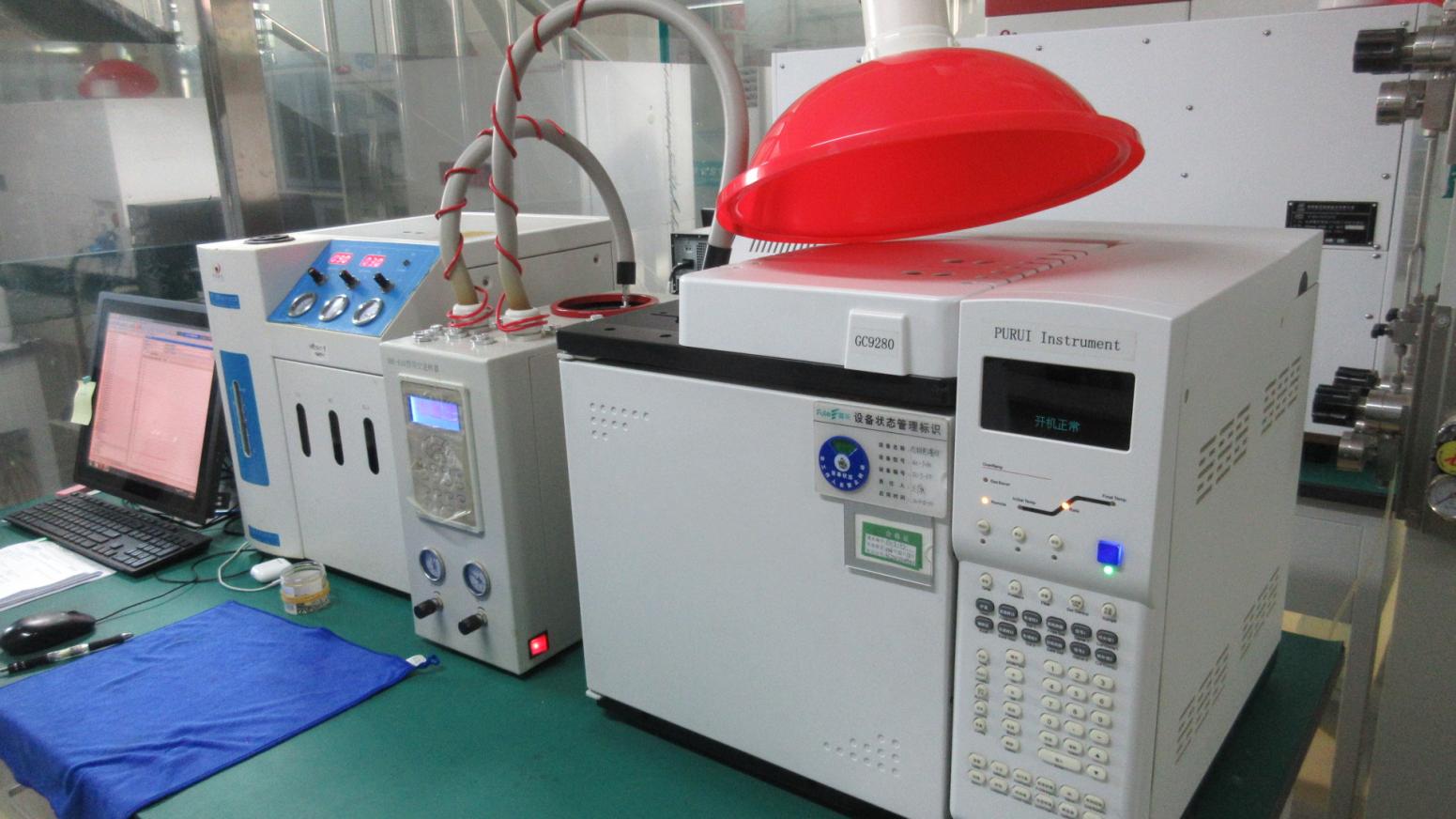

Choose from our secondary catalogue of spine fixation instruments, trauma screws, and lumbar cages, engineered for comprehensive surgical stability.
 Beren Science & Technology