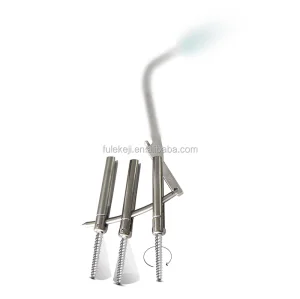
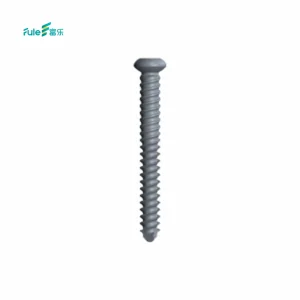
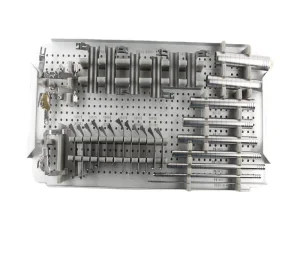
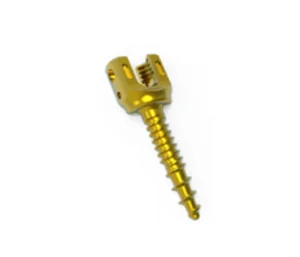
Explore our precision manufacturing line of CE/ISO certified spinal implants, decompression systems, and osteosynthesis solutions.
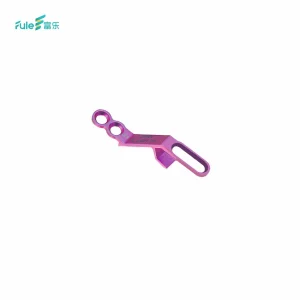
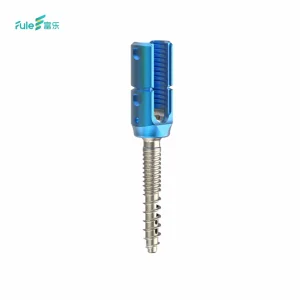
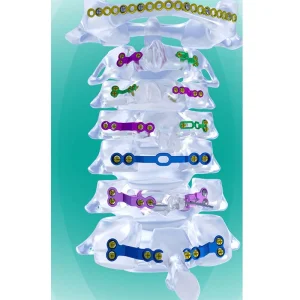
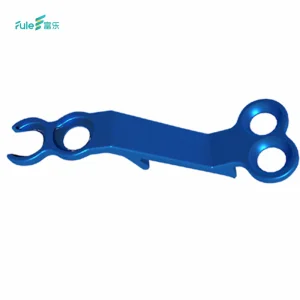
The global orthopedic devices market is undergoing a seismic transition driven by two primary forces: the rapidly aging global population and the surgical demand for minimally invasive procedures. Historically, orthopedic interventions relied heavily on manual tools. However, modern clinical environments demand smart, powered instruments and modular implants that reduce operative times, eliminate mechanical errors, and accelerate patient recovery. The convergence of active electronics, high-grade medical metallurgy (such as Titanium-6Aluminum-4Vanadium ELI and medical-grade PEEK), and computer-assisted robotic navigation has elevated the expectations of surgical teams worldwide.
In high-income clinical settings, hospitals are increasingly moving away from pure commodity procurement and prioritizing partners that provide integrated implant-instrument systems. High-precision electric orthopedic tools—such as reciprocating saws, high-speed drills, and active spinal decompression kits—now require seamless integration with their corresponding fixation plates, rods, and screws. For procurement heads and global distribution firms, sourcing these assets from unified manufacturers who offer complete OEM/ODM flexibility is the key to maintaining margin health and product compatibility.
Combining advanced PEEK (Polyetheretherketone) polymers and Titanium alloys to balance modulus matching and radiolucency with long-term mechanical stability.
Integrating micro-electric power systems to manage tissue interface thermal control during high-speed bone drilling and surgical reaming.
Reducing hand fatigue for spine and trauma specialists through lightweight, autoclave-compatible active power tools and instrument suites.
The modern medical device manufacturing ecosystem is no longer determined by simple labor arbitrage. Instead, it is governed by technological integration, material science capabilities, and supply chain speed. China’s orthopedic industrial centers have matured into world-class high-precision clusters. In particular, our state-of-the-art facilities bridge the gap between complex engineering requirements and commercially viable large-scale production.
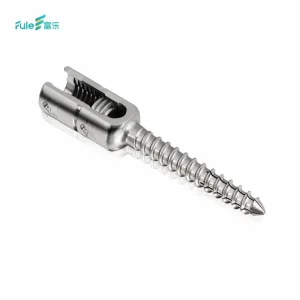
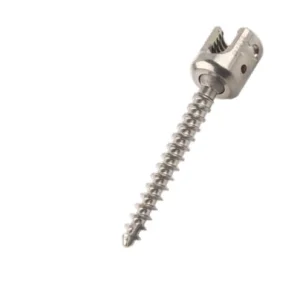
With over 102 advanced high-precision production machines, including multi-axis CNC Swiss lathes, electrical discharge machining (EDM) stations, and automated cleanrooms, we optimize the output of complex geometries like variable-angle pedicle screws and anatomic pelvic reconstruction plates. The integration of domestic sourcing of raw medical titanium with localized heat-treating facilities reduces total lead times by up to 40% compared to Western competitors. Furthermore, the extensive local supply chain partners (numbering 70 audited vendors) ensure consistent component availability even during global supply chain disruptions.
Orthopedic implants and tools operate in the highest-risk category of surgical medicine. Our production systems operate fully within ISO 13485 regulations, under Class III certification structures for implantable spinal systems. Each medical screw, plate, and drill is traceable down to the raw ingot batch, backed by comprehensive chemical analysis, mechanical tension reports, and micro-computed tomography scans to confirm structural integrity.
| Operational Parameters | Technical Standards & Factory Benchmarks |
|---|---|
| Quality Certification Status | ISO13485 certified system with Class III certification structures. (Cert. 04724Q10000818) |
| Traceability Safeguards | 100% raw material verification; computerized traceability on physical lots and heat lots. |
| Quality Inspectors & Staff | 15 dedicated internal QA/QC inspectors managing a multi-stage testing loop. |
| Product Testing Modality | 100% inspection for finished implants, including fatigue, tolerance, and thread gauge verification. |
| Customization Engineering | 20 dedicated R&D engineers (15 master's level grads, 5 junior college specialists) launching 20+ new products annually. |
| Production Capacity & Output | 511,000 orthopedic implant and instrumentation items produced annually. |
No single hospital or clinical region handles orthopedic medicine identically. Our OEM/ODM portfolio is built around modular, customizable components designed to meet specific local medical protocols and surgical trends:
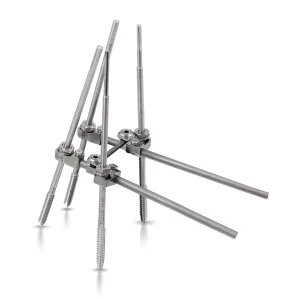
In Western and Eastern European orthopedic trauma centers, procedural velocity and absolute instrument reliability are key metrics. Our posterior trauma screw-rod systems and humeral intramedullary nails are configured with specialized quick-connect threads and universal drivers. This minimizes instrument exchange times and aligns perfectly with regional guidelines for speed of osteosynthesis.
Hospitals across developing Southeast Asian markets often face significant financial constraints and require highly durable, reusable surgical instruments alongside cost-effective titanium implants. Our comprehensive MIS (Minimally Invasive Surgery) instrumentation lines offer high autoclaving tolerance (up to 1,000 sterilization cycles) and the safety margins of Class III CE-certified materials. This provides regional healthcare systems with high clinical efficacy at a manageable cost.
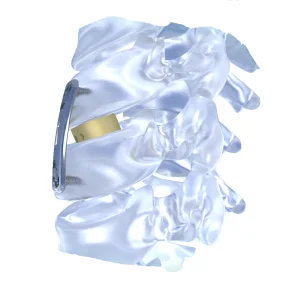
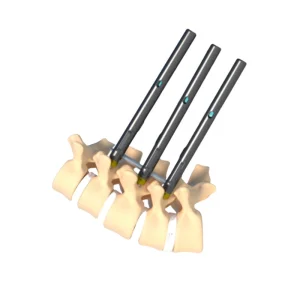
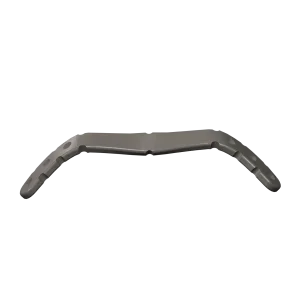
For private practices and highly specialized spine care centers, surgical accuracy is non-negotiable. Our cervical laminoplasty open-door plates and expandable polyaxial screws are engineered to integrate with intraoperative surgical navigation. This design ensures that every micro-adjustment is precisely calibrated for spinal decompression surgeries.
Inside our state-of-the-art facility: ISO 13485 cleanrooms, robotic machining lines, and rigorous inspection areas.
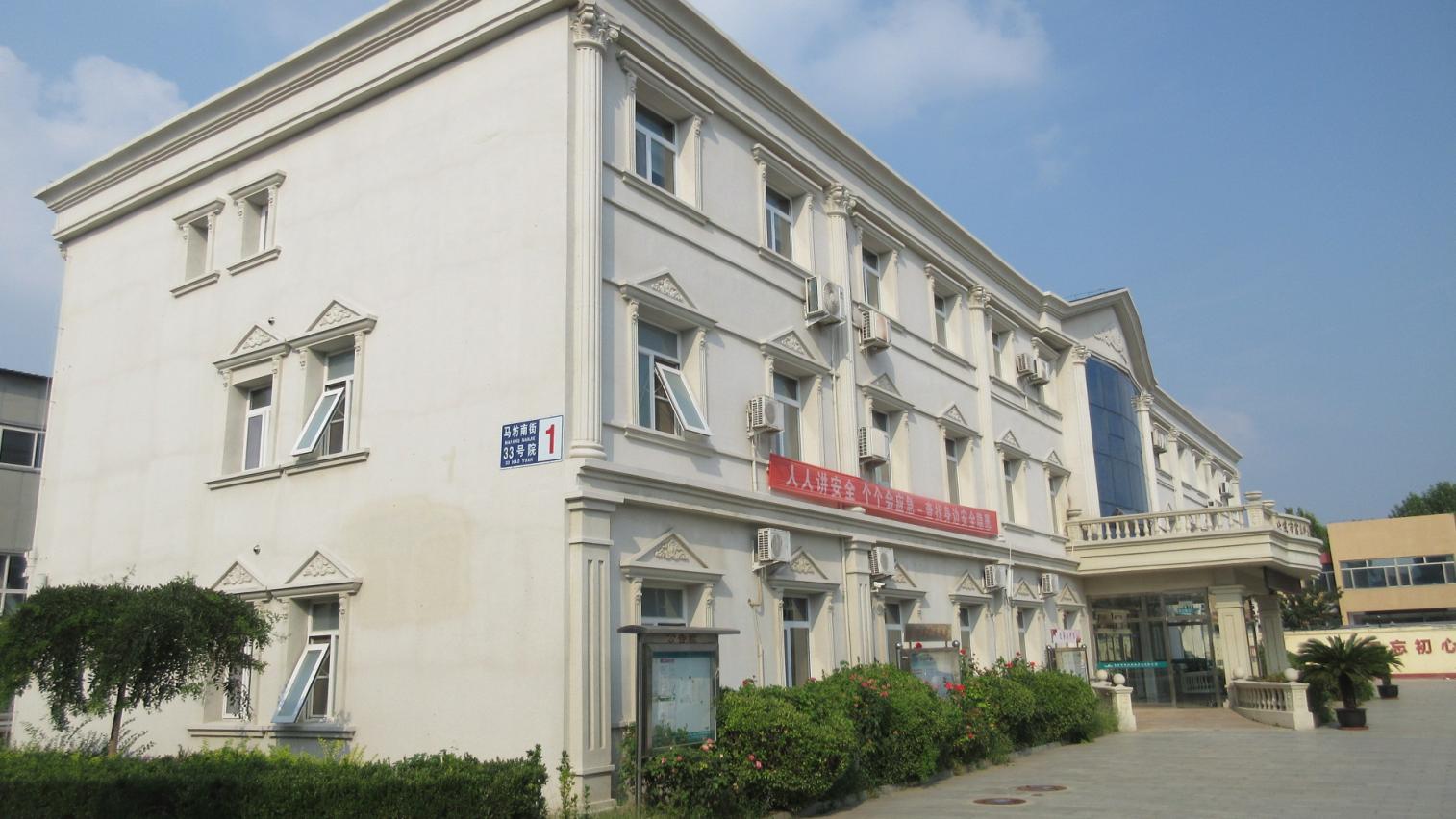
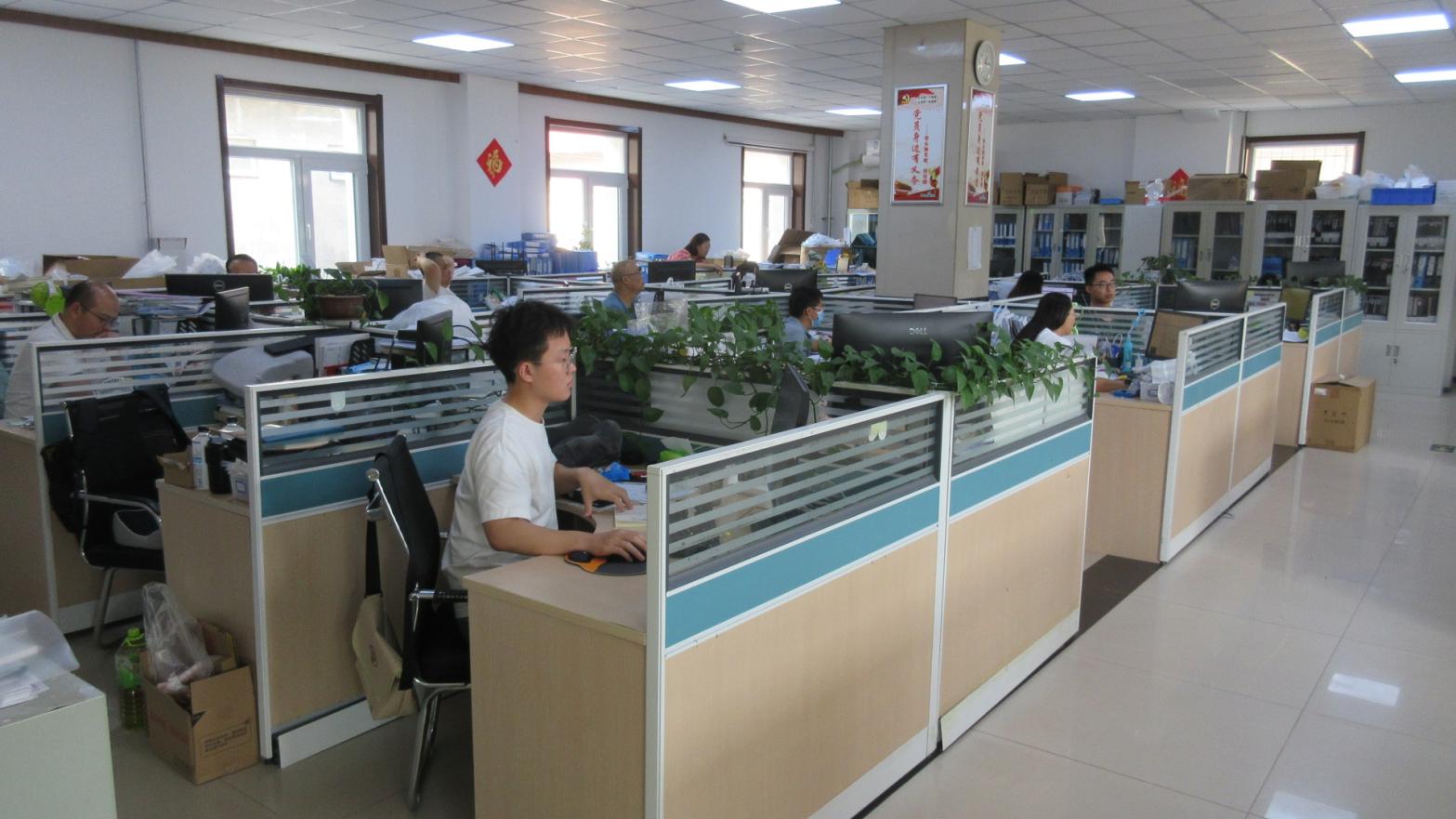
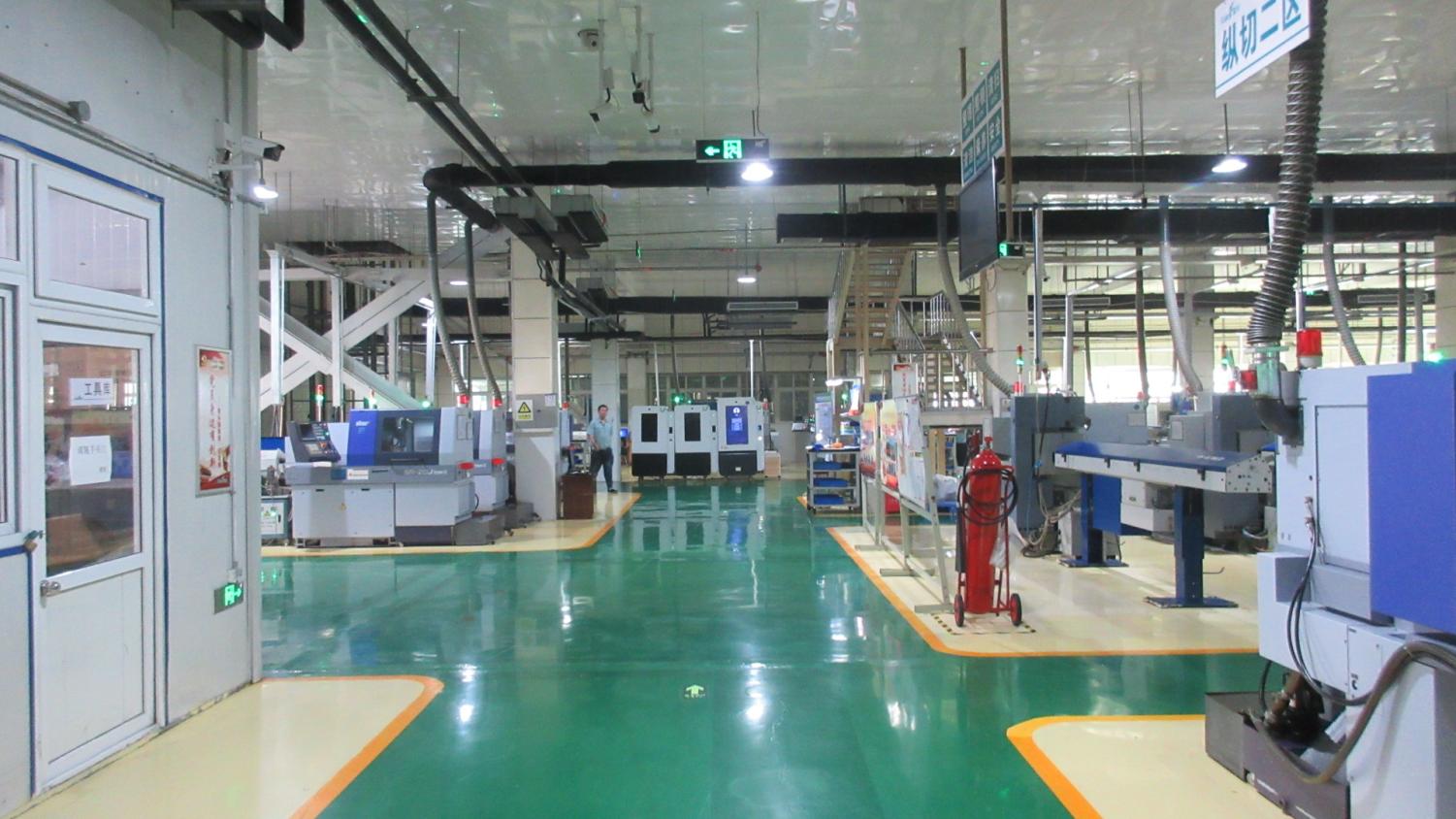
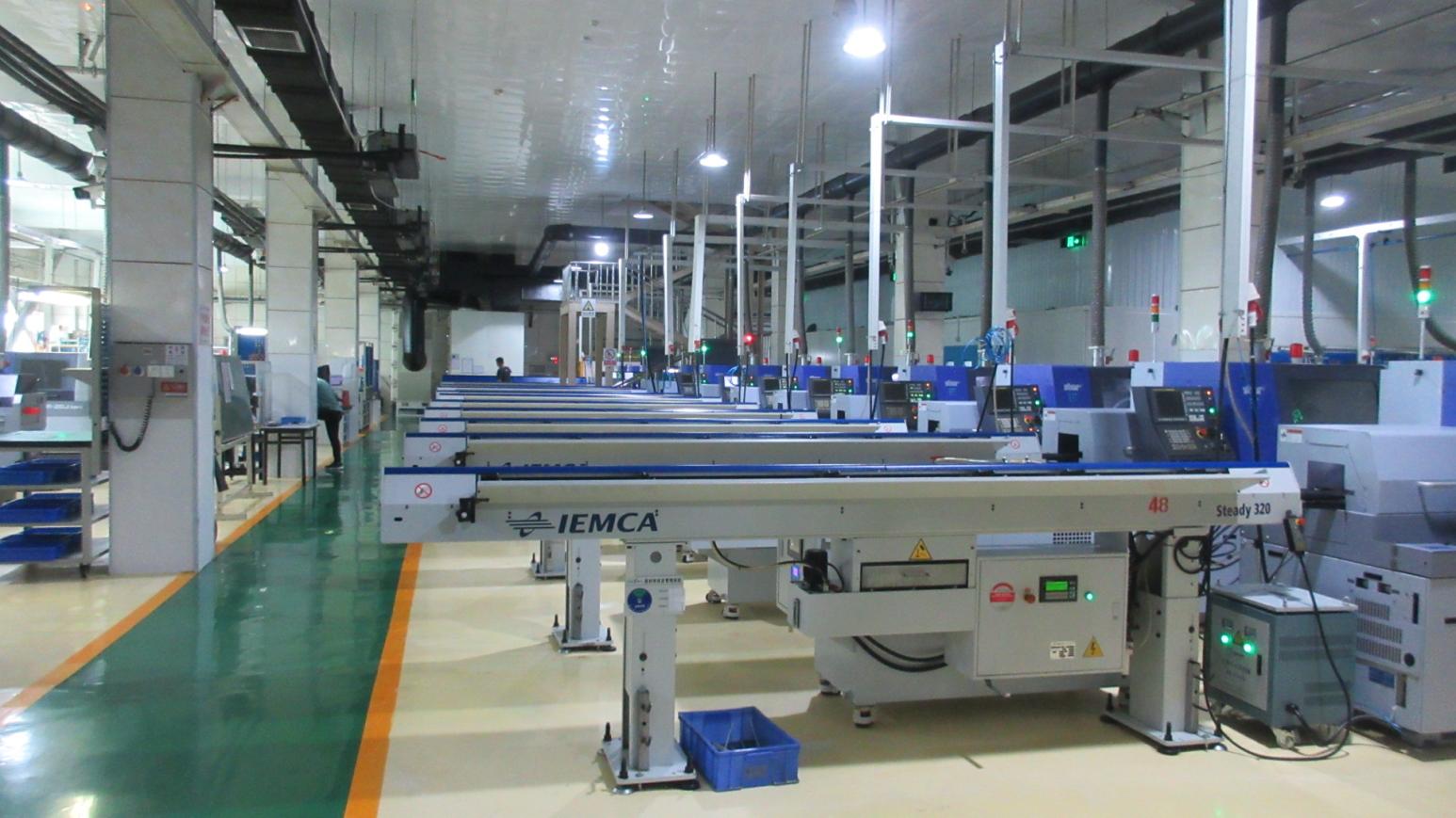
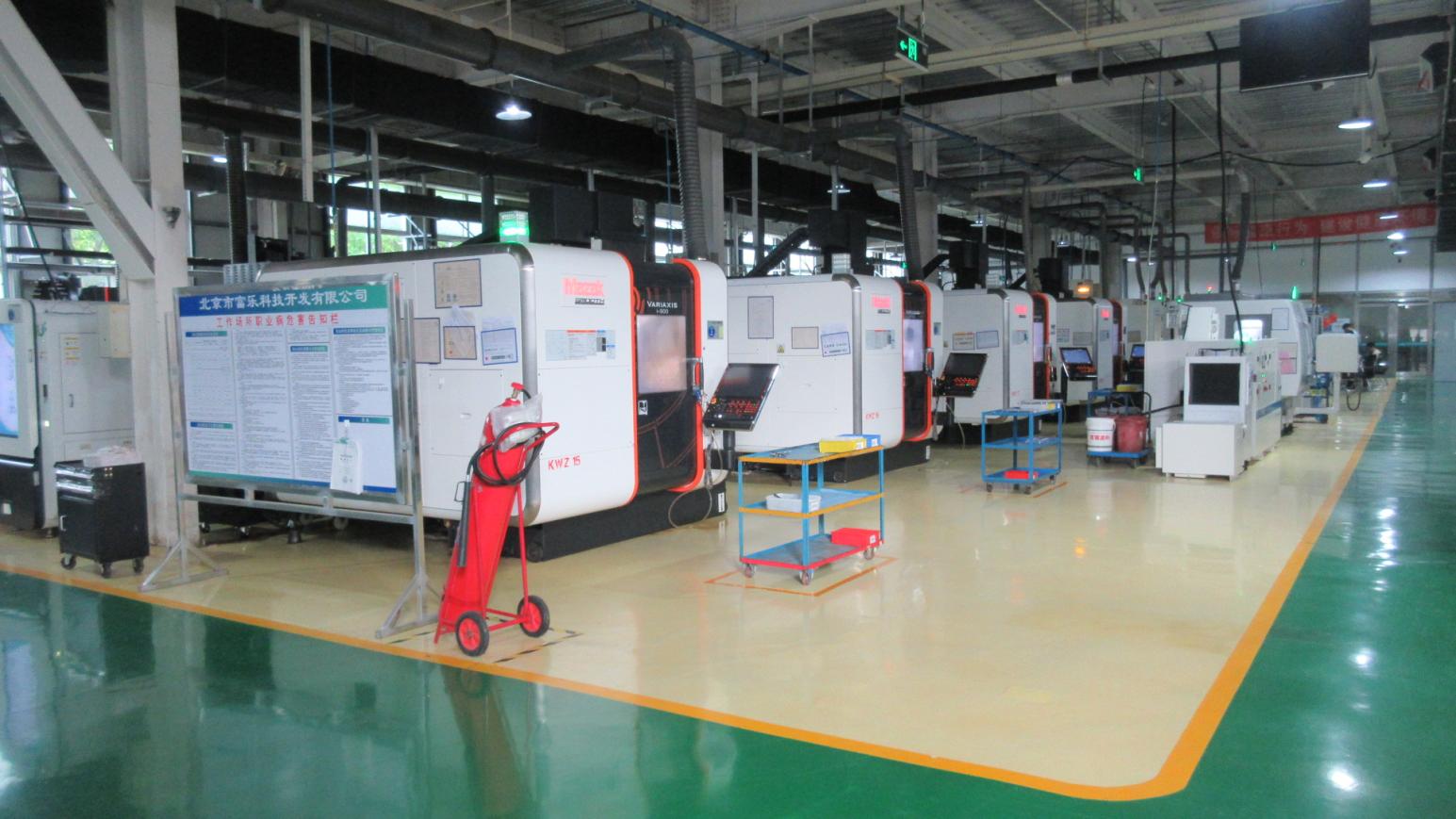
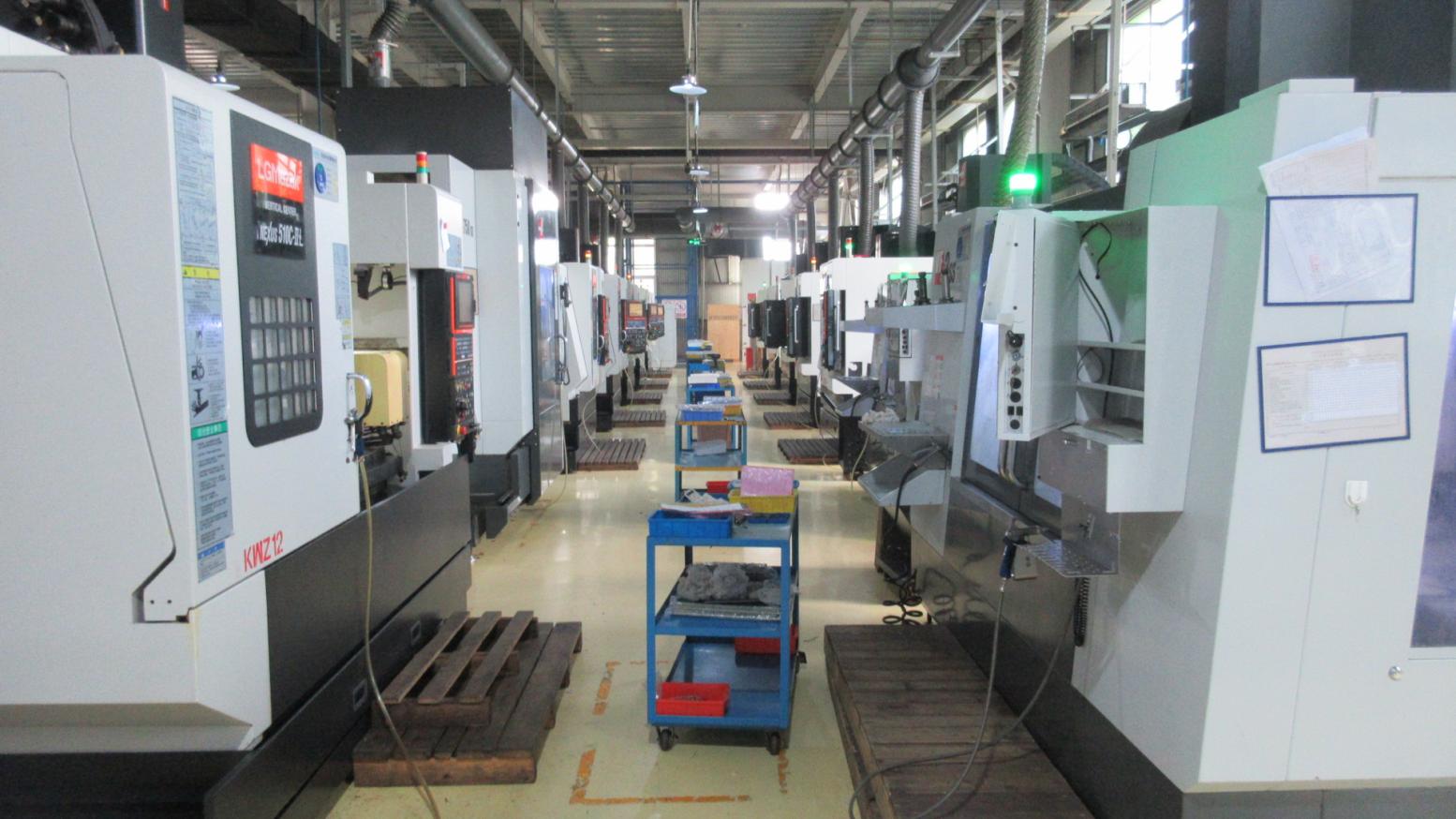
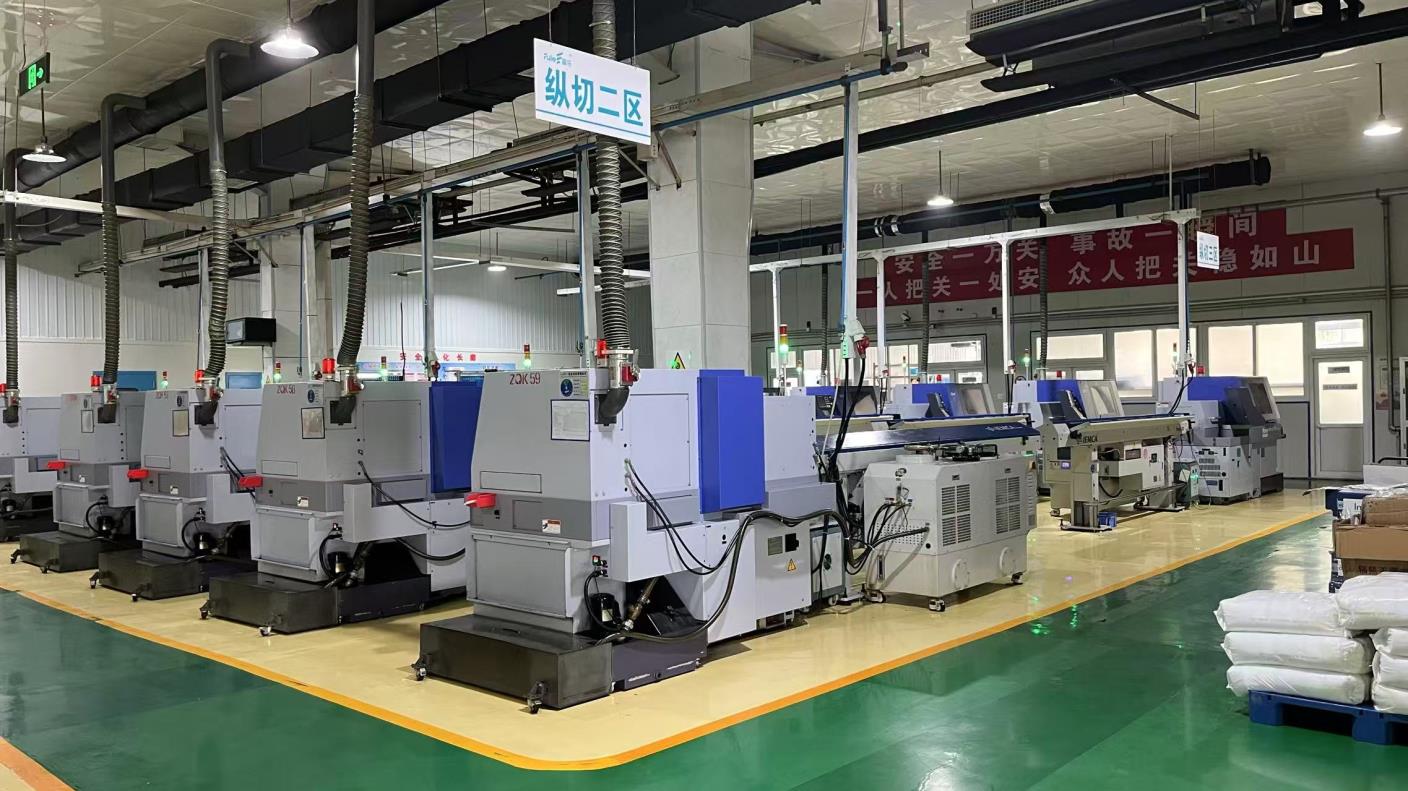
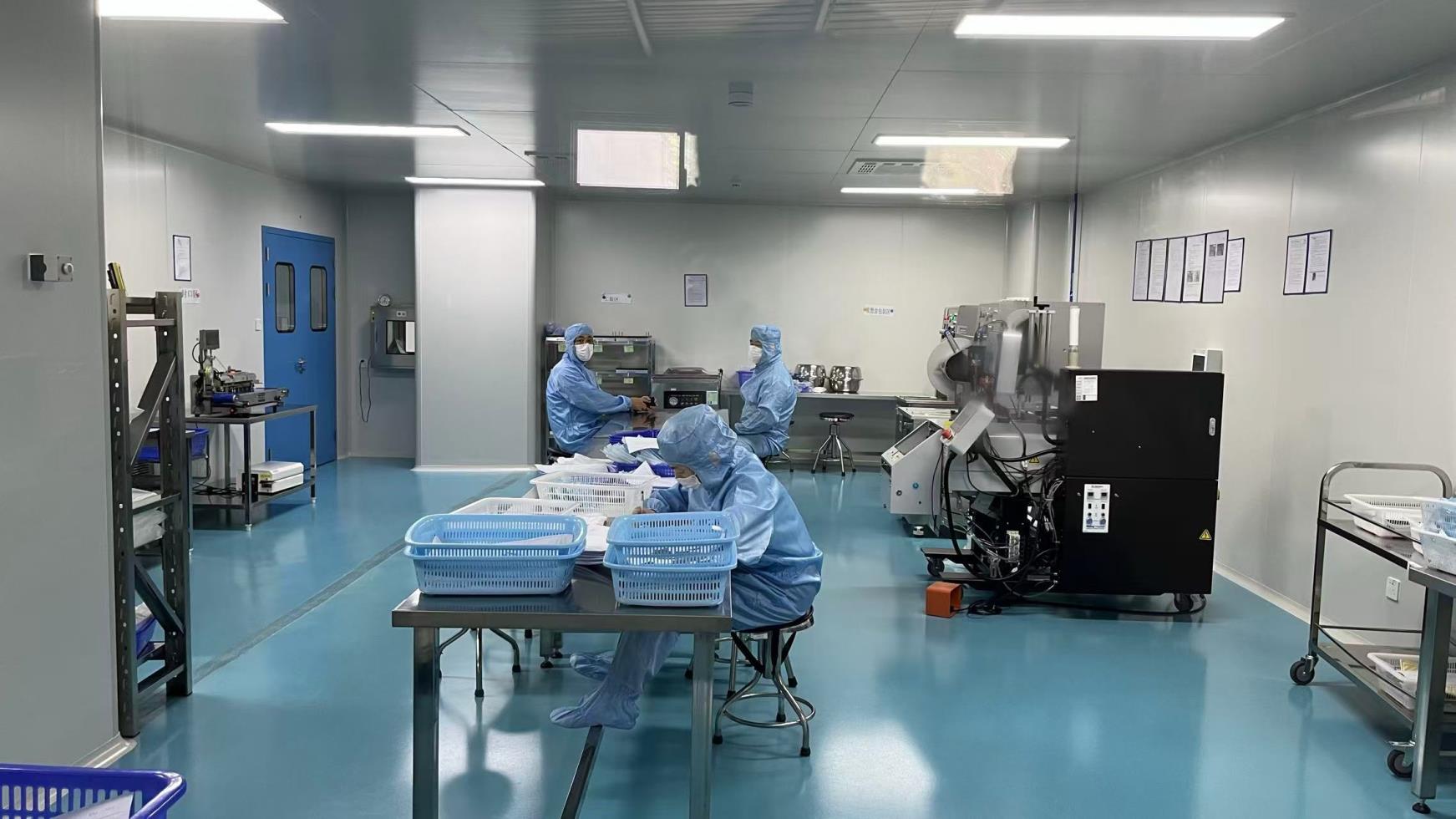
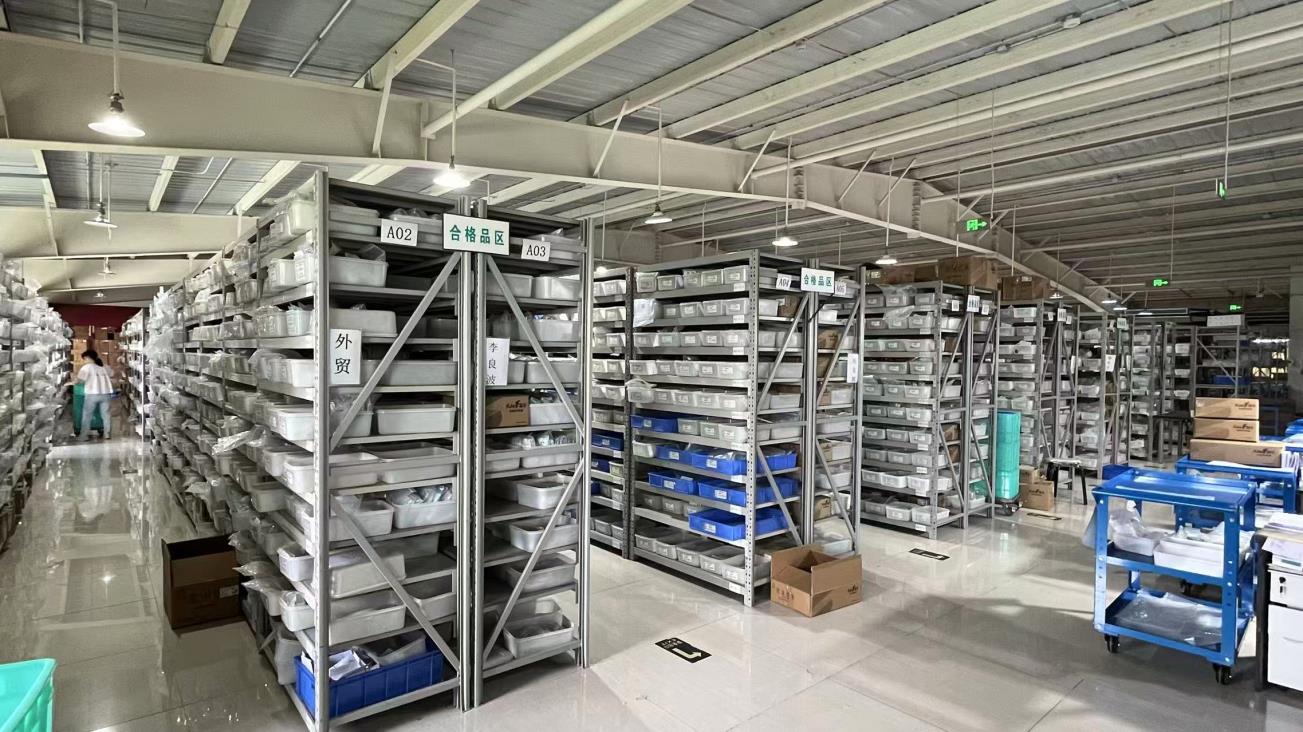
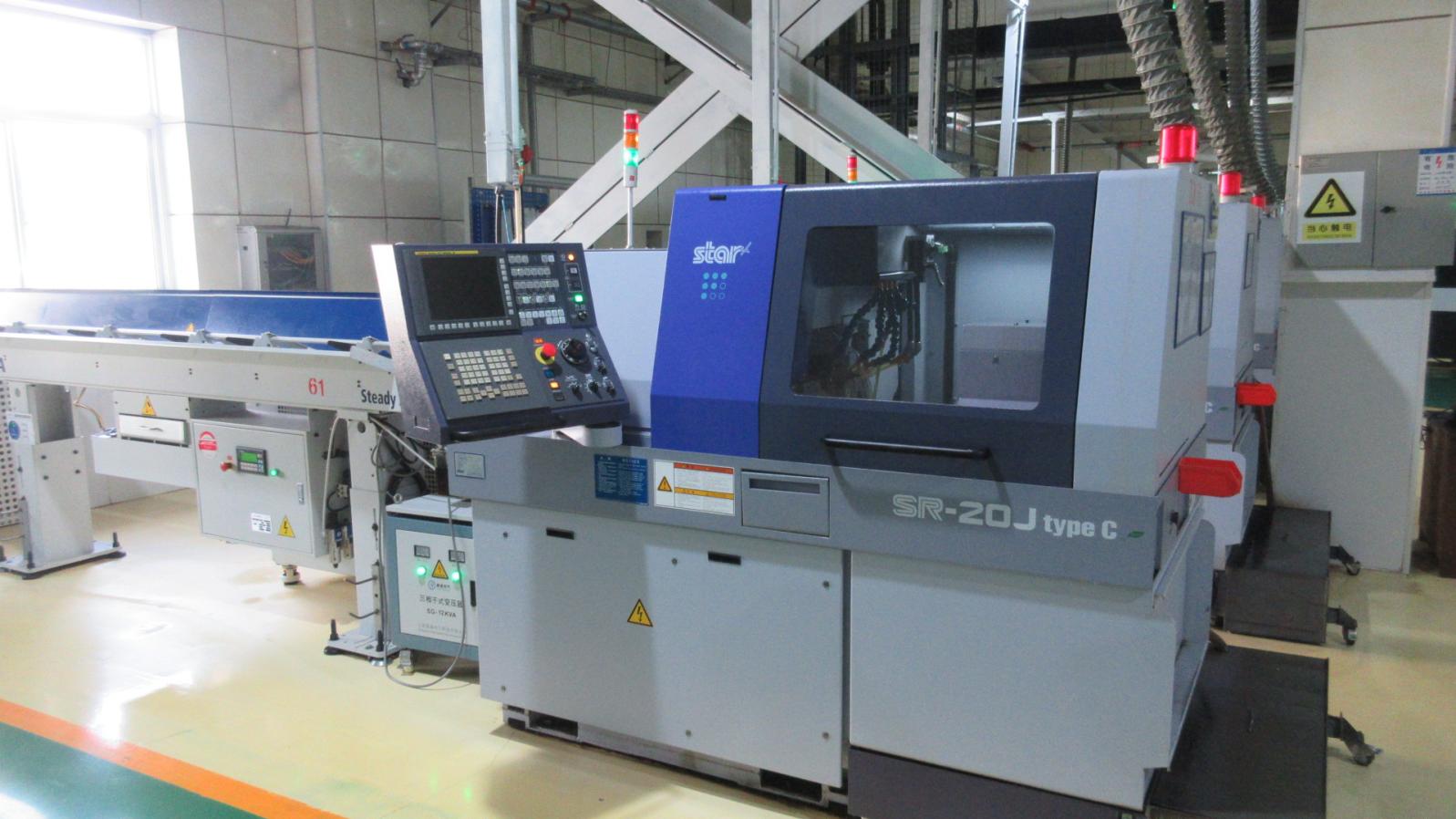
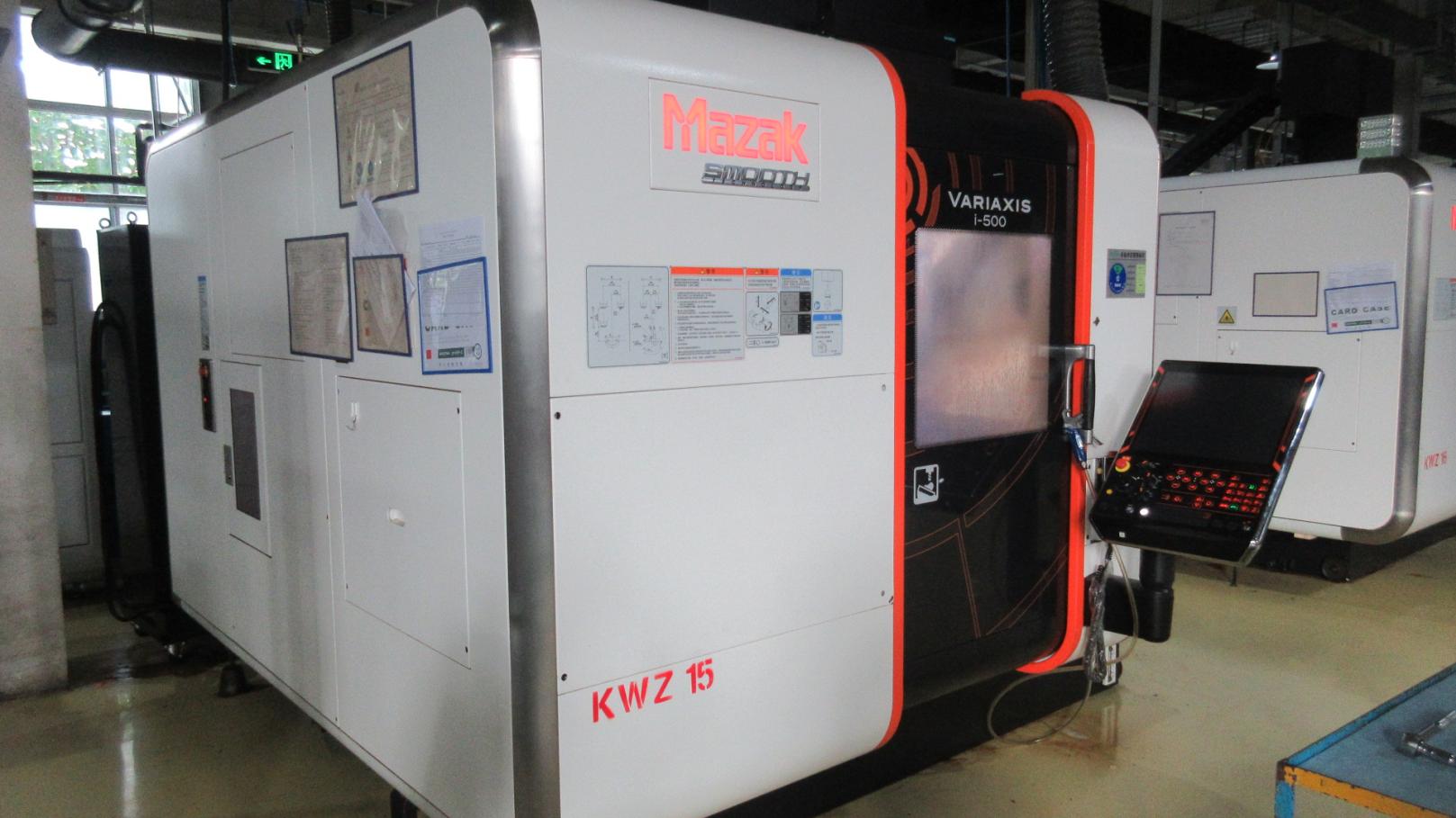
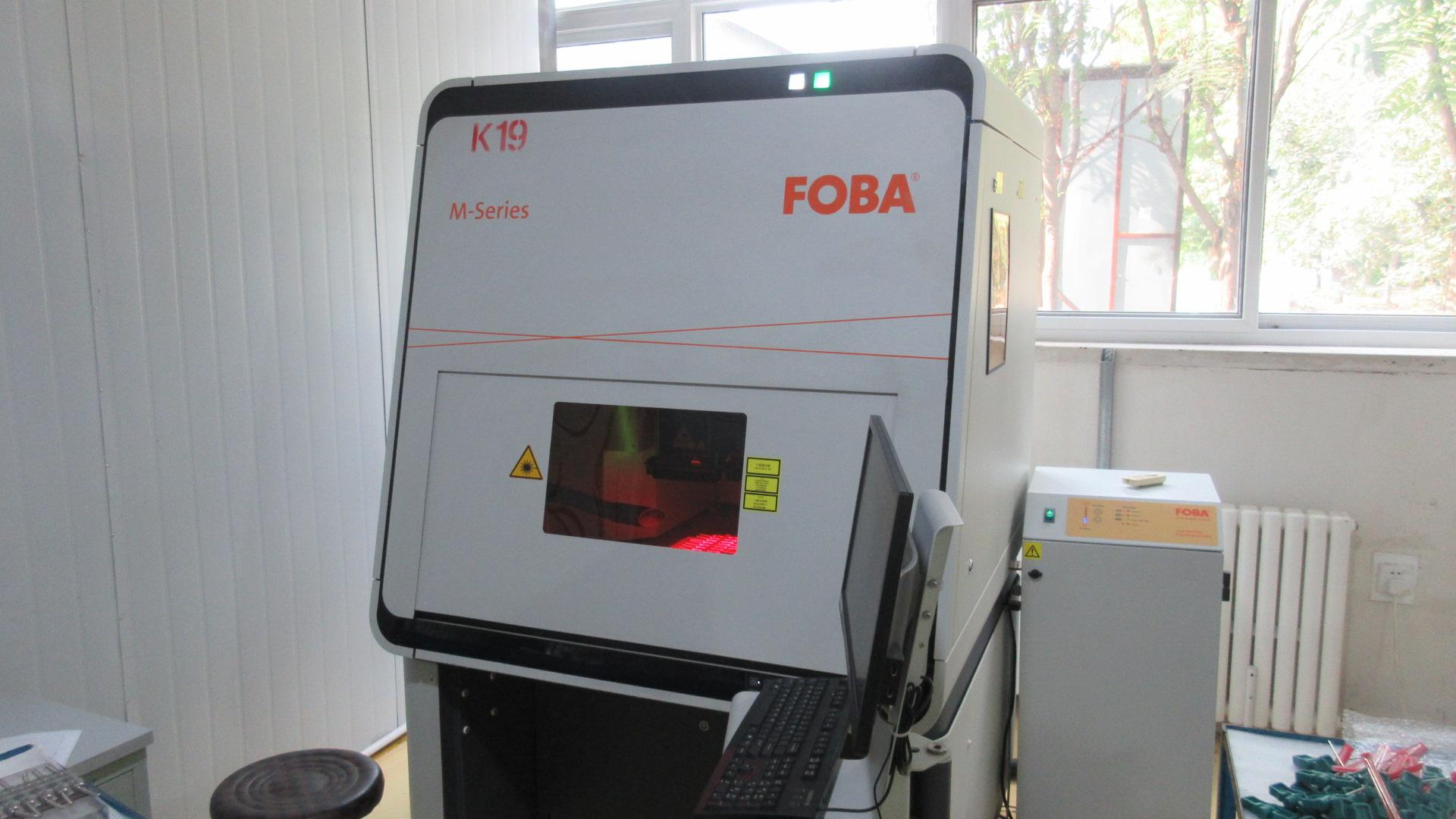
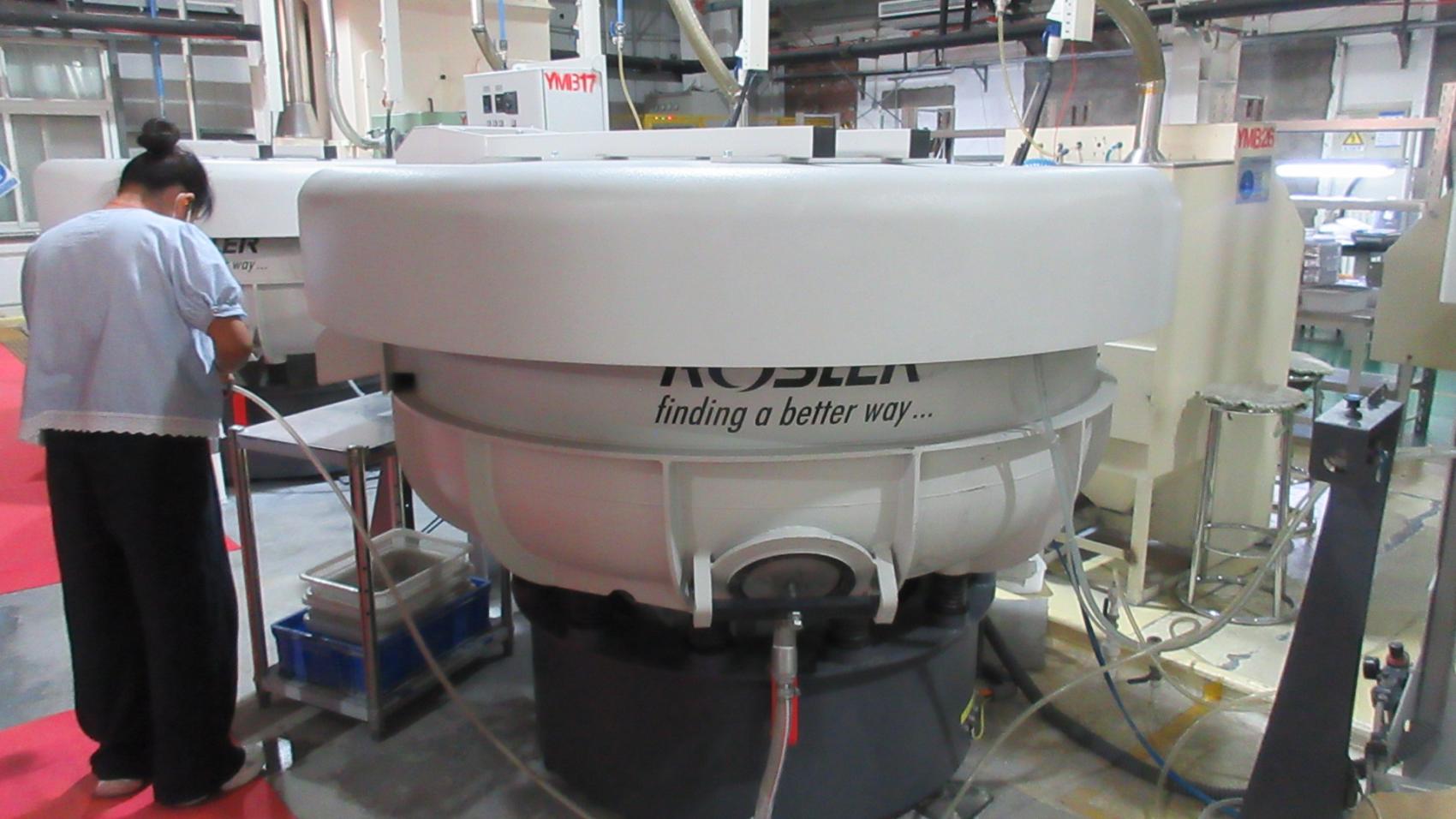
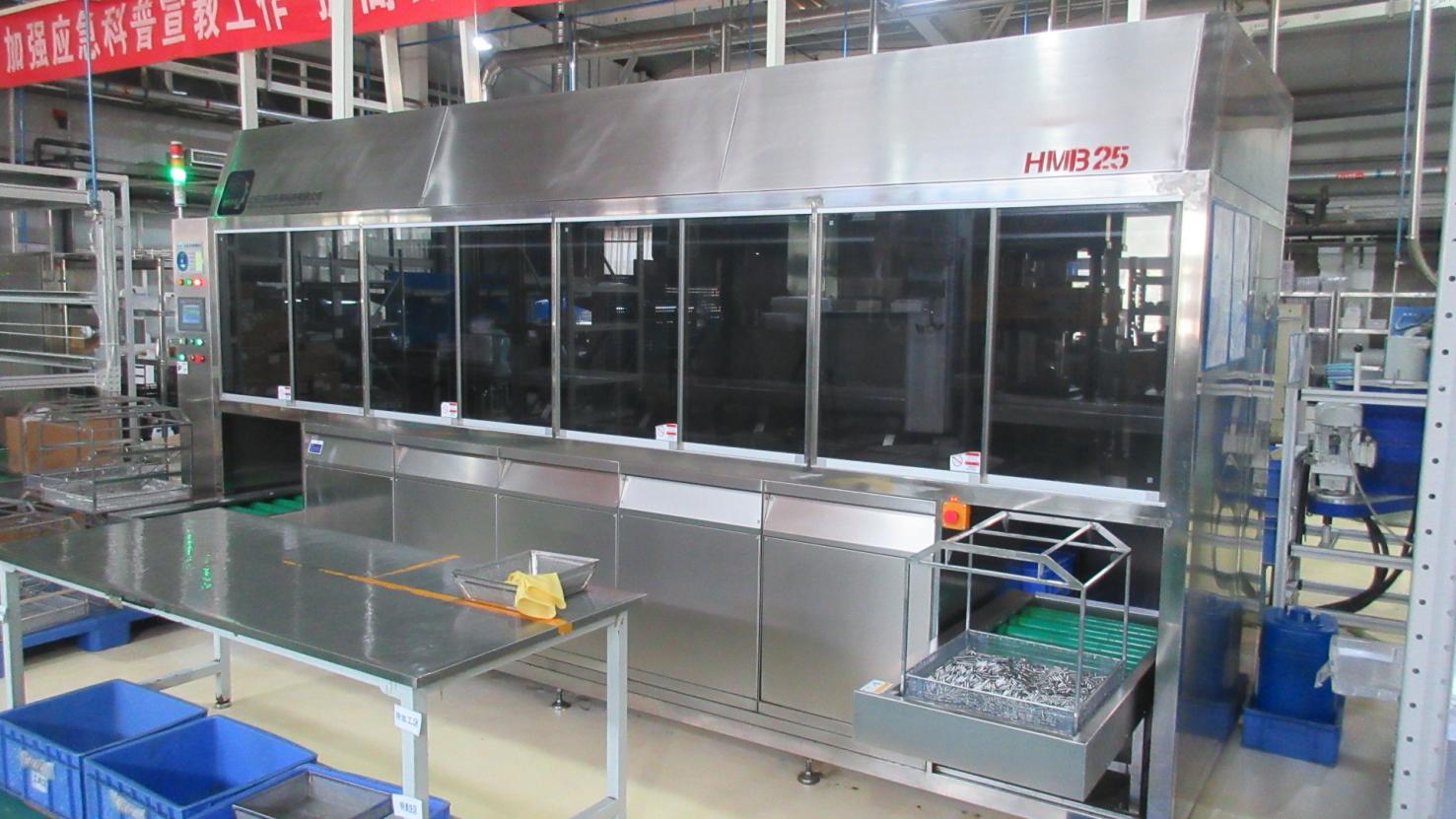
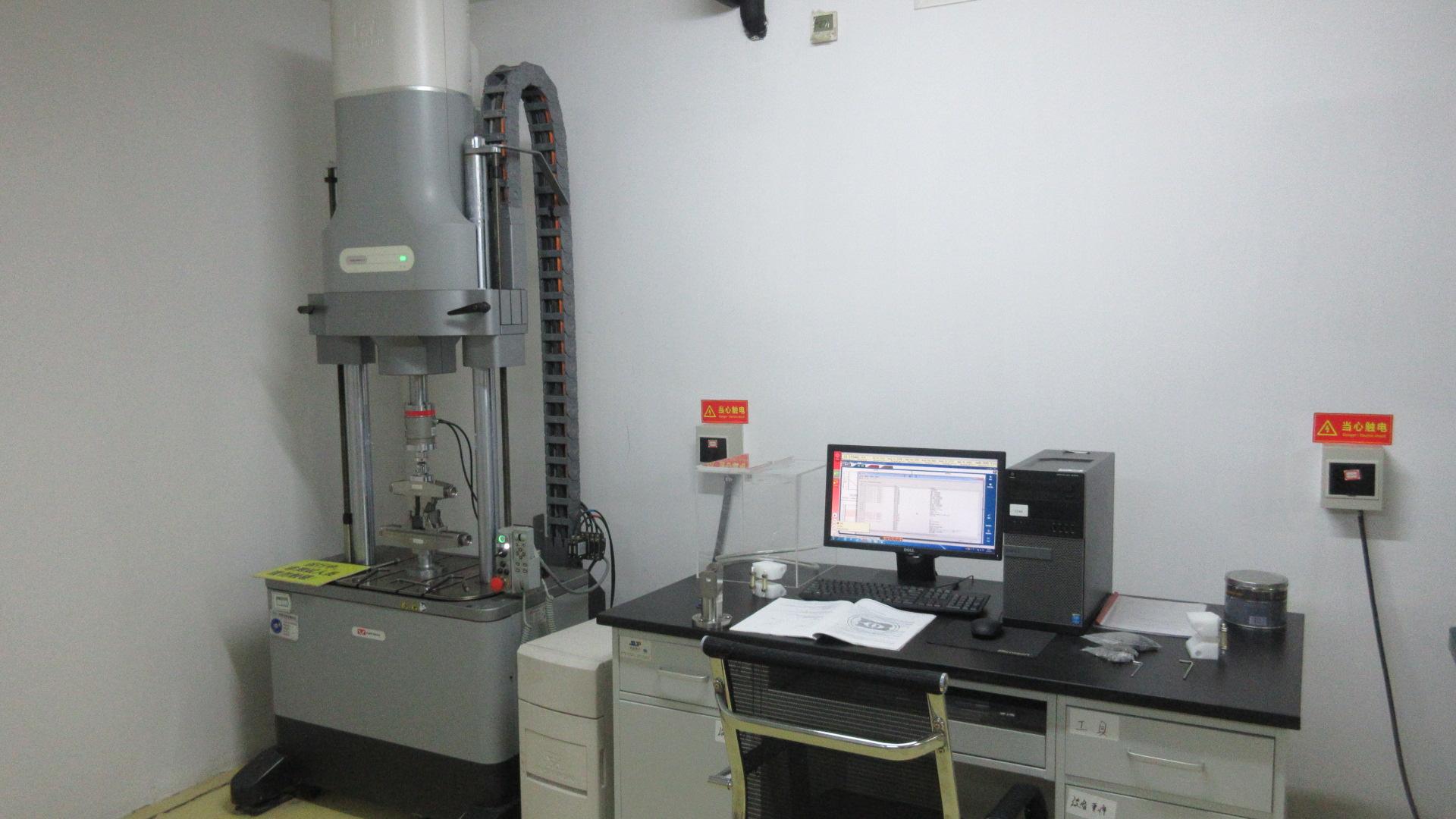
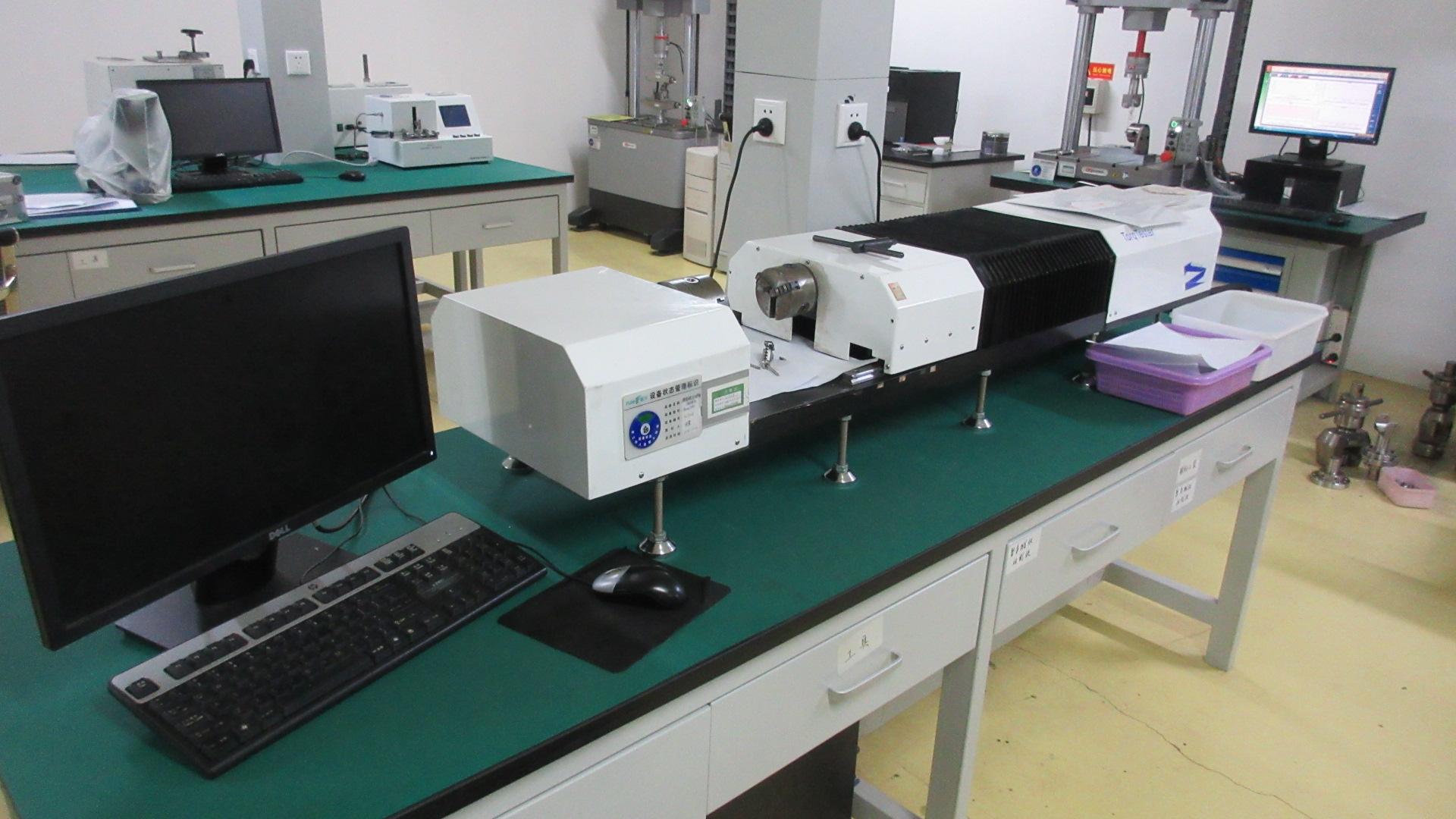
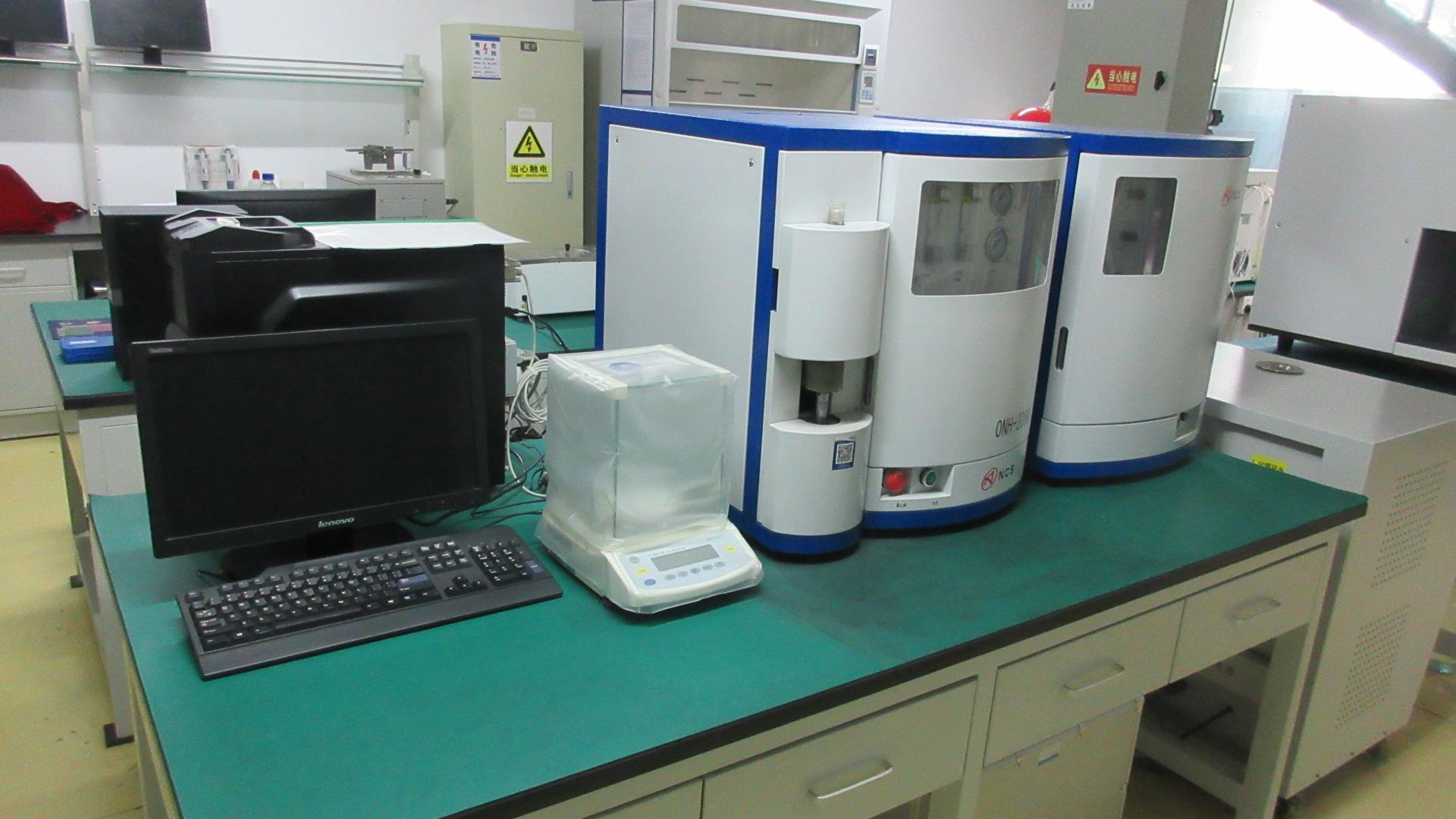
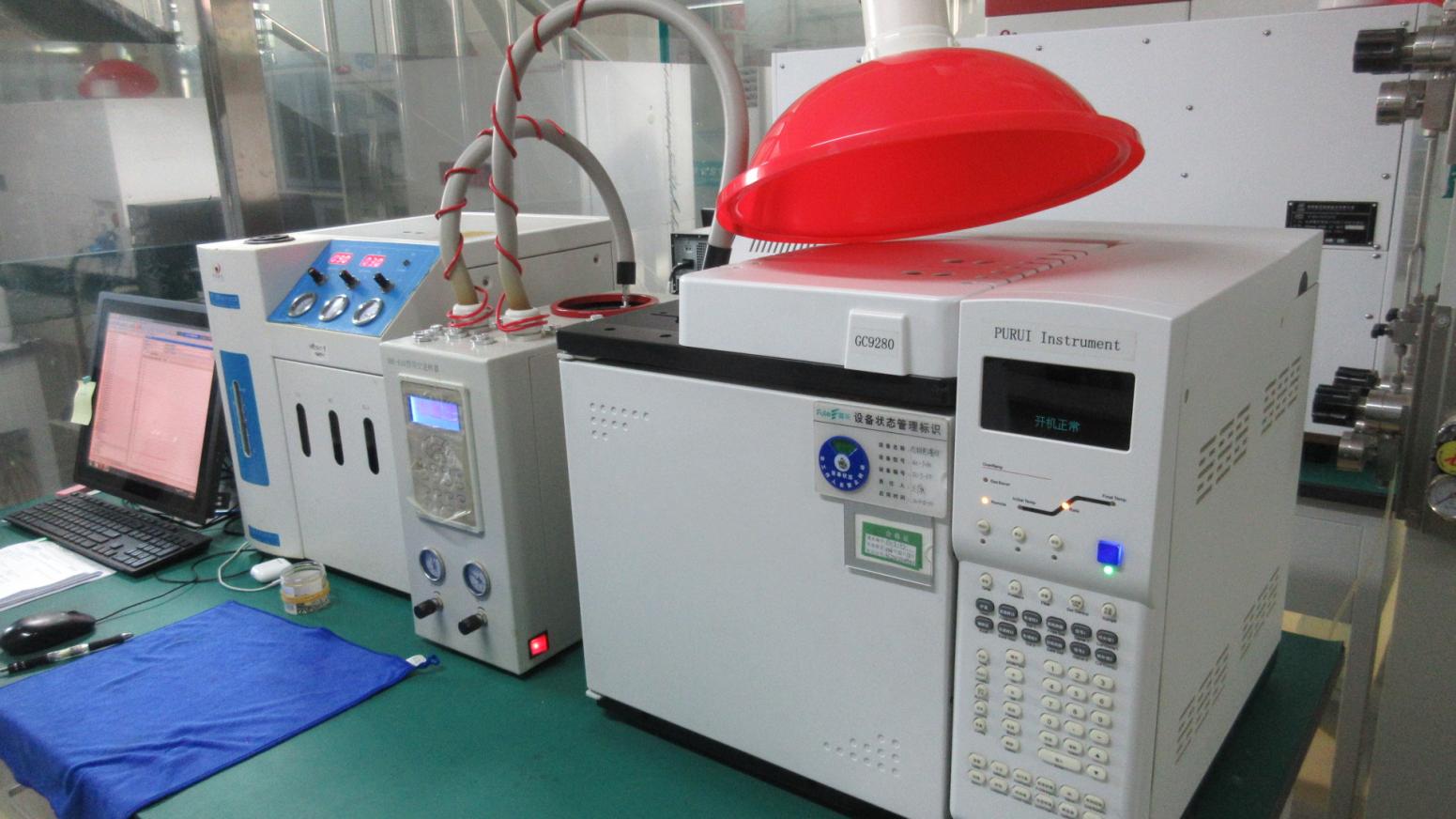
Everything global distributors and hospital groups need to know about our orthopedic manufacturing and quality control standards.
Every production lot of our pedicle screws is subject to a three-layer quality verification protocol. First, the raw Titanium Alloy (Ti-6Al-4V ELI) undergoes spectroscopic verification and mechanical yield testing before machining. Second, during multi-axis CNC manufacturing, 100% optical dimensional checking ensures thread tolerances stay within ±5 microns. Lastly, destructive mechanical tests (dynamic fatigue and static torsion testing according to ASTM F1717) are run on sample parts from each batch, overseen by our 15 certified QC inspectors.
We offer comprehensive graphic processing, 3D printing of anatomical models, and rapid functional prototyping. Our R&D team consists of 20 senior engineers (including 15 postgraduate specialists) who collaborate closely with client teams to modify existing plate profiles, develop specialized driver geometries, or create entire instrument cassettes. Depending on complexity, we can deliver functional steel/titanium samples for review within 15 to 30 business days.
We provide full documentation required for regional medical registration and regulatory approval. This includes ISO 13485 (Registration No. 04724Q10000818), CE marks for spinal and traumatic systems, Free Sale Certificates (FSC), material biocompatibility reports (ISO 10993), and sterilization validation files. This makes international registration and customs clearance simple and efficient.
Yes, we provide a 5-year replacement warranty on our implant systems. For surgical instruments (such as screwdrivers, plate benders, and holding forceps), we offer a lifetime warranty against material defects and manufacturing errors under normal autoclaving and processing conditions.
High-performance intramedullary rods, pelvic plates, and surgical forceps designed for trauma clinics and emergency operating environments.
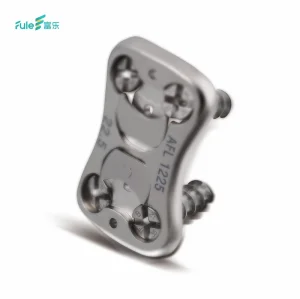
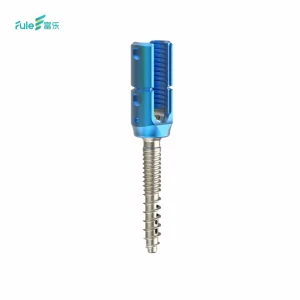
Founded in 1996, our company has built a reputation for excellence in the orthopedic implant sector over the last 30 years. Operating out of a modern, 10,000-square-meter facility, we run fully integrated design, prototyping, cleanroom packaging, and sterilization validation lines.
Our global trade footprint is balanced, serving both domestic healthcare systems (40%) and key international markets, including Eastern Europe (15%) and Southeast Asia (10%). By collaborating with over 70 trusted supply chain partners, we ensure that our manufacturing lines run smoothly, providing reliable supply chains and consistent delivery timelines to medical distributors, buying syndicates, and clinical groups worldwide.
 Beren Science & Technology