Explore our CE-certified, factory-direct range of orthopedic surgery tools and high-grade titanium implant sets.
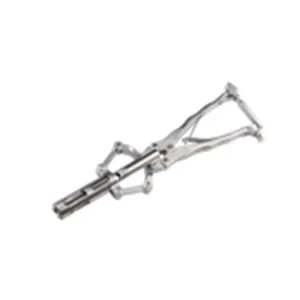
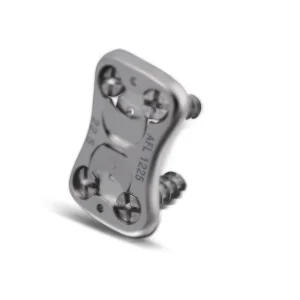
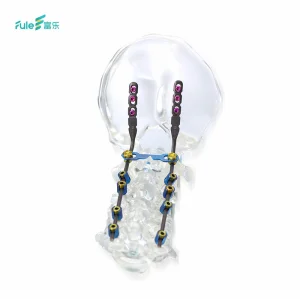
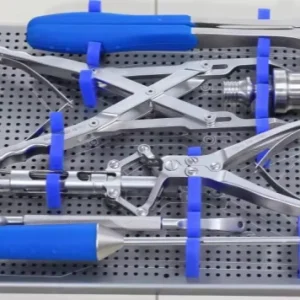
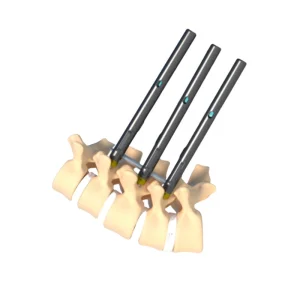
Modern spinal reconstructive surgery demands absolute precision, biocompatibility, and biomechanical stability. As a premier OEM/ODM Instrument of Spinal System Factory & Exporter, we specialize in translating clinical requirements into state-of-the-art titanium and stainless steel medical instruments. Our manufacturing baseline relies heavily on titanium alloys (Ti-6Al-4V ELI conforming to ASTM F136) and medical-grade stainless steel to ensure high fatigue strength, optimal elastic modulus, and corrosion resistance within the biological environment.
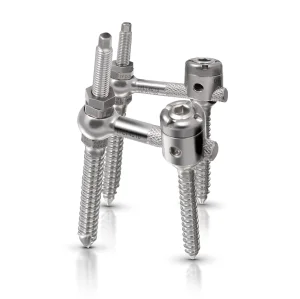
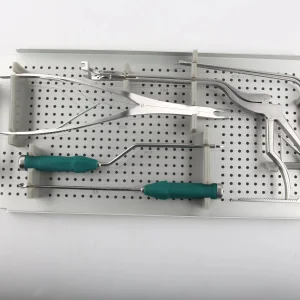
By integrating feedback from leading orthopedic centers globally, our R&D team continuously refines pedicle screw systems, cervical plates, ALIF/OLIF cages, and minimally invasive surgical (MIS) instruments. We bridge the gap between high-volume global distribution and specialized surgical configurations, positioning ourselves as an indispensable contract manufacturer for medical device brands worldwide.
Over three decades of precision medical manufacturing, backed by ISO 13485 certification and automated CNC facilities.
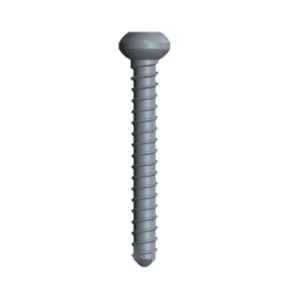
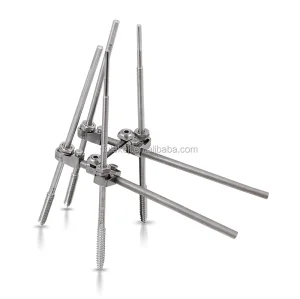
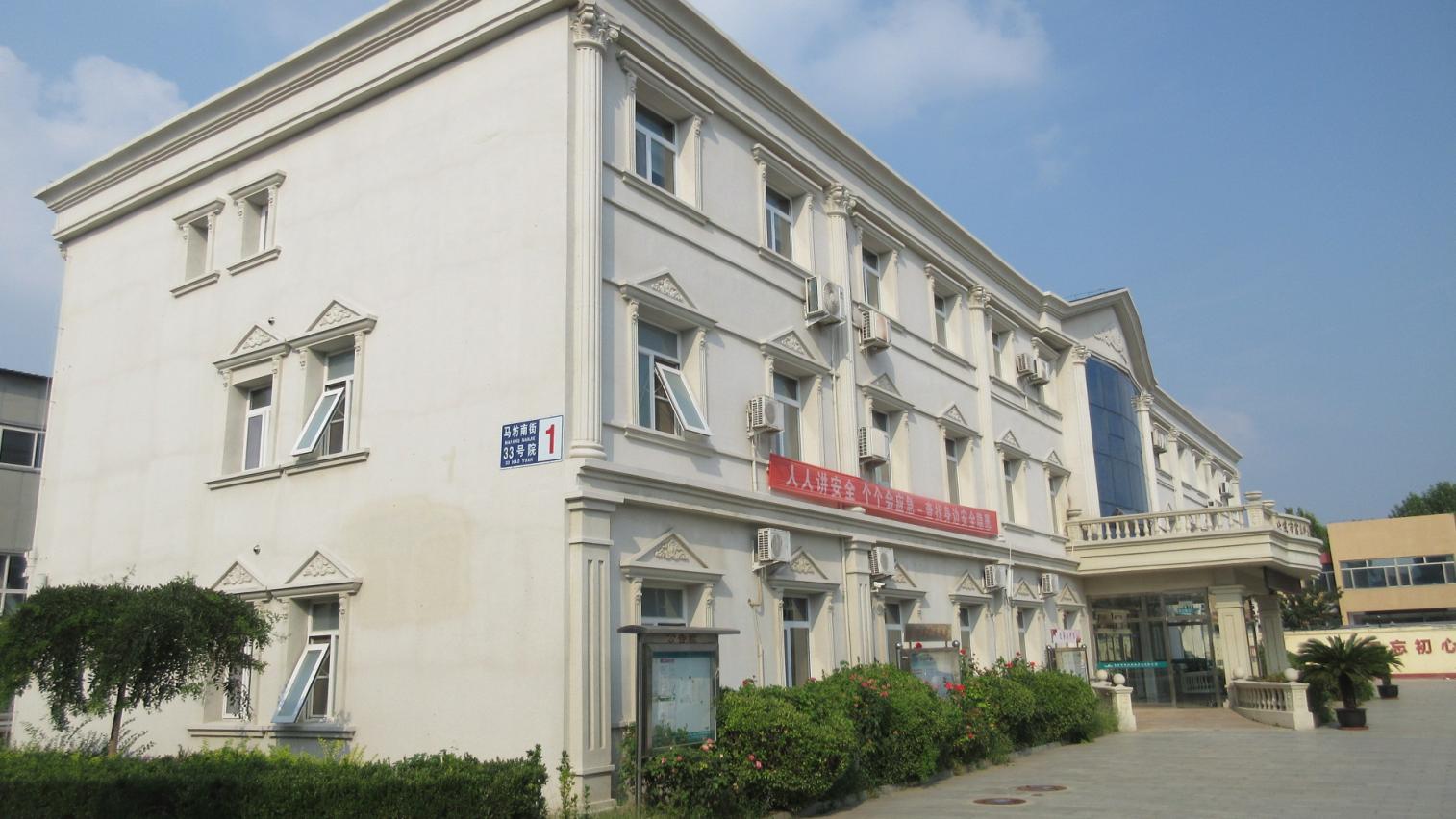
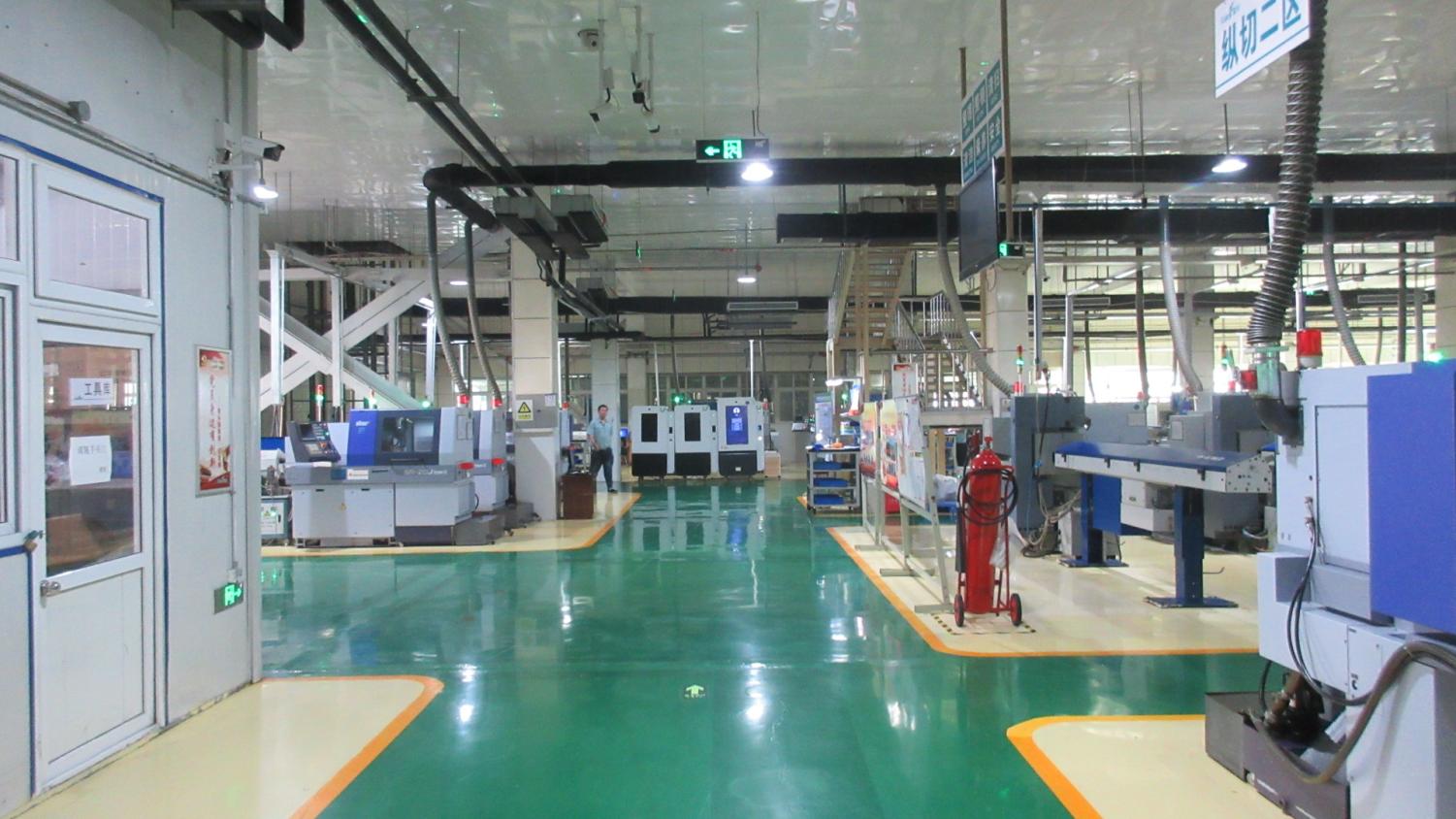
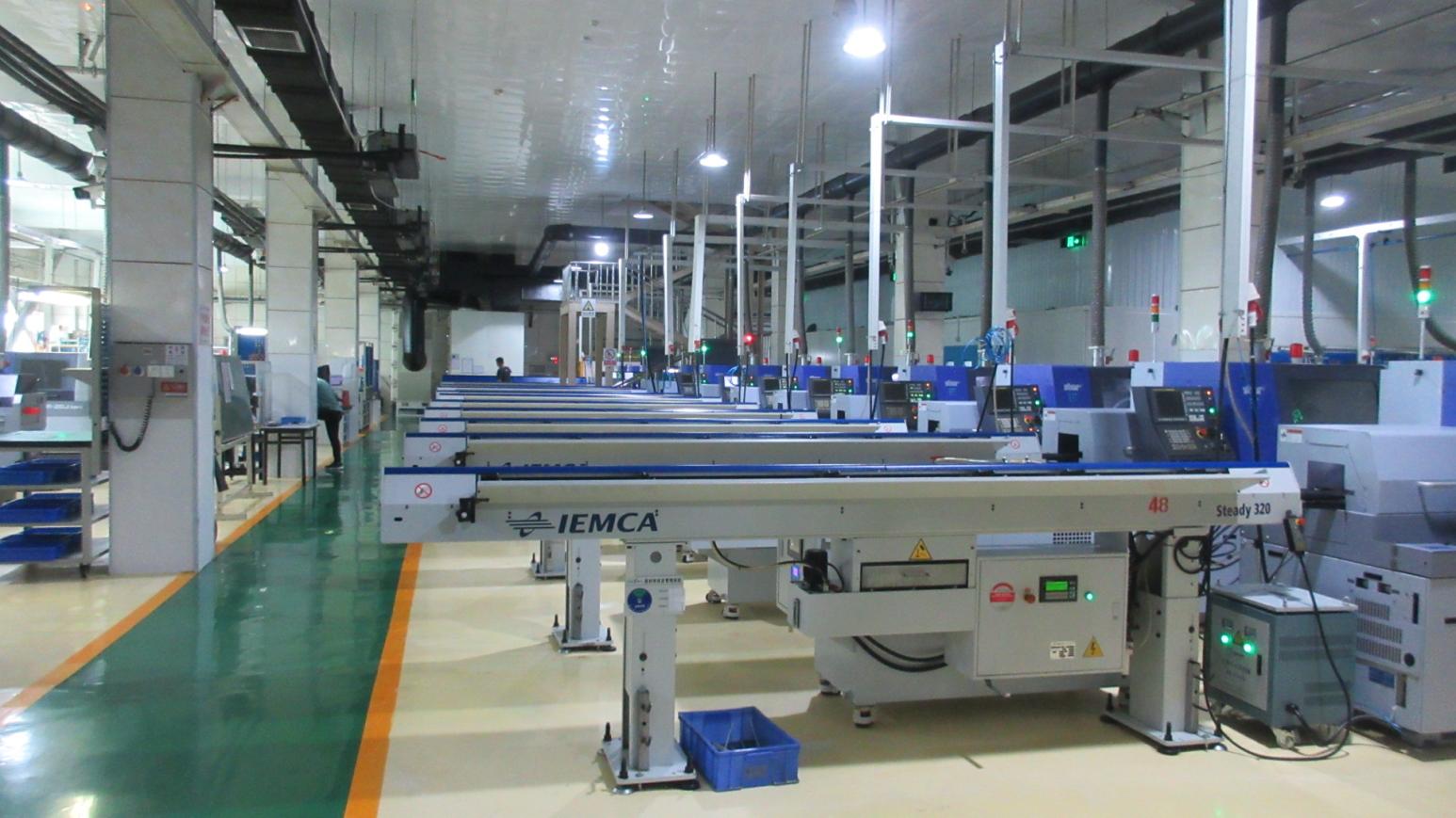
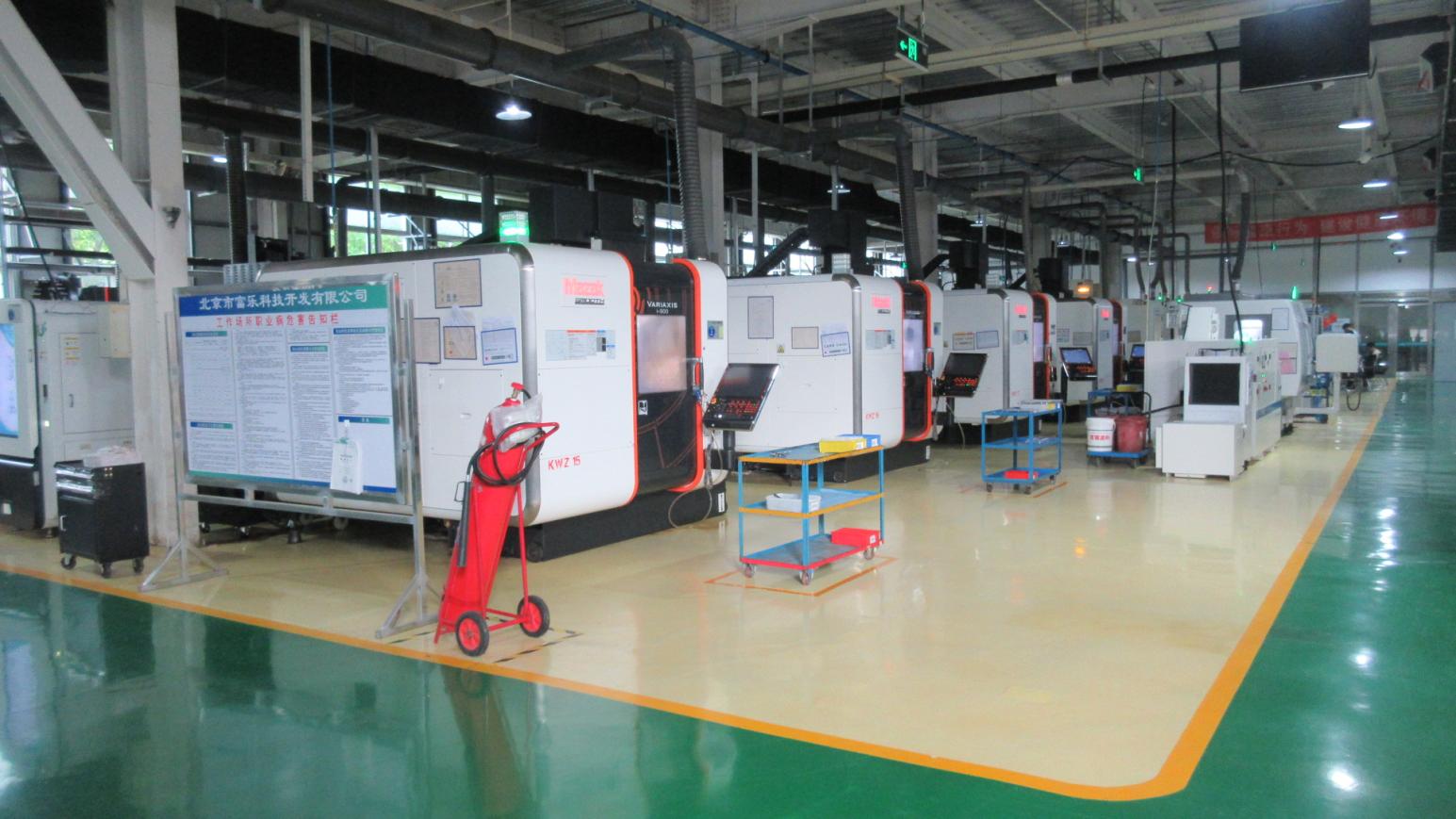
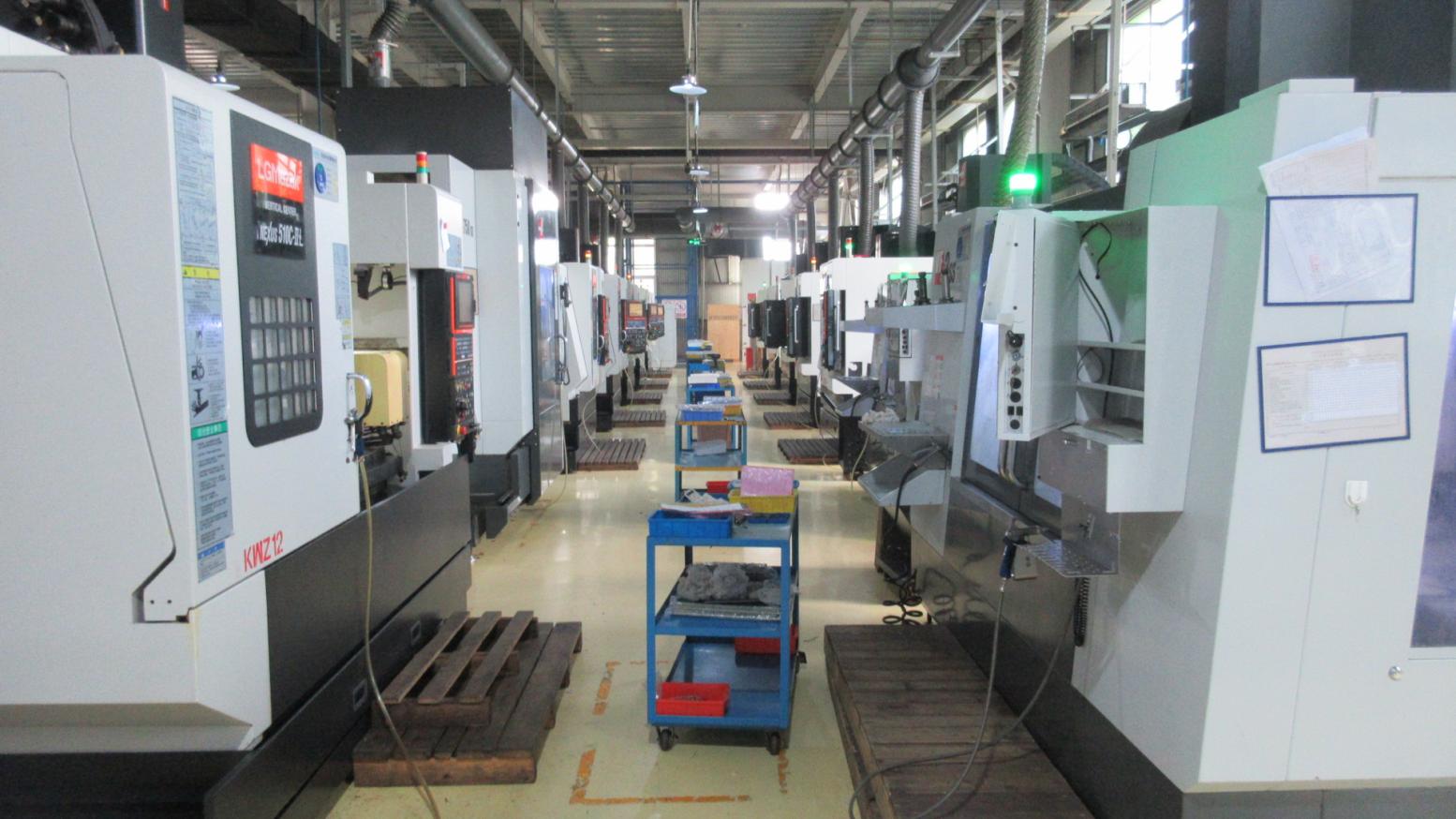
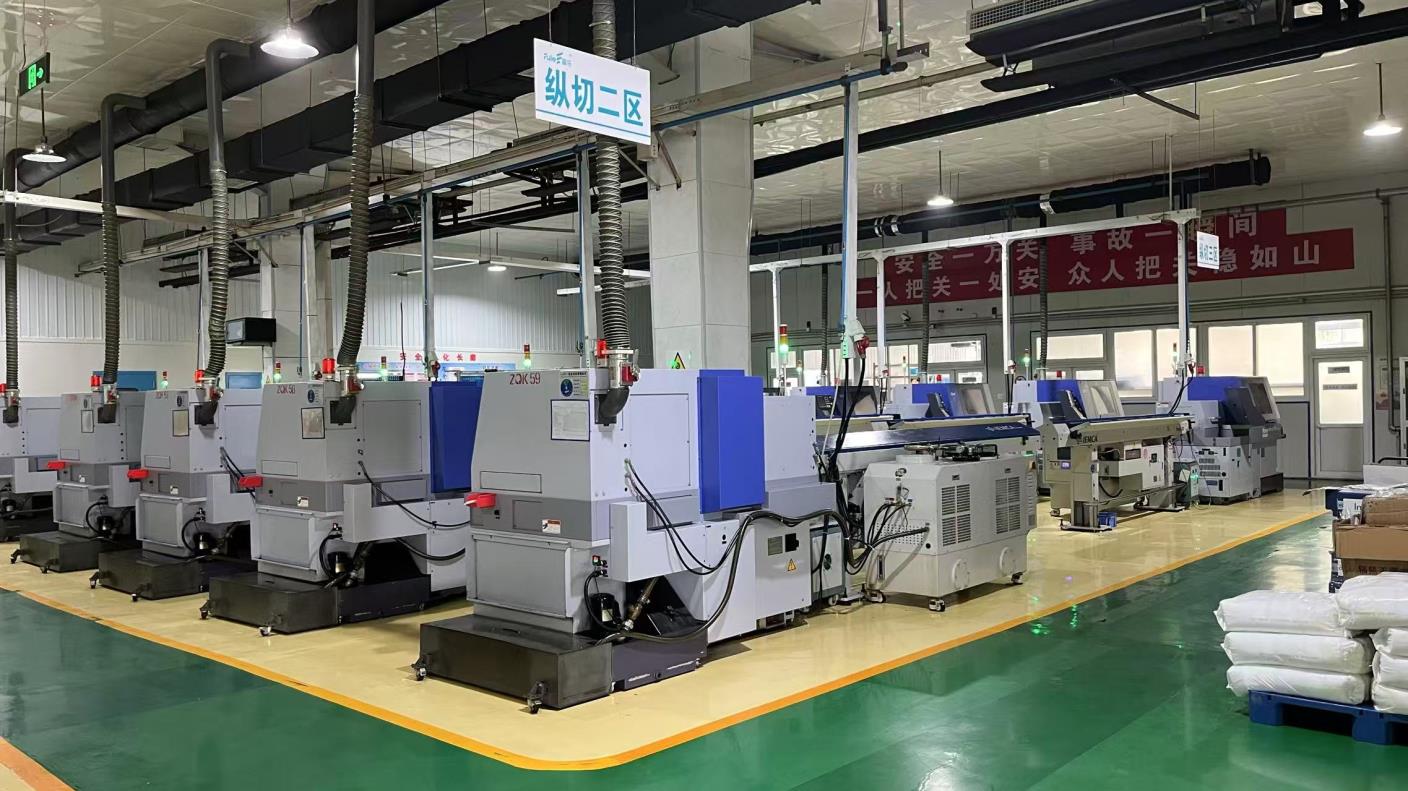
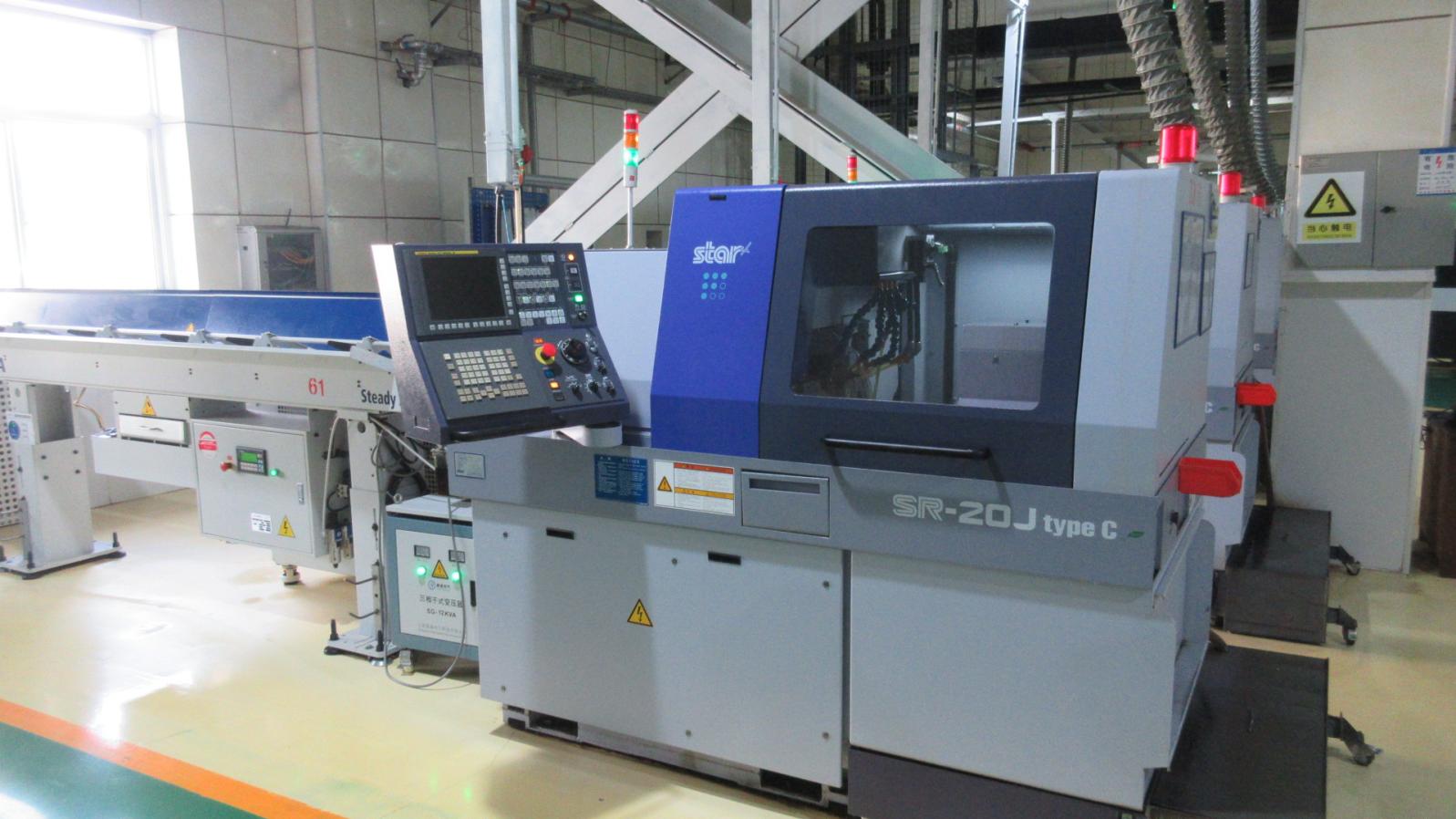
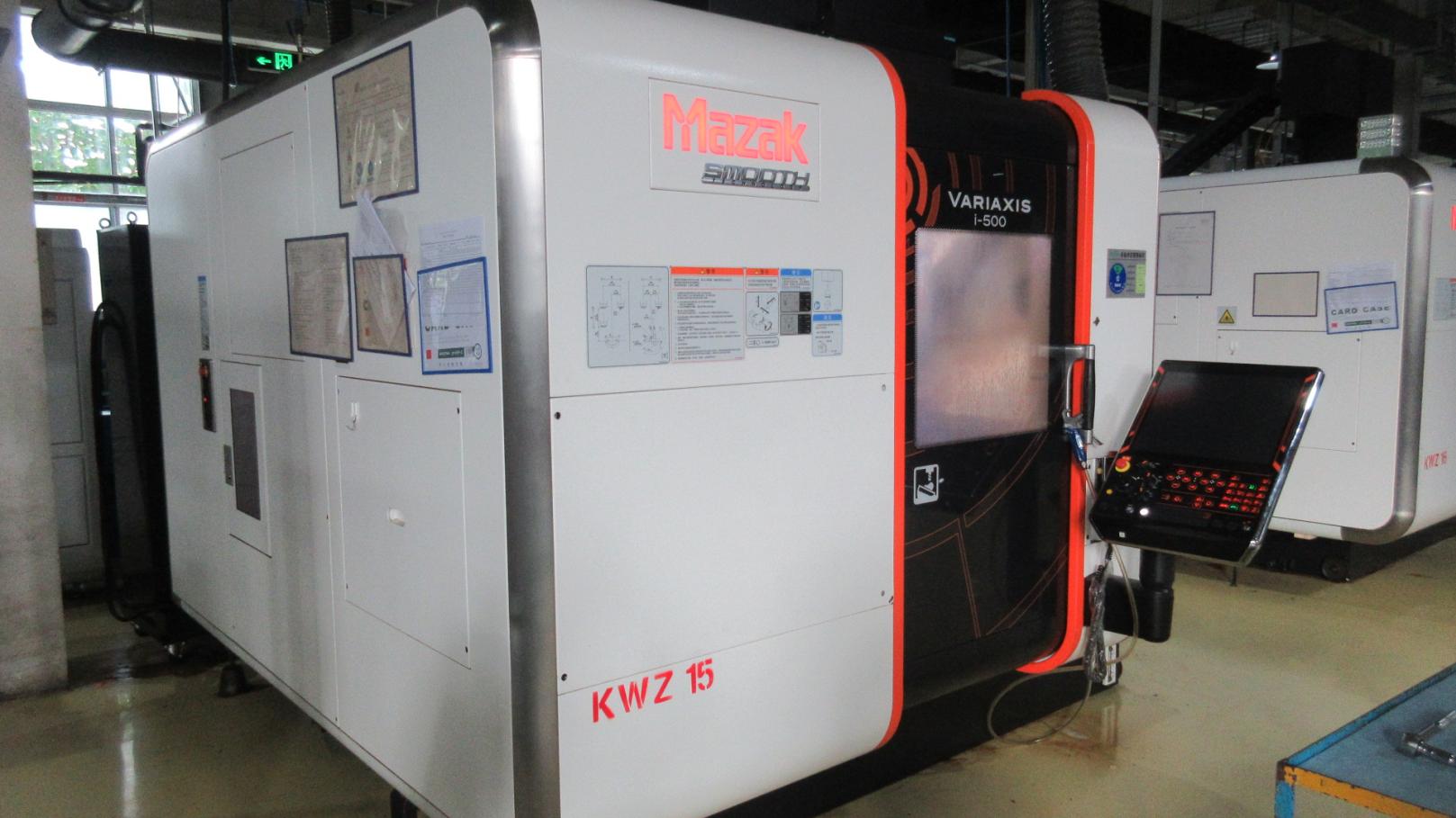
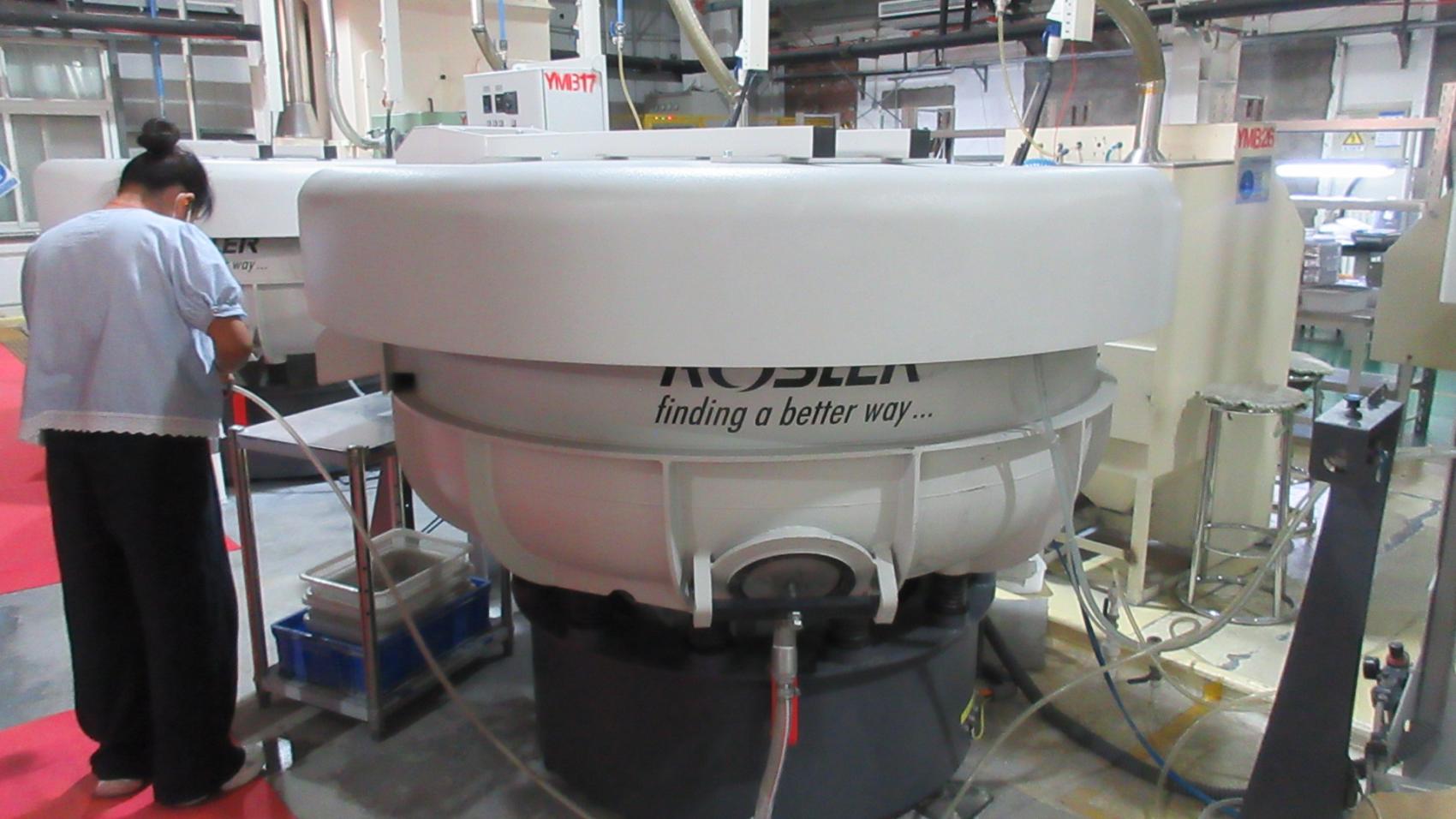
Operating a dedicated 10,000 square meter medical manufacturing footprint, our facility is engineered to run continuous, high-precision cycles. We utilize Swiss-type CNC lathes, 5-axis machining centers, and automated passivation plants. This guarantees that complex profiles—such as the thread pitch of the Titanium CFS ZJX Posterior Cervical Spinal Fixation System or the high-torque drives of pedicle screw inserters—are produced within micron-level tolerances.
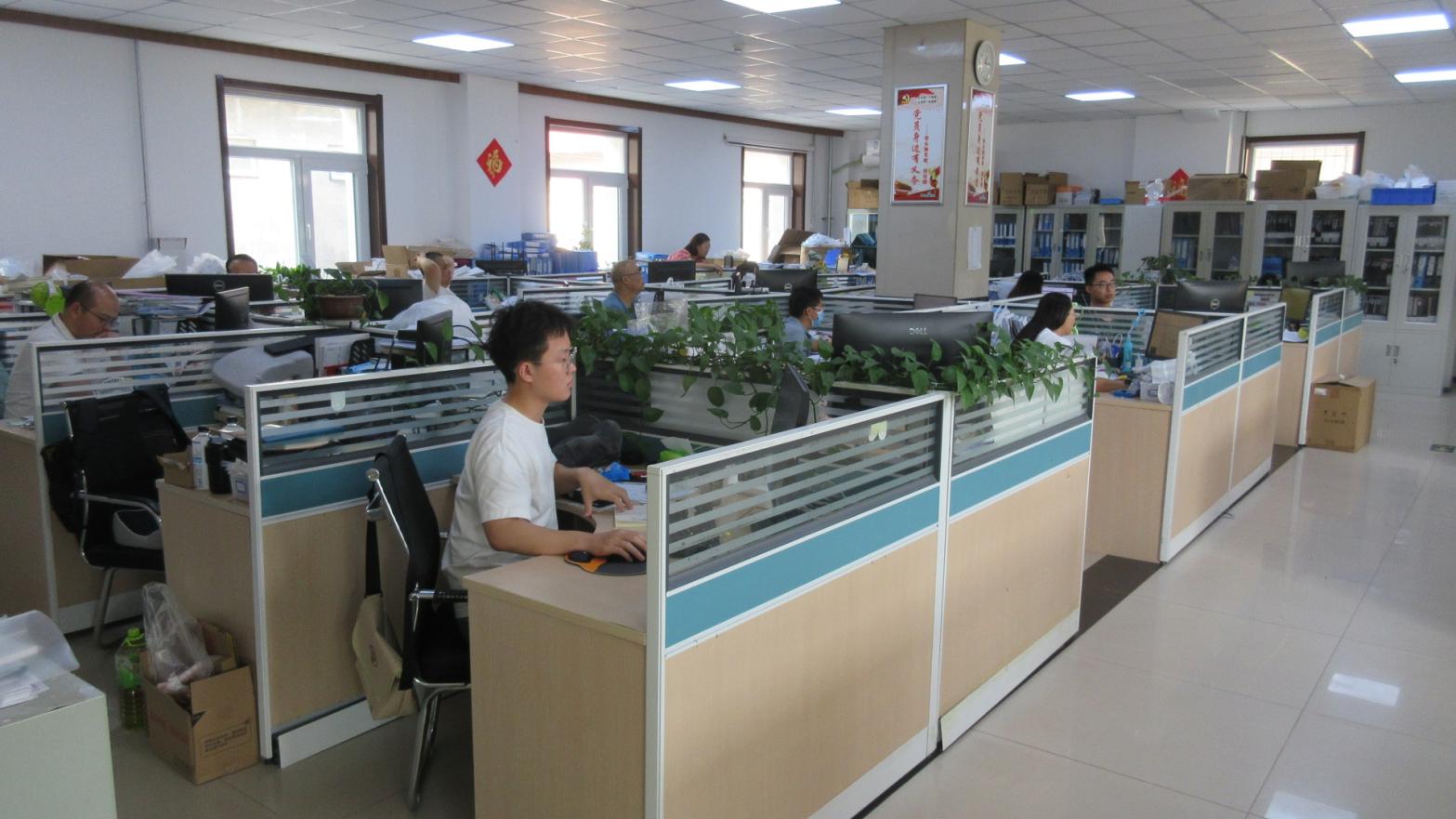
Our commitment to R&D is sustained by a department of 20 senior R&D engineers (including 15 postgraduate specialists). Annually, we launch over 20 new surgical systems, helping our OEM partners stay ahead of evolving orthopedic clinical trends.
Meeting the strict demands of international medical regulatory bodies for orthopedic implants.
Our facilities are fully aligned with ISO 13485 medical device quality management systems. All implantable needles, pedicle screw sets, and cervical plates possess CE certification, minimizing barrier-to-entry for Eastern European, EU, and Southeast Asian distribution networks.
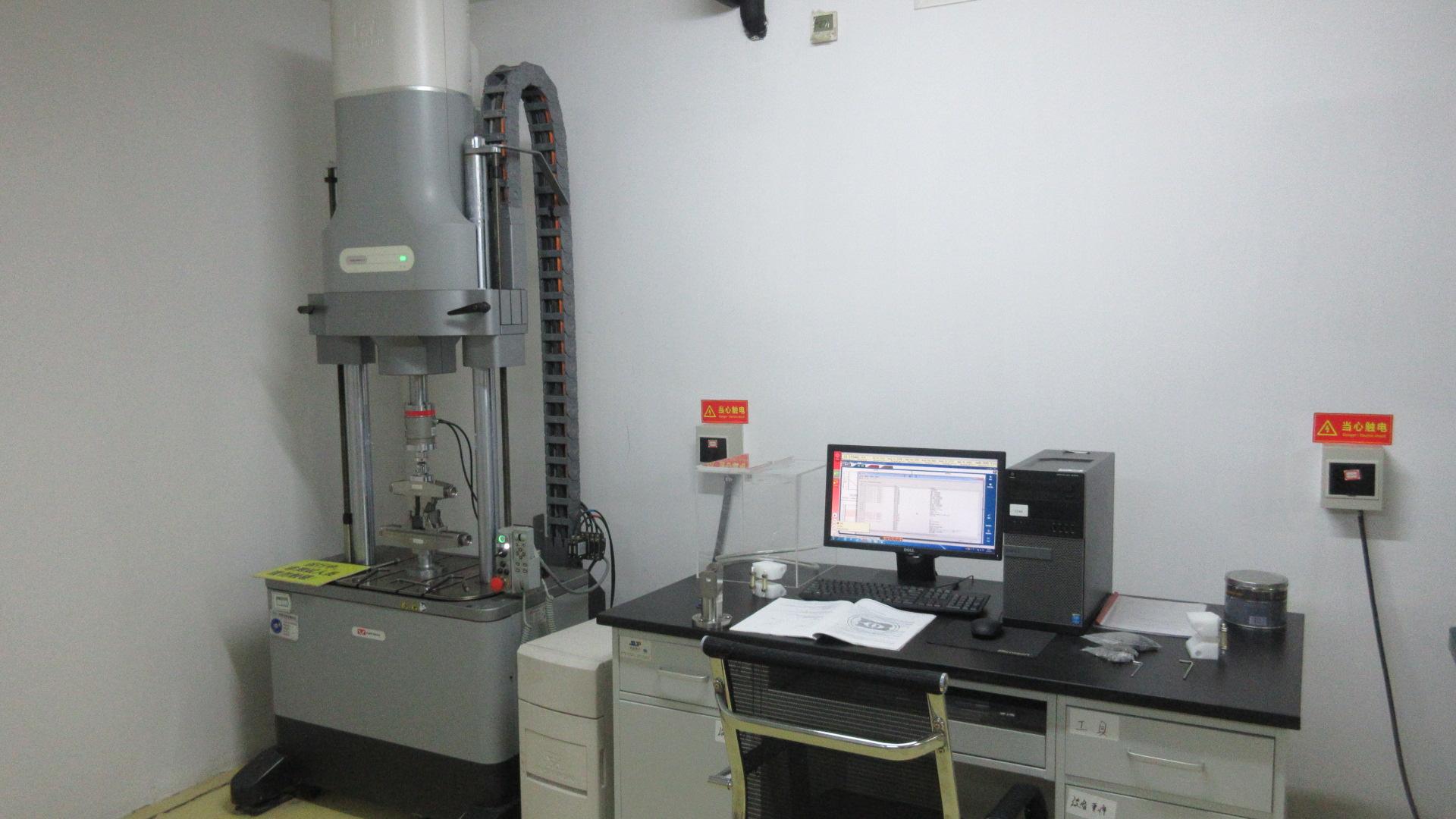
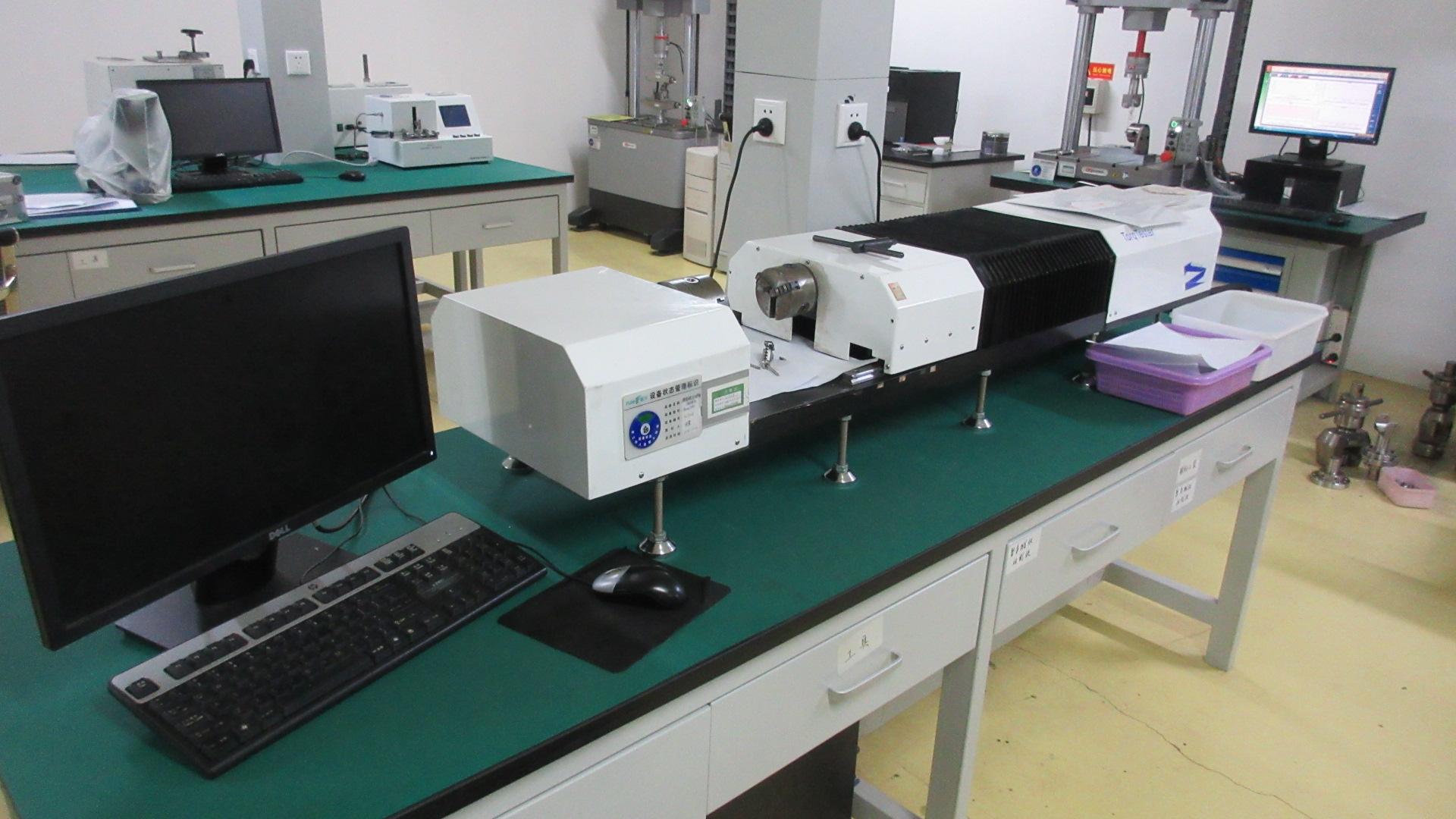
Each shipment includes chemical composition analyses, heat treatment logs, and mechanical test results for the titanium alloy and medical-grade stainless steel. A complete audit trail ensures compliance with regional health authorities.
We provide comprehensive technical documentation (including validation testing reports like ASTM F1717 and ASTM F543) to accelerate localized registrations (e.g., FDA 510k, ANVISA, Russian Roszdravnadzor, NMPA).
Operating from Beijing, our factory capitalizes on China's elite medical manufacturing ecosystem. This proximity guarantees instantaneous access to top-tier titanium refining plants, high-precision surface treating facilities (anodizing, electropolishing), and sterile barrier packaging specialists. This integrated network drastically reduces shipping lead times, maintains highly competitive pricing structures, and enables rapid scaling—essential during sudden global market shortages or large-scale procurement tenders.
Direct supply contracts with certified aerospace-grade medical titanium vendors ensure raw material cost stability and priority allocation.
Utilizing high-end CNC lines capable of producing intricate knurling, self-tapping screw threads, and low-profile plate designs.
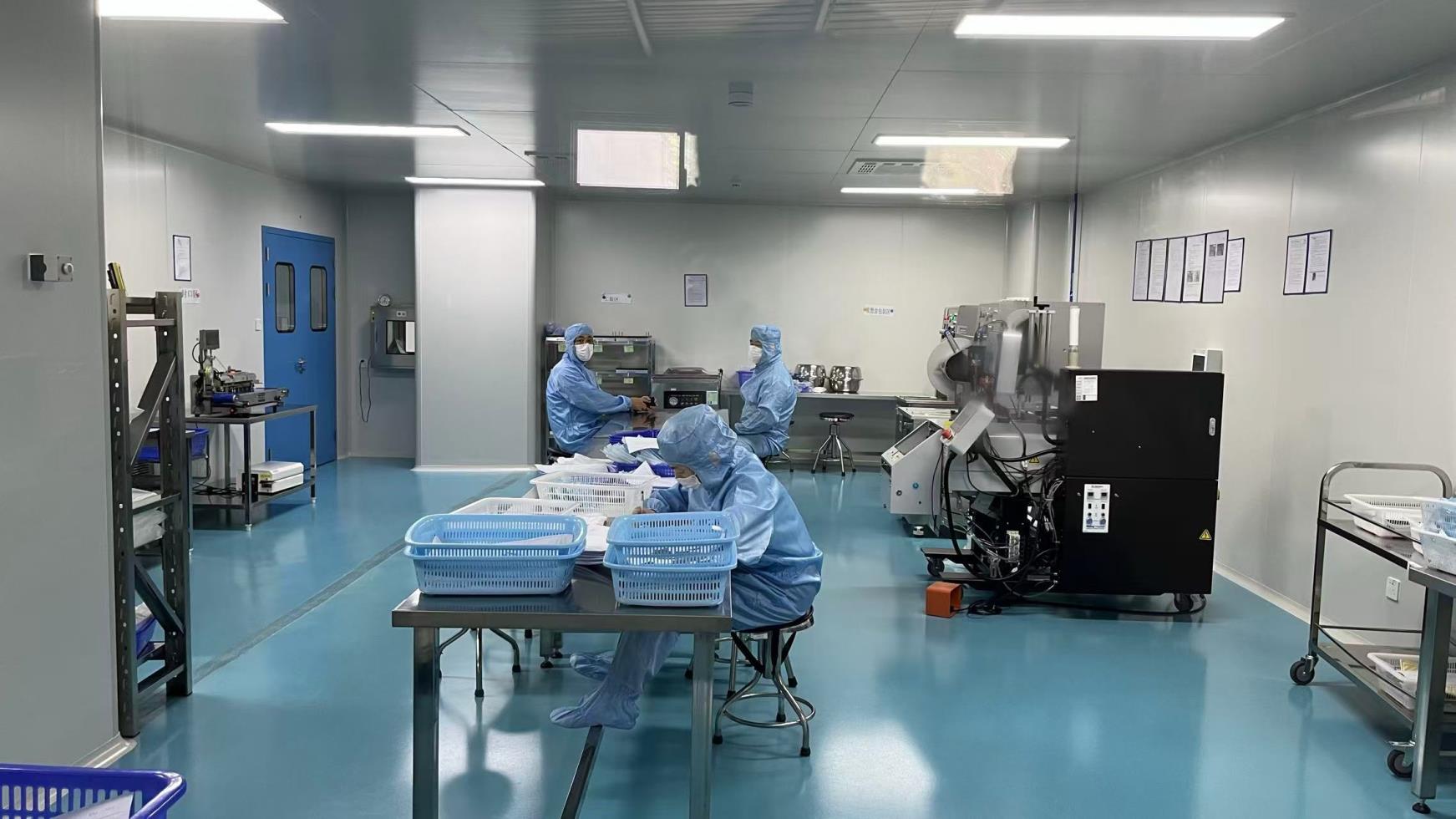
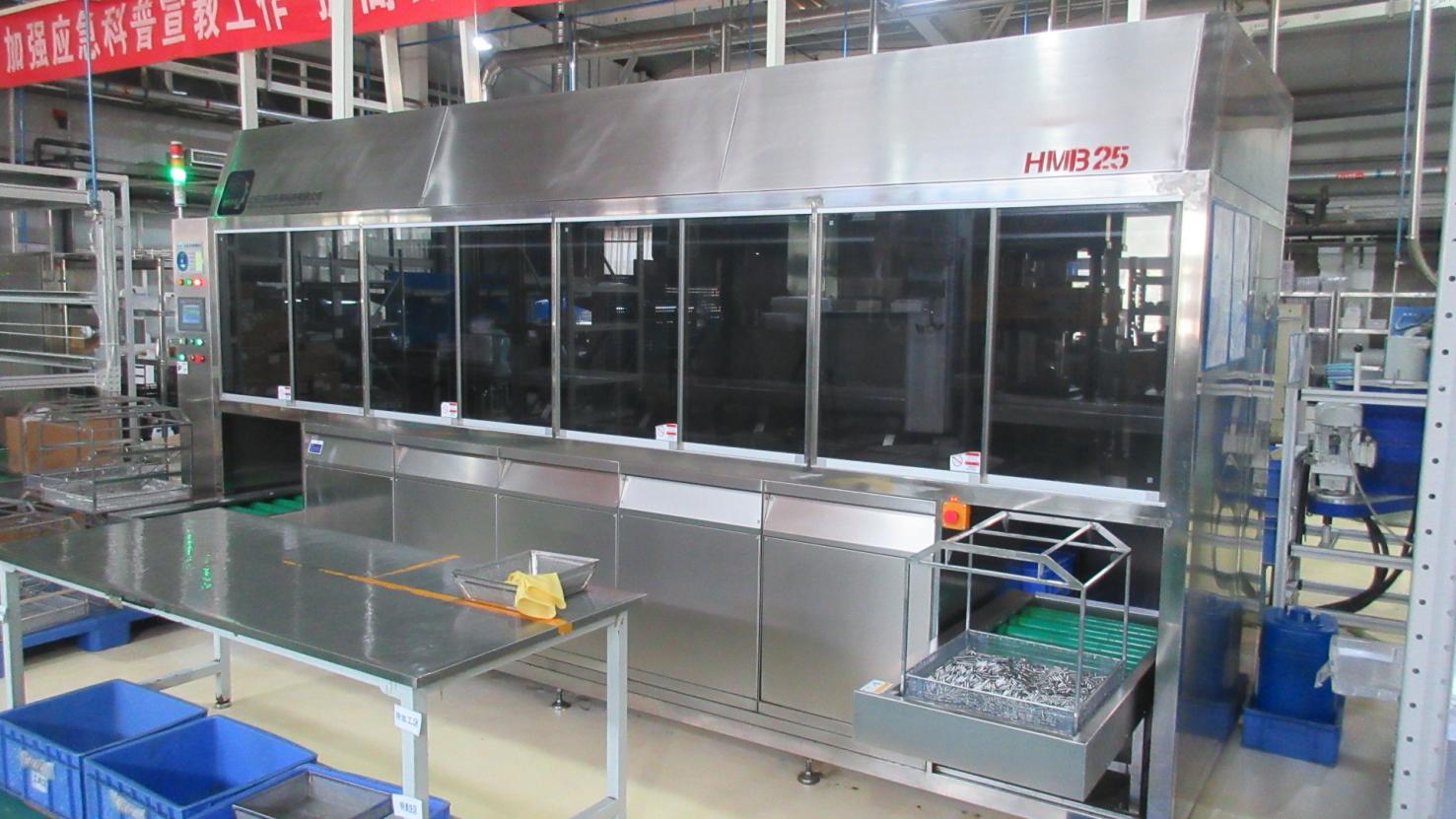
Controlled cleanroom environments ensure implantable instruments are free from particulate matter before final packaging.
Fast-tracked graphic and sample rendering allows for new instrument prototype creation in as little as 15 working days.
Spinal disorders demand highly targeted hardware designs. The table below represents common clinical pathologies, procedural setups, and the specific instrumental configurations required to restore spinal alignment safely.
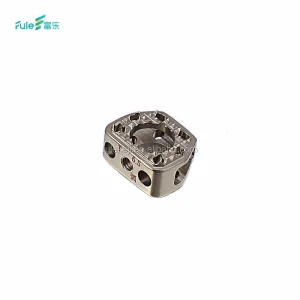
For lumbar fusion, systems like the ALIF Cage Orthopedic Instrument Set and the OLIF (Oblique Lateral Interbody Fusion) instrumentation allow surgeons to access the disc space anteriorly or laterally. This avoids posterior nerve structures, using anatomical spacers and fixation plates to achieve stable arthrodesis.
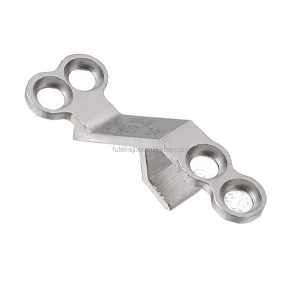
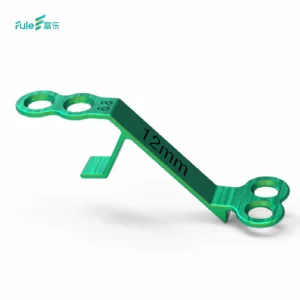
Traumatic fractures and unstable spine conditions require immediate biomechanical stabilization. The Posterior Cervical Spinal Fixation System and robust pedicle screw-rod linkages offer rigid stabilization across multiple motion segments, facilitating early mobilization and recovery.
Correcting structural spinal curvatures requires gradual, multi-axial rotation and lateral translation. Low-profile titanium plates, variable-angle pedicle screws, and precision benders ensure corrective forces are distributed evenly without causing vertebral failure.
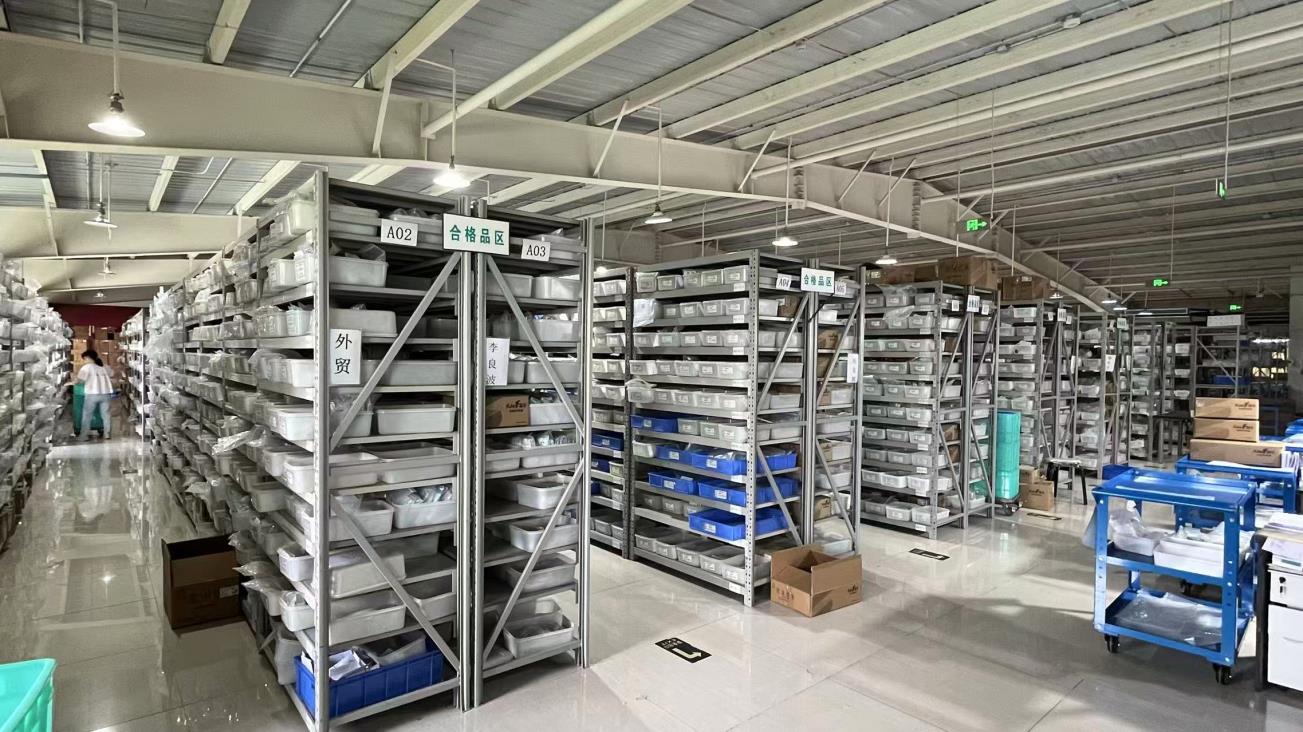
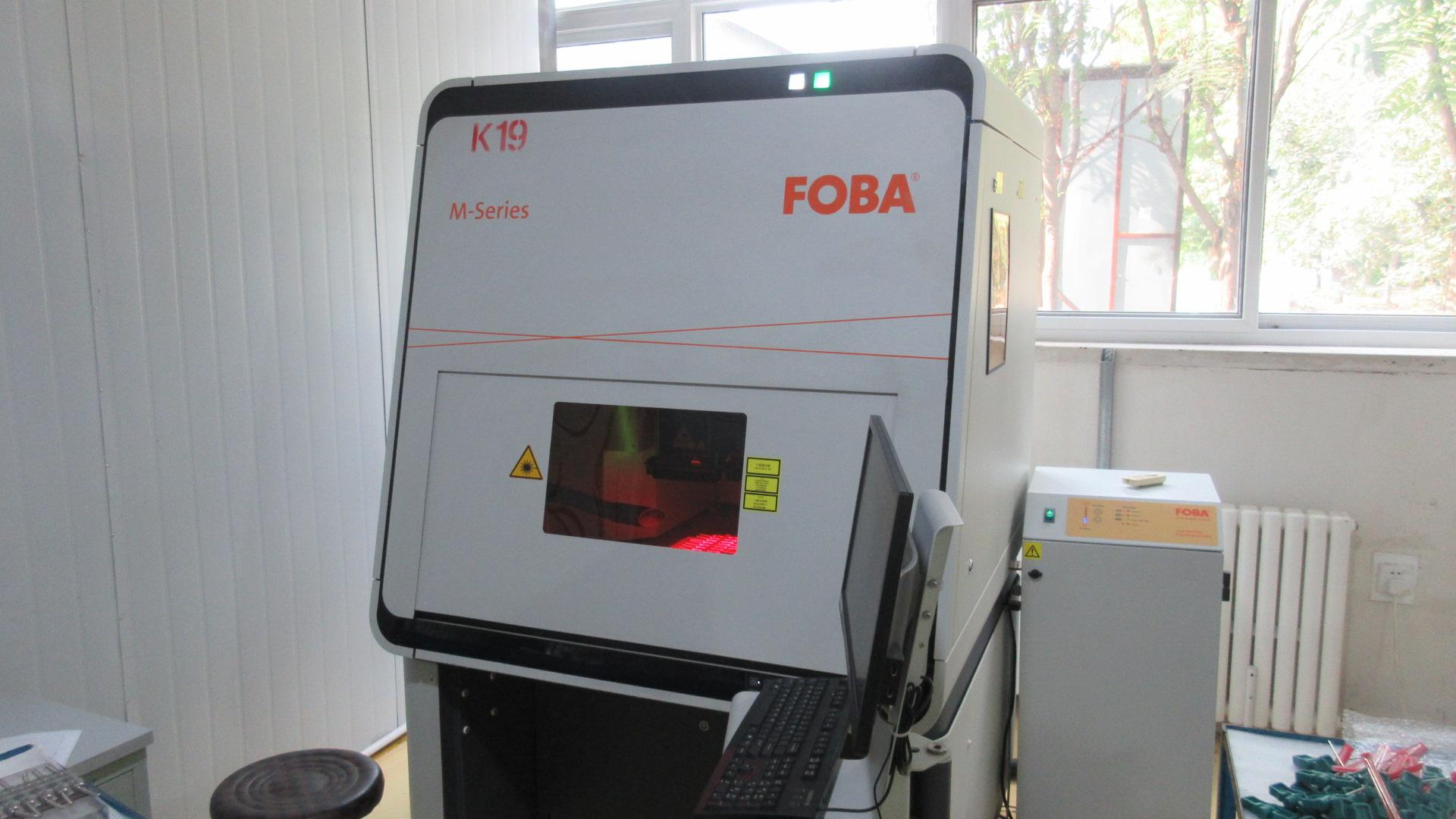
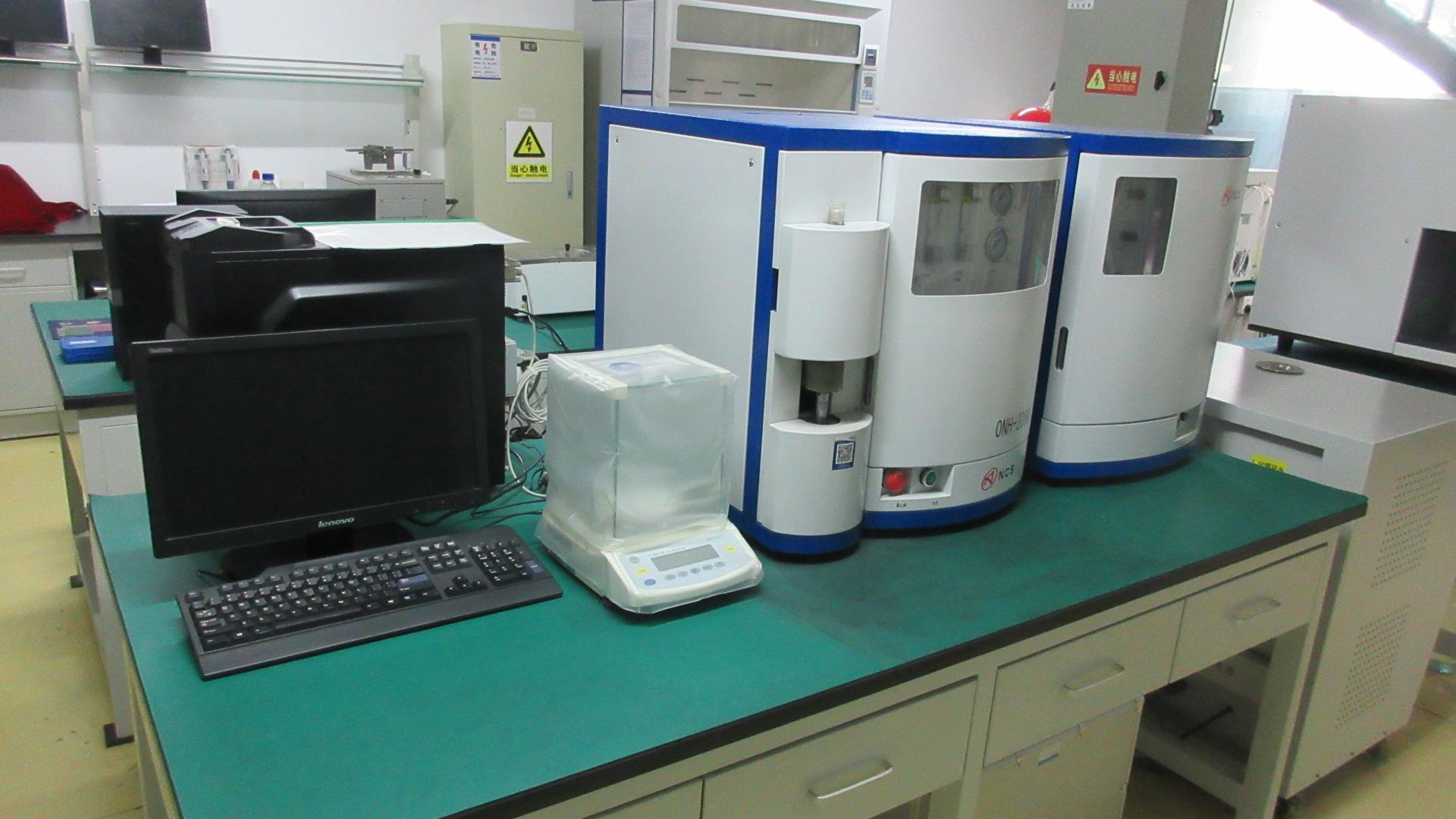
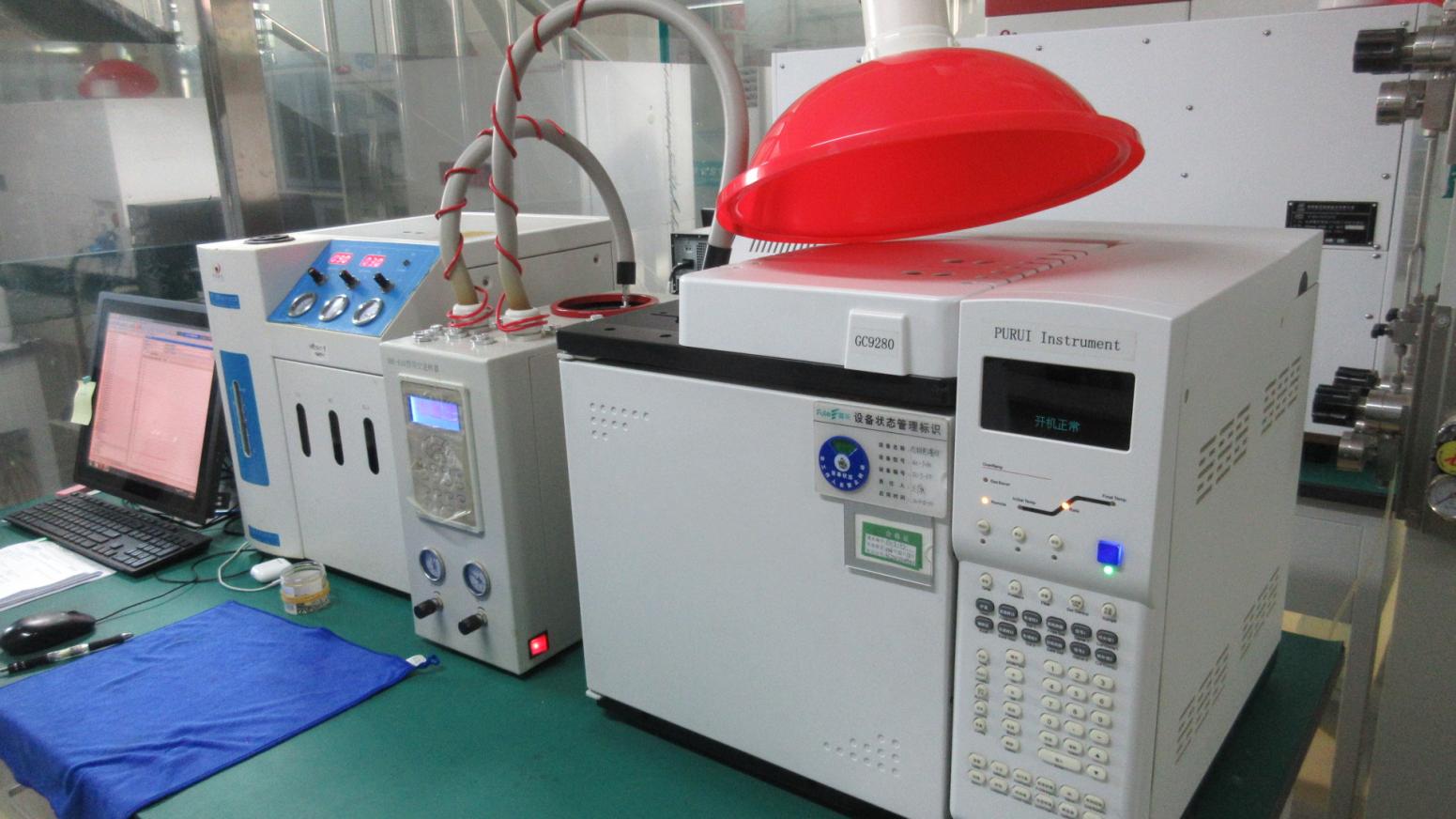
Visualizing our raw materials, modern machinery, cleanroom packaging, and completed instrumentation sets.
Technical and regulatory answers for sourcing managers, distributors, and orthopedic hospital networks.
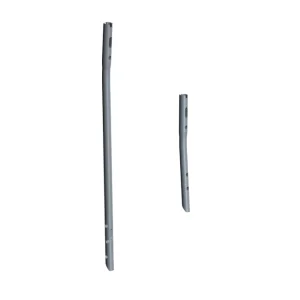
Discover more intramedullary nails, external fixators, and specialized instrument extraction toolkits.
 Beren Science & Technology