Engineered for long-term biocompatibility, high osteointegration potential, and biomechanical stability.
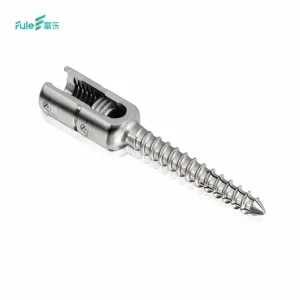
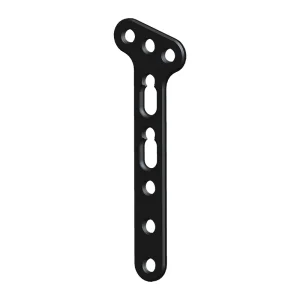
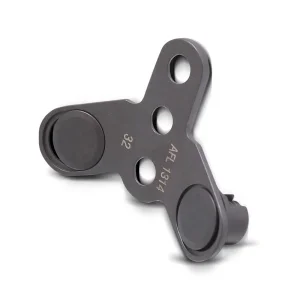
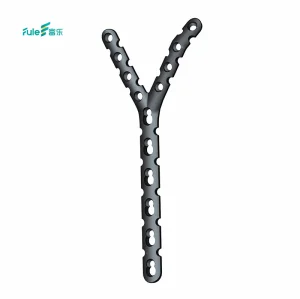
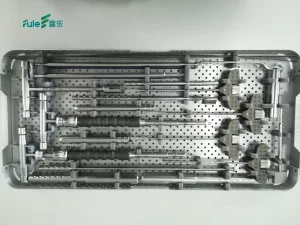
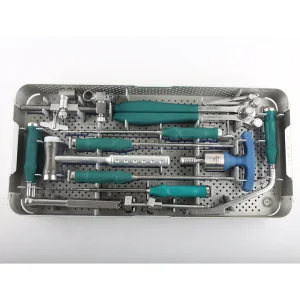
Interbody fusion cages have revolutionized the treatment of degenerative disc disease, spinal instability, and spondylolisthesis. By restoring disc height, lumbar lordosis, and providing immediate load-bearing stability, these devices establish the optimal environment for successful osseous fusion. Achieving clinical success requires a delicate balance of material science and mechanical design to prevent implant subsidence, preserve sagittal balance, and promote osteoblast differentiation.
The primary driver of implant subsidence is the stiffness mismatch between the cage material and the surrounding vertebral endplate bone. Standard Ti-6Al-4V titanium alloy has a Young's modulus of approximately 110 GPa, whereas human cortical bone is 12-18 GPa, and cancellous bone is 0.1-4 GPa. Medical-grade PEEK (Polyetheretherketone) exhibits a modulus of 3-4 GPa, closely mimicking human bone structures to minimize stress shielding.
To bridge the gap between PEEK's biomechanical compliance and Titanium's superior osteointegration capabilities, our R&D team has pioneered advanced surface treatments and composite designs. These include plasma-sprayed titanium-coated PEEK cages and 3D-printed porous titanium implants designed with interconnected micro-pores (ranging from 300 to 600 microns) that mimic natural trabecular bone morphology.
| Material / Parameter | Elastic Modulus (GPa) | Radiolucency | Osteointegration Speed | Subsidence Risk |
|---|---|---|---|---|
| Standard Titanium Alloy | 110 - 115 | Poor (High Artifacts) | High | Moderate to High |
| Medical PEEK | 3.6 - 4.1 | Excellent (Radiolucent) | Low (Inert) | Low |
| Porous 3D-Ti | 5 - 15 | Moderate | Extremely High | Very Low |
Our R&D division consists of 20 specialized R&D engineers, holding postgraduate degrees in biomechanical engineering and materials science. This team handles custom orthopedic product development, moving concepts from rapid prototype development to pilot batch production within highly compressed timelines.
Every customized OEM/ODM project follows a strict verification and validation framework under ISO 13485 regulations:
Using advanced CAD modeling and simulation software to execute finite element analysis under simulated physiological loads (compression, torsion, shear) according to ASTM F2077 and ASTM F2267 standards.
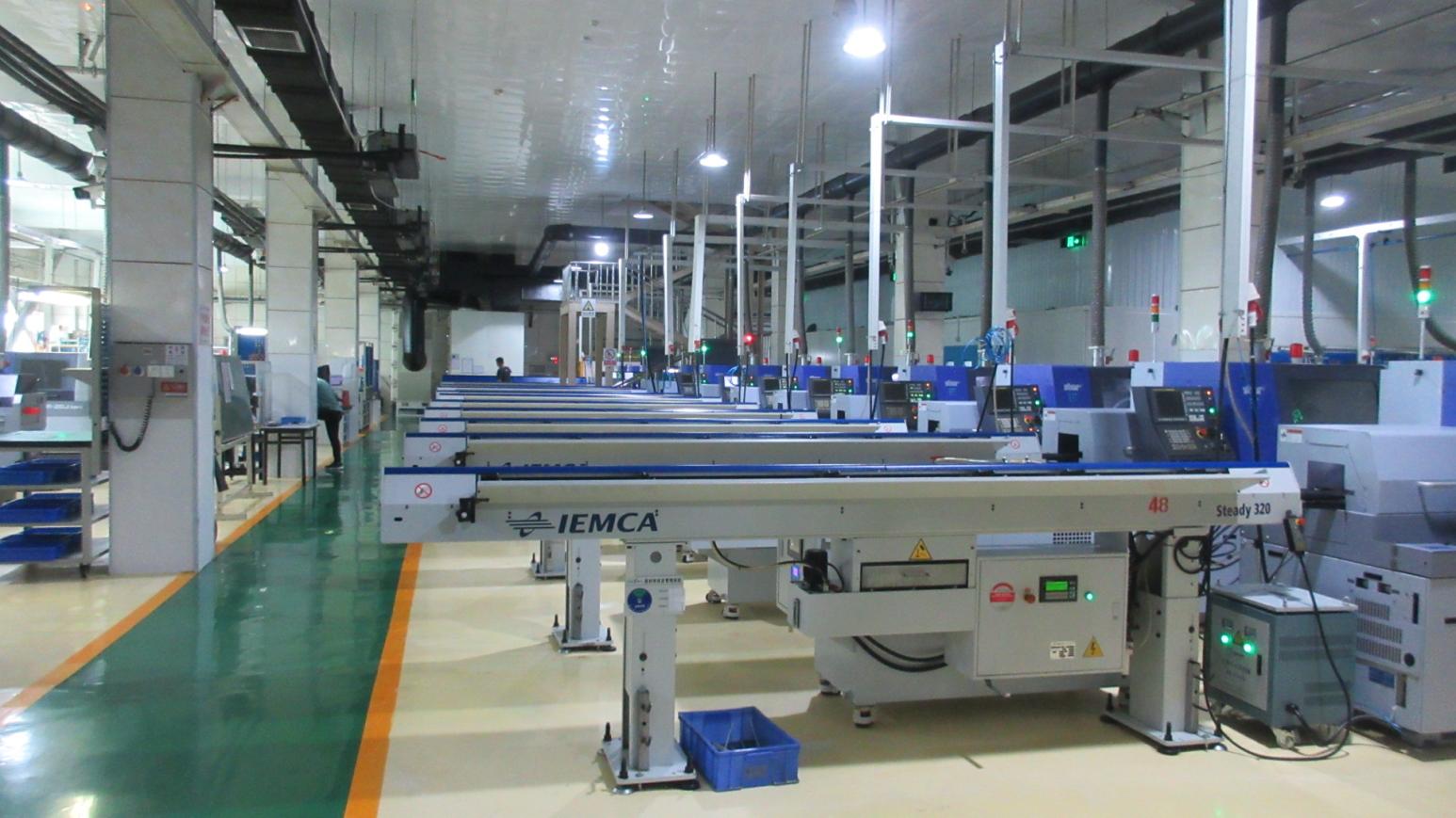
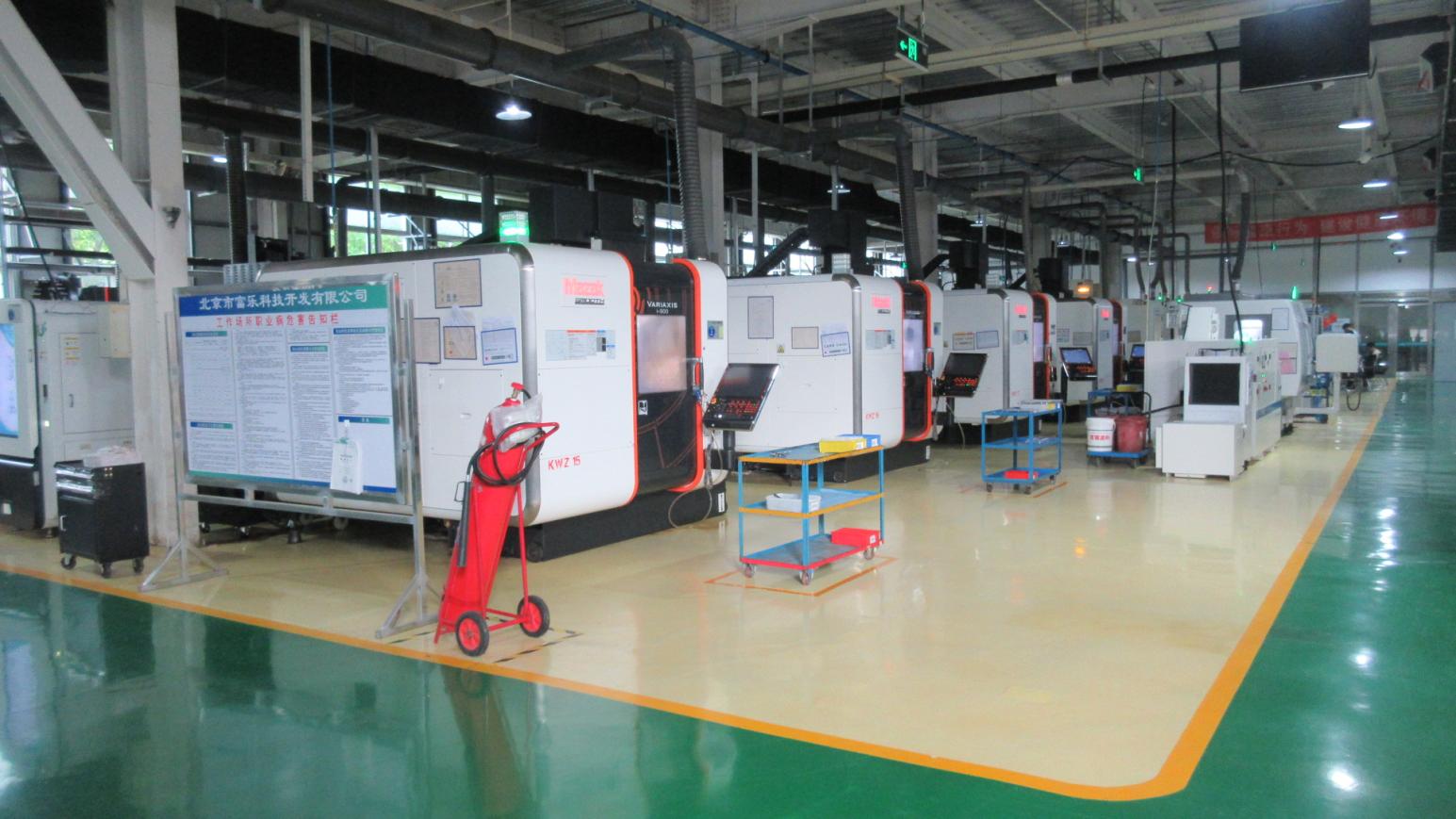
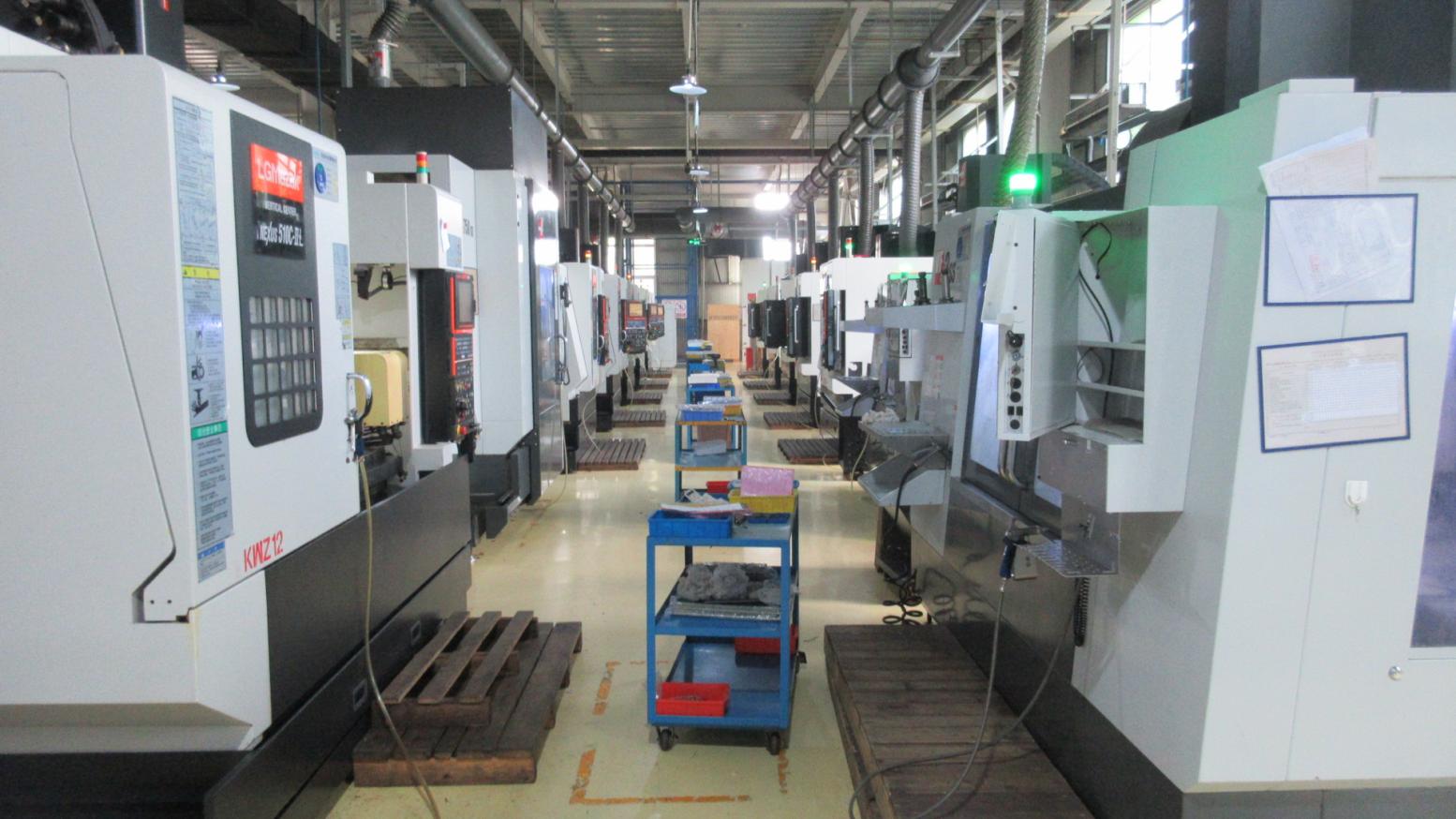
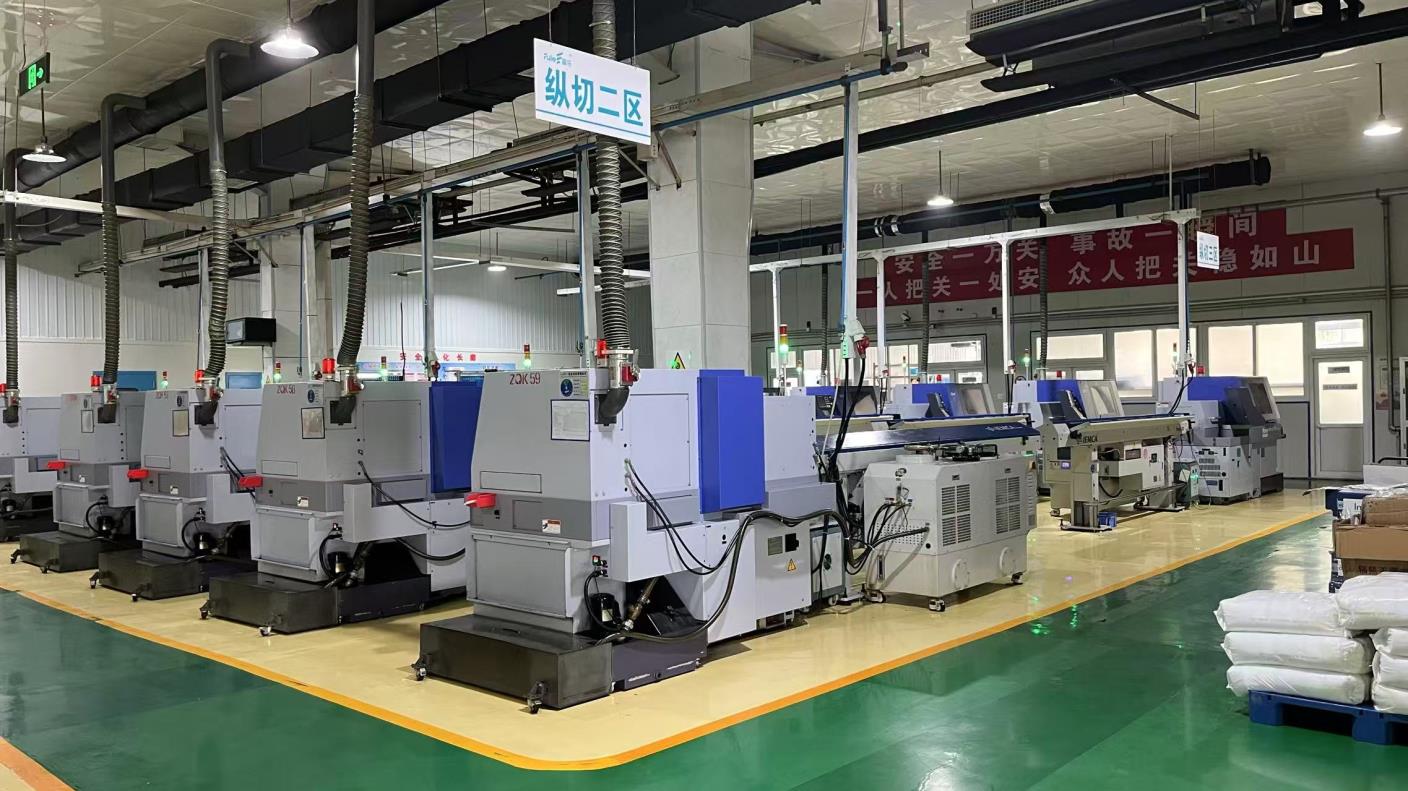
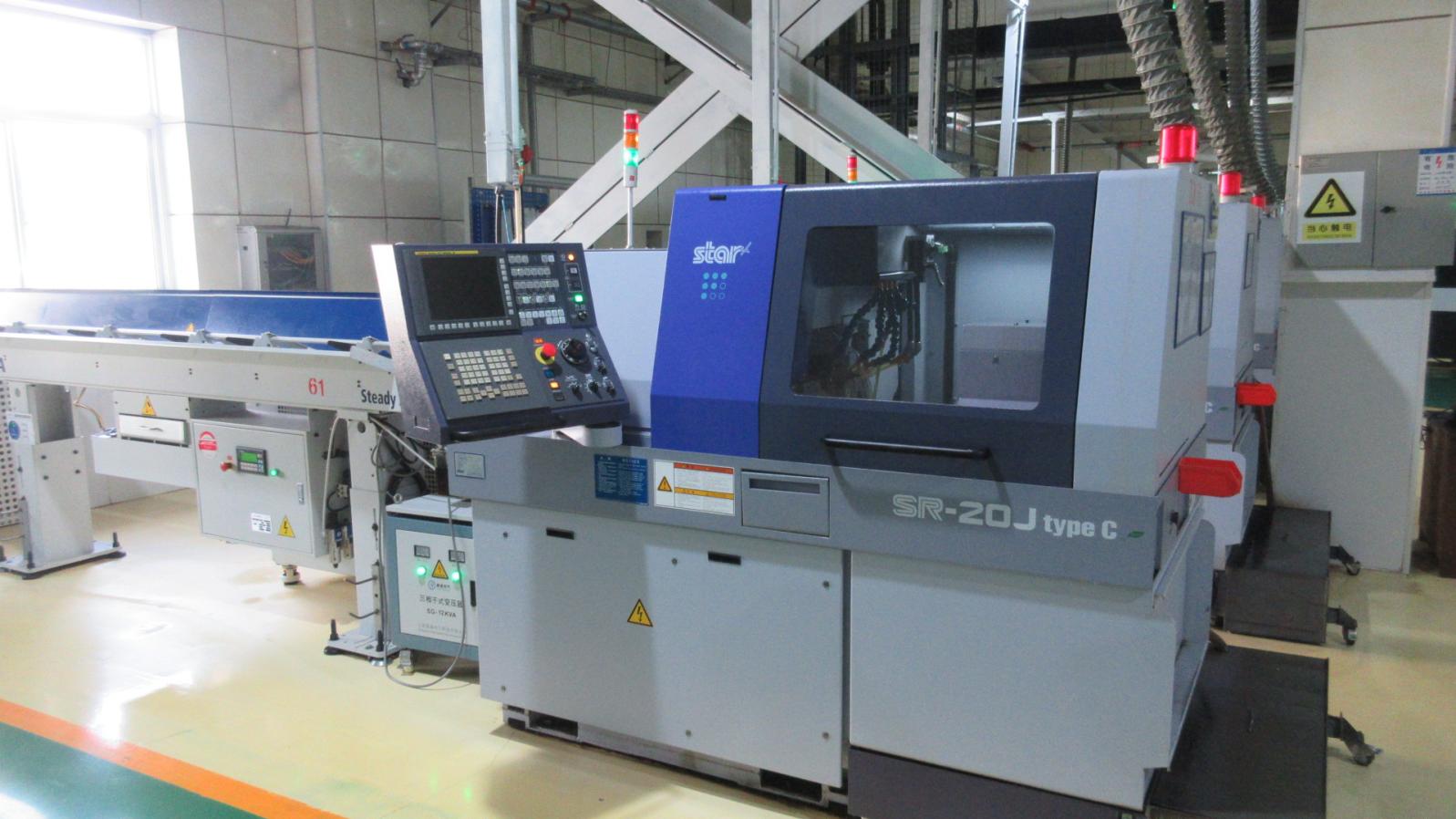
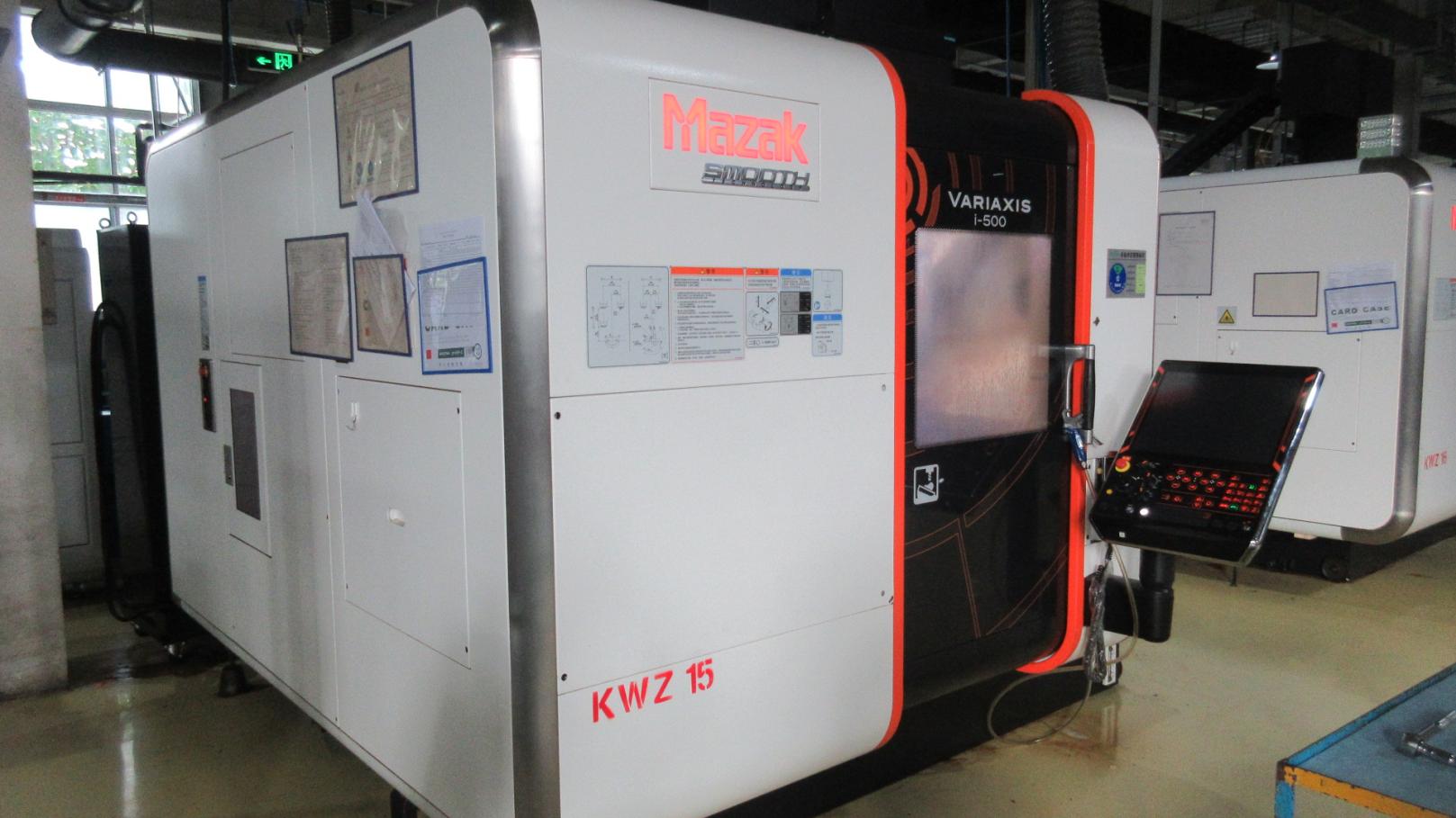
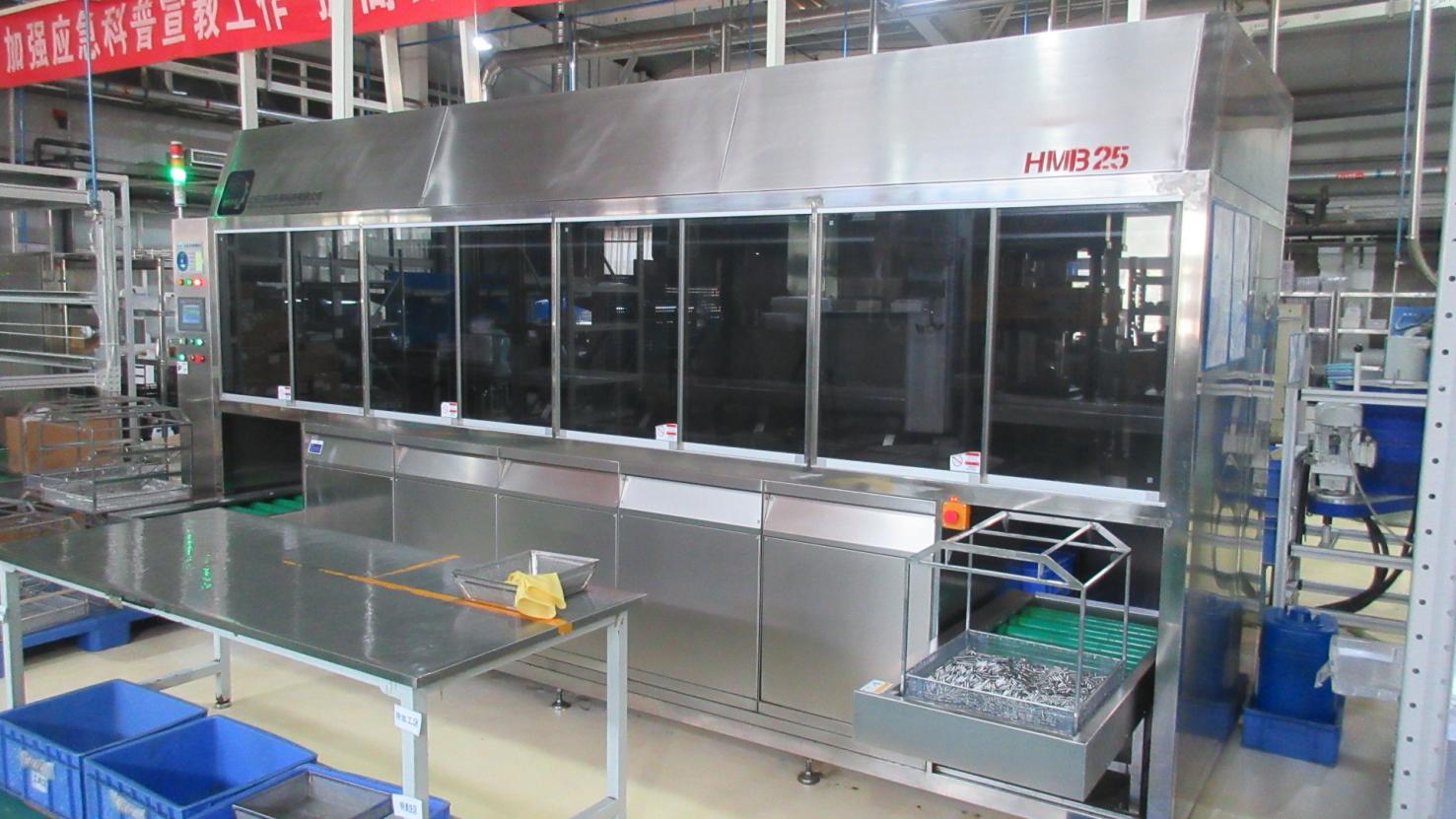
Our manufacturing facility houses 102 state-of-the-art production machines, including Swiss CNC lathes, 5-axis machining centers, and automated ultrasonic cleaning lines to ensure dimensional accuracies down to ±5 microns.
Through collaborative engineering, we assist medical device brands in launching custom profiles for transforaminal (TLIF), posterior (PLIF), anterior (ALIF), and lateral (LLIF/DLIF) lumbar interbody fusion approaches, alongside specialized cervical cages with integrated fixation screws.
Global purchasing directors face the challenge of balancing product quality with cost efficiency. As a leading manufacturer based in China's advanced medical device cluster, we leverage structural advantages to provide high-quality implants at highly competitive prices.
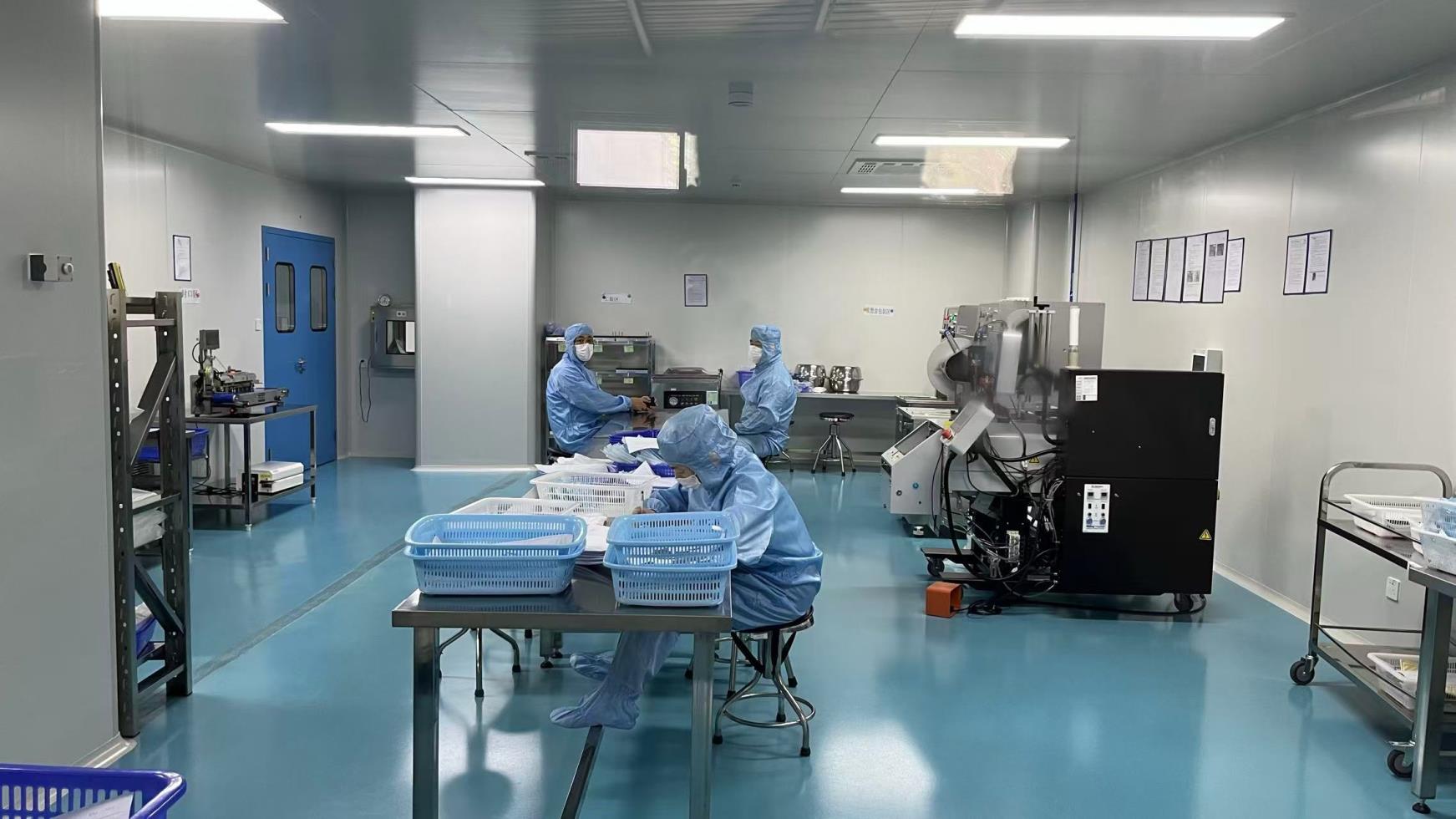
Class 10,000 and Class 100,000 cleanrooms ensure zero particulate contamination during secondary processing, cleaning, and packaging.
Direct supply agreements with 70 raw material partners ensure priority sourcing of ISO 5832-3 compliant titanium alloys and Solvay Zeniva PEEK.
With an annual output of 511,000 finished implant units, we can fulfill high-volume orders during supply chain disruptions.
Our logistics partnerships and standardized manufacturing processes enable us to offer shorter lead times—typically 4 to 6 weeks from order confirmation to global shipment—compared to European or North American manufacturing facilities.
In the Class III medical implant industry, regulatory compliance is critical. We maintain a robust Quality Management System (QMS) certified to ISO 13485, ensuring clinical performance and data traceability for international market registrations.
Every single batch of implants is shipped with a comprehensive quality documentation package, including raw material melt certificates, ultrasonic testing reports, dimensional inspection logs, and sterilization validation certificates. Raw materials are traceable back to their original chemical composition heat numbers.
Our 15 QA/QC inspectors carry out inspections throughout the production cycle, utilizing coordinate measuring machines (CMM), optical comparators, and surface roughness testers. 100% of finished implants undergo visual and dimensional inspection prior to packaging inside cleanrooms.
The global spine surgery market is shifting toward minimally invasive procedures and biological integration. The next generation of interbody fusion devices will be characterized by:
Key information to streamline procurement, product registration, and technical evaluations.
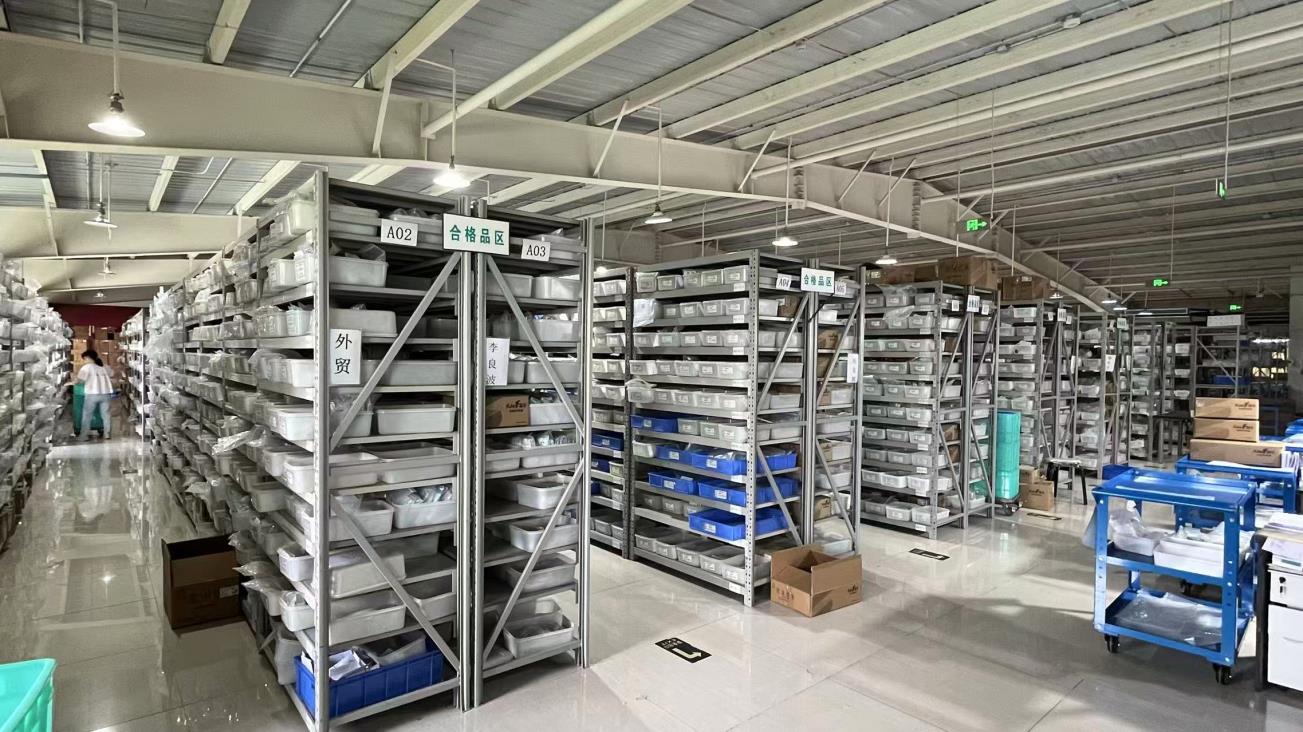
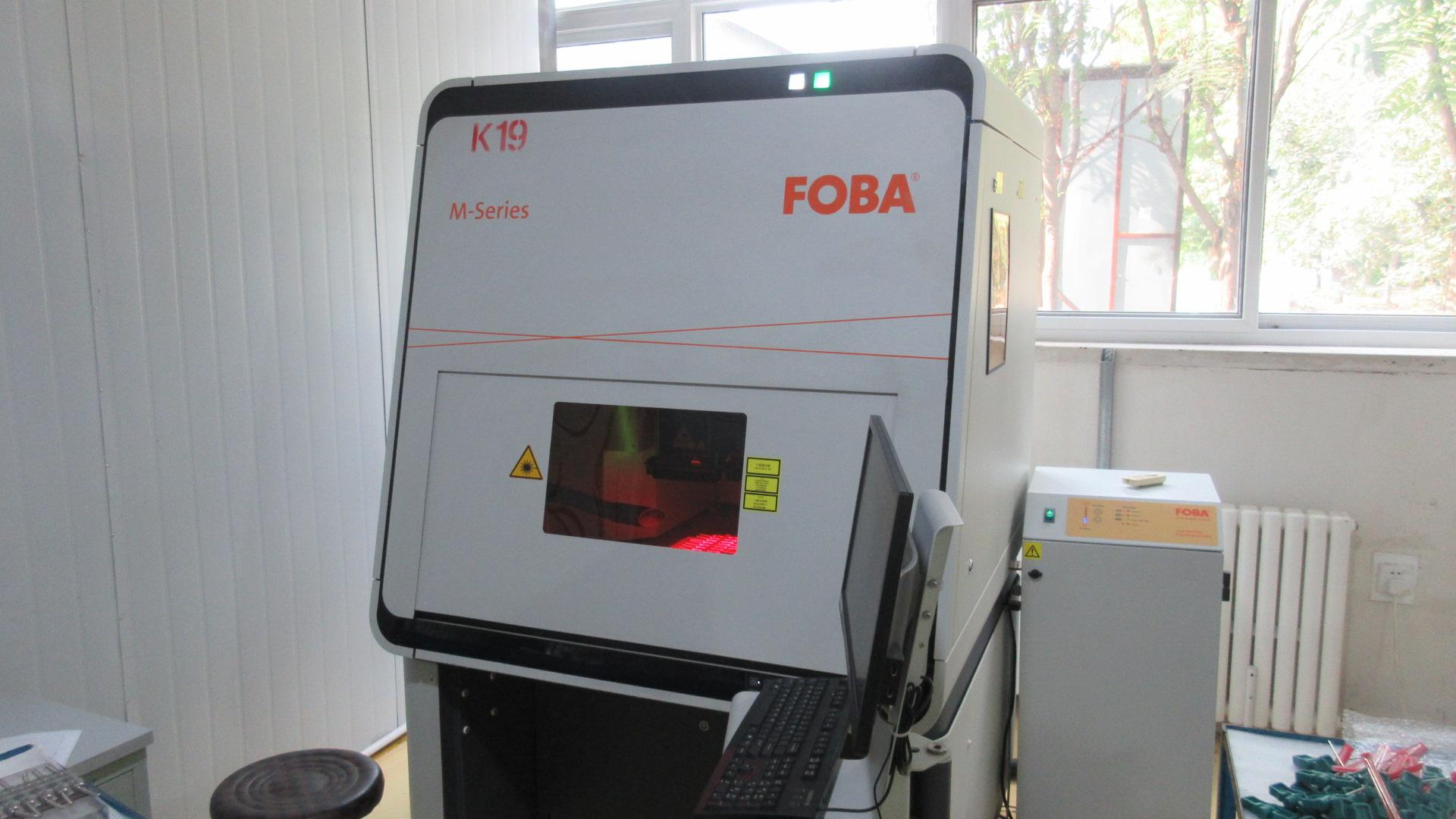
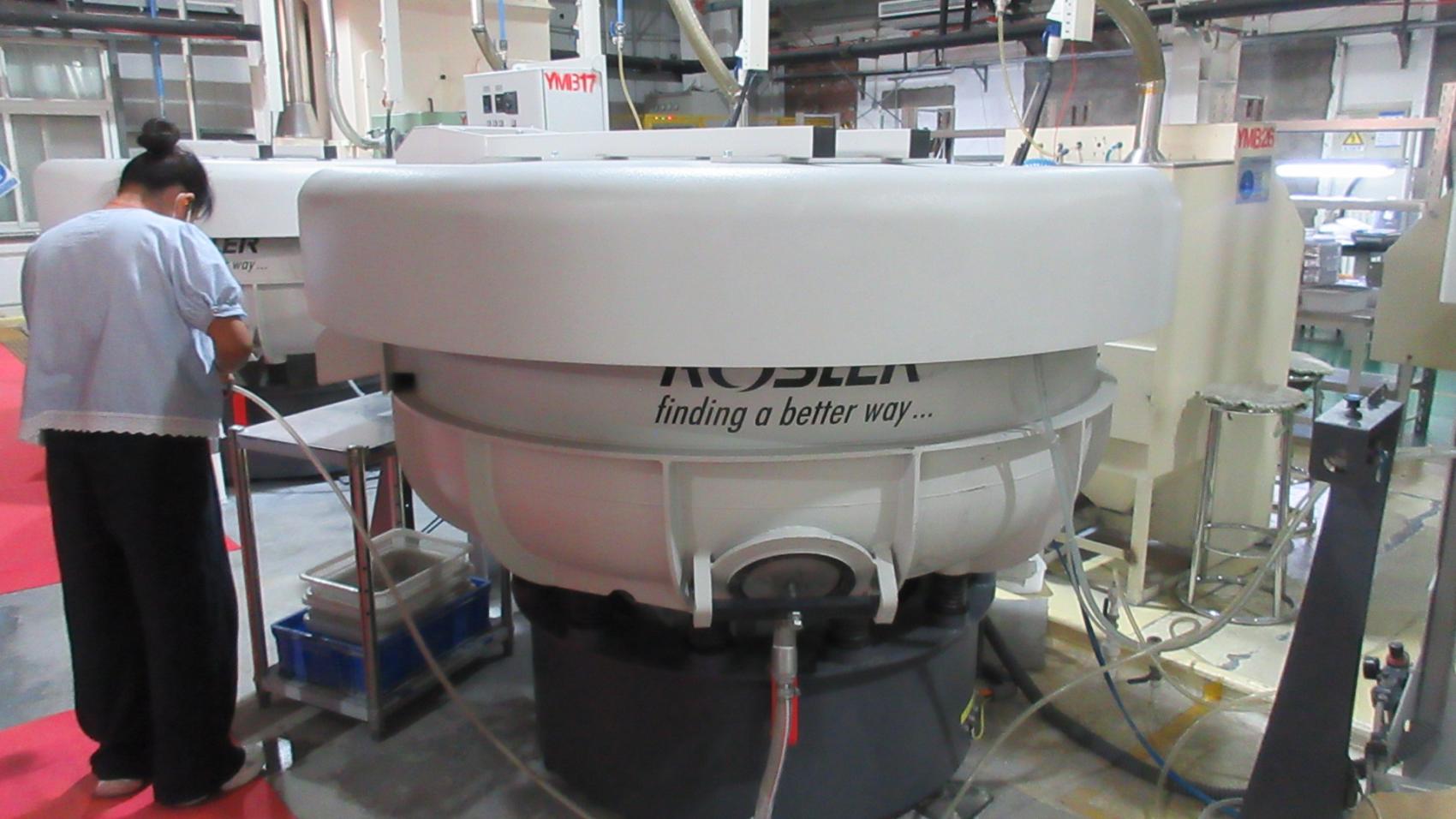
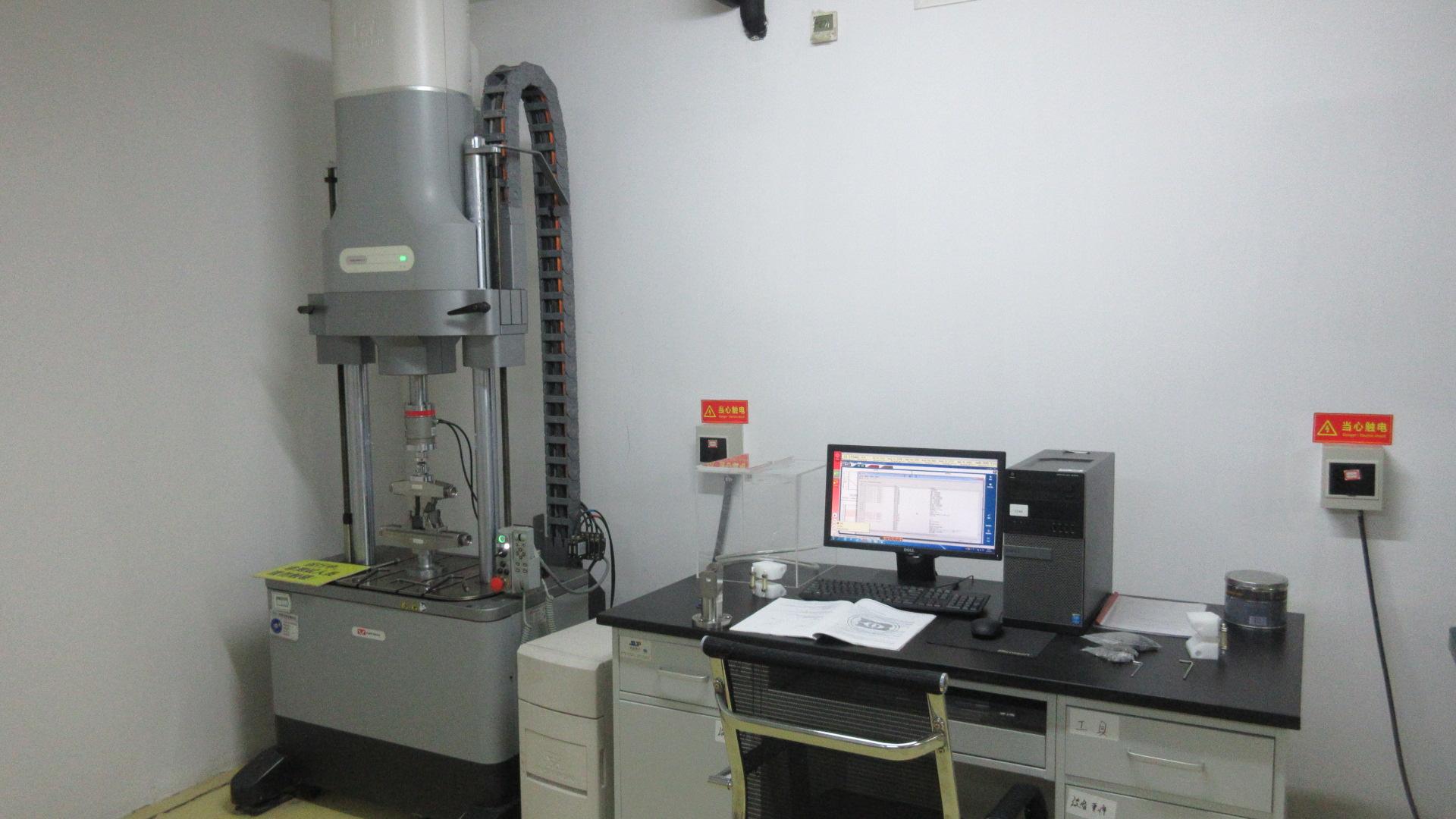
Take an inside look at our 10,000㎡ facility, Class 100,000 cleanrooms, and testing facilities.
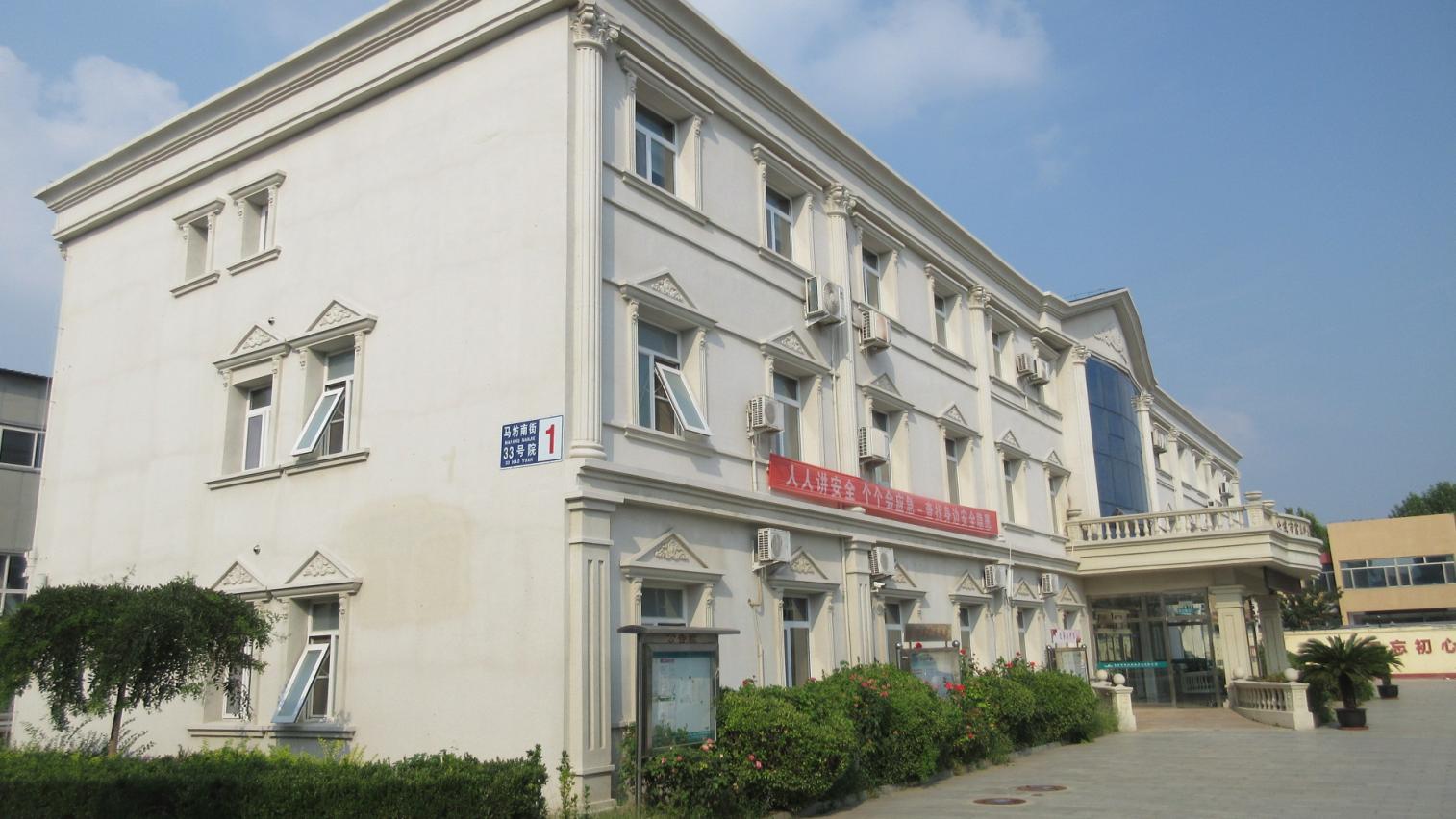
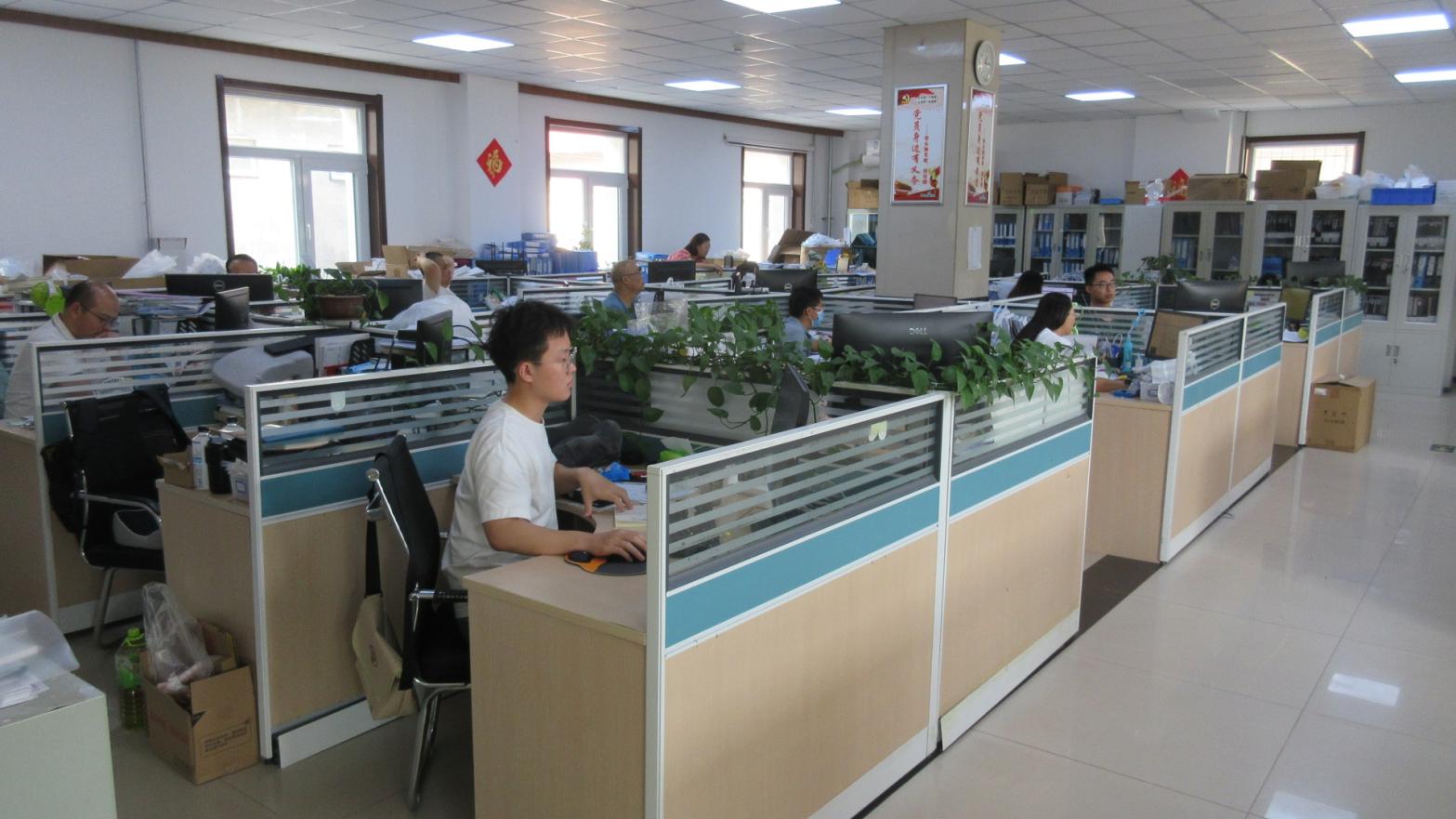
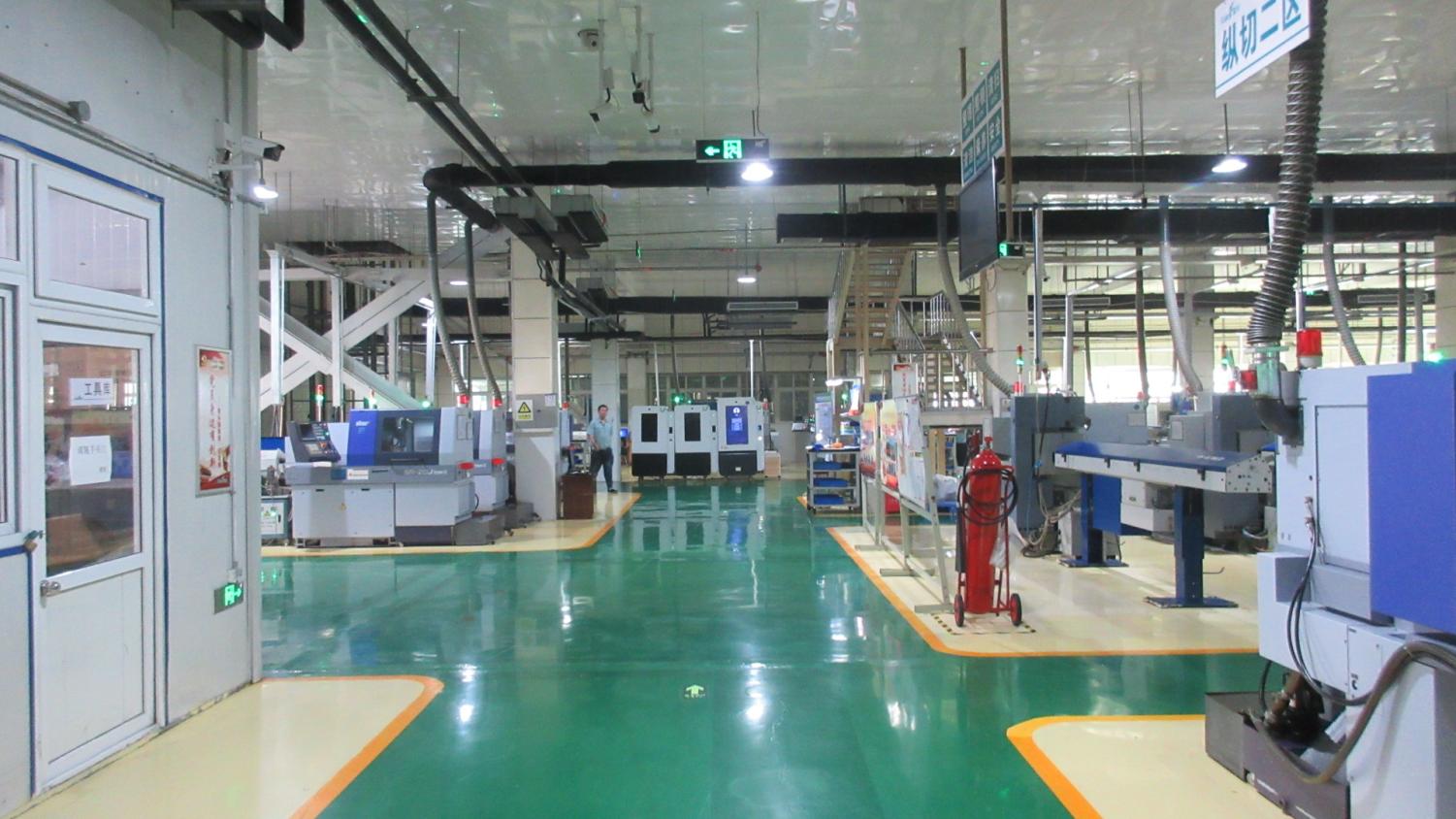
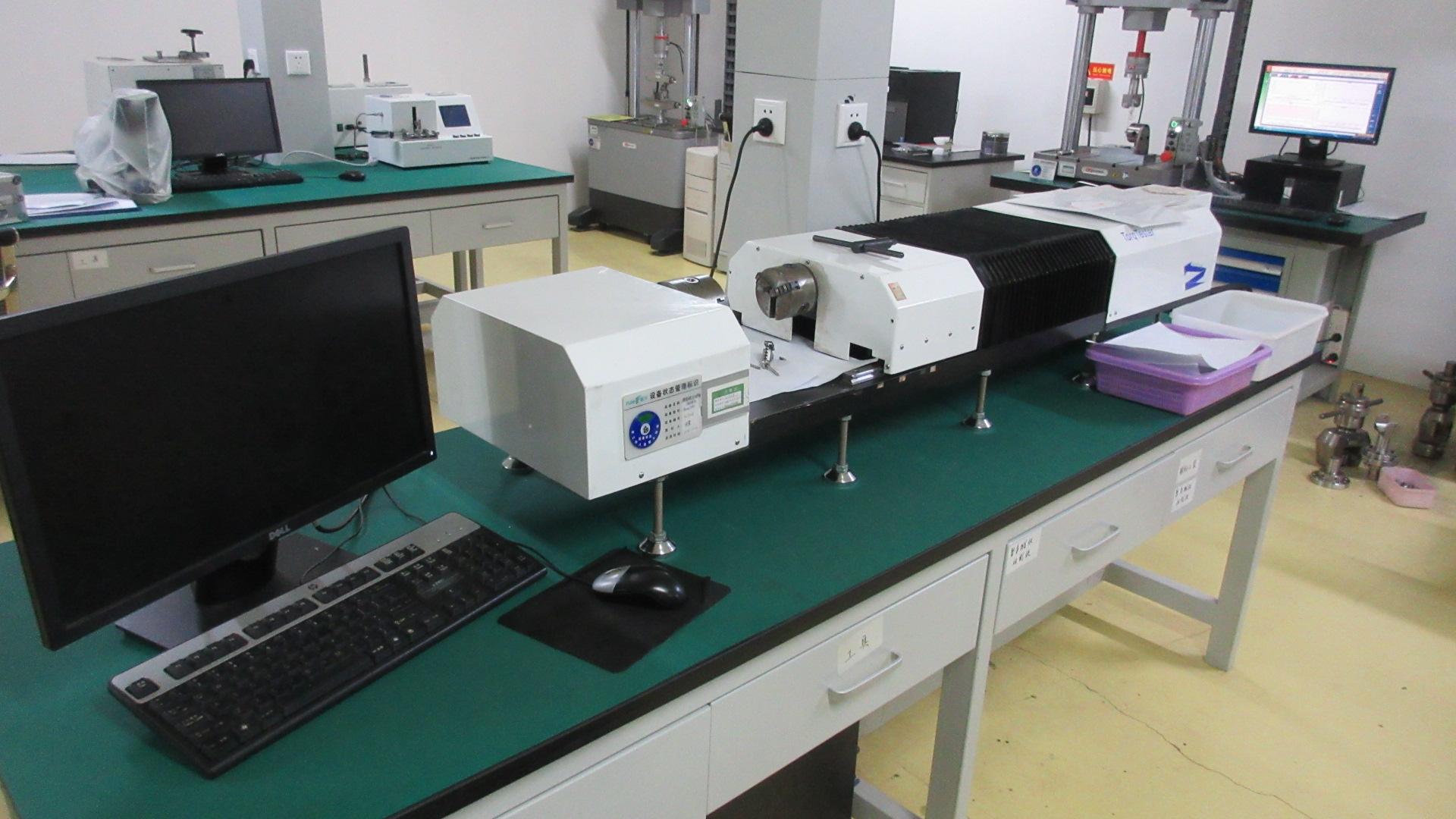
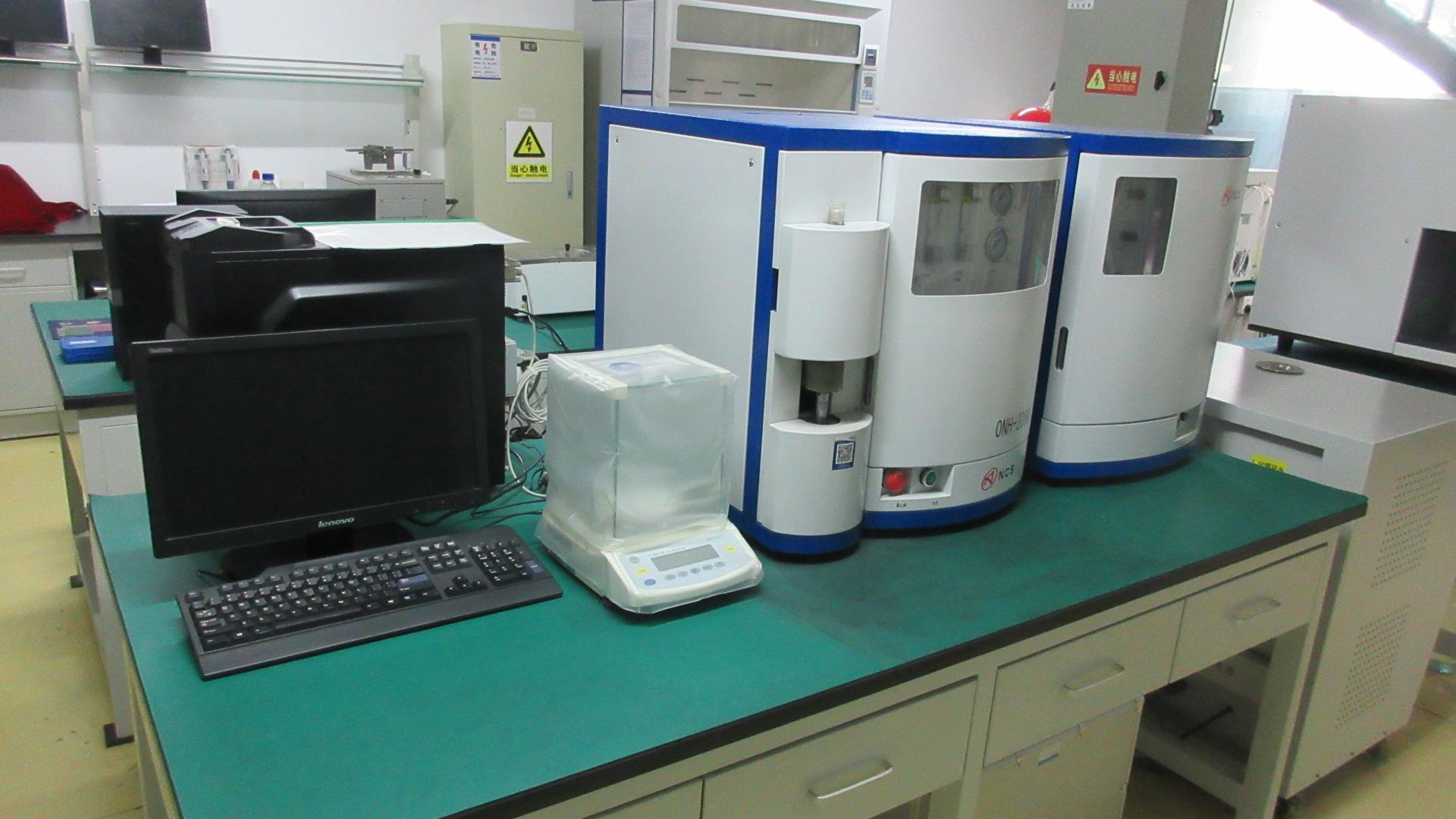
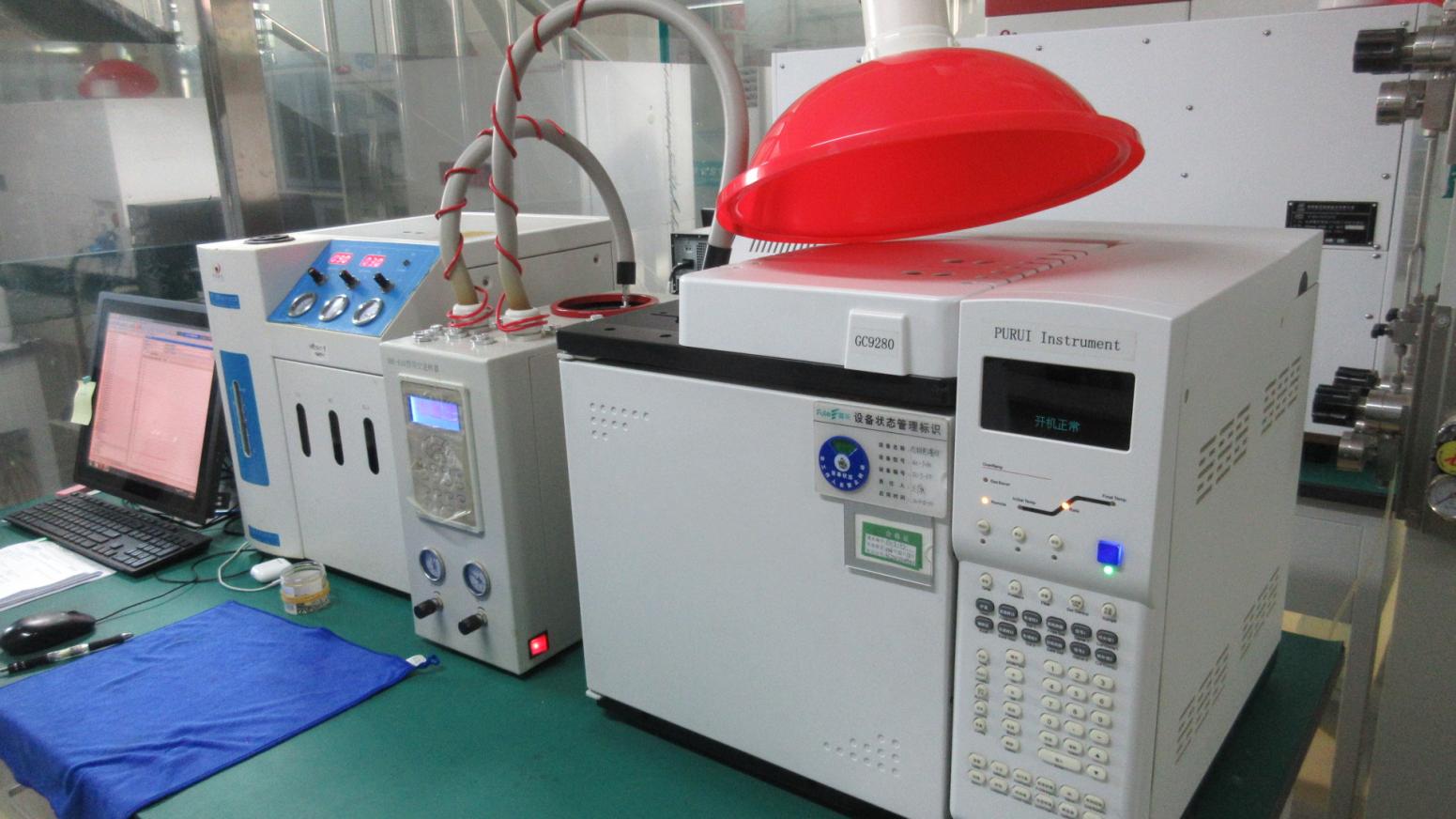
Complete trauma, cervical stabilization, and pelvic reconstruction systems featuring global compliance certifications.
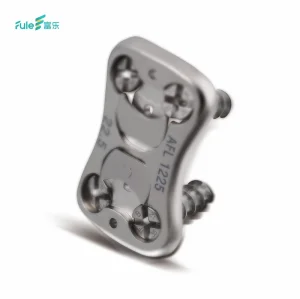
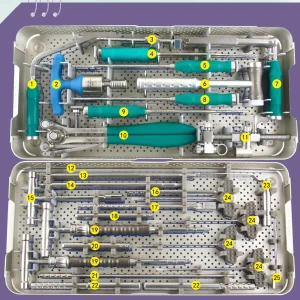
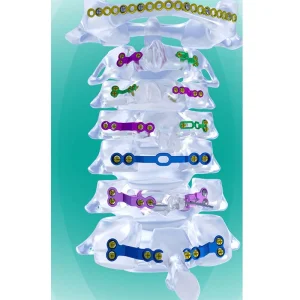
Connect with our technical R&D directors today to evaluate technical documentation, request CAD designs, and receive sample quote options.
 Beren Science & Technology