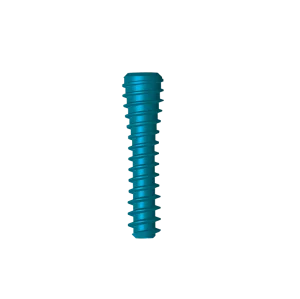
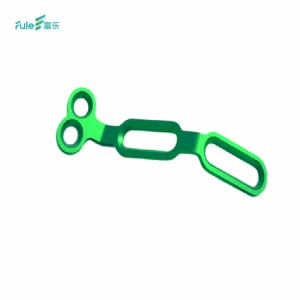
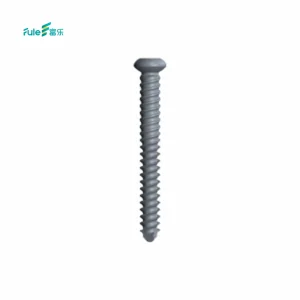
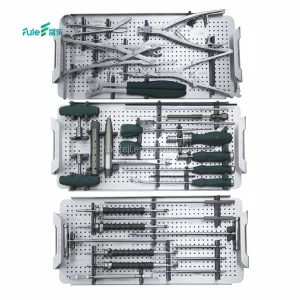
Engineered for precise visualization under modern intraoperative fluoroscopy, C-arm navigation, and CT systems.
Aligning manufacturing capabilities with the demands of hospitals, clinical buyers, and international distributors.
Modern orthopedic surgeries rely heavily on intraoperative imaging (C-arm, O-arm, MRI, and CT). Procurement heads prioritize implants constructed from materials like PEEK (Polyetheretherketone) and High-Grade Titanium Alloys. These materials minimize metal artifacts, offering surgeons crystal-clear visual margins during postoperative evaluations and alignment audits.
Compliance is no longer negotiable. Distributors in Europe and the Americas require manufacturers certified under ISO 13485, carrying valid CE marks and FDA registrations. Fule Brand delivers fully documented traceability from initial raw ingot material to the final sterilized implant, satisfying the strictest requirements of global ministries of health.
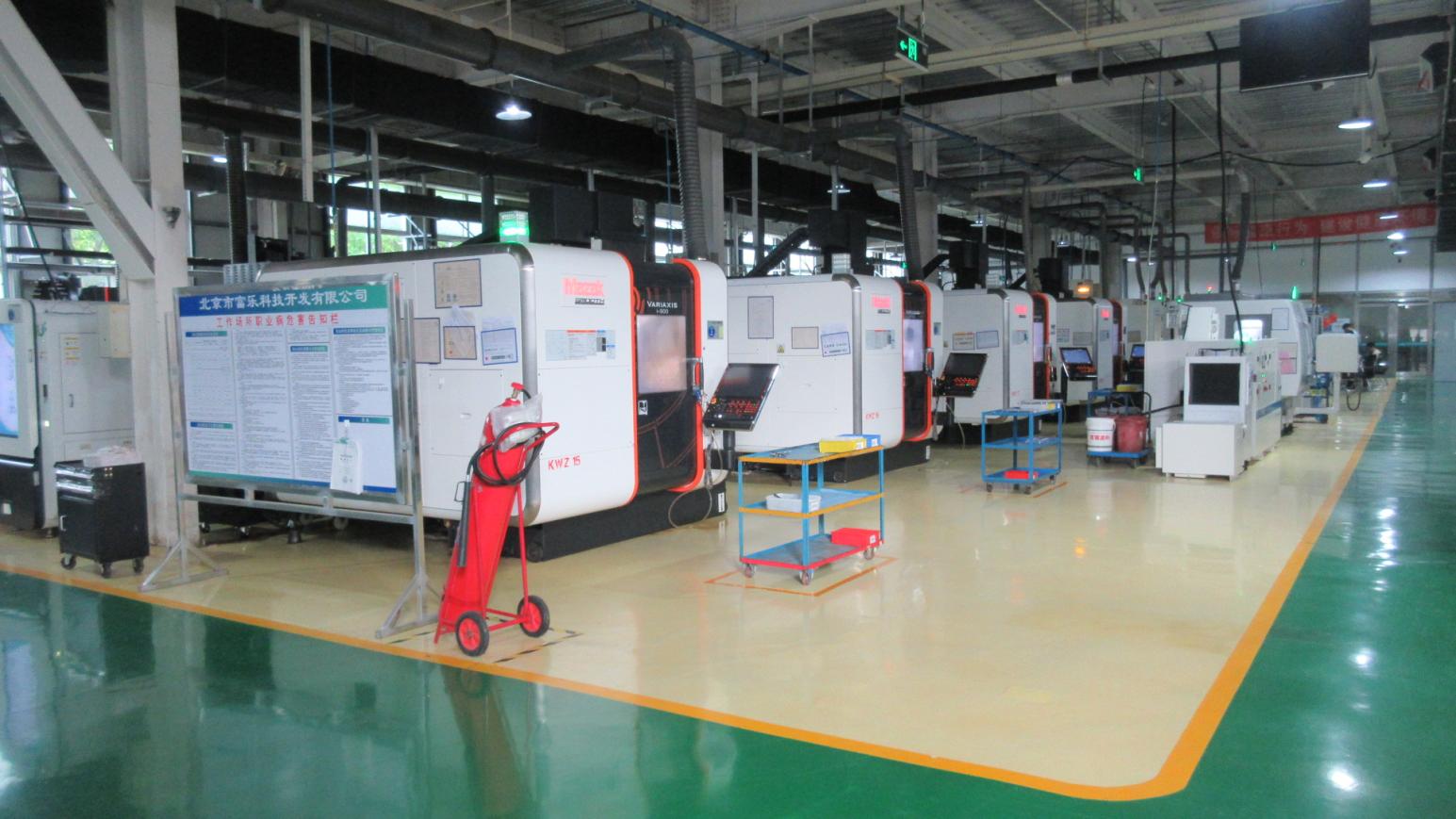
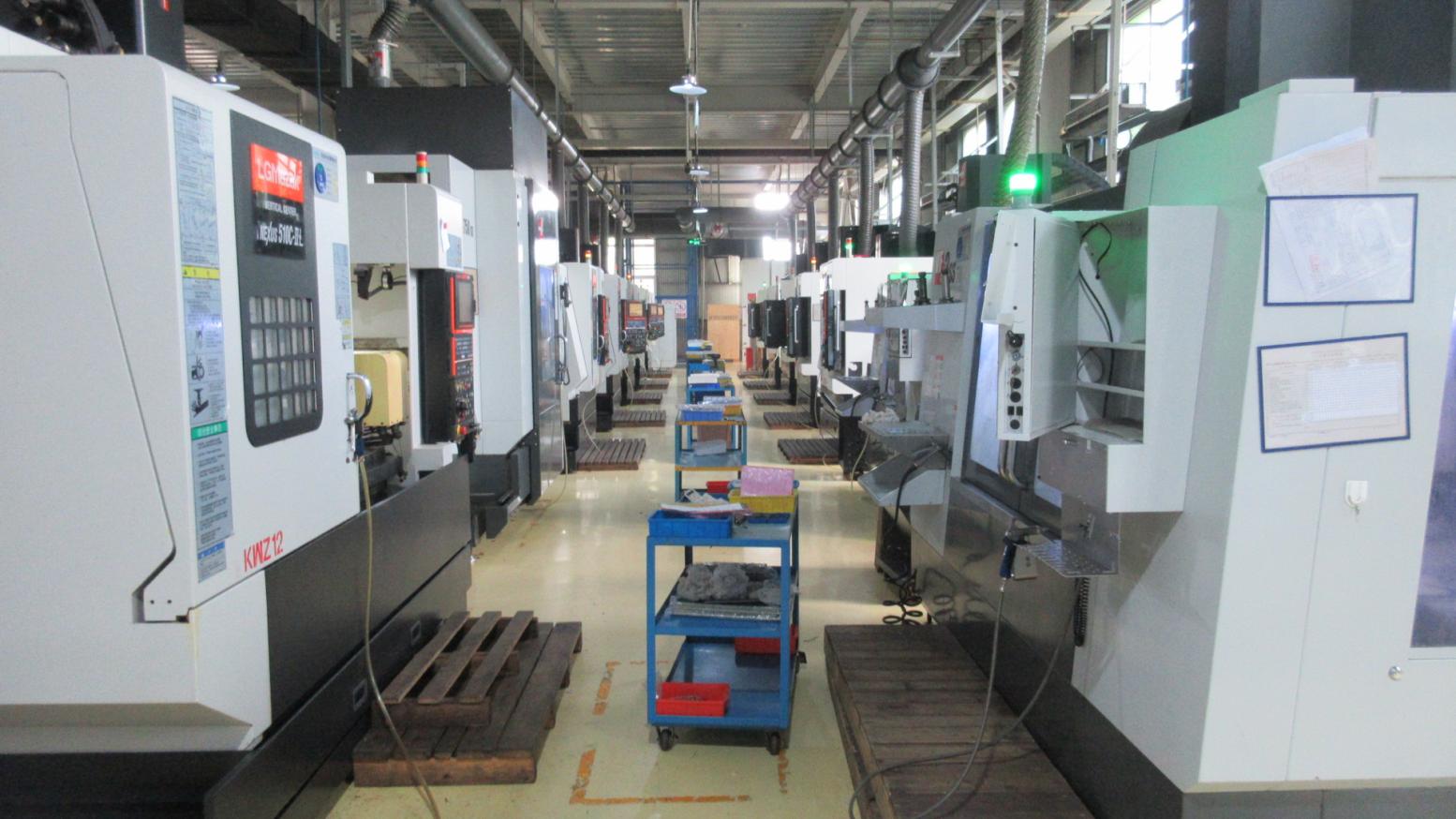
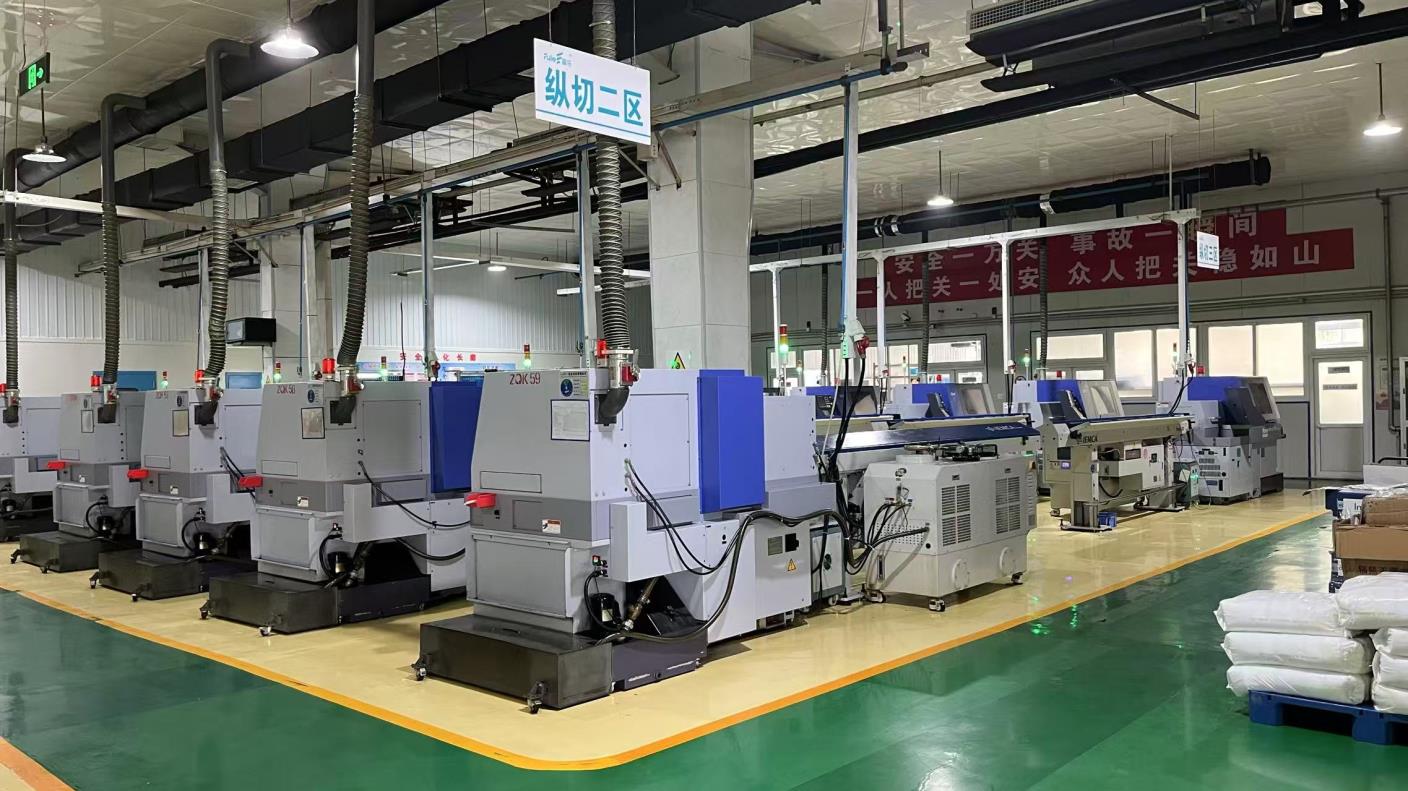
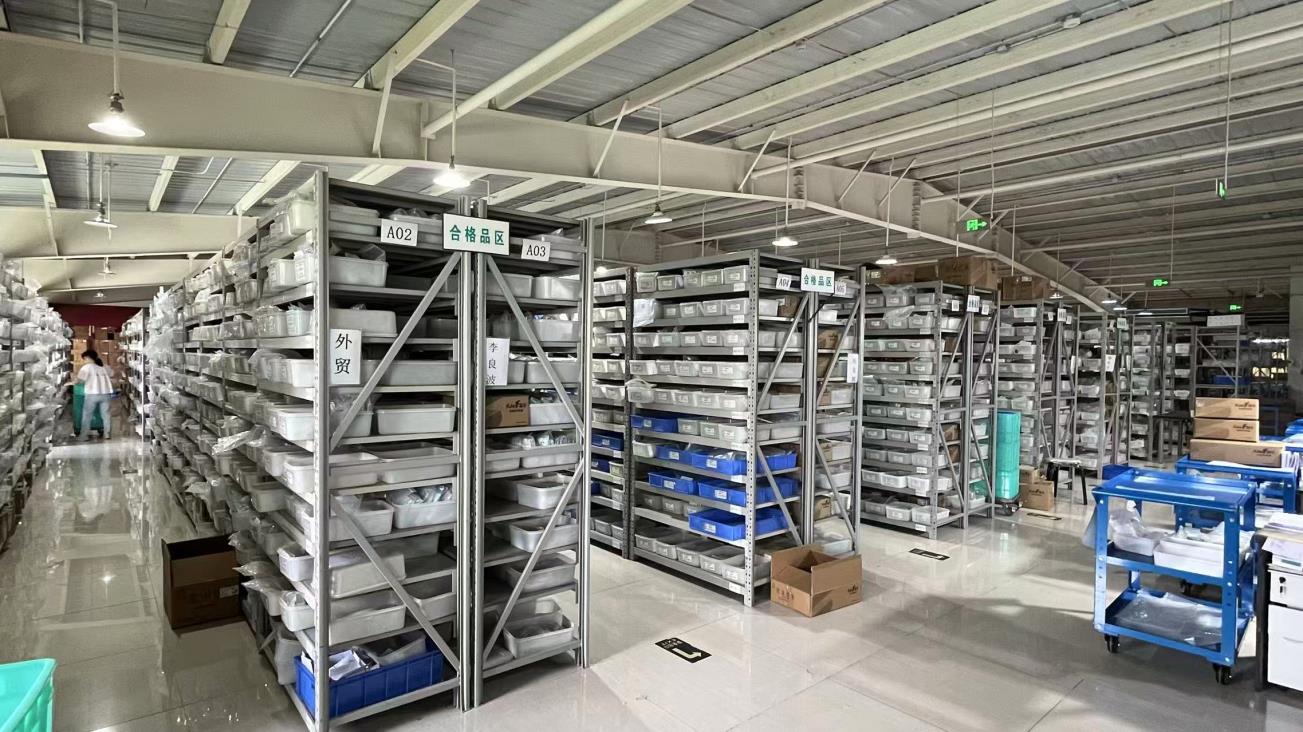
With clinical demand patterns showing increased volatility, hospital purchasing departments seek high-capacity partners offering stable lead times. With an annual production volume exceeding 511,000 units across 102 state-of-the-art production machines, we ensure a reliable supply, neutralizing standard bottleneck risks for global suppliers.
Over 30 years of manufacturing excellence in orthopedic hardware and image-guided surgical tools.

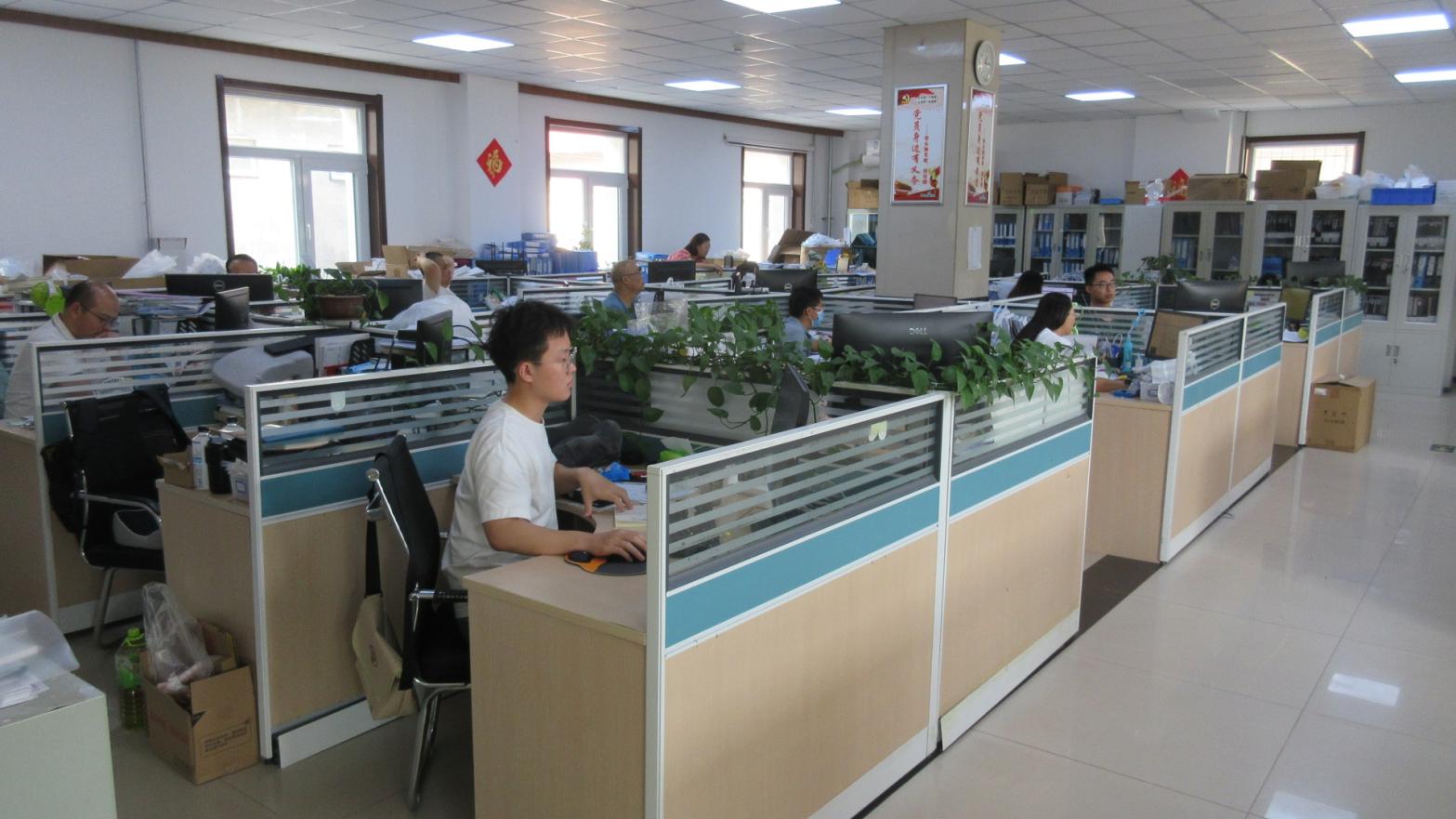
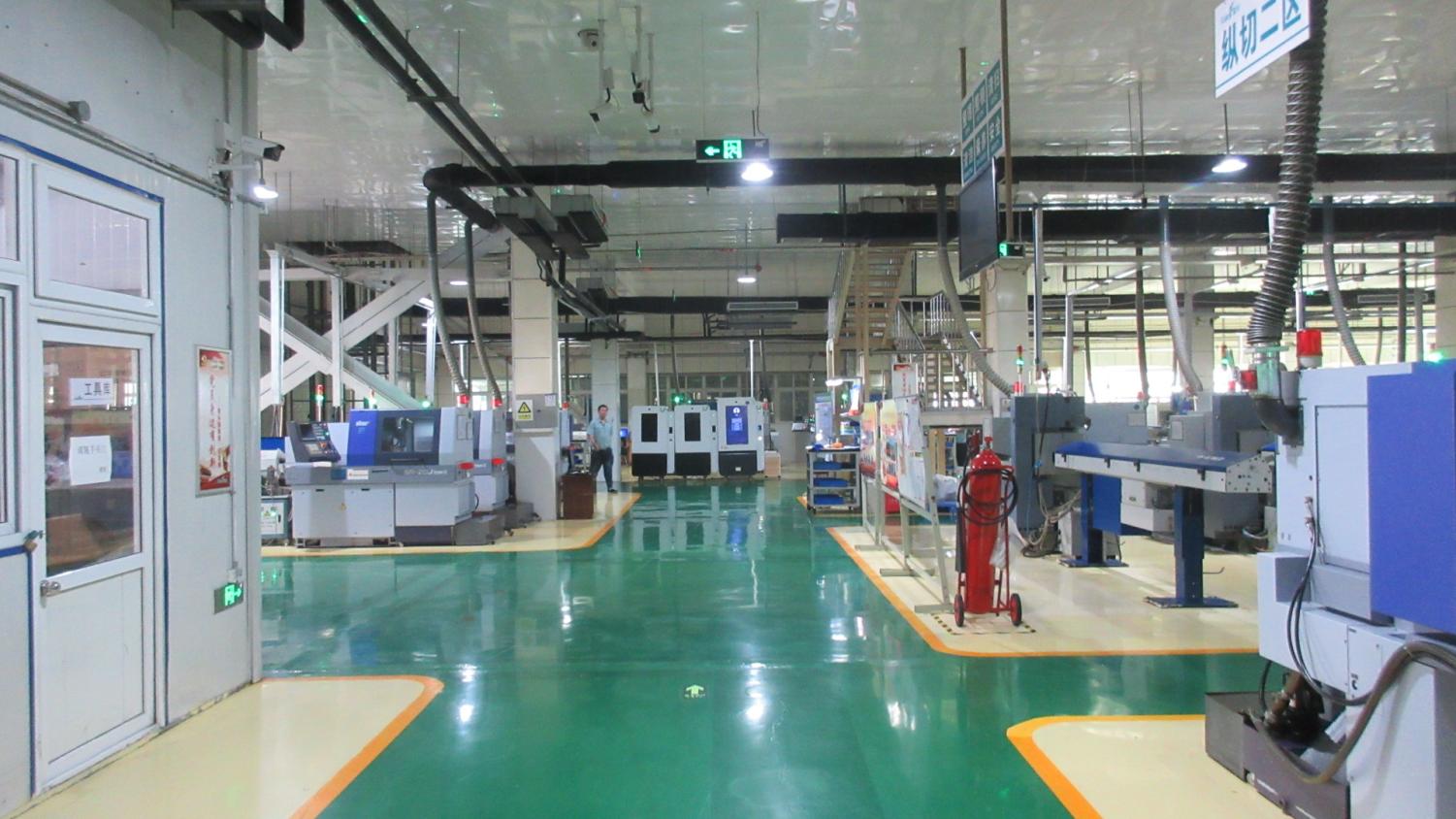
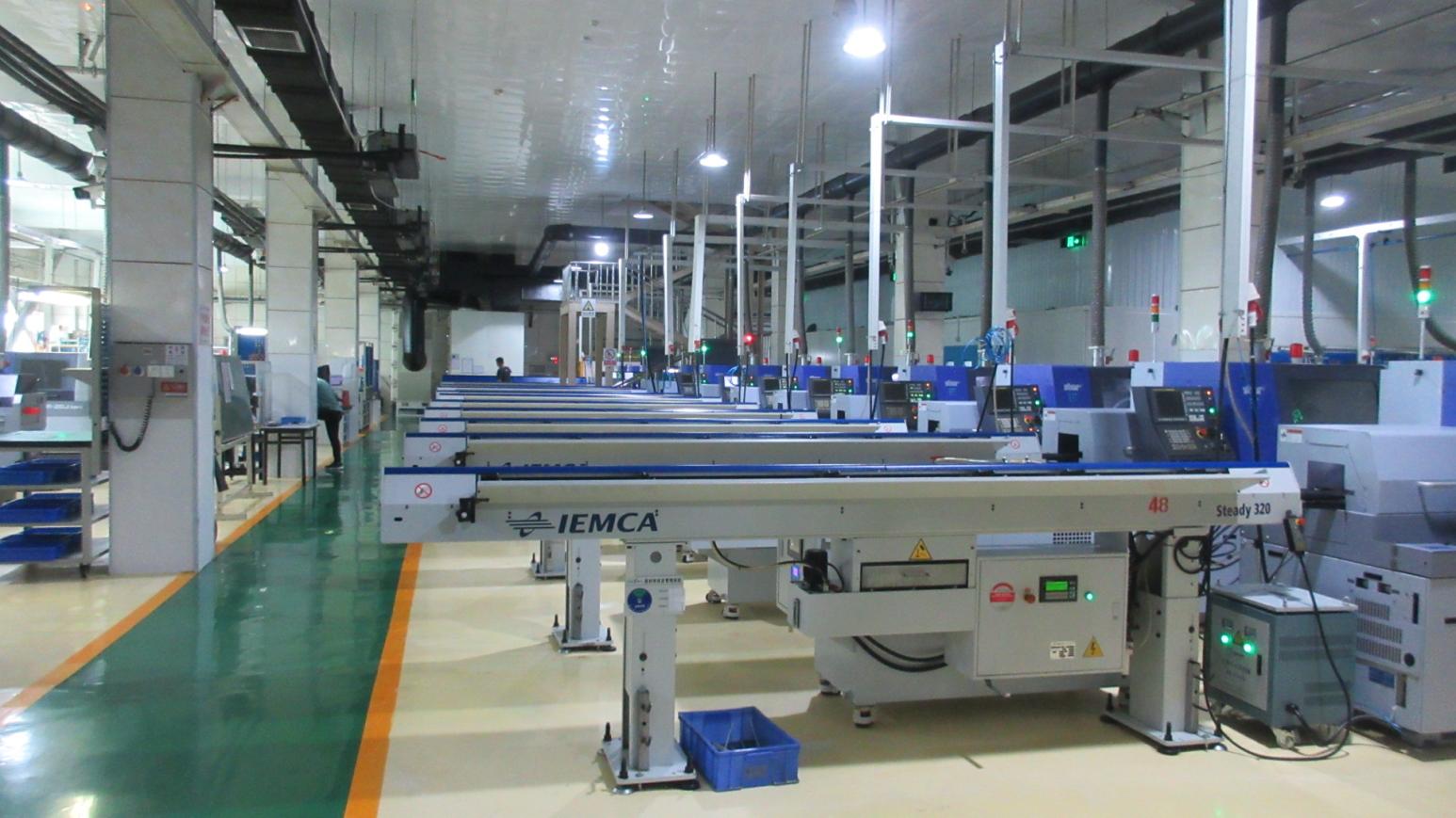
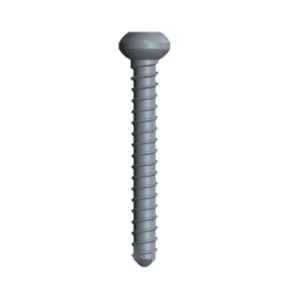
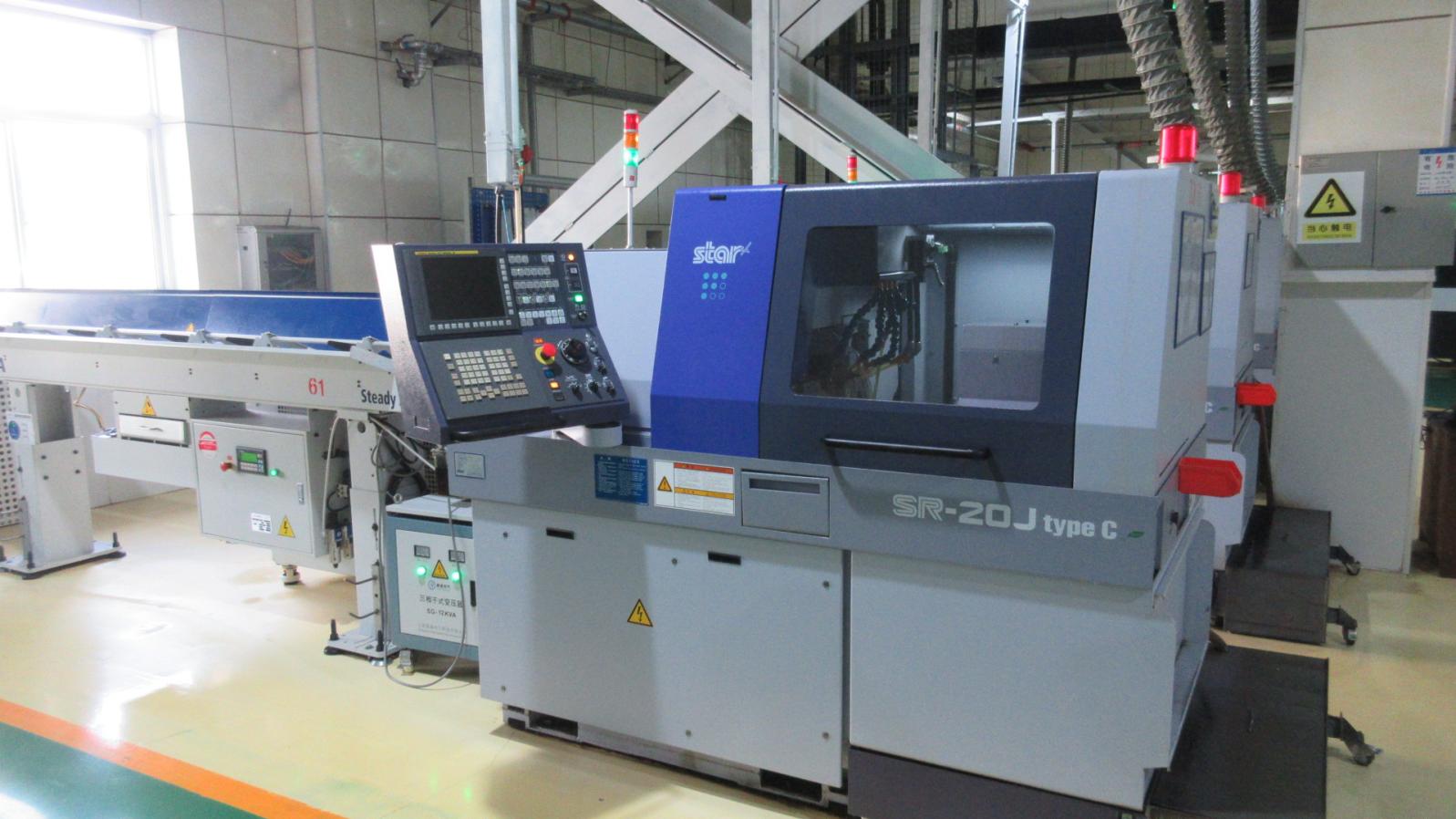
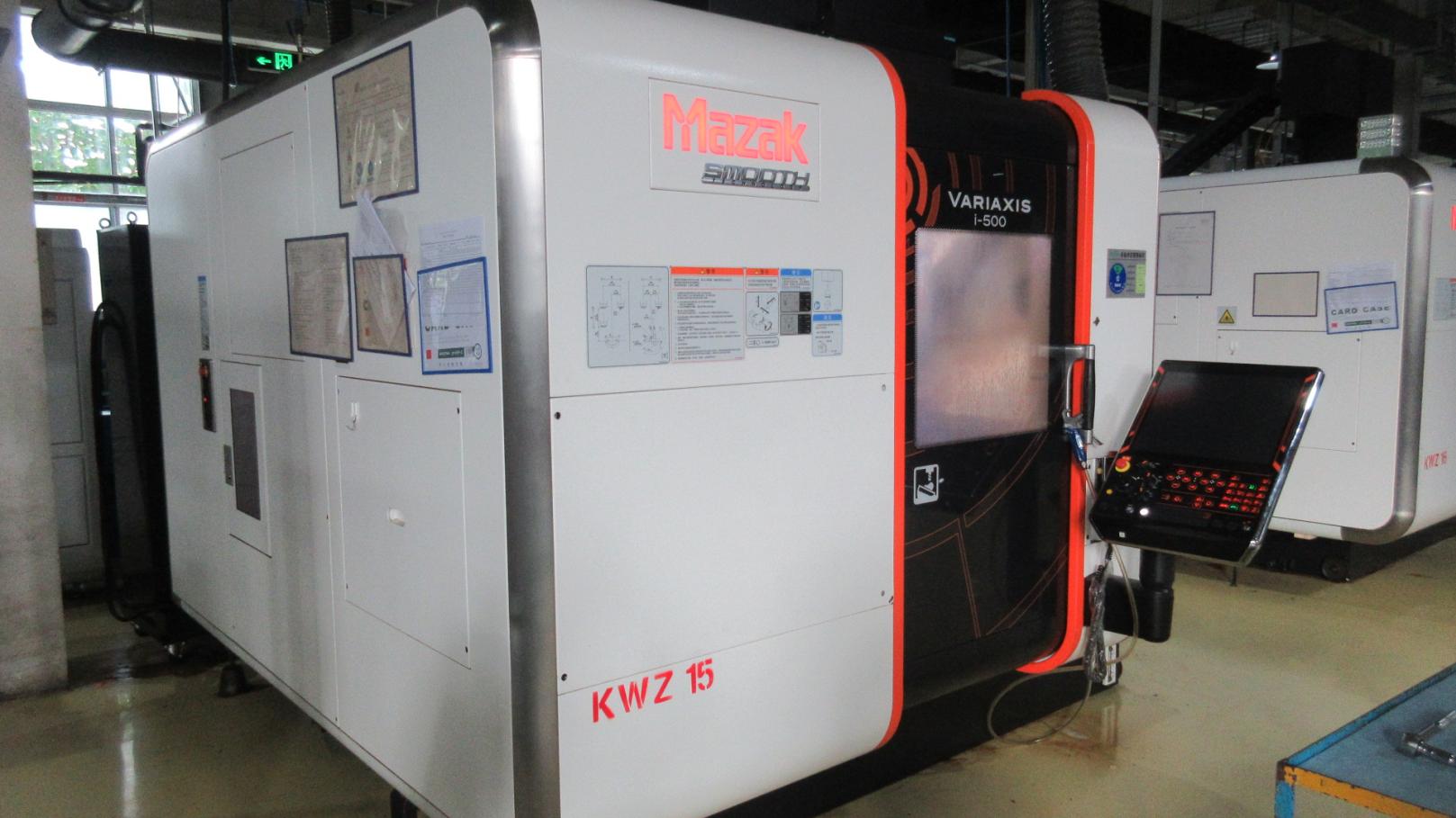
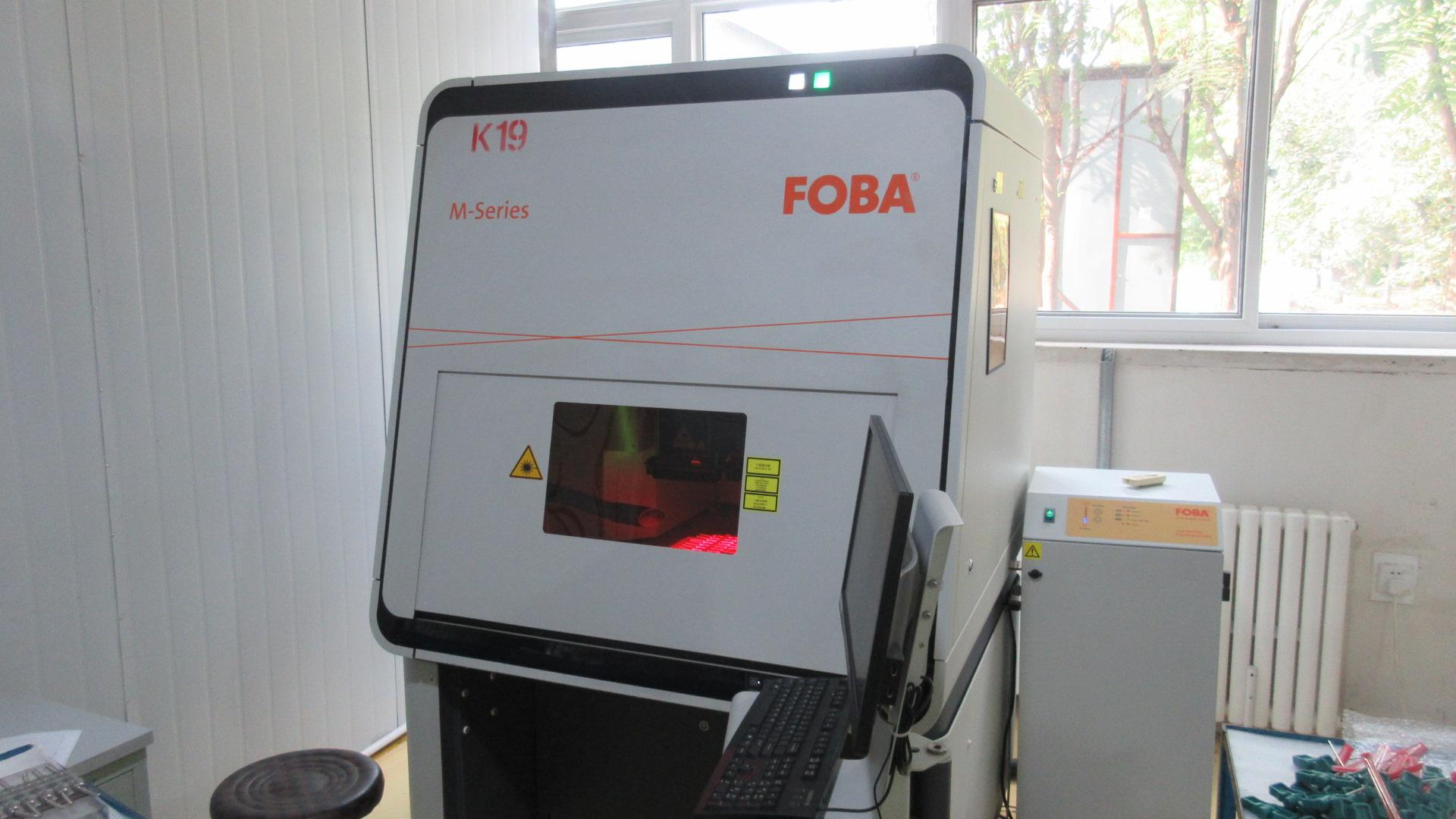
Established in 1996, our factory spans a modern 10,000 square meter footprint dedicated to precision orthopedics. Powered by over 102 state-of-the-art CNC Swiss-type lathes, multi-axis milling machines, and automated surface treatment stations, our manufacturing framework supports a vast catalog of spine-rod systems, pedicle screws, locking plates, and intramedullary nails. Our R&D division, staffed by 20 veteran engineers (featuring 15 post-graduate researchers), guarantees continuous product iterations, introducing 20+ innovative orthopedic patterns annually.
Bridging the gap between physical orthopedic implants and virtual intraoperative digital visualization.
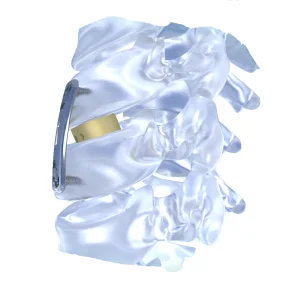
Our cervical and lumbar fusion cages employ medical-grade PEEK, exhibiting radiolucent properties that enable clear radiographic monitoring of bone-graft integration without the visual occlusion common with metallic cages.
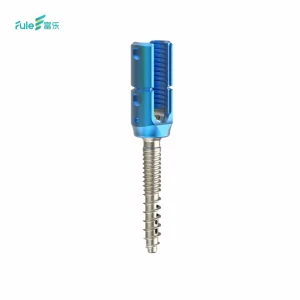
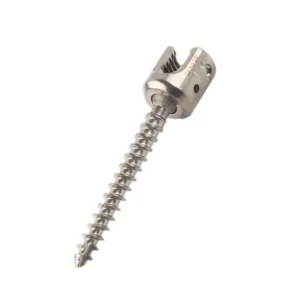
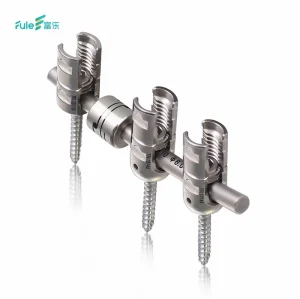
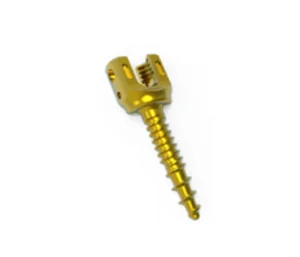
By leveraging refined Ti-6Al-4V ELI (Extra Low Interstitial) alloys, our screw-rod constructs demonstrate high MRI/CT scan structural stability with minimal magnetic interference fields, guaranteeing reliable patient diagnostics.
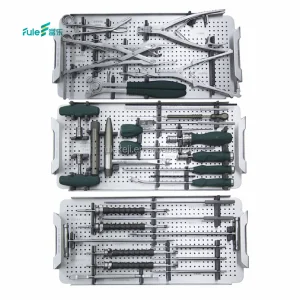
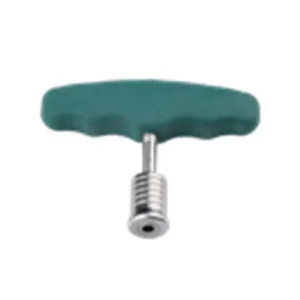
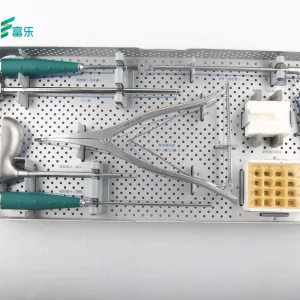
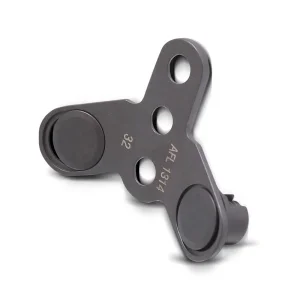
Our surgical instrument sets, including screw boxes and templates, are designed to align with optical or electromagnetic intraoperative navigation systems, minimizing structural deviations.
From custom branding and specialized packaging layouts to custom dimension alterations for diverse demographics, we translate complex anatomical challenges into functional implant realities.
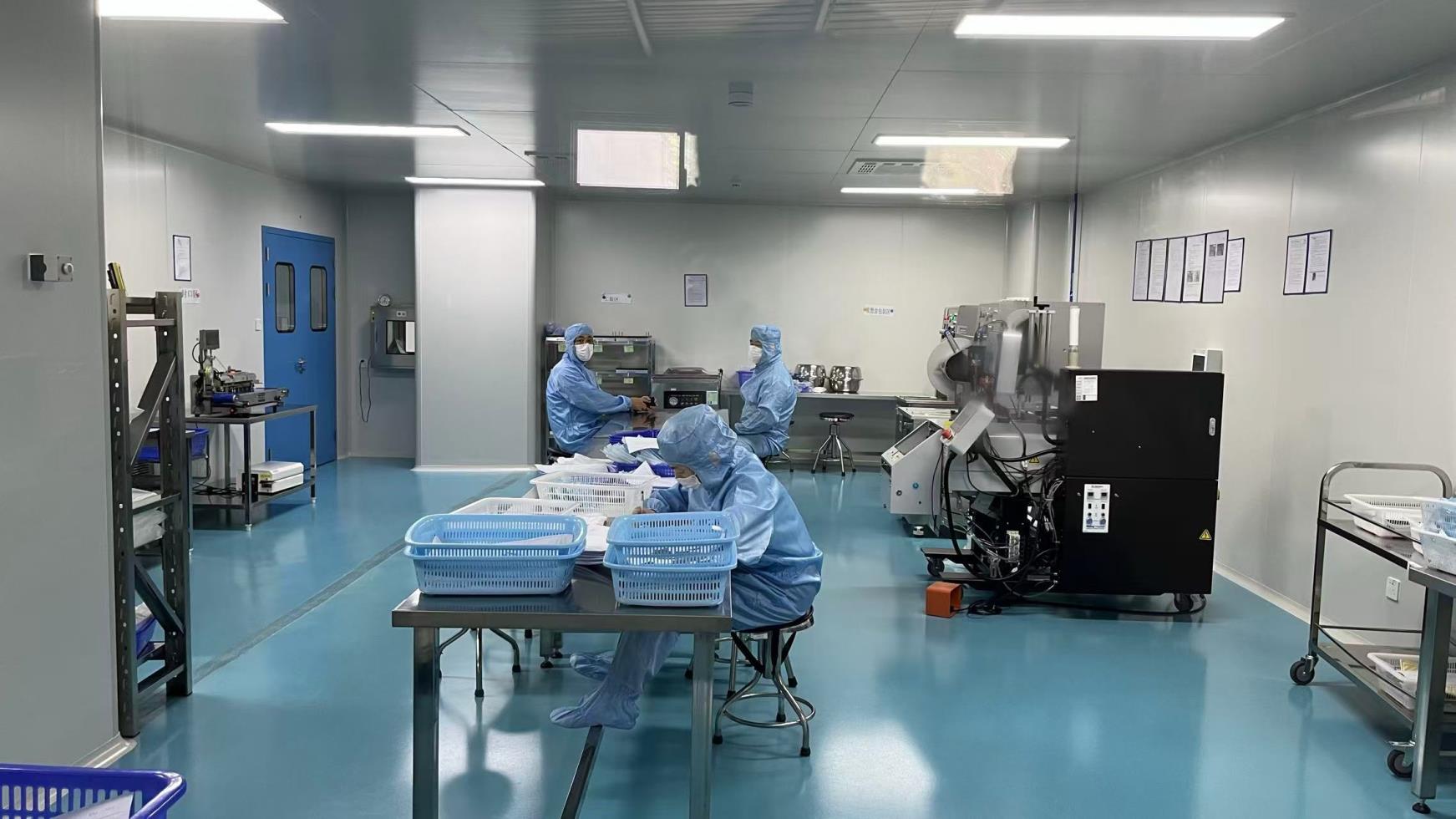
Witnessing the stringent engineering pipeline behind our FDA & ISO compliant orthopedic portfolios.
Innovating today to build the smart, imaging-compatible orthopedic structures of tomorrow.
The landscape of orthopedic surgery is transitioning towards robotic-assisted navigation and patient-specific implant designs. Recognizing this macro-trend, our engineering division has set a detailed roadmap focusing on three core research directions:
Improving integration pathways is vital. We are exploring the implementation of micro-textured titanium coatings and bioactive hydroxyapatite deposition. These modifications promote bone-implant mechanical stability while maintaining high radiolucent visibility under intraoperative screening systems.
Through electron-beam melting (EBM) and selective laser sintering (SLS) 3D-printing, we are expanding our custom-made interbody fusion range. These porous, biomimetic structures match human trabecular bone density closely, reducing stress-shielding risks.
We are pre-registering three-dimensional computer-aided design (CAD) files of our plates, rods, and cages with top-tier surgical navigation platforms. This allows surgeons to overlay implant footprints directly onto intraoperative real-time 3D scans during surgical placement.
How our QA/QC systems secure access to global markets and support compliance protocols.
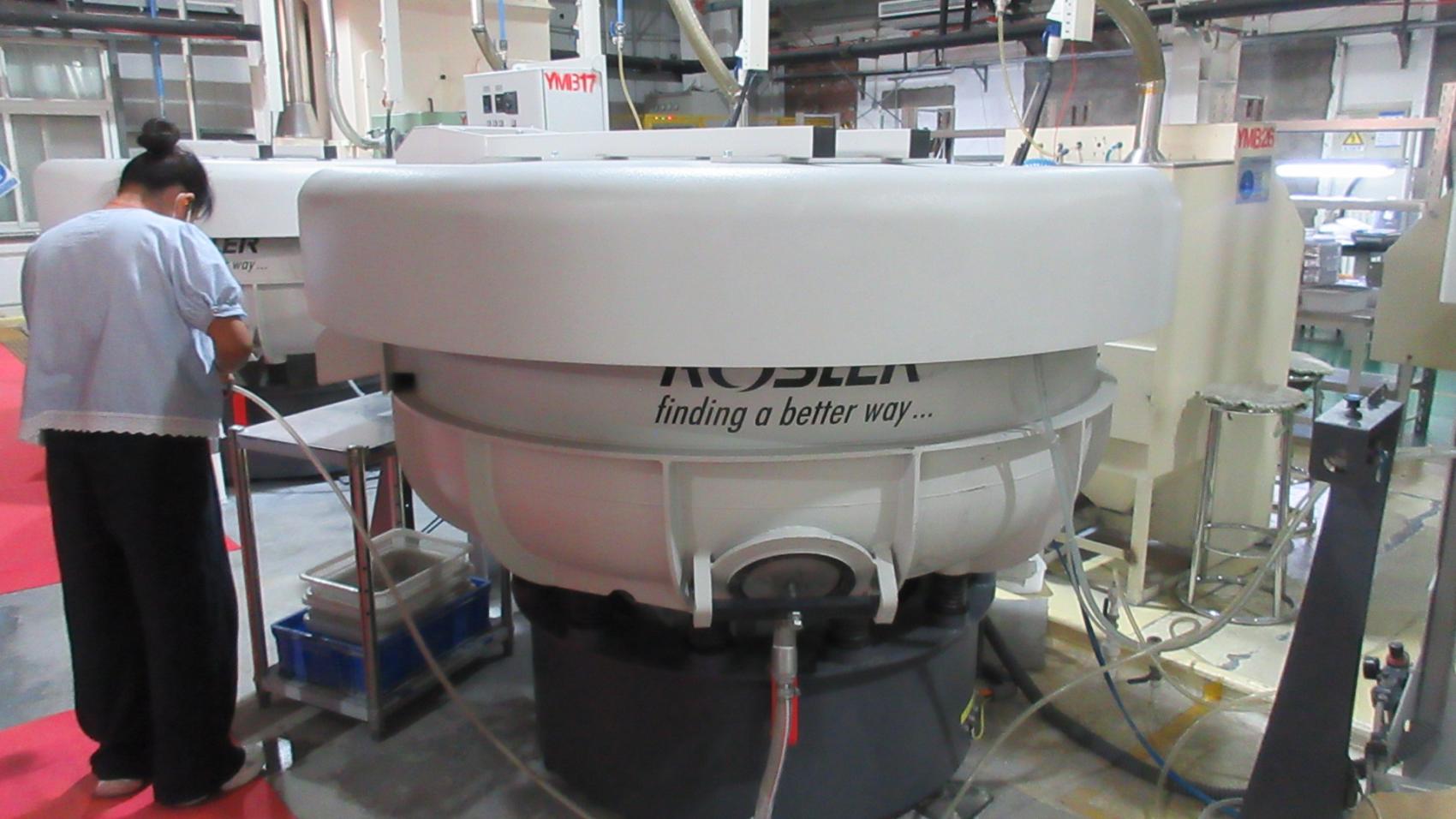
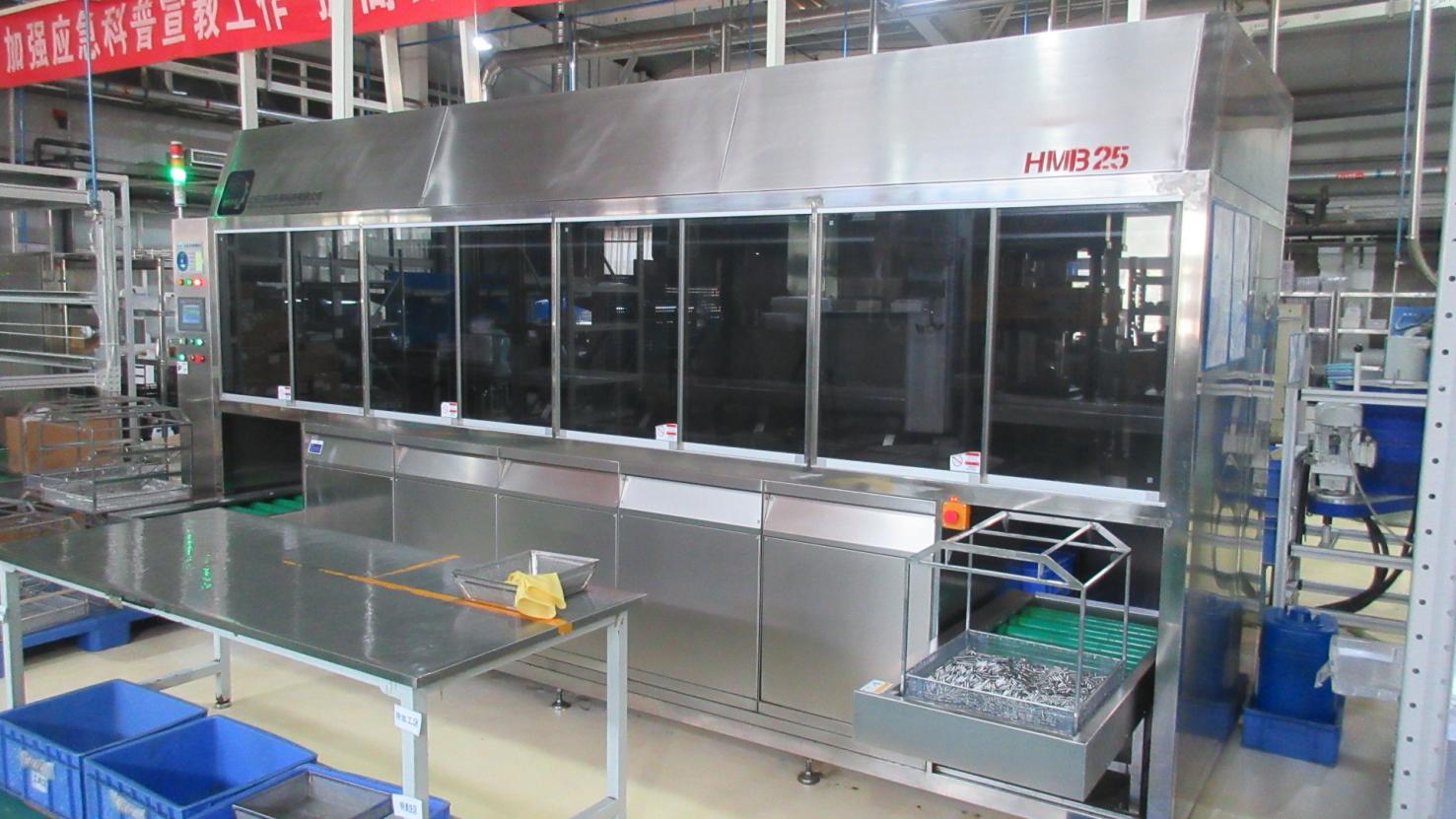
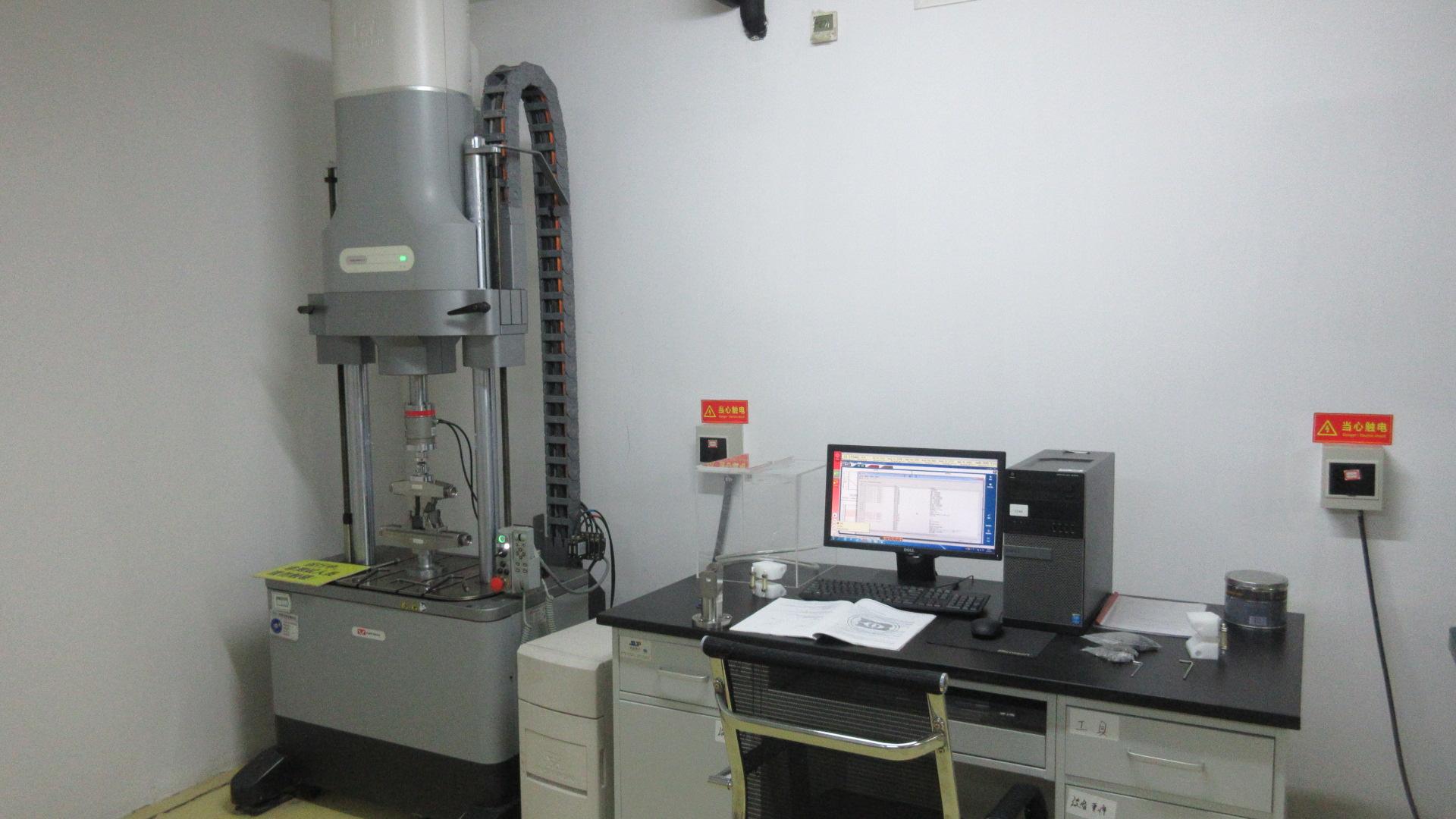
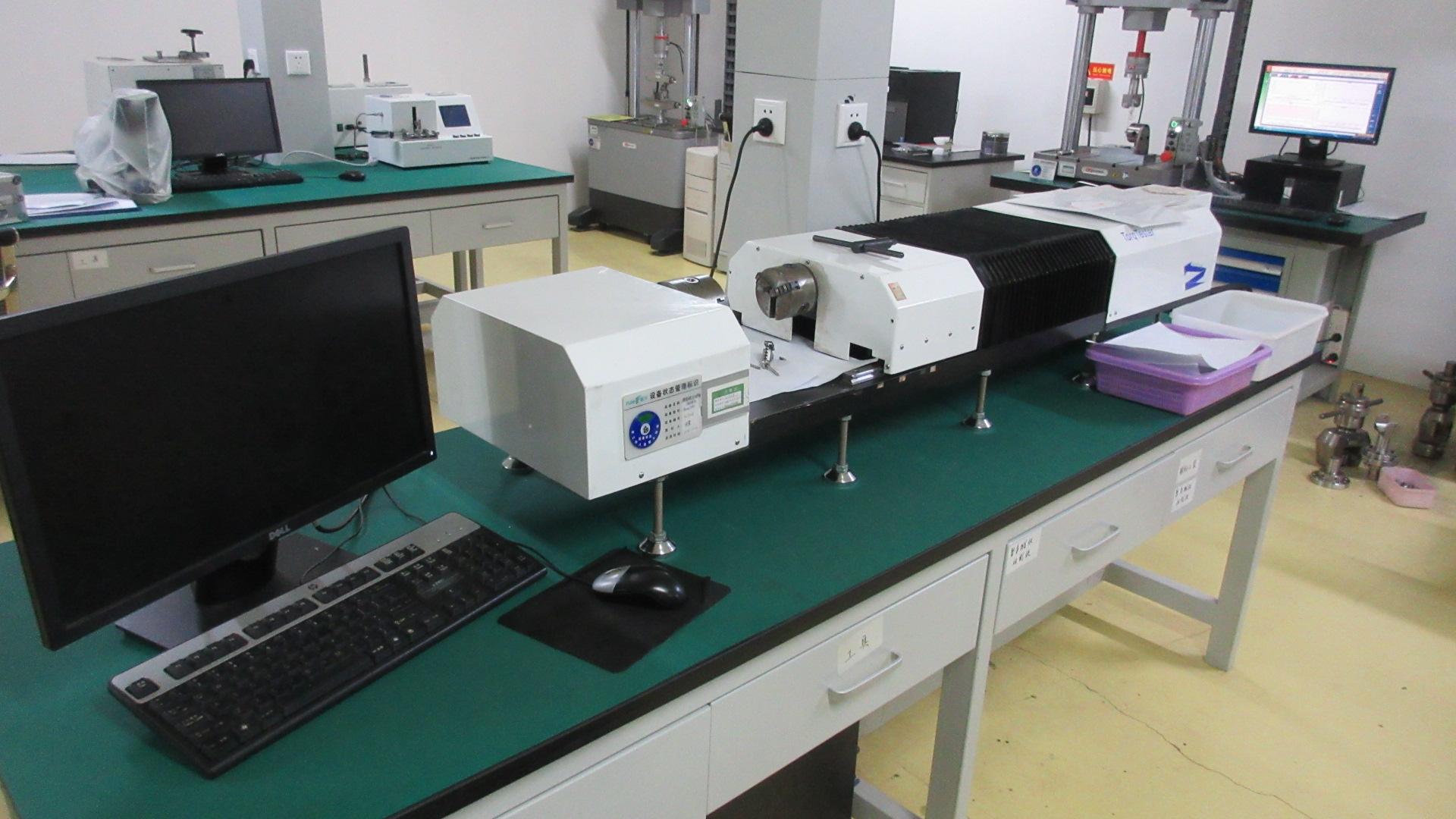
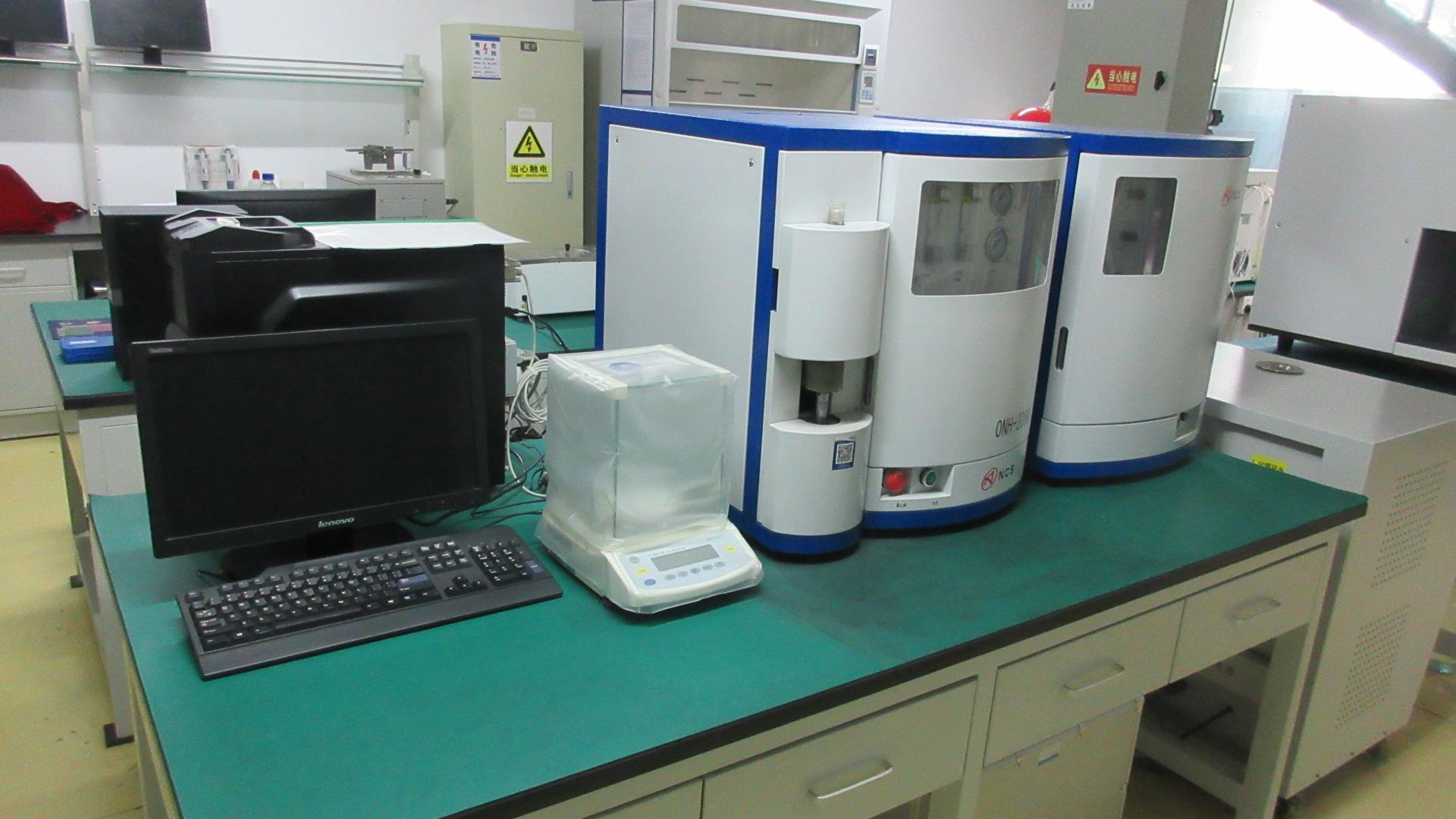
Exporting to regional markets like Eastern Europe (15%), Southeast Asia (10%), and keeping up with high domestic demand (40%) requires a robust compliance matrix. Our quality management system features a dedicated team of 15 certified QA/QC inspectors managing a multi-stage testing loop. We conduct raw material verification (chemical composition checks), coordinate-measuring machine (CMM) dimensional verification, mechanical dynamic load test validations, and strict sterile barrier packaging assessments. This complete chain of custody guarantees that every component meets ISO 13485 regulations.
Engineered with high mechanical strength and specialized geometries for orthopedic reconstruction.
Proven visual positioning and integration in active surgical environments.
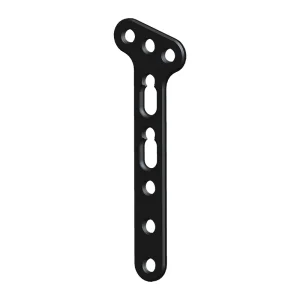
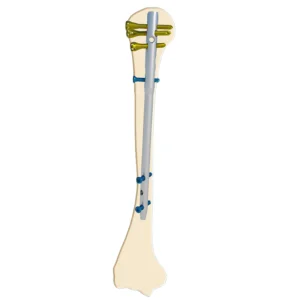
The final measure of any orthopedic implant is its clinical performance. As seen in real surgical conditions, our spine-rod constructs and locking compression systems offer excellent radiographic tracking. Under fluoroscopic checks, the clear margins and lack of distortion allow surgeons to verify alignment adjustments, reducing patient time under anesthesia and optimizing long-term spinal fusion rates.
Clear answers to key technical, regulatory, and logistics questions for B2B procurement professionals.
 Beren Science & Technology