Explore our CE-certified premium titanium implants engineered for spinal trauma, CMF reconstruction, and orthopedic surgery applications.
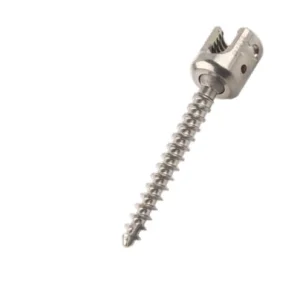
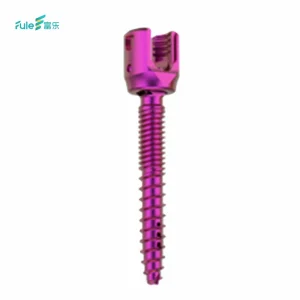
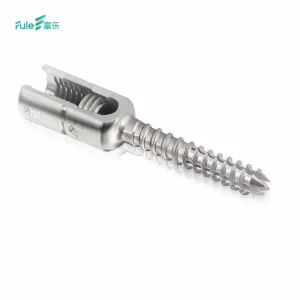
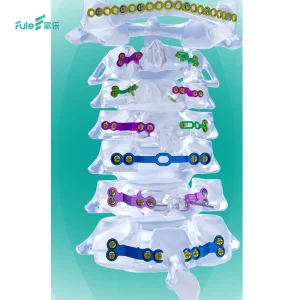
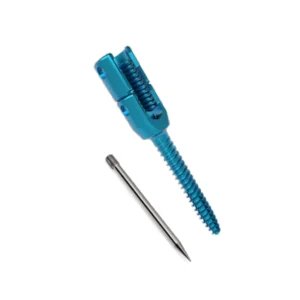
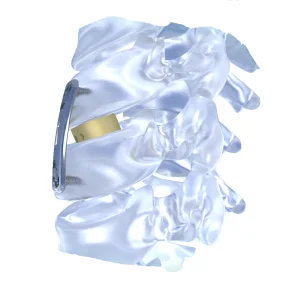
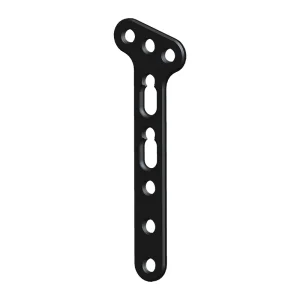
Orbital fractures, typically caused by high-energy blunt force trauma, present complex reconstructive challenges. The delicate anatomy of the orbital floor and medial wall requires surgical repair solutions that match the exact shape of the cranio-maxillofacial (CMF) skeleton. The global market for orbital fracture systems has transitioned from basic flat meshes to anatomically pre-contoured plates, patient-specific implants (PSIs), and biopolymer-titanium composite configurations.
As orthopedic and CMF reconstruction protocols evolve, medical device distributors, hospitals, and surgical specialists demand highly specialized manufacturing partners. For OEM/ODM providers, this requires cleanroom packaging facilities, high-precision CNC machinery, clean chemical processing, and rigorous quality control protocols. High-performance raw materials like Grade 2/Grade 5 Pure Titanium and PEEK (Polyetheretherketone) are key to achieving biocompatibility and mechanical strength.
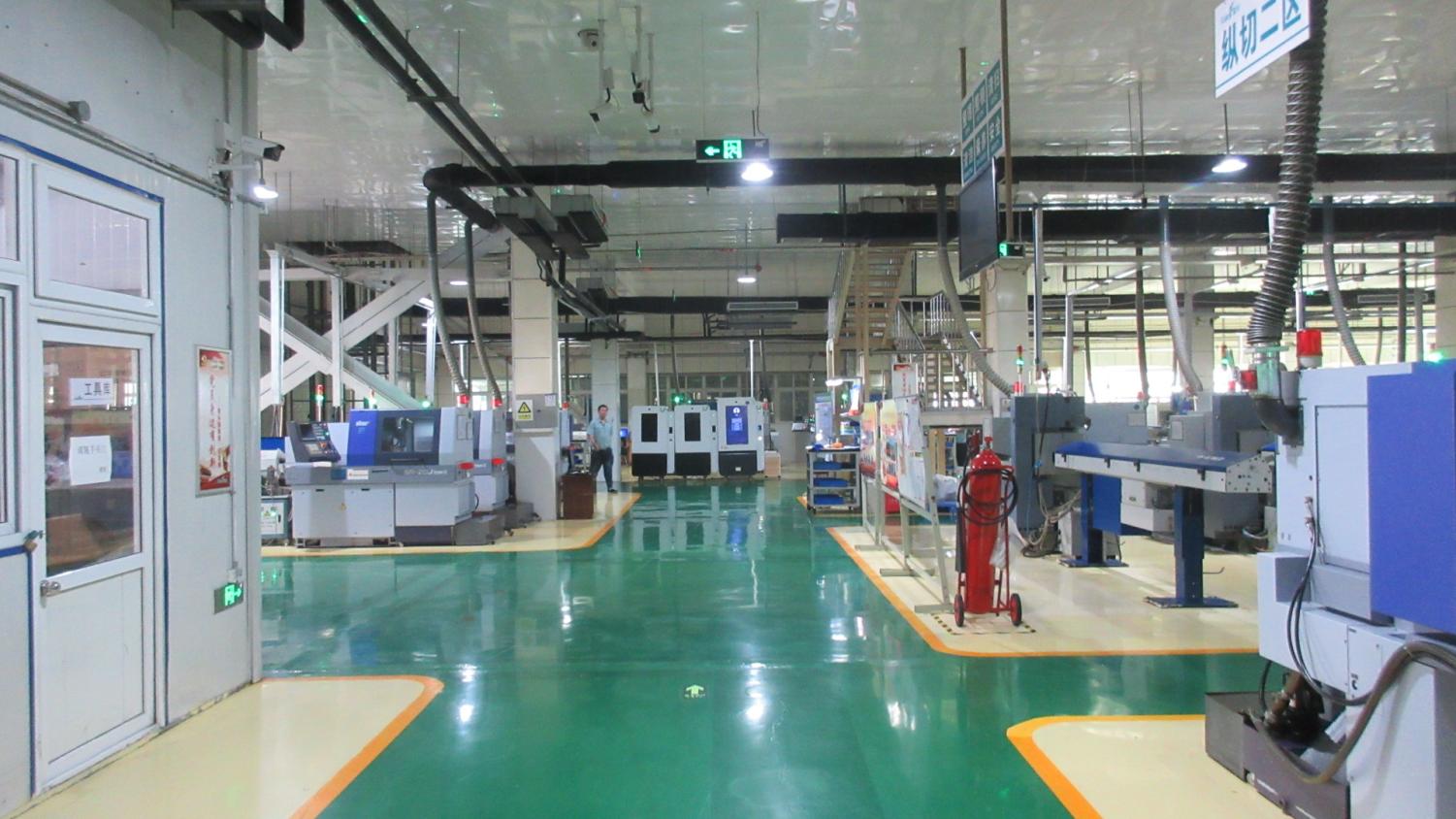
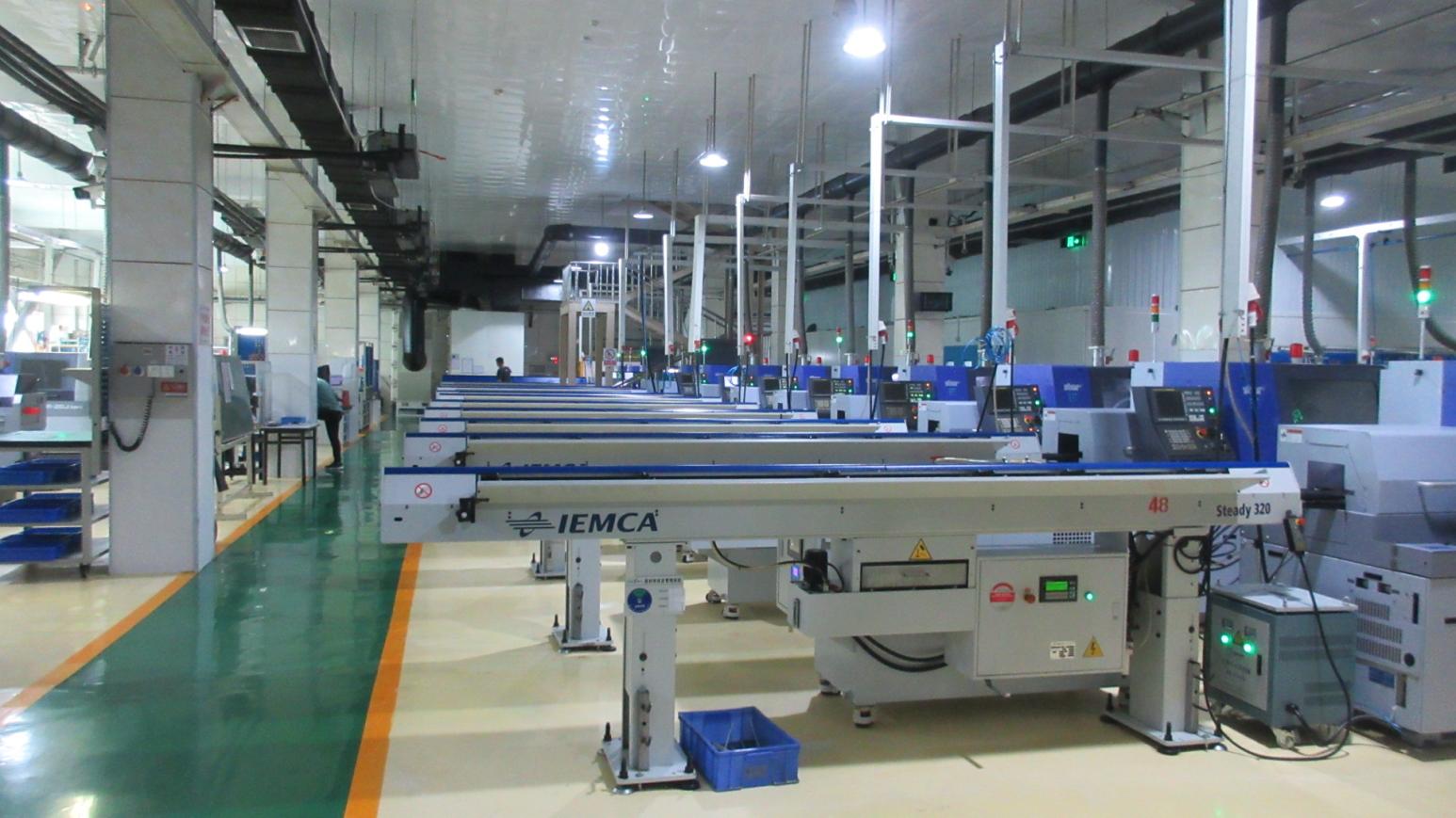
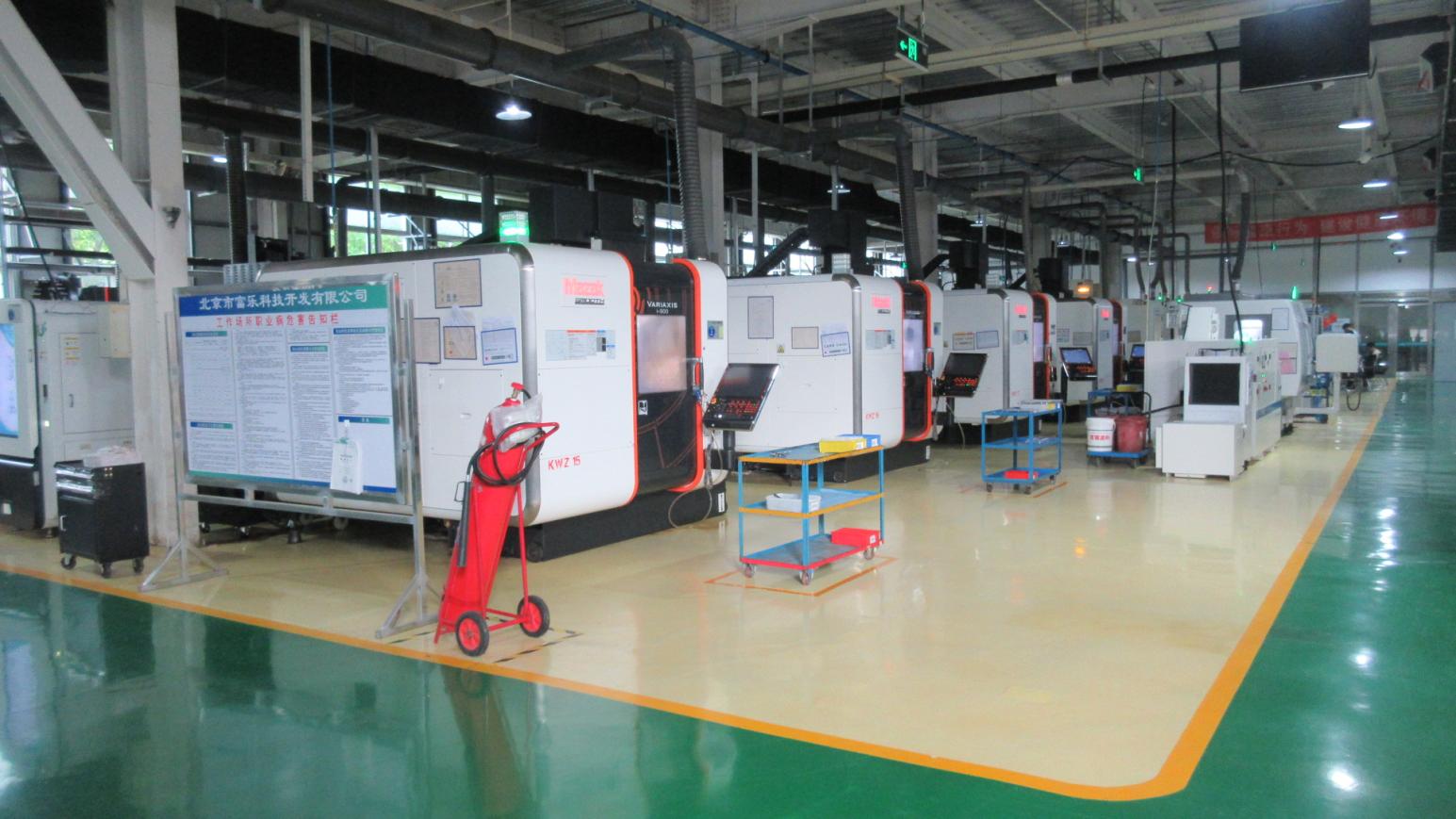
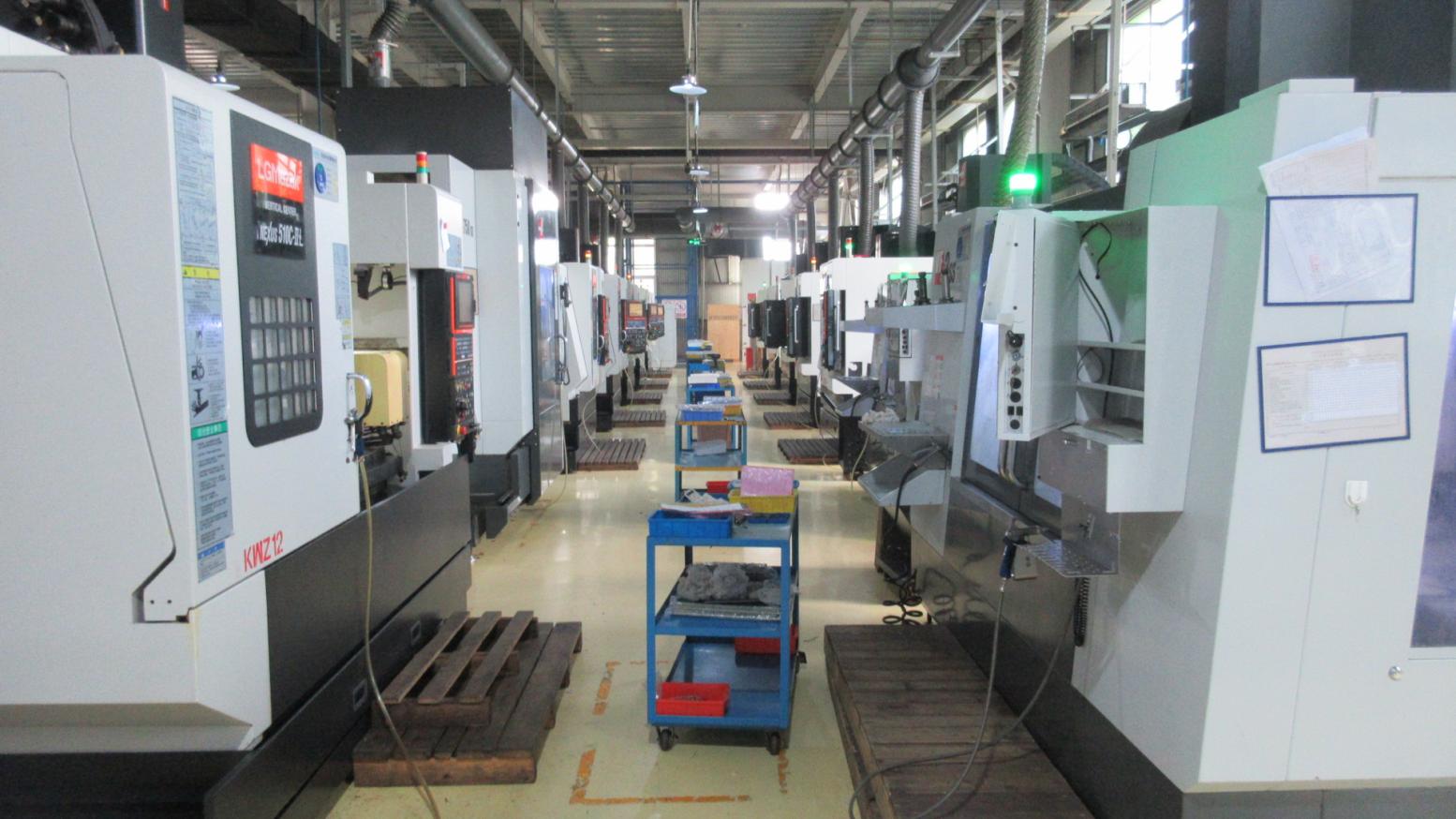
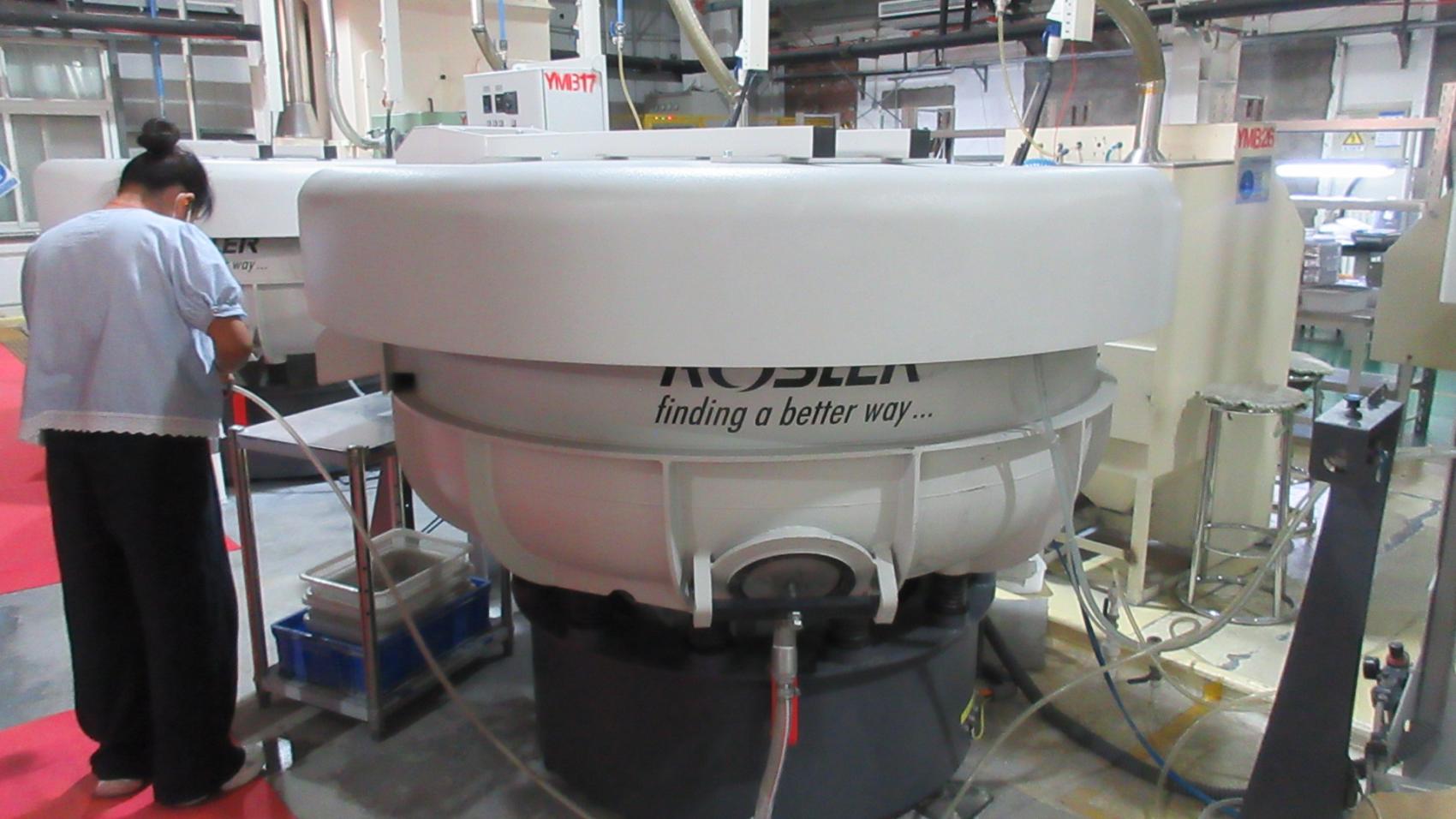
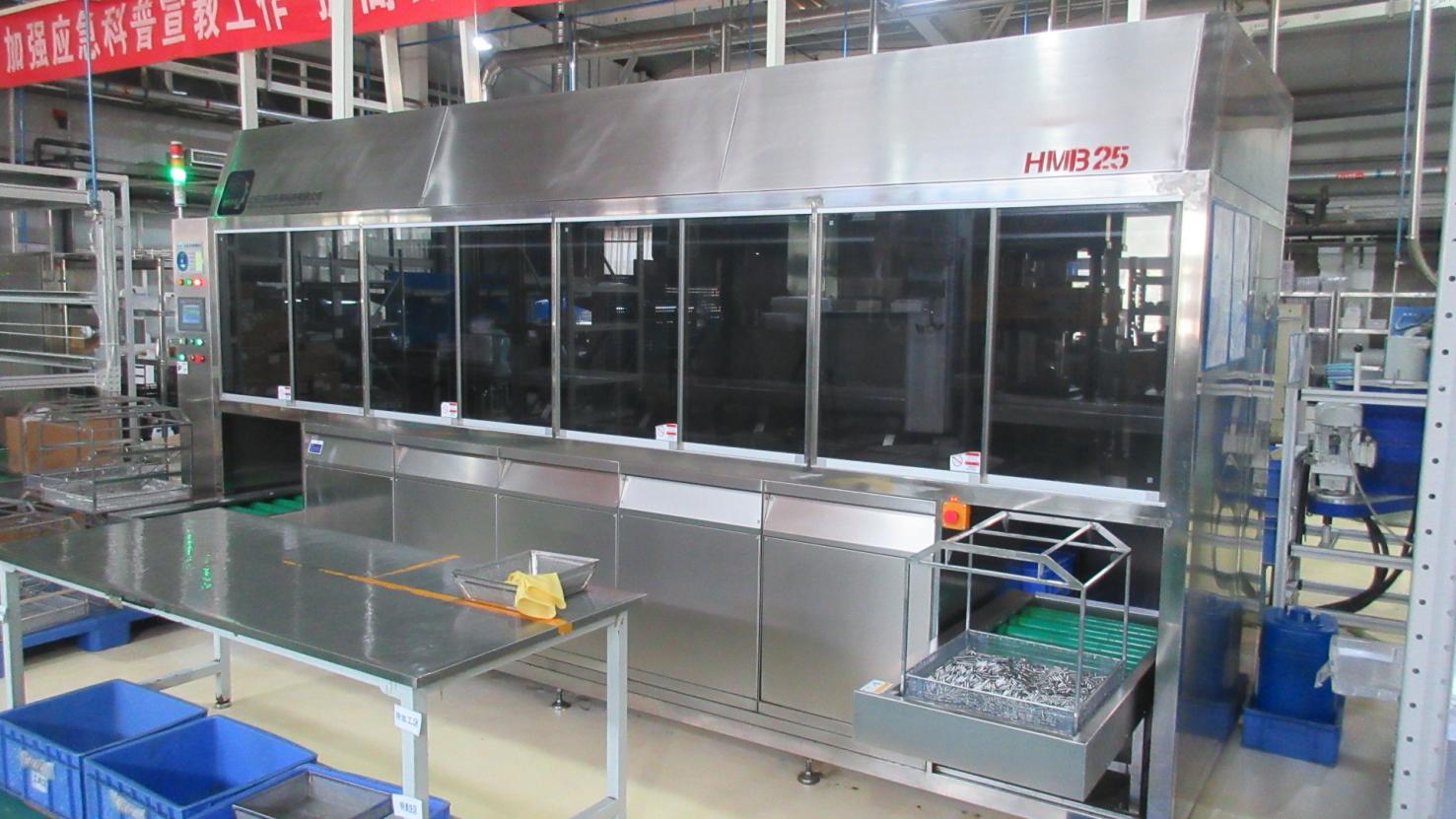
With over three decades of design and manufacturing experience, our production facility features modern testing equipment, a dedicated cleanroom environment, and a workforce of R&D engineers focused on CMF and spinal implant designs. We support clinical development pipelines and custom hospital orders with a comprehensive machinery lineup of 102 manufacturing systems.
Providing custom solutions for the orbital fracture system supply chain. We maintain strict manufacturing and design tolerances for clinical-grade metal mesh, locking plate systems, and micro-screws.
| Feature / Component | Material Option | Thickness / Dimension Range | Biocompatibility Standard | Clinical Intent |
|---|---|---|---|---|
| Pre-shaped Orbital Mesh | Titanium Gr. 2 (ASTM F67) | 0.3mm to 0.6mm thickness | ISO 10993 / ASTM F136 | Restoring orbital volume and floor support |
| Micro-Locking Plates | Titanium Alloy Gr. 5 (Ti-6Al-4V ELI) | 0.8mm profile thickness | CE Class III Medical Device | Rigid osteosynthesis of the orbital rim |
| Cannulated / Self-tapping Screws | Titanium Alloy (Ti-6Al-4V) | 1.0mm - 1.5mm diameter | ISO 13485 Compliant | Securing CMF implants in limited bone stock |
| Custom CMF PEEK Implants | Medical Grade PEEK (Invibio) | Custom milled 3D CAD/CAM | FDA Class II / III path ready | Complex cranial and zygomatic reconstruction |


Managing orbital fractures requires maintaining correct orbital volume to prevent complications like enophthalmos or diplopia. Standard flat plates often require manual contouring in the operating room, which can prolong surgical time and introduce geometric inaccuracies. Our anatomically pre-formed titanium plates match the natural contours of the medial orbital wall and floor.
Our manufacturing process uses precision stamping and electro-chemical polishing to create smooth mesh edges that help minimize soft-tissue adhesion. Standardized thickness profiles (0.4mm) balance the mechanical strength needed to support orbital contents with the malleability required for final surgeon contouring.
We serve international orthopedic brands, medical product distributors, and municipal hospital procurement networks.
We manufacture custom products using customer-supplied drawings, 3D CAD models, or target samples, with support for logo marking and packaging design.
Our quality system features raw material lot traceability, chemical testing, mechanical validation, and cleanroom bio-burden monitoring.
We export to over 50 countries, offering standard customs documentation, sterile barrier validation, and reliable logistics options.
Exporting Class III surgical implants requires compliance with varied international standards. We supply our global partners with complete technical documentation, including bio-compatibility reports, sterilization validation, and raw material mill certificates.
Our regulatory affairs team supports registrations with European Competent Authorities (CE documentation), national ministries of health, and the FDA. This compliance profile helps reduce import risks and shortens the path to market.
Transitioning from standardized mesh components to patient-specific geometries. Our CMF systems support emerging digital surgical planning workflows.
We import patient high-resolution CT scans into specialized modeling software to construct an accurate 3D model of the orbital fracture site.
Using virtual modeling, our engineers mirror the healthy contralateral orbit to pre-contour the digital mesh model for a precise anatomical fit.
For complex cases, we print customized implants via electron beam melting (EBM) or selective laser melting (SLM) using medical-grade titanium powder.
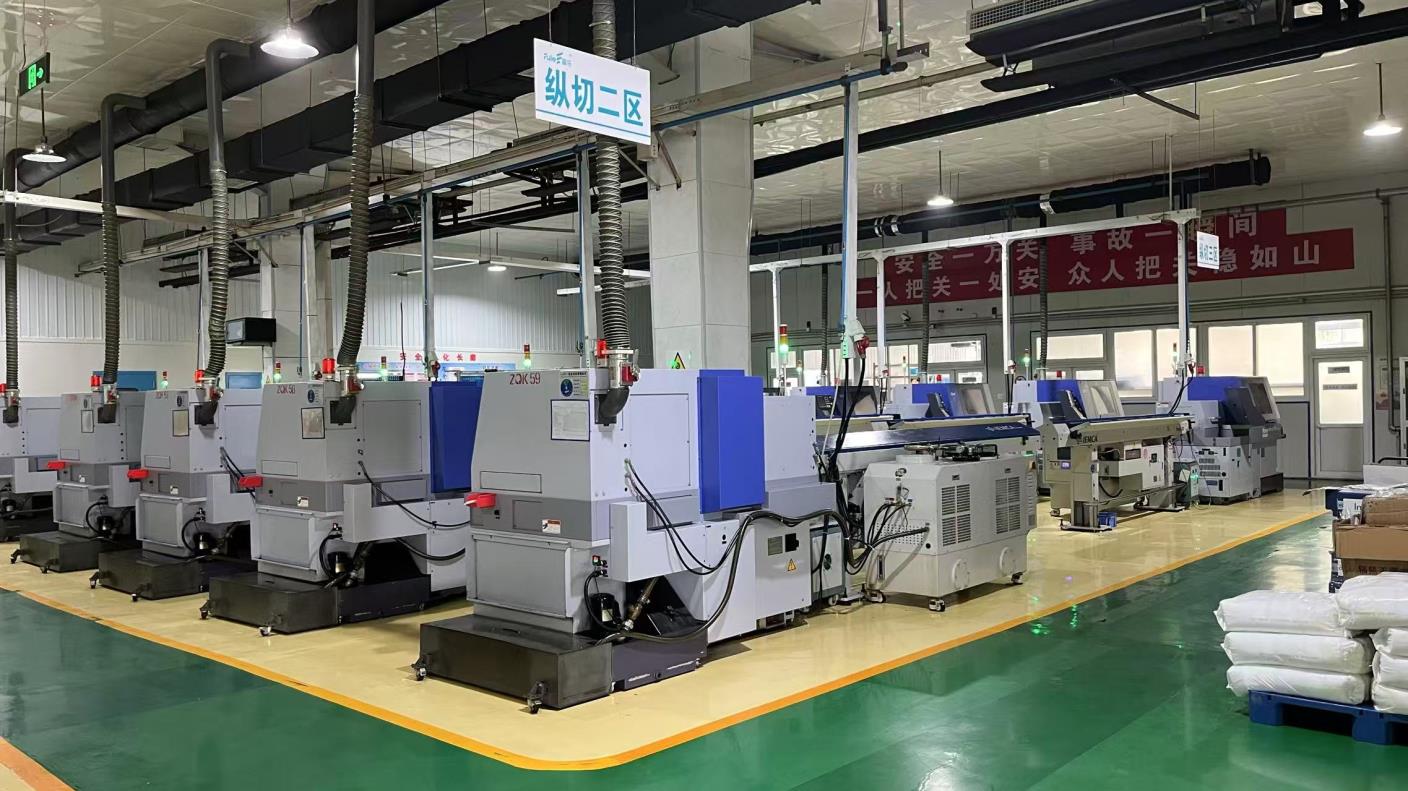
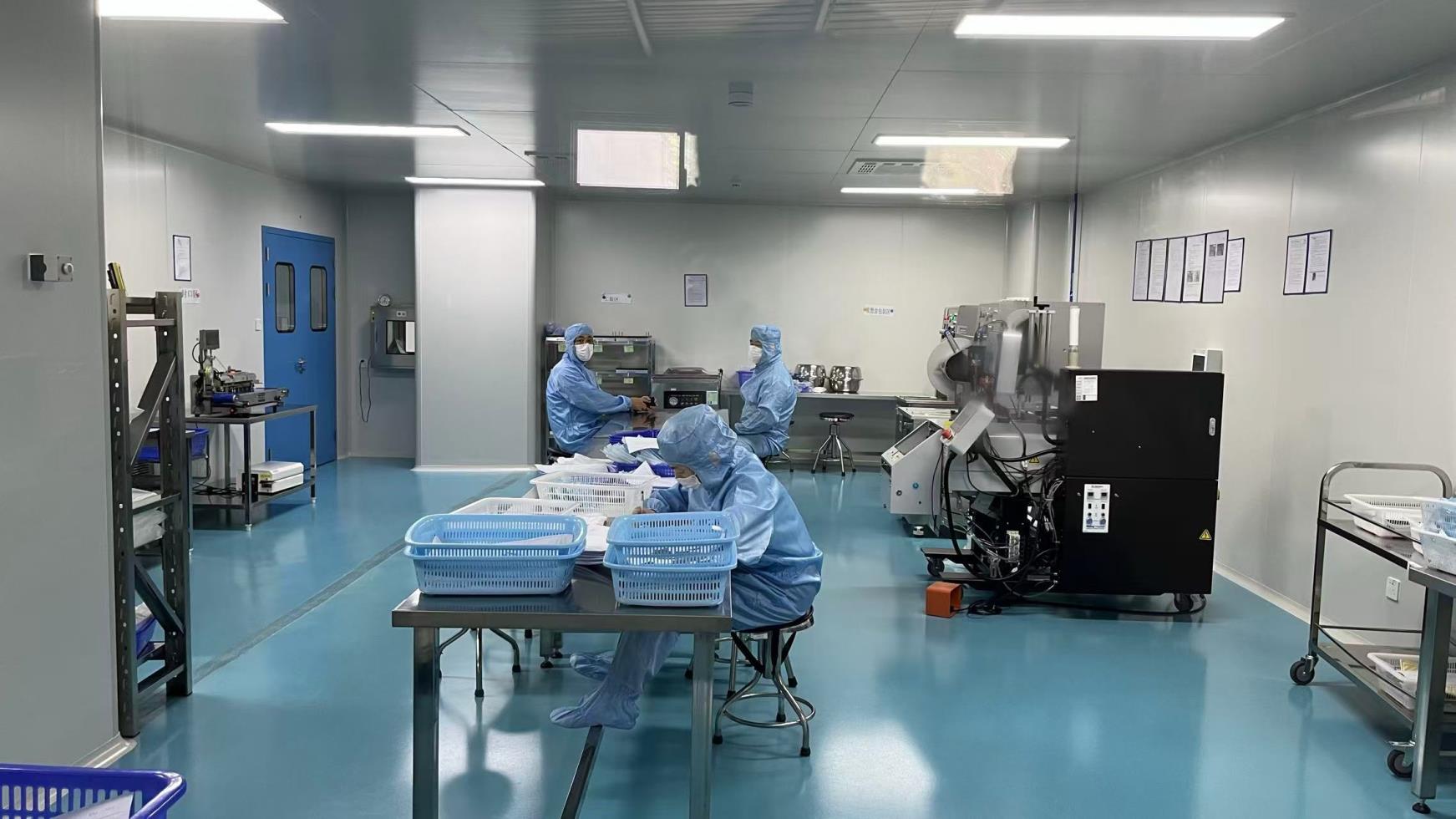
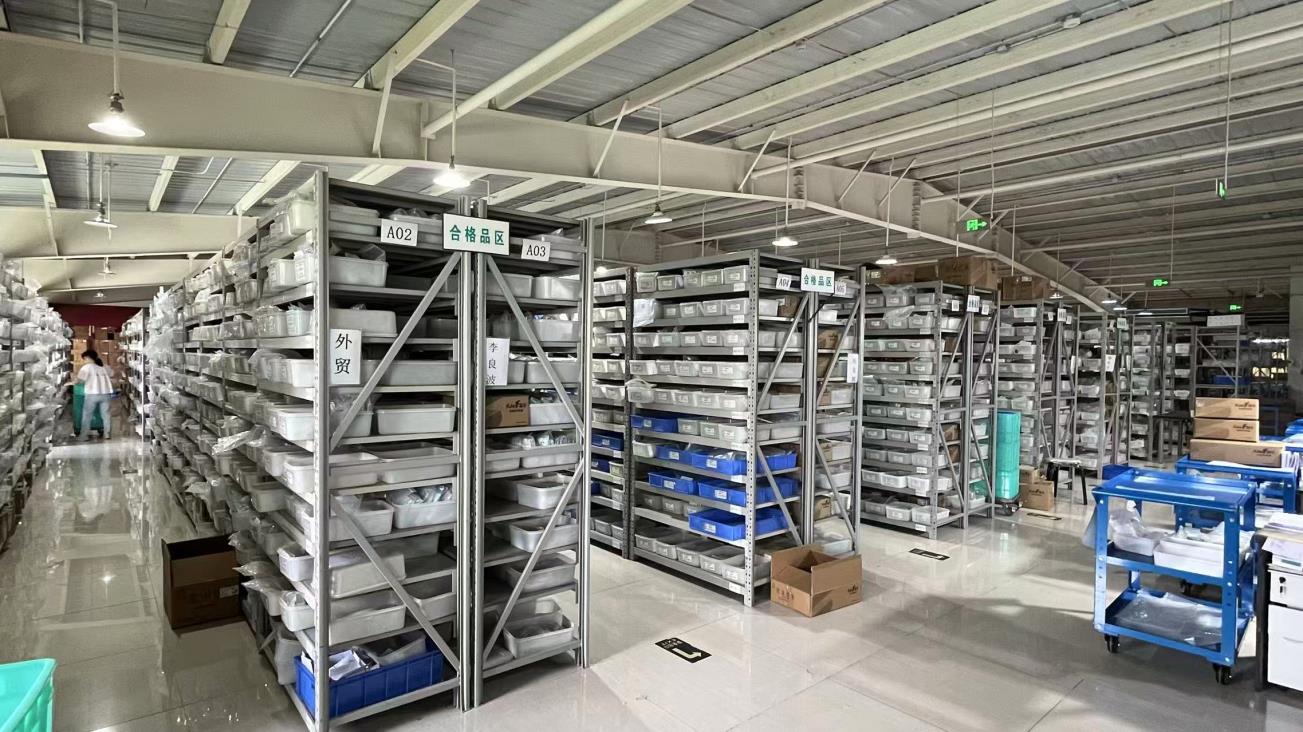
Our facility operations emphasize quality control at every phase, from raw material inspection to post-marketing trace systems.
We source titanium rods, sheets, and PEEK raw stocks from certified medical supply partners, confirming raw properties with chemical analysis reports.
We use optical and coordinate measuring systems to verify screw thread dimensions and plate contour accuracies down to the micron level.
Our testing labs evaluate structural integrity and fatigue profiles under simulated biological stresses to verify long-term performance.
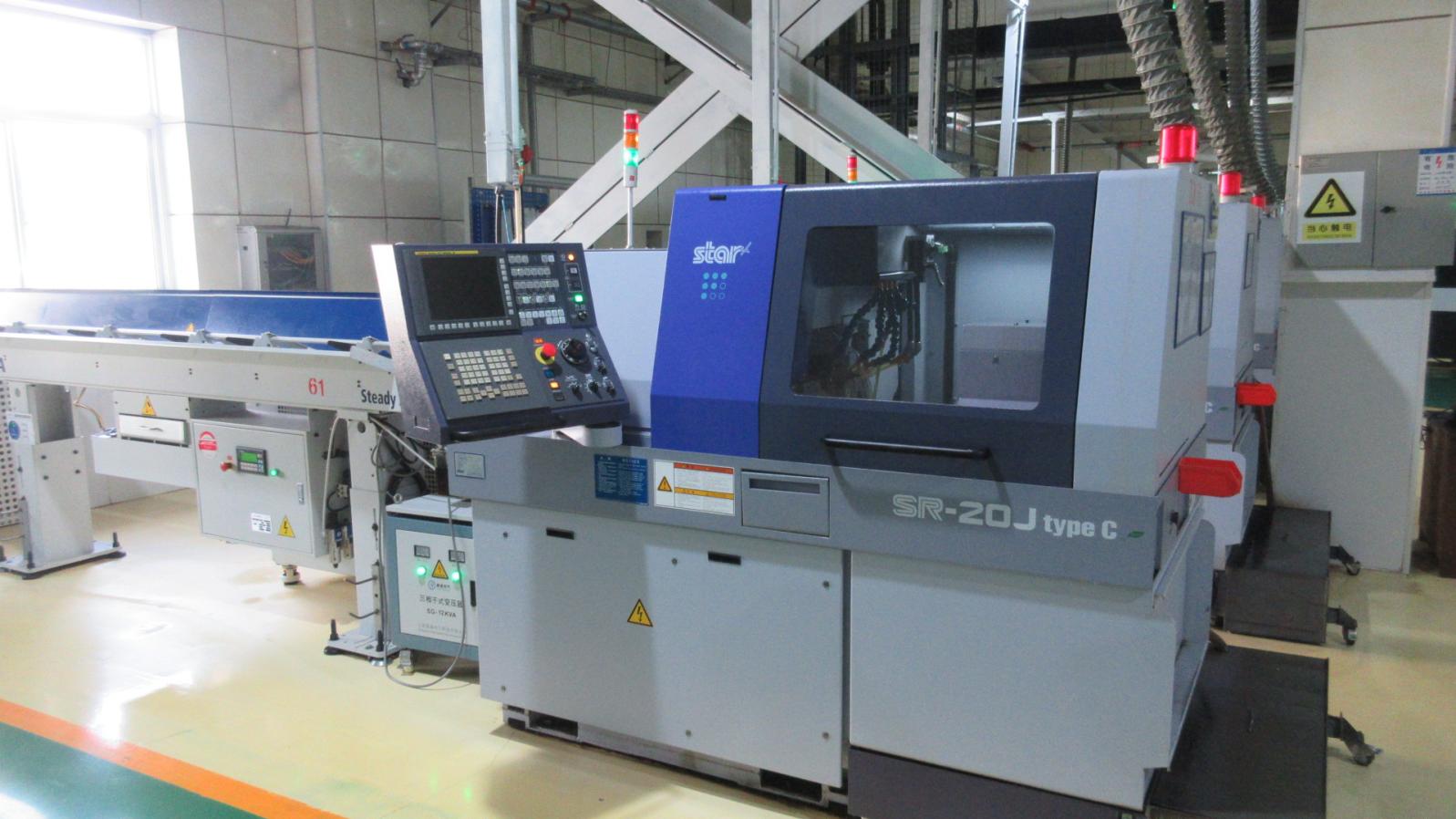
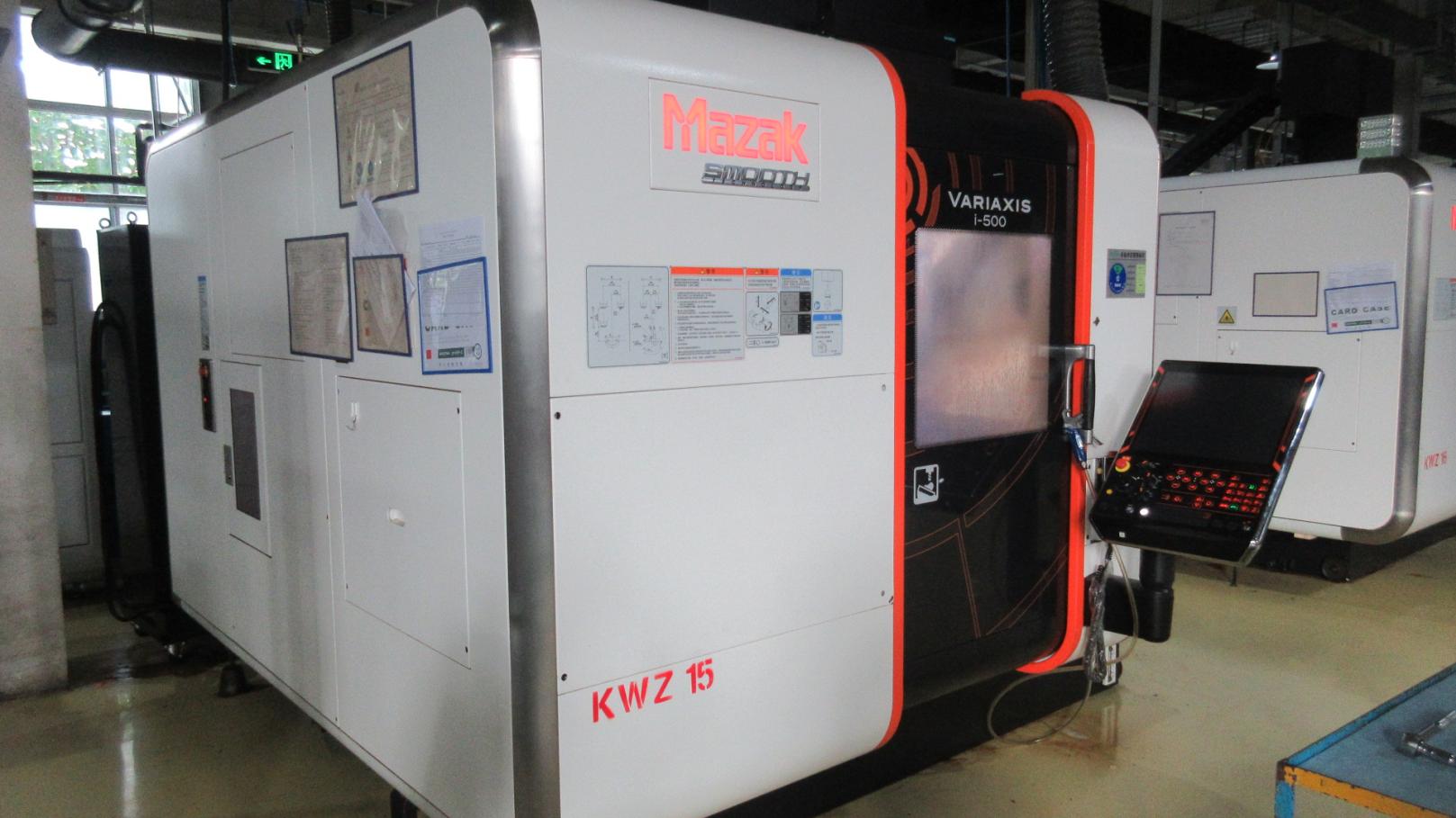
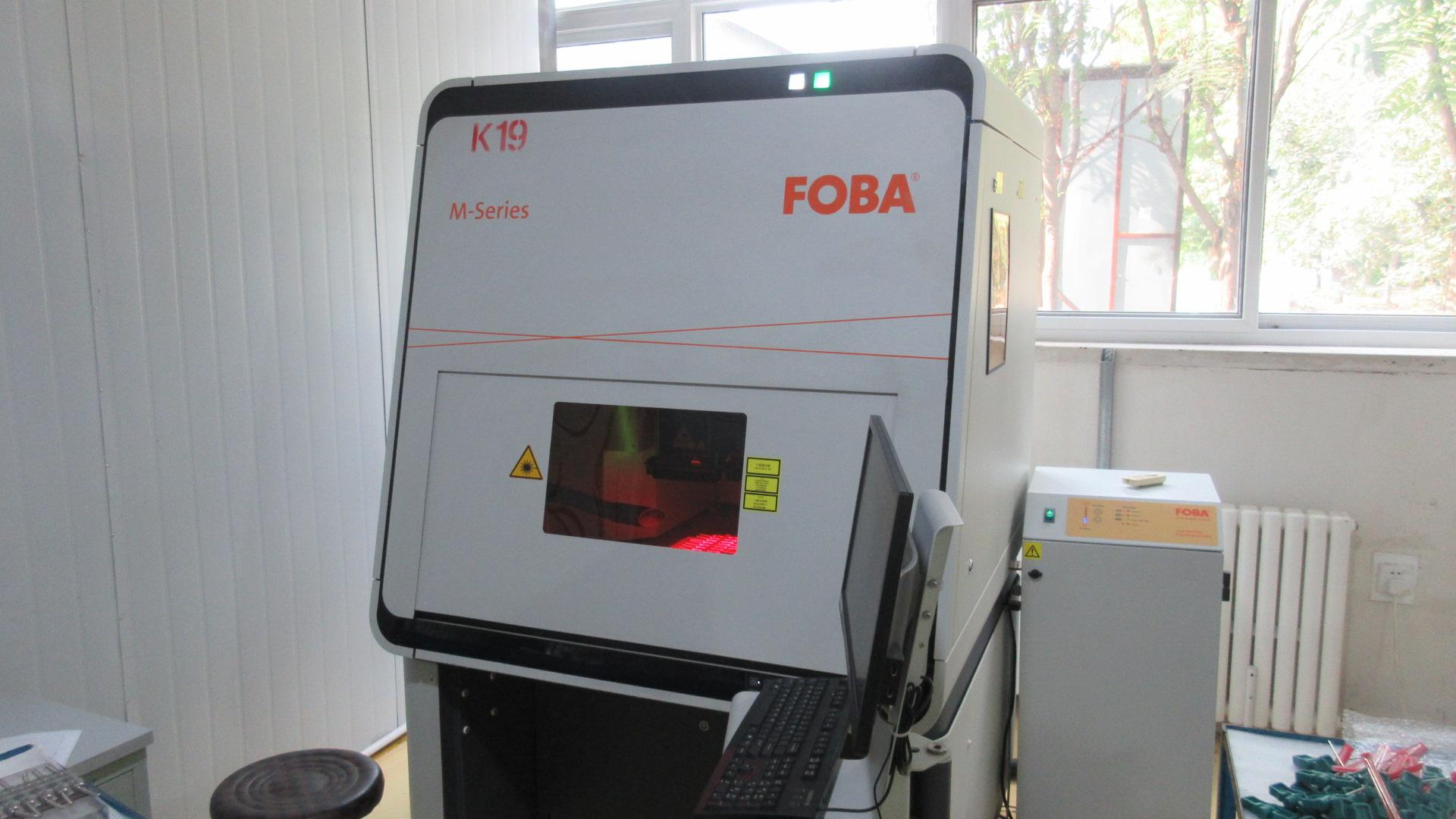
We perform 100% inspection on all high-precision surgical components, rather than relying on batch-sampling alone. Every screw, plate, fusion cage, and customized orbital mesh receives a unique batch identifier laser-etched onto the surface, allowing trace back to the raw material melt batch and the specific CNC machining run.
Our quality assurance group consists of 15 dedicated QA/QC inspectors working within an ISO 13485 framework. This structured oversight helps ensure our CMF and orthopedic implants meet the rigorous regulatory standards required for global clinical distribution.
Ensuring smooth integration of our surgical implants into international clinical workflows.
Our implant systems are shipped in non-sterile or pre-sterilized packaging, depending on buyer requirements. Pre-sterilized items are processed using validated Ethylene Oxide (EO) or Gamma Irradiation protocols in compliance with ISO 11137 standards, featuring dual-layer sterile barrier packaging designed to maintain shelf life for up to 5 years.
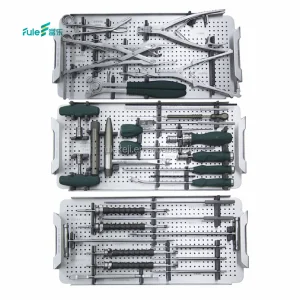
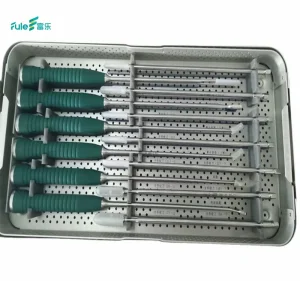
Additionally, we offer specialized surgical instrumentation kits designed for orbital reconstructions. These kits include plate benders, drill guides, depth gauges, and driver handles, all manufactured from autoclavable stainless steel and anodized aluminum alloys to withstand repeated sterilization cycles.
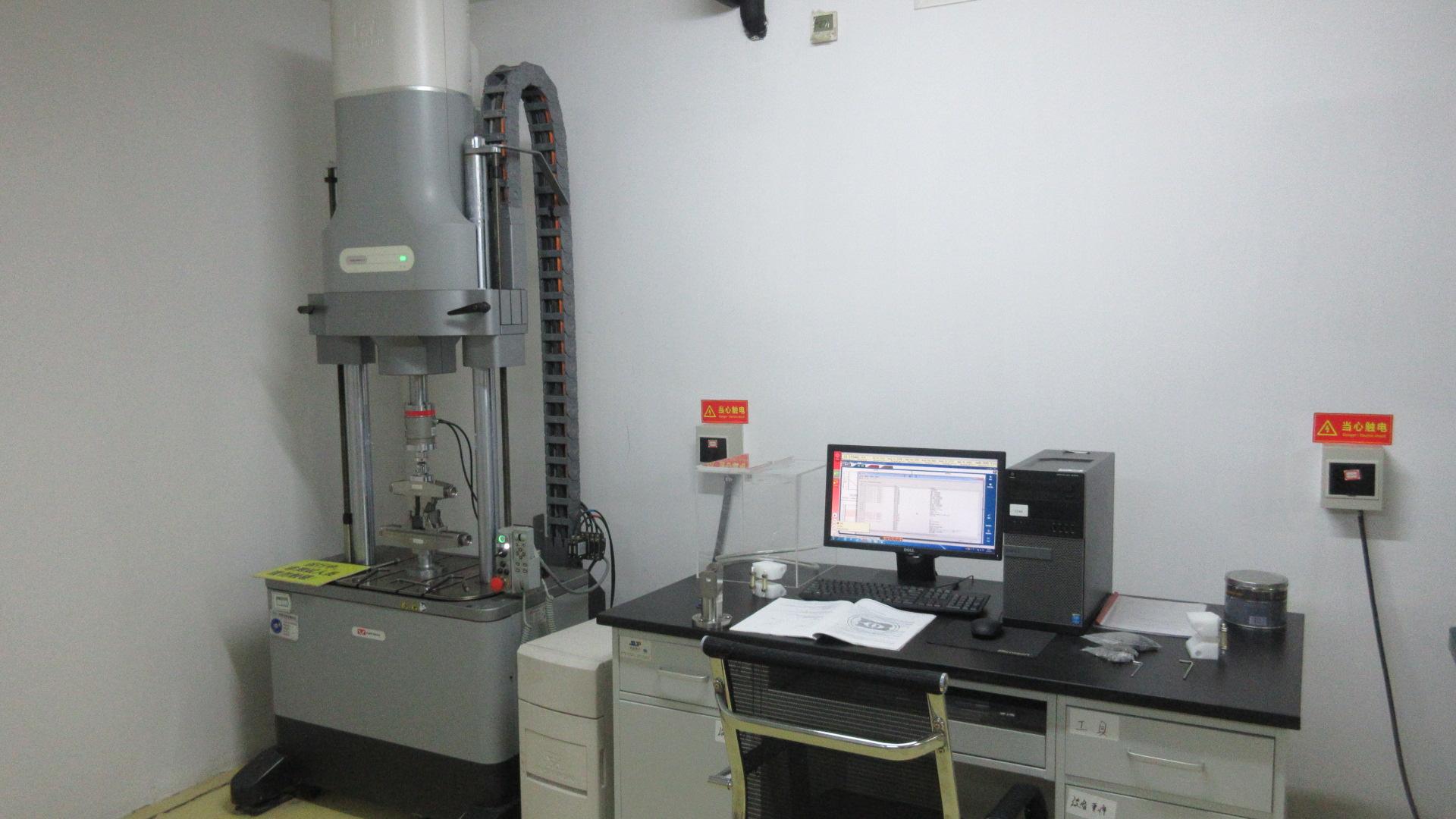
Essential purchasing information for international buyers, sourcing managers, and CMF product distributors.
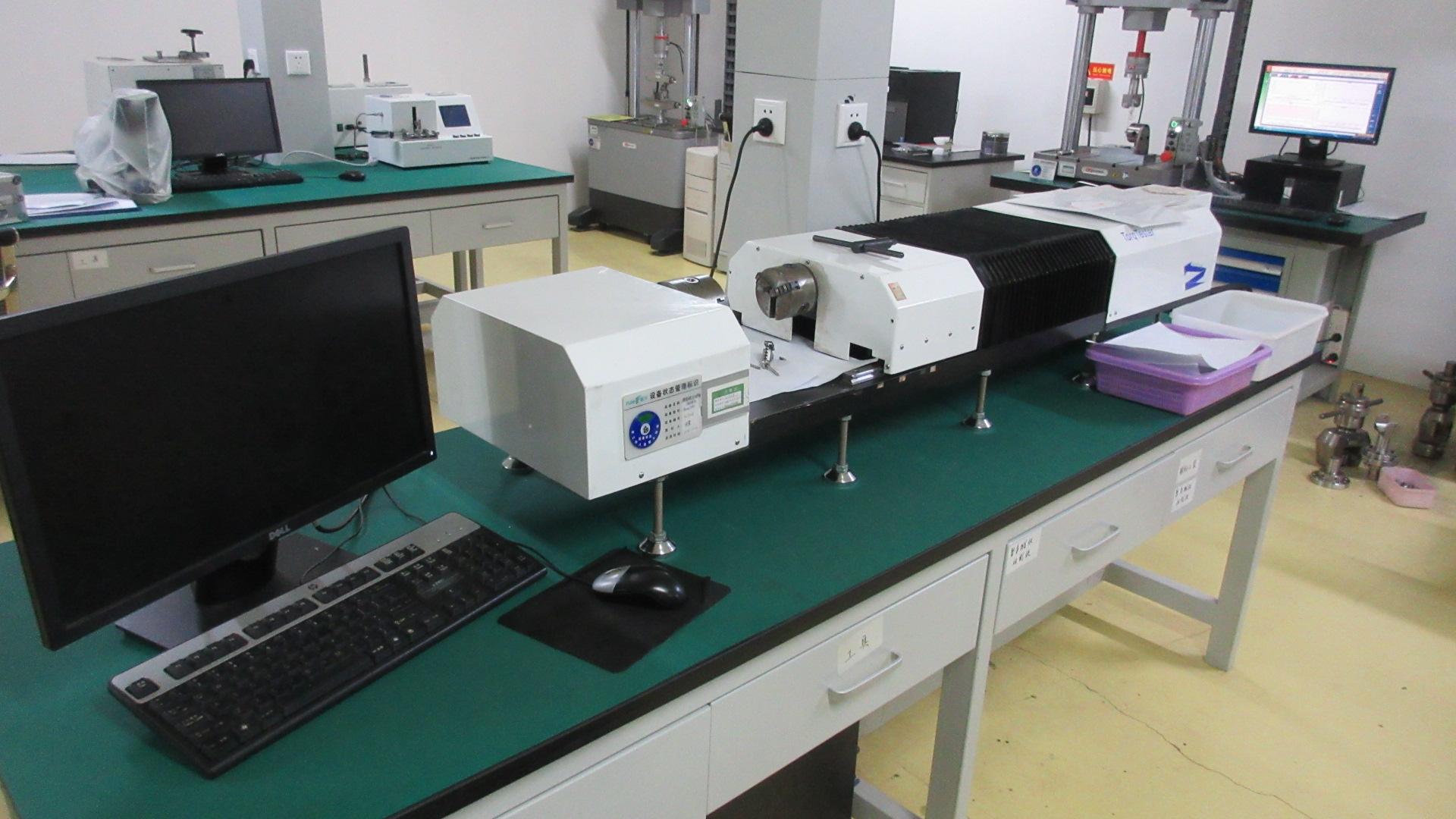
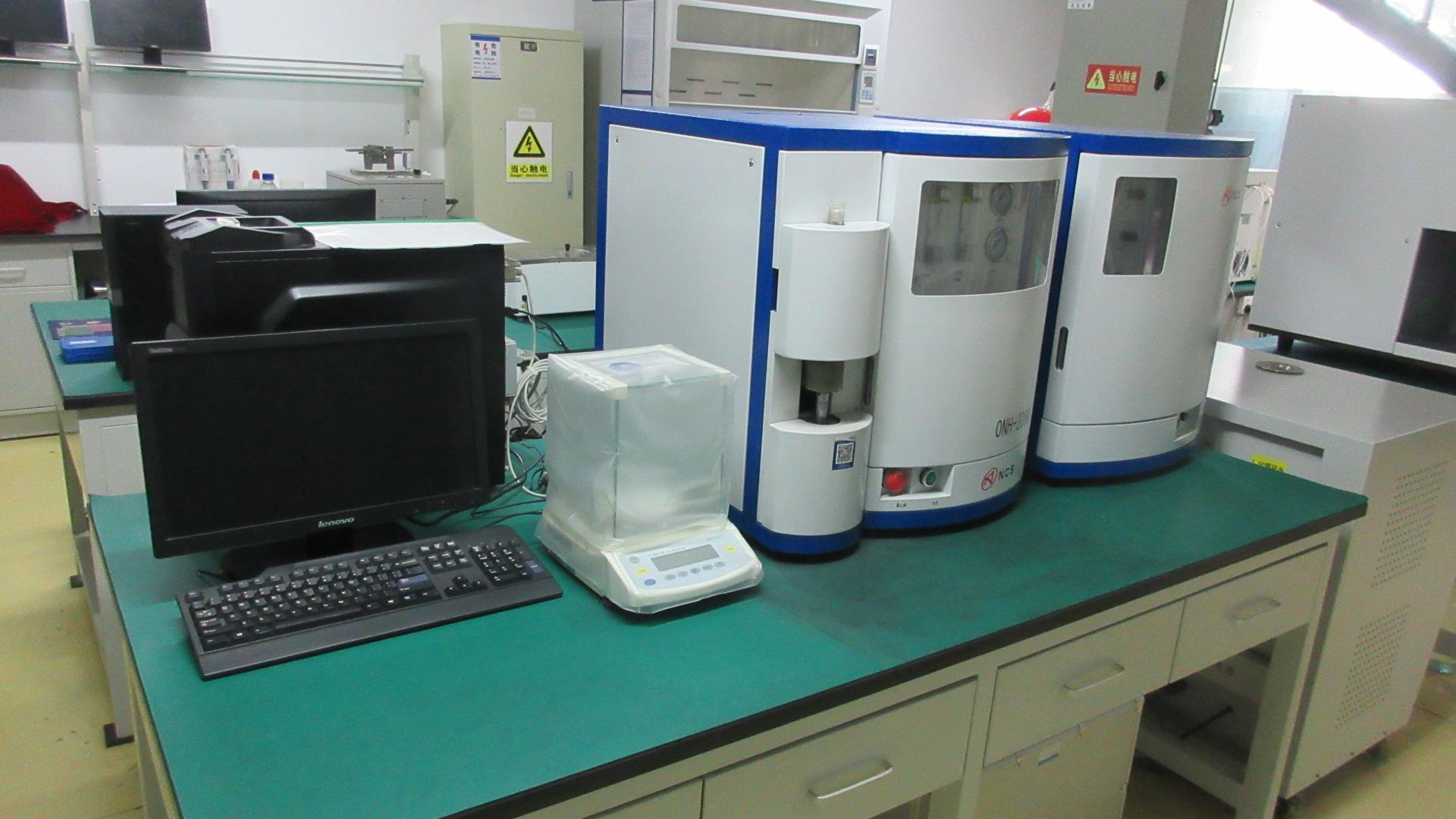
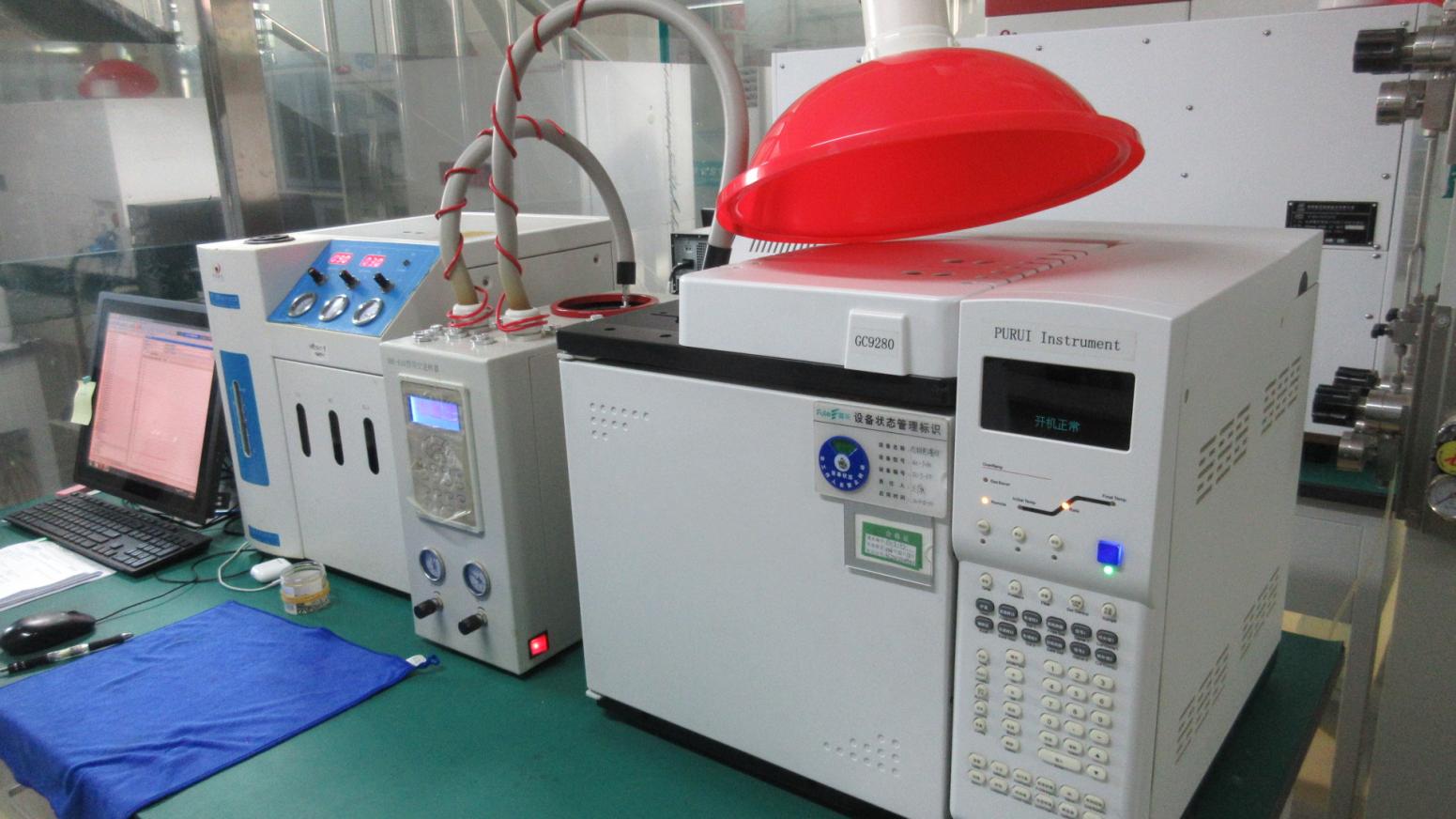
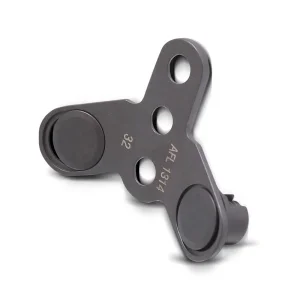
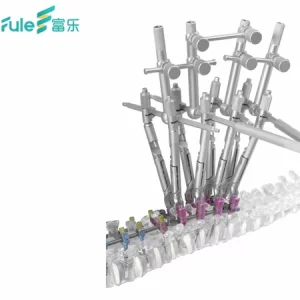
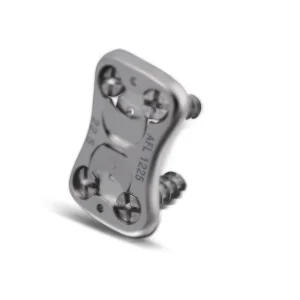
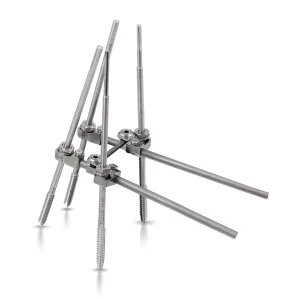
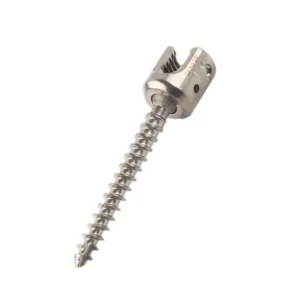
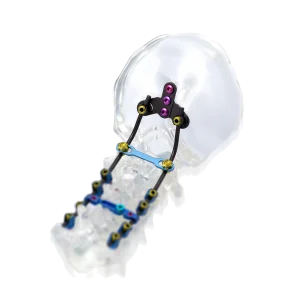
We provide a wide range of orthopedic implant systems, supporting trauma fixation and spinal correction procedures globally.
 Beren Science & Technology