The landscape of orthopedic trauma care is transitioning rapidly from traditional hardware-centric models to highly customized, biocompatible solutions. Factors like aging global demographics, increased motor-vehicle incidents, and demand for faster patient rehabilitation are pushing device developers to seek resilient, technologically advanced manufacturing partners.
In modern osteosynthesis and spinal fixation, surgical requirements go far beyond standard dimensions. Today's surgeons demand biomechanical compatibility that mimics natural bone elasticity, reducing the risk of stress shielding. Consequently, medical-grade Titanium alloys (such as Ti-6Al-4V ELI) and advanced engineered polymers like Polyetheretherketone (PEEK) have become the gold standard. To scale up these technologies, global OEMs and medical device brands leverage outsourcing models to compress their product development lifecycles while maintaining absolute adherence to regional regulatory directives.
Navigating MDR (EU 2017/745), FDA 510(k), and NMPA registries requires extensive design history files (DHF) and complete material traceability. Our facilities provide turnkey data packages to simplify clearance pathways.
Fragmented supply chains lead to stockout crises. By maintaining partnerships with over 70 premier raw material and logistics suppliers globally, we offer unbroken component flows and buffer stock storage.
As trauma surgery shifts toward Minimally Invasive Surgery (MIS) and smart sensor-integrated implants, OEMs must possess flexible precision-engineering platforms to customize instrumentation on-demand.
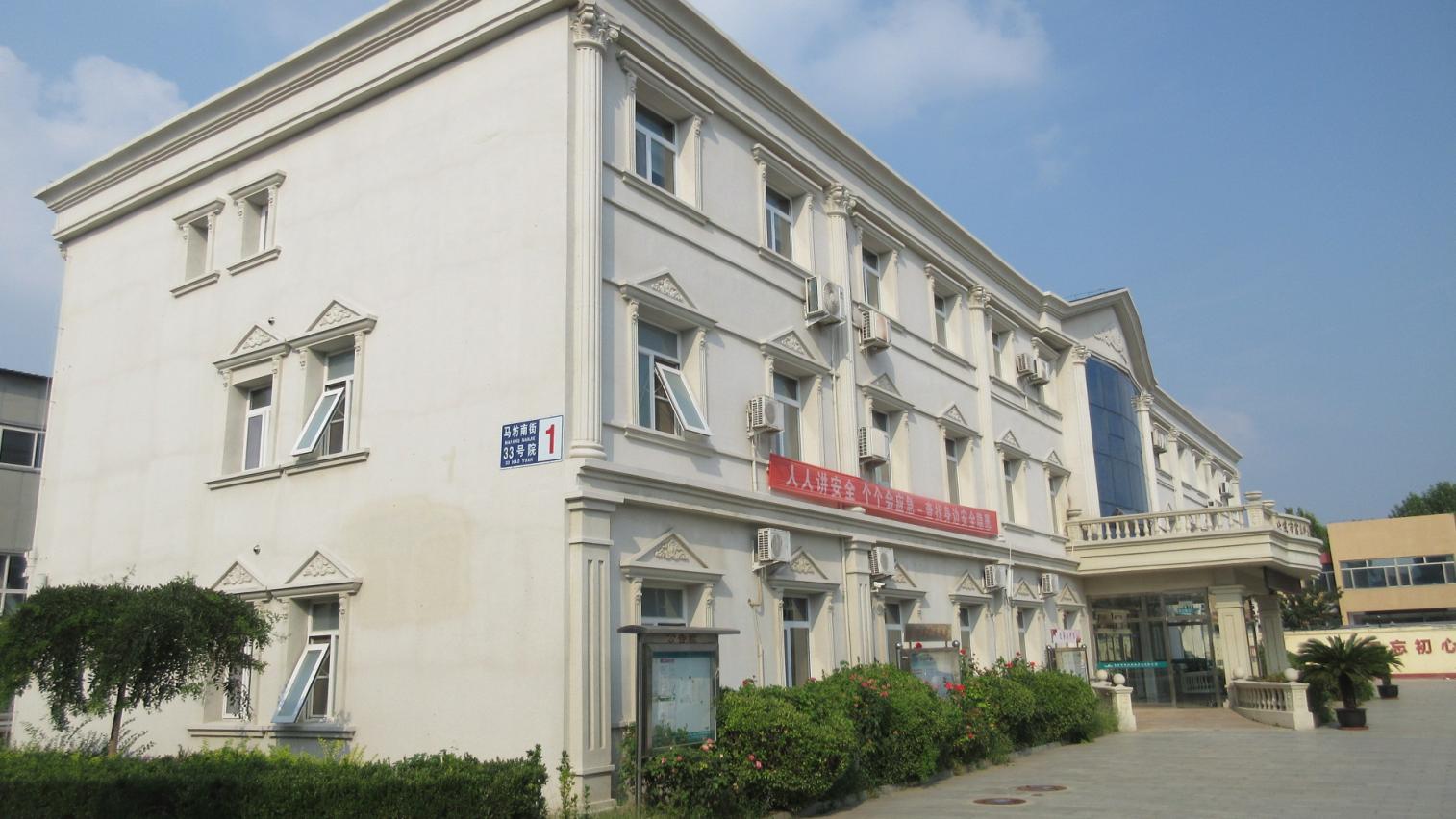
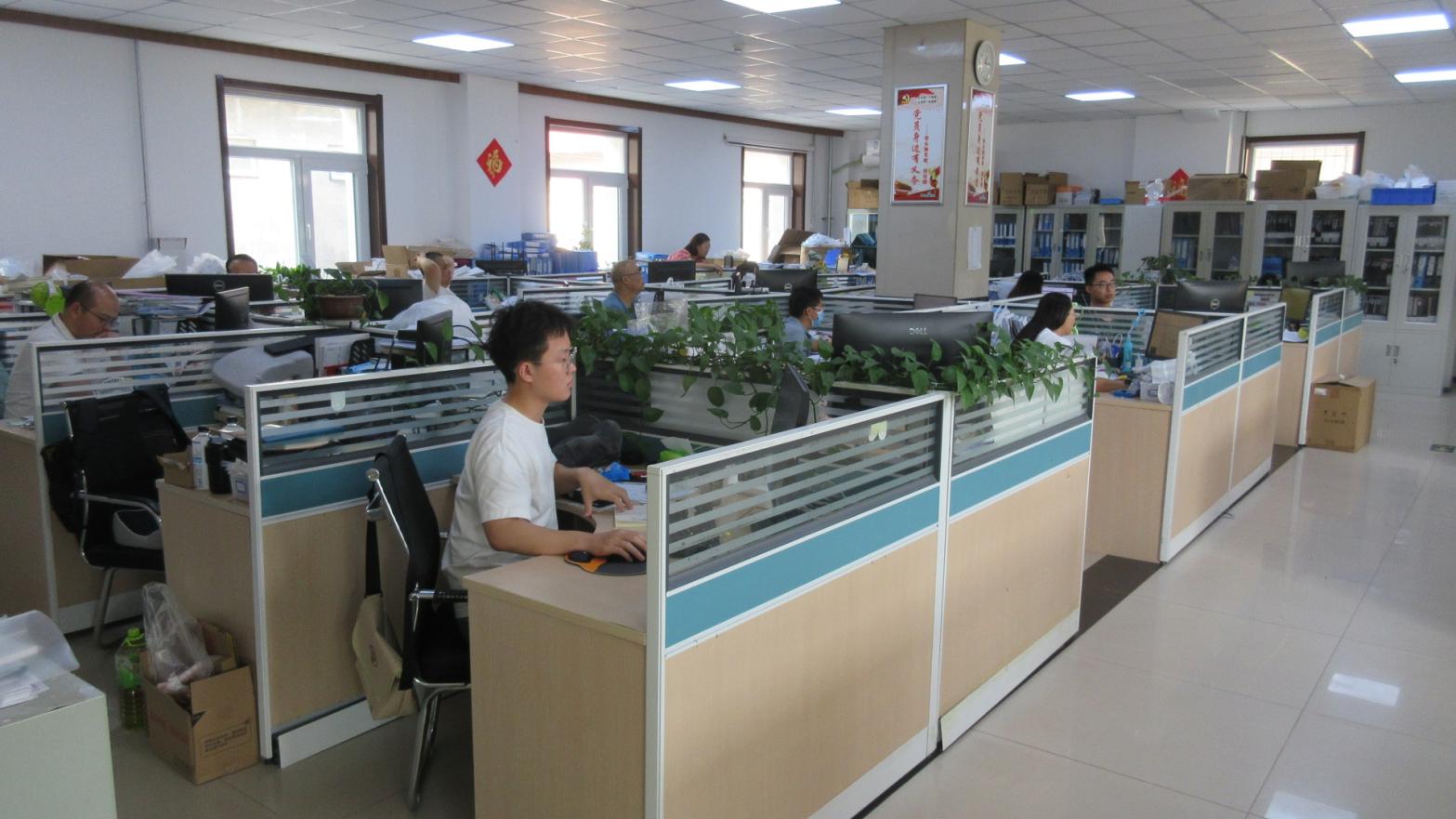
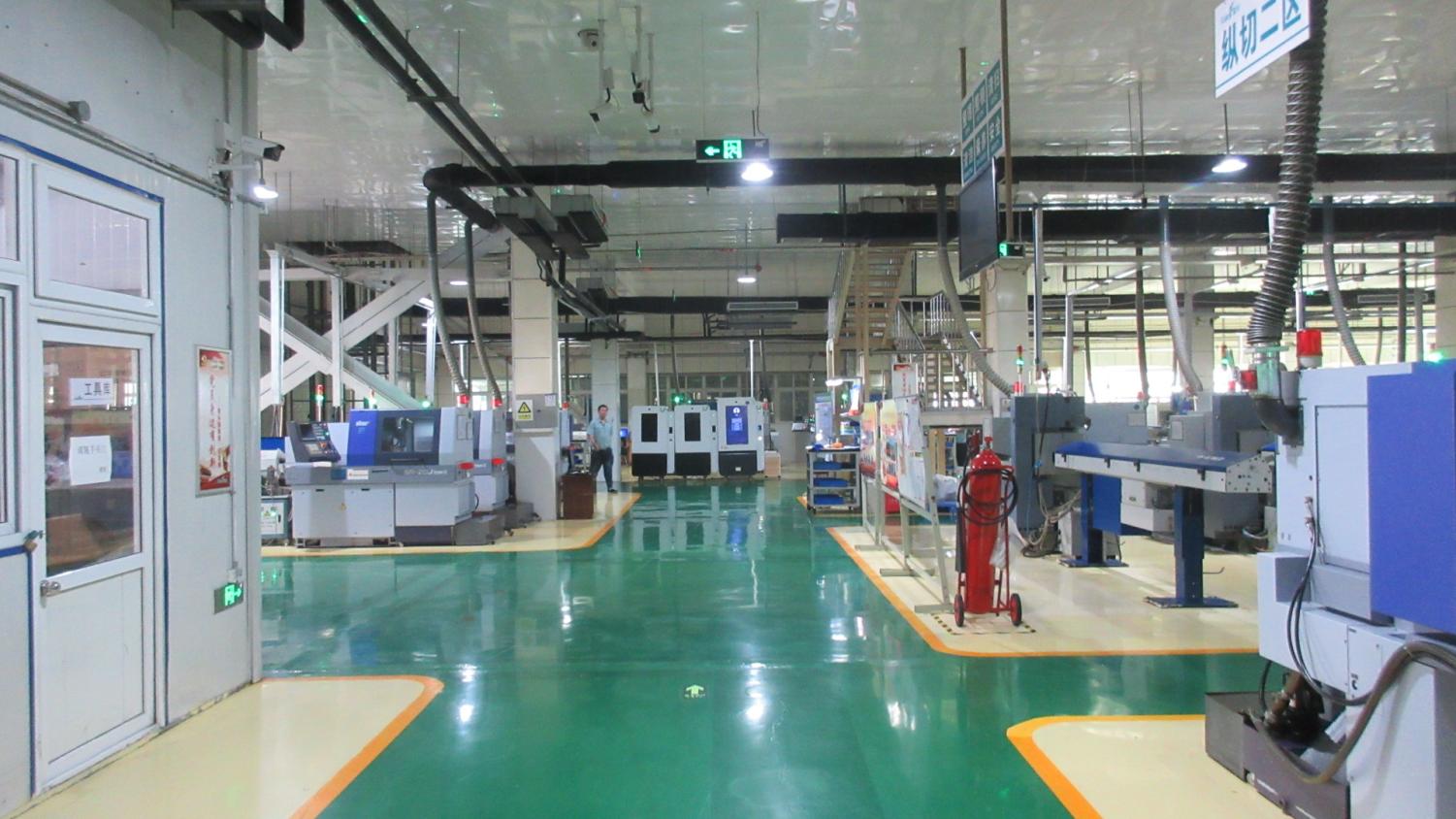
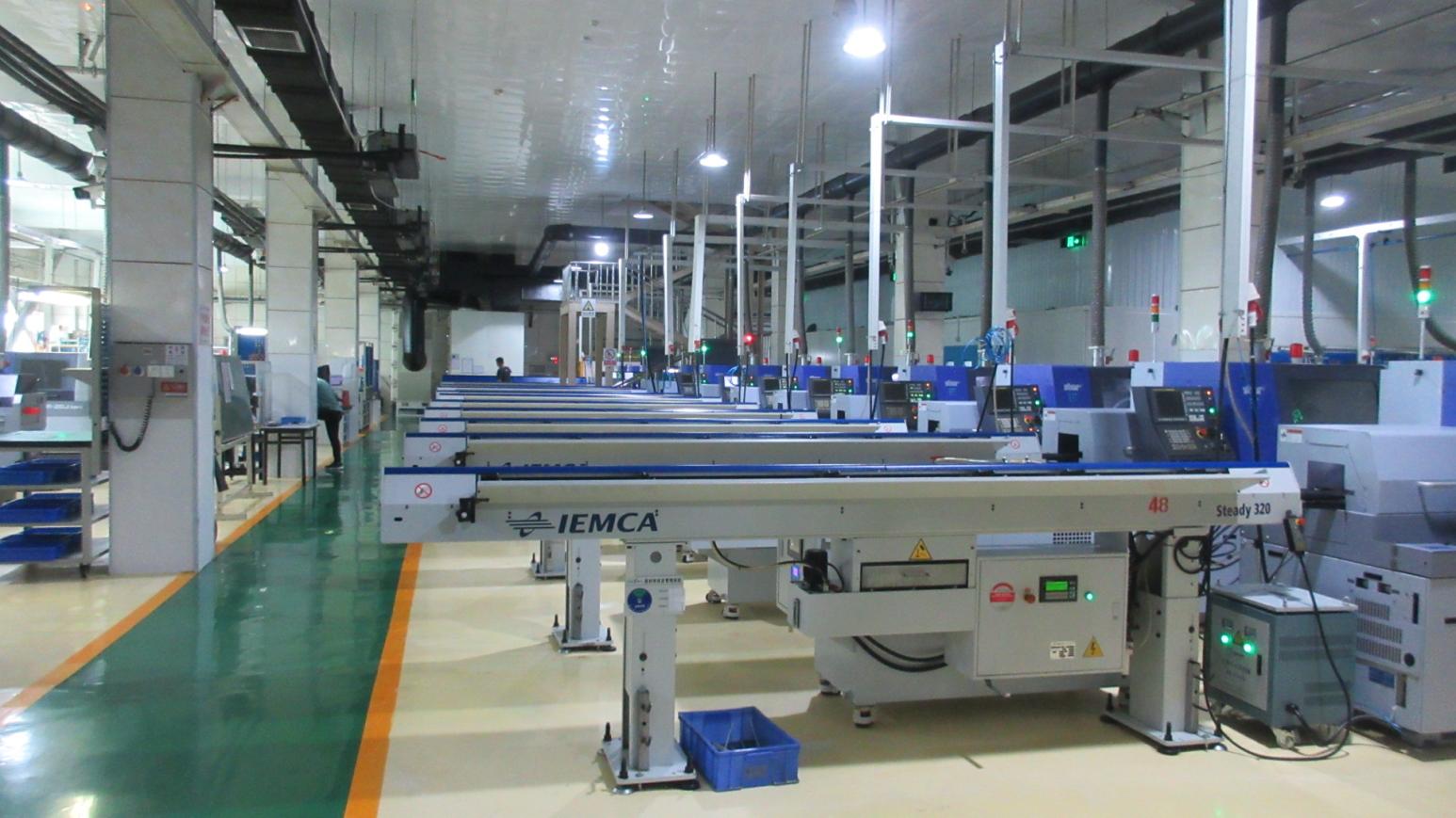
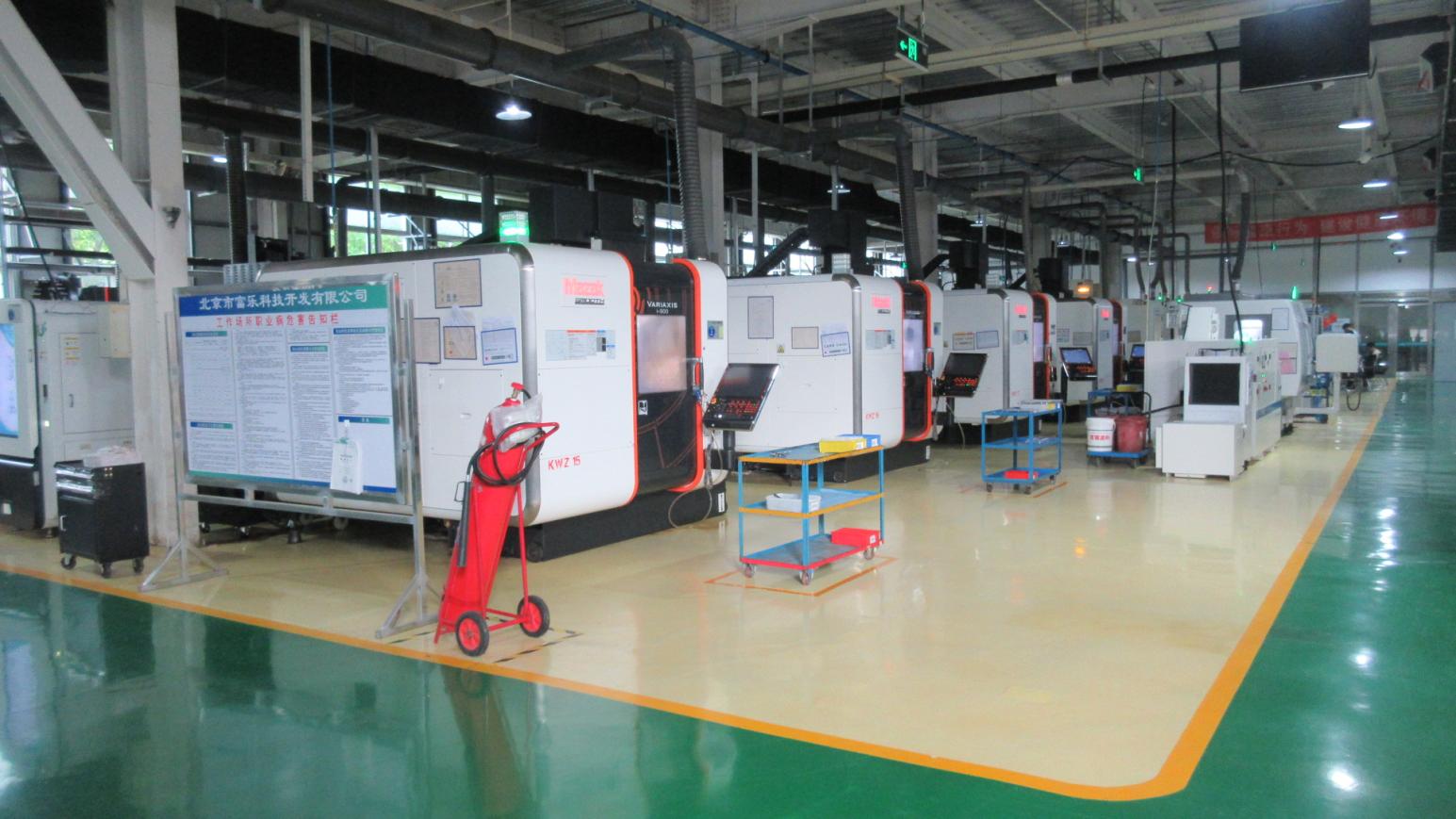
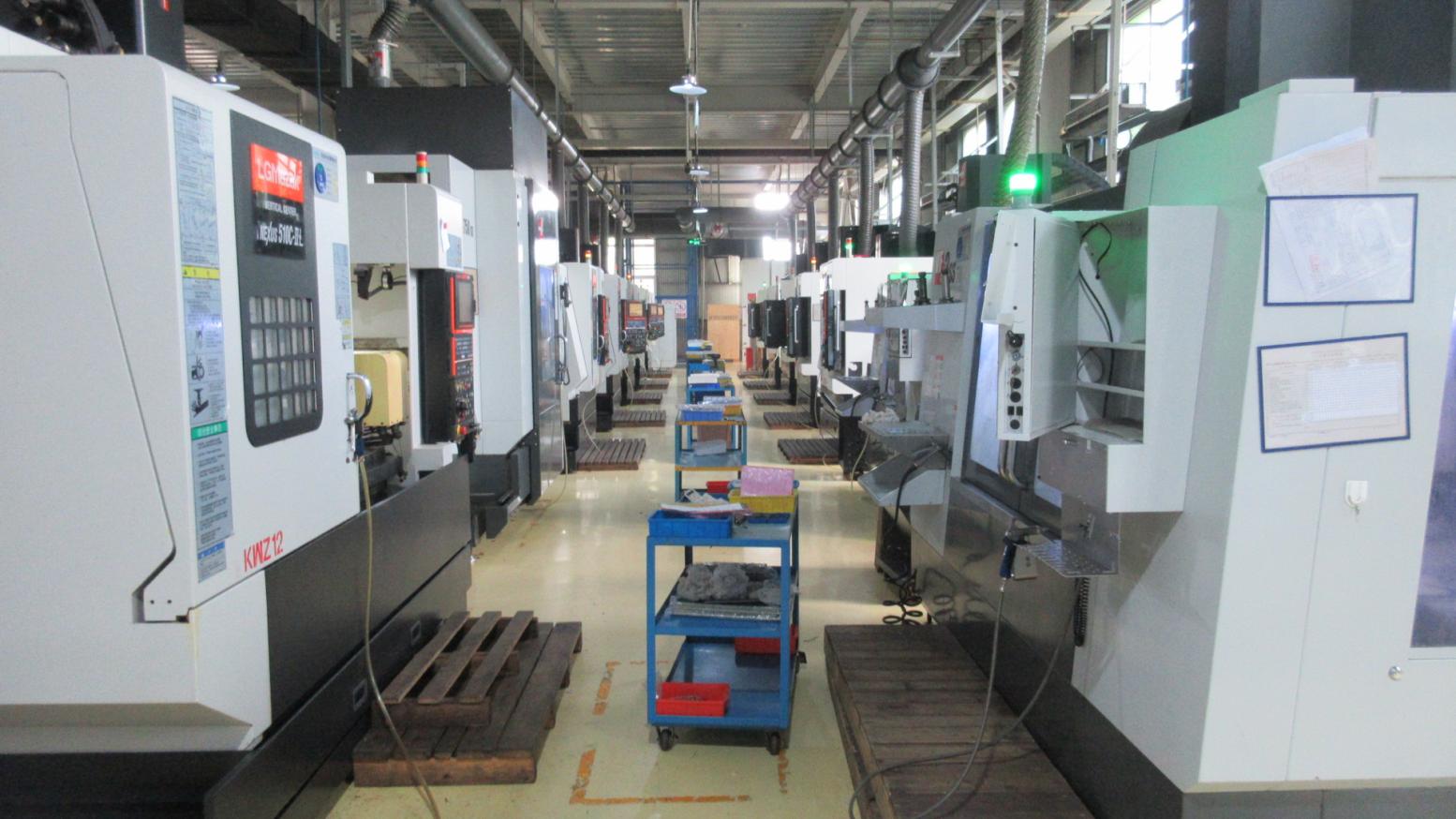
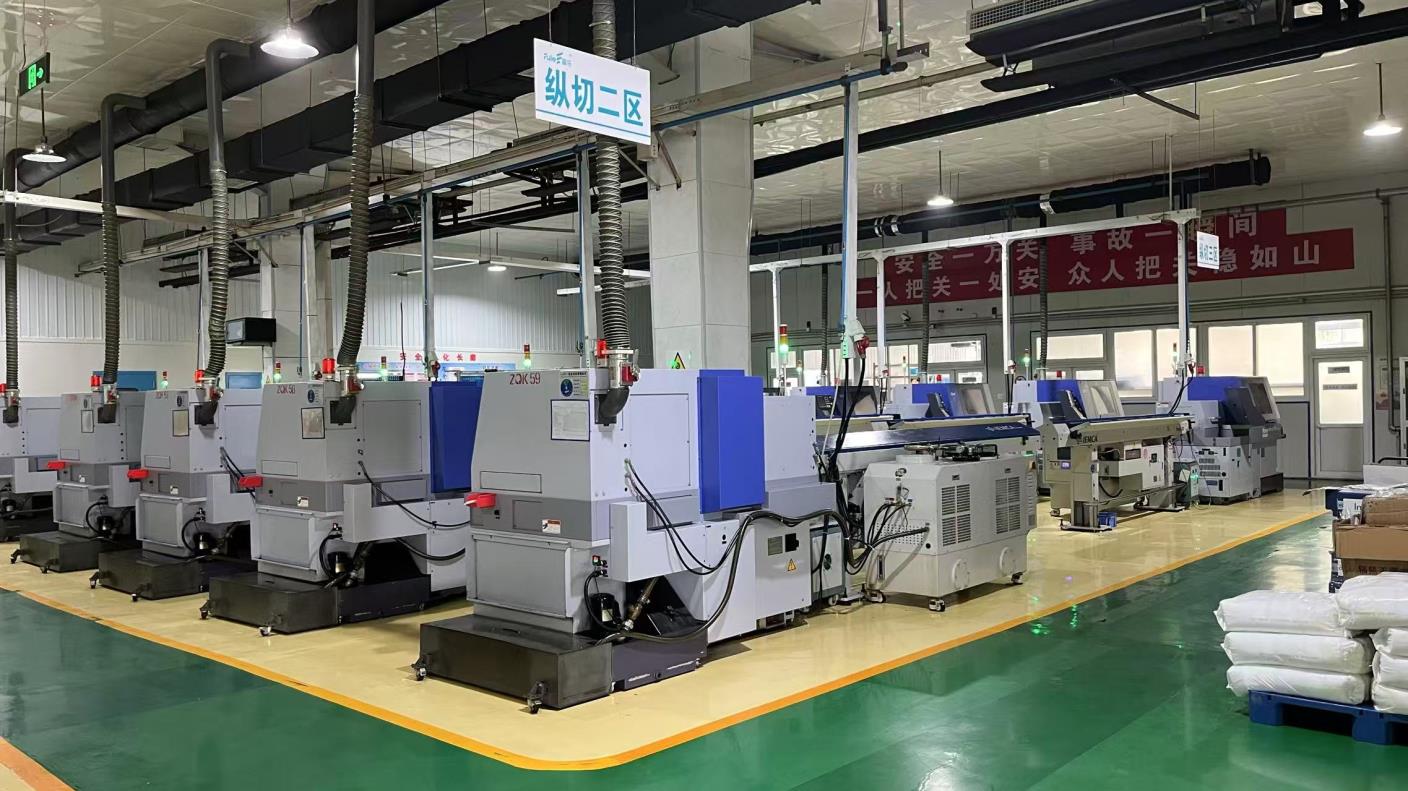
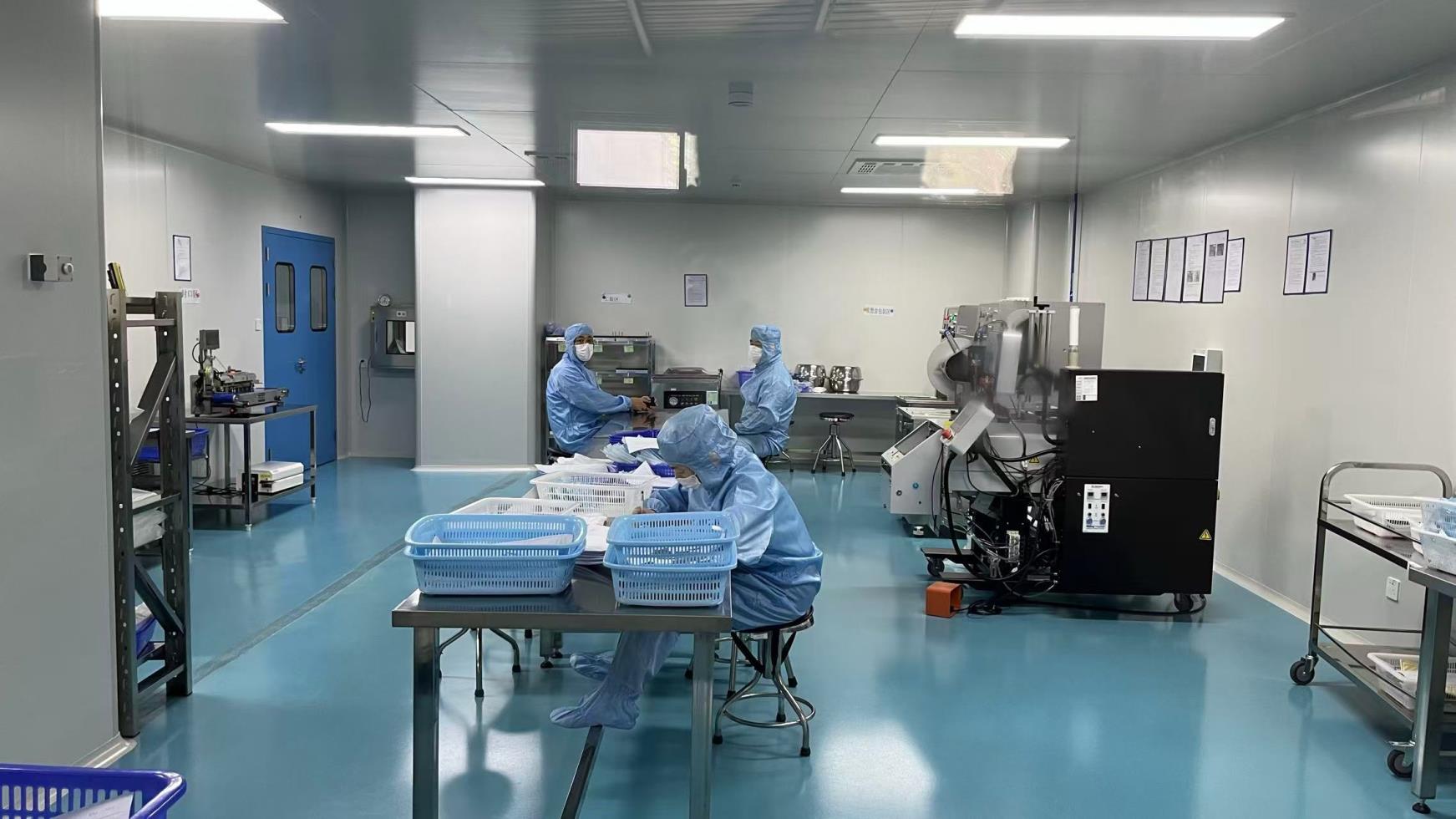
Our operations represent a state-of-the-art manufacturing infrastructure spanning 10,000 square meters of space specifically tailored for high-precision orthopedic implant production. Established in 1996, our legacy features 30 years of export experience, supporting global healthcare providers across key corridors, including 40% domestic representation, 15% Eastern Europe, and 10% Southeast Asia.

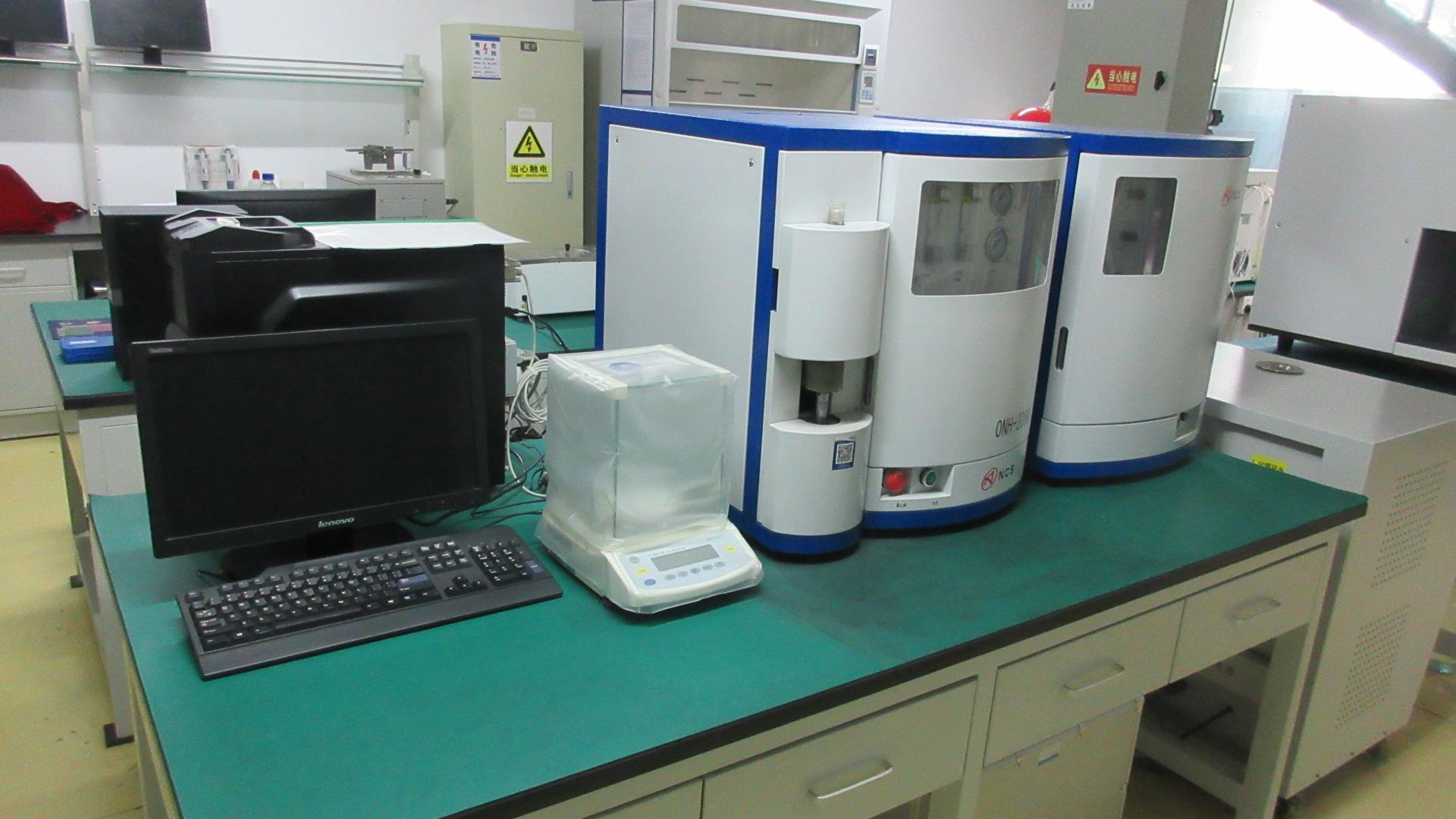
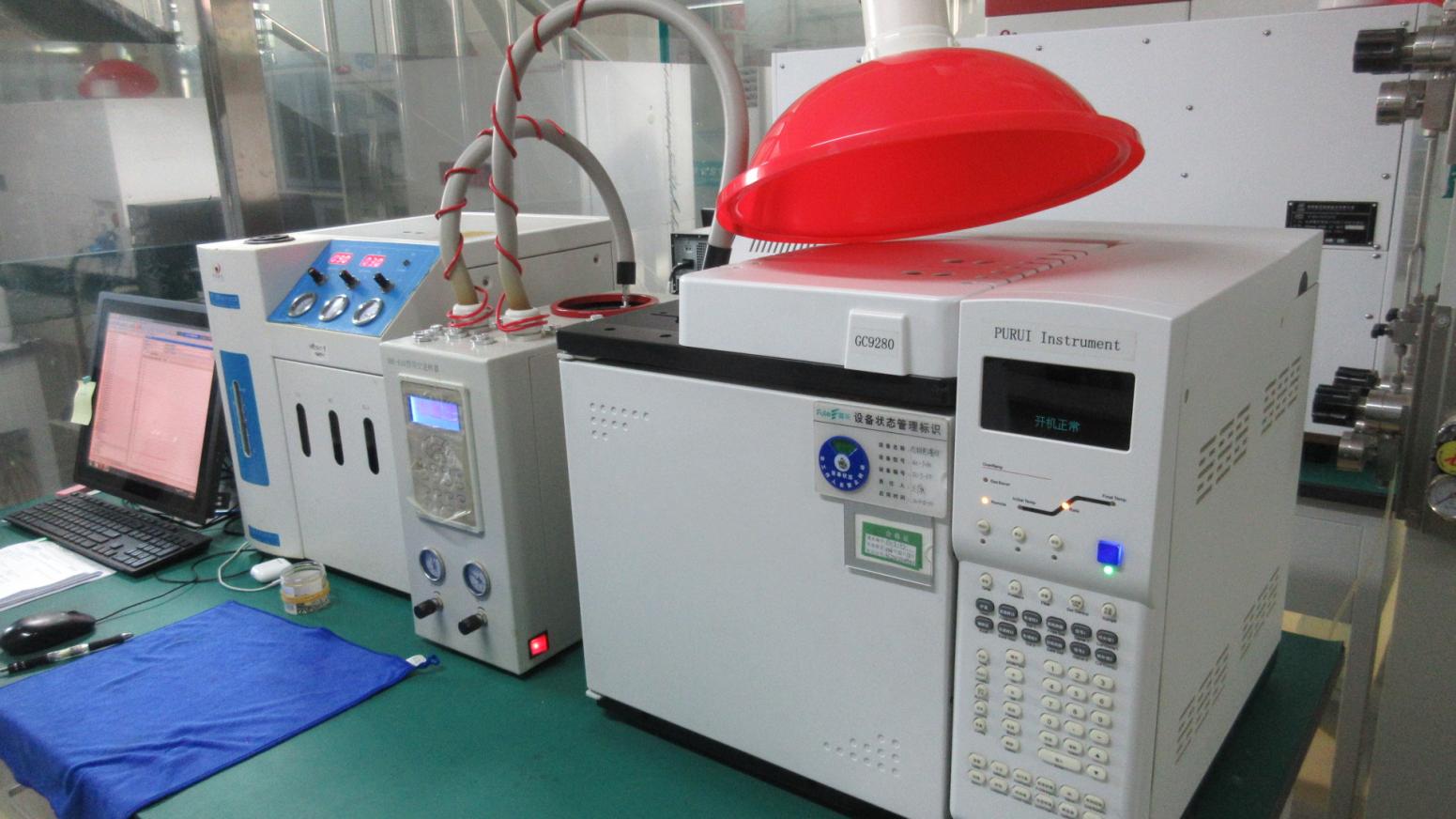
Explore our high-precision manufacturing systems, sterile packaging environments, and physical verification laboratories where we enforce 100% inspection protocols.
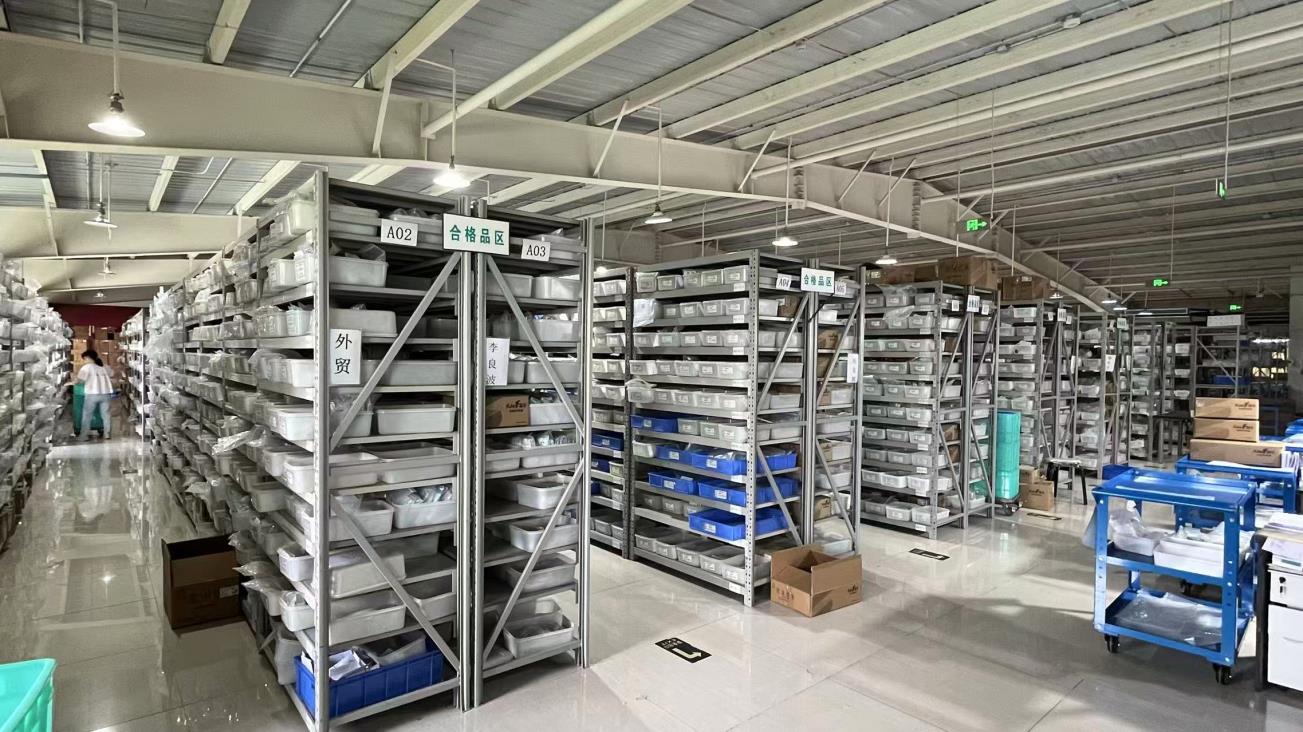
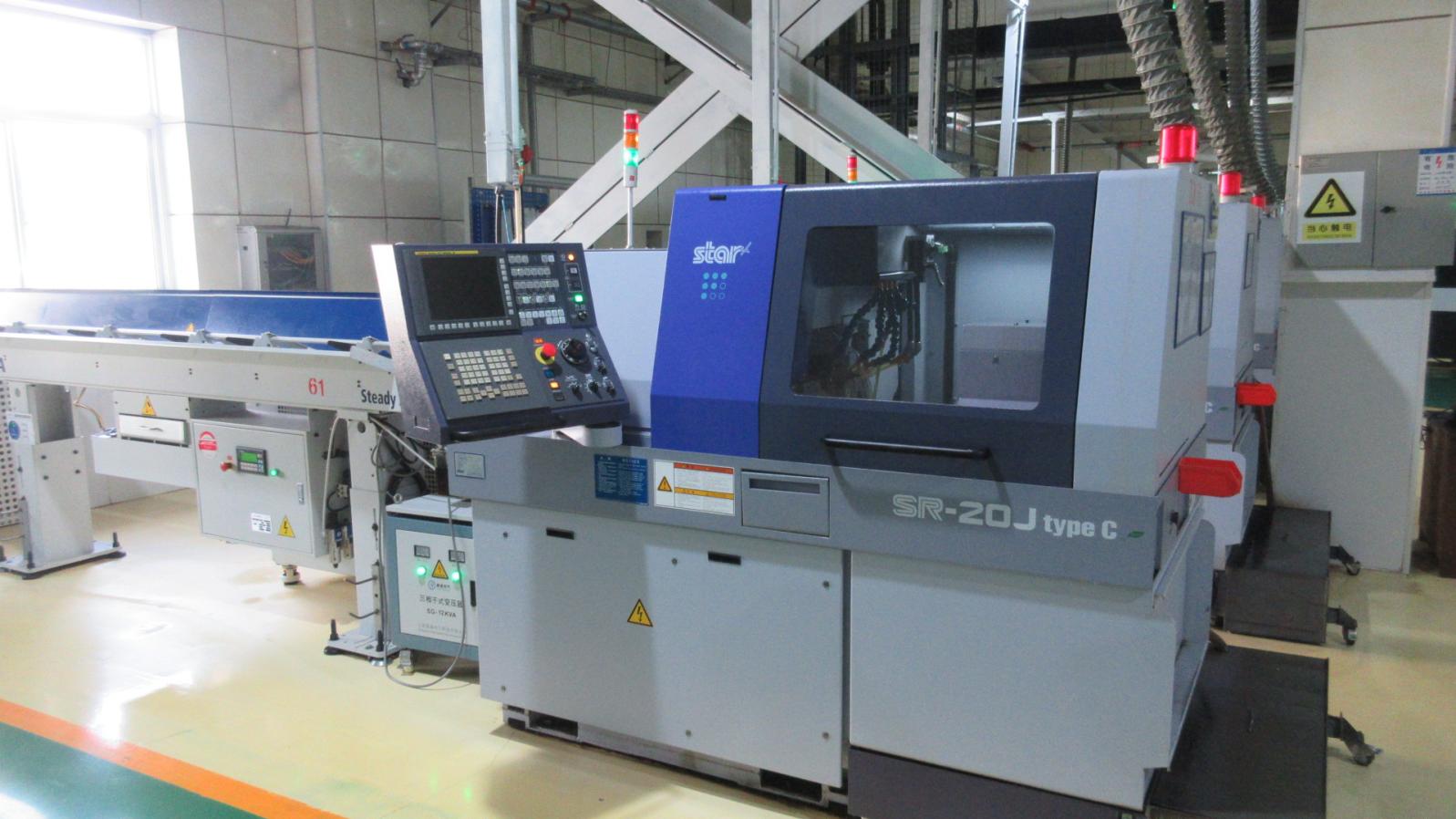
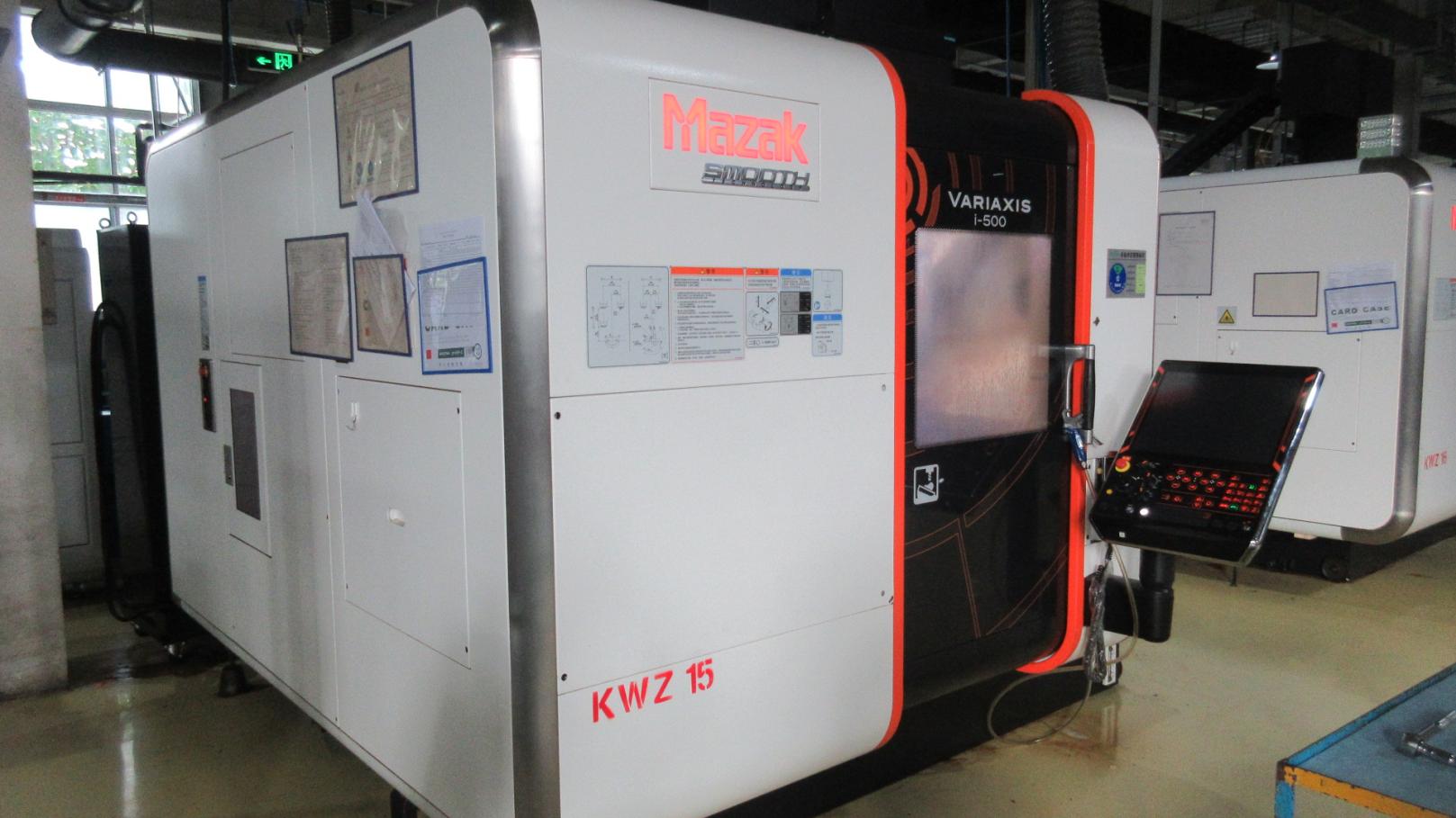
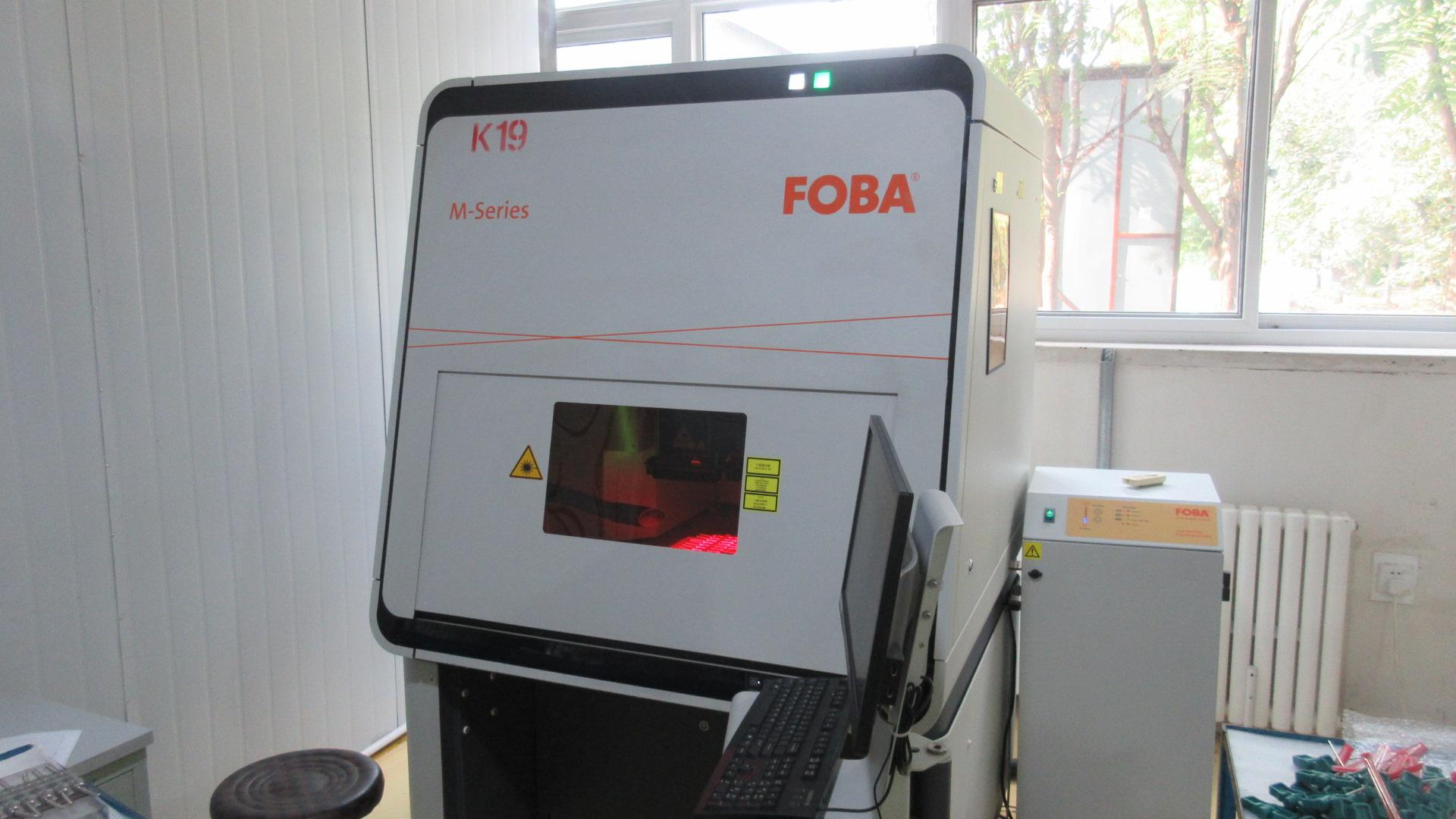
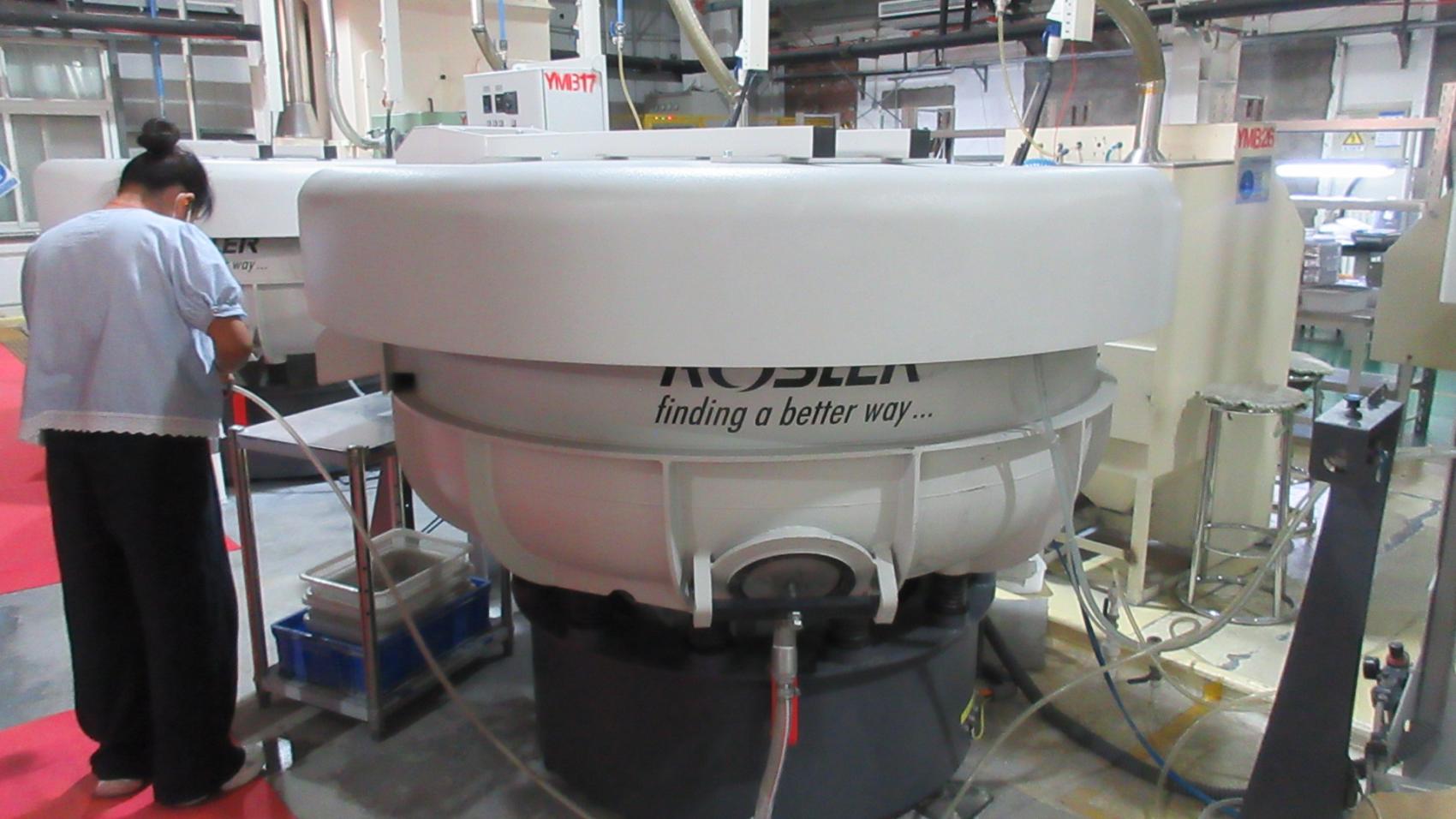
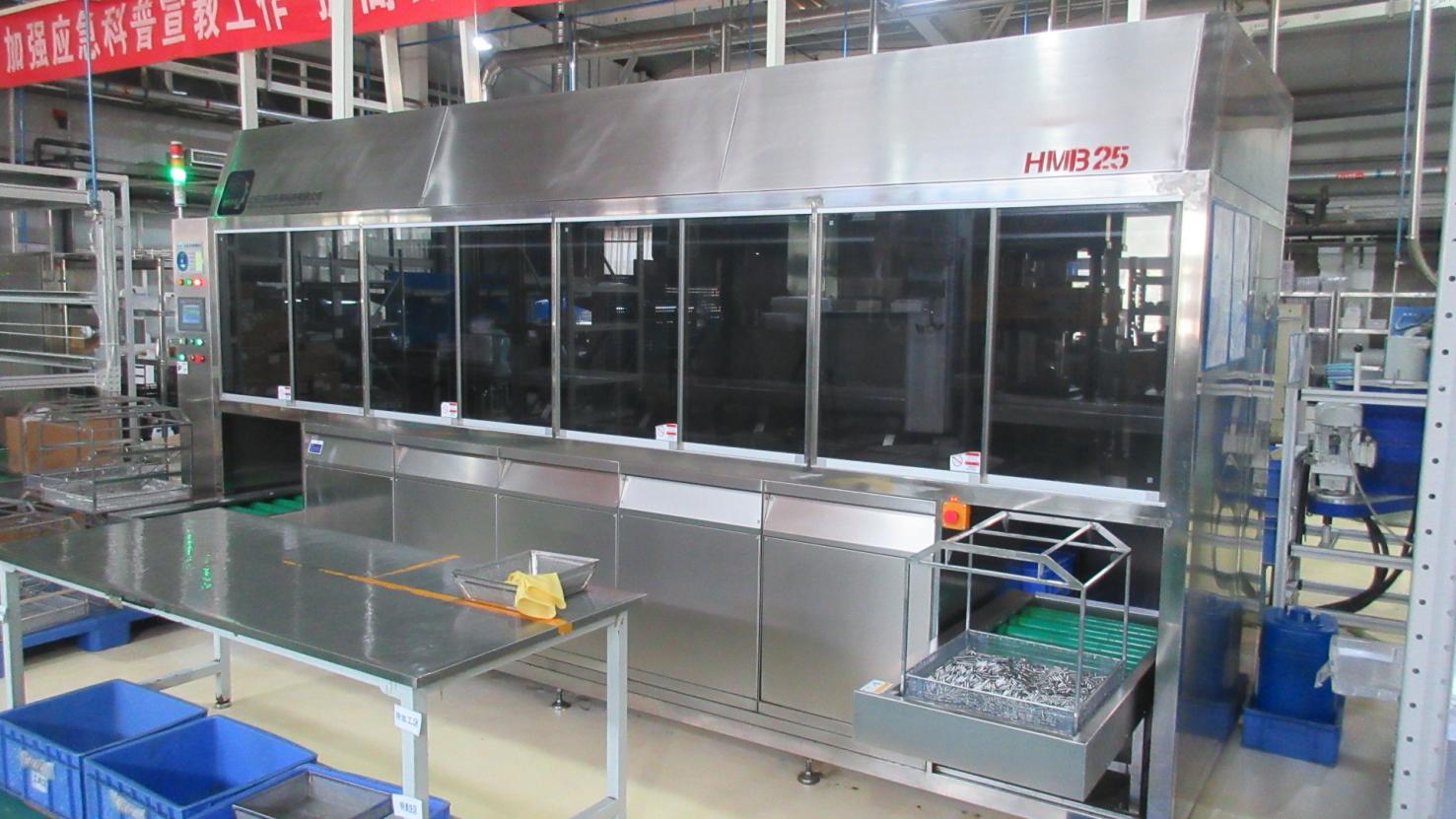
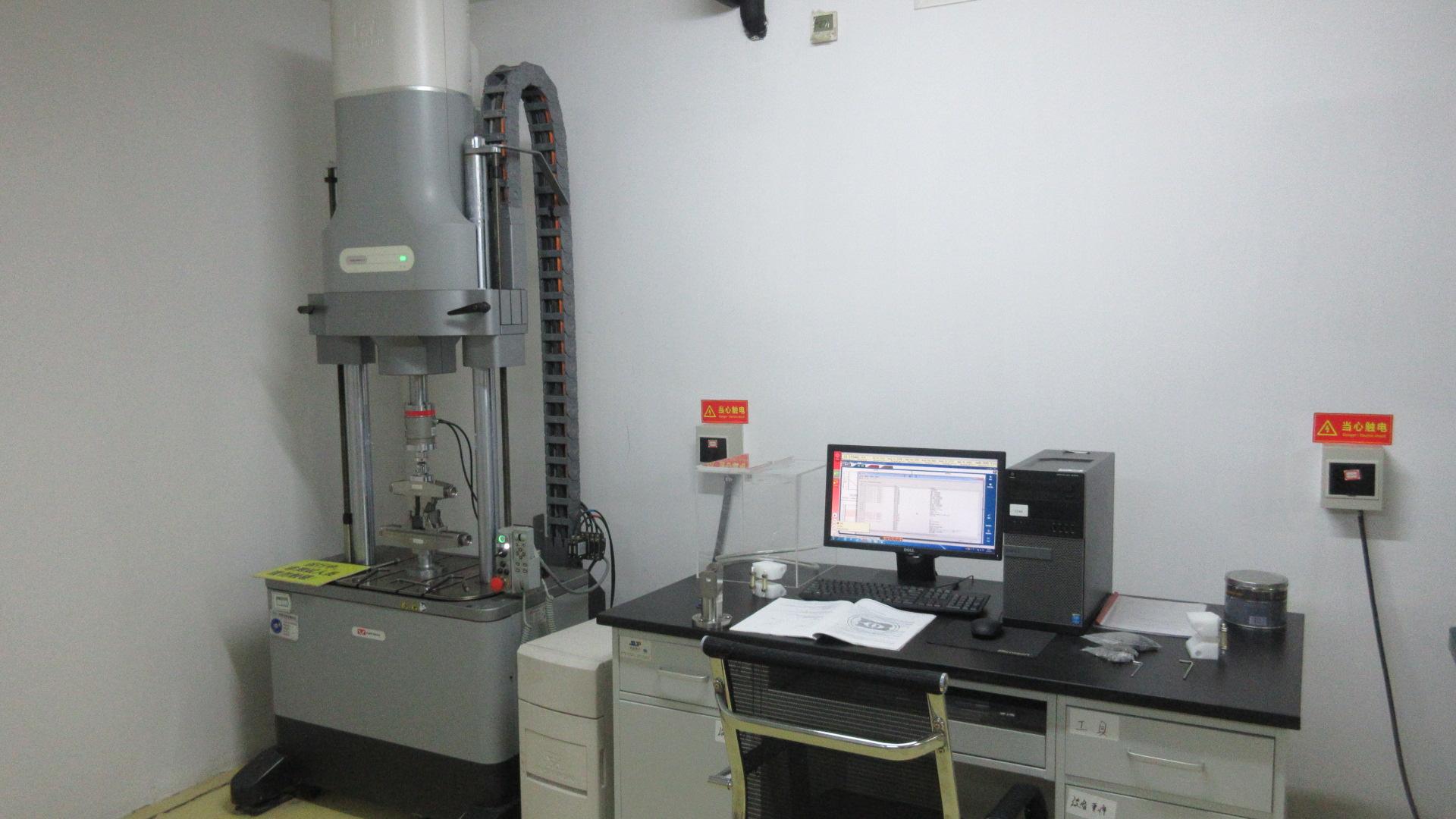
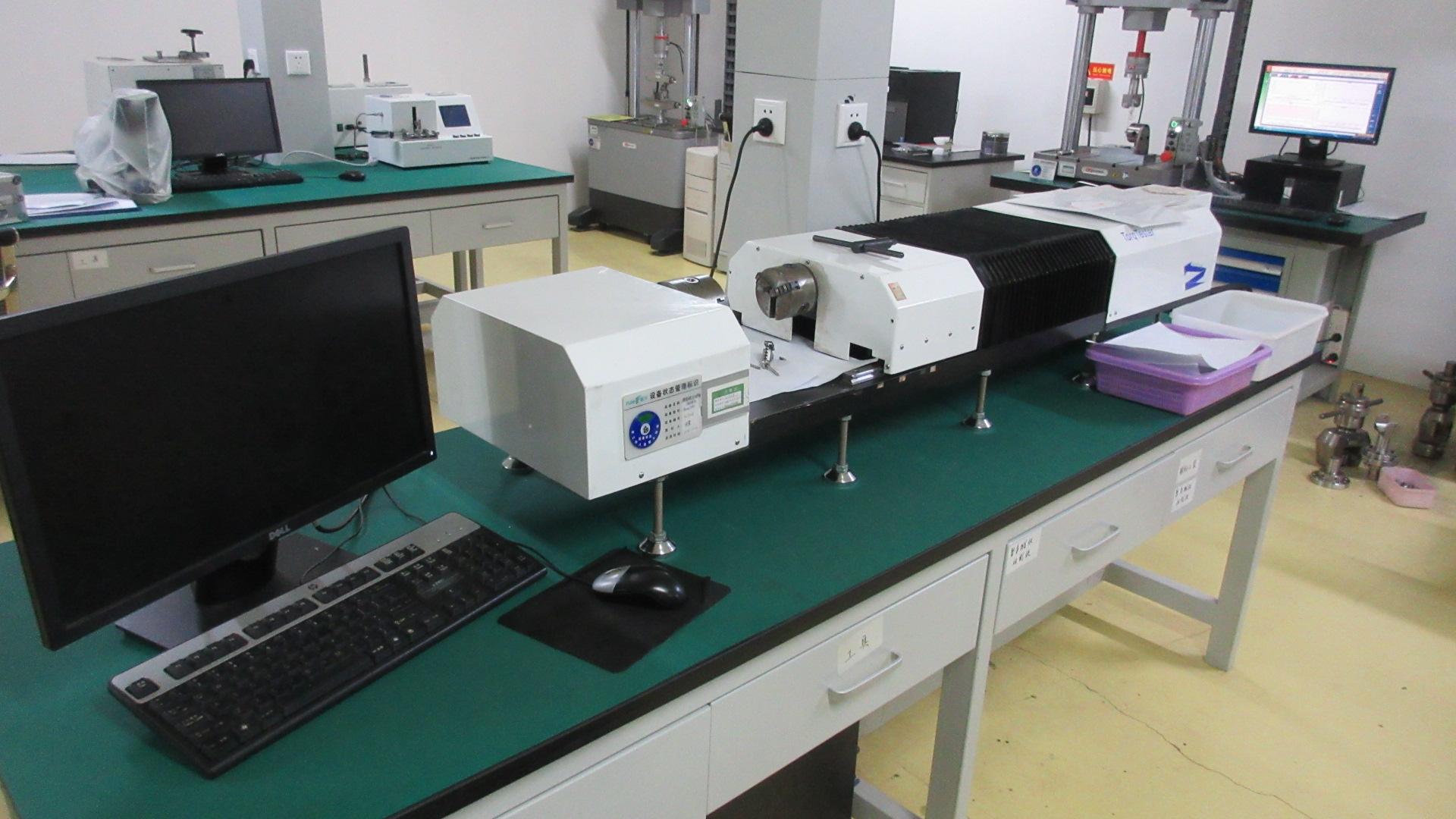
Expanding into dynamic medical markets requires adherence to local directives. European Union's Medical Device Regulation (MDR 2017/745) demands clinical evaluation files, post-market clinical follow-up (PMCF) plans, and unique device identification (UDI). As a premier partner, we supply raw materials with complete validation records, including certificate-of-conformity (CoC), biocompatibility documentation, and chemical characterization metrics.
In North American regions, our manufacturing profiles match the critical quality system regulation (QSR) requirements outlined in FDA 21 CFR Part 820. For medical brand owners entering emerging markets in Southeast Asia and South America, our multi-lingual regulatory affairs team coordinates registration portfolios, speeding up entry into markets where registration processing times can affect commercial success.
To keep our OEM/ODM clients competitive, our R&D roadmap focuses on three transformational pillars:
We are integrating advanced plasma-sprayed hydroxyapatite (HA) and titanium plasma spray (TPS) coatings. These speed up osseointegration, forming a direct structural and functional connection between the living bone and the implant surface.
Our research team is developing magnesium-alloy and bioabsorbable polymer implants for pediatric and low-load applications, eliminating secondary surgeries to remove internal hardware.
We are expanding our range of minimally invasive spine surgery (MIS) systems. These designs utilize smaller entry windows to minimize local tissue disruption and support rapid patient recovery.

 Beren Science & Technology