The global patient positioning and orthopedic fixation market has undergone significant transformations, moving away from simple mechanical tables toward integrated biomechanical stabilization systems. In modern surgical workflows, patient positioning and internal fixation are closely linked. Together, they form a critical path toward successful spinal alignment, osteotomy support, and traumatic reconstruction.
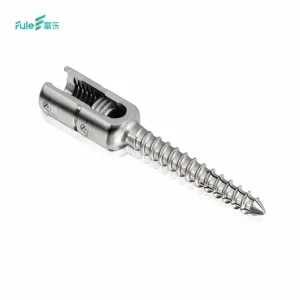
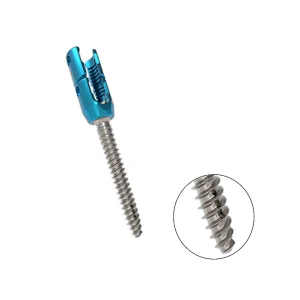
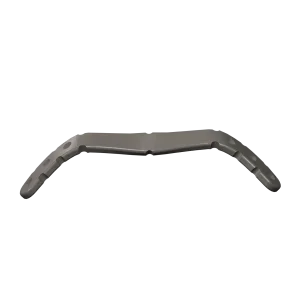
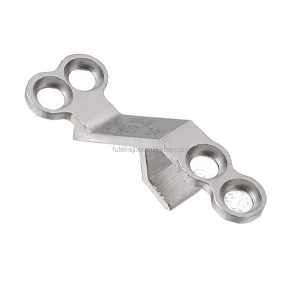
As a premier OEM/ODM manufacturer, we align our capabilities with strict global regulatory mandates. By integrating the structural rigidity of patient positioning elements with the bio-mechanical reliability of spinal fixation units (such as class III implantable titanium pedicle screws and cervical plate systems), we deliver complete clinical solutions. Our manufacturing operations comply with ISO 13485, providing healthcare partners in Europe, the Asia-Pacific region, and the Americas with reliable, sterile-packaged components ready for surgical assembly.
"The integration of intraoperative patient positioning platforms and multi-axial internal fixation anchors represents the gold standard in reducing post-operative complications and ensuring construct integrity in degenerative spine surgeries."
Modern spine surgery requires high visual clarity and small incisions. This shift has driven the adoption of radiolucent, carbon-fiber composite patient positioning devices. These systems allow real-time fluoroscopic and 3D intraoperative imaging without artifact interference.
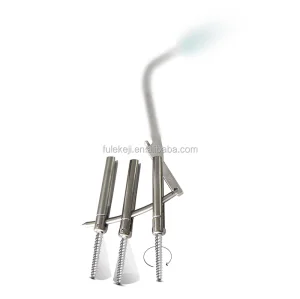
At the same time, MIS technologies require spinal implants and delivery needles (such as those used in percutaneous vertebroplasty and kyphoplasty) to feature precise guiding systems. Integrating navigation sensors into patient positioners allows orthopaedic surgeons to place monoaxial or polyaxial screws with millimeter accuracy. This reduces radiation exposure and operating room times.
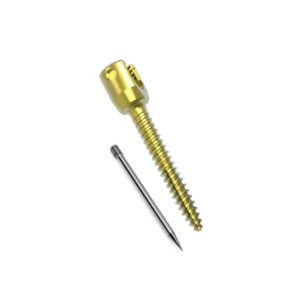
Material science plays a critical role in clinical outcomes. Biocompatible titanium alloys (specifically Grade 5 ELI) are the preferred standard due to their high strength-to-weight ratio and excellent osseointegration properties. For patients with compromised bone density, such as those undergoing osteoporosis treatment, our specialized bone cement expandable pedicle screws utilize fenestrated channels to distribute PMMA cement directly into the vertebral body. This design significantly improves pull-out strength in osteoporotic bone.
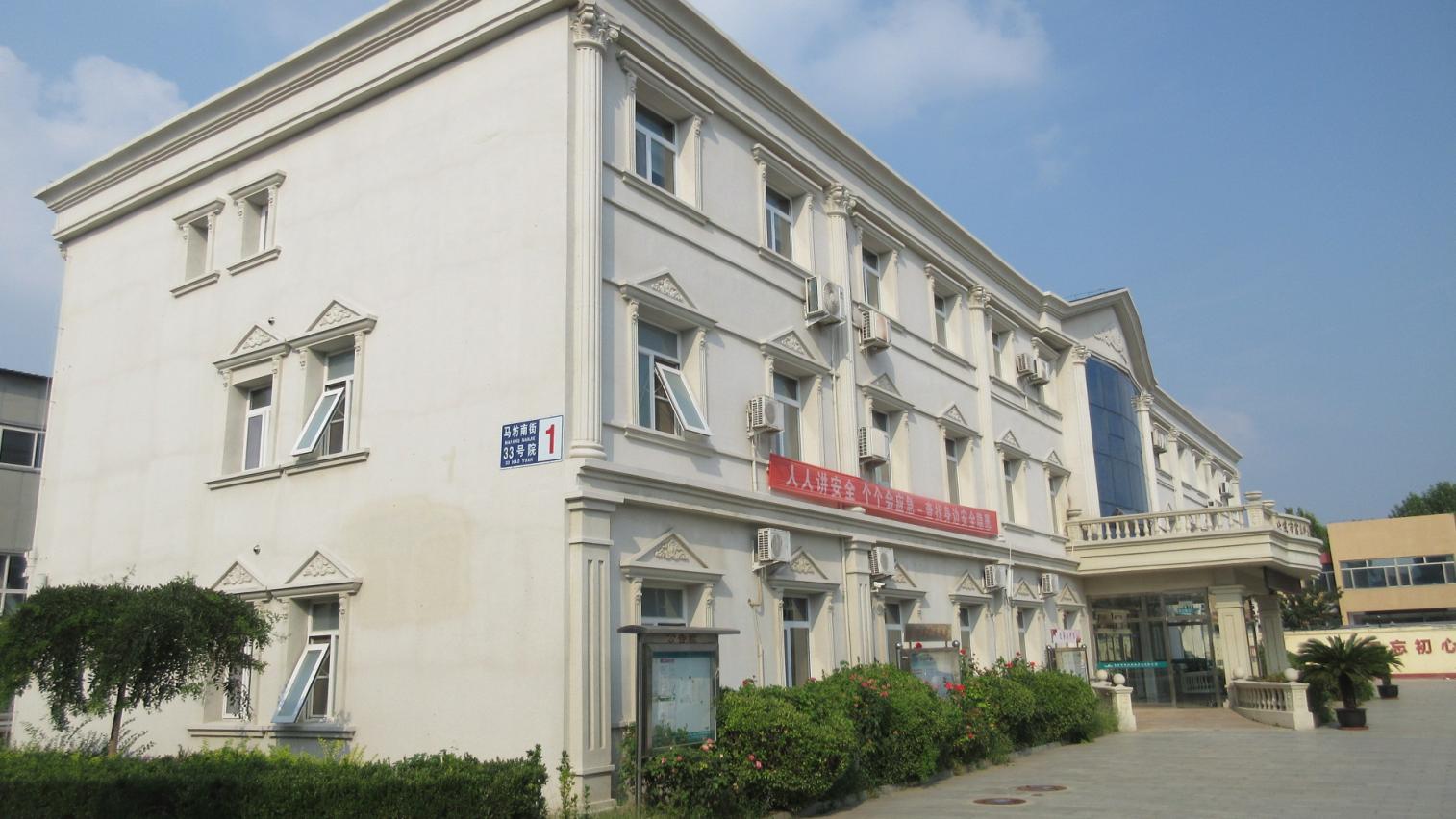
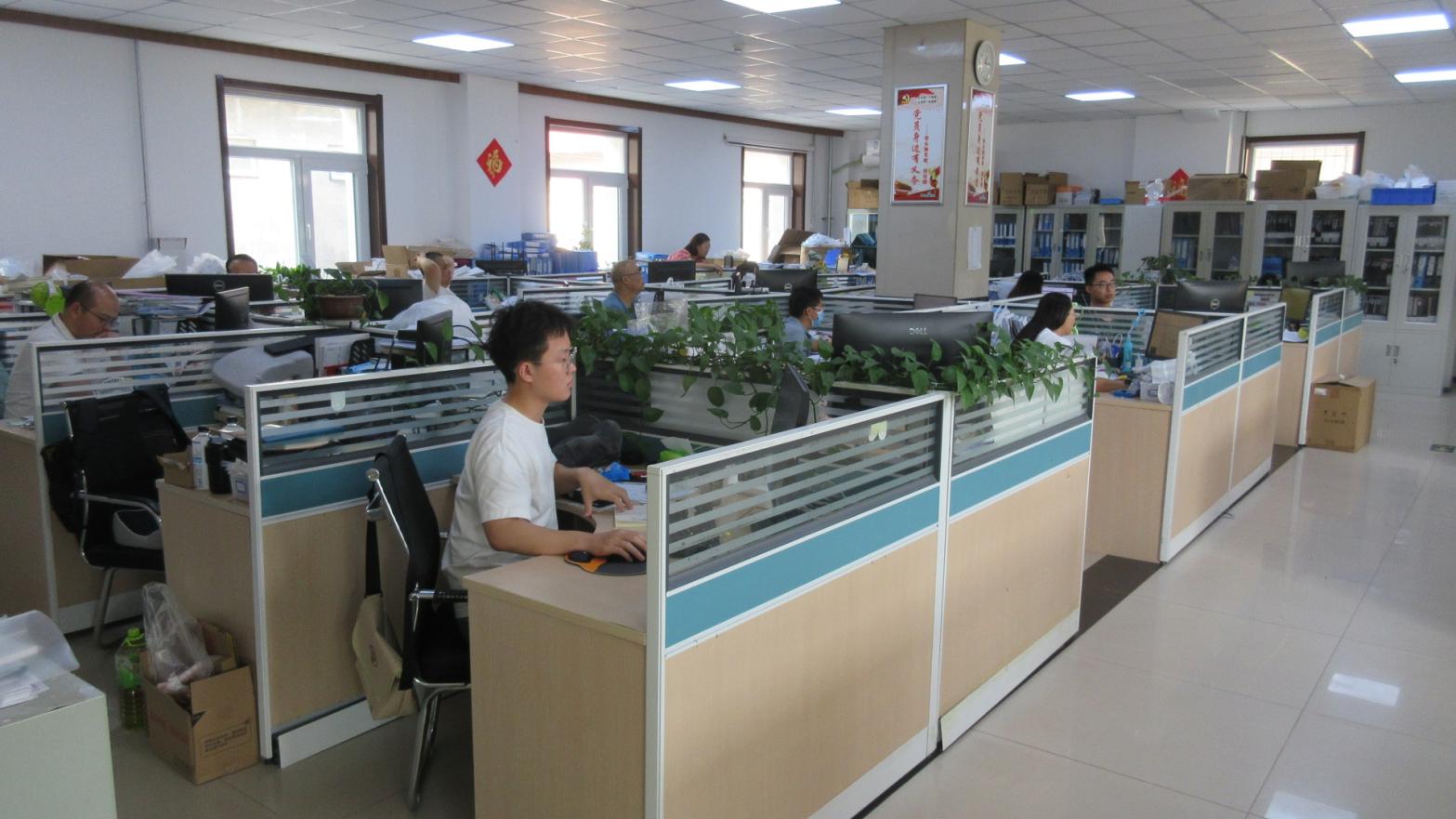
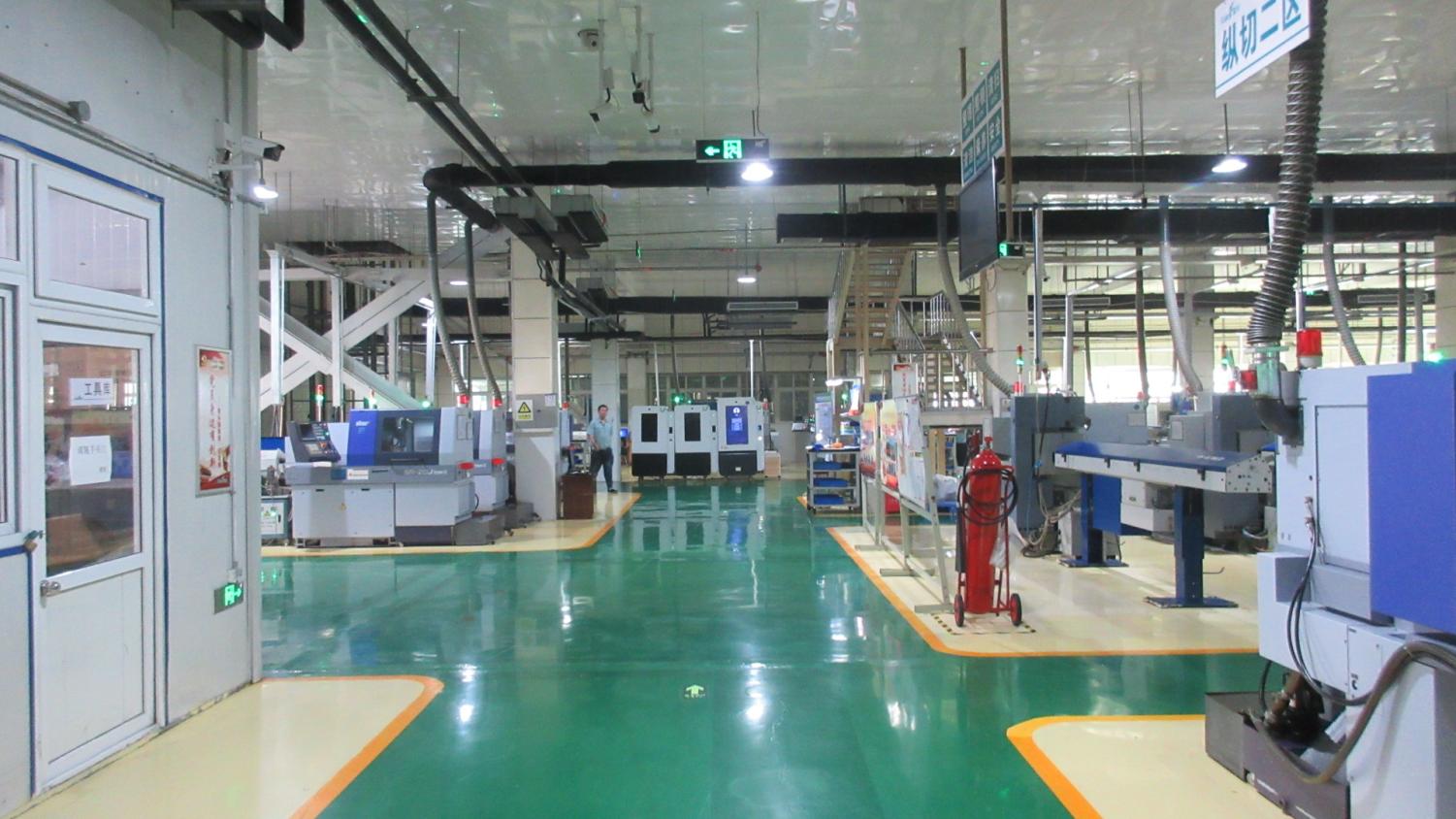
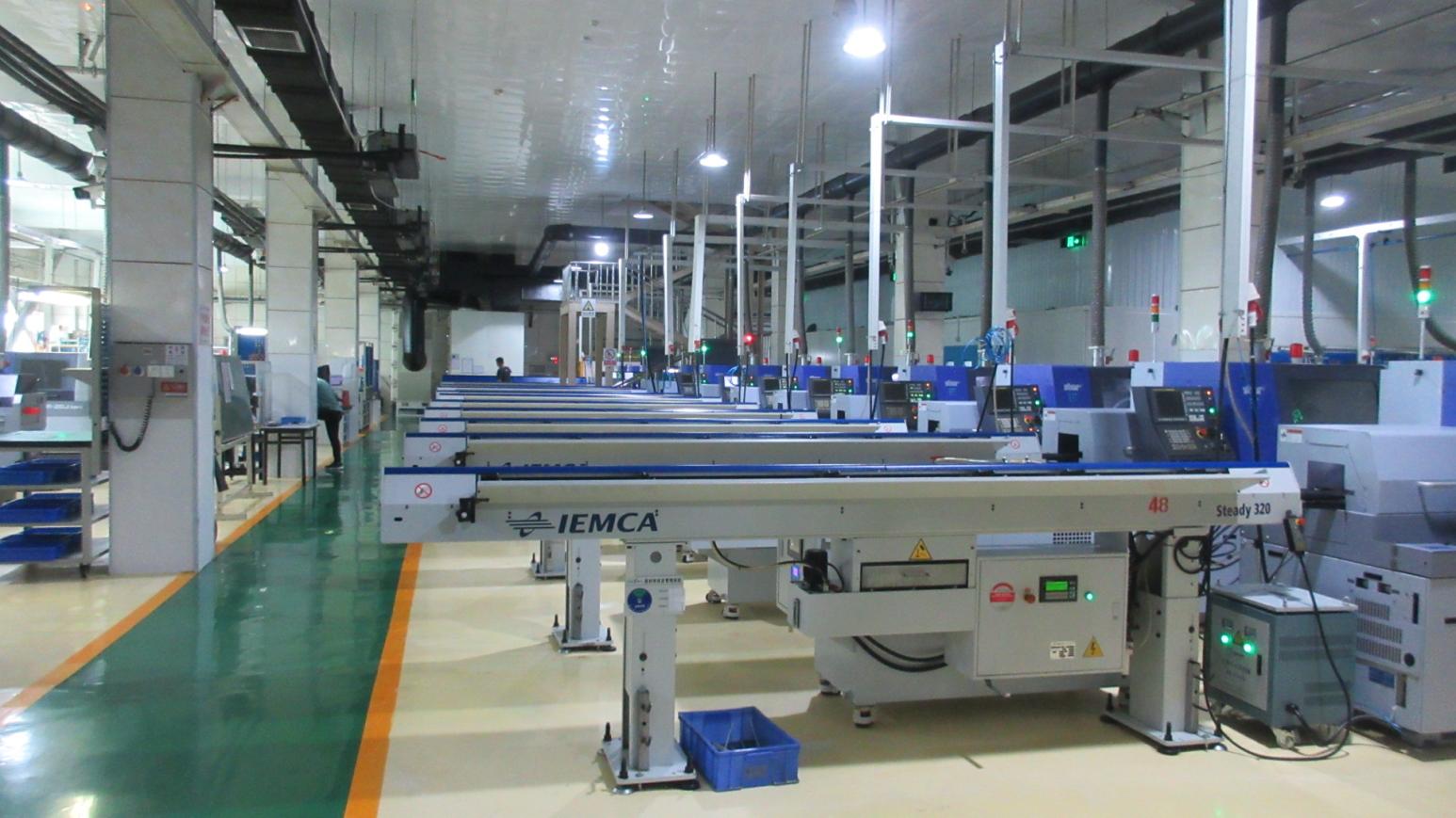
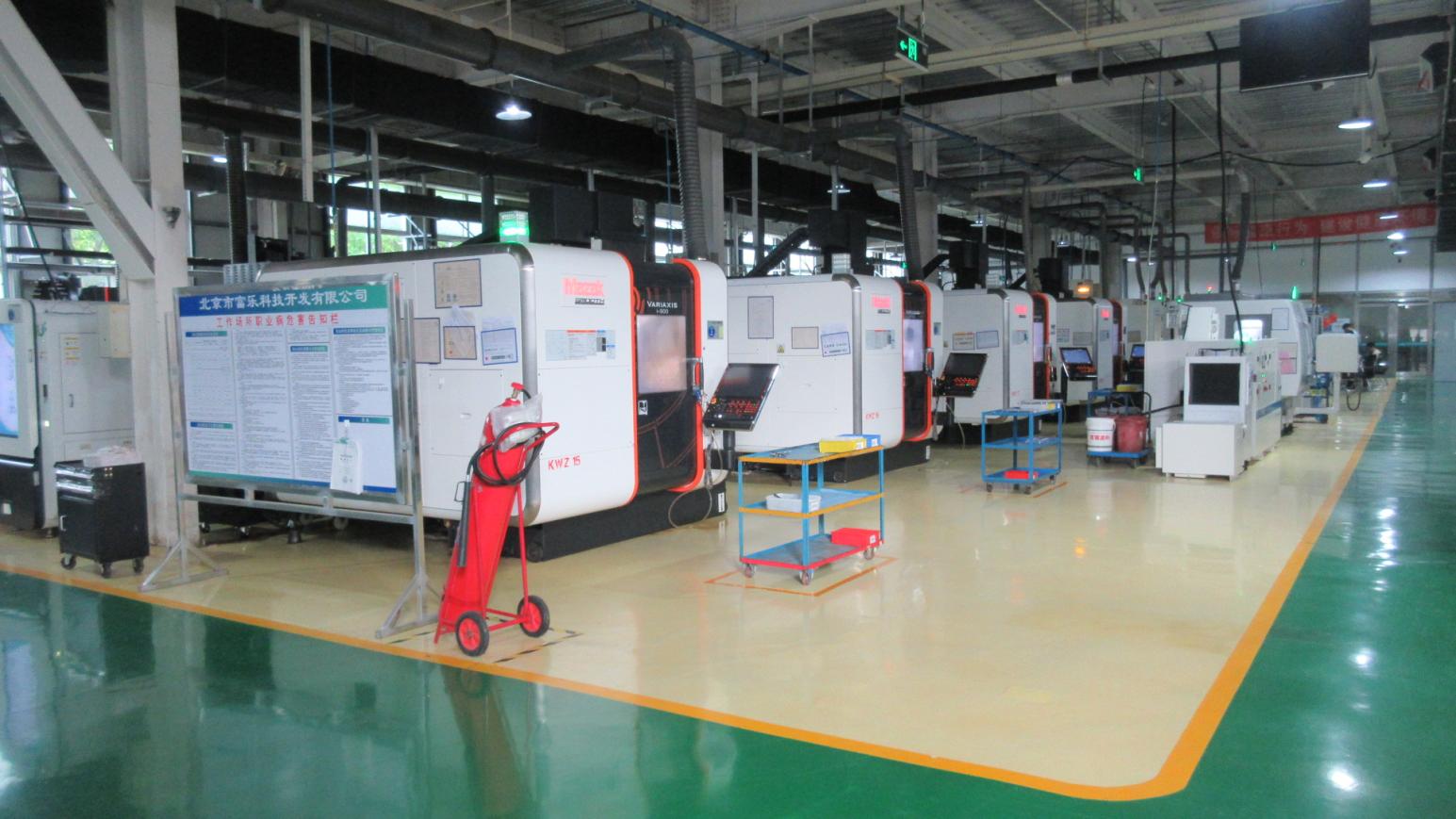
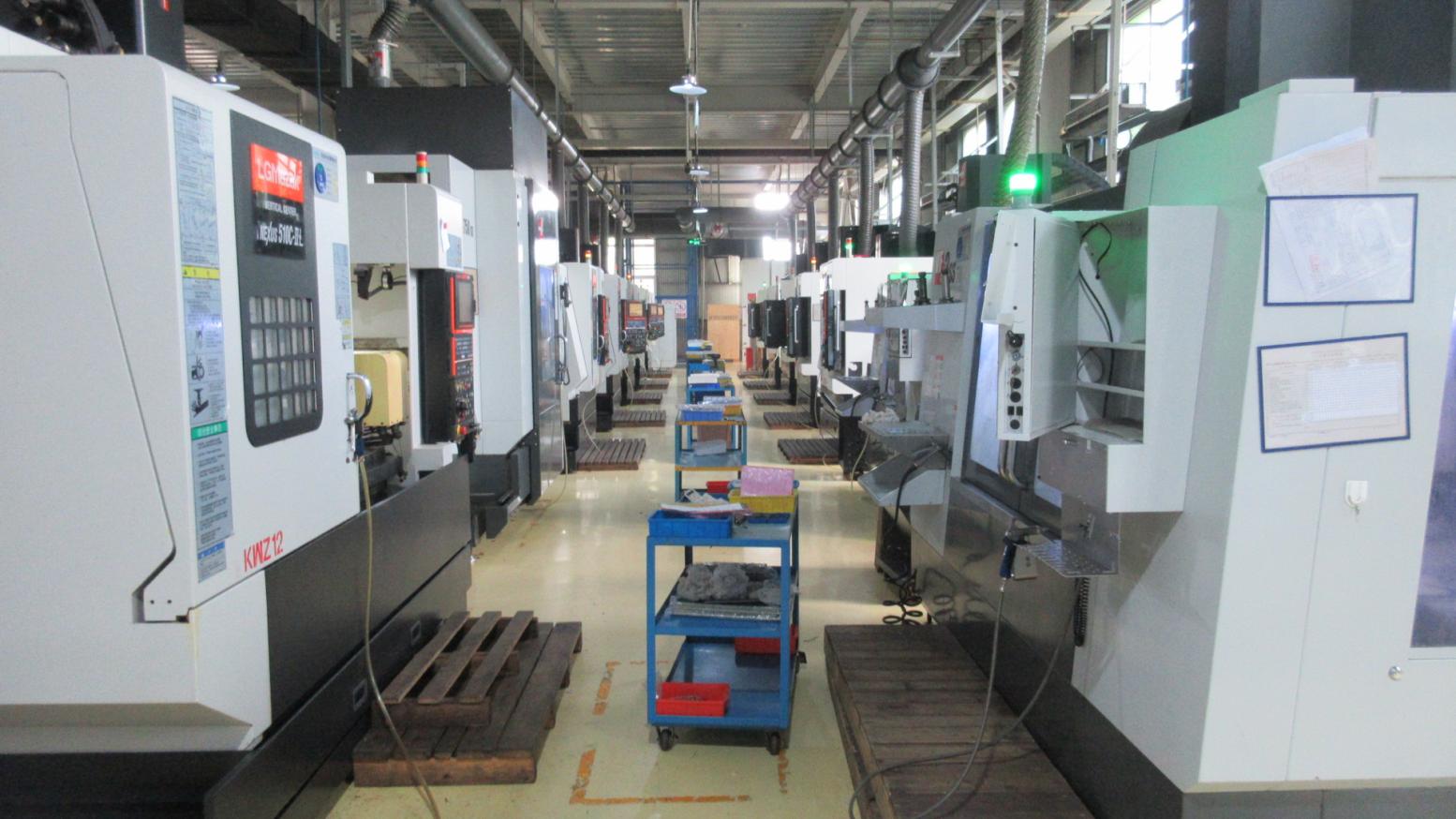
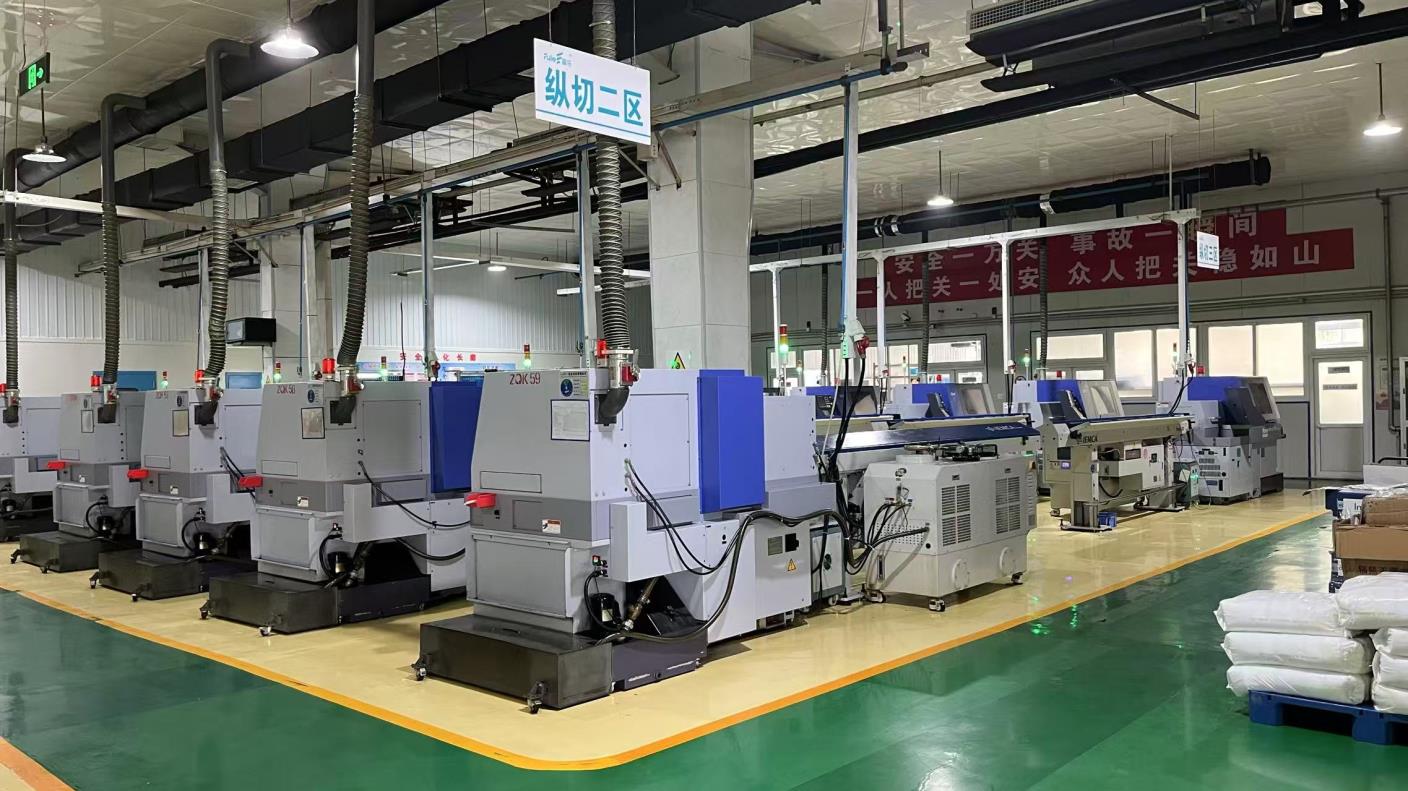
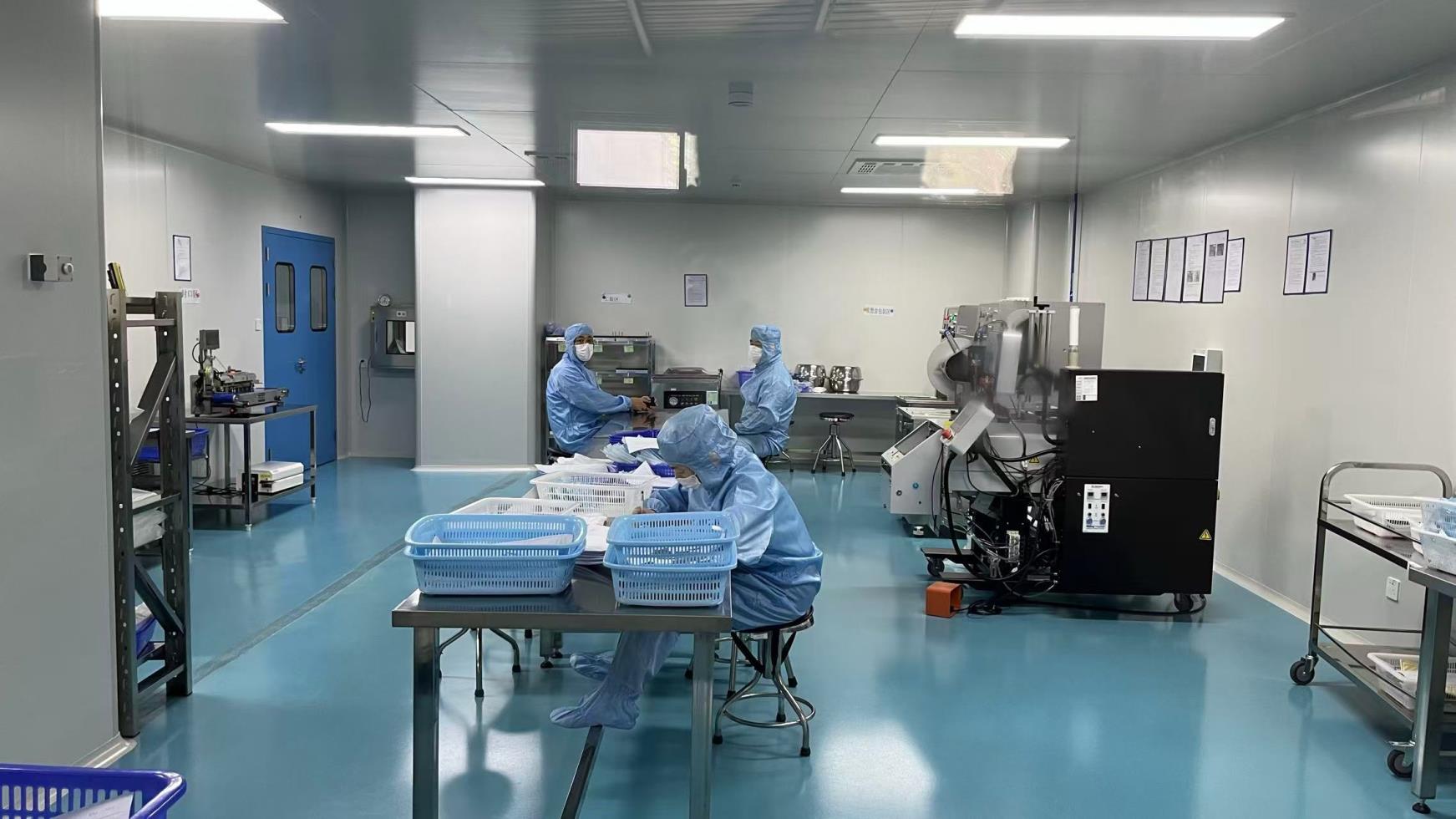
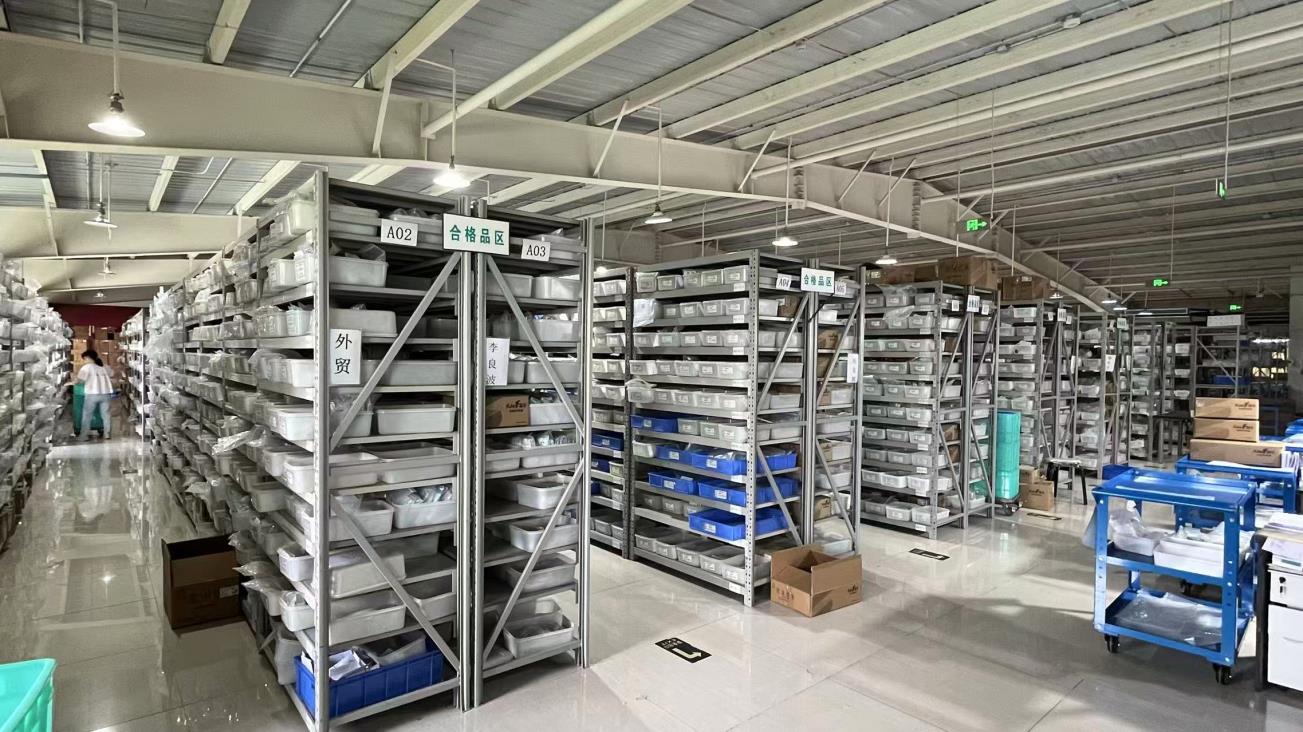
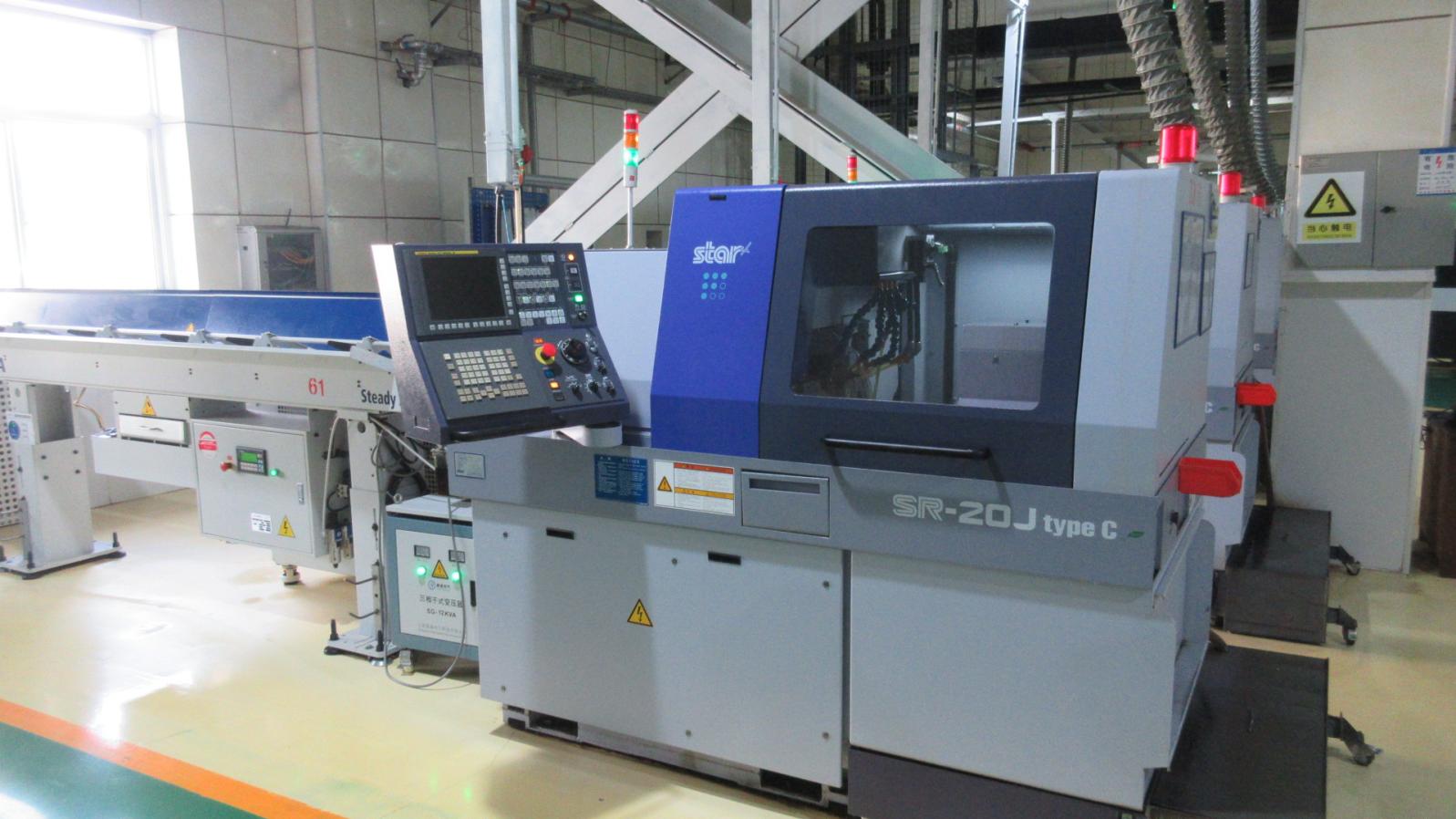
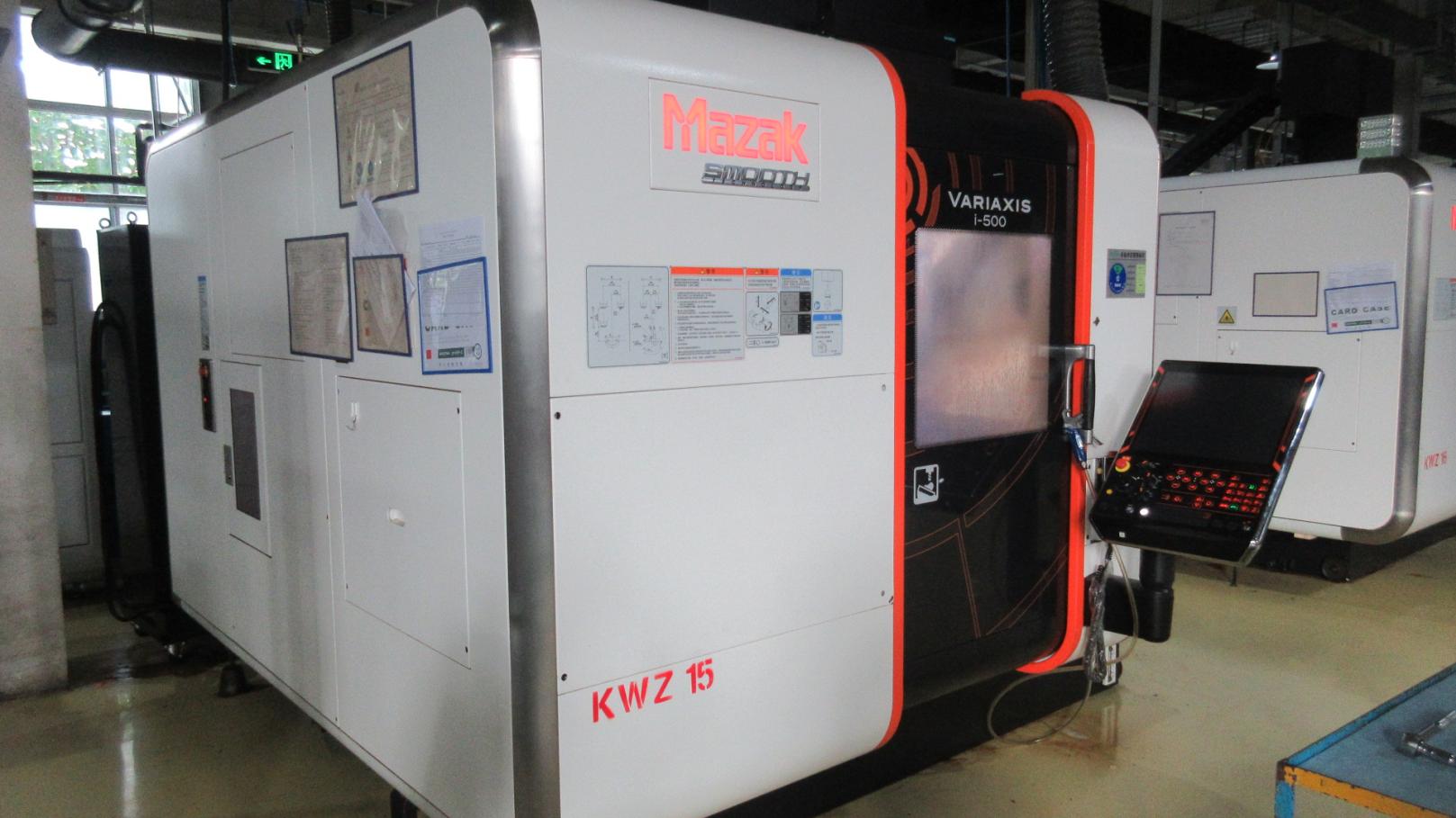
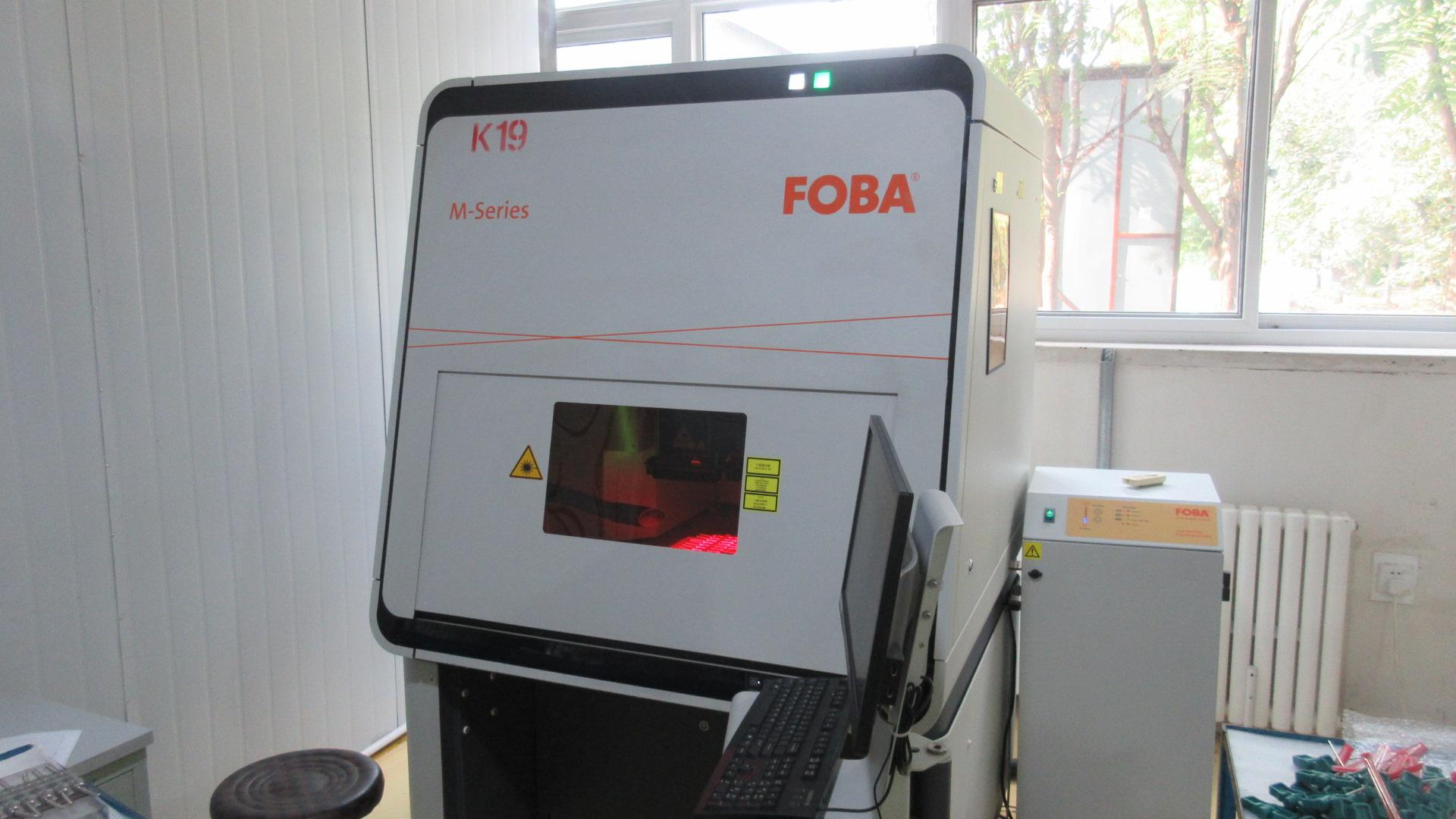
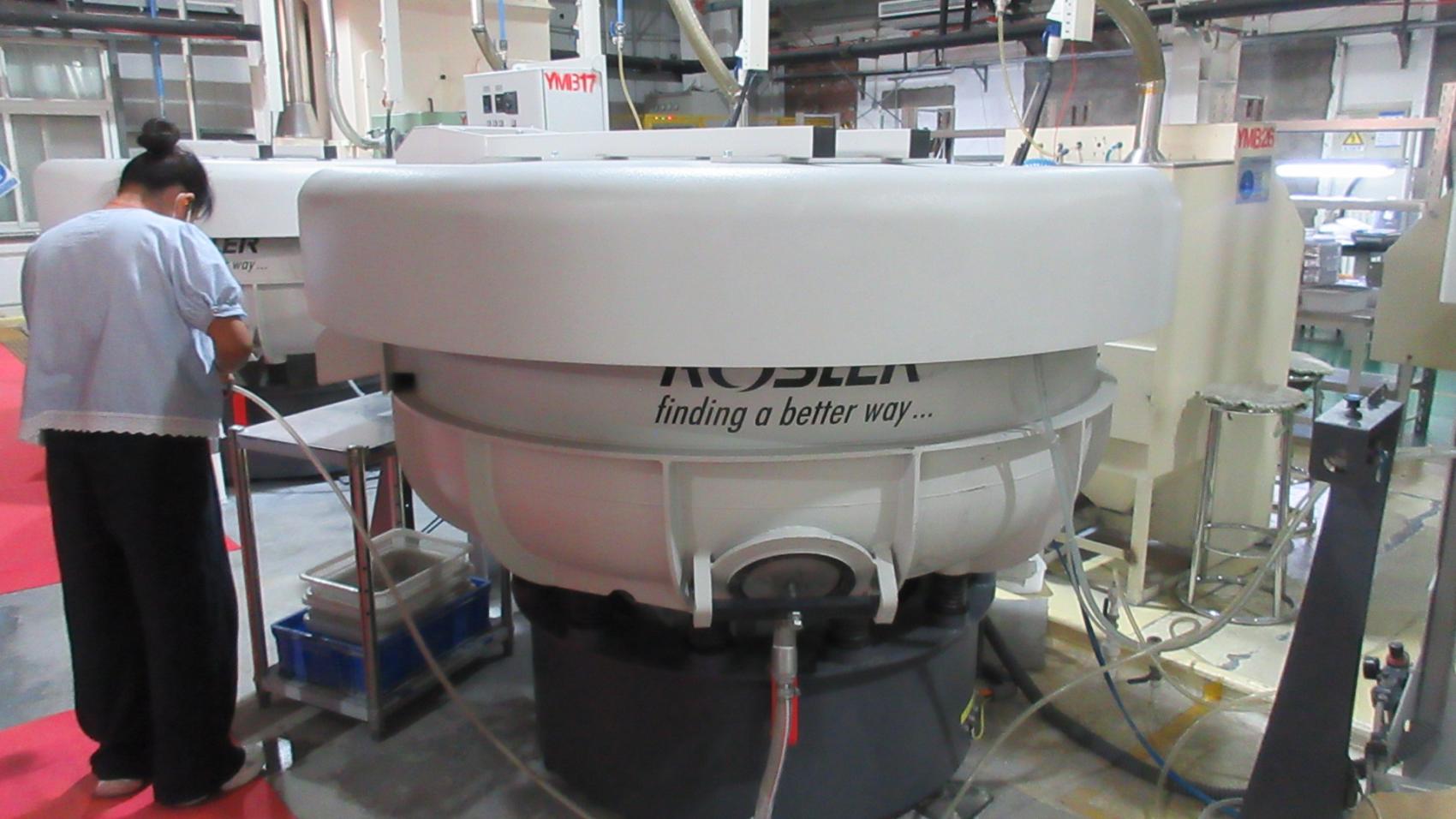
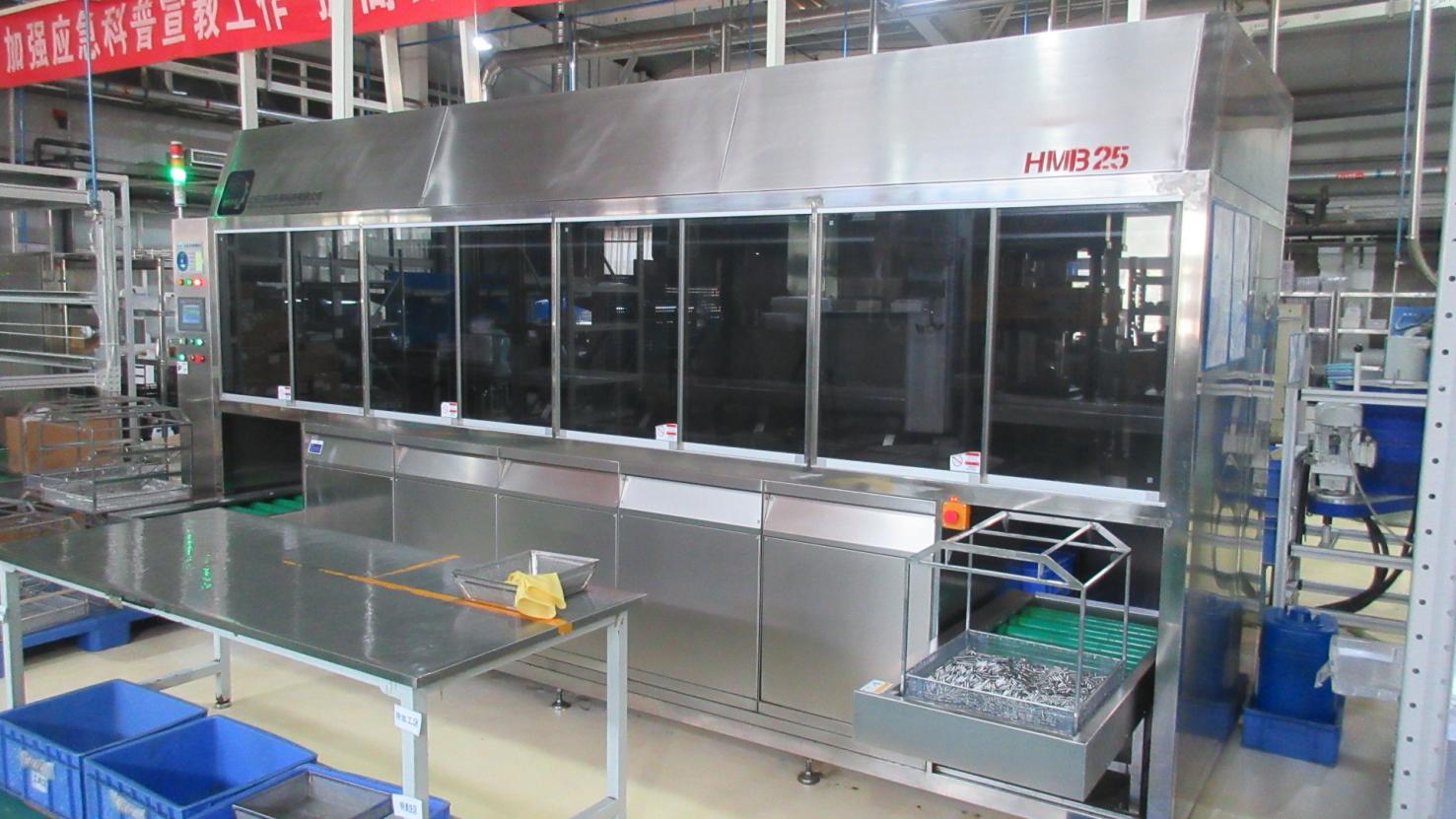
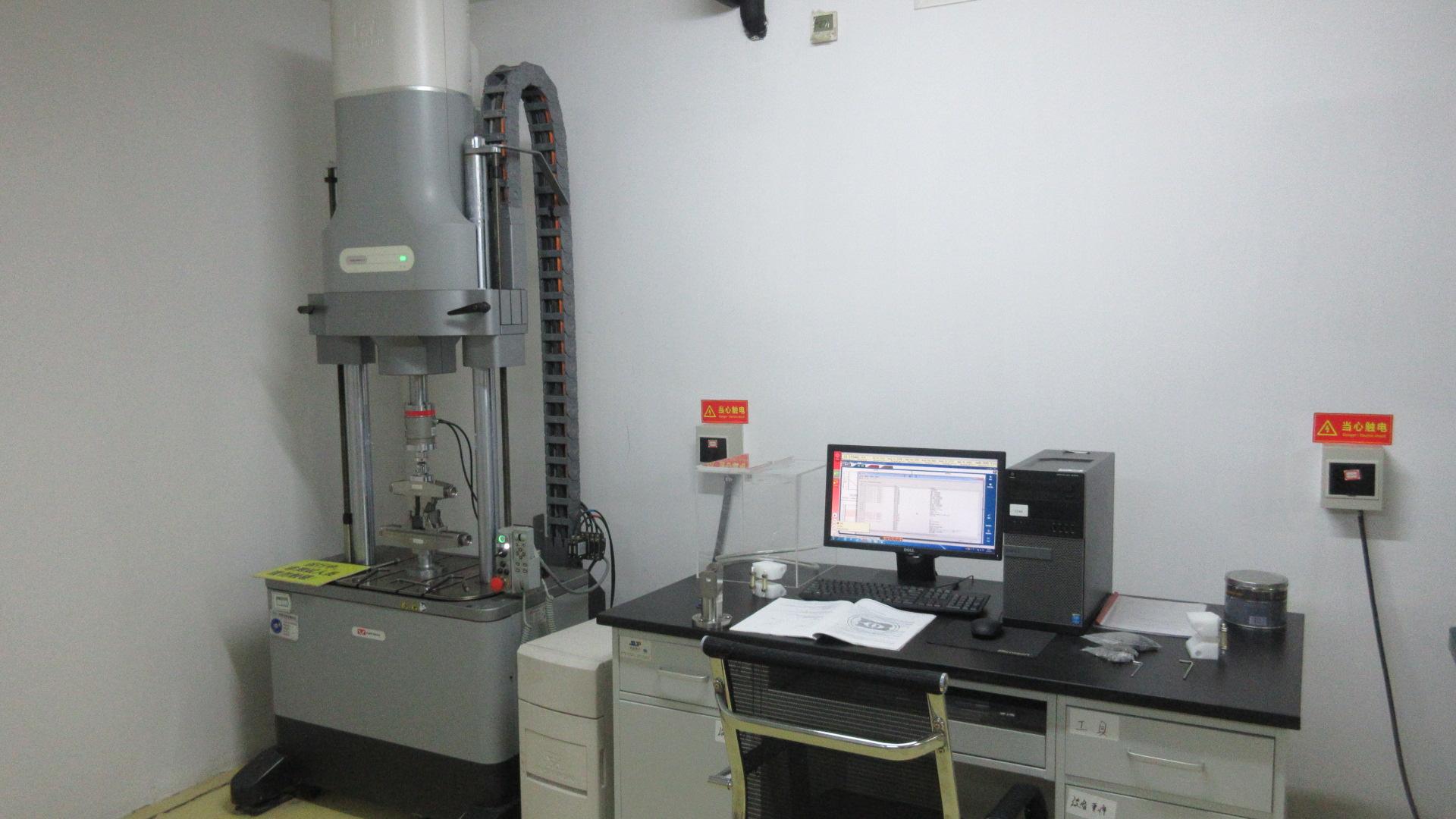
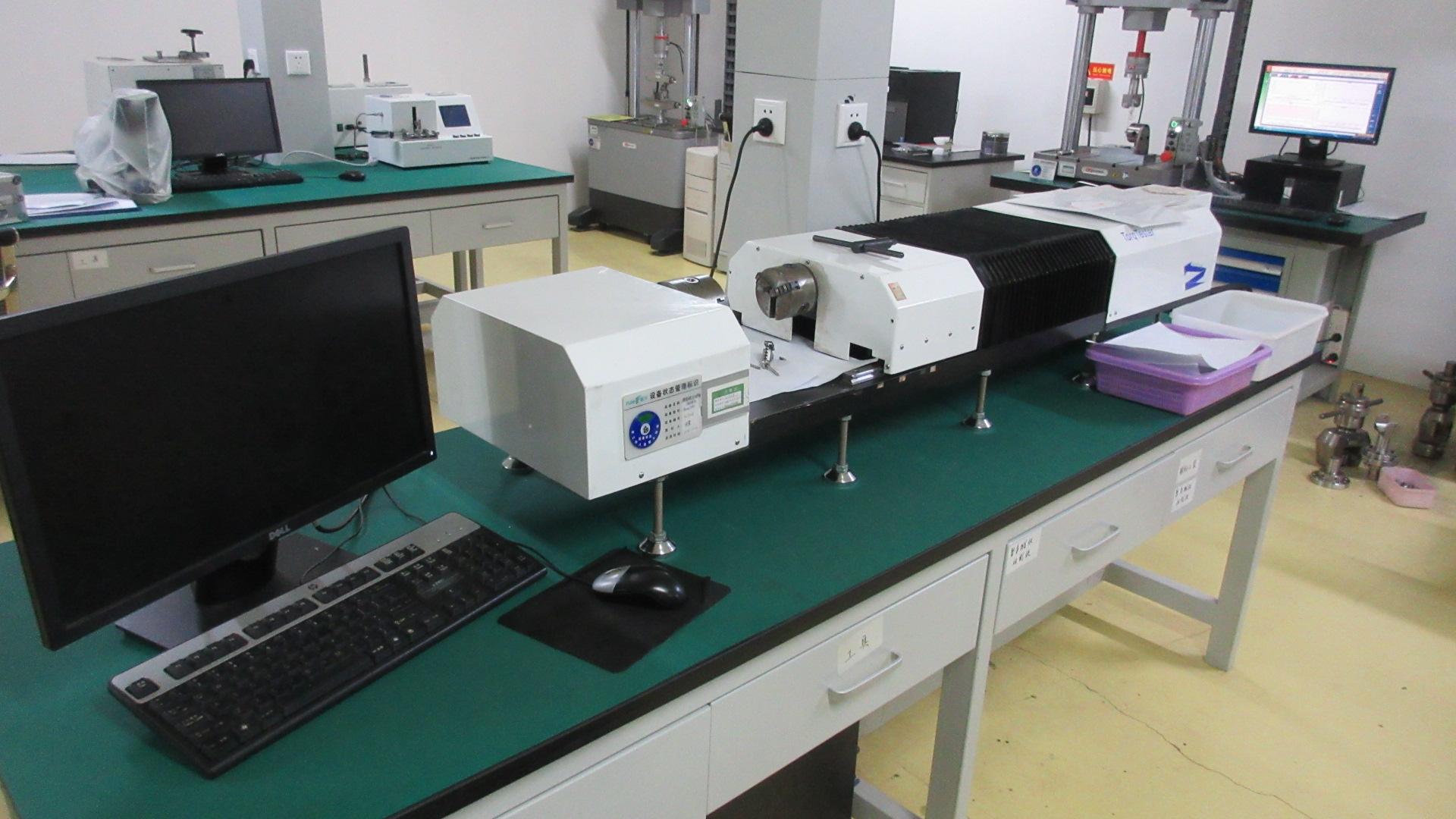
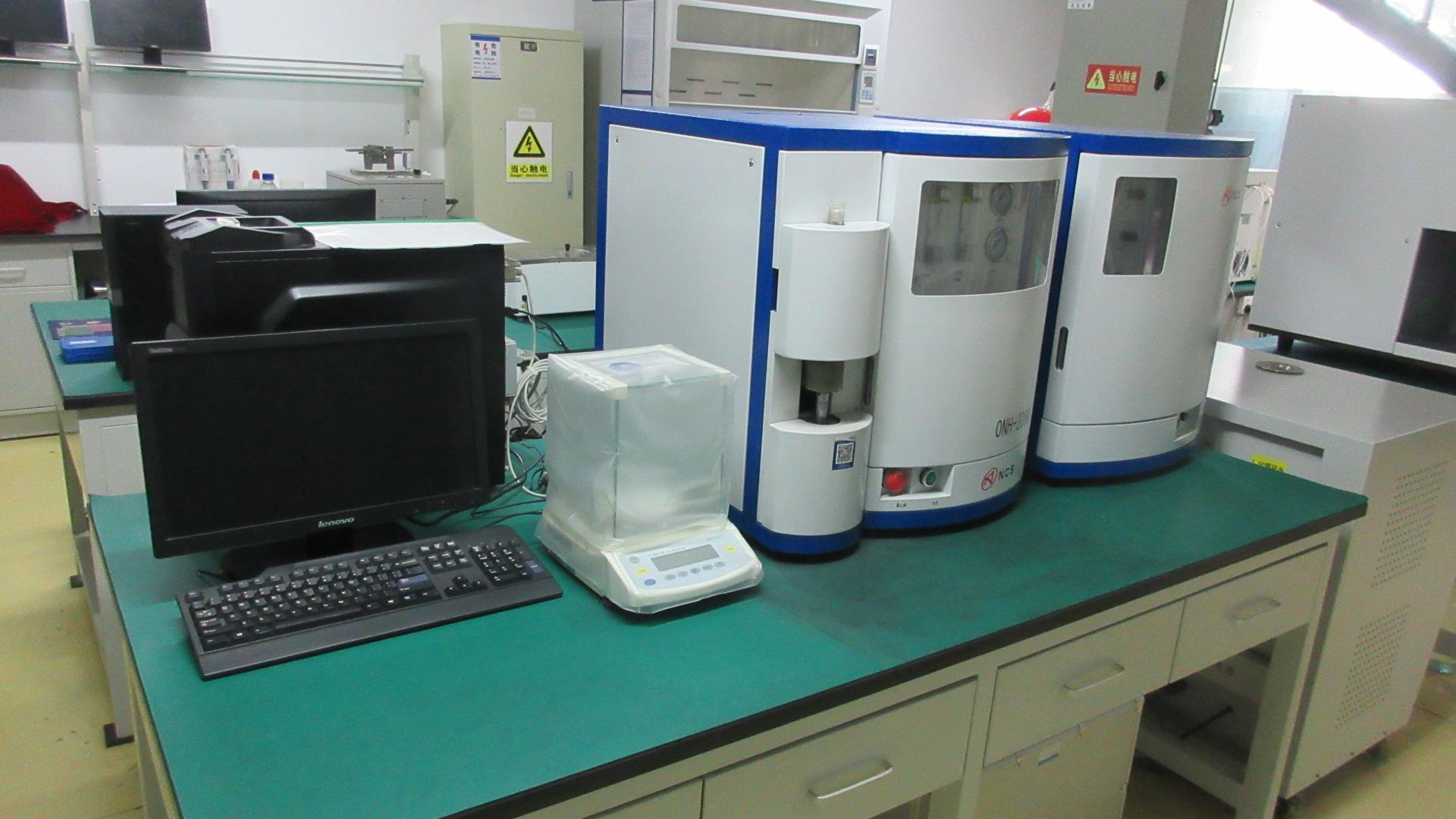
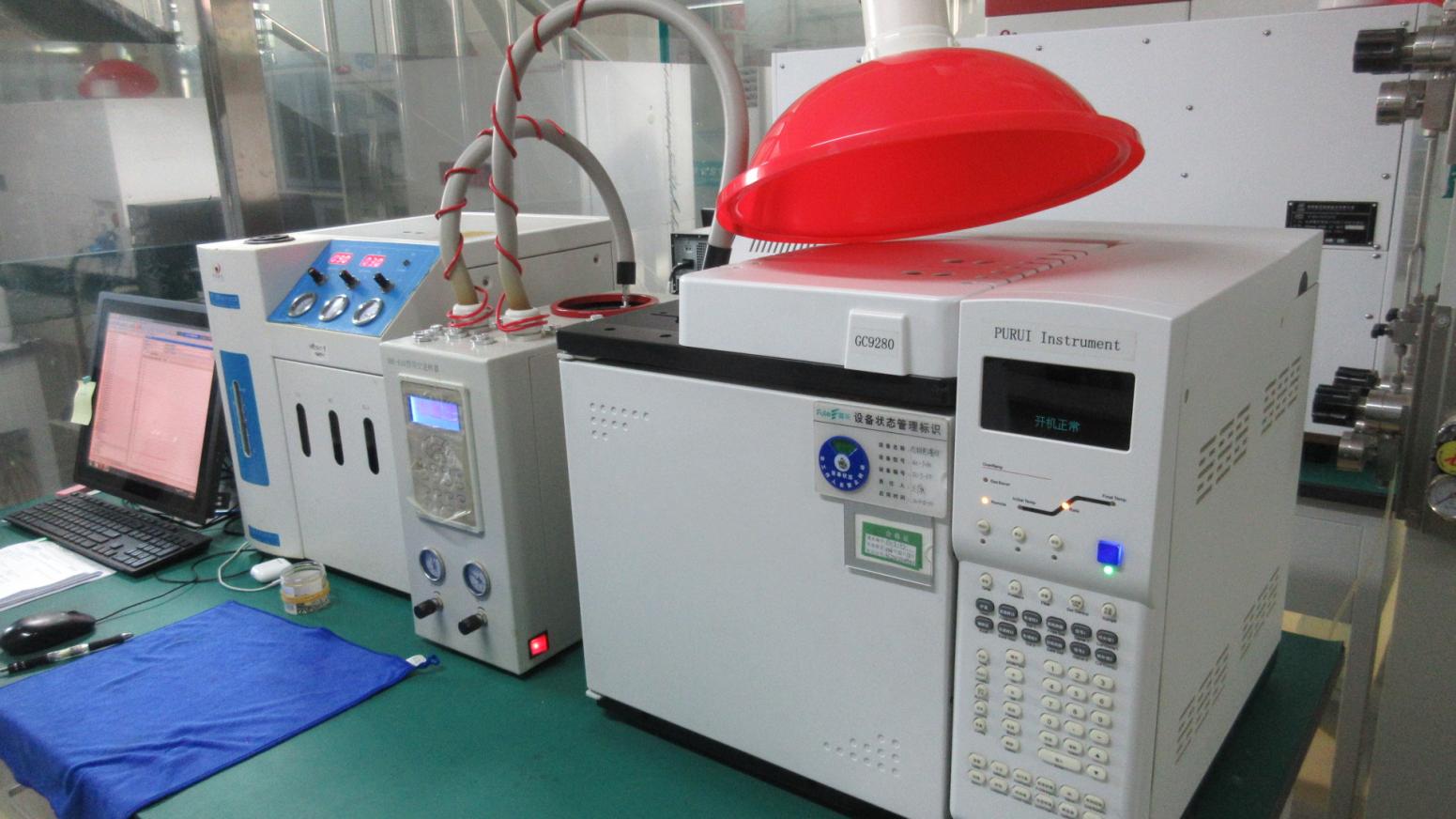
We convert CAD files and clinical prototypes into implantable designs. Our 20-engineer R&D department leverages simulation software to analyze mechanical stress before production.
Our production lines feature advanced processing equipment. CNC lathes, medical-grade ultrasonic cleaners, and cleanrooms ensure compliance with EU Class III requirements.
We implement 100% testing. From raw material identification to torque testing, our 15 QA/QC inspectors maintain traceability for every production batch.
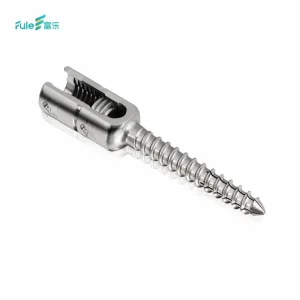
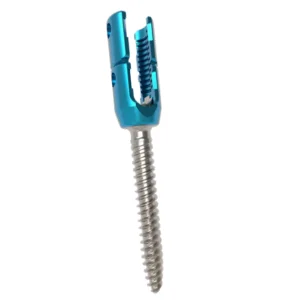
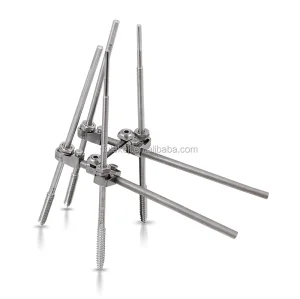
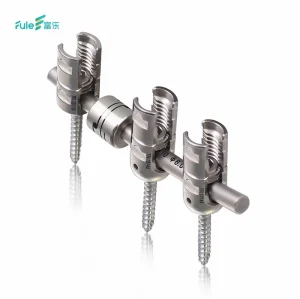
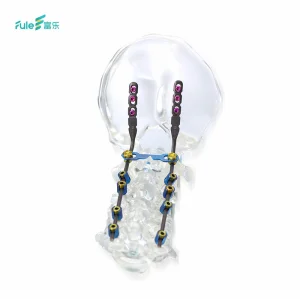
Requires prone positioning on specialized framing. Stabilization is achieved using our 6.0 COX Pedicle Screw-Rod System, featuring polyaxial screw designs to fit variable anatomical contours.
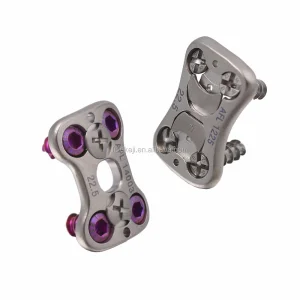
Conducted in the supine position with cervical extension. Our Fule FJQ-B anterior cervical plate systems offer locking configurations to prevent post-operative construct migration.
Requires fluoroscopy-compatible positioning. Uses fenestrated cement pedicle screws to inject PMMA bone cement, ensuring anchor security in compromised bone.
 Beren Science & Technology