OEM/ODM Plantar Plate Repair Manufacturers & Global OEM Solutions

Clinical-Grade Foot & Ankle Reconstruction Implants, Custom Prosthetics, and High-Precision Spinal Stabilization Systems

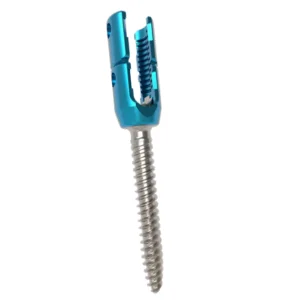
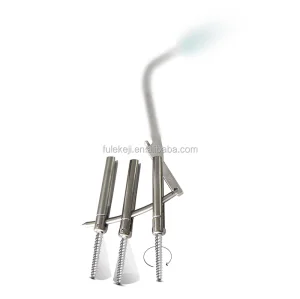
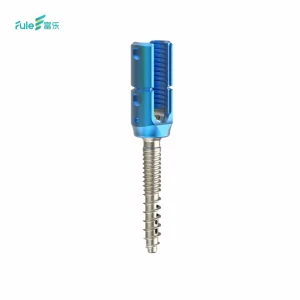
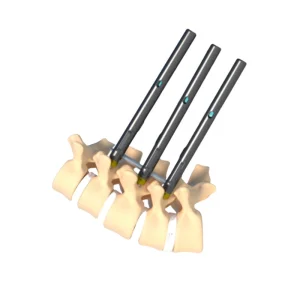
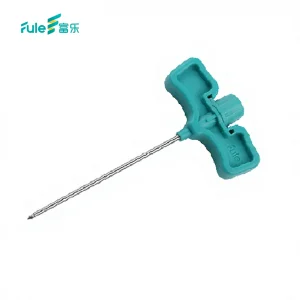
Featured Orthopedic Implants & Systems

Executive Summary: Evolution of Plantar Plate Repair & Extremity Reconstruction

The human foot is an intricate architectural marvel, subjected to immense dynamic loads daily. Within the forefoot, the plantar plate—a dense, fibrocartilaginous structure reinforcing the metatarsophalangeal (MTP) joint capsules—serves as the primary stabilizer against hyperextension and transverse deviation. Chronic attenuation, acute trauma, or progressive hallux valgus alignment changes frequently result in plantar plate tears, precipitating debilitating conditions like crossover toe deformity, metatarsalgia, and severe joint instability. As global clinical pathways increasingly pivot toward anatomical preservation and minimally invasive surgical (MIS) interventions, demand for specialized orthopedic implants has surged.

This whitepaper delineates the role of state-of-the-art OEM/ODM Plantar Plate Repair Manufacturing. In the extremity market, surgeons demand low-profile, anatomical configurations that minimize soft-tissue irritation while providing robust biomechanical fixation. Achieving this equilibrium requires advanced metallurgy, precision micromanufacturing, and rigorous quality control protocols. From hand and foot trauma solutions (including cannulated screw systems) to complex spinal and cervical reconstruction plates, this analysis serves as a comprehensive resource for global medical device brands seeking high-performance contract manufacturing partnerships.

Industrial Scale & Capabilities Profile

Premium Orthopedic OEM Partner
1996
ESTABLISHED YEAR
10,000+
FLOOR SPACE (SQM)
30+
YEARS GLOBAL EXPORTS
511K+
ANNUAL OUTPUT (UNITS)
Quality Management System
ISO 13485 Certified (Cert. 04724Q10000818)
Production Resources
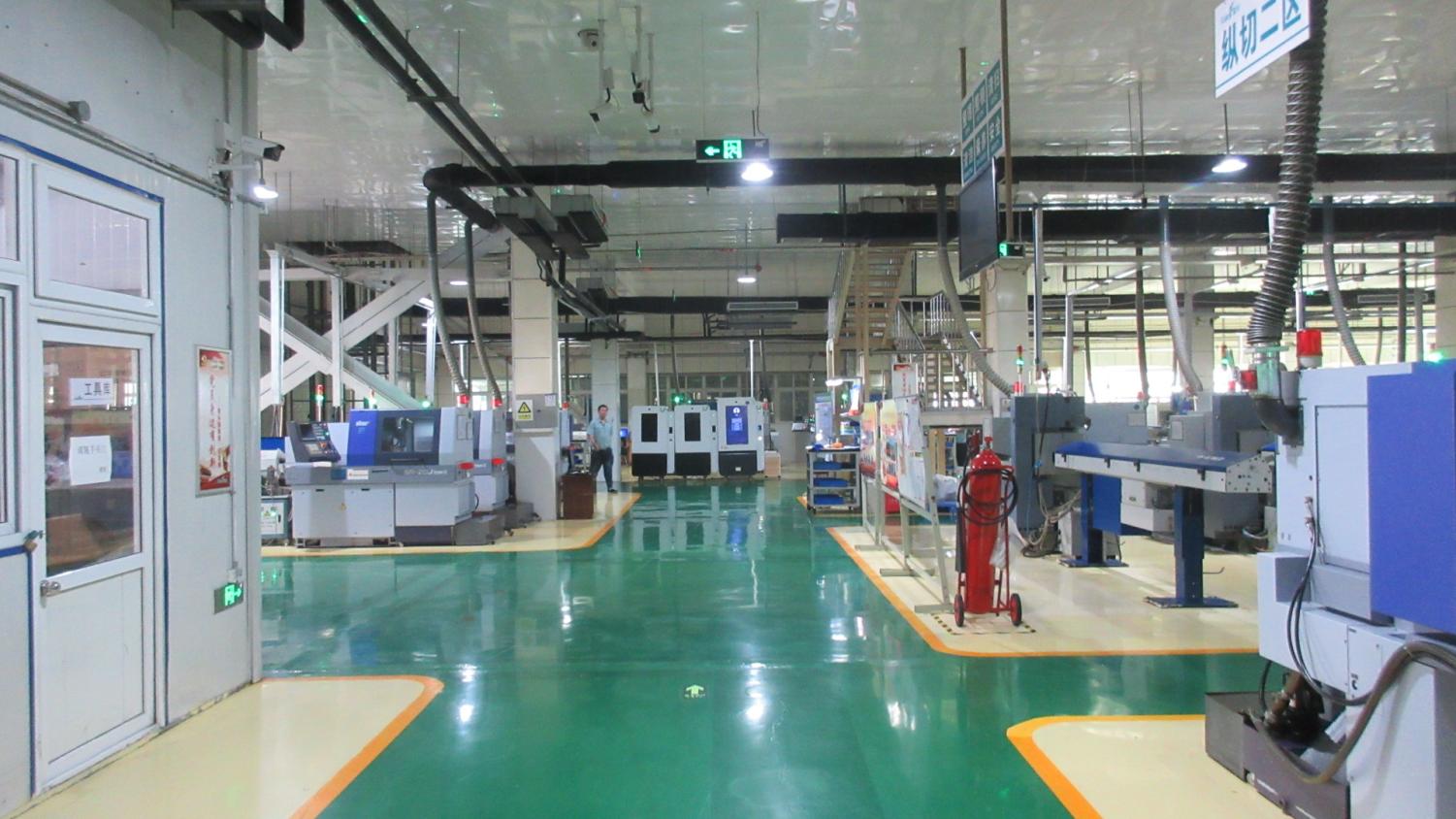
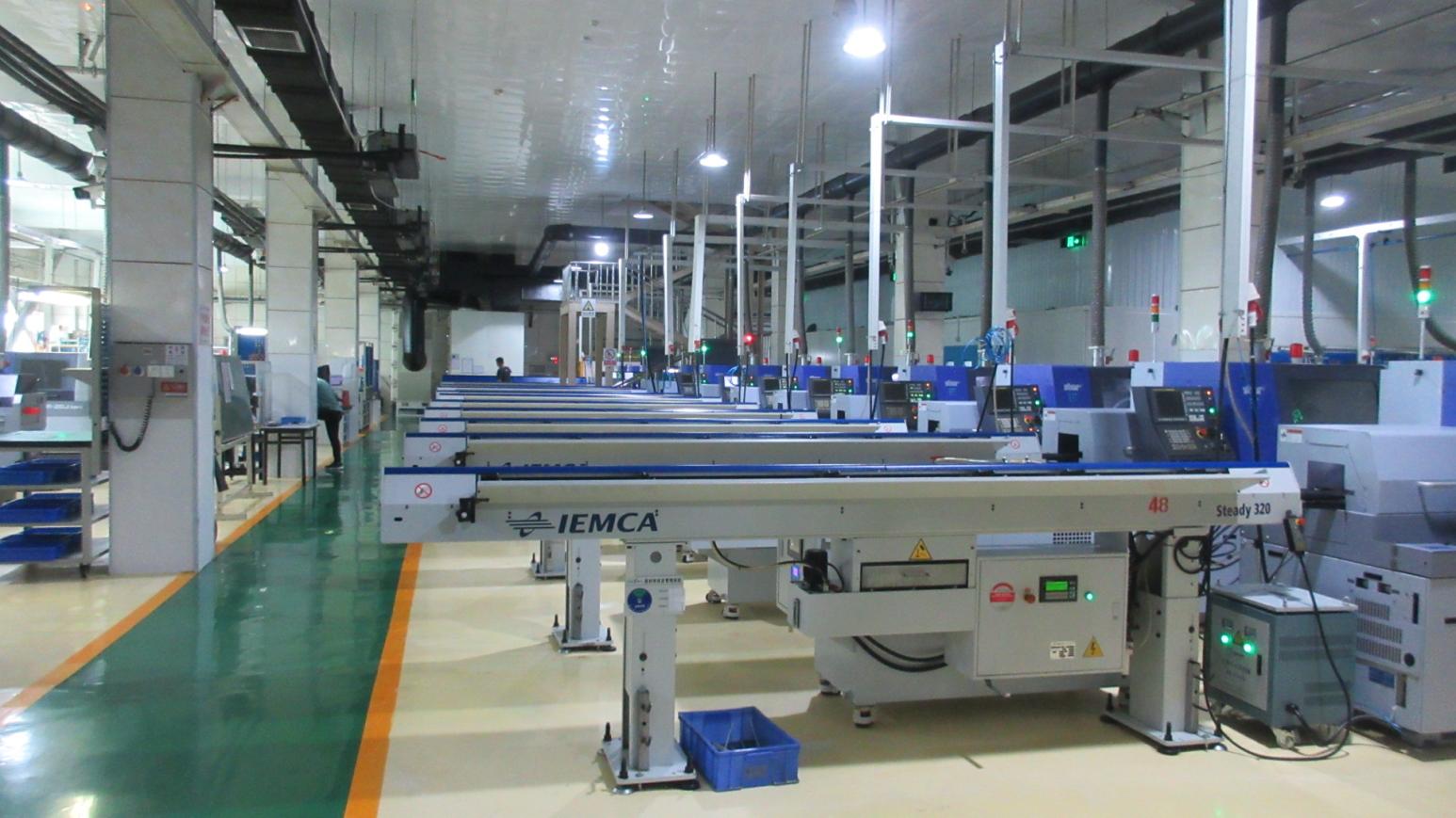
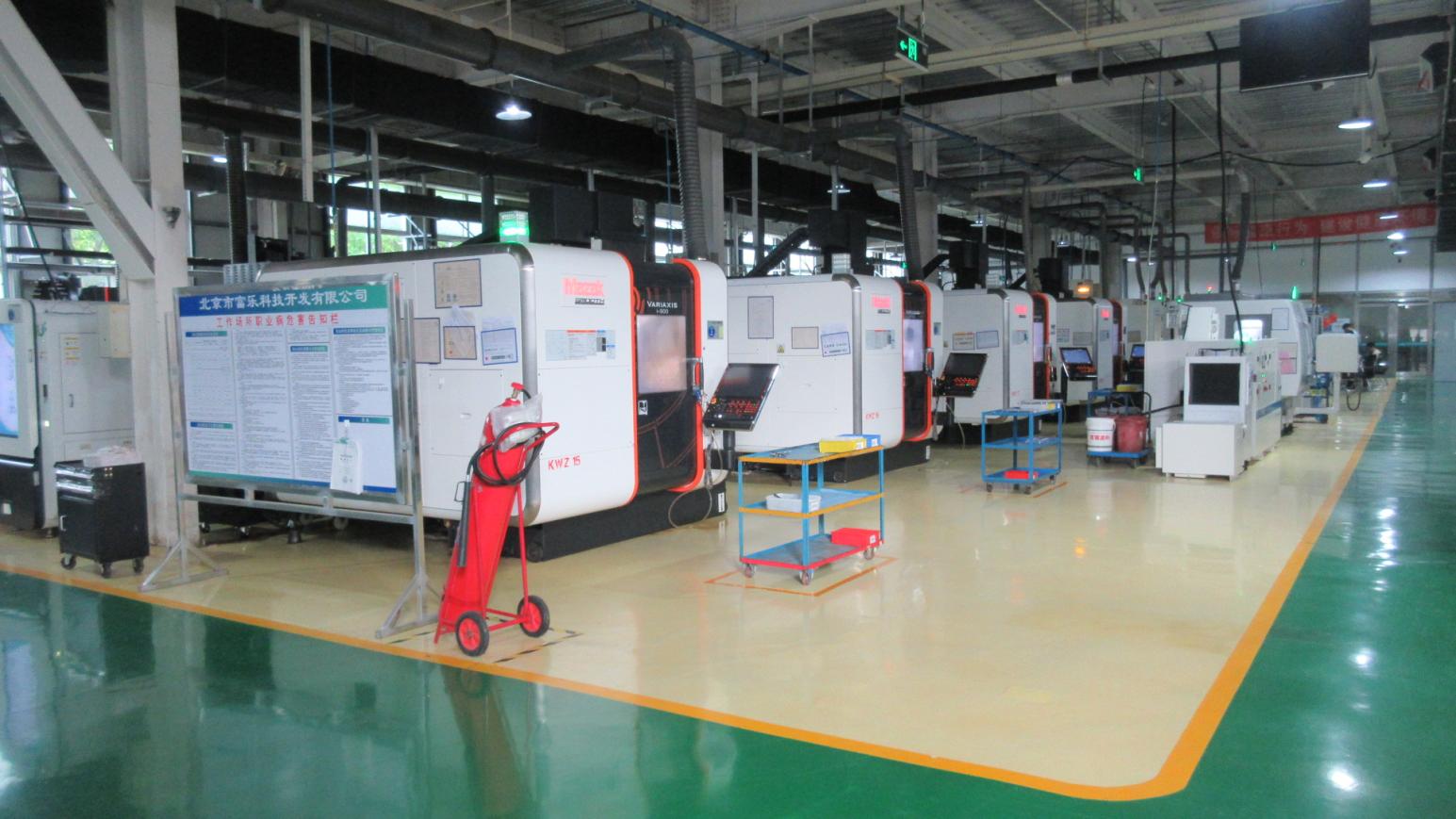
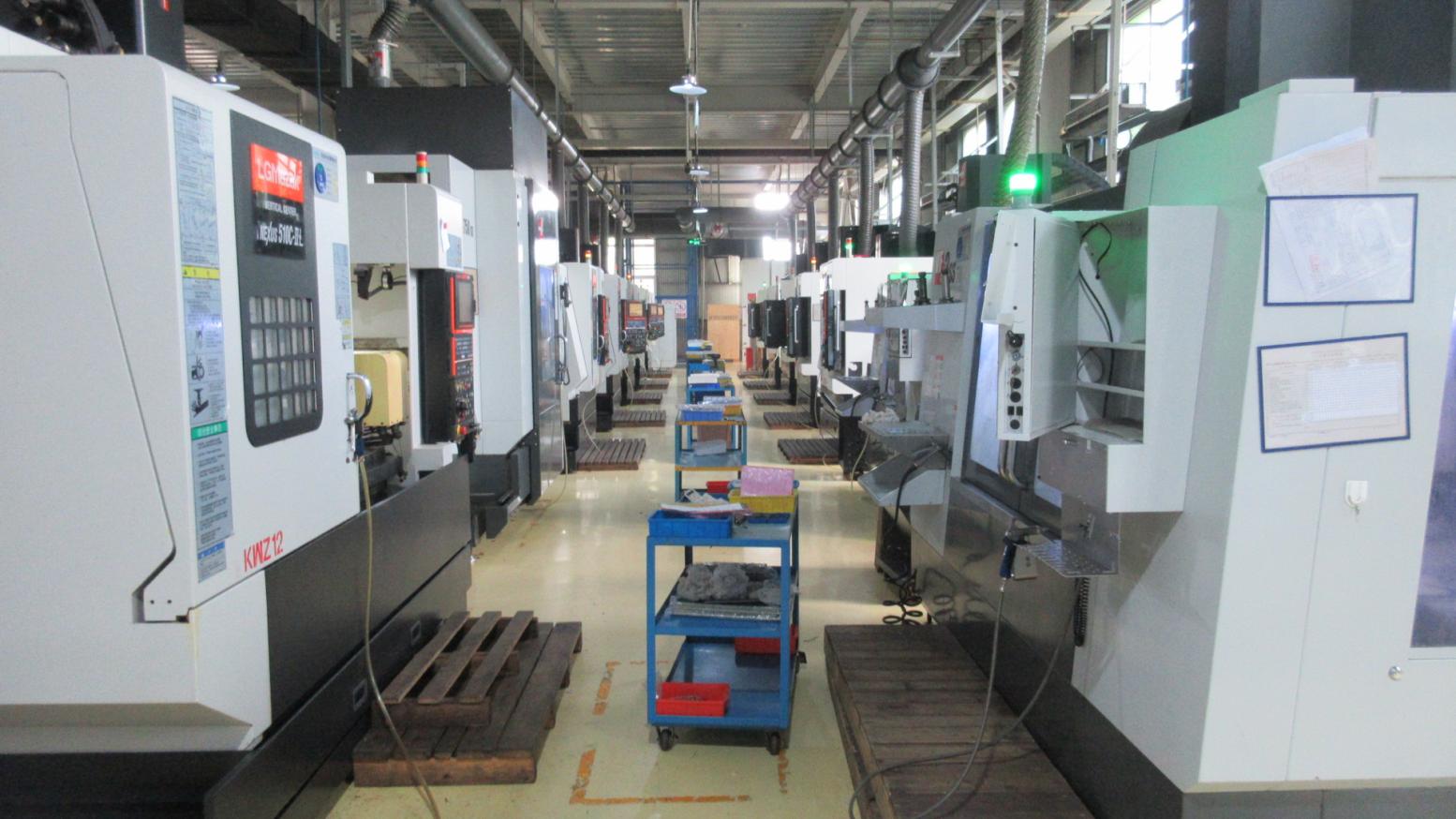
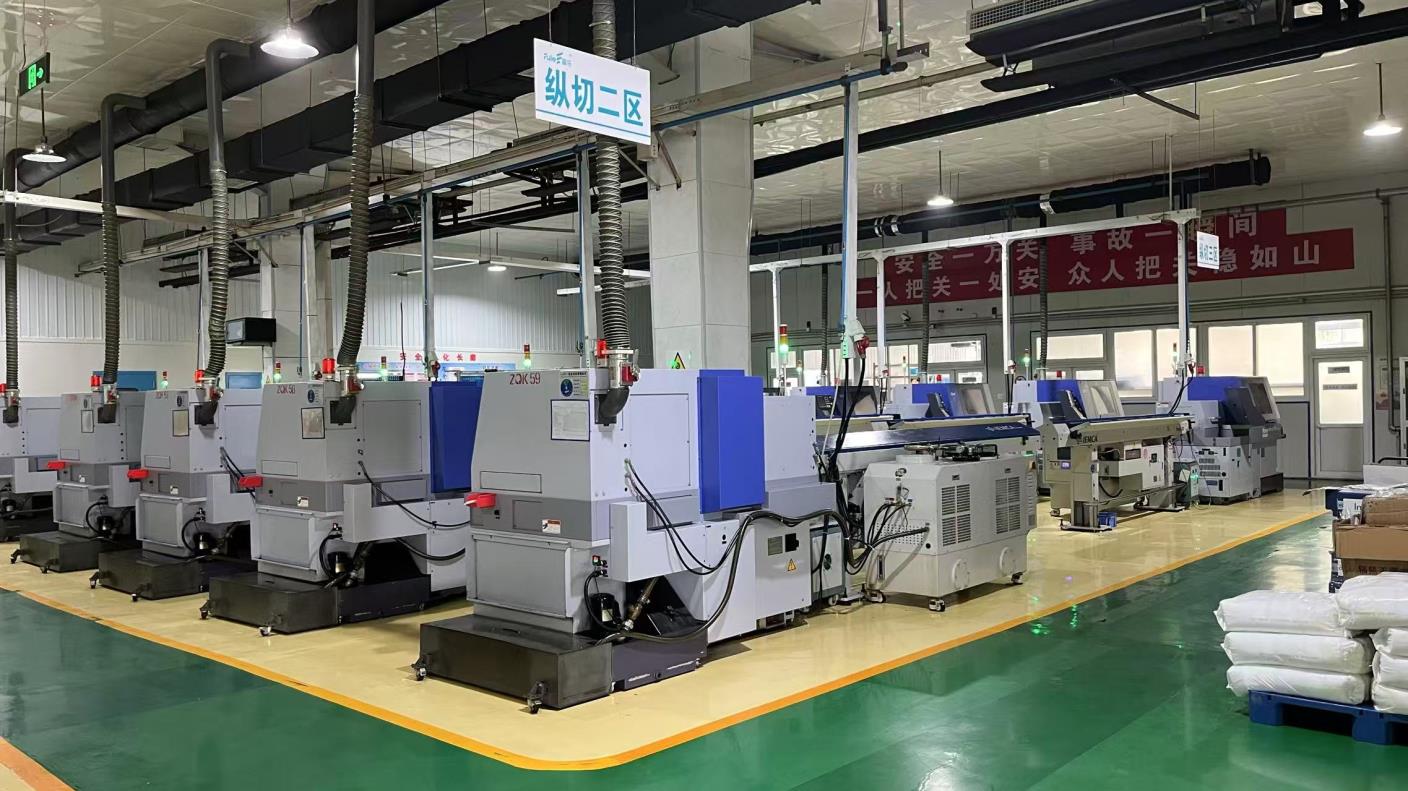
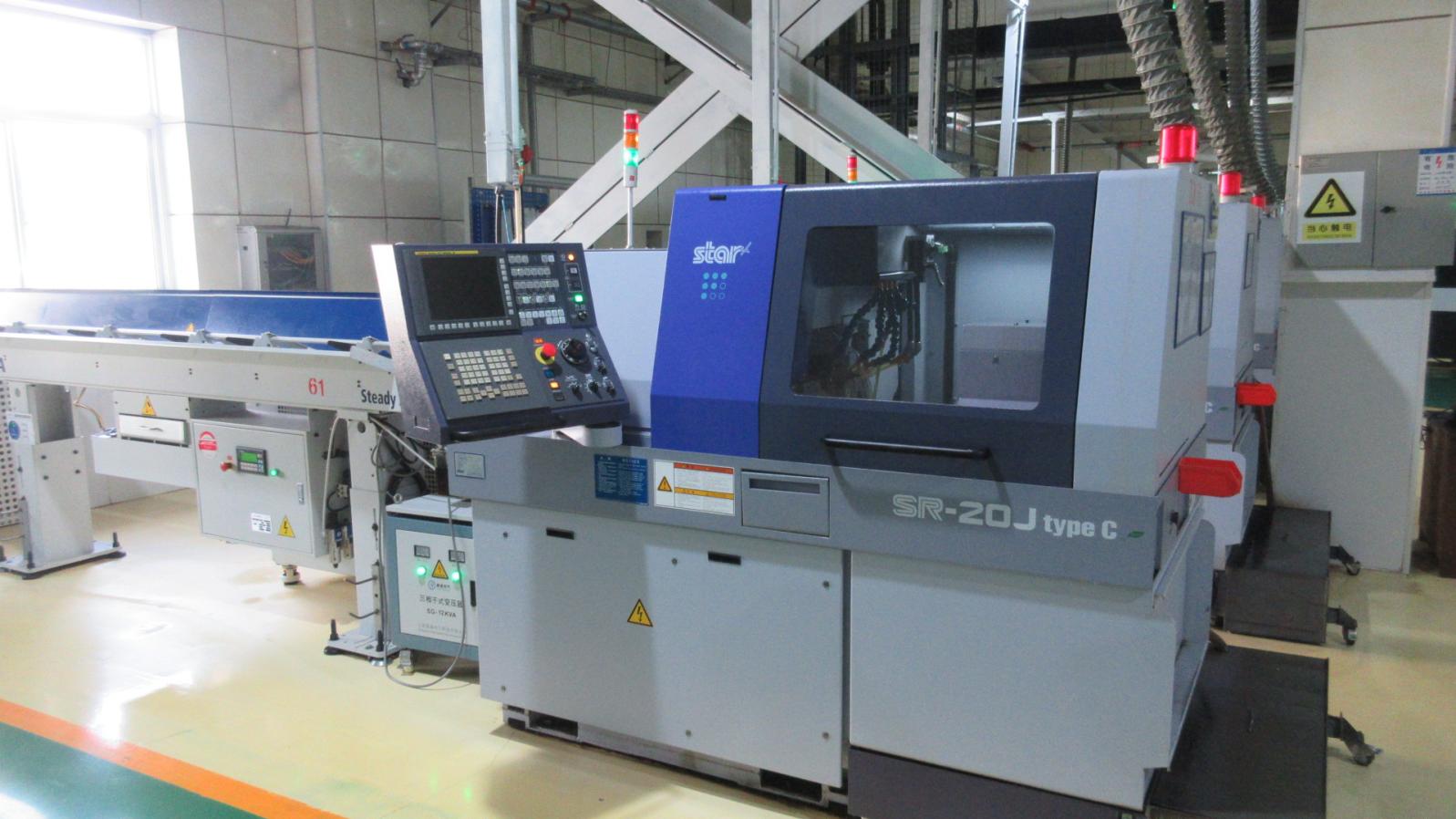
102 Precision CNC Machines & 1 Modern Production Line
R&D Engineering Department
20 Dedicated Engineers (15 Postgraduate, 5 Tech Scholars)
Supply Chain Ecosystem
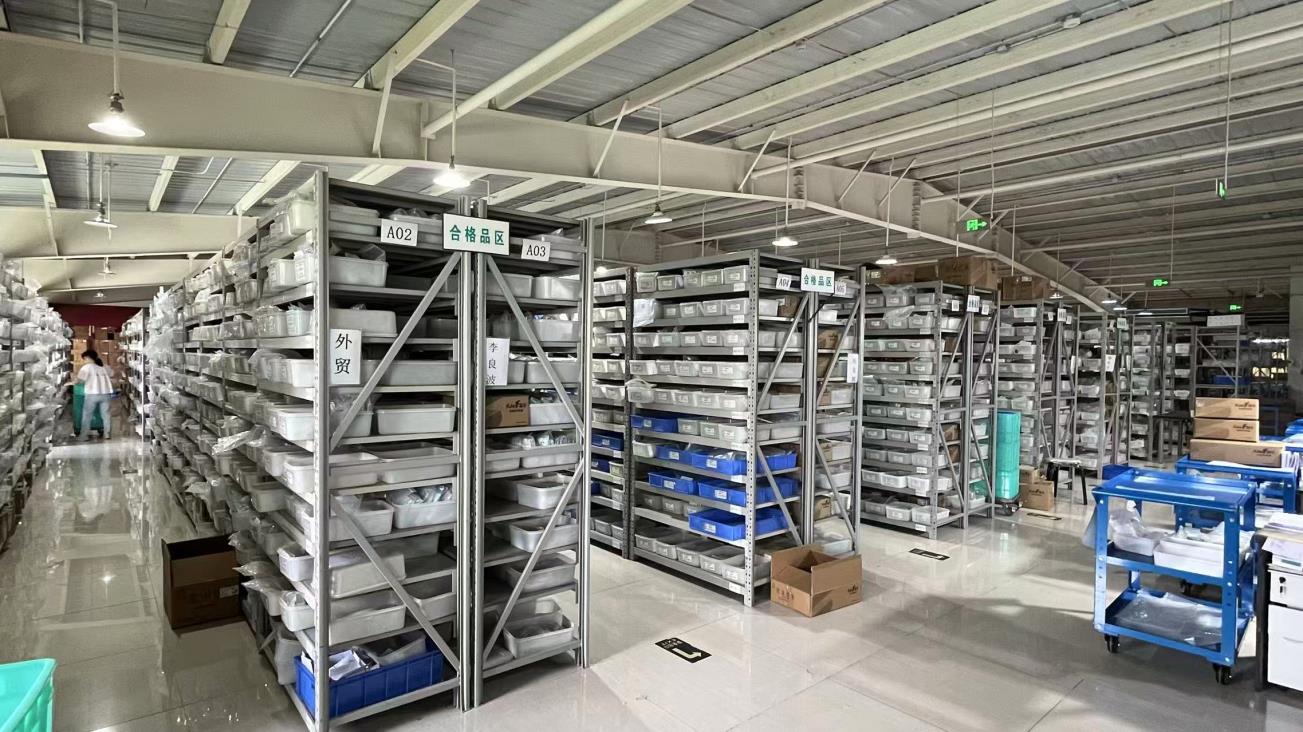
70 Global Partners & 100% Quality Traceability

Clinical Scenarios & Localized Extremity Applications

Metatarsophalangeal (MTP) joint instability is not a uniform pathology; its presentation varies significantly across global clinical demographics. In North America and Europe, where lifestyle trends emphasize high-impact endurance sports and recreational running, orthopedic surgeons frequently perform plantar plate repairs alongside Weil osteotomies to treat plantar plate insufficiency. By contrast, in Asian-Pacific markets, structural forefoot deformities are often correlated with genetic predispositions, specific occupational stances, or progressive hallux valgus. Consequently, implant architectures must support localized surgical strategies:

Anatomical Locking Plates

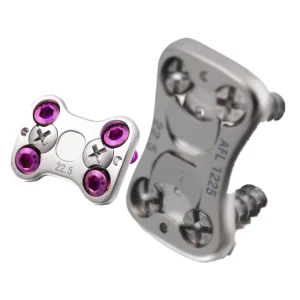
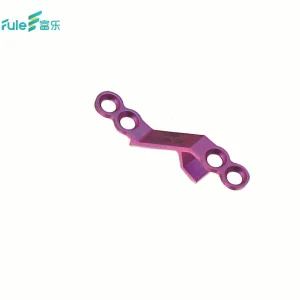
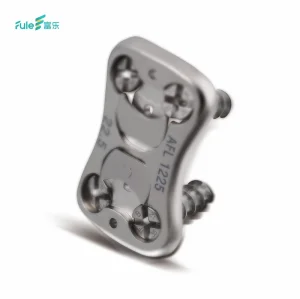
Ultra-low profile plates engineered for hand and foot fractures, ensuring minimal extensor tendon impingement and precise contouring to the dorsal and plantar aspects of the phalanges and metatarsals.

Sub-Millimeter Cannulated Screws

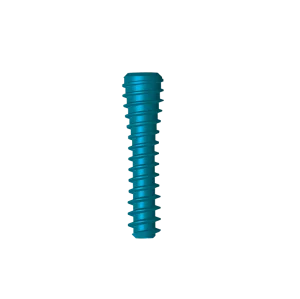
Optimized systems designed for distal osteotomy fixation. These implants provide maximum compression while allowing percutaneous insertion techniques that speed up patient recovery.

Advanced Anchor Systems

Suture anchor assemblies constructed with bioabsorbable or high-strength titanium configurations, allowing secure reattachment of soft fibrocartilage directly to raw bone beds.

Manufacturing Technical Roadmap & Material Science

As a leading orthopedic manufacturer, our engineering team monitors the convergence of materials science and mechanical engineering. High-performance foot and ankle implants require materials that can withstand complex multidirectional stresses while remaining biocompatible. Below is our engineering roadmap for next-generation implant systems:

  • Medical-Grade Titanium Alloy (Ti-6Al-4V ELI): Specifically selected for its superior fatigue strength, corrosion resistance, and modulus of elasticity, which closely matches human cortical bone.
  • Polyetheretherketone (PEEK): Highly valued in spinal cages and structural anchors due to its radiolucency, allowing artifact-free post-operative imaging and reliable load distribution.
  • Bioabsorbable Polymers (PLDLA): Utilized in low-stress suture anchor designs, allowing gradual implant absorption and eliminating the need for long-term foreign body presence once healing is complete.
  • Anodic Surface Modifications: Electropolishing and Type II anodization optimize surface hardness, reduce friction, and enhance osteointegration, preventing metal shedding and revision procedures.

Supply Chain Resilience: The Beijing Manufacturing Advantage

Modern medical device sourcing requires both technological capability and supply chain resilience. Our manufacturing facility in Beijing utilizes an integrated production network that shields global distributors from supply bottlenecks and quality variances.

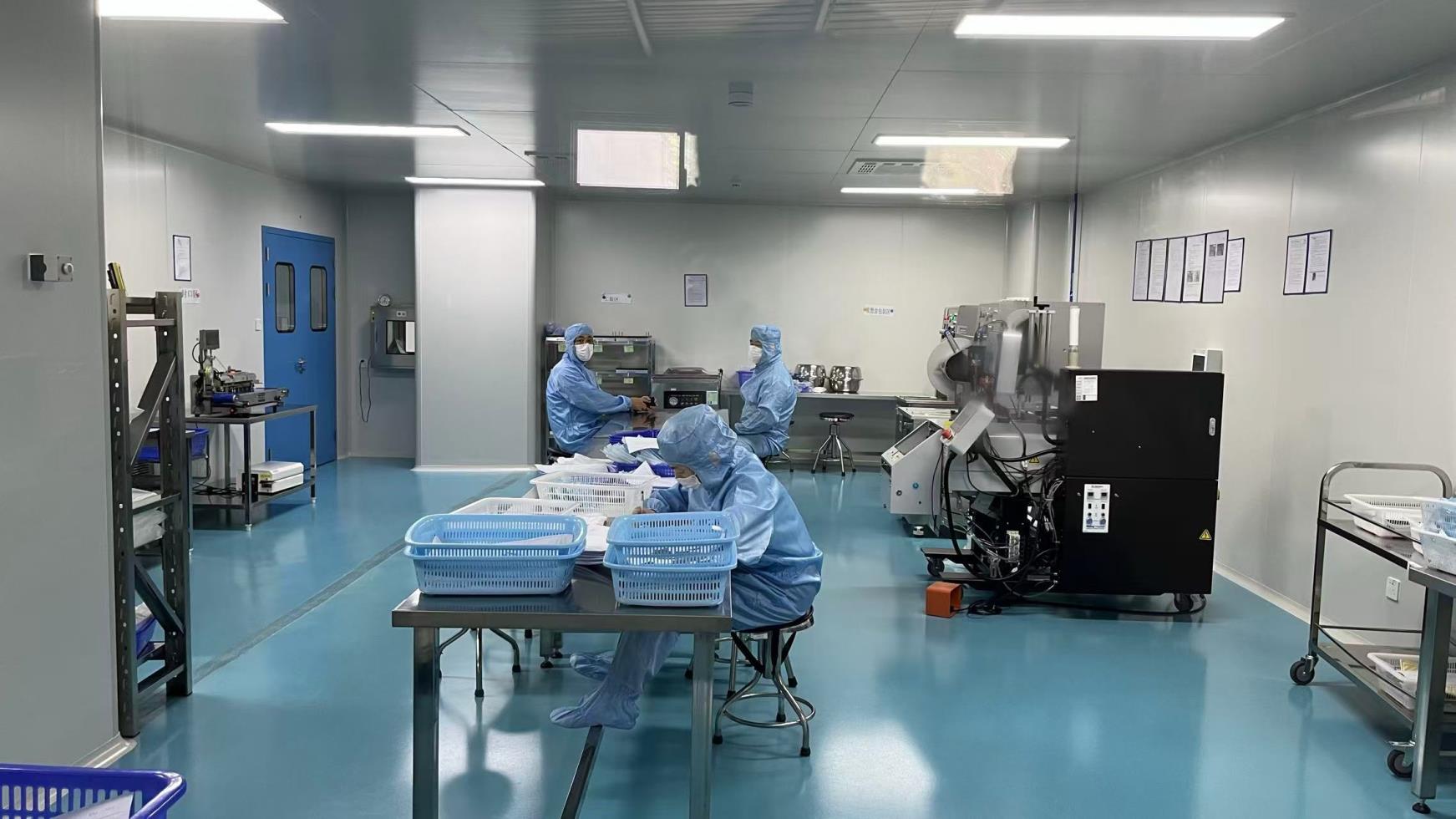
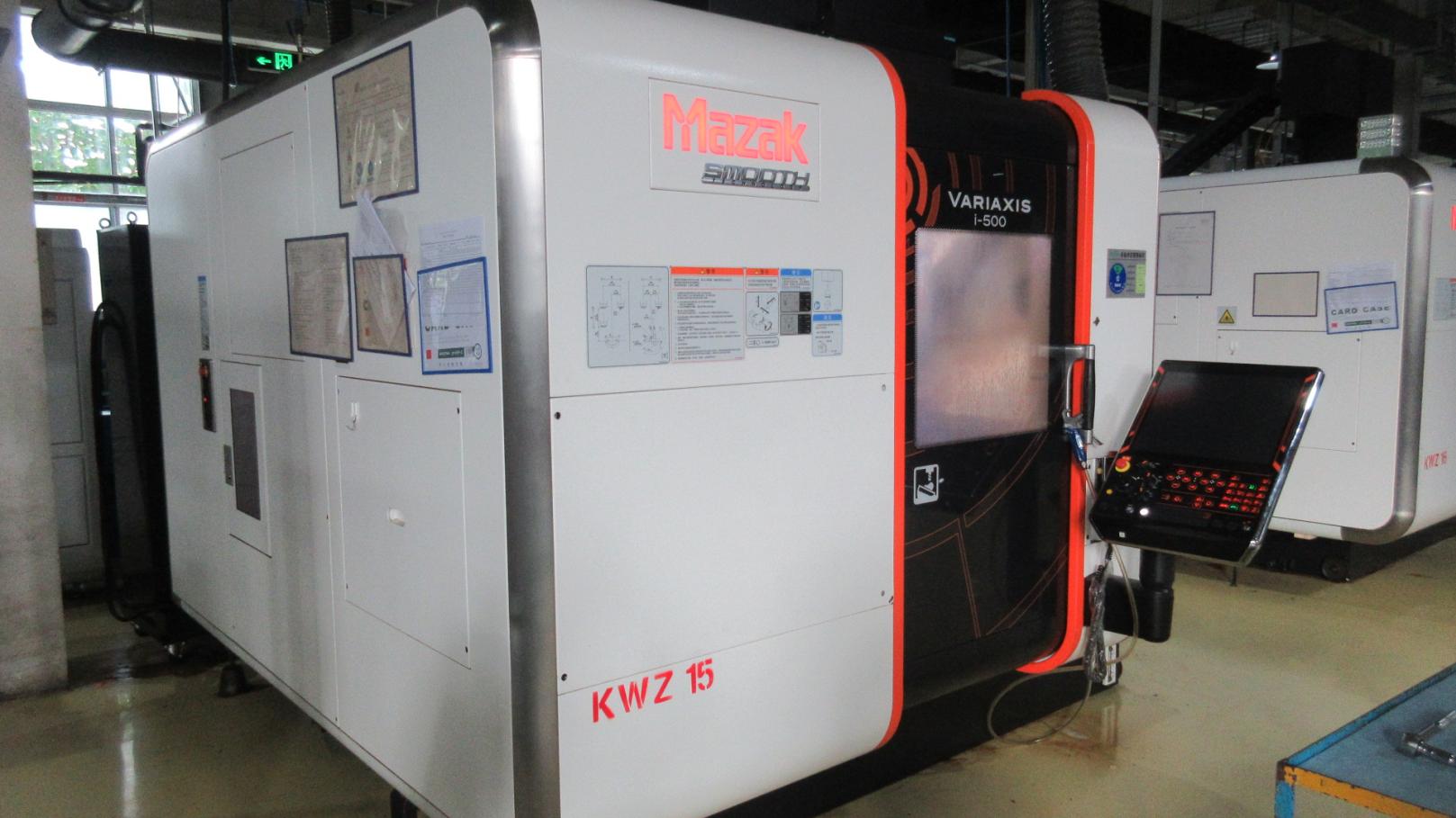
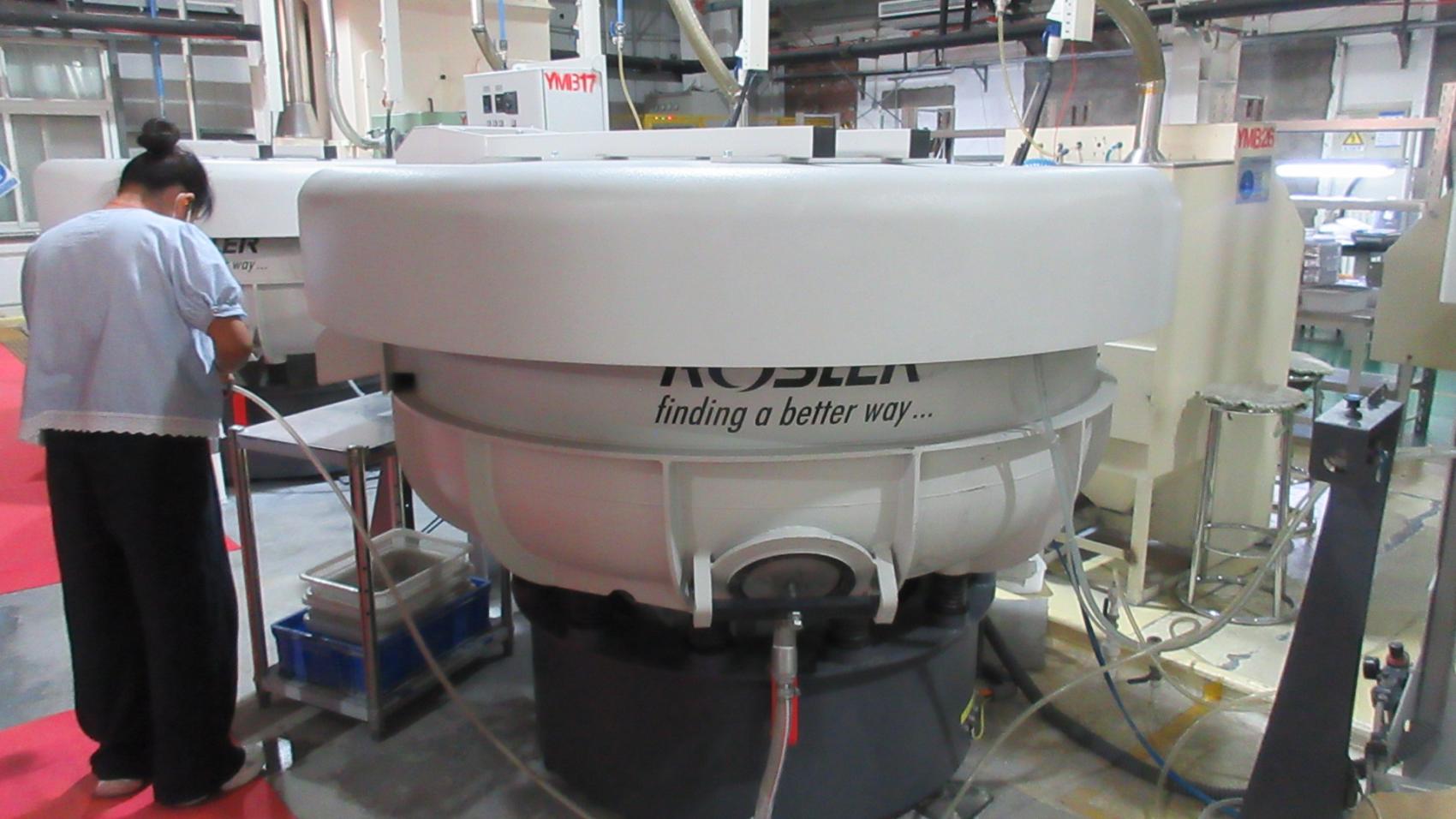
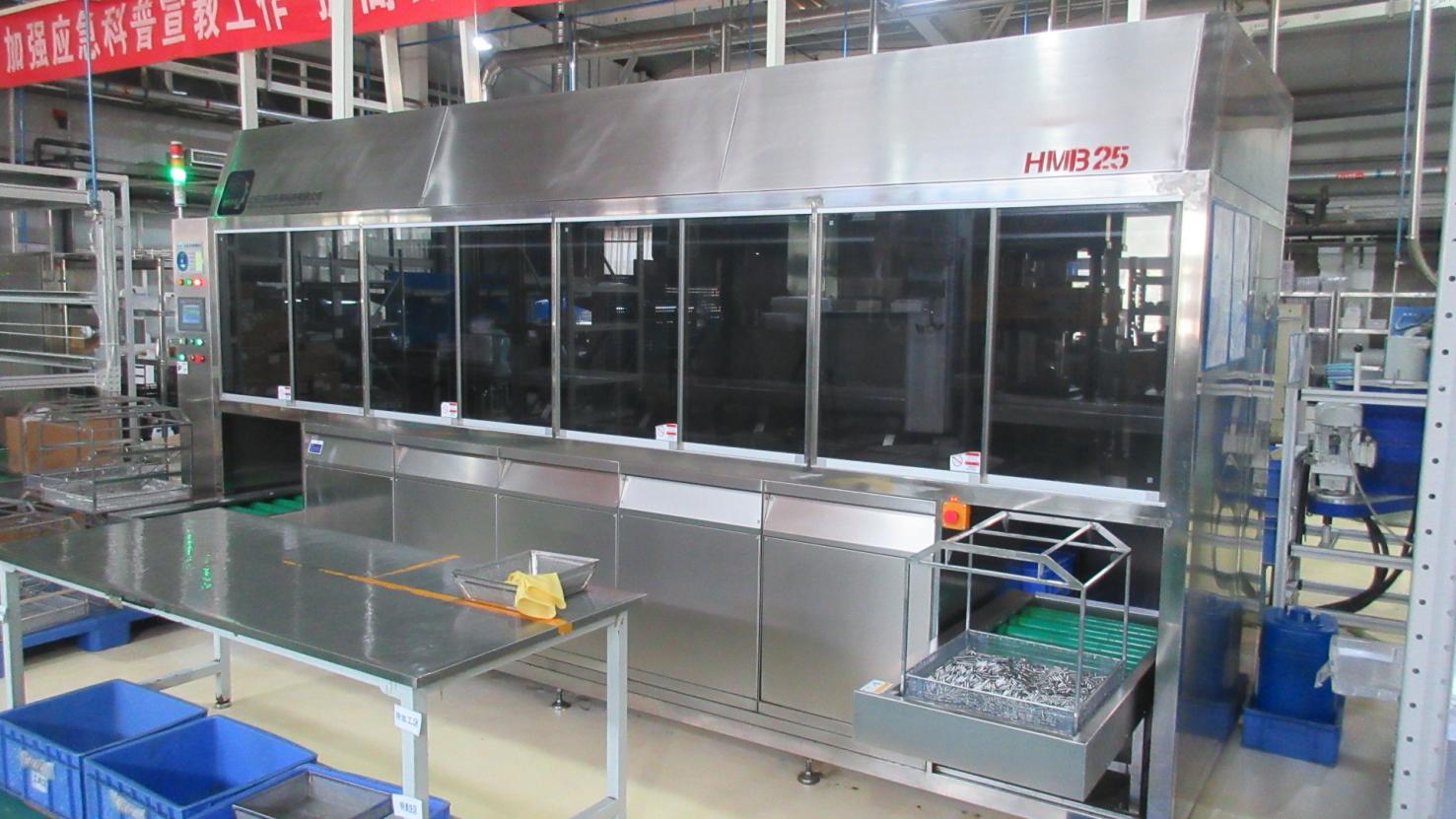
Operating a 10,000-square-meter facility equipped with over 102 precision CNC machines, we manage all production stages internally. By overseeing raw material supply chains, performing precision machining, completing surface finish treatments, and managing clean-room packaging in-house, we eliminate reliance on third-party steps that often lead to delays. With an annual output of 511,000 units, we maintain the scalability required to support large-scale hospital tenders and OEM product rollouts.
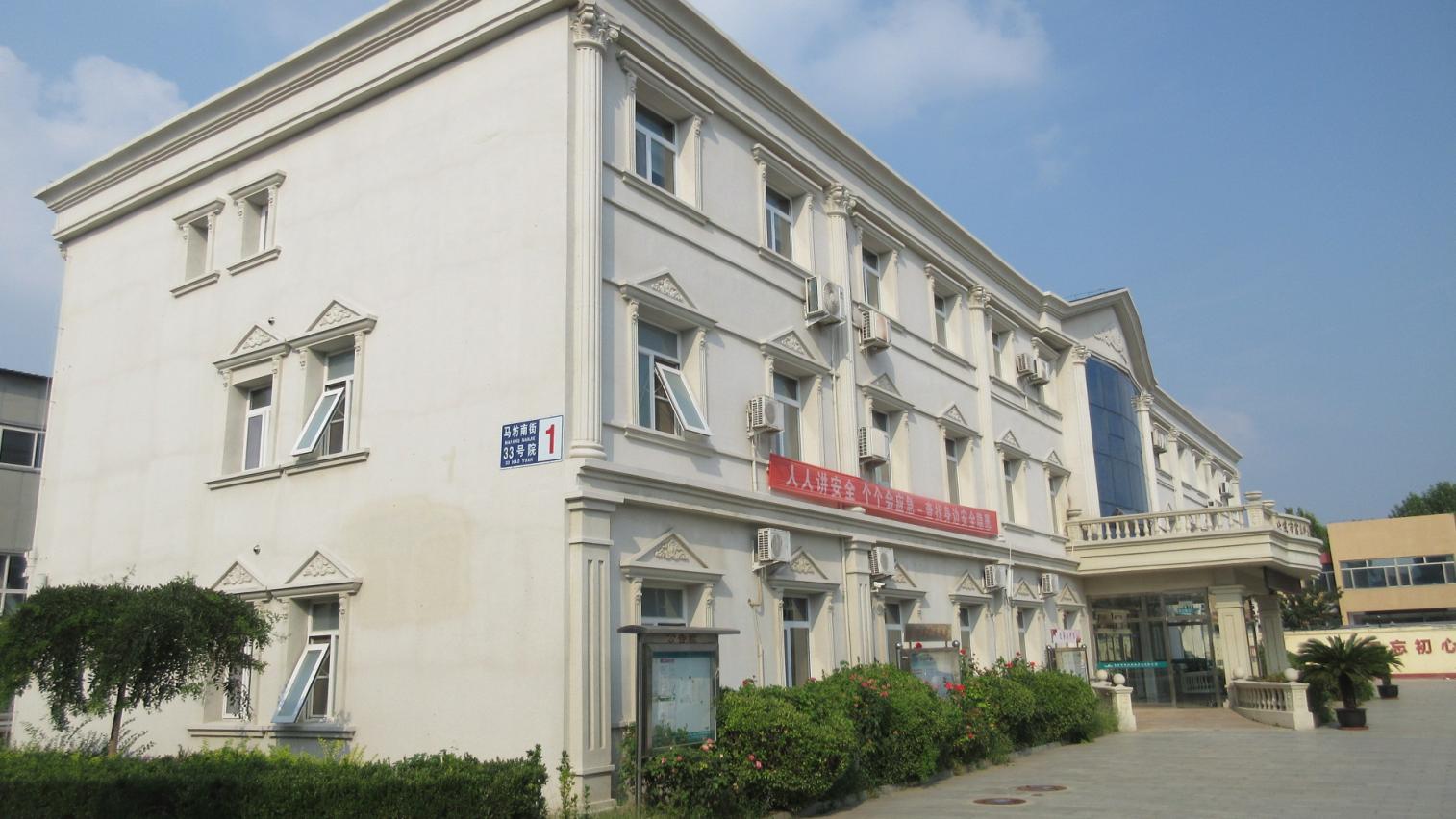
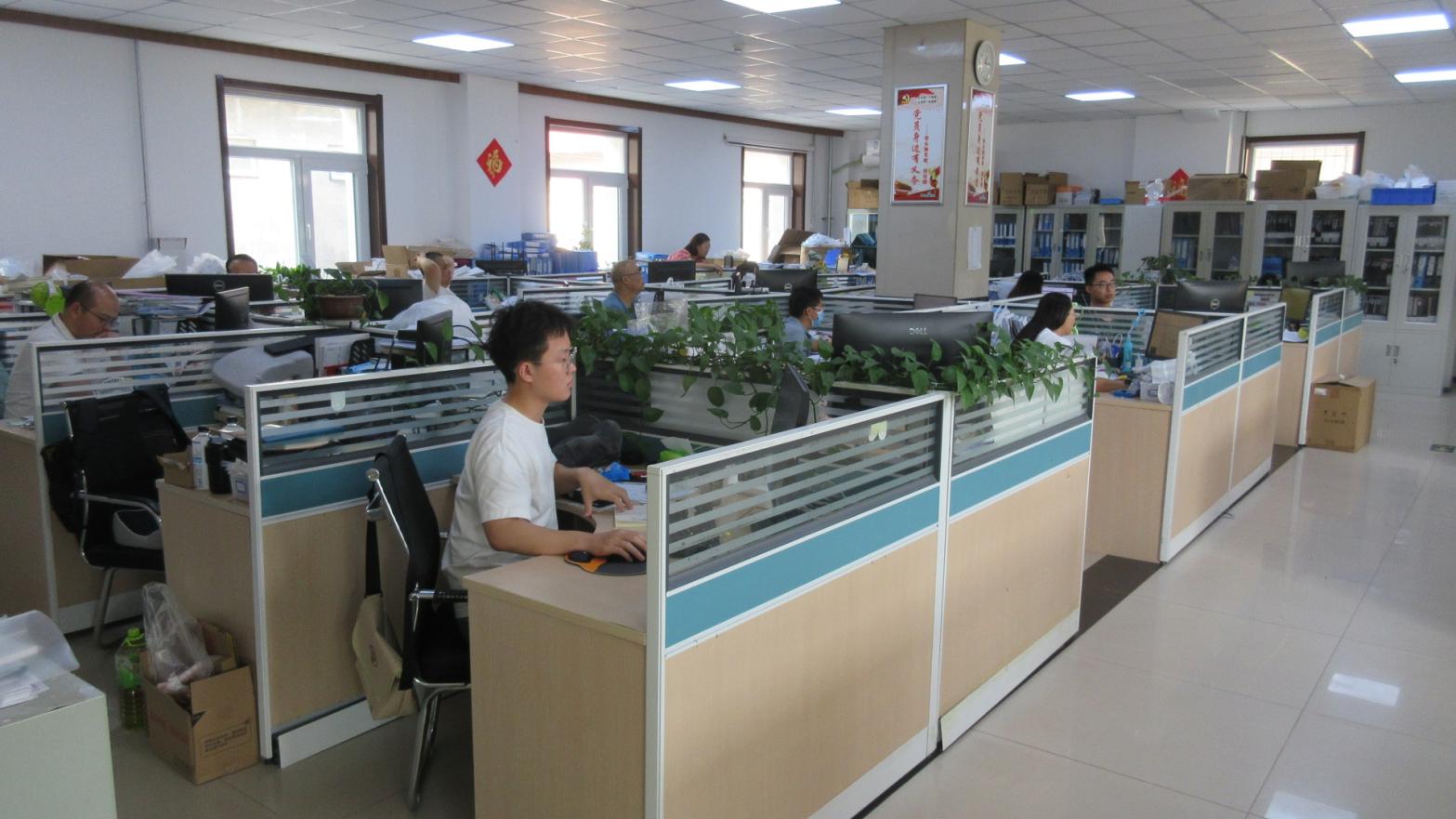
State-of-the-Art Production & Quality Control Facilities

ISO 13485 Logo

International Certification Standard

ISO 13485: 04724Q10000818

This quality standard certifies that our medical device design, raw material procurement, manufacturing, and batch release protocols align with international criteria for implantable surgical devices. This foundation supports regulatory submissions under European CE MDR, US FDA 510(k), and equivalent global frameworks.

Global Regulatory Compliance & Localized Market Entry

Entering international orthopedic markets requires navigation of complex regulatory frameworks. To support our OEM/ODM partners, we align our systems with local compliance standards:

  • CE Marking (Class I, IIa, IIb, III): Our facilities support partners throughout the CE registration process, providing comprehensive Technical Documentation Files (TDF) for both trauma components and spinal systems.
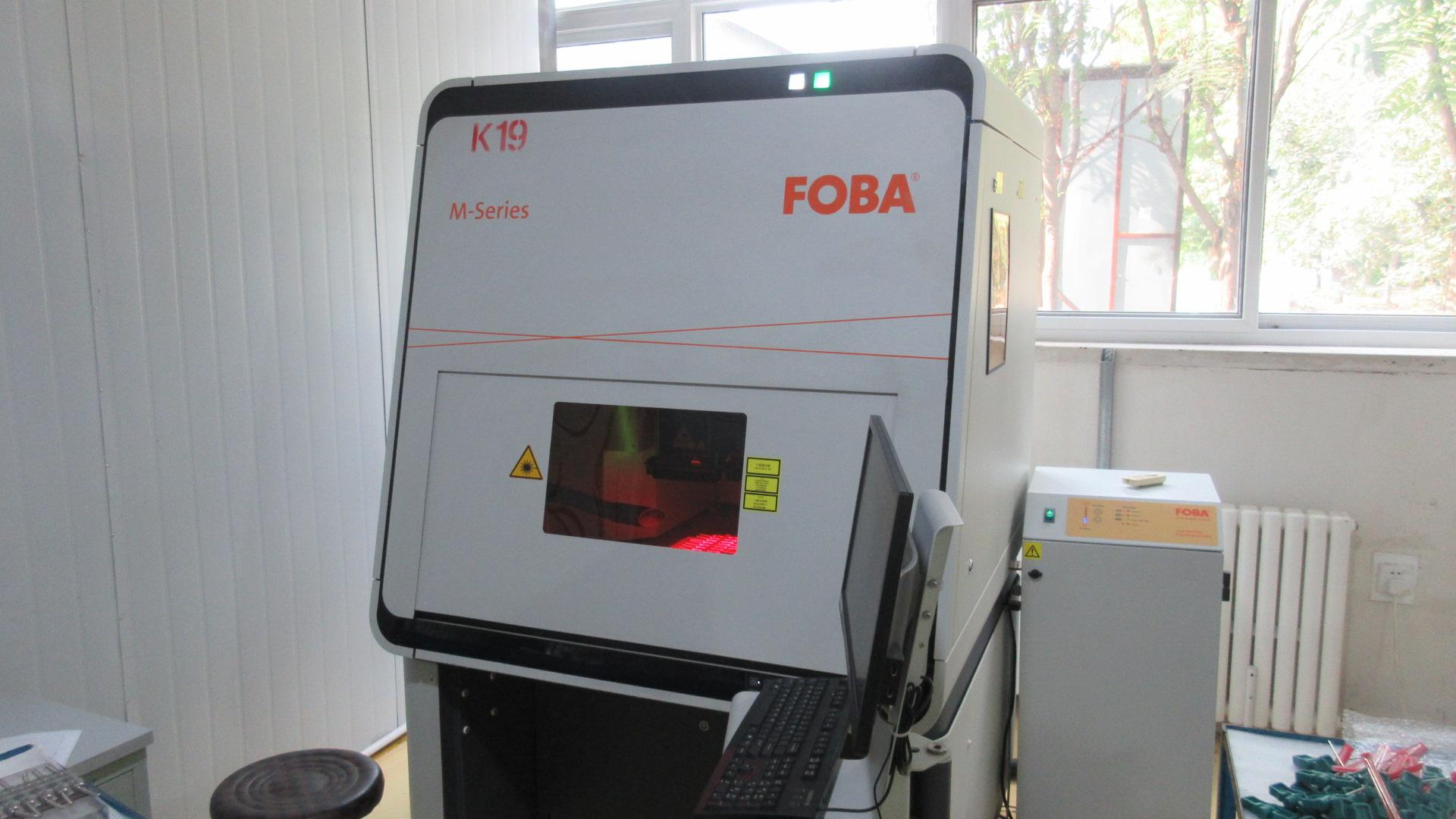
  • UDI Traceability & Barcoding: We supply laser-marked, GS1-compliant Unique Device Identification (UDI) directly onto implants and instrumentation to meet global tracing standards.
  • Biocompatibility (ISO 10993): Every device batch is backed by comprehensive ISO 10993 testing data covering cytotoxicity, sensitization, systemic toxicity, and implantation compatibility.
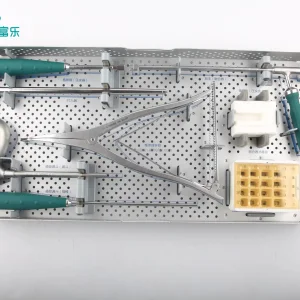
  • Customized Graphic Packaging: We provide sterile barrier double-Tyvek packaging and customized surgical trays to align with local clinical preferences.

Frequently Asked Questions (FAQ)

Q1: What raw materials are utilized in your plantar plate repair and extremity implant systems?
A1: We primarily use medical-grade Titanium Alloys (specifically Ti-6Al-4V ELI / ASTM F136) for permanent trauma and extremities plates, and PEEK (Polyetheretherketone) for our suture anchors and spinal cages. Custom orders can also utilize CoCr (Cobalt-Chrome) and ultra-high-molecular-weight polyethylene (UHMWPE) for articulating components. All raw materials are backed by mill certificates and strict metallurgical traceability.
Q2: How does your factory handle OEM/ODM customization requests?
A2: Our engineering team supports customization requests including design modification, rapid prototyping, and volume manufacturing. Partners can submit 3D CAD models, hand sketches, or sample devices. Our 20 R&D engineers then optimize the design for high-speed CNC milling and surface finishing, ensuring regulatory-compliant designs that meet client specifications.
Q3: What quality control protocols are implemented within the facility?
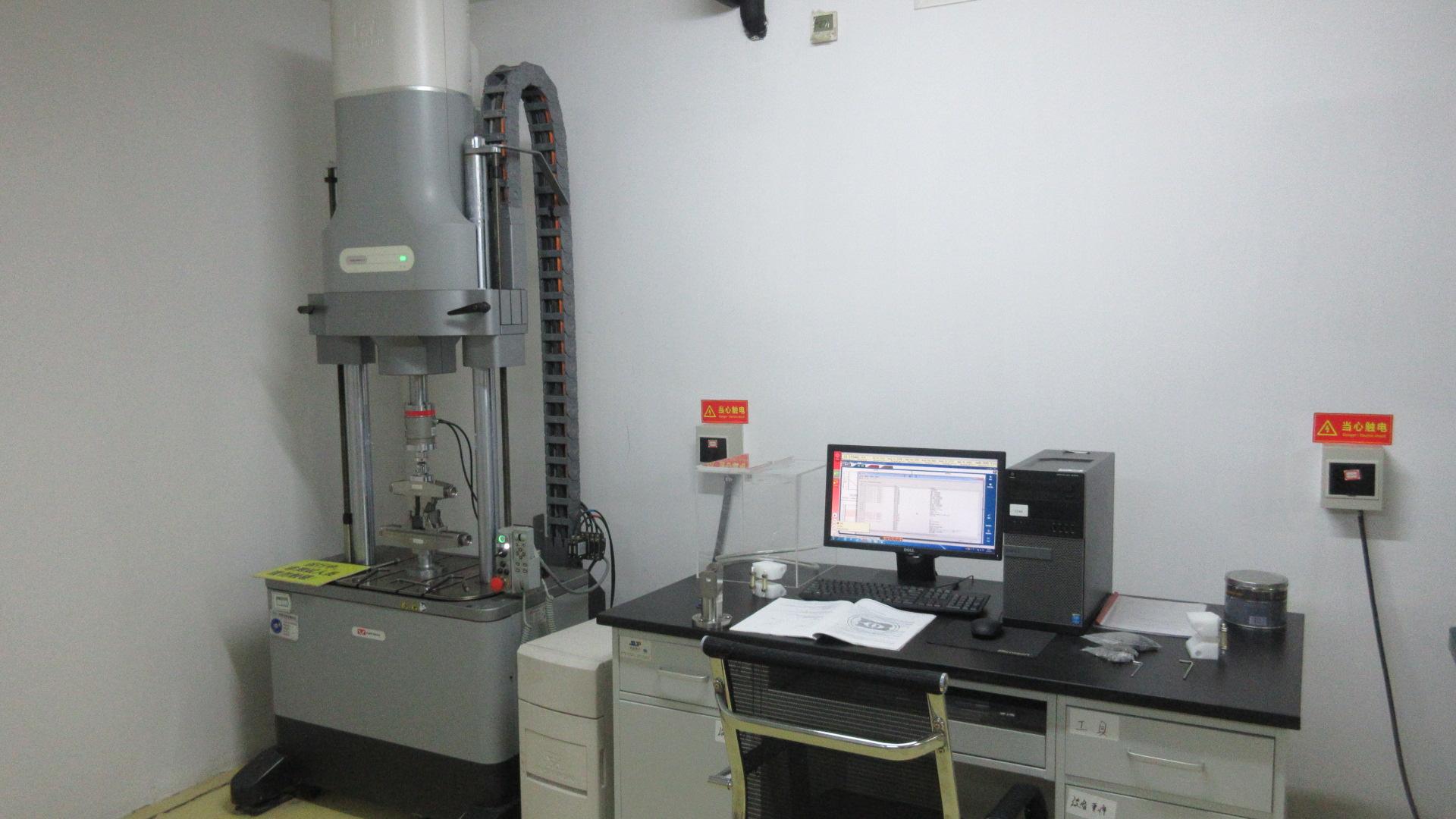
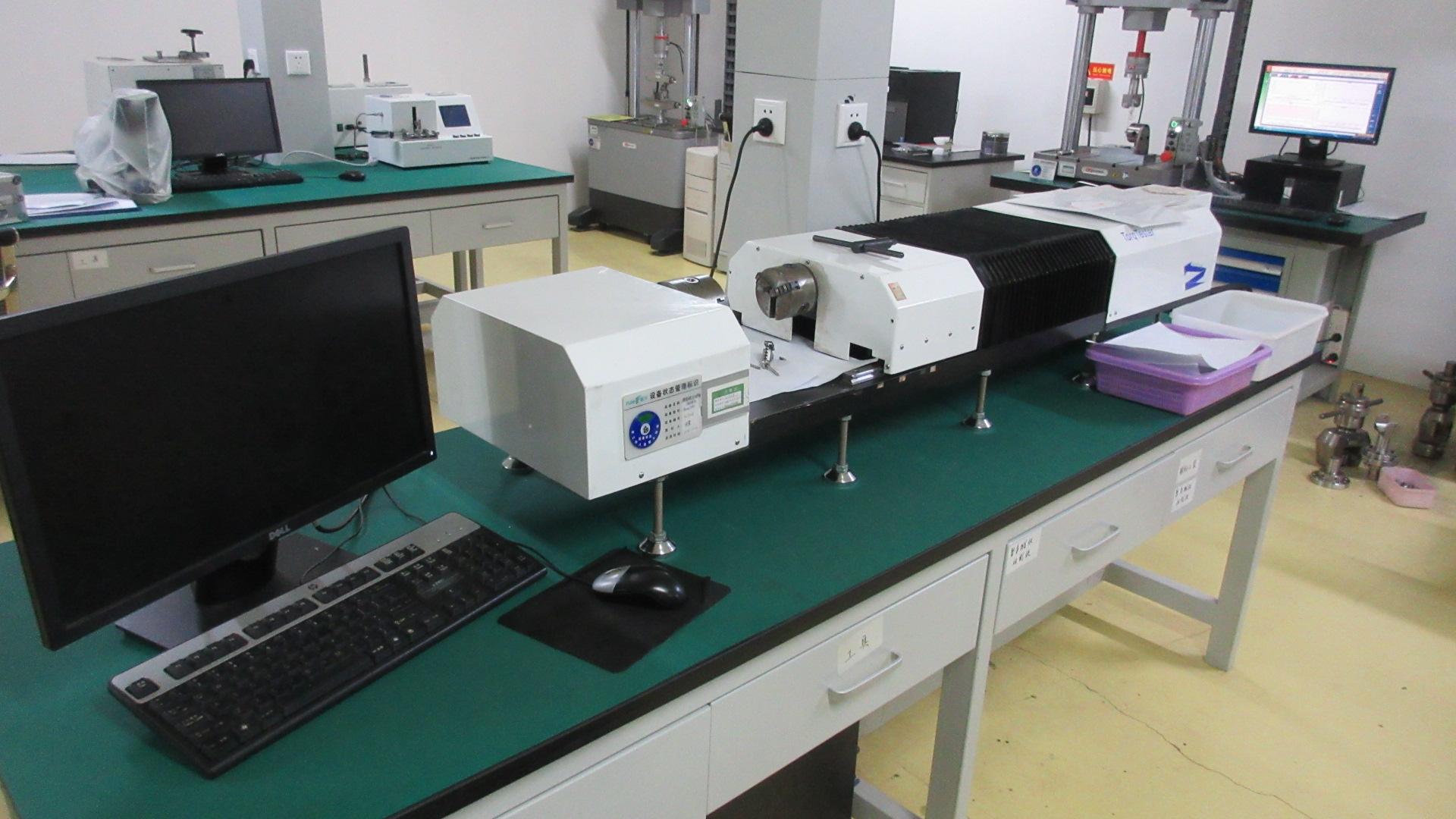
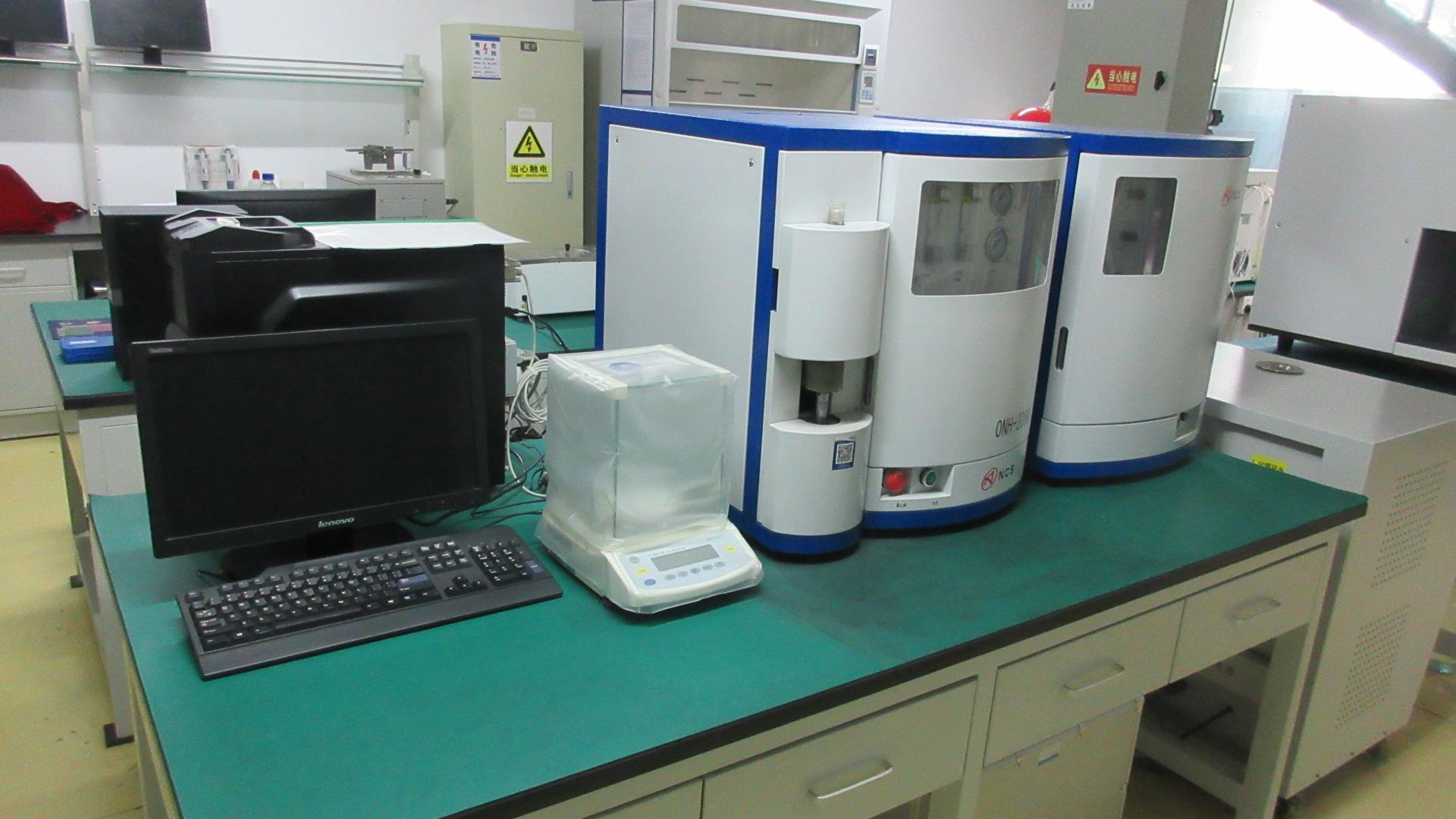
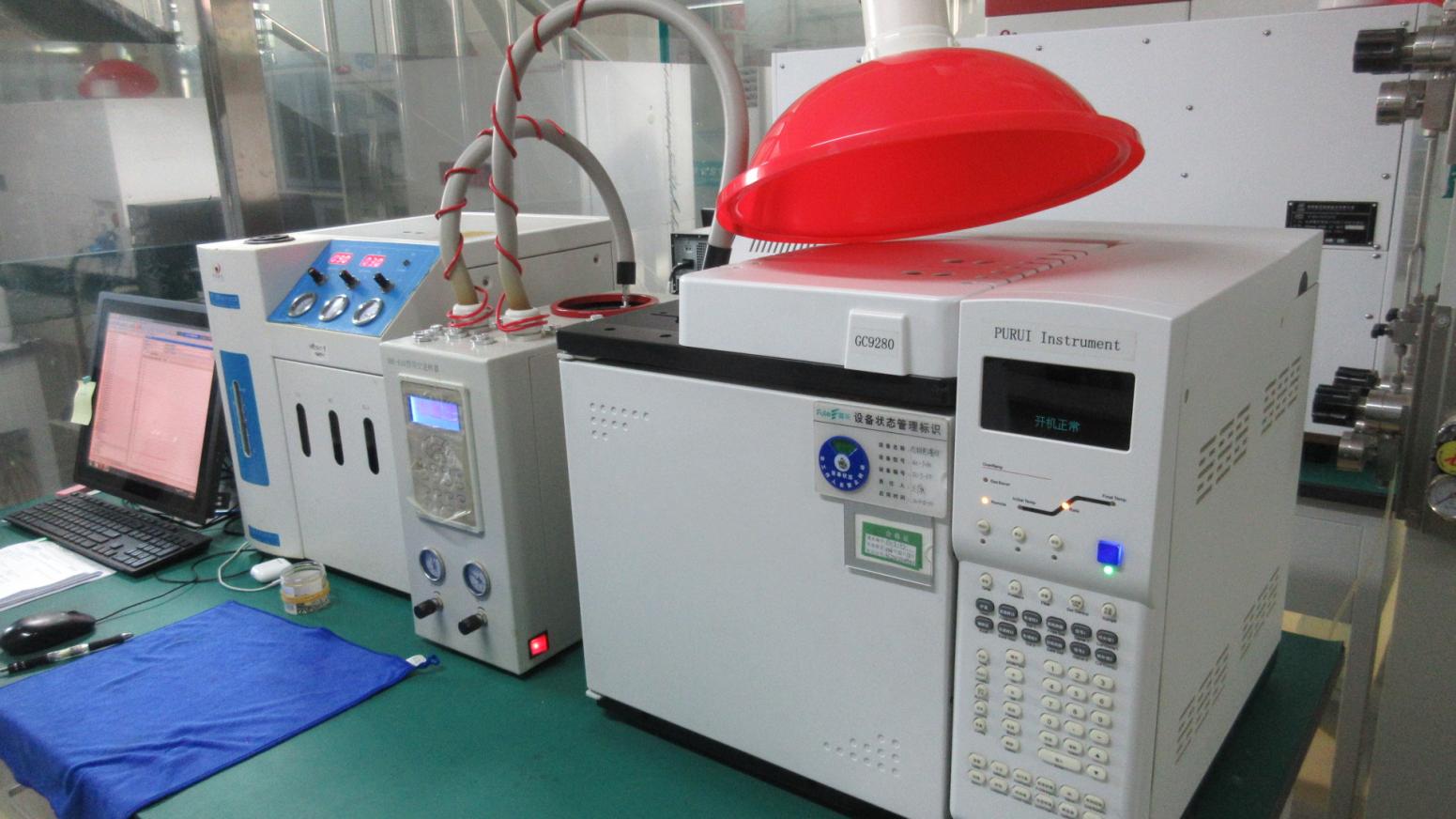
A3: We perform 100% inspection across all production runs, overseen by our 15 dedicated QA/QC inspectors. Dimensional verification is managed via high-precision CMM (Coordinate Measuring Machines) and optical projectors. Surface integrity is verified through liquid penetrant testing, while physical testing machines run fatigue and pull-out tests. Our systems comply with the ISO 13485 QMS framework.
Q4: Are your surgical instruments sold sterile or non-sterile?
A4: We offer both options based on market requirements. Implants can be shipped non-sterile in protective packaging for autoclave processing, or sterile-packaged (gamma or EO sterilization) in double-Tyvek pouches ready for direct clinical use. All validation documents are included to support the importer’s local compliance file.
Q5: What is your standard production lead time for large-scale orders?
A5: Standard production lead times vary from 30 to 60 days depending on complexity and order size. Because we control all critical manufacturing steps in-house—including CNC milling, polishing, cleaning, and cleanroom packaging—we offer competitive and reliable lead times for our partners.
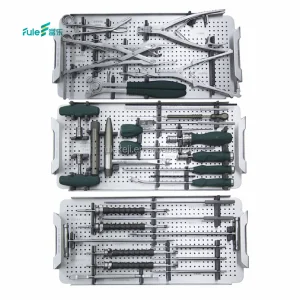
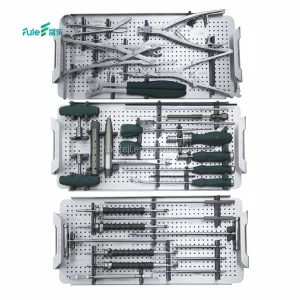
Precision Instruments & Fixation Solutions