Explore our leading surgical instruments, pedicle screws, and cervical plating systems engineered for optimal biomechanical fusion.
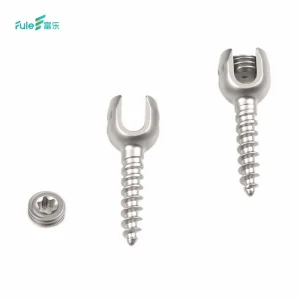
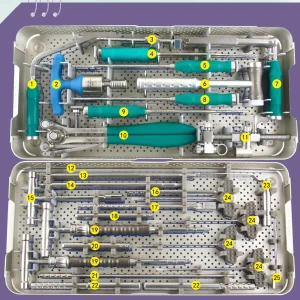
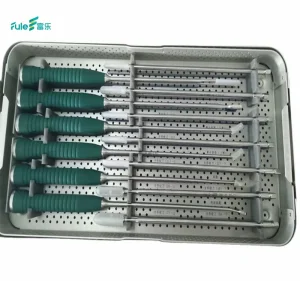
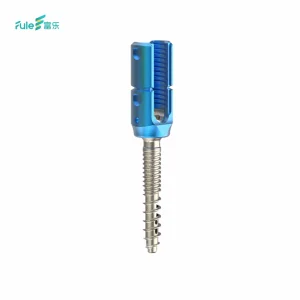
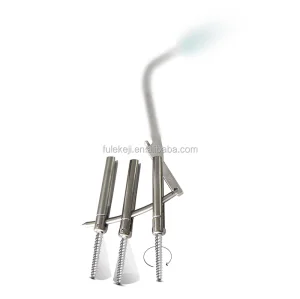
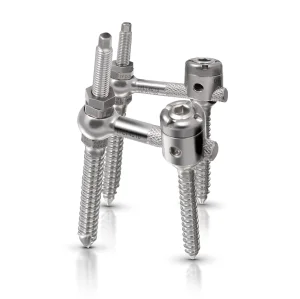
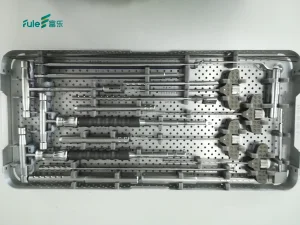
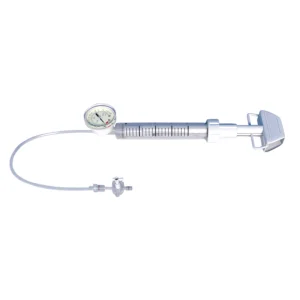
The modern clinical space demands implant systems that align perfectly with the biological mechanics of bone healing. Plate fixation systems must not only provide anatomical reduction and rigid internal stabilization but also protect the surrounding vascular supply to guarantee long-term fusion.
As a leading ISO 13485-certified OEM/ODM partner, we design and manufacture plate fixation systems that balance structural load distribution with optimal biocompatibility. By utilizing implant-grade titanium alloys (Ti-6Al-4V ELI) and precision CNC machining, we produce implants that minimize stress shielding, promote accelerated osseointegration, and meet the strictest regulatory expectations of surgeons globally.
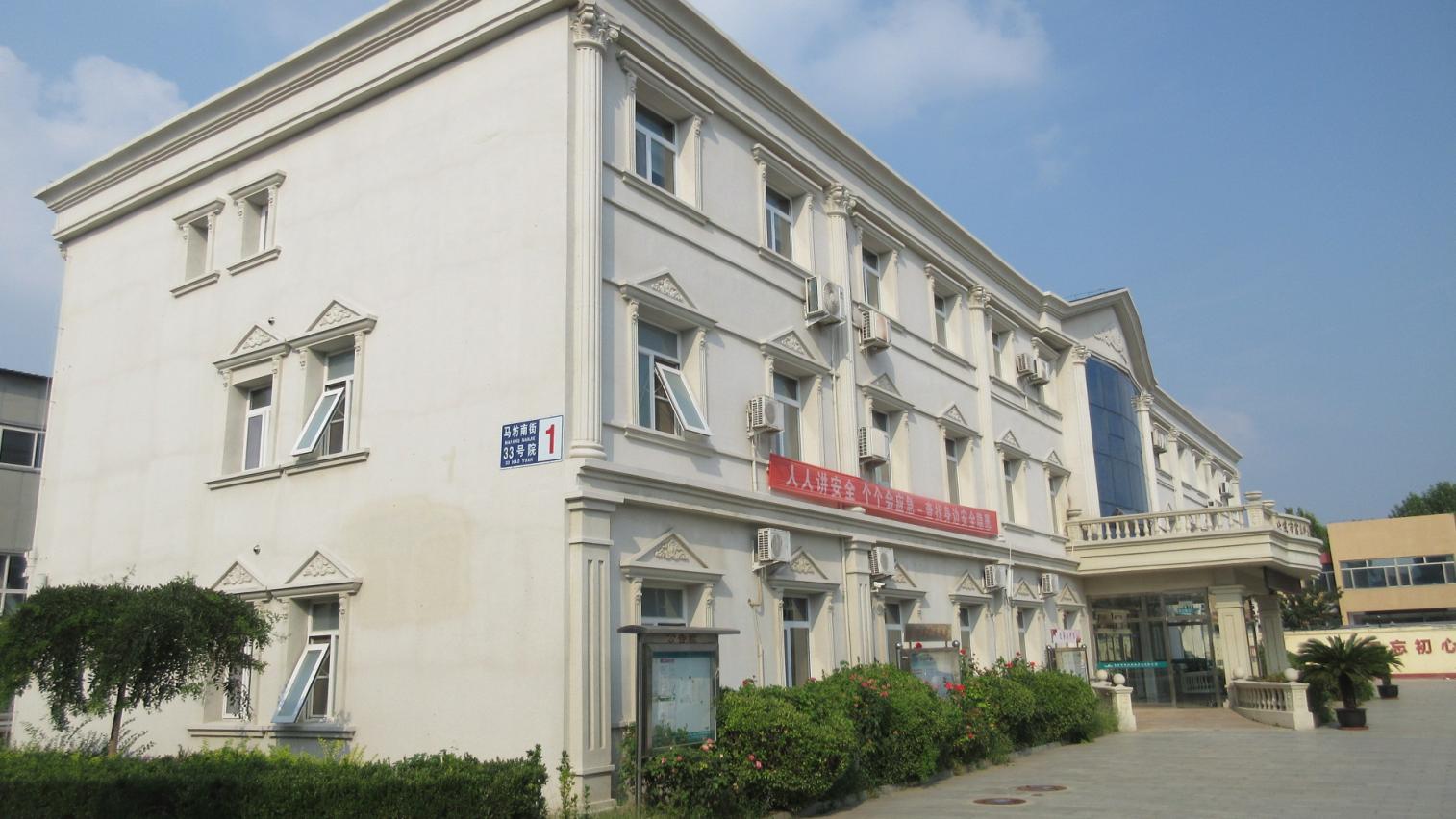
The next generation of plate fixation technology is defined by bio-adaptive materials, customized surface topography, and smart monitoring capability.
We are advancing anodization and acid-etching technologies to build micro- and nano-textured surfaces on titanium plates. These surface topologies mimic natural trabecular structures, accelerating osteoblast attachment and decreasing recovery windows.
Our long-term developmental roadmap includes magnesium alloys and zinc-based bioresorbable polymers for load-transitional fixations. This eliminates secondary retrieval surgeries, significantly lowering surgical strain and patient healthcare costs.
Transitioning from subtractive milling to selective laser melting allows us to manufacture complex, patient-matched custom locking plate geometries. This minimizes intraoperative plate bending and matches local anatomical curves exactly.
Addressing clinical challenges across trauma, spinal stabilization, and complex skeletal reconstruction.
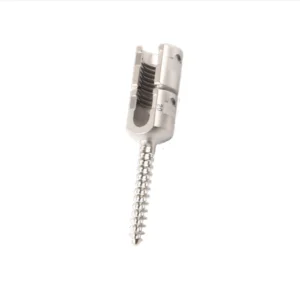
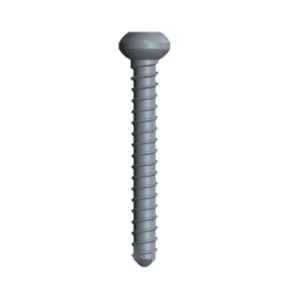
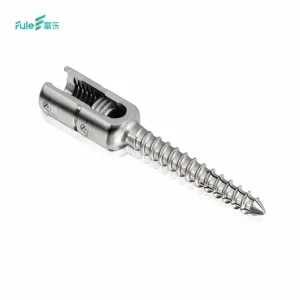
Traditional screws run a high risk of pulling out from soft, osteoporotic bone structures. Our specialized expandable pedicle screws and locking plate systems utilize specialized thread profiles and cement augmentation pathways to ensure maximum pull-out resistance and mechanical stability.
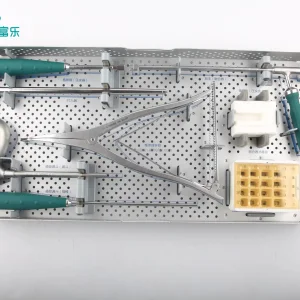
Minimally invasive approaches decrease patient tissue trauma and postoperative pain. Our MIS implants and dedicated instrument sets feature ultra-low profile geometries and robust percutaneous insertion paths, providing absolute spinal stabilization through minimal incisions.
Growing pediatric skeletons require flexible, adaptive systems. Our sliding screw structures and low-diameter spinal rod networks support physiological bone growth while correcting early-onset spinal curvatures and pediatric skeletal deformities.
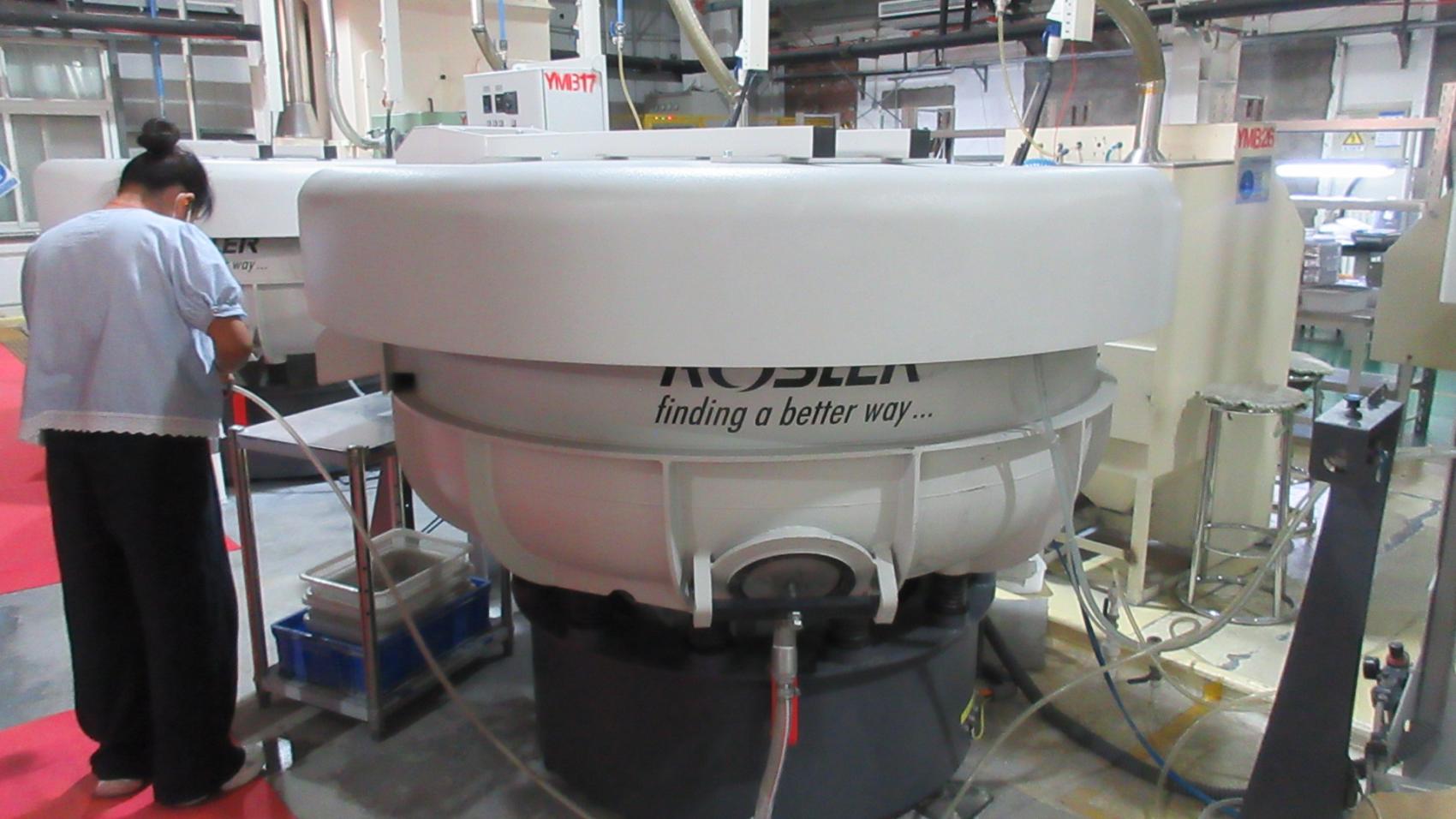
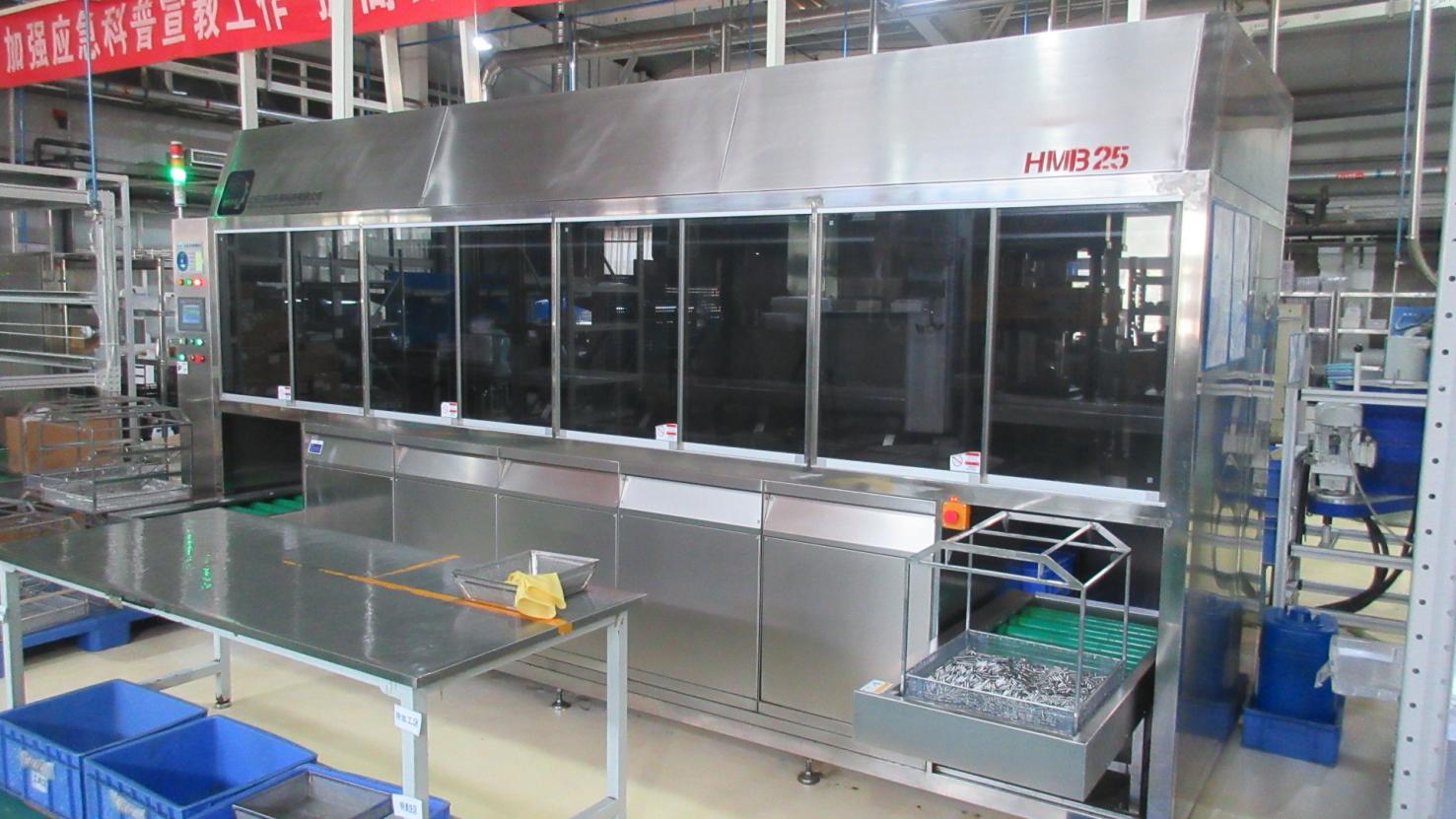
Operating a state-of-the-art 10,000 square meter facility, we have established an industrial benchmark for high-precision medical implant manufacturing. Driven by a fleet of 102 precision production machines, including Swiss-type longitudinal CNC lathes, 5-axis machining centers, and automated ultrasonic cleaning lines, we guarantee microscopic part tolerances (+/- 0.005mm).
Our integration of Factory 4.0 digital frameworks enables real-time batch tracing, raw material tracking, and smart scheduling. By sourcing premium titanium bars from certified medical-grade suppliers, we ensure every plate and screw holds comprehensive chemical and mechanical validation reports.
Our quality assurance framework is supported by a dedicated team of 15 certified QA/QC inspectors, running 100% optical, coordinate-measuring machine (CMM), and metallurgical profile validations across all production lines.
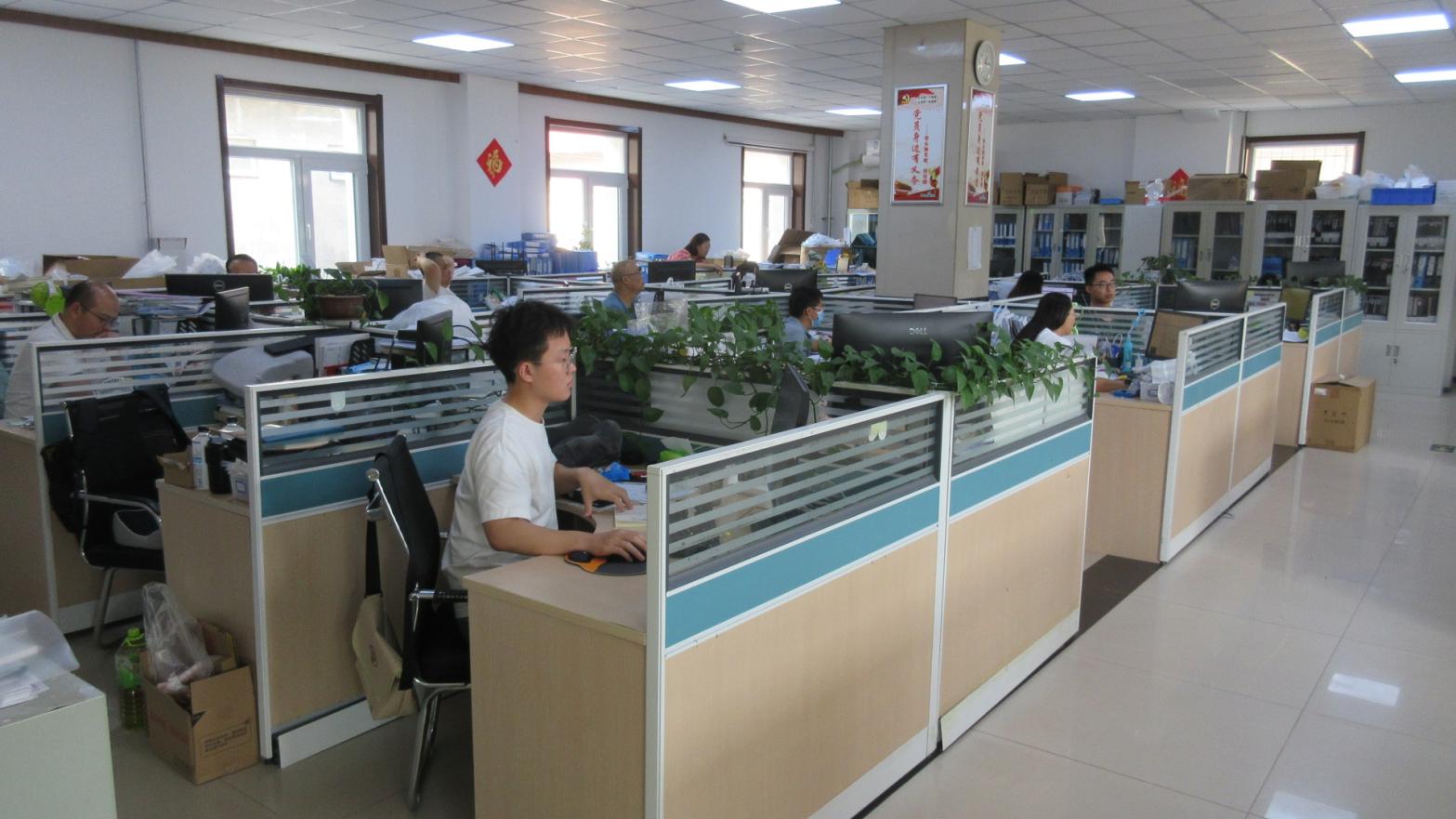
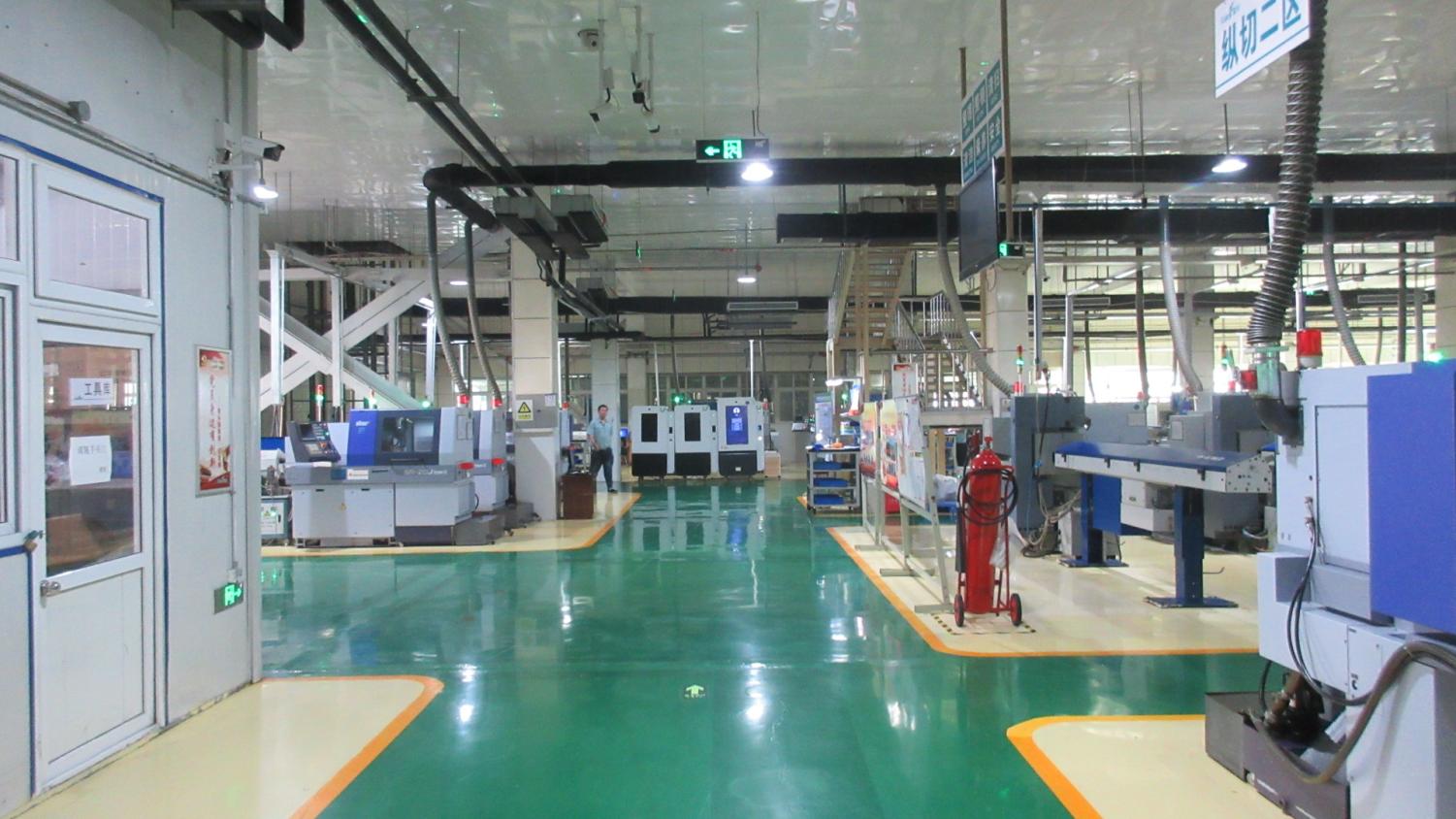
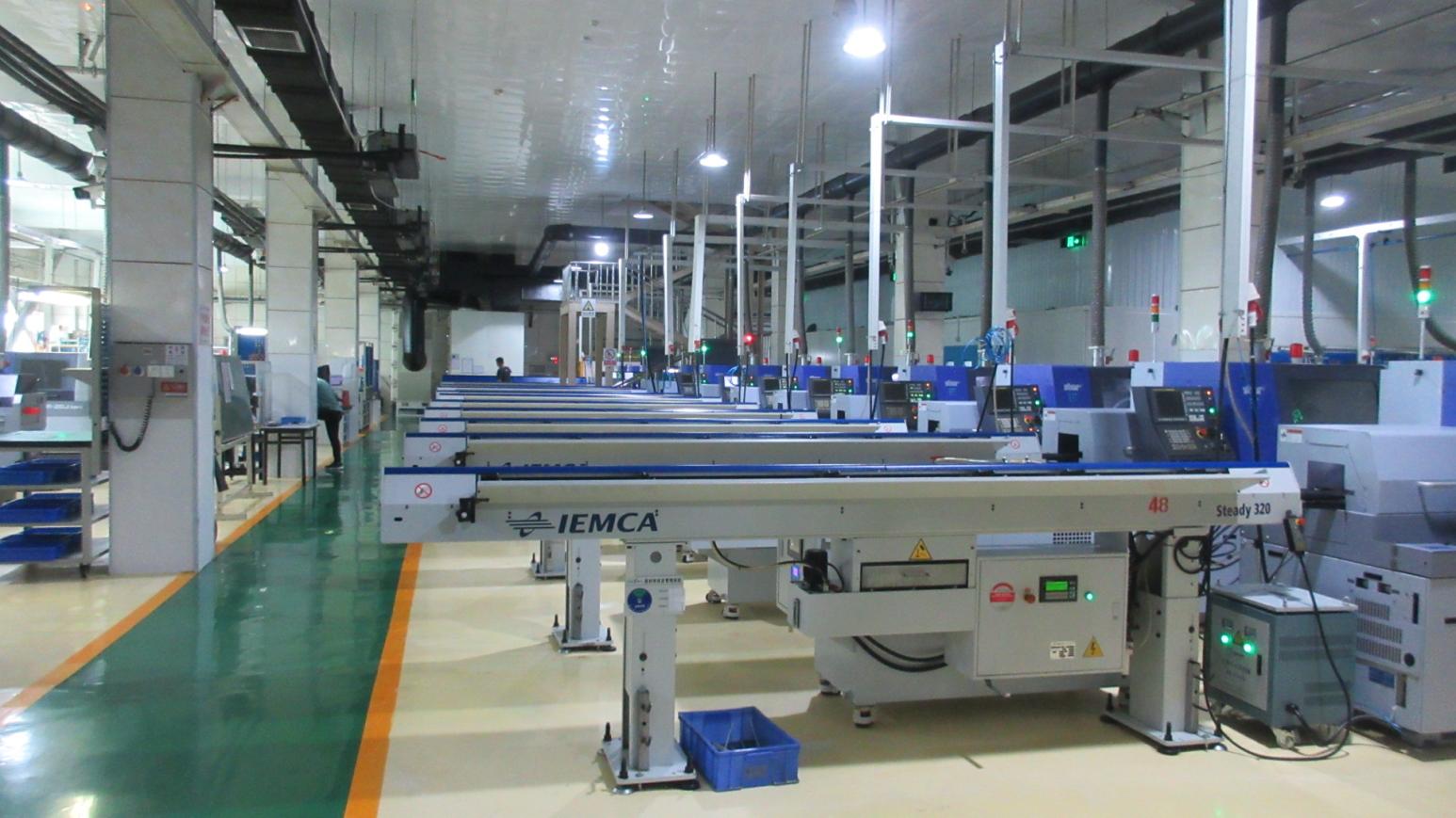
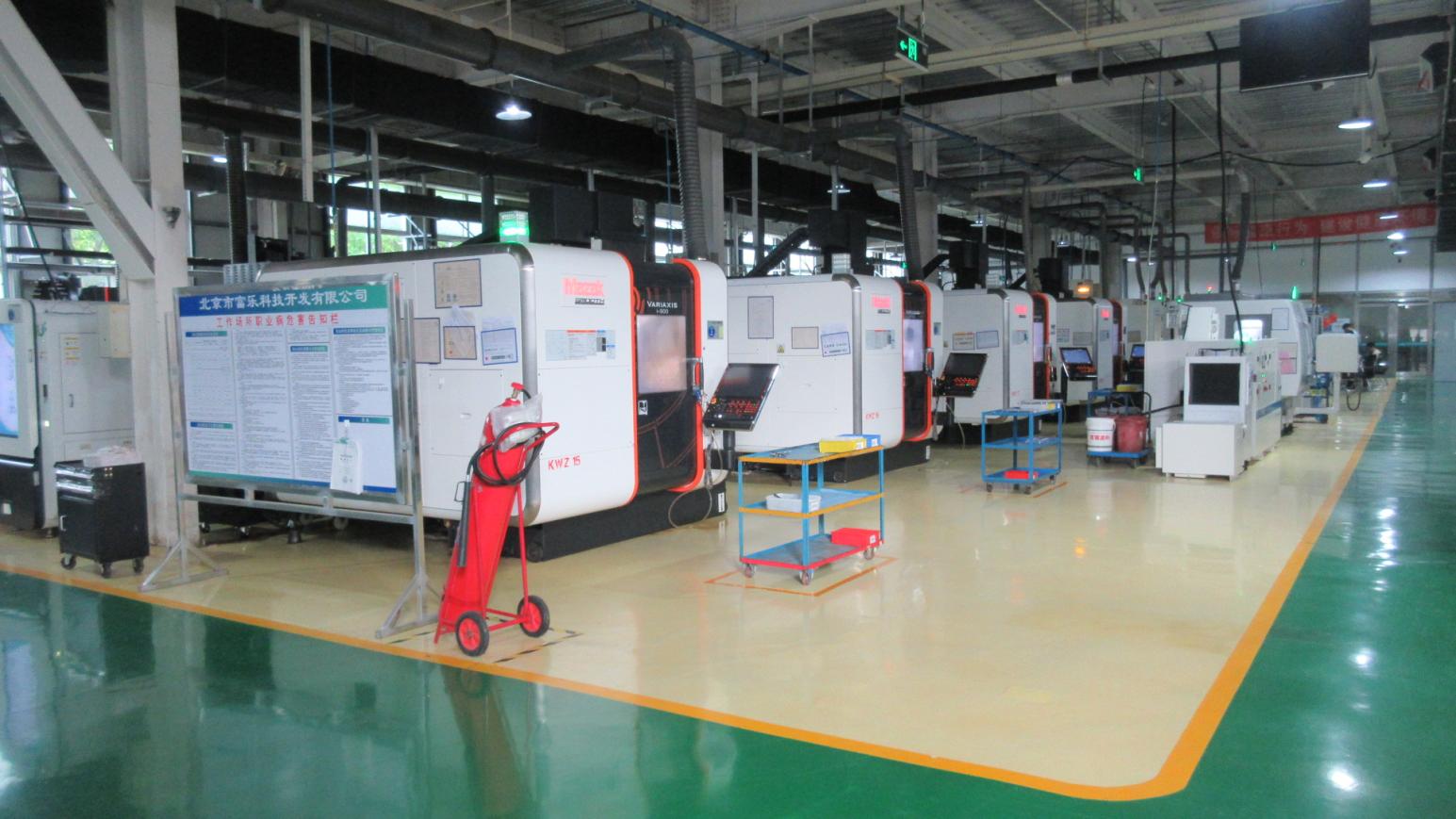
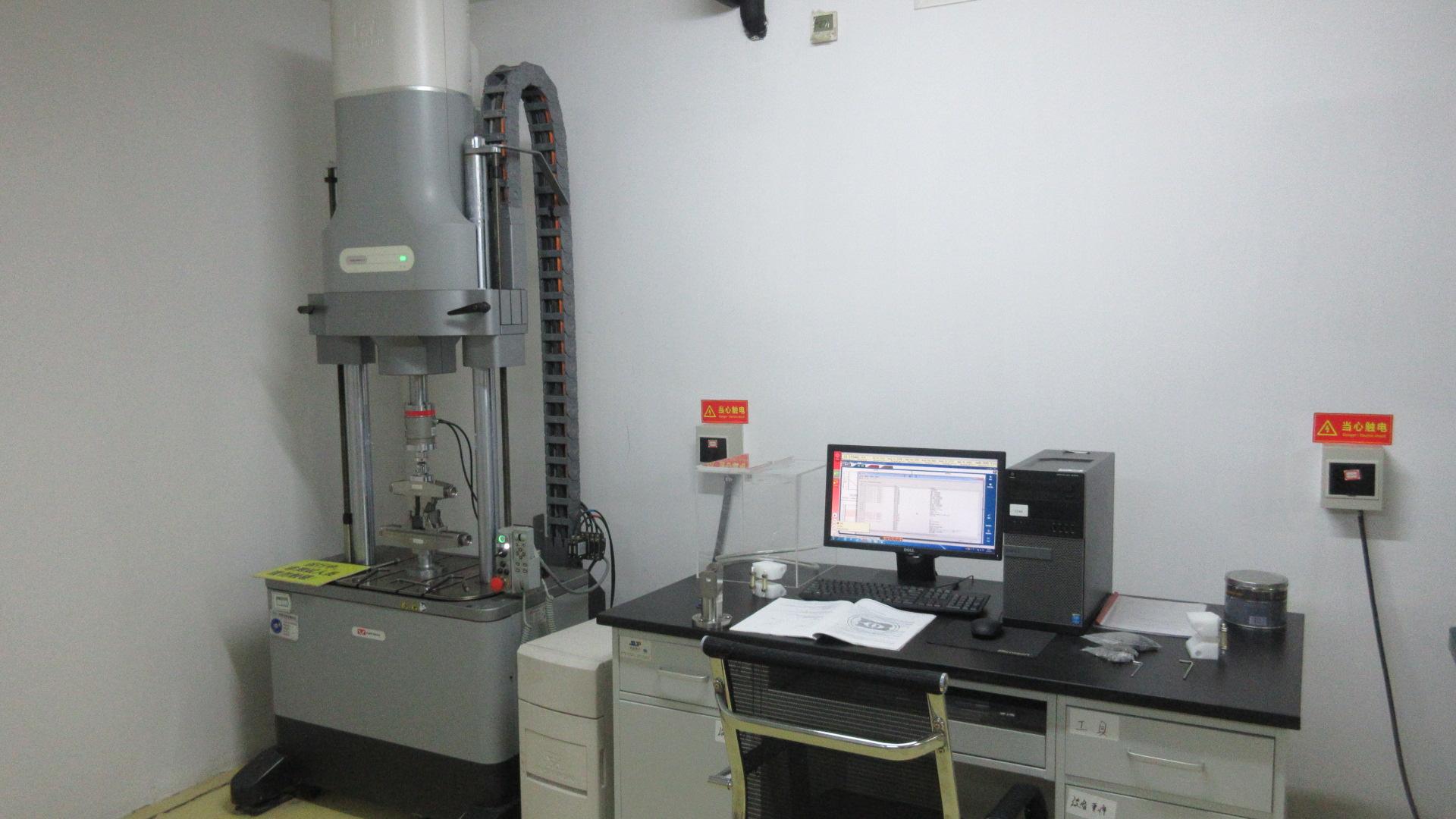
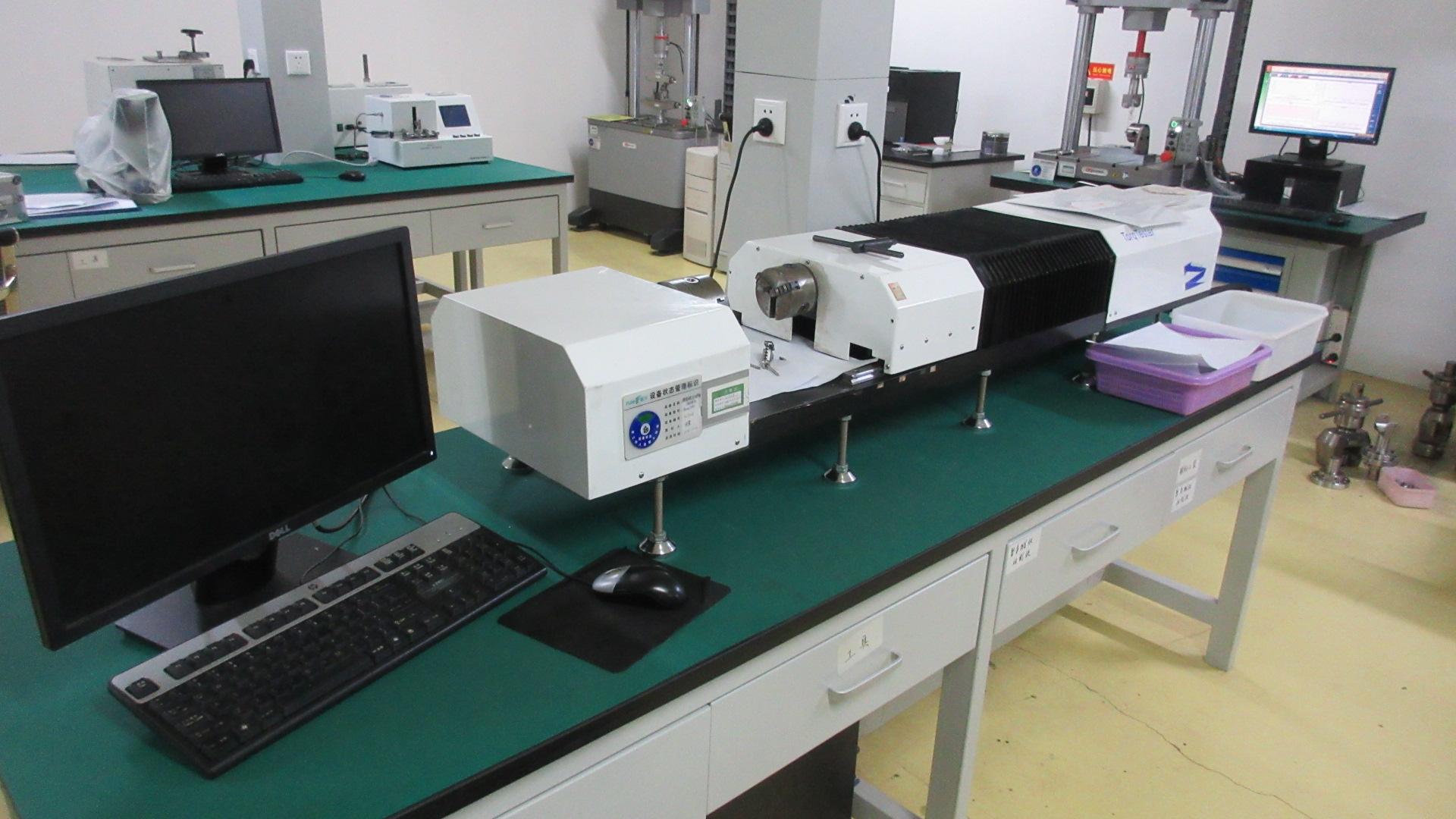
A closer look at our cleanrooms, machining tolerances, raw materials, and clinical instrumentation packaging.
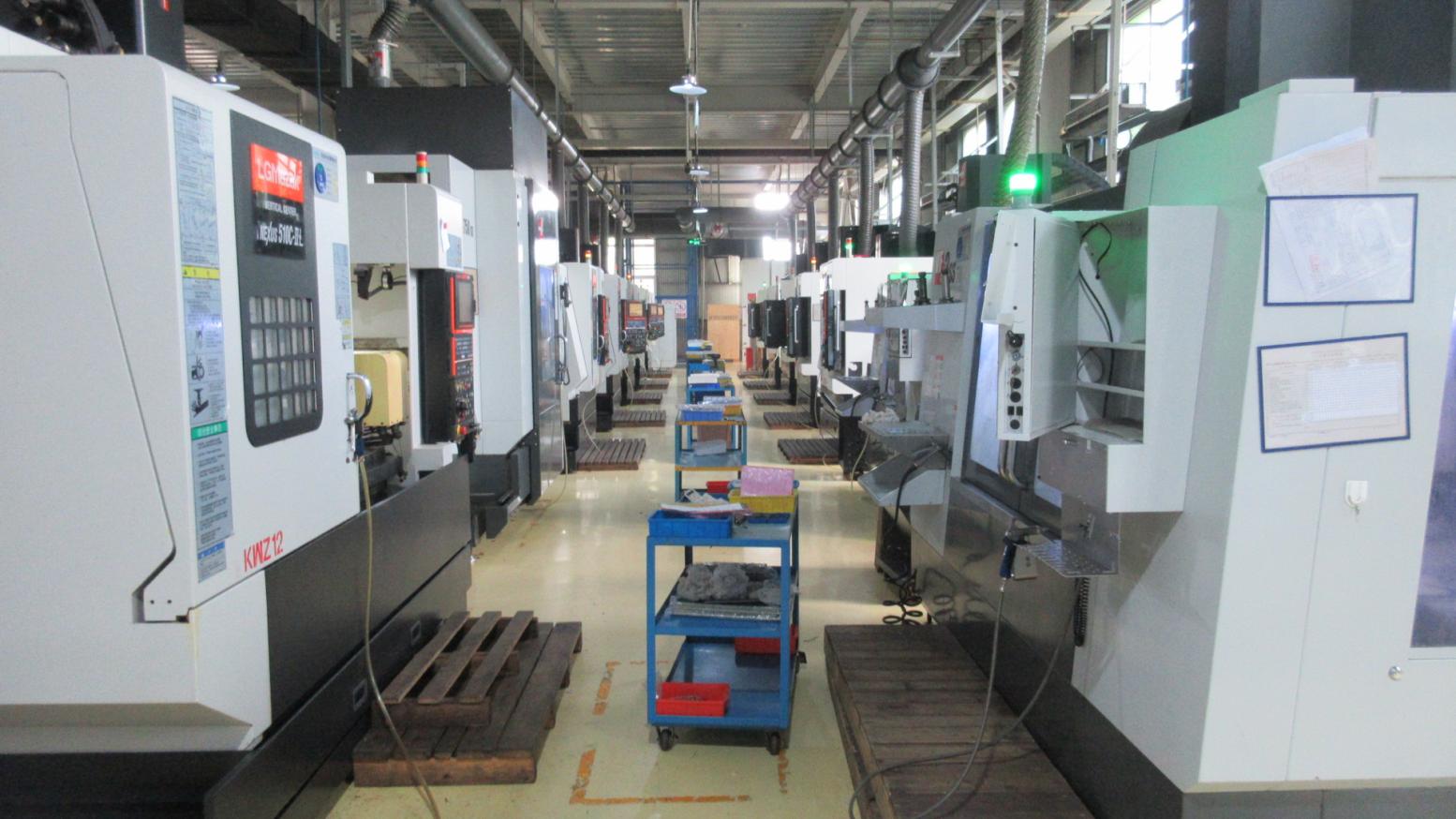
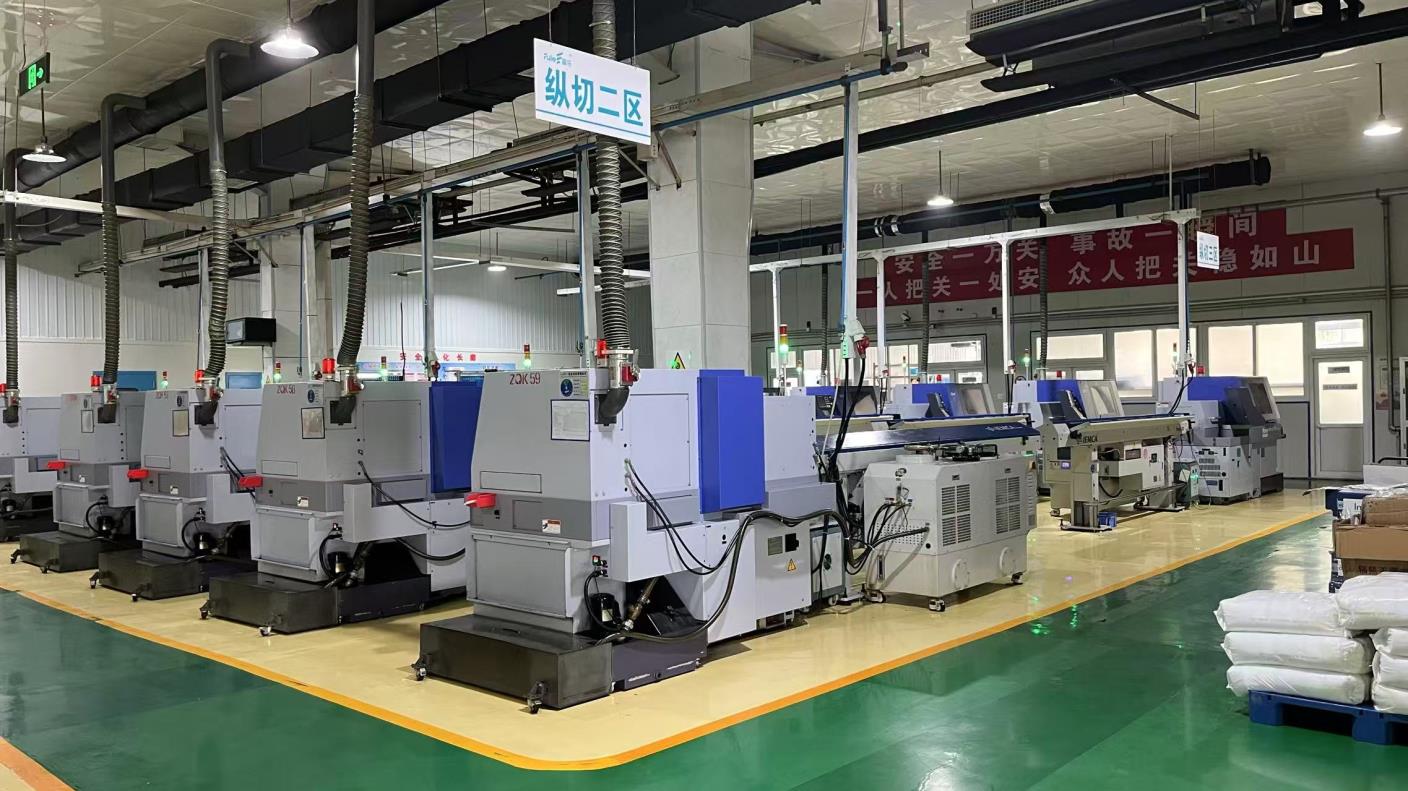
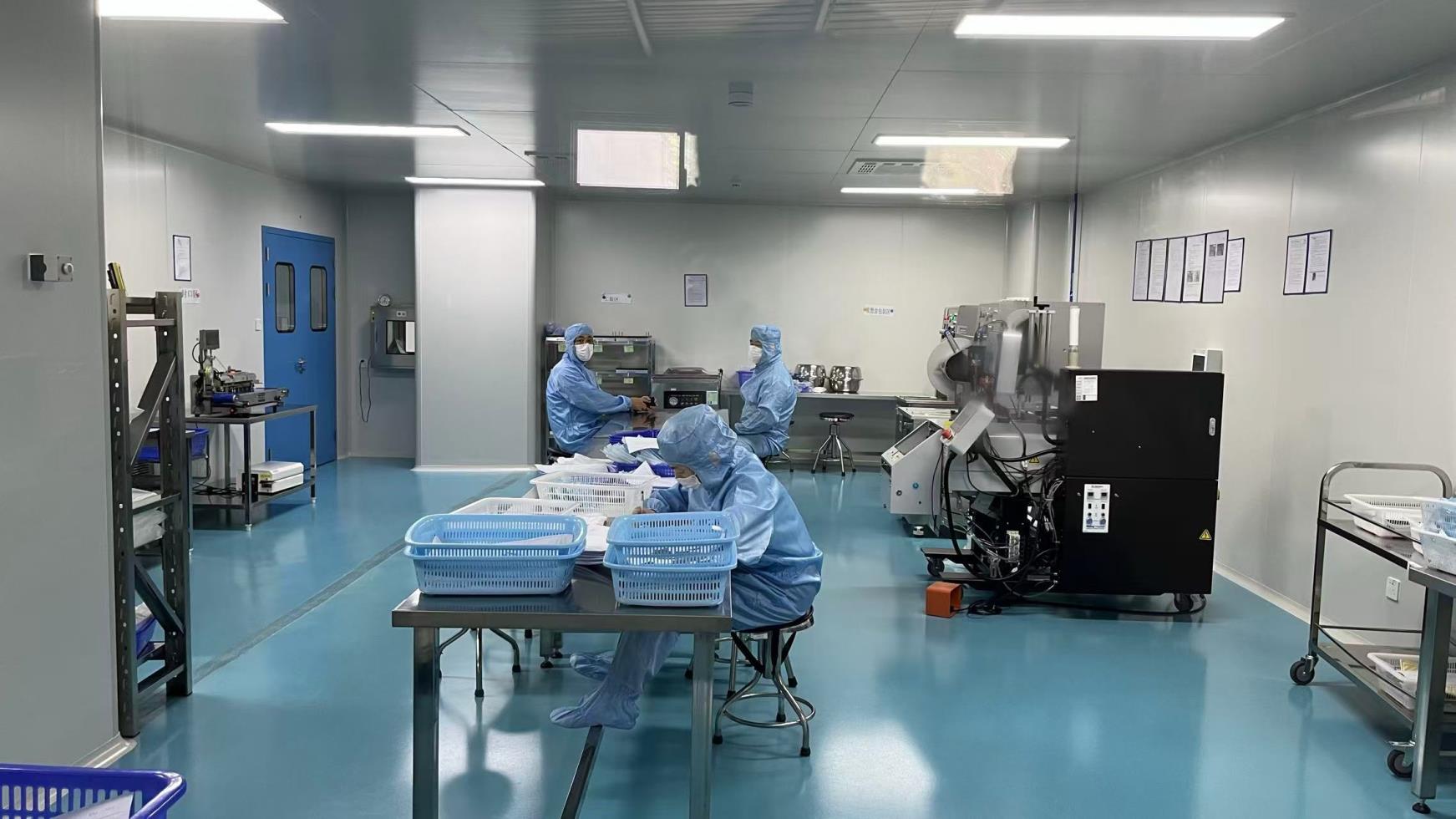
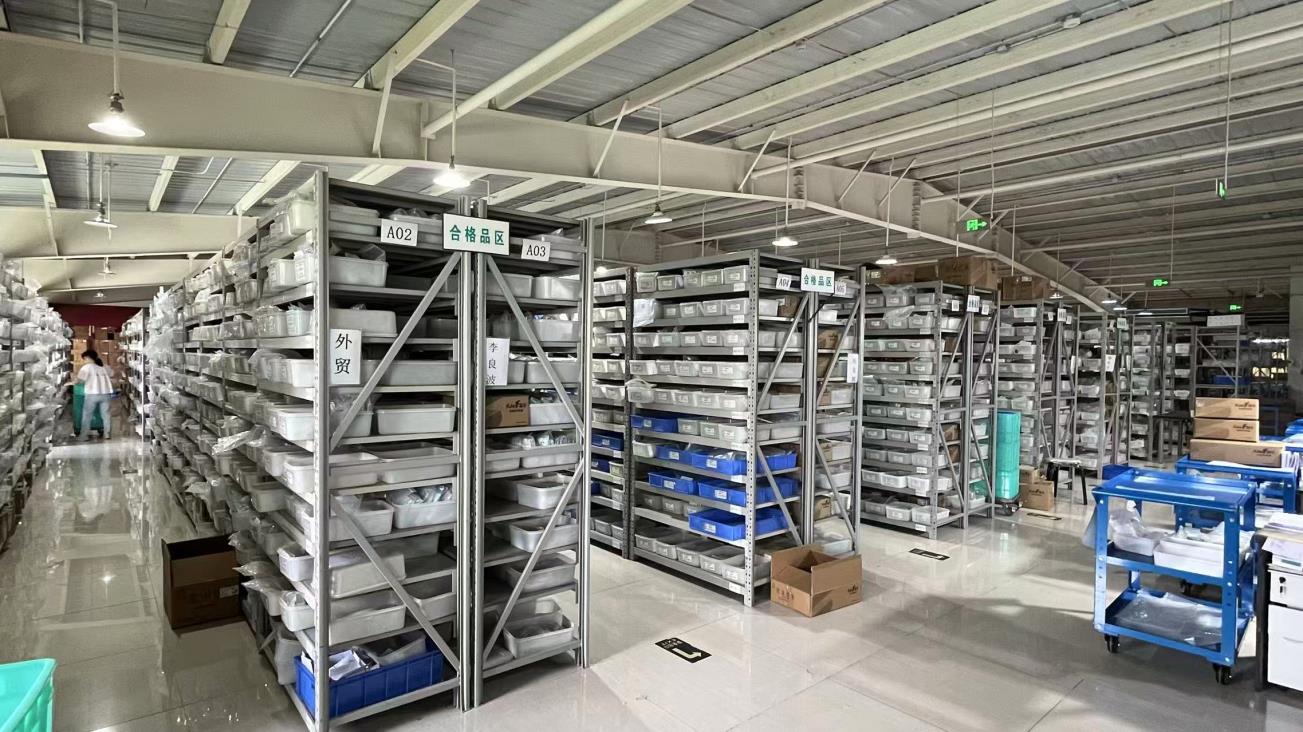
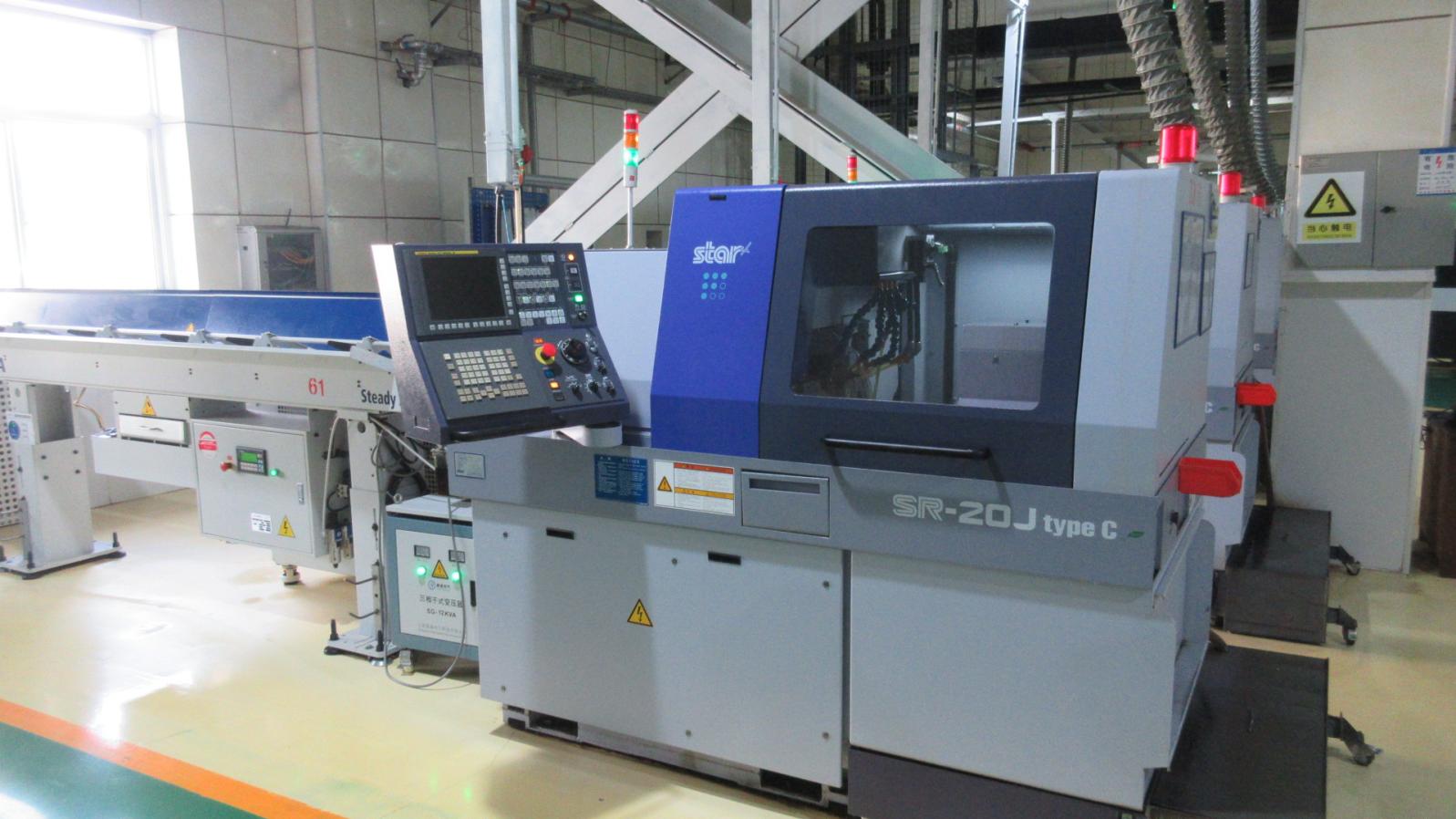
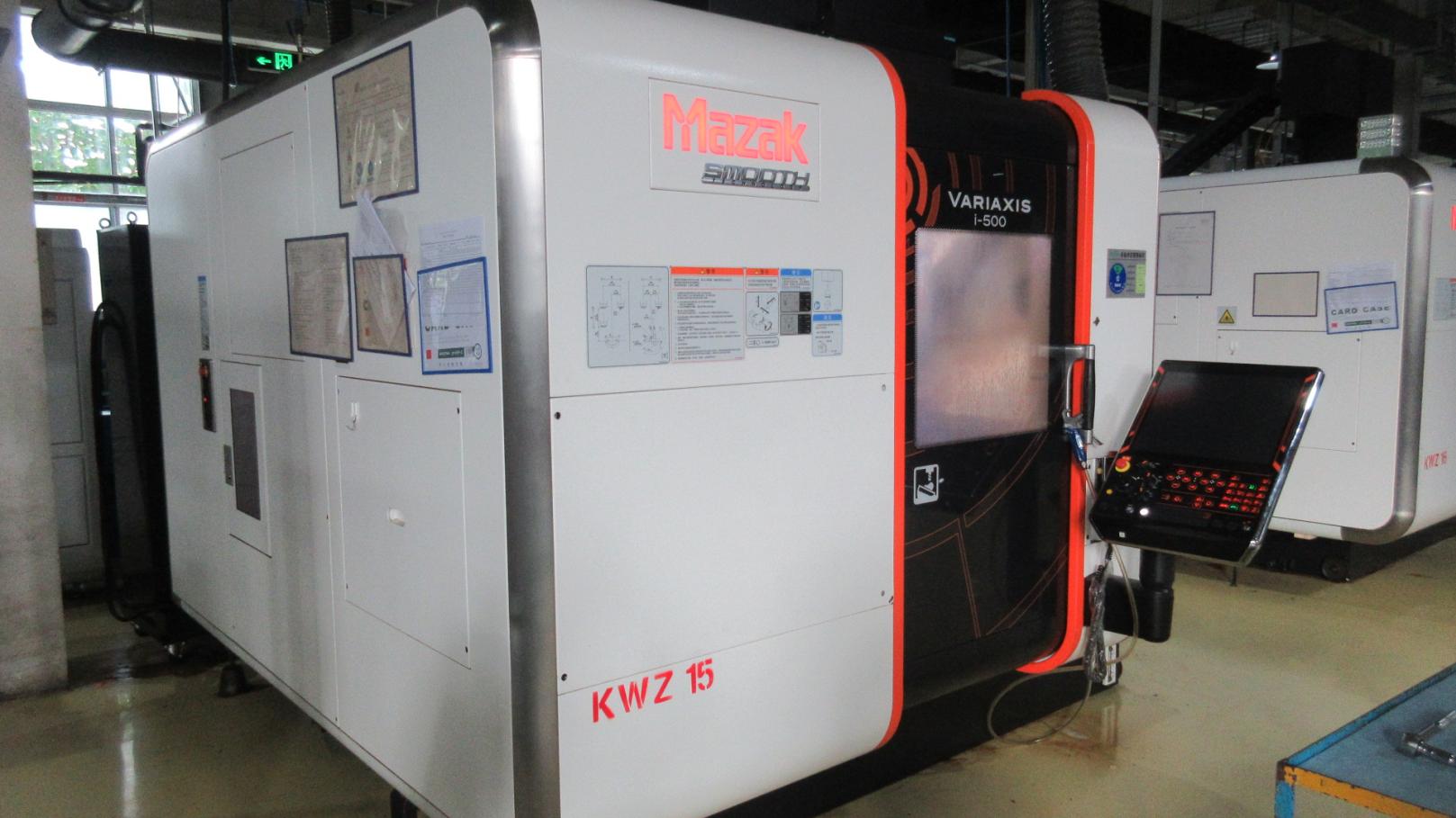
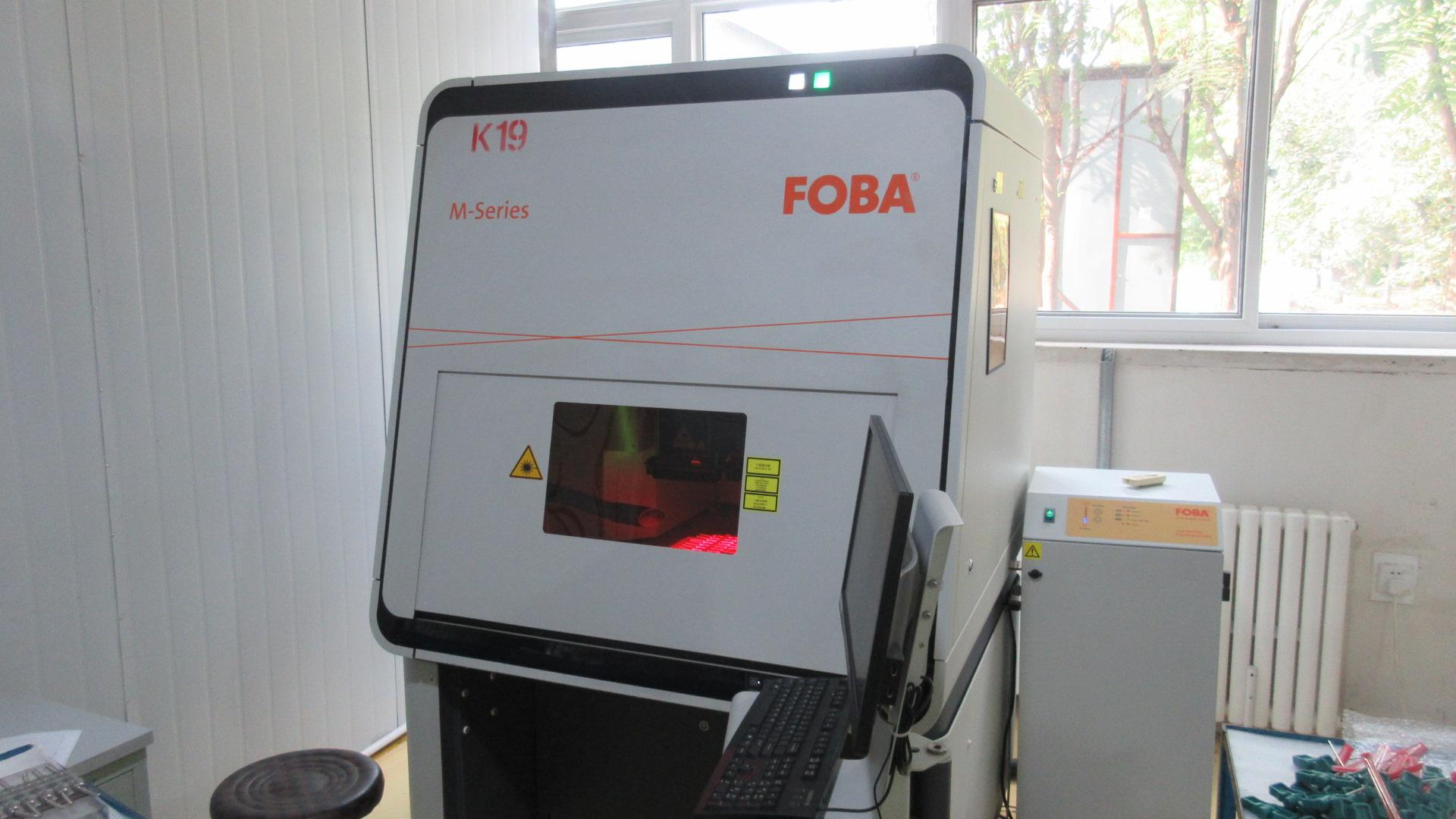
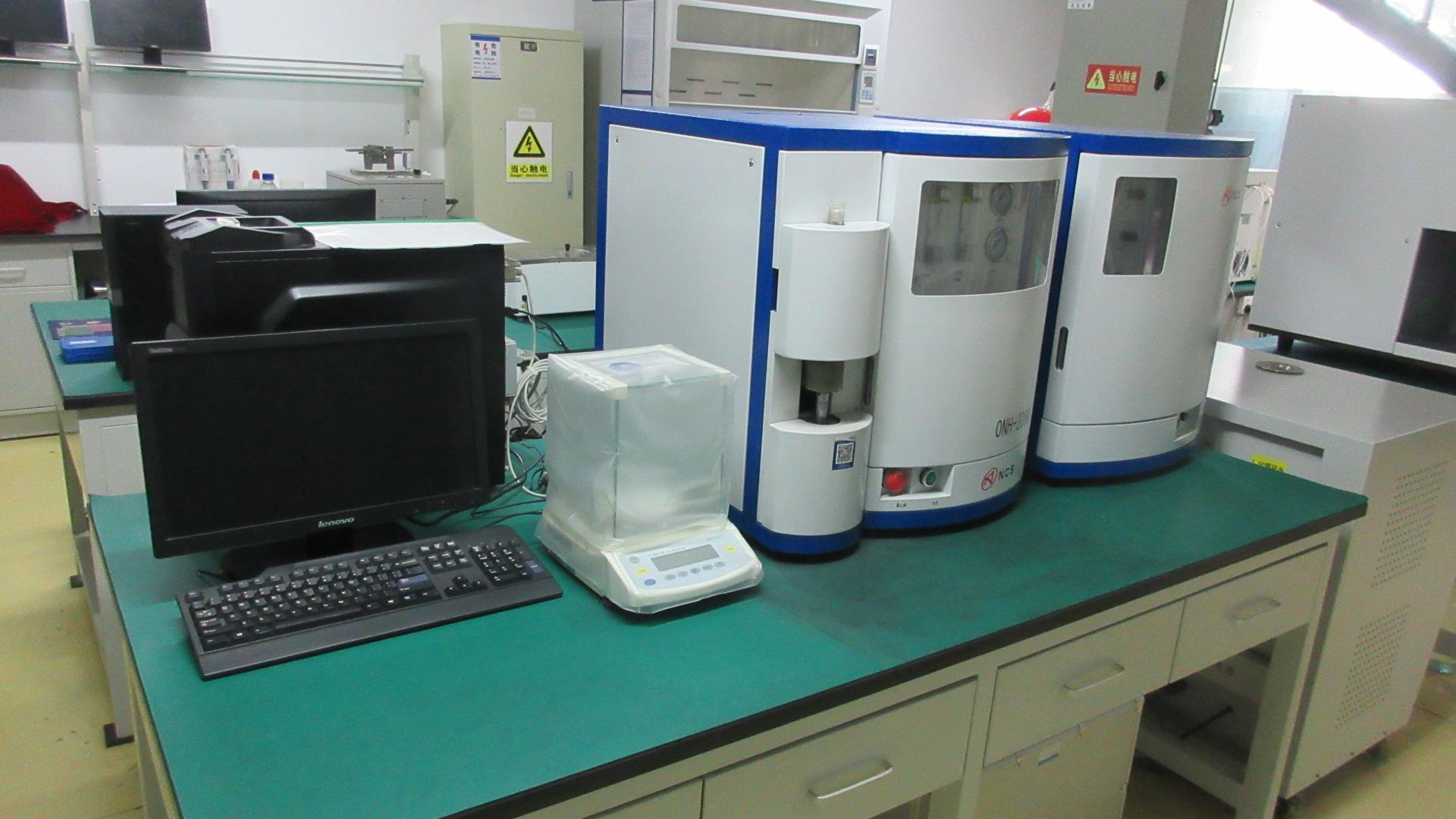
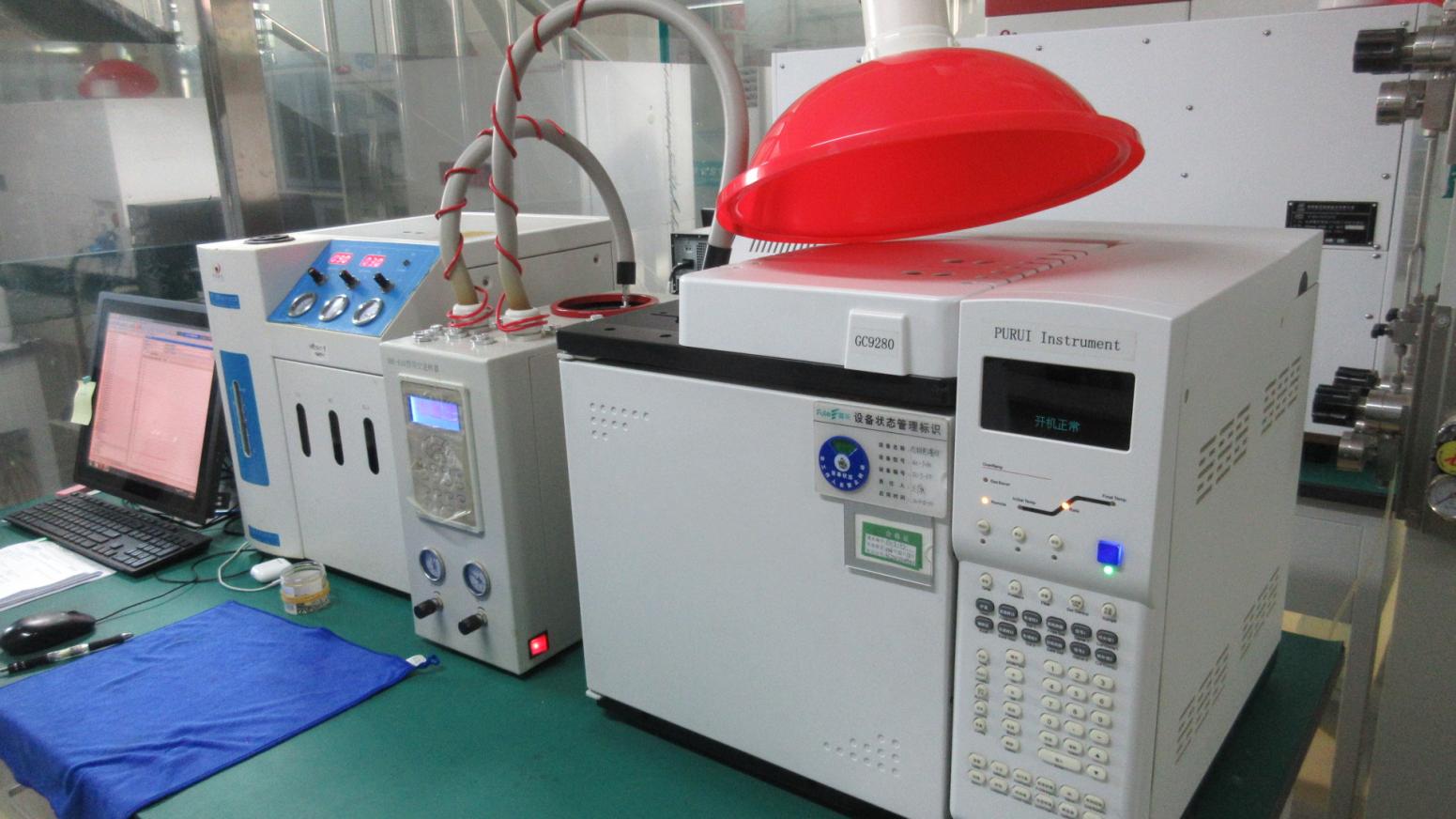
Empirical business data verifying our status as a trusted, certified manufacturer for international distributors and hospital networks.
| Operational Metric | Verified Capabilities & Compliance Details | ||
|---|---|---|---|
| Company Registration | 1996-06-28 | Floor Space (㎡) | 10,000 |
| Years Exporting | 30 Years | Years in Industry | 30 Years |
| Accepted Languages | English | Annual Output (Units) | 511,000 |
| Production Lines | 1 Specialized Cleanroom Assembly | Active Production Machines | 102 CNC & Auxiliary Units |
| Raw Material Traceability | Yes (Complete Mill Test Certification) | Inspection Protocol | 100% Inspection of all manufactured items |
| Line Quality Control | Yes, active on all steps | QA/QC Inspectors | 15 Certified Inspectors |
| Main Export Markets | Domestic (40%), Eastern Europe (15%), Southeast Asia (10%), Rest of World (35%) | Supply Chain Partners | 70 Strategic Raw Material & Logic Partners |
| Client Classifications | Retailers, Wholesalers, OEM Brands, Hospital Distributors | Customization Formats | Sample processing, graphic rendering, design customized on demand |
| Annual R&D Output | 20 New products launched last year | R&D Team Profile | 20 Professional Engineers (15 Graduate, 5 Junior College) |
| Medical Certification |
 ISO13485 Certified | Certificate No: 04724Q10000818
|
||
Insights into raw materials, load dynamics, fatigue tests, and global OEM/ODM customization capabilities.
By optimizing plate profiles and integrating low-stiffness alloys (Grade 5 Titanium), we bring the implant's stiffness closer to the modulus of natural bone. This promotes dynamic load sharing, stimulating bone remodeling and accelerating stable calloused healing.
We source medical-grade Ti-6Al-4V ELI (ASTM F136) and high-grade biocompatible stainless steels. Each batch is verified via spectral analysis, mechanical tensile tests, and metallographic structure evaluations before entering the production floor.
Our designs are tested in accordance with ASTM F382 (Standard Test Method for Metallic Bone Plates) and ISO 9585. They undergo dynamic cyclic loading up to 1 million cycles to map fatigue limits, structural integrity, and ensure absolute clinical safety.
Our 20-engineer R&D team provides a comprehensive suite of services, including 3D model generation, finite element analysis (FEA), mold design, rapid prototype machining, and small-batch production runs, ensuring fast development cycles.
Our cleanroom environments are certified to class 100,000 (ISO Class 8) specifications. Products are cleaned using validated multi-stage ultrasonic systems and sealed in medical Tyvek pouches, ready for external gamma-ray or EtO gas sterilization.
For custom ODM/OEM orders, the prototype stage takes 20-30 days, while bulk manufacturing takes 45-60 days. Standard catalog orders are dispatched faster, depending on our inventory levels and material availability.
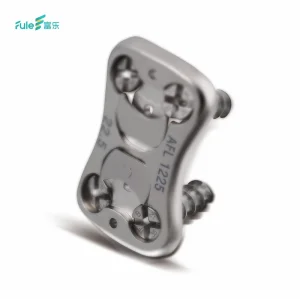
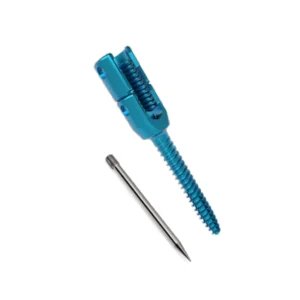
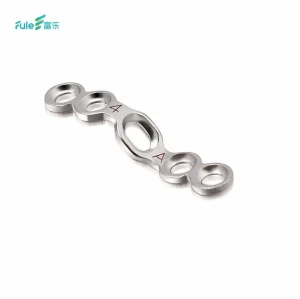
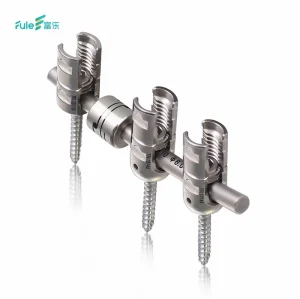
Browse our advanced cervical, lumbar, and trauma reconstruction systems designed for stable spinal decompression and osteosynthesis.
 Beren Science & Technology