OEM/ODM Spinal Rod System Manufacturers & Supplier

Precision Engineering, ISO 13485 Compliance, and Comprehensive Surgical Solutions for Global Orthopedic Distributors and Healthcare Brands.

1. High-Performance Spinal Rod Systems: Engineering Clinical Stability

Understanding the Biomechanical and Materials Science Demands of Modern Spinal Fixation Systems.

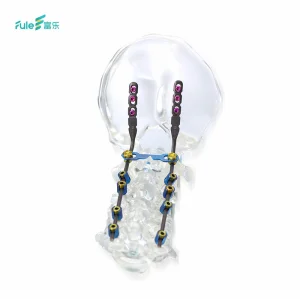
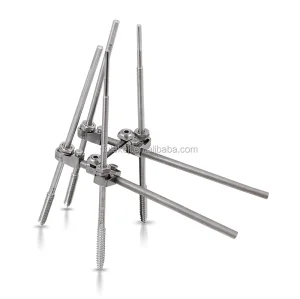
In complex spinal reconstruction and stabilization surgeries, the spinal rod system functions as the foundational scaffolding. These mechanical systems transfer load across compromised vertebral segments, allowing arthrodesis and fusion to occur while preserving structural alignments. Designing and manufacturing these systems requires deep clinical insight into spinal biomechanics, spatial kinematics, and material endurance under dynamic cyclic loading.

As a leading orthopedic manufacturer, our design philosophy integrates raw material integrity with advanced geometry to address the critical interfaces of spinal fixation: screw-to-rod connection strength, fatigue endurance, and implant-to-bone integration. Our systems utilize Grade 5 Titanium Alloy (Ti-6Al-4V ELI) and medical-grade PEEK (Polyetheretherketone) to balance high fatigue strength with an optimal modulus of elasticity, minimizing the risk of stress shielding and subsequent implant failures.

Ti-6Al-4V
Biocompatibility
Low elasticity modulus to reduce stress shielding and promote physiological healing pathways.
>5 Million
Fatigue Cycles
All fixation designs endure extensive dynamic fatigue testing replicating multi-axial physiological strain.
0.5µm
Surface Finish
Controlled roughness profile to optimize cellular adhesion and reduce frictional fretting debris.

2. Comprehensive OEM/ODM Industrial Capabilities

Decades of dedicated manufacturing expertise, raw materials tracking, and strict quality control operations.

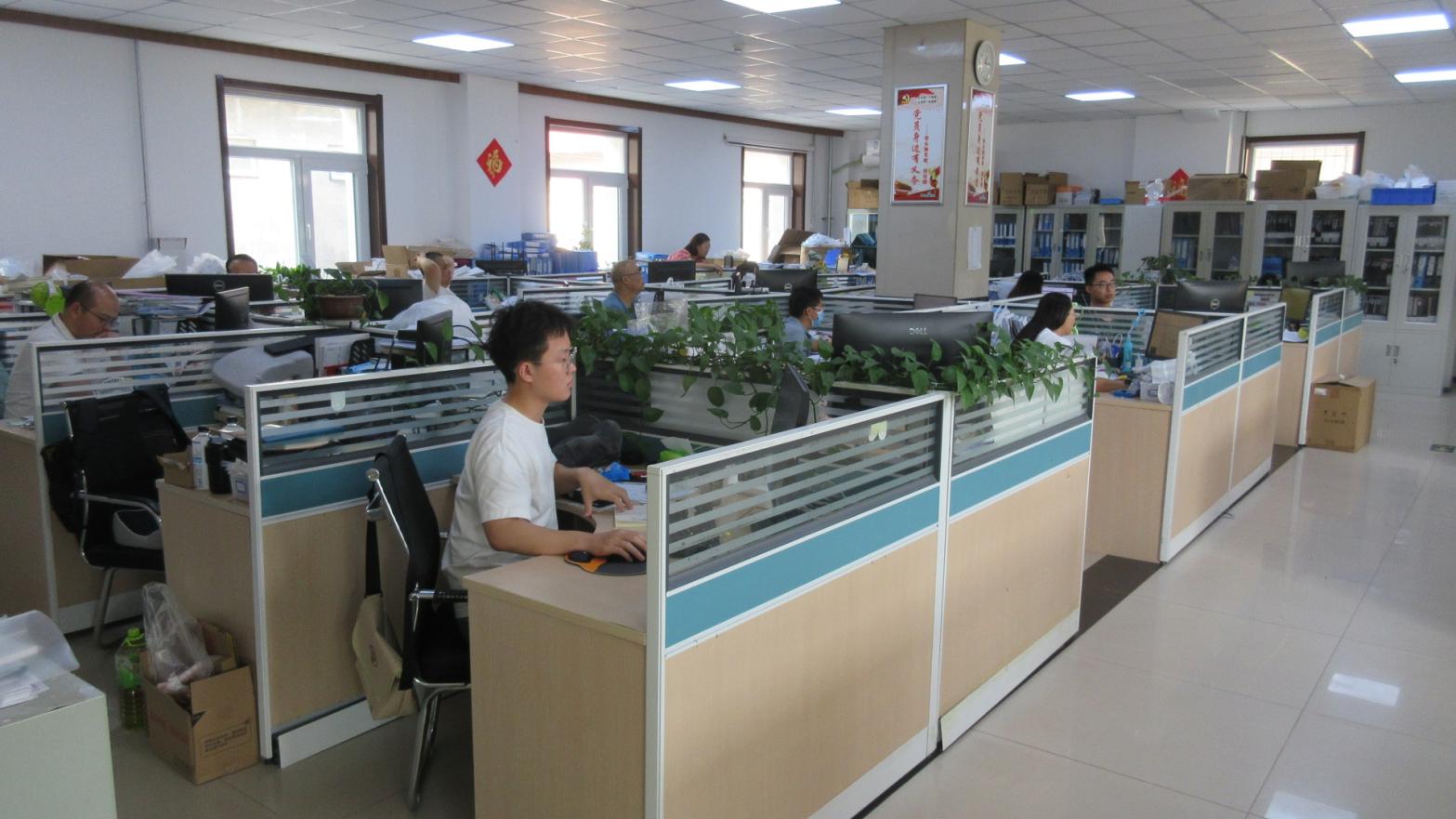
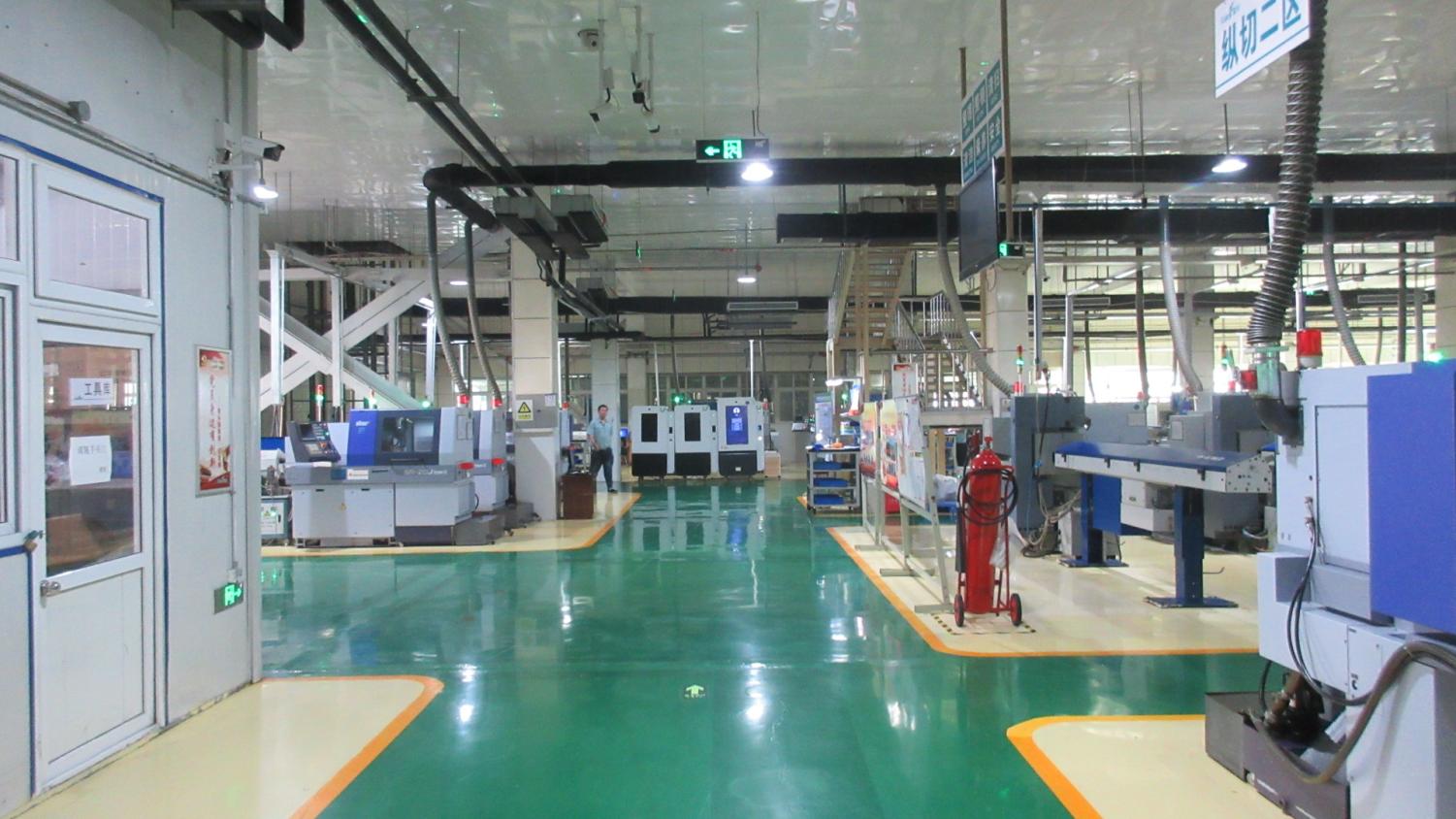
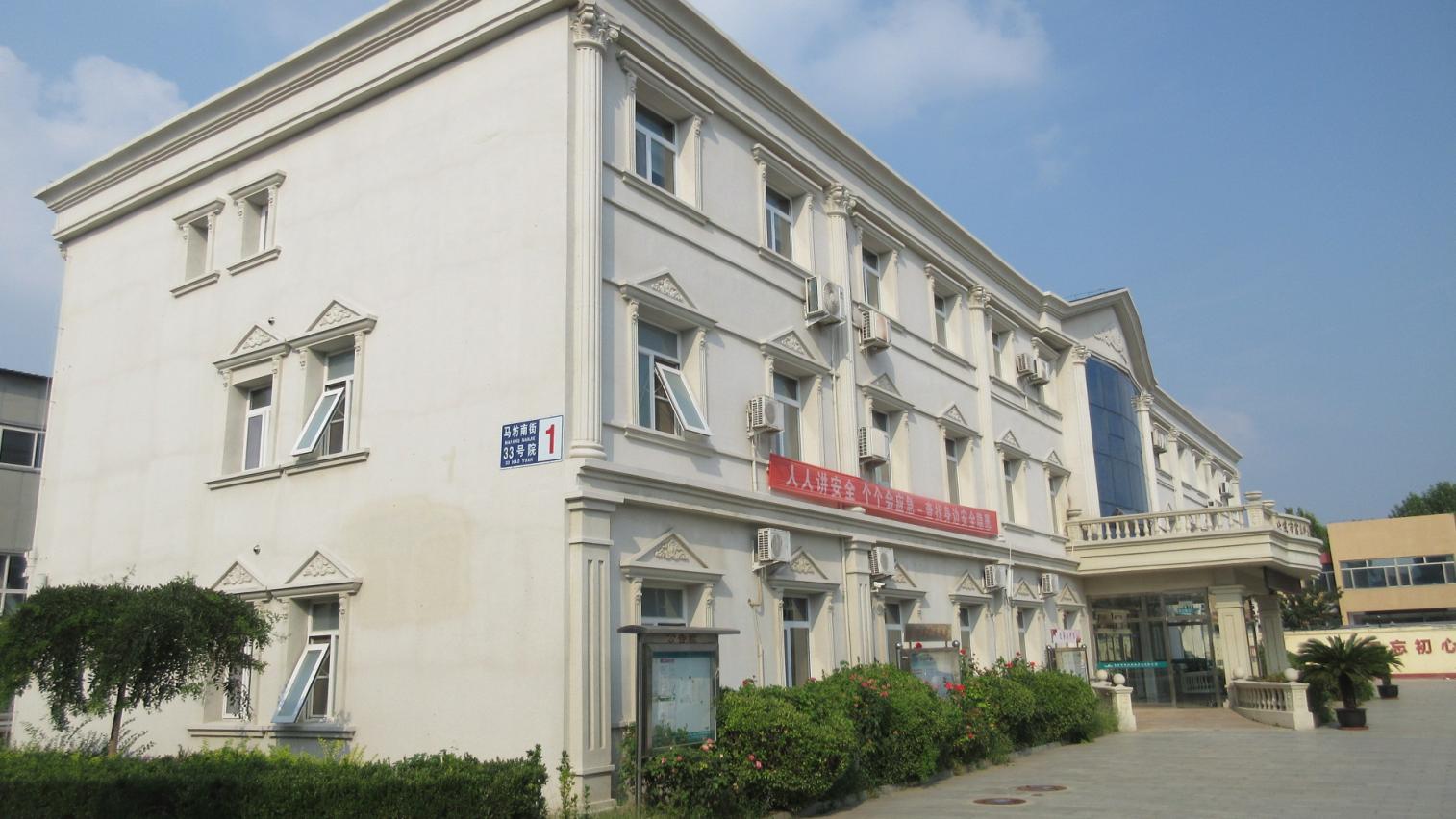
Our manufacturing complex represents the pinnacle of medical-grade fabrication. Founded in 1996, we bring 30 years of industry and export expertise to the global orthopedic sector. Operating from a state-of-the-art 10,000 square meter facility, our factory is engineered for complete compliance with high-regulatory standards, including ISO 13485 certification.

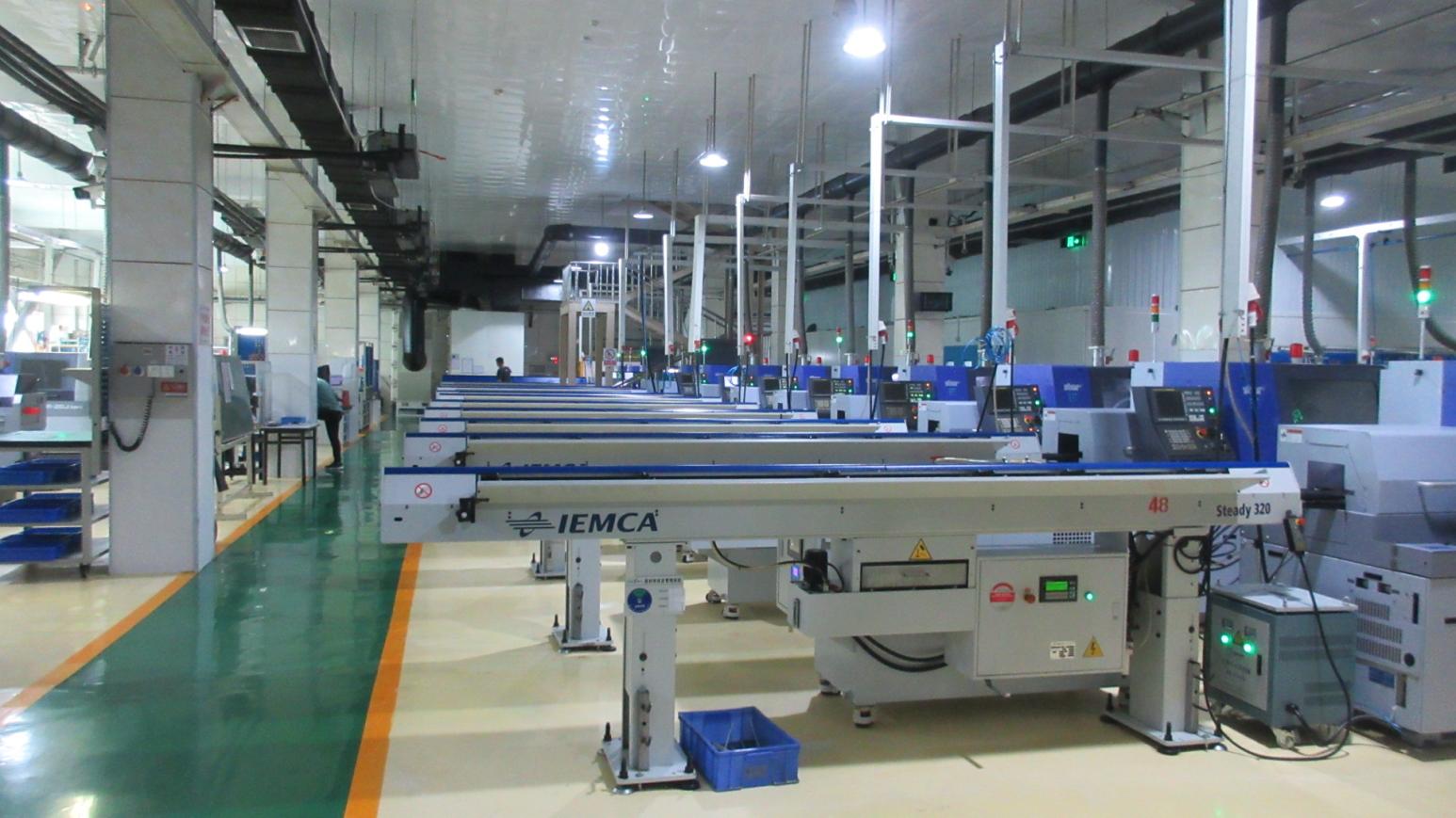
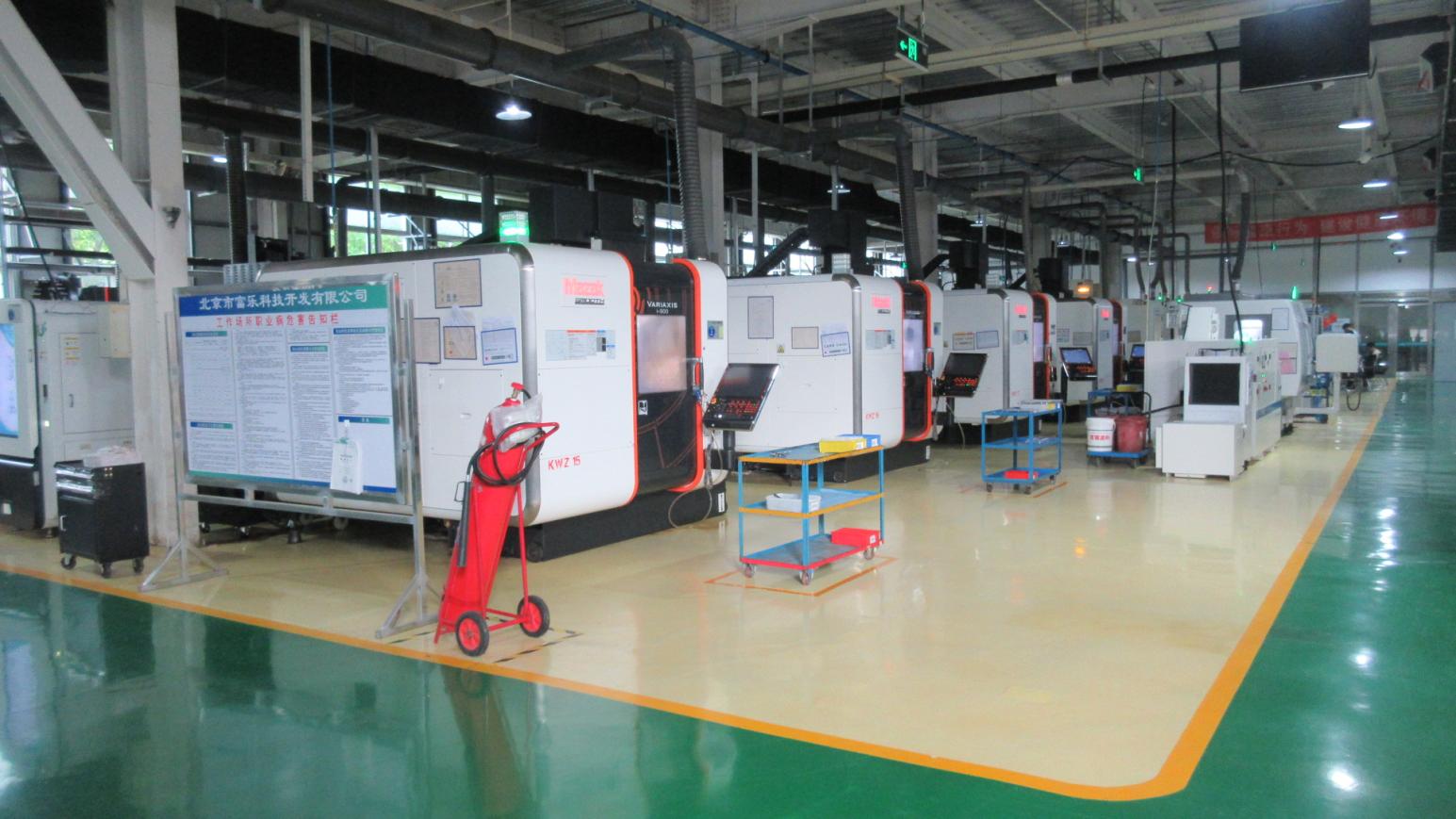
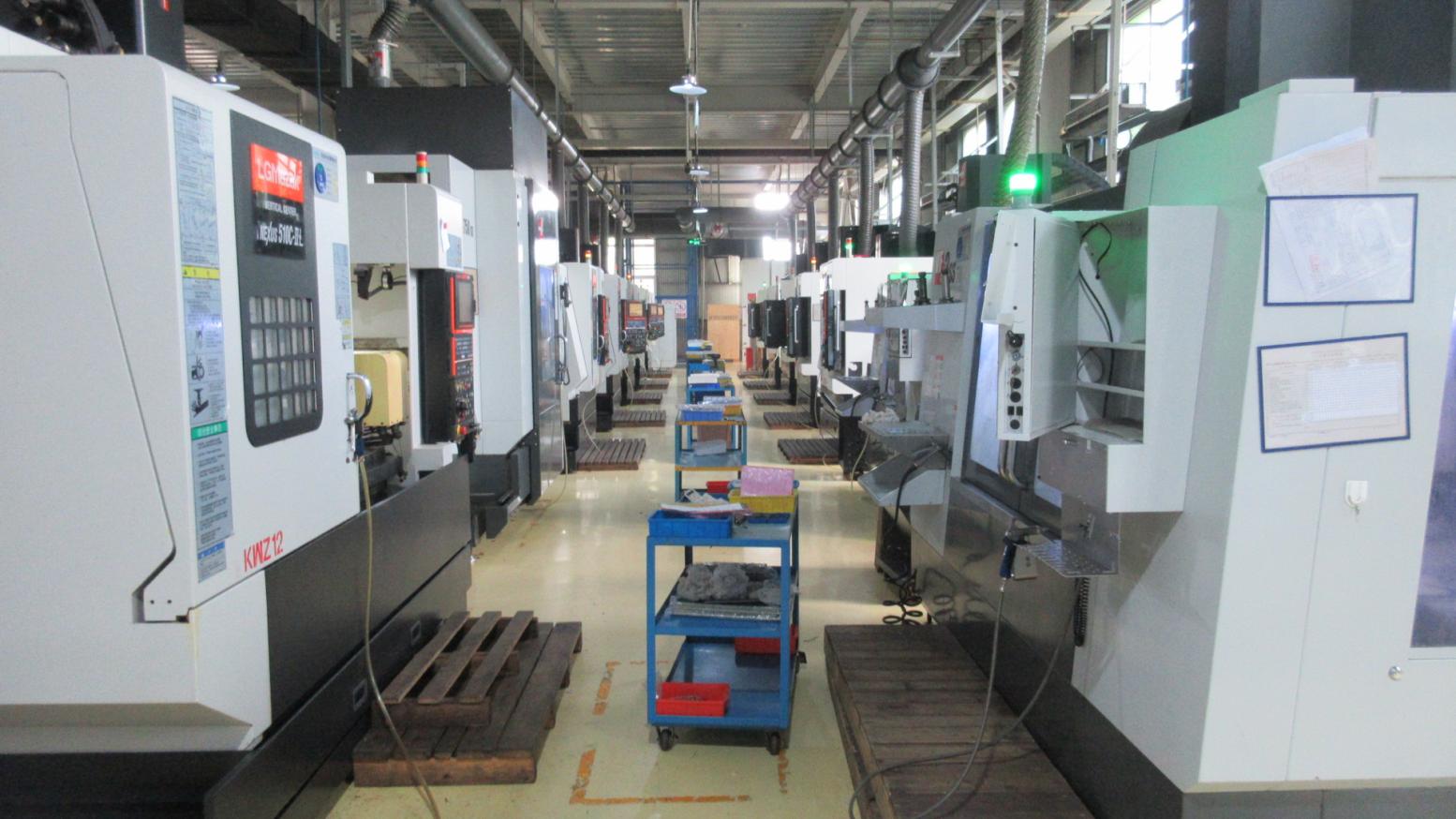
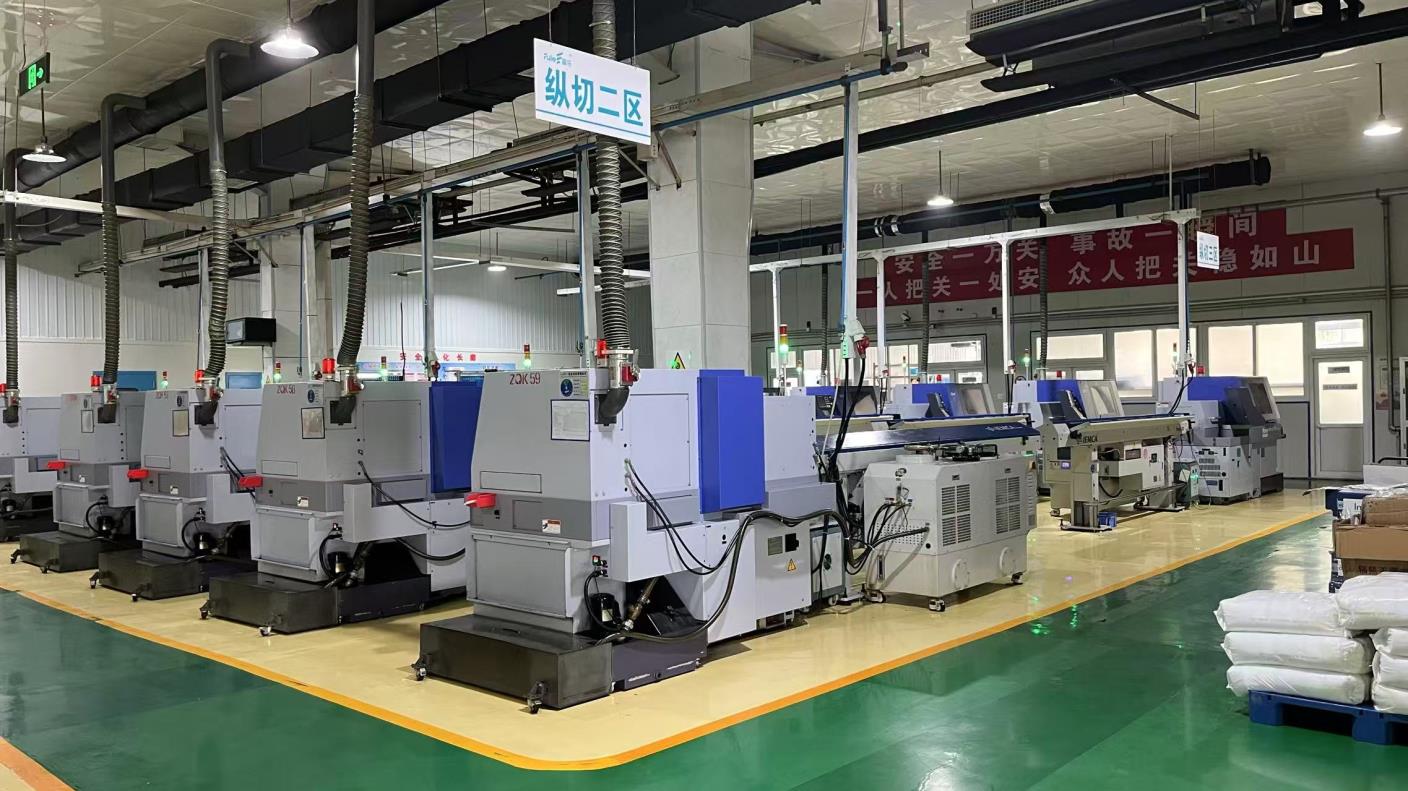
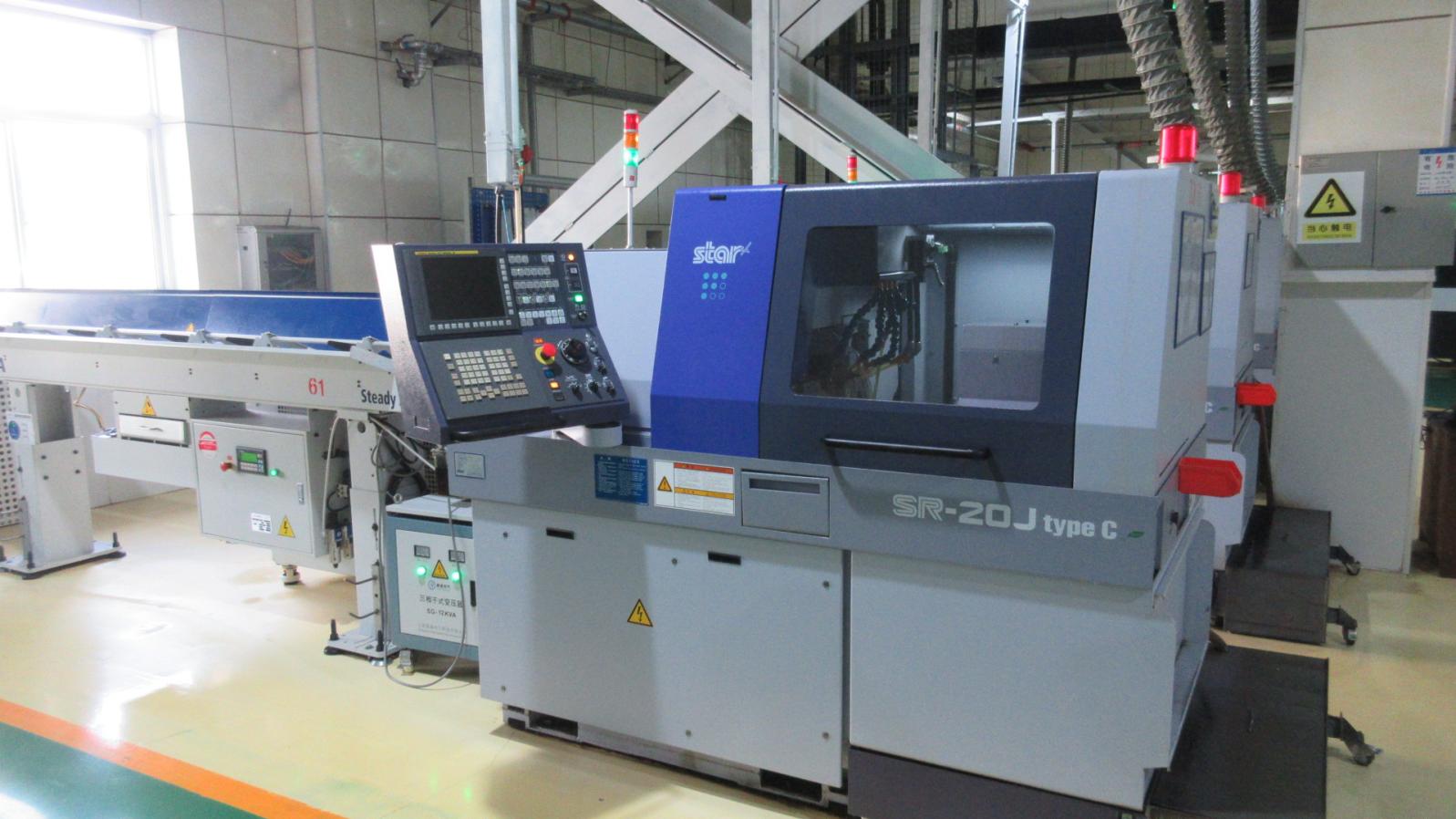
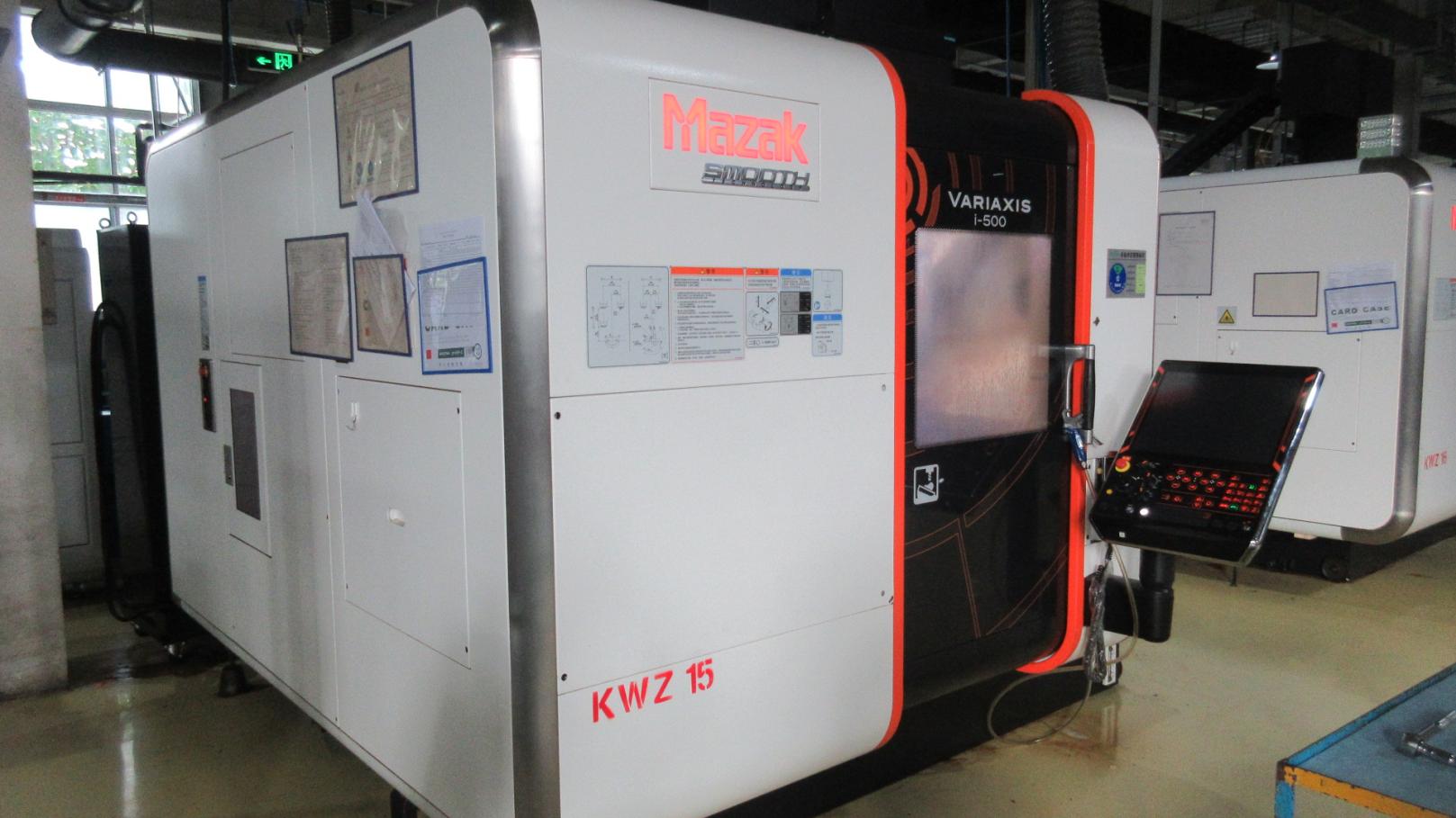
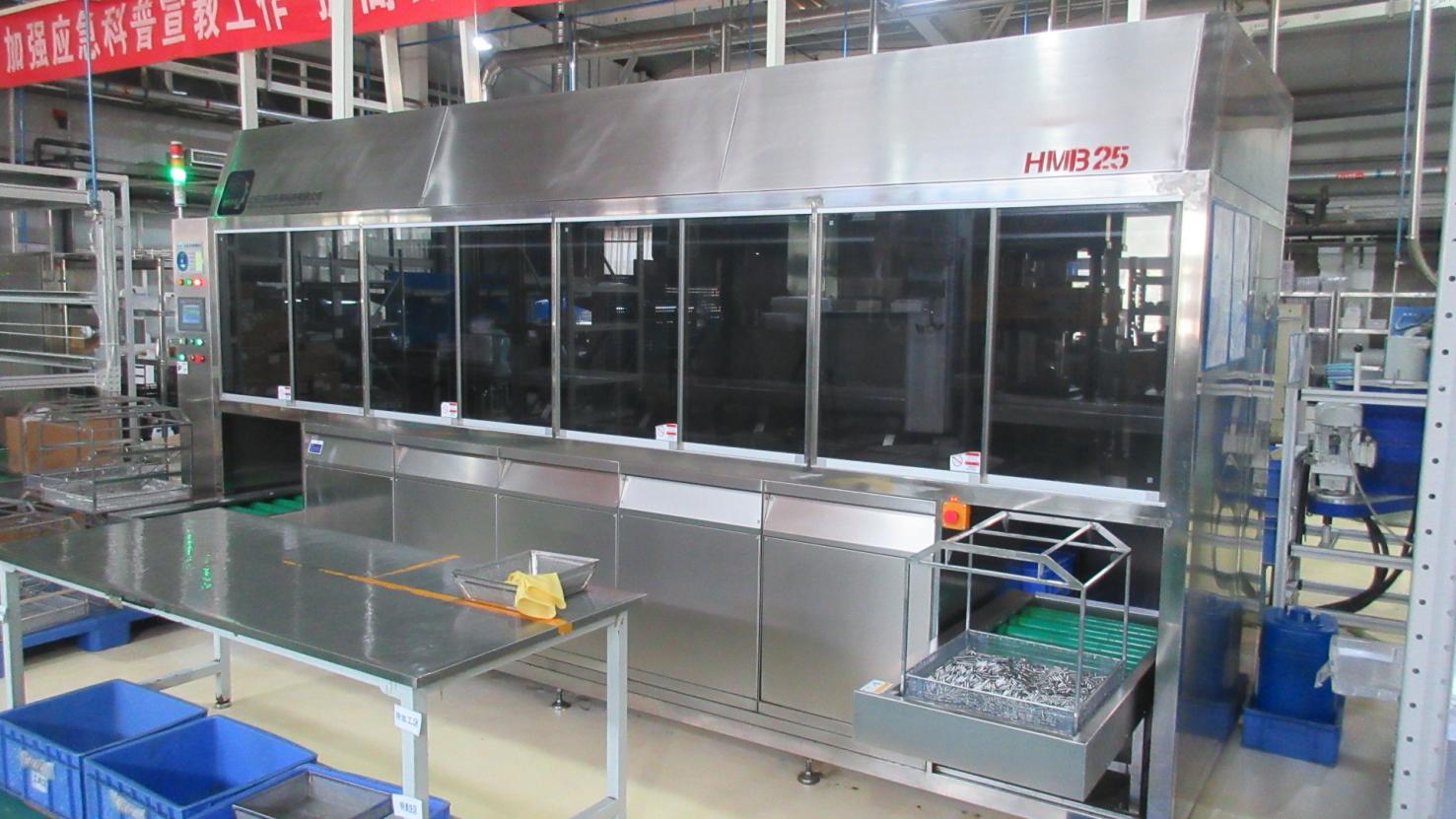
Our production capability is backed by 102 advanced high-precision production machines, including multi-axis CNC Swiss-type lathes, precision milling centers, and specialized anodizing lines. Under the strict supervision of 15 dedicated QA/QC inspectors, we enforce a strict 100% inspection rate across all lines, paired with complete traceability of raw materials from mill source to sterile package delivery.

1996
Establishment
Over 30 years of manufacturing clinical-grade implants.
10,200m²
Floor Space
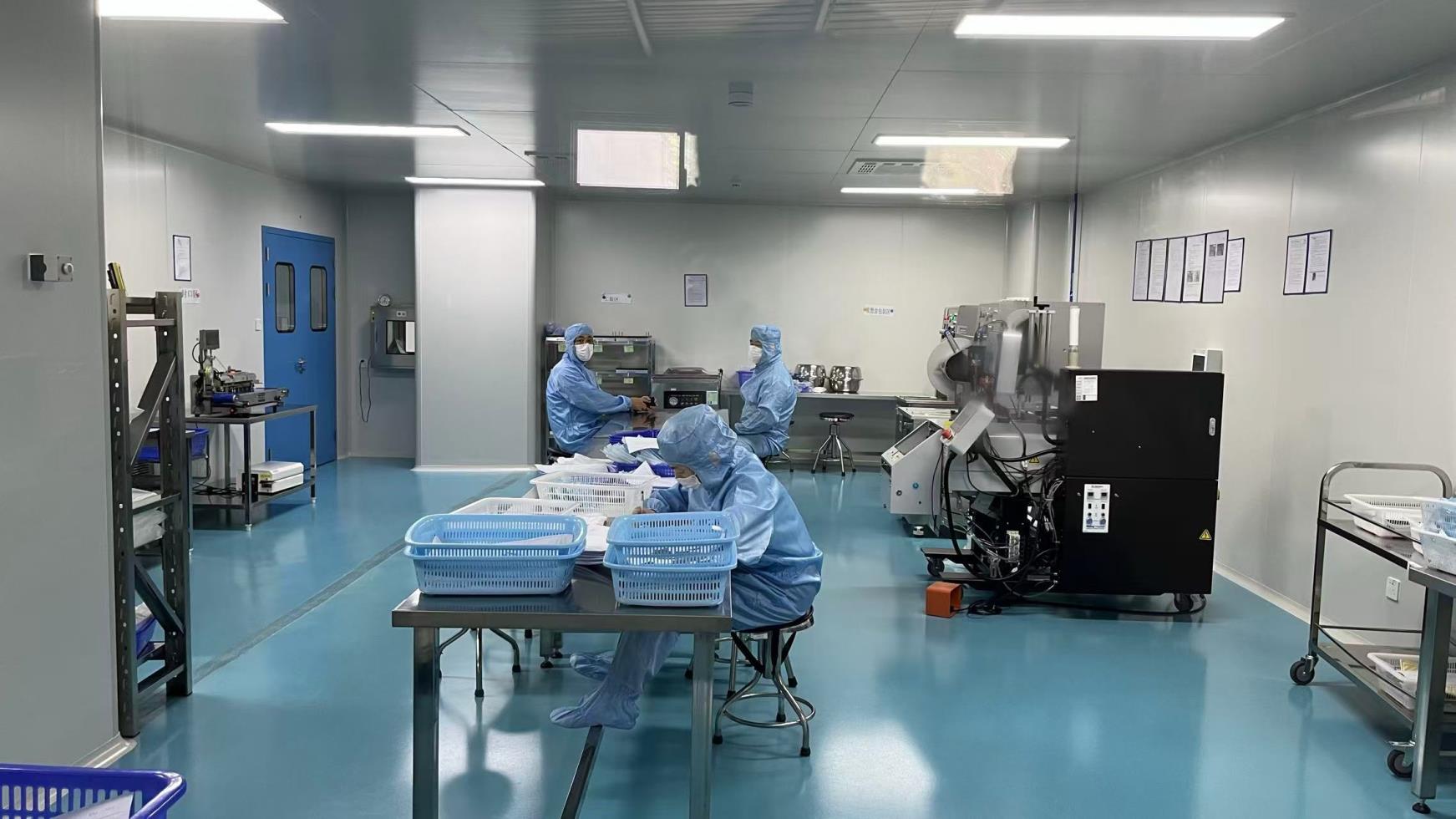
Vast cleanrooms and automated CNC facilities.
511,000+
Annual Output (Units)
Scaling supply lines to meet high global distributor volumes.
100%
QA Traceability
Complete transparency of raw materials from melt source to sterilisation.

3. Strategic Competitive Advantages of Chinese Orthopedic Manufacturing

Integrating supply chain agility, engineering depth, and cost efficiency for international medical brands.

In the highly competitive medical device procurement ecosystem, Chinese manufacturing platforms provide a unique combination of speed, cost management, and precision engineering. Our plant is located at the center of a dense industrial medical supply chain network, allowing us to source premium materials and tooling components instantly.

This localized ecosystem allows us to achieve significant economies of scale without compromising on quality control. Backed by our 20-member R&D team (consisting of 15 post-graduates and 5 senior technical engineers), we can rapidly iterate designs, create functional prototypes, and adapt systems to match customized surgical practices. We launch an average of 20 new products annually, keeping our OEM/ODM partners ahead of technological curves.

Key Technical Advantages:

Vertical Supply Networks: Direct integration with premium titanium alloy suppliers guarantees clean raw stocks, reducing material variations.
Advanced Production Systems: Automated multi-axis milling ensures tight mechanical tolerances (+/- 0.01mm) on intricate locking mechanisms and thread patterns.
Global Regulatory Assistance: Comprehensive clinical and testing documentation supports smoother transitions through CE, FDA, and local product registrations.

4. Macro-Level Clinical Solutions: Addressing Complex Spinal Pathologies

From pediatric scoliosis correction to geriatric osteoporotic stabilization.

Modern spinal pathologies are highly complex, requiring specialized implant solutions for diverse patient demographics. Our portfolio includes specialized sub-assemblies for various clinical scenarios:

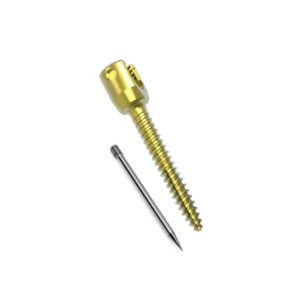
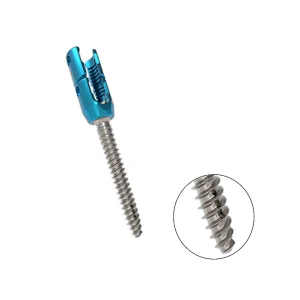
  • Degenerative Disc Disease (DDD) & Spondylolisthesis: Rigorous stabilization utilizing our Posterior Lumbar Interbody Fusion (PLIF) and Transforaminal Lumbar Interbody Fusion (TLIF) cages, combined with polyaxial pedicle screws for structural realignment.
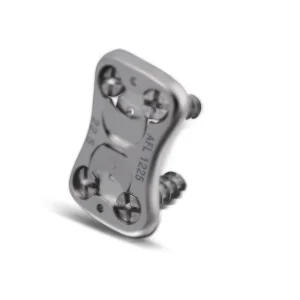
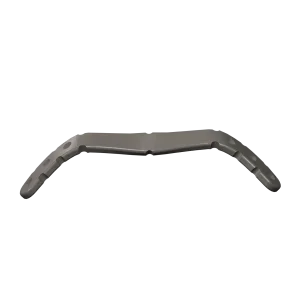
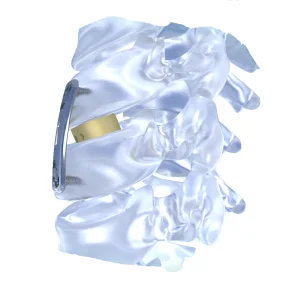
  • Deformity Correction (Scoliosis & Kyphosis): Customized anterior cervical plates and posterior rod systems that provide the rigidity and bendability needed to guide complex spinal realignments.
  • Osteoporotic Stabilization: Dedicated expandable bone-cement injection pedicle screws (such as the COX II Expandable System) that increase screw anchorage in weakened trabecular bone, minimizing the risk of post-operative screw pullout.
MIS
Minimally Invasive Spine
Low-profile implant profiles and percutaneous cannulated screw pathways to protect soft tissues.
COX II
Osteoporosis System
Advanced expandable fixation with integrated cement-injection ports for high pull-out resistance.
Cervical
CFS ZJX System
Compact, low-clearance posterior cervical fixation systems designed for complex anatomy.

5. Global Procurement Dynamics & Strategic Risk Management

Optimizing lead times, import procedures, and regulatory compliance for global medical networks.

Procuring surgical implants across international borders requires navigating complex quality, regulatory, and logistics standards. As an exporter with three decades of experience, we optimize every stage of the supply chain:

Dossier Assistance: We provide full documentation packages, including raw material mill certificates, biocompatibility reports, cleanroom validation audits, and mechanical testing results (ASTM F1717 / ASTM F543).

Supply Chain Security: With 70 trusted supply chain partners, we secure high-grade raw titanium and PEEK stocks, insulating our global distributors from market volatility and keeping delivery schedules on time.

6. Future Technological Trends in Spinal Instrumentation

How advanced biomaterials, additive manufacturing, and digital workflows are reshaping spine surgery.

The spinal fixation sector is evolving rapidly, driven by advanced engineering and clinical demand. Key developments include:

  • Additive Manufacturing (3D Printing): Utilized to create porous implant structures that mimic trabecular bone, accelerating osseointegration.
  • Intelligent Surgical Navigation: Aligning screw and rod designs with robotic platforms for highly accurate pedicle screw placement.
  • PEEK-Optima and Carbon Composites: Providing radiolucent options that allow clear imaging of fusion progress under X-ray and CT scans.

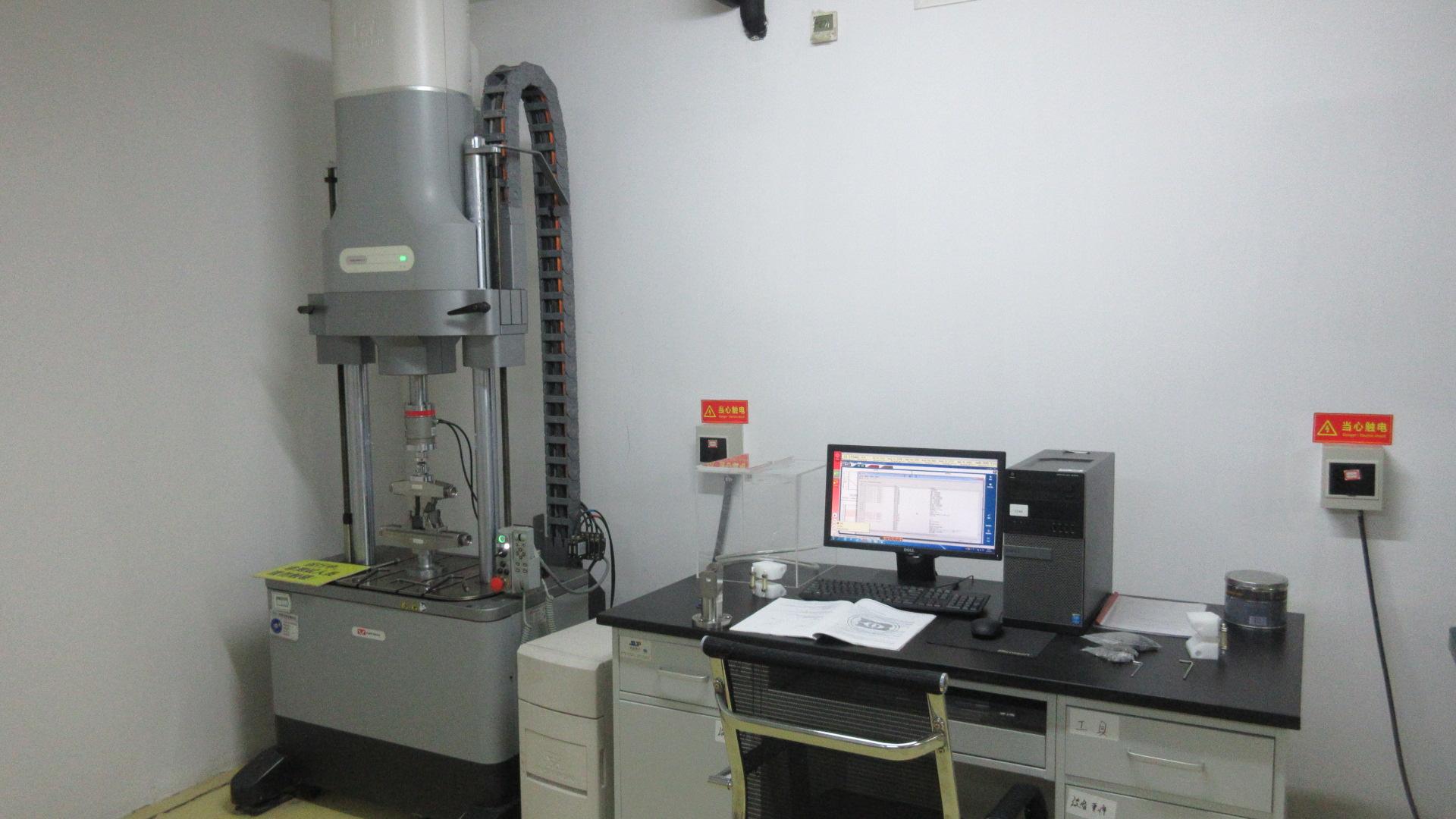
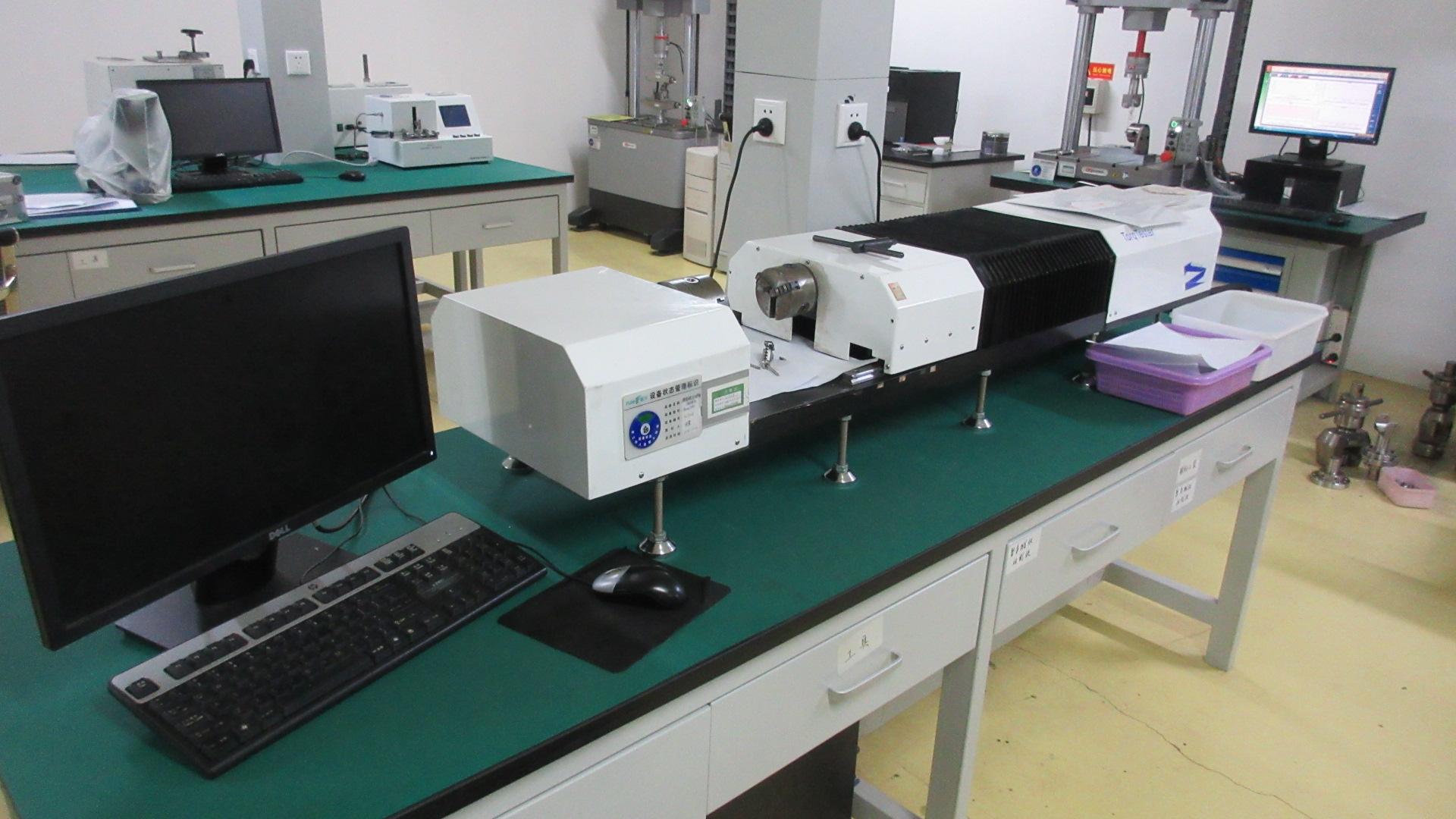
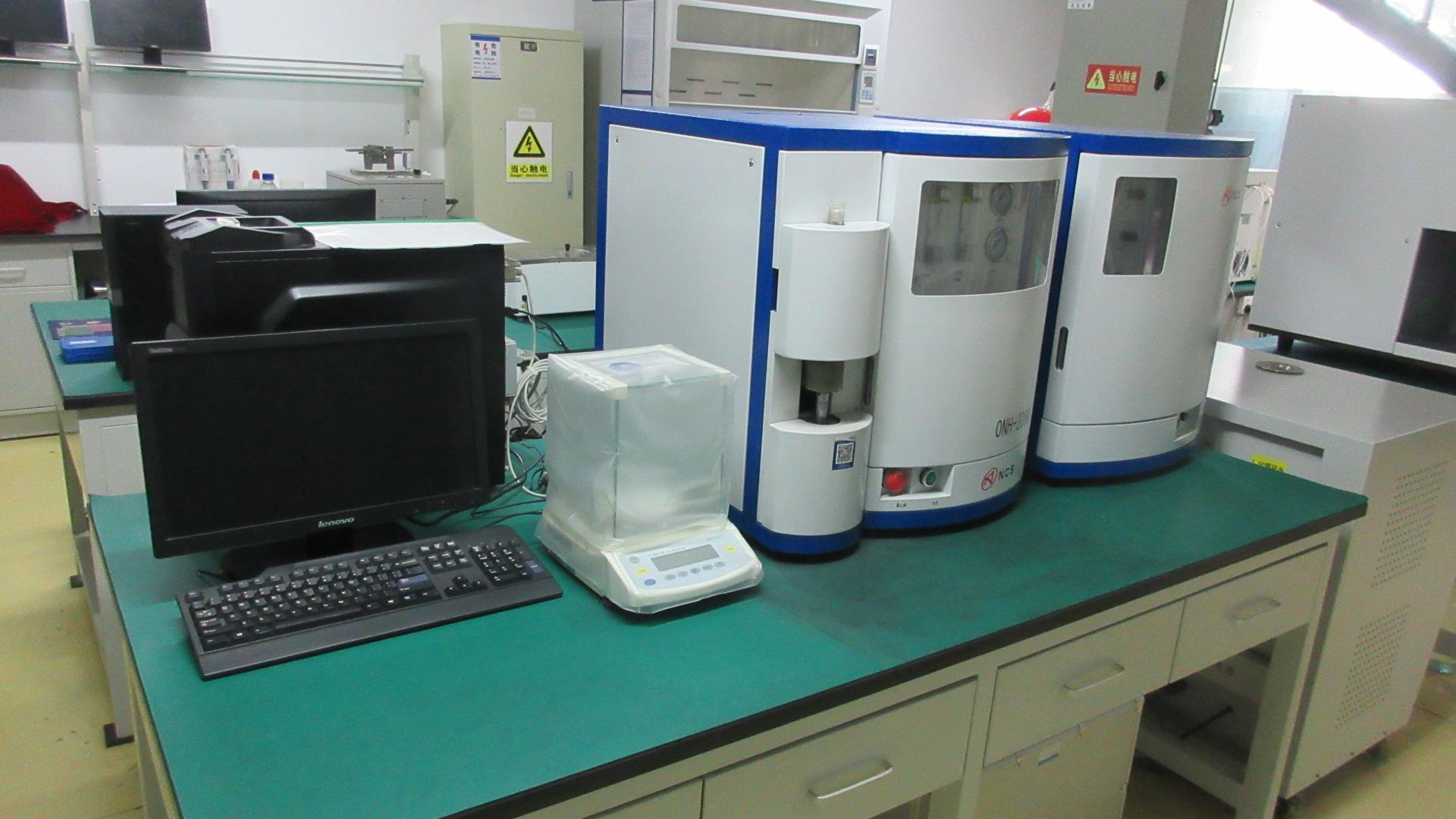
7. State-of-the-Art Production Facility & Infrastructure

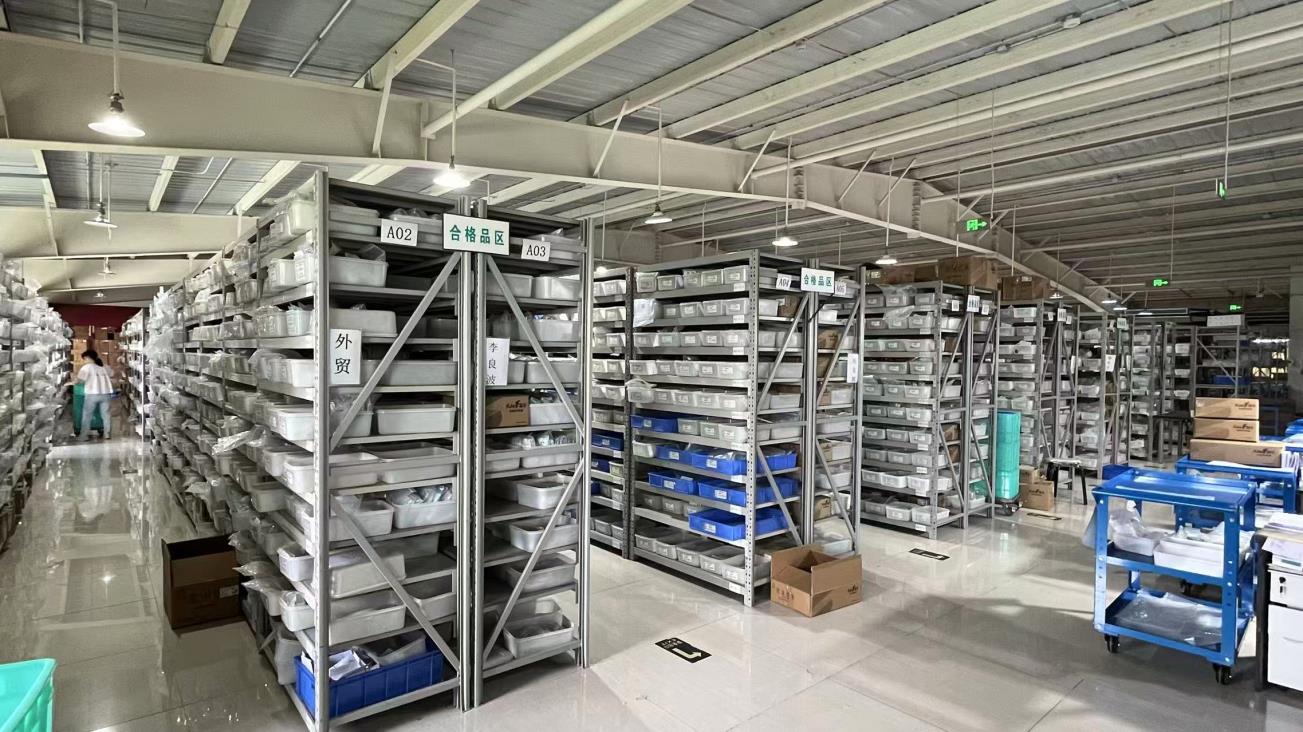
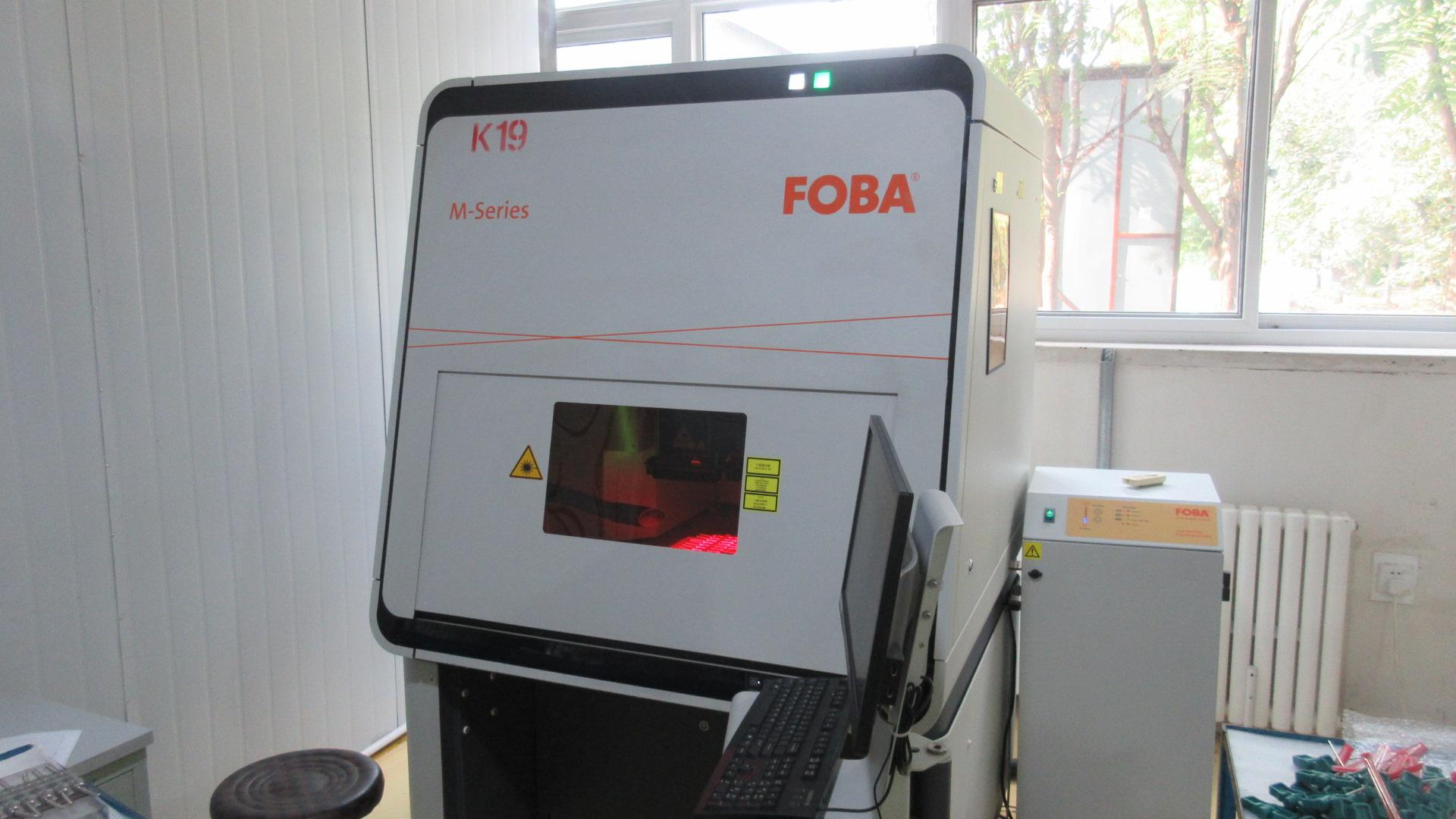
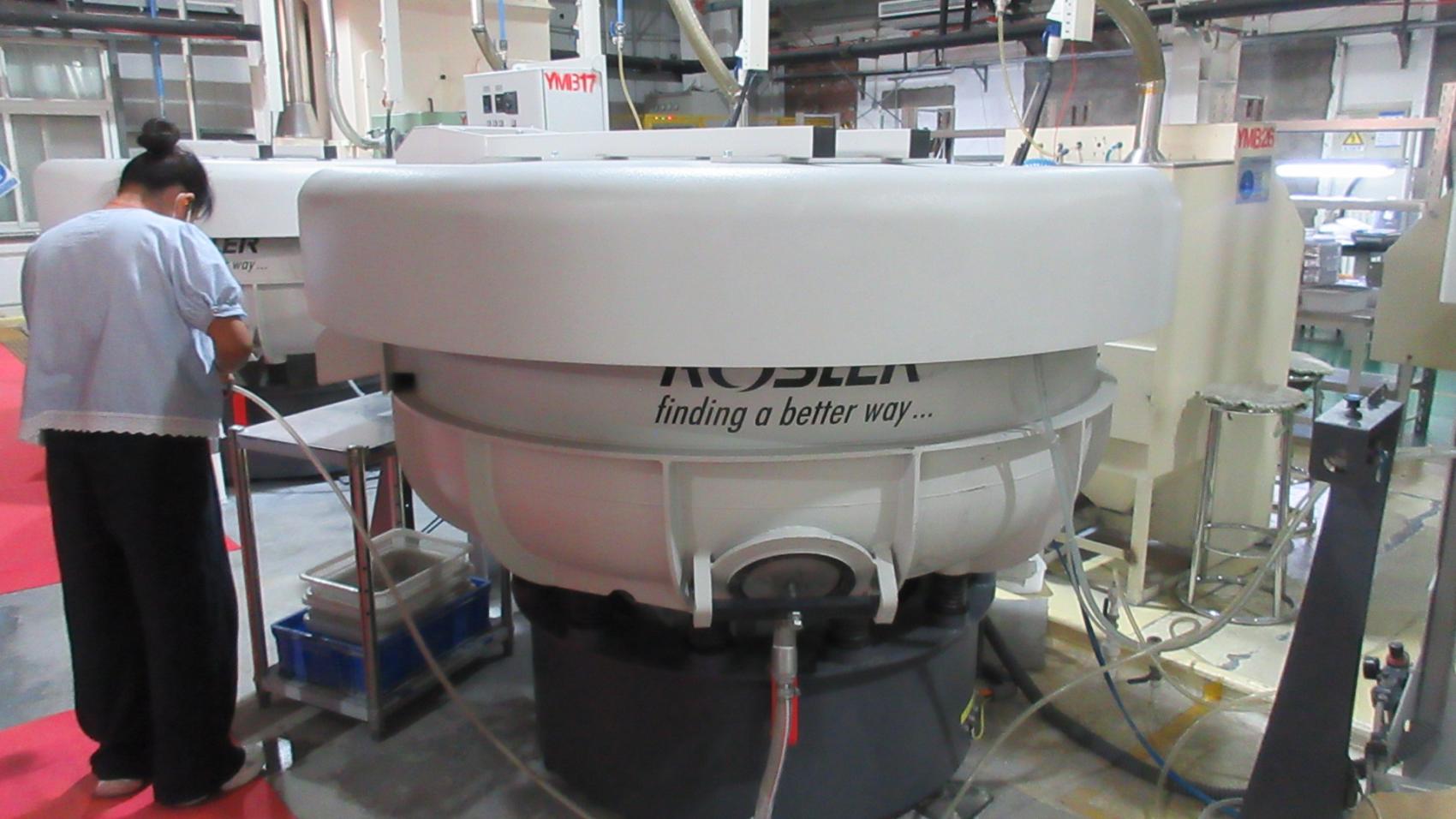
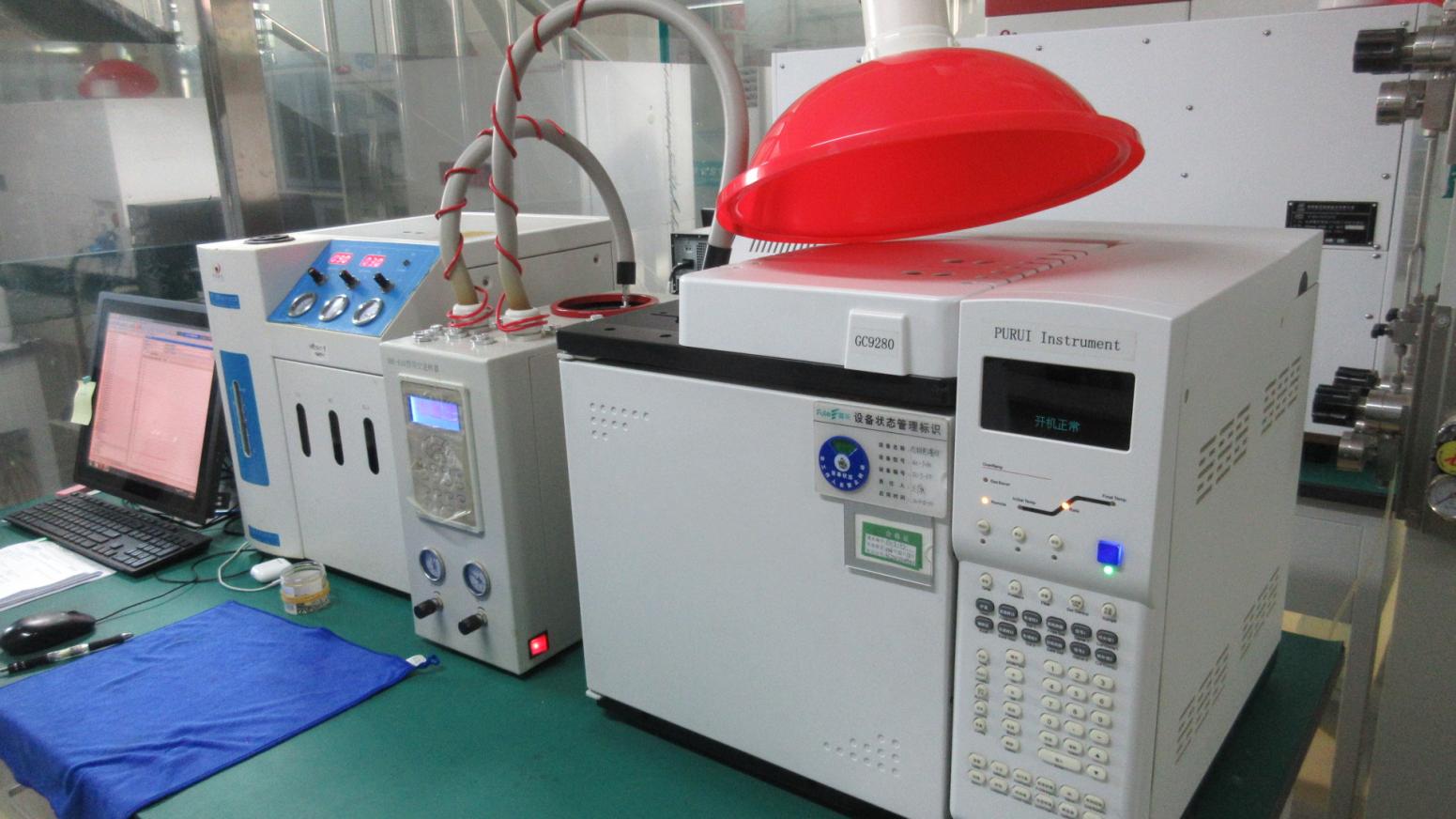
Real views from our CNC machining zones, ISO cleanrooms, and testing facilities.
Company Profile & Certifications

Verified infrastructure details, factory metrics, and regulatory standards.

Overview
Registration Date: 1996-06-28
Floor space: 10,000 m²
Years exporting: 30
Years in industry: 30
Languages: English
Production & QA Capabilities
Production lines: 1
Annual Output: 511,000 units
Production machines: 102
Raw material traceability: Yes
Quality control: Conducted on all lines
QA/QC Inspectors: 15
Trade & R&D Profile
Main markets: Domestic (40%), Eastern Europe (15%), Southeast Asia (10%)
Supply chain partners: 70
R&D engineers: 20 (15 graduate, 5 junior college)
New products launched last year: 20

Official ISO Certification

ISO 13485 (Certificate No: 04724Q10000818) - Certified Medical Device Quality Management System.

ISO 13485 Certified

Frequently Asked Questions (FAQ)

Providing technical answers for procurement directors, product managers, and distributor partners.

Q1: What materials are utilized in your spinal rods and pedicle screws? +
Our products are manufactured using biomedical-grade titanium alloy (Ti-6Al-4V ELI) conforming to ASTM F136 specifications. This alloy provides high tensile strength, fatigue resistance, and biocompatibility. We also supply select interbody components in clinical PEEK (Polyetheretherketone).
Q2: How do you ensure raw material traceability for international exports? +
Every batch of raw titanium bar stock is cataloged with a mill certificate and internal batch number. All manufacturing stages—including CNC machining, surface anodizing, cleaning, and sterilization—are tracked in our ERP system. This allows full historical traceability from the source material to the finished sterile package.
Q3: Do your spinal implant systems carry CE and ISO certifications? +
Yes, our manufacturing facility operates under a certified ISO 13485 quality management system. Key product lines, including our pedicle screw systems and fusion cages, are CE marked, allowing for clinical application and sale in European markets and countries that accept European standards.
Q4: What is the typical lead time for custom OEM/ODM spinal system runs? +
Typical production run timelines range between 45 to 60 days, depending on geometry complexity, surface finish requirements, and packaging. Simple modifications or branding adjustments can often be expedited.
Q5: Can you manufacture custom surgical instrumentation sets? +
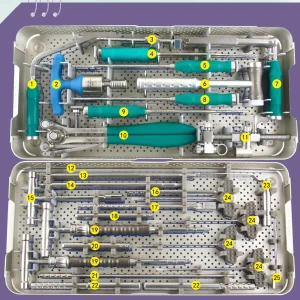
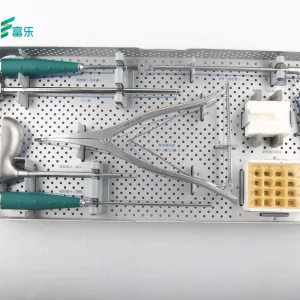
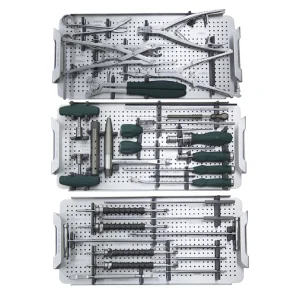
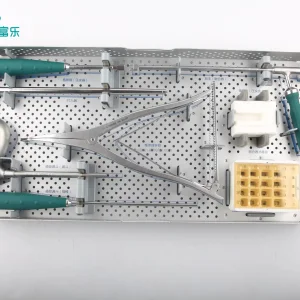
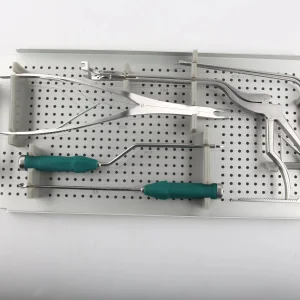
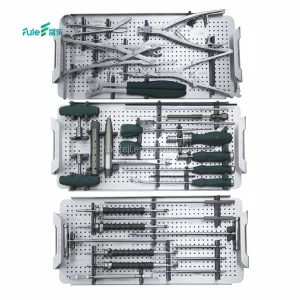
Yes, we offer design and manufacturing services for specialized surgical instrument sets, including screw inserters, rod benders, distraction tools, and sterilization trays. We provide complete solutions combining implants and matched insertion tools.
Q6: How do you run quality control testing on spinal rods? +
We perform dimensional inspection using optical comparators, micrometers, and Coordinate Measuring Machines (CMM). Mechanically, designs are tested under ASTM F1717 and ASTM F543 protocols, which cover static and dynamic fatigue, torsion resistance, and screw pull-out force.
Q7: Are your products shipped sterile or non-sterile? +
We offer both options. Implants can be shipped non-sterile in bulk protective packaging for local sterilization, or pre-sterile in double-barrier blister packs sterilized via Gamma radiation or Ethylene Oxide (EO).
Q8: What is your minimum order quantity (MOQ) for custom manufacturing? +
MOQs depend on tooling setup requirements. For standard implant configurations with custom branding, MOQs generally start at 100 units. For fully custom implant geometries, MOQs are determined during the engineering and feasibility review.