Tension band wiring represents a fundamental, classic biomechanical principle in orthopedic trauma surgery. By converting destructive tensile (distractive) forces at the joint line into constructive, dynamic compressive forces across the fracture interface, it achieves rapid, rigid internal stabilization. This occurs when the patient flexes or loads the affected joint dynamically, accelerating bone healing and remodeling.
Traditionally utilized for fractures prone to significant muscular distraction, tension band wiring is the premier approach for managing fractures of the patella, olecranon, and medial malleolus. The mechanical system relies on an interplay between longitudinal Kirschner wires (K-wires), which stabilize rotation and translation, and a figure-of-eight cerclage loop that acts as the tension band itself. Achieving clinical excellence requires surgical wires with optimized yield strengths, high fatigue resistance, and specific surface treatments to avoid mechanical failure.
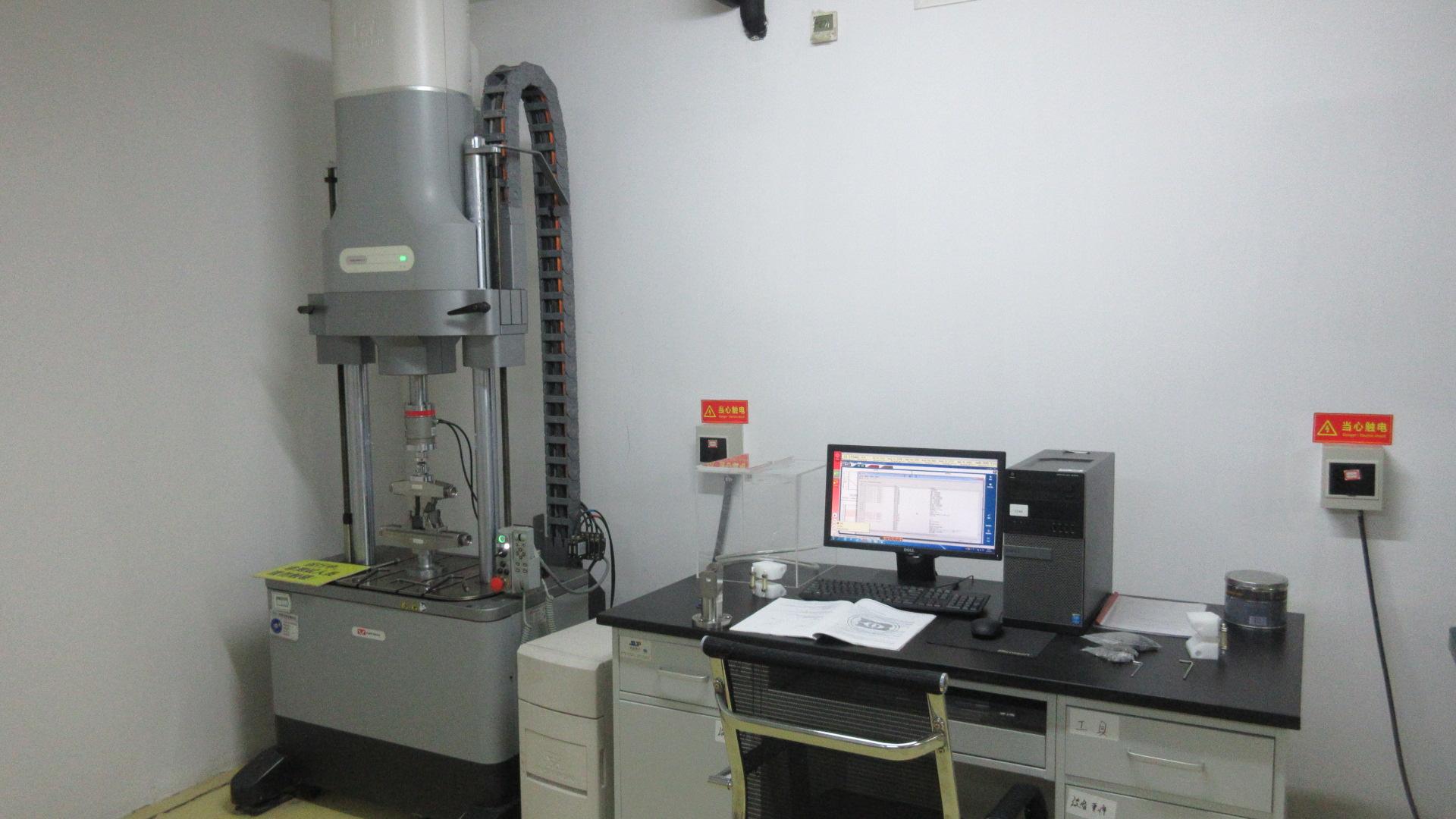
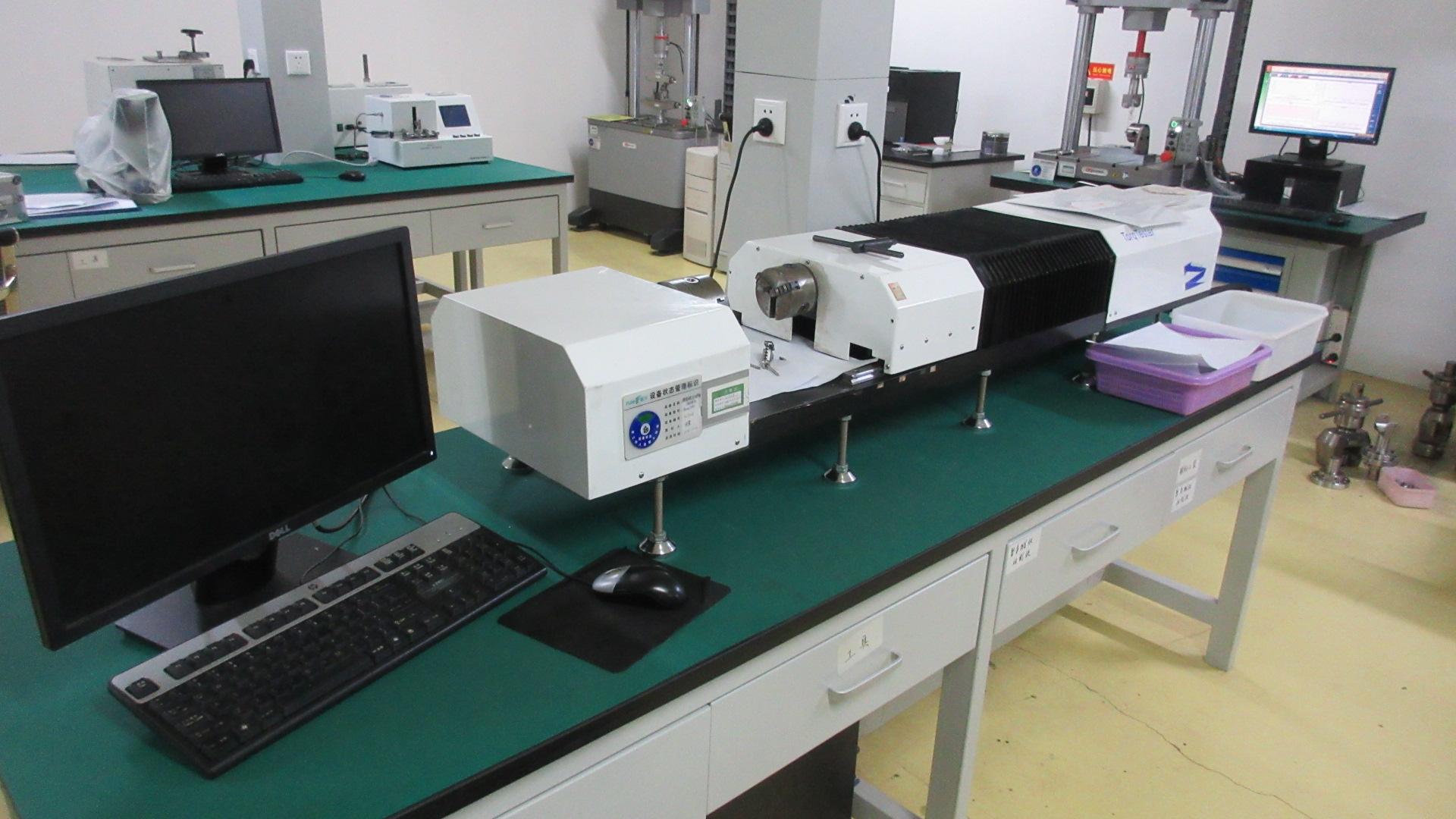
Yield Strength (Rp0.2): Determines the limit of elastic deformation. Pure surgical grade 316LVM steel ensures structural shape under high stresses.
Elongation Rate: Optimized to permit uniform twisting and tensioning without micro-fracturing the metallic crystal lattice.
Kink-Resistance: Vital for passing wires through bone tunnels or soft tissues without physical deformation or surface scoring.
We source and process raw biocompatible metals including vacuum-melted 316LVM (ASTM F138) and Titanium Grade 5 (Ti6Al4V ELI, ASTM F136), optimizing high-fatigue limits for trauma setups.
We manufacture wires with diameters from 0.8mm to 2.0mm, pre-cut wire loops, double-pointed pins, and customized trocar tips to fit your distinct surgical instruments kit.
Our proprietary electrochemical passivation techniques create a dense, corrosion-resistant oxide layer. Wires are prepared for sterile container packaging according to strict ISO 11607 validation.
The field of fracture fixation is transitioning toward smart implants and bioresorbable materials. Our R&D division is focused on designing and analyzing magnesium alloy and bio-glass wires that offer early-stage mechanical stabilization but dissolve gradually as real bone repairs, eliminating the need for a secondary device removal operation.
Furthermore, shape memory alloys (Nitinol) are being optimized for tension band wiring systems. These materials produce uniform, continuous compression at the fracture site by utilizing core physical parameters such as body temperature activation, compensating for wire loosening due to bone micro-resorption over time.
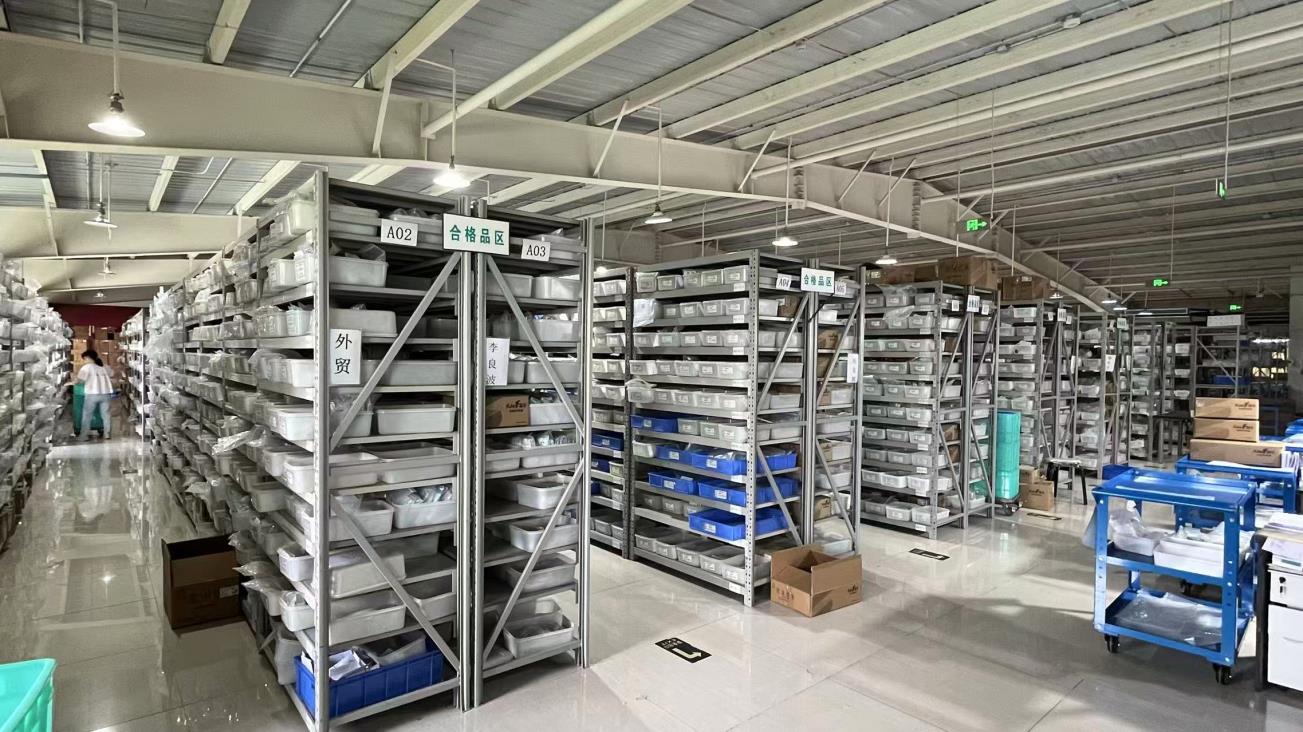
Leveraging over 30 years of surgical implant fabrication experience, our production center integrates vertical processing from raw material testing to micro-machining and sterile packaging. This comprehensive infrastructure ensures price stability, rapid scalability, and compliance with the stringent requirements of regulatory agencies around the world.
Our quality management system is fully aligned with global medical demands, including standard registration dossiers and sterile testing protocols.
Our facility operates under an ISO 13485 certified quality management system. Each manufacturing step, from raw metal melt selection to final passivation testing, is fully documented to ensure compliance.
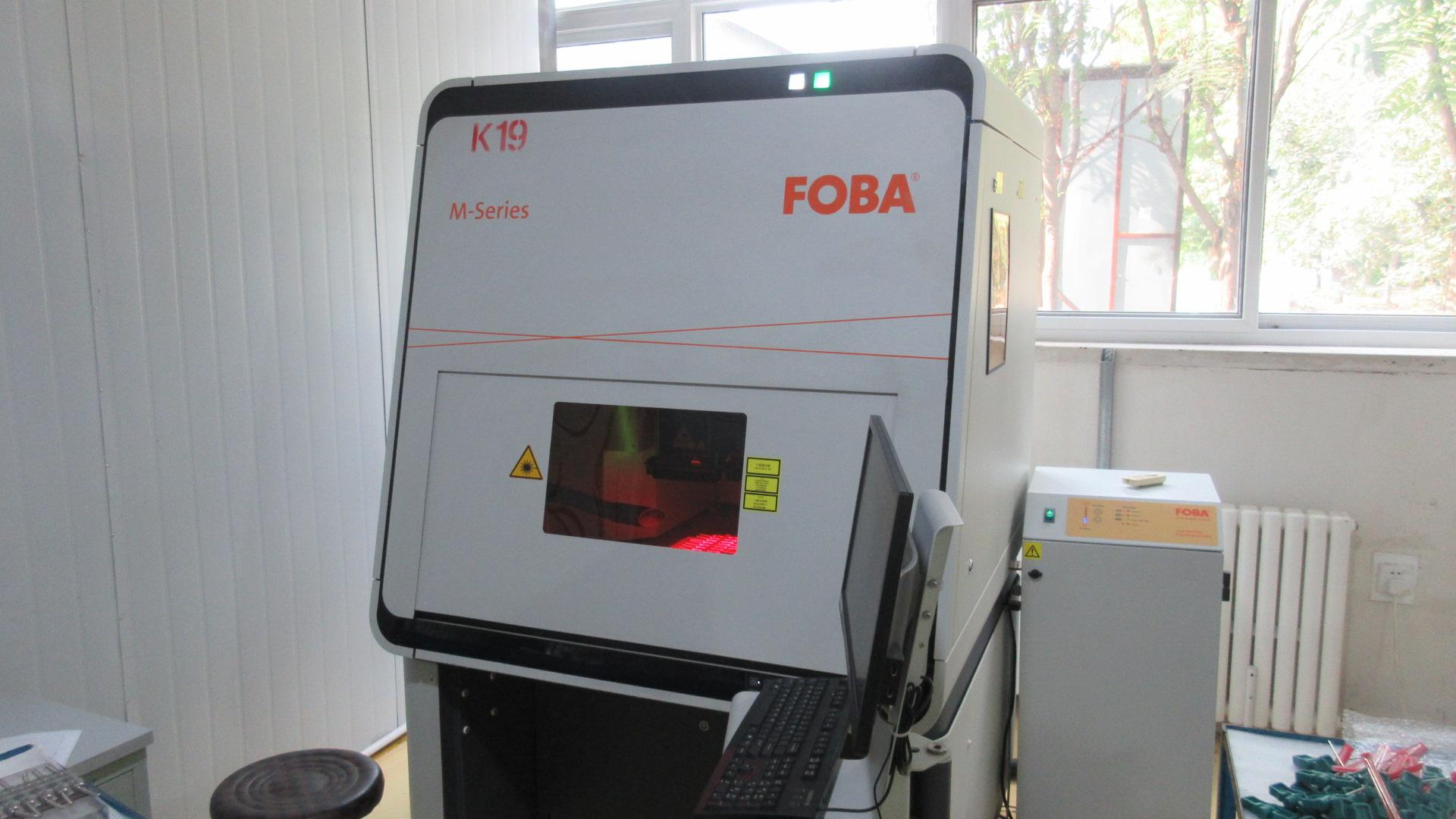
We utilize unique batch marking and UDI laser marking systems, allowing clinics and hospitals to trace raw material chemical composition and quality records.
We offer localized regulatory support, complete registration dossiers (STED format), and direct packaging options, reducing clearance timelines and time-to-market.
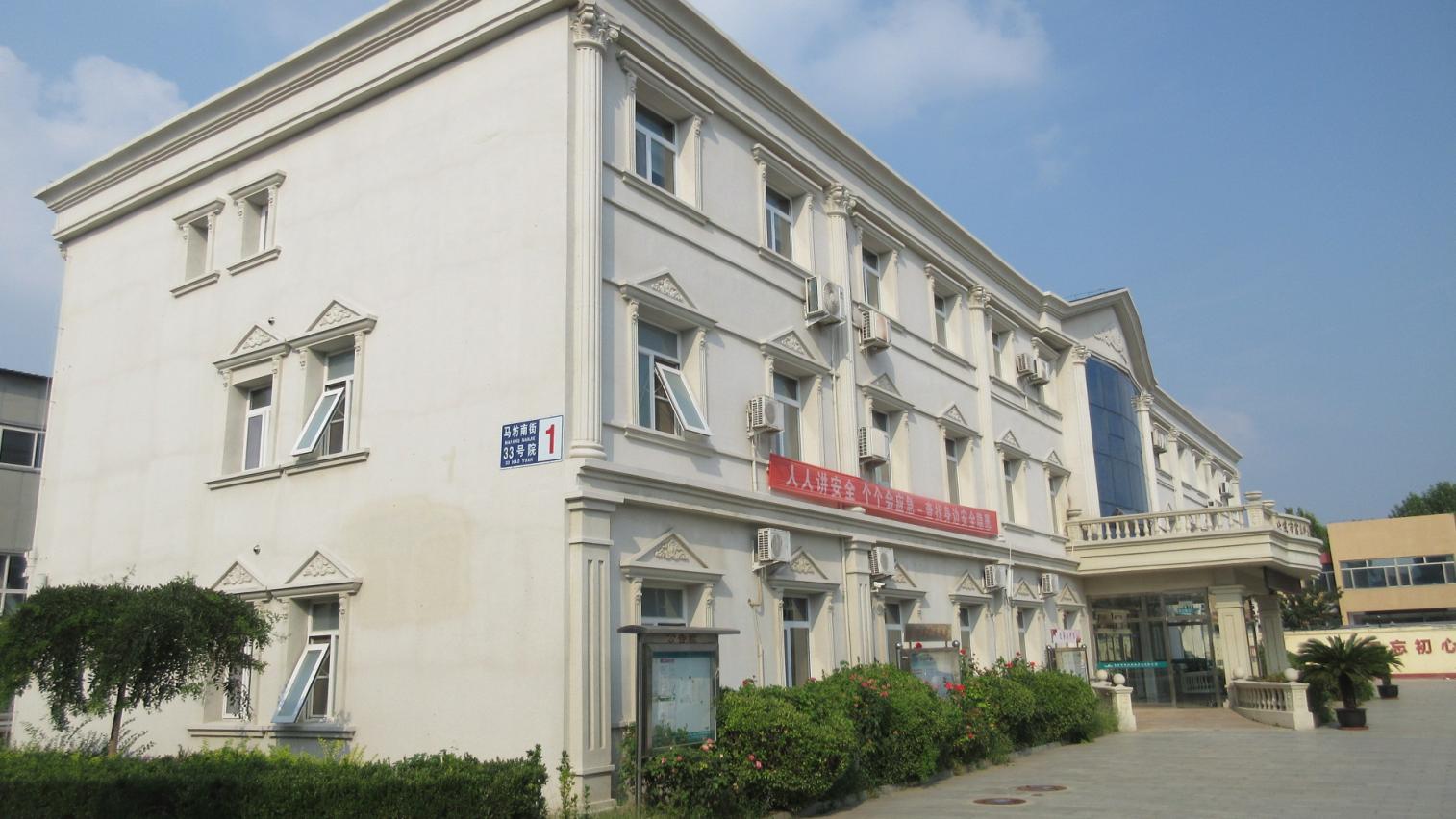
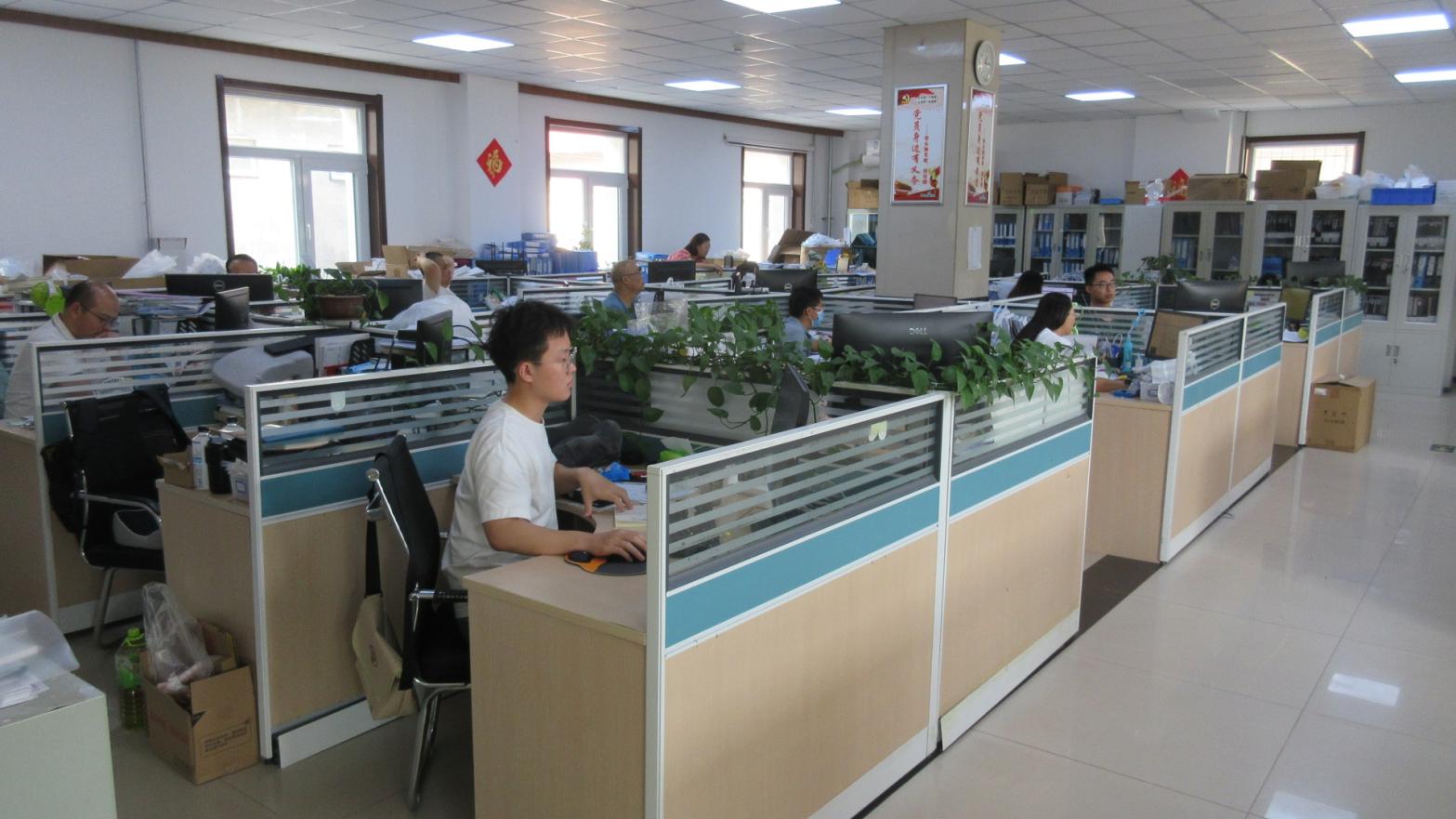
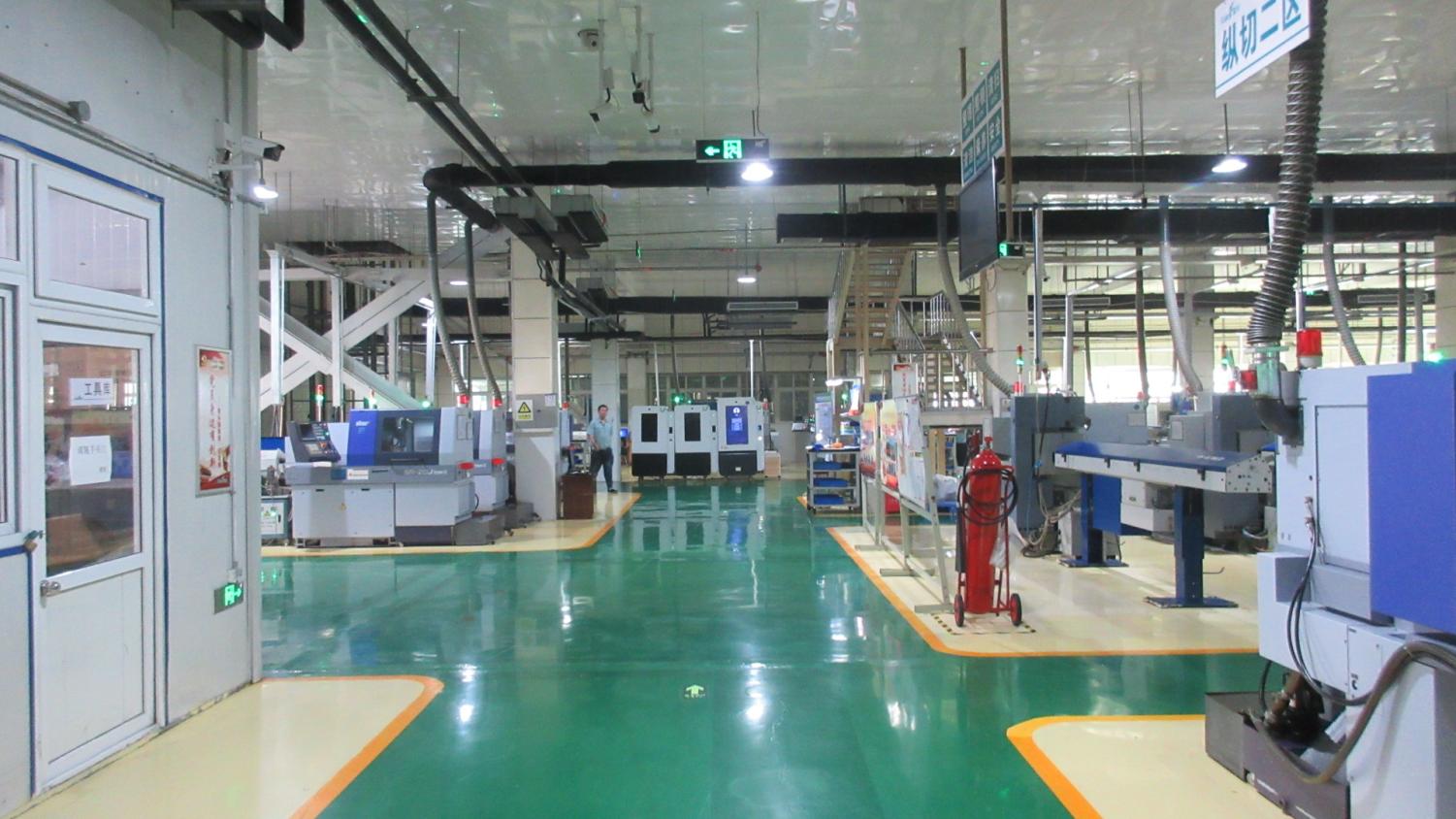
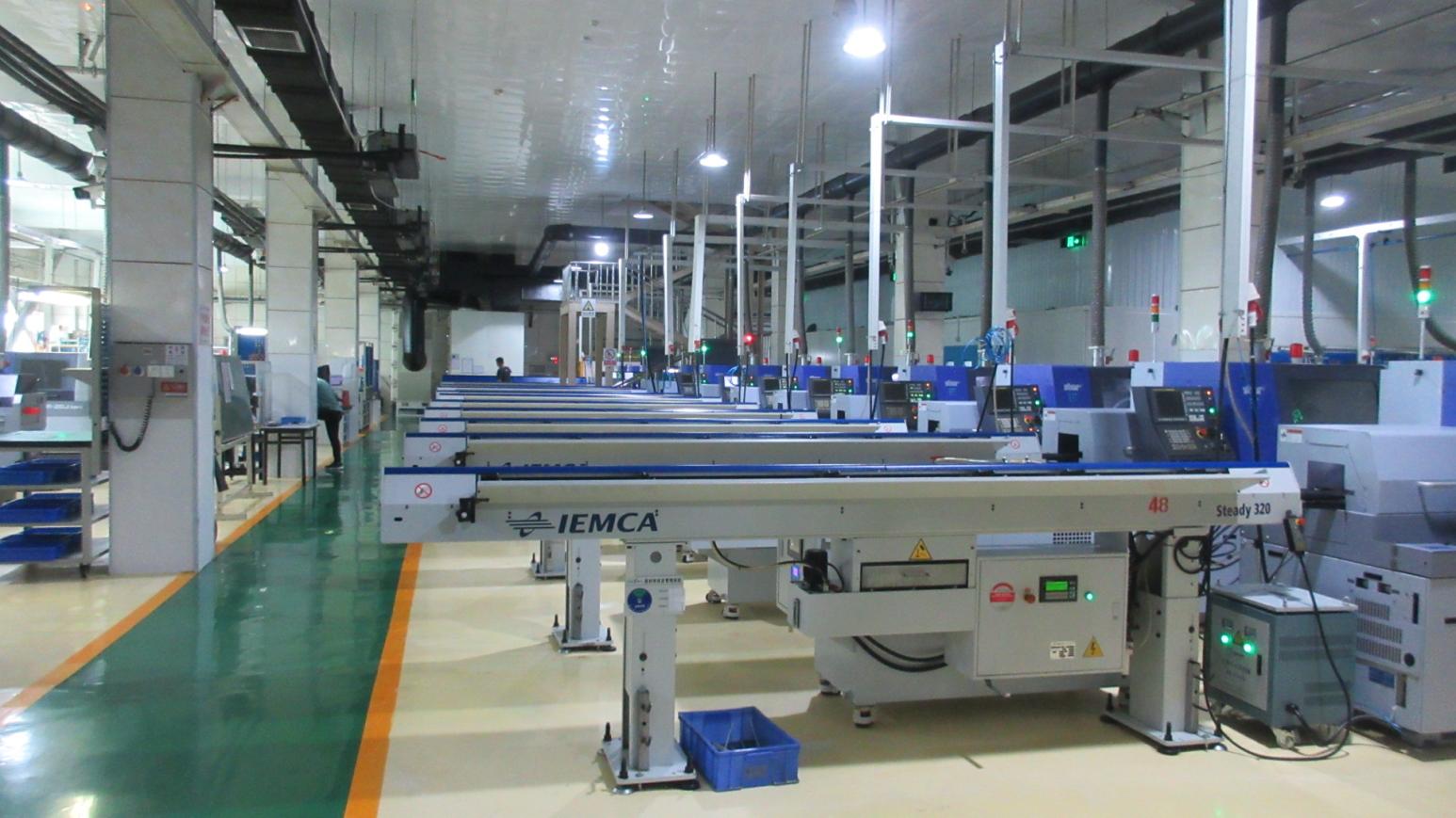
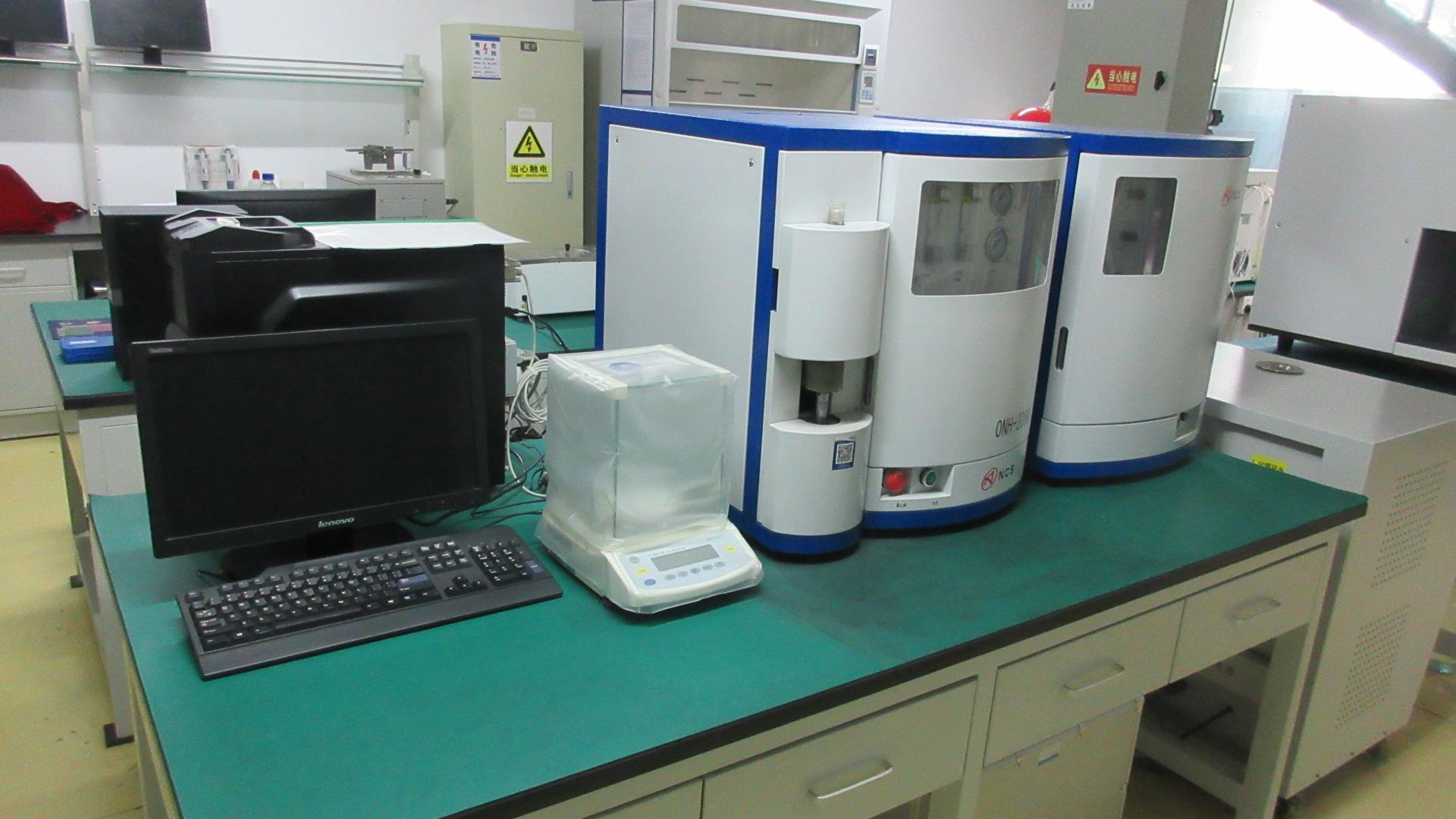
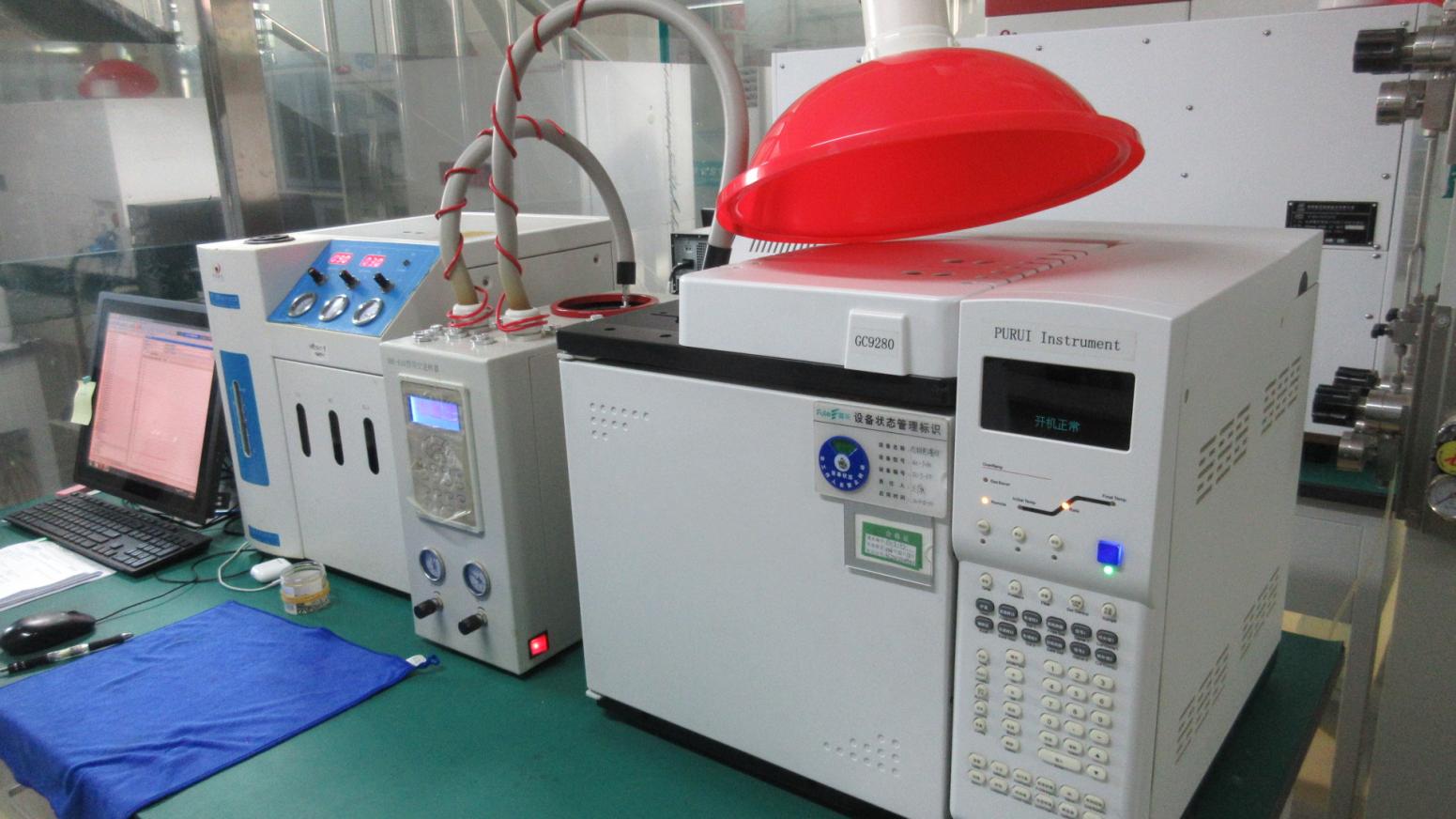
The biomechanical success of tension band wiring (TBW) depends on converting tensile distraction forces generated by surrounding muscle groups into compressive forces at the fracture line. When a patella or olecranon fracture is loaded dynamically, the active contraction of the quadriceps or triceps tendon pulls the bone fragments apart. Placing a highly tensile-resistant cerclage wire on the dynamic side (the anterior cortex of the patella or the posterior cortex of the olecranon) prevents this tensile displacement.
Using K-wires alongside this tension system provides mechanical stability. These wires prevent transverse rotation and lateral translation. When tension is applied to the figure-of-eight wire loop, it pulls the proximal and distal bone fragments together. The tension-band effect relies on keeping the posterior cortex intact. If there is significant posterior comminution, the construct lacks the support needed to convert tension into compression, which can lead to hardware failure.
Selecting the right metal grade is critical for preventing fatigue failure and minimizing inflammatory responses. Surgical-grade 316LVM (low-carbon, vacuum-melted, ASTM F138 specification) remains the standard for tension band wire. The vacuum-melting process removes non-metallic inclusions, improving fatigue limits and corrosion resistance. When titanium (Ti6Al4V ELI, ASTM F136 specification) is used, we modify our cold-drawing process to reduce work-hardening, ensuring the wire retains enough ductility to be twisted and secured by surgeons without breaking.
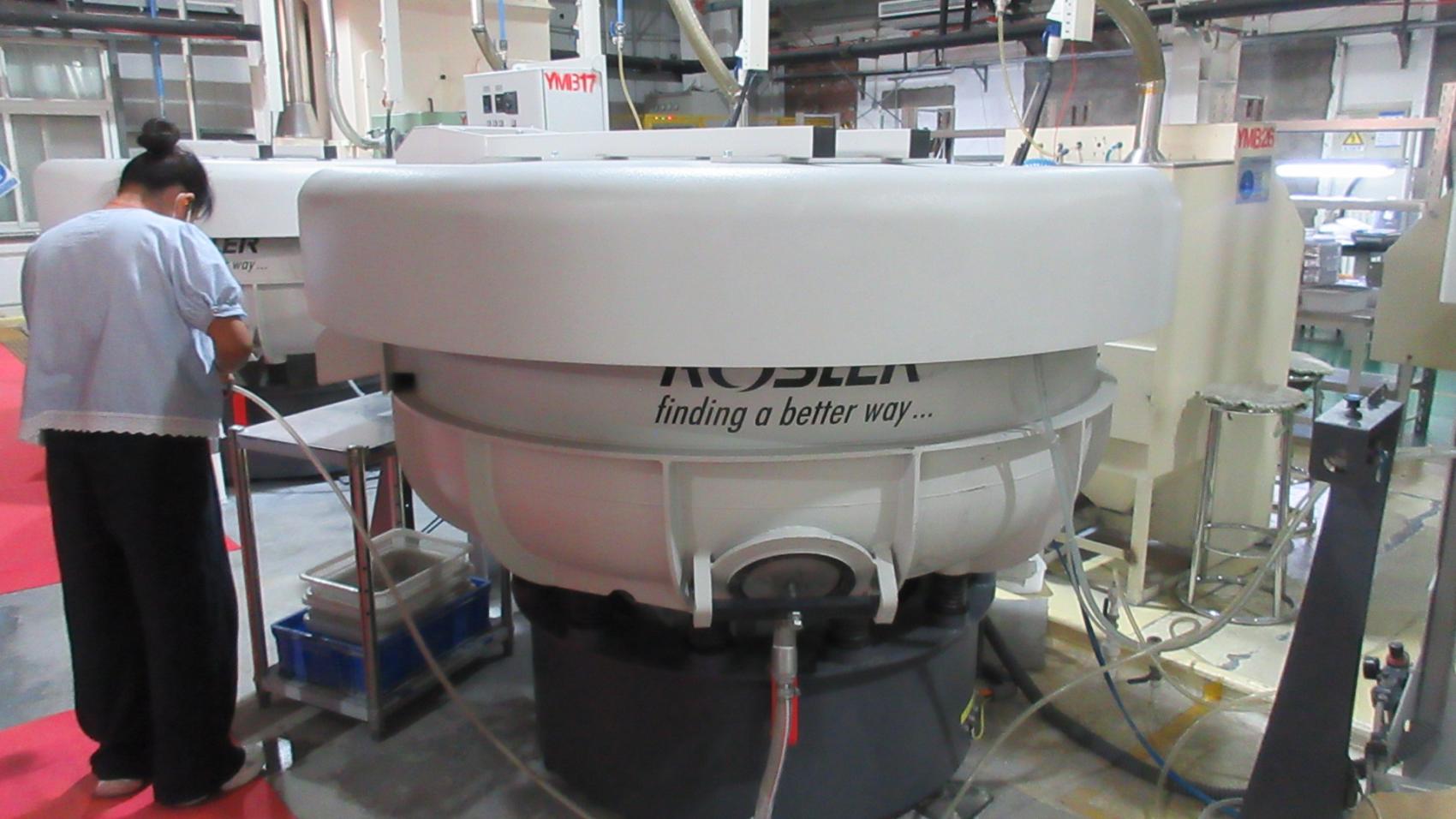
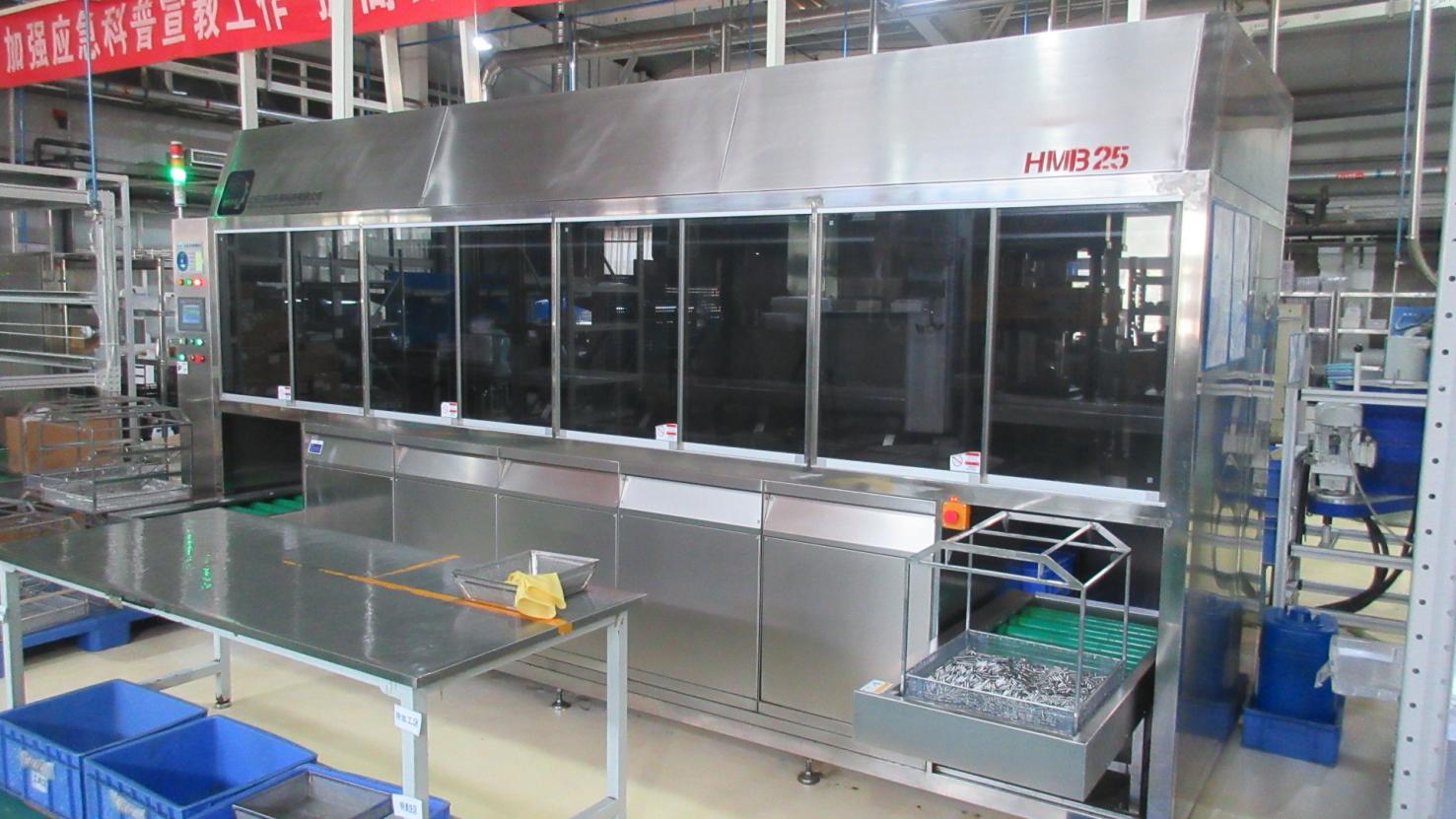
Surface finishing is also crucial for preventing implant failure. Micrometer-scale surface scratches from wire-drawing dies can act as stress concentration points, leading to fatigue cracks under dynamic loads. To prevent this, our manufacturing line uses automated electrochemical polishing and passivation. This treatment removes surface micro-defects and creates a dense chromium oxide layer, which prevents iron ion release and reduces postoperative tissue irritation.
Our OEM/ODM manufacturing capabilities support partners through every stage of product development, from concept to mass production. We work closely with medical distributors, hospital networks, and brand owners to customize designs for specific clinical needs. Using custom CAD/CAM engineering, we produce specialized implants, including anatomical plates, tailored screw pitches, and customized tension wire kits.
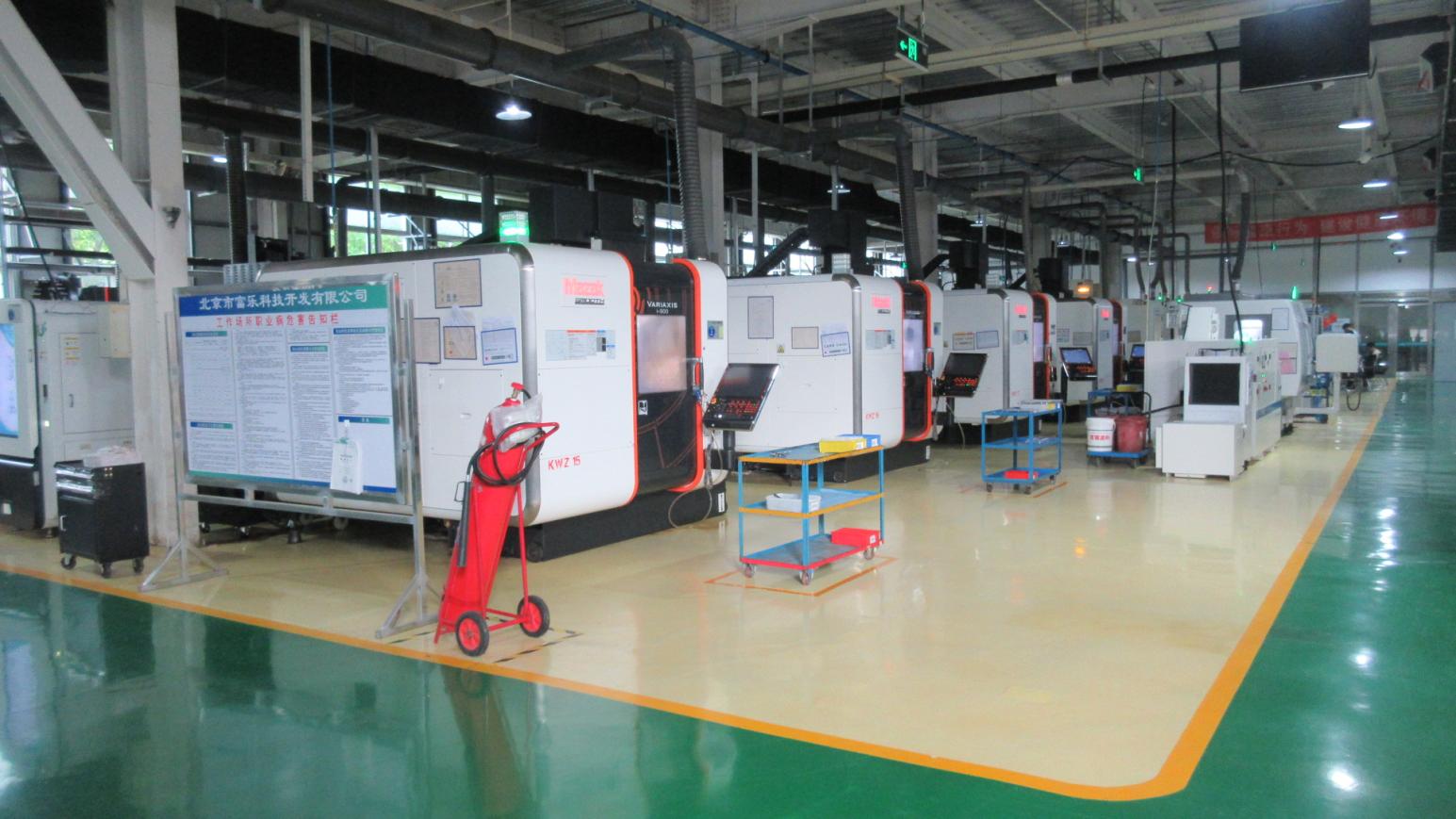
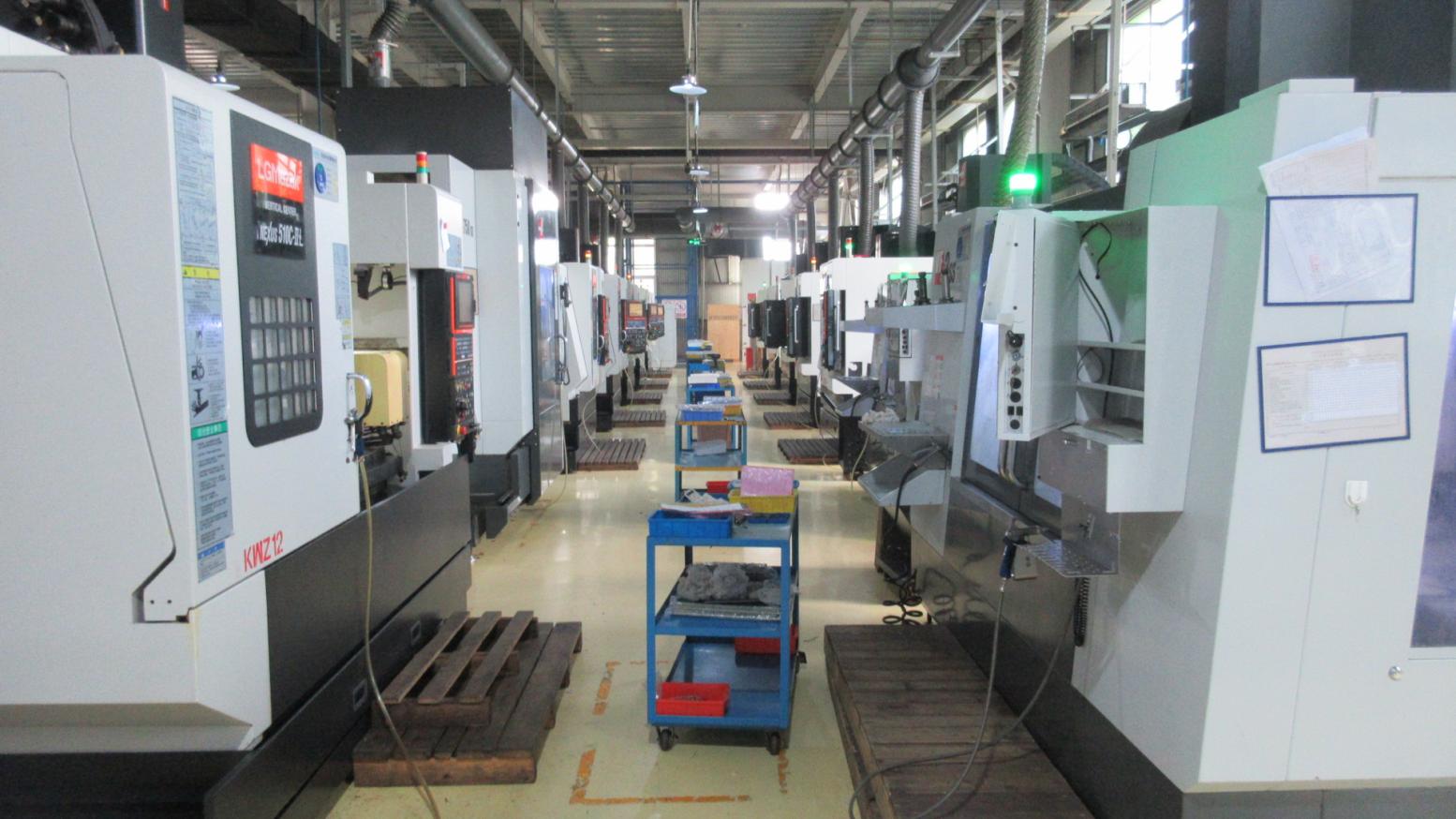
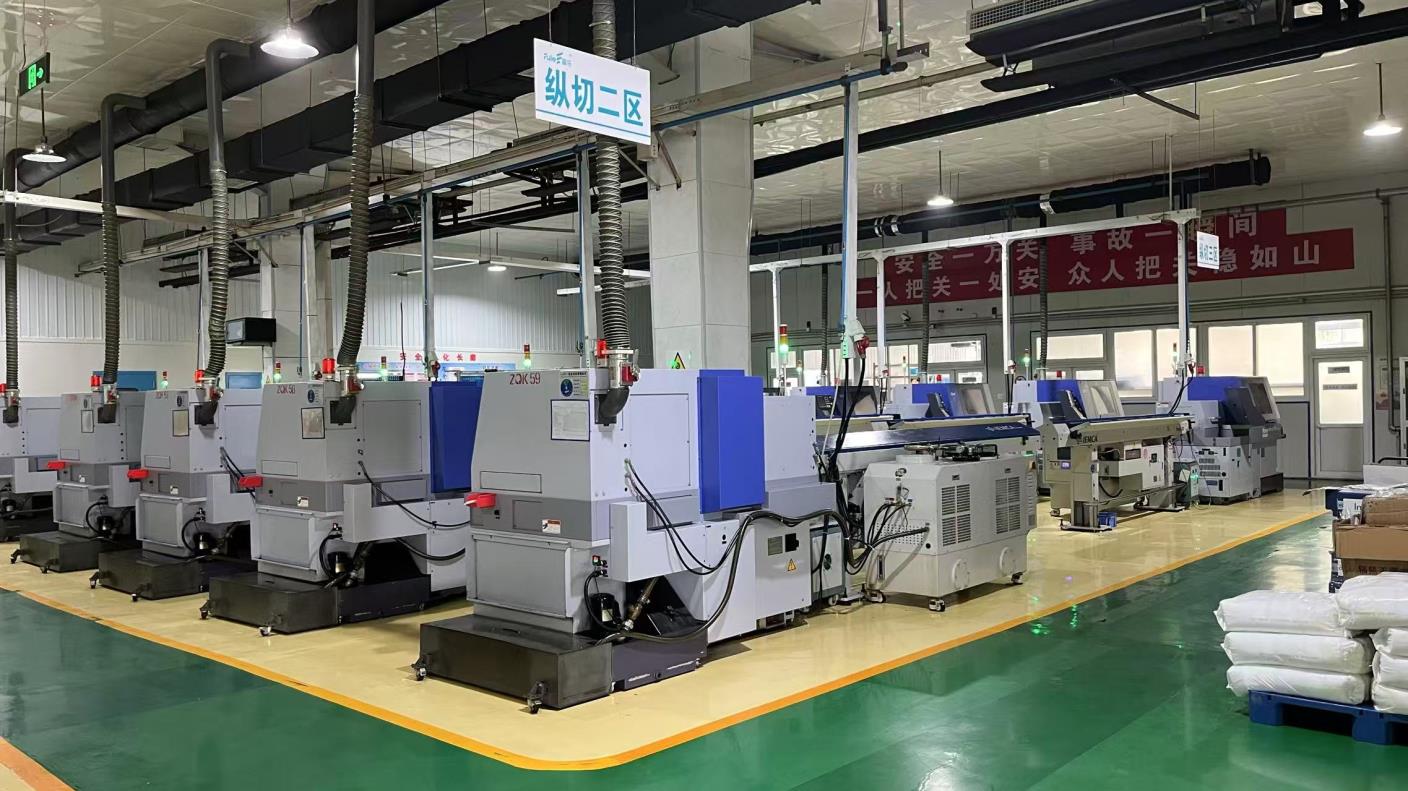
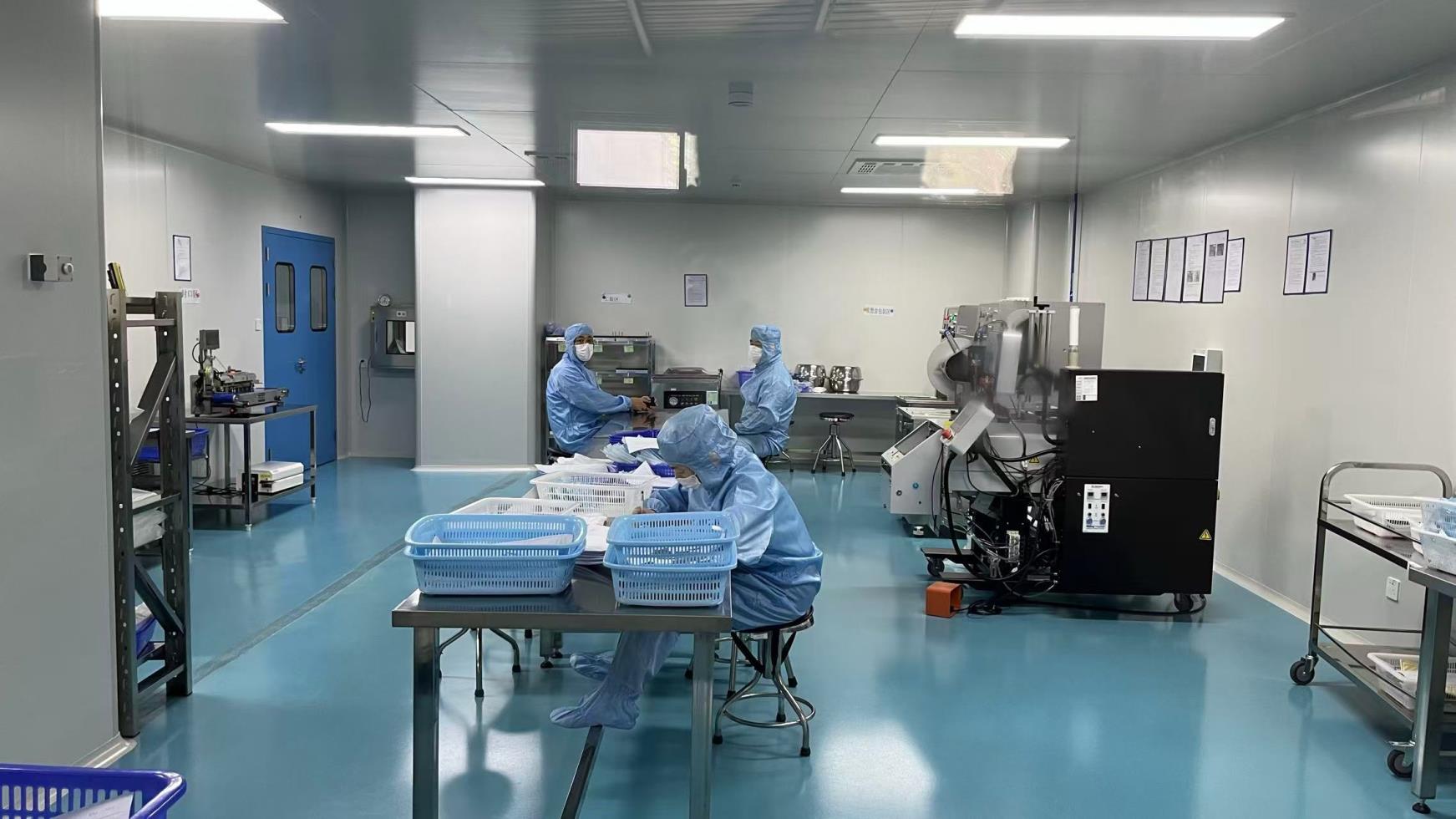
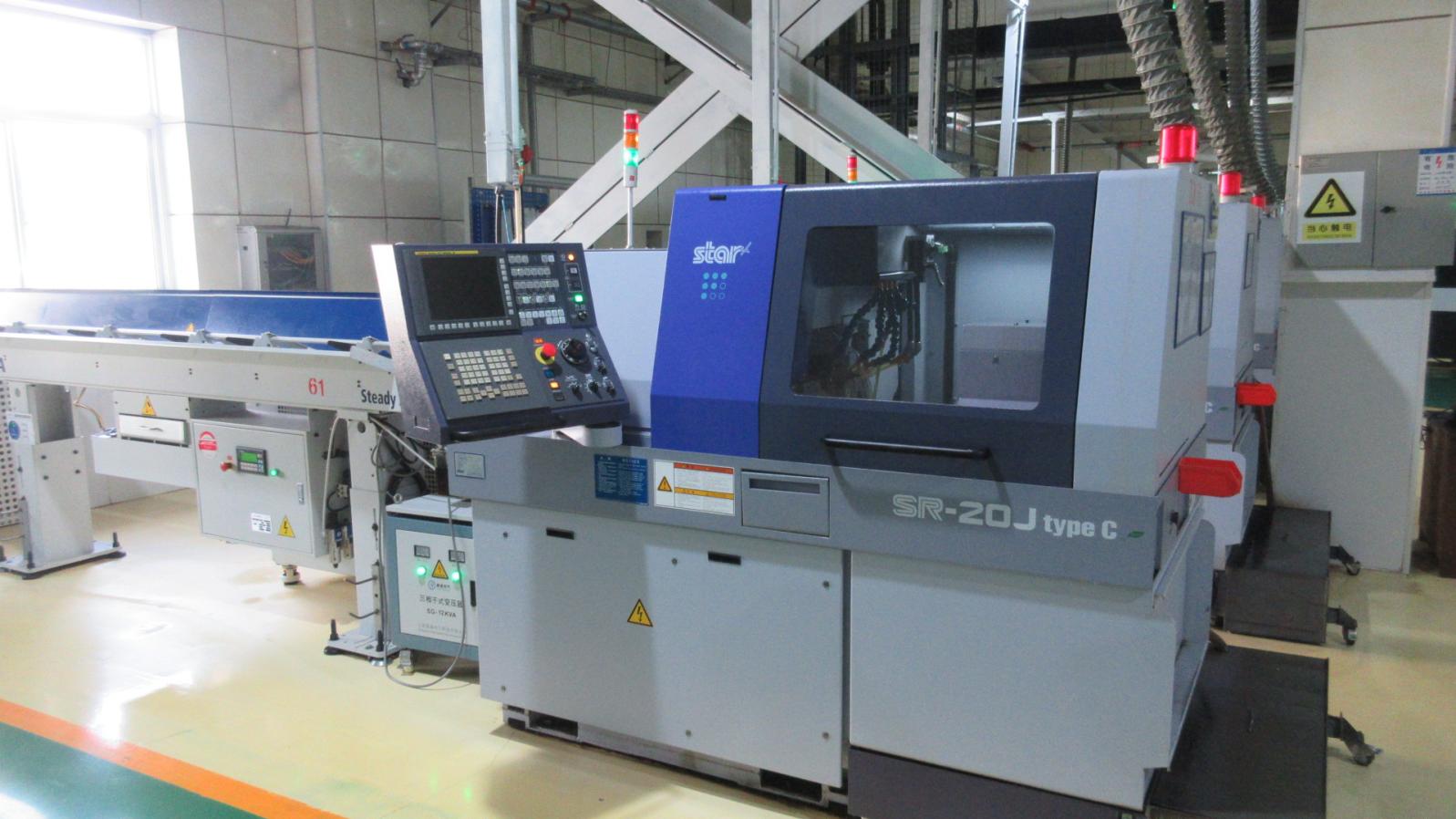
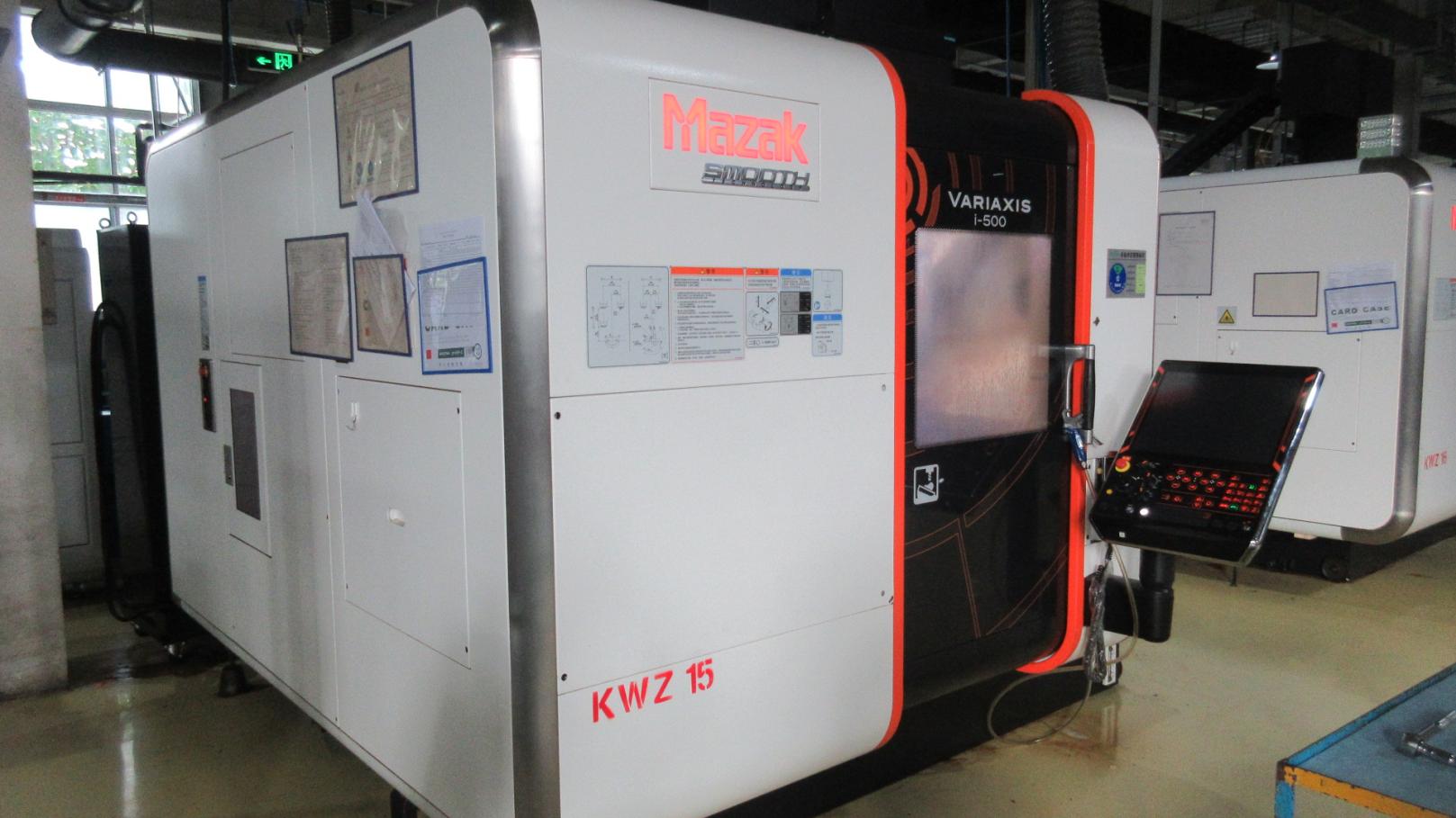
Our production floor features CNC Swiss-type lathes, multi-axis machining centers, and automated wire drawing machines, enabling high precision across large production runs. We also offer customization options for packaging and labeling, including cleanroom packaging and ready-for-use sterile kits, helping partners simplify their supply chain logistics.
 Beren Science & Technology