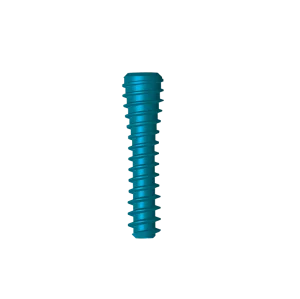
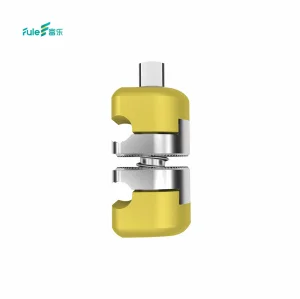
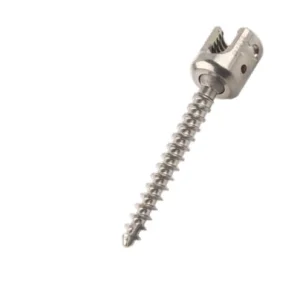
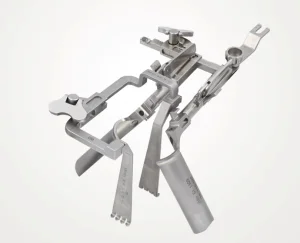
Precision Engineering Trauma & Spinal System Implants
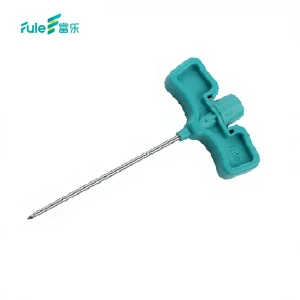
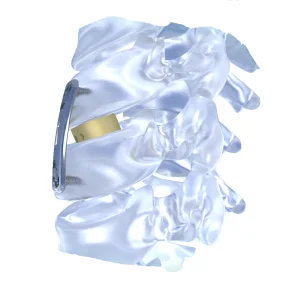
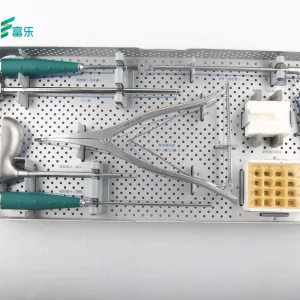
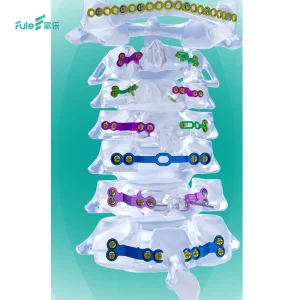
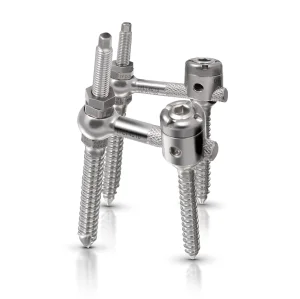
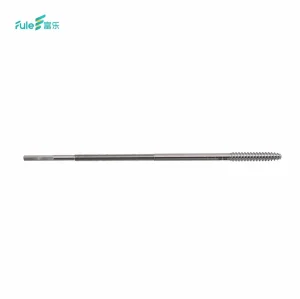
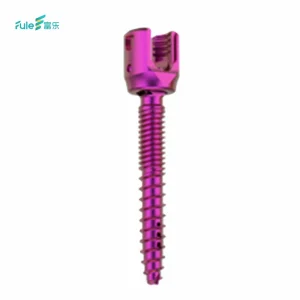
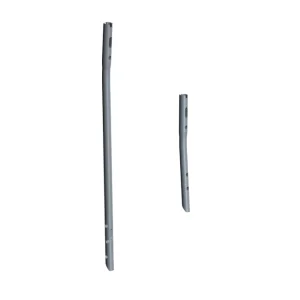
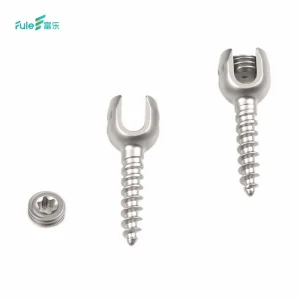
The global orthopedics market exhibits highly critical standards for Tibia anatomical fixation systems, primarily due to the intricate weight-bearing nature of the tibia bone. Mechanical stresses including compressive, torsional, and bending loads demand raw materials of exceptional endurance. Our production facilities deploy advanced biocompatible Titanium alloys (Ti-6Al-4V ELI) and Polyetheretherketone (PEEK) to ensure structural integrity and reduce the risk of metal fatigue.
For medical device brands, sourcing from a dedicated OEM/ODM manufacturer minimizes product failures while accelerating speed-to-market. Industrial buyers evaluate critical parameters: high fatigue strength, optimized anatomical contours to reduce soft tissue irritation, and reliable locking mechanism configurations. We provide bespoke customization to accommodate unique regional anatomical differences.
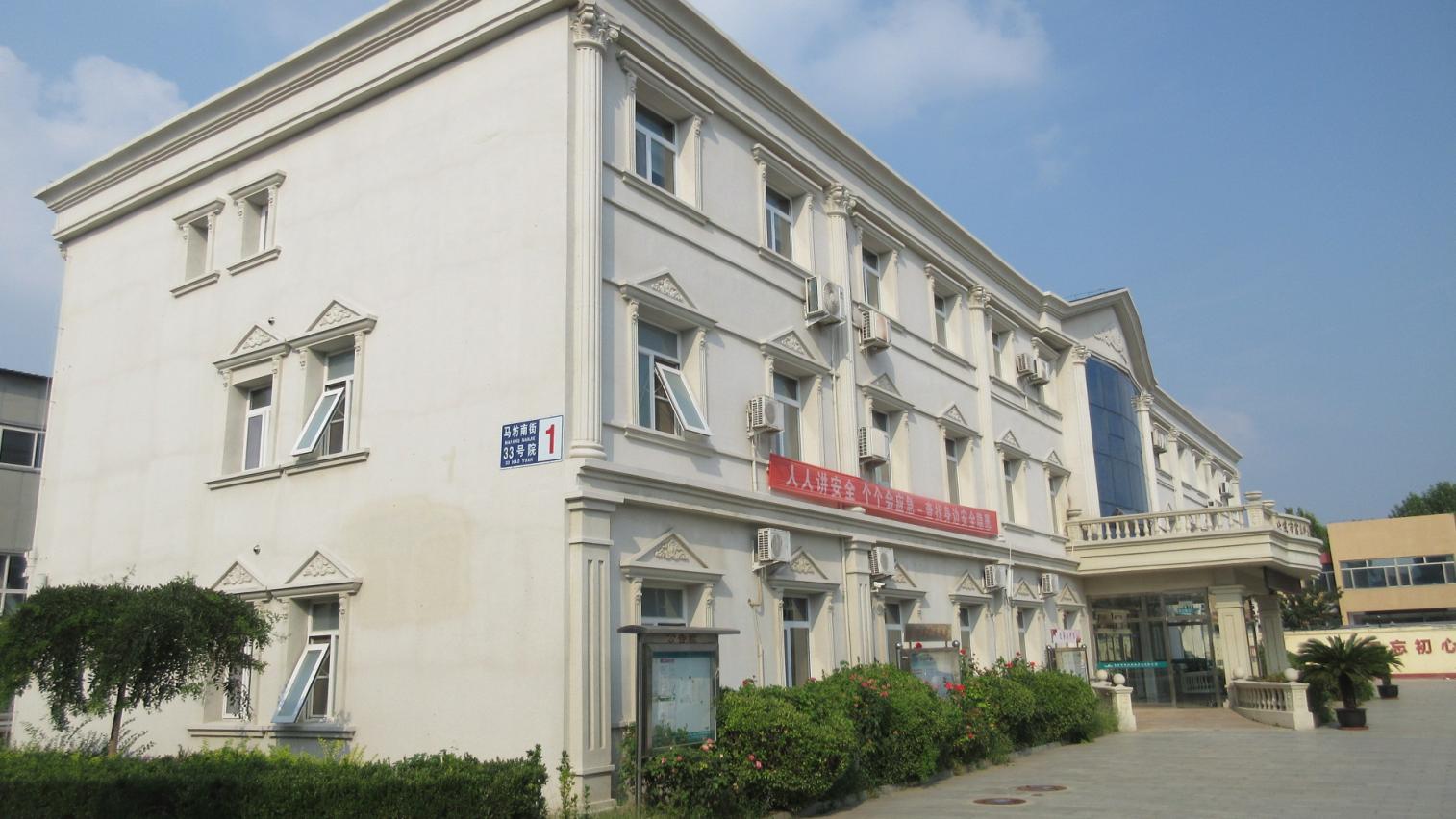
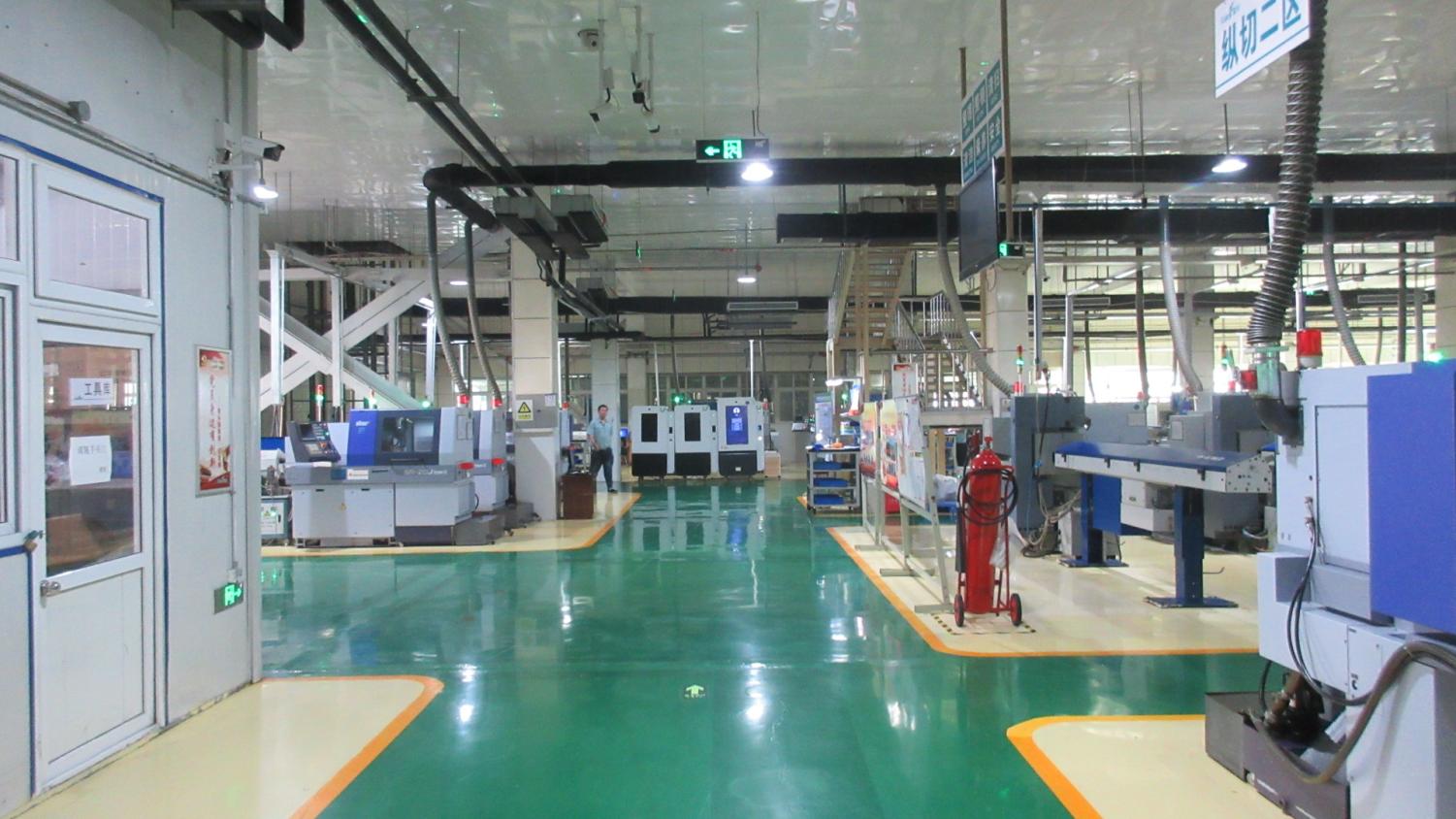
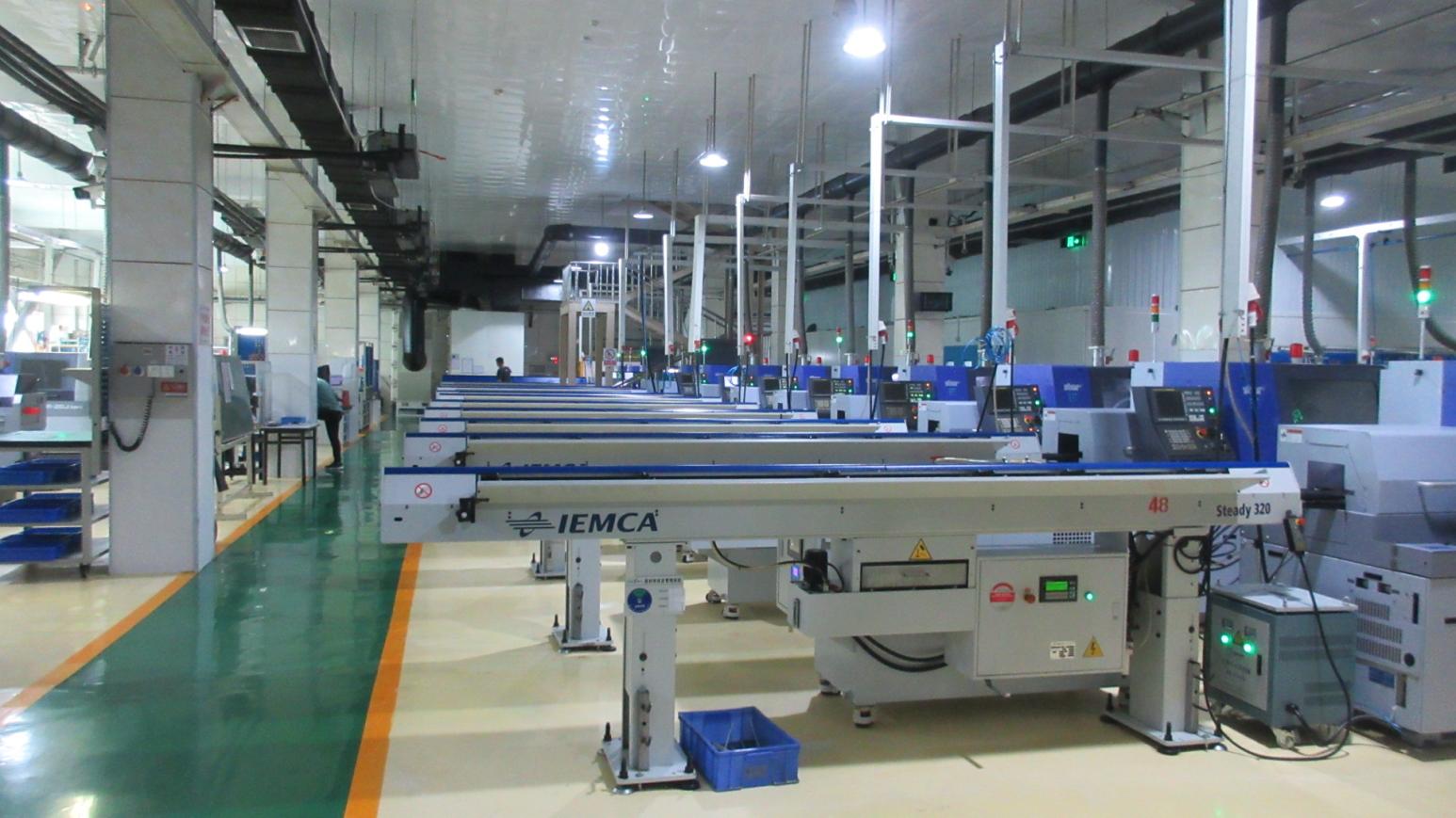
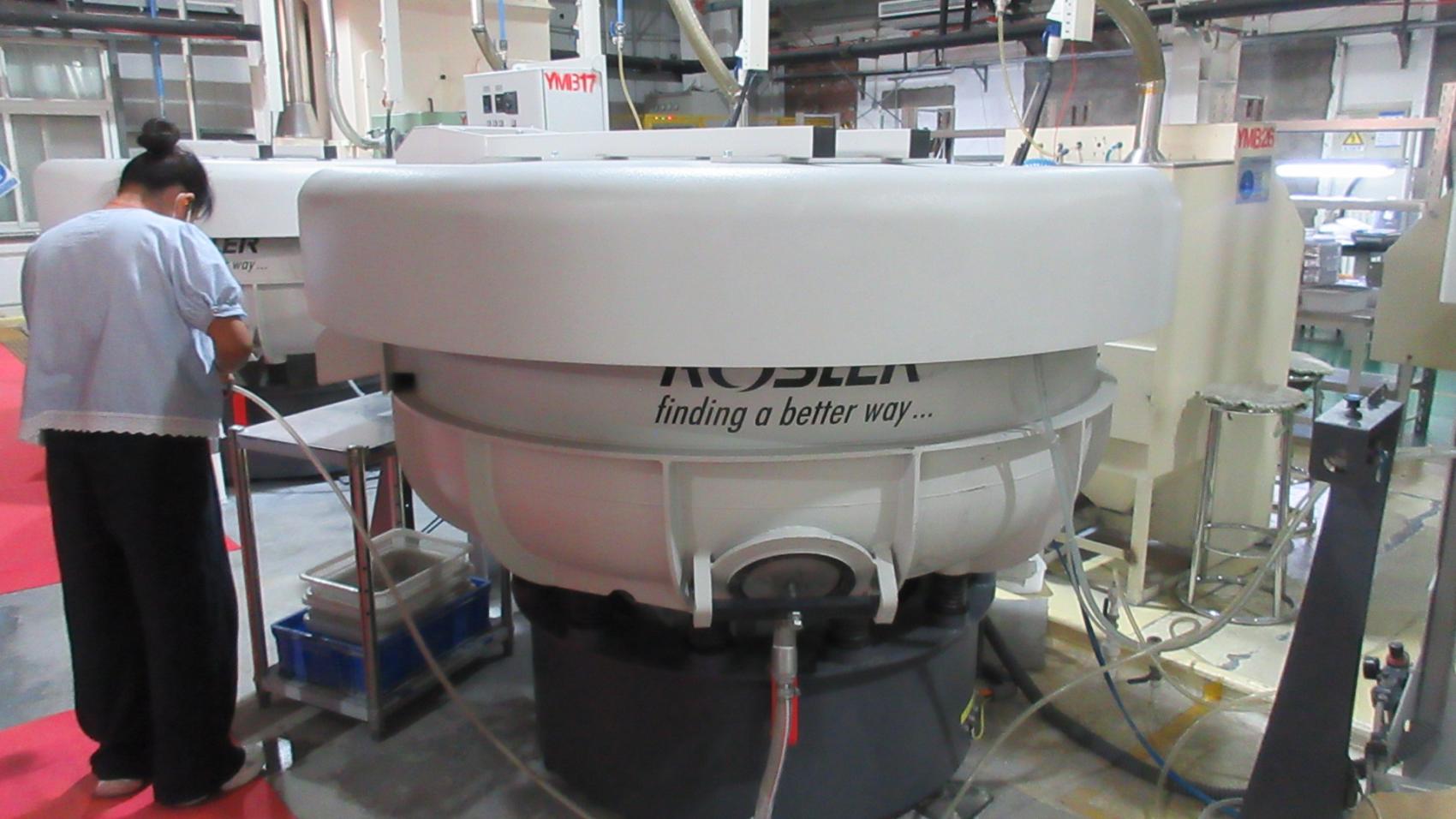
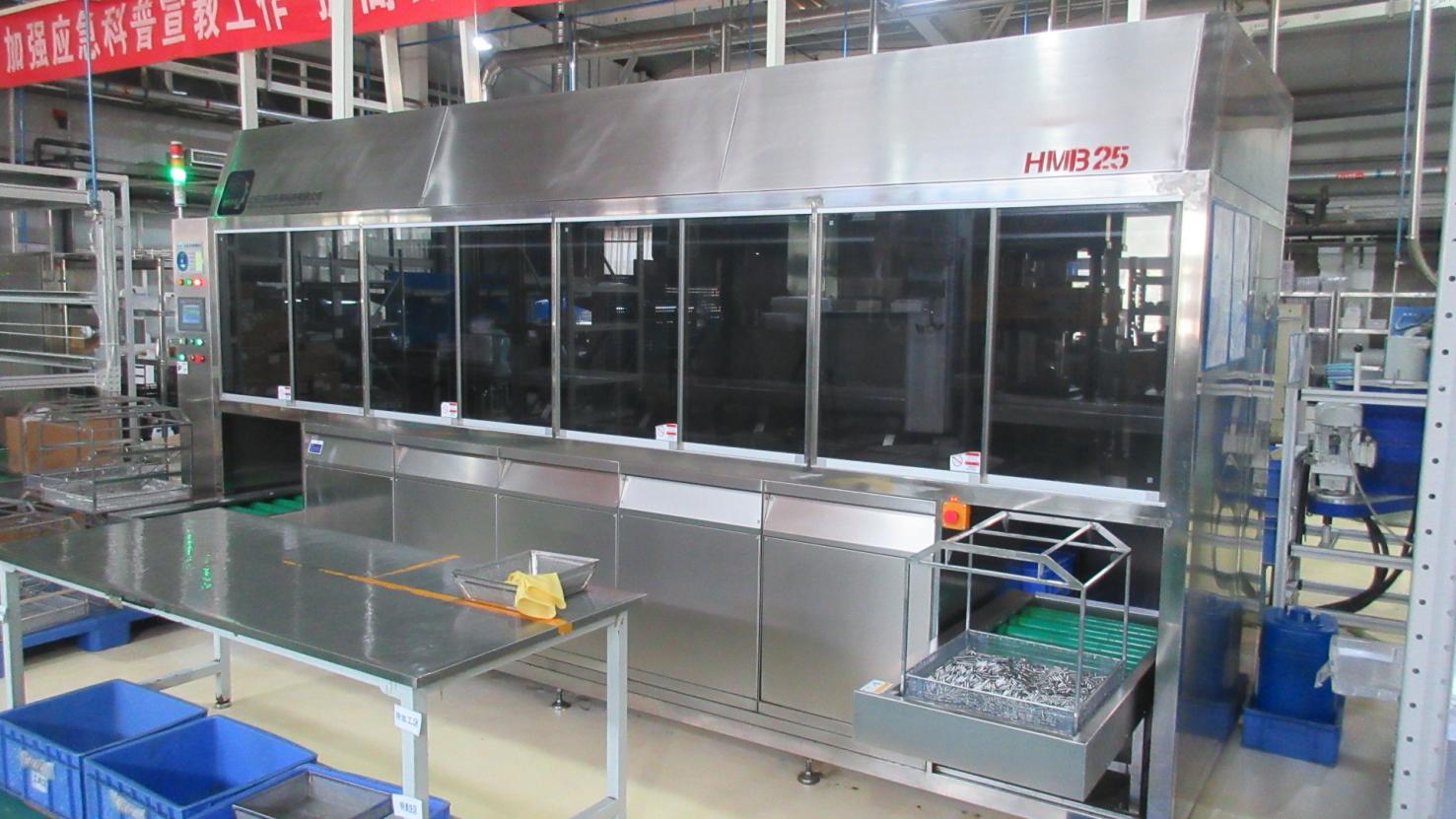
Achieving superior mechanical efficiency requires state-of-the-art precision machinery. Our factory houses 102 top-tier production units, utilizing Swiss longitudinal lathes and multi-axis CNC milling machines. These capabilities allow for micro-metric dimensional precision down to ±0.005mm.
Furthermore, compliance is verified at every level. The raw materials used in our implants undergo chemical spectrum examinations, tensile stress testing, and grain size analysis to confirm adherence to ASTM F136 and ISO 5832-3 standards. Quality inspectors verify that every batch is accompanied by raw material mill test certification (MTC), establishing a complete regulatory paper trail for Class III medical compliance audits.
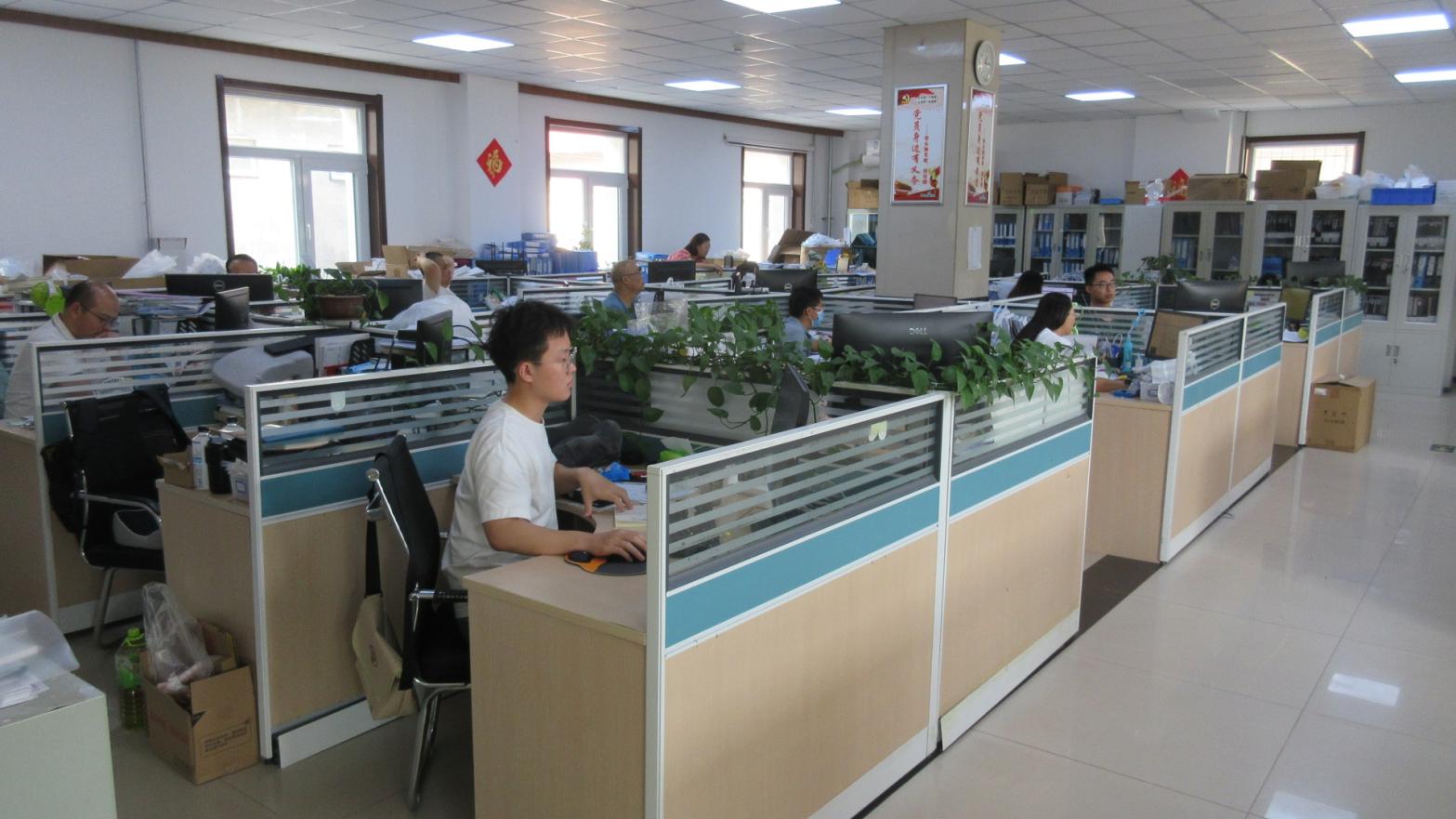
30 Years of Medical Device Excellence & Global Industrial OEM Partnerships
Medical product lifecycles are accelerated through collaborative engineering. Our R&D division, featuring 20 dedicated engineers (15 with postgraduate degrees), partners directly with clinical specialists and international distributors to turn raw concepts into functional implants.
Utilizing Finite Element Analysis (FEA), we model simulated forces on custom tibial plate geometry under simulated physiological loads. This reduces prototype iterations and validates mechanical resilience prior to the physical prototyping phase. We offer extensive custom services, including surface modifications such as Type II titanium anodization, hydroxyapatite (HA) coatings, and custom-tailored instrument kit designs.
Enforcing Strict Clinical Regulations to Guarantee Safe Implant Deployments
Our operations comply with the ISO 13485 QMS framework (Certificate: 04724Q10000818), ensuring traceability and documentation across all manufacturing processes.
15 specialized QA/QC inspectors maintain rigorous oversight. Every individual unit undergoes strict geometric tolerances, thread pitch checks, and visual surface validation.
Supporting over 70 supply chain partners globally, we distribute trauma, reconstruction, and spinal systems to key markets in Eastern Europe, Southeast Asia, and beyond.
Entering highly regulated healthcare spaces requires compliance with complex standards. Our plant processes align with MDD 93/42/EEC and updated EU MDR 2017/745 regulations. We assist our OEM partners in completing technical documentation, biological evaluation reports (ISO 10993 series), and cleanroom sterilization validation dossiers.
To address international logistics challenges, we maintain safety stock for raw materials and offer flexible production schedules. This allows us to keep lead times predictable, even during peak market demand, safeguarding our wholesalers' and distributors' supply chains.
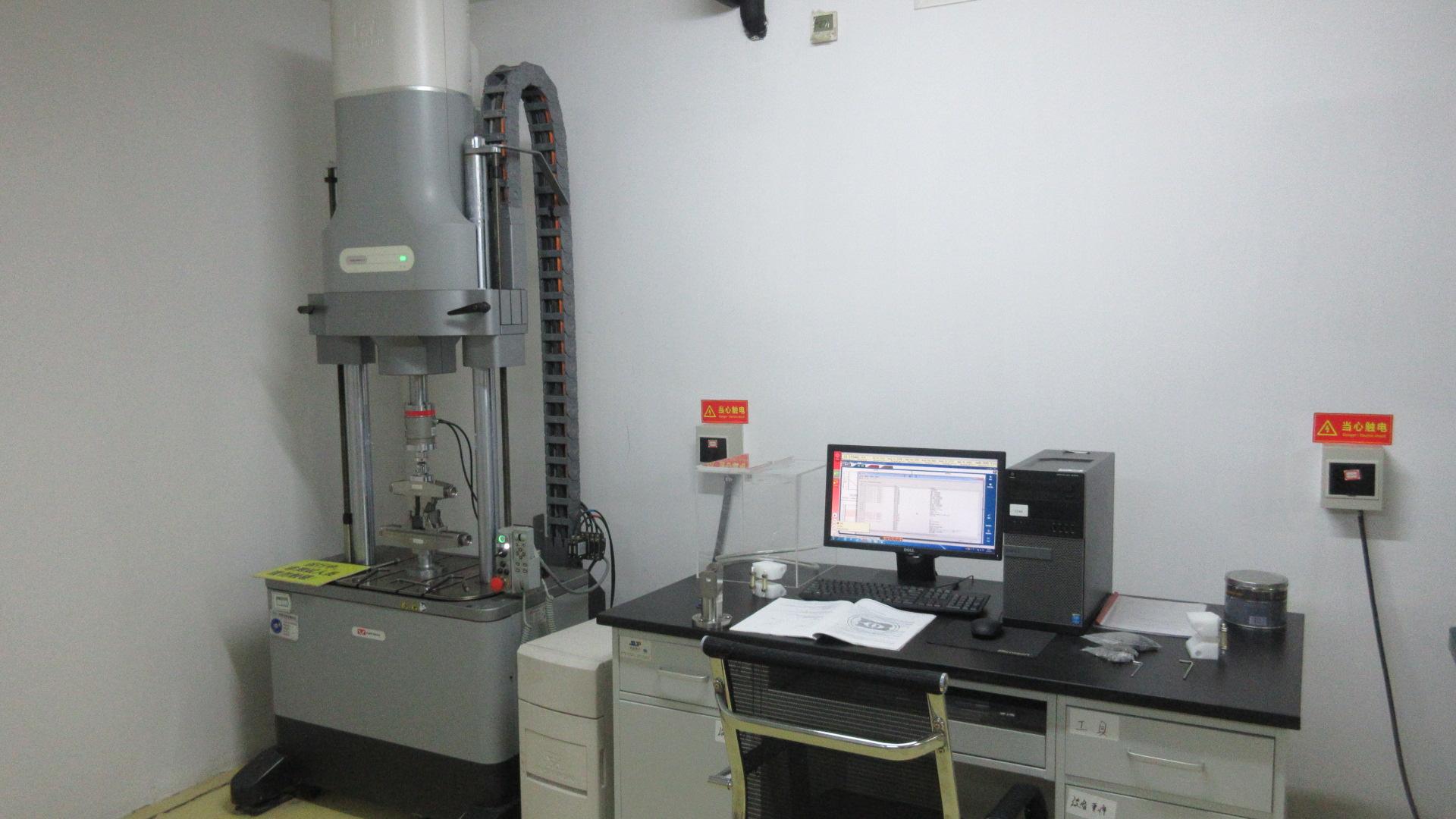
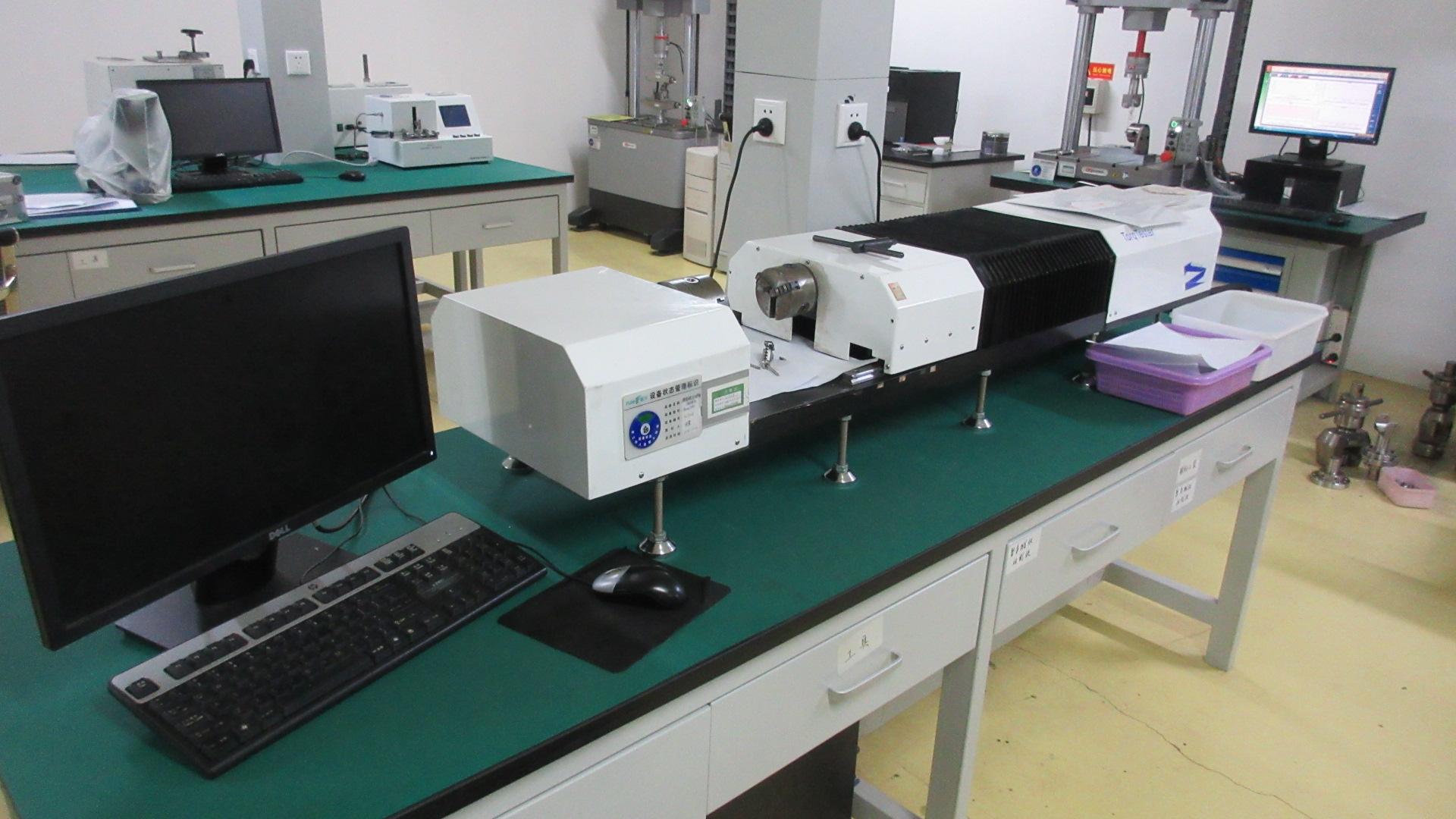
Visualizing our Precision Machining Facilities and Quality Auditing Workspaces
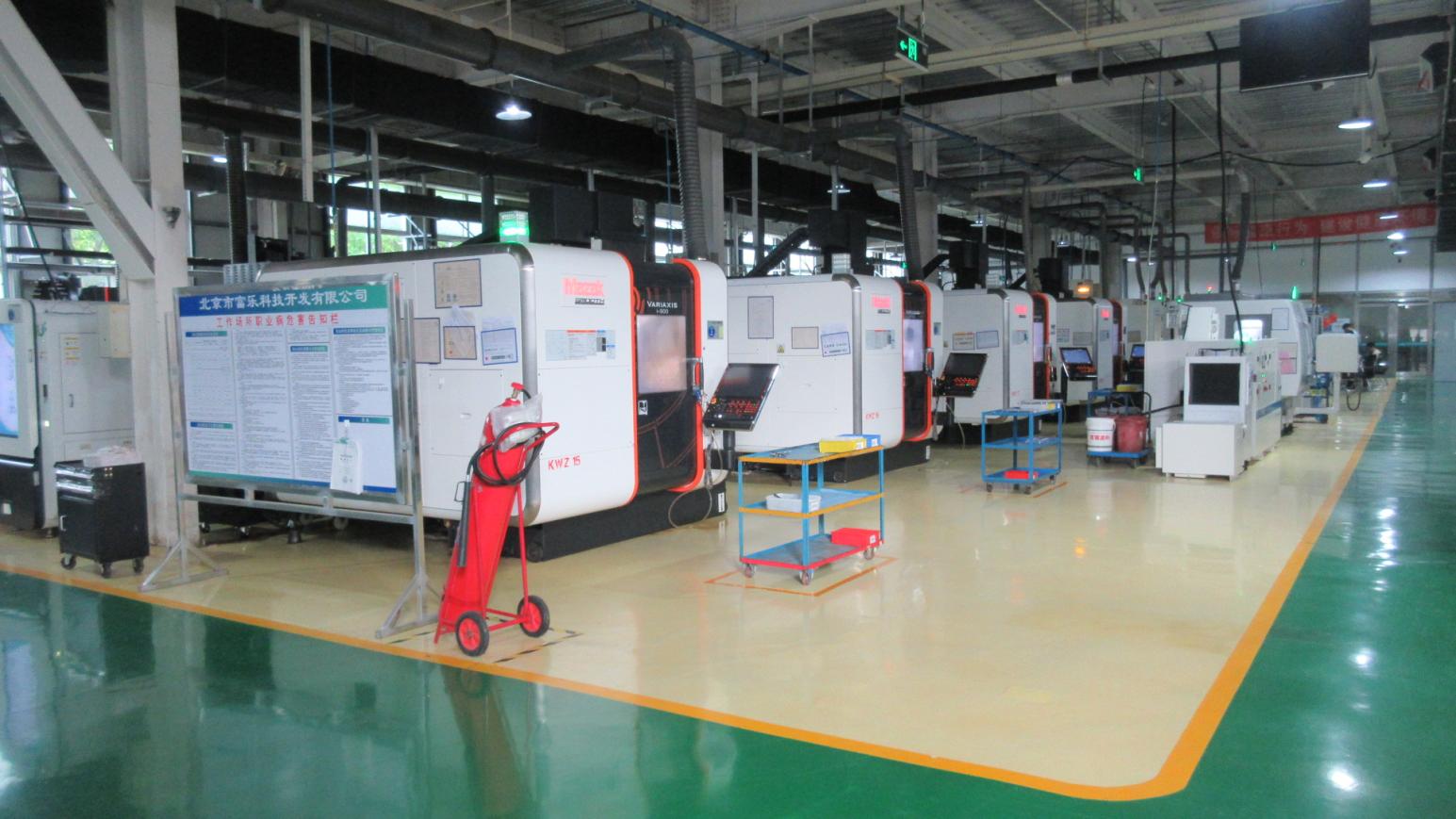
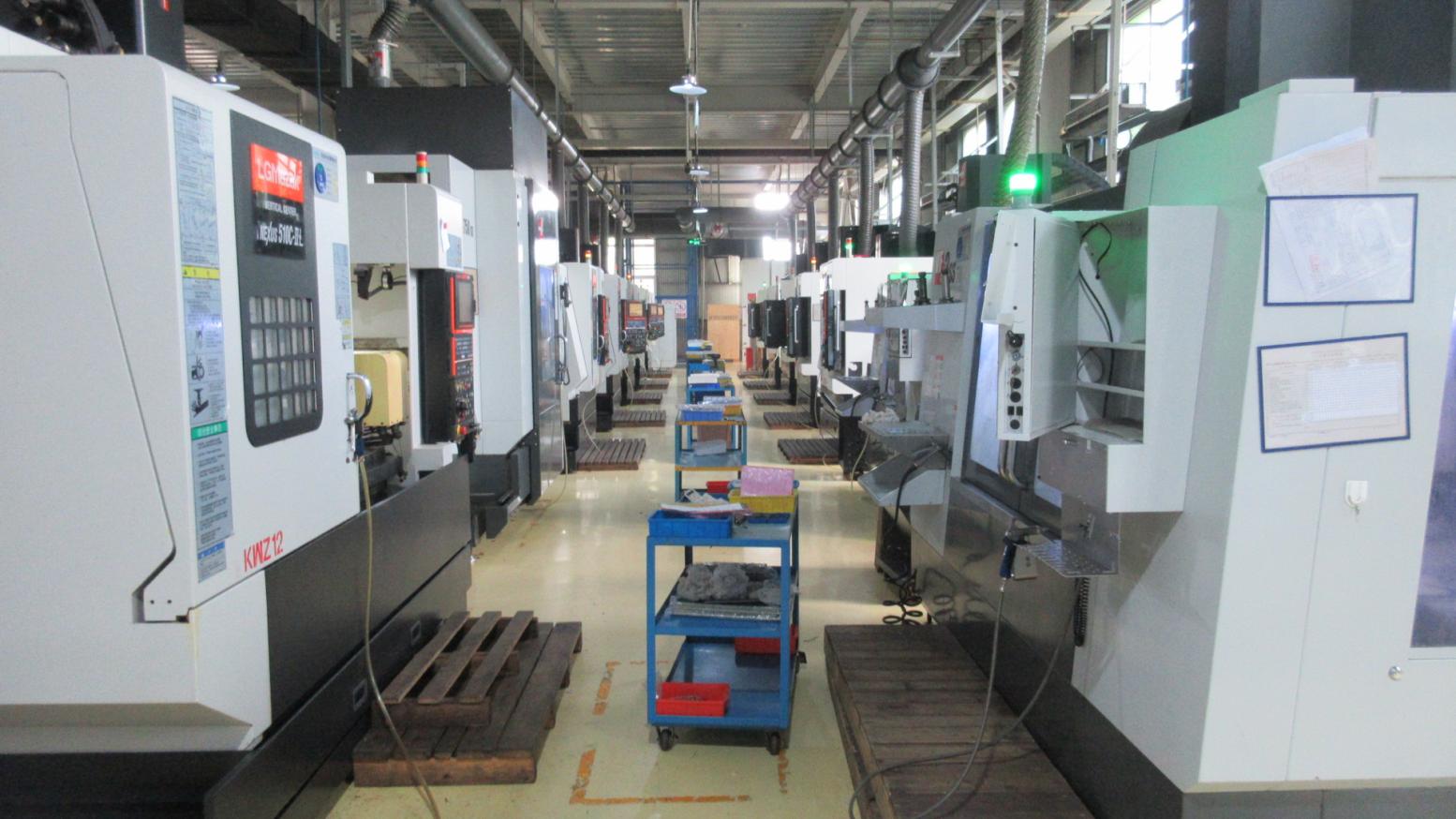
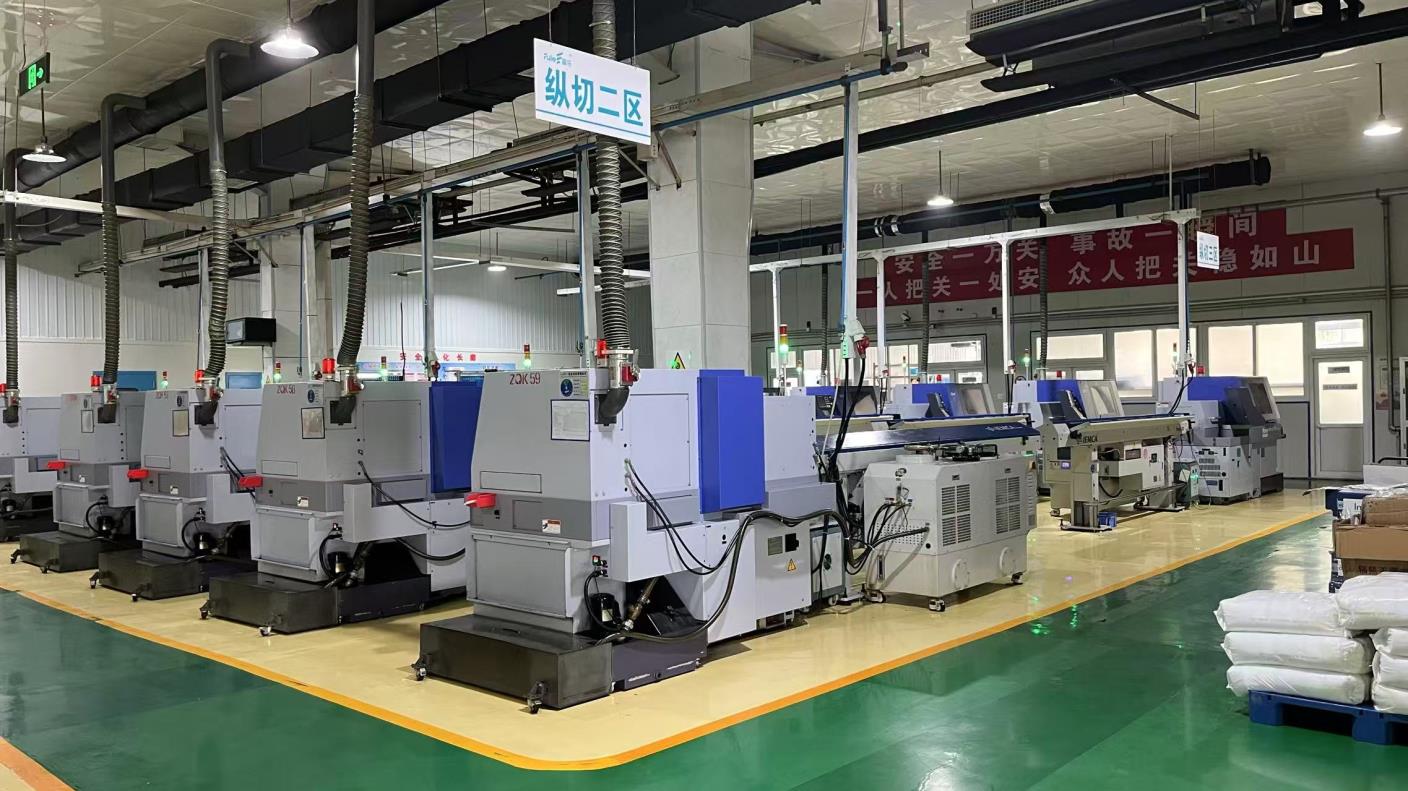
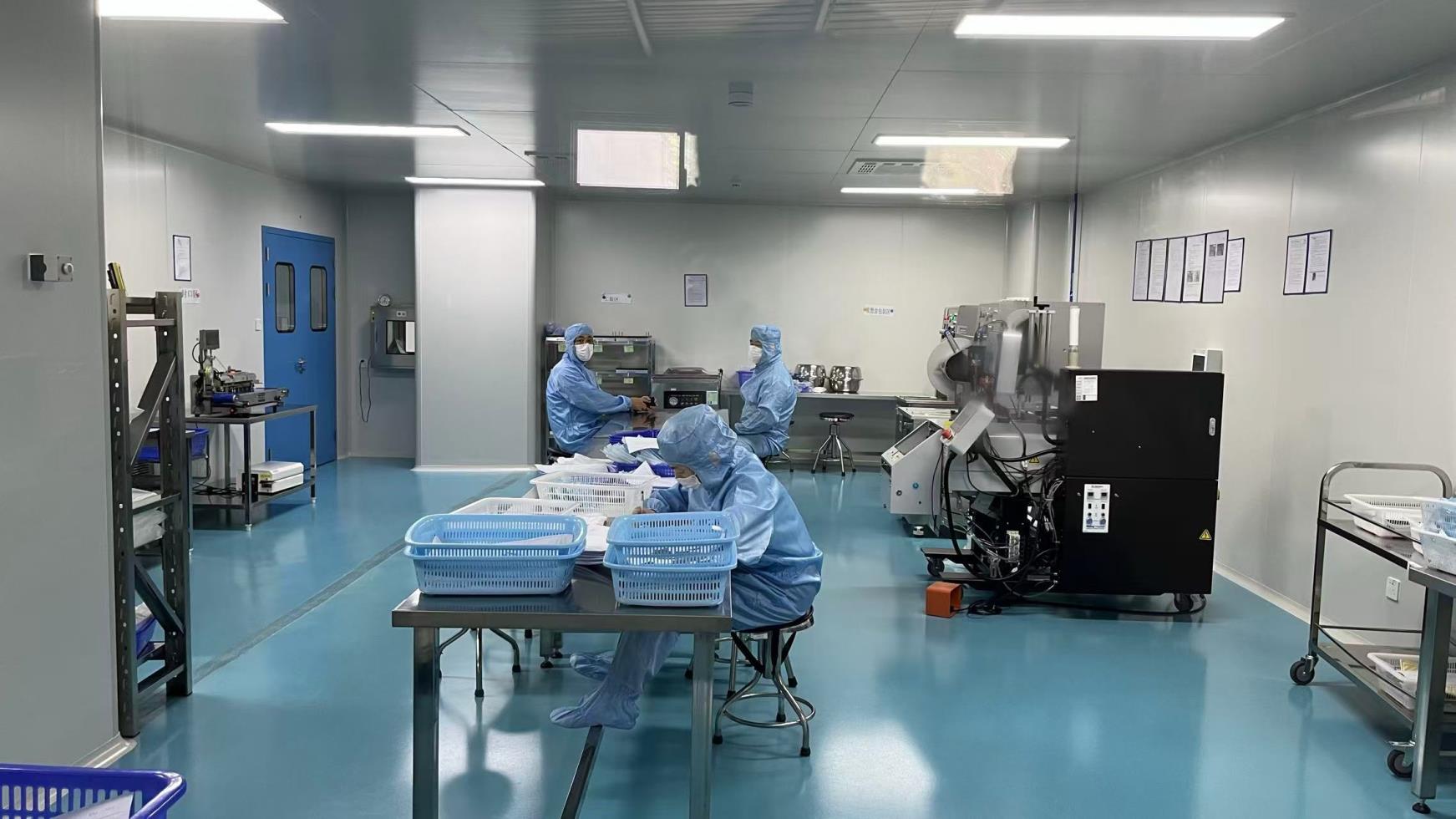
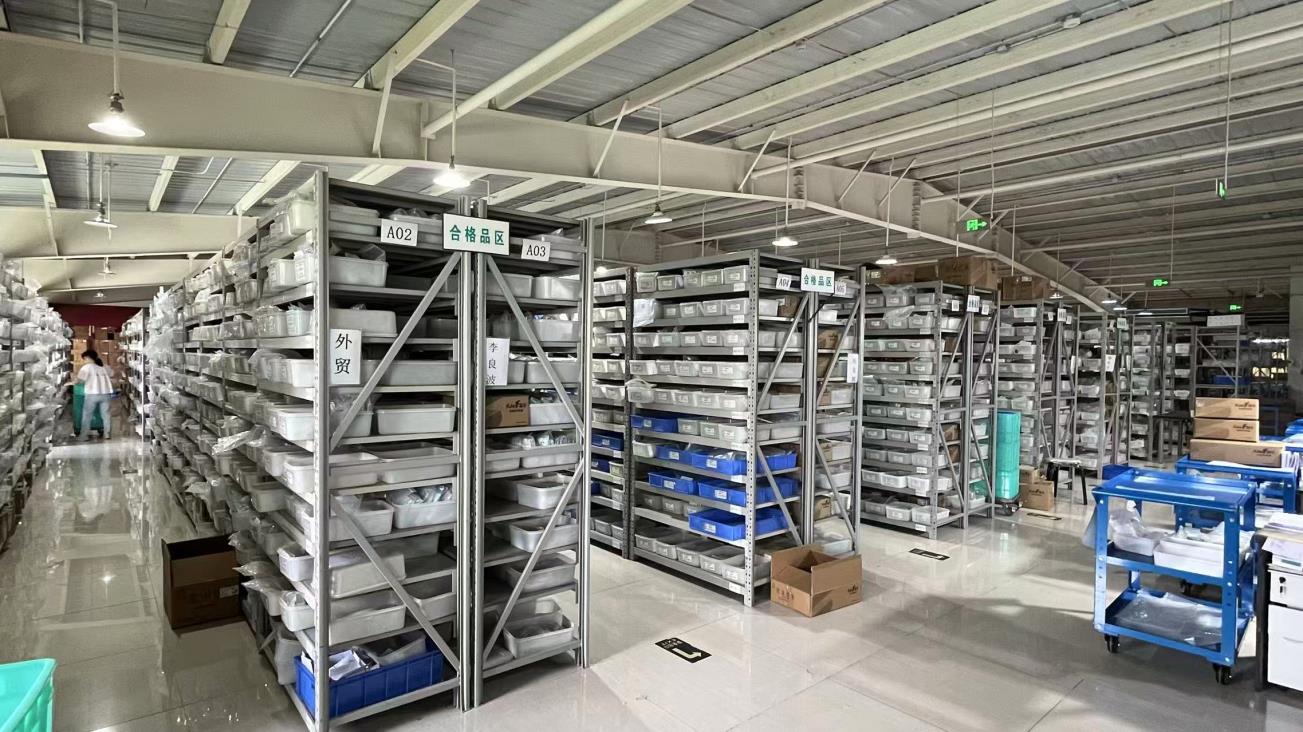
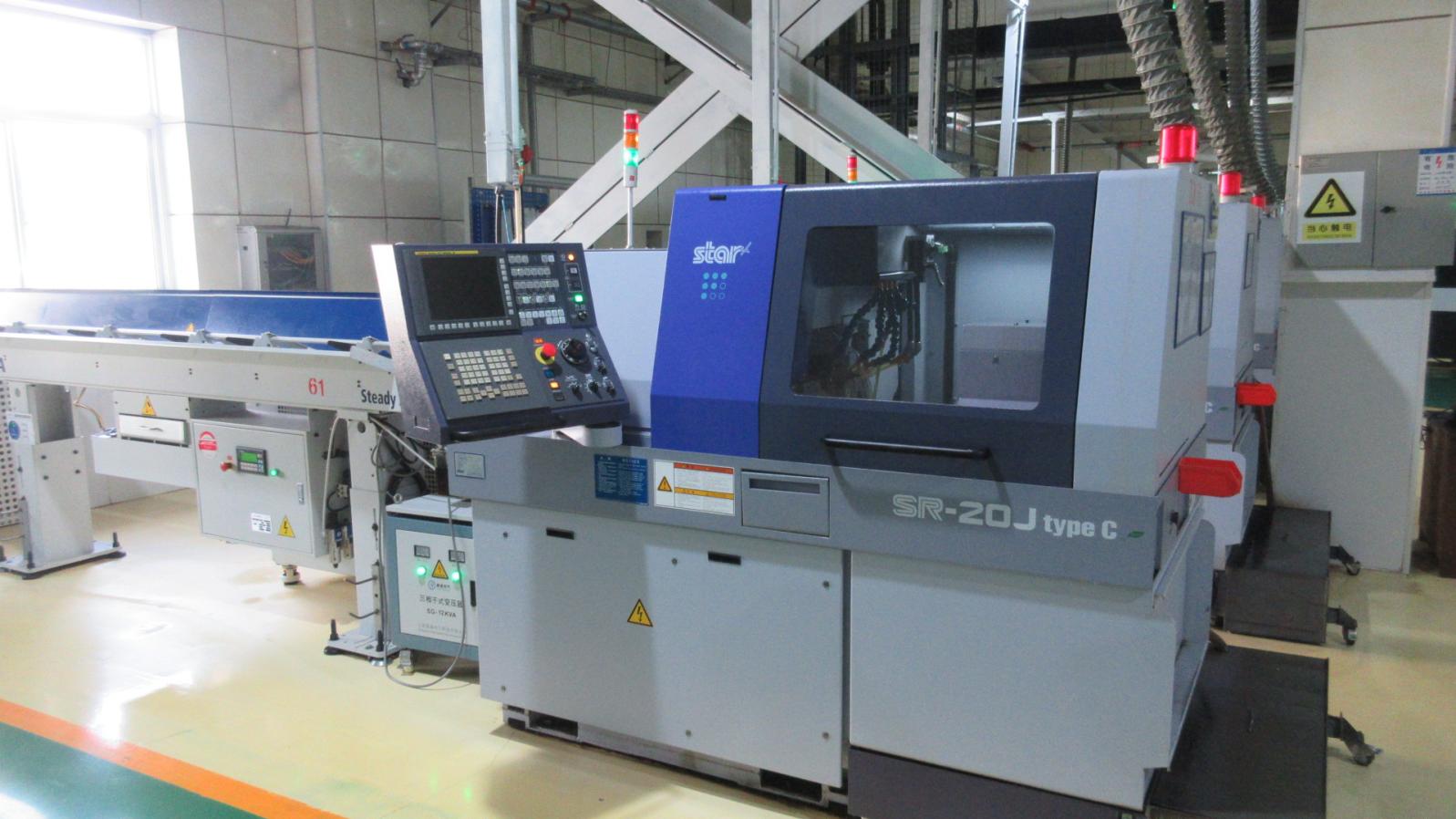
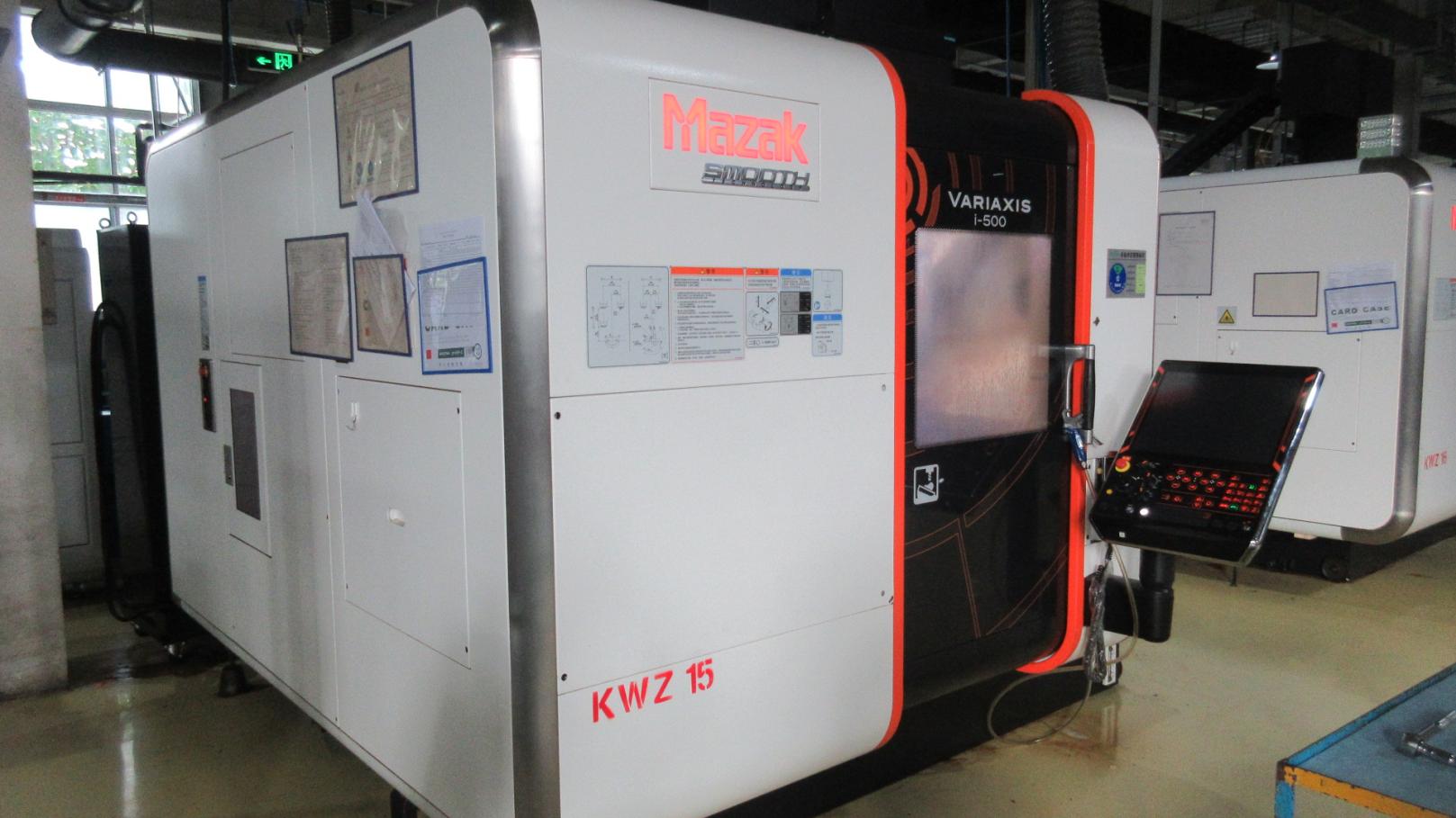
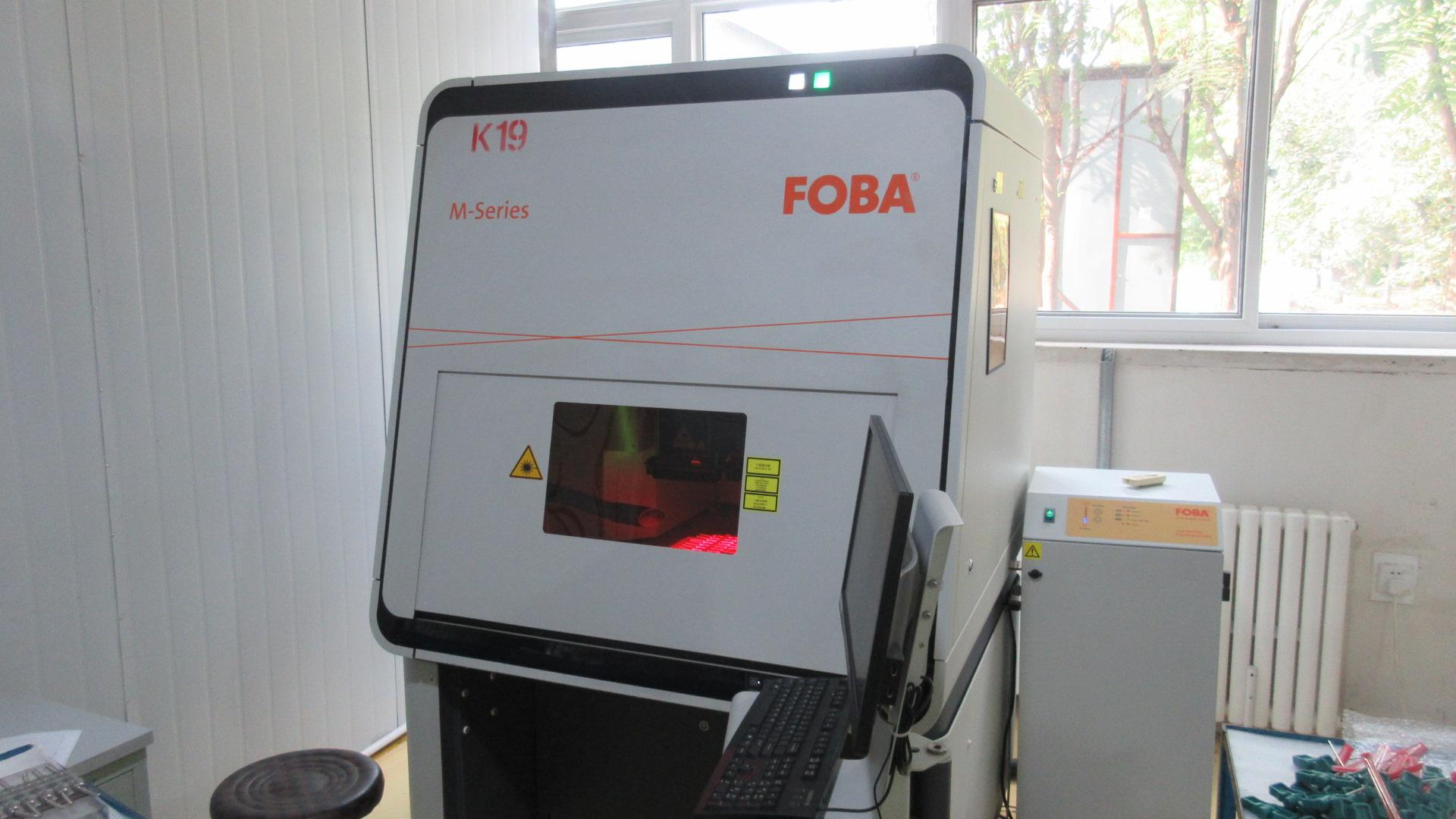
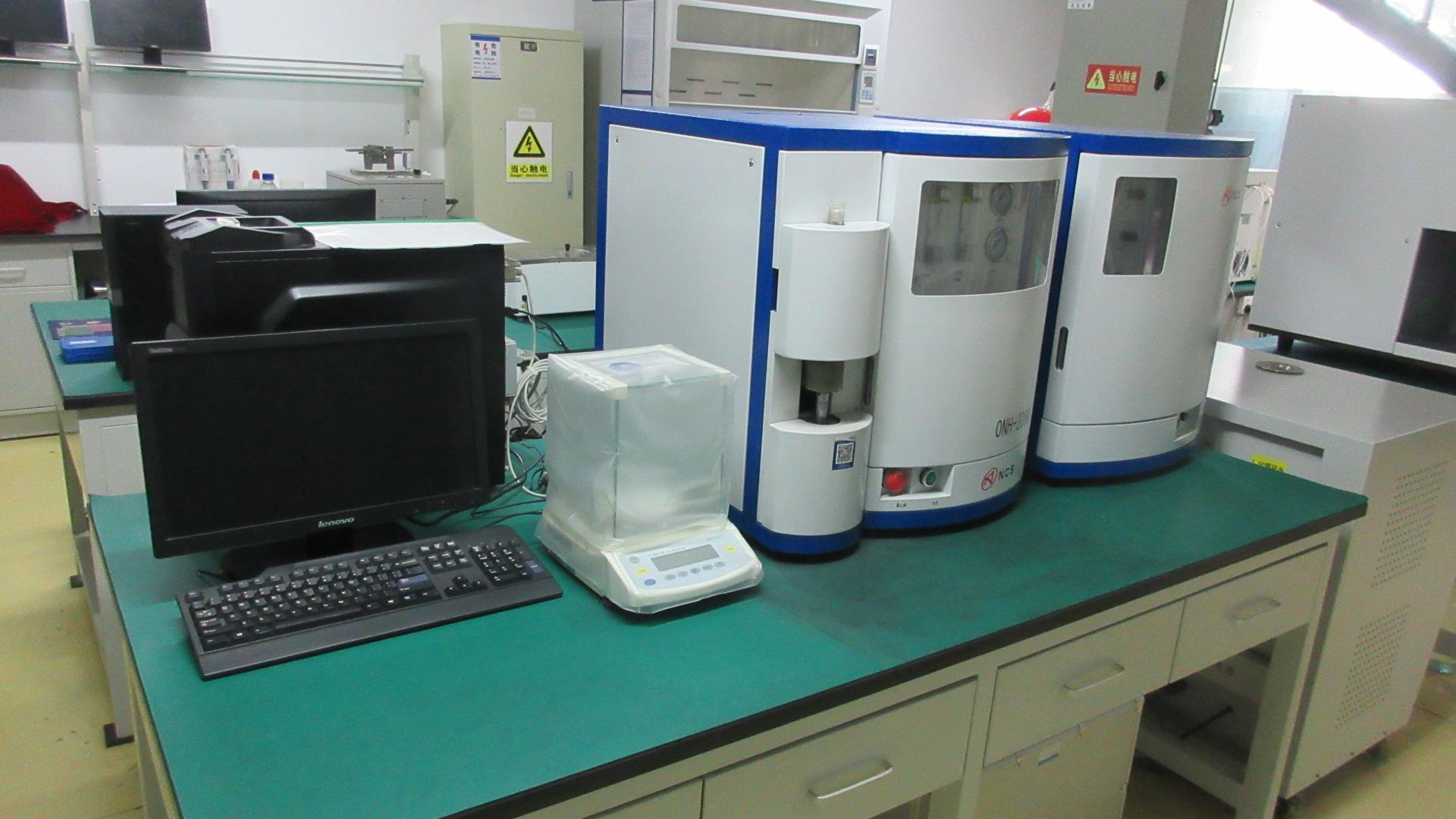
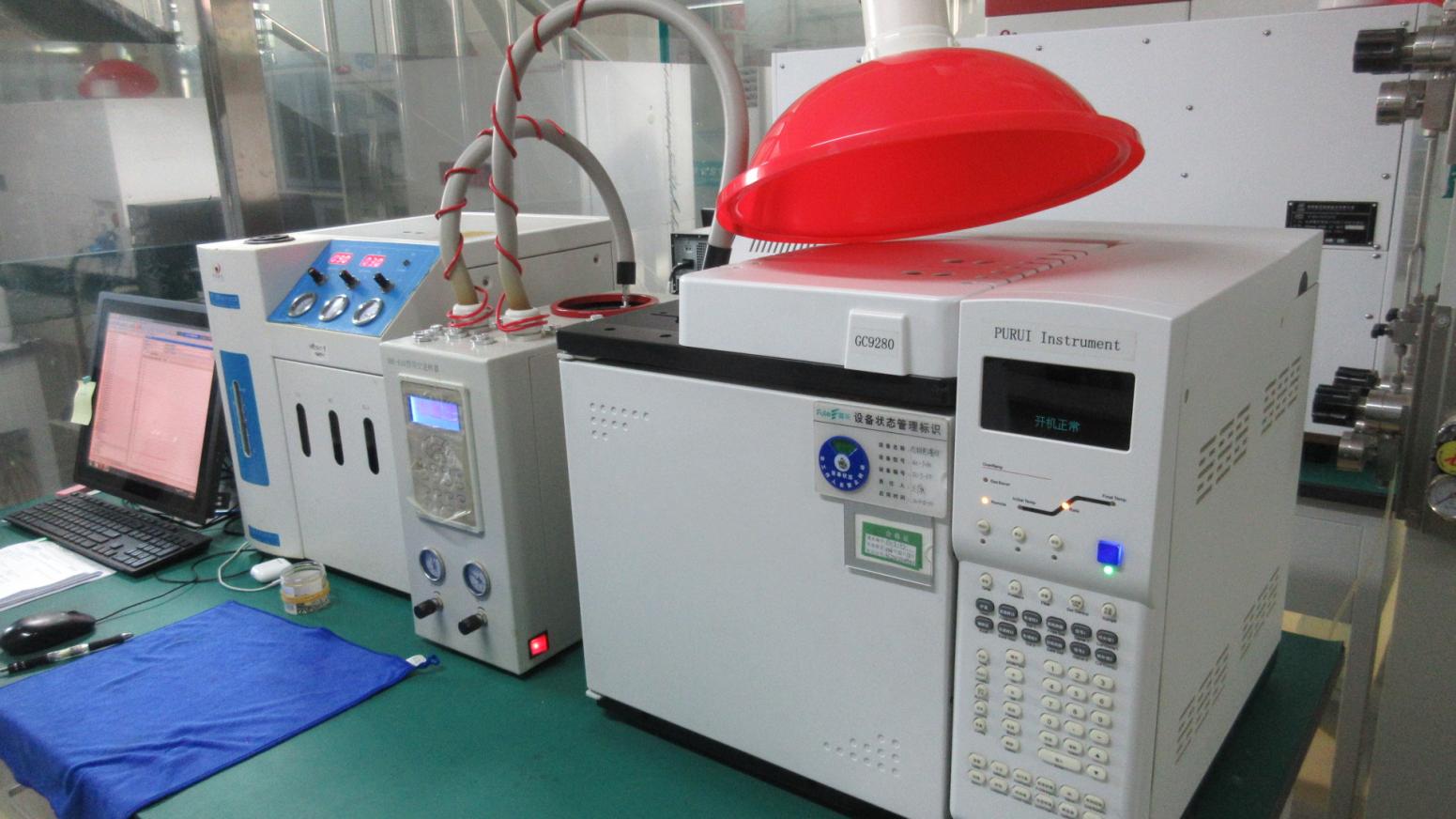
The field of orthopedic trauma is transitioning toward dynamic, patient-responsive treatment solutions. Research demonstrates that rigid fixations, while necessary during initial healing phases, can shield bones from natural mechanical stresses. This can delay the remodeling process.
Our technology roadmap focuses on developing micro-motion systems that allow for controlled axial micro-movements to promote bone healing. Additionally, we are evaluating composite coatings that combine antimicrobial and bone-growth properties. Sourcing from an OEM partner committed to these advancements helps keep your product line aligned with modern surgical innovations.
Direct supply chains and customs coordination for European Union markets, Southeast Asia, and South America.
Verified Administrative and Structural Data of the Factory
| Company Registration | Registered on 1996-06-28 (Over 27 years of surgical manufacturing history) |
|---|---|
| Facility Infrastructure | 10,000 square meters of specialized cleanrooms, testing labs, and machining halls |
| Design Customization | Comprehensive graphic processing, physical sample processing, and custom-on-demand engineering |
| Staffing & R&D Power | 20 core R&D specialists, 15 QA/QC inspectors, with dedicated regulatory filing specialists |
| Languages Supported | Comprehensive English business correspondence, technical drawings, and medical dossiers translation |
| Main Clients | Medical Device Retailers, Regional Wholesalers, Global OEM Brands, Hospital Purchasing Consortia |
Addressing Common Quality Assurance, Certification, and Order Inquiries
Standard tooling and customization setups take between 30 to 45 days. High-volume runs of pre-designed tibia locking plates or intramedullary systems are dispatched in 15 to 25 days, depending on requirements for cleanroom packaging and sterilization validation.
We enforce strict protocols starting with raw material arrivals. Mill certificates from titanium (Ti-6Al-4V ELI) and PEEK suppliers are validated against ASTM/ISO specifications. Product lots are cross-referenced to specific raw material heats to ensure complete traceability.
Yes, we provide our OEM and ODM clients with a comprehensive technical dossier. This contains mechanical fatigue analysis summaries, ISO 13485 certifications, biocompatibility data (ISO 10993), cleanroom sterilization validation paperwork, and clinical literature overviews to streamline registration with local health authorities.
Our in-house biomechanical testing lab conducts static and dynamic testing in accordance with ASTM F382 (for bone plates) and ASTM F1264 (for intramedullary nails). Fatigue life limits are calculated to ensure long-term stability and clinical efficacy.
Precision Instruments, Trauma Plates and Spinal Systems
 Beren Science & Technology