Advanced orthopedics and structural wound management systems engineered to optimize procedural times and ensure biomechanical compatibility.
In contemporary clinical environments, the transition from passive tissue protection to active biological enhancement defines the frontier of wound care and surgical recovery. As an established OEM/ODM medical engineering powerhouse, Beijing Fule Science & Technology Development Co., Ltd. (founded in 1996) integrates thirty years of expertise in implantable materials and structural wound management systems. We specialize in transforming complex clinical demands into high-performing, regulatory-compliant medical solutions for orthopedics, spine trauma, and post-operative tissue recovery.
The surgical interface requires a dual focus: structural restoration and biological tissue repair. Historically, orthopedic implants and wound dressings were treated as separate components. Modern clinical studies show that post-operative wound healing is directly influenced by the biomechanical design of internal stabilization systems. For instance, minimally invasive surgery (MIS) systems, such as the MIS TLIF Instruments, reduce soft-tissue exposure, limit devitalization, and promote rapid anatomical healing.
Current global medical trends highlight the rise in bioactive materials, bio-compatible surface finishes, and anti-microbial interfaces. As global suppliers, our production techniques are aligned with these changes, producing titanium alloy systems (Class III and Class I) designed to reduce post-operative surgical site complications and support soft tissue health.
Hospital procurement officers and international medical device distributors prioritize three primary criteria: mechanical reliability, manufacturing scalability, and rigorous regulatory certification.
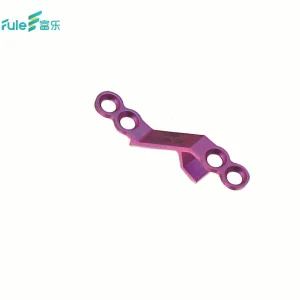
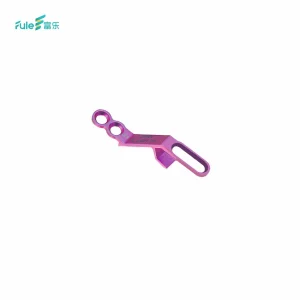
The market demands structural systems that withstand physical stress while supporting post-operative recovery. Solutions like our Pediatric Spinal Screw-Rod System or the Cervical Laminoplasty Titanium Spine Implants address these demands. These systems provide stabilization to reduce shear forces on the surrounding deep-tissue wound bed, promoting stable cell migration and microvascular regeneration.
Additionally, compliance with international standards such as ISO 13485 and CE certifications is essential for entering key global healthcare markets. Fule offers medical distributors reliable documentation, complete raw material traceability, and consistent performance across production runs.
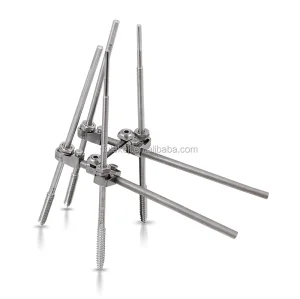
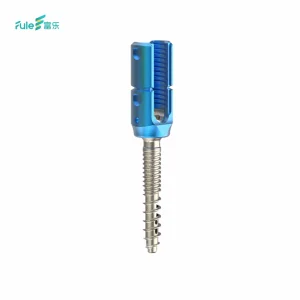
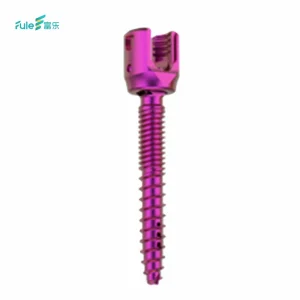
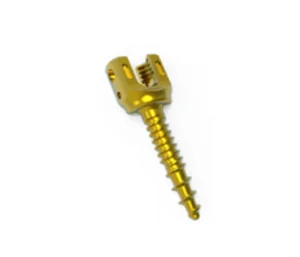
Fule provides integrated clinical systems designed for the operating room. Stabilizing orthopedic hardware is the first step in deep wound recovery. High-quality Pedicle Screw systems protect spinal columns from micro-movements that can disrupt delicate surgical closures and cause chronic inflammatory wounds.
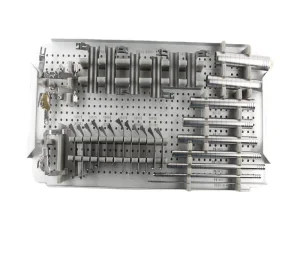
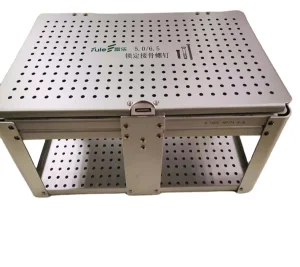
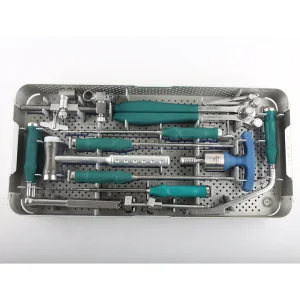
Additionally, custom instrumentation cases, such as our Orthopedic Aluminum Screw Boxes, are engineered to streamline operating room workflows. Providing clean, well-organized, and sterilizable tool setups reduces preparation times and minimizes open-wound exposure, lowering the risk of bacterial contamination.
How our OEM/ODM processing line bridges the gap between raw biomedical materials and clinical success.
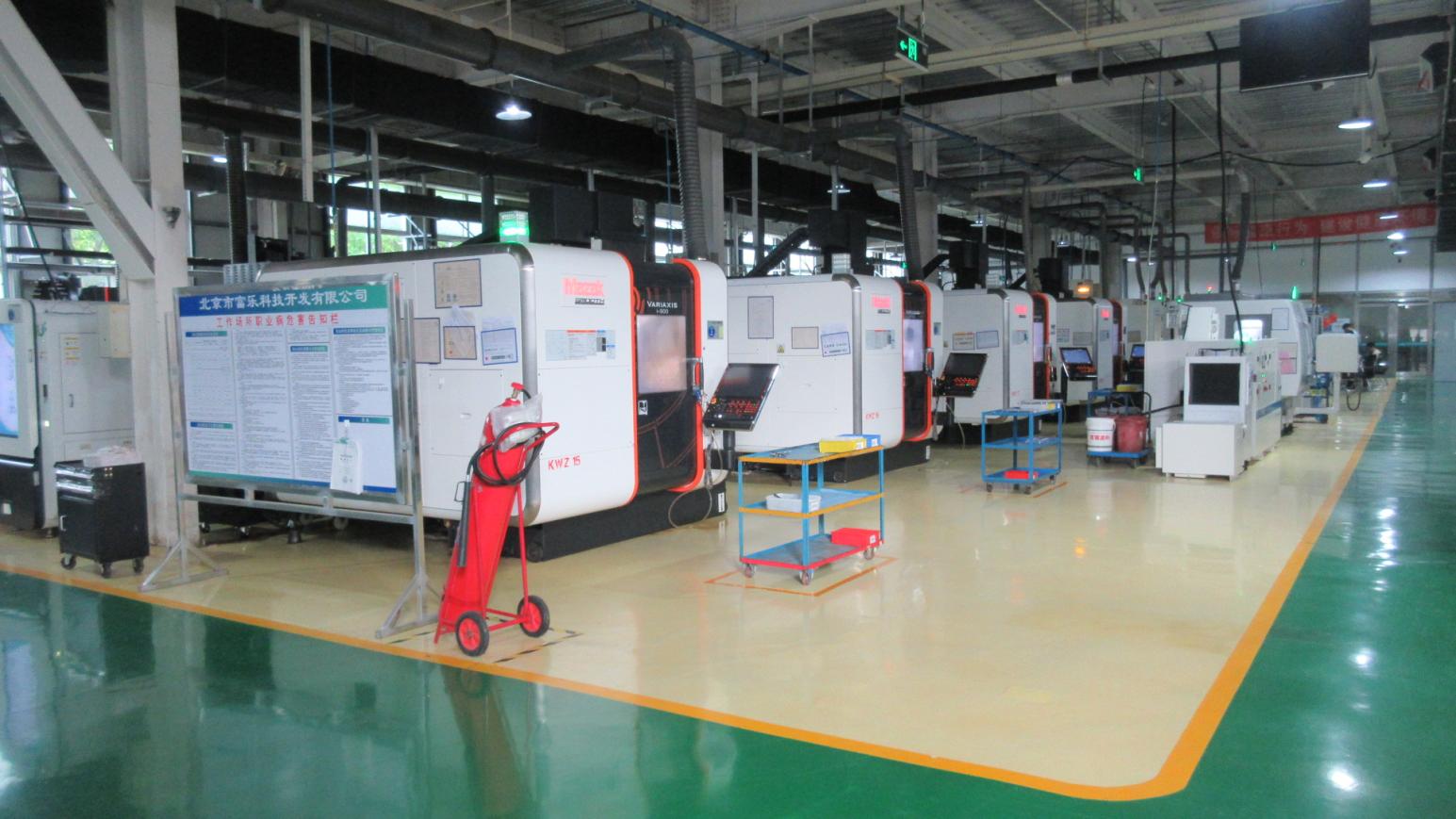
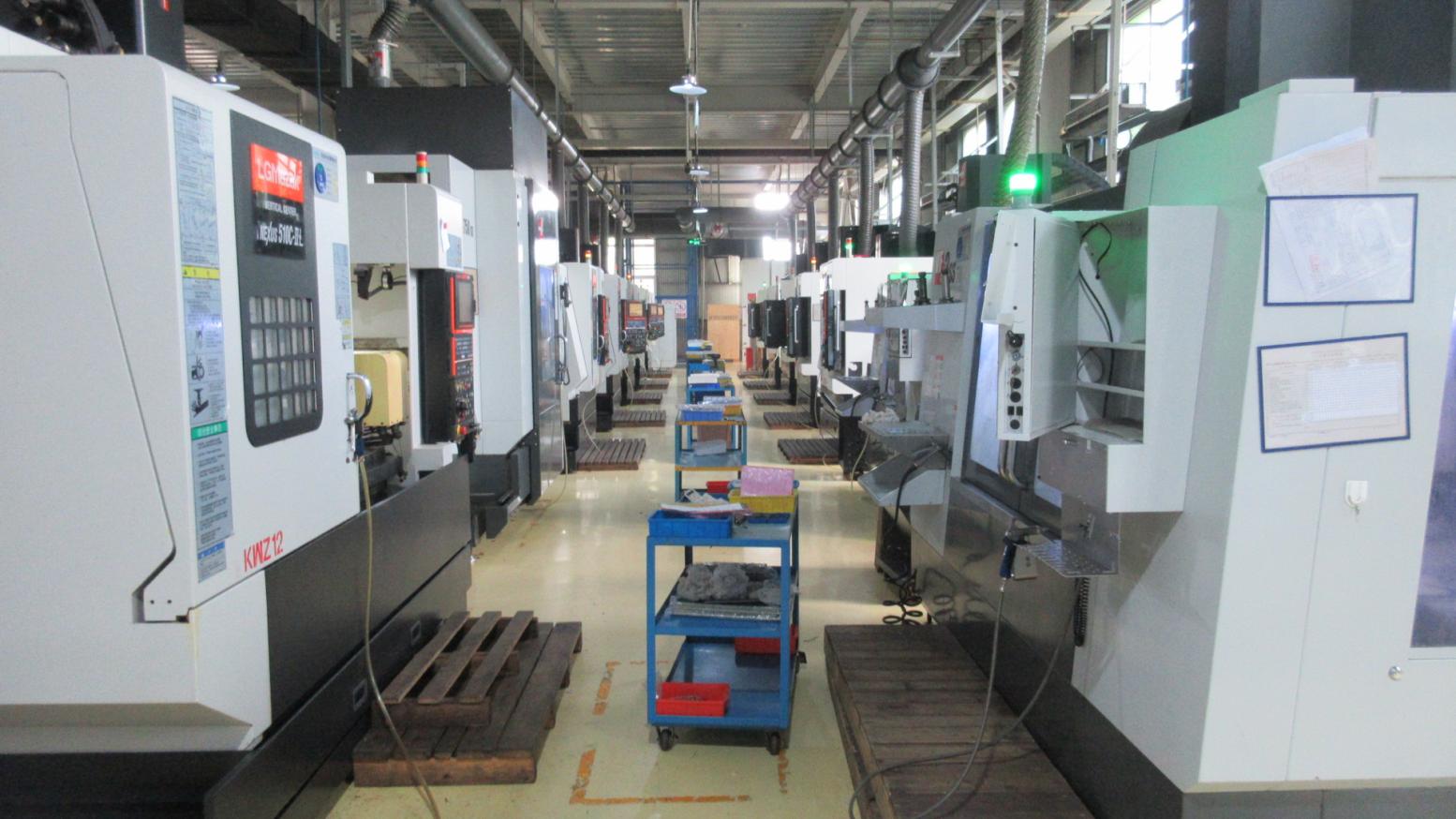
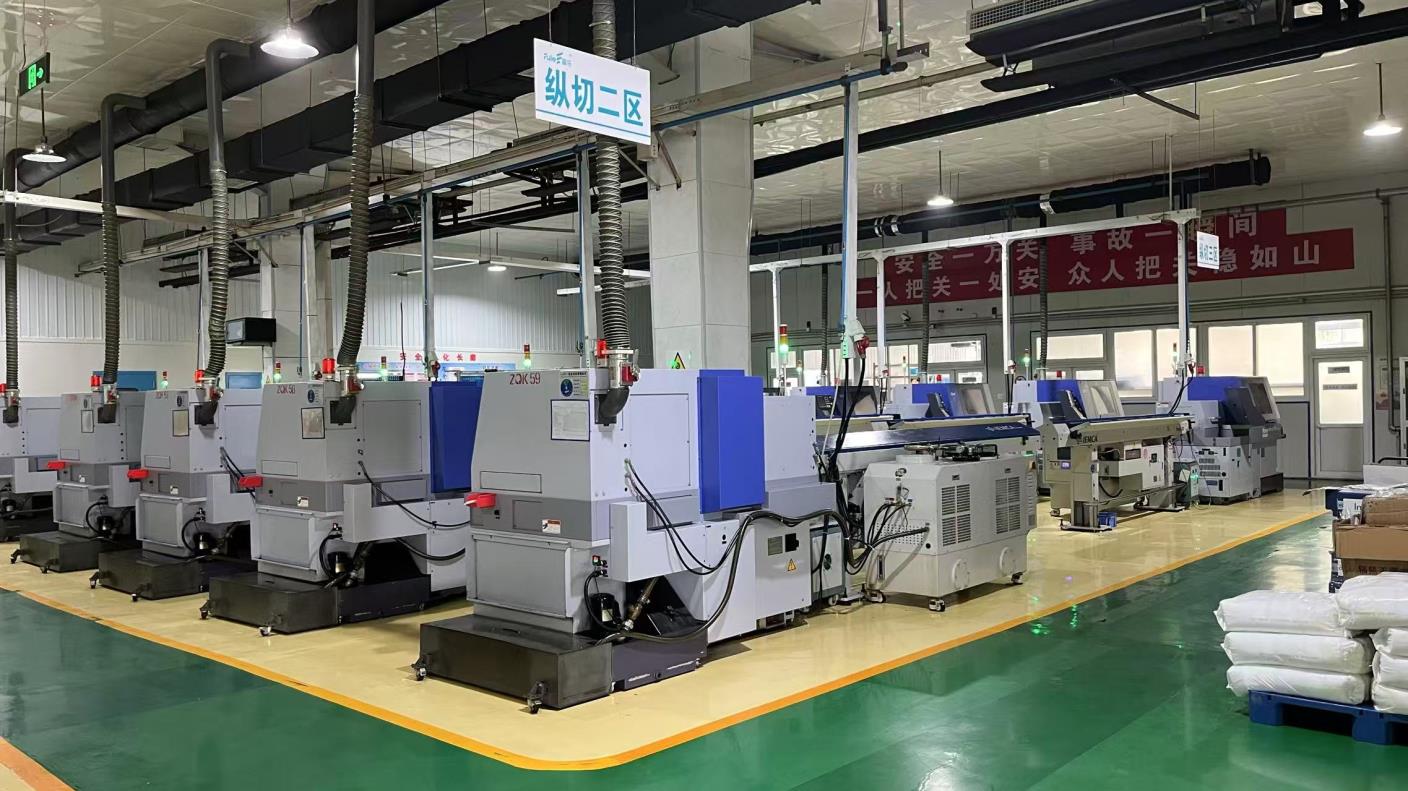
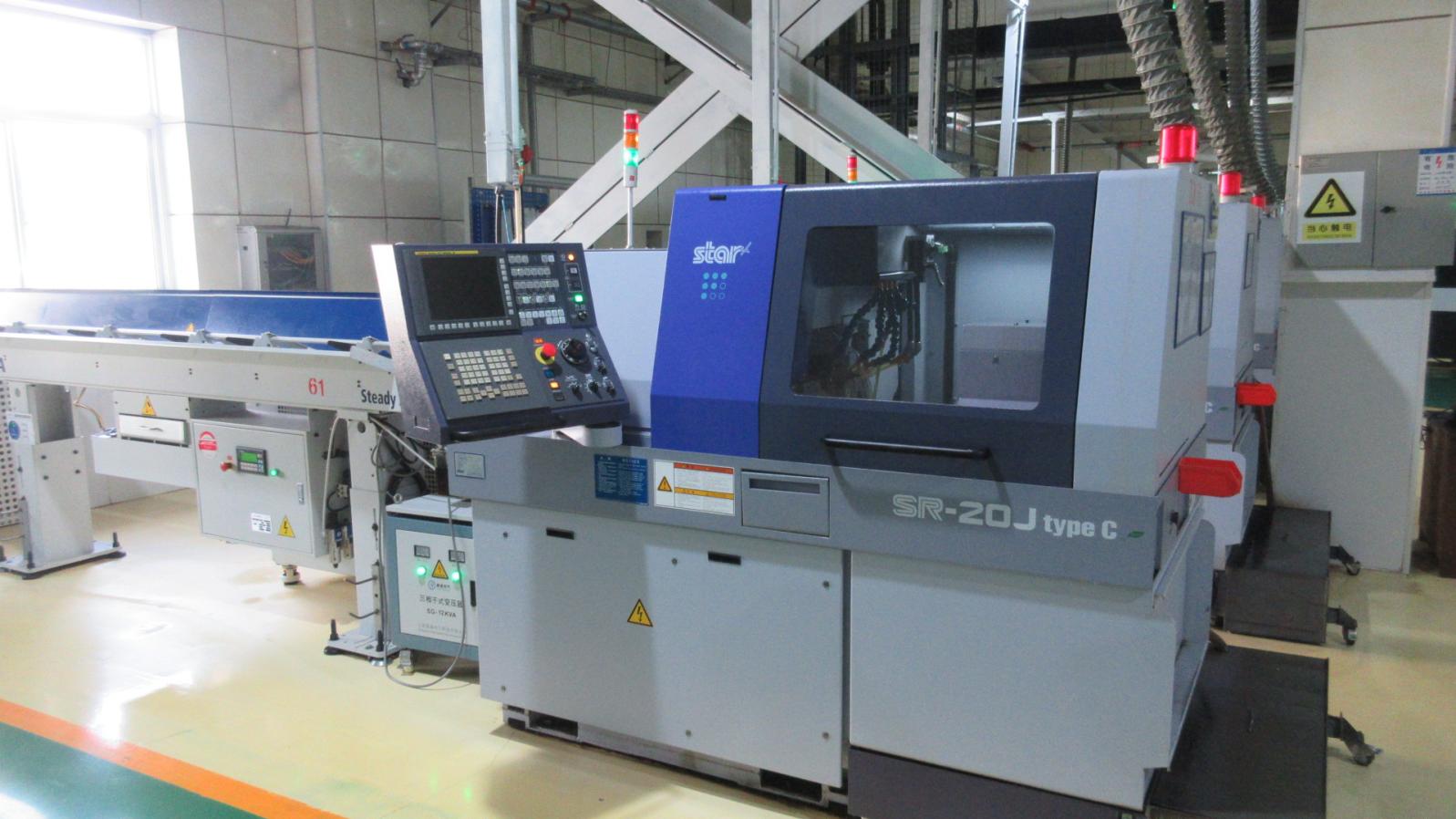
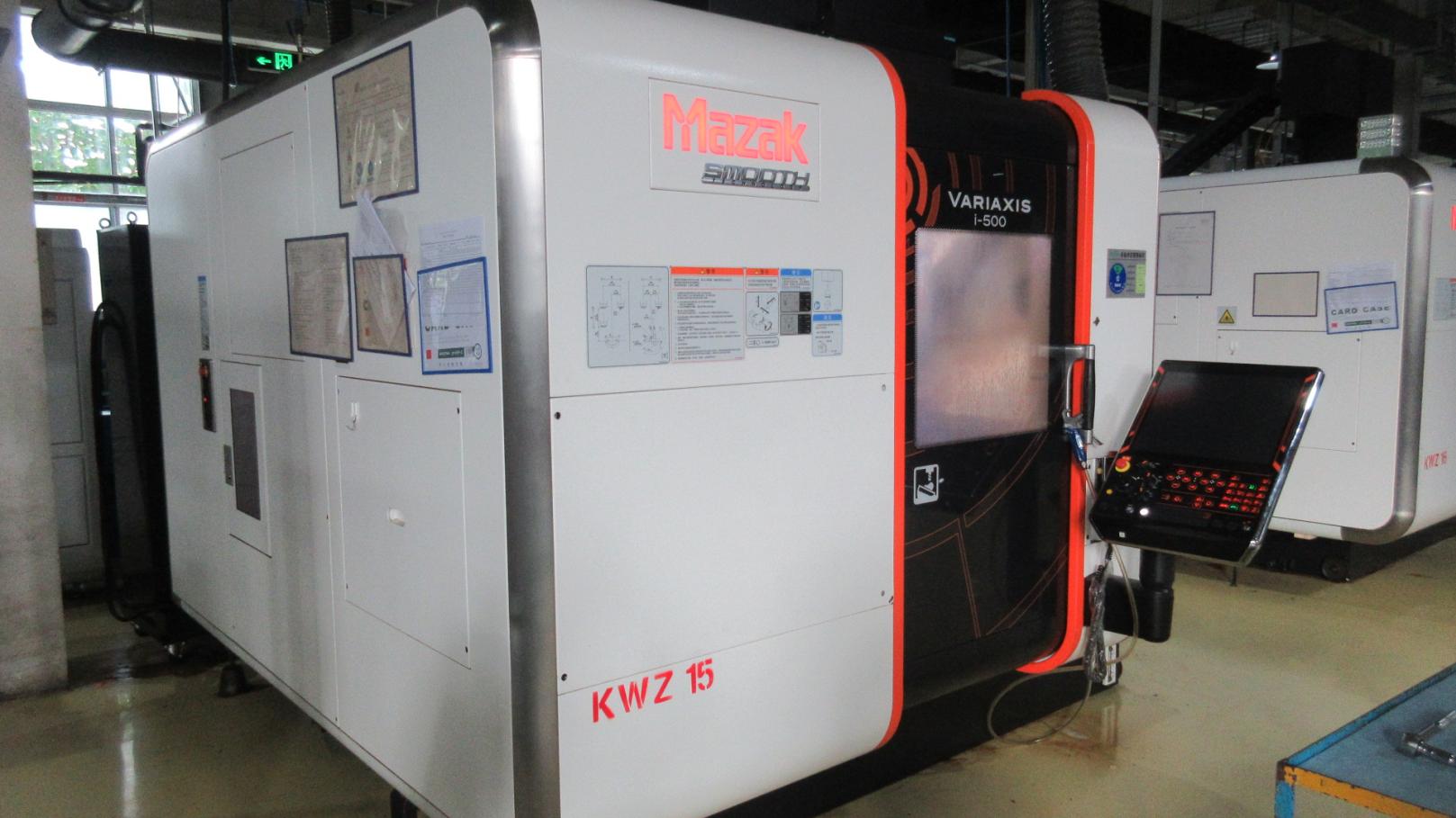
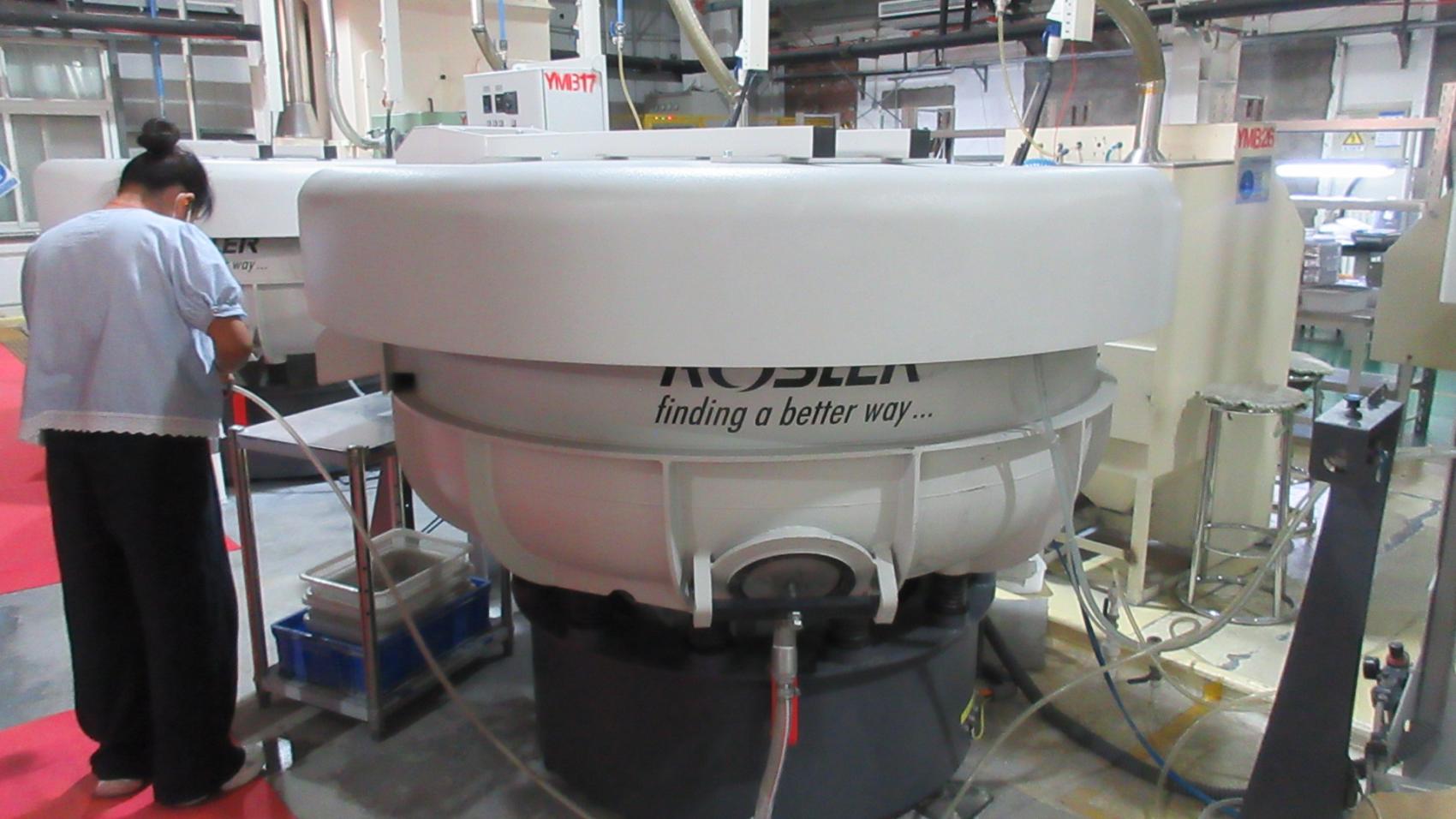
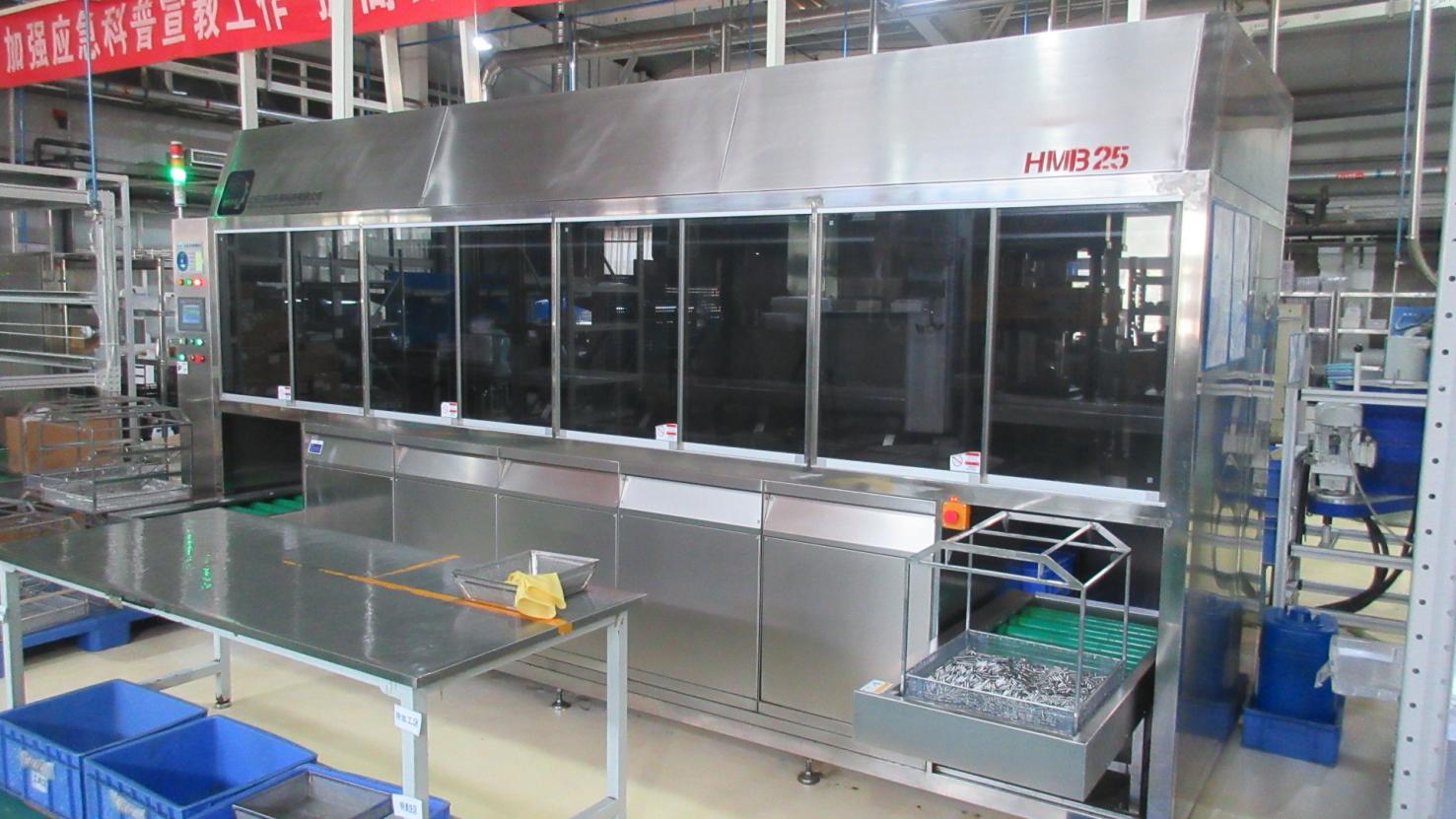
Precision turning, milling, and surface polishing of medical-grade Titanium Alloy (Grade 5) and PEEK polymer configurations.
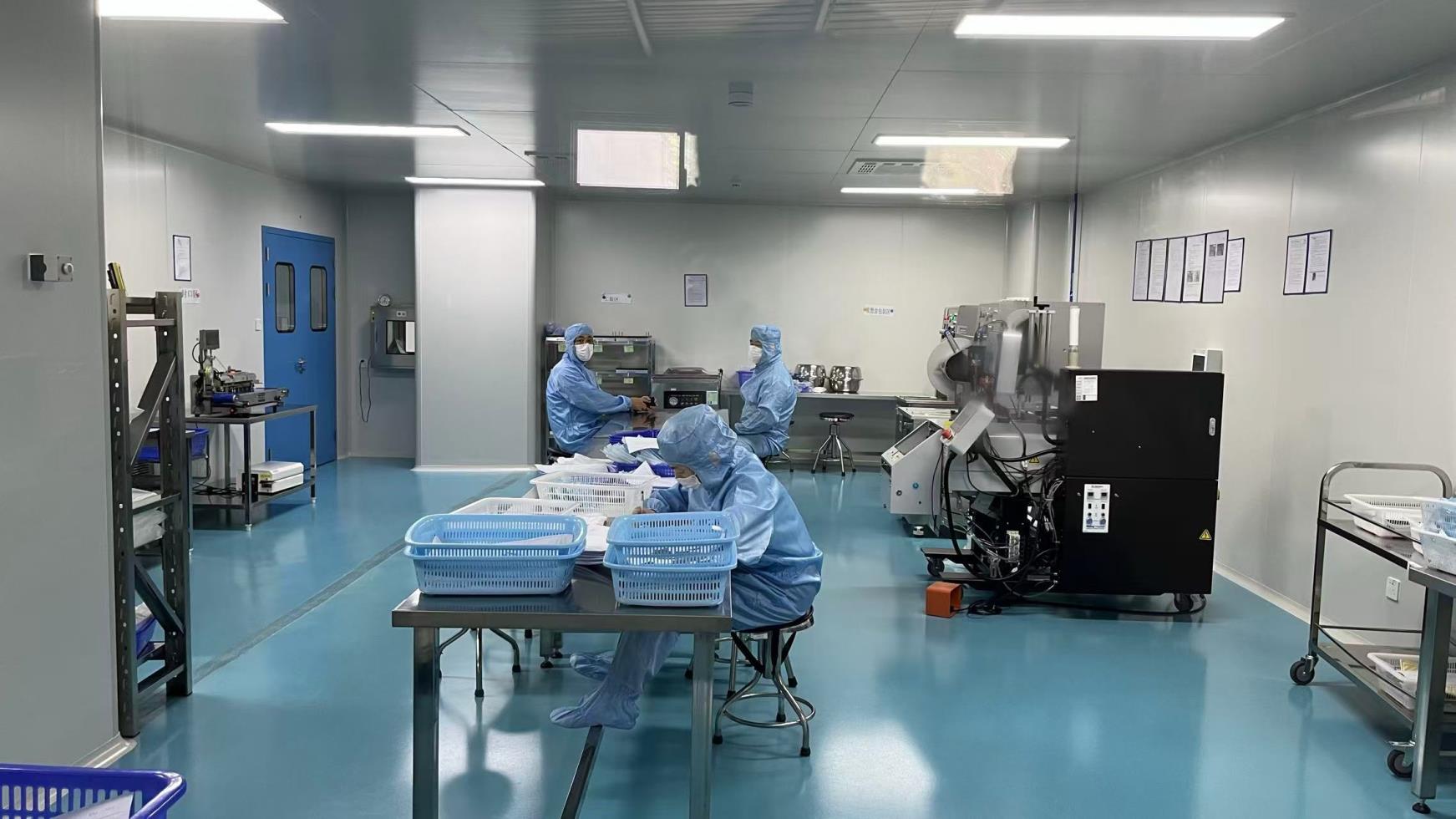
Class 100,000 cleanroom zones dedicated to sterile processing, ensuring minimal biological load on all primary products.
Our systems hold Class III CE certification and comply with ISO 13485, meeting regulatory requirements for major target markets.
The next phase of medical device development involves integrating tissue healing pathways directly into structural implants. This includes developing micro-textured surfaces that guide bone growth and bio-absorbable elements that degrade naturally after healing.
At Fule, our 20-member R&D team works on advanced surface modification techniques, such as anodic oxidation and sandblasting. These treatments enhance initial implant stability and support cell integration, helping to stabilize the surrounding tissue and improve long-term outcomes.
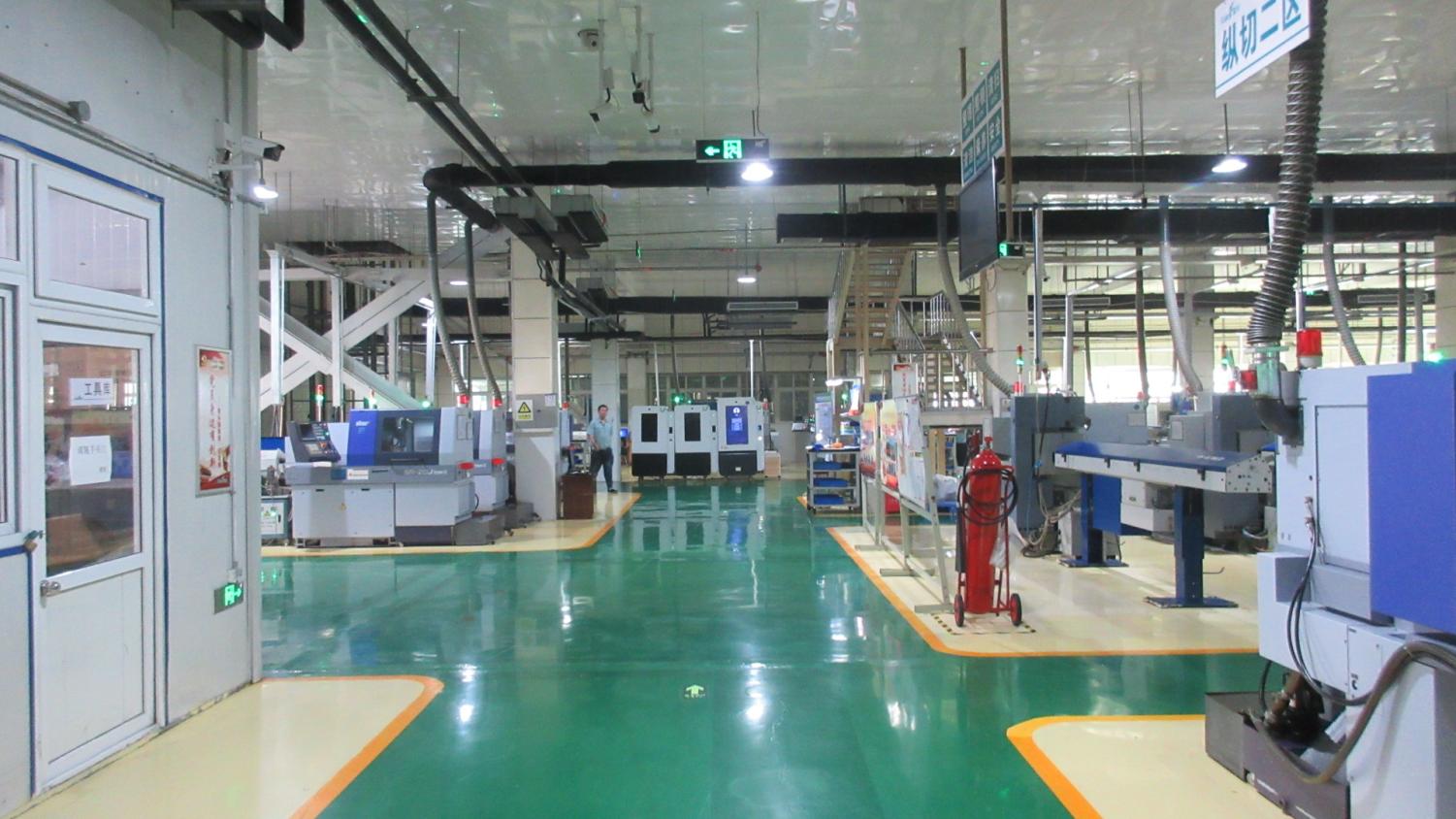
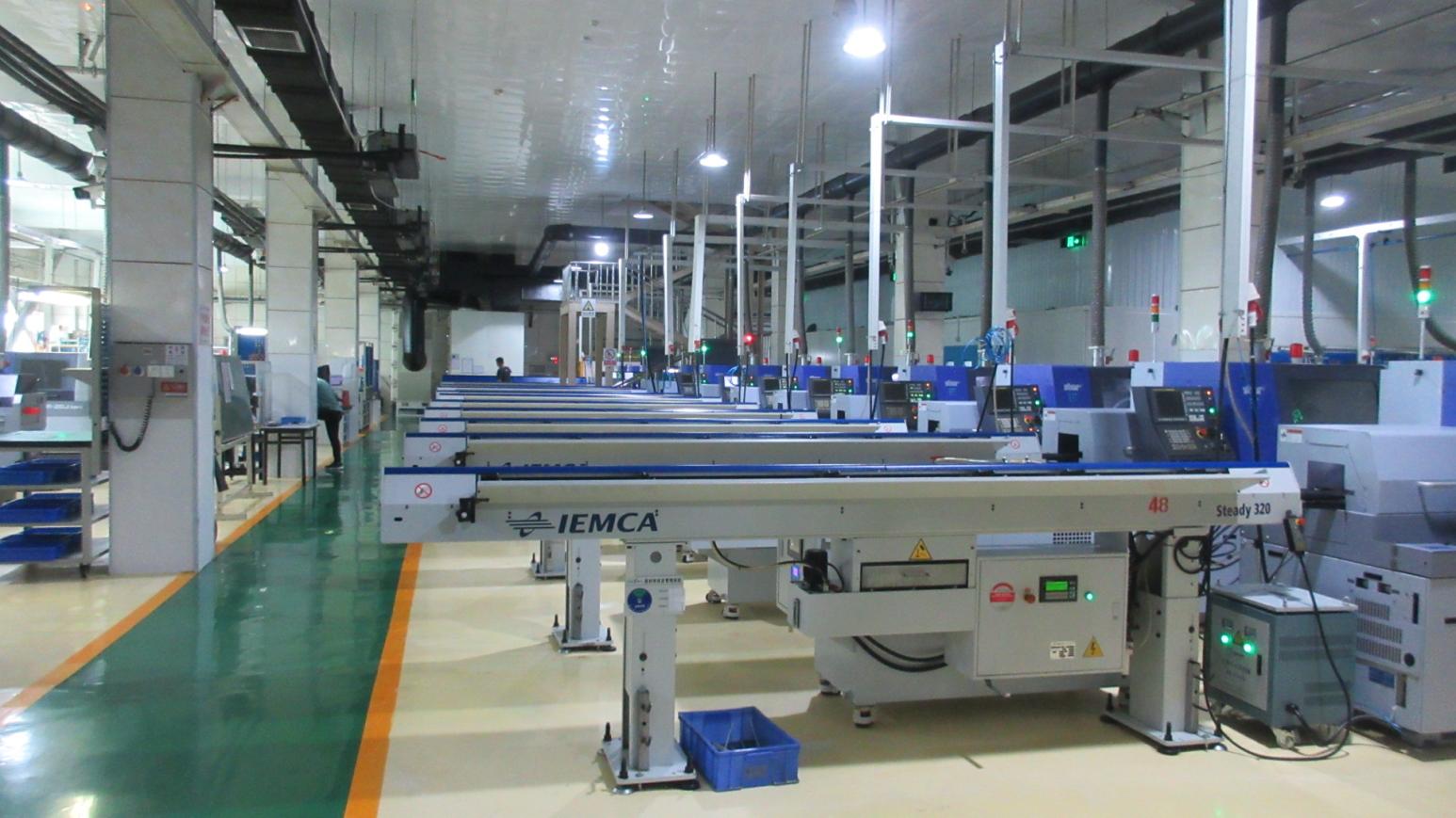
Common questions from medical distributors, healthcare groups, and regulatory affairs managers.
Premium titanium and alloy systems designed to support bone integration and soft tissue stability.
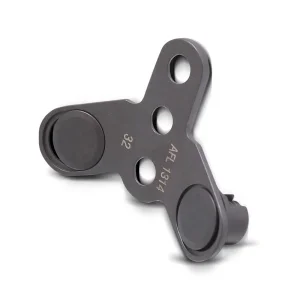
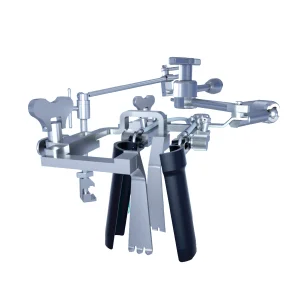
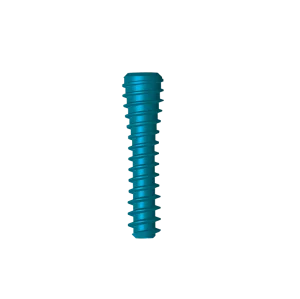
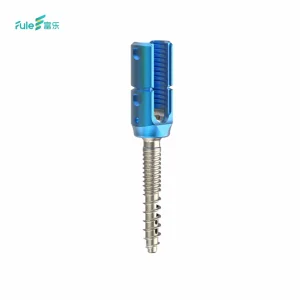
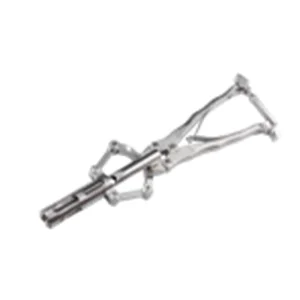
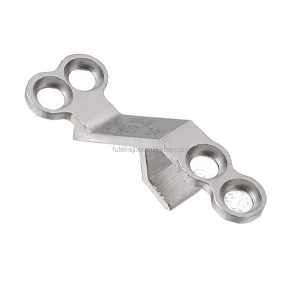
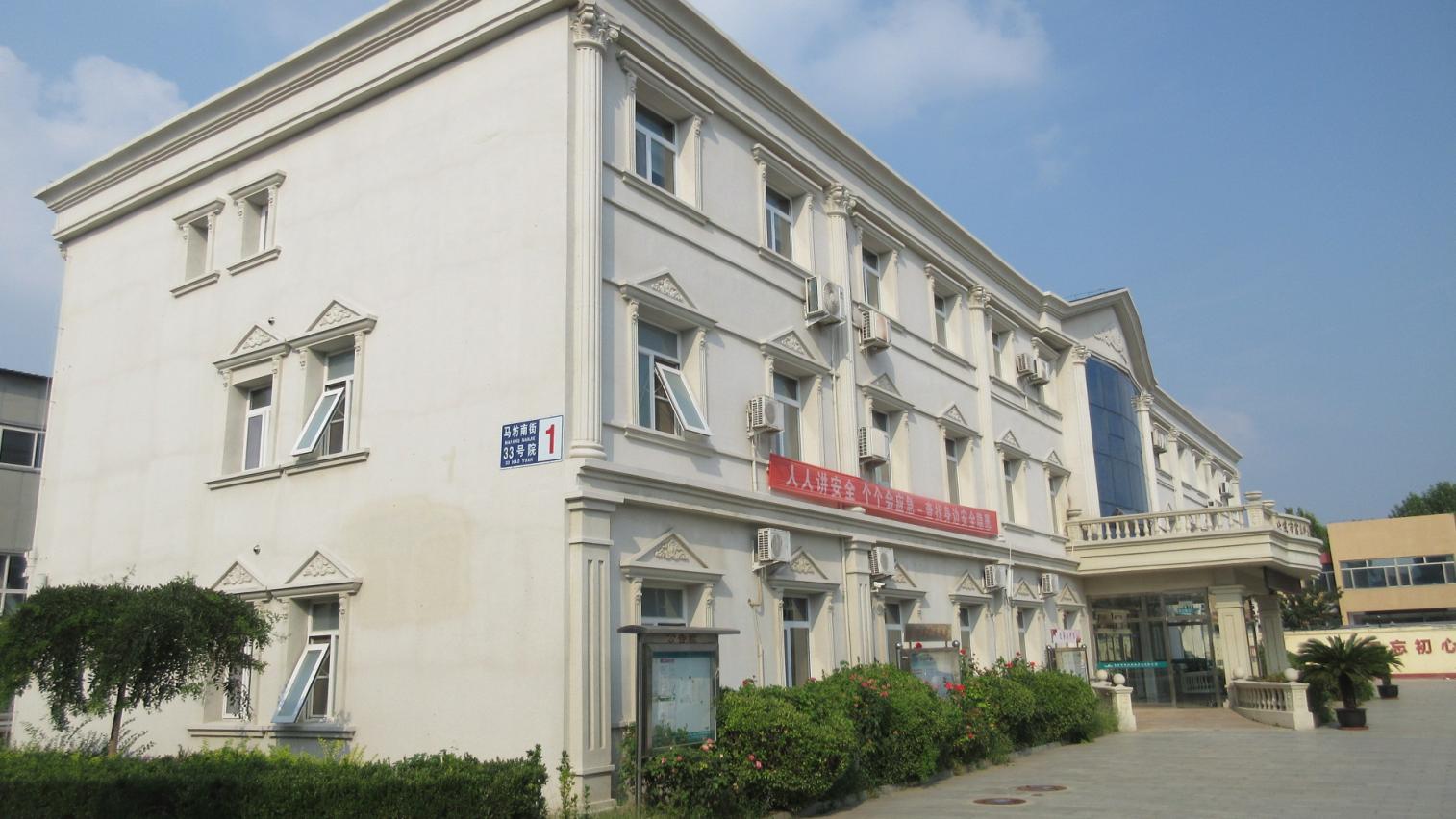
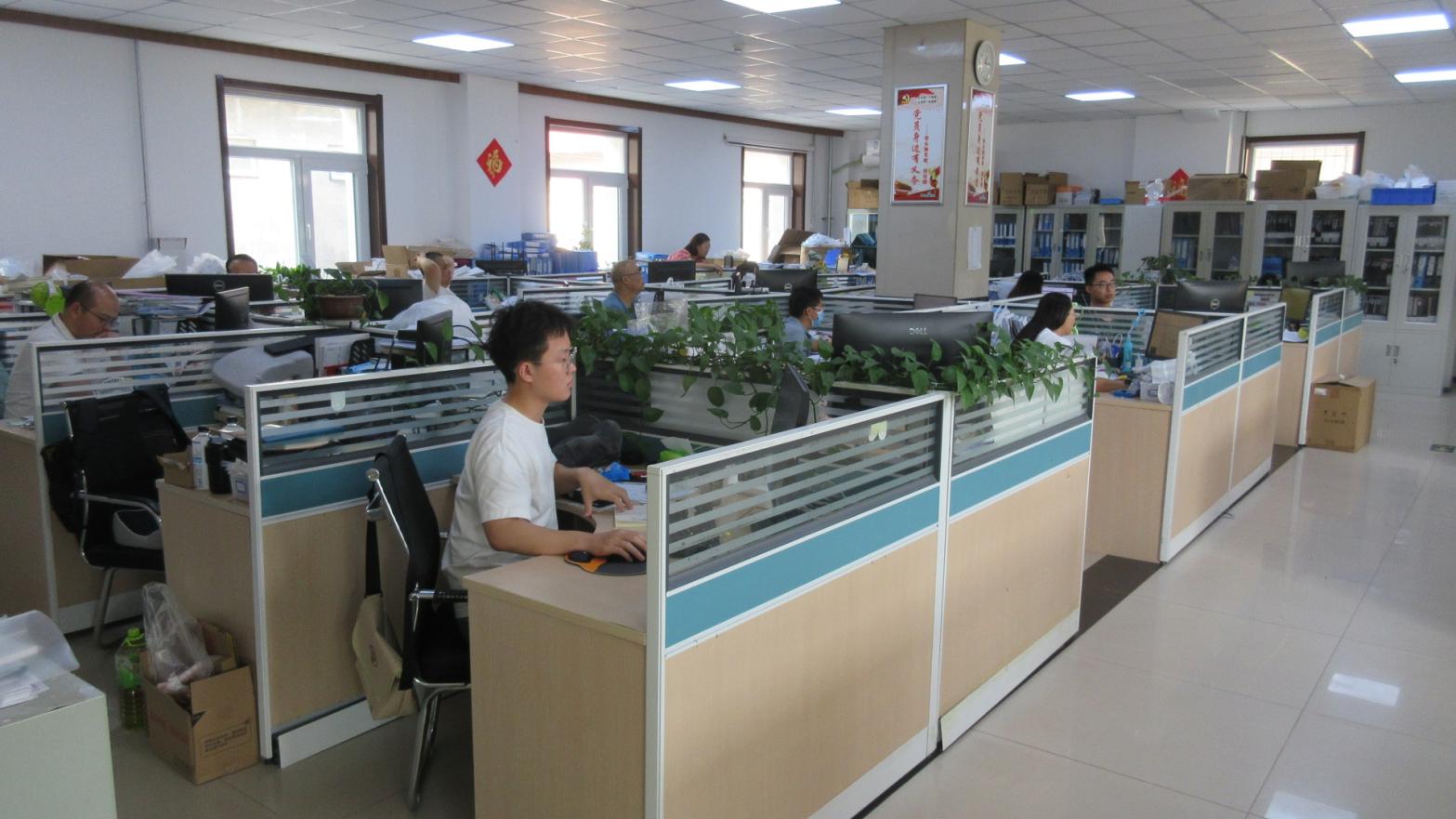
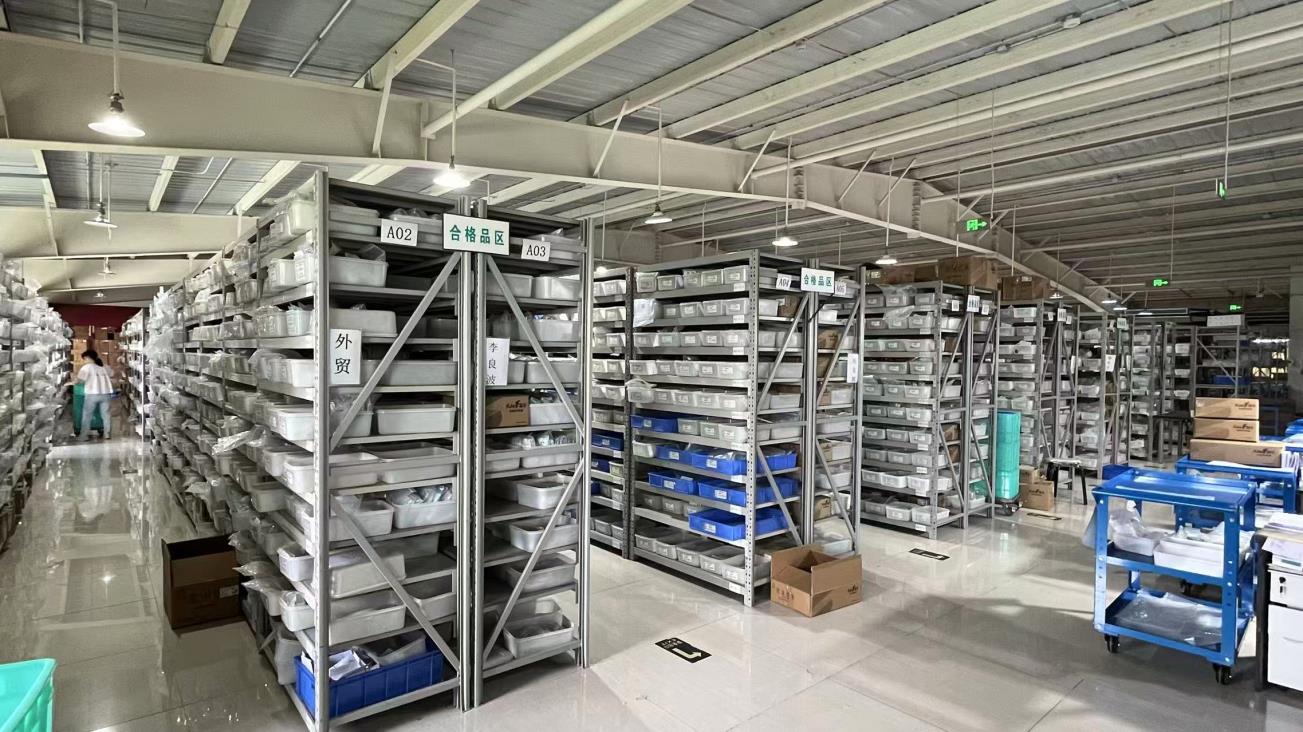
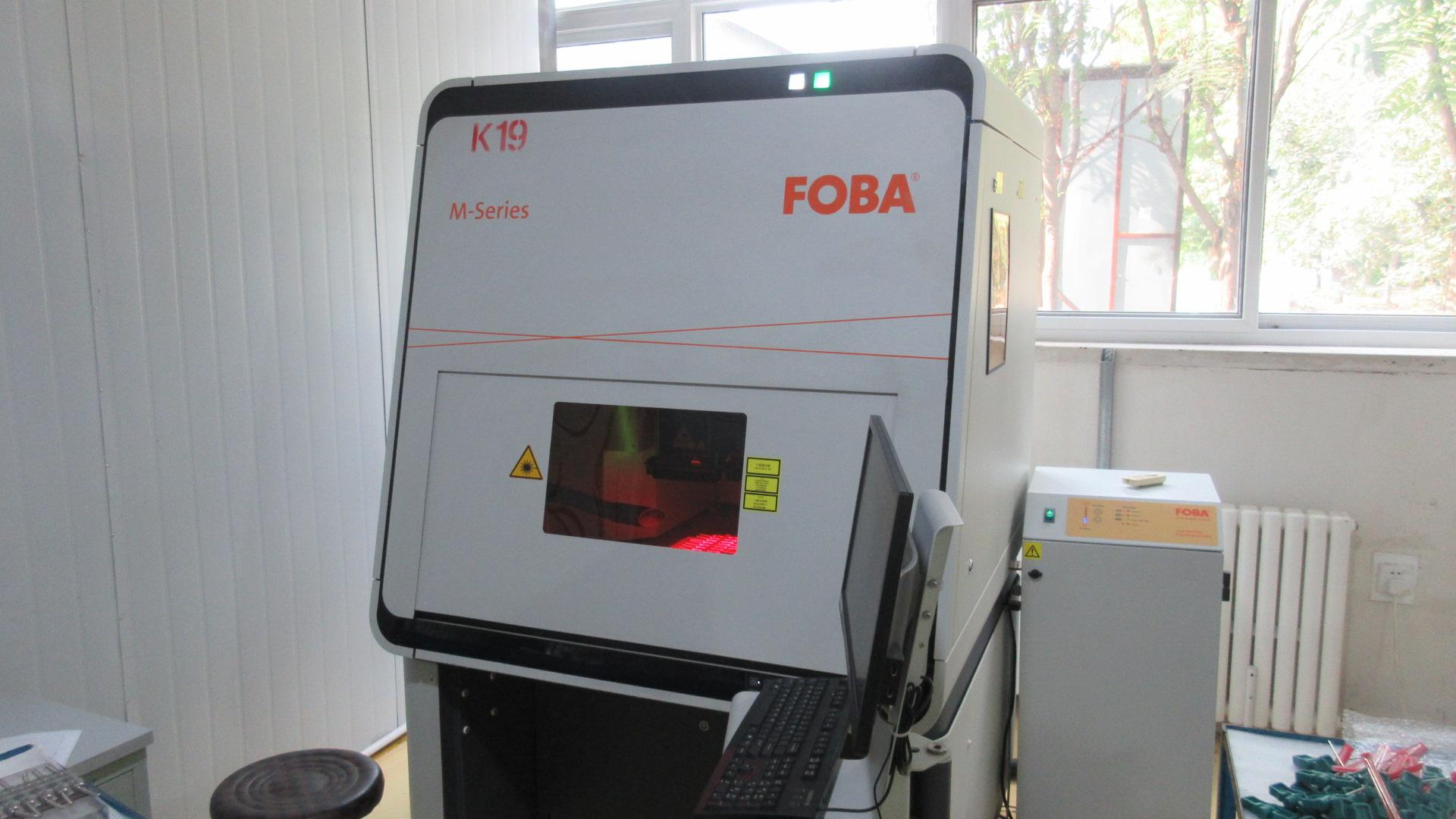
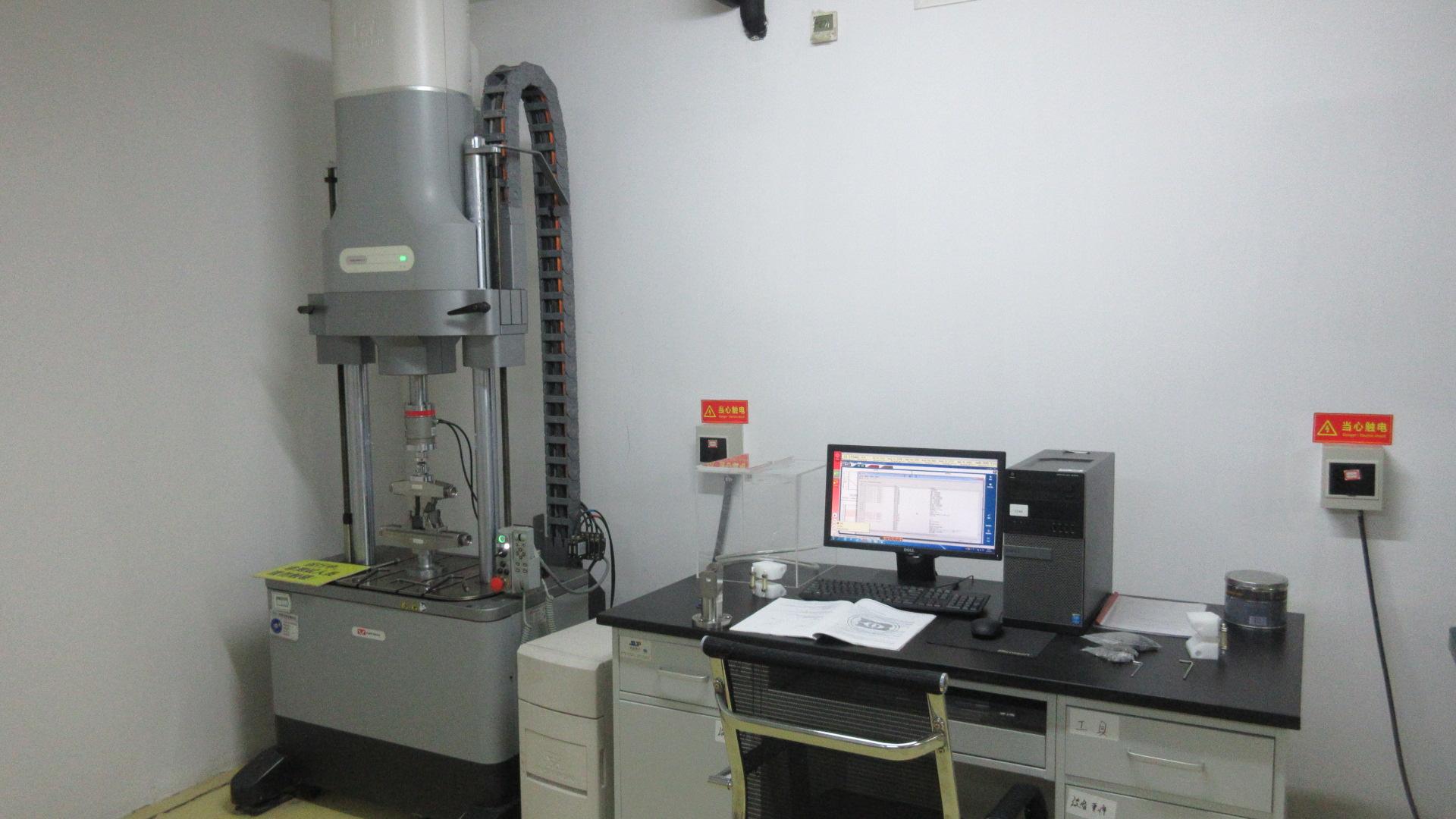
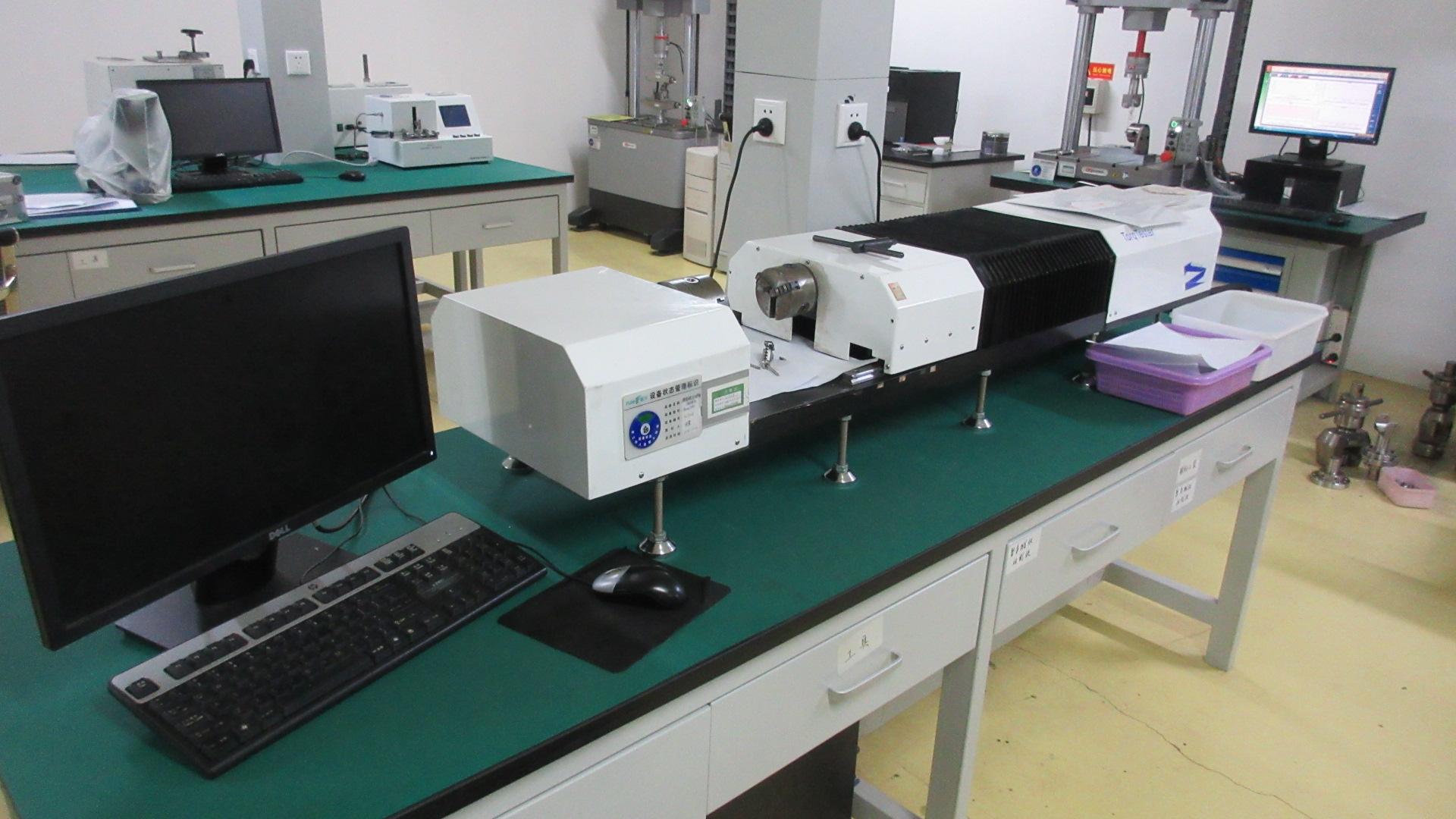
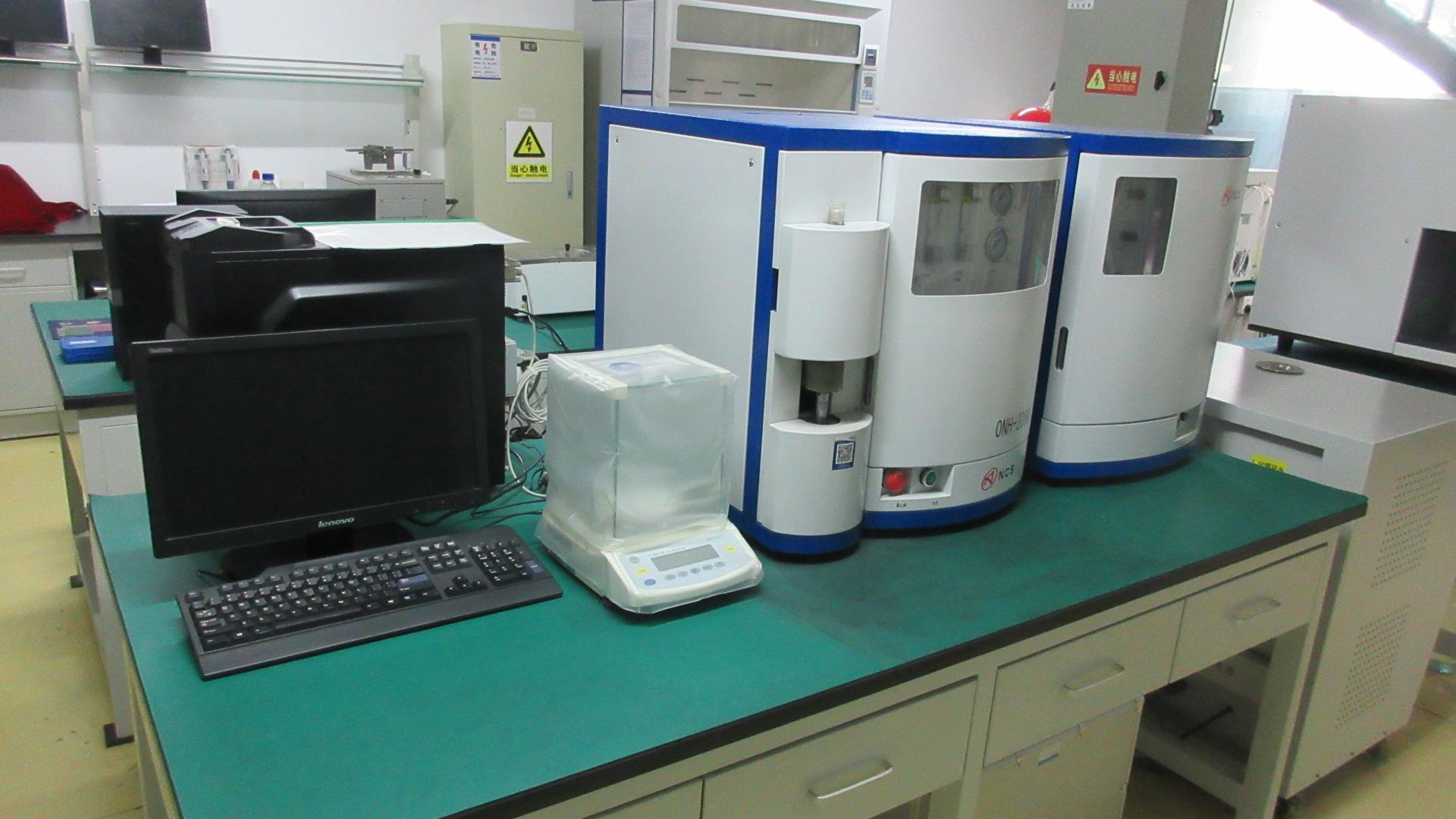
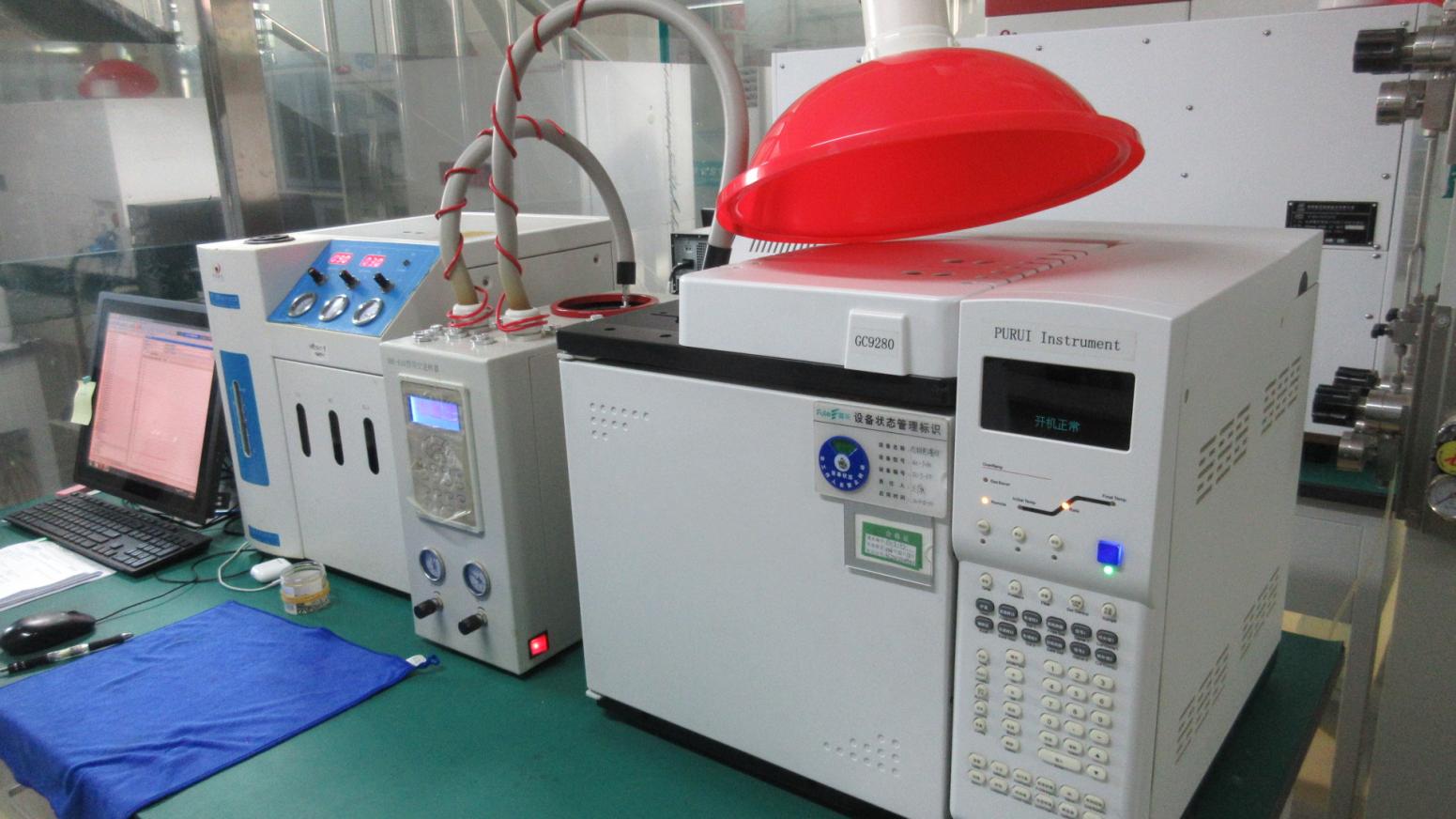
A look inside our 10,000 square meter ISO 13485 certified production and packaging facilities.
 Beren Science & Technology