In modern orthopedics and spinal surgeries, the evolutionary trajectory of implantable materials has shifted rapidly from permanent metal alloys to smart biomaterials. Traditional titanium and cobalt-chromium constructs, while highly durable, impose long-term limitations including stress shielding, metal allergy risks, magnetic resonance imaging (MRI) distortion, and the frequent clinical necessity of secondary extraction surgeries.
As a leading pioneer with over 30 years of manufacturing and exporting expertise, our facility specializes in bridging the gap between clinical demands and materials science. By focusing on highly engineered bioabsorbable polymers (such as PLLA, PGA, and PLGA copolymers) alongside our industry-recognized titanium spinal fixation systems, we deliver optimized load-sharing capabilities and progressive resorption profiles. This ensures that while the bone goes through its natural healing cycle, the implant gradually transfers load back to the host tissue, eventually degrading into non-toxic metabolites (water and carbon dioxide) that are naturally excreted by the body.
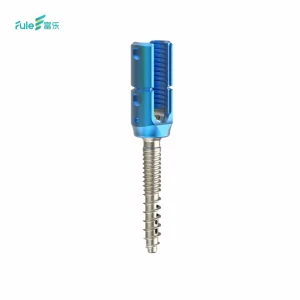
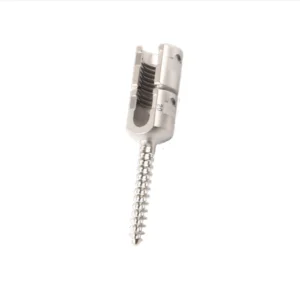

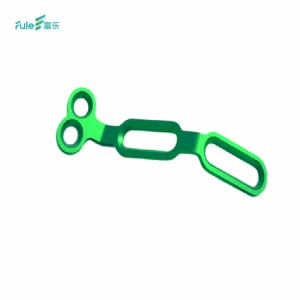
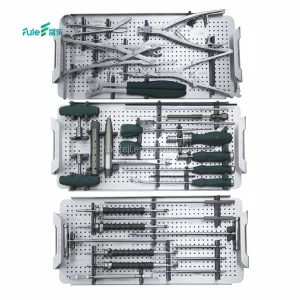
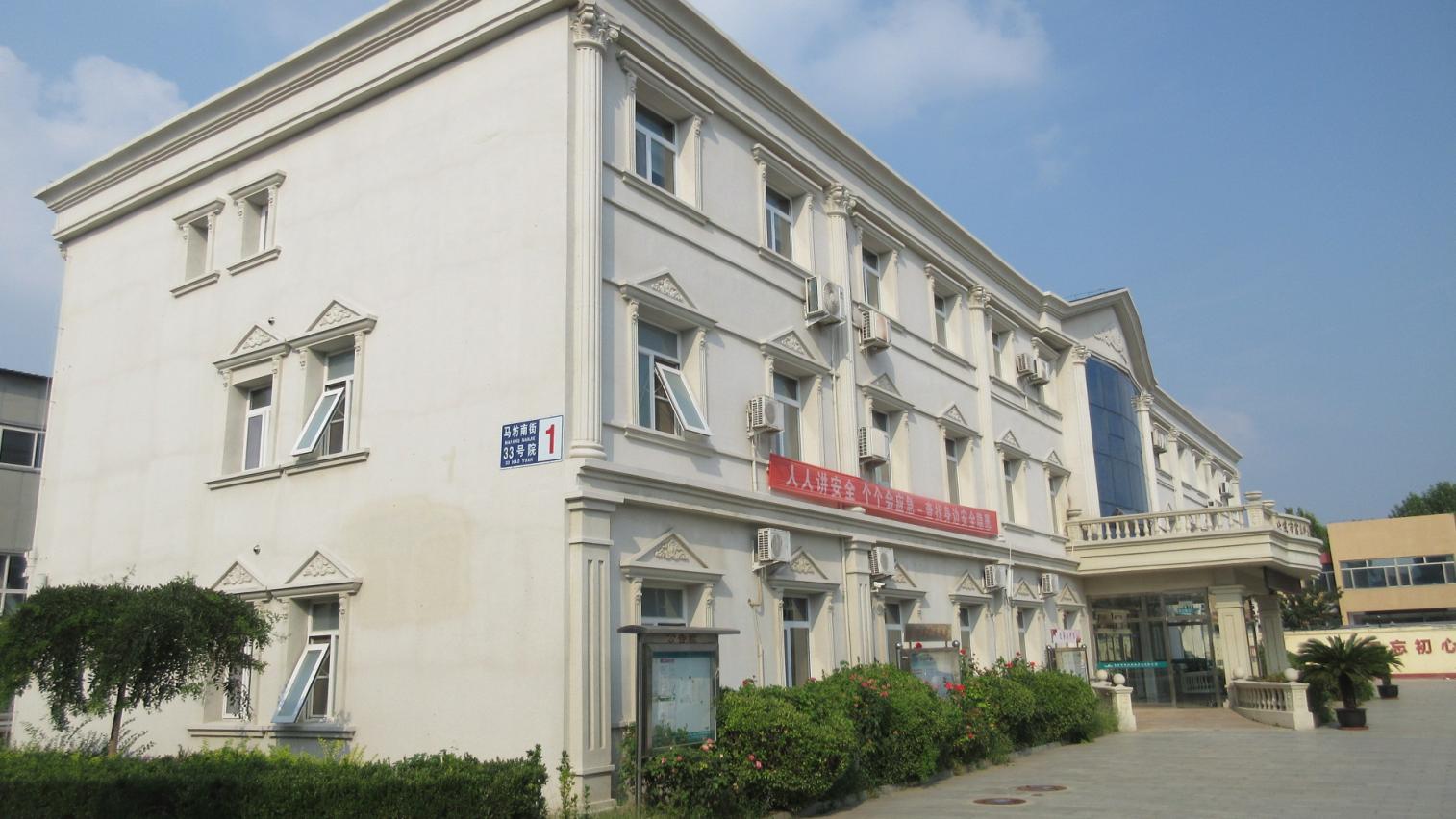
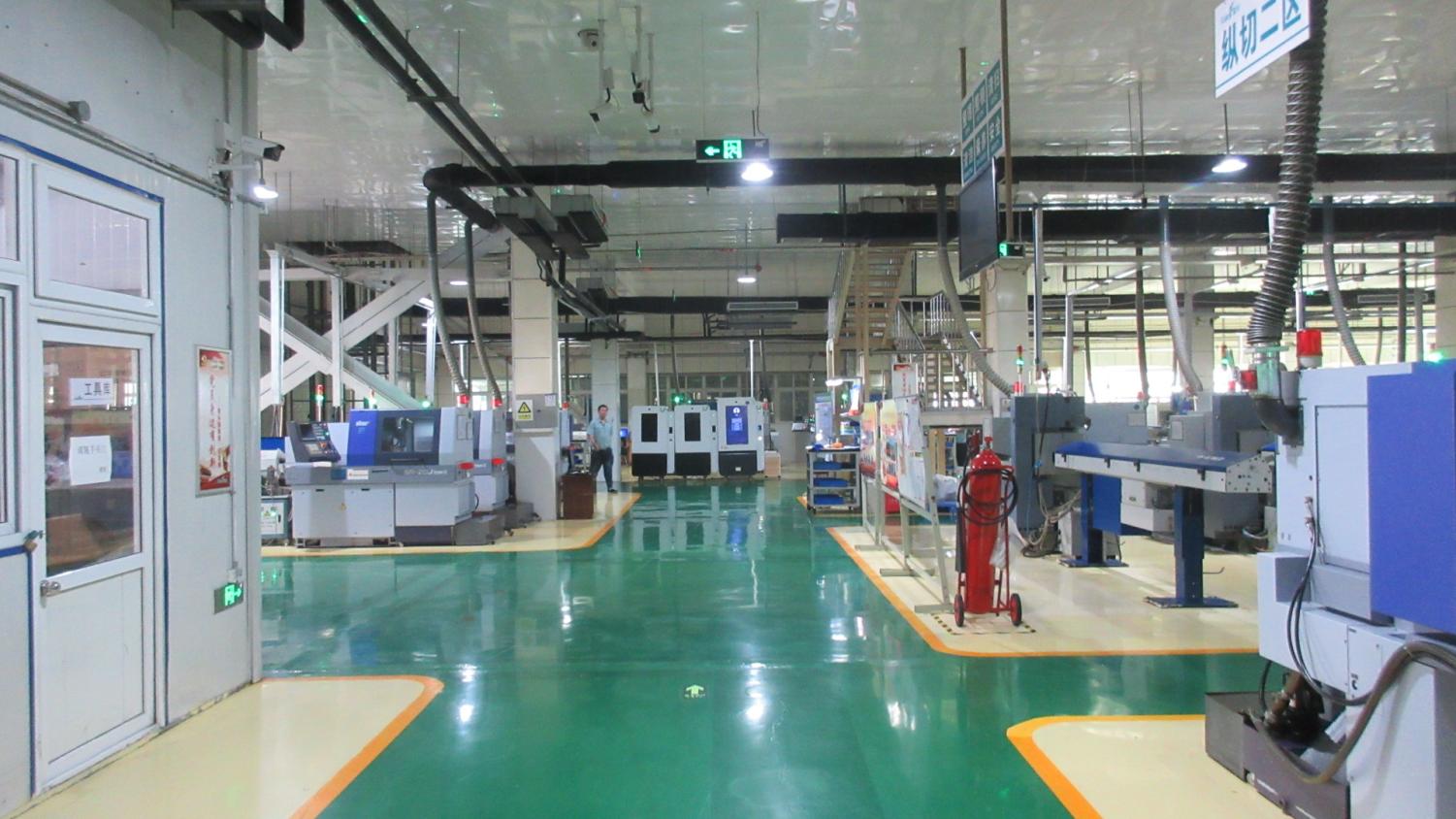
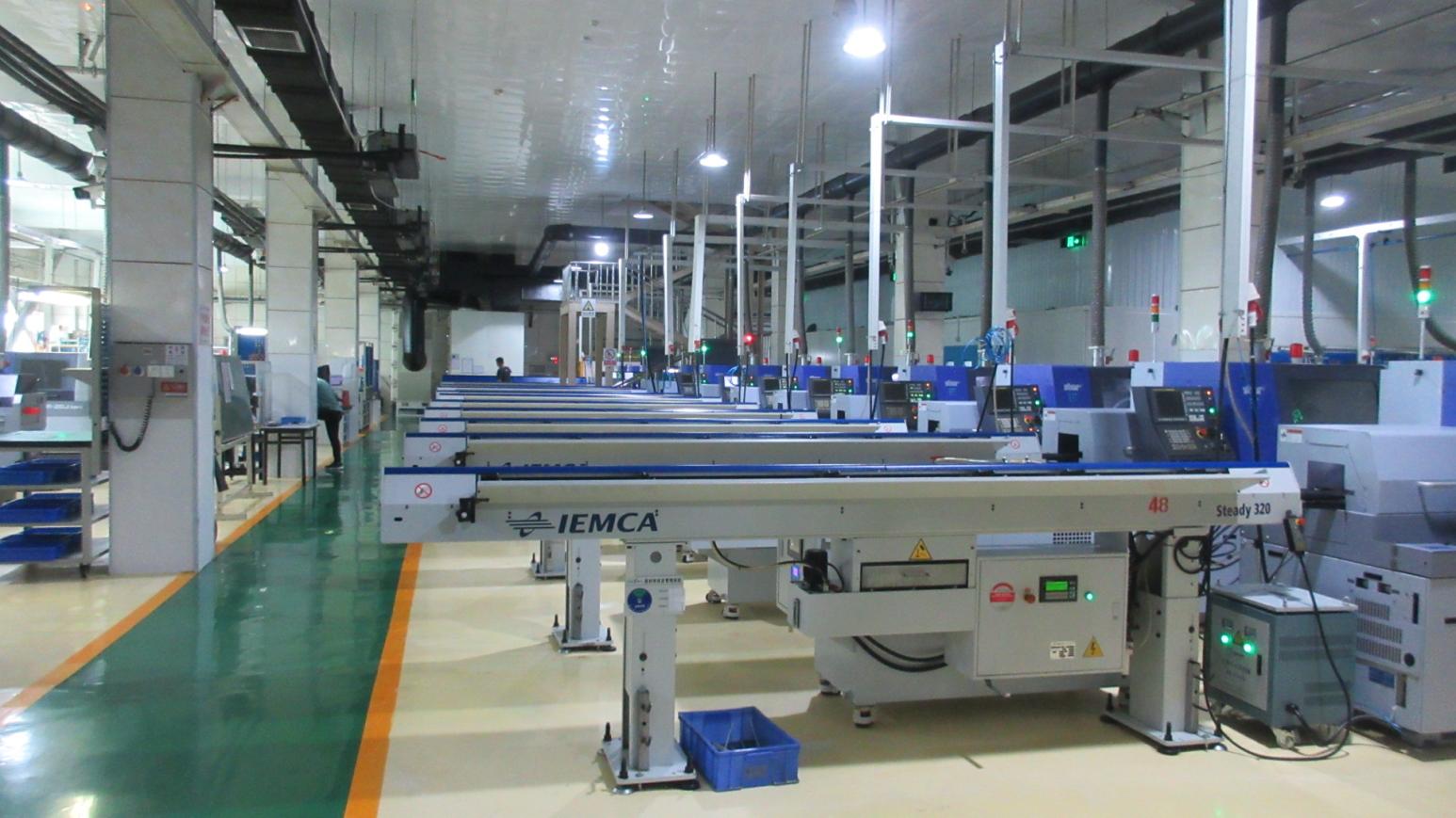
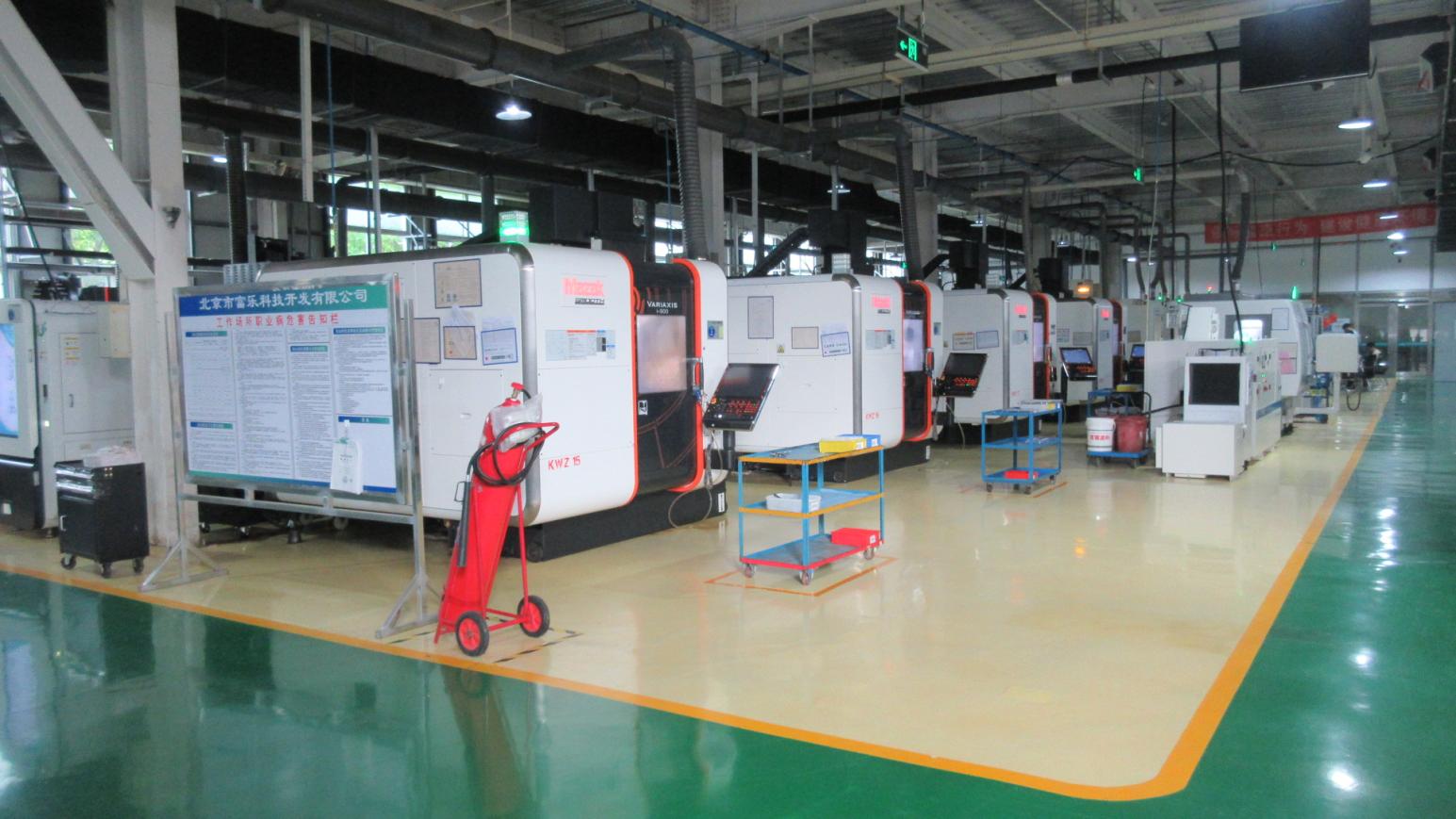
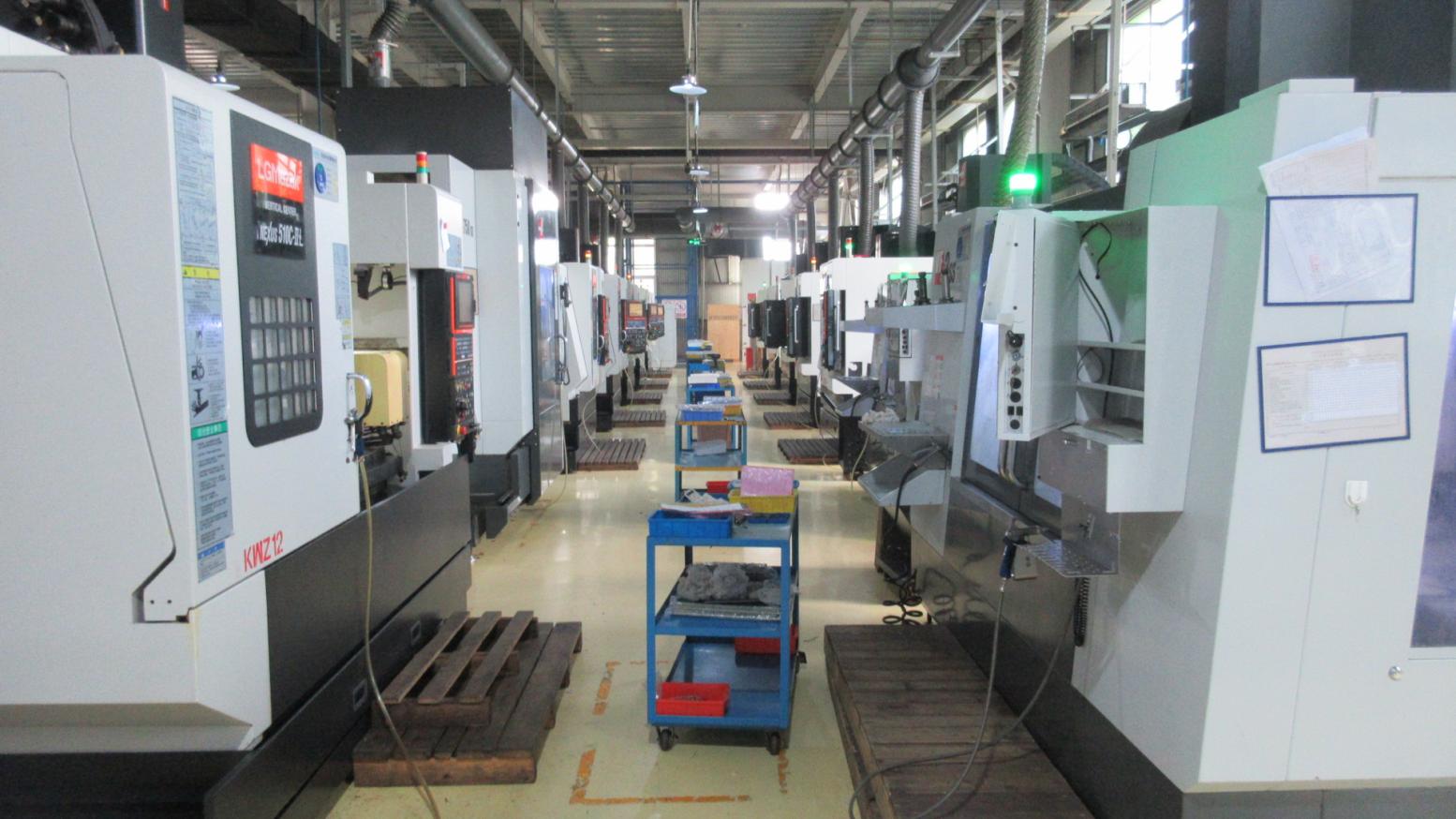
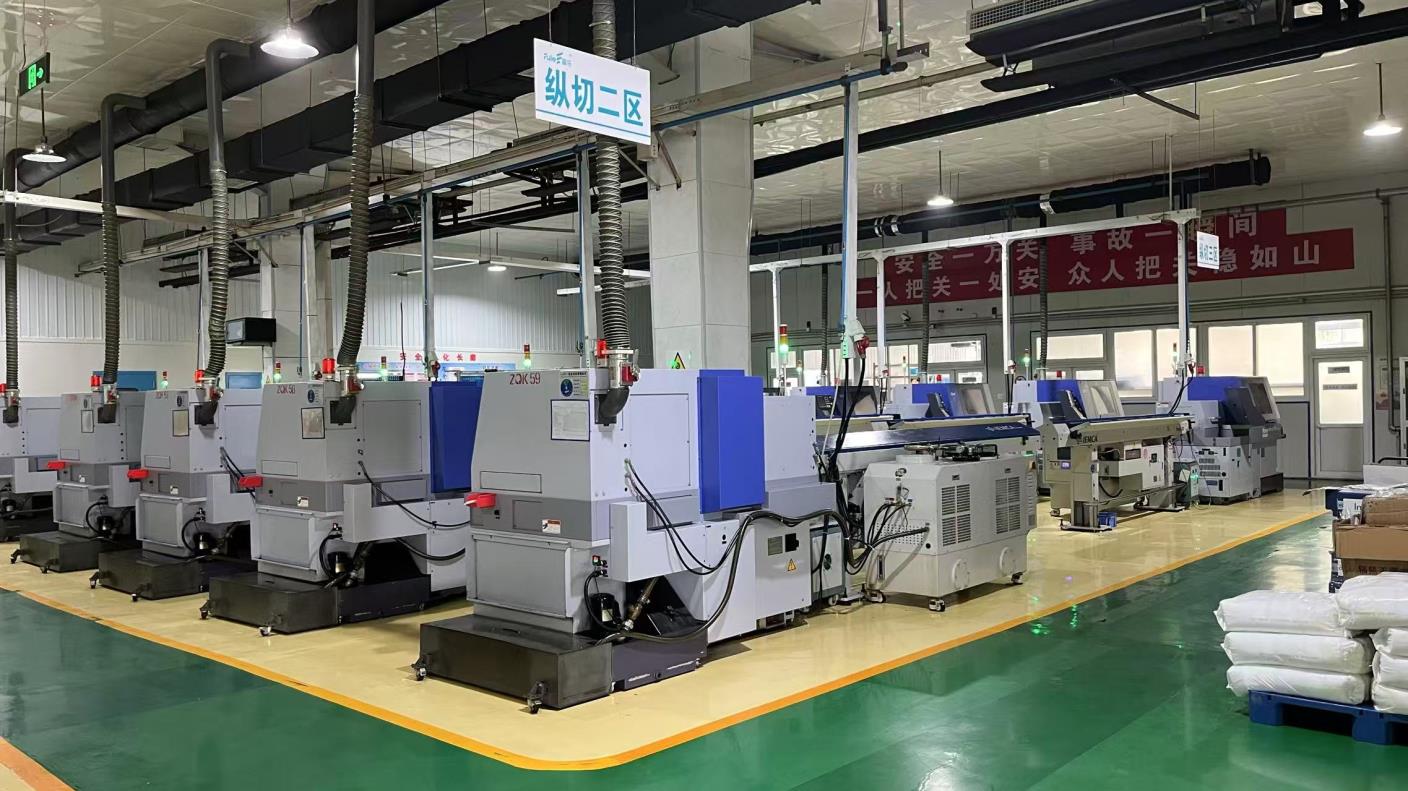
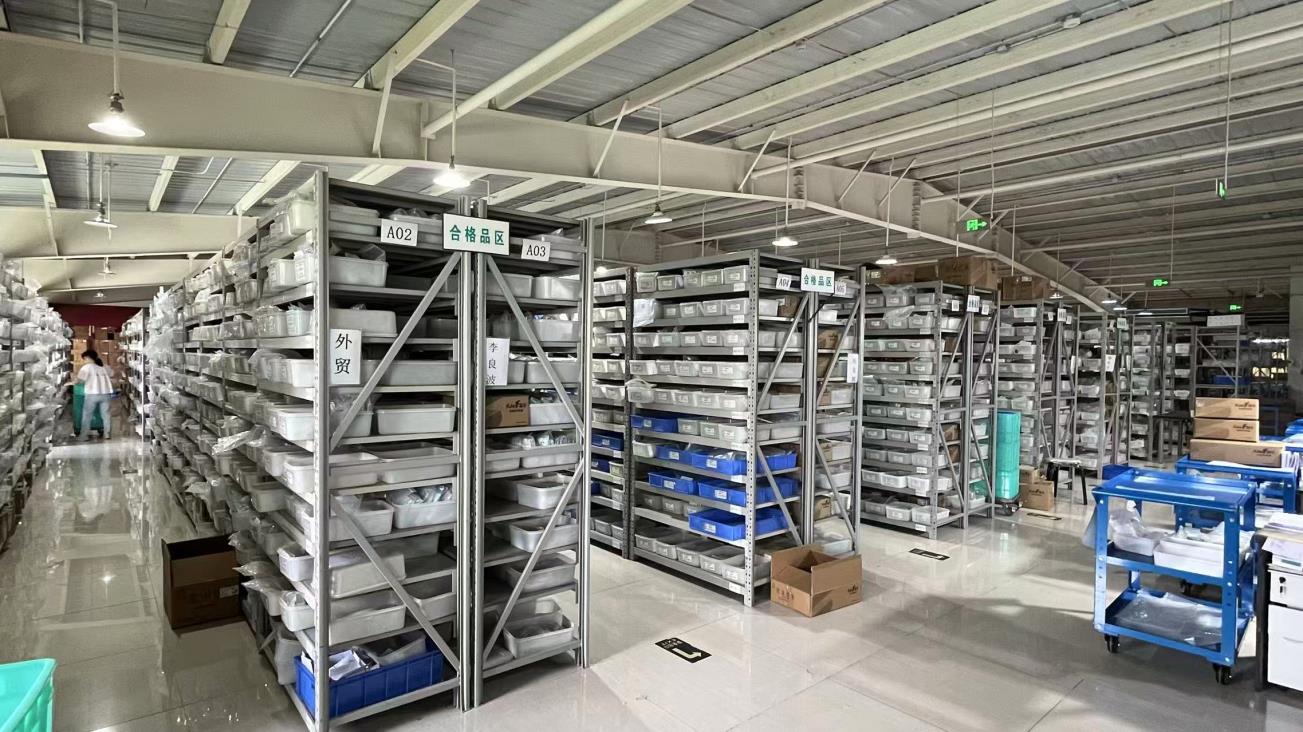
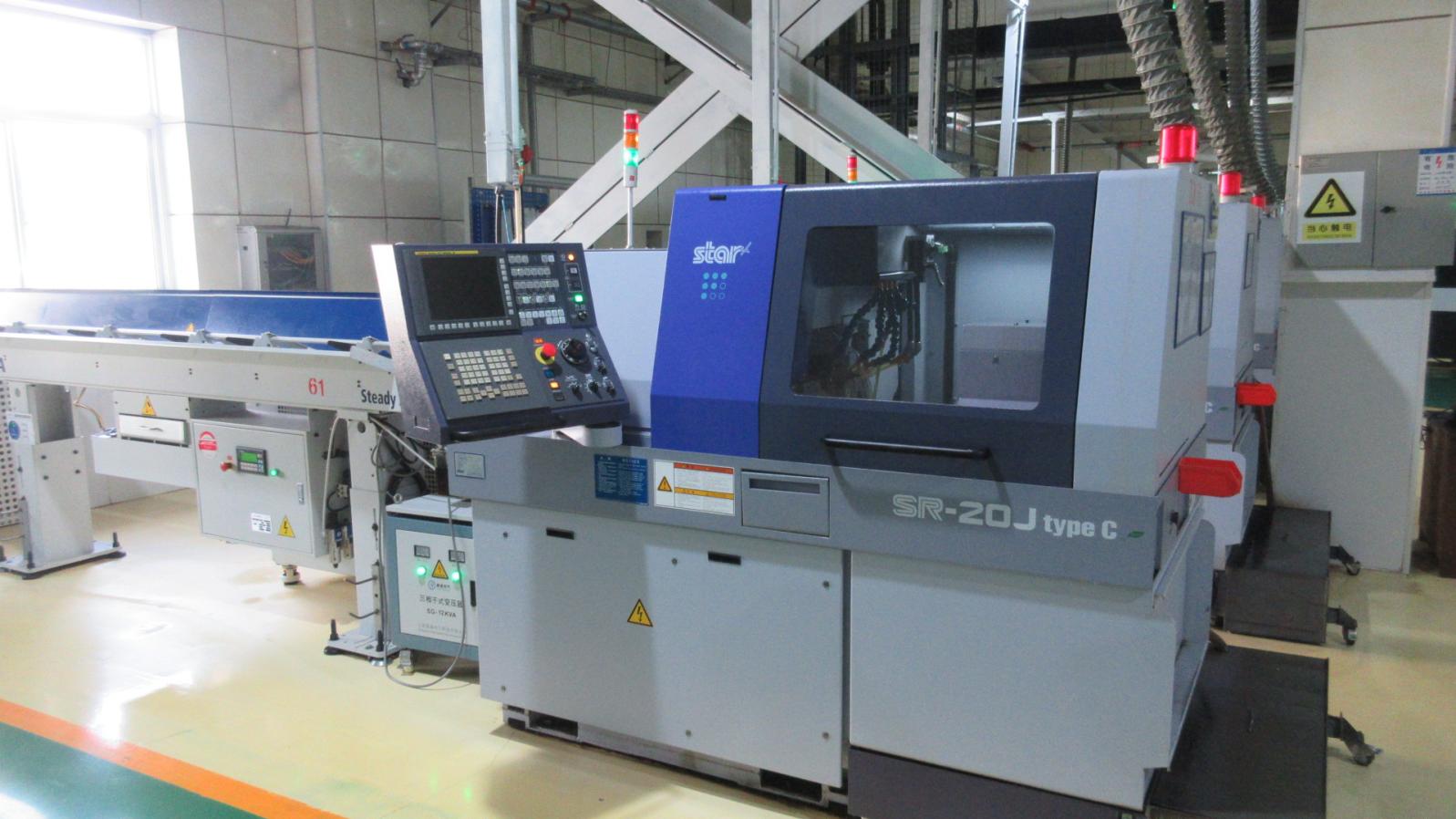
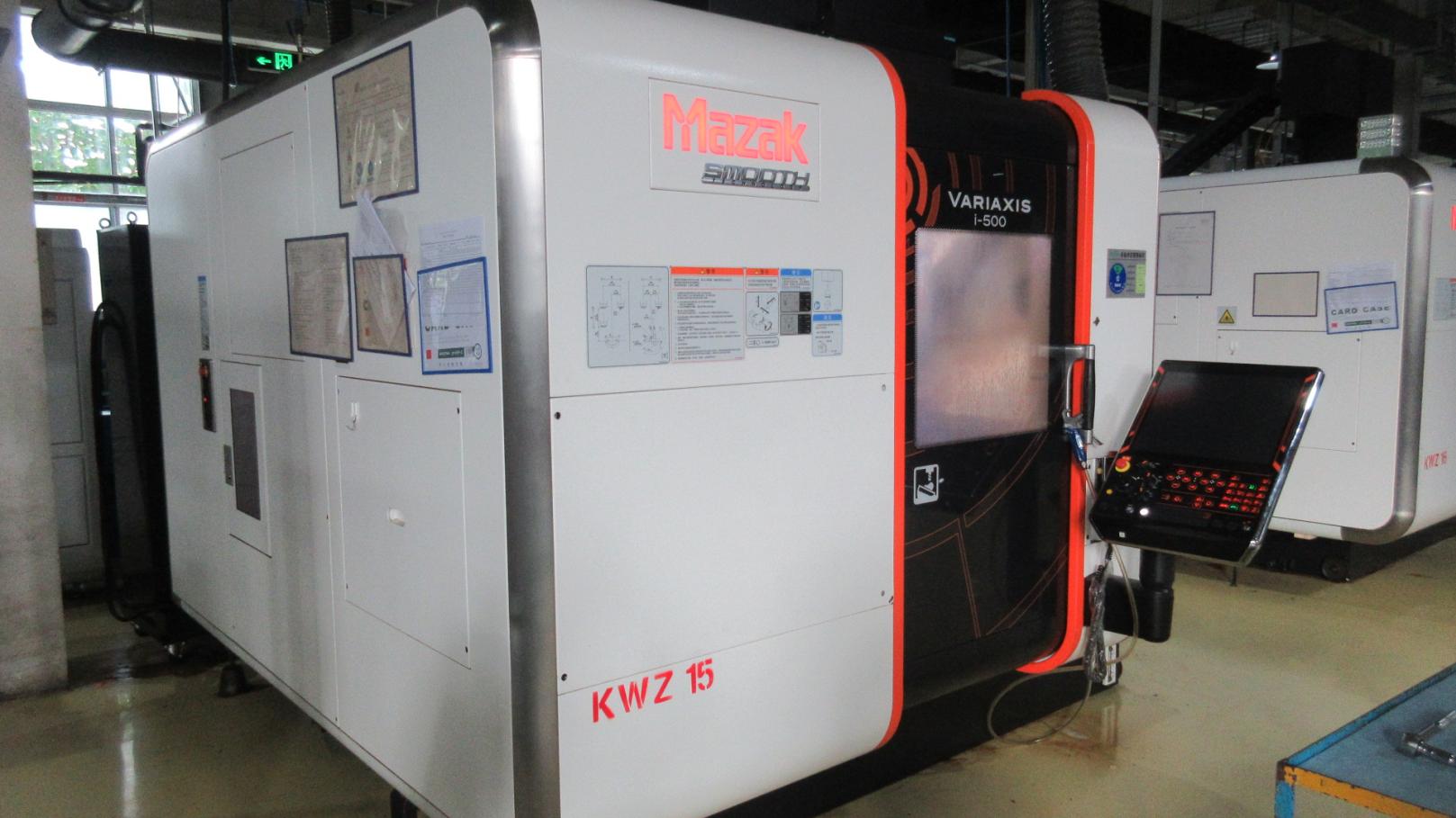
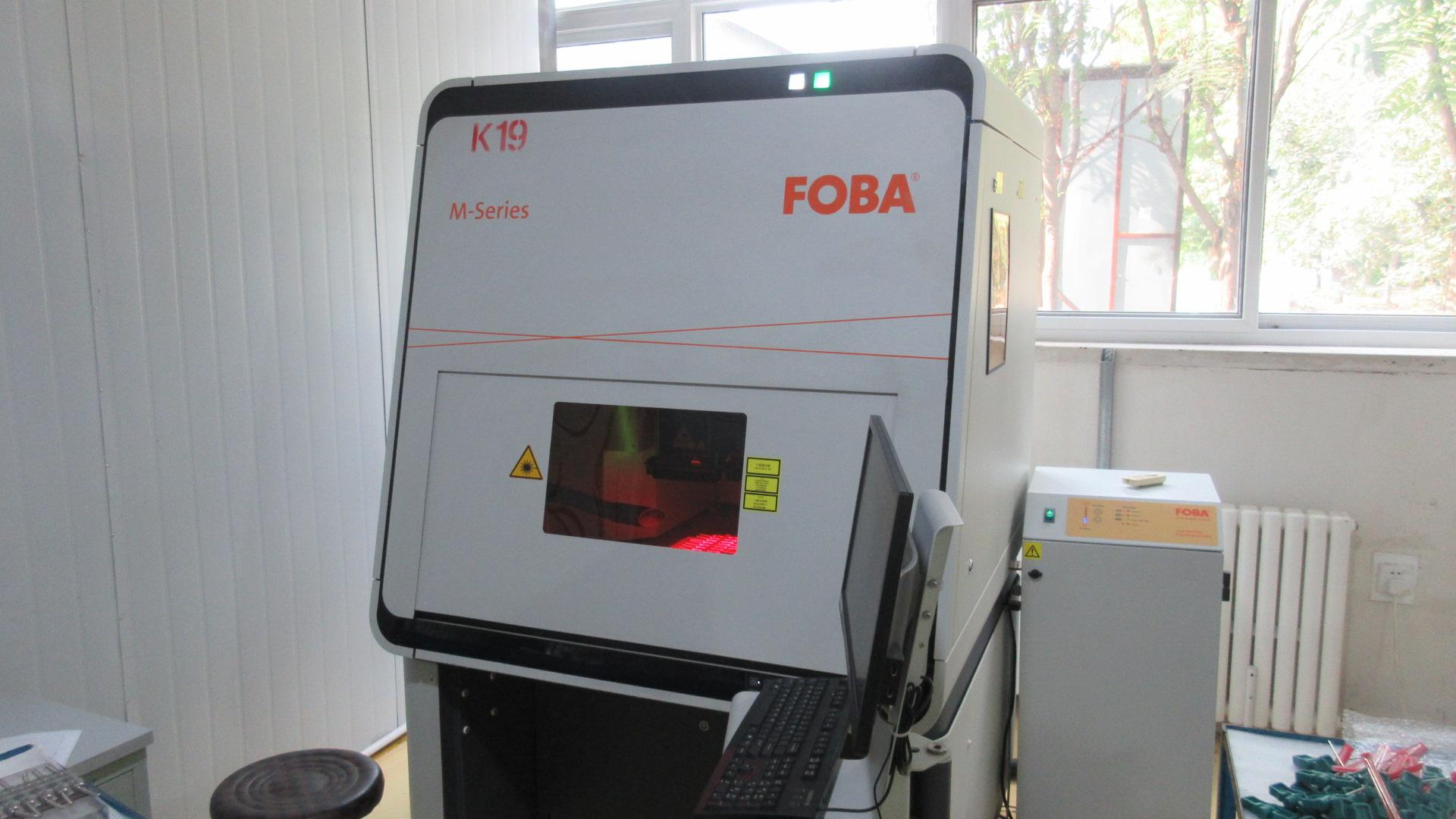
Operating out of a state-of-the-art 10,000 square meter manufacturing base, our plant integrates advanced robotics, digital twin modeling, and rigorous cleanroom systems to meet ISO 13485 standards. Our infrastructure features 102 highly specialized CNC and extrusion machines engineered for micrometer-level precision. This enables an annual output capacity of over 511,000 units.
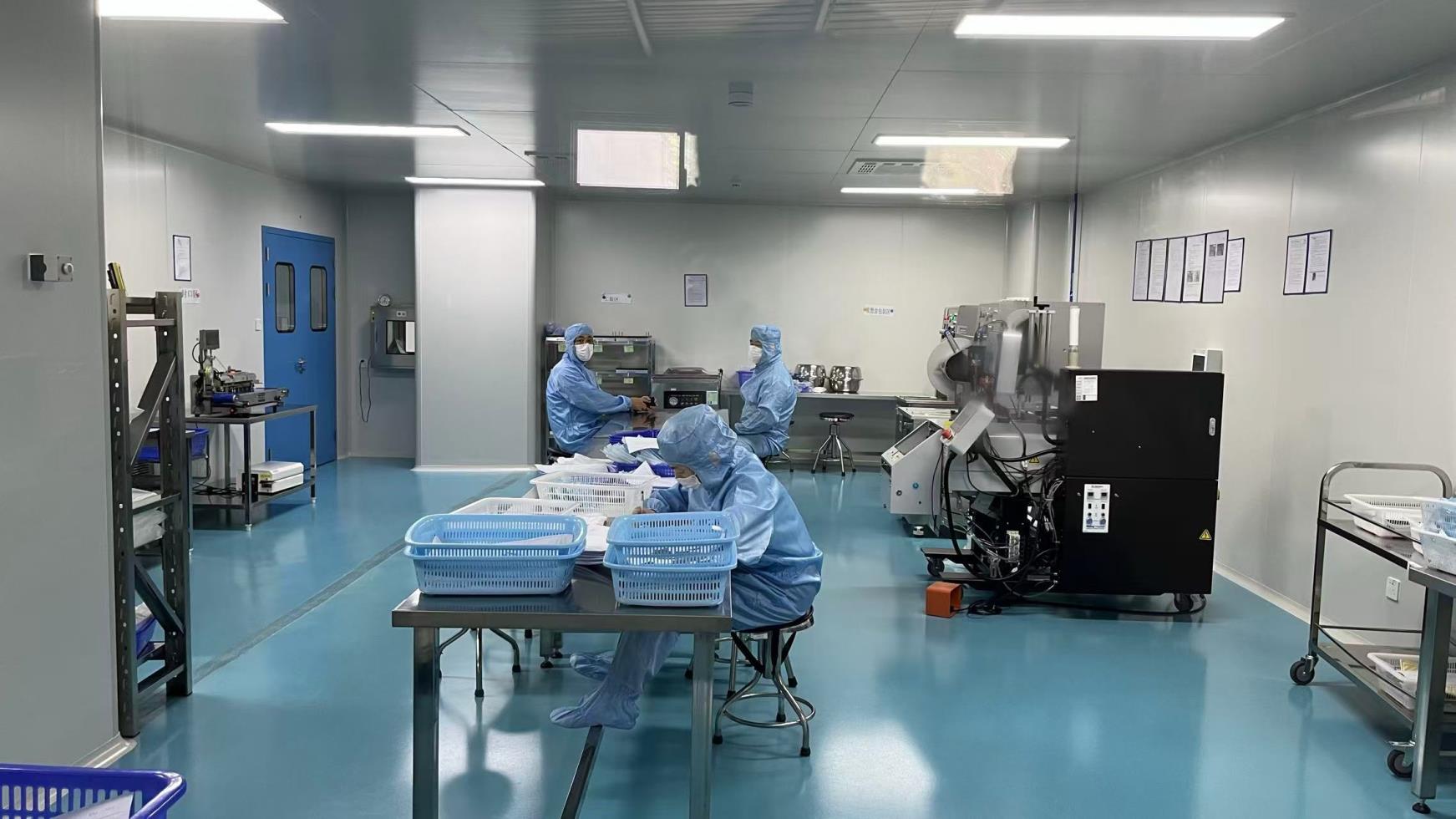
By utilizing optimized injection molding processes, gas-assisted cooling, and automated packaging techniques under Class 100,000 (ISO Class 8) cleanrooms, we minimize structural defects and avoid thermal degradation of biodegradable polyesters. Crucially, our quality assurance protocols require inspection of all products rather than statistical batch sampling. With 15 dedicated internal QA/QC inspectors monitoring every stage of production, and full traceability on all raw materials, we guarantee high quality for medical distributors worldwide.
The progression of bioresorbable material designs, charting structural integrity against in-vivo degradation curves:
Phase I: Mono-Polymer Systems (PLLA / PGA)
High initial tensile strength; slower degradation rates; ideal for low-load applications.
Phase II: Copolymer Optimization (PLGA / L-lactide-co-glycolide)
Adjustable degradation rates from 6 weeks to 18 months, aligning with bone remodeling phases.
Phase III: Bioactive & Nanocomposite Hybrids (Under Active R&D)
Incorporating osteoconductive bioceramics (HA/TCP) and antimicrobial agents to promote cellular migration and prevent surgical site infections.
The frontier of implantable devices lies in balancing initial structural rigidity with biological assimilation. Our engineering division, staffed by 20 R&D engineers (including 15 postgraduate specialists), is focused on refining the chemical compositions of PLLA (Poly-L-lactic acid) and PDLLA (Poly-D,L-lactic acid) matrices. Over the past year, we have introduced 20 new product designs, responding to the demand for implants that match the natural healing rate of bone.
In orthopedic surgery, the initial fixation stage requires high mechanical strength. During the primary osteosynthesis phase (weeks 1 to 8), the implant carries the full mechanical load. As natural bone fusion progresses, the polymer chains undergo hydrolysis, yielding lactic acid, which is metabolized via the Krebs cycle. Our technical roadmap aims to build smart implants that transition mechanical stress dynamically, mitigating stress-shielding osteoporosis while ensuring absolute biosafety.
We provide full-spectrum engineering customization, including sample-based replication, graphic processing, and on-demand functional adaptations. This ensures quick validation cycles for clinical studies.
Leveraging our ISO 13485 certification (License: 04724Q10000818) and CE-certified implant configurations, we assist distributors through FDA 510(k) and MDR pathways, reducing registration times.
Active across international markets, our sales breakdown includes 40% Domestic, 15% Eastern Europe, and 10% Southeast Asia. We maintain 70+ trusted supply chain partnerships to streamline logistics.
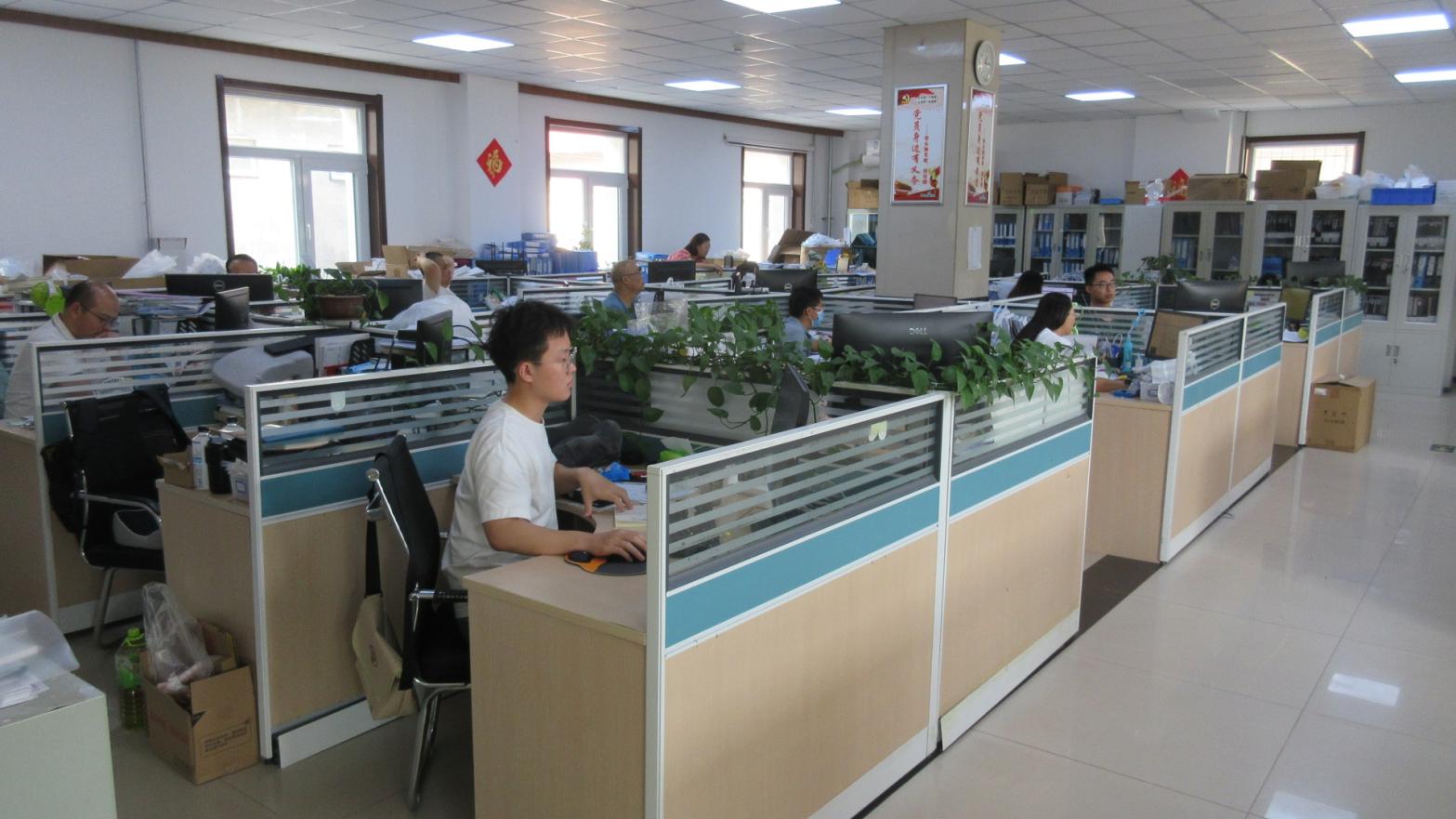
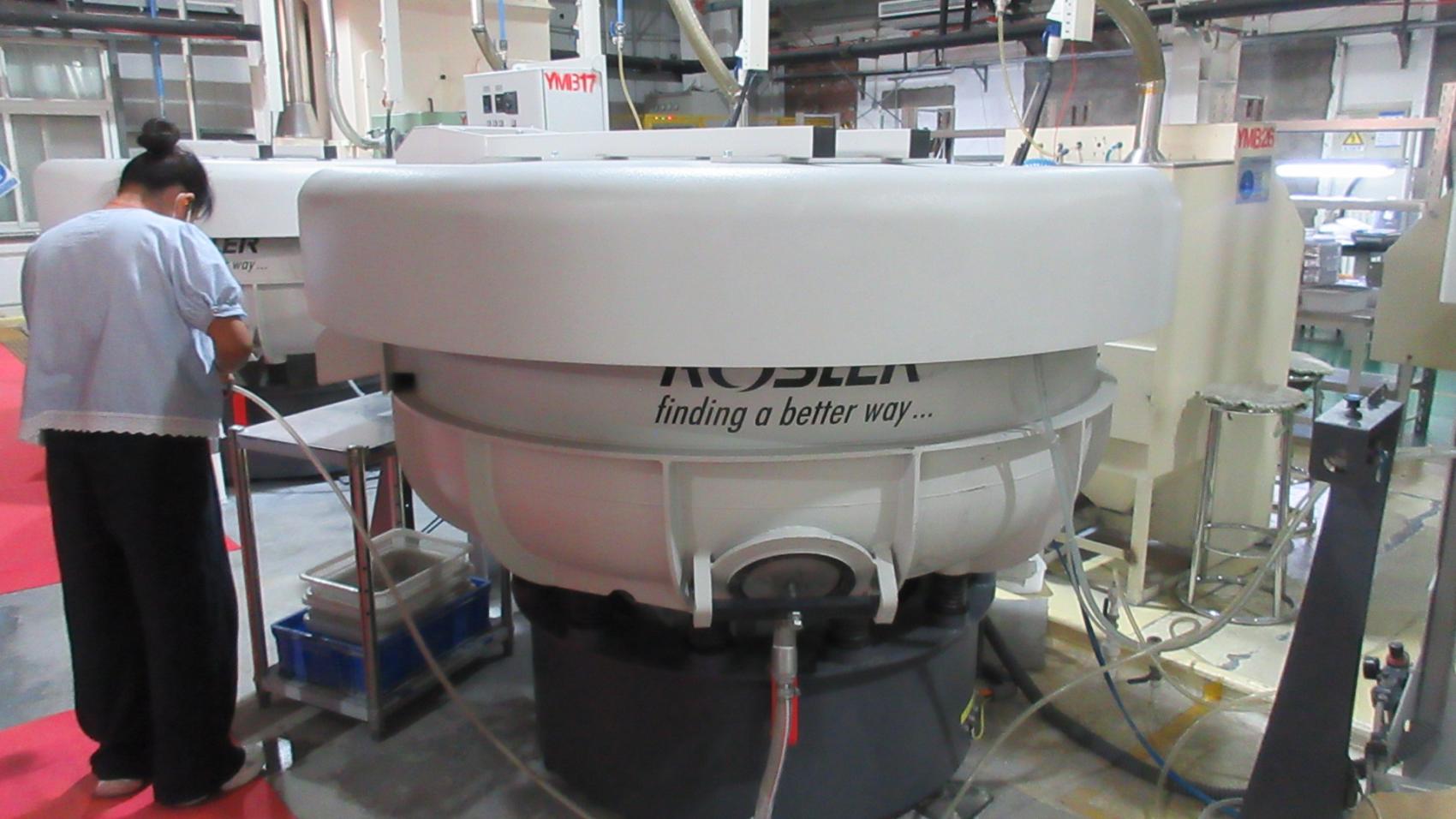
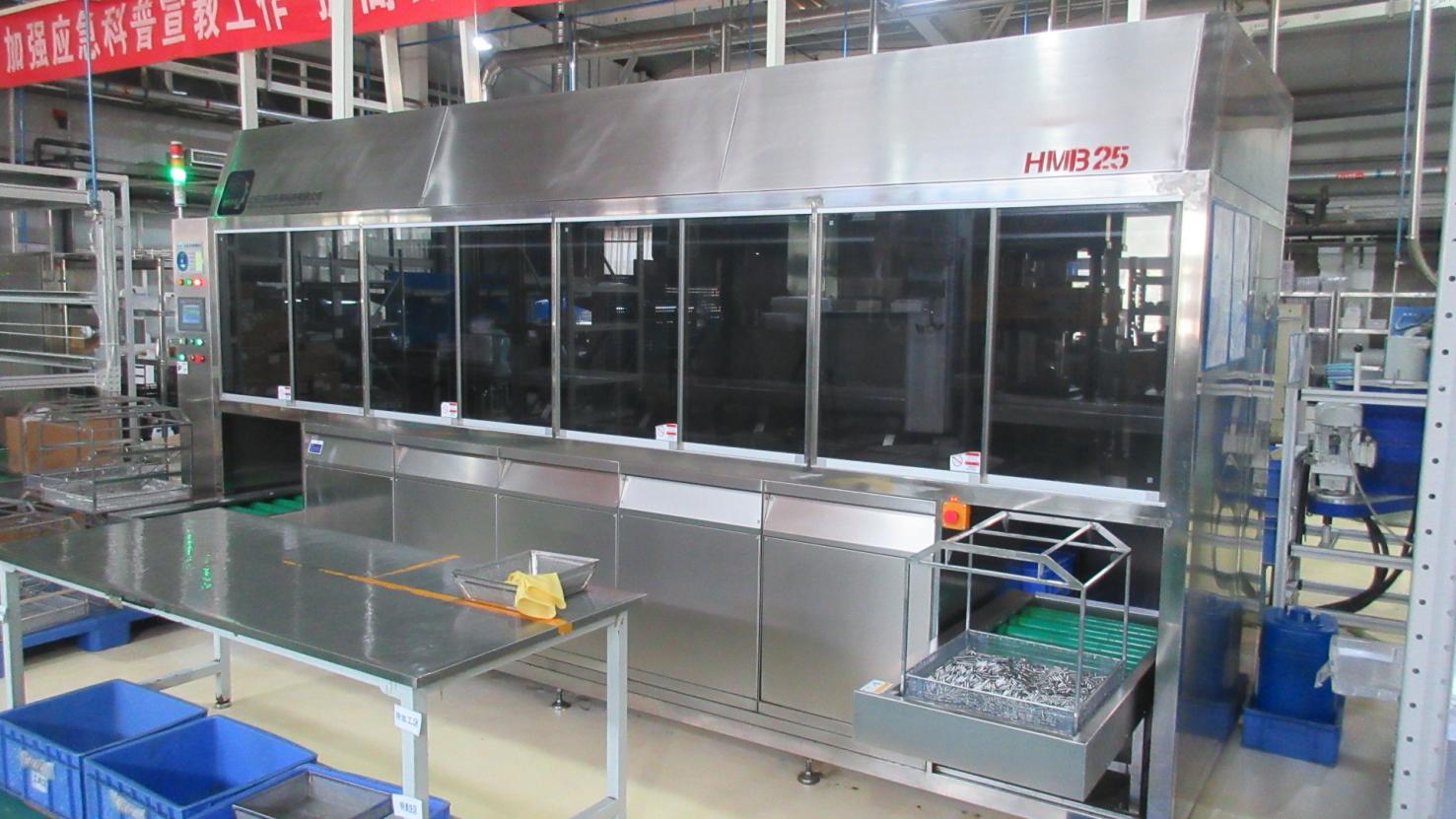
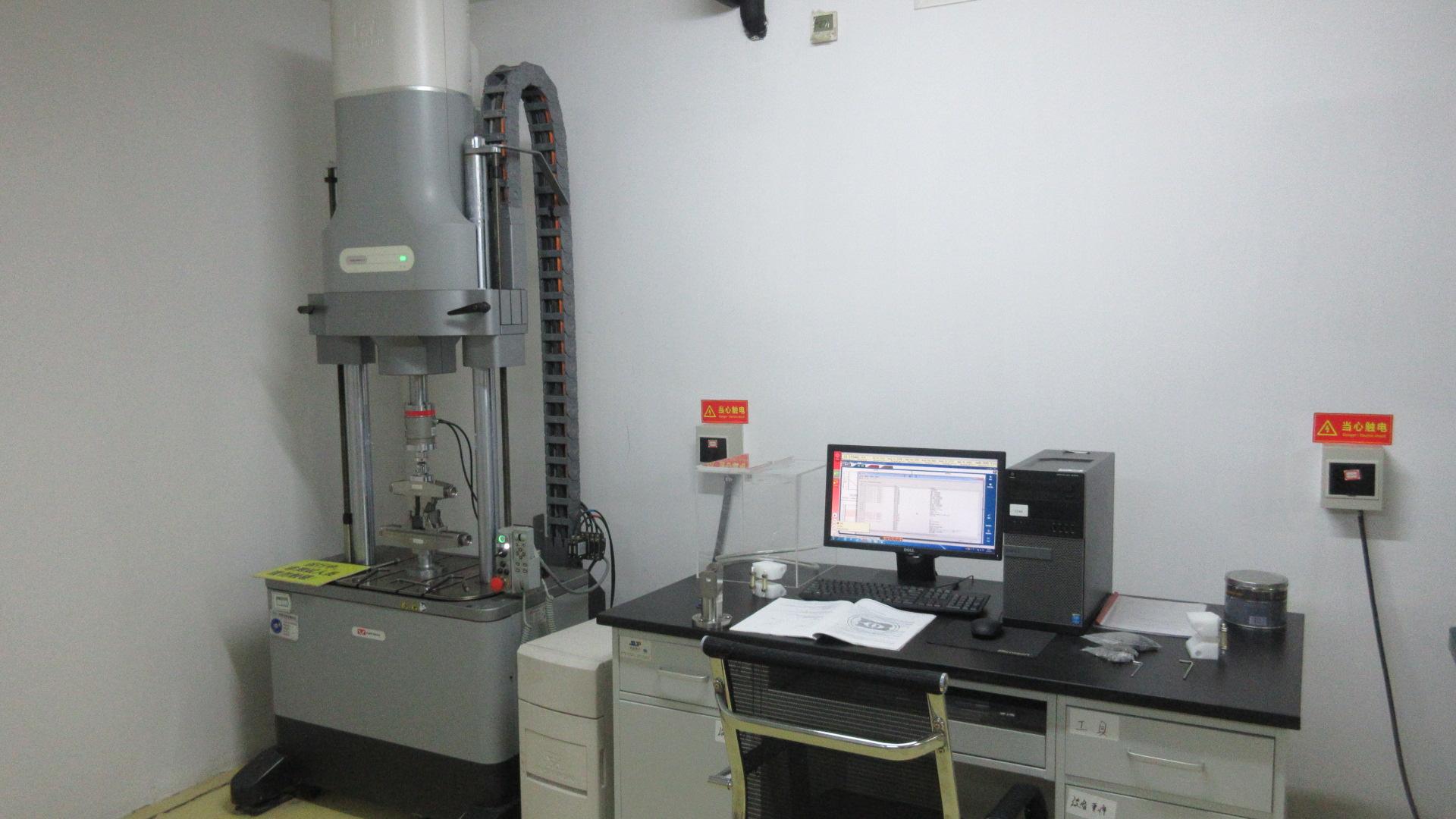
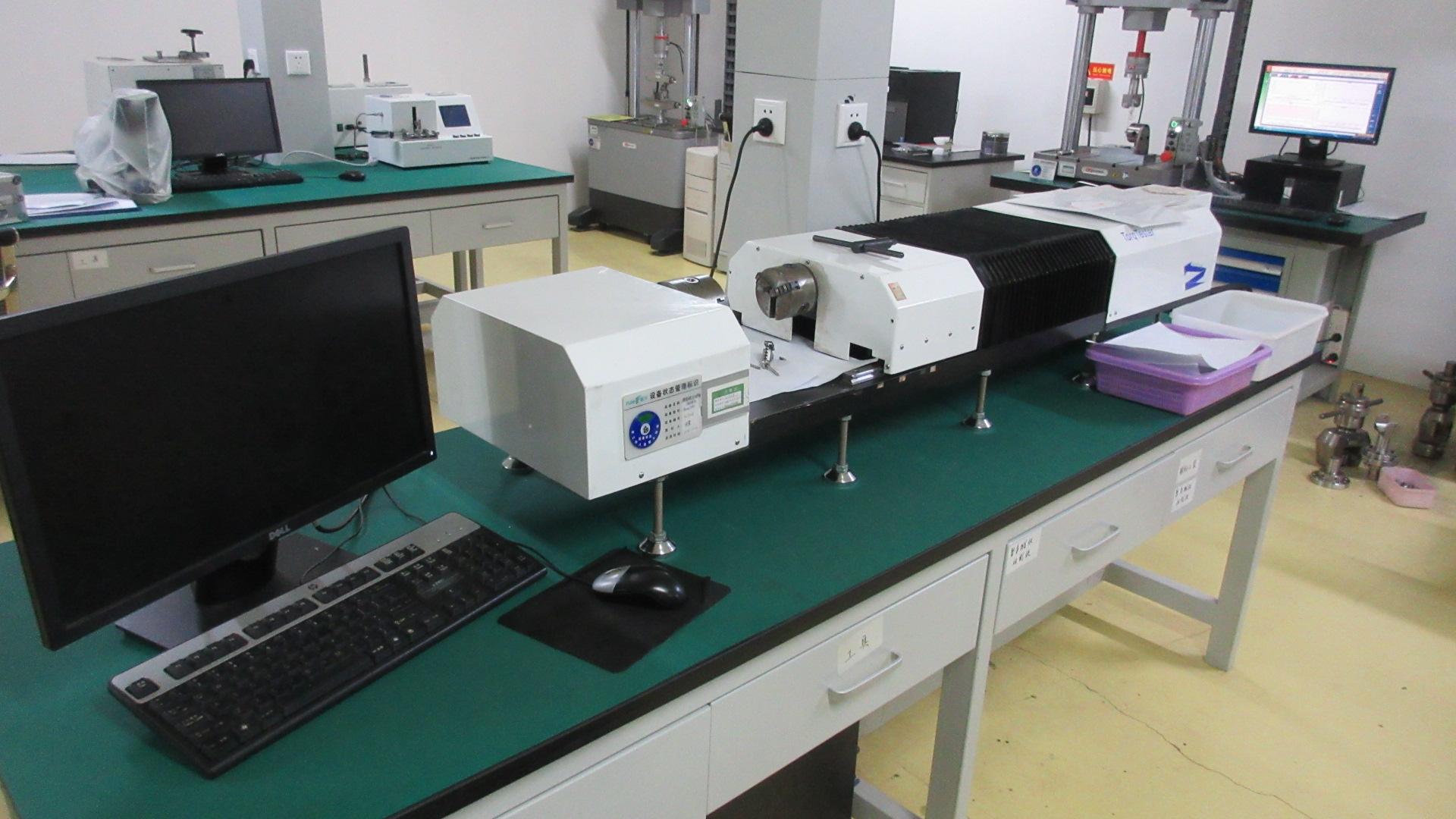
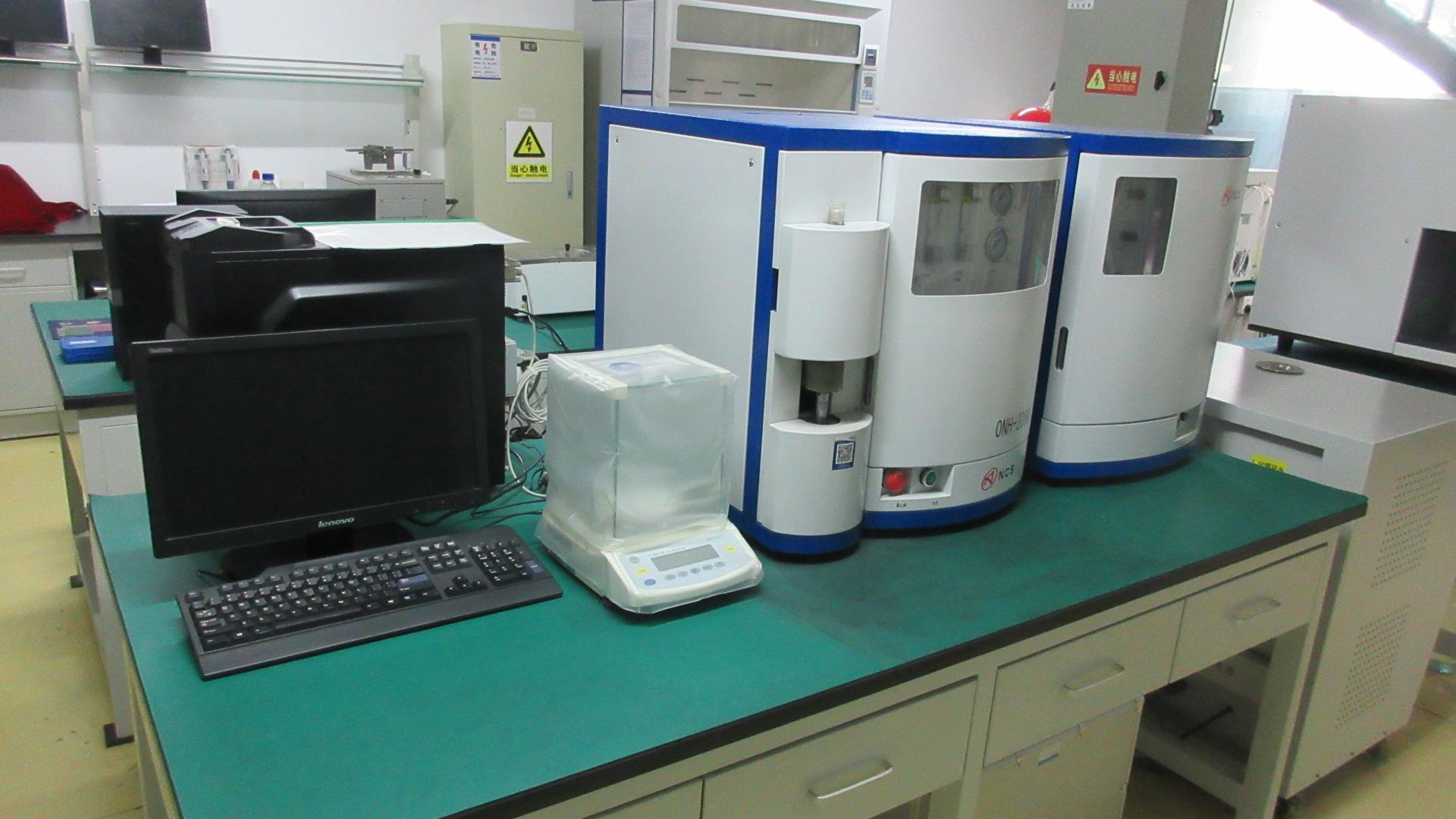
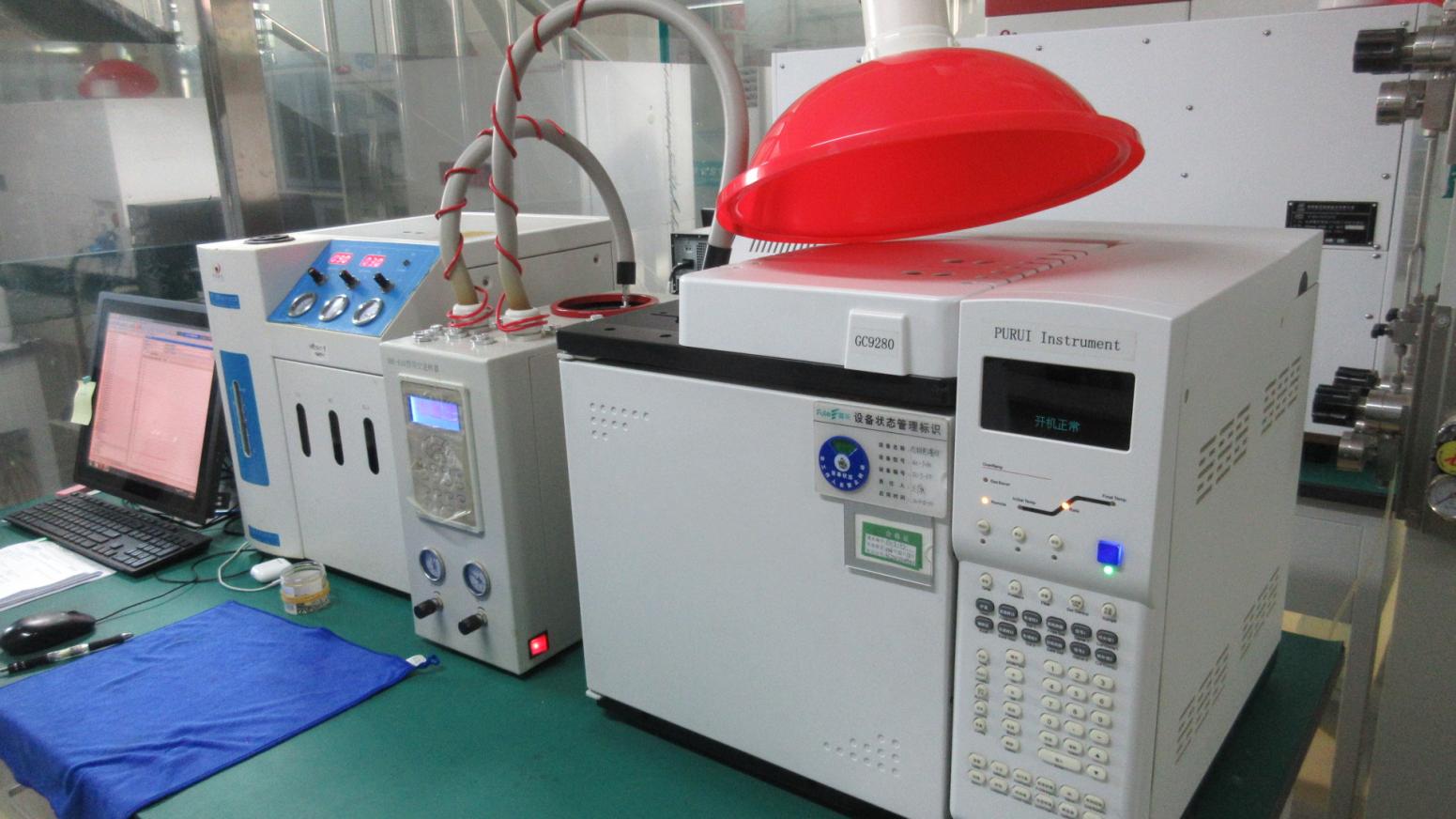
An overview of our manufacturing facilities, highlighting our precision production lines, cleaning systems, quality control verification, and international packaging facilities.

The degradation pathway is driven by hydrolysis. We control the rate by varying the ratio of L-lactide to glycolide monomers (in PLGA) and adjusting the crystallinity of the raw polymers. Higher Glycolide ratios speed up absorption, whereas high L-lactide percentages increase stability, allowing us to align the resorption time from 6 to 18 months based on anatomical needs.
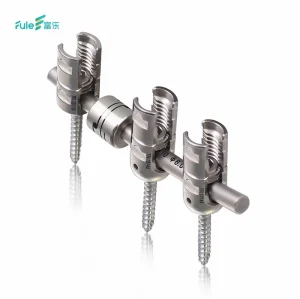
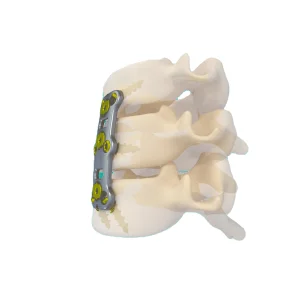
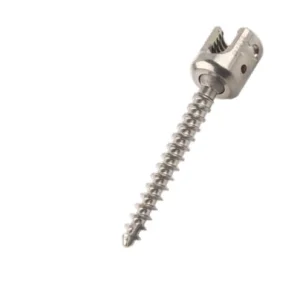
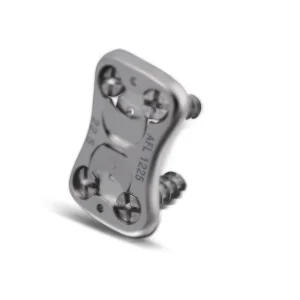
Generally, bioabsorbable polymer systems are designed for low-load or shear-reduction applications, such as hand and foot osteosynthesis, tendon fixation, or pediatric craniofacial surgeries. For high-load, load-bearing locations like the adult spine, we recommend our CE-marked Titanium Spinal Screw-Rod Systems, which provide immediate structural stability.
We use desiccant air drying and strict moisture-controlled environments to keep raw material humidity under 0.02%. We also optimize injection molding temperatures and minimize heat exposure to prevent thermal depolymerization, ensuring consistent mechanical properties for every batch.
We provide comprehensive customization support, including raw polymer selection, custom mold fabrication, sample replication, and graphic processing. Backed by our team of 20 R&D engineers, we can develop new specifications and custom instruments to fit your regional medical regulatory requirements.
Yes. We enforce 100% traceability for all materials, from raw polymer granules through fabrication, sterilization, and final shipping. Every production run is linked to a batch record with raw material certs and QC inspection reports, meeting ISO 13485 standards.
 Beren Science & Technology