ISO 13485 and CE certified clinical implants processed in state-of-the-art Class III manufacturing setups.
A deep dive analysis of surgical manufacturing capacities, quality assurance configurations, and cleanroom standard compliance.
The global healthcare infrastructure relies fundamentally on the consistent supply of medical-grade hospital consumables. Orthopedic implants, spinal fixation hardware, and instrumentation kits demand the highest degree of structural integrity and biocompatibility. In this evaluation of the top hospital consumables factories, we investigate the manufacturing setup of a premium specialized orthopedic plant established in 1996, highlighting the core standards defining high-reliability biomedical fabrication.
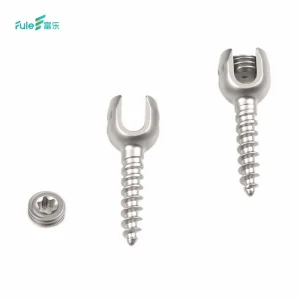
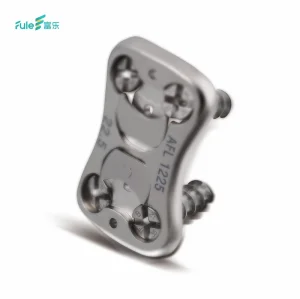
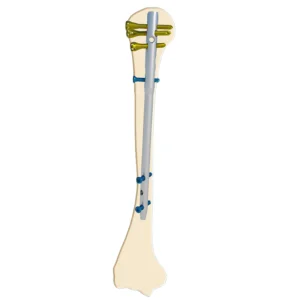
Clinical Grade Assurance: Implants such as pedicle screws, intramedullary nails, and spinal reconstruction plates are direct-contact Class III surgical devices. They must be manufactured under strict ISO 13485 regulations, utilizing biocompatible raw titanium alloys (Ti-6Al-4V ELI) certified under ASTM F136 specifications.
Understanding how manufacturing infrastructure drives product stability, biocompatibility compliance, and clinical trust globally.
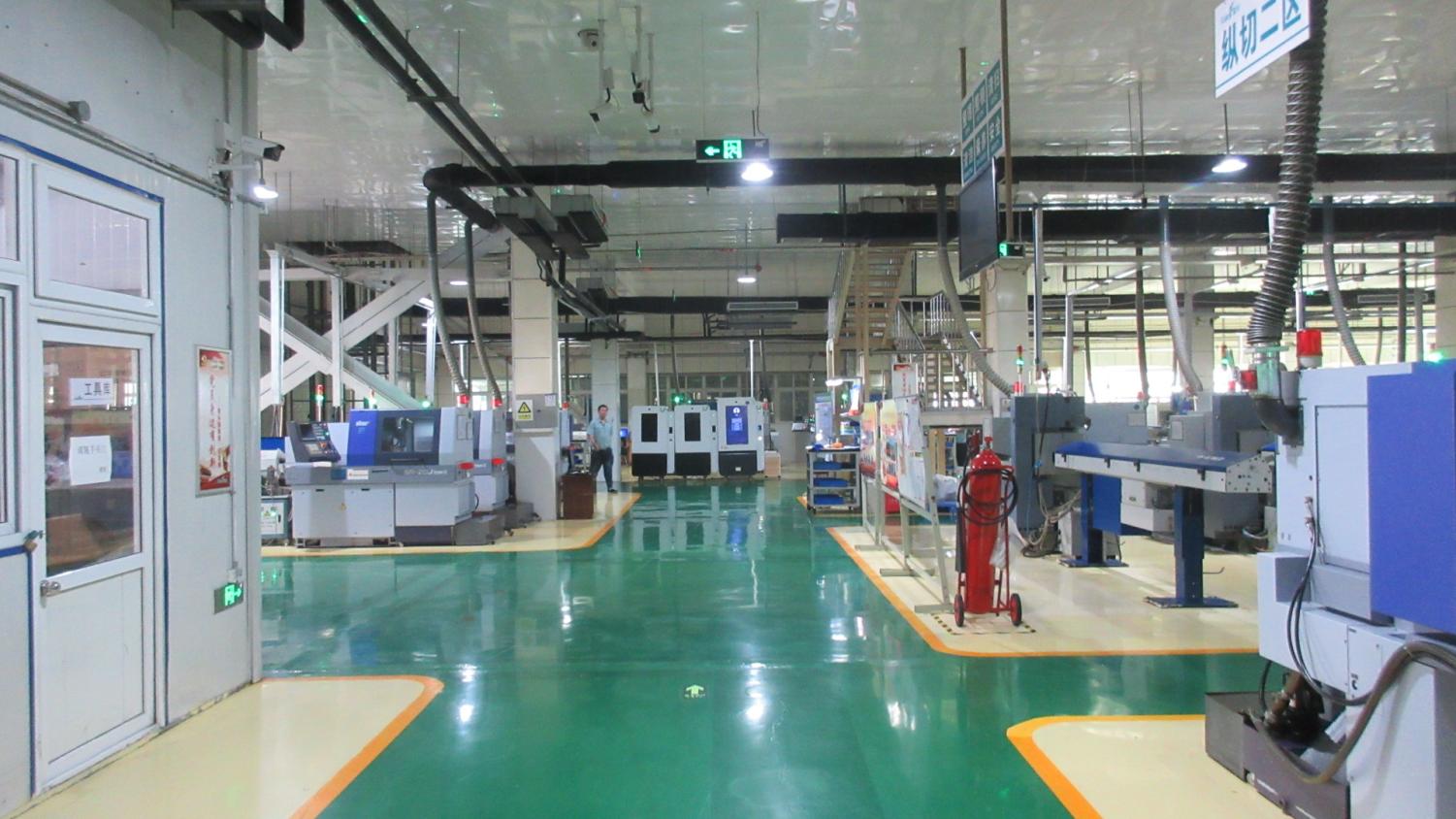
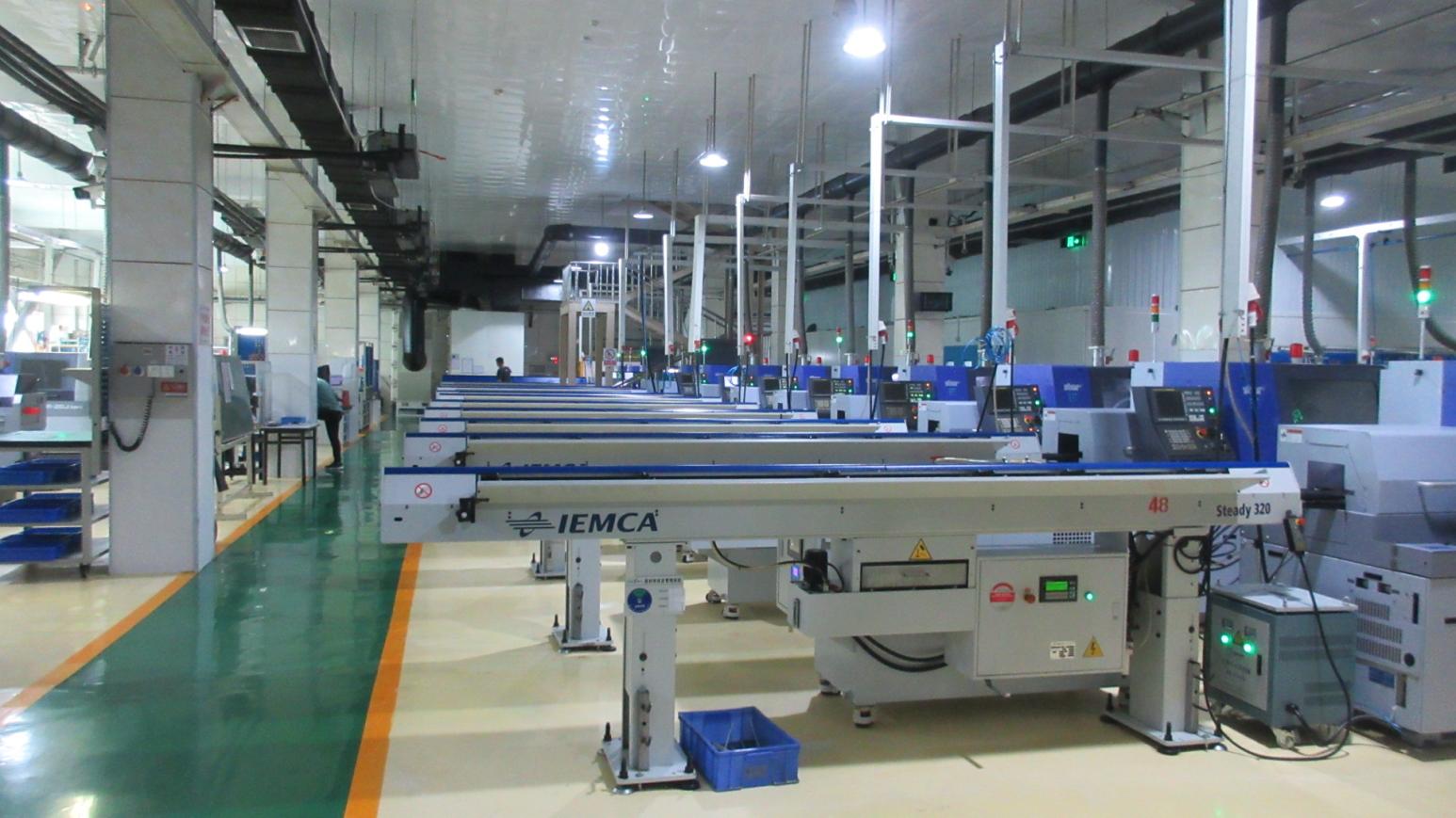
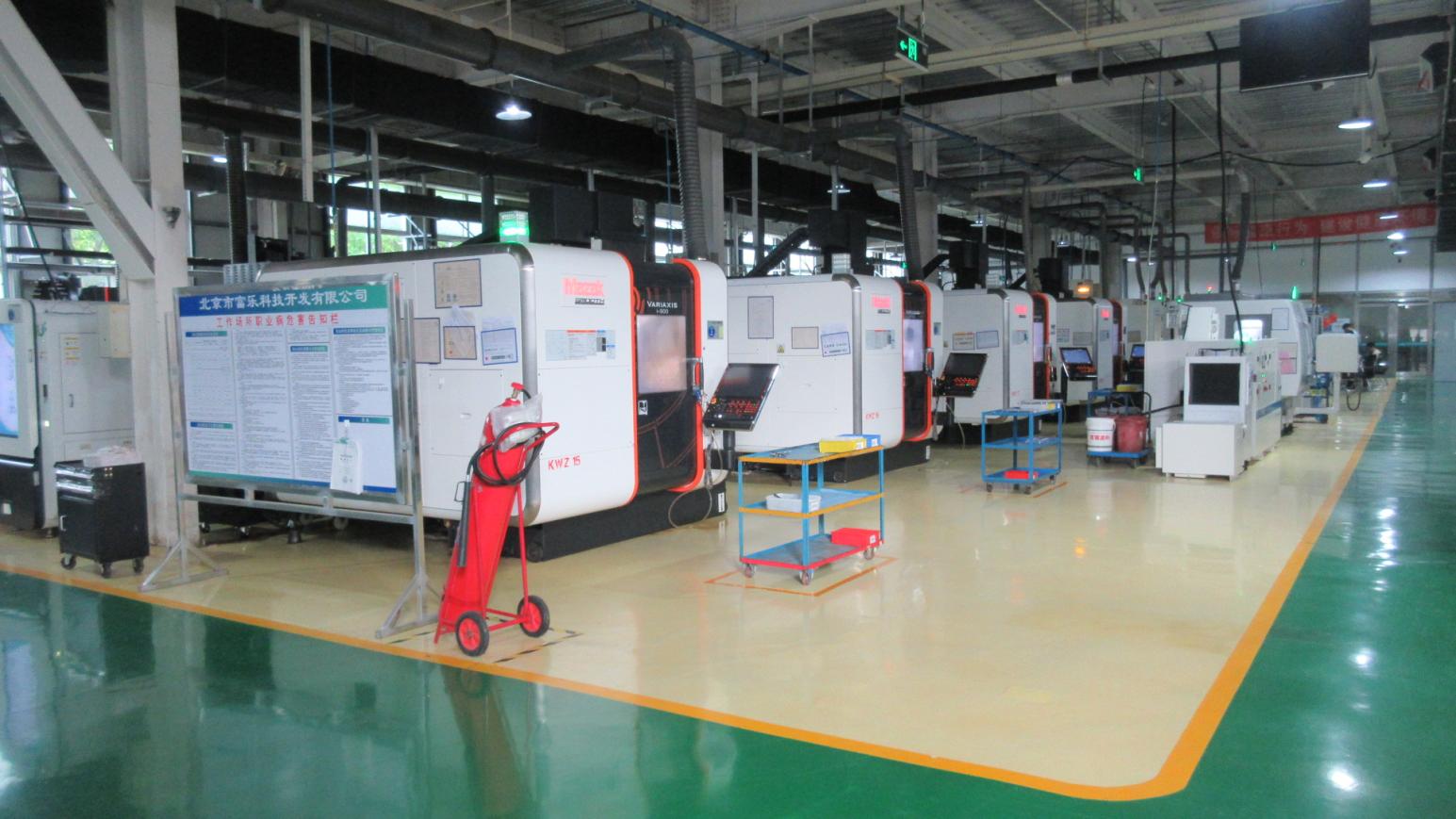
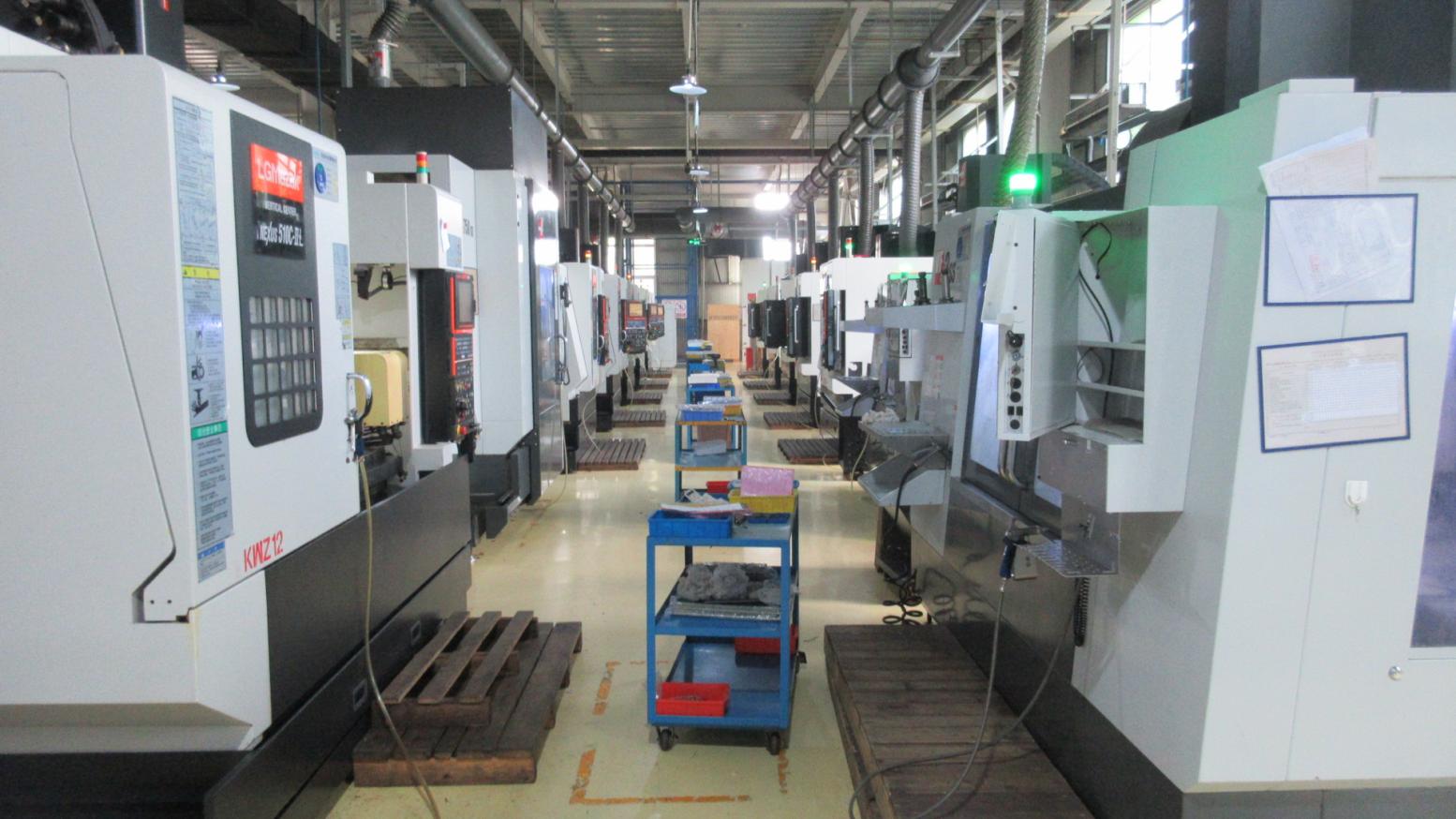
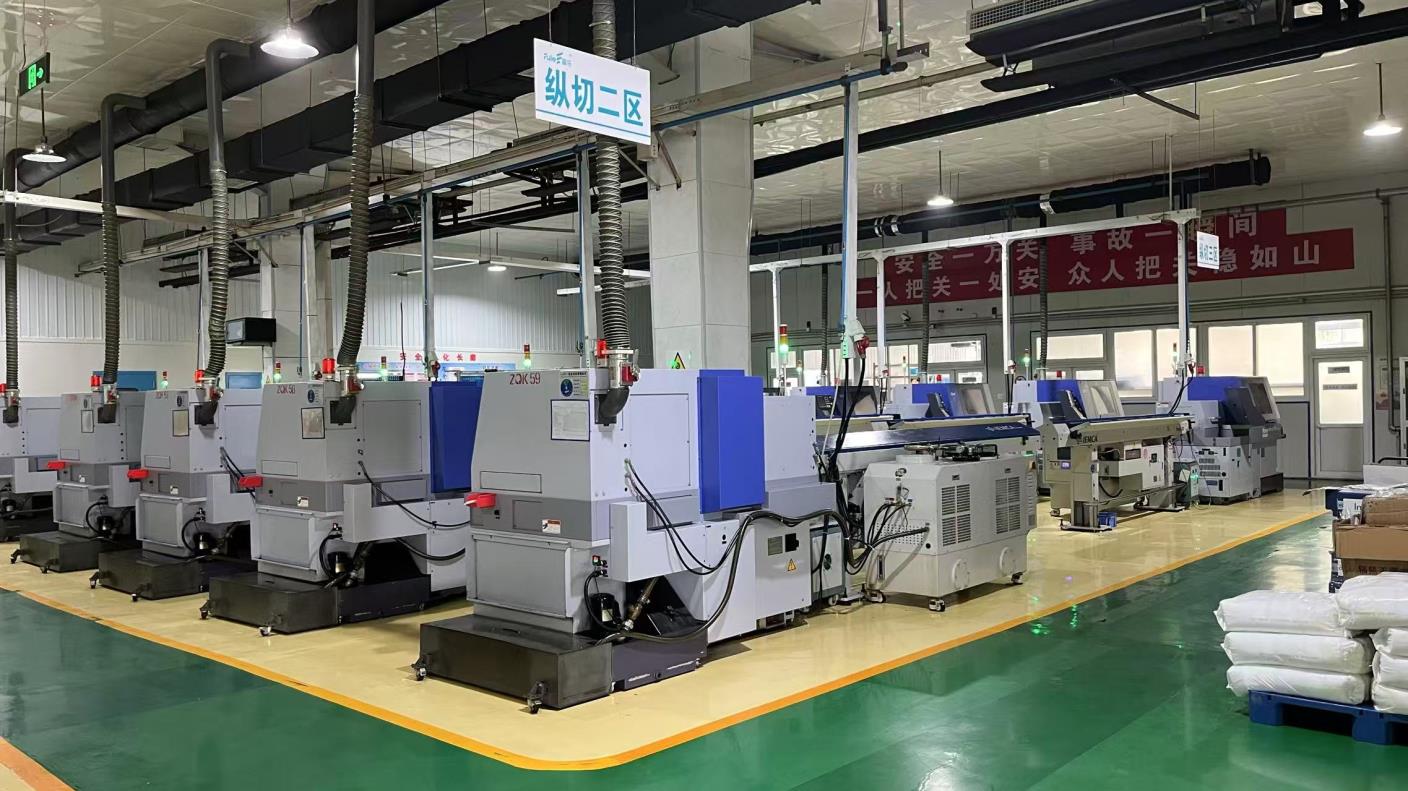
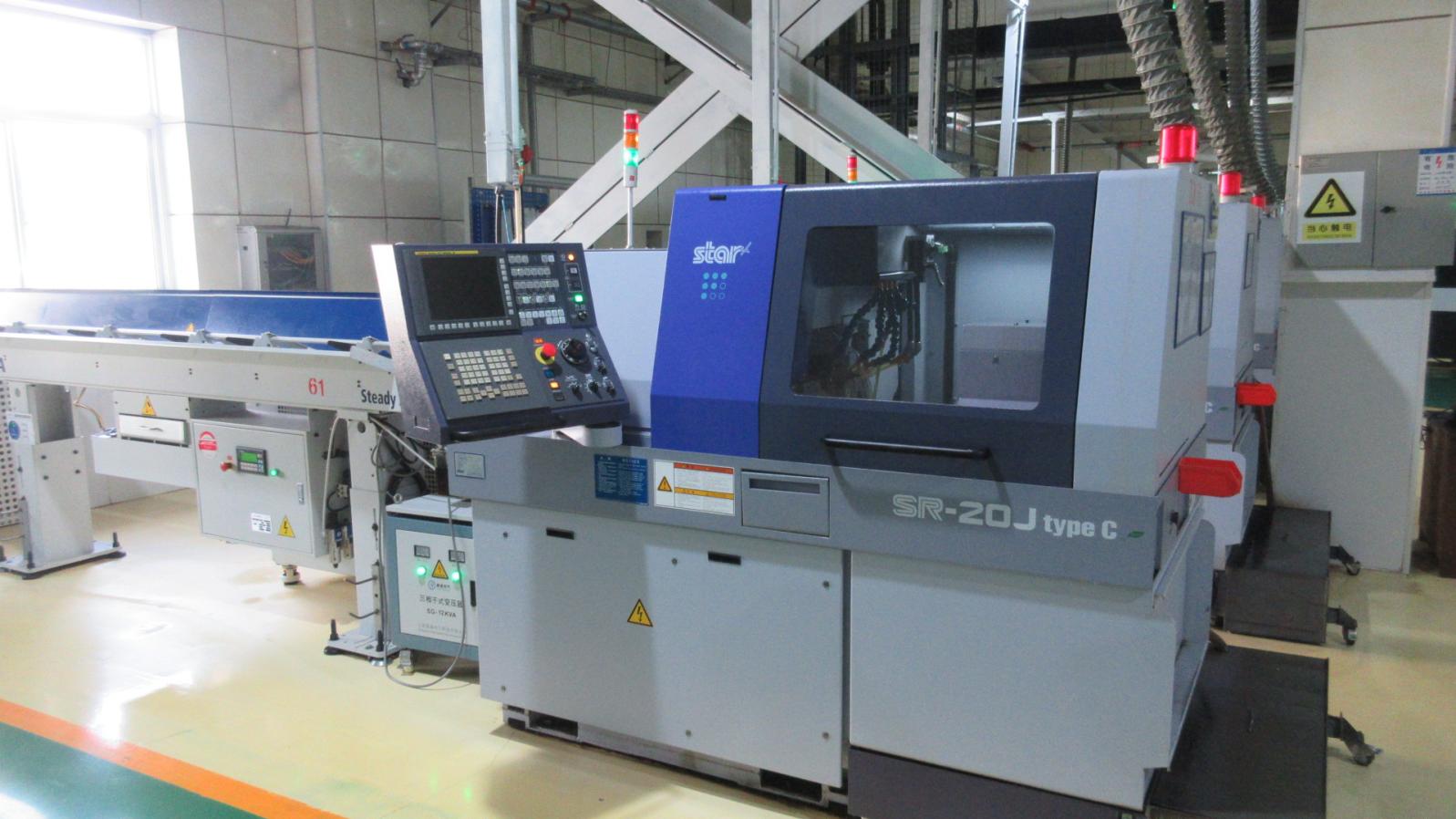
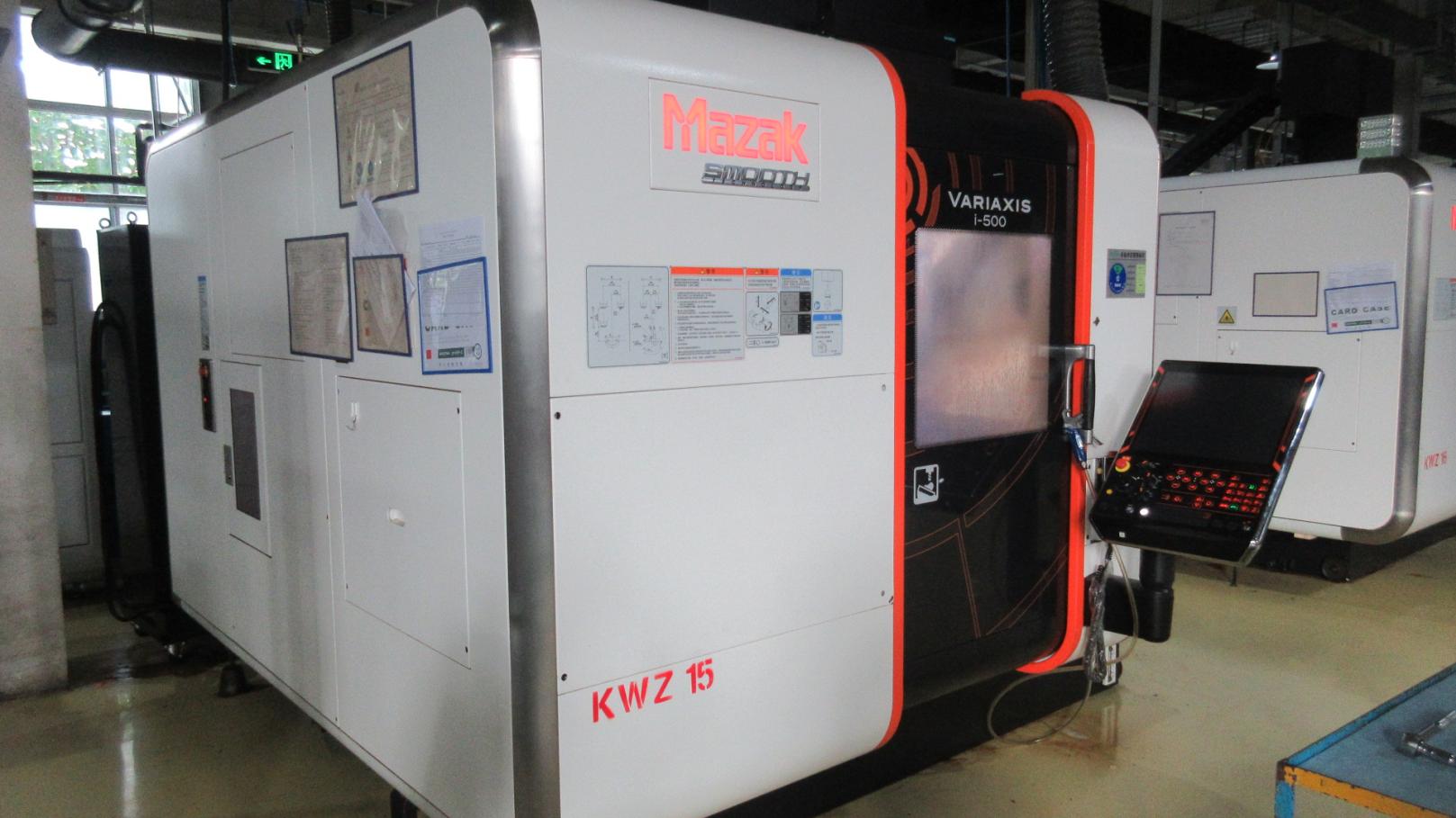
Advanced hospital consumables factories operate under stringent requirements. By deploying high-precision multi-axis CNC machine centers, titanium alloy rod elements are machined to tolerances of ±0.005mm. In critical implant surgeries (e.g., spinal fusion, intramedullary stabilization), such microscopic tolerances prevent mechanical loosening, structural cross-threading, and implant failure.
100% raw material trace code tracking (heat number tracking from ingot smelting through to final vacuum packaging) ensures that if any metallurgical anomalies occur, the entire batch can be quarantined instantaneously. This is the cornerstone of clinical safety and global medical board regulatory compliance.
How raw material access, concentrated engineering clusters, and industrial automation produce medical-grade consumables cost-effectively.
China is home to some of the world's most advanced titanium smelting clusters. Access to medical-grade titanium alloys (Grade 5, Ti-6Al-4V ELI) and ultra-high molecular weight polyethylene (UHMWPE) simplifies logistics. Localized sourcing eliminates international material transport delays, permitting factories to maintain deep raw material reserves for large-scale tenders without exposure to volatile global market price shifts.
By grouping component suppliers, heat treatment specialists, and sterile anodizing labs within key economic zones (like Beijing and Jiangsu), Chinese medical manufacturing complexes reduce cycle times. Automated operations, run by skilled engineers trained in biomedical prototyping, allow manufacturers to rapidly shift from prototype stage to full production runs of 20,000+ units, satisfying high-volume international tenders.
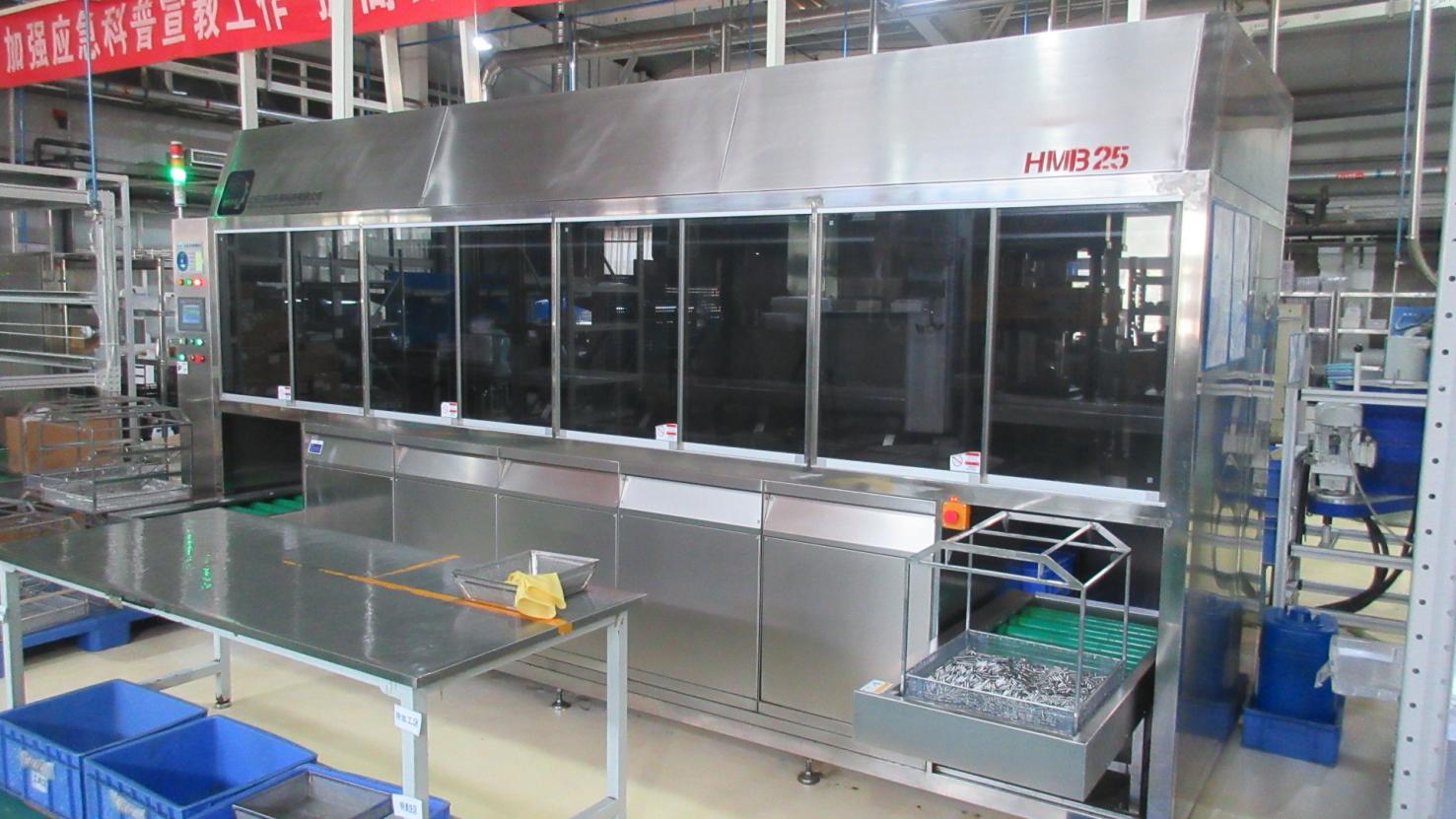
Supply Chain Stability: A major lesson of recent supply disruptions is the value of end-to-end integration. Top-tier factories manage raw material forging, precision CNC milling, chemical passivation, sandblasting, cleanroom packaging, and EO (Ethylene Oxide) sterilization on-site or through tightly coupled, certified regional partnerships.
A reference framework for hospital networks, regional distributors, and purchasing agents conducting factory diligence audits.
Procuring implantable hospital consumables demands rigorous regulatory oversight. Device failures can lead to revision surgeries, patient distress, and severe legal liability for importing agents. Therefore, global distributors must implement systematic factory verification criteria.
Exploring next-generation technologies: minimally invasive surgical implants, titanium surface modifications, and smart tracking.
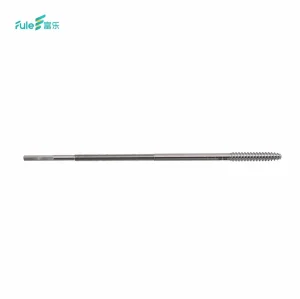
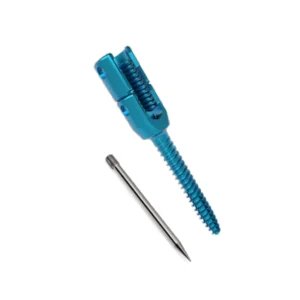
Surgical practices are shifting toward minimally invasive methodologies. Implants and instrumentation sets must adapt to smaller corridors, using cannulated pedicle screws, percutaneous rod inserters, and expandable interbody fusion cages designed for MIS TLIF procedures.
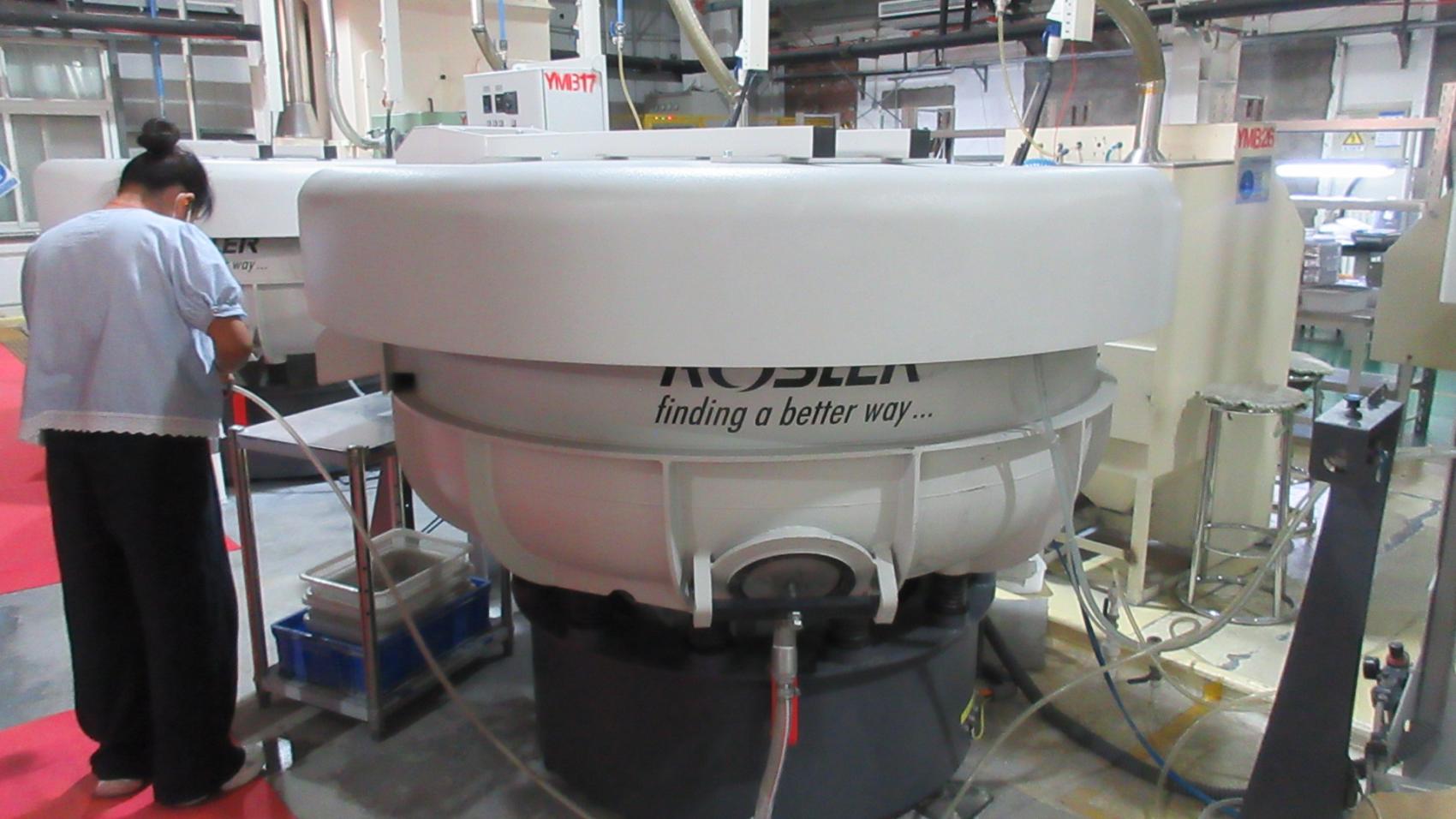
To accelerate osseointegration and reduce post-implantation loosening, titanium implants are treated with advanced surface coatings. These processes—ranging from acid etching and titanium plasma spray to hydroxyapatite (HA) deposition—encourage direct bone bonding.
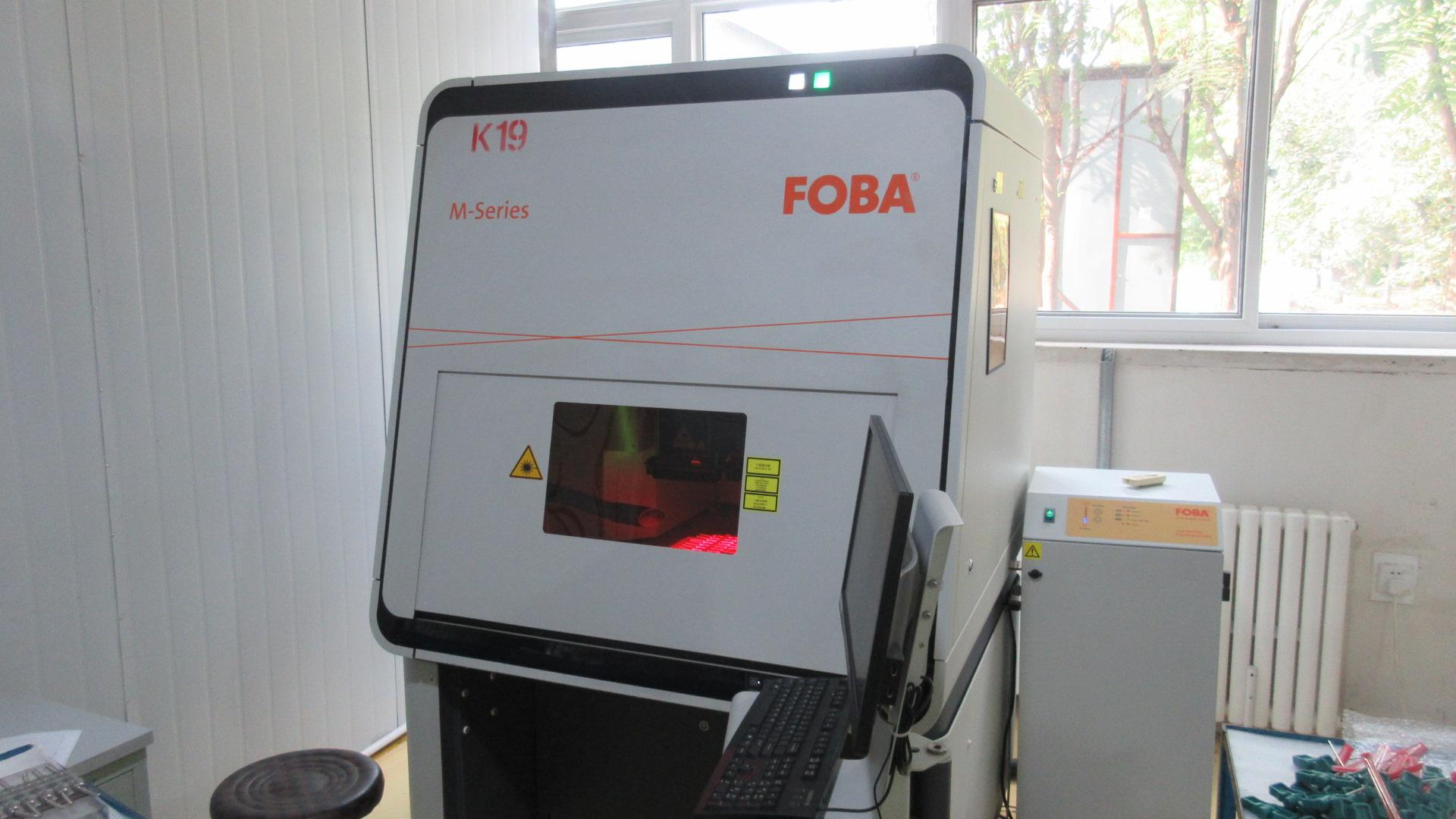
Global healthcare systems are making Unique Device Identification (UDI) mandatory. Implants now feature laser-etched 2D data-matrix barcodes. This simplifies hospital inventory control, supports post-market clinical tracking, and streamlines recall processes.
Balancing offshore production efficiency with local support, product liability insurance, and regulatory representations.
Deploying orthopedic consumables overseas requires more than just ocean shipping. True operational integration involves addressing local regulatory clearances, clinical training, and supply chain continuity.
For manufacturers exporting to Europe or the Americas, appointing an Authorised Representative (EC Rep) or US Agent is a legal necessity. This partner coordinates with local authorities (such as the BfArM in Germany, ANSM in France, or the US FDA) to manage incident reporting and coordinate post-market surveillance (PMS) tasks.
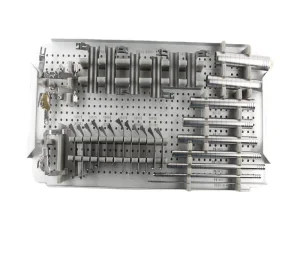
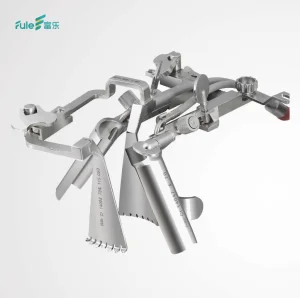
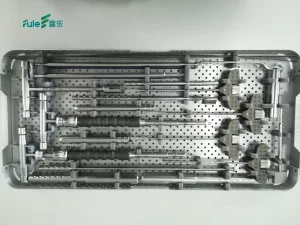
Implant surgeries require corresponding reusable instruments. Leading manufacturers distribute complete orthopedic instrument sets alongside implant stocks. These surgical tools must withstand autoclave sterilization cycles and meet strict hospital decontamination protocols.
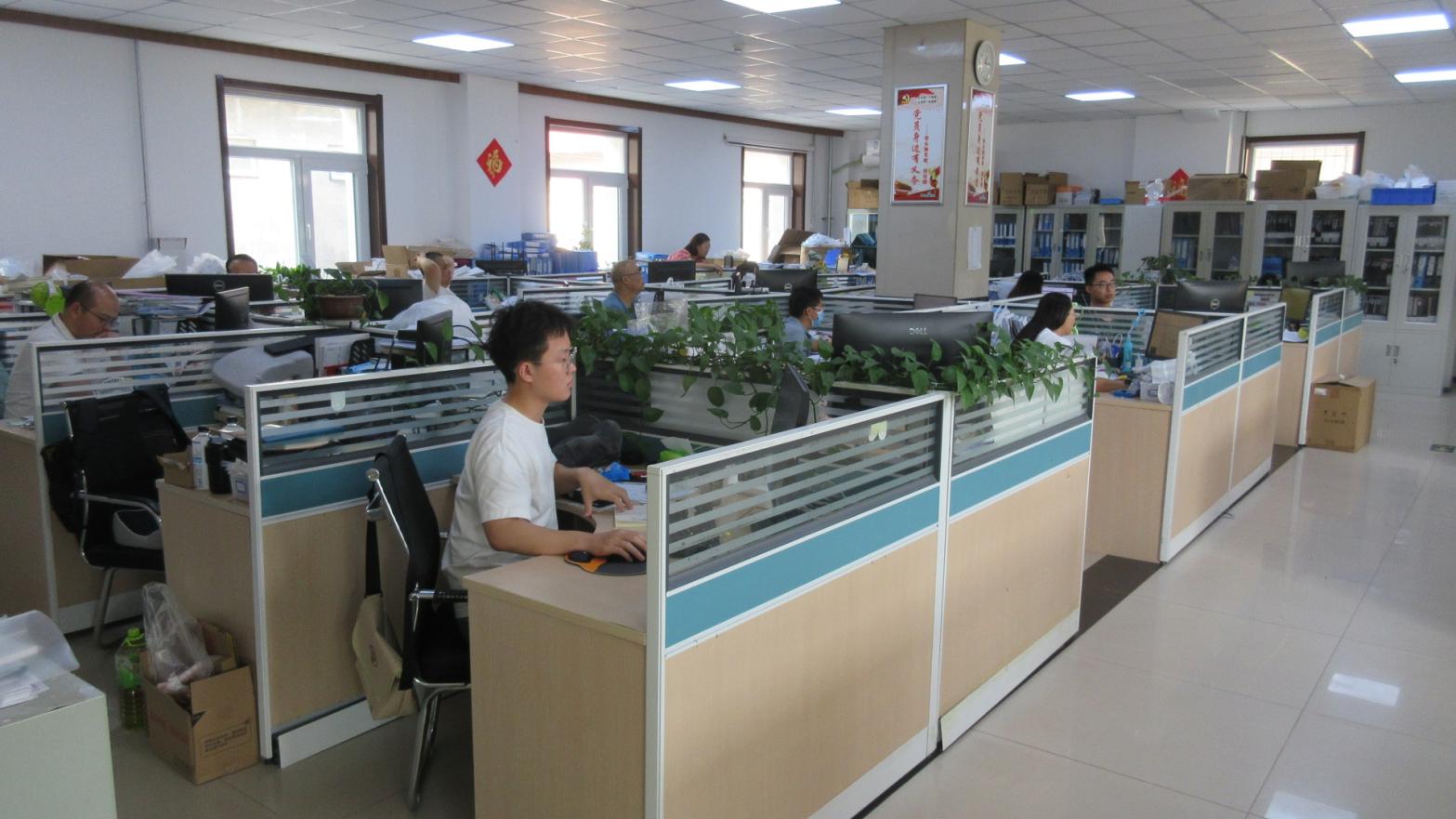
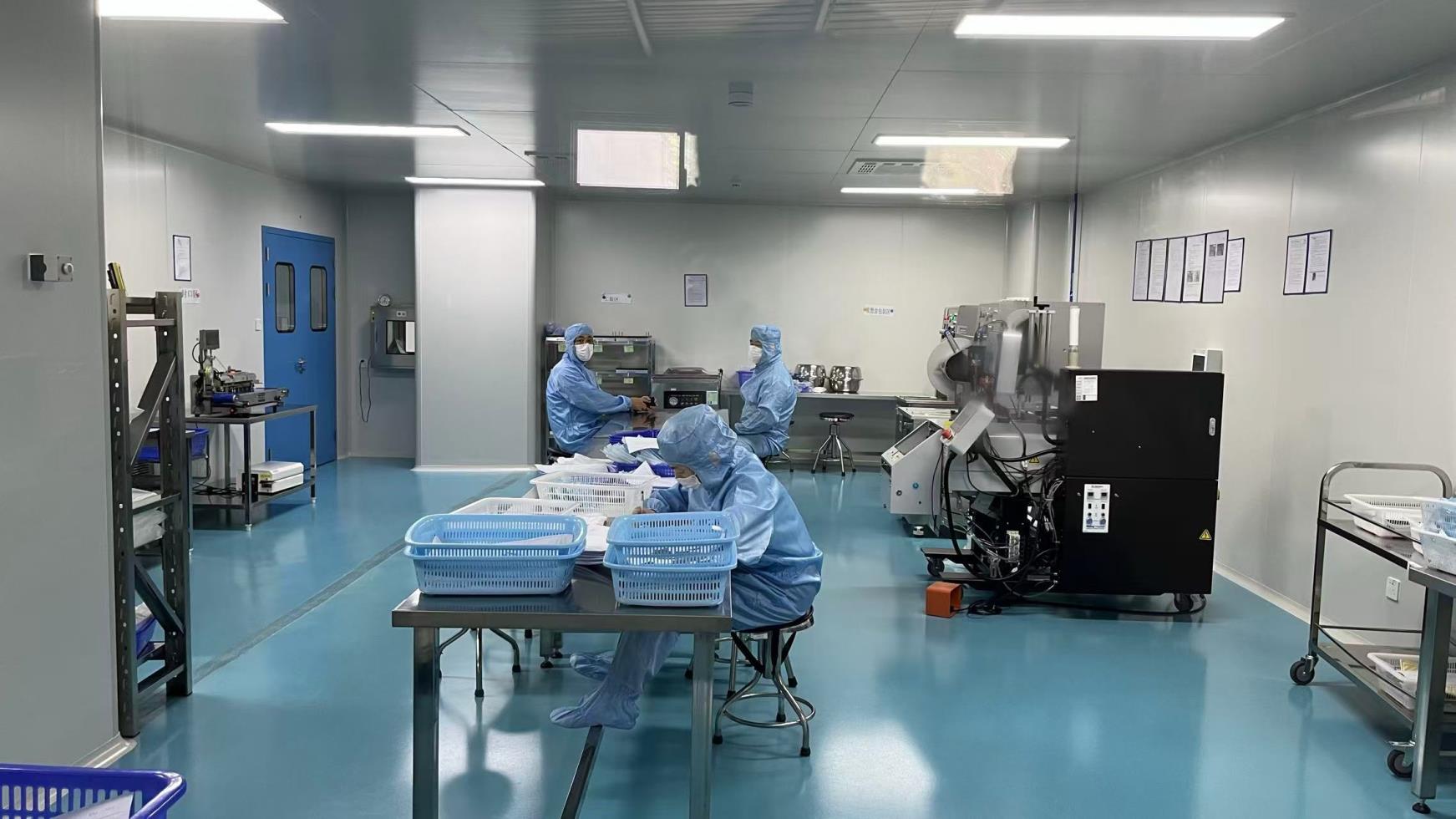
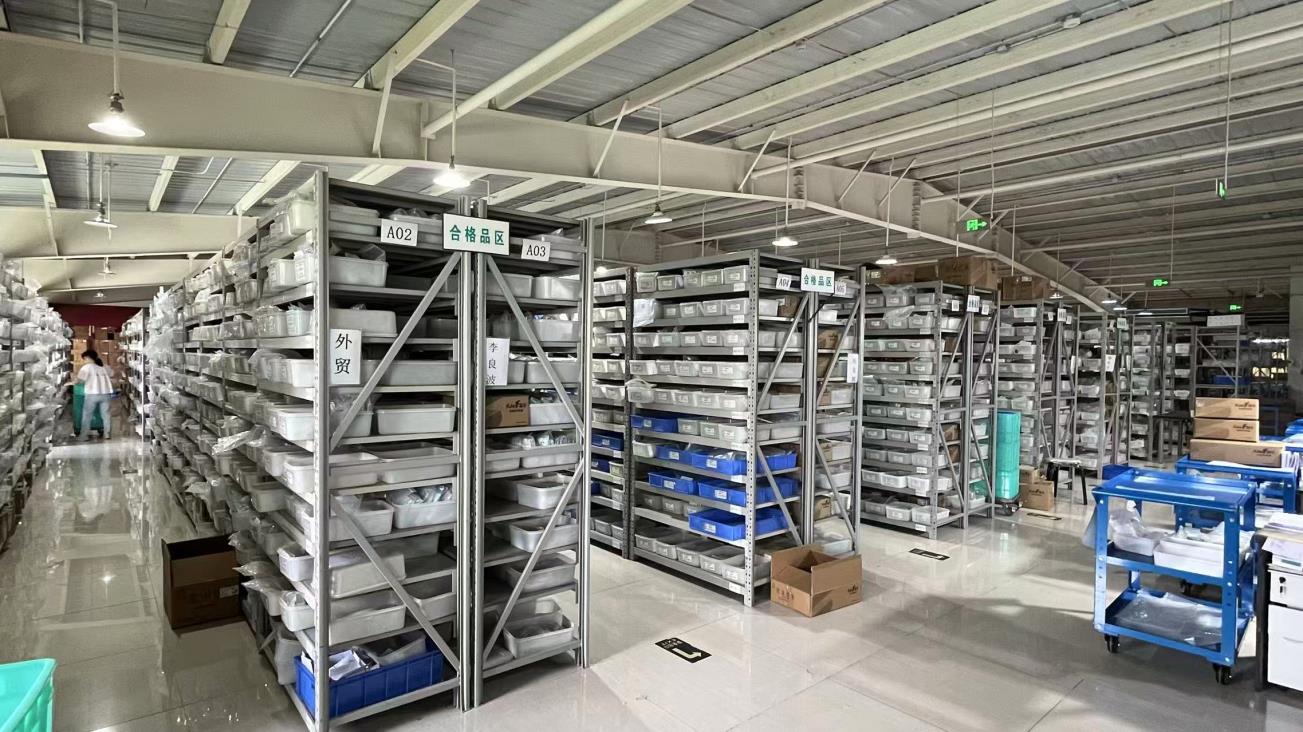
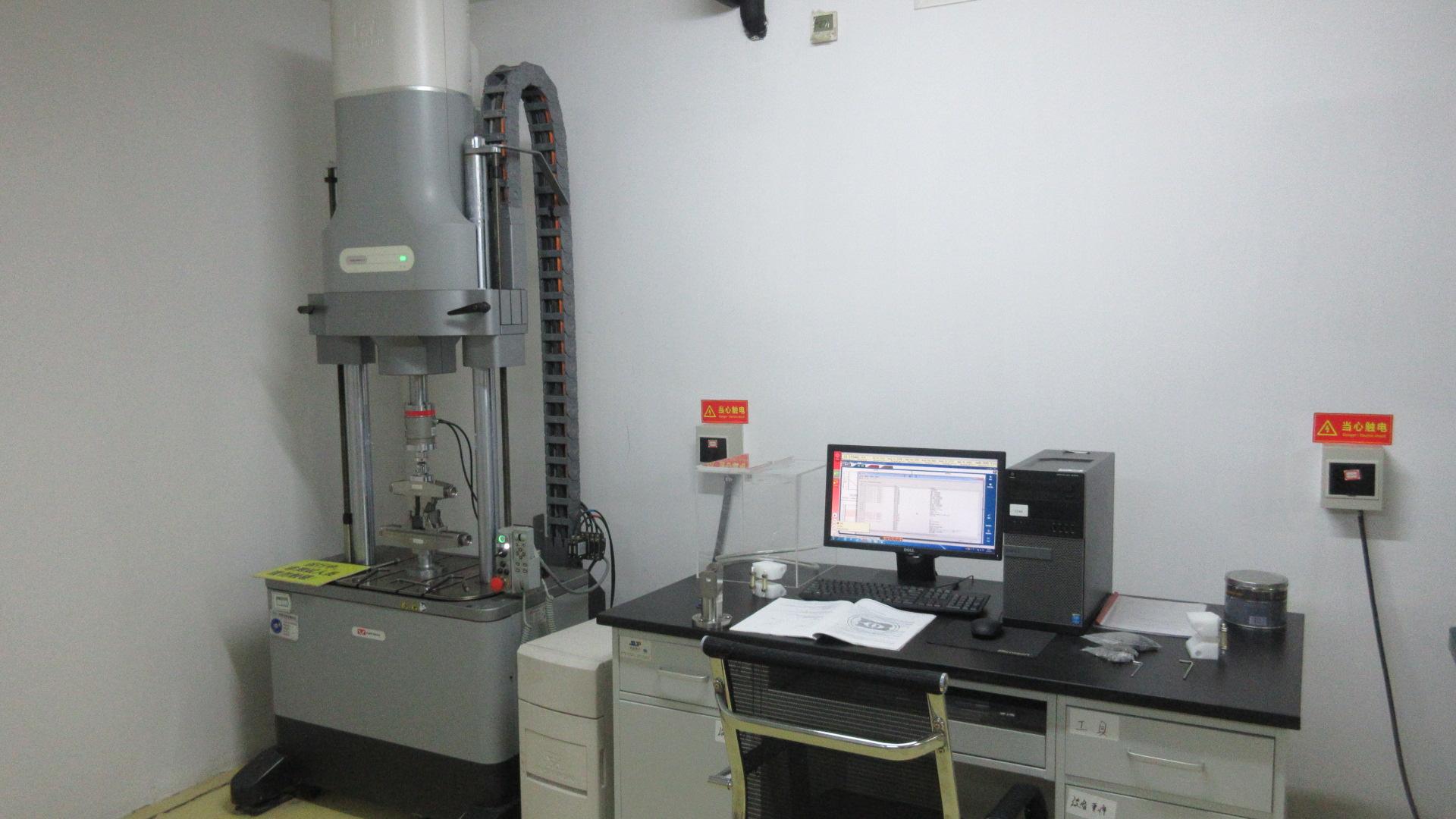
Visual validation of cleanroom packaging, precision CNC machining centers, and QC labs.

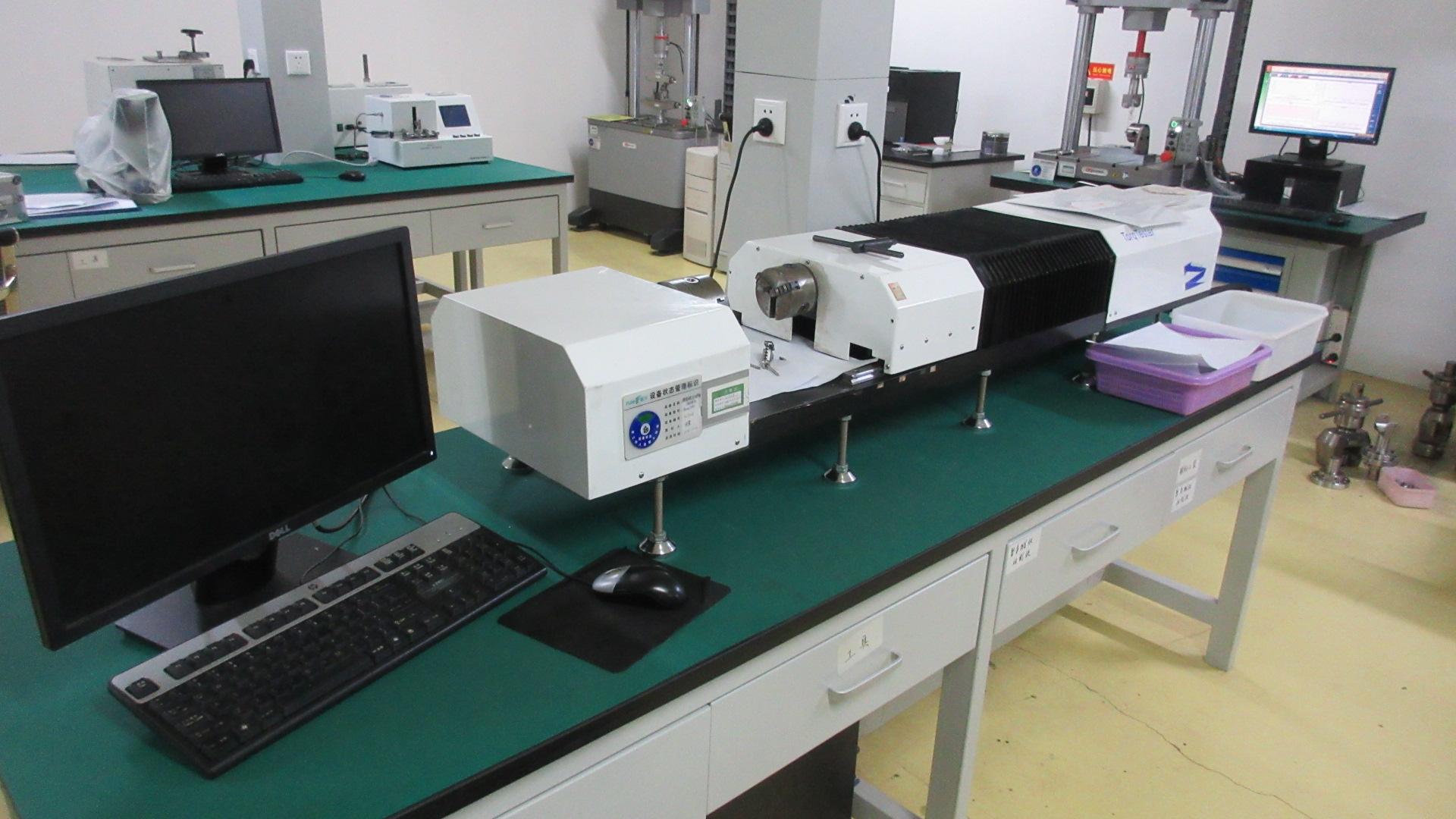
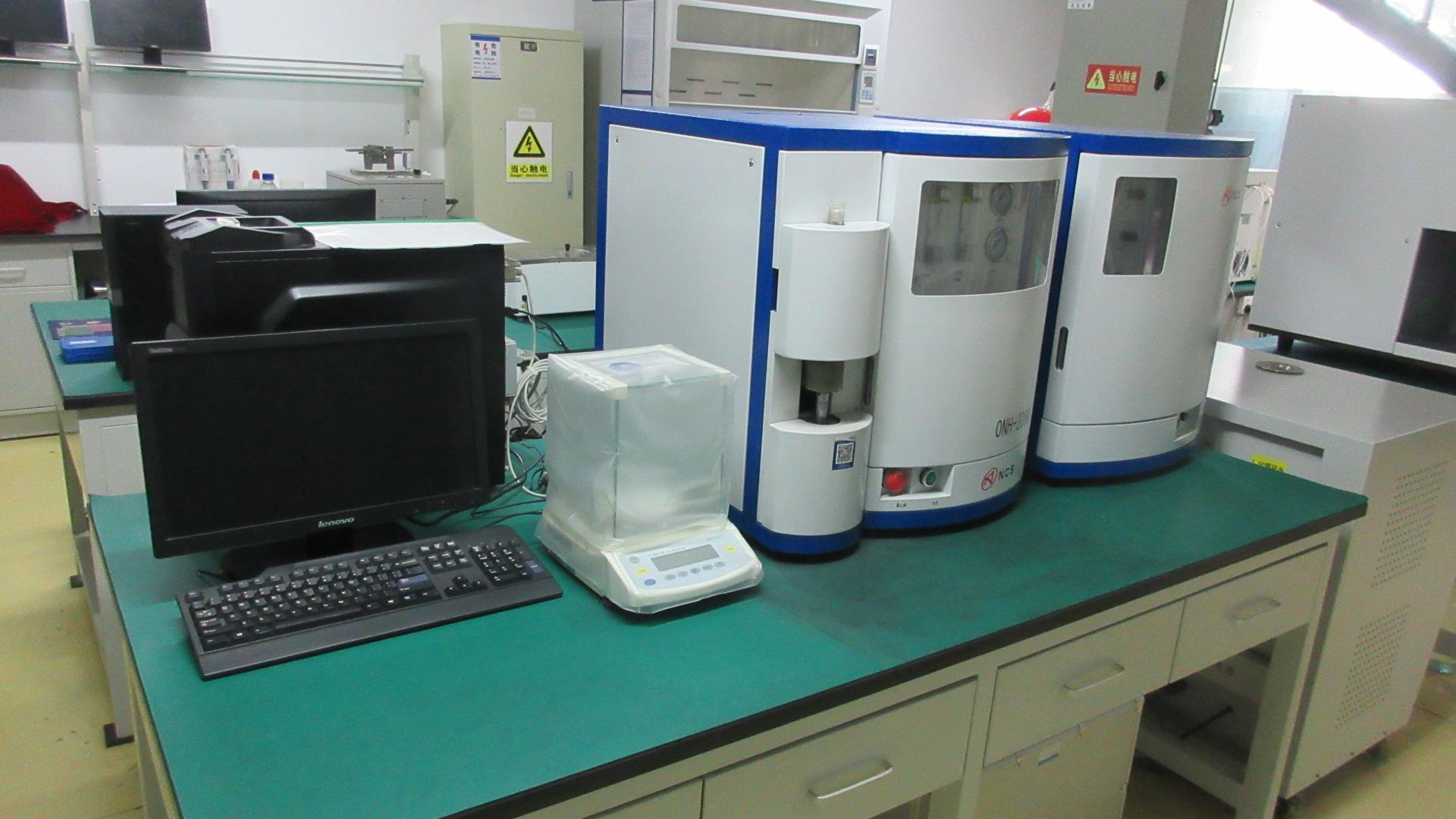
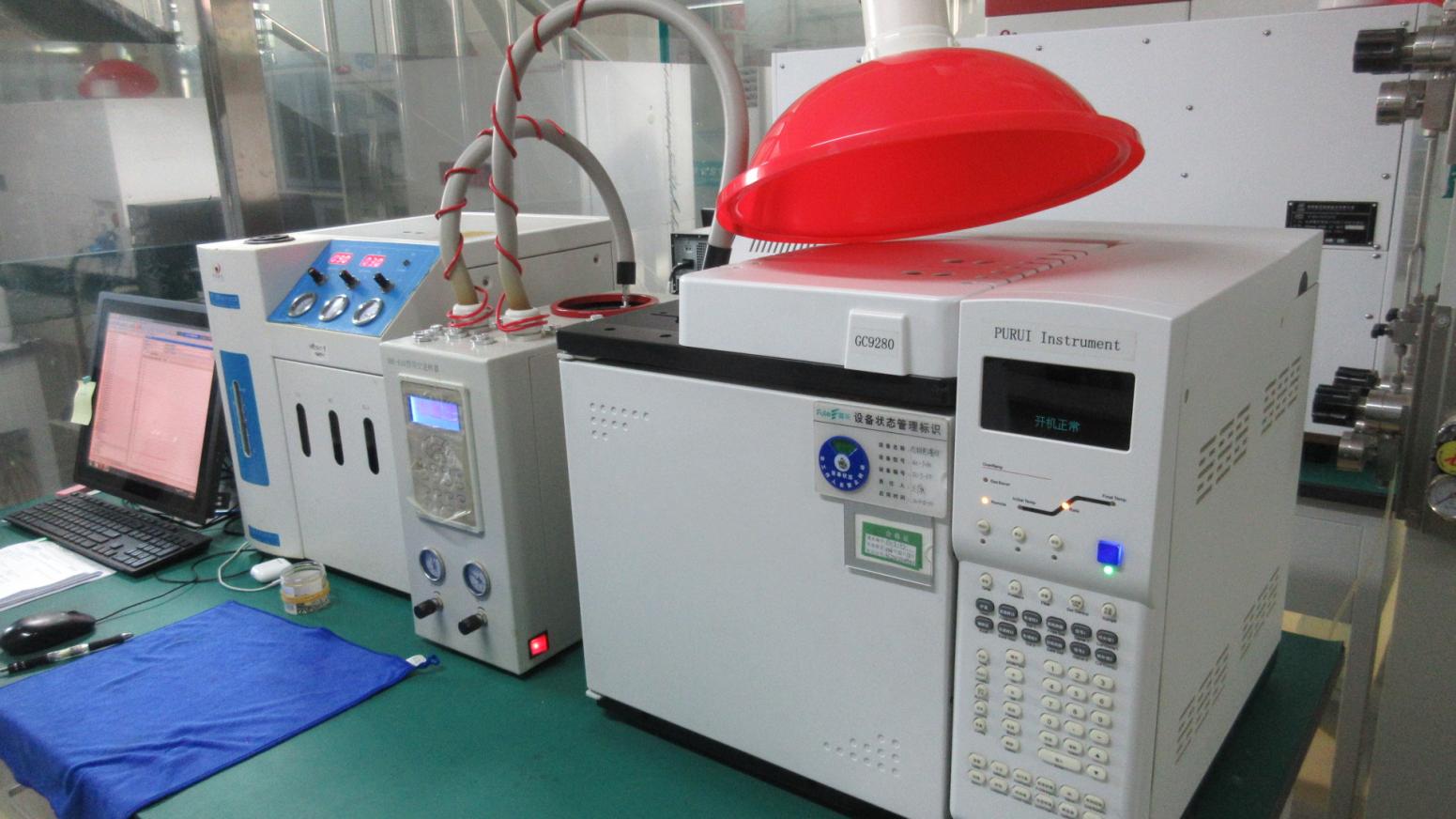
Answers to key regulatory, metallurgical, and supply chain questions for hospital device procurement.
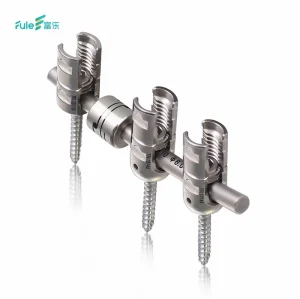
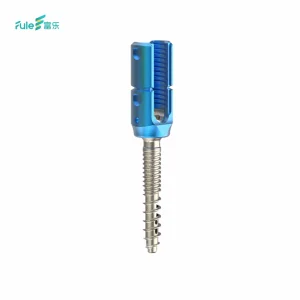
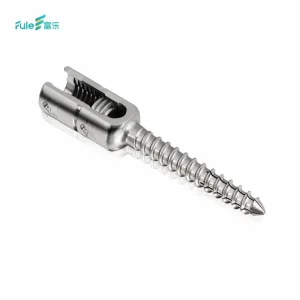
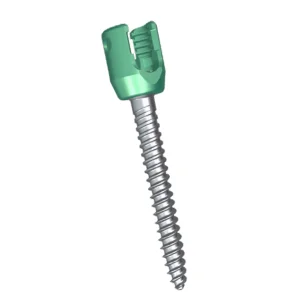
Explore our selection of dynamic spinal systems and internal fixation plates designed for complex orthopedic reconstructions.
 Beren Science & Technology