High-precision orthopedic systems certified to ISO 13485 for global distribution and direct clinical application.
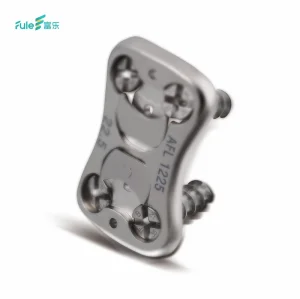
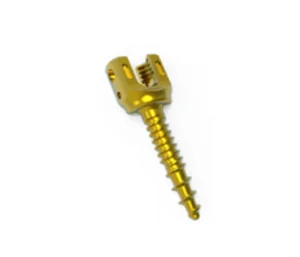
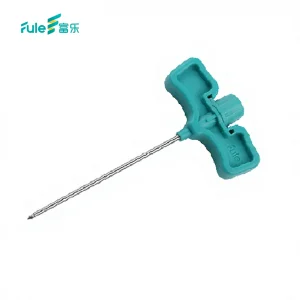
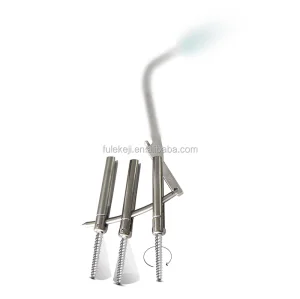
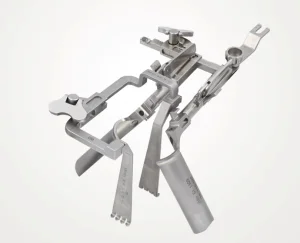
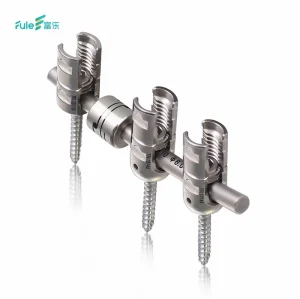
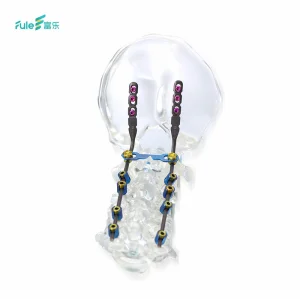
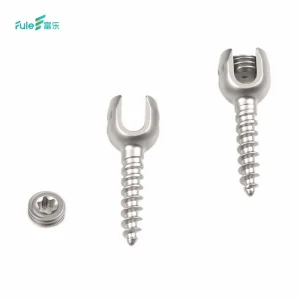
The global orthopedic implant sector is undergoing a rapid evolution driven by demographic aging, complex trauma patterns, and clinical requirements for faster patient recovery times. Modern humeral implants and joint fixation platforms must meet strict biomechanical profiles to address challenges like osteoporotic bone structures and severe articular fragmentation.
Comprehensive solutions integrate pre-operative planning, high-strength titanium and cobalt-chrome metallurgy, and modular instrumentation kits. By utilizing advanced finite element analysis (FEA), modern manufacturers produce anatomic plates and intramedullary devices that distribute mechanical load efficiently, minimizing the risk of stress shielding and implant failure.
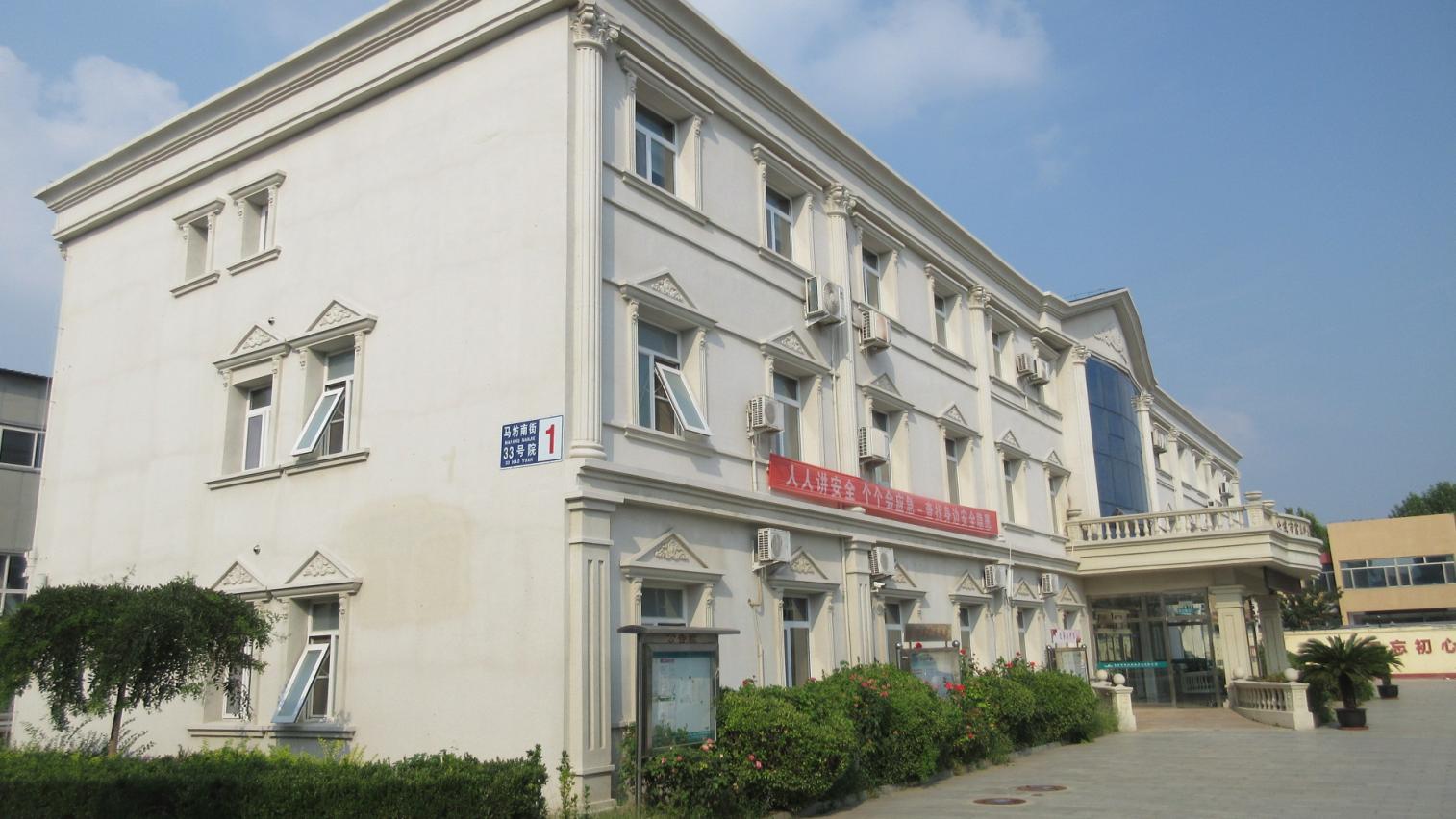
The supply chain for orthopedic hardware spans multiple continents, requiring tight alignment between raw material processors, precision machining facilities, and regulatory bodies. The United States, Western Europe, and Asia-Pacific represent both the primary consumption centers and manufacturing hubs for Class II and Class III implants.
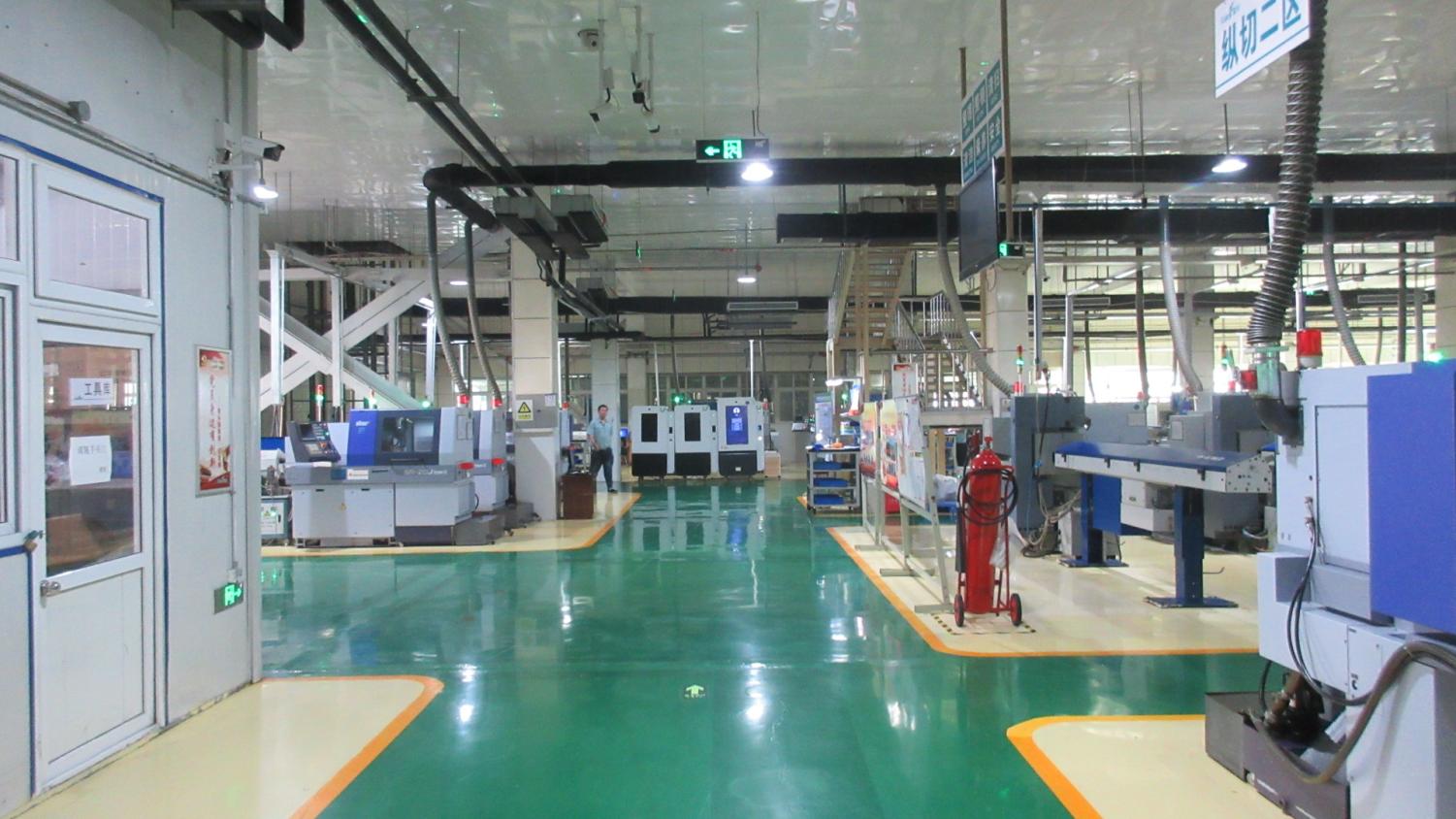
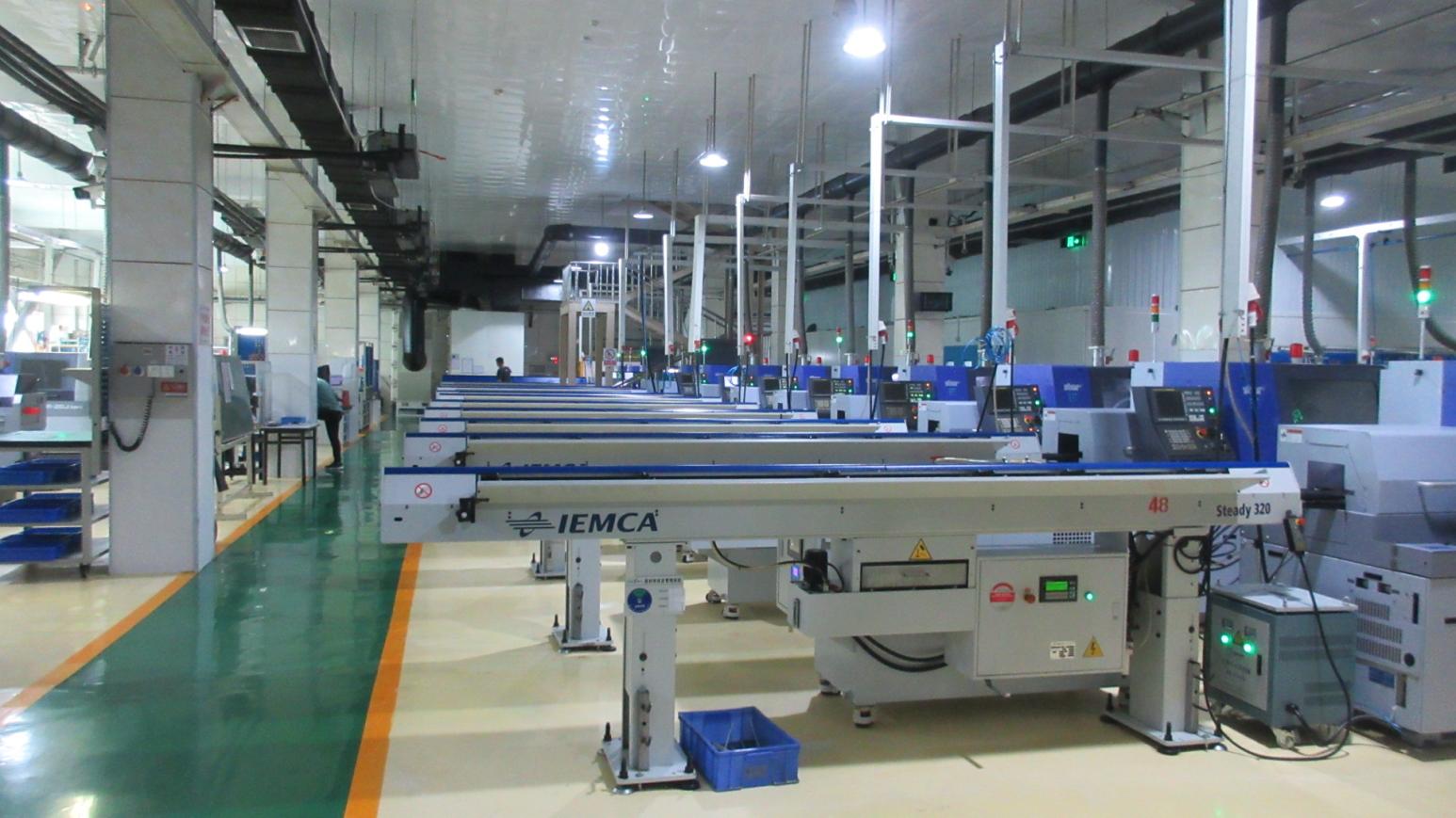
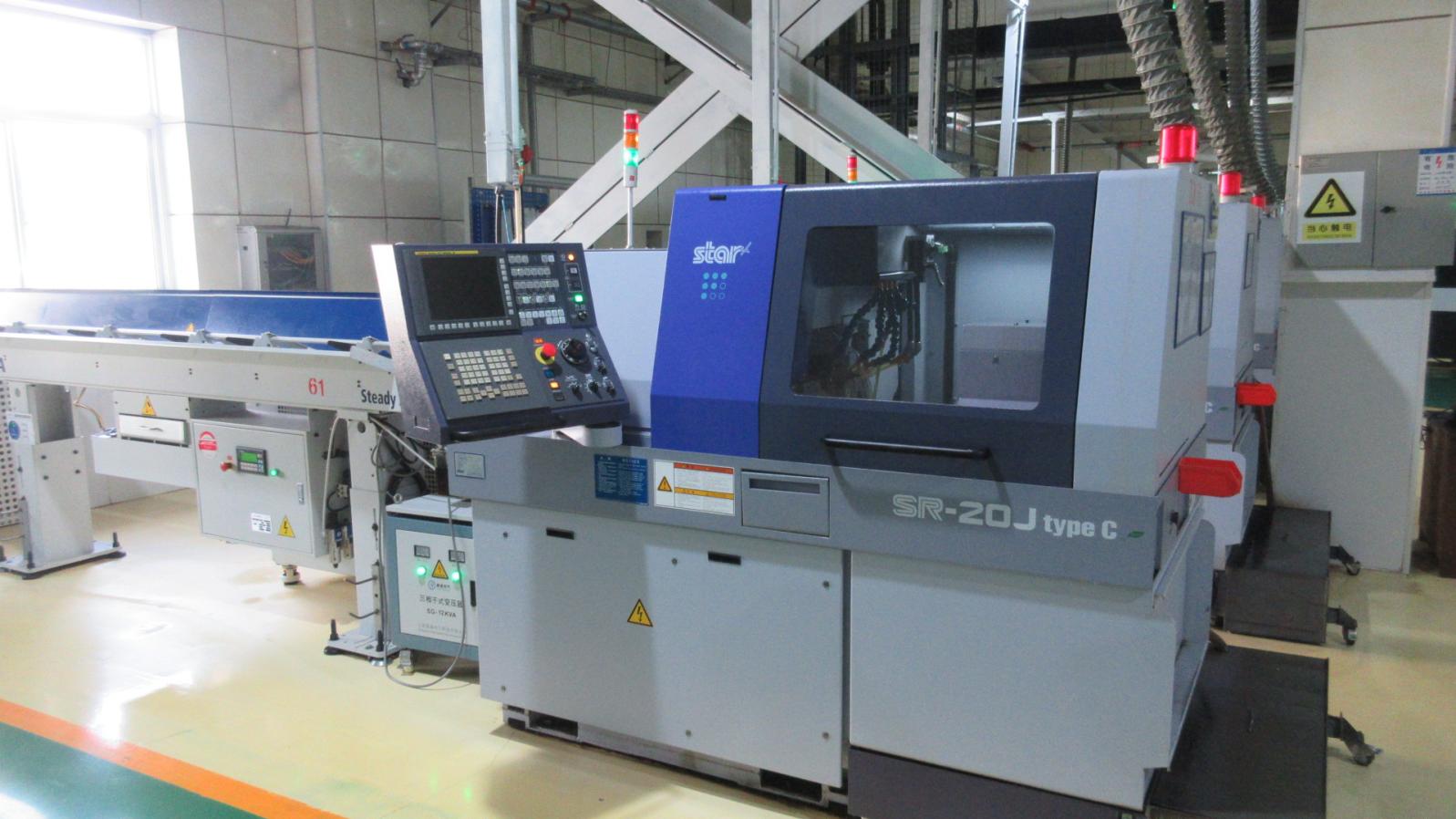
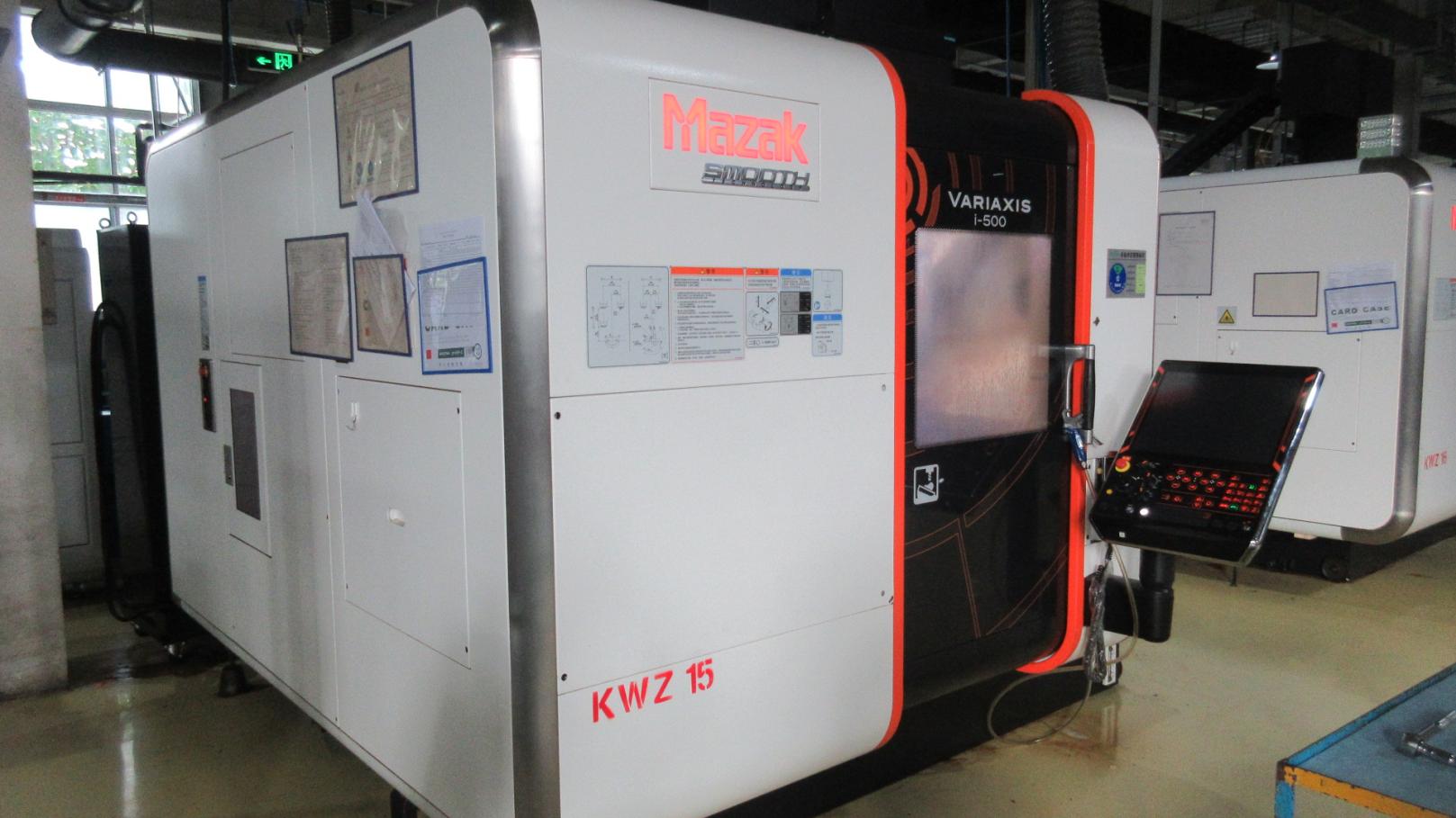
Leading manufacturers invest heavily in computerized numerical control (CNC) multi-axis Swiss lathe machining, cleanroom packaging, and automated sterile monitoring. These advancements help control costs while meeting cleanroom requirements that comply with local healthcare procurement systems.
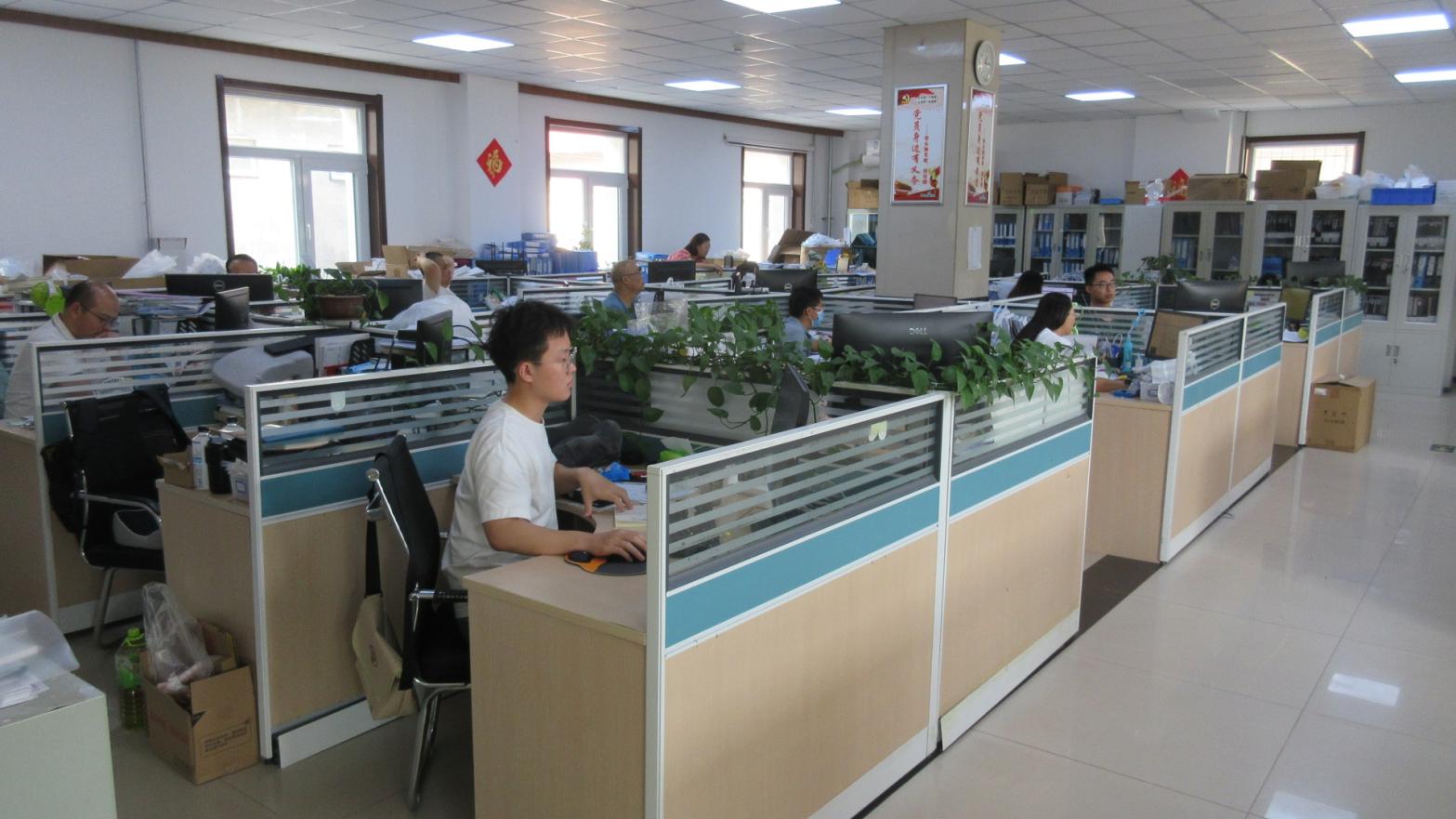
A statistical breakdown of our manufacturing framework, established in 1996 to deliver certified medical devices globally.
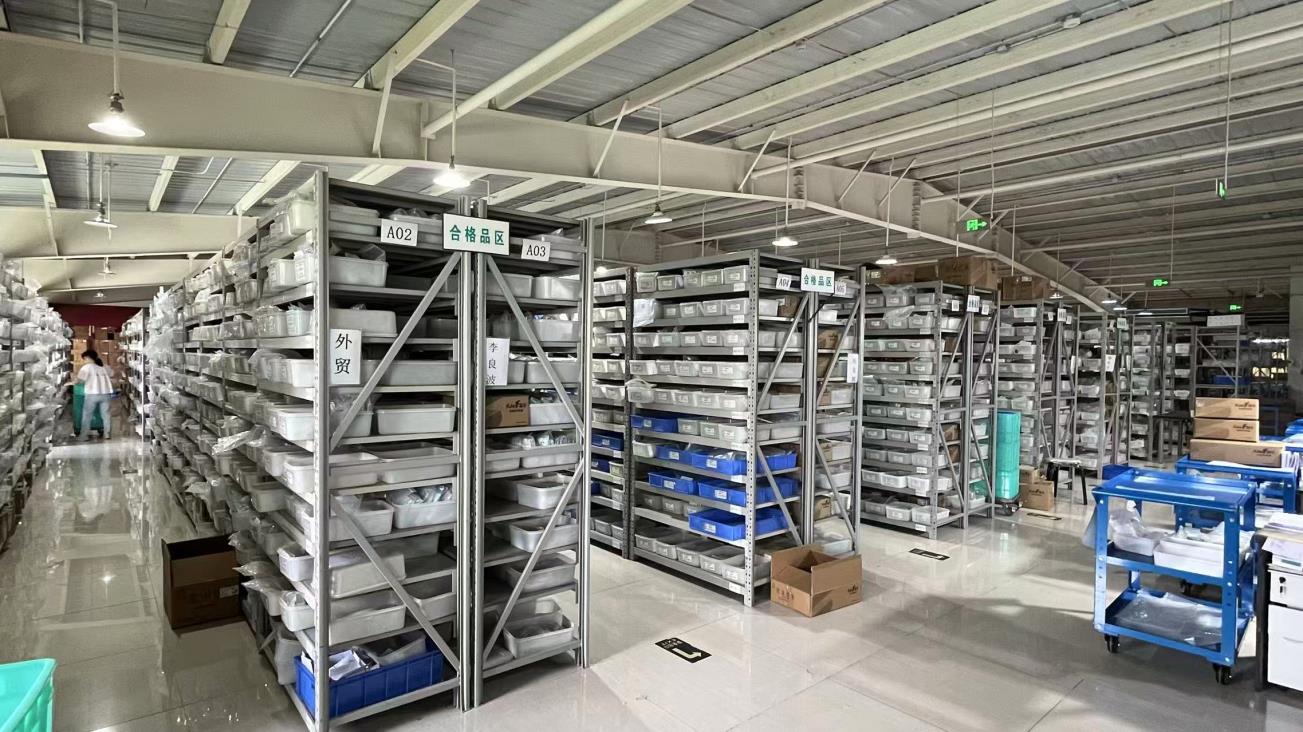
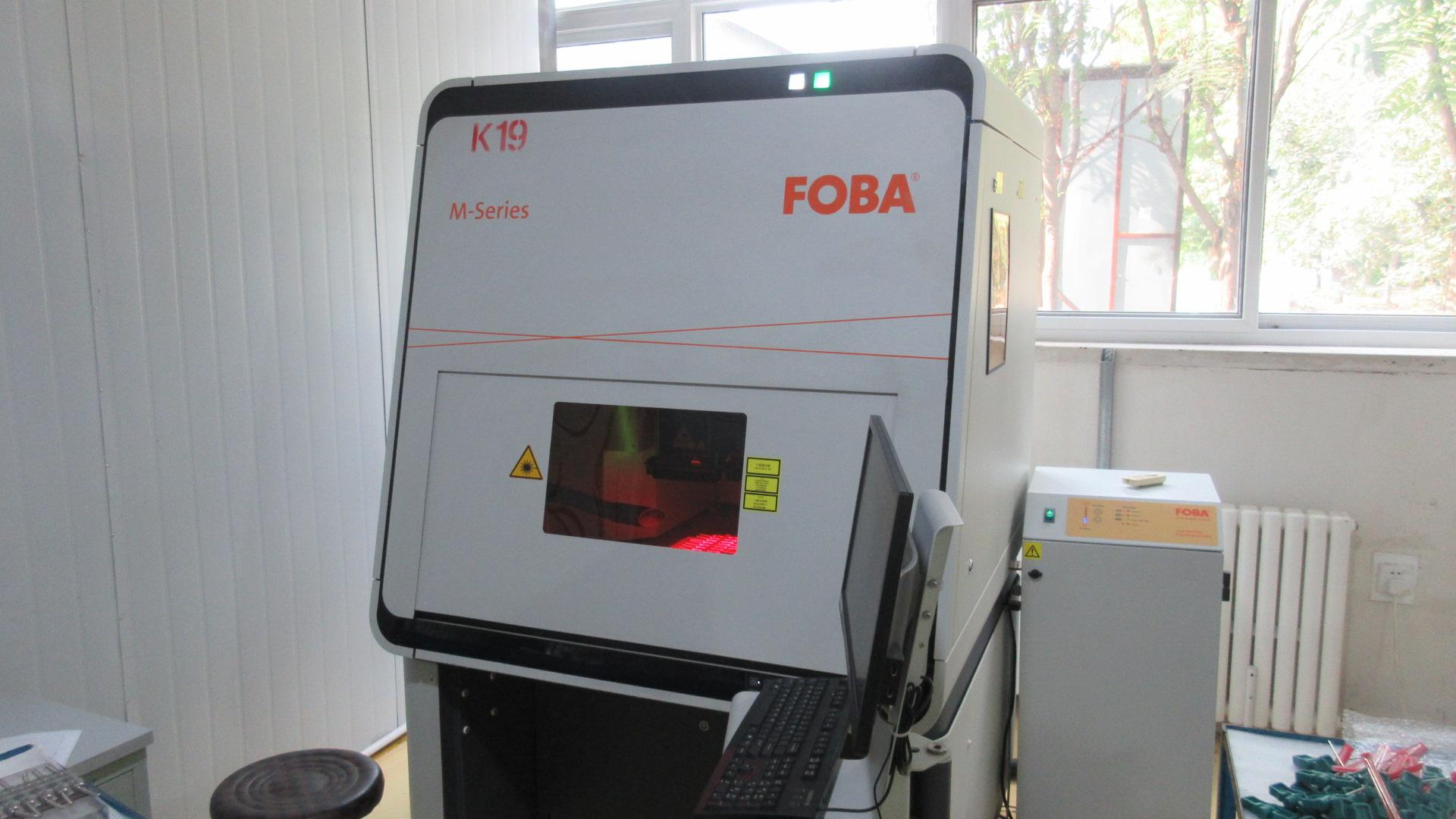
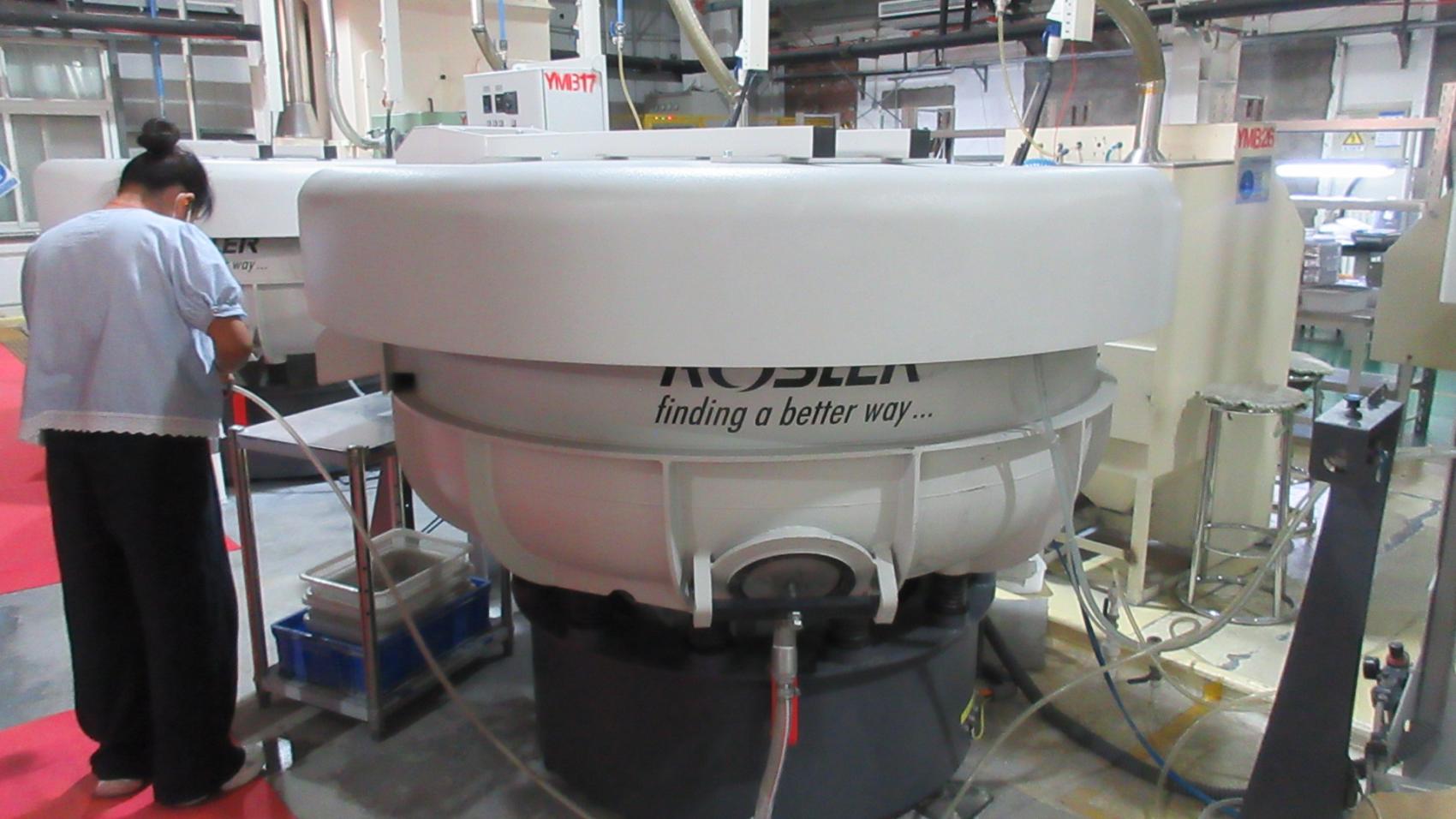
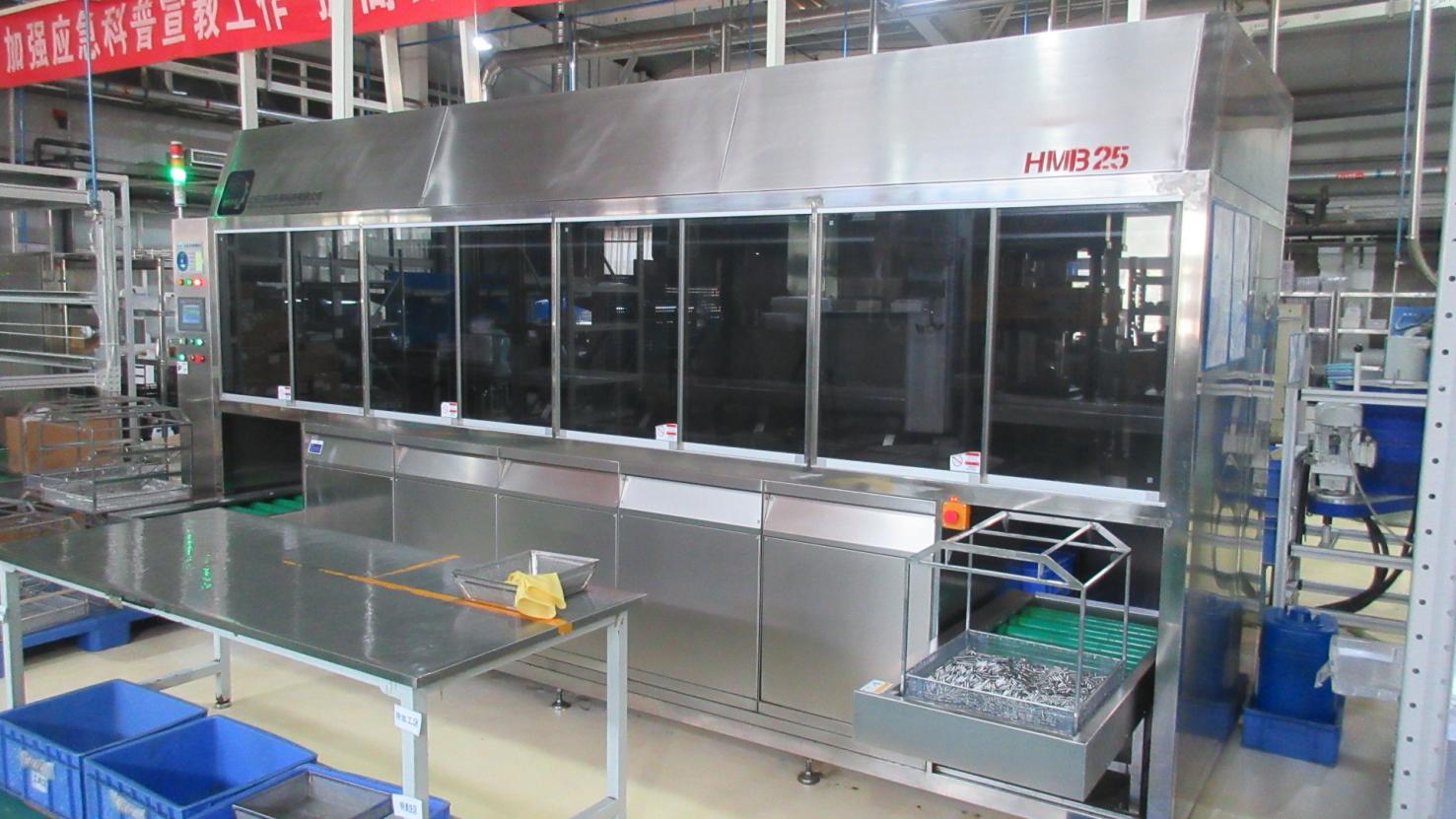
Operating a 10,000-square-meter facility, our production pipeline is built to support both high-volume standardized output and customized OEM runs. Our facility uses 102 state-of-the-art production machines, including automated milling, wire cutting, and surface blasting equipment, ensuring every component aligns with modern clinical designs.
With an annual output exceeding 511,000 units, we supply healthcare networks, distributors, and surgical centers worldwide. Our export division brings over 30 years of logistics experience, handling regulatory clearance, cold-chain-compatible secondary packaging, and product traceability documentation.
Tailoring trauma implants to specific surgical procedures and clinical environments.
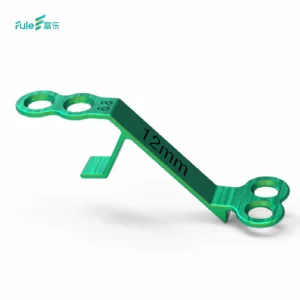
Addressing multi-part displaced fractures using locking plates with variable angle screws to preserve vascularity and promote bone healing.
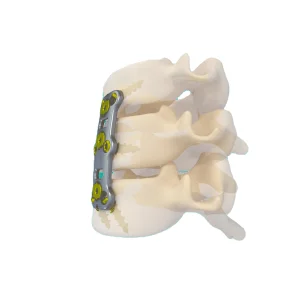
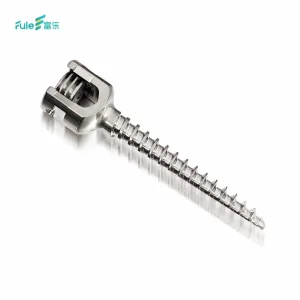
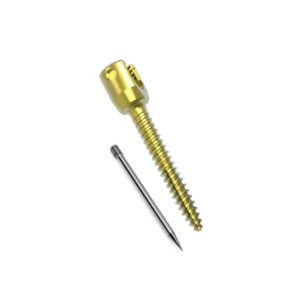
Stabilizing spinal segments with anterior plate designs and polyaxial rod-screw configurations to treat degenerative pathologies and complex injuries.
Using balloon vertebroplasty catheters and percutaneous systems to treat compression fractures, reducing soft-tissue disruption and recovery times.
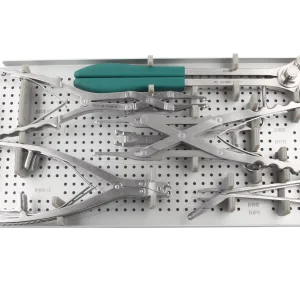
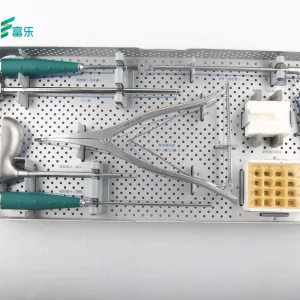
Different clinical regions require specialized hardware adaptations. For example, emergency trauma centers in developed urban areas often prefer specialized locking plate kits with color-coded screws to streamline setup in the OR. Conversely, general clinics in emerging markets may prioritize modular external fixator kits and versatile screw systems to address a wider variety of injuries with a single, flexible inventory.
Our engineering team works closely with clinical advisors to adjust implant profiles, offering customized surface structures and screw angles that match the specific patient demographics and surgical approaches of our distribution partners.
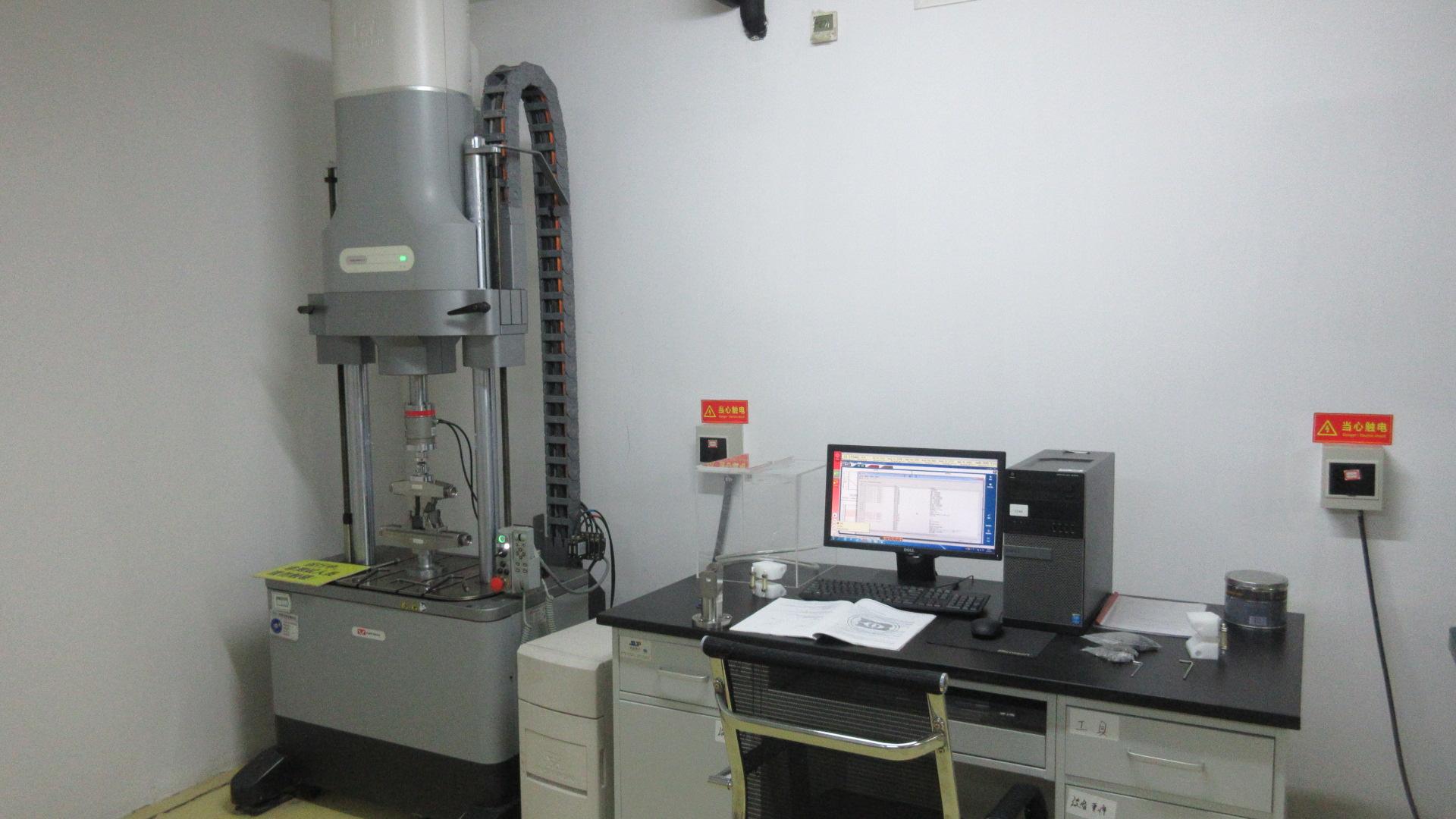
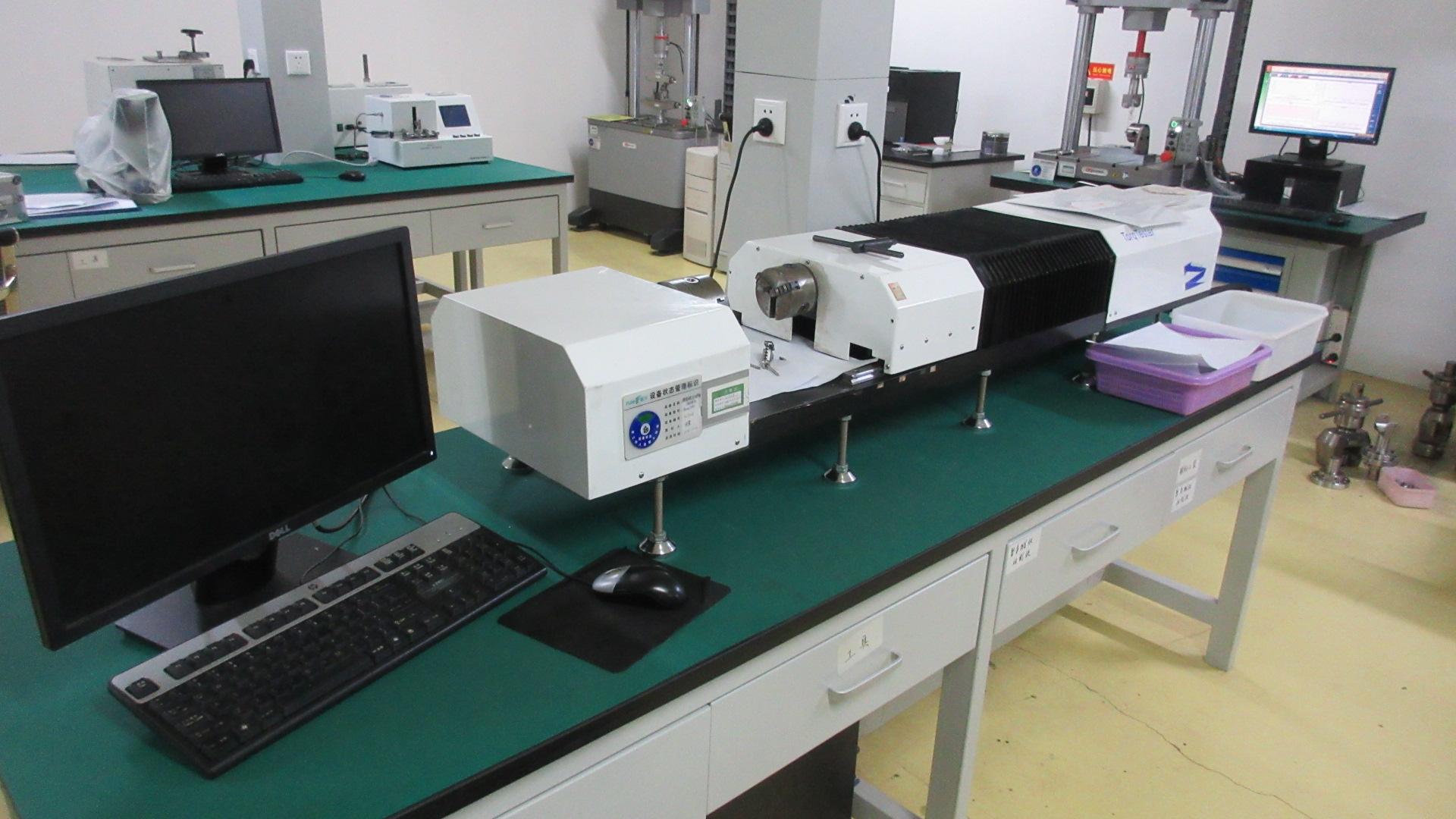
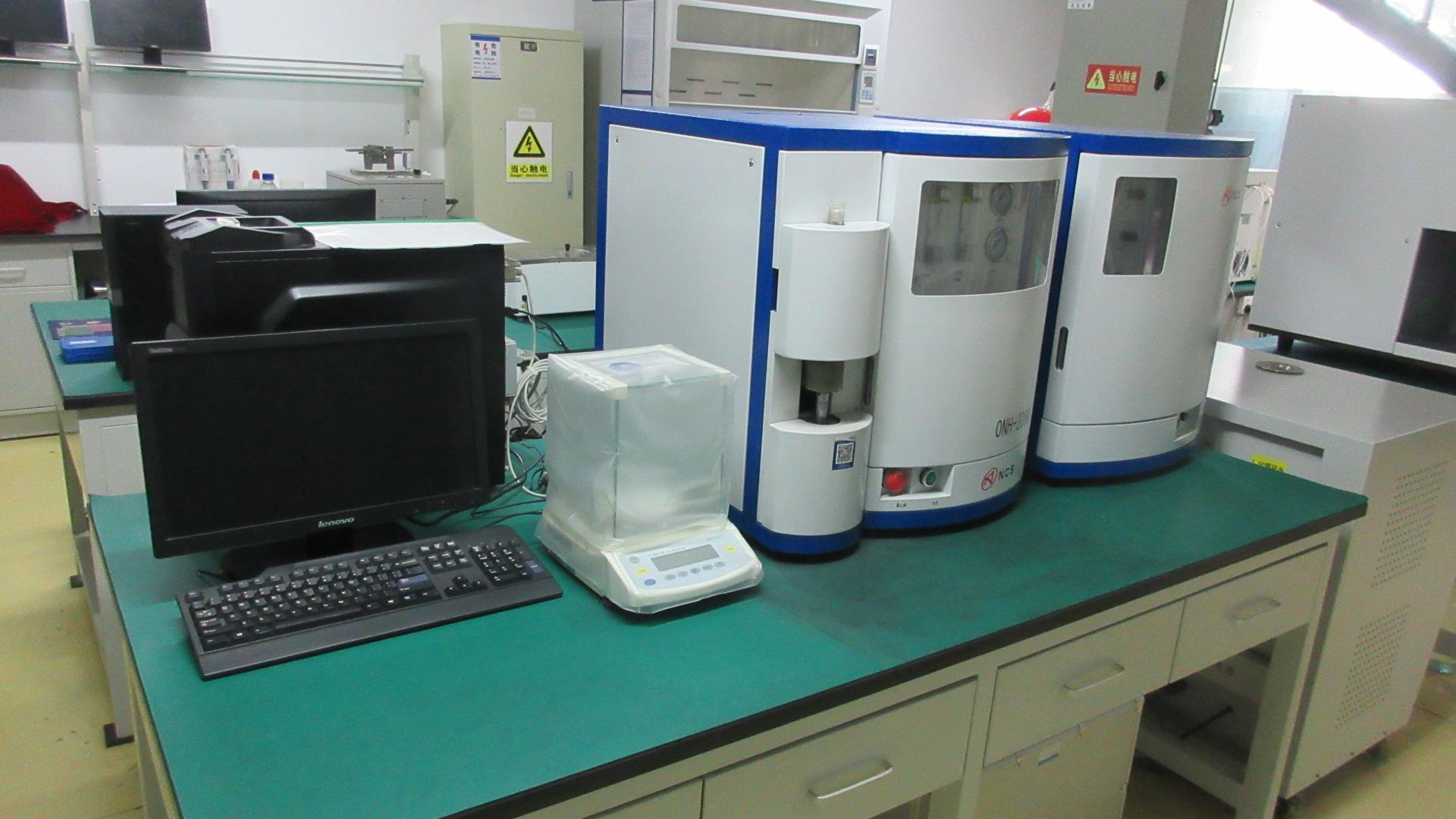
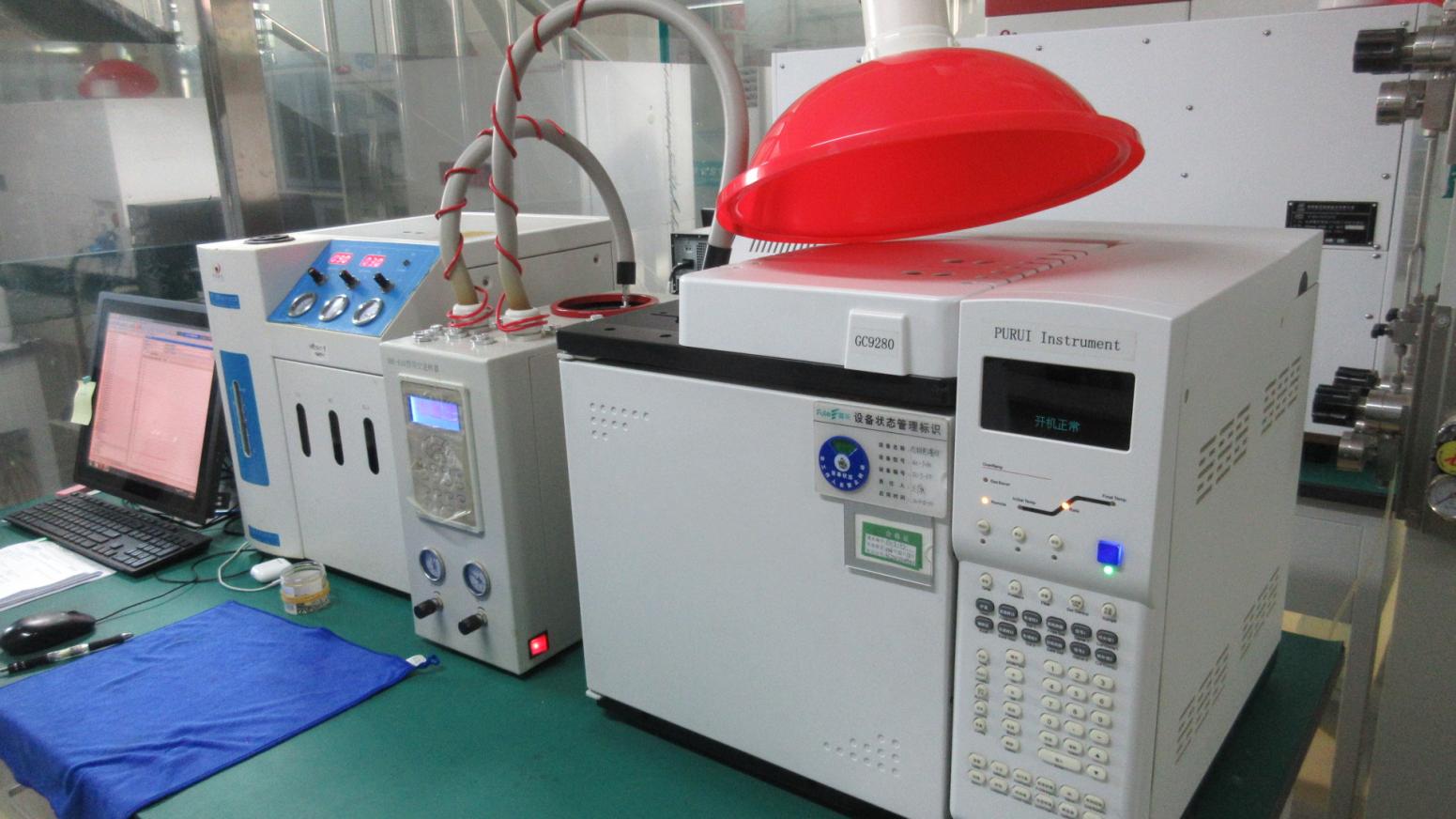
We maintain full certification under ISO 13485, ensuring every stage of manufacturing—from sourcing medical-grade titanium alloy (Ti-6Al-4V ELI) to final packing—adheres to strict safety guidelines. Our 15 full-time QA/QC inspectors oversee in-line optical comparisons, digital hardness checks, and cleanroom bioburden assays.
We provide full material traceability with certificate of melt document tracking. This transparent documentation is essential for hospitals and ministries of health to verify the purity, mechanical strength, and origin of each orthopedic implant.
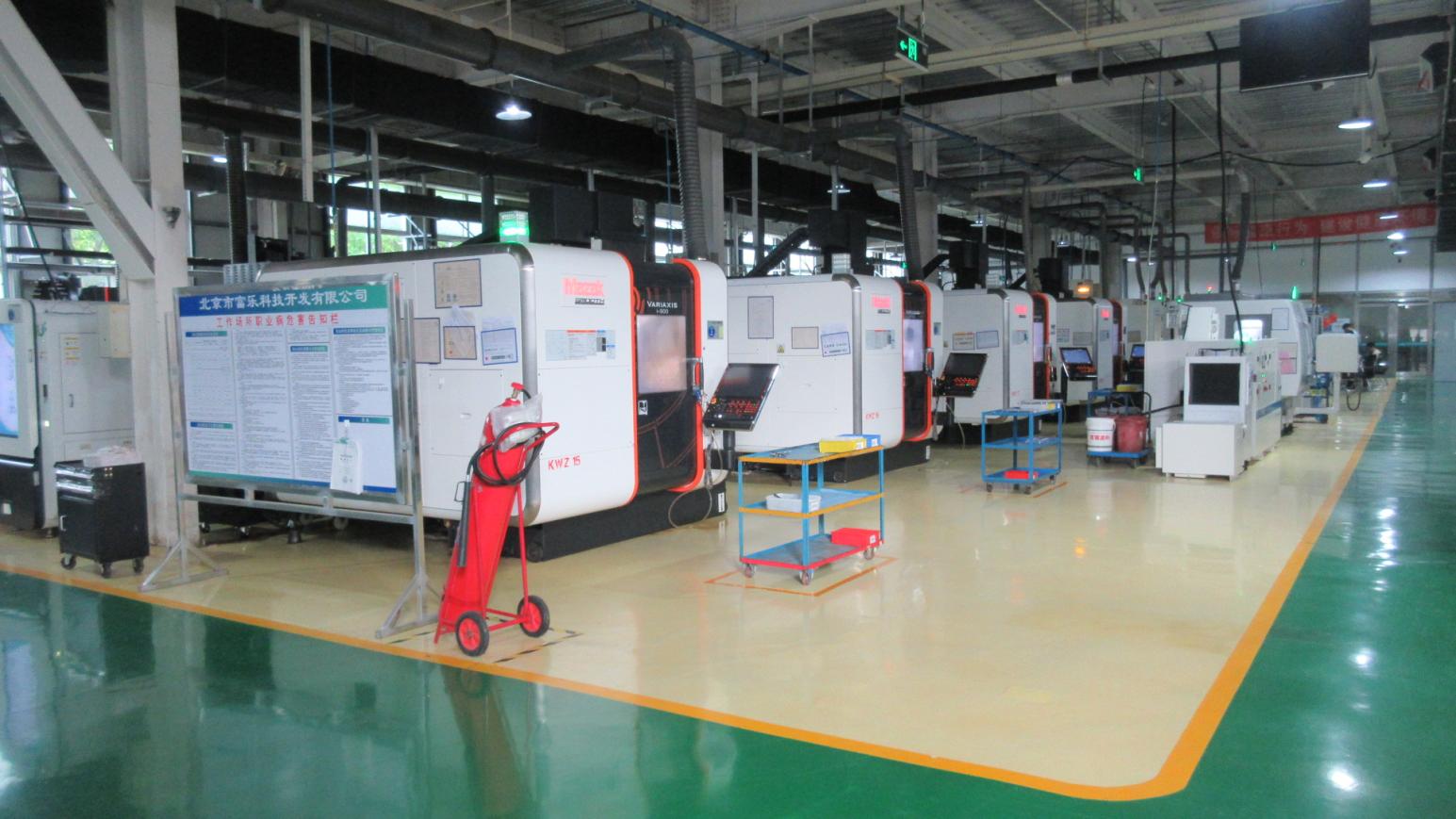
Exporting across Southeast Asia, Eastern Europe, and South America requires localized support structures. We help distributors navigate customs clearance, prepare dossiers for local health departments, and provide targeted training materials for clinical teams.
Our logistical network ensures secure packaging and temperature control, maintaining the integrity of sterile implant sets. Whether supplying standard sizes or custom configurations, we ensure on-time delivery to support surgical schedules without delay.
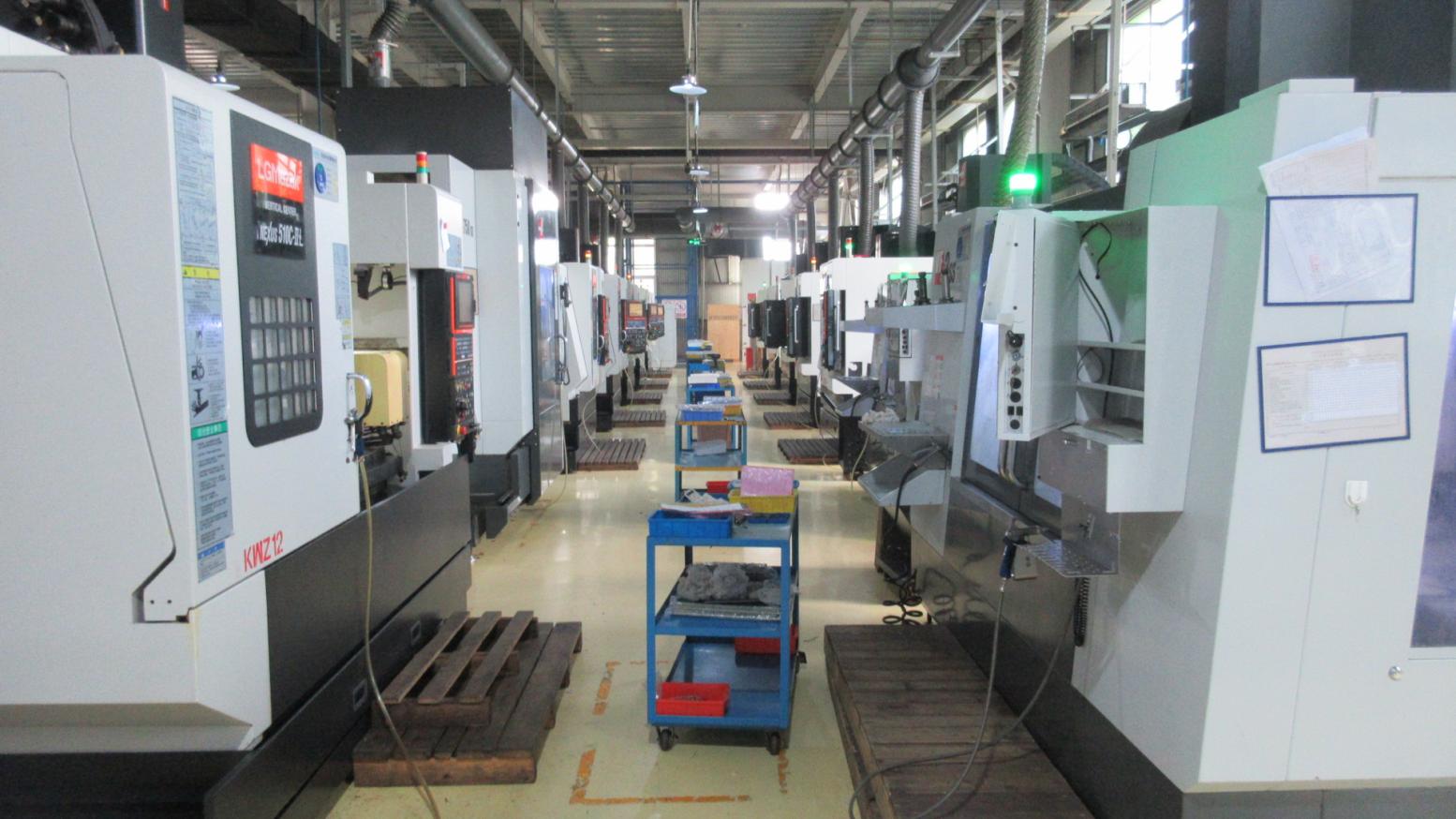
Developing next-generation implants with advanced surface modifications and high-precision mechanical performance.
Our R&D team consists of 20 experienced engineers focused on surface engineering, anatomical fit, and mechanical longevity. By studying how bone cells interact with different metal textures, we develop specialized finishes that encourage natural bone integration, helping secure the implant and reduce long-term recovery times.
Our product roadmap focuses on expanding our range of minimally invasive surgical (MIS) systems. These designs require smaller incisions, which helps protect surrounding soft tissue, reduce post-operative pain, and support faster patient recovery.
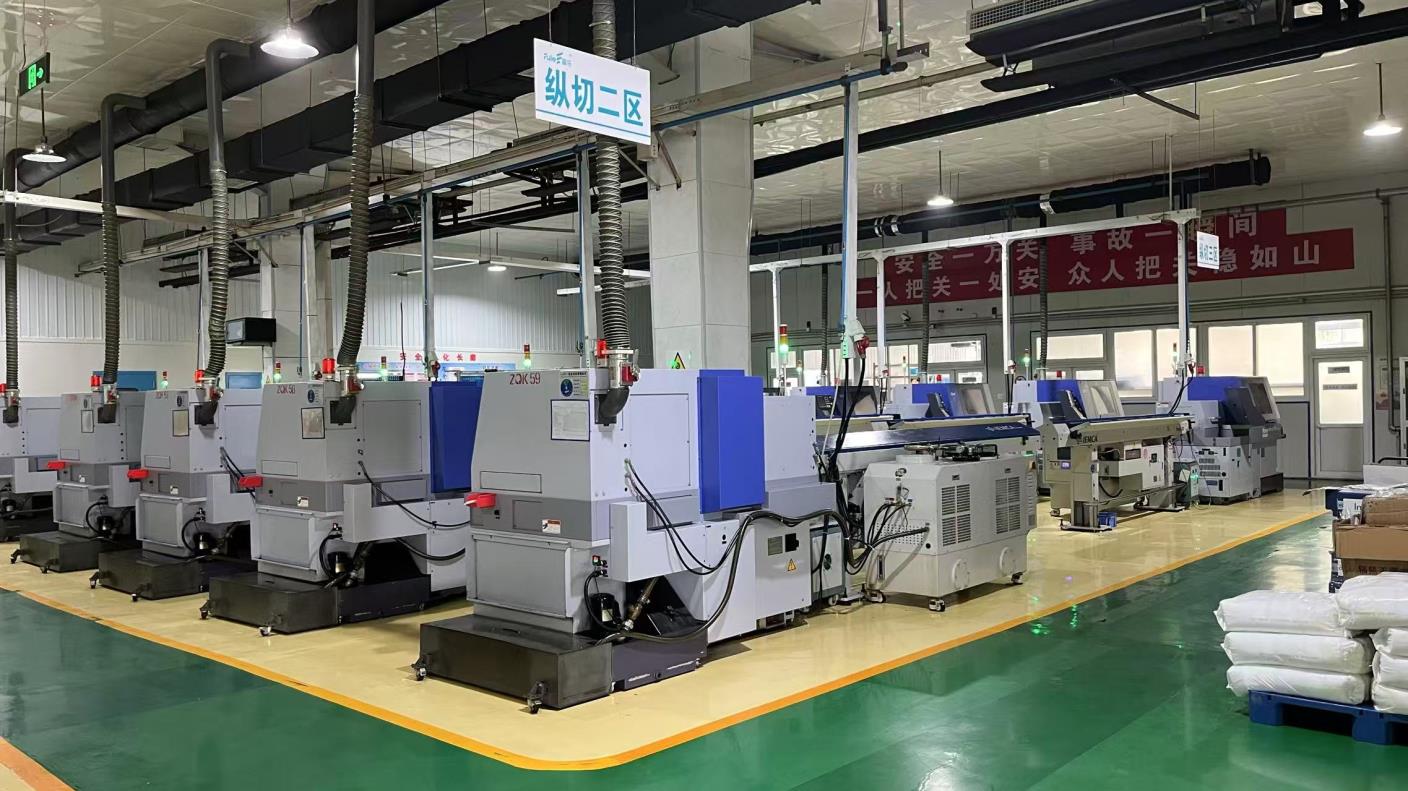
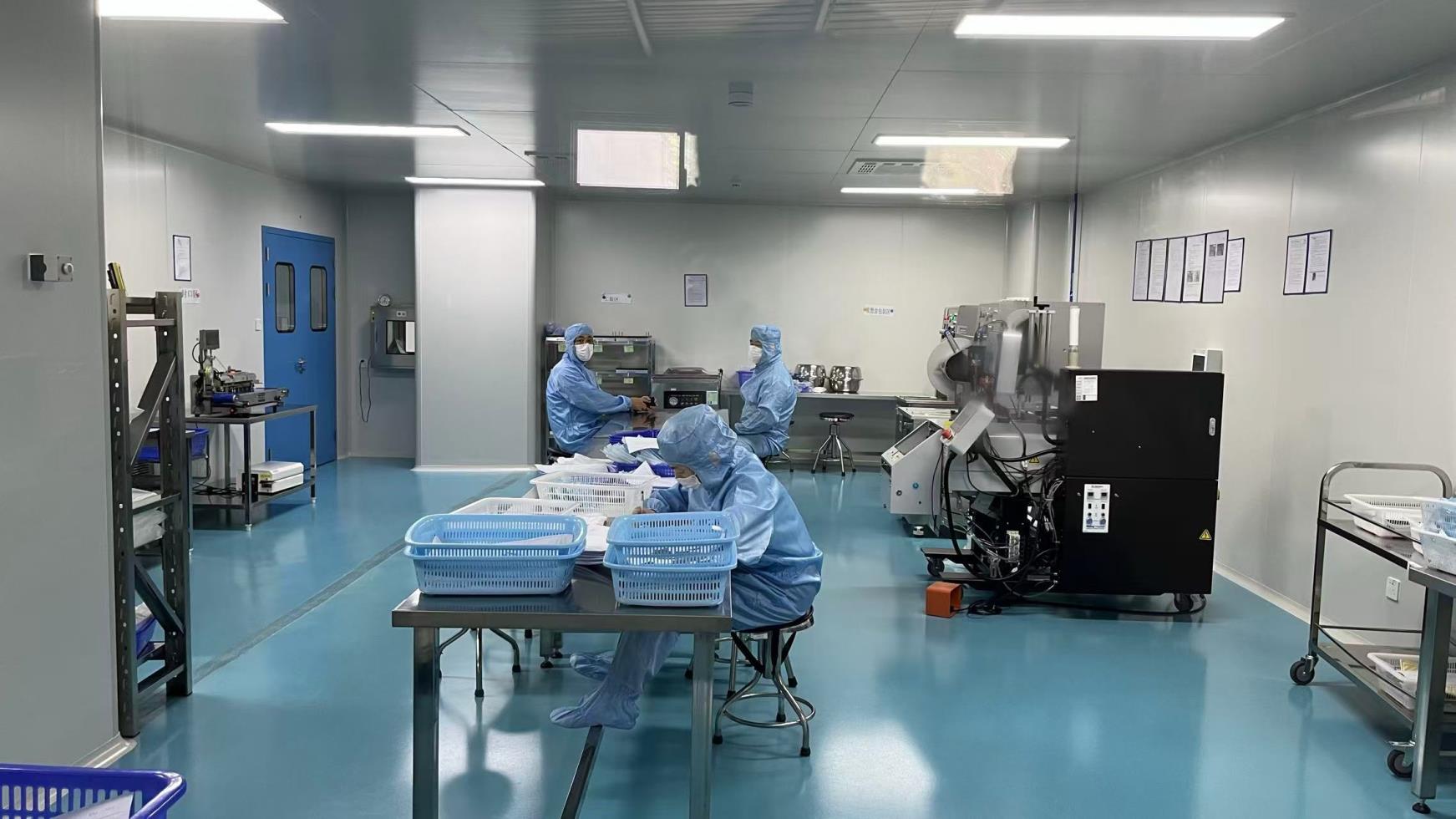
Technical and regulatory answers for clinical procurement officers and distributors.
Professional-grade hardware optimized for high stability and surgical efficiency.
 Beren Science & Technology