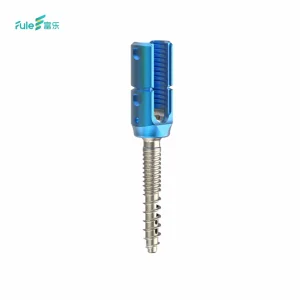
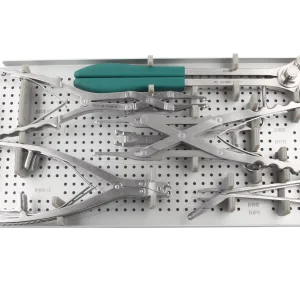
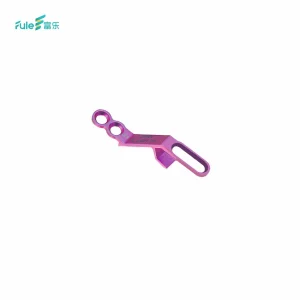
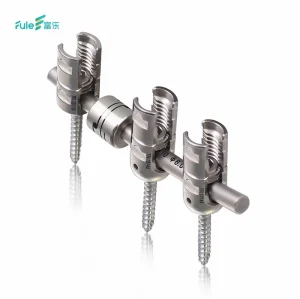
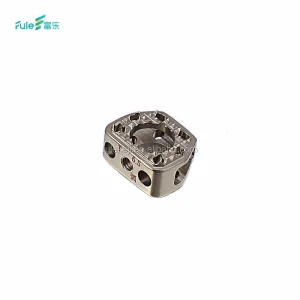
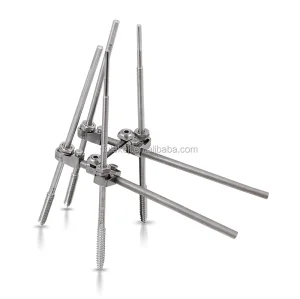
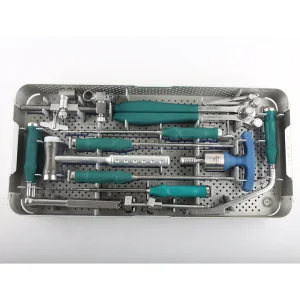
Select medical-grade titanium locking systems manufactured under strict Class III ISO 13485 audits for optimal osteosynthesis.
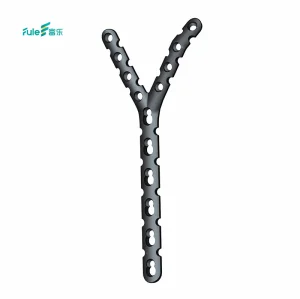
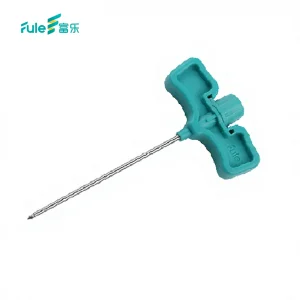
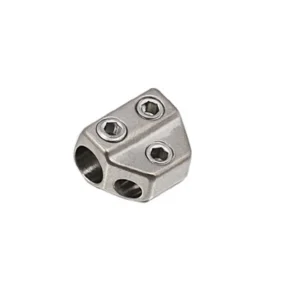
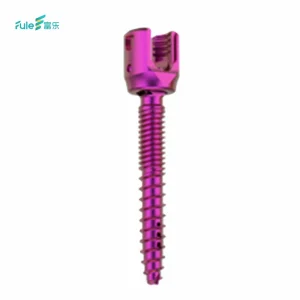
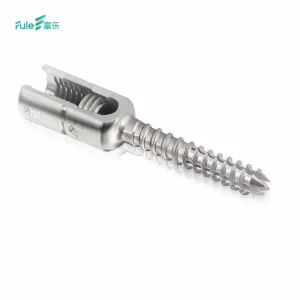
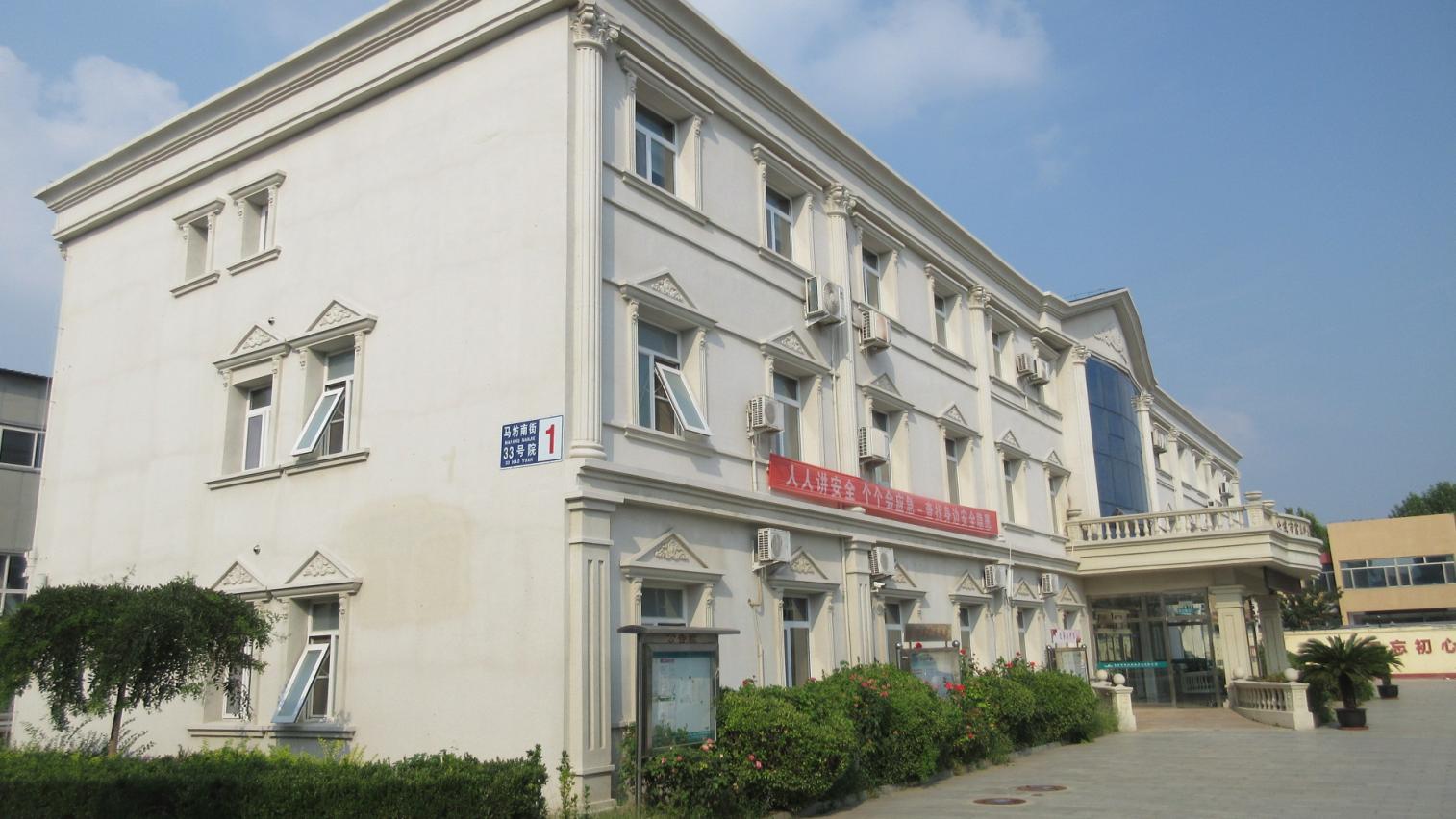
Established in 1996, our factory represents the vanguard of orthopedic implant manufacturing in China. With over three decades of export history and specialized engineering focus, we deliver high-precision locking plate systems and spinal hardware worldwide. By utilizing high-speed CNC milling and Swiss-type longitudinal lathes, we assure precision mechanical performance that complies with strict global regulatory guidelines.
 ISO13485 (Certificate No. 04724Q10000818)
Compliant with European CE Class III directives and global medical device supply chain standards.
The shift from dynamic compression plates (DCP) to modern locking compression plates (LCP) has transformed fracture fixation biology.
Traditional non-locking plates rely on friction between the plate and the bone cortex, generated by screw tightening. Locking systems utilize threads on the screw head that engage with matching threads in the plate hole. This creates a fixed-angle construct that functions as an external fixator, preserving periosteal blood supply.
Because the locking screws are anchored securely to the plate, load is transferred directly from the bone to the plate, bridging the fracture site. This significantly reduces the risk of screw back-out, primary loss of reduction, and mechanical failure under cyclical loading.
Standard screws are prone to stripping in weak, osteopenic, or osteoporotic bone. A locking plate system does not rely on bone friction; instead, the stability is shared across the entire plate-screw interface, making it the clinical gold standard for geriatric fracture management.
Why leading global medical distributors rely on Chinese manufacturing clusters for orthopedic solutions.
Our plants process high-grade titanium (ASTM F136) and cobalt-chromium alloys sourced from verified metallurgical suppliers. These materials exhibit exceptional biocompatibility, fatigue strength, and low elastic modulus, minimizing stress shielding.
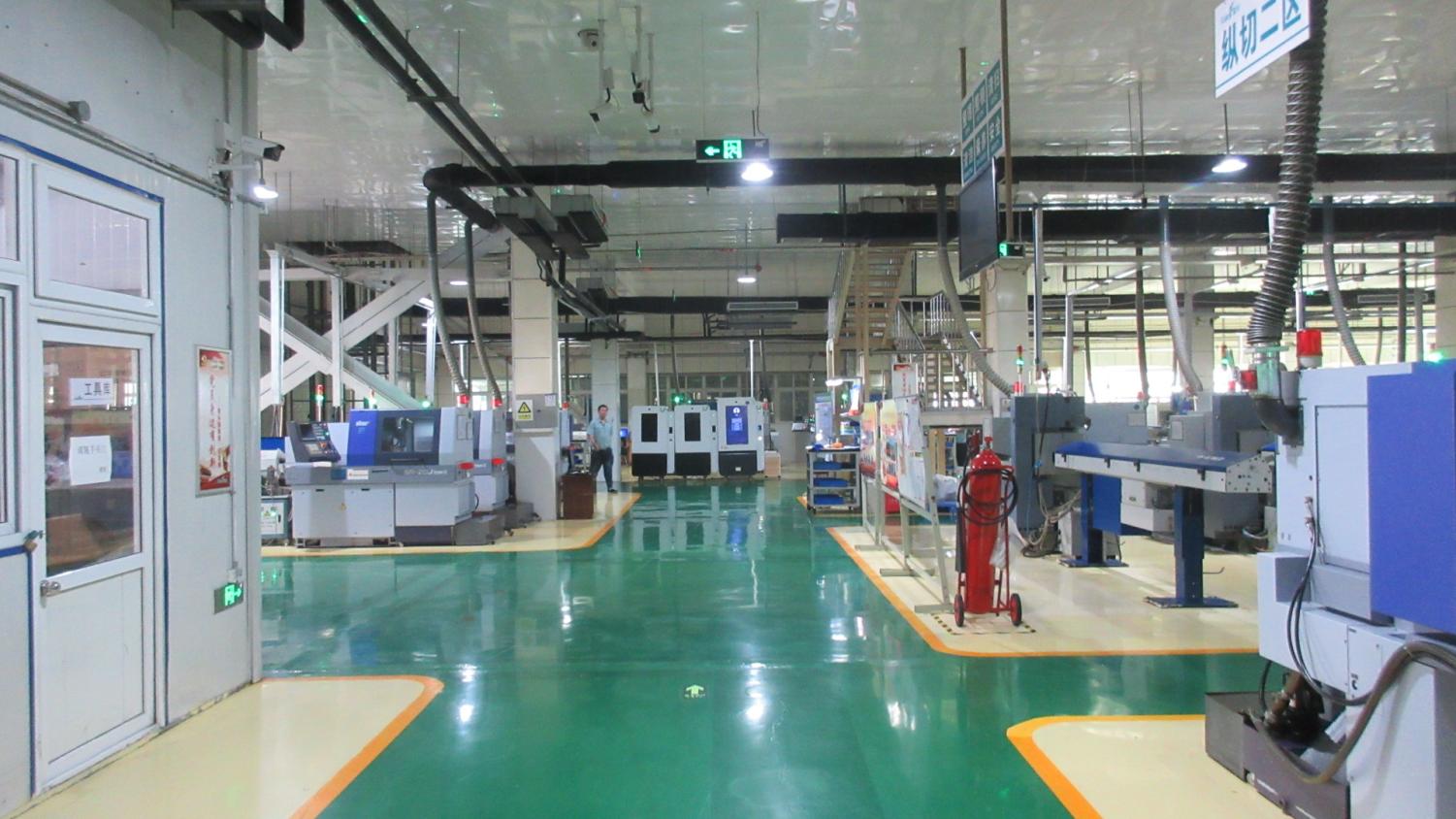
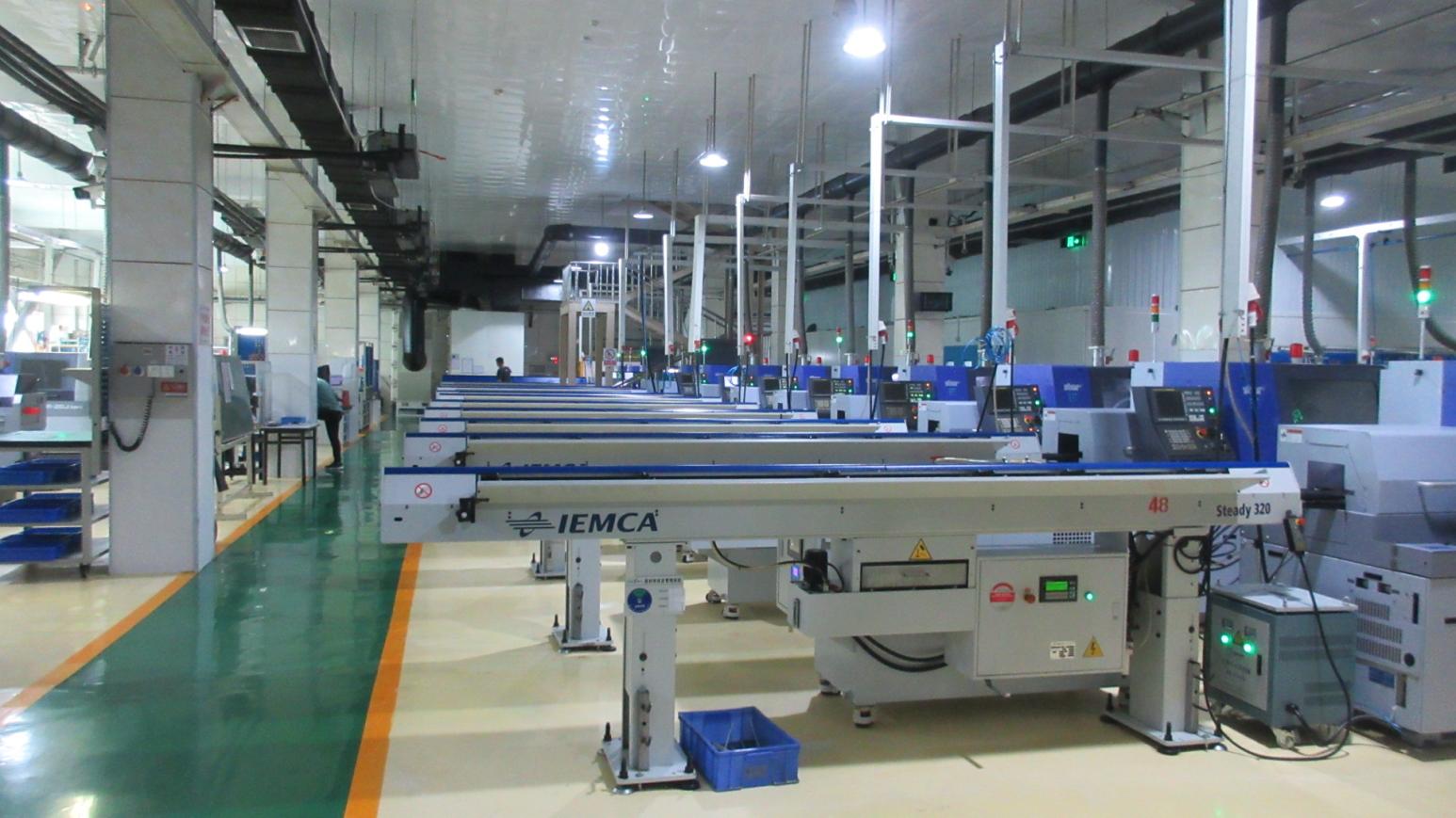
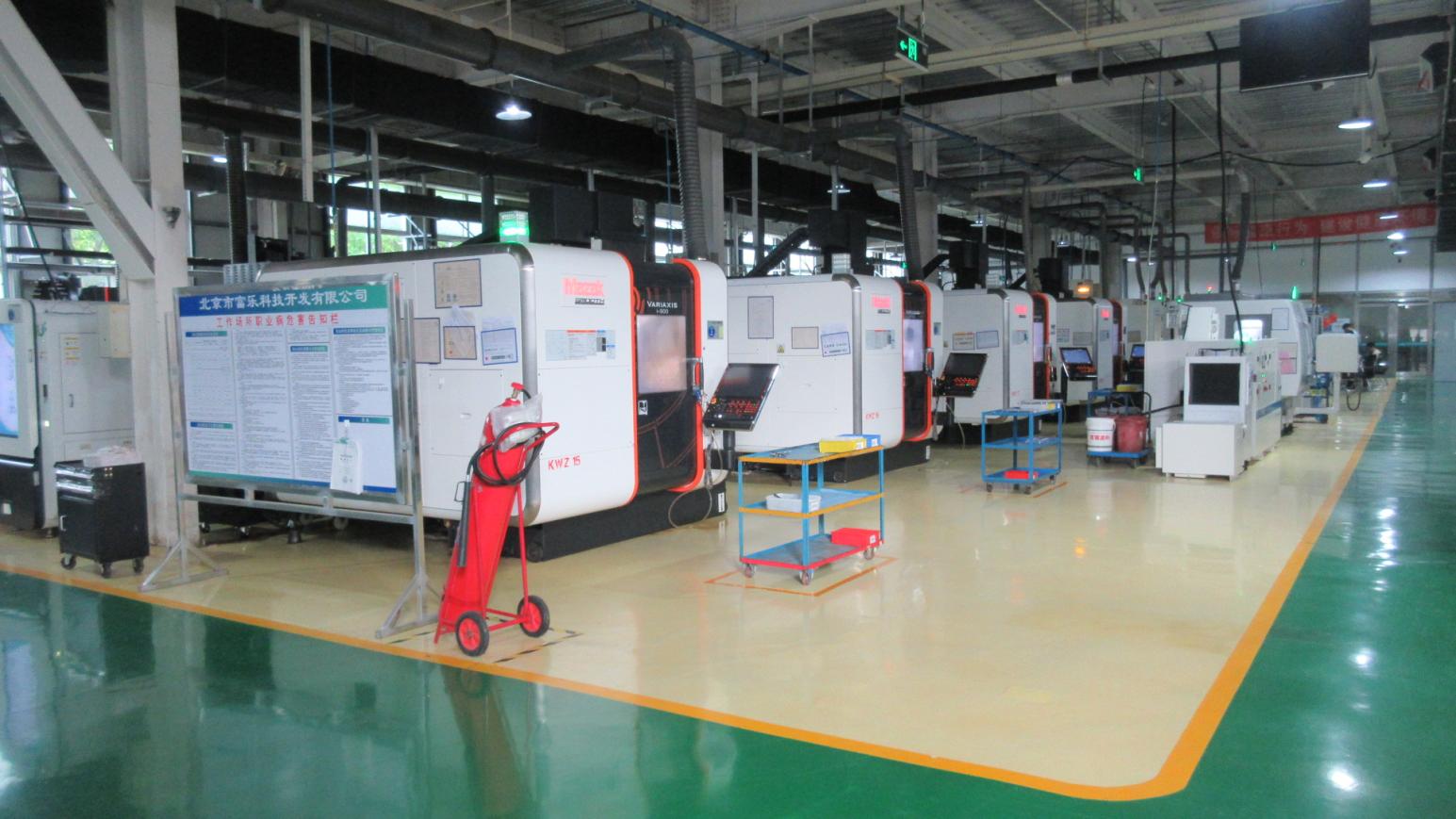
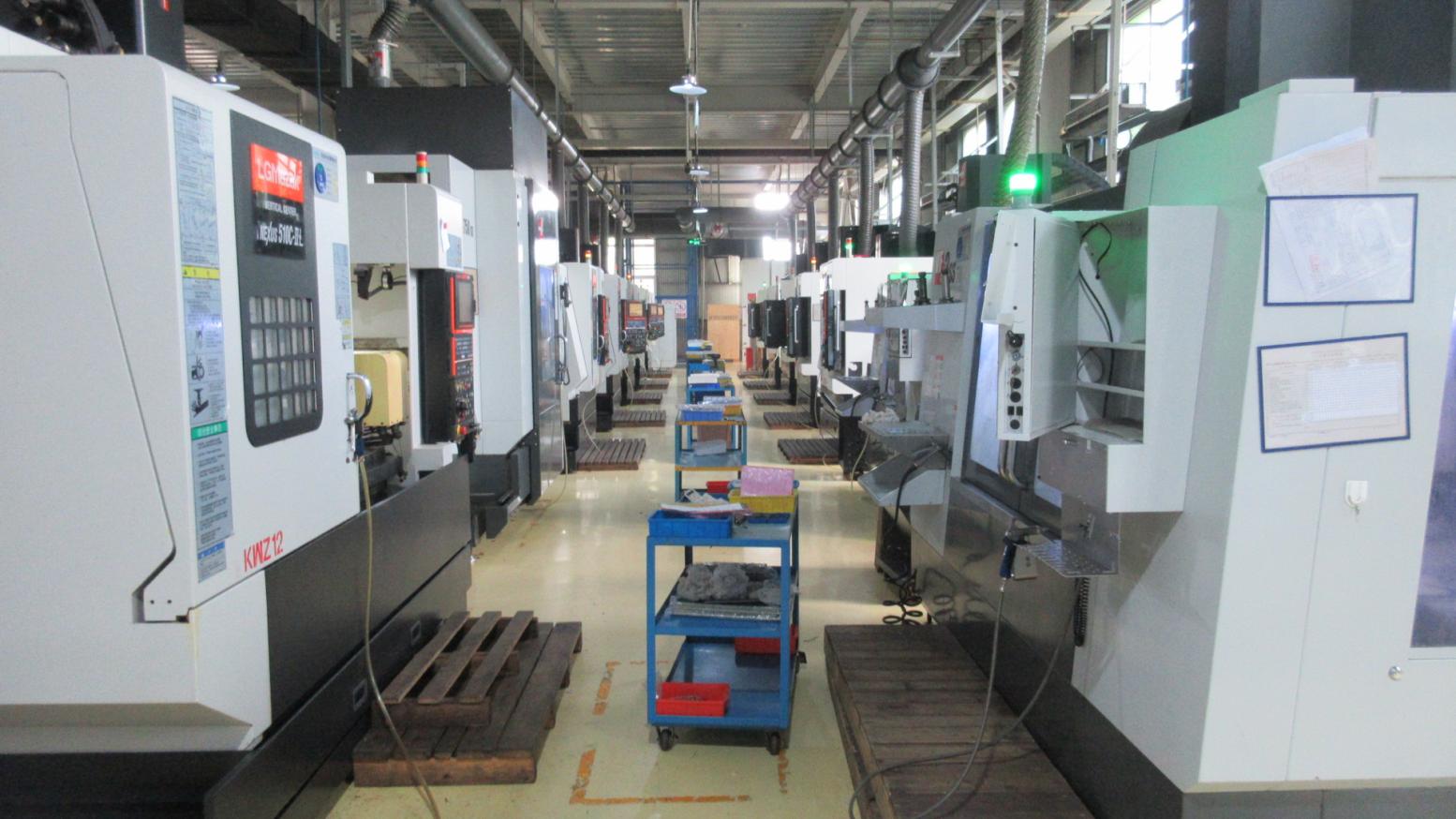
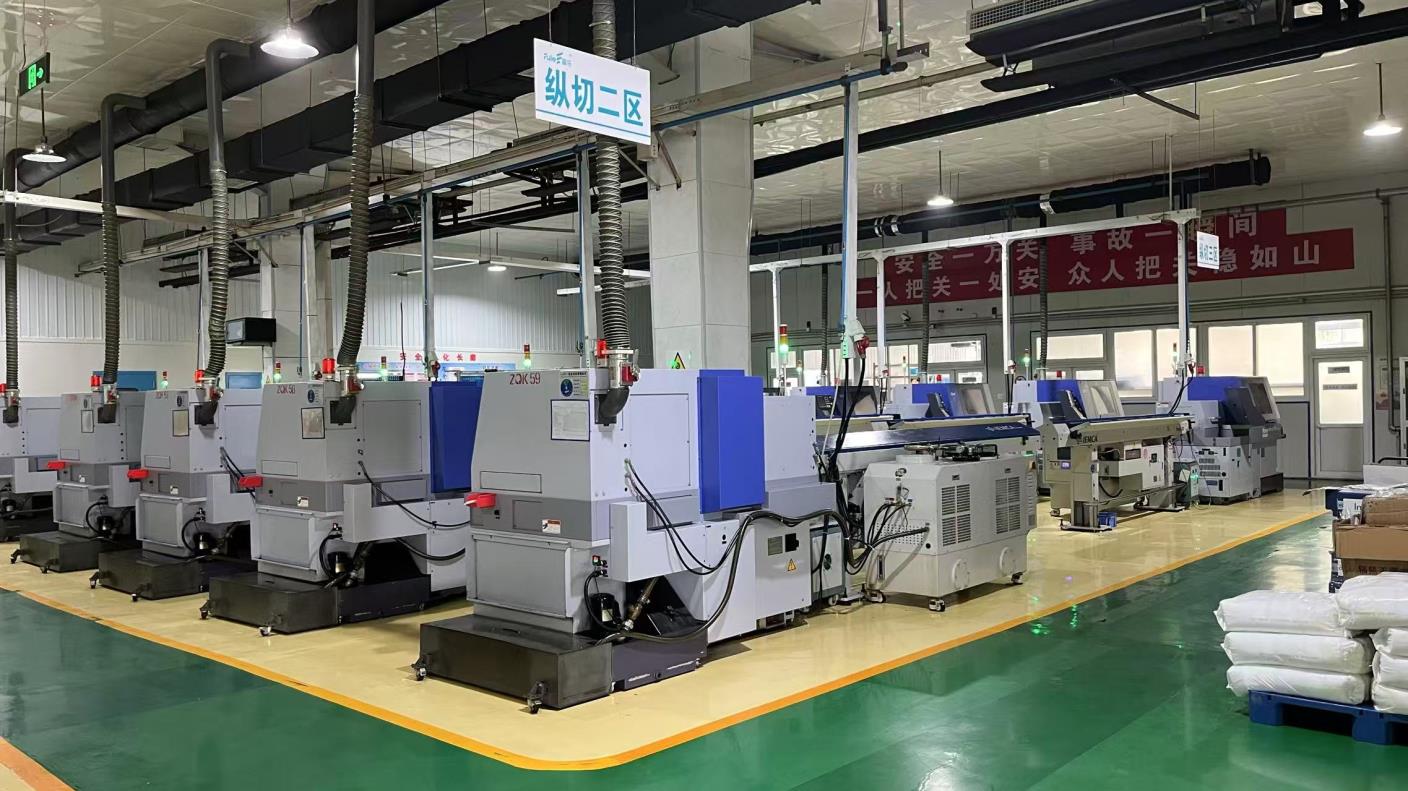
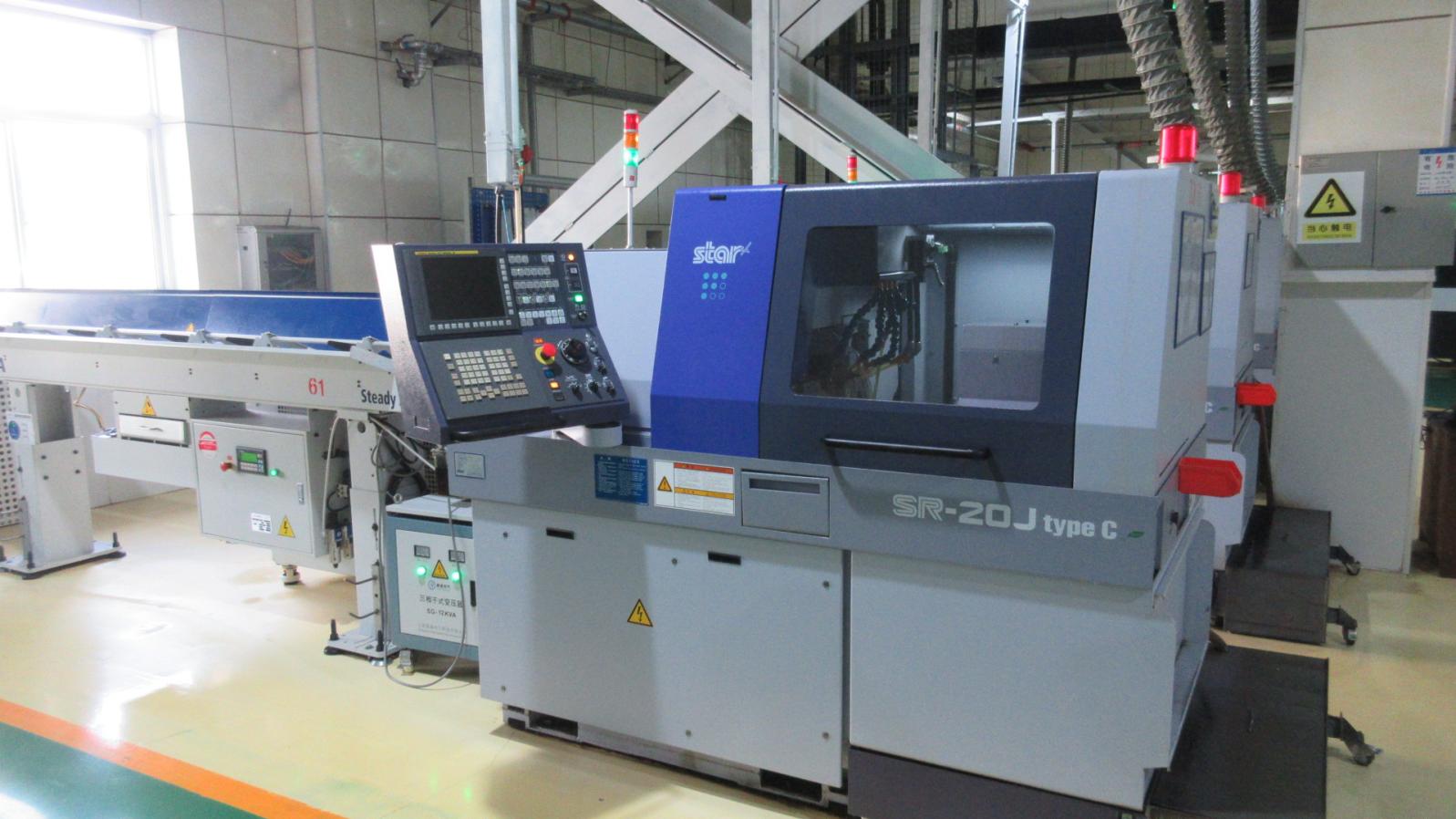
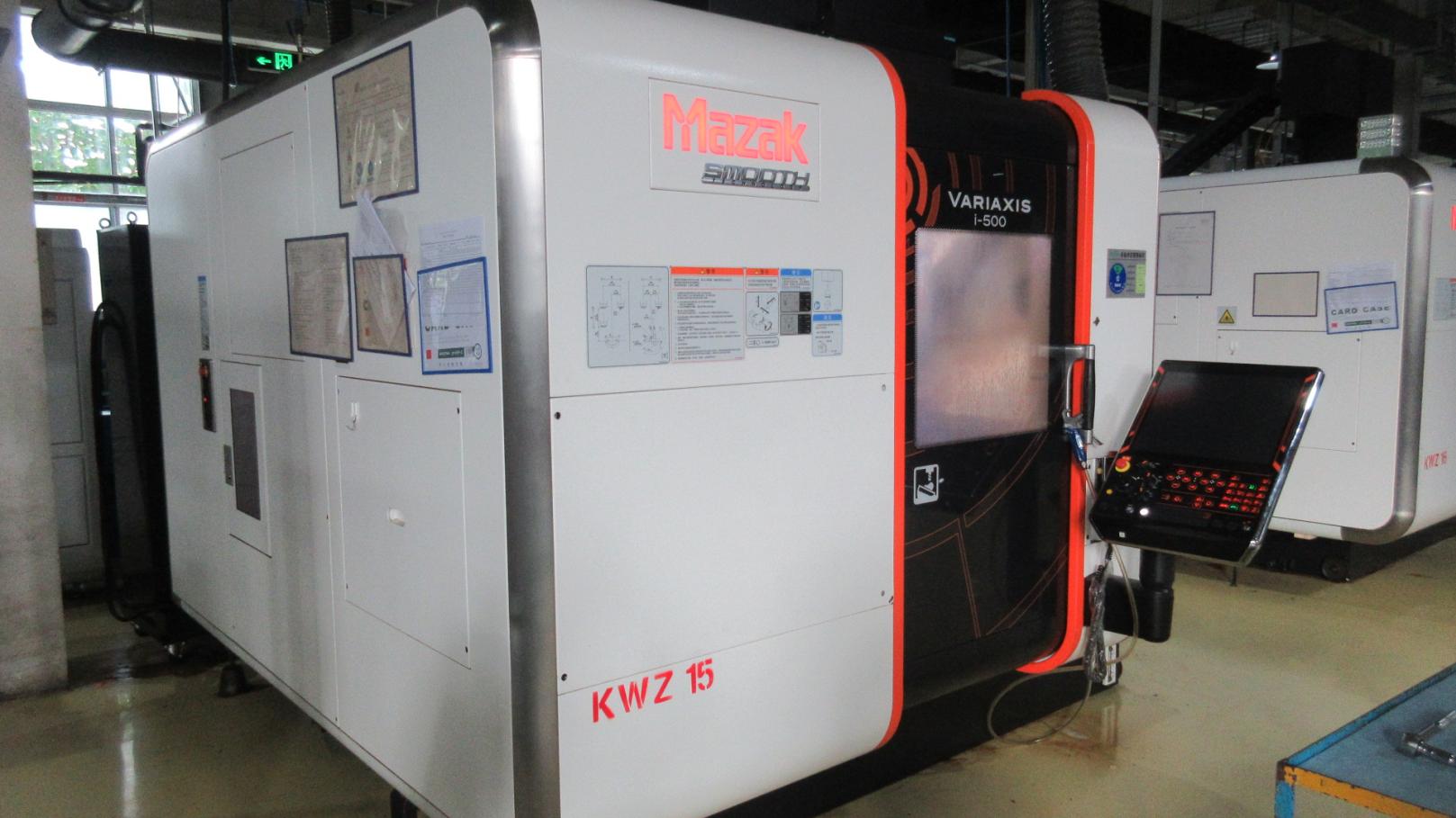
Operating a fleet of 102 high-end production machines, including Citizen Swiss-type longitudinal lathes and Haas 5-axis vertical machining centers. This allows us to guarantee tolerances within ±5 microns, ensuring seamless mating between plates and locking screws.
Located in a major medical device industrial cluster, we benefit from integrated logistics, localized anodizing surface treatments, and high-efficiency tooling facilities, lowering production overheads while maintaining strict regulatory compliance.
A professional guide for hospital procurement managers and regional distributors evaluating locking plate suppliers.
| Evaluation Parameter | Critical Requirement | Our Factory Capability |
|---|---|---|
| Quality Management System | ISO 13485 certification, MDSAP audit readiness | ISO 13485 (Certificate No. 04724Q10000818) |
| Material Traceability | Unbroken raw material mill certificates (ASTM F136 / ISO 5832-3) | 100% heat-number tracking from ingot to finished sterile pack |
| Anodization Quality | Type II or Type III anodization to limit friction and cold-welding | In-house electrochemical anodization with controlled layer thickness |
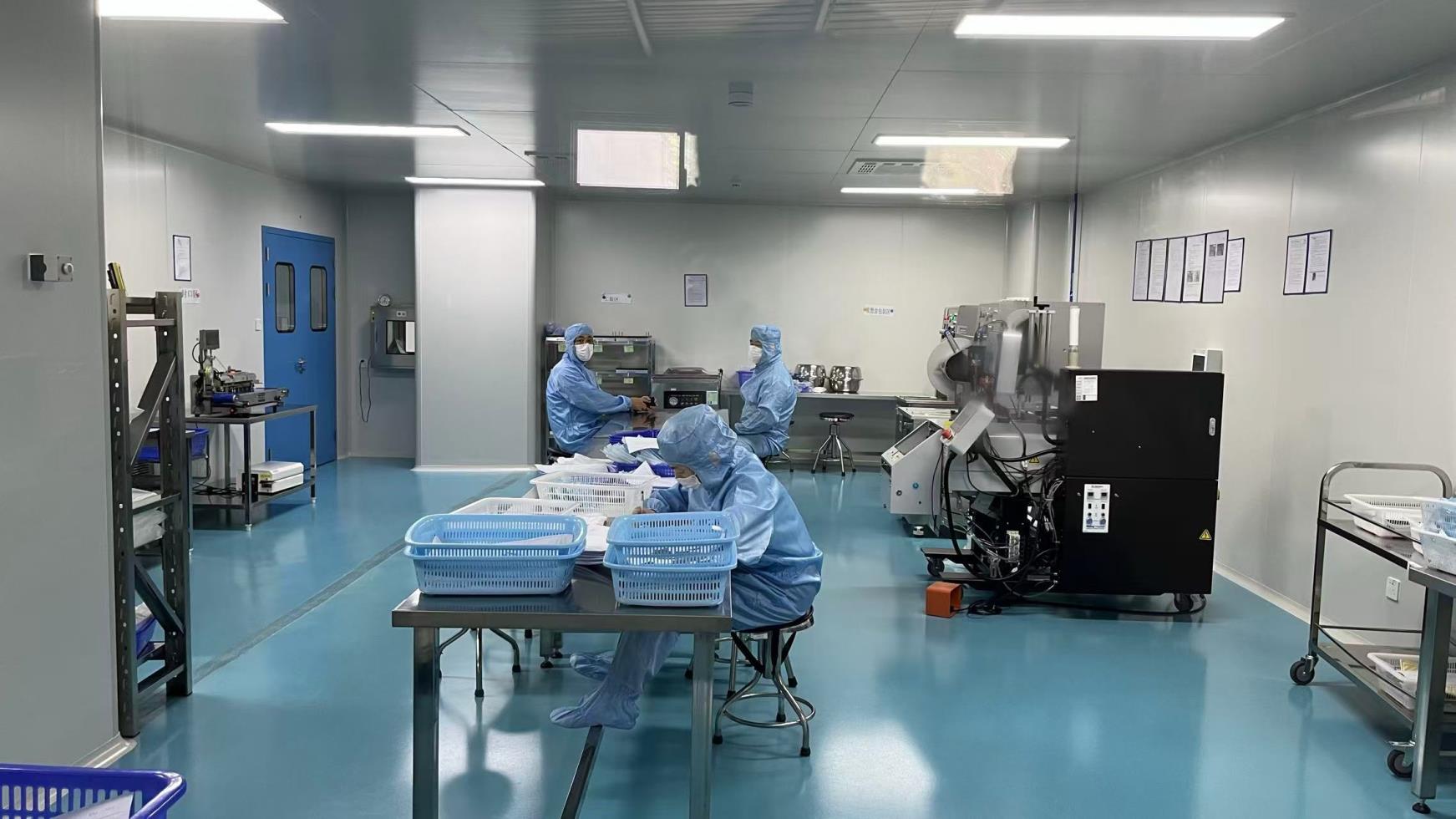
| Packaging & Sterilization | ISO 11607 compliant sterile barrier packaging (dual Tyvek bags) | Cleanroom processing (Class 100,000) with EtO sterilization options |
| Cleanroom Standards | Class 100,000 (ISO Class 7/8 equivalent) monitoring | Continuously monitored cleanrooms with particulate and bioburden validation |
Different trauma and reconstruction scenarios dictate the engineering profiles of specific locking systems.
Designed for proximal and distal humeral fractures. Features low-profile anatomical contours that minimize soft tissue irritation, coupled with multi-directional locking screws for optimal anchor purchase in the humeral head.
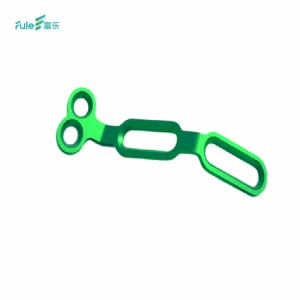
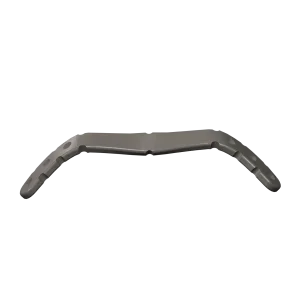
Straight and arc-shaped titanium plates that can be contoured in-theater to match complex pelvic geometries, maintaining rigid stability without losing thread integrity.
Specialized spinal screw-rod configurations and small fragment locking plates engineered specifically for pediatric osteotomy and spinal deformity corrections, accommodating growth and delicate anatomy.
Key innovations currently transforming locking plate research, design, and manufacturing.
The integration of micro-sensors into locking systems to monitor real-time strain, load distribution, and temperature changes at the fracture site, alerting clinicians to healing progression or early implant failure.
Additive manufacturing using Electron Beam Melting (EBM) or Selective Laser Sintering (SLS) to create fully customized locking plates that precisely match the patient's unique computed tomography (CT) data.
Next-generation research into magnesium and zinc-based alloys designed to gradually biodegrade as the bone heals, eliminating the need for a secondary implant removal surgery.
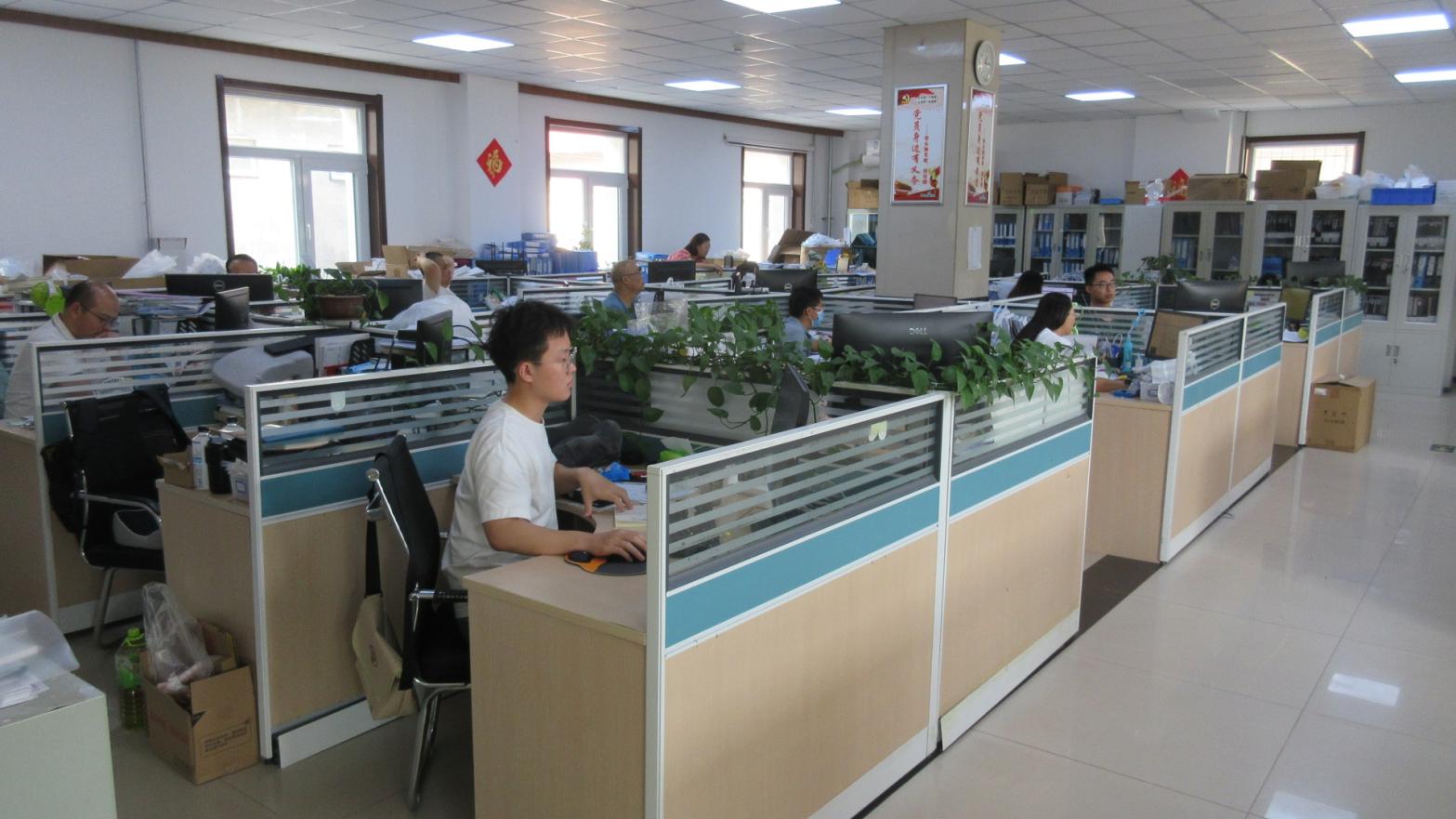
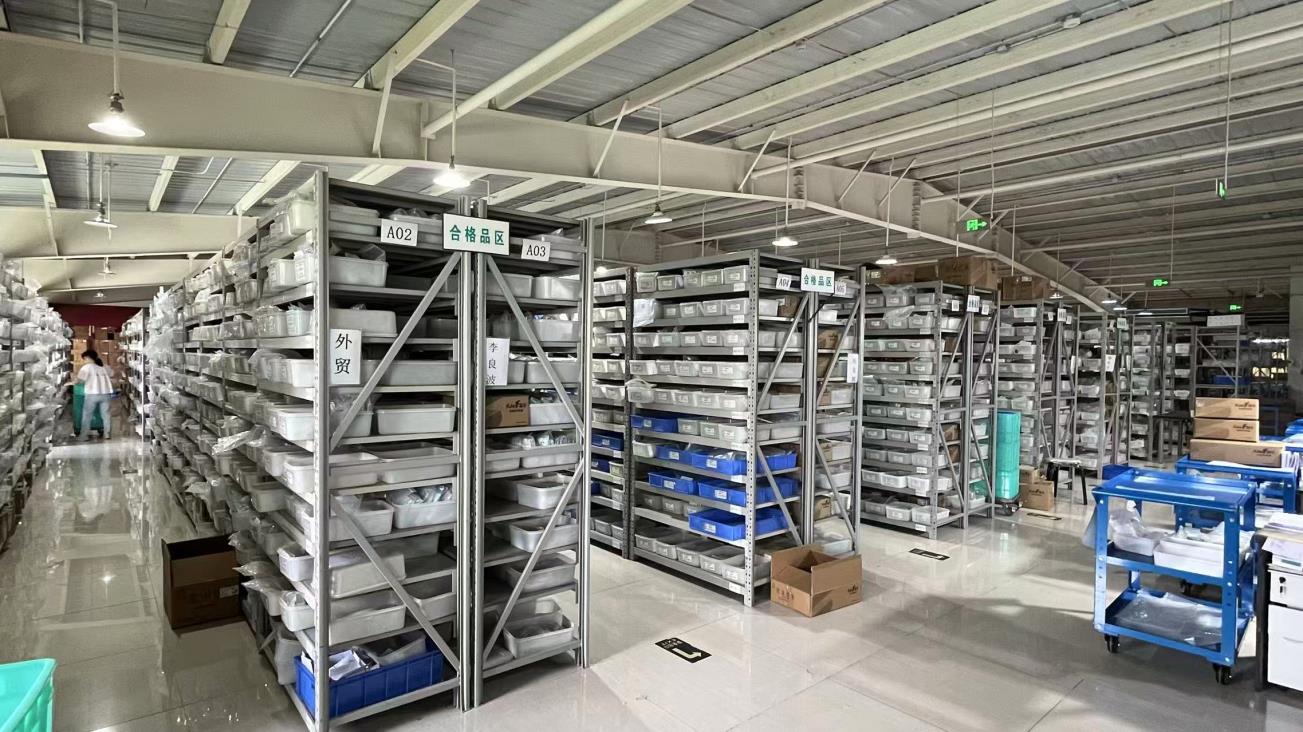
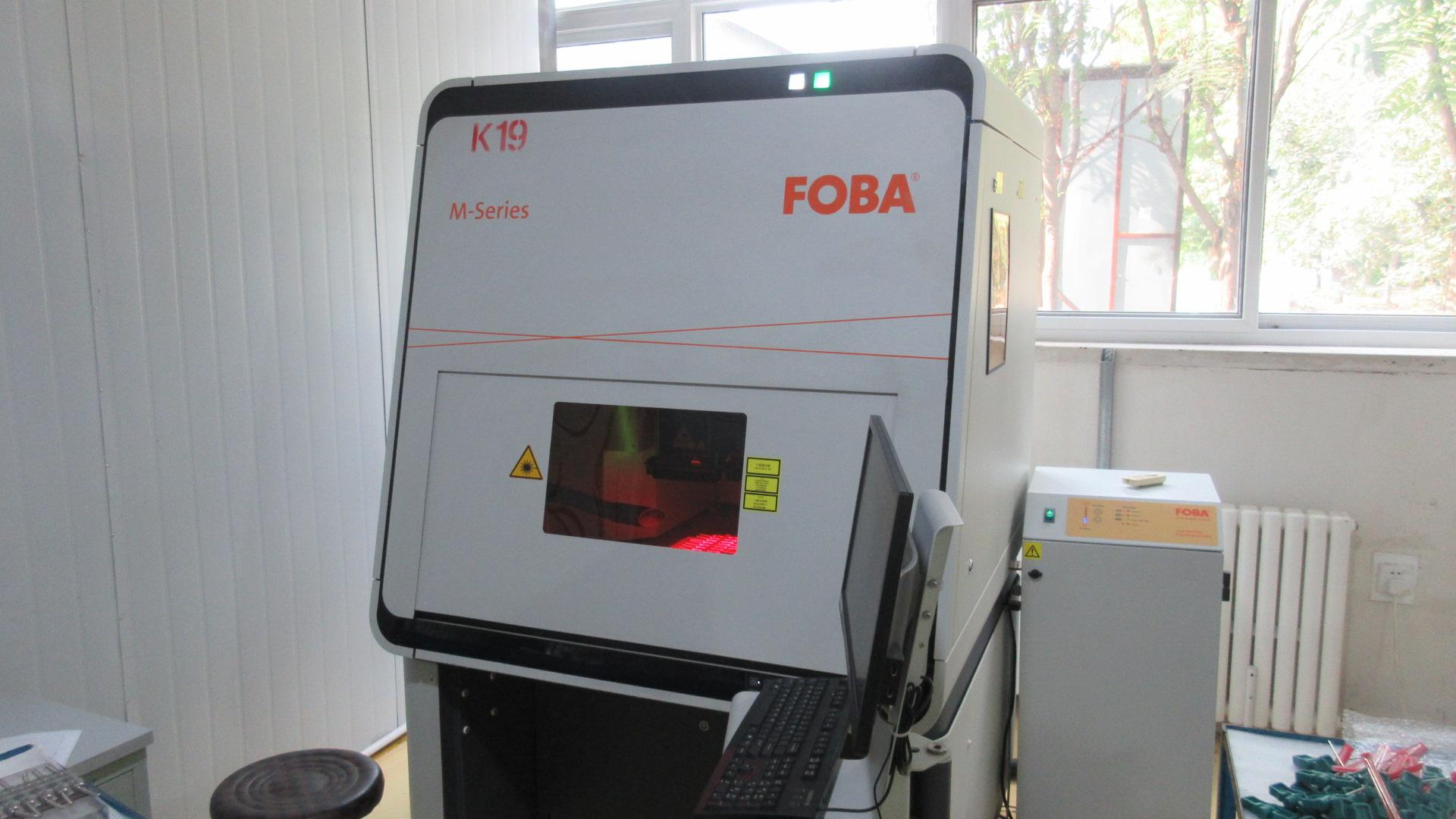
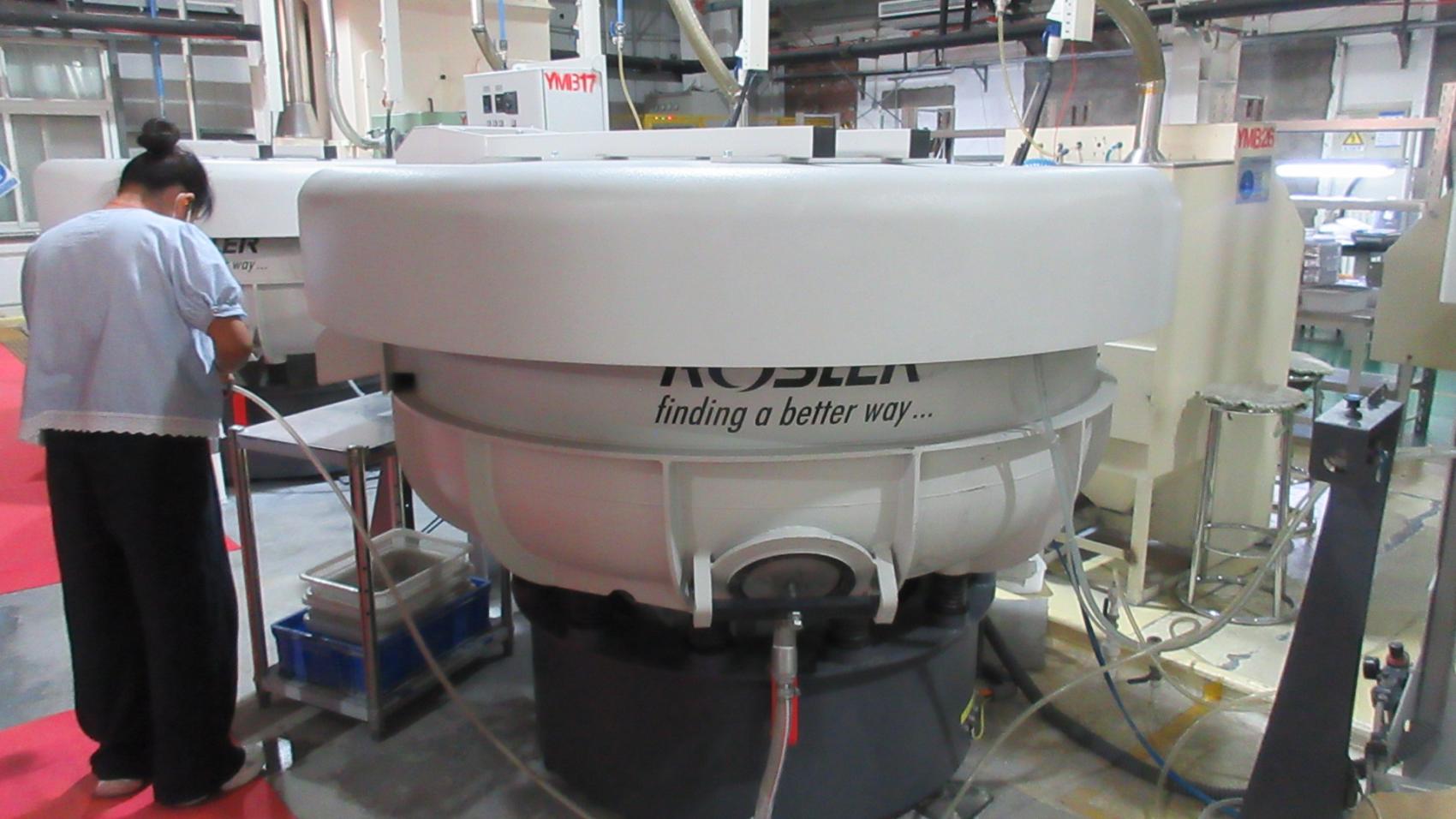
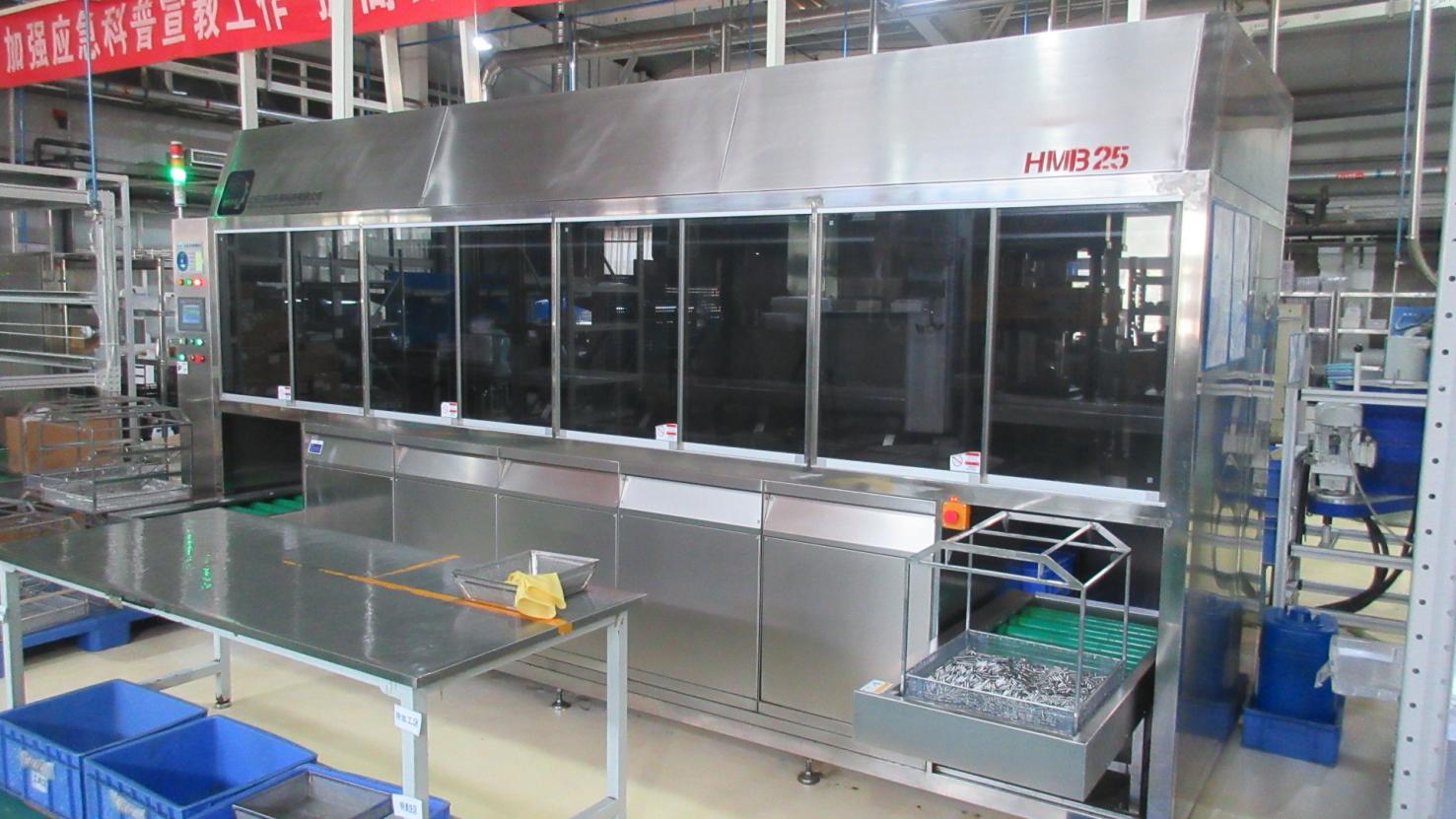
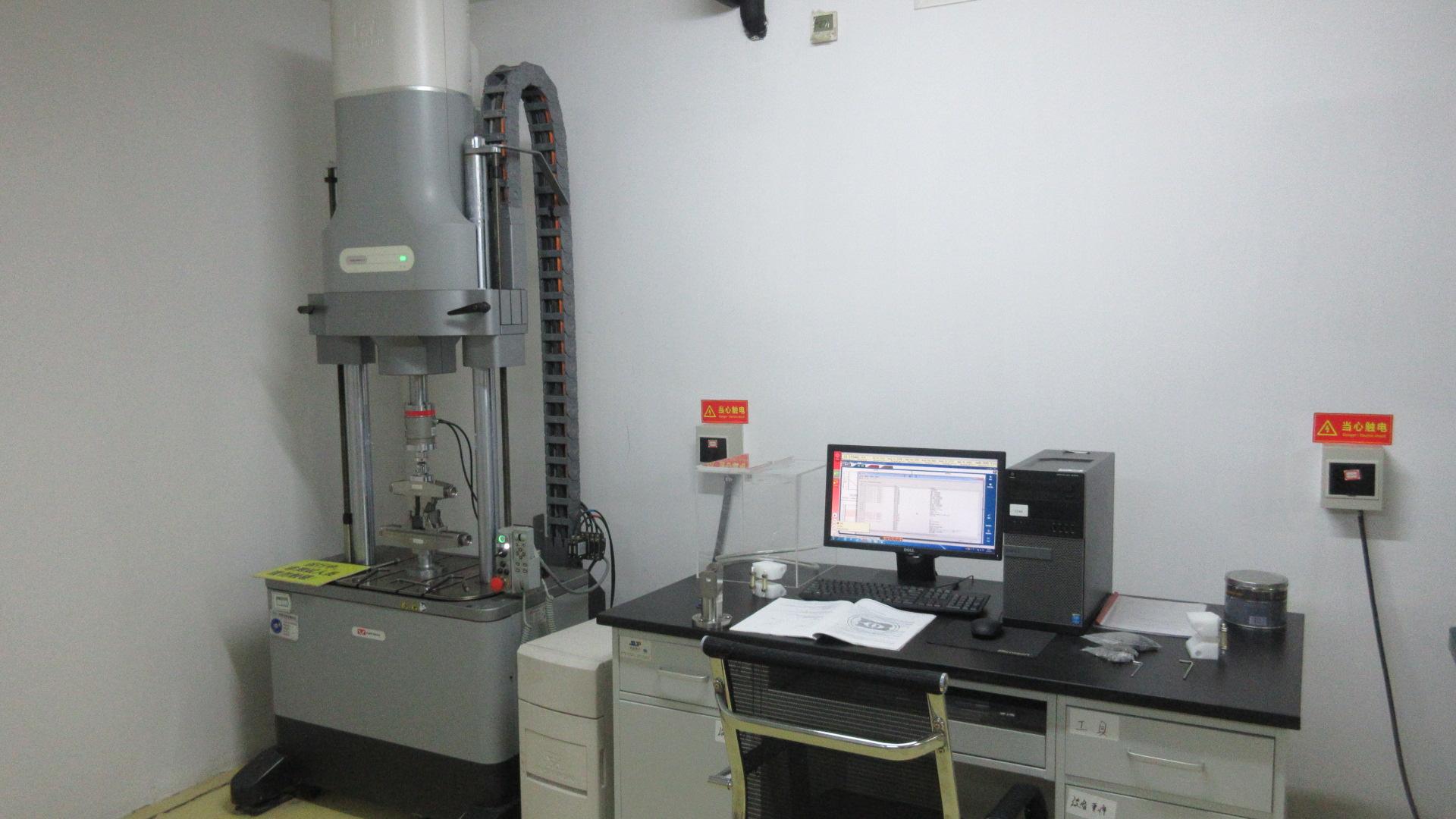
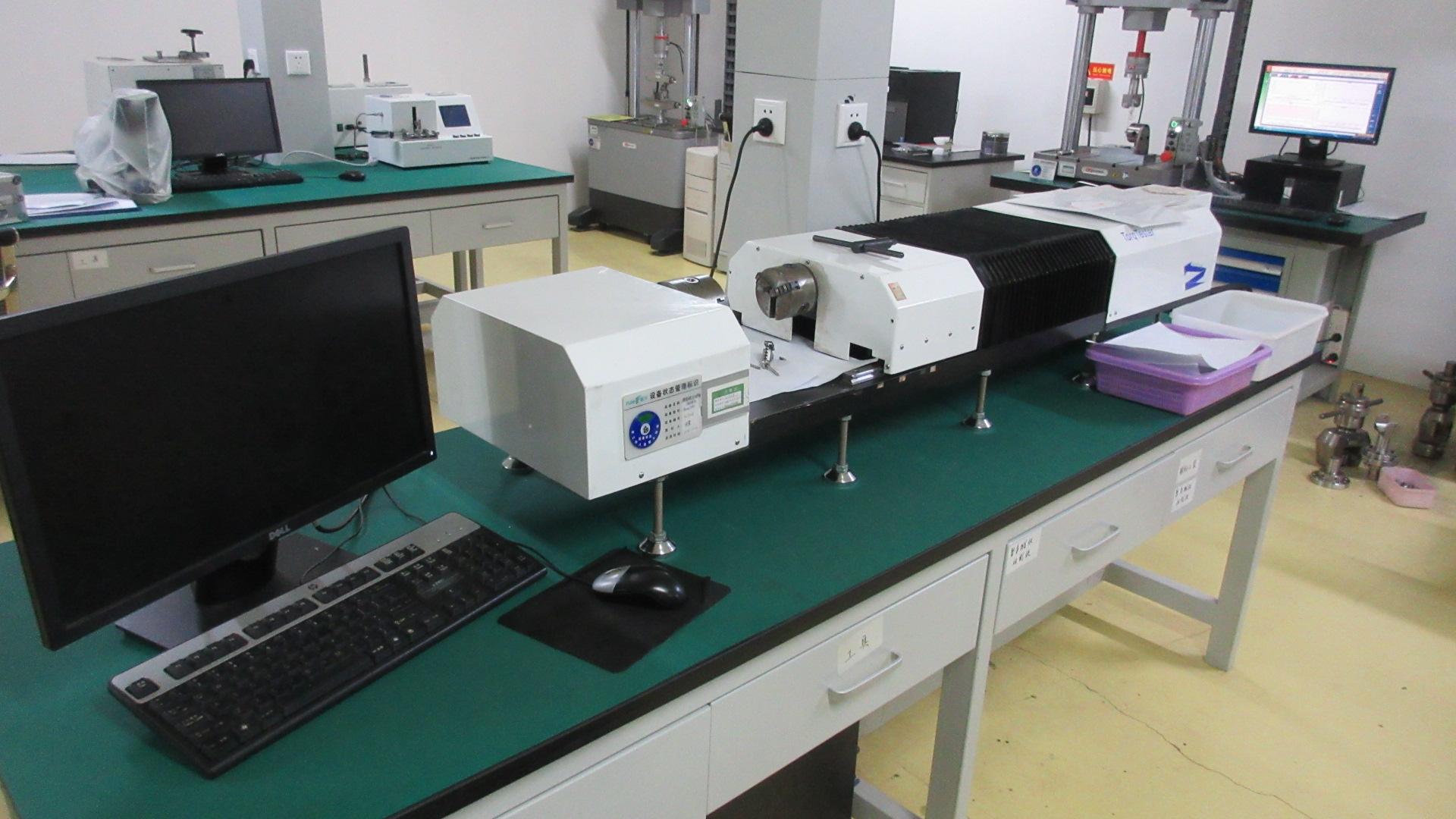
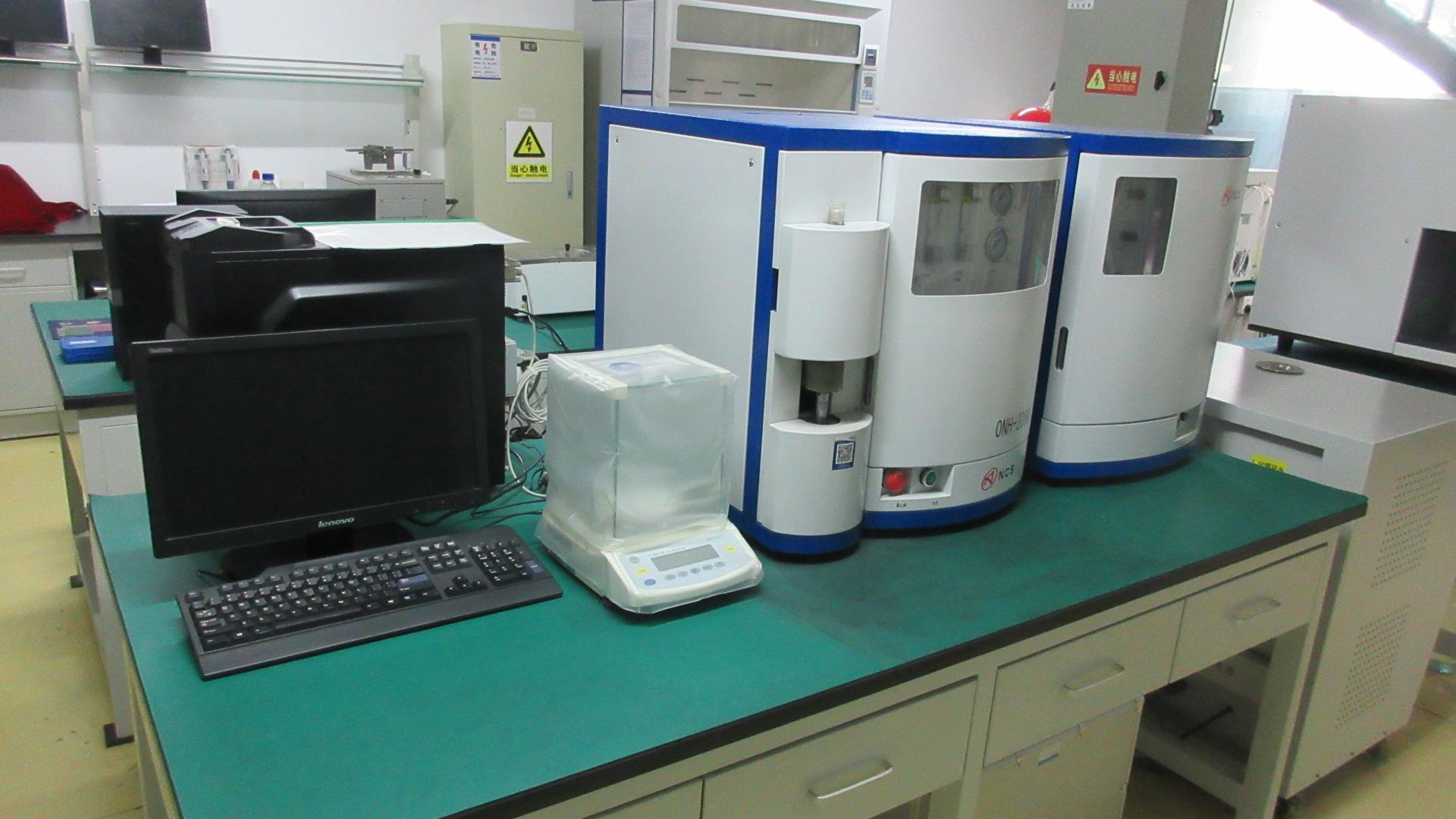
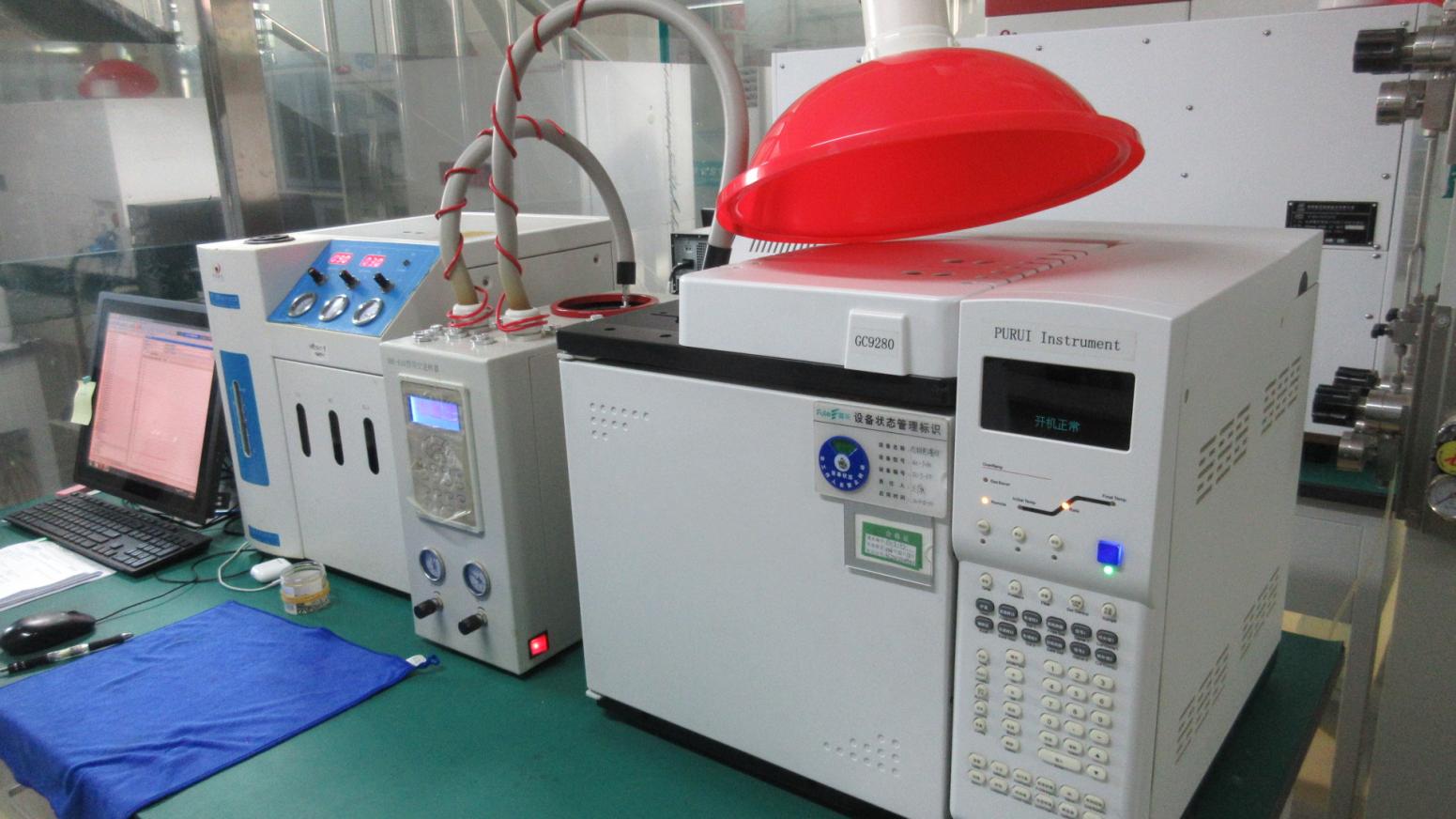
Photographic documentation of our production lines, mechanical testing, and cleanroom facilities.
Answers to critical technical, clinical, and logistical inquiries from orthopedic buyers.
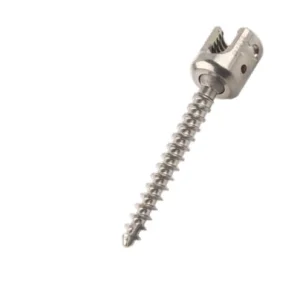
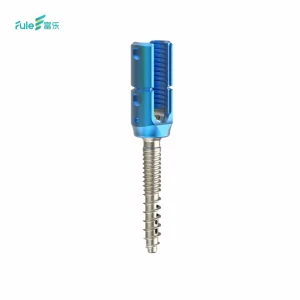
Select titanium spinal implants and surgical instrumentation kits certified for complex reconstructive spinal surgeries.
 Beren Science & Technology