Direct from FDA/CE certified clinical manufacturers. Advanced Class III spine stabilization and surgical solutions.
Analyzing the shift toward tissue-preserving solutions, robotic compatibility, and high-performance implant materials.
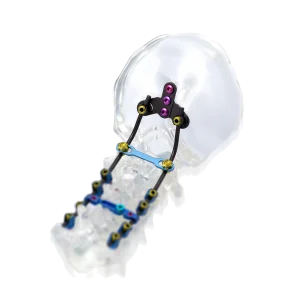
The transition from traditional stainless steel to titanium alloys (like Grade 5 / Ti-6Al-4V Extra Low Interstitial) and polyetheretherketone (PEEK) represents a core evolution. PEEK cage designs exhibit an elastic modulus remarkably close to human cortical bone, reducing stress-shielding and promoting reliable radiographic assessment during interbody fusion.
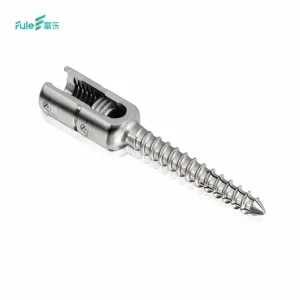
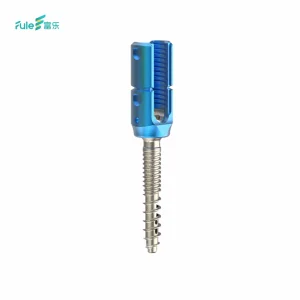
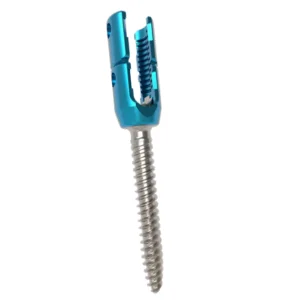
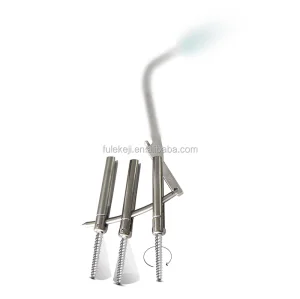
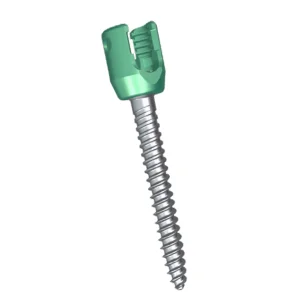
Minimally Invasive Surgery (MIS) relies heavily on intraoperative fluoroscopy, O-arm technology, and 3D optical navigation. Today's top MIS screws feature specialized cannulated designs, allowing surgeons to insert guide wires and place implants precisely along the pedicle trajectory without disrupting surrounding soft tissue structures.
By shifting to percutaneous approaches, hospitals observe a drastic drop in surgical site infections (SSIs), shorter intensive care stays, and accelerated post-operative mobilization. These advantages drive institutional purchasers to prioritize suppliers who can deliver complete, integrated instrument sets along with the implants.
How modern Chinese medical manufacturing combines mass customization, structural reliability, and strict regulatory compliance.
In the manufacture of spinal implants and traumatic fixation devices, precision is the dividing line between clinical success and mechanical failure. Modern Class III production lines utilize Swiss-type CNC automatic lathes, multi-axis machining centers, and automated coordinate measuring machines (CMM).
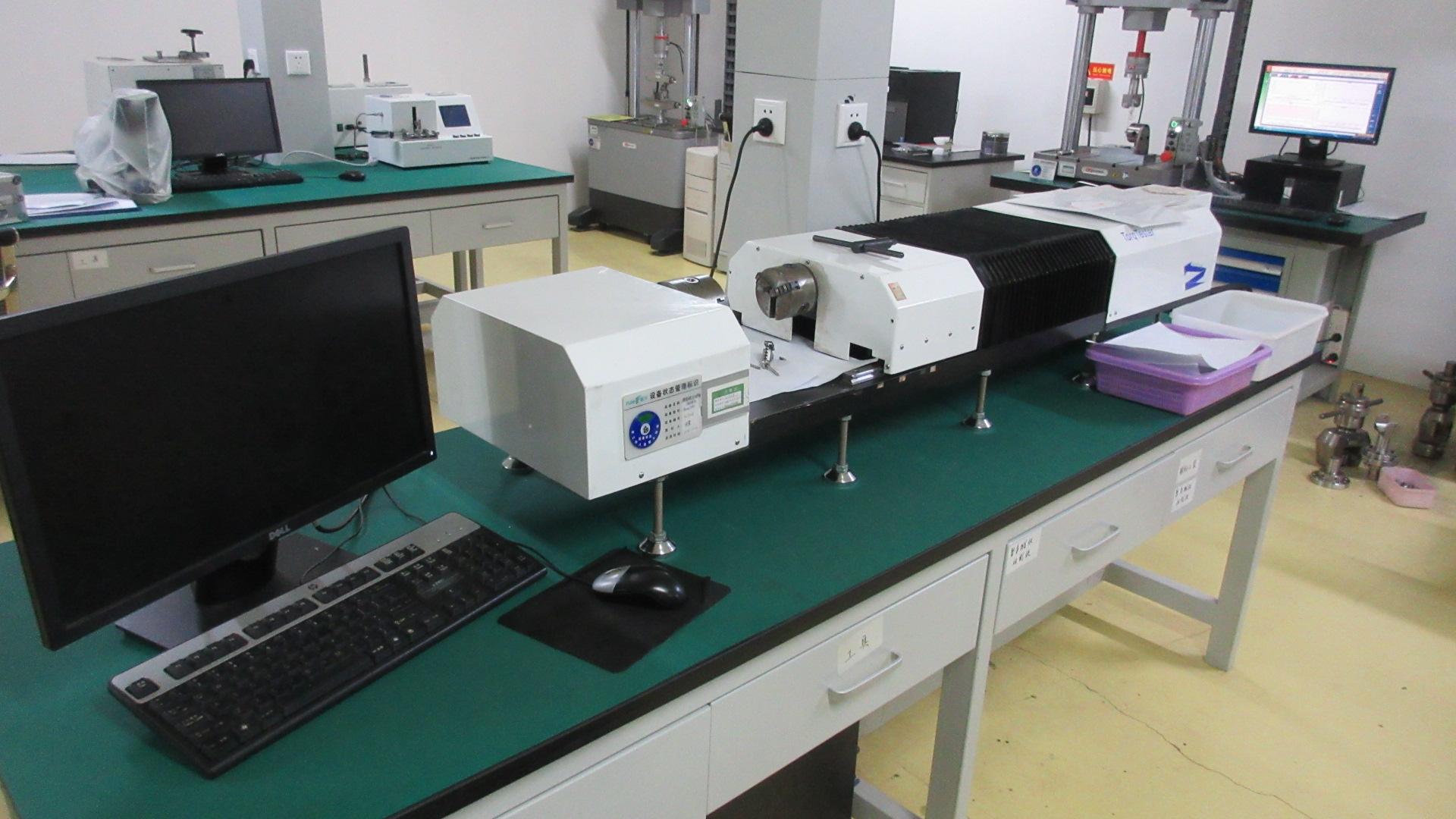
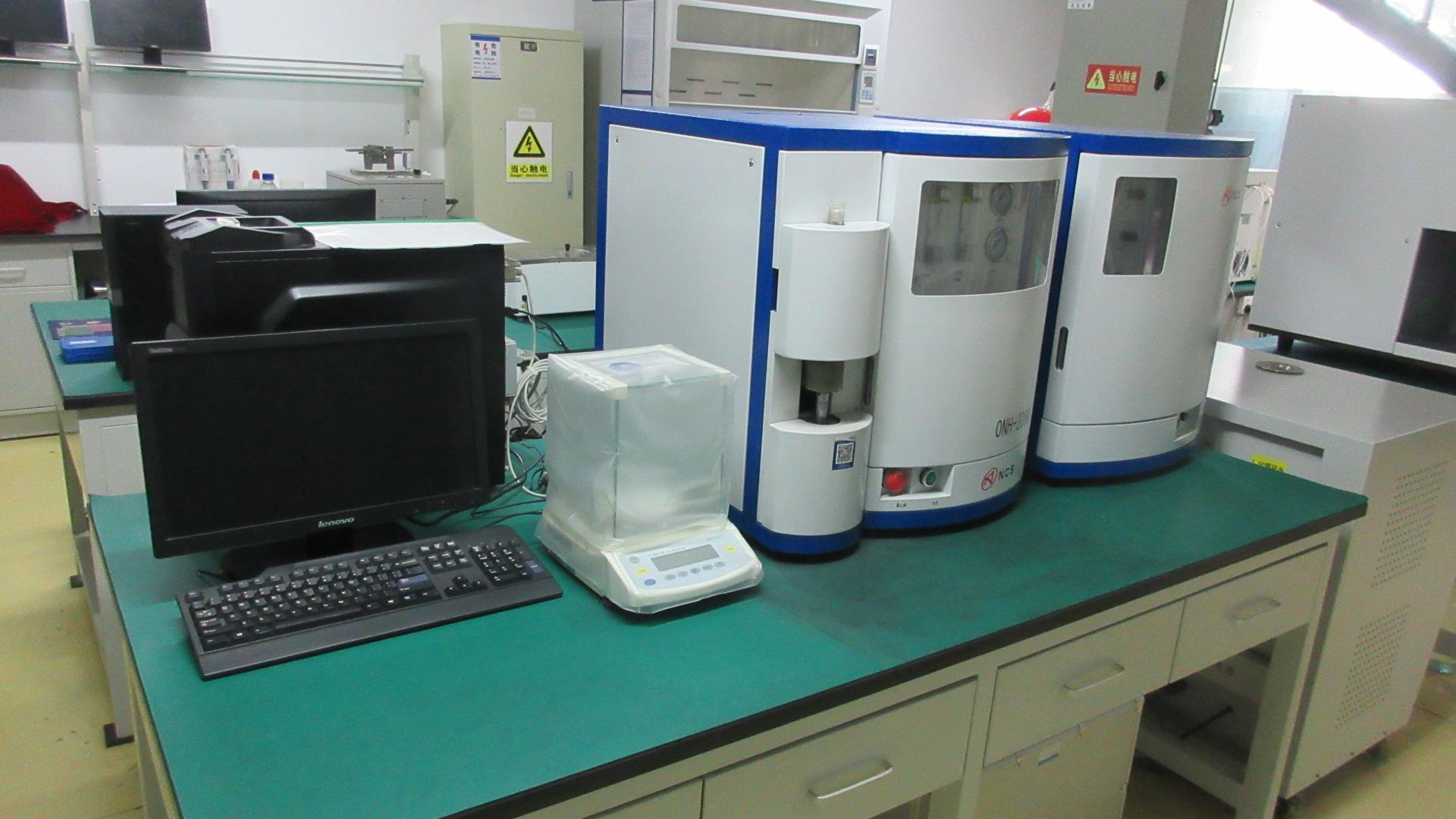
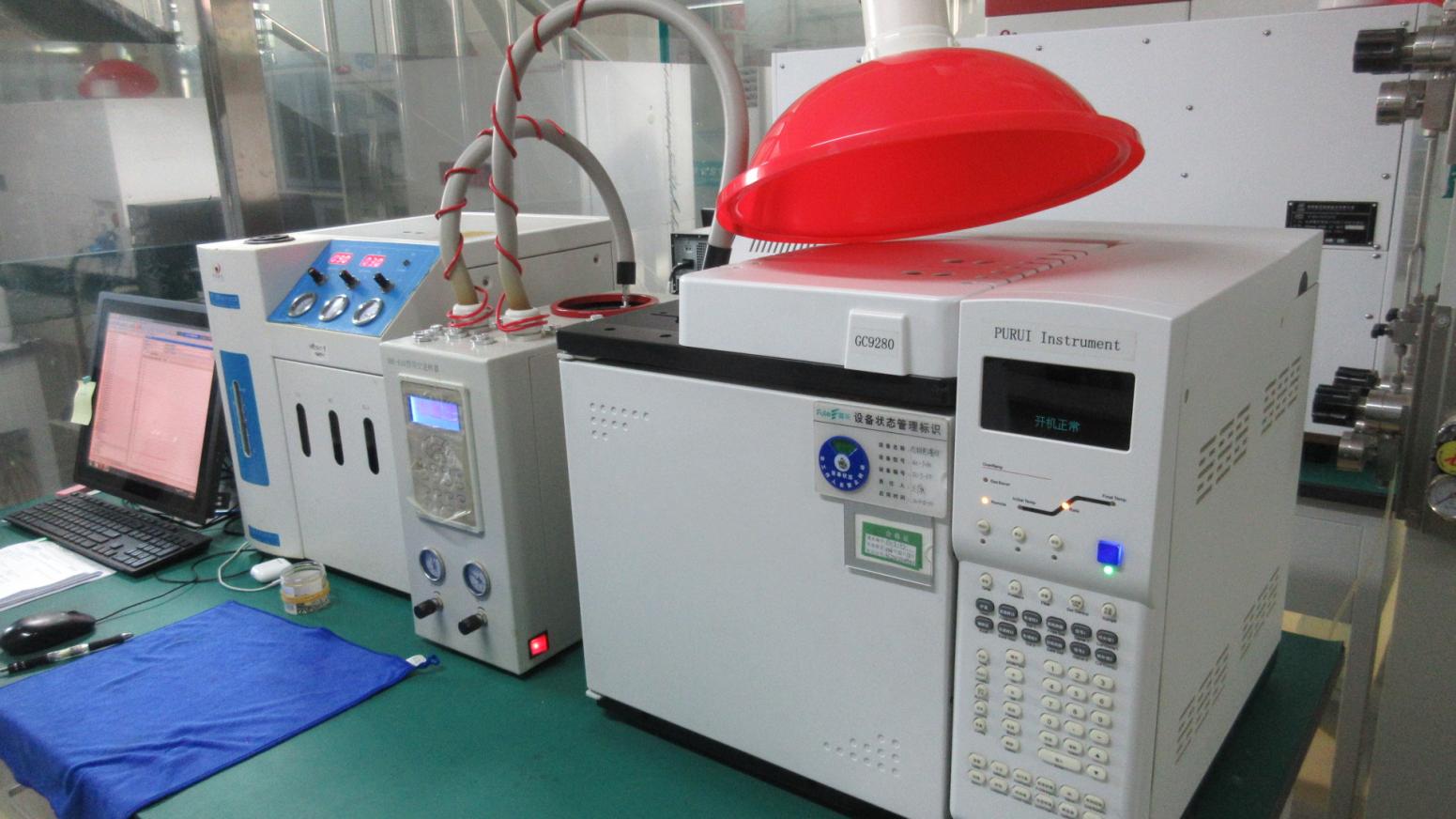
At Beijing Fule, quality control is not a random sampling check. 100% inspection is executed across every production line, overseen by 15 dedicated QA/QC inspectors. Raw materials are sourced exclusively from certified biocompatible providers, and full electronic traceability records are maintained for up to 10 years.
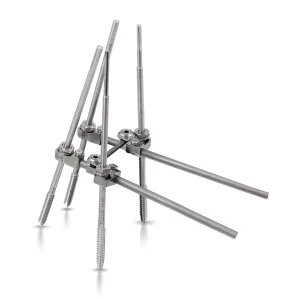
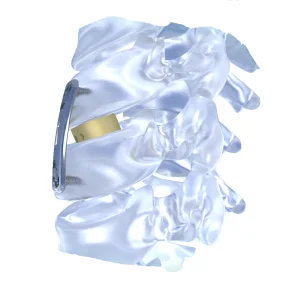
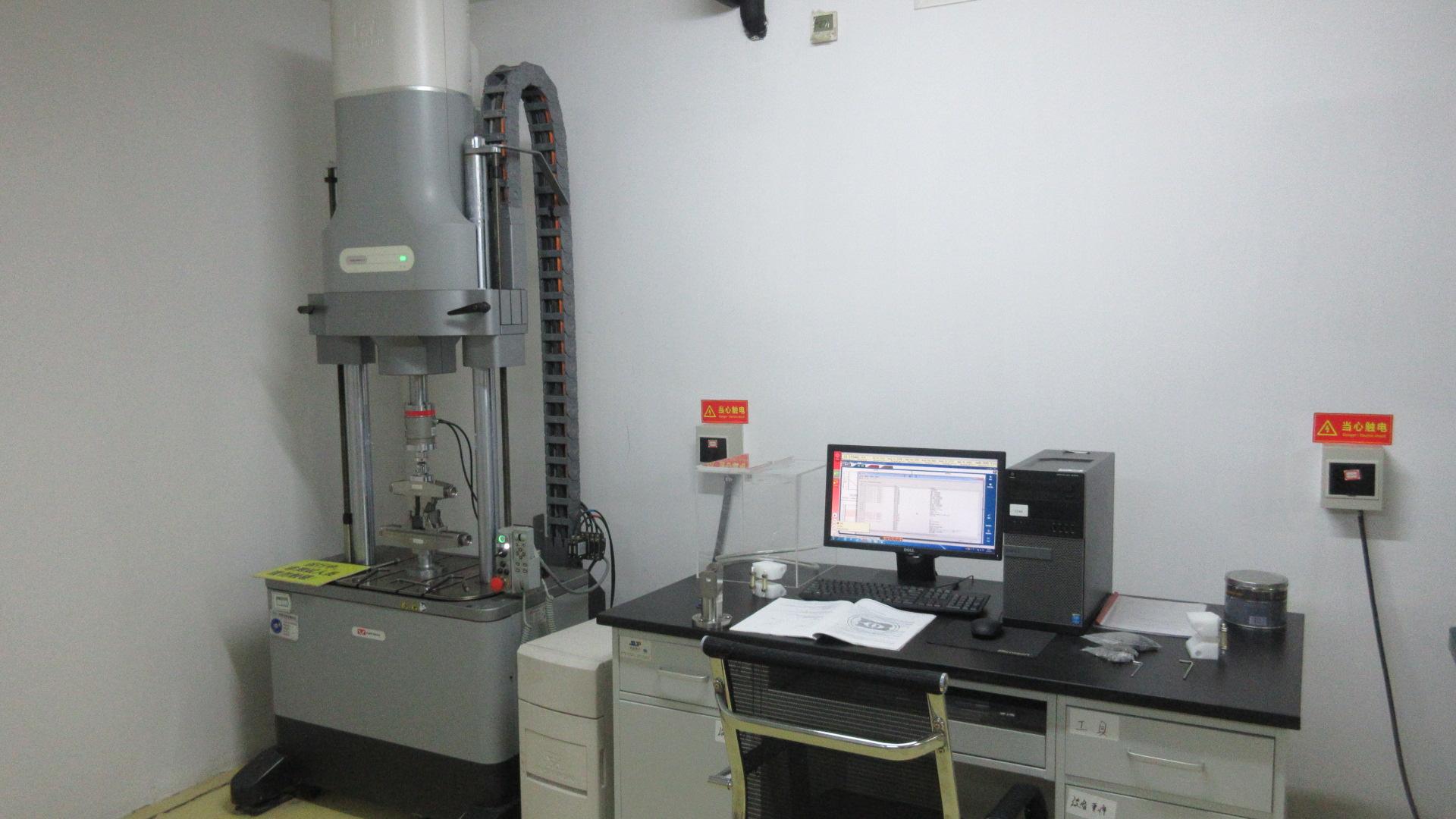
Whether it is an Arc-shaped PEEK Cervical Interbody Fusion Cage or a VSS I Minimally Invasive Spinal Implantation System, every component undergoes strict ultrasonic cleaning, optical profile monitoring, and mechanical fatigue testing under dynamic load configurations mimicking natural biomechanical forces.
Authentic visual insight into our medical production facilities, research departments, and certified implant parameters.


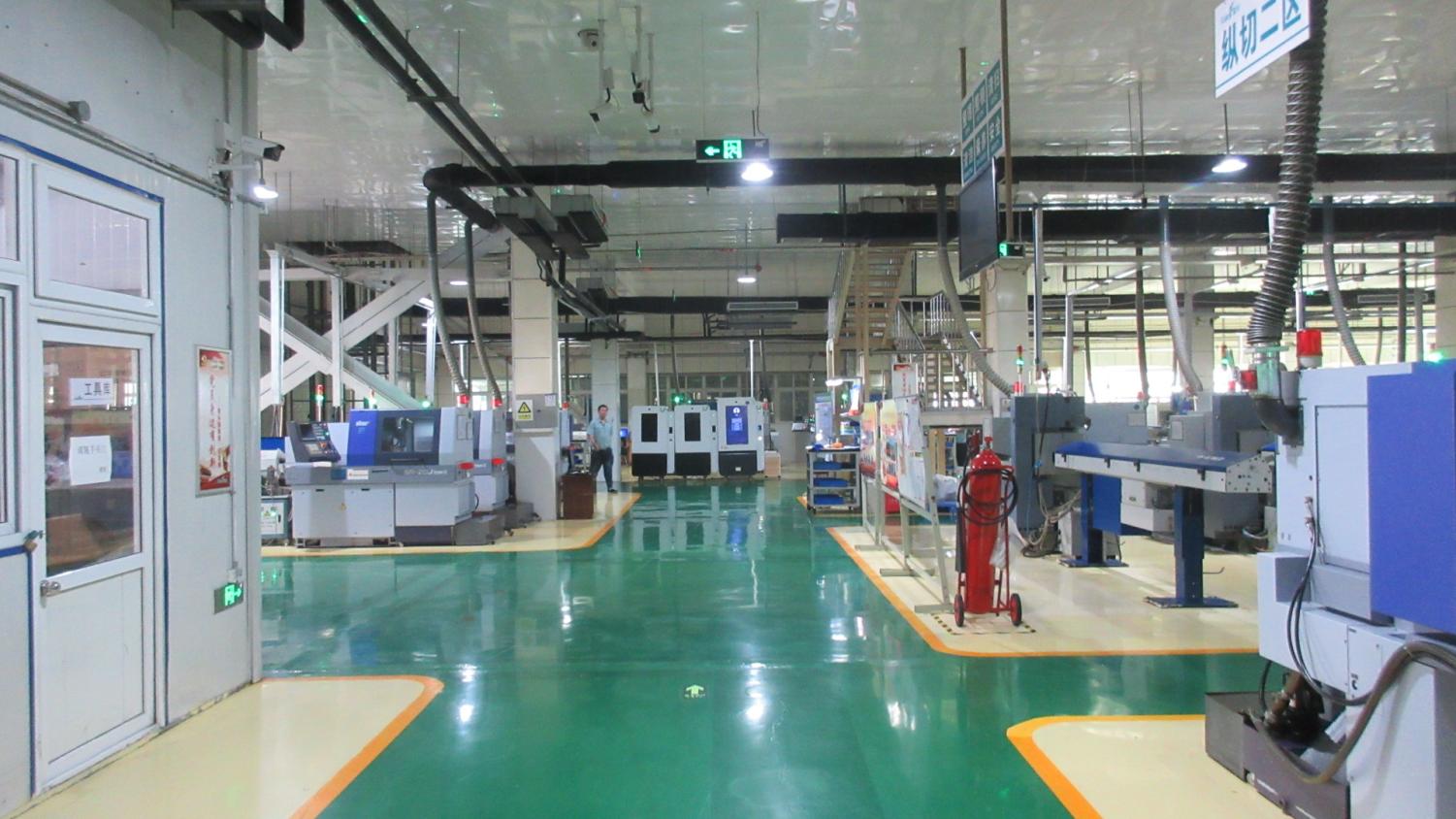
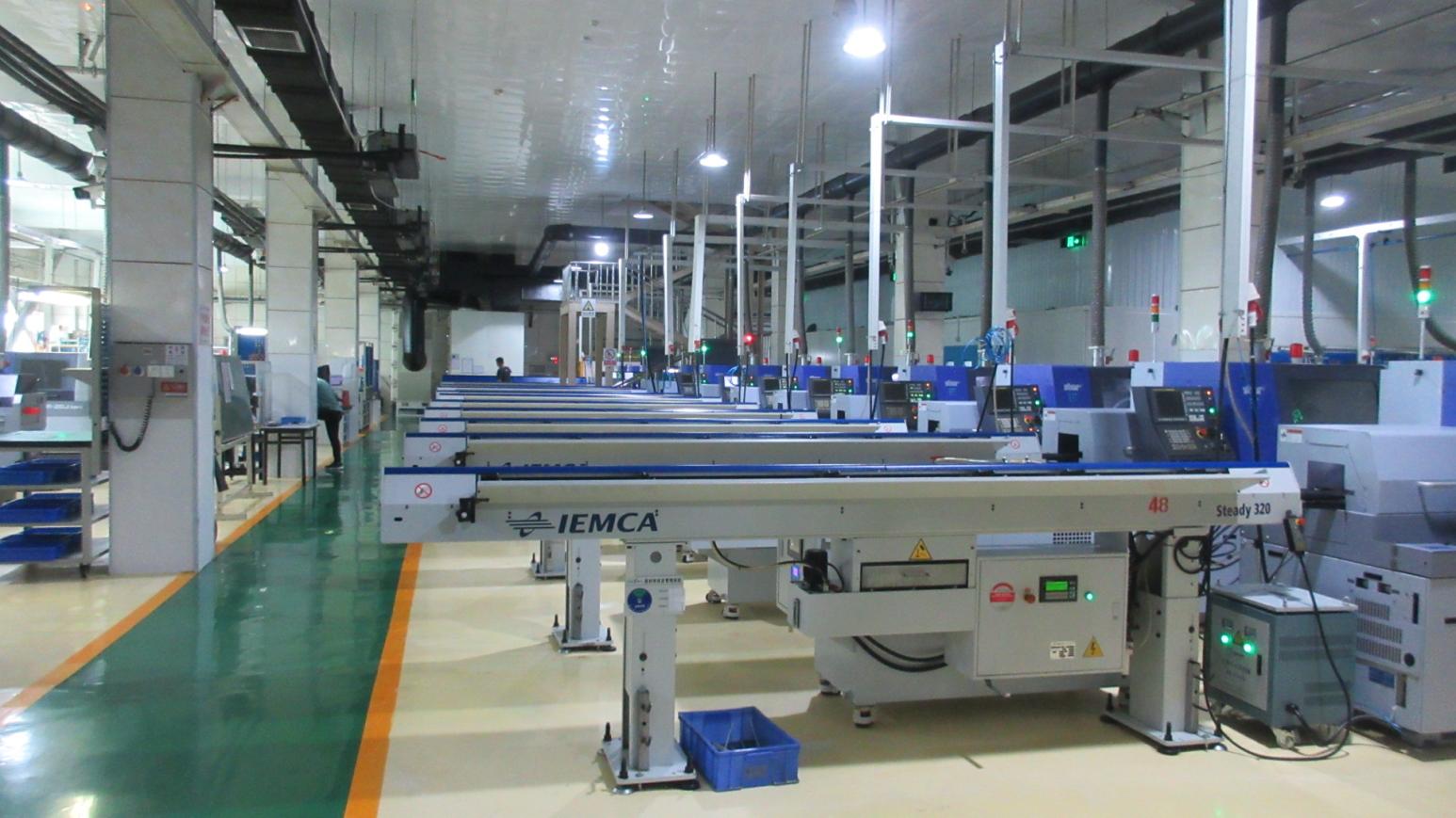
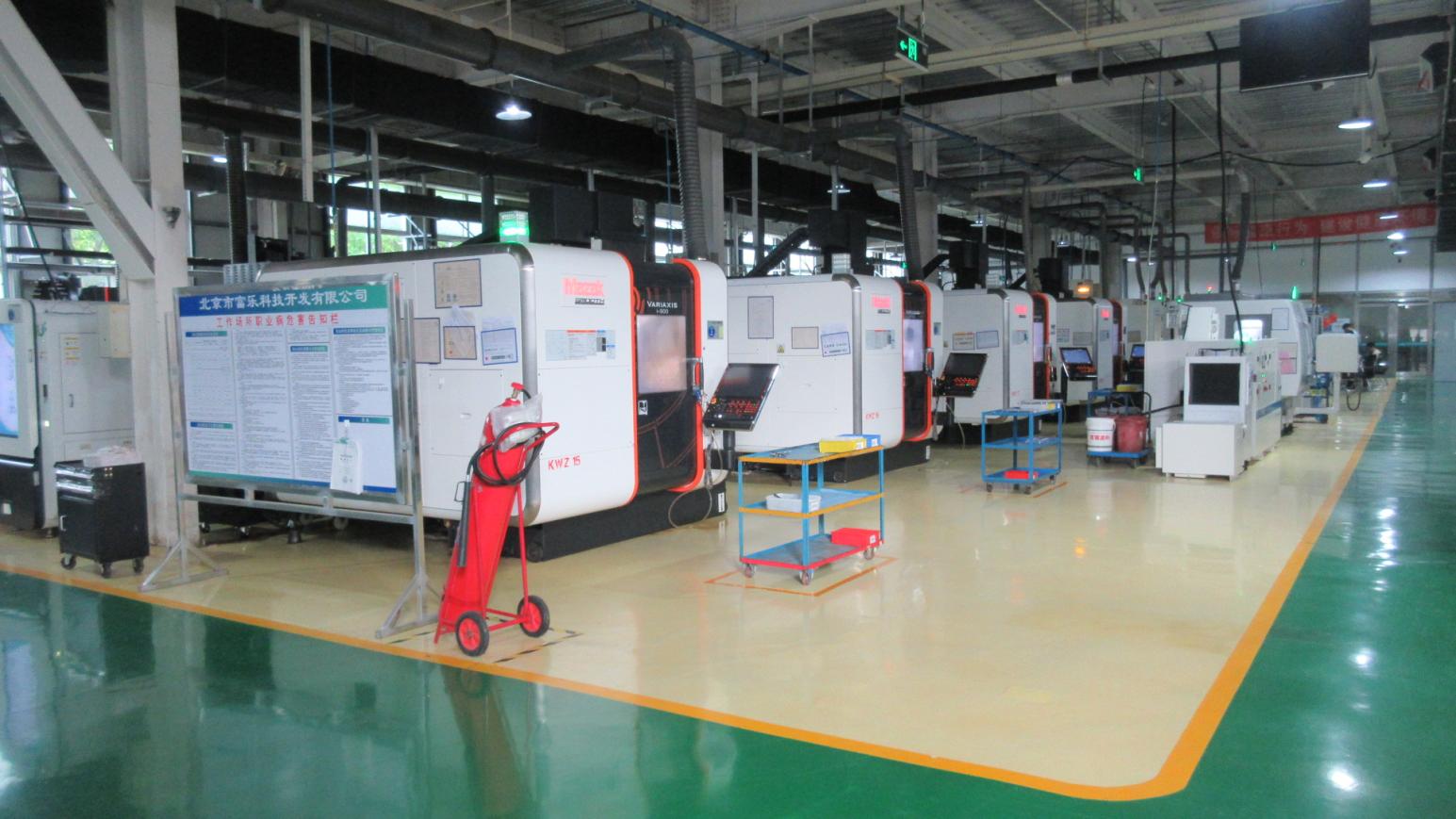
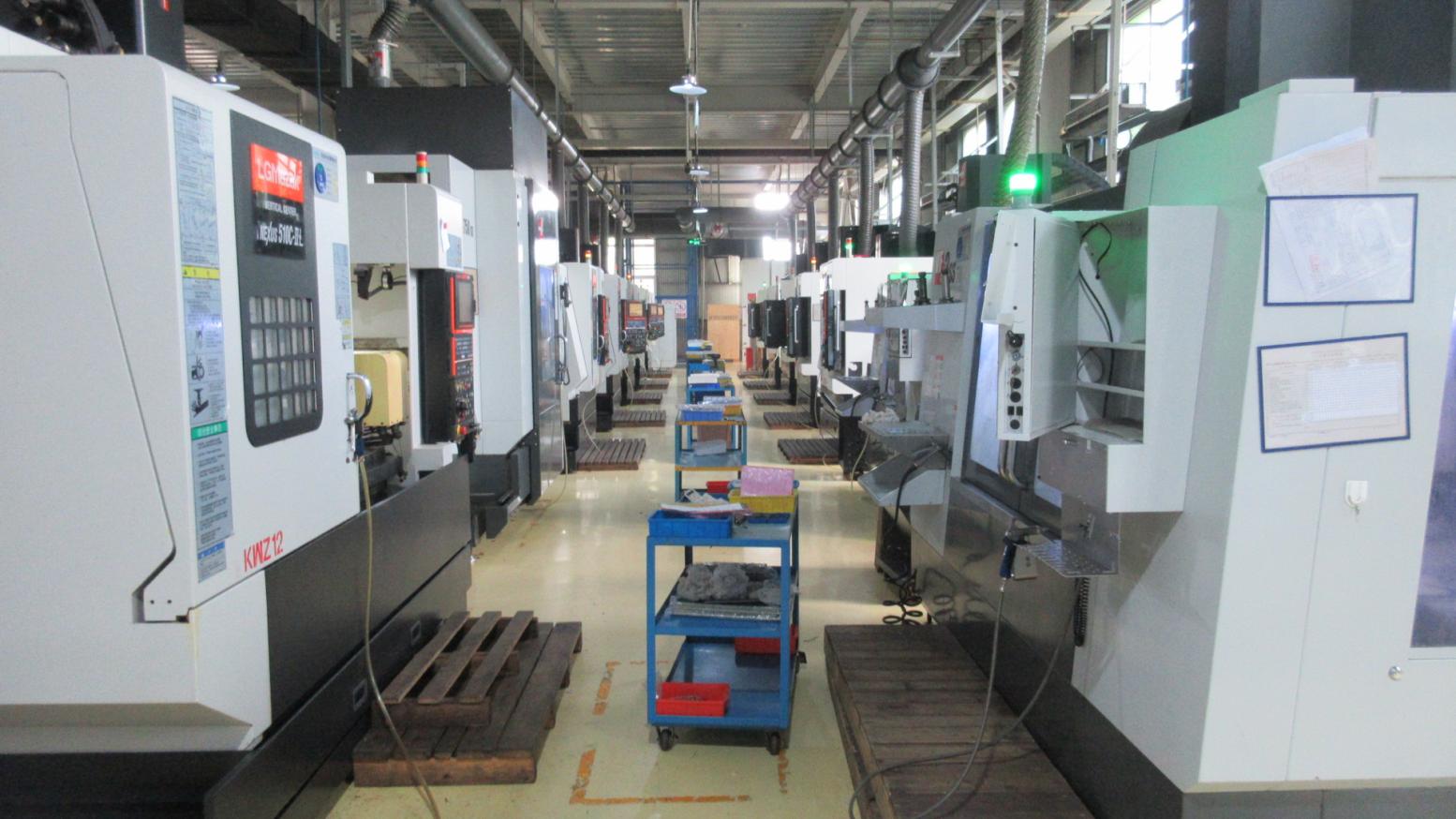
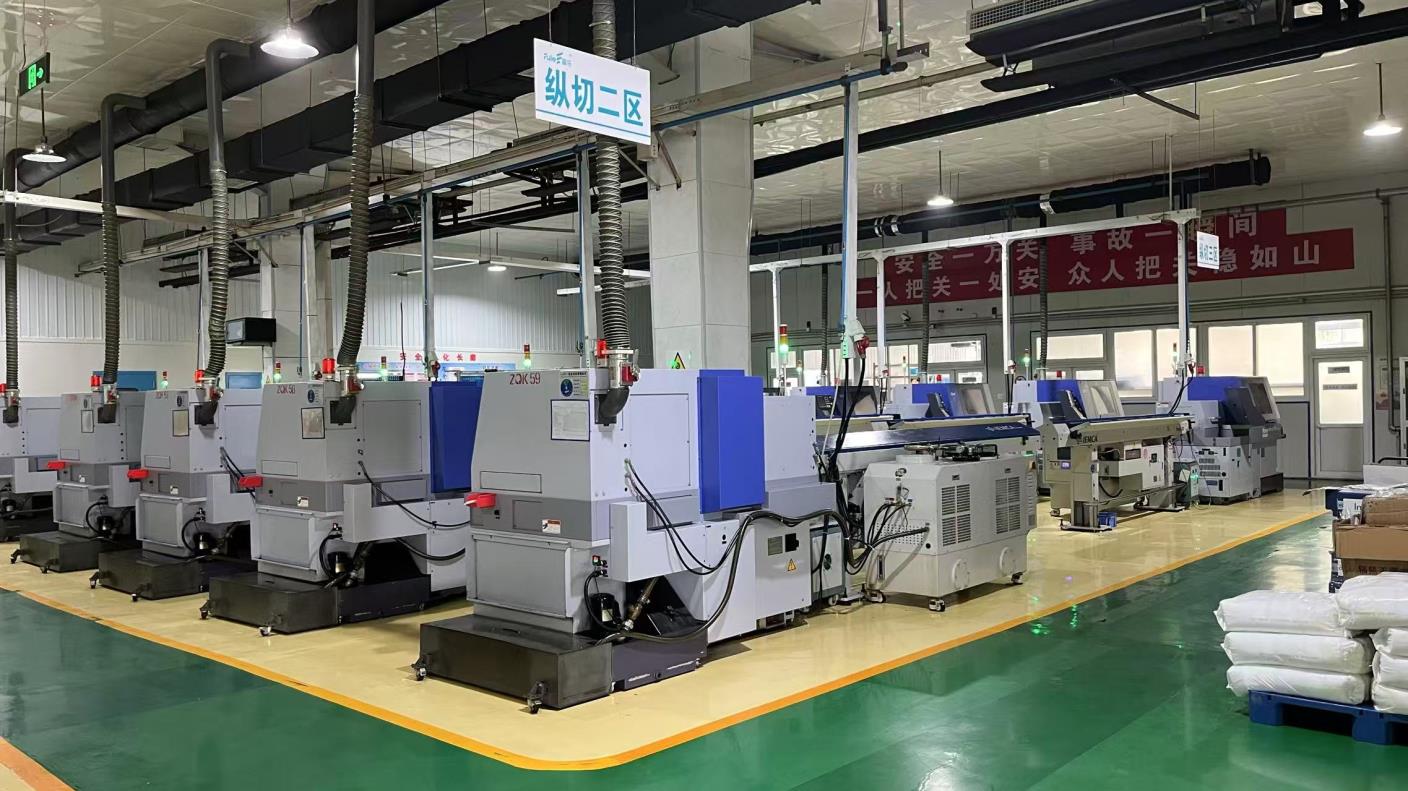
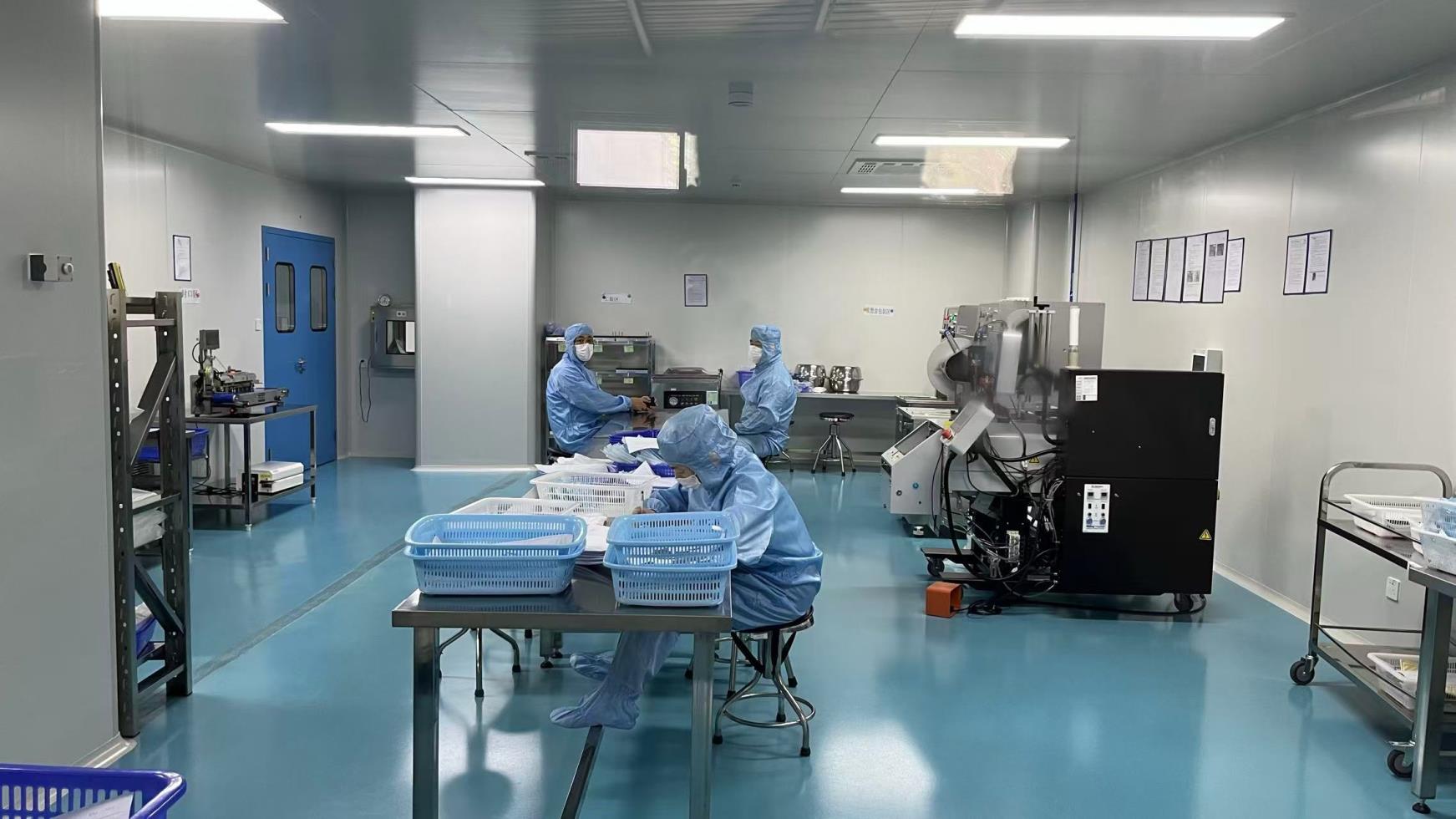
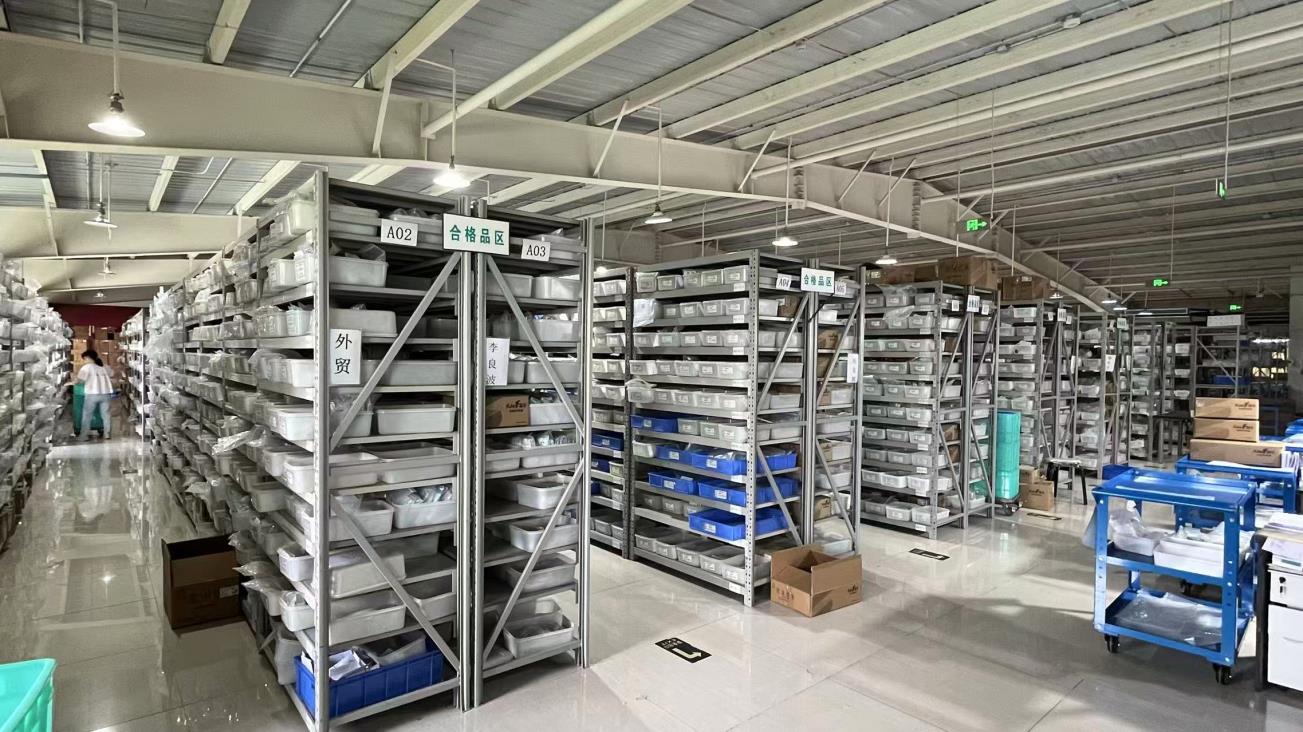
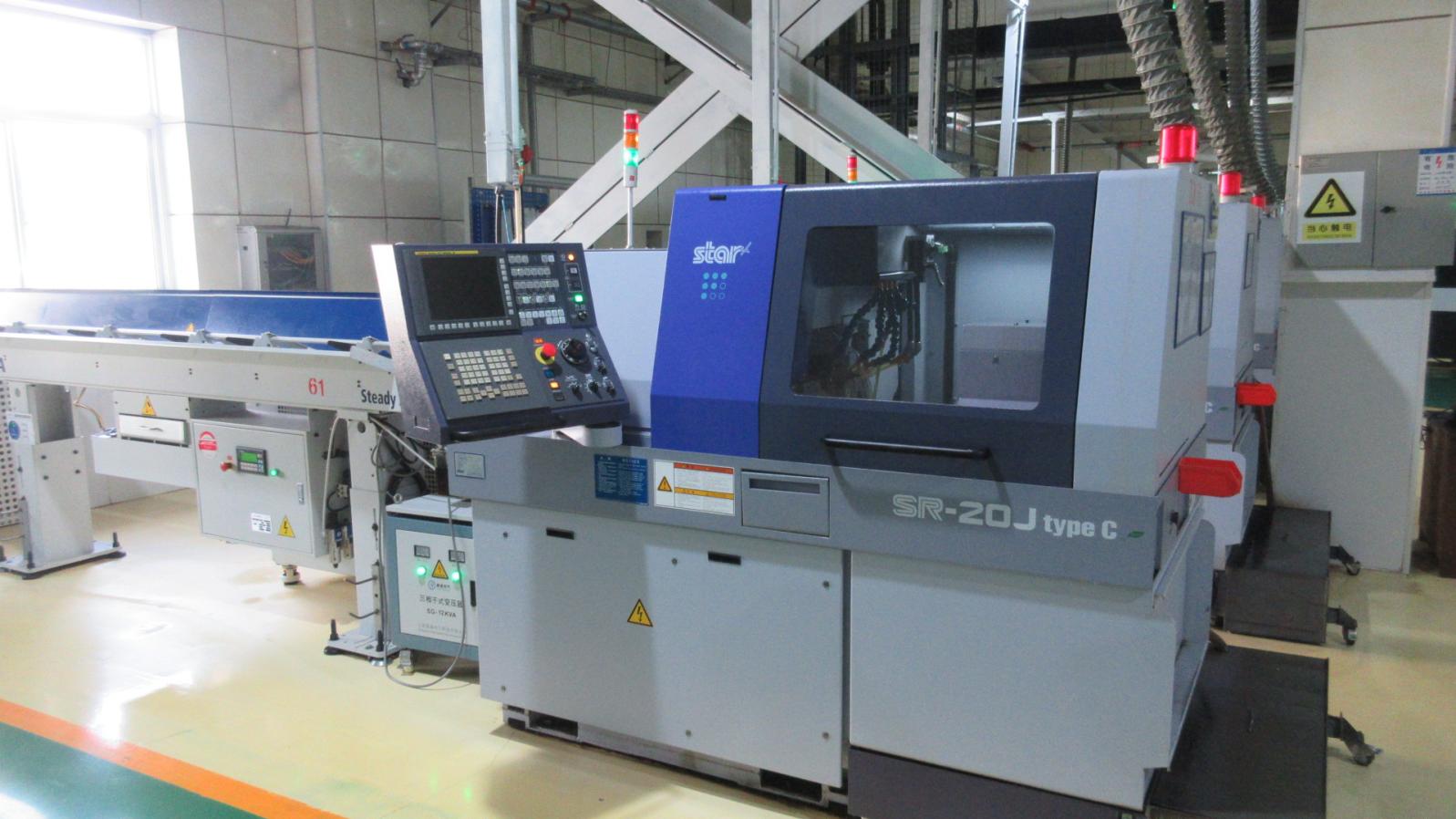
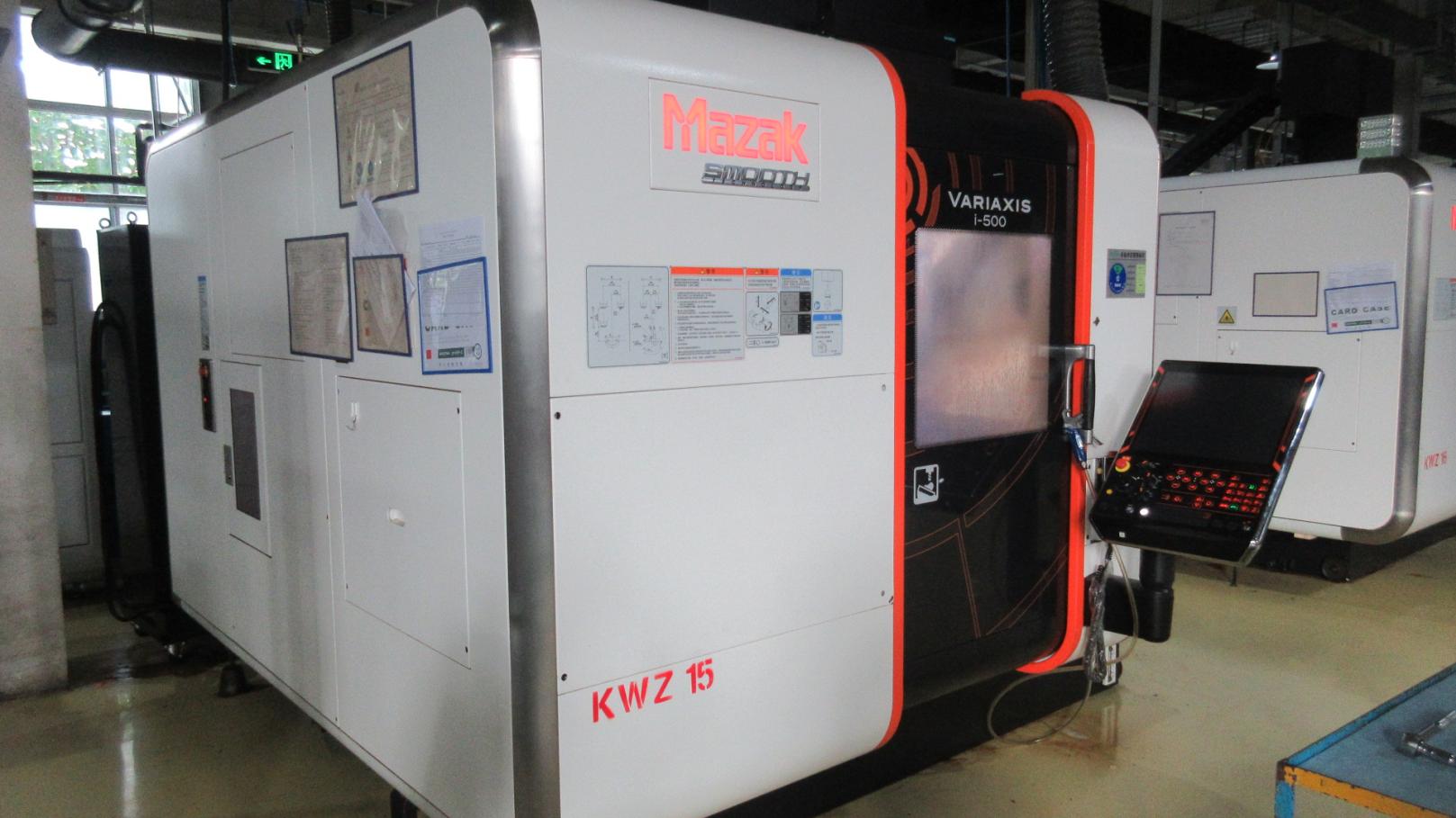
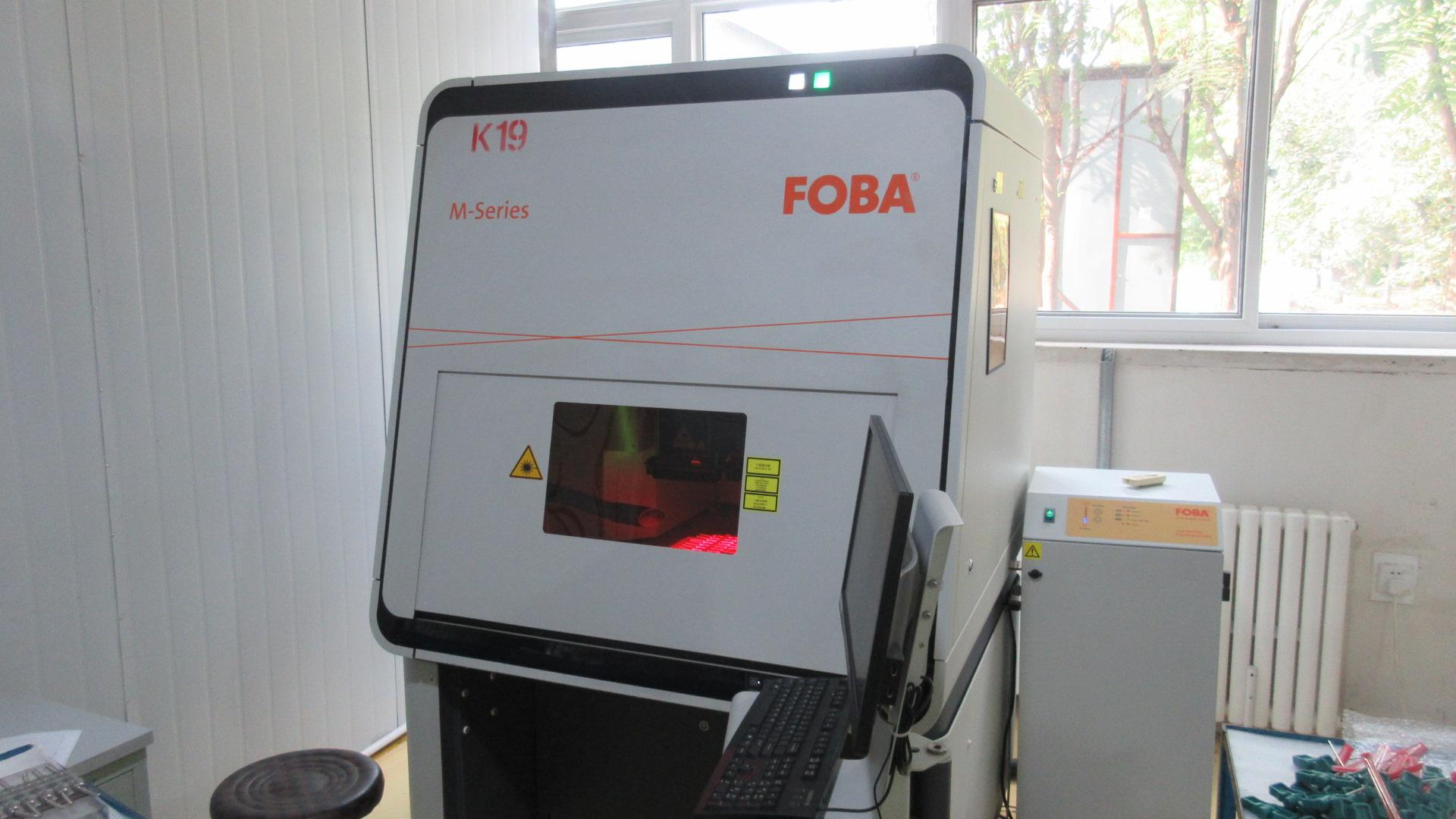
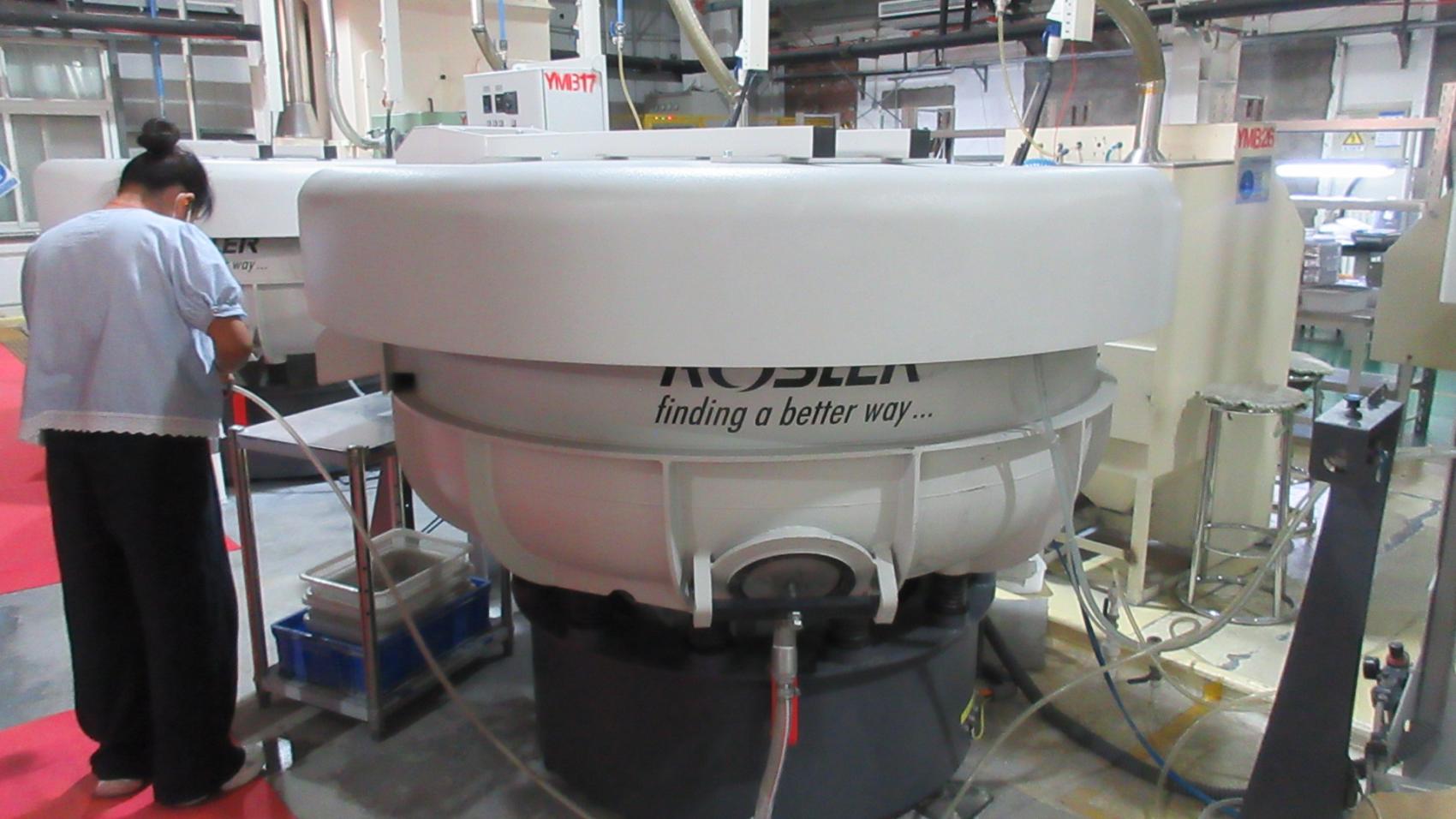
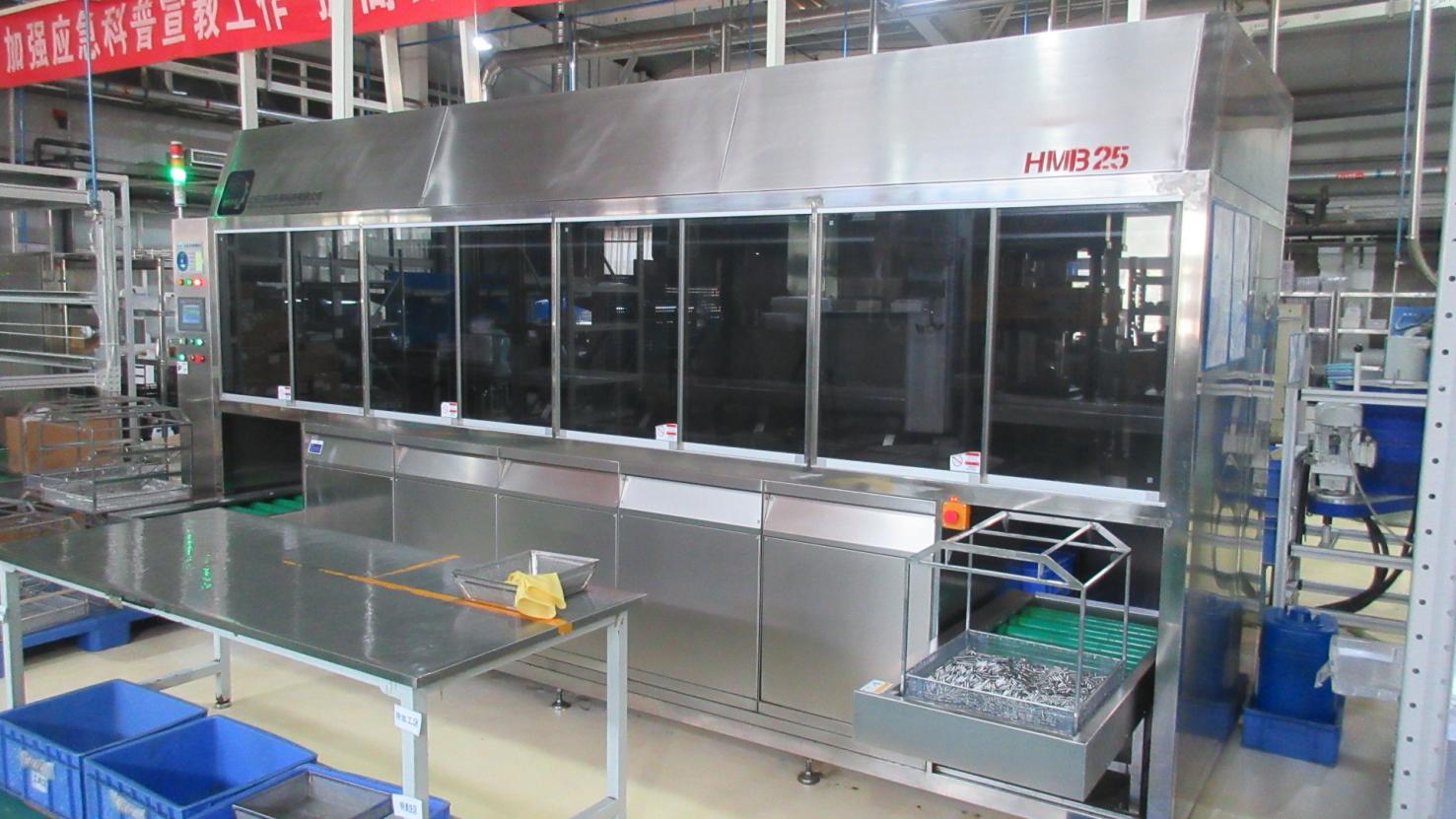
A strategic checklist to align clinical efficiency, patient safety, and regulatory compliance.
Importers must verify that orthopedics manufacturers possess valid ISO 13485 certification, CE markings, and country-specific registrations (such as FDA or local regulatory equivalents). Fule's ISO 13485 registration ensures that quality management systems are robust enough to withstand international regulatory audits.
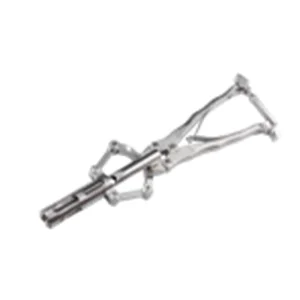
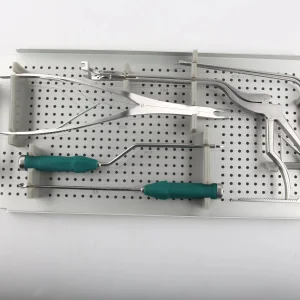
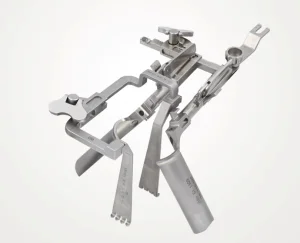
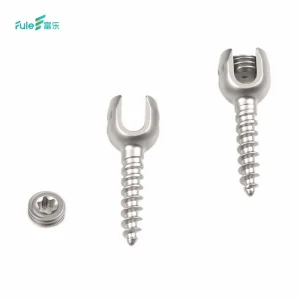
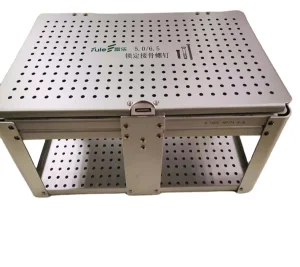
Clinics prefer buying fully integrated systems rather than mismatched implants. Choosing a manufacturer that offers both the pedicle screw-rod implant and the precise surgical instruments (like broken screw removal sets or minimally invasive instrument cases) guarantees component compatibility and minimizes intraoperative delays.
For B2B wholesalers and healthcare networks, supply chain continuity is vital. Sourcing from factories with a high annual capacity (exceeding 500,000 units) and automated CNC machinery mitigates shipping delays and ensures product availability during fluctuating clinical demands.
Premium titanium and PEEK implants designed for high mechanical load, biocompatibility, and long-term stabilization.
Direct technical answers from our R&D department concerning biomechanical performance, materials, and international registrations.
PEEK (Polyetheretherketone) is a high-performance thermoplastic with a flexural modulus (around 3.6 GPa) closely matching human cortical bone. This helps prevent "stress-shielding"—a phenomenon where overly rigid metal implants take on the skeletal load, causing bone mineral density to decrease. PEEK is also radiolucent, allowing surgeons to monitor bone fusion through X-rays without metal artifacts. Titanium alloys (like Ti-6Al-4V ELI), on the other hand, provide higher static and fatigue strength. Consequently, titanium remains the preferred choice for pedicle screws, rods, and structural spinal trauma fixators that must bear high mechanical stress immediately after surgery.
Our Quality Management System (QMS) is strictly aligned with the ISO 13485 framework, as verified by certificate 04724Q10000818. This system encompasses everything from raw material verification (spectrographic analysis of titanium bar stock) to CNC machining tolerances, cleaning processes, cleanroom packaging, and sterilization validation. Furthermore, our products carry CE markings, ensuring compliance with the stringent requirements of the European Medical Devices Directive. We maintain comprehensive technical documentation to streamline regulatory registration processes for international B2B distributors.
Yes. Our R&D department features 20 experienced engineers who specialize in custom requests. We offer three primary modes of customization: raw sample processing, detailed CAD graphic processing, and on-demand clinical adaptations. Supported by our facility's 102 precision manufacturing machines, we can adjust dimensions, screw thread profiles, and driver interfaces, and design customized surgical instrument cases to match the specific workflow preferences of local trauma clinics and spinal surgery centers.
Our 15 QA/QC inspectors follow a strict three-tier verification protocol: First, raw materials undergo chemical and structural testing before entering production. Second, inspectors perform in-process dimensional audits at every CNC work station. Third, finished implants undergo 100% inspection, which includes optical profile projection, thread gauge verification, surface roughness tests, and ultrasonic cleaning verification. Only products that pass all checks proceed to our Class 100,000 sterile cleanrooms for final packaging.
With an annual output of 511,000 units, we maintain a stable inventory of standard pedicle screws, rods, and fusion cages. Standard items typically ship within 7 to 15 business days. For customized OEM orders, the timeline generally ranges from 30 to 45 days, depending on the complexity of the design and the required tool programming. All export shipments are packed in medical-grade, moisture-proof, and shock-resistant containers to ensure sterile packaging remains intact throughout transit.
 Beren Science & Technology