Engineered to global medical standards with advanced titanium alloy composition for precision anatomical fixation and stability.
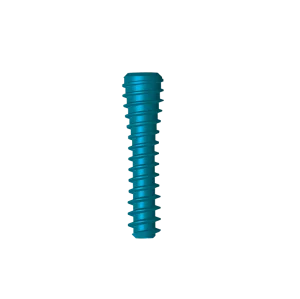
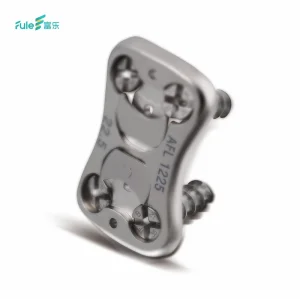
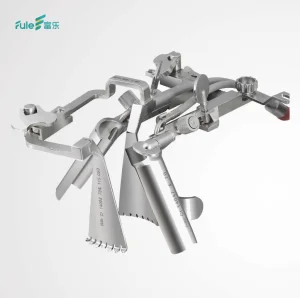
Unlocking information increments, clinical efficacy dynamics, and global supply chains for orthopedists and procurement executives.
The global orthopedic trauma fixation market is witnessing unprecedented growth, heavily catalyzed by a growing geriatric population, rising incidences of motor vehicle accidents, and the active lifestyles of younger demographics. Among all upper-extremity fractures, distal radius fractures remain the most prevalent, accounting for approximately 17% of all fracture cases treated in emergency units globally. This high incidence rate underscores the critical role played by specialized radius manufacturers. Sourcing from a top-tier factory involves evaluating more than simple production capacities; it requires a granular understanding of biomechanical design, material science, and regulatory compliance.
Modern surgical interventions are moving rapidly towards anatomy-specific locking plates and minimally invasive approaches. Historically, conservative treatments (such as plaster casting) often resulted in malunion and joint instability. Today, the clinical gold standard leans heavily towards volar plate fixation, allowing immediate postoperative mobilization and vastly improved patient outcomes. Consequently, factories must maintain dynamic assembly processes that cater to these rapidly evolving surgical techniques.
"Clinical parameters indicate that anatomical-specific volar plates reduce secondary displacement rates by over 42% compared to standard linear locking systems. In modern orthopedic supply chains, precision is not a luxury—it is an absolute clinical requirement."
Advanced manufacturing is defined by the quality of raw materials and surface treatments. Highly reputable manufacturers rely strictly on Medical Grade Titanium Alloy (Ti-6Al-4V ELI) and high-performance stainless steel (316L). Titanium is preferred due to its superior biocompatibility, low modulus of elasticity (which reduces stress shielding), and excellent corrosion resistance.
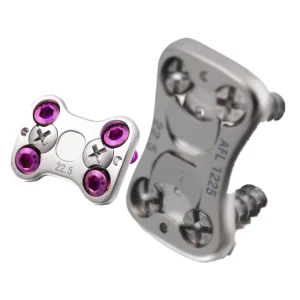
During fabrication, precision CNC machines are programmed to establish ultra-low profile edges. This design minimizes soft tissue and tendon irritation, which is particularly vital around the thin soft tissue envelop of the distal radius. In addition, anodization processes are deployed to create a protective oxide layer, enhancing fatigue limit, providing color-coded visual aids for surgical navigation, and minimizing cold welding risks during implant removal.
A statistical breakdown of our manufacturing facilities, quality metrics, and global compliance certifications.
ISO 13485: Medical devices quality management systems compliance.

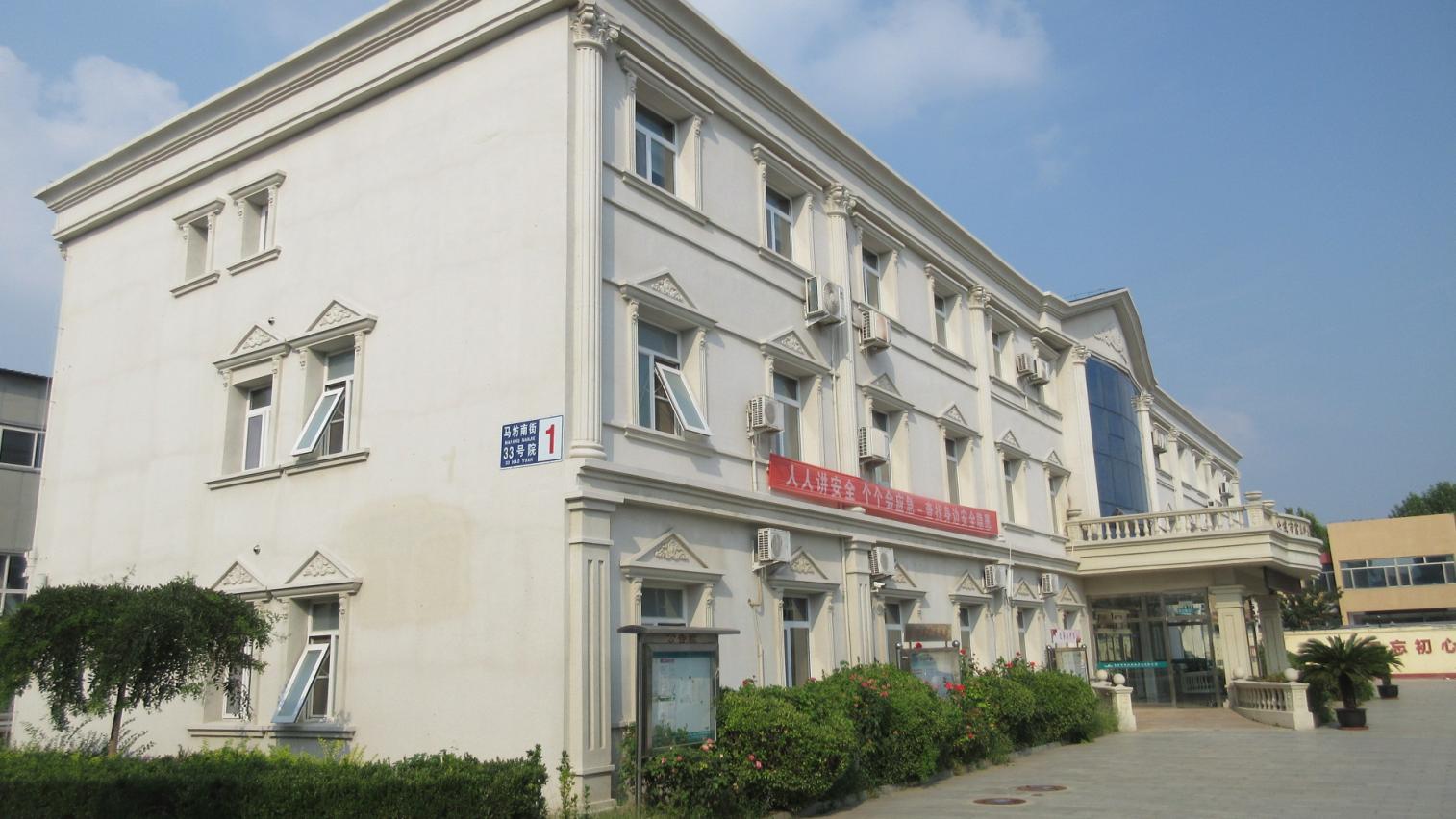
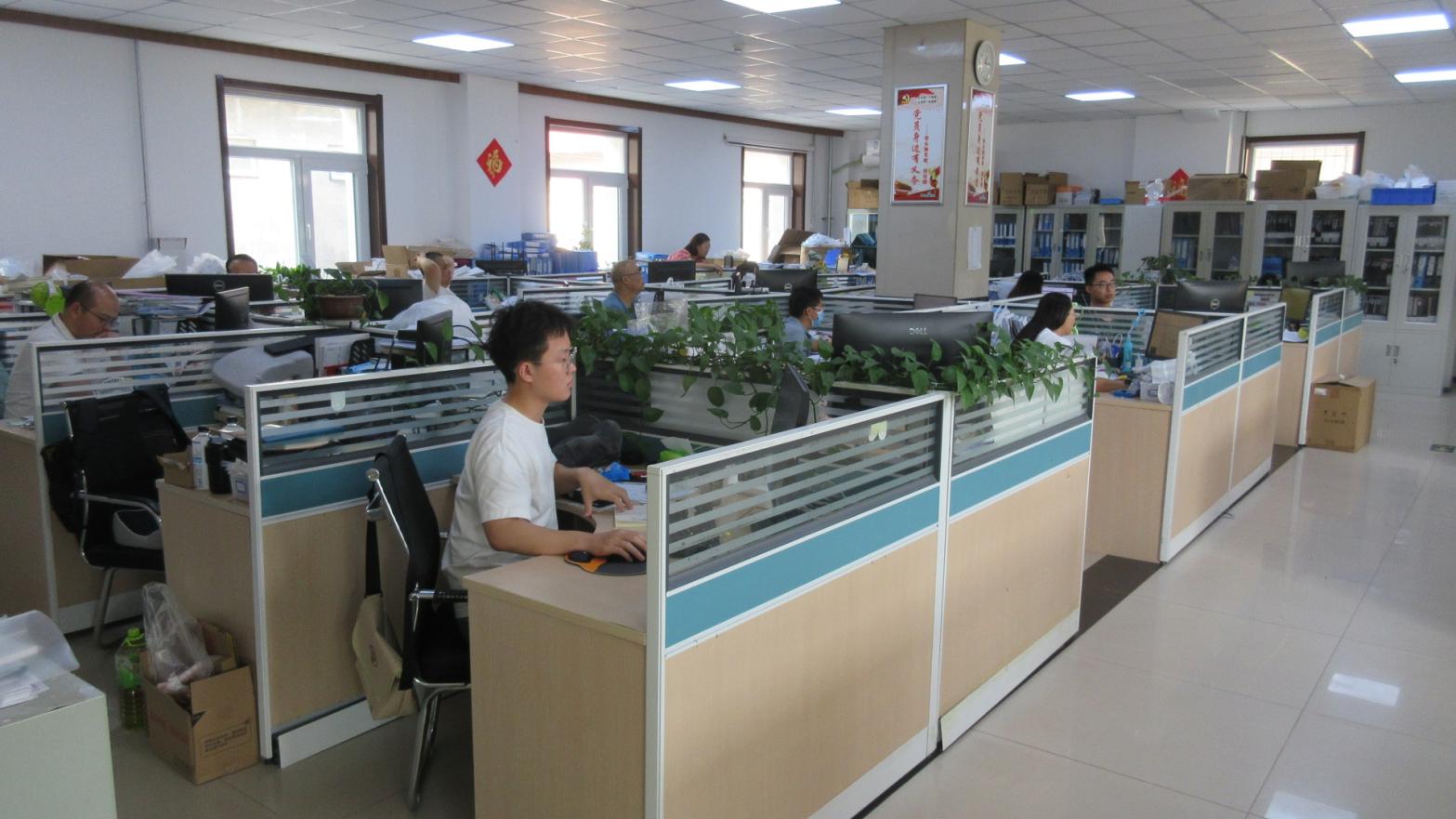
View inside our state-of-the-art facility displaying high-precision production lines, implant components, and sterilization modules.
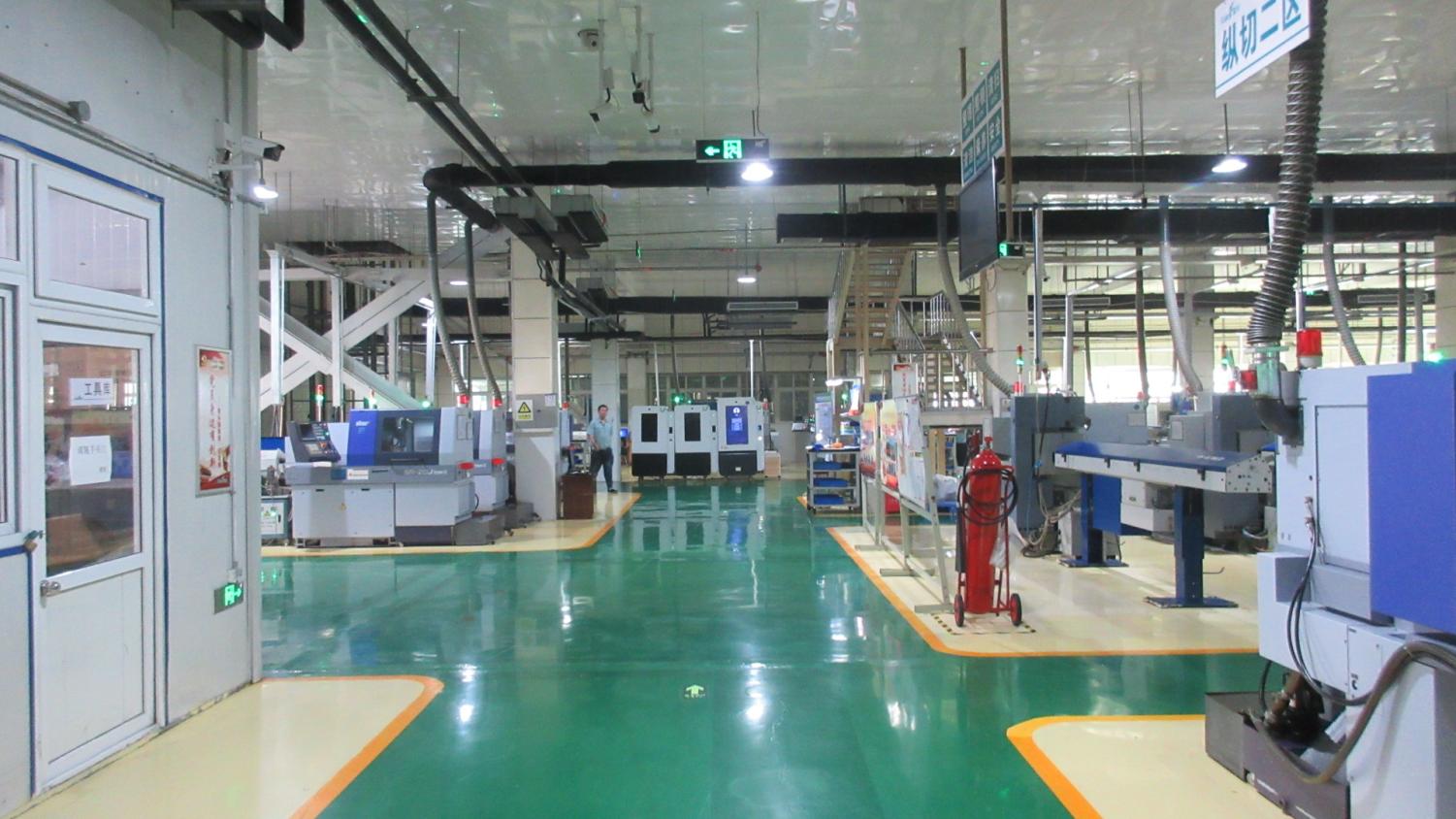
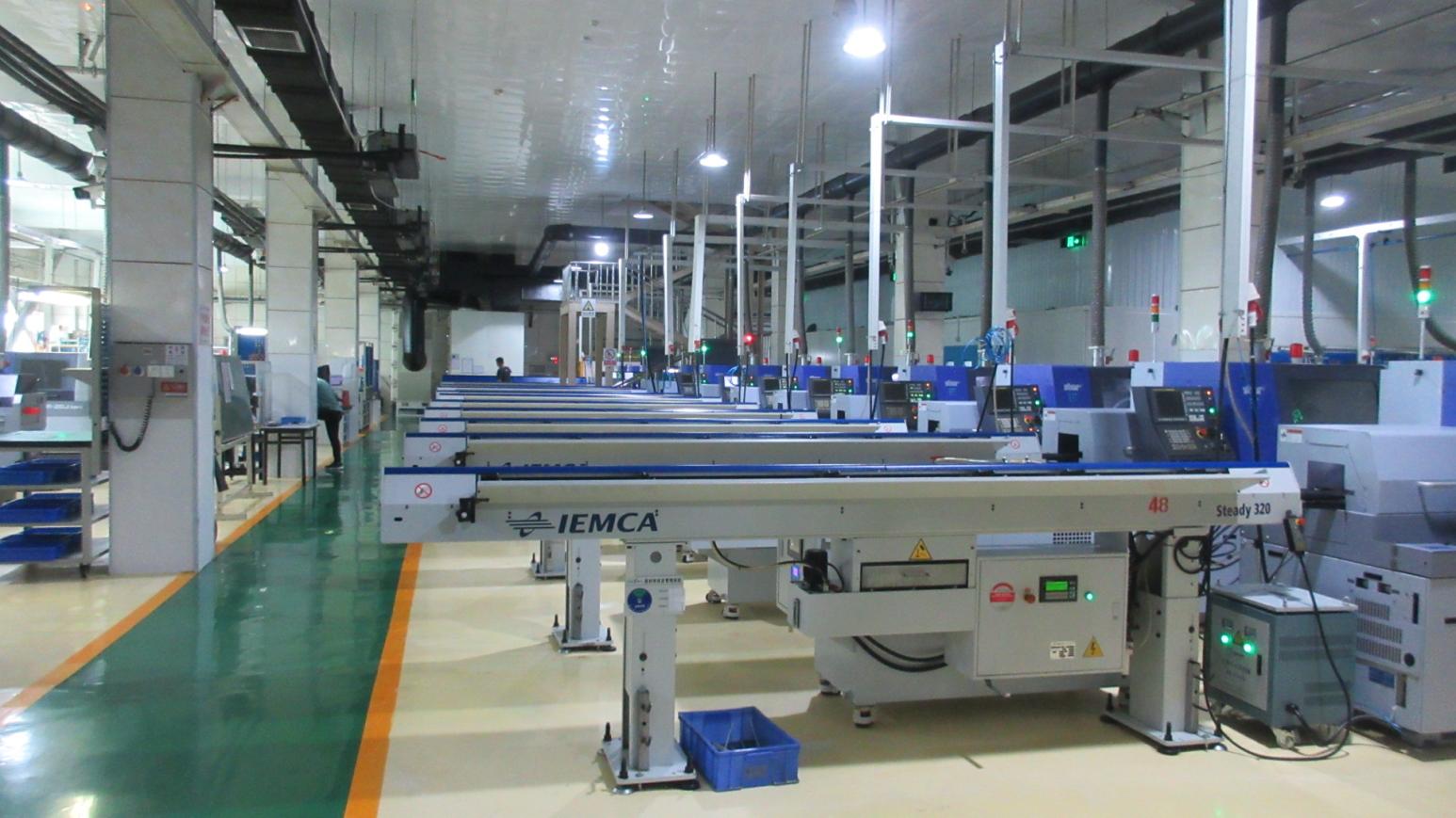
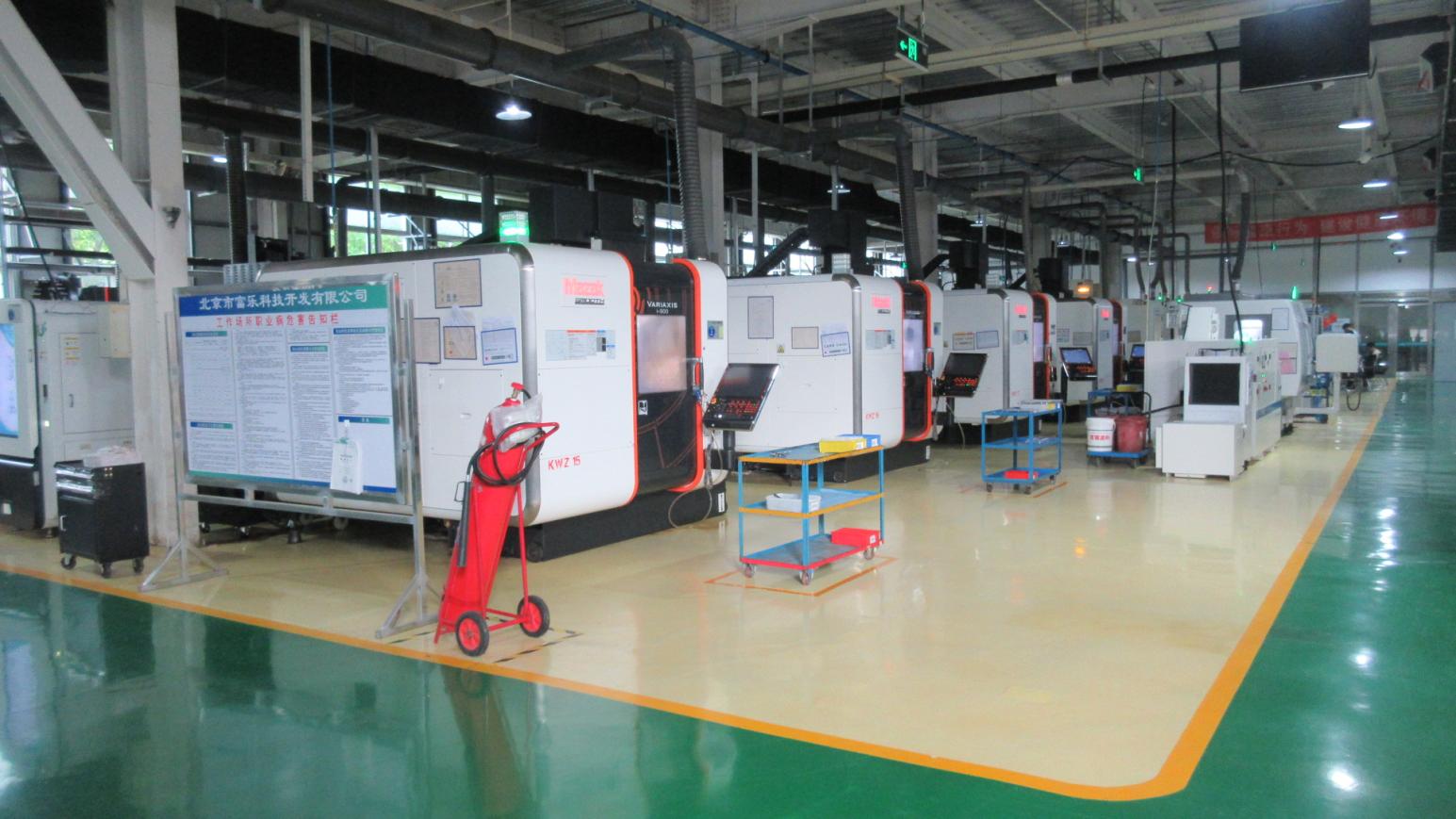
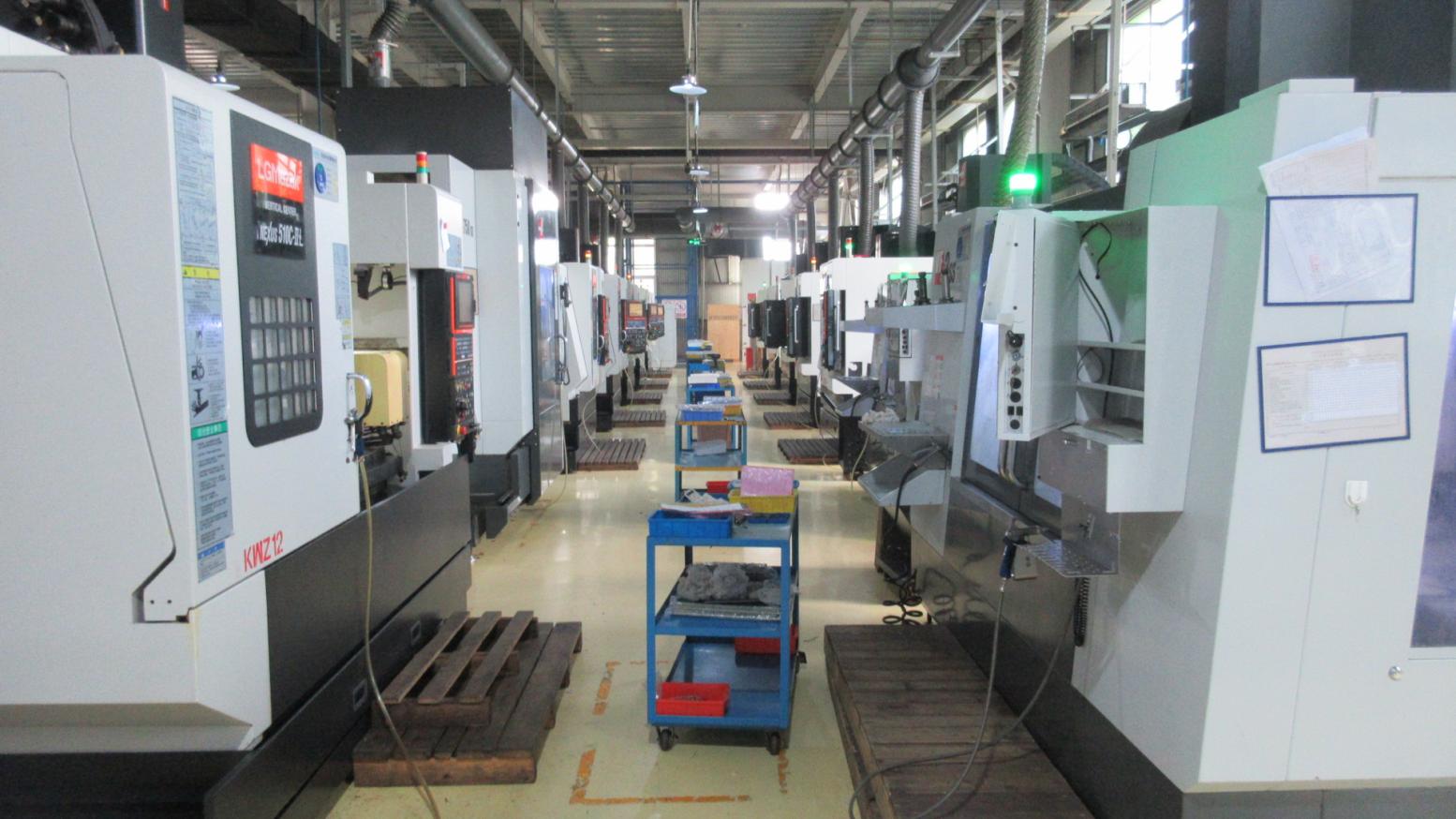
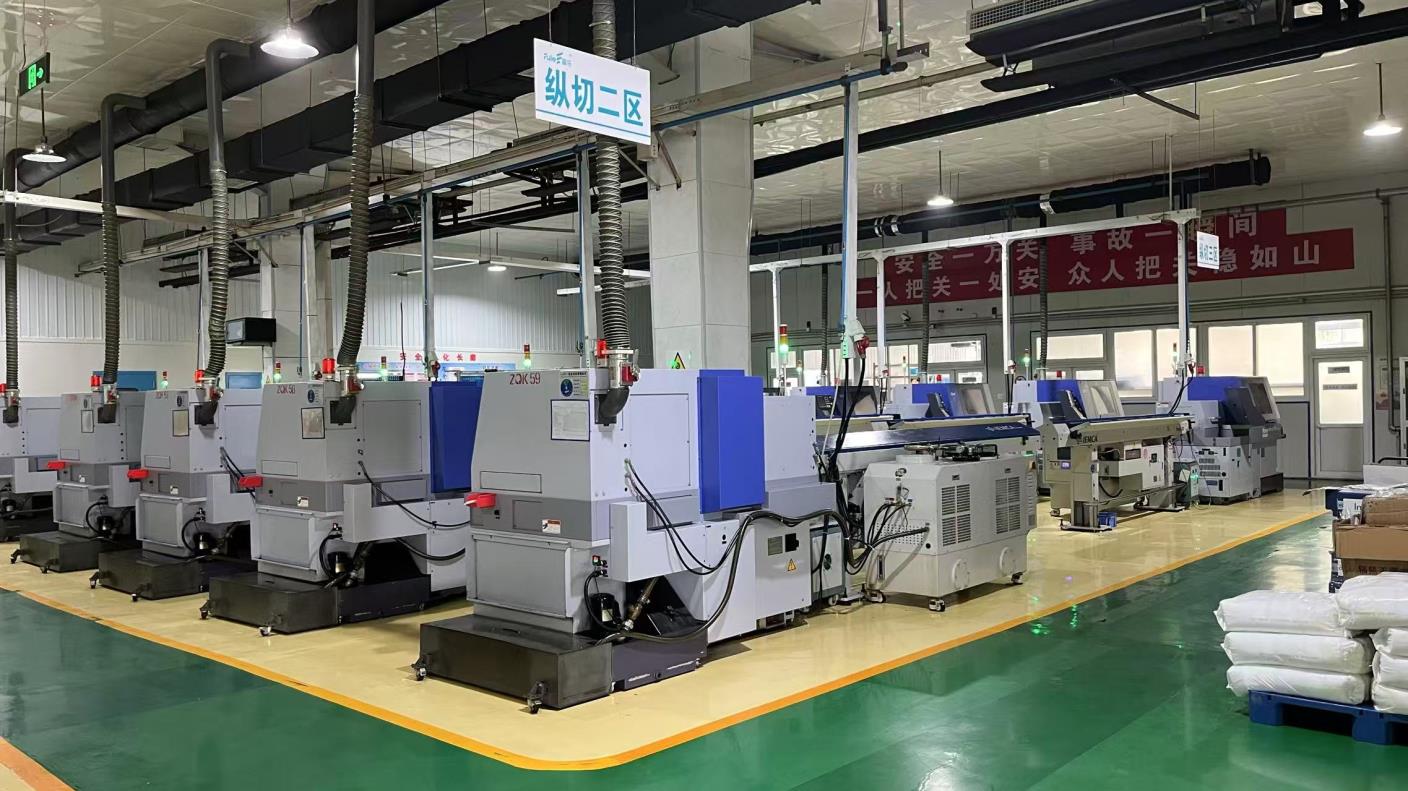
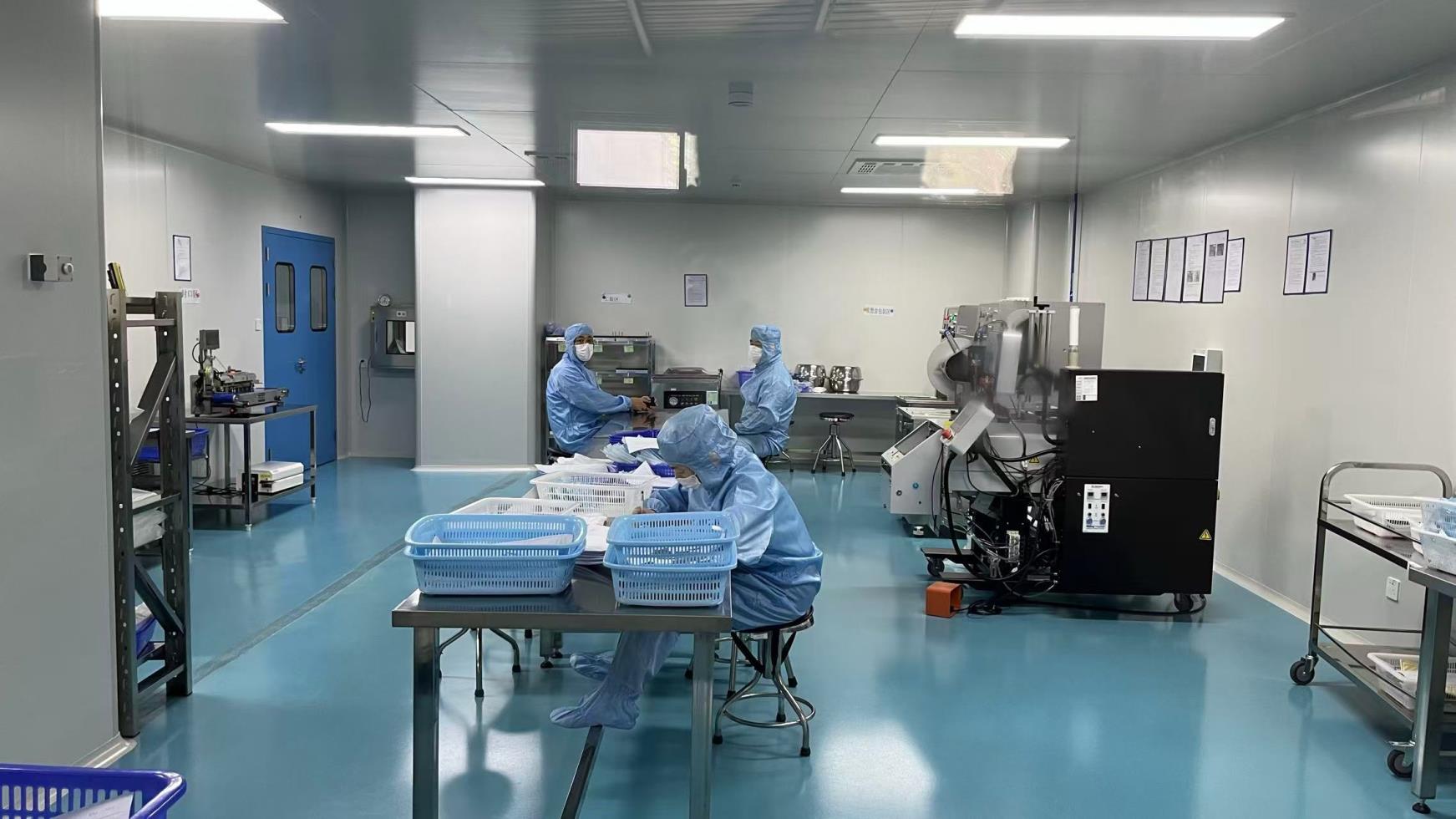
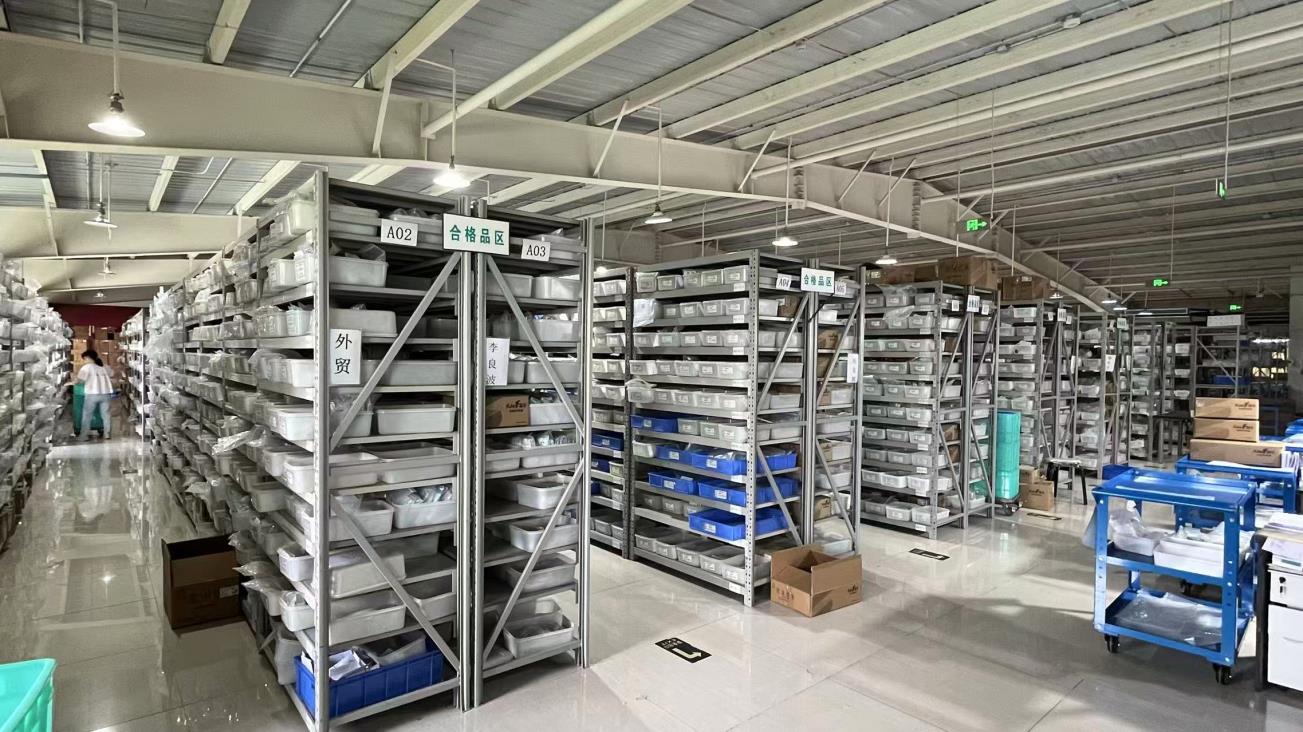
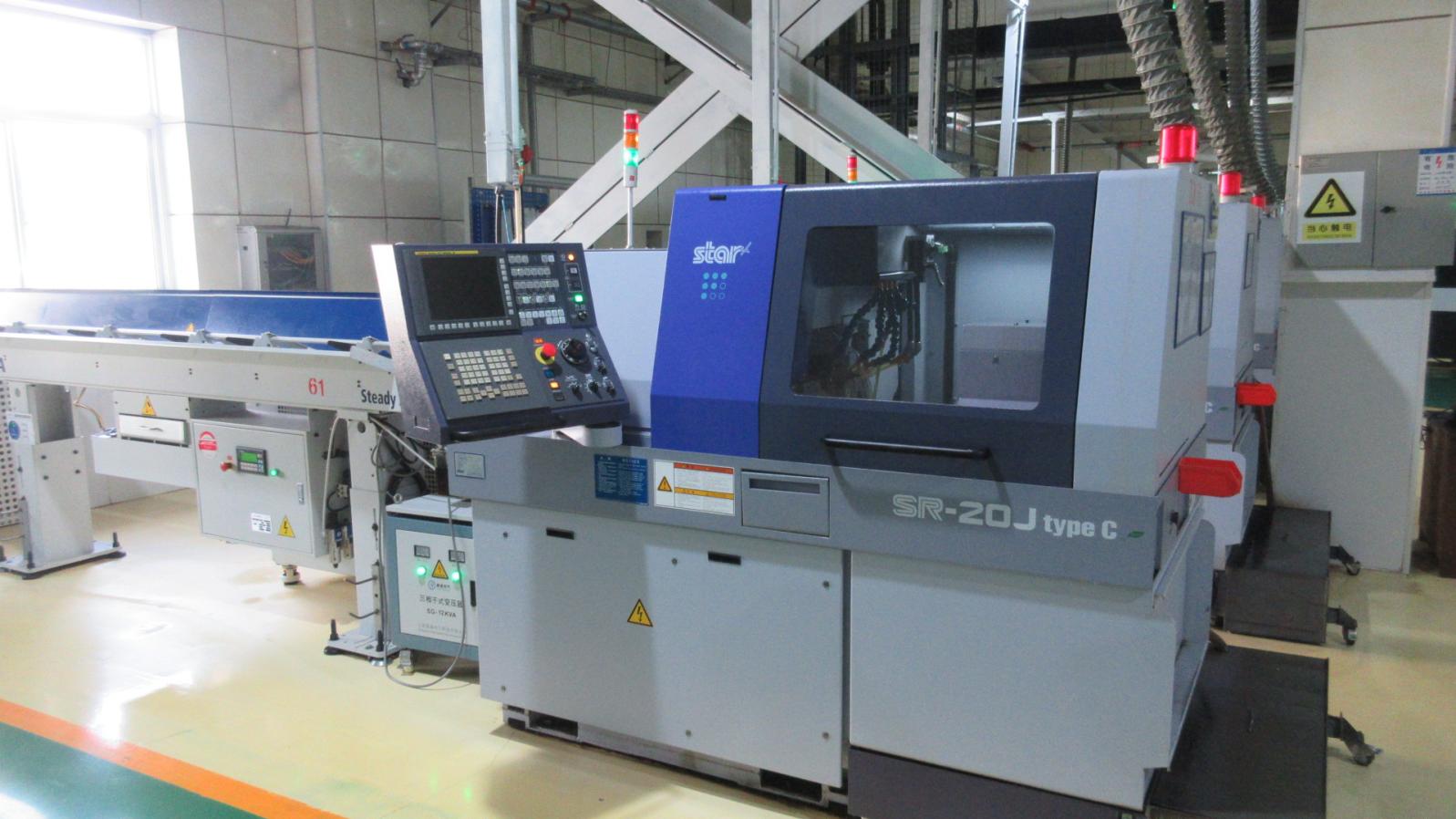
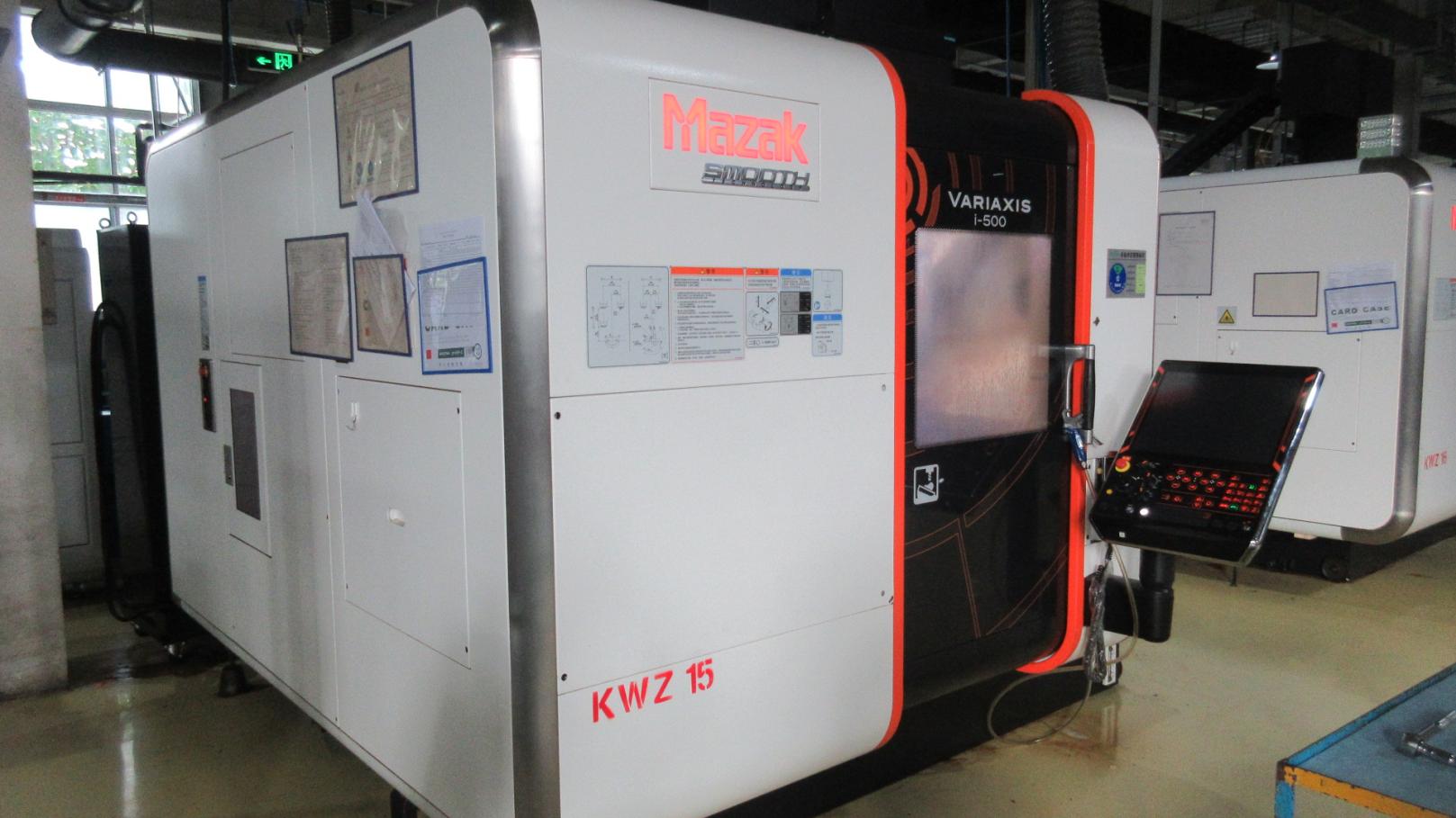
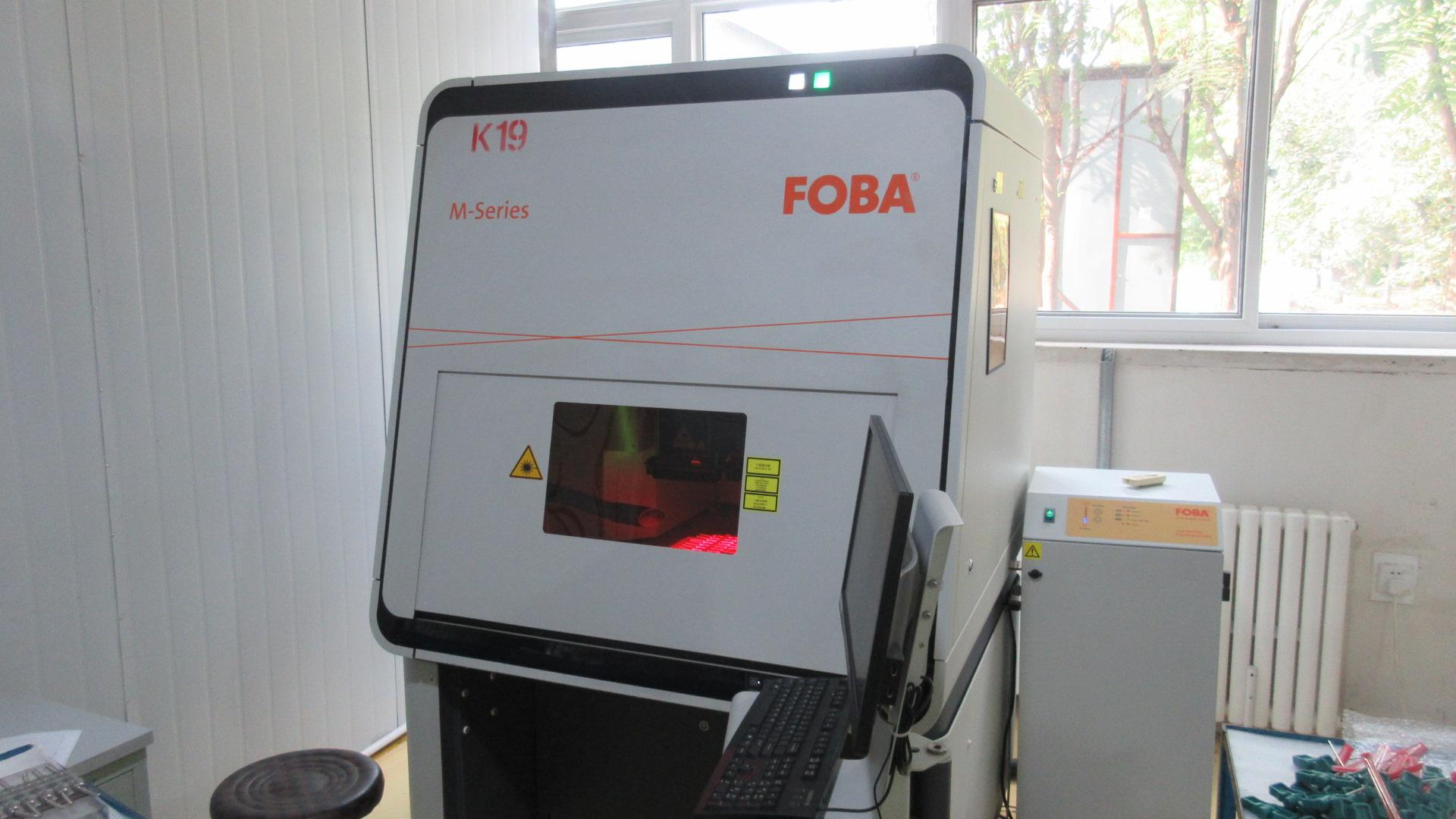
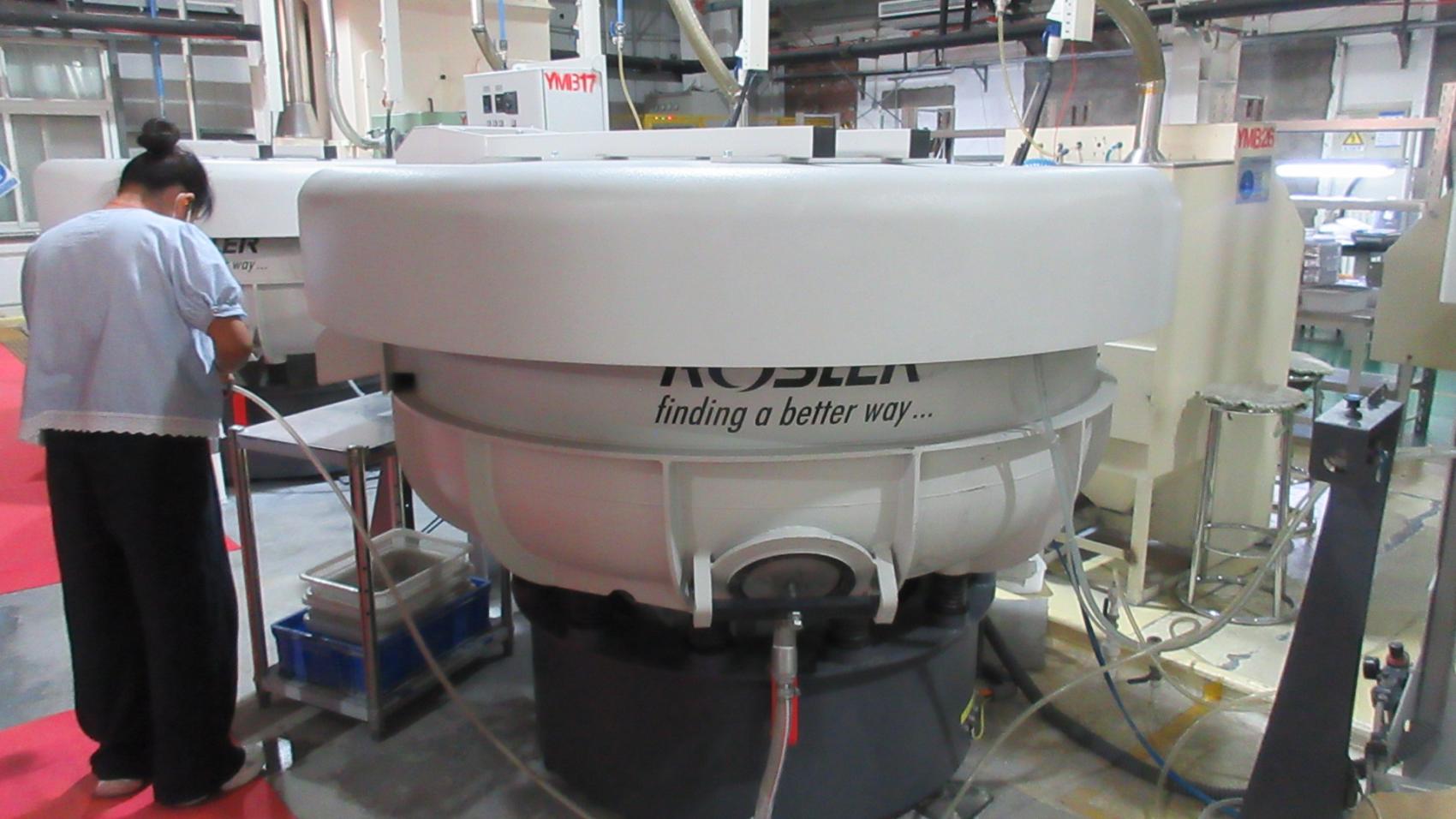
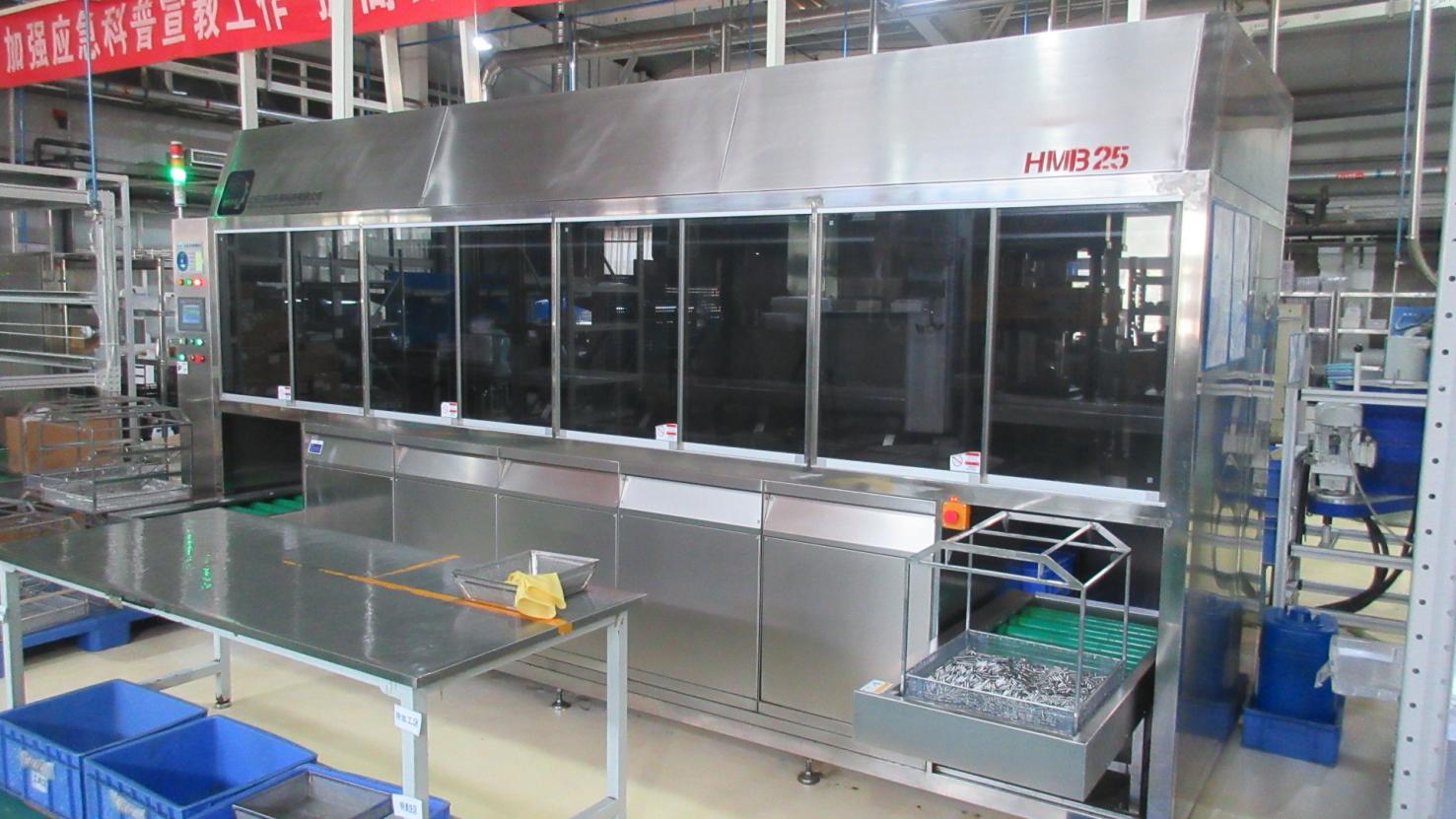
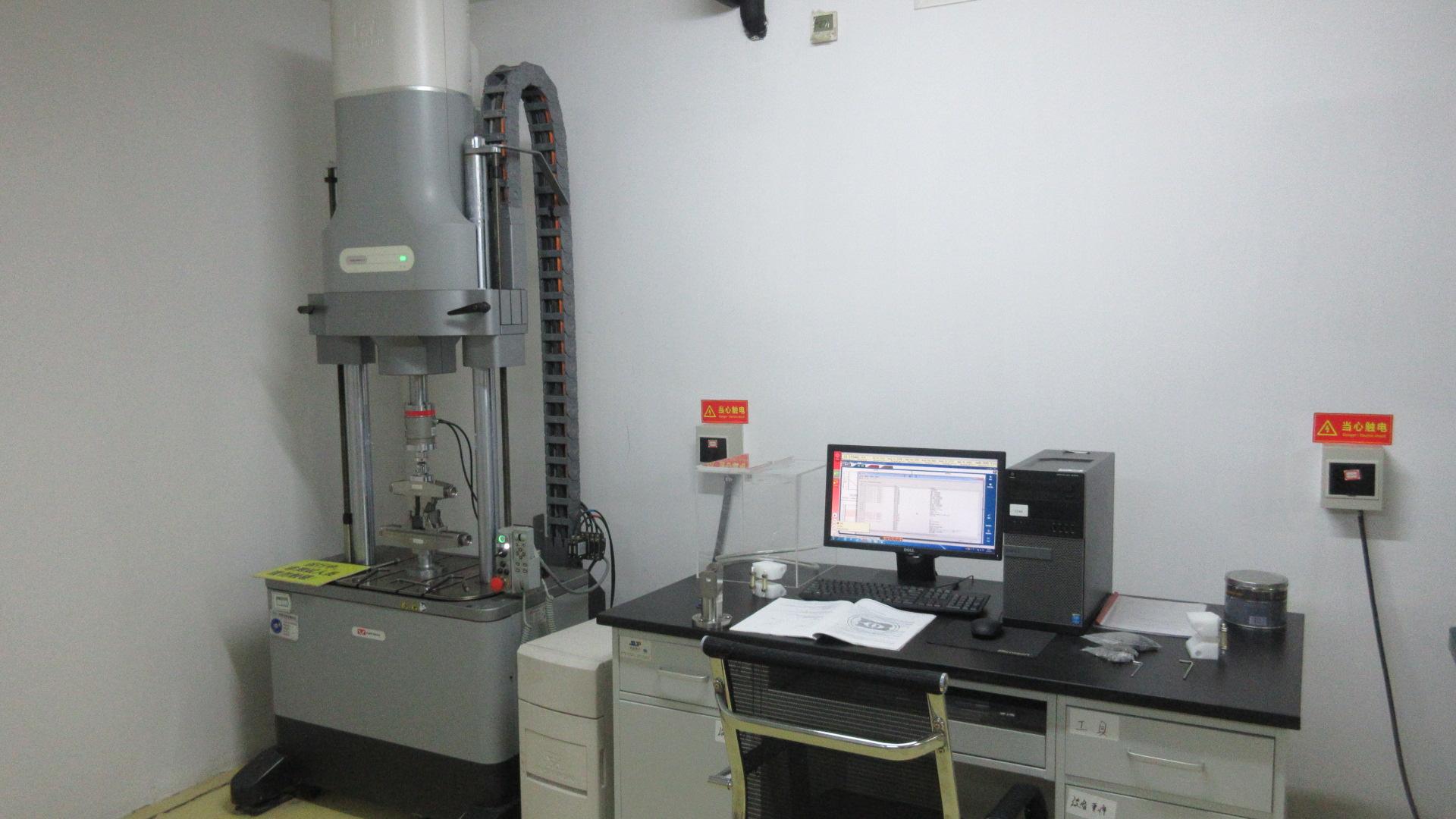
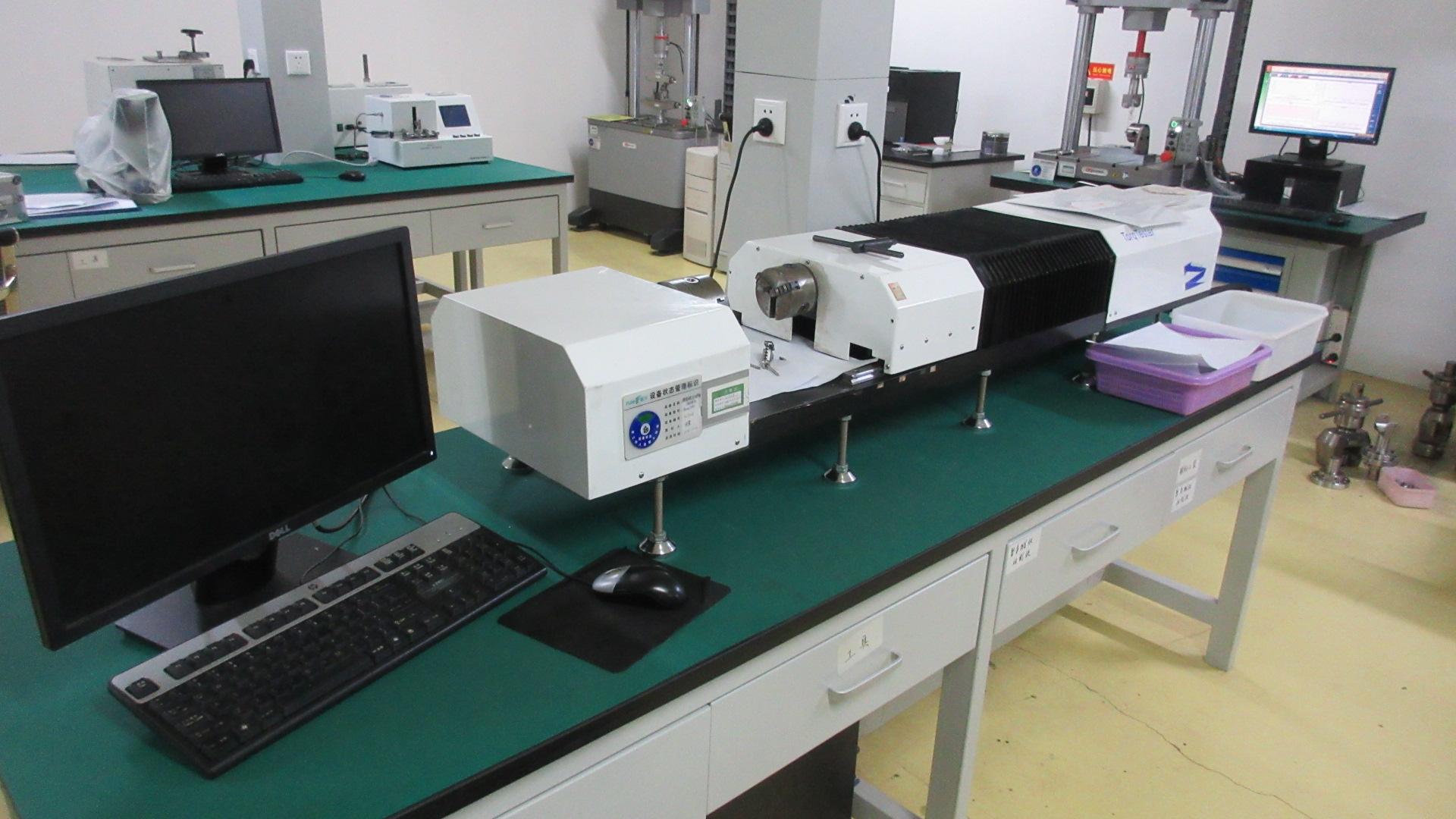
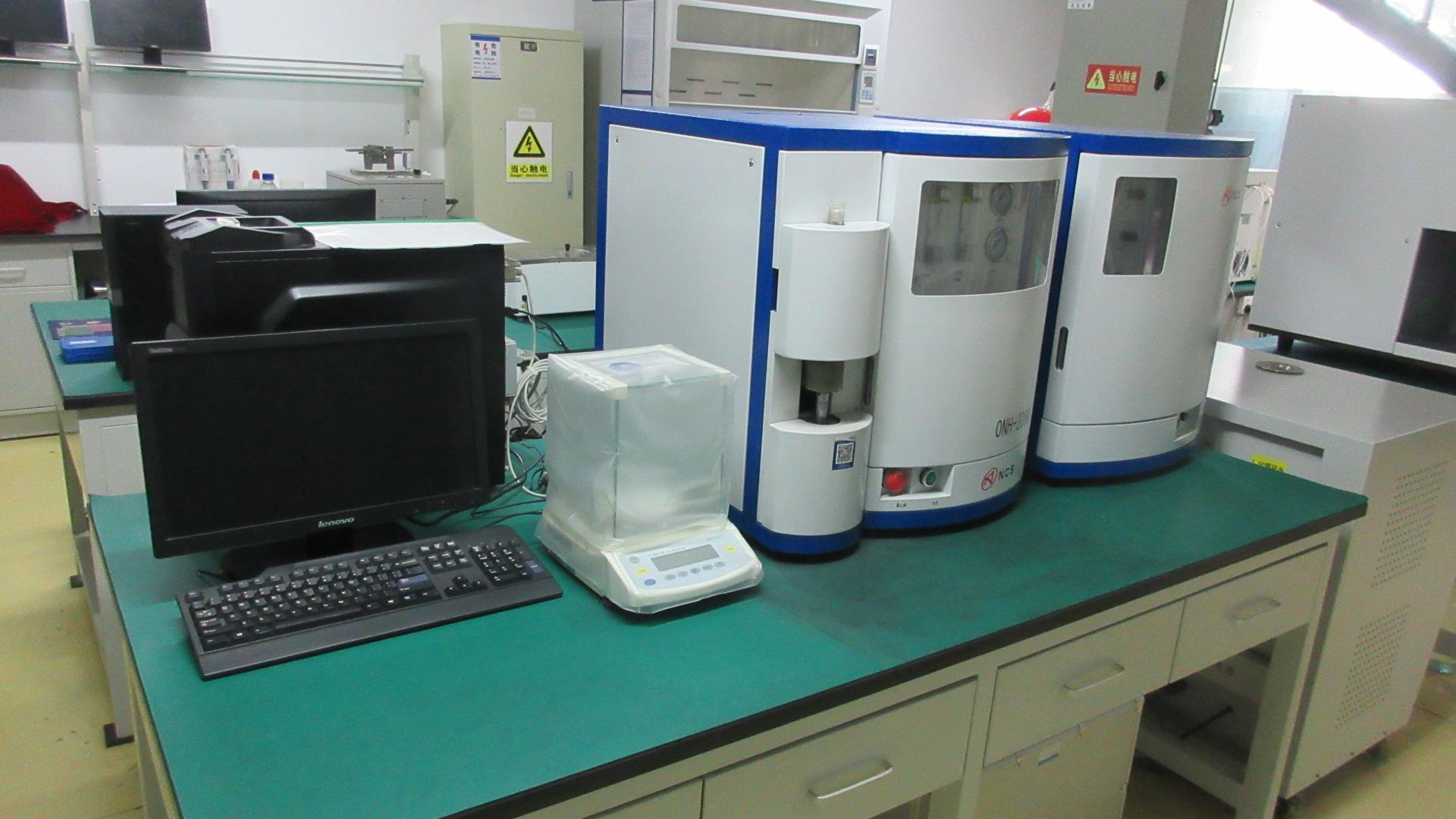
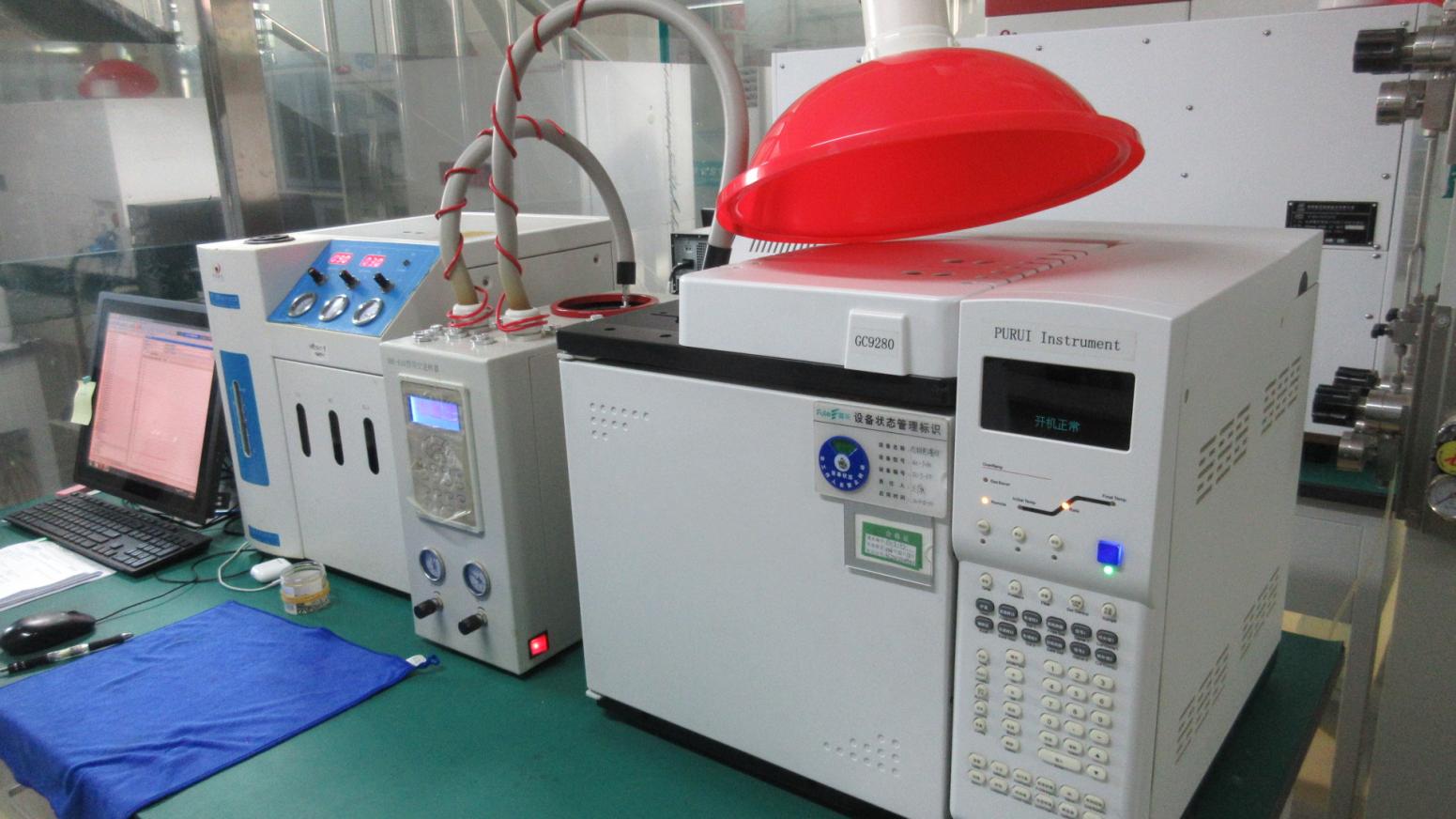
Orthopedic implants require extreme localized configuration based on regional anatomical statistics. For example, anthropometric differences in radial bone structures between Western and Eastern populations demand distinct plate curves and dimensions. A factory that offers sample processing, graphic processing, and customized on-demand design is instrumental in filling this physiological gap.
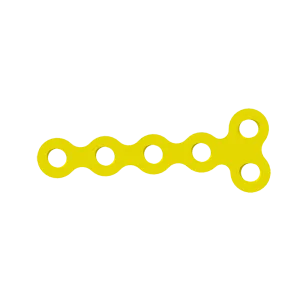
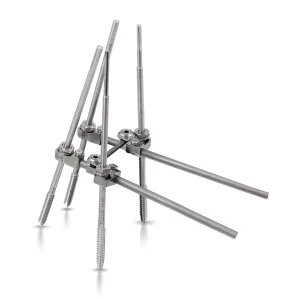
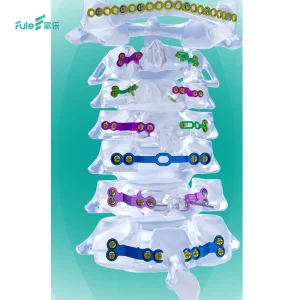
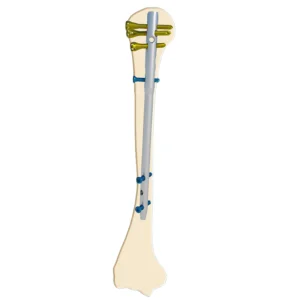
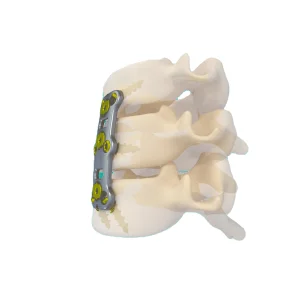
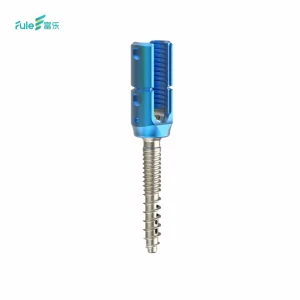
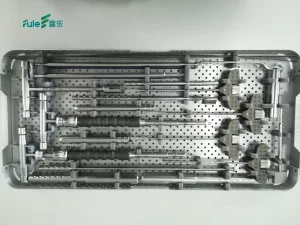
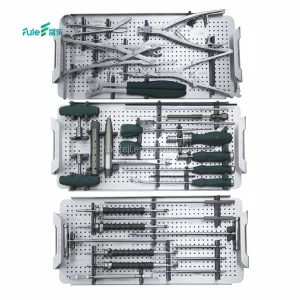
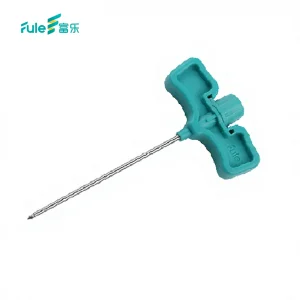
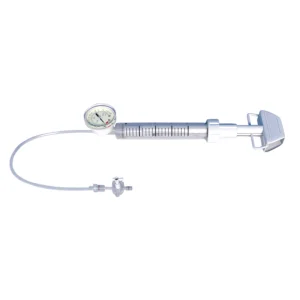
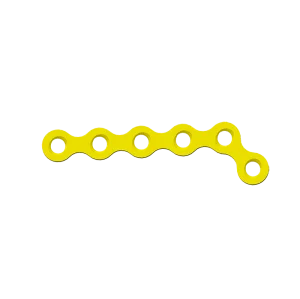
In localized clinical scenarios, surgeons demand custom instrumentation kits. In highly sophisticated clinics, 2.0 Y-Shaped plates are deployed for small-bone reconstruction (hand and foot locking systems). Conversely, larger multi-dimensional locking intramedullary nails are used to target humeral shaft fractures. By having a dynamic catalog spanning spinal pedicle screws, anterior cervical plates, and balloon vertebroplasty catheters, a procurement office can source a comprehensive trauma set from a single integrated partner.
Sourcing trauma systems internationally necessitates strict adherence to global regulatory systems. ISO 13485 certification acts as the foundational layer, ensuring the plant implements a rigorous quality management system (QMS) specific to medical devices. In addition, CE marking is a prerequisite for exporting to Europe and many parts of Asia and the Americas. Without these certificates, commercialization risks customs blockages and severe legal liabilities.
To support local distributors, modern factories offer extended warranties of 5+ years, and direct factory technical support. This reduces post-market surveillance costs for distributors and builds deep trust with the hospital boards. Under EU MDR rules, manufacturers must provide raw material verification and biological validation documents. The presence of 15 dedicated QA/QC inspectors guarantees that raw titanium mill certificates are linked down to the individual serial number on each locking screw.
The future of radius manufacturers is closely aligned with the digital transformation of hospitals. Technologies such as 3D printing (additive manufacturing) allow companies to produce trabecular metal structures that mimic real trabecular bone porosity, dramatically accelerating osseointegration.
Furthermore, smart tracking systems utilizing laser-etched UDIs (Unique Device Identifiers) are now standard across modern factories. This ensures each plate can be scanned via a mobile device or hospital network to immediately trace its batch number, alloy compound composition, and the exact inspection parameters during manufacture. Over the next decade, the industry will also see the expansion of bioresorbable implants for low-load hand and foot applications, completely removing the need for a secondary implant removal procedure.
Answering high-intent questions regarding quality standards, production capabilities, and technical variables.
Leading factories utilize Medical Grade Titanium Alloy (primarily Ti-6Al-4V ELI conforming to ASTM F136 standards) and Surgical Stainless Steel (316L conforming to ASTM F138). Titanium is typically selected for permanent implantable devices due to its superior biocompatibility, fatigue strength, and low elastic modulus which prevents stress shielding.
Locking screws thread directly into the locking plate, creating a fixed-angle construct. This does not rely on plate-to-bone compression to maintain stability, which preserves periosteal blood supply and ensures rigid fixation even in osteoporotic bone.
Standard OEM production batches typically require 30 to 45 days. However, customized on-demand graphics, custom anatomical modeling, or complex multi-dimensional tooling might require 60 to 75 days to accommodate strict mechanical testing and validation processes.
ISO 13485 is a specialized QMS standard for medical devices. It guarantees absolute product consistency, comprehensive cleanroom environmental monitoring, biological safety validation, and systematic traceability, eliminating the risk of surgical site infections or hardware failure.
Complete instrumentation kits, anterior plates, minimally invasive spinal assemblies, and interventional balloon catheters.
 Beren Science & Technology