Top 10 Screw Fixation Factories & Factory

Global Industrial Orthopedic Implants Manufacturing, Custom Surgical Screw Fixation Technologies & Supply Chain Intelligence Whitepaper

1. Global Business & Industrial Status of Medical Screw Fixation

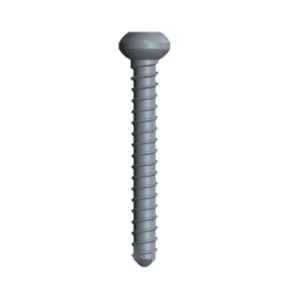
The global market for medical-grade screw fixation systems has experienced exponential growth, driven by a growing aging population, rising incidences of spine disorders, and a global increase in traffic and sports-related trauma. In modern orthopedics, screw fixation is not merely a mechanical component; it is an active bio-mechanical intervention. Spinal surgeries, complex joint reconstructions, and extremity trauma fixations rely heavily on pedicle screws, cannulated screws, and locking plate configurations.
Technological evolution in metallurgy and polymer sciences has introduced advanced implant materials. Medical grade Titanium Alloys (Ti-6Al-4V ELI) and PEEK (Polyetheretherketone) have become the gold standard due to their exceptional biocompatibility, fatigue resistance, and elastic modulus mimicking human bone structure. As clinical applications demand higher precision, global procurement has shifted towards manufacturers that can guarantee raw material integrity, trace manufacturing pathways, and offer certified Class III medical implants with zero failure rates.

Biomechanical Load Distribution

Modern screw fixations utilize variable thread designs and expandable cores to distribute mechanical load uniformly across trabecular bone structure, reducing risk of screw pullout or bone resorption.

Biomaterial Breakthroughs

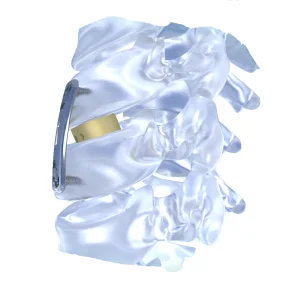
Integrating PEEK cages with titanium-alloy pedicle screws provides a radiolucent fusion window, enabling surgeons to easily track postoperative bone growth and fusion progress.

Regulatory Convergence

Global regulatory landscapes, specifically the transition from MDD to MDR in Europe and rigorous NMPA approvals in China, demand absolute compliance from medical screw manufacturers.

2. Deciphering the Efficiency & Quality Advantages of Chinese Manufacturers

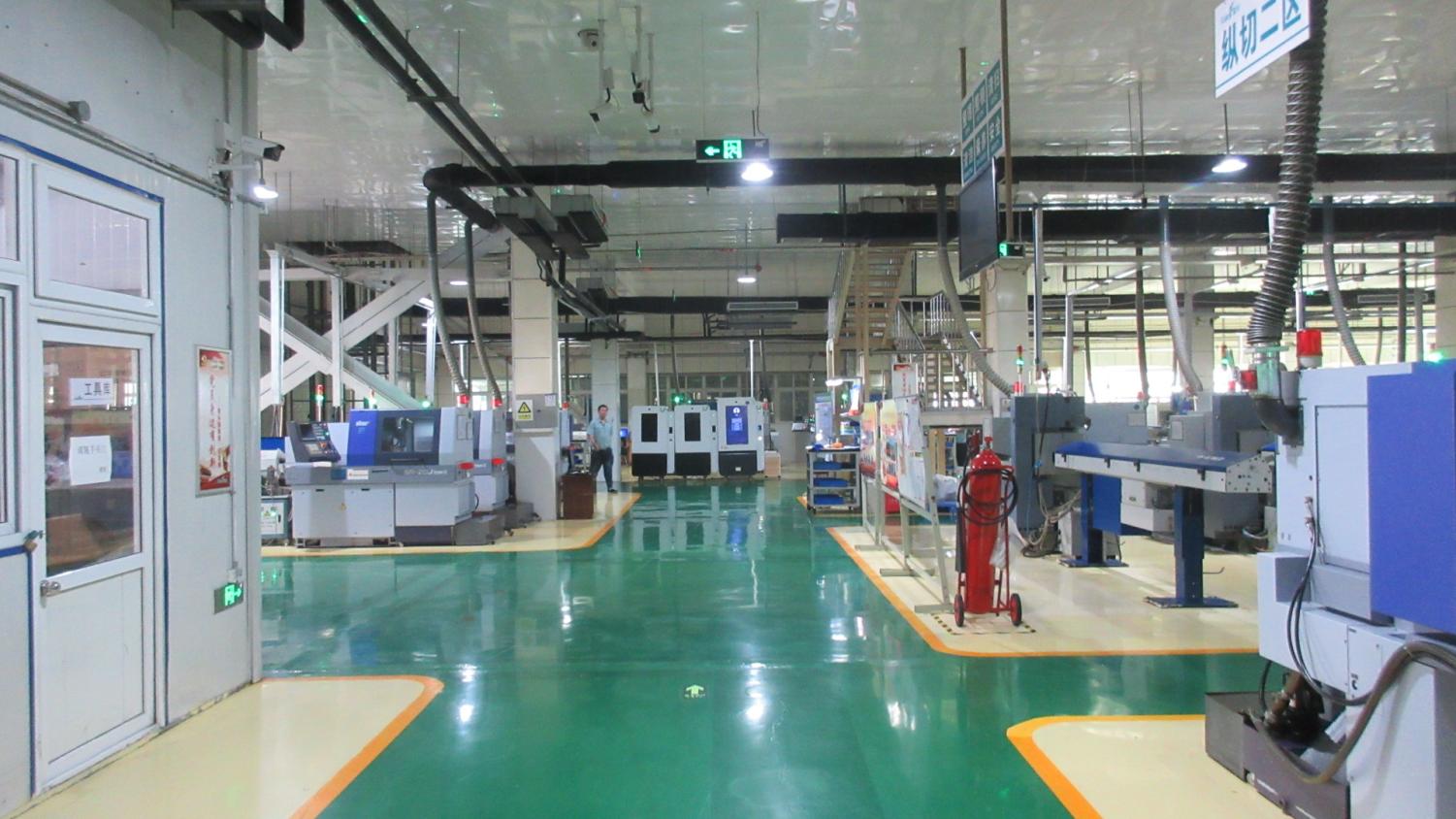
China has transitioned from a high-volume manufacturer to a global pioneer in advanced high-precision medical devices. Leading factories, such as Beijing Fule Science & Technology Development Co., Ltd. (established in 1996), showcase how technological integration, rigorous testing protocols, and complete vertical integration deliver immense supply chain efficiency.
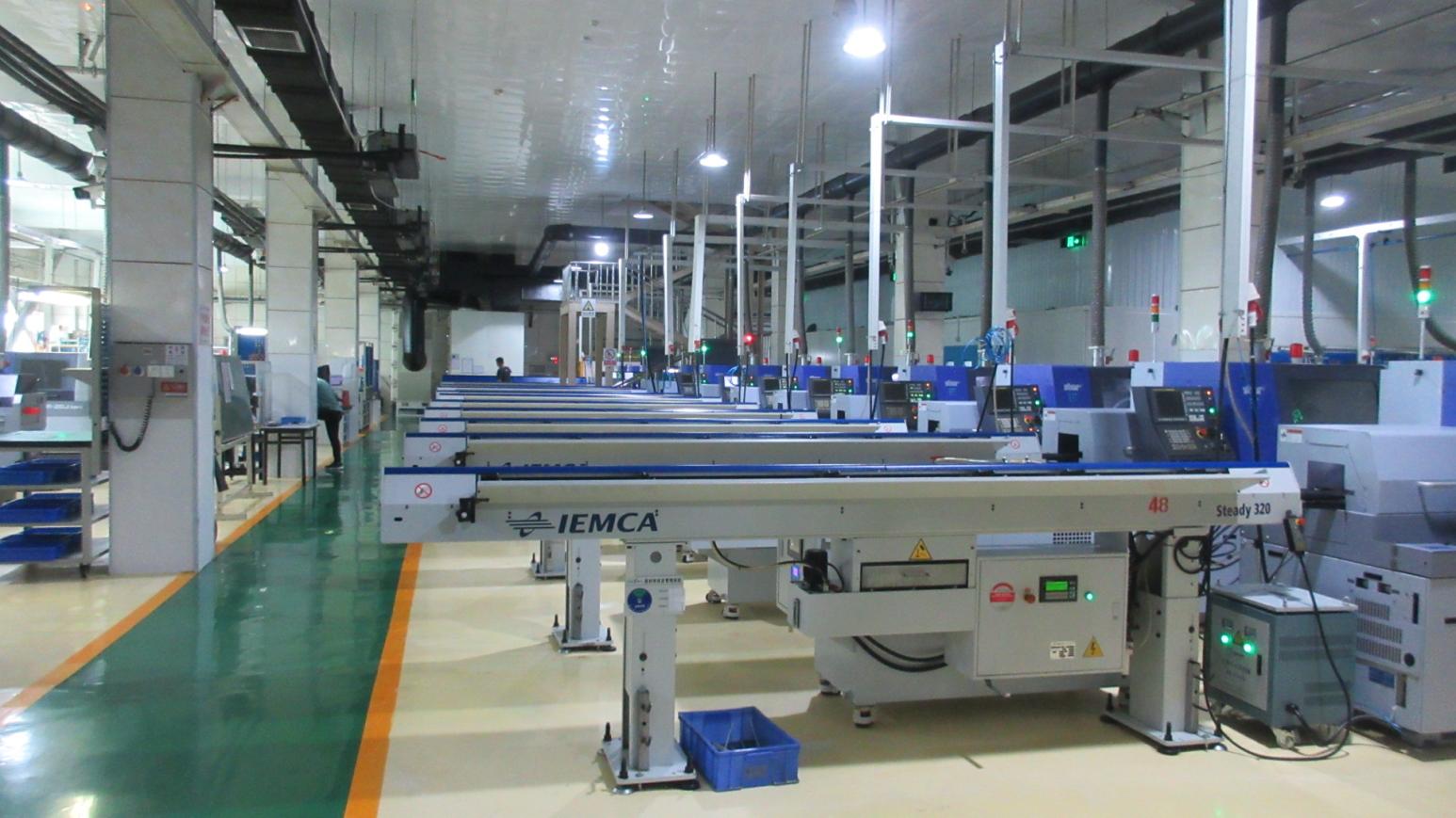
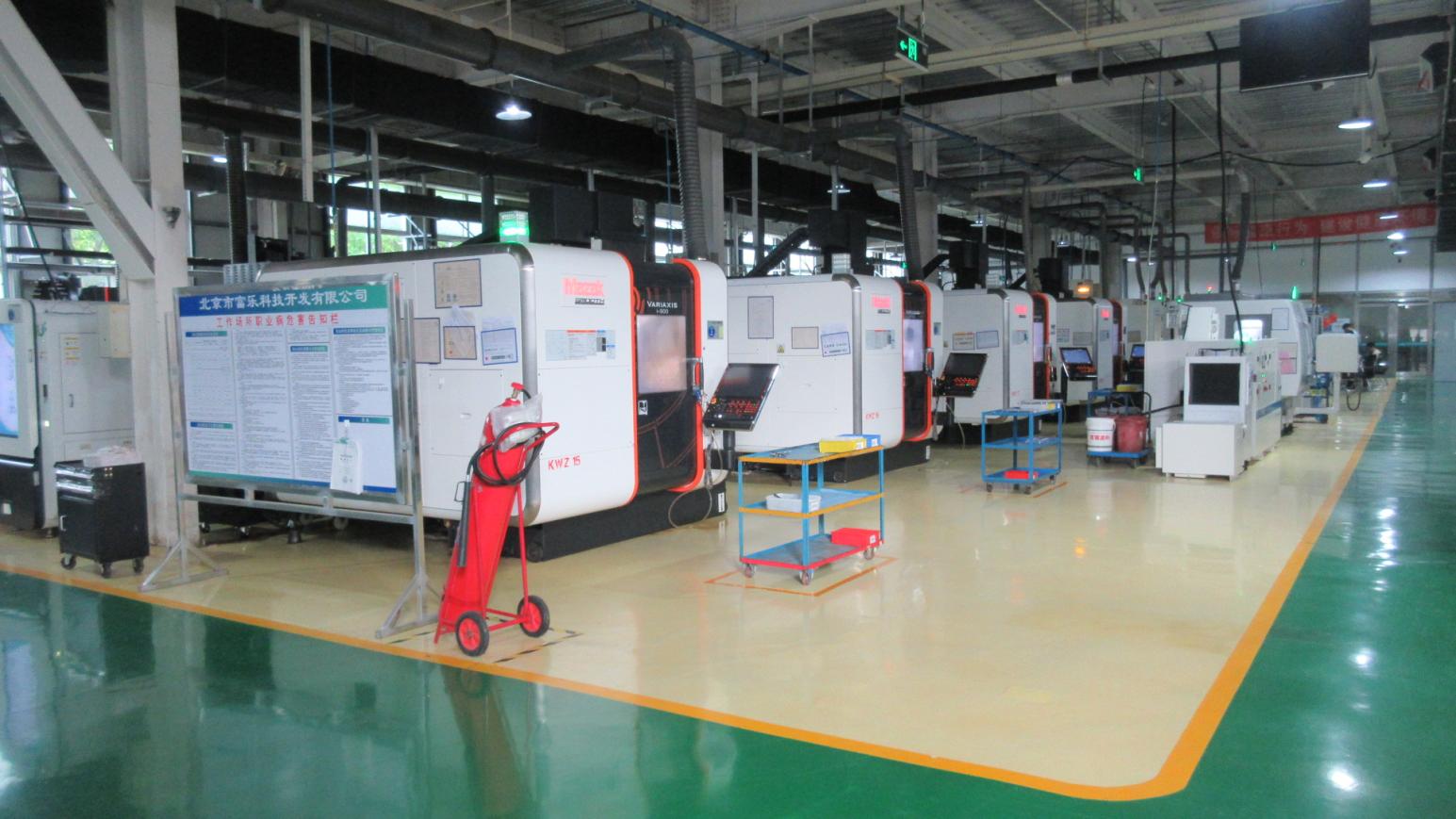
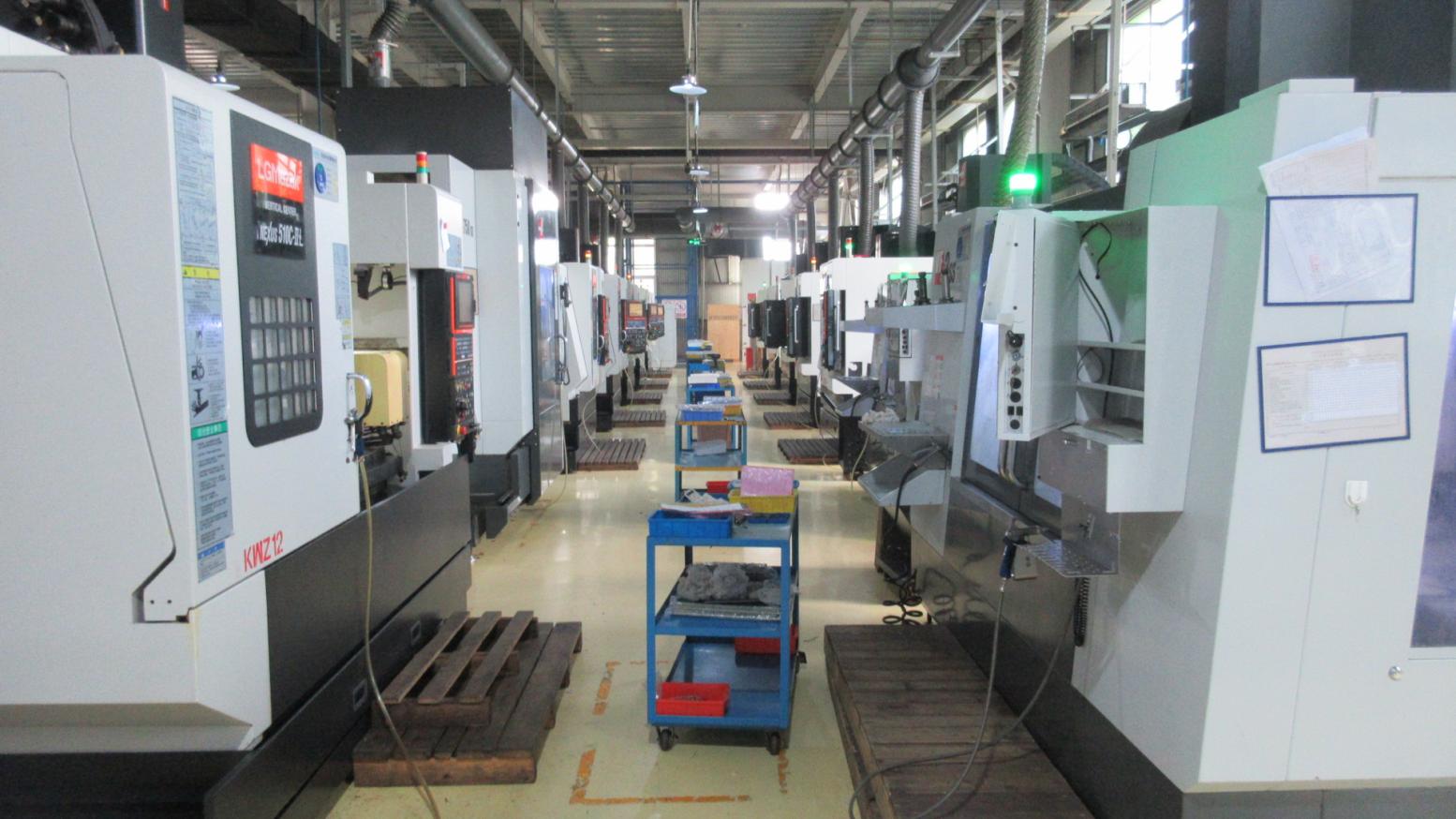
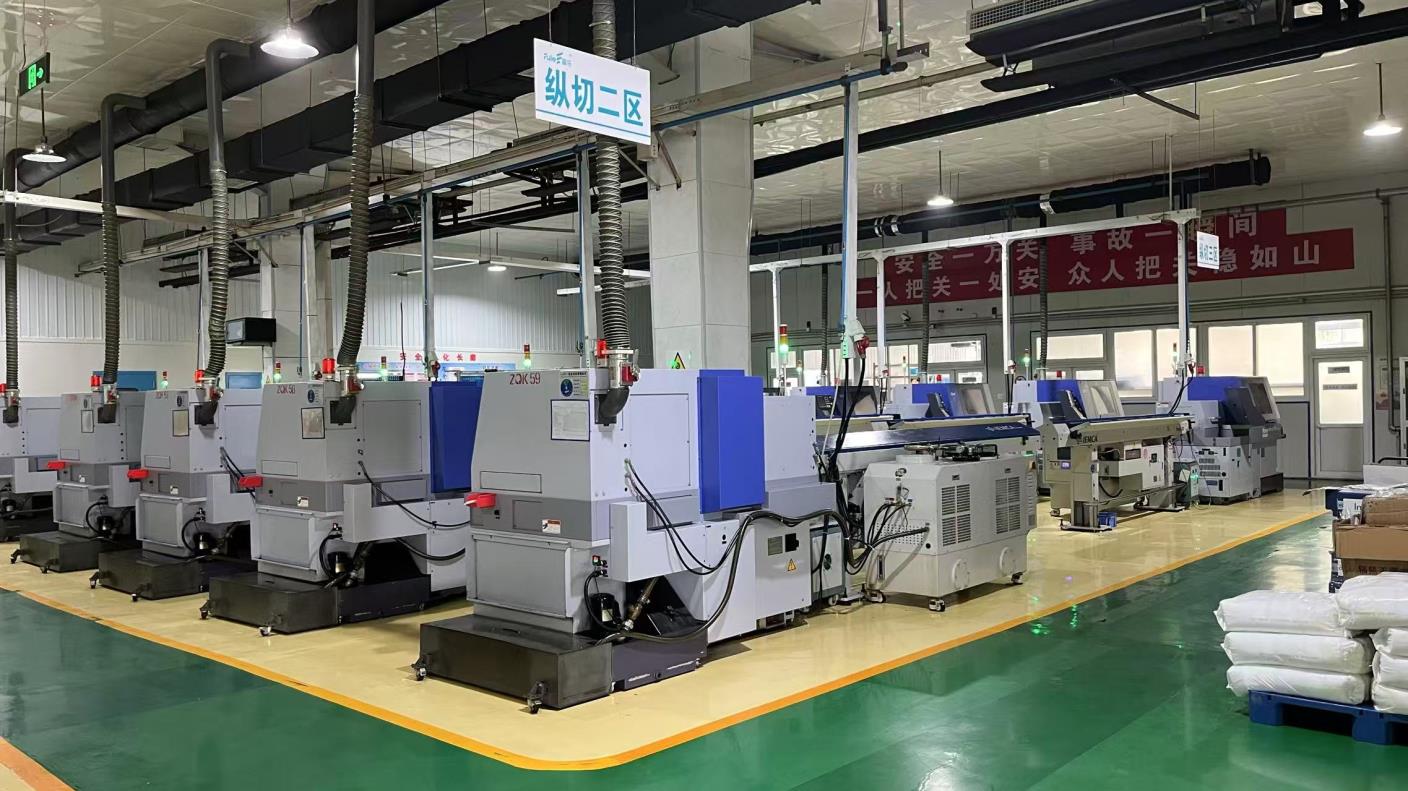
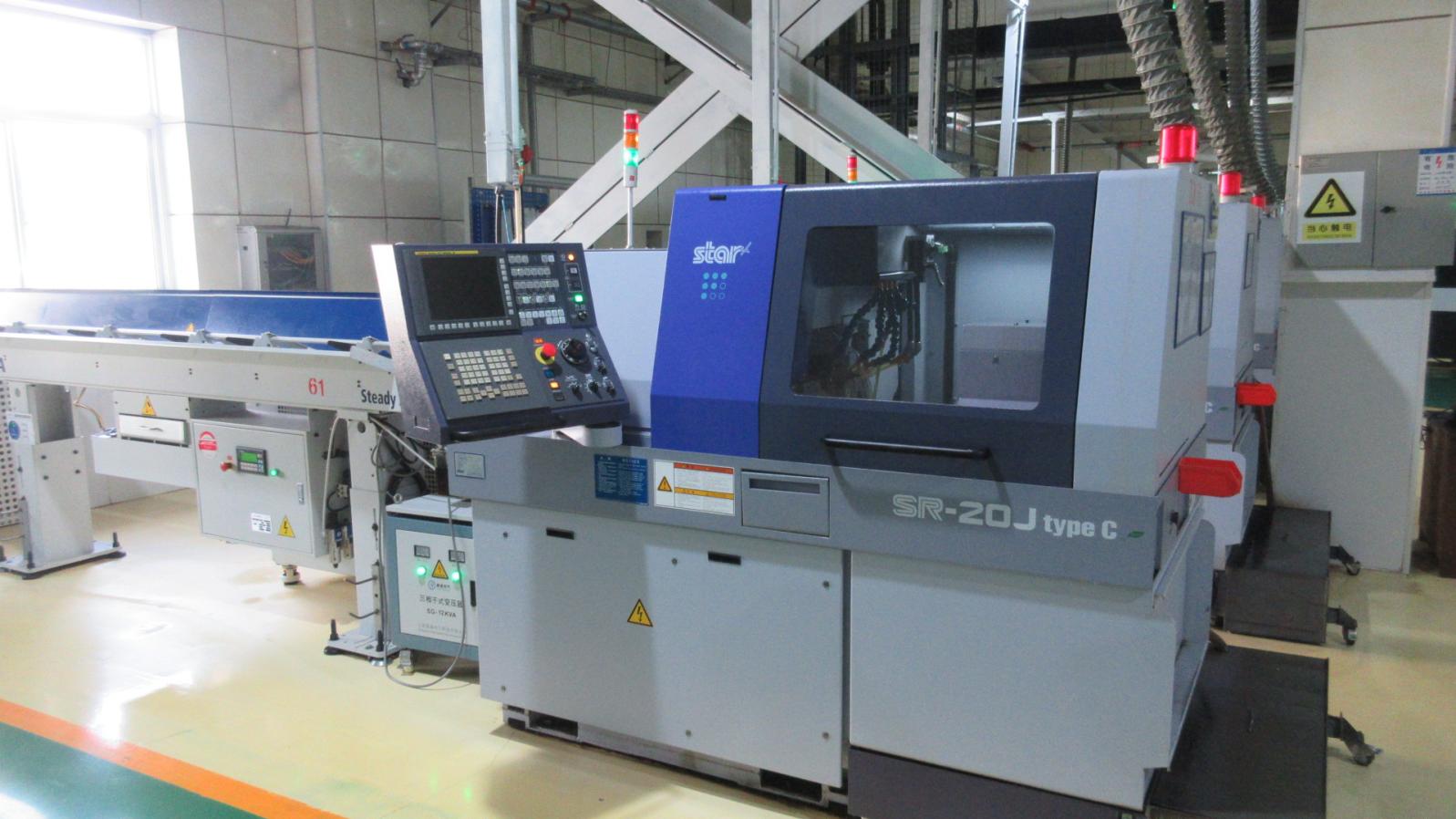
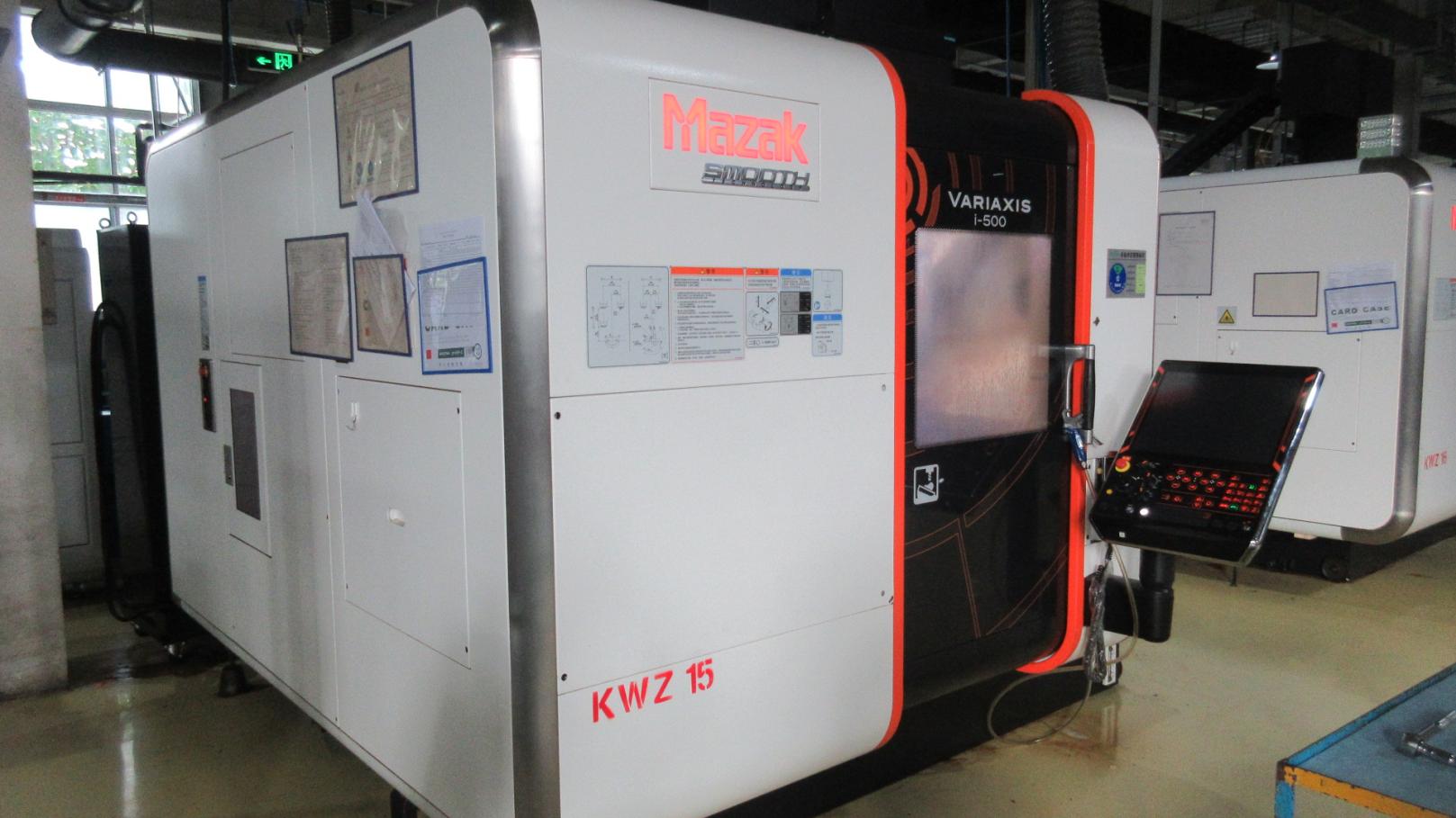
The Chinese medical manufacturing ecosystem is characterized by rapid R&D prototyping, automated high-throughput Swiss-type CNC screw machining, and specialized cleanroom packaging. With lower overhead costs combined with massive scale, Chinese factories can produce Class III devices that meet European CE and ISO 13485 standards at a fraction of the cost of Western counterparts, without compromising mechanical or biological performance.
1996-06-28
Established Date
10,000 m²
Production Space
102 Units
Precision CNC Machines
511,000
Annual Output (Units)
30 Years
Industry Experience
15 Inspectors
QA/QC Dedicated Team
20 Engineers
Advanced R&D Team
ISO13485
Cert. 04724Q10000818

3. Localized Clinical Application Scenarios for Screw Fixation Systems

Medical screw fixation technologies are tailored for distinct anatomical structures. The biomechanical stress, bone density, and local vascularization differ significantly between the spine, long bones, and small bones of the hands and feet. This dictates the design of the screw fixation device.

Spinal Fixation (Thoracic & Lumbar)

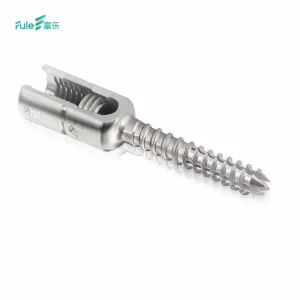
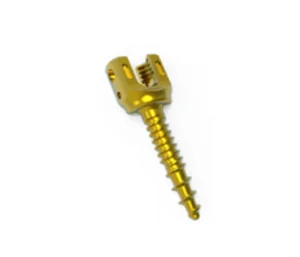
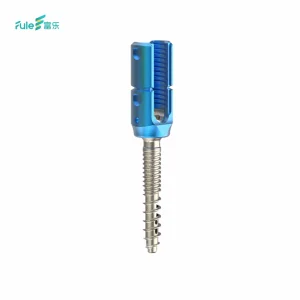
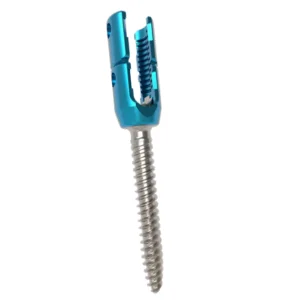
Utilizes polyaxial and monoaxial pedicle screws (such as the COX system) combined with rods to stabilize segment degeneration, spinal trauma, or scoliosis. The expansive designs ensure strong anchorage even in osteoporotic bone.

Cervical Spine Fusion

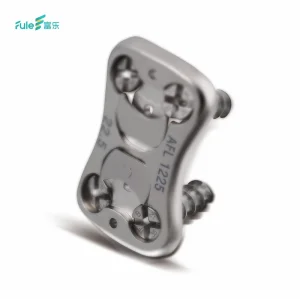
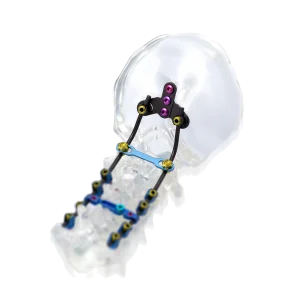
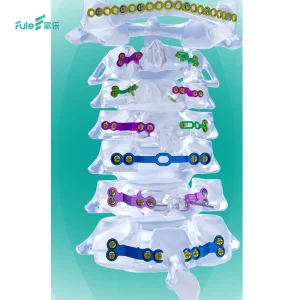
Features anterior cervical plates and cervical interbody fusion PEEK cages to restore disc height and fixate structural columns following discectomy procedures.

Long Bone Trauma Reconstruction

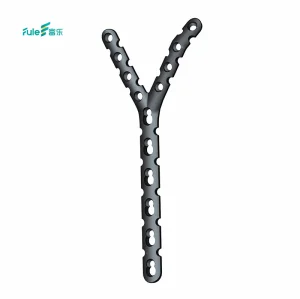
Employs titanium locking plates (humeral, femoral) alongside spiral blade intramedullary nails to secure subtrochanteric fractures, humeral shaft fractures, and distal tibia fractures.

Hand & Foot Extremity Surgery

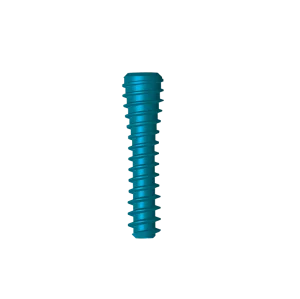
Demands micro-cannulated screw systems. Precision-guided cannulated screws are inserted over guide wires to fixate scaphoid, calcaneal, and hallux valgus corrective osteotomies.

4. Strategic Insights into Global Procurement Demands & Supplier Auditing

For global hospital procurement groups, medical device distributors, and OEM buyers, auditing a screw fixation factory requires a deep understanding of risk management. Because these devices are class-three implants designed to remain inside the human body for years, the legal and financial liabilities of implant failure are immense.
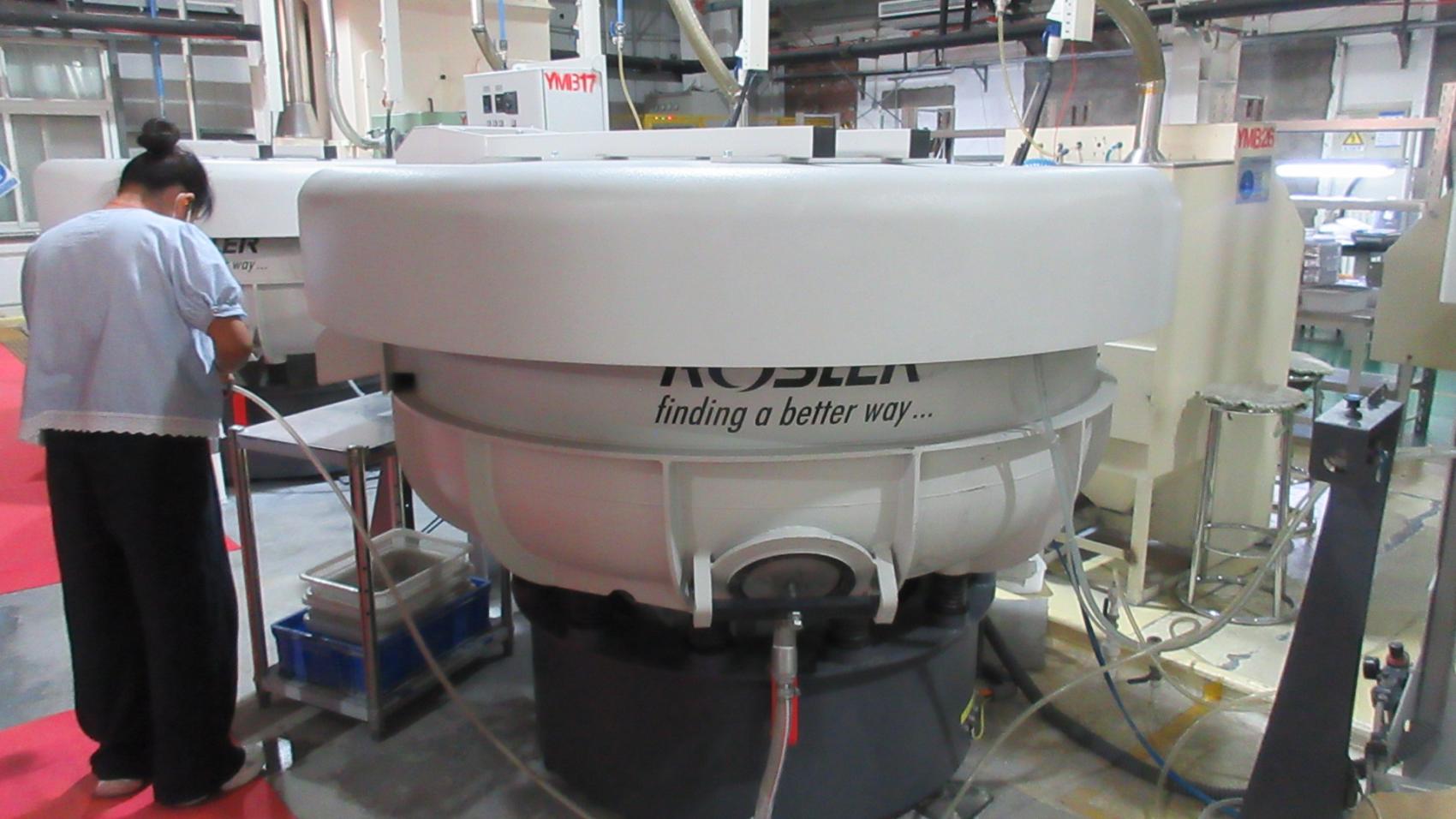
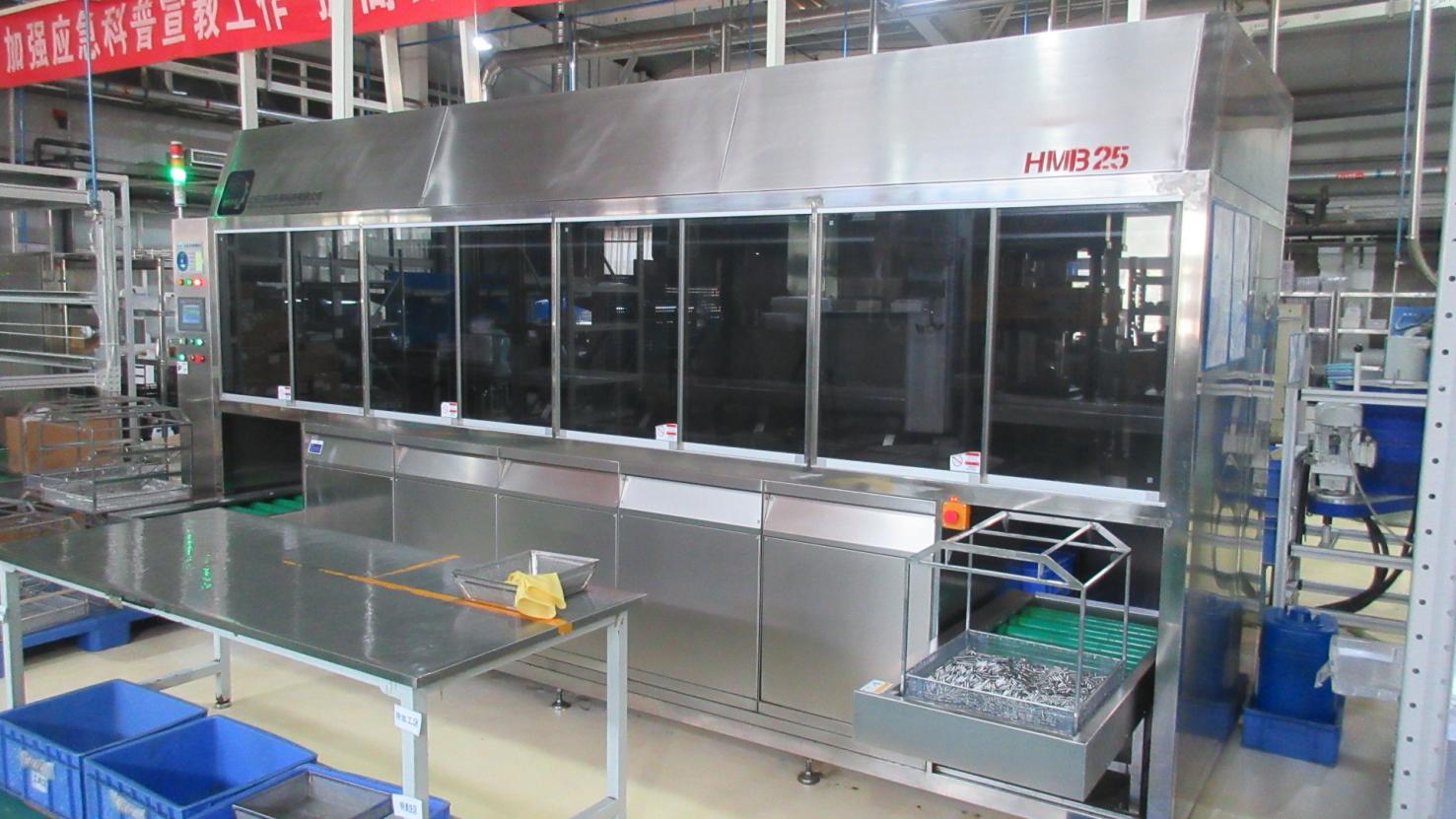
A sound sourcing framework relies on auditing several key pillars: Raw Material Traceability, CNC Machining Accuracy, and Surface Treatments. Modern factories must prove that they source implant-grade titanium from verified mill suppliers (providing certification for chemical composition and mechanical properties). Furthermore, post-machining cleaning processes must remove all industrial oils and metallic residues via validated ultrasonic washing systems, preventing postoperative aseptic loosening.

100% Product Inspection

Reputable factories enforce a strict inspection protocol on all products, using laser micrometer measuring tools to check critical dimensions, including thread pitch, lead, and hex drive depths.

Sterilization & Packaging

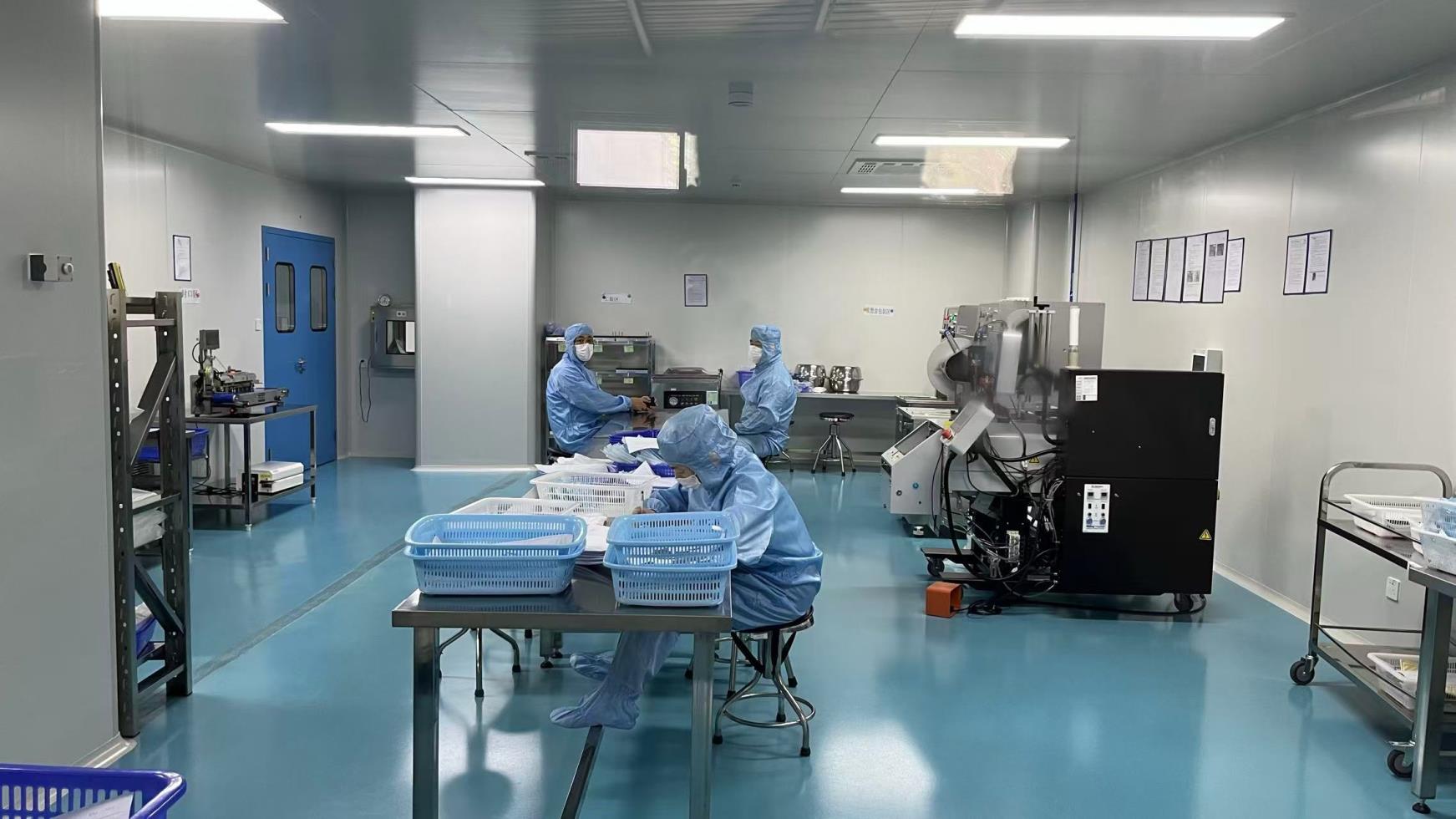
Products must be processed within ISO Class 7 cleanrooms (Class 10,000) and packaged in double-sterile blister packs or Tyvek pouches, ready for Gamma-irradiation or EO gas sterilization.

Comprehensive OEM/ODM

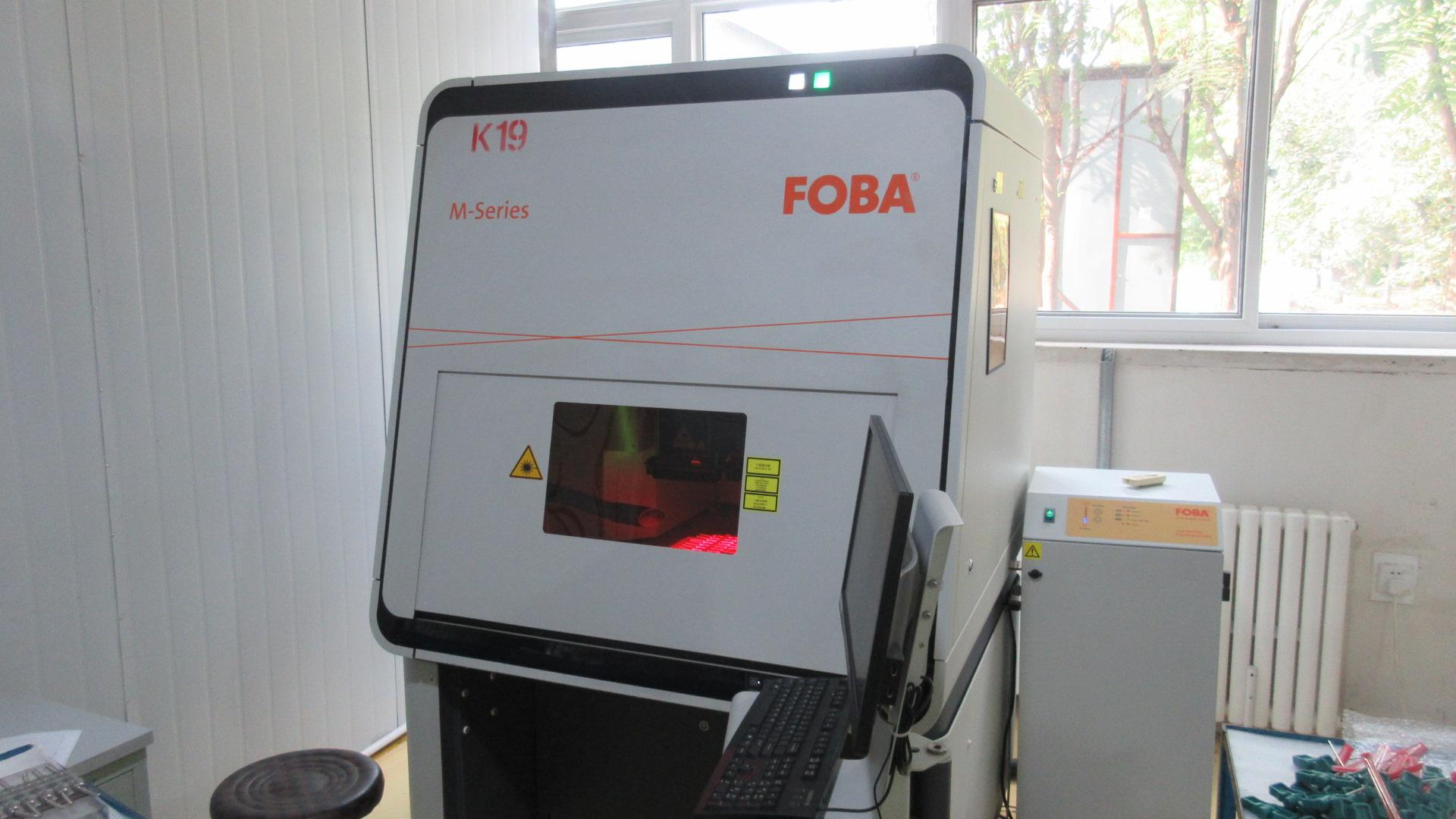
Advanced supplier networks support customized sample processing, graphic engraving, and tailormade bone screw dimensions to support complex regional clinical cases.

5. Future Trends in Orthopedic Screw Fixation Manufacturing

The future of orthopedic fixation lies at the intersection of biology, nanotechnology, and additive manufacturing. We are seeing a rapid shift from passive biomechanical fixation to active biological integration:
  • Bioactive Surface Coatings: Factories are experimenting with Hydroxyapatite (HA) plasma spraying, acid-etching, and anodization to create porous nanostructures on titanium surfaces. This vastly accelerates osseointegration, enabling bone cells to grow directly onto the screw threads.
  • Bioresorbable Polymers & Magnesium Alloys: In pediatric surgeries and small bone fractures, temporary fixation is preferred. Biodegradable magnesium screws and advanced PLA/PGA polymers are engineered to degrade safely in the body once the bone has healed, eliminating the need for a secondary implant removal surgery.
  • 3D Printed Customization (Additive Manufacturing): Electron Beam Melting (EBM) and Direct Metal Laser Sintering (DMLS) technologies allow factories to print custom bone plates and trabecular structures directly from patient CT scans, achieving unparalleled anatomic matching.

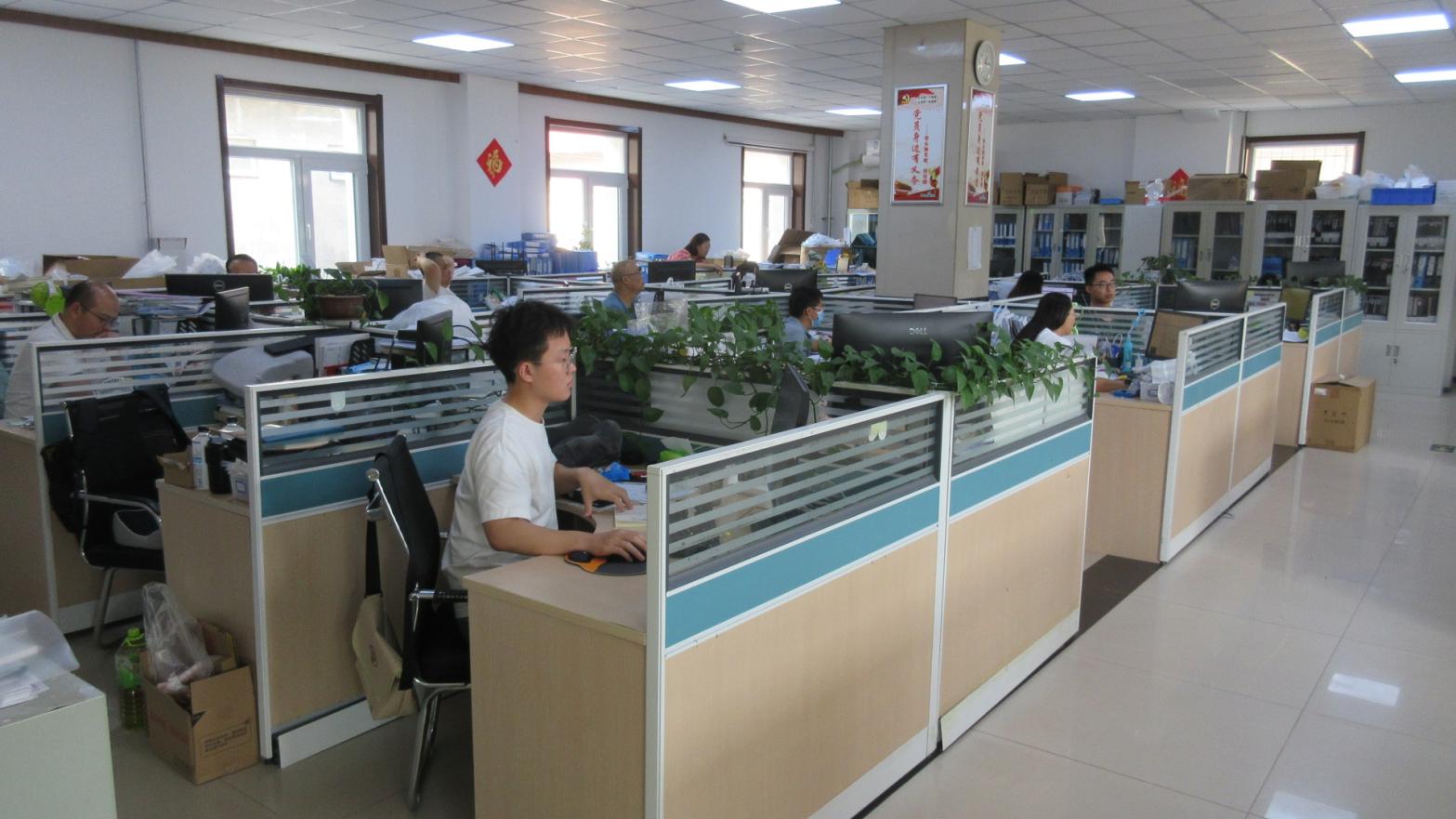
6. Factory Operations, Cleanrooms & Quality Control Systems

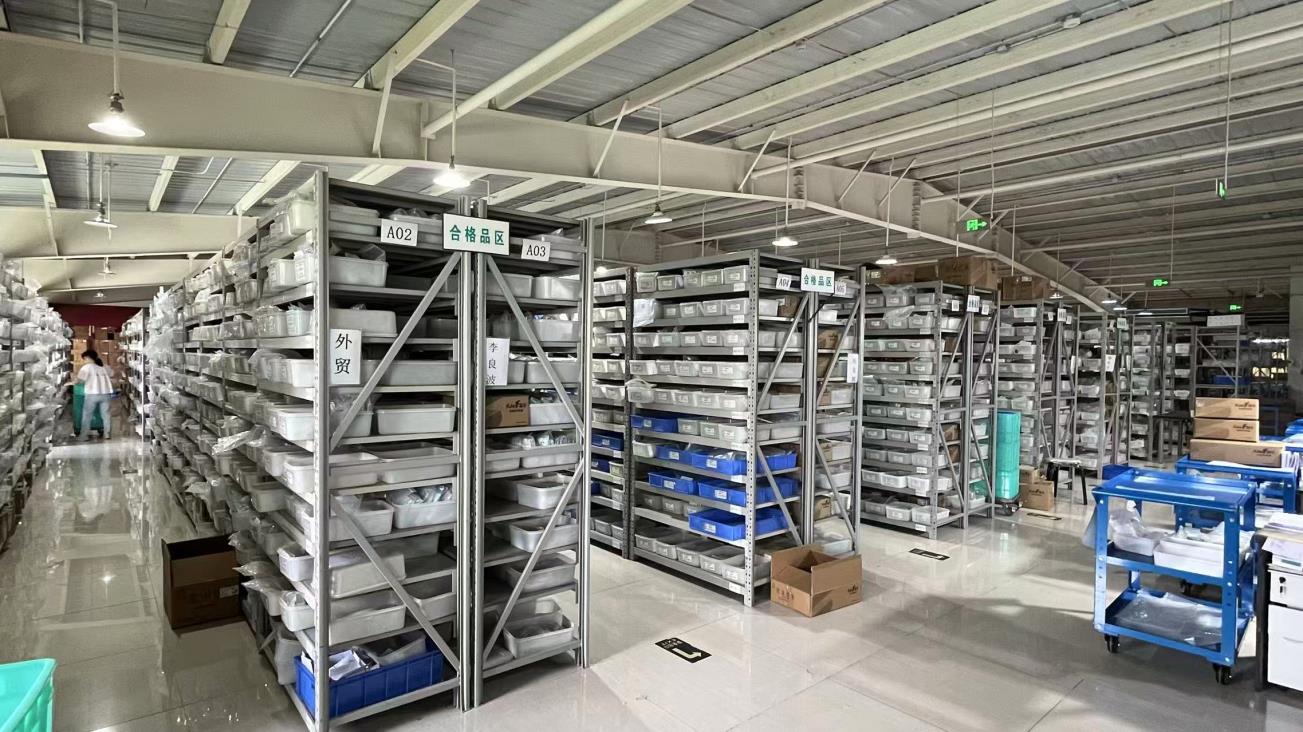
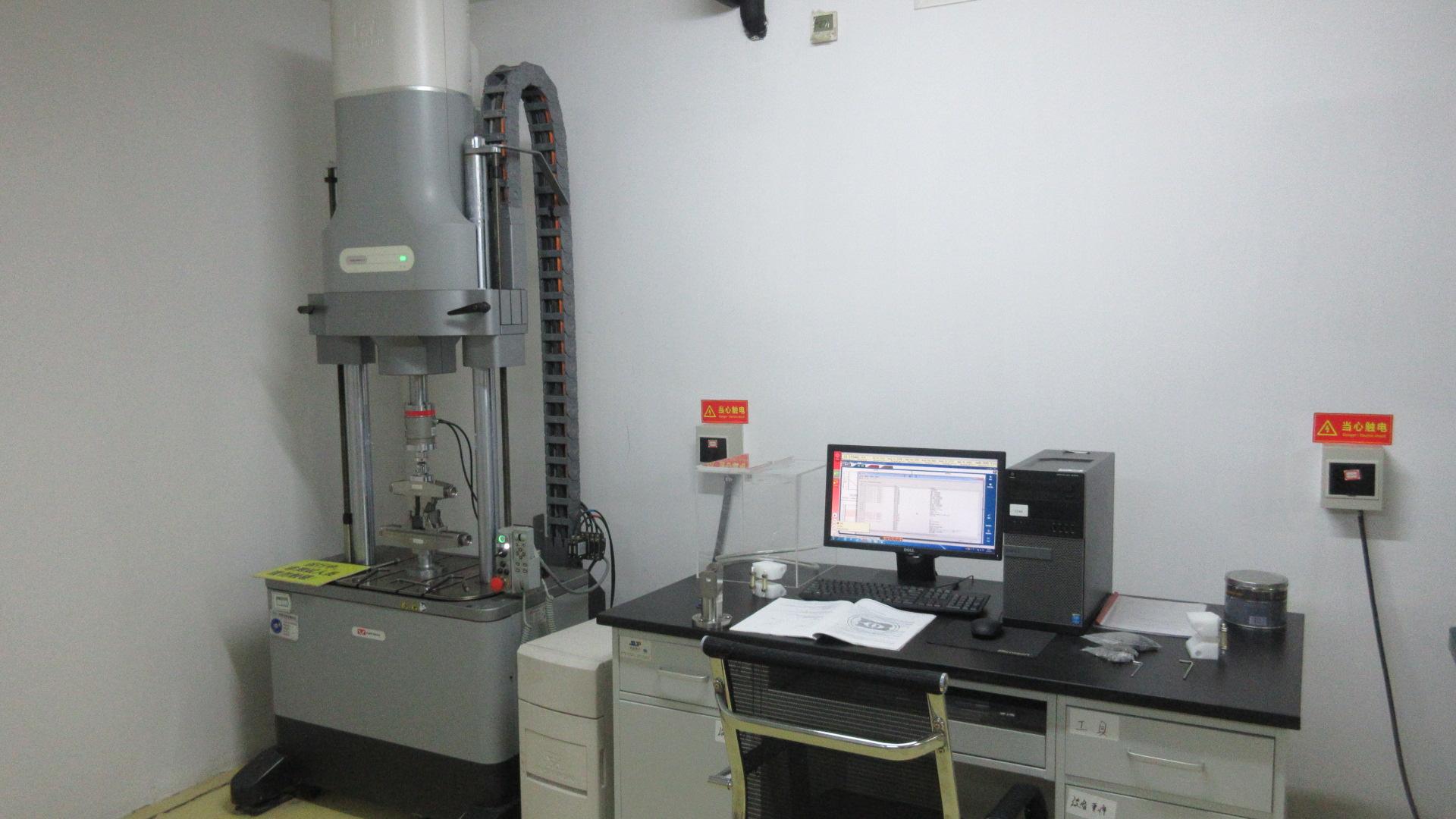
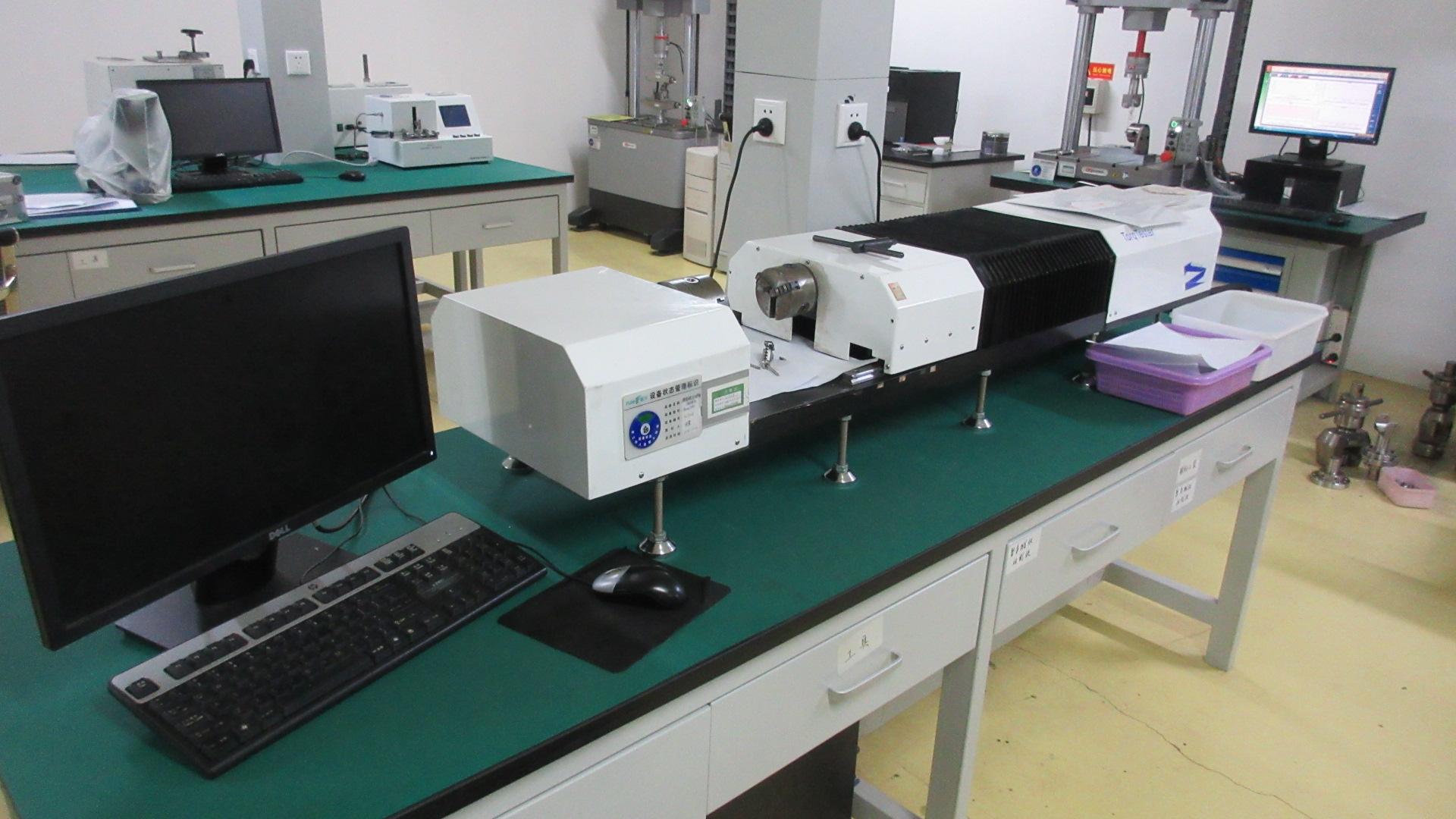
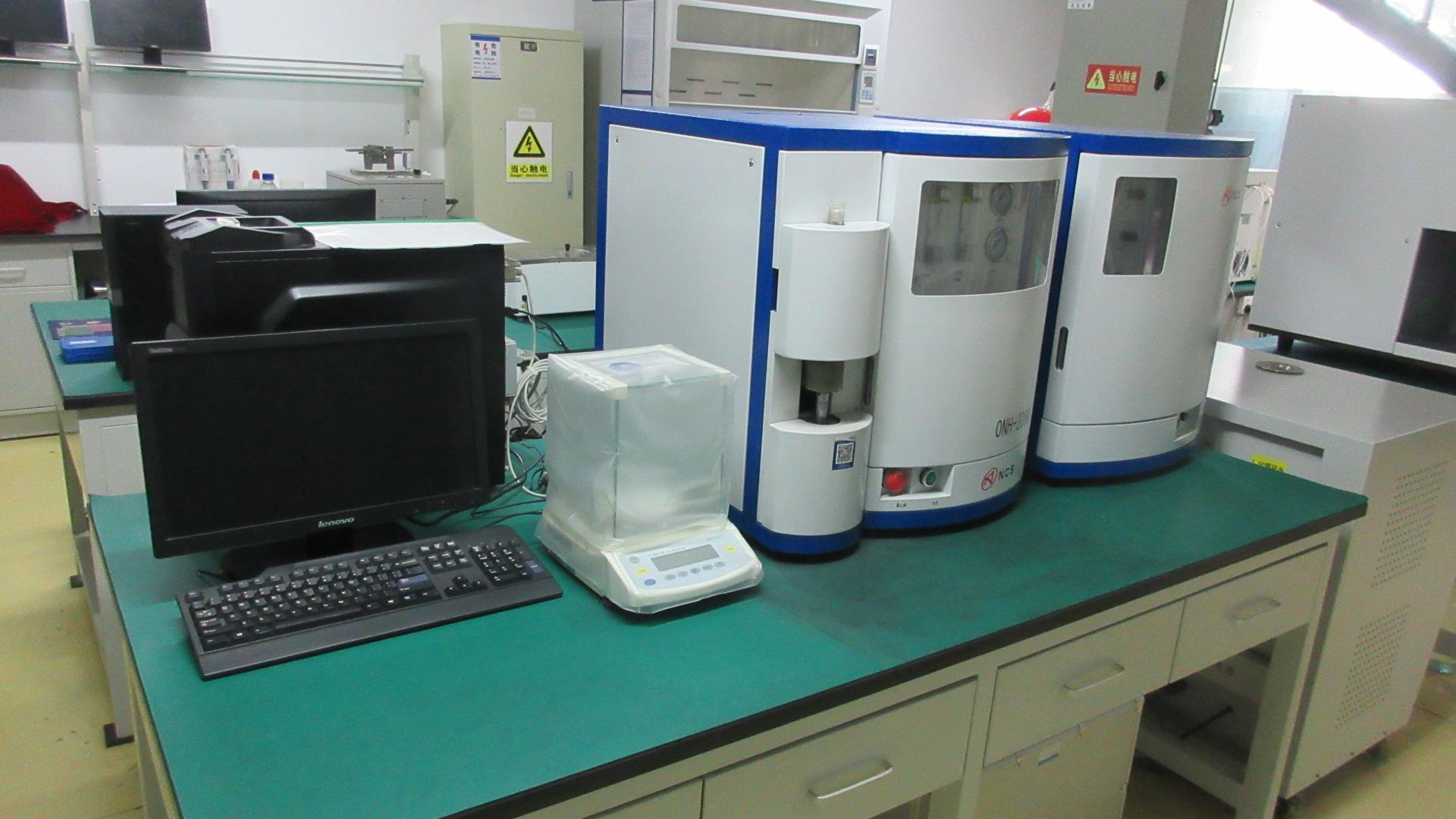
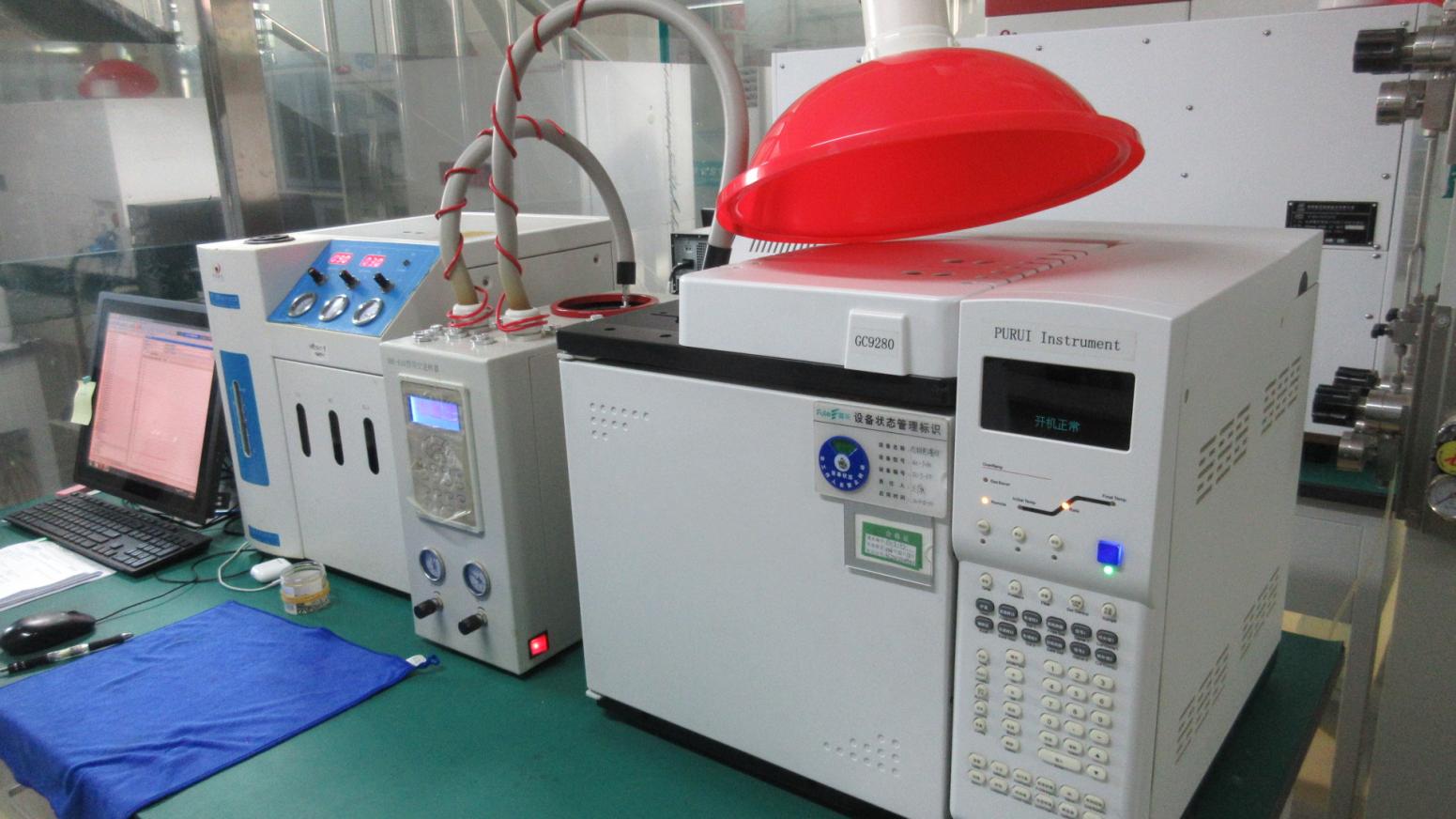
An inside look at our manufacturing infrastructure: high-speed CNC precision lathing, quality assurance laboratories, sterile packaging, and certified production workflows.

Frequently Asked Questions (FAQ) & Technical Reference

Get answers to critical technical and regulatory questions about sourcing, materials, certifications, and capabilities.

Q What grades of titanium are utilized in your bone screw fixation products?

We strictly utilize implant-grade Titanium Alloy (Ti-6Al-4V ELI) conforming to ASTM F136 standards. This provides high tensile strength, fatigue resistance, and biocompatibility, ideal for high-stress applications like spinal pedicle screws and orthopedic locking plates.

Q What certifications do Beijing Fule's screw fixation systems hold?

Beijing Fule products are manufactured under a registered ISO 13485 (Certificate No. 04724Q10000818) quality management system. Our primary spinal, cervical, and trauma lines are CE marked, certifying compliance with EU Class III medical device standards, as well as holding NMPA registrations.

Q Do you support OEM/ODM customization and private label manufacturing?

Yes. With a dedicated R&D engineering department of 20 professionals and 102 state-of-the-art CNC machines, we offer extensive customization services, including custom graphic engraving, sample processing, and custom product configuration based on buyer specifications.

Q How does the factory manage quality control and raw material traceability?

Quality control is integrated into all production processes. We conduct 100% inspection on all products. Our traceability system allows us to track raw material chemistry logs, CNC machine operator shifts, thermal processing parameters, and cleanroom packaging records back to the original batch.

Q What are the standard lead times and export markets for large procurement orders?

Standard lead times vary from 15 to 45 days depending on customization complexity. We have over 30 years of export experience, serving international medical device distributors, hospitals, and surgical networks across Eastern Europe, Southeast Asia, South America, and global domestic markets.