Explore our certified orthopedic surgical instruments, stabilization systems, and interventional hardware.
Analyzing clinical efficacy, biomechanical stability, and macroeconomic parameters for healthcare distributors.
In modern spinal reconstructive surgery, the selection of the surgical pathway is a critical decision point for orthopedic surgeons and neurosurgeons. The Anterior Spinal System has gained substantial traction worldwide due to its ability to offer direct access to the anterior column, allowing for complete discectomy, decompression of neural structures, and effective lordotic alignment correction without disrupting the extensive posterior musculature. Global healthcare distributors, tender committees, and hospital networks are progressively prioritizing anterior solutions like Anterior Cervical Plates (ACP) and Anterior Lumbar Interbody Fusion (ALIF) devices to minimize postoperative patient discomfort, reduce dysphagia rates, and compress hospitalization periods.
Procuring anterior spinal implants involves navigating stringent performance requirements. Because the anterior construct is subjected to significant axial loading, compression, and shear stresses within the human trunk, dynamic load-sharing capacities must prevent subsidence or screw back-out. The demand profile varies by region: European markets look for high compliance with EU MDR regulations, while North American systems demand robust 510(k) clearances. Conversely, emerging markets look for cost-efficiency paired with high manufacturing standards. As a premier Chinese manufacturer, we address this dual need by supplying medical implants that combine ISO 13485 certified quality, long-term durability, and competitive pricing structures.
Direct exposure of the spinal column facilitates optimal cage placement, restoring physiological alignment and accelerating interbody fusion rates compared to posterior approaches.
Anterior plates and screws provide immediate biomechanical stability, promoting optimal fusion lordosis while reducing risk of multi-segment sagittal failure.
Utilizing high-strength biocompatible titanium alloys ensures stress is shared effectively between bone graft and metal construct, mitigating the risk of stress shielding.
A closer look at biomechanical architecture, surface treatments, and structural engineering.
Our R&D roadmap focuses on the material and structural evolution of spinal fixations. Over the last decade, orthopedic metallurgy has transitioned from basic stainless steel to advanced titanium alloys (such as Ti-6Al-4V ELI / Grade 5), and lately, to porous titanium structures that mimic human trabecular bone. The core engineering objective is matching the elastic modulus of the bone graft or implant with that of the surrounding cortical and cancellous bone, minimizing stress-shielding while maintaining mechanical stability.
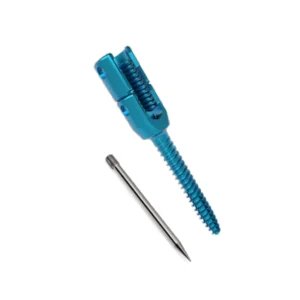
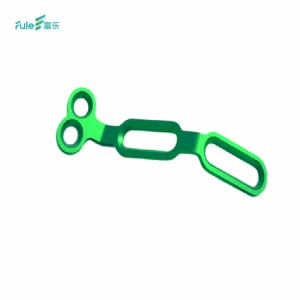
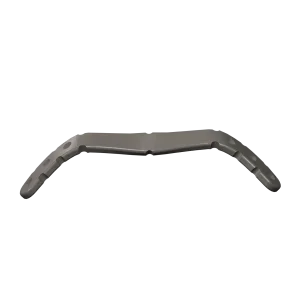
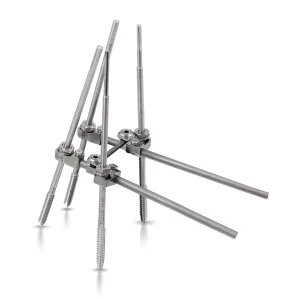
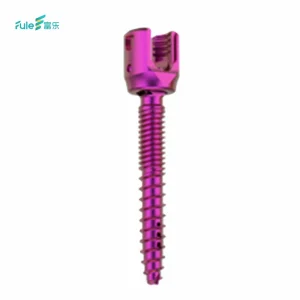
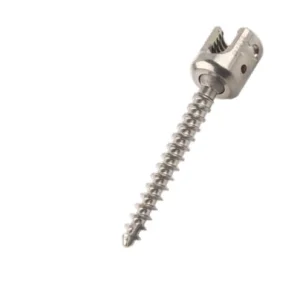
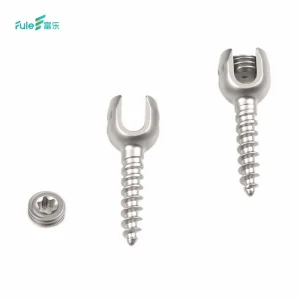
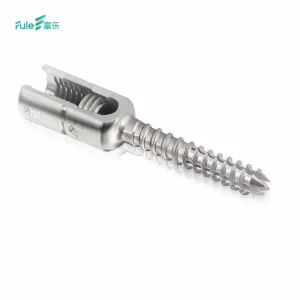
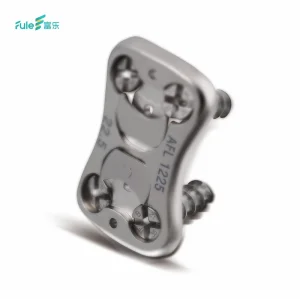
For instance, our 5.5 Anterior Spinal Screw-Rod System utilizes an advanced monoaxial and polyaxial pedicle screw articulation, allowing for up to 25 degrees of angulation. This flexibility reduces stress concentration at the bone-screw interface during insertion. Furthermore, our anterior cervical plates feature a locking mechanism that secures the variable-angle and fixed-angle screws simultaneously, preventing postoperative screw migration and lowering dysphagia rates.
Understanding the factory scale, advanced machinery, and rigorous quality control protocols.
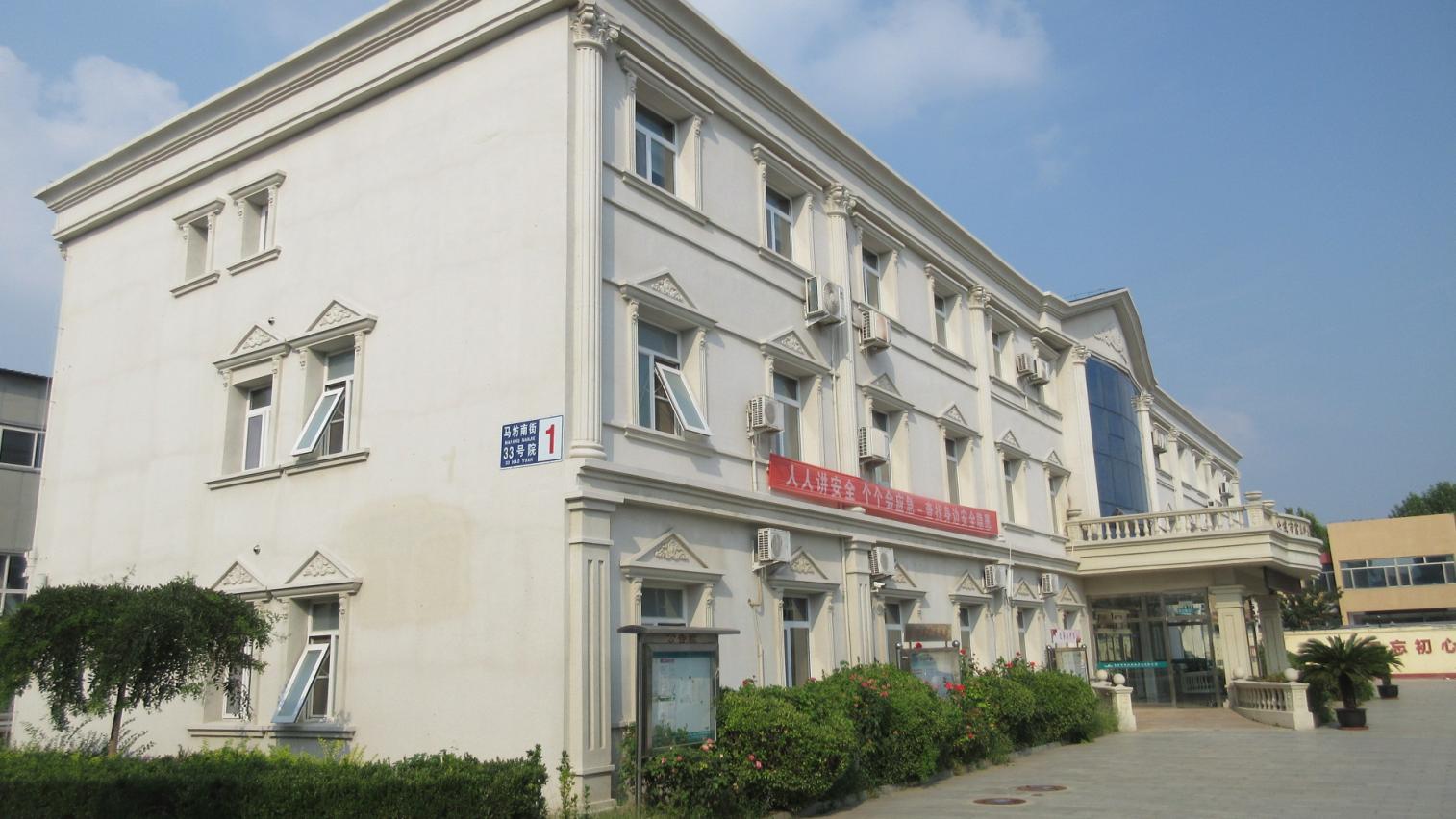
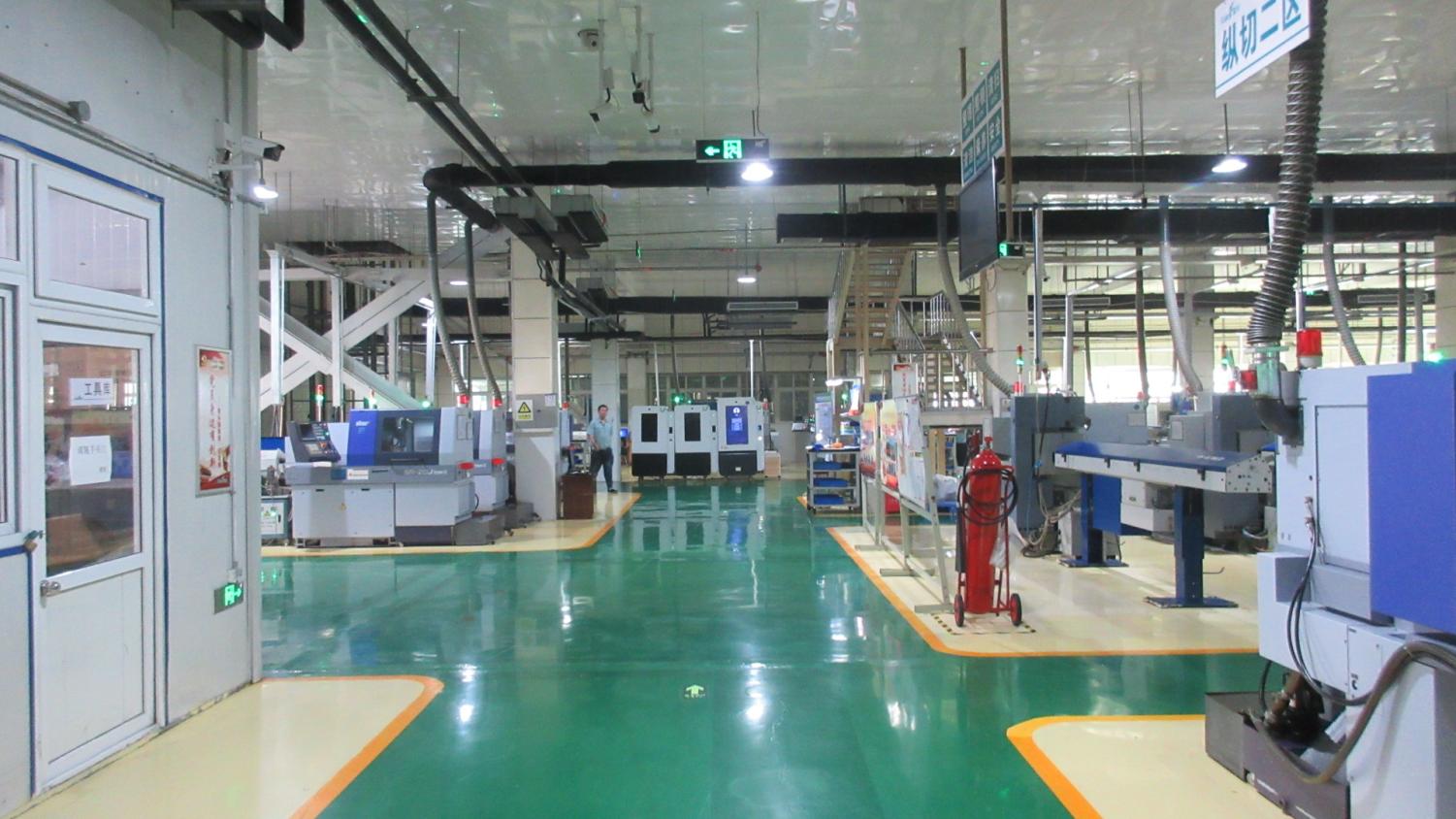
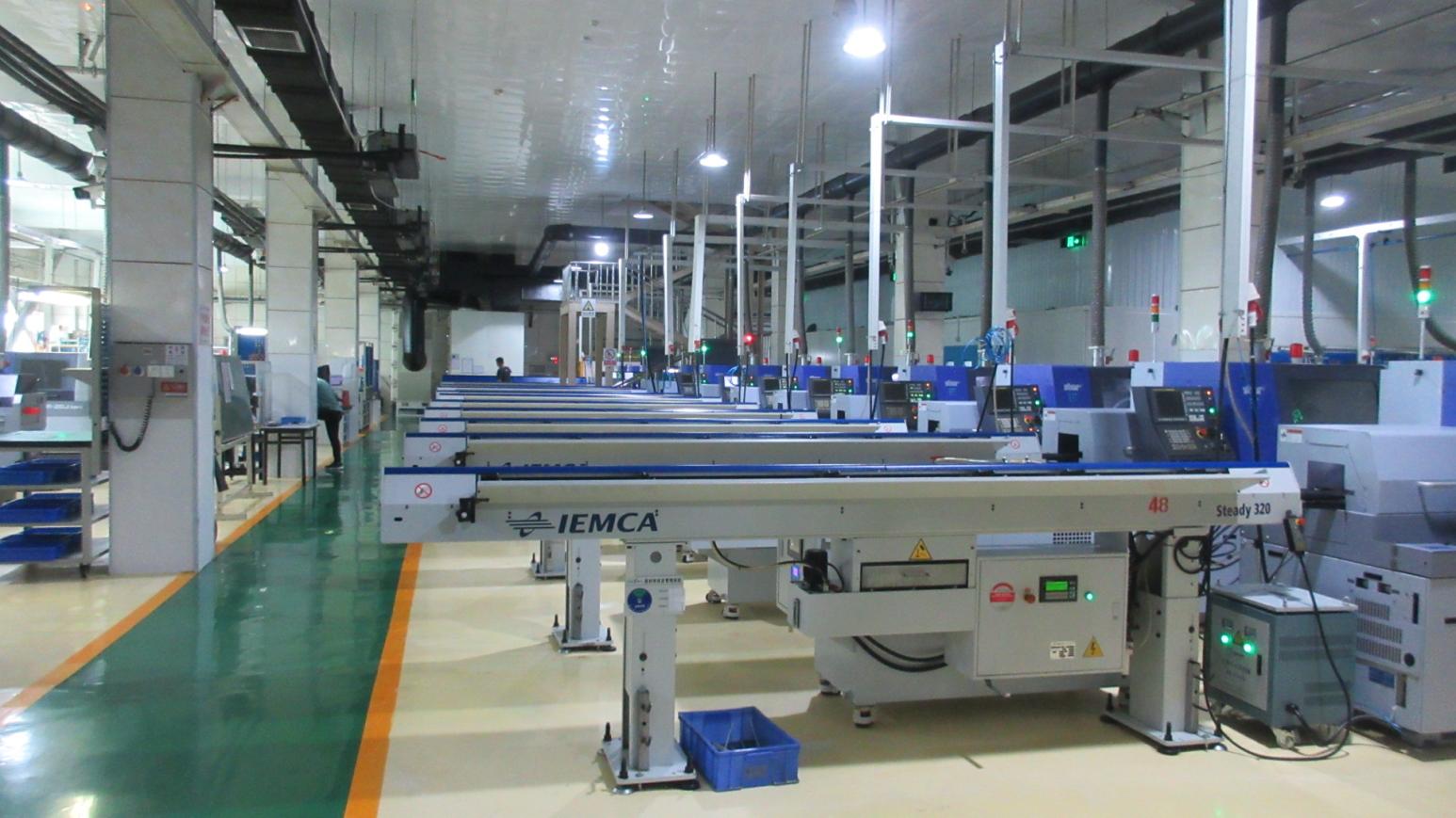
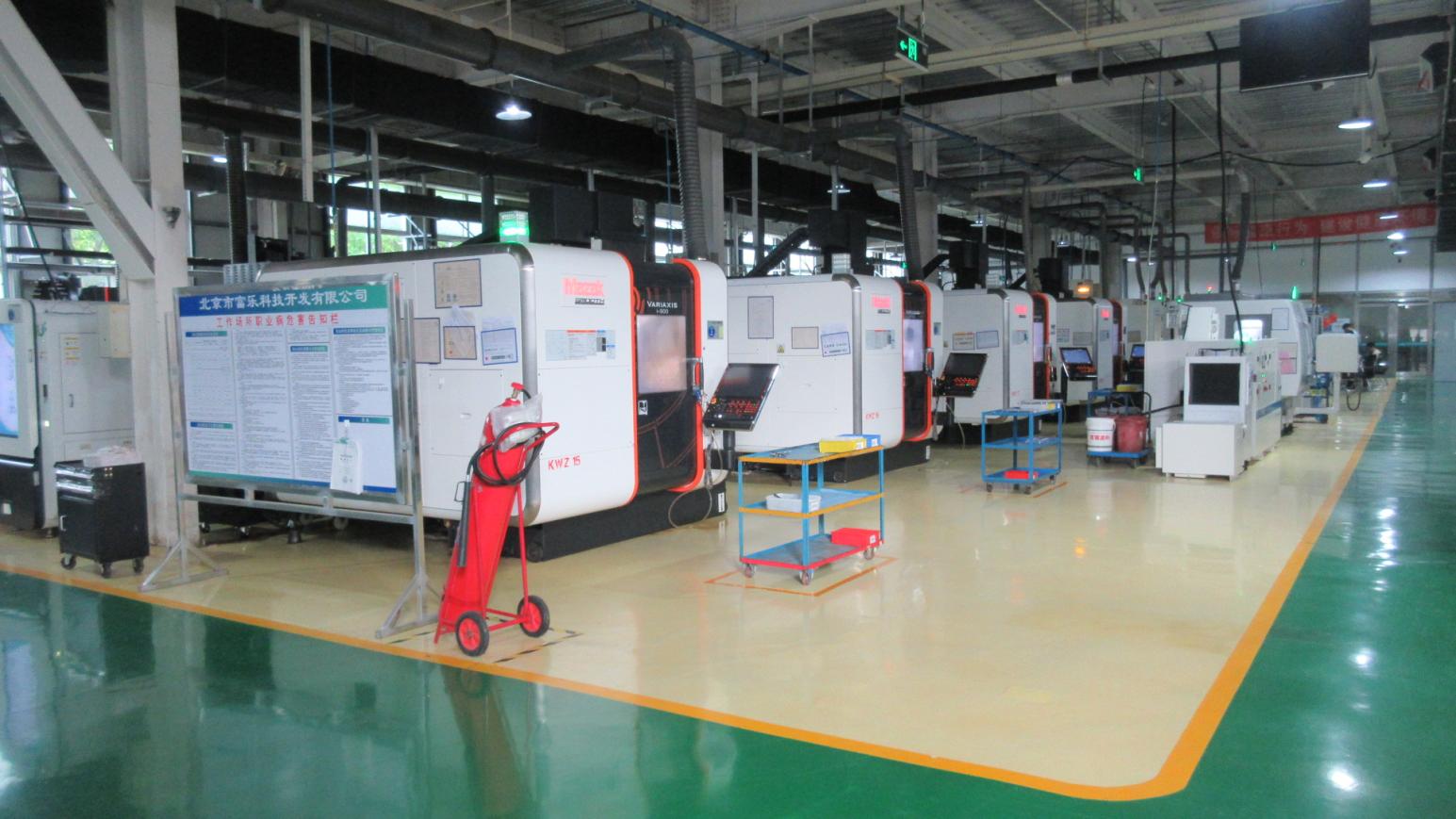
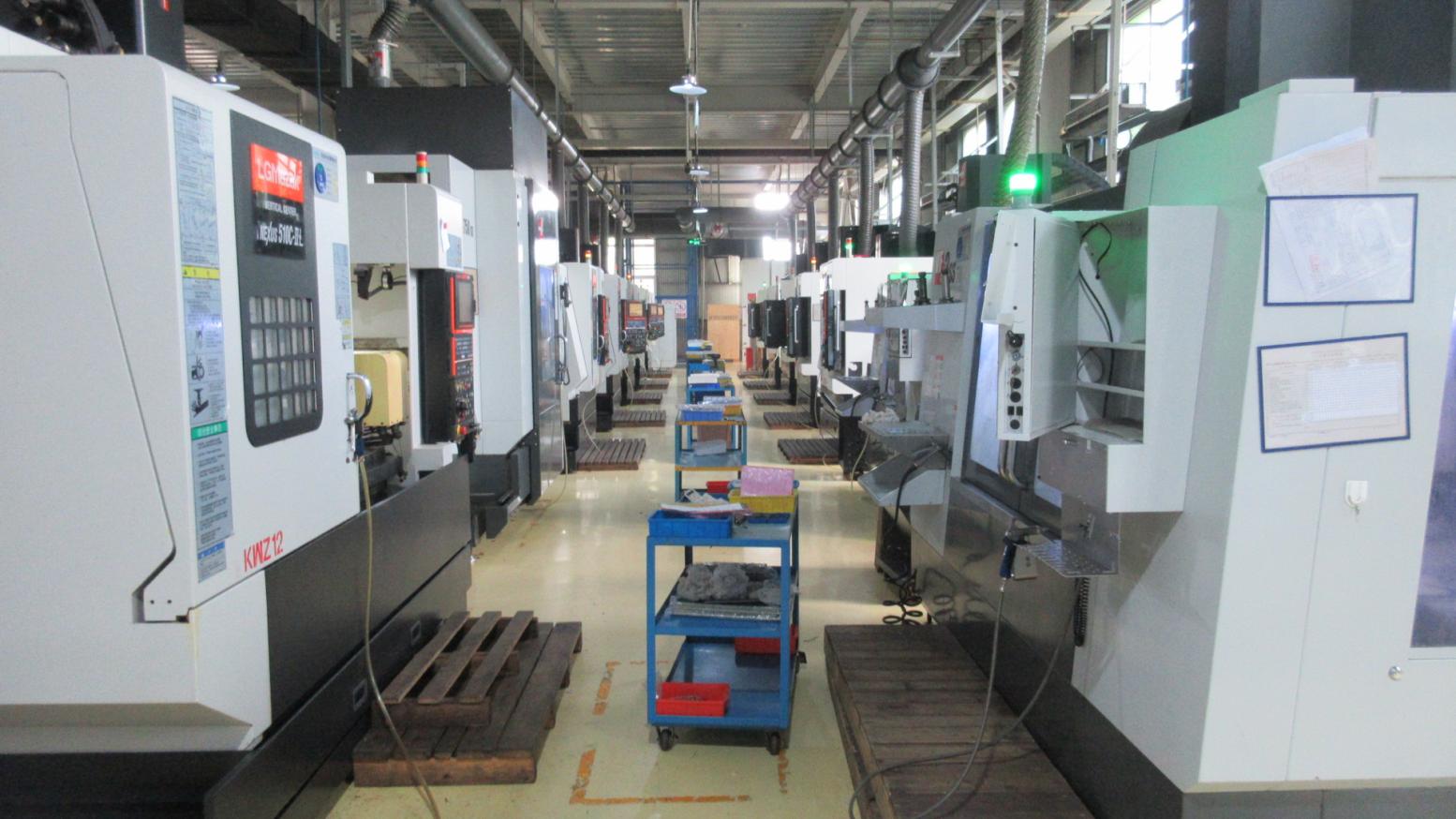
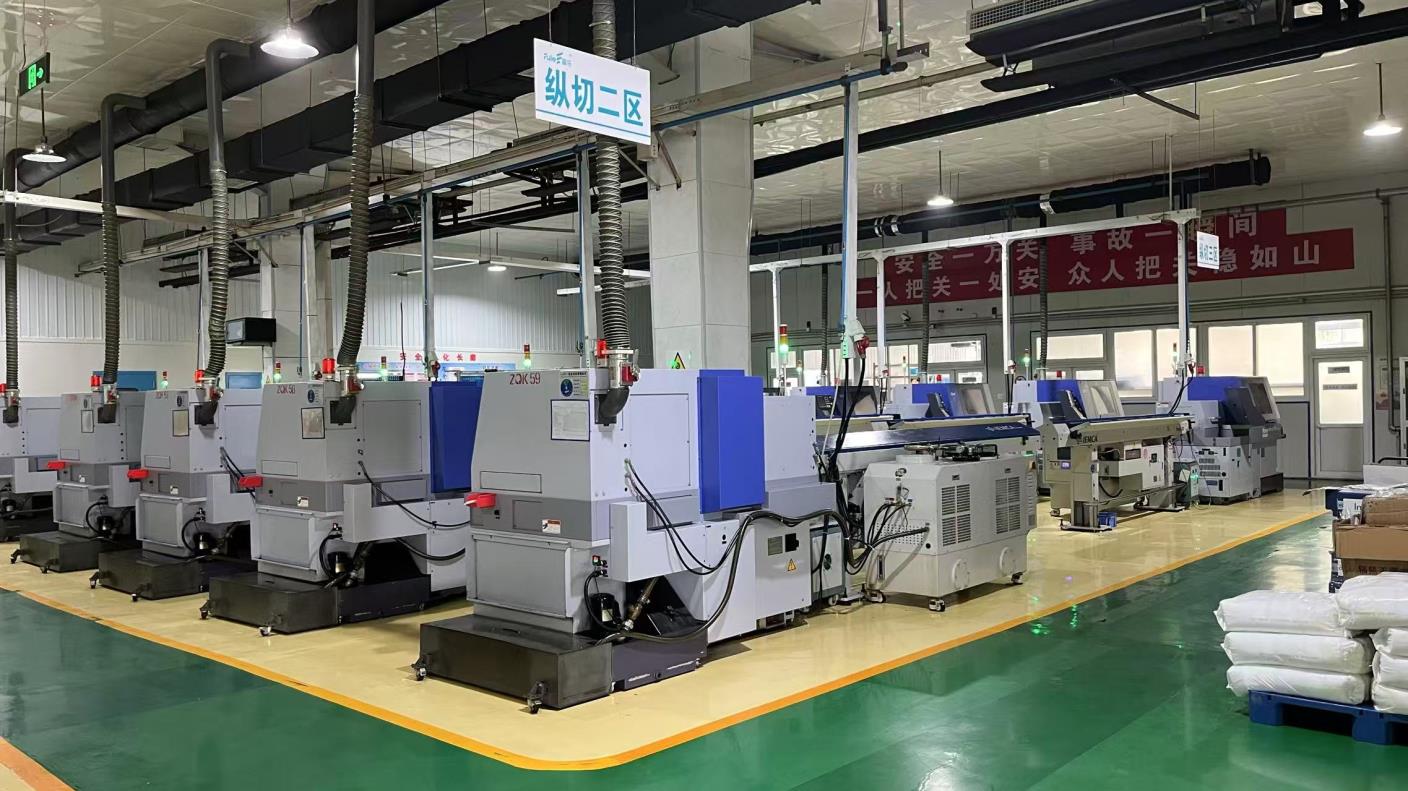
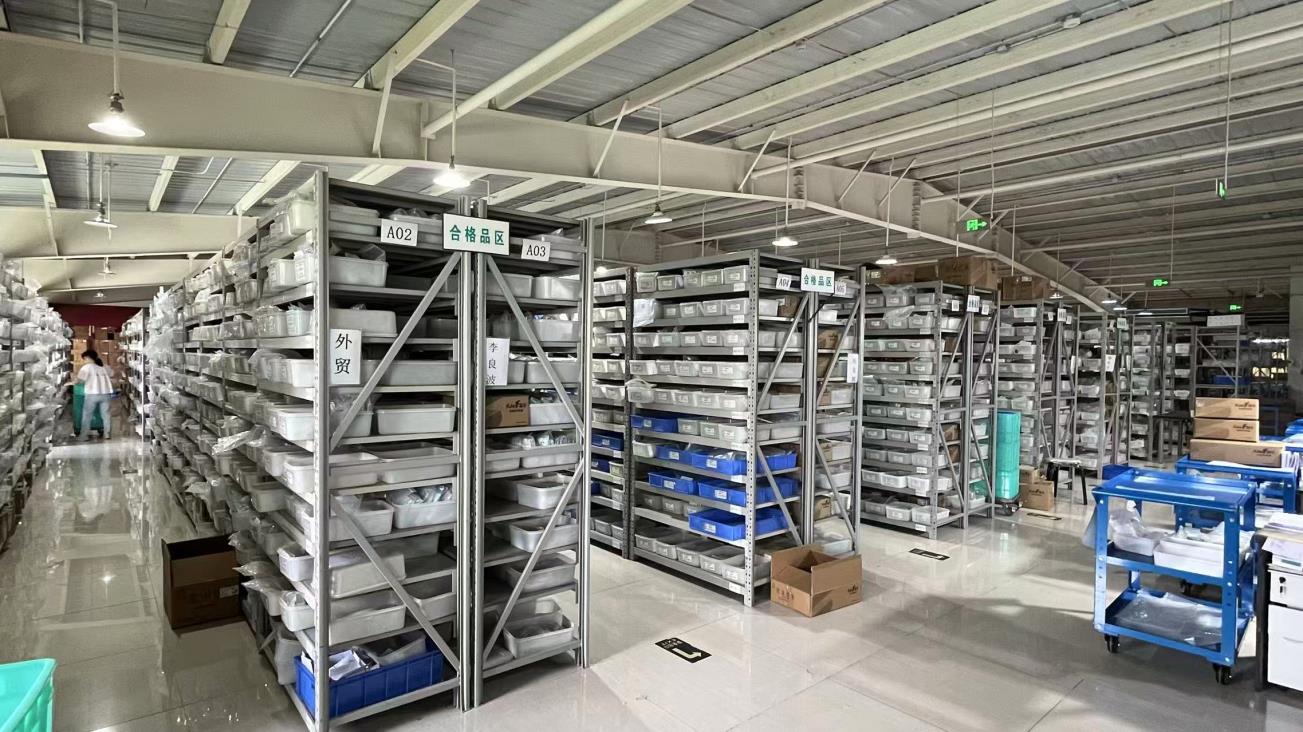
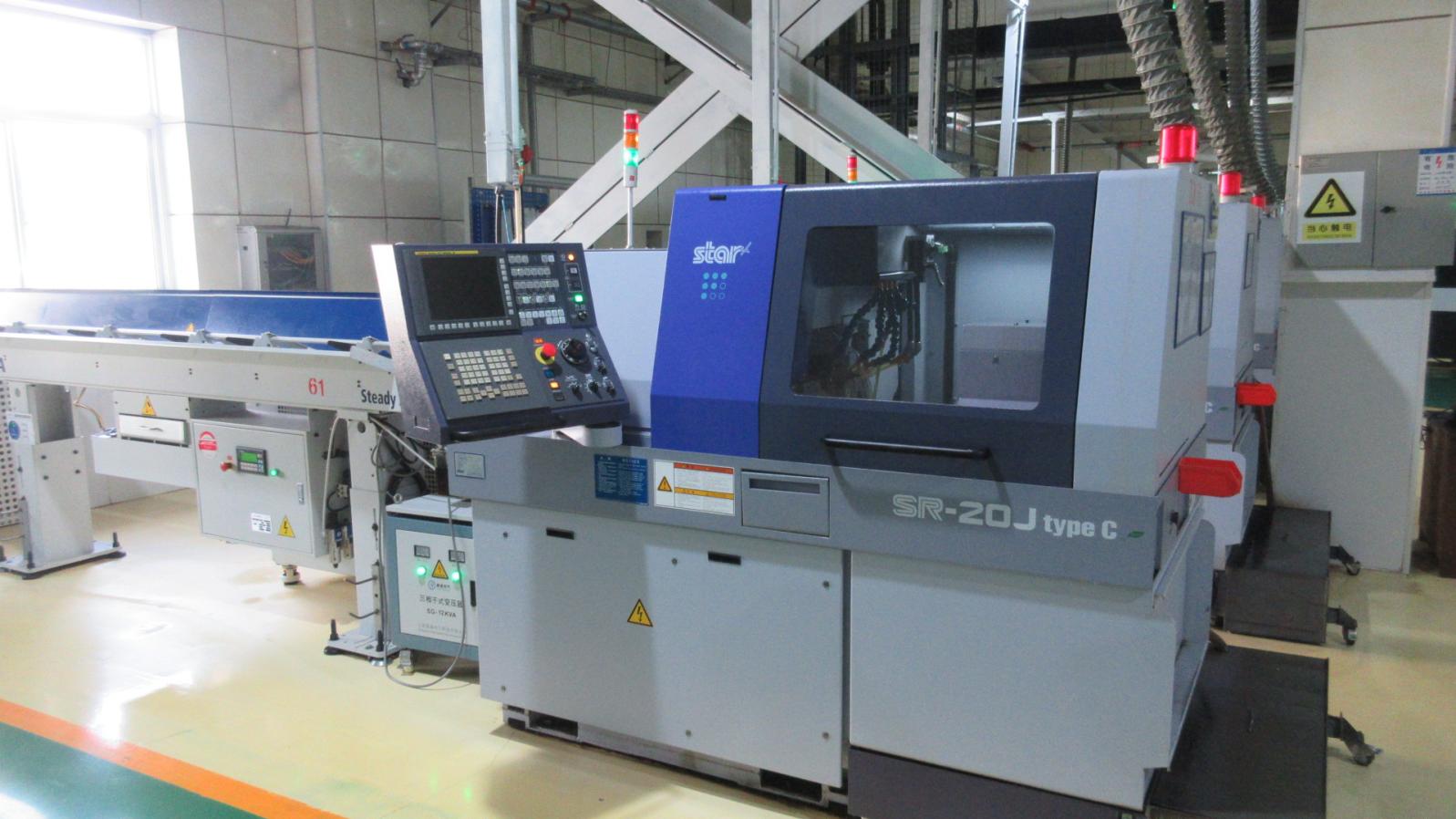
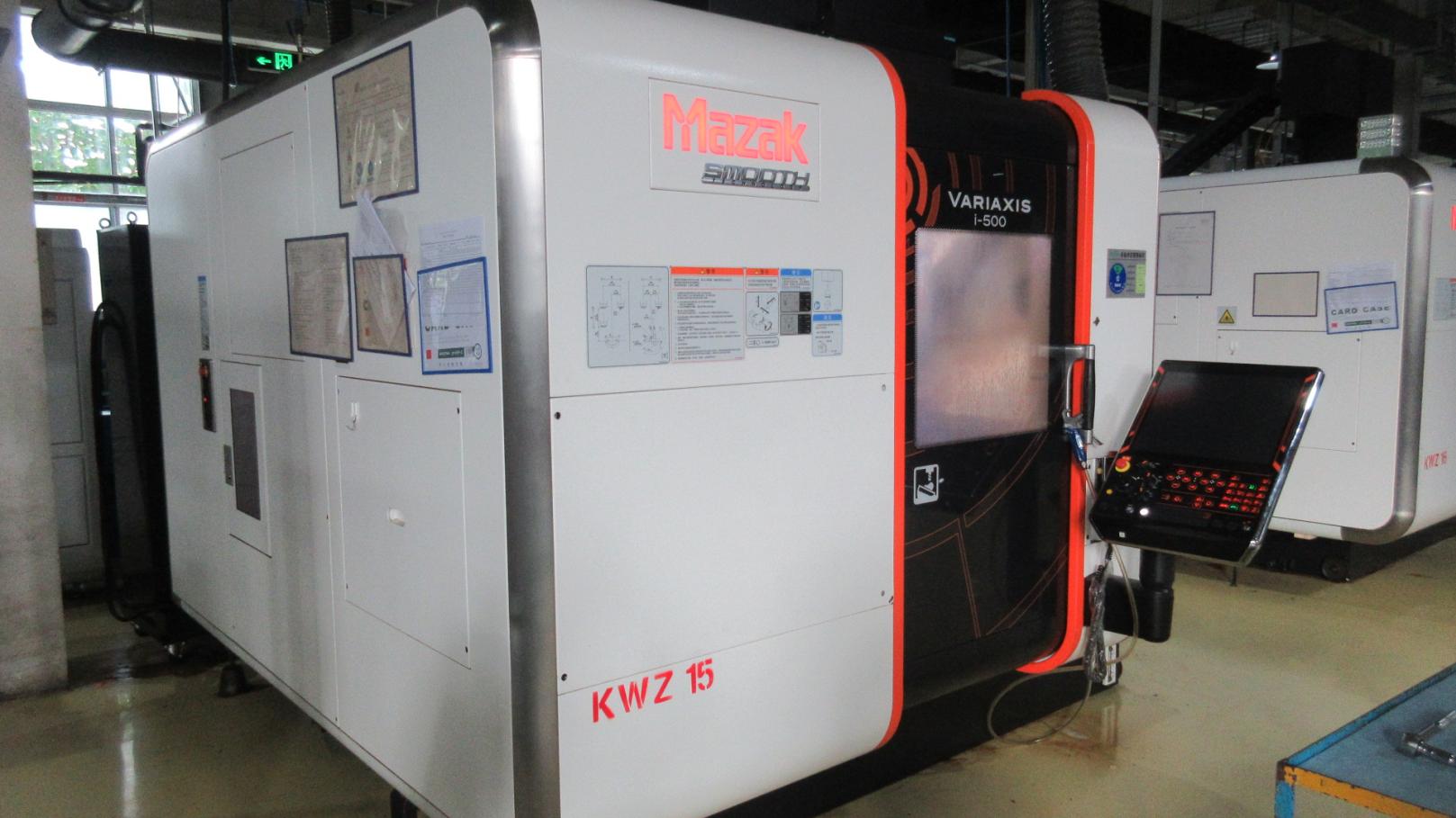
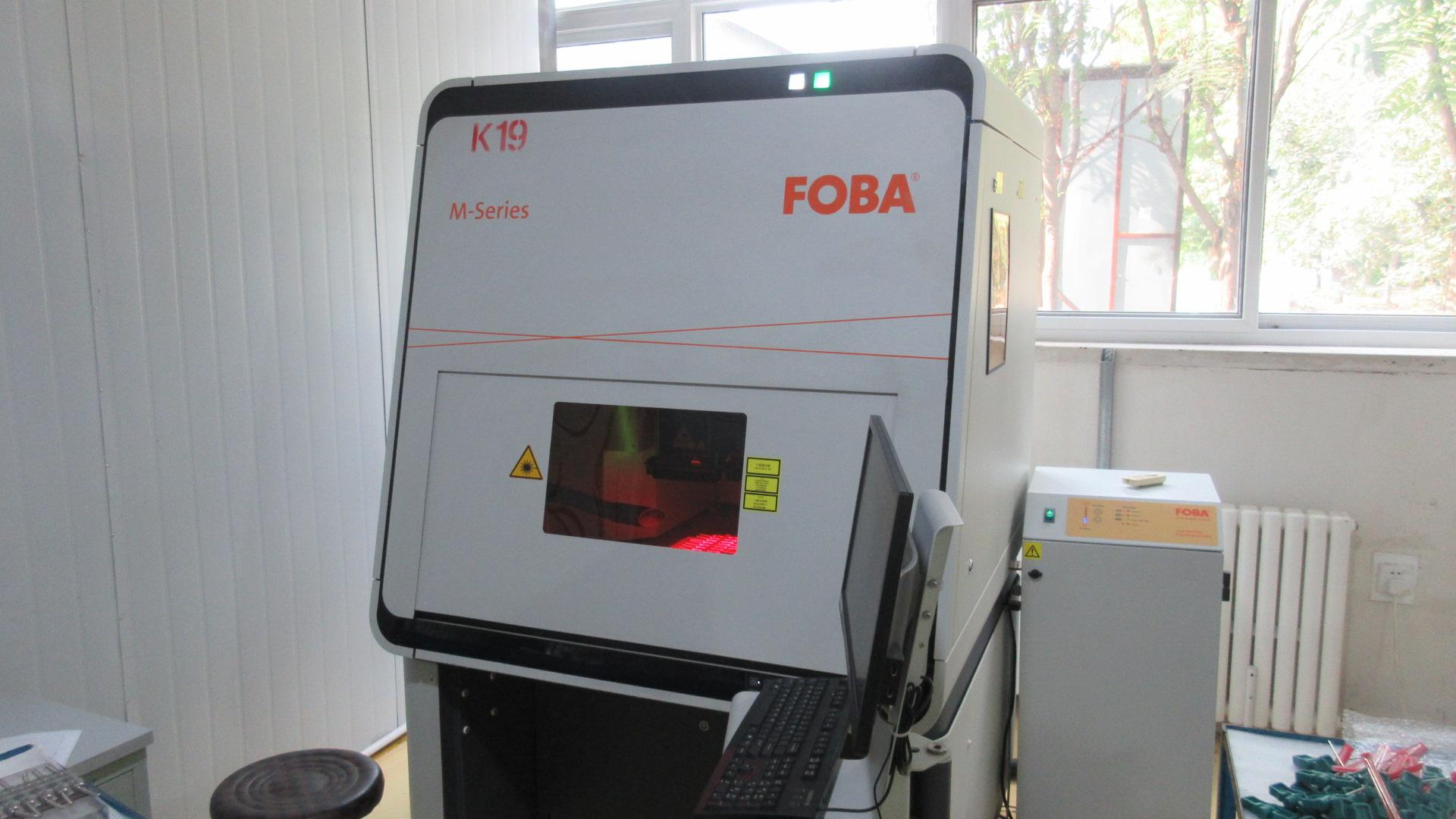
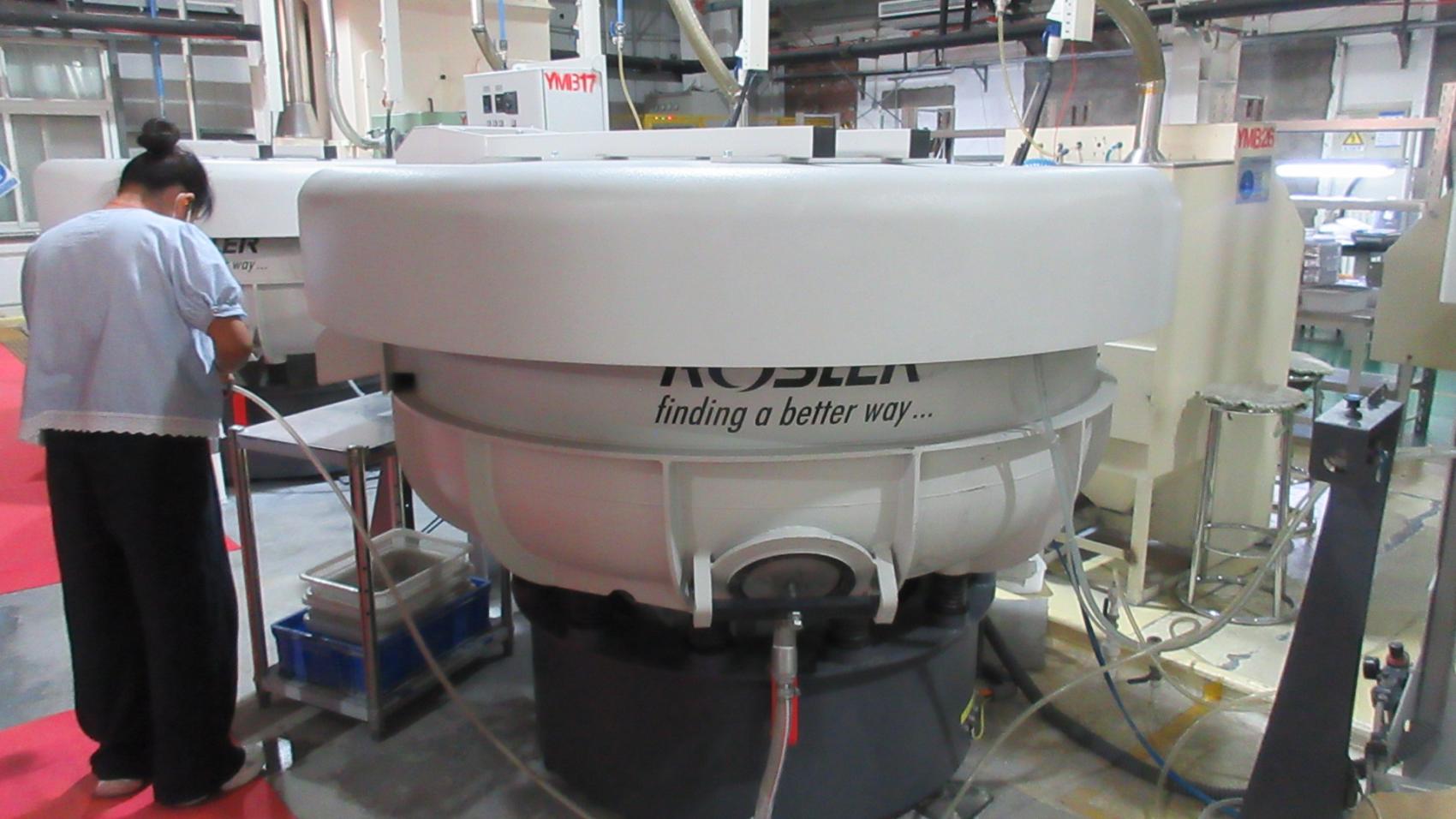
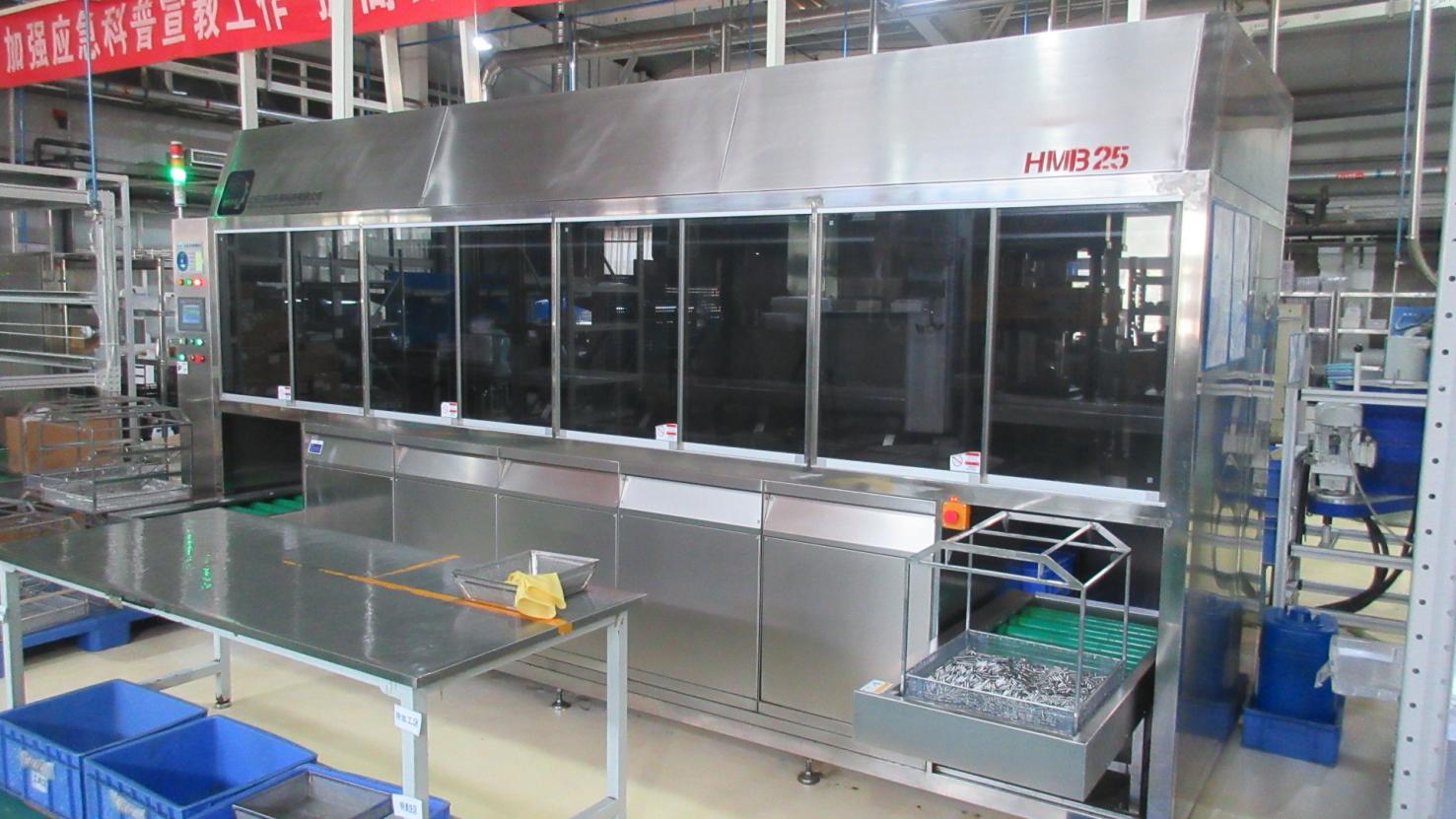
Founded on June 28, 1996, our company has built 30 years of manufacturing experience. Spanning a 10,000-square-meter facility, our factory houses 102 state-of-the-art production machines, including CNC Swiss-type lathes, automated longitudinal mill-turn centers, and advanced surface anodization systems. This setup supports an annual output of 511,000 units, demonstrating our capacity to meet large global contract demands and government tenders without compromising lead times.
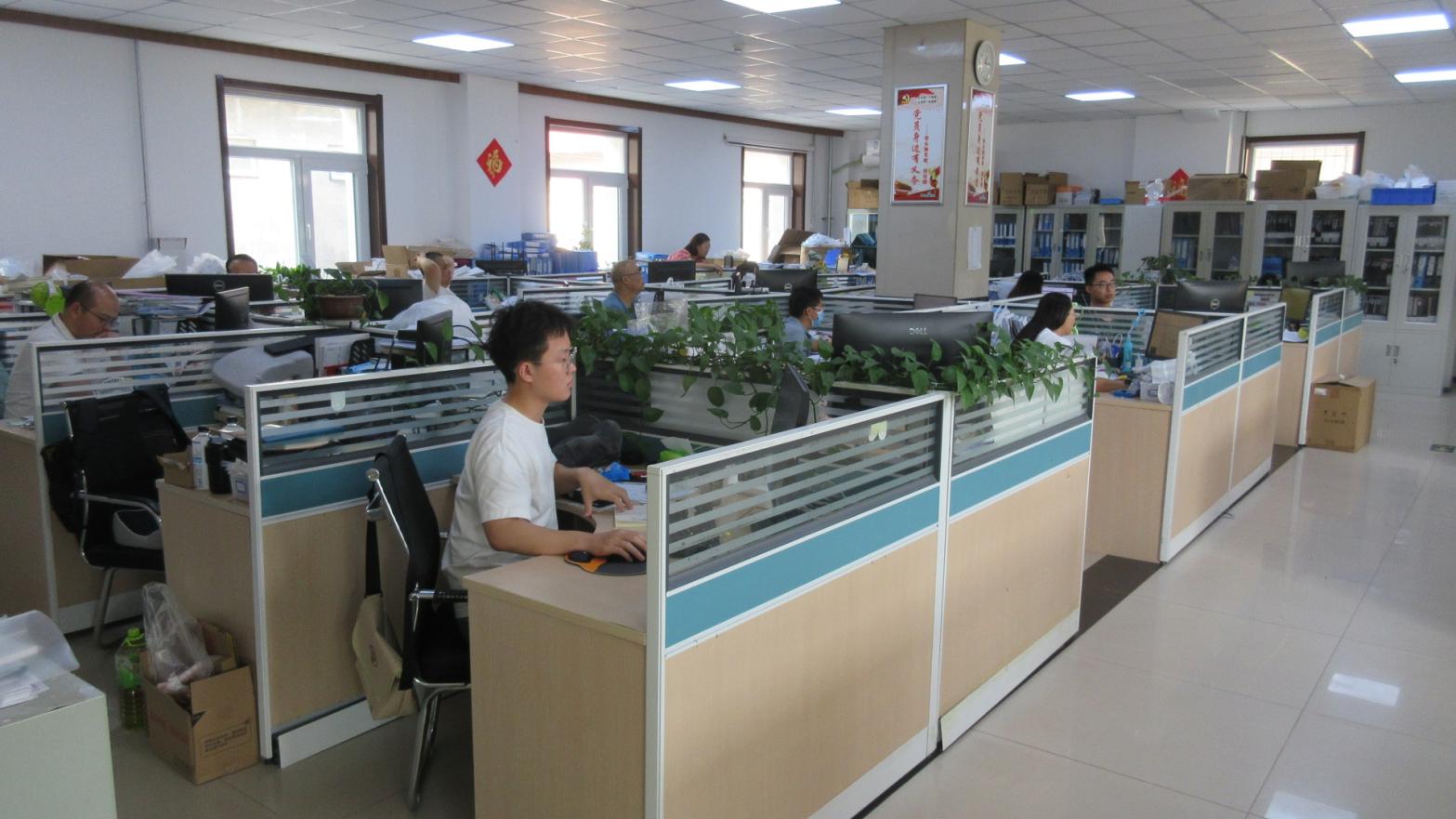
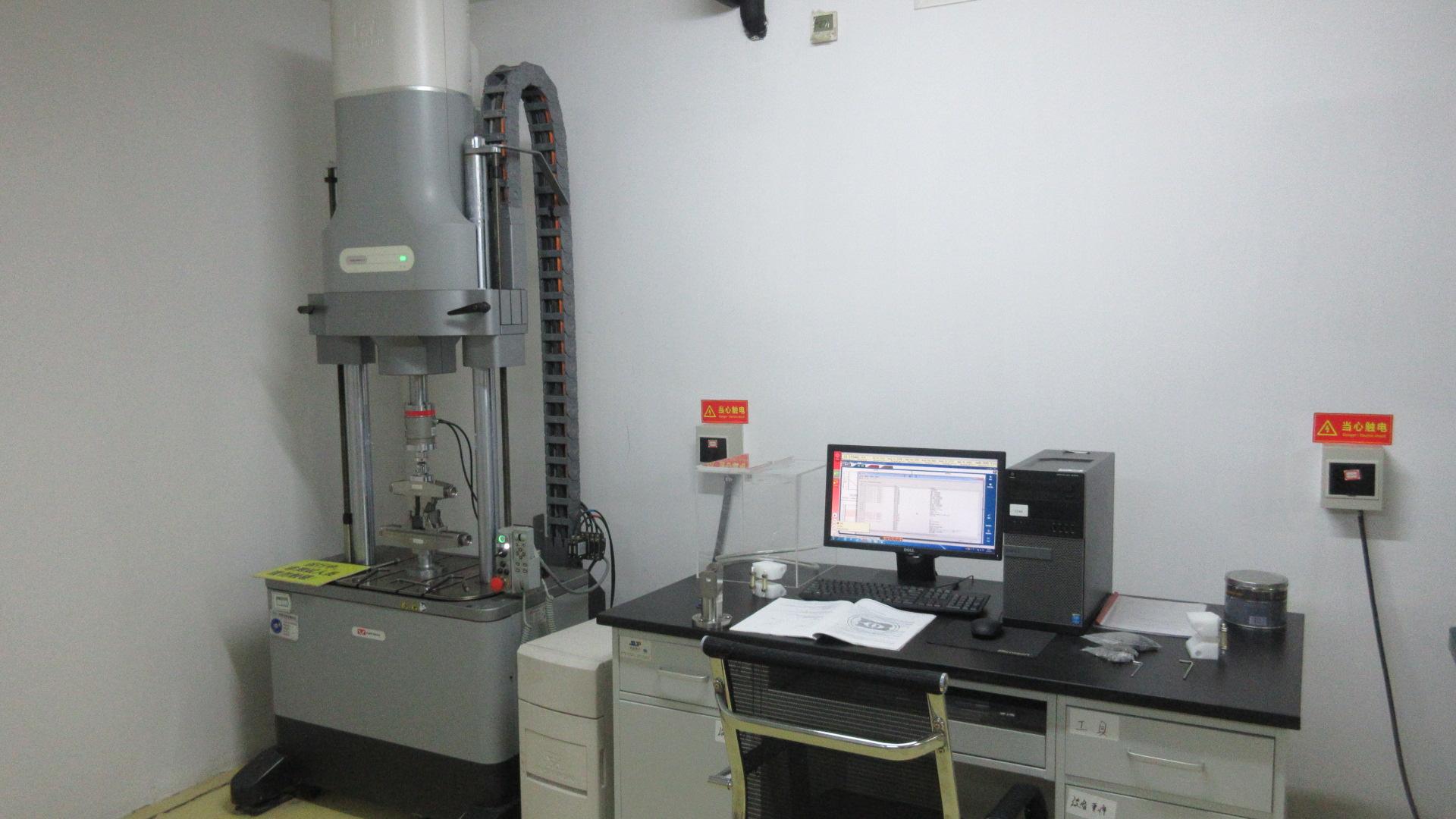
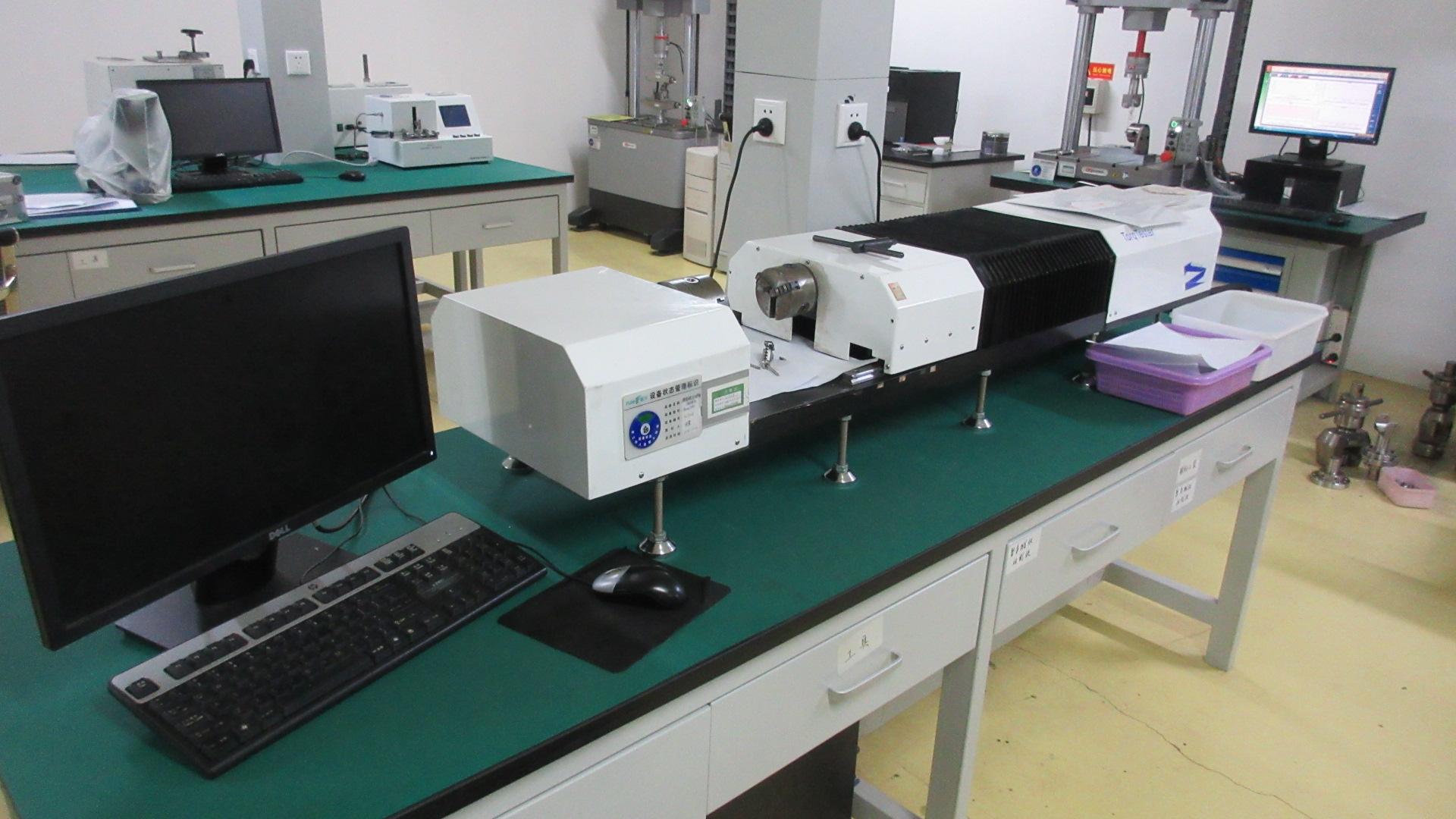
Our quality assurance protocol includes 100% inspection across all production lines. Raw materials are sourced with full heat-treatment and chemical composition traceability. Guided by a team of 15 QA/QC inspectors and 20 dedicated R&D engineers, each batch undergoes strict mechanical testing—including static compression, fatigue testing (ASTM F1717 / ASTM F1798), and torsional shear evaluations—to ensure mechanical integrity.
1996-06-28 registration date with 30 years of specialized orthopedic export expertise.
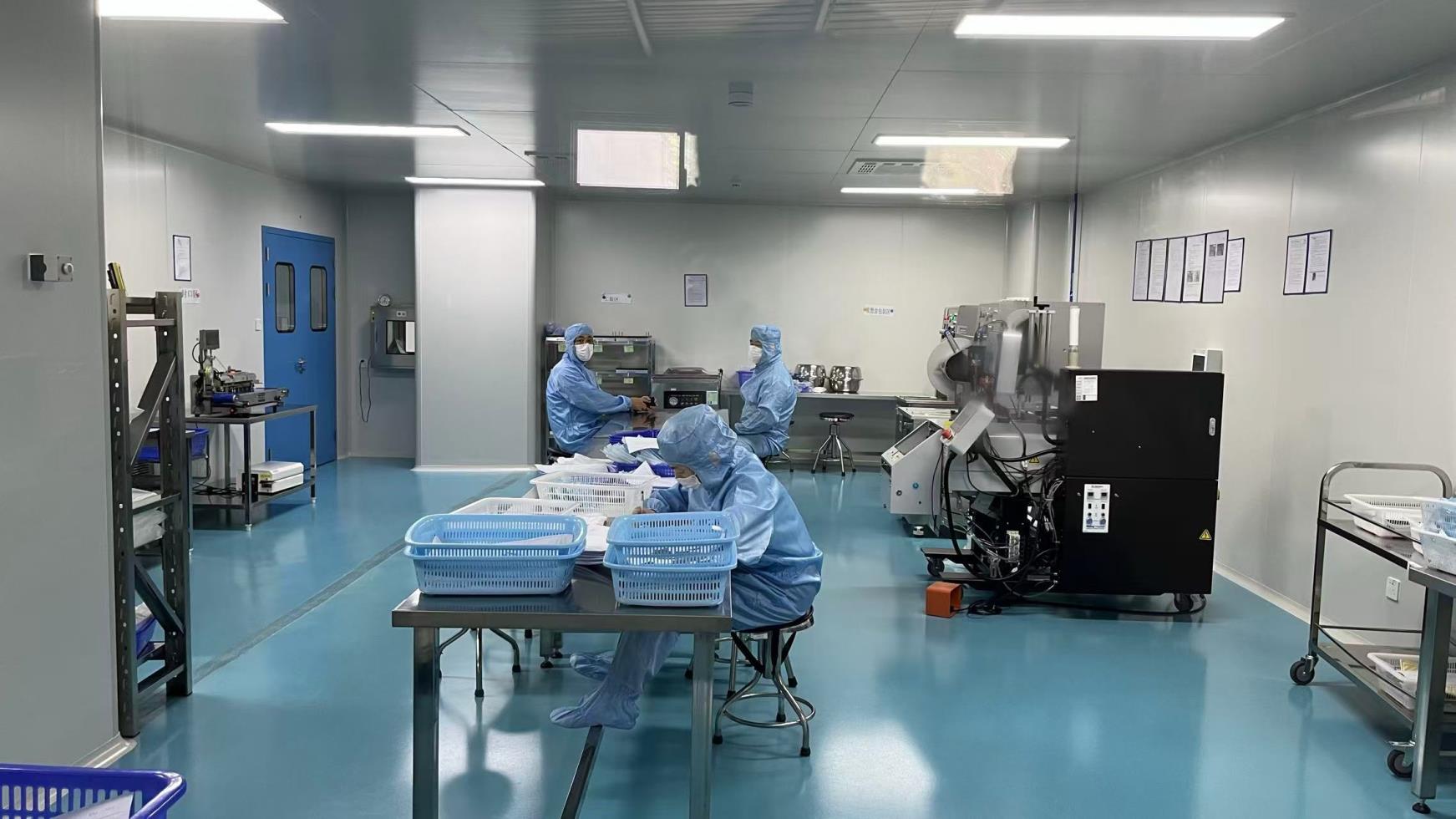
10,000 square meters of state-of-the-art manufacturing facilities operating under ISO Class 7 cleanroom standards.
102 production machines executing precise tolerances down to the micrometer level.
15 dedicated QA/QC inspectors providing 100% inspection of raw materials and final implant assemblies.
Over 70 supply chain partners providing consistent, reliable logistics and delivery globally.
20 R&D Engineers supporting sample processing, graphic design, and custom clinical modifications.
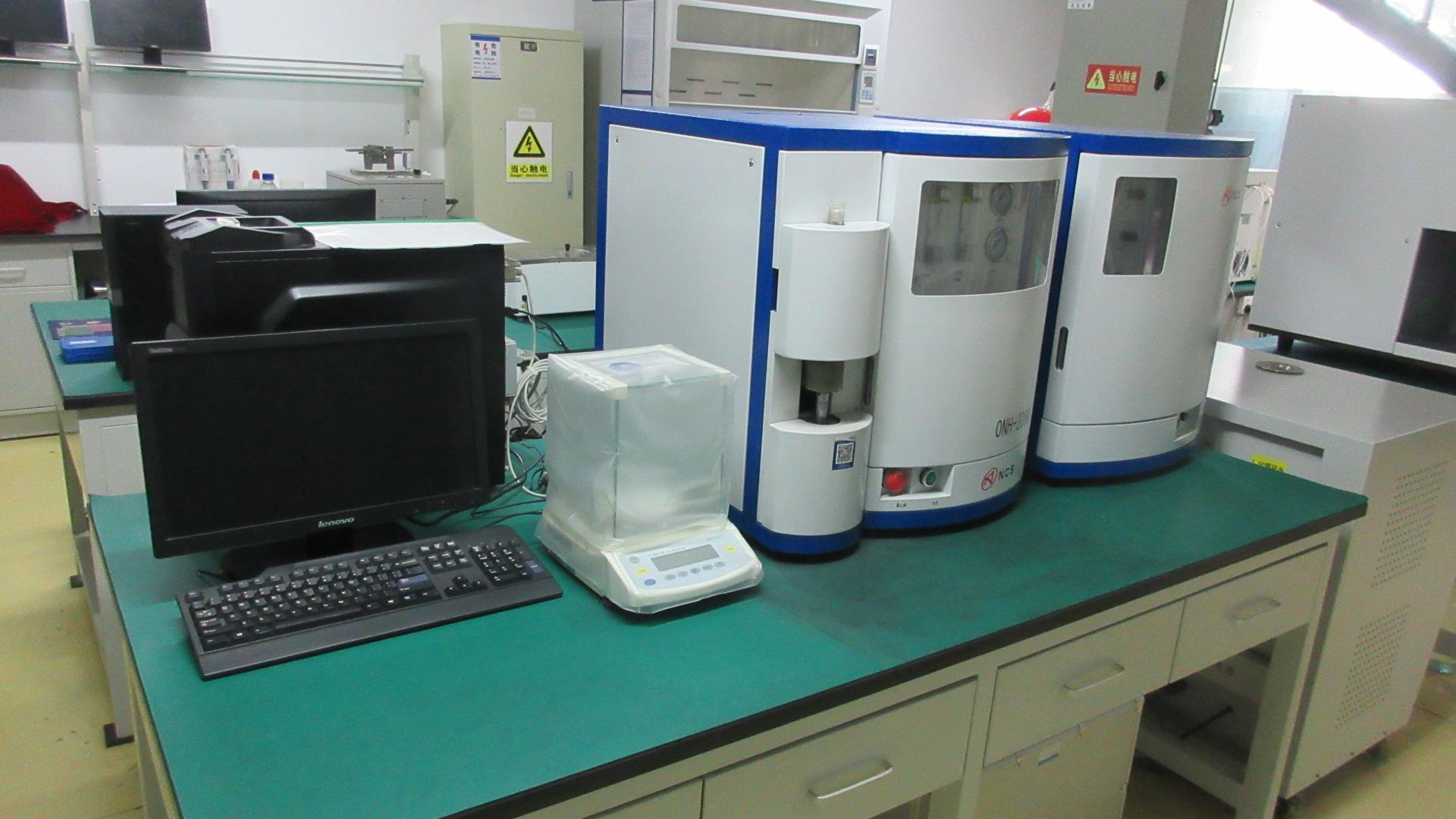
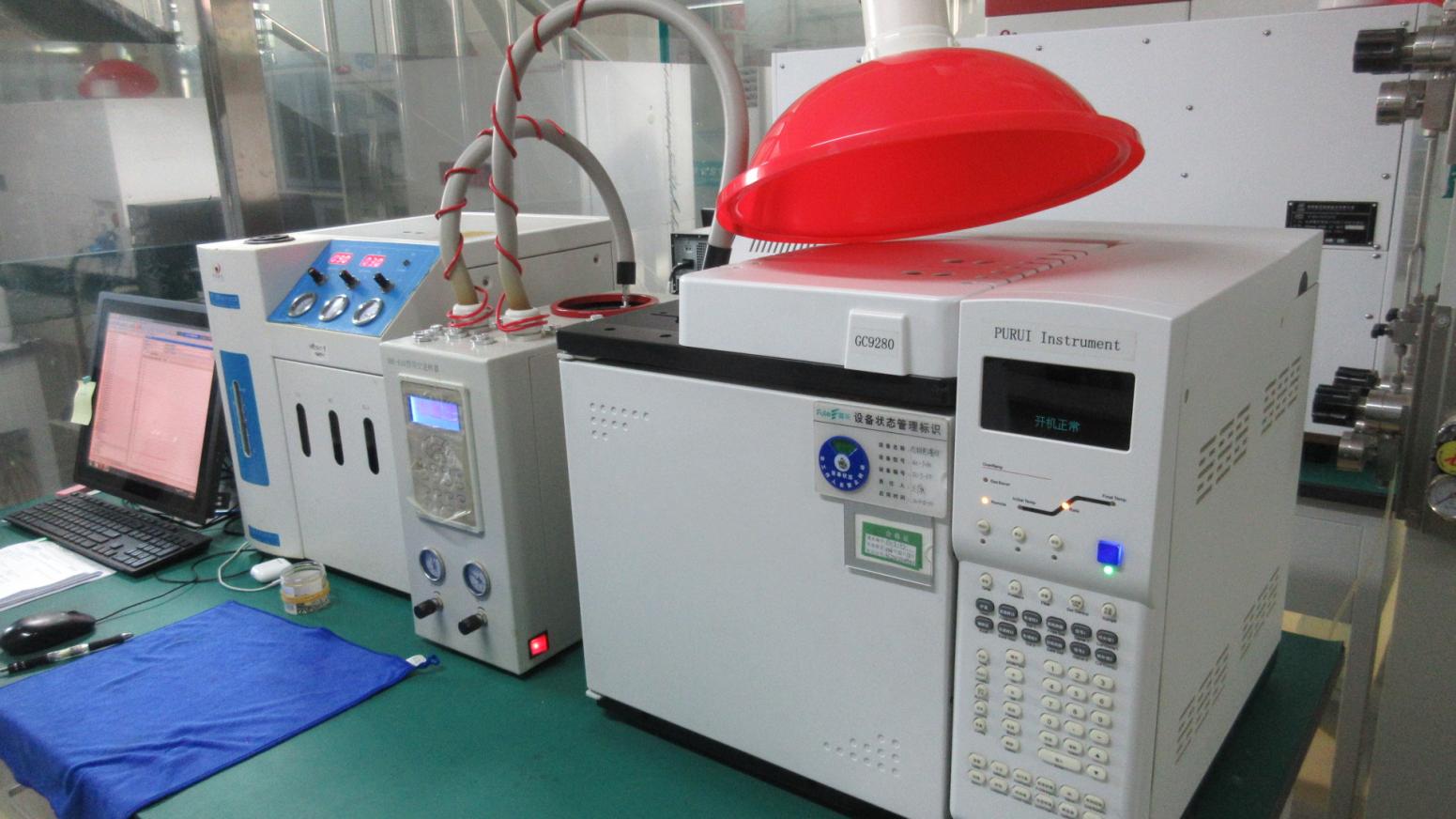
A transparent look at our precision manufacturing floor, cleanrooms, and testing facilities.
Navigating MDR, FDA, ISO certifications and establishing global medical distribution pathways.
In the medical device industry, compliance is key to market entry. Our manufacturing plant operates under ISO 13485:2016 guidelines (Registration Number: 04724Q10000818), ensuring a document-controlled quality management system from product conception through clinical follow-ups.
We supply Class I, II, and III spinal implants that meet CE standards, helping distributors fast-track registration processes in key markets such as Eastern Europe (15% of our export volume) and Southeast Asia (10% of our export volume). To support our distributors, we provide complete dossiers, including biocompatibility reports, sterilization validations, and clinical evaluation files, ensuring a smooth path through regulatory audits.
Answers to common questions regarding anterior spinal system mechanics, materials, and clinical safety.
Titanium Grade 5 (Ti-6Al-4V ELI) offers high mechanical tensile strength and fatigue resistance, which are critical for load-bearing anterior spinal constructs. Its raw material properties allow for osteointegration, enabling bone cells to adhere directly to the implant surface. While PEEK is radiolucent, titanium alloys provide superior mechanical stability under complex loading conditions, reducing the risk of fatigue failures in high-load areas.
Our anterior cervical plates include an integrated one-step locking mechanism. Once the bone screws are inserted, the integrated lock can be engaged over the screw heads with a single instrument turn. This design provides tactile feedback to confirm security, preventing screw back-out and minimizing irritation to the esophagus and surrounding soft tissue.
Yes. Our implants are made from non-ferromagnetic titanium alloys, which are MRI-safe under defined scanner conditions. Patients with these implants can undergo routine MRI diagnostic procedures. The titanium material also minimizes artifacts, helping surgeons evaluate decompression and fusion results post-surgery.
Every spinal construct undergoes rigorous physical testing simulating physiological environments. This includes ASTM F1717 testing for spinal implant constructs in a corpectomy model, assessing dynamic fatigue limit over 5 million cycles, static compression bending, and static torsion, ensuring long-term reliability post-implantation.
Complete your procurement list with pediatric screw-rod components, titanium cervical plates, and instruments.
 Beren Science & Technology