Direct access to our CE-marked, ISO 13485 certified spine and trauma fixation systems. Custom OEM solutions are available for clinical healthcare distributors worldwide.
The global orthopedic implants and bone fixation market is experiencing a massive technological transformation. Driven by an aging population, an increasing incidence of sports-related injuries, and a rising demand for minimally invasive surgeries (MIS), the market is moving rapidly towards smart, biocompatible, and patient-specific implant designs. Historically dominated by multi-national corporations based in Western markets, the supply chain for bone fixation devices has shifted significantly toward Chinese manufacturers who combine high-precision manufacturing engineering with optimal cost-efficiencies.
Today, orthopedic trauma, reconstructive surgeries, and spinal fusions require implants that offer not only physical stabilization but also biological integration. Materials such as Ti-6Al-4V ELI (Grade 5 Titanium Alloy) and medical-grade PEEK (Polyetheretherketone) are now standard materials. Hospitals, medical device distributors, and OEM buyers are continuously looking for dependable manufacturers capable of delivering batch-to-batch consistency, conforming to both European Medical Device Regulation (MDR CE Class III) and FDA standards.
Clinical Perspective: Current global clinical data shows that optimizing the modulus of elasticity in bone plates and spinal systems reduces stress-shielding, accelerating bone healing and lowering the risk of implant failure. Our orthopedic trauma systems are designed to balance structural rigidity with biological elasticity.
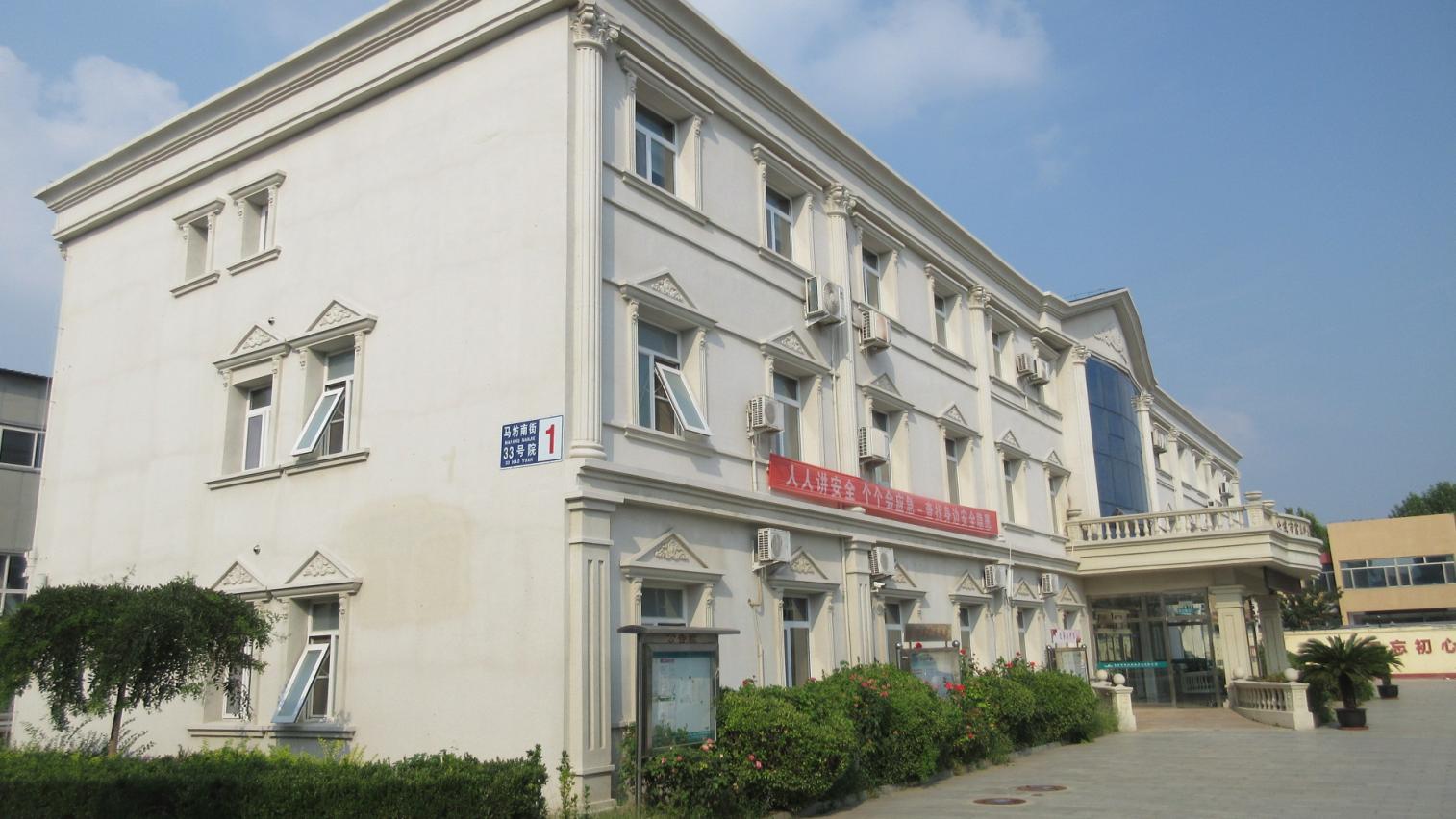
China's dominance in the medical-grade bone fixation market is backed by integrated manufacturing clusters, highly skilled engineering teams, and strong raw material supply chains. At our facility, established in 1996, we have optimized our production capability over 30 years to resolve international supply bottleneck issues for global distributors.
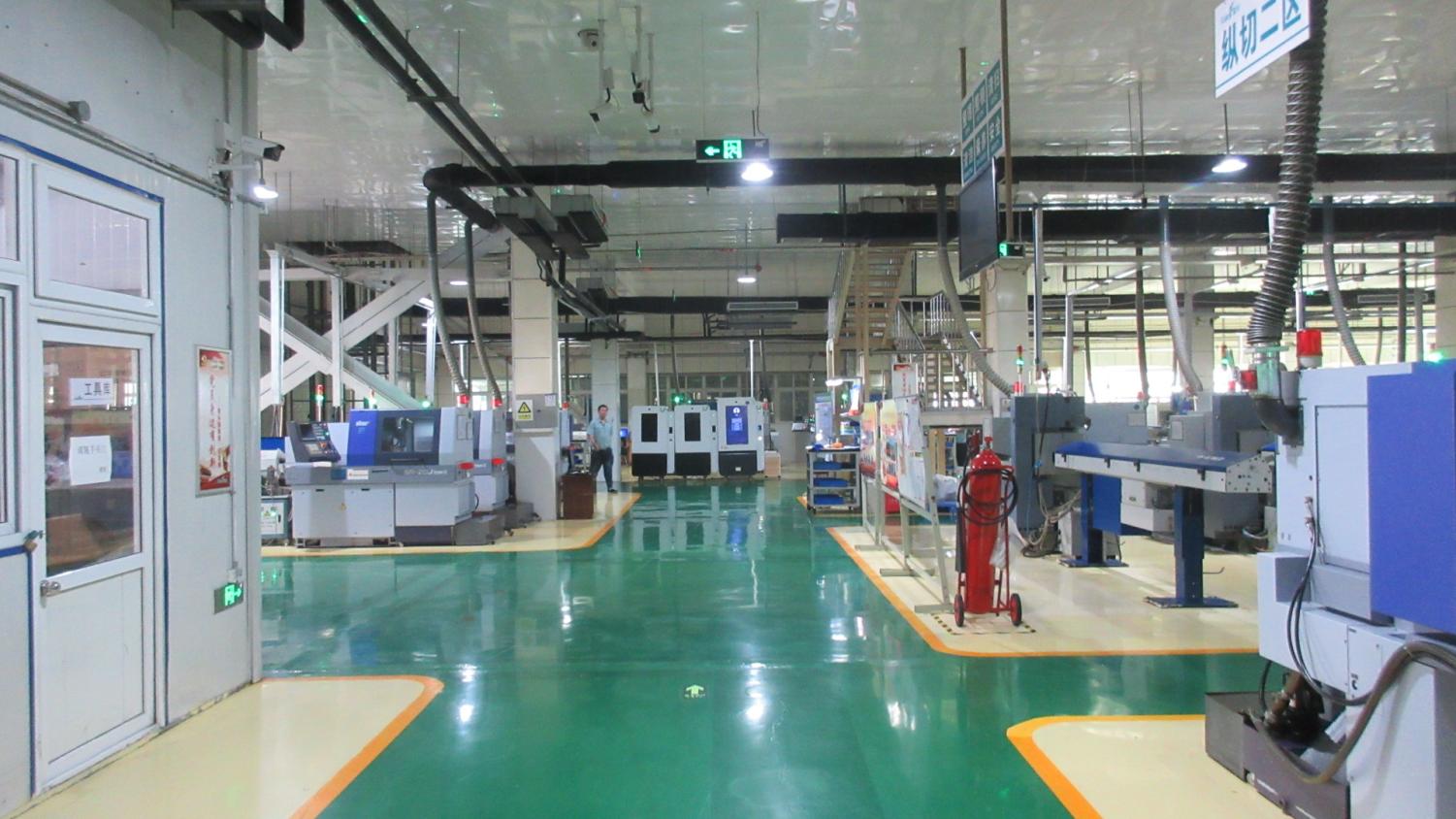
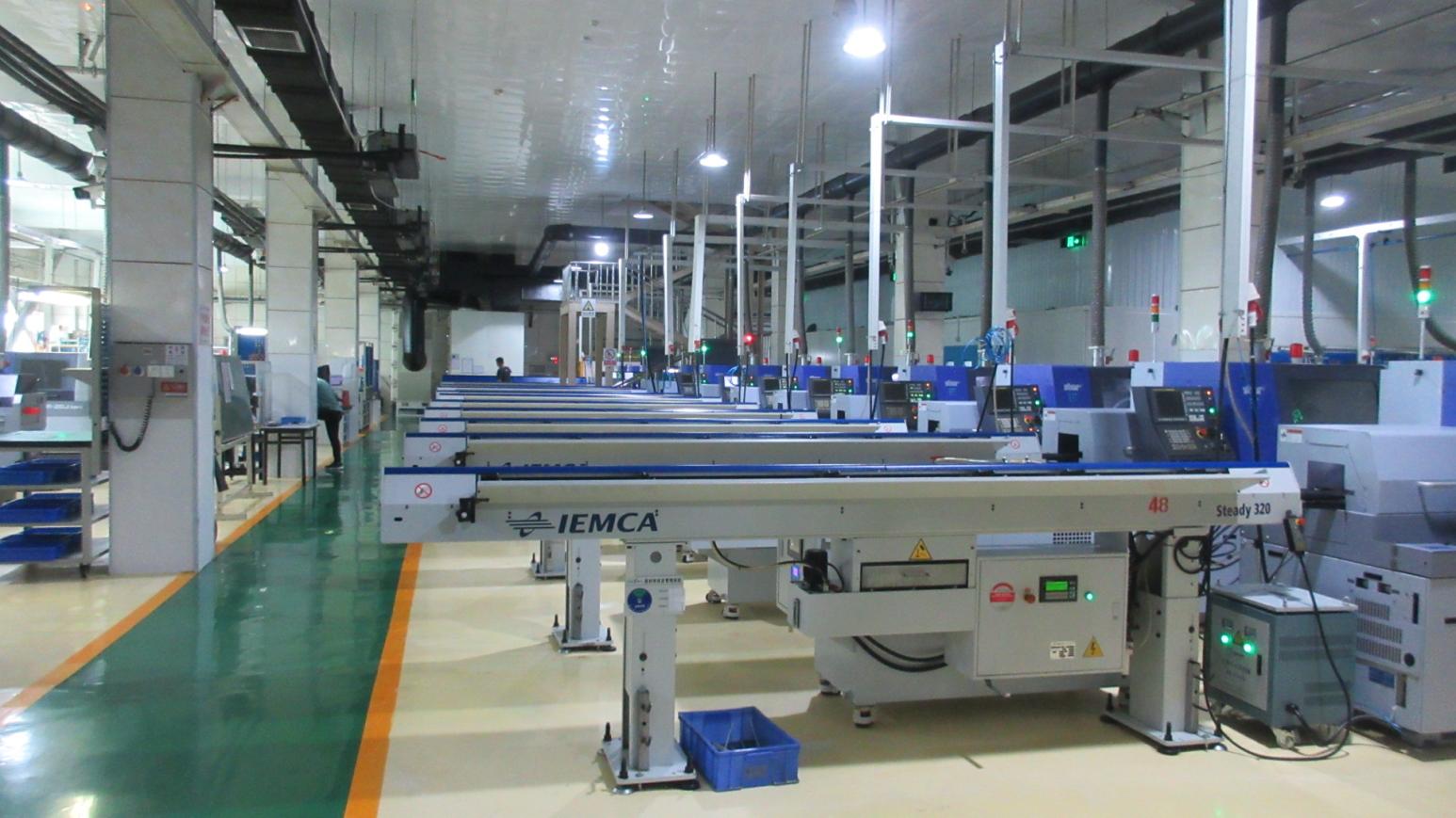
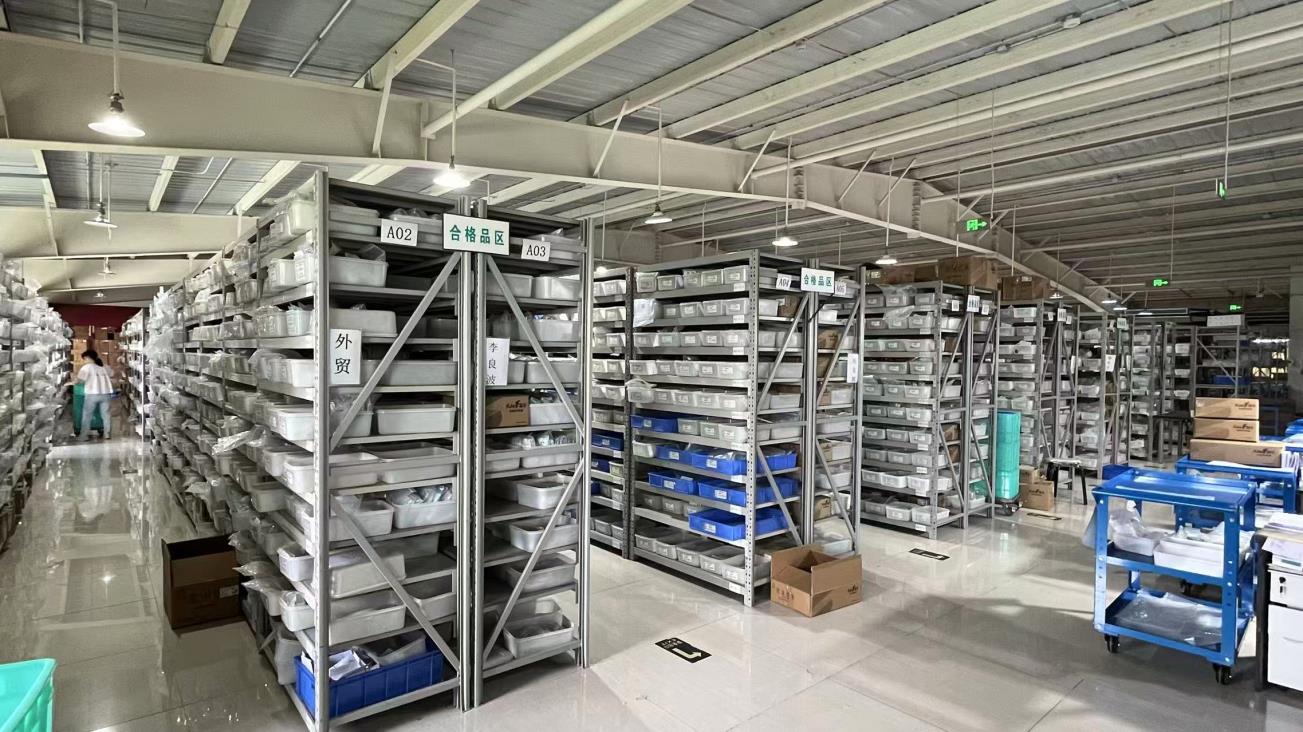
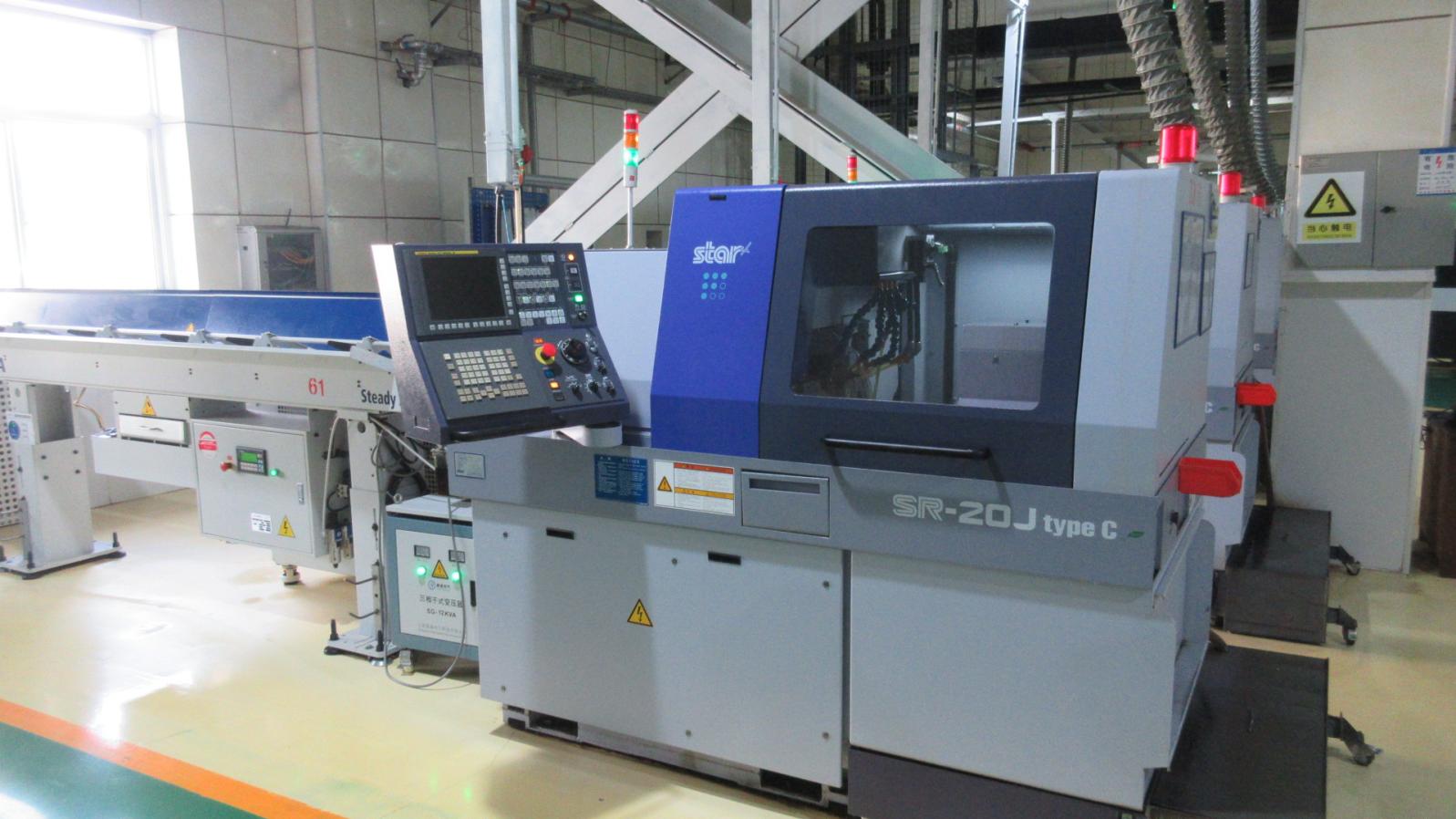
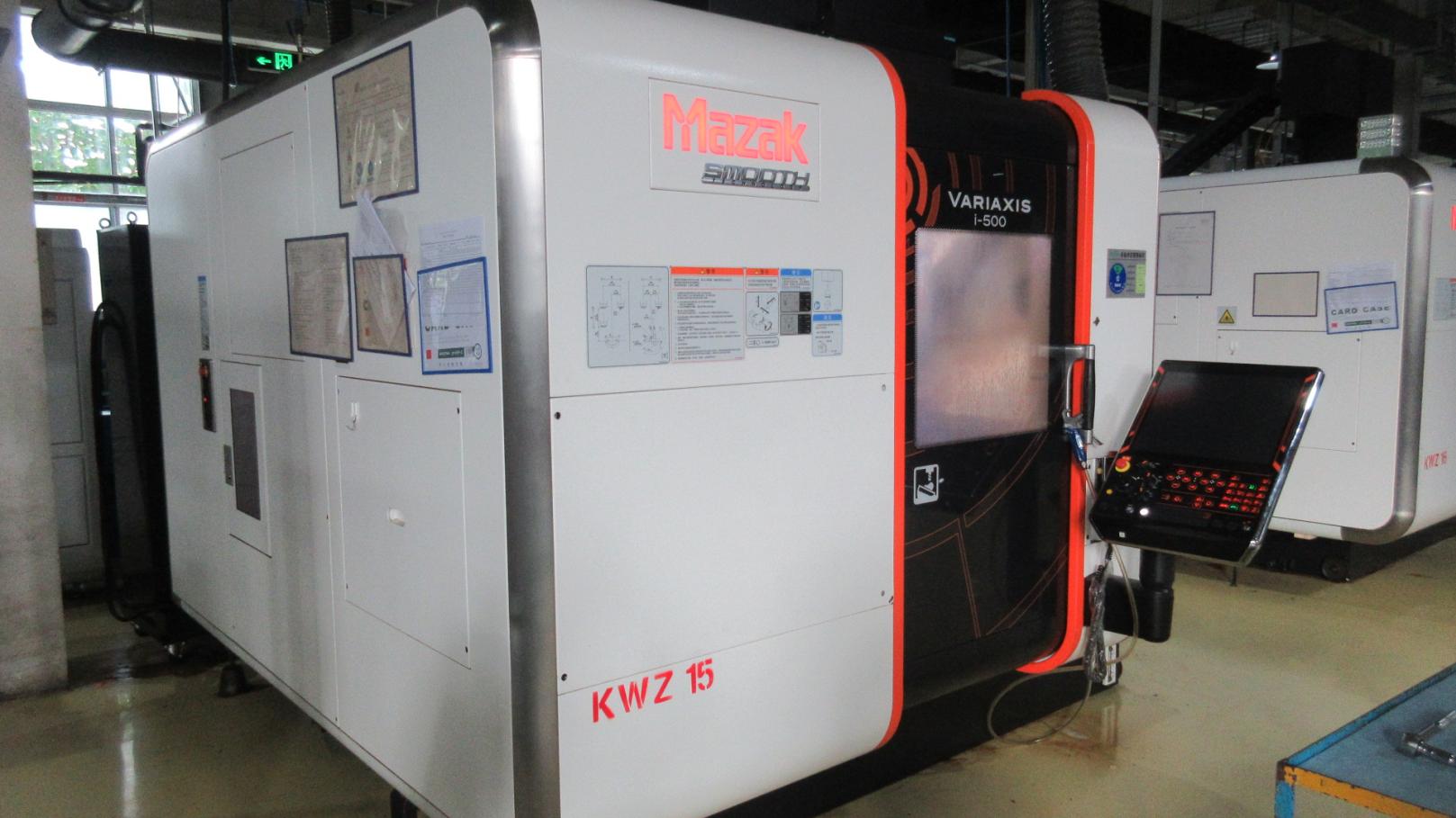
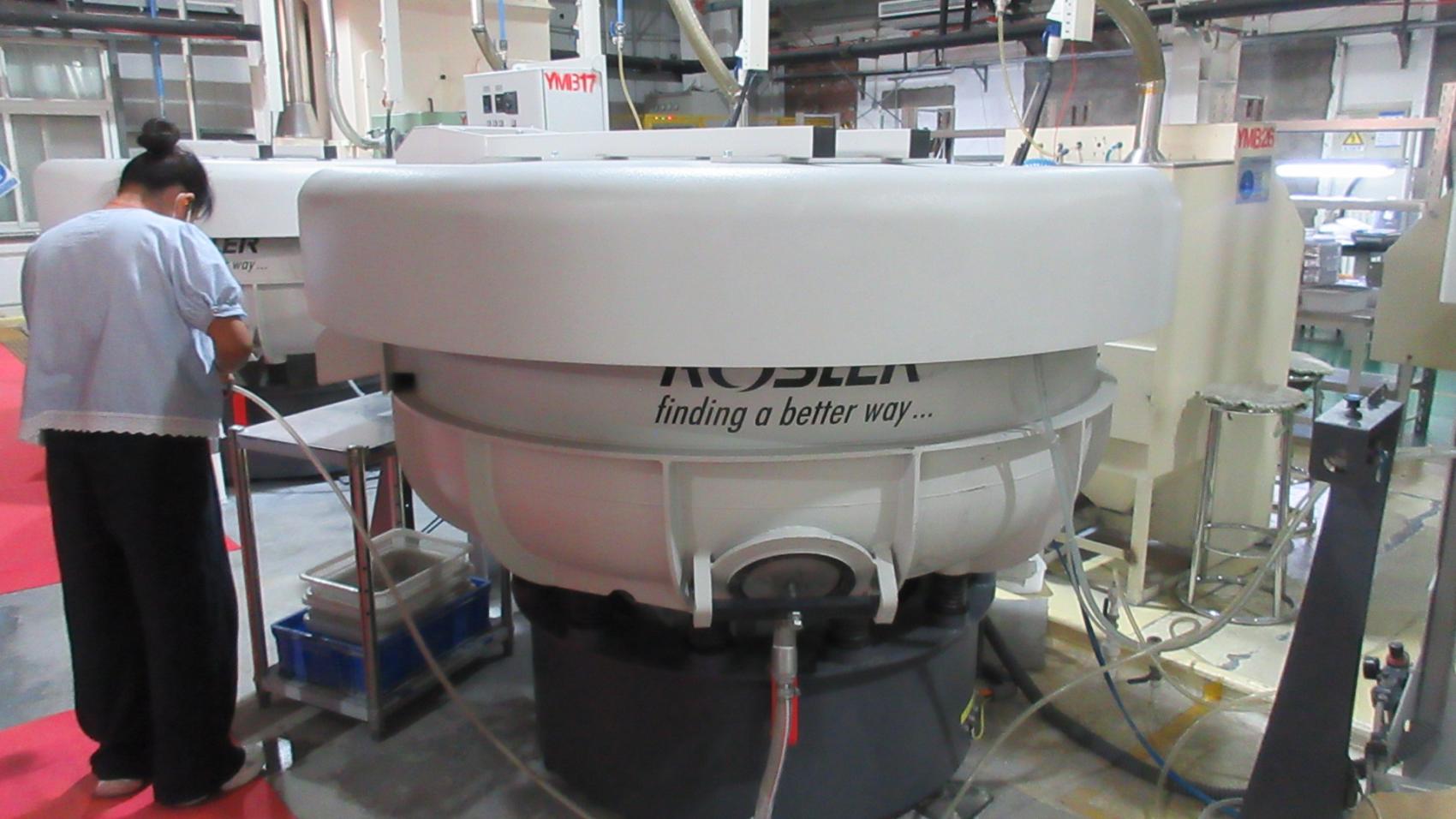
By keeping raw material sourcing (highly purified Titanium and PEEK), multi-axis CNC machining, anodization, clean-room packaging, and sterility validation all under one roof, we eliminate intermediate supply chain delays. Our facility runs 102 state-of-the-art production machines, enabling an annual output of 511,000 units. This massive output allows us to offer shorter lead times while maintaining a robust supply network of 70 reliable partners. For global distributors, this represents a reliable bulwark against hospital inventory shortages.
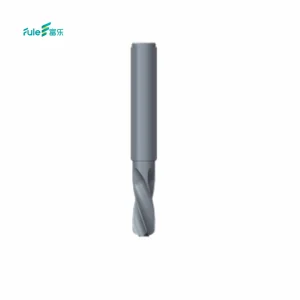
Equipped with 102 advanced CNC machines to achieve micron-level tolerances required for complex pedicle screws and intramedullary nails.
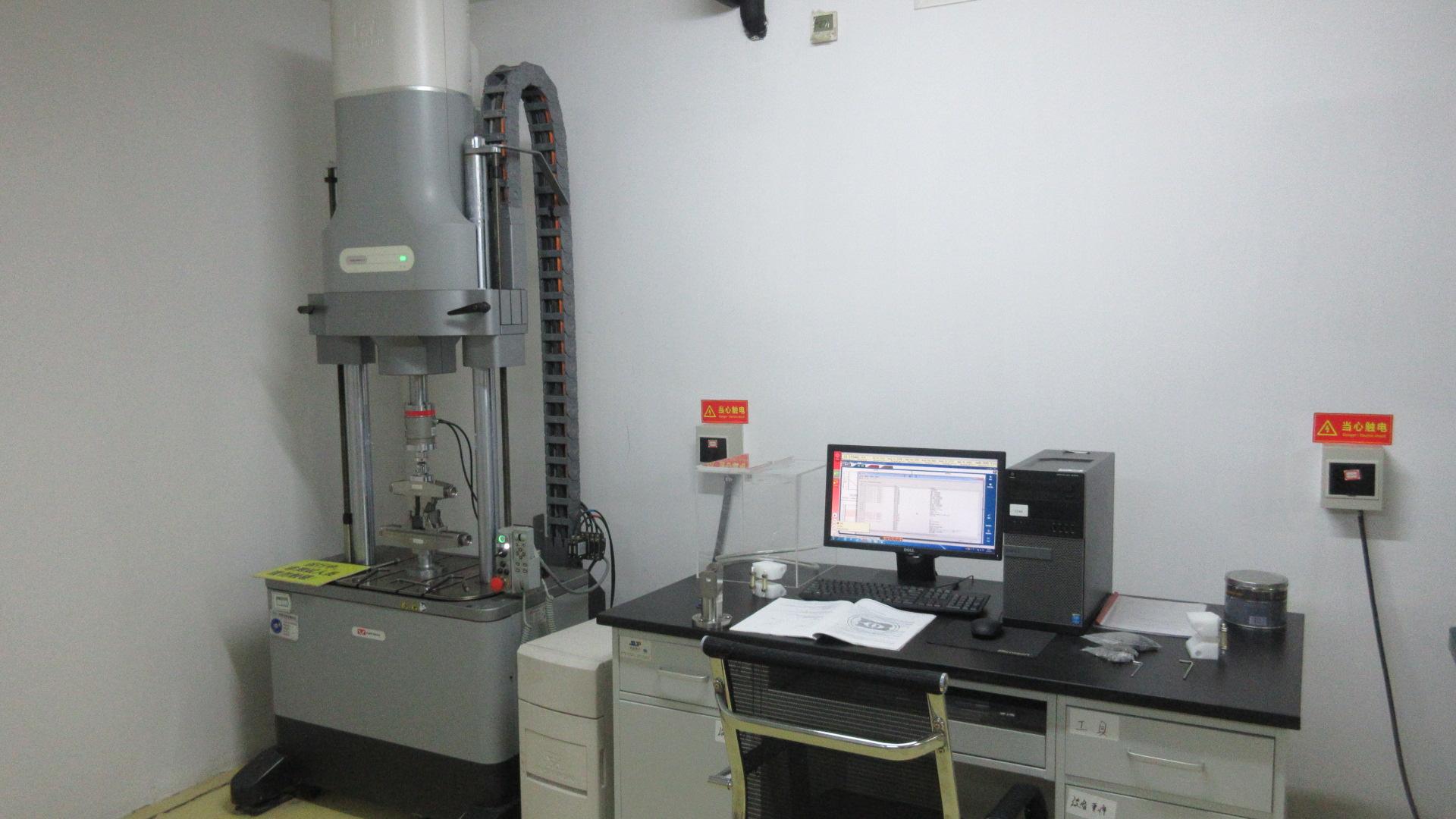
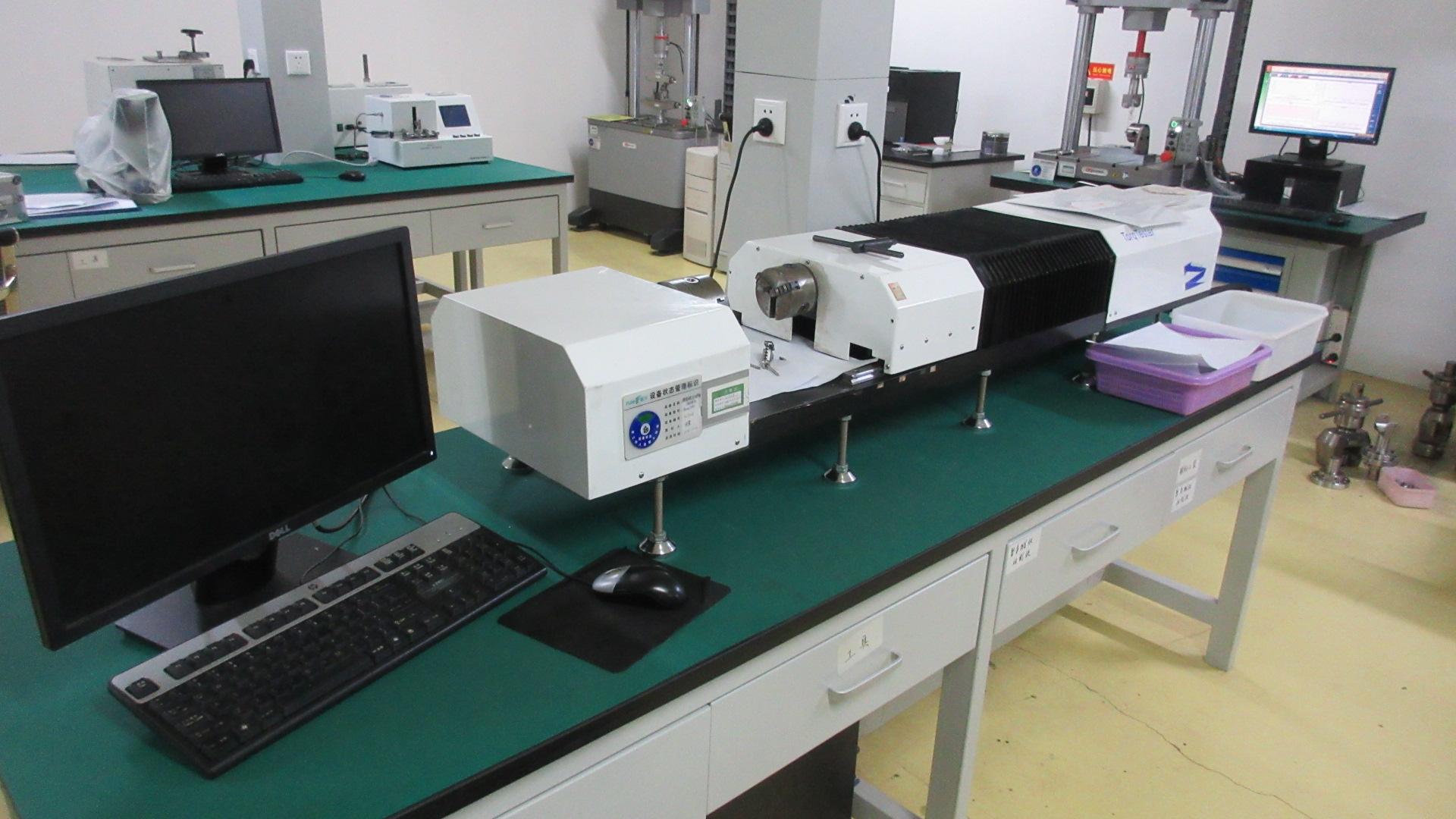
Our 15 dedicated QA/QC inspectors enforce raw material chemical analysis, mechanical fatigue testing, and 100% optical inspection.
Flexible sample-based processing, graphic CAD engineering, and custom product development tailored for localized clinical standards.
The trajectory of orthopedic implant innovation is defined by surface bio-activation and stress-shielding reduction. Our technological roadmap is divided into three key pillars to ensure our products remain at the forefront of medical technology:
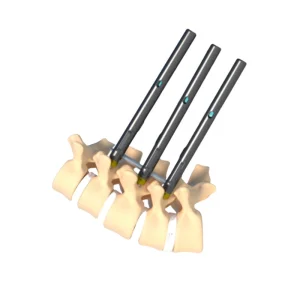
To accelerate osteointegration, our titanium devices undergo precise surface texturing (Type II Anodization and Acid Etching). This increases the microroughness of titanium implants, allowing osteoblasts to adhere more rapidly to the implant surface. This reduces recovery times for patients undergoing posterior cervical laminoplasty or spinal fixation surgery.
For spinal cages, PEEK (Polyetheretherketone) remains the material of choice due to its radiolucent property, allowing surgeons to monitor bone fusion progress under X-ray. We are currently developing bio-composite structures (PEEK reinforced with Carbon Fiber or coated with Titanium plasma spray) to merge the mechanical modulus of PEEK with the excellent bone-attachment properties of titanium.
Future iterations of our bone reconstruction implants will feature additive-manufactured titanium structures mimicking trabecular bone geometry. This facilitates bone ingrowth directly into the implant, minimizing implant loosening and the need for revision surgeries.
Different clinical conditions demand specialized engineering approaches. Our product portfolio is tailored to handle specific orthopedic applications across various demographics:
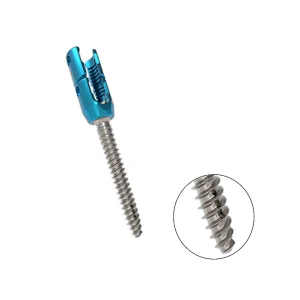
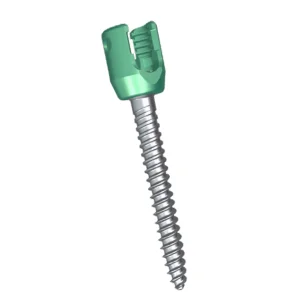
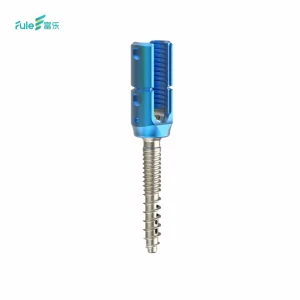
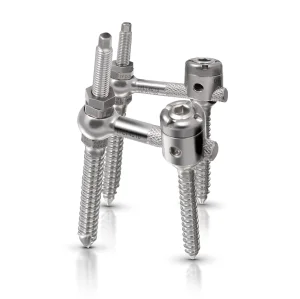
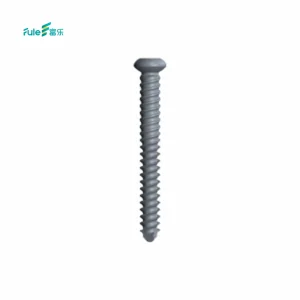
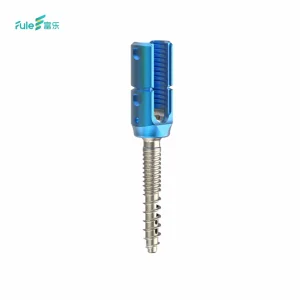
With aged patients, bone mineral density is highly compromised. Standard pedicle screws can fail due to poor bone purchase. Our DHL Titanium Customized Bone Cement Pedicle Screw 6.0 System utilizes a hollow design that allows bone cement (PMMA) injection through the screw body into the vertebral body, securing the screw firmly even in highly osteoporotic bone tissue.
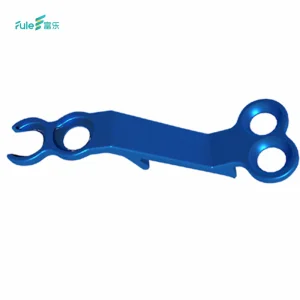
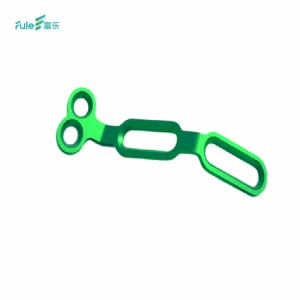
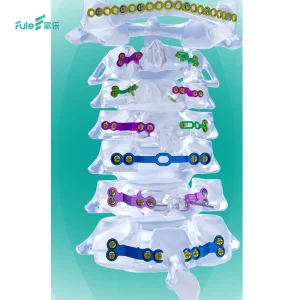
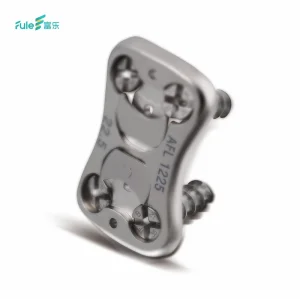
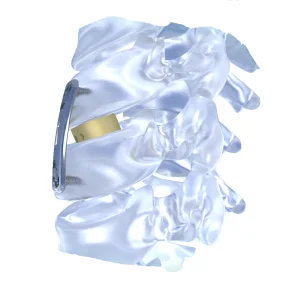
For patients suffering from cervical myelopathy, space within the spinal canal must be restored. Our Titanium Posterior Cervical Laminoplasty plate serves as a structural bridge, holding the opened lamina in place. The low-profile plate profile minimizes soft-tissue irritation post-surgery, reducing post-operative neck pain.
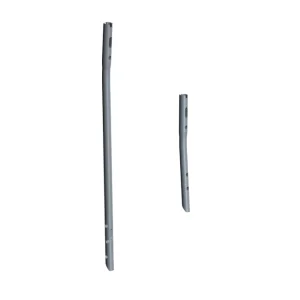
In cases of proximal femur fractures, particularly in elderly patients, stability and early mobilization are critical. The PFNA Femoral Intramedullary Nail system uses an anti-rotation blade instead of traditional locking screws. This provides superior resistance against varus collapse and rotational displacement under physiological weight-bearing loads.
Class III medical implants are subject to strict regulatory frameworks. Achieving global distribution requires rigorous compliance documentation. Our manufacturing processes are fully certified under ISO 13485:2016, and our key product groups hold European CE certification.
Raw material traceability is a critical component of our quality system. Every batch of Titanium or PEEK alloy used is backed by a mill test certificate (MTC) detailing its chemical composition and mechanical properties. In addition, our cleanrooms are monitored regularly for particulate and microbiological levels to guarantee sterility, ensuring that every implant delivered is safe for clinical use.
B2B Compliance Support: We supply a complete technical file package, including mechanical fatigue test data, biocompatibility test results, sterilization validation documentation, and clinical evaluation files to support localized product registration for our clients.
A detailed breakdown of our manufacturing resources, quality control metrics, and research output.
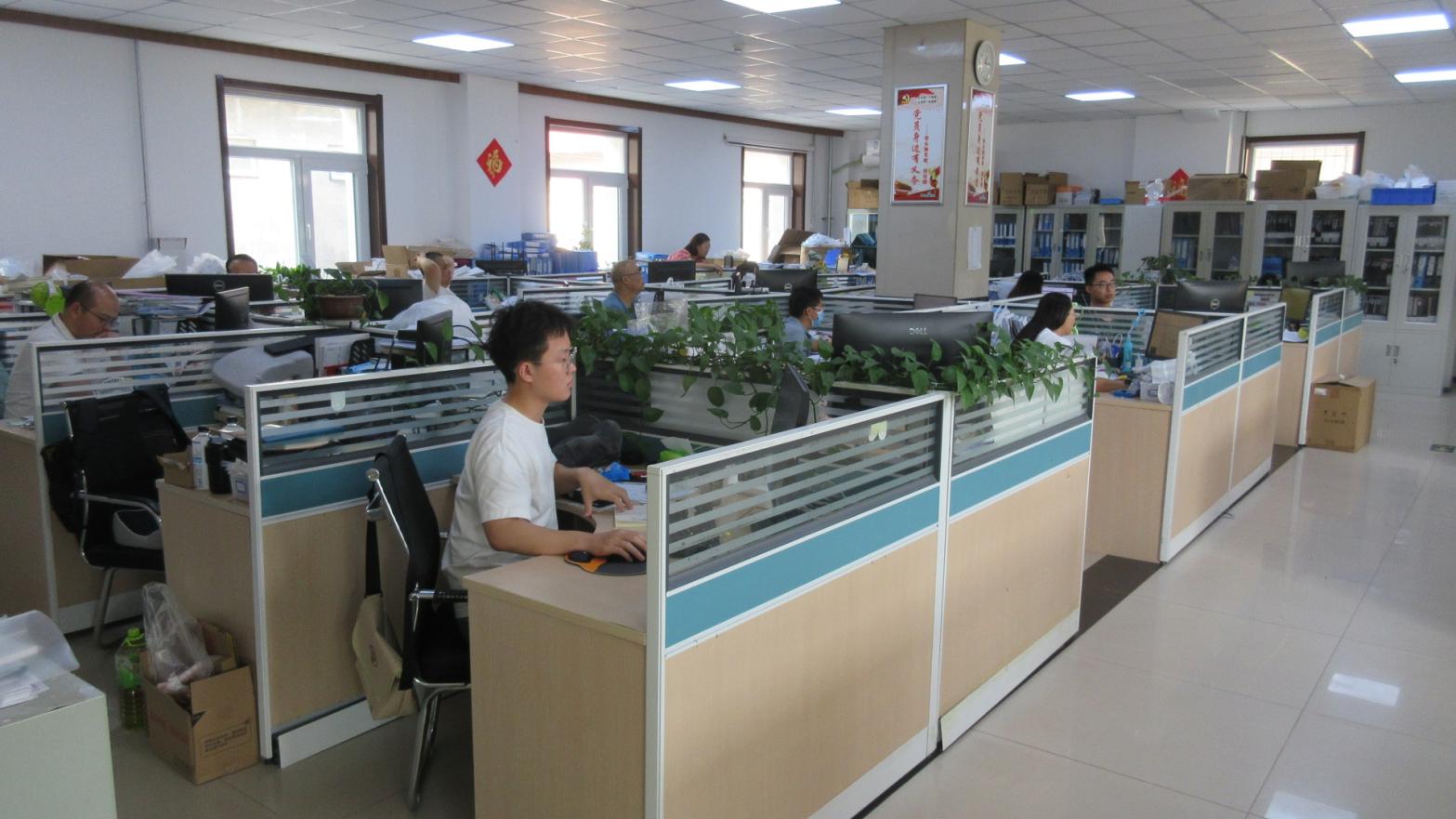
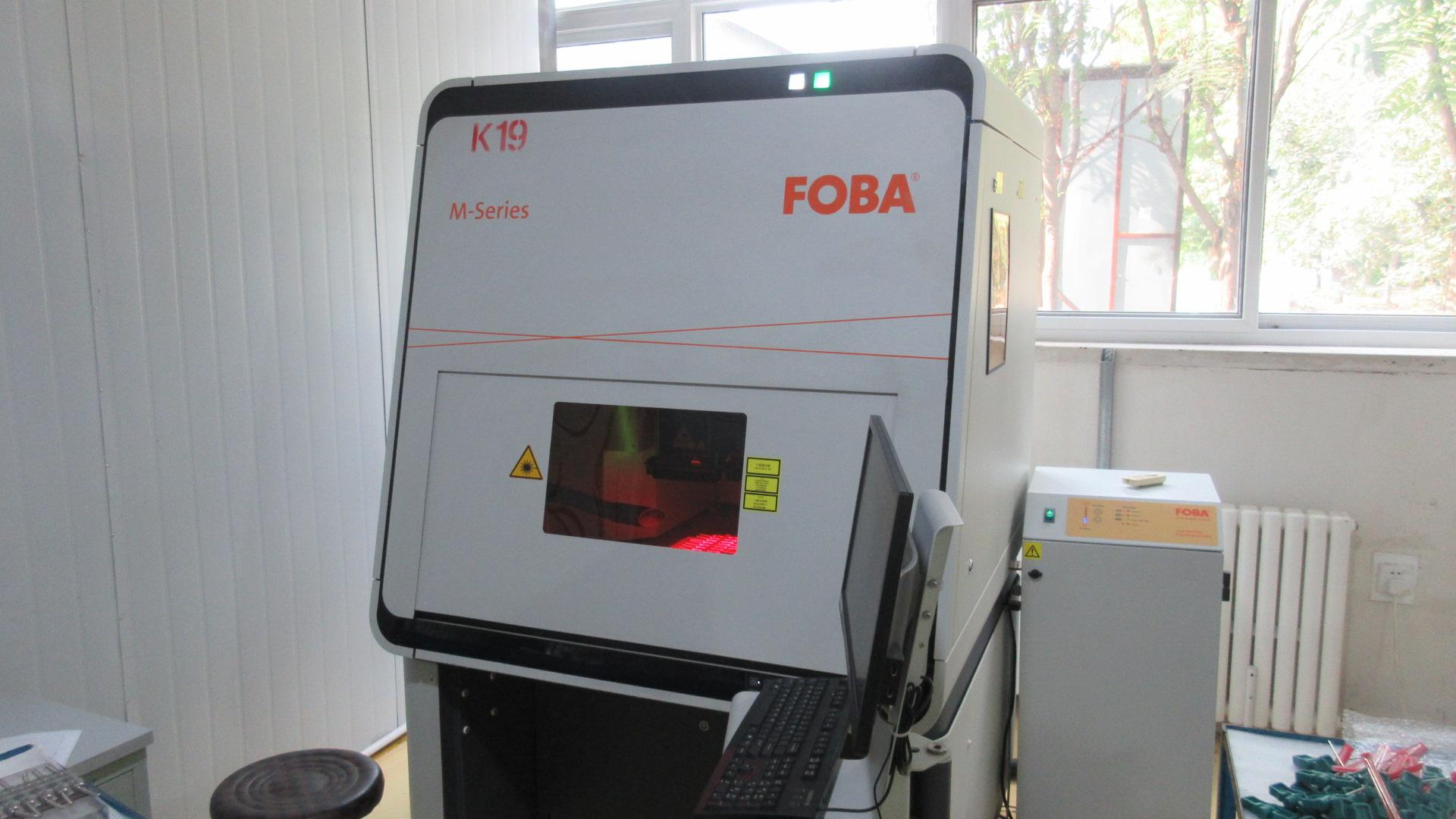
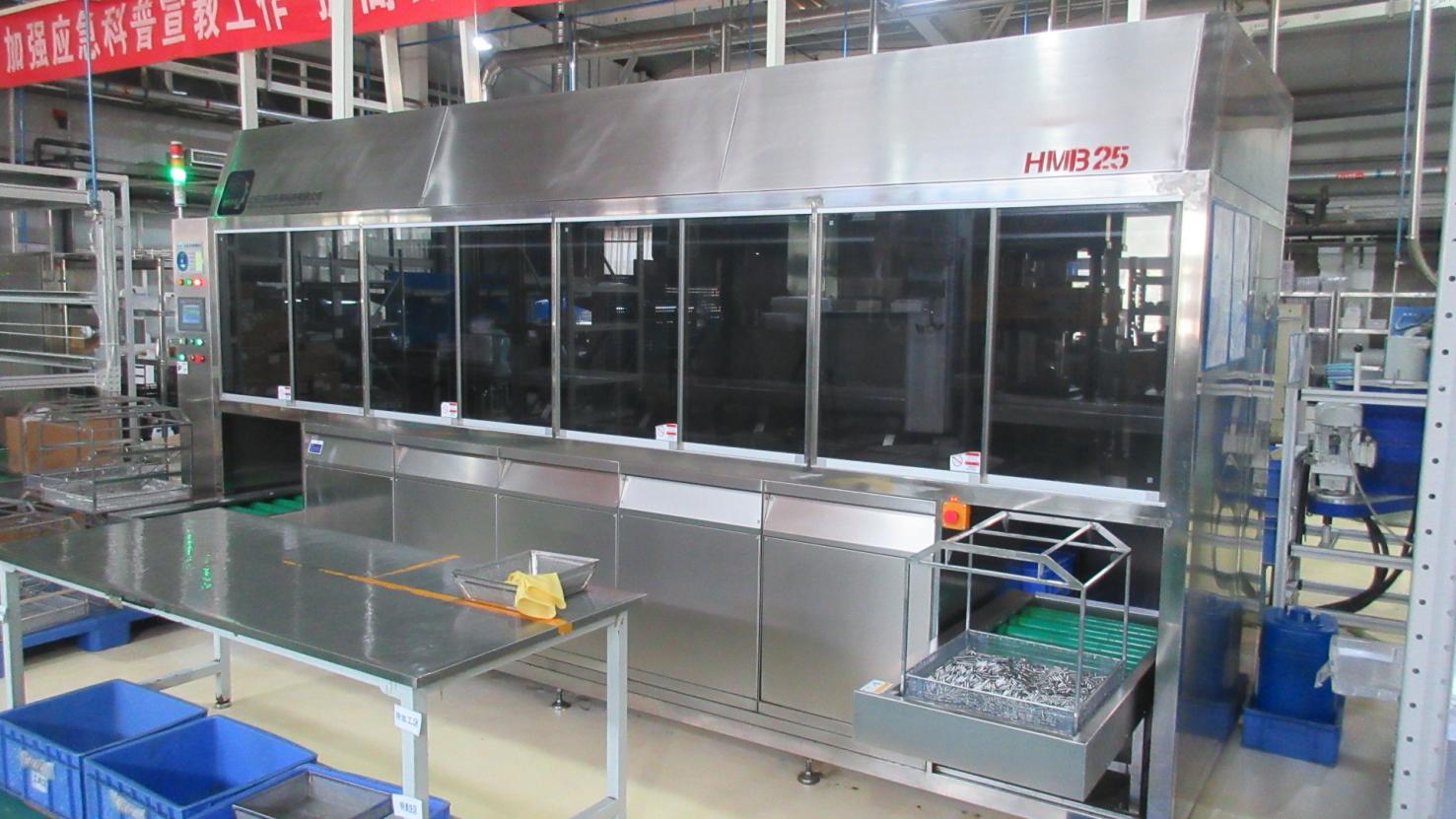
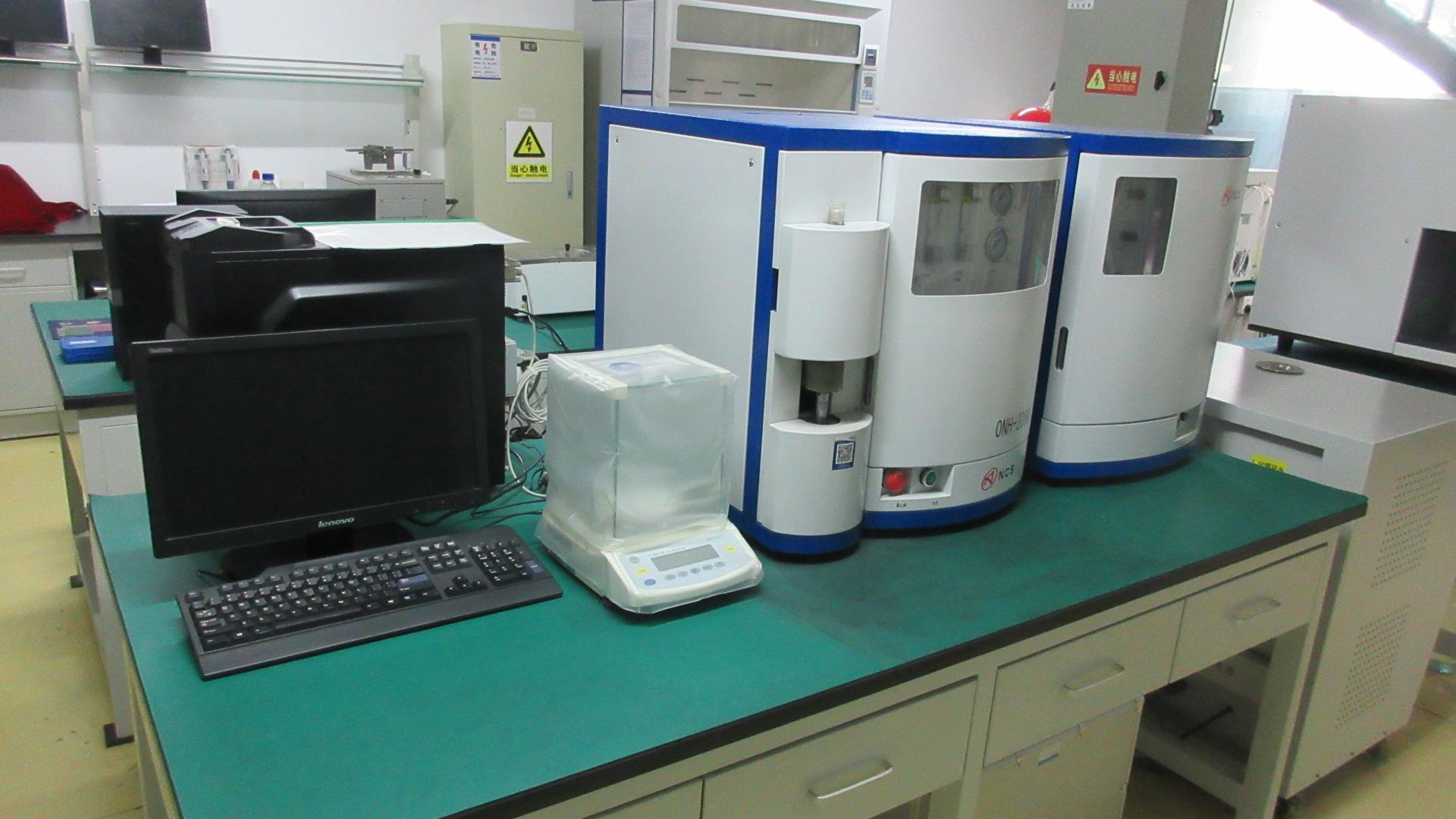
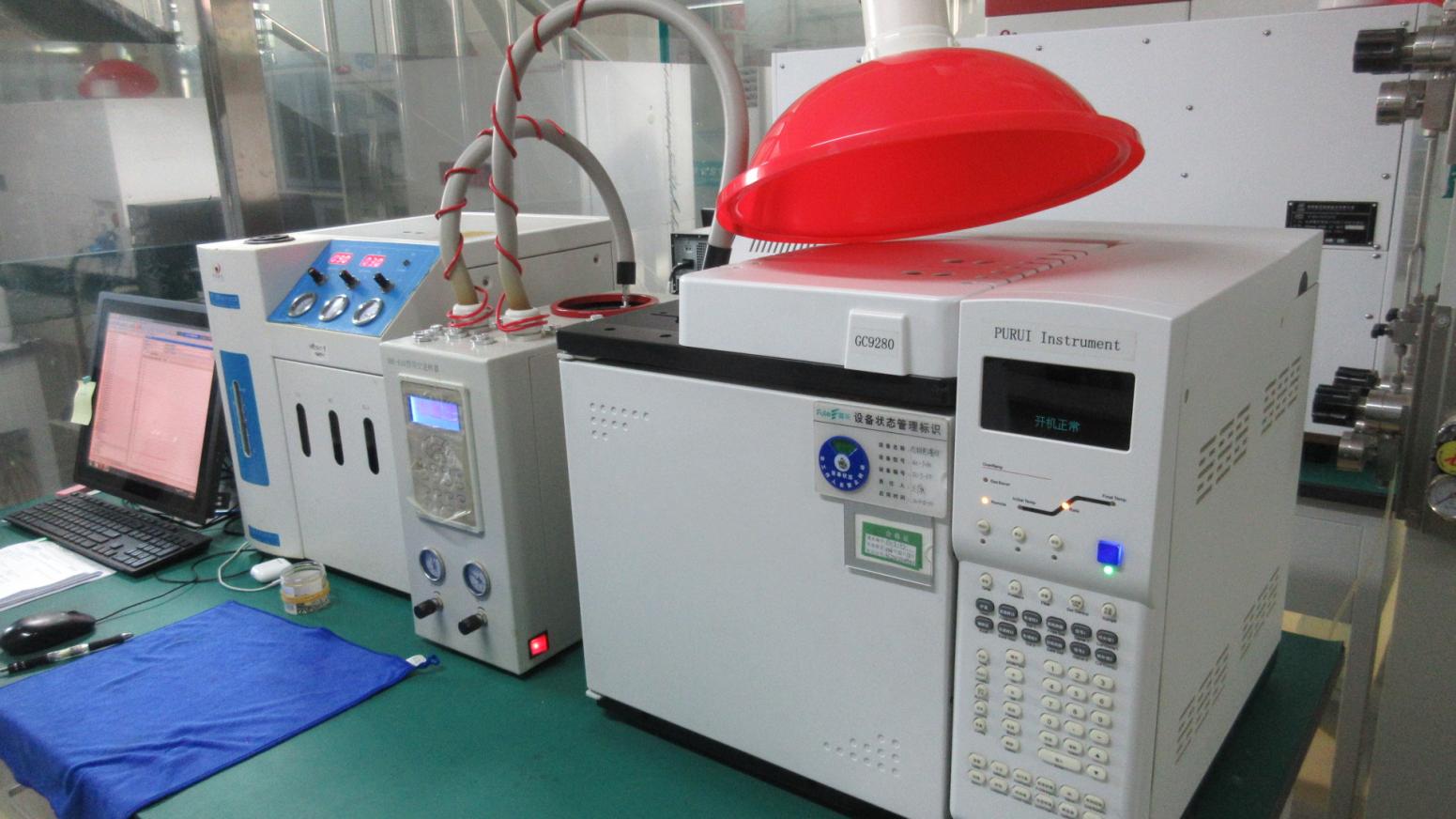
Take a look inside our ISO-compliant manufacturing plant, packaging areas, and test labs where raw medical-grade materials are transformed into life-changing implants.
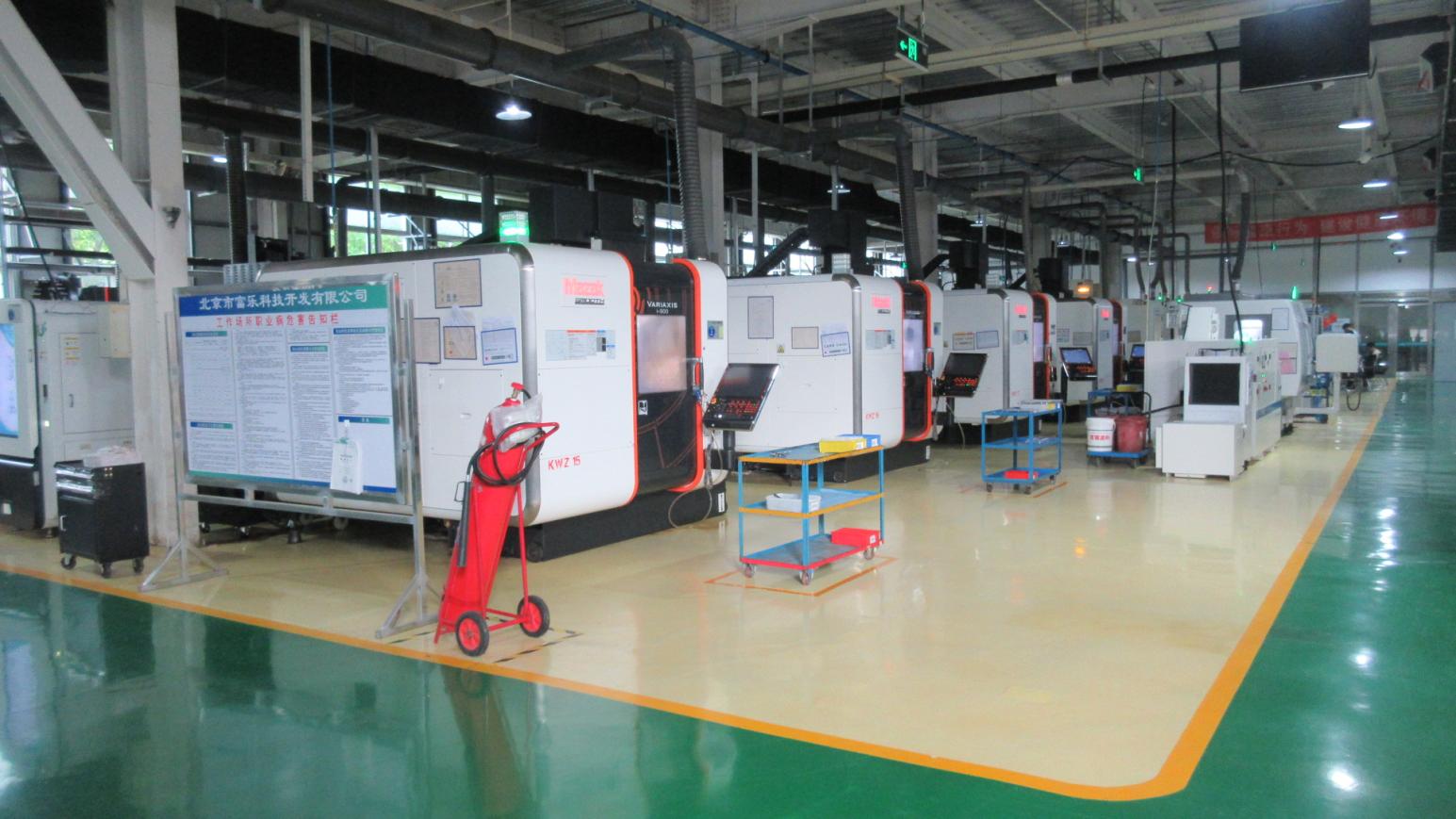
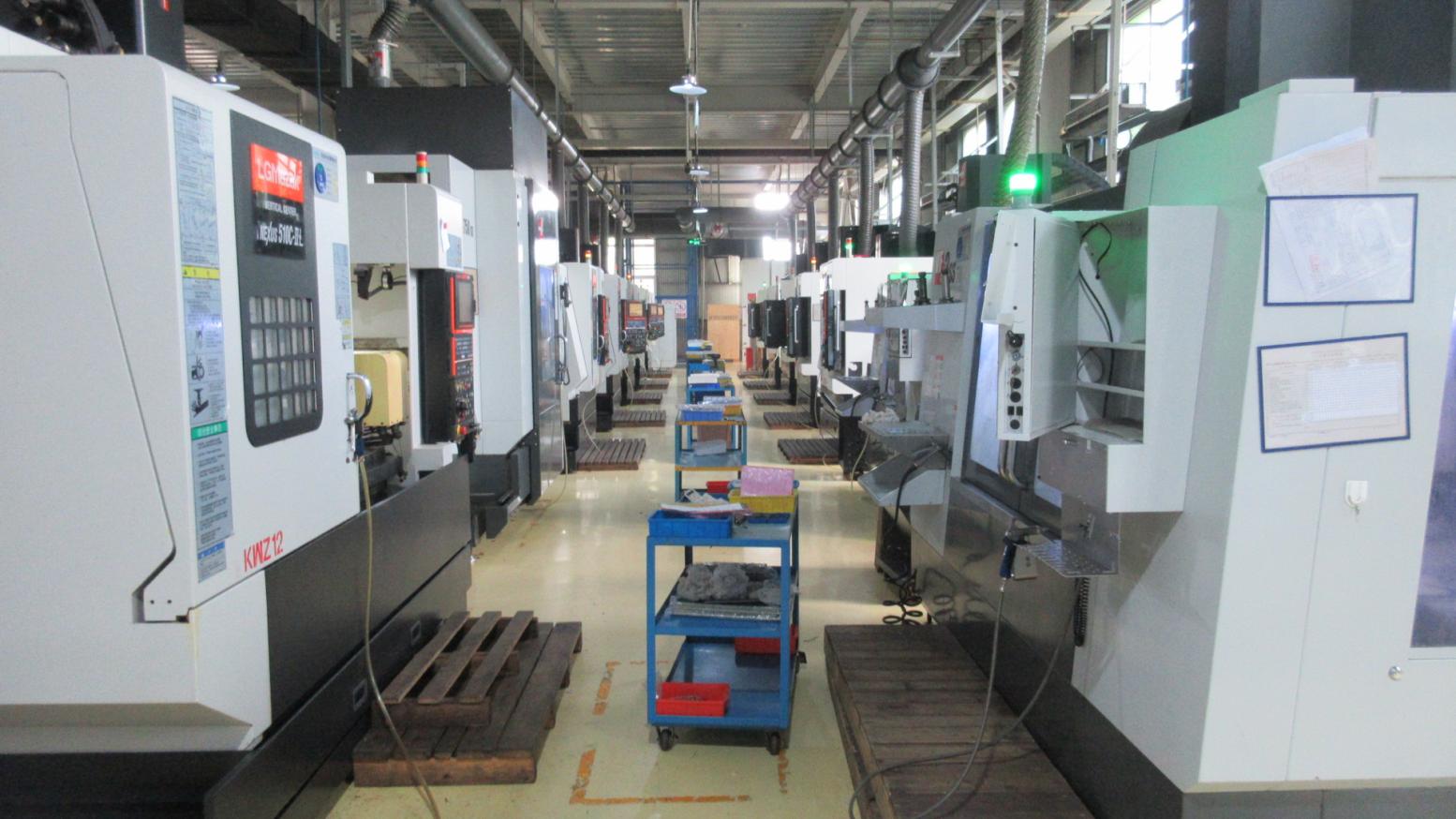
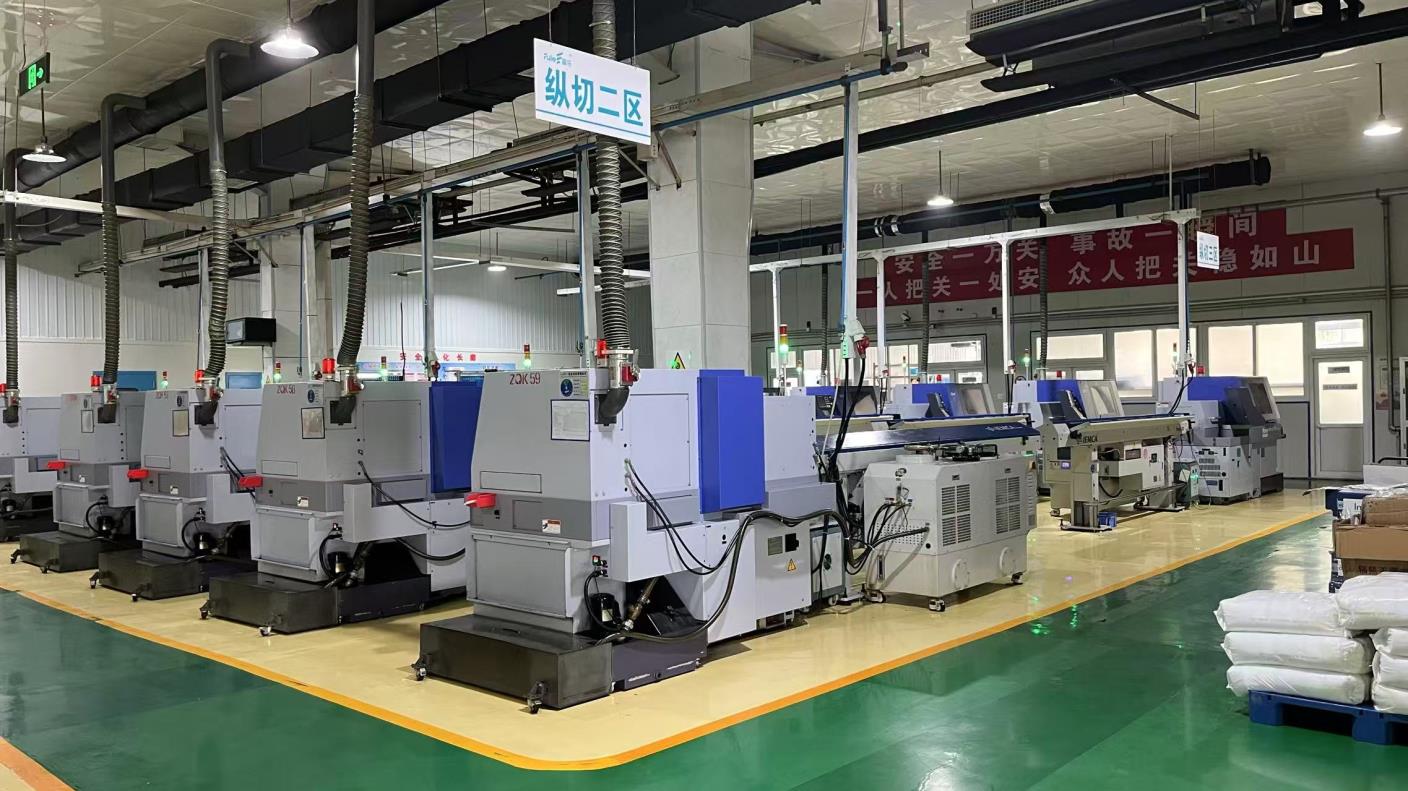
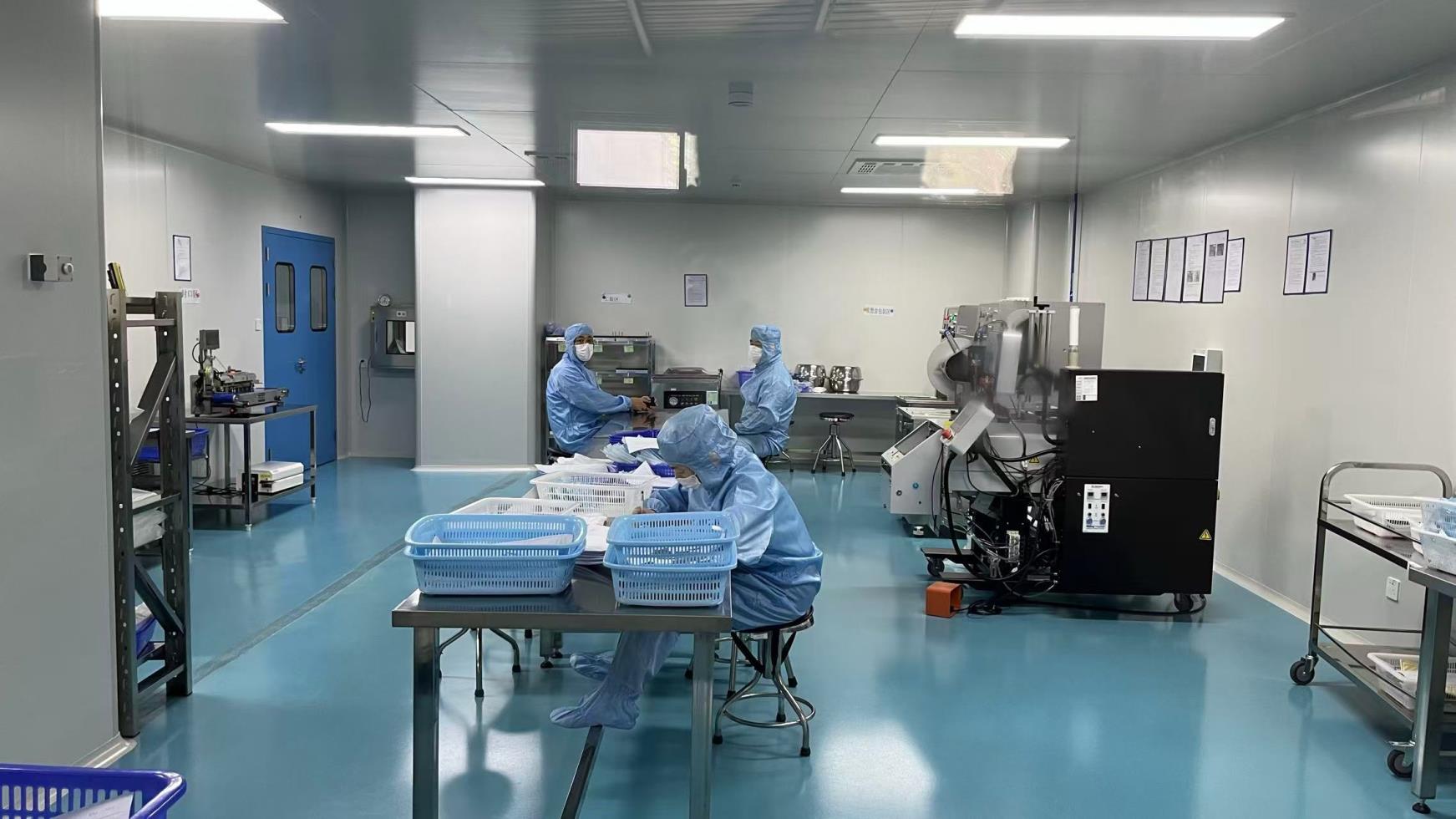
Find answers to frequently asked technical, regulatory, and logistics questions from professional medical device distributors.
We use medical-grade Ti-6Al-4V ELI (Grade 5 Titanium Alloy) for structural implants like pedicle screws and plates, which conform to ASTM F136/ISO 5832-3 standards. For interbody fusion cages, we use implant-grade PEEK (Polyetheretherketone) from leading certified chemical suppliers, ensuring biocompatibility and optimal modulus of elasticity mimicking cancellous bone.
Our implants are manufactured, cleaned, and packaged in a monitored cleanroom environment. Every single product batch undergoes visual, dimensional, and ultrasonic cleaning inspections. A final sterilization validation plan is performed for implants packaged in sterile barrier configurations to maintain aseptic integrity.
Yes, we support extensive custom OEM/ODM manufacturing based on clinical drawings or sample designs. Our engineering team, comprising 20 R&D specialists, works alongside B2B buyers to customize screw lengths, thread pitches, plate geometries, and surgical instrument kits tailored to local hospital preferences.
Our manufacturing plant operates under an ISO 13485:2016 quality management system. Major product lines, including our spinal fixation pedicle screws, posterior cervical plates, and trauma nails, hold CE Class III certification, simplifying product registration in Europe, South America, and Southeast Asia.
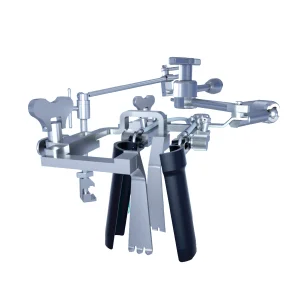
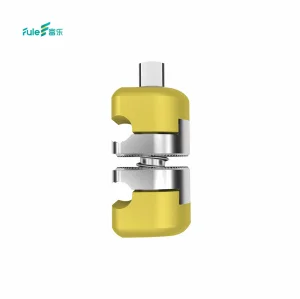
Review our complete selection of trauma surgery materials, external fixator systems, and spinal fusion cages designed for clinical safety and efficacy.
 Beren Science & Technology