High-reliability orthopedic implants engineered for trauma repair, spinal stabilization, and complex skeletal reconstruction.
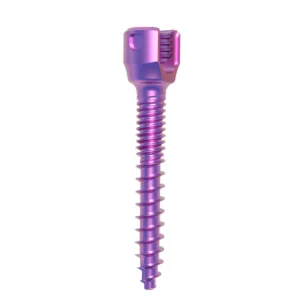
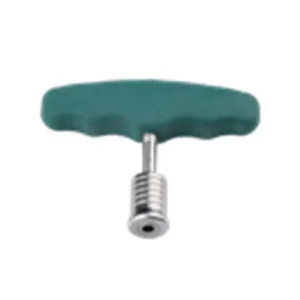
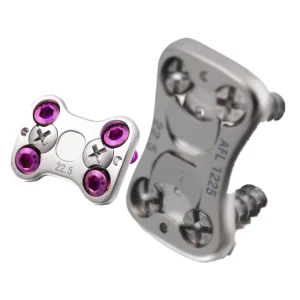
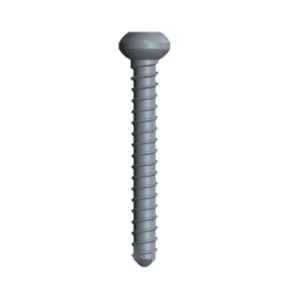
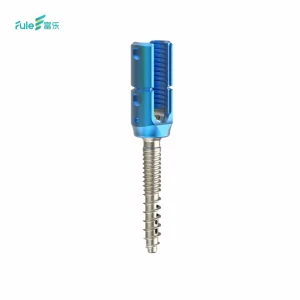
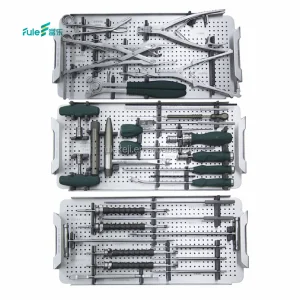
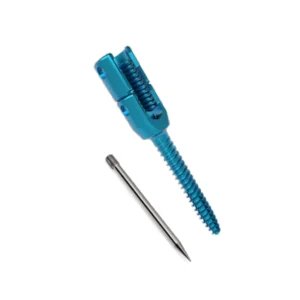
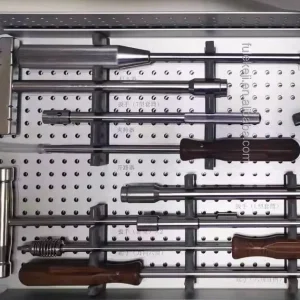
The human fibula, while bearing a minority of the lower limb axial load, provides structural alignment, lateral stability, and serves as a vital anchor site for ligaments and muscles. Fractures of the lateral malleolus or distal fibula compromise the integrity of the ankle joint. In macro-orthopedics, anatomical restoration and rigid internal fixation of the fibula are essential for preventing post-traumatic osteoarthritis and restoring physiological biomechanics.
To address these complex clinical demands, global medical supply chains rely on specialized manufacturers capable of producing high-performance orthopedic titanium and titanium-alloy implant components. Chinese manufacturers have optimized the metallurgy, biomechanical designs, and surface treatment protocols to match international regulatory specifications (including Class III medical devices), offering significant value to hospital groups, regional medical agencies, and medical device distributors worldwide.
Leveraging robust manufacturing systems, comprehensive traceabilities, and a commitment to clinical safety.
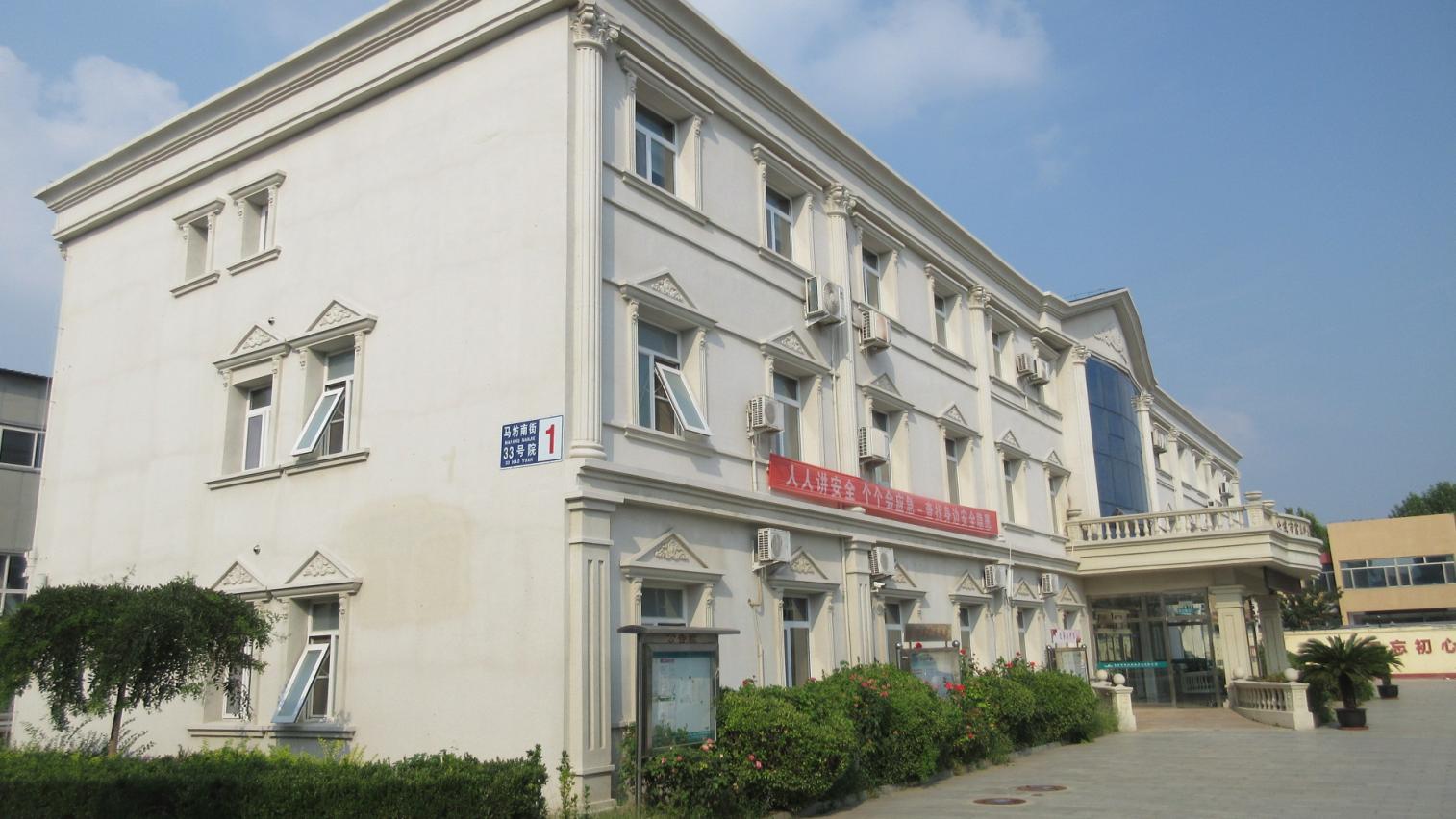
Our manufacturing cluster features integrated facilities providing full production traceability. Every single bone plate, spinal screw, and intramedullary nail follows a strict track-and-trace regime starting from raw medical titanium alloy ingots down to individual sterile packaging. This compliance ecosystem supports global orthopedics distribution across key regions including Europe, Southeast Asia, and the Americas.
| Regulatory & Technical Metrics | Standard Specifications | Our Operational Benchmarks |
|---|---|---|
| Raw Materials Used | ASTM F136 / ISO 5832-3 Titanium Alloy | 100% Traceability with Mill Certificates |
| Quality System Compliance | ISO 13485 Medical Quality Management | Verified Certification 04724Q10000818 |
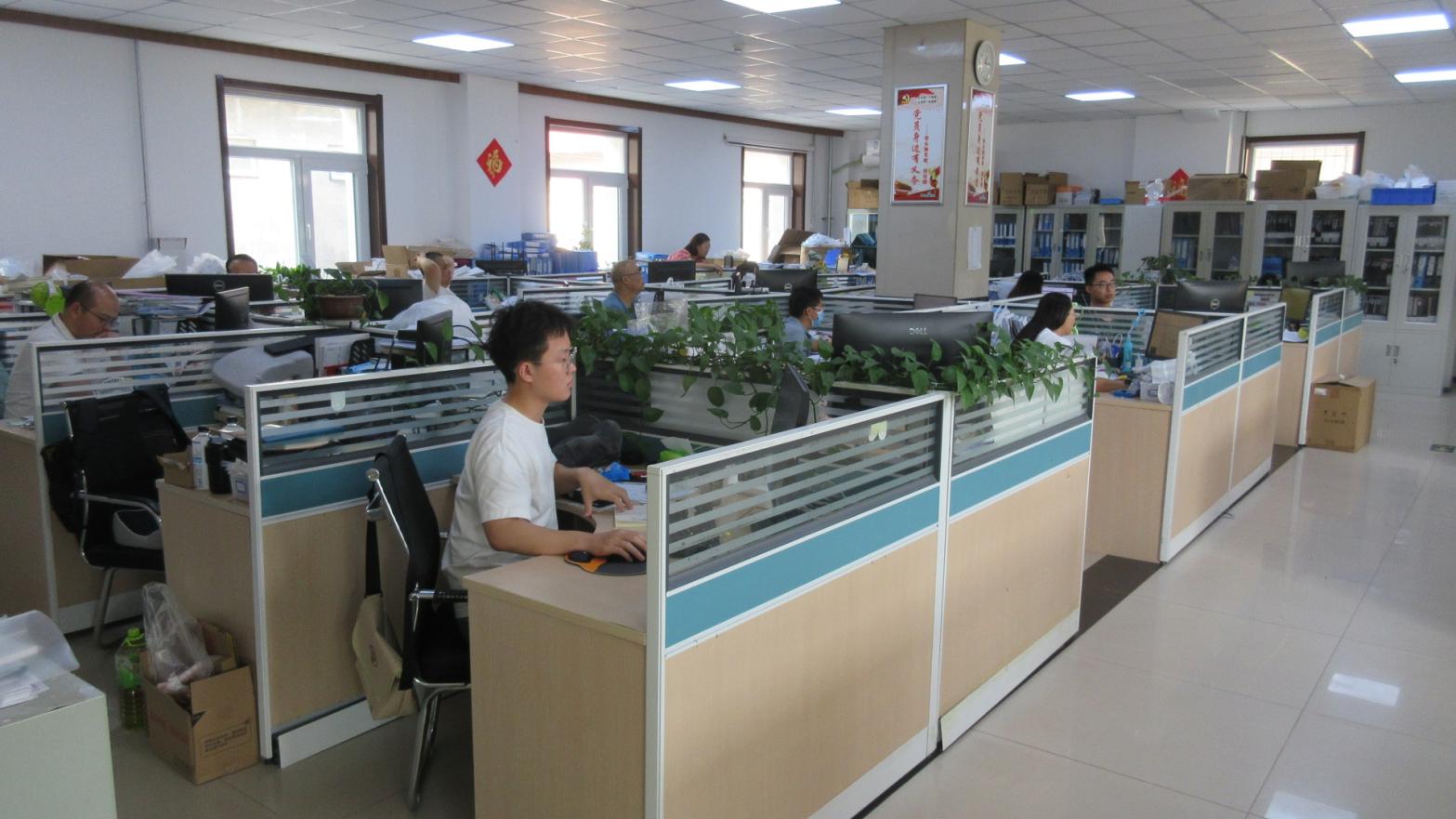
| R&D Capabilities | CAD/CAM Prototyping & Customization | 20 Engineers (15 Graduates / 5 Junior College) |
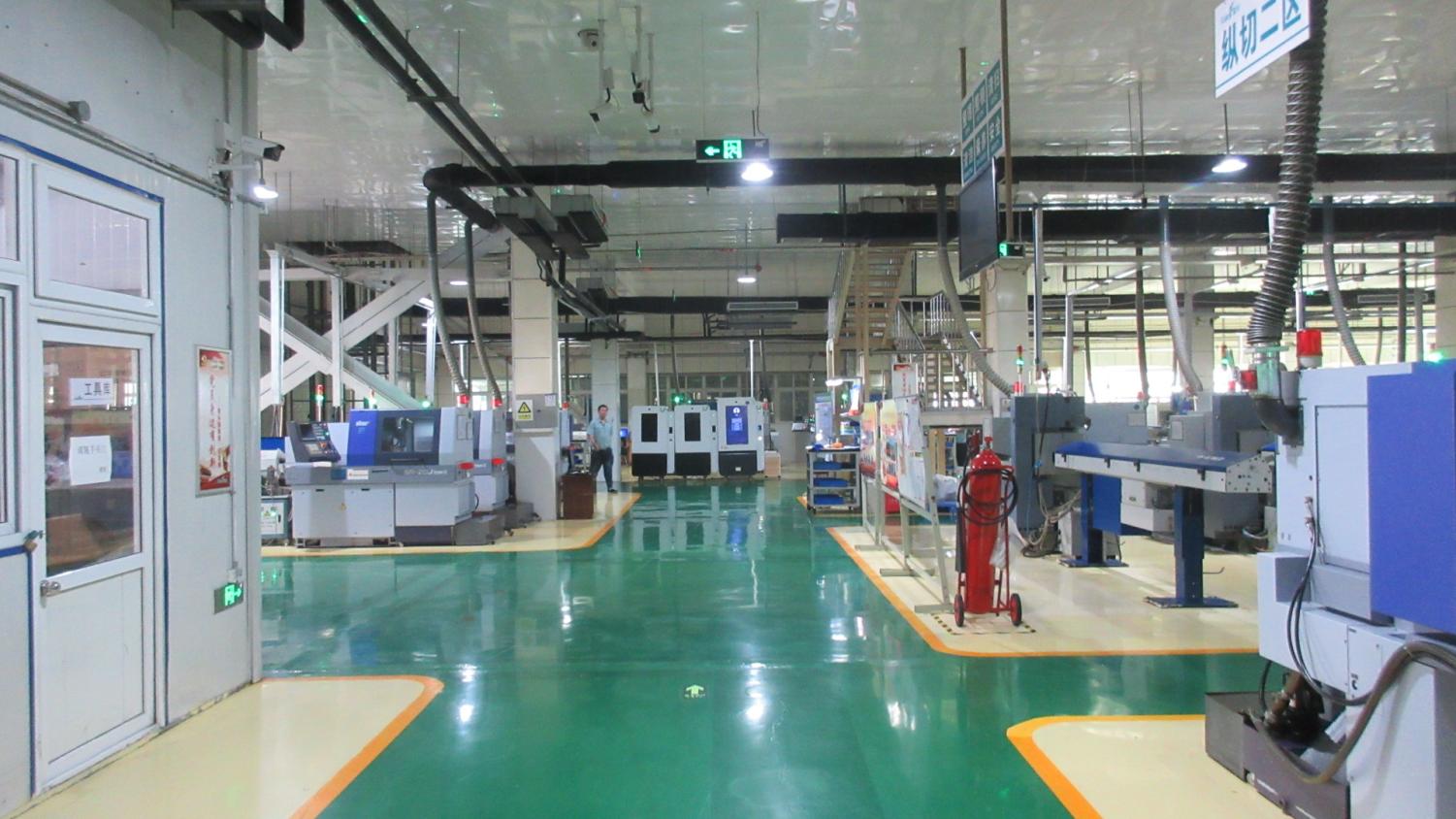
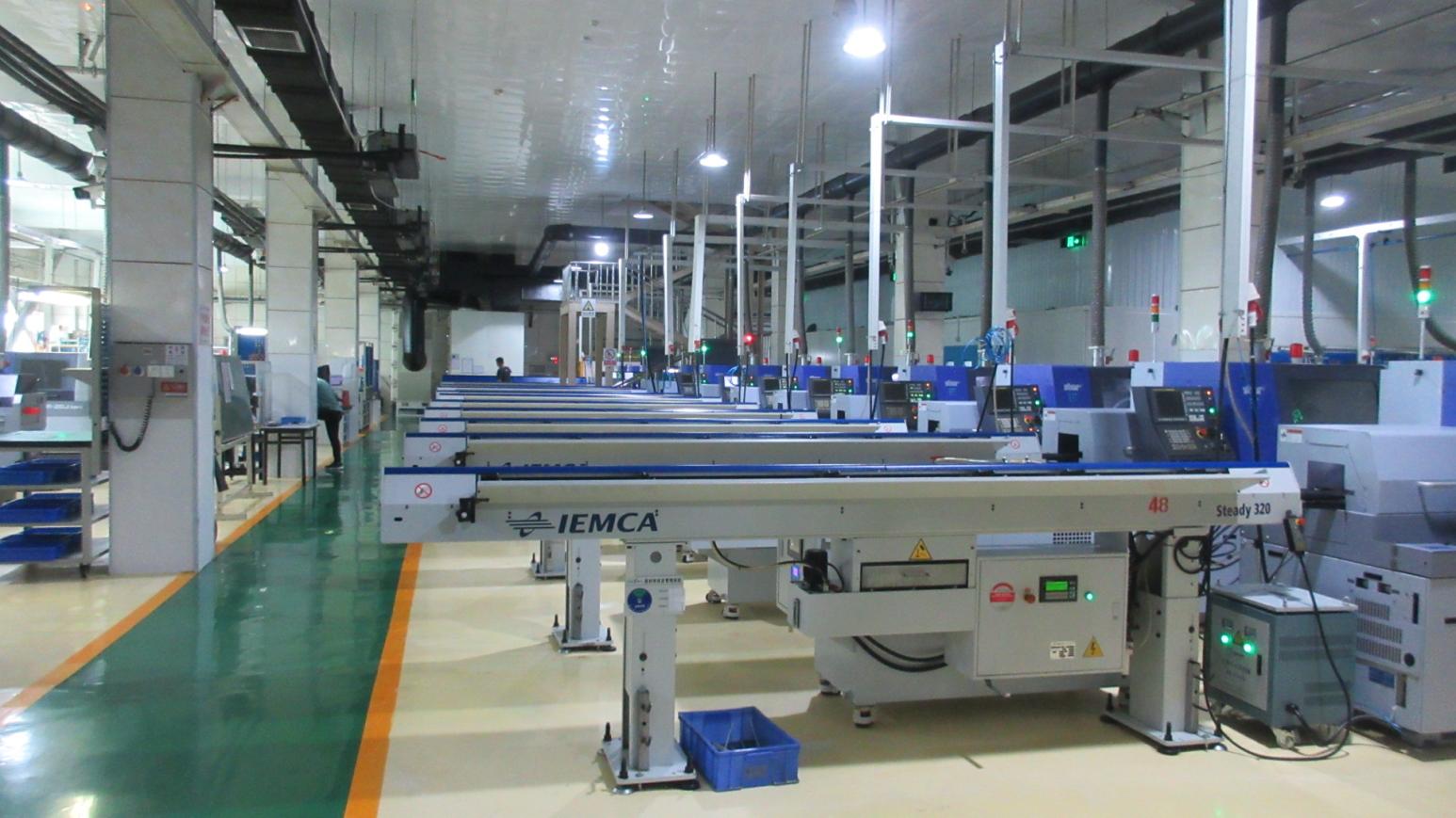
| Production Output Level | High-Volume Continuous Production | 511,000 Units Annually across 102 Machines |
| Quality Control Auditing | Continuous Inspections per Line | 100% In-Line and Final Inspection Protocols |
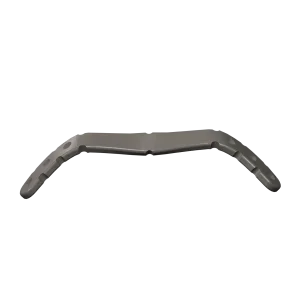
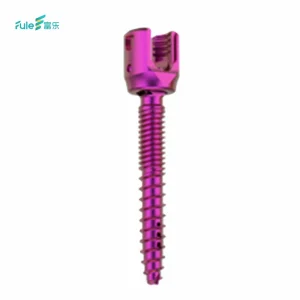
To reduce the risks of implant rejection, corrosion, and osseous non-union, orthopedic manufacturers must implement cutting-edge surface-treatment modifications. Our specialized processes for trauma fixation materials, such as distal fibula locking systems, humerus pins, and anterior cervical plate systems, include:
Increases surface hardness, reduces friction, and significantly reduces wear debris, improving long-term biocompatibility and implant longevity within human skeletal tissues.
Creates uniform micro-roughness on bone-facing surfaces, promoting rapid osteoblast adhesion and faster osseointegration after critical reconstructive surgeries.
Engineered based on dynamic bone geometry databases, reducing the surgeon's need to manually bend plates intraoperatively, saving operating room hours.
By implementing these high-precision engineering protocols, the failure rates of trauma plates in osteoporotic or multi-fragmentary fractures are reduced. The locking holes within the plate profiles are CNC-milled with extreme precision, allowing polyaxial or monoaxial locking screws to seat securely without thread-stripping or cold-welding.
Different global markets present specific regulatory demands and commercial realities. Recognizing this, our manufacturing team offers comprehensive customization strategies tailored to meet procurement requirements:
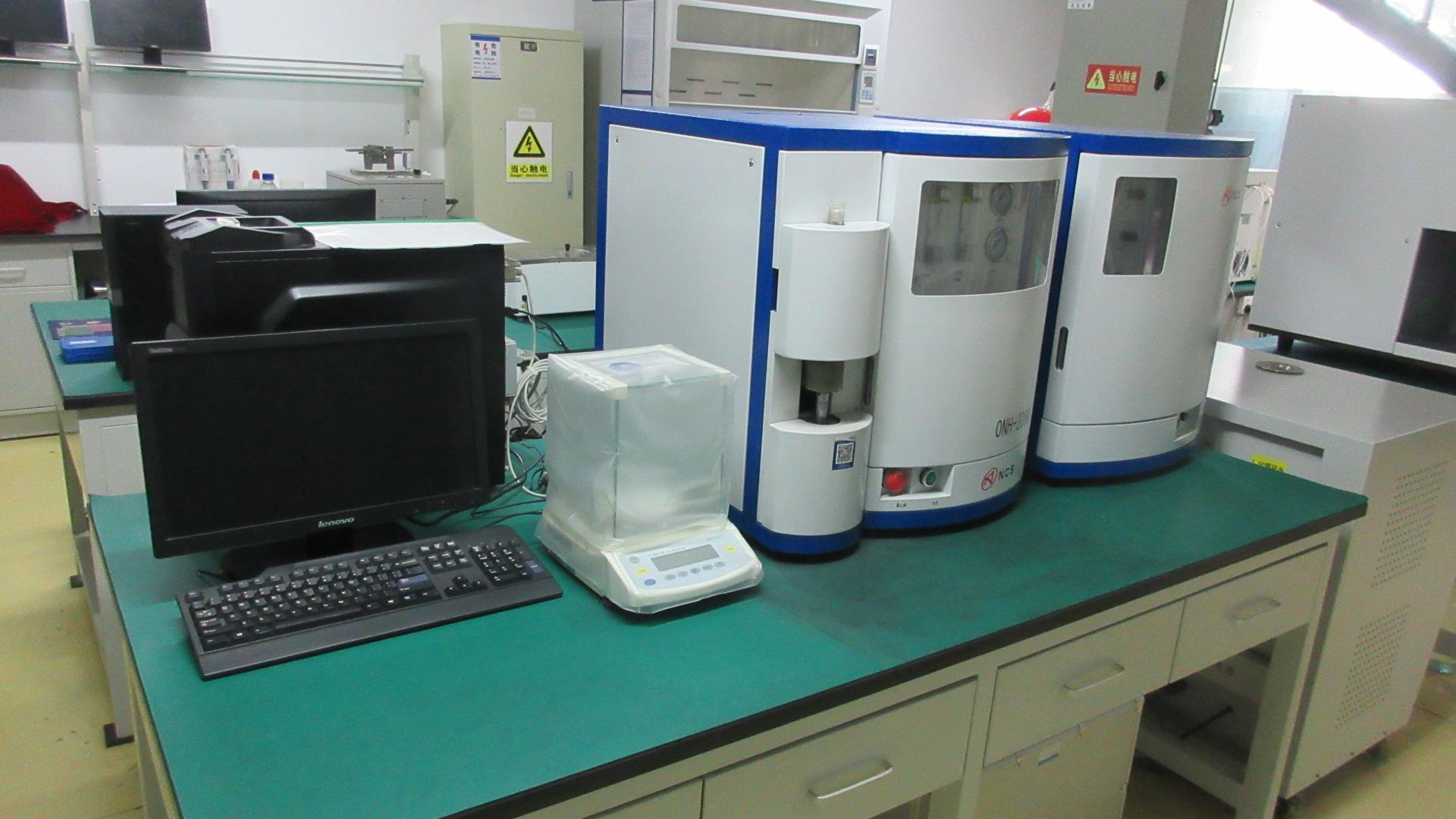
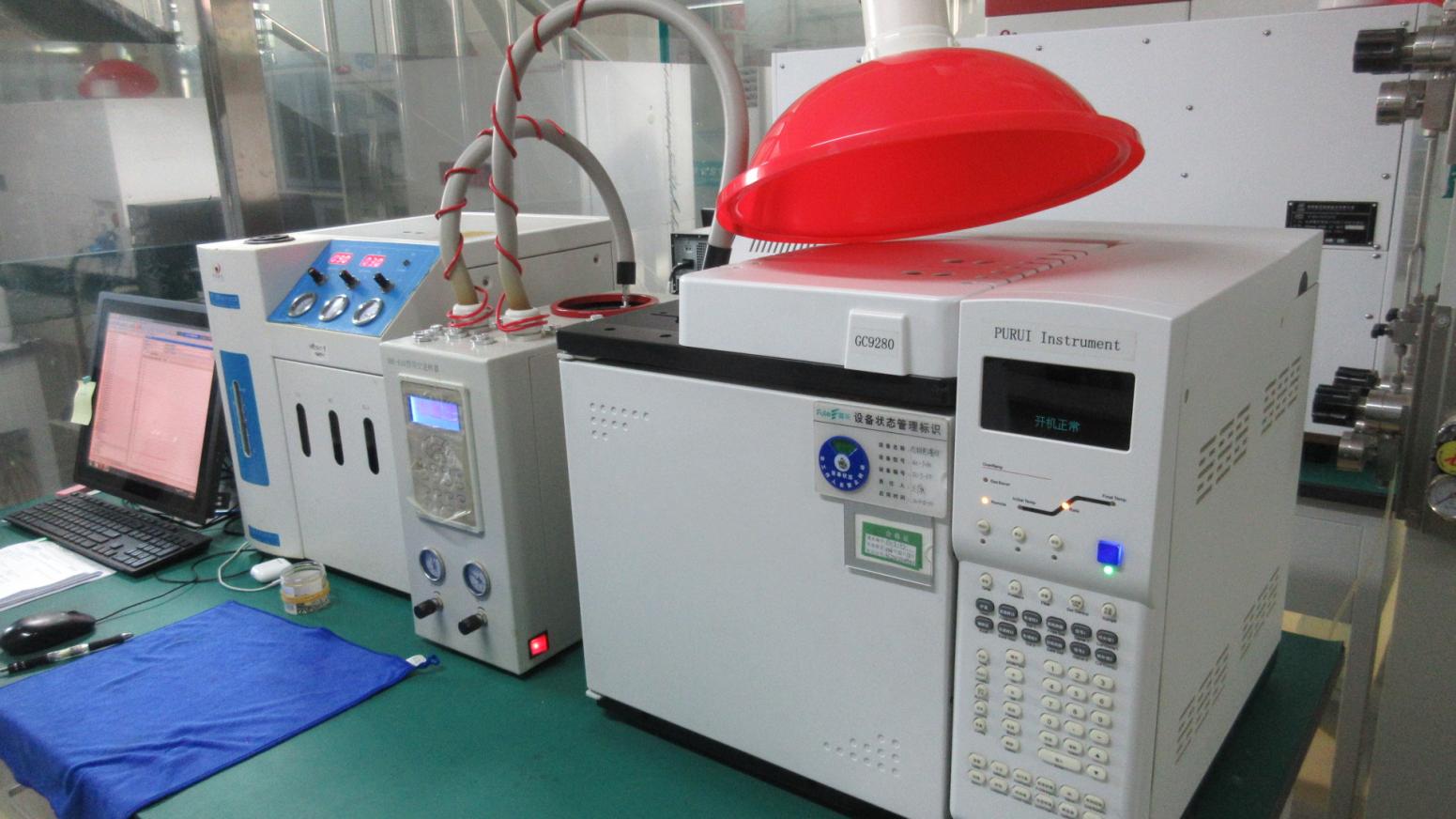
A visual walkthrough of our 10,000 m² state-of-the-art facility, precision testing labs, and high-capacity manufacturing floor.
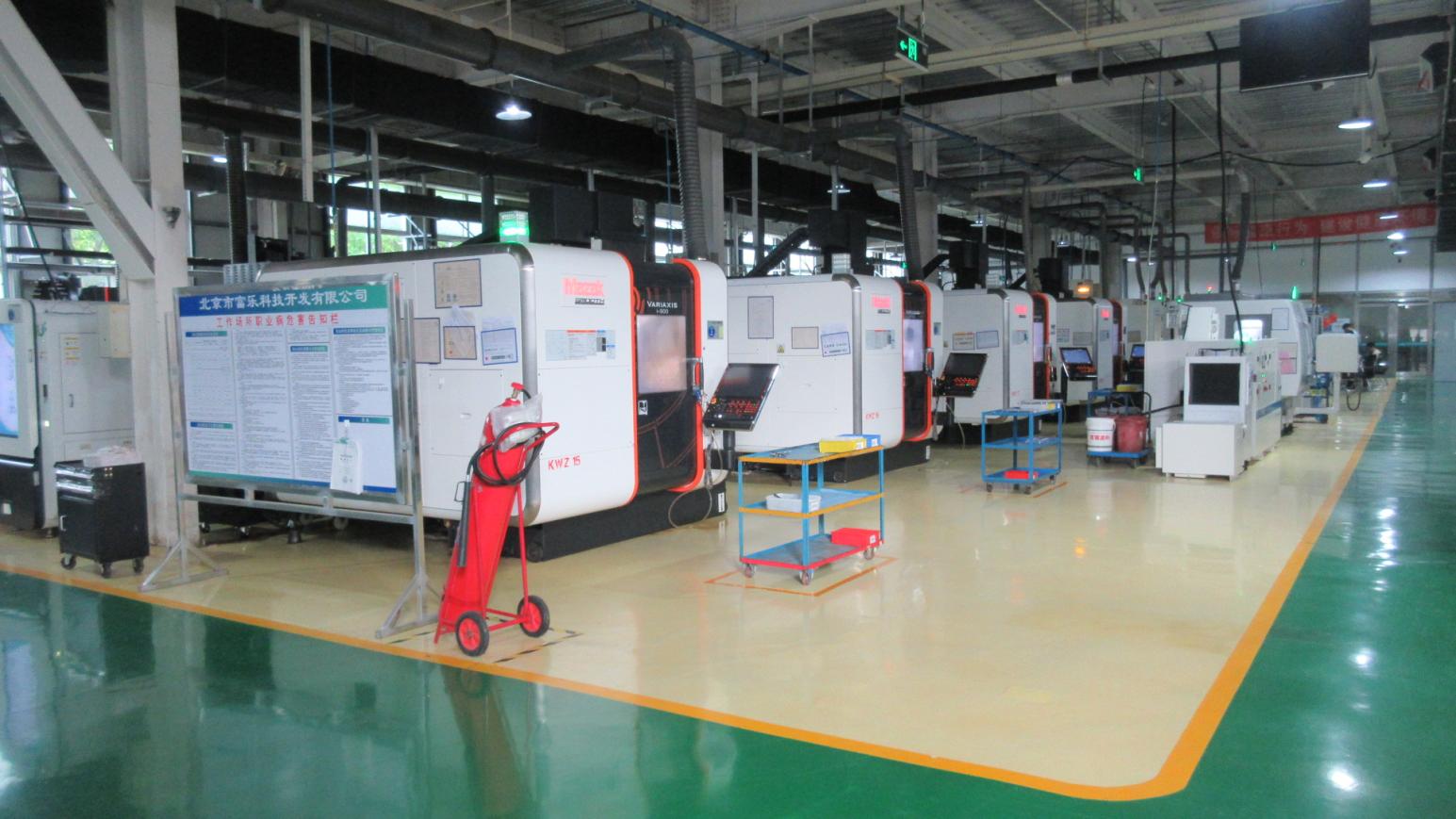
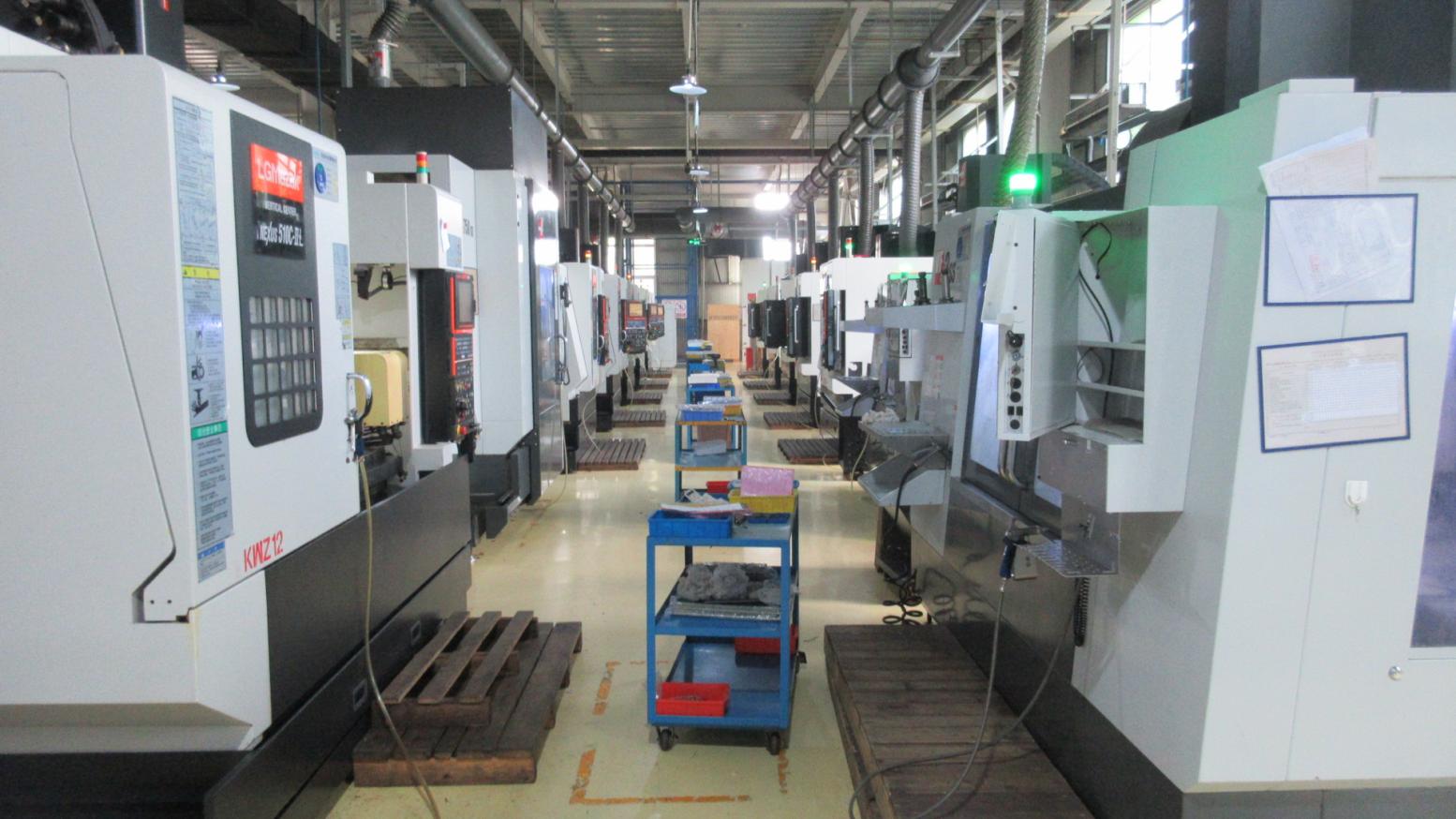
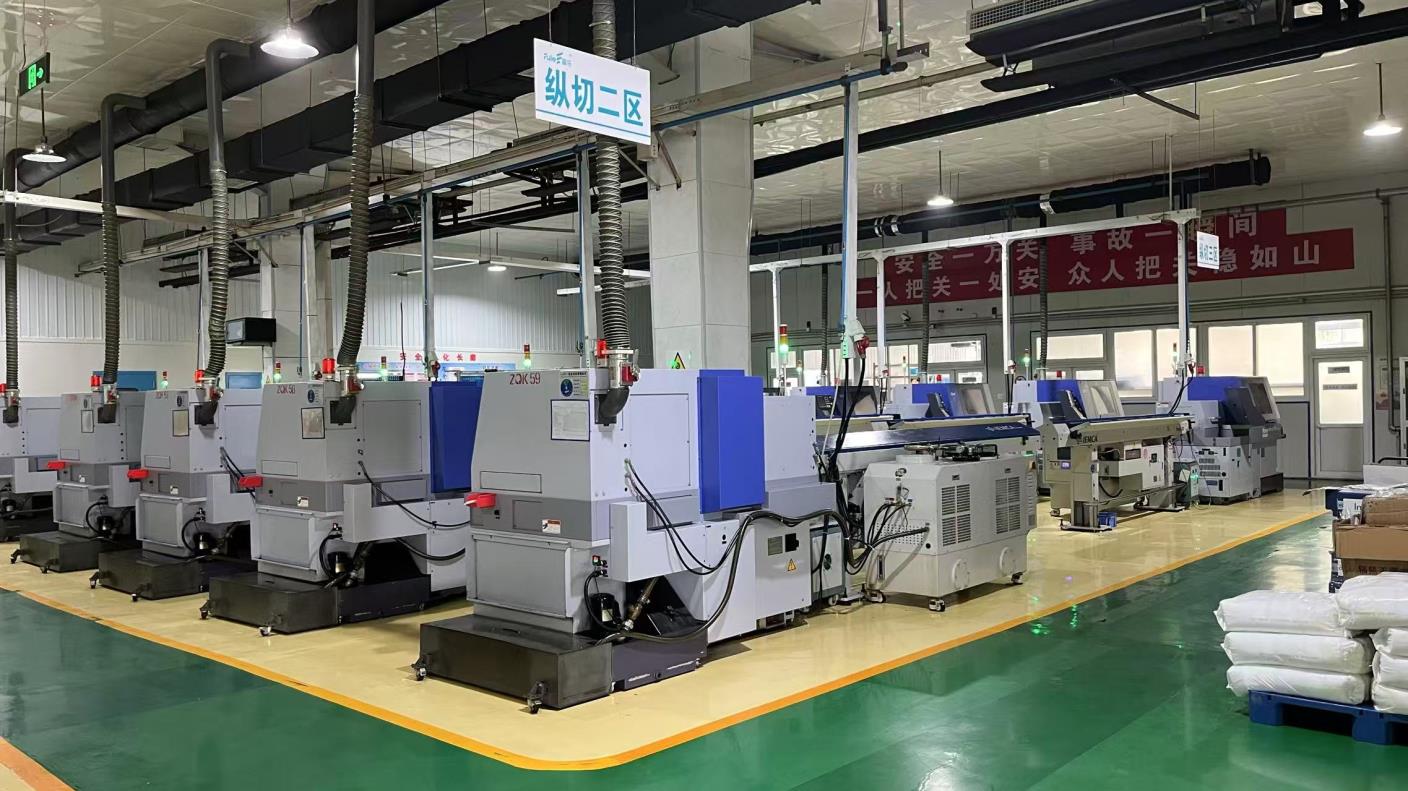
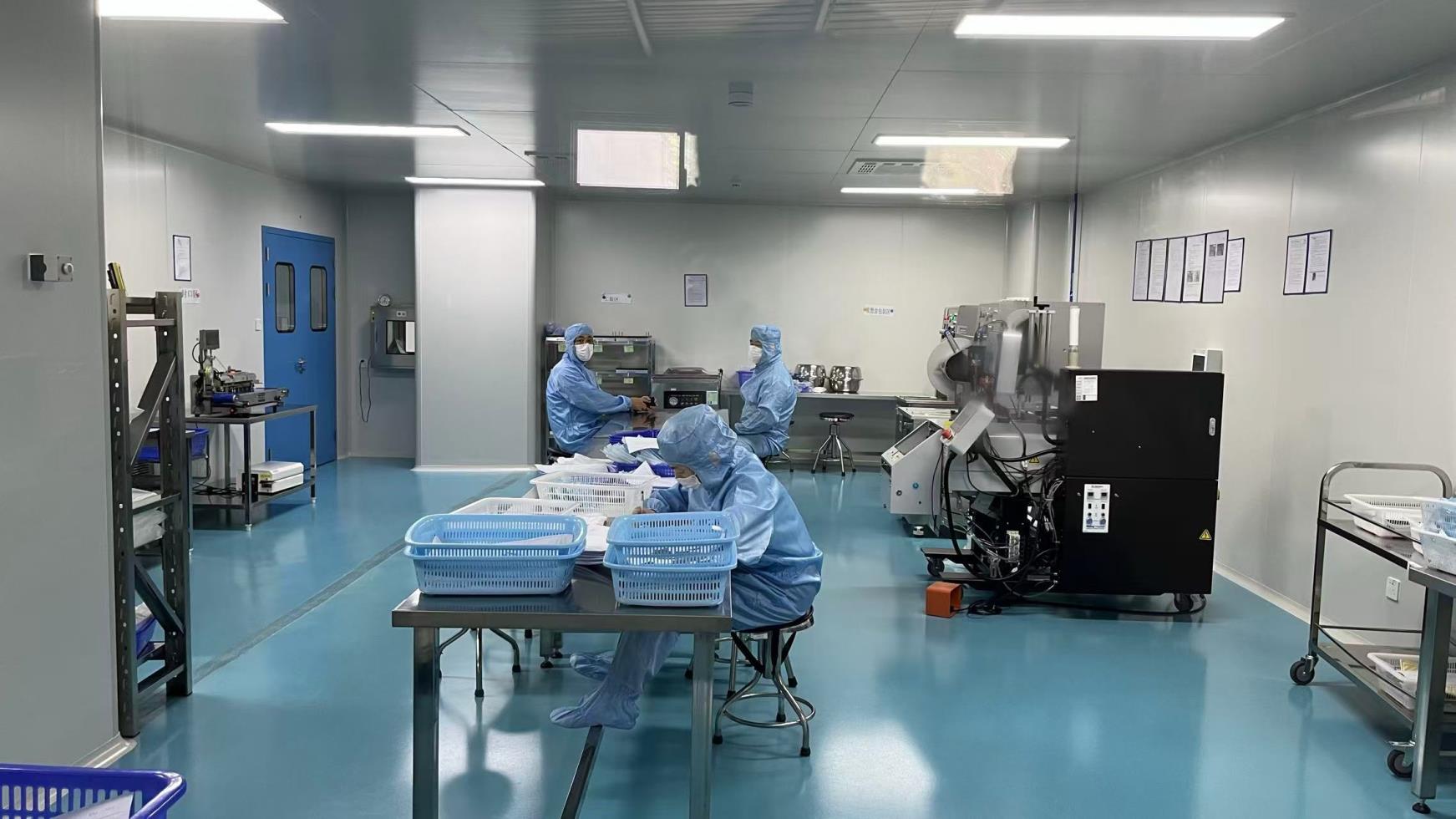
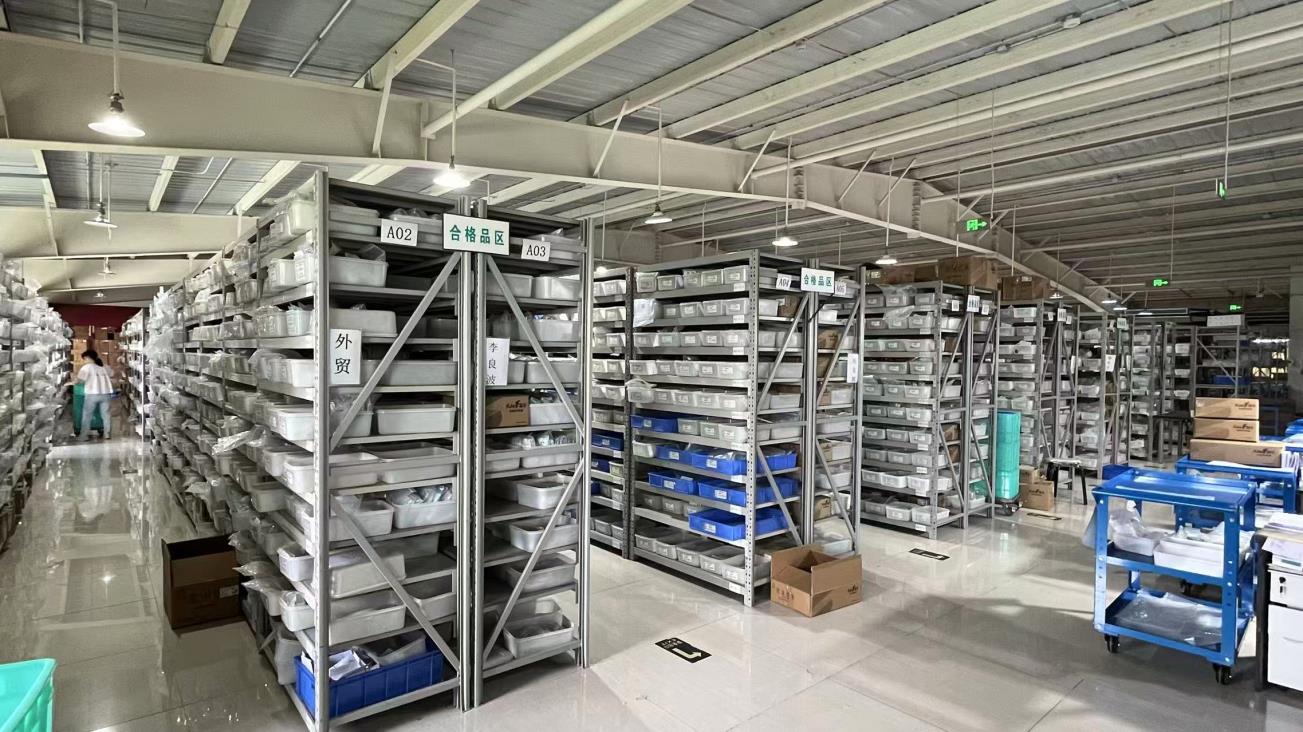
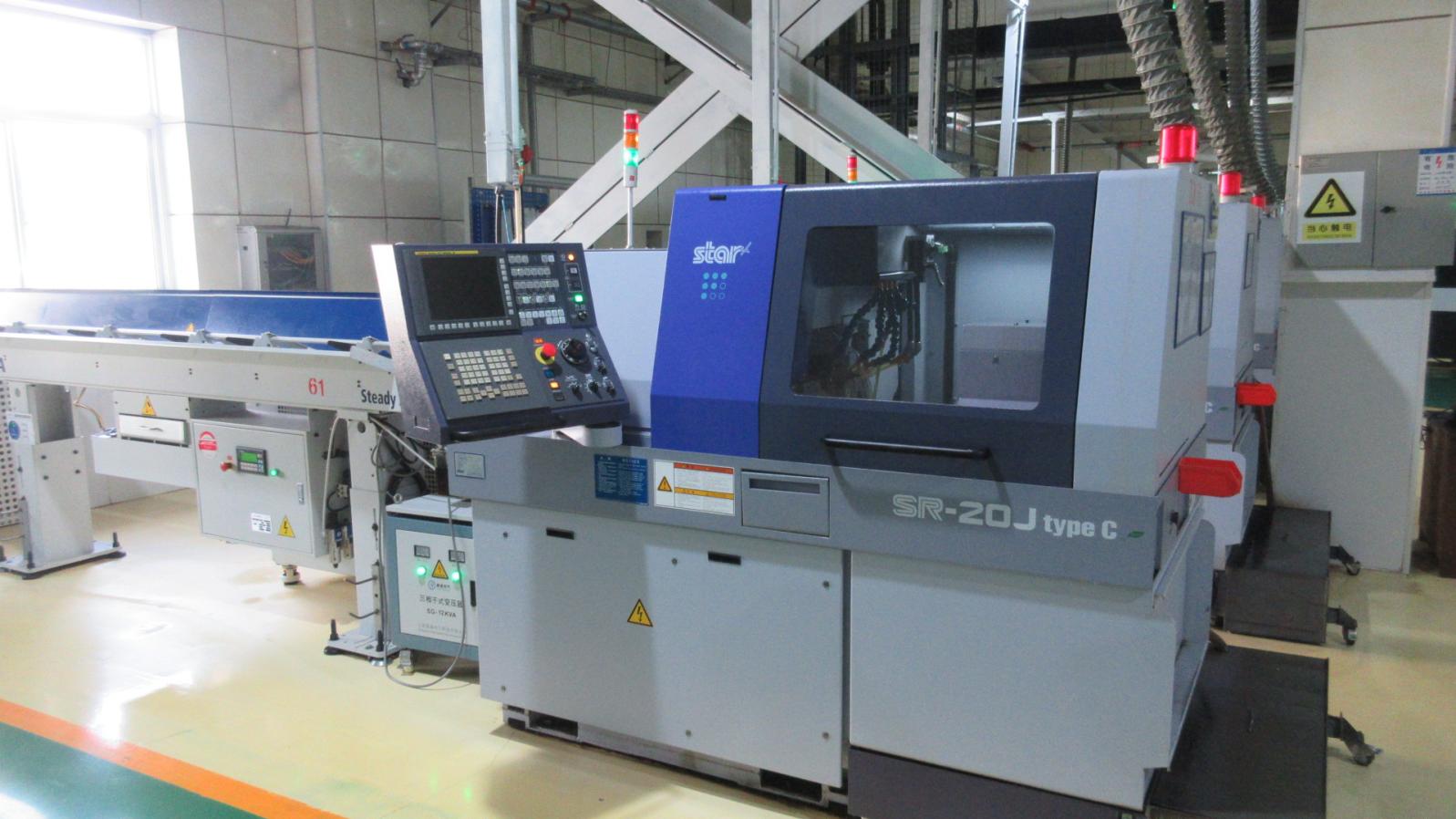
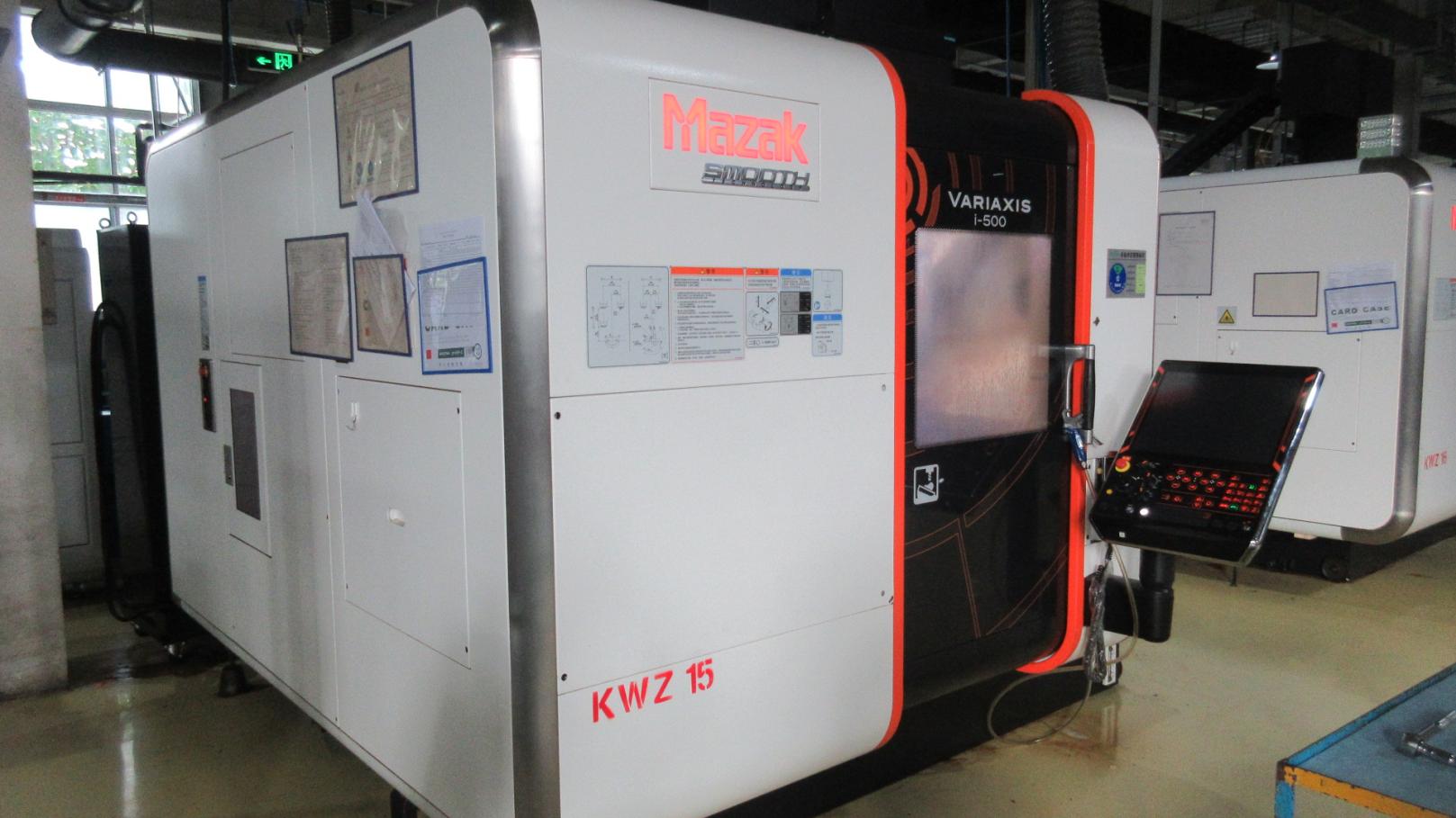
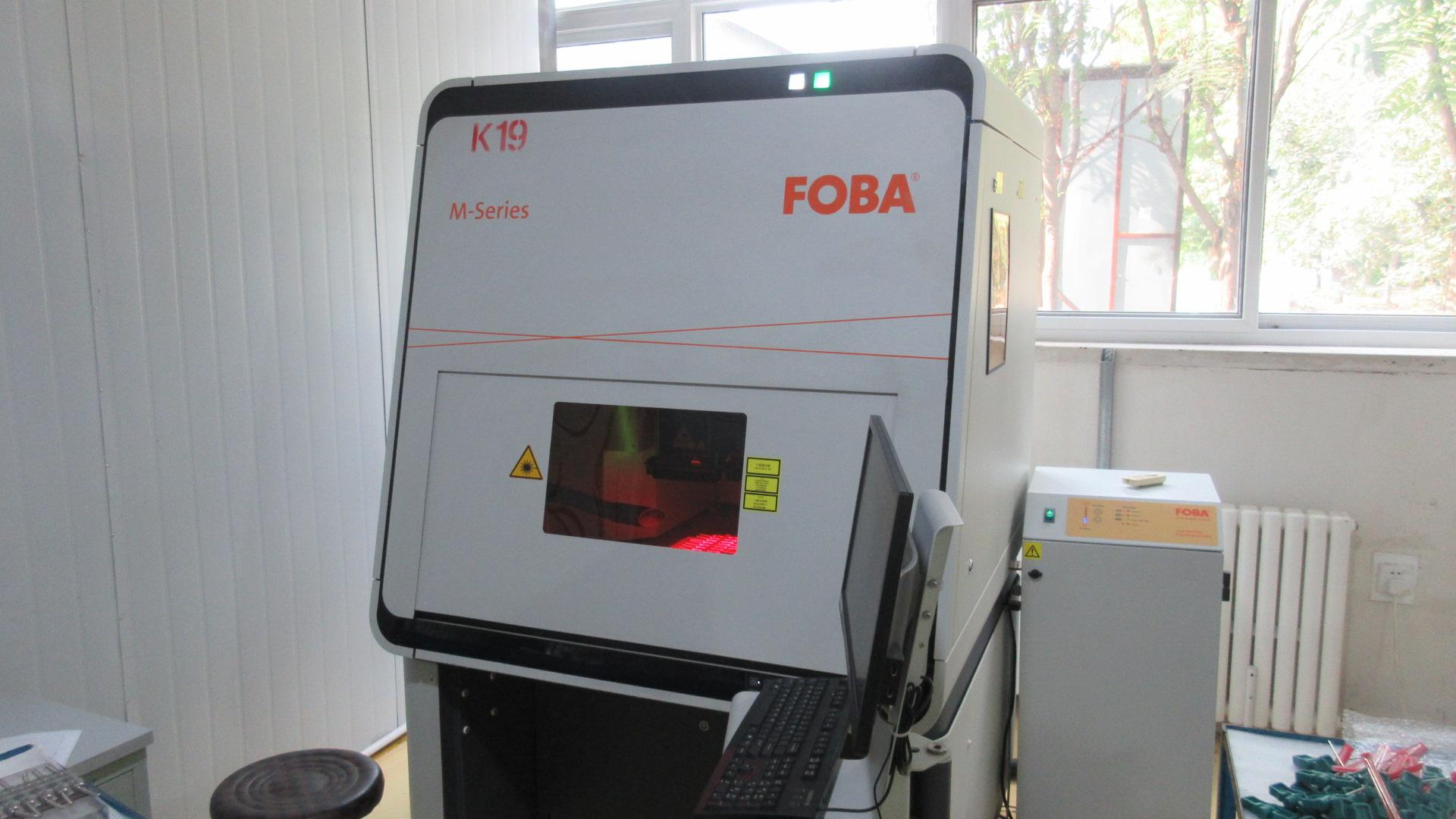
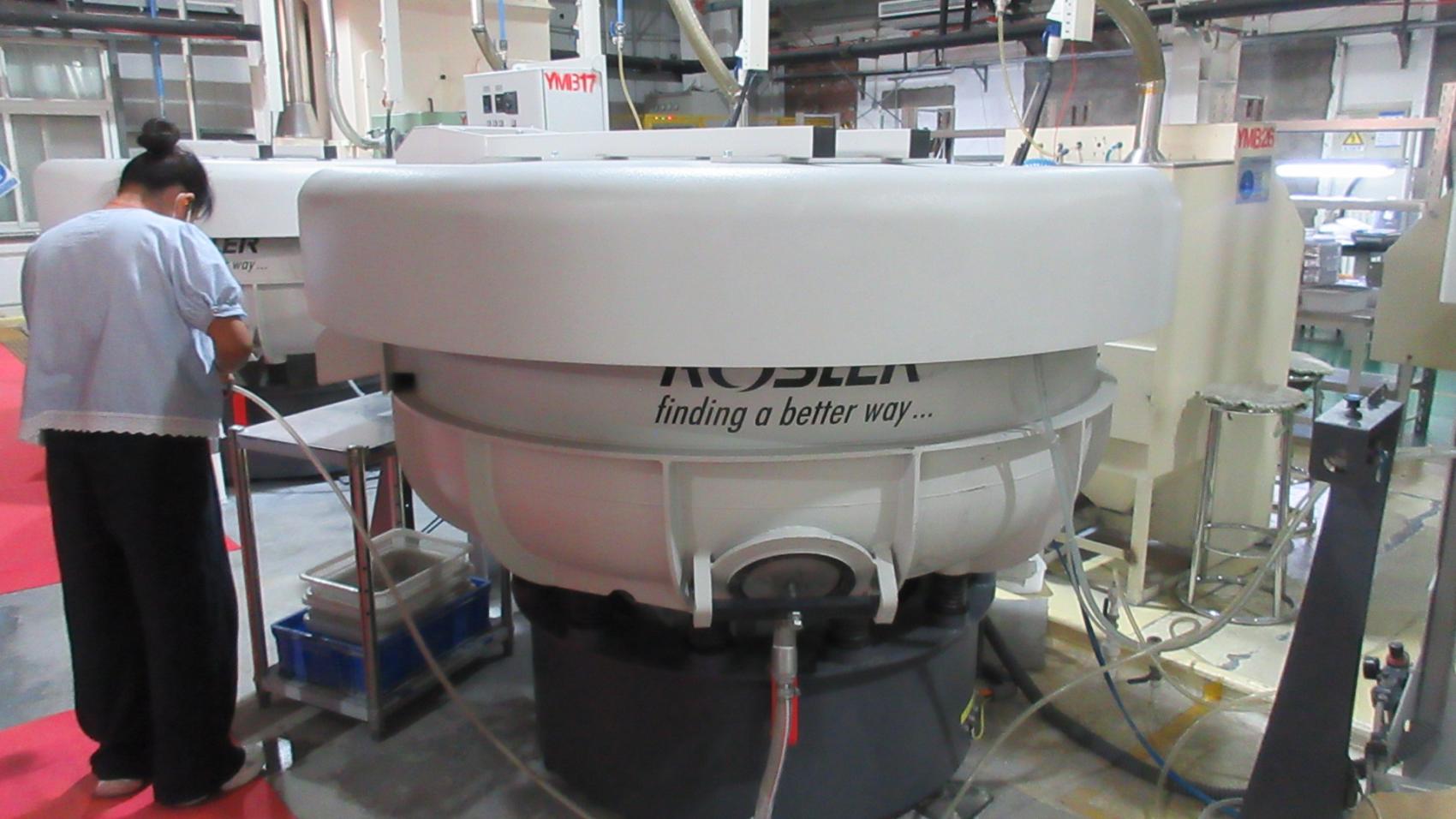
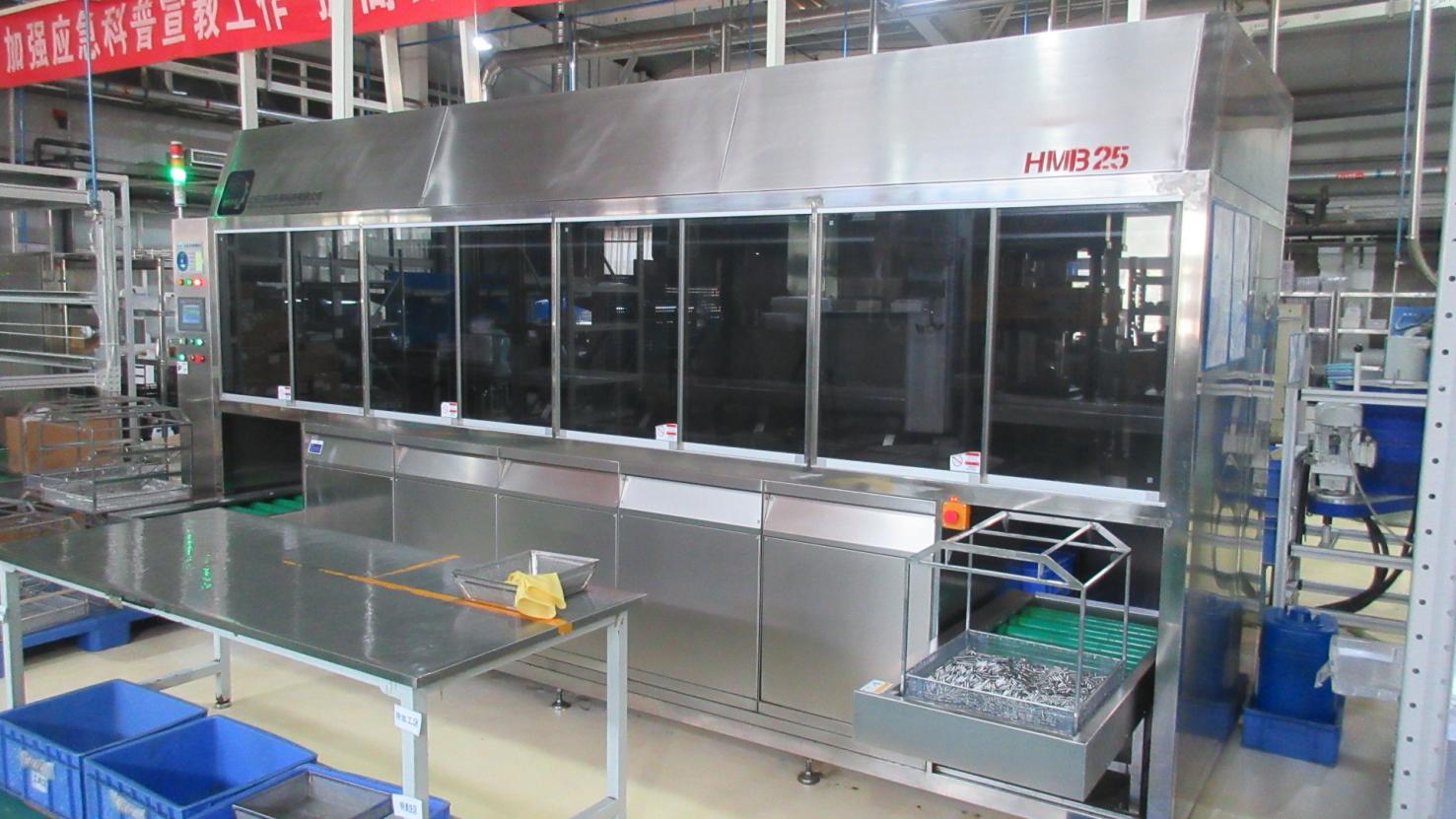
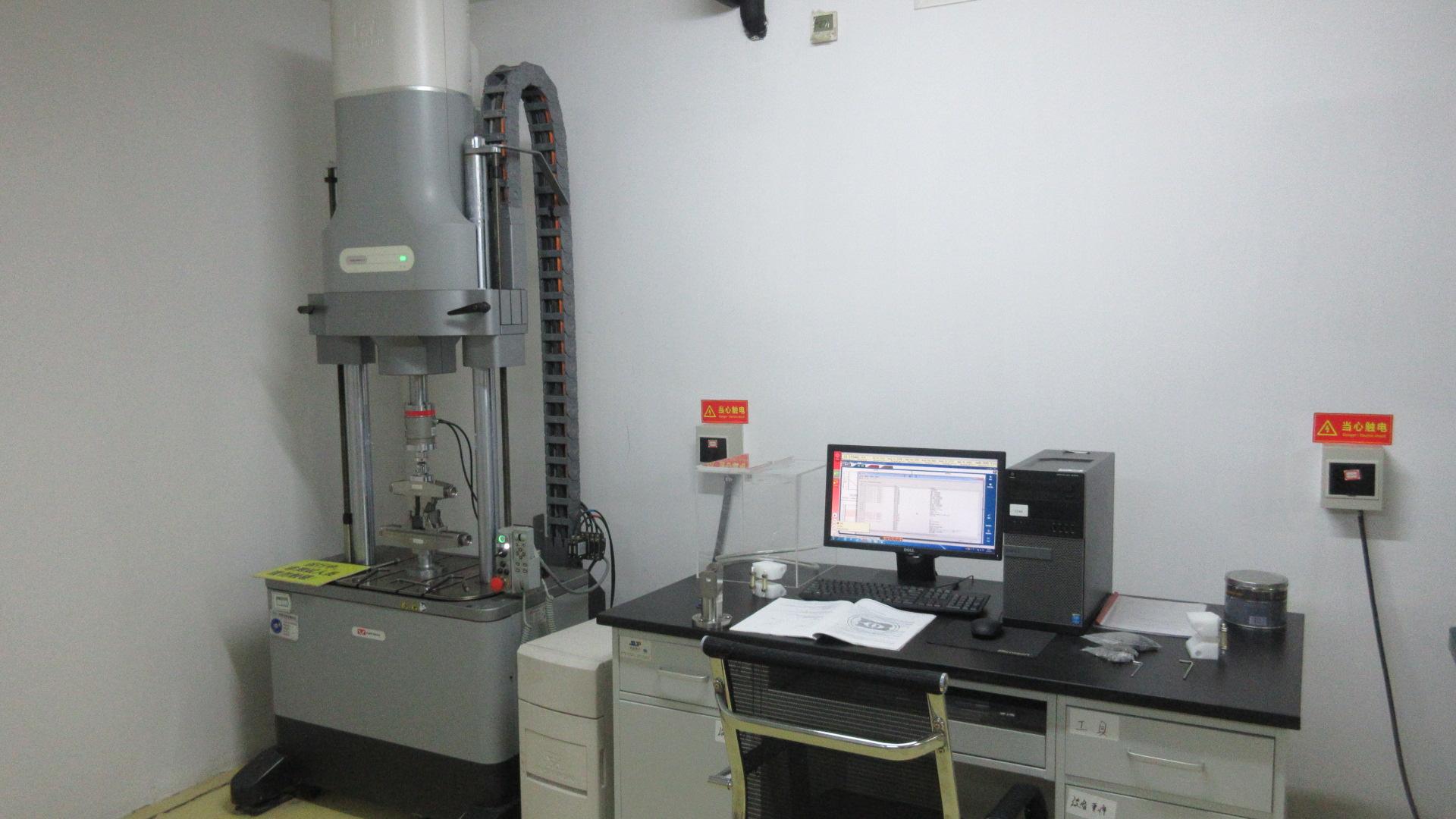
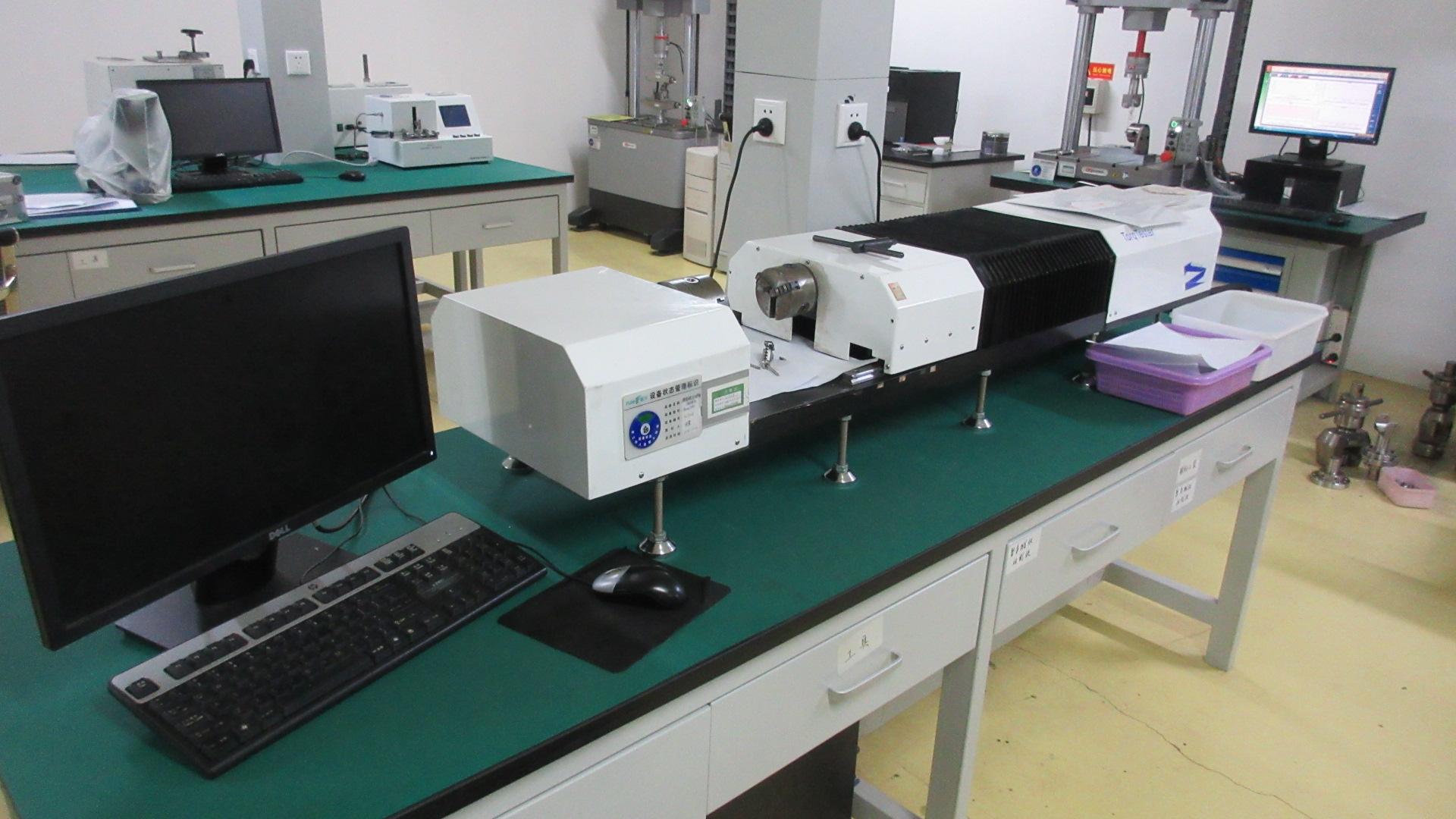
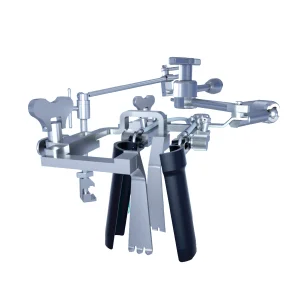
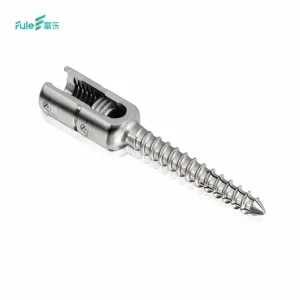
Browse our extended orthopedic range including spinal rod assemblies, pelvic plates, and micro-hand/foot locking systems.
 Beren Science & Technology