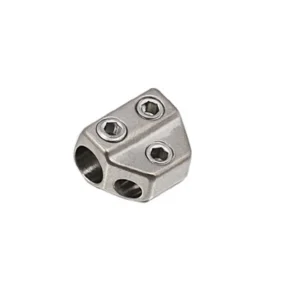
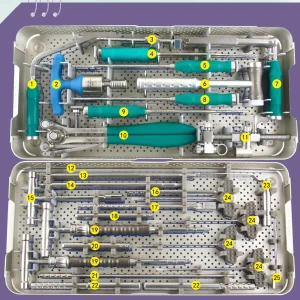
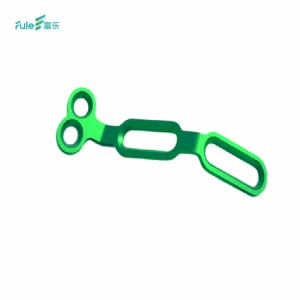
Top China Posterior Spinal System Factories & Exporter

Empowering global orthopedic surgeons with high-precision Class III titanium implant systems, certified QA/QC infrastructure, and customized OEM/ODM biomechanical configurations.

Primary Posterior & Anterior Instrumentation Solutions

1. Global Industrial Landscape of Posterior Spinal Fixation Systems

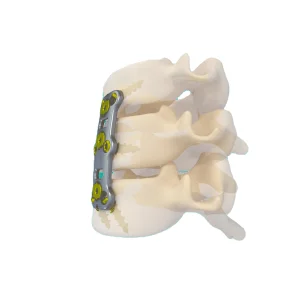
The posterior spinal fixation landscape has undergone a major paradigm shift, transitioning from rigid biomechanical immobilization structures to dynamic, patient-centric load-sharing mechanisms. Driven by an aging population, increasing incidence of degenerative spinal conditions, and high-energy traumatic spinal fractures, the demand for stable, predictable surgical implants has grown exponentially. Posterior spinal systems represent the cornerstone of orthopedic and neurosurgical stabilization procedures. These systems are used to treat degenerative disc disease, spondylolisthesis, spinal stenosis, scoliosis, and complex spinal trauma.

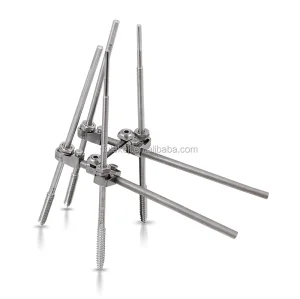
Internationally, standard pedicle screw and rod systems are required to address critical design challenges. The interface between the screw thread and the vertebrae, the mechanical locking mechanism of the inner set screw, and the fatigue limits of the longitudinal titanium rods must be precisely engineered to prevent intraoperative failure and postoperative screw pull-out. The global medical market now expects more than standardized products. Hospitals, orthopedic buyers, and international medical device distributors demand advanced customization, rigid biocompatibility validation, and robust cost-efficiency configurations that are resistant to stress shielding.

Key Market Insights: Current clinical research focuses on optimizing the implant's elastic modulus close to that of human cortical and cancellous bone. Innovations such as low-profile polyaxial screws, cortical-cancellous dual thread designs, and expandable sleeves for osteoporotic patients are redefining the baseline expectations for posterior spinal stabilization globally.
Est. 1996
Deep Experience
With nearly 30 years in orthopedic implant manufacturing, managing high-reliability medical supply chains.
10,000 ㎡
Production Space
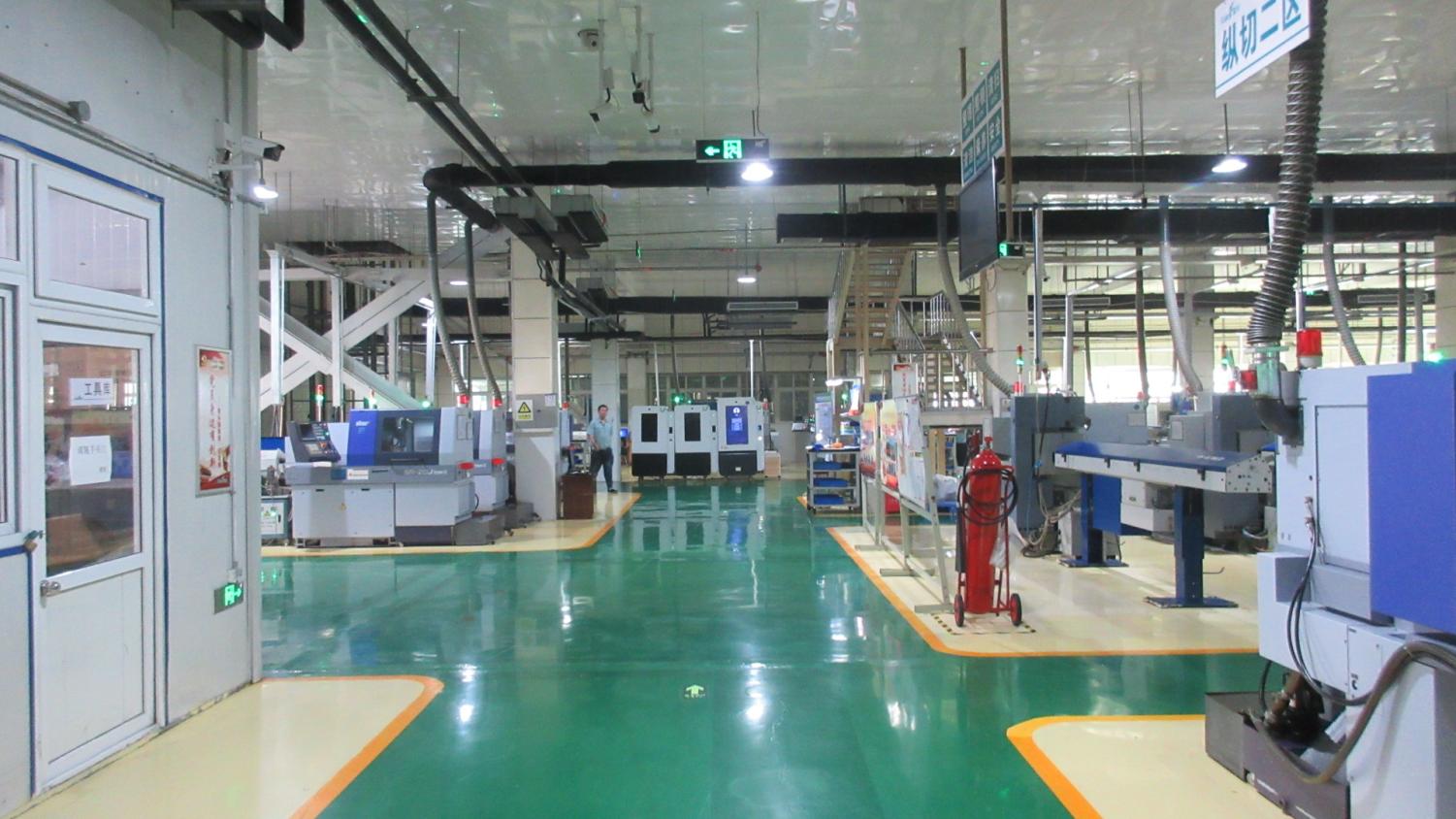
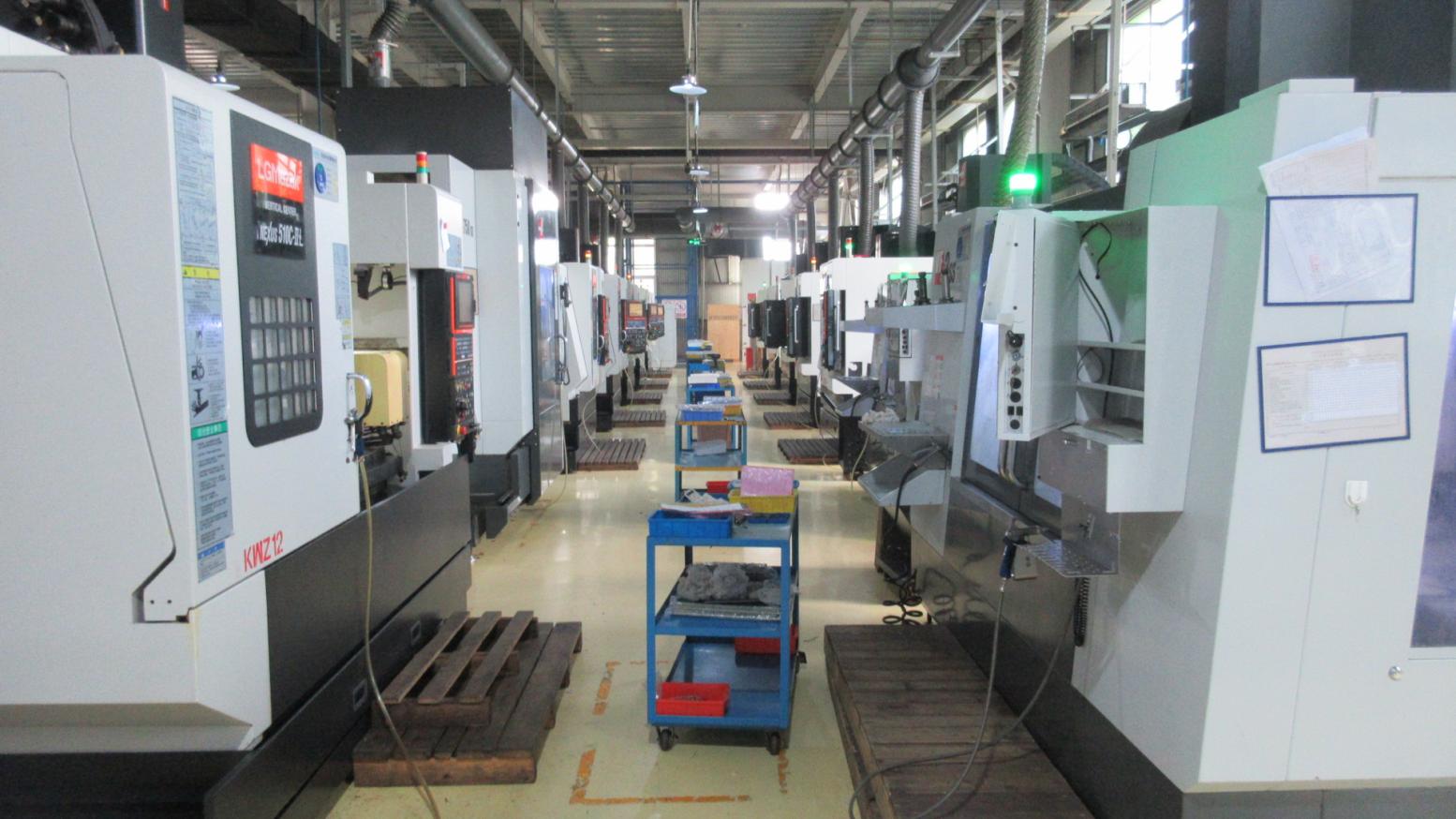
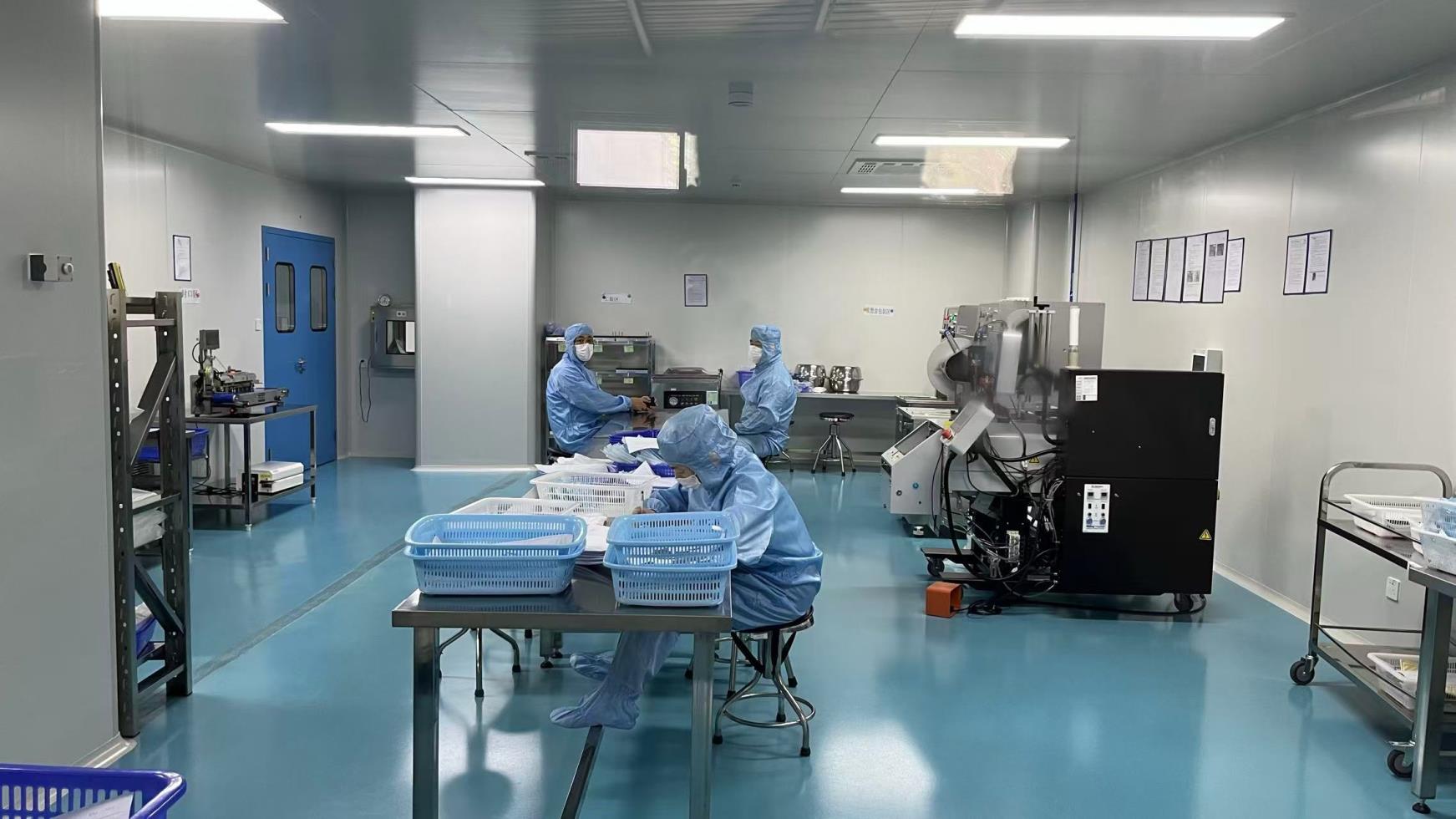
Dedicated GMP class cleanrooms and high-precision CNC mechanical processing halls.
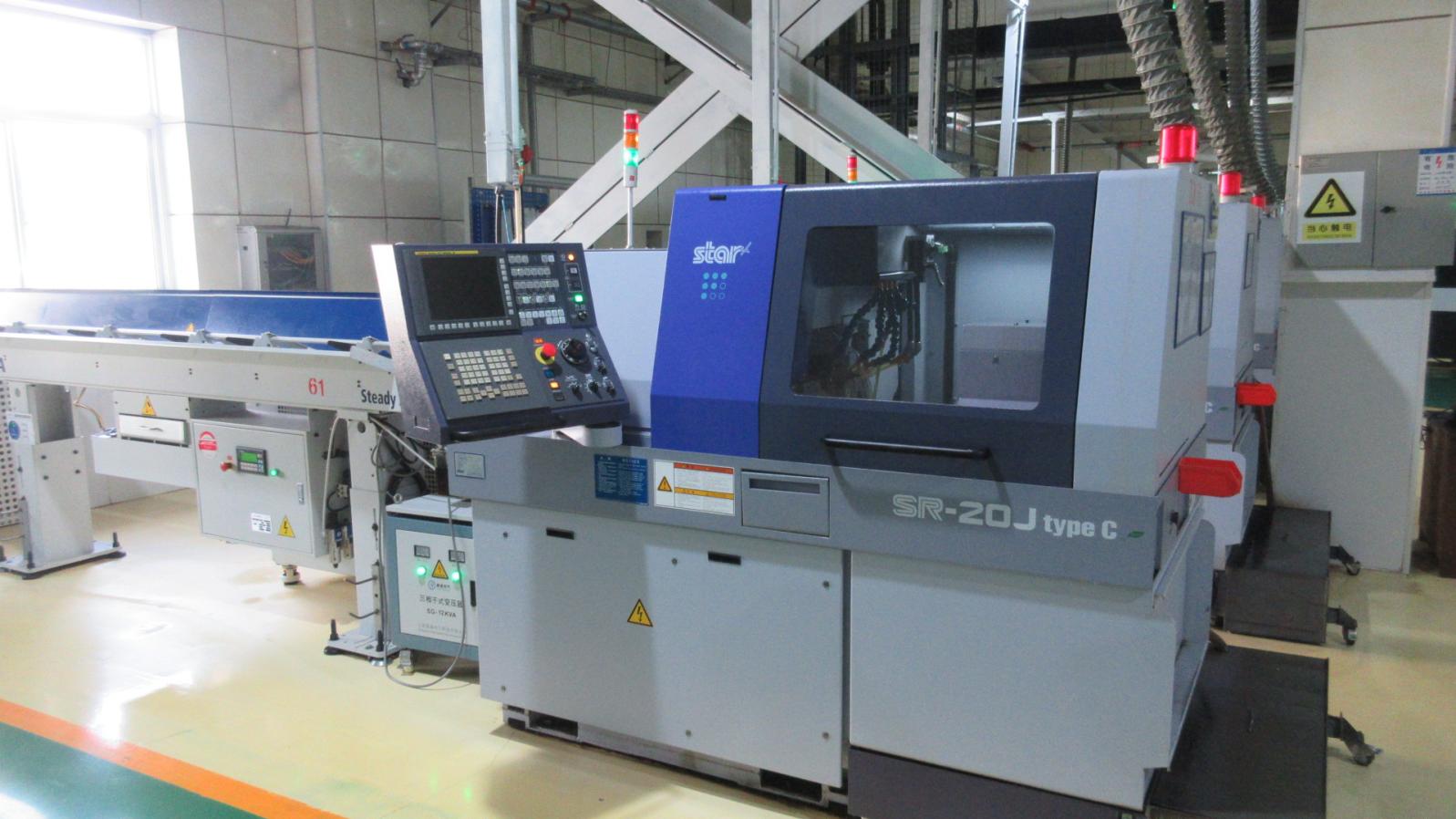
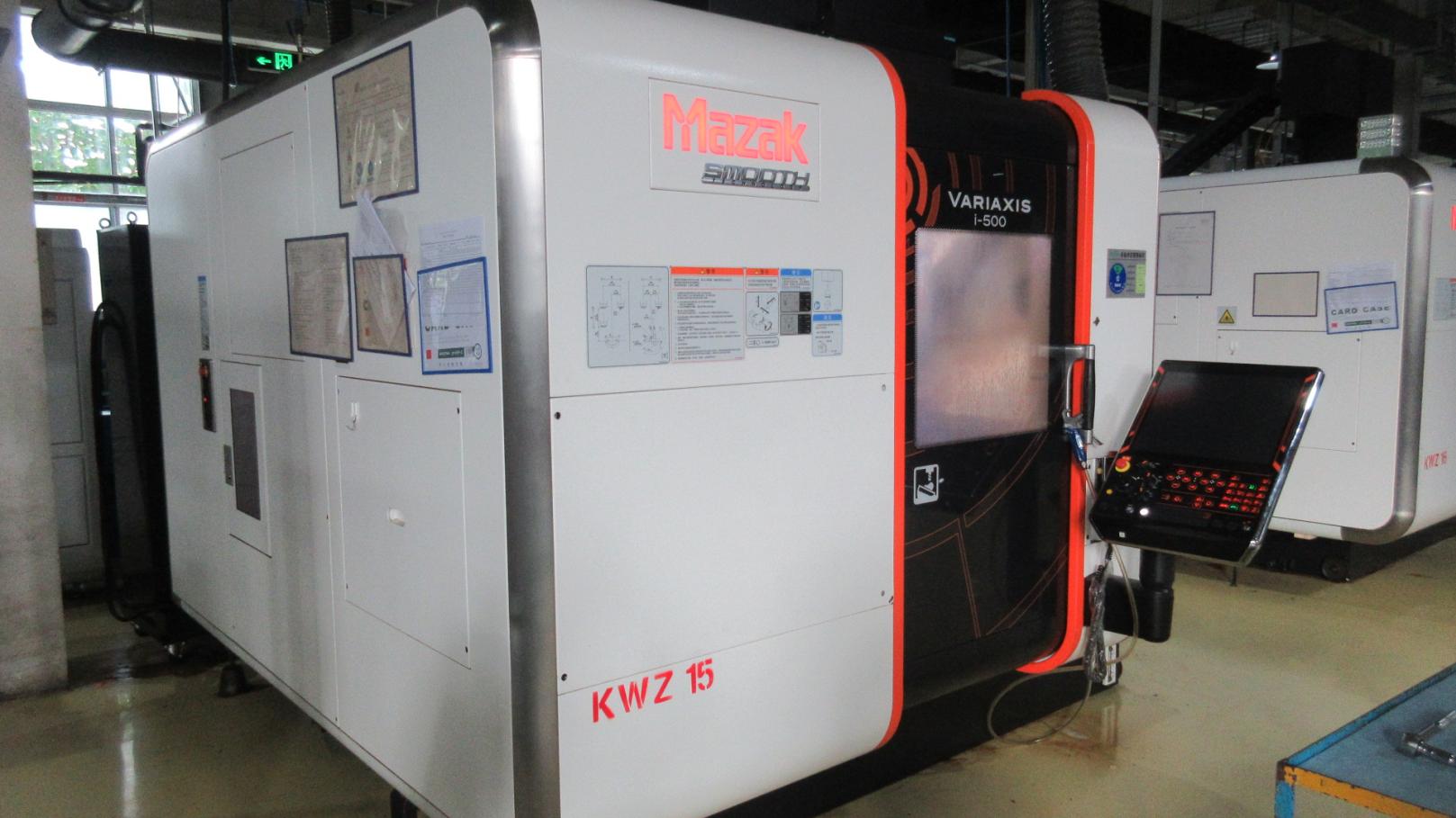
102 Units
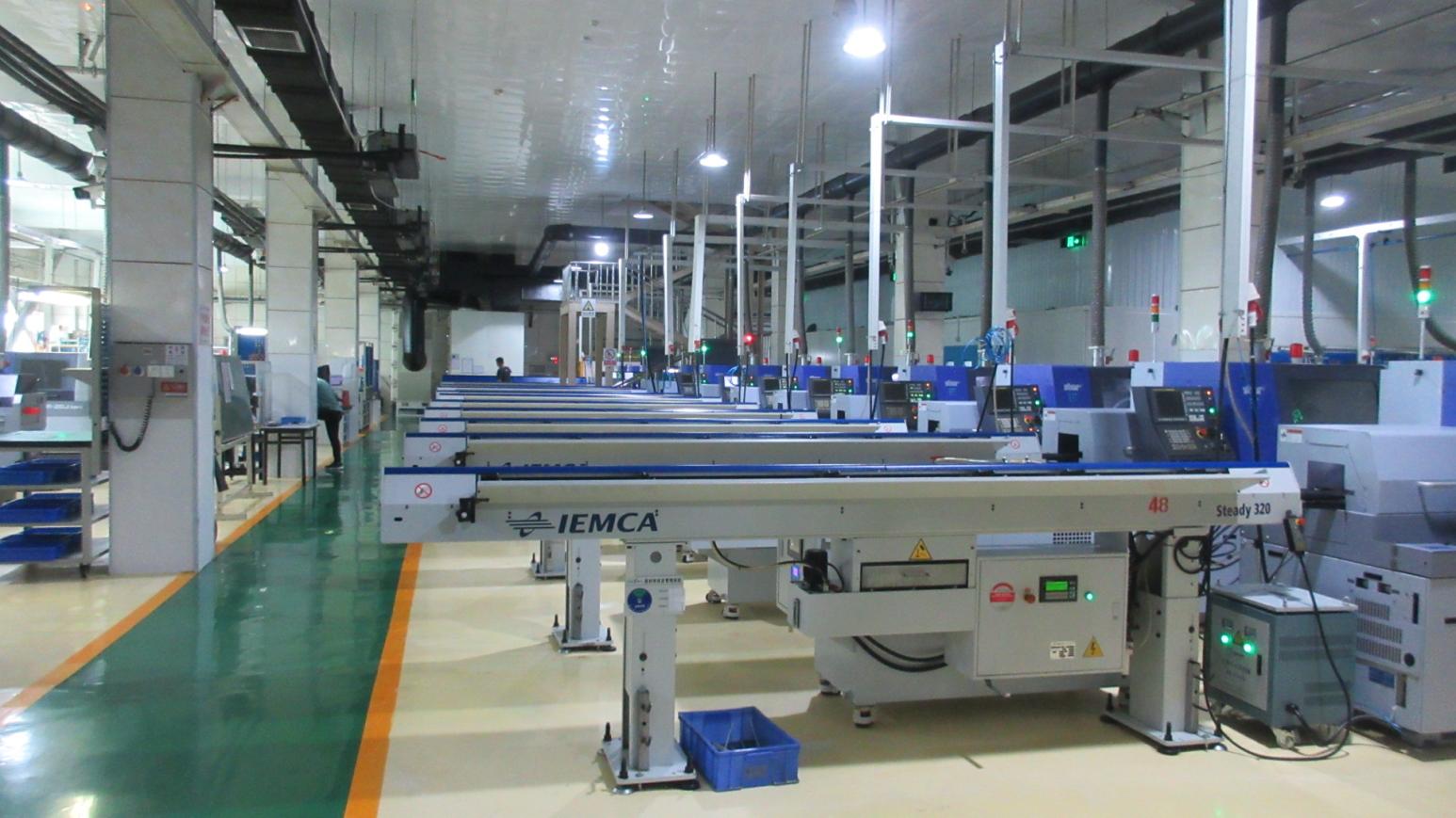
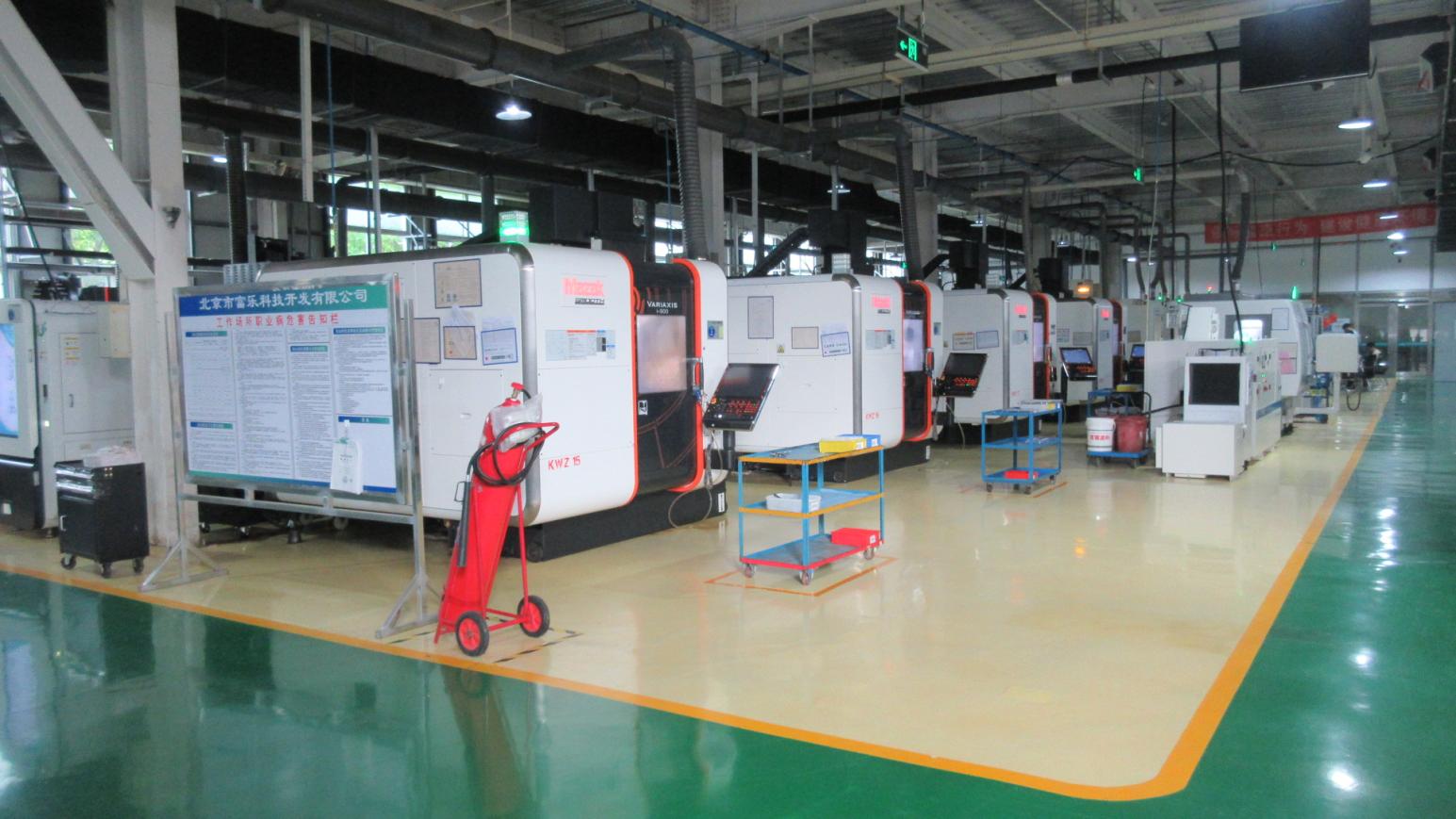
Advanced Machining
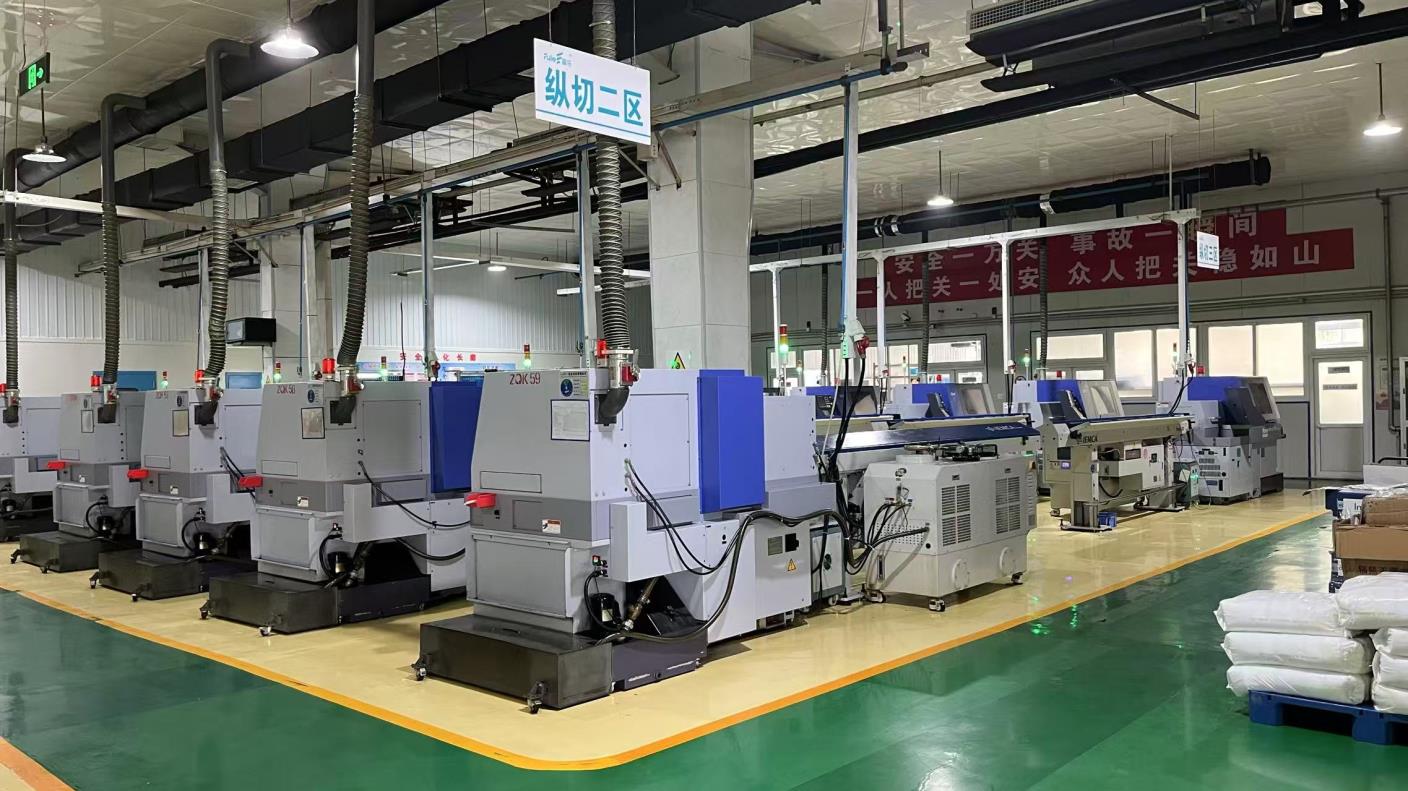
Imported Swiss longitudinal lathes and Japanese citizen multi-axis turning centers.
511,000
Annual Capacity
Massive production scalability ensures continuous, large-scale supply even during global shortages.

2. Technical Roadmap & Biomechanical Advancements

Understanding the engineering behind posterior spinal implants is essential for long-term patient recovery and surgical confidence. High-quality posterior spinal systems rely heavily on raw materials science. Titanium Grade 5 (Ti-6Al-4V ELI) and PEEK (Polyetheretherketone) represent the standard materials used to manage human spinal load distributions.

Our technical roadmap showcases our focus on biomechanical optimization and structural durability:

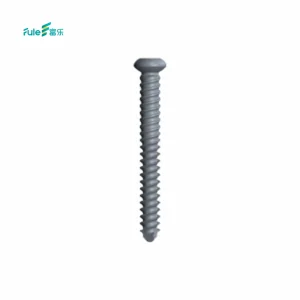
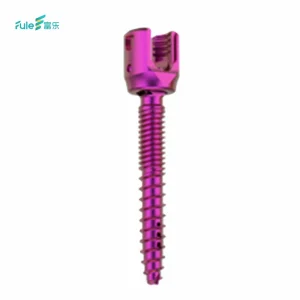
  • Optimized Thread Configurations: Dual-lead threads accelerate the insertion time by 50% compared to traditional single-lead threads. Gradated thread pitches change from cortical zones to cancellous zones, increasing bone purchasing power and preventing construct failure in compromised vertebrae.
  • Advanced Polyaxial Joint Mobility: A specialized joint allows for 40 degrees of multi-directional angulation, making it easier to align the longitudinal rod during complicated spinal reconstructive surgery.
  • Anti-Cross Threading Set Screws: Reverse-angle threads on the set screw eliminate cross-threading risks, ensuring that tightening torques translate directly into a reliable mechanical lock with the 5.5mm or 6.0mm rods.
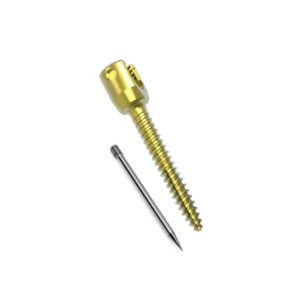
  • Expandable Pedicle Technology for Osteoporosis: Our COX II expandable pedicle screw utilizes a distal expandable sleeve that expands upon inserting the core bolt. This increases the contact surface area within the osteoporotic cancellous bone, significantly reducing pull-out rates.
Implant Type / Component Material Composition Surface Treatment Method Primary Clinical Indication
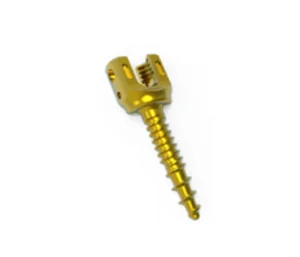
COX Monoaxial & Polyaxial Pedicle Screws Ti-6Al-4V ELI (ASTM F136) Anodic Oxidation Type II (Medical Grade) Degenerative Instability, Spondylolisthesis, Fracture Fixation
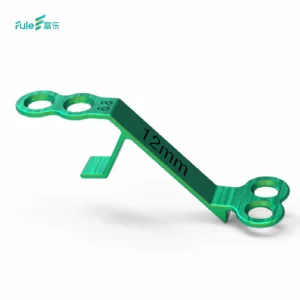
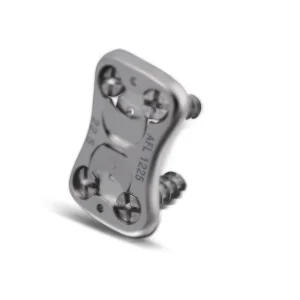
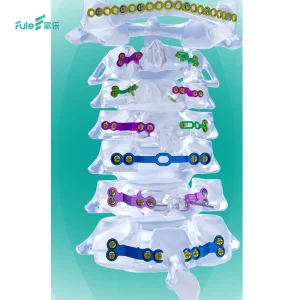
Posterior Cervical Laminoplasty Plates Pure Titanium Grade 4 / Ti-Al-V Micro-Roughness Acid Etching Cervical Myelopathy, Canal Stenosis reconstruction
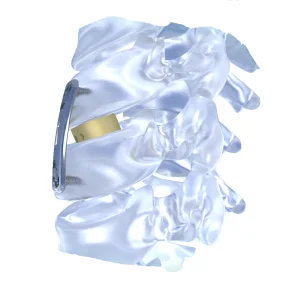
Cervical Interbody Fusion Cage Biocompatible PEEK / Titanium Coating Physical Vapor Deposition (PVD) / SLA Degenerative Disc Disease, Pseudarthrosis revision
Pediatric Spinal Screw-Rod System High-Strength Titanium Alloy Ultra-passivation finishing Early-onset Scoliosis, Juvenile spinal deformities

3. Supply Chain Resiliency & Advanced Chinese Factory Capabilities

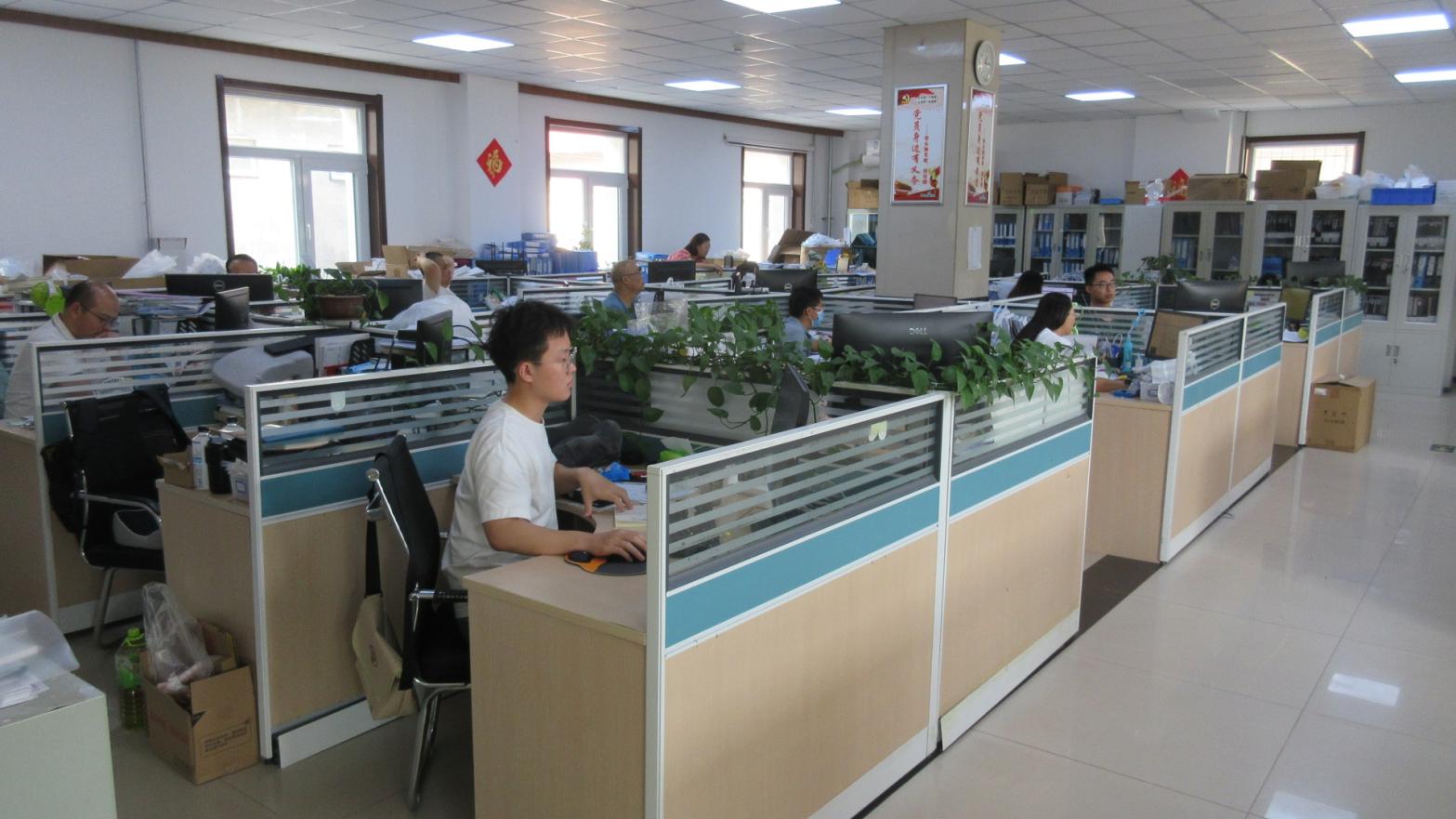
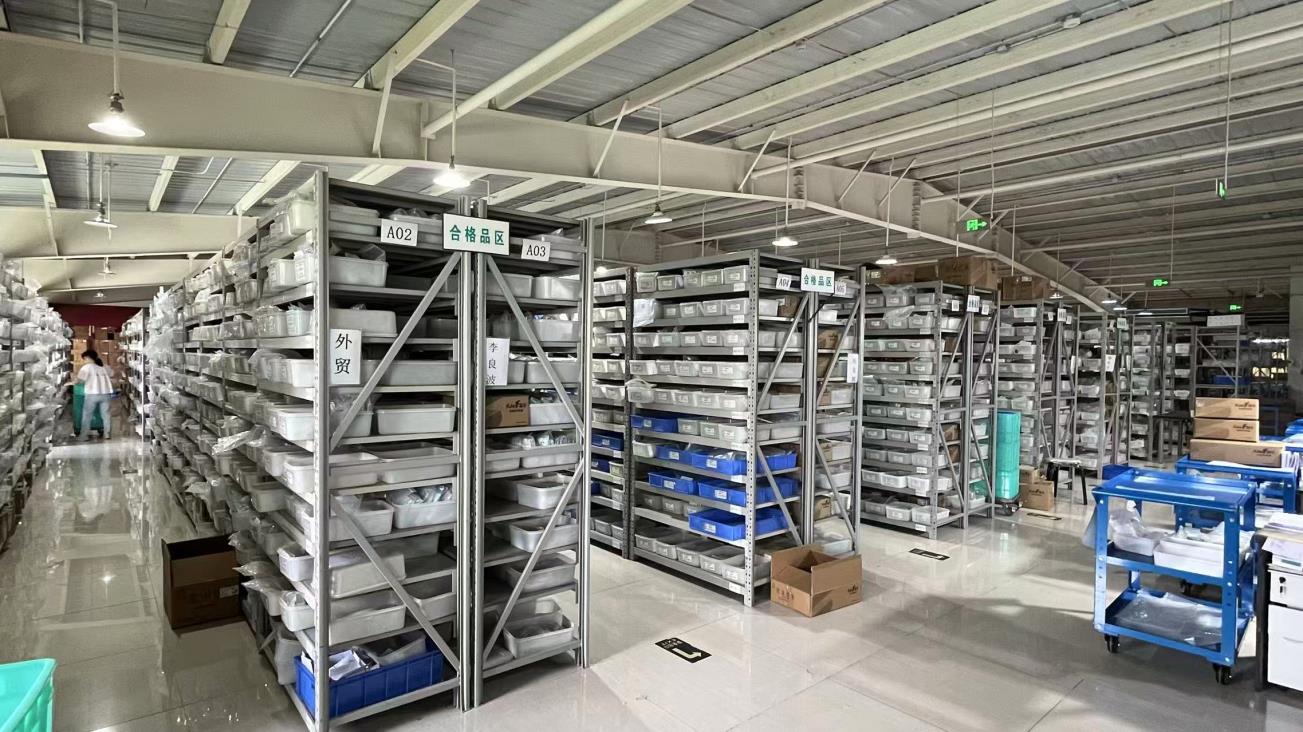
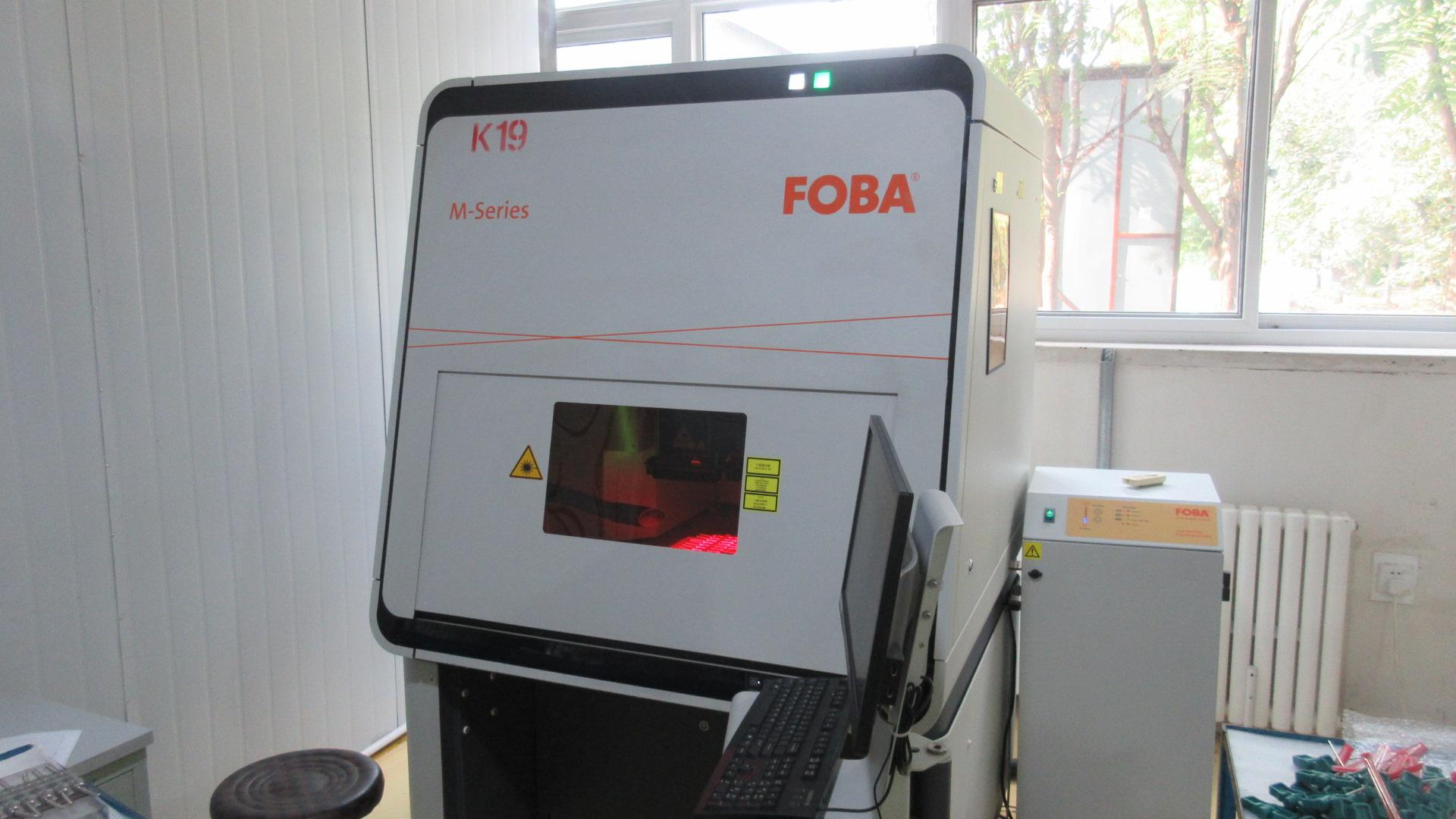
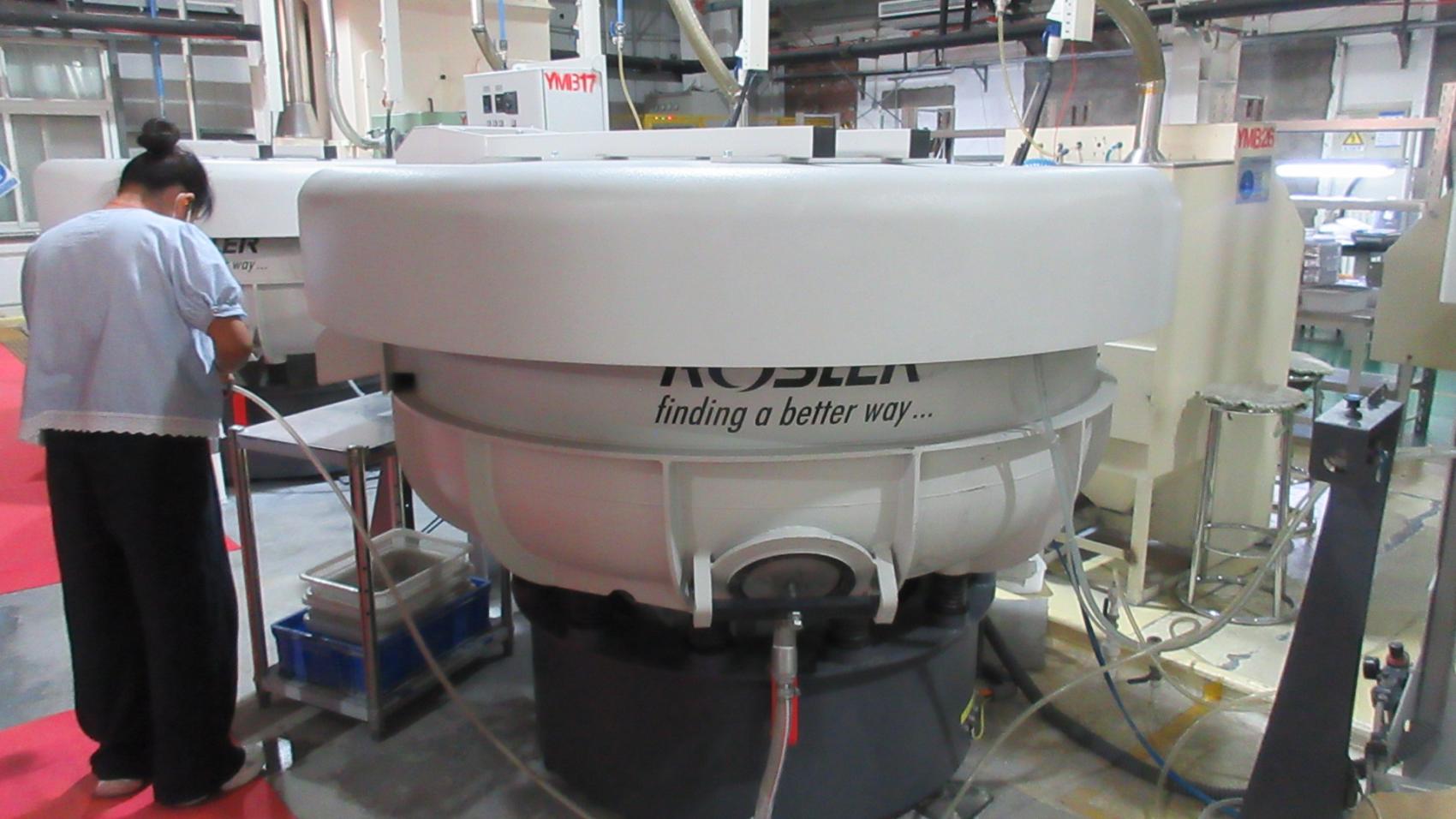
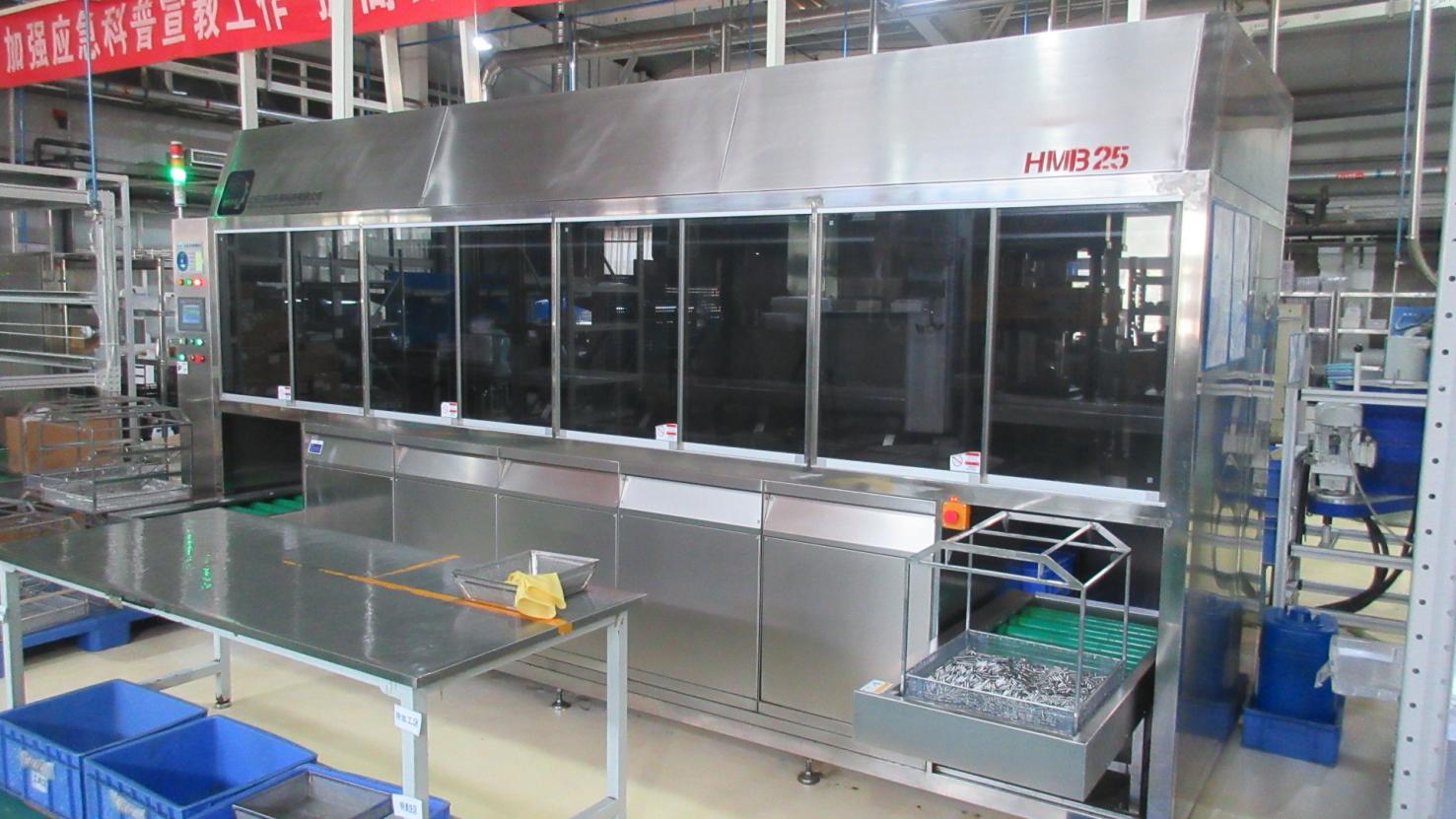
China's orthopedic manufacturing sector has evolved from a basic supplier to a highly integrated, technology-driven hub. The key advantage of a leading Chinese exporter is the centralization of the supply chain. This configuration integrates raw material testing, high-speed multi-axis CNC machining, ultrasonic cleaning, Class 100,000 cleanroom packaging, and sterilization validation in one centralized location.

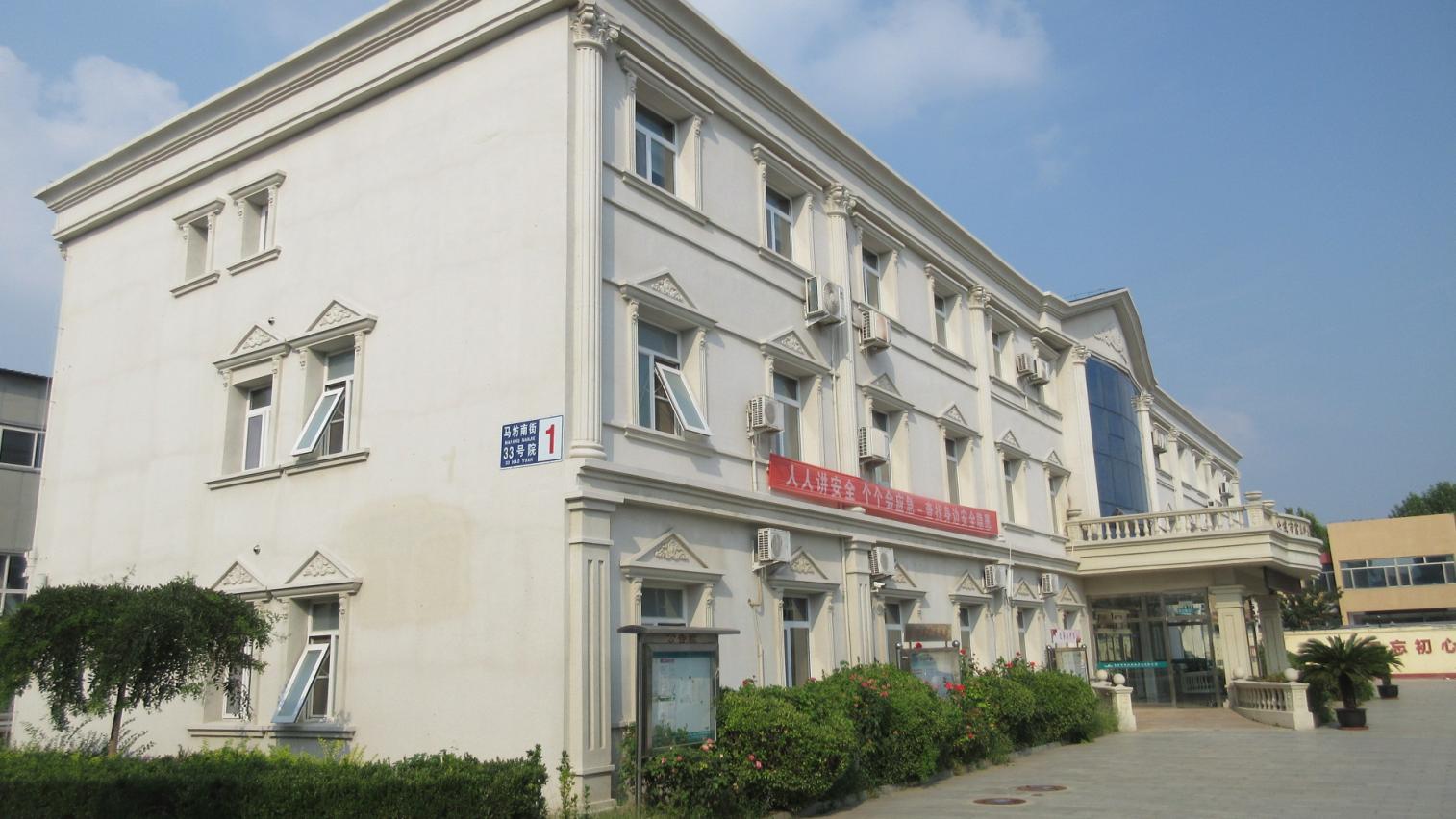
Operating a 10,000-square-meter facility with 102 state-of-the-art production machines allows our manufacturing system to maintain consistent turnaround times. Having 70 local supply chain partners ensures we have direct access to premium medical-grade titanium bars, PEEK blocks, and high-performance surgical instrument tooling.

R&D and Engineering Excellence: Our dedicated department features 20 R&D engineers, with 15 holding advanced degrees. This team launched over 20 new orthopedic products last year, demonstrating our ability to transition concepts from mechanical drawings to CE-certified clinical implants within months.

4. Localized Application Scenarios & Surgical Adaptations

Spinal pathology, bone mineral density, and anatomy vary significantly across different patient populations globally. Consequently, a one-size-fits-all posterior spinal system is not ideal. We customize our implants to match specific clinical needs:

A. Osteoporosis and Degenerative Demographics (Aging Populations)

In aging societies, orthopedic surgeons face soft cancellous bone and high risk of implant migration. Traditional screws struggle to maintain holding power. Our COX Expandable Pedicle Screw System provides a solution by expanding inside the bone to secure the implant. This eliminates the need for bone cement (PMMA) injection, lowering the risks of cement leakage and thermal necrosis in the spine.

B. High-Energy Trauma and Deformity Correction

For acute trauma cases, such as motor vehicle accidents or falls, structural rigidity is crucial. The 5.5mm/6.0mm spine rod constructs offer strong resistance to bending, maintaining spinal alignment during healing. For complex deformity correction (e.g., scoliosis), our multi-axial pedicle screws allow wide angles of entry. This makes it easier to capture the rod, reducing stress on the vertebrae during correction maneuvers.

C. Pediatric Deformity Stabilization

Pediatric patients have smaller spinal anatomy and delicate bone structures. This requires low-profile implants to prevent skin irritation. Our CCS Pediatric Spinal Screw-Rod System features smaller screws and lower profiles, providing secure stabilization while protecting the surrounding soft tissue.

5. Strict E-E-A-T Quality Audits & Compliance Framework

To maintain trust with international surgeons and health ministries, we adhere to strict quality control processes. Our operations are fully certified under ISO 13485 (Certificate No. 04724Q10000818), ensuring international standards for medical device manufacturing.

Our quality control processes include:
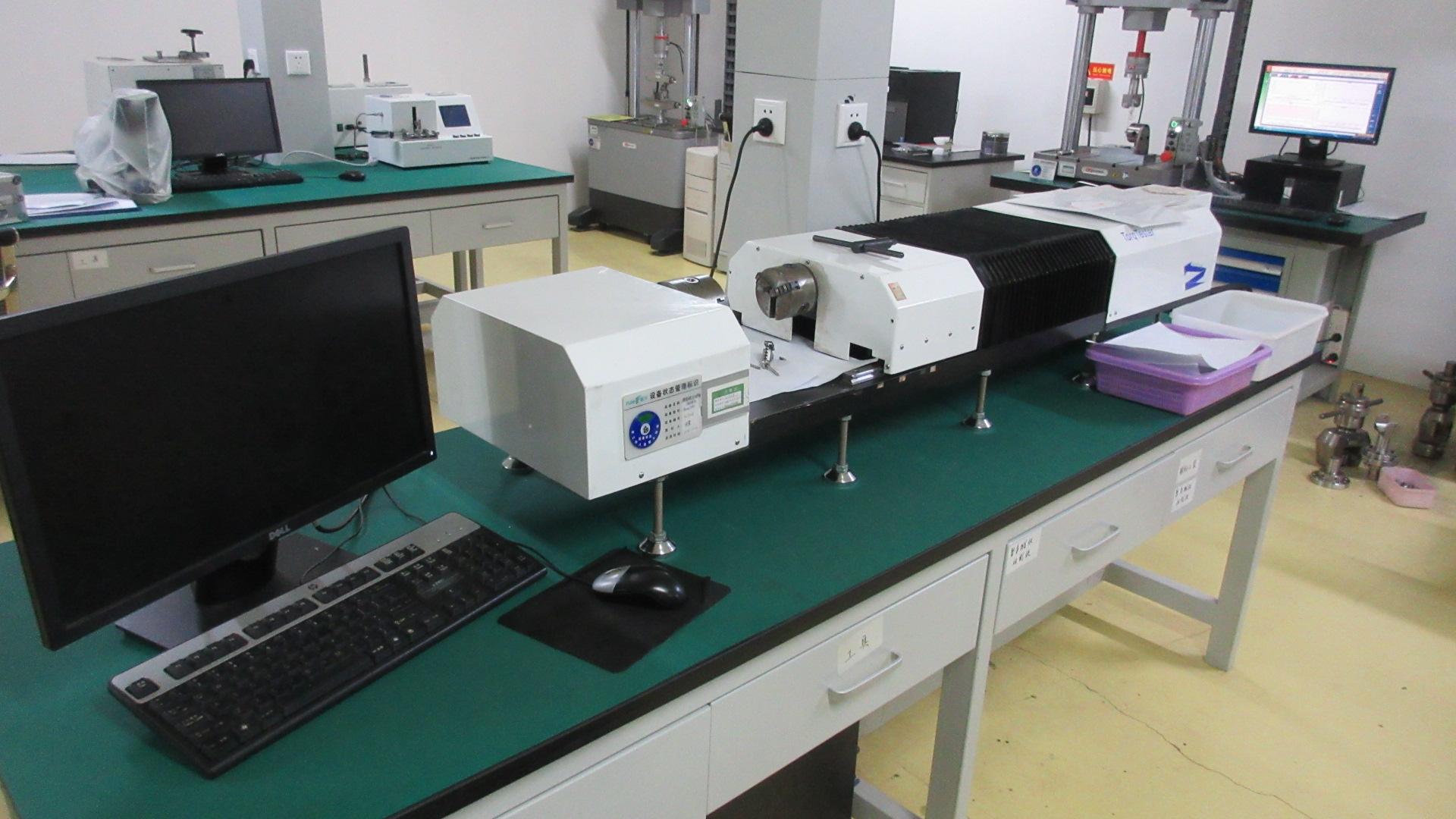
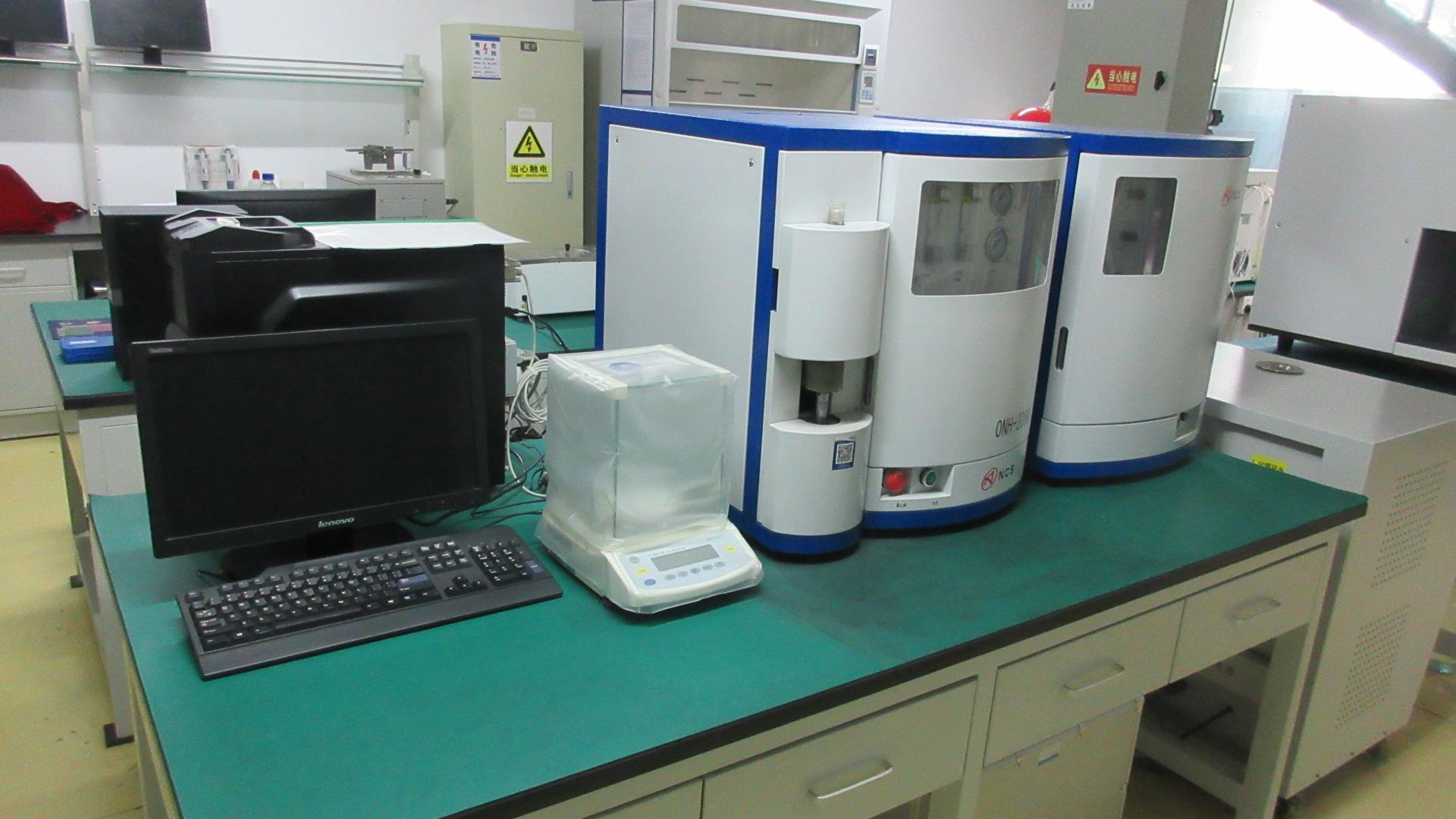
  • Raw Material Traceability: Every batch of titanium or PEEK raw material is tested for chemical composition, tensile strength, and microstructure. We keep mill certificates and internal audit trails for all batches.
  • 100% Dimensional Inspection: We perform automated coordinate measurements (CMM) and optical inspections on all critical implant features, including thread profiles, runout tolerances, and locking diameters.
  • 15 Full-Time QA/QC Inspectors: Quality control staff are stationed at each manufacturing stage, including machining, cleaning, packaging, and final sterilization.
  • Biocompatibility & Cleanroom Validation: Implants are packaged in ISO Class 8 cleanrooms (Class 100,000). Regular bioburden, endotoxin, and particulate testing are conducted to ensure products are completely sterile before shipping.

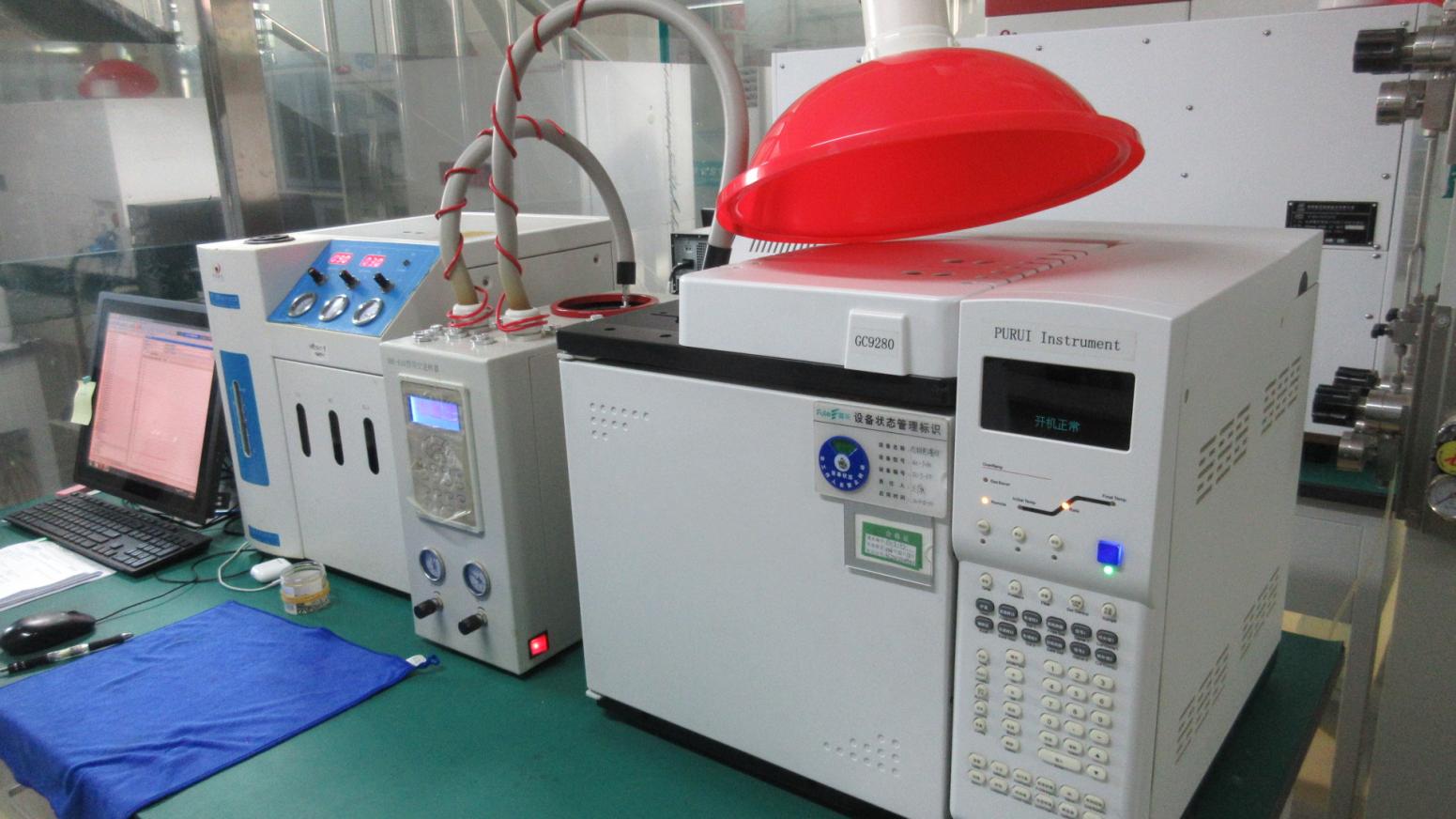
State-of-the-Art Production Facility & Infrastructure Gallery

ISO13485 Certification Badge
ISO 13485:2016 Certified
Registration Code: 04724Q10000818

Verified Auditing & Global Traceability

Our ISO 13485 certification demonstrates our commitment to consistent quality. This standard covers all phases of manufacturing posterior spinal implants, including raw material sourcing, multi-axis machining, cleaning processes, and final cleanroom packaging. Every pedicle screw and fixation plate we produce can be traced back to its raw material batch. This ensures compliance with medical regulatory frameworks in Europe, Southeast Asia, and Latin America.

6. Future Technical Roadmap: The Next Generation of Spinal Fusion

The future of posterior spinal systems lies in improving biological integration and digital surgical compatibility. As a leading manufacturer, we focus on:
  1. 3D-Printed Porous Titanium Interbody Fusion: Using electron beam melting (EBM) and selective laser melting (SLM), we are developing implants that mimic trabecular bone structure. This design encourages direct bone ingrowth (osseointegration), reducing reliance on bone graft materials.
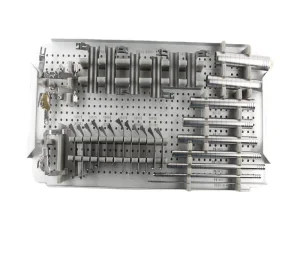
  2. Compatibility with Robotic and Navigation Systems: Modern operating rooms rely on surgical navigation. We are refining our instruments to work with computer-guided surgical platforms. By adding tracking arrays to our instrument sets, surgeons can place screws with greater accuracy.
  3. Smart Bio-absorbable Polymers: We are researching biodegradable polymers for temporary pediatric fixation. These materials hold the bone during healing and gradually absorb, eliminating the need for a second surgery to remove the implant.

7. Frequently Asked Technical & Sourcing Questions (FAQ)

Q1: Which medical-grade raw materials are used in your posterior spinal systems?
We use Titanium Alloy Ti-6Al-4V ELI (ASTM F136), which offers high biocompatibility, high fatigue strength, and corrosion resistance. For fusion cages, we import medical-grade PEEK (Polyetheretherketone) from leading global suppliers.
Q2: How do your factories ensure the quality of pedicle screw threads?
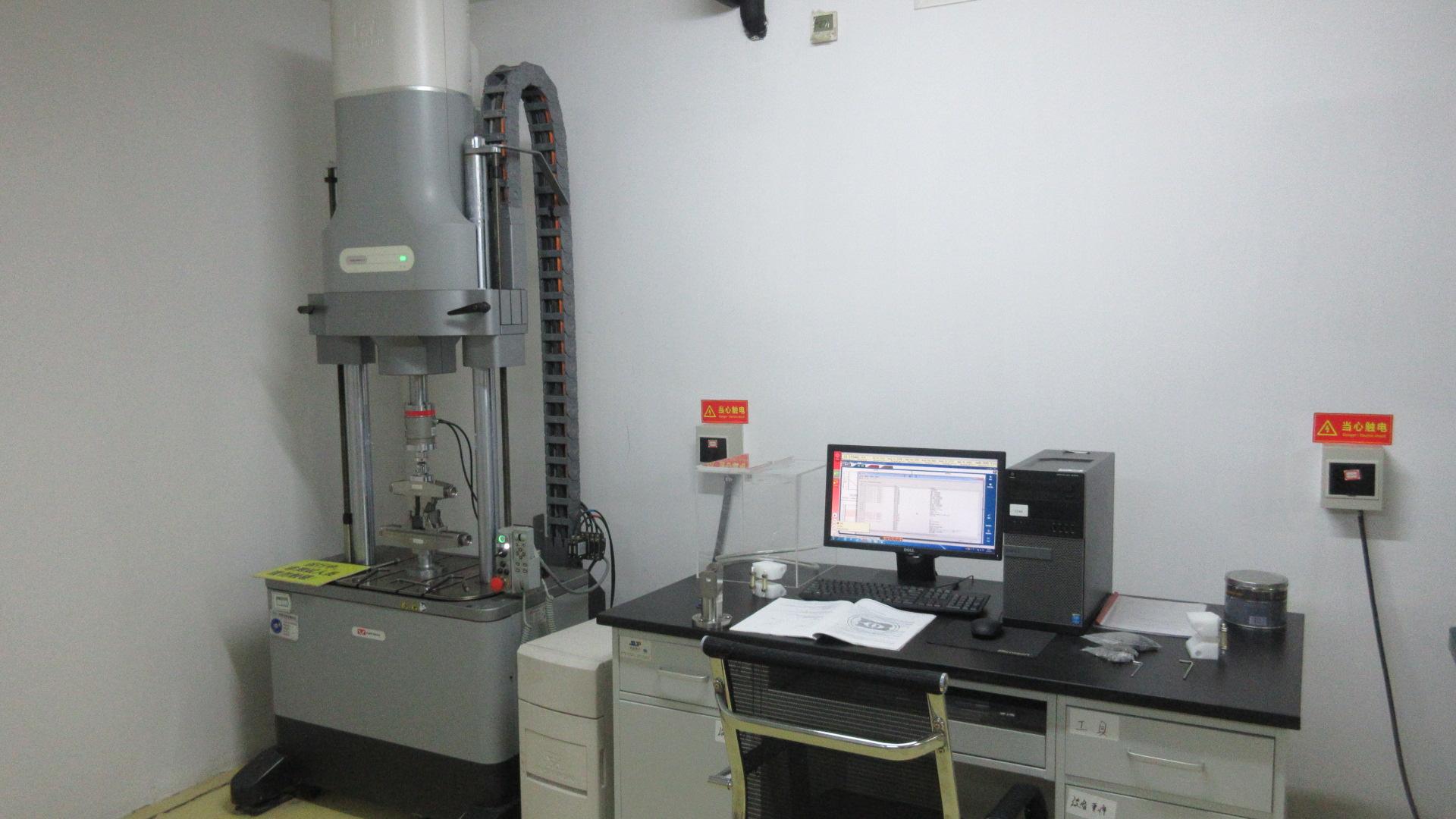
Our Swiss-made CNC lathe machines turn the threads with precise tolerances. Each batch undergoes optical profile projectors and thread-ring gauge tests. We run fatigue tests according to ASTM F1717 standards, including static compression bending, tension, and torsion tests.
Q3: Do you offer customized OEM or ODM options for localized market designs?
Yes. We support custom adjustments, including sample processing, graphic design changes, and tailor-made instrument configurations. Our R&D team can adapt designs to fit specific clinical preferences or local regulatory needs.
Q4: What is the typical lead time for international bulk shipments?
Standard inventory orders ship within 15–30 days. For custom OEM or large bulk contracts, lead times range from 45 to 60 days, depending on production scheduling and compliance certification requirements.
Q5: Are your implants cleanroom-packed and ready for sterilization?
Yes, we clean and package our implants in an ISO Class 8 (Class 100,000) cleanroom. We offer non-sterile packaging (which requires hospital autoclaving before use) or pre-sterilized packaging (using gamma irradiation or EO gas).

Additional Spinal Fixation & Specialized Implants