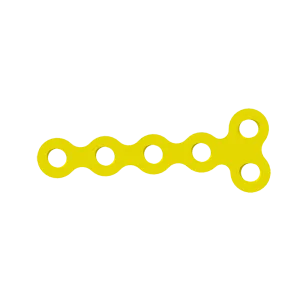
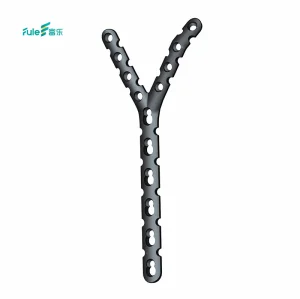
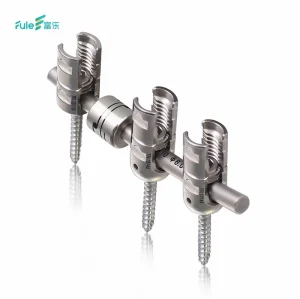
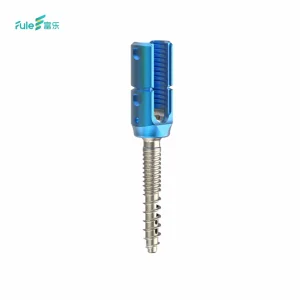
Featured CE-marked medical devices engineered for high biological affinity and structural integrity.
An Industry White Paper on Surgical Mechanics, Material Sciences, and Strategic Sourcing
In modern reconstructive surgery, the interface between structural bone fixation and soft tissue restoration represents one of the most critical engineering challenges. Soft tissue repair requires an intricate balance between mechanical biomechanics and biomaterial biocompatibility. Whether resolving ligament tears, tendon avulsions, rotator cuff damage, or complex spinal column instability, surgeons demand implant systems that prevent micro-motion and support long-term physiological integration.
As a premier manufacturing partner based in China, we leverage three decades of metallurgical innovation and bio-compatible polymer processing to supply global healthcare distributors, hospital networks, and OEM brand owners with Class III medical devices. Our clinical solutions bridge the gap between initial mechanical stability and the subsequent organic cascade of soft tissue remodeling. Through advanced surface modifications, high-precision CNC micromachining, and stringent ISO 13485 cleanroom processes, we deliver structural implants that minimize revision rates and optimize patient outcomes.
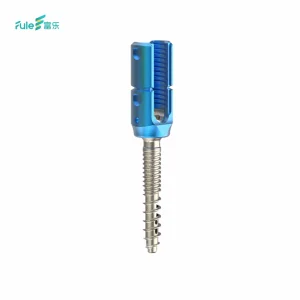
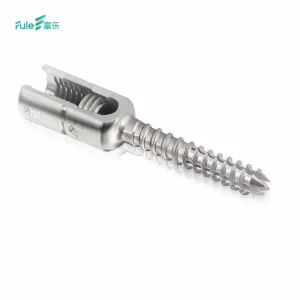
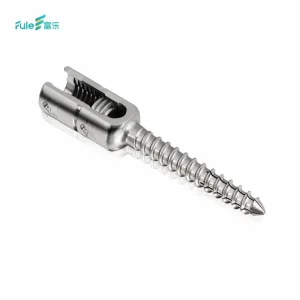
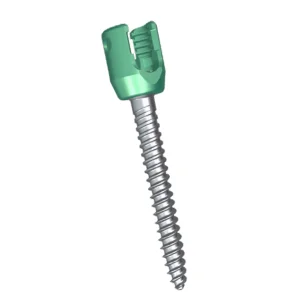
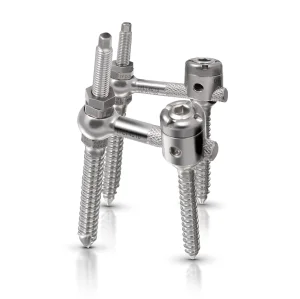
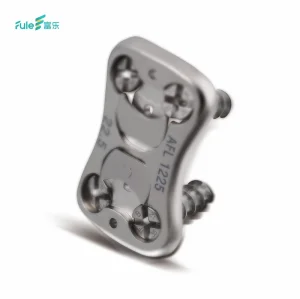
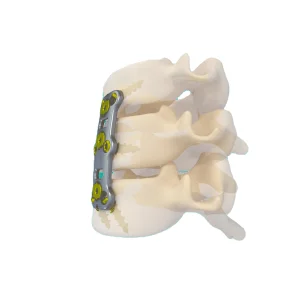
True clinical success in soft tissue repair is measured by the tissue's attachment strength, vascular infiltration, and resistance to shear stresses. By combining robust structural anchoring systems (such as customized anterior cervical plates and polyaxial pedicle screws) with biomimetic surface properties, our implant configurations facilitate a secure mechanical foundation that is imperative for subsequent physiological soft tissue healing.
Integrating Biocompatible Materials, Surface Physics, and Bio-Active Matrices
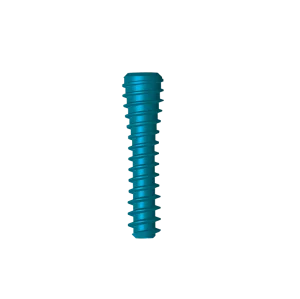
Standardizing on medical-grade Titanium Alloys (Ti-6Al-4V ELI) and Polyetheretherketone (PEEK). Our focus remains on high tensile resistance, optimized thread pitches, and self-tapping geometries to guarantee immediate, stable fixation at the bone-tendon interface.
Moving beyond bio-inertness to active tissue integration. Implementing sub-micron acid-etching, anodic oxidation, and Hydroxyapatite (HA) coating technologies to generate biomimetic micro-topographies that accelerate osteoblast and fibroblast proliferation.
Engineering the future of soft tissue reconstruction through bioresorbable polymers (such as PLA/PGA copolymers) and integrated growth-factor delivery. The long-term vision includes sensor-integrated implants capable of telemetrically monitoring local physiological loads.
Unifying Lean Manufacturing Controls with Uncompromising Quality Standards
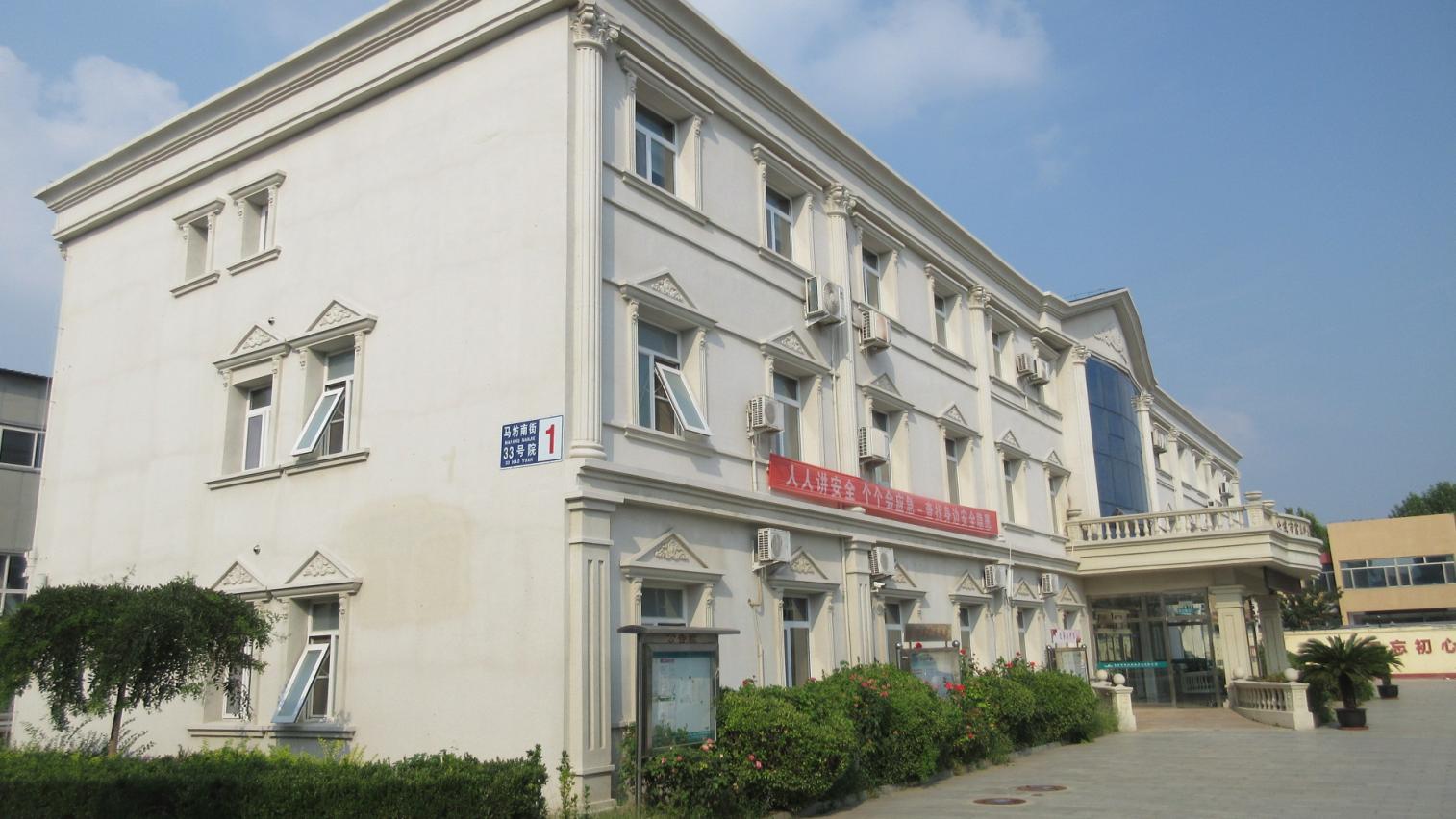
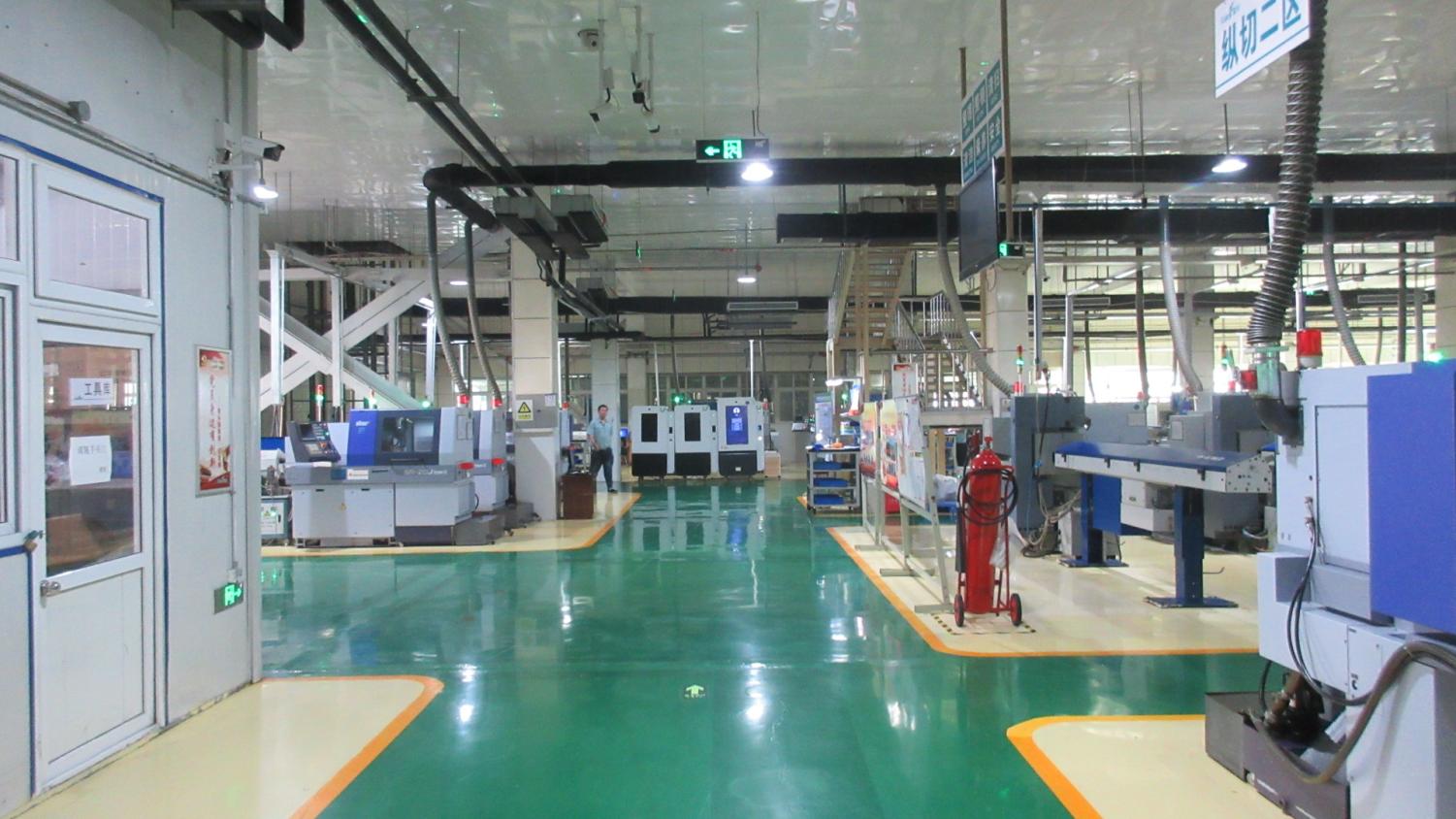
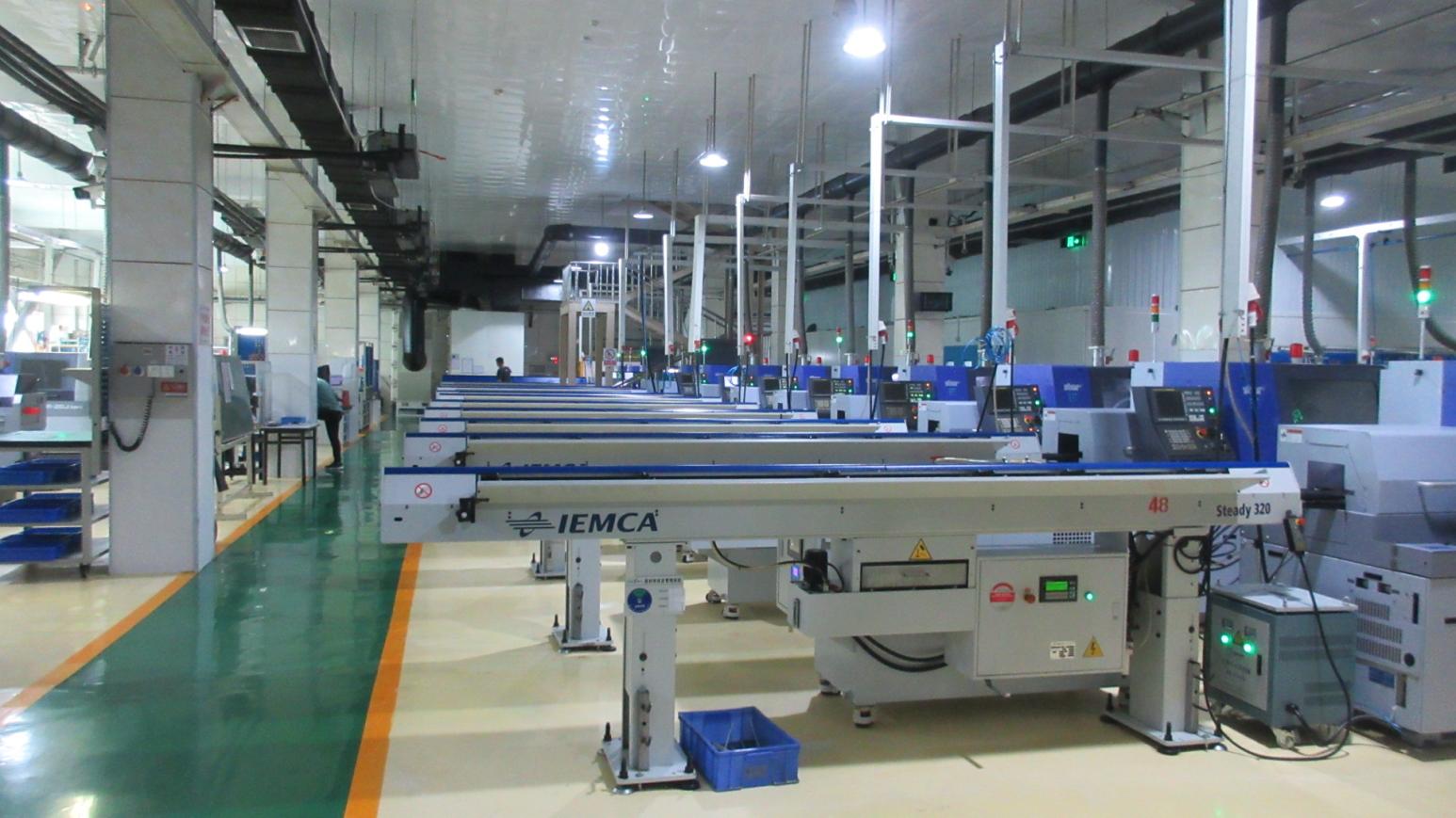
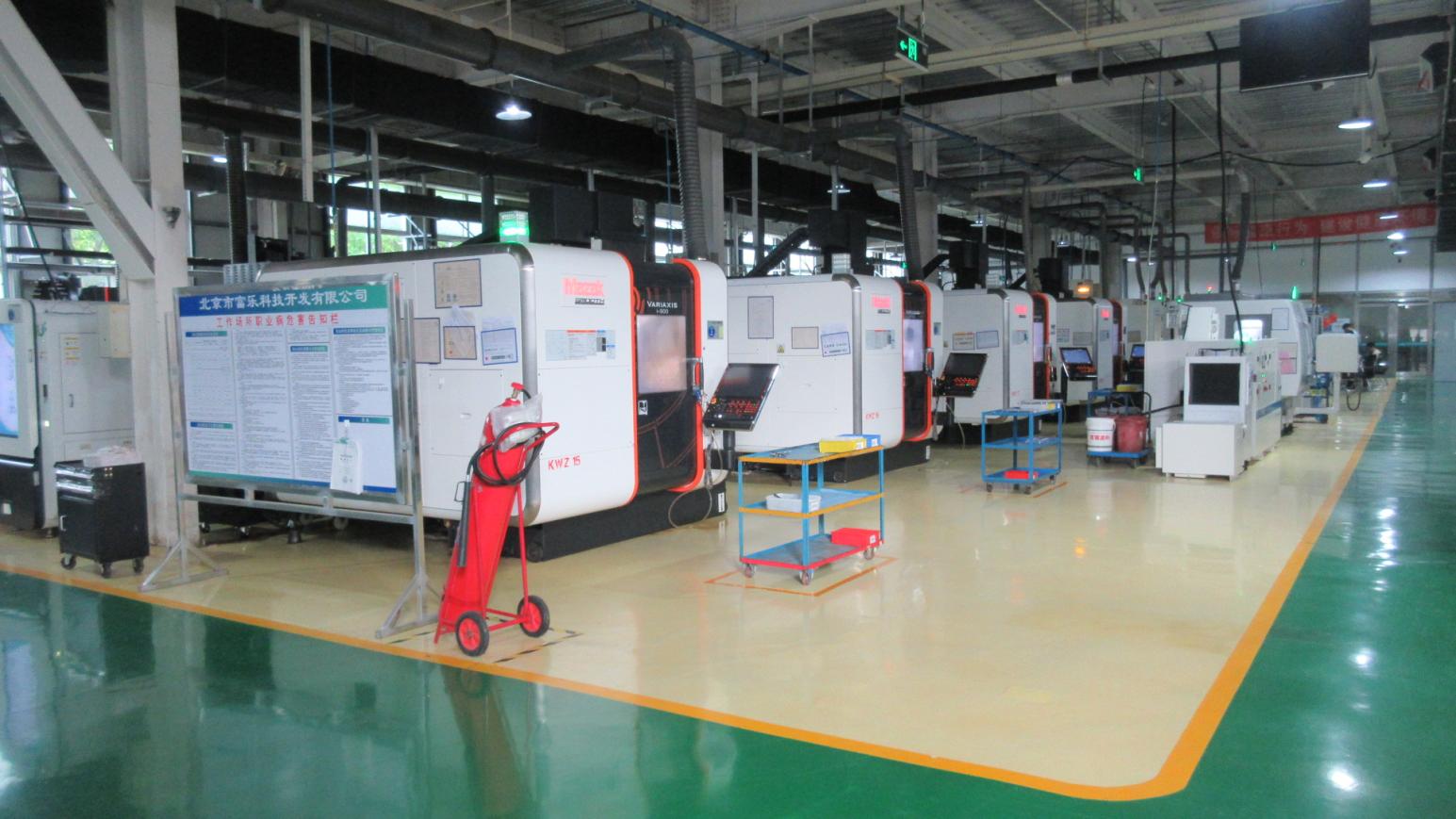
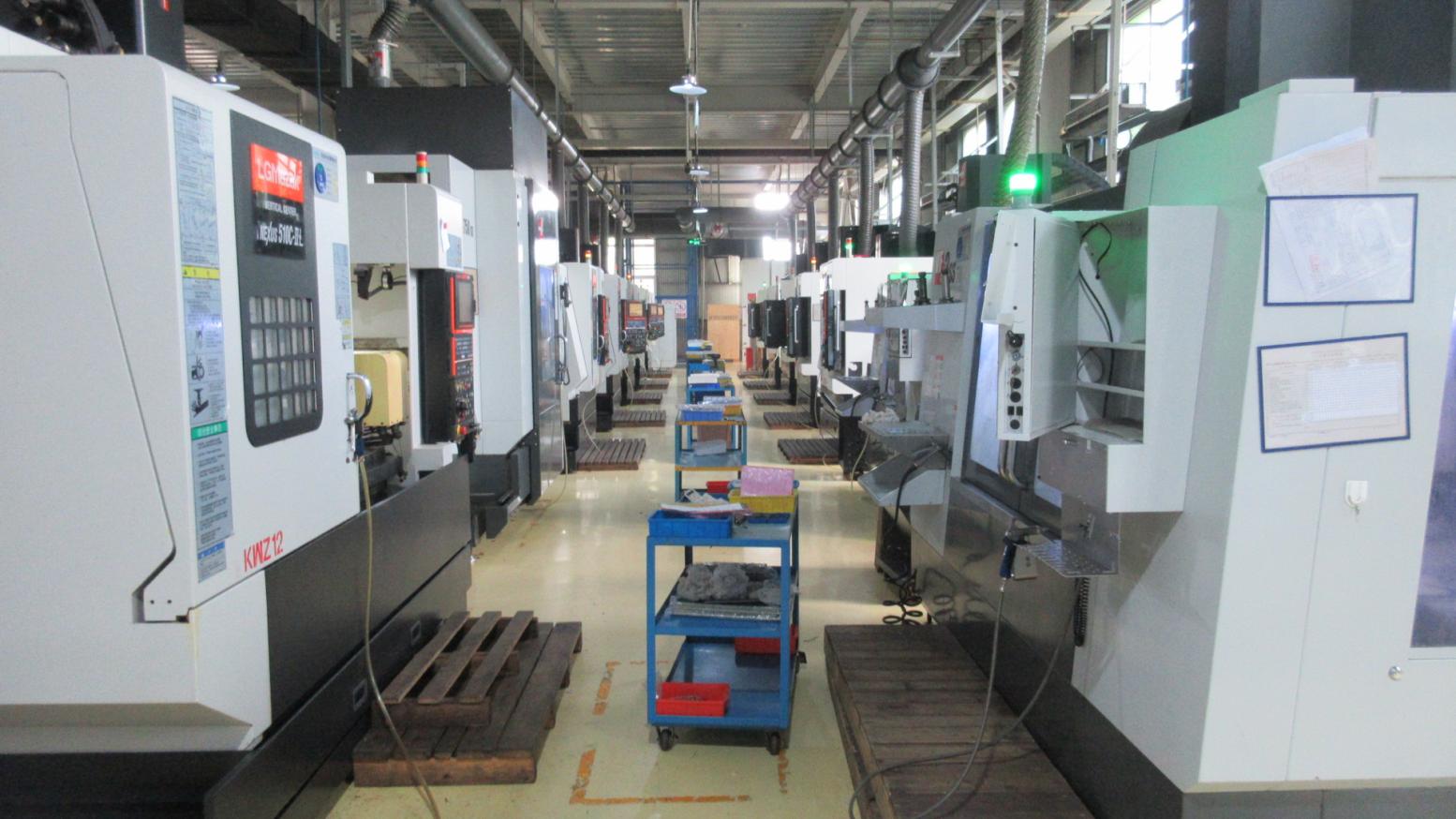
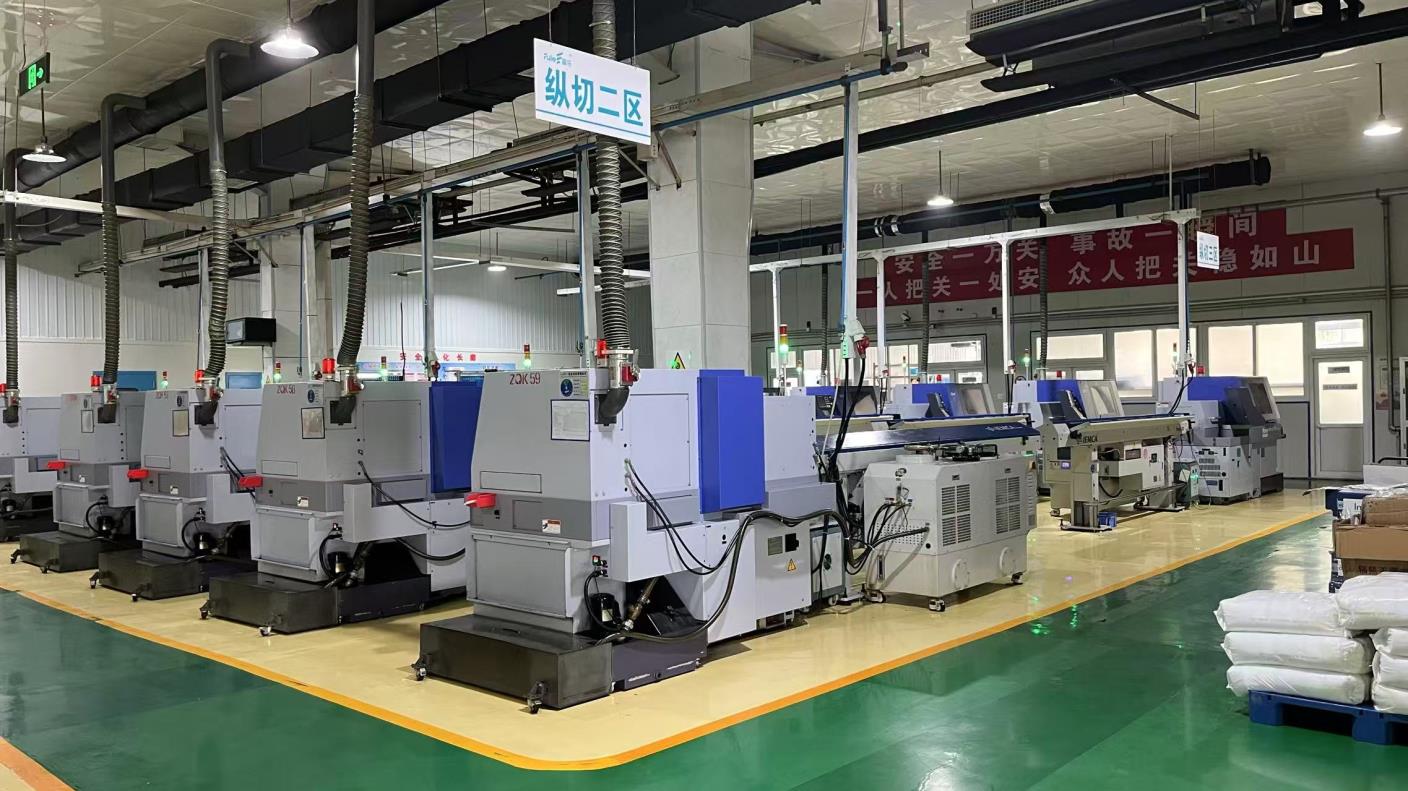
Our modern manufacturing center stands as a testament to high-precision medical device engineering in China. Built upon a 10,000 square meter state-of-the-art facility, our manufacturing lines integrate computerized workflow management with precision automation. This setup ensures that from raw titanium bar loading to final sterile packaging, human error is systematically minimized.
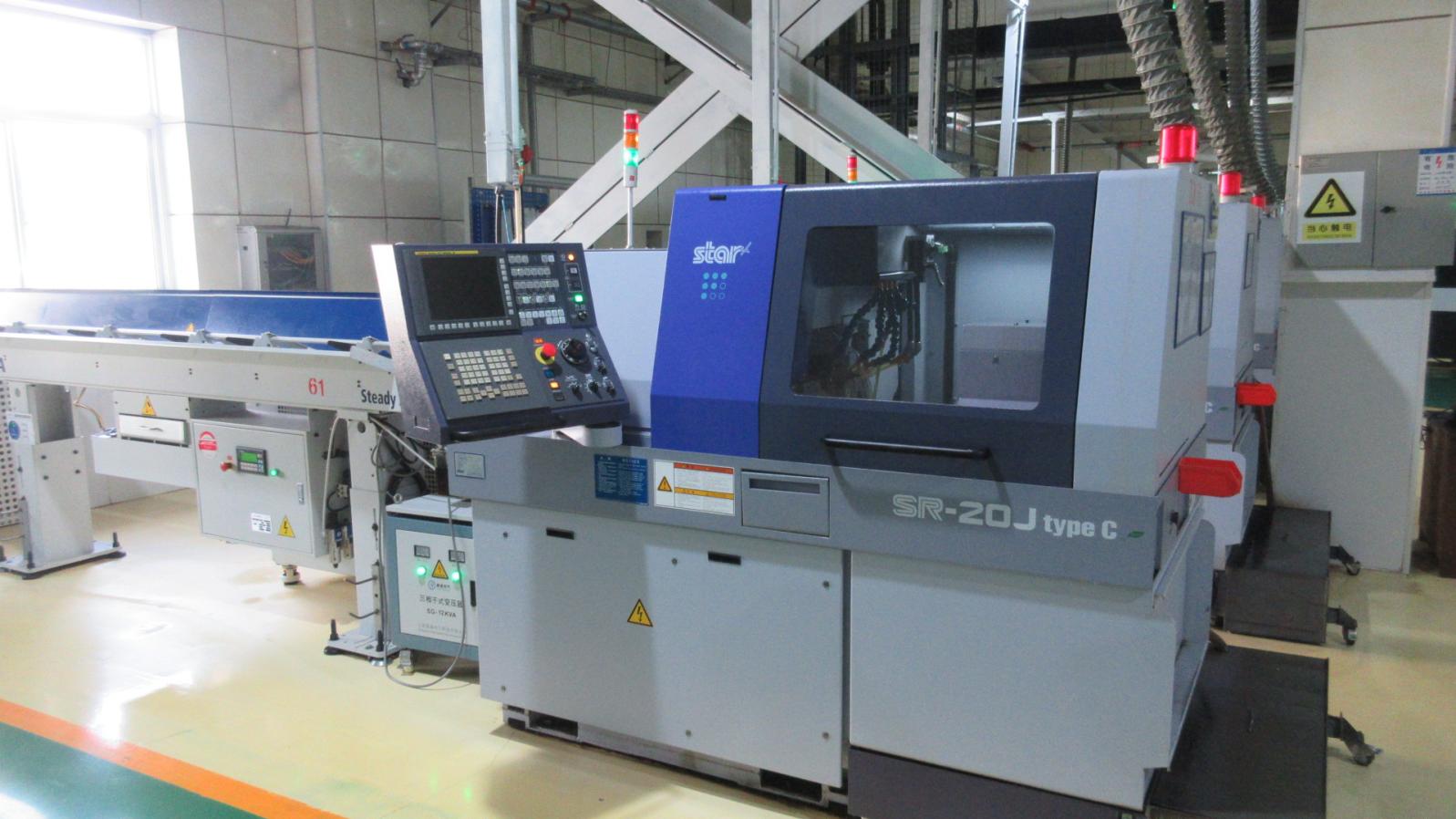
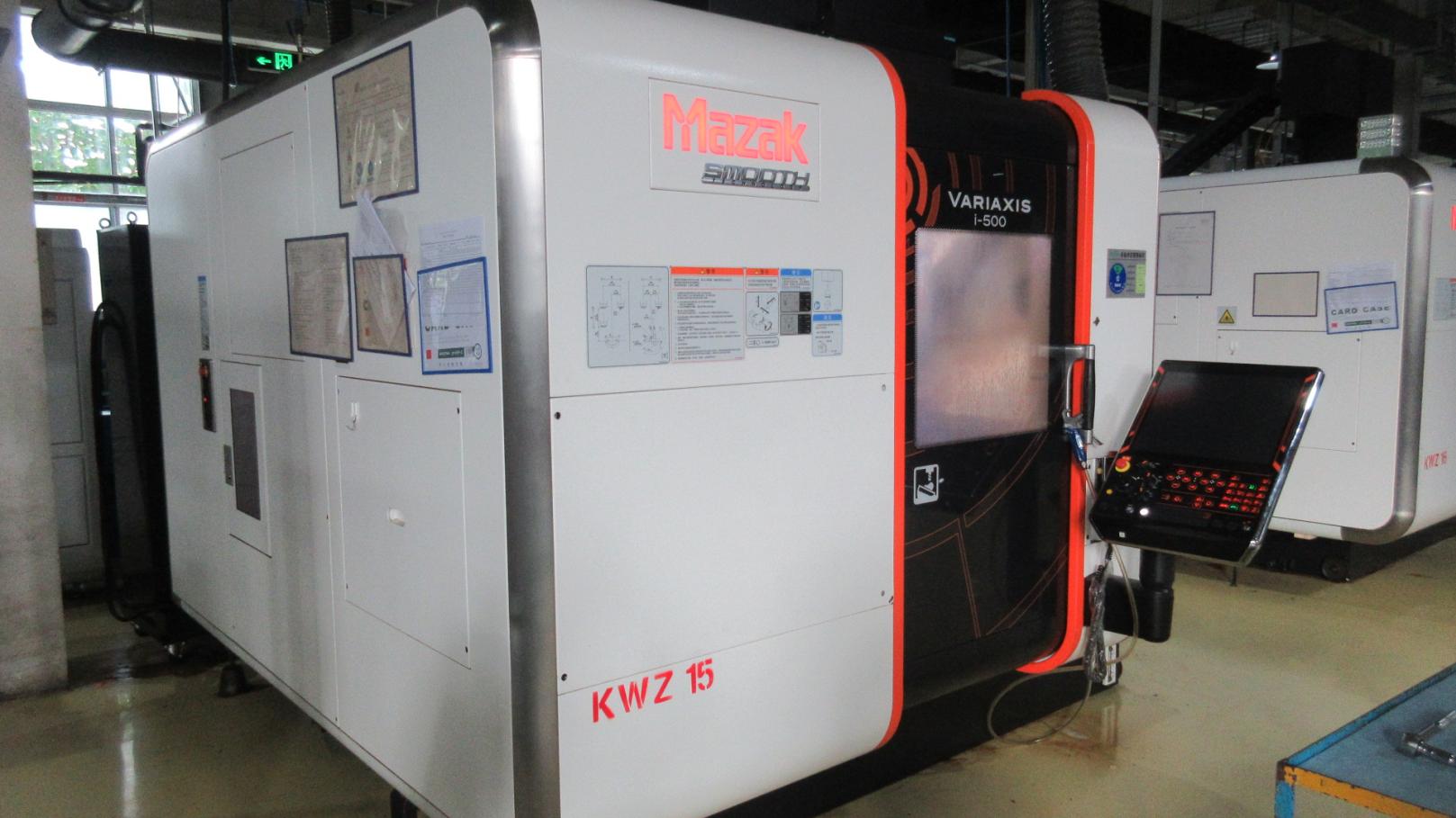
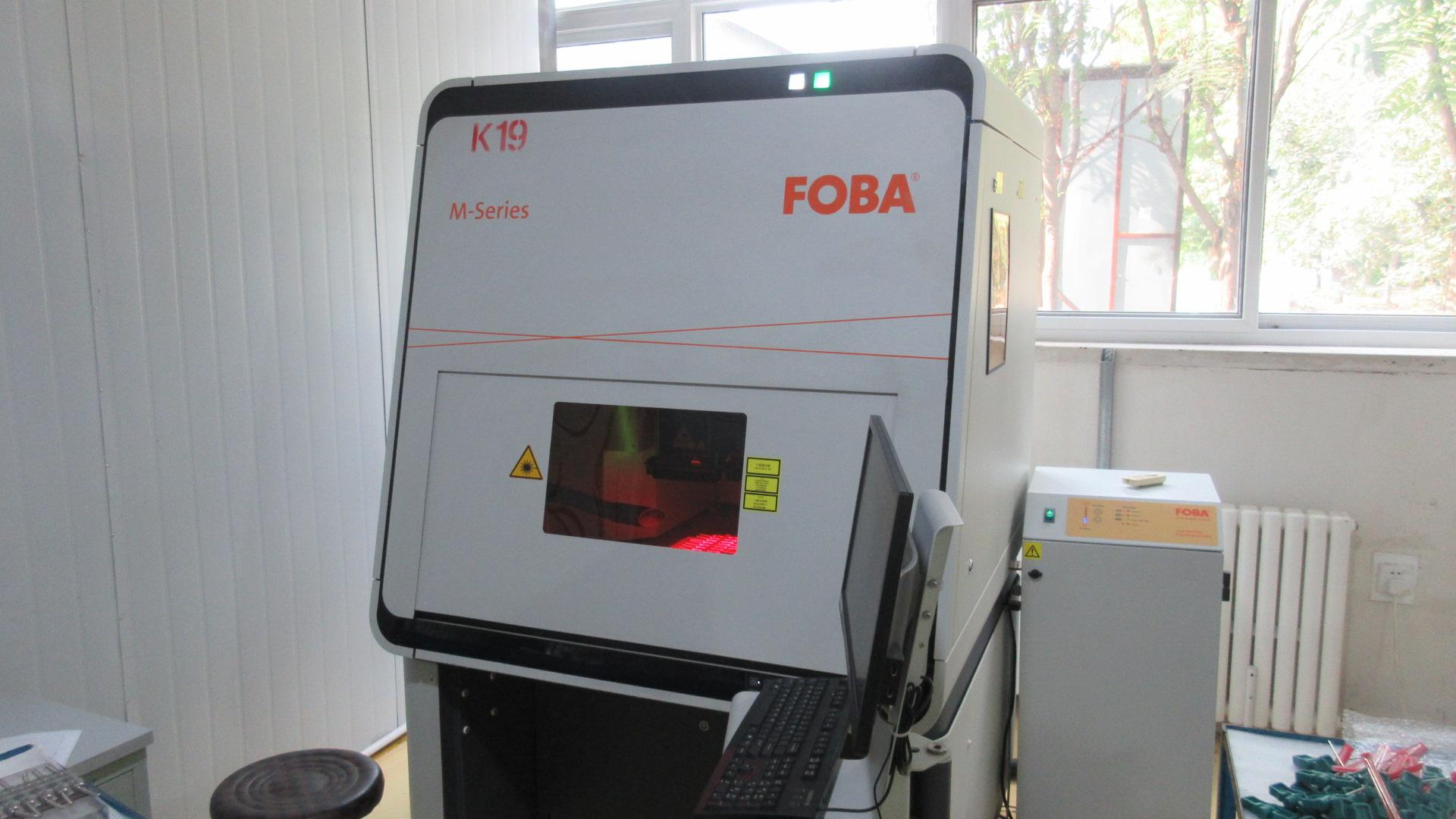
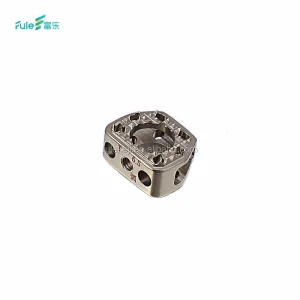
To handle high-complexity geometries, our facility is equipped with 102 advanced production machines, including Swiss-type longitudinal CNC lathes, 5-axis machining centers, and automated wire EDM systems. This high degree of technical capability enables us to produce orthopedic screw systems, locking plates, and custom intervertebral cages with tolerances as tight as ±3 microns.
| Operational Dimension | Specification & Factory Capability | Compliance / Quality Metric |
|---|---|---|
| Establishment & Track Record | Company Registration: 1996-06-28 | 30 Years of Medical Device Exporting Experience | Stabile Partner Ecosystem with 70+ Global Supply Chain Vendors |
| Certification Status | ISO 13485 Certified (Certificate No: 04724Q10000818) |  ISO 13485 Registered ISO 13485 Registered |
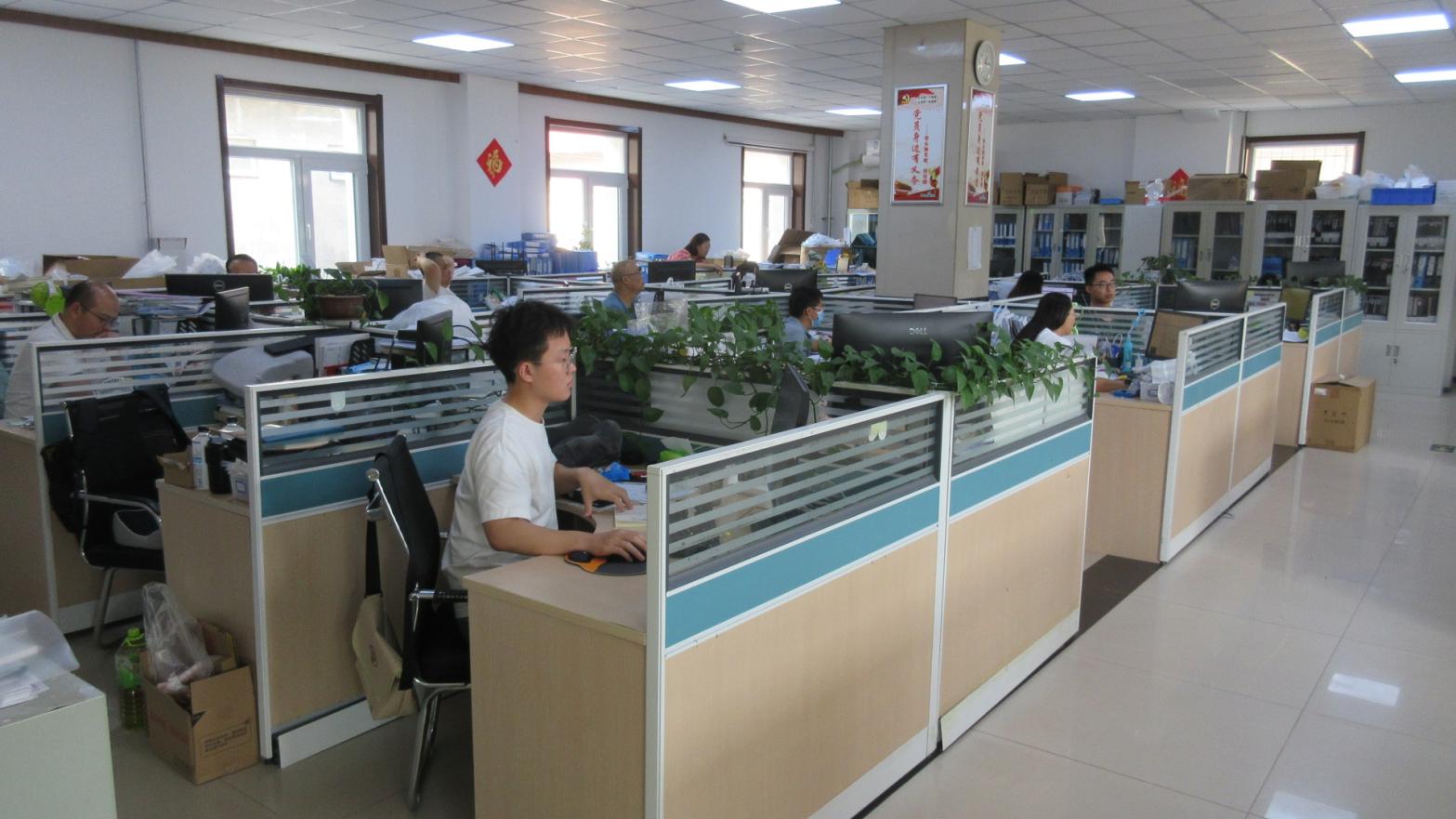
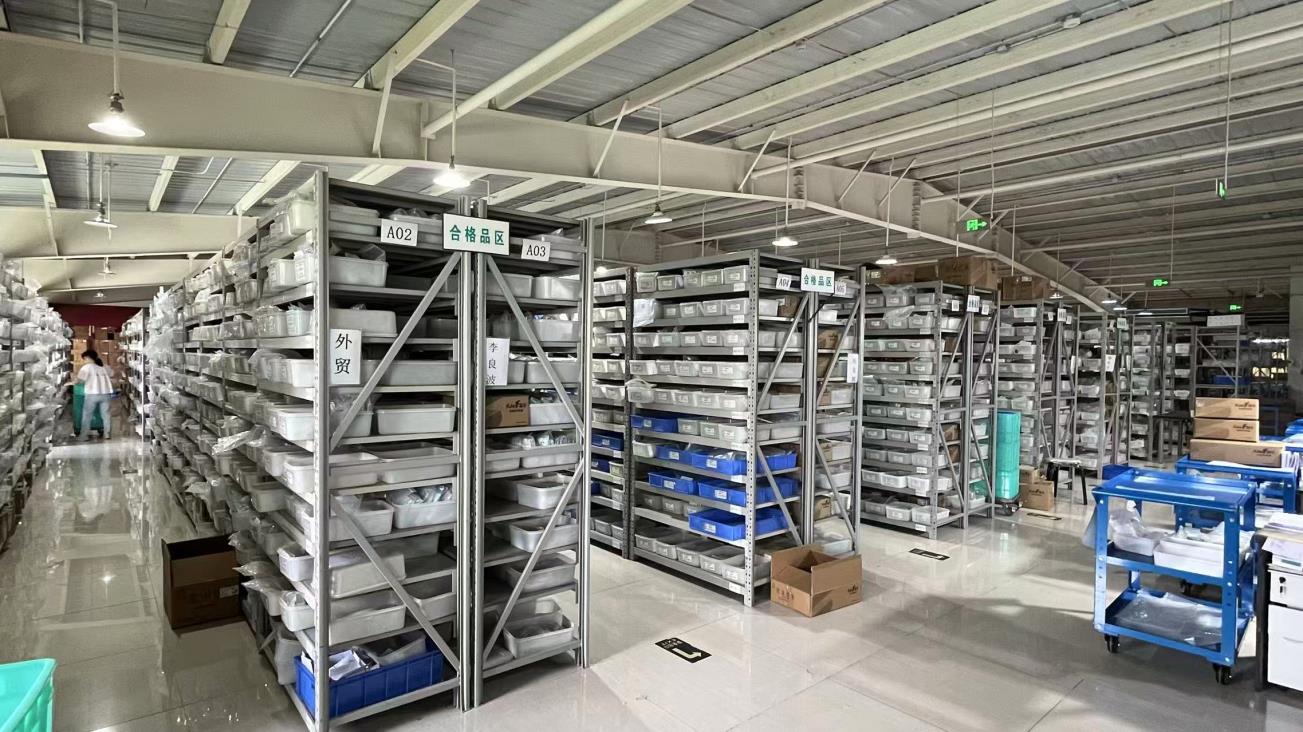
| Quality Inspection & QC | 100% Comprehensive Product Inspection Across All Production Lines | 15 Full-Time QA/QC Inspectors; Full Raw Material Heat Traceability |
| Research & Development | 20 Dedicated R&D Engineers (15 Graduate Level, 5 Junior College) | 20+ New Proprietary Product Models Launched Annually |
| Customization Scope | Comprehensive OEM/ODM: Graphic Processing, CAD/CAM Modeling, Custom Prototyping | Tailored Medical Implant Design to Target Local Clinical Needs |
| Global Logistics Reach | Primary Markets: Domestic (40%), Eastern Europe (15%), Southeast Asia (10%) | Streamlined Custom Clearance with Global Express Delivery (DHL, FedEx) |
Comprehensive Surgical Systems Designed for High-Load Biological Interfaces
Mitigating Risk Through Comprehensive Regulatory Compliance and Technical Documentation
For medical device importers and healthcare distributors, regulatory compliance is the most important factor in product sourcing. Operating under global standards, our factory ensures that all class Class II and Class III implants meet or exceed international regulatory expectations. By maintaining comprehensive technical files, dynamic risk assessments (ISO 14971), and biocompatibility evidence (ISO 10993), we facilitate smooth registration pathways for partners in Europe, the Americas, and Southeast Asia.
Every lot of titanium alloy or PEEK is tracked back to its original melt source. Certified mill test sheets and chemical composition analyses accompany every batch of raw material.
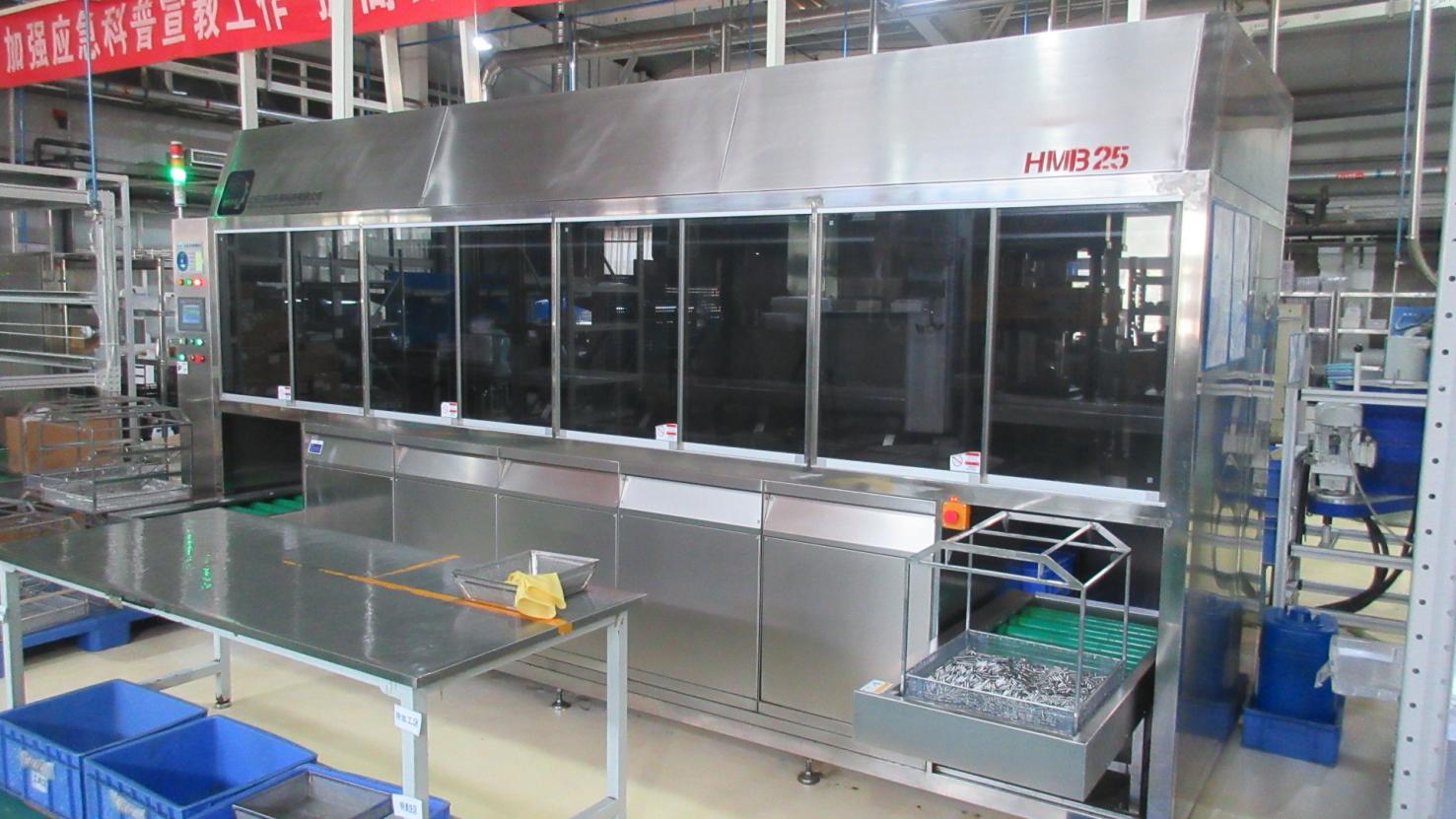
Our implants undergo extensive ISO 10993 testing, verifying that our titanium surfaces and cleaning protocols prevent cytostatic responses or soft tissue irritation.
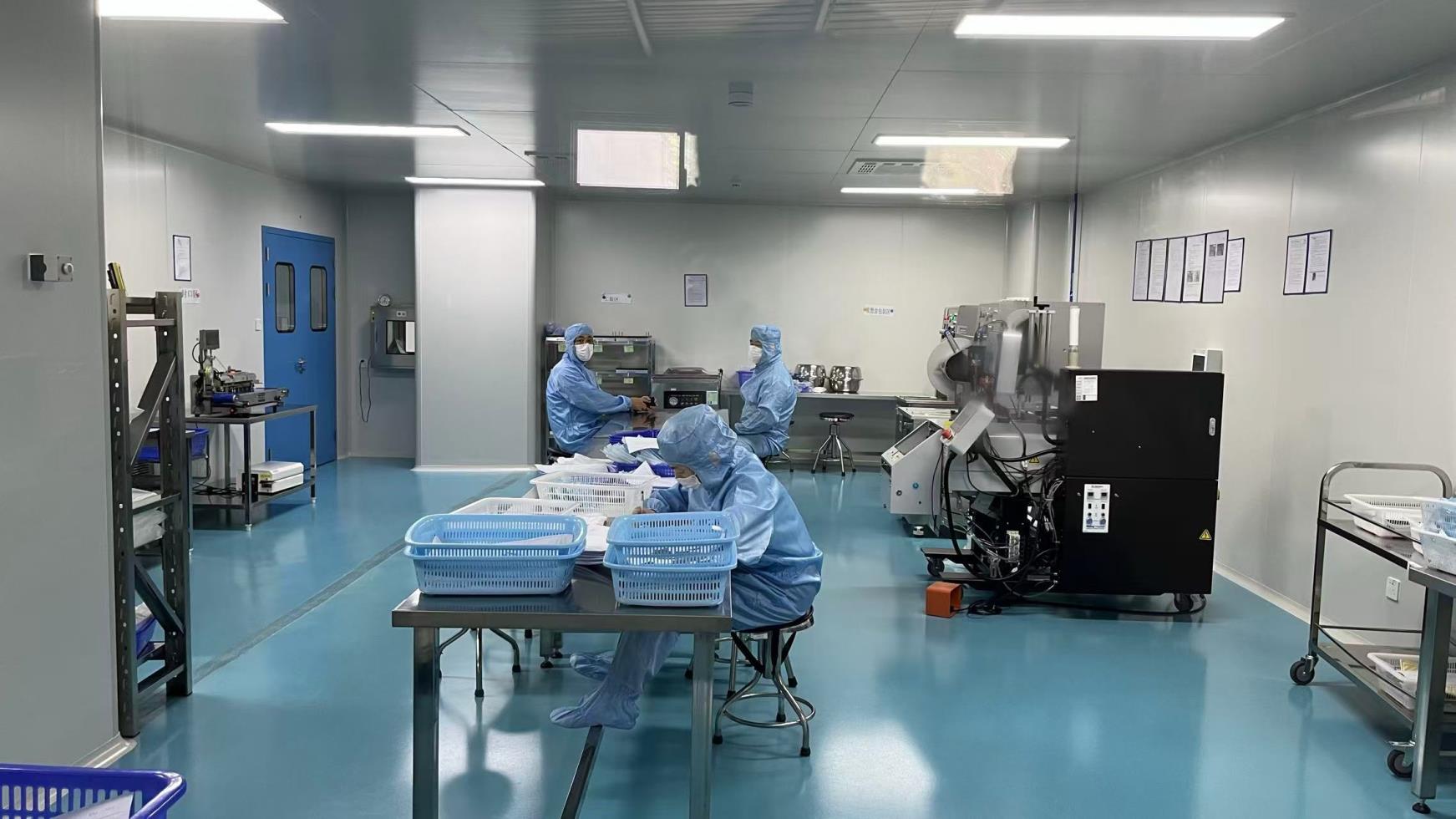
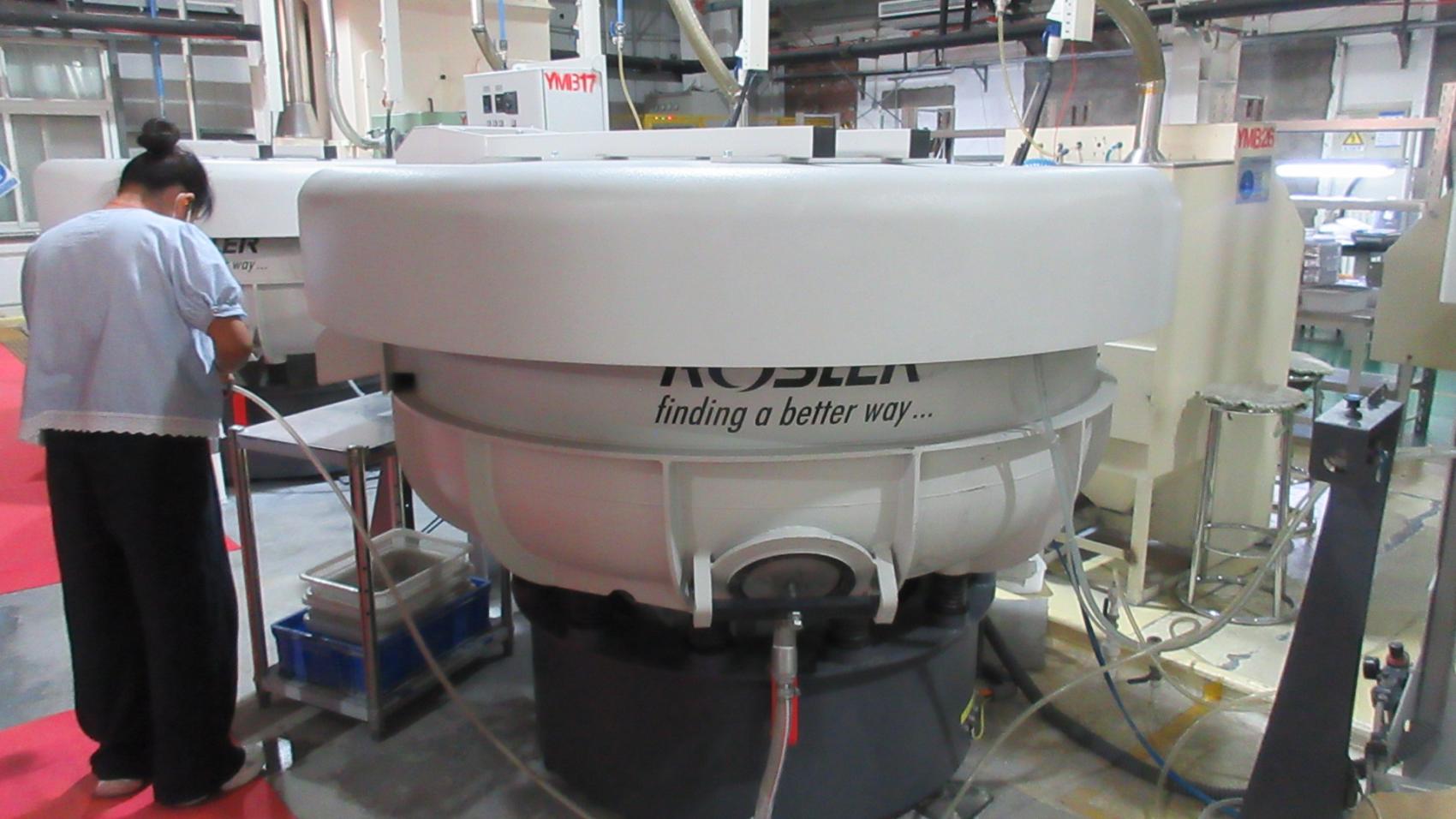
Final washing, assembly, and packaging are completed within certified cleanrooms to maintain bioburden levels well below established regulatory thresholds.
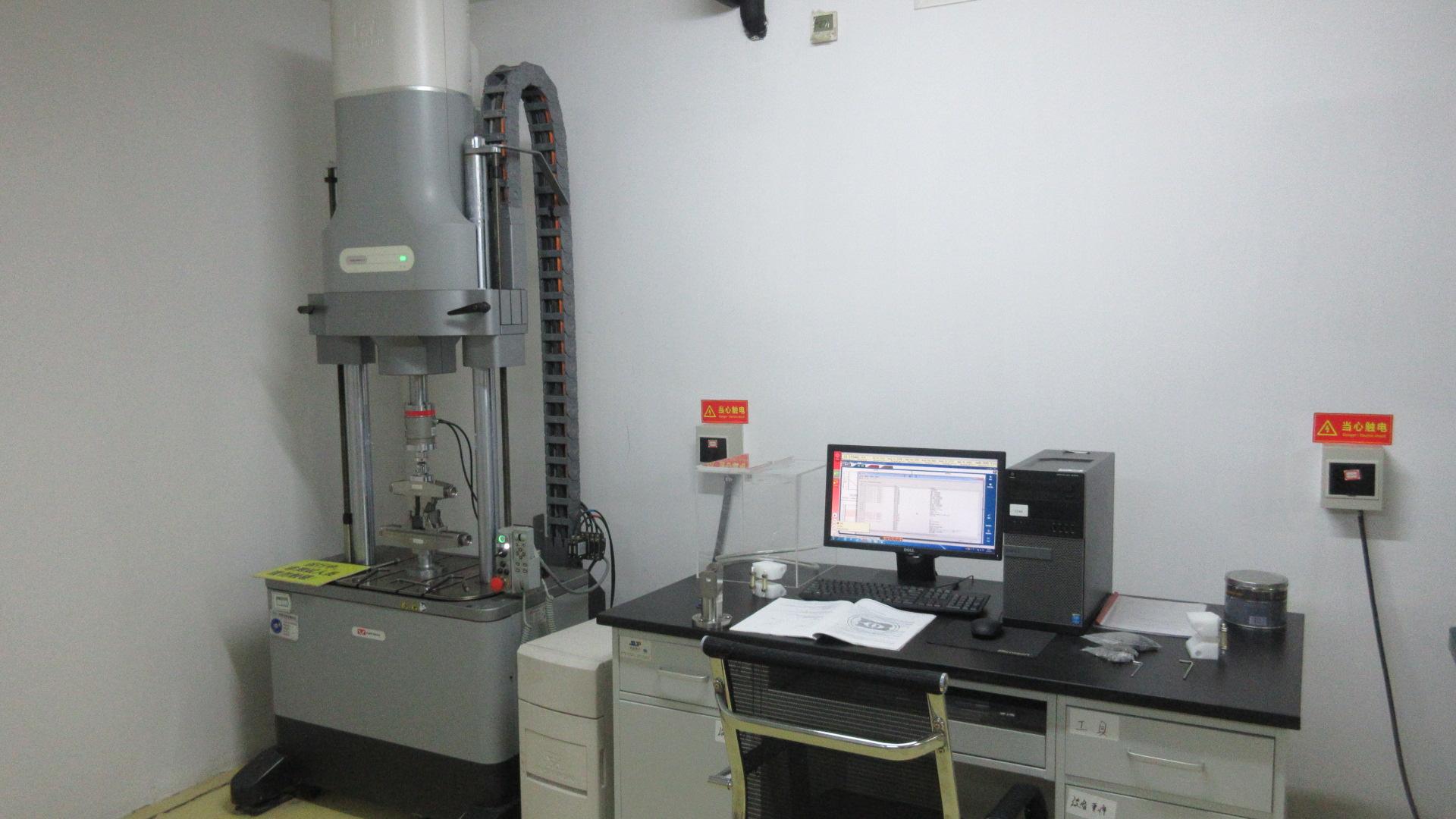
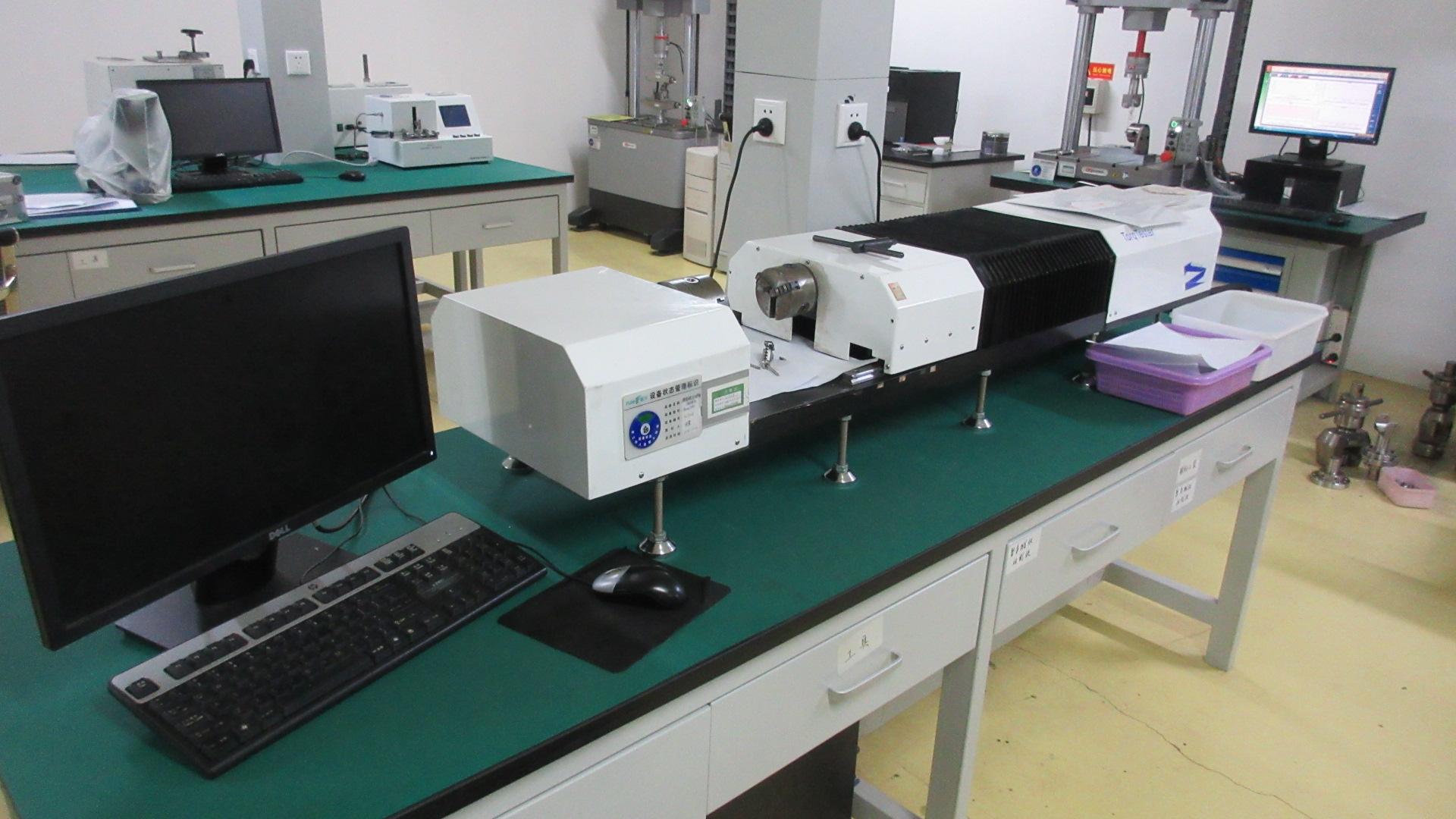
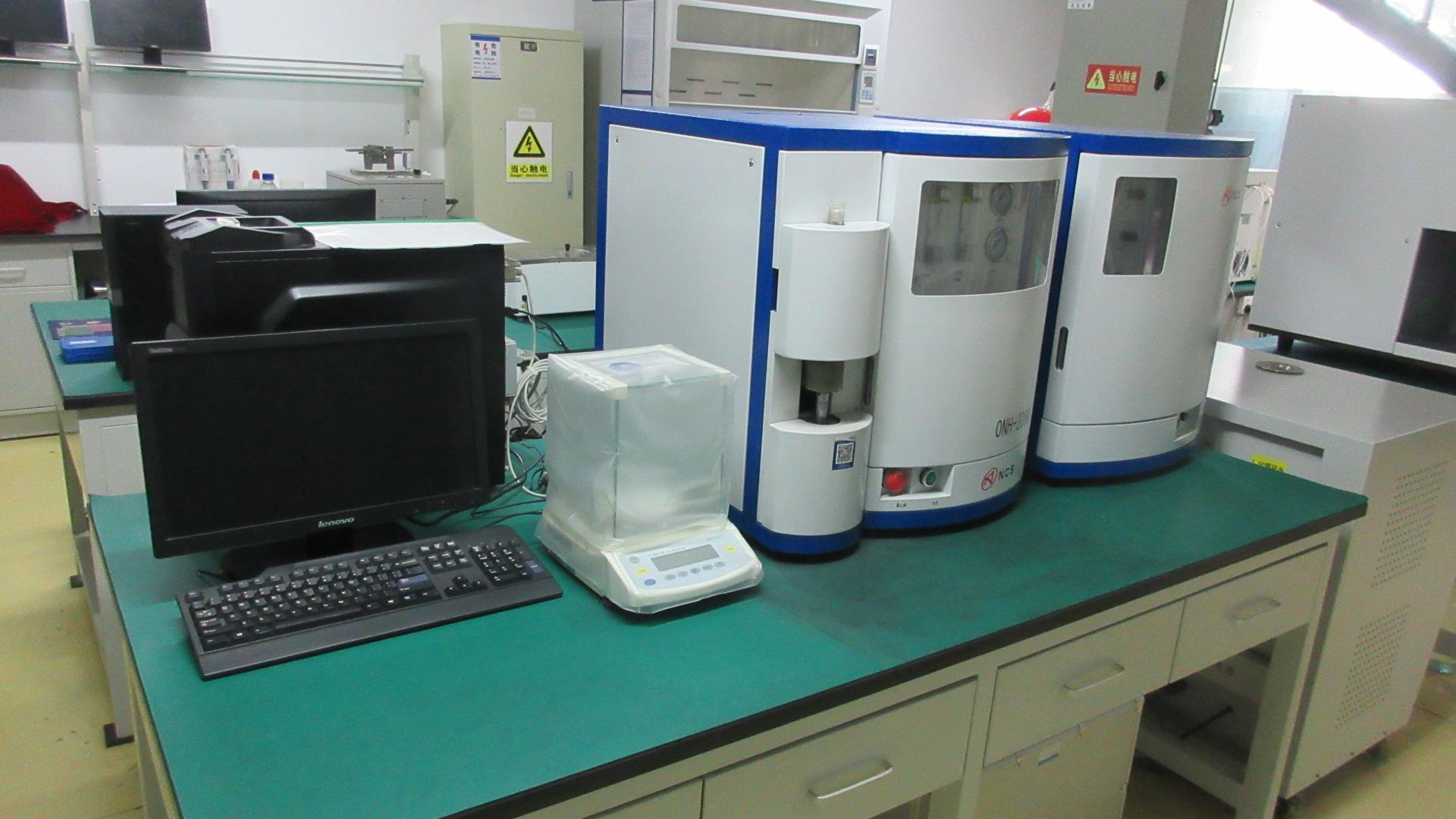
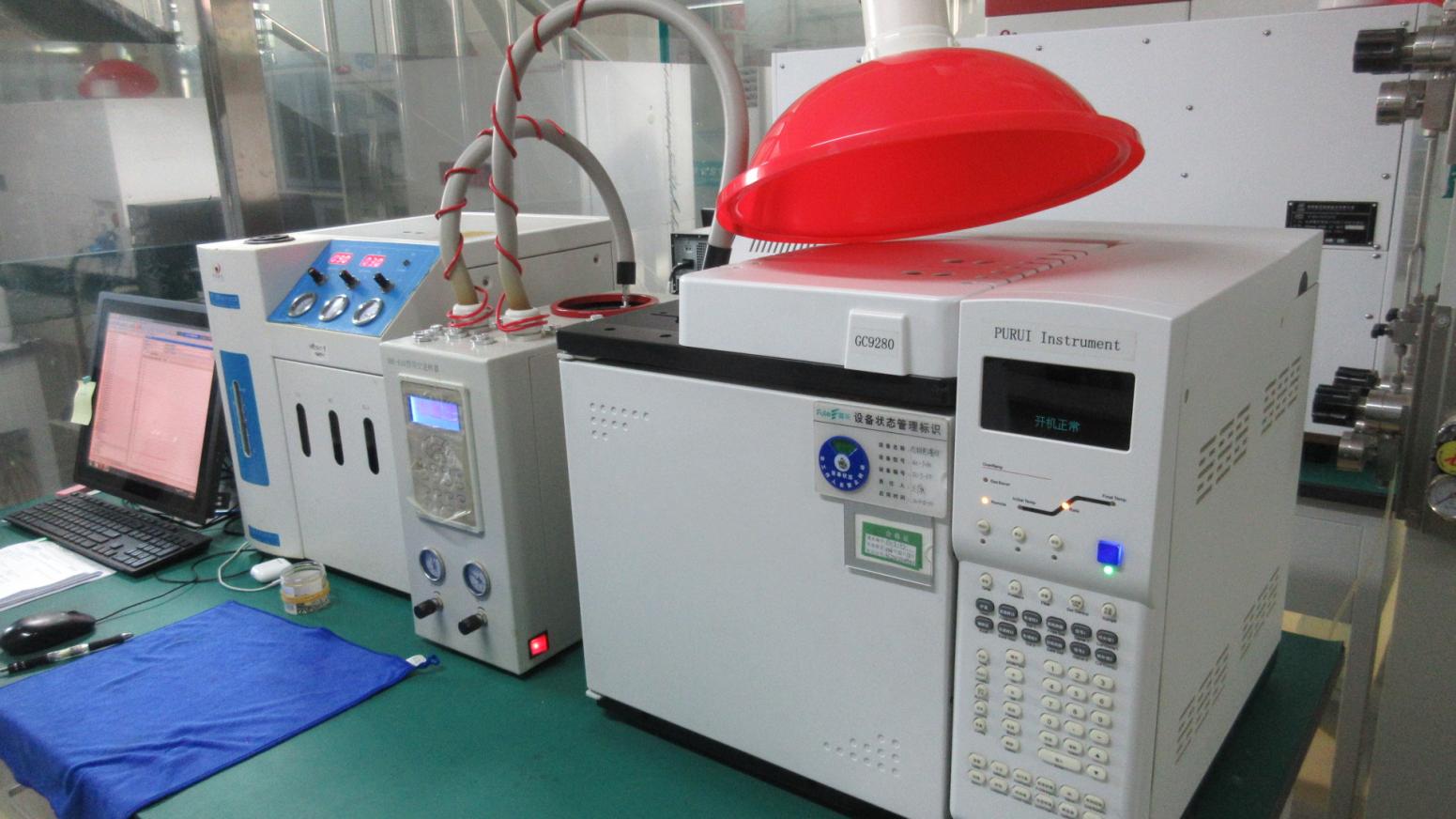
Visual Verification of Advanced Machining, Quality Audits, and Cleanroom Packaging Capabilities
Addressing Total Cost of Ownership, Lead Times, and OEM Co-Development Models
For international medical brands, procurement involves balancing material quality with cost-efficiency. Our OEM/ODM co-development model helps partners streamline this process. Drawing on our extensive engineering background, we transform initial design drafts, 3D models, or surgical specifications into physical implant prototypes within days.
To support various purchasing setups, we offer flexible terms for customized production runs. This helps distributors scale up orders while managing their initial capital exposure. Combined with reliable shipping solutions like DHL or FedEx, we ensure stable delivery times, reducing inventory risks and maintaining consistent clinical supplies.
Clear, Authoritative Answers Regarding Material Grades, Specifications, and Quality Standards
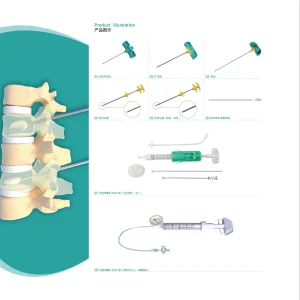
Complete your supply chain with certified trauma, spine, and surgical interventional tools.
 Beren Science & Technology