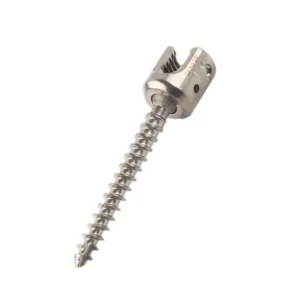
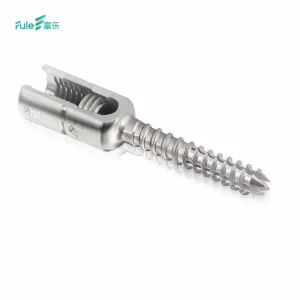
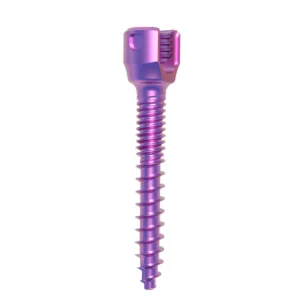
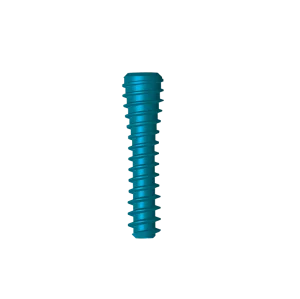
In modern complex spinal reconstruction, the Spinal Plate System plays a pivotal role in restoring mechanical stability, promoting bony fusion, and preserving sagittal alignment. Used predominantly in anterior cervical diskectomy and fusion (ACDF), posterior cervical decompression, and thoracic-lumbar trauma management, these systems are engineered to withstand severe multidirectional stresses. As a leading manufacturer and exporter in China, we develop clinical-grade titanium systems that meet strict international mechanical standards, including ASTM F136 (Standard Specification for Wrought Titanium-6Aluminum-4Vanadium ELI for Surgical Implant Applications).
The choice of material is crucial. Medical-grade titanium alloy (Ti-6Al-4V ELI) is favored for its excellent strength-to-weight ratio, superior corrosion resistance, and outstanding biocompatibility. Additionally, its relatively low elastic modulus reduces the "stress shielding" effect, promoting physiological load sharing and accelerating bone remodeling. For posterior cervical laminiplasty and lumbar fusion, we offer specialized titanium plates designed to secure osteotomized laminae while minimizing postoperative muscular irritation.
Understanding clinical user intent is key to modern spinal plate design. Our R&D division has optimized two core mechanical models:
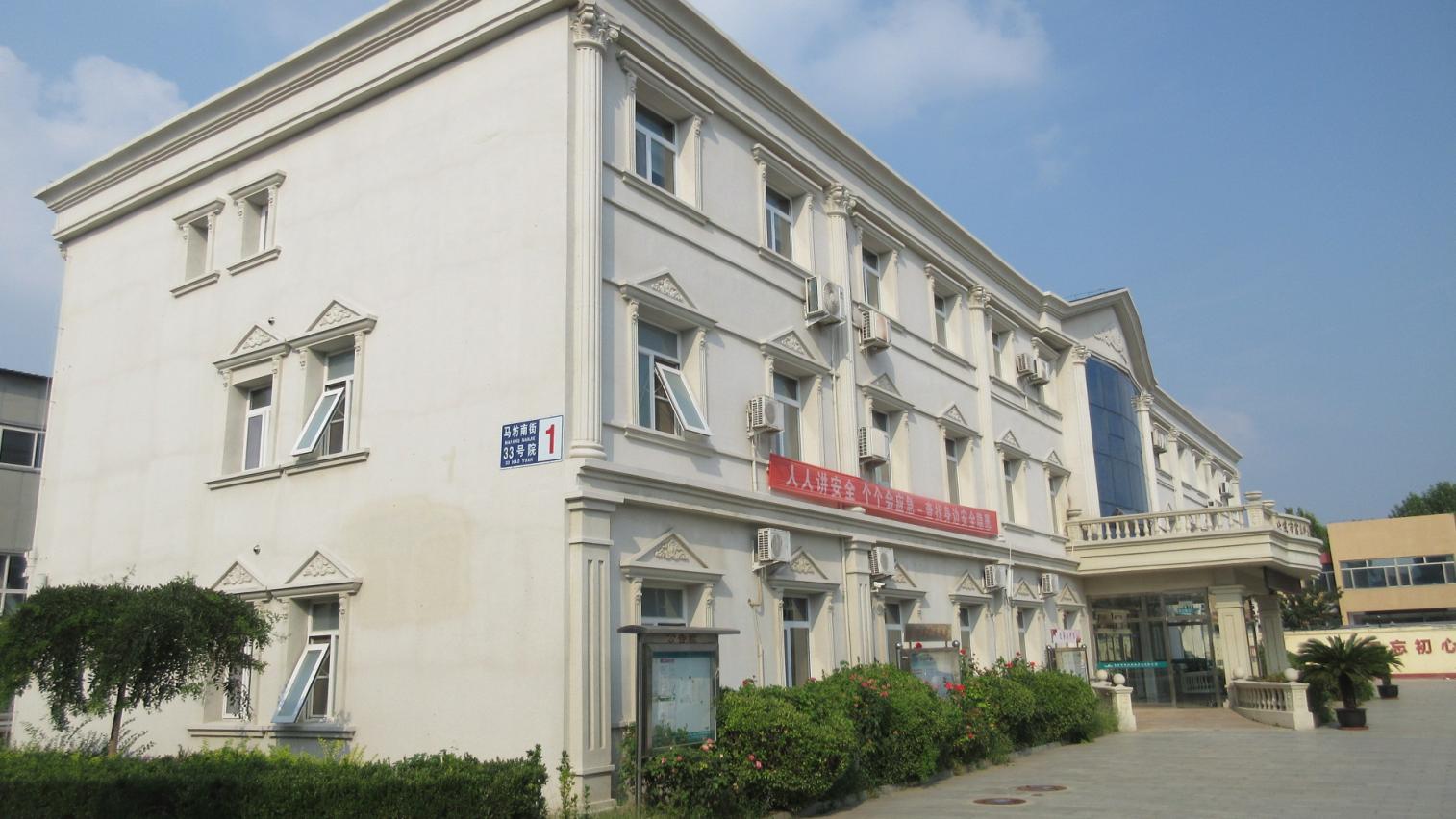
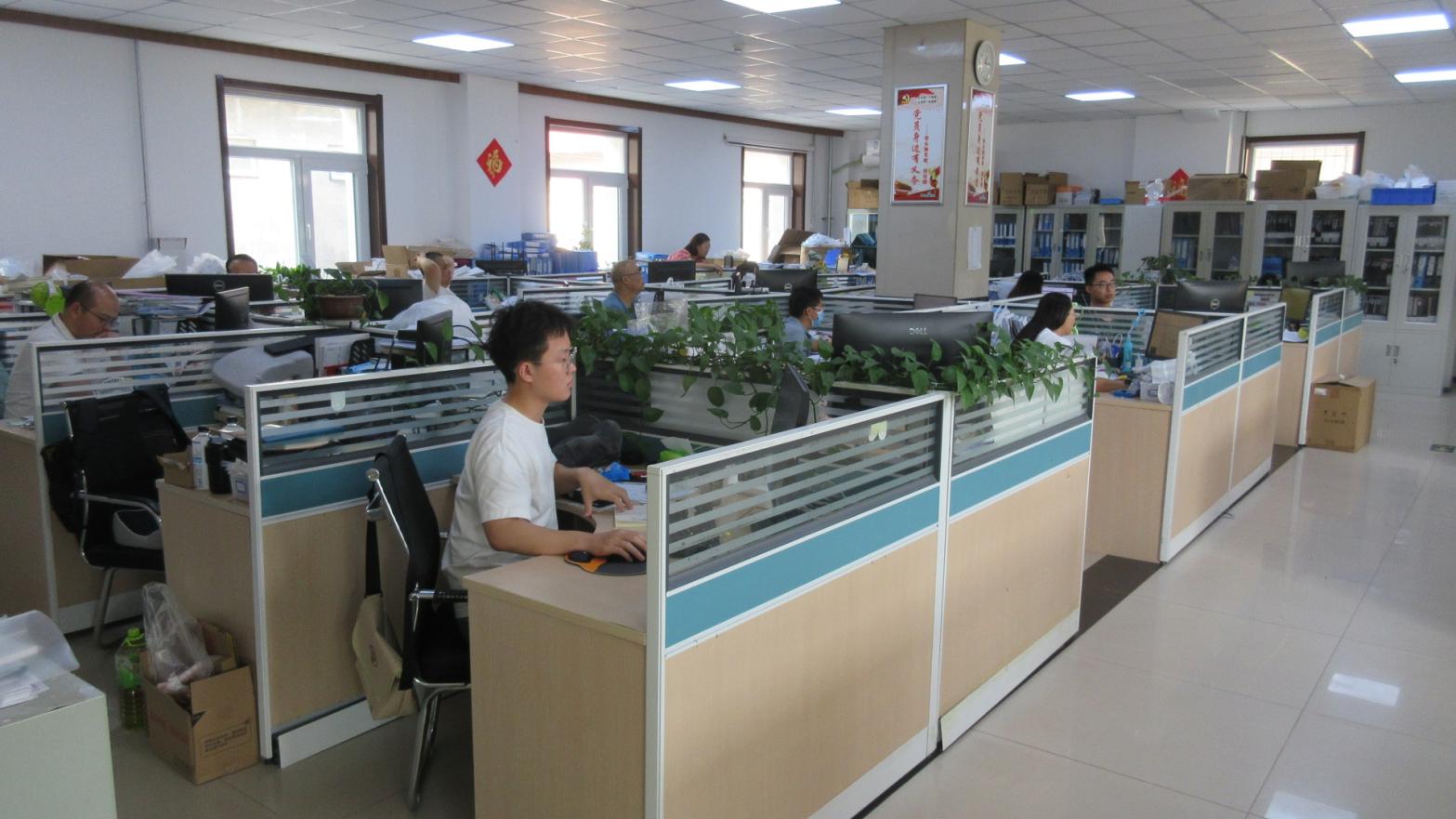
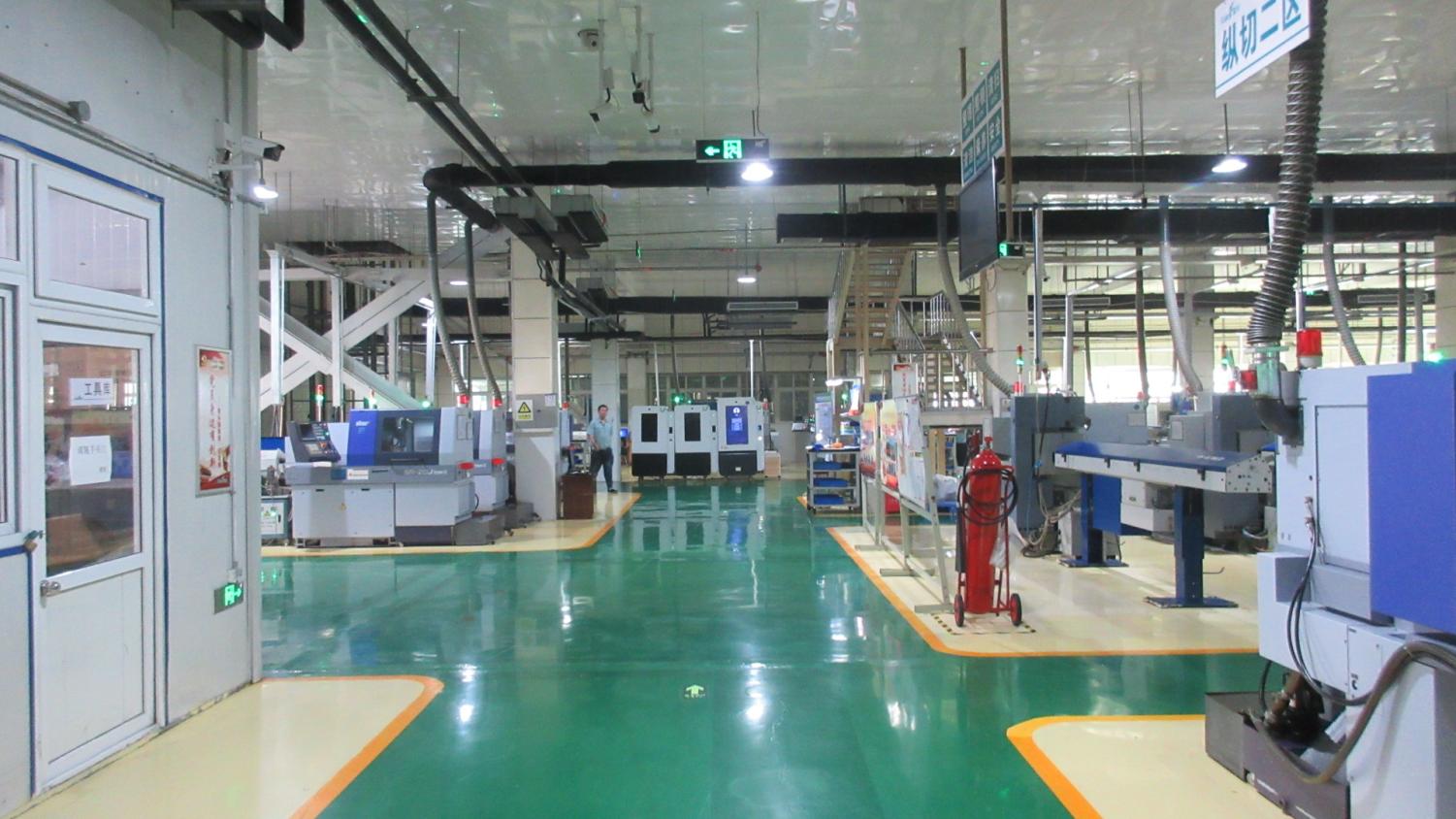
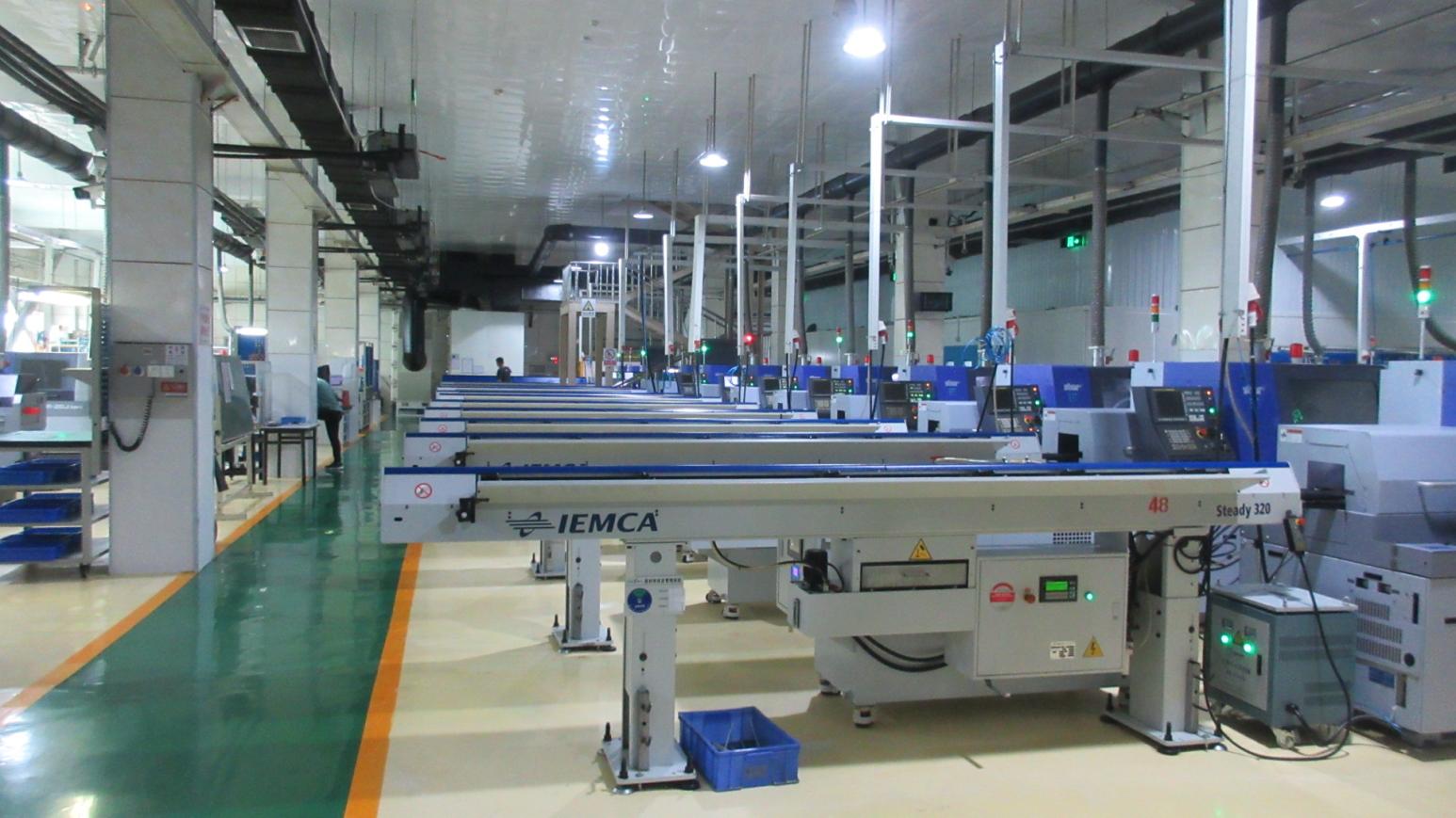
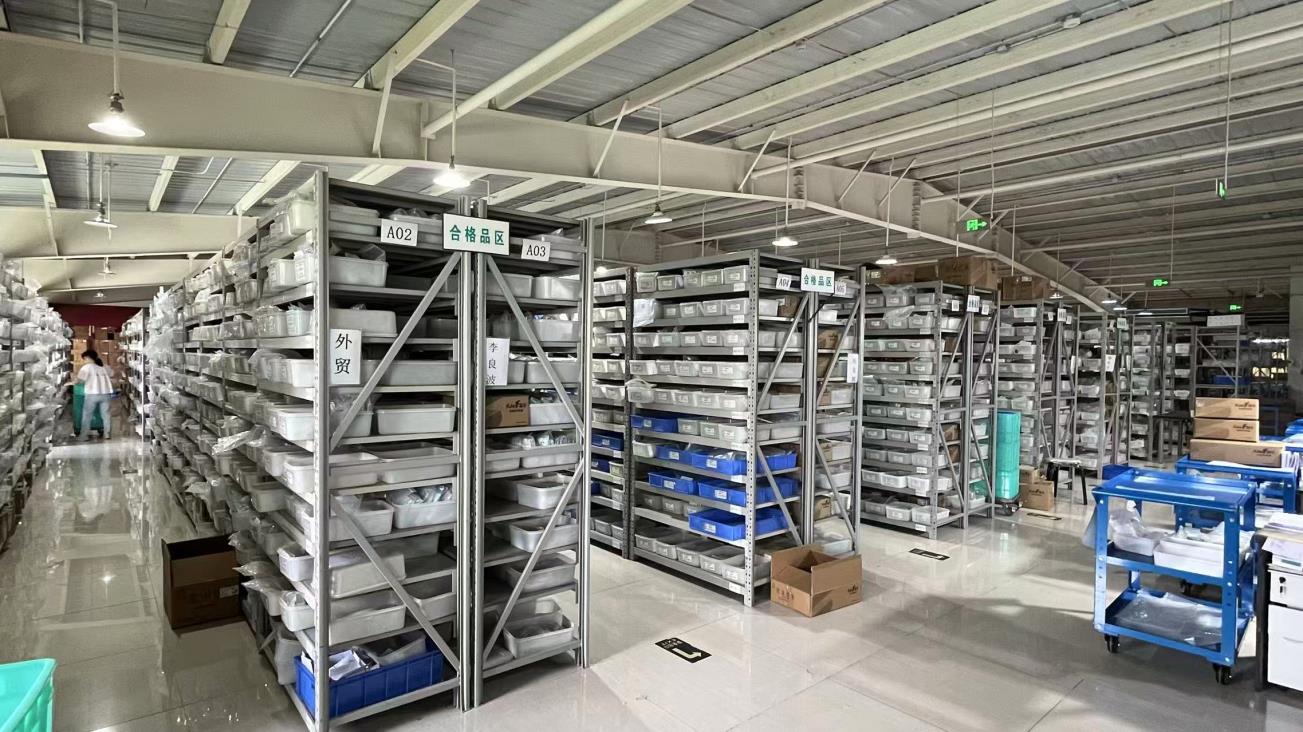
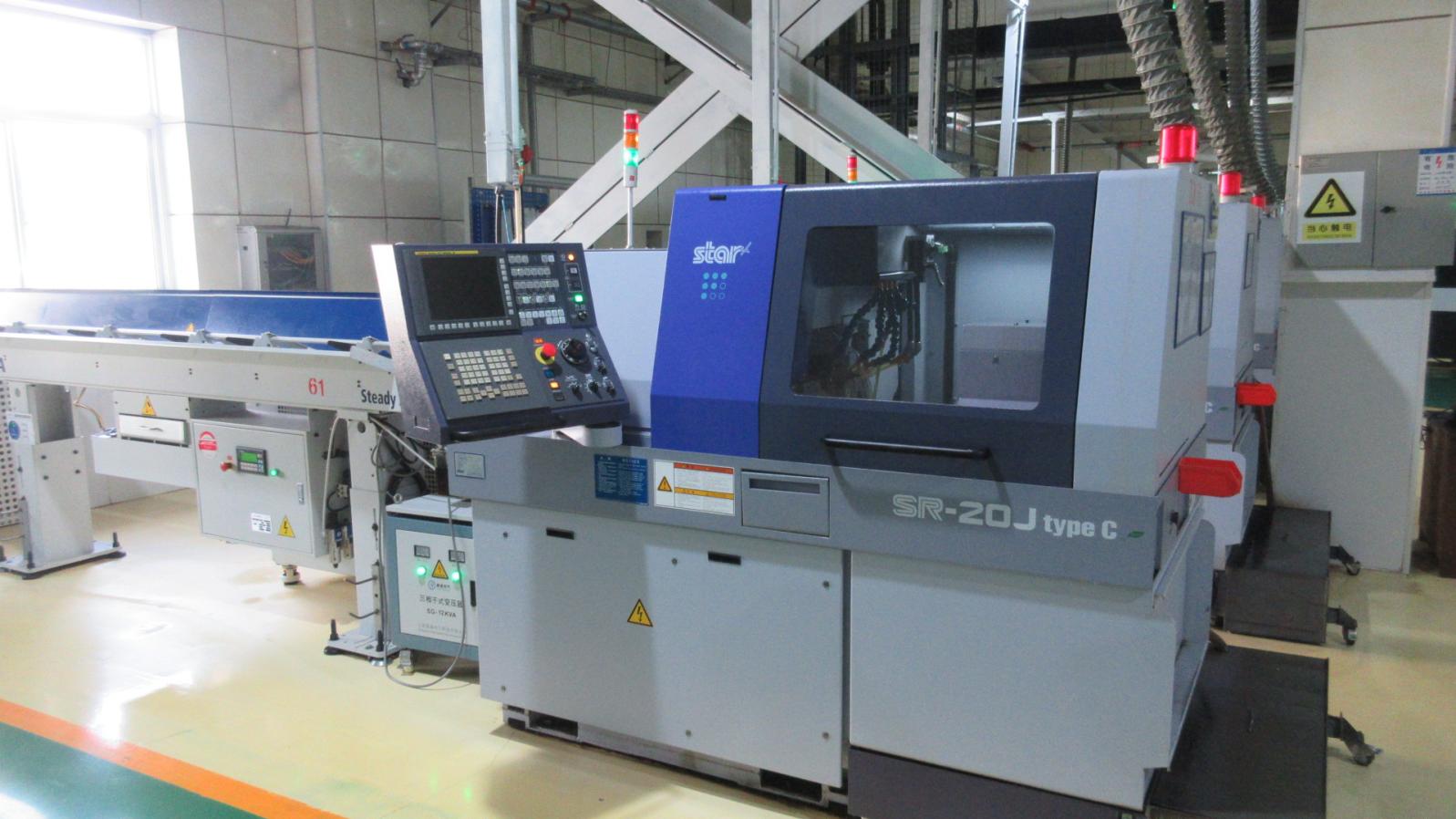
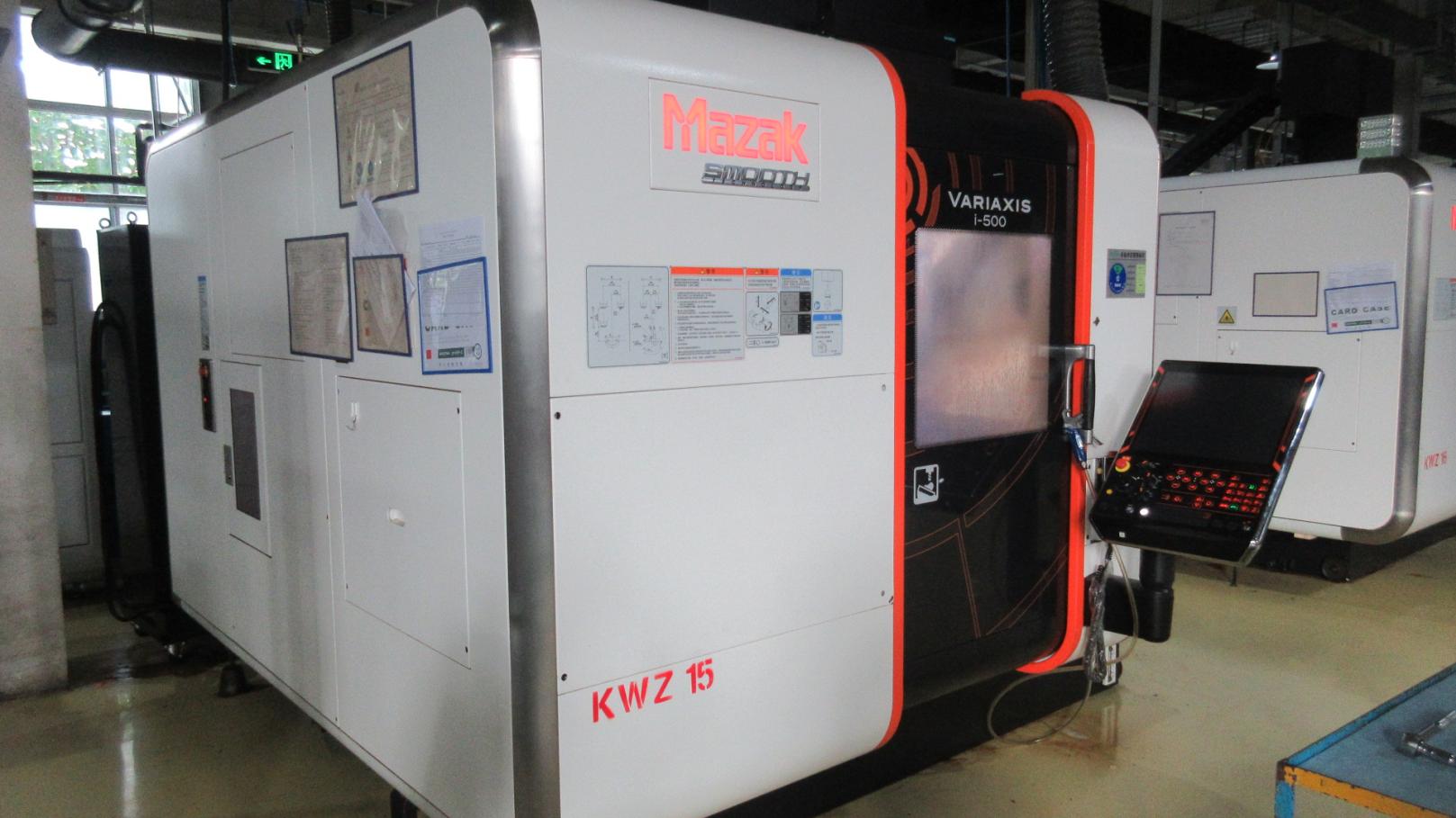
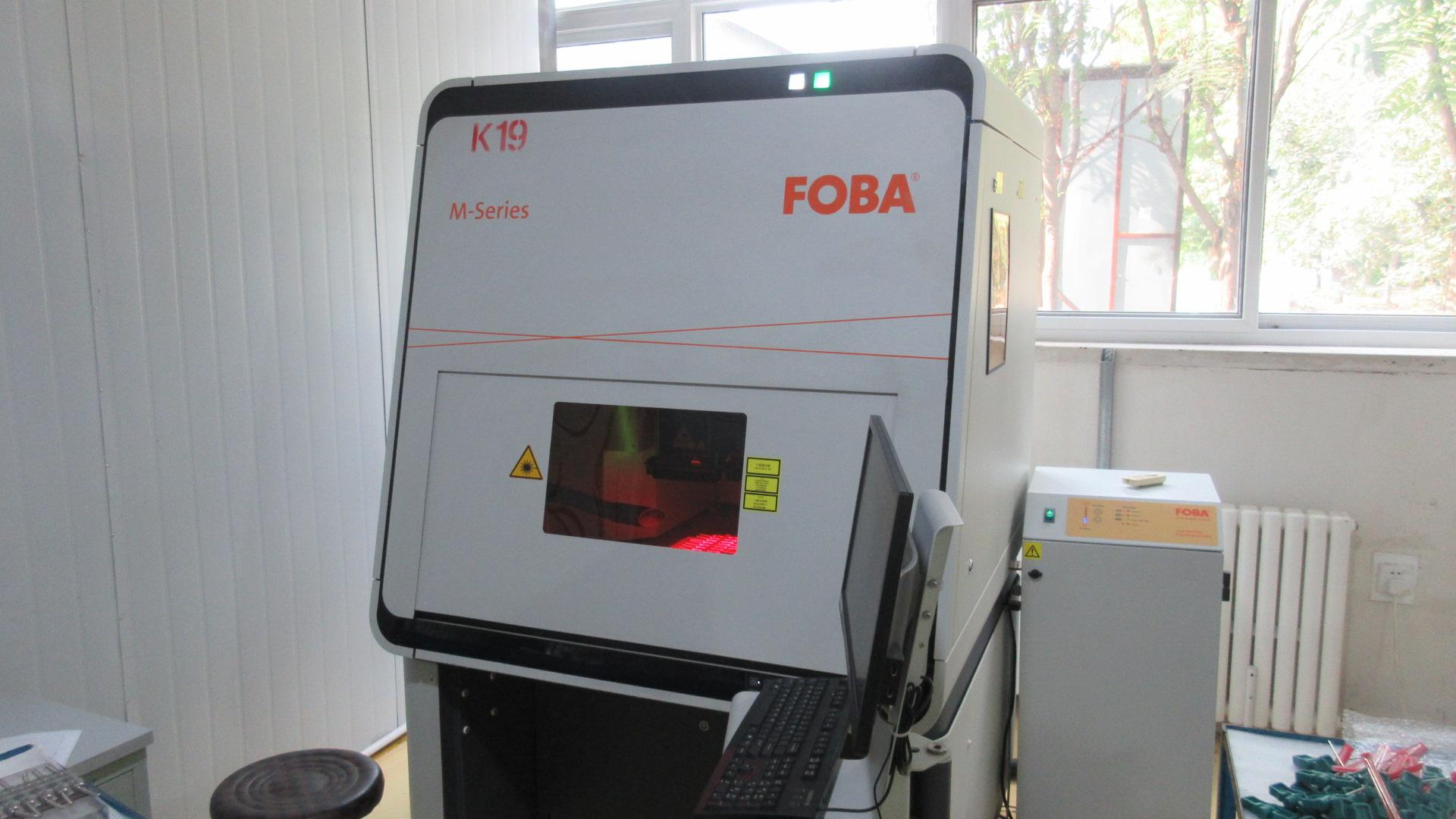
Our facility runs 102 state-of-the-art production machines, ensuring dimensional tolerances within micrometer limits for consistent fit and function.
We source raw titanium alloys exclusively with full material traceability records, processed in certified Class 100,000 cleanrooms to eliminate organic residues.
Our production and quality management processes comply fully with ISO13485 and CE standards, facilitating smooth market entry for global medical device importers.
China's medical device industry has transitioned from high-volume production to high-tech manufacturing. Standardized components, combined with local industrial ecosystems, allow Chinese factories to produce world-class spinal fixation implants cost-effectively. By combining raw titanium processing, advanced machining, surface anodization, and packaging in a single region, we optimize supply chains and offer competitive pricing without compromising quality.
Our quality control processes ensure each plate and screw is thoroughly checked before leaving the factory. Using coordinate measuring machines (CMM) and optical measurement systems, we check plate curvature, hole spacing, and thread pitch to maintain perfect alignment. This level of quality control ensures surgical efficiency and patient safety, which is why our products are trusted in Eastern Europe, Southeast Asia, and our home market.
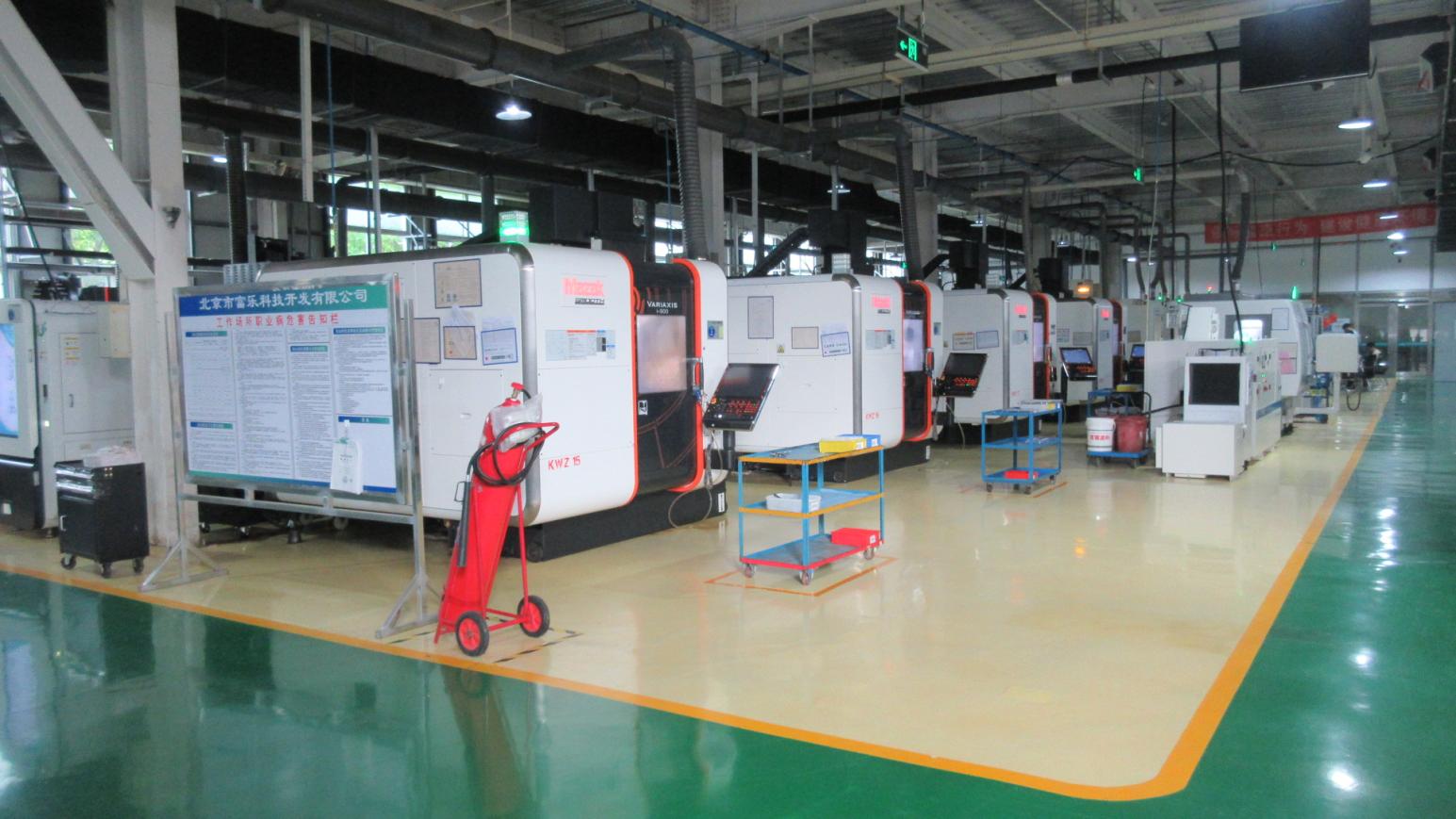
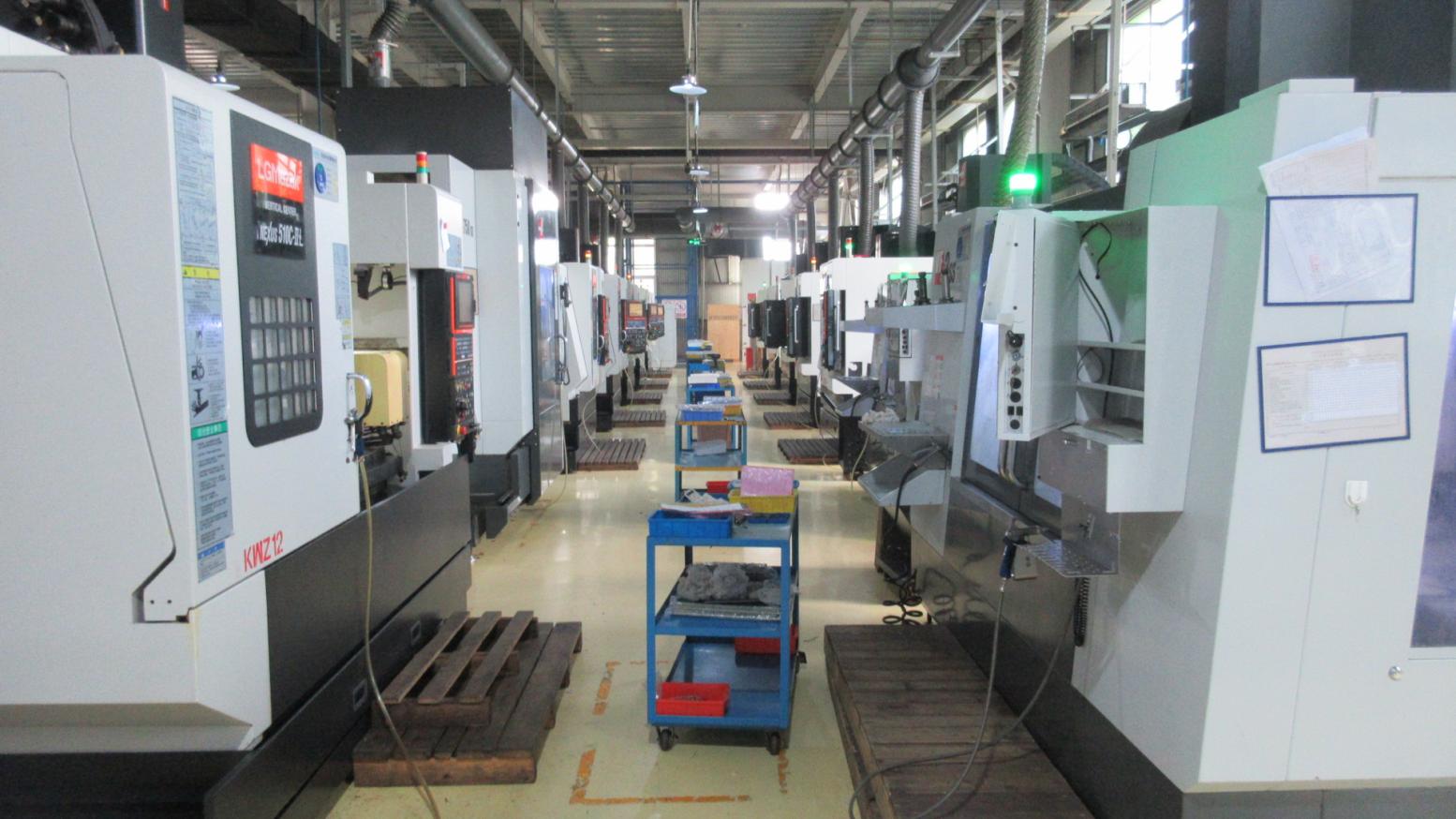
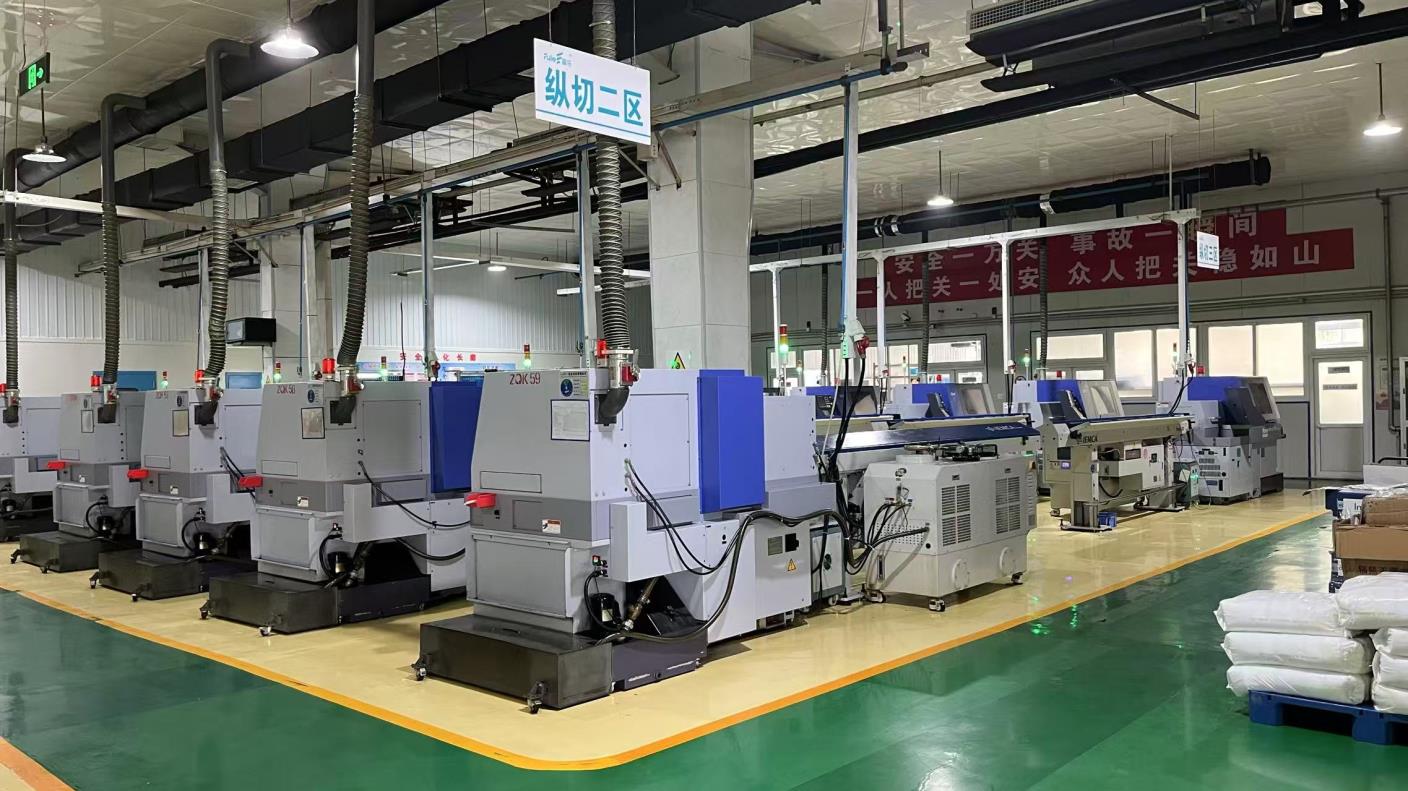
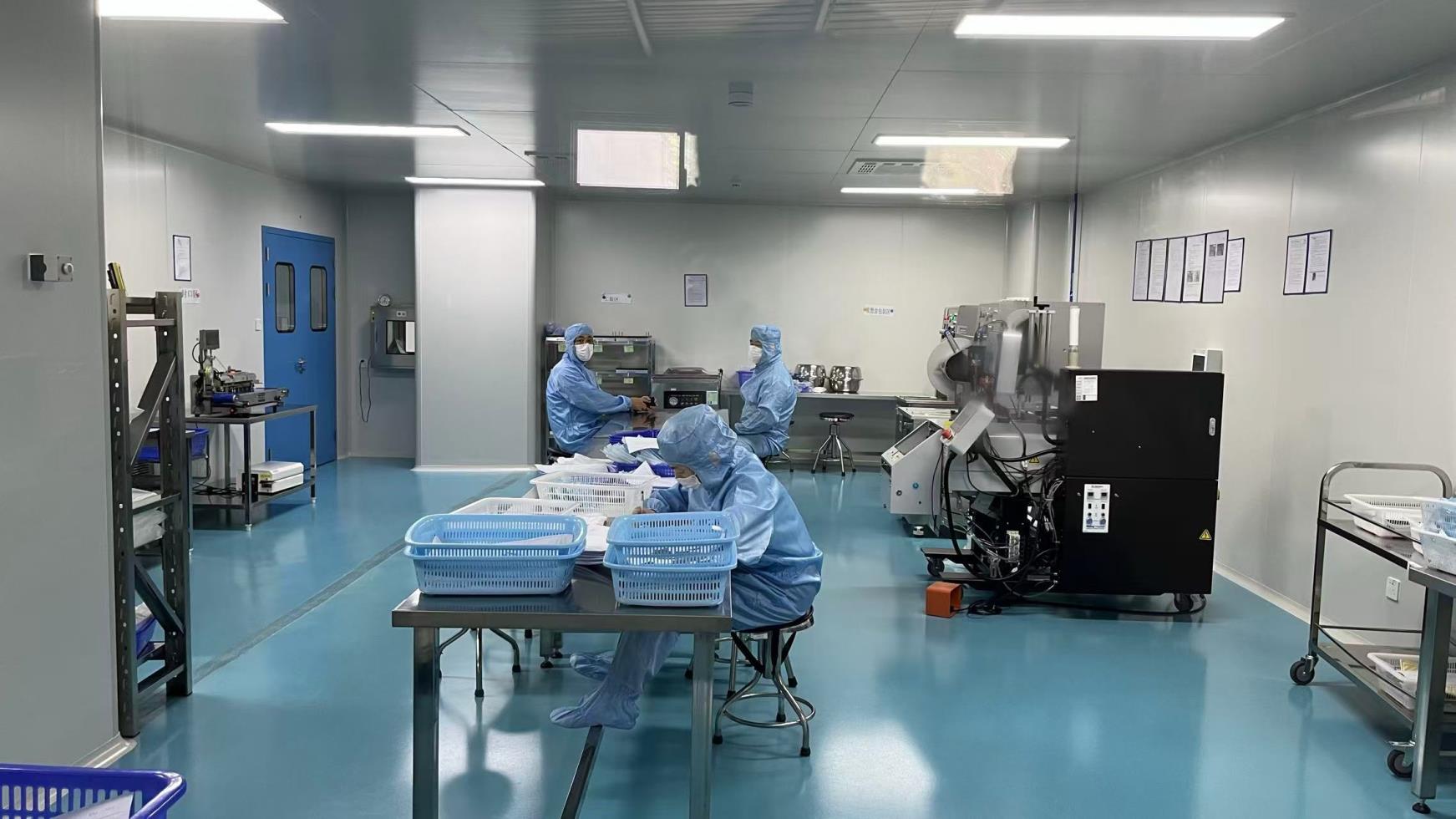
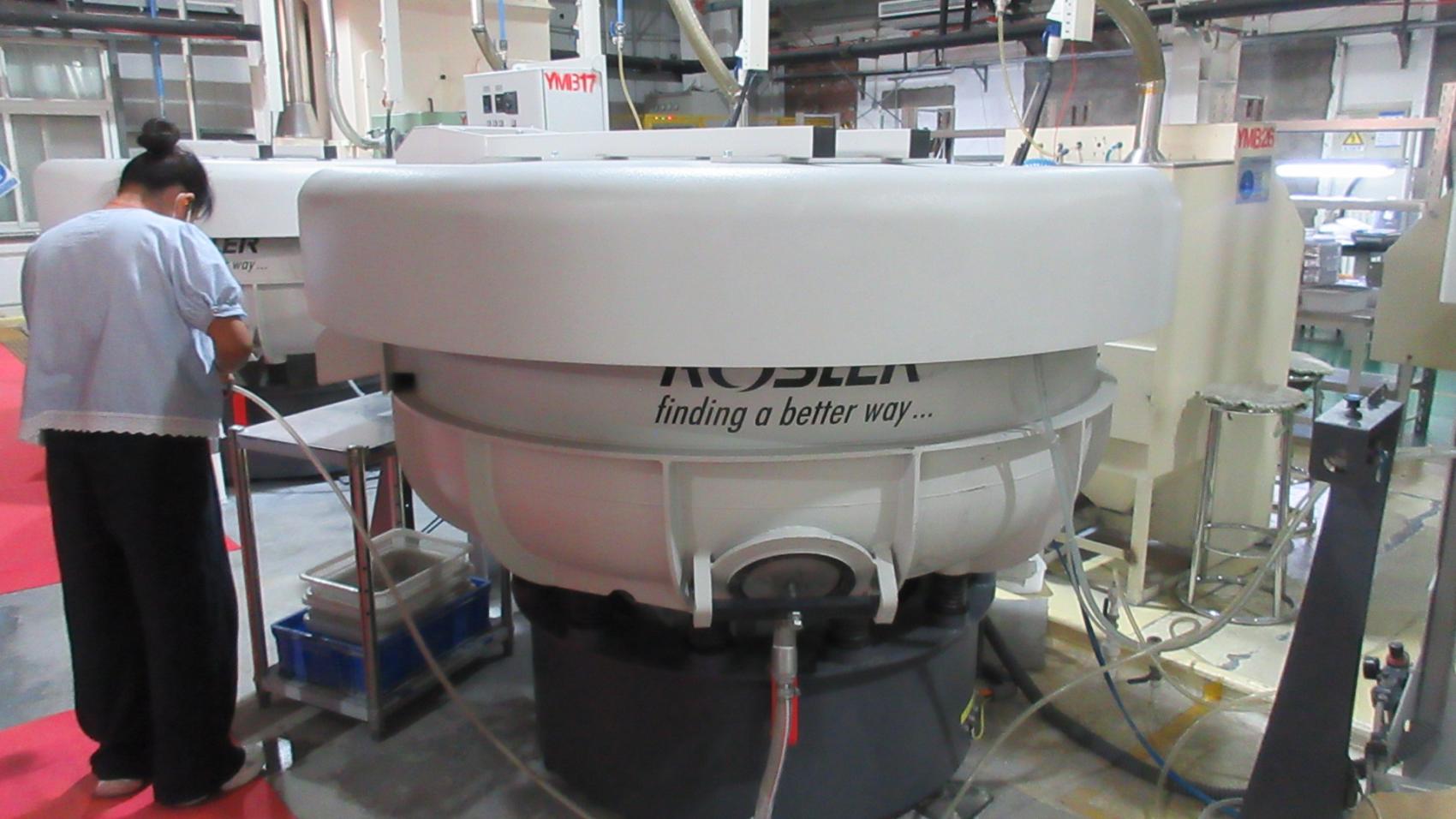
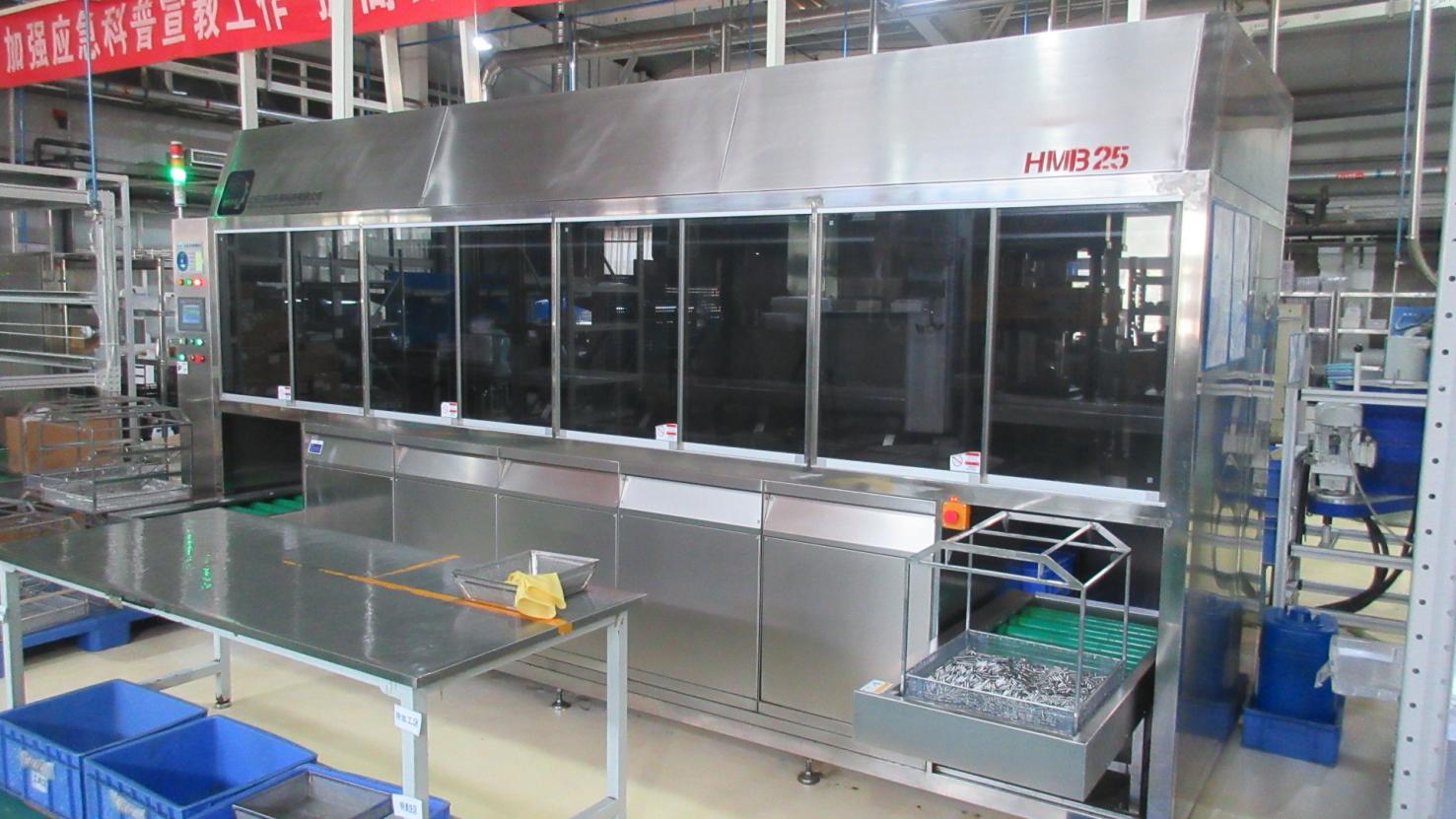
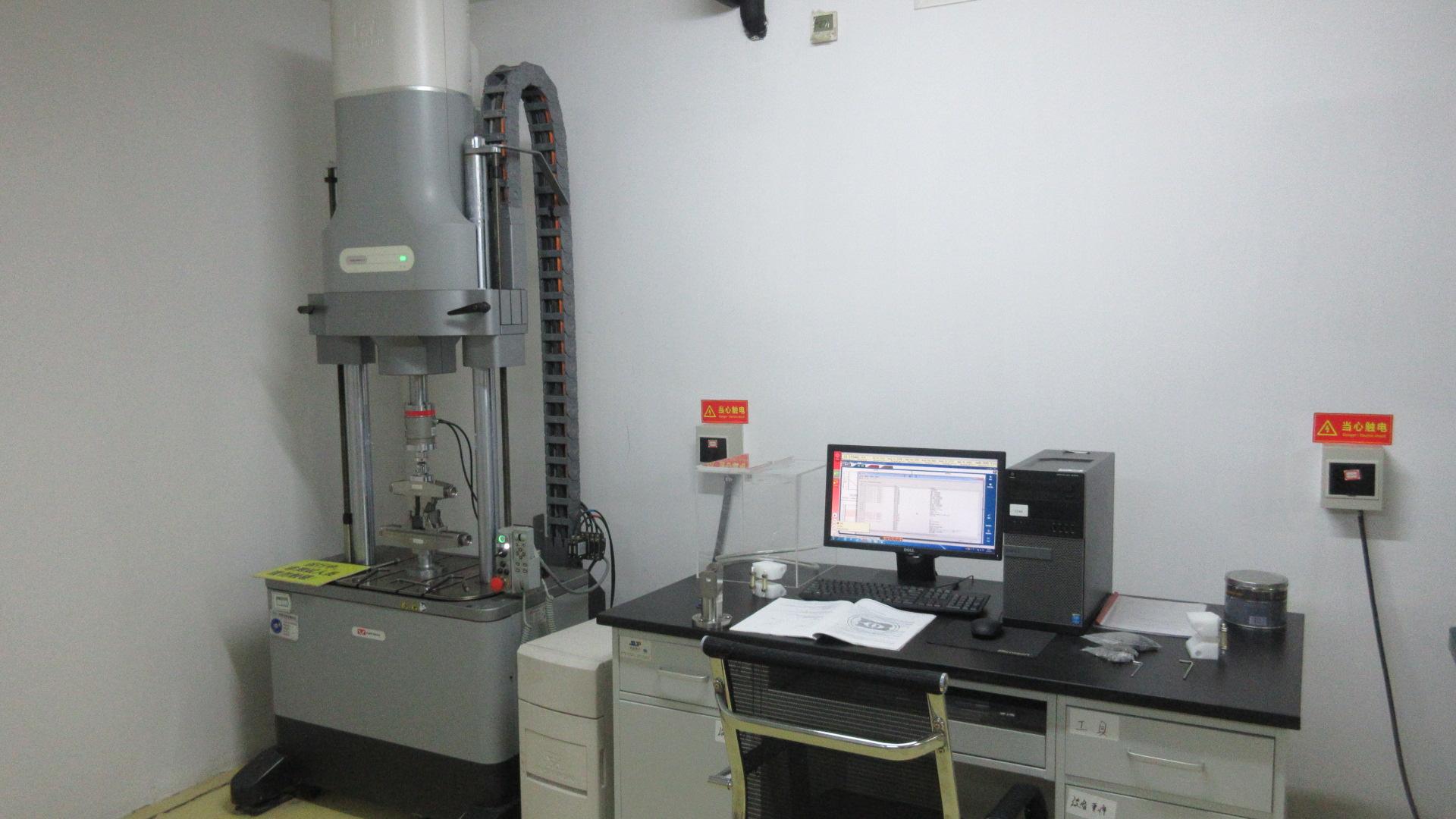
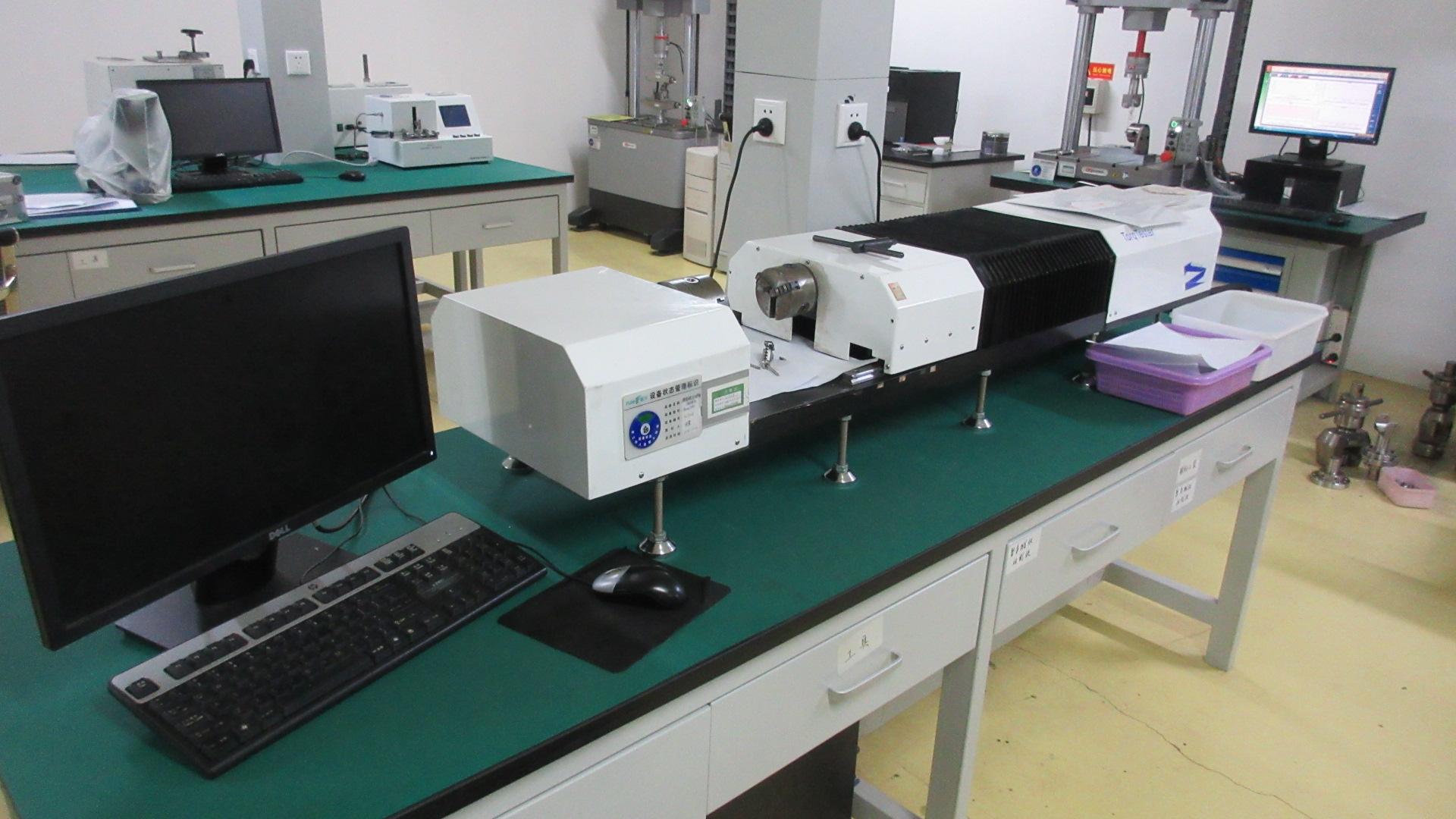
Spinal plate systems are utilized across various surgical scenarios, each requiring custom mechanical properties. Our engineering team designs implants to address these clinical challenges:
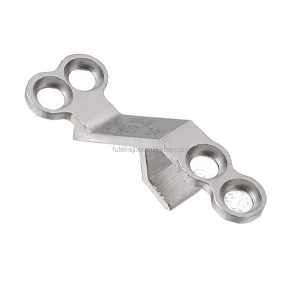
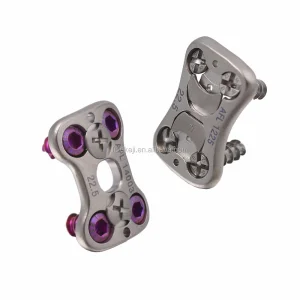
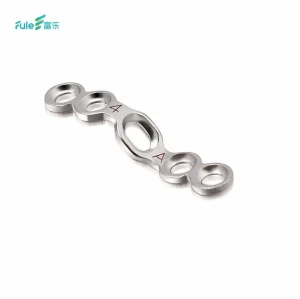
In degenerative disc disease, trauma, or spinal stenosis, restoring anterior column height and stability is key. Our Anterior Cervical Plate (such as the Fule FJQ-B series) features a low-profile design (typically under 2.0mm thickness) to minimize dysphagia post-surgery. Integrated lock mechanisms prevent screw back-out, protecting adjacent soft tissue and large blood vessels.
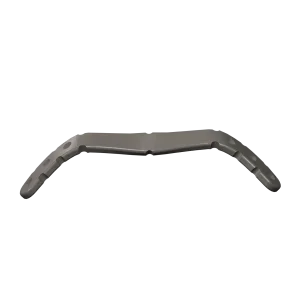
For multi-level cervical myelopathy caused by OPLL (ossification of the posterior longitudinal ligament), posterior laminoplasty is preferred over fusion. Our Posterior Cervical Laminoplasty Implant Set provides pre-bent, rigid titanium plates that hold the lamina open, creating immediate and stable canal decompression.
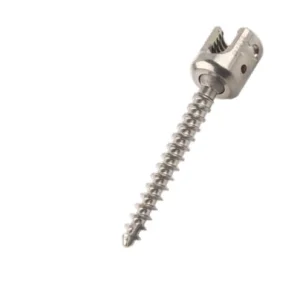
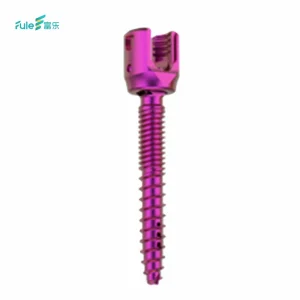
Surgical intervention in growing children demands adaptable implants. Our Pediatric Spinal Screw-Rod System features smaller footprints and adjustable rod constructs. These accommodate growing anatomy while providing the corrective forces needed for pediatric scoliosis.

The global spine surgery market is moving toward less invasive procedures. This shift drives product development in several key areas:
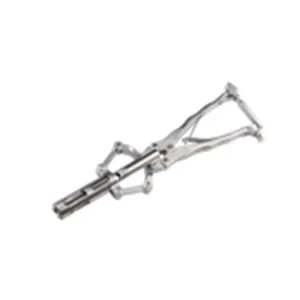
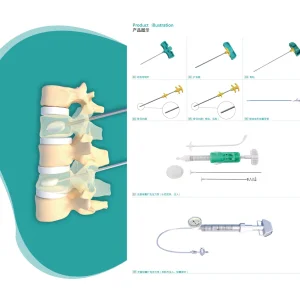
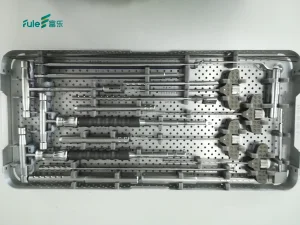
MISS techniques reduce tissue disruption, lessen blood loss, and shorten recovery times. Modern spinal plates and screws must adapt to percutaneous insertion. Our MIS Minimally Invasive Instrument Sets and low-profile implants are designed to pass easily through tubular retractors, helping surgeons operate with minimal patient trauma.
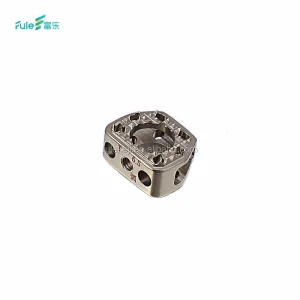
3D printing allows for porous titanium structures that mimic human trabecular bone, encouraging rapid bone ingrowth. While standard plates remain solid for strength, incorporating porous, 3D-printed surfaces onto interbody cages (like our Spine ALIF Cage) combines mechanical stability with osteointegration.
Polyetheretherketone (PEEK) is used where radiolucency is critical, allowing clinicians to evaluate bone healing without metal artifact interference on CT or MRI. Modern systems often combine PEEK spacers with titanium plates and pedicle screws to balance stability and visibility.
Selecting a supplier requires balancing technical capabilities with regulatory compliance. Key considerations include:
 Beren Science & Technology