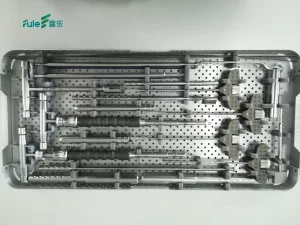
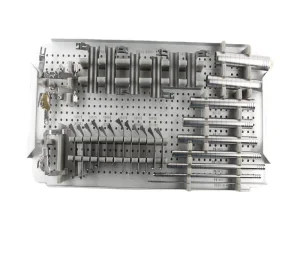
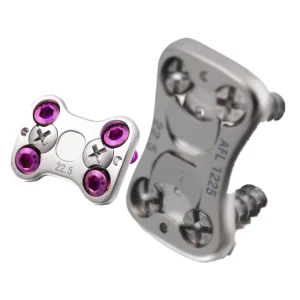
Discover our primary certified orthopedics systems engineering for clinical rigidity, anatomical adaptation, and robust fixation metrics.
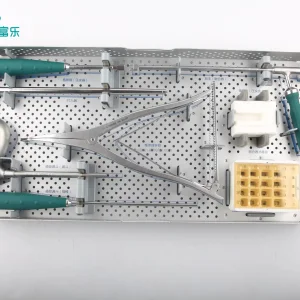
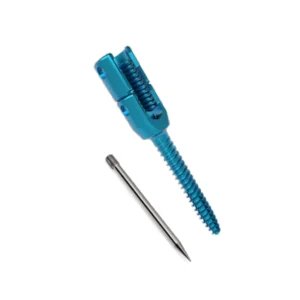
An analytical overview of structural bio-mechanics, material selection parameters, and critical clinical indications in osteosynthesis.
Ensures optimized distribution of biomechanical forces across stress areas, avoiding stress-shielding effects in critical load-bearing regions like the spine and pelvis.
Plates are engineered with dynamic geometry, mimicking bone topology. This reduces intraoperative bending adjustments, preserving structural integrity.
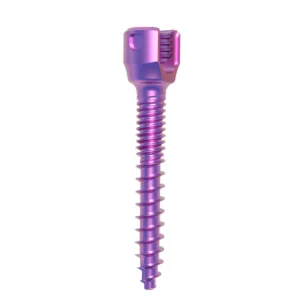
Utilizes electrochemical anodic oxidation processes to create highly porous titanium surfaces that support cellular adhesion and bone ingrowth.
Verifiable metrics showing our 30-year legacy of manufacturing precision orthopedic stabilization systems in China.
| Strategic Indicator | Certified Value / Standard Details |
|---|---|
| Quality System Certification | ISO13485 (Certificate No: 04724Q10000818) |
| Inspection Protocol | 100% full-run quality check across all lines (15 QA/QC dedicated inspectors) |
| Material Traceability | Mill Test Certificate (MTC) verification for Titanium Alloy Grade 5 / Grade 23 (ELI) |
| Customization Scope | Sample processing, graphic rendering processing, customized on-demand OEM/ODM systems |
| Global Markets | Domestic (40%), Eastern Europe (15%), Southeast Asia (10%), South America, Middle East |
Tailoring rigid orthopedic fixation to diverse anatomical trauma scenarios and modern healthcare infrastructures.
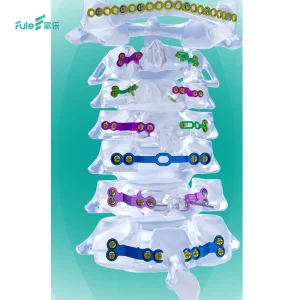
Engineered for degenerative disc disease, trauma, and spondylolisthesis. Features low-profile plate geometry to minimize post-operative dysphagia and ensure robust lock-in verification.
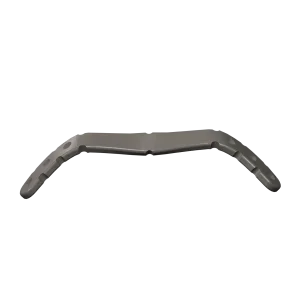
Anatomically contoured straight and arc-shaped pelvic locking plates. Provides multi-planar screw trajectories to stabilize fragile acetabular fractures and ring disruptions under extreme biomechanical forces.
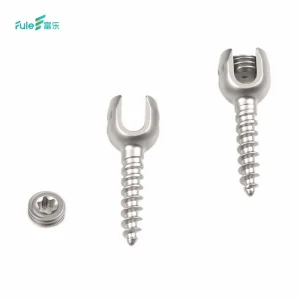
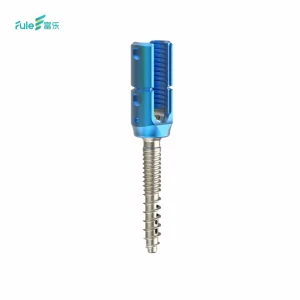
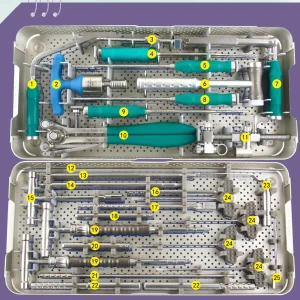
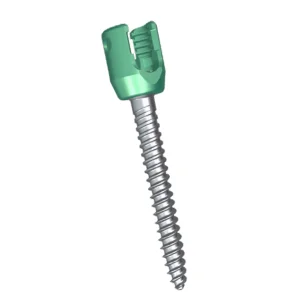
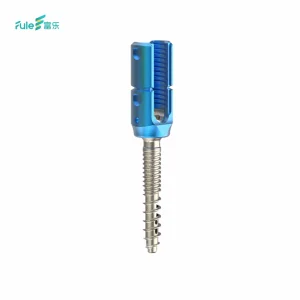
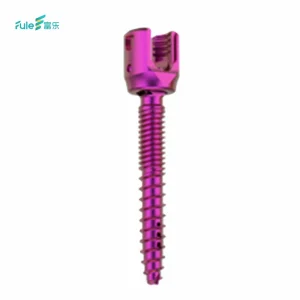
Minimally Invasive Surgery (MIS) pedicle screw systems reduce paraspinal muscle dissection. This application optimizes post-op recovery and reduces length-of-stay metrics in global trauma hospitals.
How international distributors and medical OEM/ODM partners audit high-end stabilization plate suppliers in China.
Navigating the digital transition: 3D printing, intelligent load sensors, and bioactive implant surfaces.
Next-generation plates feature polyaxial locking mechanisms. This allows surgeons to direct screws up to 15 degrees in any direction, accommodating complex fracture patterns.
A paradigm shift towards PEEK (Polyetheretherketone) stabilizers, which allow artifact-free radiographic monitoring of the fusion progress while matching bone elasticity closely.
Utilizing selective laser melting (SLM) for direct metal printing of customizable trauma and reconstruction plates, tailored directly from CT scans.
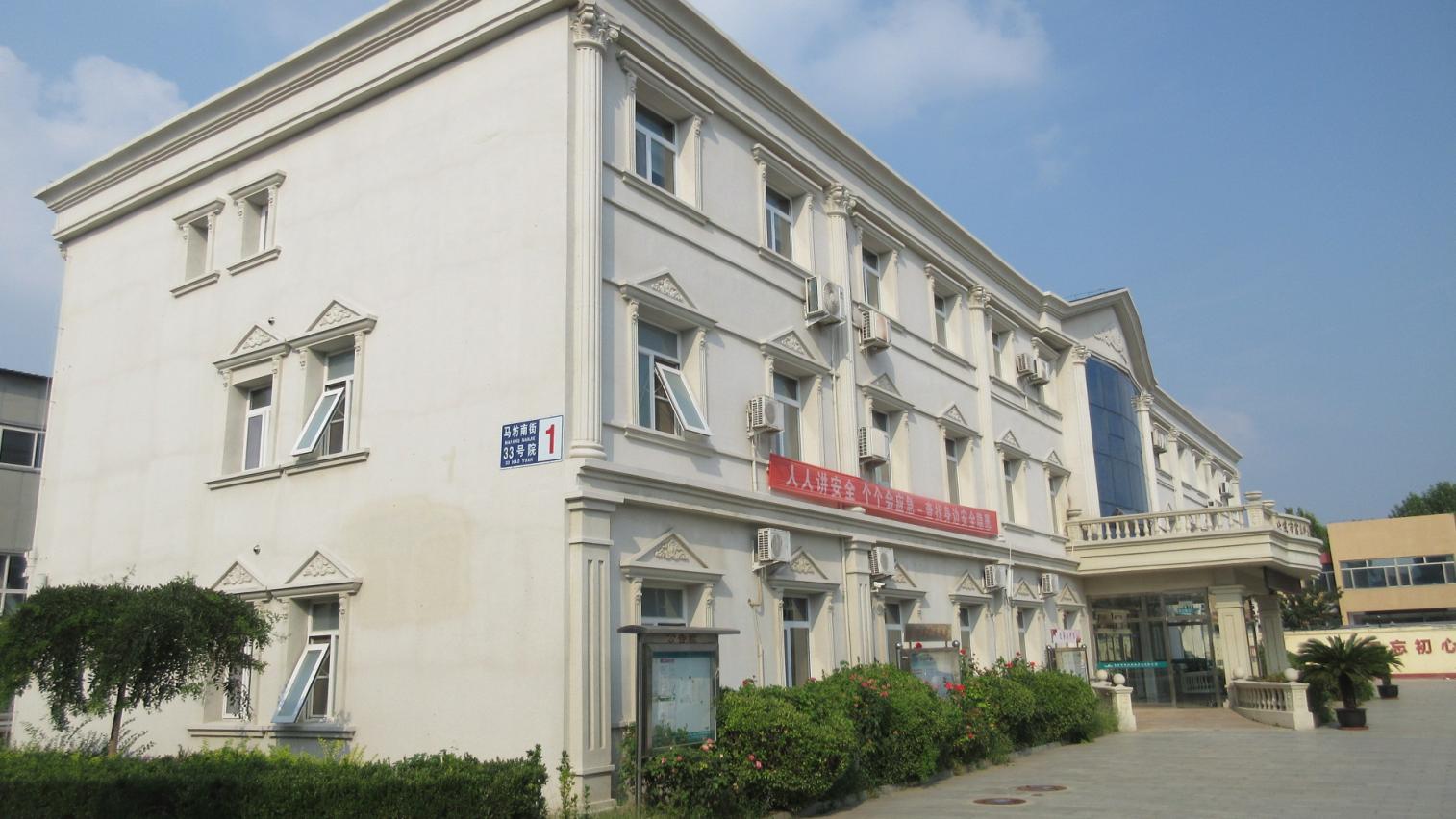
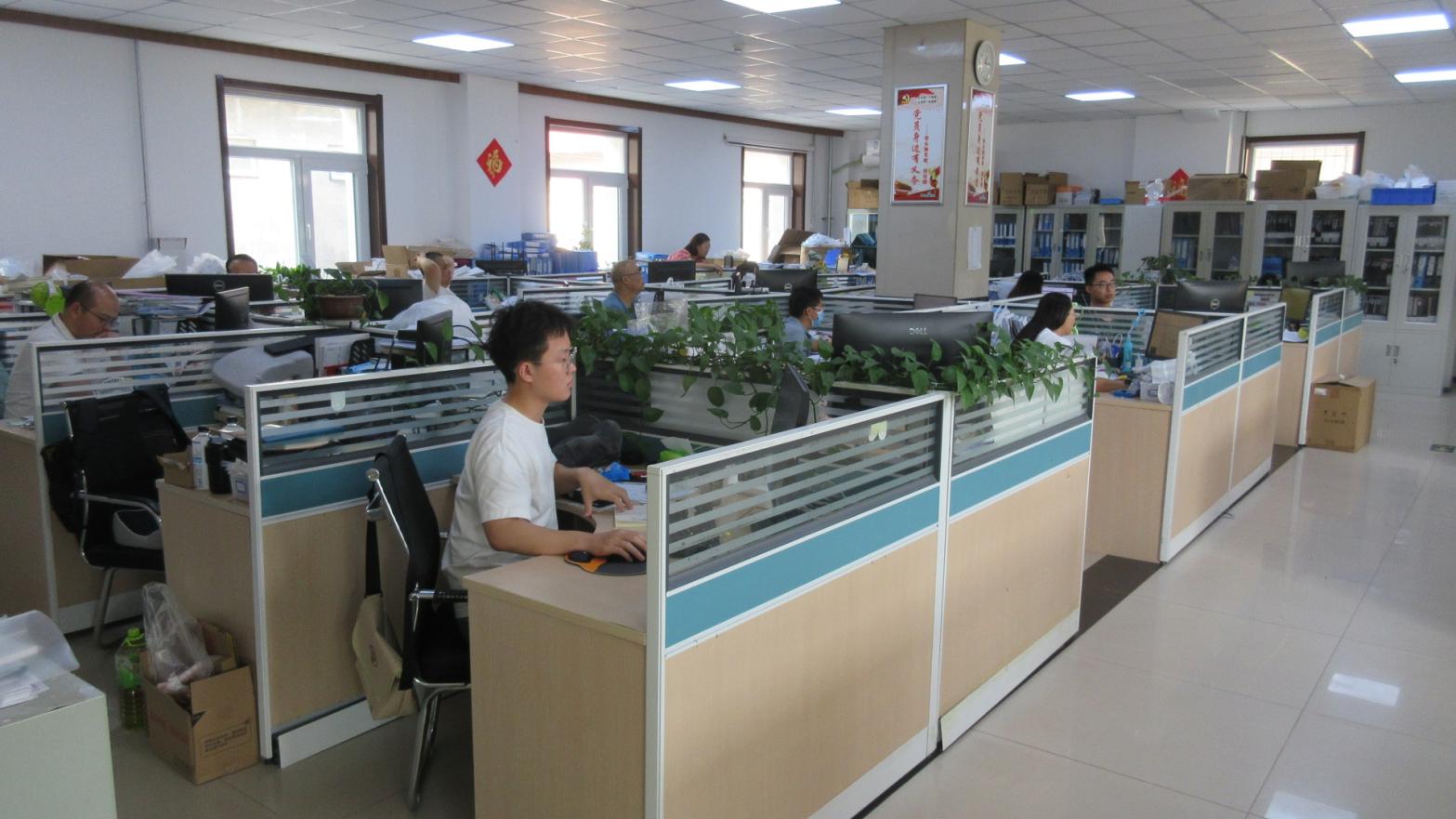
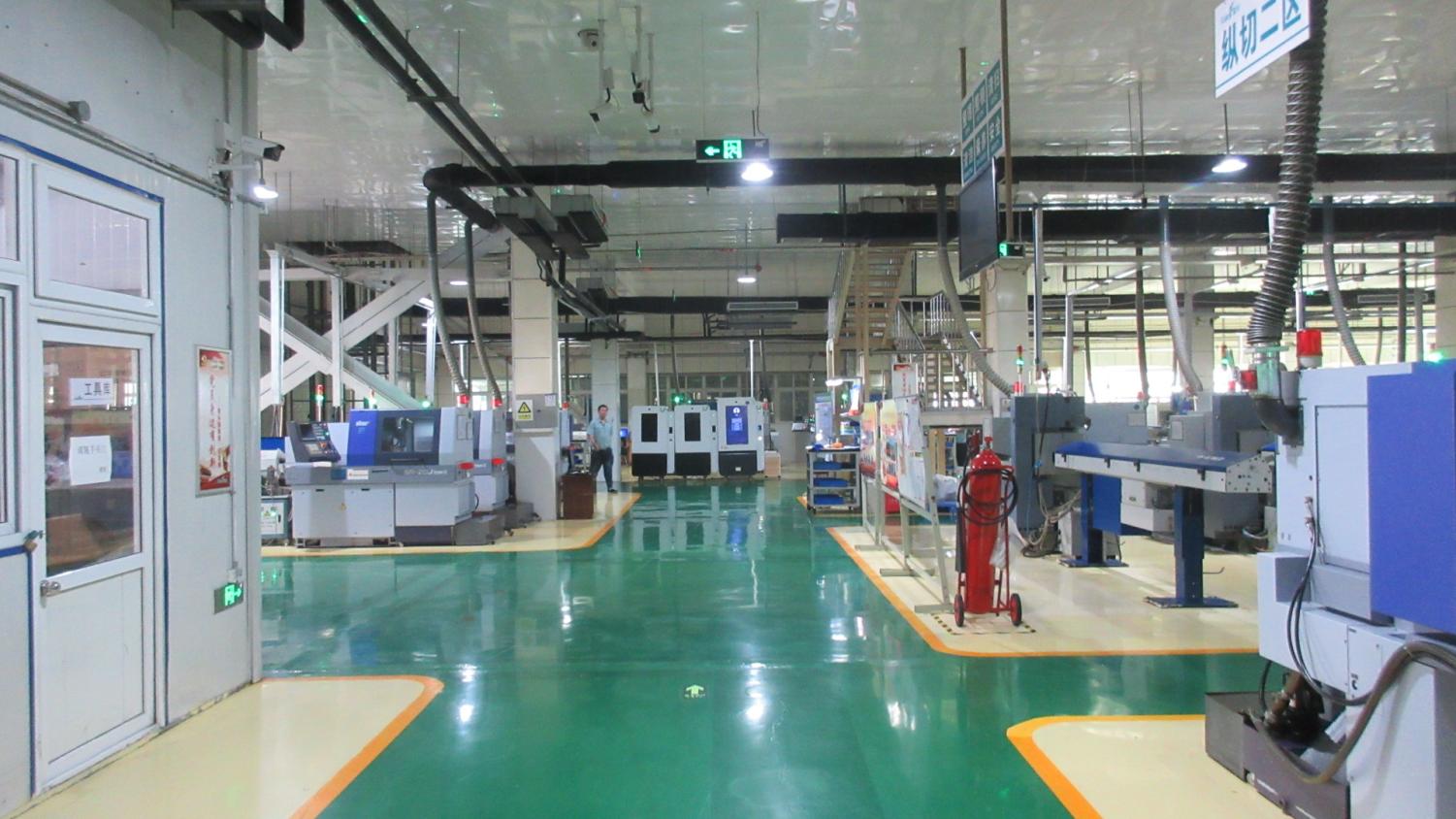
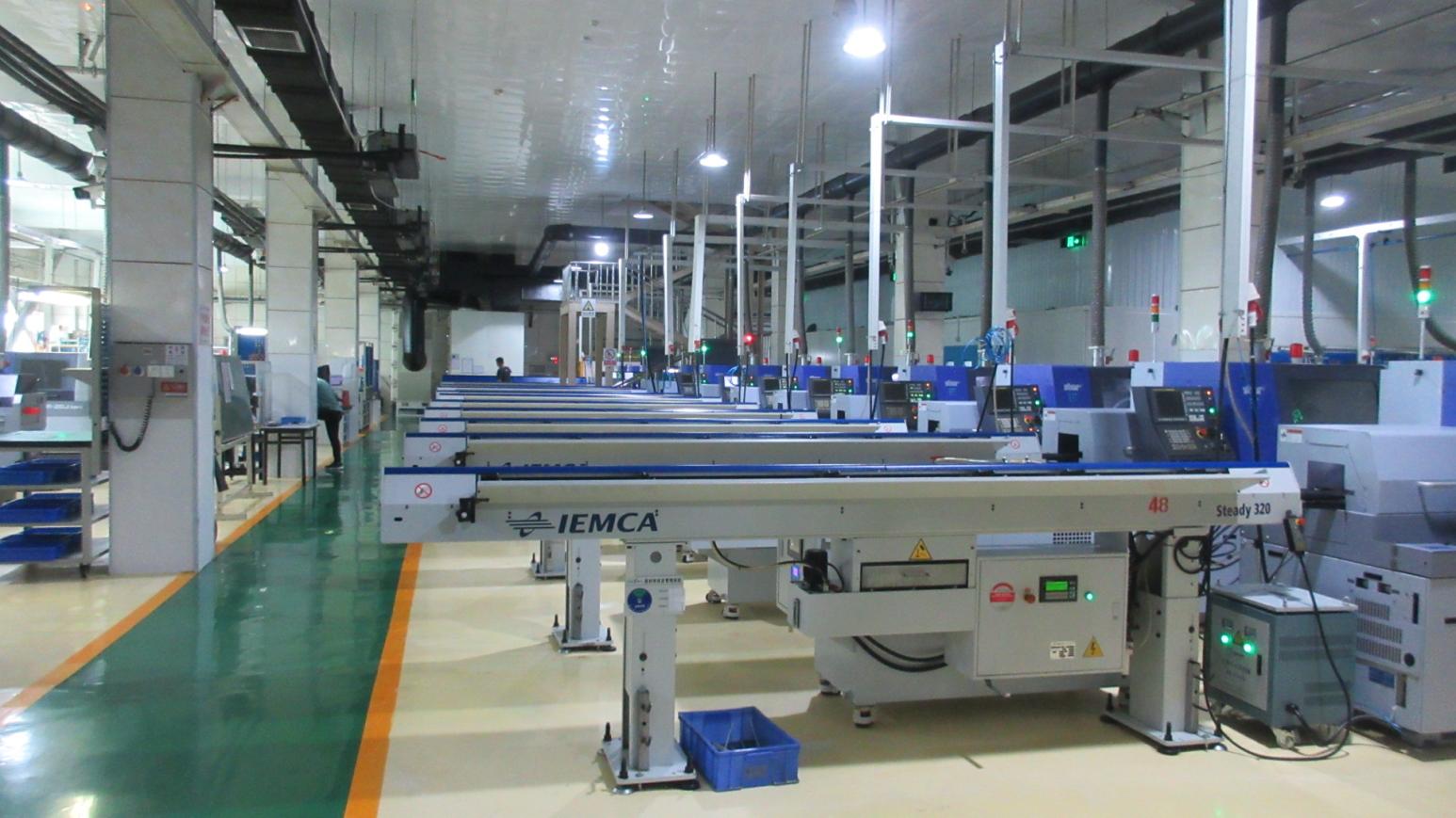
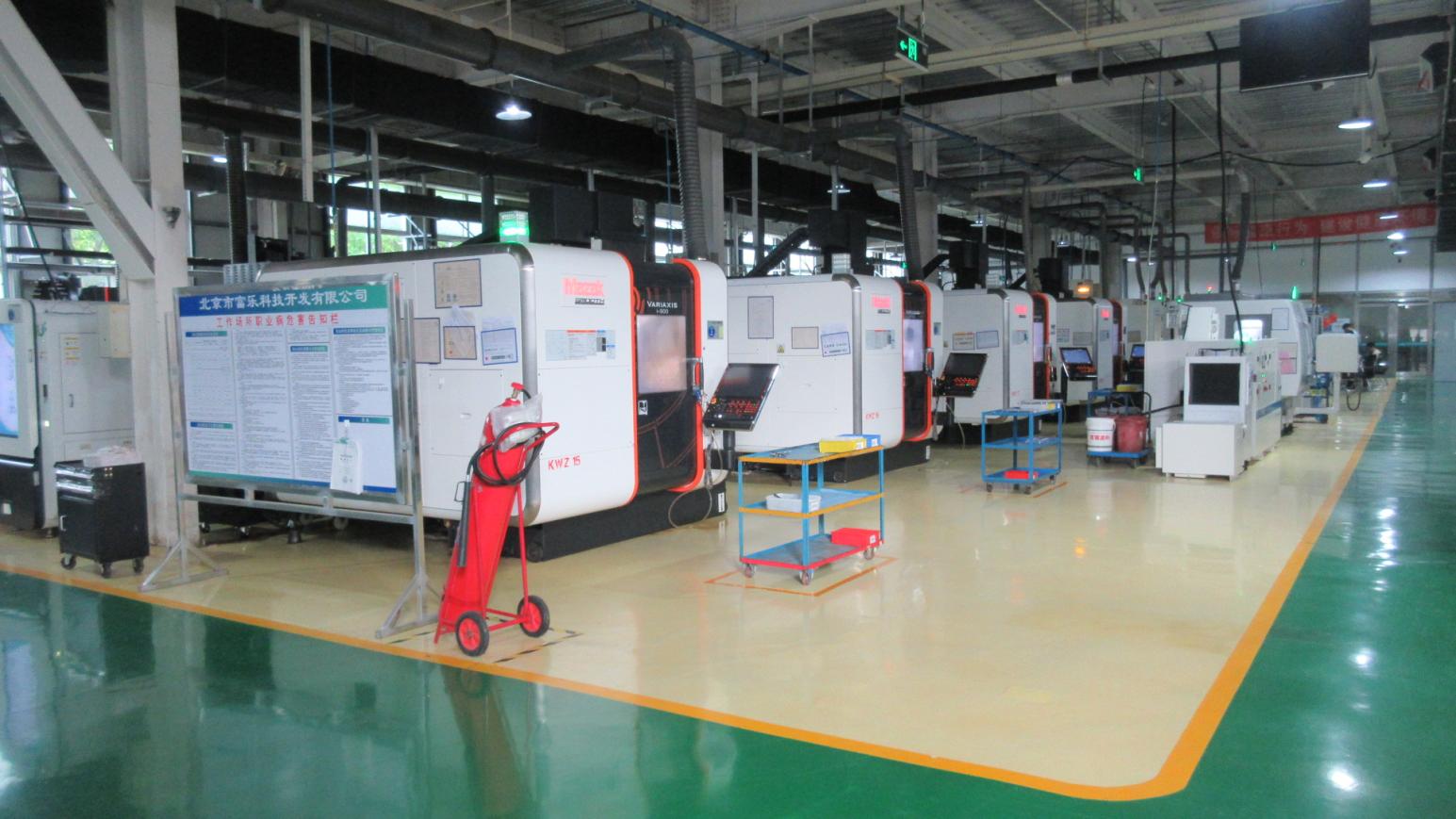
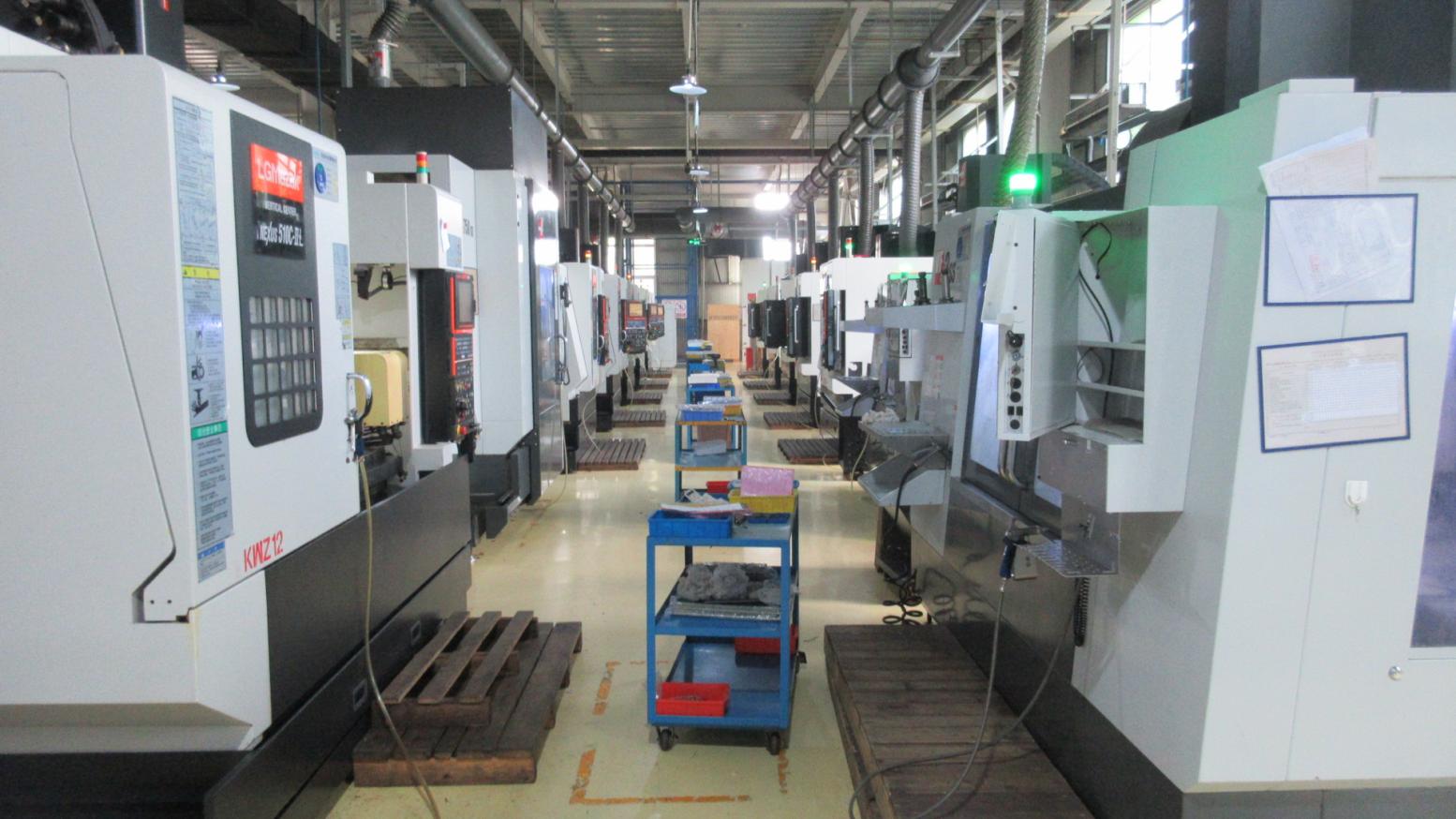
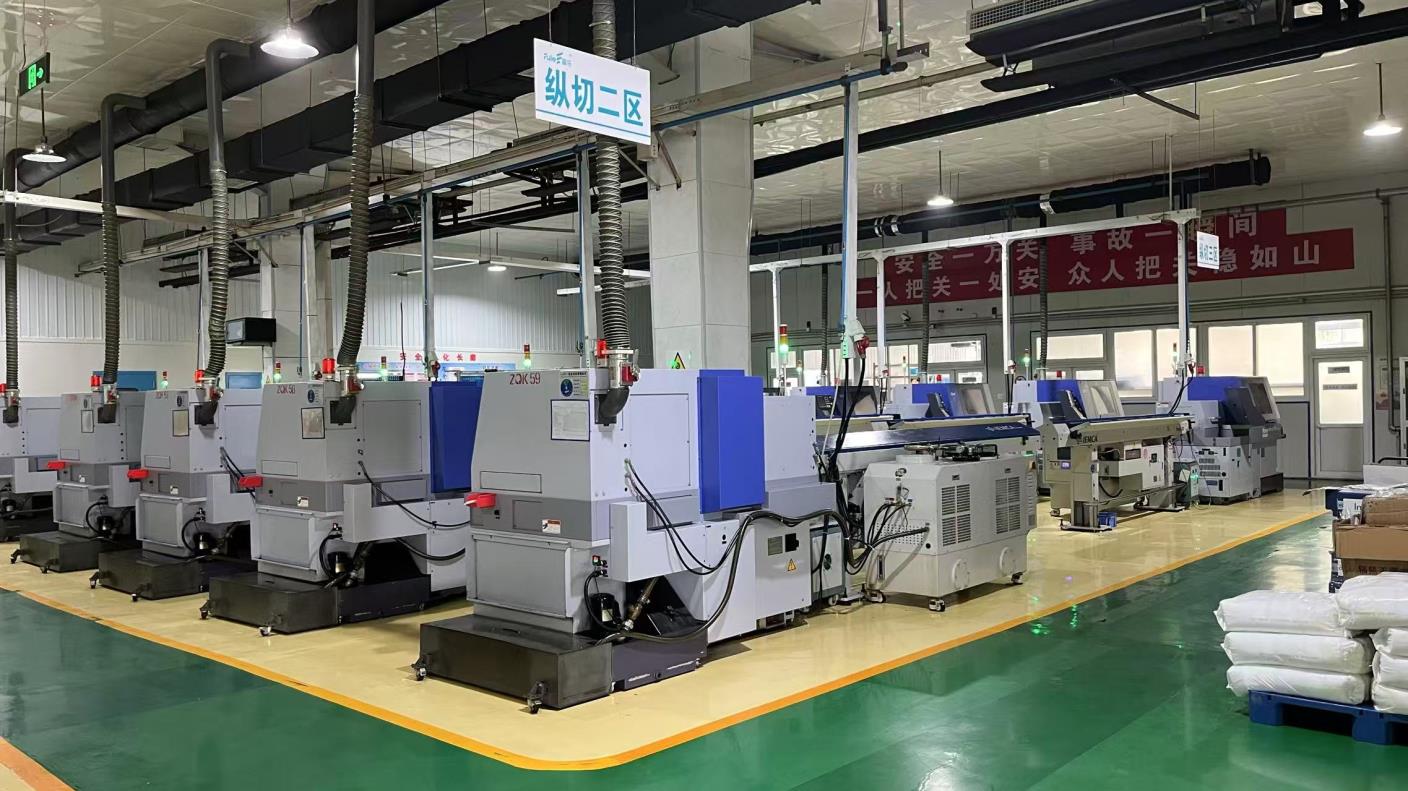
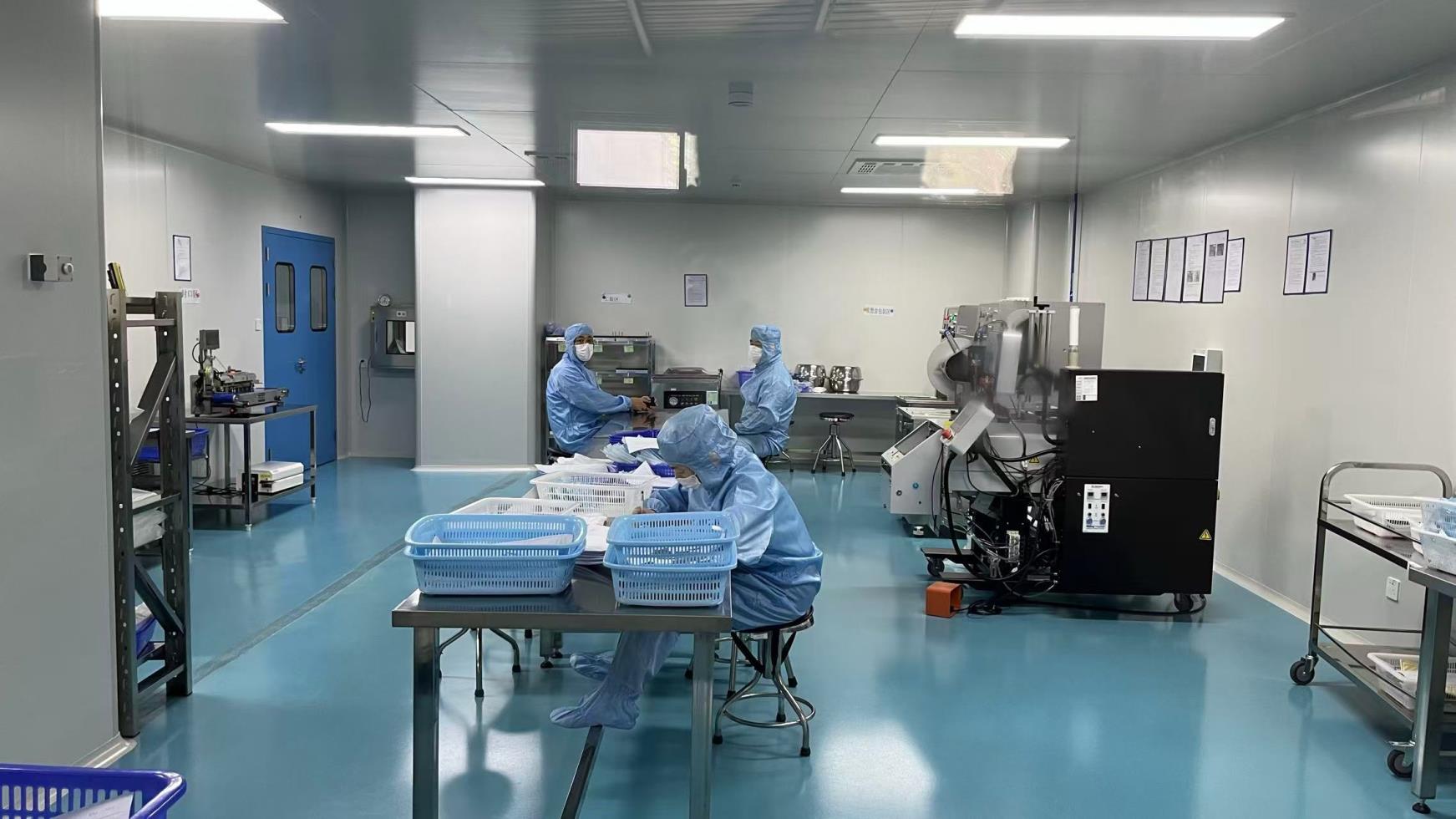
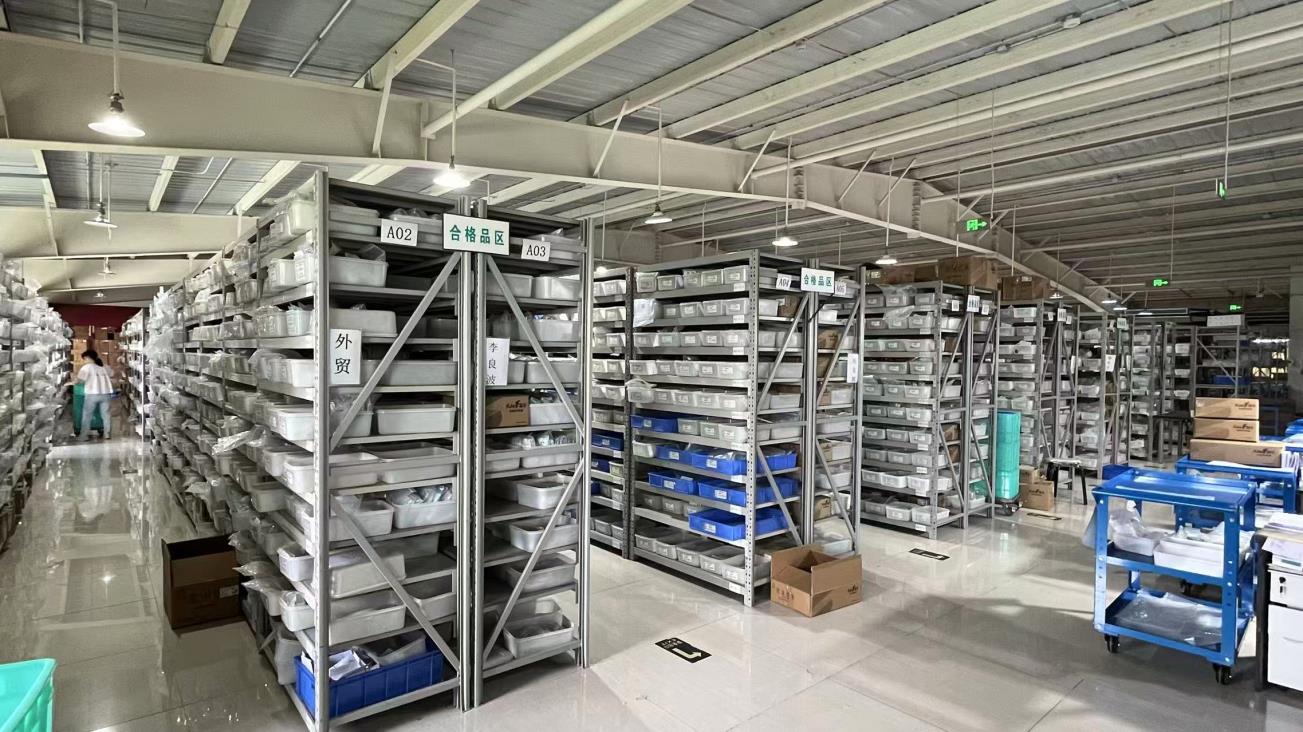
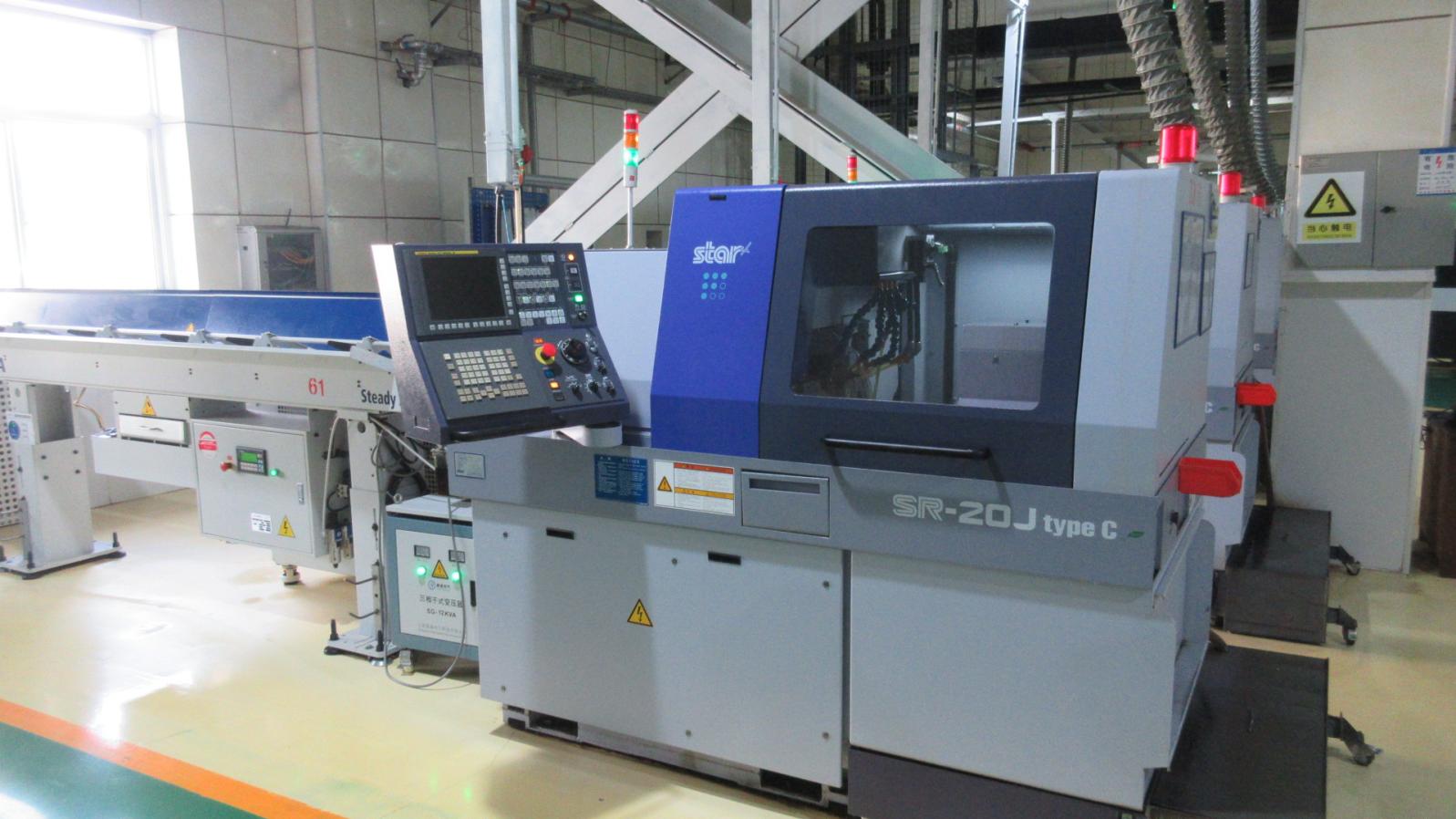
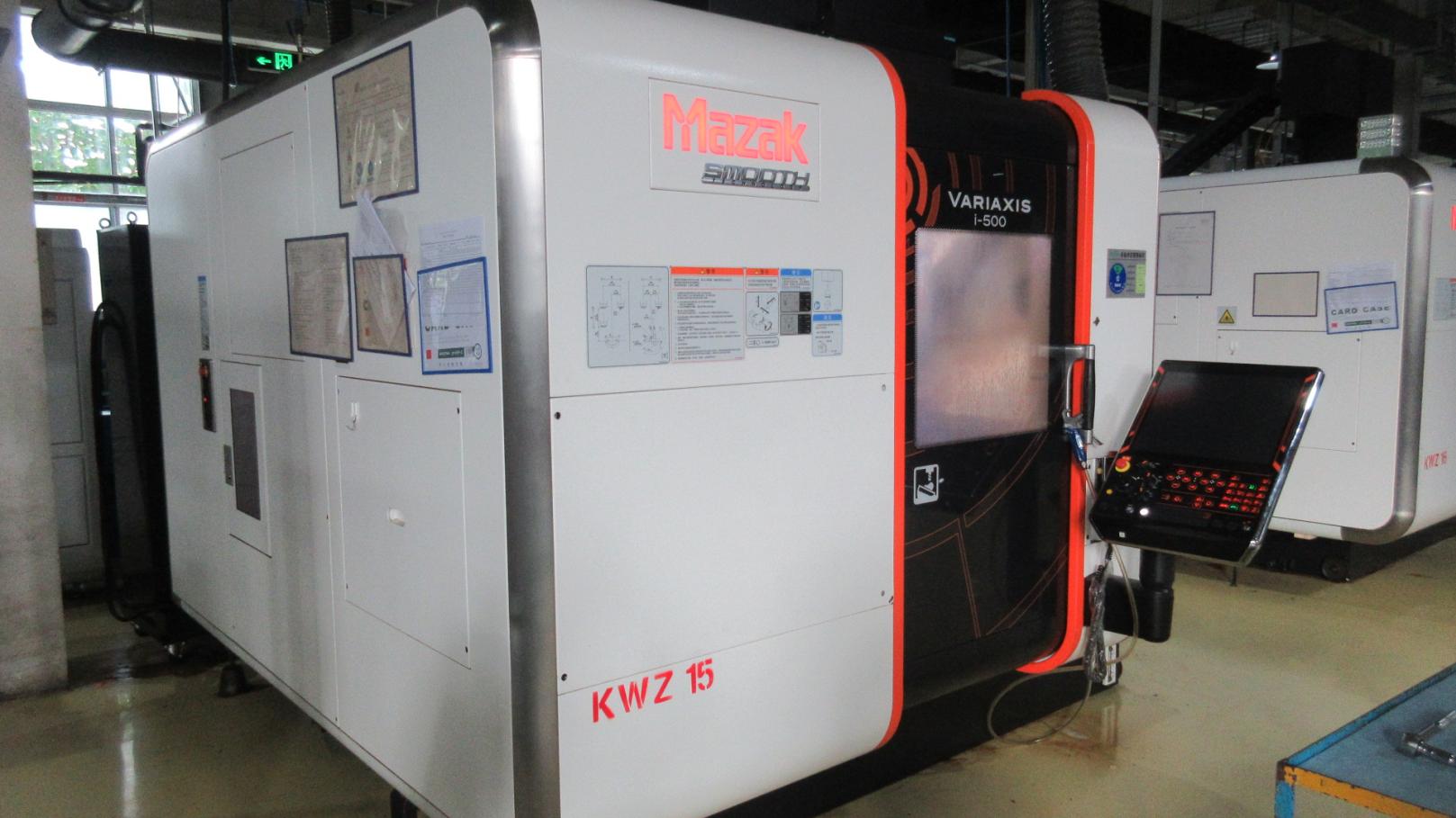
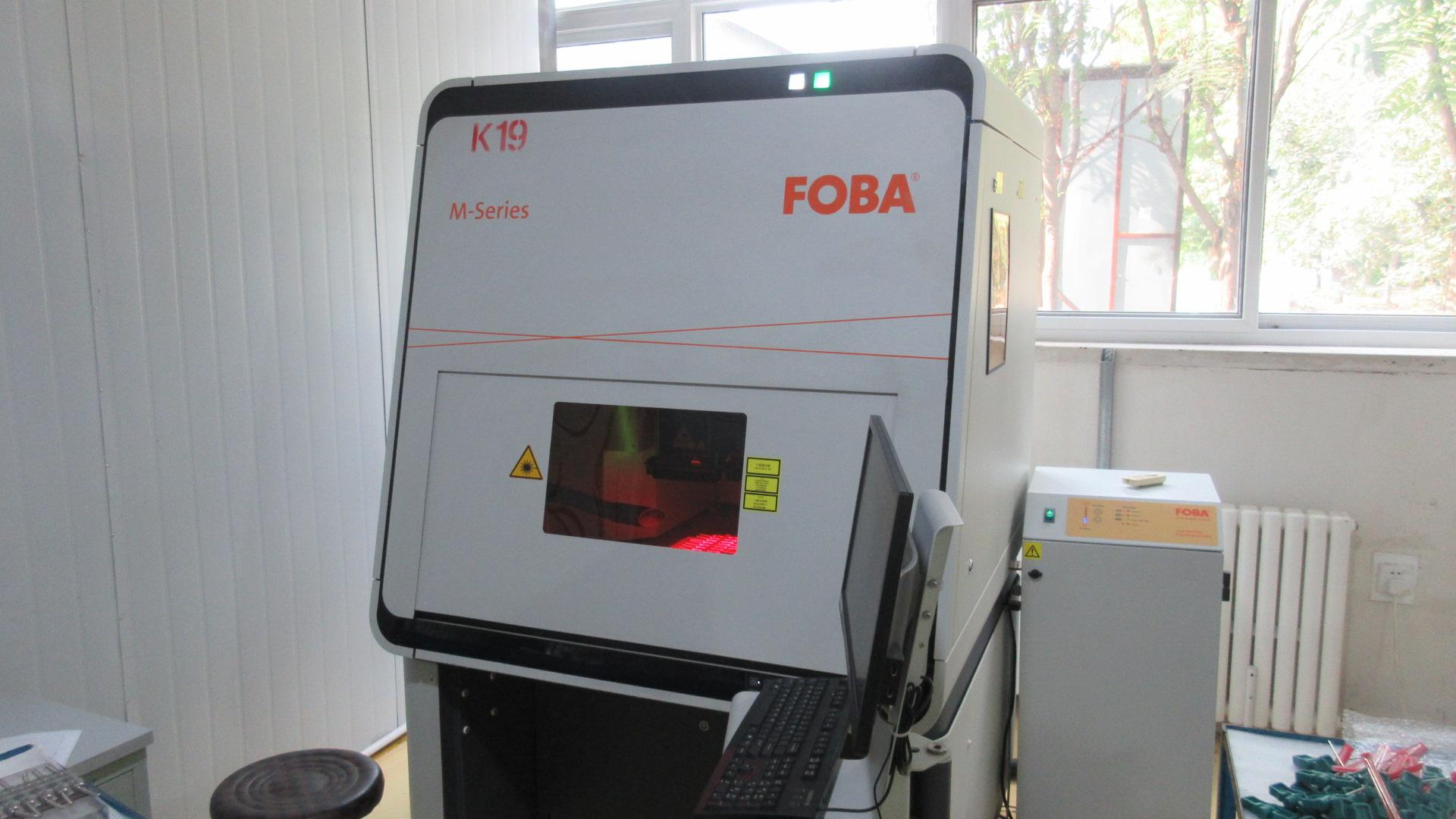
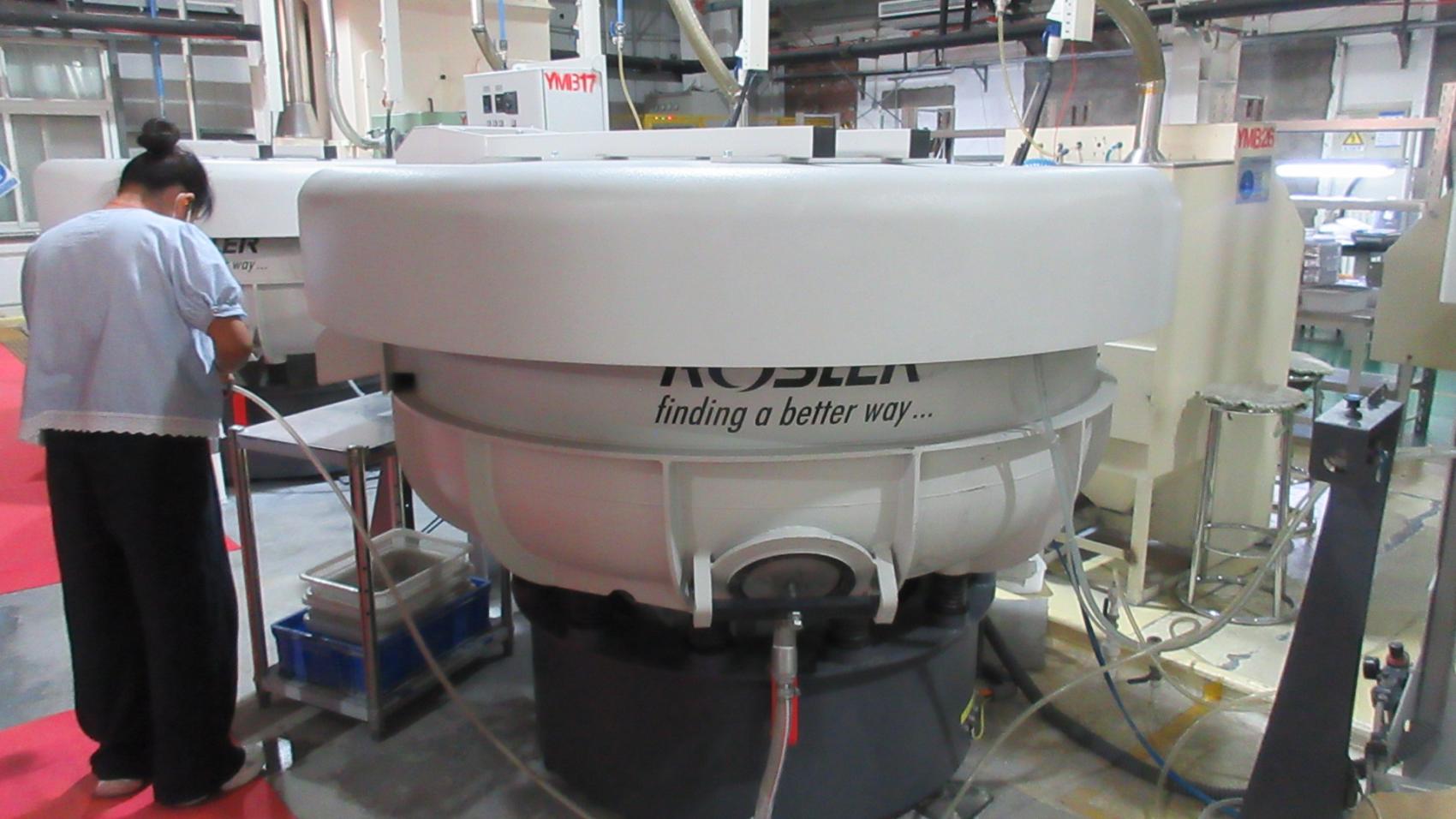
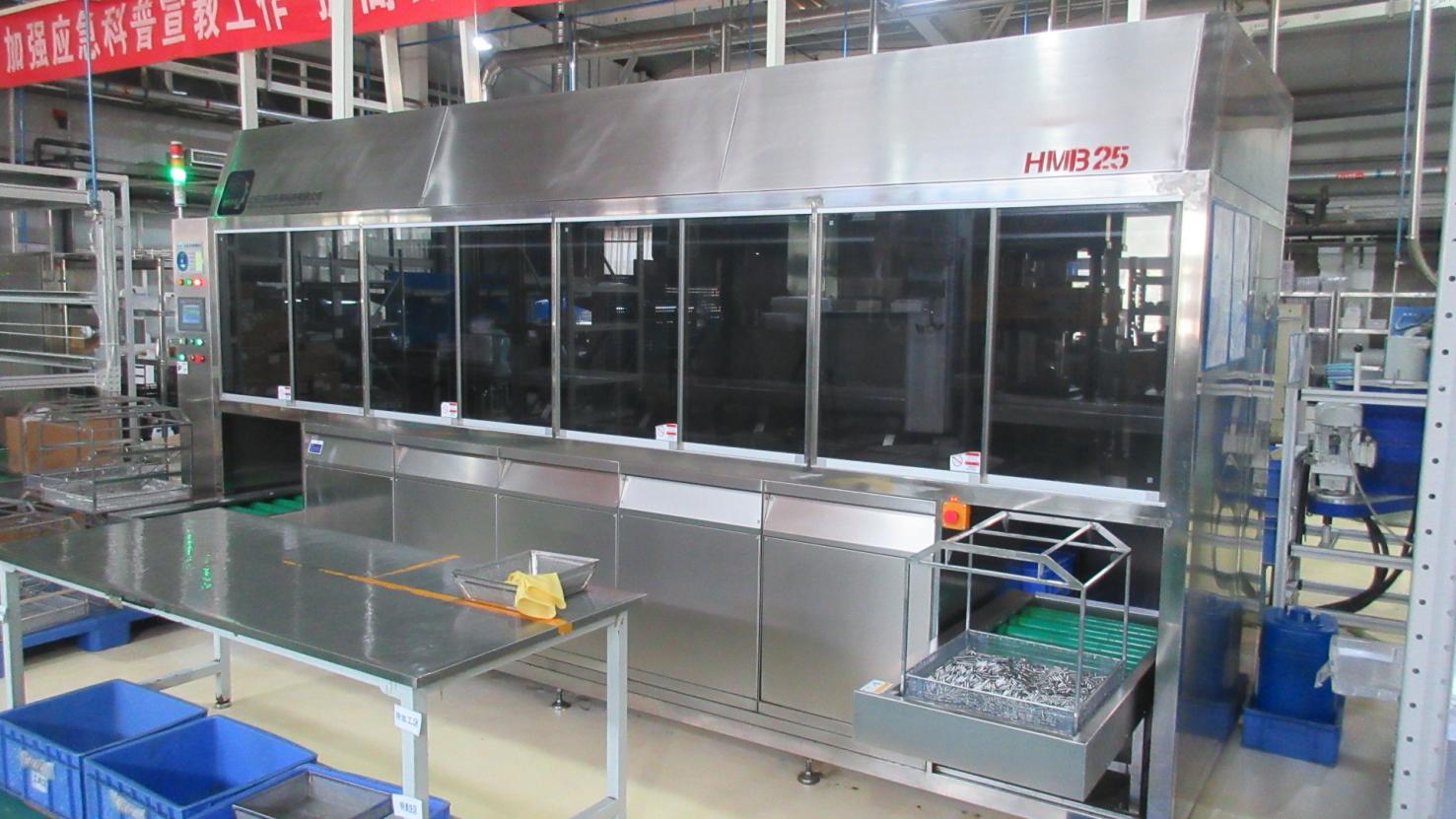
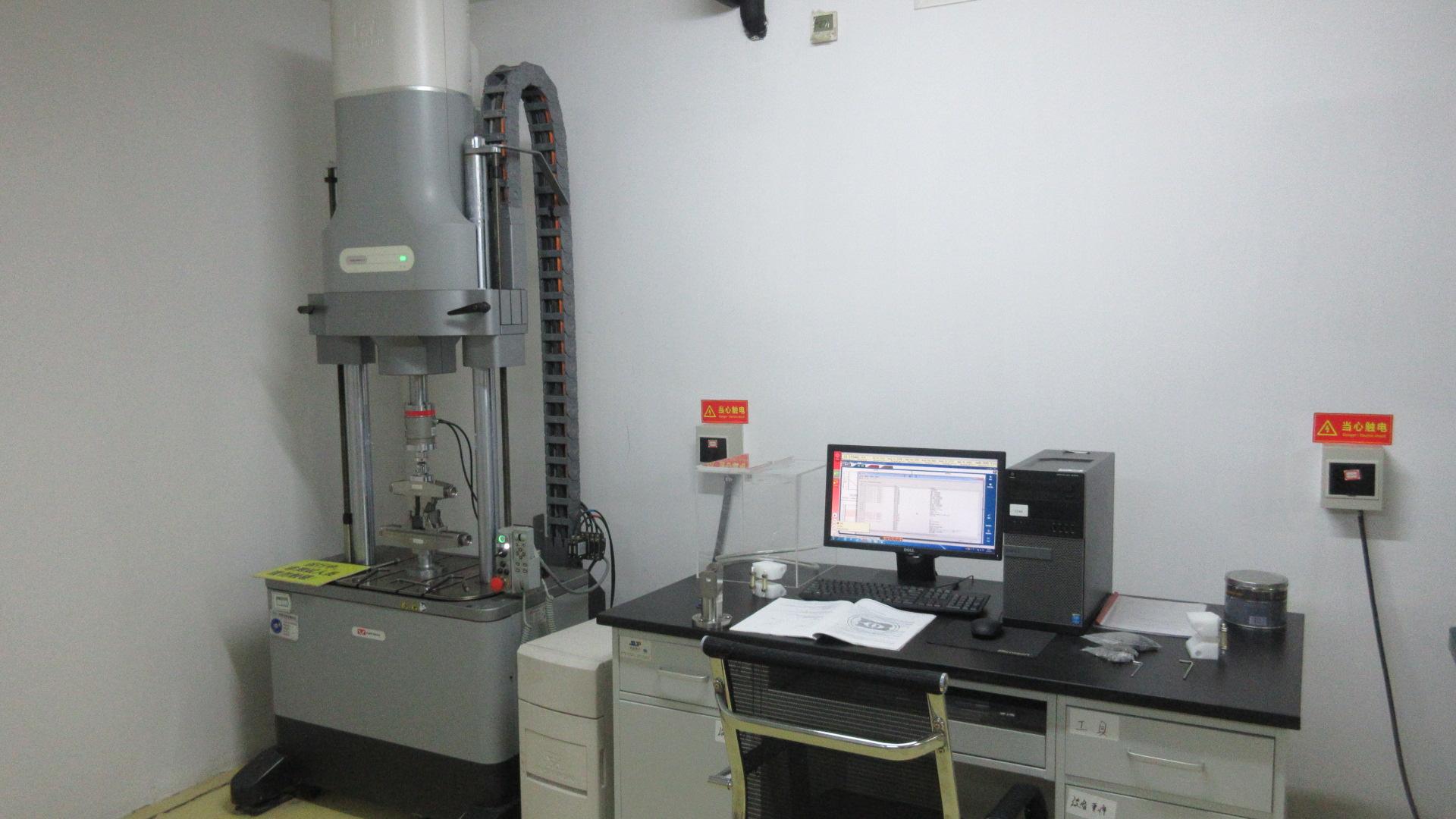
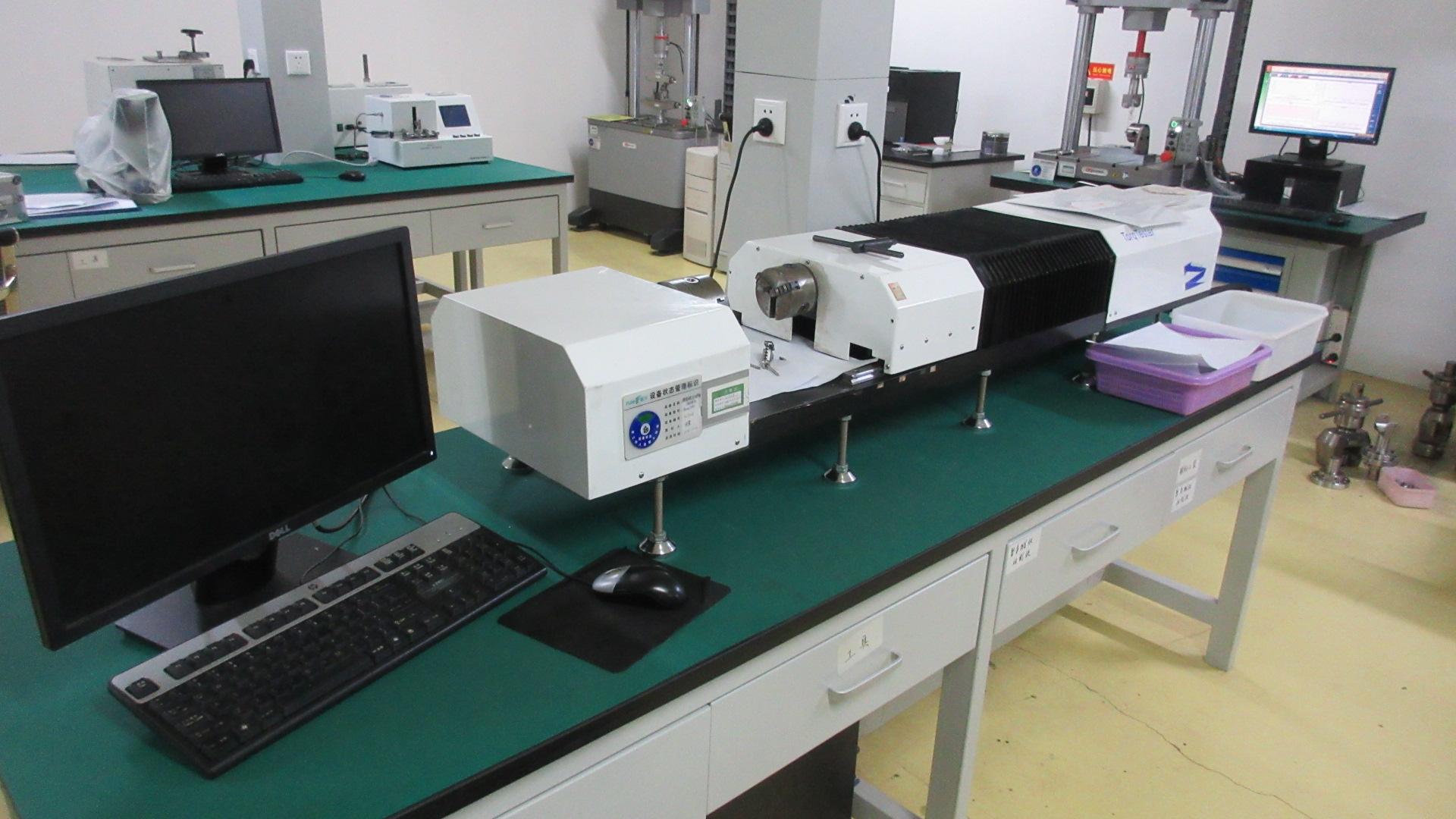
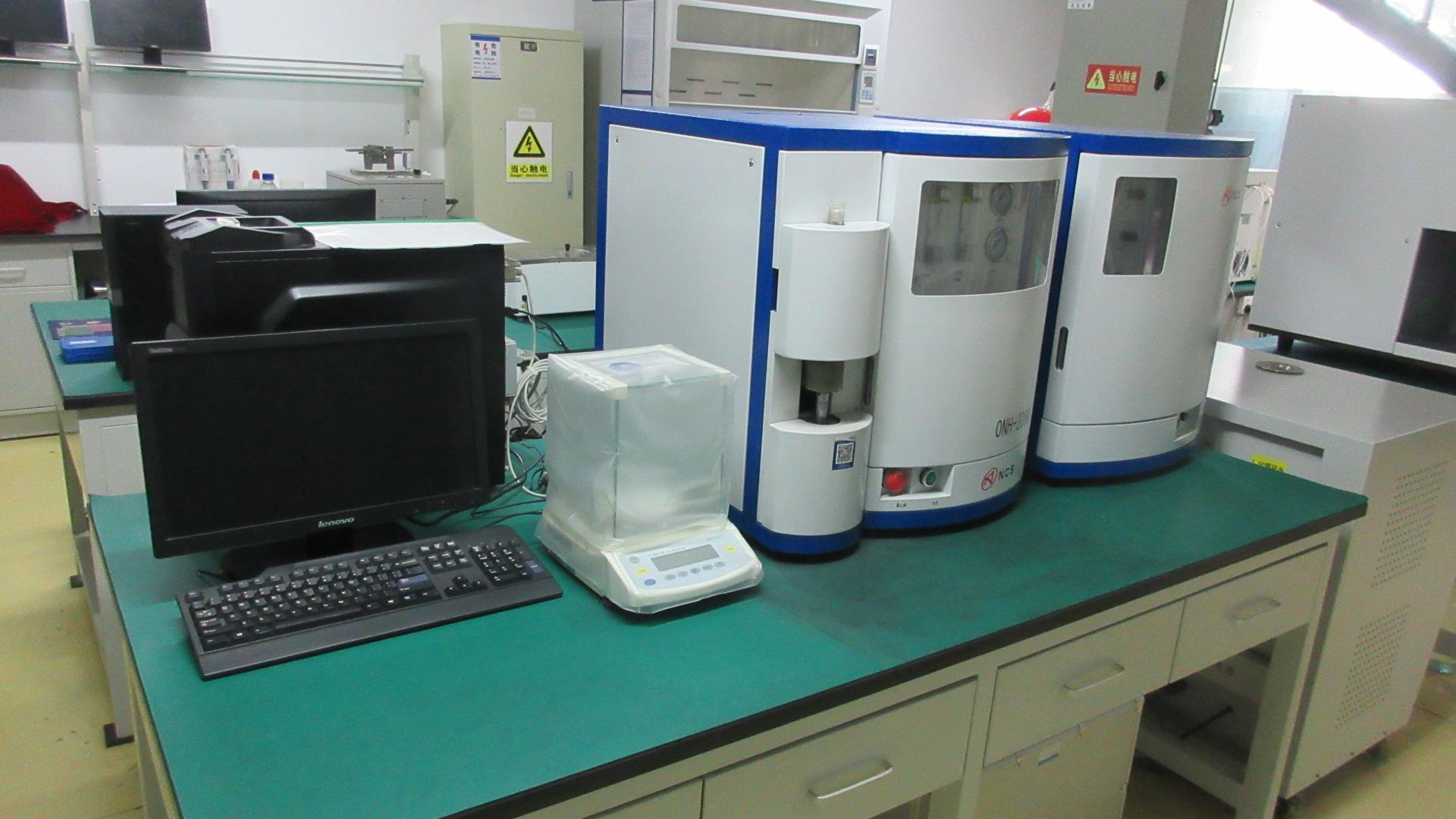
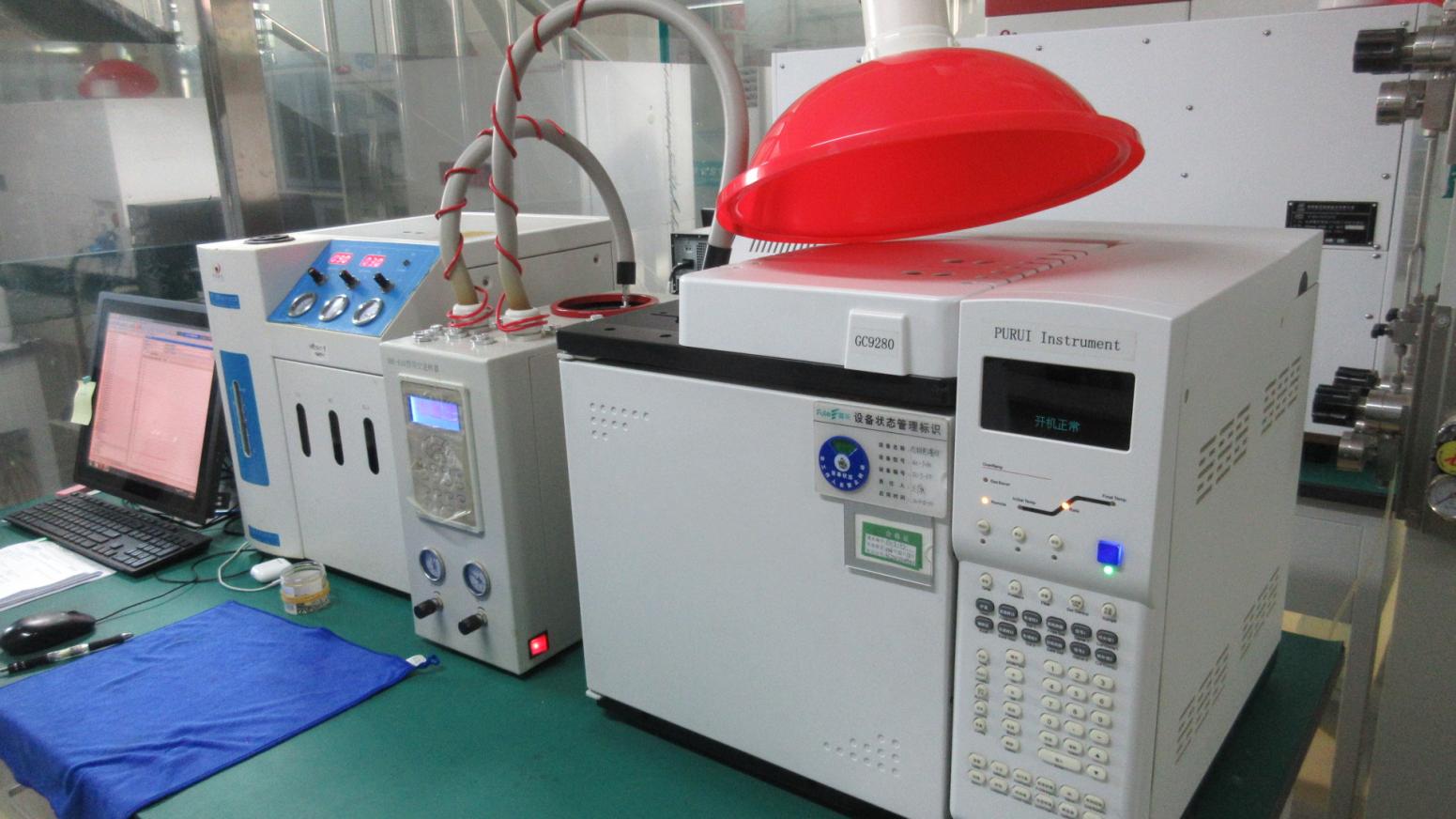
Visual documentation of our precision engineering, R&D systems, and cleanroom facilities.
Key compliance, engineering, and logistical queries answered by our medical growth & regulatory directors.
Explore additional trauma and surgical hardware configurations built to international standards.
 Beren Science & Technology