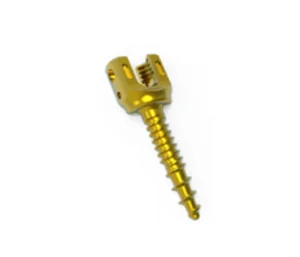
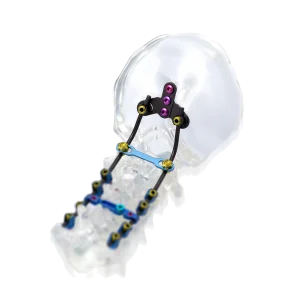
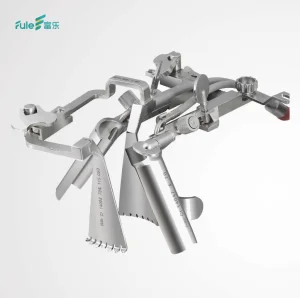
Explore our elite inventory of CE and ISO 13485 certified surgical instruments and structural spine implants designed to integrate seamlessly within high-barrier sterile draping environments.
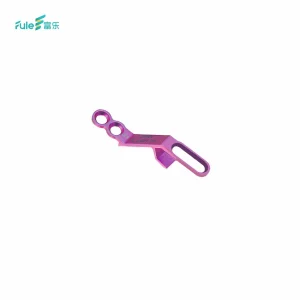
The critical role of sterile barrier systems in preventing surgical site infections (SSIs) and driving efficiency in global operating theaters.
Disposable surgical drapes form an impenetrable physical barrier against bacterial transfer, fluid strike-through, and particulate migration. Modern clinical guidelines globally require single-use SMS/Spunlace drapes to drastically reduce contamination risk compared to legacy reusable woven cotton options.
Today's surgical drapes integrate high-performance multi-layer nonwoven fabrics (SMS, SMMS, SMMMS). These fabrics boast high hydrostatic pressure resistance, oil and alcohol repellency, and heavy-duty reinforcement zones with integrated fluid collection pouches to handle massive volumetric runoff during orthopedic or cardiovascular procedures.
With strict oversight by the FDA (Class II medical devices) and European MDR (Class I sterile), surgical drape manufacturers must comply with testing protocols under EN 13795 and AAMI PB70. These verify tensile strength, lint generation, and microbial barrier efficacy in both critical and less critical zones of the drape.
How industry-leading vertical integration and strict quality management yield unmatched value for international healthcare distributors.
Surgical drape fabrication requires immaculate environmental monitoring. Leading Chinese factories deploy expansive Class 100,000 (ISO Class 8) cleanrooms where particulate counts, humidity, and airflow are strictly regulated. This environmental control ensures bioburden levels are minimized prior to final Ethylene Oxide (ETO) or Gamma radiation sterilization.
By housing nonwoven extrusion, fabric laminating, precise cutting, adhesive application, and customized folding/packing in a single industrial complex, Chinese manufacturers eliminate external transit costs and mid-stage markups. This enables rapid OEM/ODM setups with specialized fenestration shapes, incise films, and instrument bags customized on demand.
Draping protocols are only as good as the implants they protect. Understanding the interface between sterile fields and Class III orthopedic hardware.
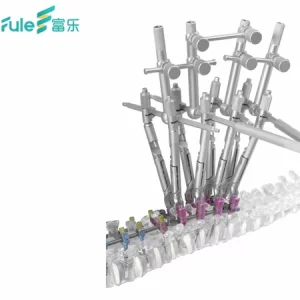
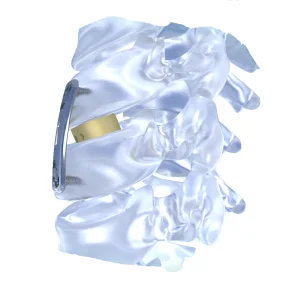
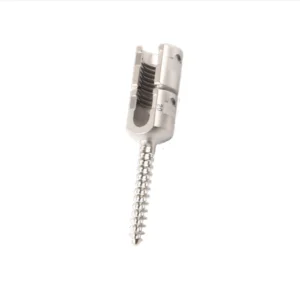
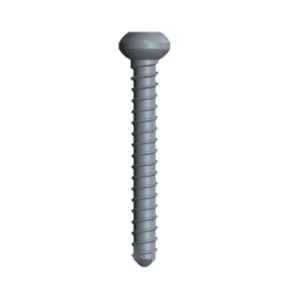
Spinal procedures demand robust draping with integrated fluid pouches and dual-adhesive apertures to handle long incisions. The sterile field established by high-quality spinal drapes protects implants like the Beijing Fule CFS Occipitocervical Thoracic Posterior Spinal System and polyaxial cortical screws from airborne pathogens.
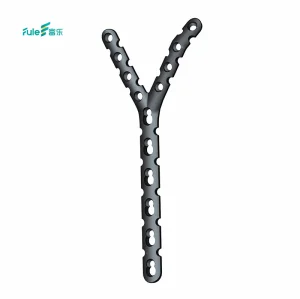
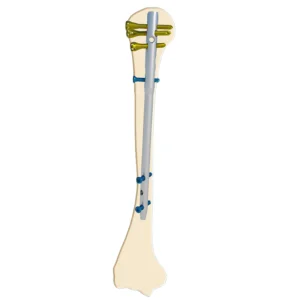
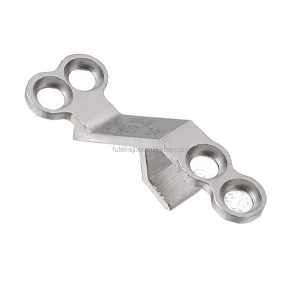
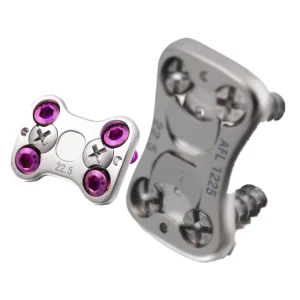
Joint arthroplasty requires highly elastic, puncture-resistant elastomeric apertures. When inserting complex titanium alloy humeral locking plates or intramedullary nails, the surgical drape must withstand aggressive limb manipulation without tearing or lifting from the patient's skin.
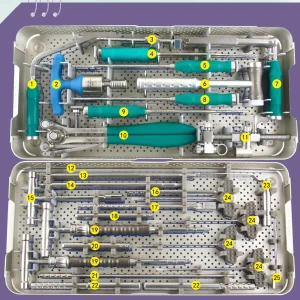
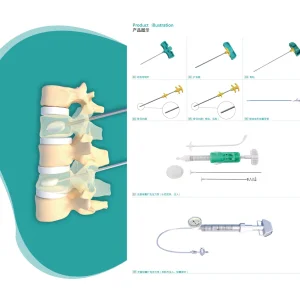
MIS procedures, utilizing advanced instrument sets, depend on smaller, specialized fenestrations. These drapes protect the margins of access ports during cannulated screw insertion and PKP working channel access, minimizing skin contact and ensuring a clean surgical corridor.
Real data indicating production capability, quality systems, and operational history.

ISO13485 Certified Quality Management System
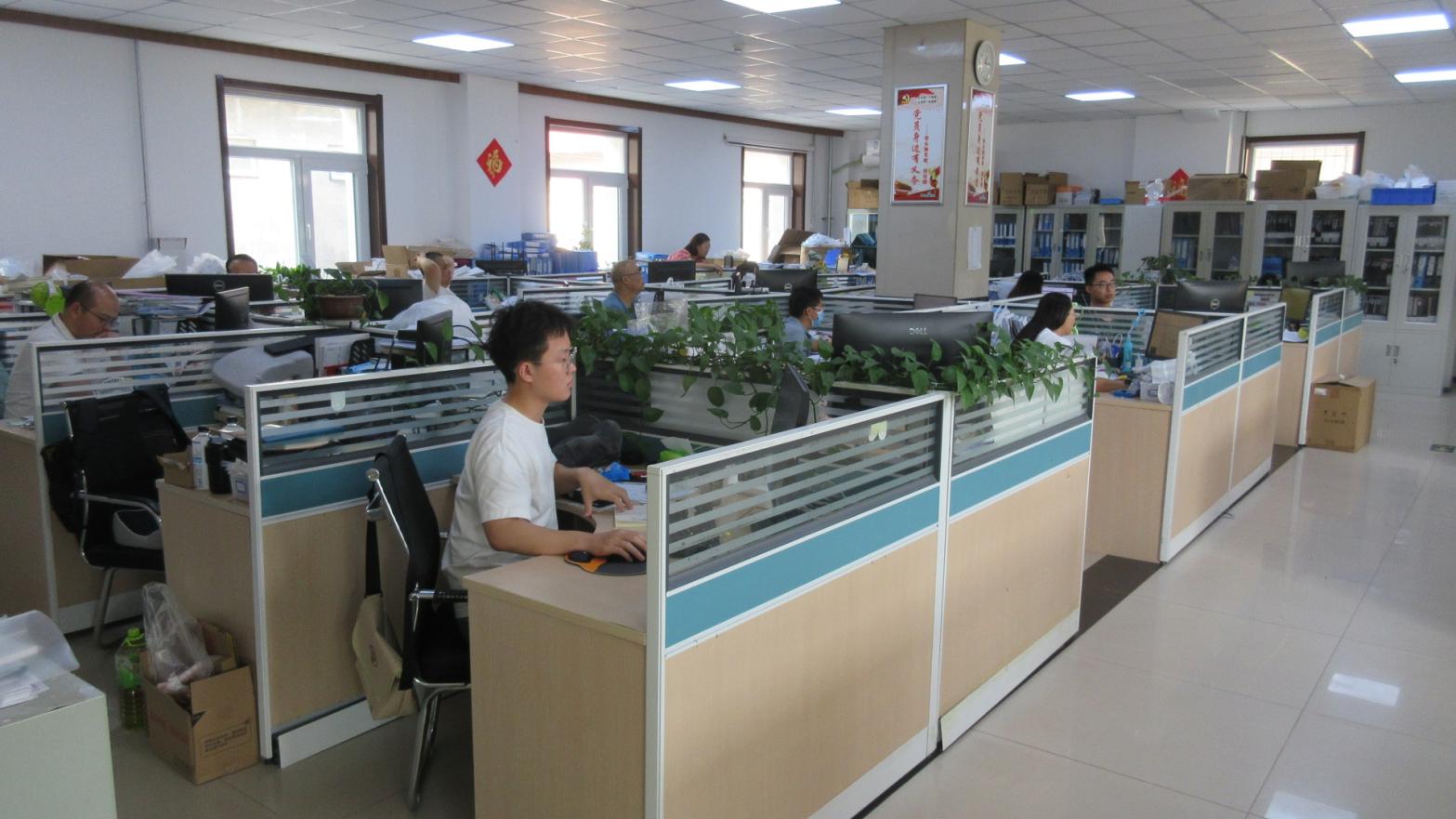
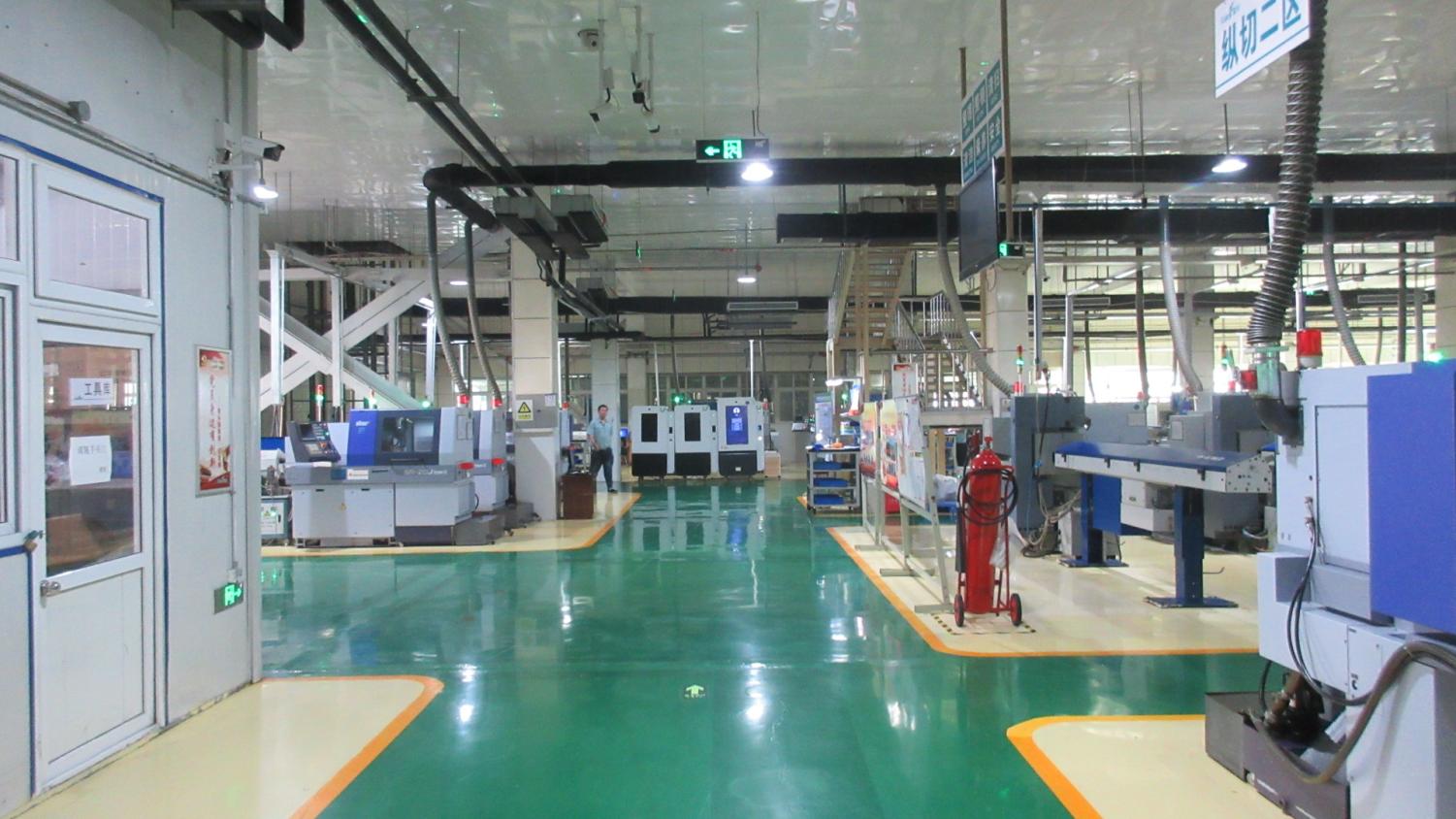
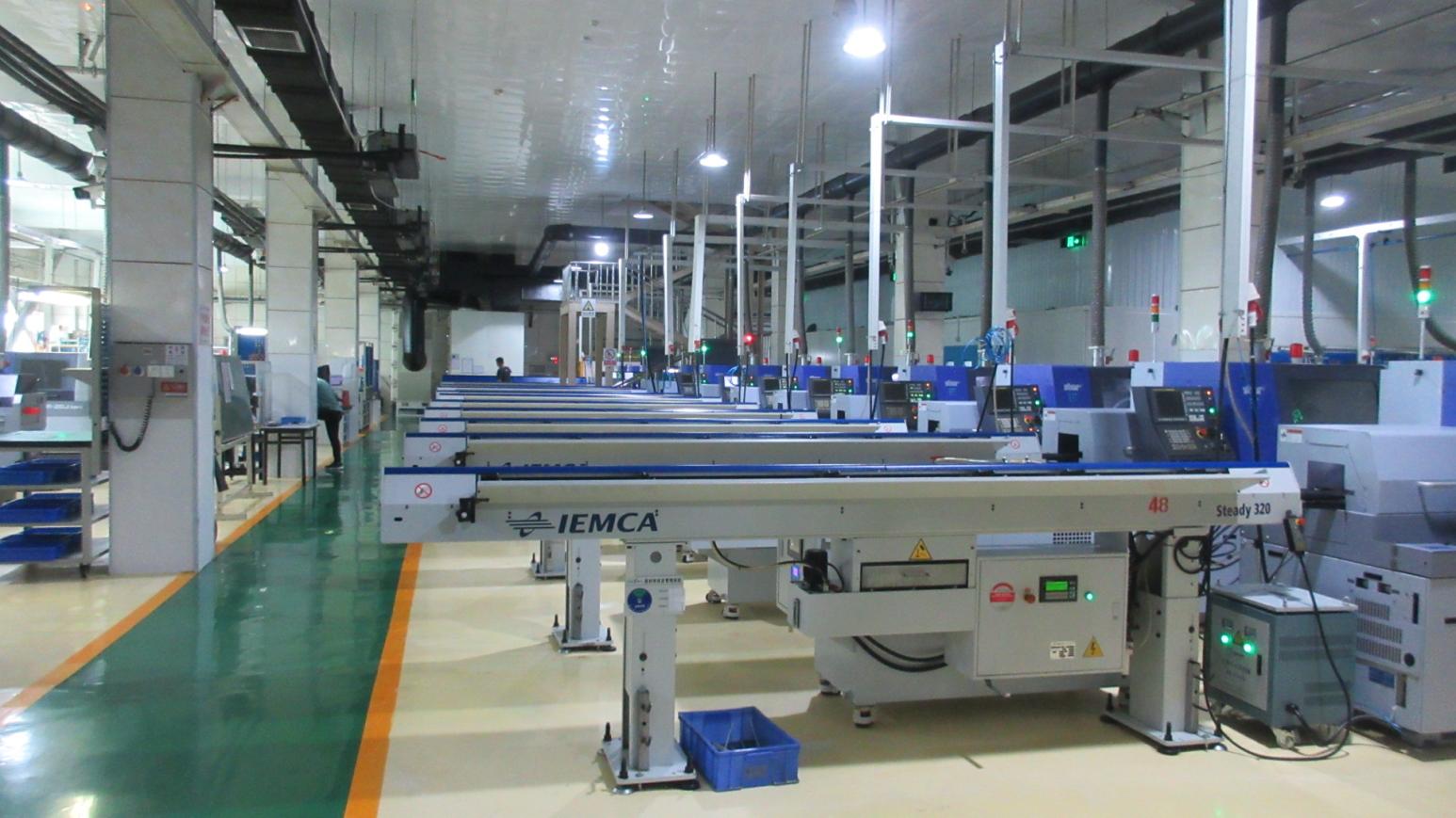
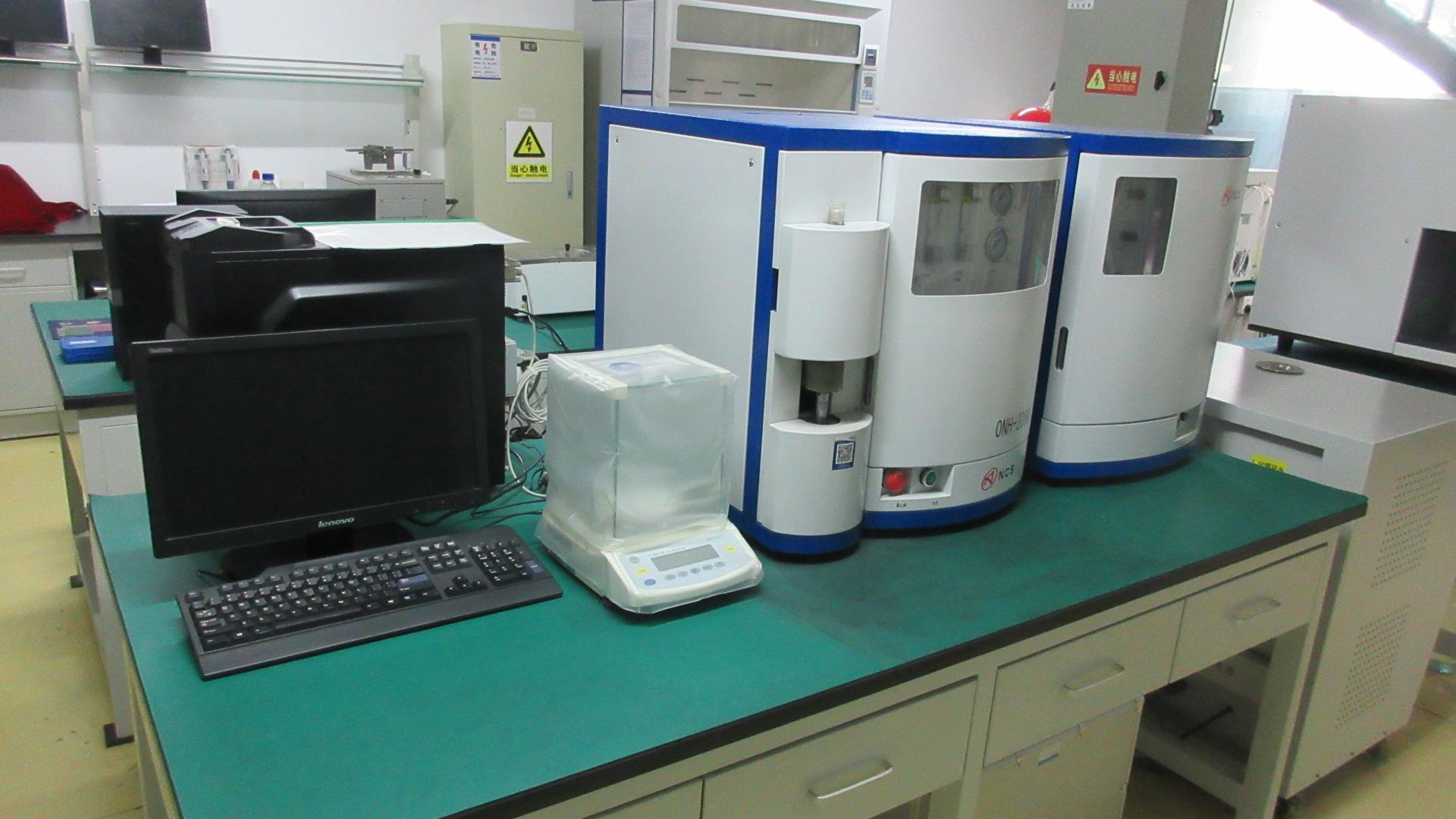
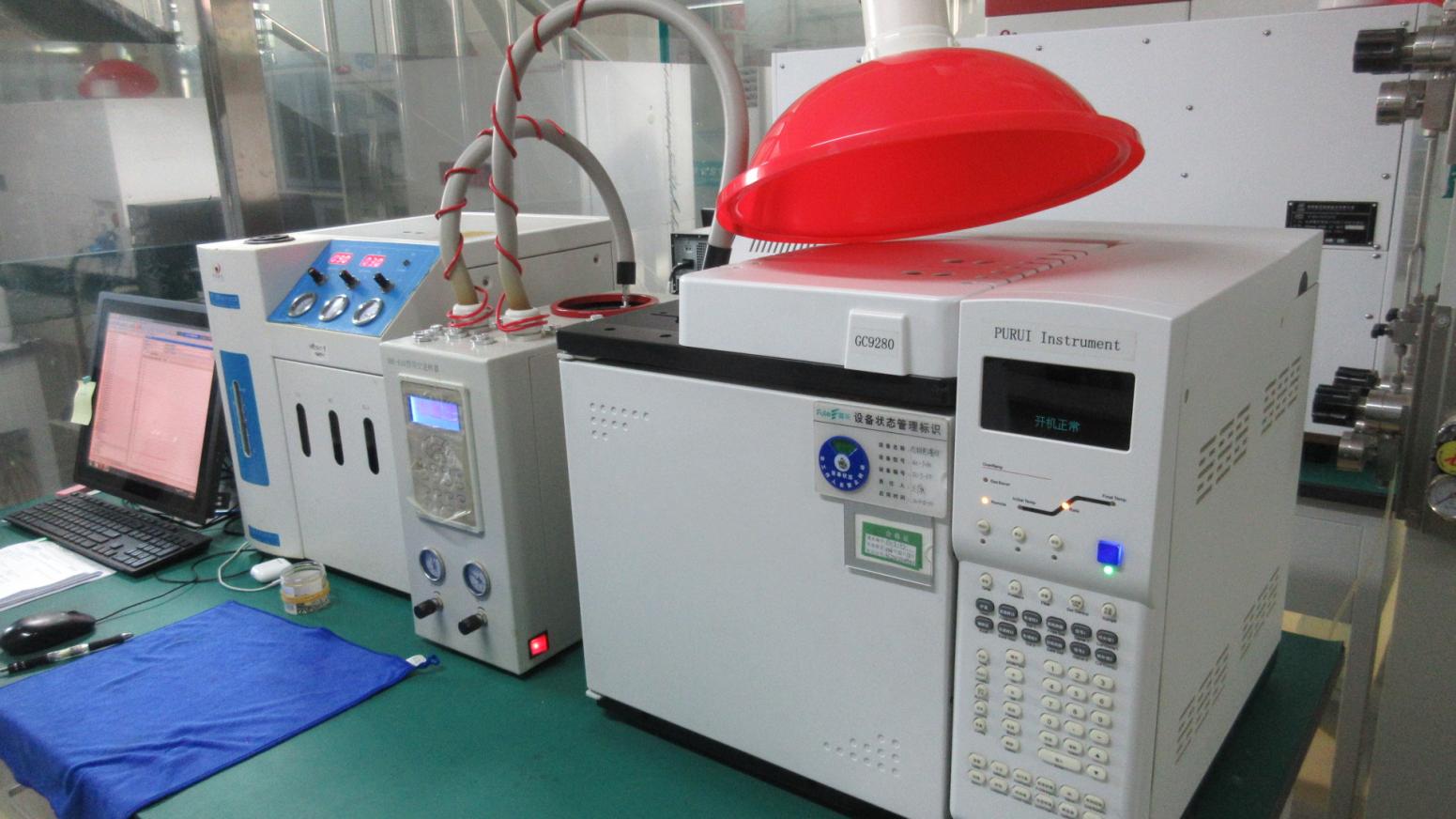
Visual inspection of our advanced tooling chambers, cleanrooms, and testing facilities to verify strict compliance with European and American medical standards.

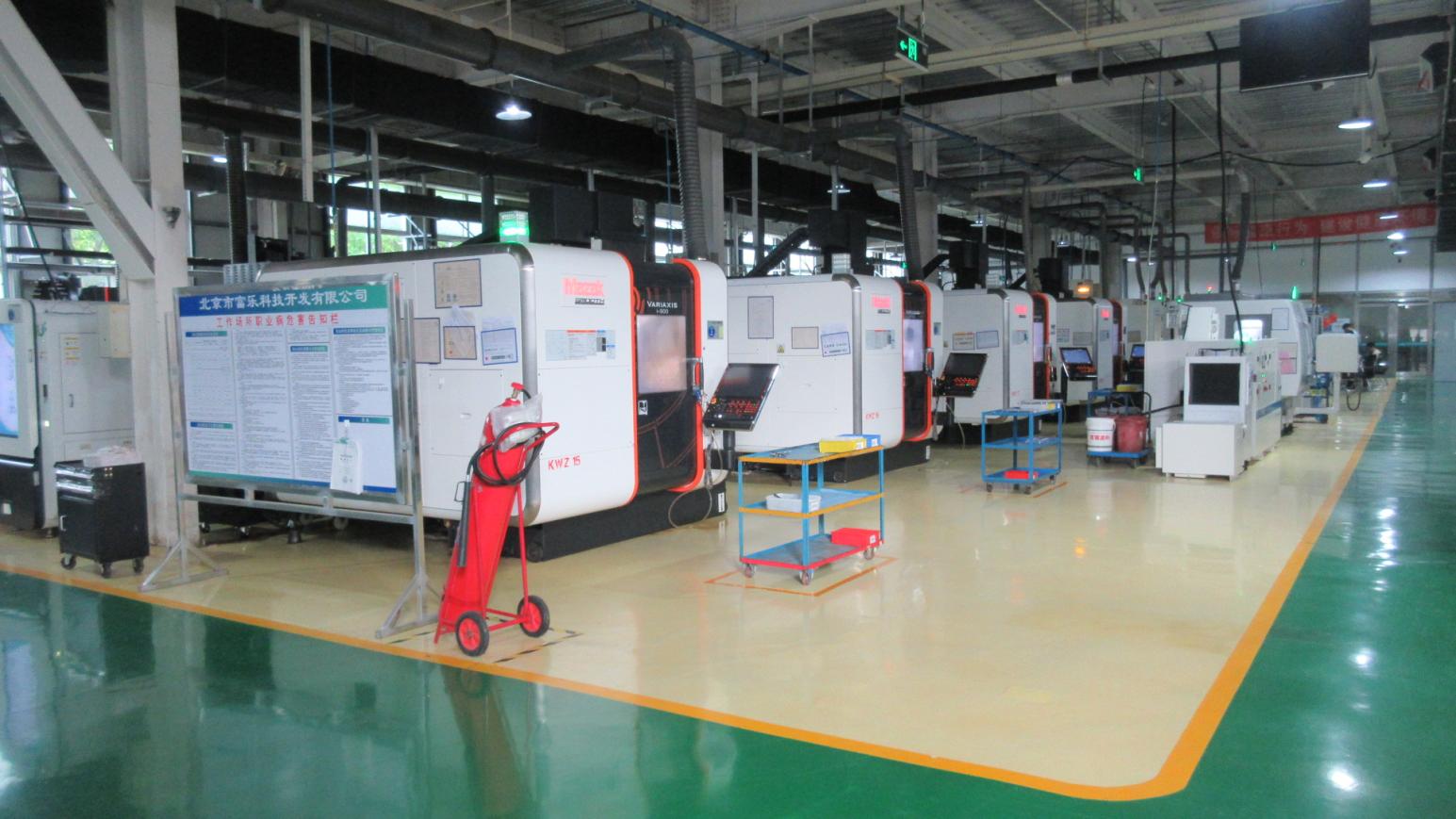
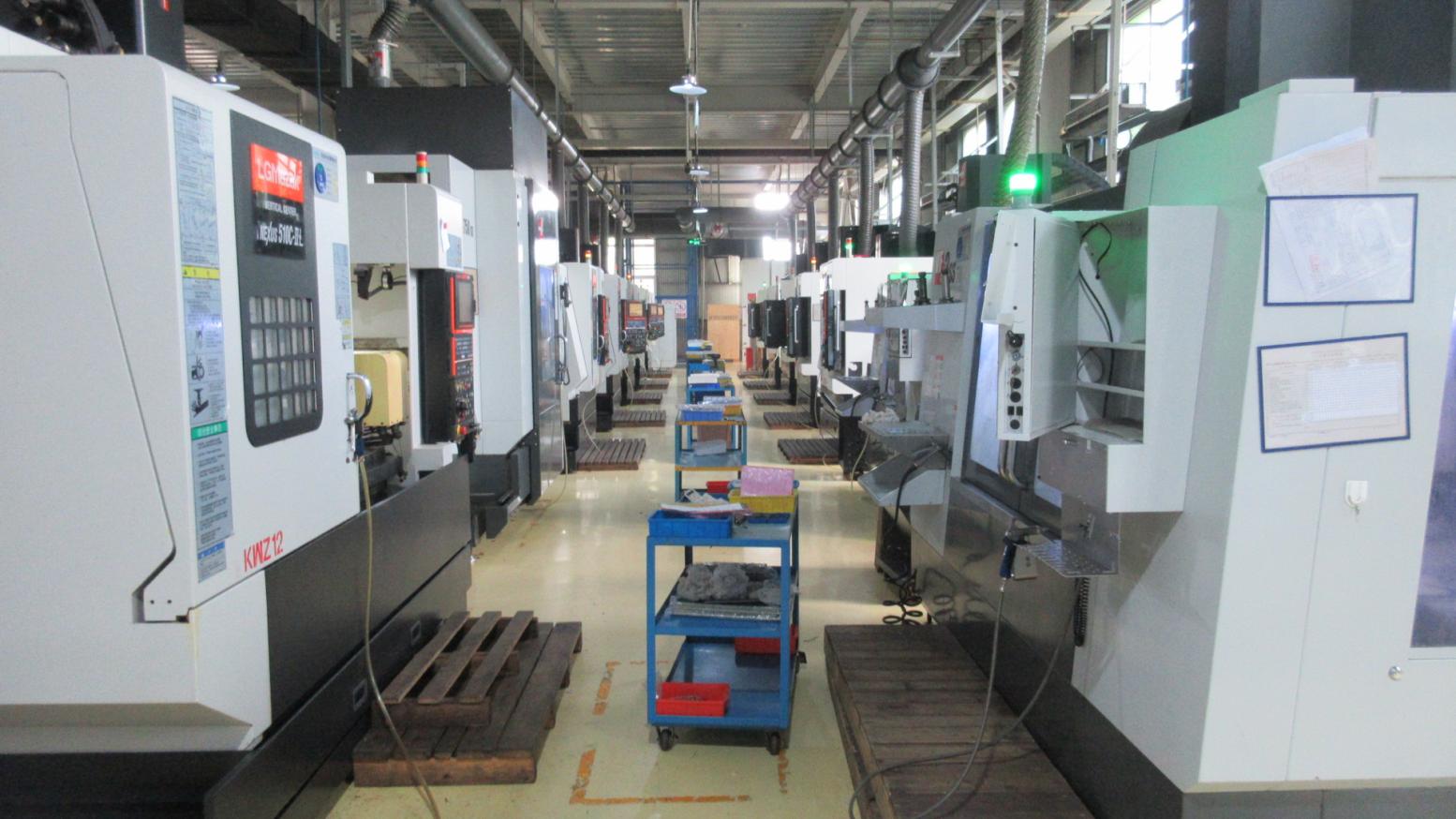
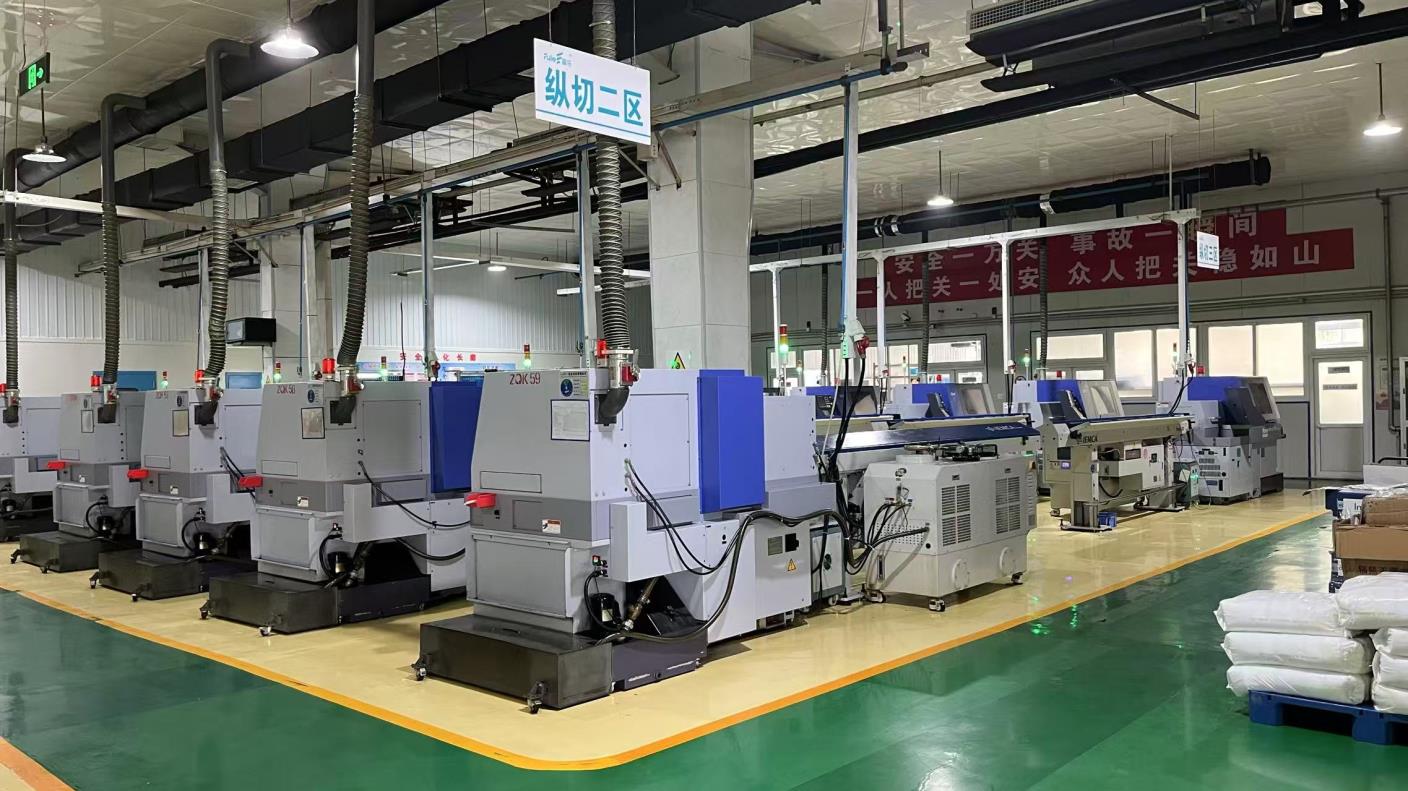
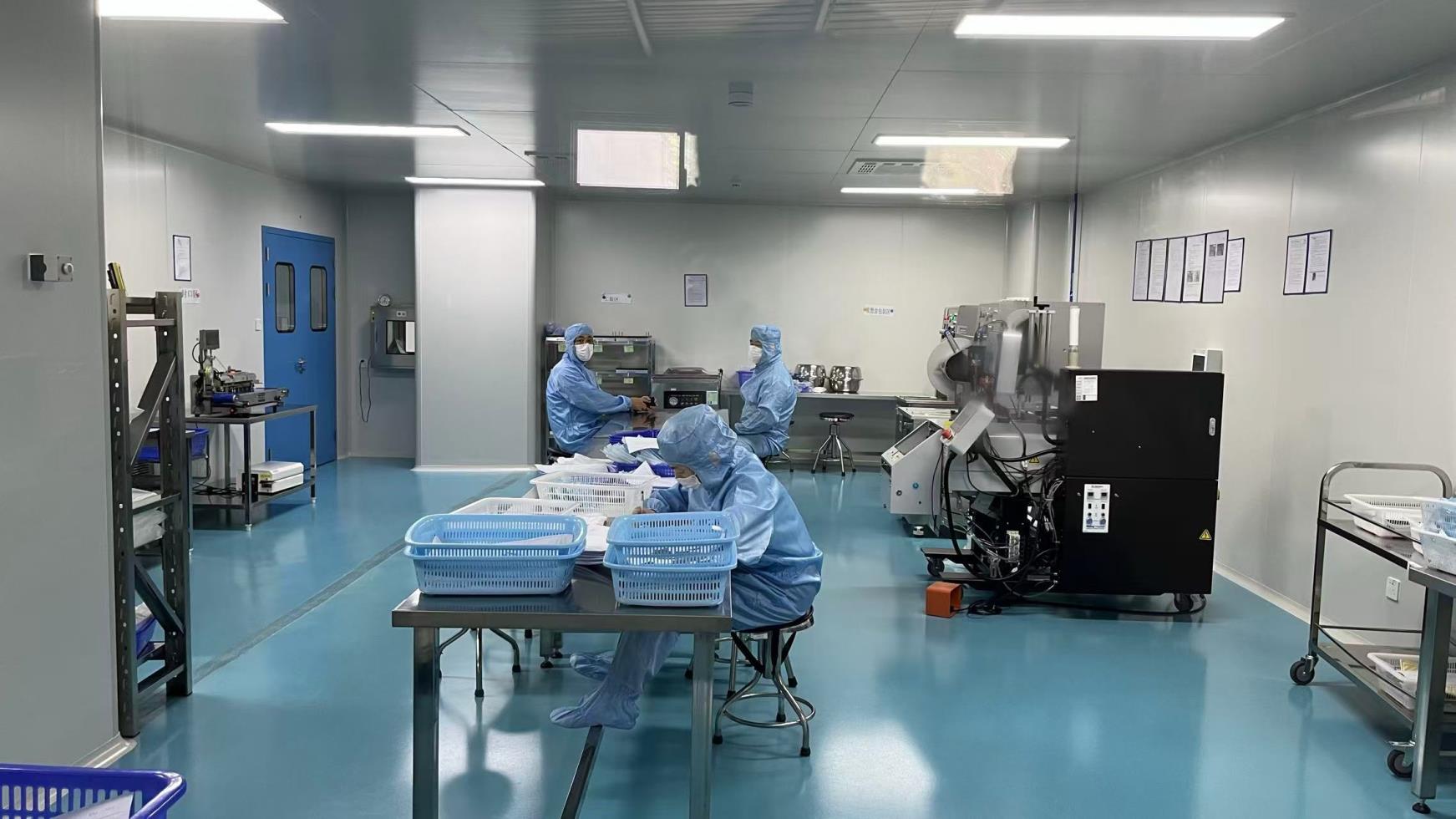
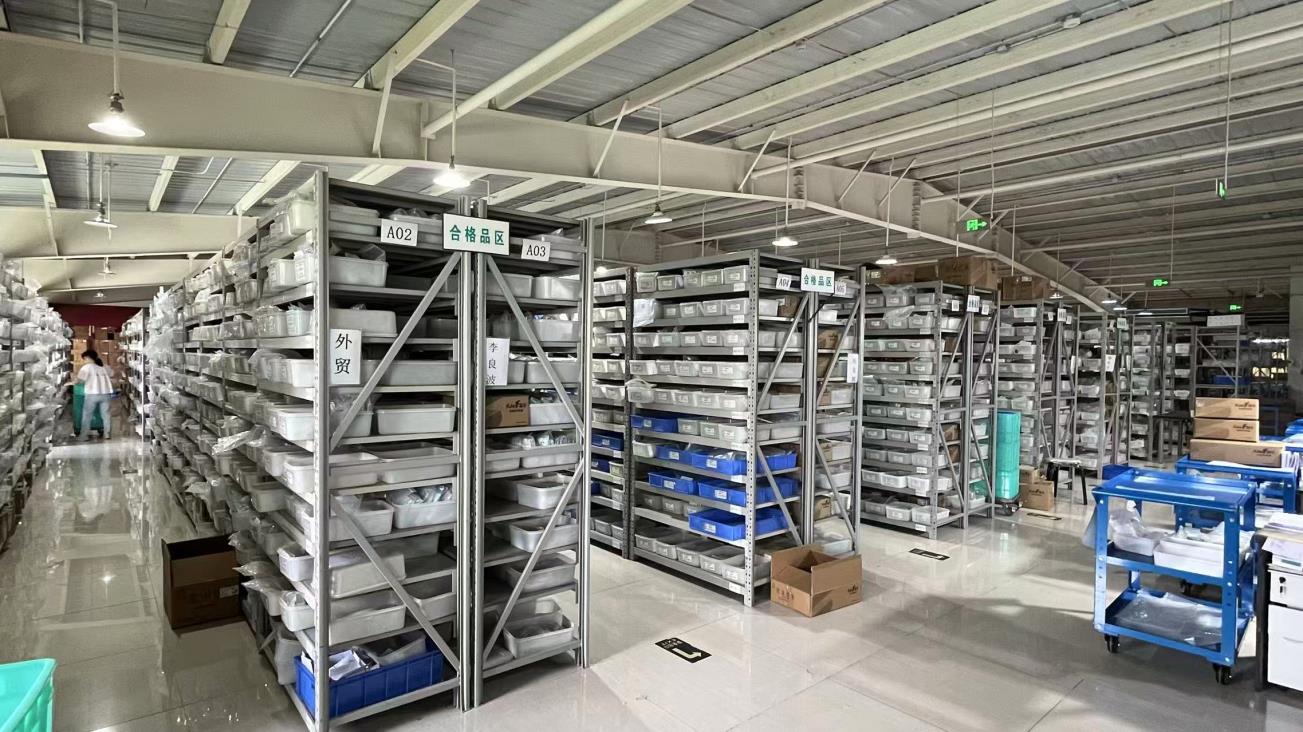
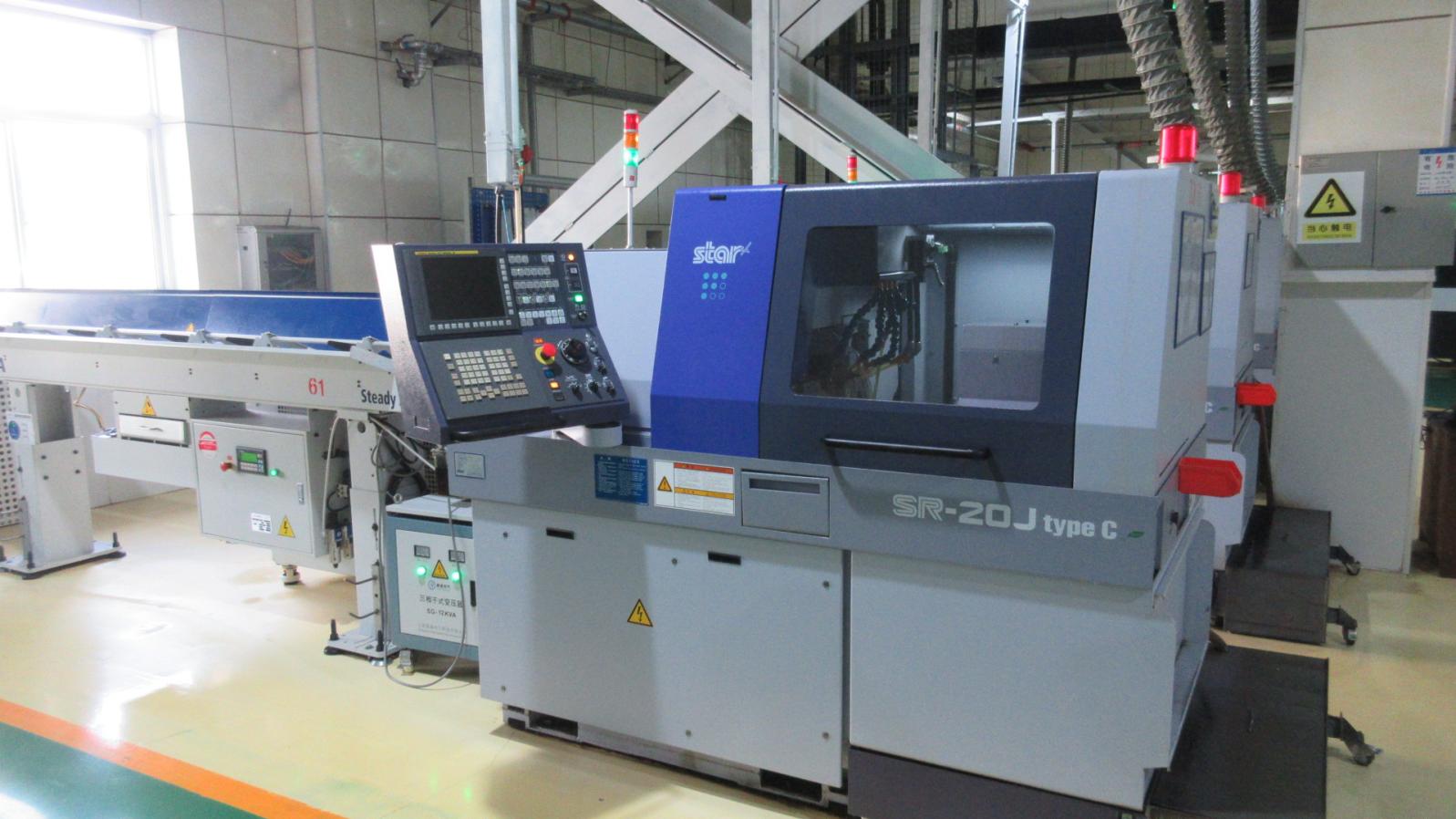
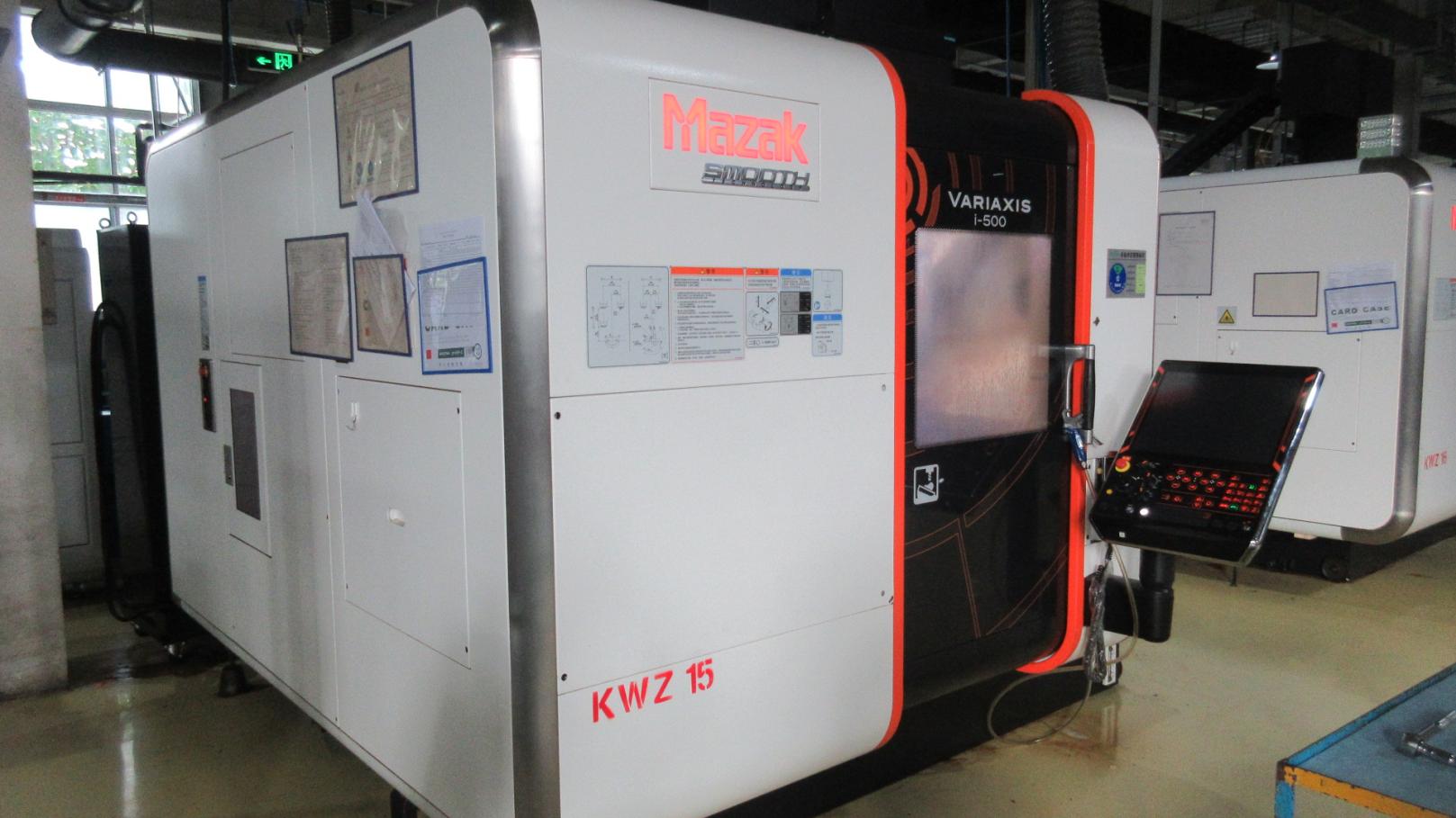
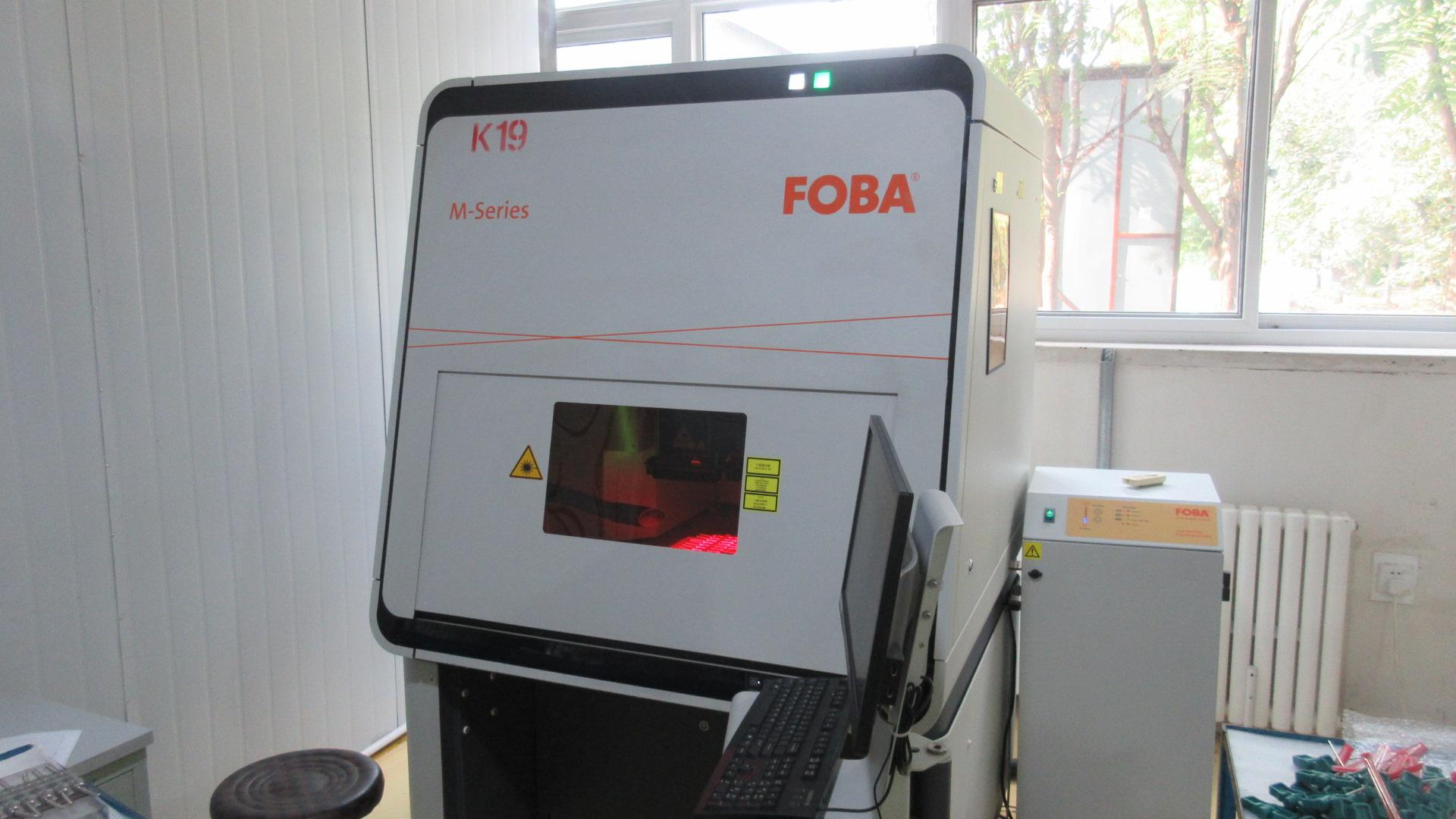
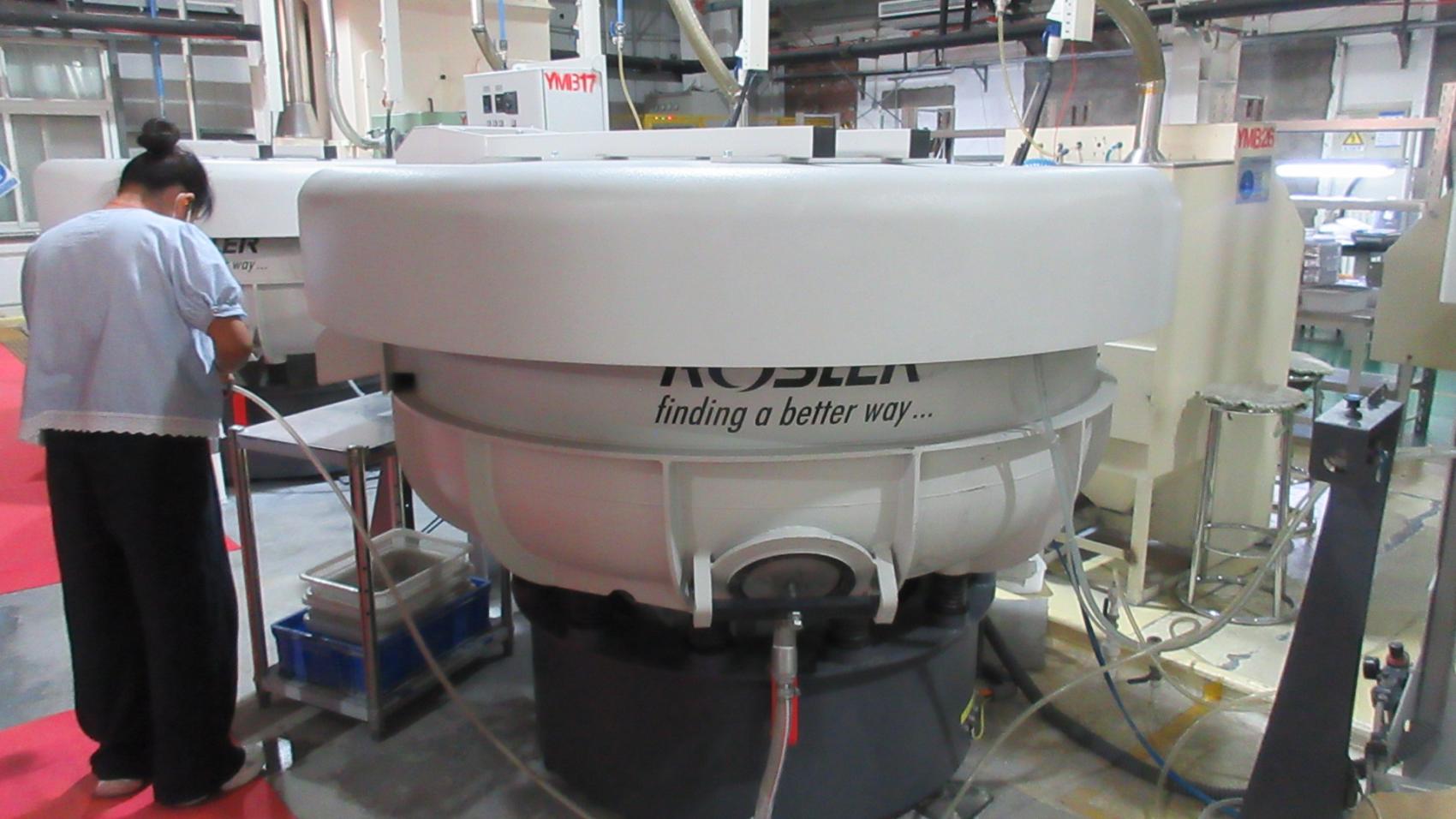
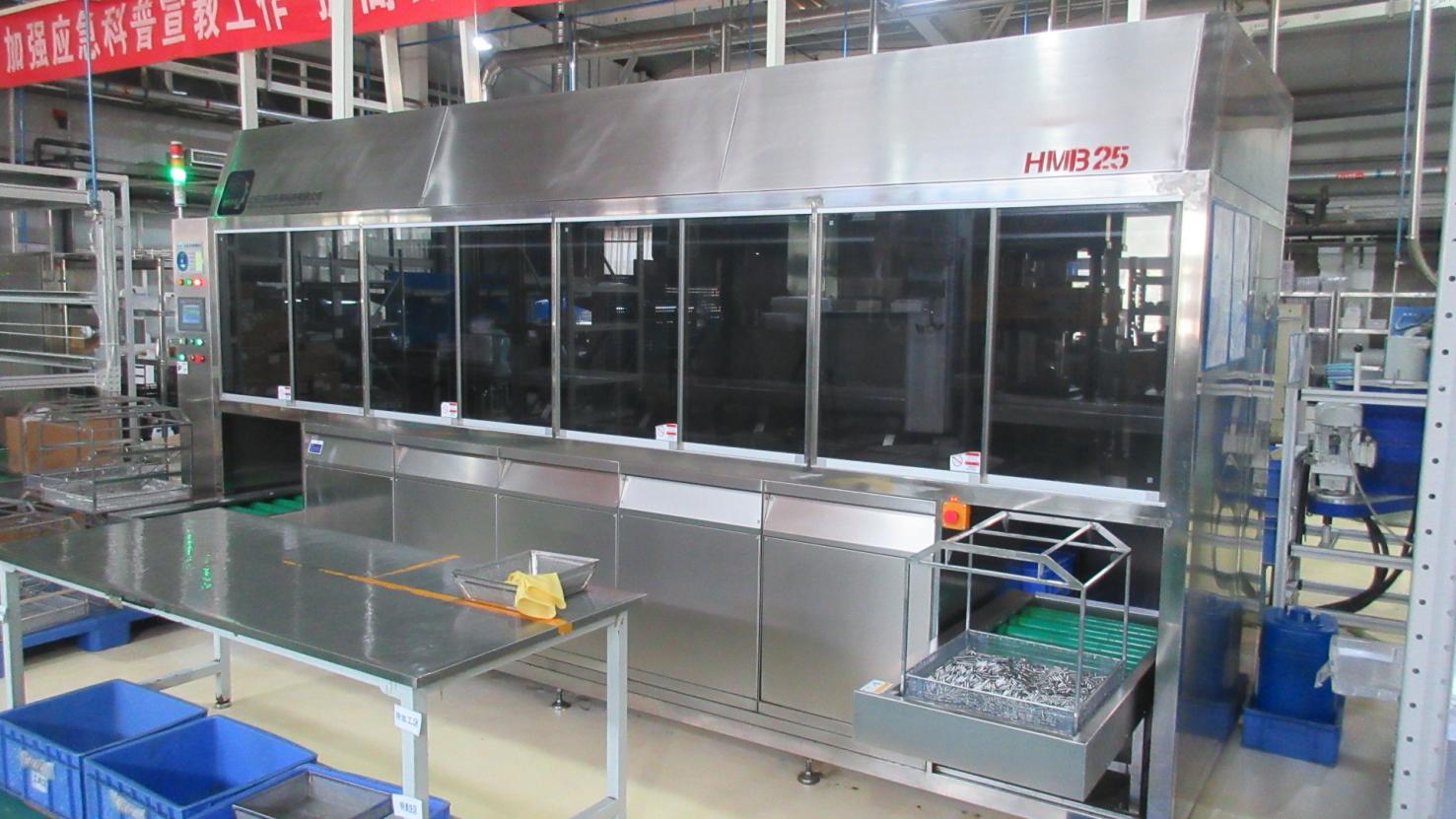
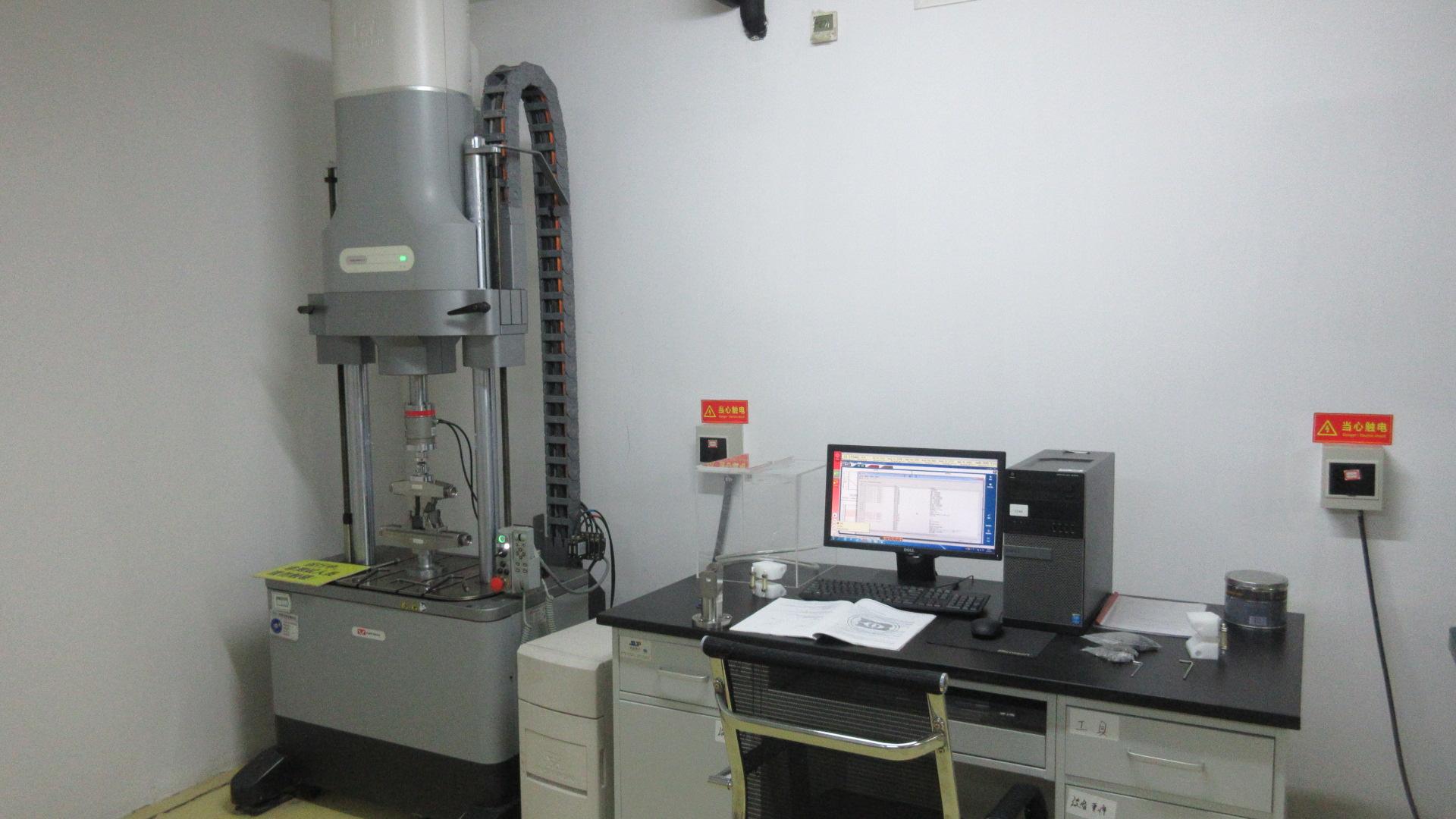
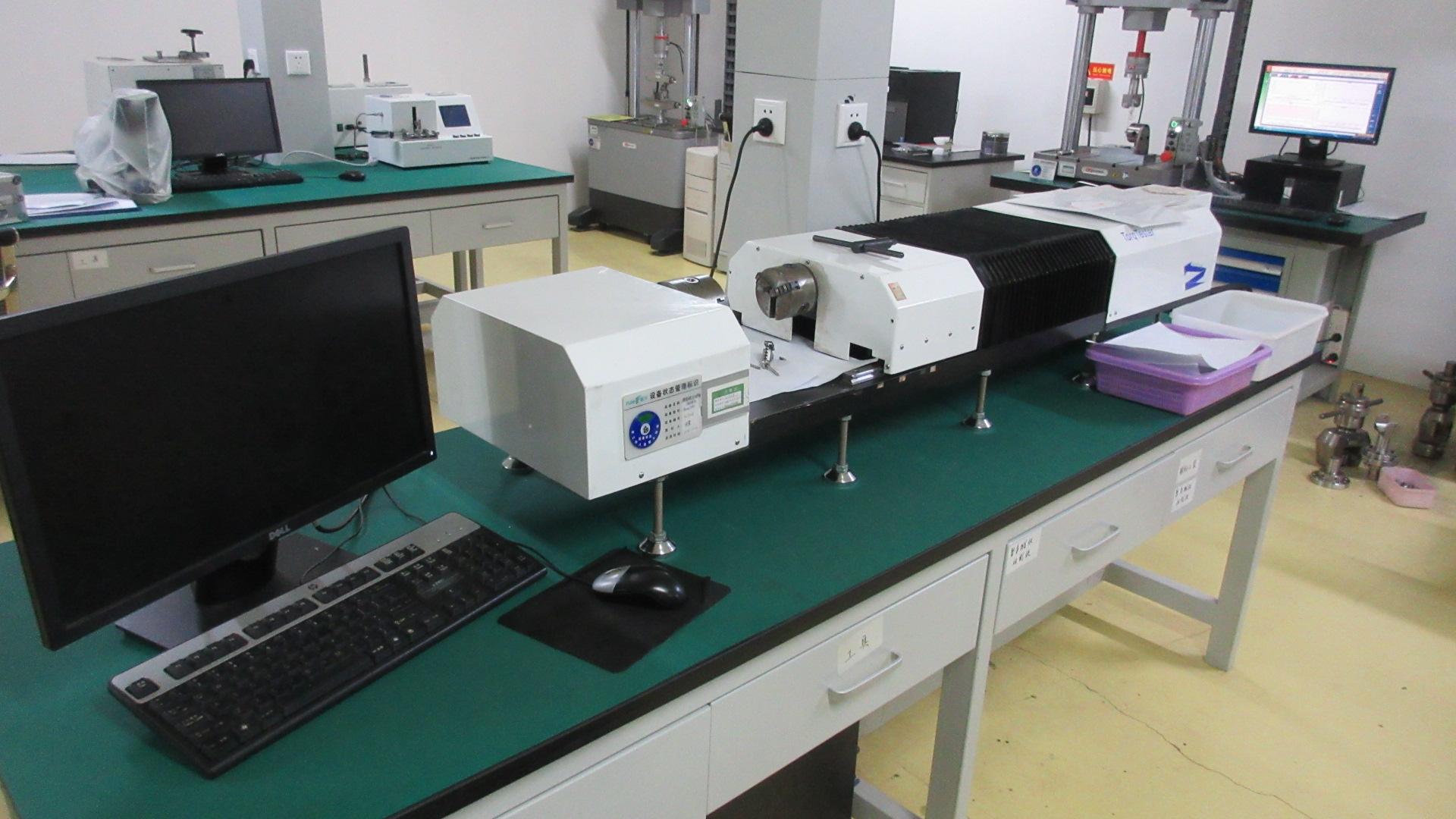
Key technical evaluations for international hospital networks, GPOs, and medical equipment importers.
Procuring agents must confirm the weight (GSM - grams per square meter) of SMS/SMMS fabric. Critical areas around the incision typically require reinforced 60-70 GSM SMS fabric combined with an impermeable PE film backing, while non-critical draping fields can safely utilize lighter 35-45 GSM fabrics.
Adhesive strips used to secure the drape to the patient's skin must comply with ISO 10993 standards for biological evaluation of medical devices. Drapes must not cause sensitization or skin irritation, yet need to maintain strong adhesion in the presence of alcohol-based skin prep solutions and warm body fluids.
Ensure that the factory provides validation records for Ethylene Oxide (ETO) sterilization cycles. Sterilization parameter records must demonstrate that residual EO levels are below FDA/MDR regulatory thresholds (typically less than 10 ppm) to avoid postoperative skin irritation.
Expert clinical and manufacturing perspectives regarding standards, material sciences, and logistics.
Complementing clinical setups with premium-grade titanium implants, sliding screws, and orthopedic reconstruction plates.
 Beren Science & Technology