Top Trusted Biomechanical Testing Equipment Manufacturers

Setting the Gold Standard in Orthopedic Implant Safety, Dynamic Fatigue Testing, and Regulatory Compliance Through 30 Years of Advanced Medical Engineering

Leading Clinical-Grade Orthopedic Implants & Systems

Explore our top-performing orthopedic solutions, meticulously tested to meet stringent biomechanical parameters and clinical efficacy standards.
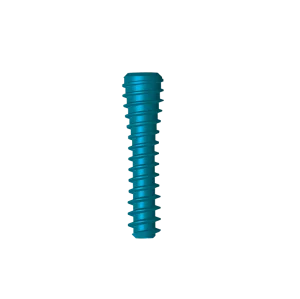
CE Marked Cannulated Screw System for Hand Foot Fractures

CE Marked Cannulated Screw System for Hand Foot Fractures China Manufactured Artificial Medical Implants Interventions Materials

View Technical Specifications →
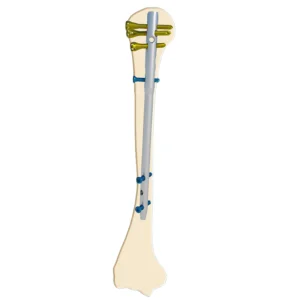
Titanium Alloy Intramedullary Nail Set for Humeral

Professional Titanium Alloy Multi-Dimensional Locking Intramedullary Nail Combination Set Implant Set for Humeral

View Technical Specifications →
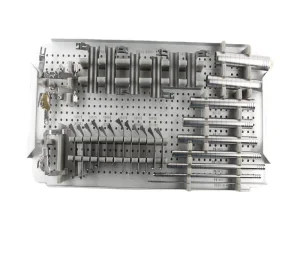
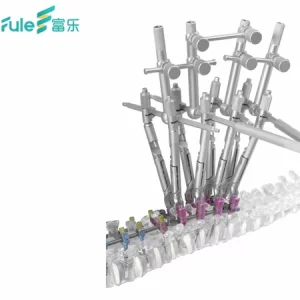
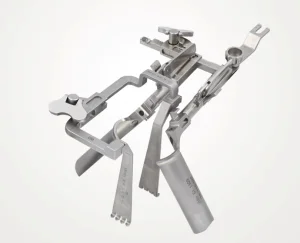
CE Posterior Orthopedic MIS TLIF Instruments

CE Posterior Orthopedic MIS TLIF Instruments Instruments From Beijing Fule

View Technical Specifications →
Orthopedic Spine Derotation Tool for Surgery

Orthopedic Spine System Derotation Tool for Spine Surgery Assistant Devices Customized Medical Screw Orthopedic Surgery

View Technical Specifications →
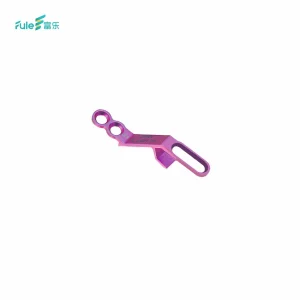
High-Quality Titanium Medical Implants for Cervical Laminoplasty

High Quality Titanium Medical Implant Products for Posterior Cervical Laminoplasty Surgery

View Technical Specifications →
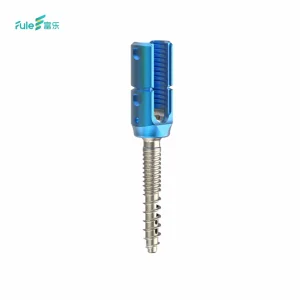
Fule Spinal Pedicle Screw Class III CE Certified

FULE Orthopedic Surgery Implants Interventional Materials Spinal Pedicle Screw-Class III CE Certified Right Hand Thread 5-Year

View Technical Specifications →
High Quality Minimally Invasive Instruments CE Certified

High Quality Class III Minimally Invasive Instruments CE Certified 2-Year Warranty China Manufactured

View Technical Specifications →
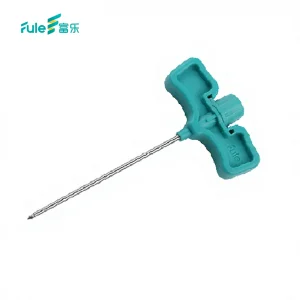
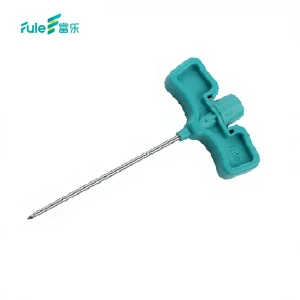
Professional Metal Medical Vertebroplasty Balloons Factory Direct Sales

Professional Metal Medical Vertebroplasty Balloon Catheters-Factory Direct Sales at Cheap Prices

View Technical Specifications →

Global Biomechanical Testing Equipment & Implants Landscape

How structural evaluation and dynamic force testing govern the efficacy of advanced orthopedic surgical constructs globally.

Clinical Integrity & Safety

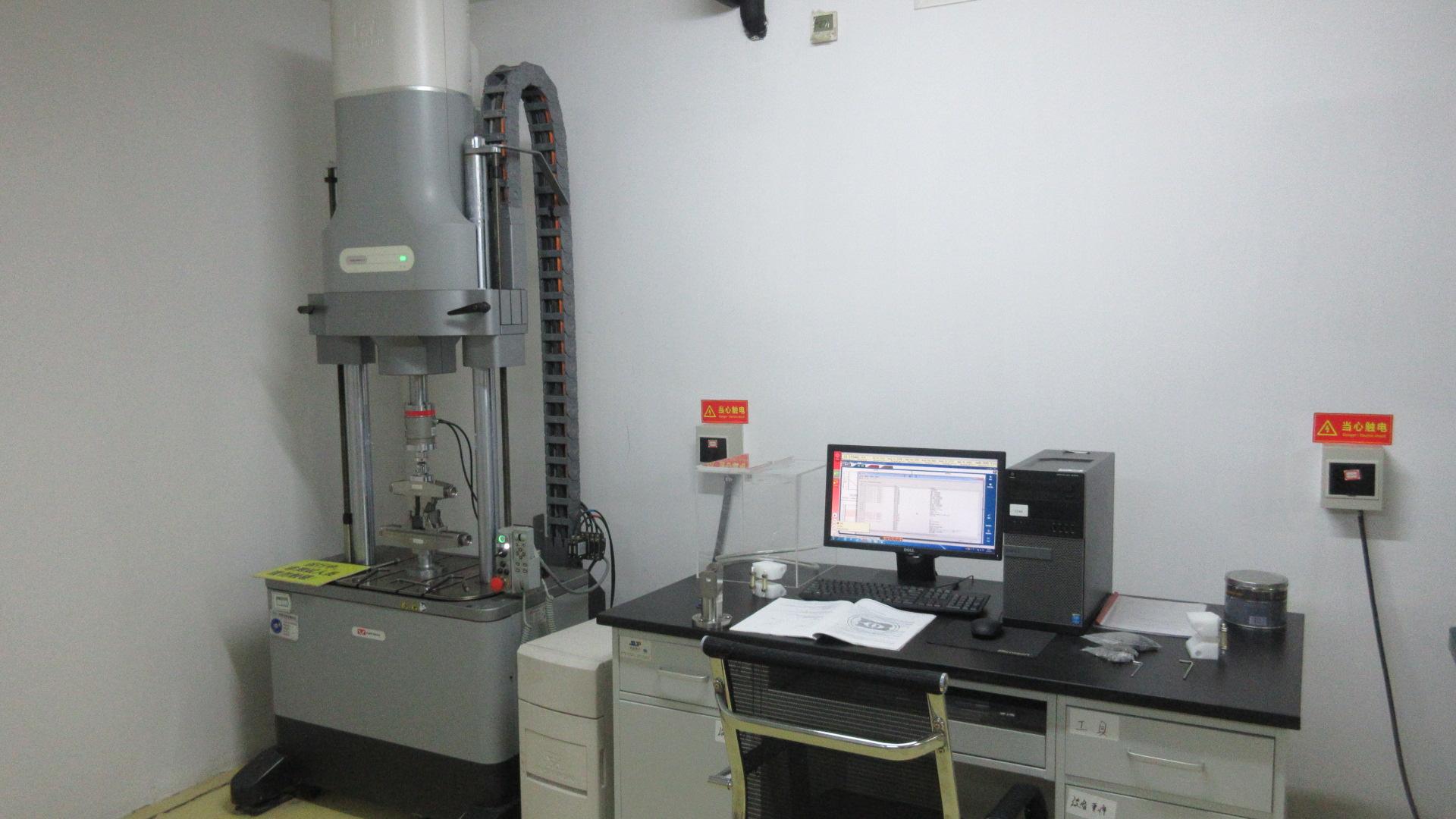
Every load-bearing spinal screw-rod system or trauma plate must survive millions of gait cycles without mechanical degradation. Biomechanical testing equipment is the only gateway to certify fatigue limit verification, ensuring that dynamic micro-movements do not trigger premature hardware fracture or material osteolysis.

Regulatory Gatekeeping

Global regulatory frameworks (such as FDA 510(k), EU MDR Class III, and NMPA certifications) require strict compliance with testing protocols like ASTM F1717 for spinal implants and ASTM F543 for medical bone screws. We develop and adapt instrumentation that ensures absolute compliance with these complex, multi-tiered international mandates.

Customized Testing R&D

With an increase in tailored healthcare options, customized patient-specific implants (PSIs) have emerged. This evolution requires biomechanical simulation systems capable of executing multi-axis loading, variable torsion, and anatomical environmental simulations directly in saline baths mimicking internal human physiology.

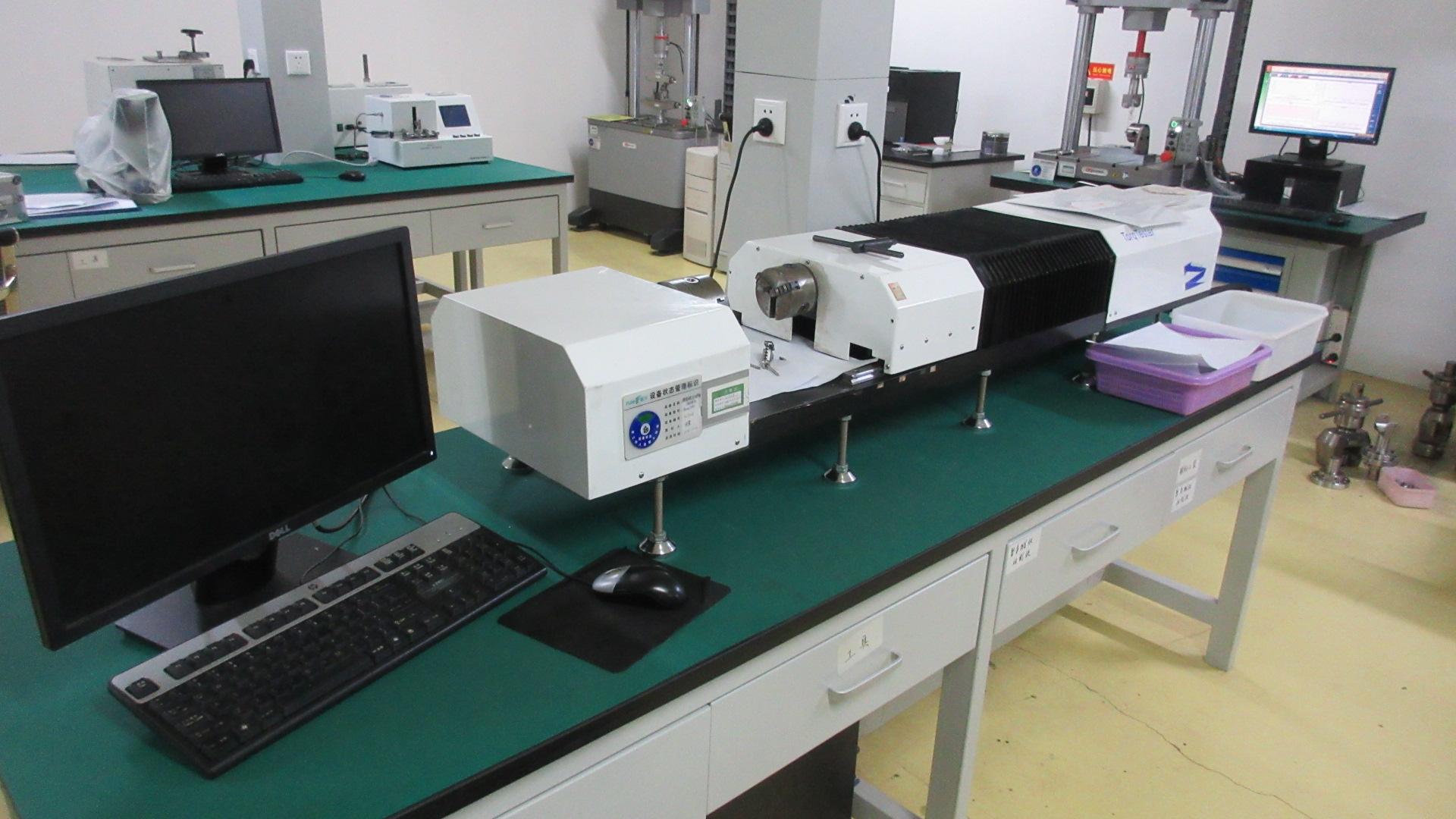
In the modern clinical hardware landscape, the boundary between failure and success is measured in micrometers. Static mechanical compression tests, dynamic fatigue trials, and torsion load evaluations represent the baseline of modern orthopedic R&D. By implementing high-fidelity digital load cells, precision hydraulic servo valves, and real-time finite element calibration feedback, manufacturers ensure that devices implanted in human bodies behave predictably. As a result, biomechanical testing equipment has evolved from simple quality control setups to critical drivers of product development cycles, playing a central role in transforming conceptual ideas into life-enhancing, clinically validated medical devices.

A Legacy of Manufacturing Excellence & Technical Authority

Verified operational capabilities and rigorous validation protocols supporting global orthopedic supply chains since 1996.

Operational Scale
Company Established: 1996-06-28
Floor Space (㎡): 10,000+
Export Experience: 30 Years
Industry Experience: 30 Years
Quality Certification: ISO13485 (04724Q10000818)
Production & Machinery
Dedicated Production Lines: 1 Primary Complex
Total Machinery Stock: 102 High-Precision Units
Annual Target Output: 511,000 Units
Main Client Structures: Wholesalers, Global Distributors
Global Supply Partners: 70 Global Strategic Entities
Quality & R&D Controls
QC Inspectors: 15 Expert Engineers
Raw Material Traceability: 100% Traceable
Product Inspection Method: 100% Batch Testing
Active R&D Engineers: 20 In-House Specialists
New Products (Last Year): 20 Innovated Prototypes

Localized Biomechanical Applications & Testing Scenarios

How biomechanical testing instruments validate orthopedic solutions across various physiological sites and clinical methodologies.

1. Spinal Stabilization Systems

For systems like the Usmart 5.5 Spinal Screw-Rod System and Posterior Cervical Laminoplasty Systems, biomechanical validation measures construct stability under multi-directional bending forces. Multi-axial fatigue tests assess how pedicle screws handle axial loading, flexion-extension, and lateral bending, simulating years of spinal movement to prevent material fatigue or loosening.

2. Trauma & Fracture Fixation

For systems like the 2.0 Y-Shaped Hand Foot Locking Plates or Humeral Intramedullary Nails, tests replicate physiological load sharing and pull-out resistance. The testing machinery analyzes how titanium alloy locking screws distribute stress across fracture sites, helping prevent stress-shielding and promoting natural bone healing.

3. Minimally Invasive Interventions

For components like Vertebroplasty Balloon Catheters and Bone Cement Screws, biomechanical testing evaluates balloon burst pressure, inflation volume retention, and cement dispersion patterns. This ensures safe delivery and uniform vertebral height restoration, avoiding cement leakage into adjacent soft tissues.

China Factory Supply Chain Resilience & Cost-Efficiency Advantages

Why sourcing from centralized advanced orthopedic production clusters guarantees uninterrupted supply chains and strict compliance.

Vertical Manufacturing Integration

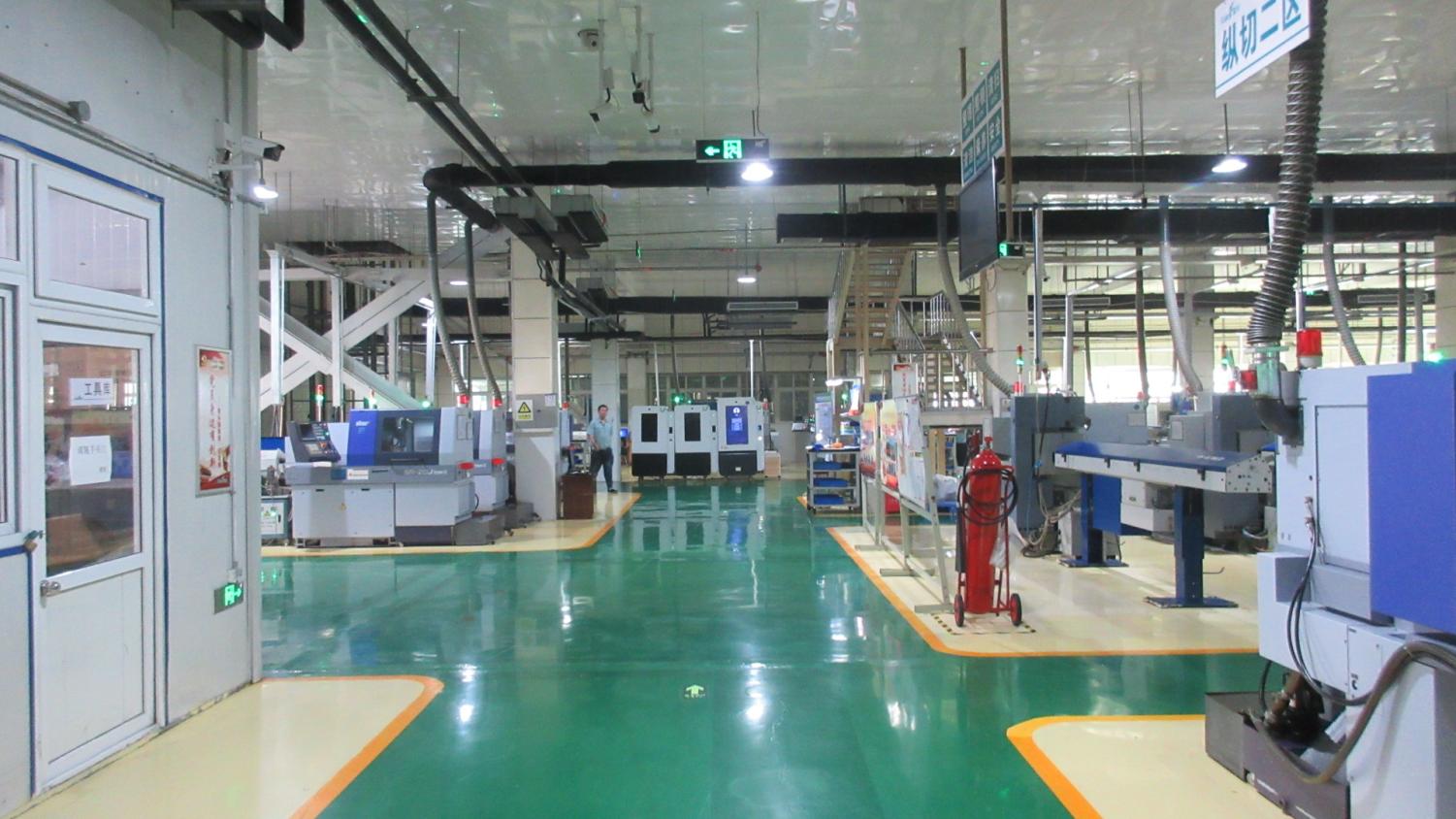
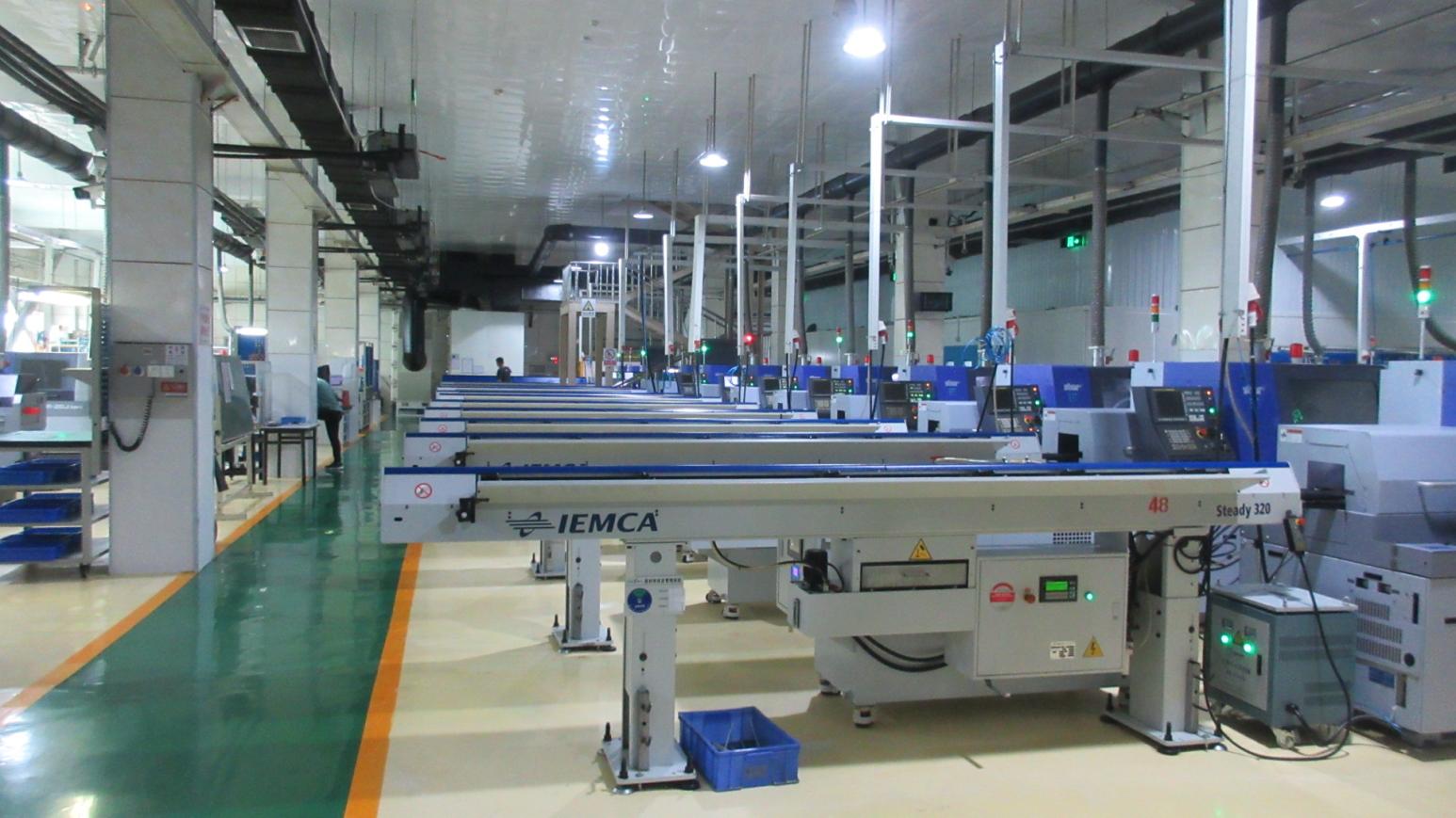
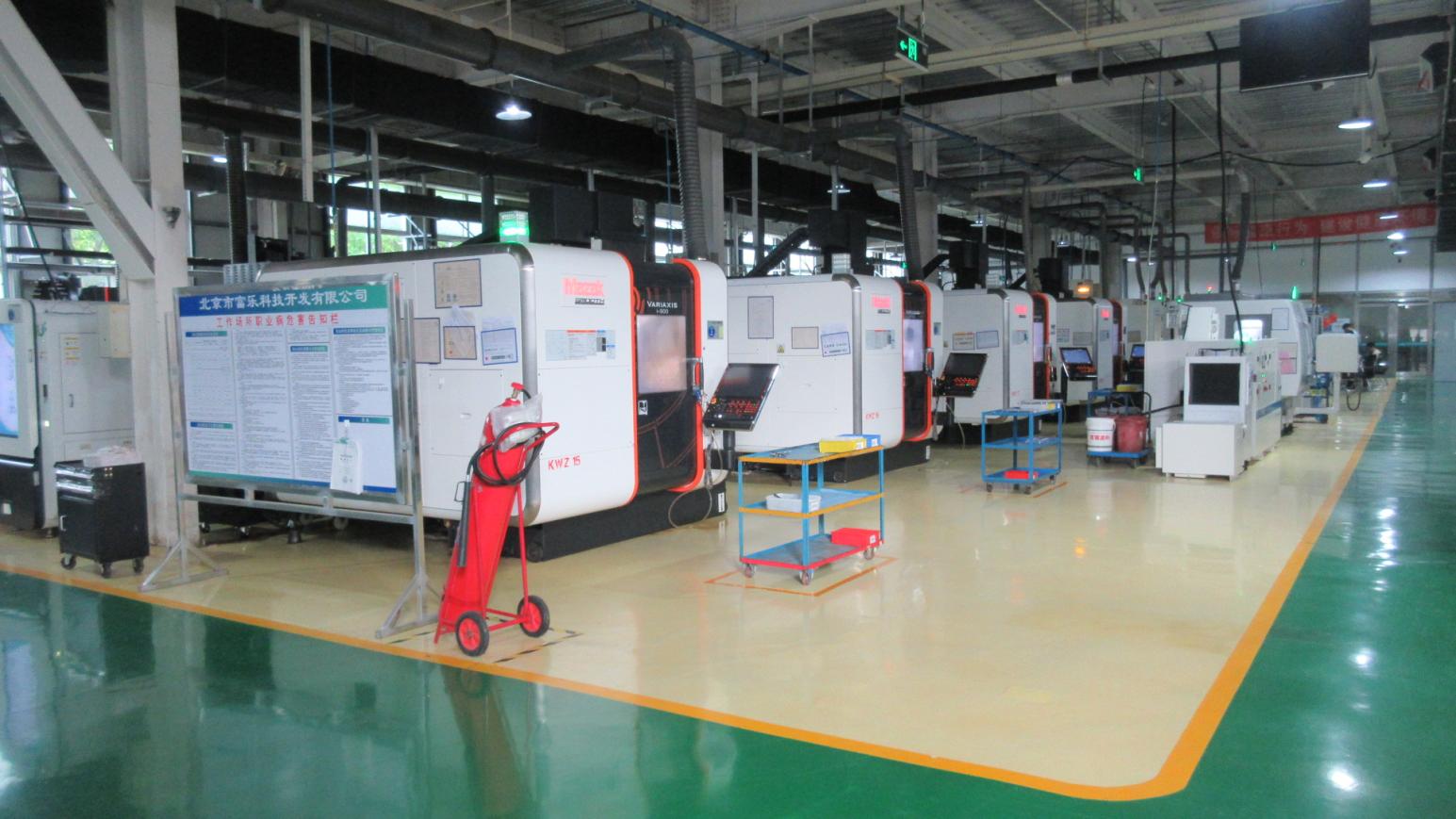
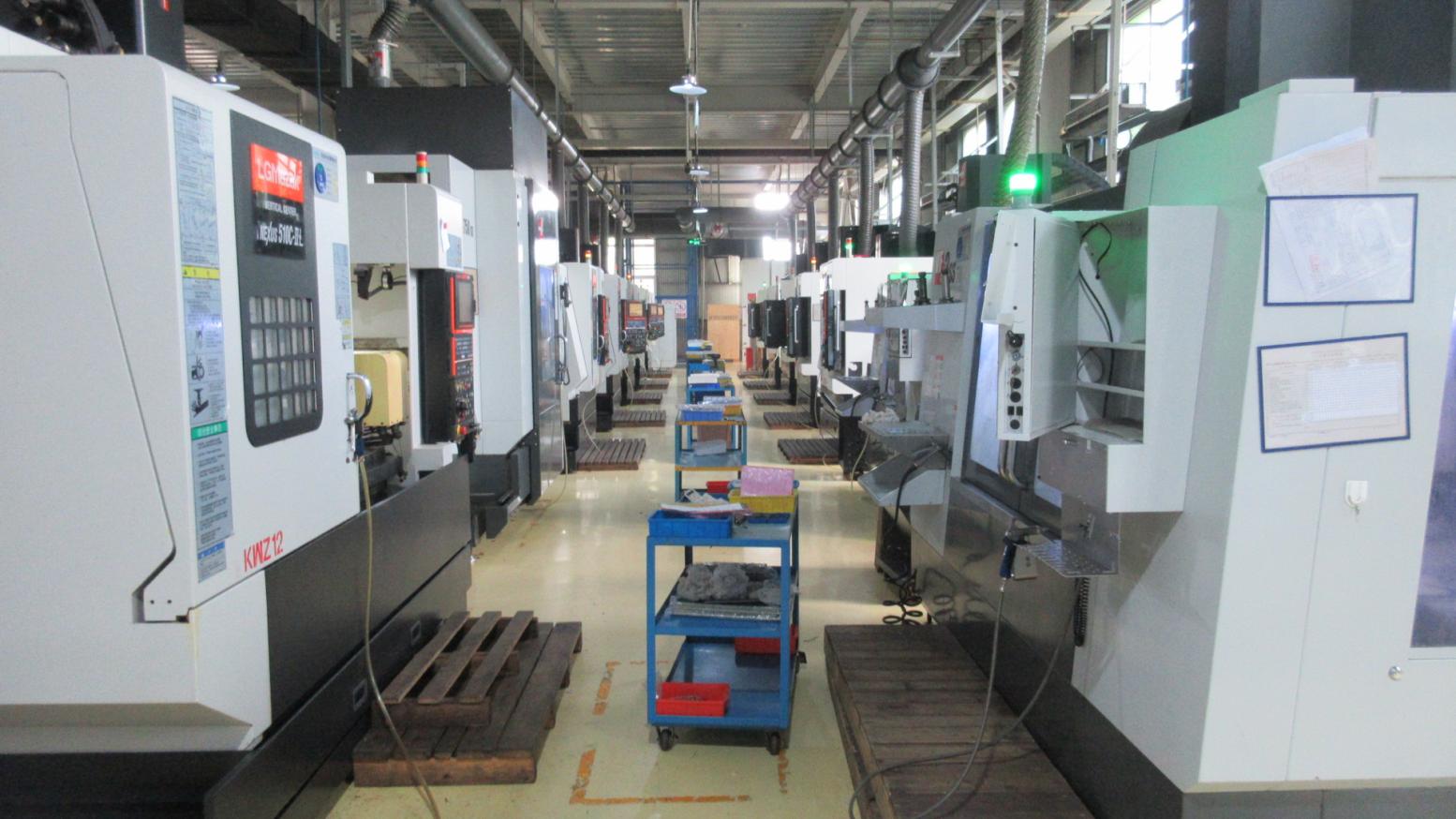
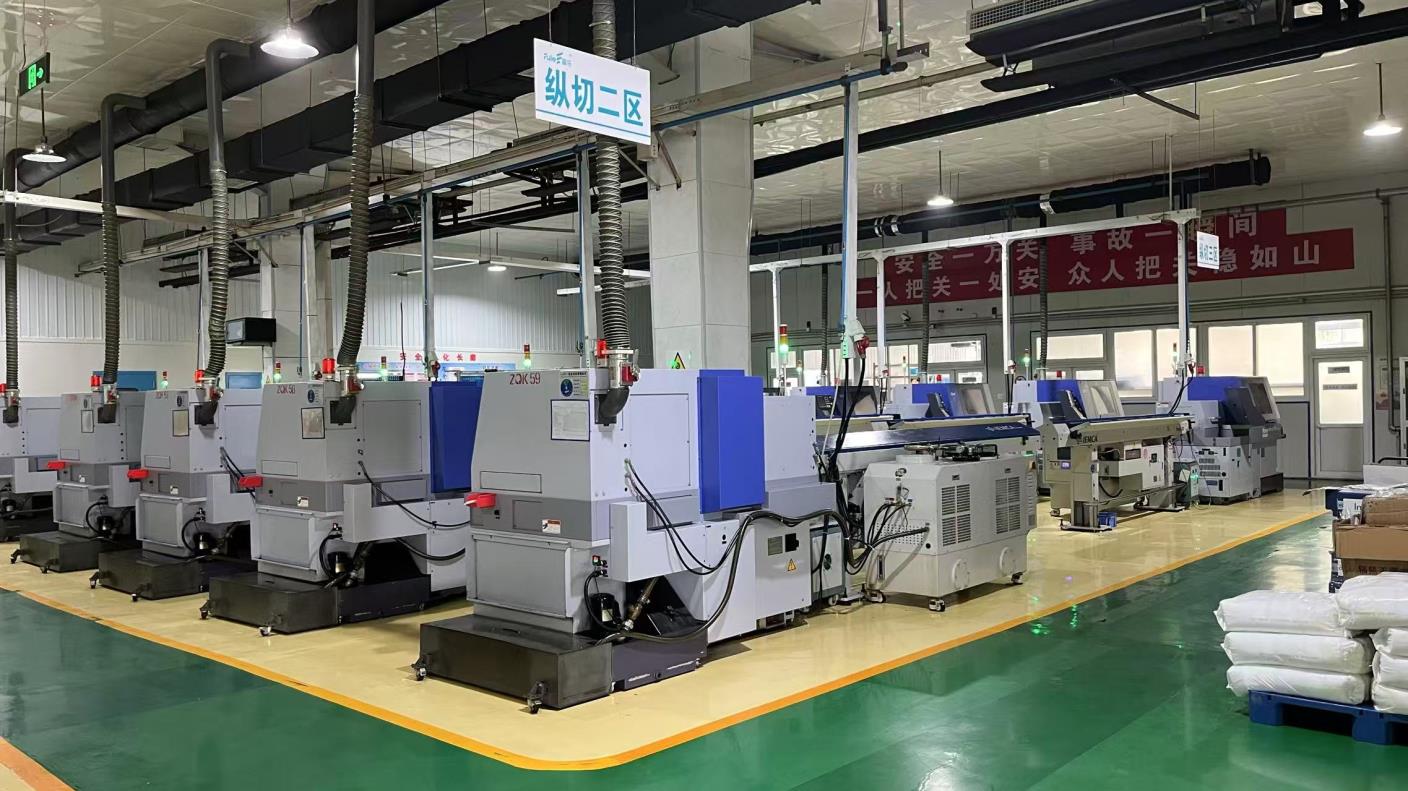
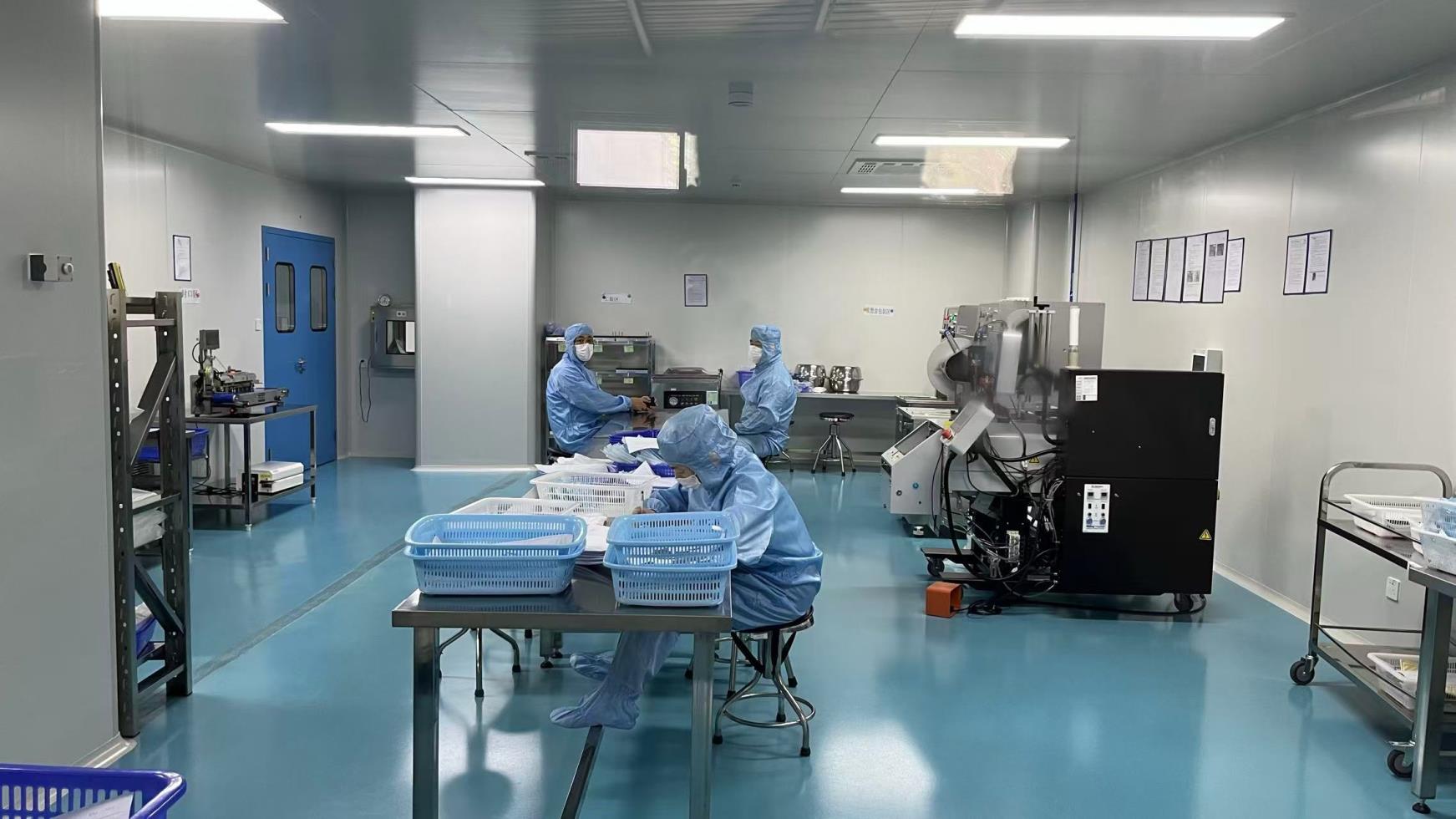
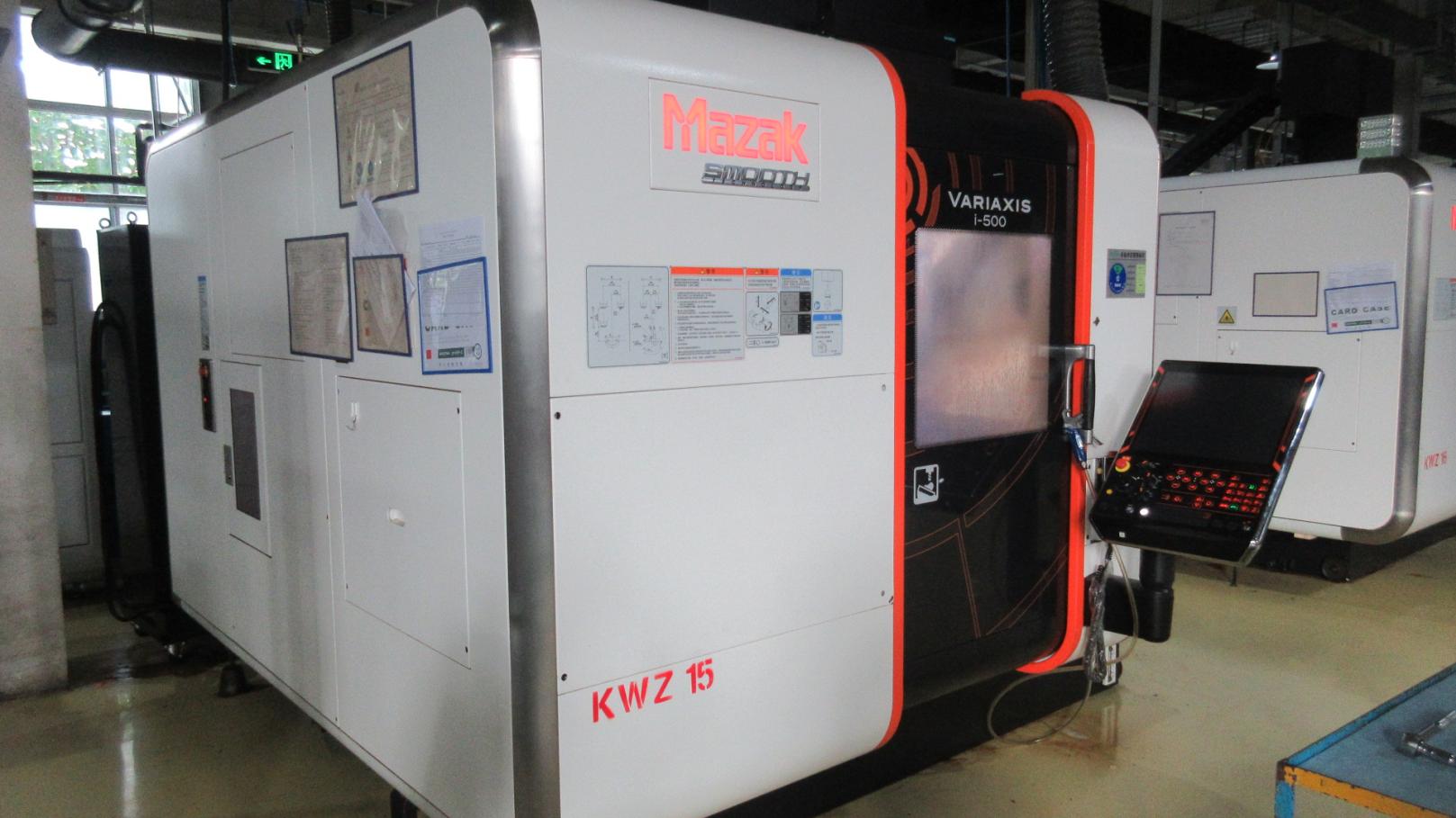
Our facility controls the entire manufacturing journey—from raw titanium bar stock sourcing to machining, mechanical testing, sterile packaging, and final distribution. This integrated approach reduces external lead times and ensures direct quality oversight at every stage.

High-Volume Scale Efficiency

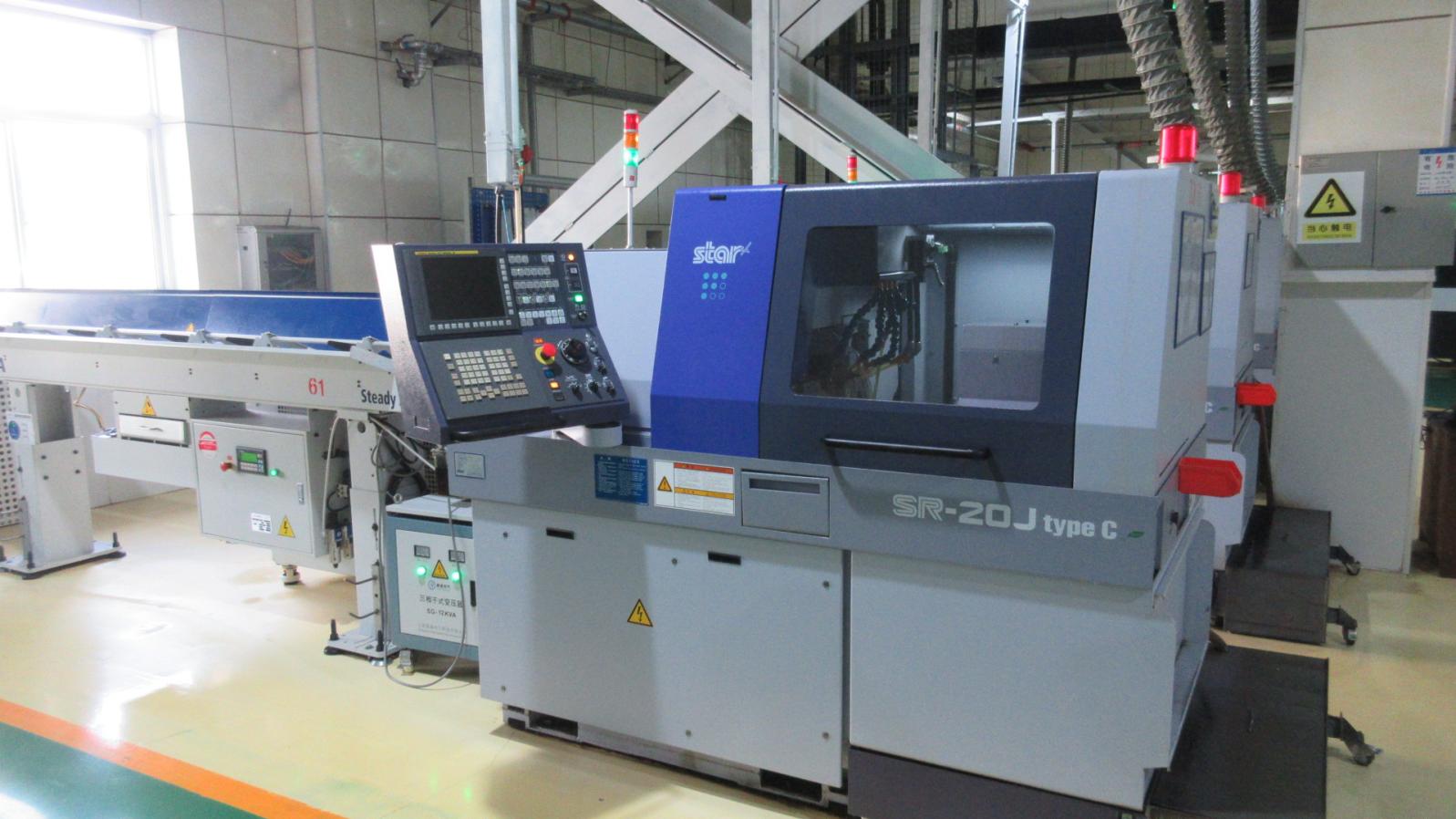
Equipped with 102 state-of-the-art CNC and automated testing machines, we maintain an annual output capacity of over 511,000 units. This scale allows us to efficiently accommodate high-volume OEM/ODM requests without compromising on quality or production timelines.

Raw Material Traceability

Every production run begins with verified medical-grade titanium alloys and ultra-high-molecular-weight plastics. With 100% material traceability back to the original melt batch, we ensure that every implant meets international chemical composition and purity standards.

Strategic Hub Logistics

Located in Beijing's key industrial corridor, our facility leverages close proximity to major shipping hubs. This location enables reliable, cost-effective global transport to distributors and medical centers across Eastern Europe, Southeast Asia, and beyond.

Biomechanical Testing & Validation Process

From raw material testing to final clinical approval, tracing our quality control roadmap.

Step 1: Material Verification

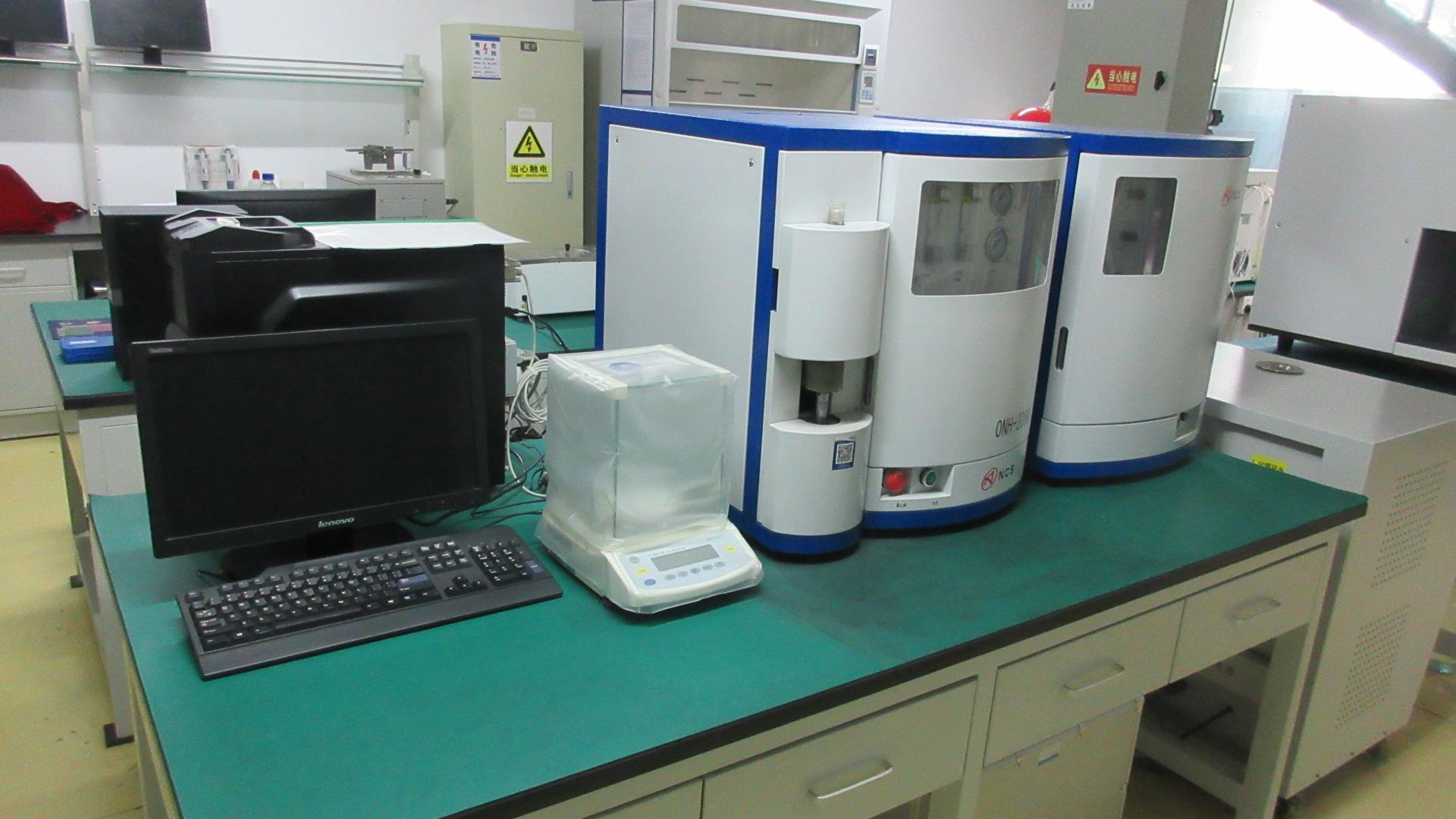
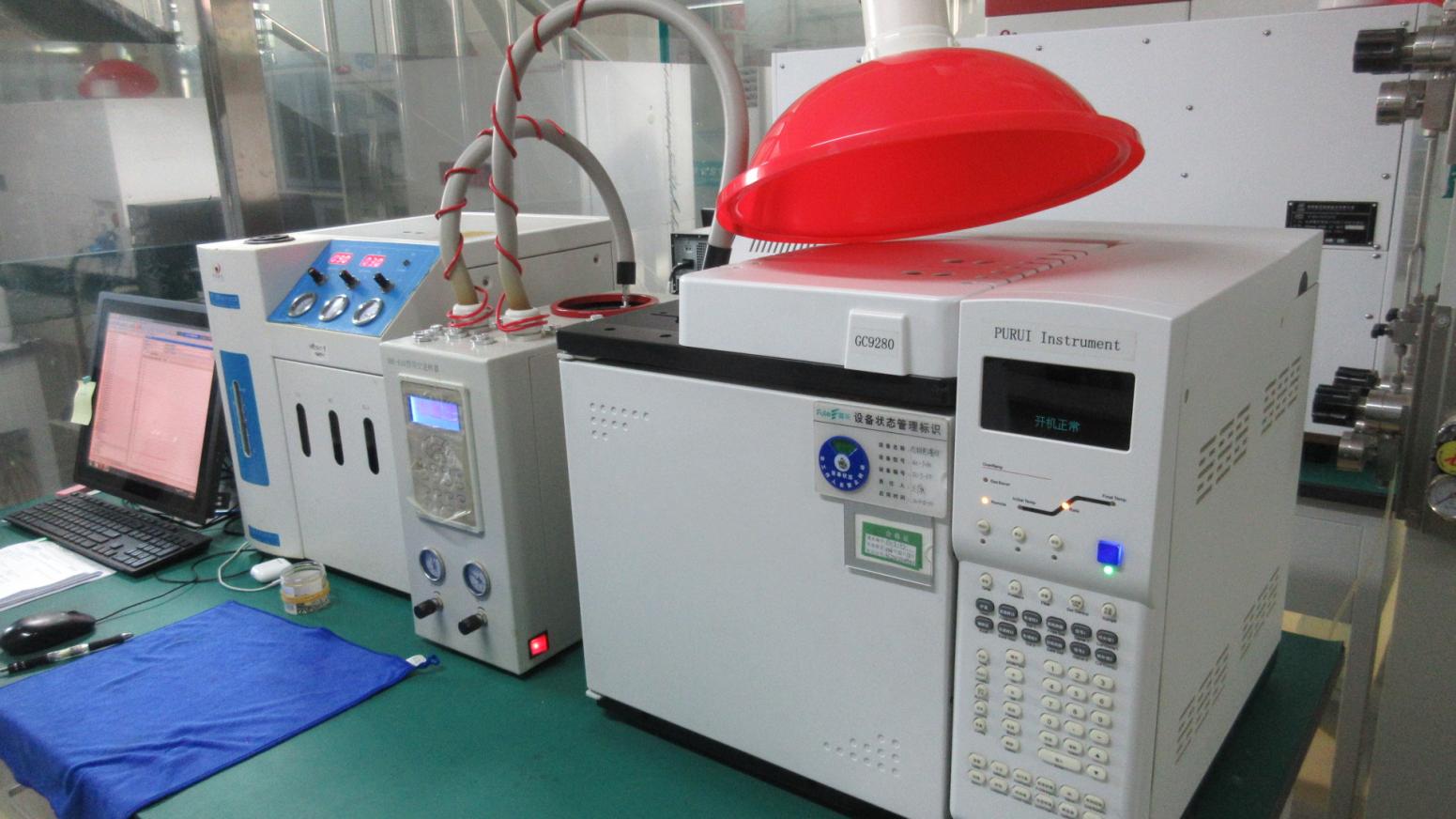
Confirming chemical purity and mechanical properties of medical-grade titanium and PEEK raw materials using spectroscopy and tensile testing.

Step 2: Finite Element Analysis (FEA)

Using simulated stress mapping to refine implant design parameters before moving to physical prototyping, optimizing load distribution.

Step 3: Dynamic Fatigue Testing

Subjecting the physical prototype to 5 million load cycles in a physiological saline bath to monitor for potential fatigue failure or micro-cracks.

Step 4: Comprehensive QA & Batch Release

Conducting final dimensional checks, validation, and sterilization steps under ISO 13485 protocols to prepare for clinical deployment.

Technical Roadmap & Future Outlook

Future-proofing implant validation systems through integrated AI analytics and smart sensory arrays.

The biomechanical testing field is transitioning from traditional load frame simulations to intelligent, real-time feedback systems. This shift is driven by three key technological pillars:

  • AI-Powered Finite Element Calibration: Combining computer simulation with physical testing allows for rapid digital-twin modeling. This approach significantly shortens dynamic fatigue testing timelines by predicting implant wear patterns early in the development phase.
  • Bio-mimetic Environmental Chambers: Future validation platforms will simulate human physiological environments more closely. This includes managing dynamic temperature changes, replicating multi-axial bone-remodeling forces, and tracking electrochemical corrosion inside simulated bodily fluids.
  • Multi-Axis Kinematic Actuators: To validate complex spinal assemblies, next-generation simulators utilize high-degree-of-freedom motion systems. These systems accurately reproduce the coupled motions of bending, torsion, and axial compression experienced during daily activities.

By combining these advanced technologies, manufacturers can transition from standard benchtop evaluations to highly accurate physiological simulations. This enables orthopedic implant developers to test complex designs quickly, navigate regulatory pathways efficiently, and bring next-generation medical solutions to market with confidence.

Global Regulatory Compliance & Localized Support

How we support medical device distributors and clinical institutions through regulatory alignment and engineering support.

Regulatory Documentation Support

We supply complete mechanical testing dossiers, including ISO 13485 certificates and raw material tracking reports. This detailed documentation simplifies the local registration process for regulatory agencies such as EU MDR, FDA, and NMPA.

Flexible ODM/OEM Customization

Our 20-member R&D engineering team offers full OEM and ODM customization services. We tailor implant dimensions, thread pitches, and material specifications to match local anatomical profiles and patient demographics.

Dedicated Technical Assistance

We offer expert post-market support to ensure medical teams and distributors are fully supported. Our services include instrument handling training, surgical system configuration, and biomechanical validation consultancy.

Advanced Orthopedic Systems & Interventional Implants

Further exploration of our clinical products, verified for durability, structural integrity, and ease of surgical integration.
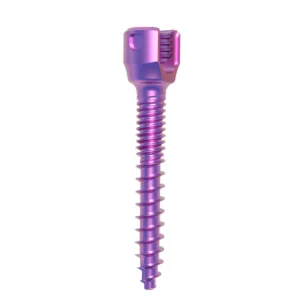
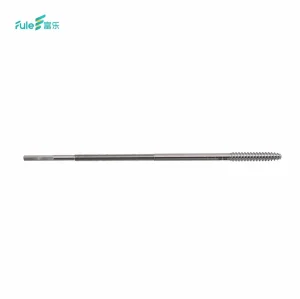
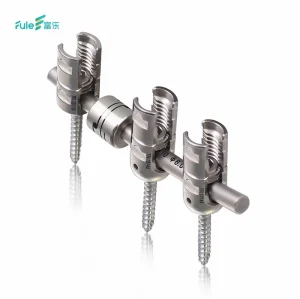
Orthopedic Implants Polyaxial Spine Titanium Pedicle Screws

Orthopedic Implants and Instruments Set Polyaxial Spine Titanium Pedicle Screws Upgraded Usmart 5.5 Spinal Screw-Rod System

View Technical Specifications →
Spinal Screw-Rod Titanium Alloy Orthopedic Implants

Posterior Spinal Screw-Rod System Titanium Alloy Cervical Plate Orthopedic Surgery Traumatic Implants Interventional Materials

View Technical Specifications →
Metal Class III Vertebroplasty System for Thoracic Spine Surgery

Professional Medical Equipment Metal Class III Vertebroplasty System for Thoracic Spine Surgery CE/ISO Certified 5-Year Warranty

View Technical Specifications →
Cervical Laminoplasty Titanium Spine Implants

Cervical Laminoplasty System Titanium Spine Implants Cervical Plate Screw Open Door Plate Orthopedic Implant Instrument Implant

View Technical Specifications →
High Quality Orthopedic Implants Cervical Laminoplasty Titanium CE Certified

High Quality Fule Orthopedic Implants Cervical Laminoplasty System Posterior Plate Mini OEM Titanium Class III CE Certified More

View Technical Specifications →
High Quality and Competitive Price Bone Cement Screw

High Quality and Competitive Price Bone Cement Screw with Various of Types

View Technical Specifications →
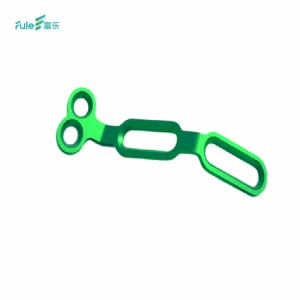
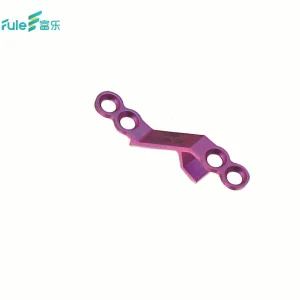
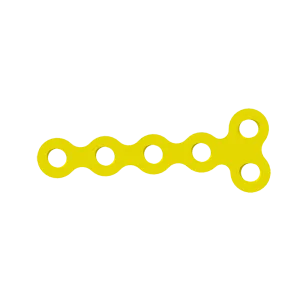
Y-Shaped Hand Foot Locking Plate Implant

2.0 Y-Shaped Plates I Hand Foot Locking Plate Hand Implant

View Technical Specifications →
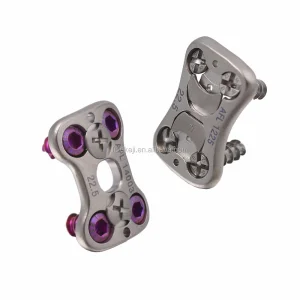
Fule FJQ-B Anterior Cervical Plate

Fule FJQ-B CE/ISO13485 Certified Anterior Cervical Plate for Spinal Cervical Implants

View Technical Specifications →

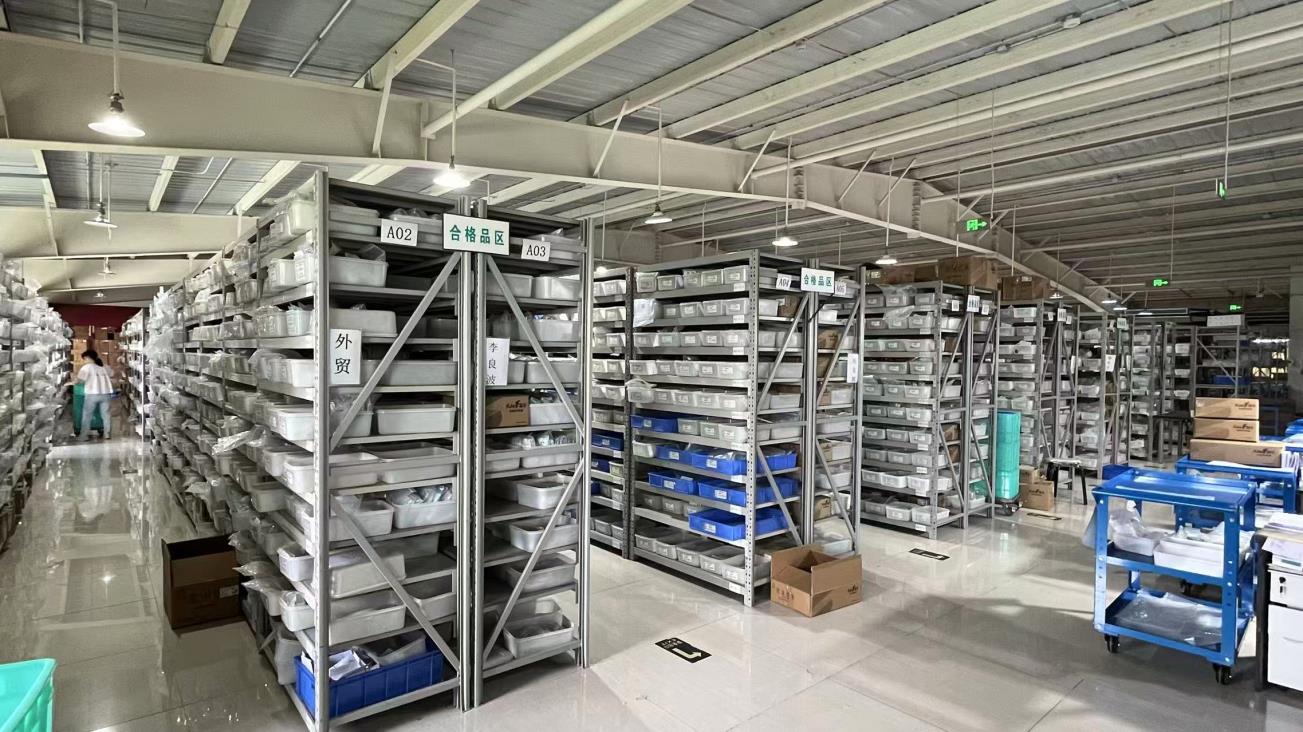
Factory Site & Production Quality Real-shot Gallery

Visual evidence of our advanced manufacturing environment, high-precision machining workshops, and rigorous quality inspection processes.

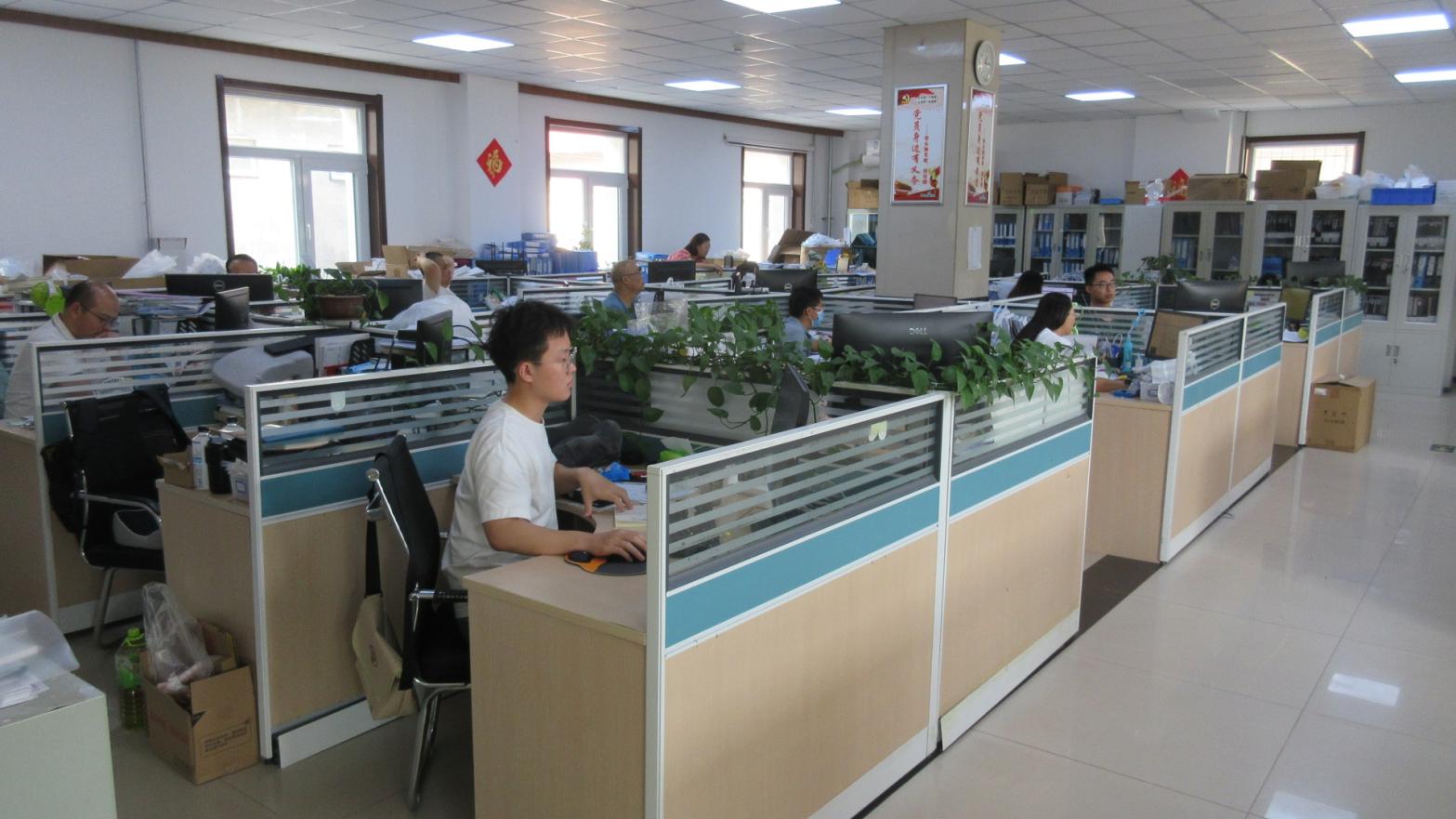
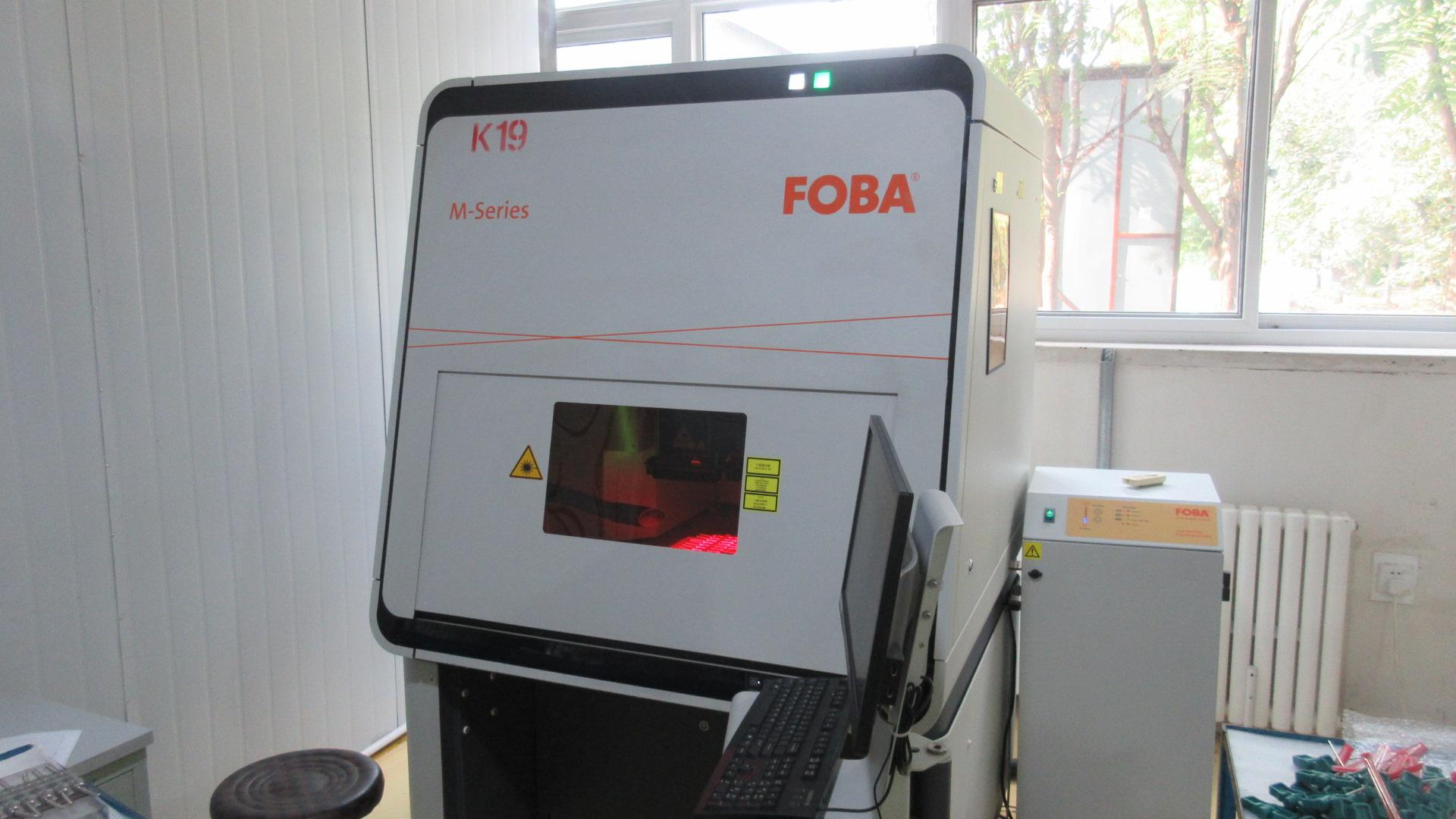
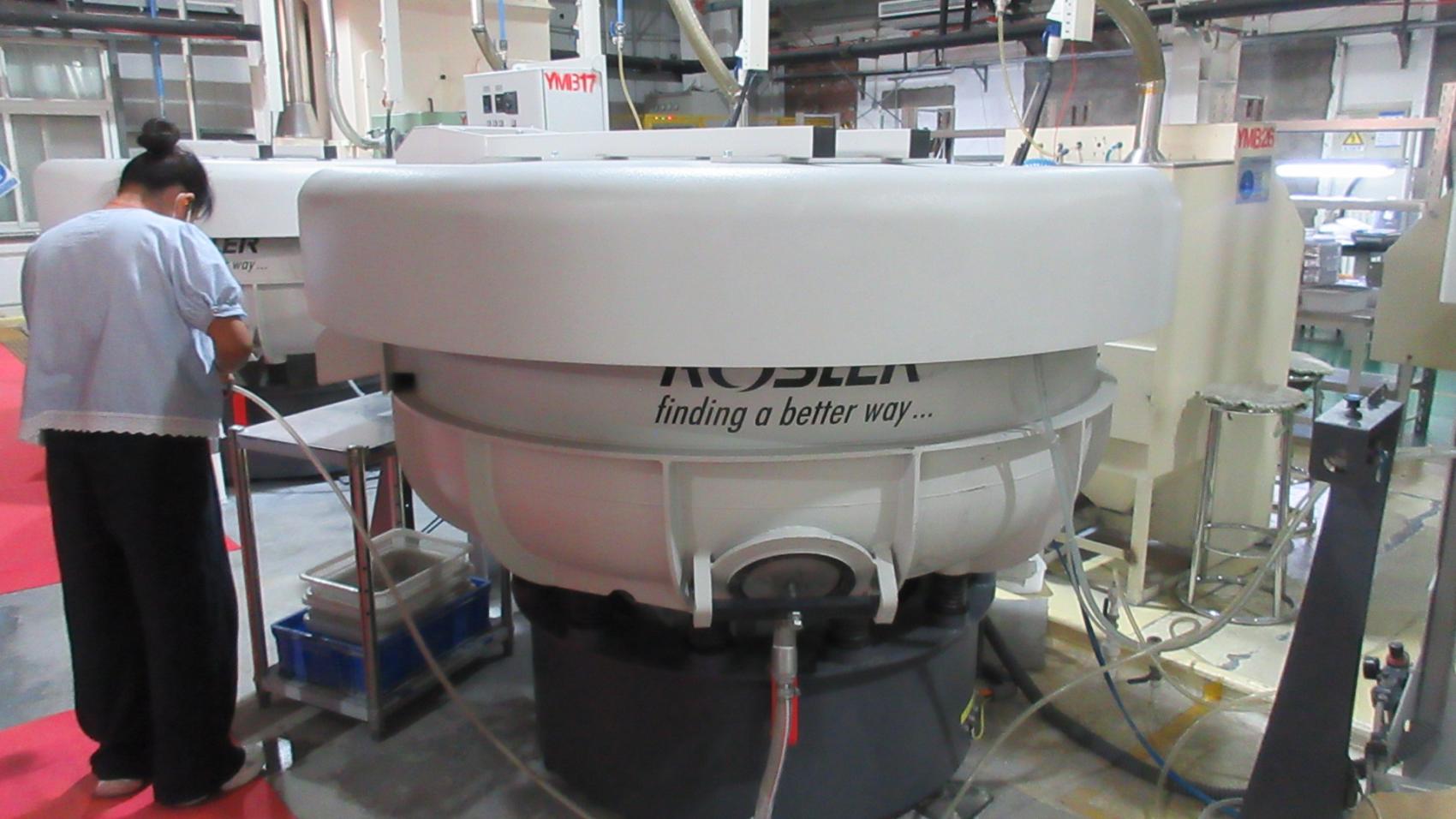
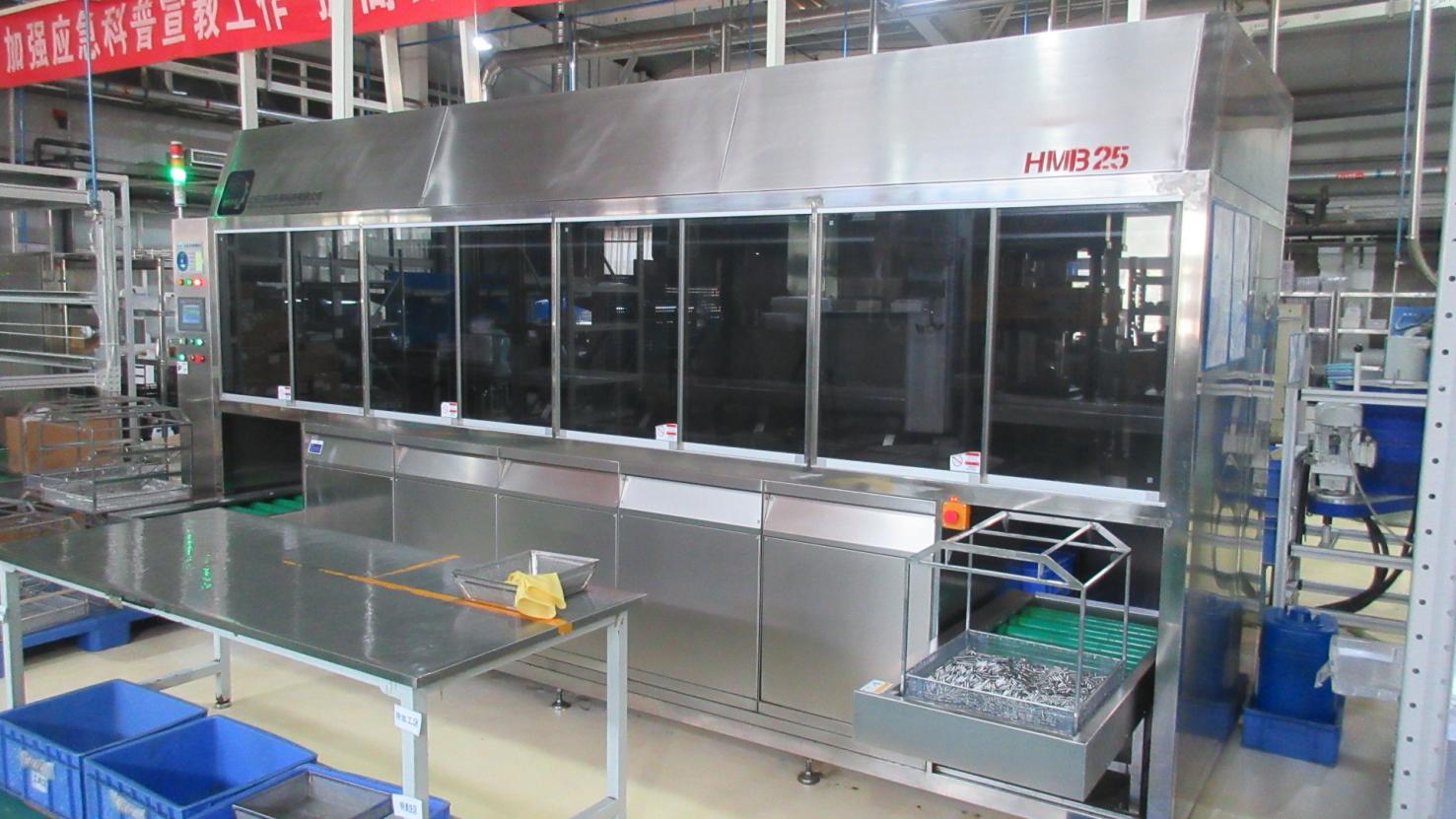
Fule Factory Overview Production Workshop CNC Processing Machinery Precision Milling Center Cleanroom Packaging Assembly Quality Testing Station Advanced Measuring Instrumentation Quality Control Lab Implant Sterilization Preparations Spinal Implants Inventory Finished Screw-Rod System Inspection Orthopedic Instruments Testing Surgical Kits Display Vertebroplasty Balloons Lab Testing Physical Simulation Facility Finished Product Traceability Marking ISO13485 Standard Lab Zone Global Export Dispatch Logistics

Biomechanical Testing & Implants FAQ

Expert answers regarding validation standards, testing protocols, and customization options for orthopedic medical devices.

What mechanical standards do Beijing Fule's orthopedic implants comply with? +
Our orthopedic implants are manufactured in compliance with international testing frameworks. Spinal implants (such as the Posterior Spinal Screw-Rod System) are evaluated against ASTM F1717 and ASTM F2706 standards, which define static and dynamic test methods for spinal implant assemblies in a vertebrectomy model. For bone screws, we follow ASTM F543 to verify torsional yield strength, insertion torque, and pull-out resistance, ensuring high structural integrity in load-bearing environments.
How is ISO 13485 compliance maintained across production runs? +
We operate under a registered ISO 13485 quality management system (Certificate No. 04724Q10000818). Compliance is integrated into our workflow: from raw material inspection and strict tracking of medical-grade titanium bars to automated CNC machining on our 102 production units. Every batch undergoes testing before sterilization, supported by 15 QC inspectors and our complete traceability system.
What is the typical fatigue cycle requirement for load-bearing spinal plates and screws? +
For Class III spinal hardware, regulatory authorities typically require dynamic fatigue testing to reach 5 million cycles without fatigue failure. Testing is performed in a saline solution at body temperature (37°C) at a frequency of 5Hz to 10Hz. This process replicates physiological conditions and helps verify the fatigue limits of our implants.
Does Fule support customized design adjustments (OEM/ODM)? +
Yes, our team of 20 R&D engineers offers complete OEM/ODM customization services. We specialize in adjusting implant geometry, surface treatment profiles, and instrument handle designs. This helps global distributors and clinical groups adapt products for local patients while ensuring compliance with ISO and CE guidelines.
How does raw material traceability safeguard clinical performance? +
We source our medical-grade titanium and cobalt alloys exclusively from audited metallurgical partners. Every shipment includes chemical composition and structural purity certifications. This complete traceability prevents the use of out-of-specification materials, helping ensure long-term biocompatibility and stable implant performance.
Which markets are your orthopedic medical devices exported to? +
With 30 years of export experience, we serve both domestic and international markets. Our current distribution channels include the domestic market (40%), Eastern Europe (15%), Southeast Asia (10%), and other global regions. We provide CE and ISO certified medical products to wholesalers, retailers, and hospital groups worldwide.