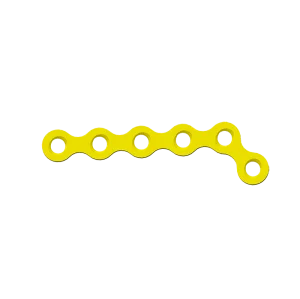
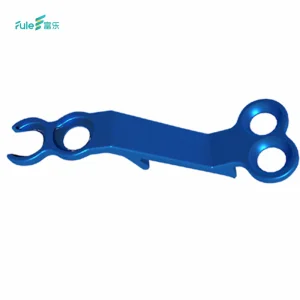
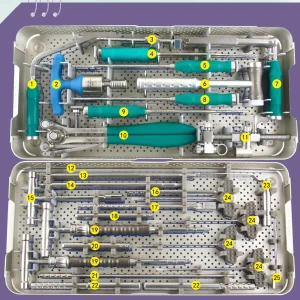
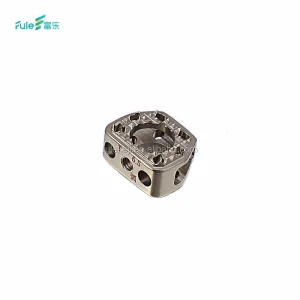
Explore our CE-marked, ISO-certified precision spinal fusion, trauma nail, and joint dynamic system configurations optimized for global surgical demands.
The global orthopedic implant market is undergoing a significant paradigm shift from rigid fixation to dynamic stabilization systems. Historically, spinal fusion was the gold standard for treating degenerative disc disease, spinal stenosis, and spondylolisthesis. However, long-term clinical data revealed a major drawback: adjacent segment pathology (ASP) caused by the transfer of biomechanical stress to non-fused segments. To address this, dynamic system suppliers and factories have engineered implantable solutions that emulate natural kinematics while providing the necessary stabilization to promote healing.
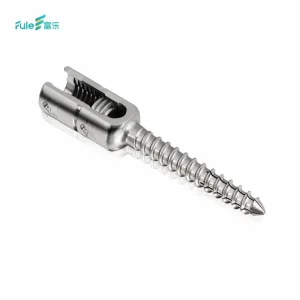
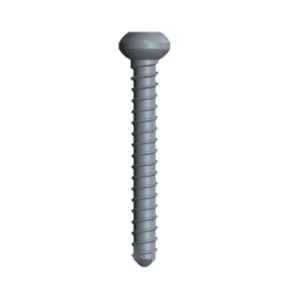
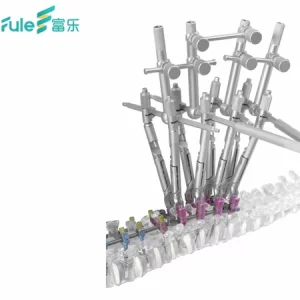
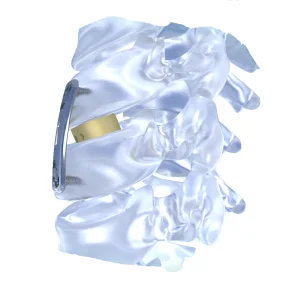
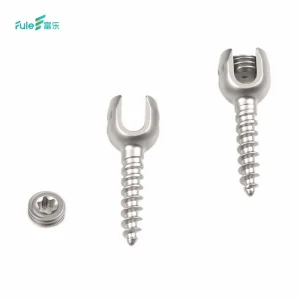
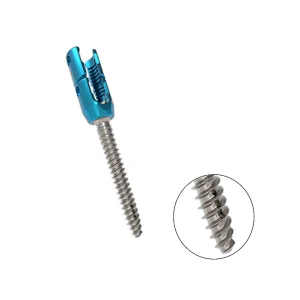
Today, the global market demands a combination of trauma and spinal system setups, such as PFNA intramedullary nails, polyaxial pedicle screws, and PEEK fusion cages. Developing markets, particularly across Eastern Europe and Southeast Asia, are experiencing heightened adoption rates for titanium osteosynthesis systems due to rising geriatric demographics and orthopedic trauma incidents. Leading global healthcare buyers prioritize manufacturing partners who provide full raw material traceability and comply with stringent European CE and American FDA certification schemes.
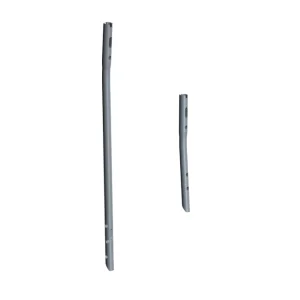
Rigid systems eliminate all movement across a spinal motion segment or fracture line. While this supports solid bone fusion, it also increases stress at the boundary zones. In contrast, dynamic stabilization systems—such as expandable pedicle screws, dynamic hip screws (DHS), and dynamic stabilization rods—introduce controlled load sharing. By transferring a portion of the axial load through the surrounding soft tissue and bone, these systems stimulate bone remodelling under Wolff's Law, accelerate healing, and reduce implant fatigue failure.
China has transitioned from a high-volume component producer to a primary source of precision-engineered, regulatory-compliant medical devices. The competitive advantages of Chinese factories stem from advanced infrastructure, complete supply chain integration, and deep cost efficiencies.
Over 30 years of medical device engineering expertise, validated by ISO 13485 certification and robust quality control systems.
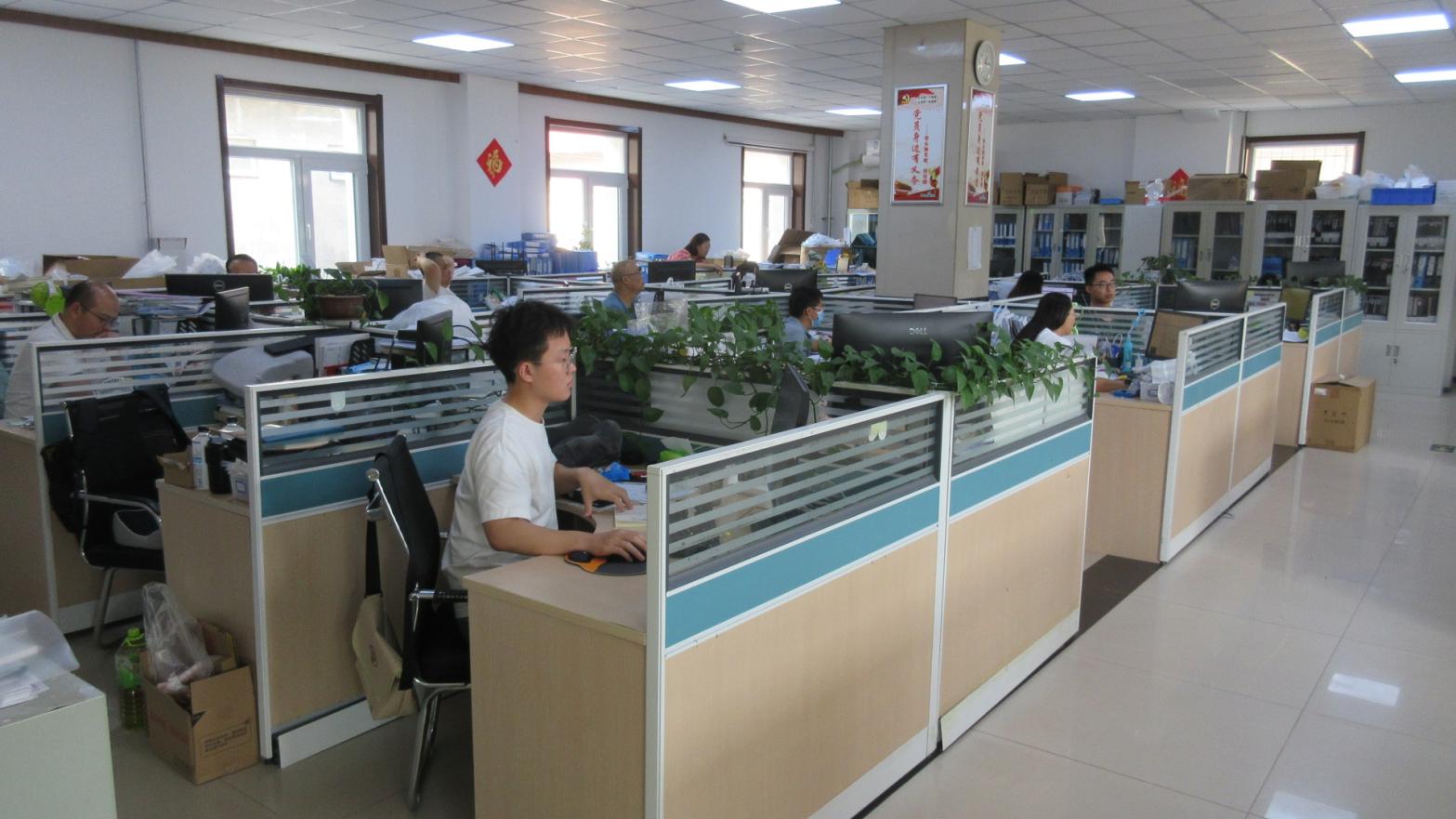
Our R&D division is staffed by 20 specialist engineers (including 15 graduate-level researchers) who design patient-specific implants. We introduced 20 new products last year, utilizing advanced CAD/CAM modeling and FEA (Finite Element Analysis).
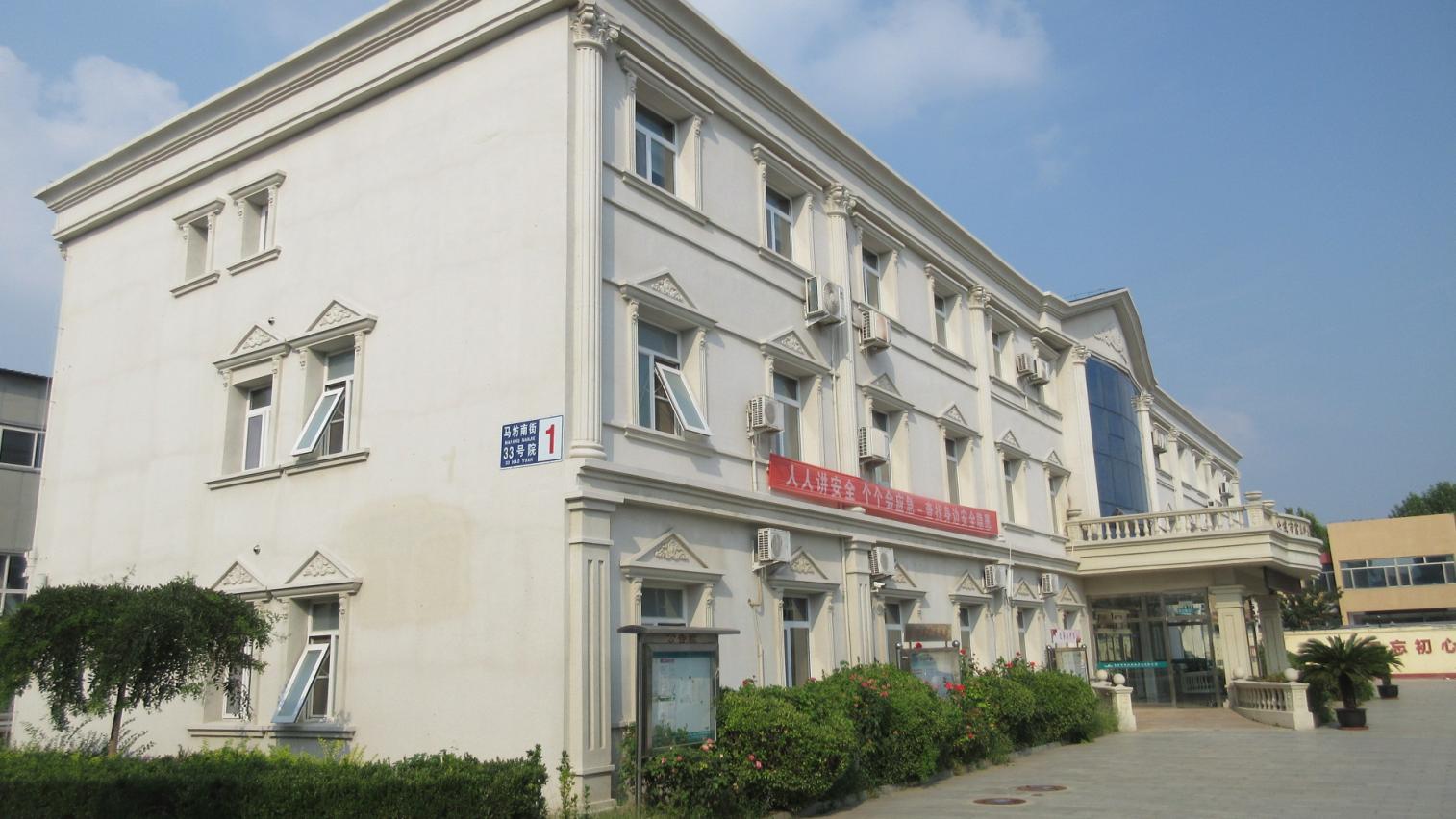
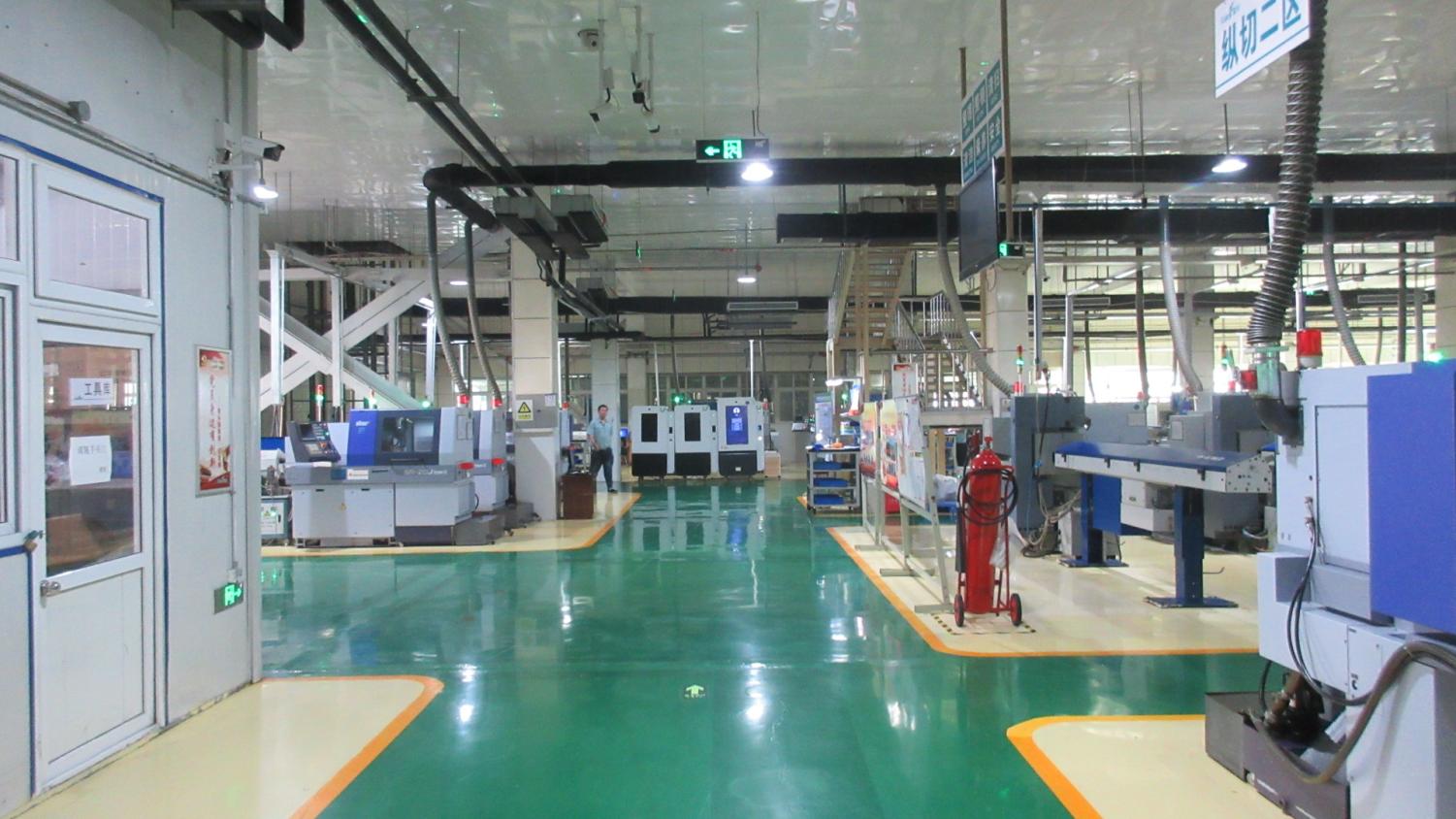
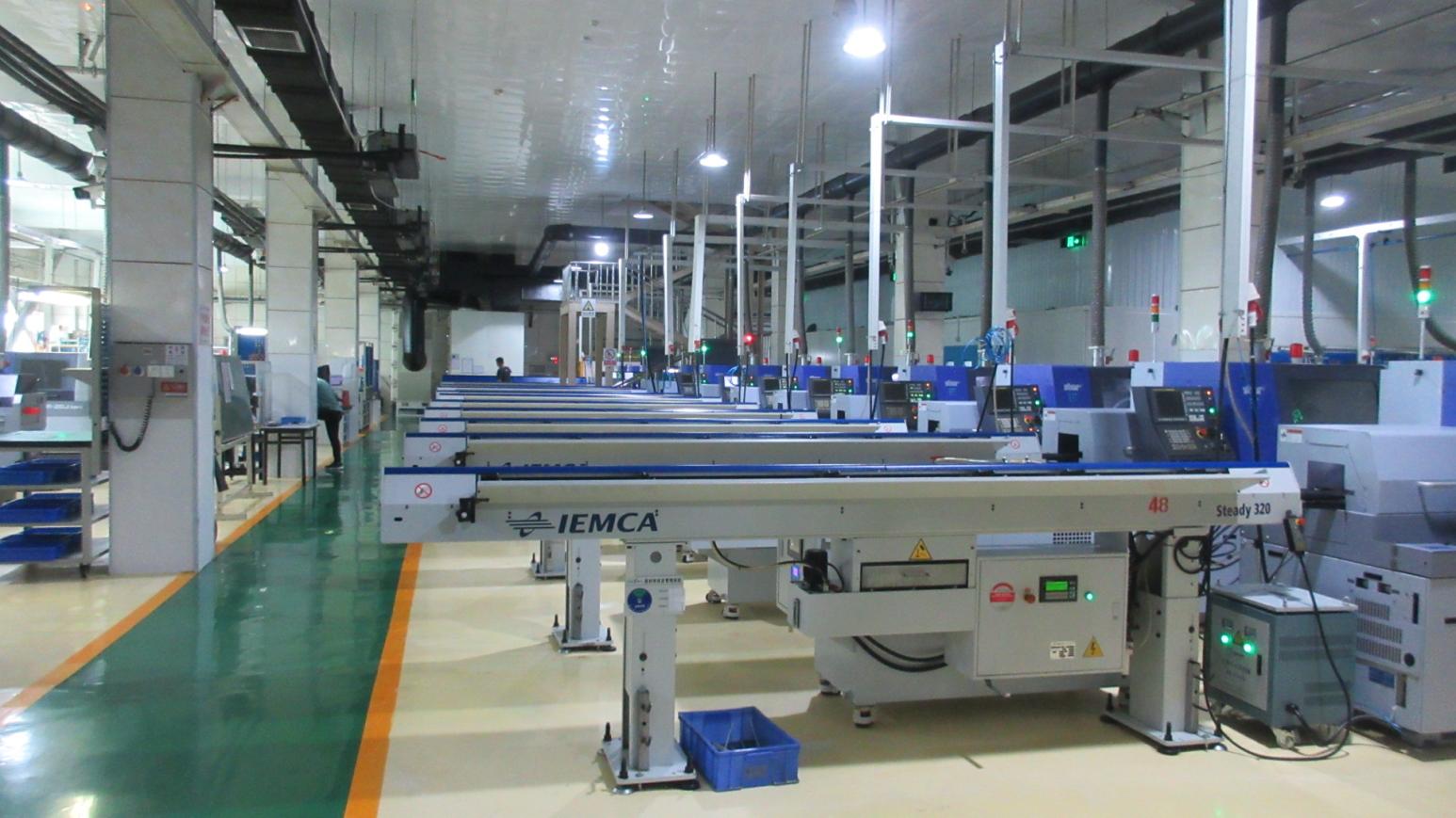
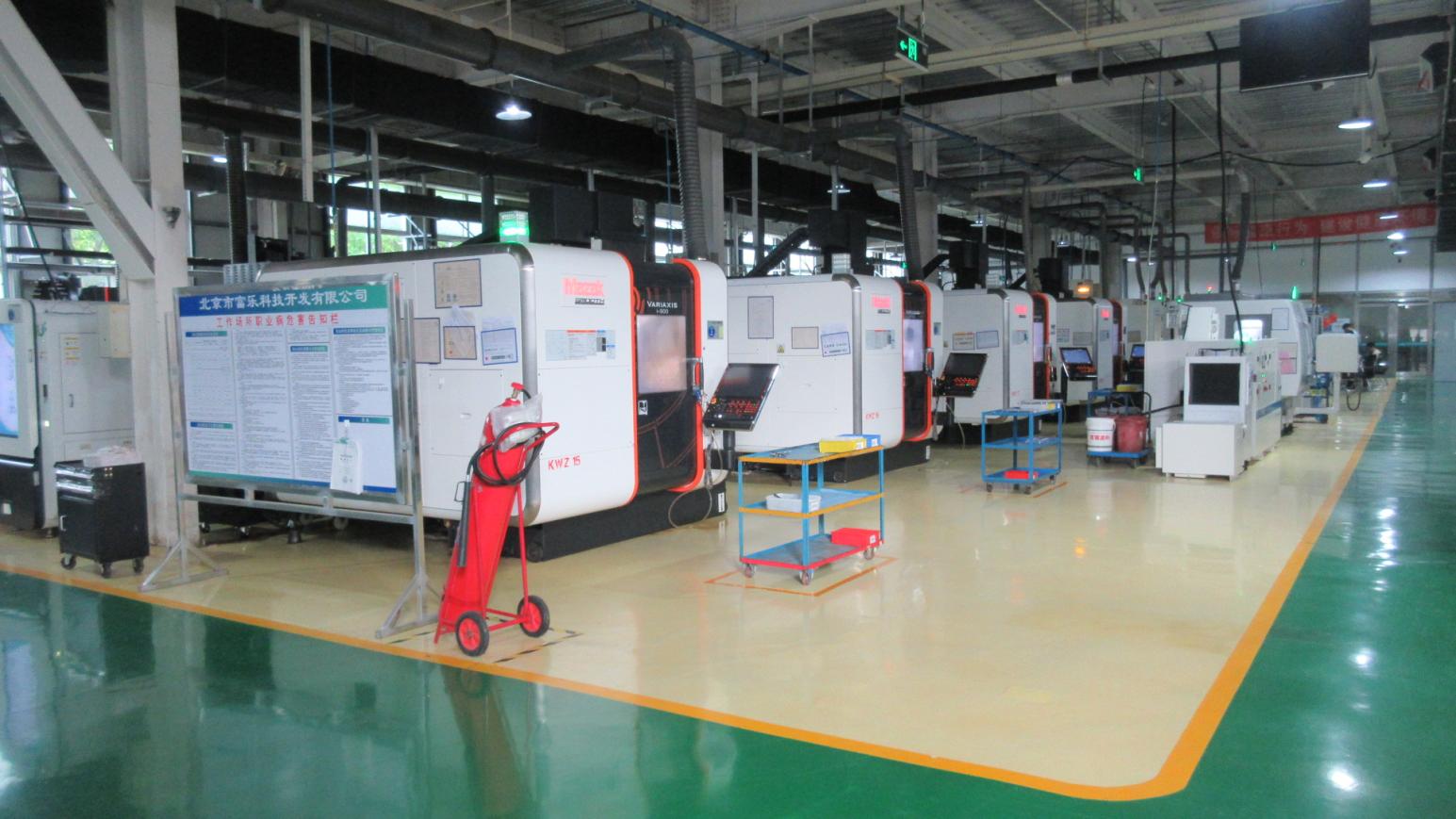
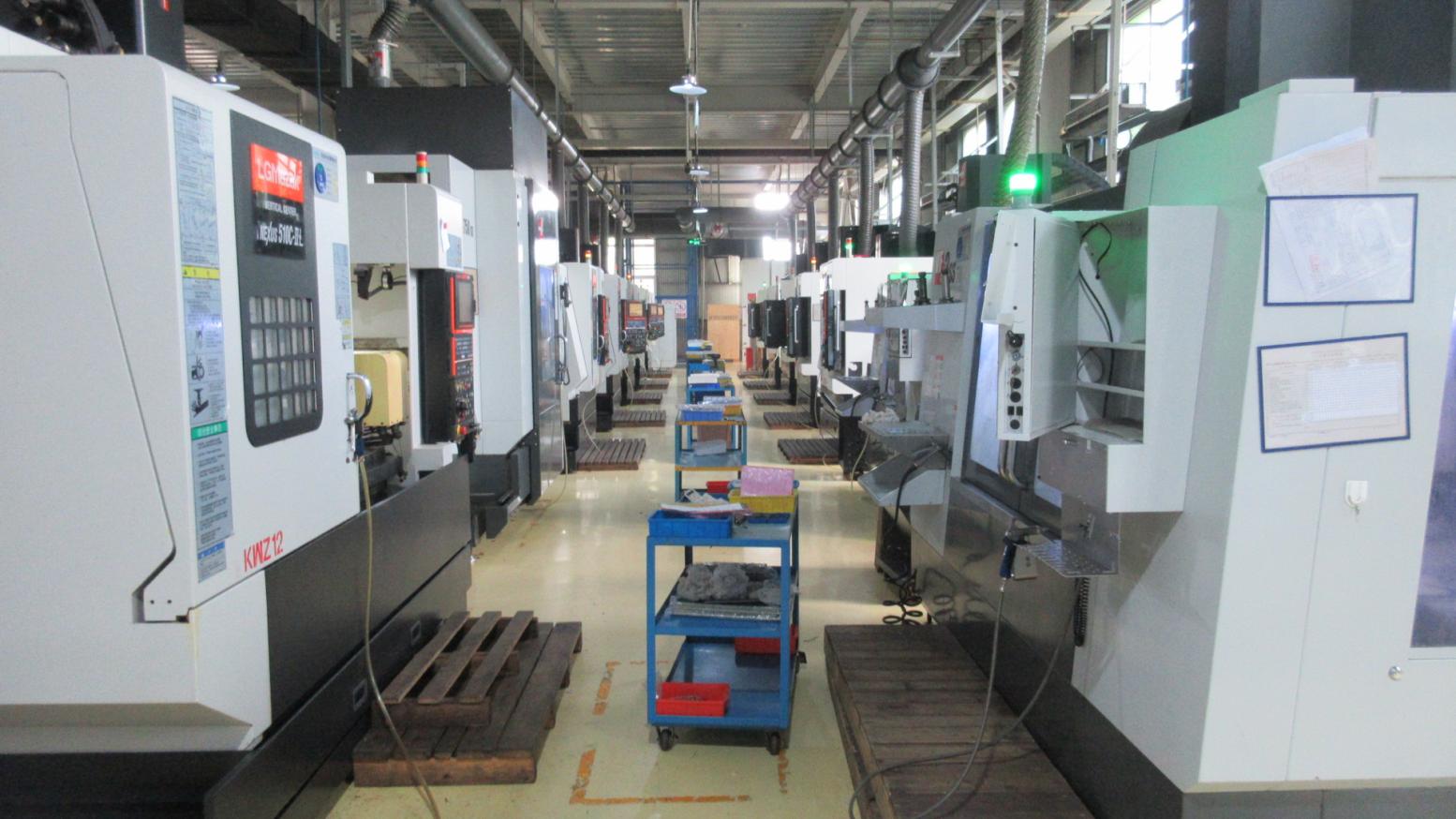
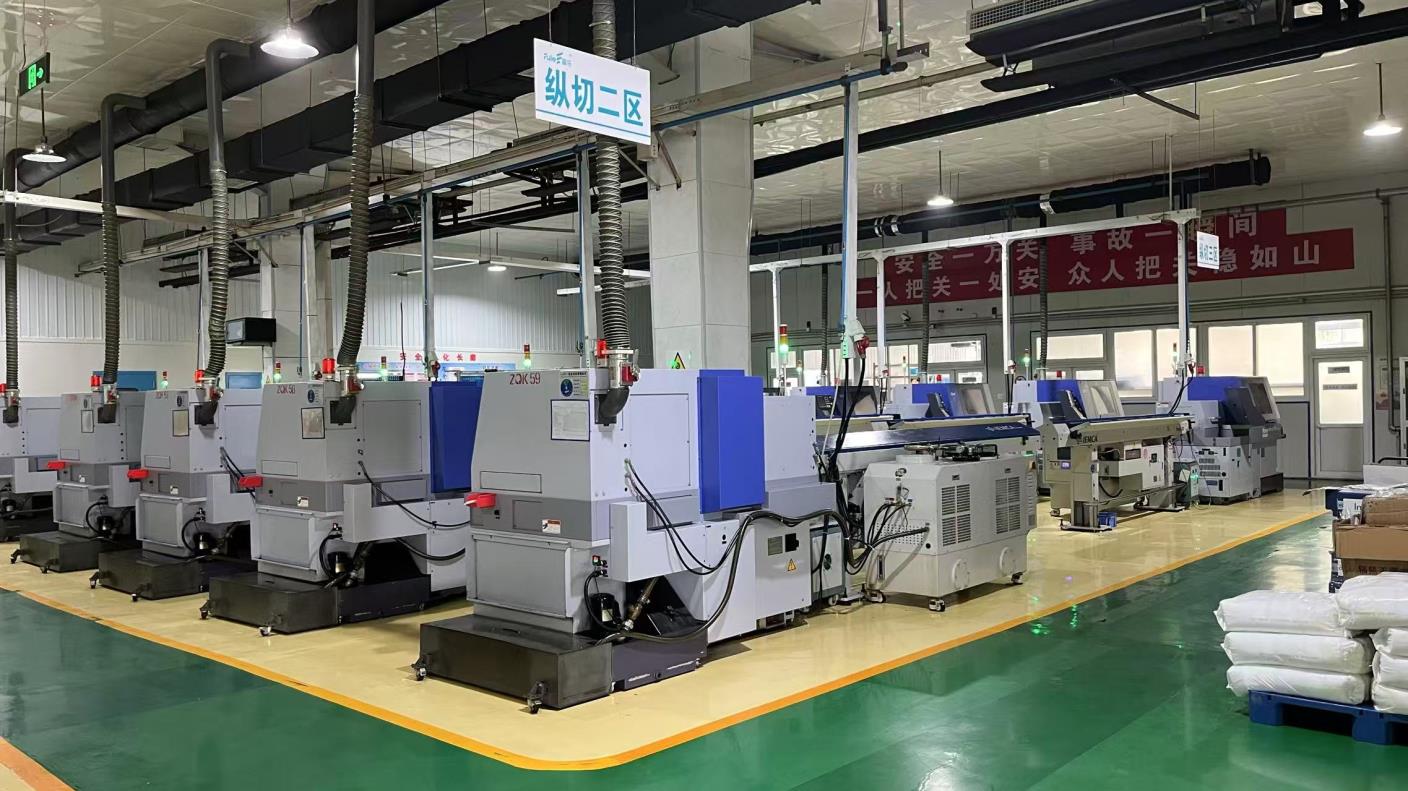
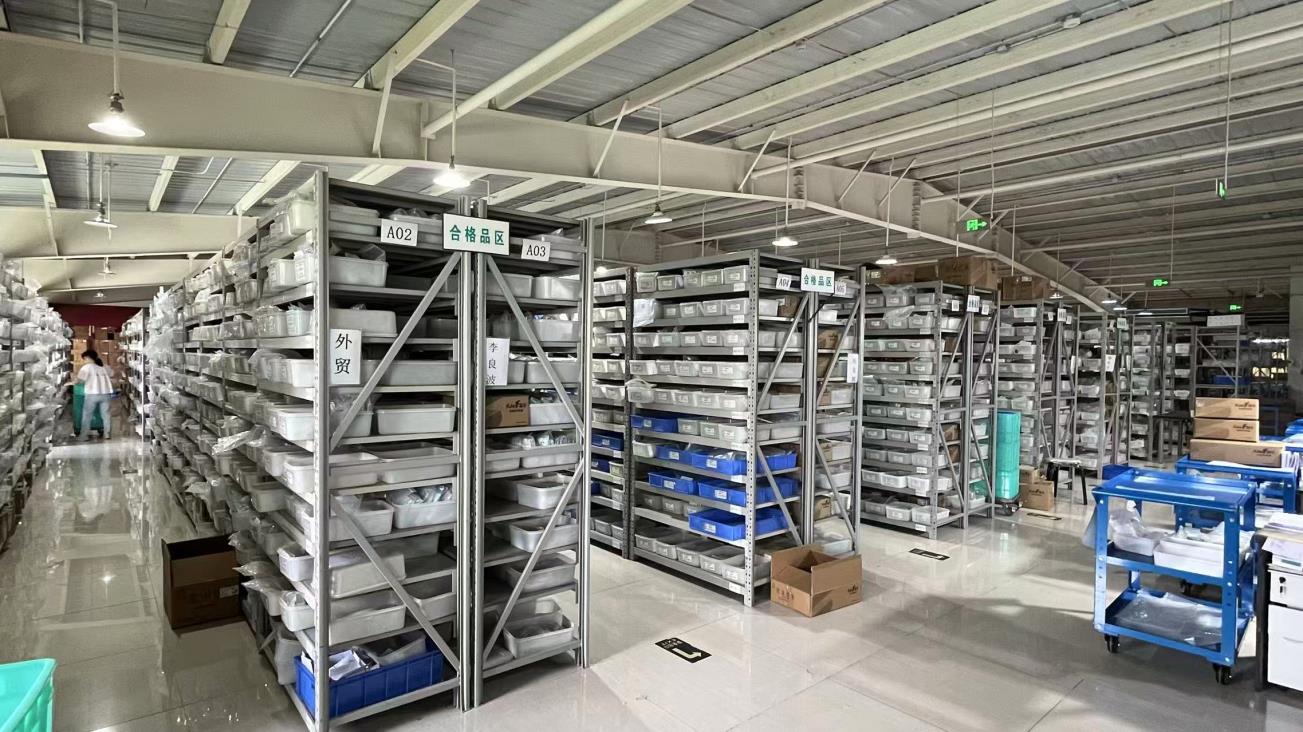
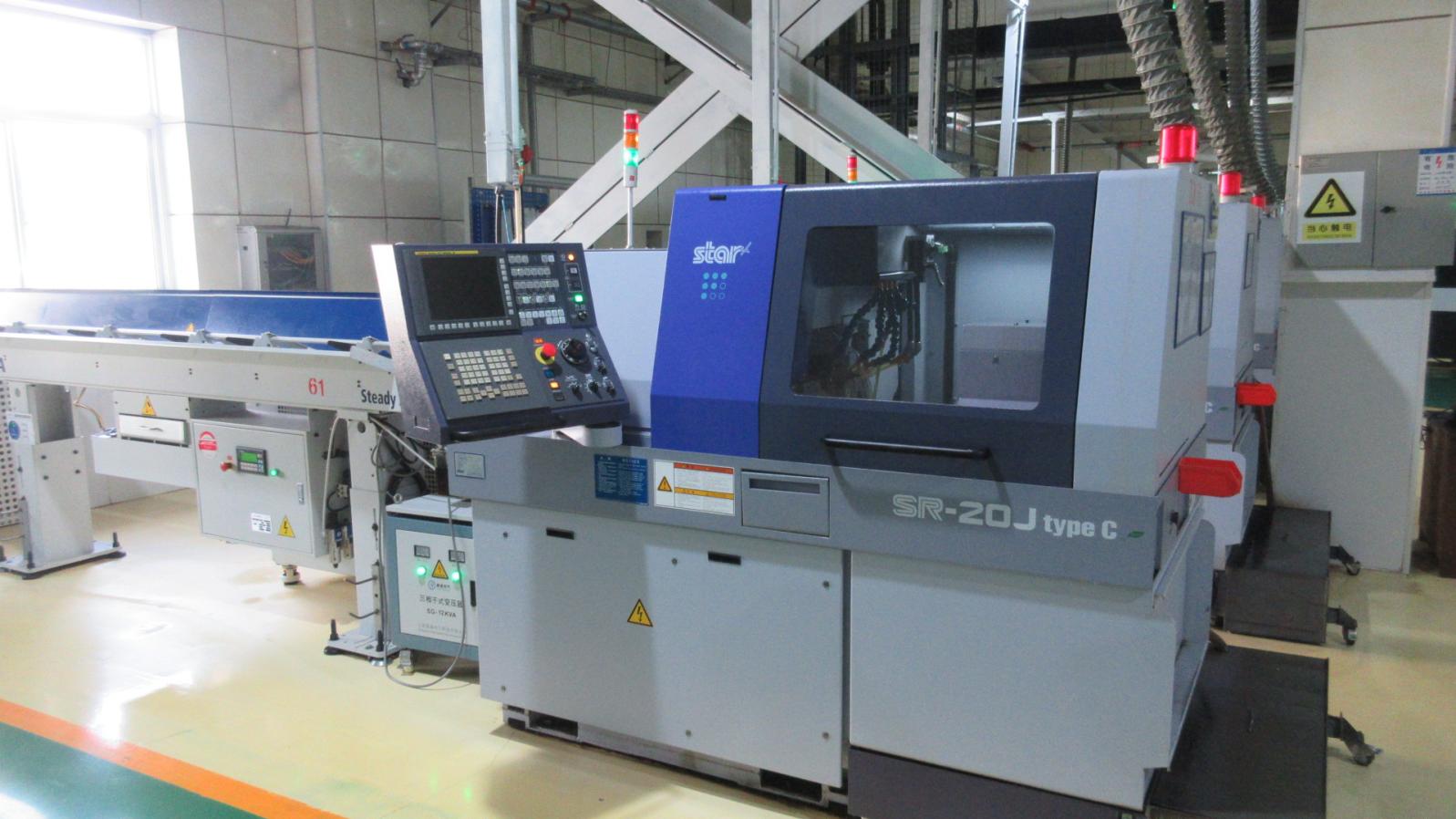
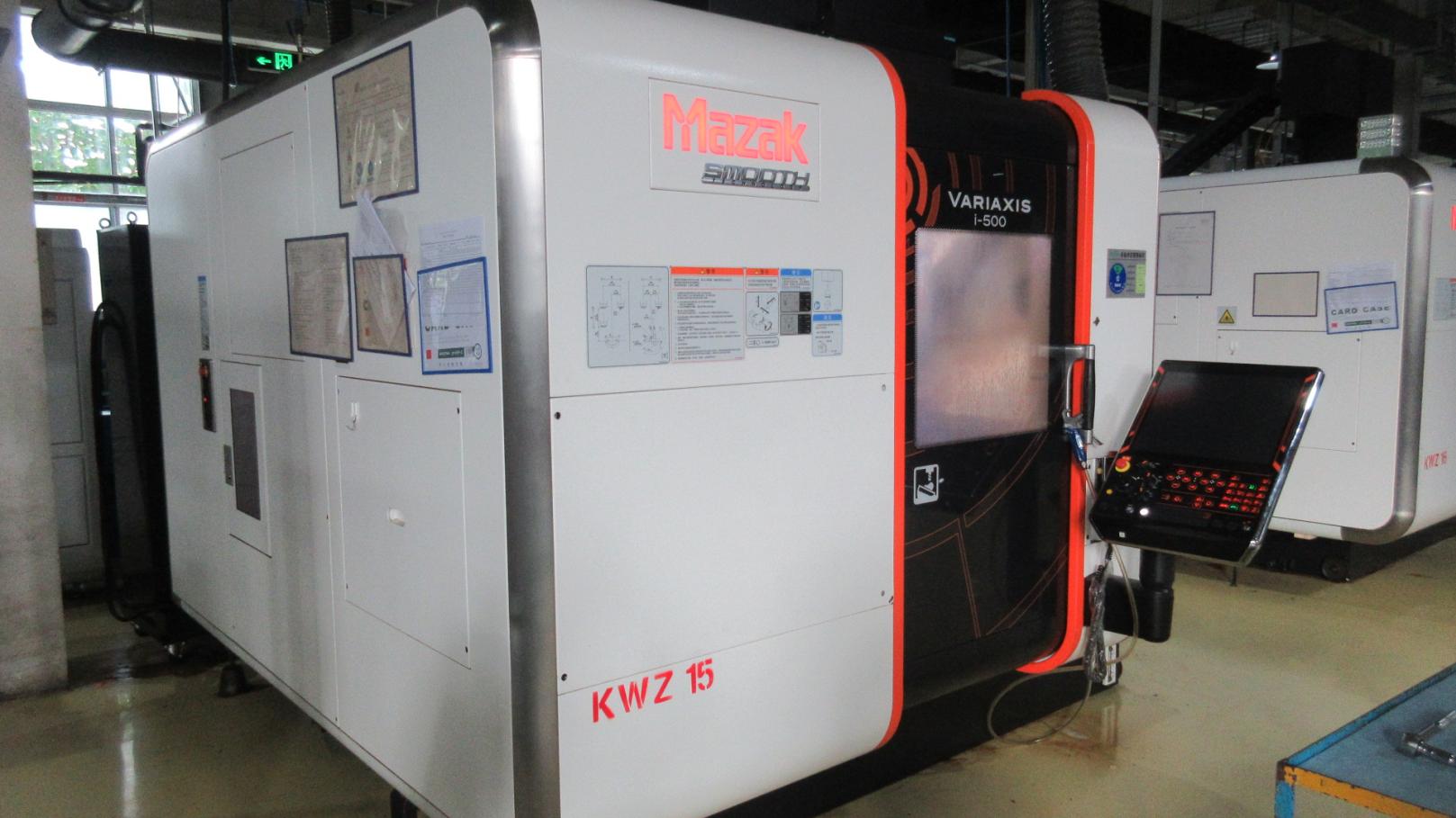
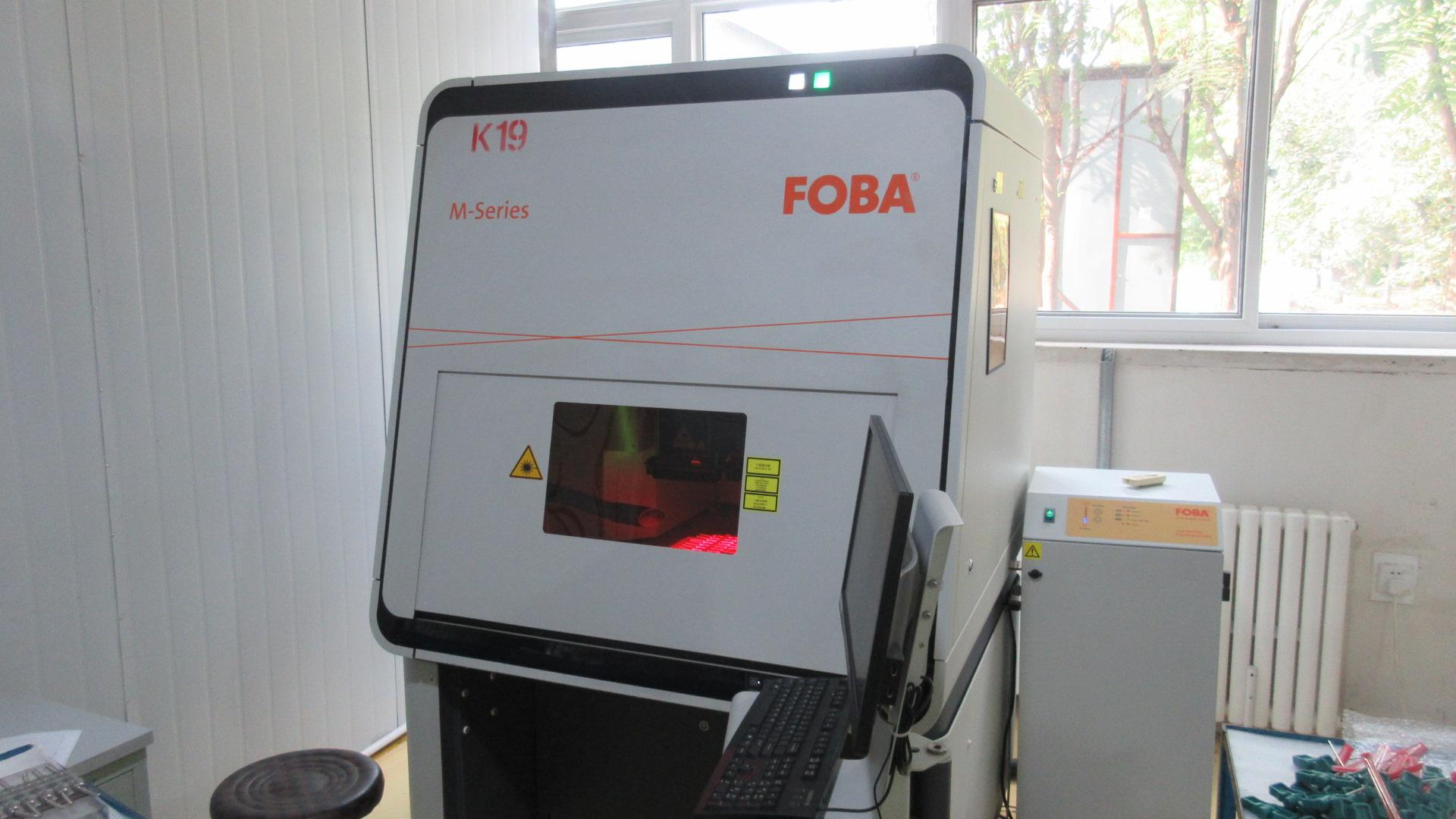
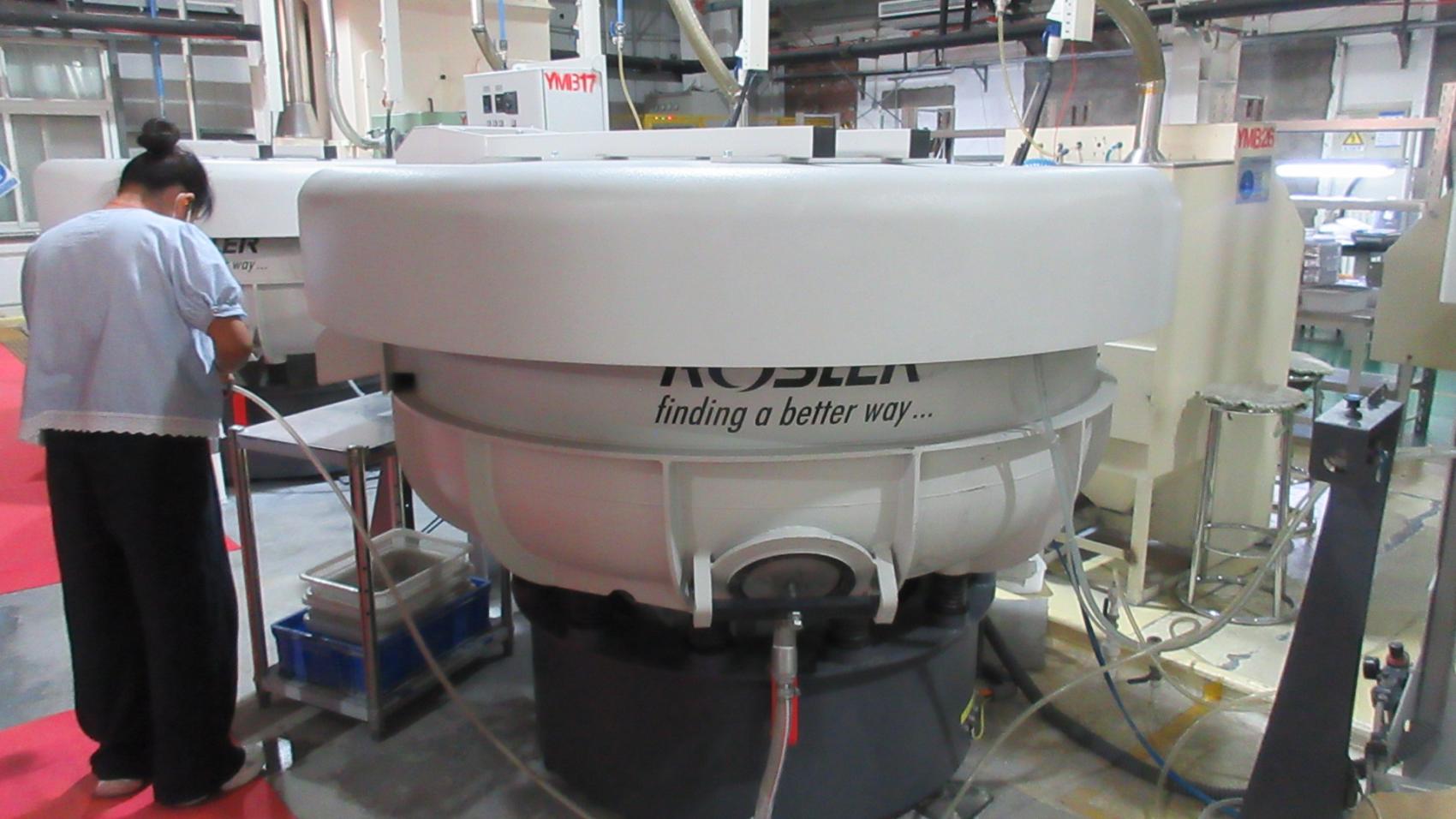
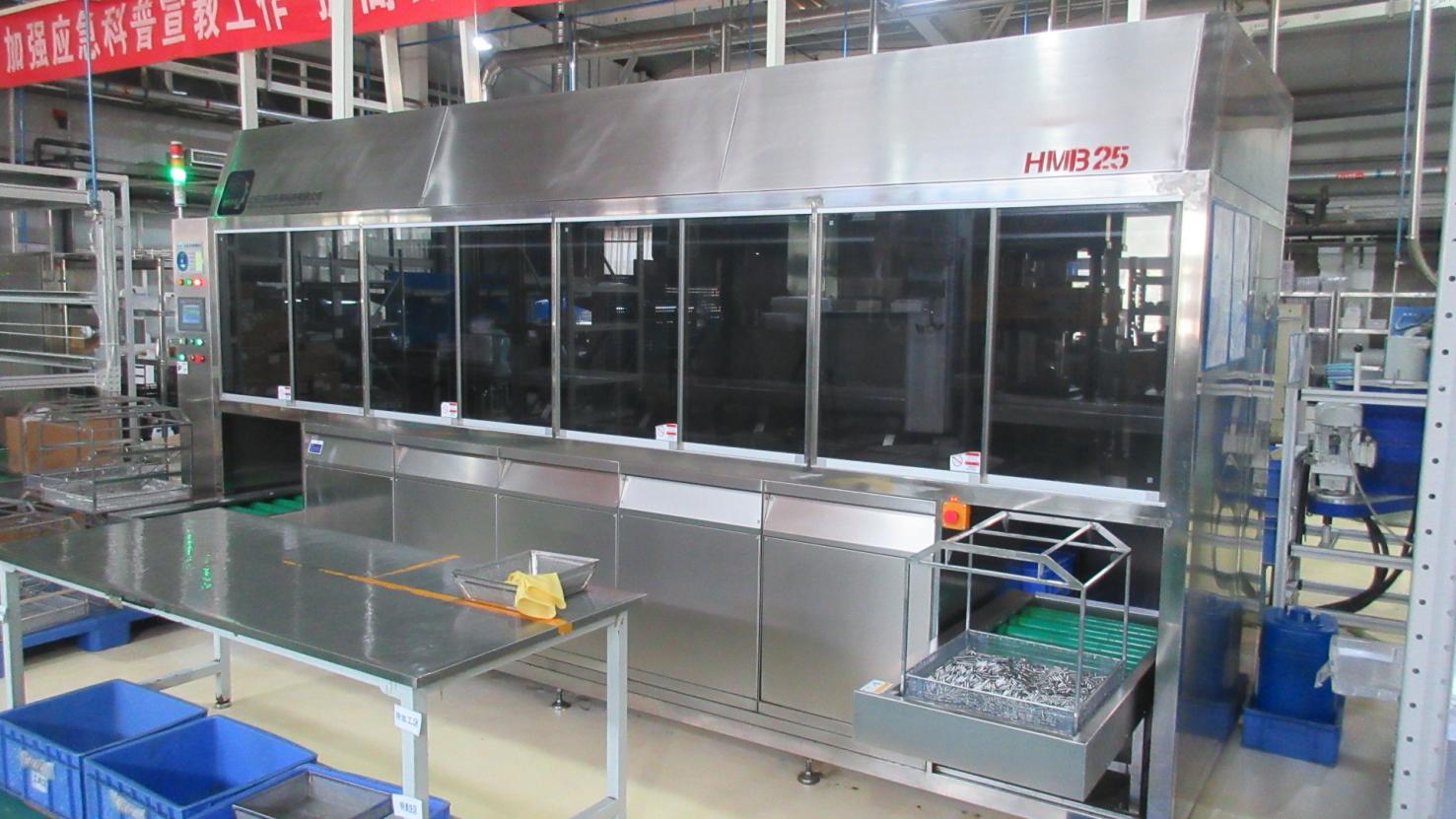
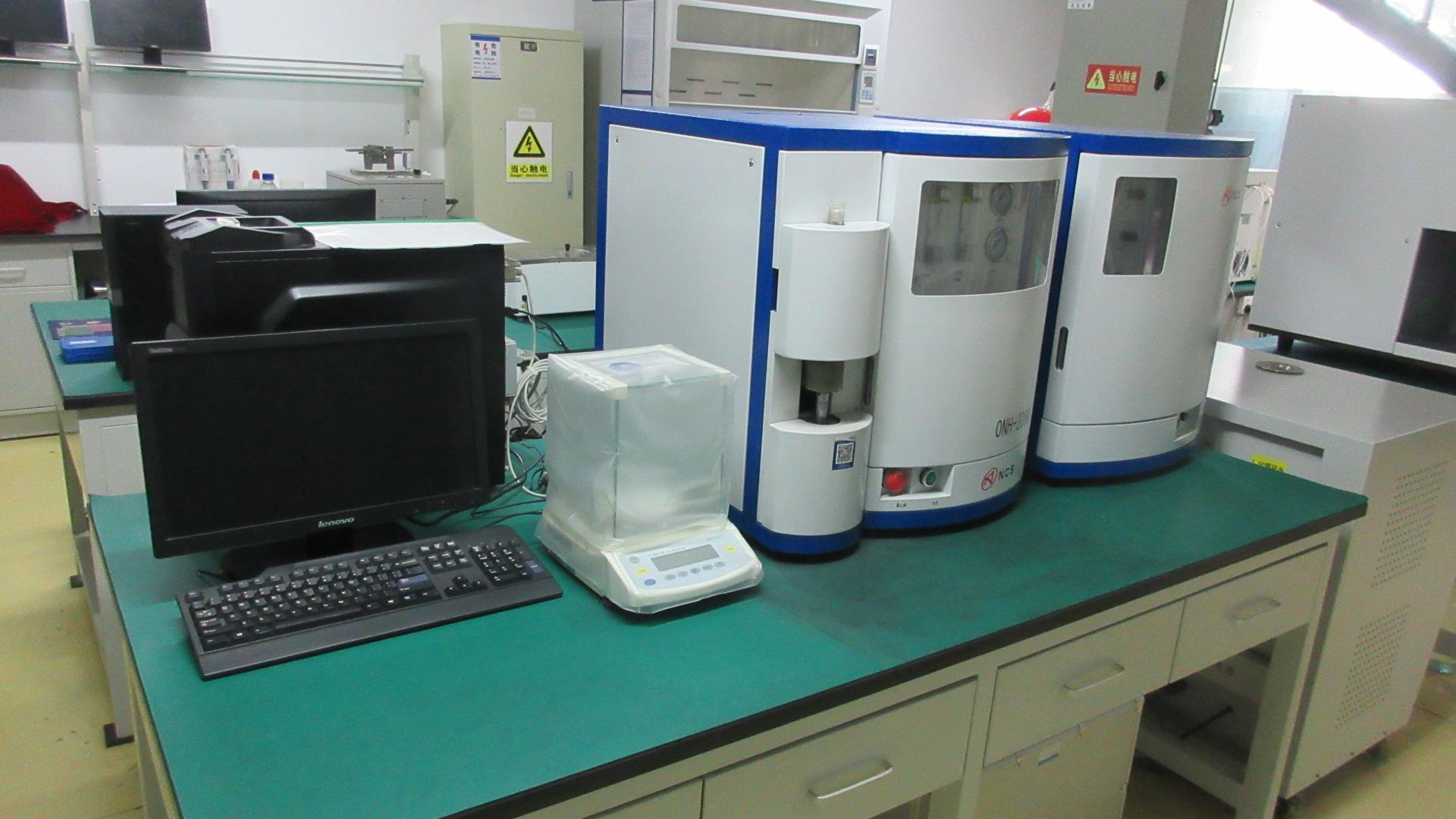
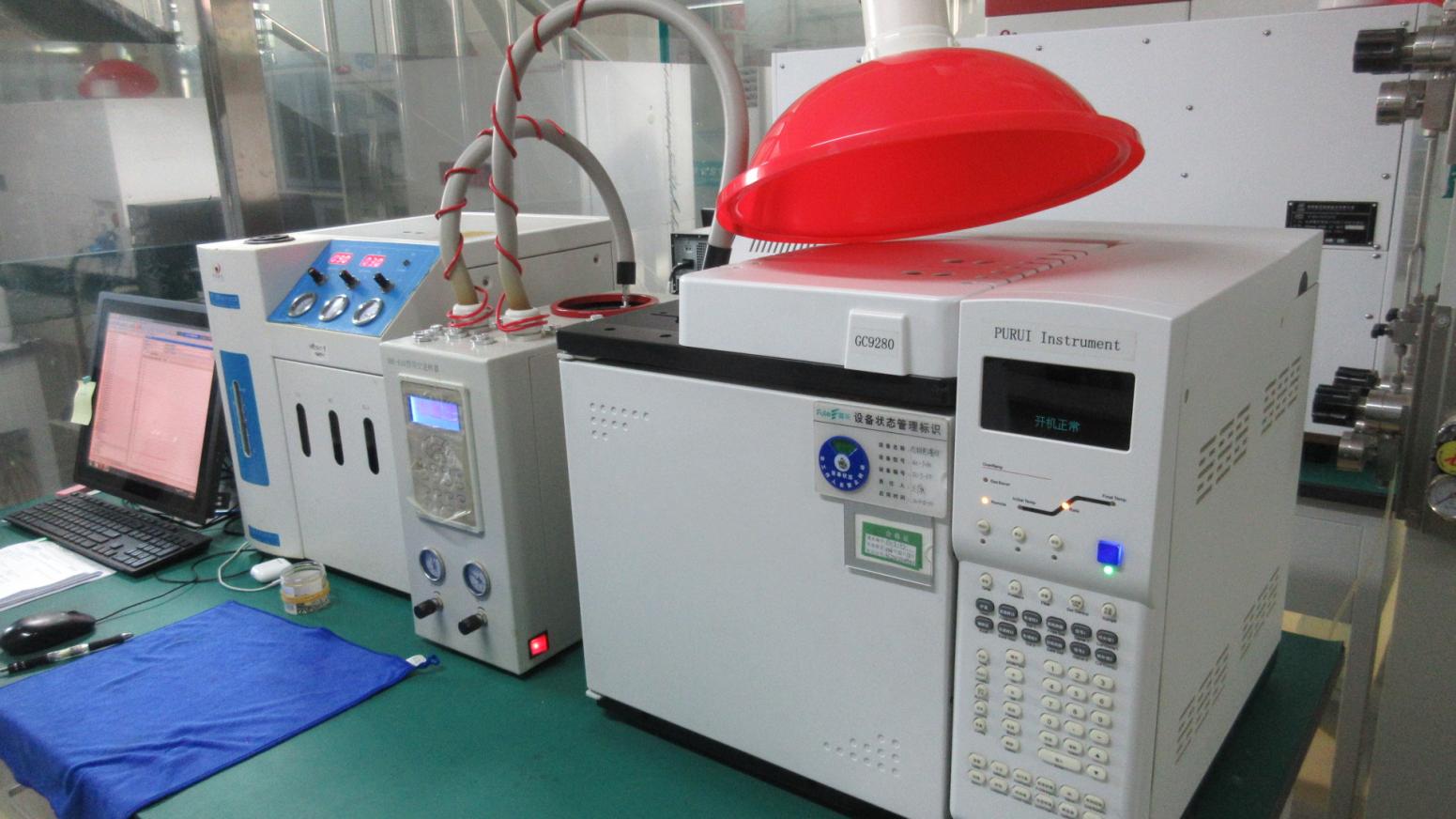
We operate a 10,000 square meter facility equipped with 102 precision production machines. This infrastructure supports an annual output of 511,000 units across spine, trauma, and custom instrument lines.
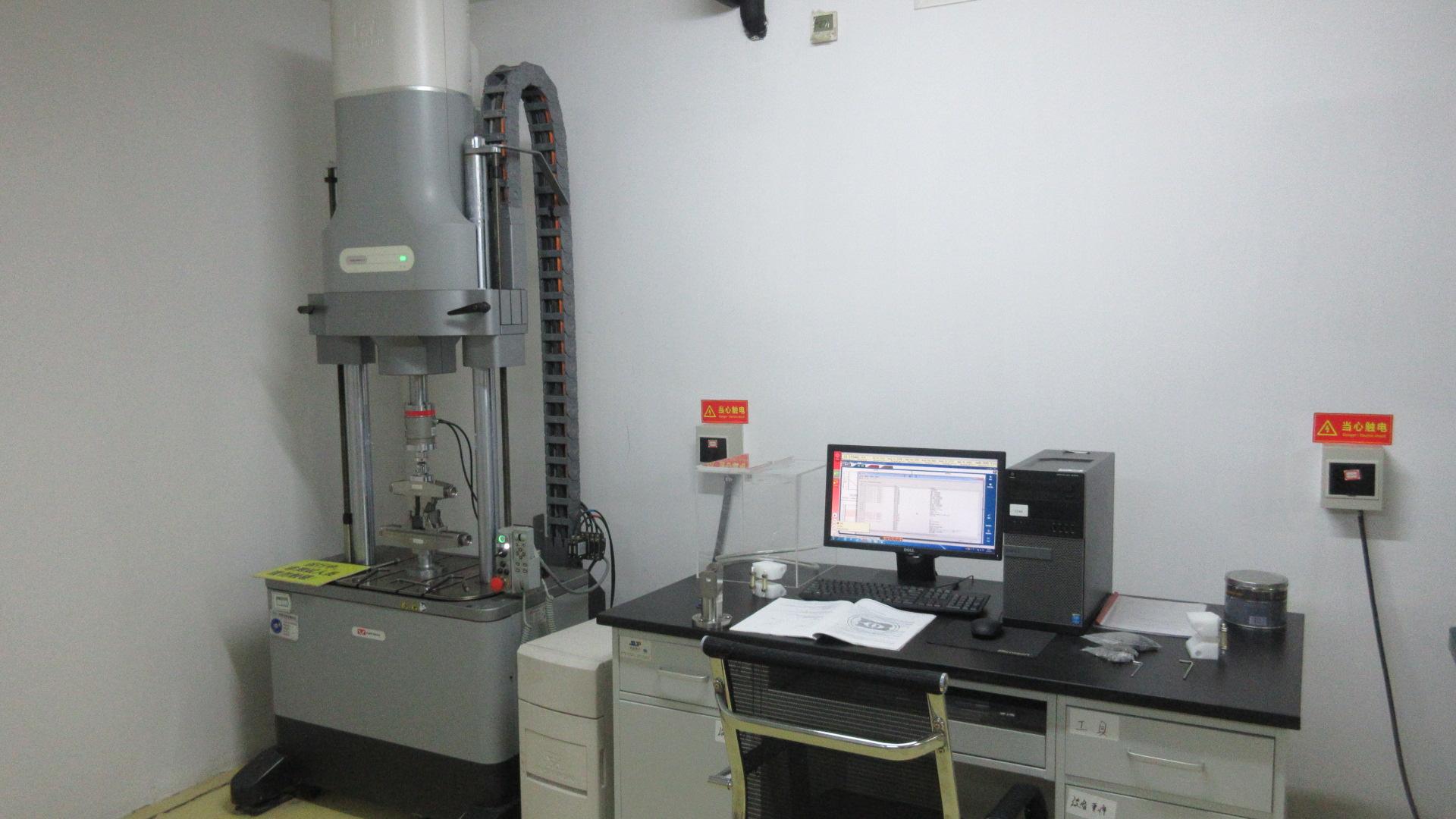
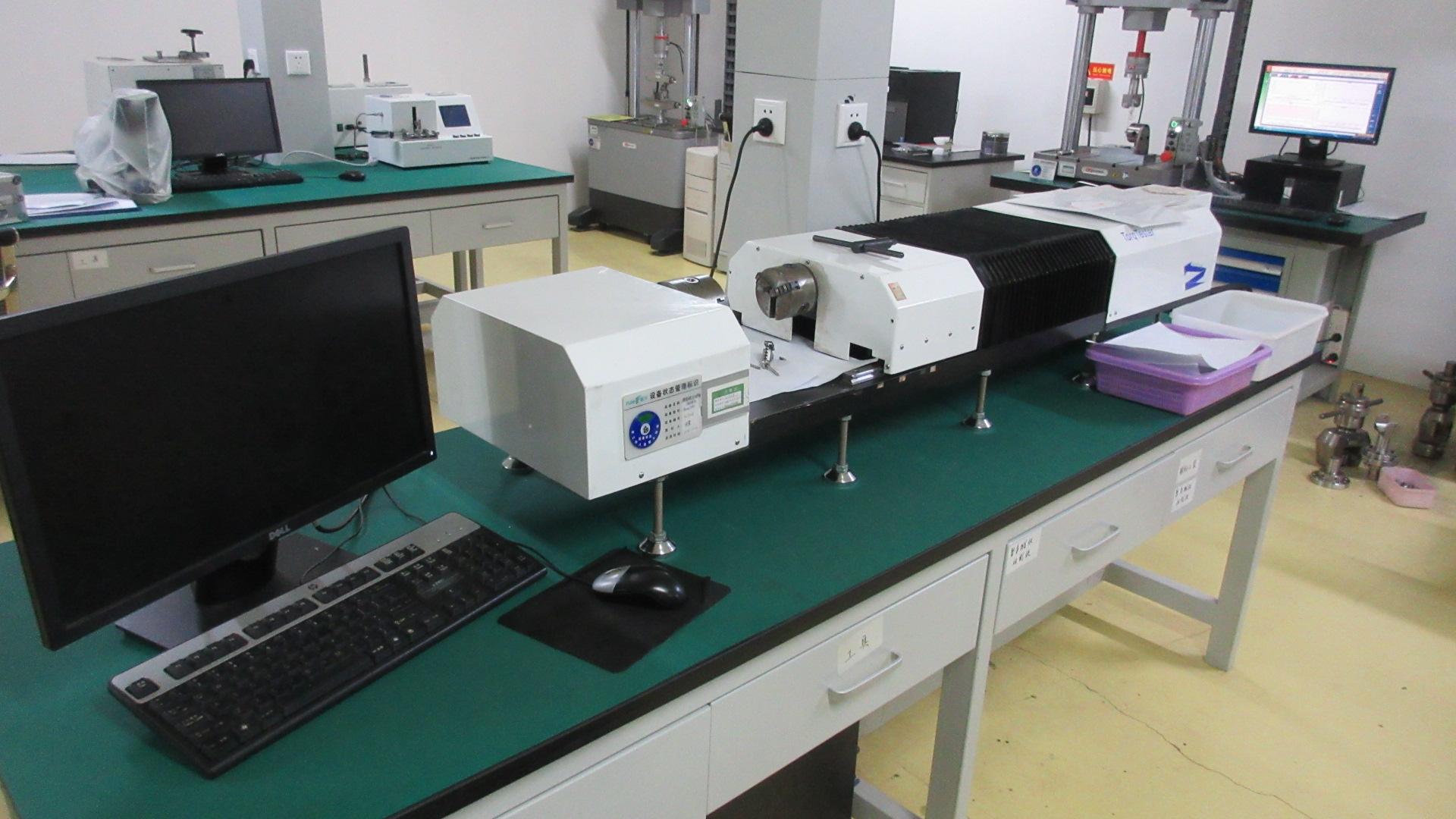
Fifteen full-time QA/QC inspectors oversee all stages of production. From raw material spectrum validation to final implant dimension checking, we maintain a 100% inspection protocol backed by ISO 13485 certification.
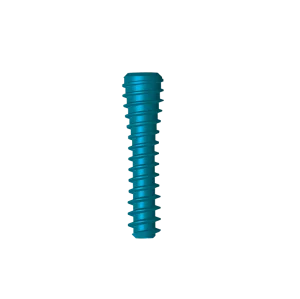
Localized surgical strategies vary based on clinical preference and healthcare economics. Dynamic spine screw and bone cement systems (such as our COX II cement-retained screw configurations) are widely utilized in mature markets with high rates of geriatric osteoporotic fractures. The option to inject PMMA bone cement directly through a cannulated pedicle screw provides immediate screw-thread purchase in compromised bone structures, reducing the risk of implant pull-out.
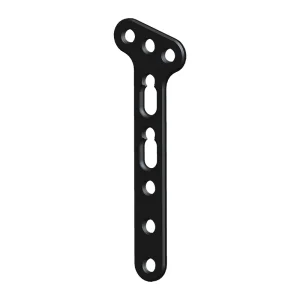
In trauma care, intramedullary nails—such as the PFNA (Proximal Femoral Nail Antirotation) system—remain essential for intertrochanteric hip fractures. Its helical blade compacts cancellous bone, providing stability in osteoporotic bone. For distal and proximal fractures of long bones, anatomically contoured locking plates offer the option for both dynamic compression and fixed-angle locking, giving orthopedic surgeons versatility during open reduction and internal fixation (ORIF) procedures.
Material selection directly impacts implant osseointegration and mechanical properties. Our implants are fabricated from medical-grade Titanium Alloy (Ti-6Al-4V ELI) and PEEK (Polyetheretherketone). Titanium provides high tensile strength, fatigue resistance, and biocompatibility, making it suitable for load-bearing plates and pedicle screws. PEEK, used in our cervical and lumbar interbody fusion cages, has an elastic modulus similar to human cortical bone, reducing stress shielding and improving postoperative visualization under X-ray and CT imaging.
| Material Grade | Tensile Strength (MPa) | Modulus of Elasticity (GPa) | Primary Clinical Applications |
|---|---|---|---|
| Ti-6Al-4V ELI (ASTM F136) | ≥ 860 | 110 - 114 | Pedicle Screws, Trauma Plates, Intramedullary Nails |
| PEEK-OPTIMA® (Implantable) | 90 - 100 | 3.5 - 4.0 | Lumbar/Cervical Interbody Fusion Cages |
| Ultra-High Molecular Weight PE | ≥ 40 | 1.0 - 1.2 | Joint Arthroplasty Bearing Surfaces, Dynamic Cable Ties |
We are monitoring three primary technology trends that will shape the next generation of orthopedic systems:
Key technical, regulatory, and logistics answers for hospital procurement managers, orthopedic distributors, and OEM buyers.
All our manufacturing facilities operate under a strict Quality Management System certified to ISO 13485:2016. Our key product lines—including polyaxial pedicle screws, PEEK posterior lumbar cages, and intramedullary nails—are CE-marked, confirming compliance with European medical device safety and performance criteria.
We enforce a 100% raw material traceability protocol. Each batch of medical-grade titanium alloy or implantable PEEK is sourced from approved international or premium domestic suppliers. Mill test certificates, chemical composition analysis, and mechanical testing results are documented and linked to the finished product batch numbers.
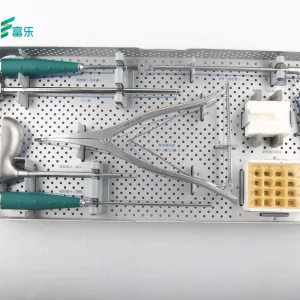
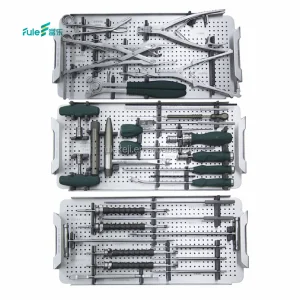
We provide full-service OEM and ODM options, including sample-based replication, CAD design customization, customized laser etching, and tailored packaging configurations. Our R&D team can refine instrumentation and implant designs to meet the regulatory and surgical preferences of your target market.
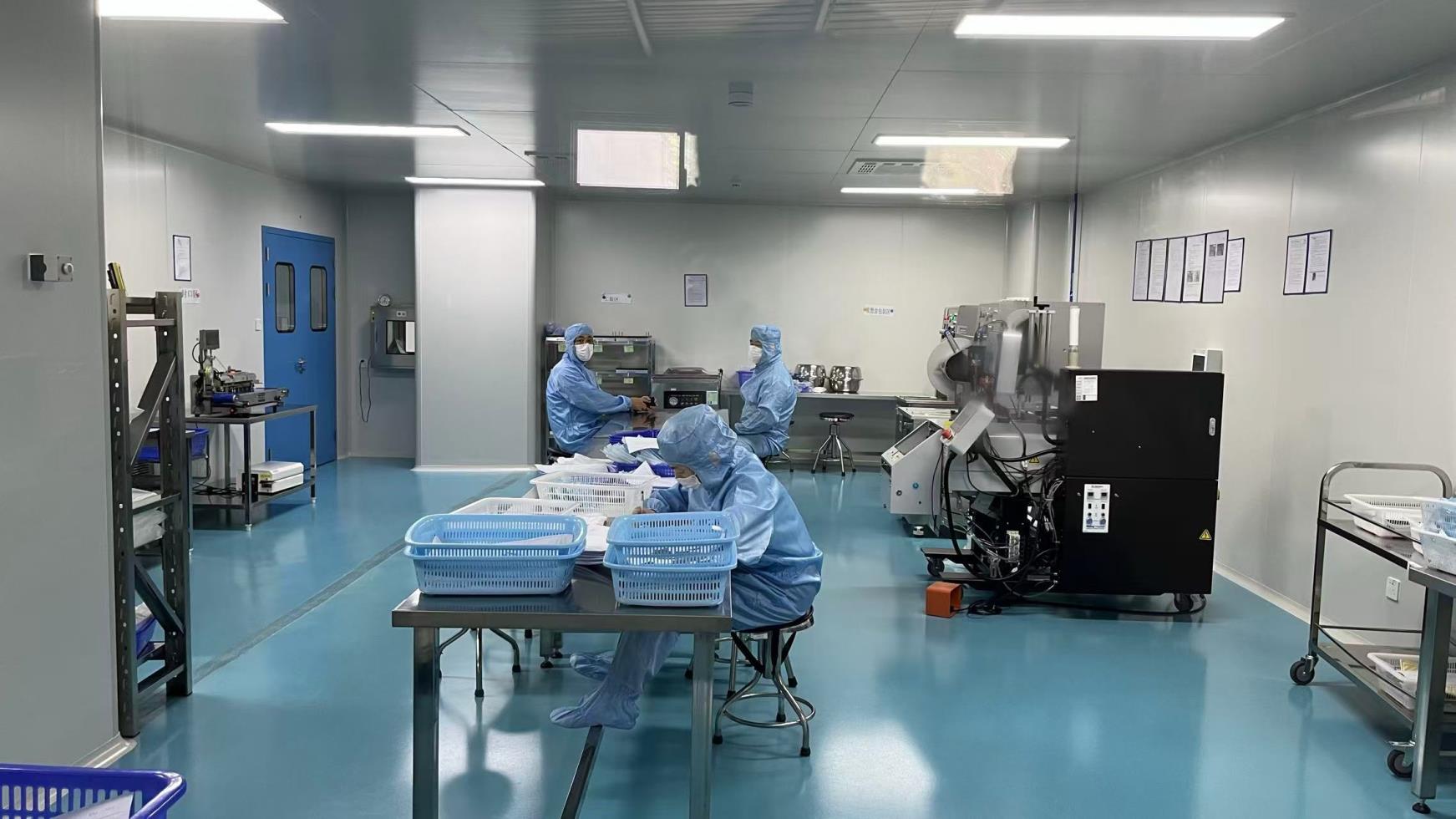
We package implants in certified medical-grade double Tyvek blister packs inside our Class 100,000 cleanrooms. This configuration protects the sterile barrier during long-distance global logistics, whether shipped via air freight or express carriers like DHL and FedEx.
Standard inventory items ship within 5 to 7 business days. Custom or bulk OEM contracts typically have a lead time of 30 to 45 days, depending on the complexity of the implant geometry and manufacturing schedules. Our annual output capacity of over 511,000 units ensures consistent supply and short lead times.
Explore additional reconstructive implants, surgical instrument sets, and dynamic cervical laminoplasty systems.

Our production environment, raw material sourcing, and cleanroom packaging comply with international medical device manufacturing standards under certificate number: 04724Q10000818.
 Beren Science & Technology