Beren Science & Technology
Clinical Context: Evolution of Extremity Orthopedic Trauma Fixation
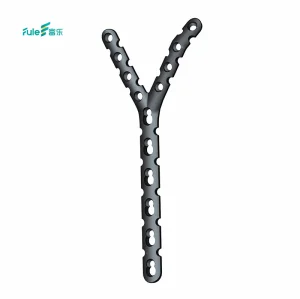
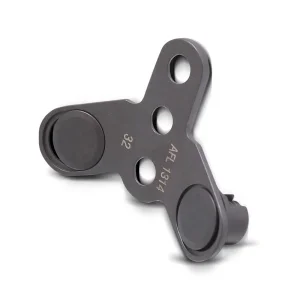
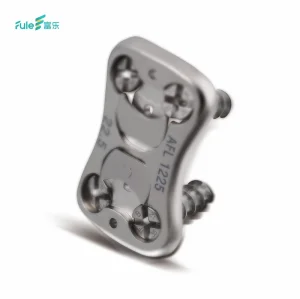
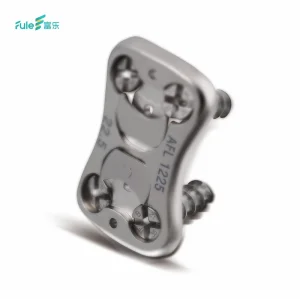
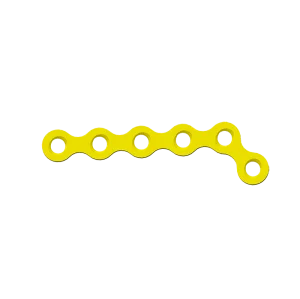
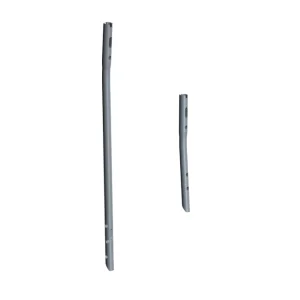
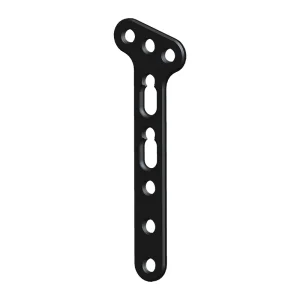
The surgical reconstruction of distal hand and foot anatomy represents one of the most mechanically demanding fields in traumatology. Driven by a delicate balance of bone density variations, high-velocity articulation, and minimal subcutaneous tissue coverage, orthopedic hand and foot implants must achieve mechanical rigidity without compromising local soft tissue viability. In clinical application, titanium locking compression plates (LCP) represent a paradigm shift, converting shear forces into axial stability, thereby limiting the risk of stress shielding.
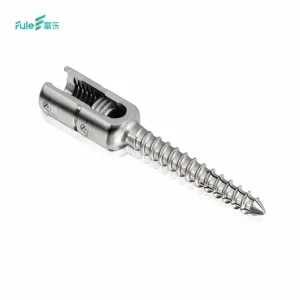
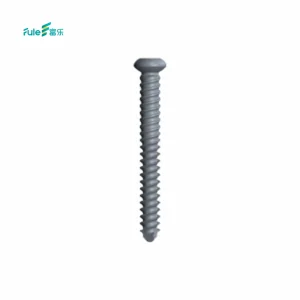
Historically, hand and extremity fractures were managed with standard non-locking plates, which relied heavily on plate-to-bone friction. This contact style compromised the periosteal blood supply, frequently leading to delayed bone union or implant failure. Modern biomedical engineering addresses this via limited-contact dynamics, preserving localized biological vascularization while offering stable internal fixation through variable-angle locking screws.
China Factory 4.0: Supply Chain Resilience, Automation, and Scalability
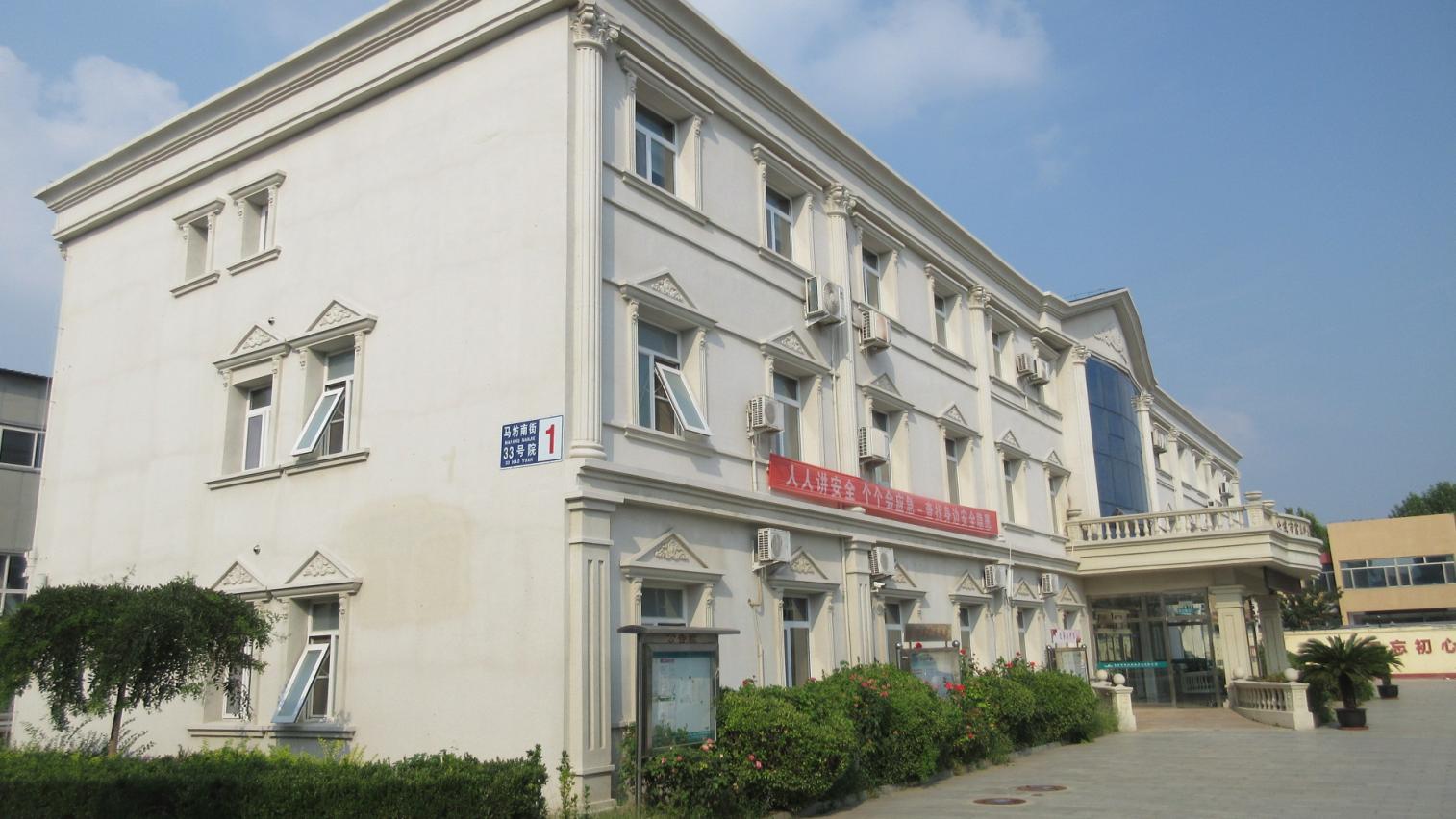
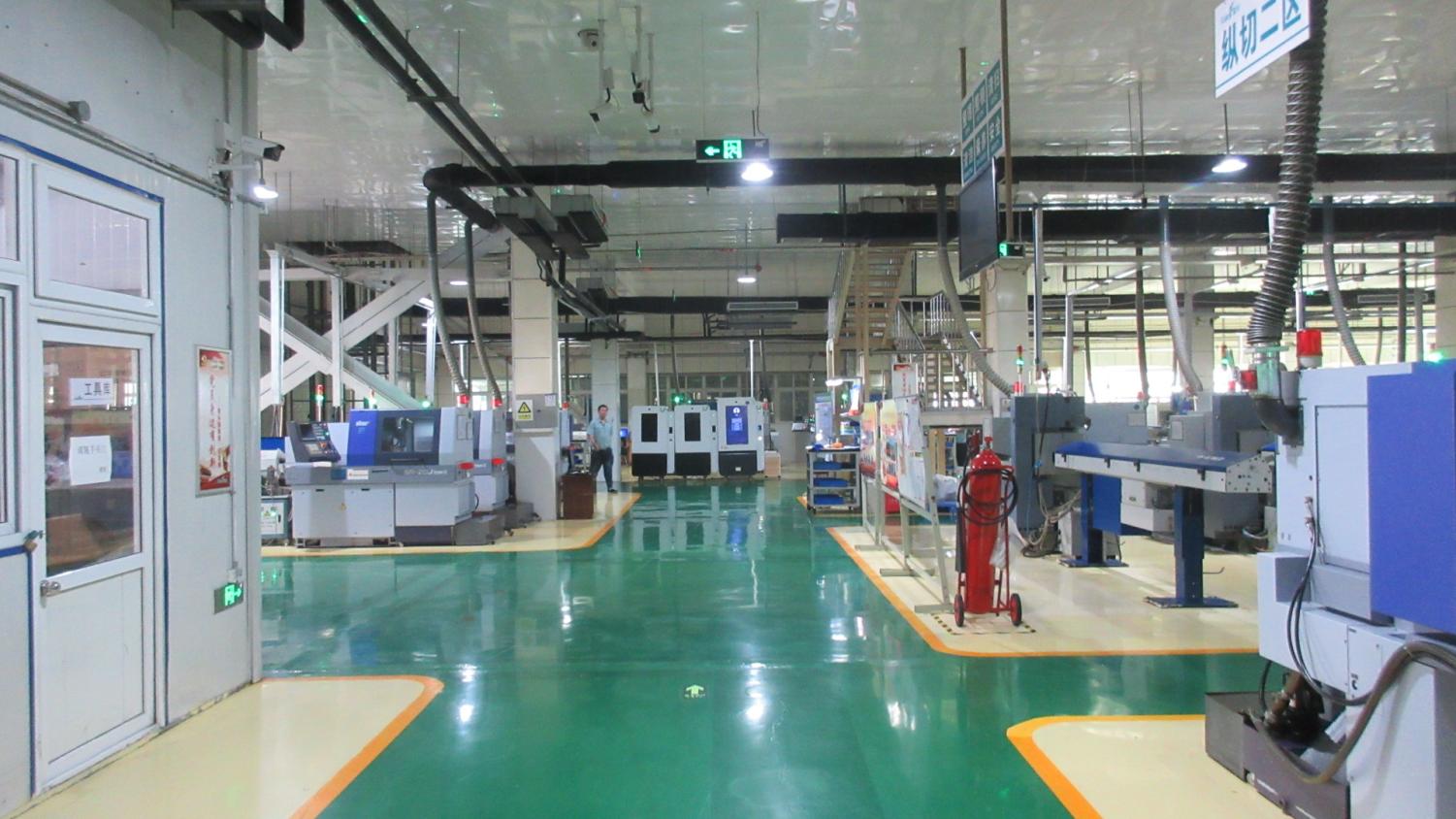
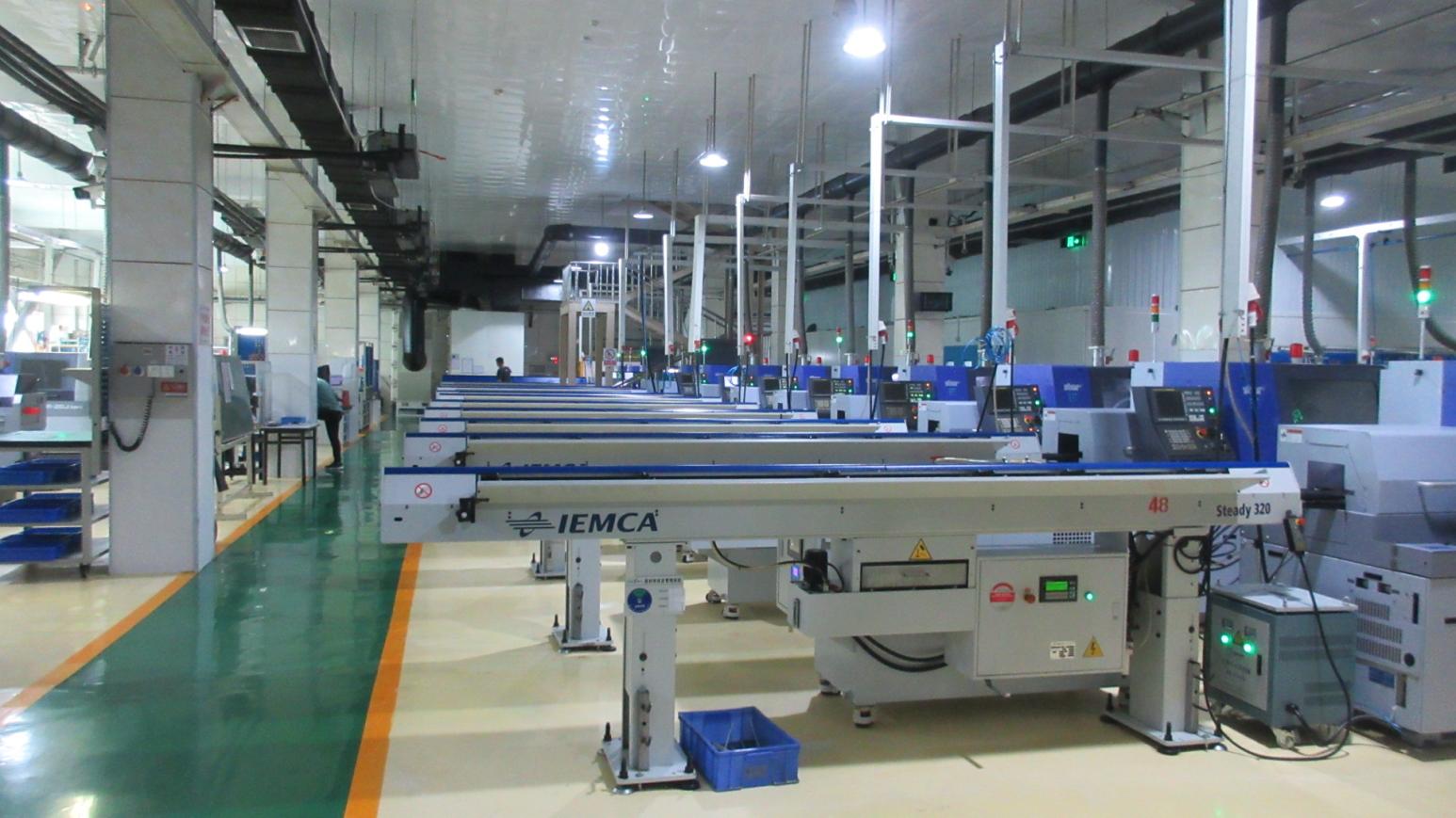
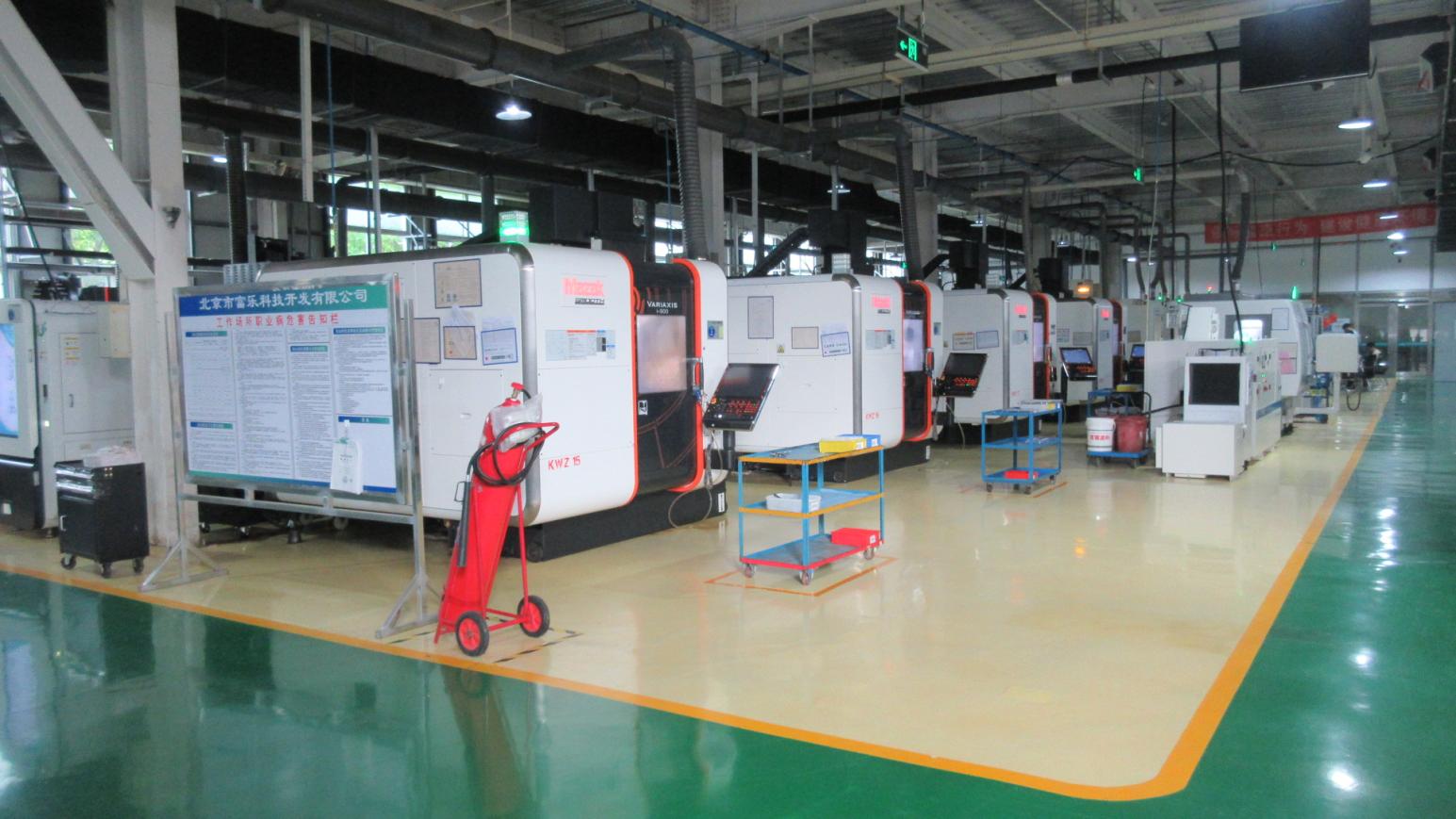
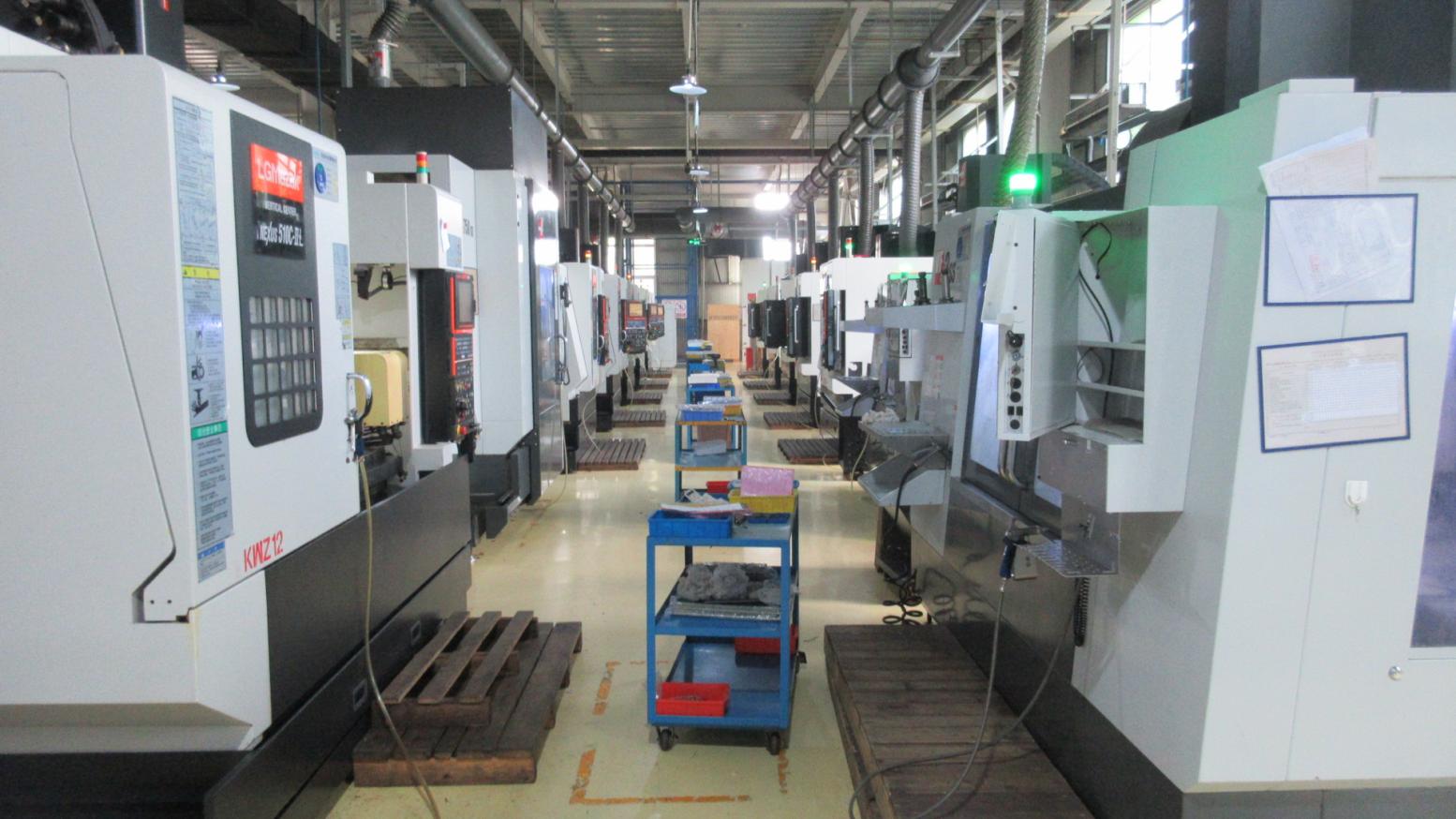
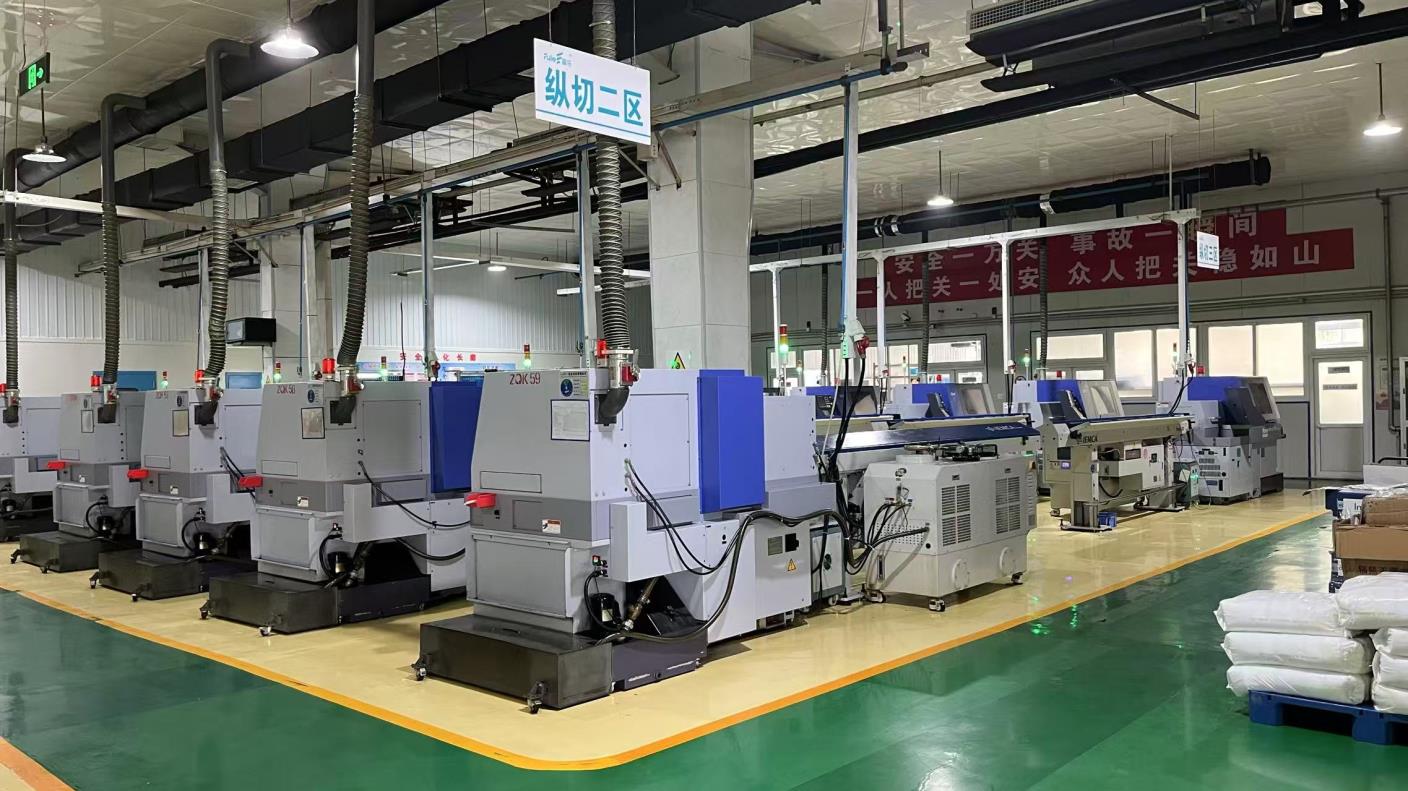
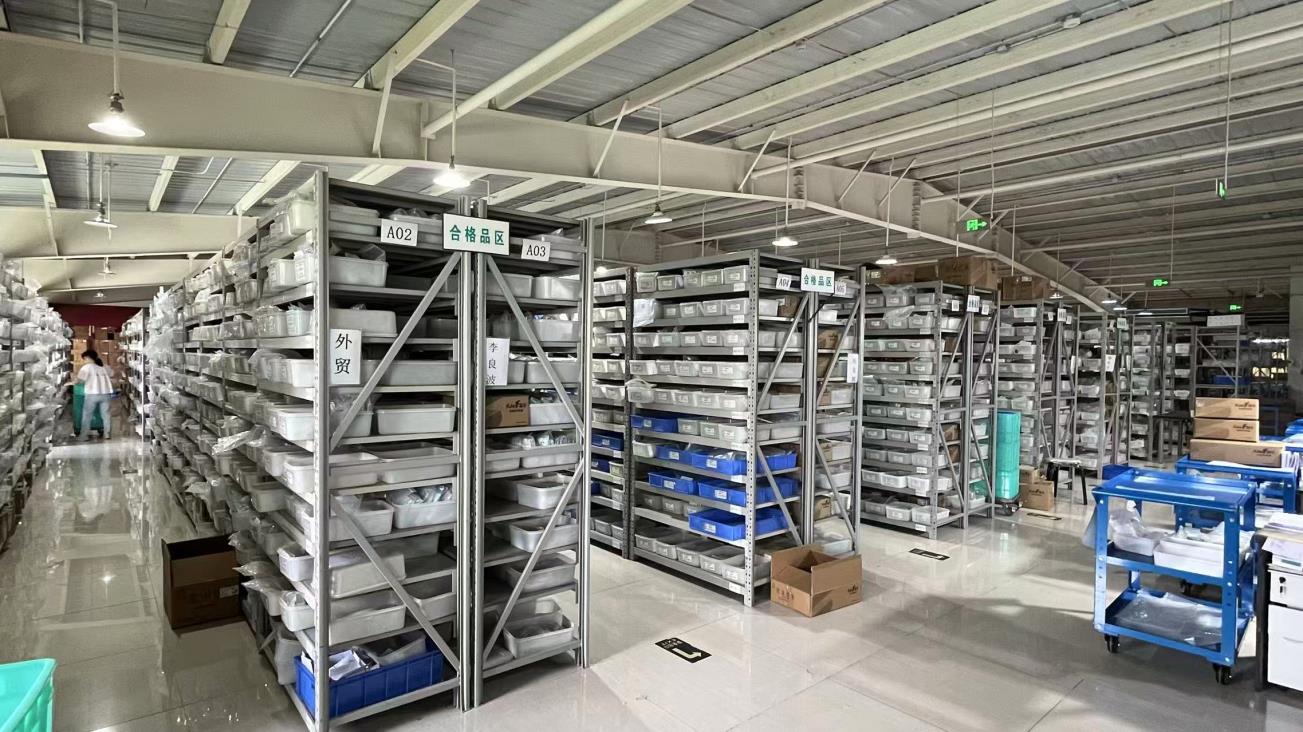
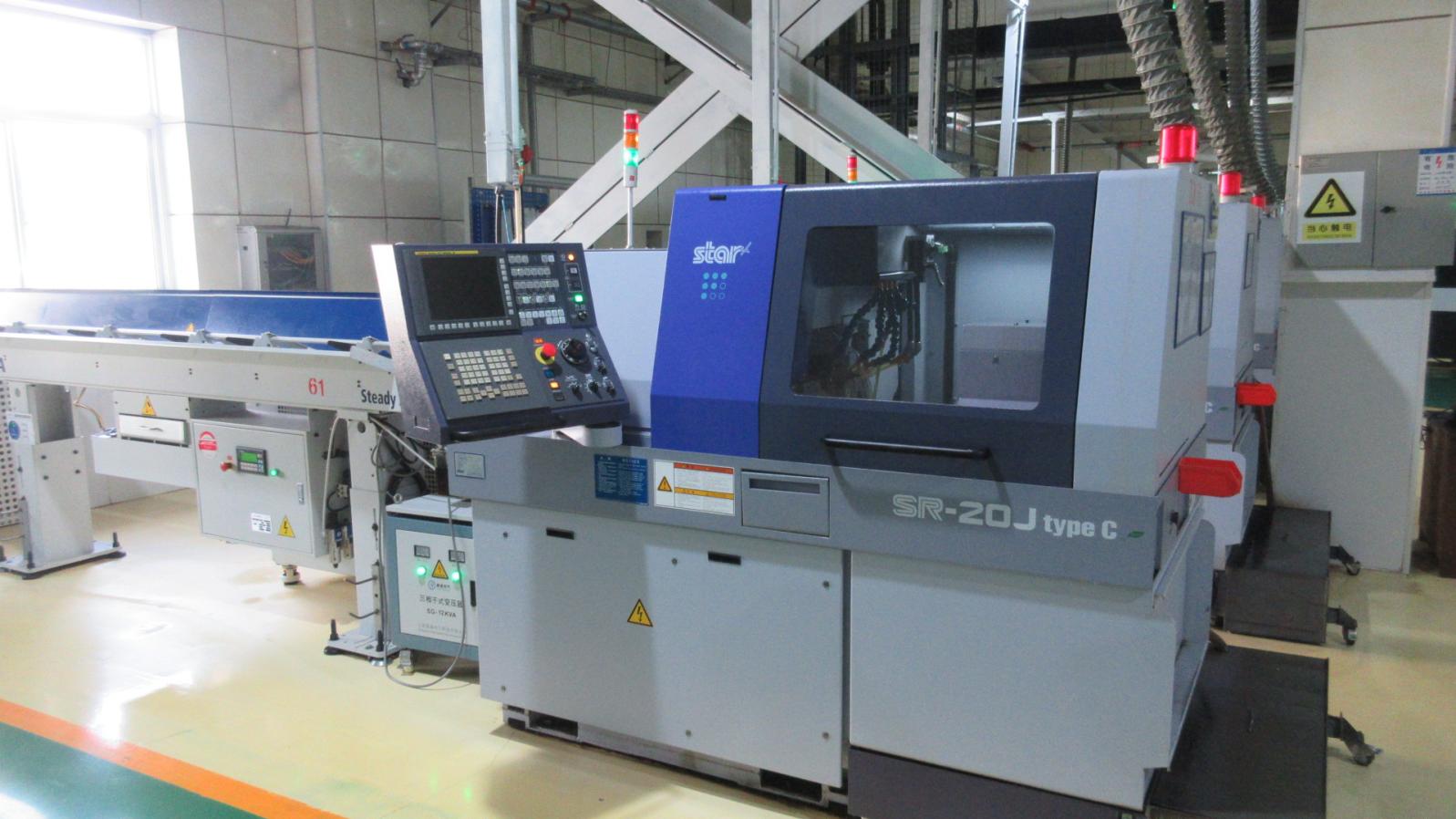
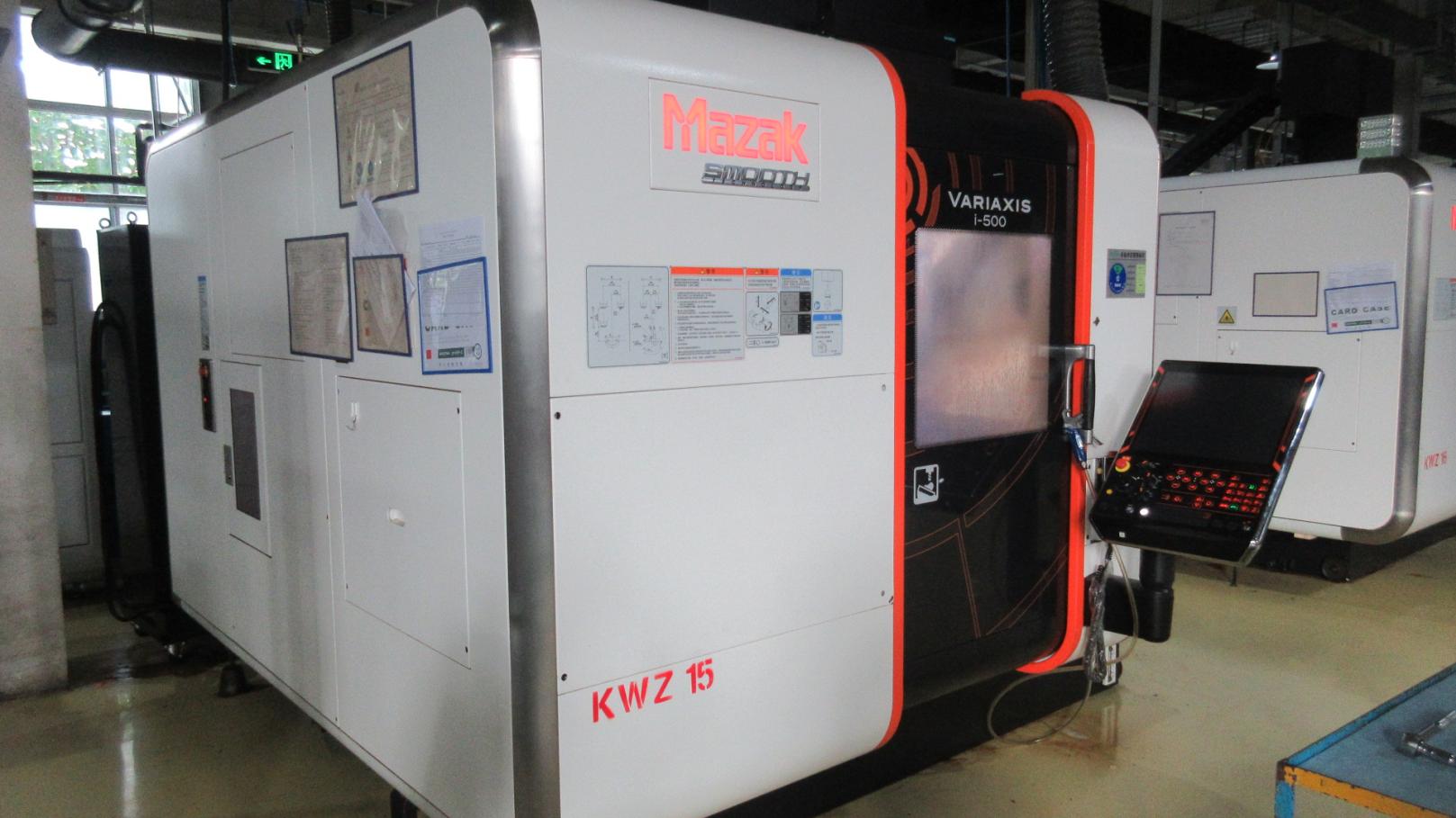
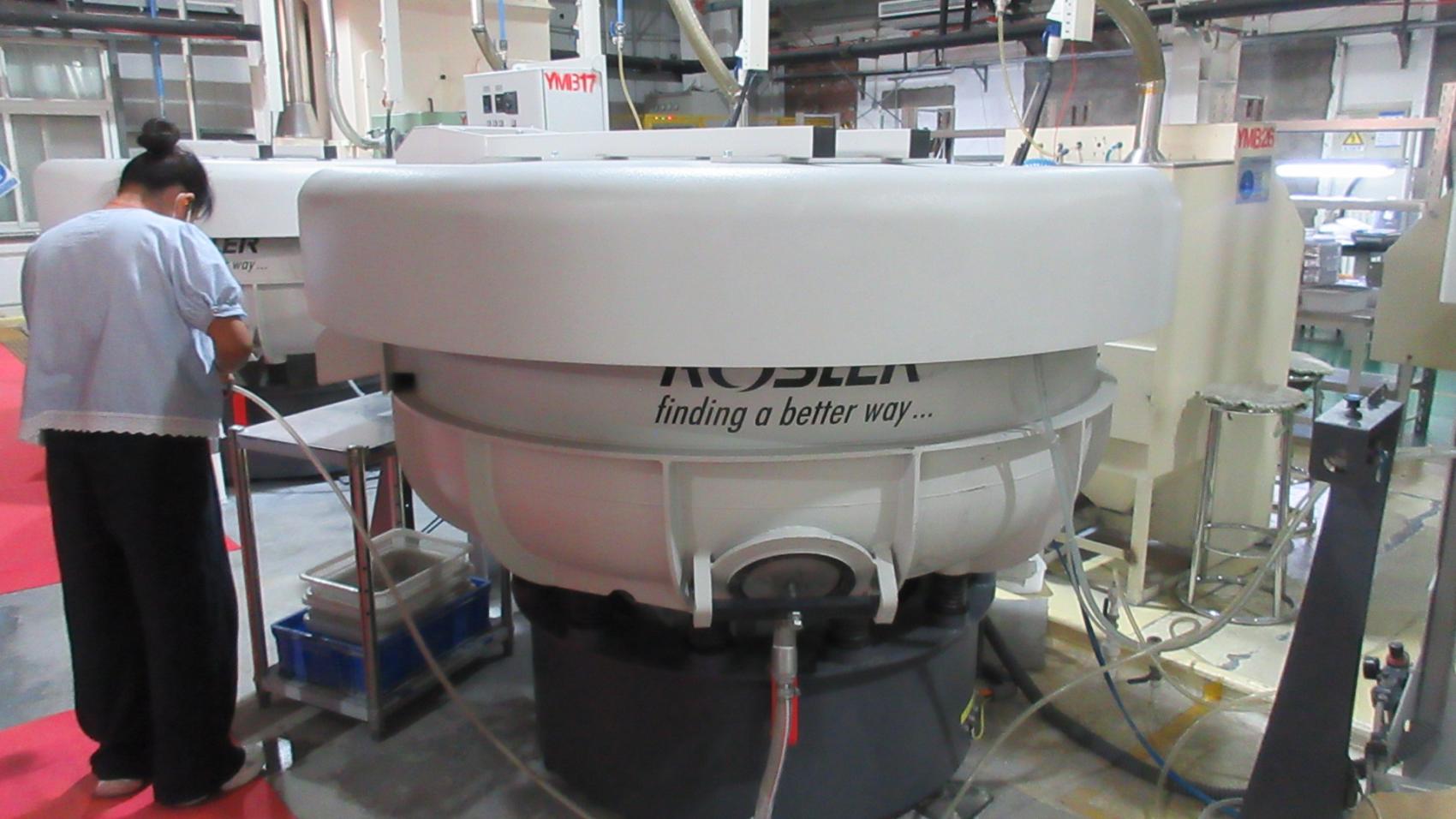
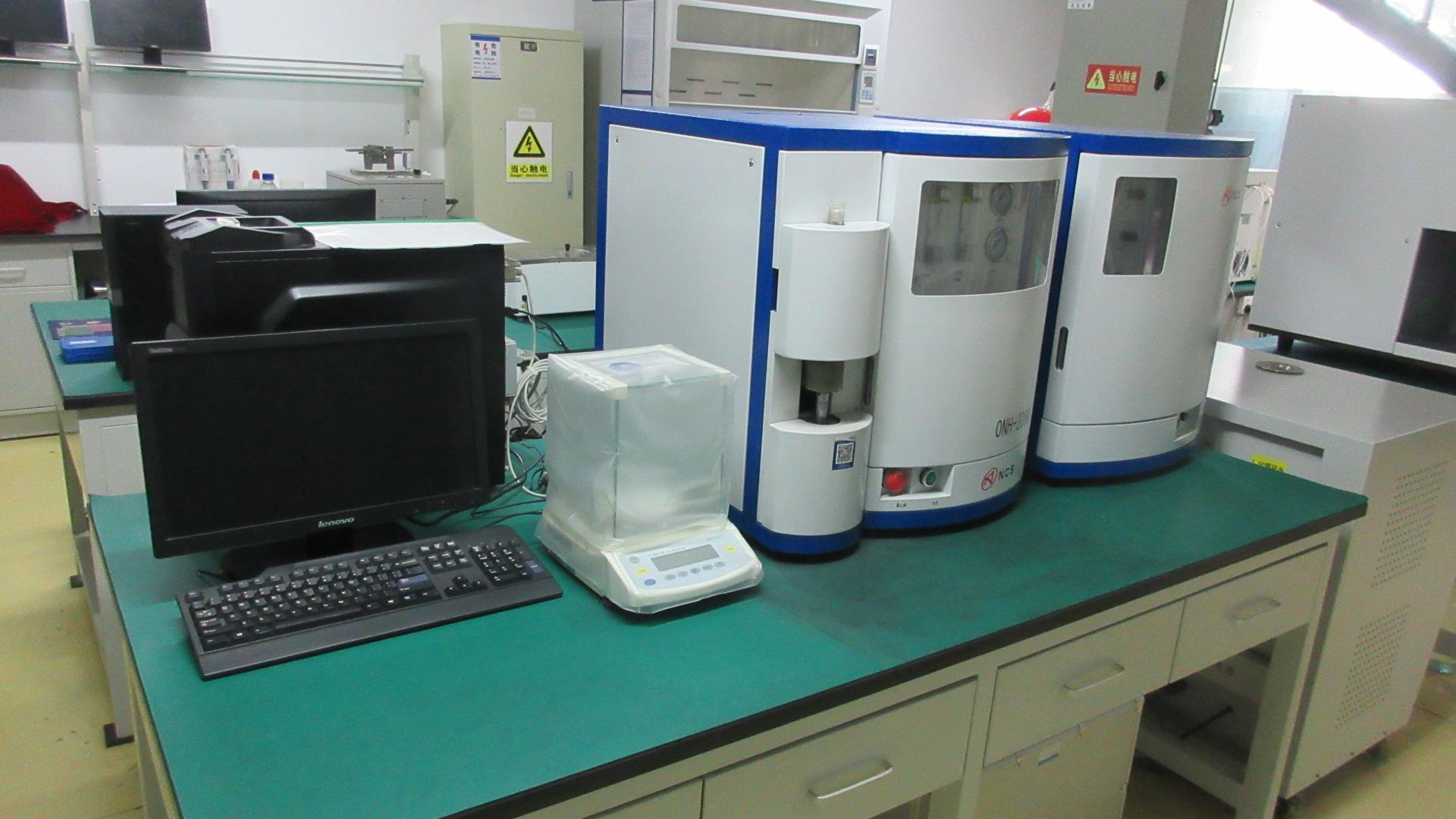
In the medical device supply ecosystem, consistency is paramount. Operationalizing over 10,000 square meters of state-of-the-art production space, our manufacturing unit aligns directly with Industry 4.0 protocols. Equipped with 102 advanced CNC machining units and automated Swiss-type lathes, the facility generates a capacity exceeding 511,000 units annually.
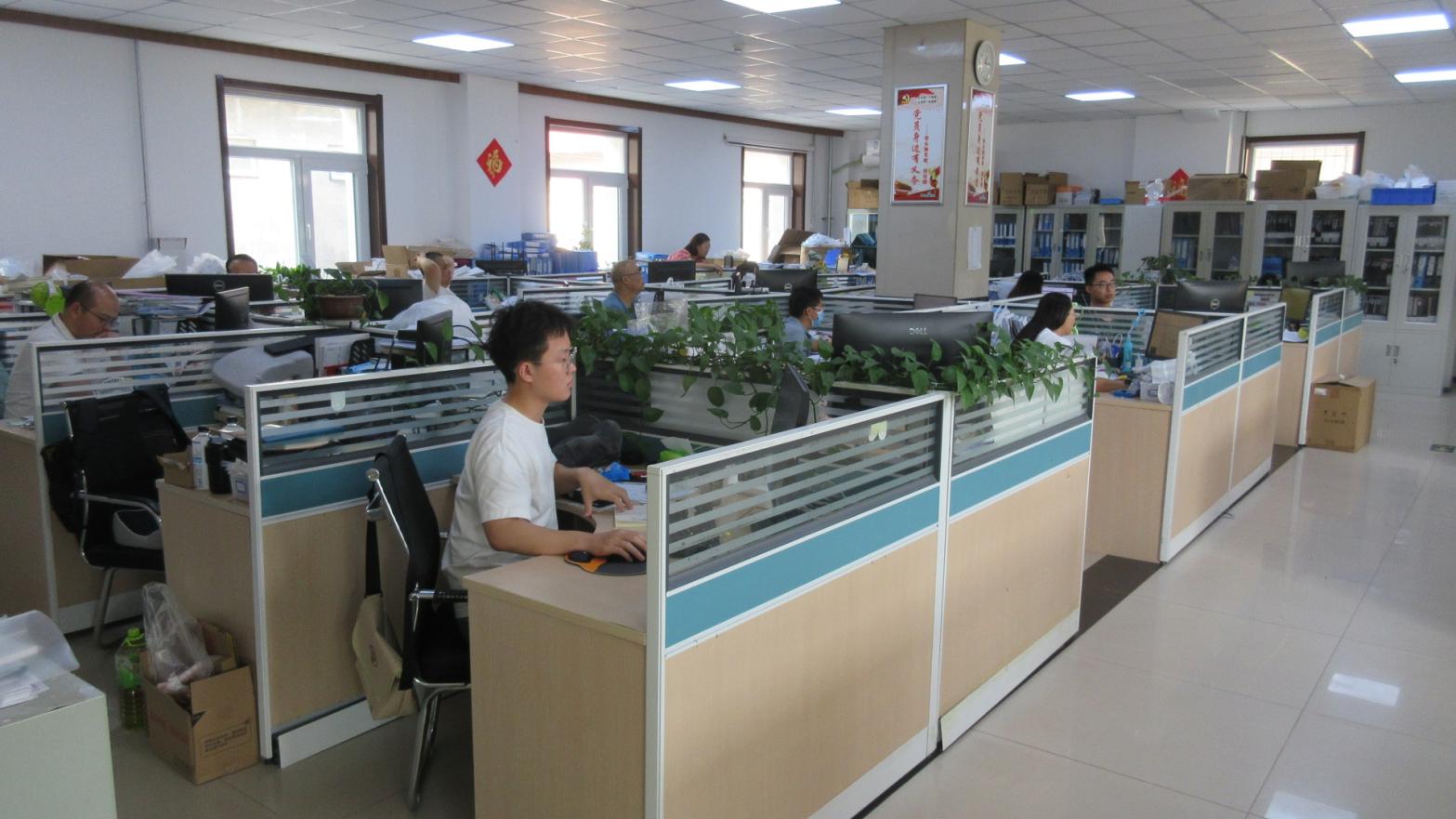
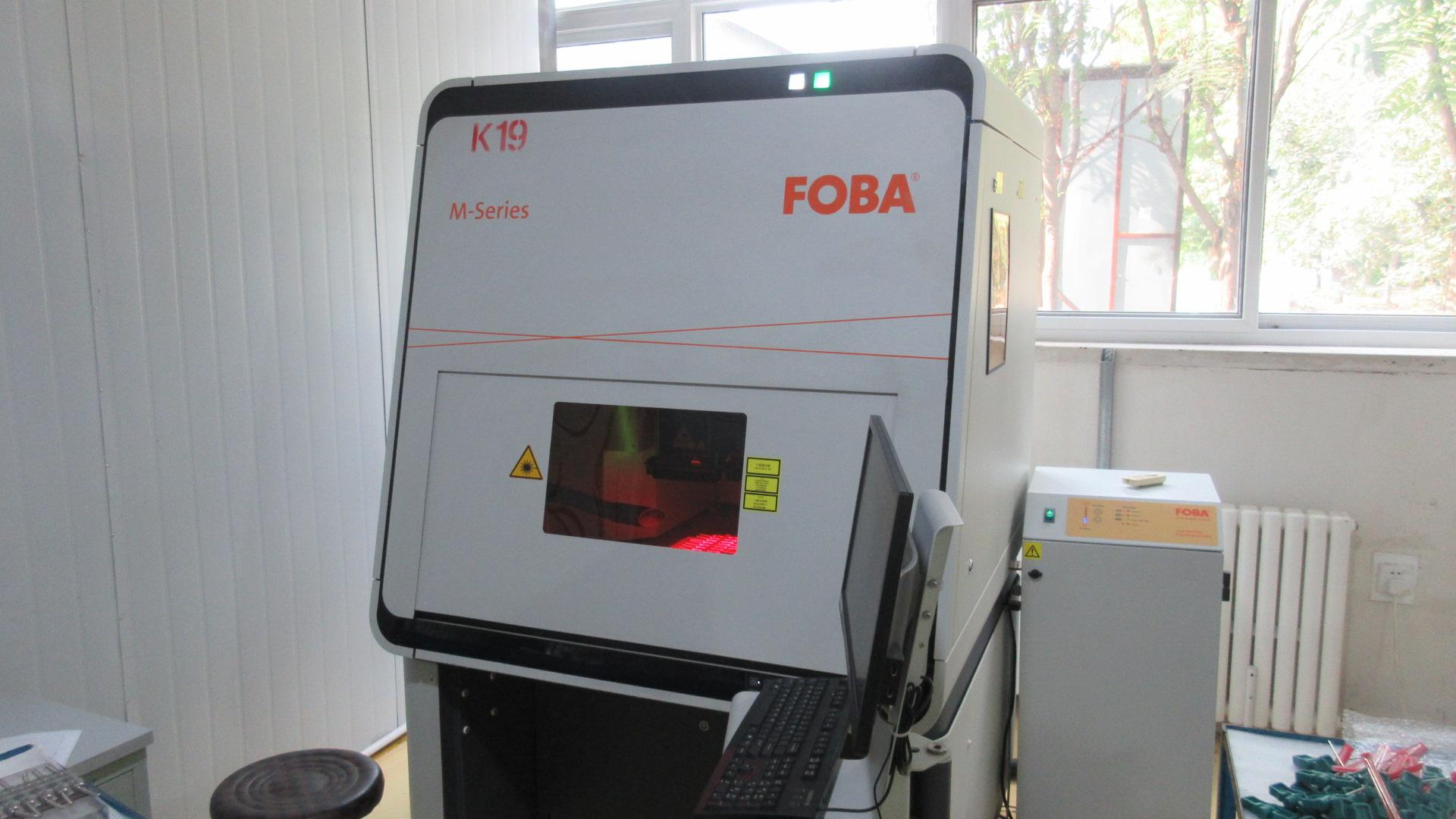
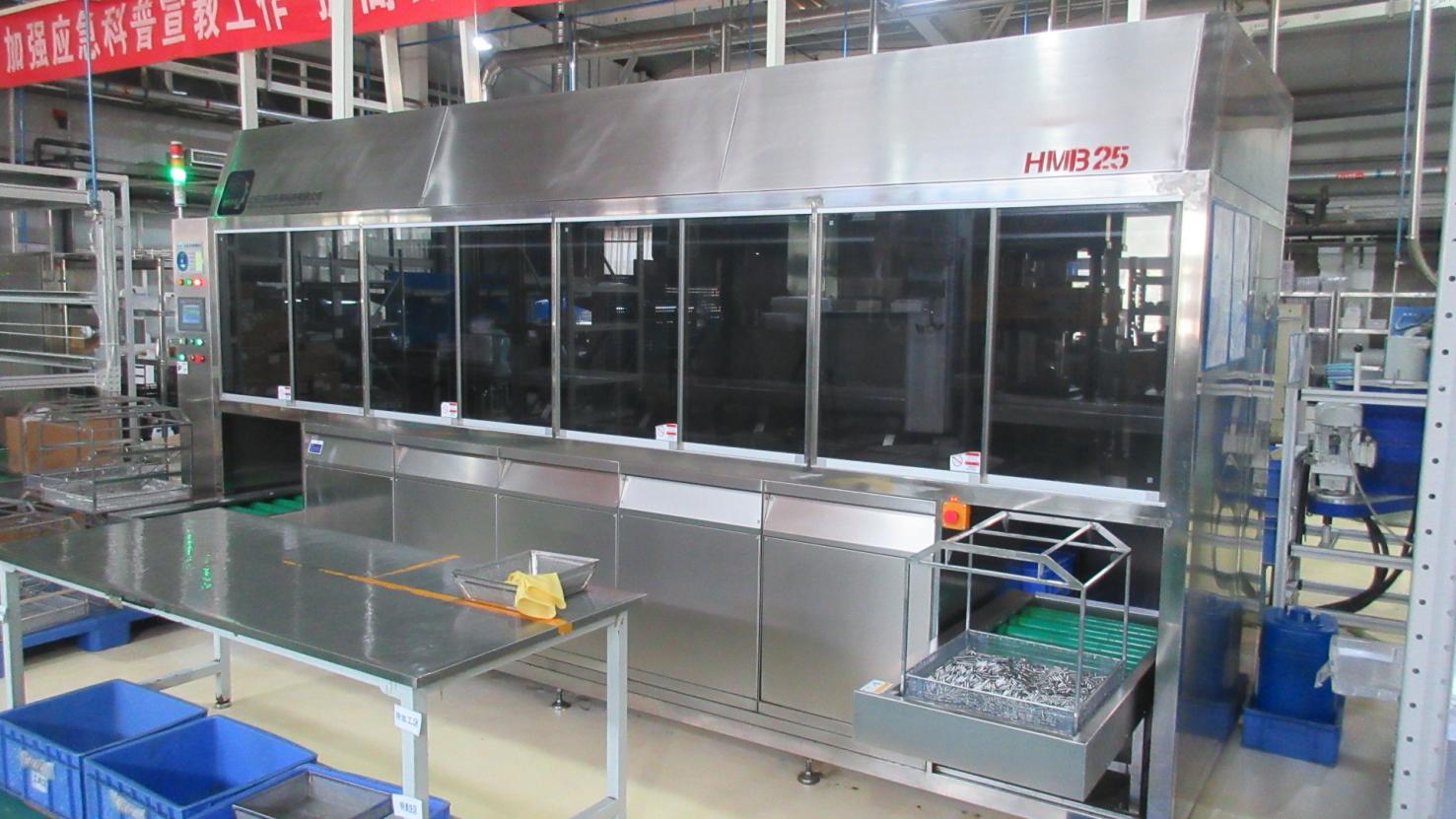
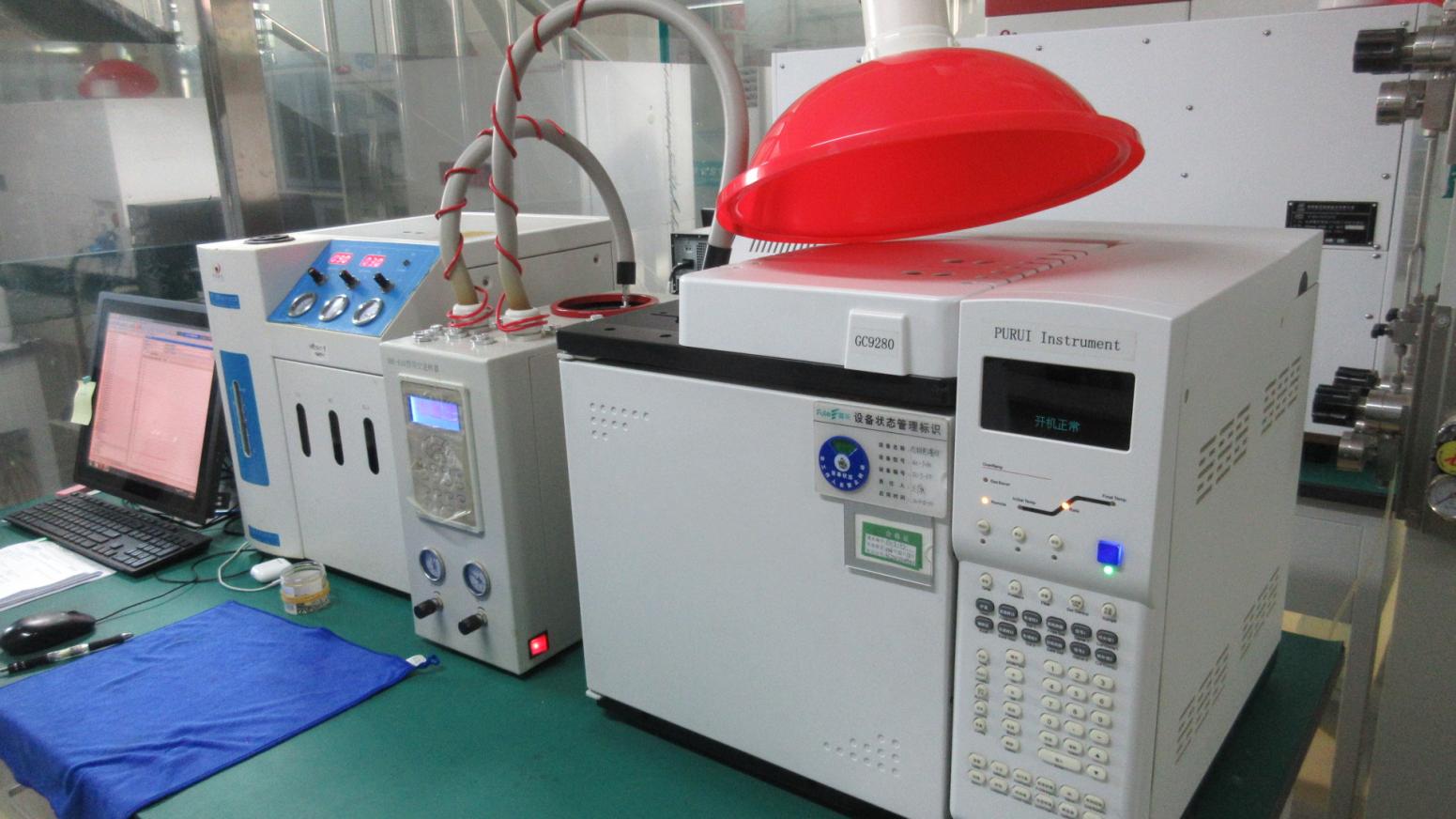
Our manufacturing processes feature comprehensive raw material traceability, tracking grade 5 titanium and premium stainless steel alloys directly to their melt-source certificates. This rigorous supply-side control is bolstered by 15 dedicated QA/QC inspectors operating on all production lines. Each implant undergoes detailed optical profilometry, thread-pitch validation, and ultrasonic cleaning to guarantee sterile packaging readiness.
Key Infrastructure Capacities:
- Continuous Manufacturing: Multi-axis CNC setups programmed to yield sub-micron tolerances for complex bone plates.
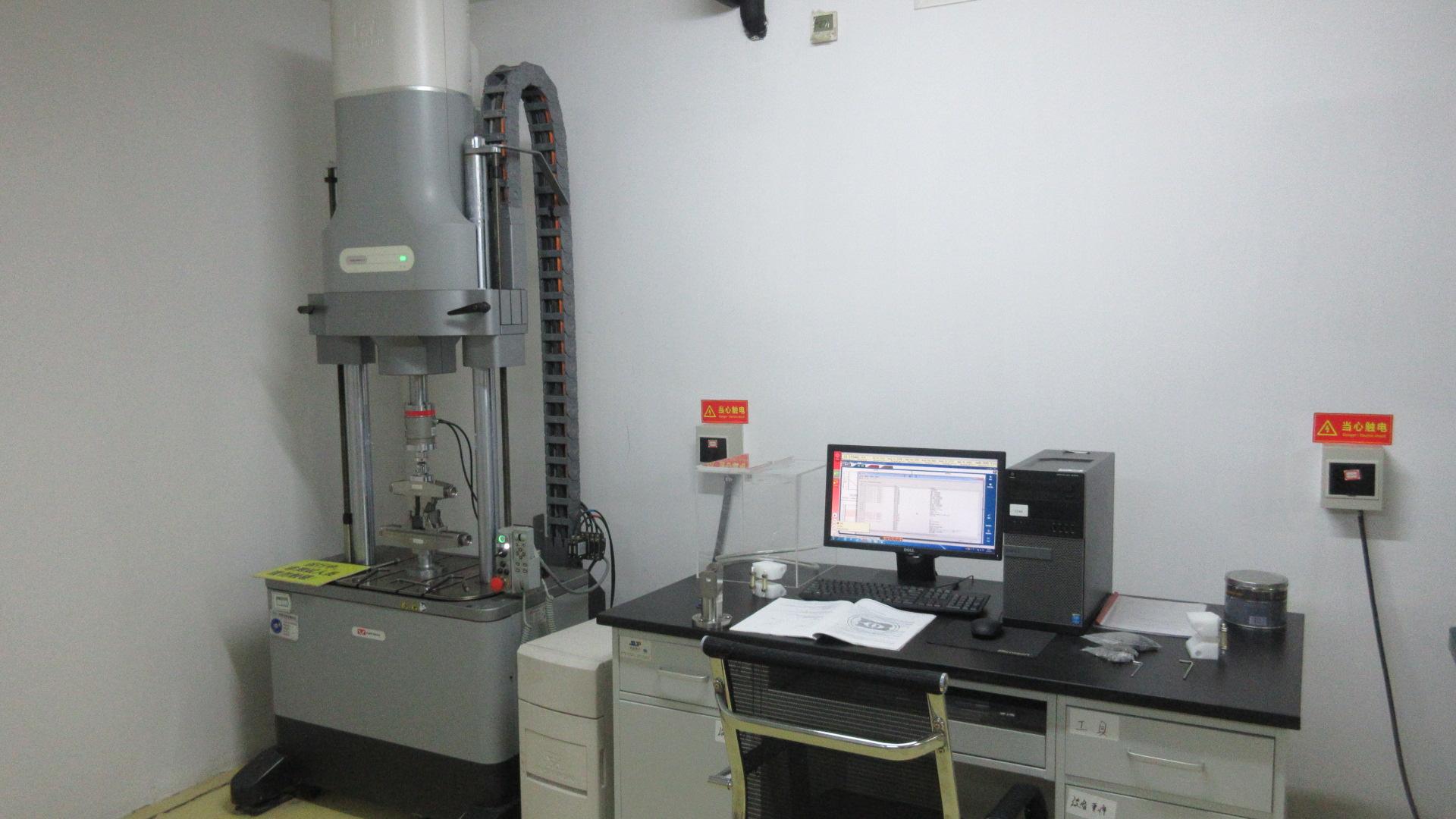
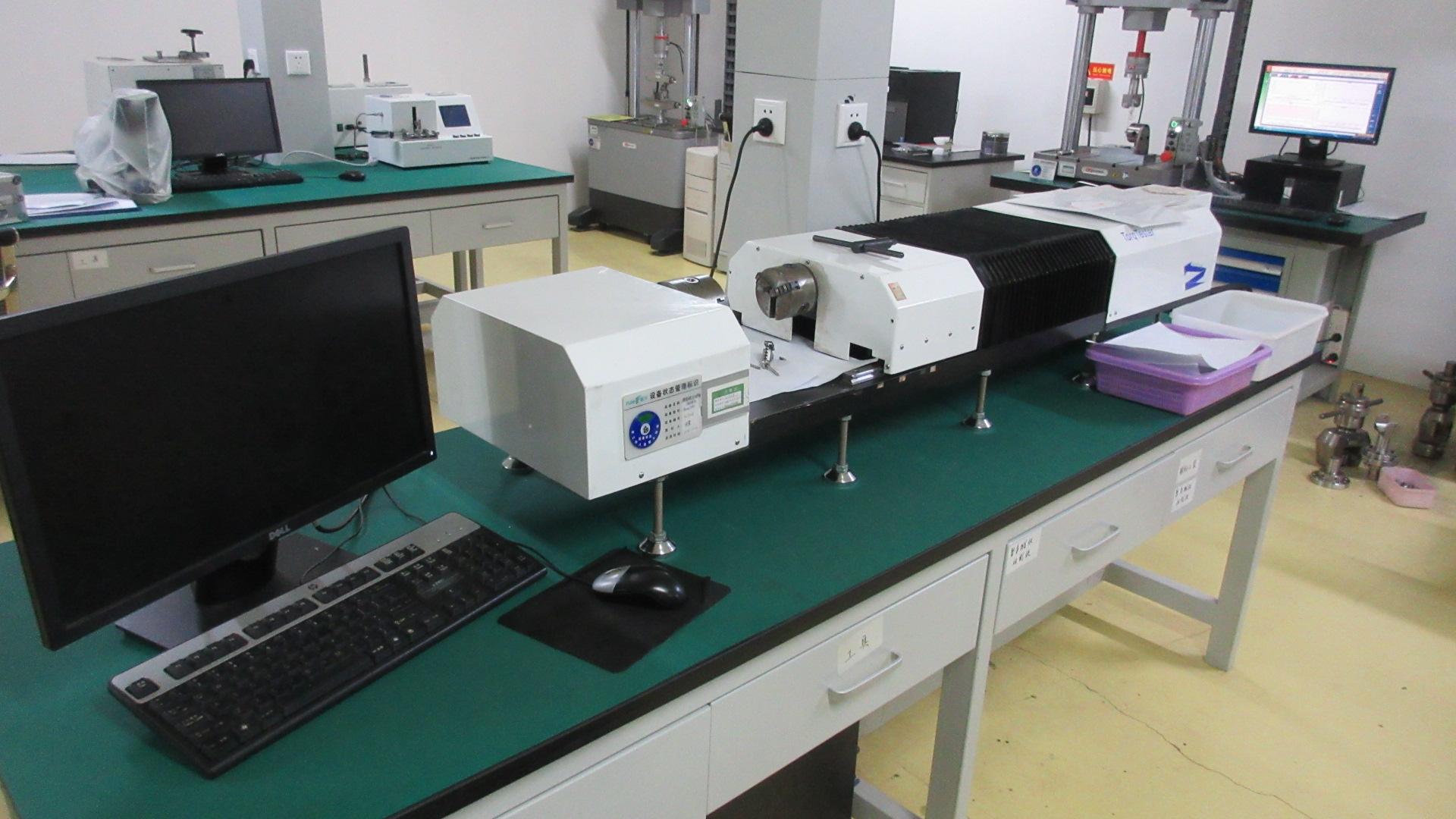
- High Precision Testing: Mechanical fatigue simulators ensuring implants can withstand millions of cycles without degradation.
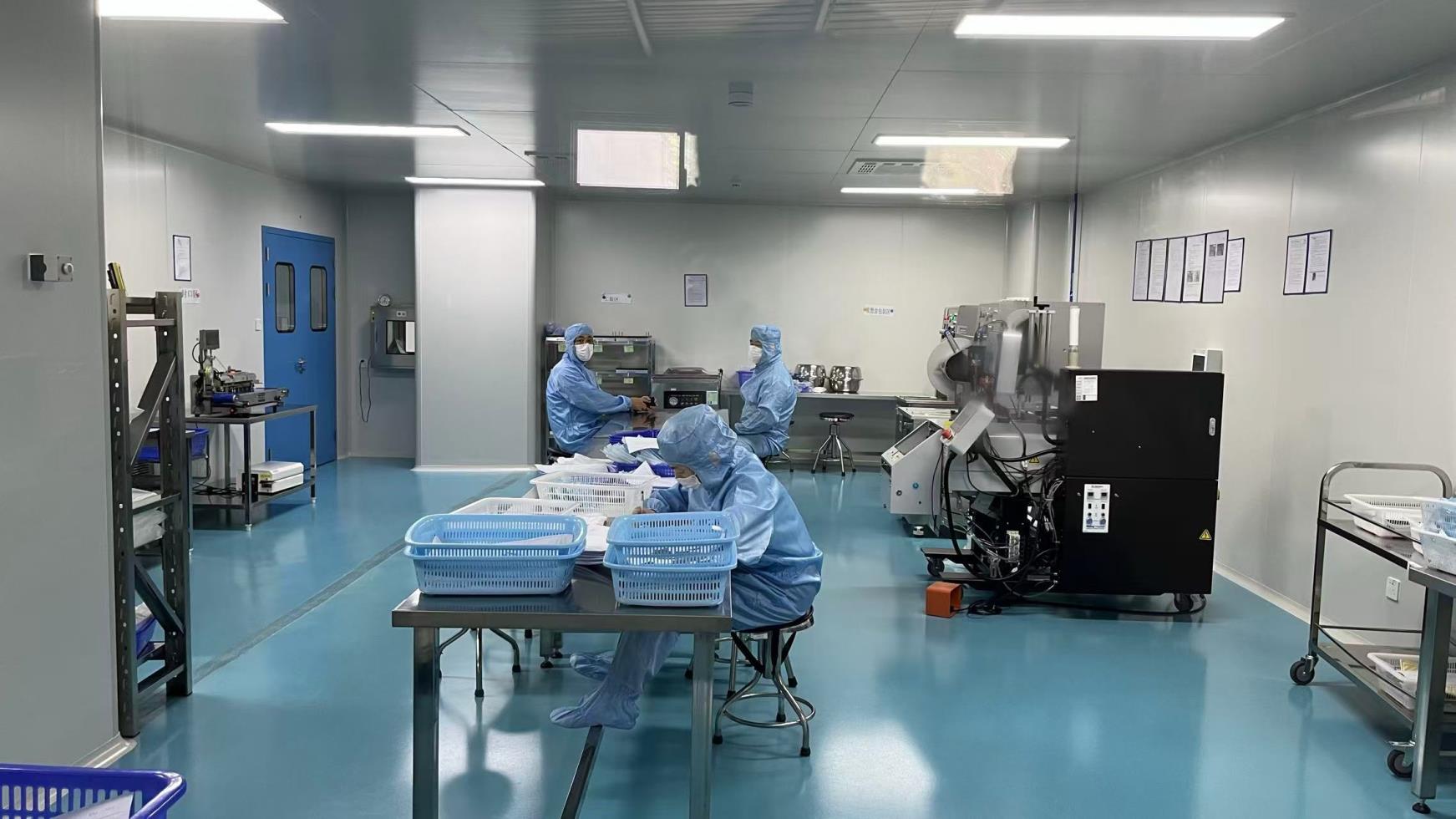
- Class 10,000 Cleanroom: Sterile packaging rooms minimizing endotoxin and bioburden risk.
Technology Roadmap & Extremity Reconstruction Future Outlook
As precision medicine transitions from standard anatomically pre-shaped plates to individualized surgical applications, the technology roadmap for hand and foot implants relies on three core pillars:
Global Procurement Dynamics & Strategic Supply Chain Solutions
For medical device distributors, hospital purchasing departments, and B2B global importers, managing lead times while complying with regional regulatory standards is crucial. Standardizing packaging designs, utilizing predictable raw material buffer stocks, and establishing clear logistical routing help minimize procurement volatility.
We manage these variables by maintaining strong supply chain partnerships with over 70 verified logistics and metallurgical suppliers. This allows us to offer customized OEM/ODM packaging options, private-label sterilization configurations, and complete technical document files (including surgical technique guides and instrument care brochures) to support fast regulatory approval and market entry.