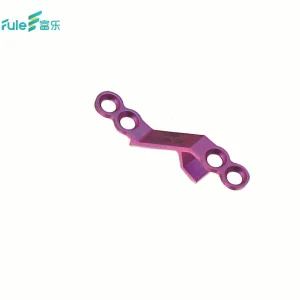
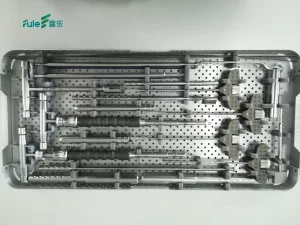
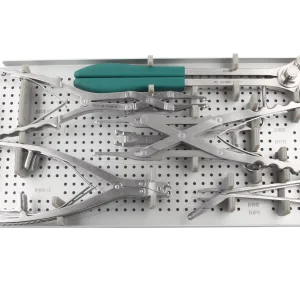
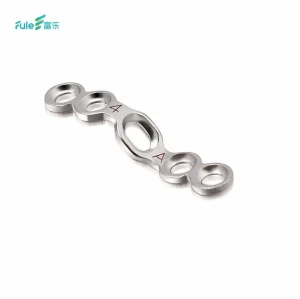
High-grade Titanium & Stainless Steel Systems Certified for Global Medical Standards
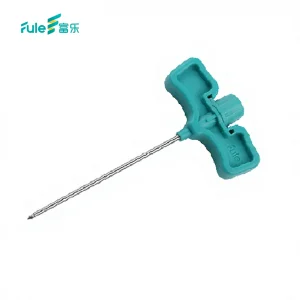
The Ilizarov System represents a revolutionary methodology in orthopedic trauma recovery, limb correction, and bone reconstruction. Named after the pioneering Soviet orthopedic surgeon Gavriil Abramovich Ilizarov, the system operates on the biological principle of distraction osteogenesis (the "tension-stress effect"). By applying controlled mechanical tension, the system stimulates the natural regeneration of bone tissue, adjacent blood vessels, and soft tissues. This circular external fixation system utilizes high-tension transfixion wires and adjustable rods to secure bone segments, allowing patients to bear weight while undergoing active bone expansion or deformity correction.
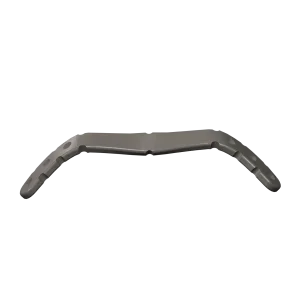
From a structural engineering perspective, the system relies on rings (usually manufactured from high-grade titanium or medical stainless steel), threaded rods, telescopic struts, and specialized wire-fixation bolts. In contrast to unilateral external fixators, the circular configuration provides uniform multi-planar stability. This is crucial for managing complicated conditions such as pseudoarthrosis, infected non-union bone fragments, segment bone loss, and severe congenital deformities of the lower limbs. Over the decades, advanced manufacturing has introduced composite carbon fiber rings to reduce weight and facilitate radiolucency, improving clinical visualization.
| Feature | Stainless Steel Ilizarov Systems | Titanium / Carbon Fiber Systems |
|---|---|---|
| Material Composition | 316LVM Medical-grade Stainless Steel | Titanium Alloy (Ti-6Al-4V ELI) / Carbon Fiber Composites |
| Weight Properties | Standard Weight (High stability, heavier frame) | Ultra-lightweight (Up to 40% reduction for patient comfort) |
| Radiolucency | Low (Creates substantial X-ray shadows) | High (Clear visual monitoring of bone consolidation) |
| Biocompatibility | Excellent (Industry standard for trauma applications) | Premium (Highly bio-inert, reduces risk of tissue irritation) |
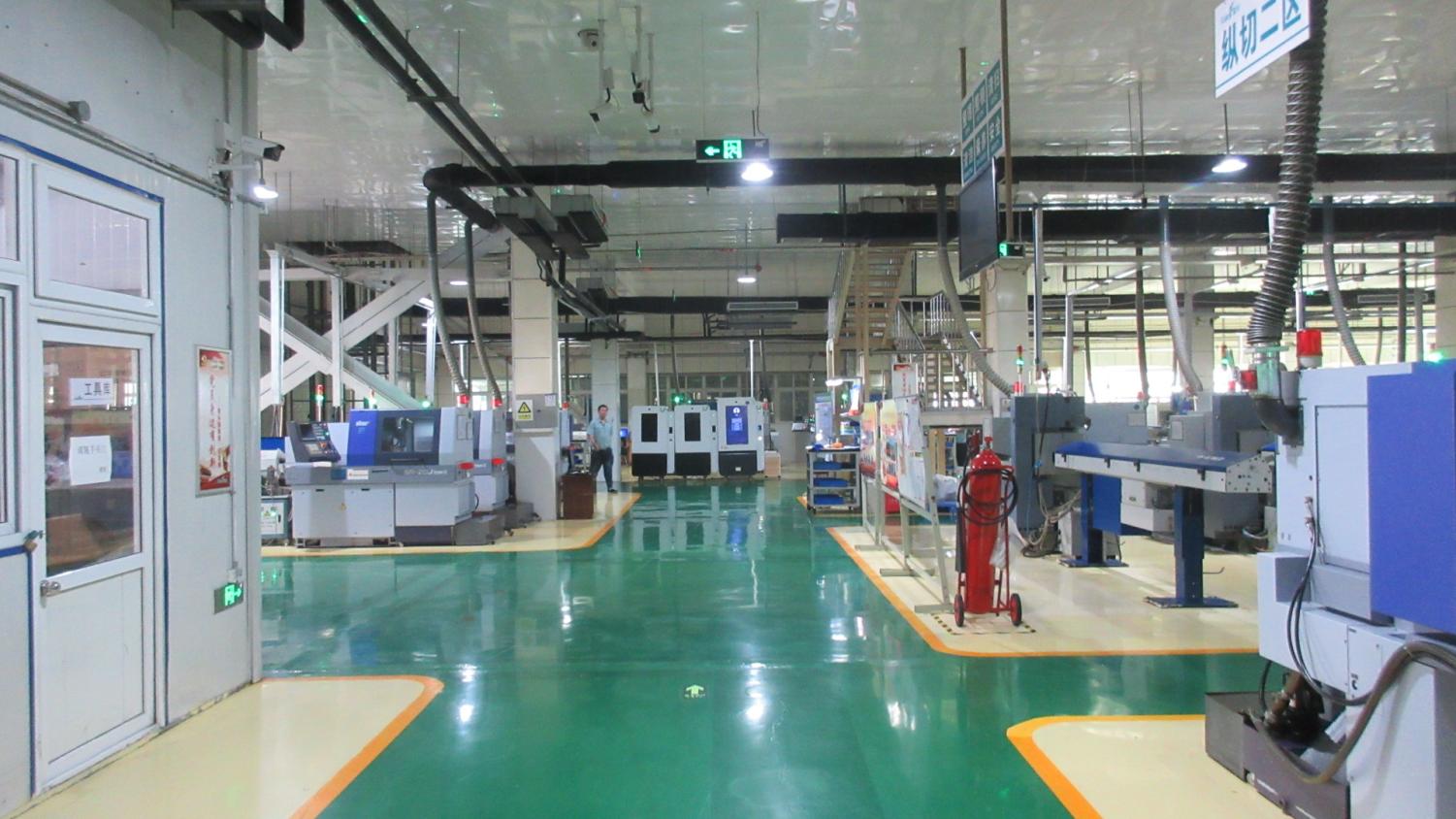
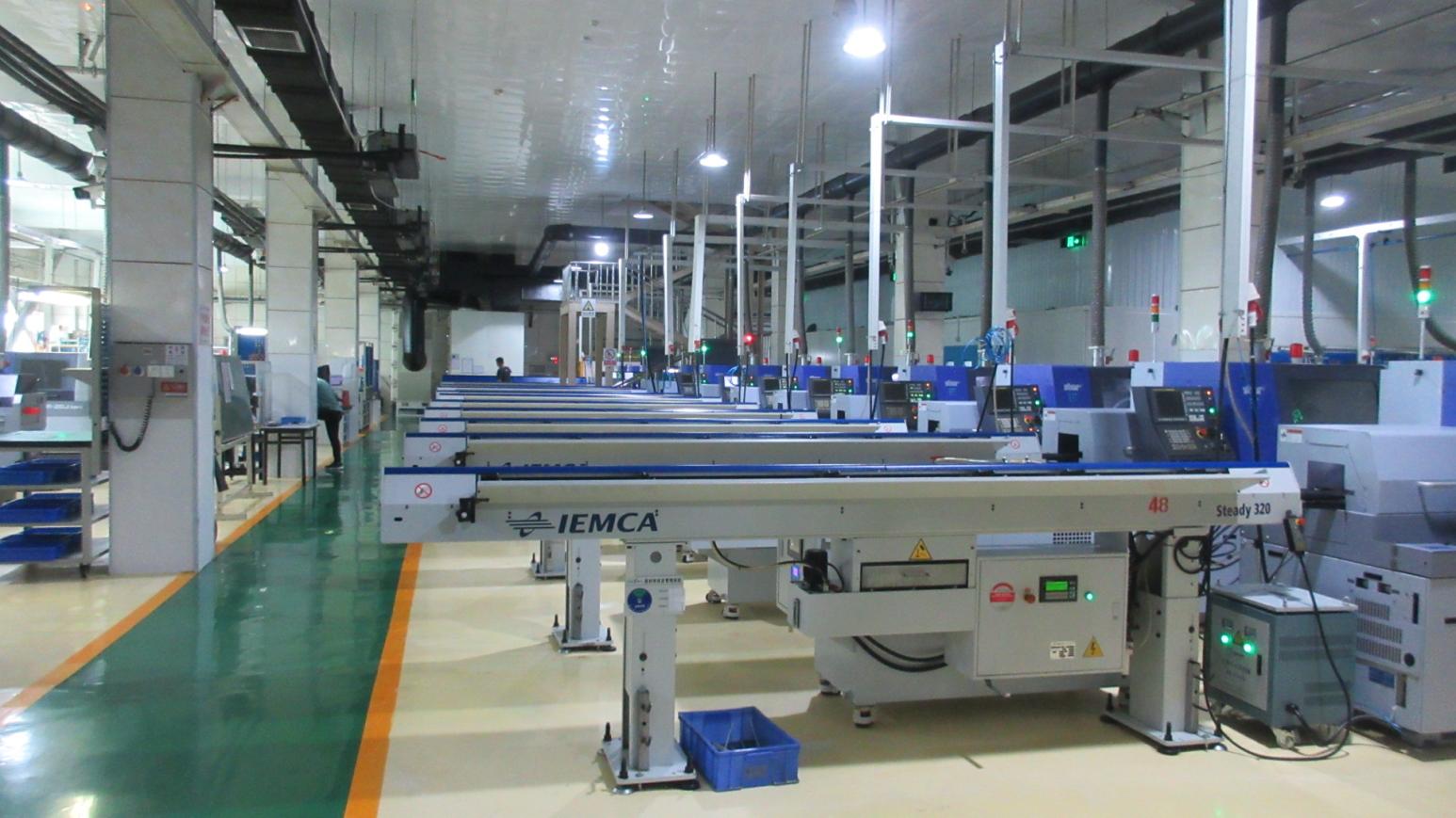
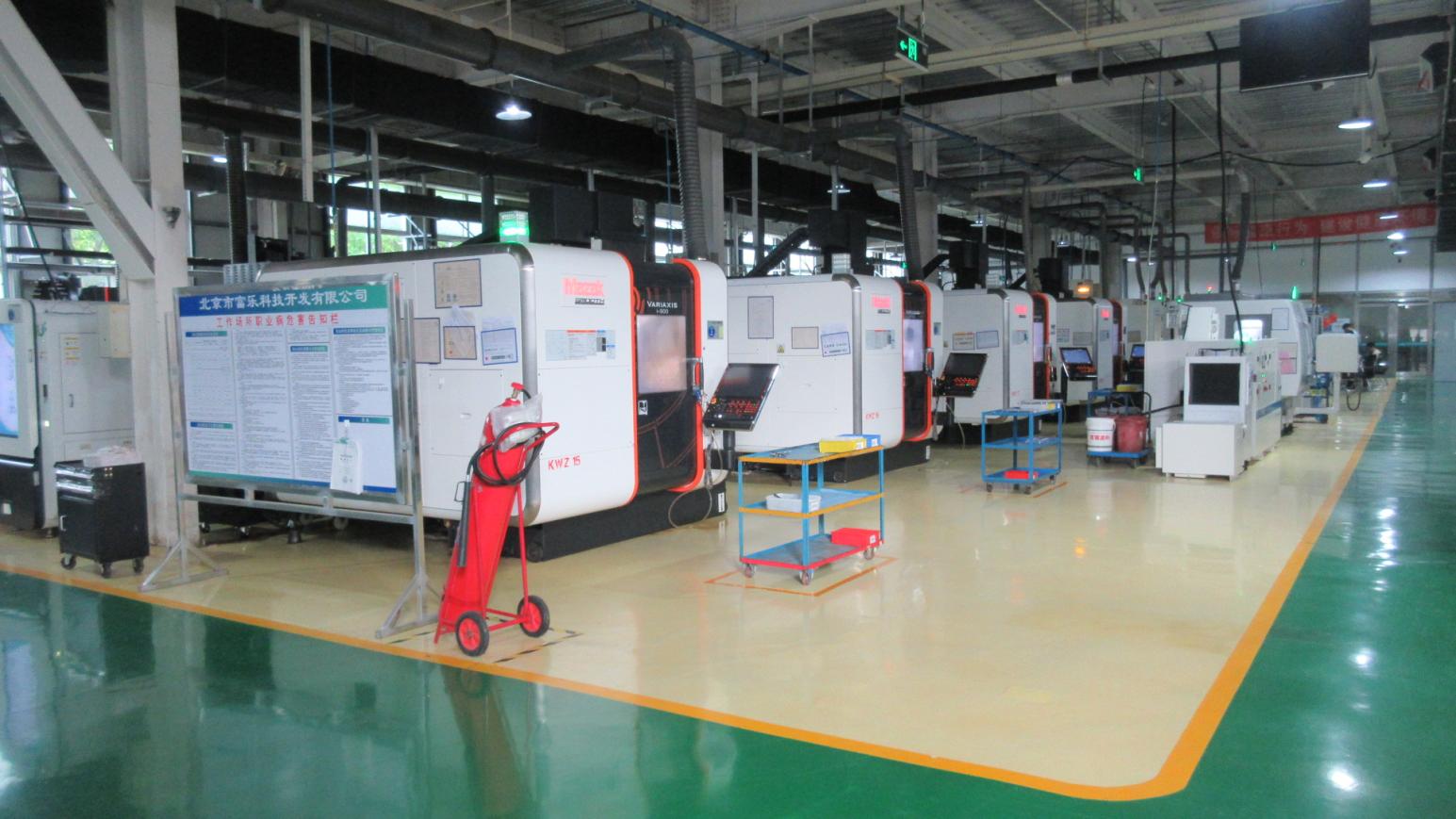
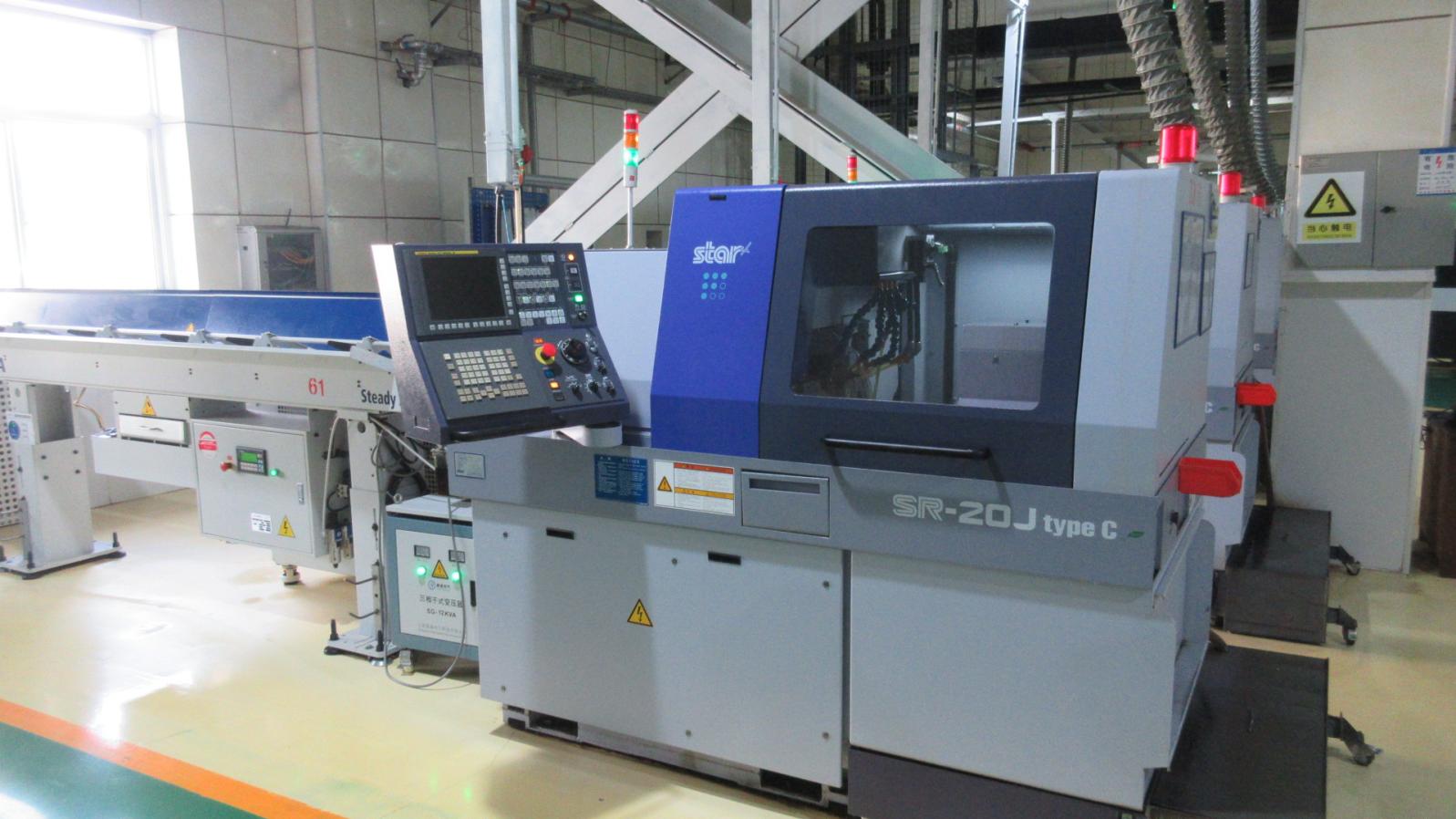
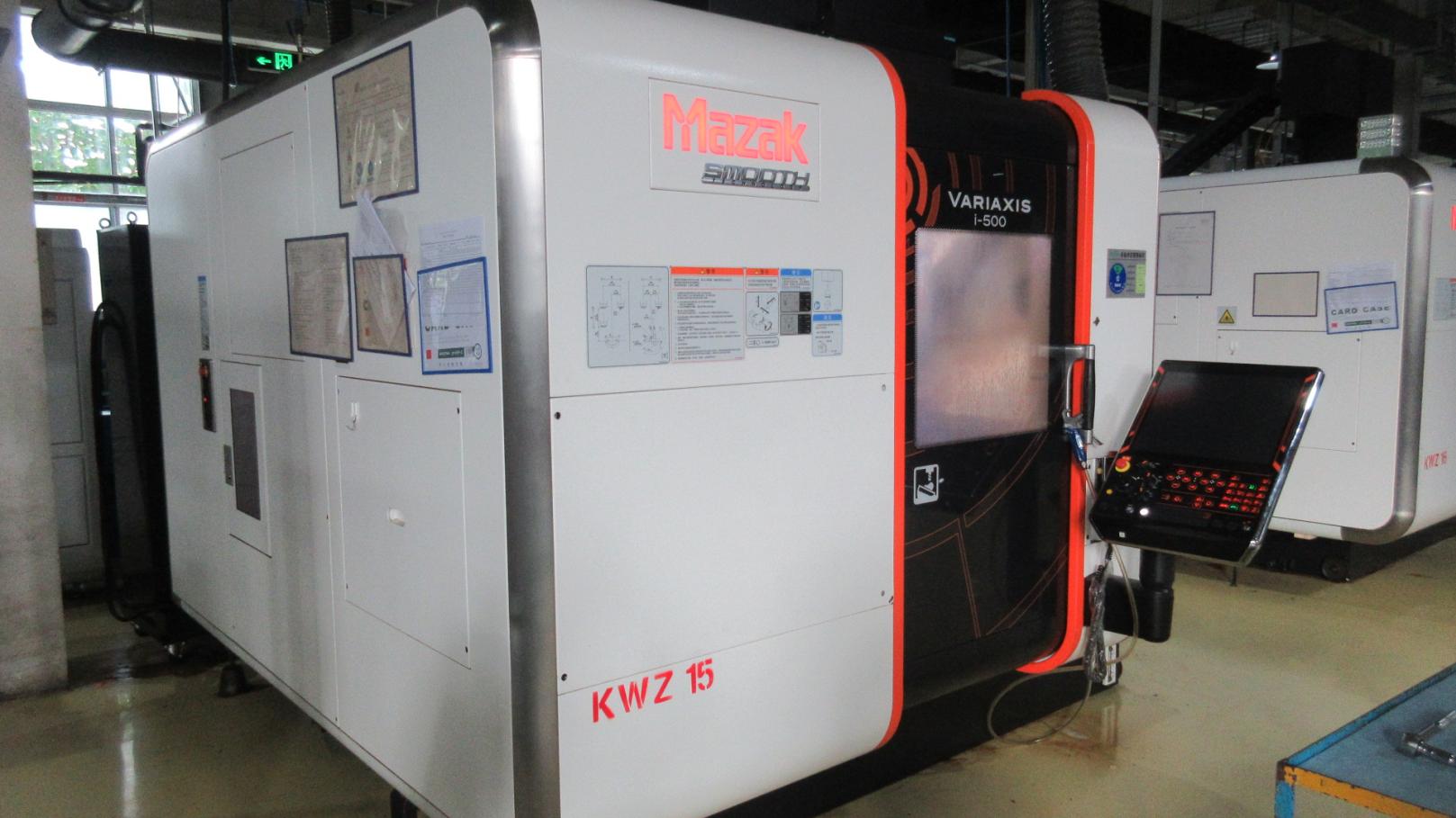
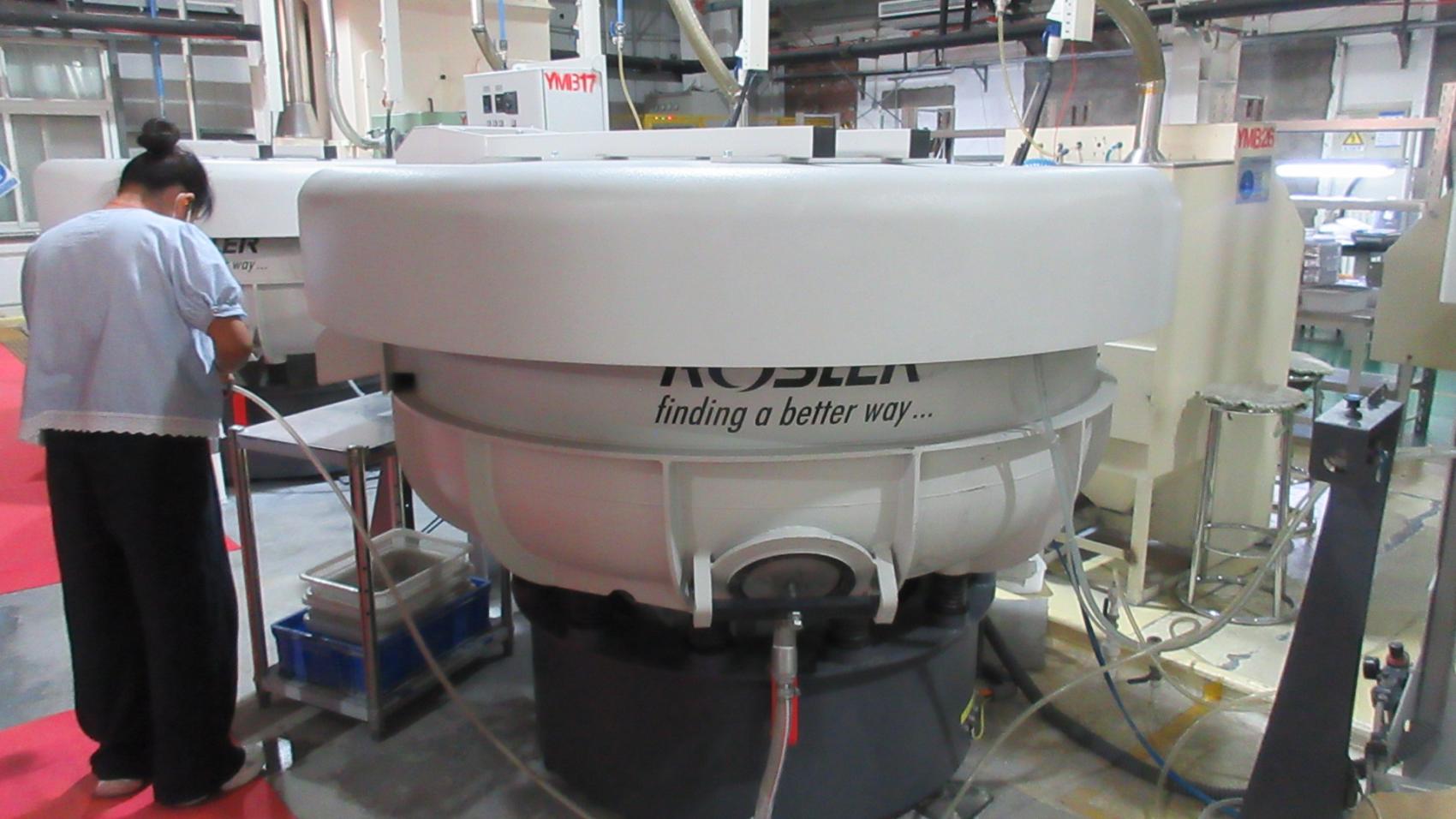
China has emerged as a premier global hub for the design and manufacturing of orthopedic implants and external fixators. Factories such as Beijing Fule combine 30 years of clinical and metallurgical expertise to supply global buyers with high-performance orthopedic systems. Modern Chinese facilities leverage cutting-edge multi-axis CNC milling, high-precision metal extrusion, and computerized anodizing surface treatments. By operating in proximity to regional titanium refinement hubs and specialized logistics centers, factories deliver superior quality controls while maintaining excellent cost-competitiveness.
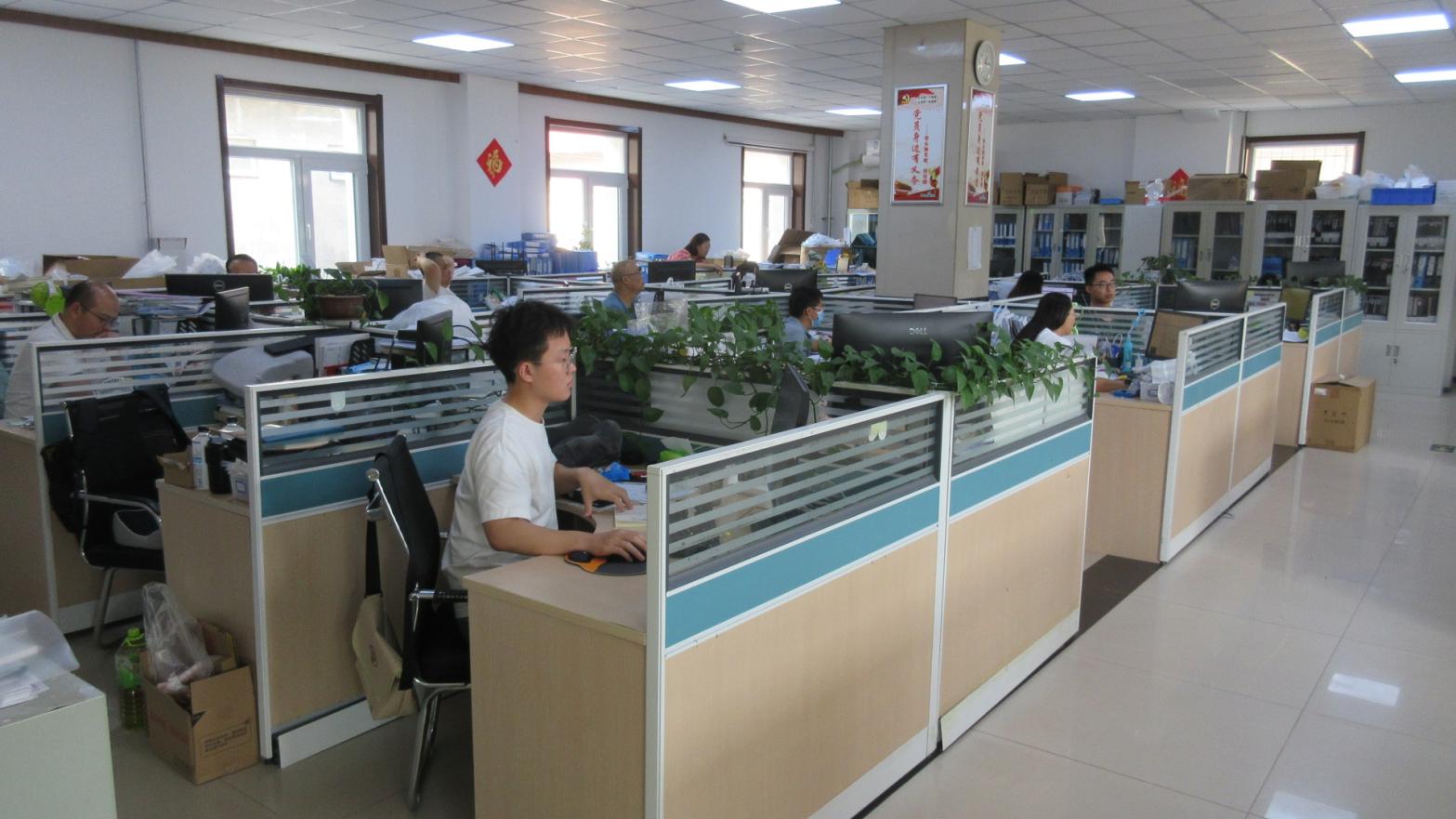
Crucially, modern manufacturing is backed by deep R&D frameworks. Beijing Fule operates with 20 dedicated R&D engineers, 15 of whom hold advanced degrees. This intellectual capital allows for extensive OEM, ODM, and customized configuration requests, matching custom anatomical fixations for local clinics. With raw material traceability and 100% inspection methodologies verified by over 15 internal QA/QC inspectors, China-based production represents a low-risk, highly reliable supply chain for global distributors.
The external fixation sector is undergoing a rapid digital evolution. The classic Ilizarov mechanical system is now augmented by hexapod computer-assisted alignment systems (known as Taylor Spatial Frames or similar hexapod fixators). These systems utilize specialized planning software: the surgeon inputs radiographic measurements of the bone deformity alongside the frame parameters, and the algorithm calculates the exact daily adjustments for each of the six telescopic struts. This digital planning decreases correction errors and shortens the rehabilitation cycle, providing a more patient-centered therapeutic approach.
Another critical shift is the fusion of minimally invasive surgery (MIS) with external frames. Surgeons increasingly apply surgical methods that combine intramedullary nails with short-term external circular fixators (LATN - Lengthening Over Nails). This technique minimizes the duration that the patient has to wear the external frame, avoiding common issues like pin-track infections and joint stiffness. Advanced coating processes, such as applying hydroxyapatite to transfixion wires and half-pins, further enhance bone-pin integration and reduce bacterial colonization.
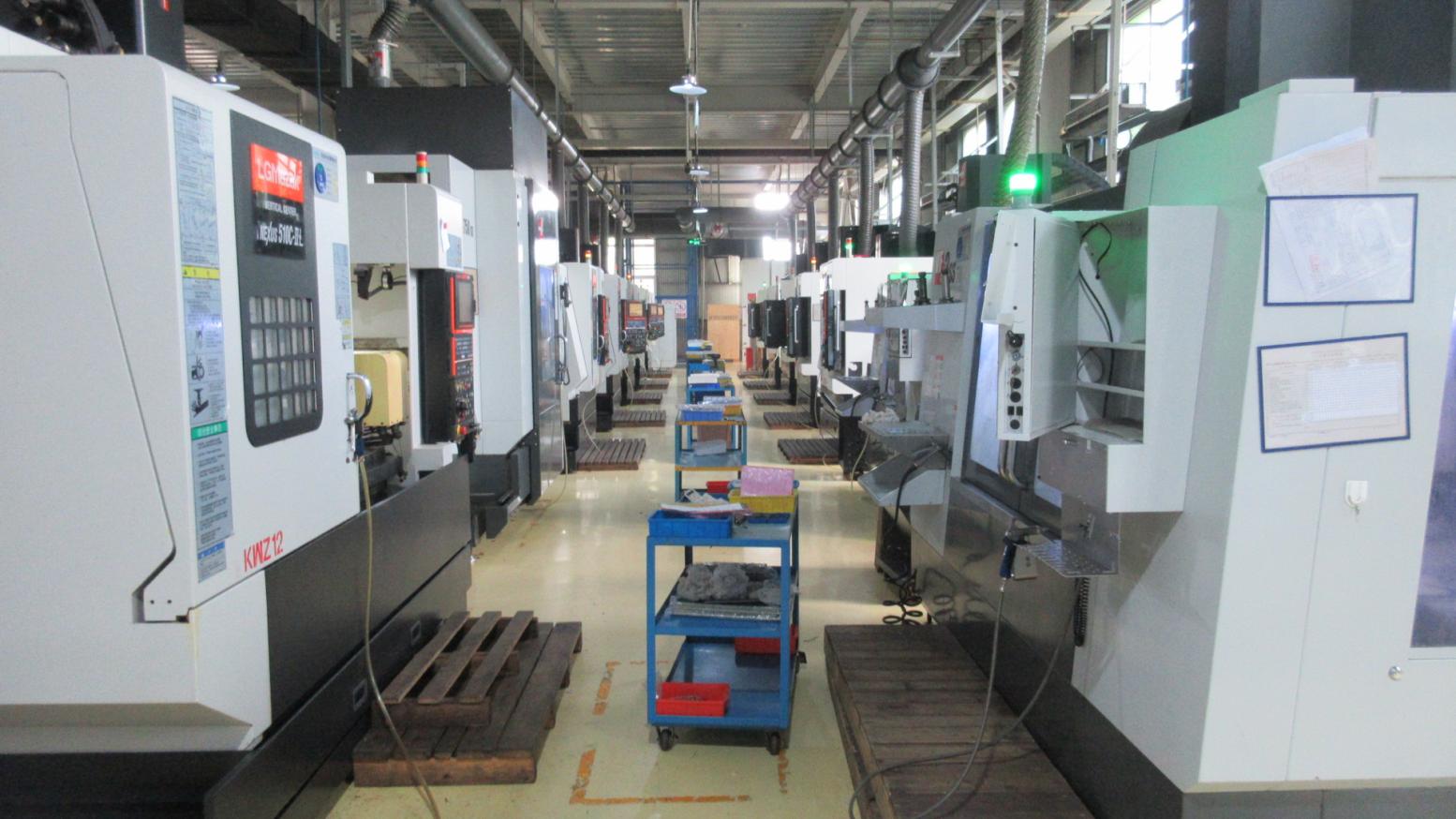
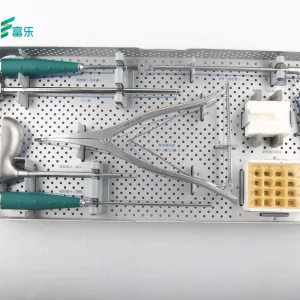
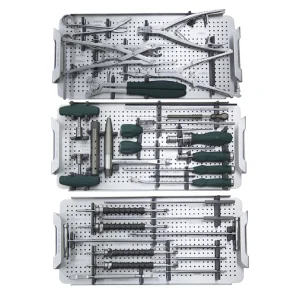
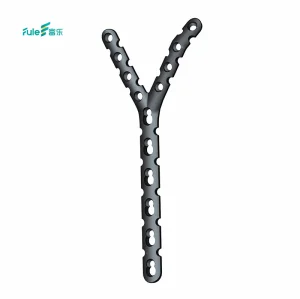
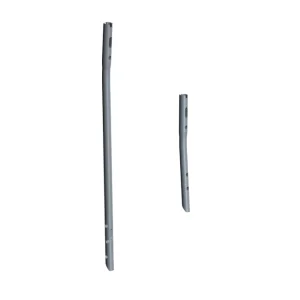
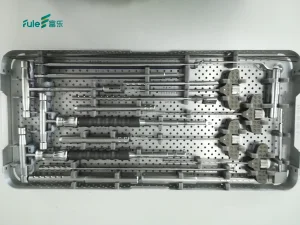
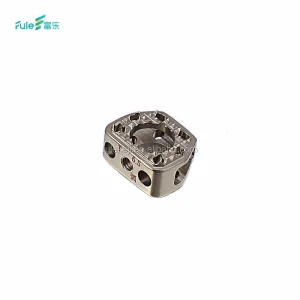
Hospital procurement directors and distributors face unique challenges when importing orthopedic hardware. The complex nature of surgical kits—ranging from pins and wires to rings, nuts, and tensioners—requires a partner who can customize setups based on specific market needs. Sourcing from a single supplier like Fule, which provides a comprehensive product portfolio (including spinal fixation systems, intramedullary nails, and pelvic plating), helps streamline supply chain operations, reduce customs friction, and cut logistics costs.
Furthermore, regulatory compliance remains the most important step for market access. Production operations under ISO 13485, paired with Class III CE marks, make sure products are ready for the rigorous compliance standards of the European Union, Southeast Asia, and Eastern Europe. Factories that maintain complete batch traceability—from raw titanium ingots to finished sterilizable boxes—provide importers with the documentation required to successfully navigate local health authority reviews.
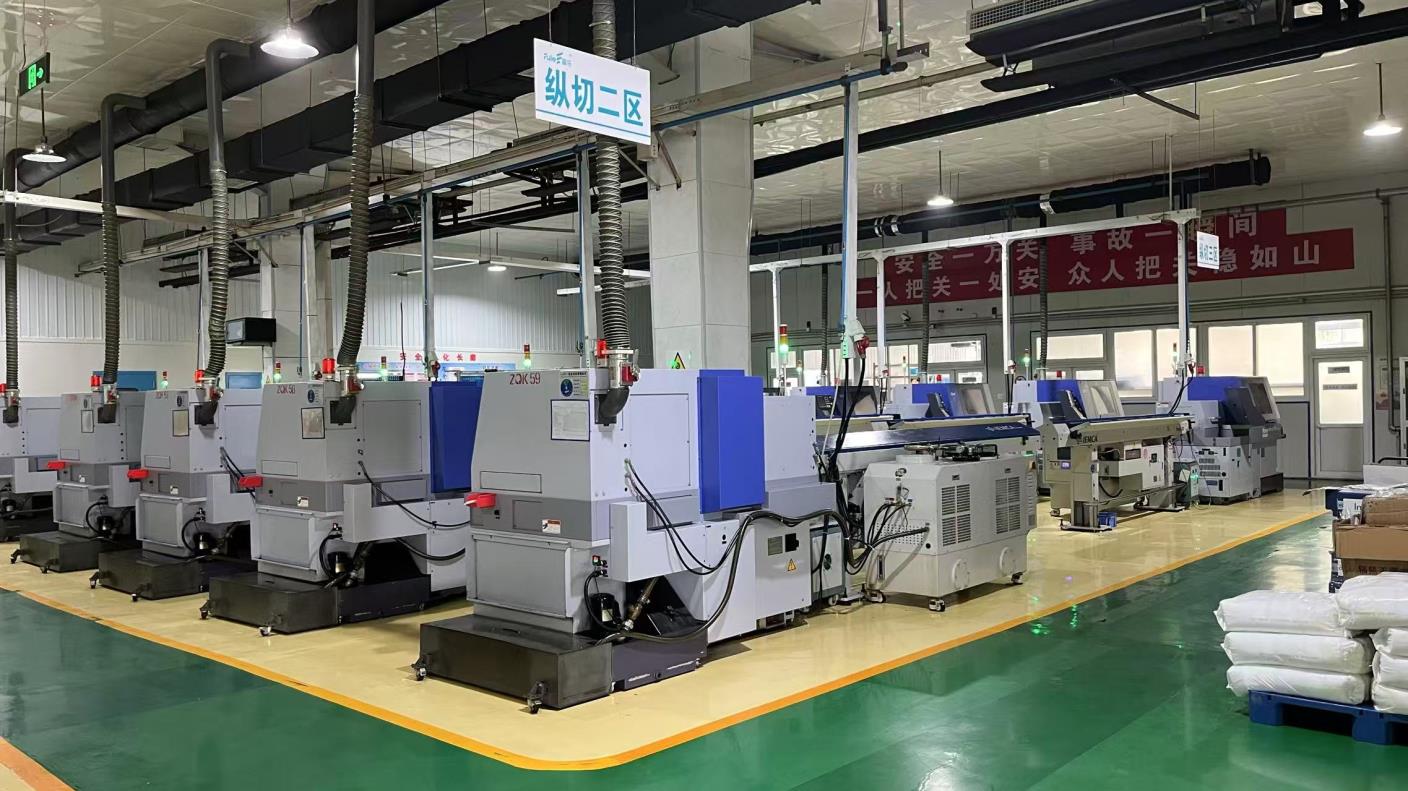
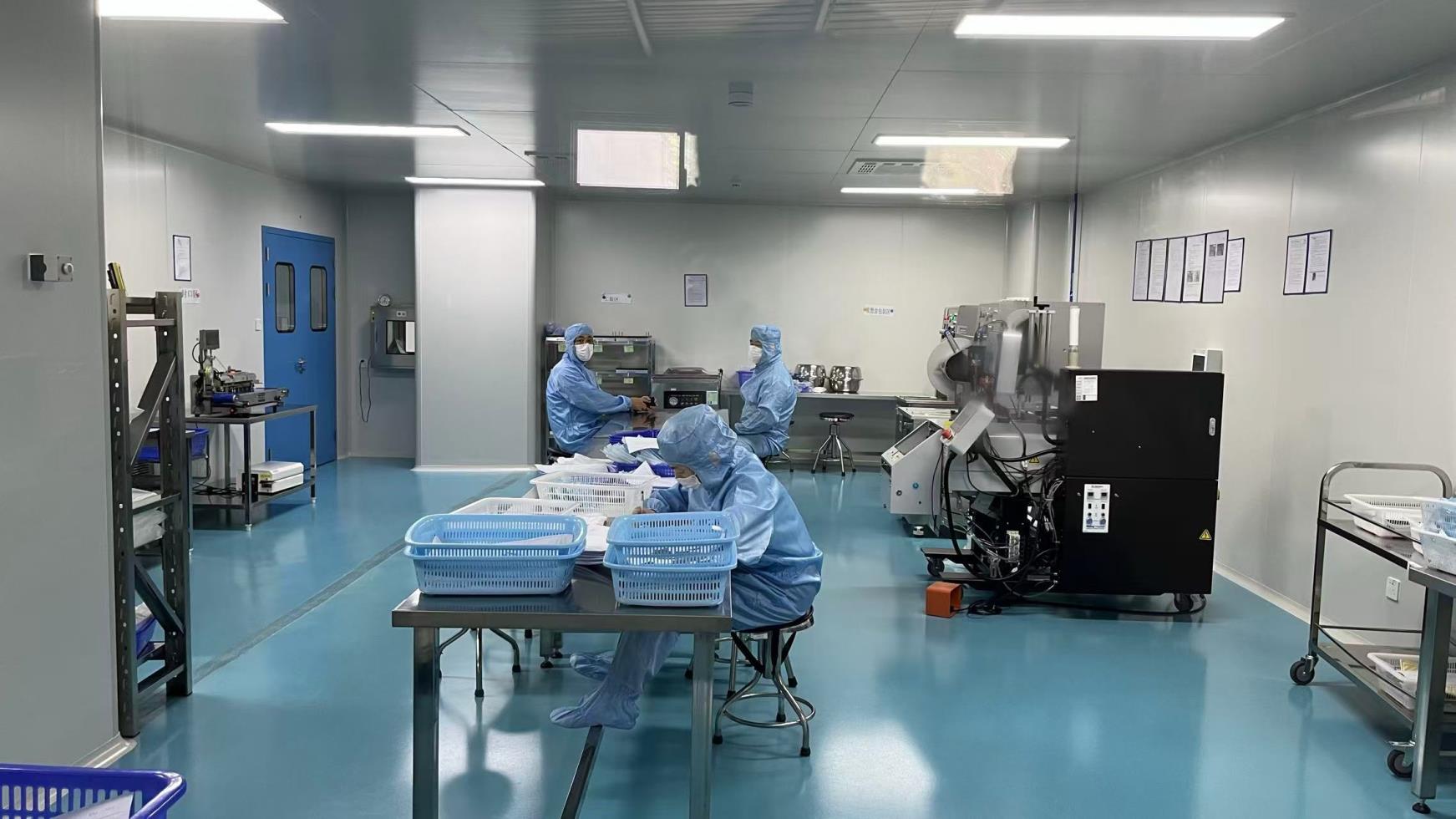
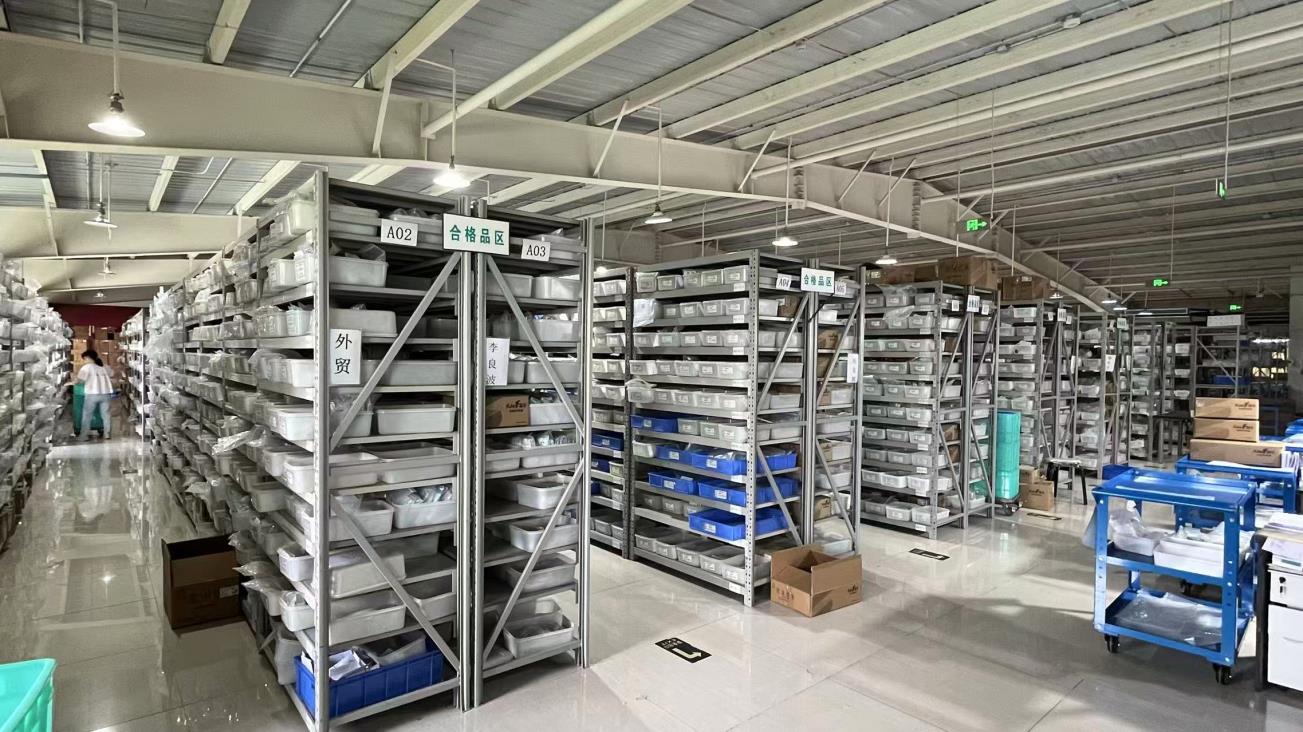
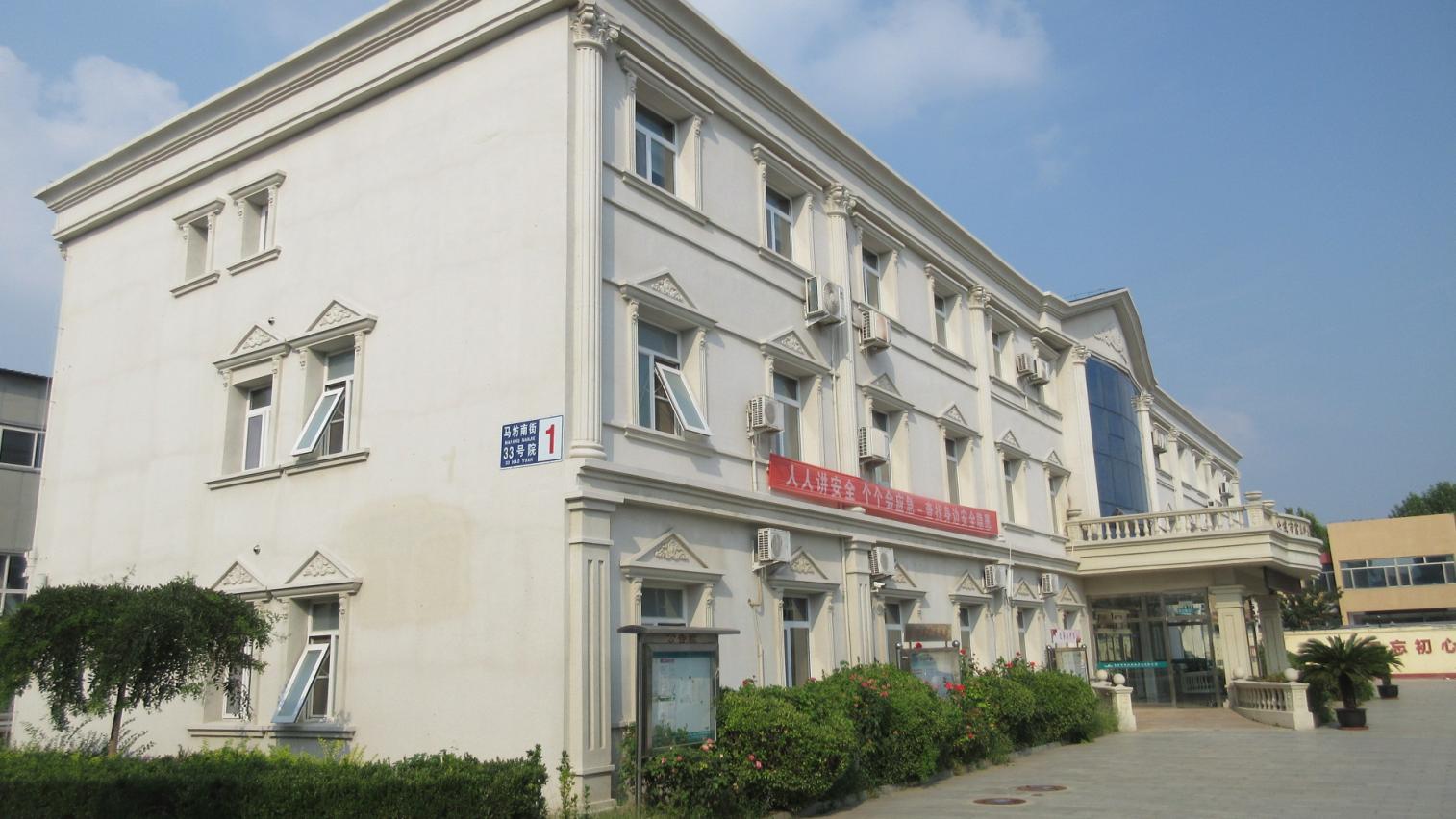
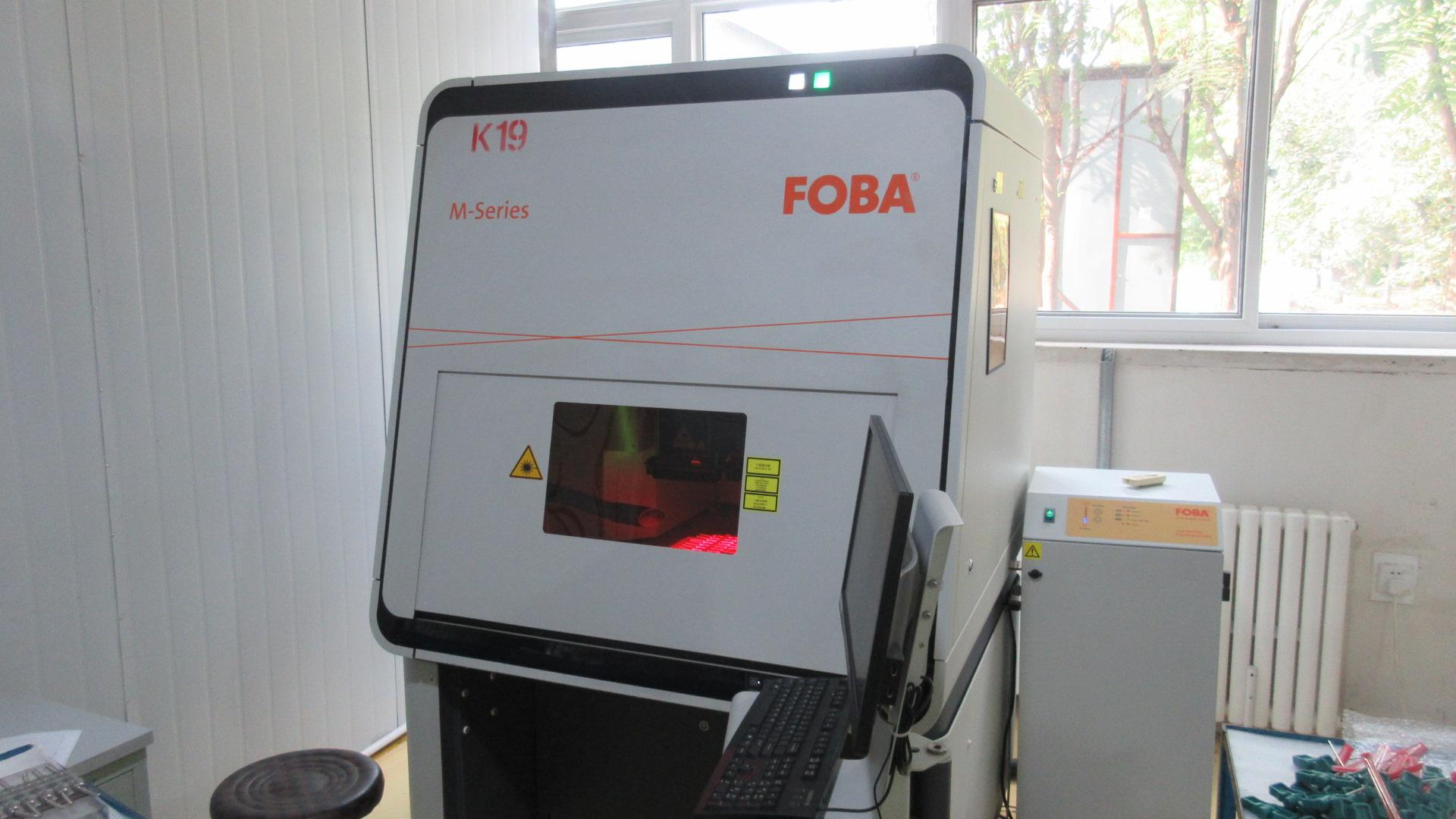
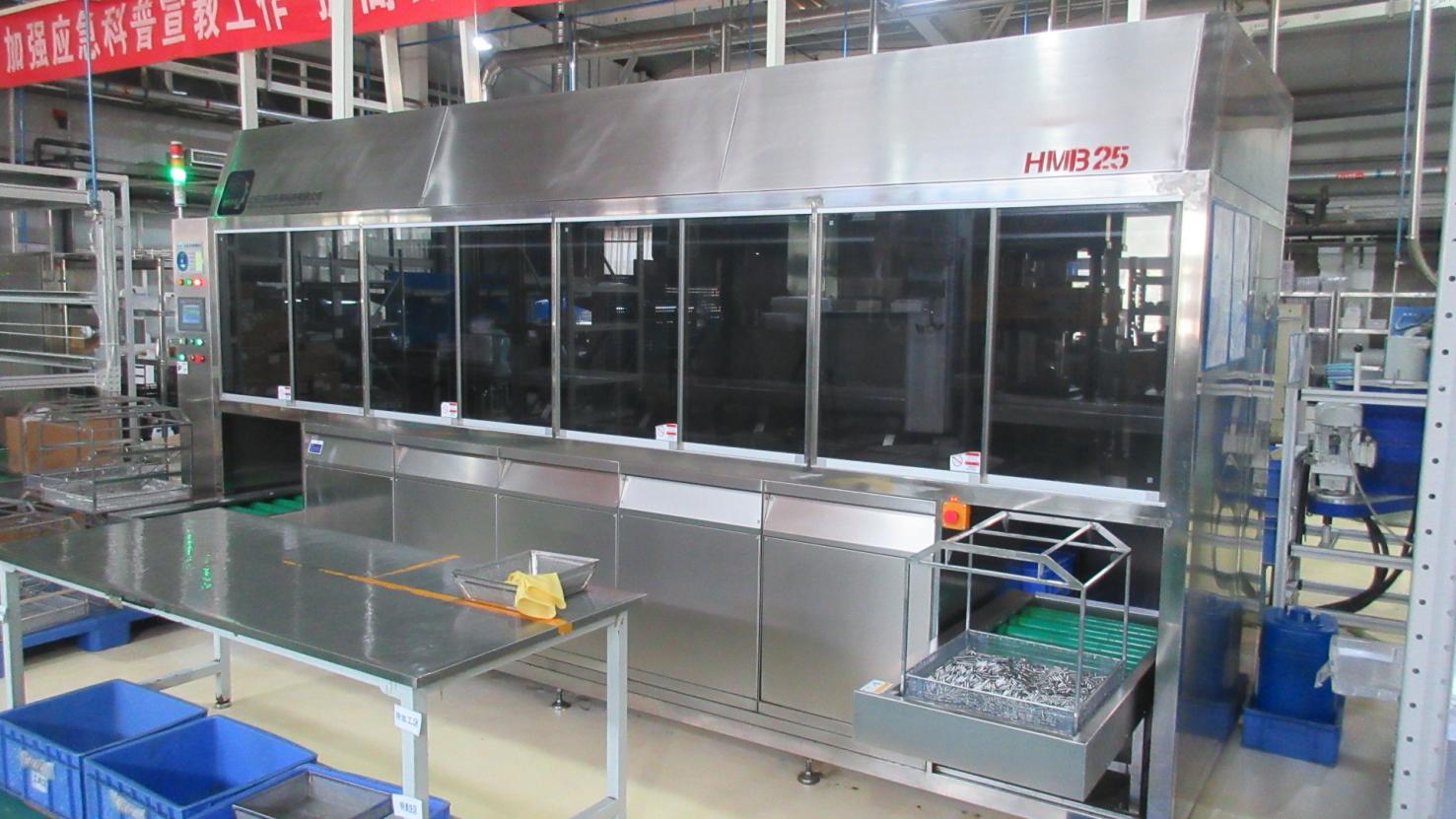
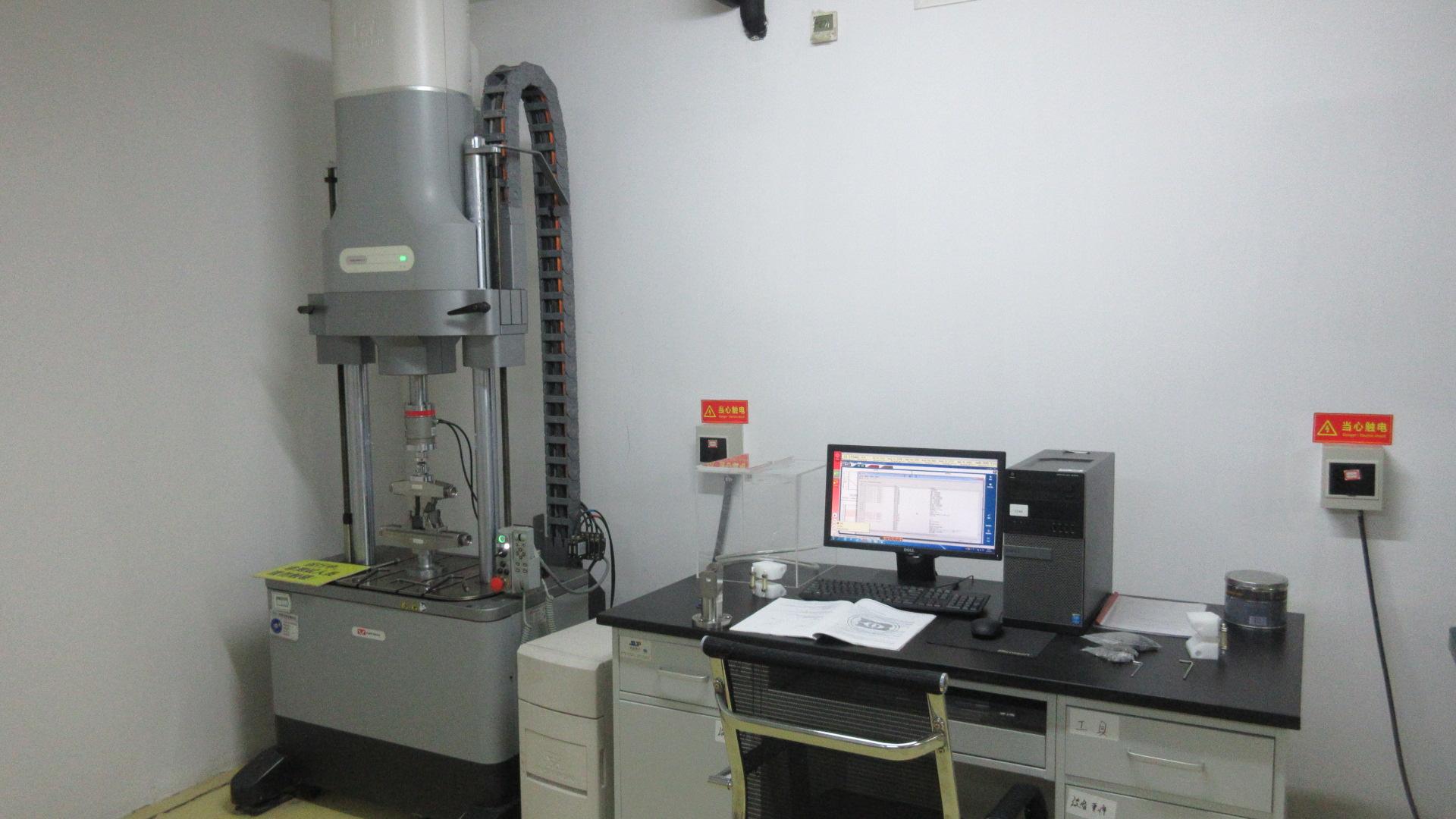
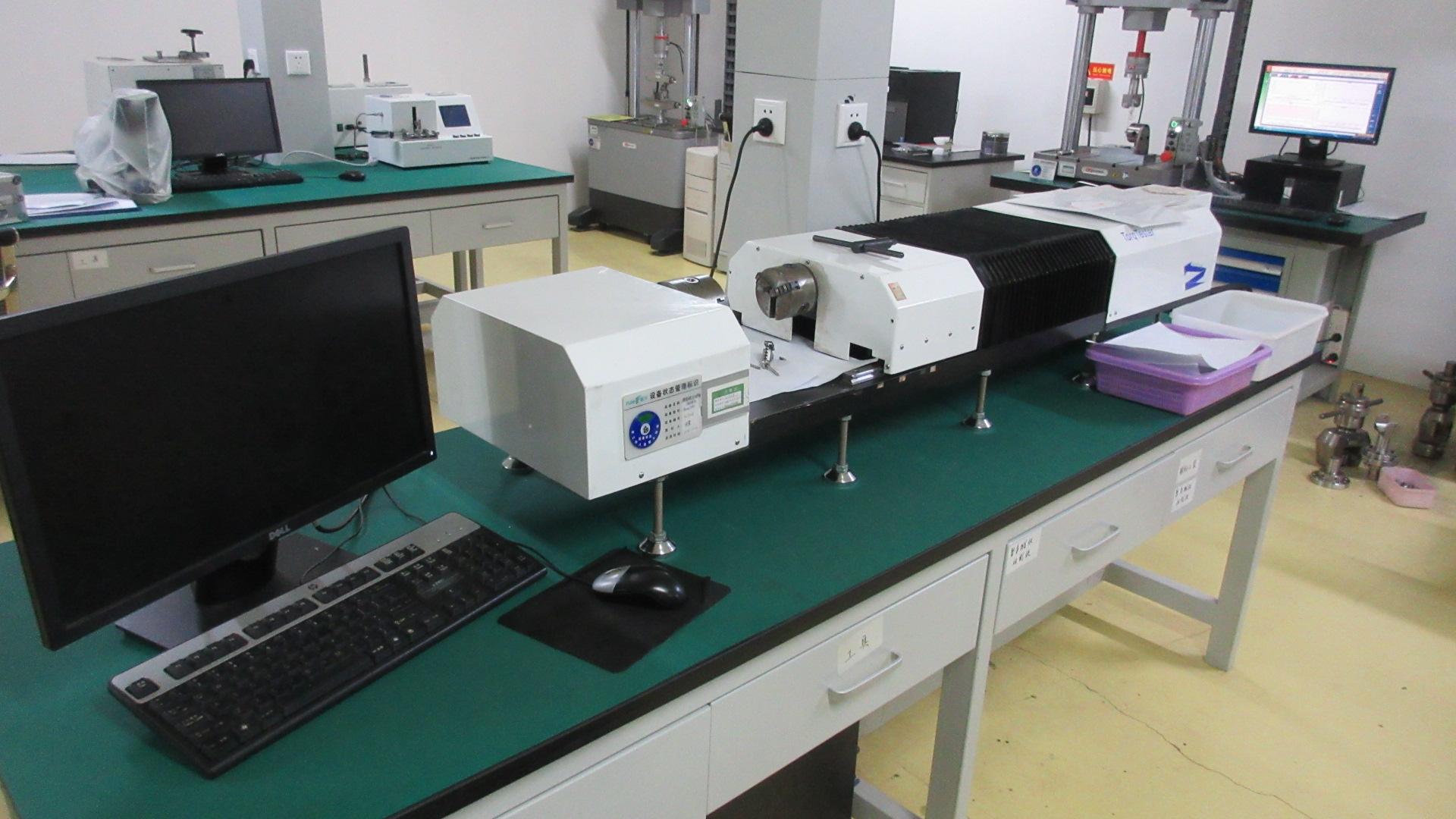
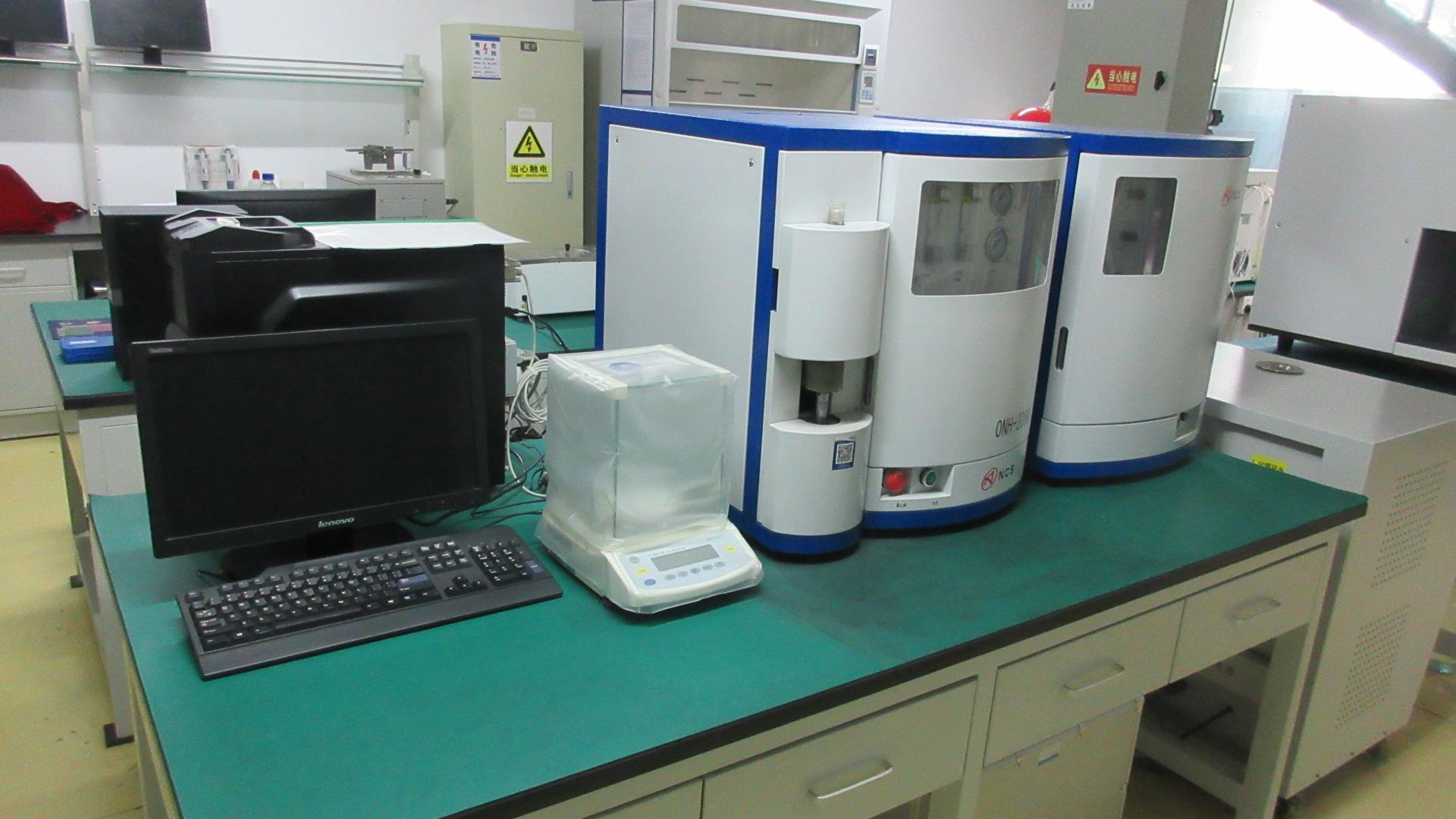
Established in 1996, Beijing Fule has spent nearly three decades refining its manufacturing standards. Our 10,000 square meter factory is equipped with 102 state-of-the-art production machines, including advanced CNC machining centers and coordinate measuring machines (CMM) that guarantee micro-level precision. This setup allows for an annual production capacity of over 511,000 units. To maintain strict quality standards, all raw materials are verified through spectroscopic analysis, and every batch undergo mechanical testing, including fatigue and tensile strength tests, ensuring they can handle the physical loads of long-term external fixation.
Answers to crucial manufacturing, regulatory, and engineering questions regarding Ilizarov Fixators
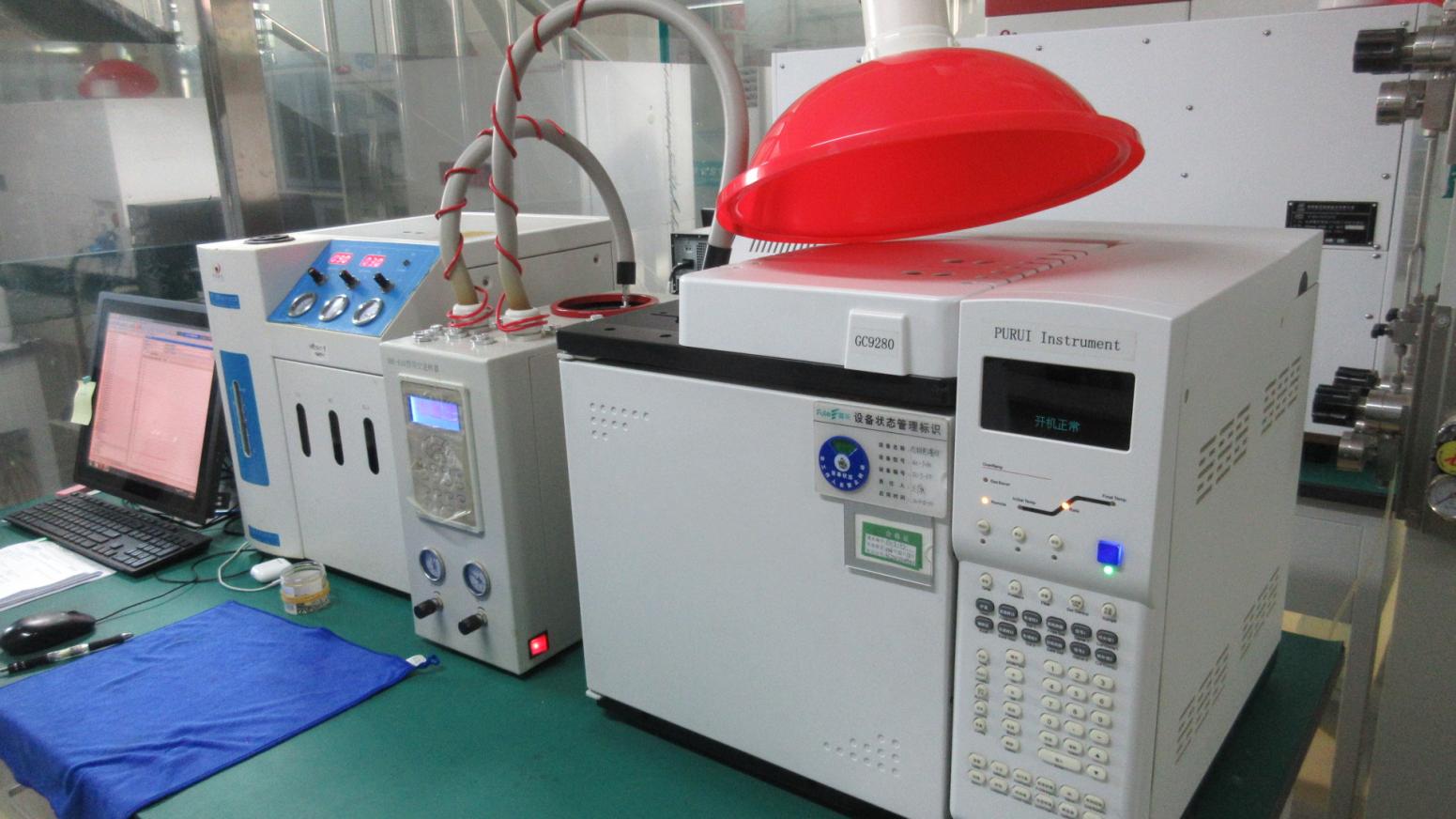
Ensuring complete clinical compatibility and structural integrity for global buyers
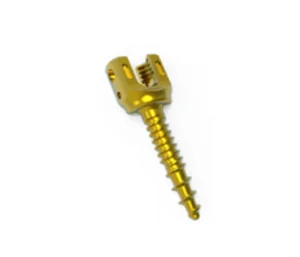
 Beren Science & Technology