High-grade medical titanium and PEEK solutions engineered for maximum biocompatibility, structural stability, and superior clinical outcomes.
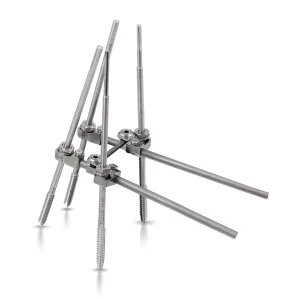
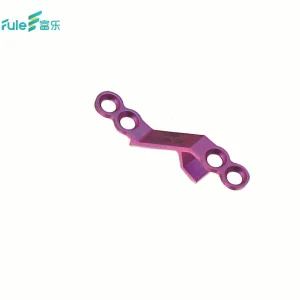
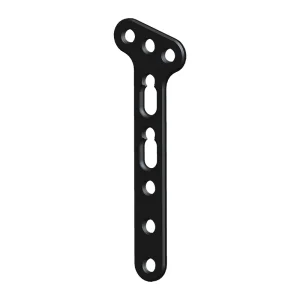
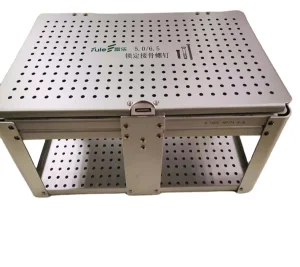
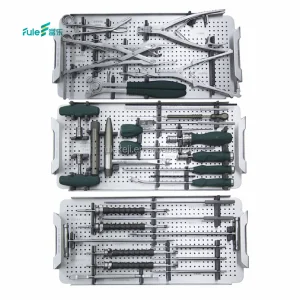
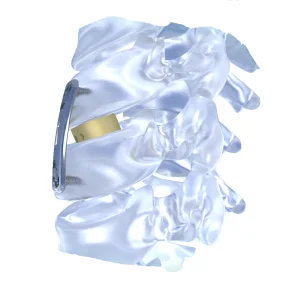
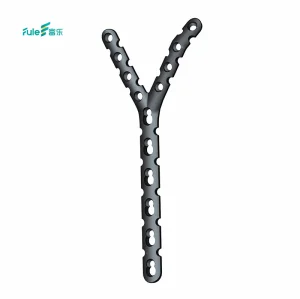
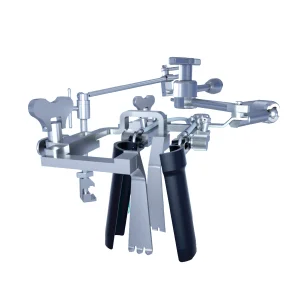
In modern clinical practice, the demand for precision-engineered orthopedic implants and specialized surgical instrumentation is escalating at an unprecedented rate. Driven by aging global demographics, a rise in degenerative spinal disorders, and the expansion of minimally invasive surgery (MIS) methodologies, healthcare systems demand absolute reliability. Fule (Beren Medical) bridges the gap between state-of-the-art biological engineering and industrial-scale manufacturing, providing surgeons worldwide with the structural components necessary to achieve high-integrity skeletal stabilization.
From pedicle screw-rod configurations for complex thoracolumbar reconstructions to anatomical locking plates for distal limb trauma, our implants utilize advanced biocompatible materials. We combine Grade 5 (Ti-6Al-4V) titanium alloys and medical-grade PEEK (Polyetheretherketone) to balance mechanical shear strength with the elasticity required to simulate natural bone dynamics. This reduces stress-shielding, minimizes implant-induced osteolysis, and promotes rapid, long-term osseointegration.
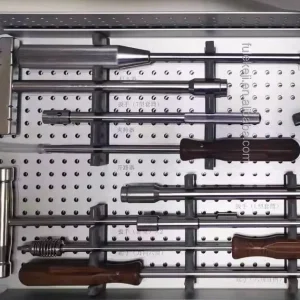
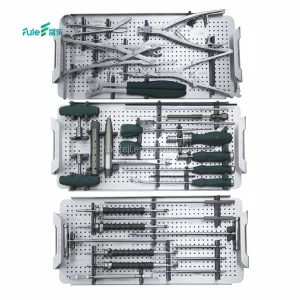
Supporting surgical workflows in spine fusion, trauma plating, and deformity correction with optimized toolsets and biocompatible implants designed for precision placement.
Operating under rigorous Class III medical device standards, ensuring complete batch traceability from raw ingot forging to sterile packaging.
Established in 1996, combining three decades of clinical feedback and metallurgic expertise to refine implant designs and surgical kit configurations.
A look into our 10,000 m² cleanroom production facility, CNC machining centers, and strict quality control protocols.
 Manufacturing & Regulatory Profile
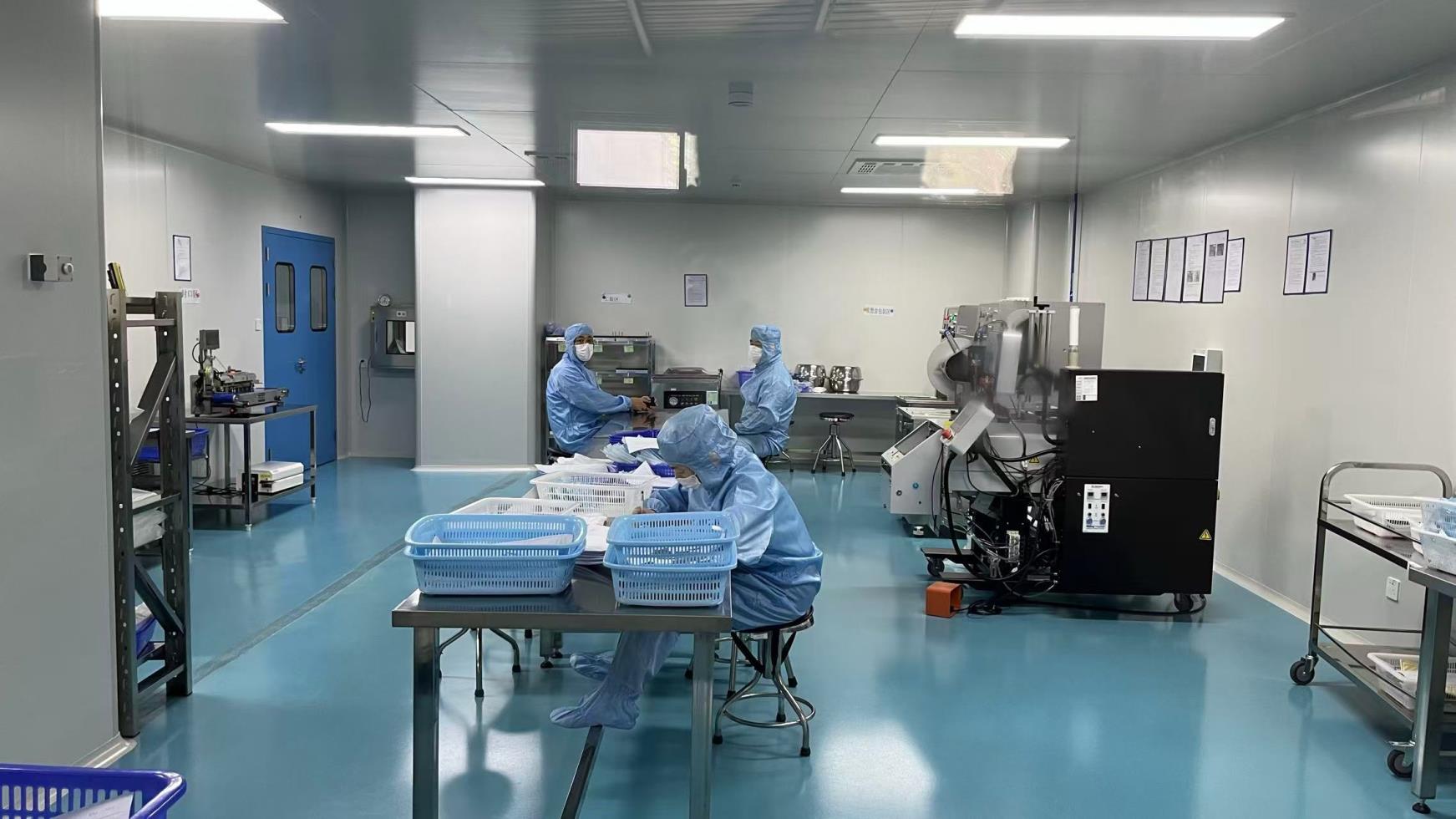
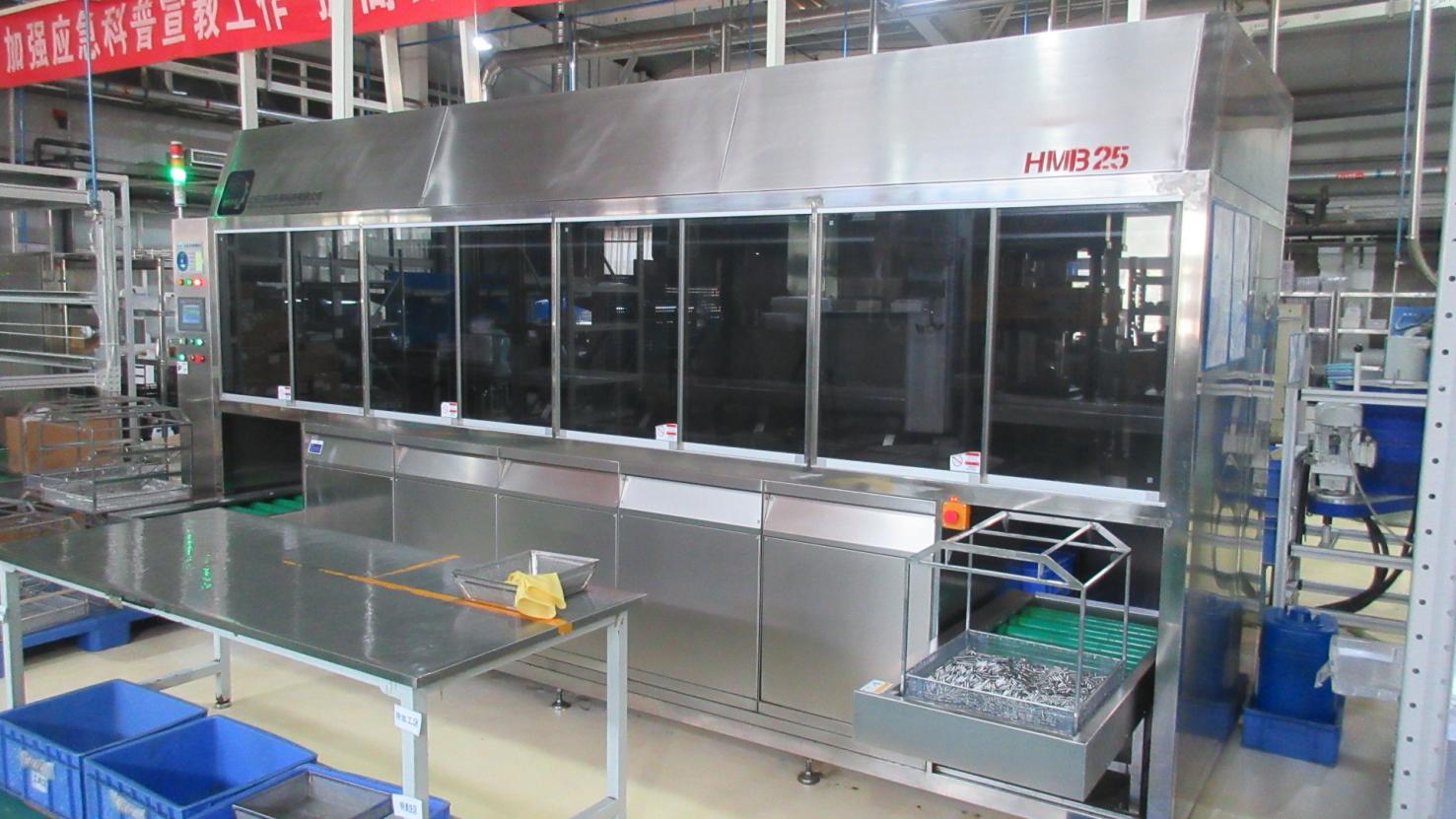
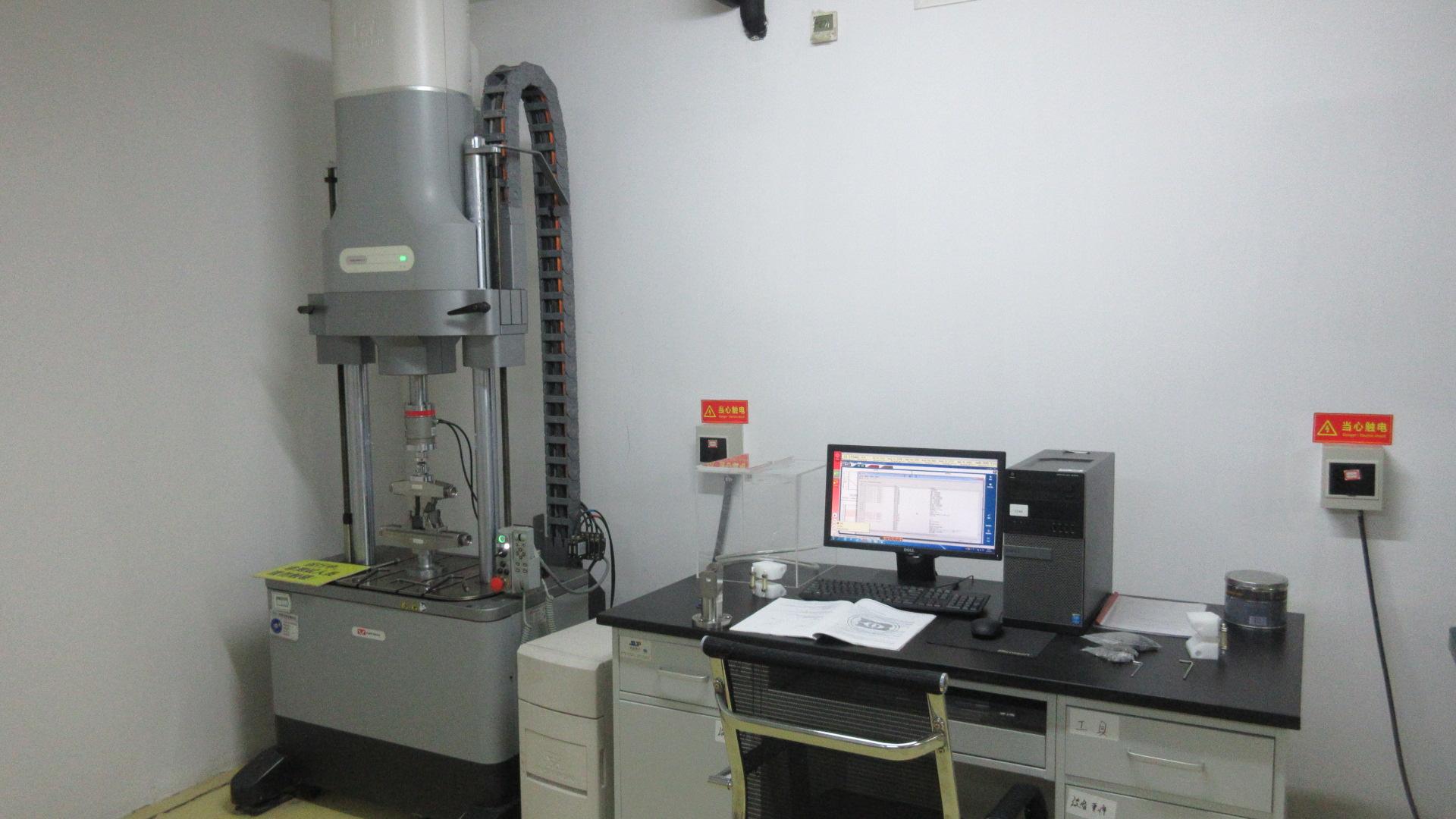
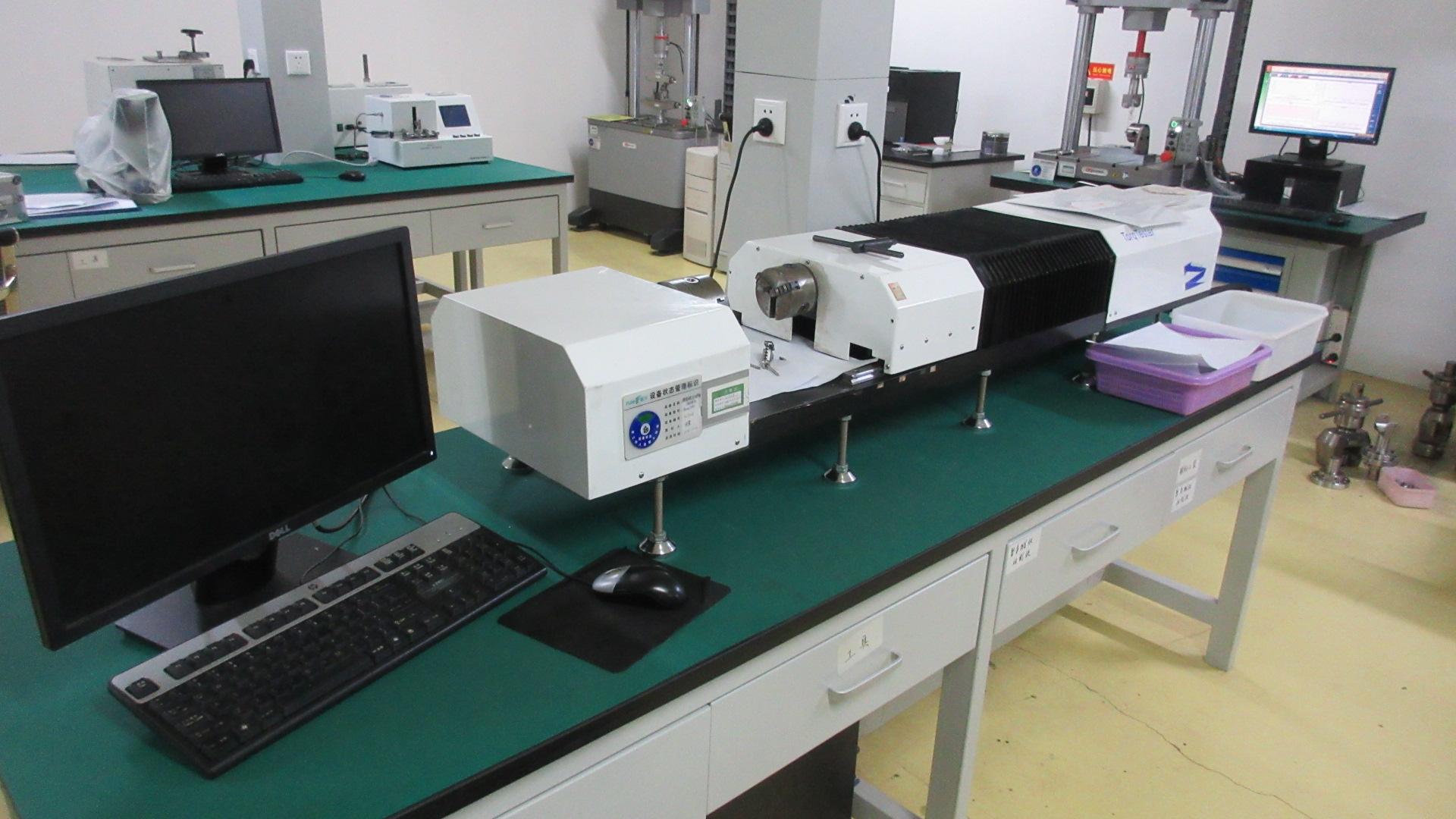
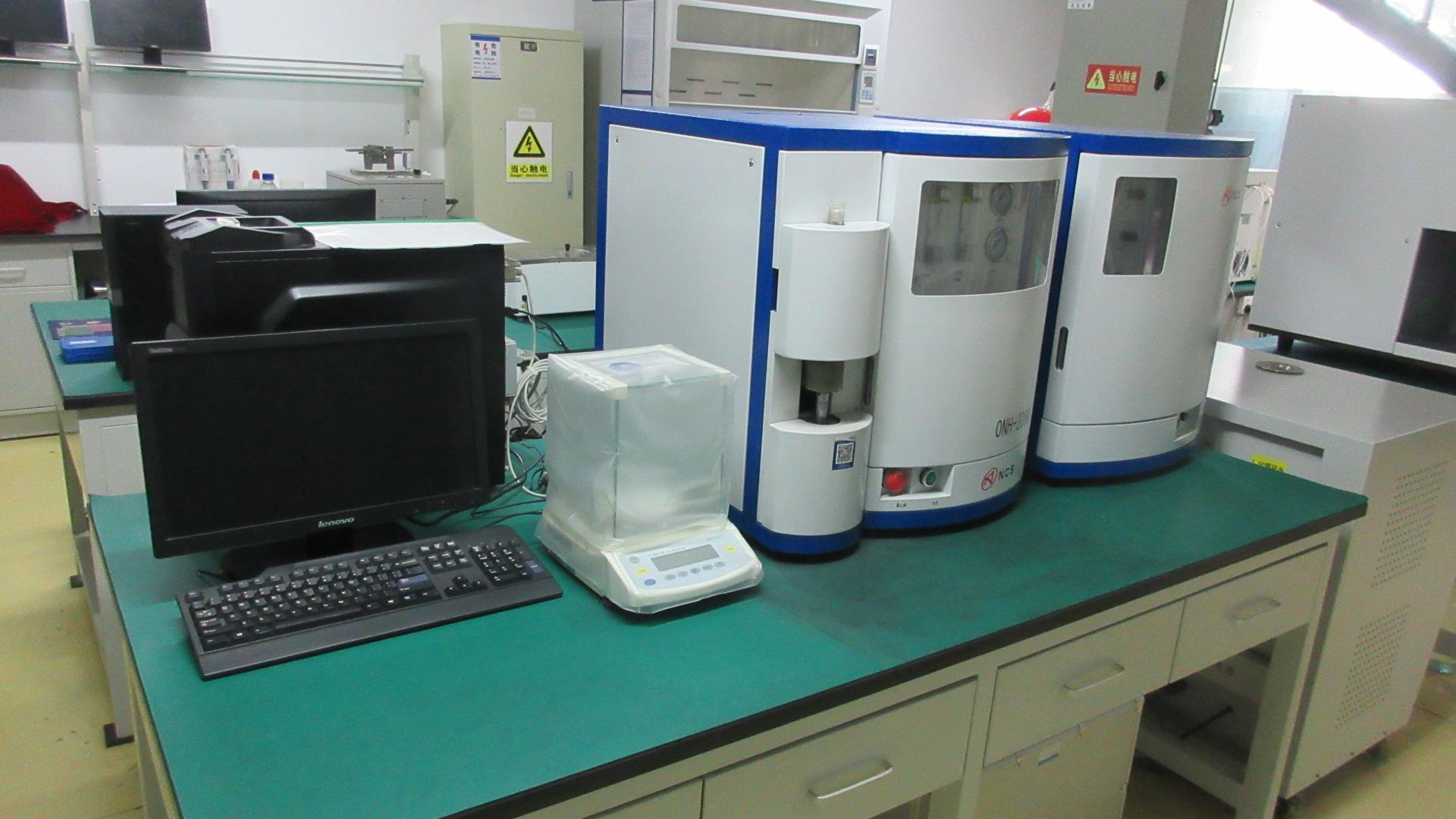
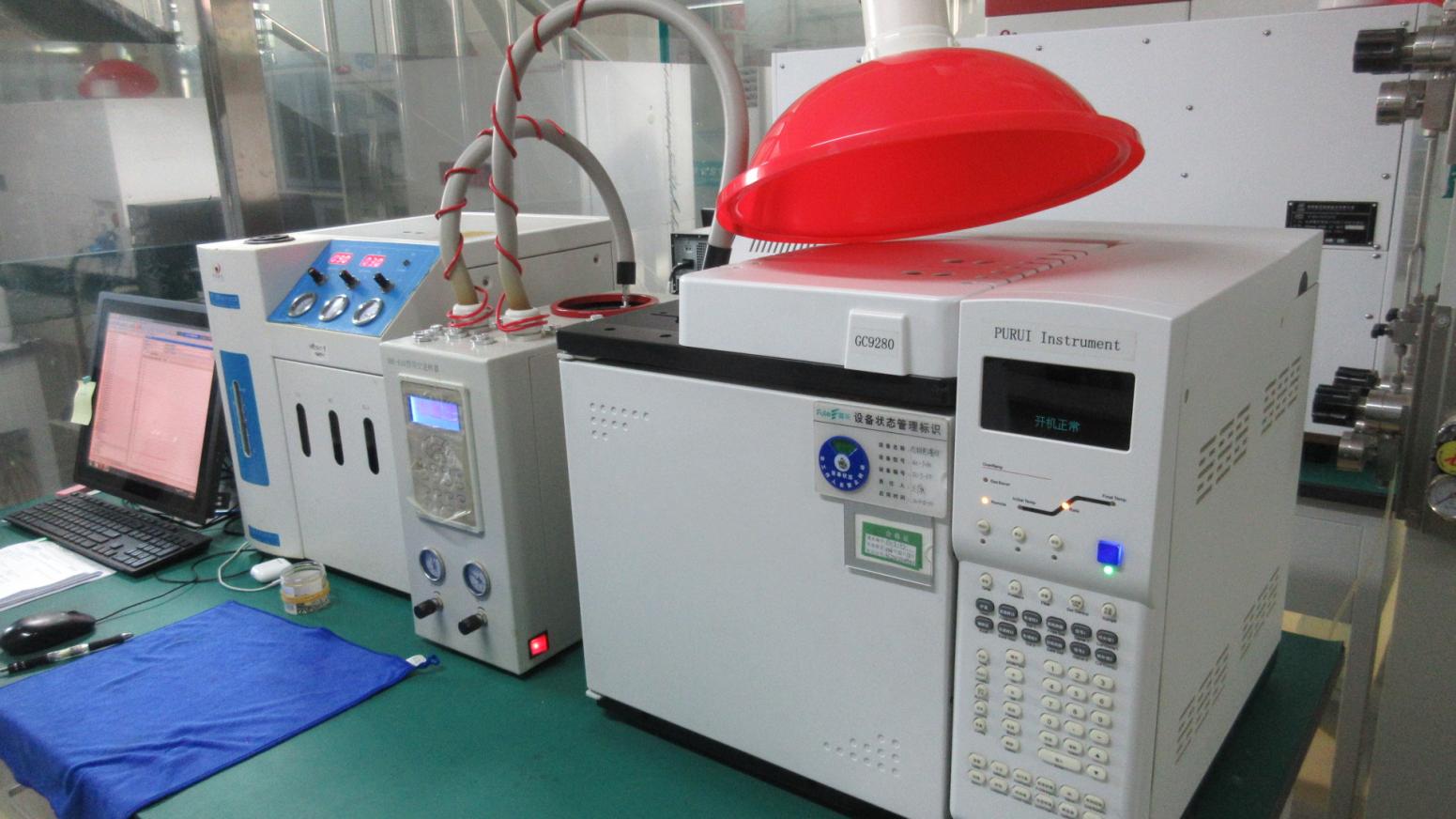
Physical verification of our manufacturing operations, CNC milling, implant cleaning, packaging, and raw material warehousing.

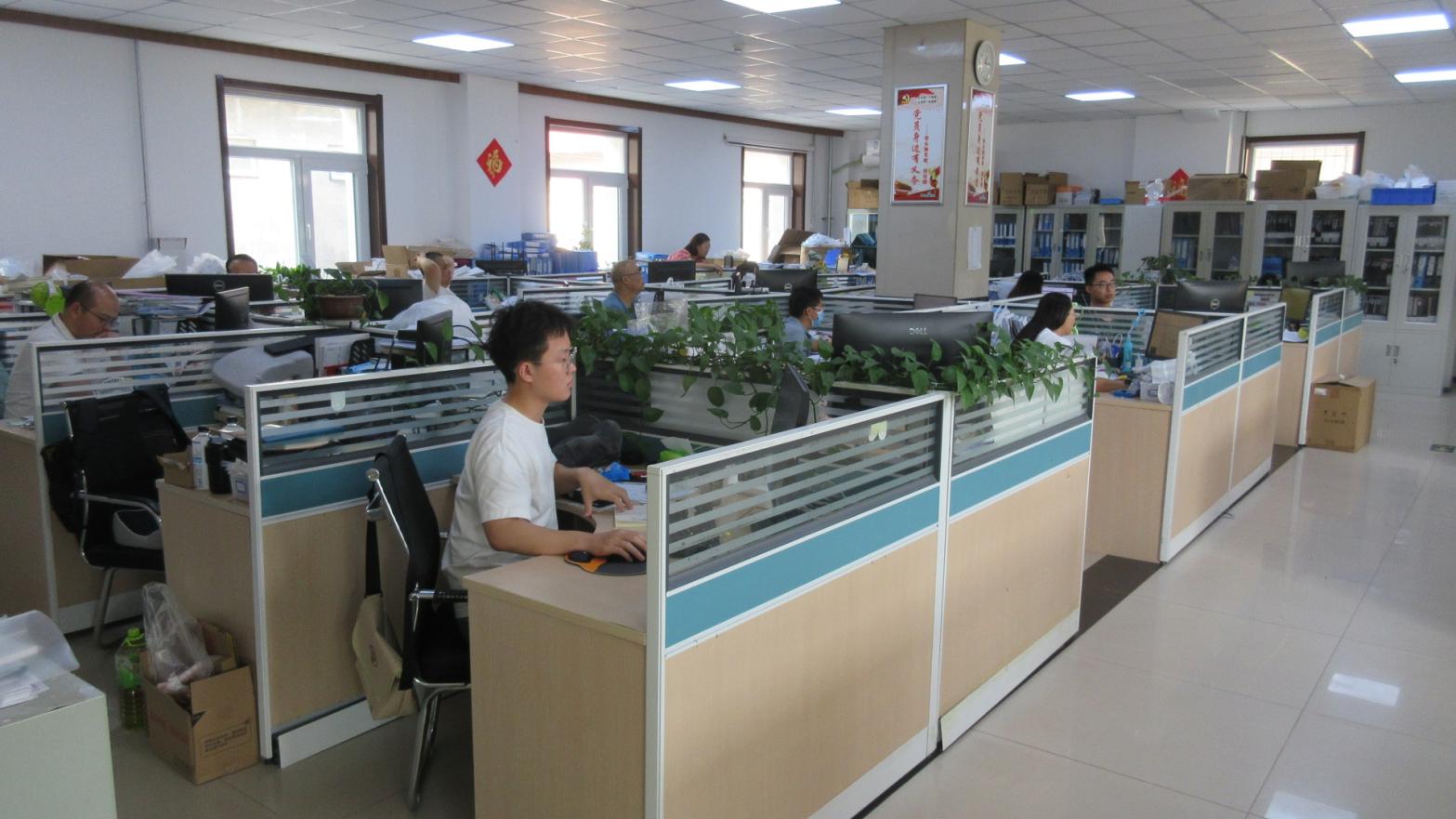
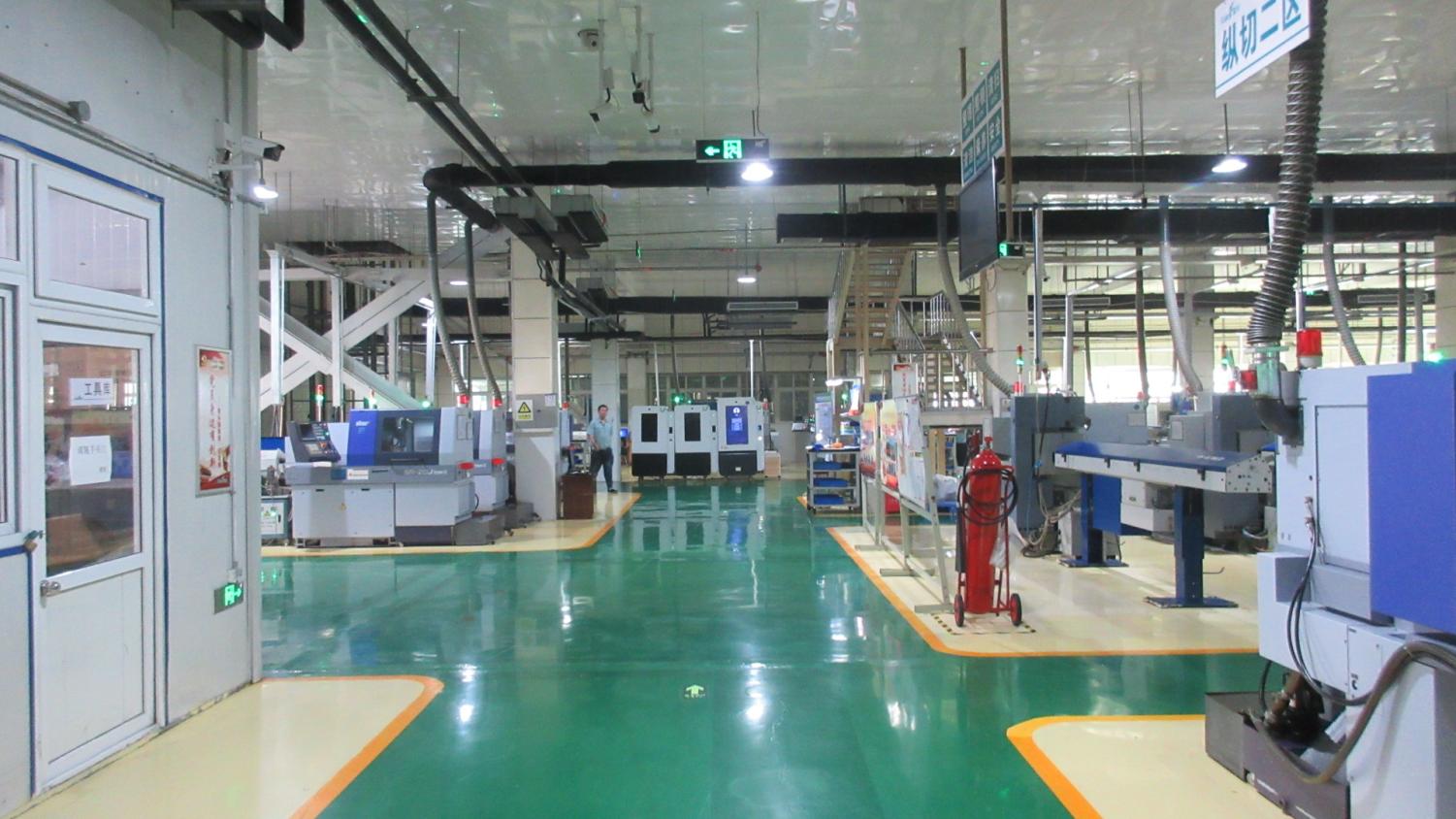
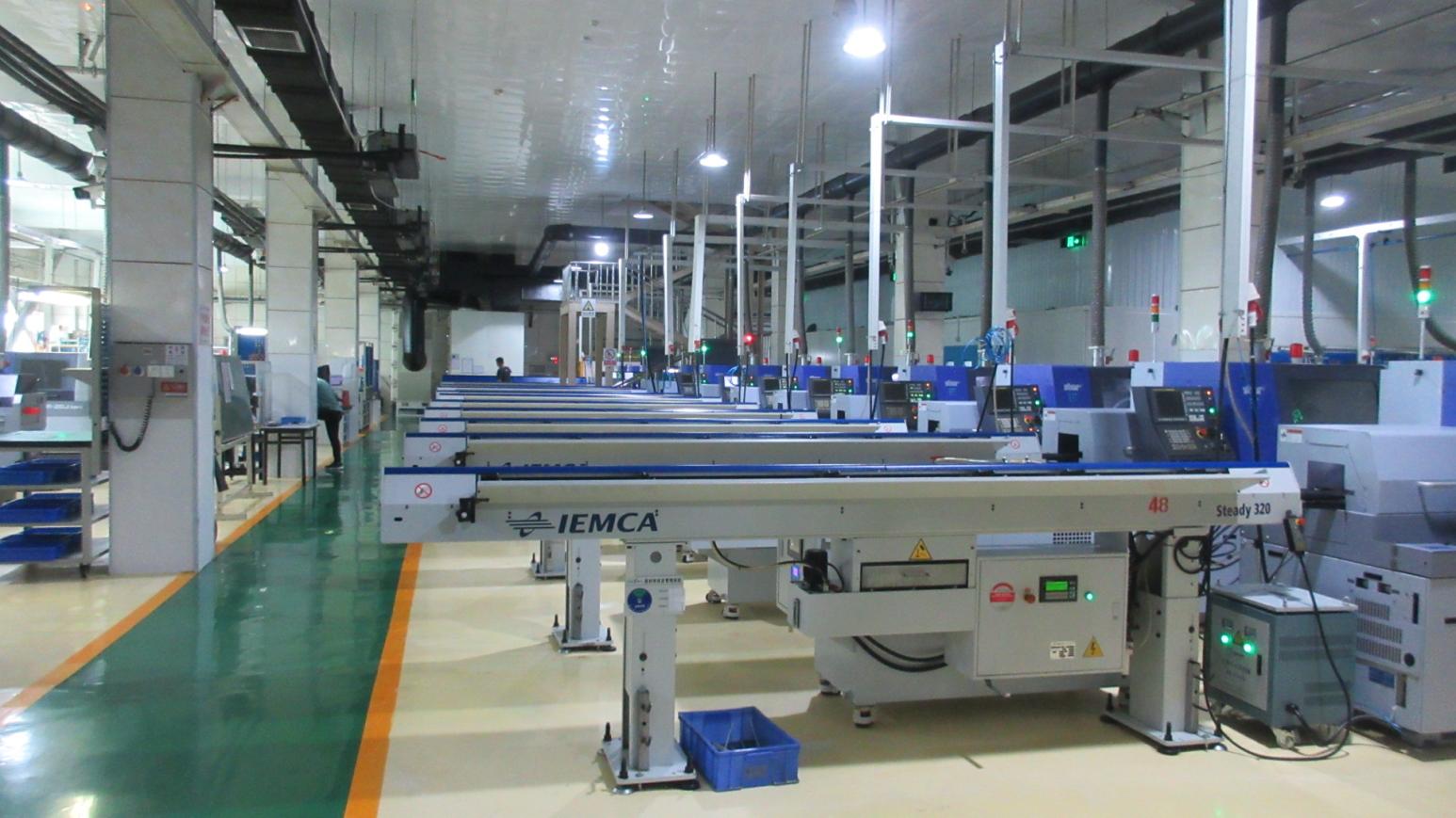
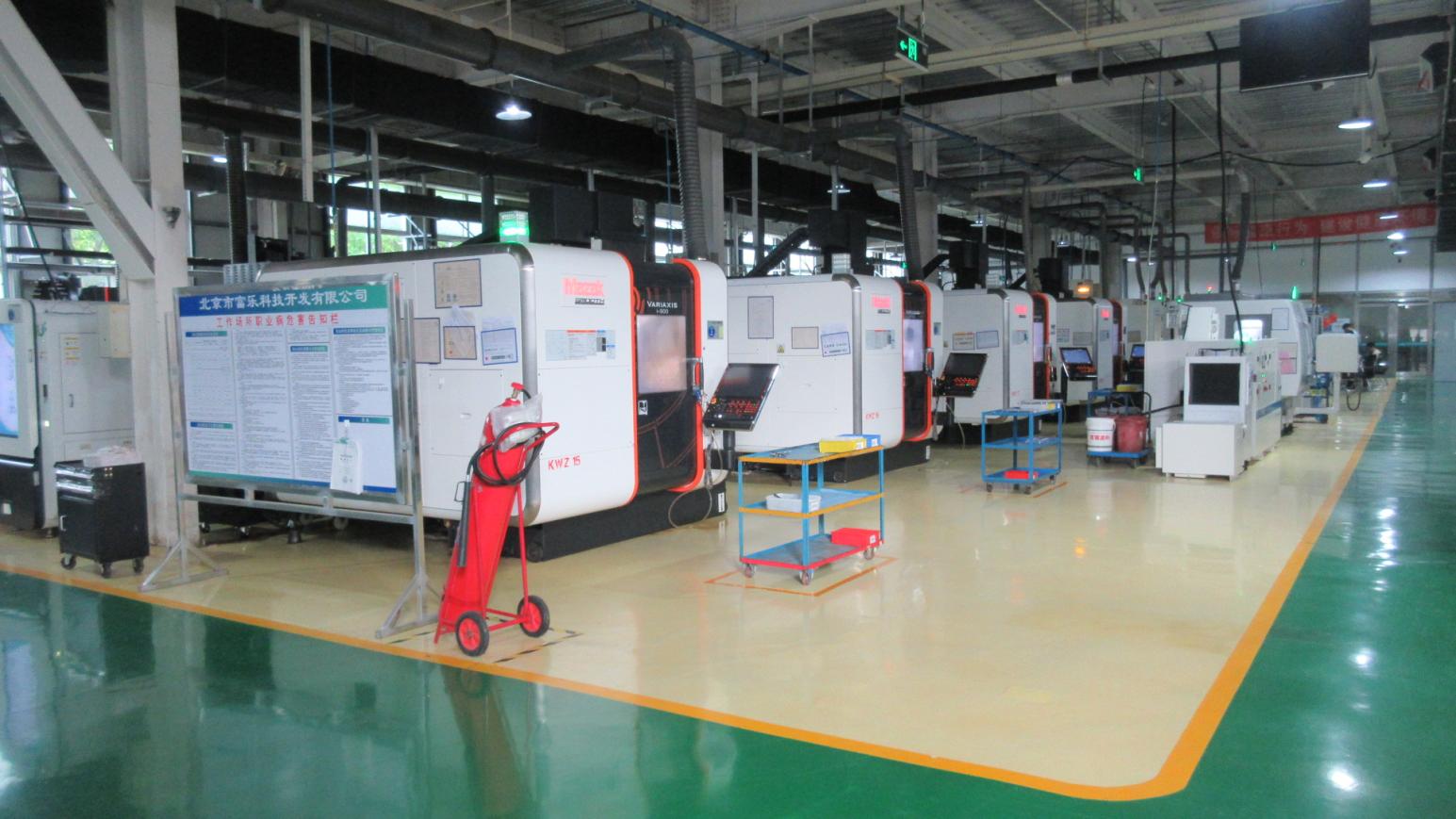
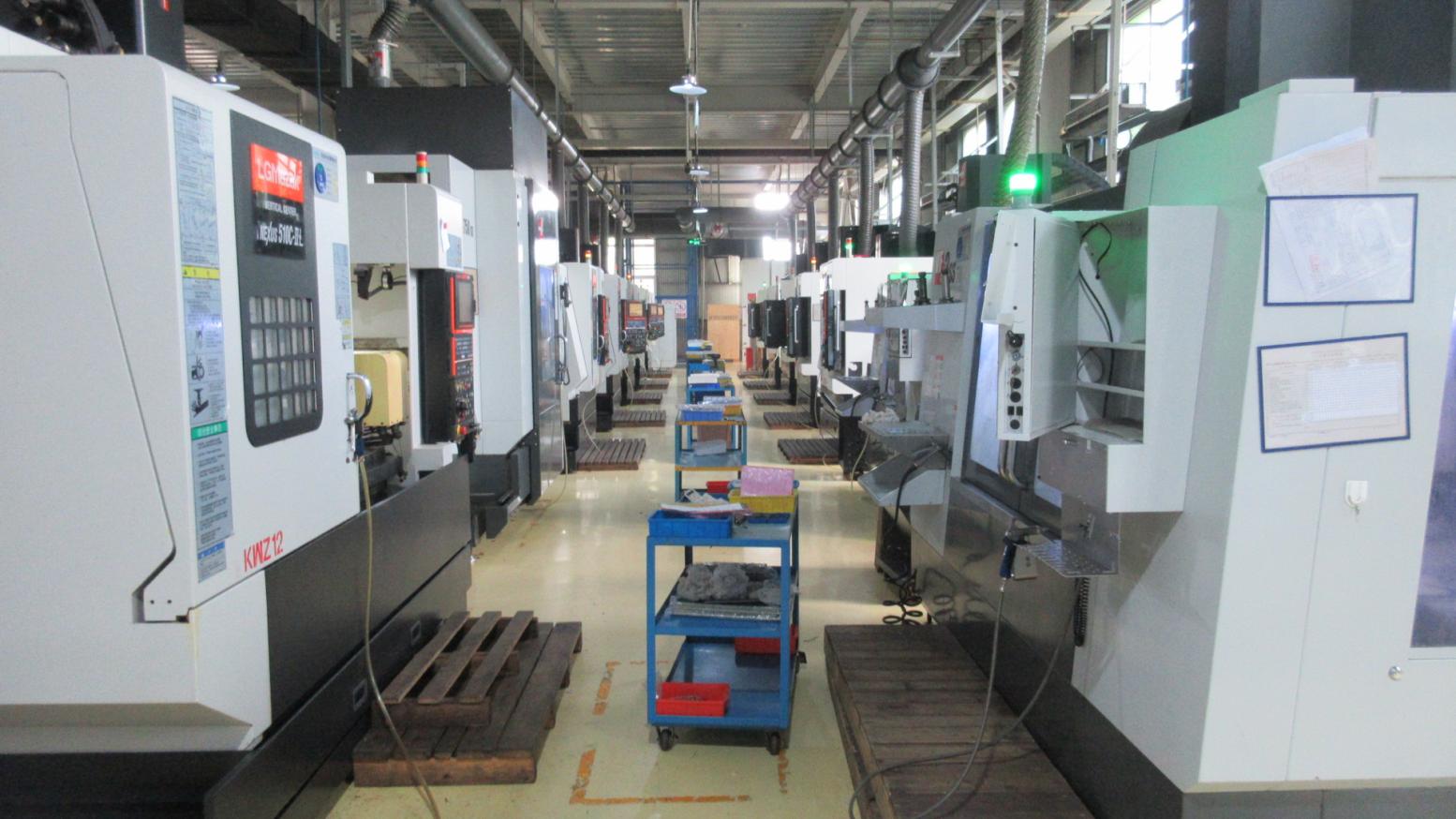
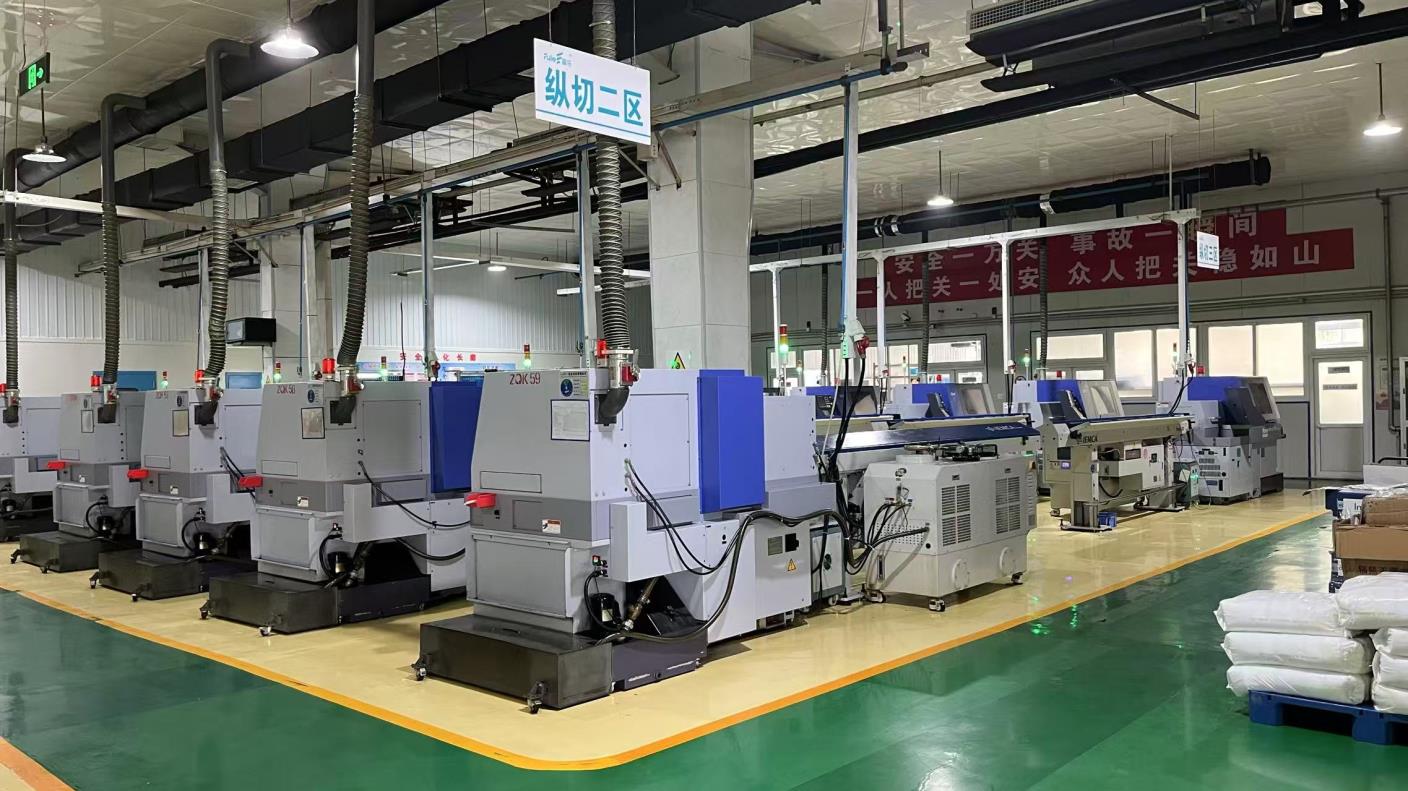
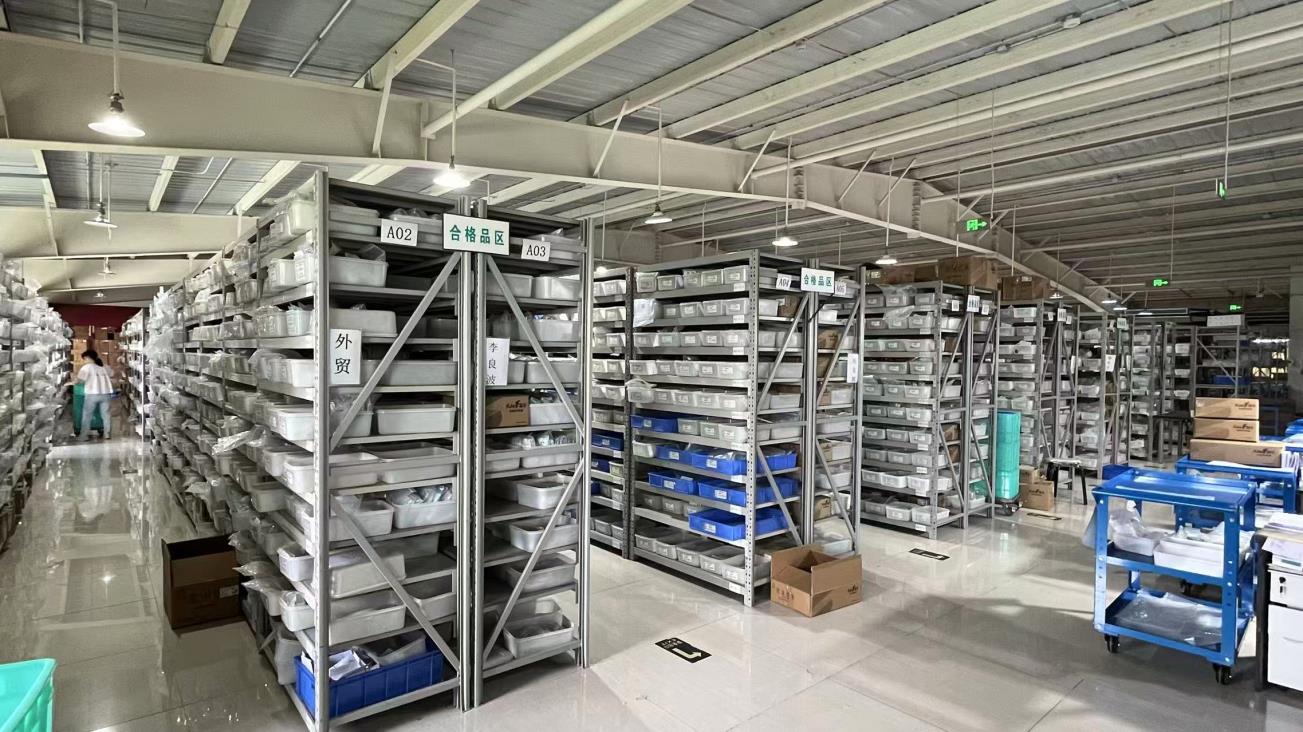
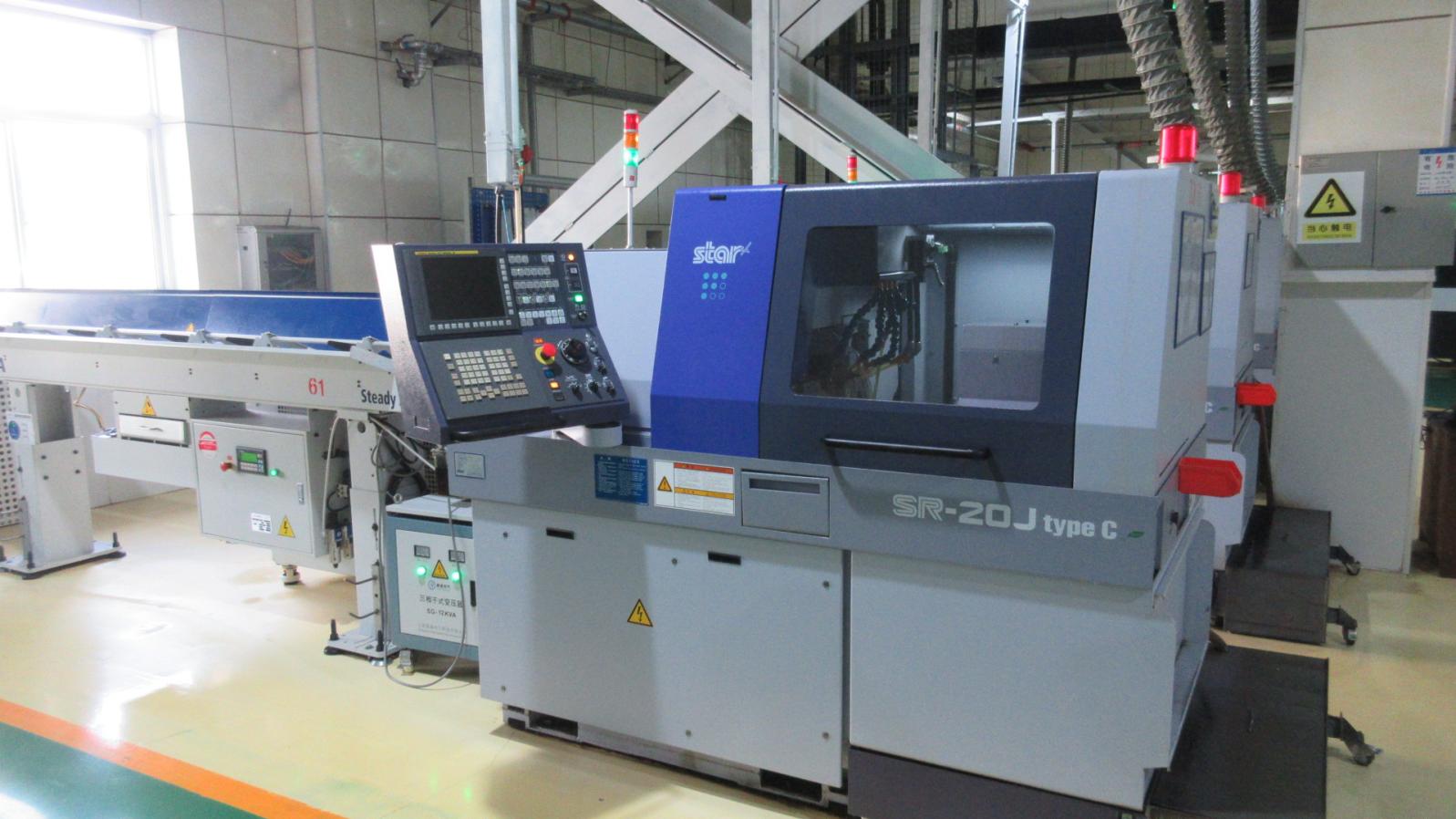
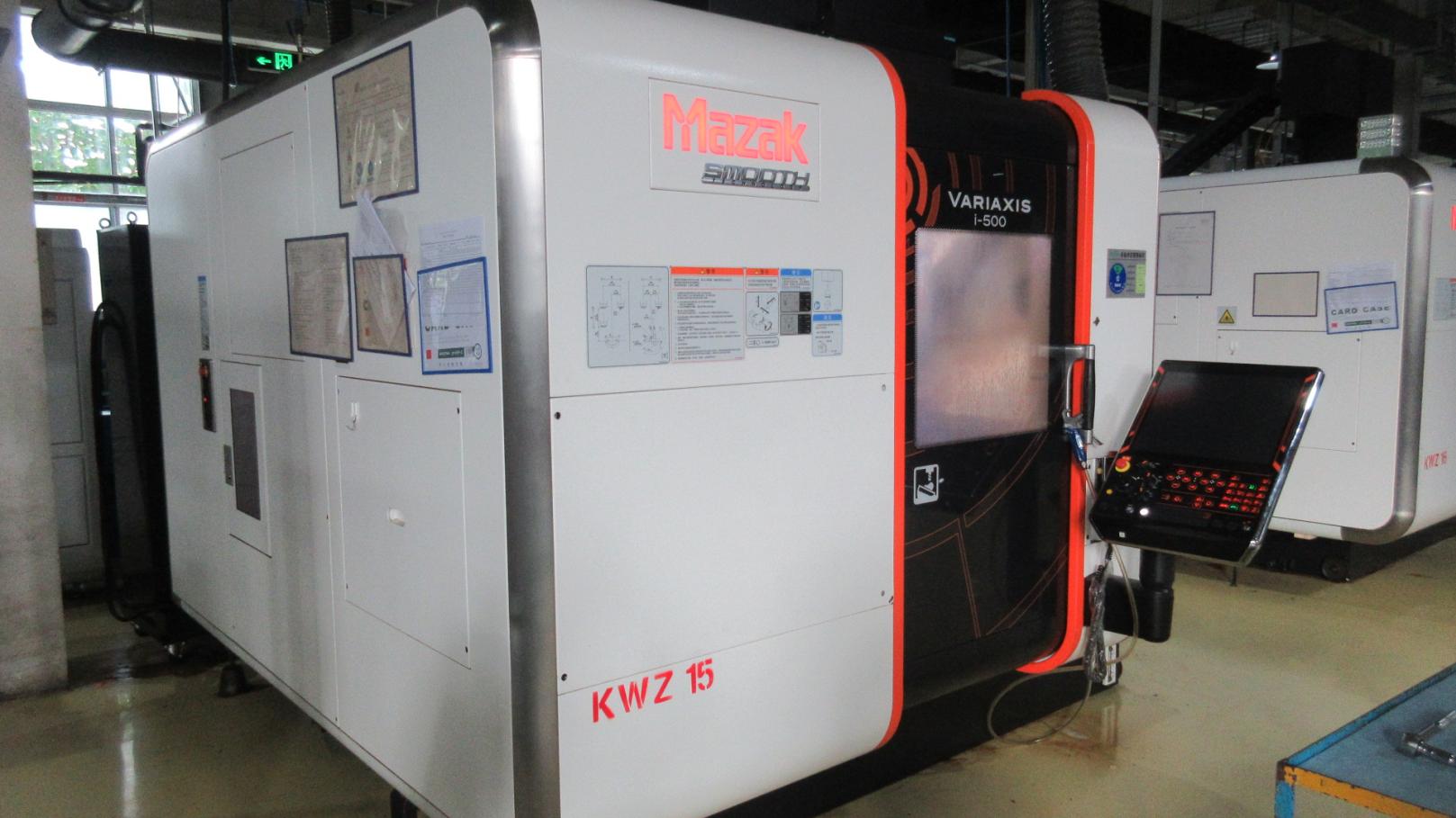
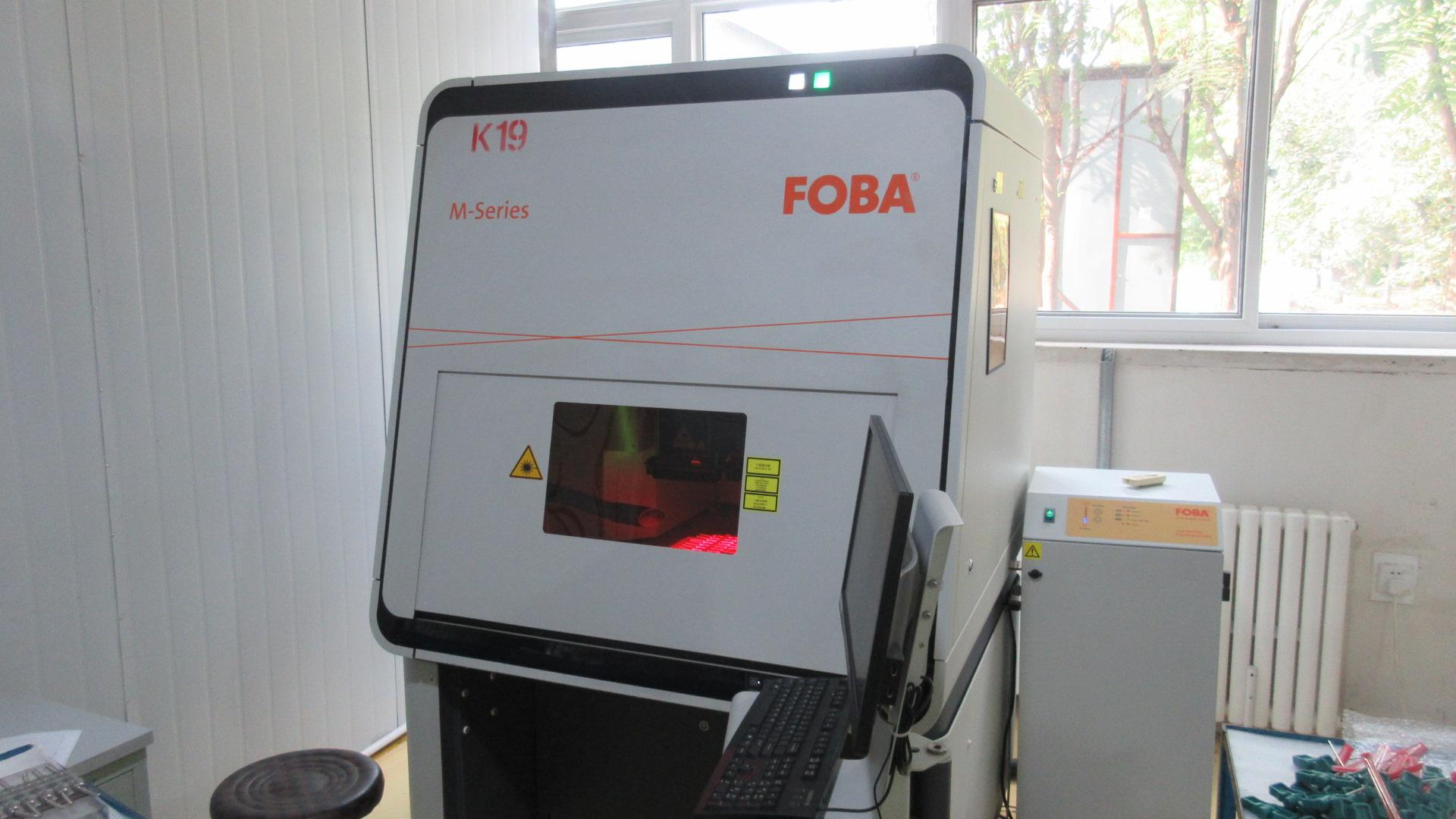
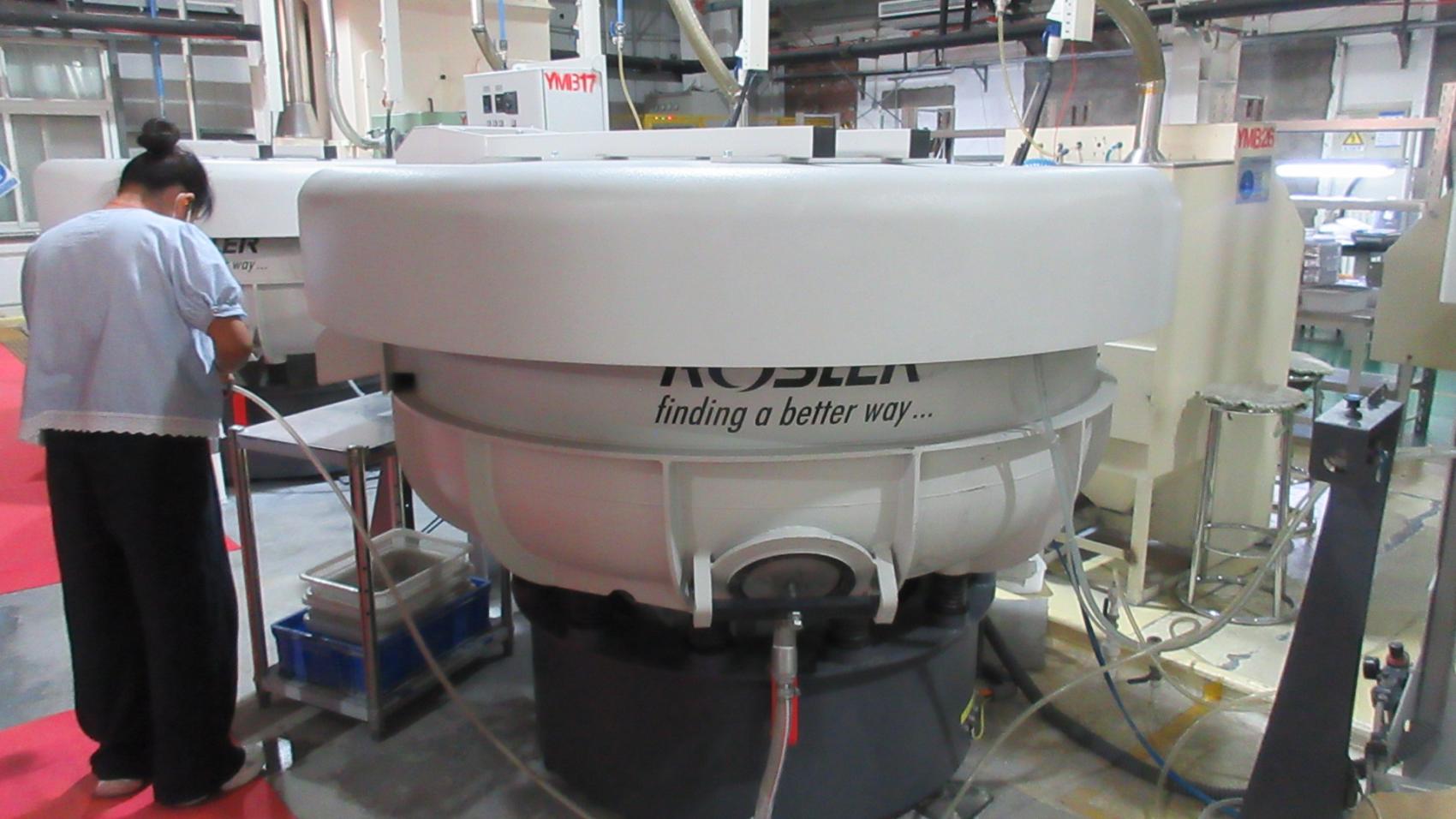
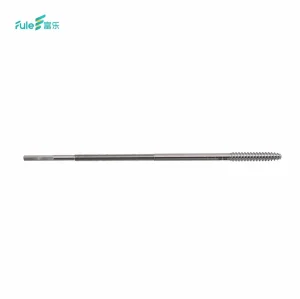
The core objective of modern orthopedic implants is to restore anatomical alignment while withstanding physiological load-bearing stress. Fule's material selection relies on ASTM F136 titanium alloy (Ti-6Al-4V ELI) and implant-grade Polyetheretherketone (PEEK). These materials are selected for their combination of biocompatibility, corrosion resistance, and modulus of elasticity. Titanium's mechanical strength makes it suitable for cortical bone substitution, such as in our Humeral Locking Plates and Posterior Spinal Traumatic System SCHANZ Screws. PEEK exhibits a modulus of elasticity close to that of human trabecular bone, which reduces stress shielding in spinal fusion applications.
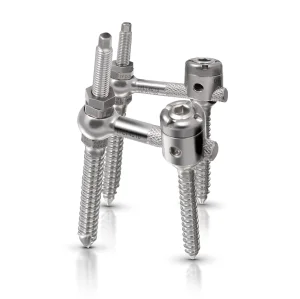
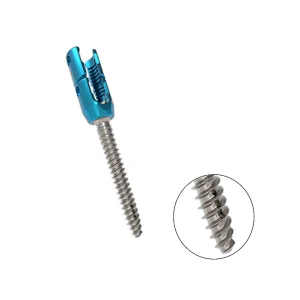
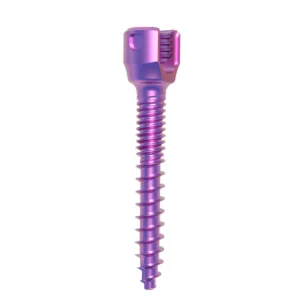
The design of the Posterior Spinal Screw-Rod System requires precise mechanical design. The polyaxial screw head allows for 360-degree angulation, easing rod alignment in complex spine geometries. The thread profile is designed with dual lead threads to increase pullout strength while decreasing insertion torque, saving time in the operating room. Under cyclic testing, our titanium construct remains stable, reducing the risk of component wear or fracture during early postoperative healing.
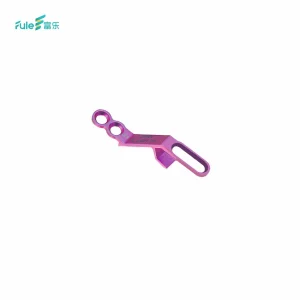
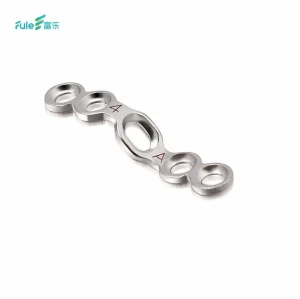
For patients suffering from cervical myelopathy, open-door laminoplasty provides a reliable decompression method. Our Cervical Laminoplasty System Posterior Plate Mini functions as a rigid strut to keep the lamina open, preventing late re-closure. The low profile of these plates minimizes soft-tissue irritation, a common cause of postoperative neck pain. Pre-contoured plates match the anatomy of the lamina, reducing intraoperative adjustments.
Fracture fixation of long bones, such as proximal or distal humerus fractures, requires a stable biomechanical construct. The Fule Humeral Locking Plate features fixed-angle screw construct options, providing stability in osteoporotic bone. The dynamic locking holes accept both locking and compression screws, allowing the surgeon to choose between anatomical reduction and stable bridge-plating. Electropolished surfaces and rounded plate edges reduce friction with surrounding soft tissue, promoting functional recovery.
Each implant goes through a rigorous multi-stage ultrasonic wash sequence to remove manufacturing residues. Our cleanroom facilities meet ISO Class 7 (Class 10,000) air cleanliness requirements. Chemical residue and endotoxin levels are verified for every production batch, ensuring all implants meet strict safety standards.
Navigating the complex landscape of international medical device regulations requires a robust quality management system. Fule operates in full accordance with the international quality standards established by the European Medical Device Regulation (MDR 2017/745), alongside maintaining a comprehensive ISO 13485 system. This ensures our global distribution partners benefit from streamlined regulatory processes, transparent documentation, and faster time-to-market.
We provide localized technical dossiers and clinical evaluation reports for national registries in Eastern Europe, Southeast Asia, and Latin America. Additionally, our logistics framework supports express tracking through DHL and FedEx for customized patient-specific implant components, ensuring timely delivery for complex revision surgeries.
Our research and development team is focused on expanding our implant technology to improve long-term clinical outcomes. Below are the key areas of our technical roadmap:
We are integrating advanced anodic oxidation and plasma-sprayed Hydroxyapatite (HA) coatings onto our titanium implants. This promotes osteogenesis by creating a sub-micron rough surface that encourages bone-to-implant bonding, shortening fusion times.
By using selective laser melting (SLM) technology, we are developing porous titanium interbody fusion cages. These structures feature open pores that mimic trabecular bone, encouraging bone growth through the implant.
To assist surgeons with intraoperative imaging, we are shifting from stainless steel to carbon-fiber reinforced PEEK for our instrument guides. This radiolucent material provides a clear view of target anatomy under C-arm fluoroscopy.
Answers to technical, regulatory, and production questions for clinical purchasers and distribution partners.
Explore our complete catalog of trauma, spine decompression, and fixation instrument systems.
 Beren Science & Technology