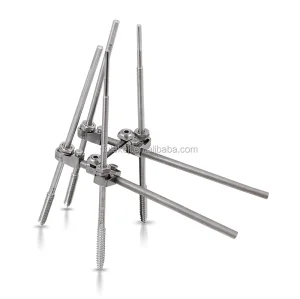
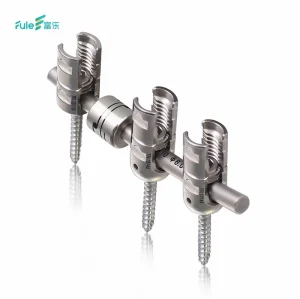
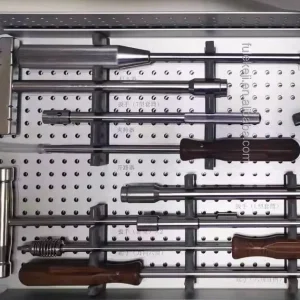
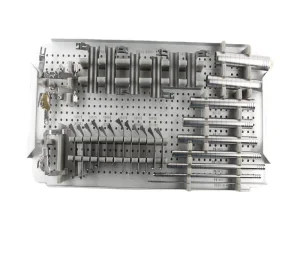
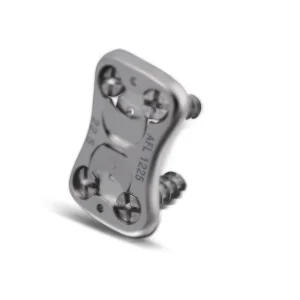
Explore our flagship selection of regulatory-certified titanium osteosynthesis materials, stabilization systems, and posterior spinal constructs.
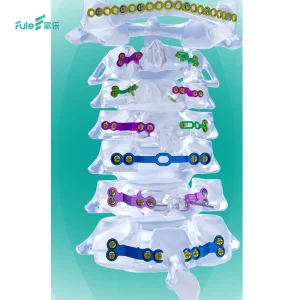
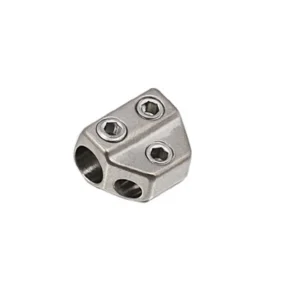
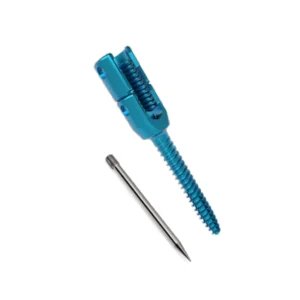
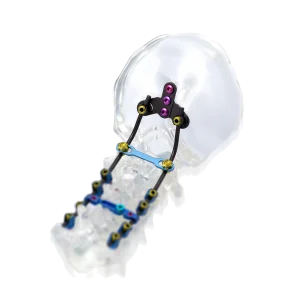
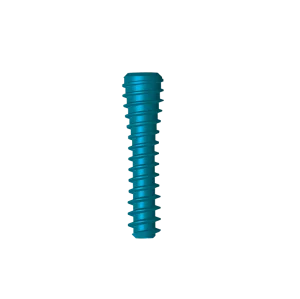
Analyze how macro-trends, demographic shifts, and strict regulatory pathways dictate the orthopedics manufacturing value chain.
The global orthopedic implants market is witnessing an unprecedented expansion, driven by a growing aging population, the rising incidence of musculoskeletal disorders, and an escalating volume of trauma cases worldwide. Clinicians and procurement directors face the daunting task of selecting orthopedic plates, screw-rod structures, and implantable instruments that not only satisfy biomechanical needs but also strictly conform to regulatory frameworks like the European Union Medical Device Regulation (EU MDR) and US FDA clearances.
Current industrial metrics reveal that the internal fixation market is shifting decisively toward smart manufacturing and localized biological adaptations. Modern titanium alloy matrices are designed using finite element analysis (FEA) to mimic the modulus of human cortical bone, reducing the risks of stress shielding. Factories that integrate advanced surface modification technologies, including anodization, grit blasting, and acid etching, are achieving superior osteo-integration rates, reducing revision surgery risks. As a result, B2B stakeholders require partner factories that offer vertically integrated R&D, certified raw materials supply chains, and transparent quality control pipelines.
A closer look at our manufacturing footprint, processing capacity, and engineering standards built over three decades.
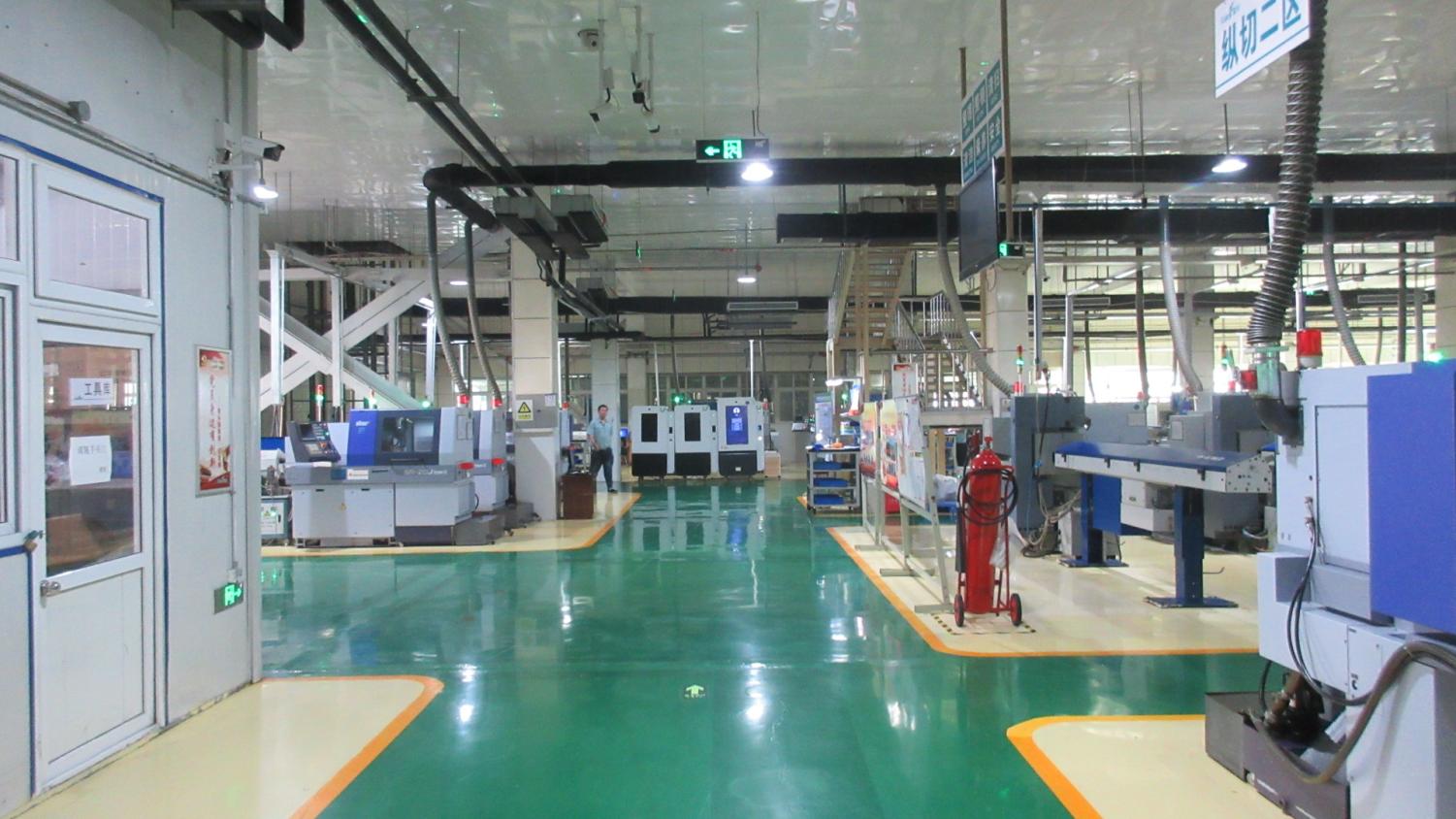
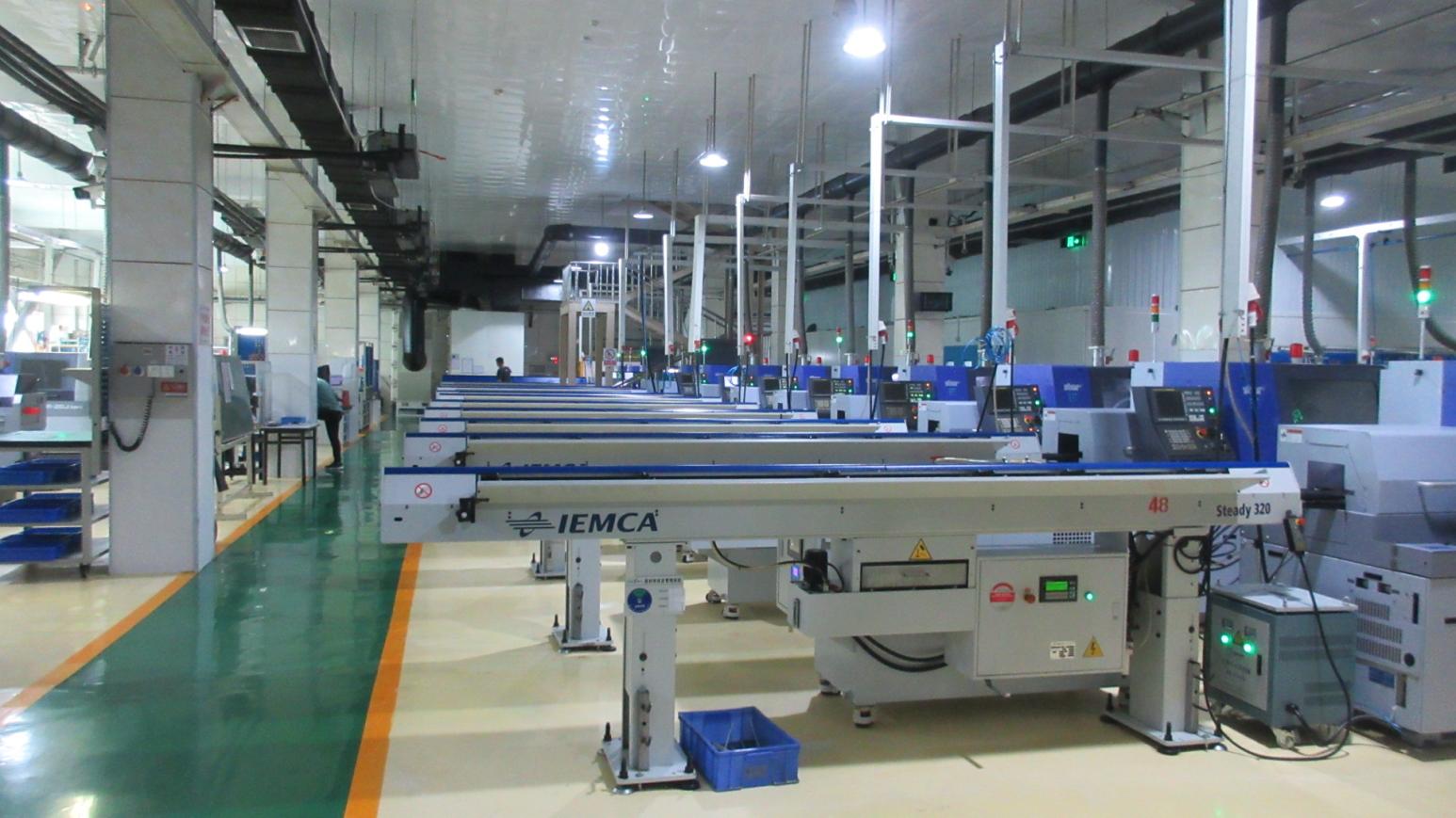
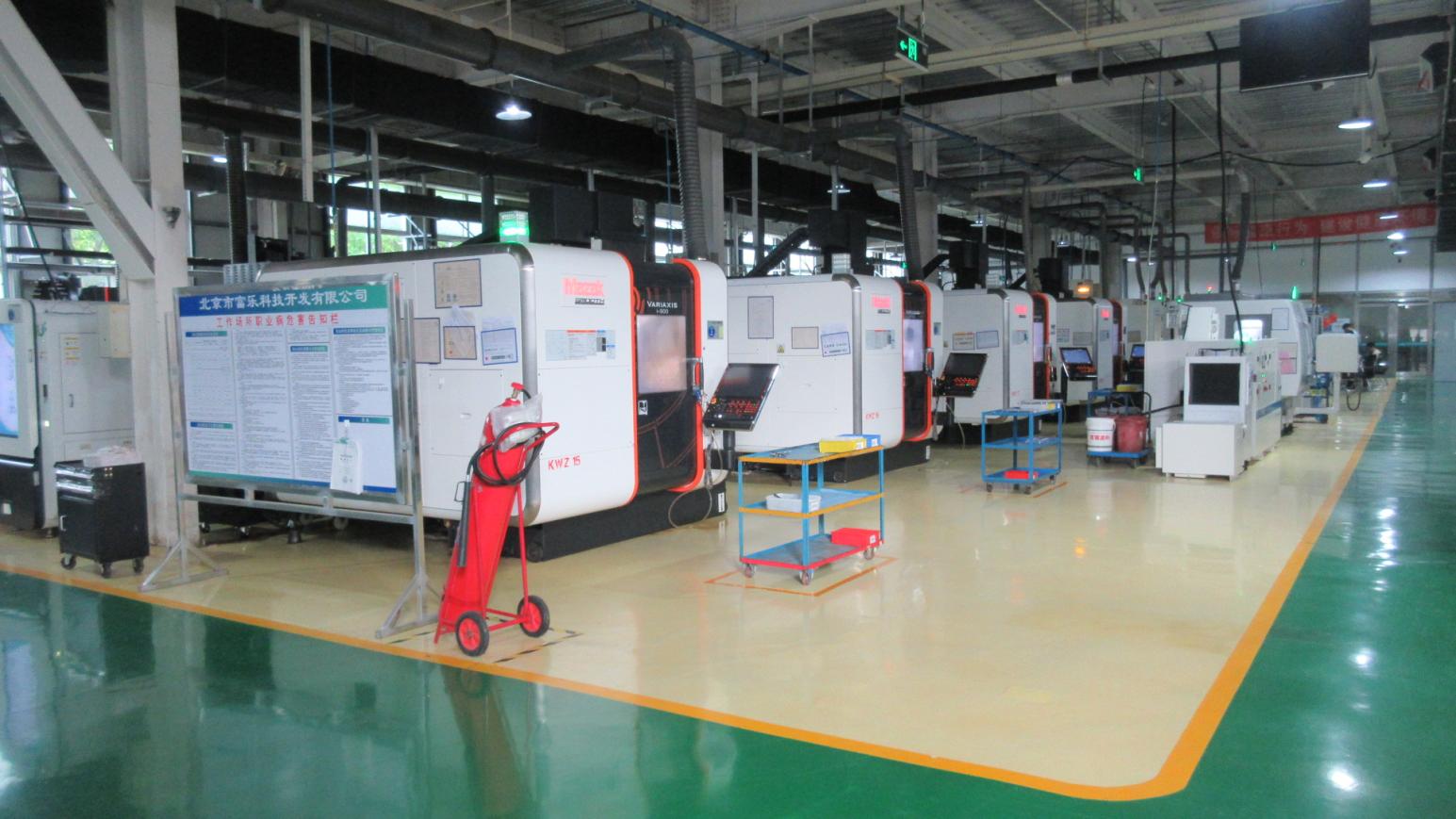
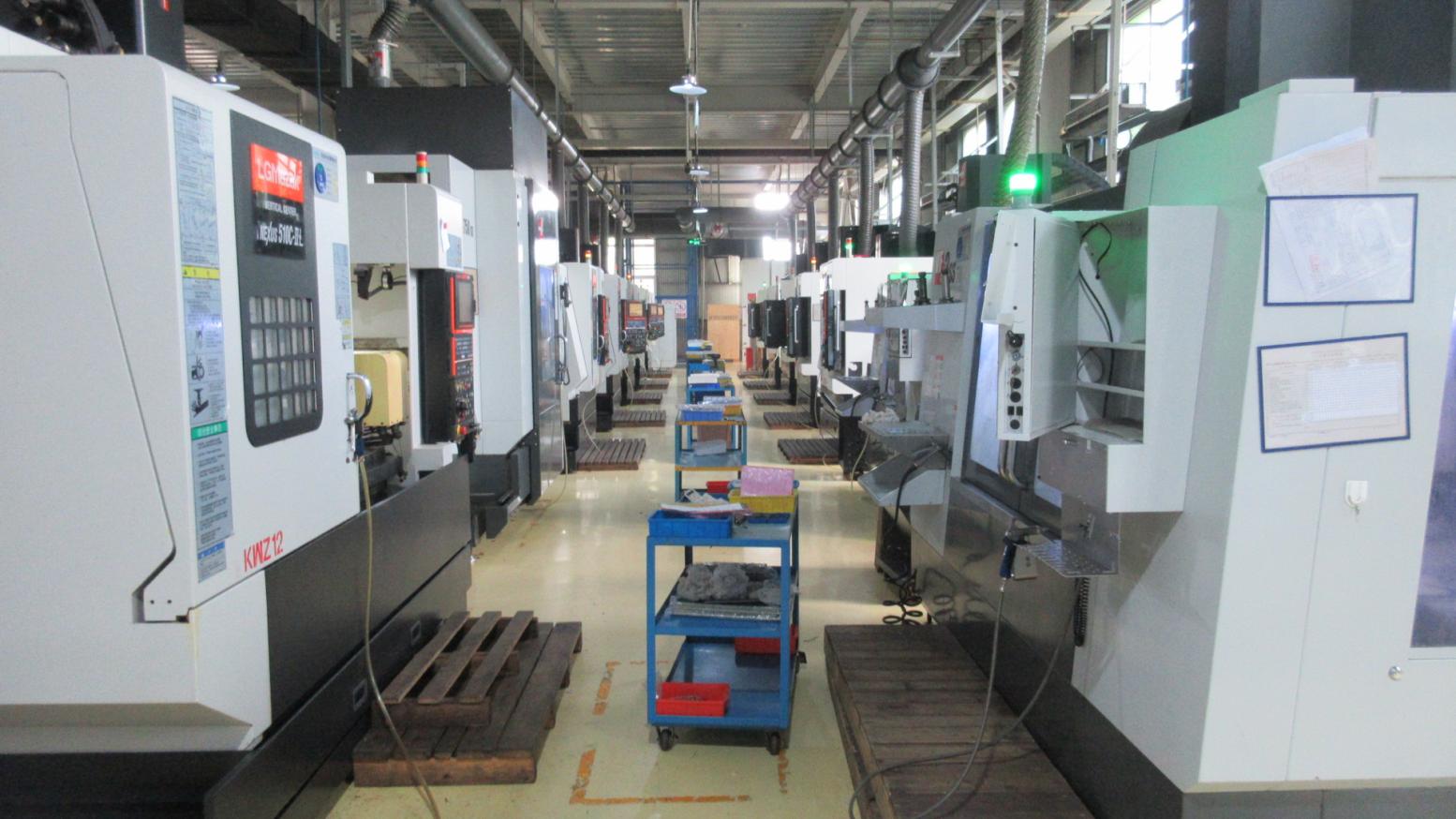
Established on June 28, 1996, our orthopedic manufacturing facility is a leading engineering center for Class III medical implants. With a floor space of 10,000 square meters, the facility integrates Swiss CNC sliding-head lathes, multi-axis machining centers, and automated ultrasonic cleaning lines to ensure microscopic precision. Having spent 30 years exporting medical devices to critical international markets, we have streamlined our supply chain to support OEM/ODM requests, sample processing, and custom-made patient-specific implants.
Understanding the critical properties of medical-grade Titanium and surgical steels that support osteosynthesis.
To ensure high quality and long-term biological safety, orthopedic plates must minimize corrosion and withstand intense cyclical loading. We manufacture implants primarily from titanium alloys like Ti-6Al-4V ELI (Grade 23) and pure titanium (Grades 2 to 4), in strict compliance with ASTM F136 and ASTM F67 specifications. The mechanical profile of these materials features a high strength-to-weight ratio and a lower Young's Modulus compared to traditional stainless steel. This property helps limit stress shielding, which can cause bone resorption around the implant.
Our Locking Compression Plates (LCP) feature dynamic compression unit (DCU) holes. This design lets surgeons choose between standard compression, locking screw anchorage, or a combination of both. Combining these options provides a stable configuration that acts as an internal fixator, preserving periosteal blood supply and promoting direct bone healing.
Strategic directions defining the future of internal fixation systems, spinal correction, and surgical workflows.
Our clinical R&D roadmap focuses on three main developments:
How our product development aligns with the demands of different geographic healthcare environments.
We configure our orthopedic products to meet the unique clinical and regulatory requirements of our main international markets:
Domestic Market (40%): Supplying Class III systems to tertiary trauma facilities, supported by on-site surgical kits and emergency revision backup instruments.
Eastern Europe (15%): Providing high-quality implants designed to meet CE standards, offering cost-effective alternatives for public healthcare tenders.
Southeast Asia (10%): Delivering durable, versatile trauma plate kits optimized for high-volume orthopedic centers and regional emergency clinics.
Our quality verification processes conform to international medical manufacturing standards.
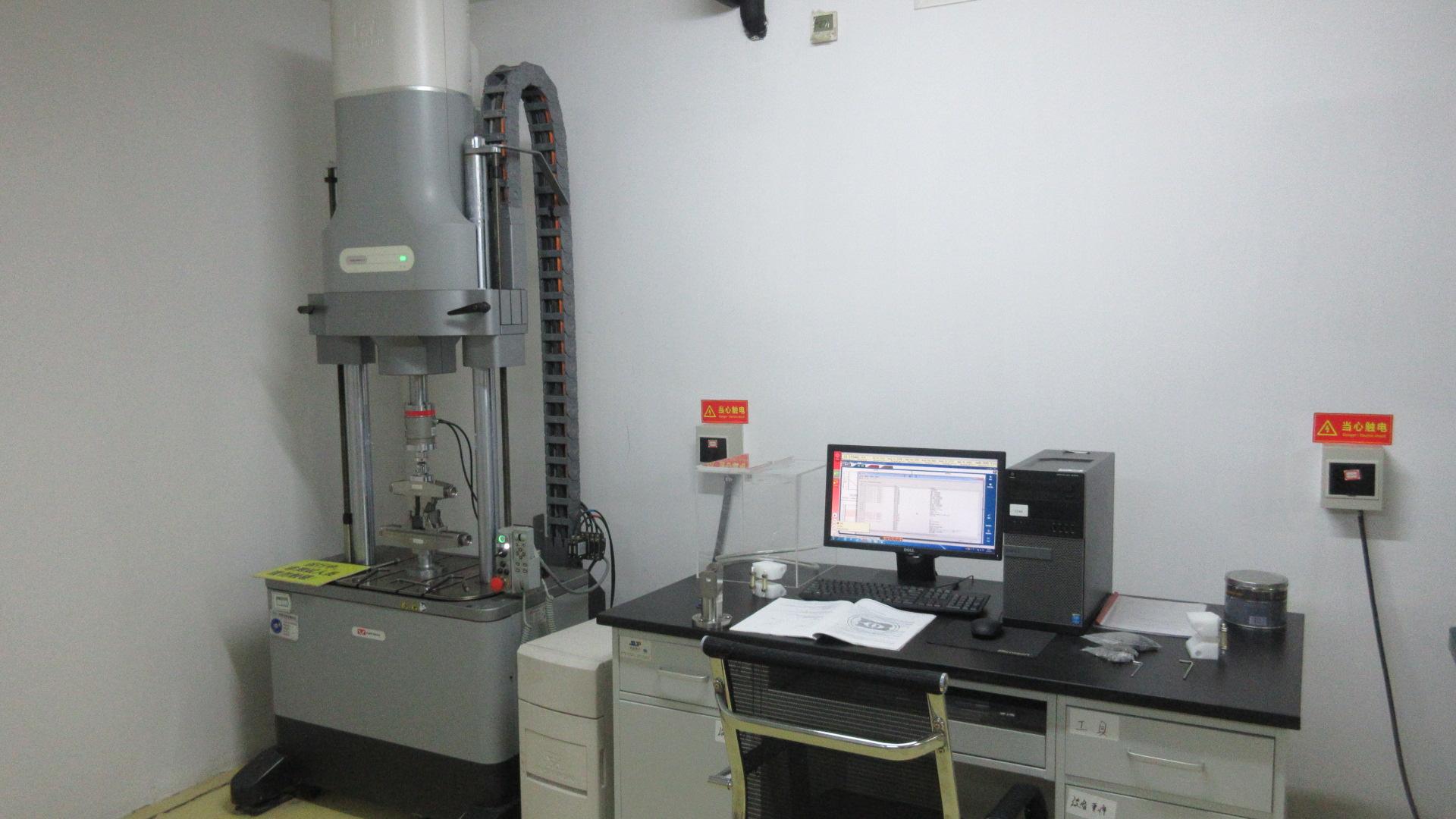
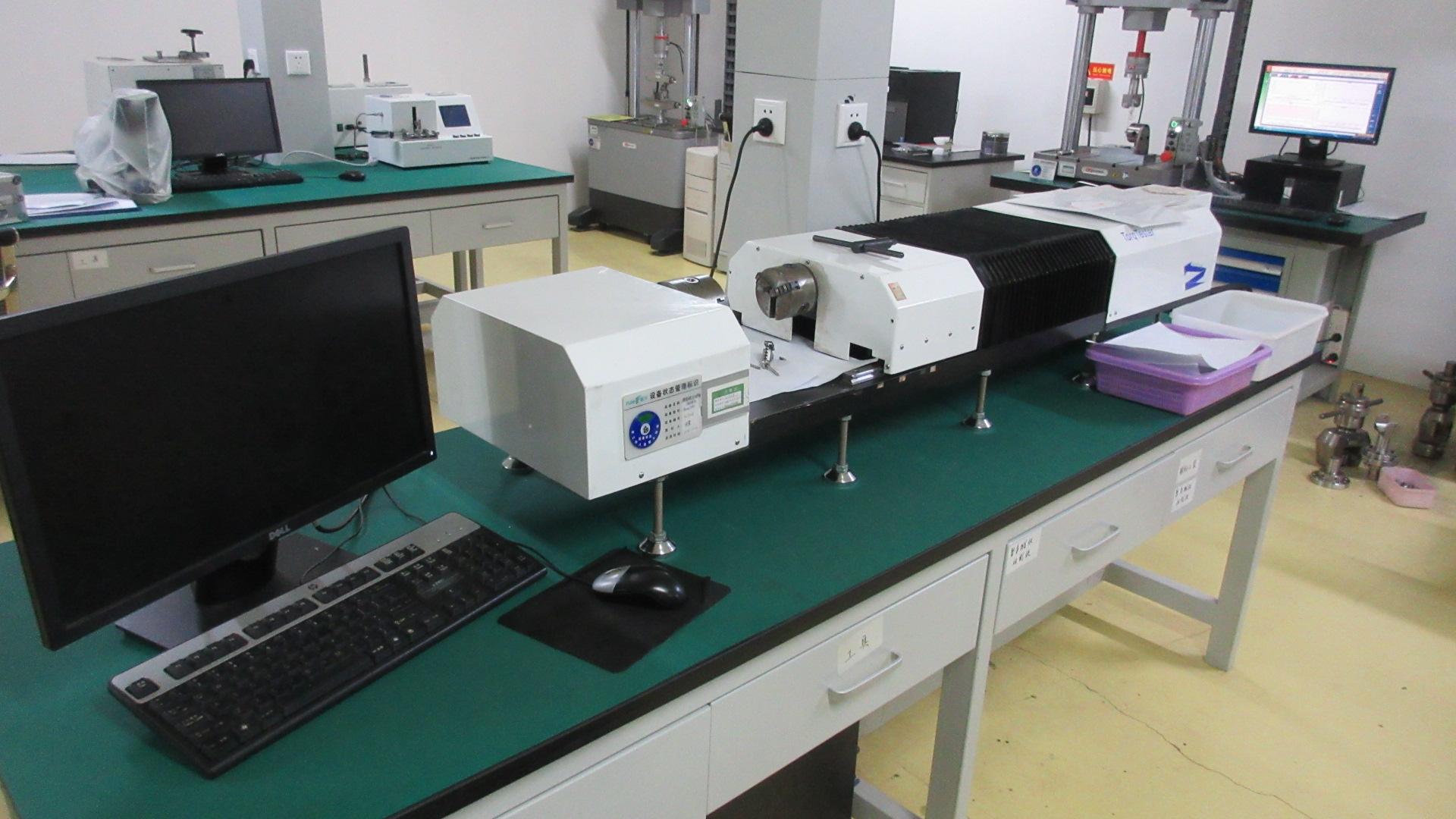
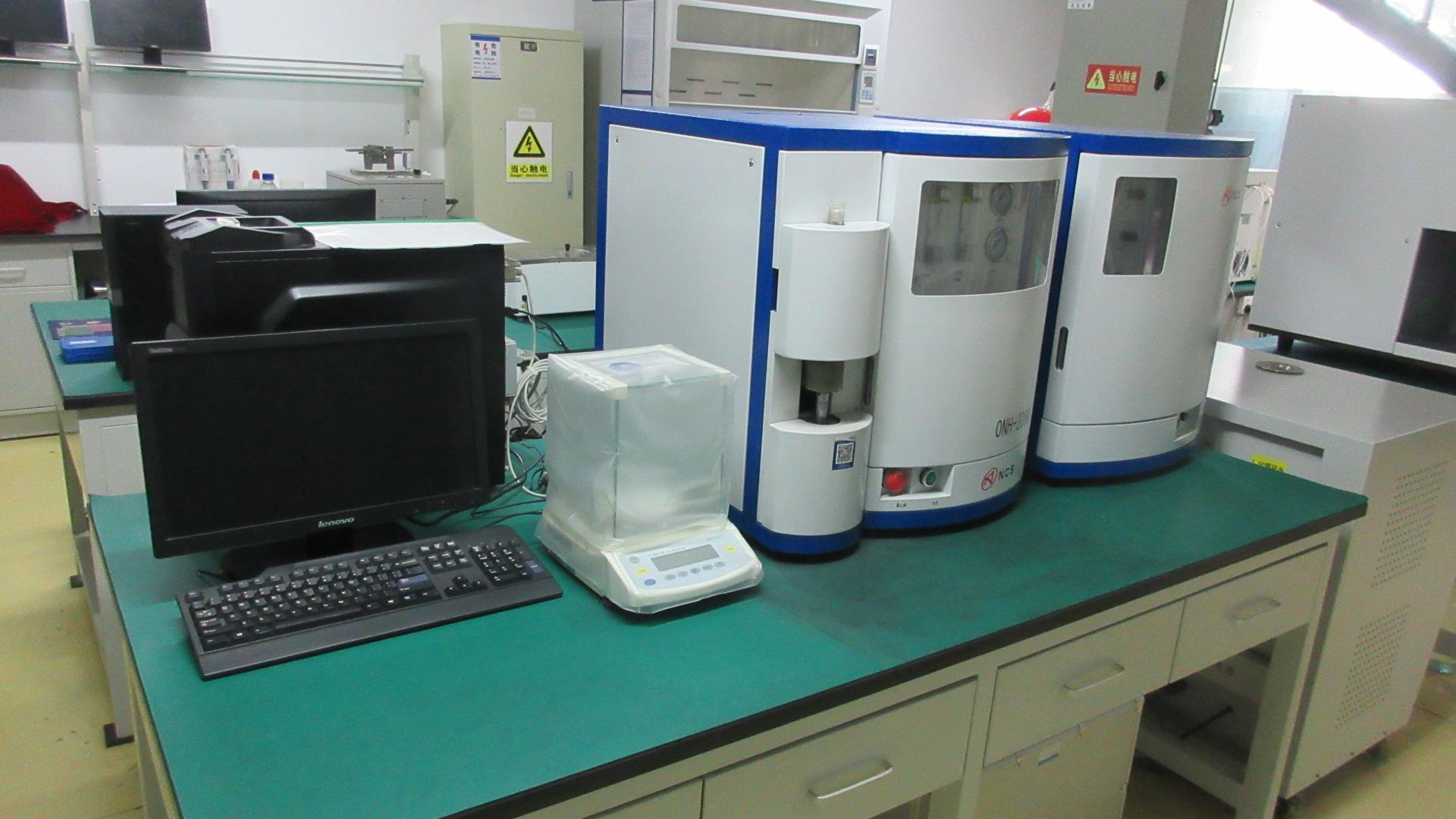
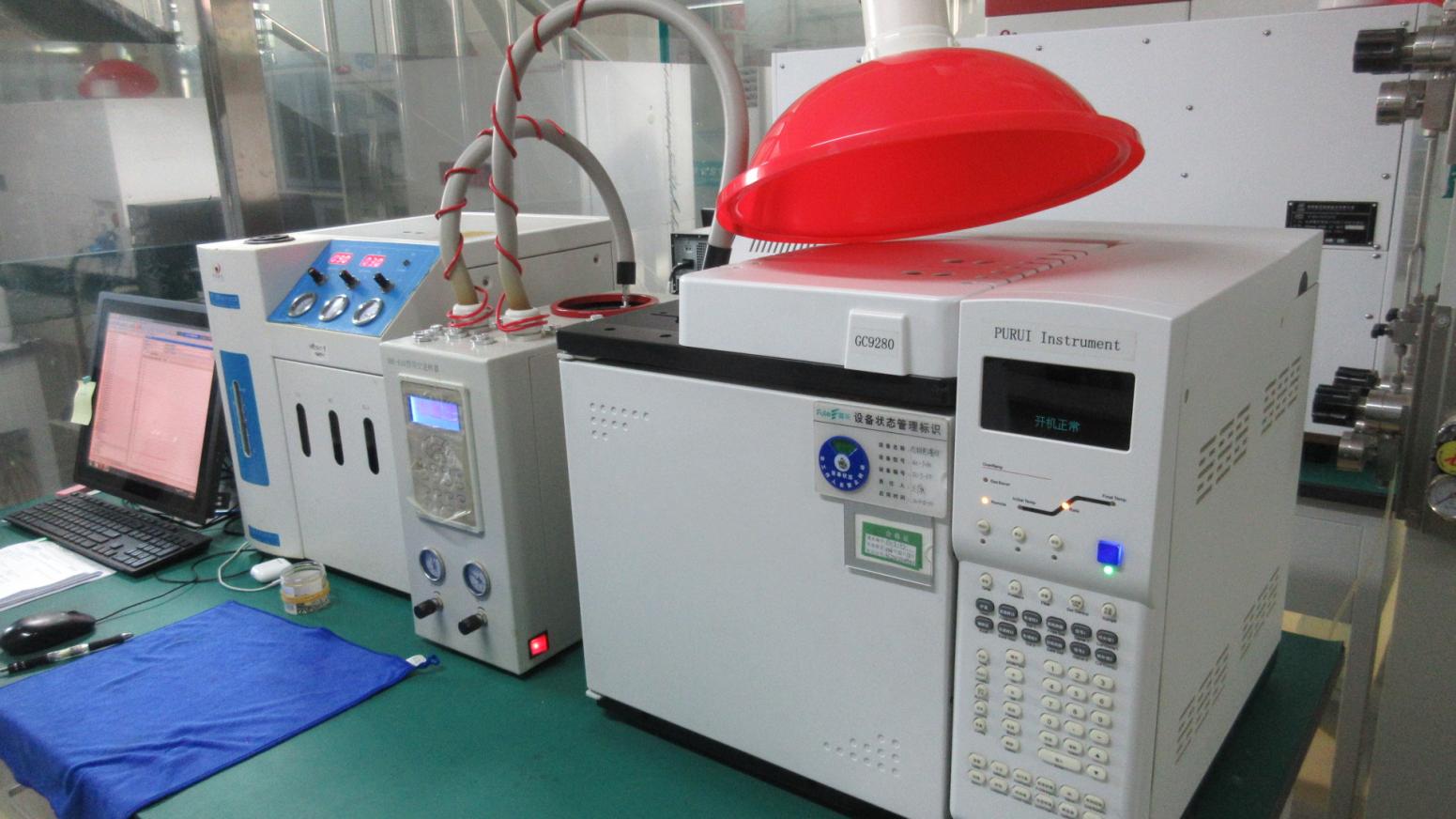
Our manufacturing facility operates under a strict ISO 13485 Quality Management System (Certificate No: 04724Q10000818). A team of 15 dedicated QA/QC inspectors manages quality control across every production stage. Quality monitoring includes chemical analysis of raw material batches, dimensional inspection using coordinate measuring machines (CMM), and fatigue testing of finished implants. In addition, all implants are processed and packaged in cleanrooms that meet ISO Class 7/8 standards, ensuring low bioburden levels before sterilization.
Visualizing our cleanrooms, precision machining equipment, product displays, and international quality management centers.
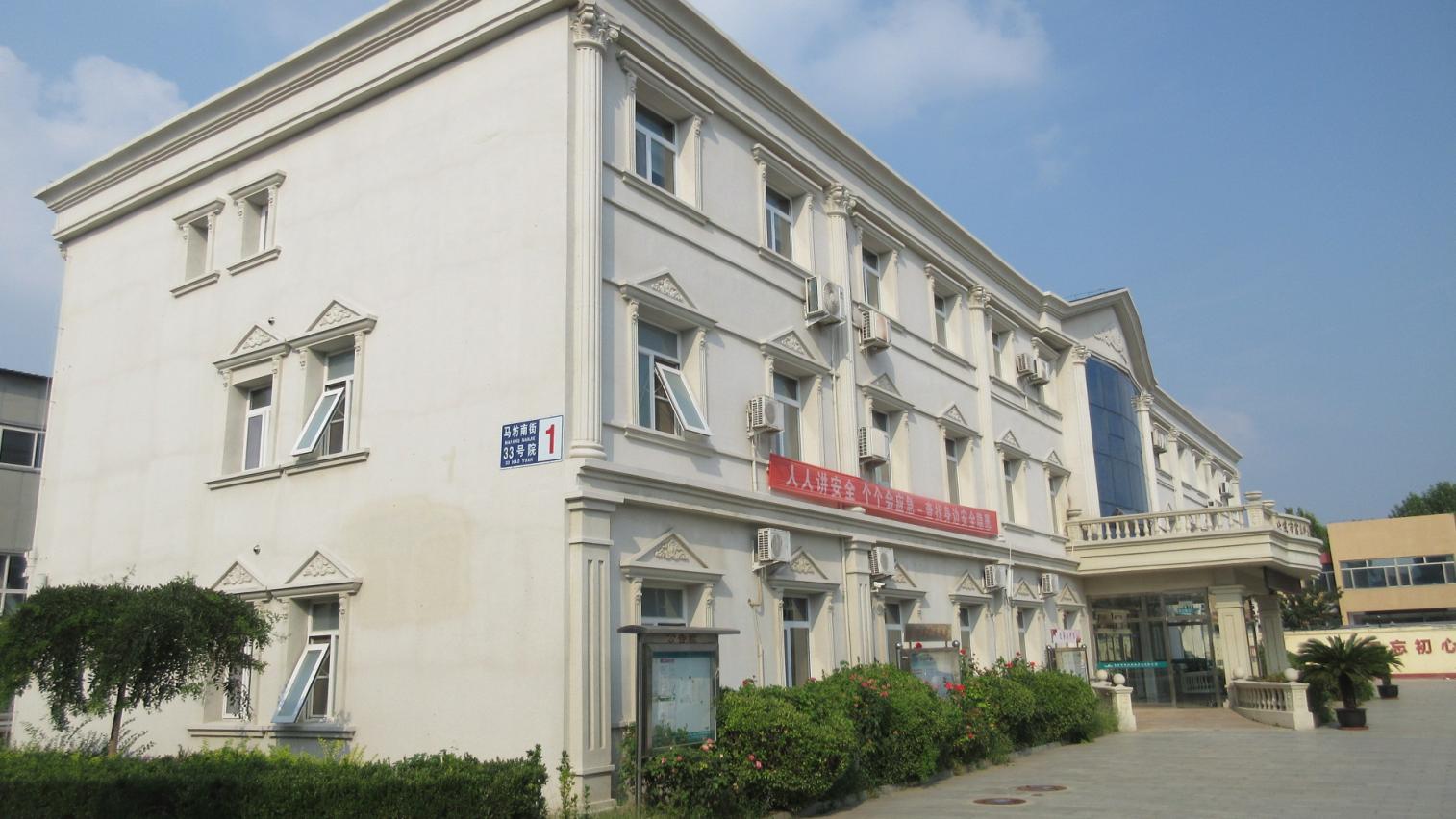
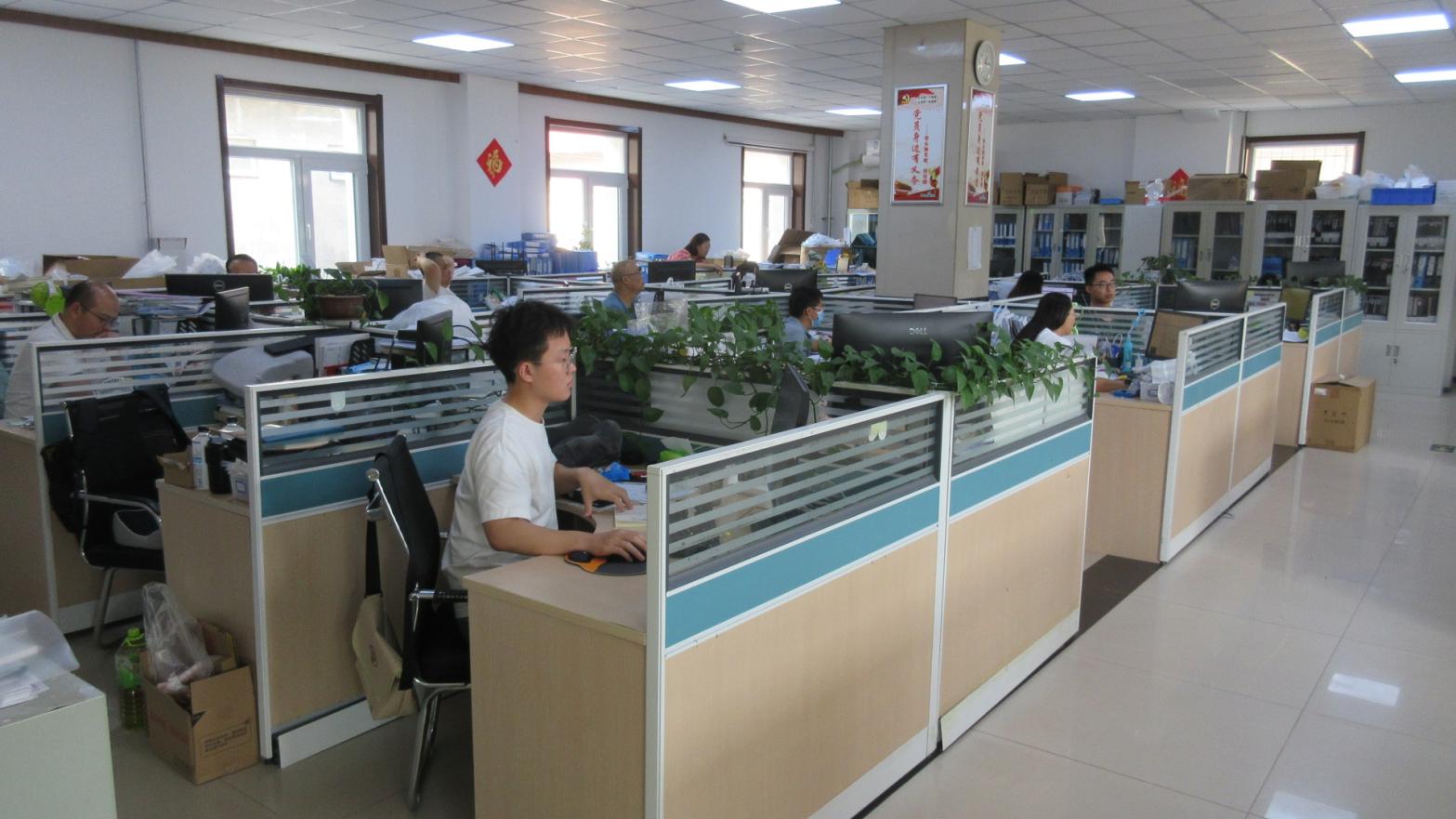
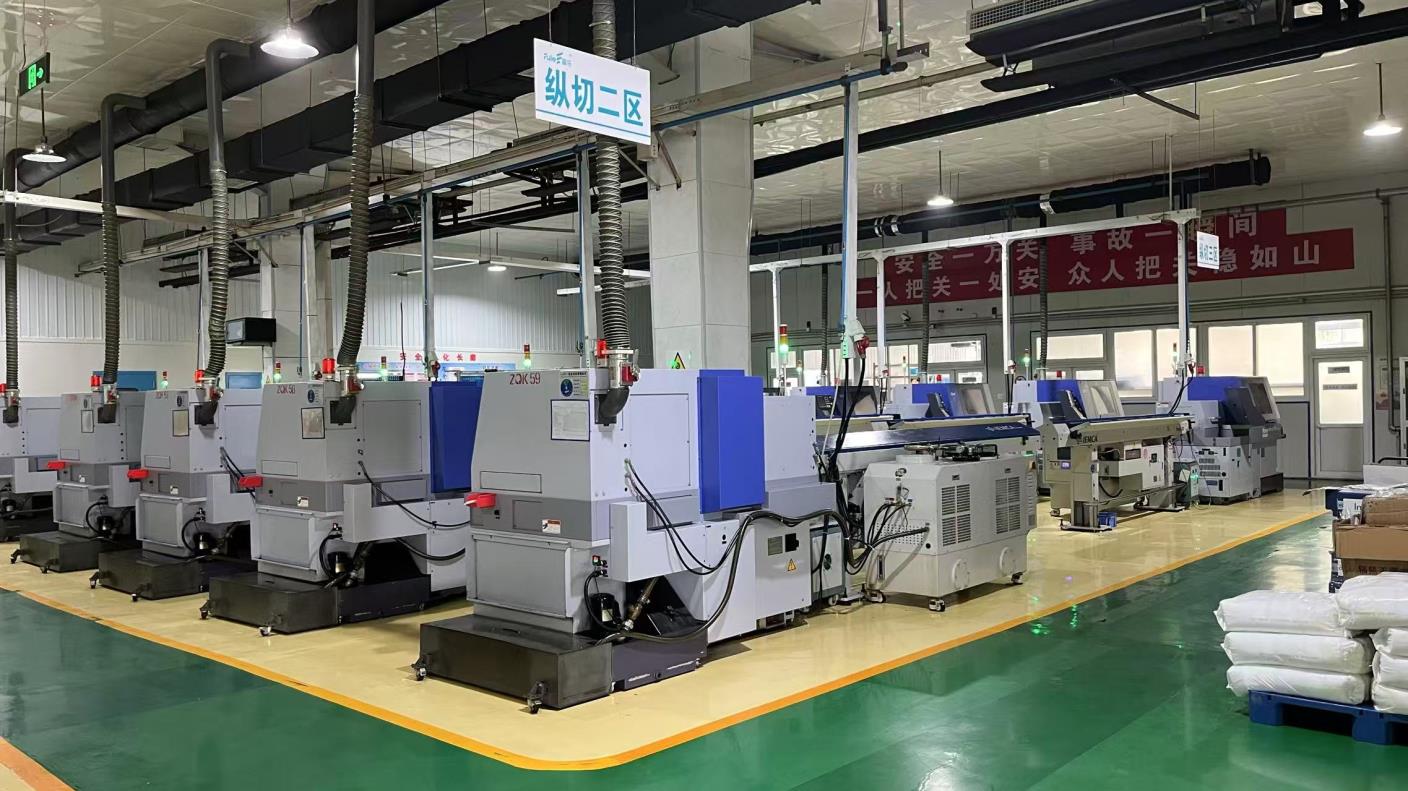
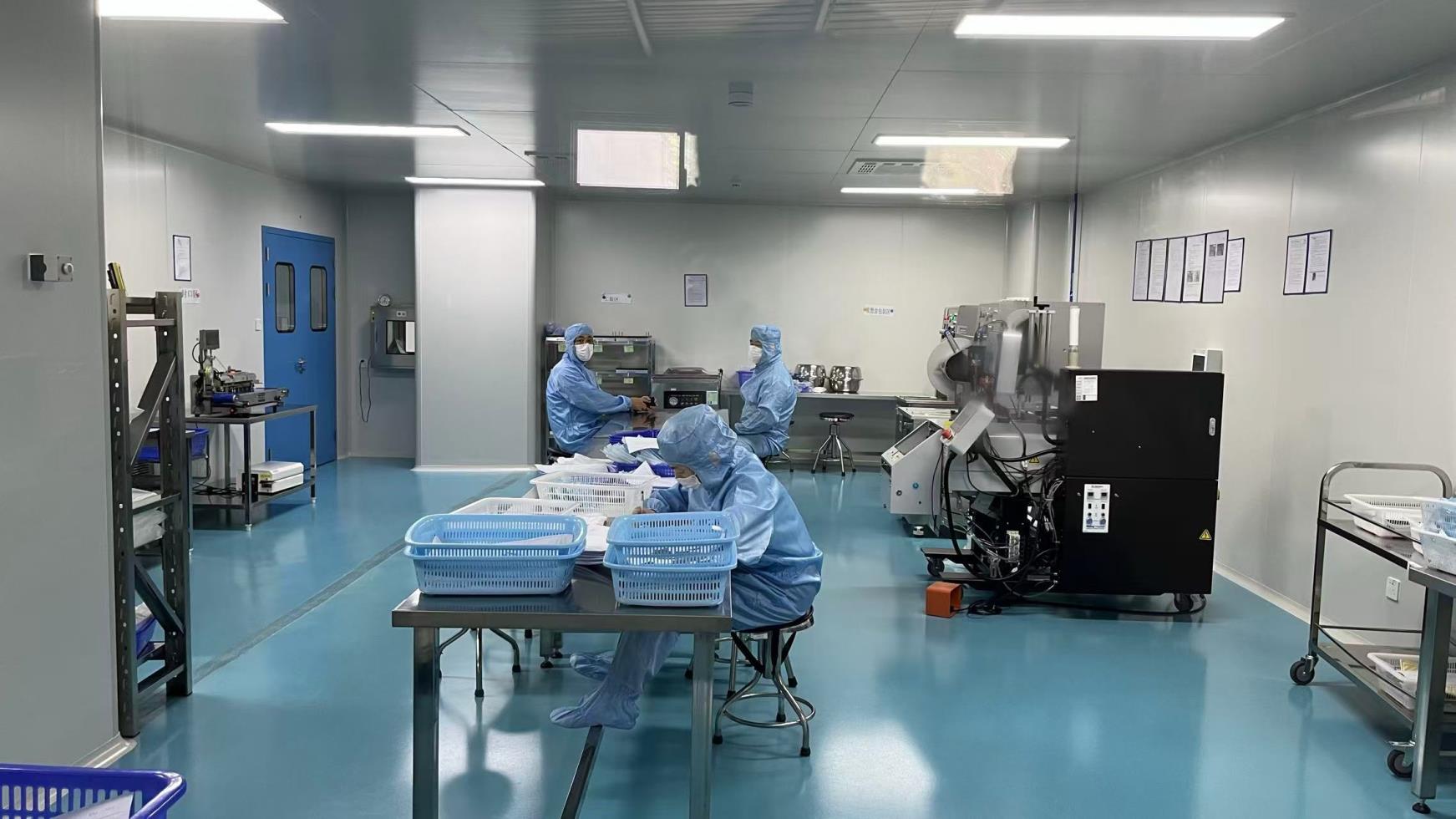
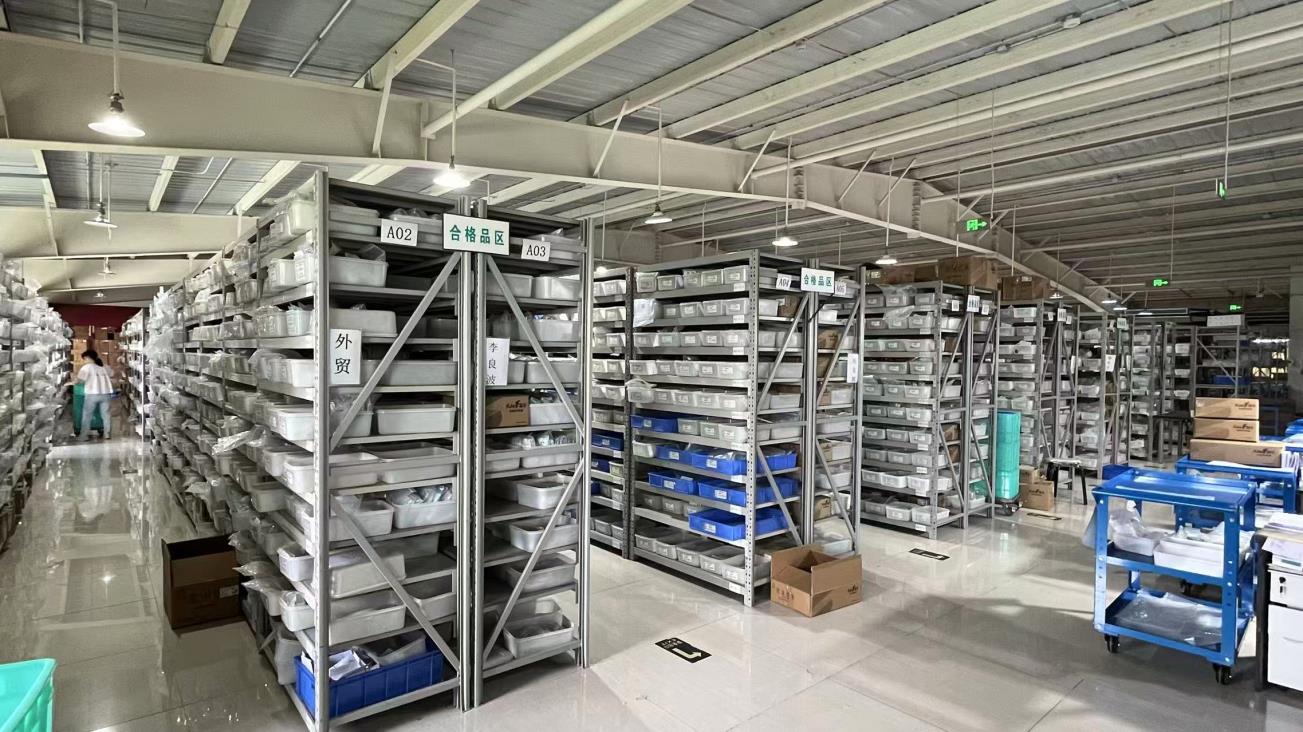
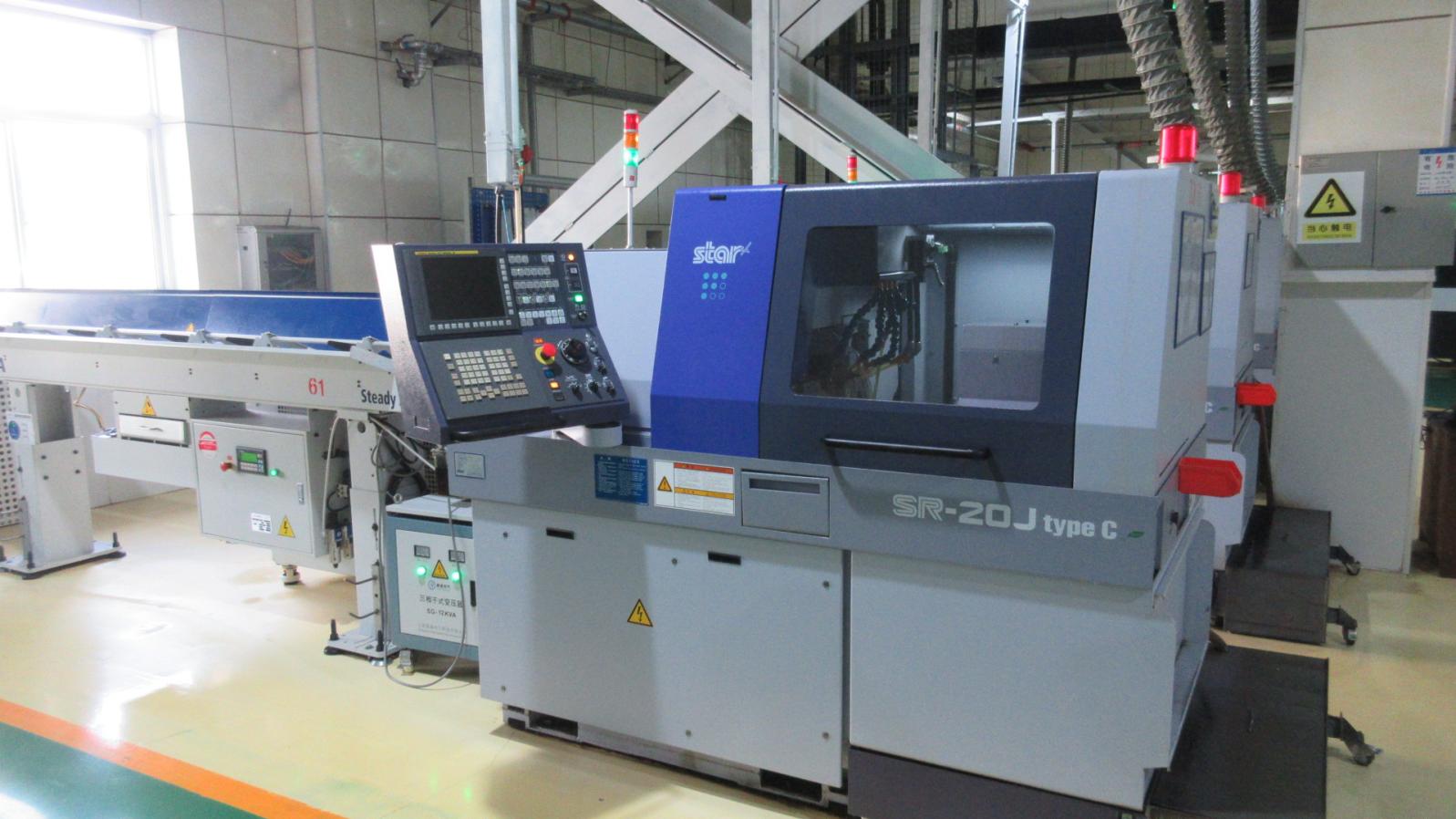
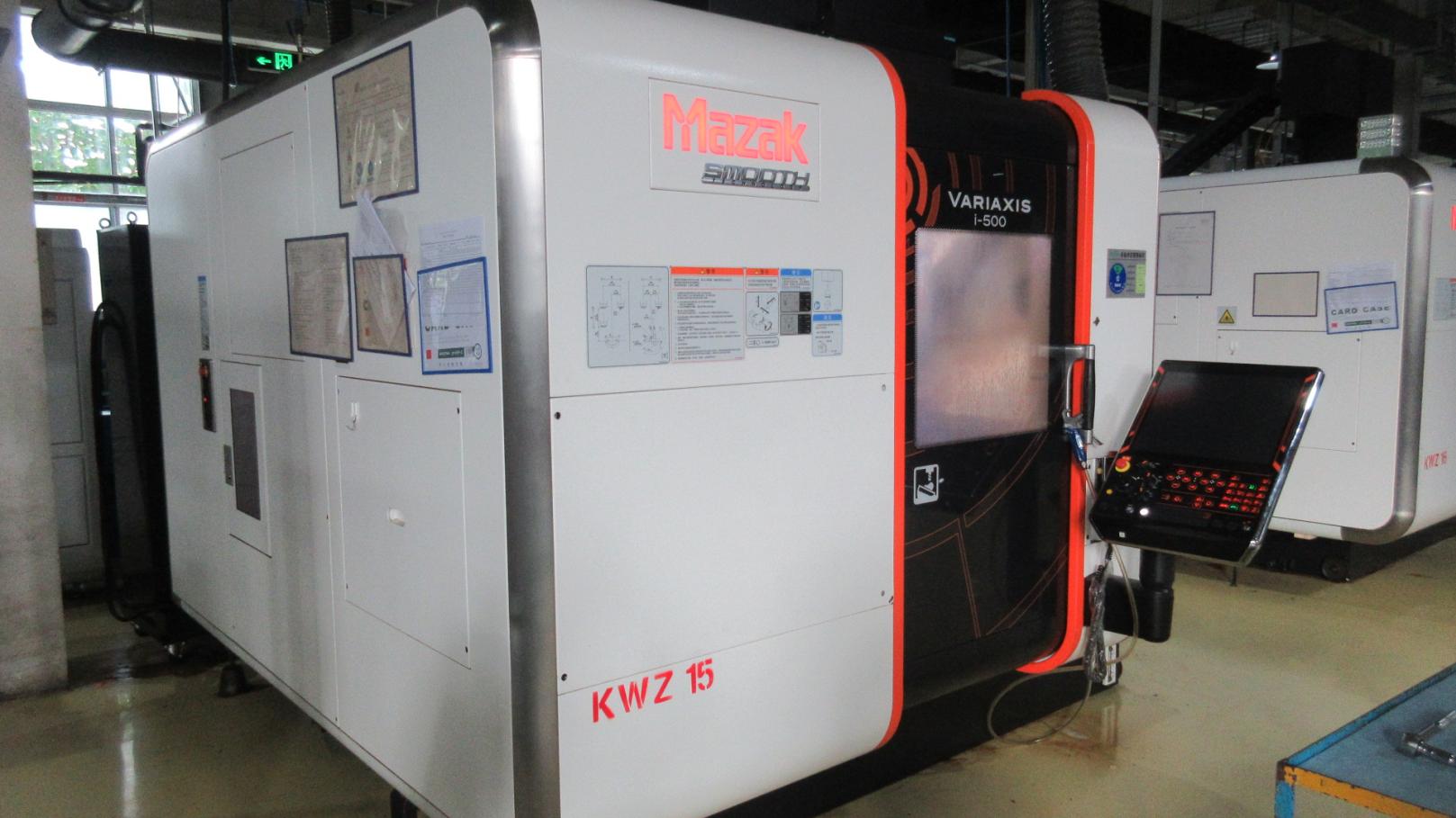
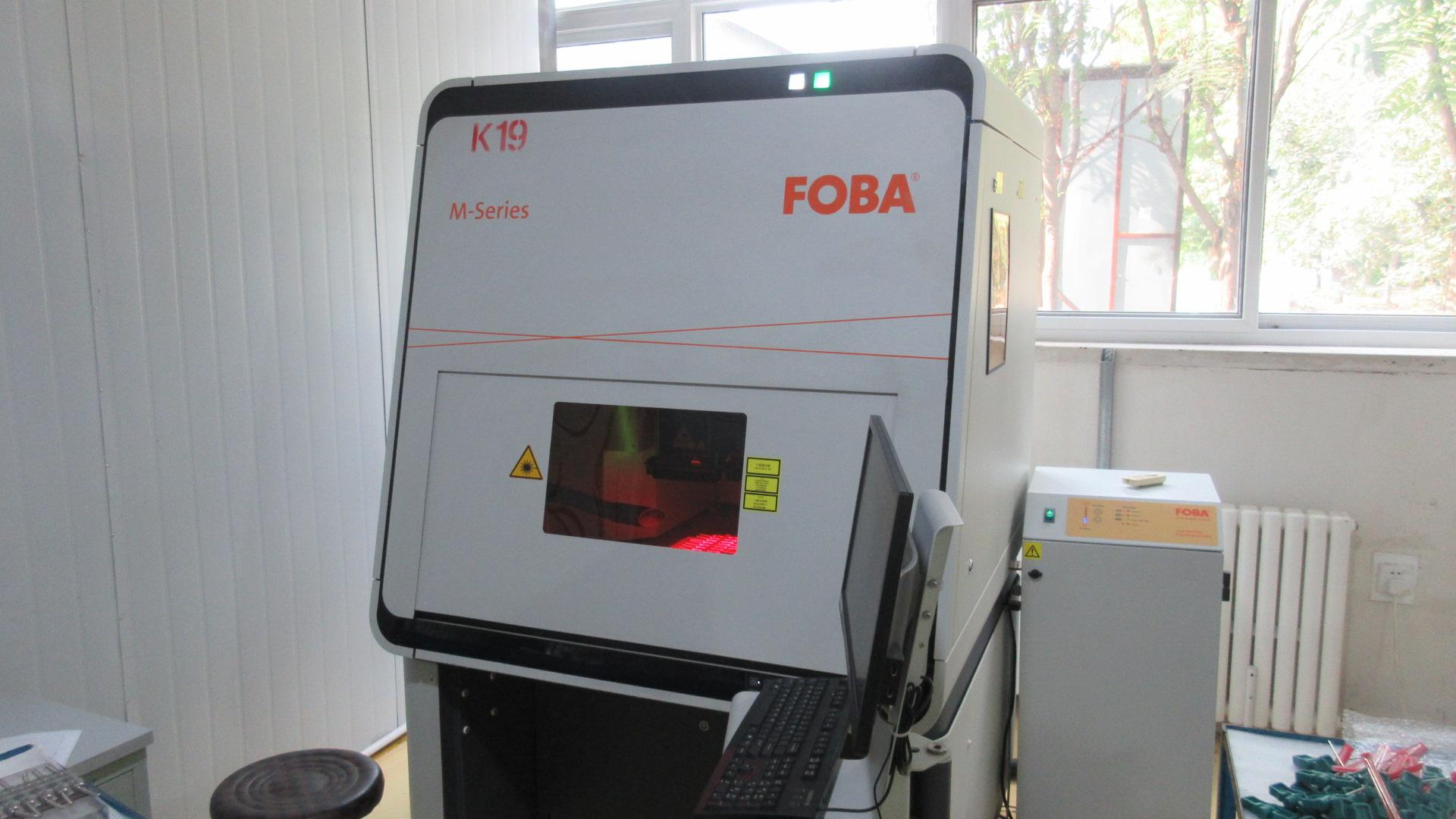
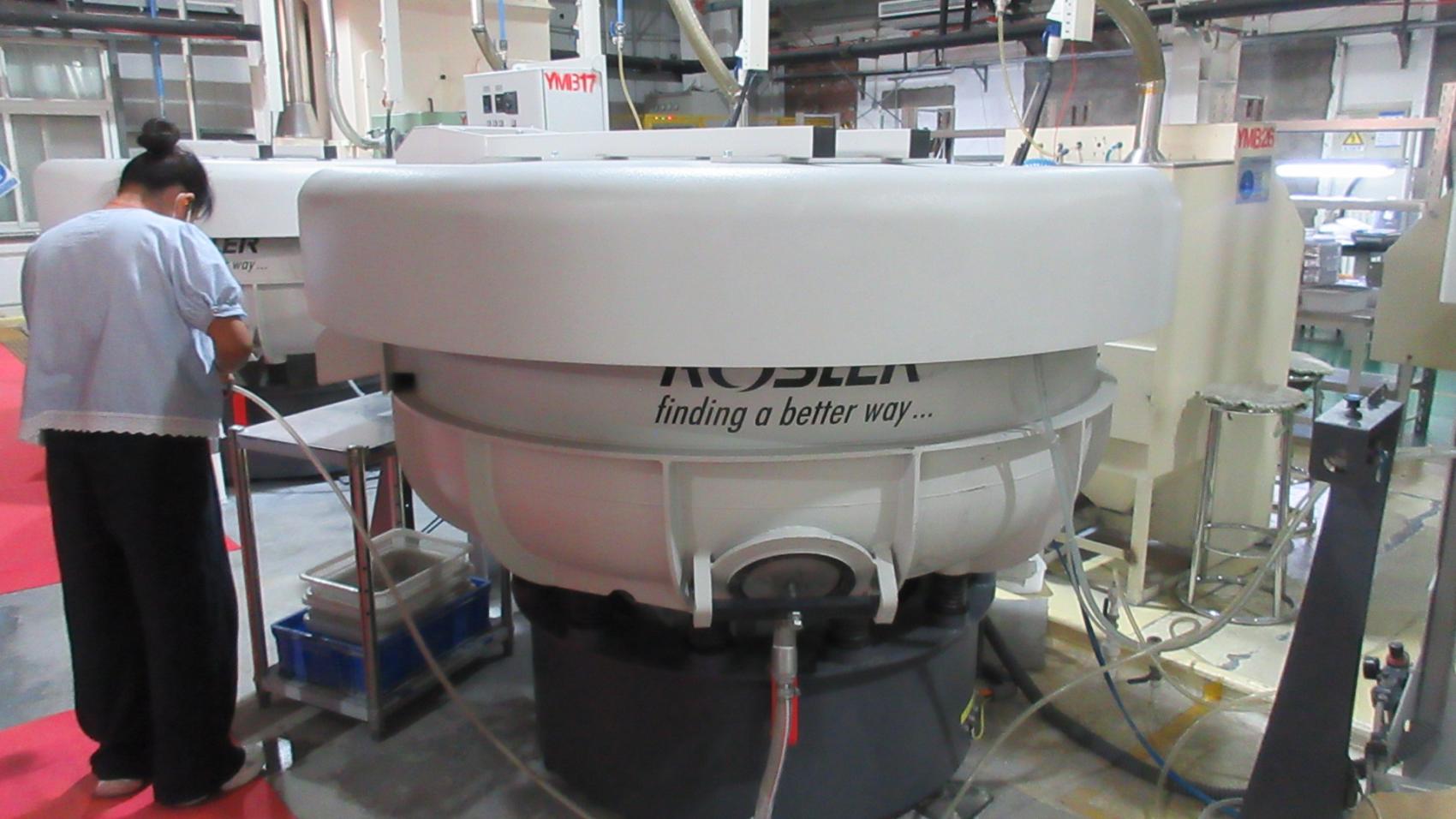
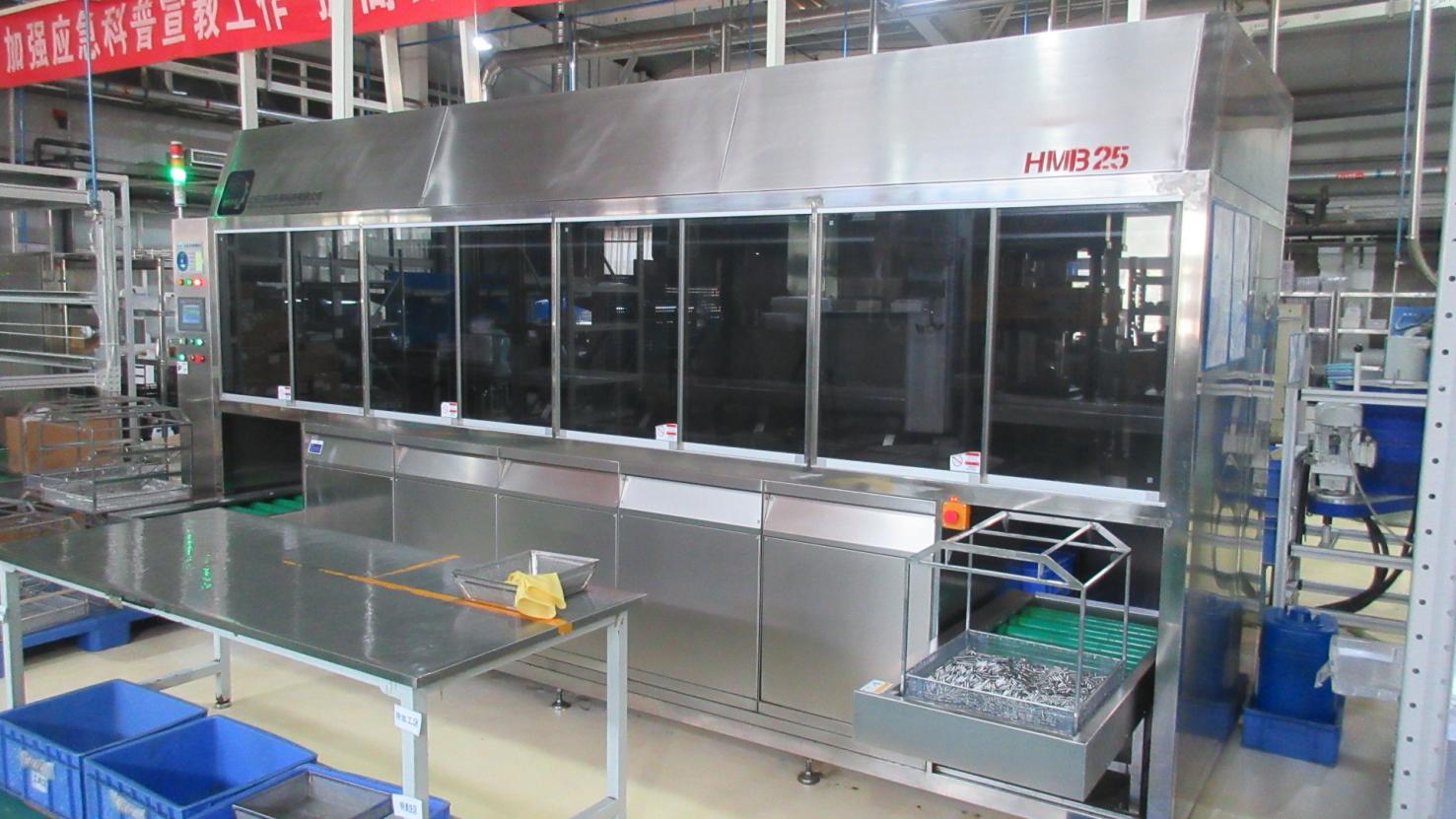
 ISO13485: 04724Q10000818
Find answers to common questions about material selection, customization, and regulatory standards for orthopedic and spinal implants.
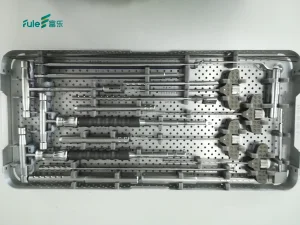
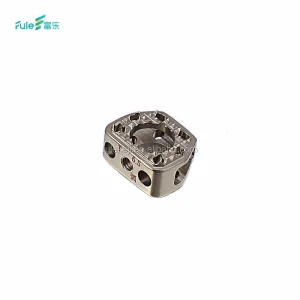
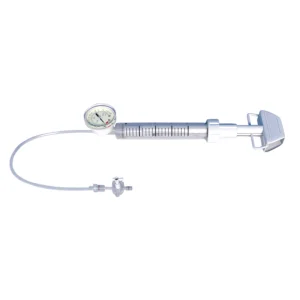
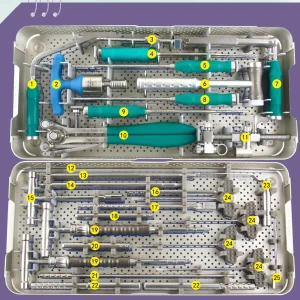
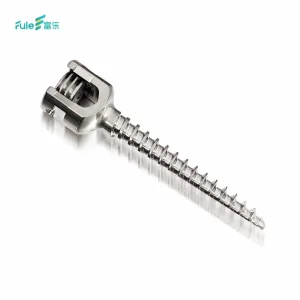
Examine our precision-machined spinal system implants, minimally invasive instruments, and bone cement stabilization systems.
 Beren Science & Technology