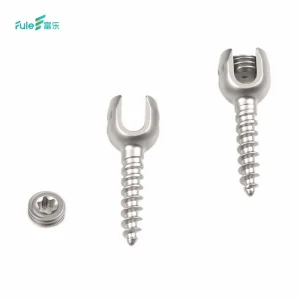
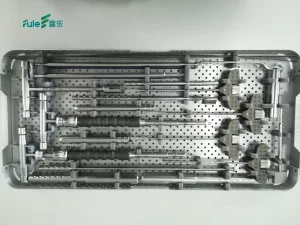
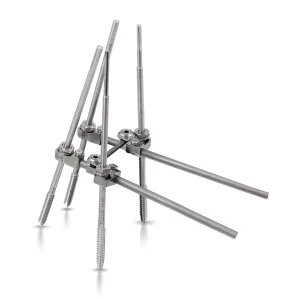
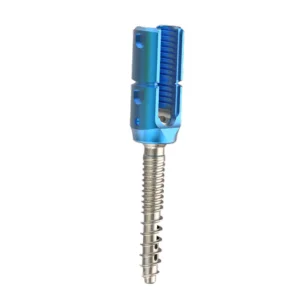
Pioneering manufacturing standards for highly critical orthopedic procedures. Explore our core CE-certified implants and instrumentation lines engineered with raw titanium material integrity.
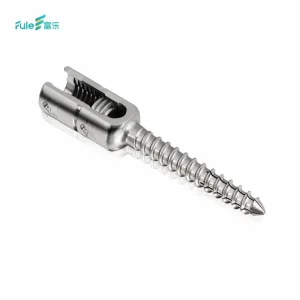
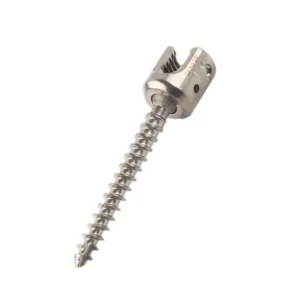
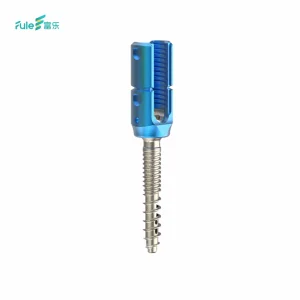
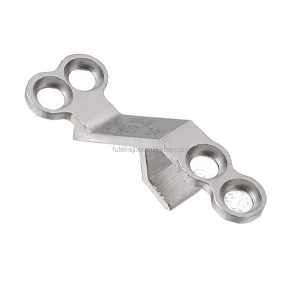
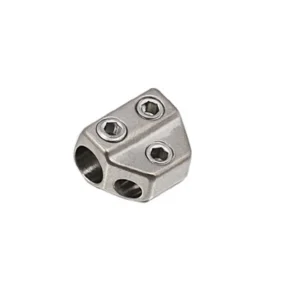
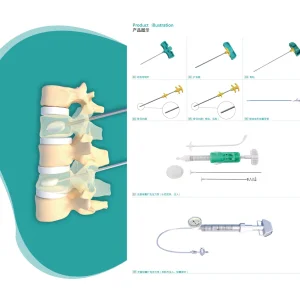
Addressing the growing requirements of minimally invasive orthopedic sports medicine surgeries through extreme engineering precision.
Shoulder arthroscopy has transitioned from a niche diagnostic procedure into the gold standard for treating rotator cuff tears, glenohumeral instability, labral pathology, and subacromial impingement. With over 1.5 million procedures performed globally each year, the demand for highly reliable, ergonomically balanced, and bio-compatible shoulder arthroscopy tools has reached unprecedented heights.
Medical device procurement managers, distributors, and surgeons prioritize tool integrity because mechanical failure during surgical procedures increases OR time and elevates patient risk profile. As an established, certified manufacturer with a 30-year legacy of surgical implant engineering, we leverage Class III manufacturing lines to deliver custom and standardized arthroscopic accessories. This includes suture passers, cannulas, shaver blades, retractors, probe hooks, and customized fixation instrumentation.
Our technological infrastructure supports micron-level design parameters required for advanced sports medicine procedures. Whether executing an arthroscopic Bankart repair or a complex superior capsular reconstruction (SCR), the predictability of tactile feedback from the surgical tool determines clinical success.
100% material traceability and biological compatibility validation conforming to ISO13485 standards. Precision-crafted titanium alloy structures prevent intraoperative structural fatigue.
Designed in collaboration with clinical orthopedists. Optimal weight-to-balance configurations reduce wrist fatigue and ensure maximum feedback sensitivity during arthroscopic portal insertion.
Electro-polished and anodized surfaces offer robust corrosion resistance against aggressive saline fluid visualization irrigation systems during arthroscopic shoulder joint expansion.
Investing in advanced material science and robotic fabrication interfaces to drive the next generation of minimally invasive surgery.
Our ongoing development centers on transition to extreme high-modulus cobalt-chrome and grade 5 ELI titanium alloys. These materials allow our design engineers to reduce tool shaft wall thickness down to 1.8mm while retaining structural torsional strength. This facilitates the construction of ultra-low profile instrumentation pipelines for posterior, anterior, and lateral shoulder portal approaches.
Addressing sterilization cost concerns globally, we are developing hybrid instrumentation systems. By integrating disposable, high-hardness polymer tips with reusable ergonomic stainless steel alloy handles, medical facilities can drastically cut downtime and reprocessing risks without compromising tactile surgical control.
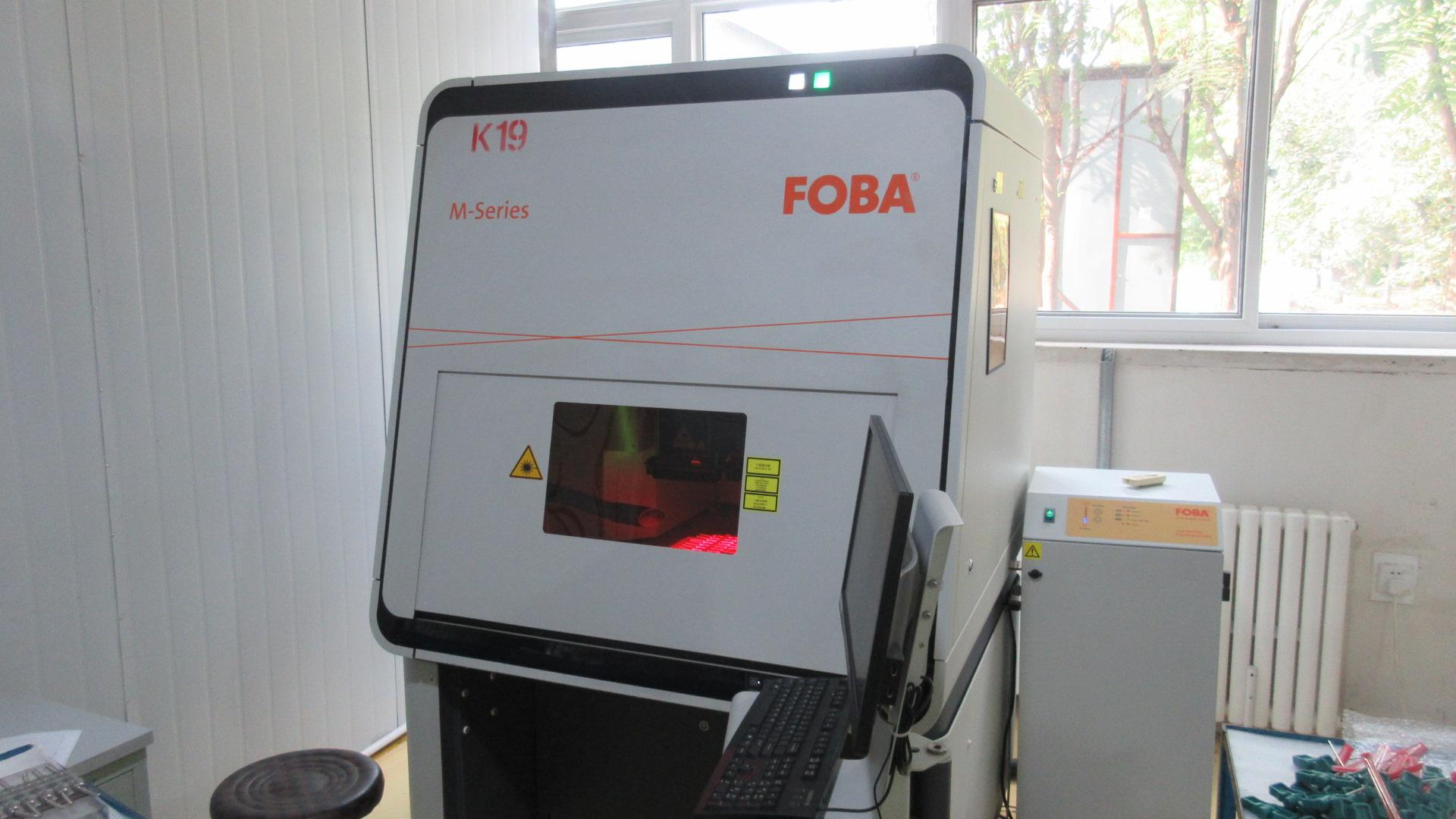
Our technology roadmap features sub-micron surface engraving utilizing advanced picosecond laser technology. Micro-patterning tool shafts eliminates fluid slip when working inside moist intra-articular spaces, offering the surgeon an elevated layer of manipulation stability during anchor deployment.
Leveraging China's leading orthopedic cluster infrastructure to provide predictable delivery times and unmatched quality-to-cost parameters.
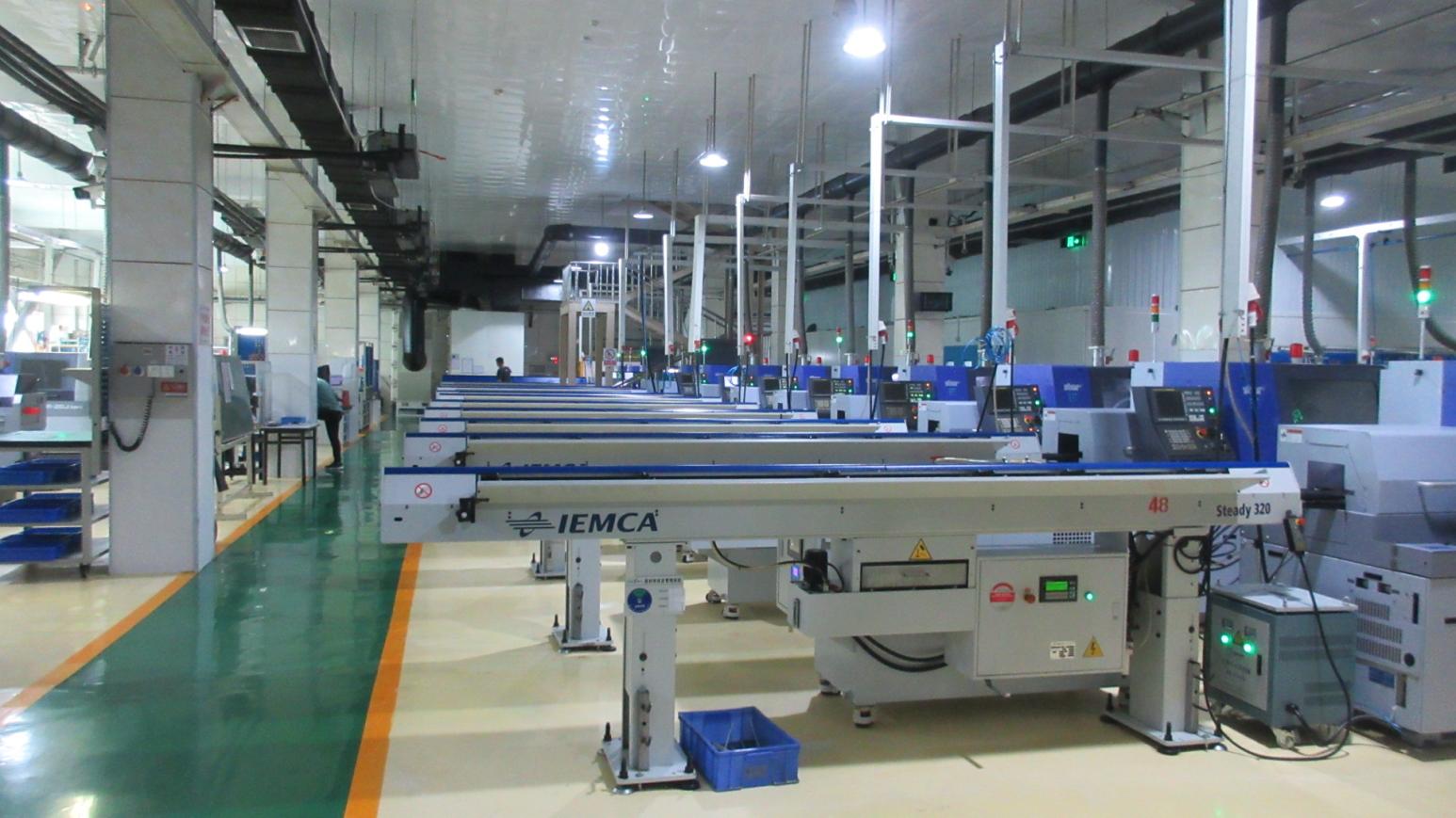
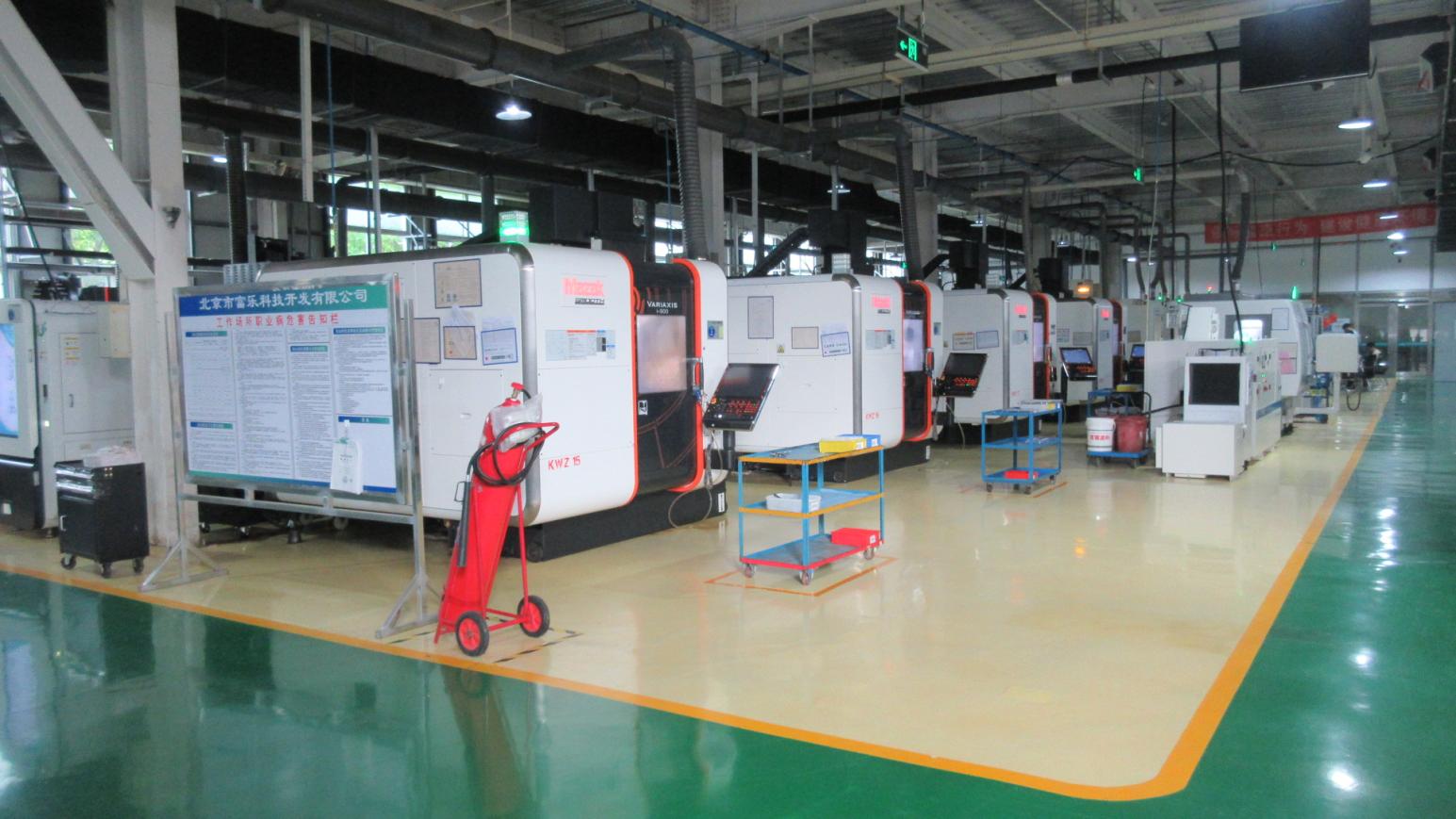
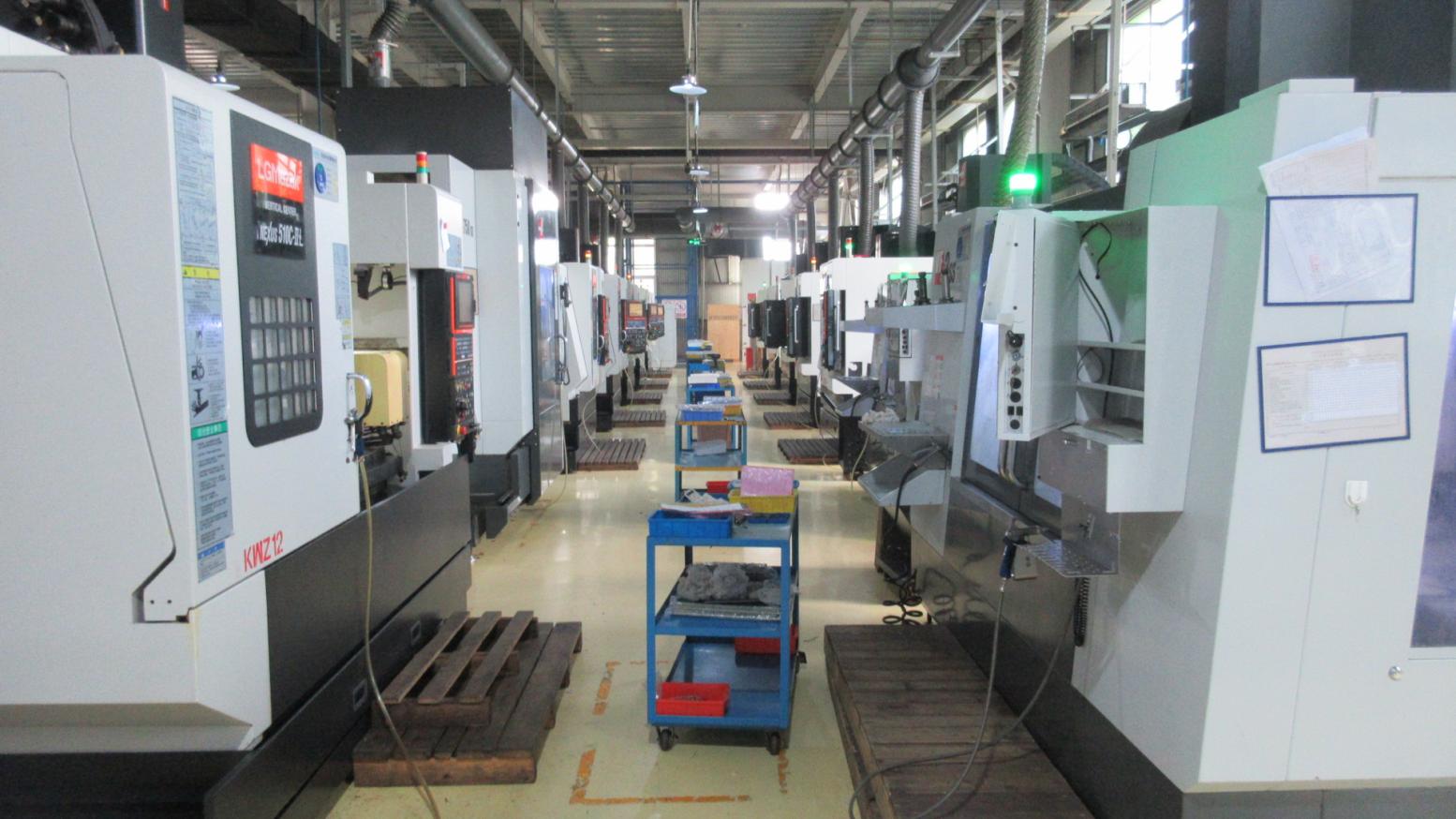
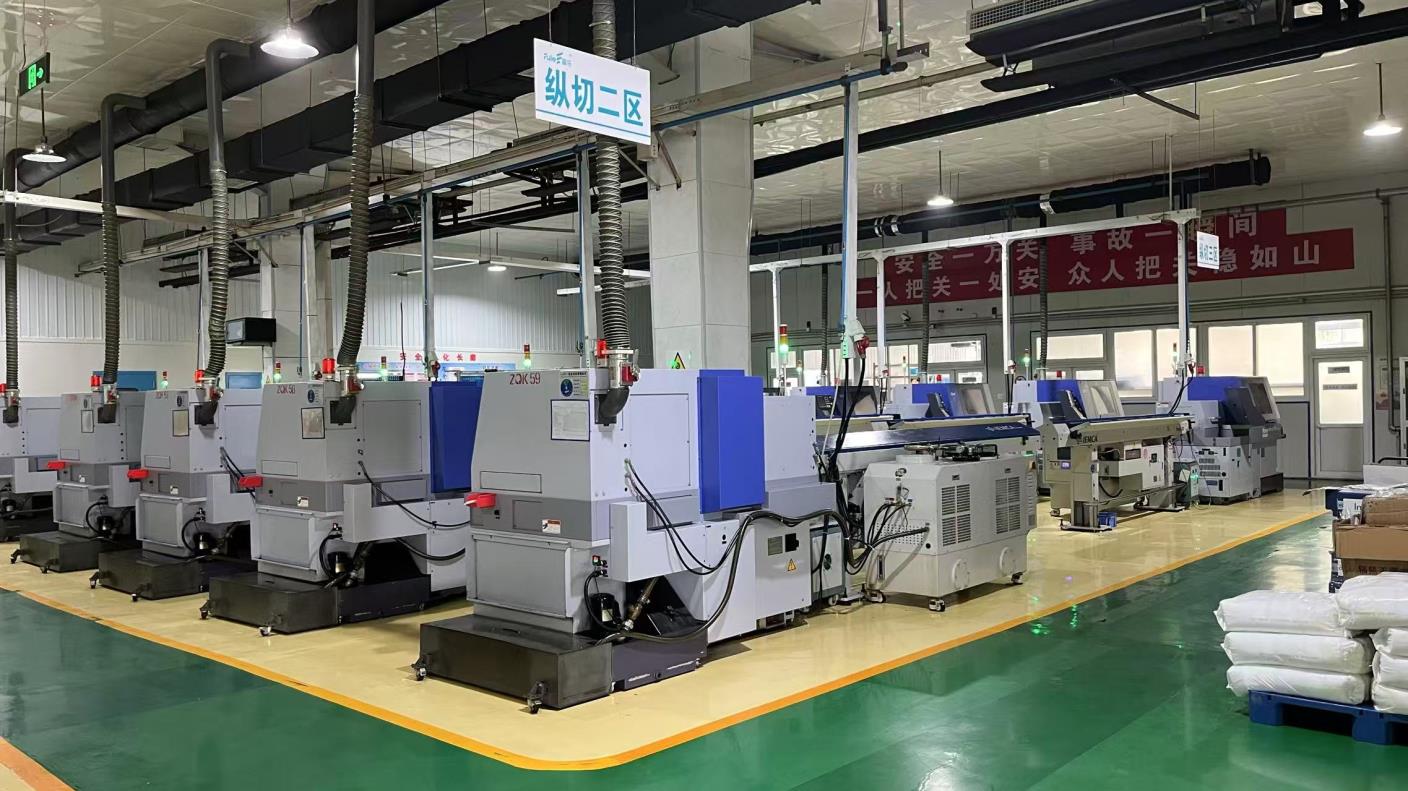
Operating from a modernized 10,000 square meter ISO-certified manufacturing facility, we manage over 102 industrial production machines, including Swiss-type longitudinal CNC lathes, 5-axis machining hubs, and advanced EDM spark erosion stations. This infrastructure ensures the output of Class III medical implants and structural tools remains stable, regardless of global logistics disruptions.
| Floor Area | 10,000 Square Meters |
| Machining Fleet | 102 Swiss-Type & CNC Stations |
| Active Supply Chain Partners | 70 Quality-Audited Nodes |
| Production Lines | Dedicated Orthopedic & Spinal Arrays |
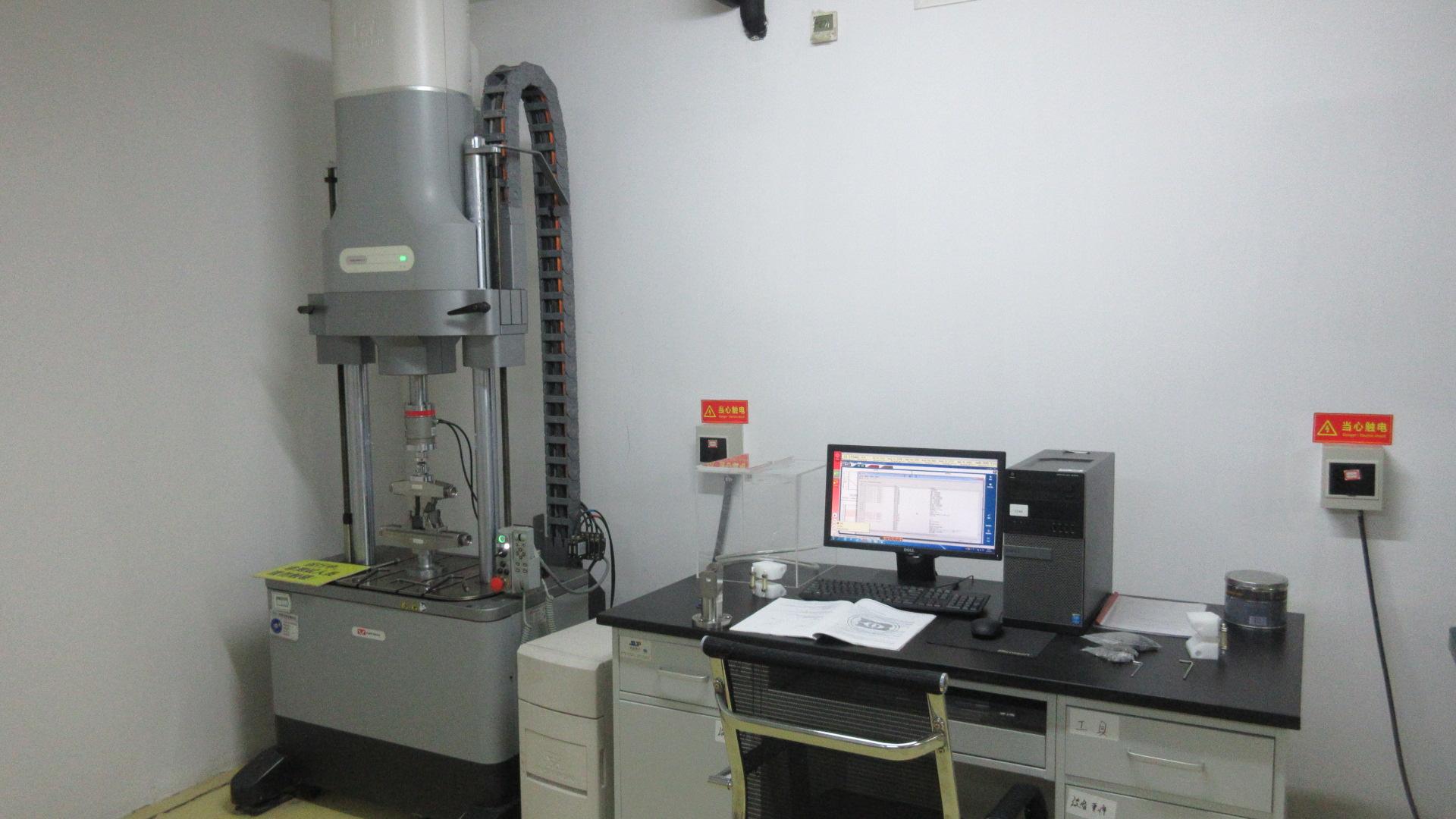
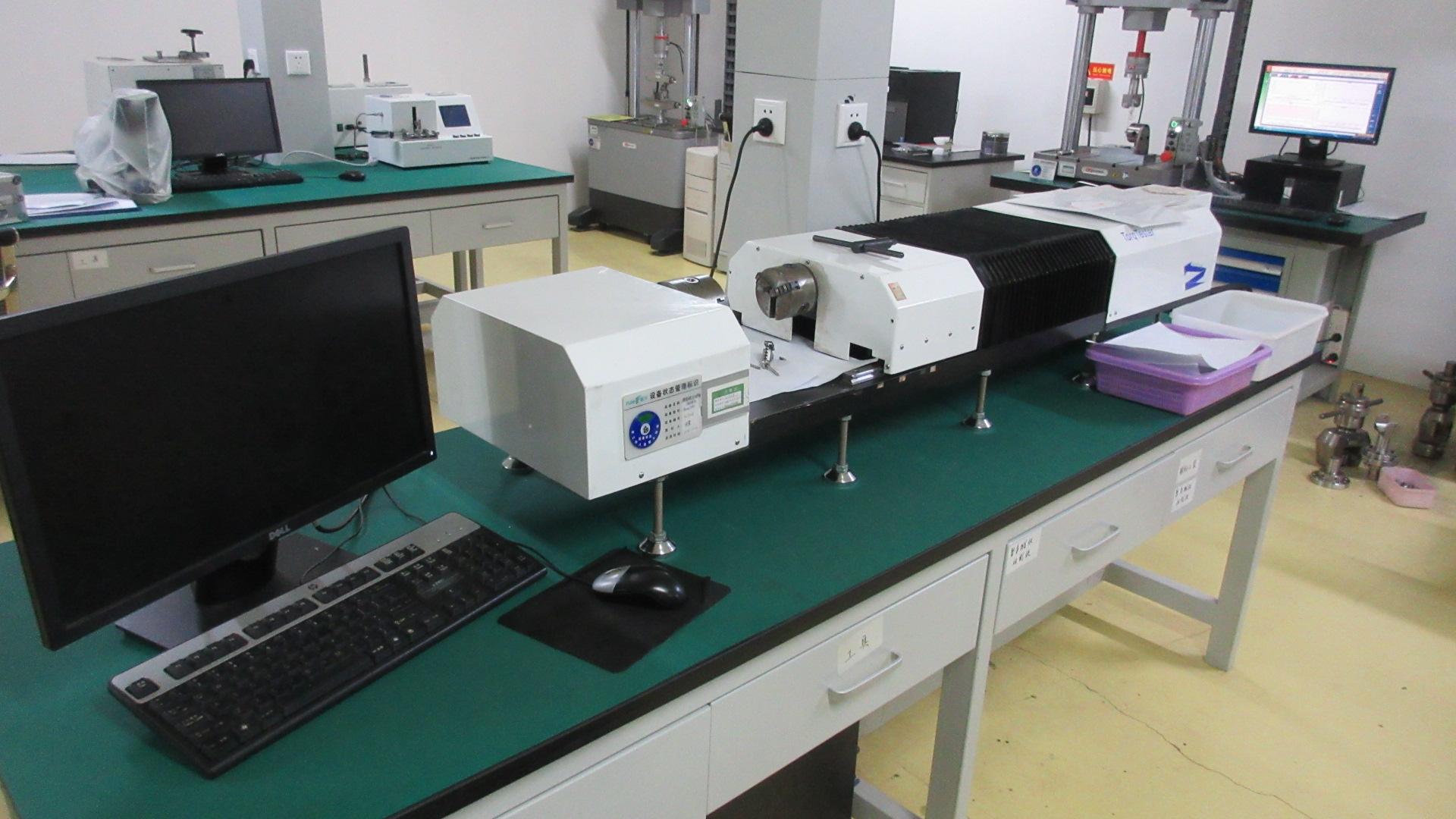
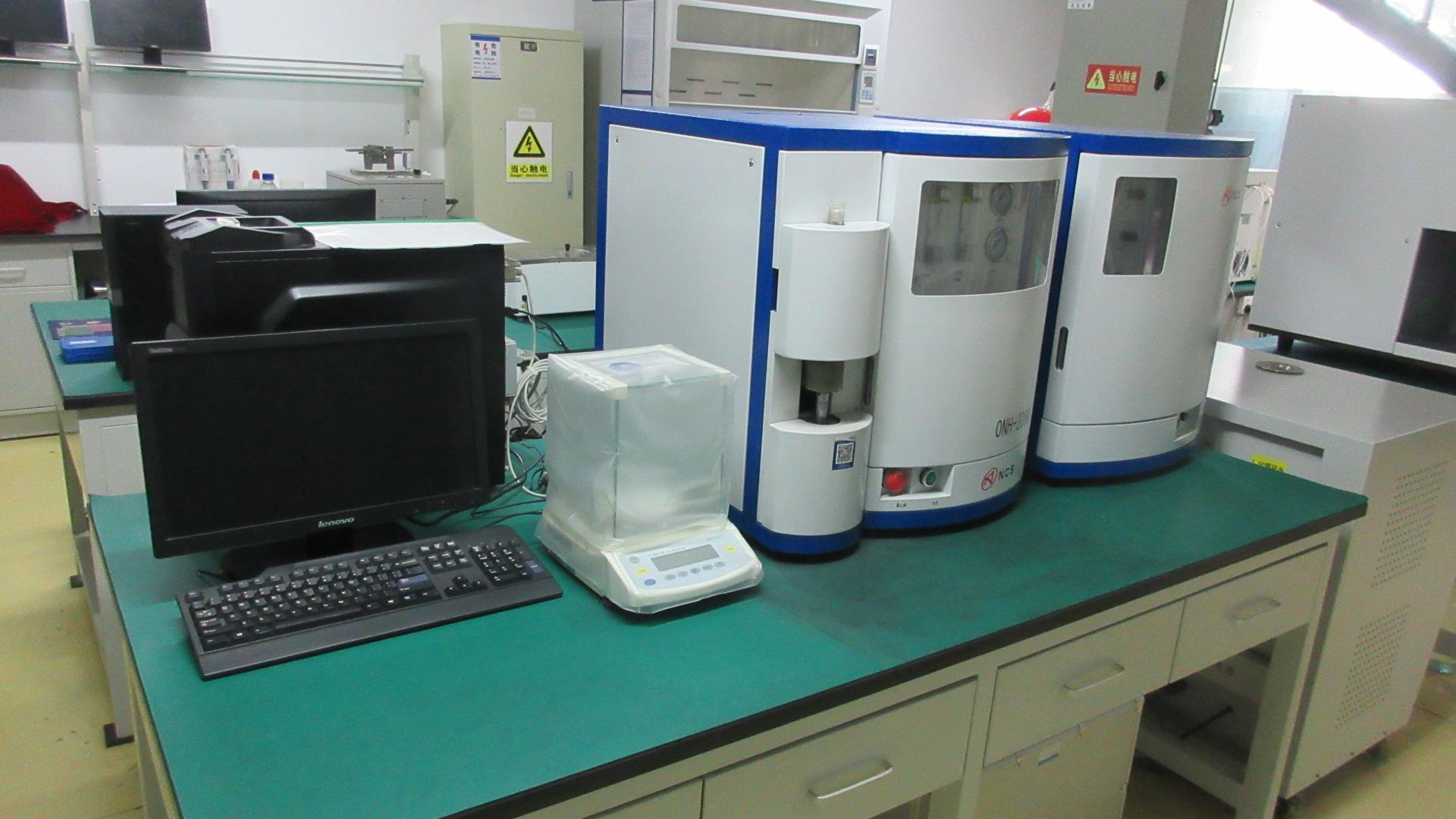
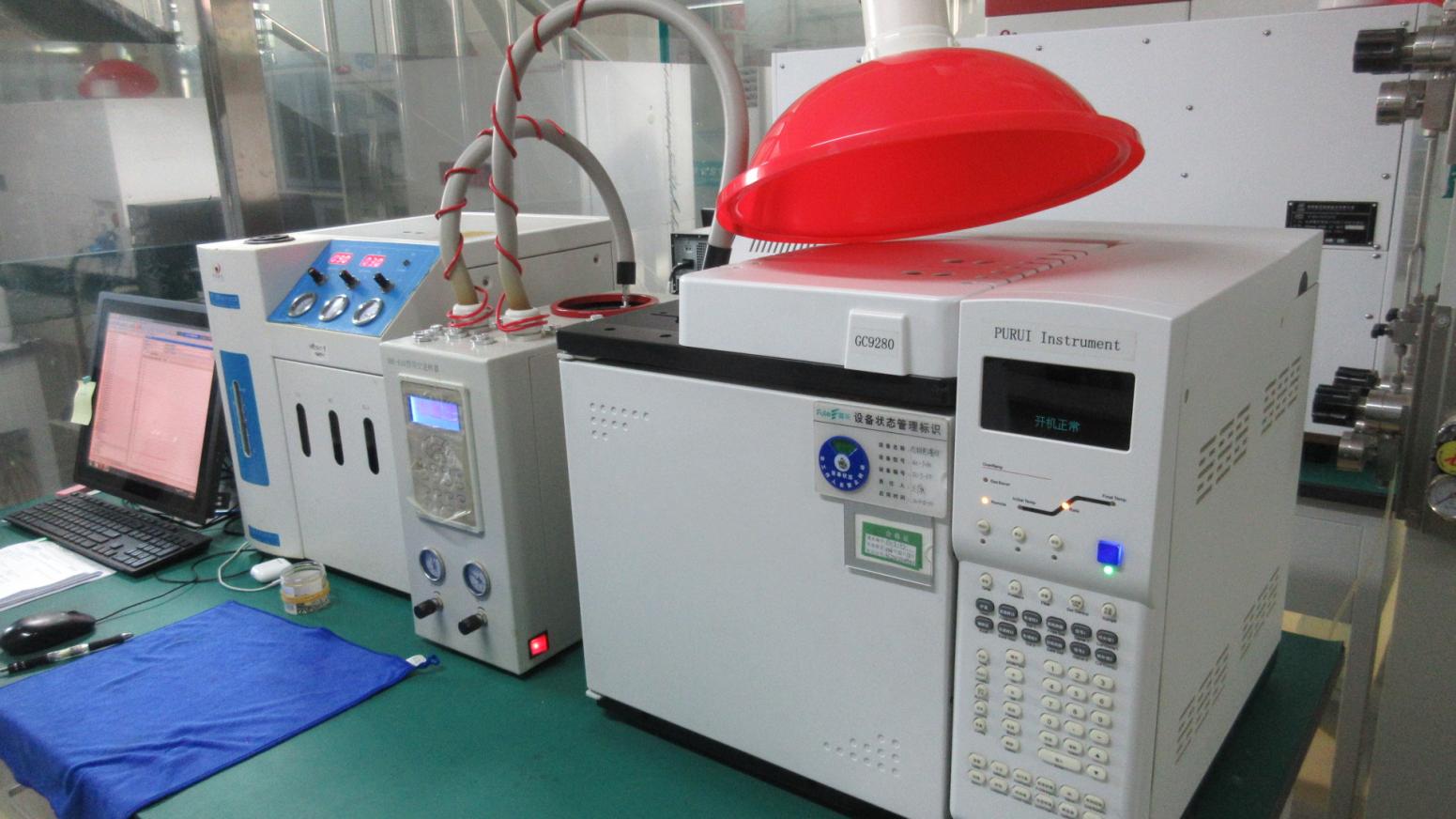
Our facility employs 15 dedicated QA/QC inspectors managing a comprehensive validation system. We execute complete material analysis, post-machining coordinate tracking, and stress limits testing, offering full certification data packages for every batch of orthopedic implants and arthroscopy tools exported.
| Inspection Coverage | 100% Comprehensive Product Verification |
| QA/QC Specialist Team | 15 Active Inspection Professionals |
| Traceability Program | Full Raw Material Batch to Finished Device Linkage |
| Certifications Held | ISO 13485 (Registration: 04724Q10000818) |
Adapting tool systems to match the infrastructural requirements of diverse medical operations across geographic markets.
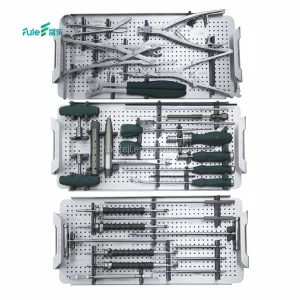
In highly fast-paced outpatient centers, instrument turnover times are vital. Our rapid-cleaning sterilization trays and tool designs support rapid autoclave processing, optimizing surgery turnovers.
Handling acute capsule tears, Bankart fractures, and shoulder dislocations. We supply reinforced suture passers and robust tissue penetrators engineered to pass through hardened scar tissues without tip deflection.
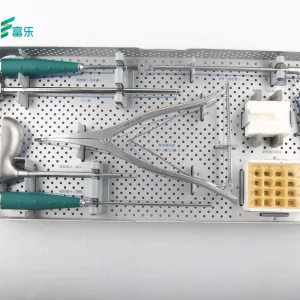
Designed for surgeons in training, our shoulder arthroscopy kits feature laser-etched scale indicators and orientation markings, allowing clear visual monitoring inside the joint under camera views.
Securing cross-border medical device distribution through documentation integrity and compliance support.
Importing medical implants and surgical tools demands adherence to complex global regulatory frameworks. Our factory works alongside regulatory specialists to provide localized registration documentation for Europe, North America, Southeast Asia, and Latin America. We support international medical device distributors with:
Through these practices, we maintain a 30-year export track record without major international regulatory recalls, illustrating our commitment to design safety and operational consistency.
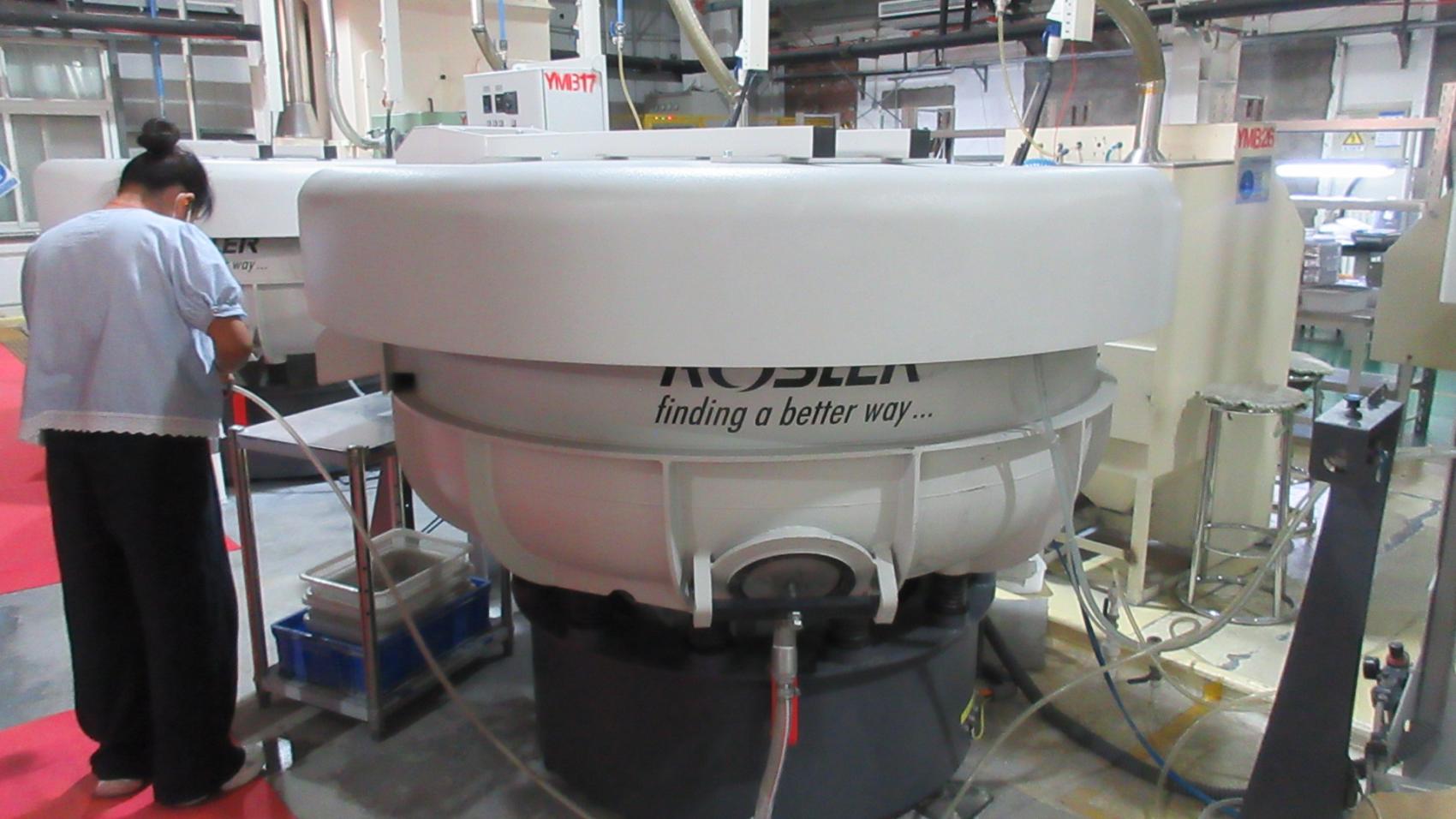
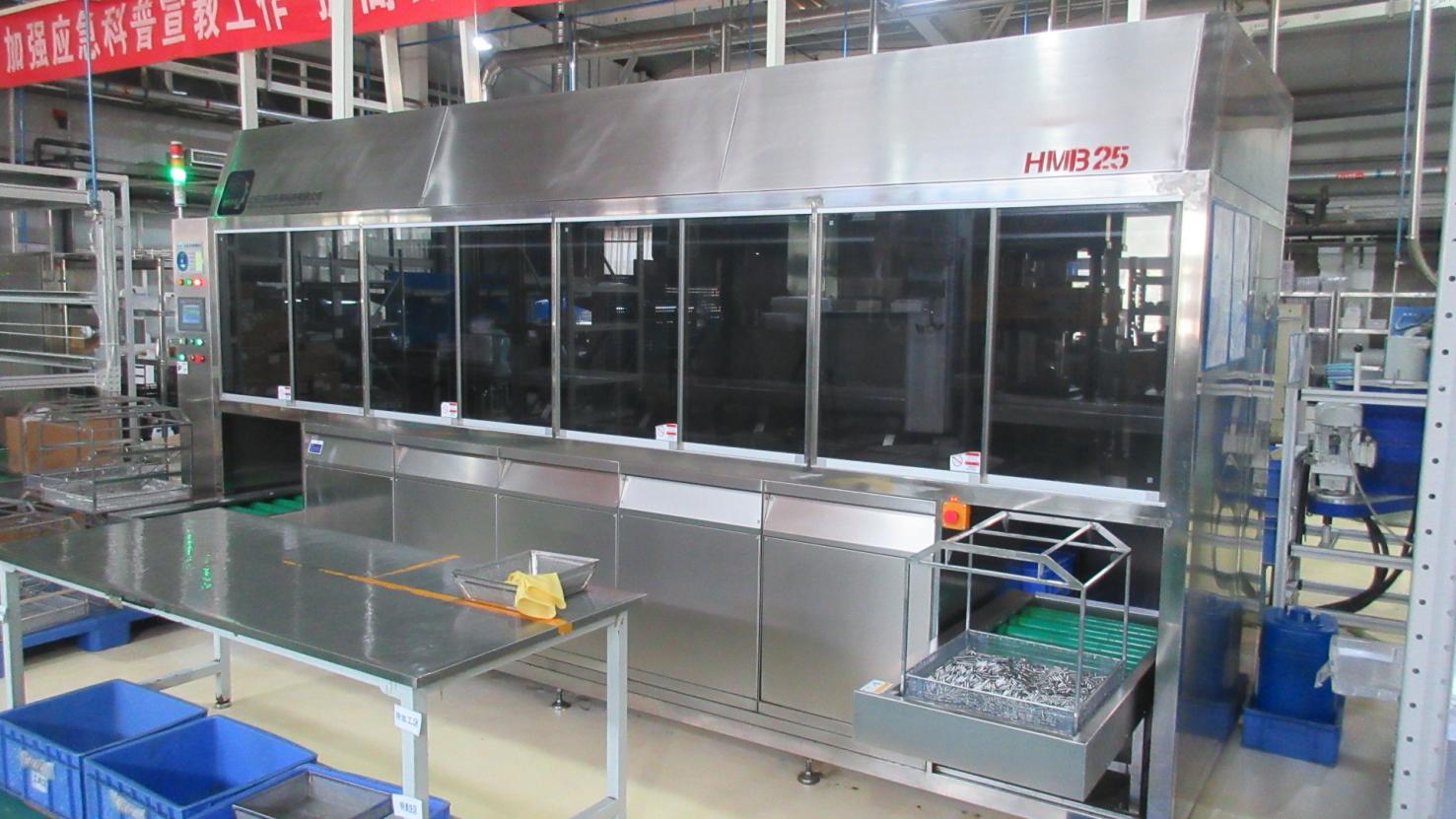
Visual overview of our active manufacturing facility, inspection laboratories, cleanroom operations, and production lines.

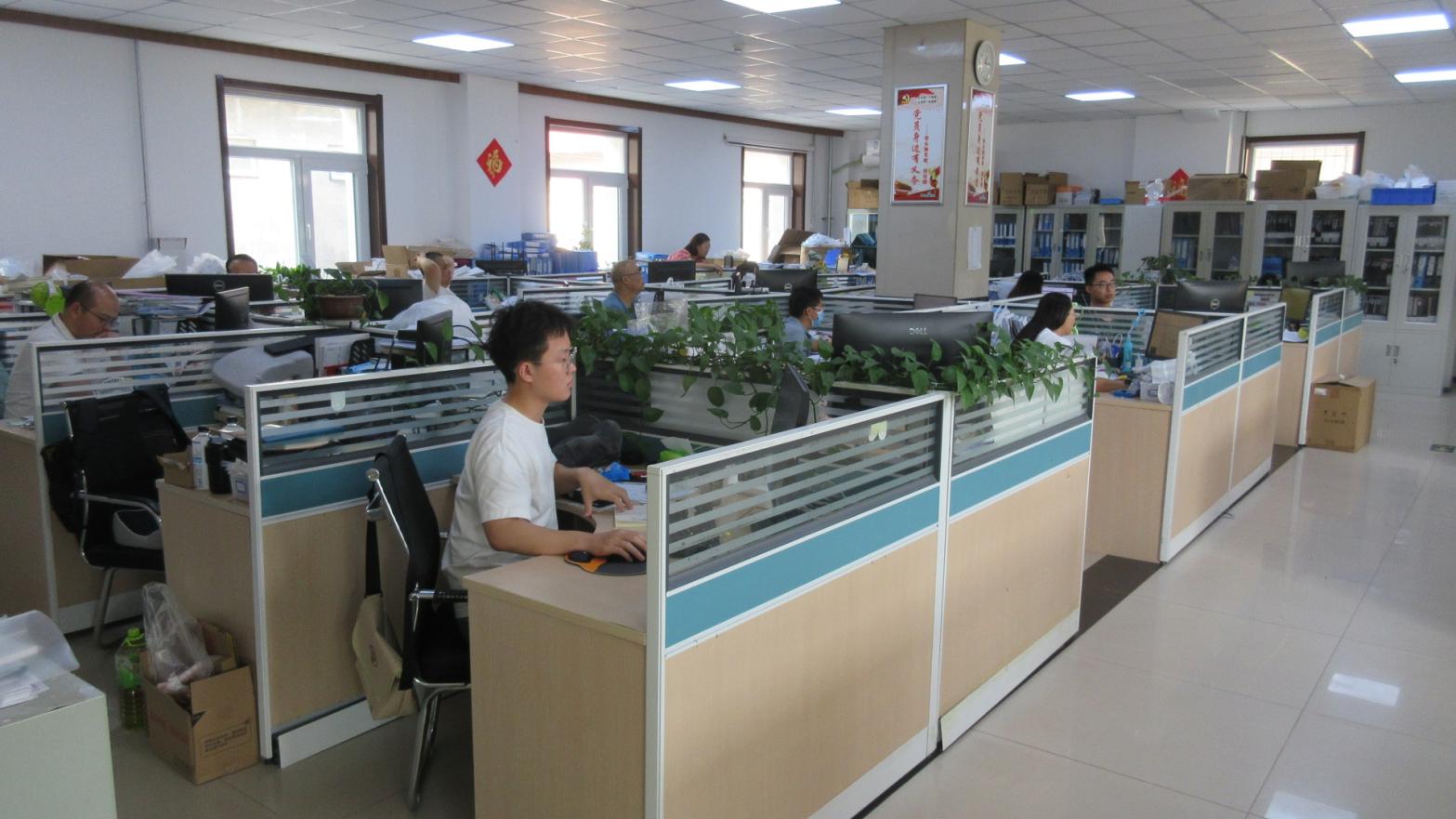
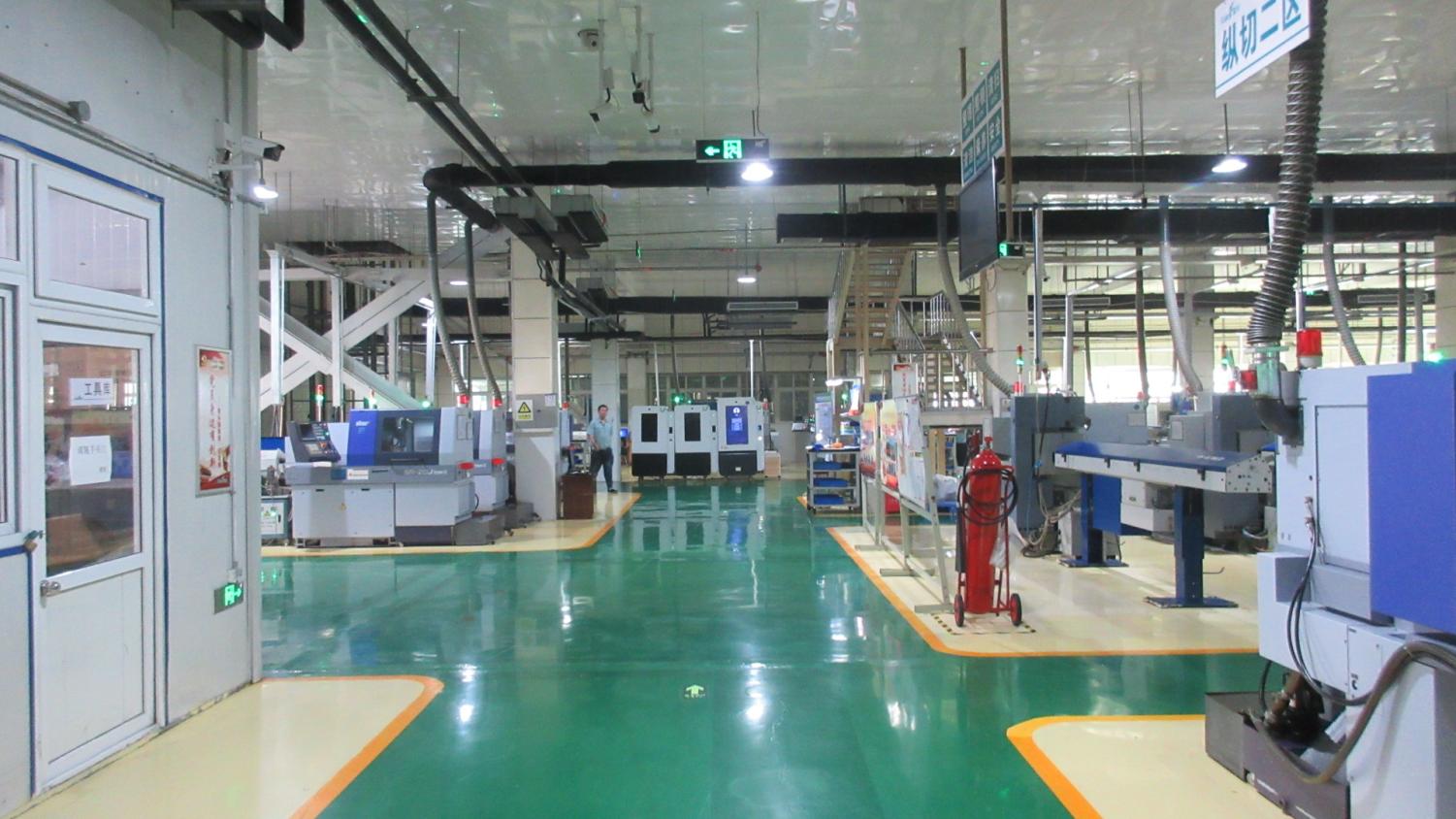
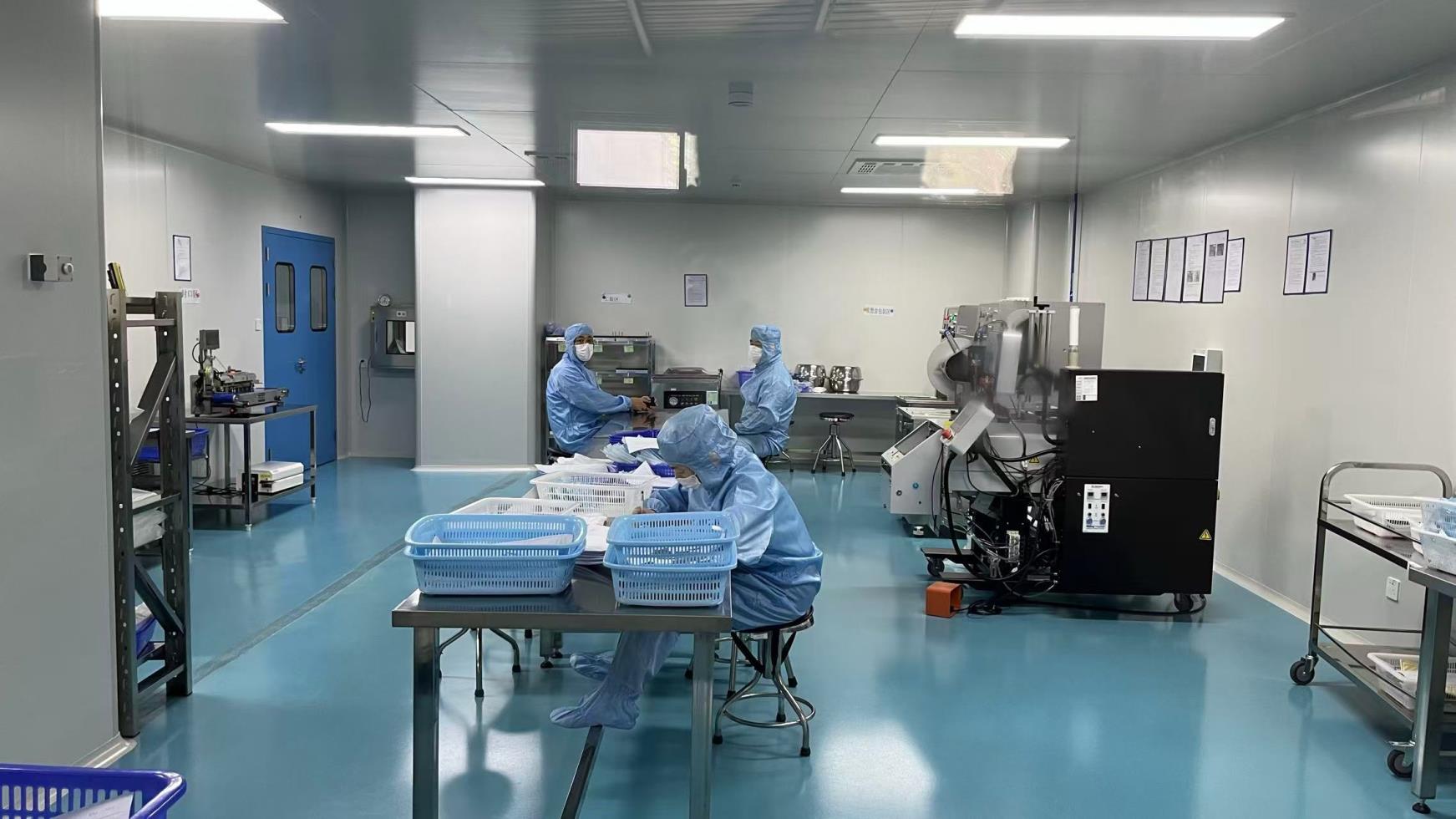
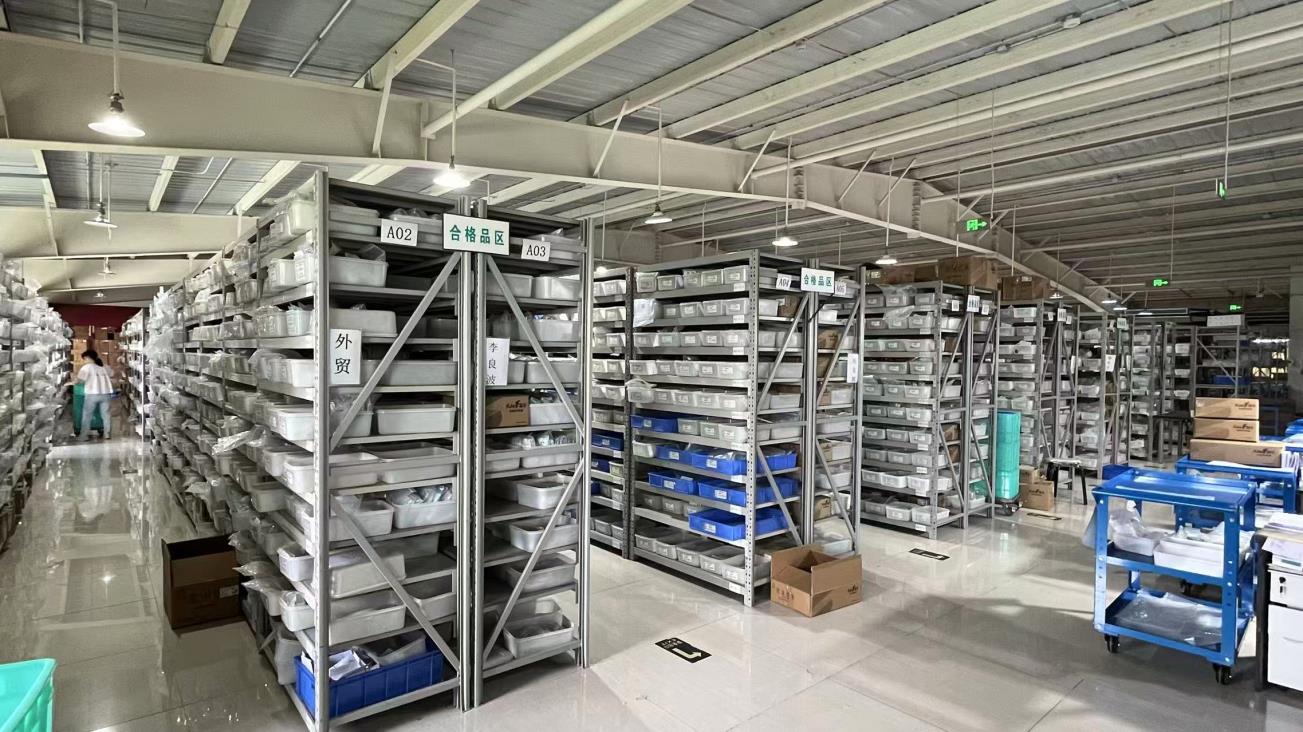
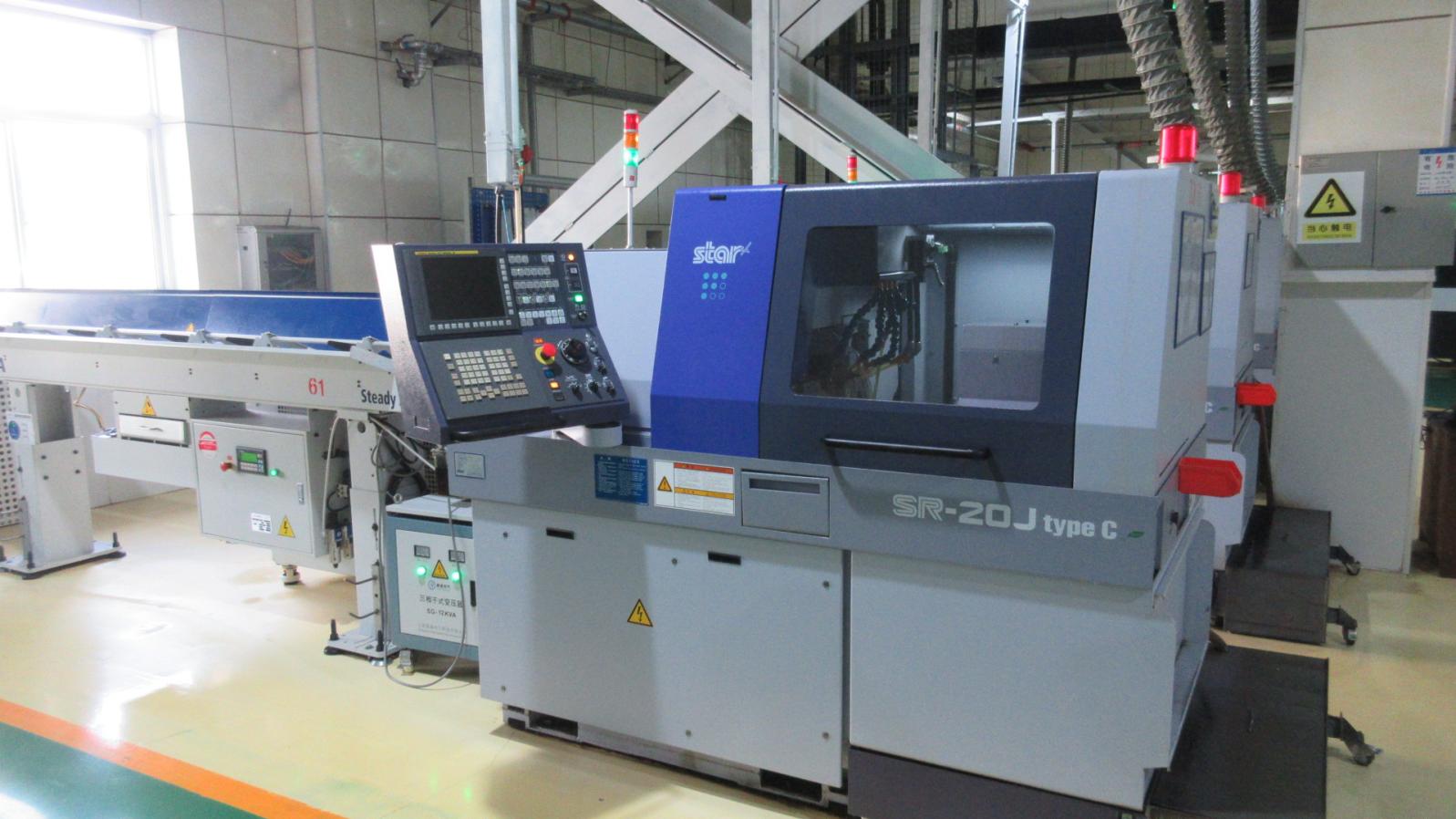
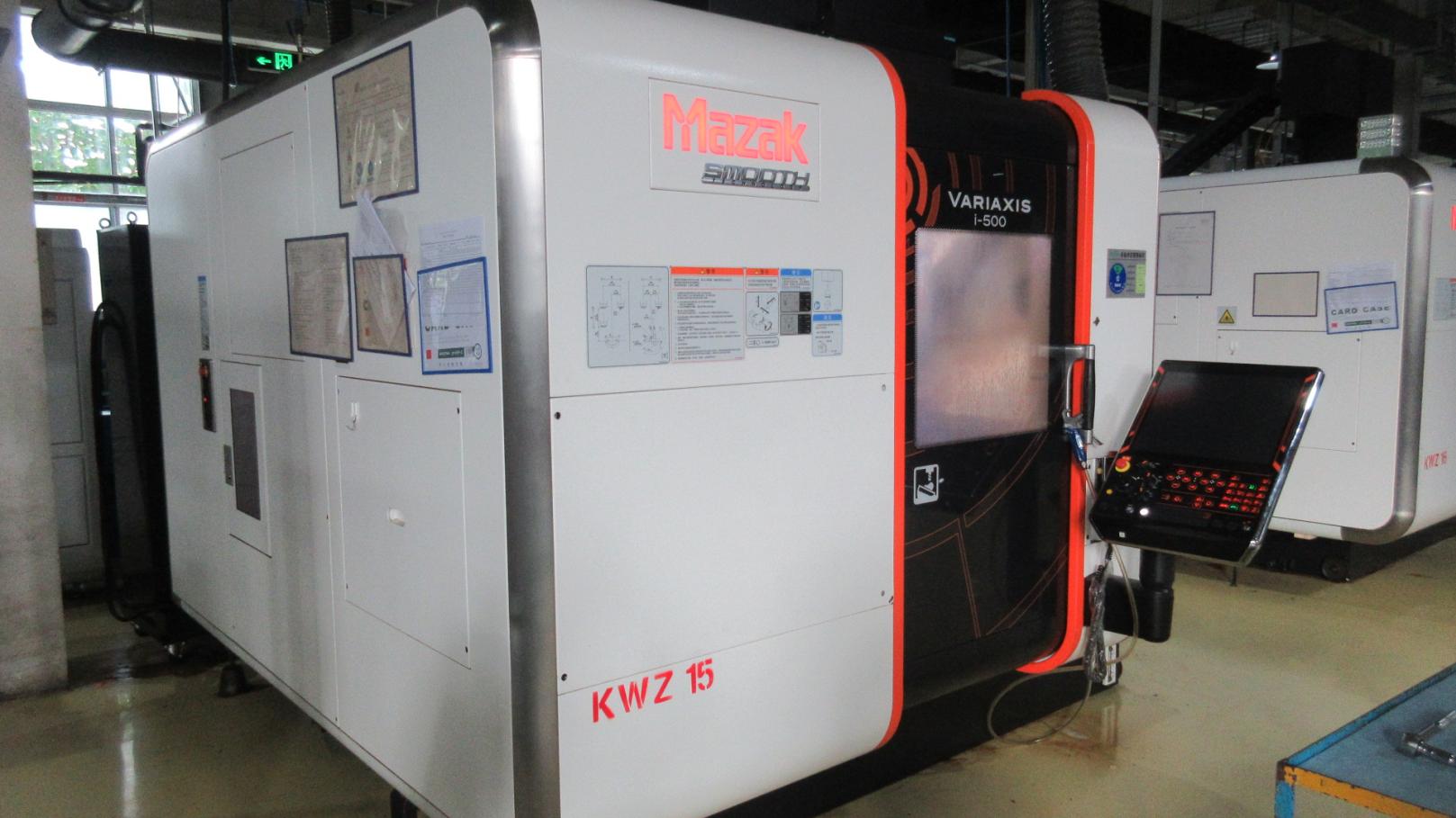
Clear answers to help you navigate registration, customization, production capacities, and logistic requirements.
Yes, all our orthopedic implants, spinal fixation lines, and surgical instrumentation are produced under our certified ISO13485 quality system. We supply full documentation to help buyers secure national approvals.
We provide comprehensive OEM/ODM solutions. Drawing on our engineering team's expertise, we support sample processing, technical drawing processing, and customized development of arthroscopy tools, handle molds, and screw thread profiles.
We source only medical-grade titanium and high-alloy stainless steels from qualified metallurgical mills. Every batch undergoes chemical analysis and mechanical testing before it reaches the CNC floor.
Lead times depend on the complexity of the order. For standard implants in stock, we ship within 7-14 days. Custom fabrication orders require 30-45 days, which includes material sourcing, CNC programming, prototyping, and final testing.
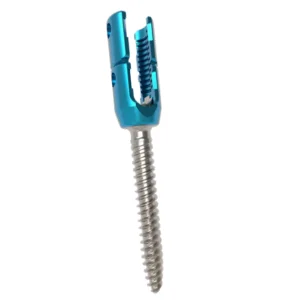
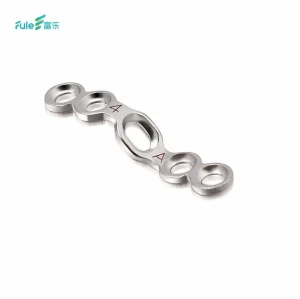
Our extended line of cervical, thoracic, lumbar, and traumatic orthopedic devices designed for complex skeletal reconstruction and recovery.
 Beren Science & Technology