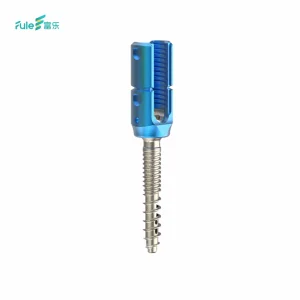
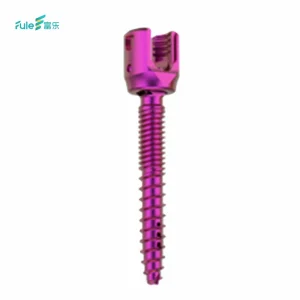
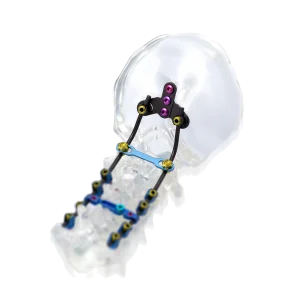
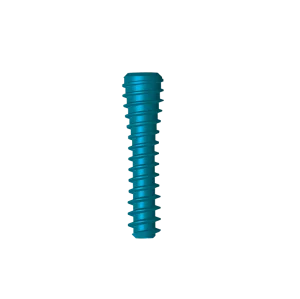
Explore our leading Class III clinical-grade fixation devices, designed for optimal osseointegration and mechanical safety.
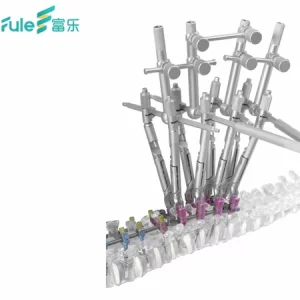
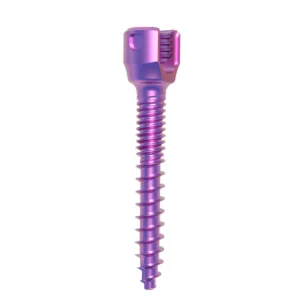
The orthopedic stabilization device sector is undergoing a profound paradigm shift driven by demographic changes, progress in bio-material sciences, and the integration of digital therapeutics. Originally confined to rigid fracture fixation, modern systems like the COX Monoaxial Pedicle Screw and Rod System and the Usmart 5.5 Spinal Screw-Rod System represent decades of biomechanical optimization aimed at retaining clinical integrity while minimizing patient trauma.
Today's top-tier manufacturers focus heavily on raw material purity and micro-structural customization. Medical grade titanium alloys (specifically Ti-6Al-4V ELI) remain the gold standard due to their outstanding strength-to-weight ratio, corrosion resistance, and superb biocompatibility. However, surface modification technologies, including acid etching, anodic oxidation, and plasma spraying, are now widely applied to create biomimetic micro-topographies that accelerate osseointegration and anchor the stabilization device securely in place.
The trajectory of orthopedic surgical implants is defined by four core dimensions:
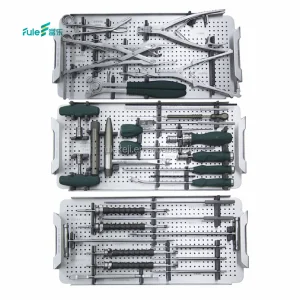
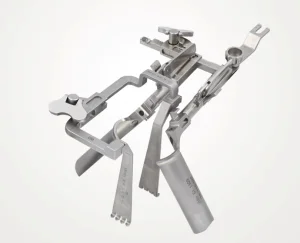
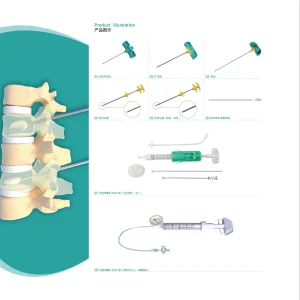
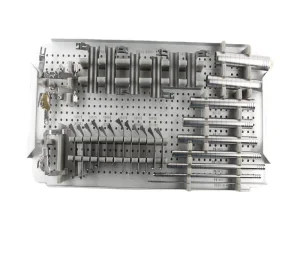
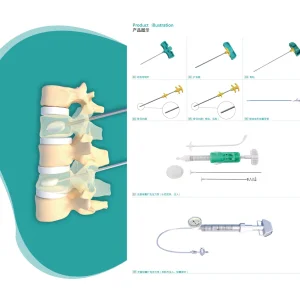
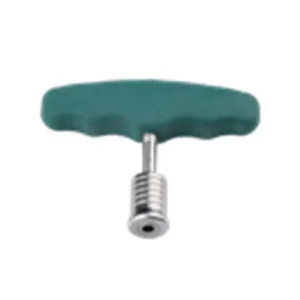
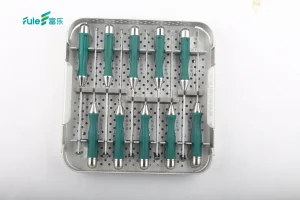
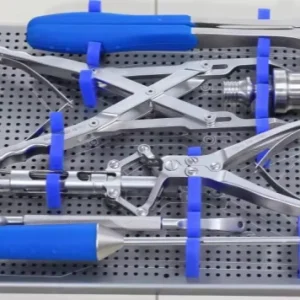
Orthopedic stabilization device manufacturers no longer supply isolated components; they deliver comprehensive clinical workflows. From pre-operative surgical instrumentation boxes to intra-operative tools like the Sterile Balloon Expansion Pressure Pump and PKP Working Channel Vertebral Body Instruments, factories are required to produce complete, sterilizable instrument suites. This end-to-end alignment minimizes surgical error and ensures seamless integration with diagnostic imaging protocols.

Established: 1996-06-28
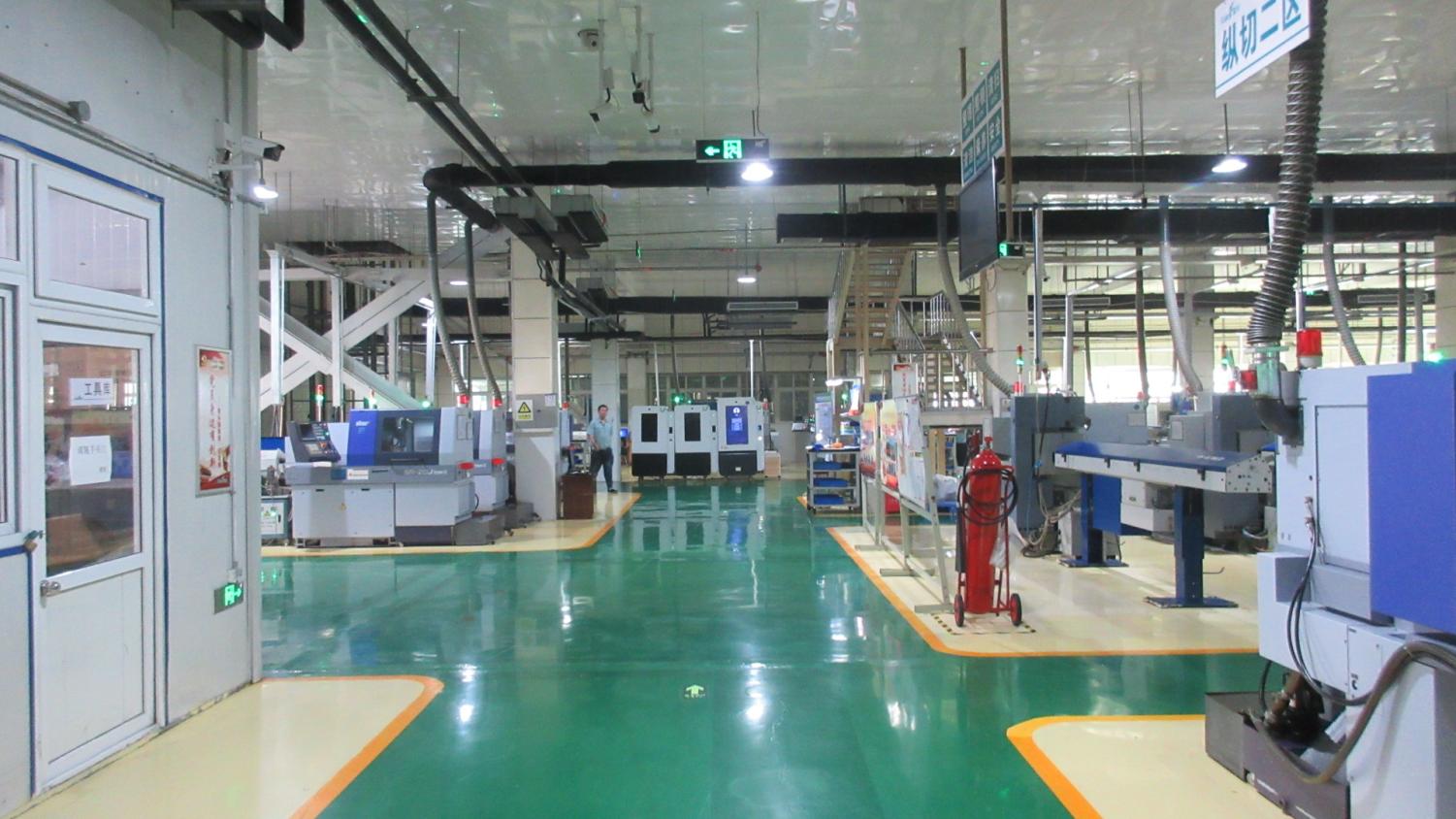
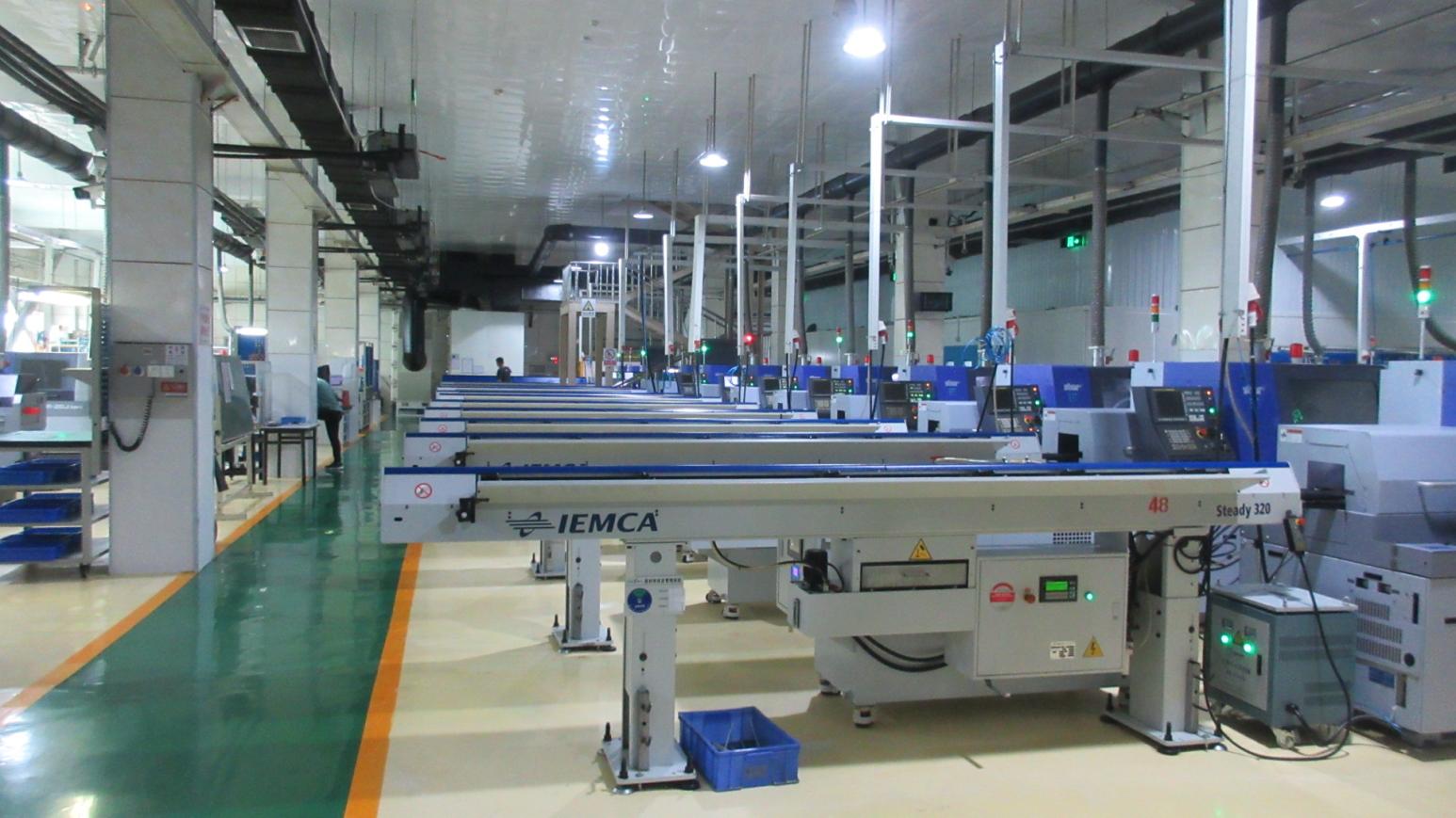
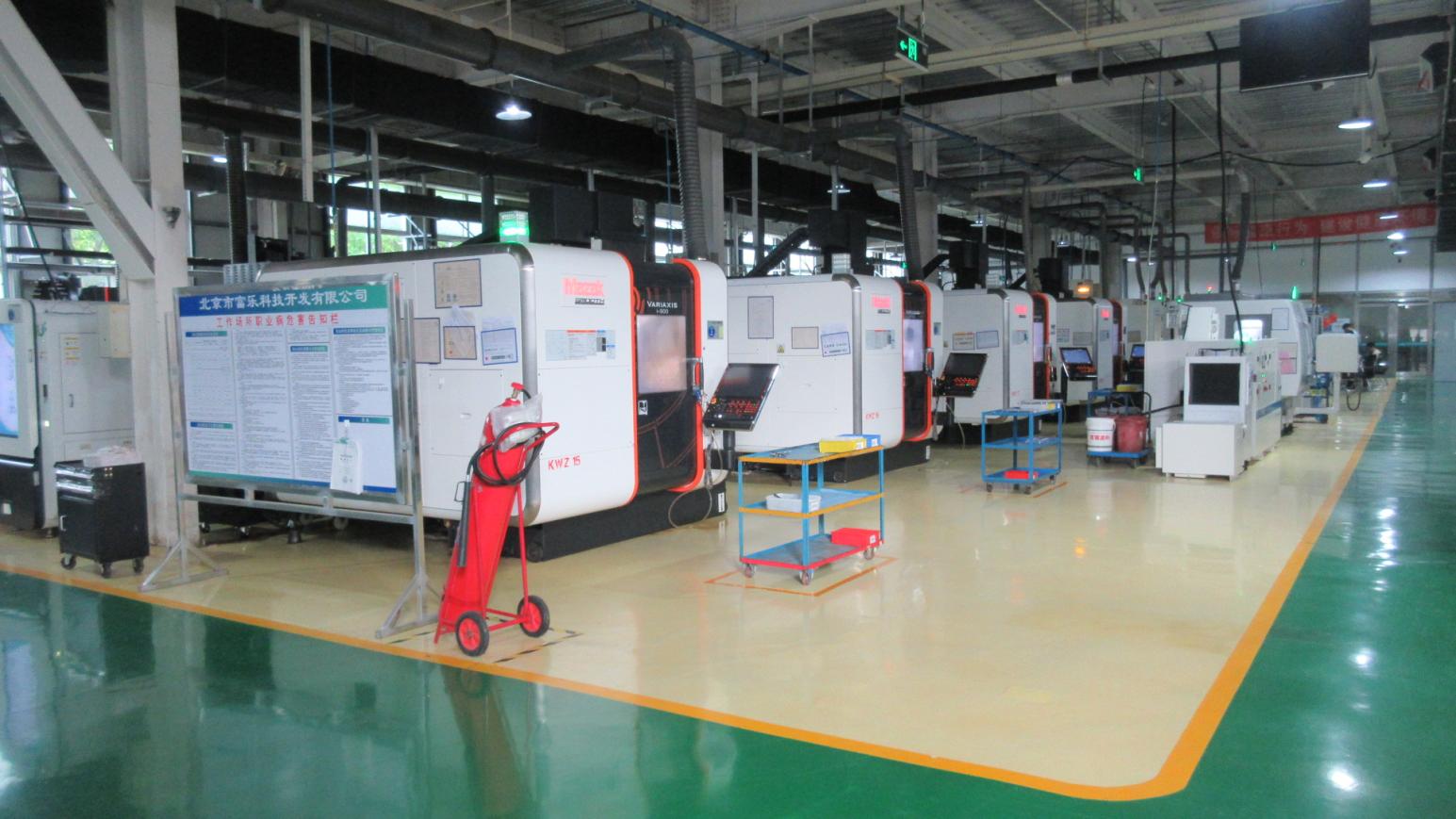
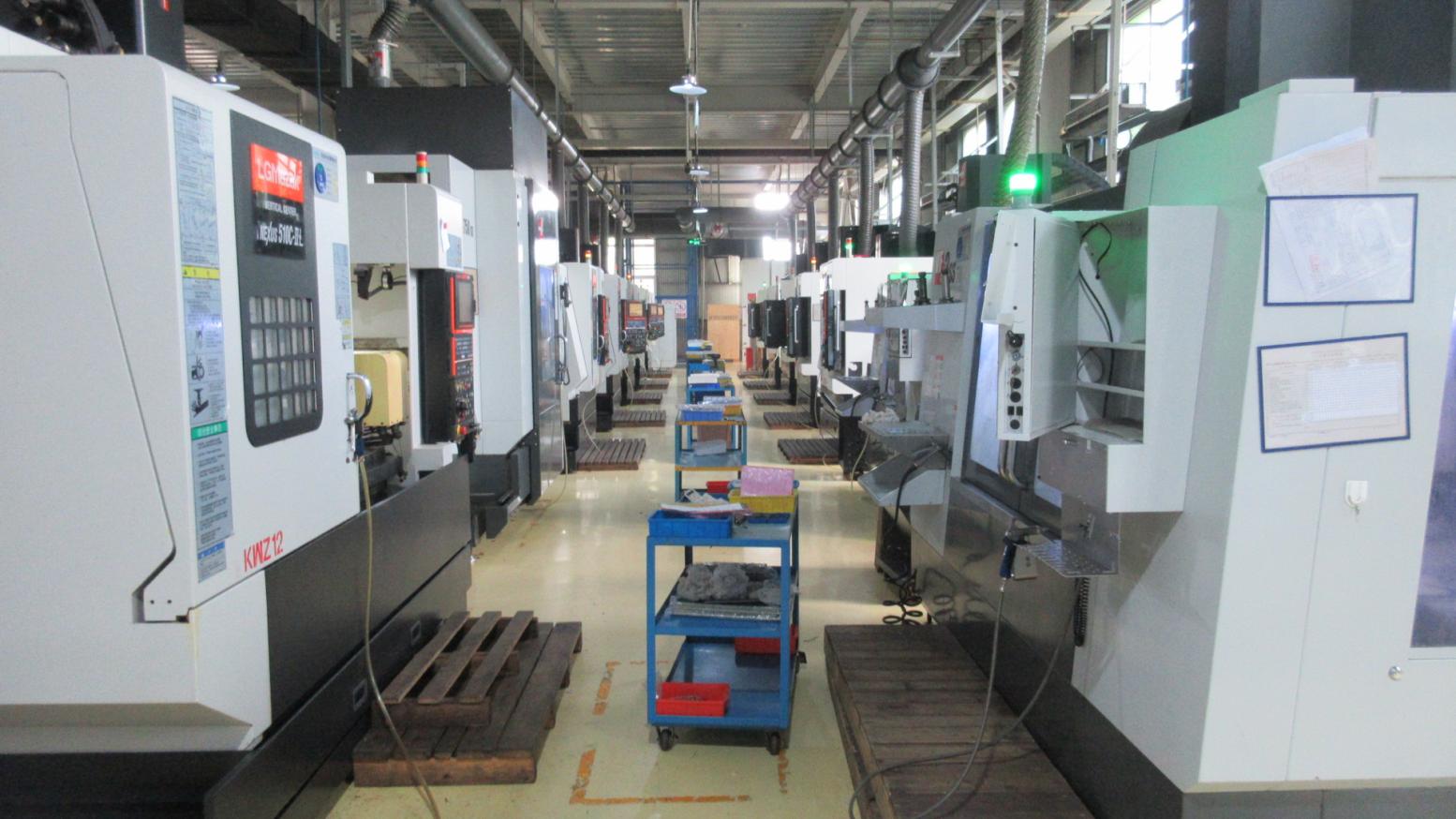
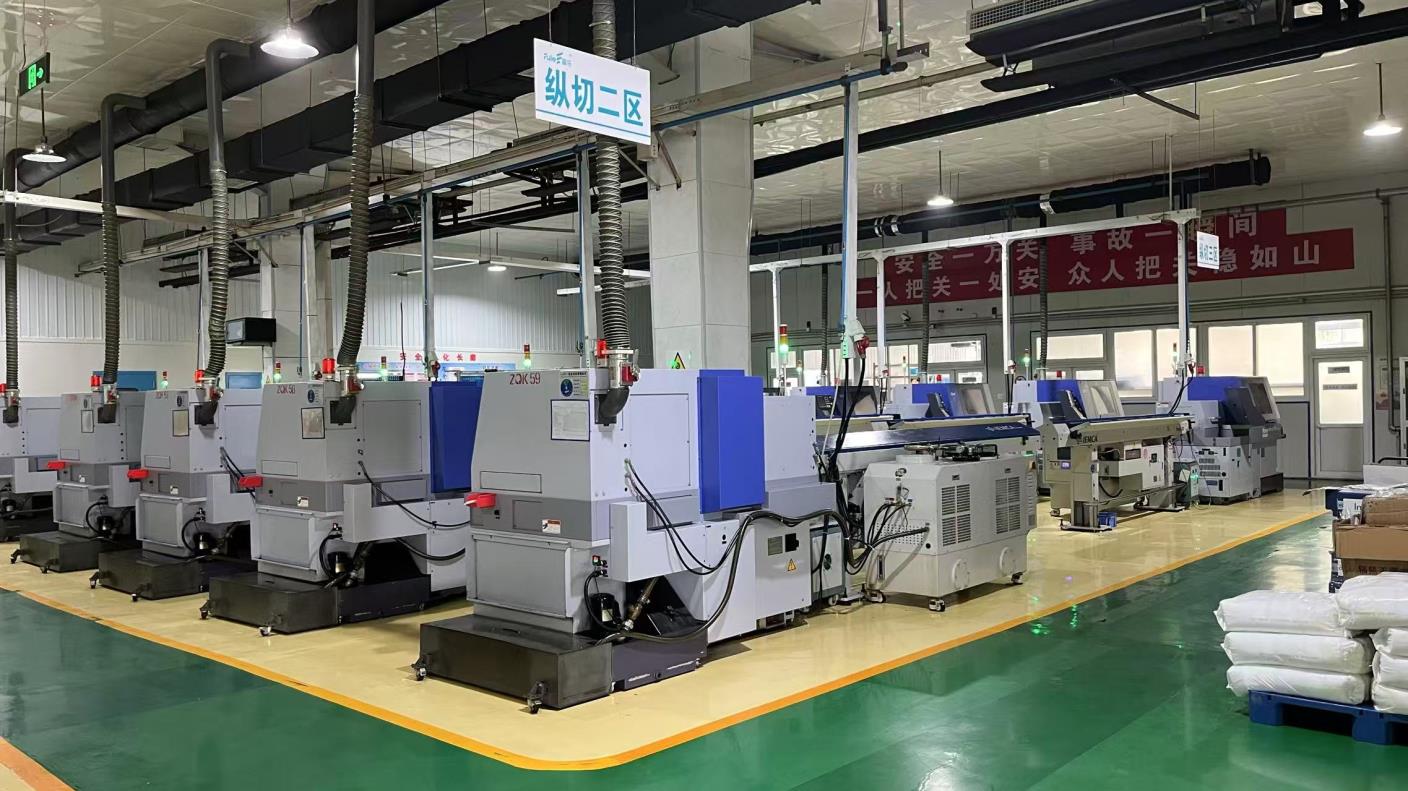
Production Space: 10,000 m² Facility
Export History: 30 Years Experience
QC Infrastructure: 15 QA/QC Inspectors
Total R&D Power: 20 Dedicated Engineers
Quality Control: 100% Inspection of All Products
Offering specialized OEM/ODM support including sample processing, custom graphic blueprints, and custom packaging configurations to meet region-specific medical device compliance.
Understanding the strict quality parameters and supply chain benchmarks required by hospital networks, B2B importers, and clinical purchasers.
We guarantee compliance under ISO 13485 regulatory standards, backed by key CE certifications. Class I and Class III implant registrations ensure smooth customs clearances in major regions including Eastern Europe and Southeast Asia.
Every single batch of raw titanium (Gr5 Ti-6Al-4V) or cobalt-chrome alloy features direct heat-treatment and chemical composition certificates. Our end-to-end chain-of-custody tracking protects medical partners against liability.
Our internal Quality Control framework integrates 15 professional QA inspectors checking all critical dimensions, thread depth tolerances, and tensile stress indices using visual comparator systems and coordinate measuring machinery (CMM).
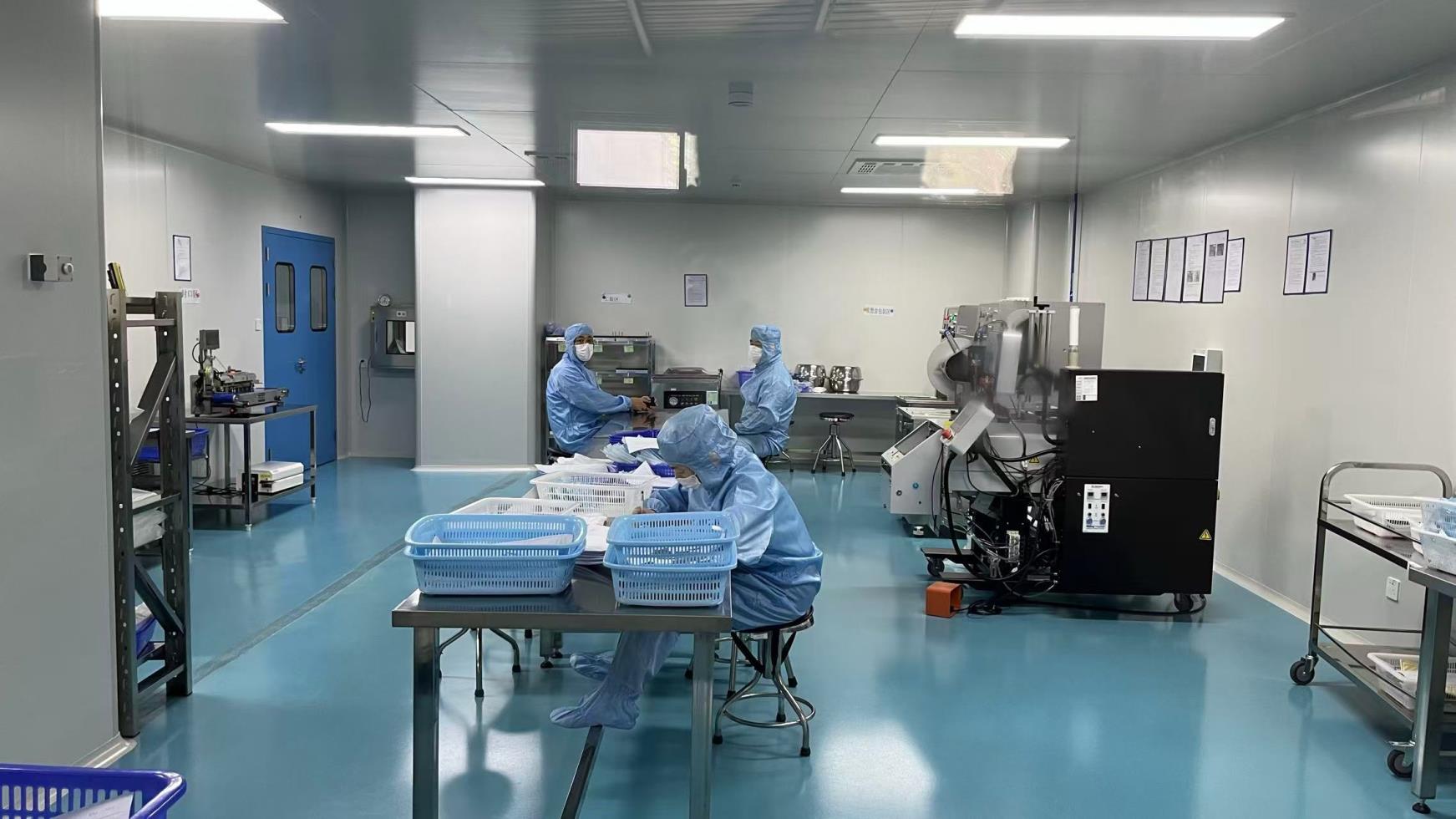
Our manufacturing philosophy addresses the next decade of spinal fixation and osteosynthesis. Currently, our engineering team is developing the next generation of bioresorbable materials and magnesium-based implants designed to dissolve naturally after the skeletal system has healed, eliminating the need for a secondary retrieval procedure. Additionally, we are investing in automated cleanrooms (Class 10,000 / ISO Class 7) to boost our pre-sterilized primary packaging efficiency, ensuring that devices go directly from our production lines to the sterile field of global operating theaters.
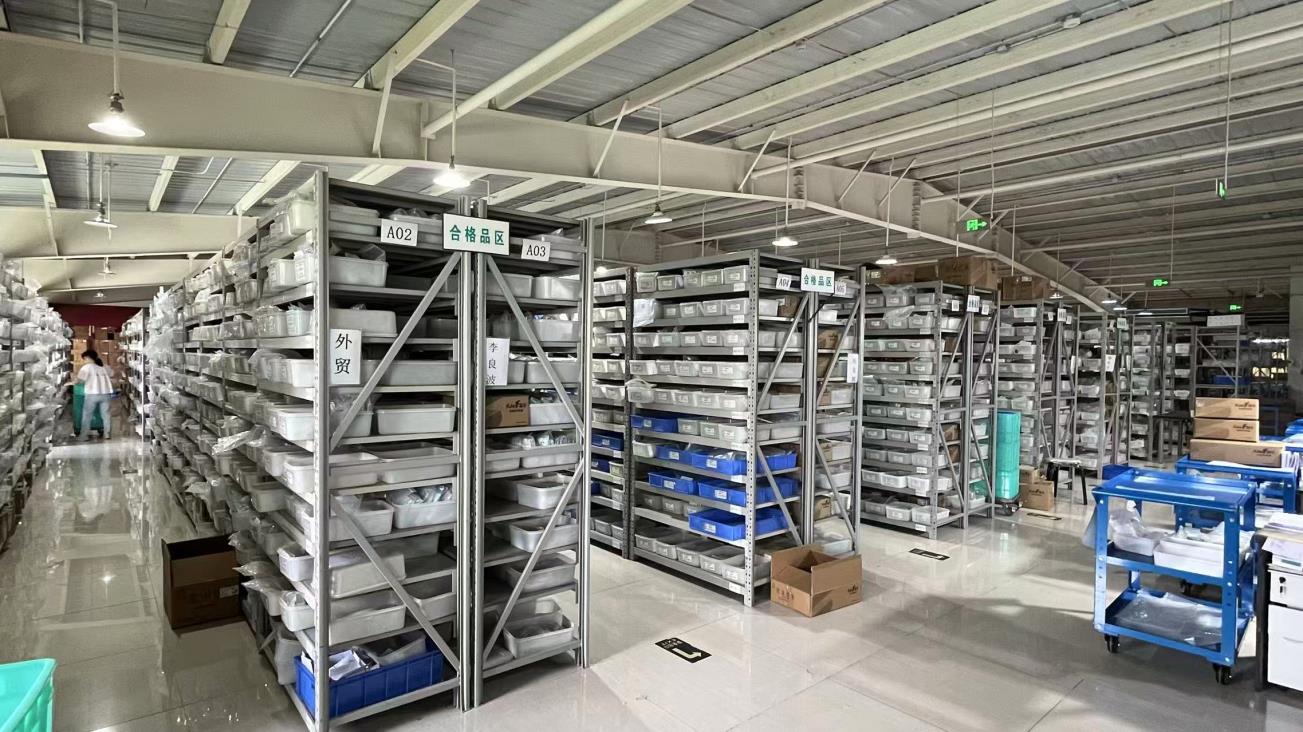
By coordinating with over 70 supply chain partners, we ensure that specialized components, such as low-friction polyaxial joints and high-strength rod connectors, remain consistently available. This resilient supply chain structure protects B2B procurement partners from production bottlenecks and shipping delays.
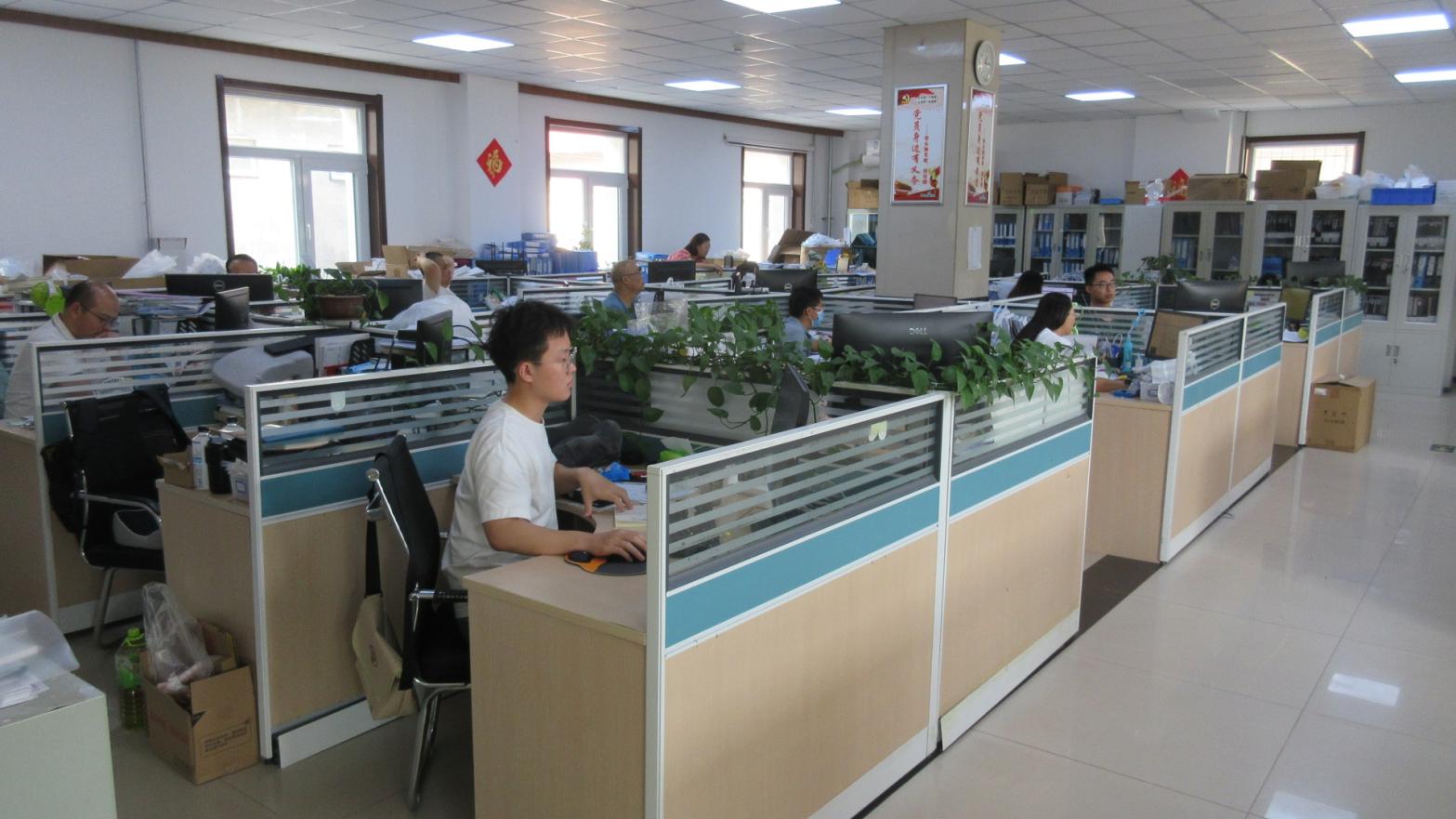
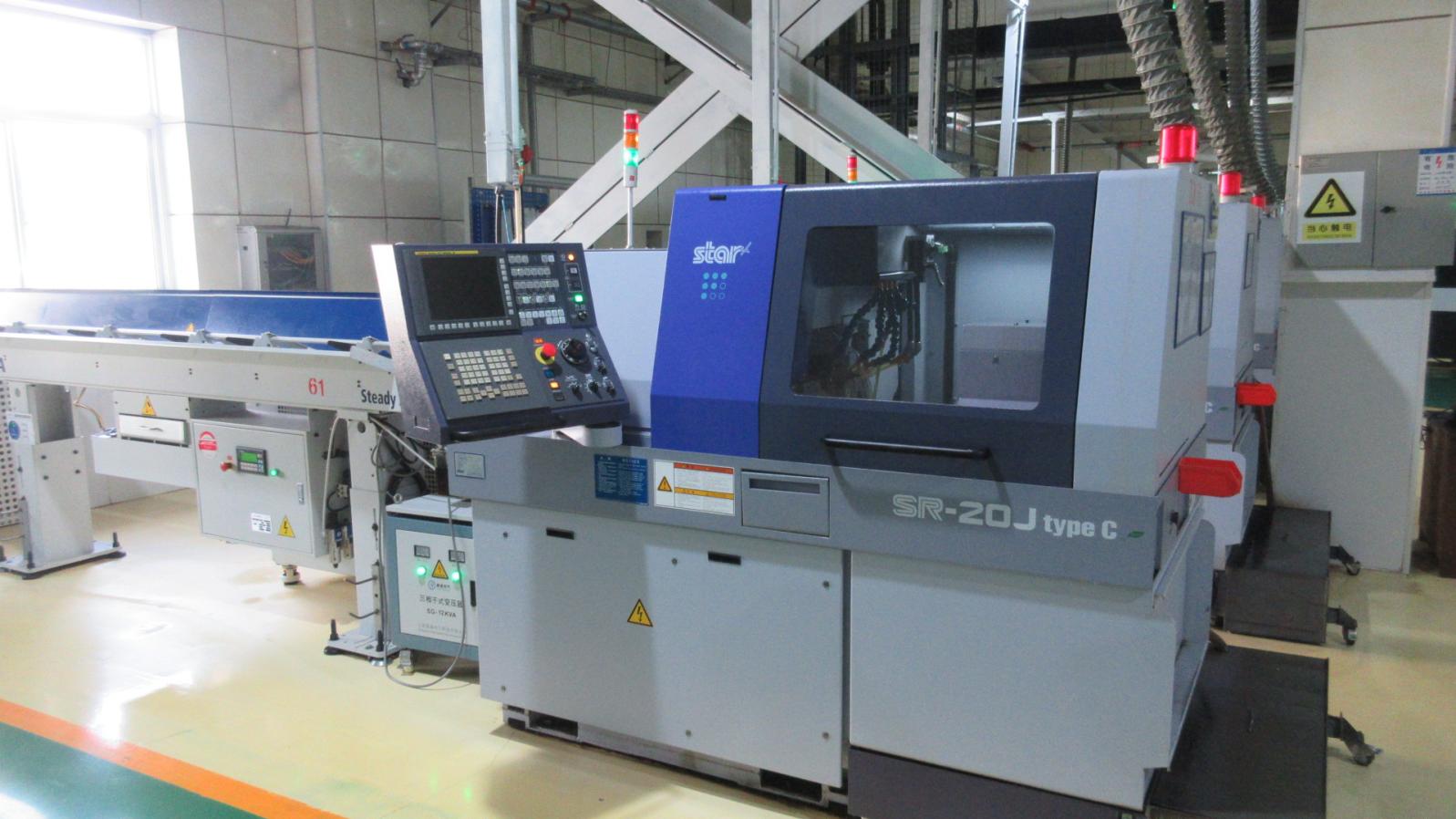
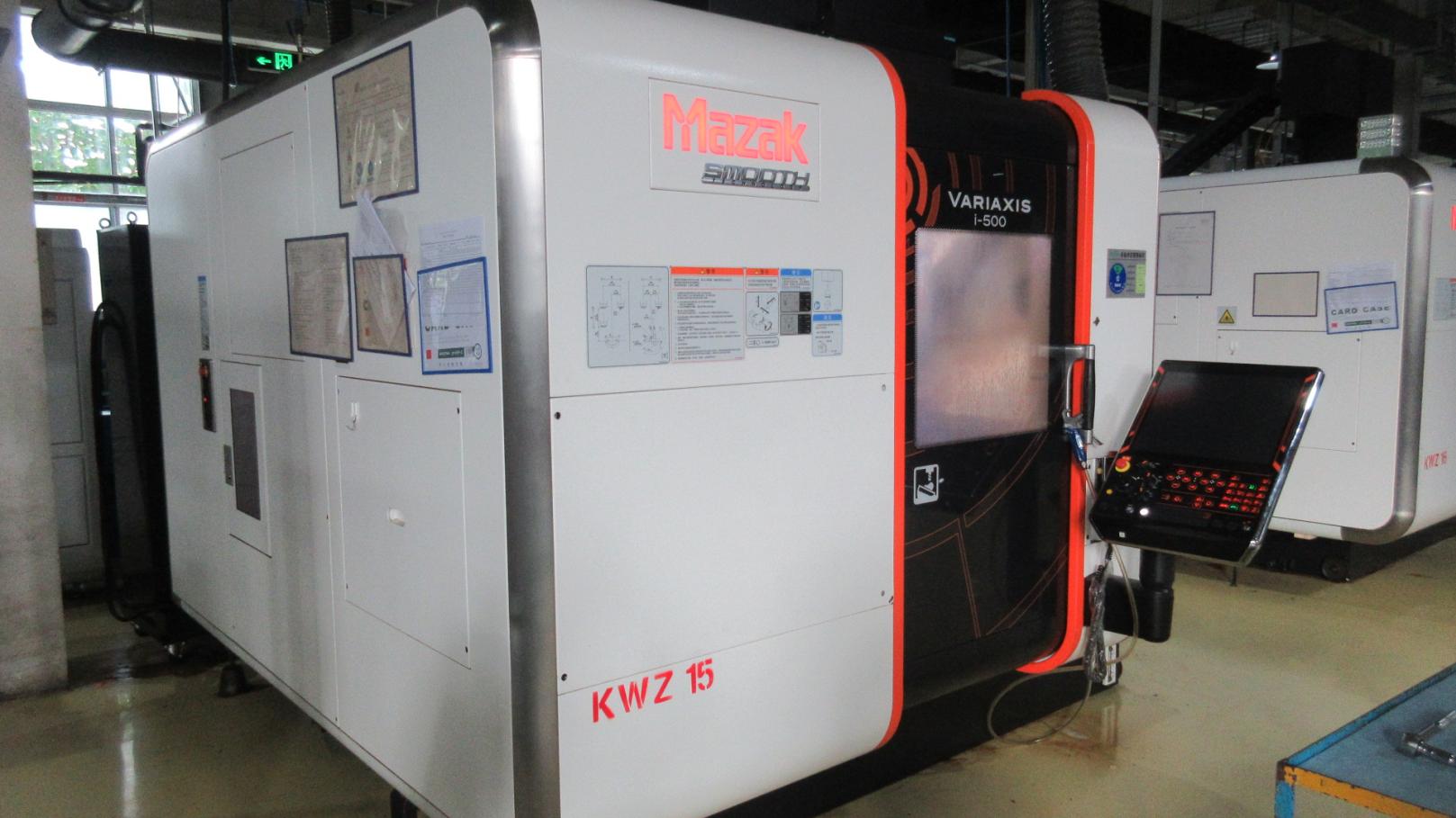
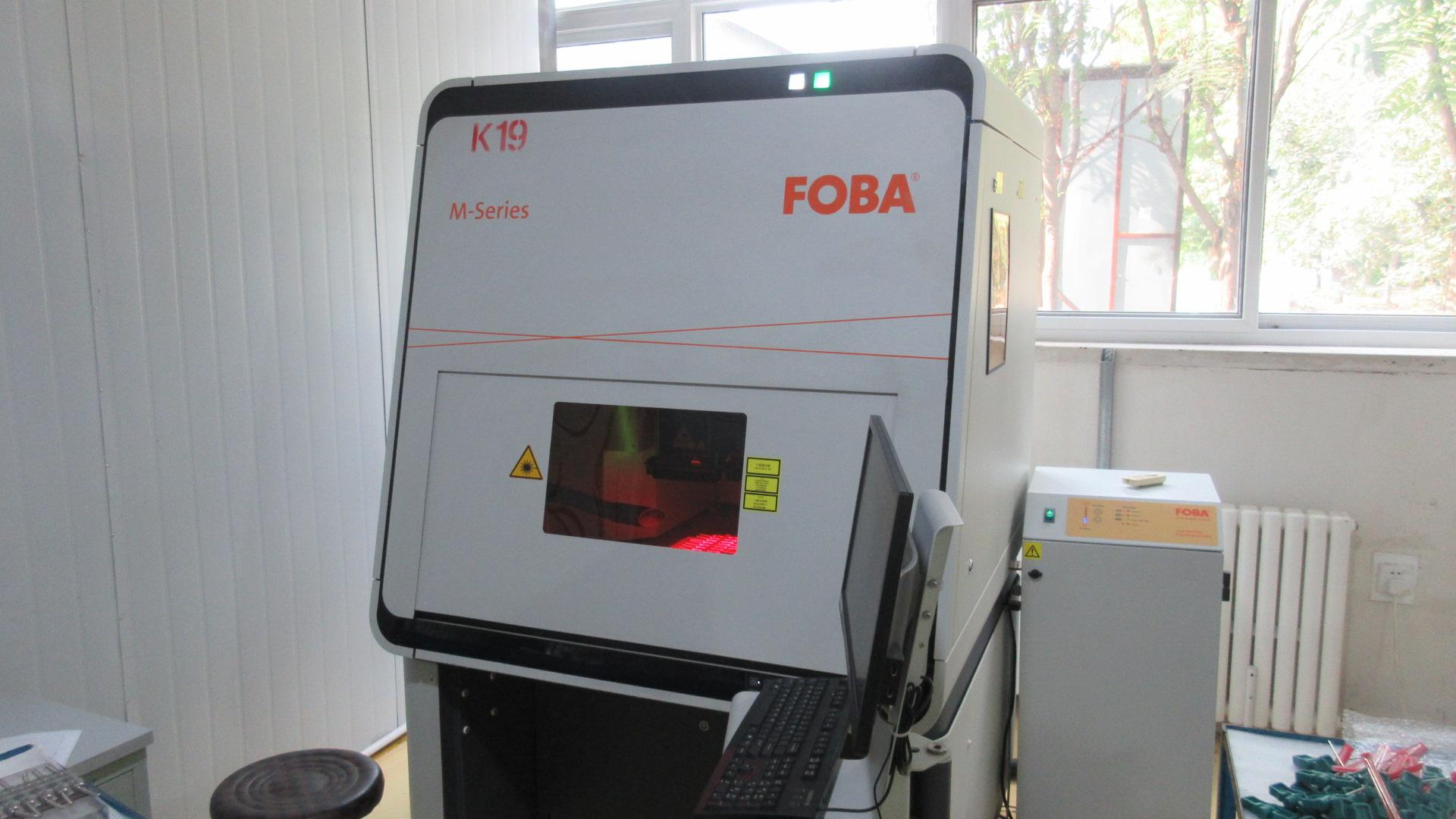
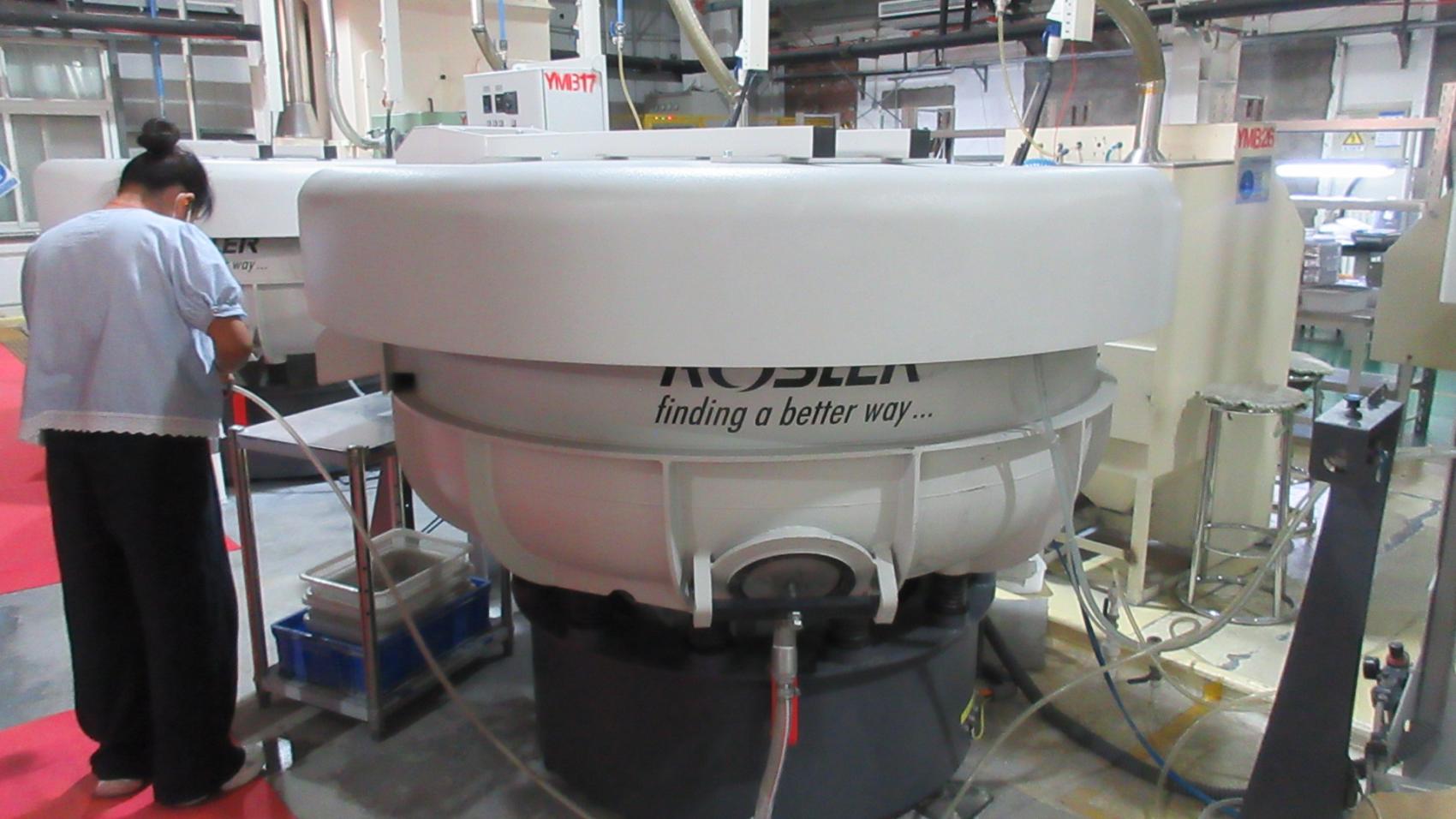
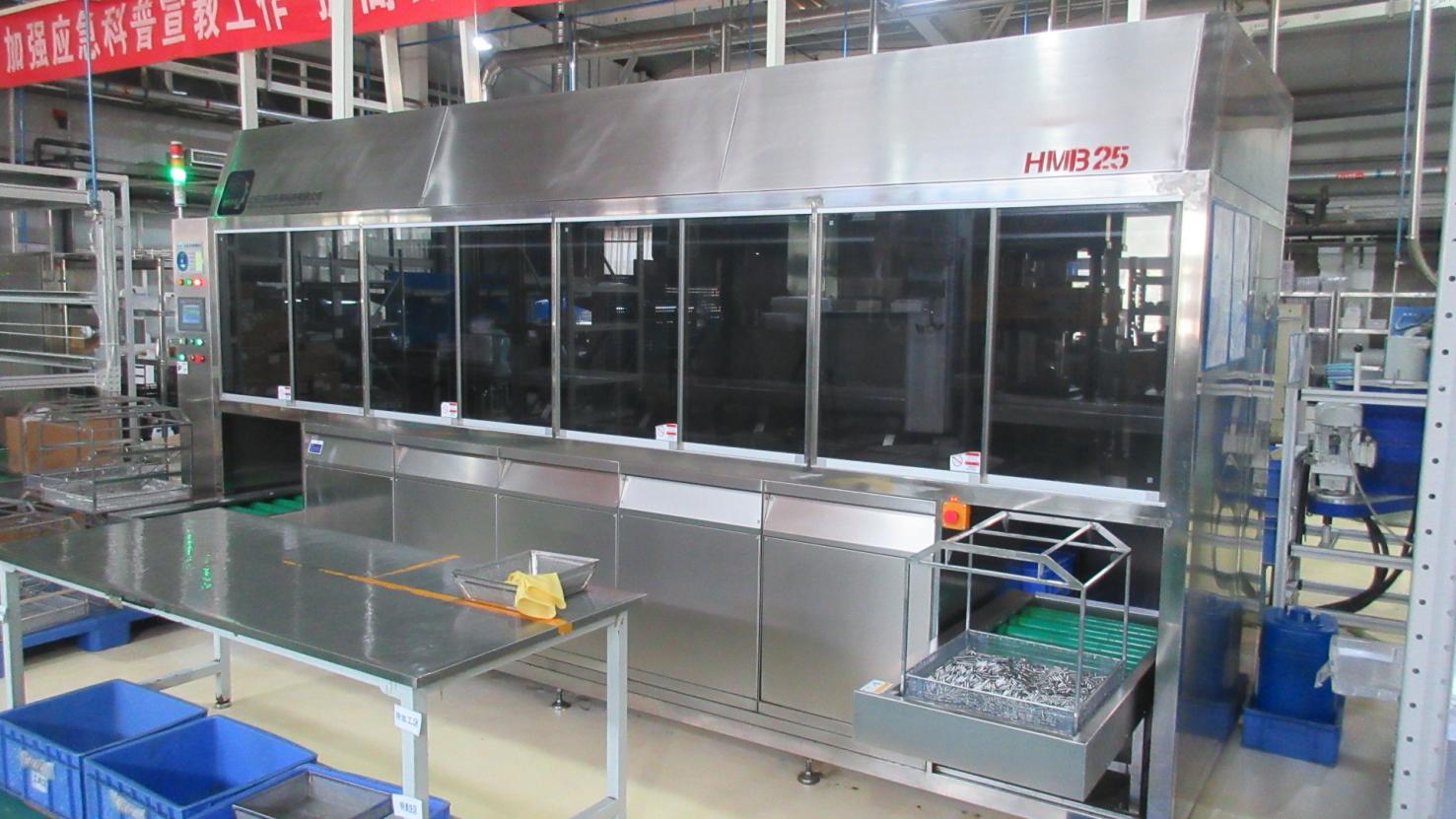
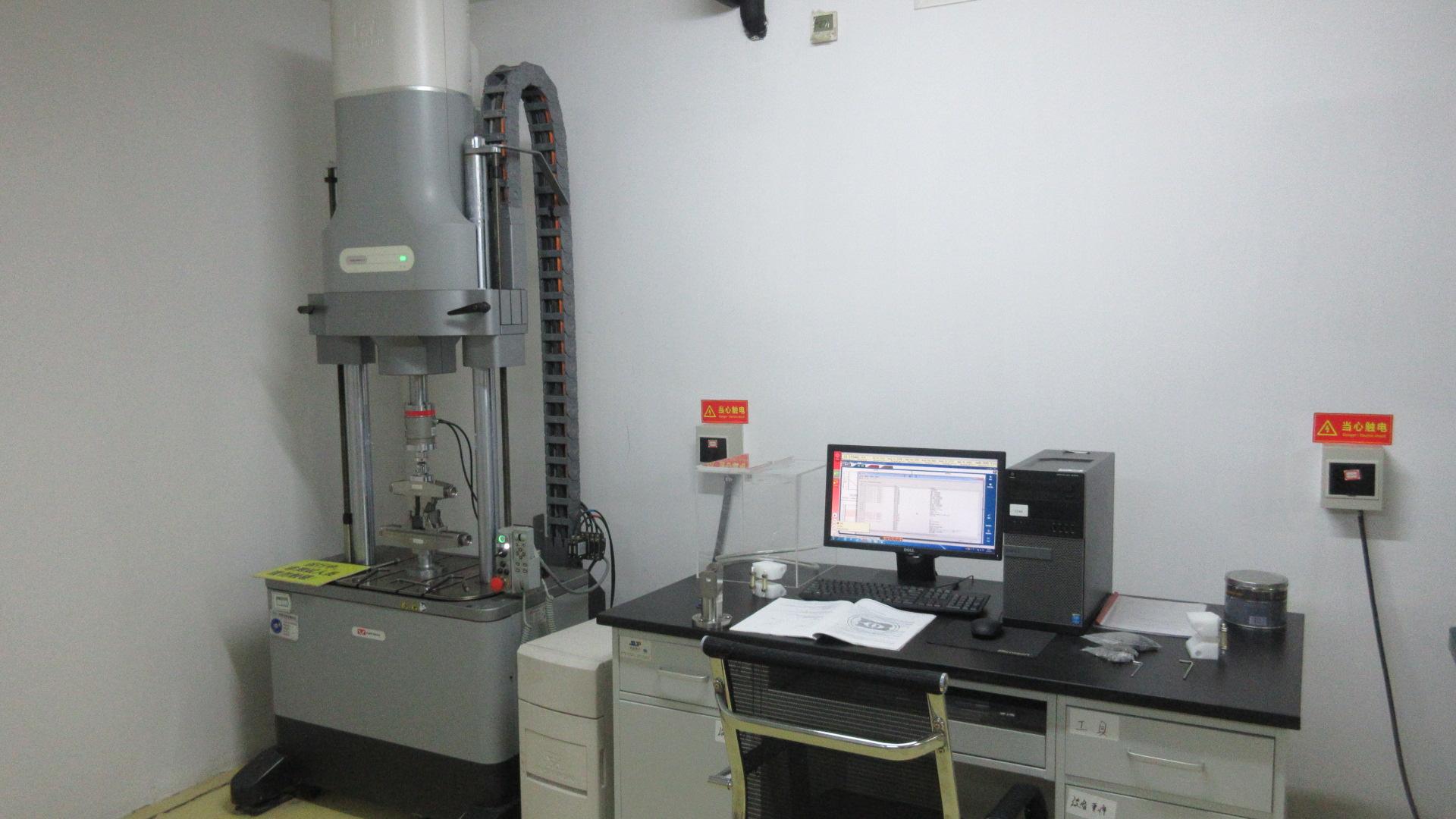
A transparent look inside our 10,000 square meter medical manufacturing environment, engineering divisions, and precision packaging lines.



Comprehensive regulatory and engineering responses to common queries from medical device distributors and hospital procurement agents.
Complementary surgical tools, spinal instruments, and anatomical fixation plates for diverse surgical setups.
 Beren Science & Technology