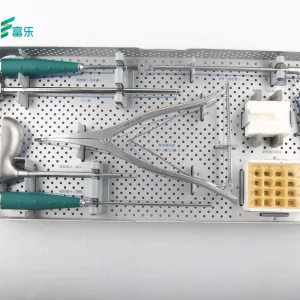
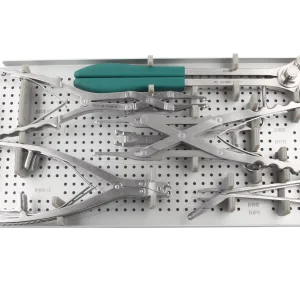
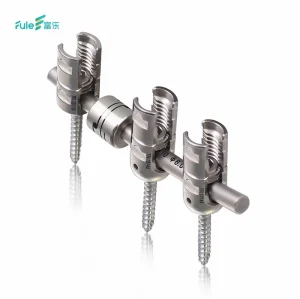
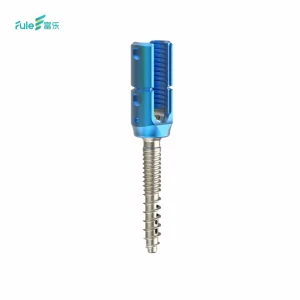
Explore our foundational precision implant systems, engineered to seamlessly integrate with remote-guided navigation and surgical workflows.
Understanding how physical implants and virtual surgical networks merge to form the future of global trauma care.
Modern operating rooms require implant systems that coordinate with optical navigation, AI-guided drilling, and real-time remote consult software. Our titanium hardware is mapped for digital spatial tracking, facilitating tele-assisted screw placement.
Connecting regional clinics with major surgical hubs requires standardized implant configurations. By offering highly reproducible, universally compatible spinal and trauma hardware, we bridge the gap in diagnostic-to-intervention workflows.
Telemedicine solutions rely heavily on device safety. Without direct, on-site supervision, implants must guarantee near-zero failure rates. We achieve this through medical-grade Titanium and ultra-strict ISO 13485:2016 validation protocols.
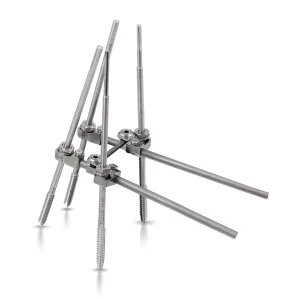
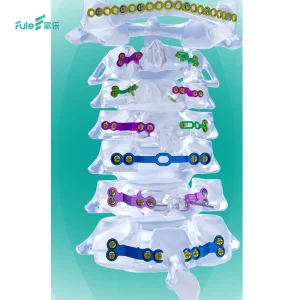
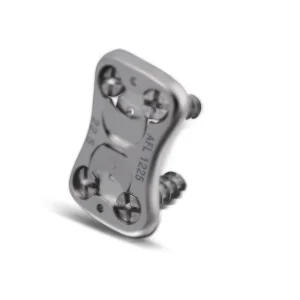
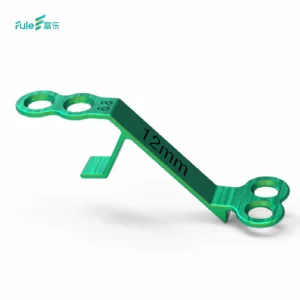
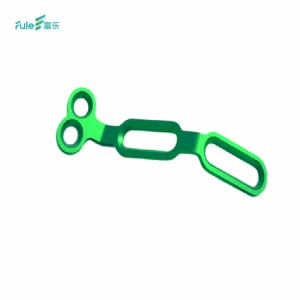
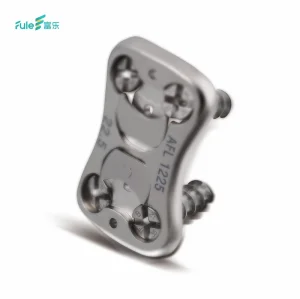
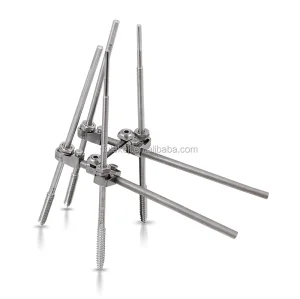
In modern orthopedic pathology, telemedicine has moved beyond standard video conferencing. It now encompasses integrated remote guidance, where surgical specialists steer complex spinal corrections (like scoliosis or posterior cervical laminoplasty) from miles away. The physical implants—such as variable-angle pedicle screws and cervical plates—must feature standardized geometric configurations that matching software algorithms can read instantly via 3D imaging overlays. As a pioneer in the industry, our products are engineered specifically to interface with computerized surgical systems, mitigating variables for remote operators.
Addressing the complex requirements of hospitals, ministries of health, and international distributors in telehealth networks.
We provide full customization—including sample-based fabrication and detailed blueprint design—allowing medical device distributors to customize plate sizes, screw pitches, and delivery sets for their local telemedicine markets.
With 70 vetted supply chain partners and 100% trace-to-source traceability on raw titanium materials, we protect institutional buyers against stockouts and material degradation, guaranteeing continuity in critical care programs.
Equipped with ISO 13485 certifications and Class III medical device registries, we streamline the path to market clearance across Southeast Asia, Eastern Europe, and domestic markets, minimizing customs friction.
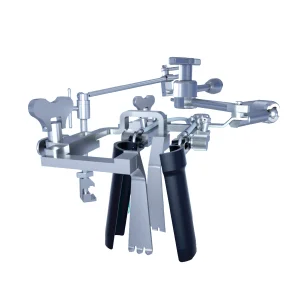
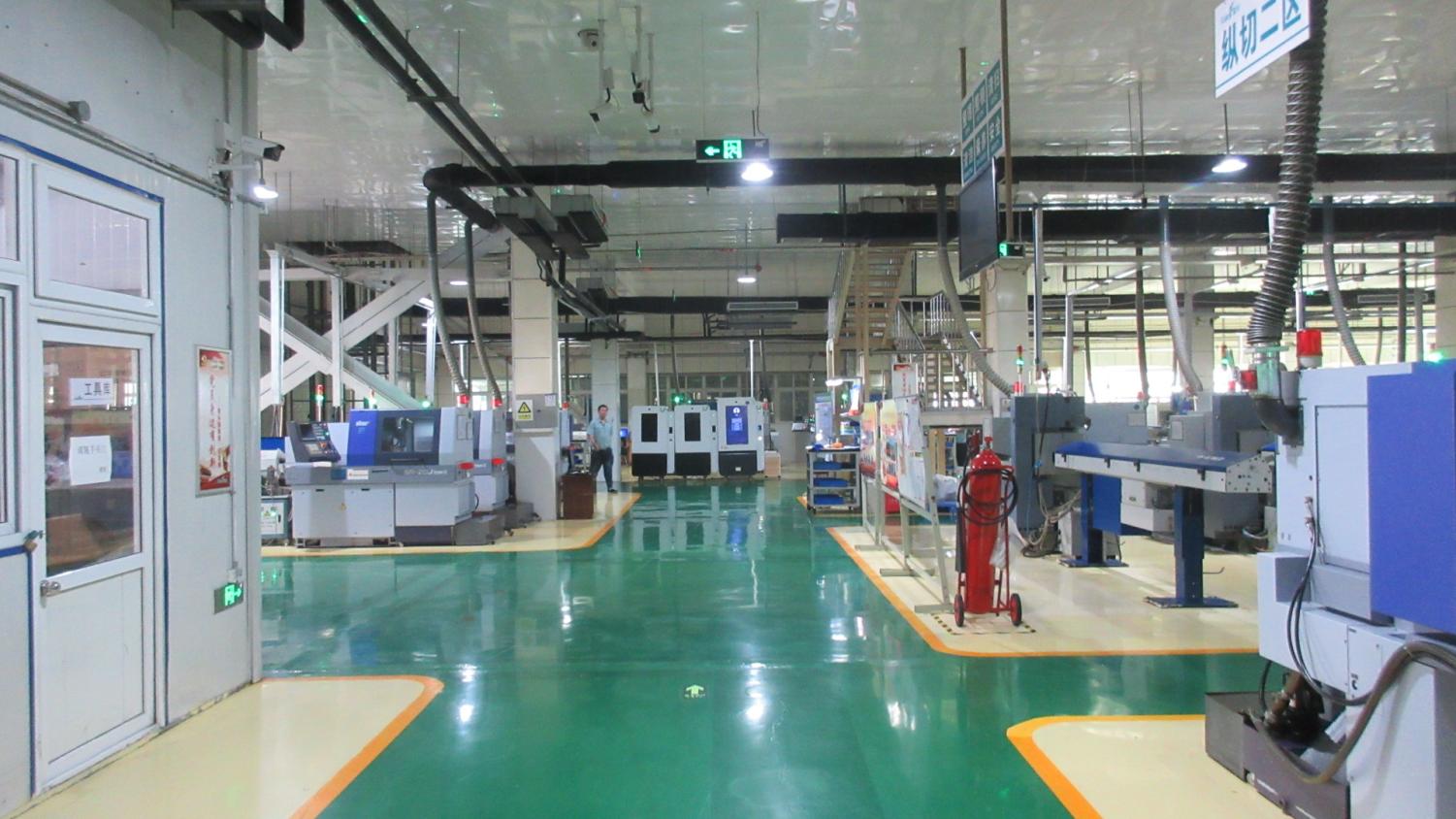
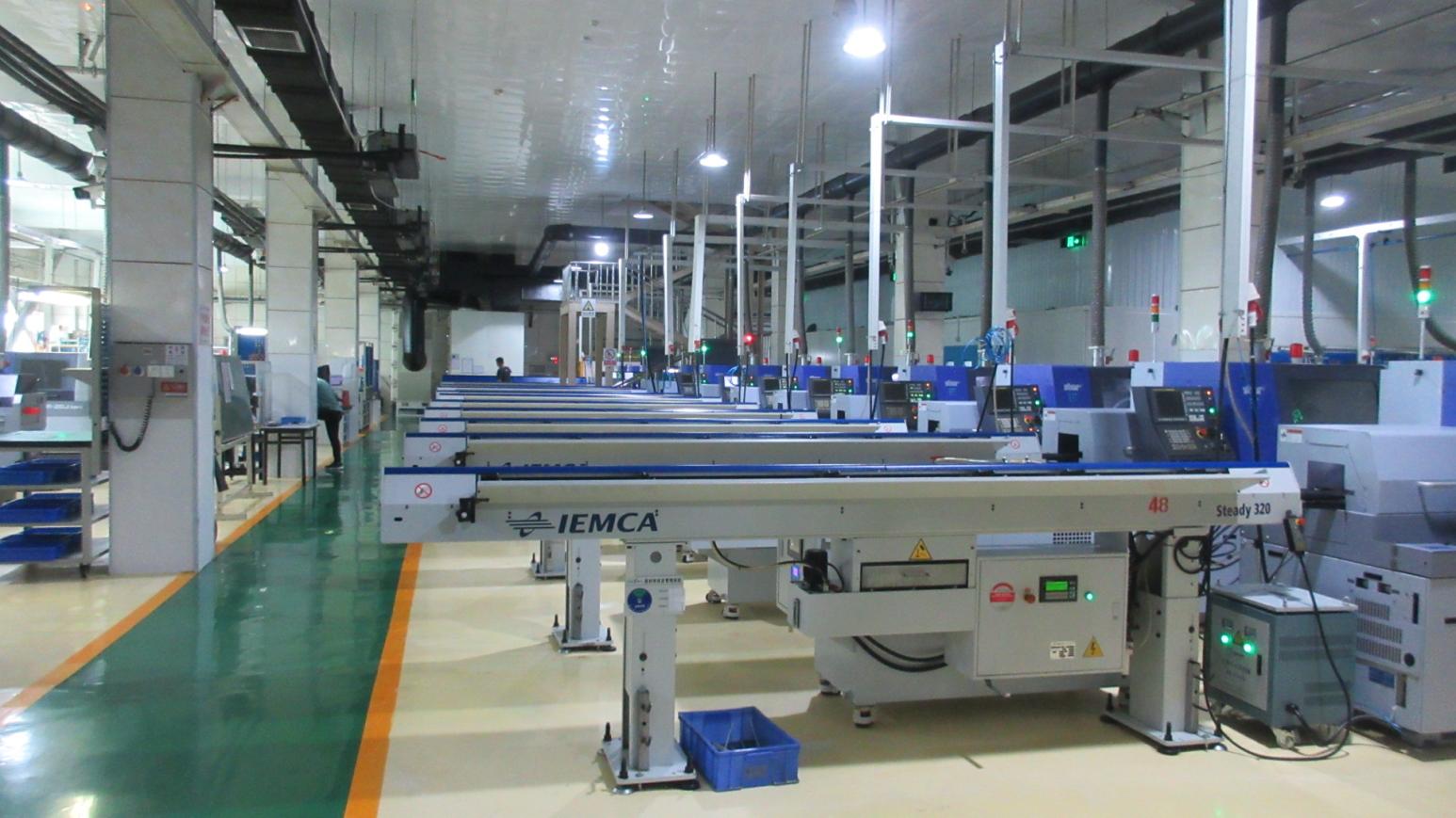
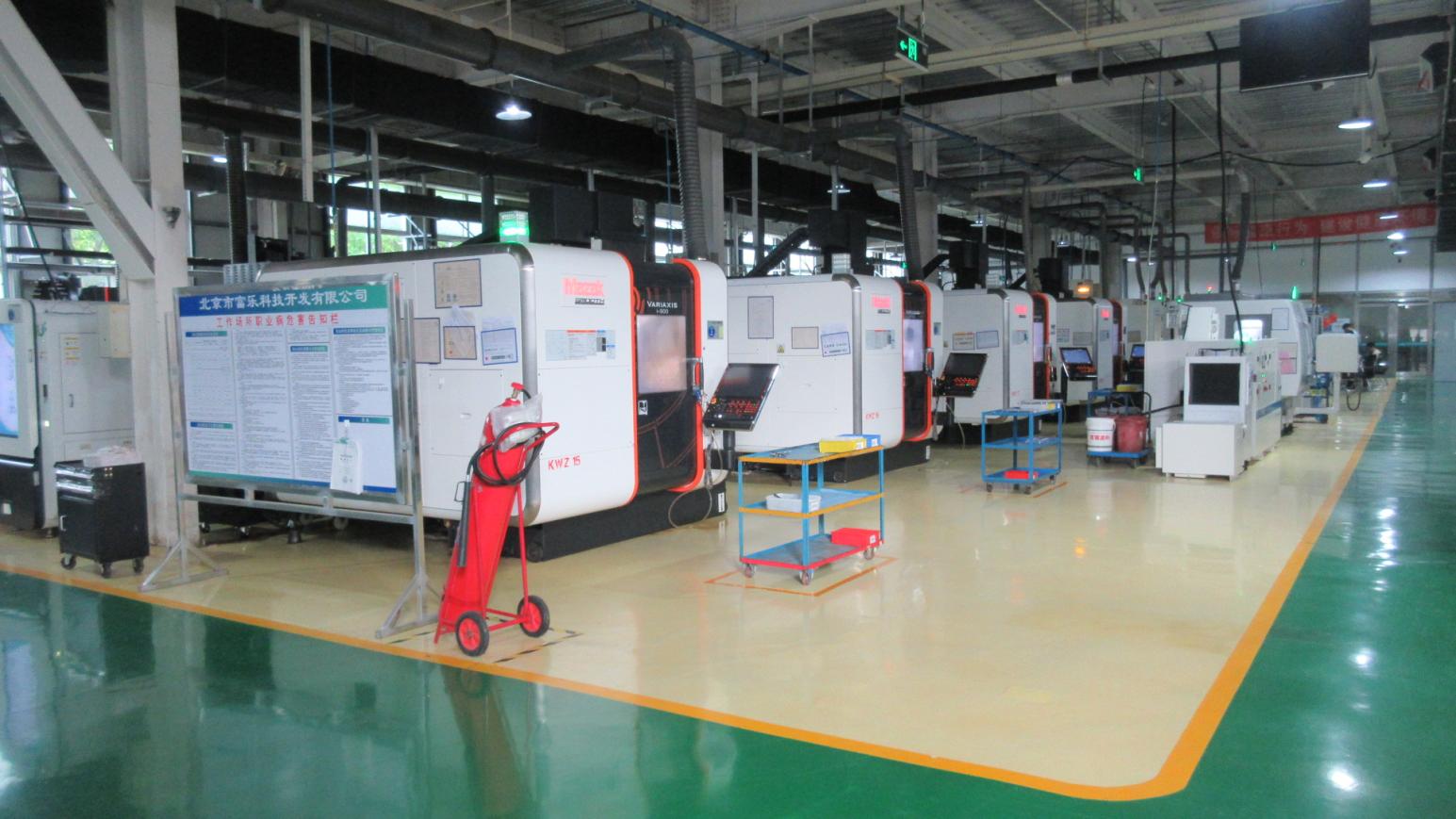
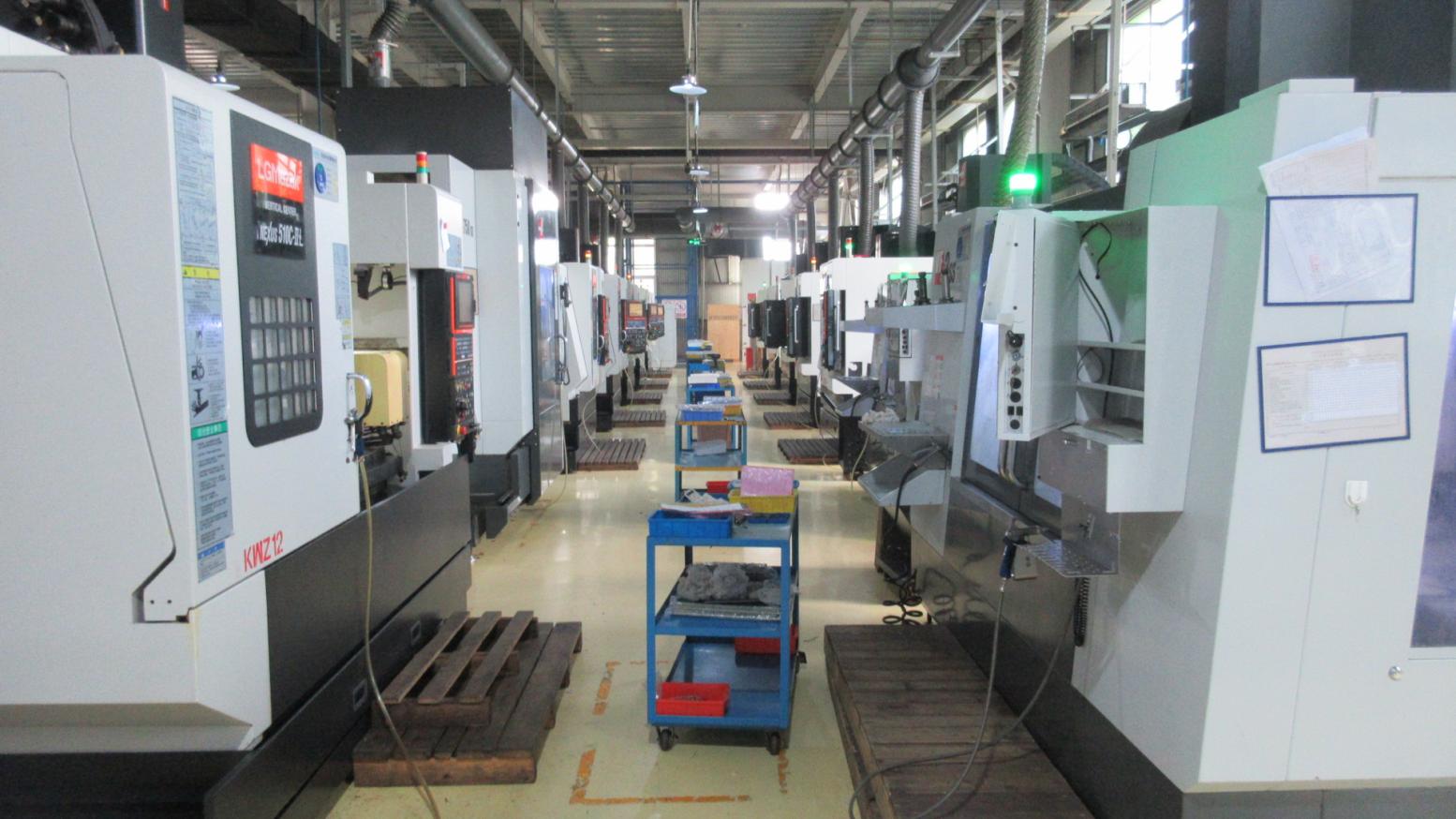
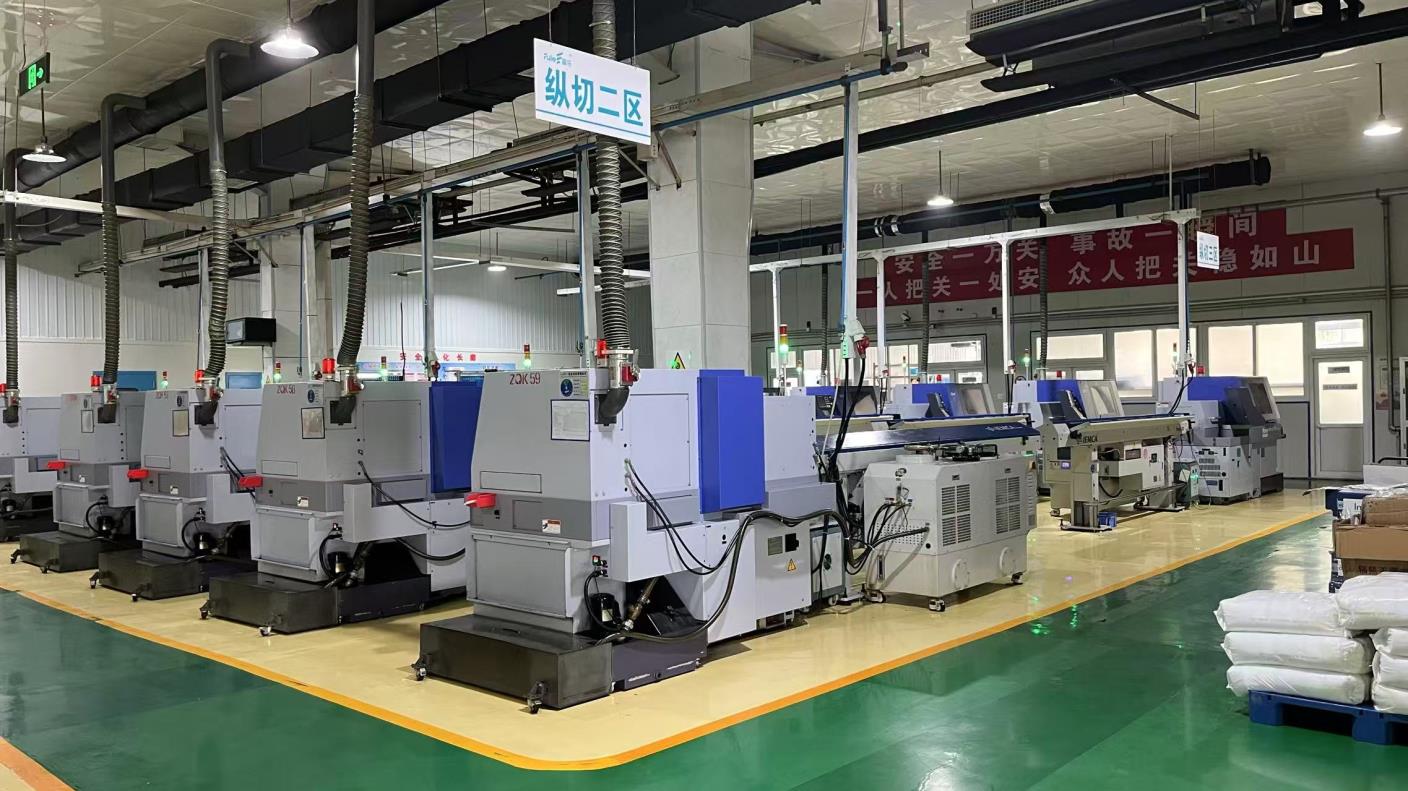
To support multi-national medical networks, our production framework relies on high-tier automation. Every pedicle screw, spinal cage, and cervical plate undergoes automated optical screening alongside manual micro-metric audits. This redundancy guarantees that when a remote surgeon commands a robotic arm or instructs a local practitioner over a satellite connection, the physical tolerance of the implant matches the software model down to the micrometer.
Verifiable E-E-A-T credentials reflecting our solid production infrastructure, engineering depth, and global quality control protocols.

ISO 13485:2016 Registered
04724Q10000818
Our operations comply strictly with international medical device manufacturing protocols, featuring an annual export revenue that scales to meet wholesale demands in Eastern Europe, Southeast Asia, and beyond.
A multi-tiered strategic framework addressing global regulatory shifts and materials science innovations.
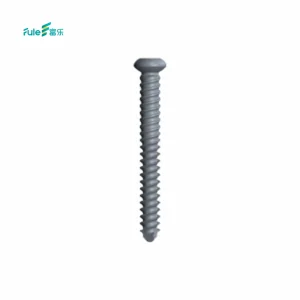
Leveraging high-grade Ti-6Al-4V ELI (ASTM F136) alloys to assure ultimate tensile strength and long-term biological safety, limiting screw loosening under dynamic loading conditions.
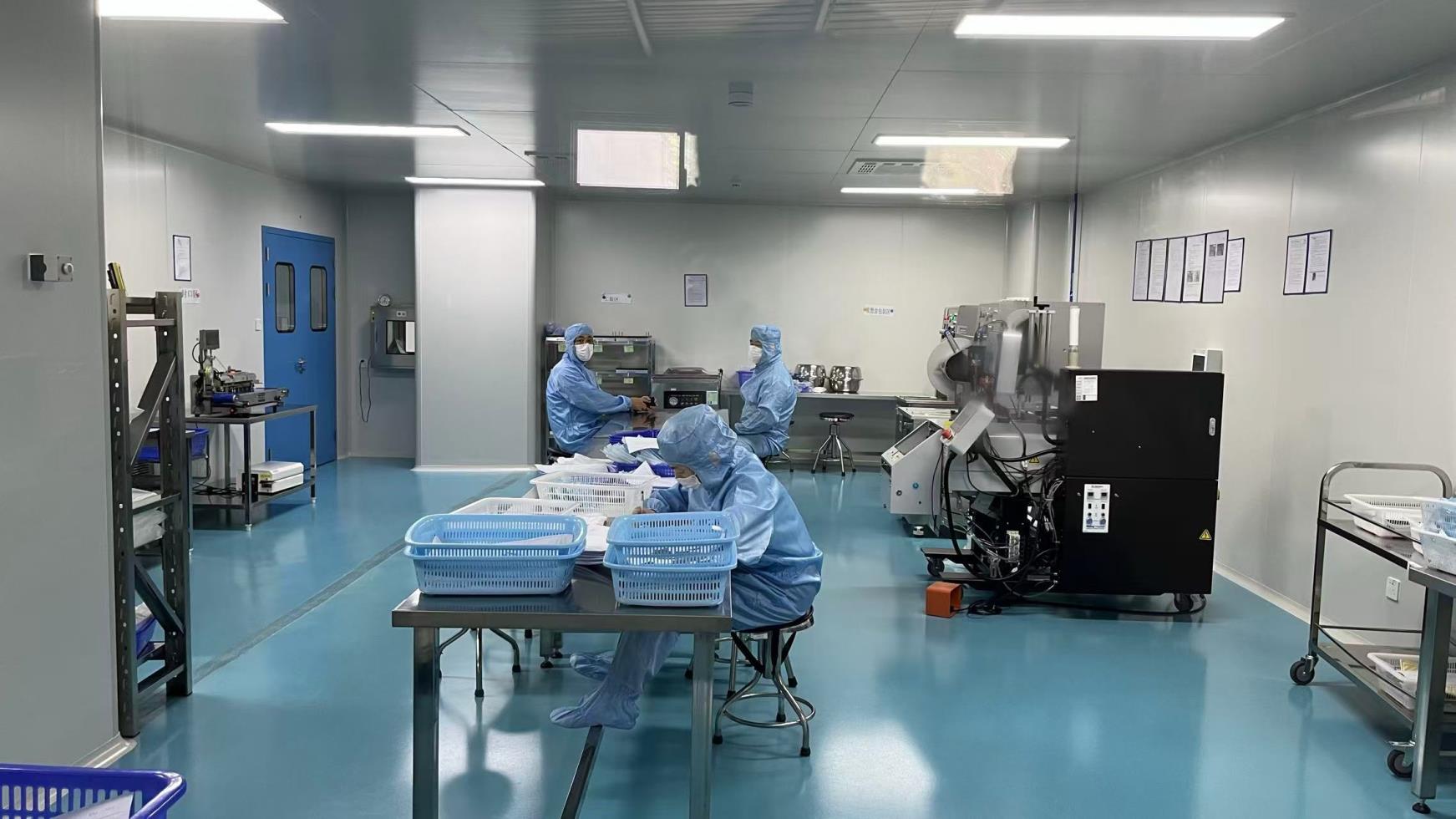
Class 10,000 cleanroom packaging preserves instrument and implant sterility for years, satisfying the logistics pipelines of remote telemedicine units operating in remote geographic regions.
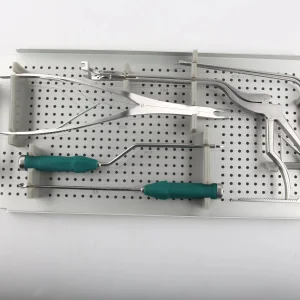
By producing specialized low-profile surgical instrumentation, we reduce surrounding tissue trauma, accelerating recovery paths tracked via remote post-op telemetry applications.
As the digital medical landscape matures, our production engineering roadmap encompasses the integration of smart indicators directly into stabilization systems. By optimizing surface textures using anodizing technologies and acid-etching methods, we encourage rapid bone integration. In parallel, our ongoing collaborations in remote surgery research aim to develop low-profile RFID tracking chips embedded in instrument trays, ensuring surgeons located thousands of miles away can verify tray inventory and sterilization state via cloud databases before patient incision.
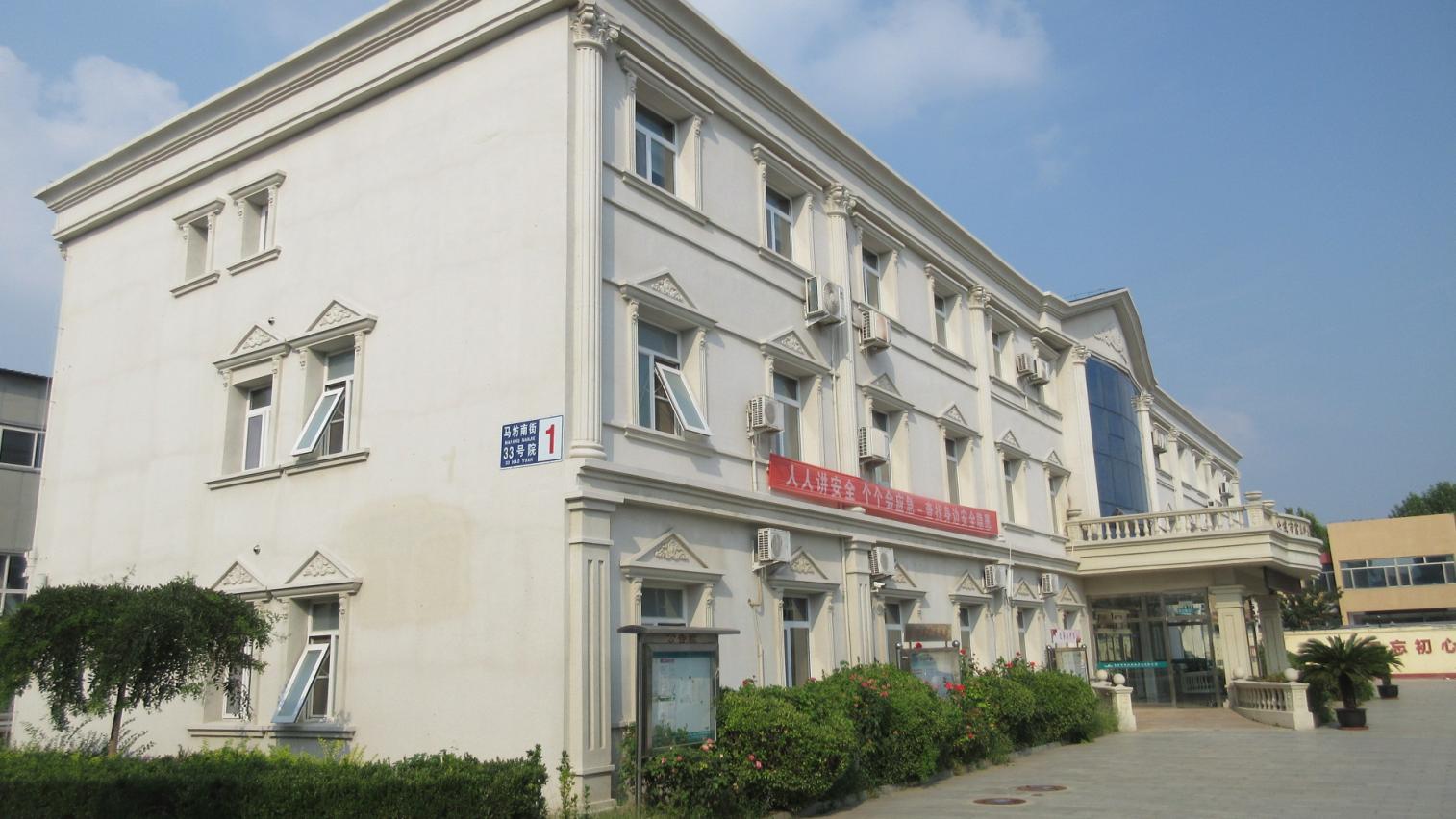
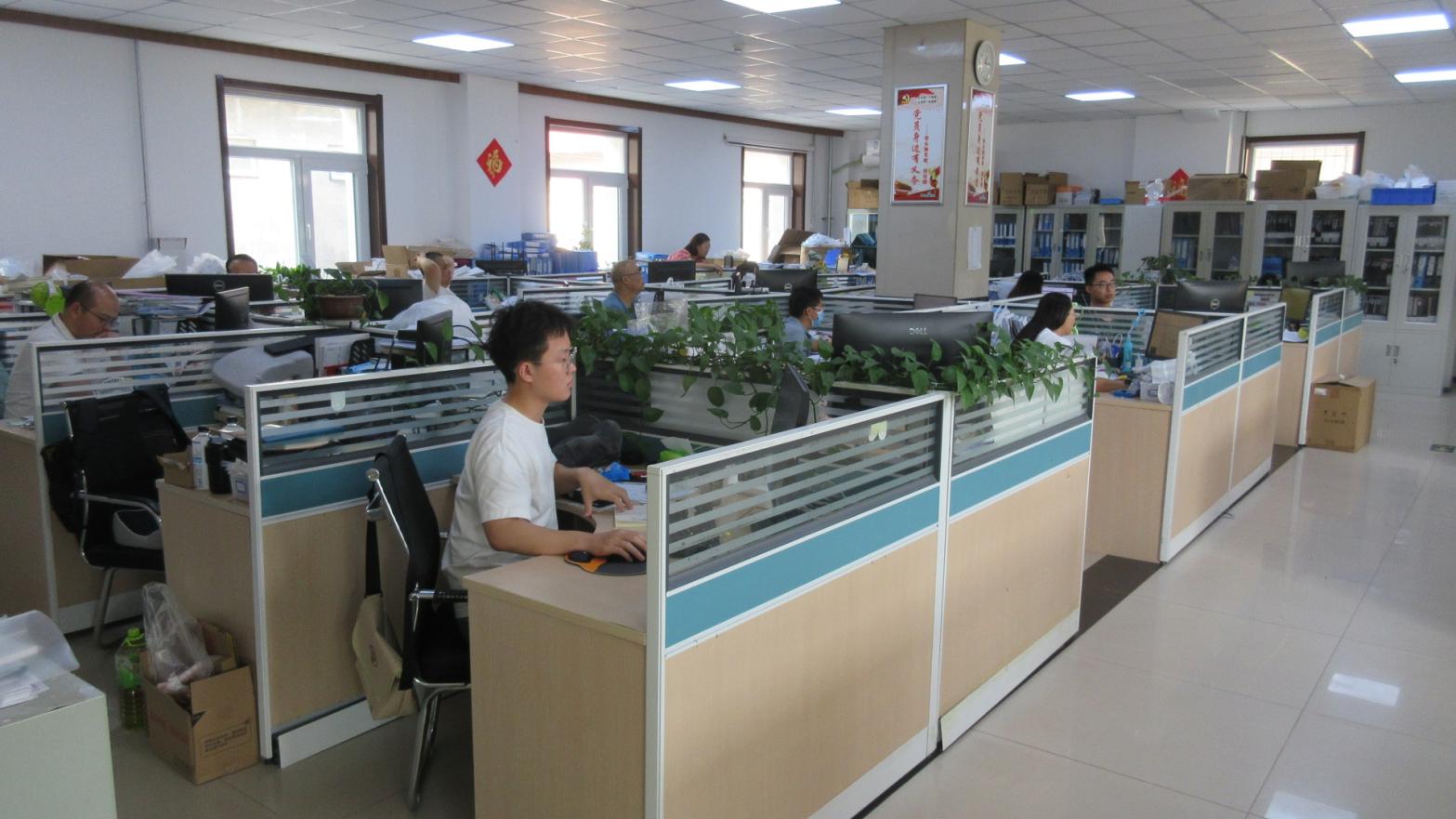
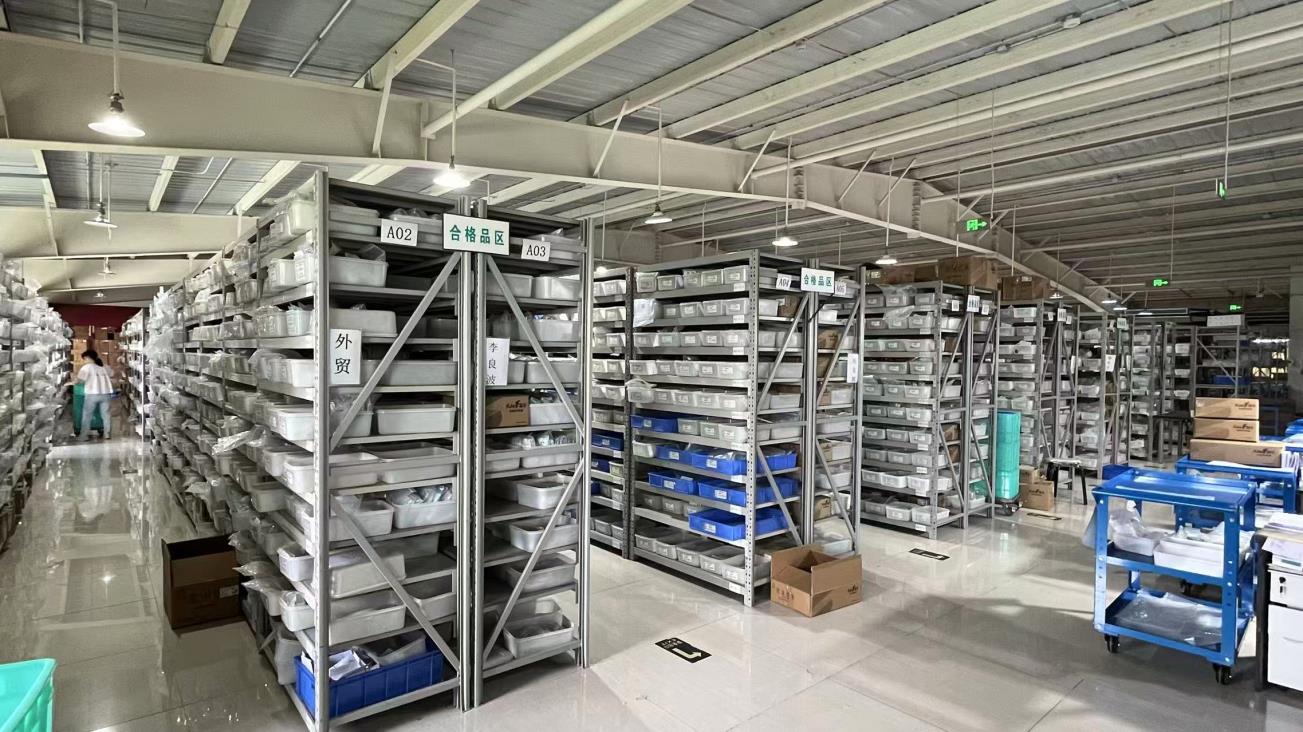
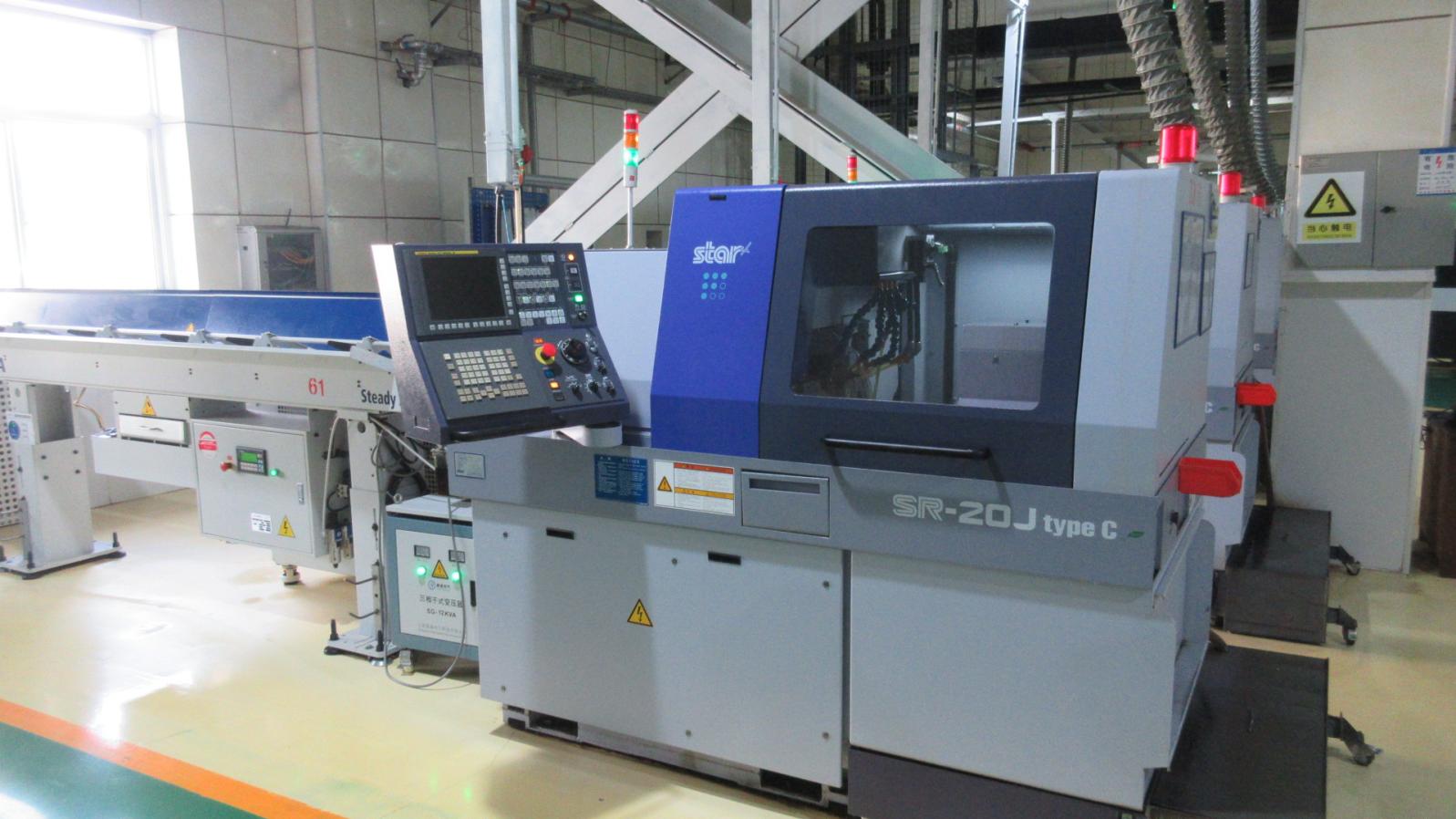
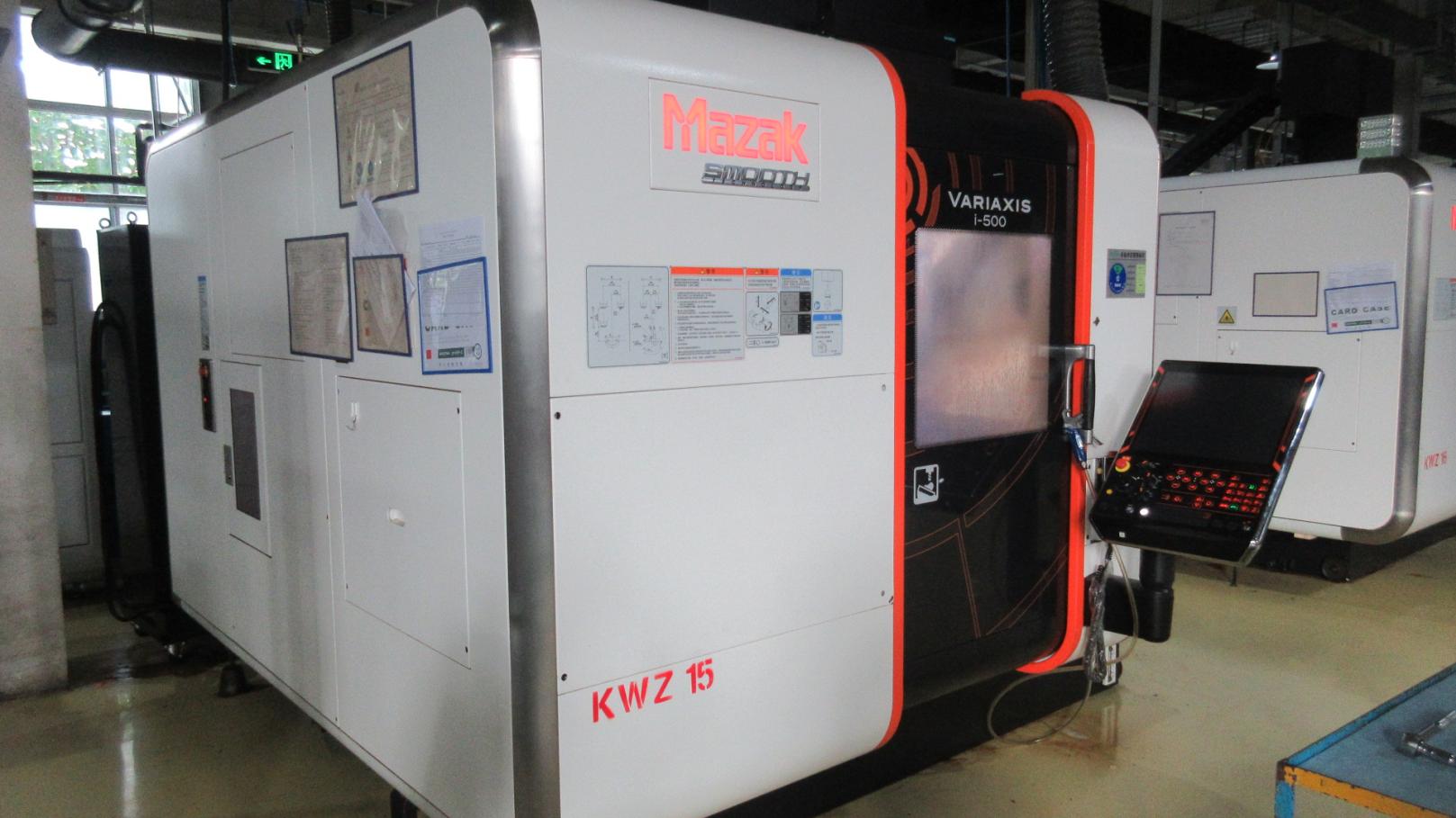
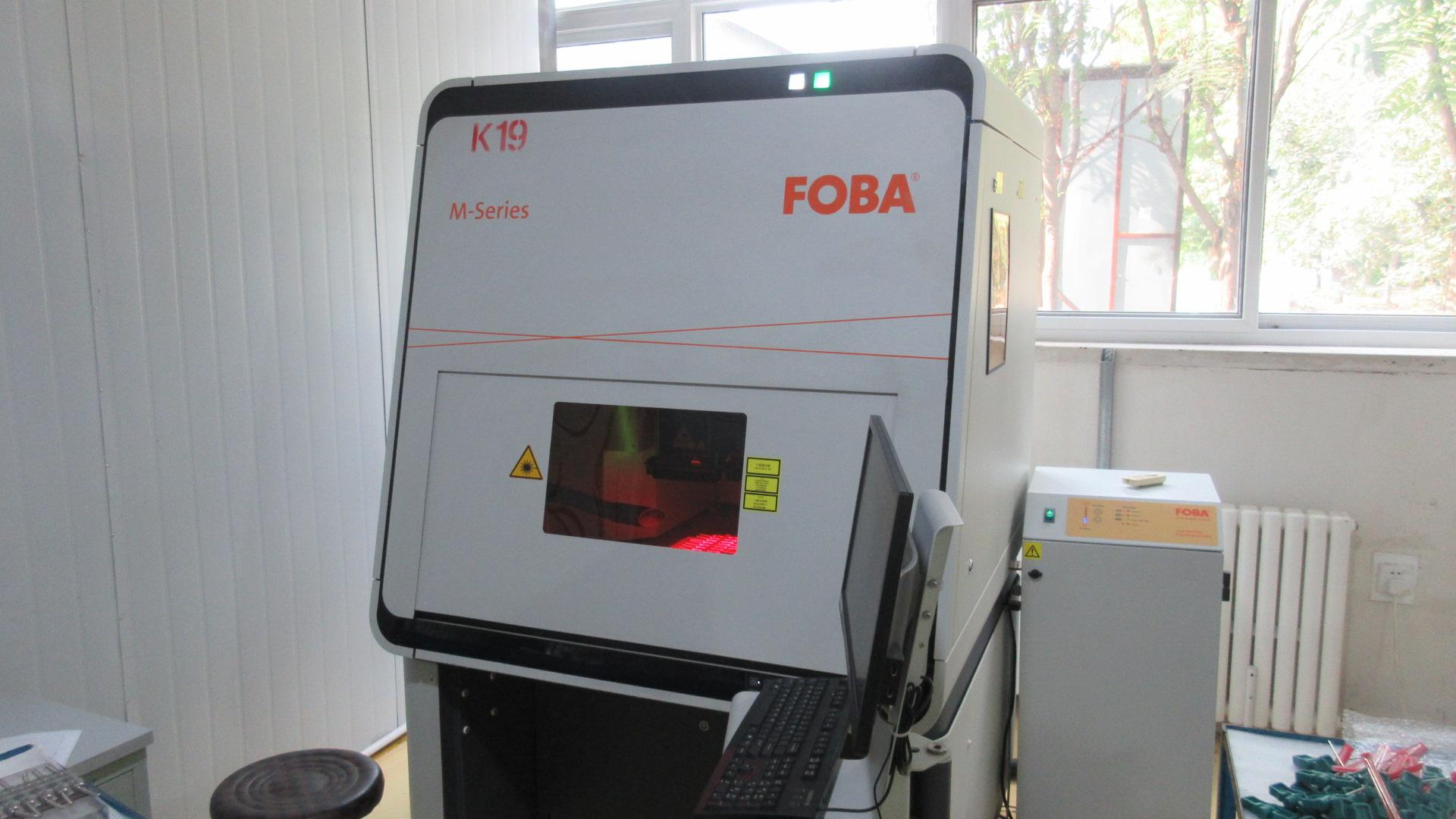
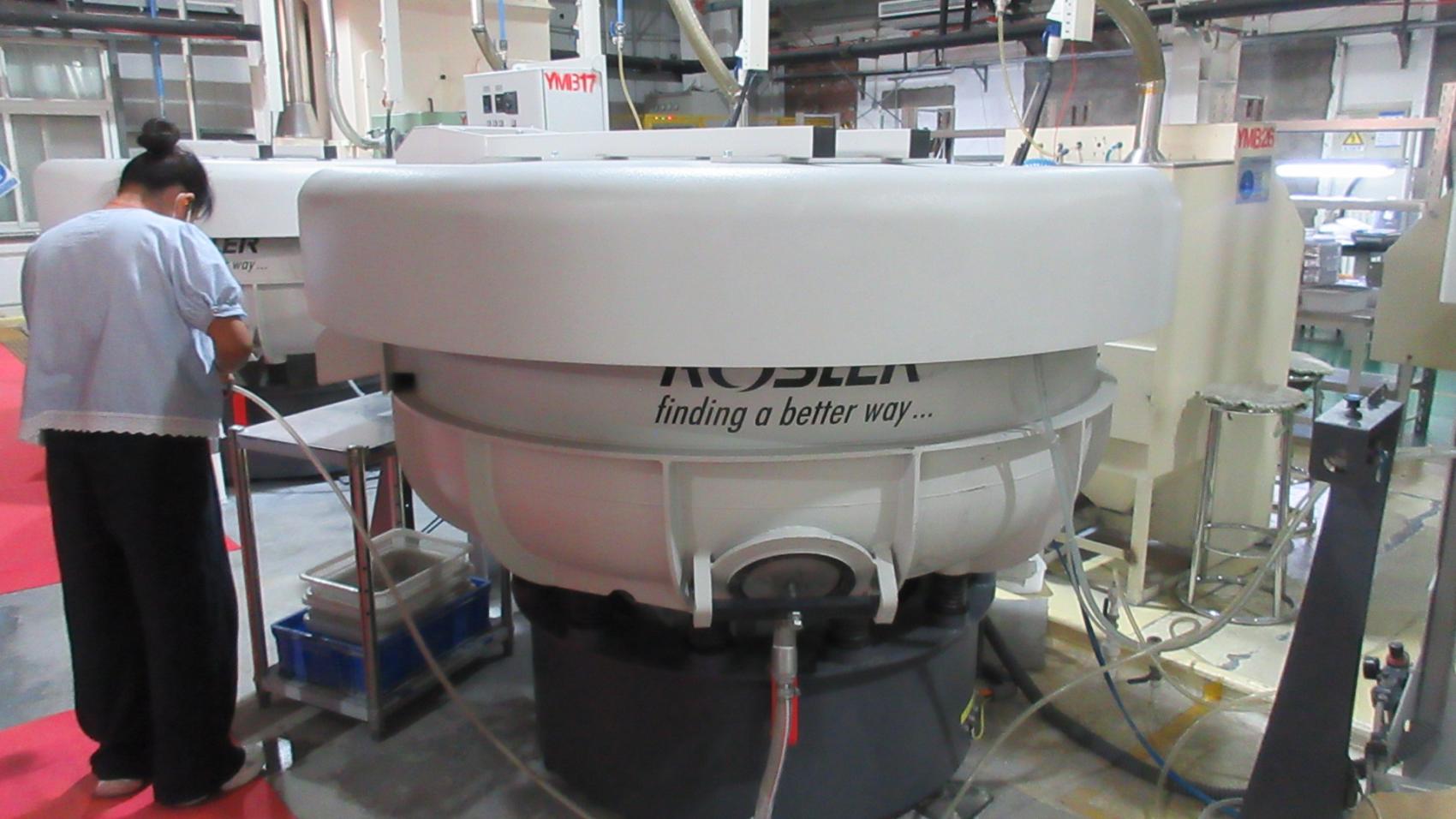
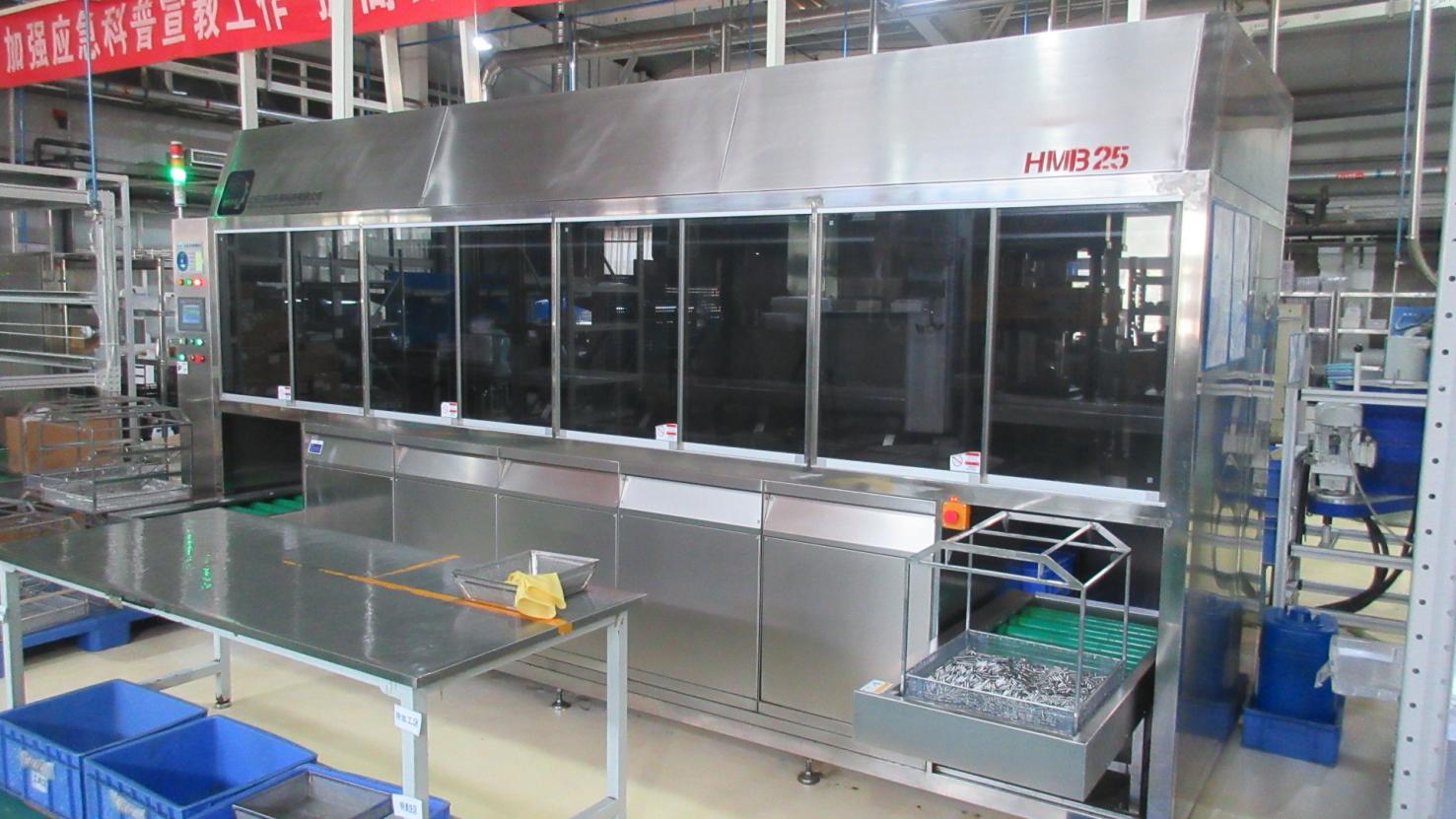
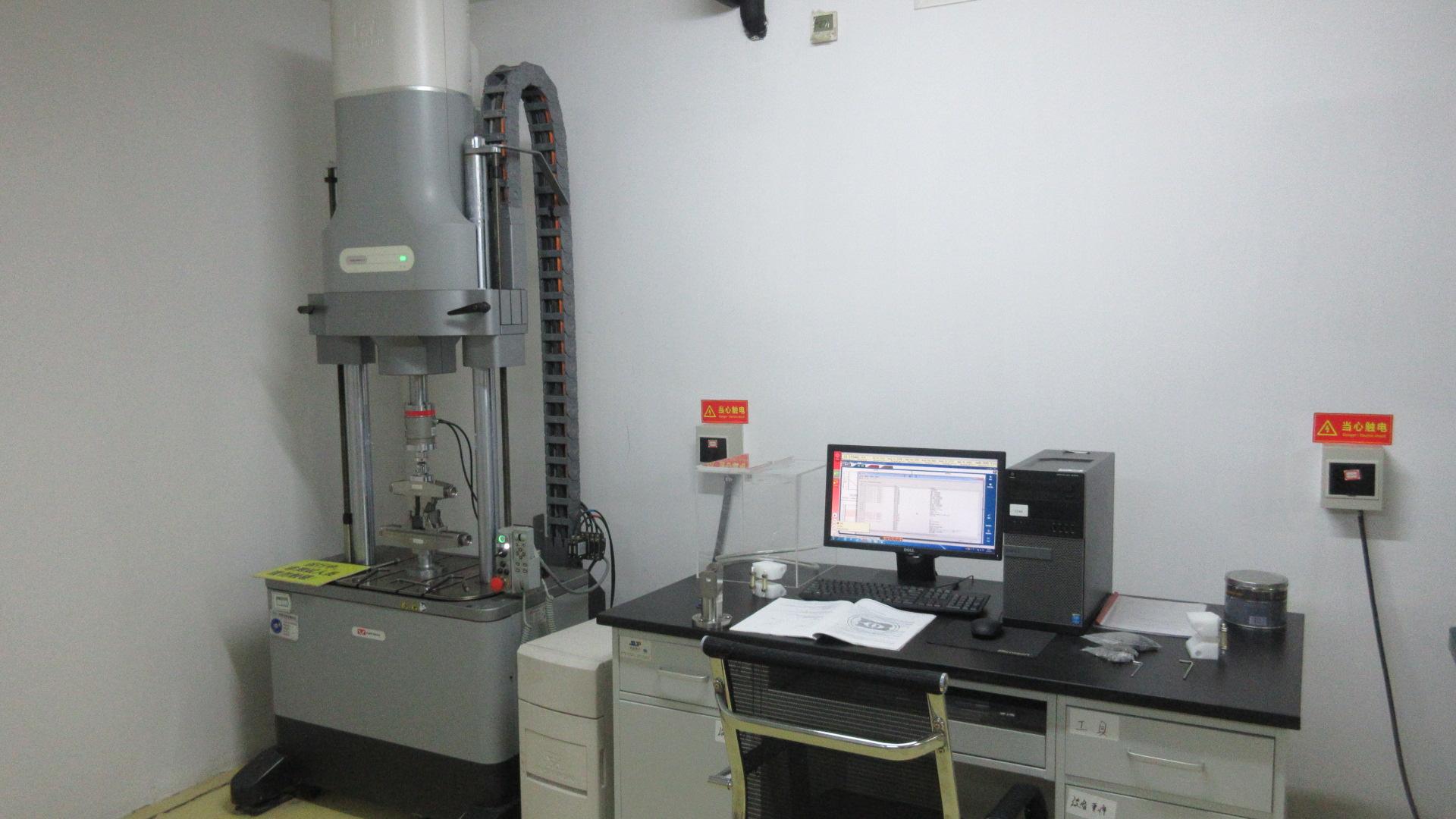
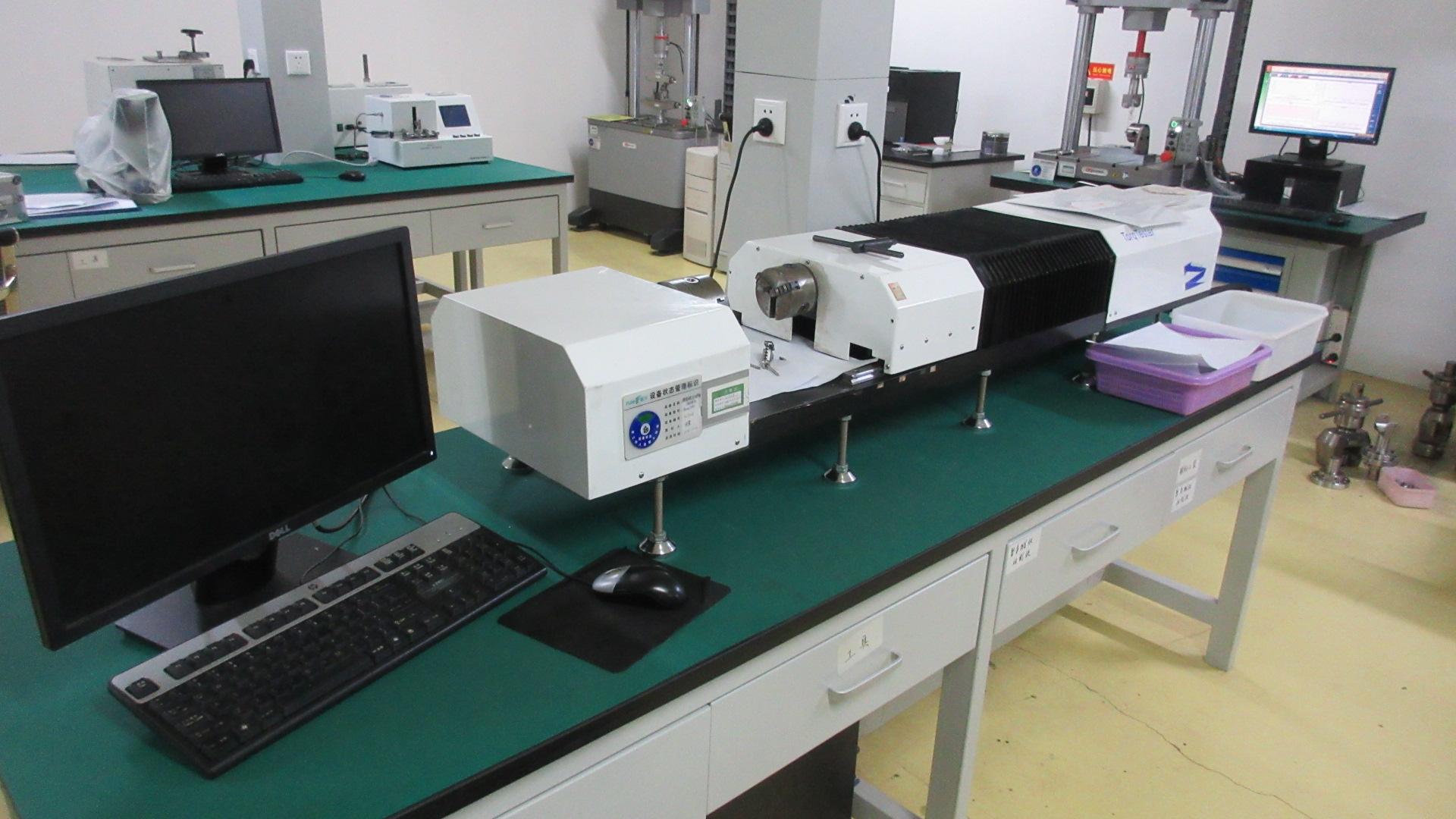
A visual look inside our CNC machining floors, quality validation labs, cleanrooms, and testing facilities.
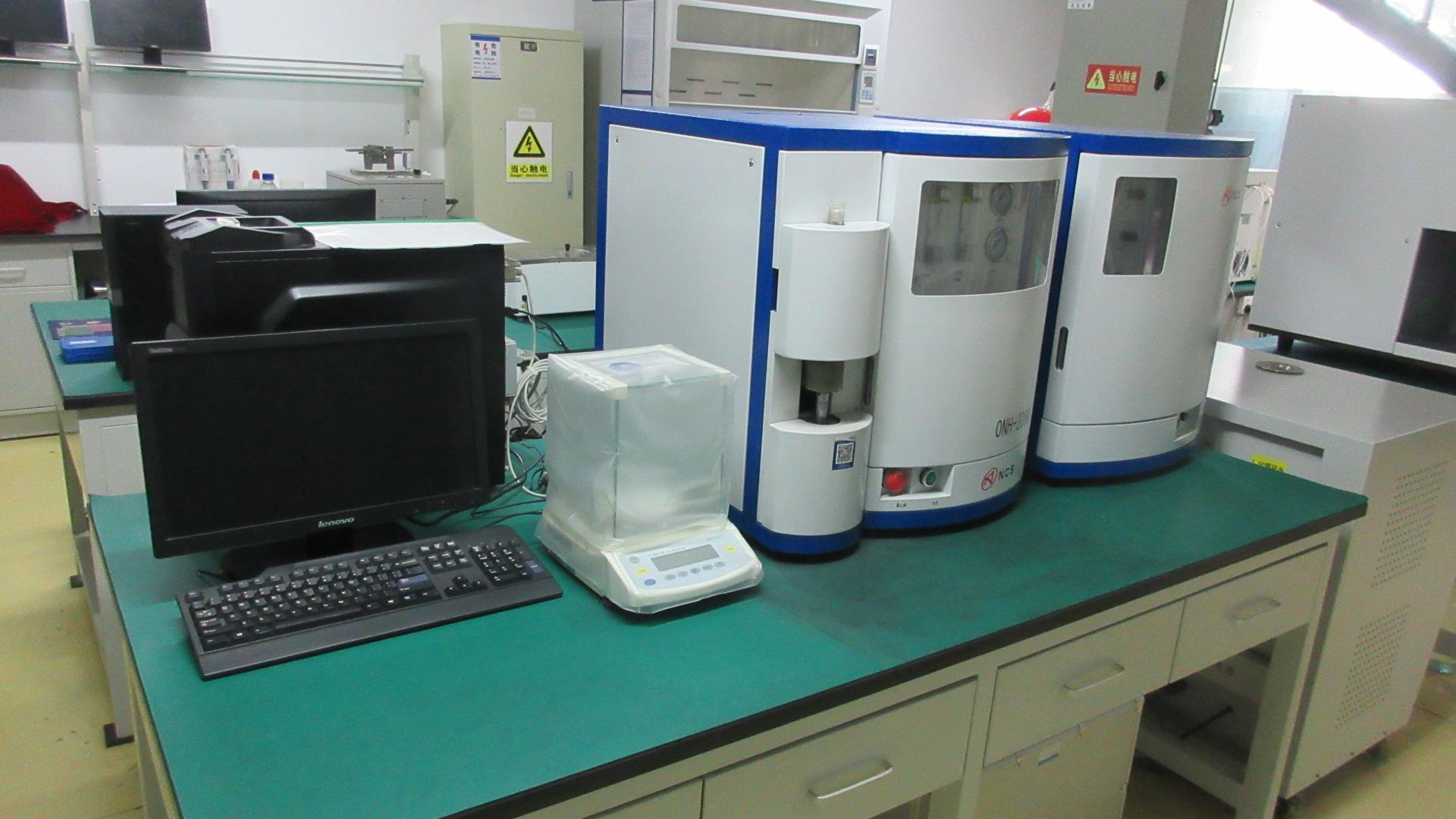
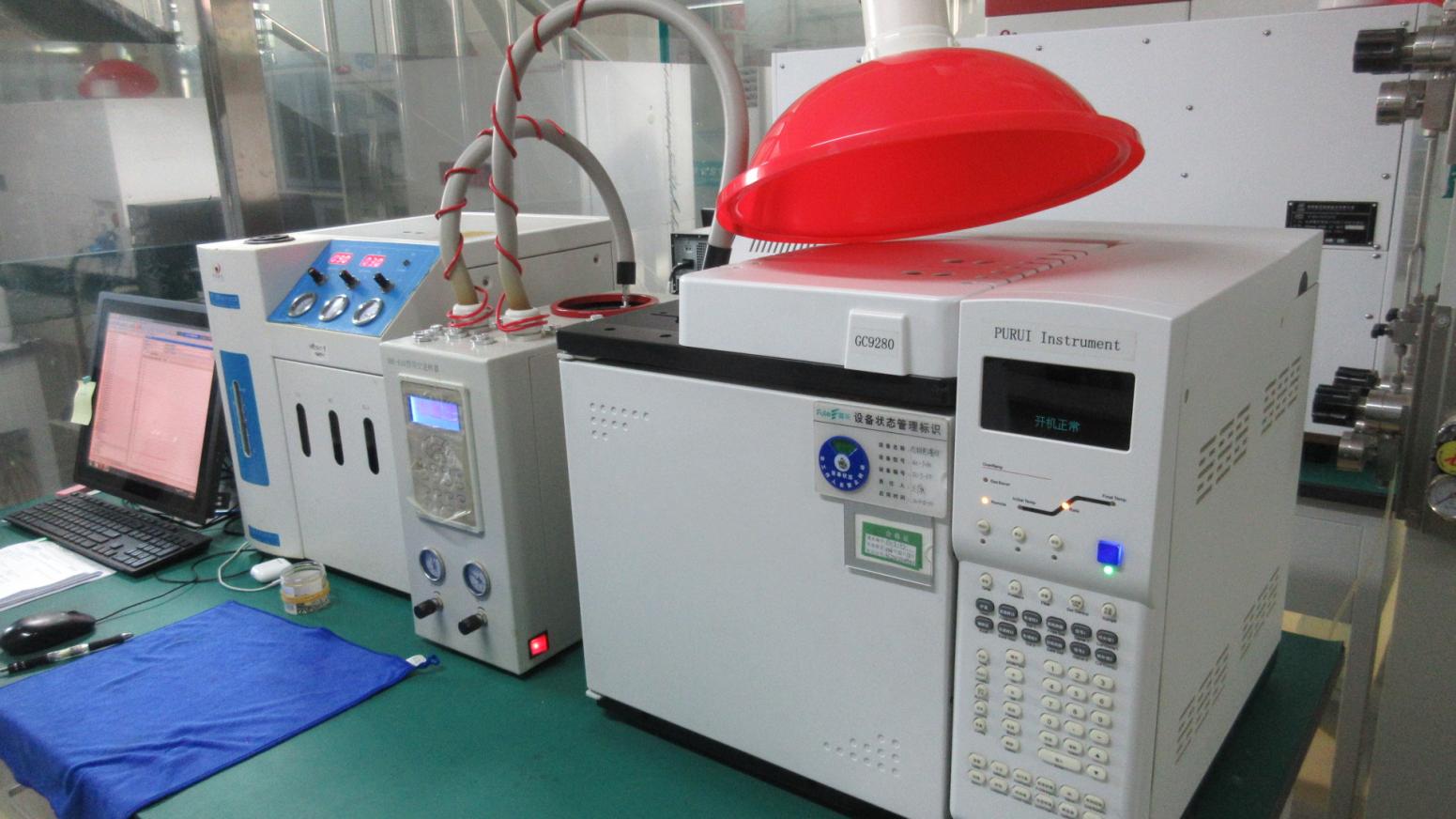
Get professional insights from our engineering and regulatory affairs department regarding implants and smart surgery workflows.
Complete surgical lines for spinal stabilization, intramedullary nailing, and emergency trauma reconstruction.
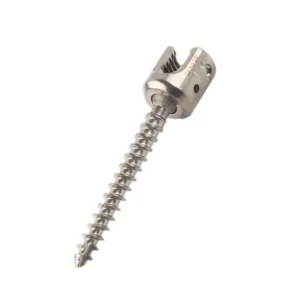
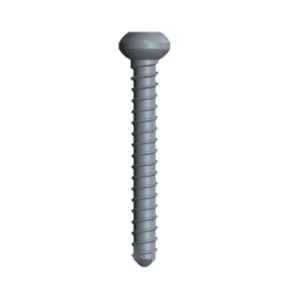
 Beren Science & Technology