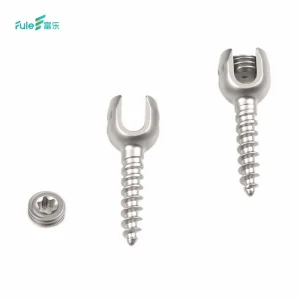
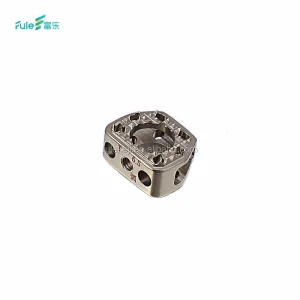
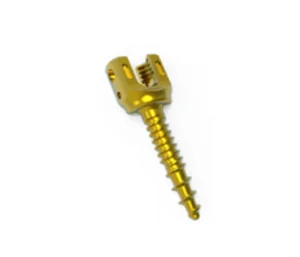
Explore our state-of-the-art pedicle screws, spinal stabilization configurations, and specialized instrumentation manufactured under strict ISO 13485 standards.
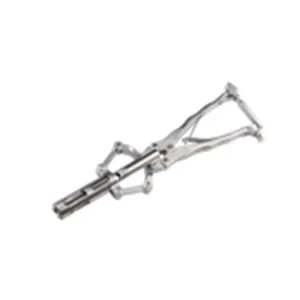
Deep Insight into Spinal Stabilization and Biomaterial Optimization
The stabilization of the thoracolumbar and lumbosacral spine demands clinical solutions that balance rigid fixation with biological compatibility. The Usmart 5.5 Spinal System represents the pinnacle of modern orthopedic design, using a 5.5mm diameter rod system to provide optimized structural support. Compared to wider systems, a 5.5mm system minimizes the implant profile while maintaining the tensile strength and fatigue life required to withstand cyclic biological loads.
From a biomechanical standpoint, the pedicle screw acts as a rigid anchor within the vertebral body, transferring mechanical loads across unstable segments. Key factors in modern system design include:
Our spinal implants utilize extra-low interstitial (ELI) Titanium Alloy (Ti-6Al-4V ELI). This material provides superior biocompatibility, high strength-to-weight ratios, and excellent corrosion resistance. Crucially for diagnostic follow-up, it produces fewer artifacts under MRI and CT scanning than stainless steel configurations, allowing surgeons to monitor fusion progress post-operation.
Established in 1996, combining raw material traceability, 100+ precision machines, and rigorous ISO 13485 quality control.
| Parameter | Operational Capability & Specifications |
|---|---|
| Production Lines & Machinery | 1 dedicated high-volume medical manufacturing line supported by 102 advanced production machines. |
| Quality Control (QC) & QA Team | 15 dedicated QA/QC inspectors executing 100% inspection across all lines with complete raw material traceability. |
| International Certifications | ISO 13485 Certified (Certificate No. 04724Q10000818) ensuring clinical grade compliance. |
| Customization / OEM / ODM | Sample processing, graphic processing, and custom on-demand engineering supported by 20 R&D engineers (15 graduate level). |
| Global Distribution | Export footprint across Eastern Europe (15%), Southeast Asia (10%), and strong domestic market integration (40%). |
How we navigate MDR, FDA guidelines, and local hospital requirements.
Bringing spine surgery systems to market requires navigating complex global regulatory pathways. In Europe, compliance with the Medical Device Regulation (MDR 2017/745) demands deep clinical evaluation, rigorous post-market surveillance (PMS), and comprehensive technical documentation. As a key supplier, Beijing Fule provides complete traceability documentation, biomechanical test data (such as ASTM F1717 dynamic compression testing), and bio-compatibility profiles to support local regulatory submissions.
Our localized support structure goes beyond regulatory paperwork. We collaborate closely with local distributors, wholesalers, and hospital networks by providing:
Why leading medical brands choose Fule for contract manufacturing and wholesale procurement.
The global demand for orthopedic implants is rising due to aging populations and better access to spinal care. To meet this need, medical distributors require robust supply chains that deliver consistent quality without price volatility. Working with a vertically integrated manufacturer in China provides major strategic advantages:
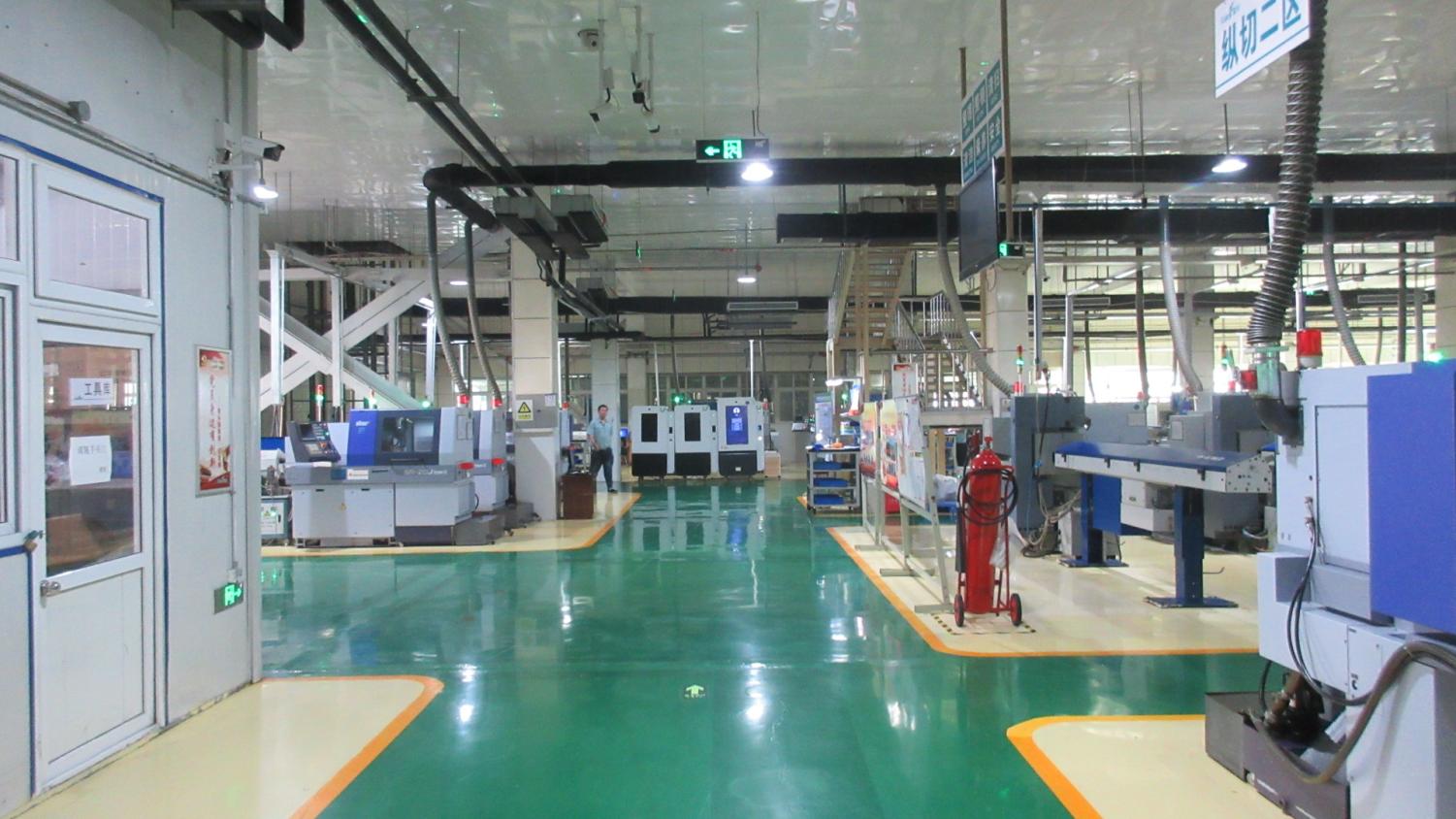
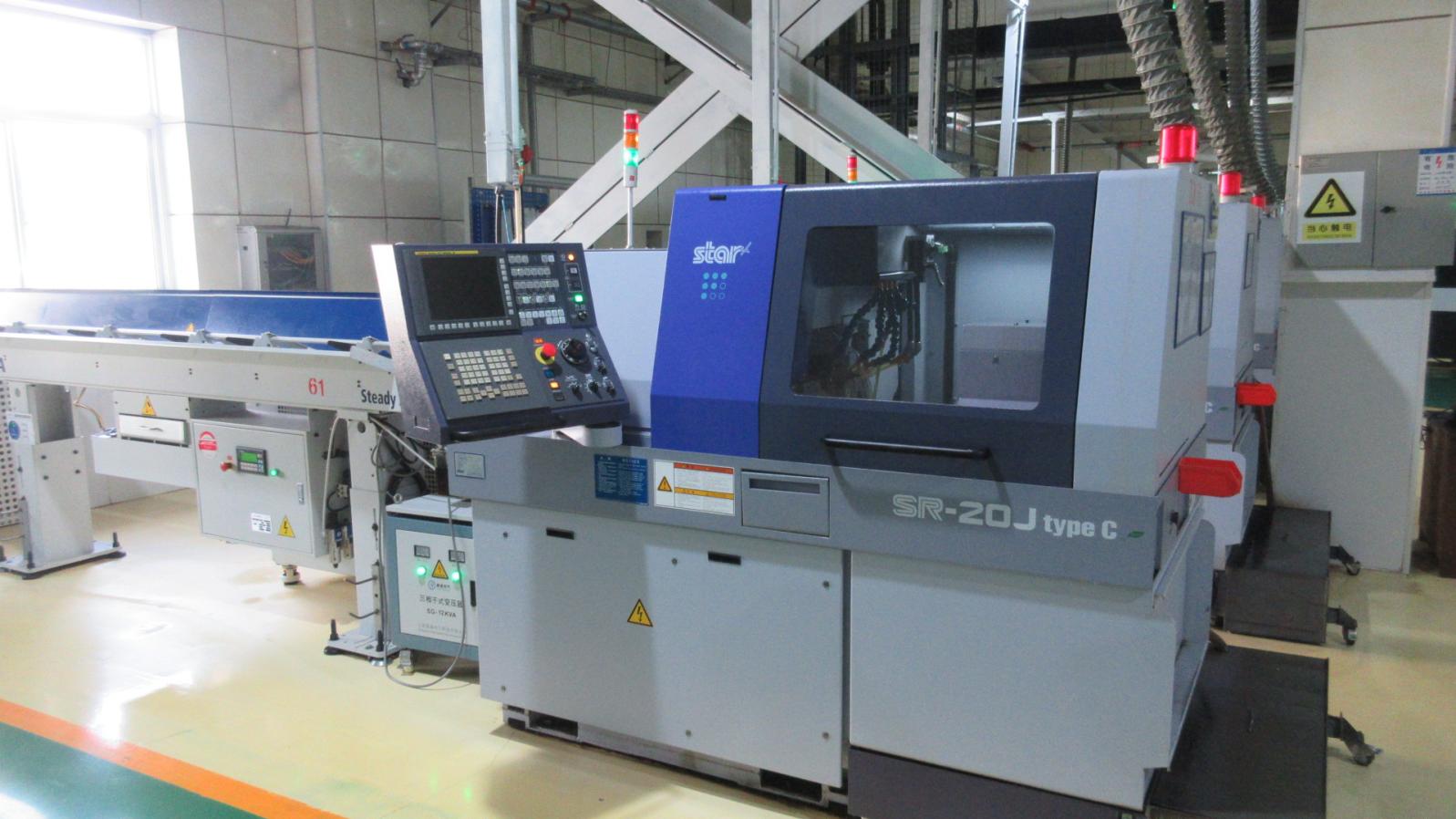
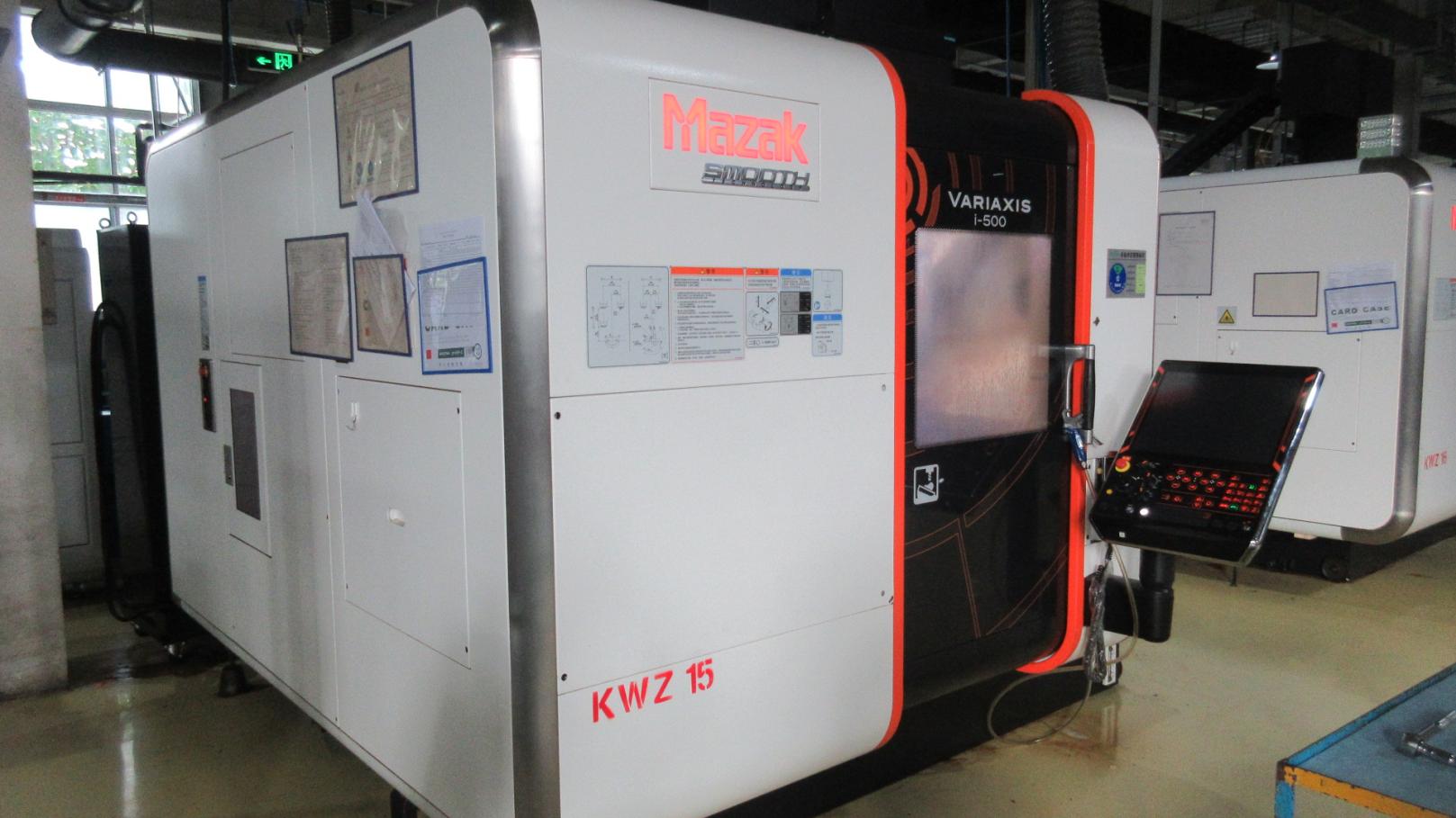
By leveraging advanced automated Swiss-type CNC Lathes and multi-axis machining centers, we produce high-precision polyaxial and monoaxial pedicle screws at scale. This automation minimizes dimensional tolerances and lowers production costs. We pass these savings on to wholesalers, helping them remain competitive in cost-sensitive hospital tenders.
We source medical-grade titanium alloys exclusively from accredited metallurgy partners, accompanied by raw material mill certificates. This allows us to track every finished implant back to its chemical composition, providing complete transparency for regulatory audits.
Understanding where the Usmart 5.5 System excels in surgical settings.
The Usmart 5.5 Spinal System is designed for stabilizing and promoting fusion in the thoracic, lumbar, and sacral spine. It supports surgeons in treating a wide range of spinal conditions:
Provides rigid stabilization across degraded disc segments, facilitating successful interbody fusion and restoring sagittal alignment.
Enables effective reduction of slipped vertebrae using reduction screws, restoring anatomical alignment and stabilizing fractures.
Pairs with expandable pedicle screws (like the COX series) to distribute pull-out forces and secure weak, osteoporotic bone.
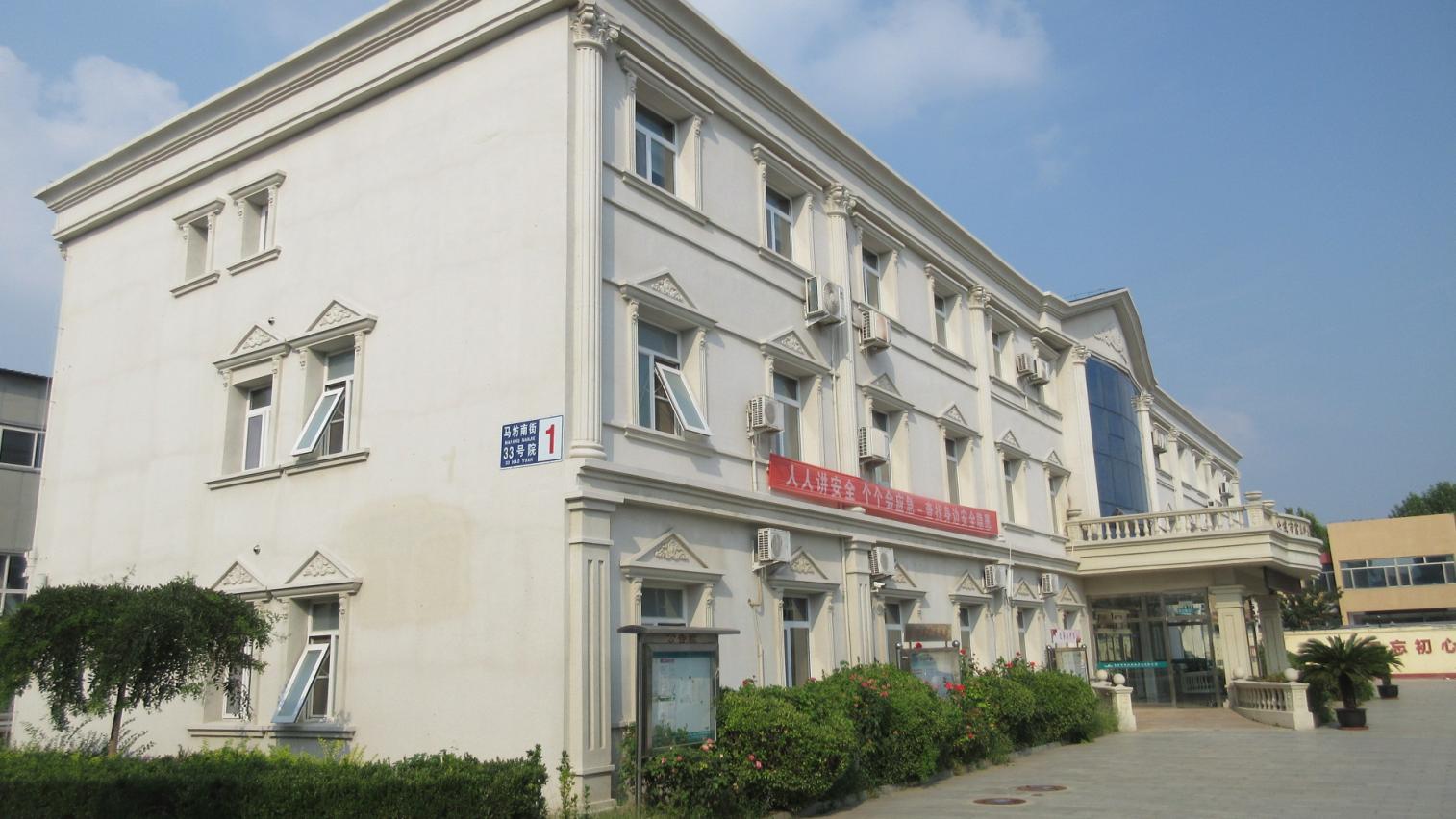
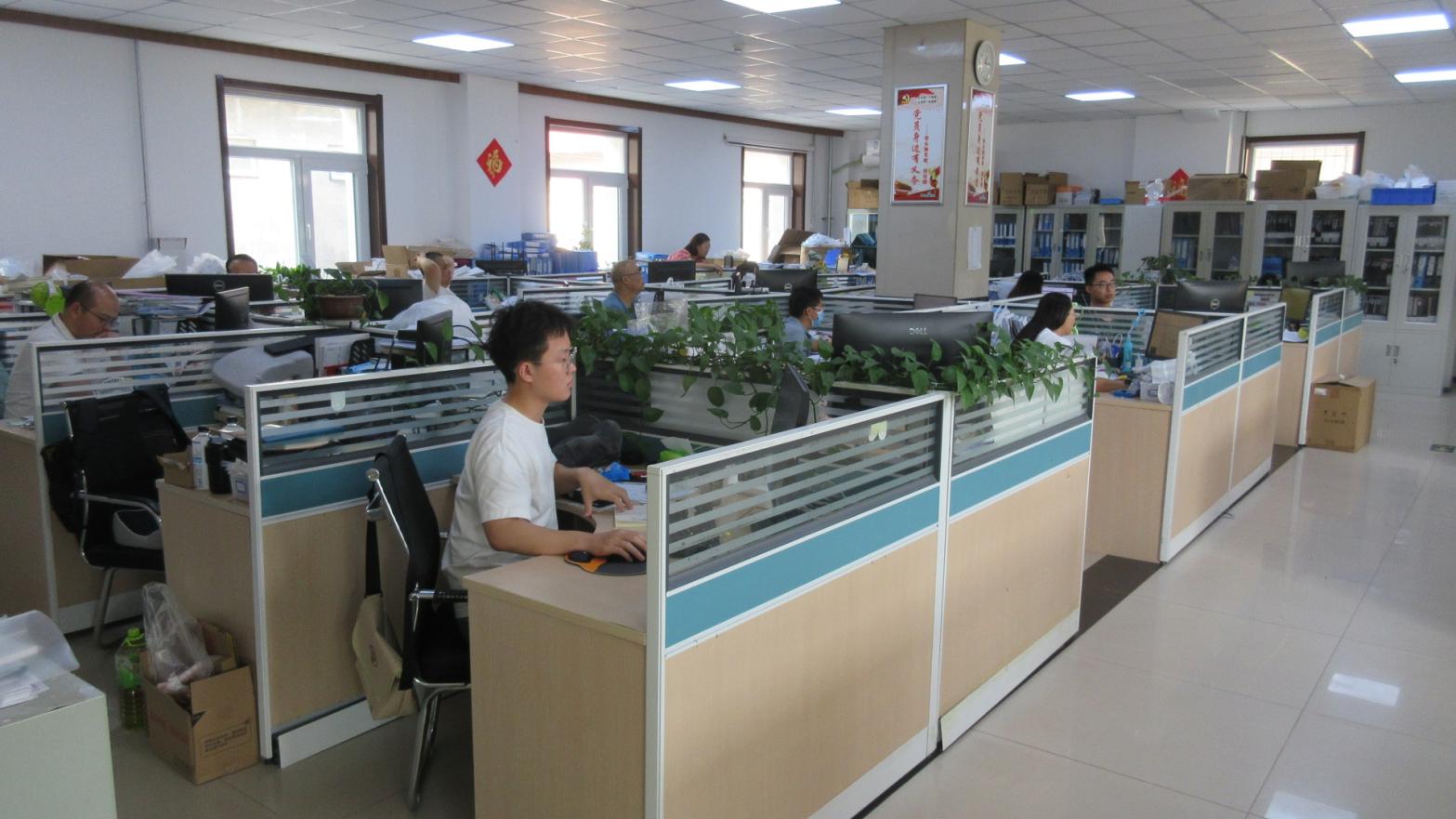
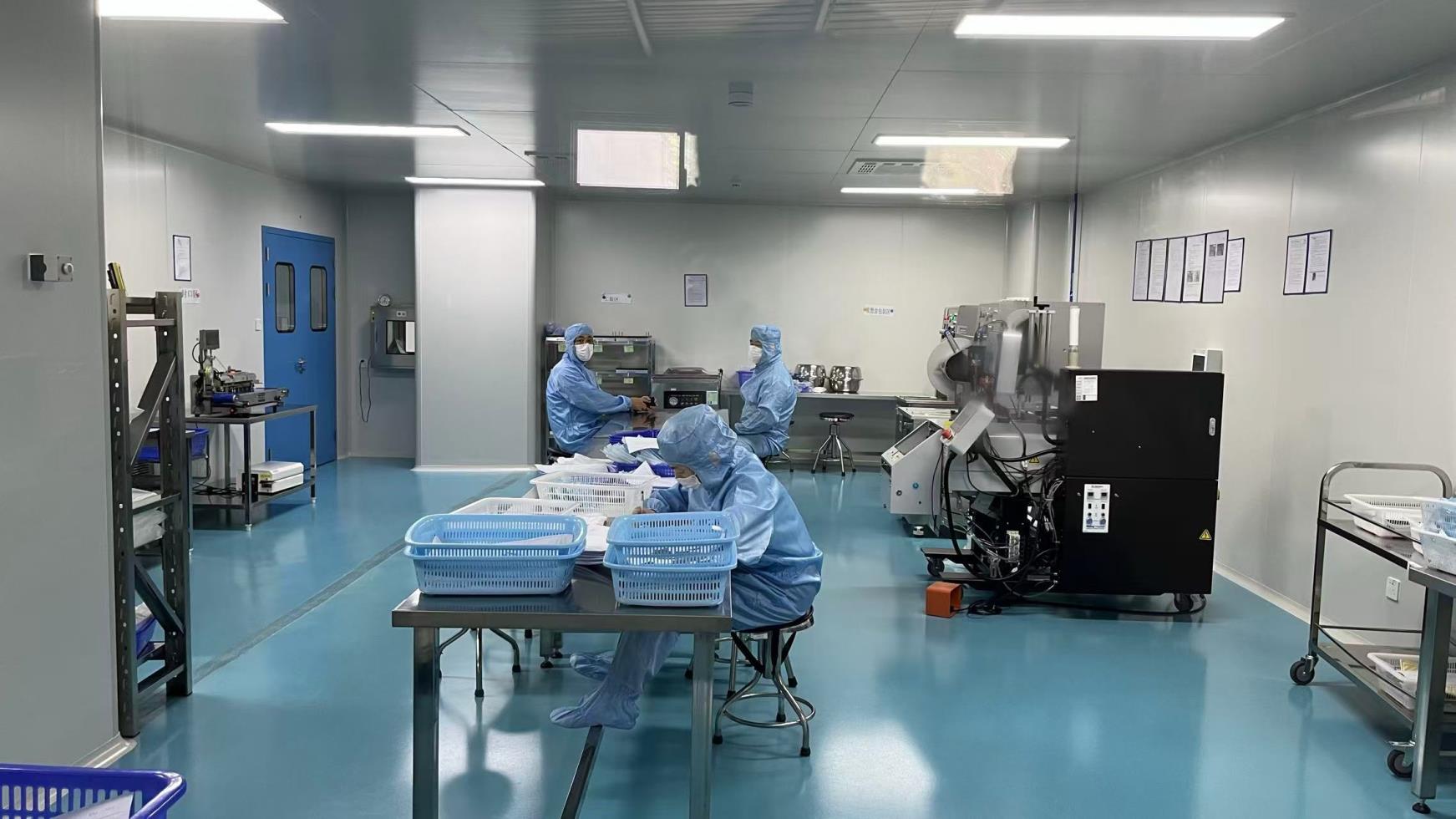
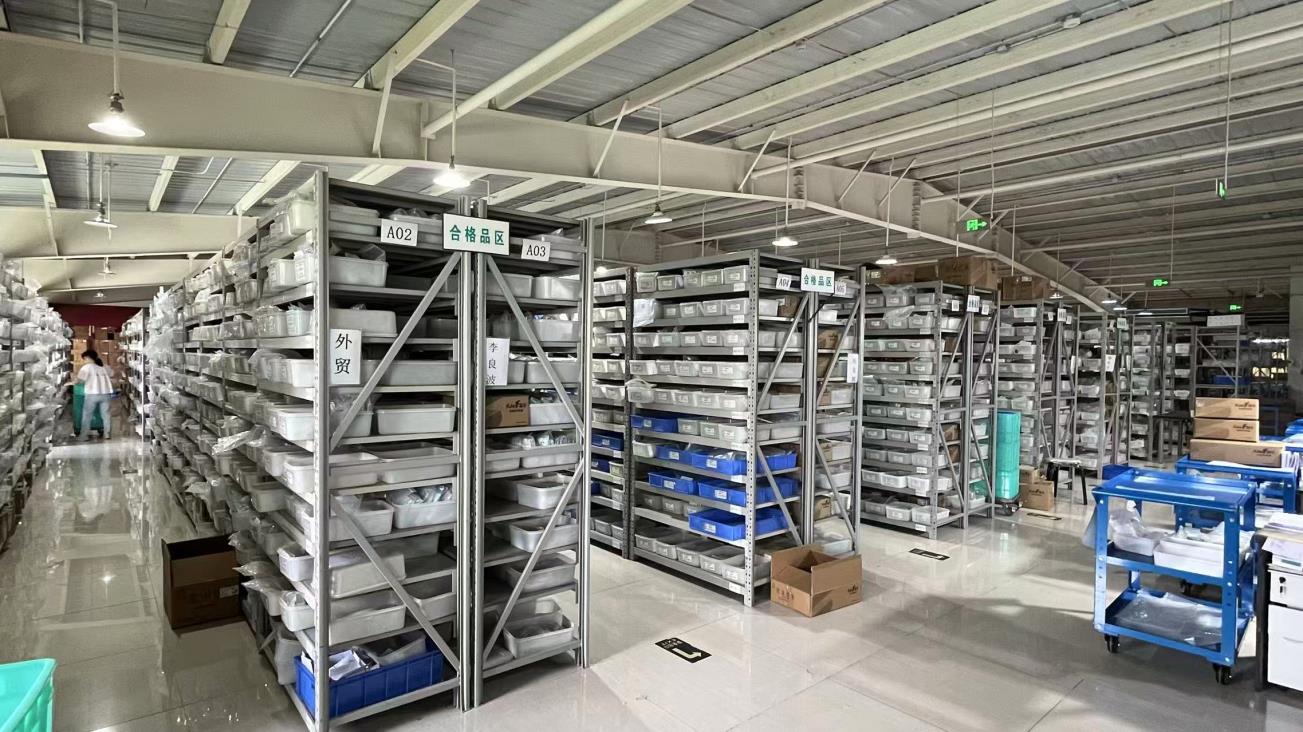
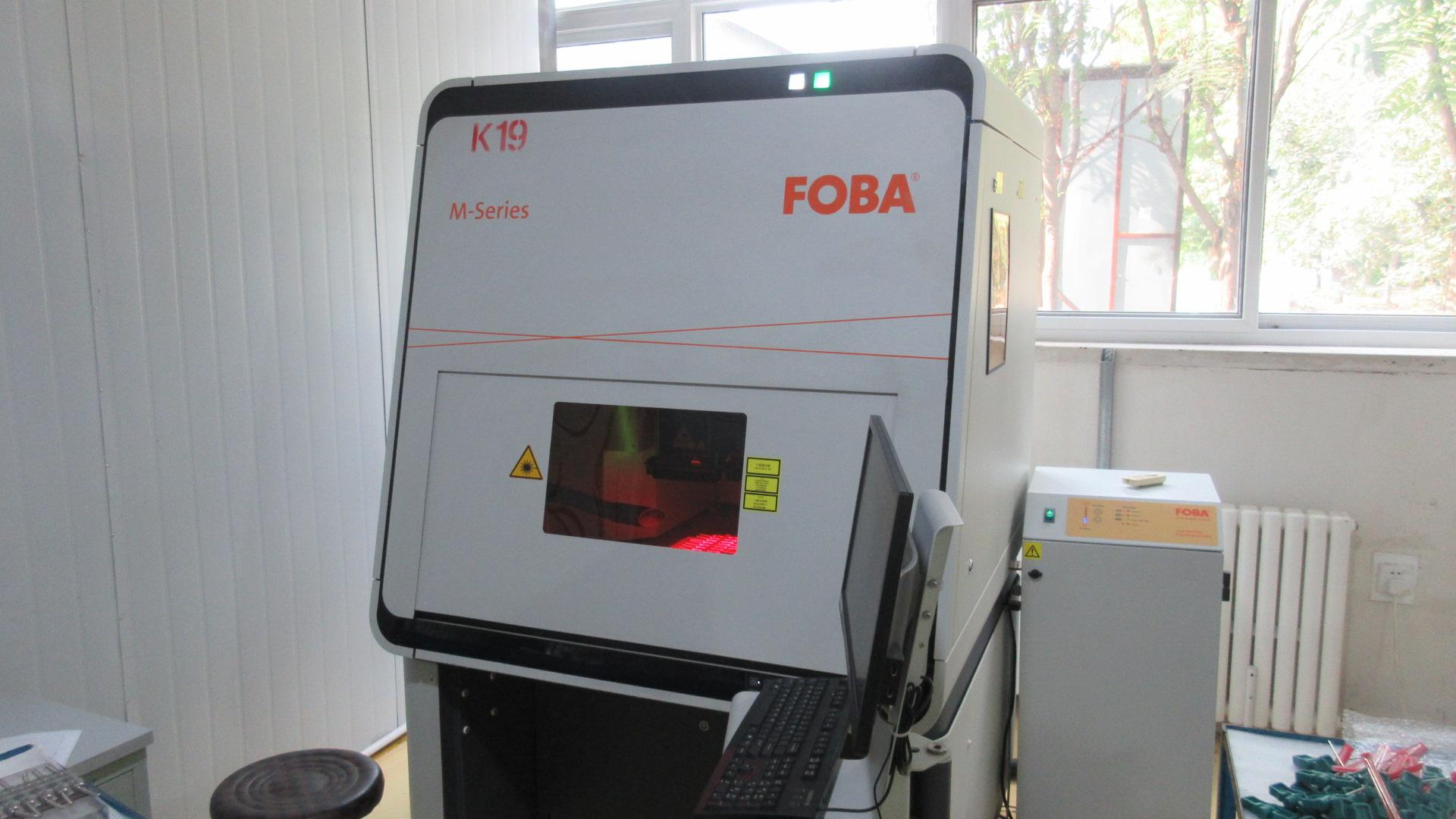
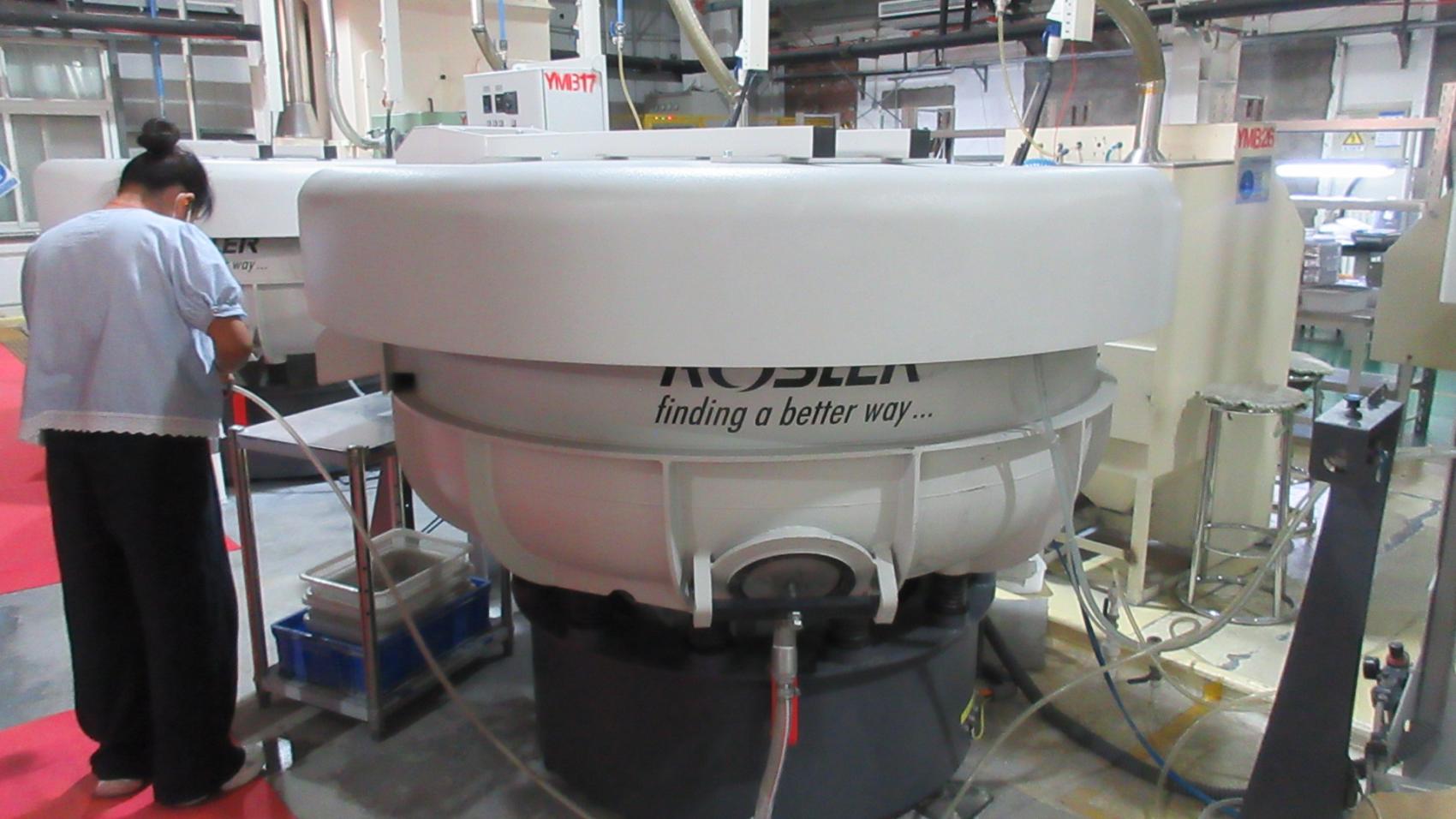
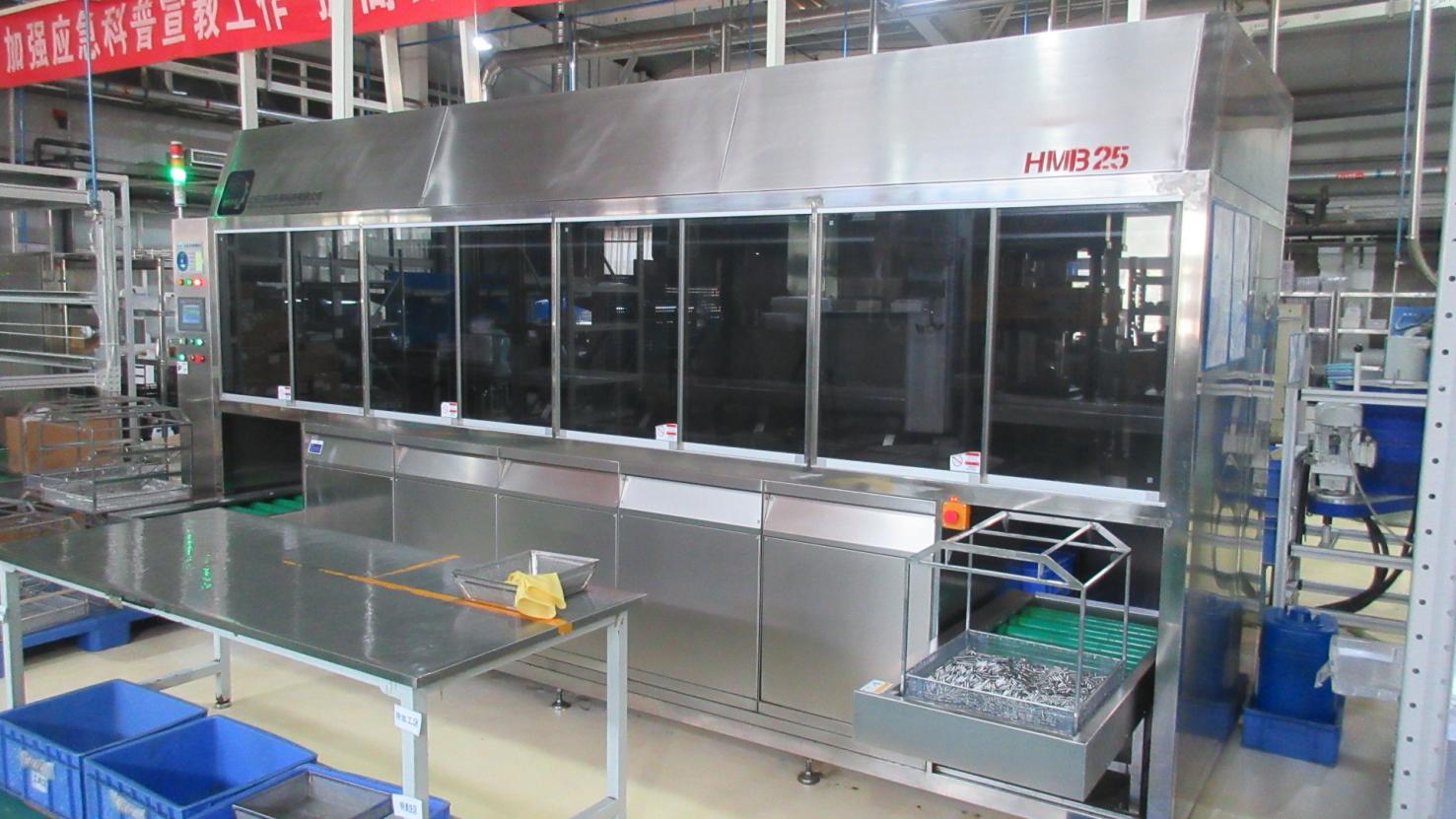
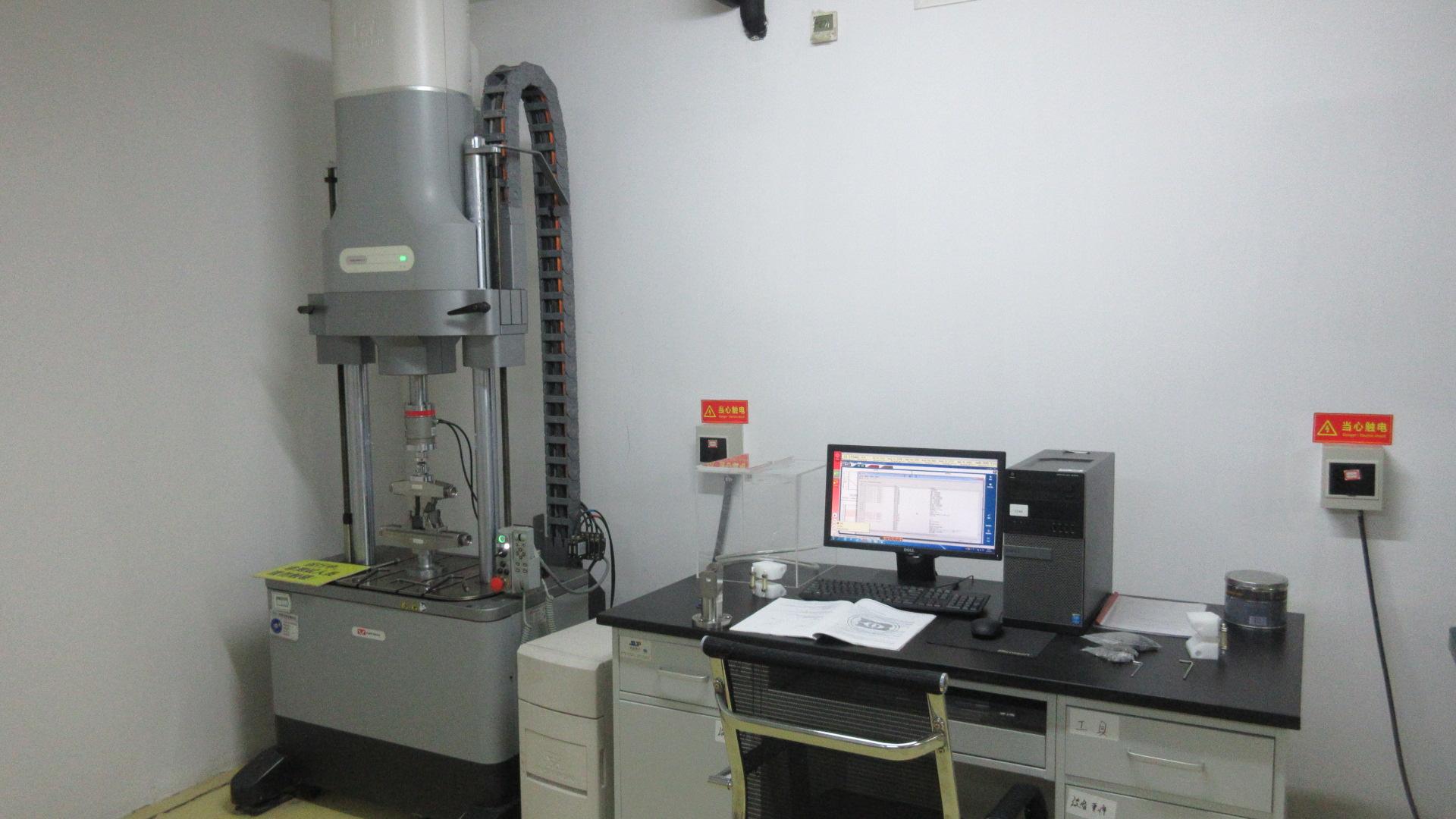
Visual documentation of our cleanrooms, precision manufacturing, packaging, and laboratory verification.
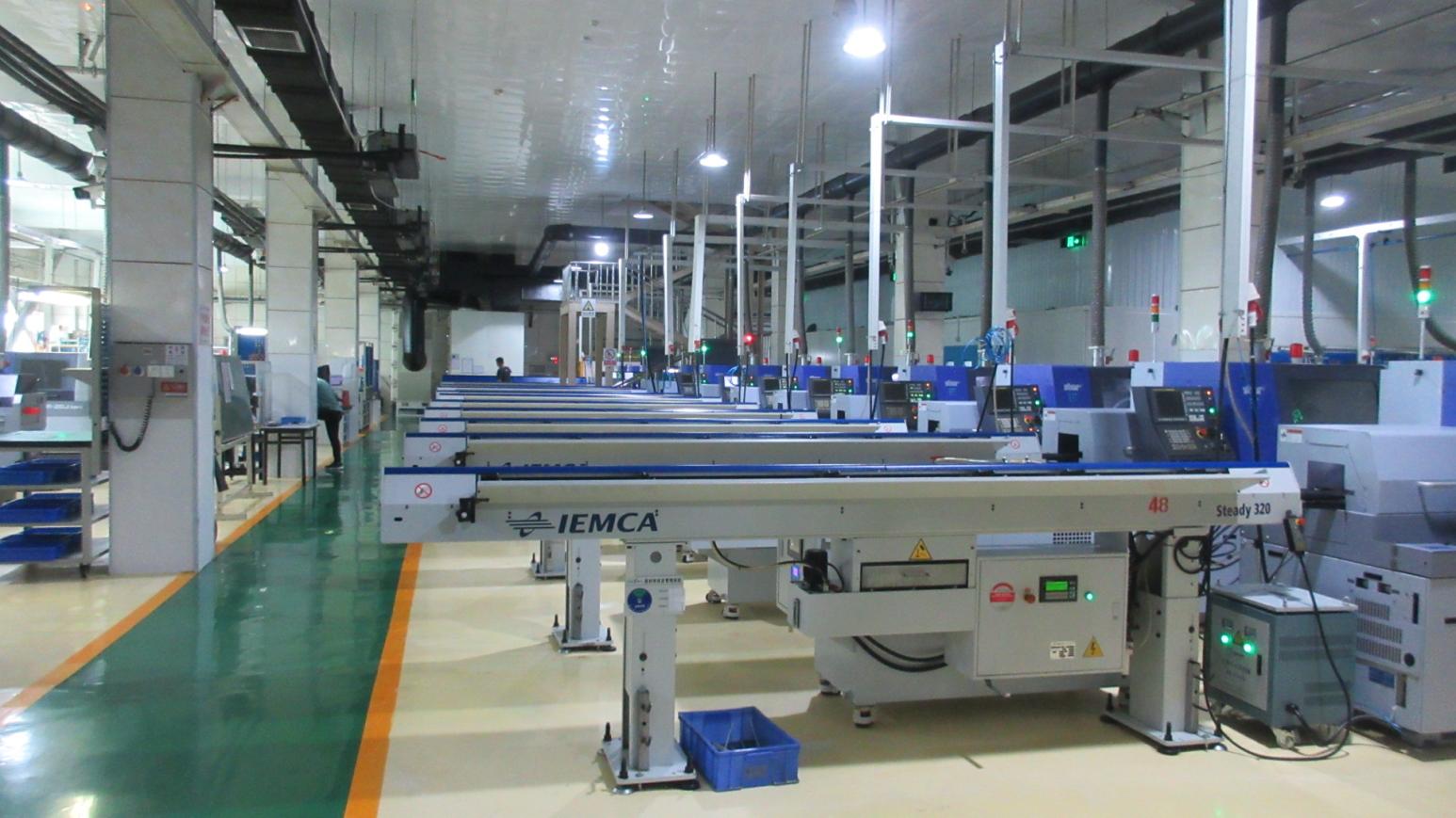
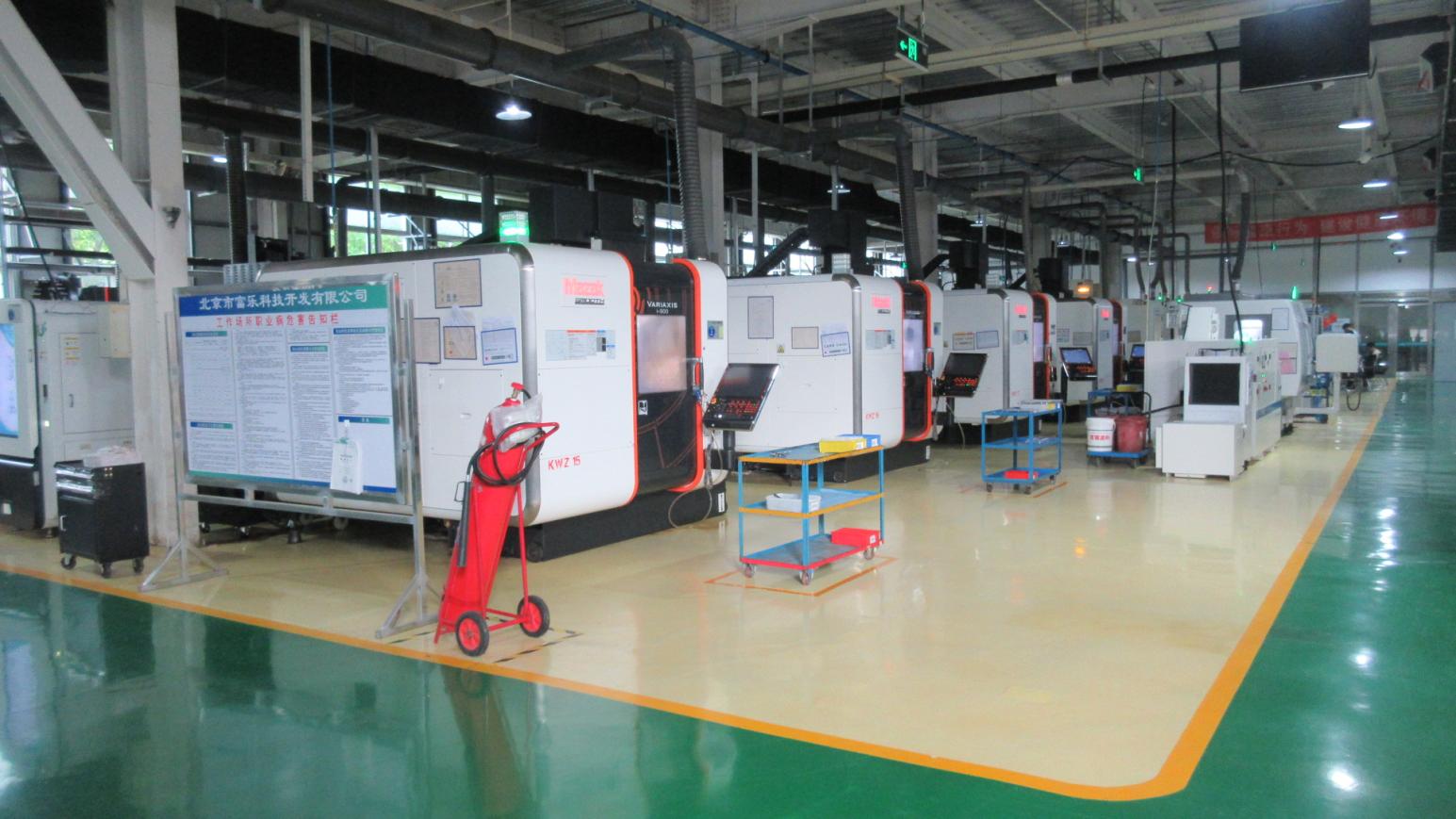
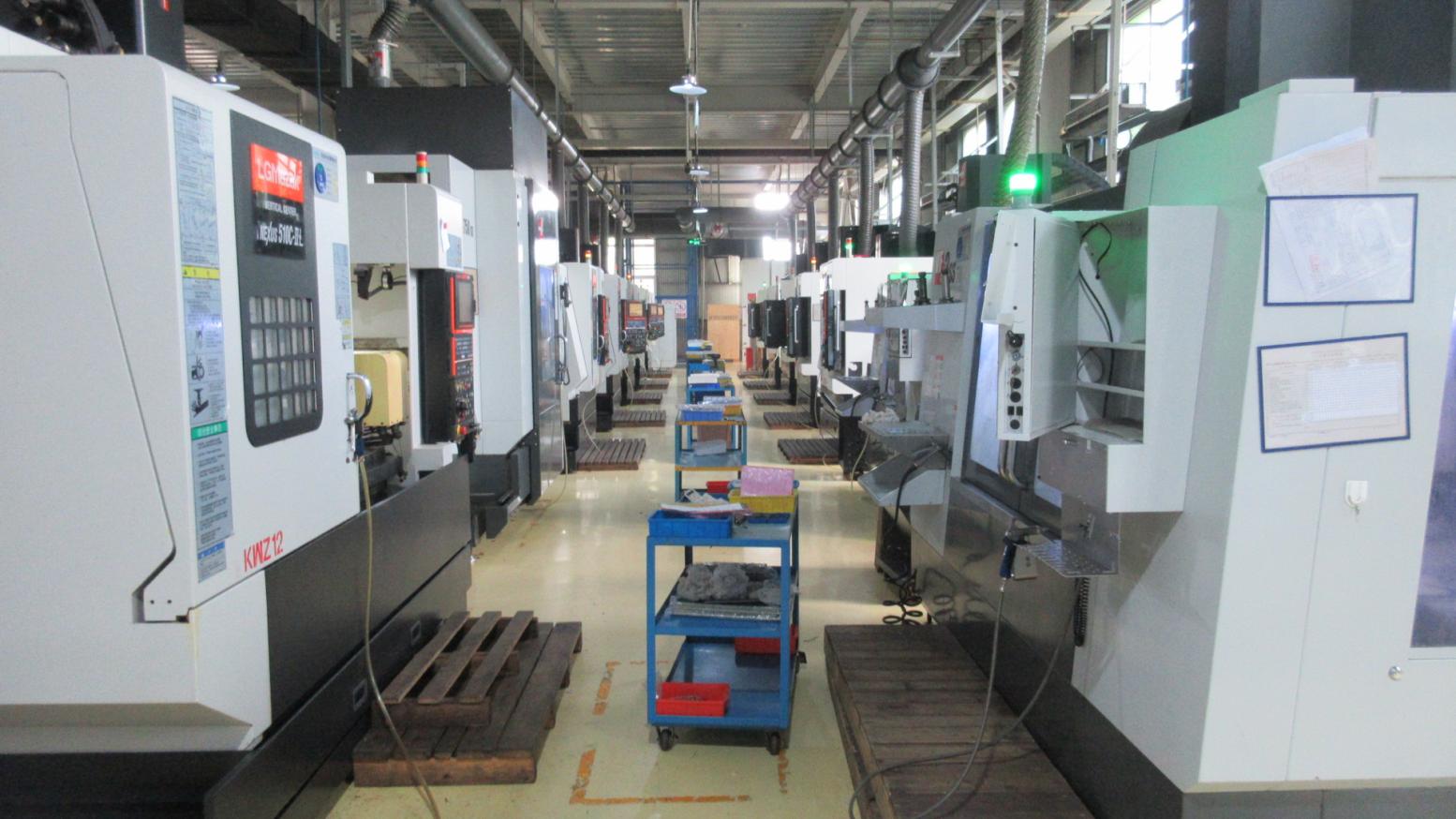
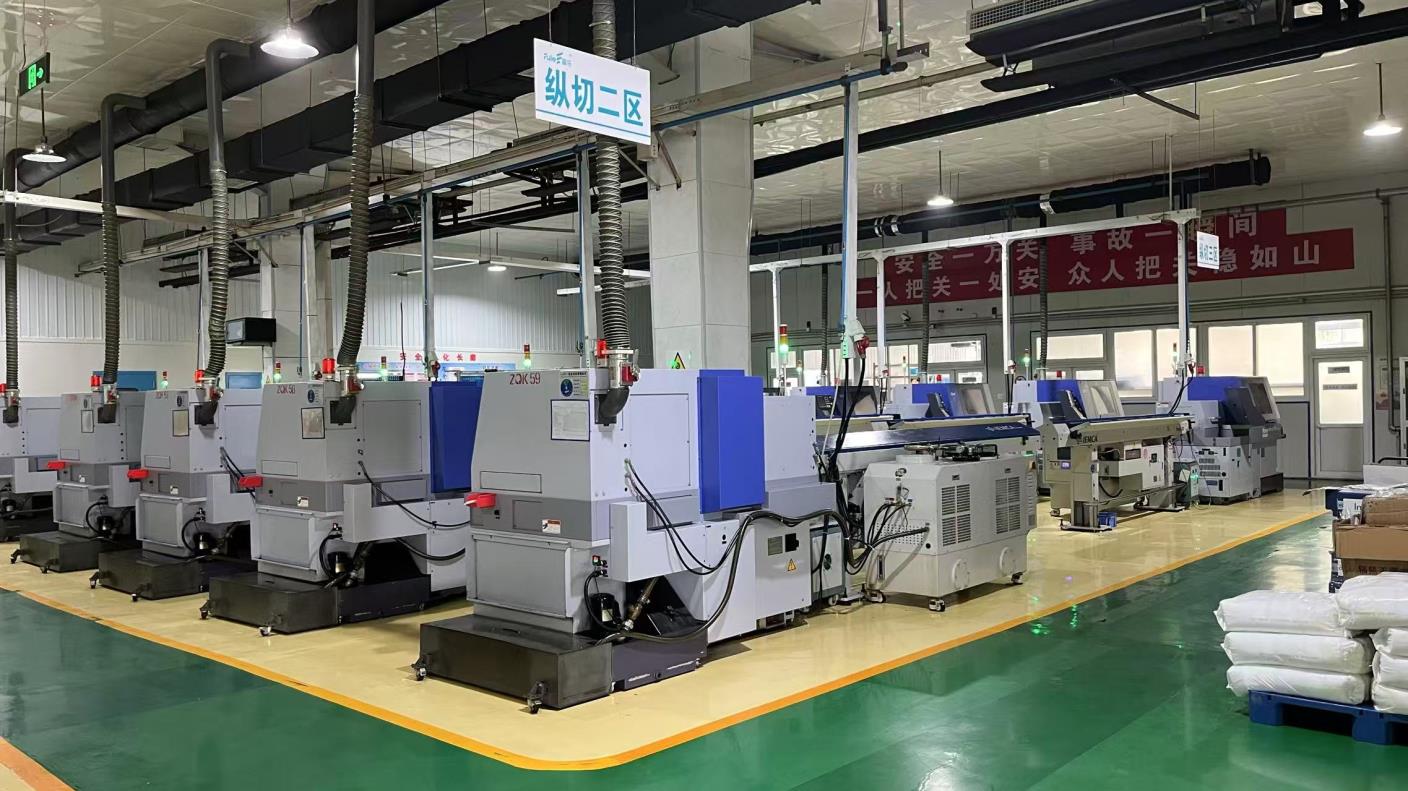
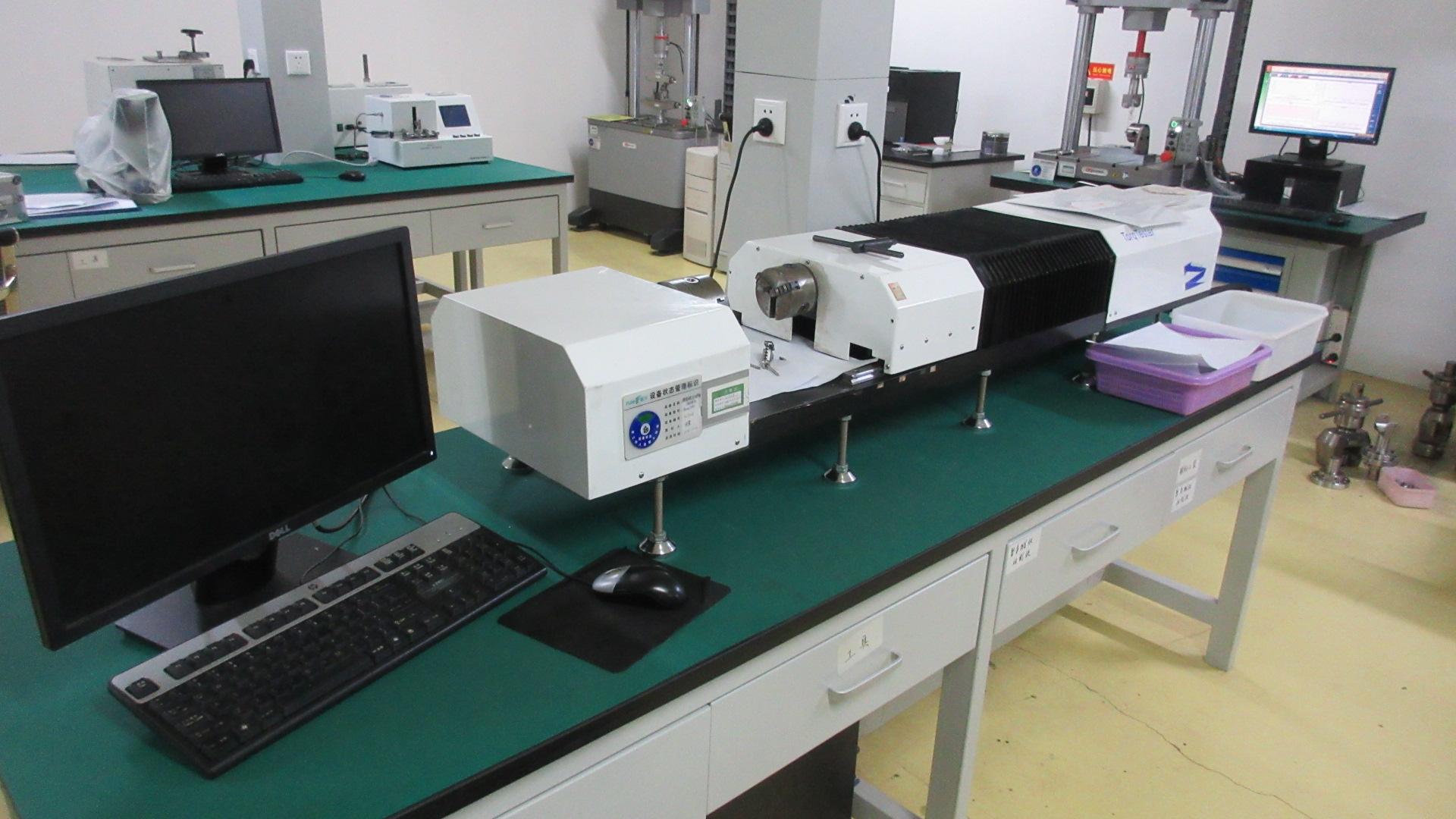
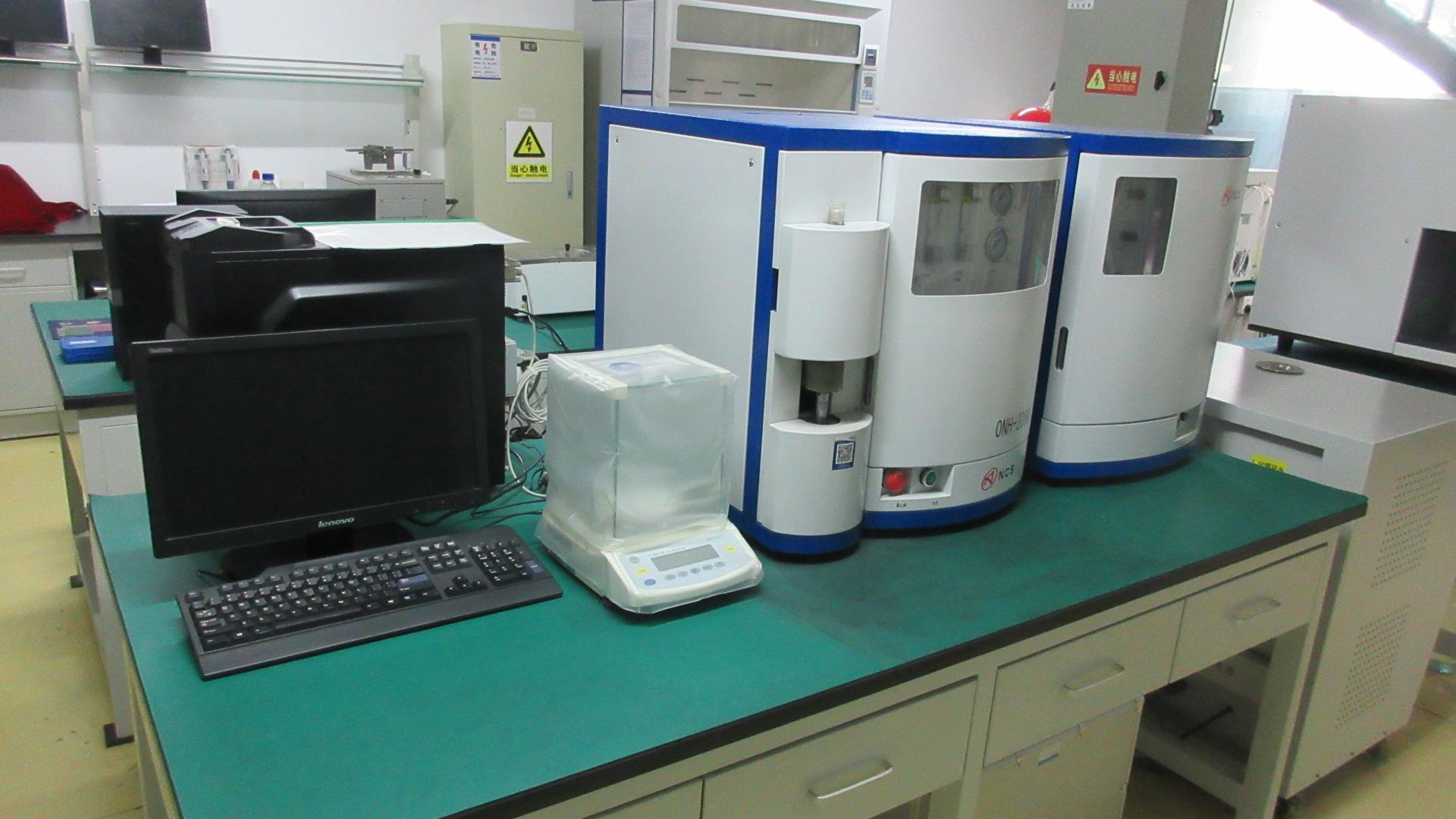
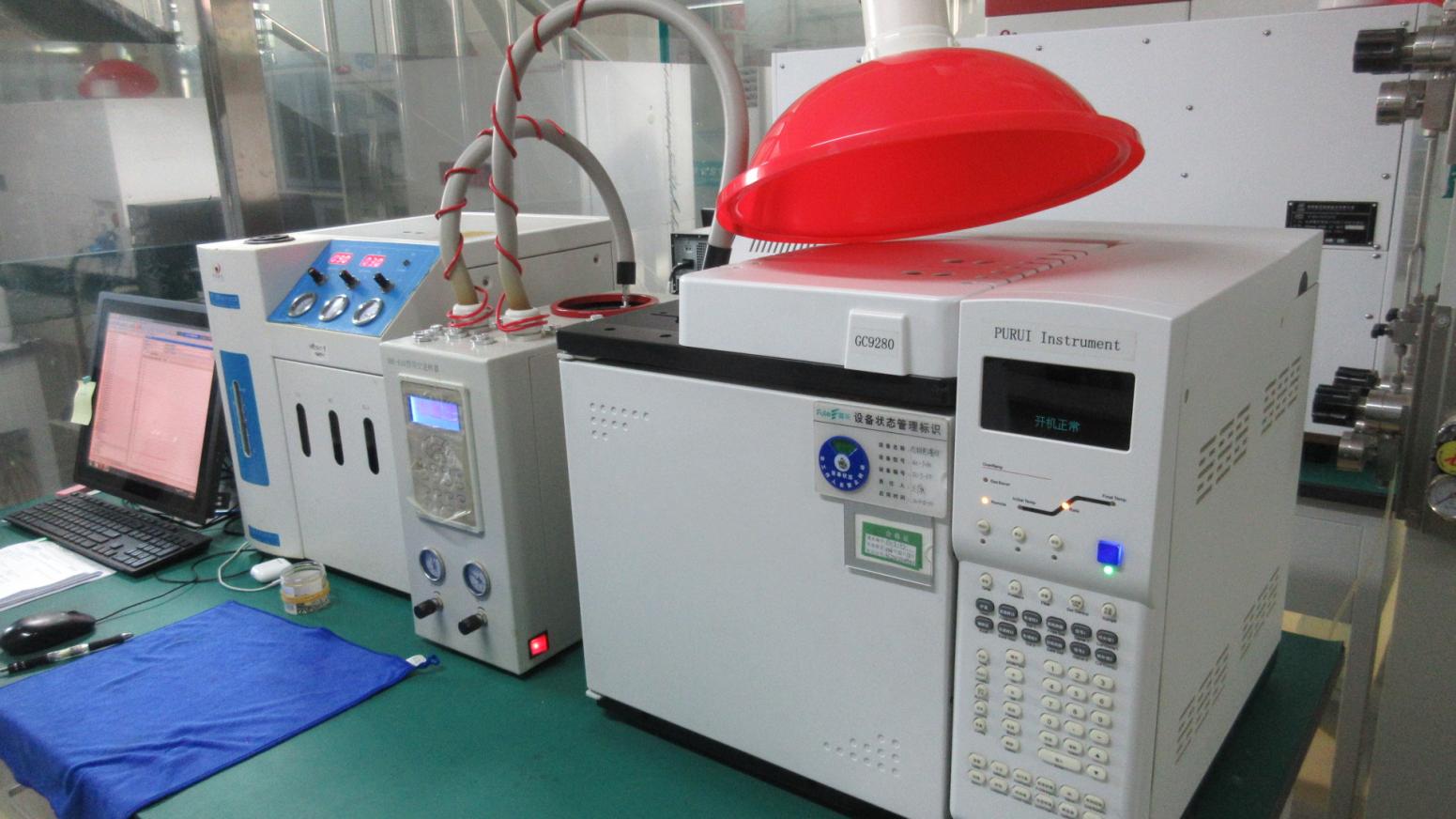
 No. 04724Q10000818
Exploring Minimally Invasive Spine (MIS) Surgery and Next-Generation Biomaterial Coatings
The field of orthopedic spine surgery is evolving rapidly, driven by two key trends: reducing patient recovery times through Minimally Invasive Surgery (MIS) and improving implant osteointegration. Traditional open surgeries expose extensive areas of the spine, leading to muscle denervation and higher blood loss. Modern surgeons increasingly prefer percutaneous screw insertion systems.
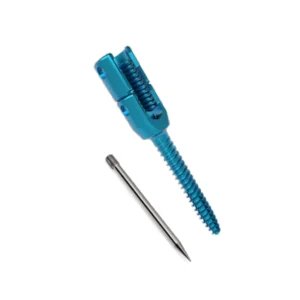
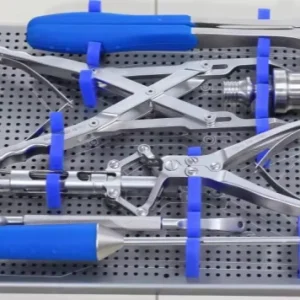
These MIS approaches require highly specialized tools, such as cannulated pedicle screws that track over guide wires and long-arm reduction options that facilitate percutaneous rod insertion. These features reduce operating times and lower the risk of surgical site infections.
Simultaneously, advancements in biomaterials are reshaping implant performance. Researchers are developing surface treatments such as titanium plasma spray (TPS) coatings, hydroxyapatite (HA) deposits, and acid-etched micro-topographies. These modifications encourage bone cells (osteoblasts) to attach directly to the implant, promoting faster healing and long-term stability.
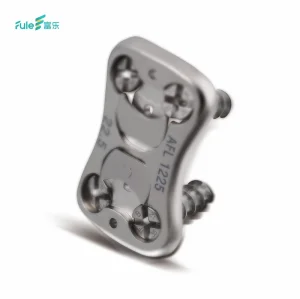
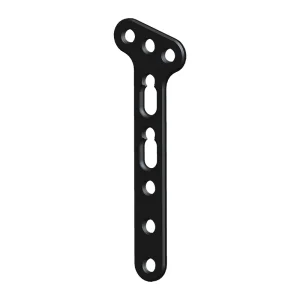
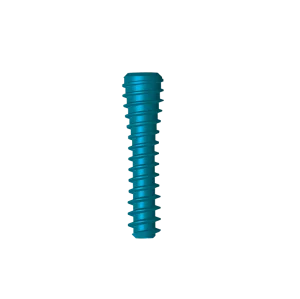
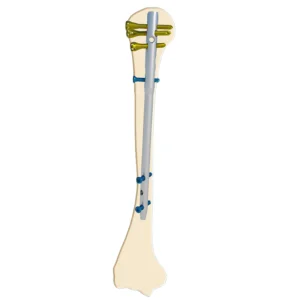
Select from our extensive inventory of spinal stabilization systems, bone plates, intramedullary nails, and surgical instrument sets.
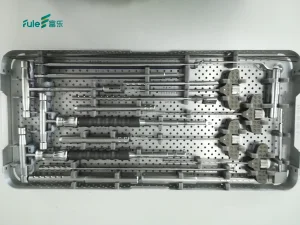
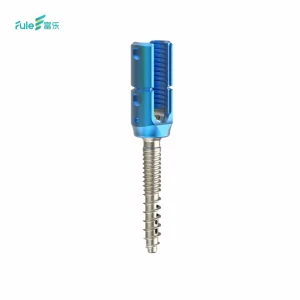
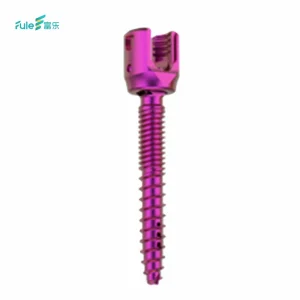
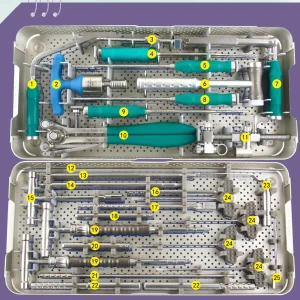
Technical and regulatory answers for clinical distributors and medical procurement teams.
A 5.5mm system provides a lower anatomical profile, reducing irritation to surrounding muscle and soft tissue post-surgery. With modern high-strength titanium alloys (Ti-6Al-4V ELI), the mechanical performance and fatigue limits of a 5.5mm rod match or exceed traditional 6.0mm systems, delivering stable stabilization with less implant bulk.
We maintain a rigorous quality assurance framework from raw materials to finished products. Every titanium bar stock is verified by chemical and mechanical analysis upon receipt. We use laser etching to assign unique lot codes to each individual pedicle screw and rod. This lets us trace every implant back to its raw material heat batch, production machine, and QC inspector.
Yes, our facility is ISO 13485 certified (Registration No. 04724Q10000818). Our spinal stabilization systems, bone plates, and orthopedic instruments carry CE marks, confirming compliance with international regulatory standards for medical device safety and performance.
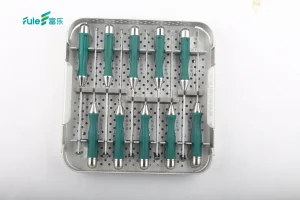
Yes. Backed by 20 experienced R&D engineers, we provide complete OEM and ODM services. We offer custom instrument tray layouts, customized bone plates, and variable screw geometries based on your clinical samples, CAD designs, or target specifications.
Our spinal implants undergo rigorous mechanical testing in accordance with ASTM F1717 and ASTM F2193 standards. These tests evaluate static compression bending, dynamic fatigue limits, and torsional resistance to ensure the systems can withstand physiological loads over their lifetime.
 Beren Science & Technology