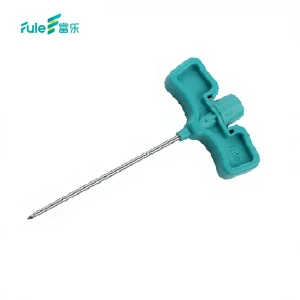
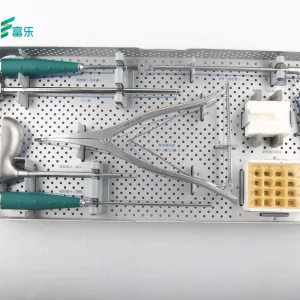
Premium medical instruments engineered to address degenerative disc disease, trauma, and complex spinal reconstruction projects.
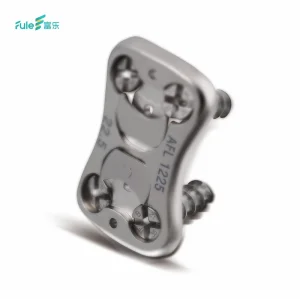
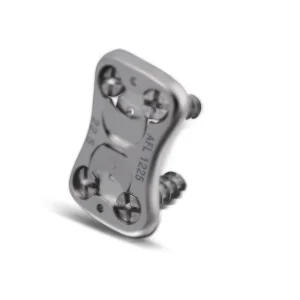
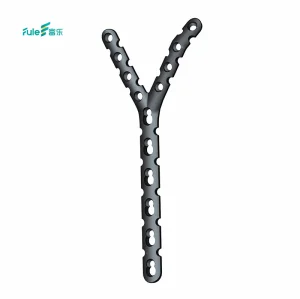
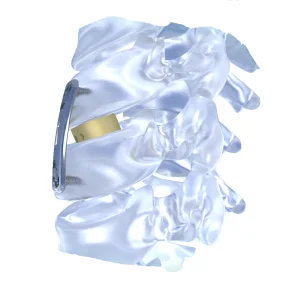
In modern spinal arthroplasty and fusion protocols, the Anterior Cervical Plate (ACP) represents a clinical benchmark for addressing segmental instability, degenerative disc disease (DDD), trauma, and spinal deformity. For medical device distributors, orthopedic purchasing groups, and clinical centers throughout Israel—from Tel Aviv and Haifa to Jerusalem—sourcing high-grade ACP implants requires navigating strict biocompatibility standards, mechanical fatigue thresholds, and regulatory compliance frameworks.
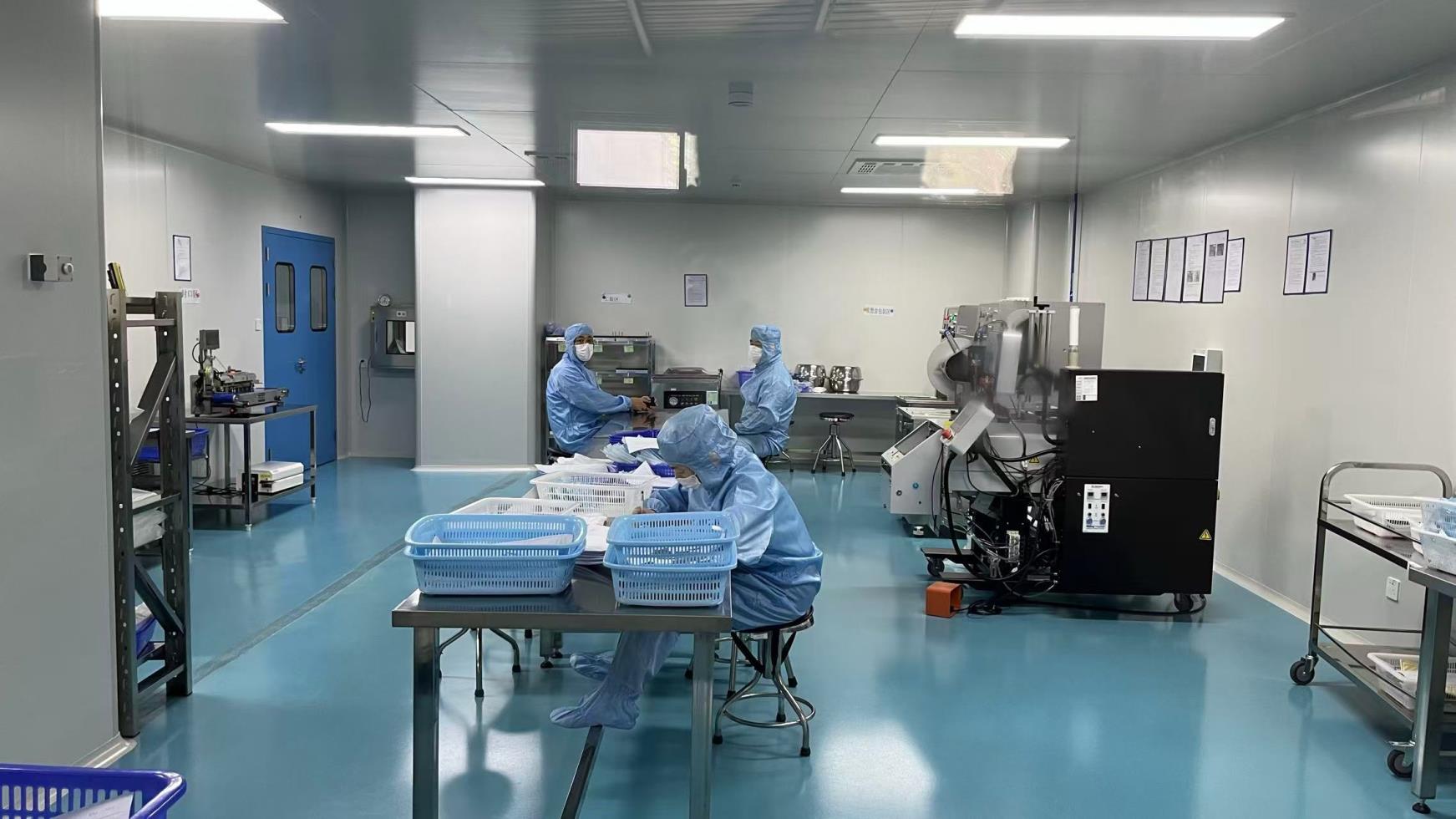
As a leading developer of Class III orthopedic and spinal fixation systems, our organization provides state-of-the-art titanium implants fabricated under cleanroom Class 100,000 protocols. Our systems feature micro-milled profile heights, robust anti-migration locking mechanism pathways, and high-performance angulation capacities designed to match the sophisticated biomechanical requirements of complex anterior cervical discectomy and fusion (ACDF) procedures.
Israel's healthcare infrastructure is renowned for its rapid adoption of medical innovation, high clinical evaluation standards, and integrated health services (HMOs like Clalit, Maccabi, Meuhedet, and Leumit). Leading institutions such as the Tel Aviv Sourasky Medical Center (Ichilov), Sheba Medical Center (Tel Hashomer), and Rambam Health Care Campus require spinal instrumentation that reduces post-operative complications like dysphagia and implant migration.
Key drivers within the Israeli clinical sector include:
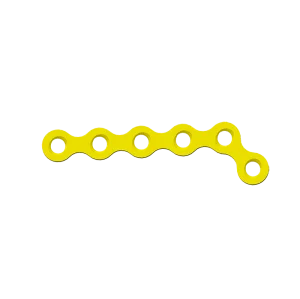
Our anterior plate systems are engineered with a smooth, low-profile construct (1.8mm–2.2mm thickness) and rounded edges. This geometry drastically limits mechanical stress on surrounding soft tissues, resolving common clinical occurrences of postoperative dysphagia.
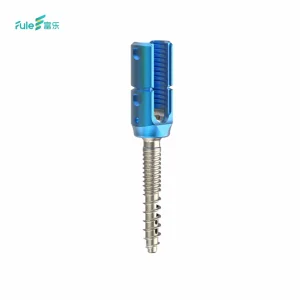
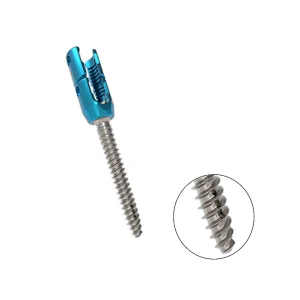
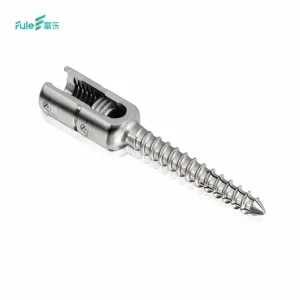
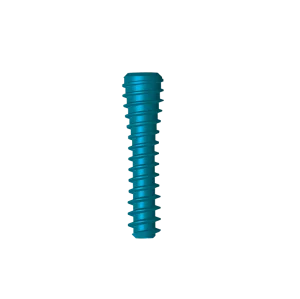
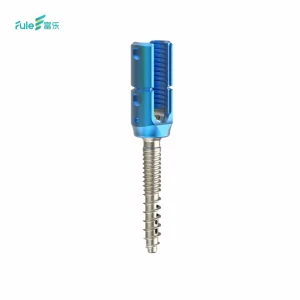
Providing dynamic and rigid options, our screws allow up to 12° of cephalad-caudal and lateral angulation. This enables clinicians to tailor constructs based on anatomical variations or specific load-sharing indications.
Our Anterior Cervical Plates are milled using raw Grade 5 Titanium Alloy (Ti-6Al-4V ELI) conforming to ASTM F136 specifications. This material offers the optimal balance between high tensile fatigue strength and low elastic modulus, reducing the risk of stress shielding around the graft zone. The implant’s integrated visual and tactile locking mechanism prevents screw back-out without adding complexity to the instrumentation set.
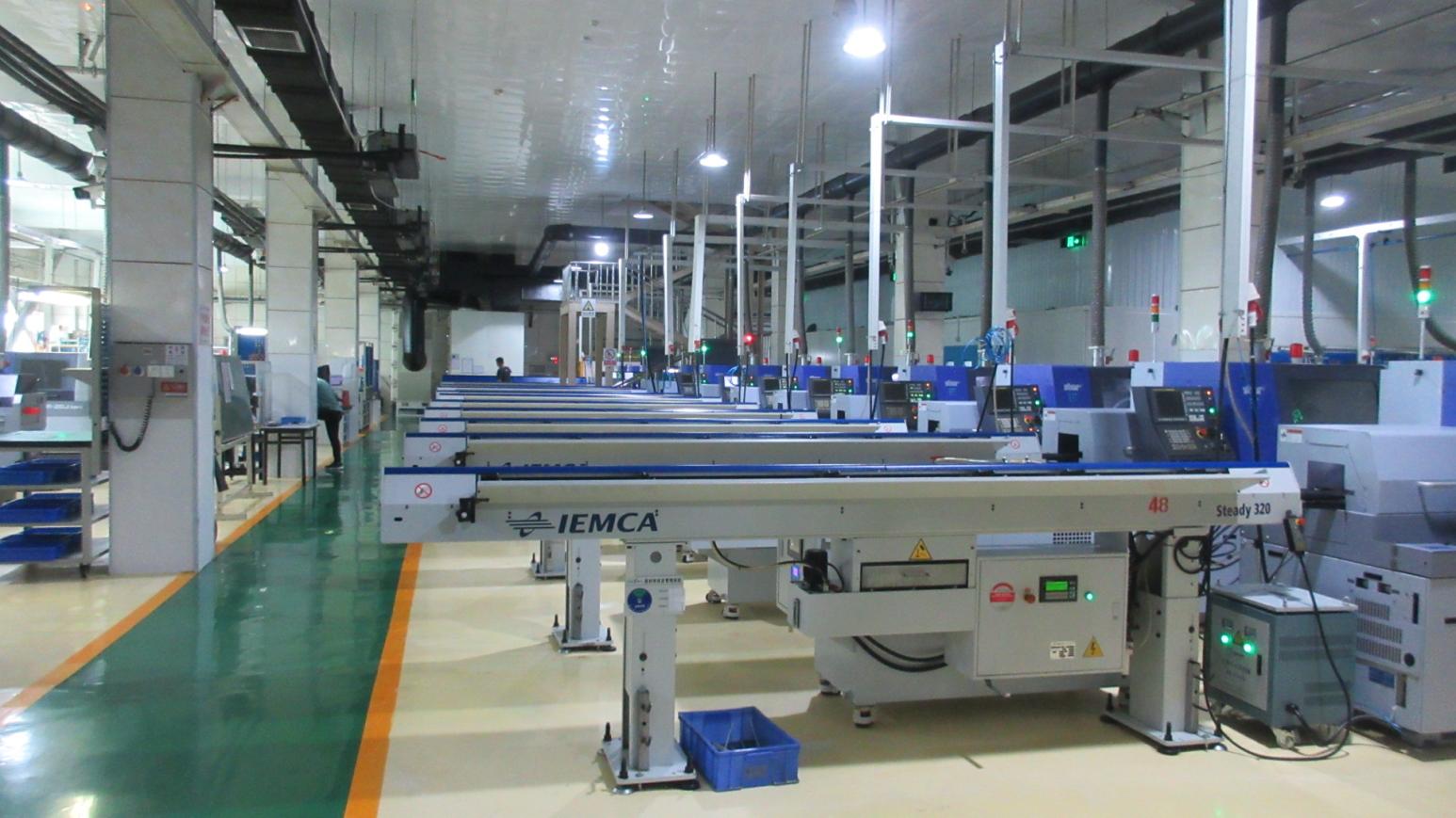
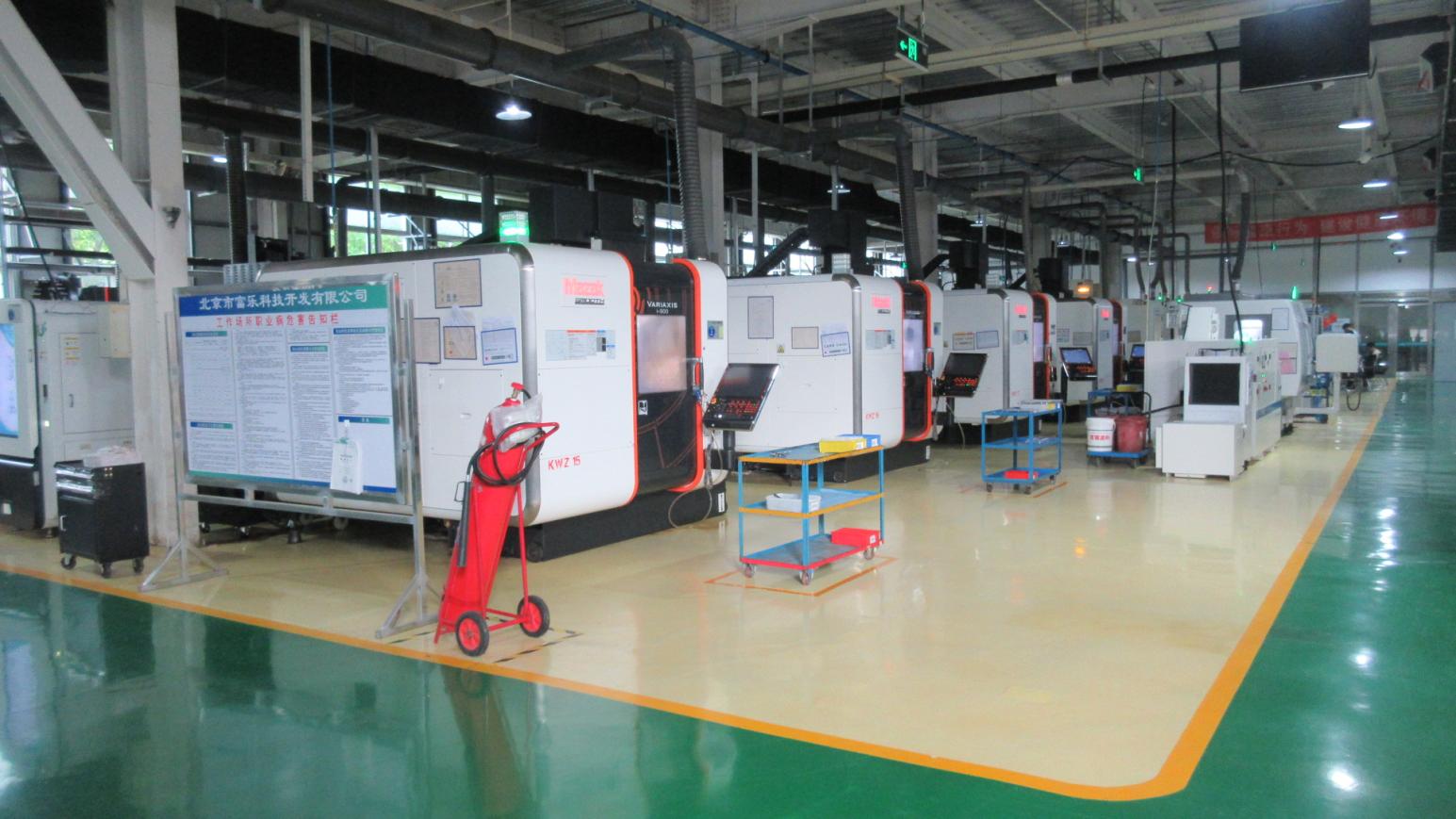
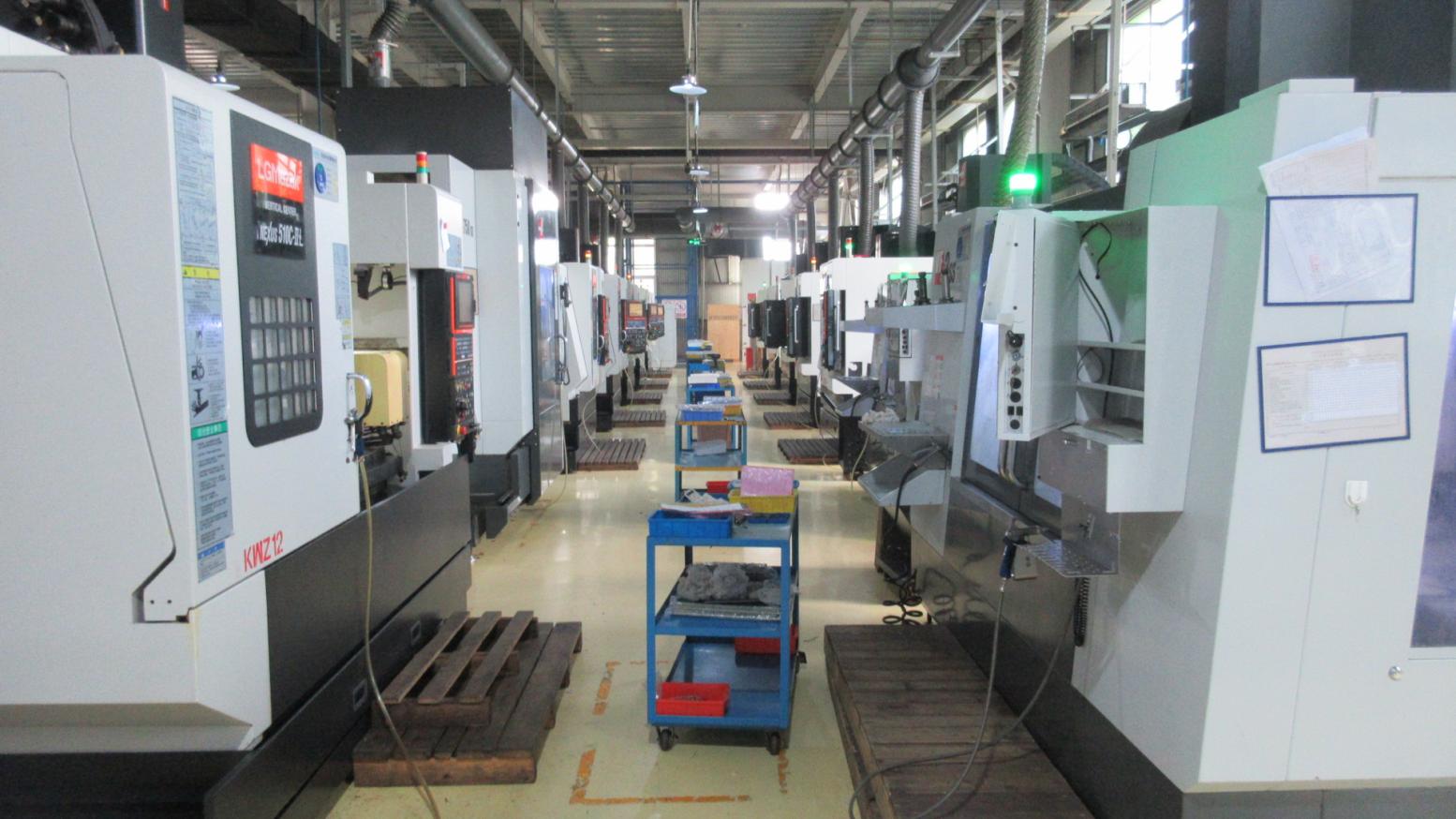
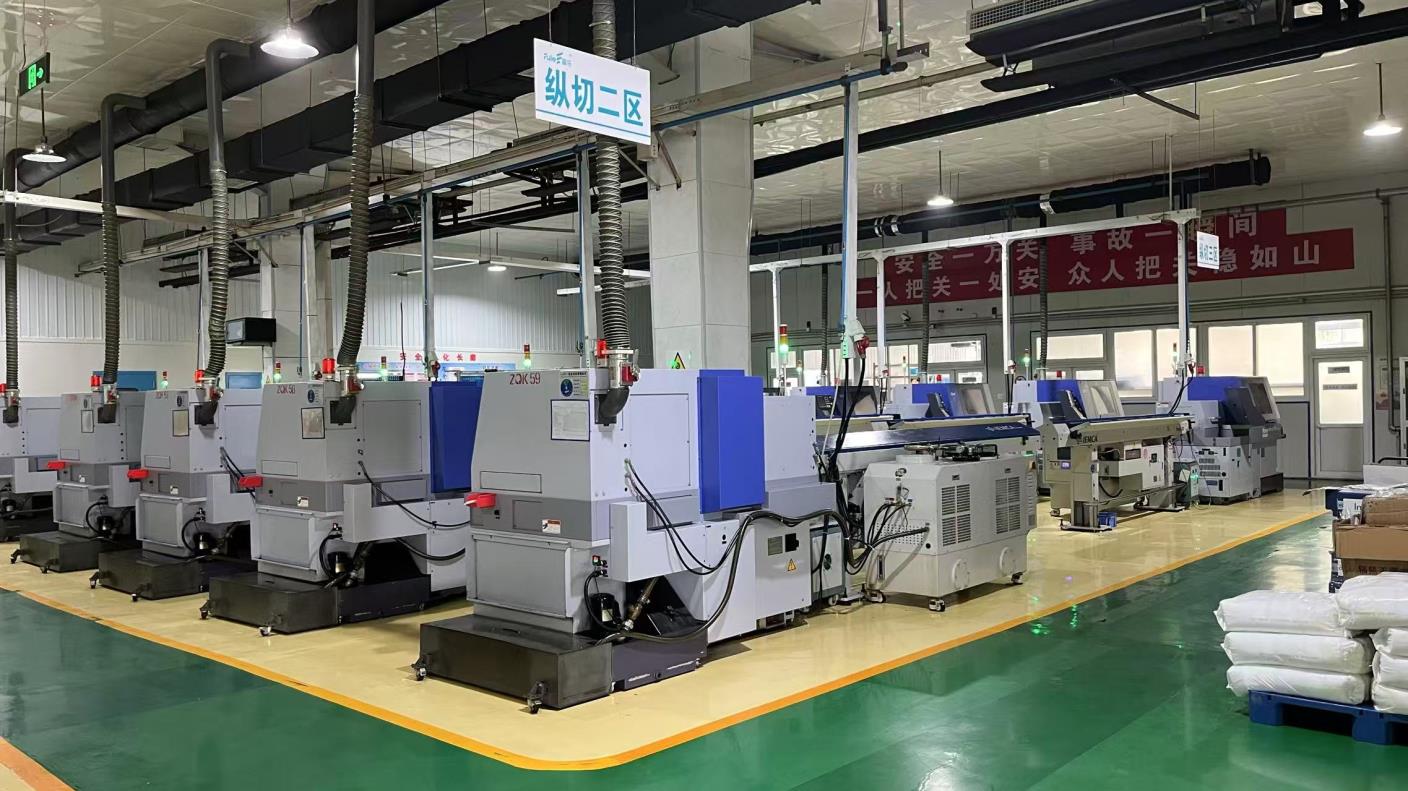
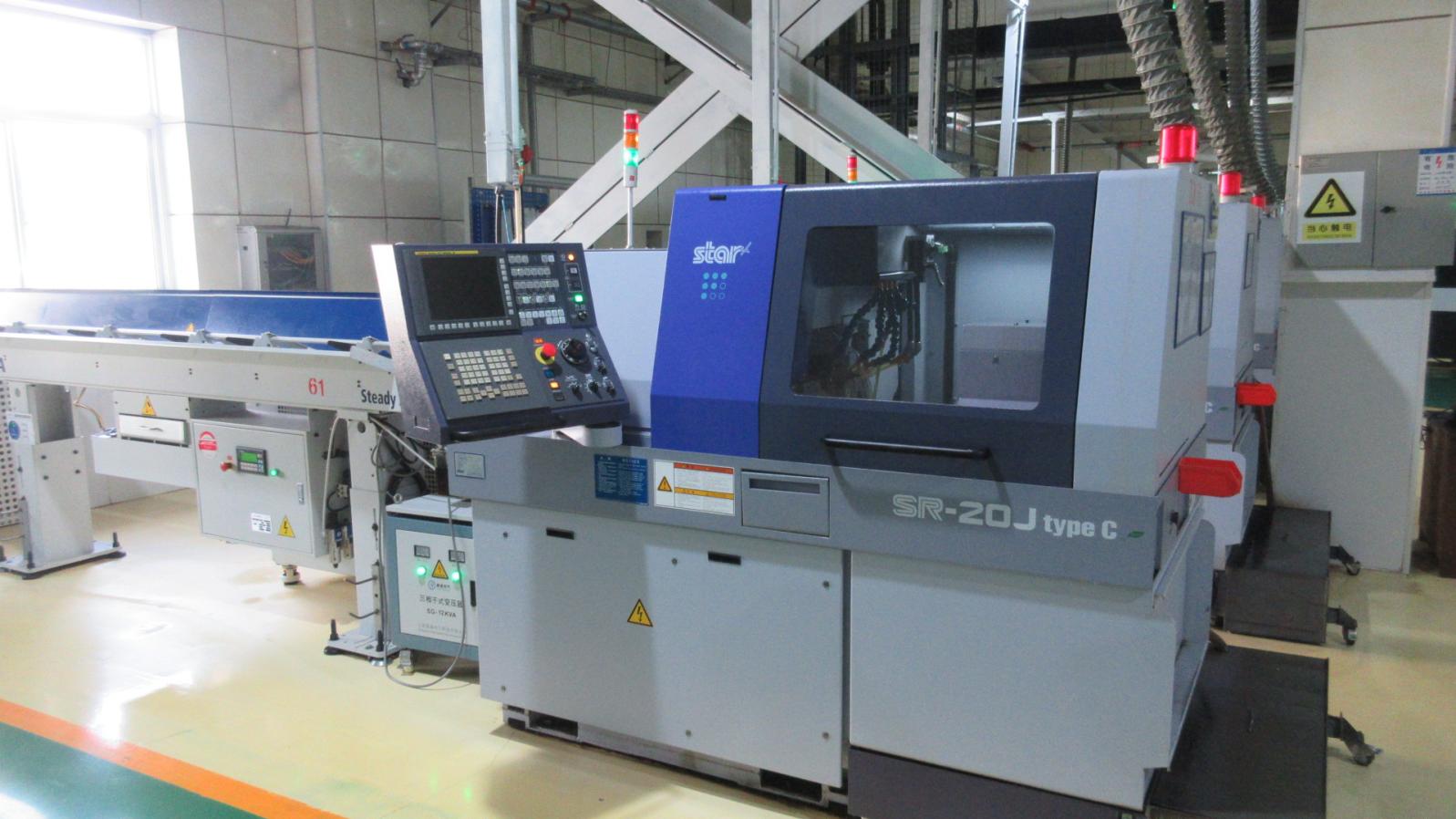
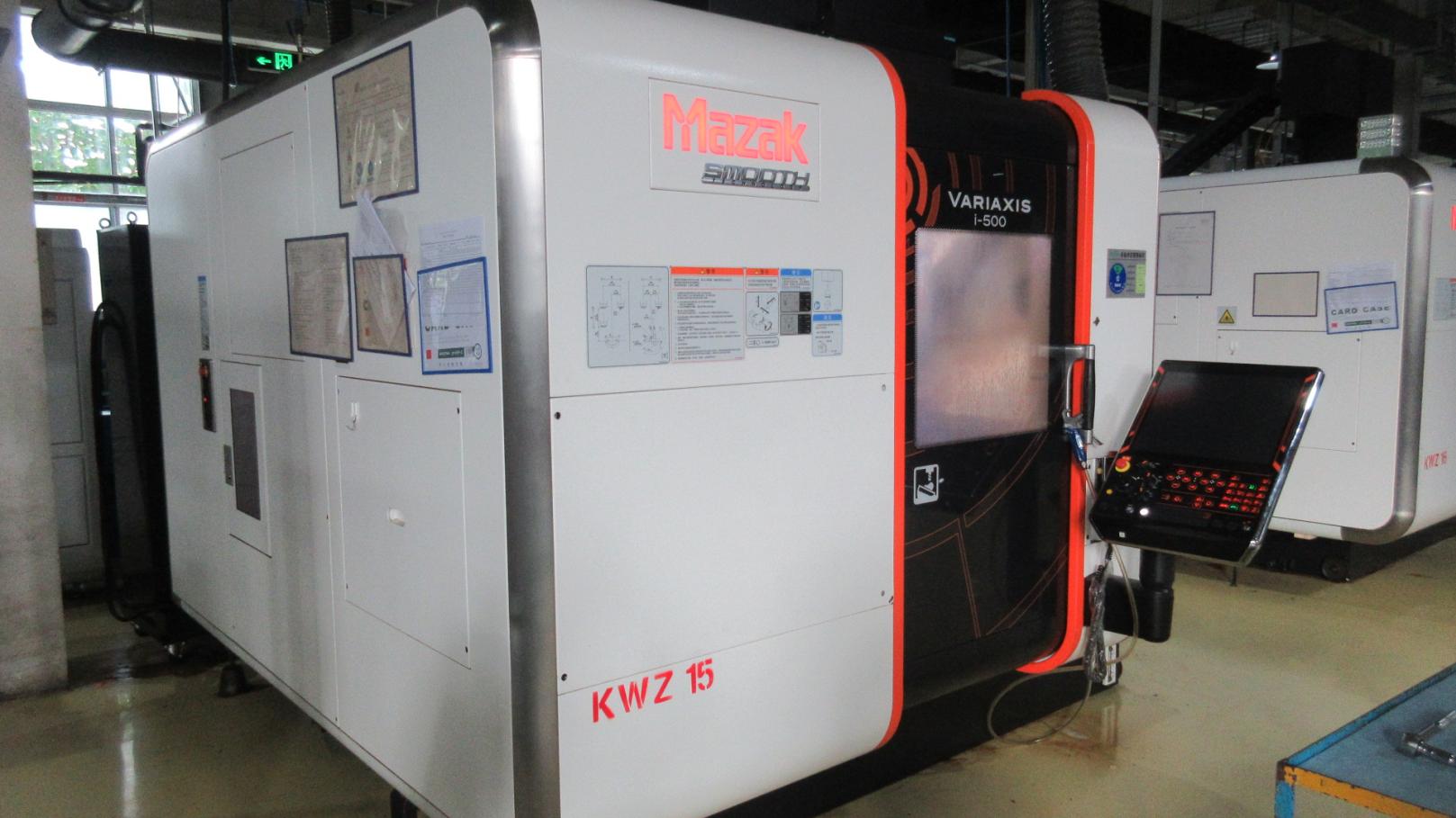
We deploy high-precision multi-axis CNC Swiss-type lathe machining and rigorous cleaning protocols to eliminate manufacturing residues. Each batch undergoes dynamic compression and torsional testing (simulating standard ASTM F1717 guidelines) to verify that plates can withstand up to 5 million cycles of cyclic spinal loading without fracture or structural compromise.
Direct access to raw material traceability, global certifications, and precision manufacturing capabilities.
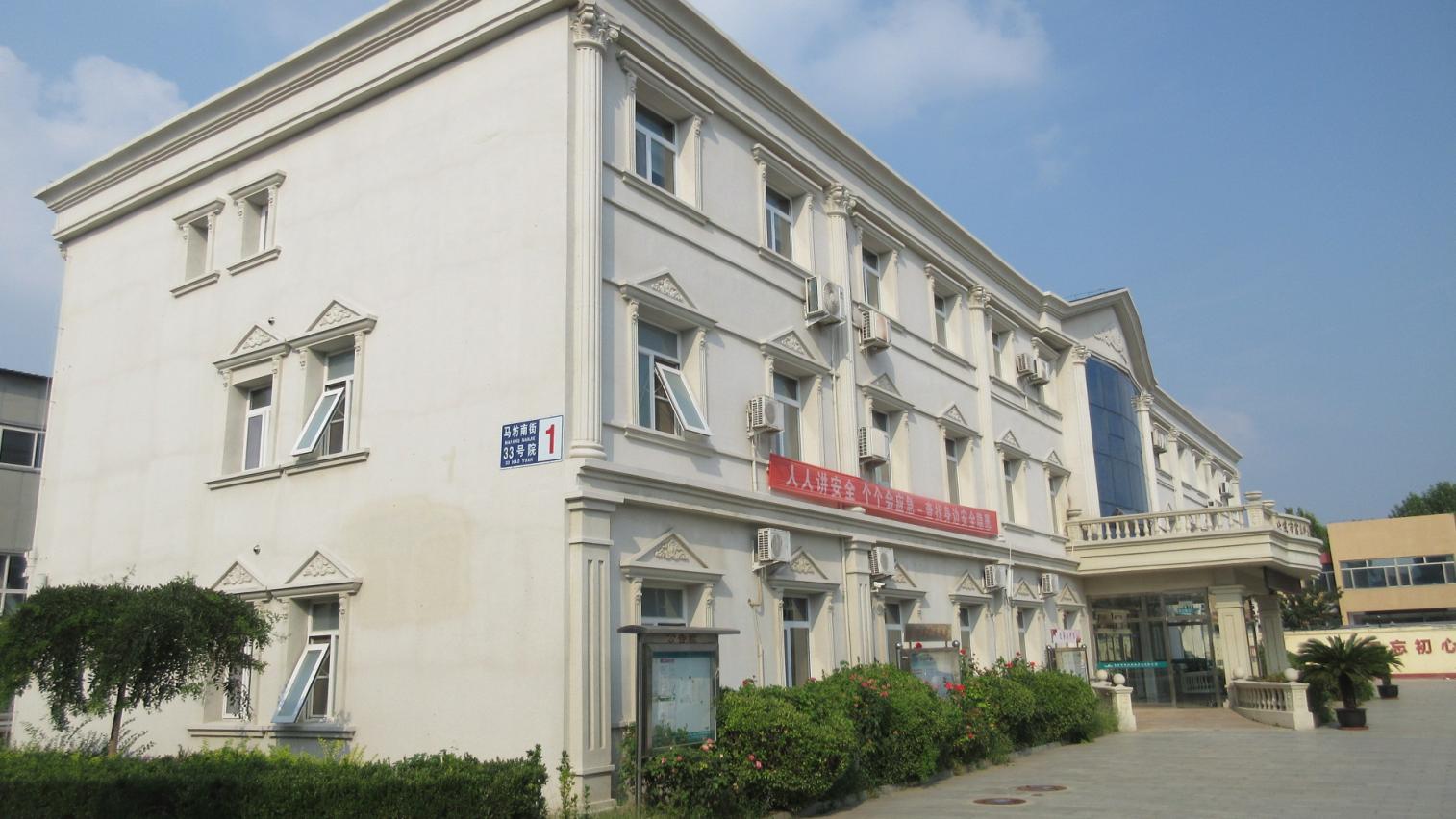
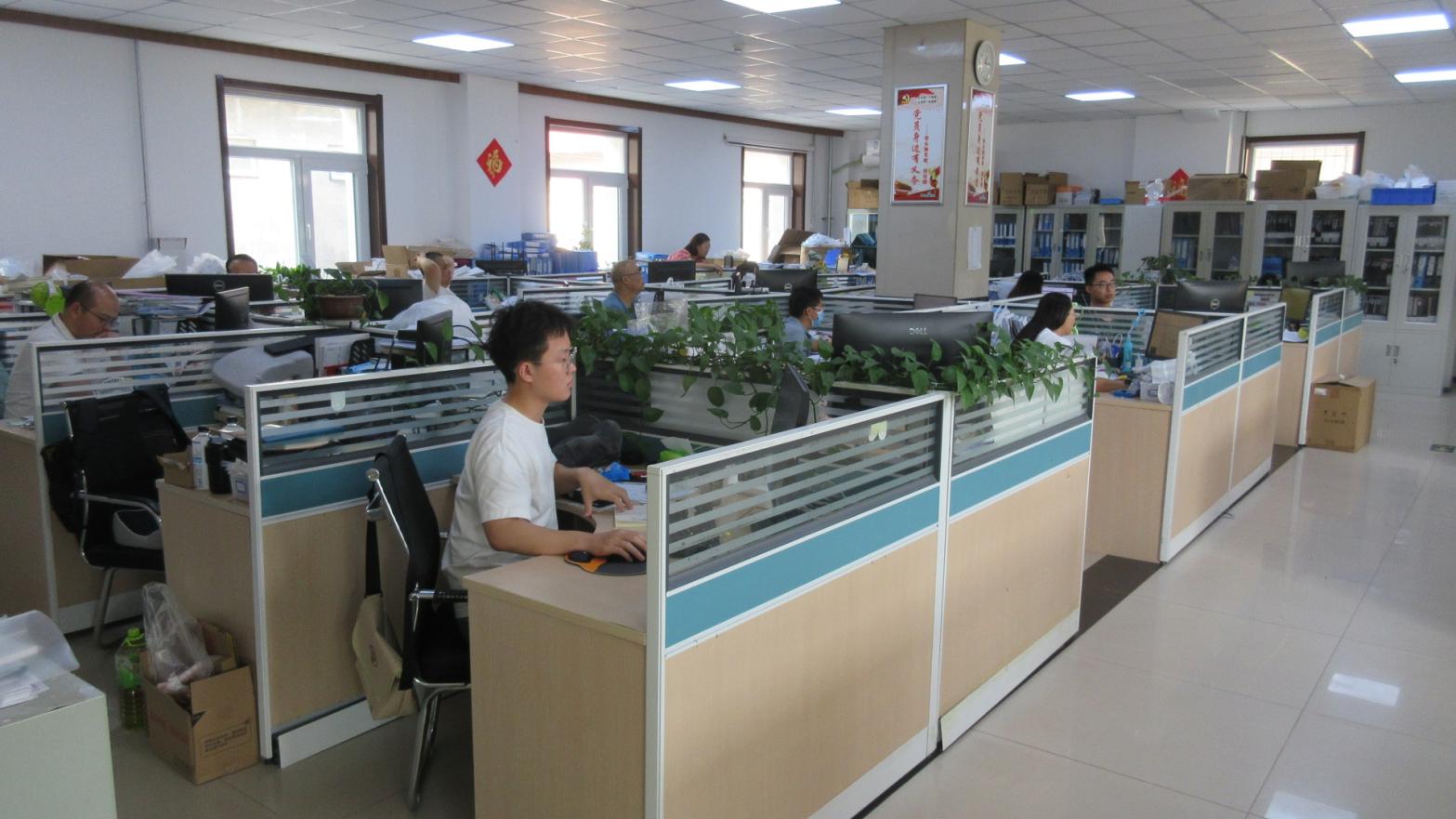
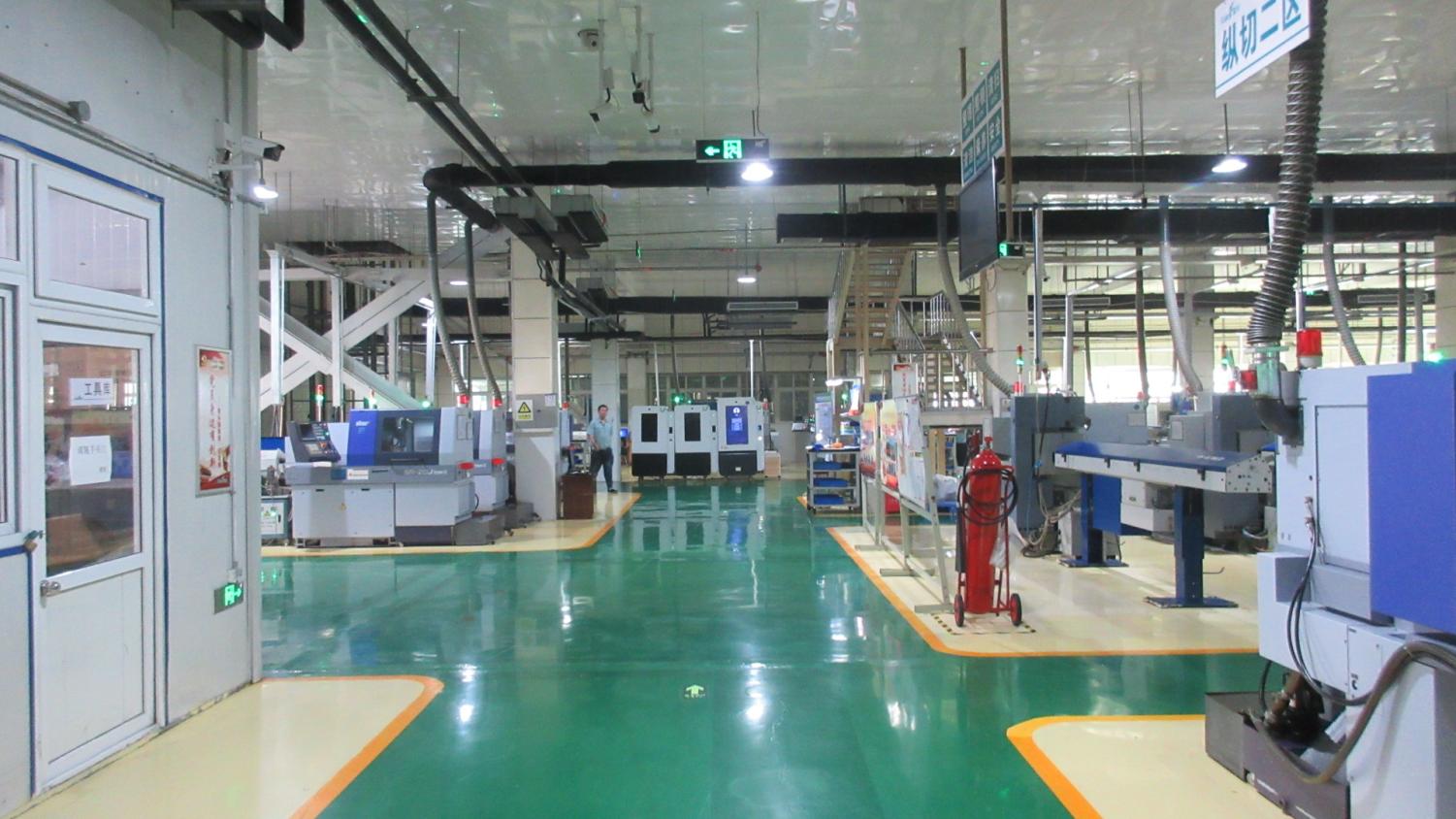
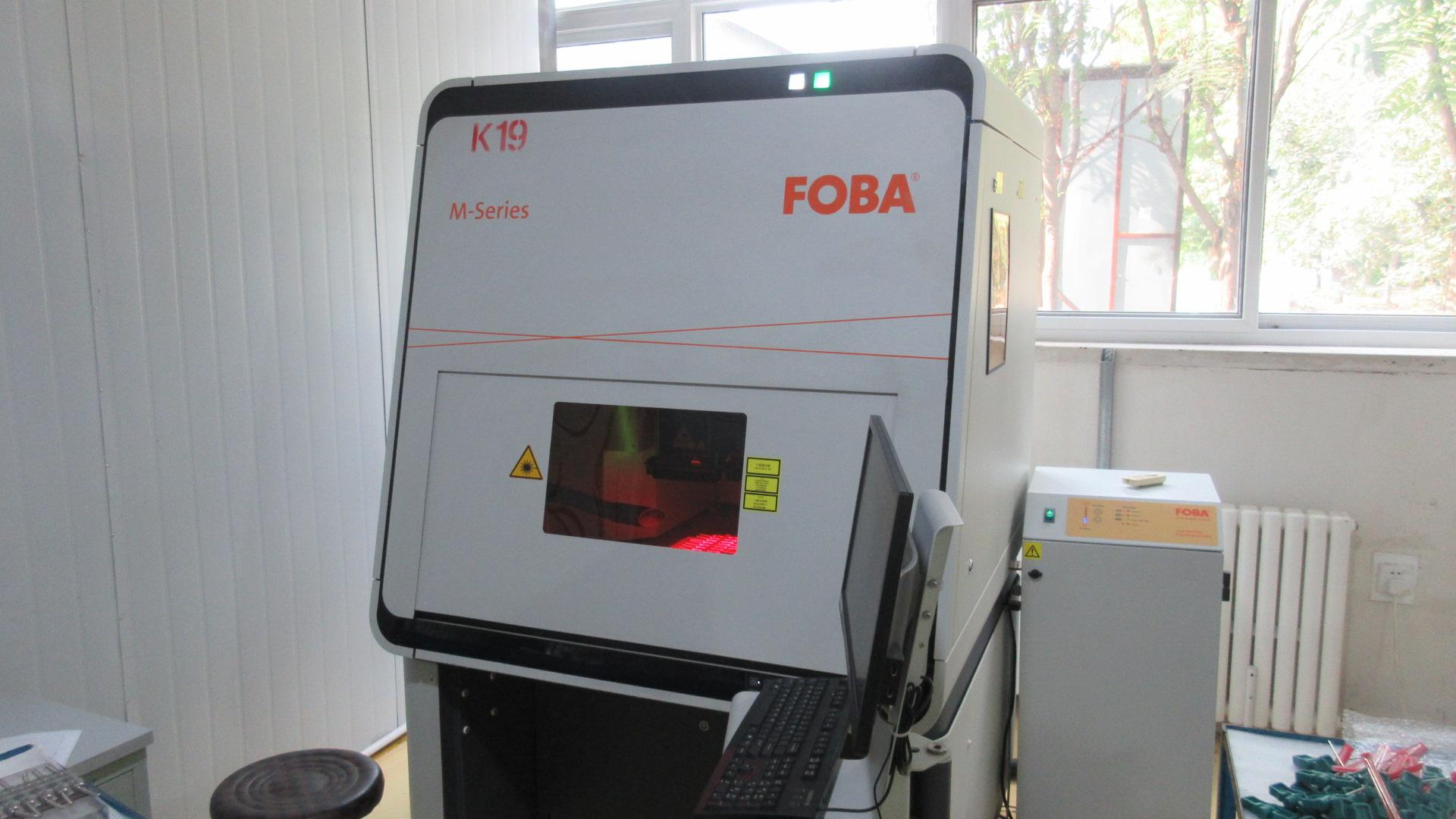
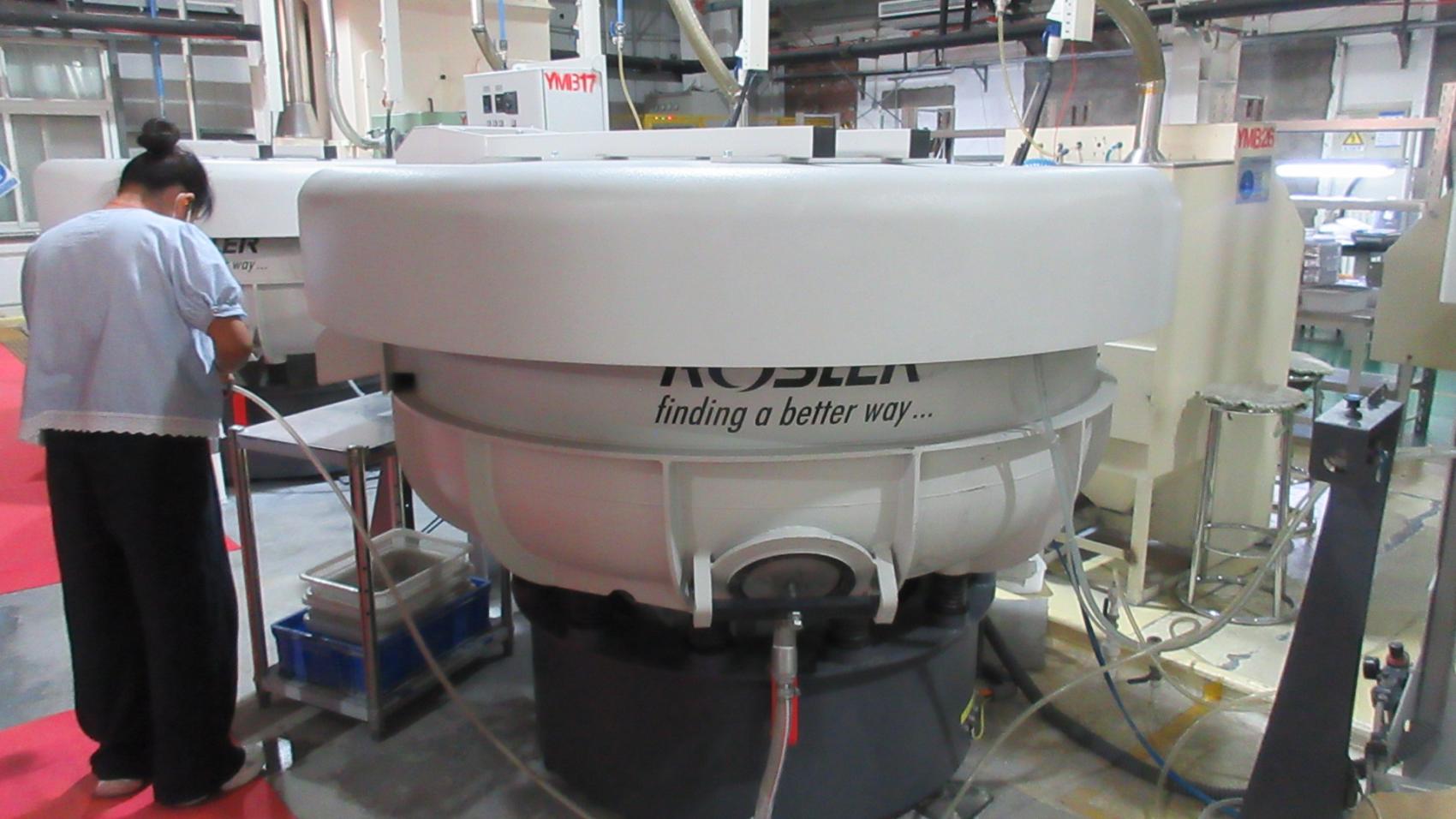
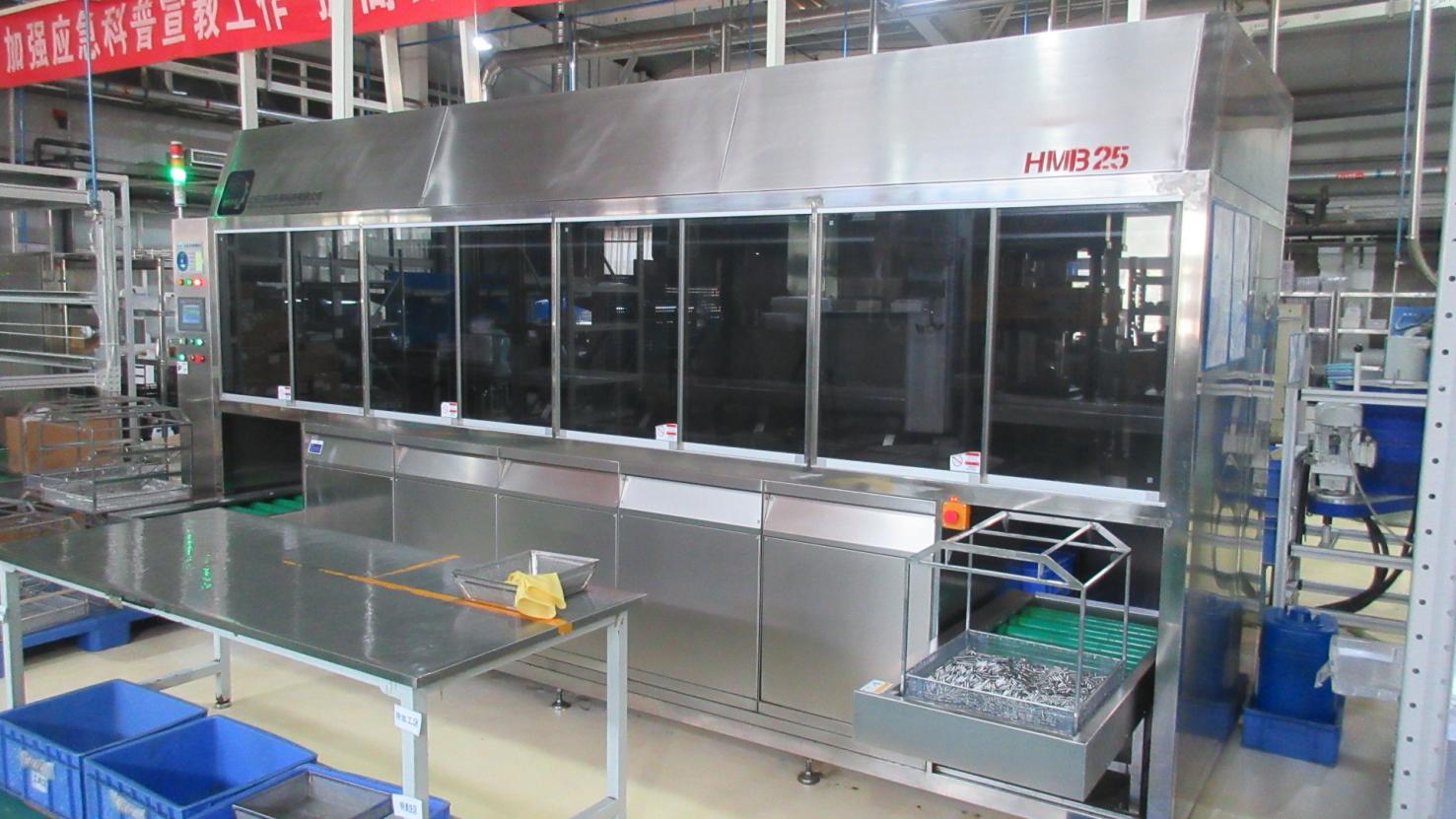
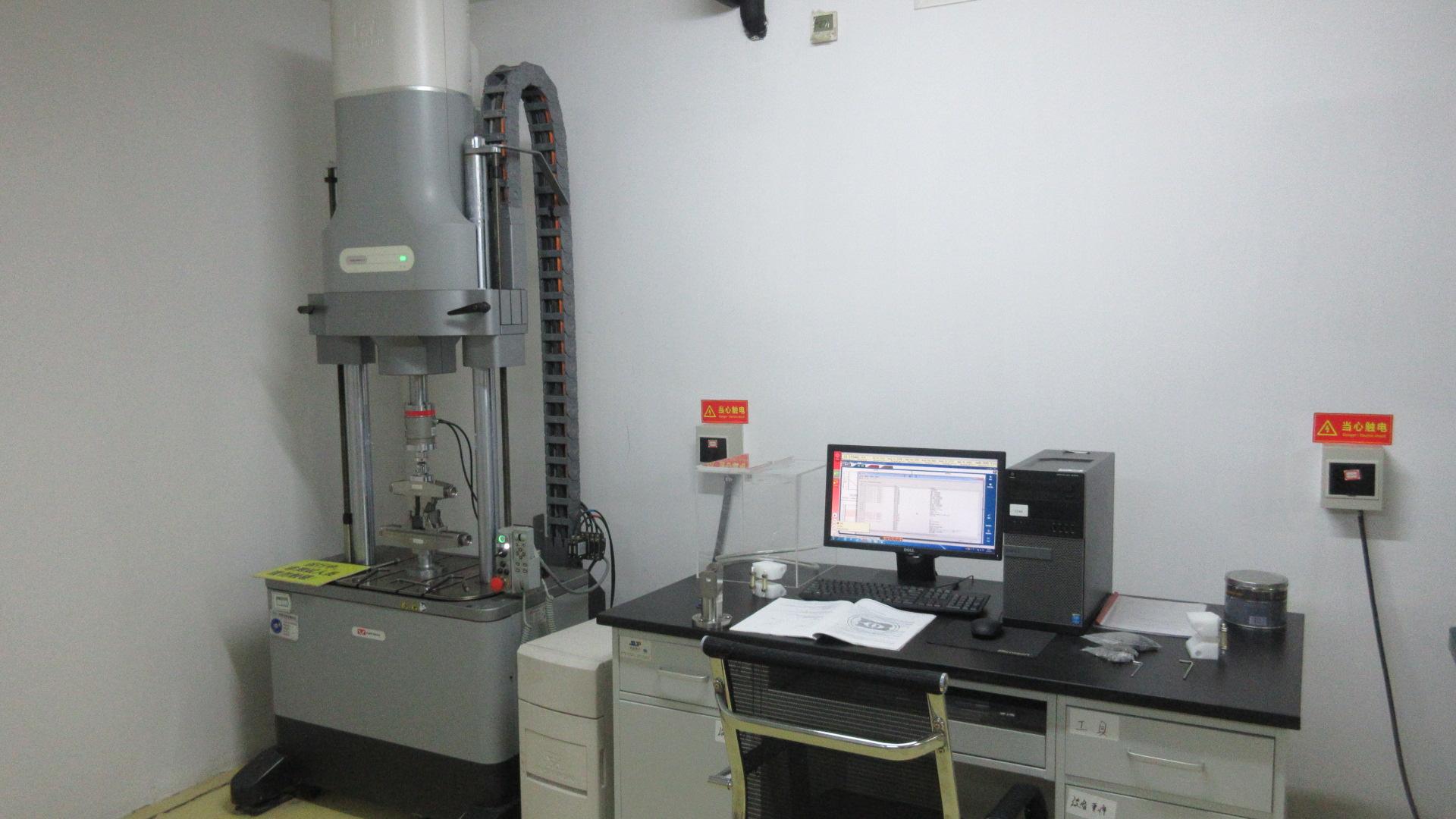
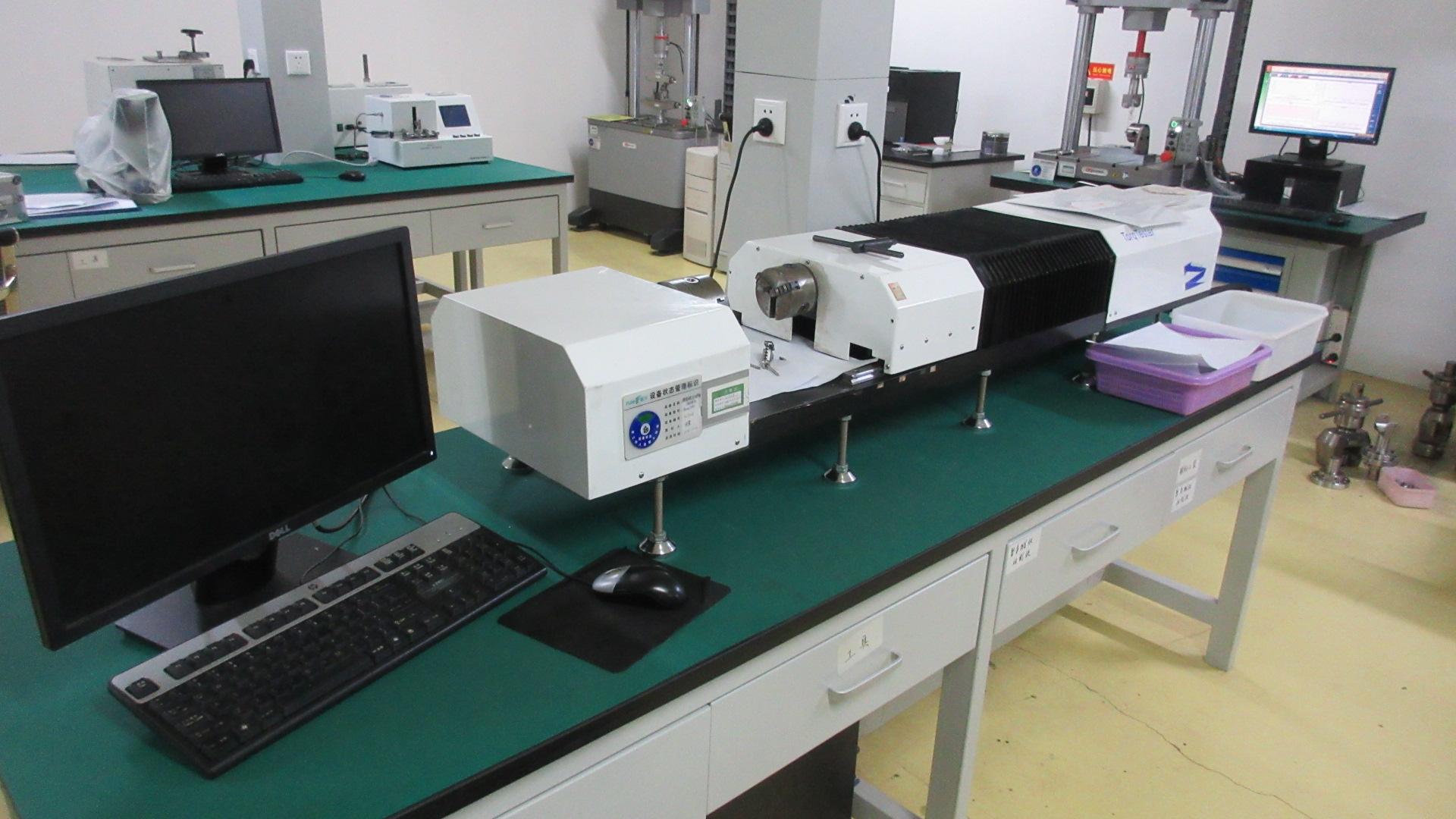
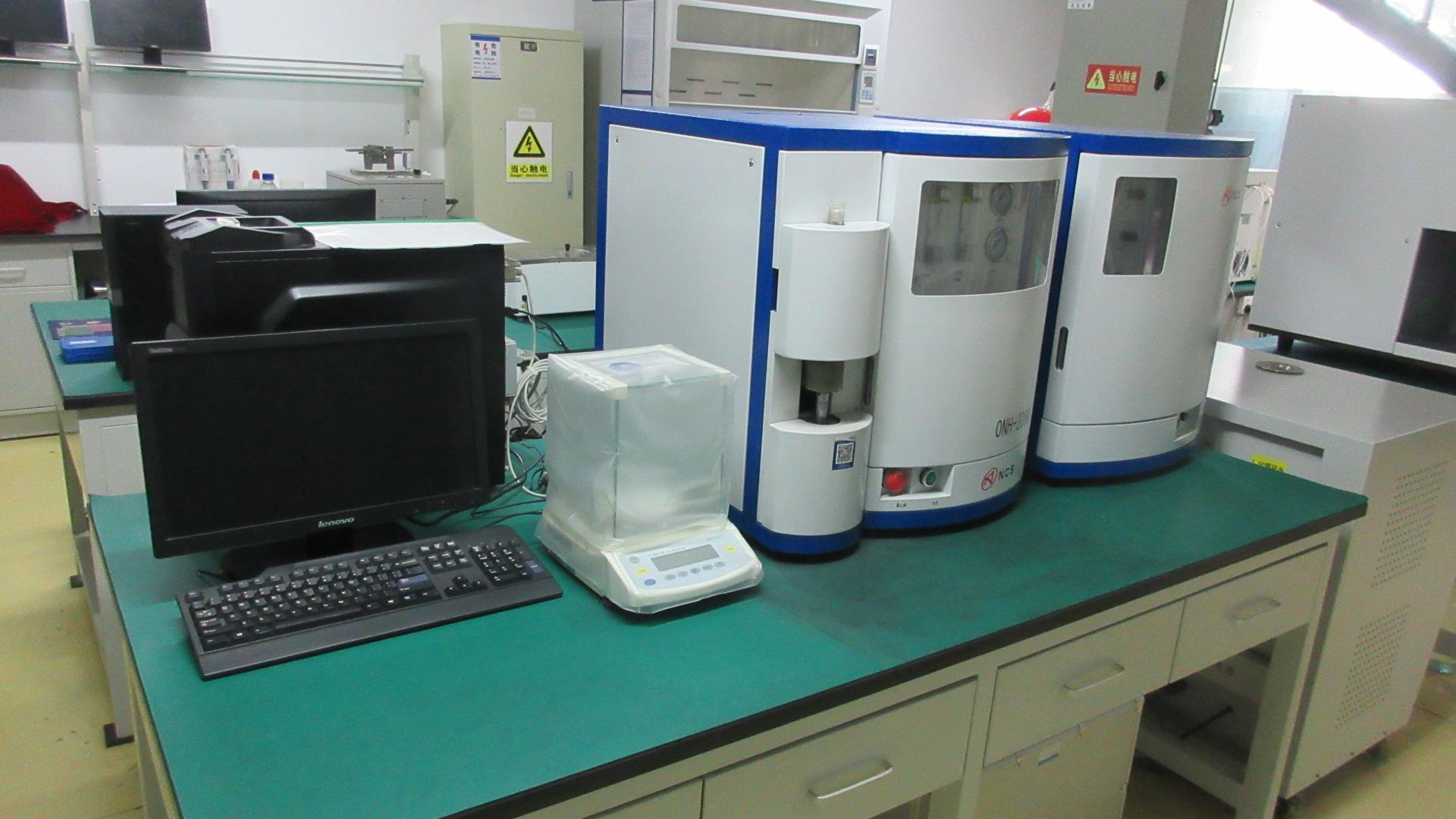
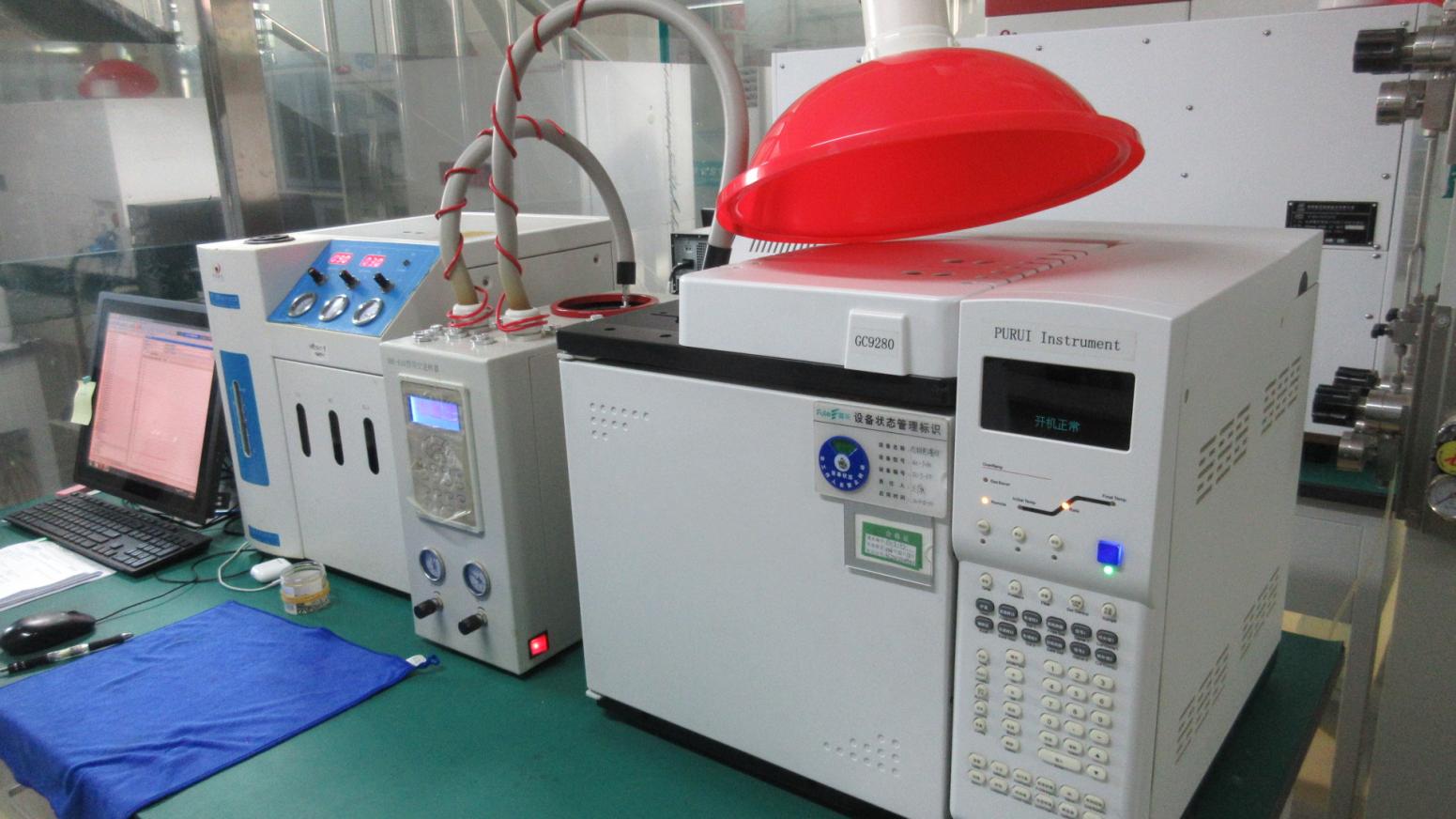
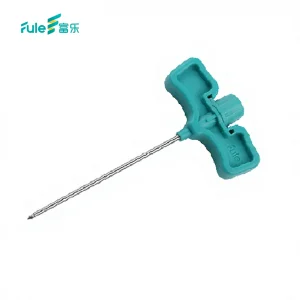
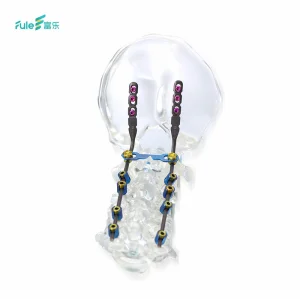
Explore our full line of surgical hardware, including posterior stabilization, fusion cages, and extremity locking plates engineered for global medical standards.
In response to emerging requirements from Israeli and global neurosurgeons, our R&D roadmaps emphasize three major areas of biomechanical refinement:
Distributing high-risk Class III spinal devices in Israel requires structured support and coordination. We provide our Israeli distribution partners with:
Our plates are machined from Grade 5 Ti-6Al-4V ELI (Extra Low Interstitial) Titanium Alloy conforming to ASTM F136 specifications. This medical-grade alloy provides high biocompatibility, excellent corrosion resistance, and high fatigue limits under physiological loads.
Yes, we provide our Israeli partners with complete regulatory registration folders, including CE certifications, ISO 13485 quality system documents, biological evaluation reports (ISO 10993), clinical evaluation logs, and sterile verification documents to facilitate smooth clearance by the Ministry of Health (AMAR).
Our ACP system utilizes a low-profile, single-step locking mechanism. Once the bone screws are seated, the locking component is rotated or clicked into place over the screw heads, providing a clear visual and tactile confirmation that prevents screw back-out under cyclic loads.
Yes. Supported by our 20-engineer R&D division, we offer custom OEM options, including graphic modifications, sample-based replication, and custom sizing configurations to meet the clinical requirements of specific hospital networks.
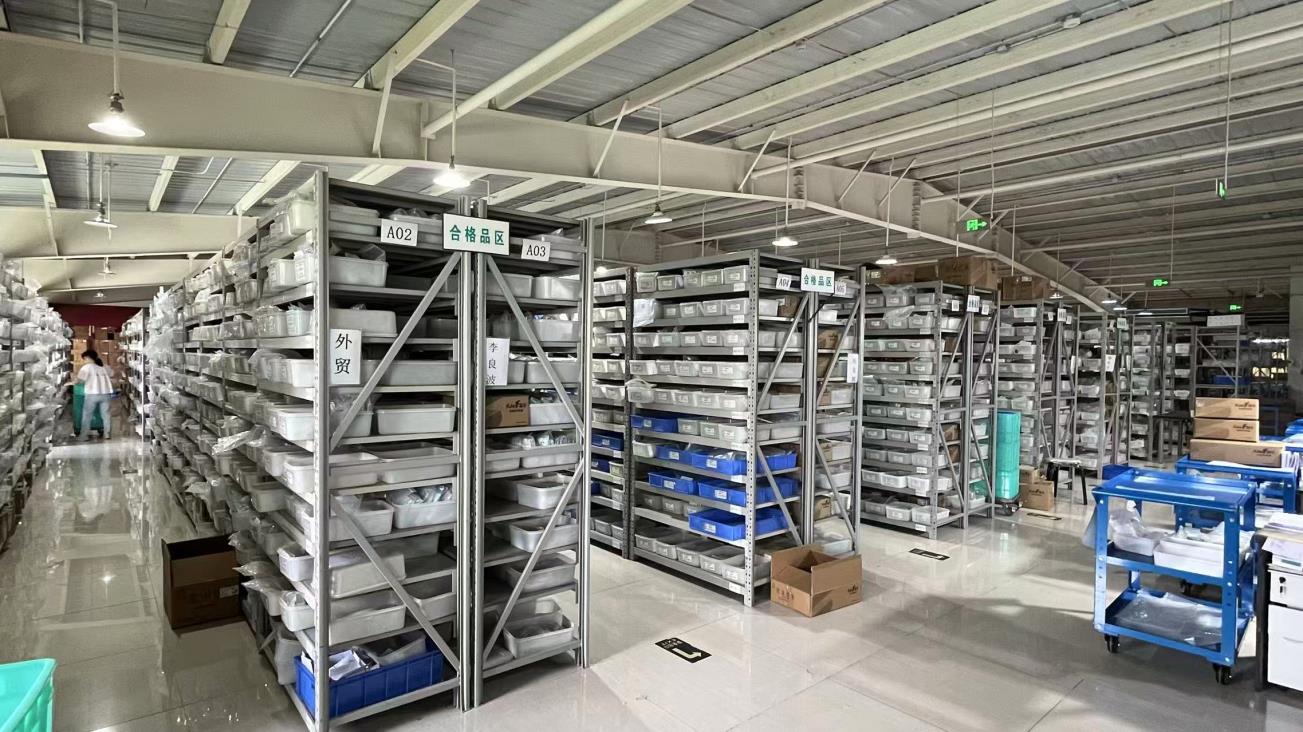
We perform a 100% inspection on all Class III devices. Each batch is fully traceable from raw titanium ingot heat codes to final cleanroom packaging. Testing includes coordinate measuring machine (CMM) dimensional checks, surface finish audits, and regular fatigue testing.
Partner with an established manufacturer. Get in touch with our regulatory and clinical engineering teams today to request product samples, test validation files, or bulk pricing lists.
Send Inquiry Now Beren Science & Technology