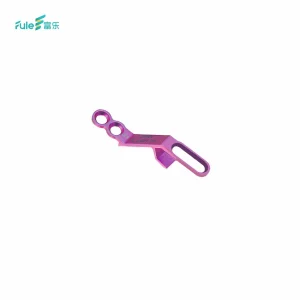
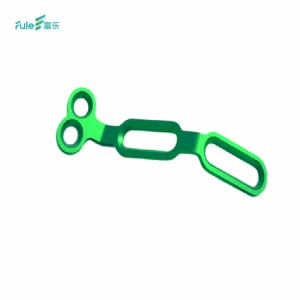
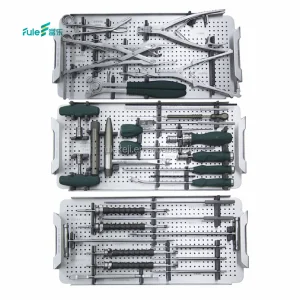
Engineered for Saudi medical institutions, optimized for immediate spinal stabilization, and customized to patient anatomical variants.
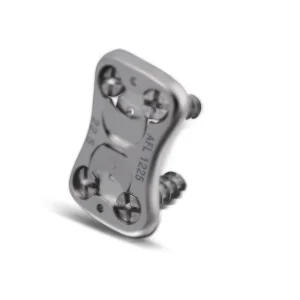
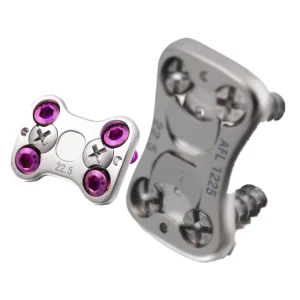
Under the transformative framework of Saudi Vision 2030, the Kingdom's medical landscape is rapidly digitalizing and shifting toward high-value, clinically proven device utilization. The centralization of purchasing via entities like NUPCO has heightened the requirements for medical devices. Anterior cervical spine implants imported into Saudi Arabia must undergo stringent evaluation and secure a Medical Device Marketing Authorization (MDMA) from the Saudi Food and Drug Authority (SFDA). Ensuring high biocompatibility and minimizing revision rates are paramount for reducing long-term public health costs in Saudi hospitals.
Globally, spine surgery is evolving toward minimally invasive techniques and implants with highly refined profiles to minimize soft-tissue trauma. Anterior Cervical Discectomy and Fusion (ACDF) remains the gold standard for treating cervical disk herniations, degenerative instability, and trauma. As a leading manufacturer, we align our product development with international clinical parameters, using biocompatible titanium alloys (typically Ti-6Al-4V ELI) that offer optimized elastic moduli. This ensures maximum load-sharing capacity, reduces the risk of stress shielding, and promotes rapid postoperative recovery.
The demand for cervical stabilization in the Gulf Cooperation Council (GCC) is driven by specific regional factors. The high prevalence of degenerative cervical myelopathy and radiculopathy, combined with trauma cases resulting from major motor vehicle accidents on high-speed arterial networks, necessitates immediate, reliable stabilization systems. Orthopedic surgeons in leading centers in Riyadh, Jeddah, and Khobar require versatile plating systems. These systems must support both rigid fixation and dynamic micro-motion, allowing them to adapt to diverse patient profiles, ranging from elderly osteoporotic individuals to active young adults.
Combining 30 years of global medical export expertise with state-of-the-art sterile manufacturing processes to supply Saudi clinics.
A look at the structural innovations designed to reduce surgical times, eliminate dysphagia, and optimize bone graft integration.
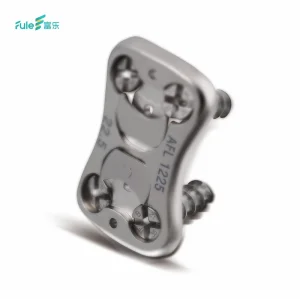
Our research and development pipeline focuses on addressing the most common issues associated with anterior cervical spine stabilization. By integrating medical-grade titanium and precision-machined locking mechanisms, our plating systems are designed to provide maximum structural support with minimal physical volume.
With a plate thickness of less than 2.0 mm, these designs help prevent friction against the esophagus, significantly reducing the post-operative dysphagia commonly associated with traditional cervical plates.
This user-friendly, single-action locking mechanism prevents screw back-out while providing clear tactile feedback during surgery. This streamlines procedures in high-stress operating room environments.
These systems allow surgeons to choose between rigid, semi-rigid, or dynamic construct configurations, providing customized load distribution according to the patient's bone mineral density.
Advanced chemical surface modification improves wear resistance, helps prevent metal ion release, and supports natural bone apposition against the plate interface.
Providing ready-to-use surgical instrument kits, specialized sterilization containers, and comprehensive product portfolios.
We provide comprehensive OEM and ODM support, tailoring implant dimensions, screw thread dynamics, and sterile packaging systems to meet the specific requirements of Saudi tenders and hospital groups.
We supply custom aluminum sterilization boxes and surgical instrumentation sets to help streamline clinical operations in the OR and ensure sterilization compliance.
We provide complete technical dossiers, clinical evaluation reports (CERs), and ISO 13485 quality control certificates to facilitate the SFDA MDMA approval process for Saudi import partners.
Our complete range of CE-certified implants and surgical tool sets, engineered to support orthopedic trauma and reconstructive surgeries in Saudi Arabia.
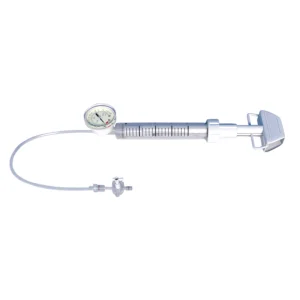
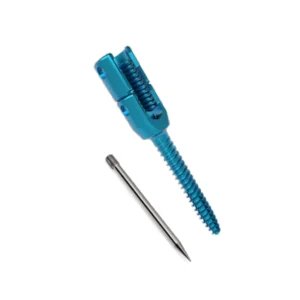
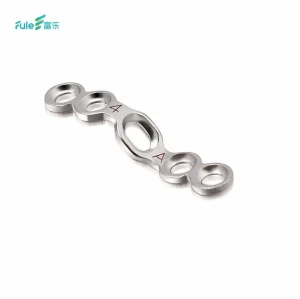
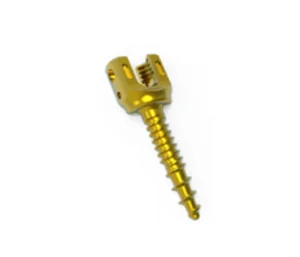
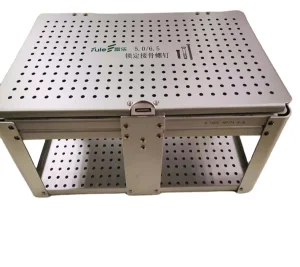
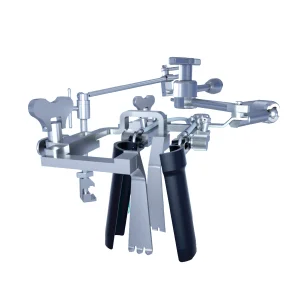
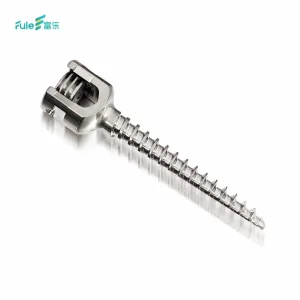
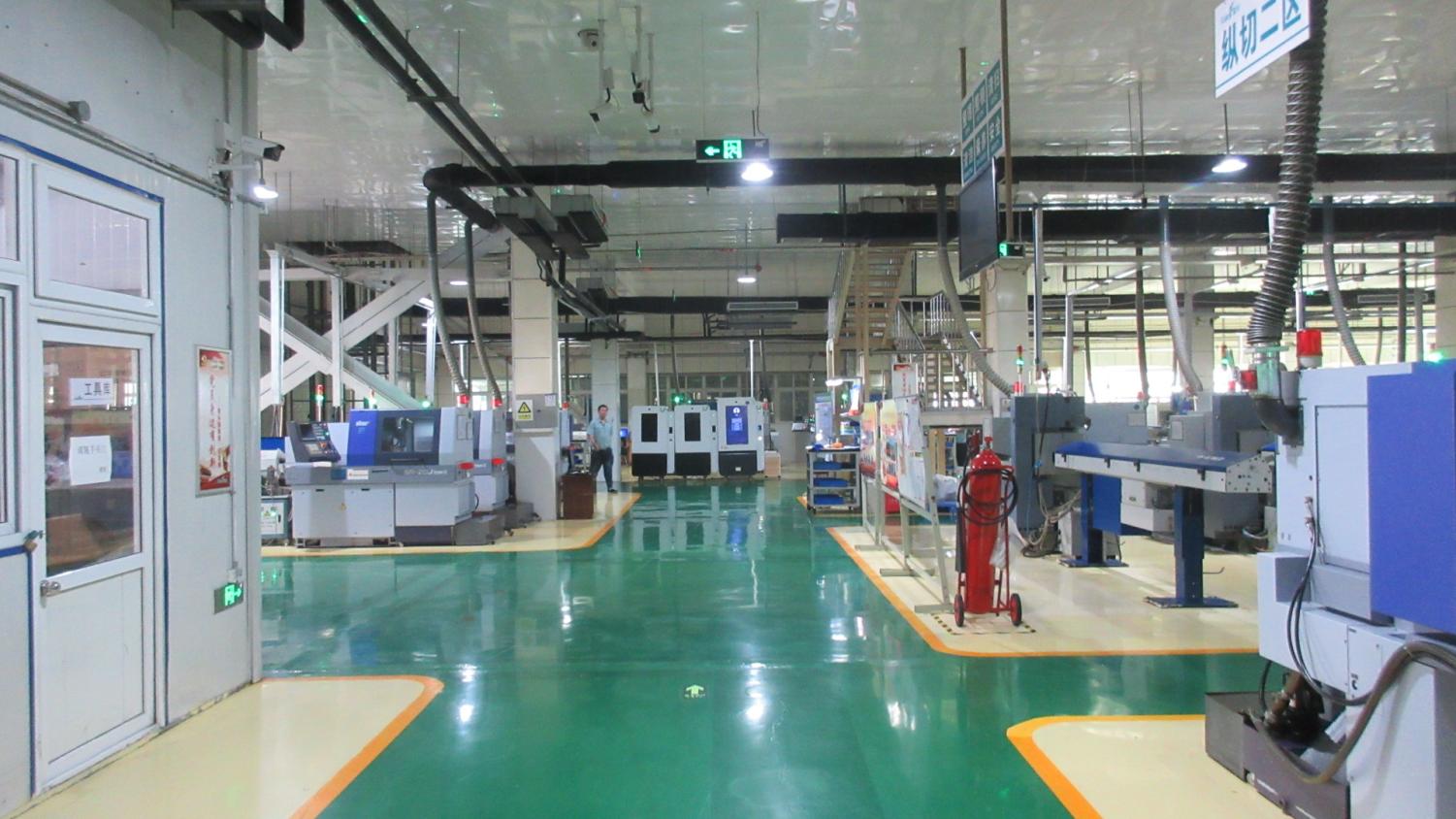
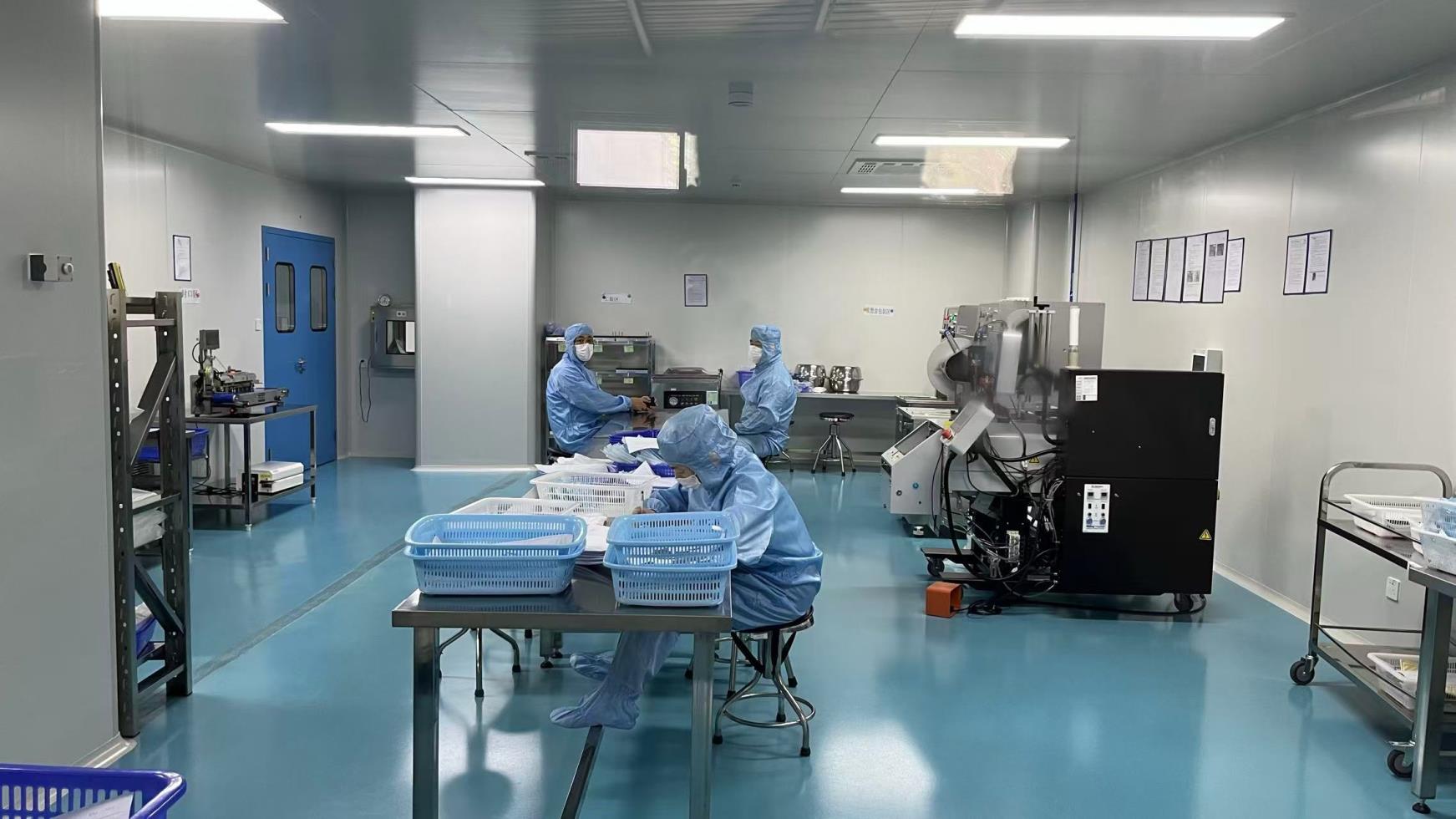
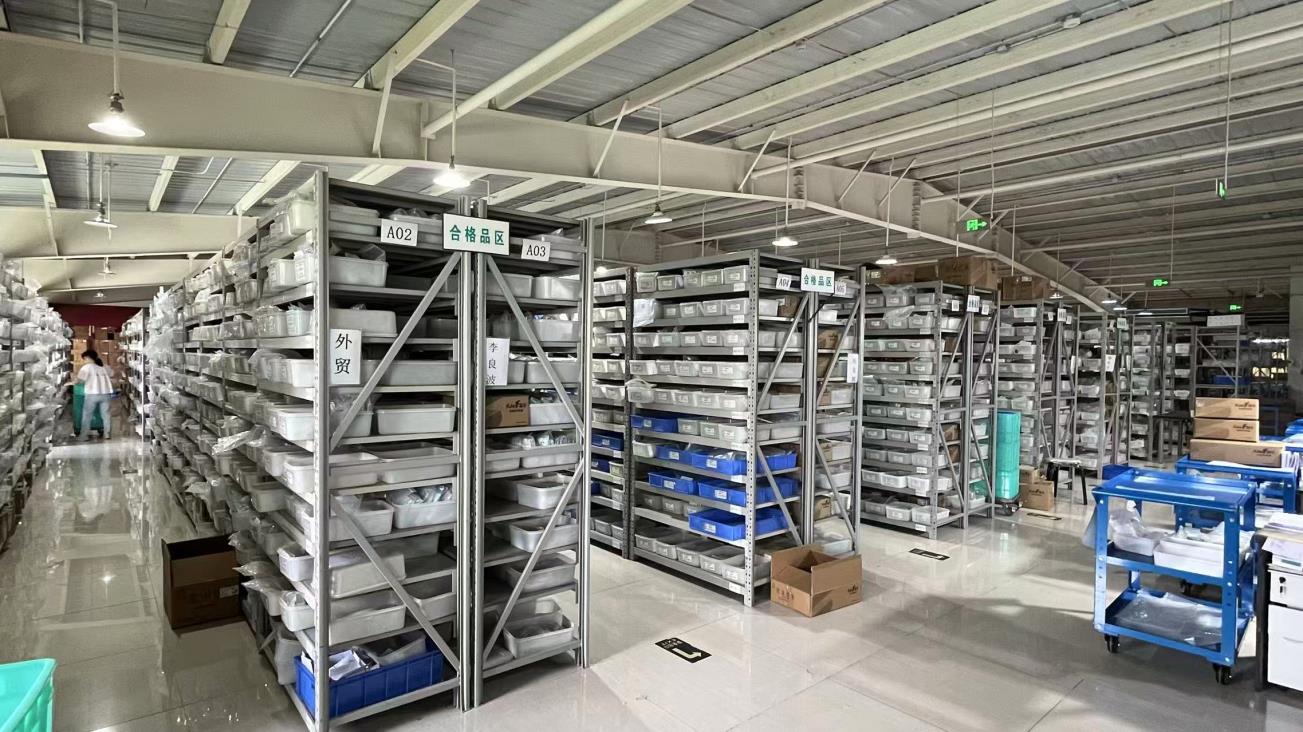
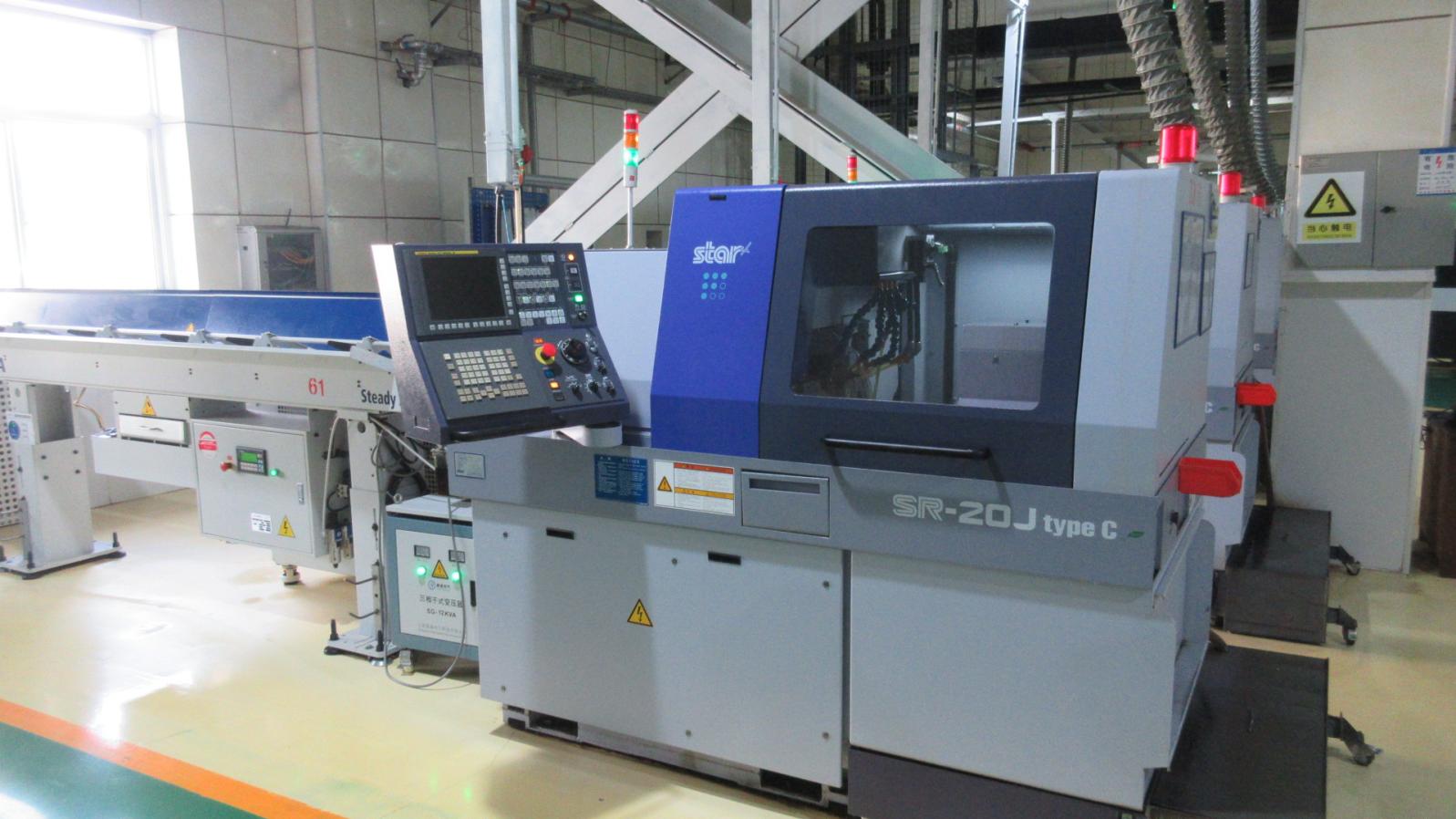
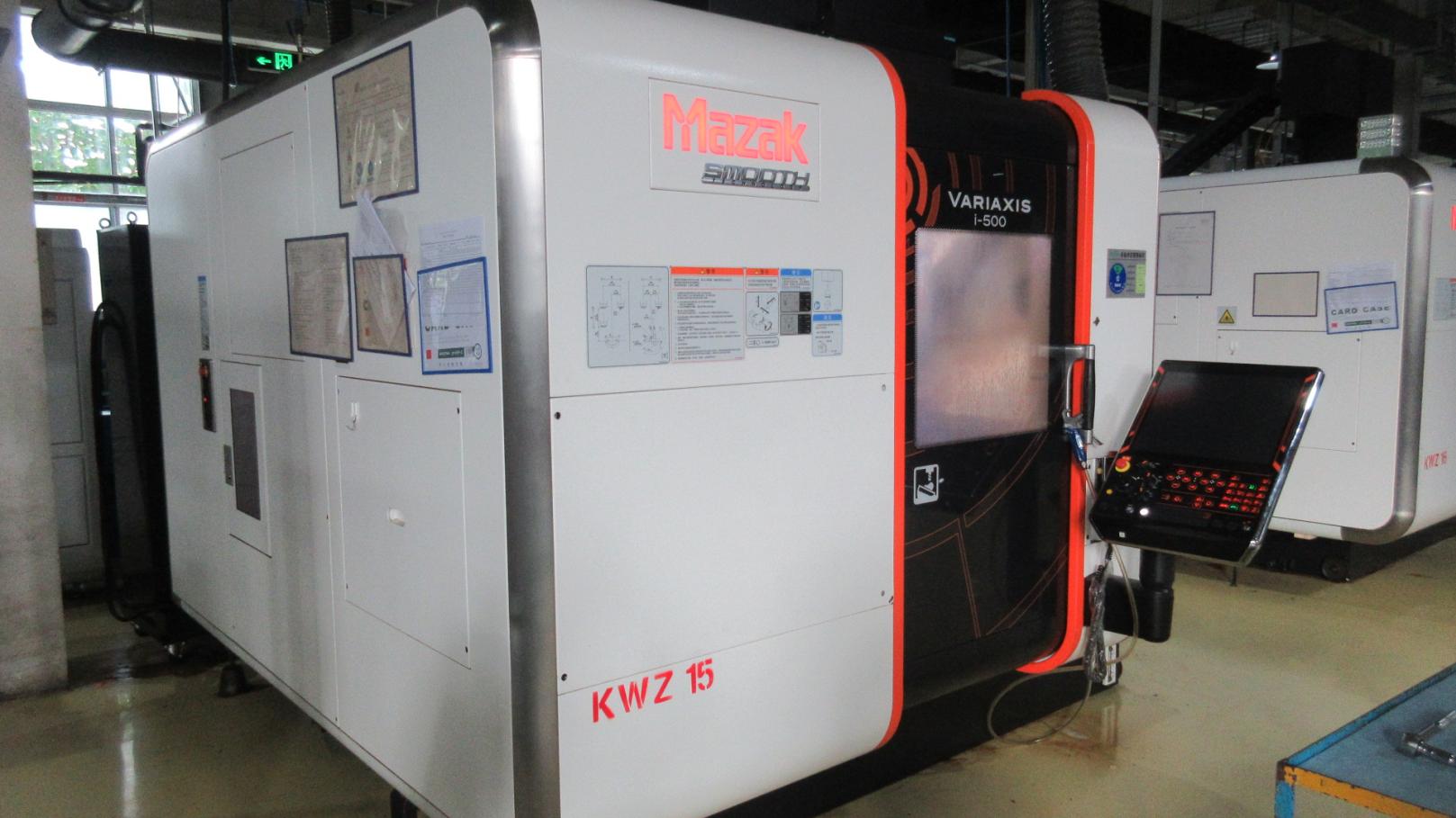
Visual confirmation of our cleanroom operations, high-precision machining, packaging protocols, and physical factory facilities.
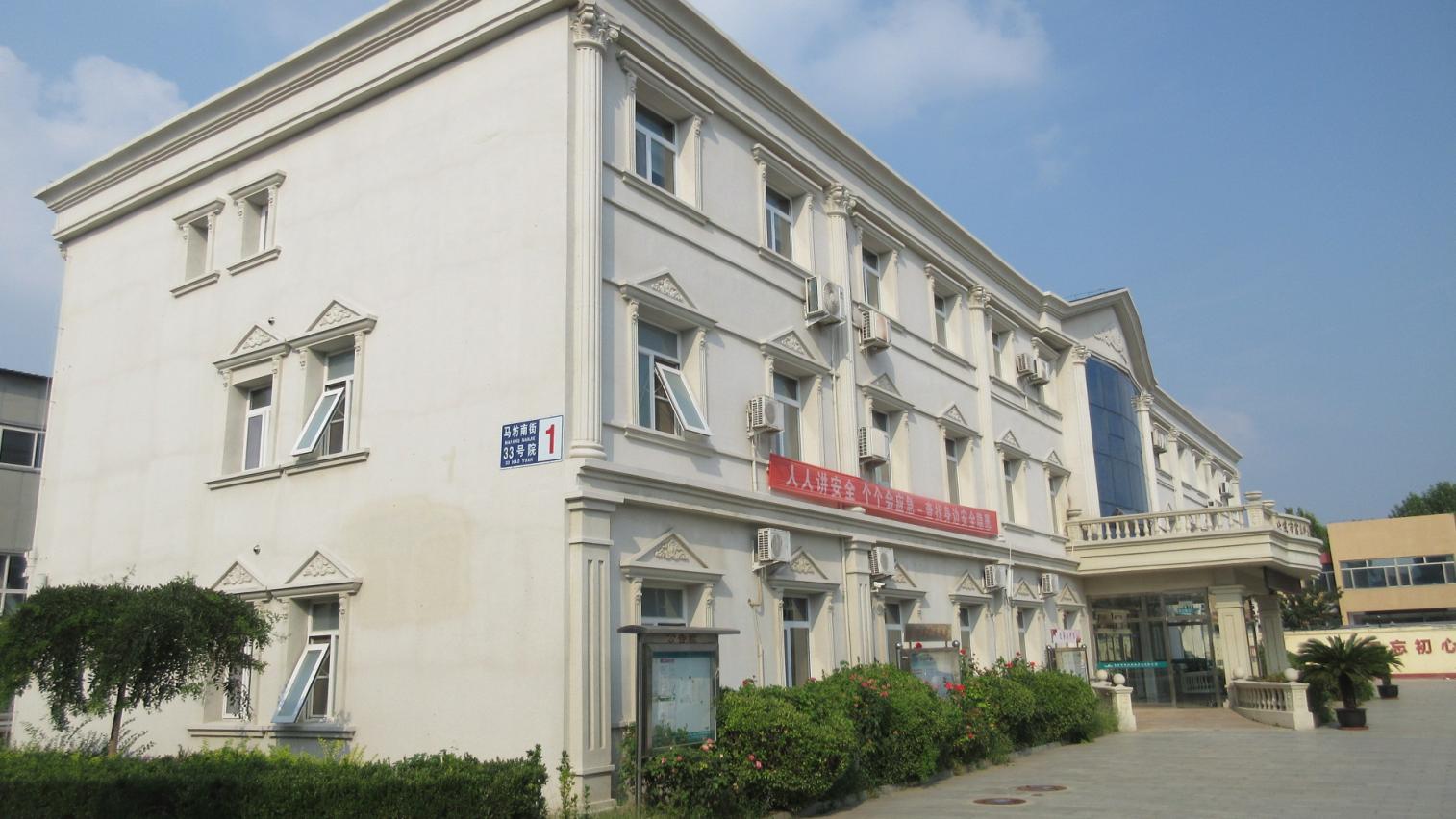
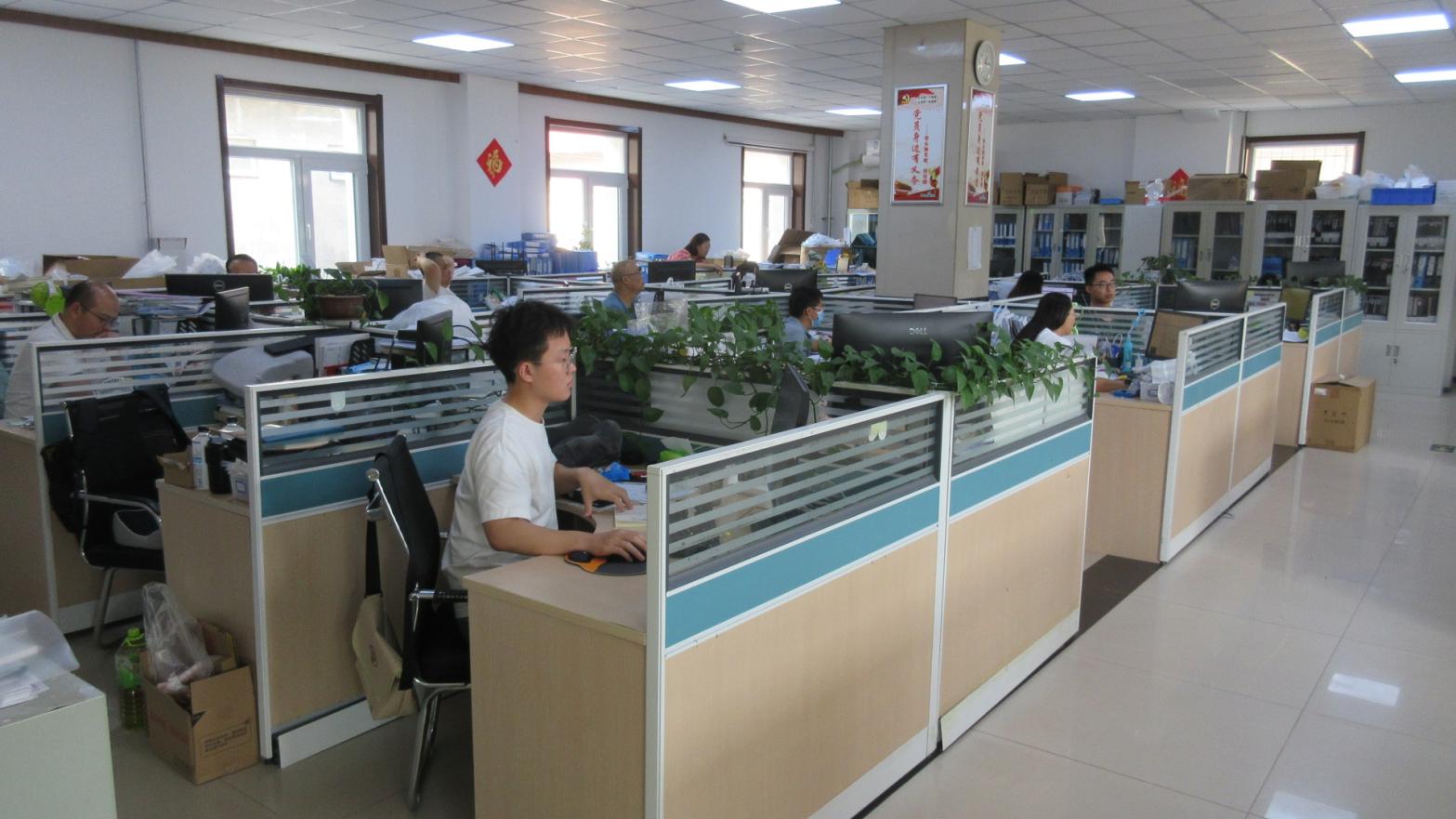
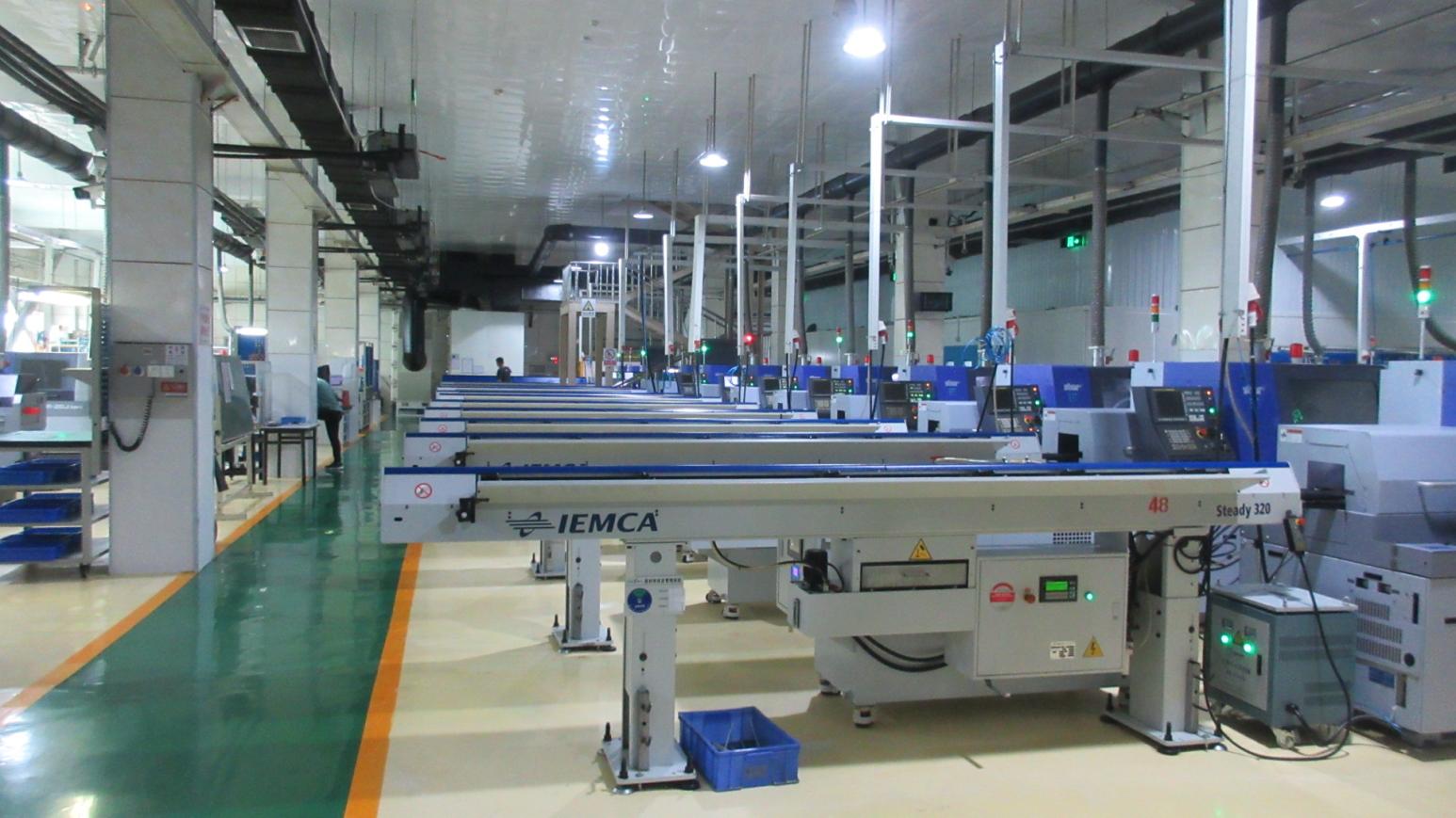
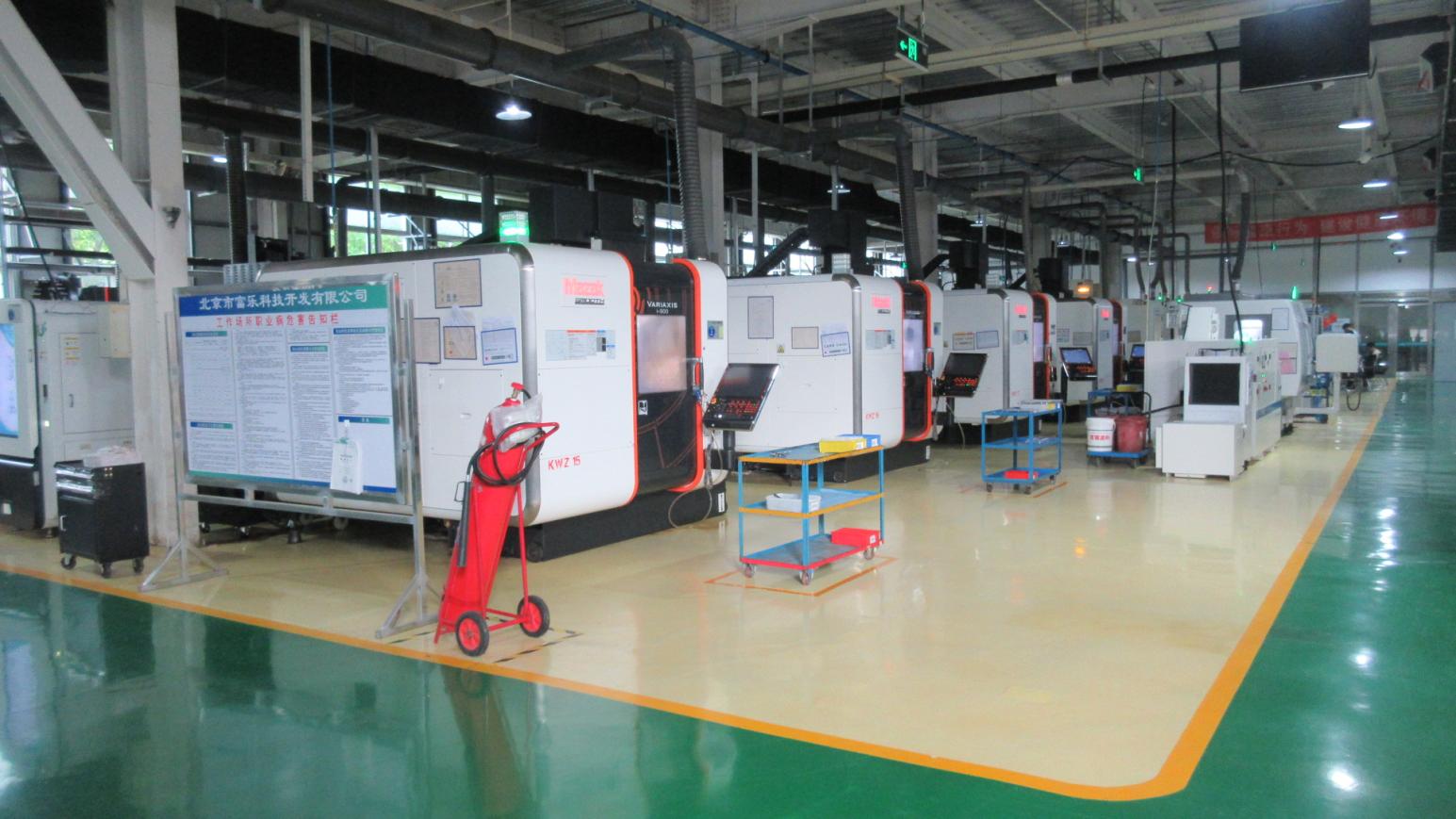
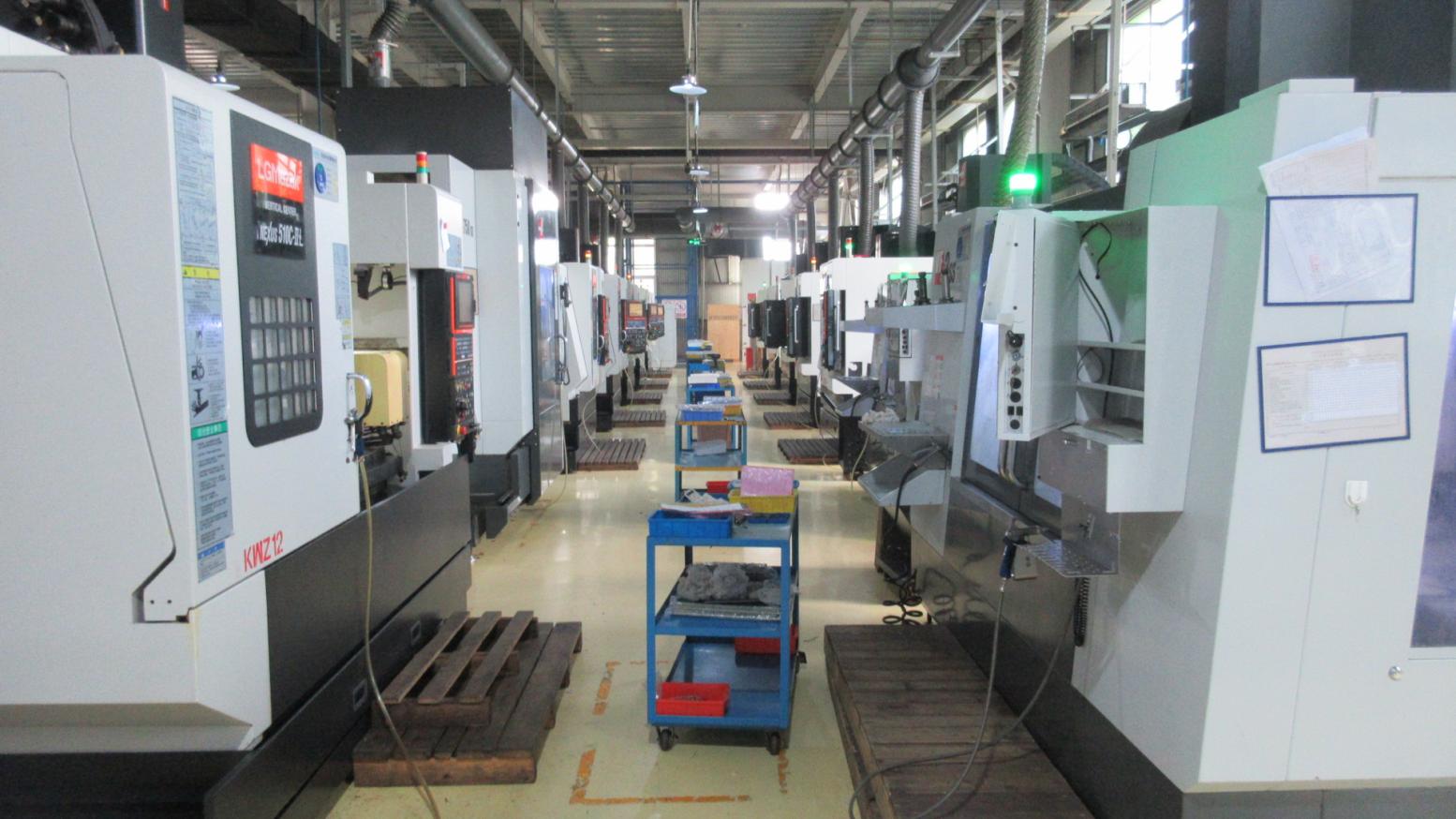
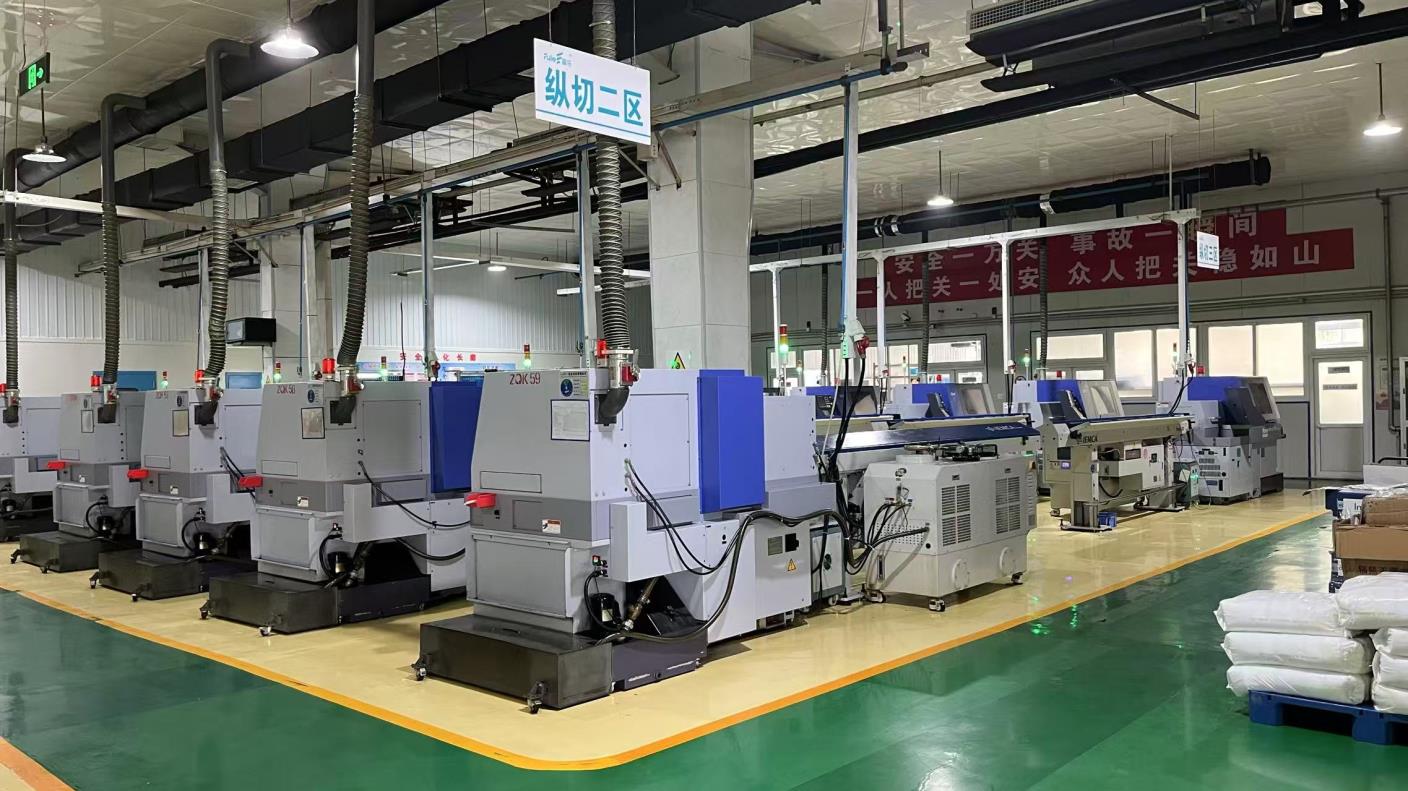
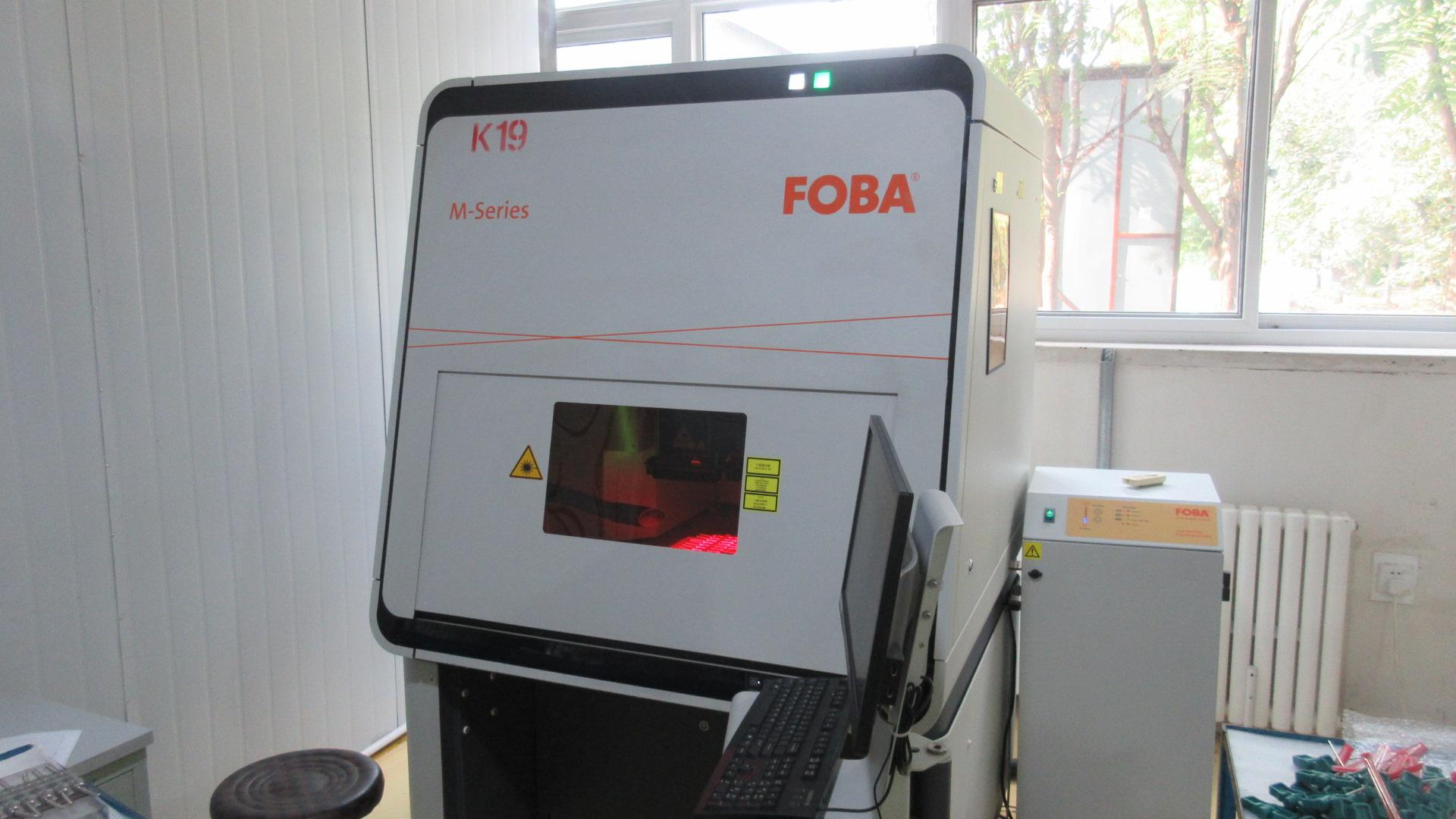
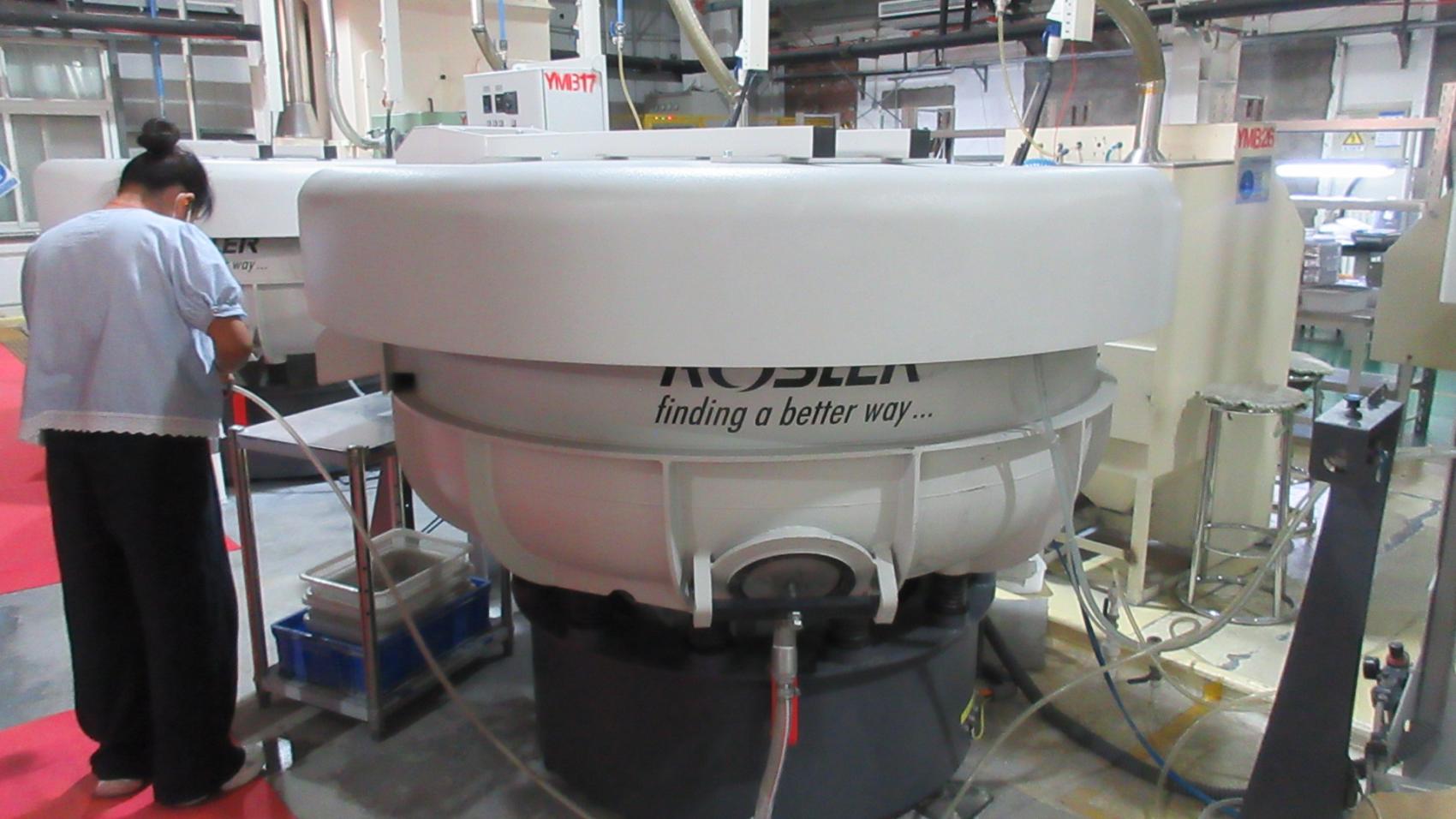
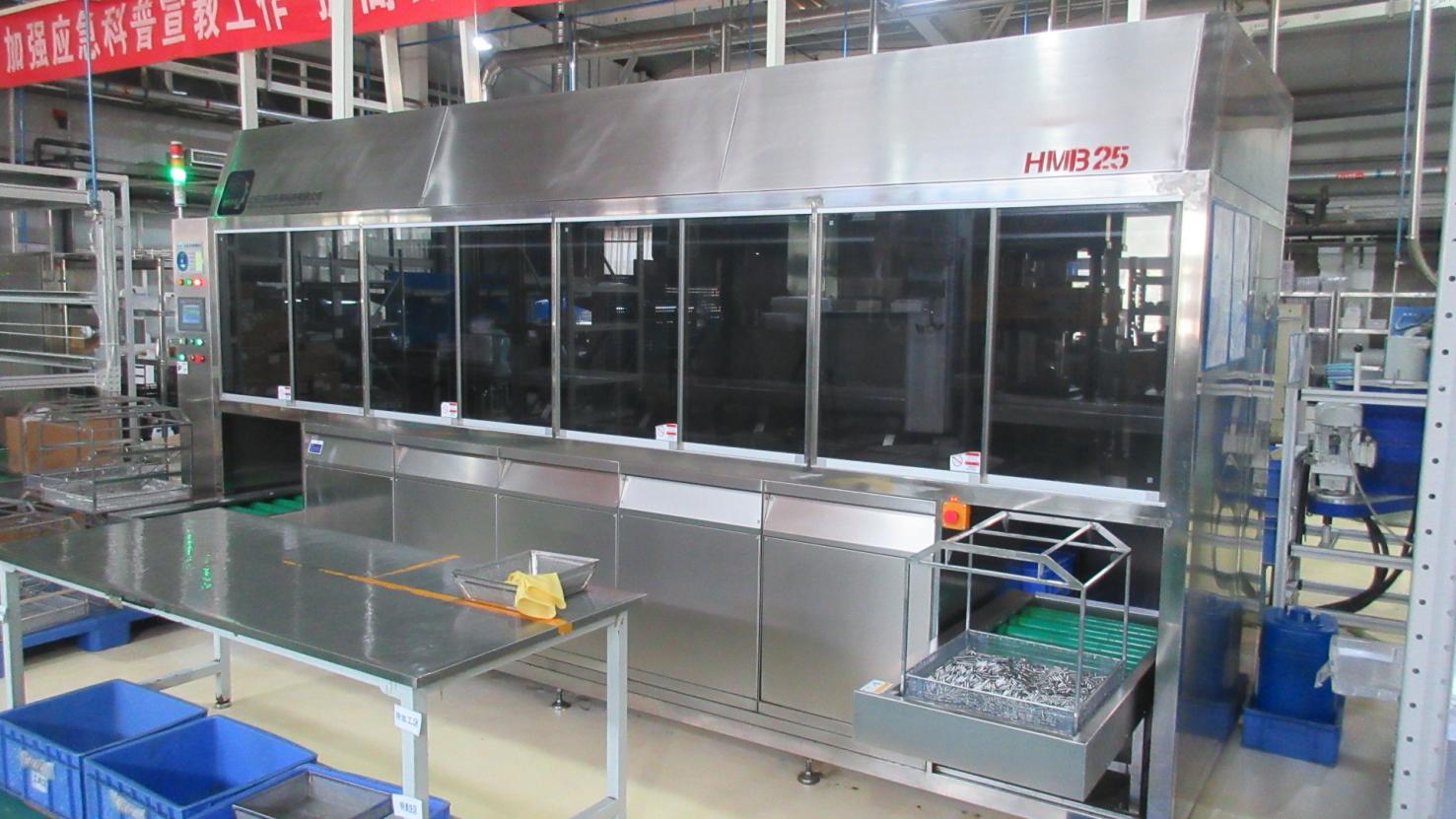
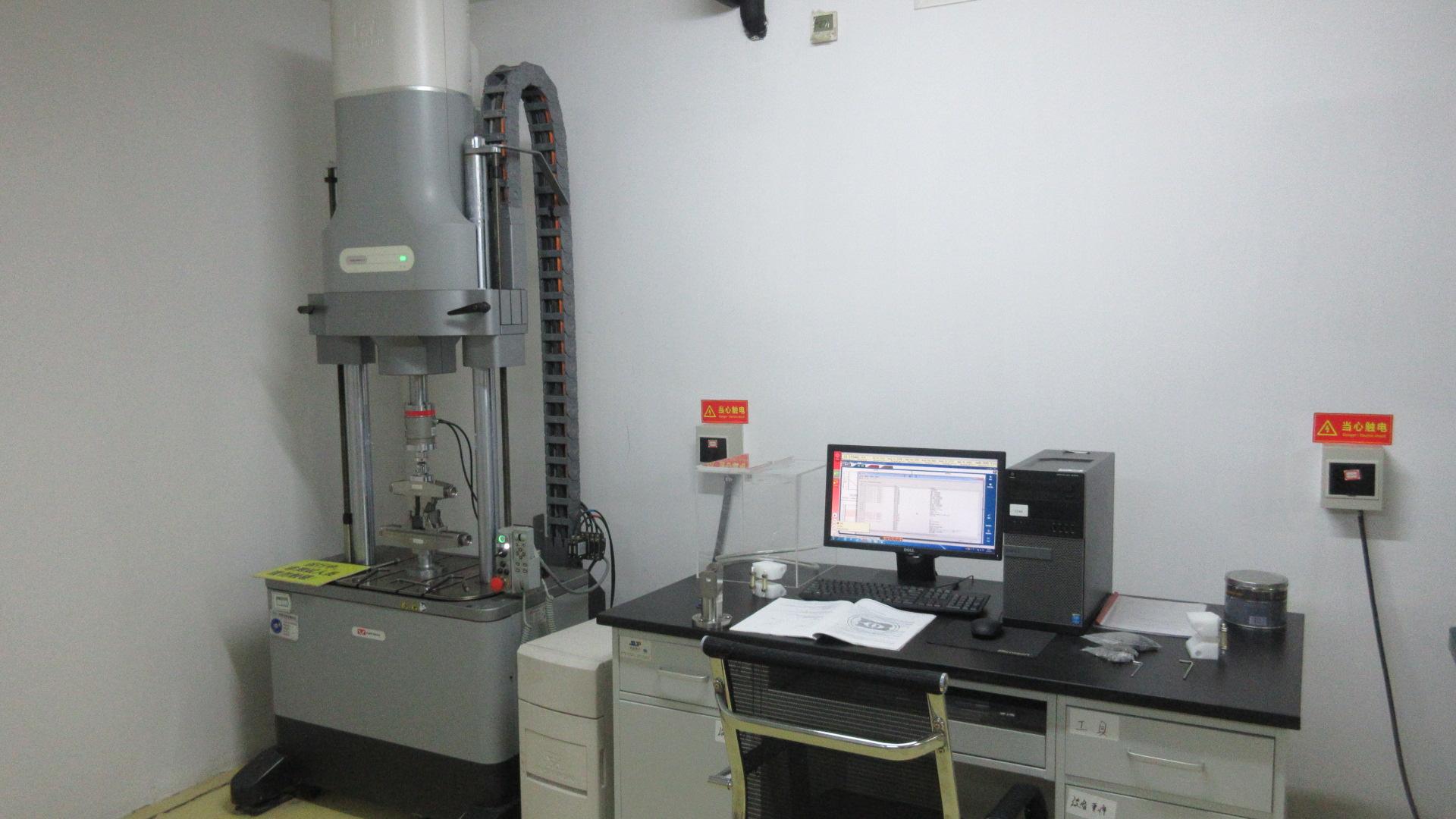
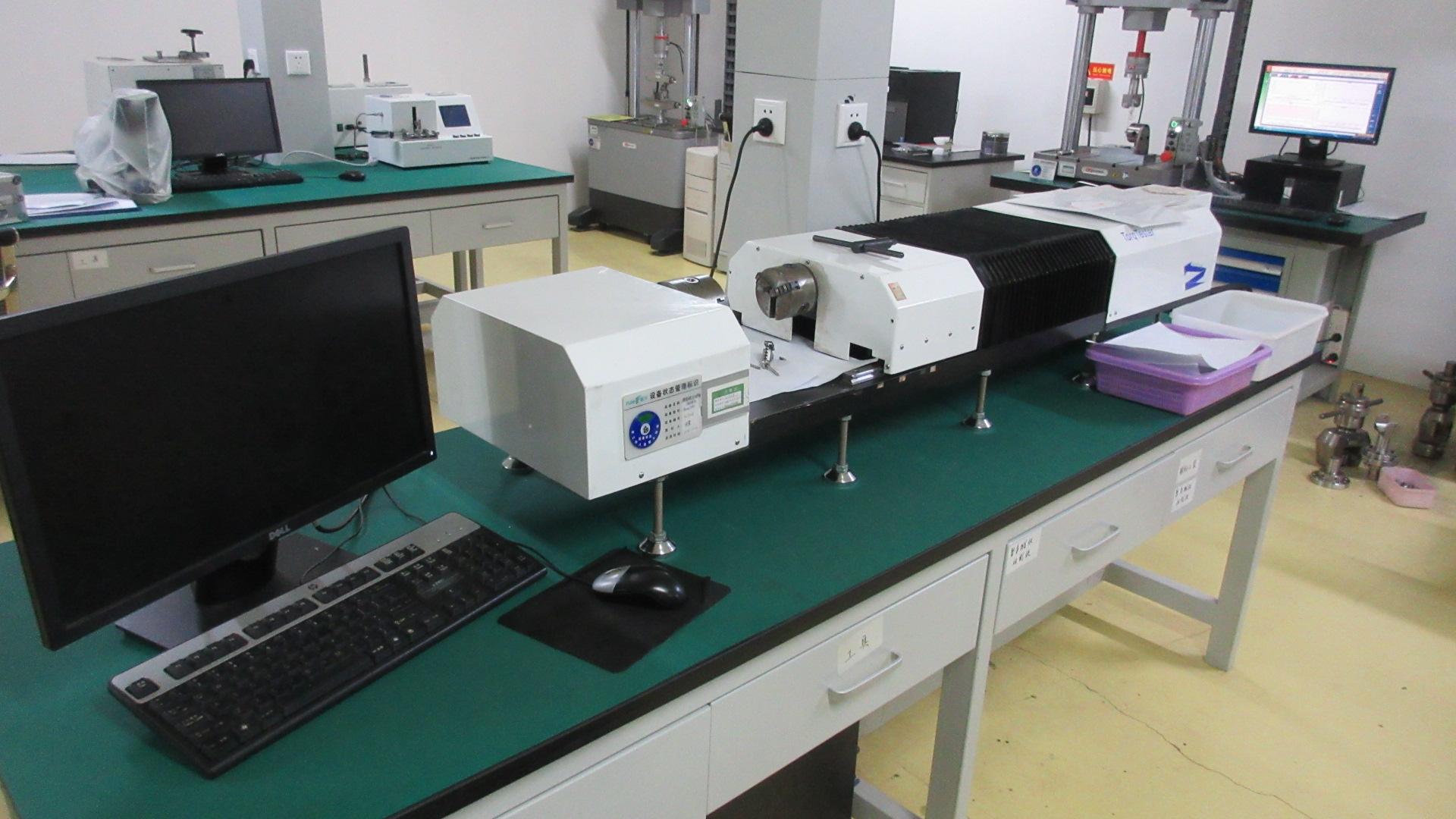
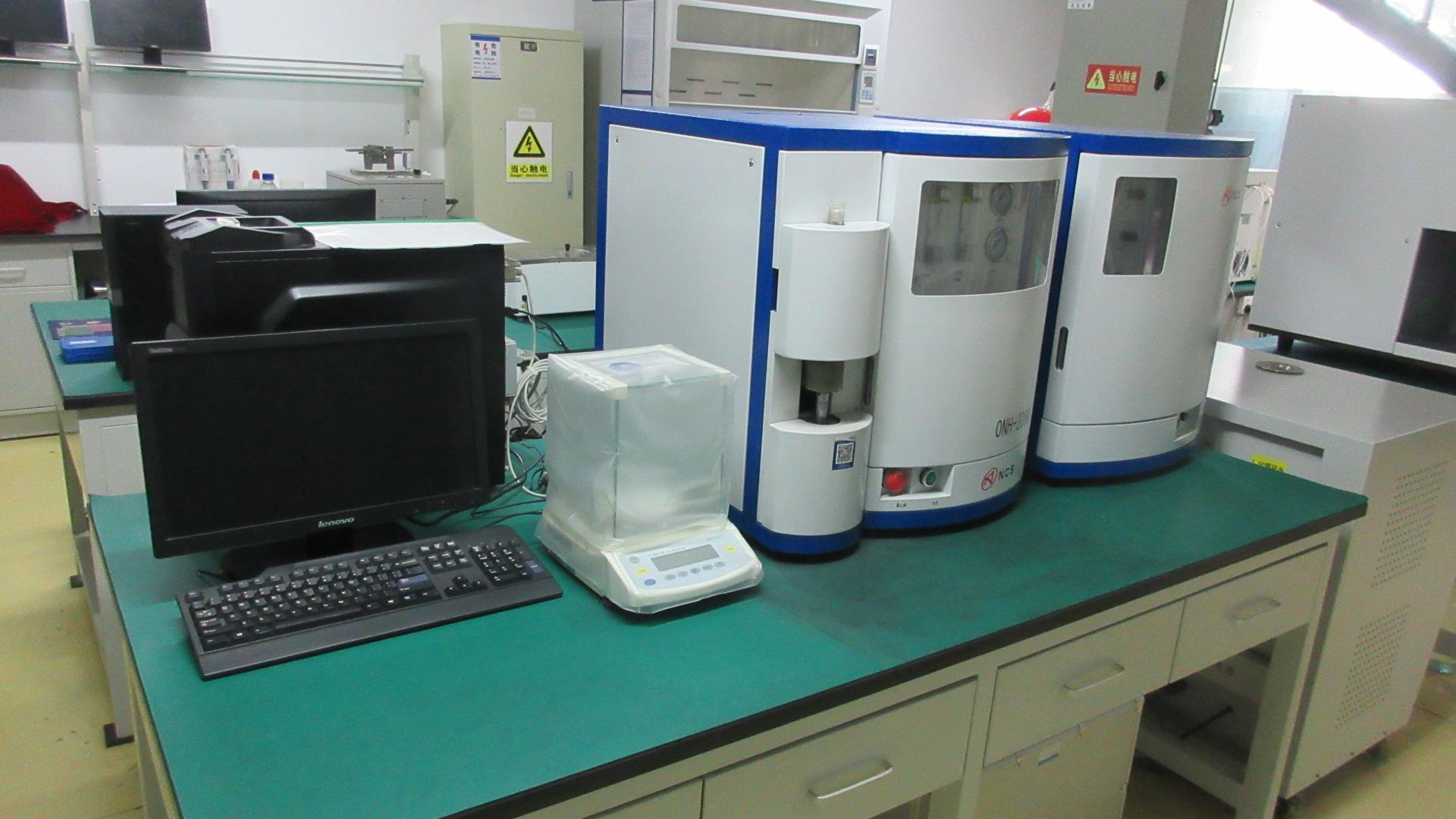
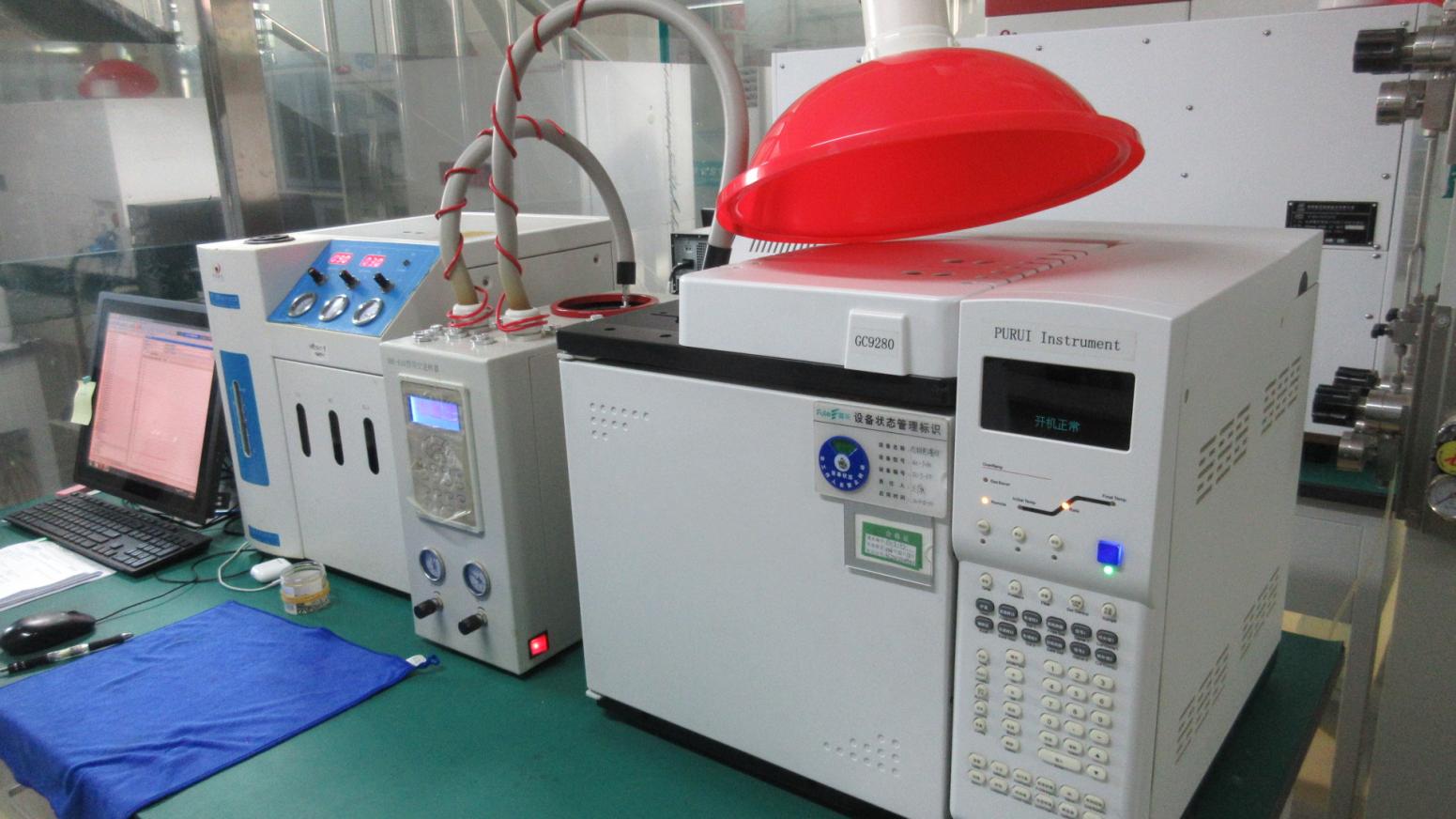
Retaining our complete core orthopedic range to support extensive reconstruction, complex long-bone fractures, and instrumentation workflows.
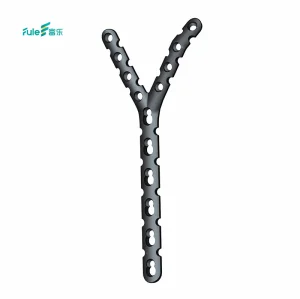
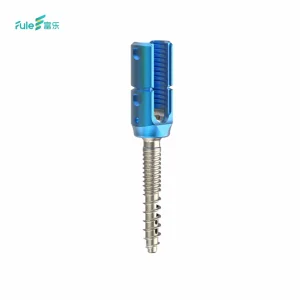
Addressing key technical, regulatory, and supply chain questions for importing surgical implants into the Kingdom of Saudi Arabia.
To import implantable medical devices into Saudi Arabia, local distributors must register the products with the Saudi Food and Drug Authority (SFDA). We support this process by providing a comprehensive technical dossier, ISO 13485 certificates, and CE certifications. Our team has extensive experience preparing the necessary documentation for the SFDA's Medical Device Marketing Authorization (MDMA) system.
We use premium medical-grade titanium alloy (Ti-6Al-4V ELI, Extra Low Interstitial) conforming to ASTM F136 specifications. This material is chosen for its high tensile strength, fatigue resistance, and excellent biocompatibility, making it ideal for permanent clinical implants.
Yes, our facility is equipped with 102 CNC and mechanical production lines, backed by an R&D department of 20 engineers. We support customized design processes, sample processing, and custom branding for hospital groups and national health distributors throughout the Middle East.
Our products are packaged in cleanroom conditions using validated, sterile double-barrier packaging, compliant with ISO 11607 standards. This ensures the integrity of the implants during international shipping to ports like Jeddah Islamic Port or King Abdulaziz Port in Dammam, keeping them sterile and ready for hospital sterilization workflows.
Get in touch with our regulatory export team today to receive a complete product catalog, pricing, sample parameters, and SFDA registration documents.
Send Inquiry Now Beren Science & Technology