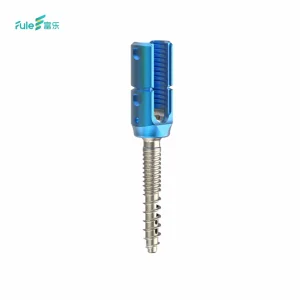
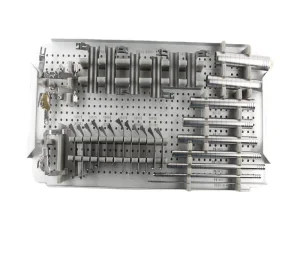
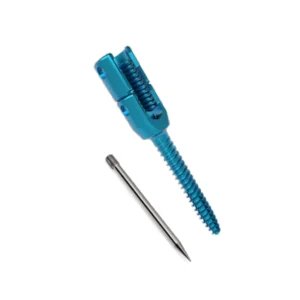
Engineered for high-stress anatomical configurations, optimized for Osaka's clinical surgical procedures and recovery pathways.
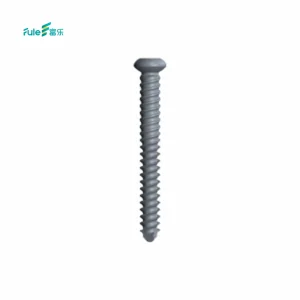
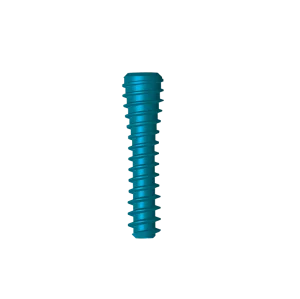
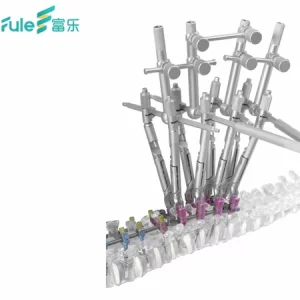
The Kansai region, anchored by Osaka, is recognized globally as a powerhouse for biomedical innovation and geriatric healthcare solutions. With Osaka Prefecture facing a rapidly aging demographic profile, local medical institutions, including Osaka University Hospital and Osaka Metropolitan University Hospital, have observed a significant rise in osteoporotic fracture incidences, specifically femoral neck fractures and distal radius fractures.
To treat these delicate fractures without extensive soft-tissue disruption, orthopedic surgeons in Osaka demand implants that support minimally invasive surgical (MIS) procedures. Cannulated screw systems have thus become the gold standard. These systems permit precise, guide-wire-directed implantation, which minimizes intraoperative risk and reduces rehabilitation times for elderly patients.
Providing the mechanical structural stability needed to promote rapid bone fusion and support early weight-bearing rehabilitation.
Manufactured from medical-grade Titanium Alloy (Ti-6Al-4V ELI) conforming to ASTM F136 standards. This alloy delivers an optimal balance of high fatigue strength, excellent corrosion resistance, and low elastic modulus to mitigate stress shielding.
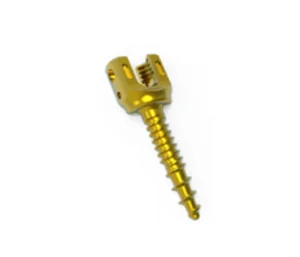
Featuring self-tapping, self-drilling reverse cutting flutes. The optimized pitch-to-outer-diameter ratio ensures maximum pull-out strength, even in osteoporotic or cancellous bone structures common in elderly populations.
Ultra-smooth inner cannulation walls designed for seamless guide wire insertion. Our manufacturing tolerance guarantees concentricity, preventing surgical guide wires from jamming or deflecting during intraoperative placement.
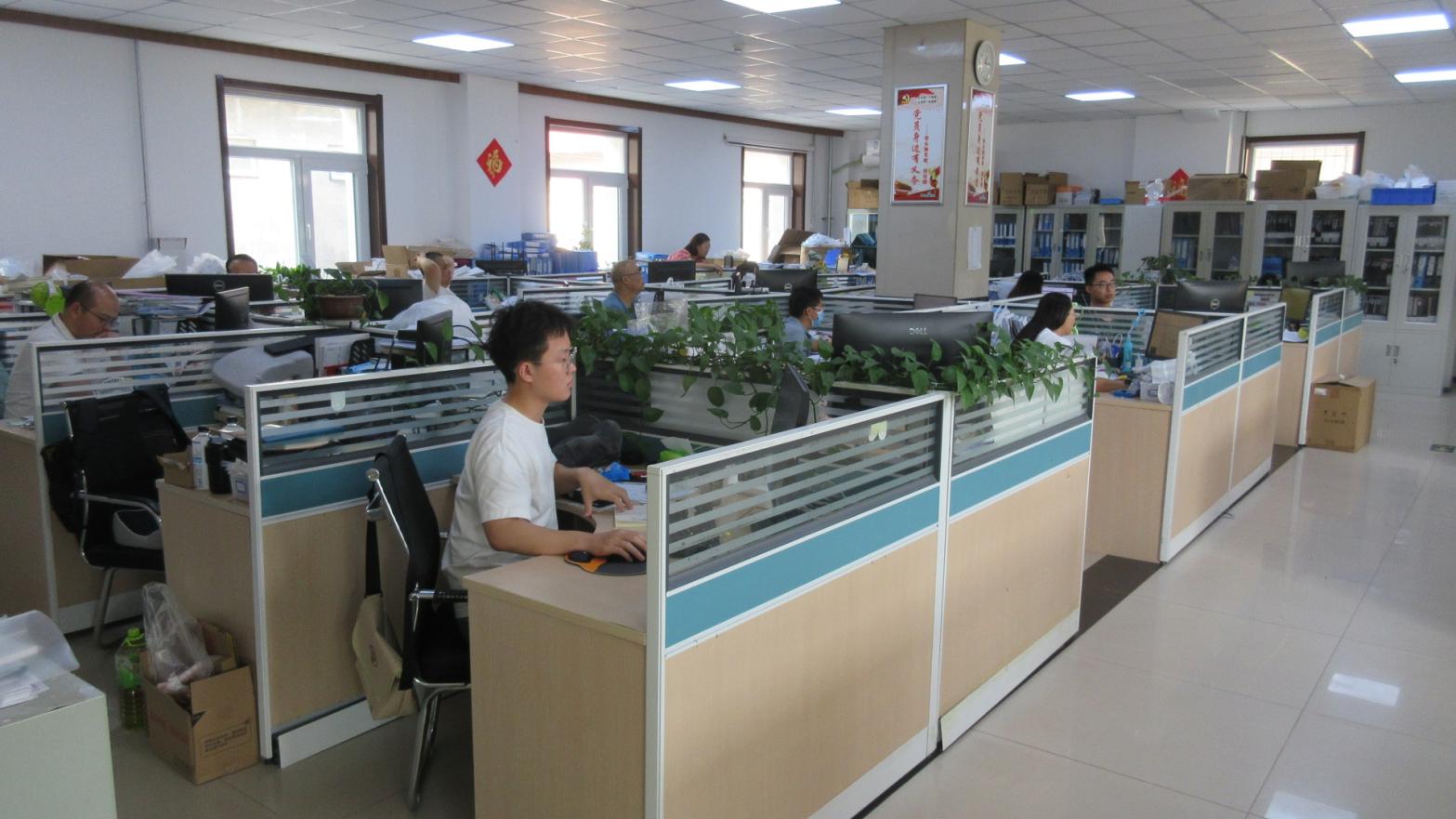
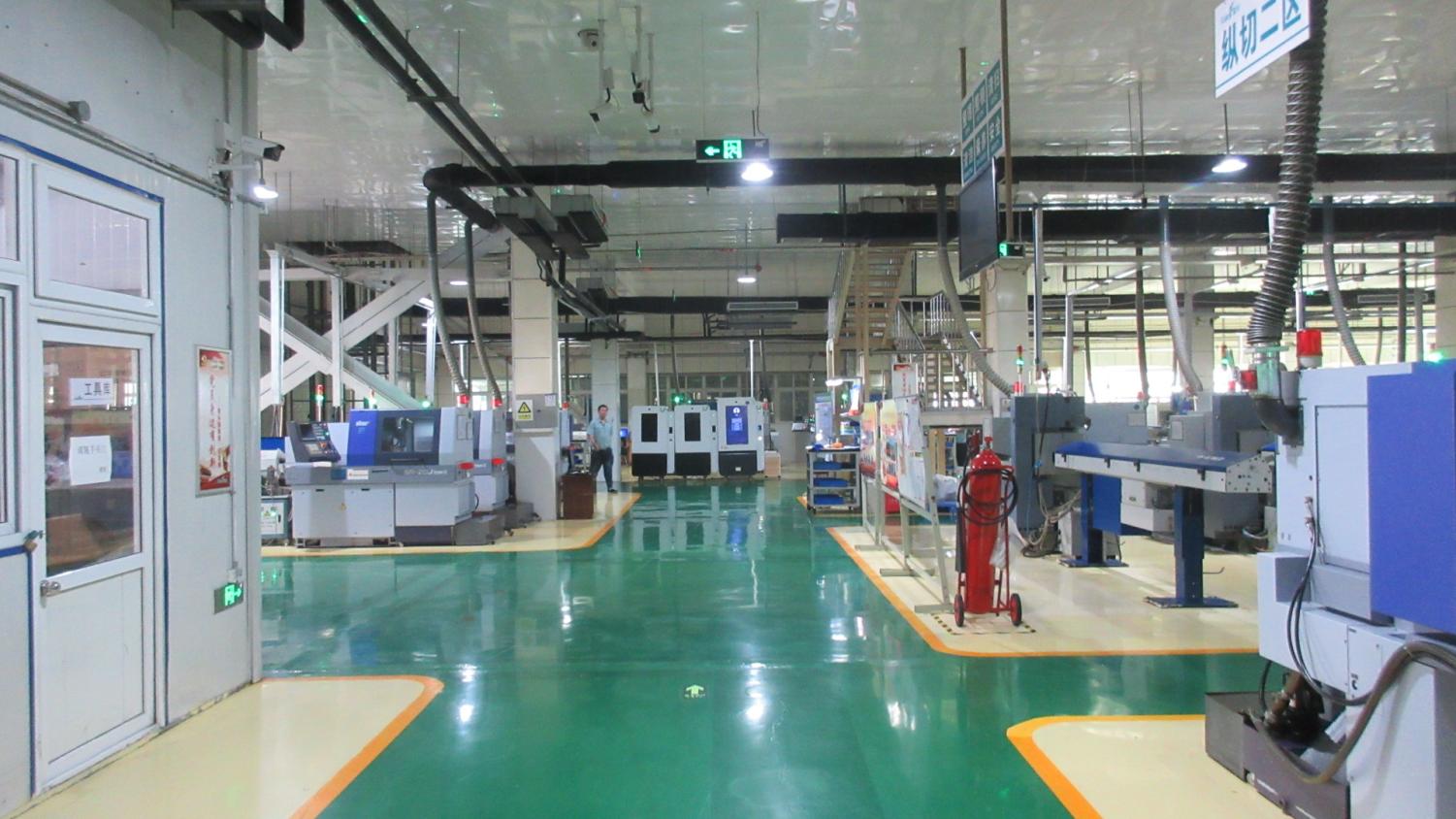
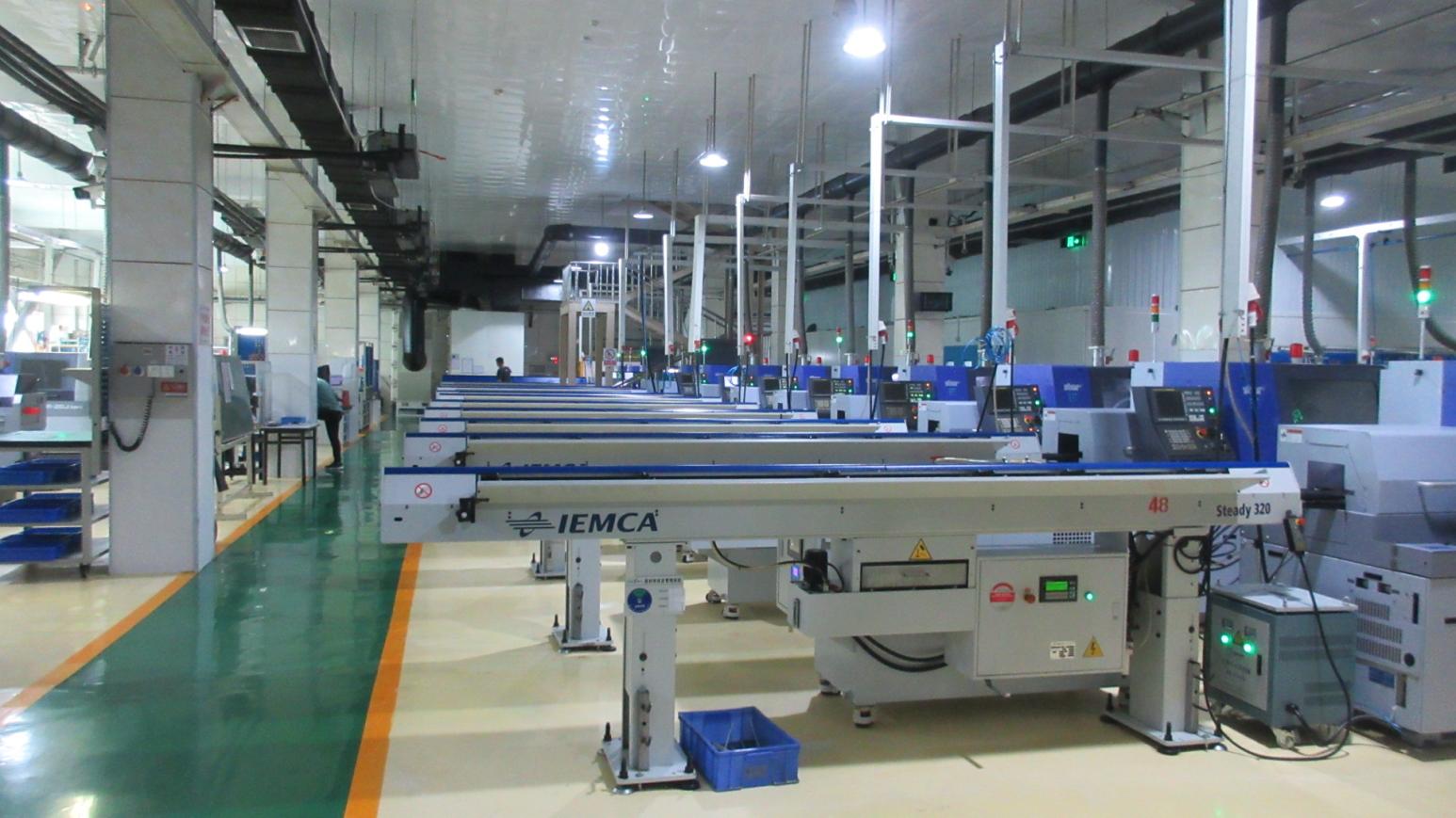
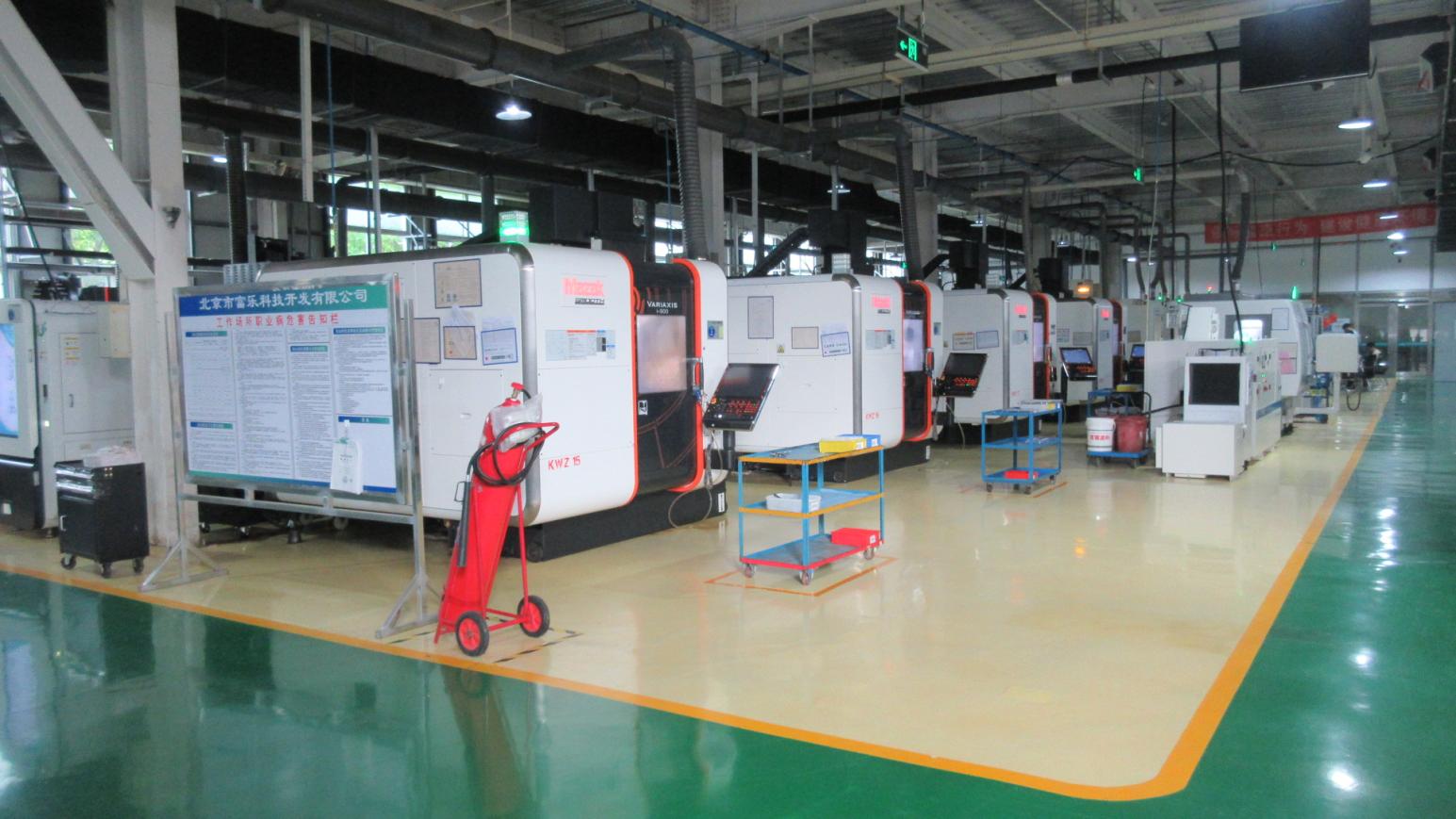
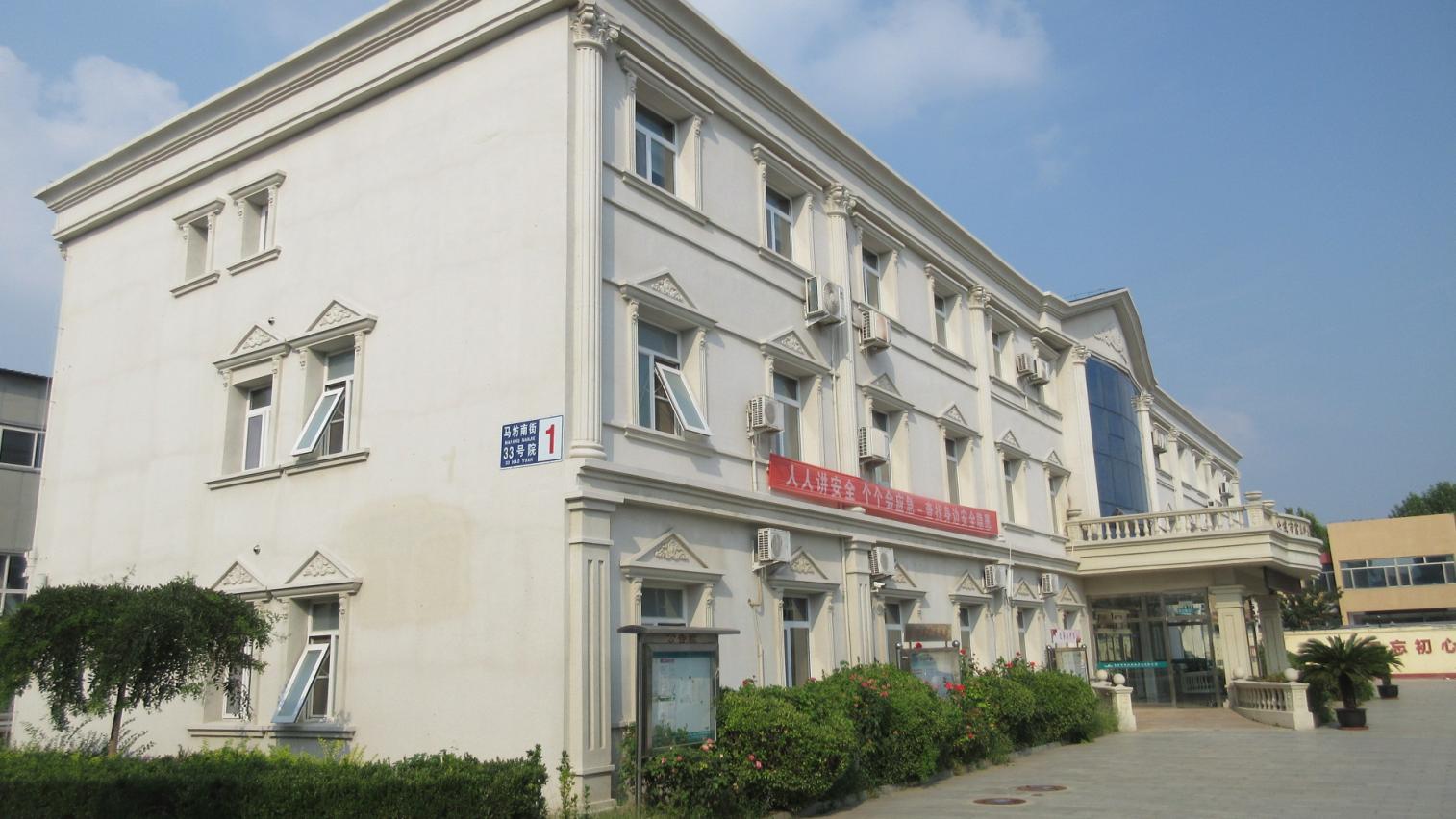
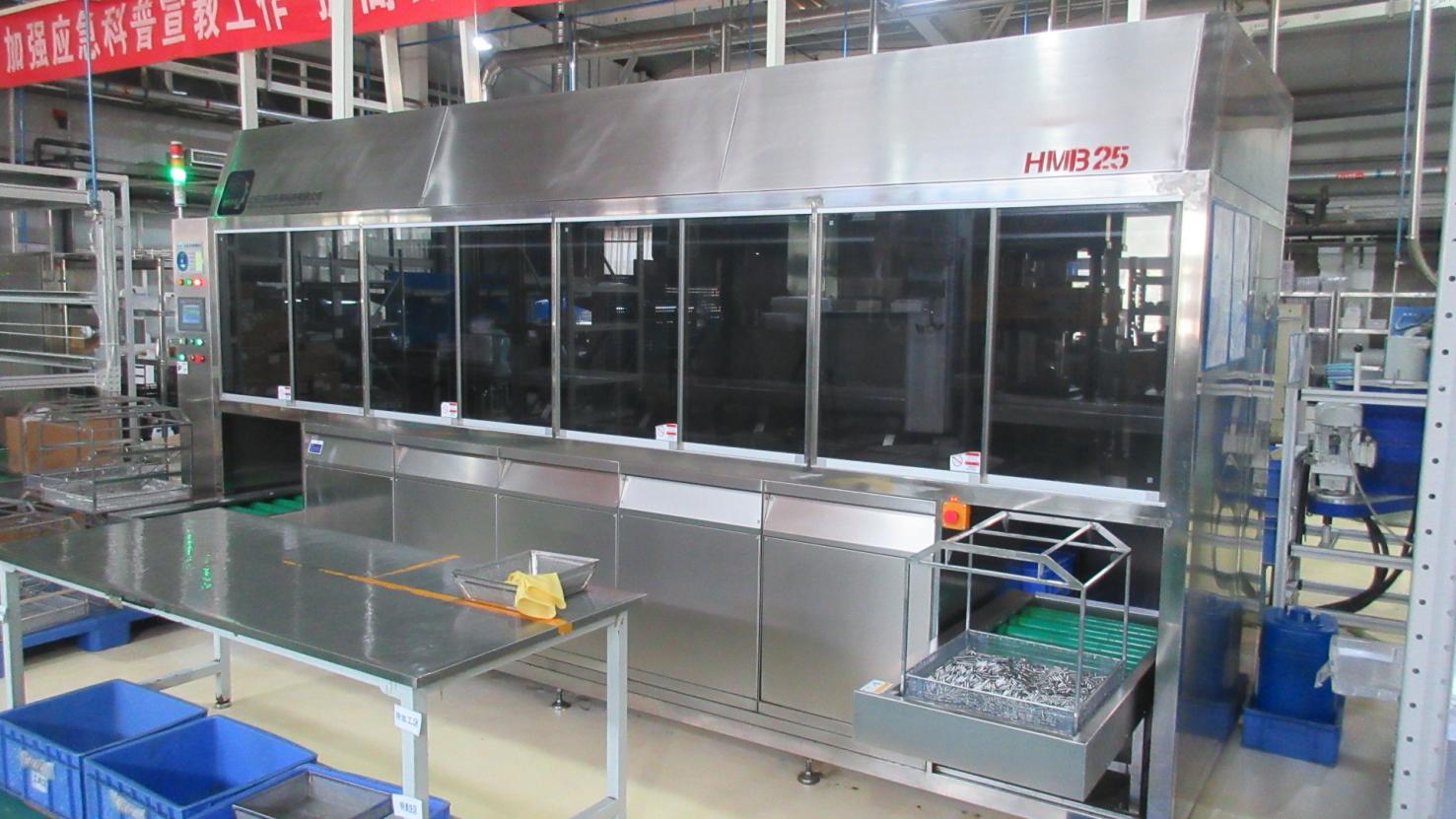
In today's volatile global logistics landscape, procurement directors at medical institutions and wholesale distributors in Kansai require both absolute reliability and cost efficiency. Our state-of-the-art manufacturing facility in Beijing has specialized in orthopedic implants and instruments since 1996.
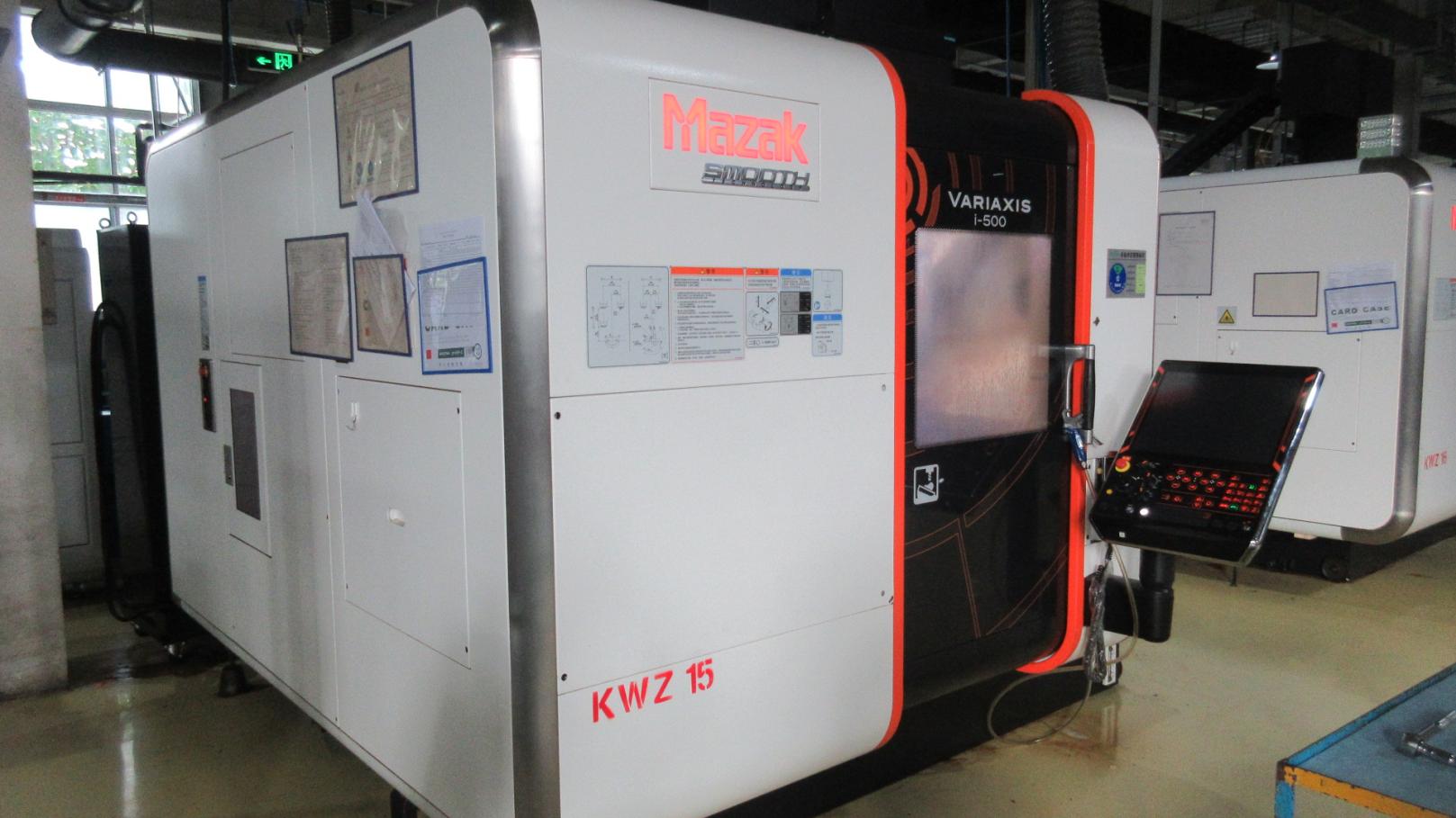
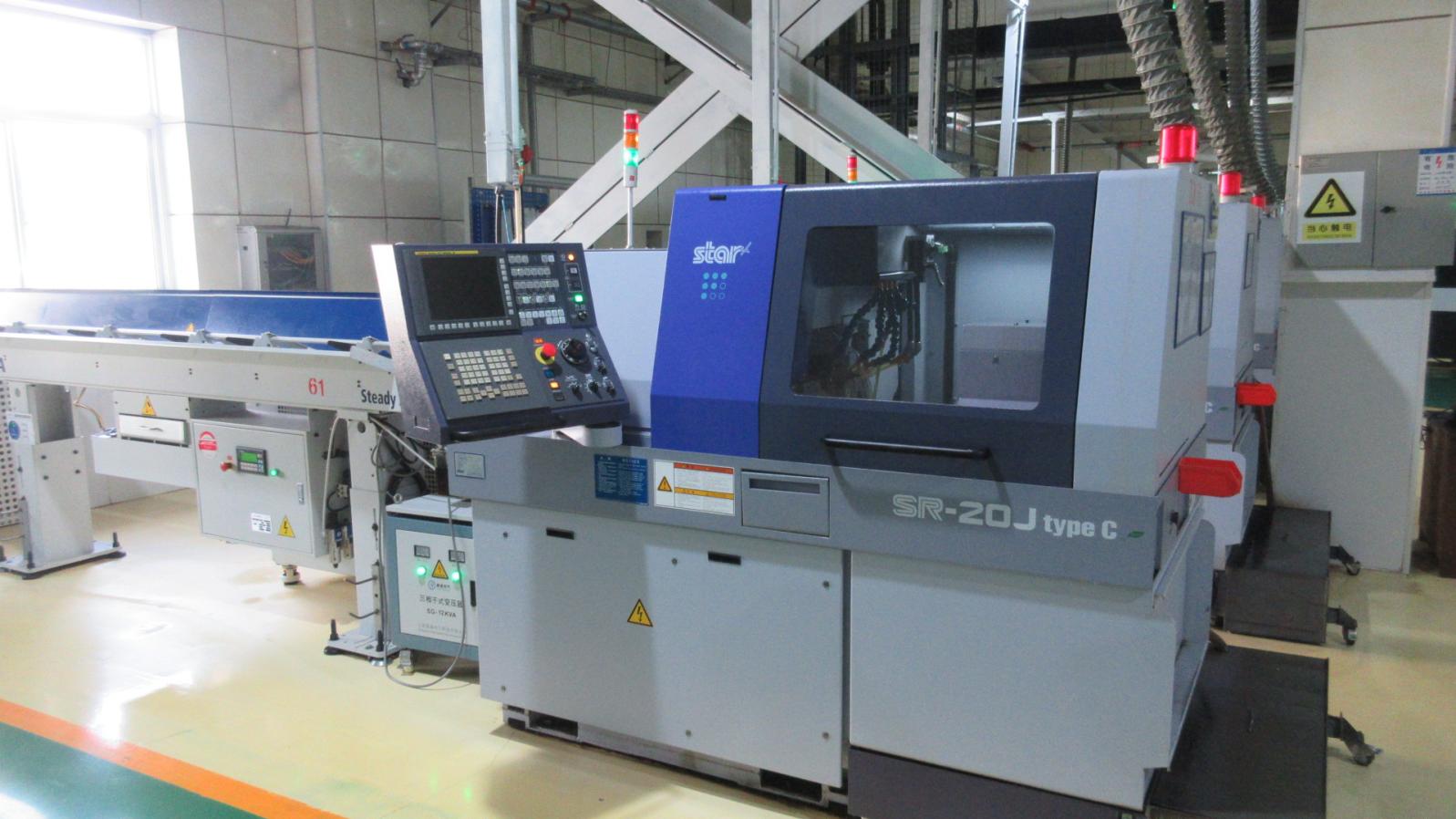
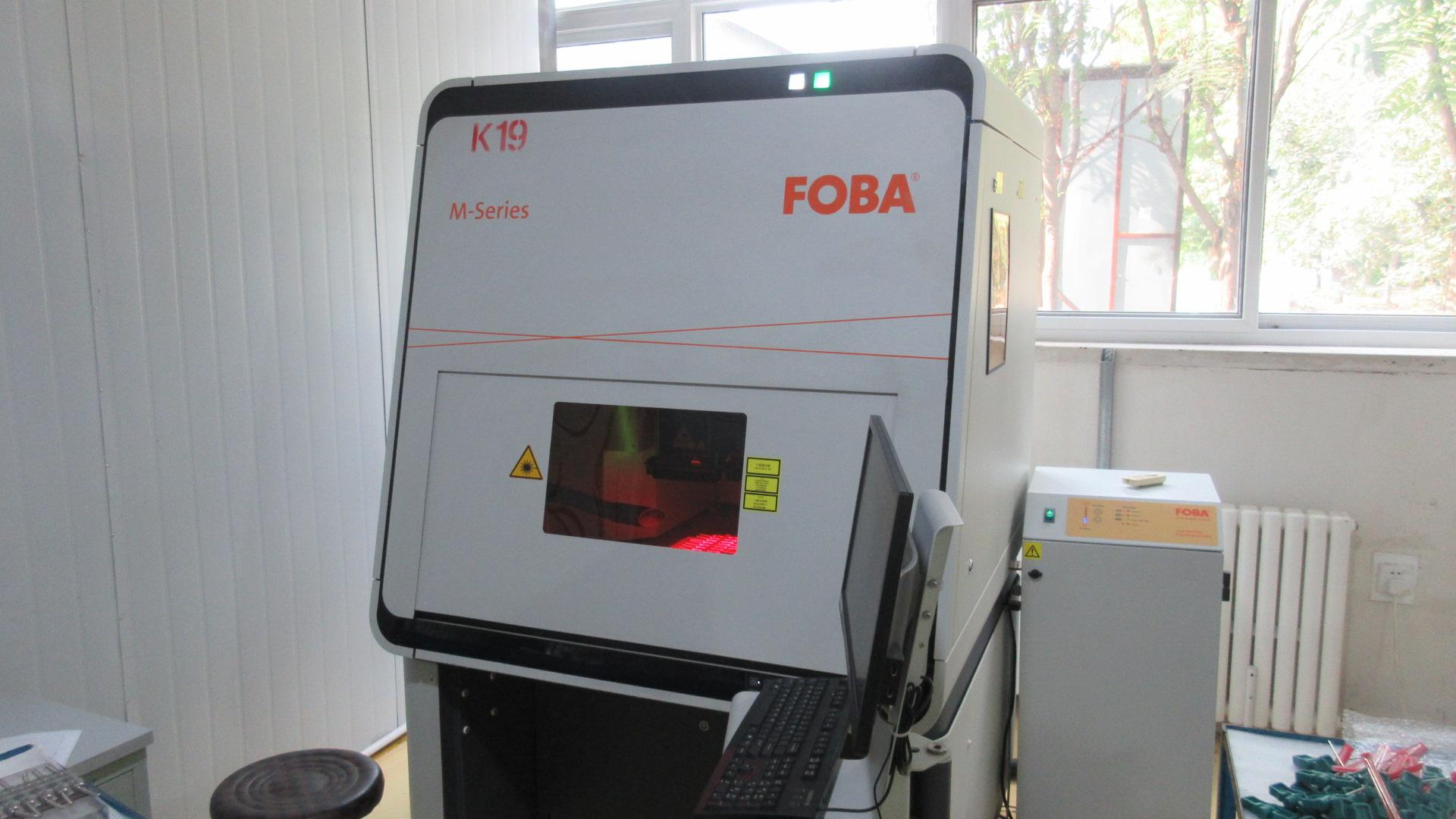
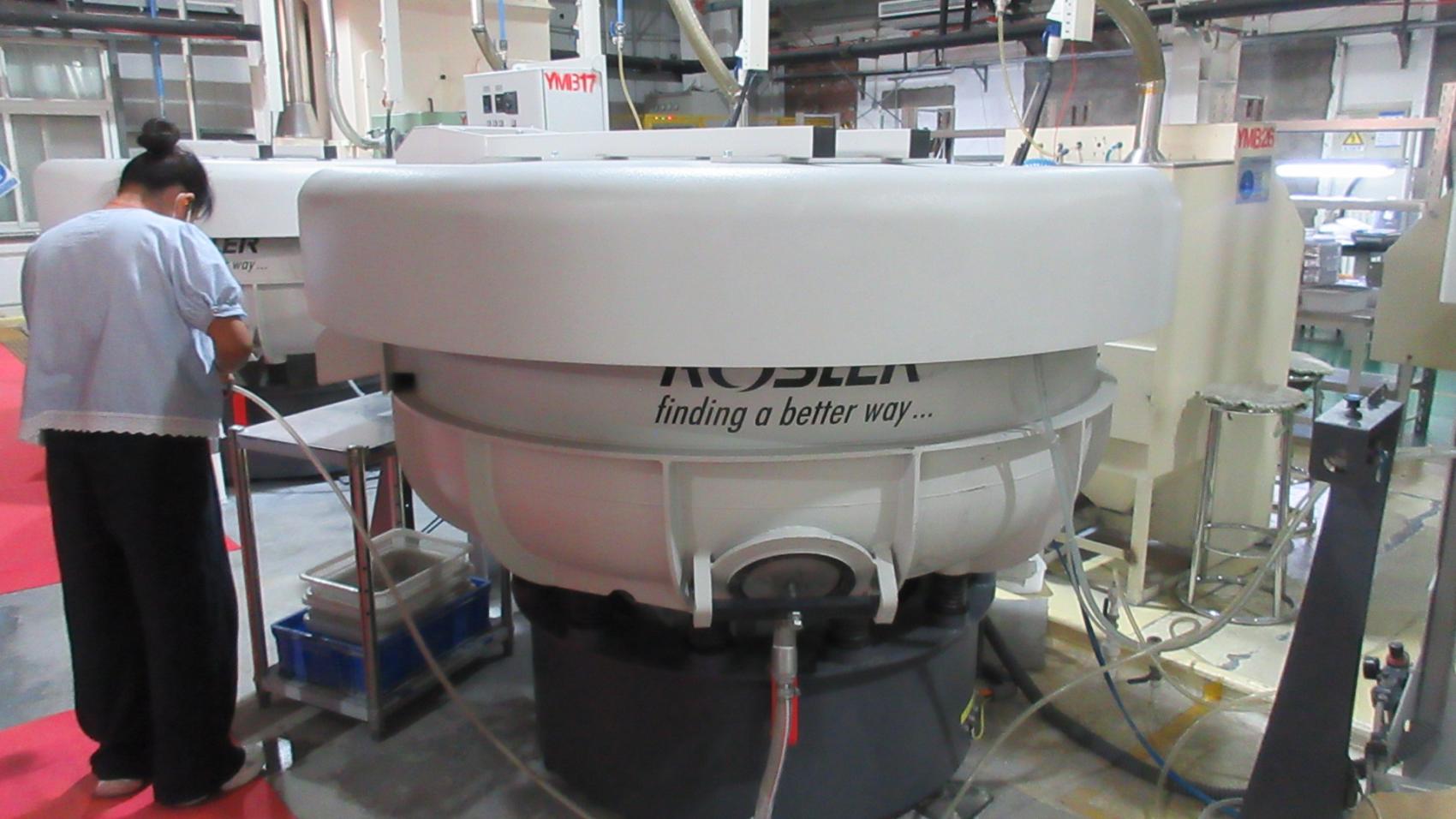
By integrating 102 advanced German and Swiss CNC precision machines, we sustain a monthly production volume capable of handling large-scale trauma system tenders. This ensures Japanese distributors maintain stable stock levels, protecting hospitals from unexpected supply-chain disruptions.
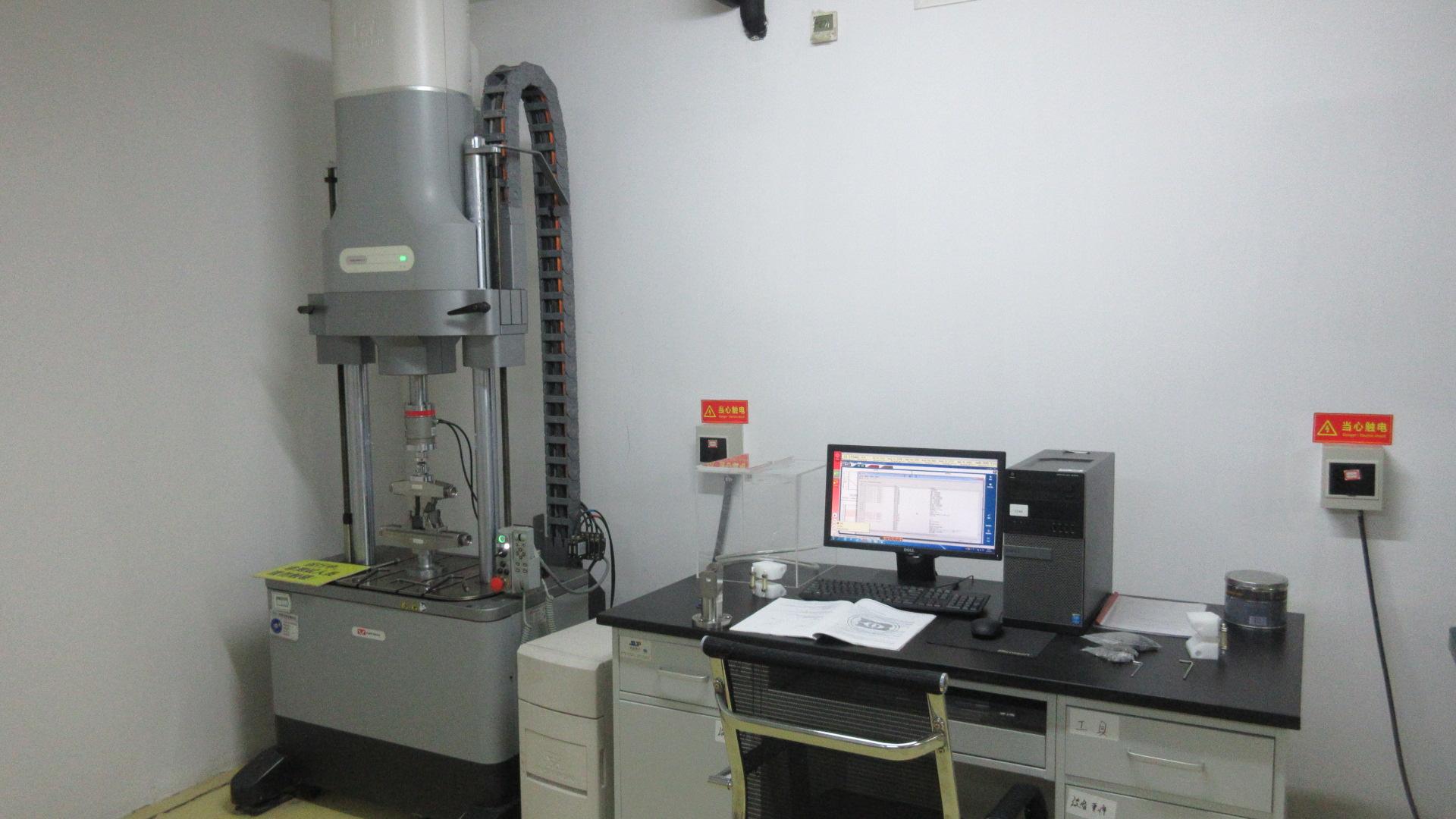
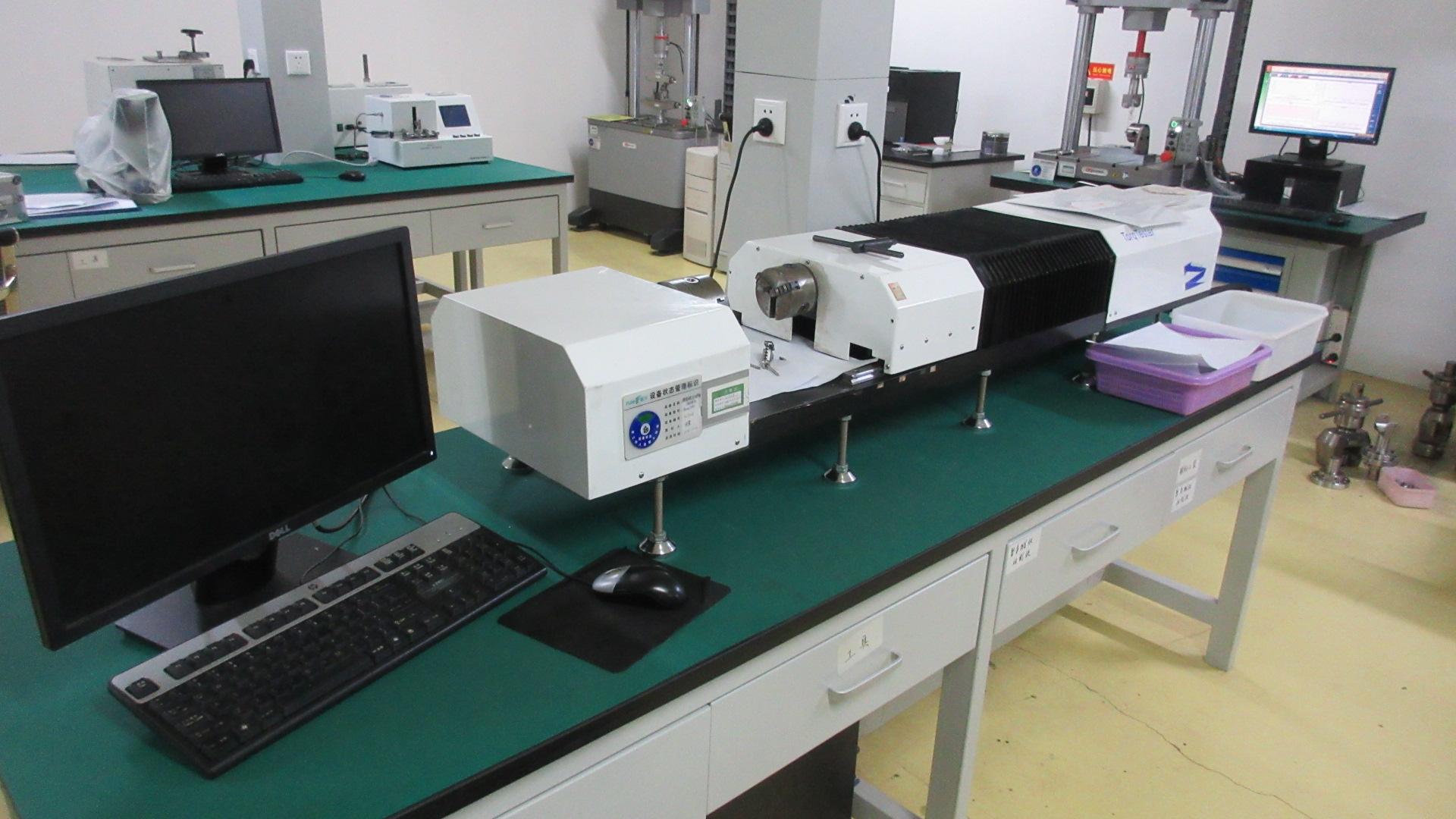
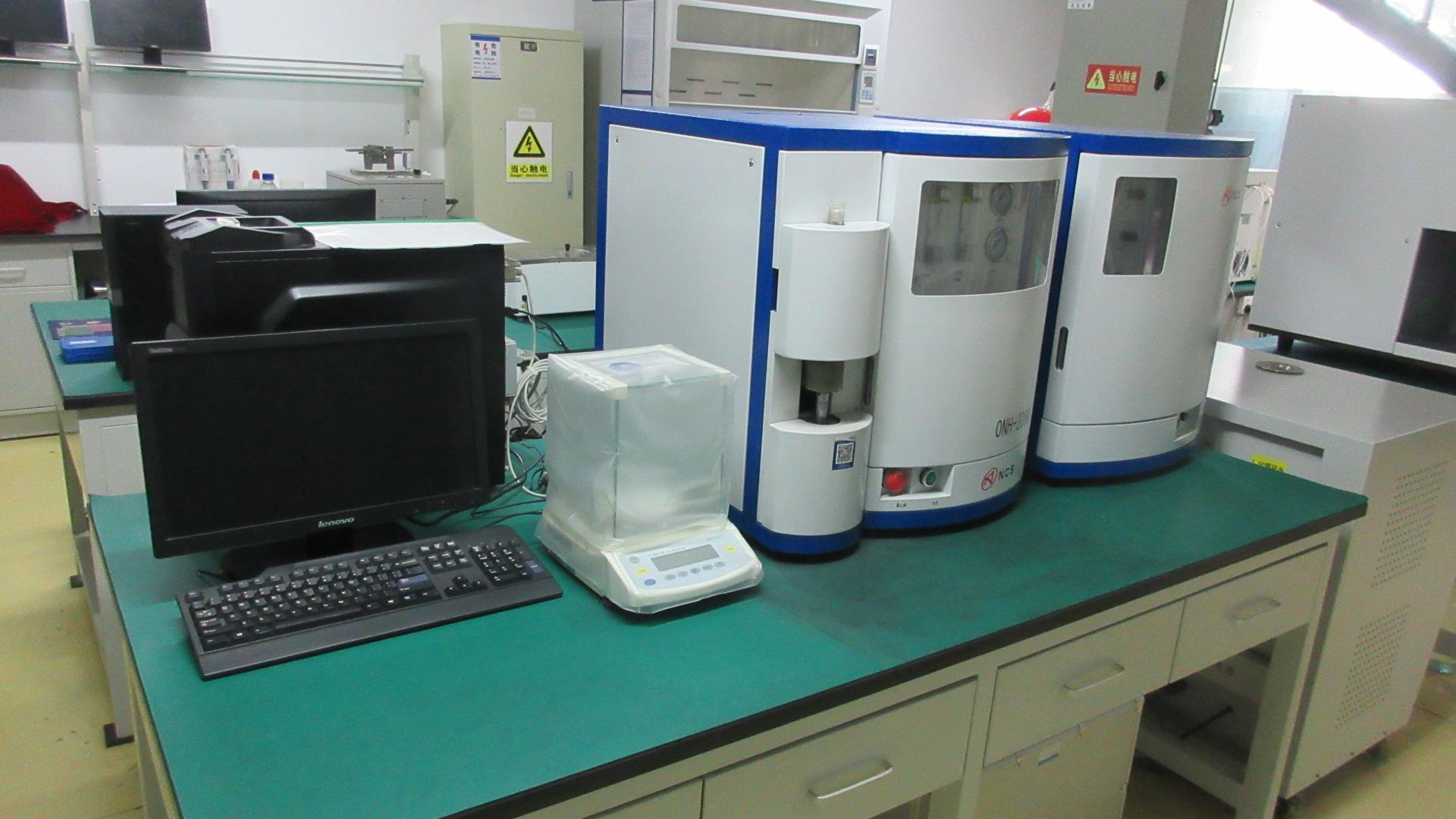
Our processing equipment achieves dimensional tolerances within ±5 micrometers, matching high Japanese medical standards and guaranteeing mechanical consistency across production lots.
Establishment Date
Production Facility Area
Annual Units Output
Exporting Experience
The next generation of cannulated screw systems aims to bridge the gap between mechanical fixation and biological osteogenesis. Our R&D team (consisting of 20 highly qualified engineers) is currently pursuing several key development pathways:
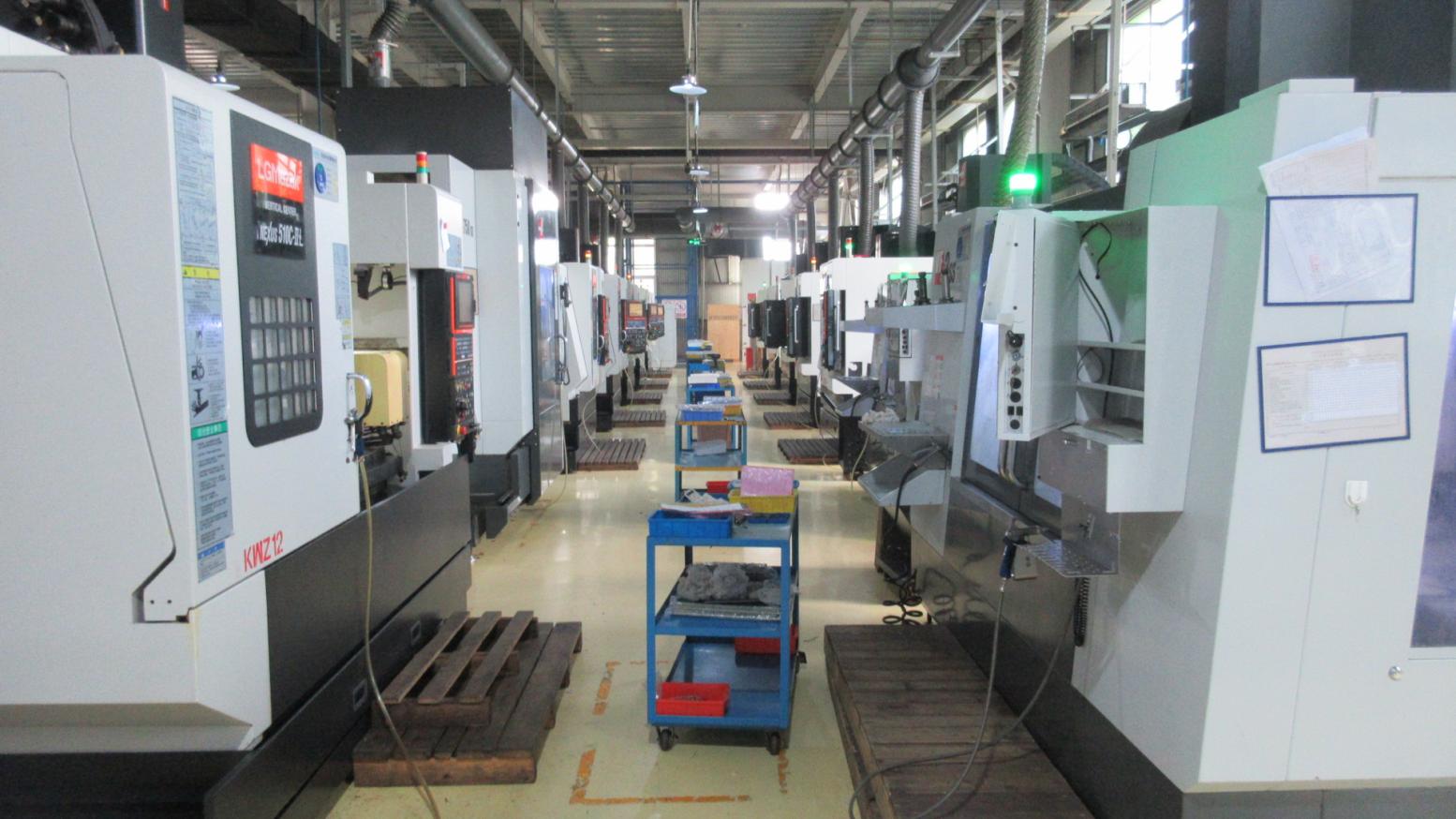
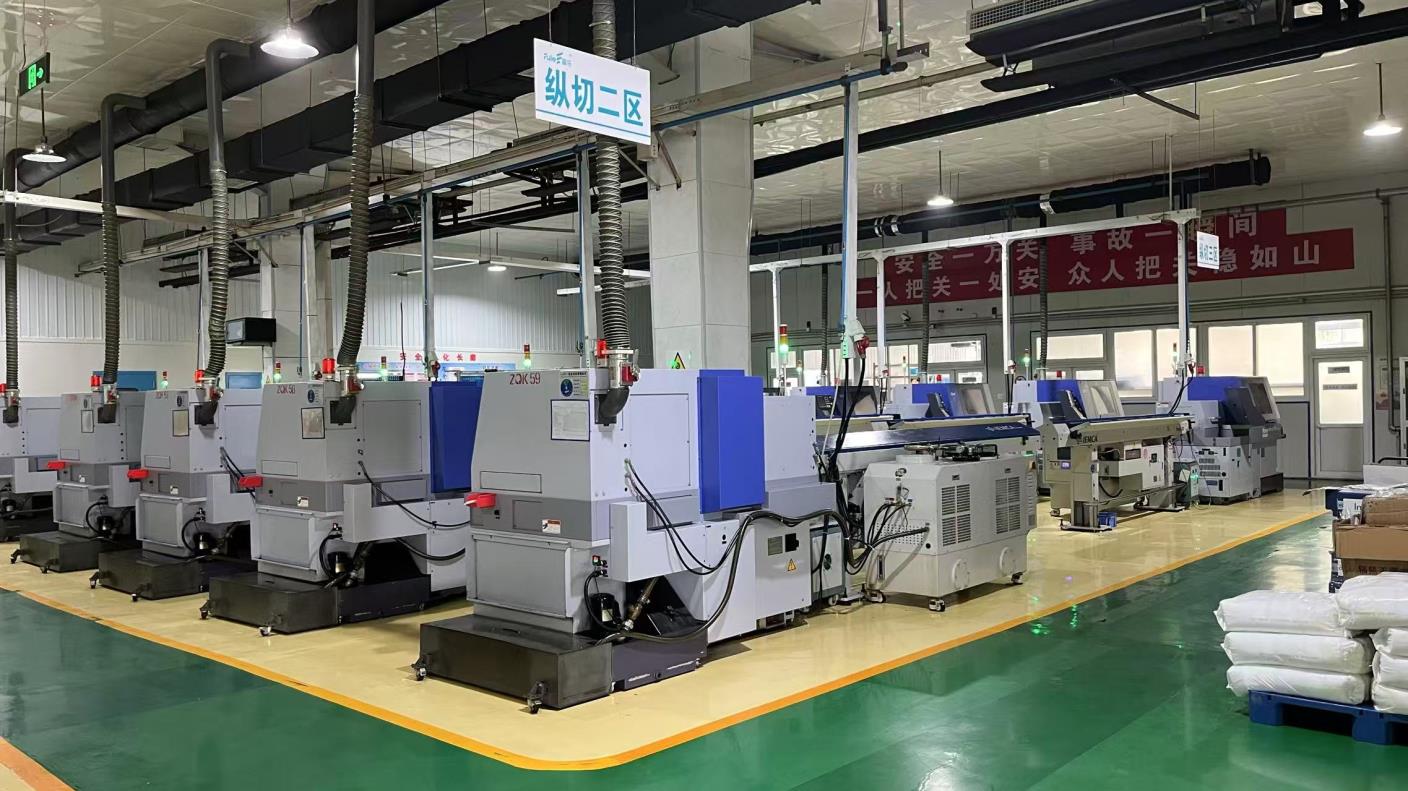
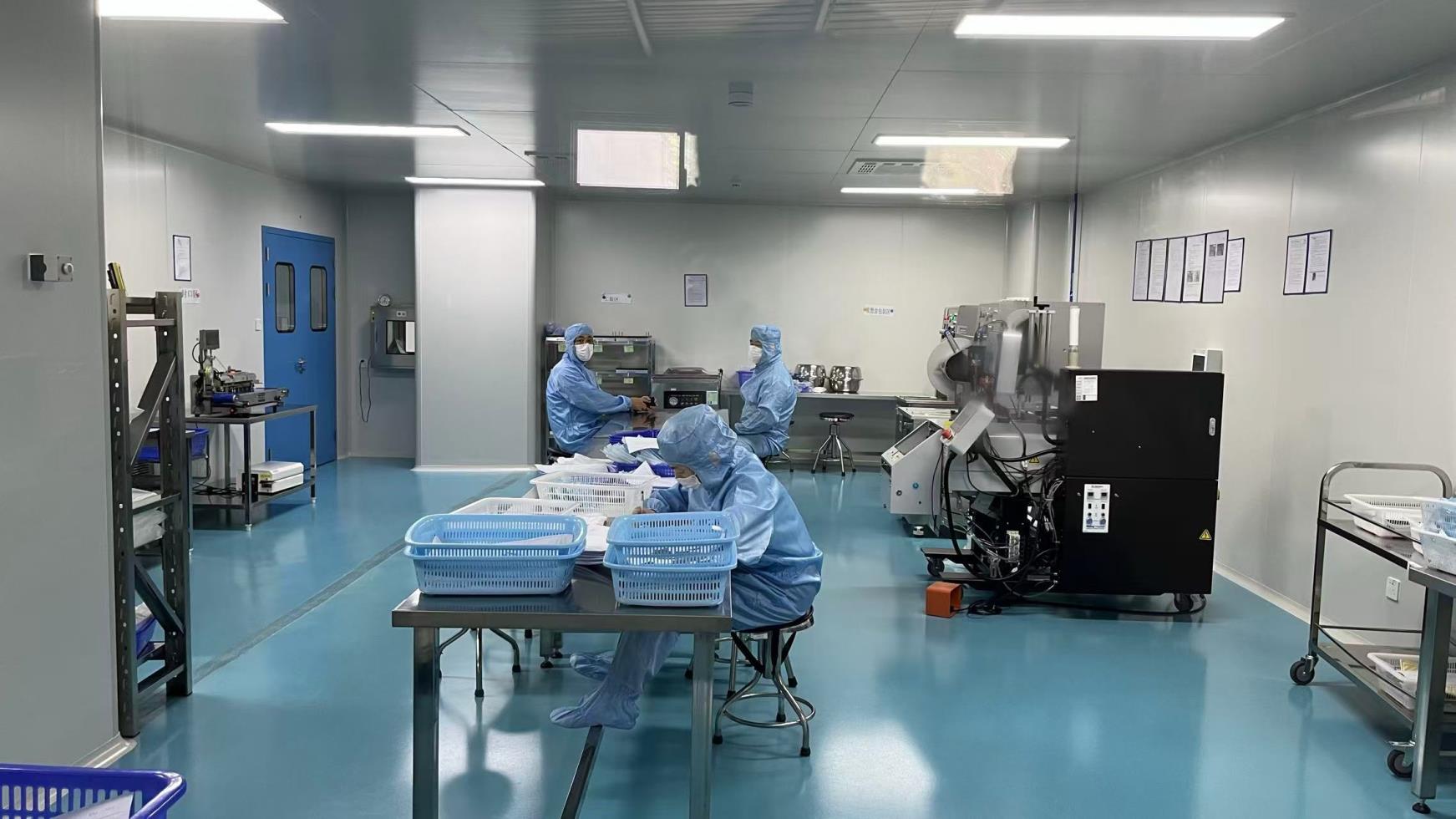
A statistical breakdown of our manufacturing framework, compliance parameters, and exporting expertise.
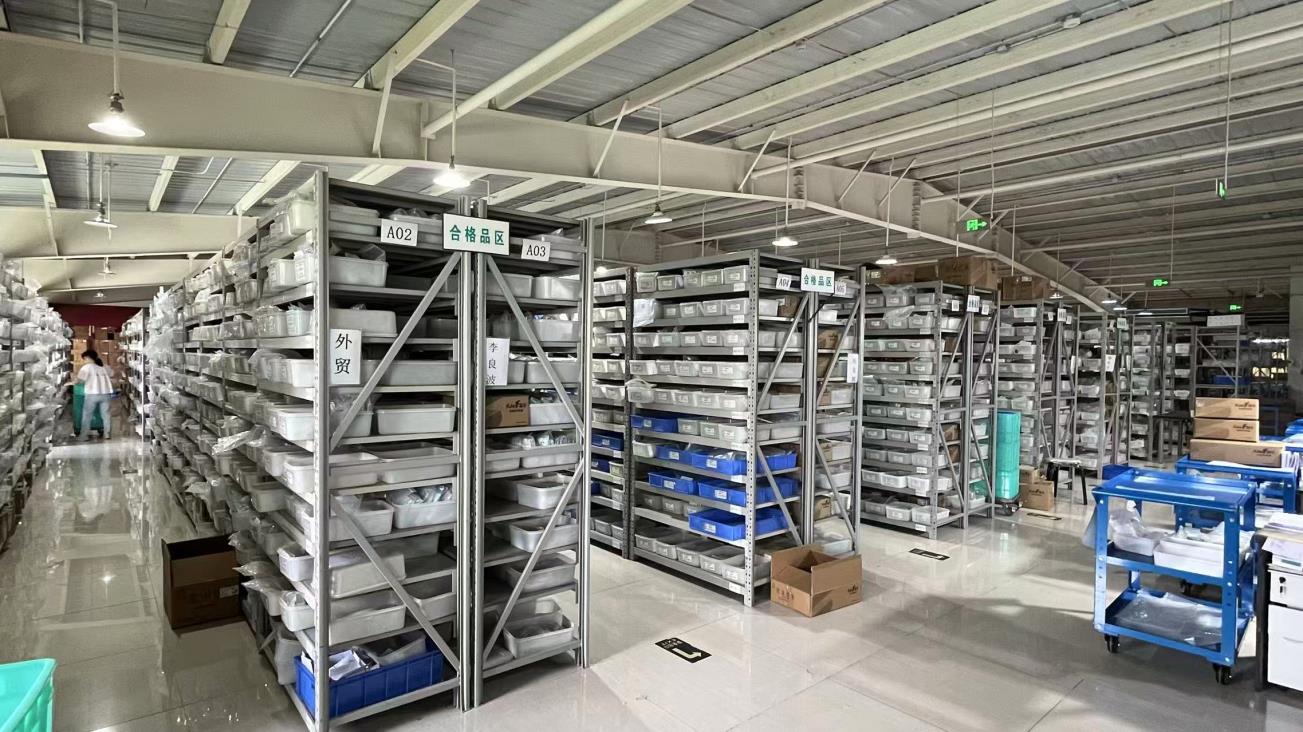
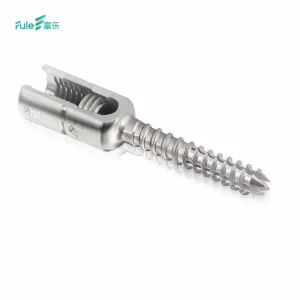
Explore our premium medical implants, spinal instrumentation systems, and specialized extraction tools.
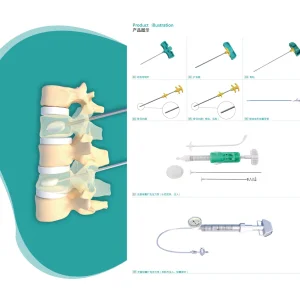
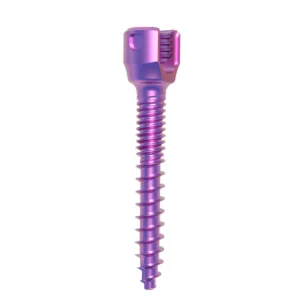
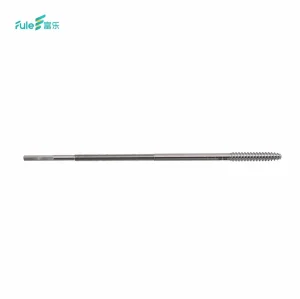
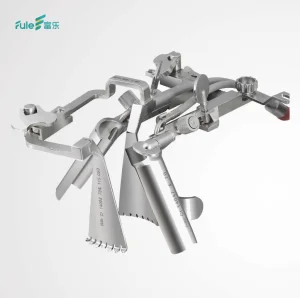
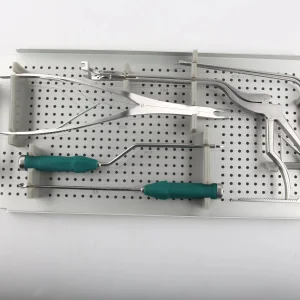
Complementary medical devices designed to round out our trauma and reconstructive portfolios.
Addressing core technical questions from orthopedic surgeons and biomedical engineers in the Osaka region.
Partner with an established manufacturer offering 30 years of medical exporting experience. Our team provides regulatory assistance, custom OEM manufacturing, and stable lead times.
Send Inquiry Now Beren Science & Technology